Intent: Demonstrate
Campus signage represents far more than directional arrows and room numbers. Effective campus signage creates first impressions that shape perceptions before visitors ever interact with faculty or staff, communicates institutional identity and values through consistent branding elements, guides students, parents, and guests through complex facilities without confusion or frustration, celebrates community achievements that reinforce school pride and traditions, and transforms functional spaces into welcoming environments that reflect your institution’s character and mission.
Yet many schools approach signage as an afterthought—adding directional markers when people get lost, mounting plaques when achievements demand recognition, or replacing outdated displays only when they become embarrassing eyesores. This reactive approach results in visual chaos where competing fonts, inconsistent colors, and mismatched materials create impressions of institutional disorganization. Meanwhile, limited physical space forces impossible decisions about whose achievements deserve acknowledgment while outdated recognition systems fail to tell the compelling stories behind names on static plaques.
This comprehensive guide explores campus signage best practices spanning strategic planning, design principles, technology integration, and implementation tactics that transform signage from functional necessity into strategic asset strengthening brand identity, improving navigation experiences, and creating dynamic recognition opportunities throughout your campus.
The most effective campus signage systems accomplish multiple objectives simultaneously: they guide people confidently through facilities while reinforcing institutional brand identity at every touchpoint, they balance timeless design principles with flexibility to accommodate evolving needs, they celebrate community achievements in ways that inspire rather than simply inform, and they leverage modern technology to maximize functionality within physical space constraints.

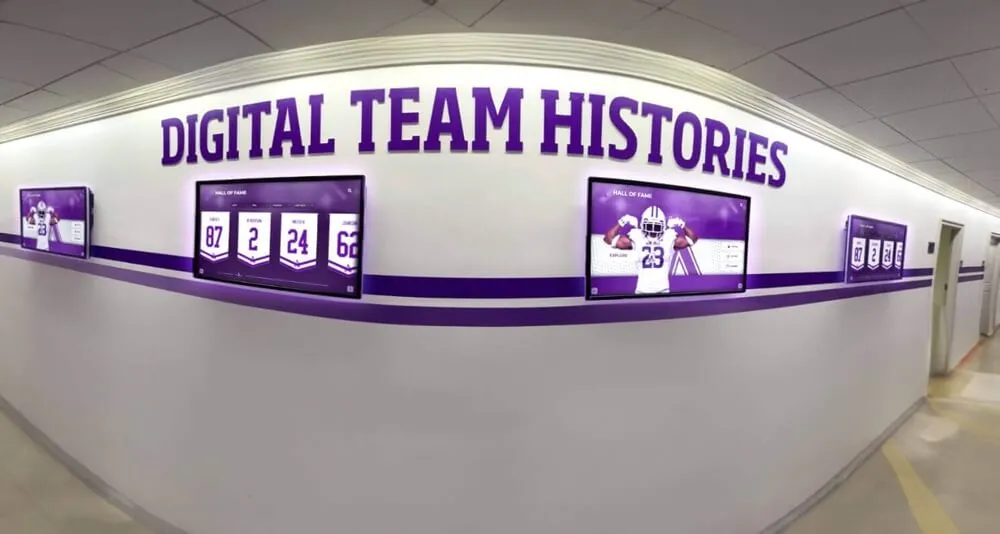
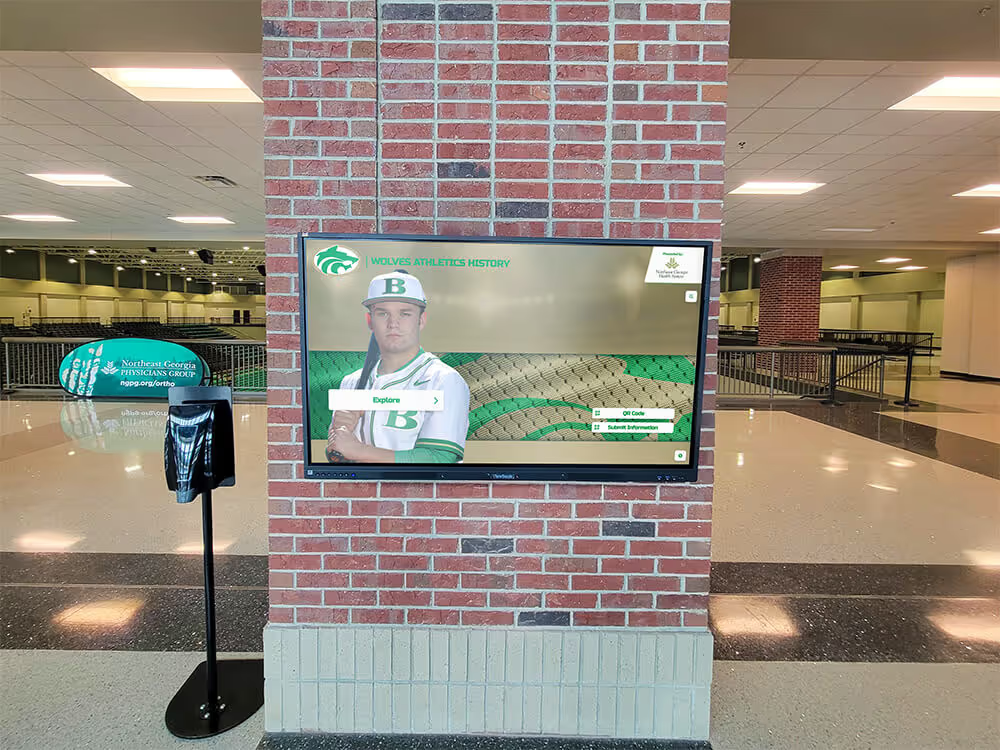
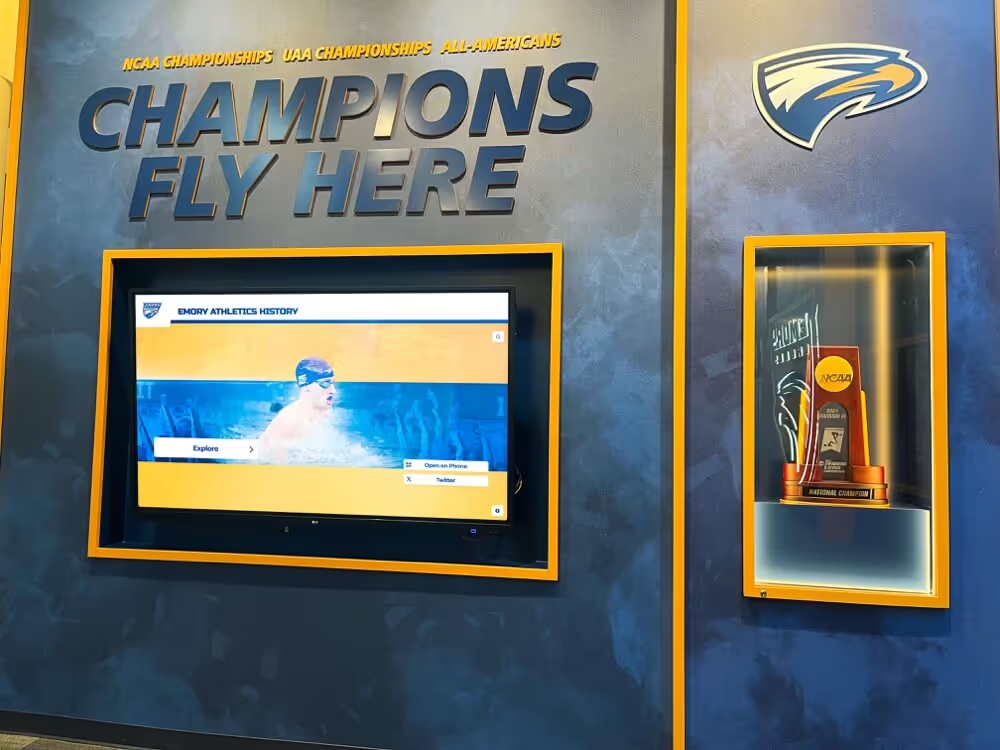
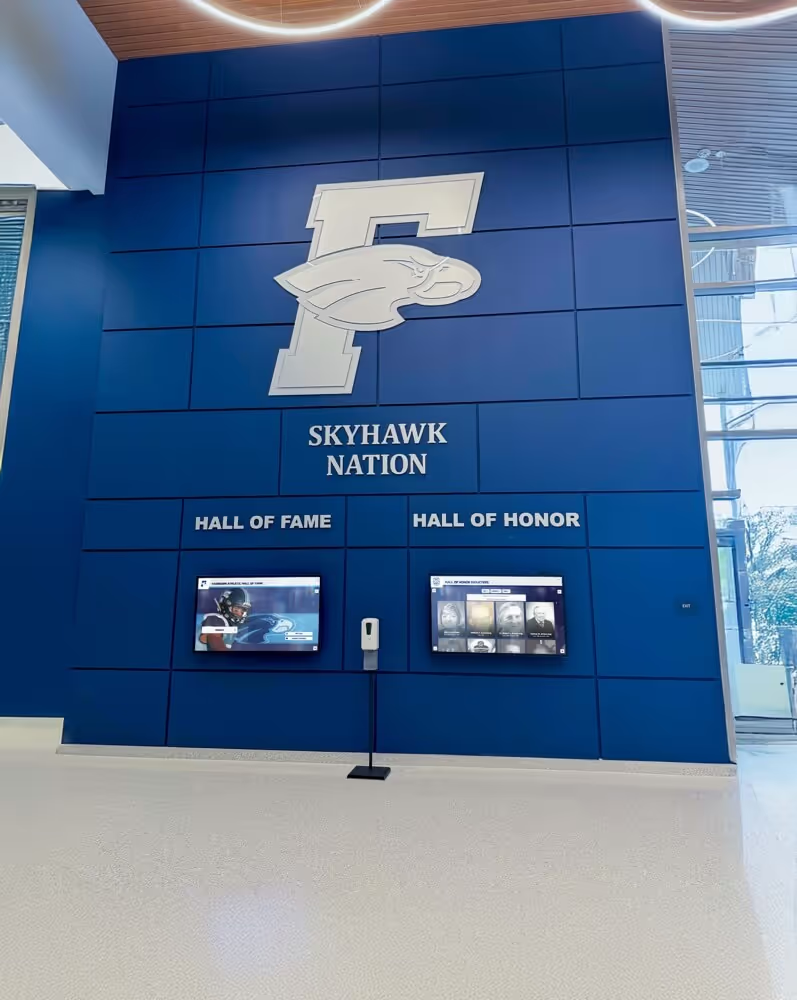
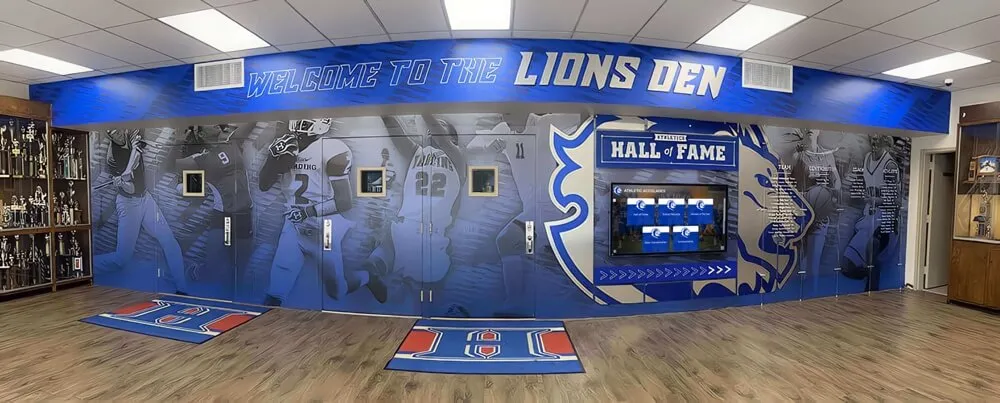
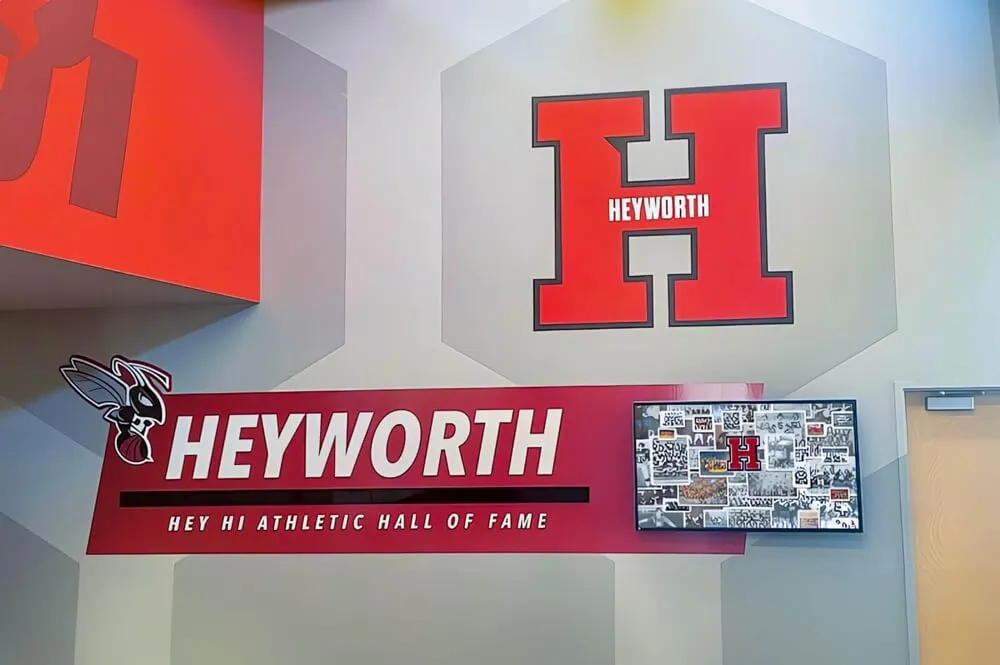
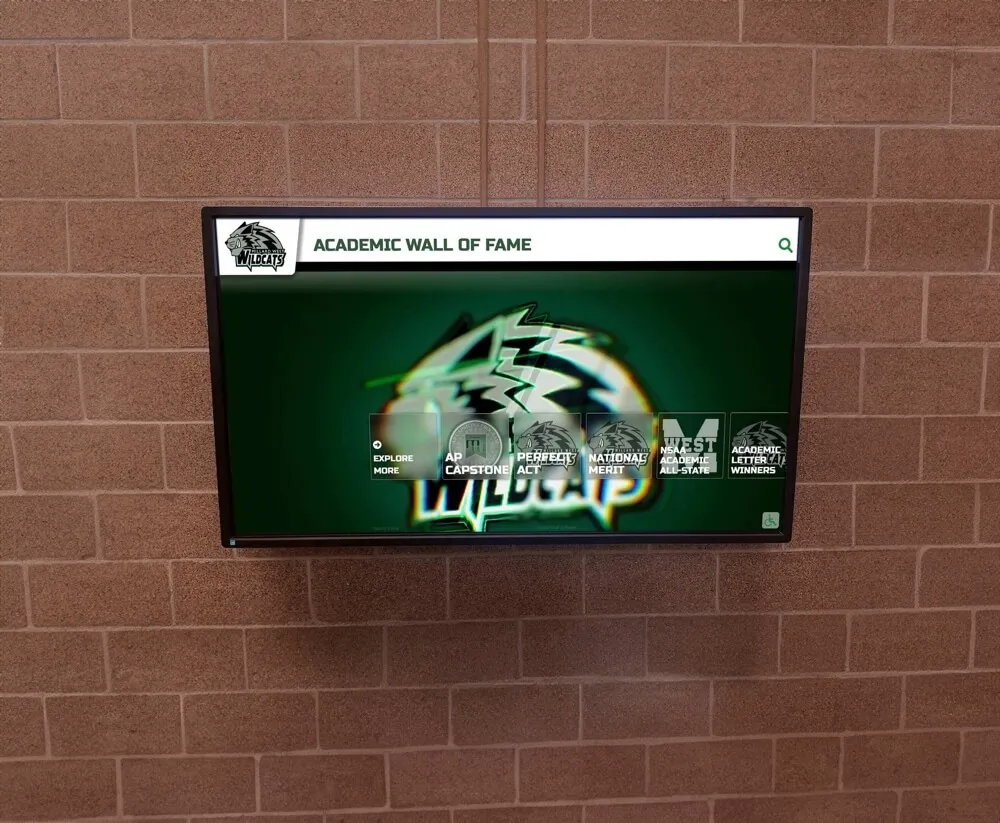
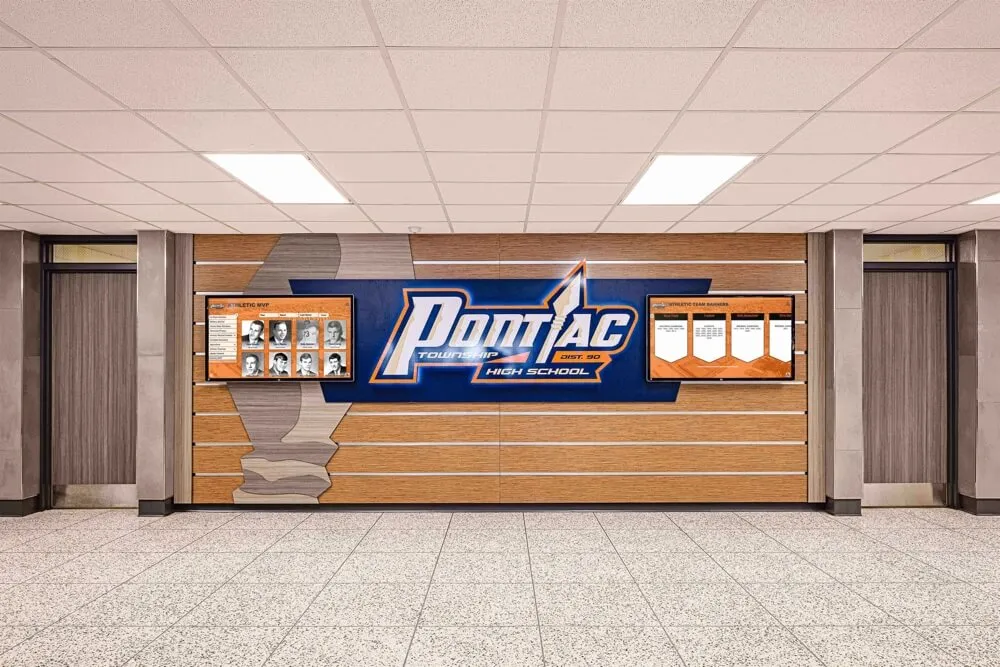
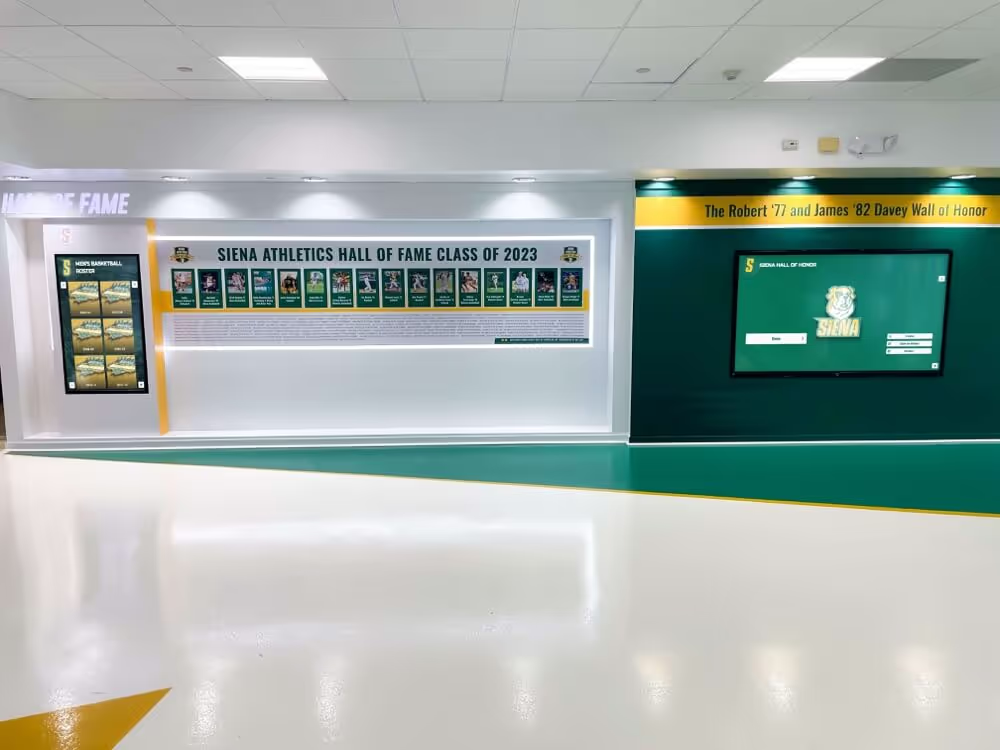
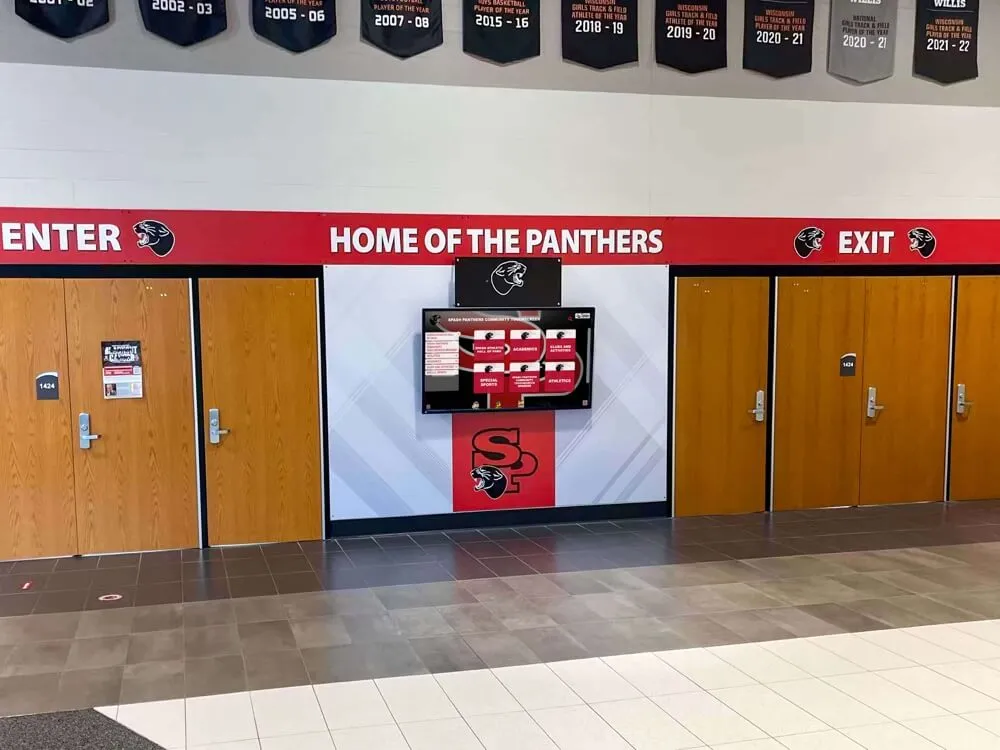
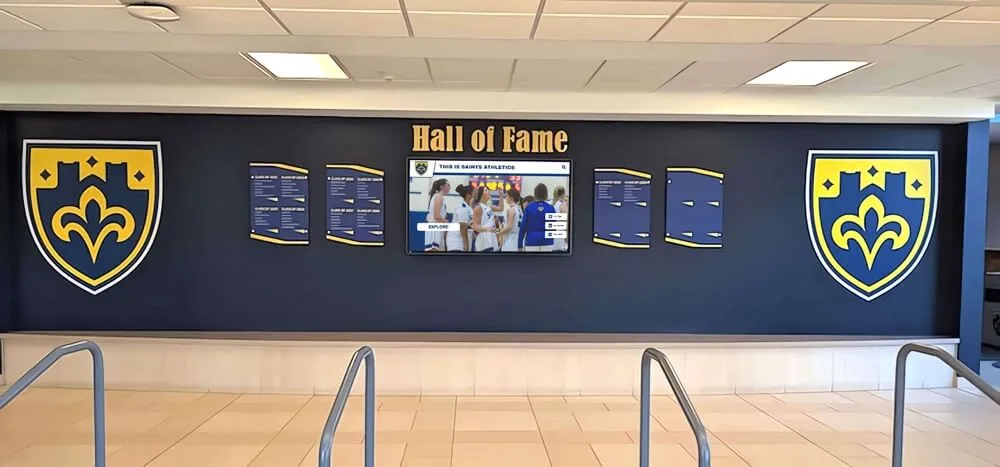
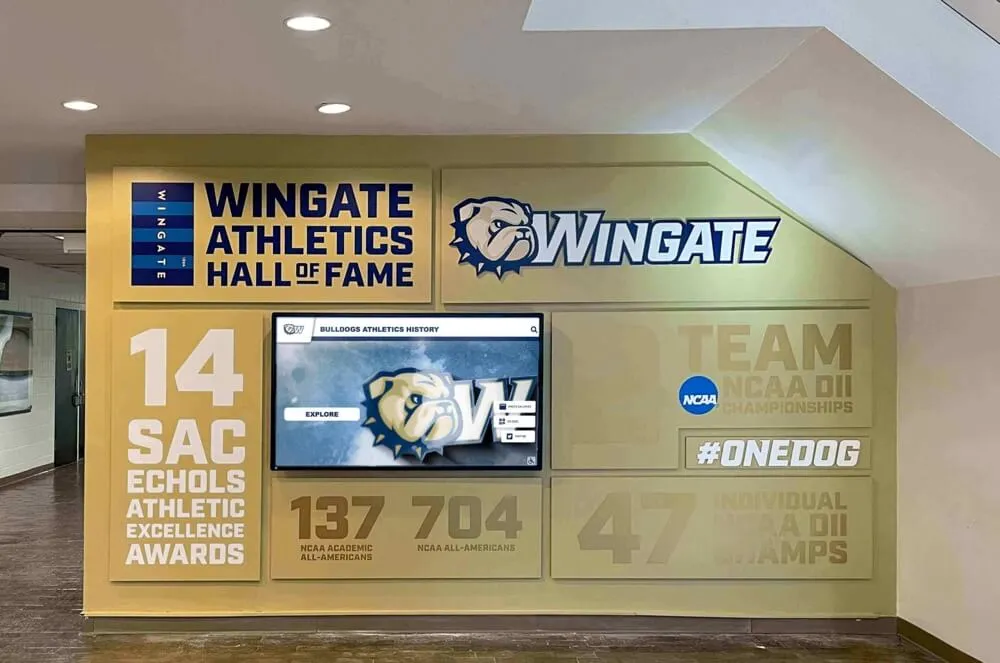
Effective campus signage integrates traditional brand elements with modern technology to create cohesive, welcoming environments
Why Campus Signage Matters More Than Most Institutions Realize
Understanding the strategic role campus signage plays in shaping experiences and perceptions helps administrators make better investment decisions and prioritize signage as essential infrastructure rather than cosmetic enhancement.
First Impressions Begin Before First Conversations
Your campus signage creates impressions the moment prospective families drive onto campus, before they ever speak with admissions staff or tour guides. These initial visual experiences shape perceptions about institutional quality, organizational competence, and whether this environment might feel welcoming and supportive.
Professional, cohesive signage systems communicate that your institution pays attention to details, maintains consistent standards, values visitor experience, invests in quality facilities and environments, and operates with organizational competence reflected in every element from main entrance monuments to classroom door markers.
Conversely, inconsistent or inadequate signage suggests the opposite—that perhaps the institution lacks attention to detail, operates reactively rather than strategically, undervalues experience design, or faces budget constraints affecting overall quality. Fair or not, visitors draw these conclusions from signage long before evaluating academic programs or meeting exceptional educators.
Navigation Impacts Every Campus Experience
Getting lost frustrates people. Struggling to find the main office, gymnasium, or admissions area creates stress that colors entire campus visits. This navigation anxiety particularly affects first-time visitors during high-stakes moments like prospective student tours, new family orientation events, athletic recruiting visits, or donor cultivation meetings.
Effective wayfinding signage eliminates this friction by providing clear information at decision points where people need guidance, using intuitive symbols and language accessible to diverse audiences, maintaining consistent visual systems people can learn and follow, anticipating questions before they arise and proactively answering them, and building confidence that people can navigate independently without constant assistance.
When navigation feels effortless, visitors focus attention on substantive interactions—conversations with teachers, observations of student engagement, or assessments of facility quality—rather than wasting mental energy on wayfinding confusion.
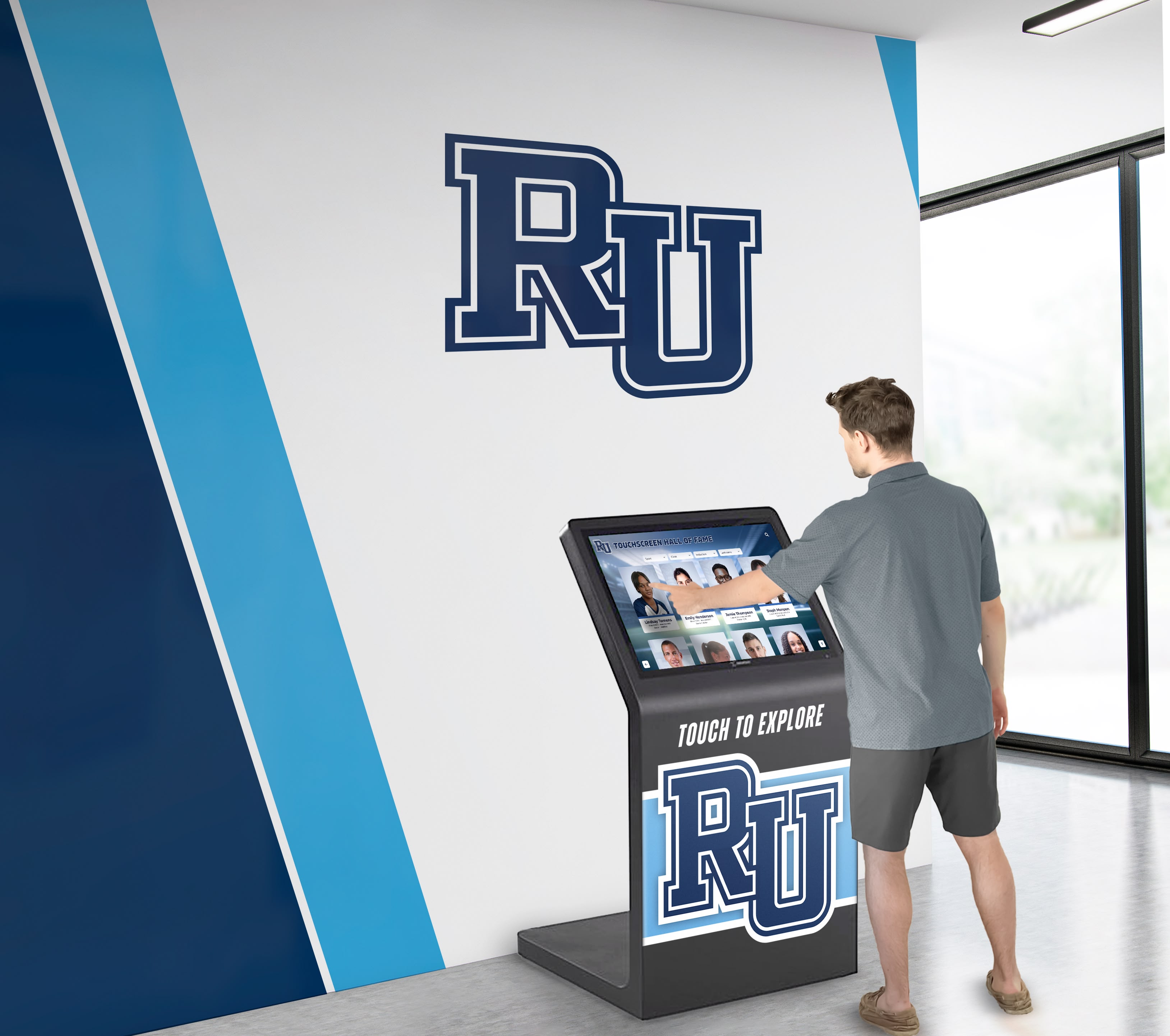
Modern interactive wayfinding solutions help visitors navigate campuses independently while accessing additional information
Brand Consistency Strengthens Institutional Identity
Every visual element on your campus—from entrance monuments to hallway directional signs to recognition displays—either reinforces or dilutes institutional brand identity. Cohesive signage systems strengthen brand recognition and recall through consistent use of institutional colors across all signage elements, application of official logos following brand guidelines, maintenance of typography standards reflecting institutional character, deployment of design styles and visual language aligned with brand positioning, and reinforcement of brand messaging and value propositions at appropriate touchpoints.
This visual consistency doesn’t require boring uniformity. Rather, it establishes frameworks within which creative expression happens while maintaining recognizable institutional identity. Students, families, and community members develop stronger connections to institutions with clear, consistent visual identities reflected throughout campus environments.
Recognition Signage Builds Culture and Community
Campus signage that celebrates achievements—academic honors, athletic accomplishments, distinguished alumni, generous donors, or exceptional service—plays vital roles in shaping institutional culture. Recognition displays communicate what the institution values, inspire current students by showcasing what’s possible, connect alumni to ongoing school traditions and stories, acknowledge contributions that make programs and opportunities possible, and create pride in being part of communities with rich achievement histories.
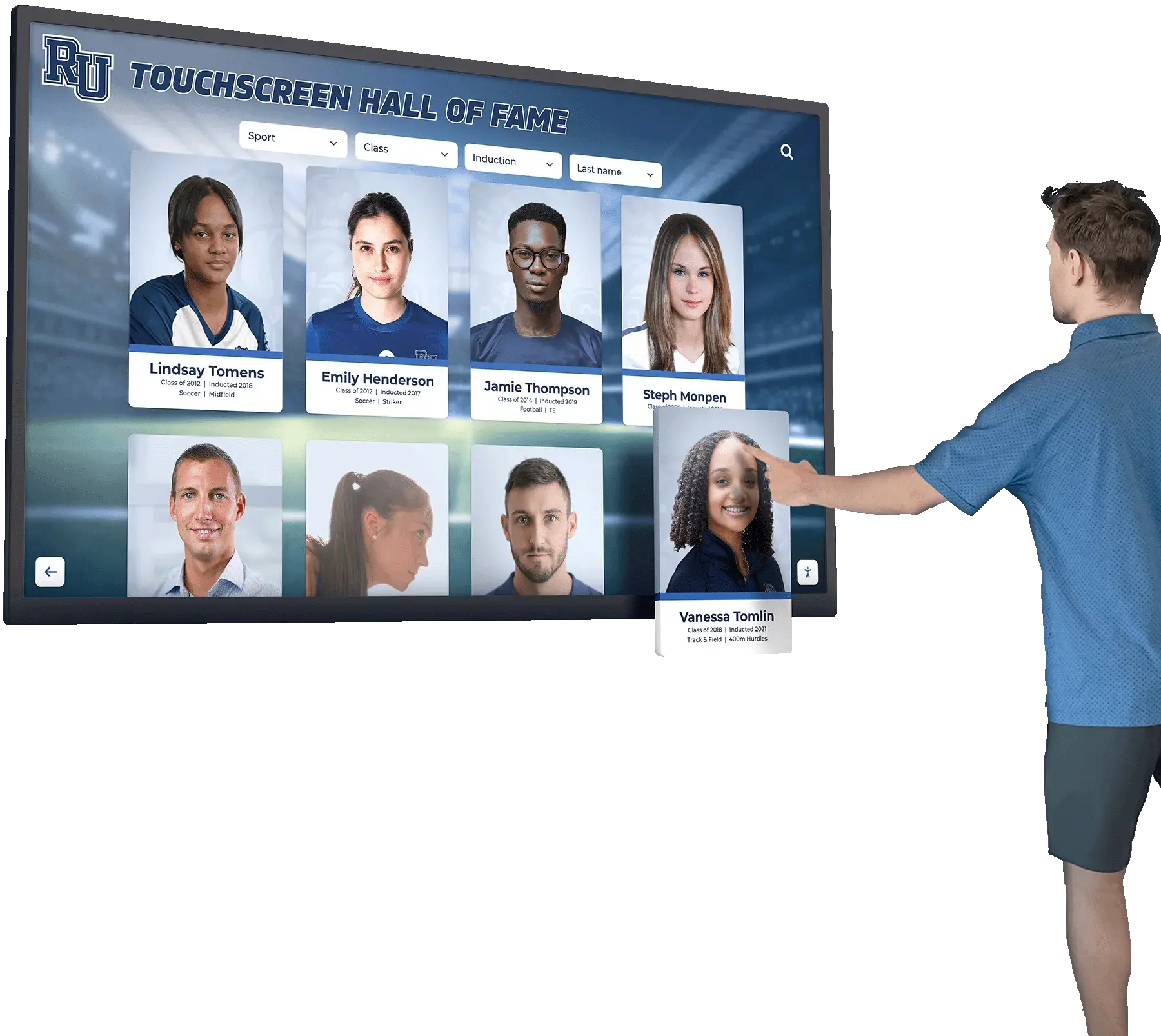
Traditional recognition approaches quickly exhaust available wall space and lack storytelling capabilities that help audiences understand the depth of honorees’ achievements and contributions. Digital signage examples demonstrate how modern solutions overcome these limitations while serving multiple campus communication needs.
Strategic Planning: Building Comprehensive Signage Systems
Effective campus signage begins with strategic planning that addresses institutional needs holistically rather than solving individual signage problems in isolation.
Conduct Comprehensive Signage Audits
Before designing solutions, understand current state realities by documenting all existing signage across campus, identifying gaps where signage is absent but needed, noting inconsistencies in style, quality, or brand adherence, assessing condition and whether elements need repair or replacement, and gathering feedback from diverse user groups about navigation challenges and information needs.
This audit process often reveals patterns invisible to daily campus community members but glaringly obvious to first-time visitors. Facilities managers and administrators who know campuses intimately sometimes underestimate how confusing environments feel to newcomers. Including fresh perspectives from prospective families, substitute teachers, or community event attendees provides valuable insights.
Define Signage Hierarchy and Categories
Comprehensive signage systems typically include multiple categories serving different purposes and requiring different design approaches:
Identification Signage establishes location identity—building names, room numbers, department locations, and facility designations that answer “Where am I?” questions.
Directional/Wayfinding Signage guides movement through spaces with arrows, maps, and distance information helping people answer “How do I get there?” questions.
Informational Signage communicates policies, hours, services, safety information, and other content people need at specific locations.
Recognition Signage celebrates achievements, honors contributors, and tells institutional stories that inspire and build community.
Brand/Identity Signage reinforces institutional identity through monuments, entrance features, and architectural elements creating memorable impressions.
Regulatory Signage ensures compliance with accessibility, safety, and legal requirements including ADA-mandated elements.
Understanding these categories helps institutions allocate budgets appropriately, apply consistent design standards within each category while allowing appropriate variation across categories, and prioritize signage investments based on functional importance and strategic value.
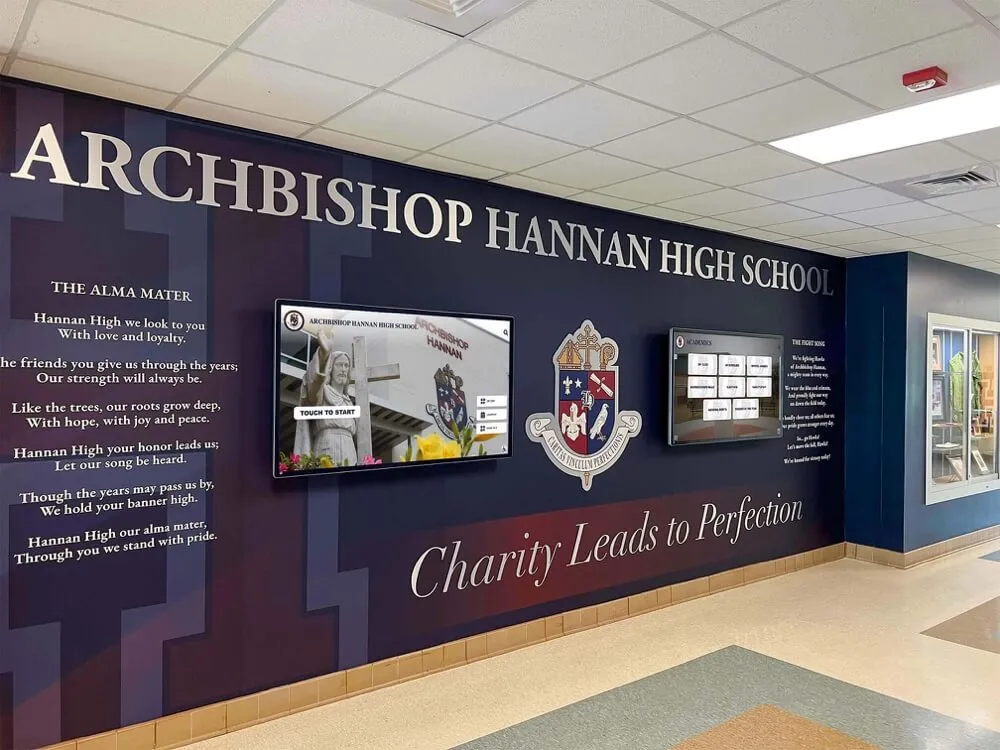
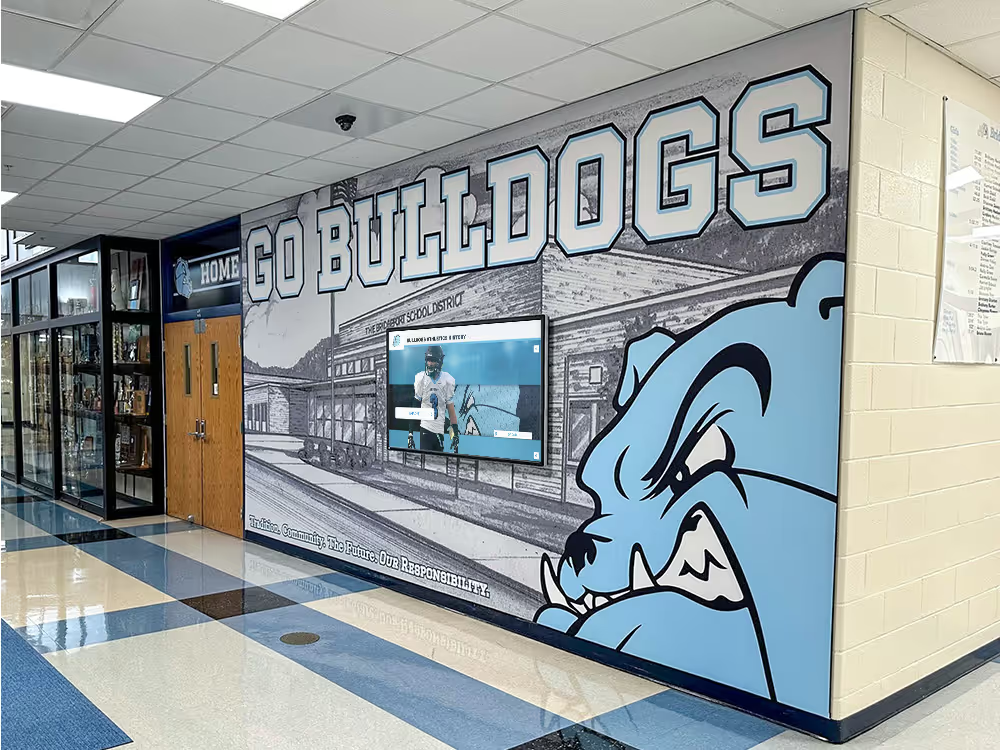
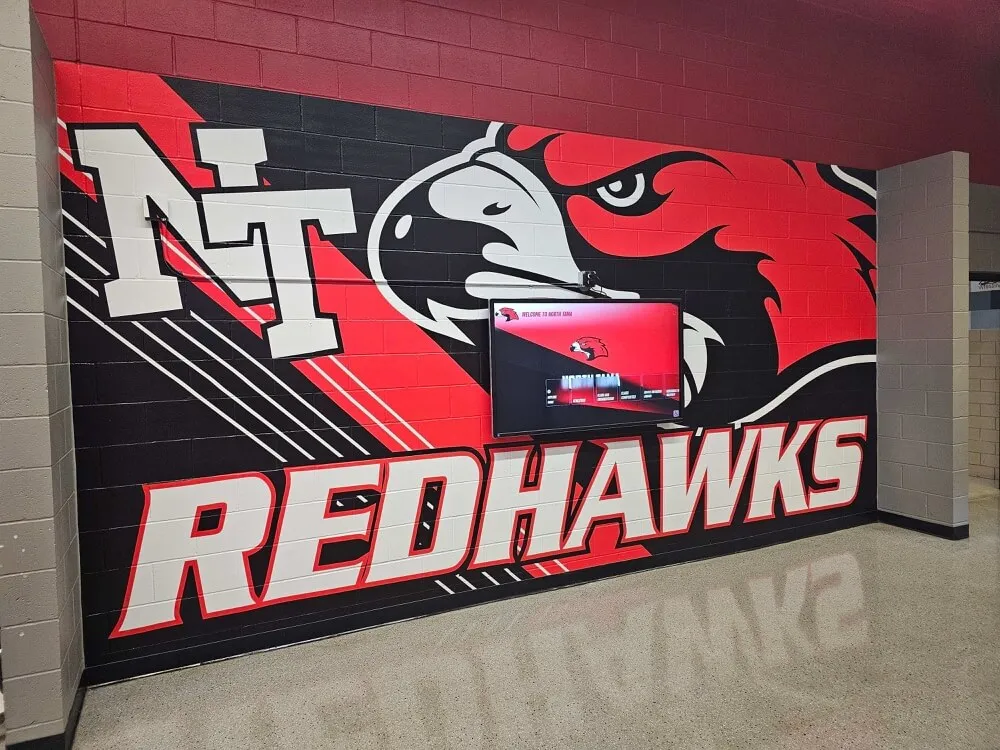
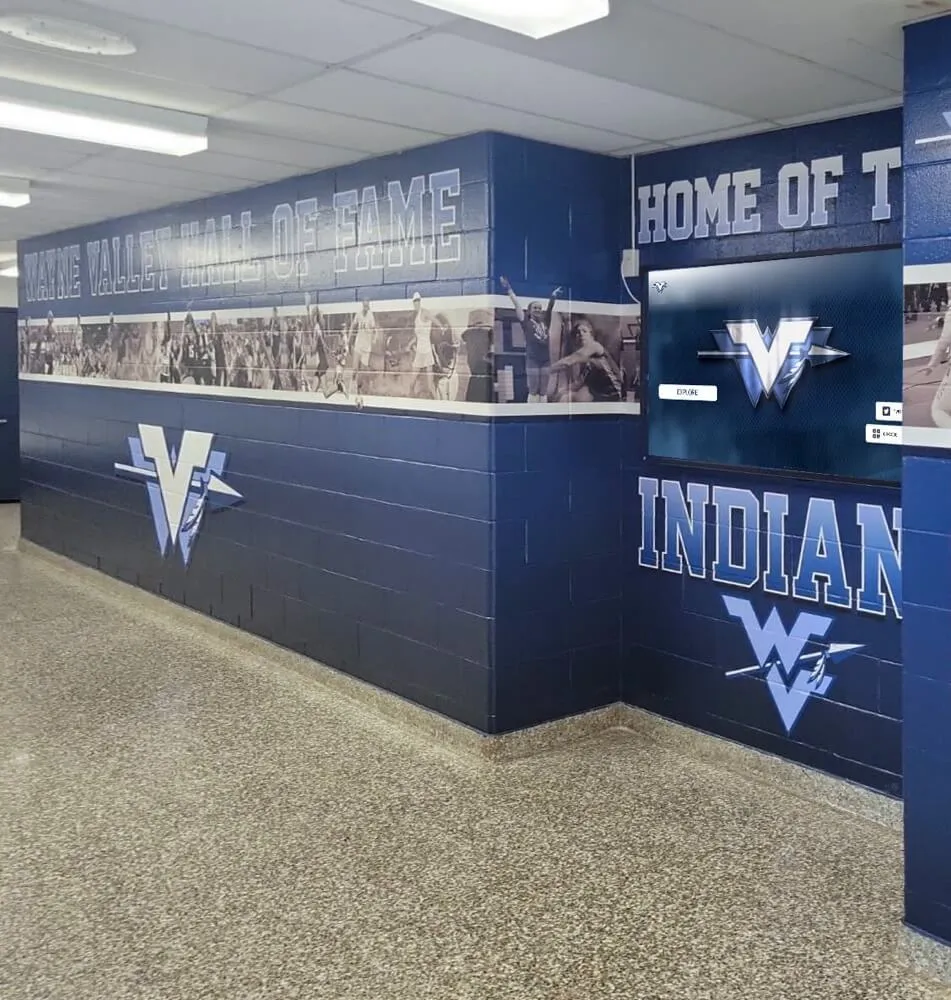
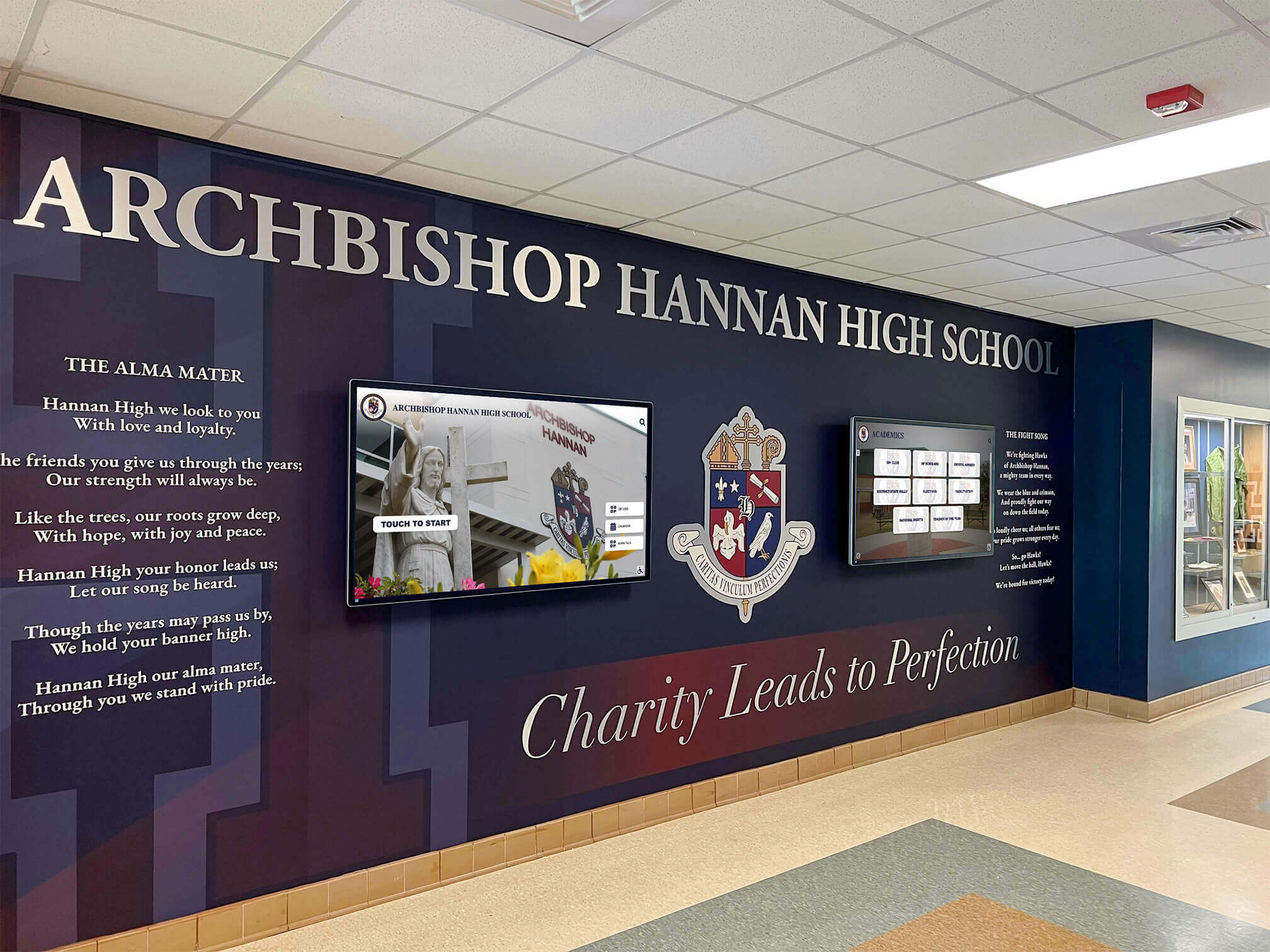
Hallway signage creates opportunities to reinforce school brand identity and celebrate community achievements
Establish Design Standards and Brand Guidelines
Creating comprehensive design standards before implementing signage ensures consistency and quality across all elements. These standards should address color specifications matching official brand guidelines, typography including approved fonts and sizing hierarchies, logo usage with proper spacing, sizing, and placement rules, material selections for different applications and environments, mounting methods and installation specifications, maintenance standards and replacement schedules, and approval processes for all new signage additions.
Documented standards prevent well-intentioned but inconsistent additions that gradually erode visual cohesion. They also streamline decision-making by establishing parameters within which facilities teams, department heads, and vendors operate without requiring case-by-case institutional approvals.
Design Principles: Creating Signage That Works
Effective signage balances aesthetic appeal with functional clarity. Understanding core design principles helps institutions create signage systems that look professional while performing intended functions.
Prioritize Readability Over Decoration
The primary purpose of most signage is communication. Design choices should enhance rather than hinder readability through sufficient contrast between text and backgrounds enabling quick scanning, appropriate sizing based on typical viewing distances, clean, legible typography avoiding overly decorative or script fonts for functional information, strategic use of visual hierarchy emphasizing most important information, and adequate spacing preventing crowded, cluttered appearances.
Beautiful signage that people can’t quickly read fails its primary purpose. Functionality comes first; aesthetic refinement enhances rather than replaces clear communication.
Design for Your Specific User Context
Generic signage approaches often fail because they don’t account for specific user needs and contexts. Consider factors like typical viewing distances and angles in each location, lighting conditions affecting readability at different times, audience characteristics including age ranges, language diversity, and accessibility needs, movement patterns determining whether people are walking, driving, or stationary when viewing signage, and environmental factors like weather exposure, high-traffic wear, or vandalism risks.
Entrance monument signs require different design approaches than hallway directional signs or classroom door markers. Parking lot signage viewed from moving vehicles needs larger text and simpler messages than lobby informational displays where people can stop and read detailed content.
Create Cohesive Visual Systems, Not Individual Signs
Strong campus signage feels like an integrated system rather than a collection of individual elements. This cohesion emerges from consistent application of color palettes limiting primary and accent colors used across all signage, typography standards maintaining font families and sizing relationships, material vocabularies establishing appropriate materials for different signage types, design templates providing frameworks for consistent layouts and element placement, and visual language using consistent icon styles, graphic treatments, and decorative elements.
This systematic approach doesn’t require identical design for every sign. Rather, it establishes recognizable family relationships where people intuitively understand that various signage elements belong to the same institutional system.
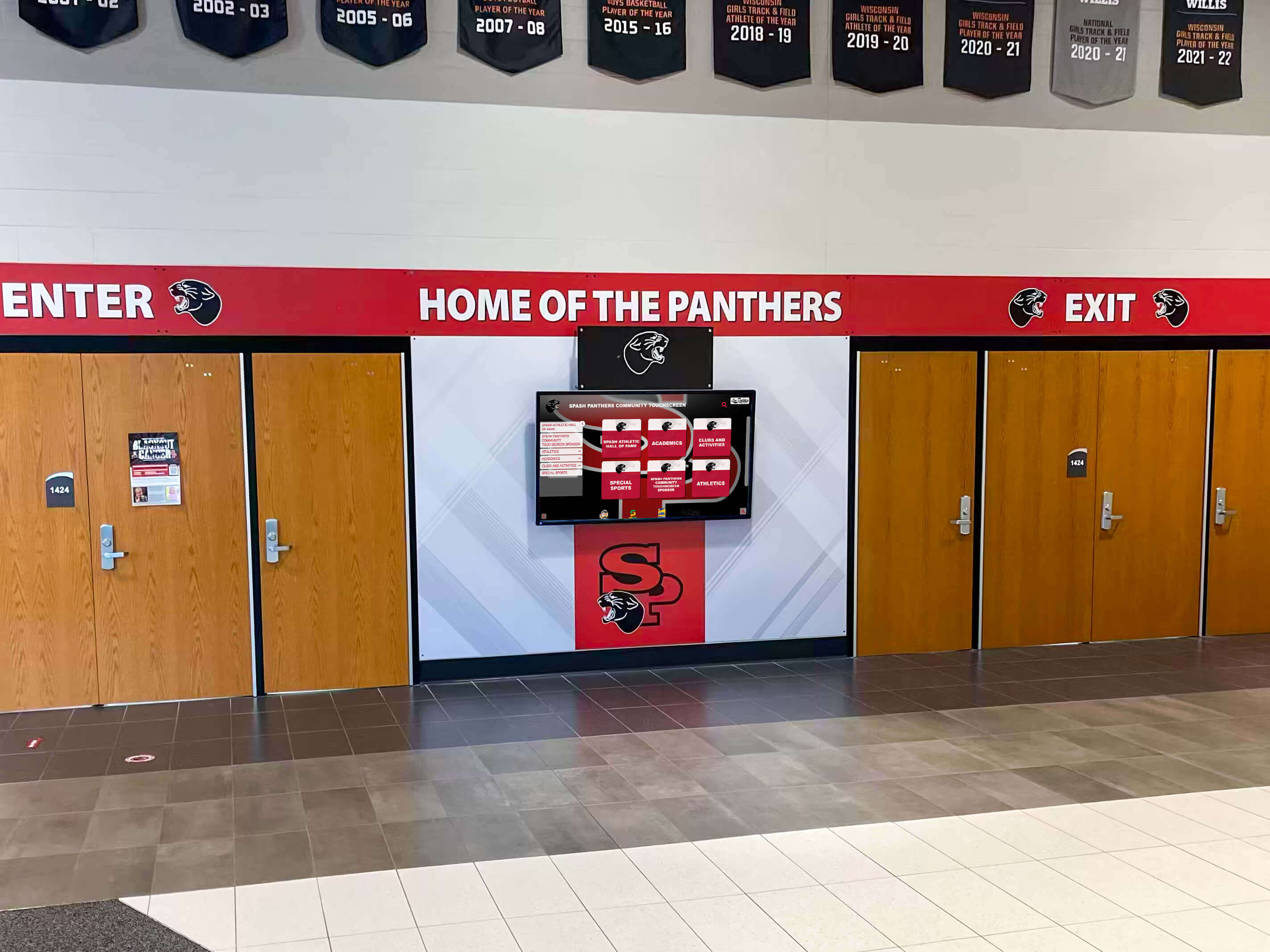
Entrance signage creates important first impressions while providing essential wayfinding information
Balance Permanence With Flexibility
Campus signage systems must accommodate both permanent elements unlikely to change—building names, foundational wayfinding, core brand identity—and variable content requiring regular updates like staff directories, event announcements, achievement recognition, or departmental information.
Traditional approaches often treat all signage as permanent, creating inflexibility that leads to outdated information remaining displayed long past relevance or expensive replacement costs every time content needs updating. Modern approaches increasingly incorporate interactive digital displays that enable content updates without physical signage replacement while maintaining visual consistency with permanent brand elements.
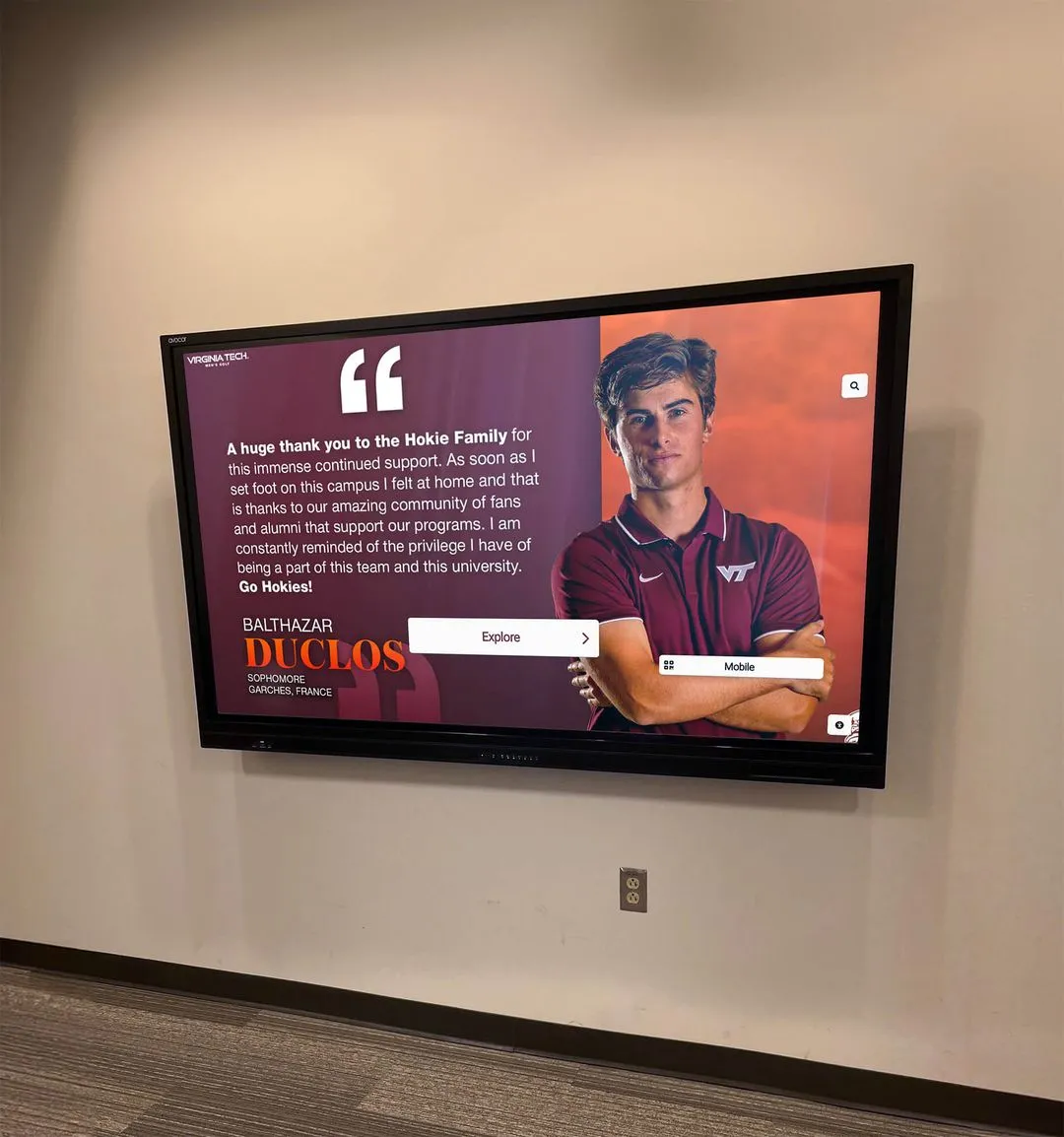
Solutions like Rocket Alumni Solutions demonstrate how digital recognition and communication displays integrate seamlessly with traditional campus signage systems, providing flexibility to update content, rotate messages, and accommodate unlimited recognition honorees within fixed physical footprints.
Digital Integration: Modern Campus Signage Solutions
Digital signage technology has matured significantly, offering schools practical solutions that address traditional signage limitations while creating new engagement opportunities.
The Strategic Case for Digital Signage Elements
While traditional signage remains appropriate for many applications, strategic integration of digital elements provides compelling advantages including dynamic content capabilities allowing message rotation, scheduled content, and real-time updates, space efficiency displaying unlimited content within fixed physical footprints, engagement features like interactivity, video, and animation capturing attention and conveying complex information, cost effectiveness eliminating recurring printing and installation costs for content updates, and measurement capabilities tracking engagement and informing content strategy decisions.
These advantages particularly benefit recognition and informational signage where content needs frequent updating and space constraints limit traditional approaches. Corporate digital signage principles apply equally to educational environments seeking to maximize communication effectiveness.
Strategic Placement of Digital Signage Elements
Not every signage location benefits from digital technology. Strategic placement focuses digital elements where dynamic capabilities provide most value including main entrance lobbies where rotating content showcases school highlights, achievements, and upcoming events, hallway intersections where wayfinding kiosks help visitors navigate independently, common areas like cafeterias or student lounges where announcements and community content engage daily audiences, athletic facilities where achievement recognition displays celebrate program histories and current accomplishments, and administrative areas where digital directories provide up-to-date staff and department information.
Meanwhile, many signage applications remain better suited to traditional approaches including exterior monument signage representing permanent brand statements, emergency and regulatory signs requiring reliability regardless of power availability, classroom and office identification where simple, consistent markers serve clear functional purposes, and outdoor wayfinding where environmental factors and viewing contexts favor traditional materials.
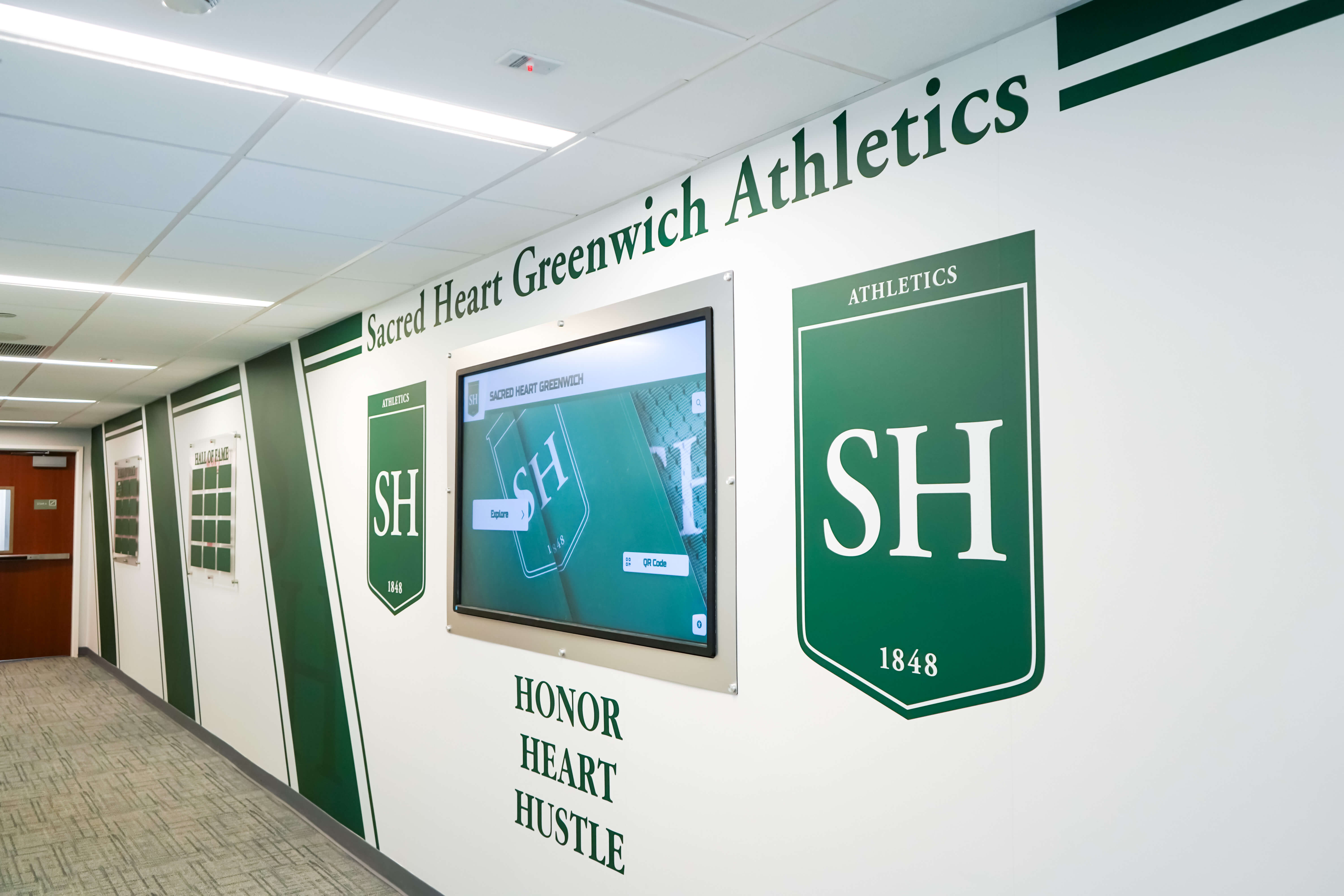
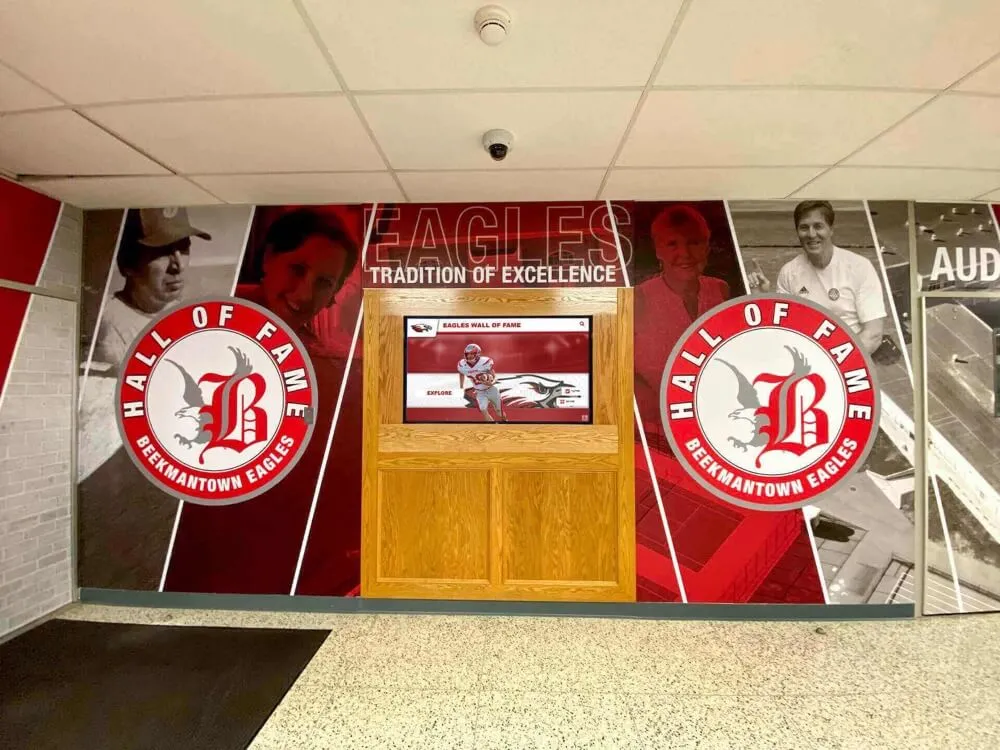
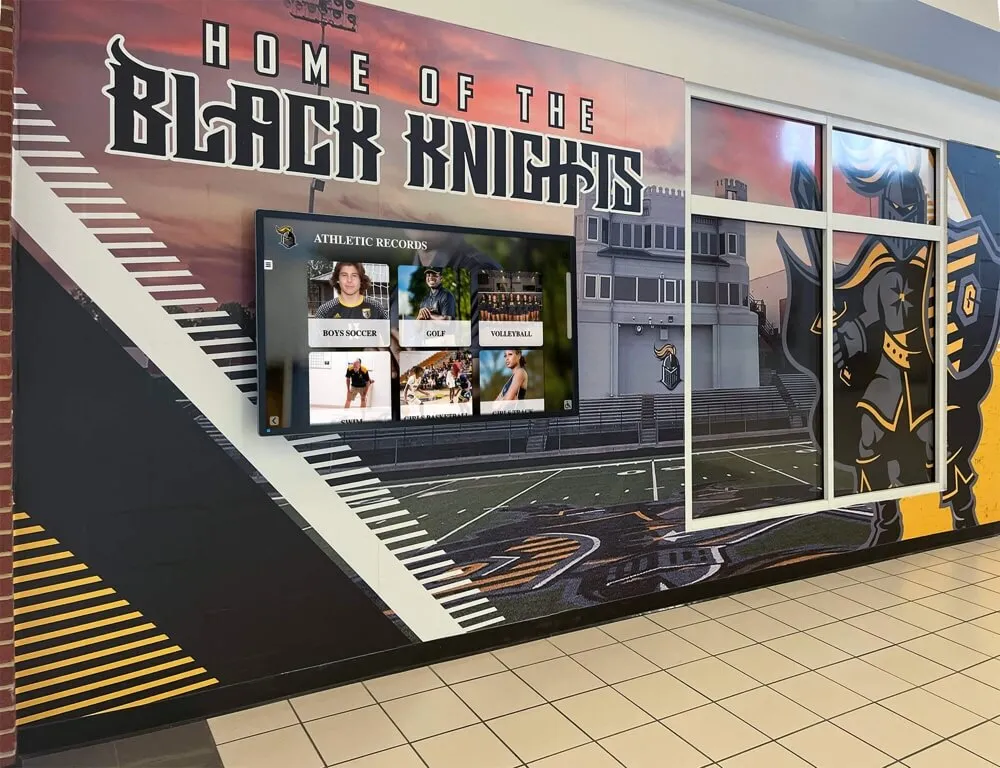
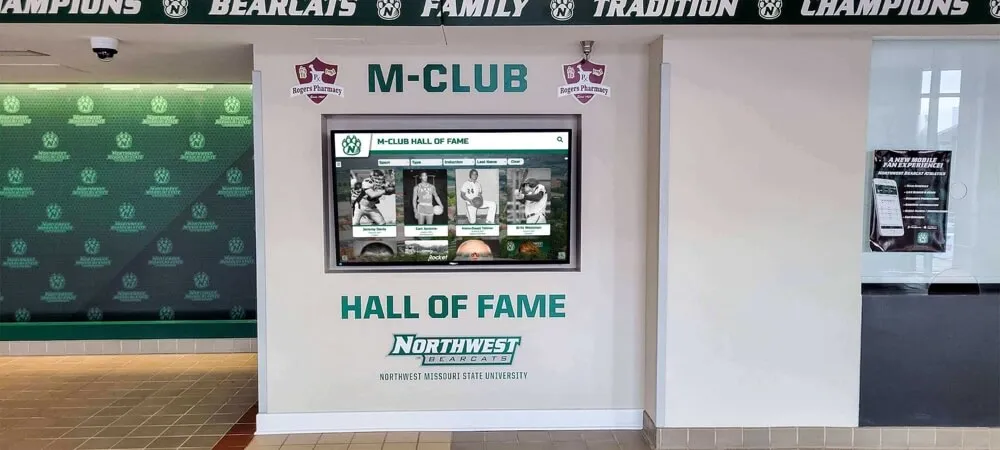
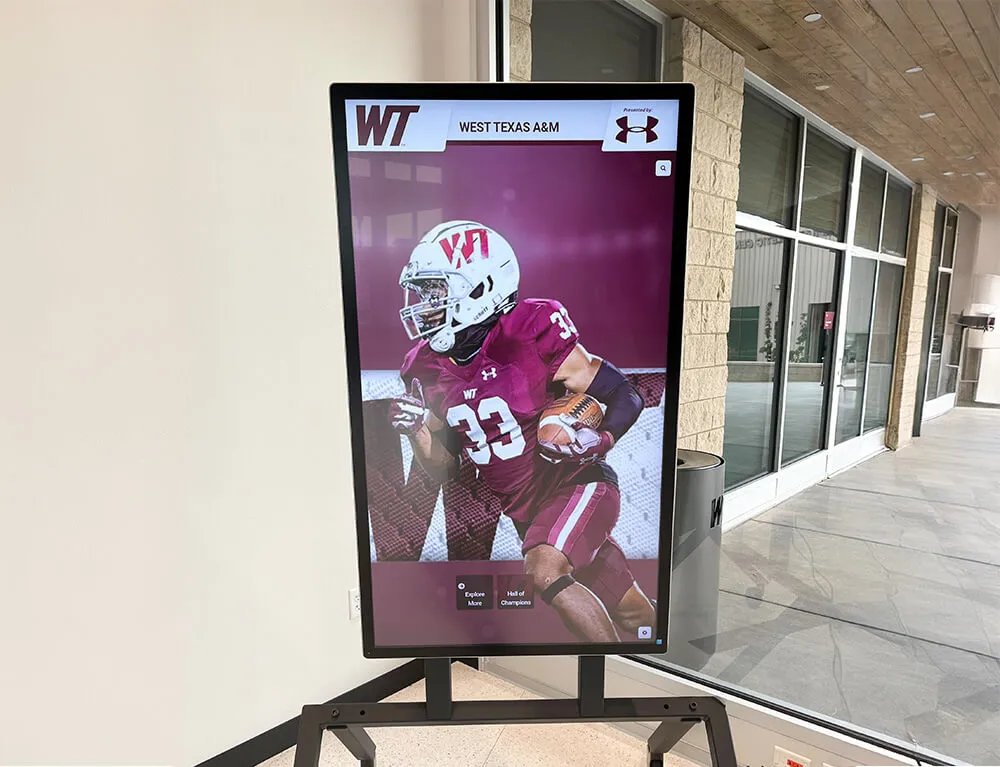
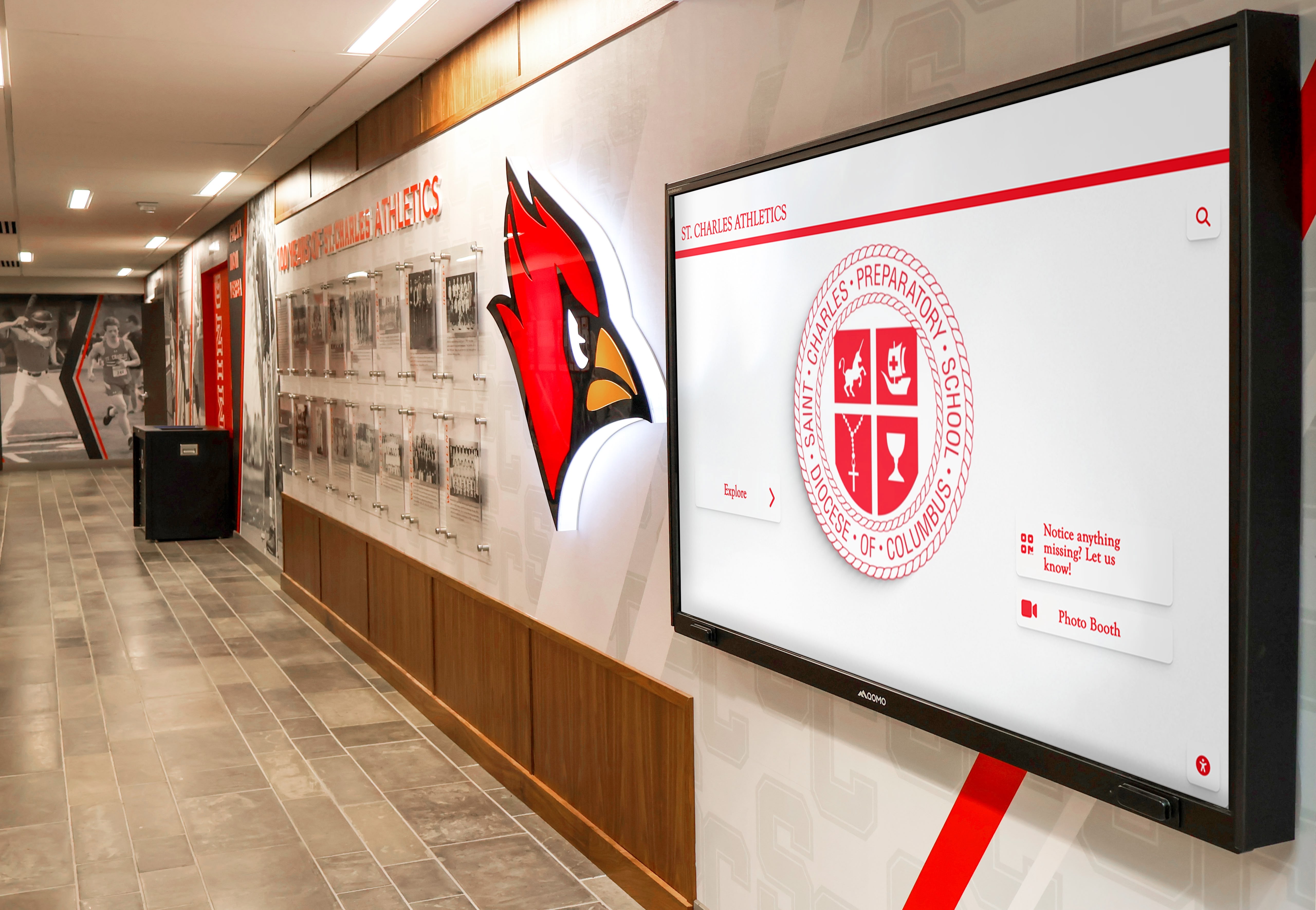
Blending traditional architectural signage with digital displays creates systems that honor institutional heritage while embracing modern capabilities
Overcoming Common Digital Signage Concerns
Despite proven benefits, some institutions hesitate to incorporate digital signage due to concerns about cost, maintenance, or appropriateness. Understanding how modern solutions address these concerns helps decision-makers evaluate options accurately.
Initial Cost Concerns: While digital displays require higher upfront investments than traditional signage, total cost of ownership calculations reveal different pictures. Traditional recognition walls requiring expensive renovations every time honorees are added, bulletin boards needing constant manual updates and content printing, or display cases requiring facilities staff time for monthly changeovers often cost more over 5-10 year periods than digital solutions with remote content management capabilities.
Maintenance and Reliability: Modern commercial-grade displays designed for continuous operation offer far greater reliability than consumer screens. Solutions like touchscreen kiosk systems provide enterprise-level support and maintenance packages ensuring consistent performance without burdening internal technology staff.
Content Management Complexity: Early digital signage required specialized technical knowledge for content updates, creating bottlenecks. Current solutions offer intuitive content management systems enabling marketing staff, athletics directors, or advancement teams to update displays directly without IT involvement. Cloud-based platforms allow content updates from anywhere, streamlining workflows significantly.
Aesthetic Concerns: Well-designed digital signage integrates seamlessly with architectural environments rather than appearing as afterthoughts. Custom enclosures, thoughtful mounting solutions, and design elements that complement rather than compete with surrounding spaces help digital displays enhance rather than detract from campus aesthetics.
Multipurpose Signage: Recognition Meets Communication
Forward-thinking institutions increasingly deploy signage systems serving multiple purposes simultaneously, maximizing return on space and technology investments.
Digital Recognition Displays as Communication Hubs
Recognition displays celebrating alumni achievements, donor contributions, or student honors need not function solely for recognition purposes. The same displays strategically placed in high-traffic areas can rotate between recognition content and institutional communications including upcoming event promotions, emergency notifications and important announcements, campus maps and wayfinding information, academic program highlights for prospective families, athletic schedules and game highlights, and community news and achievement celebrations.
This multipurpose approach ensures displays justify investments through constant utility rather than single-purpose applications with limited engagement. Digital donor walls exemplify how recognition displays can anchor comprehensive campus communication strategies.
Wayfinding Displays With Content Capabilities
Interactive wayfinding kiosks placed at main entrances or hallway junctions guide visitors through campuses while also providing opportunities to showcase institutional stories, highlight current students and programs, feature alumni success narratives, communicate upcoming events and opportunities, and acknowledge donors whose gifts made facilities possible.
Visitors using these displays for navigation often engage with supplementary content while viewing maps or directions, creating unexpected opportunities to communicate institutional messaging to engaged audiences. The dual functionality transforms purely utilitarian wayfinding tools into strategic communication and engagement platforms.
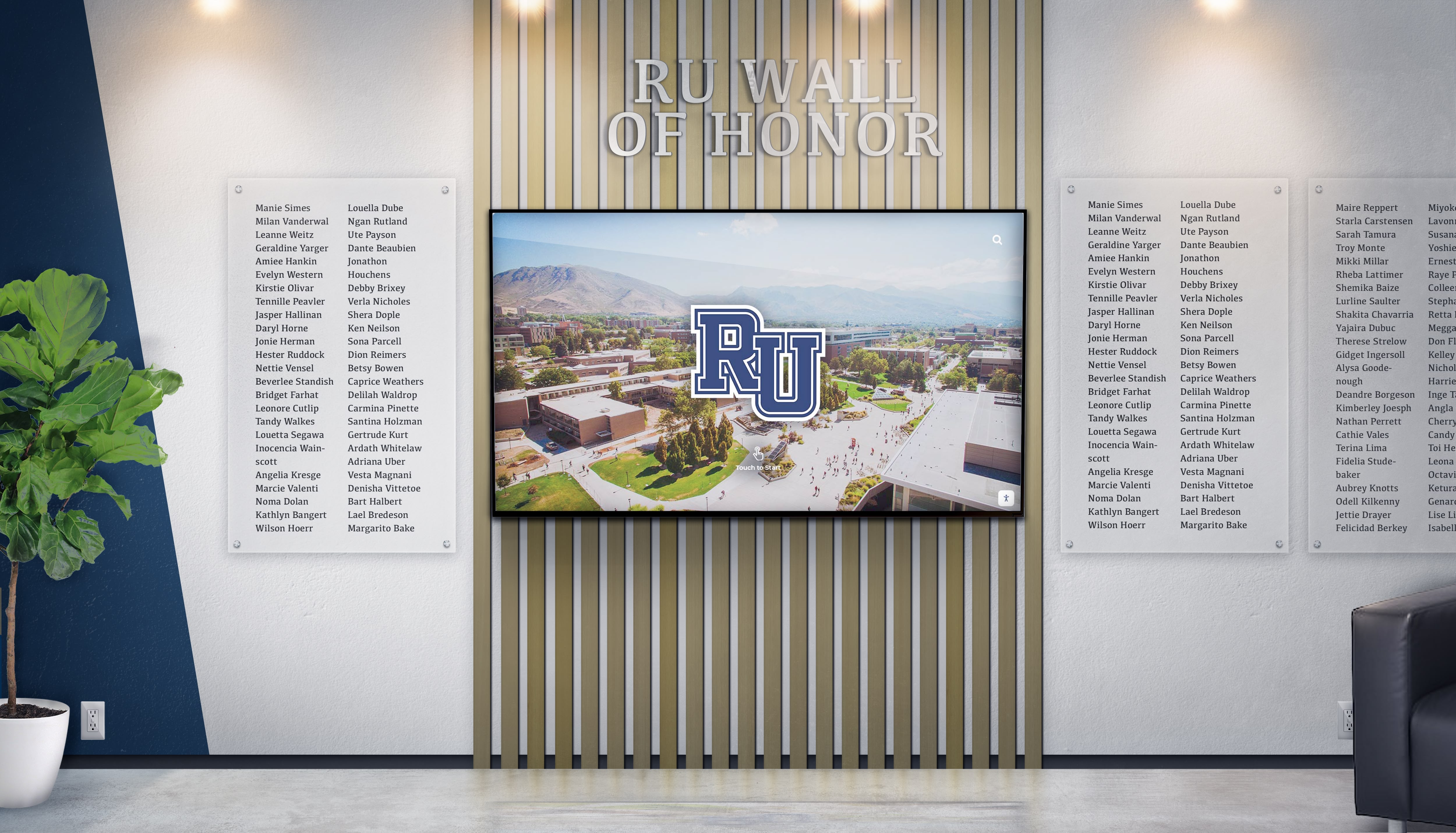
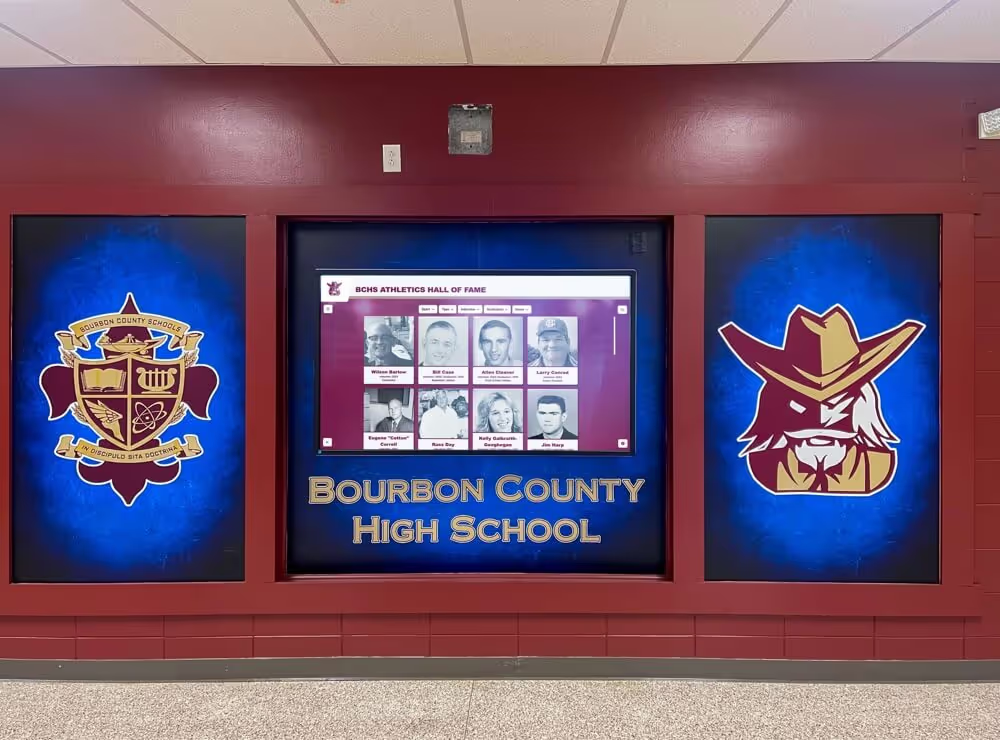
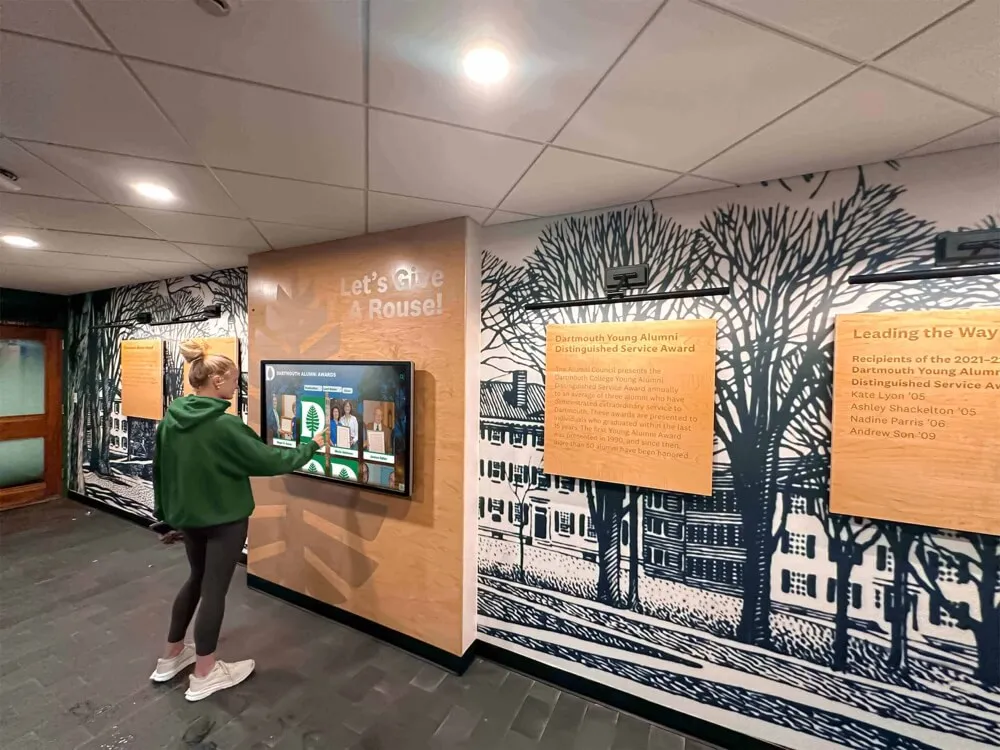
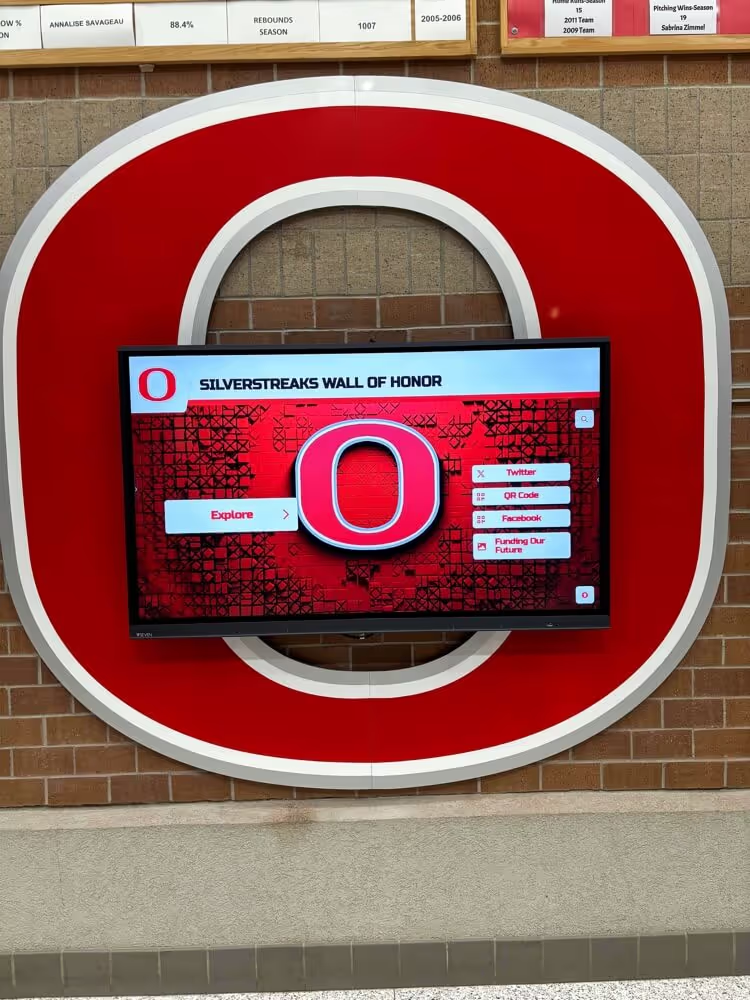
Recognition systems can combine traditional donor acknowledgment elements with digital displays providing expanded storytelling and communication capabilities
Implementation: From Planning to Installation
Even excellent signage designs fail without thoughtful implementation planning addressing logistics, sequencing, and change management.
Develop Phased Implementation Plans
Comprehensive signage system overhauls rarely happen in single projects due to budget constraints and operational realities. Phased approaches allow institutions to improve signage systematically while spreading costs across budget cycles.
Prioritize phases based on strategic importance and impact including high-visibility areas affecting first impressions like main entrances and administration buildings, high-traffic locations serving large daily audiences and creating frequent wayfinding confusion, recognition opportunities supporting current campaign priorities or anniversary celebrations, and compliance requirements addressing accessibility, safety, or regulatory mandates.
Document long-term vision encompassing all planned phases so individual projects build toward cohesive systems rather than becoming isolated improvements. This strategic roadmap helps secure funding by demonstrating comprehensive planning rather than reactive spending.
Work With Experienced Partners
Campus signage projects involve specialized expertise spanning brand strategy and graphic design, architectural integration and spatial design, material selection and fabrication techniques, installation methods and construction coordination, and technology integration for digital elements.
While some institutions have internal capabilities for certain aspects, partnering with experienced firms provides access to specialized knowledge, proven design and installation processes, established vendor relationships and material sourcing, project management expertise ensuring on-time, on-budget completion, and warranty support and ongoing maintenance services.
Selecting partners with educational institution experience specifically proves valuable because these providers understand unique needs like working around academic calendars, maintaining security protocols during installation, meeting budget approval processes, and designing for durability in high-traffic student environments.
Plan for Content Management and Maintenance
Implementation planning shouldn’t end at installation. Successful signage systems require ongoing content management for variable elements and maintenance preserving appearance and functionality including establishing ownership and approval processes for content updates, training staff on digital content management systems, scheduling regular maintenance inspections and cleaning, budgeting for repair and replacement of damaged elements, and planning periodic refreshes maintaining contemporary appearances as design trends evolve.
Institutions often underestimate ongoing requirements, leading to outdated digital content remaining displayed indefinitely or physical signage deteriorating unchecked. Clear ownership, processes, and budgets prevent these common pitfalls.
Measuring Signage Effectiveness
Like other institutional investments, campus signage systems benefit from assessment measuring whether they achieve intended outcomes.
Establish Clear Success Metrics
Before implementation, define how you’ll measure success across relevant dimensions including wayfinding effectiveness measured through reduced directional inquiries to reception staff, visitor feedback collected through surveys or interviews about navigation experiences, brand consistency assessed through professional evaluations or community perception studies, recognition engagement tracked through digital display analytics showing content views and interactions, and operational efficiency measured through staff time savings on manual content updates or event promotions.
These metrics provide baseline measurements and post-implementation comparisons demonstrating return on investment and identifying opportunities for continuous improvement.
Gather Regular User Feedback
Campus community members and visitors provide the most valuable perspective on signage effectiveness. Create mechanisms for ongoing feedback collection including new family surveys during orientation and enrollment processes, visitor exit surveys following campus tours or events, staff and faculty feedback about operational signage needs, student input through focus groups or suggestion systems, and community event attendee feedback about wayfinding experiences.
This qualitative feedback often reveals specific pain points quantitative metrics miss. Someone struggling to find the gymnasium might not appear in measurable data but represents real wayfinding failure requiring attention.
Iterate and Improve Continuously
No signage system achieves perfection immediately. Commit to continuous improvement based on performance data and user feedback by addressing identified gaps or confusion points promptly, updating content on digital displays to maintain freshness and relevance, refining design standards as you learn what works best in your specific environment, and planning systematic refreshes keeping signage current and well-maintained.
The most effective institutions treat signage as living systems requiring ongoing attention rather than one-time projects completed and forgotten.
Creating Signage Systems That Strengthen Your Institution
Campus signage represents strategic infrastructure that shapes experiences, communicates identity, and builds community throughout your institution. Moving beyond reactive, piecemeal approaches to embrace comprehensive signage strategies transforms how people experience your campus from the moment they arrive.
Effective signage systems create immediate positive impressions that shape perceptions before substantive interactions begin, guide people confidently through facilities without friction or frustration, reinforce institutional brand identity consistently across every touchpoint, celebrate community achievements in ways that inspire pride and connection, leverage modern technology to maximize functionality within physical constraints, and adapt to evolving needs while maintaining cohesive visual identity over time.
Whether planning comprehensive signage overhauls or addressing specific needs like recognition displays, wayfinding improvements, or brand consistency initiatives, the principles outlined throughout this guide provide frameworks for making strategic decisions aligned with institutional priorities and budget realities.
Transform Your Campus Signage System
Ready to develop campus signage that strengthens your brand, improves navigation, and creates dynamic recognition opportunities? Solutions like Rocket Alumni Solutions provide comprehensive platforms integrating digital recognition displays, interactive wayfinding, and institutional communication capabilities within cohesive campus signage systems.
Our team helps schools and universities design, implement, and manage signage solutions that combine traditional brand elements with modern technology, creating flexible systems that serve multiple purposes while maintaining visual consistency and institutional identity.
Contact us today to explore how comprehensive campus signage strategies can strengthen your institution’s brand, improve visitor experiences, and create dynamic recognition opportunities that inspire your community for years to come.
Modern campus environments demand signage systems that balance timeless design principles with contemporary capabilities. By approaching signage strategically—understanding user needs, establishing comprehensive systems, integrating appropriate technology, and planning thoughtful implementation—institutions create environments where people feel welcomed, guided, and inspired from the moment they arrive on campus.
The institutions that invest in comprehensive campus signage systems don’t just improve wayfinding or update recognition displays. They create environments that authentically reflect institutional identity, celebrate community achievements, and welcome every visitor with professional polish that reinforces educational quality and organizational excellence visitors observe throughout their experiences.
Your campus signage tells stories about who you are as an institution. Make sure those stories reflect the excellence, care, and community pride that define your school’s true character and mission.