Capital campaigns represent transformational fundraising initiatives that fund major projects, construct facilities, establish endowments, and secure organizational futures. Yet many schools and nonprofits approach these multi-million-dollar efforts without proven frameworks, resulting in campaigns that fall short of goals, donor relationships that suffer from recognition missteps, and missed opportunities that could have been prevented through strategic planning and execution.
Organizations launch capital campaigns with ambitious visions—new academic buildings, upgraded athletic facilities, enhanced program endowments, renovated performance spaces—only to discover that enthusiasm alone cannot sustain multi-year fundraising initiatives requiring sophisticated planning, disciplined execution, and thoughtful stewardship approaches that honor major gifts appropriately.
This comprehensive playbook explores capital campaign best practices from pre-campaign preparation through post-campaign stewardship, providing schools and nonprofits with tested frameworks for planning feasibility studies, structuring campaign phases, securing lead gifts, implementing donor recognition systems, and building lasting relationships that extend far beyond campaign conclusion.
Successful capital campaigns follow deliberate progressions rather than improvised approaches. Organizations that achieve campaign goals consistently apply proven best practices covering feasibility assessment, leadership identification, gift range analysis, phased solicitation strategies, and recognition planning that inspires transformational giving while honoring supporters appropriately. These frameworks transform aspirational vision into secured funding that advances institutional mission for generations.

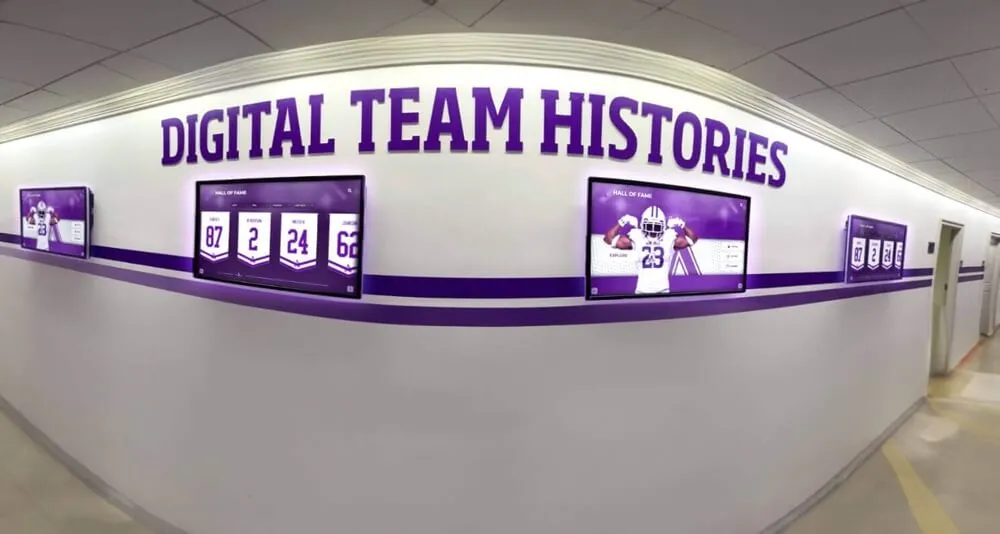
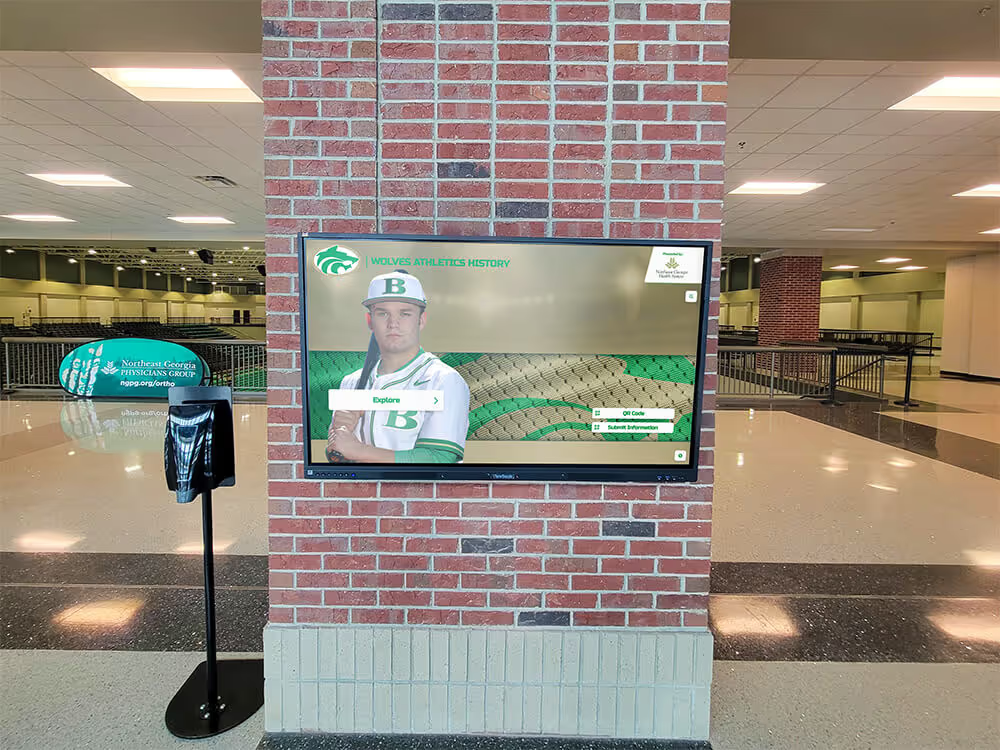
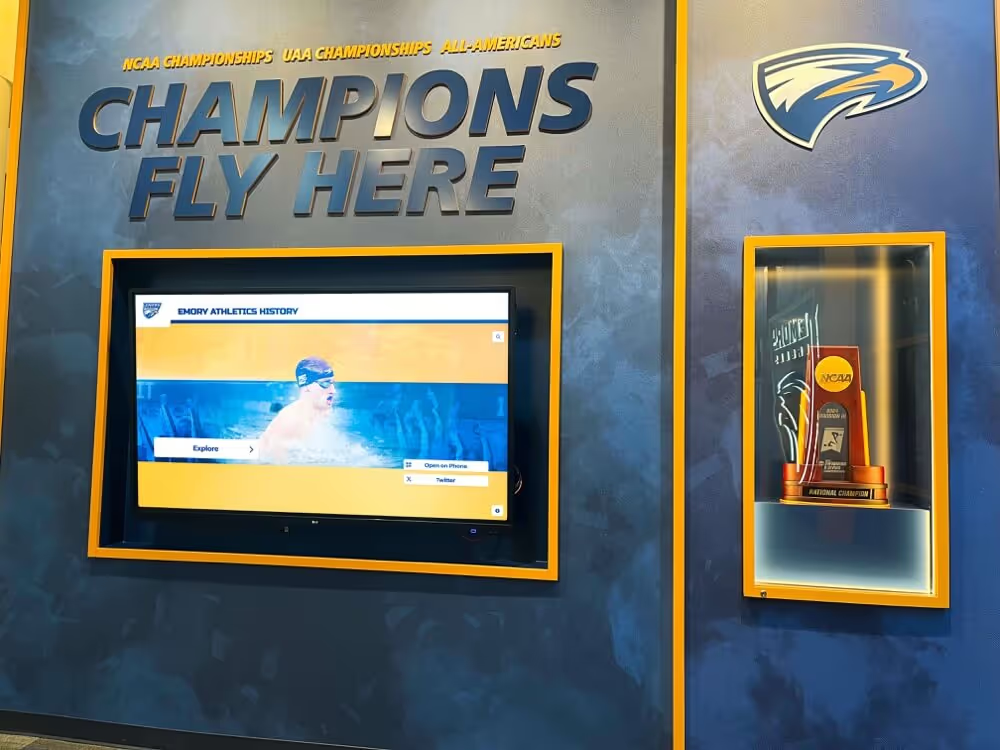
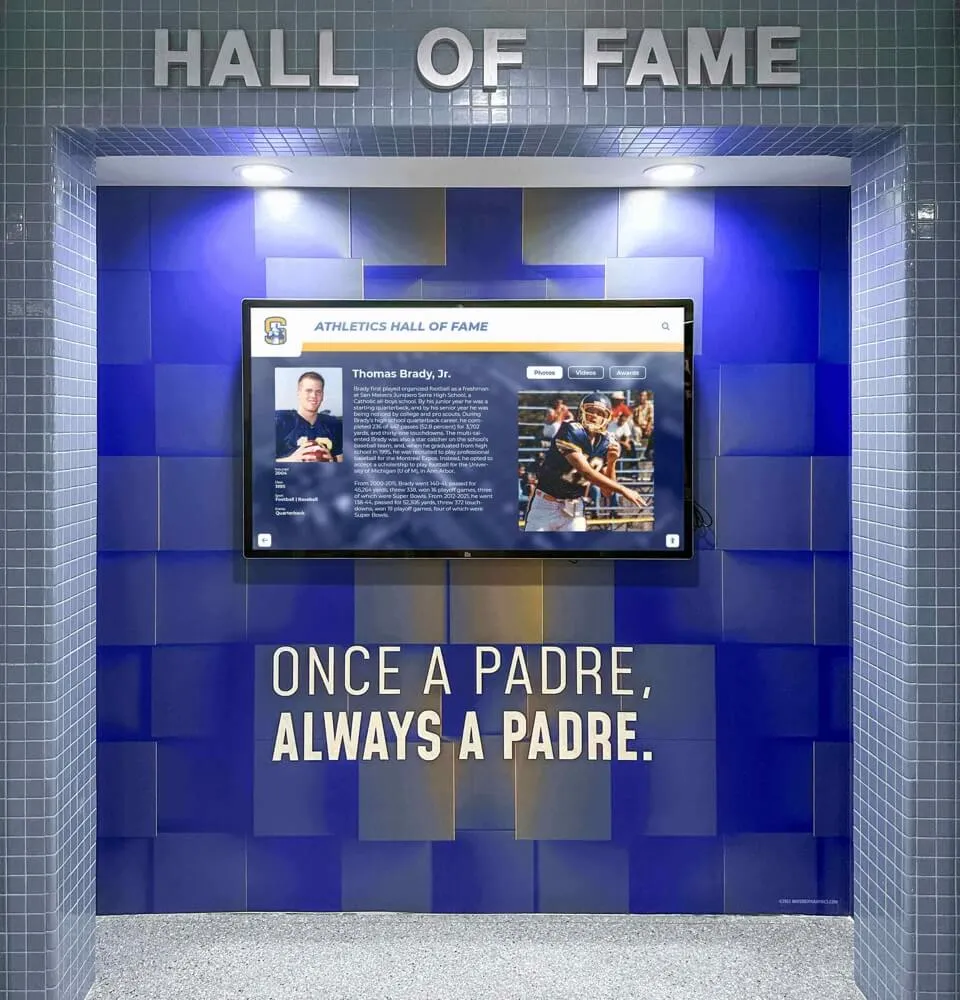
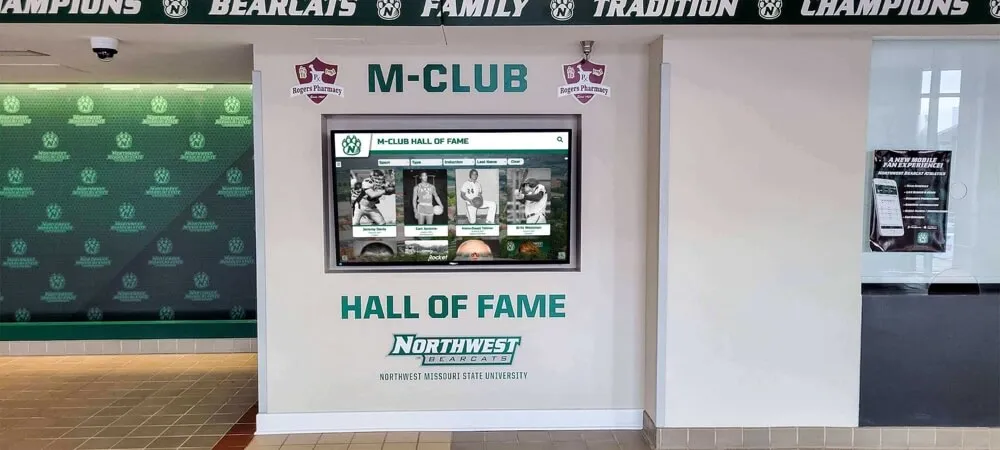
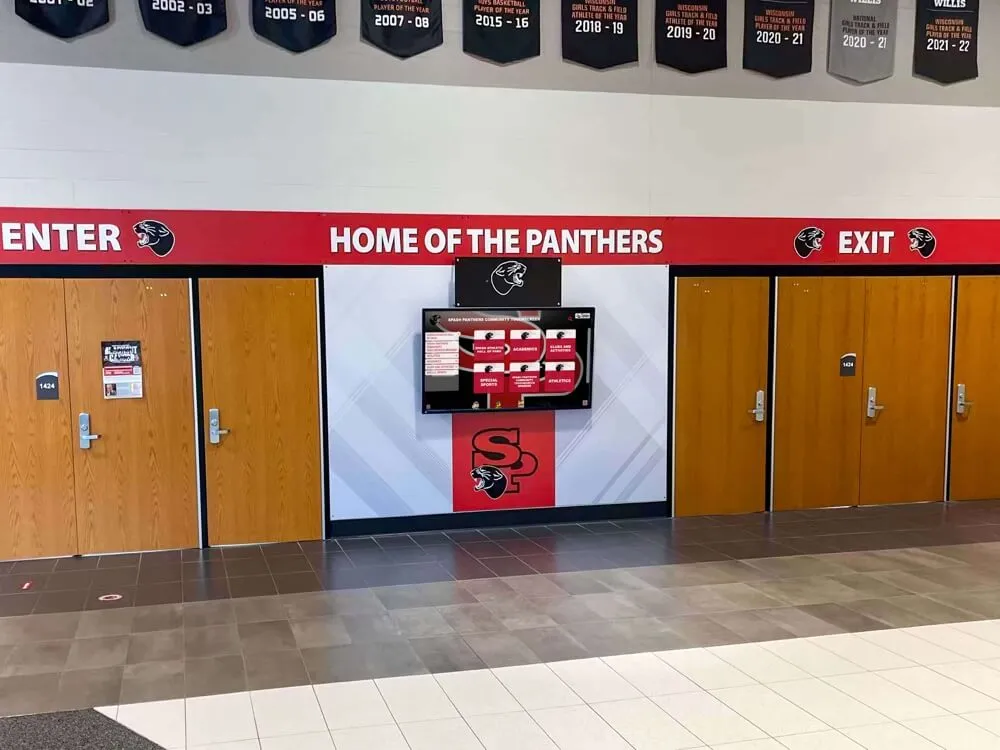
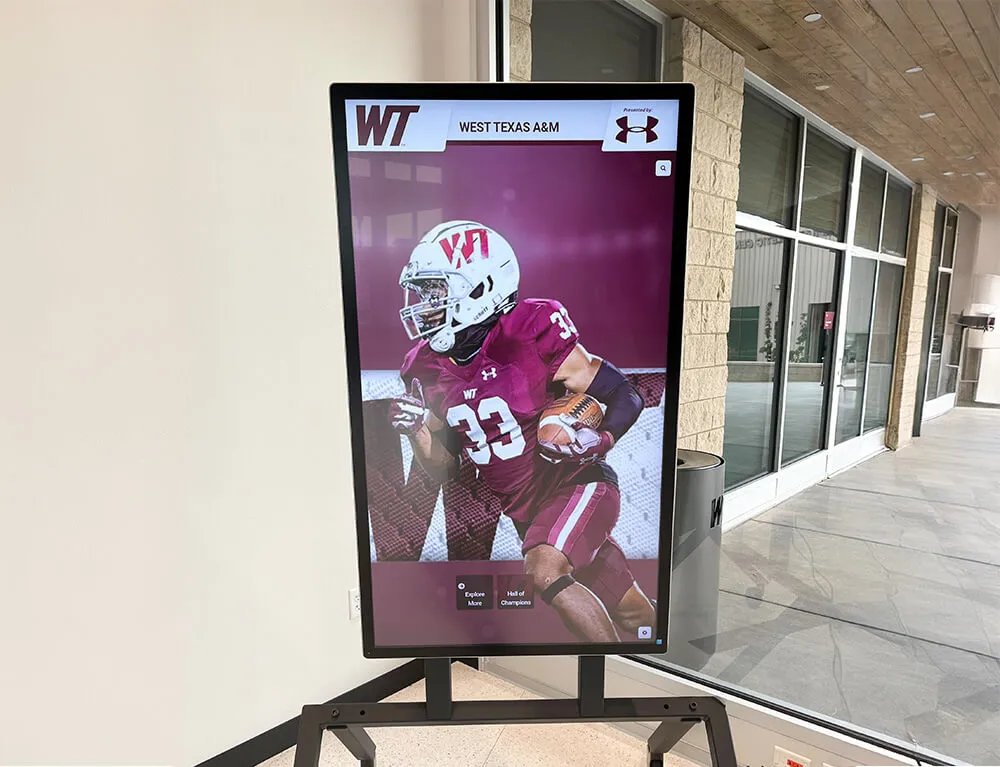
Effective capital campaigns integrate recognition planning from the beginning, creating systems that honor donors appropriately while inspiring continued support
Phase 1: Pre-Campaign Planning and Feasibility Assessment
Before publicly launching capital campaigns, organizations must conduct thorough assessments determining whether conditions support ambitious fundraising initiatives.
Conducting Comprehensive Feasibility Studies
Feasibility studies provide objective analysis of campaign viability by assessing donor capacity, evaluating institutional readiness, testing case for support strength, identifying potential campaign leaders, and gauging community enthusiasm for proposed projects.
What Feasibility Studies Reveal
Professional feasibility studies conducted 12-18 months before campaign launch provide essential intelligence including realistic fundraising goal ranges based on demonstrated donor capacity, identification of likely lead gift prospects and solicitation strategies, assessment of organizational reputation and community support, potential obstacles that might undermine campaign success, and recommended campaign structure, timeline, and leadership requirements.
Organizations that skip feasibility studies or conduct superficial assessments frequently set unrealistic goals, misidentify lead prospects, or discover fundamental problems only after publicly committing to campaigns they cannot successfully complete.
Interpreting Feasibility Results
Strong feasibility studies indicate 2-3 prospects capable of lead gifts representing 20-30% of campaign goals, commitment from 5-7 additional major donors providing another 30-40% of total, board members demonstrating willingness to personally contribute and solicit peers, and broad community support for the project or program being funded.
Weak feasibility findings suggest postponing campaign launch until organizations address identified concerns through enhanced cultivation, expanded prospect pools, or refined project scope matching demonstrated support levels.
Establishing Campaign Infrastructure
Capital campaigns require dedicated infrastructure supporting multi-year initiatives:
Staffing Requirements
- Campaign director overseeing overall strategy and execution
- Development officers managing major gift solicitations
- Research staff identifying and qualifying prospects
- Communications specialists creating campaign materials
- Database administrators tracking gifts and pledges
- Event coordinators facilitating cultivation activities
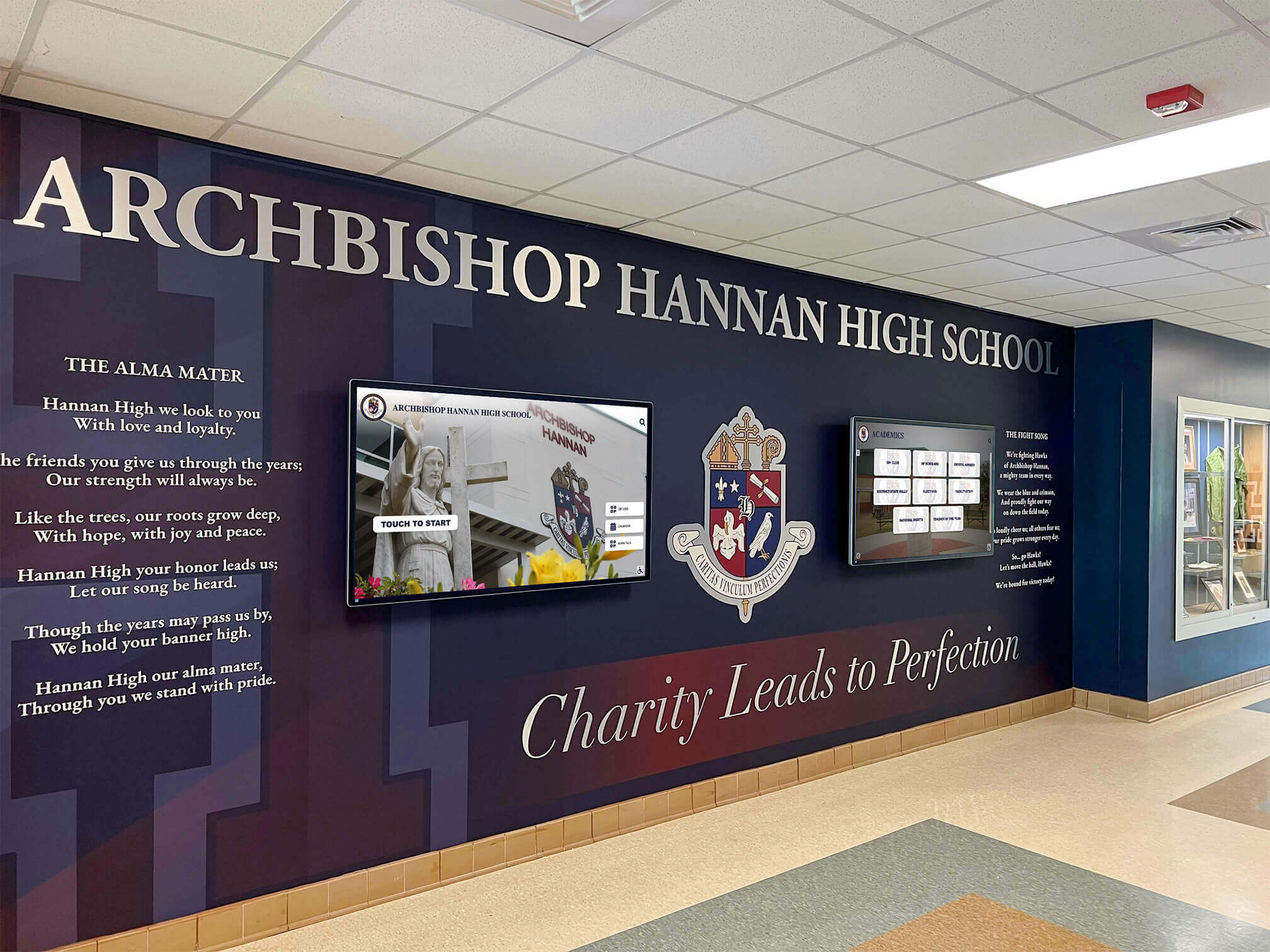
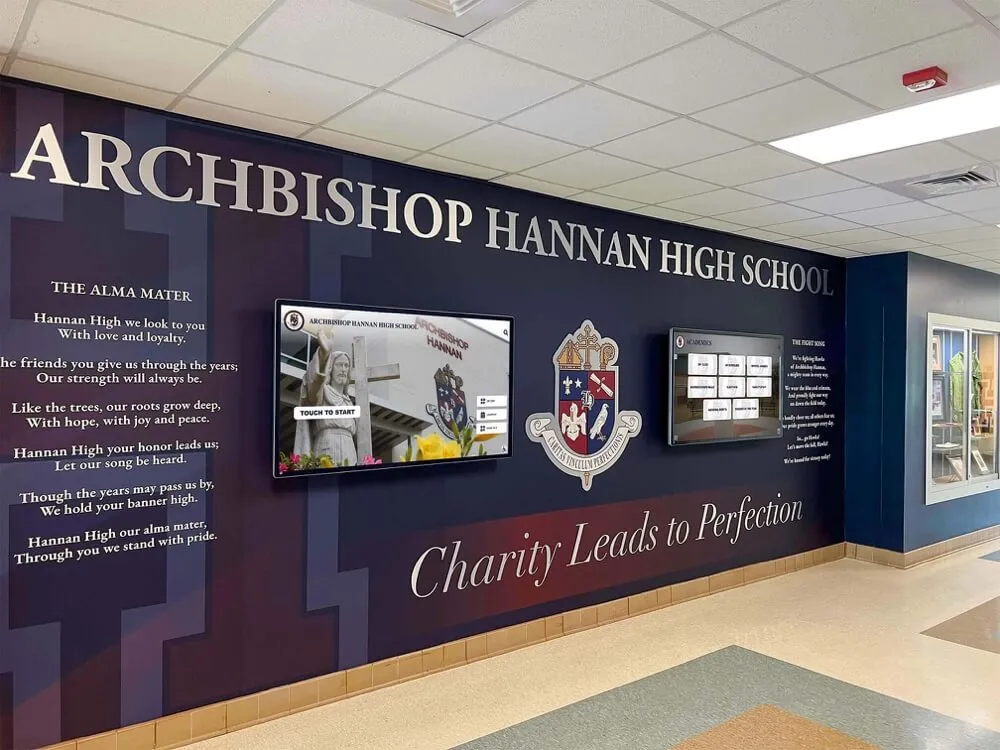
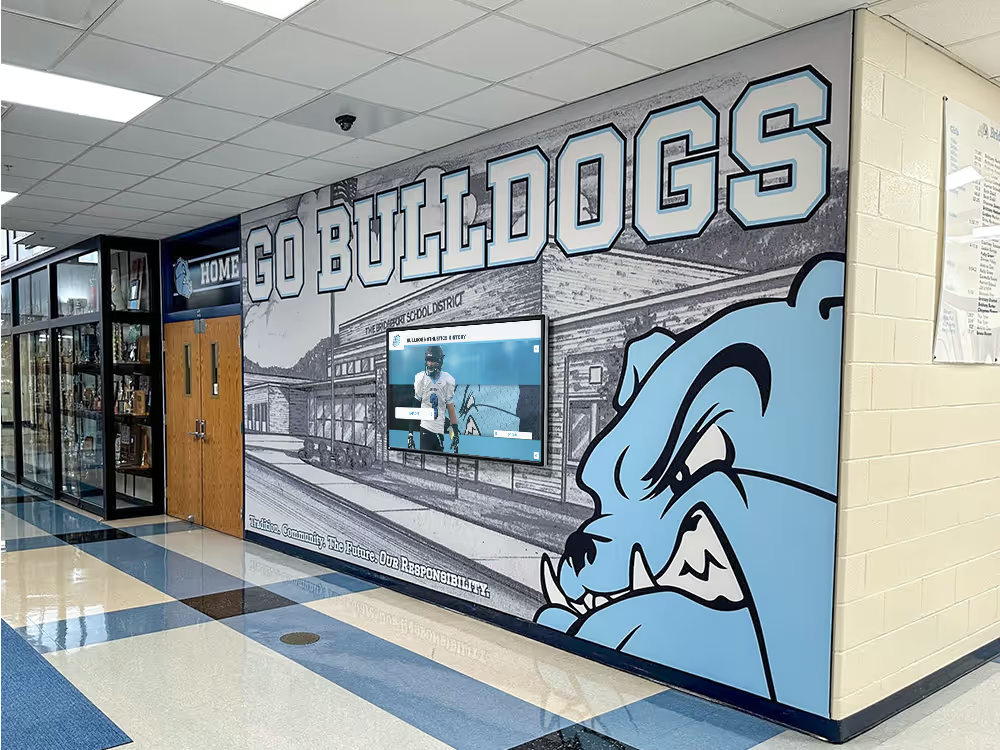
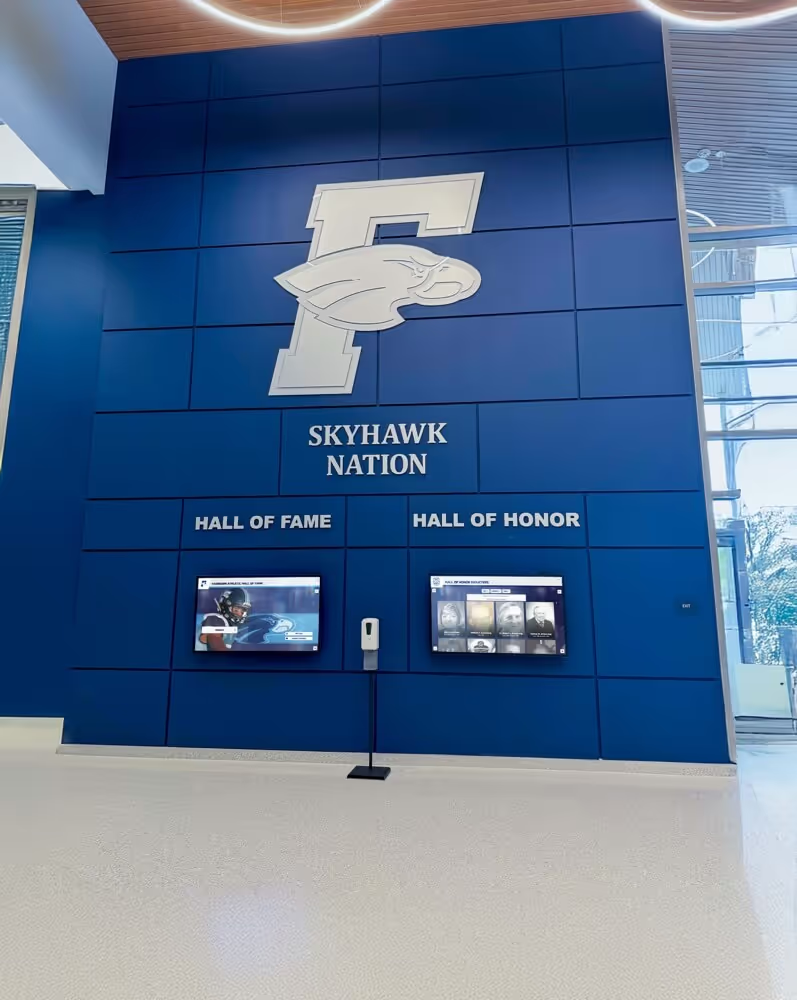
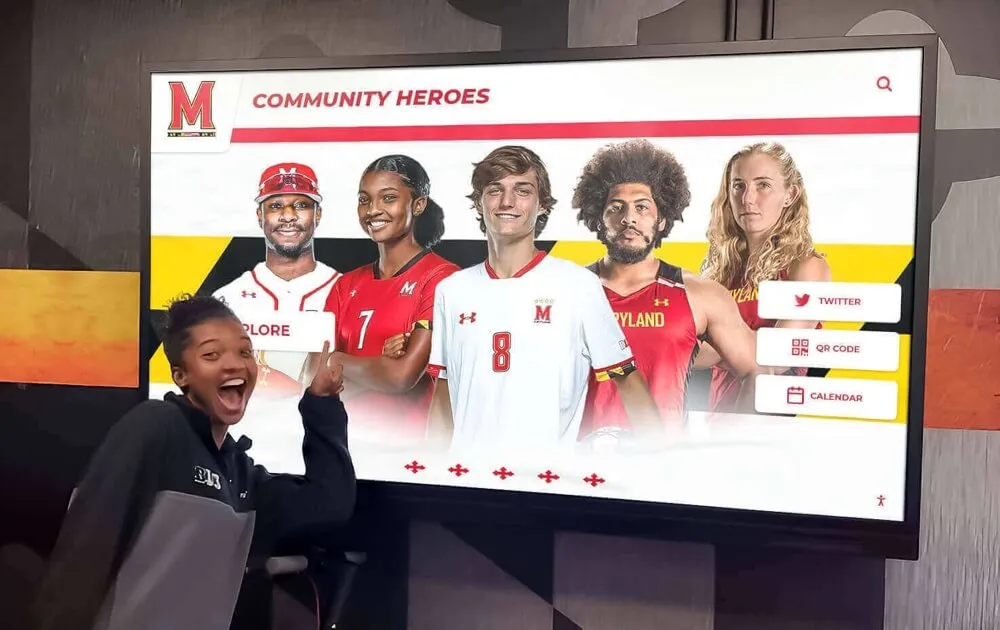
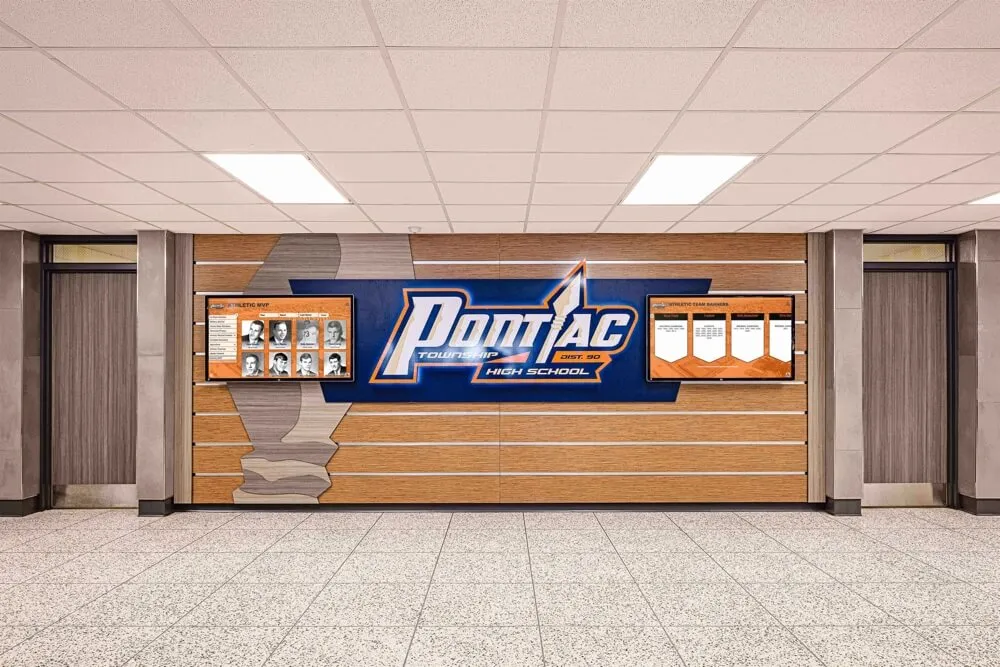
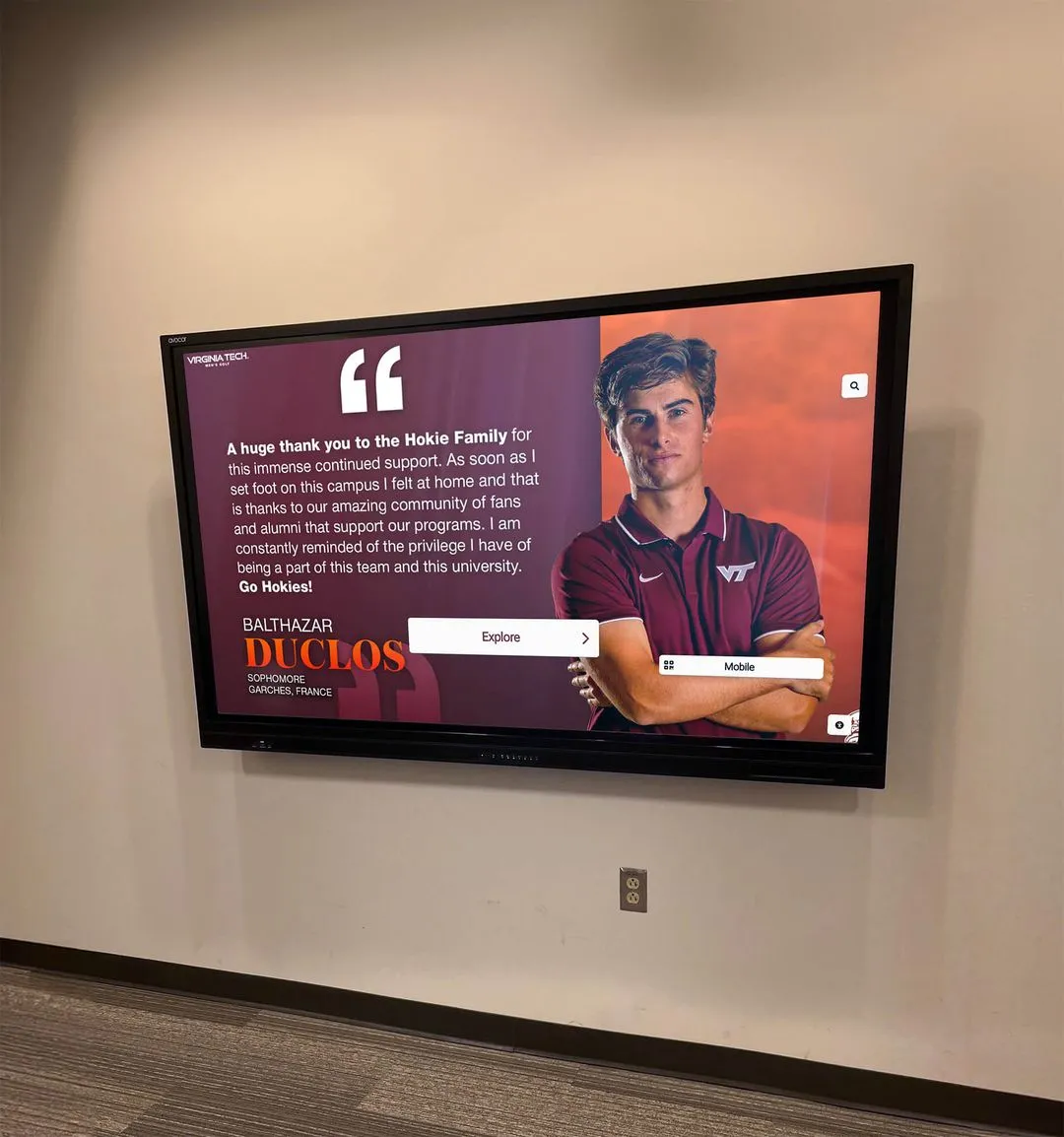
Modern donor recognition combines traditional design elements with flexible digital systems
Technology and Systems
Campaigns require robust constituent relationship management (CRM) systems tracking prospect interactions, gift processing platforms managing pledges and payments, online giving portals enabling convenient contributions, donor recognition databases maintaining accurate acknowledgment records, and communication tools coordinating volunteer solicitors.
Organizations attempting campaigns without adequate infrastructure struggle with inconsistent prospect tracking, missed cultivation opportunities, delayed gift processing, and recognition errors that damage donor relationships.
Developing the Case for Support
The case for support articulates why the campaign matters and why donors should invest in organizational vision.
Core Case Elements
Compelling cases for support include clear articulation of the problem or opportunity being addressed, specific explanation of how campaign funds will create impact, evidence demonstrating organizational capacity to execute successfully, stories connecting campaign objectives to mission fulfillment, and tangible outcomes donors can understand and support.
Weak cases for support focus on institutional needs rather than donor impact, describe projects in technical terms disconnected from mission, or fail to differentiate why this campaign deserves extraordinary support beyond annual giving.
Many successful schools leverage school recognition programs and milestone celebrations to build campaign momentum and demonstrate community engagement.
Phase 2: Silent Phase Strategy and Lead Gift Solicitation
The silent phase, typically comprising the first 12-24 months of campaigns, focuses on securing lead gifts from top prospects before public launch.
Implementing the Gift Range Table
Gift range tables (also called gift pyramids) outline how many gifts at each level are needed to reach campaign goals.
Standard Gift Range Principles
Capital campaign best practices suggest that top 10 gifts provide 60-70% of total campaign goal, top 100 gifts contribute 90-95% of final total, and remaining smaller gifts account for only 5-10% of dollars raised despite representing majority of donors.
For a $5 million campaign, the gift range table might include one lead gift of $1,000,000-$1,500,000, two gifts of $500,000, three gifts of $250,000, five gifts of $100,000, ten gifts of $50,000, and twenty gifts of $25,000, with these top 41 gifts totaling $4,500,000 or 90% of the goal.
Silent Phase Benchmarks
Organizations should secure 50-70% of campaign goal during silent phase before public launch. Attempting public announcement without adequate lead gift commitments risks campaigns that never gain momentum, as smaller donors hesitate to contribute until leadership giving demonstrates campaign viability.
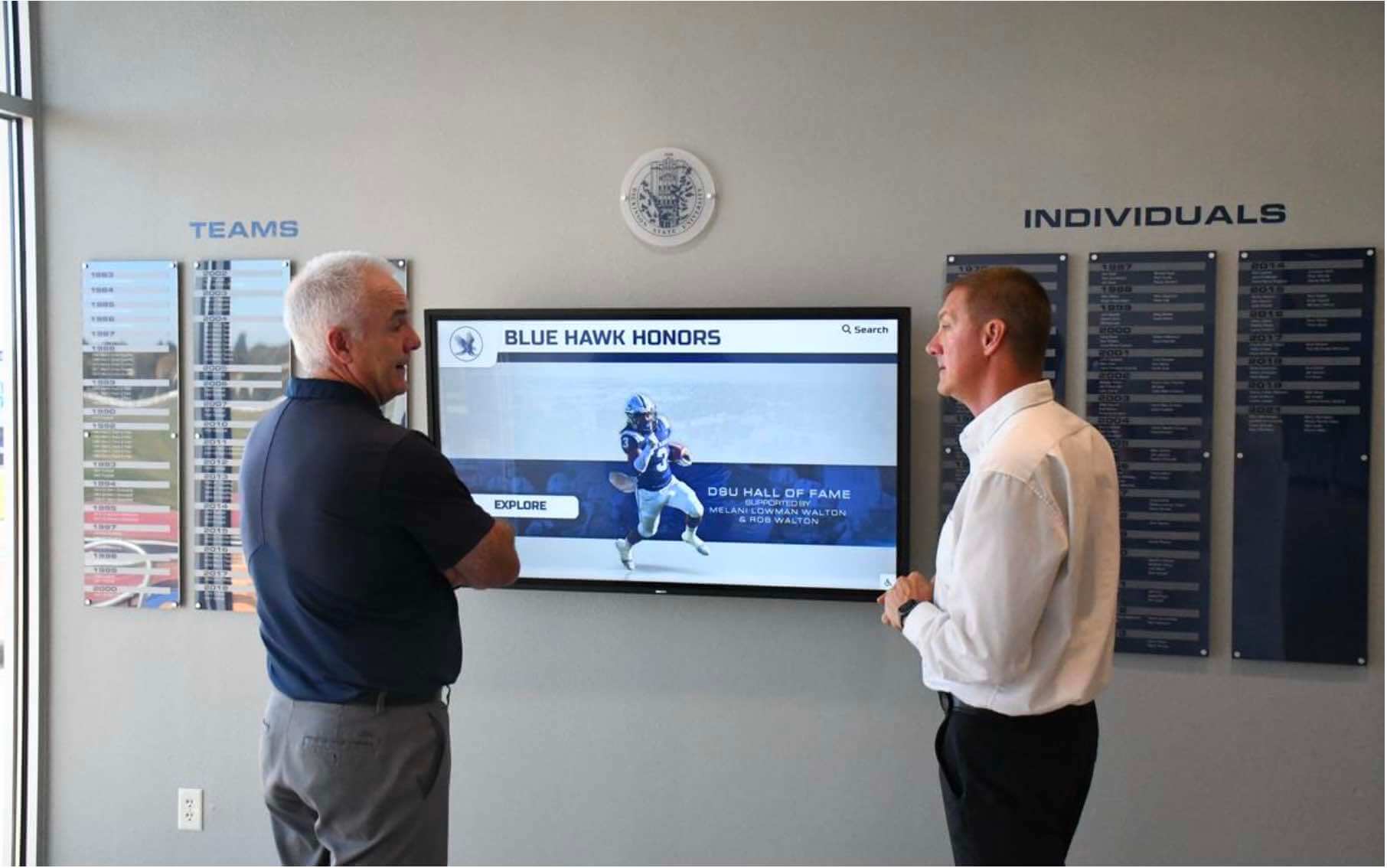
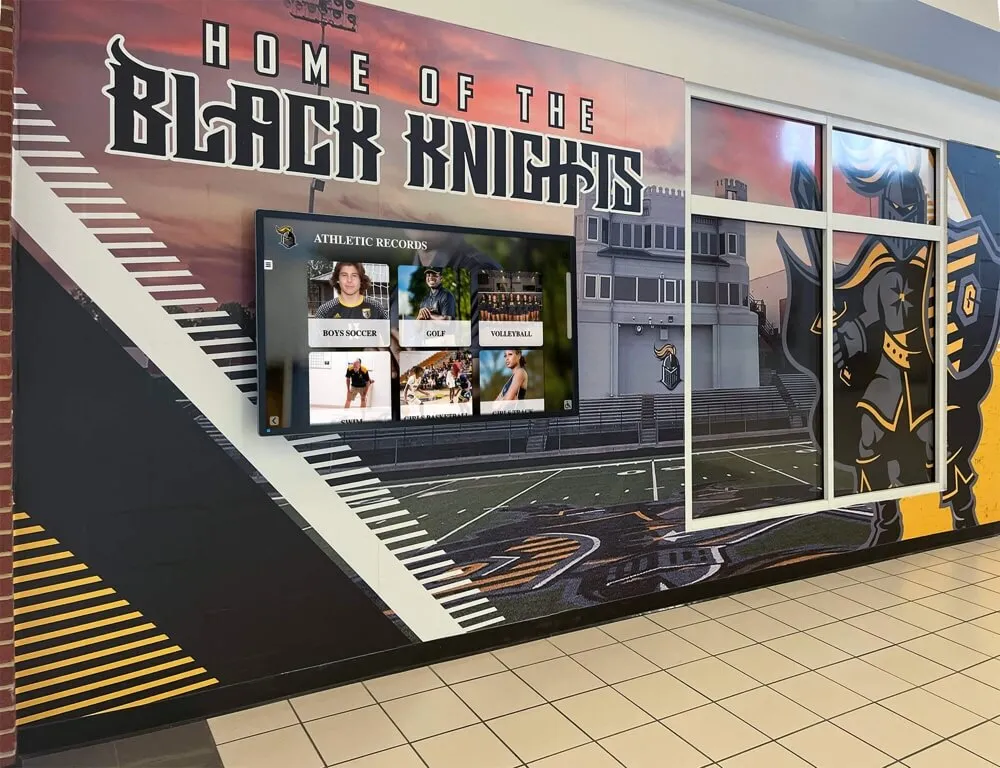
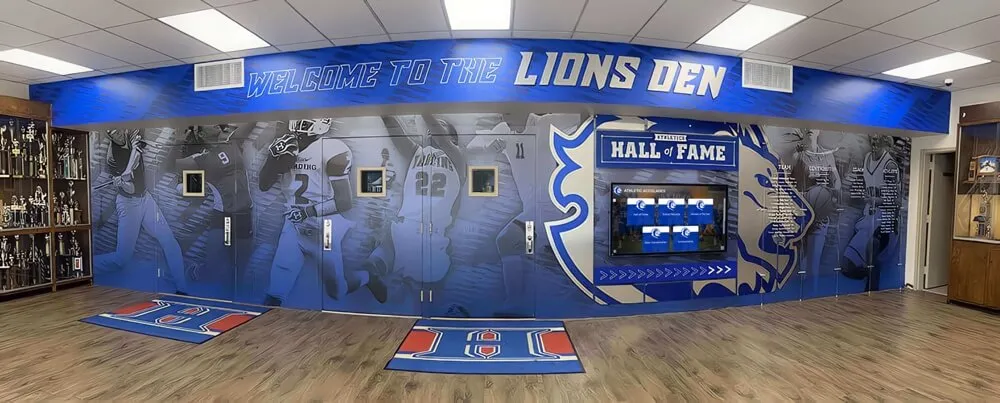
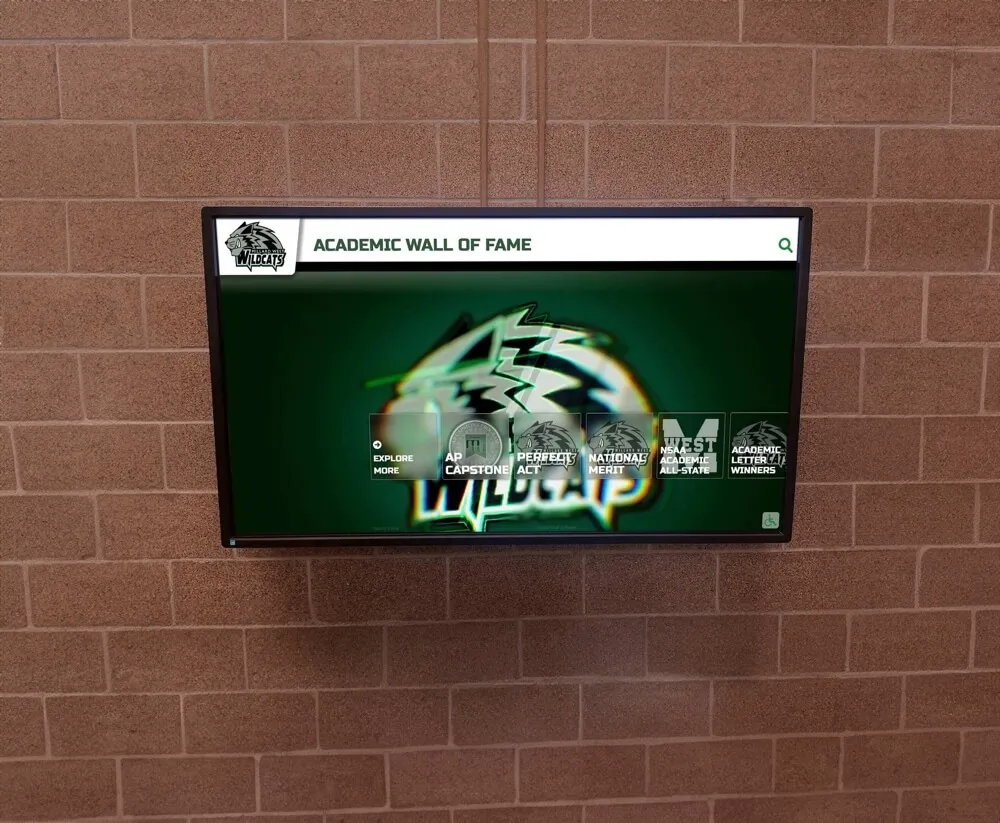
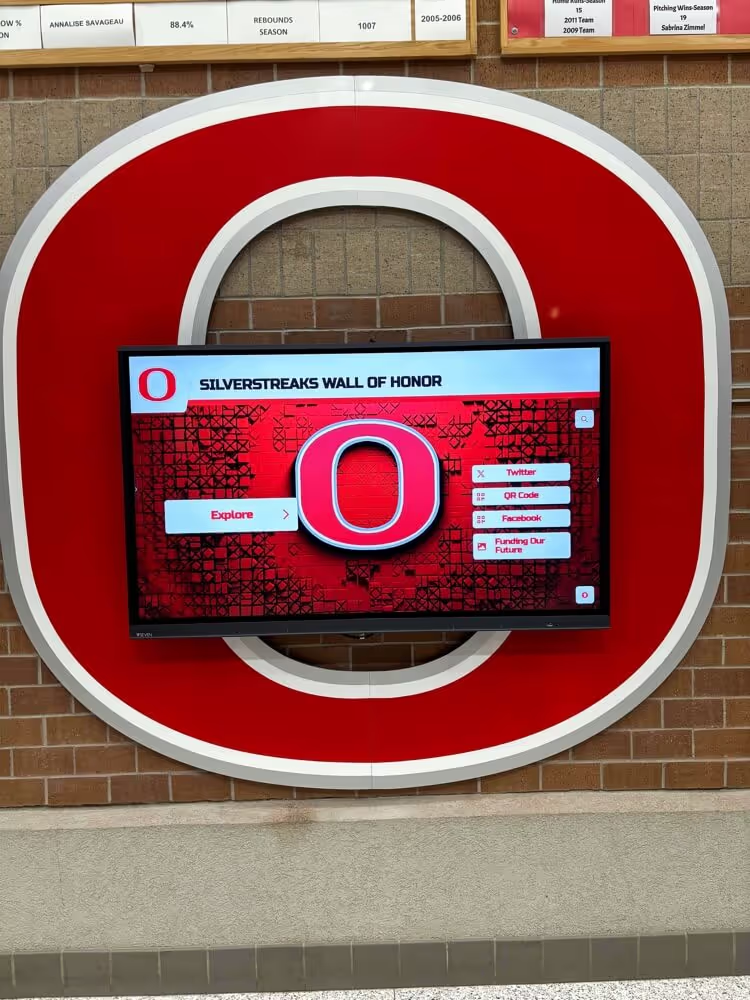
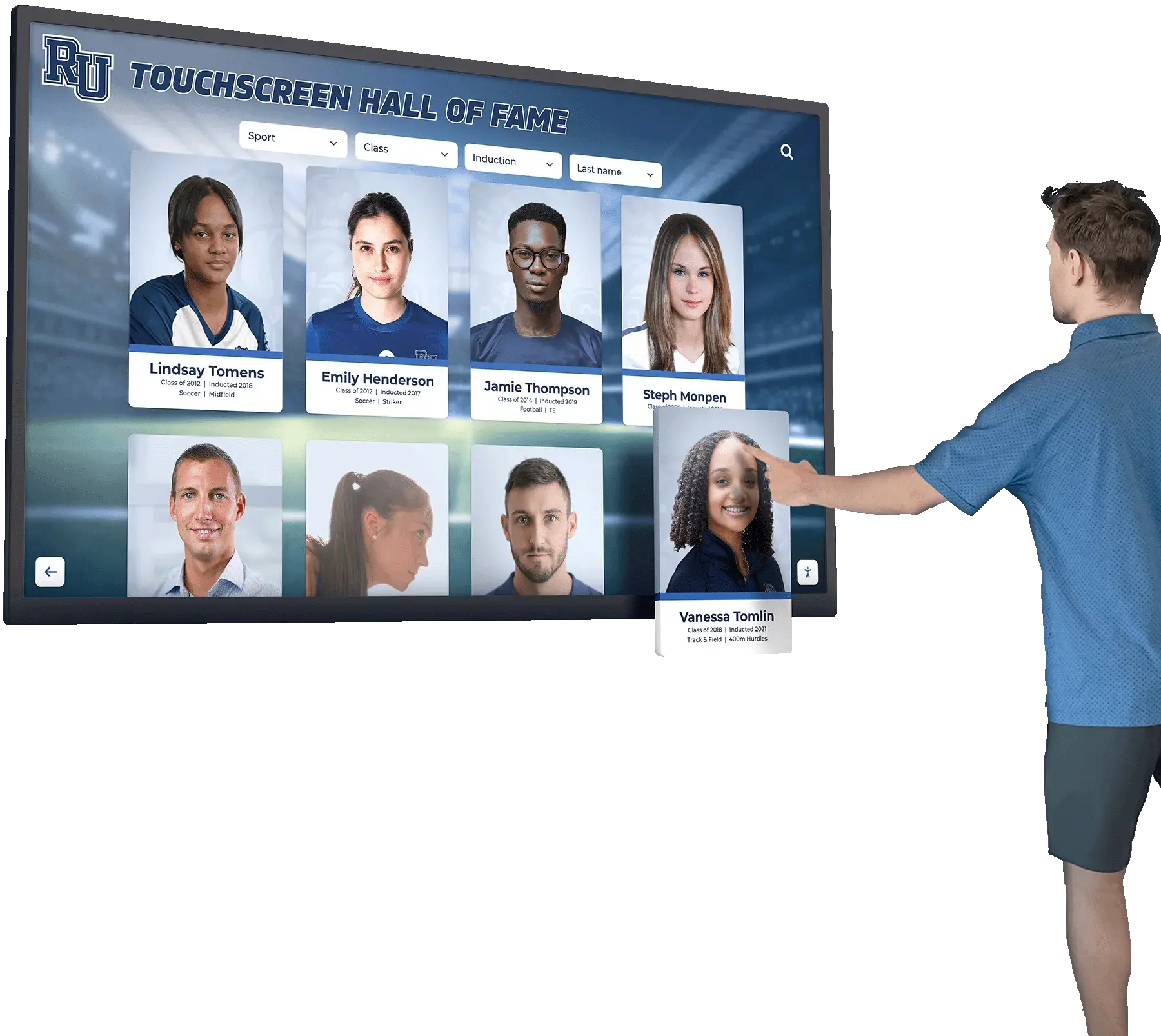
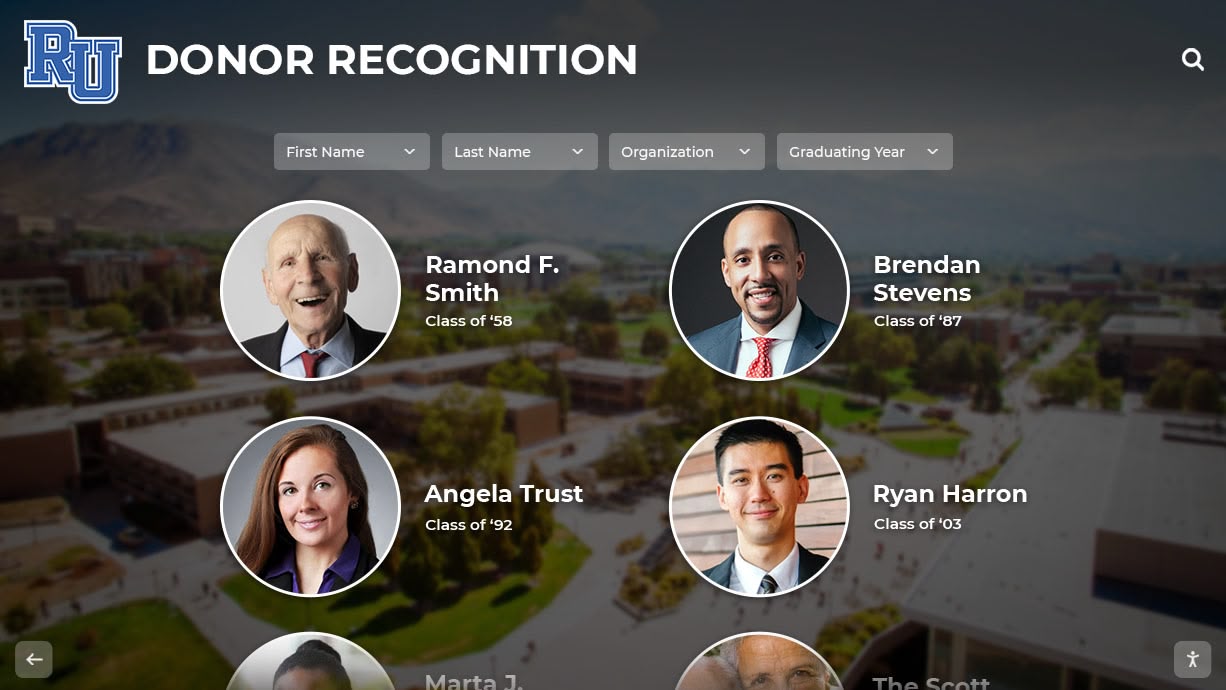
Interactive donor recognition systems allow campaign leaders to showcase progress and inspire additional giving
Securing Transformational Lead Gifts
Lead gifts require personalized cultivation and sophisticated solicitation strategies:
Lead Donor Cultivation
Top prospects need extensive cultivation including facility tours showing current conditions and future vision, meetings with leadership articulating institutional priorities, involvement in planning processes demonstrating their input matters, recognition proposal presentations showing how their gifts will be honored, and multiple touchpoints building relationships before formal solicitation.
Organizations that rush lead gift solicitations without adequate cultivation frequently receive smaller commitments than prospects might have made with proper relationship development.
Naming Opportunity Strategy
Lead gifts typically come with naming opportunities providing permanent recognition. Effective capital campaign donor recognition planning identifies and prices naming opportunities before approaching prospects, ensuring organizations can confidently commit to recognition commensurate with gift levels.
Naming opportunity pricing typically follows formulas where building naming requires gifts of 40-50% of construction costs, major spaces like auditoriums need 20-30% of their construction value, and classrooms or smaller spaces warrant 50-100% of their build-out costs.
Managing Board and Volunteer Leadership
Capital campaign success depends heavily on volunteer engagement and leadership participation.
Board Giving Requirements
Campaign best practices dictate 100% board participation with aggregate board giving representing 15-25% of campaign goal. Boards unable or unwilling to make significant personal commitments signal to major prospects that leadership doesn’t believe in campaign importance.
Board members should complete their own pledges before soliciting external prospects, providing authentic testimony about why they invested personally when asking others to contribute.
Campaign Committee Structure
Effective campaigns organize volunteer committees including steering committee providing overall governance and strategic direction, major gifts committee managing top prospect solicitations, planned giving committee securing estate commitments and complex gifts, corporate and foundation committee pursuing institutional support, and recognition committee overseeing donor acknowledgment systems.
Well-structured committees distribute campaign workload while engaging community leaders who bring relationships, credibility, and fundraising capacity beyond staff capabilities.
Schools planning major campaigns often coordinate with award ceremonies and recognition events to maintain donor engagement and celebrate campaign milestones.
Phase 3: Public Phase Execution and Broad Solicitation
Following silent phase success, campaigns transition to public launch engaging broader donor communities.
Planning the Campaign Kickoff Event
Public campaign launch events announce ambitious goals, celebrate lead gifts secured during silent phase, and inspire community-wide participation.
Kickoff Event Elements
Successful campaign launches include announcement of total campaign goal and progress to date (typically 50-70% from silent phase), recognition of lead donors and campaign leadership, compelling presentations connecting campaign to mission impact, visual materials showing project plans and renderings, testimonials from beneficiaries explaining campaign significance, and clear next steps enabling immediate giving.
Kickoff events transform campaigns from insider initiatives to community-wide movements, leveraging social proof from lead gifts to inspire additional support.
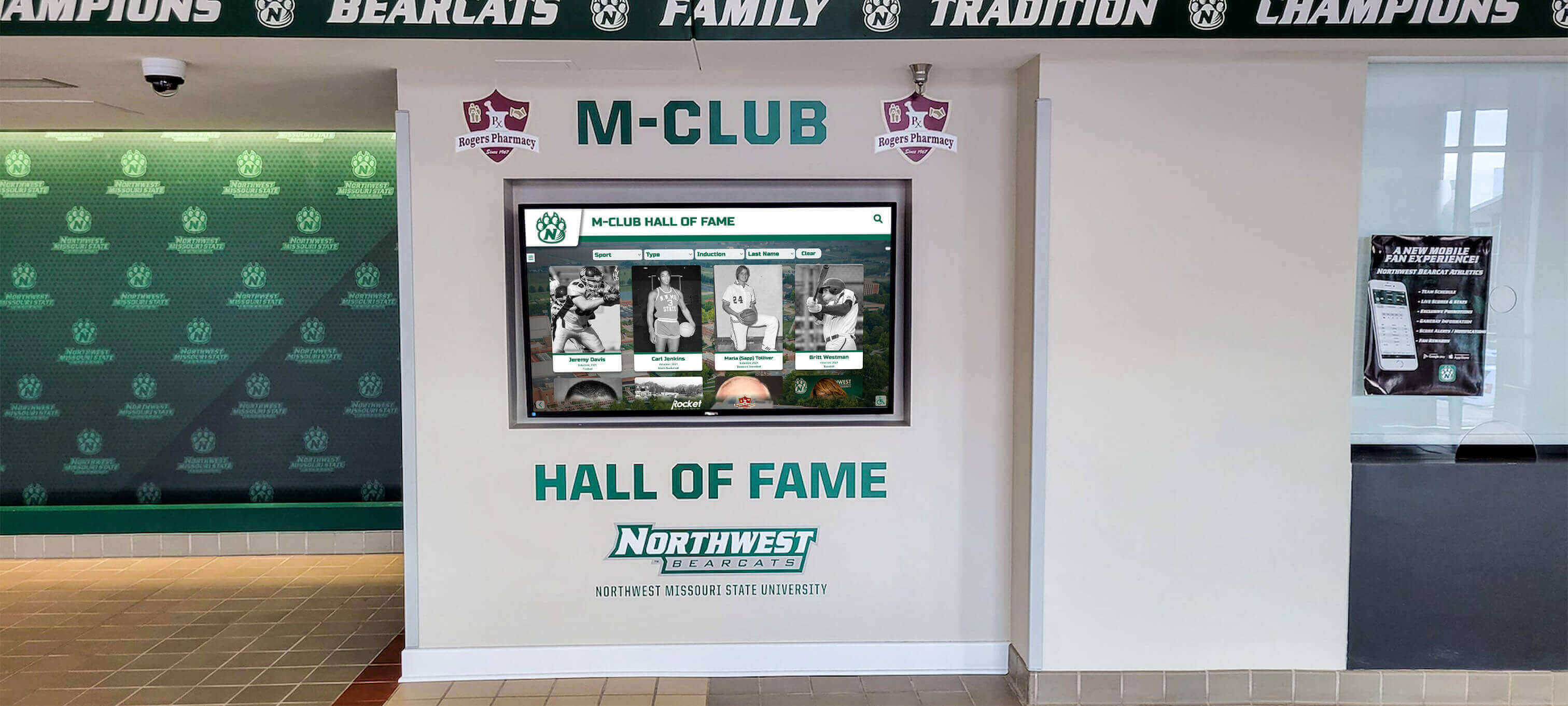
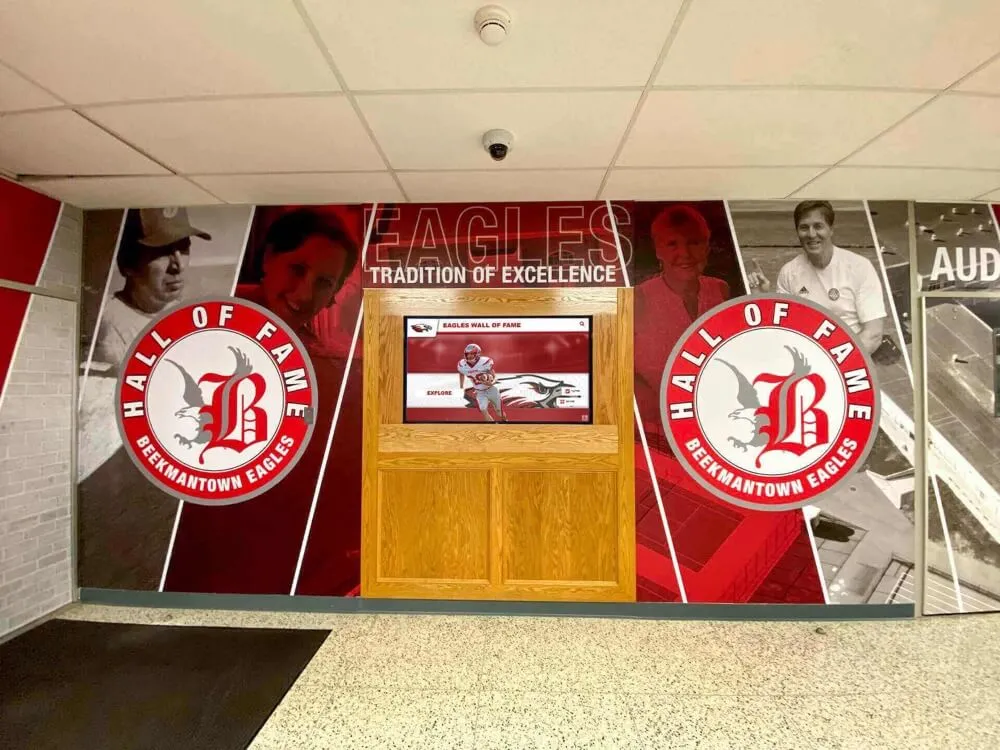
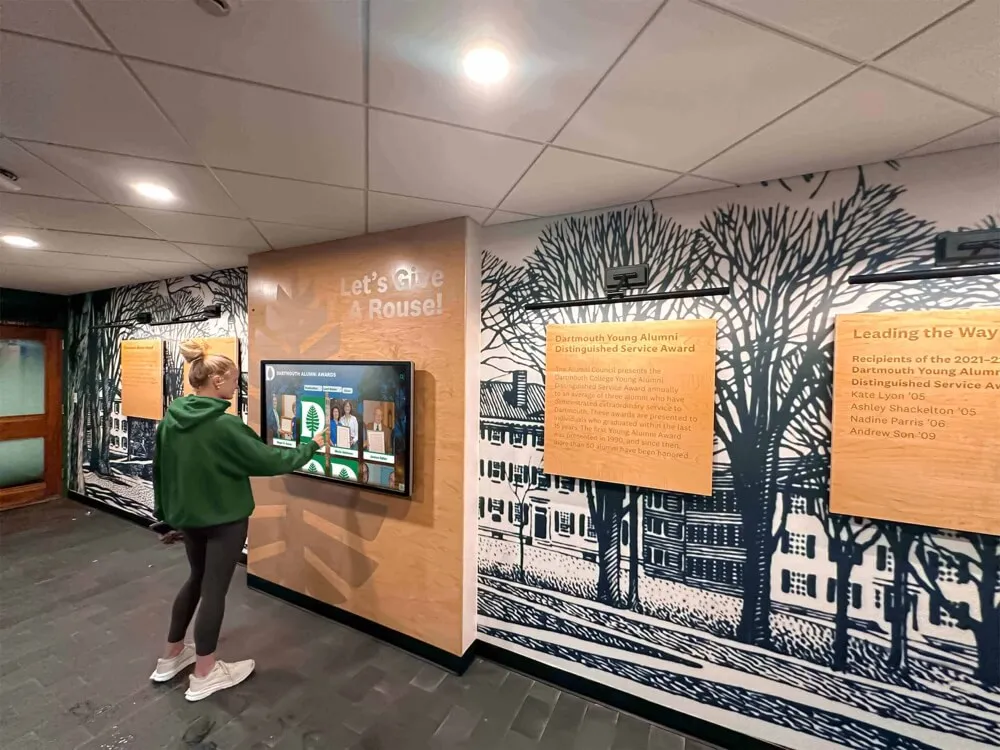
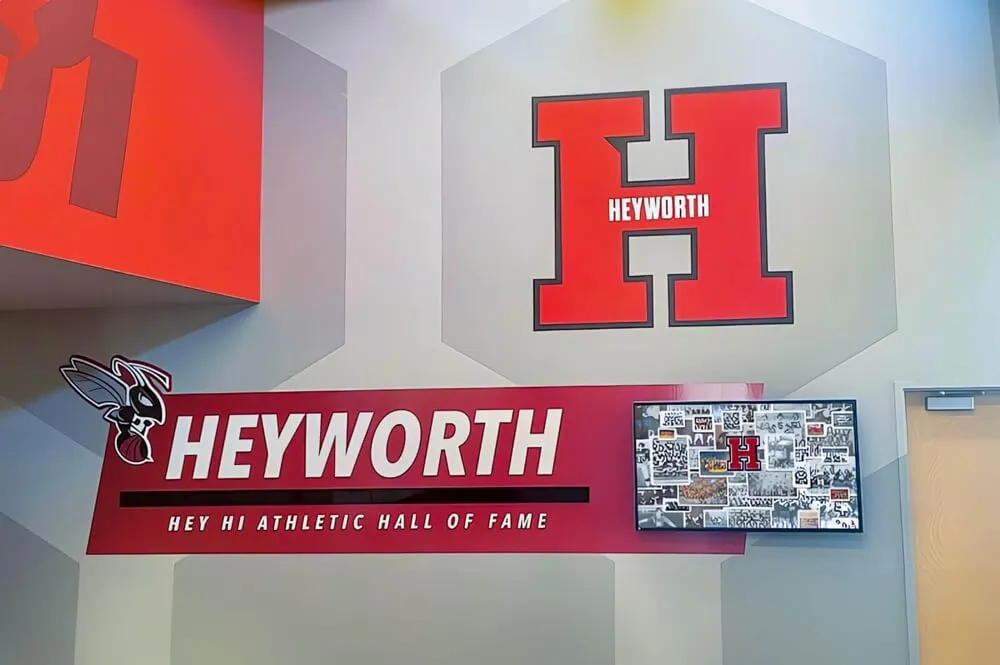
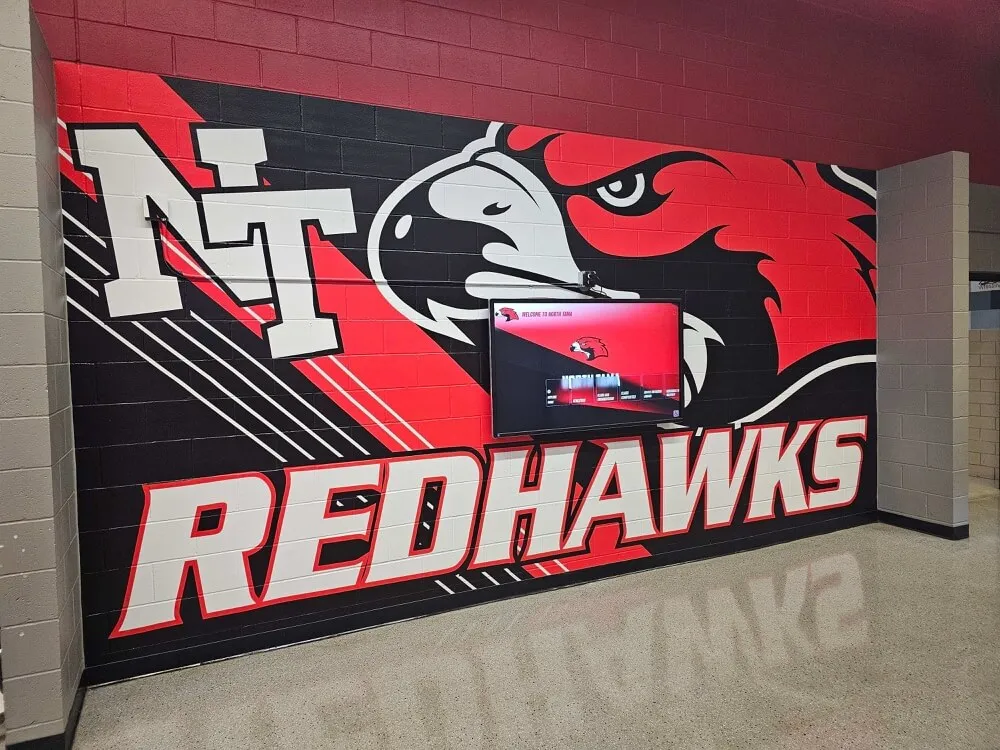
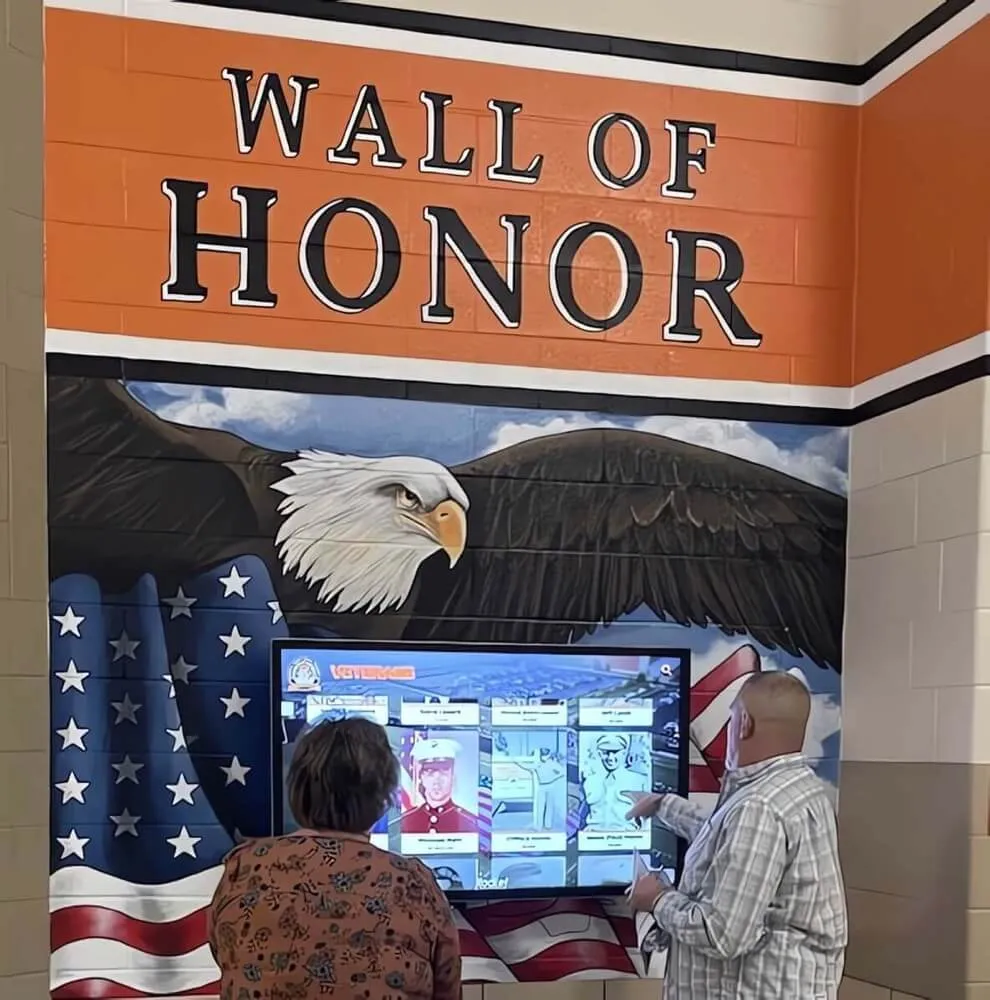
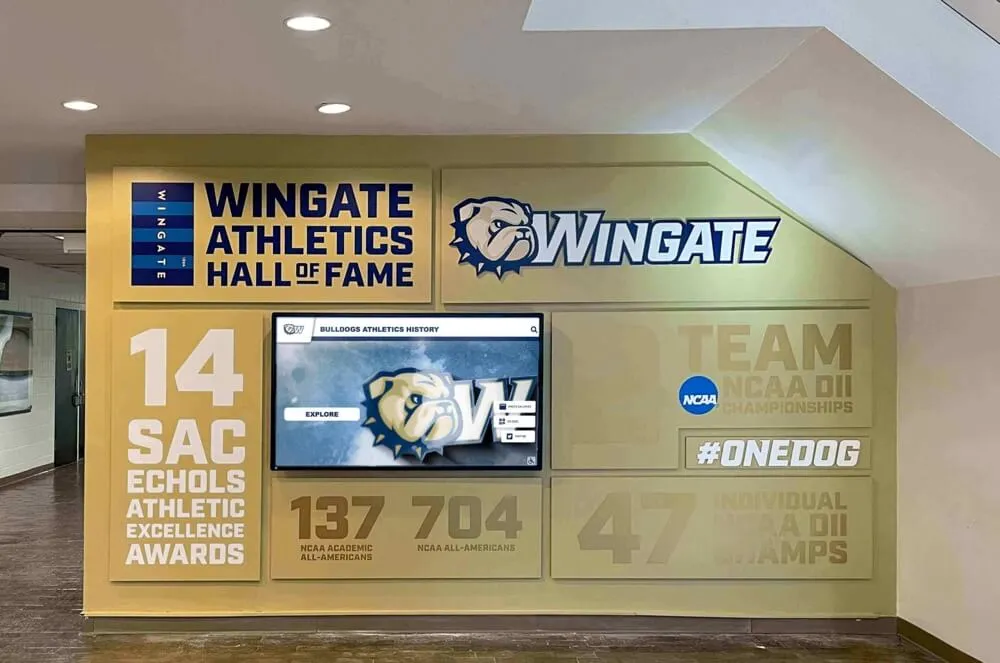
Permanent donor recognition installations in high-traffic areas provide ongoing acknowledgment and inspire future giving
Broadening Donor Engagement
Public phase solicitation expands beyond major gift prospects to engage wider constituencies:
Mid-Level Donor Strategies
Donors capable of $1,000-$25,000 gifts require personalized but scalable approaches including segmented communication explaining how their giving level creates specific impact, recognition opportunities appropriate to gift size, special events gathering mid-level donors with leadership, and multi-year pledge options making larger commitments accessible.
Mid-level donors often become future major gift prospects—cultivation during capital campaigns builds relationships yielding larger support in subsequent initiatives.
Annual Fund Integration
Capital campaigns should complement rather than cannibalize annual giving programs. Best practices include maintaining separate solicitation tracks for capital and annual gifts, encouraging donors to sustain annual support while adding capital commitments, and clearly communicating that capital gifts fund transformational projects while annual support sustains daily operations.
Organizations that allow capital campaigns to undermine annual giving discover operational funding gaps that persist long after campaigns conclude.
Maintaining Campaign Momentum
Multi-year campaigns risk losing energy between kickoff enthusiasm and goal achievement:
Progress Reporting
Regular campaign updates maintain momentum by celebrating milestone achievements, spotlighting recent donors, showing visual progress on construction or program development, sharing impact stories from beneficiaries, and maintaining urgency through countdown messaging.
Digital donor recognition systems from Rocket Alumni Solutions enable real-time campaign progress displays, allowing organizations to update giving totals, recognize recent donors, and showcase campaign advancement as facilities take shape.
Many organizations coordinate campaigns with broader recognition planning ensuring comprehensive acknowledgment systems honor all contributors appropriately.
Phase 4: Recognition Planning and Stewardship Systems
Donor recognition represents one of the most critical yet frequently mishandled aspects of capital campaigns.
Designing Comprehensive Recognition Systems
Recognition planning should begin during campaign planning phase, not after fundraising concludes.
Multi-Tiered Recognition Approaches
Effective recognition systems honor donors at all levels through permanent installations like donor walls in completed facilities, printed materials including dedication programs and donor honor rolls, digital recognition through websites, social media, and electronic displays, naming opportunities for major donors, special events celebrating donor commitment, and ongoing stewardship communication.
Organizations that delay recognition planning until campaigns near completion discover space constraints, budget limitations, or timeline conflicts preventing desired donor acknowledgment.
Physical vs. Digital Recognition Integration
Modern capital campaign recognition increasingly combines traditional permanent installations with flexible digital systems that offer advantages including unlimited donor capacity as campaigns extend beyond initial projections, easy content updates as new gifts arrive, multimedia capabilities featuring donor stories and impact videos, interactive exploration allowing visitors to learn about individual donors, and cost-effective expansion compared to physical installation limitations.
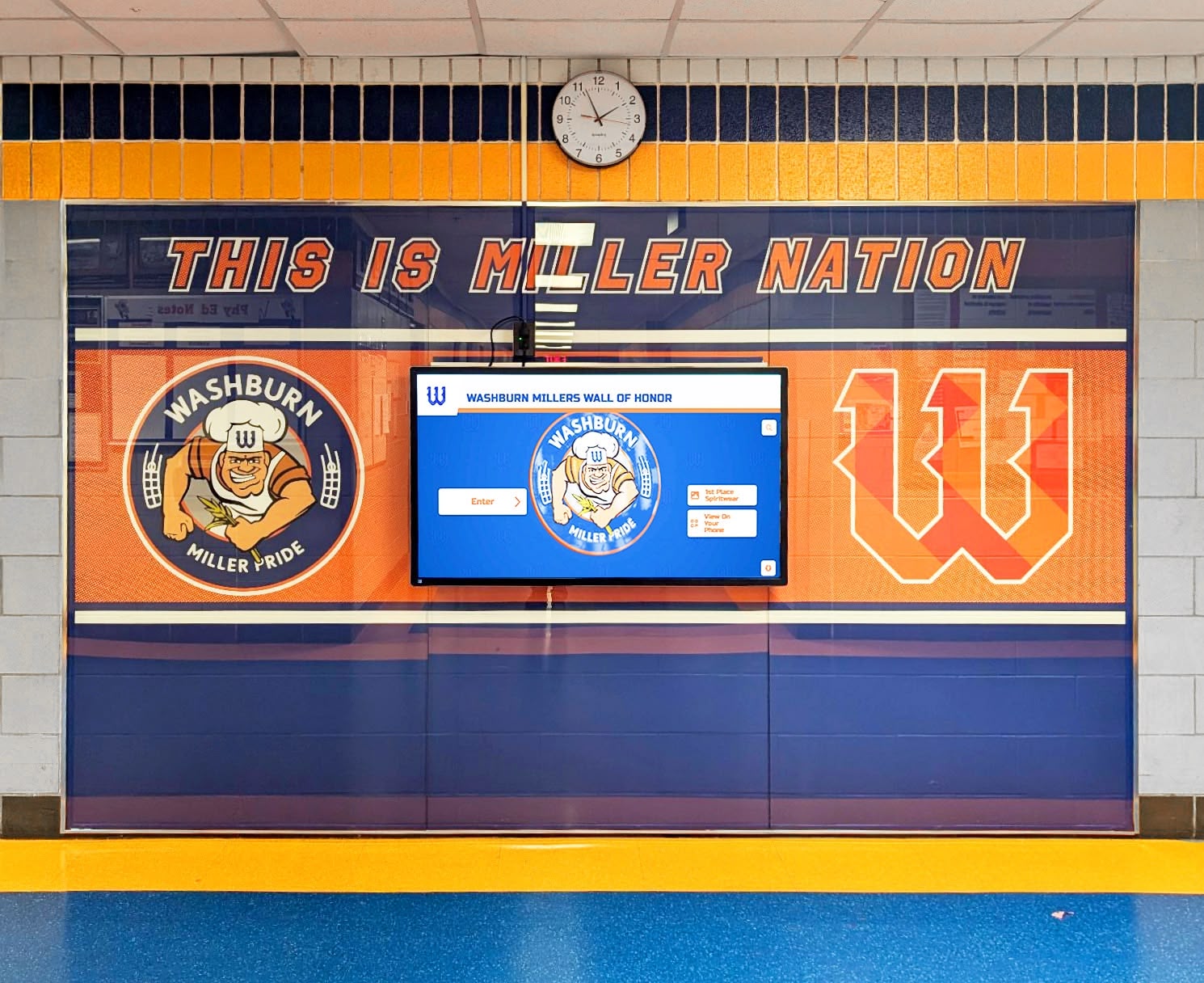
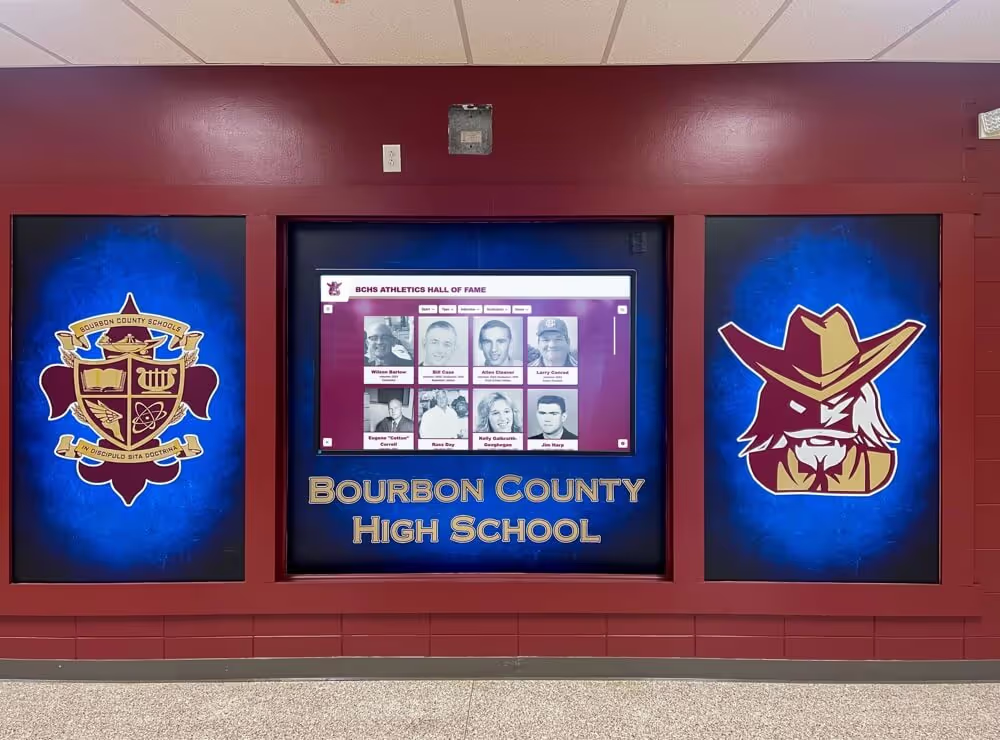
Digital donor recognition provides flexibility to honor growing numbers of supporters as campaigns progress
Implementing Donor Stewardship Frameworks
Capital campaign stewardship extends decades beyond campaign conclusion:
Immediate Post-Gift Stewardship
Upon receiving gifts, organizations should provide prompt acknowledgment including personalized thank you from campaign leadership within 48 hours, formal gift receipt documentation for tax purposes within one week, and recognition of first-time major donors through special outreach.
Delayed or impersonal acknowledgment signals that gifts don’t truly matter, undermining relationships organizations spent years cultivating.
Ongoing Impact Communication
Major capital campaign donors deserve regular updates about projects their gifts funded including construction progress reports during building phases, dedication event invitations when facilities open, annual impact reports showing how spaces or programs serve beneficiaries, and periodic personal outreach from leadership expressing continued gratitude.
Donors who receive only initial thank you letters before hearing nothing further feel their transformational gifts disappeared into organizational operations without creating the lasting impact they envisioned.
Recognition Maintenance and Updates
Physical and digital donor recognition requires perpetual maintenance ensuring donor names remain accurate and properly spelled, recognition displays stay clean and well-lit, digital systems receive content updates as campaigns progress, and recognition commitments promised during solicitation are fulfilled completely.
Many educational institutions coordinate capital campaign recognition with academic achievement displays and graduation recognition programs, creating comprehensive acknowledgment ecosystems.
Phase 5: Campaign Completion and Legacy Building
Successful campaigns don’t simply end when goals are reached—they transition into legacy stewardship.
Conducting Campaign Closeout
Formal campaign conclusion includes several essential activities:
Final Reporting and Celebration
Organizations should publicly announce campaign success once goals are achieved or established timelines conclude, host celebration events honoring all donors and volunteers, publish final campaign reports documenting total raised and donor participation, complete all promised donor recognition installations, and formally thank campaign leadership and committees.
Campaign closeout provides closure while celebrating collective achievement and positioning organizations for future fundraising success.
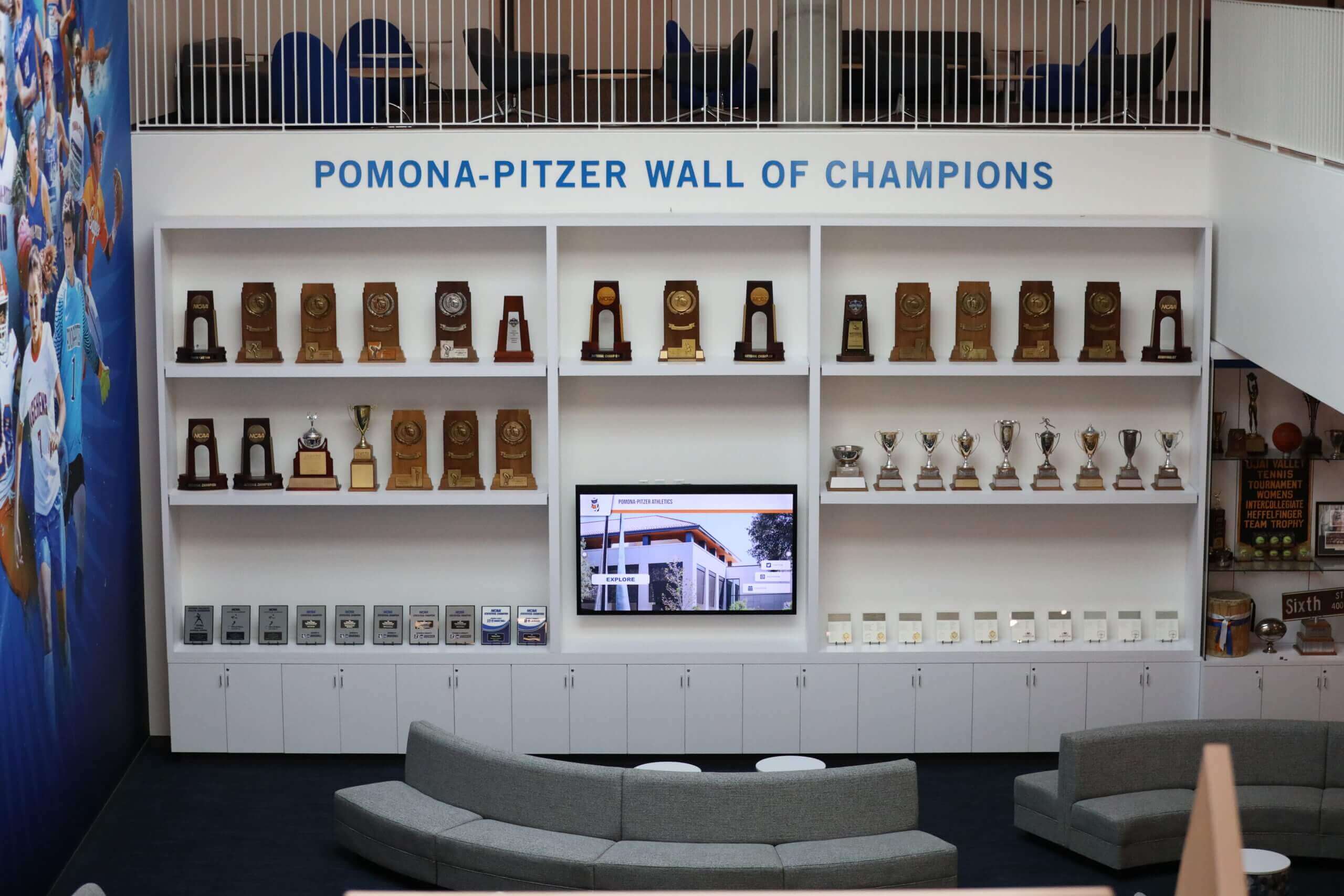
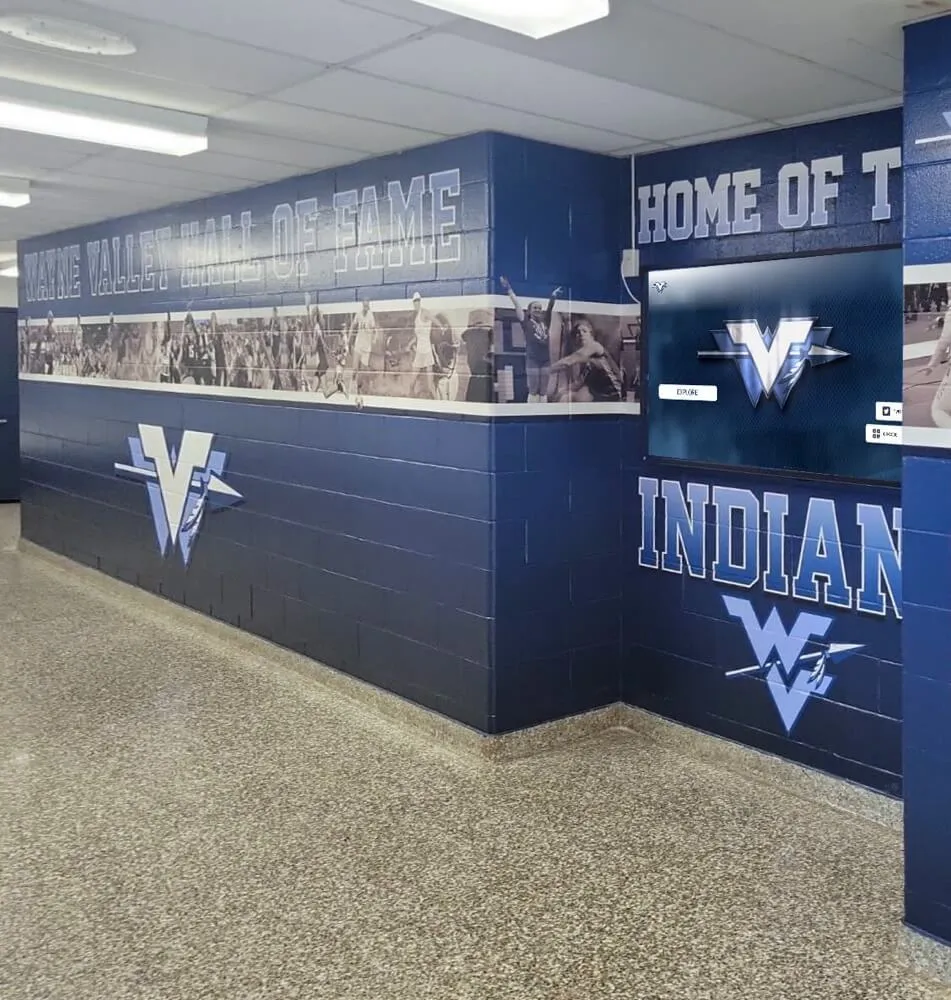
Completed campaign recognition creates lasting legacy spaces where community members gather and donors see their impact daily
Transitioning to Ongoing Stewardship
Capital campaign relationships should evolve into sustained engagement:
Post-Campaign Donor Relations
Major campaign donors warrant continued cultivation including facility tours showing completed projects in use, invitations to special events in spaces they funded, introduction to students or beneficiaries their gifts serve, and solicitation for future initiatives when appropriate timing allows.
Capital campaign donors who feel appreciated and connected to impact become repeat major gift prospects for subsequent campaigns, planned giving supporters, and organizational ambassadors.
Lessons Learned Documentation
Organizations should conduct campaign retrospectives capturing what worked well for replication in future campaigns, what challenges emerged and how they were addressed, which strategies proved most effective for different donor segments, and how recognition planning and execution could improve next time.
Institutional knowledge captured immediately after campaign conclusion prevents relearning lessons when organizations launch subsequent initiatives years later.
Preparing for Future Campaigns
Successful capital campaigns position organizations for continued fundraising success:
Donor Pipeline Development
Capital campaigns identify and cultivate prospects who may not give during current initiatives but demonstrate capacity and interest for future support. Maintaining relationships with these prospects through regular engagement ensures robust pipelines when organizations launch subsequent campaigns.
First-time major donors to capital campaigns often increase giving in future initiatives if organizations maintain strong stewardship between campaigns.
Recognition System Scalability
Recognition systems designed with future flexibility serve organizations well beyond initial campaigns. Digital donor walls from Rocket Alumni Solutions accommodate unlimited donors as organizations launch additional campaigns, add annual giving recognition, or expand acknowledgment to include planned giving societies and other donor groups.
Organizations implementing touchscreen recognition displays during capital campaigns leverage those investments for decades of comprehensive donor acknowledgment.
Capital Campaign Best Practices Checklist
Pre-Campaign Phase
- ✓ Conduct comprehensive feasibility study 12-18 months before launch
- ✓ Develop detailed case for support aligned with institutional mission
- ✓ Establish campaign infrastructure including staff and technology systems
- ✓ Create gift range table projecting needed gifts at each level
- ✓ Identify and qualify major gift prospects capable of lead gifts
- ✓ Secure 100% board participation commitments before soliciting externally
- ✓ Design recognition systems and price naming opportunities
- ✓ Develop campaign timeline, budget, and governance structure
Silent Phase
- ✓ Cultivate top prospects through personalized engagement strategies
- ✓ Solicit lead gifts from prospects capable of supporting 50-70% of goal
- ✓ Secure naming opportunity commitments from major donors
- ✓ Recruit and train volunteer campaign leadership
- ✓ Develop campaign materials including brochures, videos, and presentations
- ✓ Plan public launch event for when silent phase goals are achieved
Public Phase
- ✓ Host campaign kickoff announcing goals and celebrating lead gifts
- ✓ Implement broad solicitation strategies engaging all constituencies
- ✓ Maintain campaign momentum through regular progress reporting
- ✓ Coordinate construction or program milestones with donor communication
- ✓ Provide prompt, personalized acknowledgment for all gifts
- ✓ Update recognition displays as new donors contribute
Completion Phase
- ✓ Install all permanent donor recognition as promised
- ✓ Host campaign celebration event honoring donors and volunteers
- ✓ Publish final campaign report documenting achievement
- ✓ Dedicate completed facilities with donor recognition prominent
- ✓ Transition donors into ongoing stewardship programs
- ✓ Document lessons learned for future campaign planning
Organizations can also integrate campaigns with employee recognition initiatives and team celebration programs creating comprehensive recognition cultures.
Common Capital Campaign Pitfalls to Avoid
Planning Mistakes
Insufficient Feasibility Assessment
Organizations that skip thorough feasibility studies or ignore concerning findings frequently launch campaigns destined to fall short. When feasibility results suggest limited major gift capacity, insufficient leadership support, or weak community enthusiasm, organizations should address these concerns before campaign launch rather than hoping enthusiasm overcomes structural challenges.
Unrealistic Goal Setting
Campaign goals should reflect demonstrated donor capacity rather than aspirational institutional needs. Setting goals 30-50% higher than feasibility studies suggest invites public failure that damages organizational credibility and discourages future giving.
Inadequate Recognition Planning
Organizations that treat recognition as an afterthought rather than strategic campaign component discover space limitations, budget constraints, or timeline conflicts preventing appropriate donor acknowledgment. Recognition planning belongs in pre-campaign phase, not campaign conclusion.
Execution Failures
Premature Public Launch
Announcing campaigns publicly before securing adequate lead gifts (typically 50-70% of goal) risks campaigns that never gain momentum. Smaller donors hesitate to contribute when leadership giving hasn’t demonstrated campaign viability.
Neglecting Annual Fund
Capital campaigns that cannibalize annual giving programs create operational funding gaps persisting long after campaigns conclude. Organizations must maintain annual fund solicitation separate from capital campaign appeals.
Weak Prospect Management
Inconsistent prospect tracking, delayed follow-up, and poor coordination among multiple solicitors create confused communication, missed cultivation opportunities, and damaged relationships with major donor prospects.
Stewardship Shortfalls
Delayed Gift Acknowledgment
Waiting weeks to thank major donors signals their transformational gifts don’t truly matter. Prompt, personalized acknowledgment from campaign leadership should occur within 48 hours of every significant contribution.
Unfulfilled Recognition Promises
Failing to deliver recognition commitments made during solicitation destroys donor trust and prevents future giving. Organizations must track all recognition commitments and ensure complete fulfillment.
Post-Campaign Neglect
Capital campaign donors deserve ongoing stewardship communication showing impact their gifts created. Donors who hear nothing after contributing feel their support disappeared without creating the transformational change they envisioned.
Educational institutions implementing campaigns often coordinate with senior recognition programs and student achievement displays demonstrating how donor support enables excellence.
Implementing Modern Donor Recognition Solutions
Contemporary capital campaigns benefit from recognition technologies that weren’t available in previous decades.
Digital Donor Wall Advantages
Modern digital donor recognition systems offer significant advantages over traditional static installations:
Unlimited Capacity
Digital systems accommodate unlimited donors without space constraints that limit physical plaques or engraved panels. As campaigns extend beyond projections or organizations launch subsequent initiatives, digital walls expand effortlessly.
Easy Content Updates
Adding new donors, correcting information, or updating campaign progress happens remotely without reinstallation costs or facility disruption. Organizations can recognize donors immediately upon gift receipt rather than waiting for annual plaque updates.
Enhanced Engagement
Interactive touchscreen displays allow visitors to explore donor stories, view campaign progress visualizations, and learn about projects supporters funded. This engagement creates deeper appreciation than static donor lists.
Cost-Effective Flexibility
Digital recognition provides better long-term value through lower maintenance costs, easy content modifications, and ability to repurpose displays for multiple recognition purposes beyond capital campaigns.
Rocket Alumni Solutions: Comprehensive Recognition Platform
Rocket Alumni Solutions provides schools and nonprofits with professional digital donor recognition systems specifically designed for capital campaign requirements.
Capital Campaign Features
Rocket’s platform supports campaign-specific needs including real-time campaign progress visualization showing giving totals and goal achievement, tiered donor recognition displaying supporters by giving level, naming opportunity showcase highlighting major gifts and named spaces, impact storytelling featuring multimedia content about projects donors funded, and administrative controls enabling authorized staff to update content remotely.
Long-Term Value
Organizations implementing Rocket’s donor recognition during capital campaigns leverage those systems for decades, expanding displays to include annual fund donors, planned giving society members, volunteer recognition, and other acknowledgment needs emerging after campaigns conclude.
Professional Implementation
Rocket provides comprehensive support including consultation on recognition strategy and donor wall design, hardware selection and installation coordination, content development assistance and template design, staff training on content management, and ongoing technical support ensuring displays remain current.
Schools using Rocket’s platform create recognition ecosystems connecting athletic achievement displays, academic honors, and donor acknowledgment in comprehensive recognition systems.
Moving Forward: Your Capital Campaign Journey
Capital campaign success requires deliberate planning, disciplined execution, and thoughtful stewardship extending years beyond campaign conclusion. Organizations applying these best practices position themselves to achieve ambitious goals, build lasting donor relationships, and create recognition systems honoring supporters appropriately while inspiring future giving.
Whether you’re planning your first capital campaign or seeking to enhance established approaches, implementing proven frameworks covering feasibility assessment, phased solicitation, volunteer engagement, and comprehensive recognition dramatically improves campaign outcomes.
The most successful campaigns integrate strategic recognition planning from the beginning, ensuring donor acknowledgment receives the thoughtful attention required to honor transformational gifts appropriately while creating lasting installations that inspire community pride for generations.
Ready to plan comprehensive donor recognition for your capital campaign? Contact Rocket Alumni Solutions to explore digital donor wall solutions that provide the flexibility, capacity, and professional quality your campaign deserves. Our team specializes in helping schools and nonprofits create recognition systems that honor supporters appropriately while remaining adaptable as campaigns and organizations evolve.