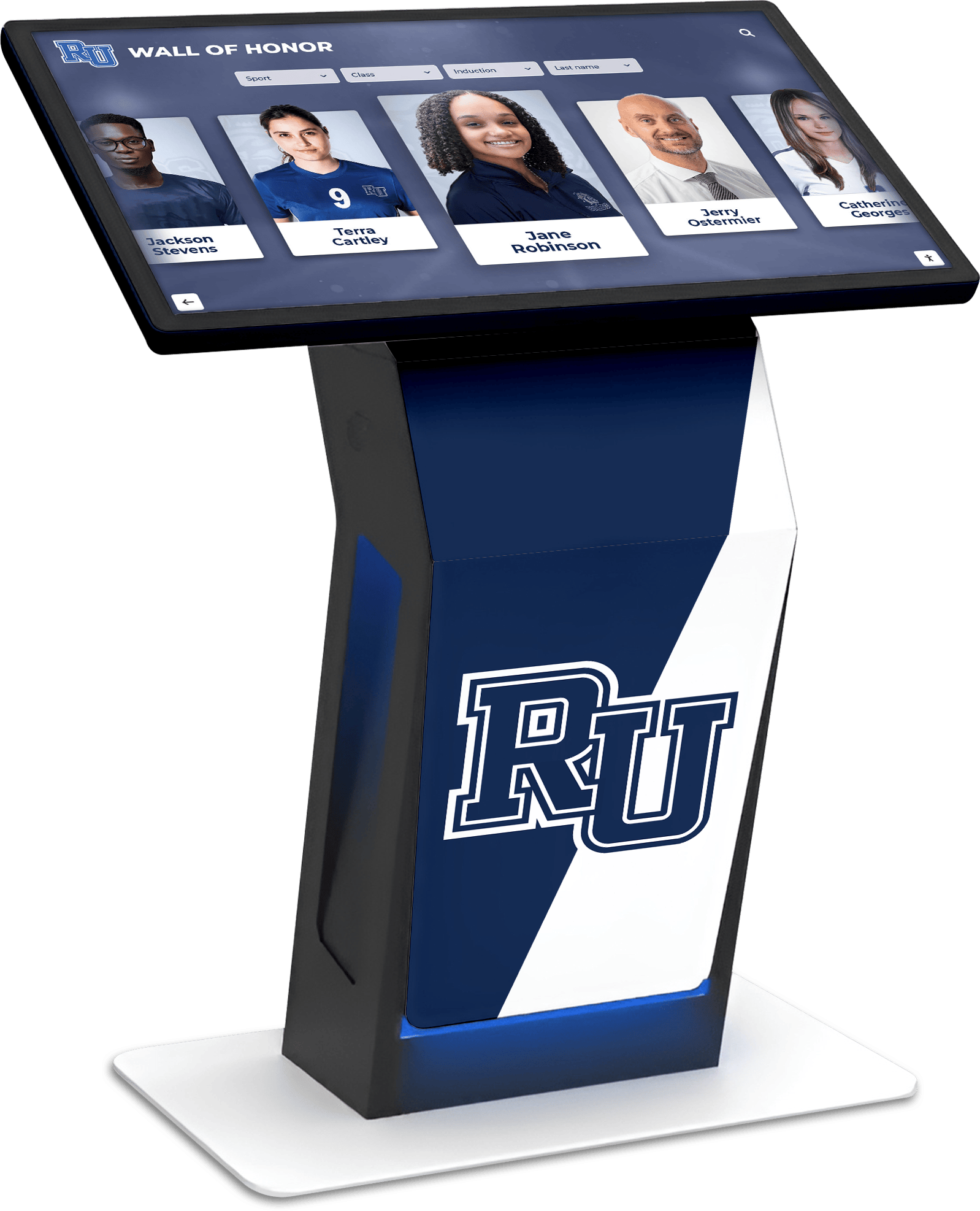
As fewer parishioners carry cash and digital payment methods become the norm, Catholic churches face a critical challenge: how to make giving convenient, secure, and meaningful in the modern age. According to recent studies, 76% of people don’t carry more than $50 in cash at any given time, yet traditional collection methods still rely primarily on physical currency and checks.
Digital donation touchscreens offer Catholic parishes a comprehensive solution that addresses both the practical needs of modern giving and the spiritual importance of recognizing generosity. These interactive systems combine secure payment processing with donor recognition displays, creating an engaging experience that honors both the giver and the gift.
This guide explores how Catholic churches can implement digital donation touchscreens effectively, from understanding the technology and measuring impact to integrating donor recognition that celebrates stewardship and builds community.
Understanding Digital Donation Touchscreens for Catholic Parishes
Digital donation touchscreens represent a fundamental shift in how Catholic parishes facilitate and recognize contributions. These systems typically consist of a touchscreen display paired with secure card readers that accept credit cards, debit cards, and contactless payments from smartphones or smartwatches.
Unlike simple payment terminals, comprehensive church giving kiosks provide an intuitive interface where donors can choose giving amounts, designate funds for specific purposes (building campaigns, ministries, missions), set up recurring donations, and receive immediate digital receipts. The technology bridges the gap between traditional stewardship practices and modern payment preferences.
For Catholic parishes specifically, these systems can be customized to reflect liturgical seasons, highlight specific campaigns aligned with Church teachings, and integrate with parish management software to track sacramental giving, school tuition, and capital campaign contributions.
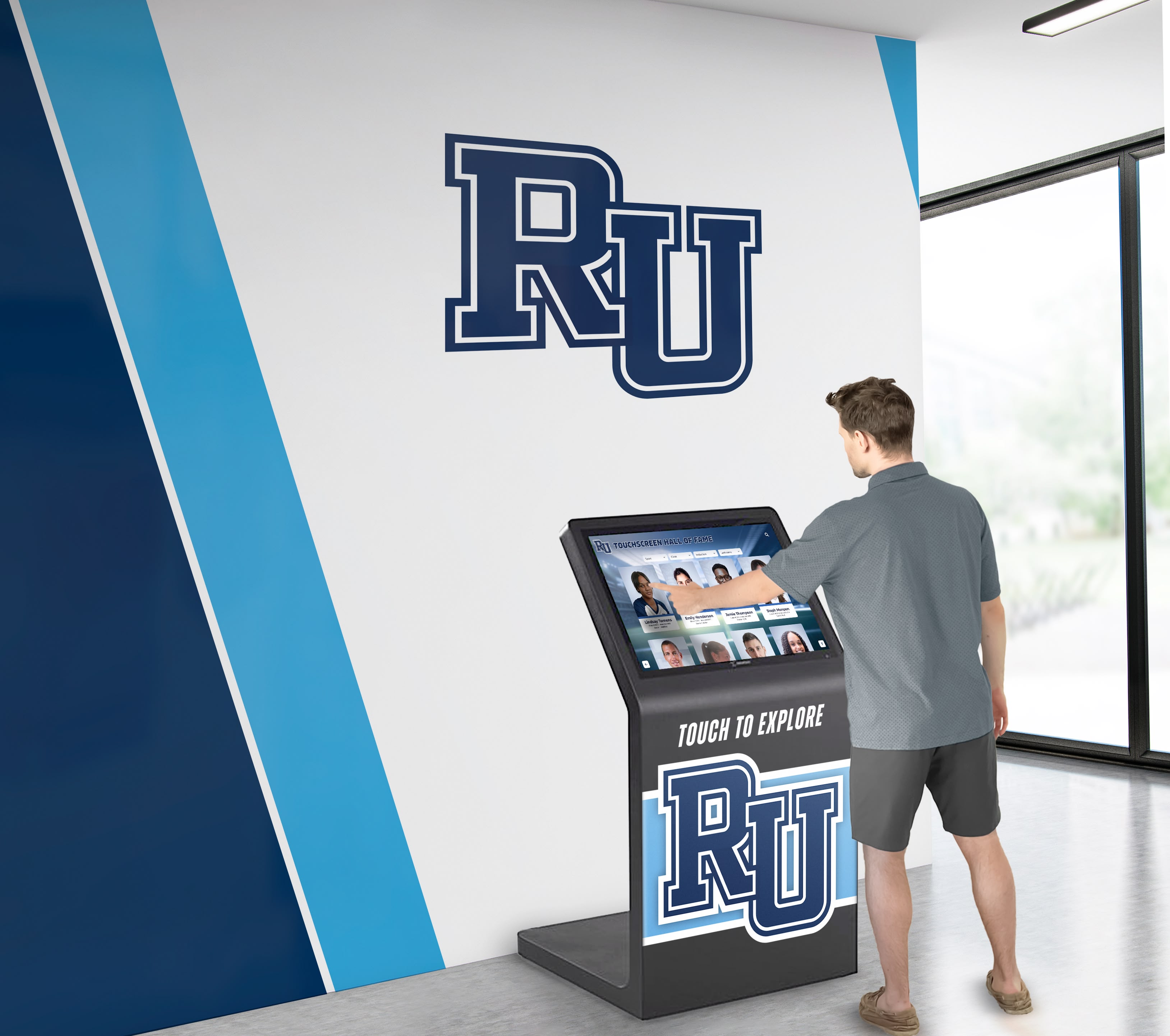
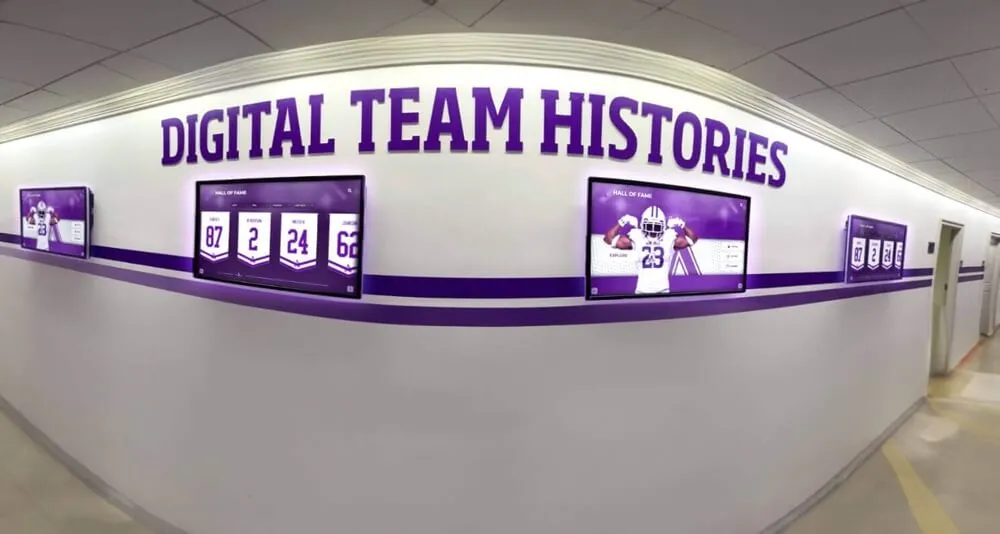
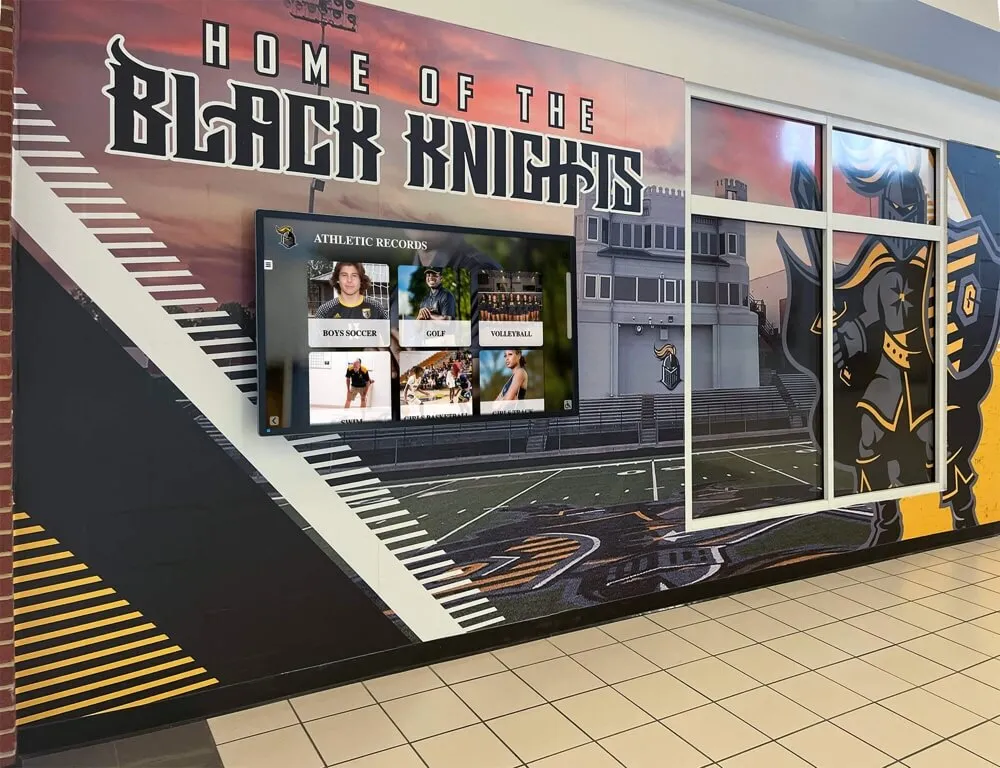
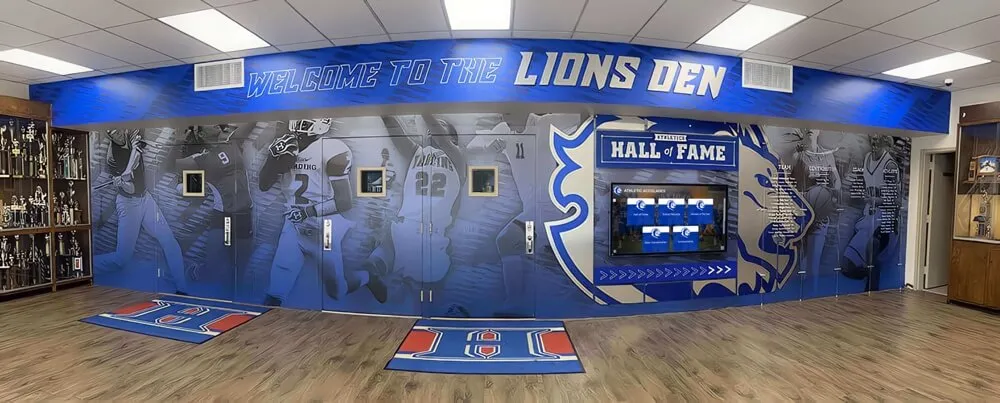
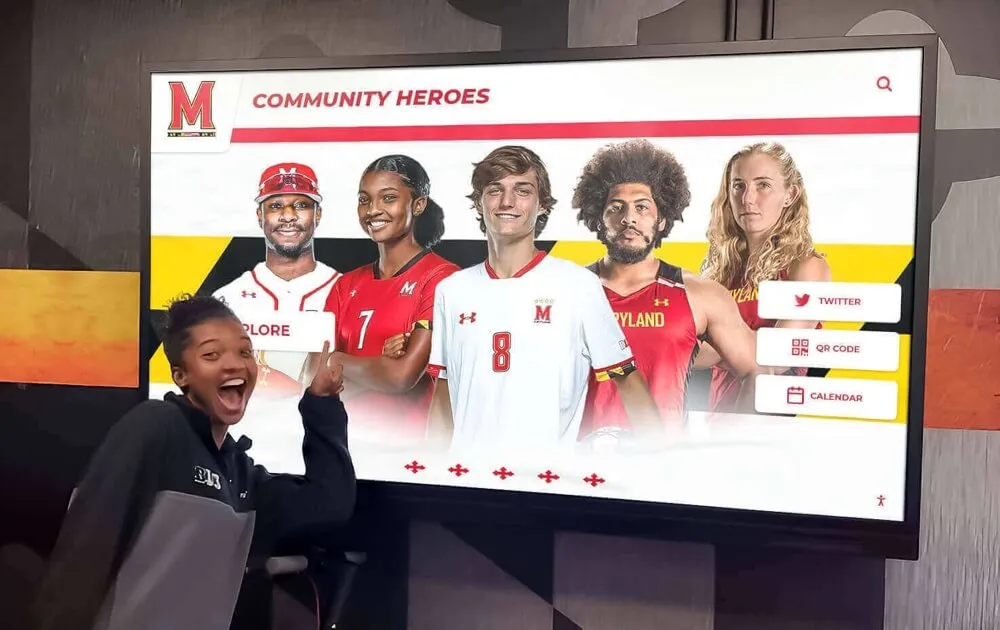
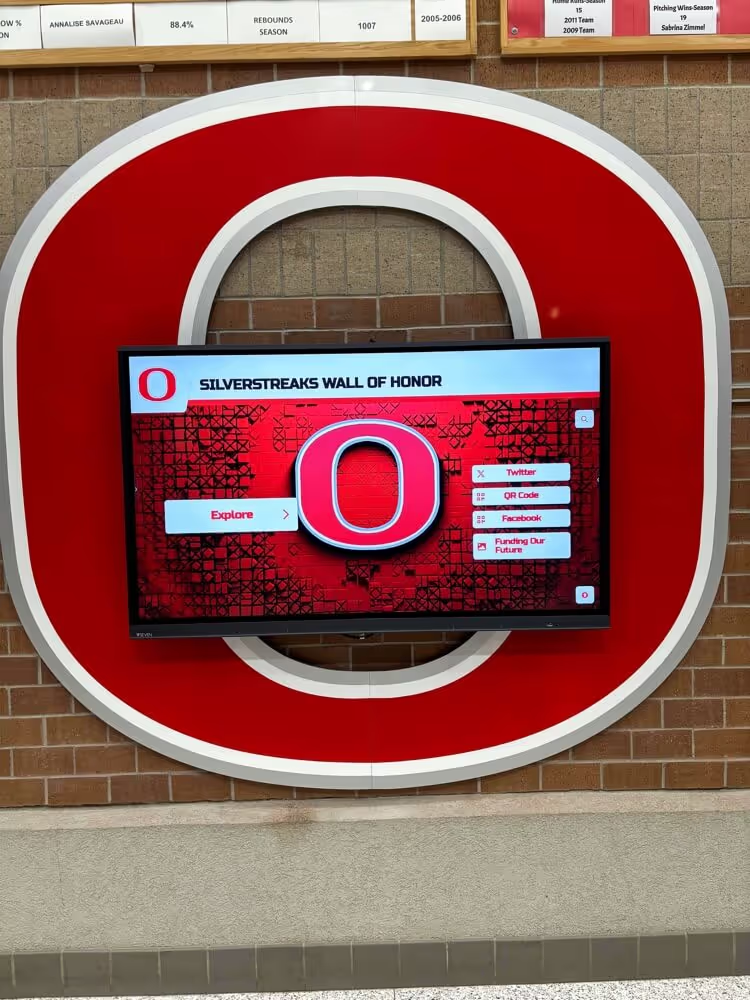
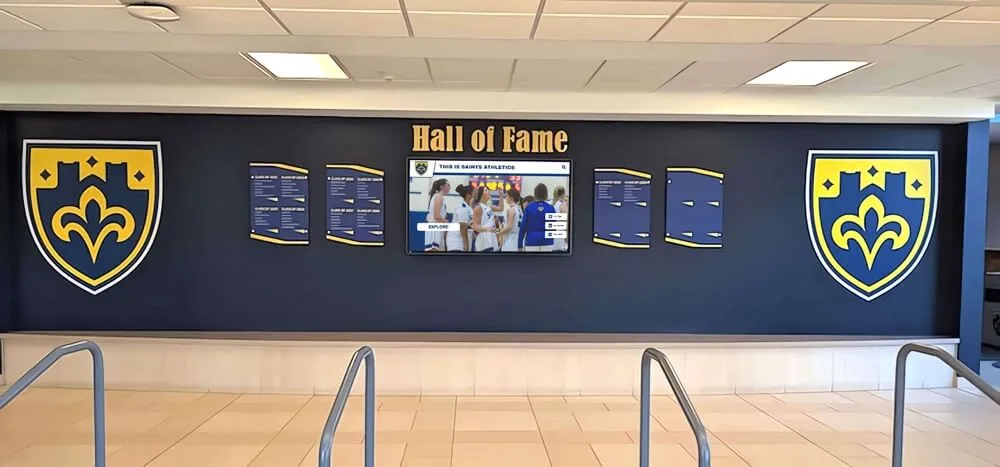
Modern digital giving kiosks create accessible donation experiences that serve parishioners of all ages and technical abilities
The Statistical Case for Digital Giving in Catholic Churches
The data supporting digital donation systems is compelling. According to research from church giving platforms, churches that accept online giving increase overall donations by 32%. This significant boost isn’t simply about convenience—it reflects changing donor behavior and expectations.
Consider these additional statistics relevant to Catholic parishes:
- 60% of those who give are willing to donate digitally to their church
- Nearly 50% of church giving transactions are made with a credit or debit card
- The percentage of churches offering electronic giving options increased from 25% in 2019 to 85% in 2026
- Only 38.74% of all giving to churches takes place on Sundays, meaning more than 60% of contributions happen during the week
- On average, 40% of monthly giving now occurs through online or electronic methods
For Catholic parishes, these trends have particular implications. Many parishioners attend Mass on Saturday evenings or holy days of obligation throughout the week. Digital giving options accommodate these varied schedules and provide multiple opportunities for stewardship beyond Sunday collection baskets.
Studies also show that individuals tend to give more when using electronic methods. The ease and privacy provided by kiosks often result in larger or more frequent donations, as donors can thoughtfully consider their gift without the social dynamics of passing a collection basket.
Core Components of Effective Church Giving Kiosks
When evaluating digital donation touchscreens for Catholic parishes, understanding the essential components ensures you select a system that serves your community effectively.
Hardware Requirements
Touchscreen Display: A responsive, intuitive interface is critical. Look for commercial-grade touchscreens designed for high-traffic public use, typically 21-32 inches for optimal visibility and accessibility. The display should support clear graphics, large text for readability, and simple navigation that serves parishioners of all ages.
Card Reader Integration: Secure card readers that accept chip cards, magnetic stripe cards, and contactless payments (NFC/RFID for Apple Pay, Google Pay, and contactless cards) provide maximum flexibility. EMV-compliant readers ensure secure transactions that protect both the parish and donors.
Enclosure and Mounting: Professional kiosk enclosures or wall-mounted solutions should be durable, vandal-resistant, and aesthetically appropriate for your church environment. Consider placement in high-traffic areas like narthex spaces, parish halls, or near chapel entrances.
Network Connectivity: Reliable internet connectivity is essential for processing transactions securely and updating content. Most systems support both Wi-Fi and ethernet connections, with cellular backup options for locations with limited connectivity.
Software Features
Intuitive User Interface: The giving experience should be simple enough that first-time users can complete a donation in under 60 seconds. Clear prompts, large buttons, and straightforward navigation reduce friction and encourage completion.
Fund Designation Options: Catholic parishes typically manage multiple funds—general operating, building campaigns, missions, religious education, school support, and more. Your system should allow donors to designate contributions to specific purposes easily.
Recurring Giving Setup: Enabling donors to establish recurring contributions builds sustainable support. The interface should make it simple to set up weekly, monthly, or annual gifts during a kiosk interaction.
Receipt Generation: Automatic email receipts provide donors with immediate confirmation and necessary documentation for tax purposes. Integration with parish management systems ensures accurate year-end giving statements.
Multi-Language Support: For parishes serving diverse communities, Spanish and other language options ensure accessibility for all parishioners.
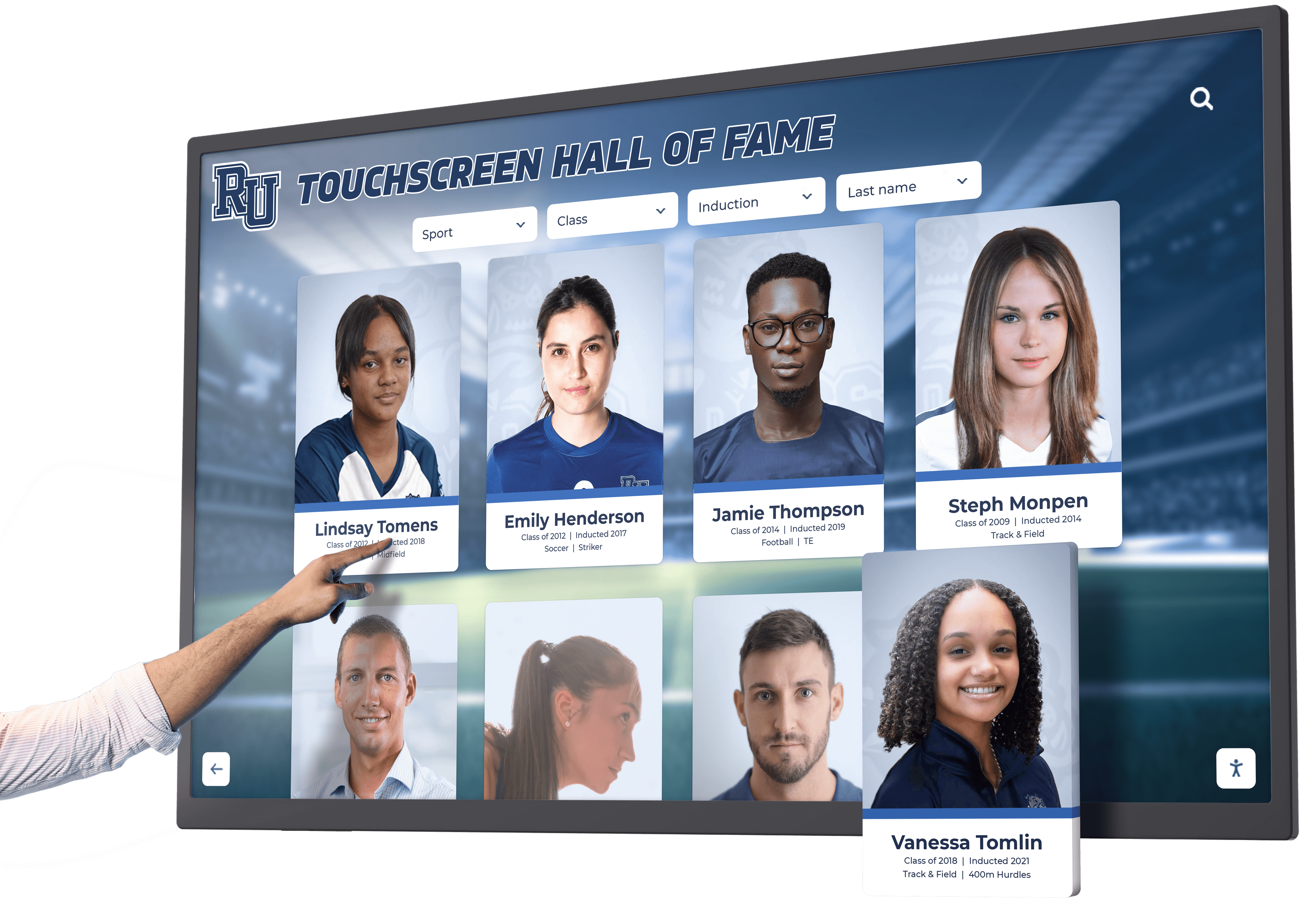
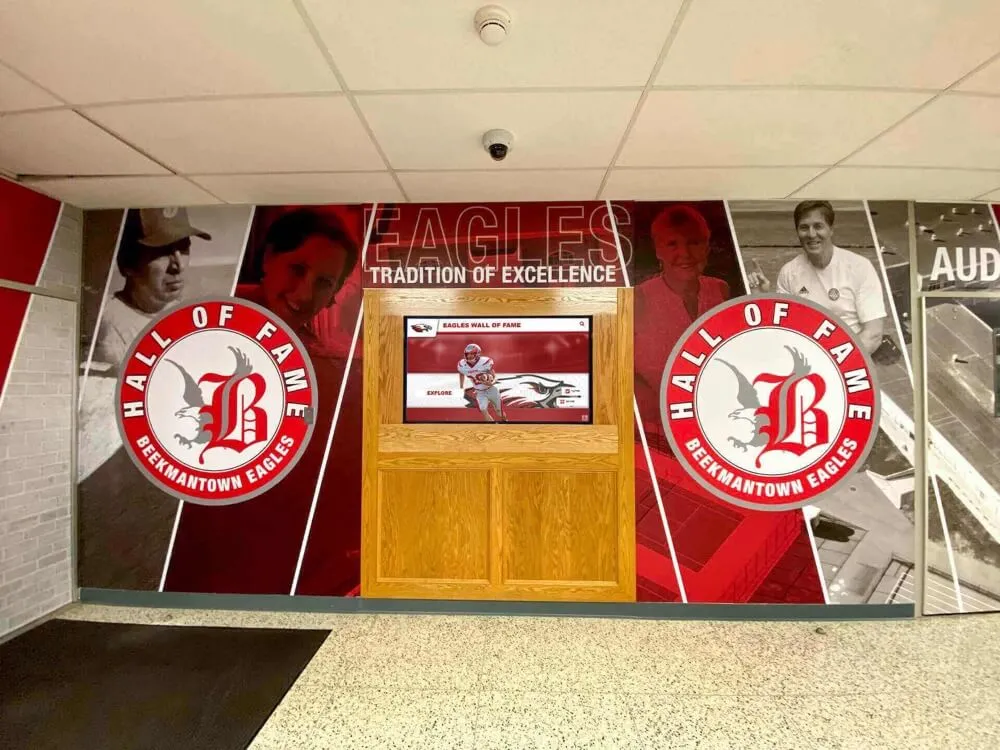
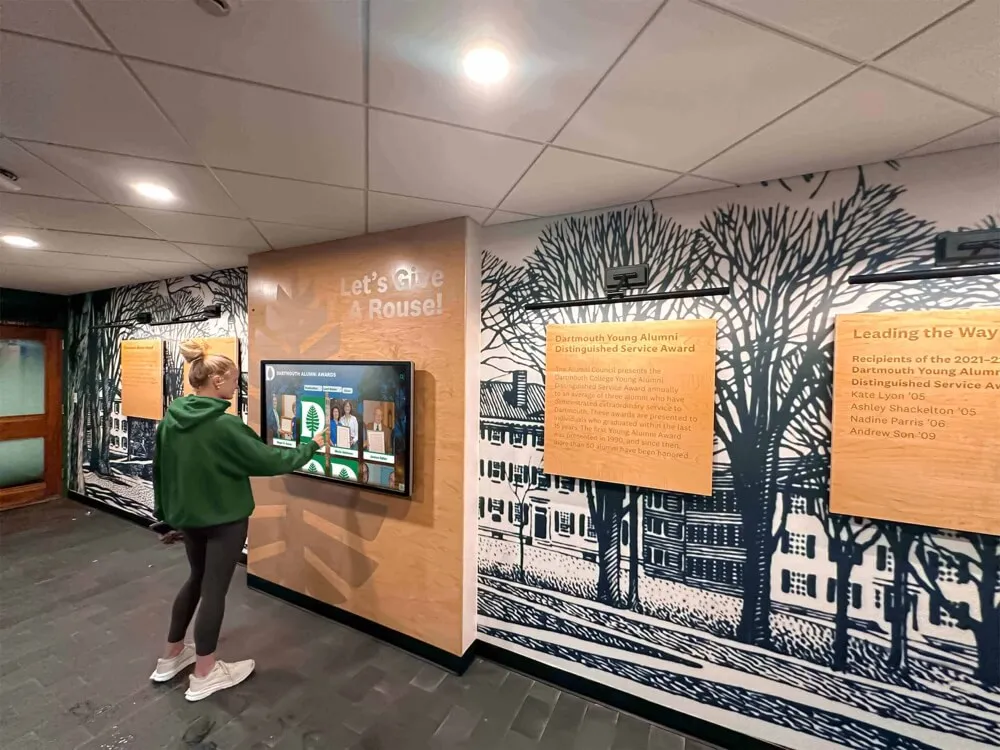
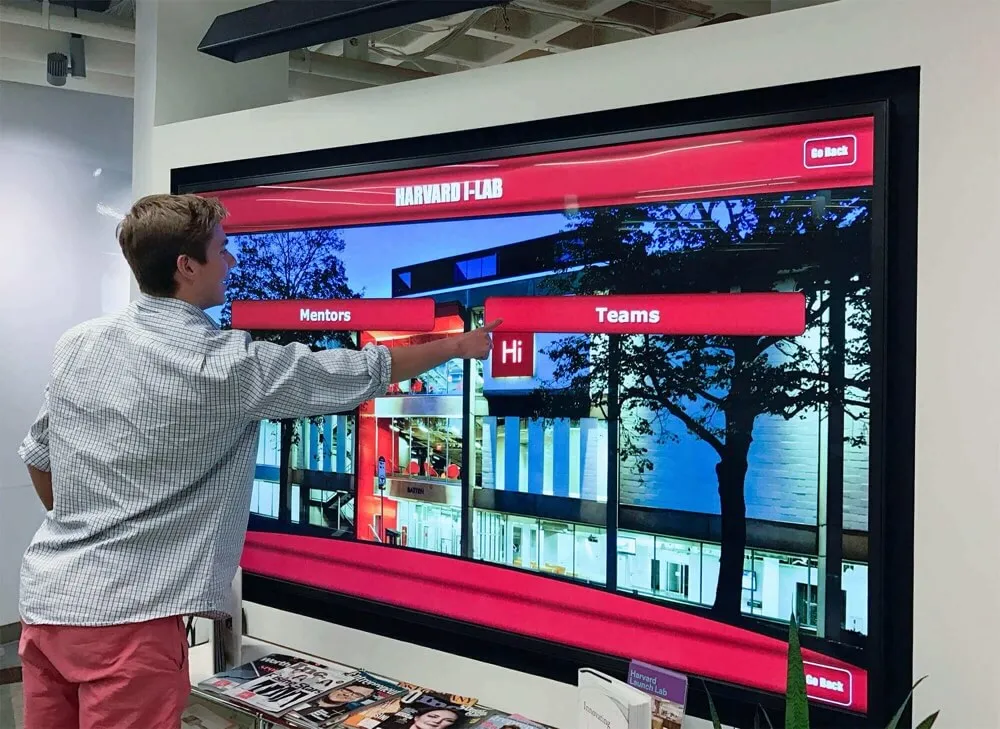
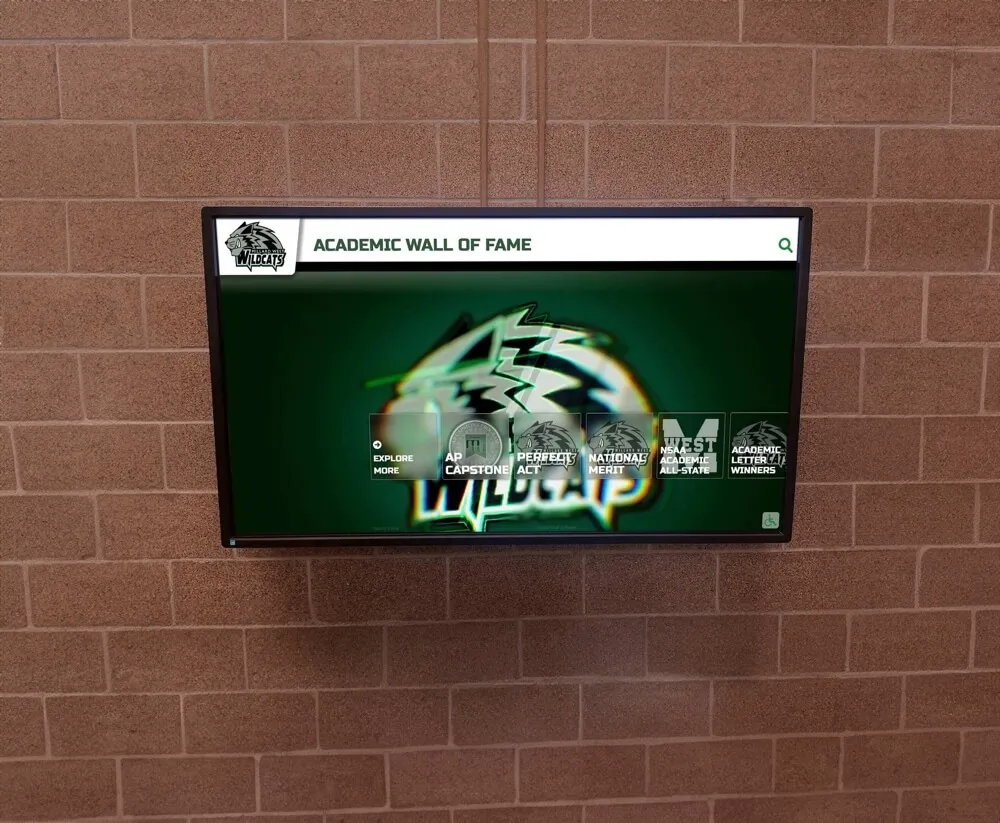
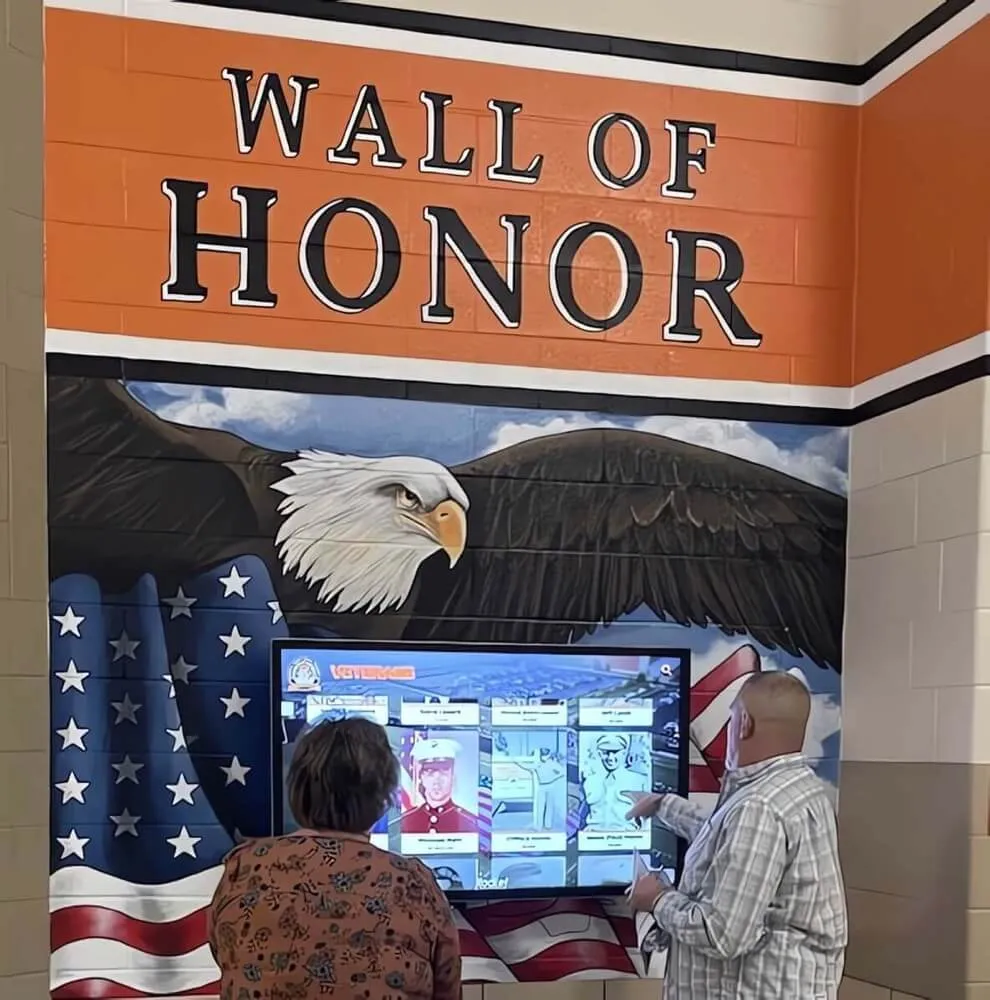
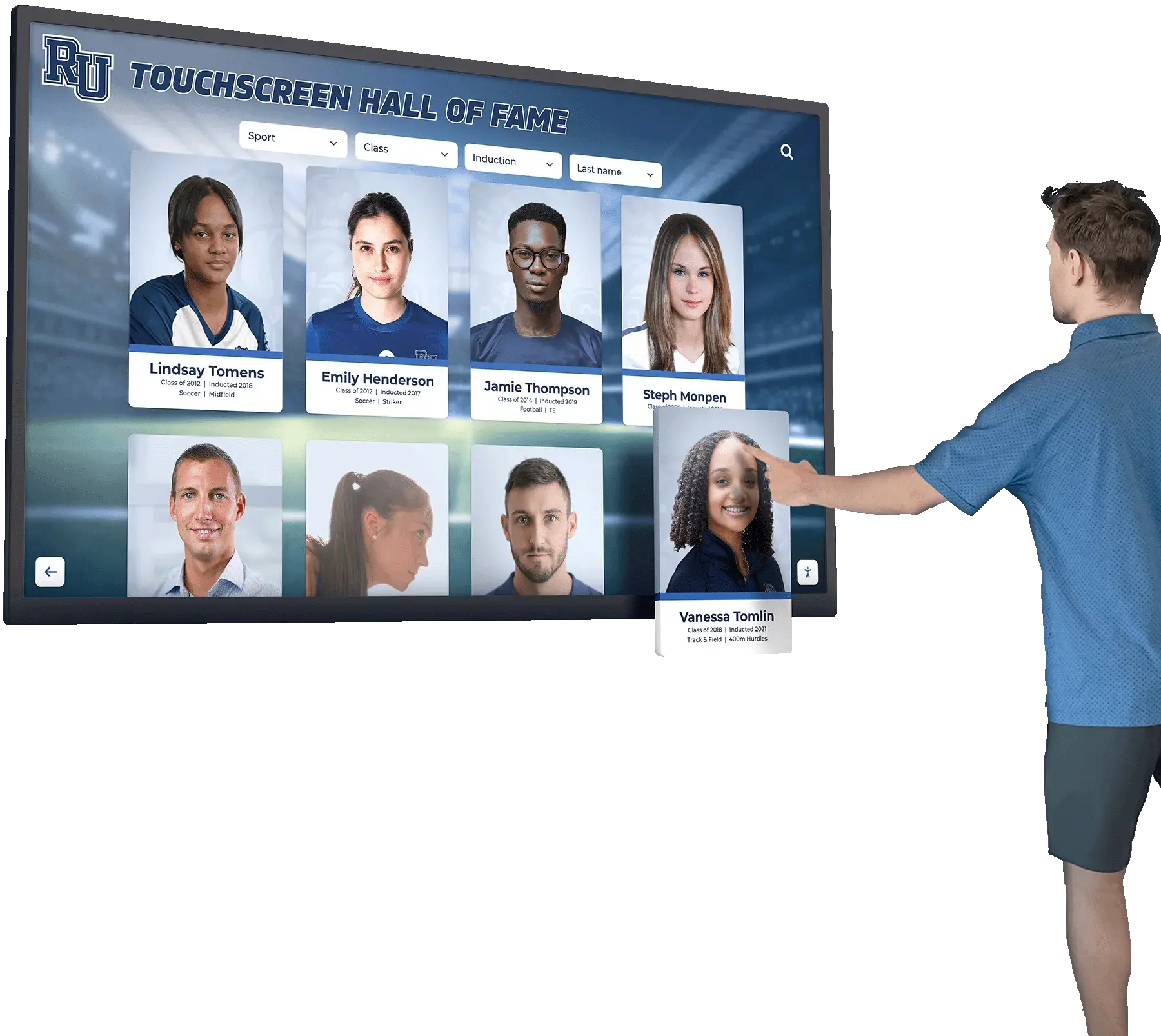
Intuitive touchscreen interfaces make digital giving accessible to parishioners of all ages and technical comfort levels
Security and Compliance
Security is paramount when processing financial transactions in a religious setting. Your digital giving solution must include:
PCI DSS Compliance: Payment Card Industry Data Security Standard compliance ensures sensitive card data is handled securely throughout the transaction process.
Encryption: End-to-end encryption protects transaction data from the point of card entry through processing and storage.
Secure Network Configuration: Proper network segmentation and firewall configuration protect church systems from potential security threats.
Regular Software Updates: Automated security updates and patches maintain protection against evolving threats without requiring IT expertise.
Strategic Placement and Implementation in Catholic Church Environments
Where you locate digital giving kiosks significantly impacts their effectiveness and adoption. Strategic placement considers both practical accessibility and the spiritual atmosphere of your church.
Optimal Location Considerations
Narthex and Entrance Areas: The gathering space before entering the nave provides a natural location for giving kiosks. Parishioners arriving early or lingering after Mass can donate without disrupting worship. This placement also serves those attending special events, funerals, or visiting the church outside of Mass times.
Parish Hall and Community Spaces: For churches with separate community buildings, halls, or ministry centers, additional kiosks in these spaces capture giving opportunities during meetings, events, and social gatherings.
Near Devotional Spaces: Some parishes find success placing kiosks near popular devotional areas—Marian shrines, perpetual adoration chapels, or memorial candle stands—where parishioners already demonstrate piety and may wish to make offerings.
School and Religious Education Buildings: For parishes with attached schools or religious education facilities, kiosks in these buildings provide convenient giving options for families dropping off or picking up children.
Implementation Best Practices
Soft Launch with Key Stakeholders: Before announcing widely, introduce the kiosk to parish council members, ministry leaders, and regular Mass attendees. Their early adoption and feedback help refine the experience before broader rollout.
Clear Signage and Instructions: Simple, welcoming signage that explains how to use the kiosk reduces hesitation. Consider brief visual guides showing the donation process in 3-4 simple steps.
Pastor Endorsement: Pastoral support communicated from the pulpit, in bulletins, and through parish communications legitimizes digital giving as an authentic expression of stewardship aligned with Church teaching.
Volunteer Ambassadors: Having knowledgeable volunteers available during the first few weeks after installation helps anxious parishioners overcome technology concerns and experience successful first donations.
Integration with Existing Systems: Ensure your digital giving platform integrates with your parish management software (ParishSOFT, Pushpay, Faith Direct, etc.) for seamless record-keeping and reporting.
Similar approaches to interactive church information displays have proven effective in helping parishes communicate and engage with modern congregations.
Combining Donation Processing with Donor Recognition
The most powerful church giving solutions extend beyond transaction processing to create meaningful donor recognition experiences. This dual purpose honors the gift while inspiring continued generosity and community connection.
Traditional Donor Recognition in Catholic Settings
Catholic parishes have long honored significant donors through various means:
- Named plaques on pews, walls, or memorial gardens
- Recognition in building dedication ceremonies
- Inscribed bricks in courtyard pathways
- Memorial books listing benefactors
- Stained glass window dedications
While these traditional approaches carry deep meaning, they face inherent limitations: space constraints, inflexibility once installed, high costs for additions or corrections, and limited information capacity about each donor’s story and impact.
Digital Donor Recognition Advantages
Digital recognition displays transform how parishes celebrate generosity while addressing traditional limitations:
Unlimited Capacity: As your donor community grows, digital displays accommodate unlimited names, stories, and giving levels without physical space constraints.
Dynamic Updates: Adding new donors, correcting information, or updating giving levels happens instantly through cloud-based management systems accessible from any device.
Rich Storytelling: Beyond names and amounts, digital displays can include donor photographs, testimonial videos explaining their motivations for giving, and detailed descriptions of how their gifts create impact.
Searchable Interface: Interactive touchscreens allow visitors to search for specific donors, browse by giving level or campaign, or explore the full community of benefactors at their own pace.
Liturgical Customization: Digital displays can reflect liturgical seasons, highlight specific feast days, or emphasize campaigns aligned with current parish priorities.
Multi-Purpose Functionality: The same display that recognizes donors can showcase parish history, celebrate sacramental milestones, honor ministry volunteers, and highlight upcoming events.
Solutions like Rocket Alumni Solutions specialize in creating comprehensive recognition displays that serve Catholic parishes by honoring donors while telling the broader story of parish community and mission.
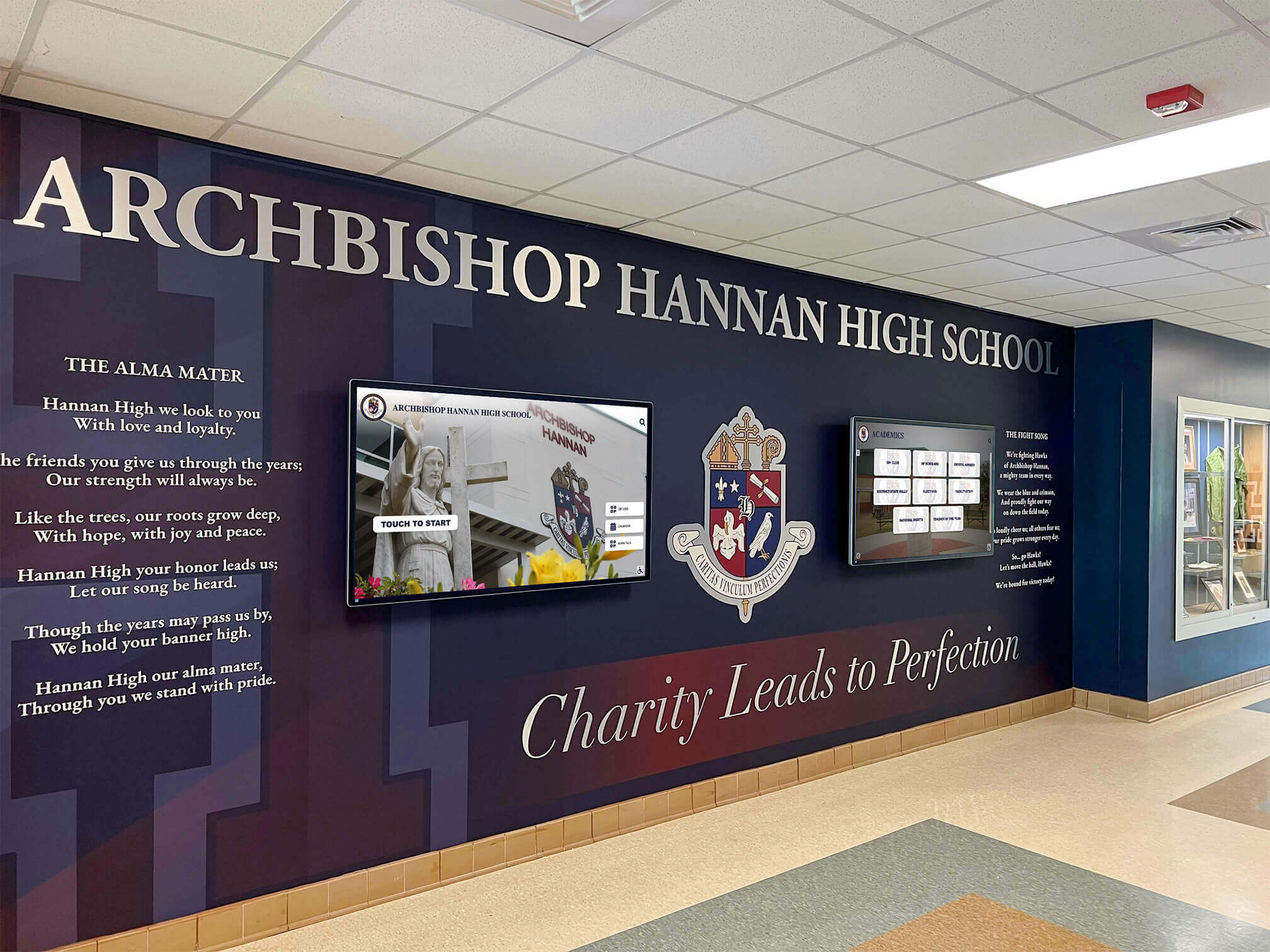
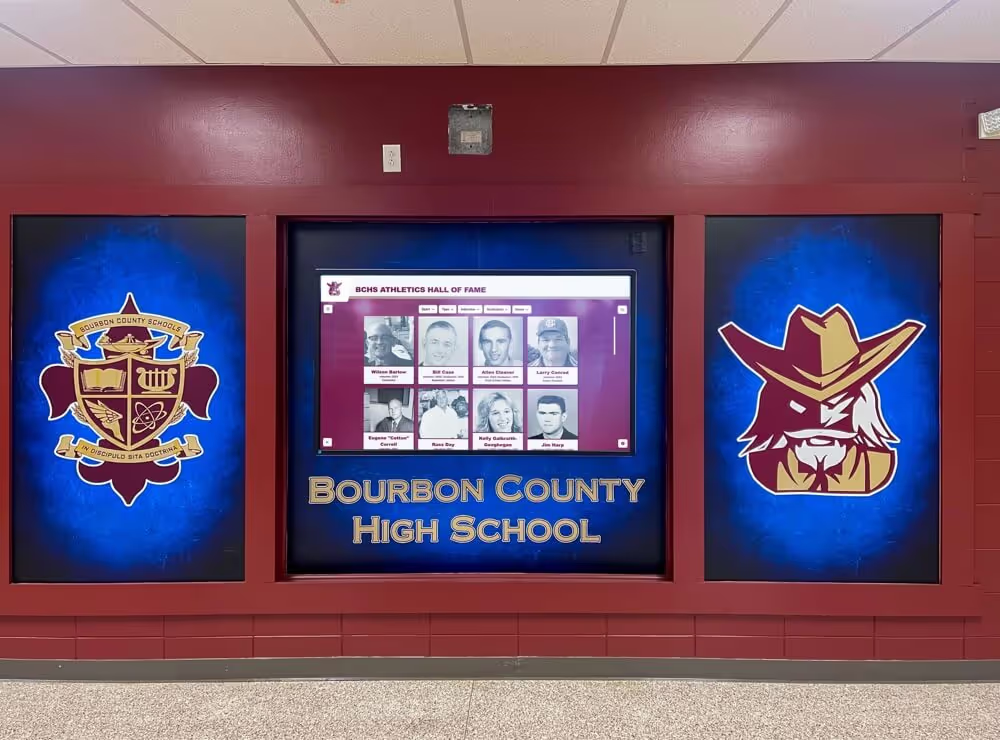
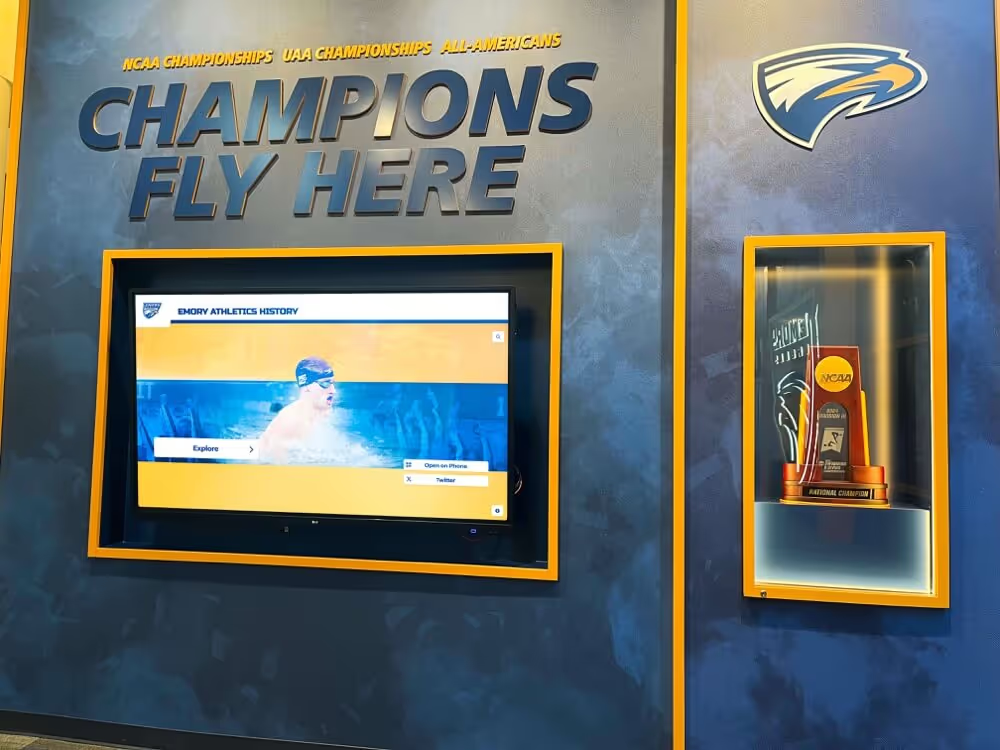
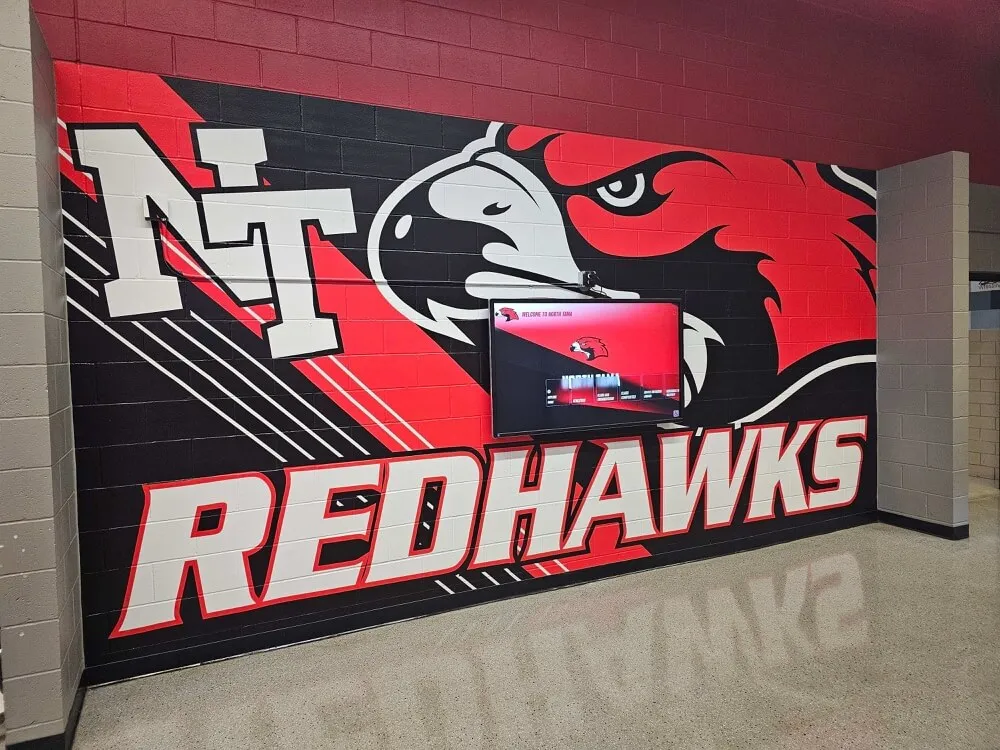
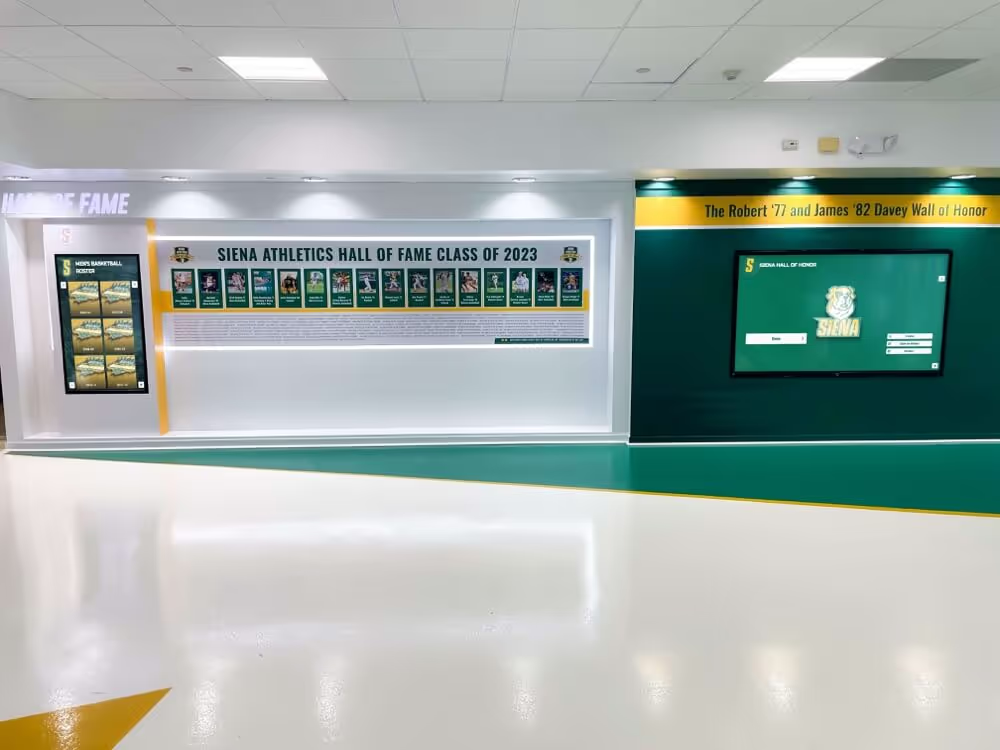
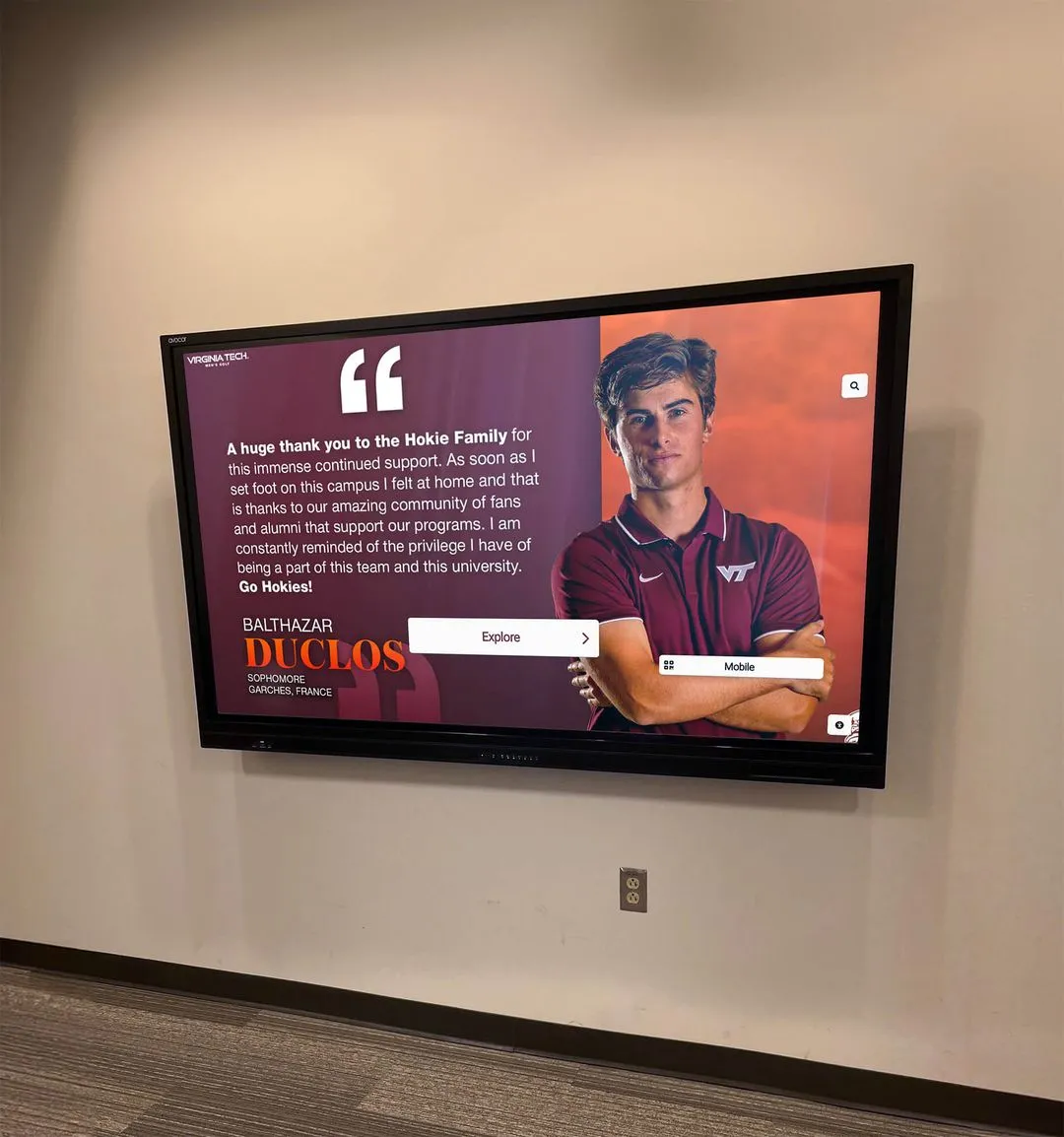
Catholic institutions successfully integrate modern digital recognition with traditional sacred architecture and symbolism
Creating Meaningful Recognition Hierarchies for Parish Donors
Catholic social teaching emphasizes both the dignity of every person and the importance of recognizing different vocations and contributions to the faith community. Donor recognition systems should reflect these values through thoughtful hierarchy design.
Traditional Giving Levels with Catholic Context
Many parishes adapt traditional fundraising recognition levels with Catholic nomenclature that resonates spiritually:
Patron Saints Level ($100,000+): Honoring the most significant benefactors with naming associated with patron saints of generosity and charity—St. Elizabeth of Hungary, St. Martin of Tours, St. Nicholas, St. Katharine Drexel.
Apostles Circle ($50,000-$99,999): Recognizing those who provide foundational support reflecting the twelve apostles’ commitment to spreading the Gospel.
Disciples Society ($25,000-$49,999): Celebrating substantial donors who demonstrate discipleship through stewardship.
Guardian Angels ($10,000-$24,999): Acknowledging generous supporters who protect and provide for parish ministries.
Stewards of Faith ($5,000-$9,999): Honoring those who embrace stewardship as a spiritual practice.
Faithful Givers ($1,000-$4,999): Recognizing consistent donors who support ongoing parish operations.
Friends of the Parish (Under $1,000): Celebrating all contributors regardless of amount, reflecting the widow’s mite teaching.
Designing Recognition Content
The information displayed for each donor should balance recognition with humility. Consider including:
- Donor name (as preferred)
- Giving level or total contribution (if donor approves)
- Years of giving or sustained support duration
- Specific funds or campaigns supported
- Brief personal statement about their motivation (optional)
- Photograph or family photo (with permission)
For Catholic contexts specifically, many donors appreciate the option to dedicate their gift “In Memory Of” or “In Honor Of” deceased family members, living relatives, or specific intentions. Digital systems accommodate these dedications elegantly, allowing extended text that traditional plaques cannot support.
The approach to donor recognition that highlights generosity while maintaining appropriate humility serves parishes well.
Integrating Giving Kiosks with Parish Management Systems
For digital giving to serve your parish effectively, integration with existing administrative systems is essential. Disconnected platforms create duplicate data entry, reconciliation challenges, and reporting difficulties.
Key Integration Points
Parish Management Software: Leading Catholic parish management systems (ParishSOFT, PDS, Church Windows, ACS Technologies) typically offer APIs or direct integrations with digital giving platforms. This integration ensures donations recorded at kiosks automatically appear in parishioner giving records, simplifying year-end tax statements and financial reporting.
Online Giving Platforms: If your parish already offers online giving through services like Faith Direct, WeShare, or Pushpay, your kiosk solution should feed into the same database to maintain unified giving records across all channels.
Accounting Systems: Integration with accounting software (QuickBooks, Blackbaud Financial Edge, etc.) streamlines reconciliation and financial reporting. Automated daily batch reports from giving kiosks reduce manual entry and potential errors.
Communication Tools: Connecting your giving platform with email systems (Flocknote, Constant Contact, Mailchimp) enables automated thank-you messages, giving summaries, and stewardship communications that strengthen donor relationships.
Data Management and Reporting
Comprehensive reporting capabilities help parishes understand giving patterns and make informed decisions:
Giving Trends Analysis: Track total giving over time, comparing weekly, monthly, and annual patterns. Identify seasonal fluctuations and campaign performance.
Channel Comparison: Understand how kiosk giving compares to online donations, collection basket contributions, and mailed checks. This insight helps optimize your multi-channel strategy.
Fund Designation Reports: See which parish priorities resonate most with donors. If building fund contributions lag behind general operating support, your communications may need adjustment.
Donor Retention Metrics: Identify first-time givers, lapsed donors who return, and consistently engaged supporters. These insights inform targeted stewardship efforts.
Campaign Progress Tracking: For capital campaigns or special initiatives, real-time dashboards show progress toward goals, helping maintain momentum and communicate success.
Best Practices for Launching Digital Giving in Catholic Parishes
Successfully introducing digital donation technology requires thoughtful change management that respects tradition while embracing innovation.
Pastoral Communication Strategy
Frame Technology as Serving Tradition: Help parishioners understand that digital giving doesn’t replace traditional stewardship—it extends it to serve modern lifestyles while maintaining the same spiritual significance. The Sunday collection basket remains, but now parishioners have additional ways to practice generosity throughout the week.
Biblical Foundation: Ground the initiative in Scripture and Church teaching. Jesus praised the widow’s mite for her sacrificial giving (Mark 12:41-44), not the method she used. What matters is the heart behind the gift, not whether it’s cash or card.
Address Common Concerns: Some parishioners may worry about transaction fees reducing the impact of their gift. Be transparent about processing costs while explaining that increased participation and larger average donations more than offset these expenses. Many parishes find that a 3% transaction fee on increased digital giving is far more cost-effective than handling, counting, transporting, and depositing cash.
Highlight Convenience for Families: Many young families with children find it challenging to manage cash during Mass while supervising little ones. Digital giving options they can access before arriving or after returning home reduce stress and encourage more thoughtful generosity.
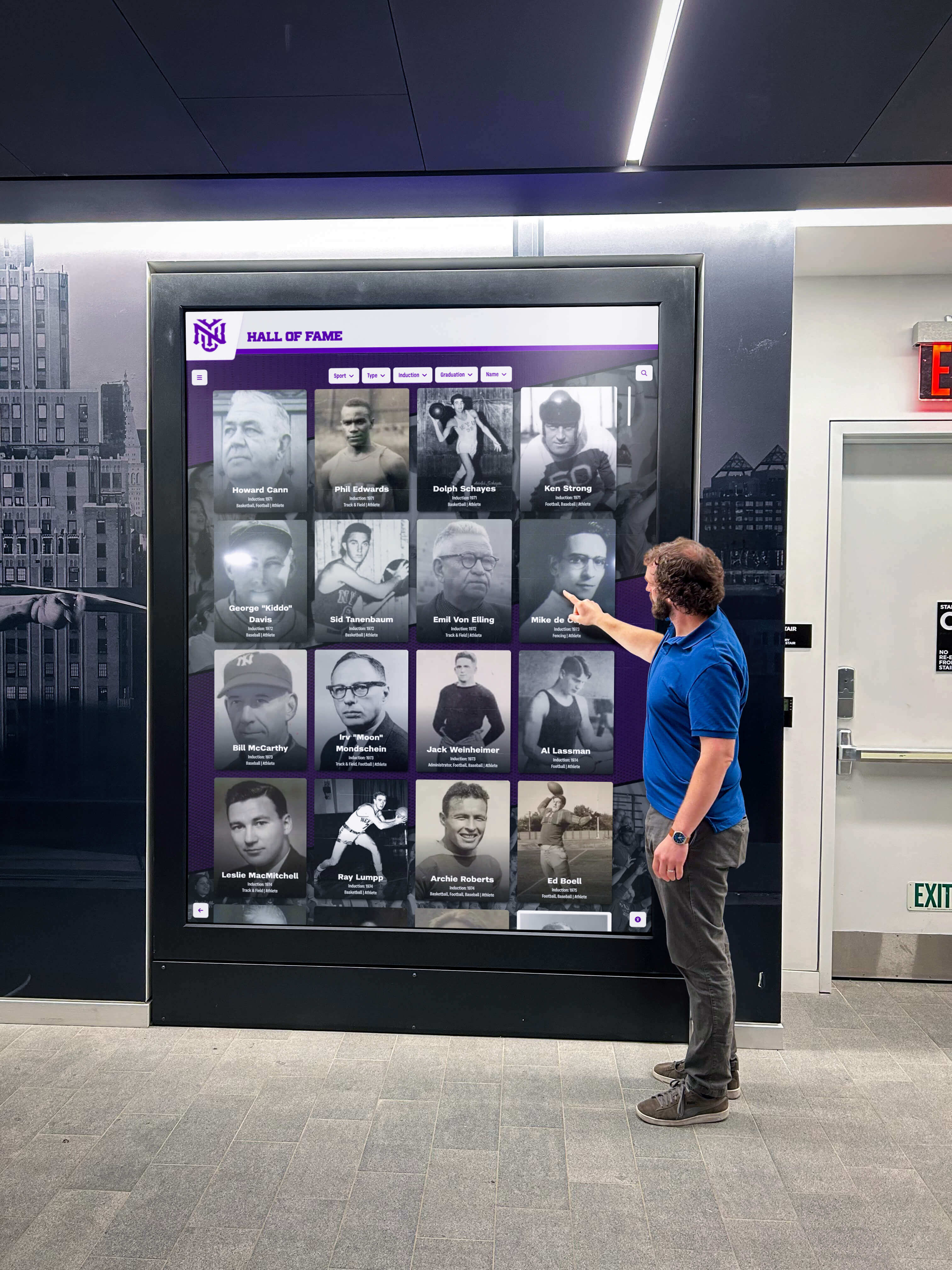
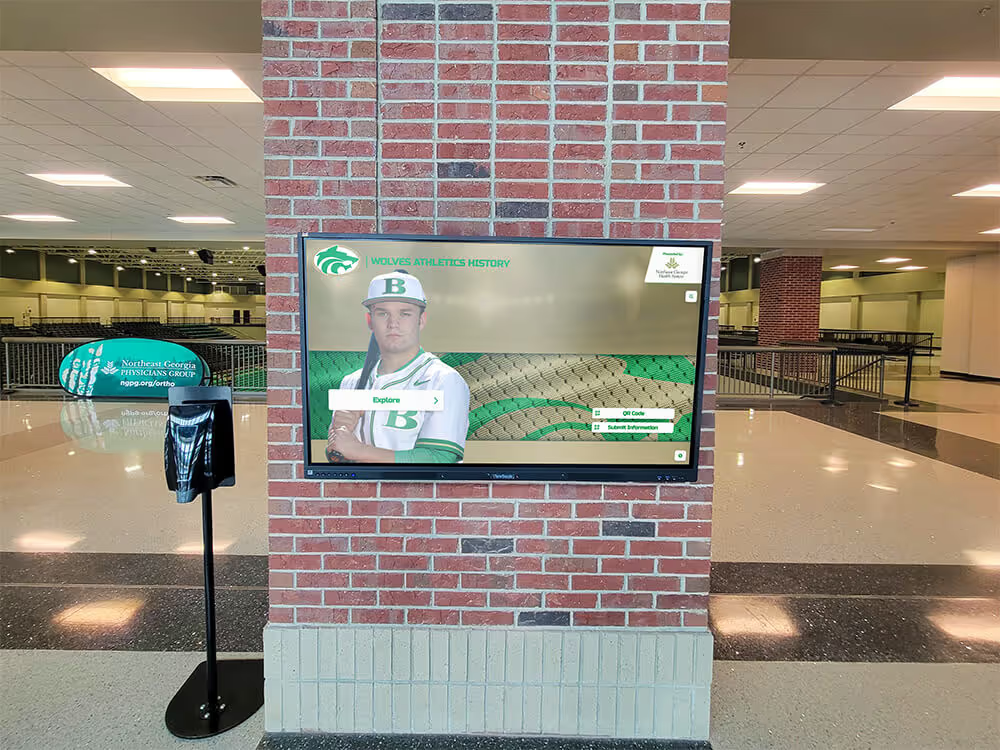
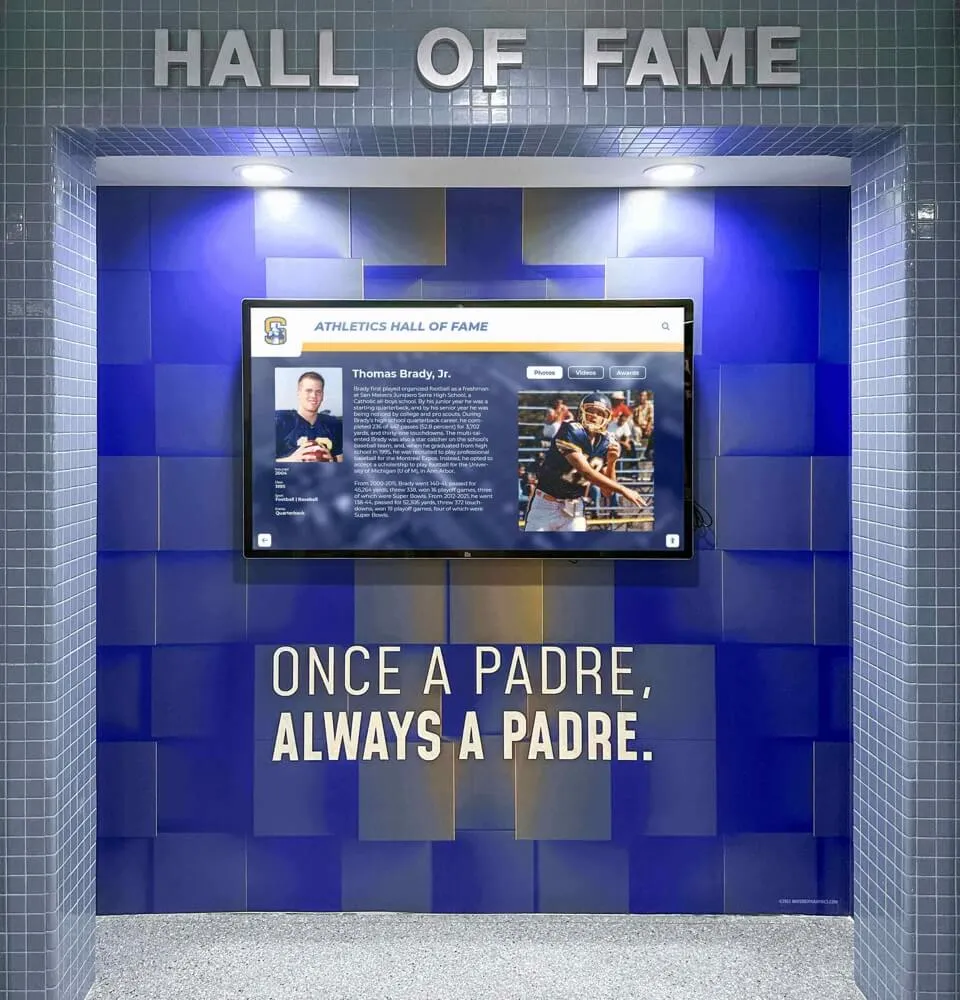
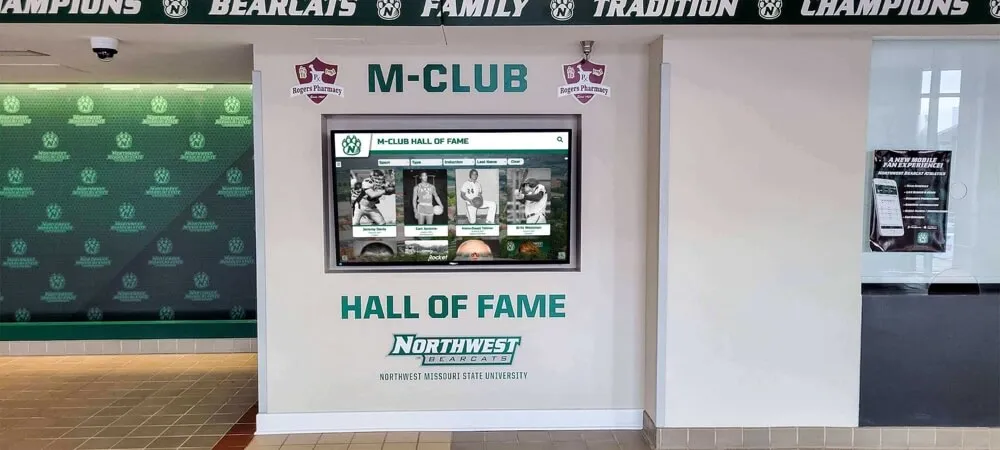
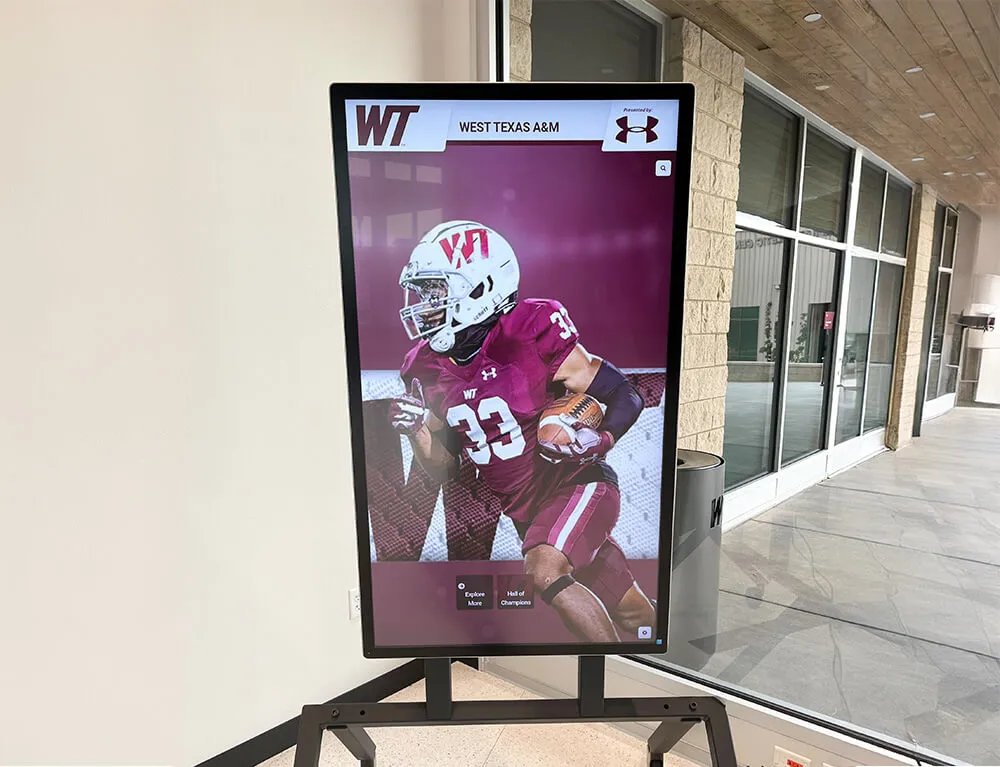
Interactive digital displays invite exploration and engagement, creating meaningful connections with donor communities
Training and Support
Staff and Volunteer Education: Finance council members, parish office staff, and money counters need thorough training on the new system. They should understand transaction processing, reconciliation procedures, troubleshooting basic issues, and answering parishioner questions confidently.
User-Friendly Documentation: Create simple one-page guides showing how to use the kiosk. Include visual steps and large print for accessibility. Make these available near the kiosk and in the parish bulletin.
Technical Support Access: Ensure your vendor provides responsive technical support. Problems with giving systems need immediate attention—a kiosk displaying error messages on Sunday morning creates negative experiences that undermine adoption.
Ongoing Education: Plan regular reminders and tutorials. New parishioners join continuously, and even existing members benefit from periodic refreshers. Brief mentions in Sunday bulletins, demonstrations during ministry fair events, and short video tutorials on parish websites all support adoption.
Measuring Success and Adjusting Strategy
Establish Baseline Metrics: Before launching, document current giving patterns: total weekly/monthly giving, average donation size, number of contributing households, and percentage giving through various channels. These baselines help you measure digital giving’s impact accurately.
Track Adoption Rates: Monitor how many parishioners try the kiosk, how many become repeat users, and how total giving changes. Most parishes see steady adoption over 6-12 months as comfort with the technology grows.
Gather Qualitative Feedback: Direct conversations with parishioners provide insights beyond numbers. Are people finding the kiosk easy to use? What questions arise most frequently? Do donors appreciate the flexibility digital giving provides?
Adjust Placement and Promotion: If initial adoption is slower than expected, consider relocating the kiosk, enhancing signage, or increasing pastoral promotion. Sometimes small changes in visibility or communication significantly impact usage.
Celebrate Milestones: When your parish reaches significant digital giving milestones—first $10,000 raised, 100th unique donor, successful campaign funded—celebrate these achievements to build momentum and normalize digital giving as part of parish culture.
The comprehensive approach to donor recognition and digital displays can guide parishes in creating systems that serve both practical and spiritual purposes.
Advanced Features for Enhanced Parish Engagement
Beyond basic donation processing, sophisticated digital giving solutions offer additional capabilities that deepen parish engagement and stewardship.
Recurring Giving Management
The most sustainable parish support comes from recurring donors who commit to regular contributions. Digital systems make recurring giving simple:
Easy Enrollment: Kiosk interfaces can walk parishioners through setting up weekly, monthly, or annual recurring gifts in minutes. Clear prompts about amount, frequency, designated fund, and start date remove complexity.
Donor Control: Online portals allow recurring donors to modify their giving schedule, update payment methods, pause during financial challenges, or increase contributions without contacting parish offices. This convenience increases satisfaction and retention.
Automated Communications: Systems can send confirmation when recurring gifts process, provide annual giving summaries, and notify donors when payment methods need updating due to expiration.
Impact Reporting: Periodic communications showing how recurring gifts support specific ministries or programs strengthen emotional connections and demonstrate tangible impact.
Campaign-Specific Modules
During capital campaigns, special appeals, or seasonal initiatives, customizable kiosk interfaces can focus attention on specific goals:
Visual Progress Indicators: Display thermometer-style graphics showing campaign progress toward goals, creating urgency and celebrating collective achievement.
Pledge Management: Allow donors to make multi-year pledge commitments and set up payment schedules that fulfill those pledges over time.
Project Galleries: Include photos and descriptions of specific projects donors support—new parish center, renovated worship space, expanded youth ministry facilities—helping them visualize their impact.
Named Giving Opportunities: For major campaigns, offer specific naming opportunities (chapel pews, garden benches, classroom sponsorships) that donors can claim through the kiosk interface.
Integration with Capital Campaign Recognition
When parishes undertake significant capital campaigns, donor recognition becomes especially important. Digital recognition displays excel in this context:
Campaign-Specific Recognition: Create dedicated sections highlighting capital campaign donors, distinct from annual operating support, allowing appropriate recognition for extraordinary generosity.
Before and After Visuals: Include photographs showing the facility or program before the campaign and the transformation donors made possible. These powerful visuals demonstrate impact and inspire future giving.
Architectural Renderings: For projects still in progress, display architectural plans and construction updates, keeping donors engaged throughout project timelines.
Donor Testimonials: Video content from major donors explaining why they gave inspires others and validates the campaign’s importance.
Solutions that enable interactive donor walls provide parishes with flexible platforms that grow and evolve with changing recognition needs.
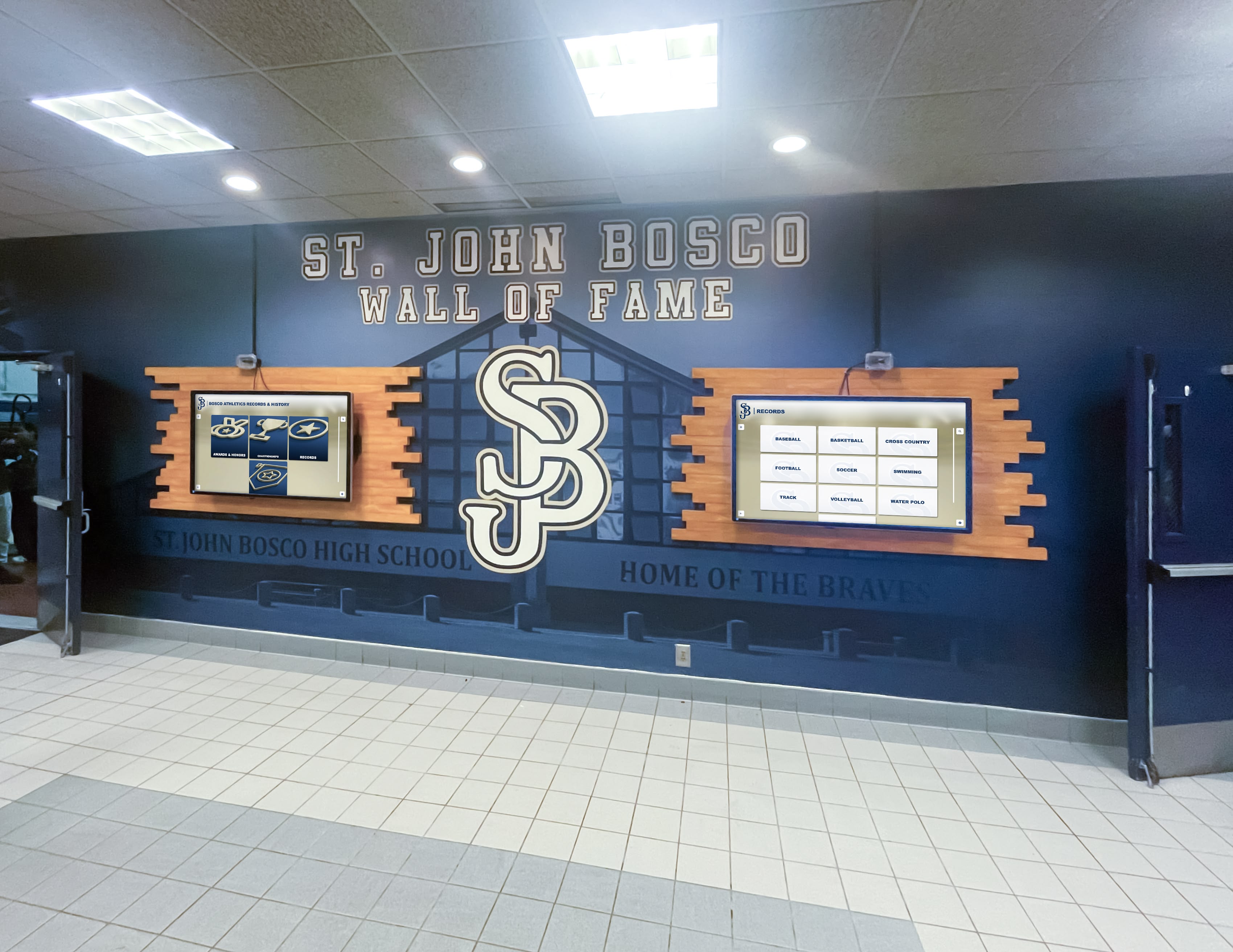
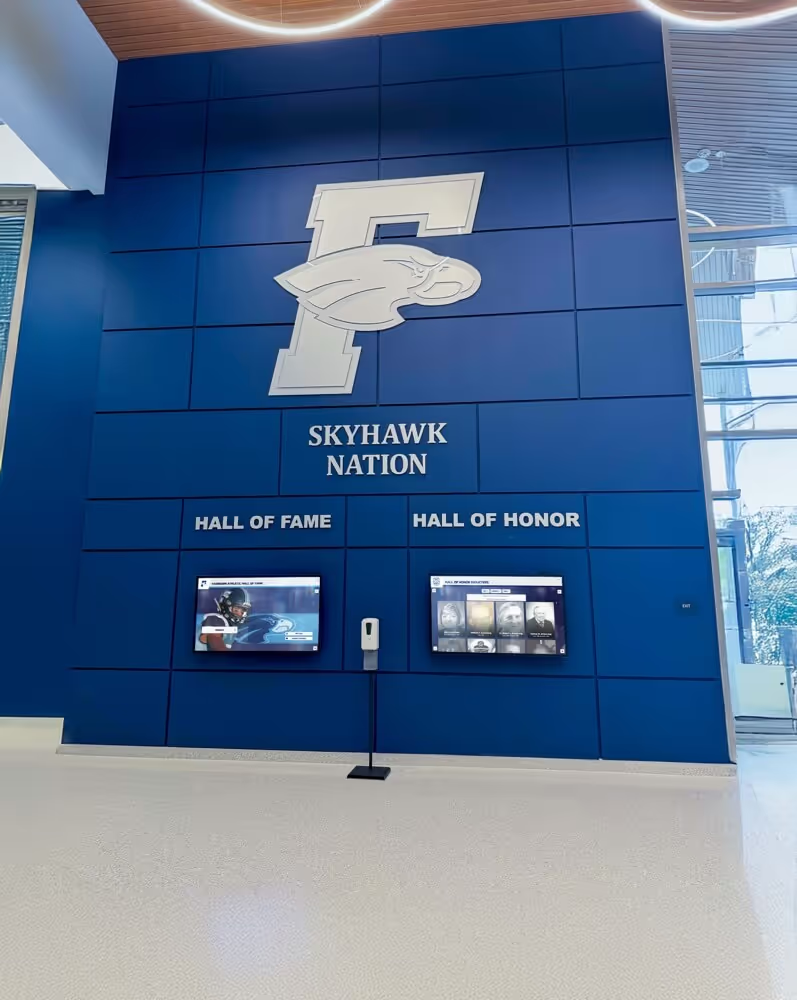
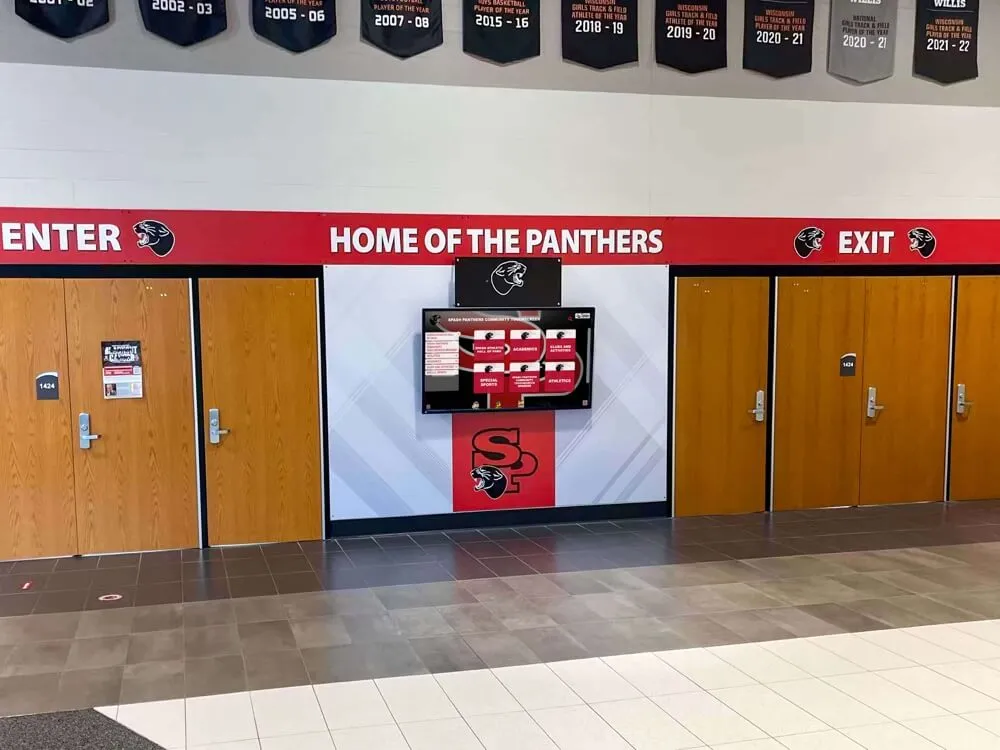
Multiple coordinated displays can serve different purposes while maintaining consistent design that honors the sacred environment
Addressing Common Concerns and Objections
Despite clear benefits, some parishes and parishioners initially resist digital giving technology. Addressing concerns directly and respectfully supports successful implementation.
“It’s Too Expensive”
Reality Check: Yes, there are upfront costs—hardware, software licensing, transaction fees—but comprehensive financial analysis typically reveals digital giving as highly cost-effective.
Consider hidden costs of traditional giving: staff time counting and depositing cash, bank fees, lost opportunities from people without cash, security risks, and limited giving options for parishioners traveling or attending virtually.
According to industry research, the 32% average increase in giving for churches offering digital options far exceeds the 2-3% transaction fees typically charged. If your parish currently receives $500,000 annually in donations, a 32% increase means $160,000 in additional giving. Even with 3% transaction fees on that digital giving portion, the net benefit is substantial.
Many vendors offer flexible pricing models, including subscription-based monthly fees that spread costs over time rather than requiring major capital expenditure. Some also provide package deals that include hardware, software, and support for predictable monthly costs.
“Older Parishioners Won’t Use It”
Reality Check: While older adults may be less familiar with touchscreen technology initially, research consistently shows that intuitive interfaces designed with accessibility in mind serve all ages effectively.
Many older parishioners already use touchscreen technology daily—smartphones, tablets, ATMs, grocery store checkout systems. A well-designed giving kiosk interface should be at least as simple as these familiar technologies.
More importantly, digital giving isn’t meant to replace traditional methods but to supplement them. The collection basket remains for those preferring cash or check donations. Digital options simply serve those who don’t carry cash or prefer electronic giving.
Many parishes report that once older members try the kiosk once with support from a volunteer or family member, they become enthusiastic users, appreciating the convenience and receipt documentation for tax purposes.
“It Diminishes the Spiritual Significance of Giving”
Reality Check: The spiritual significance of giving resides in the donor’s heart and intention, not the payment method. Scripture emphasizes sacrificial generosity, cheerful giving, and faithful stewardship—none of which depend on using cash versus card.
Digital giving can actually enhance spiritual practice by making it easier to give consistently and thoughtfully. When parishioners can set up recurring donations aligned with their budget, they practice intentional stewardship rather than impulsive giving based on whether they remembered their checkbook.
Furthermore, digital recognition displays that accompany giving kiosks can deepen spiritual connections by telling stories of faith-inspired generosity, honoring the motivations behind gifts, and celebrating the community’s collective commitment to parish mission.
“We’ll Lose the Visibility of Collection Basket”
Reality Check: This concern reflects an important truth—visible collection does serve catechetical purposes, especially for children learning about stewardship and adults witnessing communal support for the Church.
The solution isn’t abandoning collection baskets but maintaining them alongside digital options. Many parishes successfully operate hybrid models where traditional collection continues during Mass while digital kiosks provide additional giving opportunities before, after, and throughout the week.
Some parishes also incorporate brief moments during the offertory to acknowledge that many families give digitally throughout the week, reminding the community that the visible collection represents only one part of collective stewardship.
“Transaction Fees Are Unacceptable”
Reality Check: All payment processing involves costs—banks charge fees for depositing checks, credit unions charge for cash handling, and staff time for counting and reconciling donations has real payroll expenses.
The 2-3% transaction fees typical of digital giving platforms are competitive with other payment processing costs. More importantly, because digital giving increases total contributions substantially, net income after fees exceeds what parishes would receive through cash-only approaches.
Many parishes offset fees by inviting donors to add a small percentage to their donation to cover processing costs. When given this option transparently, a significant percentage of donors willingly contribute the additional amount, reducing or eliminating the net cost to the parish.
Technology Selection: Choosing the Right System for Your Parish
With numerous digital giving vendors serving religious organizations, selecting the solution that fits your parish’s specific needs requires careful evaluation.
Essential Vendor Evaluation Criteria
Reliability and Uptime: Giving systems must work consistently and reliably. Research vendor track records, read reviews from other Catholic parishes, and ask about typical uptime percentages and support response times for technical issues.
Security and Compliance: Verify that vendors maintain PCI DSS compliance, use end-to-end encryption, undergo regular security audits, and carry appropriate cyber liability insurance. Your parishioners’ financial information must be protected with bank-grade security.
Ease of Use: Request demonstrations or trial periods to evaluate interface intuitiveness. Can someone unfamiliar with the system complete a donation in under 60 seconds without assistance? Is the screen readable in various lighting conditions? Are buttons appropriately sized for users with limited dexterity?
Integration Capabilities: Confirm compatibility with your existing parish management system, accounting software, and online giving platform. Seamless data flow between systems saves administrative time and prevents errors.
Customer Support: Understand what support the vendor provides—phone support hours, typical response time for technical issues, on-site service if hardware fails, and training resources for staff and parishioners.
Scalability: As your digital giving program succeeds, can the system grow with you? Whether you want to add additional kiosks, expand to mobile giving, or integrate donor recognition displays, confirm the vendor can support your future needs.
Pricing Transparency: Seek vendors who clearly explain all costs—upfront hardware expenses, software licensing or subscription fees, transaction percentages, monthly minimums, and any additional charges. Hidden fees damage trust and budget planning.
Vendors Serving Catholic Parishes
Several companies specialize in serving Catholic parishes specifically:
ParishSOFT offers comprehensive parish management software with integrated giving solutions including kiosk options. Their Catholic-focused approach includes features for sacramental records, mass intentions, and faith formation management alongside donation processing.
Pushpay serves Catholic parishes with mobile and kiosk giving solutions, providing strong integration capabilities and robust reporting features. Their platform handles complex fund designation and campaign management well.
Donorbox provides kiosk software that works with standard tablets and card readers, offering a cost-effective entry point for smaller parishes. Their Live Kiosk solution runs on iOS or Android devices.
WeShare from 4Site (owned by ACS Technologies) specifically serves Catholic parishes with giving solutions integrated into broader parish management systems.
Beyond giving transaction platforms, recognition display solutions like Rocket Alumni Solutions enable parishes to honor donors meaningfully while telling broader stories of community, mission, and impact through interactive digital displays.
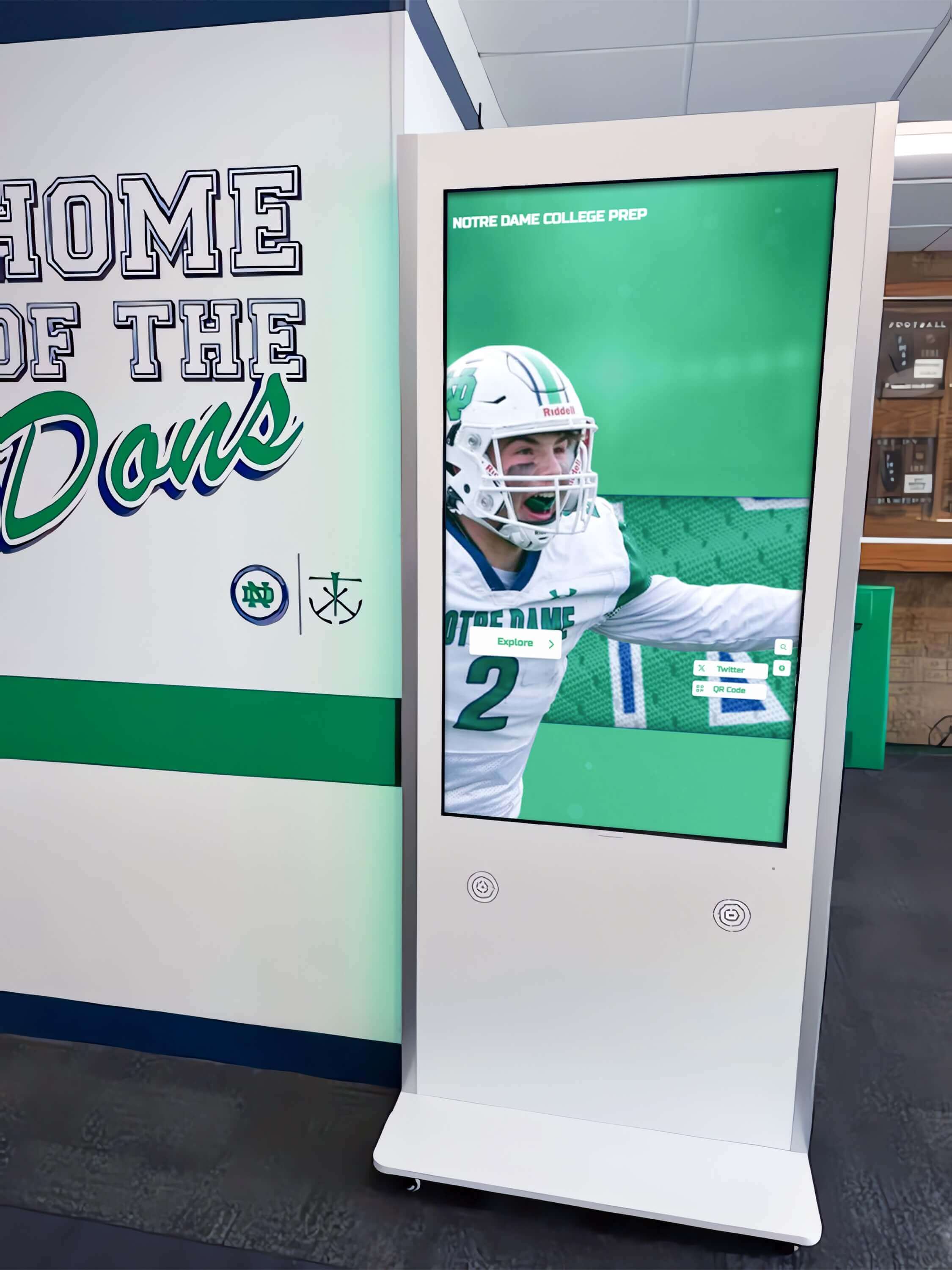
Well-designed kiosk installations feel natural and welcoming in church environments while providing sophisticated functionality
Beyond Giving: Multi-Purpose Digital Display Applications
While donor recognition and giving facilitation represent primary uses for digital touchscreens in Catholic parishes, these versatile platforms serve numerous additional purposes that enhance parish life and community engagement.
Parish History and Heritage
Catholic parishes often possess rich histories spanning decades or centuries. Digital displays provide ideal platforms for sharing this heritage:
Timeline Presentations: Interactive timelines showing parish founding, construction milestones, pastoral leadership succession, and significant community events help parishioners appreciate their place in an ongoing story.
Historic Photographs: Digitized archives of old parish photos—early church buildings, first communion classes, construction projects, past clergy—connect current generations to those who built the foundation they now enjoy.
Archival Documents: Display significant historical documents like founding charters, architectural plans, dedication programs, or correspondence from bishops and notable figures.
Anniversary Celebrations: During milestone anniversaries (50th, 100th, 150th), create special content celebrating the parish’s history and inviting parishioners to contribute their own memories and stories.
The approach to preserving organizational history through digital solutions applies equally well to Catholic parishes seeking to honor their heritage.
Sacramental Celebrations
Sacraments form the core of Catholic parish life, and digital displays can celebrate these sacred moments:
Recent Baptisms: Welcome newly baptized members with photos and names, celebrating their entrance into the faith community.
First Communion and Confirmation: Honor children and youth receiving these sacraments, creating lasting recognition of these milestones.
Marriages: Celebrate couples married in the parish, with anniversary updates for milestone years.
Religious Vocations: Highlight parishioners who enter seminary, religious life, or permanent diaconate, maintaining connection as they serve the broader Church.
RCIA Journey: Recognize those preparing to enter the Church through the Rite of Christian Initiation for Adults, welcoming catechumens and celebrating those received at Easter Vigil.
Ministry and Volunteer Recognition
Vibrant parishes depend on countless volunteers serving in diverse ministries. Digital displays offer platforms for appropriate recognition:
Ministry Spotlights: Rotate through different ministries monthly, explaining their mission, showing volunteers in action, and inviting others to join.
Service Milestones: Honor long-serving volunteers—liturgical ministers, catechists, youth leaders, Knights of Columbus members, altar society participants—who demonstrate faithful commitment over years or decades.
Mission and Service Projects: Document parish participation in mission trips, service projects, and community outreach, showing how parishioners live the Gospel through action.
Leadership Recognition: Acknowledge pastoral council members, finance council members, committee chairs, and other leaders who guide parish life.
Similar to birthday recognition programs, celebrating the anniversaries of parishioners’ service demonstrates that their contributions are noticed and valued.
Catholic Schools and Religious Education
For parishes with schools or robust religious education programs, digital displays can:
Celebrate Academic Excellence: Honor students receiving academic awards, scholarships, or special recognition.
Athletic Achievements: For parish schools with athletic programs, showcase team accomplishments, individual records, and school spirit.
Arts and Performance: Display photos from school plays, musicals, art shows, and performances that showcase student talents.
Principal and Teacher Recognition: Honor educational leaders and teachers who form young minds and hearts in the faith.
Graduation Celebrations: Create lasting recognition for graduating classes, maintaining connection with alumni as they move forward.
Approaches used for academic recognition programs translate well to Catholic educational environments.
Measuring Impact and Demonstrating ROI
To justify the investment in digital giving technology and maintain ongoing support from parish leadership and finance councils, measuring impact and demonstrating return on investment is essential.
Key Performance Indicators
Total Giving Increase: The most straightforward metric—compare total parish giving before and after implementing digital solutions. Most parishes see increases ranging from 15-35% within the first year as convenience barriers are removed and more parishioners participate.
Digital Giving Adoption Rate: Track what percentage of contributing households use digital channels. This metric helps you understand how well your parishioners are embracing the technology and whether additional education might help.
Average Transaction Size: Digital gifts often average higher than cash donations. Compare average digital gift amounts to traditional collection basket averages to quantify this benefit.
New Donor Acquisition: Digital giving often attracts households who previously didn’t contribute regularly. Track how many new contributing families appear in your database after launching digital options.
Recurring Donor Growth: One of digital giving’s most valuable benefits is facilitating recurring donations. Monitor how many households establish regular giving patterns and the total monthly value of recurring commitments.
Donor Retention: Measure whether digital giving improves donor retention year-over-year. The convenience and automated nature of digital contributions typically result in more consistent support.
Campaign Performance: For special appeals and capital campaigns, compare participation rates and average gifts when digital giving options are available versus historical campaigns using traditional methods only.
Calculating Return on Investment
A comprehensive ROI analysis includes both direct financial returns and operational efficiency gains:
Direct Financial Return:
- Increased annual giving (typically 15-35%)
- Minus transaction fees (2-3% of digital transactions)
- Minus amortized hardware costs (spread over expected 5-7 year lifespan)
- Minus annual software/service fees
Example Calculation:
- Parish with $400,000 annual giving implements digital system
- Year 1 increase: 25% = $100,000 additional giving
- Transaction fees on 40% going digital ($200,000): -$6,000
- Hardware cost amortized: -$1,000/year
- Software/service fees: -$2,400/year
- Net Year 1 benefit: $90,600 (23% ROI)
Operational Efficiency Returns:
- Reduced staff time counting, recording, and depositing cash
- Fewer bank trips and associated security risks
- Automated reconciliation reducing accounting time
- Instant digital receipts reducing follow-up inquiries
- Automated year-end tax statements
While harder to quantify precisely, these time savings represent real value—staff can redirect hours from manual donation processing to mission-focused activities like pastoral care, program development, and community engagement.
Communicating Results to Stakeholders
Share results with relevant stakeholders to build support and celebrate success:
Parish Council and Finance Council: Present quarterly reports showing giving trends, adoption rates, and financial impact. Transparency builds confidence in technology investments.
Pastor and Pastoral Staff: Regular updates help leadership understand how digital giving serves the parish mission and enables ministry growth.
Parishioners: Appropriate communication about giving increases (without revealing individual donor information) helps the community understand that digital options serve the common good. Frame results in terms of ministry impact: “Increased giving enabled us to expand our youth program” or “Additional funds allowed us to assist more families in need.”
Diocese: If your parish receives diocesan technology grants or participates in diocesan giving campaigns, sharing success stories may help other parishes and demonstrate effective stewardship of resources.
Future Trends in Church Digital Giving
The digital giving landscape continues evolving. Understanding emerging trends helps parishes plan for future opportunities and challenges.
Mobile-First Experiences
While dedicated kiosks remain valuable for on-site giving, mobile giving through smartphones continues growing. Forward-thinking parishes invest in solutions that provide seamless experiences across multiple channels:
- Text-to-give options requiring minimal steps
- Mobile apps specifically for parish engagement including giving
- Mobile-optimized web giving experiences
- Digital wallet integration (Apple Pay, Google Pay)
- QR codes that instantly connect to giving pages
The same vendor platform that powers your kiosk should ideally support these mobile experiences, ensuring consistent branding and unified reporting across all channels.
Cryptocurrency and Alternative Payment Methods
While still emerging in church contexts, cryptocurrency donations are gaining traction, particularly among younger donors. Some specialized platforms now facilitate Bitcoin, Ethereum, and other cryptocurrency contributions, automatically converting them to traditional currency for the parish.
Whether Catholic parishes should embrace cryptocurrency giving involves theological and practical considerations beyond technology itself, but awareness of these options helps parishes serve parishioners who hold digital assets.
AI-Enhanced Donor Engagement
Artificial intelligence applications in nonprofit fundraising increasingly support personalized donor engagement:
- Predictive analytics identifying parishioners likely to increase giving
- Automated giving reminders timed to individual donor patterns
- Personalized communication based on donor interests and giving history
- Optimized ask amounts based on capacity indicators
These sophisticated approaches require careful ethical consideration in religious contexts, ensuring technology serves genuine relationship-building rather than manipulation.
Enhanced Recognition Experiences
Digital recognition displays continue becoming more sophisticated:
- Higher resolution screens providing stunning visual clarity
- Touch-free gesture controls for contactless interaction
- Voice-activated search capabilities
- Augmented reality features overlaying historical information onto physical spaces
- Integration with personal devices allowing parishioners to access content on smartphones
As technology advances, the opportunities for meaningful, beautiful donor recognition that honors generosity while telling compelling stories of faith community continue expanding.
Transform Your Parish Giving and Donor Recognition
Rocket Alumni Solutions specializes in creating integrated digital giving and recognition solutions for Catholic parishes. Our cloud-based platforms combine secure donation processing with beautiful, engaging donor recognition displays that honor generosity while celebrating your faith community's mission and heritage. From intuitive touchscreen kiosks to comprehensive donor walls that tell your parish's story, we provide the technology and support to help your stewardship thrive in the digital age.
Explore Solutions for Your ParishBuilding a Comprehensive Digital Stewardship Strategy
Digital giving kiosks and donor recognition represent important tools, but they work best as components of a comprehensive digital stewardship strategy that serves your parish’s mission holistically.
Multi-Channel Giving Ecosystem
The most effective approach provides multiple convenient giving options while maintaining unified data and reporting:
Sunday Collection: Traditional collection baskets remain for those preferring cash or check giving and for the catechetical value of visible communal support.
Digital Kiosks: On-site touchscreen giving for convenience before, during, and after services and events.
Online Giving Portal: Web-based giving accessible from home computers, allowing thoughtful contribution decisions and easy recurring gift setup.
Mobile Giving: Smartphone-optimized experiences including text-to-give and mobile apps for on-the-go generosity.
Phone-Based Giving: IVR systems allowing donors to call and make contributions using phone keypad entry for those less comfortable with internet-based options.
Mail-In Options: Continued acceptance of checks and money orders for members preferring traditional methods.
All channels should feed into unified donor management systems, ensuring comprehensive records regardless of how individuals choose to give.
Year-Round Stewardship Communication
Digital giving succeeds best within a culture of stewardship that emphasizes year-round communication:
Spiritual Foundation: Regular teaching from the pulpit about stewardship as spiritual practice, emphasizing that giving flows from gratitude and discipleship rather than organizational need.
Impact Stories: Consistent communication showing how contributions create tangible impact—ministry programs served, families assisted, facility improvements completed, missions supported.
Giving Options Education: Ongoing reminders about available giving methods, helping parishioners find options that work for their circumstances and preferences.
Appreciation and Recognition: Thoughtful thank-you communications and appropriate recognition that honors donors while avoiding excessive emphasis on individual prominence over communal mission.
Financial Transparency: Regular reporting on parish finances, campaign progress, and resource allocation builds trust and demonstrates faithful stewardship of contributions received.
Integration with Other Parish Digital Initiatives
Digital giving and recognition work best when integrated with broader parish technology strategy:
Parish Website: Your site should include clear information about giving options, online donation capabilities, recognition of major supporters, and financial transparency reports.
Social Media: Platforms like Facebook, Instagram, and parish apps provide channels for sharing impact stories, celebrating donor-funded achievements, and gently reminding about giving opportunities during special appeals.
Email Communications: Newsletters and email updates should include easy links to giving portals and stories demonstrating how contributions create impact.
Digital Signage: Beyond donor recognition, general parish digital signage can promote specific campaigns, show giving thermometers for appeals in progress, and celebrate milestones reached.
Parish Apps: Comprehensive parish apps that include prayer resources, event calendars, homily access, and community forums work best when they also facilitate giving, creating seamless integration between spiritual engagement and stewardship practice.
The approach to digital touchscreen experiences in athletic facilities demonstrates how comprehensive digital strategies create engaging environments, a principle that applies equally to parish contexts.
Conclusion: Embracing Digital Stewardship While Honoring Tradition
Catholic parishes stand at a unique intersection of timeless truth and contemporary context. The Gospel message remains unchanged, but the cultural environment in which parishes serve evolves continuously. Digital donation touchscreens represent not a departure from tradition but an adaptation that enables timeless stewardship values to flourish in modern circumstances.
When 76% of people carry less than $50 in cash, parishes that offer only traditional collection methods unintentionally create barriers to generosity. Digital giving removes these barriers, making it simple for all parishioners to participate in supporting their faith community regardless of their payment preferences.
More than transaction facilitation, comprehensive digital solutions that combine giving capabilities with meaningful donor recognition create opportunities to celebrate the community’s collective commitment to mission, honor those whose generosity enables ministry, and tell compelling stories of faith lived through action.
The parishes that thrive in coming decades will be those that thoughtfully embrace helpful technologies while maintaining focus on what matters most: proclaiming the Gospel, celebrating the sacraments, forming disciples, and serving those in need. Digital giving solutions serve these core purposes when implemented thoughtfully, strategically, and with appropriate pastoral care.
As you consider digital donation touchscreens for your Catholic parish, remember that technology serves mission—not the reverse. The goal isn’t modernization for its own sake but rather equipping your parish to serve its community more effectively, removing barriers to participation, and celebrating the generosity that makes vibrant parish life possible.
Whether you’re beginning to explore digital giving options or ready to implement comprehensive solutions that combine donation processing with meaningful recognition, taking that next step positions your parish to serve current parishioners more effectively while building foundation for future generations of Catholic faithful.
The stewardship challenge facing Catholic parishes in 2026 isn’t fundamentally different from that of previous generations—inspiring grateful, generous, consistent support for the Church’s mission. What’s different are the tools available to serve that timeless goal. Digital donation touchscreens and recognition displays represent powerful, proven tools that honor the past while embracing the future.
Additional Resources
For parishes exploring digital giving and recognition solutions, these resources provide additional guidance:
- United States Conference of Catholic Bishops: Stewardship resources and pastoral letters on parish administration
- Catholic Leadership Institute: Best practices for Catholic parish management and development
- National Leadership Roundtable on Church Management: Resources for effective Catholic institutional governance
- OSV (Our Sunday Visitor): Publications and resources on Catholic stewardship and parish life
For technical implementation guidance, exploring donor recognition programs and digital trophy displays offers insights applicable to parish contexts.
Catholic parishes possess tremendous potential to leverage digital technology in service of timeless mission. By thoughtfully implementing digital donation touchscreens integrated with meaningful recognition displays, your parish can remove barriers to generosity, honor those who support your mission, and build foundation for vibrant ministry serving current and future generations.