Athletic coaches shape more than win-loss records. They mentor young athletes through formative years, teach life lessons that extend far beyond sports, build character through disciplined practice, and create communities where students learn teamwork, resilience, and dedication. Yet coaching recognition often gets limited to casual thank-yous at season-end banquets or generic appreciation gestures that fail to acknowledge the profound impact exceptional coaches create throughout careers spanning decades.
Schools committed to building championship cultures recognize that honoring coaches meaningfully strengthens programs, validates the demanding work coaching requires, attracts and retains exceptional coaching talent, and demonstrates to students, parents, and communities that athletic leadership receives the same respect extended to academic faculty. Coach appreciation day provides opportunities to celebrate these influential leaders through recognition that matches the lasting impact they create.
This comprehensive guide explores how schools, athletic departments, and communities can implement coach appreciation initiatives that honor athletic leaders appropriately—from dedicated recognition days and permanent displays to awards programs and digital recognition systems ensuring coaching excellence receives sustained visibility alongside the athletes they develop.

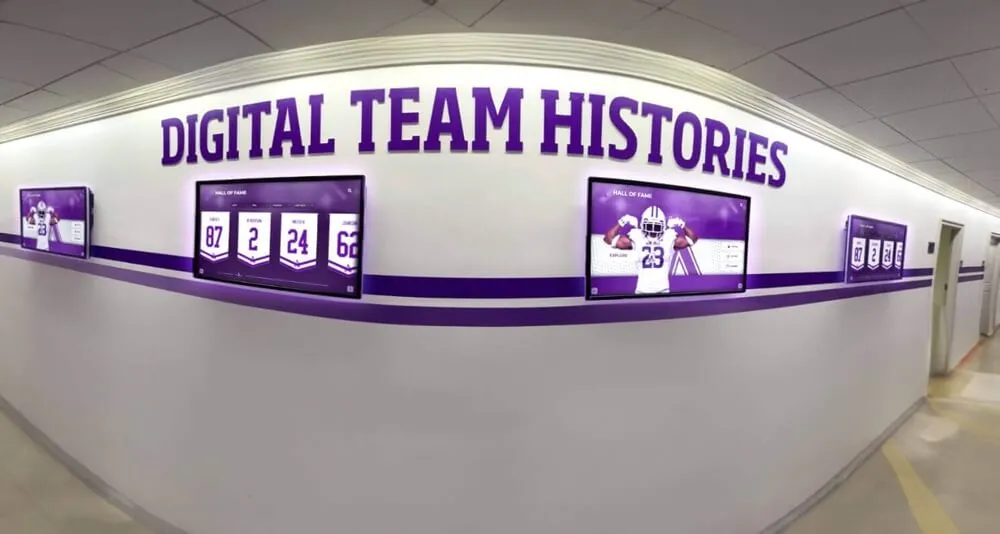
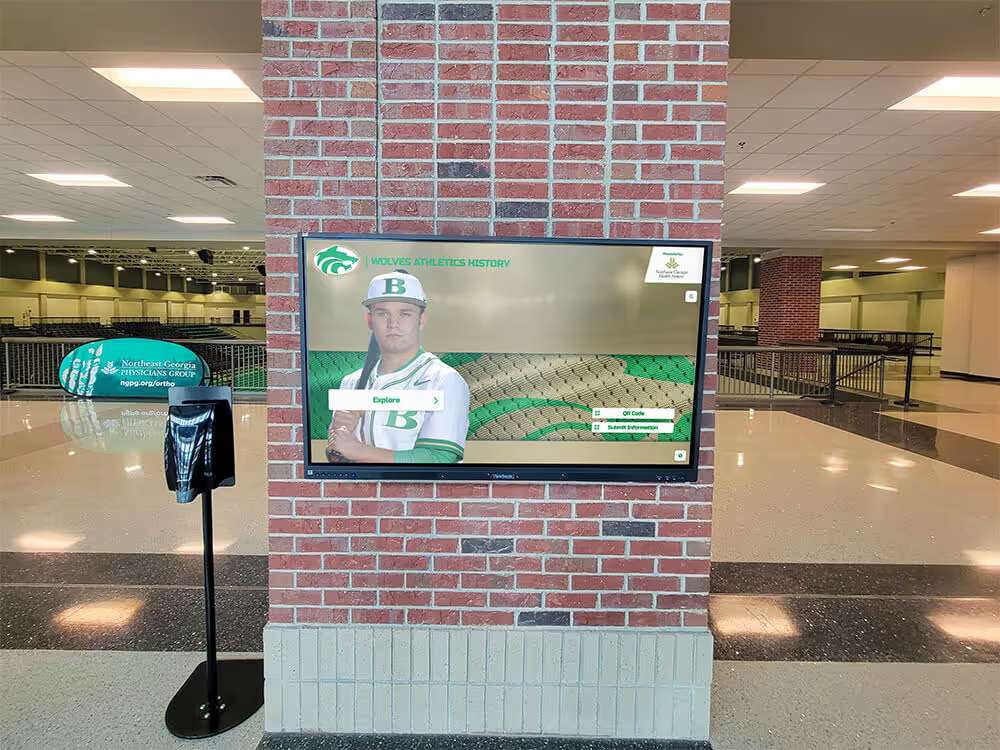
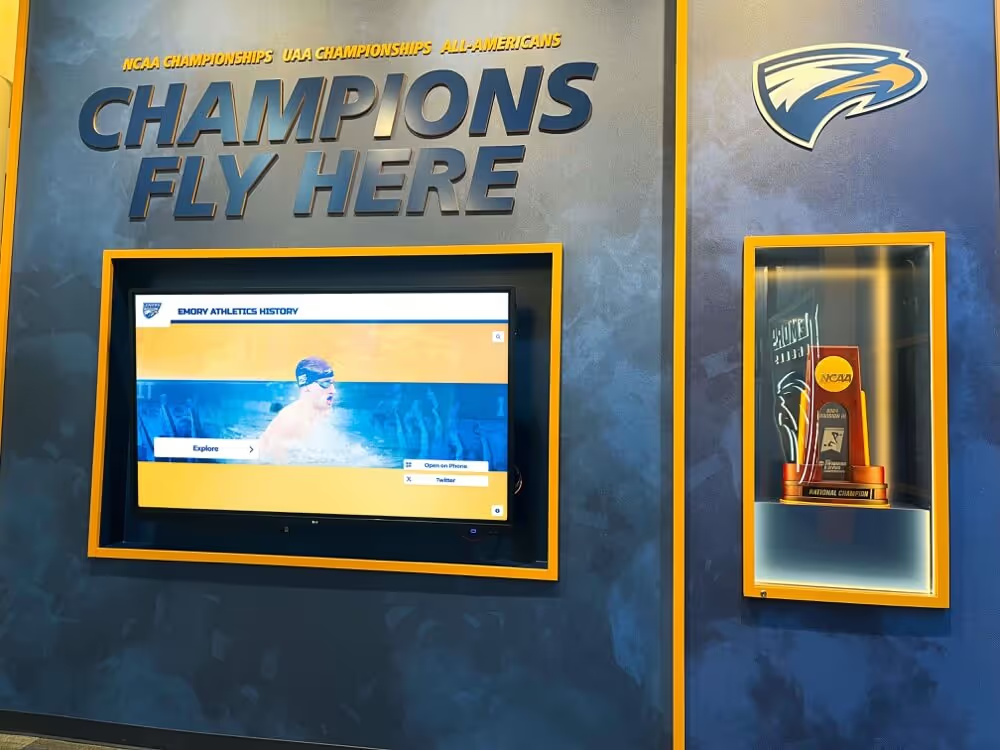
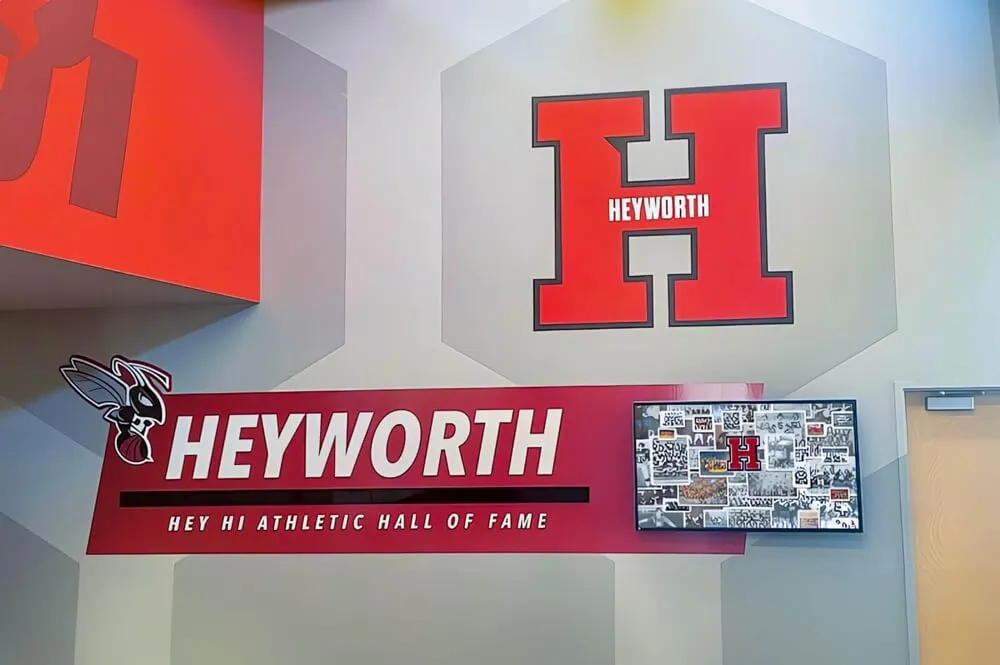
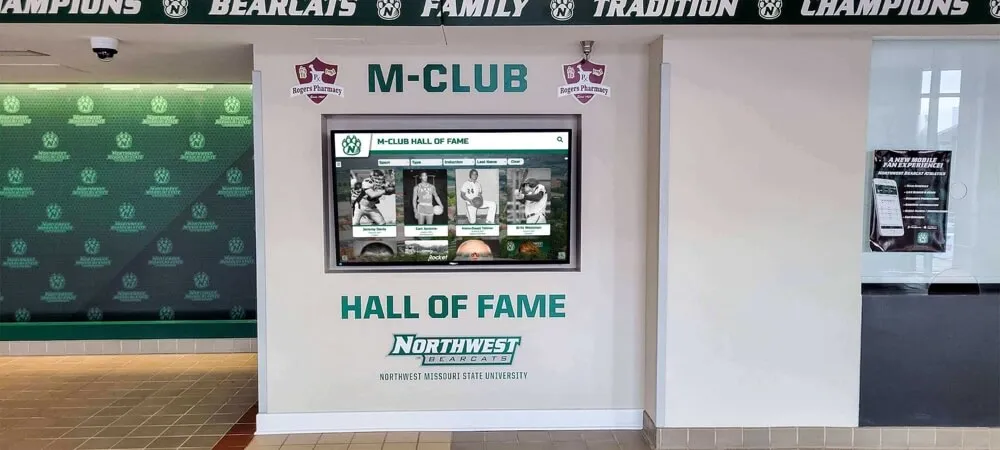
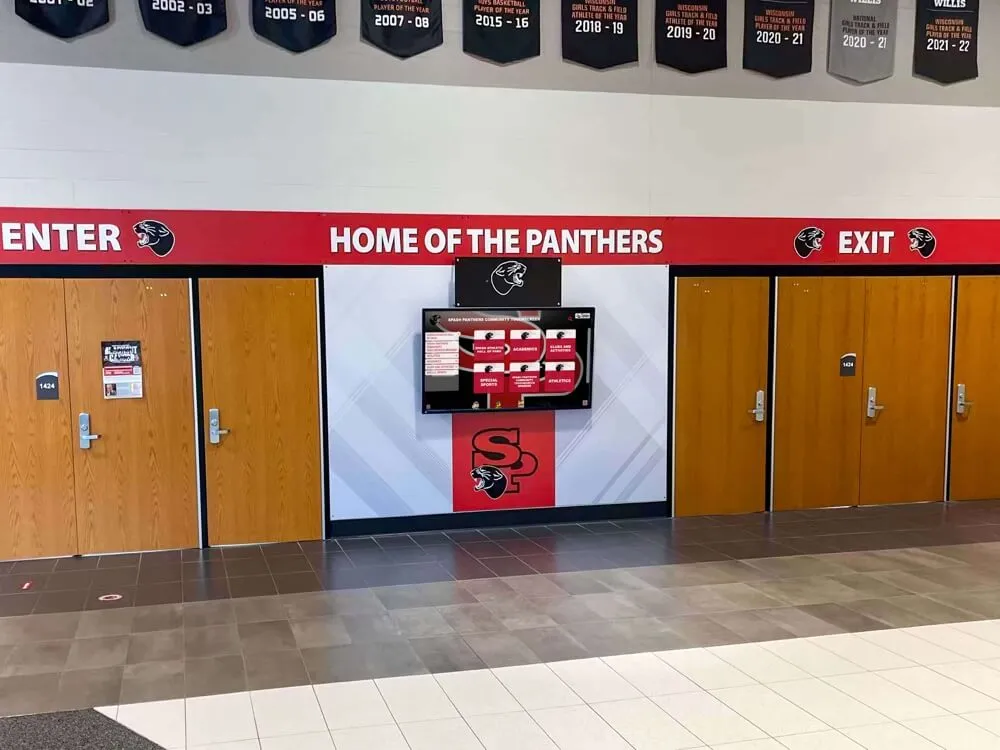
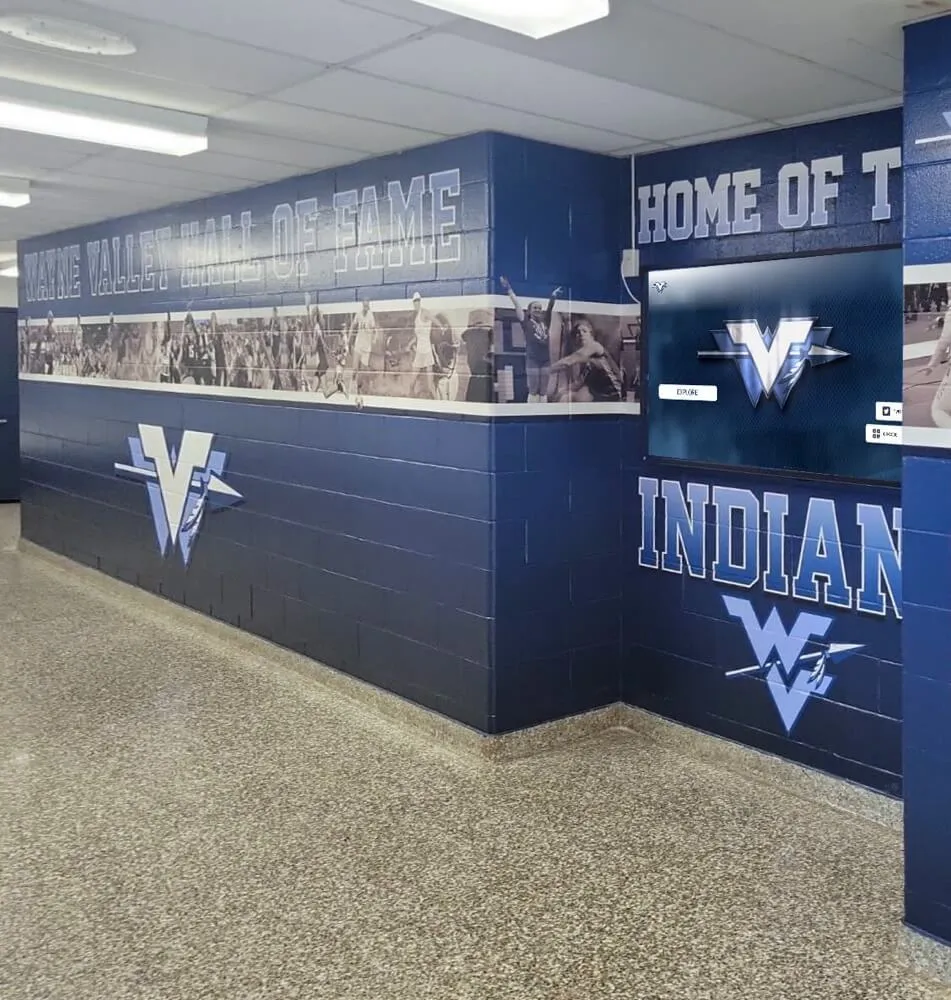
Athletic hallways provide natural spaces for permanent coach recognition alongside team achievements and player honors
Understanding the Role and Impact of Athletic Coaches
Before exploring recognition strategies, understanding what coaches contribute helps schools design appreciation programs that acknowledge their complete impact rather than just competitive outcomes.
Beyond Wins and Losses
While championship banners and winning records provide visible coaching success measures, coaches’ deepest impacts often manifest in less quantifiable ways that shape student-athletes throughout their lives.
Character Development and Life Skills
Effective coaches teach discipline, time management, goal-setting, perseverance through adversity, grace in victory and defeat, and accountability for commitments. These character lessons serve students throughout education, careers, relationships, and life challenges long after athletic participation ends.
Student-athletes consistently cite coaches as among their most influential mentors, particularly during adolescent years when adult guidance outside family structures becomes crucial for healthy development. Coaches model work ethic, integrity, emotional regulation, and leadership that young people internalize and emulate.
Academic Support and Accountability
Athletic coaches often serve as academic advocates, monitoring student grades, enforcing eligibility standards, providing study halls, connecting athletes with tutoring resources, and maintaining communication with classroom teachers. This academic accountability helps student-athletes balance athletic and educational commitments while preventing sports participation from undermining academic success.
Research from the National Federation of State High School Associations demonstrates that student-athletes participating in quality athletic programs maintain higher GPAs and graduation rates than non-participants, attributable partly to coaches who establish academic expectations and support systems.
Creating Belonging and Community
For many students, athletic teams provide primary social networks and sense of belonging during vulnerable teenage years. Coaches create inclusive team cultures where diverse students unite around shared goals, build supportive relationships, and develop identities connected to something larger than themselves.
This community-building function proves particularly crucial for students who struggle academically, lack strong friend groups, or feel disconnected from broader school culture. Athletic teams coached thoughtfully become support systems sustaining students through challenging periods.
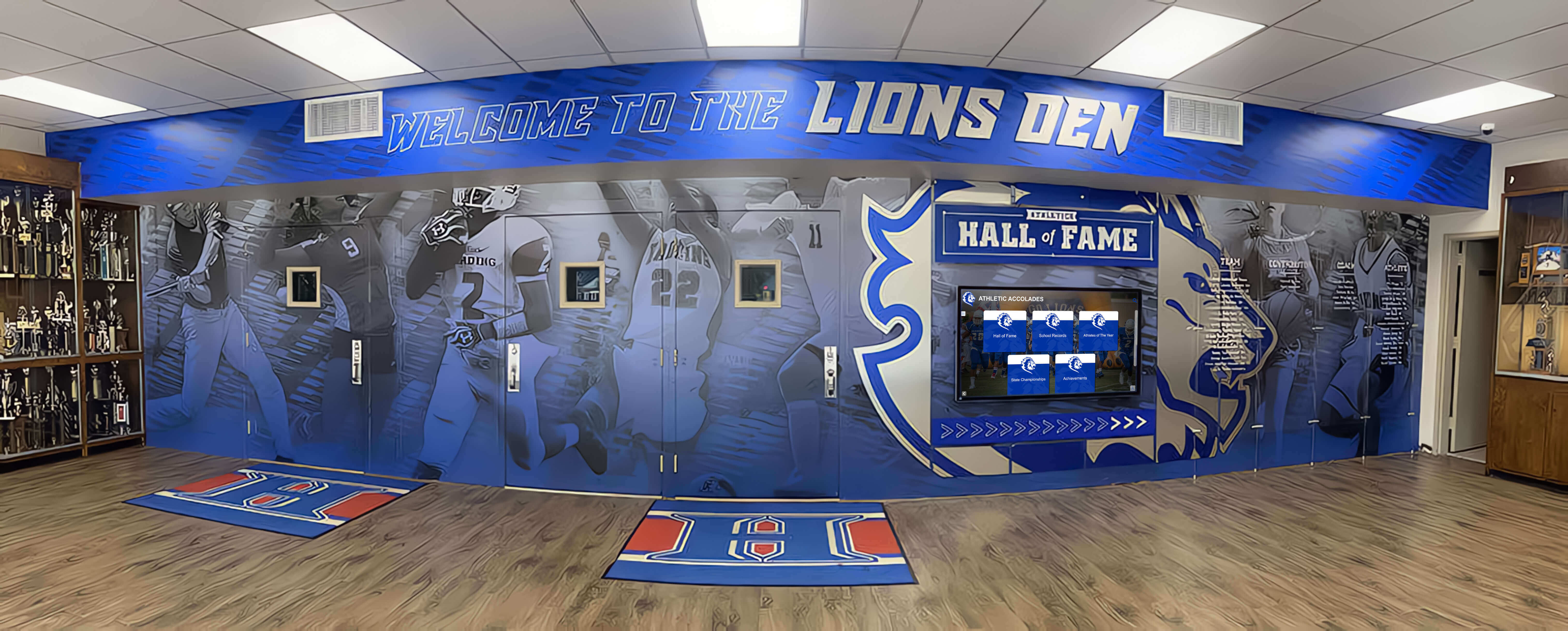
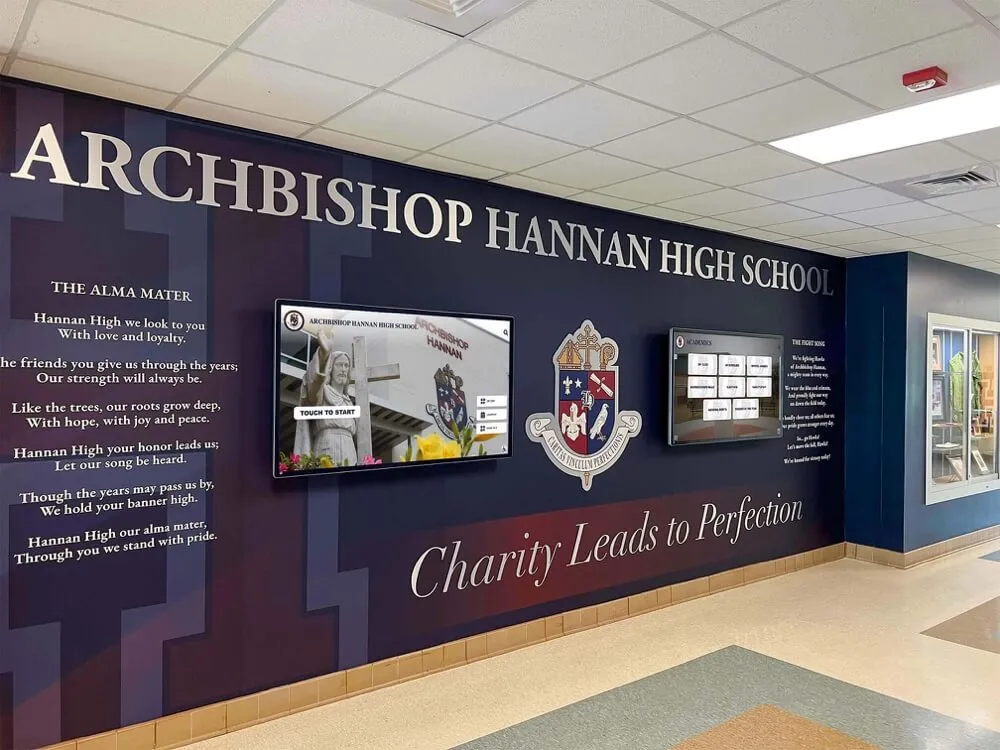
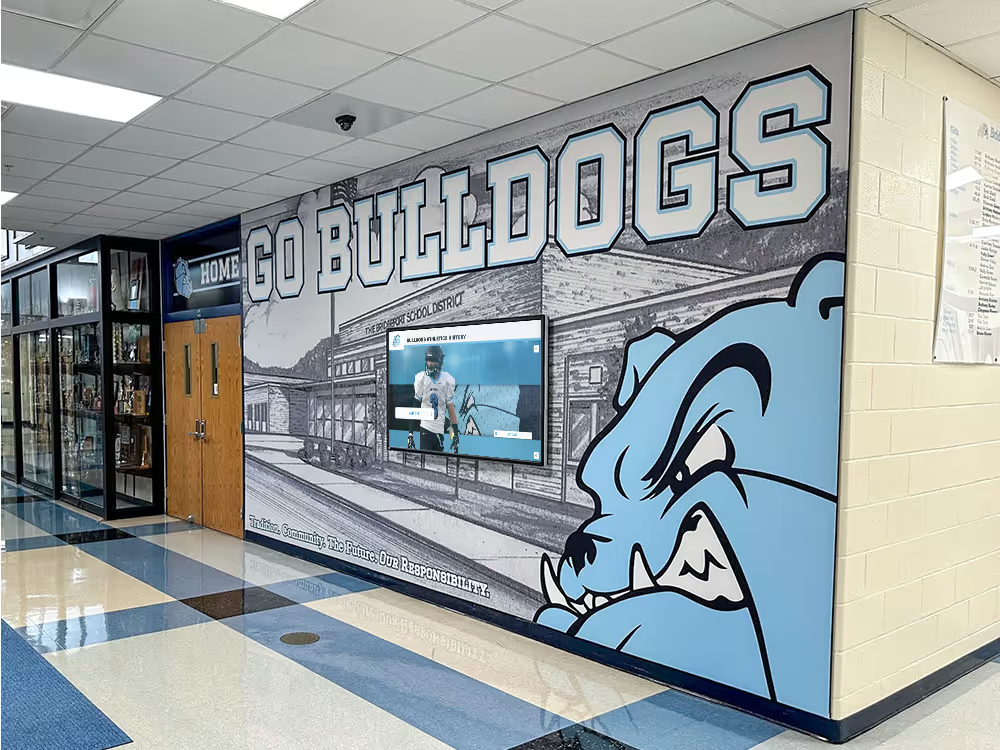
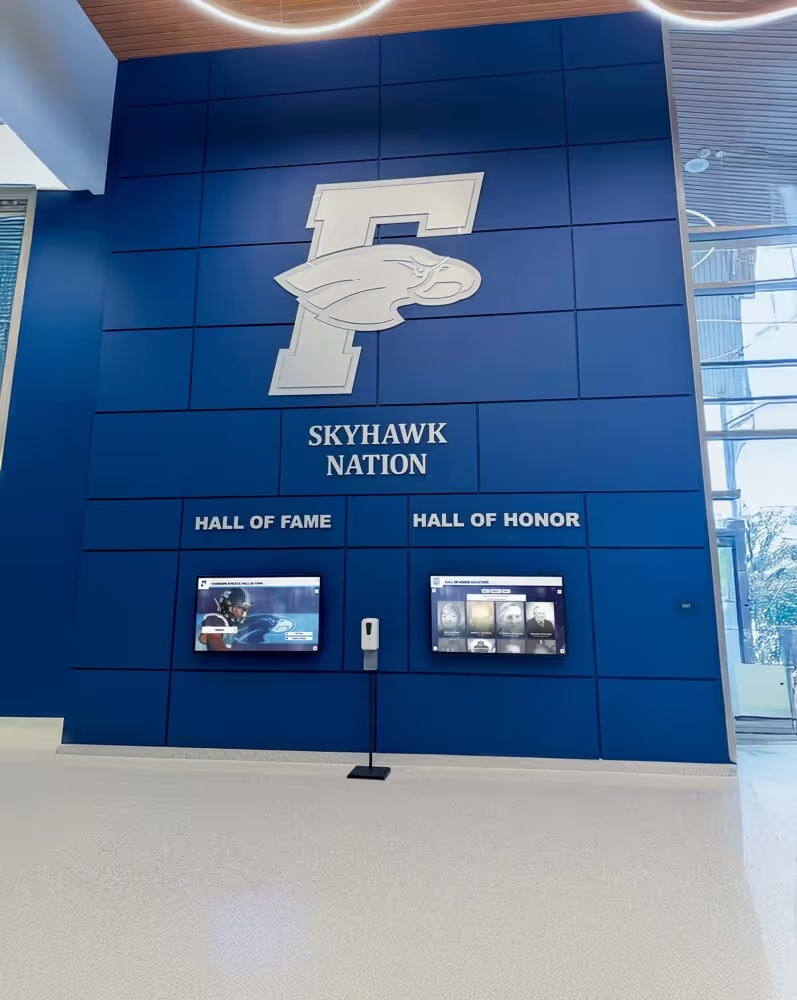
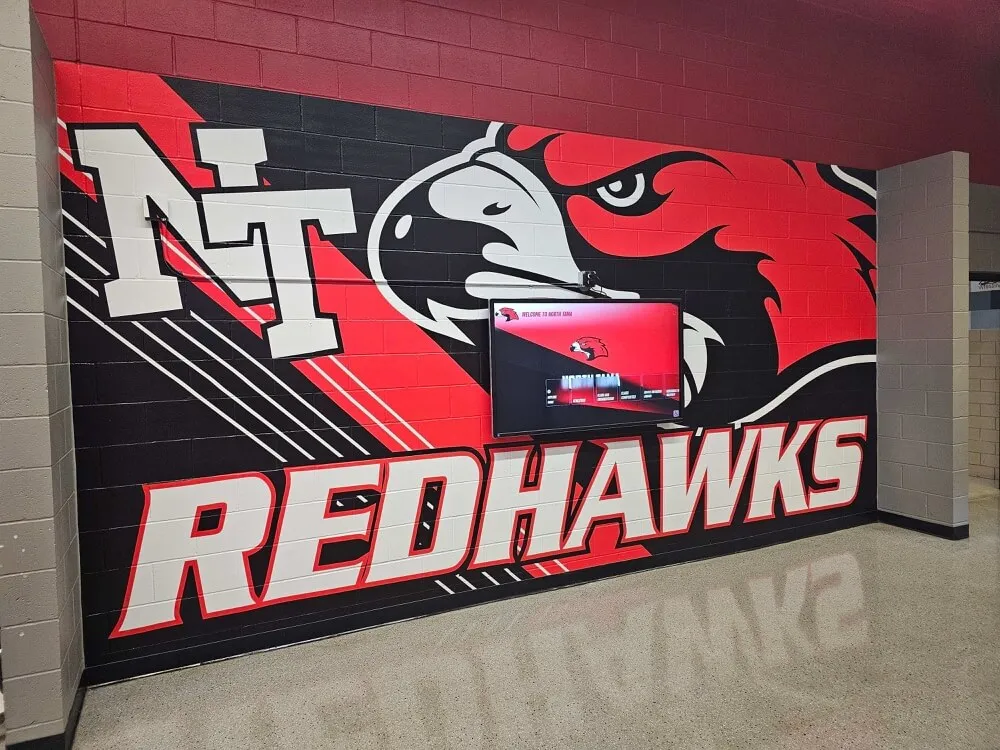
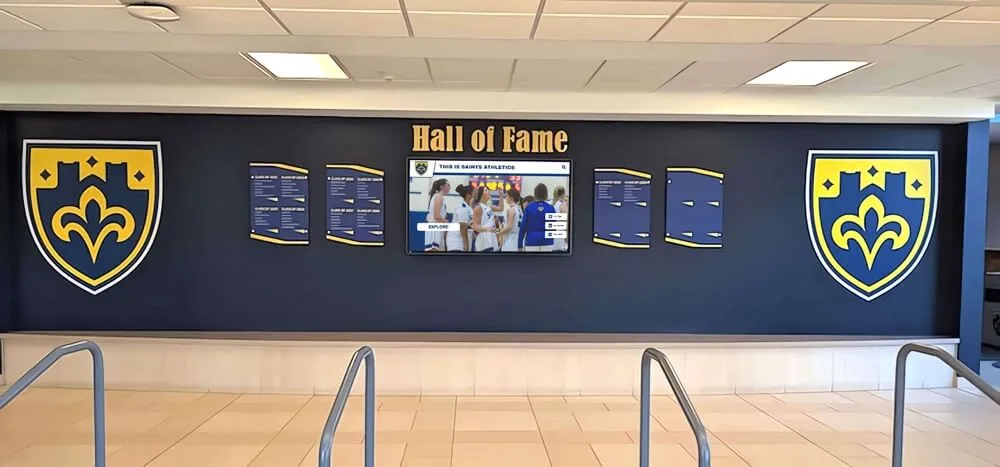
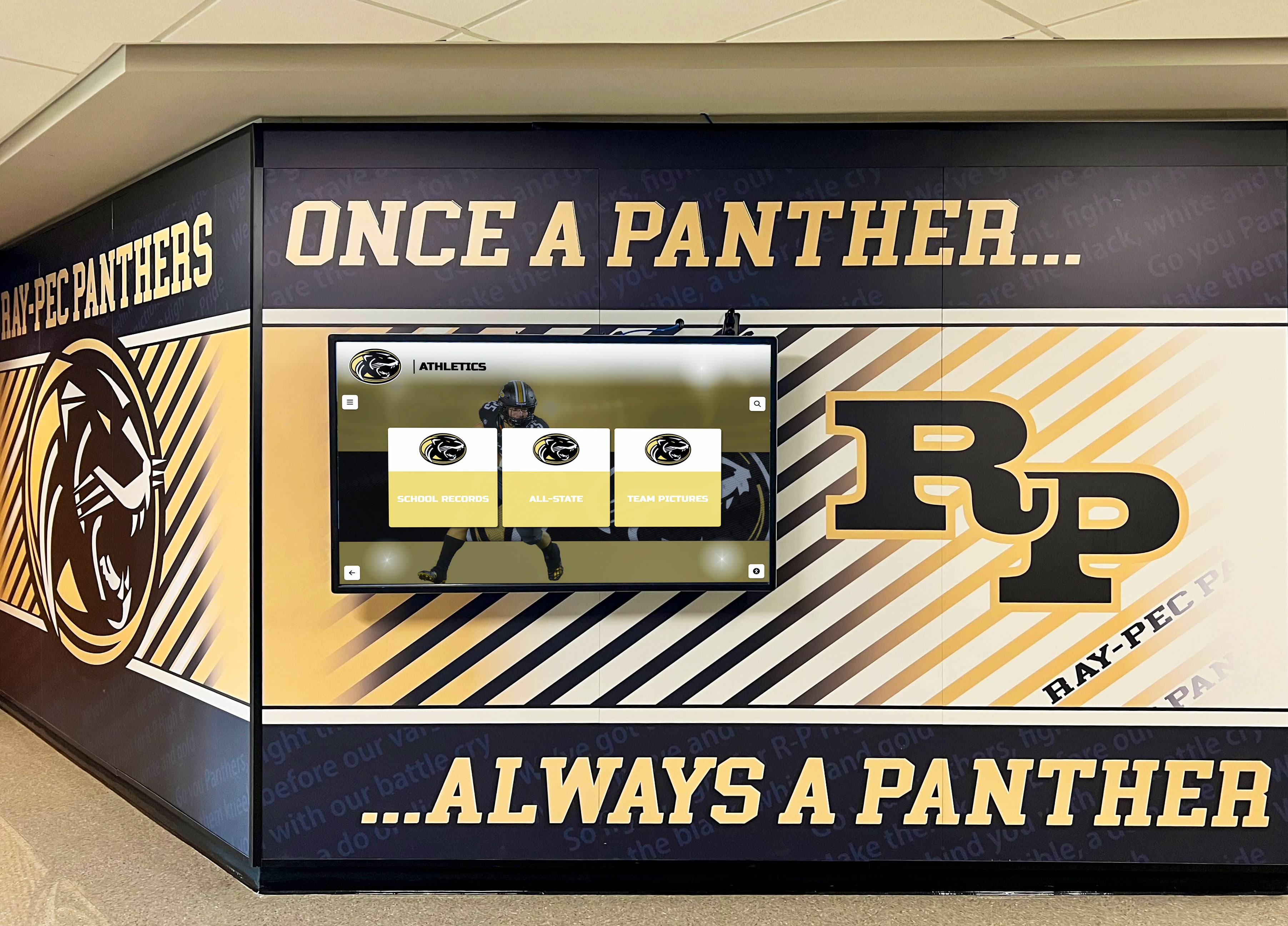
Comprehensive athletic spaces honor coaching legacies alongside team championships and individual player achievements
Commitment That Extends Beyond Contract Hours
Athletic coaching requires extraordinary time commitments extending far beyond official seasons. Coaches conduct off-season training programs, coordinate summer camps, organize team fundraisers, manage equipment and facilities, recruit and develop assistant coaches, communicate with parents and administrators, handle logistics for travel and competitions, and maintain relationships with college coaches on behalf of graduating athletes.
These behind-the-scenes responsibilities consume countless hours rarely visible to communities who primarily see coaches during games. Effective coach appreciation acknowledges this comprehensive commitment rather than simply recognizing competitive success.
The Challenges Coaches Face
Understanding challenges helps schools design appreciation programs that address coaching realities while providing meaningful support beyond generic recognition.
Balancing Demands on Limited Time
Coaches juggle athletic responsibilities with personal lives, families, and often full-time teaching positions or other employment. Season demands intensify these time pressures, creating stress that contributes to coaching burnout and departure from positions they’re passionate about.
Schools exploring comprehensive approaches to staff appreciation programs recognize that coaching positions require targeted support addressing unique time and energy demands.
Managing Diverse Stakeholder Expectations
Coaches navigate expectations from athletes wanting playing time and championships, parents advocating for their children, administrators focused on program reputation and budget constraints, community members invested in school athletic success, and their own competitive standards and coaching philosophies.
These competing pressures create difficult situations requiring diplomatic skill, clear communication, and resilience through criticism that even successful coaches face regularly.
Limited Resources and Budget Constraints
Many programs operate with minimal budgets, aging equipment, inadequate facilities, and insufficient assistant coaching support. Coaches stretch limited resources creatively while personally supplementing program needs—purchasing equipment, transporting athletes, and funding program elements from personal finances.
Insufficient Compensation for Commitment Level
Coaching stipends often fail to reflect actual hours invested or expertise required. When calculated hourly, many coaches earn minimal compensation despite professional-level responsibilities and time commitments that rival full-time positions.
This compensation gap means coaches work primarily from passion and commitment to students rather than financial incentive, making genuine appreciation particularly meaningful for sustaining motivation and preventing burnout.
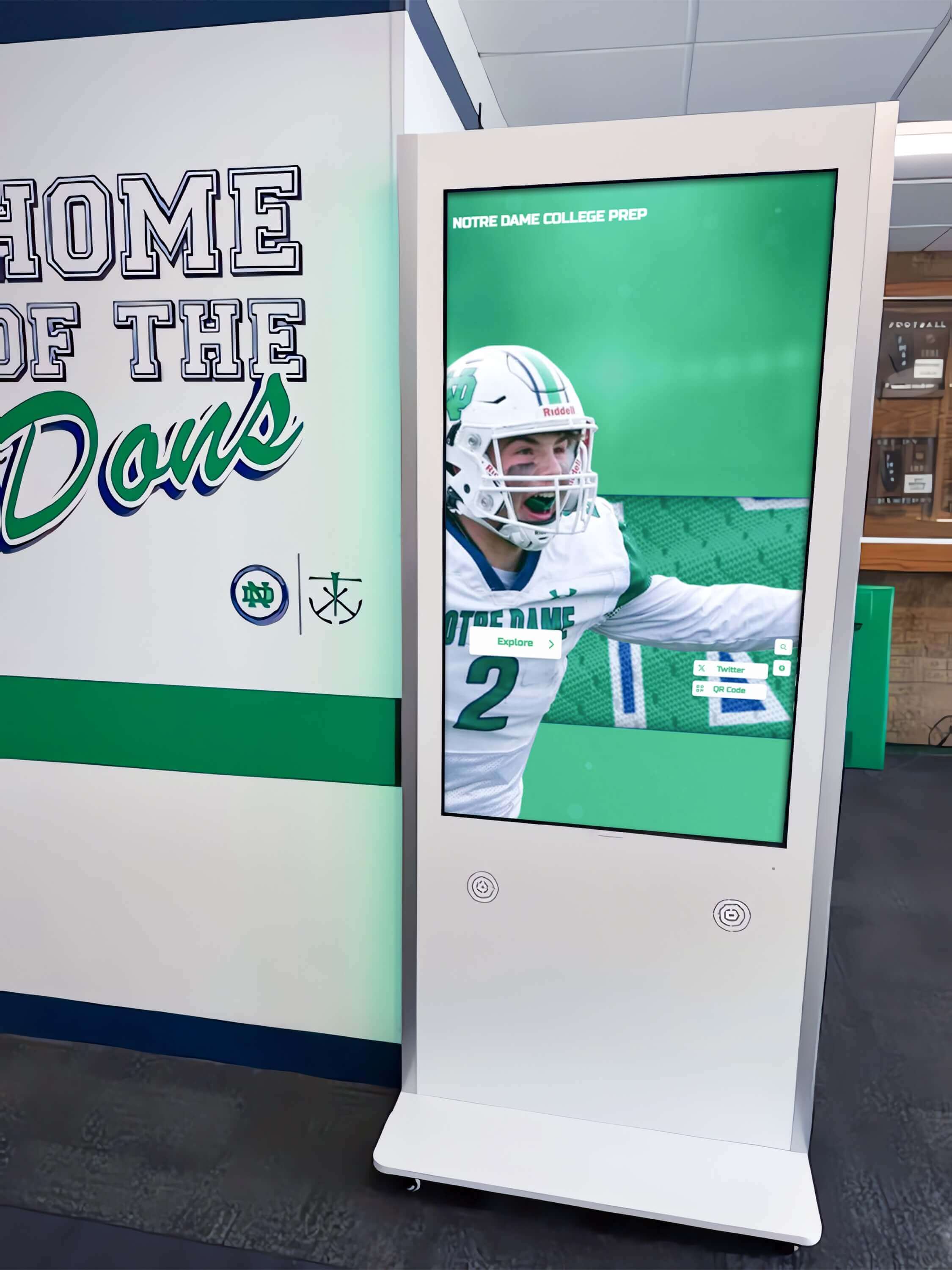
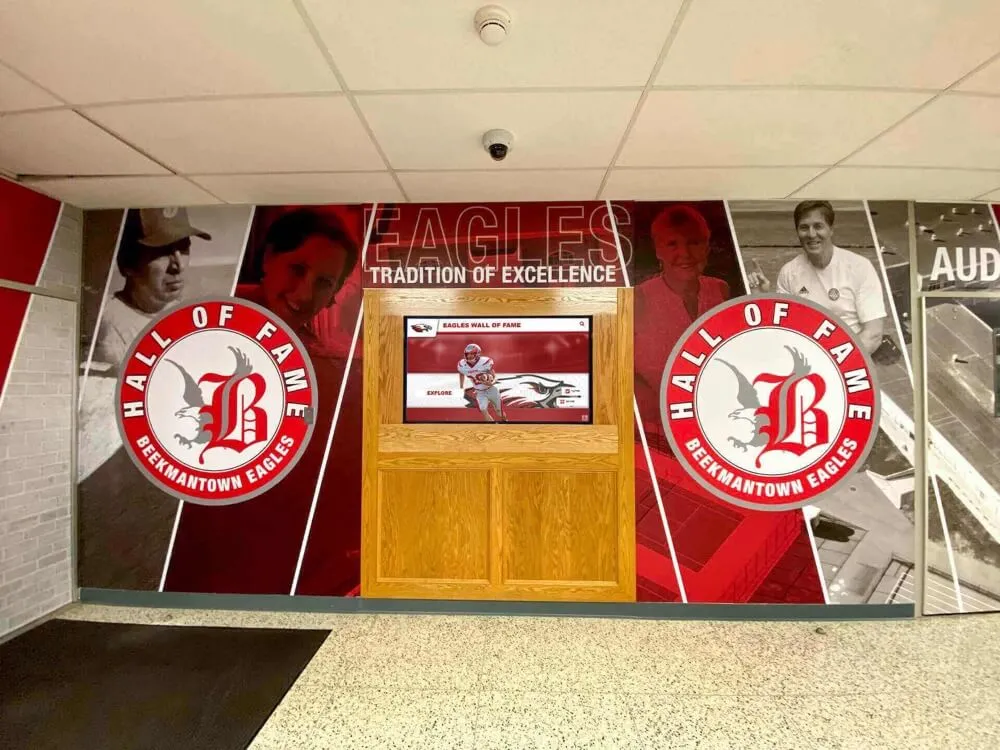
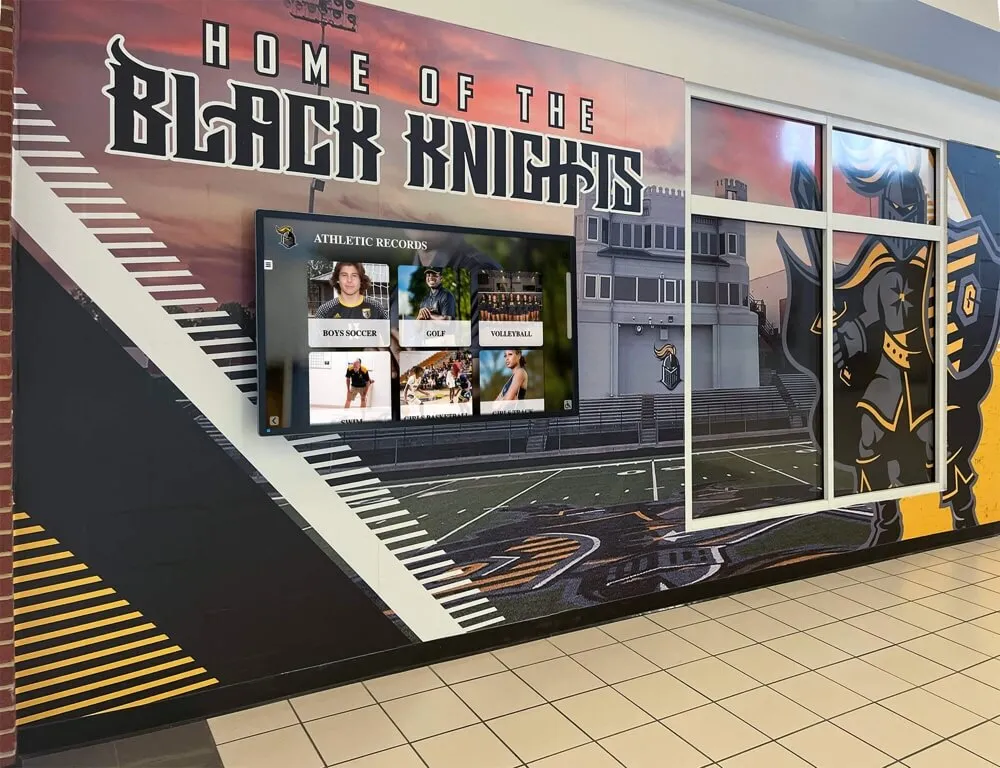
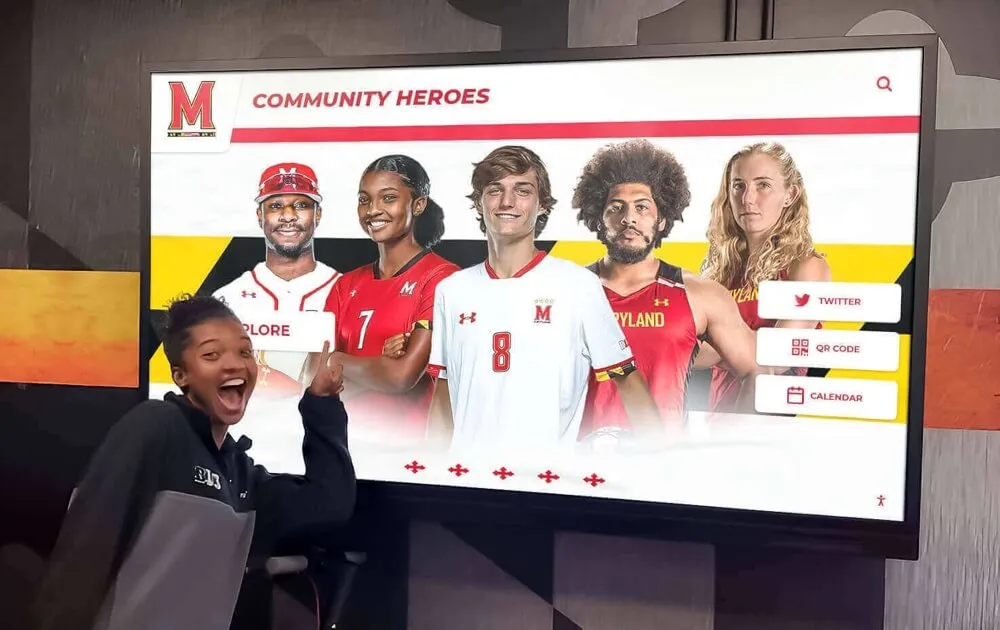
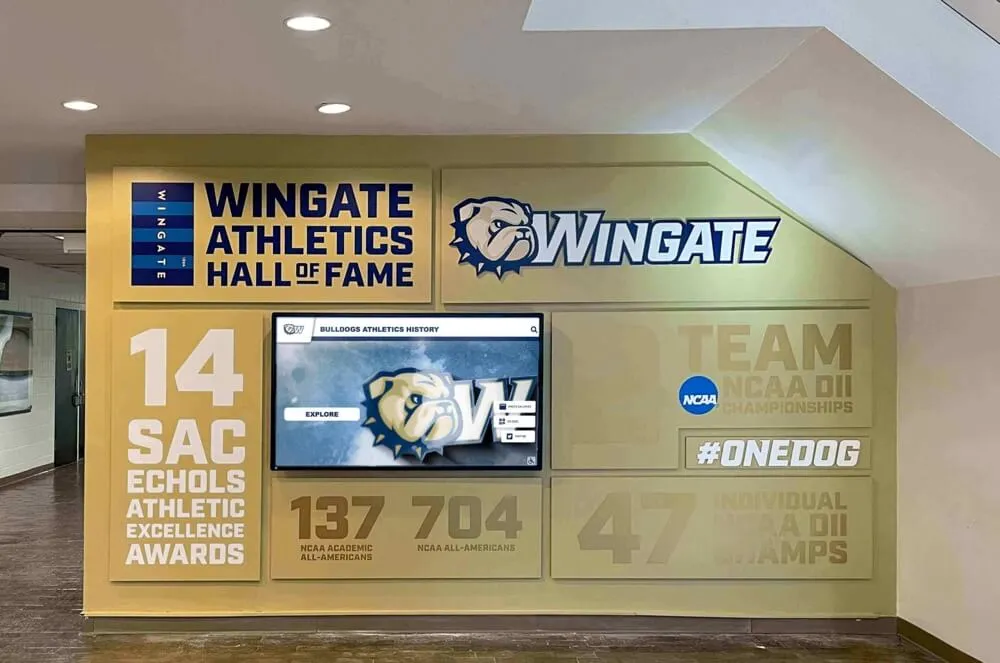
Modern recognition systems enable schools to showcase complete coaching legacies including career achievements, milestone victories, and athlete development success
Planning Meaningful Coach Appreciation Day Events
Dedicated appreciation days create focused opportunities for recognizing coaching contributions through ceremonies, activities, and public acknowledgment validating their work.
Selecting Appropriate Timing
National Coach Appreciation Week
The National High School Athletic Coaches Association designates a specific week for coach appreciation, typically during October. Aligning school recognition with this national observance connects local appreciation to broader coaching community celebration while providing ready-made timing that doesn’t require independent scheduling decisions.
Schools can leverage national observance publicity and resources while participating in collective recognition honoring coaches nationwide.
Season-Specific Recognition
Rather than single annual appreciation days, some schools recognize coaches during their respective seasons—fall coaches during football/volleyball/cross country seasons, winter coaches during basketball/wrestling/swimming seasons, and spring coaches during baseball/softball/track seasons.
This distributed approach ensures recognition occurs when coaches actively engage with current teams, parents, and communities, creating greater visibility and participation than single events during off-seasons when attention disperses.
End-of-Year Athletic Celebrations
Comprehensive end-of-year athletic banquets or awards ceremonies provide natural opportunities for coach recognition alongside athlete honors. This combined celebration reinforces connections between coaching excellence and athlete success while ensuring strong attendance from athletic families and community supporters.
Understanding effective athletic awards ceremony approaches helps schools integrate coach appreciation into broader athletic recognition programs.
Coach Appreciation Day Activities and Recognition Ideas
Public Recognition Ceremonies
Host brief ceremonies during school assemblies, athletic events, or dedicated appreciation gatherings where athletic directors, principals, or student-athlete representatives deliver remarks honoring coaching contributions. Share specific examples of coach impact—championship achievements, athlete development success stories, character mentorship, or program building accomplishments.
Public acknowledgment validates coaches before the school communities they serve while teaching students that adult mentorship deserves genuine appreciation.
Student-Athlete Testimonials
Invite current athletes and alumni to share personal stories about coach impact on their athletic development, academic success, character growth, or life trajectories. These testimonials from students whose lives coaches touched create emotional resonance demonstrating why coaching matters beyond competitive outcomes.
Video compilation testimonials work particularly well, allowing broader participation from alumni who cannot attend in person while creating permanent documentation of coaching legacy schools can share repeatedly and preserve indefinitely.
Appreciation Presentations from Teams
Enable teams to organize their own appreciation gestures for coaches—creating poster boards with photos and messages, composing team letters expressing gratitude, presenting personalized gifts reflecting inside jokes or shared memories, or performing songs or skits celebrating coaching personalities.
These player-driven appreciations often mean more to coaches than administrative recognition because they represent genuine gratitude from the students they dedicate countless hours developing.
Community Recognition and Media Coverage
Coordinate with local media to feature coach appreciation stories highlighting program success, coach backgrounds, years of service, and community impact. Local newspaper features, radio interviews, social media campaigns, or school district communications extend recognition beyond school communities to broader audiences.
This public visibility validates coaching importance while potentially attracting community support for athletic programs through donations, volunteer assistance, or advocacy for improved facilities and resources.

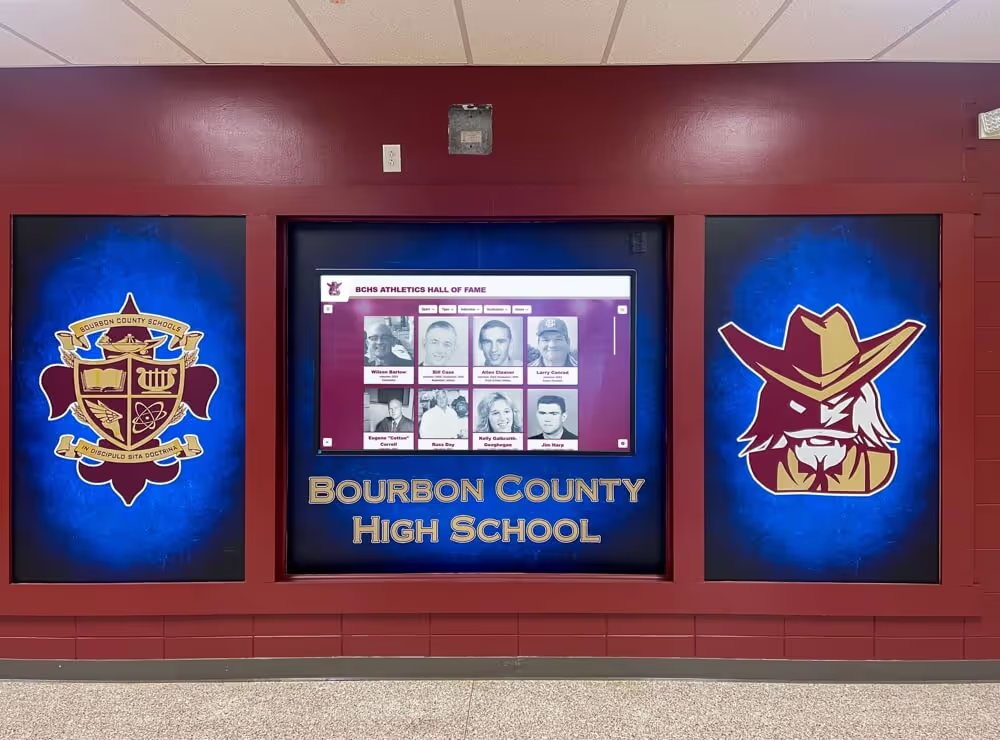
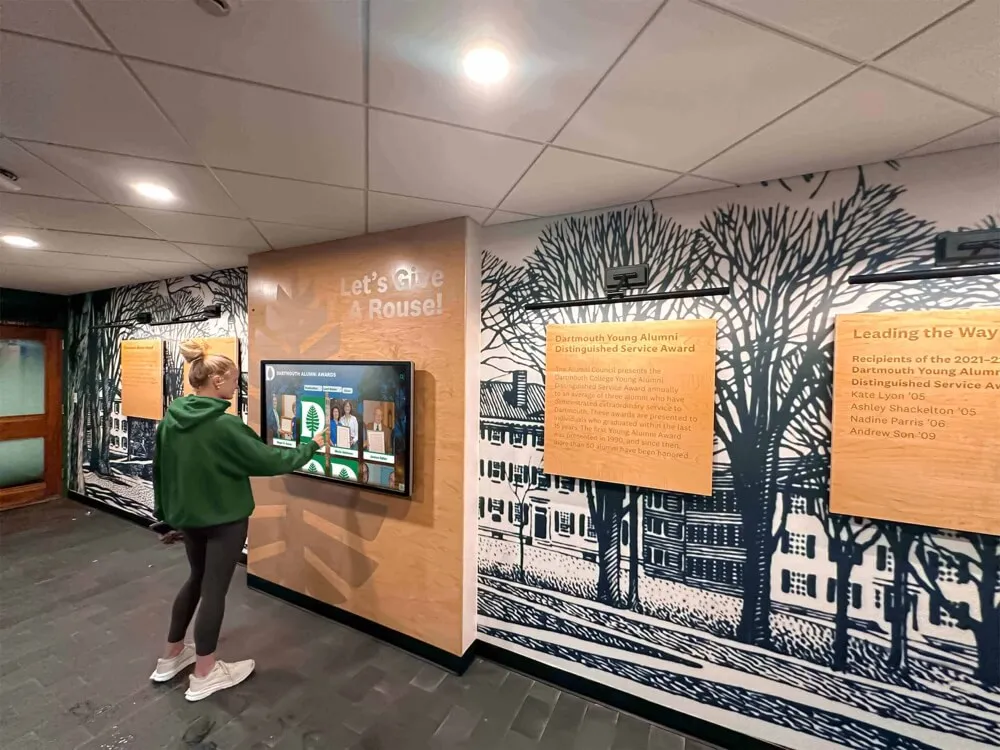
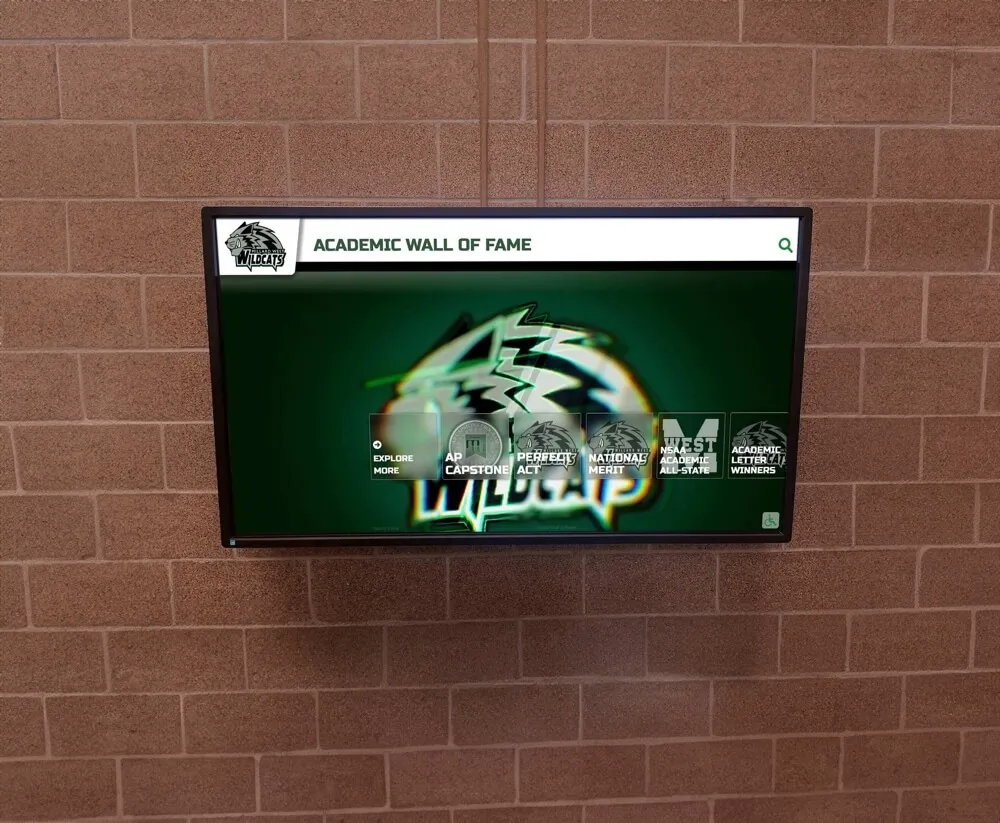
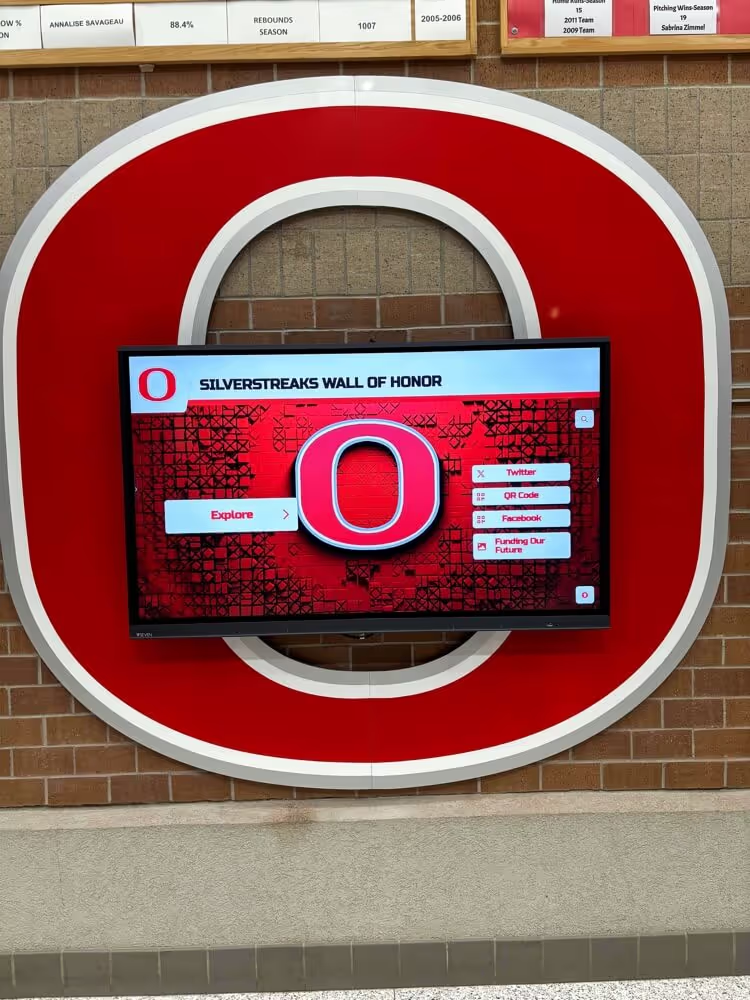
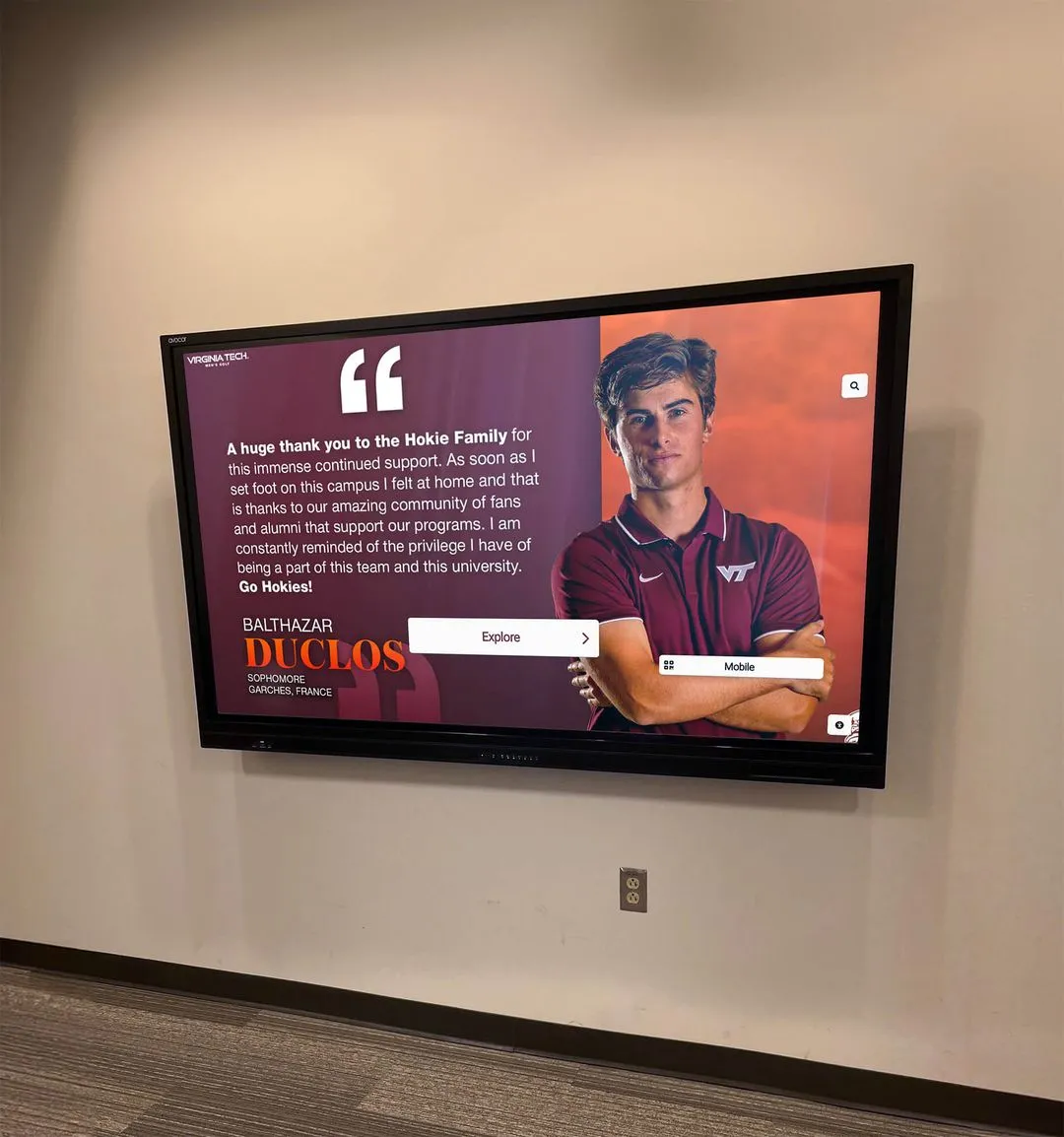
Digital coaching halls of fame preserve career achievements permanently while enabling comprehensive storytelling impossible with traditional plaques
Appreciation Luncheons or Receptions
Host dedicated events where school leadership, athletic department staff, and coaching community gather for appreciation meals, recognition presentations, and social connection. These events demonstrate institutional commitment to coach appreciation while providing rare opportunities for coaches across different sports to connect and build collegial relationships.
Involve school board members, district superintendents, or community athletic supporters to emphasize coaching value recognition extends throughout school leadership and community structures.
Coaching Excellence Awards
Establish annual awards recognizing outstanding coaching in categories like Coach of the Year, Rookie Coach Award, Lifetime Achievement Recognition, Sportsmanship and Character Development, or Program Builder Achievement. Base selections on objective criteria combining competitive success, athlete development, program growth, and exemplification of coaching profession values.
These awards create aspiration among coaching staff while providing prestigious recognition acknowledging exceptional contributions beyond baseline appreciation all coaches deserve.
Creating Permanent Coach Recognition Systems
While appreciation days create meaningful short-term acknowledgment, permanent recognition systems ensure coaching excellence receives sustained visibility for years and decades after coaches conclude their service.
Traditional Coach Recognition Approaches
Coaching Wall of Fame
Designated hallway or gymnasium spaces featuring plaques, photos, or displays honoring distinguished coaches who achieved milestone victories, championship success, or exceptional career longevity. These permanent installations ensure coaching legacies remain visible to current students, athletes, and community members long after retirement.
Wall of fame recognition typically includes coach names, years of service, sports coached, major achievements (championships, conference titles, coaching awards), career records, and brief biographies contextualizing their program impact.
Retired Jersey or Number Dedication
Schools occasionally retire numbers or dedicate jersey displays honoring legendary coaches similar to athlete number retirement traditions. This powerful symbolism equates coaching excellence with the athlete greatness communities typically reserve for such honors.
Naming Rights and Facility Dedications
For coaches whose contributions fundamentally shaped athletic programs or school communities, facility naming represents ultimate recognition—dedicating gymnasiums, fields, courts, or locker rooms bearing coaches’ names. These dedications create permanent monuments ensuring coaching legacy preservation literally built into school infrastructure.
Facility naming typically requires formal board approval, fundraising for associated improvements or endowments, and consideration of naming policy guidelines. Understanding comprehensive athletic recognition traditions helps schools navigate facility dedication processes appropriately.
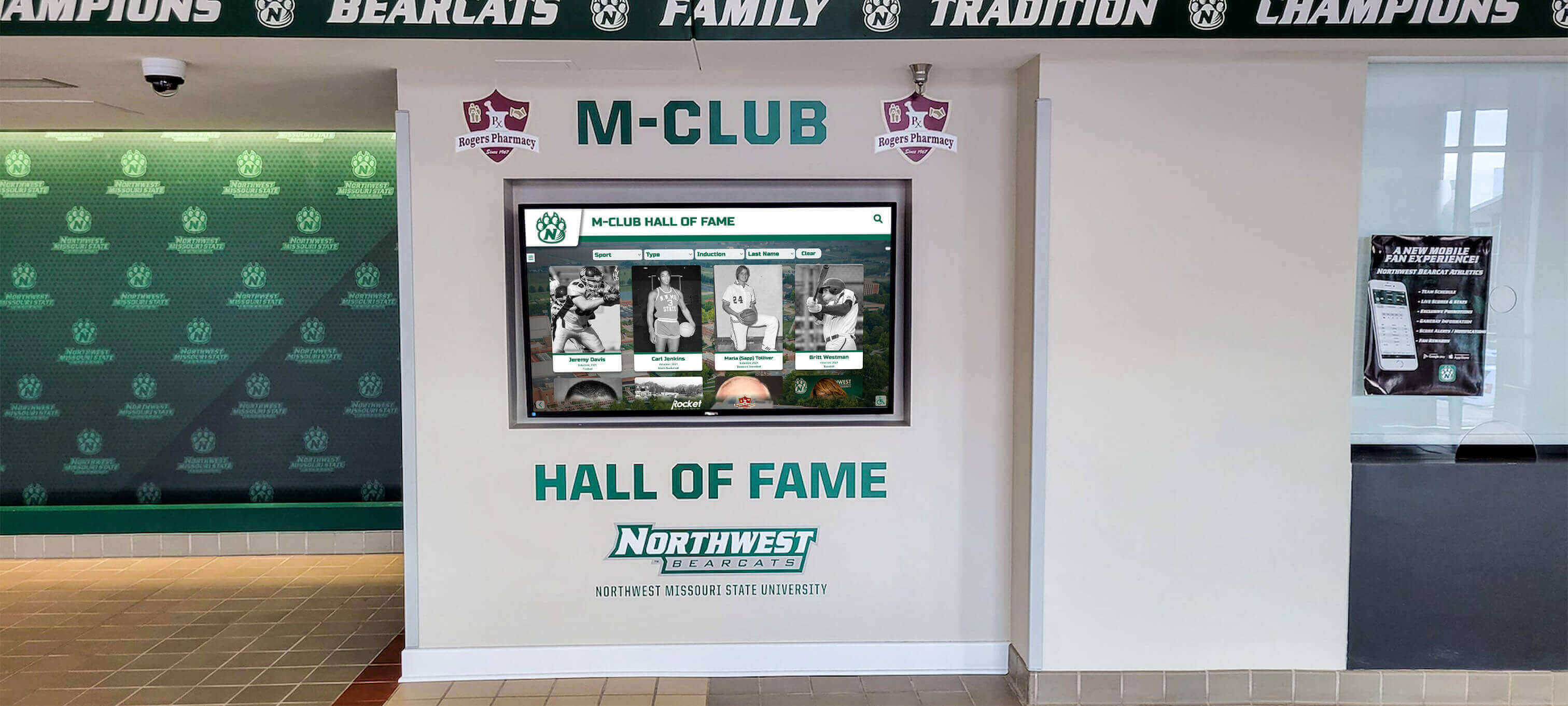
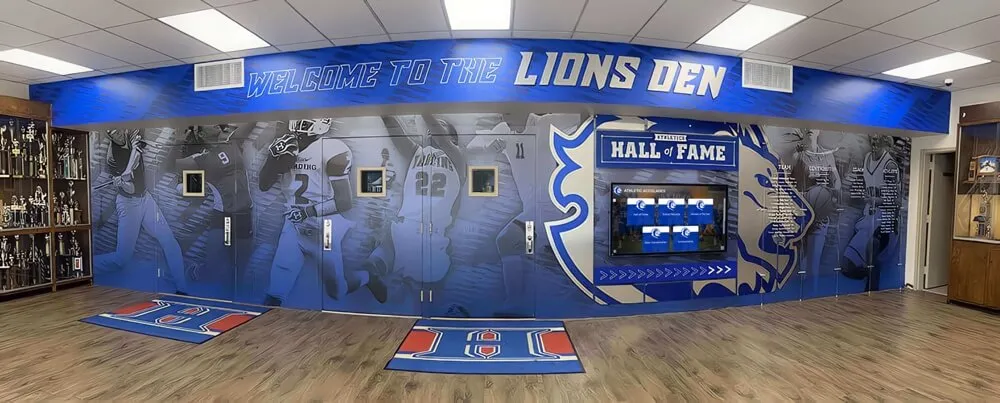
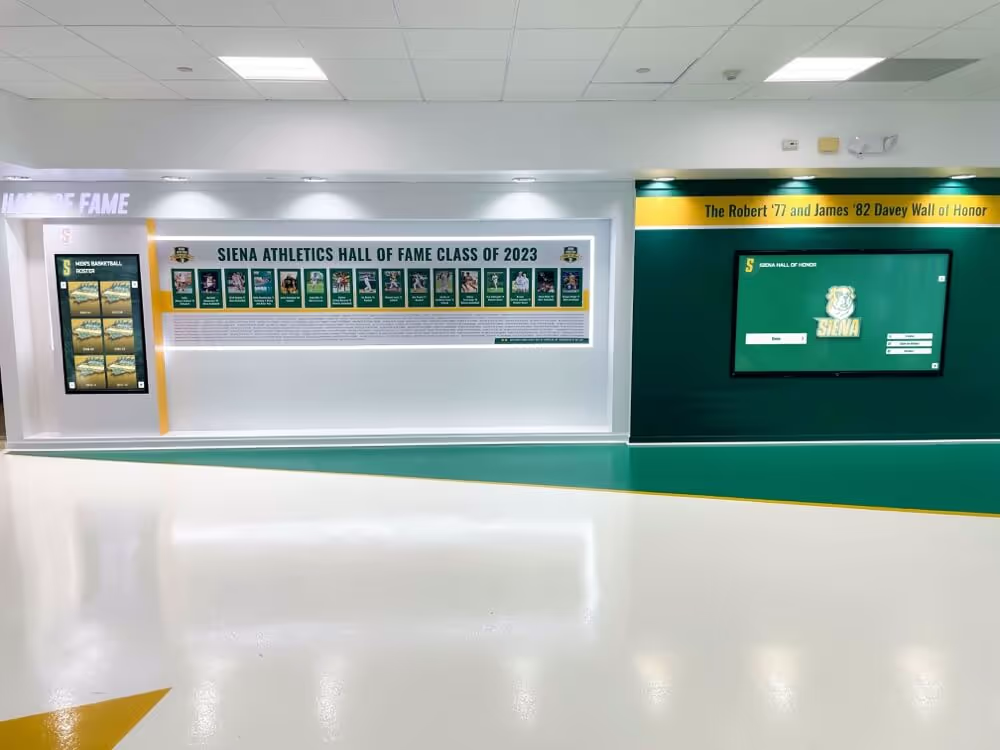
Comprehensive coaching displays celebrate complete program histories including multiple coaching eras and generational program development
Modern Digital Coach Recognition
Traditional static displays face significant limitations—finite space restricting recognition capacity, inability to update or expand information after installation, minimal storytelling capacity beyond basic achievements, and no interactive elements engaging viewers. Digital recognition systems address these limitations while providing dramatically enhanced coaching honor capabilities.
Unlimited Recognition Capacity
Digital platforms accommodate every coach deserving recognition regardless of tenure length or achievement level. Schools can honor current coaches, distinguished retirees, historical coaching figures, assistant coaches, and volunteer coaches without space constraints limiting who receives acknowledgment.
This unlimited capacity enables comprehensive recognition celebrating coaching at all levels rather than exclusive systems honoring only the most legendary figures while neglecting many exceptional coaches who profoundly impacted programs.
Rich Multimedia Storytelling
Beyond listing names and statistics, digital systems showcase comprehensive coaching profiles including professional photographs, complete career statistics and records, biographical information about coaching background, championship and milestone achievement documentation, testimonials from former athletes describing coach impact, video interviews or career highlight compilations, and connections to athletes coached who achieved notable success.
This rich storytelling transforms coaching recognition from abbreviated data into compelling narratives communicating why specific coaches earned honor and what made their contributions special.
Dynamic Content Management
Cloud-based administrative systems enable athletic directors or communications staff to manage coaching recognition content remotely without requiring technical expertise. Schools can add new coaches immediately upon hiring or induction, update achievement information as coaches reach career milestones, incorporate new testimonials from recent alumni reflecting on coach influence, and refresh photos and biographical details keeping content current.
This management flexibility ensures coaching recognition remains accurate and current rather than becoming outdated as years pass without practical mechanisms for updates traditional plaques cannot accommodate.
Interactive Community Engagement
Touchscreen interfaces enable students, athletes, alumni, and visitors to explore coaching recognition at their own pace—searching for specific coaches by name or sport, browsing coaching eras chronologically, filtering by championship achievements or career milestones, and discovering featured coaches or recent additions.
This interactive exploration creates engagement impossible with static wall plaques viewers passively observe without deeper investigation. Understanding comprehensive digital recognition display capabilities helps schools evaluate modern alternatives to traditional recognition approaches.

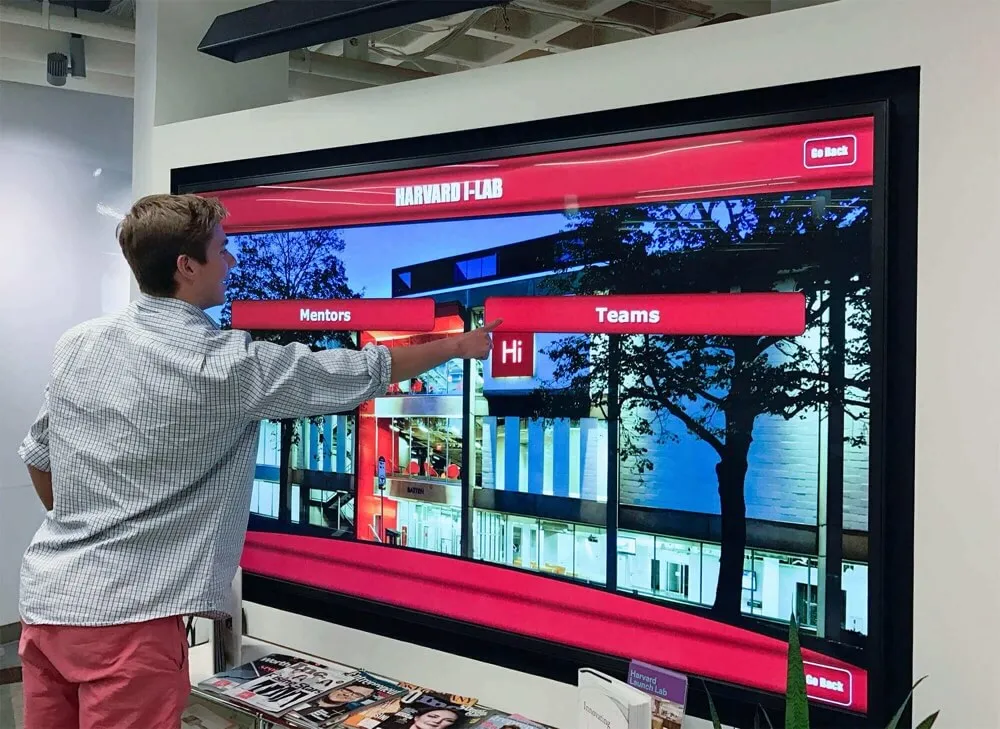
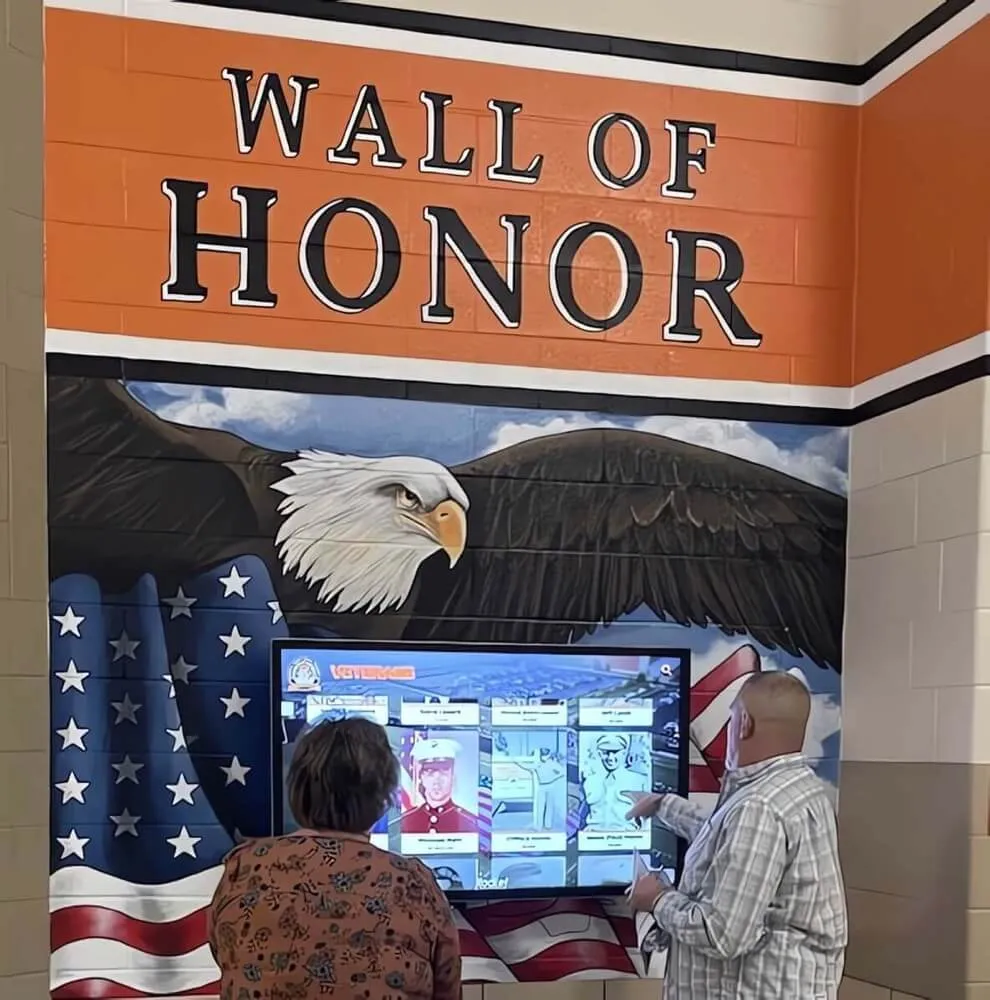
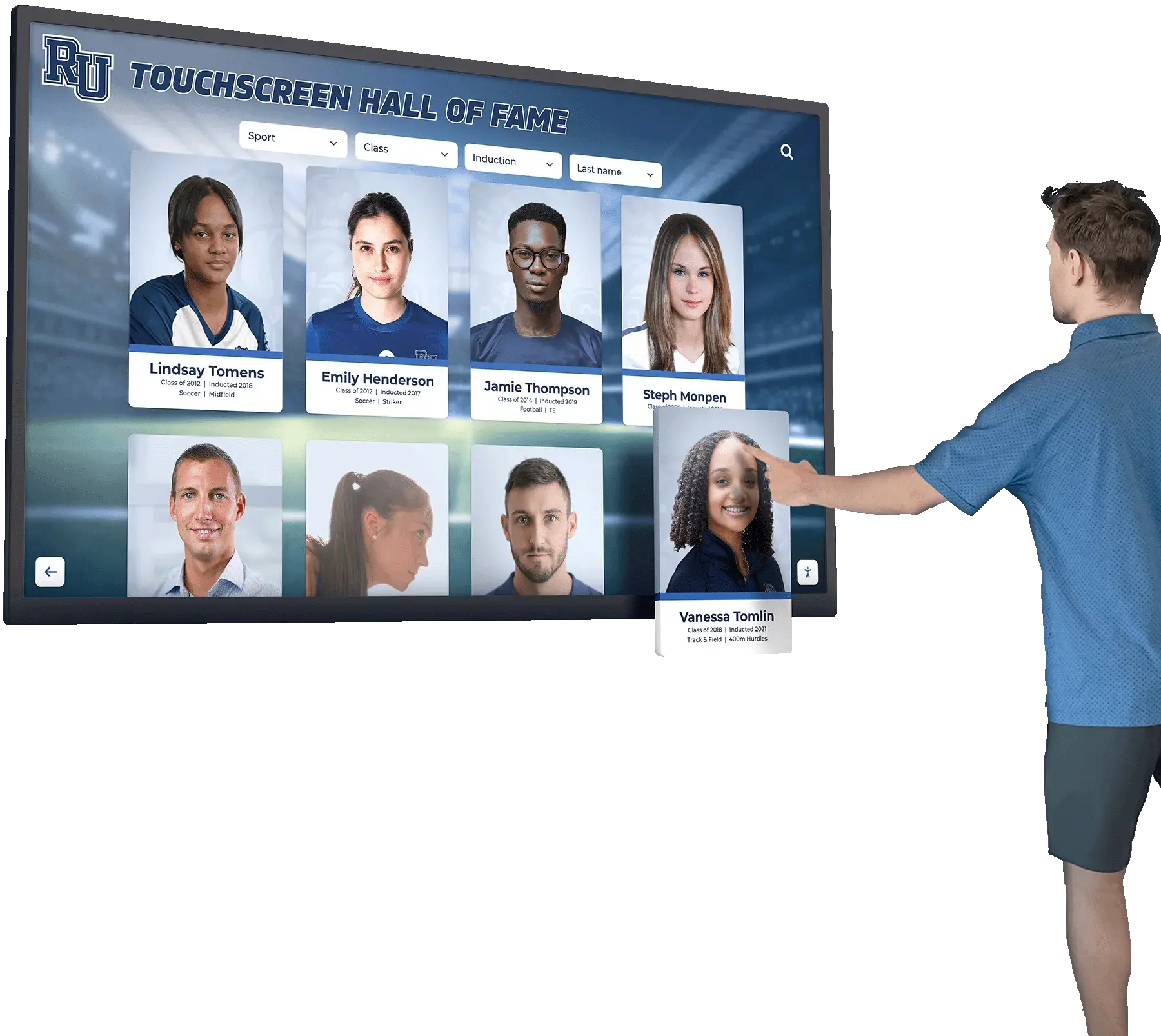
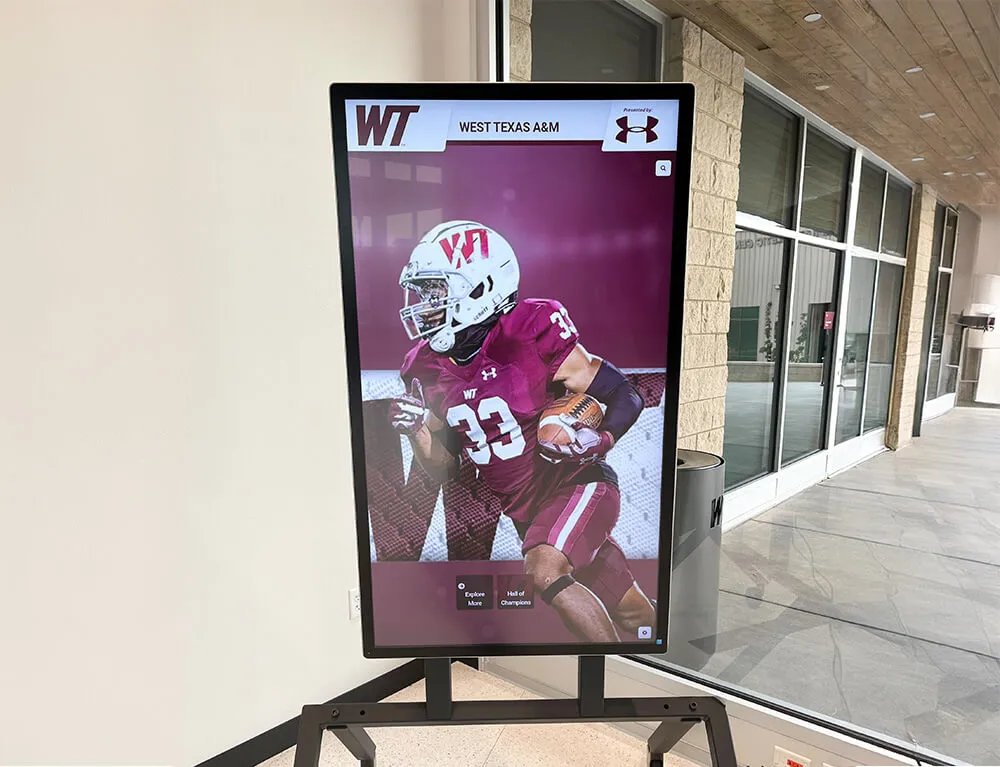
Interactive touchscreen systems enable users to explore complete coaching histories including detailed career information and personal stories
Integration with Complete Athletic Recognition
Digital platforms showcase coaching excellence alongside athlete recognition, team championships, and program milestones, creating comprehensive athletic history documentation. Rather than isolated coach plaques separate from athlete displays, integrated systems demonstrate connections between exceptional coaching and athlete success they developed.
Schools exploring comprehensive recognition approaches benefit from solutions like Rocket Alumni Solutions that provide athletic departments with professional digital recognition systems combining intuitive content management, engaging interactive displays, and unlimited recognition capacity accommodating growing program histories indefinitely.
Coaching Milestone Recognition Programs
Beyond career-end induction honors, schools should recognize coaching milestones throughout careers, celebrating ongoing contributions rather than waiting until retirement to acknowledge excellence.
Years of Service Recognition
Acknowledge coaching tenure milestones—5, 10, 15, 20, 25+ years of service—through formal presentations during athletic events, special plaques or gifts marking achievement, public announcements in school communications, and special recognition during coach appreciation events.
These milestone celebrations validate longevity and sustained commitment while demonstrating that schools notice and appreciate years of dedicated service.
Victory Milestone Celebrations
Major victory milestones—100th win, 200th win, 300+ career victories—deserve immediate recognition through in-game announcements and celebrations, commemorative gifts or awards, media coverage highlighting achievement significance, and permanent documentation in coaching recognition displays.
Celebrating victories while coaches actively lead programs rather than retrospectively after retirement enables communities to honor achievements during coaches’ competitive primes.
Championship and Conference Title Recognition
Each championship, conference title, or playoff achievement should receive formal recognition through championship banners or displays, coach-specific acknowledgment of leadership achievement, school assembly or award ceremony honors, and permanent record documentation in coaching profiles.
While team championships primarily celebrate athletes, explicitly acknowledging coaching leadership reinforces that competitive success requires exceptional coaching alongside talented athletes.
Coaching Awards and External Recognition
When coaches receive external honors—league coach of year, state coaching association awards, national coaching recognition, or hall of fame inductions from coaching organizations—schools should amplify these achievements through internal celebration and communication.
External validation from coaching peers and associations provides third-party affirmation of coaching excellence schools should proudly acknowledge and celebrate alongside community recognition.
Coach Appreciation Gifts and Tangible Recognition
Beyond ceremonies and permanent displays, thoughtful gifts and tangible appreciation gestures demonstrate genuine gratitude while providing coaches with meaningful keepsakes commemorating their service.
Personalized Recognition Items
Custom Apparel and Gear
Provide coaches with high-quality apparel featuring personalized elements—embroidered jackets with their names and coaching titles, custom polo shirts with years of service, championship gear commemorating specific achievements, or personalized athletic bags or equipment.
Quality branded apparel serves dual purposes: expressing appreciation while ensuring coaches represent programs professionally during practices, competitions, and community appearances.
Engraved Awards and Plaques
Traditional plaques, trophies, or crystal awards engraved with coach names, achievement details, and appreciation messages create physical keepsakes coaches can display in homes or offices. Include specific achievement context—“In Recognition of 250 Career Victories,” “Championship Coach - State Title 2025,” or “20 Years of Dedicated Service to Student-Athletes.”
Specificity transforms generic awards into meaningful recognition acknowledging particular contributions rather than generic appreciation.
Personalized Photo Compilations
Create custom photo books, framed collages, or digital slideshows featuring meaningful moments from coaching careers—championship celebrations, team photos across years, candid practice moments, or athlete achievement highlights. Include captions or brief descriptions providing context and memory triggers.
These visual retrospectives often become treasured keepsakes coaches and their families value above expensive gifts because they document relationships and shared experiences defining coaching careers.
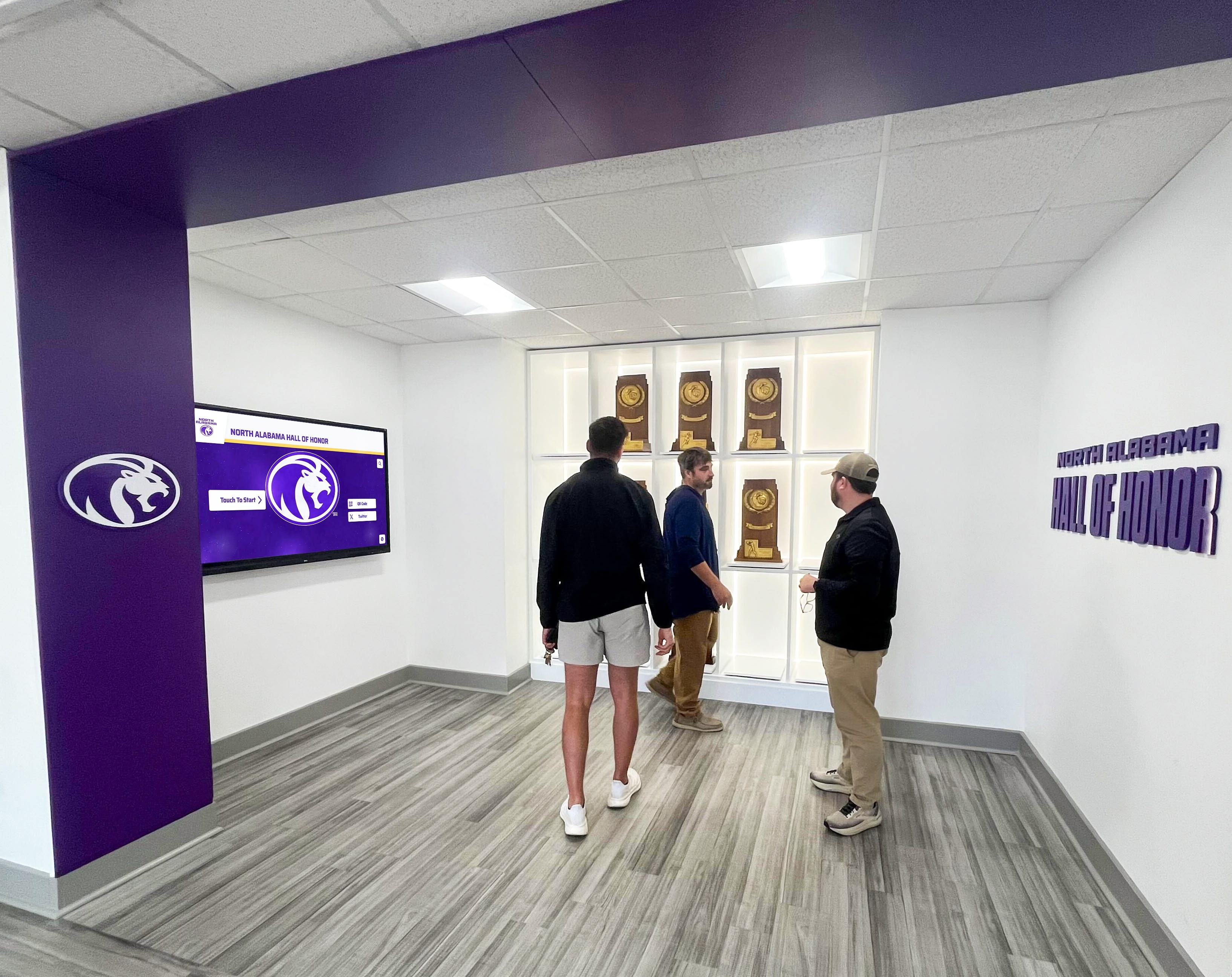
Formal recognition events and permanent displays work together to honor coaching excellence comprehensively
Experience-Based Appreciation
Professional Development Opportunities
Support coaching excellence through funding for coaching clinics or conferences, professional organization memberships, specialty coaching certification programs, or coaching education courses. These growth investments demonstrate schools value continuous coaching improvement while providing practical benefits coaches genuinely appreciate.
Recreation and Wellness Gifts
Acknowledge the stress and physical demands coaching creates through wellness-focused gifts—spa day certificates, massage therapy sessions, gym memberships, or restaurant gift certificates encouraging coaches to prioritize personal restoration and stress management.
Team or Family Experiences
Provide experiences coaches can share with their coaching staff or families—tickets to professional sporting events, restaurant gift certificates for team dinners, group recreation activities, or family entertainment packages. These shared experiences acknowledge that coaching impacts extend to families who sacrifice personal time supporting coaches’ commitments.
Budget-Friendly Appreciation Ideas
Schools operating with limited budgets can still provide meaningful recognition through creative, low-cost approaches emphasizing thoughtfulness over expense.
Handwritten Notes and Letters
Personal letters from athletic directors, principals, or superintendents expressing specific appreciation for coaching contributions cost nothing but create significant emotional impact. Include concrete examples of coach influence rather than generic praise.
Compilation books featuring handwritten letters from current and former athletes expressing gratitude and describing coach impact create inexpensive yet deeply meaningful gifts coaches treasure throughout lives.
Social Media Recognition Campaigns
Coordinate school social media features highlighting individual coaches through posts sharing achievements, photos, and appreciation messages. Tag coaches, encourage community engagement through likes and comments, and compile campaign content into digital scrapbooks coaches can keep.
Student-Created Appreciation Gifts
Enable student-athletes to create appreciation items—painted canvases with team mottos or meaningful quotes, decorated baseballs/basketballs/equipment signed by team members, scrapbooks of season memories and photos, or compilation videos of team members sharing what they appreciate about their coaches.
Student-created gifts often mean more than expensive purchased items because they represent genuine gratitude directly from young people whose lives coaches shaped.
Understanding comprehensive volunteer and staff appreciation frameworks helps schools develop recognition programs acknowledging the volunteer-like dedication many coaches demonstrate despite formal employment.
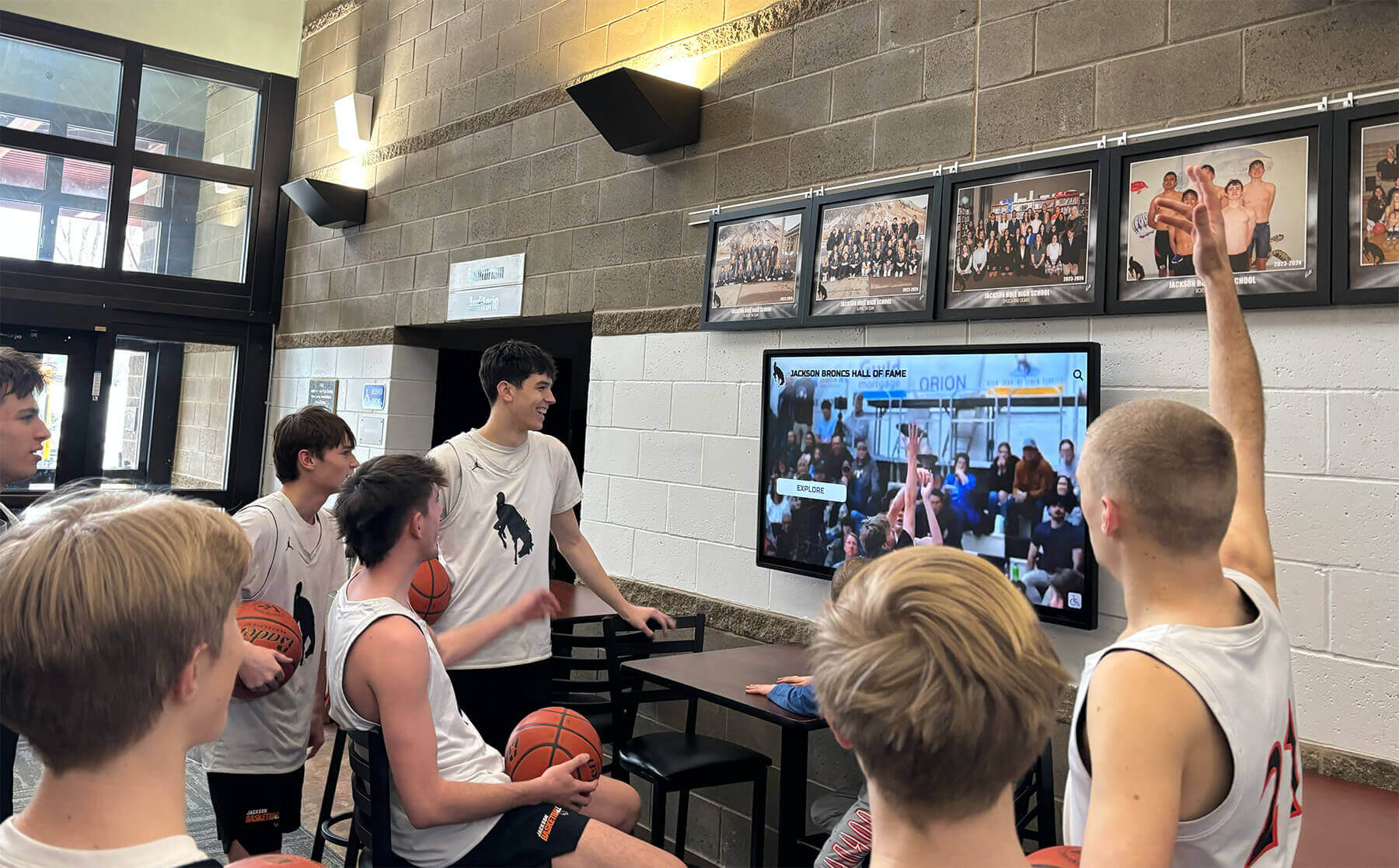
Interactive displays engage current athletes with coaching legacies, demonstrating program traditions and standards coaches established
Building Culture Around Coaching Appreciation
Sustainable coach appreciation extends beyond annual events to create organizational cultures where coaching excellence receives ongoing recognition and support.
Administrative Support and Advocacy
Competitive Compensation and Benefits
While direct coaching stipend increases often face budget limitations, schools can support coaches through creative benefit enhancements—providing quality coaching apparel and equipment budgets, covering professional development and conference expenses, offering supplemental insurance or wellness program access, or creating coaching longevity bonuses rewarding sustained commitment.
Facility and Resource Improvements
Demonstrate appreciation through tangible program support—upgrading practice facilities and equipment, providing adequate coaching office space, ensuring sufficient assistant coach and volunteer support, funding appropriate team travel and competition experiences, or investing in technology and training tools enhancing coaching effectiveness.
These programmatic investments communicate that schools back coaching efforts with resources necessary for success rather than expecting championship results without appropriate support.
Reasonable Workload and Expectations
Protect coaches from unreasonable demands by establishing rational season lengths respecting off-seasons, ensuring adequate time between seasons for coaches leading multiple sports, limiting non-coaching responsibilities that dilute coaching focus, and maintaining realistic competitive expectations aligned with program resources and athlete talent pools.
Administrative advocacy protecting coaches from burnout-inducing demands demonstrates appreciation more powerfully than recognition ceremonies while accepting unsustainable workloads.
Community Education and Support Building
Communicating Coaching Value
Educate school communities about comprehensive coaching roles through newsletters highlighting coach responsibilities beyond game management, social media features showcasing behind-scenes coaching work, parent meeting presentations explaining coaching demands and program philosophies, and community forums discussing athletic program value extending beyond competitive outcomes.
This educational communication builds community appreciation for coaching complexity while potentially reducing unreasonable criticism or unrealistic expectations from stakeholders lacking coaching perspective.
Parent Partnership Development
Foster healthy parent-coach relationships through clear communication of playing time decisions and athlete development plans, educational resources about age-appropriate athletic development, volunteer opportunities channeling parent energy constructively, and conflict resolution protocols addressing concerns respectfully before they escalate.
Positive parent partnerships reduce coaching stress while building community support recognizing coaching challenges and supporting program success.
Alumni Engagement in Coach Recognition
Activate alumni networks to participate in coach appreciation through testimonial contributions describing coach influence, financial contributions supporting coaching recognition initiatives, attendance at coach appreciation events, and social media engagement amplifying coach recognition communications.
Alumni whose lives coaches shaped often maintain gratitude for years providing authentic, powerful validation of coaching impact that resonates with current school communities.
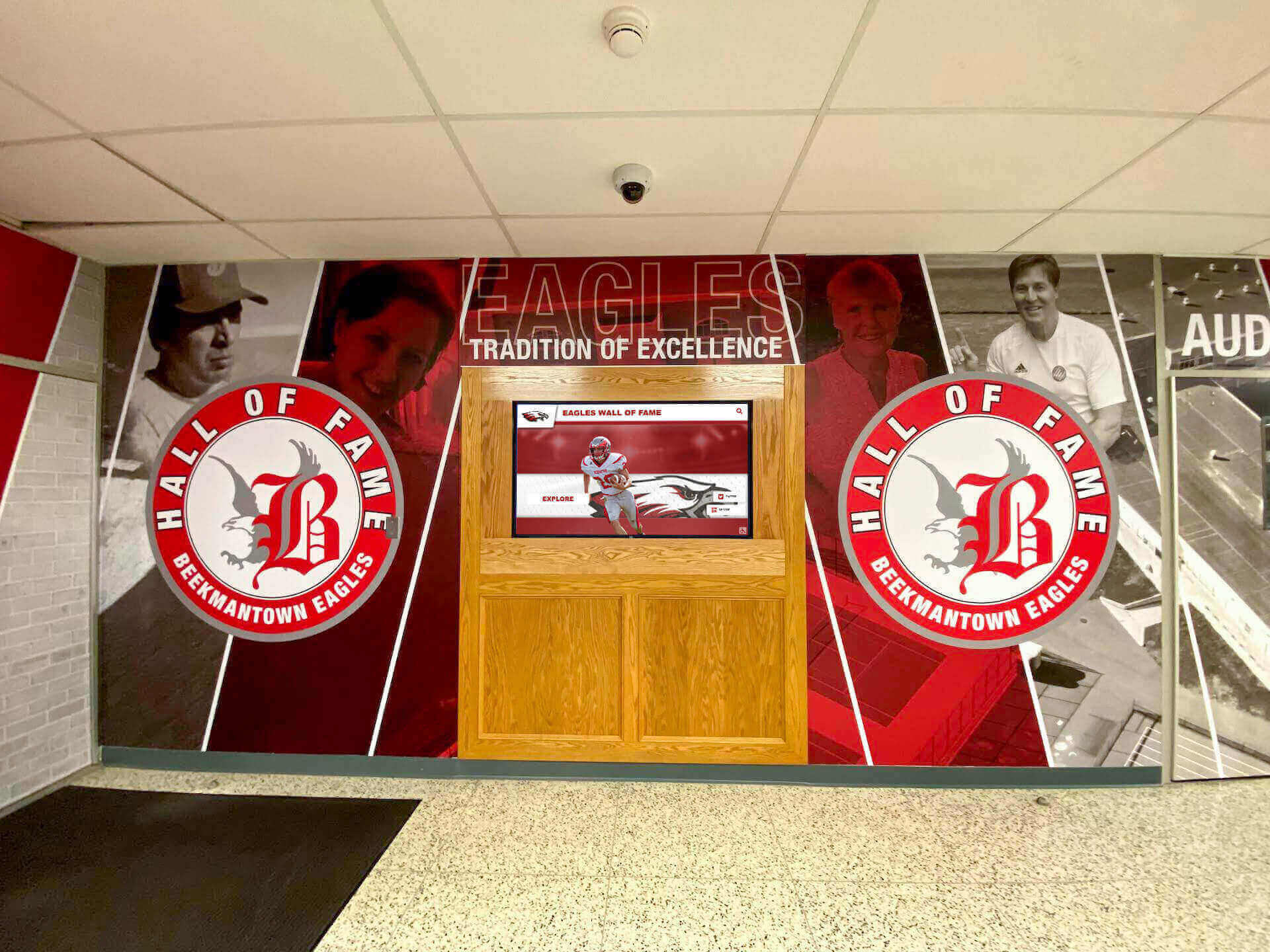
Prominent entrance displays featuring coaching recognition demonstrate institutional commitment to honoring athletic leadership
Implementing Digital Coaching Recognition Systems
Schools ready to transition from traditional static coach plaques to comprehensive digital recognition should understand implementation processes, technology requirements, and best practices for maximizing system value.
Technology Selection Considerations
Professional-Grade Hardware
Commercial touchscreen displays designed for high-traffic public environments provide durability, reliability, and professional appearance appropriate for permanent school installations. Consumer-grade equipment lacks reliability and lifespan justifying educational institution investment.
Displays should feature appropriate screen sizes for viewing distances (typically 43-55" for hallway installations, larger for gymnasium or lobby spaces), commercial-grade touchscreen technology supporting reliable interaction, and vandal-resistant construction protecting investment in student-accessible locations.
Intuitive Content Management Systems
Cloud-based platforms enabling non-technical athletic staff to manage recognition content independently ensure systems remain current and relevant without requiring ongoing technology vendor involvement for routine updates.
Essential content management capabilities include simple interfaces for adding and editing coach profiles, bulk import functionality for efficiently migrating historical coaching data, media upload supporting photos and videos, content scheduling for featuring specific coaches during relevant seasons or appreciation periods, and mobile-responsive access enabling remote management from any device.
Engaging User Interface Design
Recognition displays should feature intuitive navigation enabling casual users to explore content without instruction, visually appealing layouts showcasing photos and achievements effectively, responsive performance delivering immediate feedback to touch interactions, and accessibility features supporting users with diverse physical abilities.
Professional design aligned with school branding creates cohesive athletic department identity while ensuring recognition displays integrate aesthetically with surrounding spaces.
Implementation Process and Timeline
Planning and Vendor Selection (2-3 Months)
Define recognition program scope and objectives, identify installation locations optimizing visibility and traffic, establish content categories and organizational structure, evaluate vendor solutions and capabilities, and review proposals assessing both technology and ongoing support.
Schools exploring comprehensive solutions benefit from understanding how providers like Rocket Alumni Solutions deliver complete implementation including hardware, software, design, installation, training, and ongoing support, eliminating coordination complexity when working with multiple vendors.
Content Development and Migration (1-2 Months)
Compile comprehensive coaching data including names, years of service, sports coached, records and achievements, biographical information, and available photos. Organize historical information often scattered across archives, yearbooks, newspaper clippings, and institutional memory requiring dedicated research effort.
Develop content standards ensuring consistency across coach profiles while accommodating varying information availability for recent versus historical coaches. Quality content development significantly impacts recognition system effectiveness, justifying dedicated time investment.
Installation and Testing (2-4 Weeks)
Coordinate professional installation including electrical work, network connectivity, secure mounting meeting ADA accessibility requirements, and thorough testing of all hardware and software functionality. Plan installation during breaks or low-traffic periods minimizing disruption.
Conduct acceptance testing verifying all functionality works properly, content displays correctly, touchscreen interaction responds reliably, and administrative systems enable authorized staff to manage content independently.
Launch and Promotion (Ongoing)
Introduce recognition systems during coach appreciation events, athletic assemblies, or open house gatherings, maximize visibility through school communications highlighting new recognition capabilities, and encourage community exploration through social media campaigns featuring specific coaches.
Ongoing content updates and feature promotions maintain engagement while ensuring coaching recognition remains dynamic rather than becoming static installations viewers stop noticing.
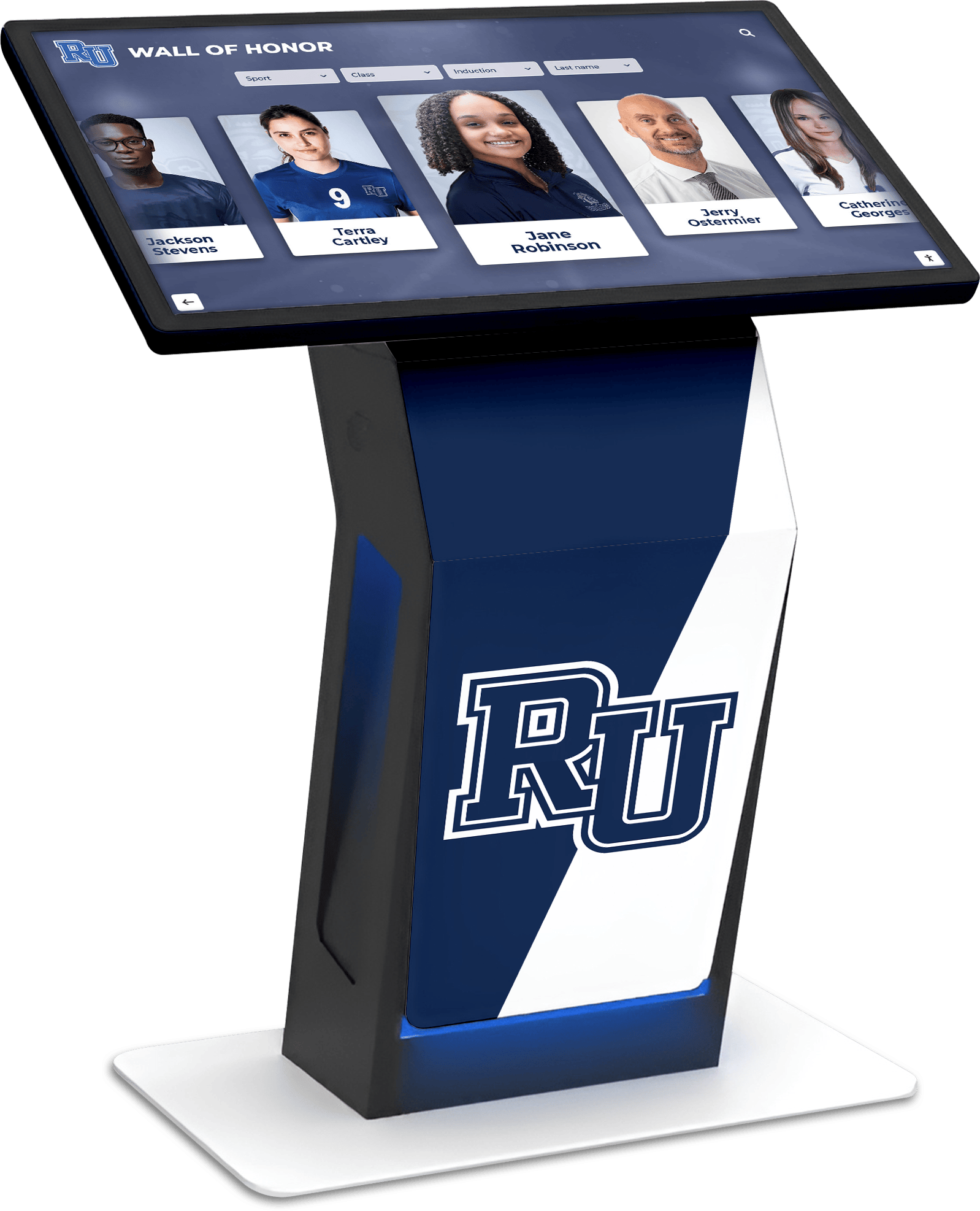
Modern kiosk-style displays create dedicated coaching recognition centers in athletic buildings or school entrances
Maximizing Digital Recognition System Value
Regular Content Updates
Establish routines for keeping coaching recognition current—updating achievement information after each season, adding new coaches immediately upon hiring, incorporating recent photos maintaining visual freshness, and featuring coaching milestones as they occur.
Stale content undermines recognition value while reducing community engagement with displays. Regular updates maintain relevance and demonstrate ongoing institutional commitment to coaching honor.
Integrated Athletic Recognition
Connect coaching recognition with athlete honors, team championships, and program history, creating comprehensive athletic storytelling rather than isolated displays. Show relationships between exceptional coaches and athlete success they developed, demonstrating how coaching excellence drives program achievement.
This integration reinforces that championships require both talented athletes and exceptional coaching, validating coaching contributions visible alongside competitive results.
Community Engagement and Storytelling
Leverage coaching recognition content beyond physical displays through social media features highlighting specific coaches, website integration making coaching profiles accessible remotely, newsletter stories celebrating coaching milestones, and alumni communications reconnecting former athletes with coaches who influenced their development.
Multi-channel content distribution maximizes recognition impact while building community engagement extending beyond those who encounter physical displays.
Ceremony and Event Integration
Incorporate digital recognition systems into coach appreciation ceremonies, athletic banquets, or school events—displaying featured coach profiles during recognition presentations, enabling live demonstration of new coaching recognition capabilities, or creating visual backdrops showcasing coaching excellence during events.
This ceremony integration creates natural connections between appreciation events and permanent recognition systems, reinforcing that schools honor coaches comprehensively through both celebration moments and sustained visibility.
Special Considerations for Different Coaching Contexts
Coaching roles vary significantly across sports, levels, and school settings. Effective appreciation recognizes these differences while ensuring all coaching contributions receive appropriate honor.
Head Coach vs. Assistant Coach Recognition
Head Coach Spotlight
Head coaches typically receive primary recognition in coaching appreciation systems given visible leadership roles, ultimate program accountability, and direct community relationships. Recognition systems naturally emphasize head coaching positions while ensuring assistant coaches also receive acknowledgment commensurate with their contributions.
Assistant Coach Appreciation
Assistant coaches make essential contributions often receiving insufficient recognition relative to their impact. Comprehensive appreciation programs explicitly honor assistants through dedicated assistant coach recognition categories, acknowledging specific responsibilities each assistant manages, and celebrating assistant coaches who advance to head coaching positions demonstrating program development strength.
Many exceptional coaches begin as assistants, making assistant recognition important for building coaching cultures and supporting professional development pathways.
Volunteer and Parent Coach Recognition
Community youth programs and some school sports rely heavily on volunteer coaches who donate time and expertise without compensation. These volunteers deserve special appreciation acknowledging their service—particularly meaningful when recognition validates contributions alongside paid coaching positions rather than creating separate, lesser volunteer categories.
Parent coaches face unique challenges balancing parenting and coaching relationships with their children while managing team dynamics and other parents’ perceptions. Recognition acknowledging these challenges while celebrating their willingness to serve strengthens volunteer coaching recruitment.
Long-Tenured vs. Newer Coach Recognition
Honoring Coaching Legends
Coaches who lead programs for decades build institutional legacies deserving special recognition. Schools should honor long-tenured coaches through permanent naming dedications, comprehensive career retrospectives in digital recognition systems, special awards celebrating career milestones, and retirement tributes commensurate with career impact.
Supporting Newer Coaches
While legendary coaches naturally receive significant recognition, newer coaches require encouragement and appreciation supporting early-career development. Recognition programs should include categories acknowledging newer coaches—Rookie Coach of Year awards, early-career achievement recognition, or milestone acknowledgment celebrating first championships or victory benchmarks.
This inclusive recognition ensures all coaches feel valued regardless of career stage while building cultures where coaching excellence receives honor from first seasons through retirement.
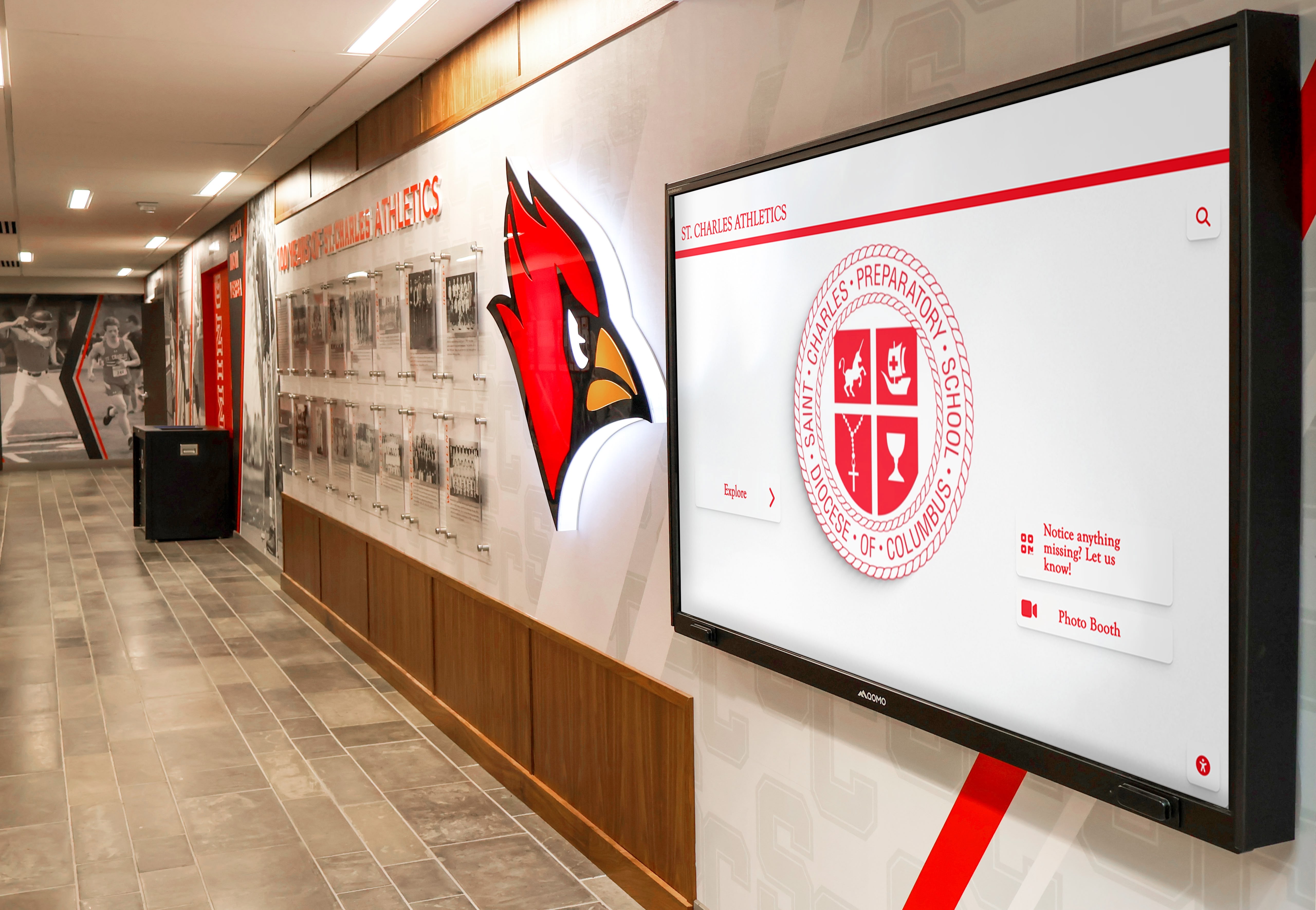
Strategic hallway placement ensures coaching recognition receives high visibility from students, athletes, and visitors daily
Conclusion: Creating Lasting Coaching Recognition Culture
Athletic coaches profoundly shape student-athletes’ lives through character development, life skill teaching, competitive preparation, and mentorship extending far beyond sports. They dedicate countless hours to building programs, developing young people, and creating championship cultures—often with insufficient compensation and limited recognition for comprehensive contributions they make.
Schools committed to athletic excellence recognize that honoring coaches meaningfully strengthens programs, validates demanding coaching work, attracts and retains exceptional talent, and demonstrates to entire communities that coaching leadership receives respect commensurate with impact created. Coach appreciation days provide focused opportunities for recognition, while permanent systems ensure coaching excellence receives sustained visibility for years and decades following coaches’ service.
The strategies explored in this guide—from appreciation day ceremonies and milestone recognition to tangible gifts and digital recognition systems—provide frameworks for comprehensive coaching honor. Effective appreciation combines immediate celebration through events and ceremonies with permanent systems preserving coaching legacies alongside the athlete achievements they developed.
As schools plan coaching appreciation initiatives, the most meaningful approaches share common characteristics: specificity acknowledging particular coaching contributions rather than generic praise, sustainability ensuring recognition continues beyond single events or ceremonies, comprehensiveness honoring all coaches including assistants and volunteers rather than only legendary figures, and authenticity reflecting genuine gratitude rather than perfunctory gestures.
Modern digital recognition systems enable schools to honor coaching excellence at unprecedented scale and depth—celebrating every coach appropriately through rich multimedia storytelling, unlimited recognition capacity, and dynamic content management keeping coaching profiles current throughout careers. These permanent systems transform coaching appreciation from occasional ceremonies into sustained institutional commitment built into school culture and physical spaces.
By implementing thoughtful coach appreciation programs combining dedicated appreciation days, ongoing recognition throughout seasons, permanent honor systems, and supportive organizational cultures, schools create environments where exceptional coaches want to build careers. Students benefit from stability and excellence that sustained coaching relationships provide, athletic programs achieve consistent competitive success, and entire communities recognize that championship cultures require honoring the coaches whose leadership, mentorship, and dedication make excellence possible.
Honor Your Coaches with Permanent Recognition
Discover how digital recognition solutions enable schools to celebrate every coach comprehensively while creating engaging displays that honor coaching excellence for generations. Build lasting coaching appreciation into your athletic program culture.
Explore Coaching Recognition SolutionsYour coaches invest extraordinary time, energy, and expertise developing student-athletes while building championship programs. They deserve recognition that honors complete career contributions, celebrates milestone achievements, and preserves legacies inspiring future coaching generations. Whether implementing dedicated coach appreciation days, establishing permanent recognition displays, or building comprehensive cultures around coaching honor, thoughtful appreciation initiatives strengthen athletic programs while demonstrating genuine gratitude for the athletic leaders who shape young people’s lives profoundly.
Start with enhancements you can implement immediately—organize coach appreciation events during current seasons, develop formal milestone recognition protocols, or plan digital recognition systems transforming how schools honor coaching excellence permanently. Every coach receiving meaningful, sustained recognition reinforces that athletic leadership matters deeply while inspiring coaching excellence that benefits student-athletes, programs, and entire school communities for years to come.