Choosing the right commemorative plaque to honor achievements, celebrate milestones, or preserve legacies requires thoughtful consideration of purpose, permanence, and presentation. Whether recognizing major donors who funded facility expansions, celebrating athletic achievements spanning decades, honoring alumni who shaped institutional character, or memorializing community members whose contributions defined organizations, commemorative plaques serve as tangible expressions of gratitude and permanent records of meaningful impact.
Traditional brass plaques, engraved marble, and bronze castings have honored contributions for generations—and they continue serving important recognition roles. Yet these conventional approaches face significant limitations including fixed physical capacity that quickly fills available wall space, expensive updating requiring professional engraving for every addition, static presentation offering no context beyond brief inscriptions, and deterioration over time that eventually necessitates costly replacement or restoration.
Modern recognition needs increasingly outpace what traditional plaques can accommodate. Organizations with growing donor bases, expanding alumni networks, evolving athletic programs, and deepening institutional histories need recognition systems that honor everyone appropriately without space constraints limiting whose contributions receive permanent visibility.
This comprehensive guide explores both traditional commemorative plaque ideas and innovative digital recognition alternatives that overcome conventional limitations while preserving the permanence, dignity, and impact that make plaques meaningful. Whether you’re planning your first recognition installation or reconsidering existing approaches that no longer serve growing needs, these strategies provide frameworks for honoring contributions appropriately while building sustainable recognition programs serving organizations for decades.

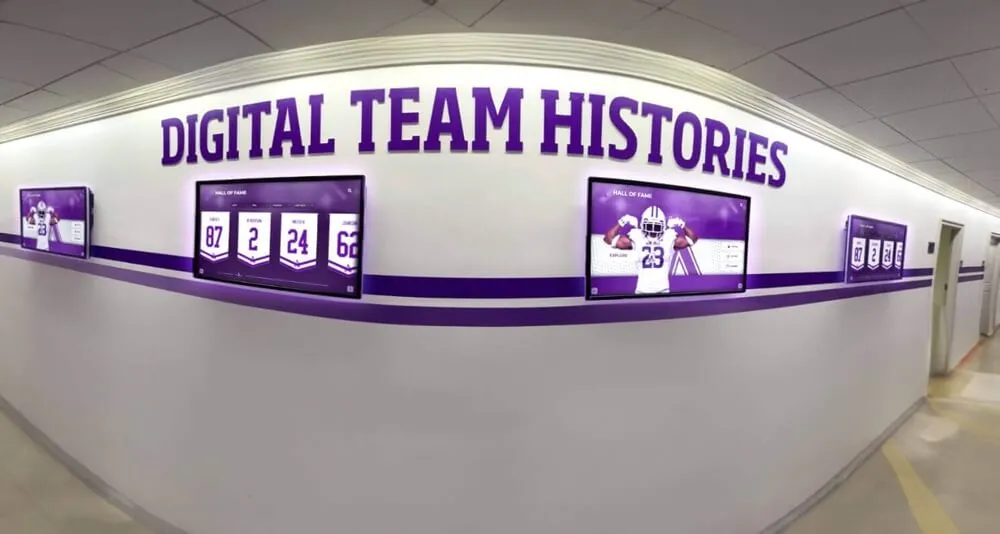
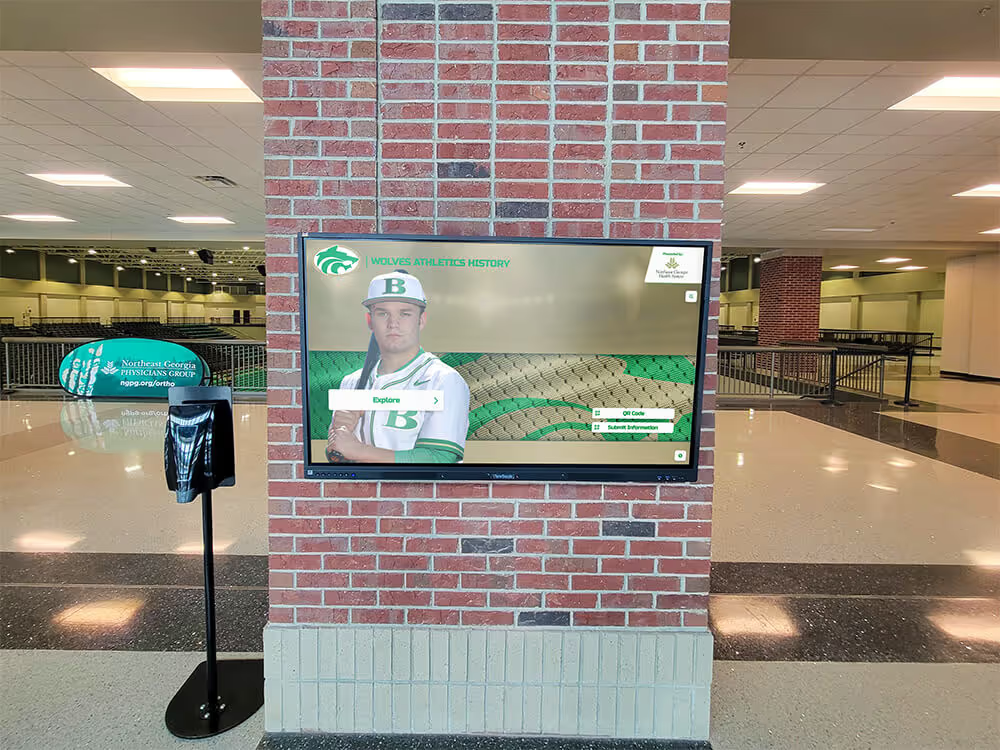
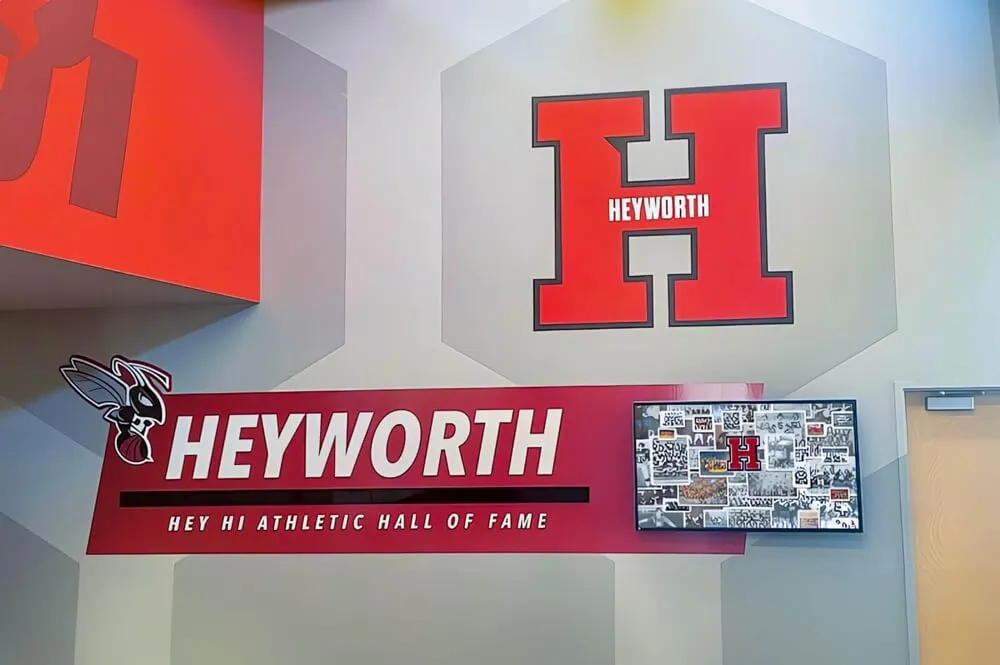
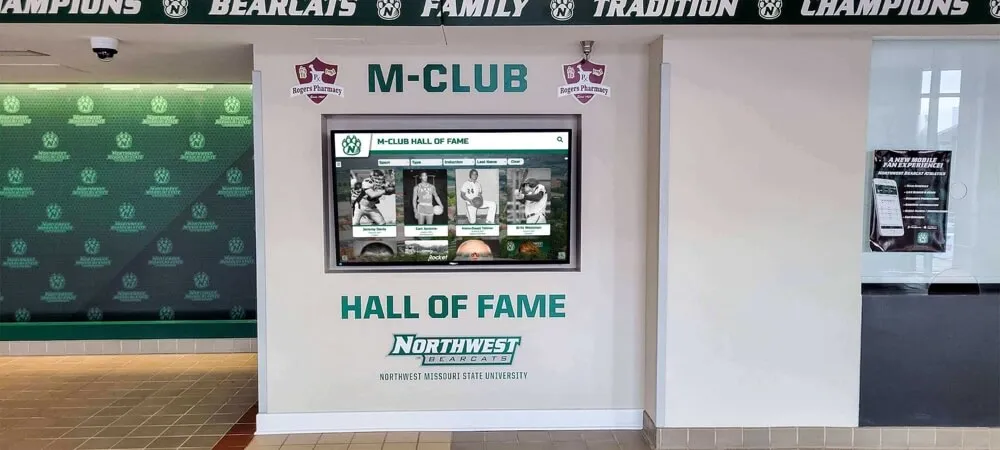
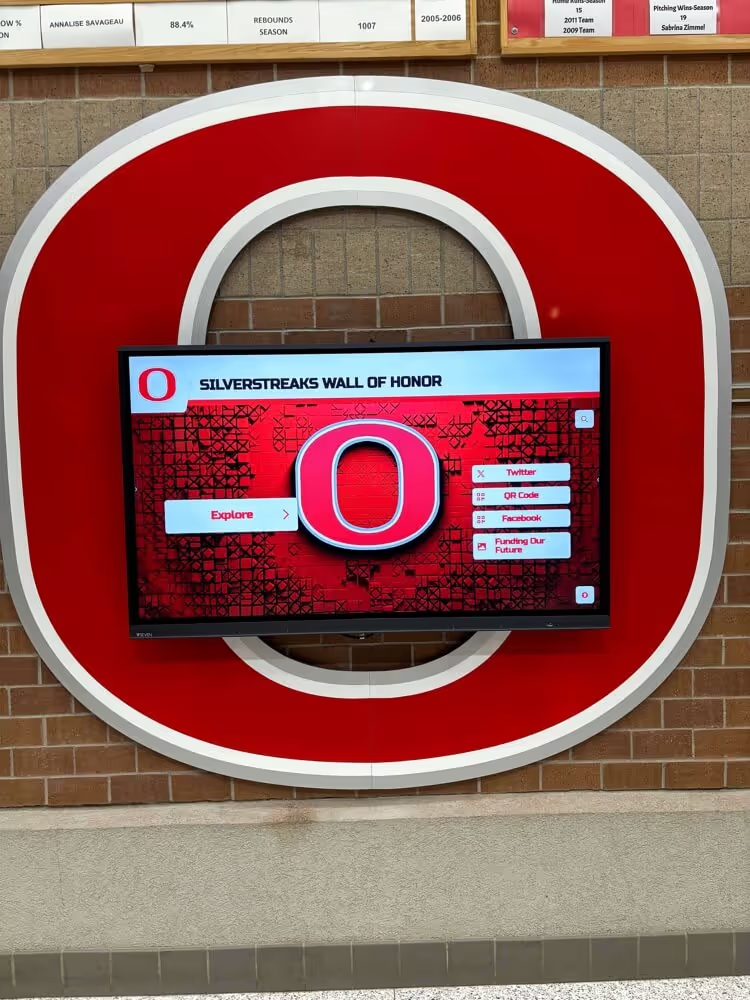
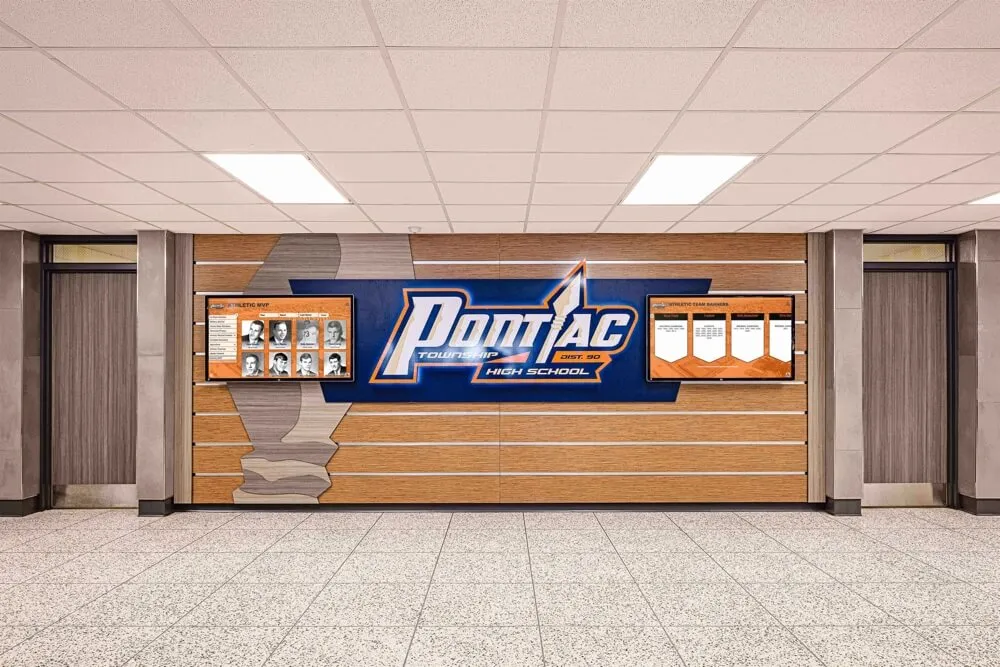
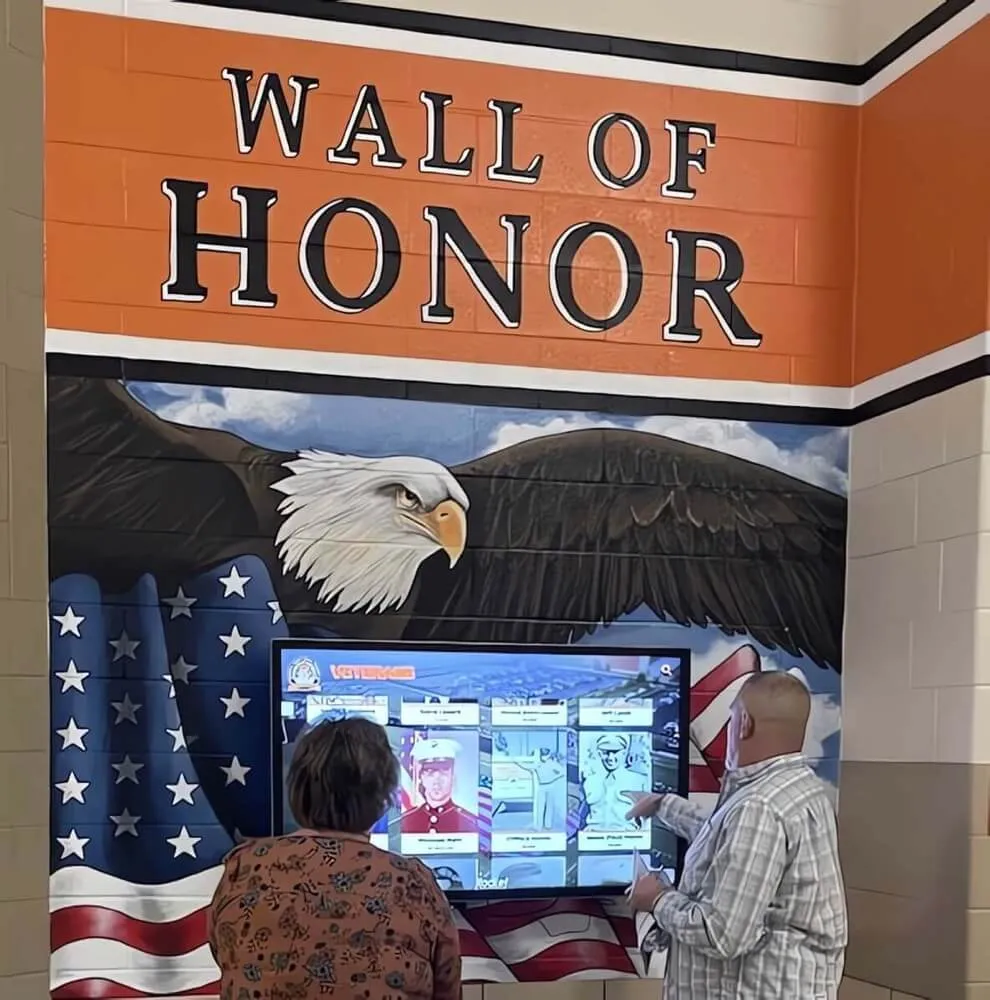
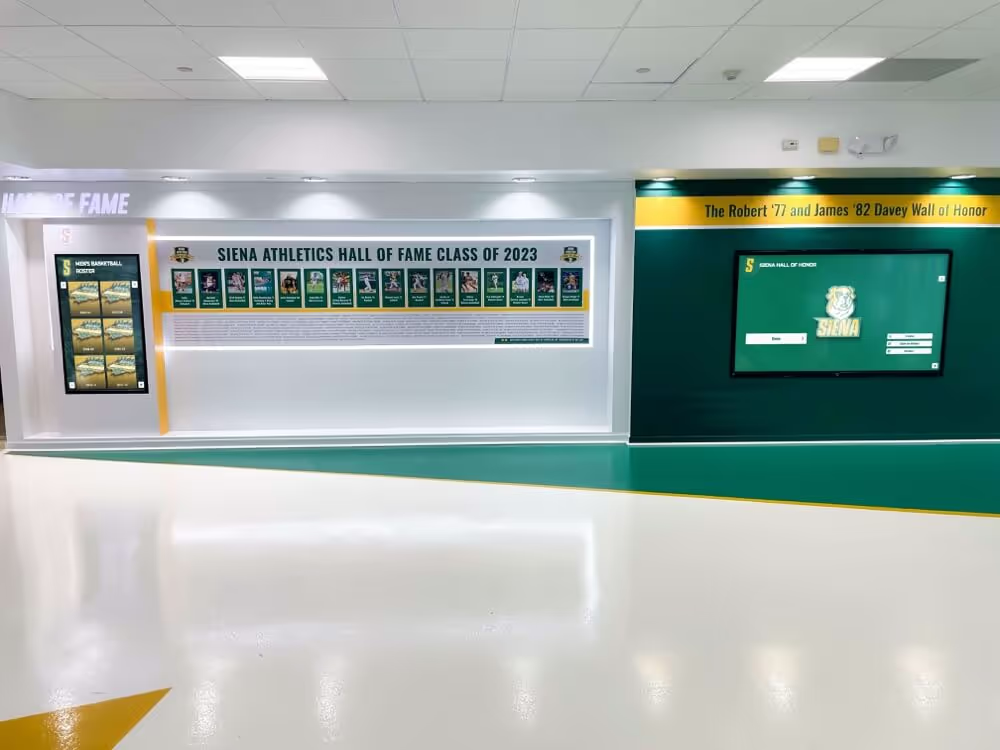
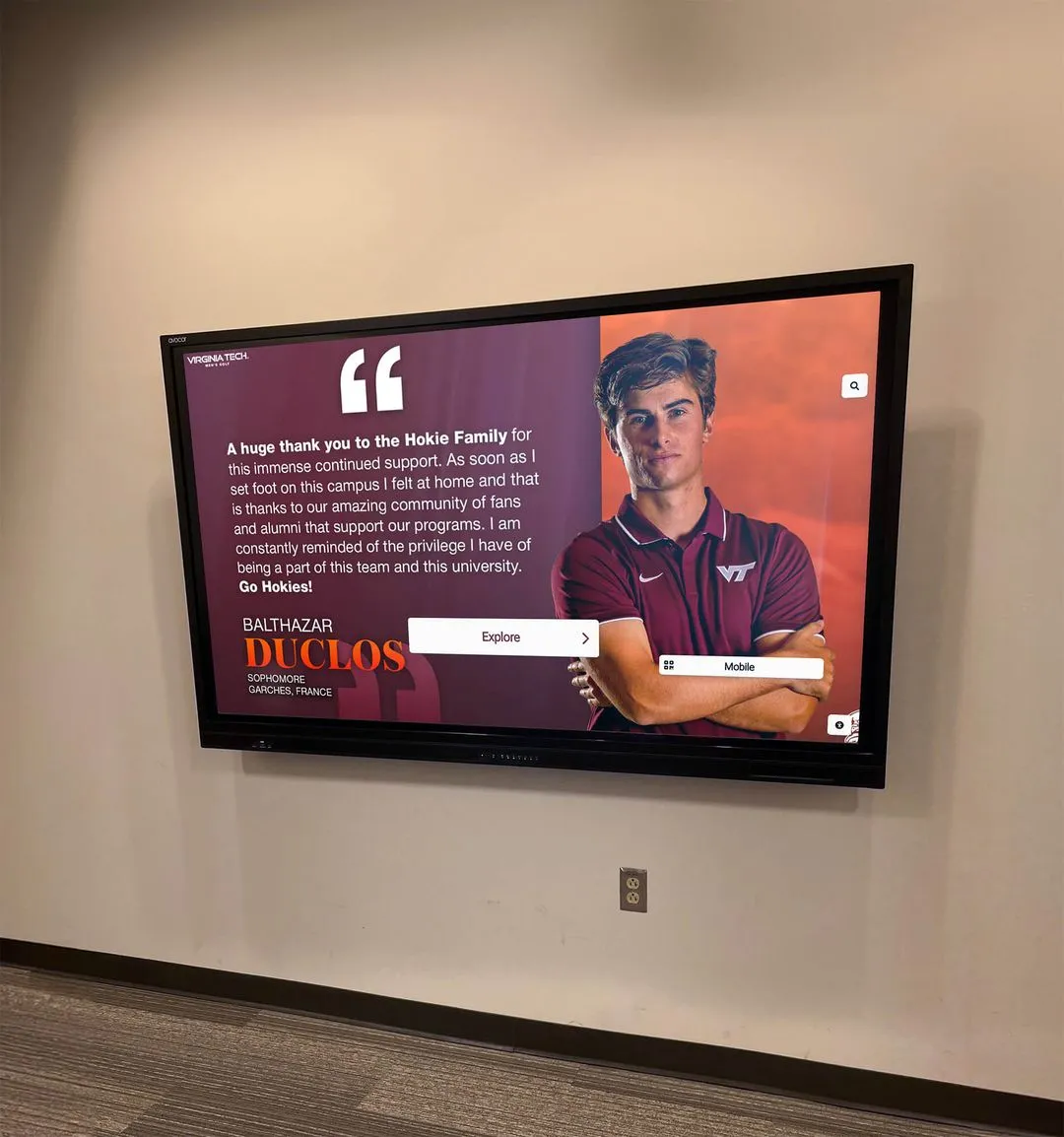
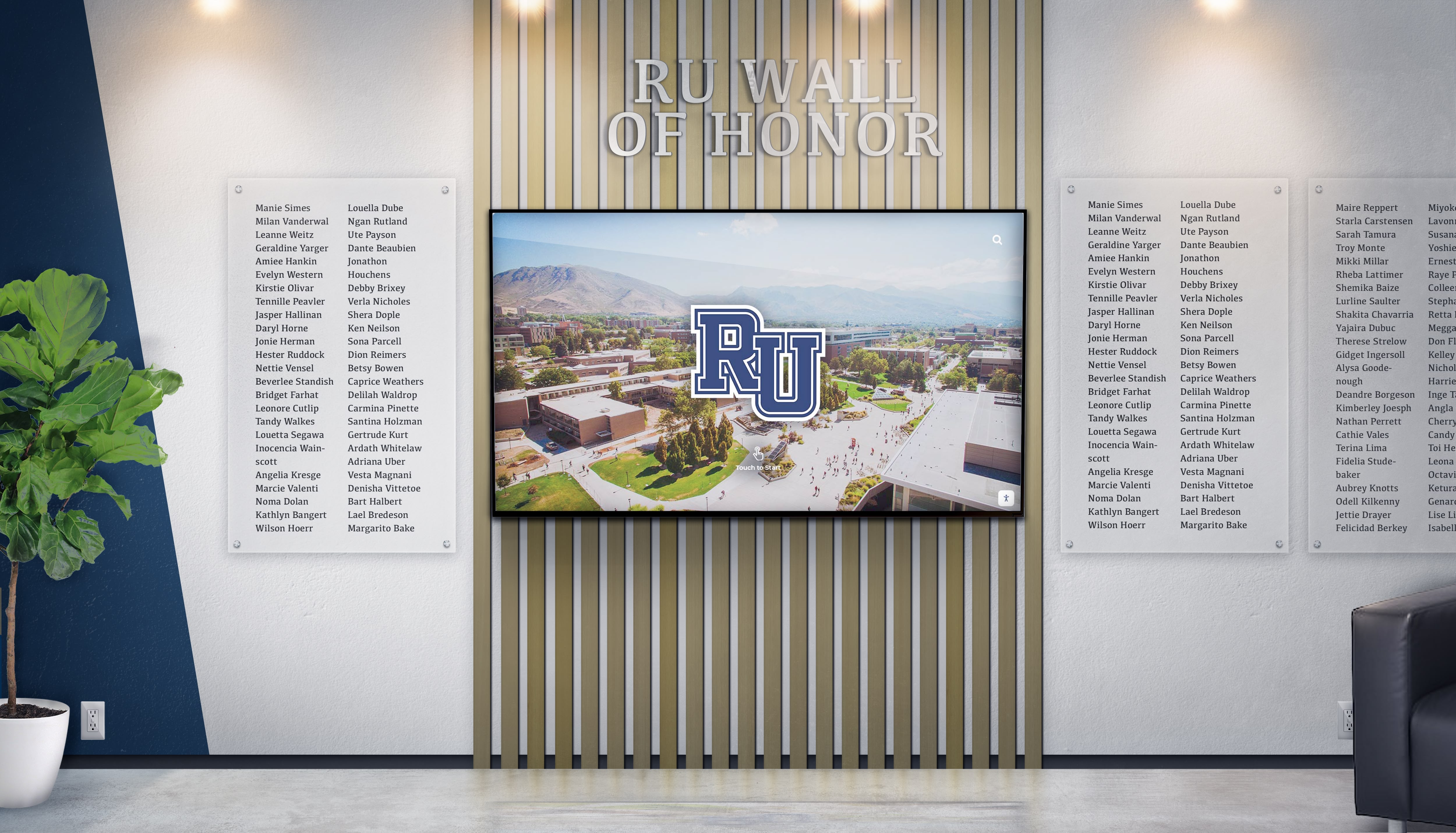
Modern recognition systems honor contributors permanently while accommodating unlimited growth without space constraints
Understanding Commemorative Plaques: Purpose and Psychology
Before selecting specific plaque types or approaches, understanding what makes recognition meaningful helps organizations design solutions that truly honor contributions while serving multiple stakeholder needs.
The Enduring Appeal of Permanent Recognition
Commemorative plaques create tangible, visible acknowledgment that serves powerful psychological and social functions distinguishing them from verbal appreciation or written communications that fade from memory:
Permanence and Legacy
Physical permanence communicates that contributions matter beyond immediate transactions. When donors see their names displayed permanently, when athletes view their achievements preserved for future generations, or when families encounter memorials honoring loved ones, the enduring visibility validates that contributions created lasting impact worthy of sustained acknowledgment. This permanence transforms fleeting moments of recognition into ongoing celebration that continues honoring contributors long after initial installation.
Public Visibility and Social Proof
Unlike private recognition through letters or personal calls, public plaques create visible celebration that entire communities encounter. This visibility serves multiple functions including inspiring others by demonstrating philanthropic culture, normalizing giving and excellence, providing social validation for contributors, and creating pride through public association with valued institutions. When prospective donors see comprehensive recognition of past supporters, they understand that generosity receives genuine, sustained appreciation rather than perfunctory acknowledgment.
Institutional Memory and Historical Documentation
Commemorative plaques preserve institutional history, documenting who contributed what, when achievements occurred, and how organizations evolved over time. This historical record becomes increasingly valuable as decades pass, creating longitudinal perspective showing patterns of excellence, philanthropic trends, and community character that define organizational identity. Schools can showcase athletic achievements spanning a century, nonprofits can demonstrate decades of donor support sustaining missions, and communities can honor service contributions across generations.
Traditional Plaque Limitations Organizations Face
Despite their enduring appeal, conventional commemorative plaques present significant challenges that increasingly constrain effective recognition:
Fixed Capacity and Space Constraints
Physical wall space limits how many names traditional plaques can accommodate. A donor wall might hold 200 individual plaques before exhausting available square footage. Athletic achievement displays fill trophy cases and run out of room for new accomplishments. Memorial gardens reach capacity, forcing difficult decisions about whose contributions receive visible recognition versus whose get relegated to less prominent locations or excluded entirely.
This space limitation creates recognition inequity where only major contributors or early supporters receive prominent acknowledgment while equally committed individuals get minimal visibility simply because they contributed later or at slightly lower levels.
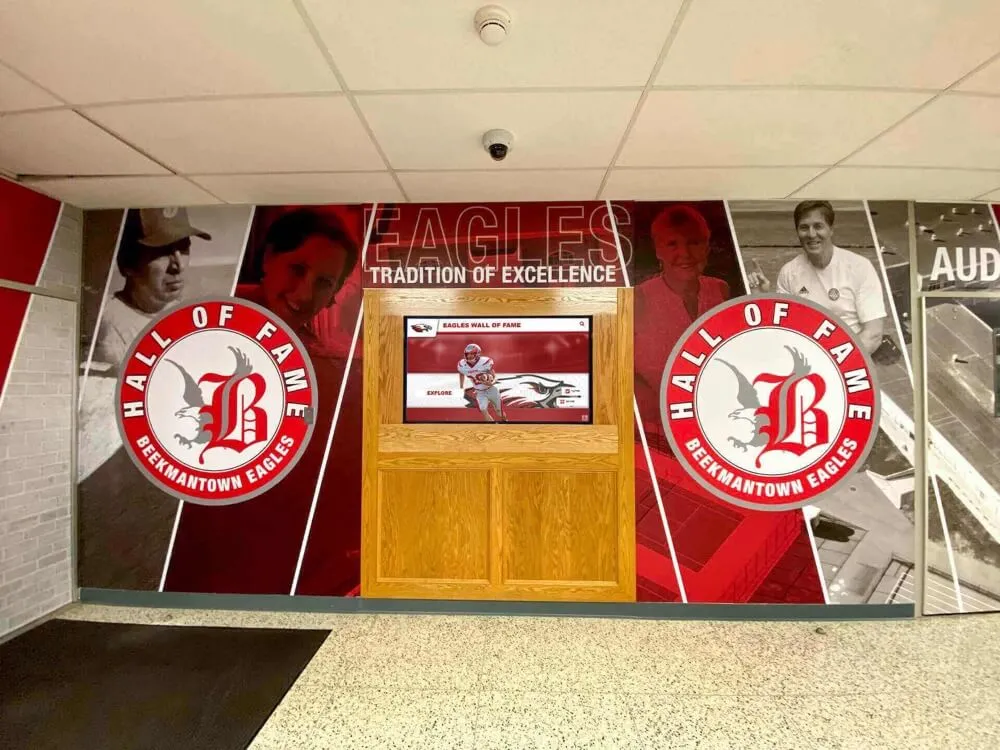
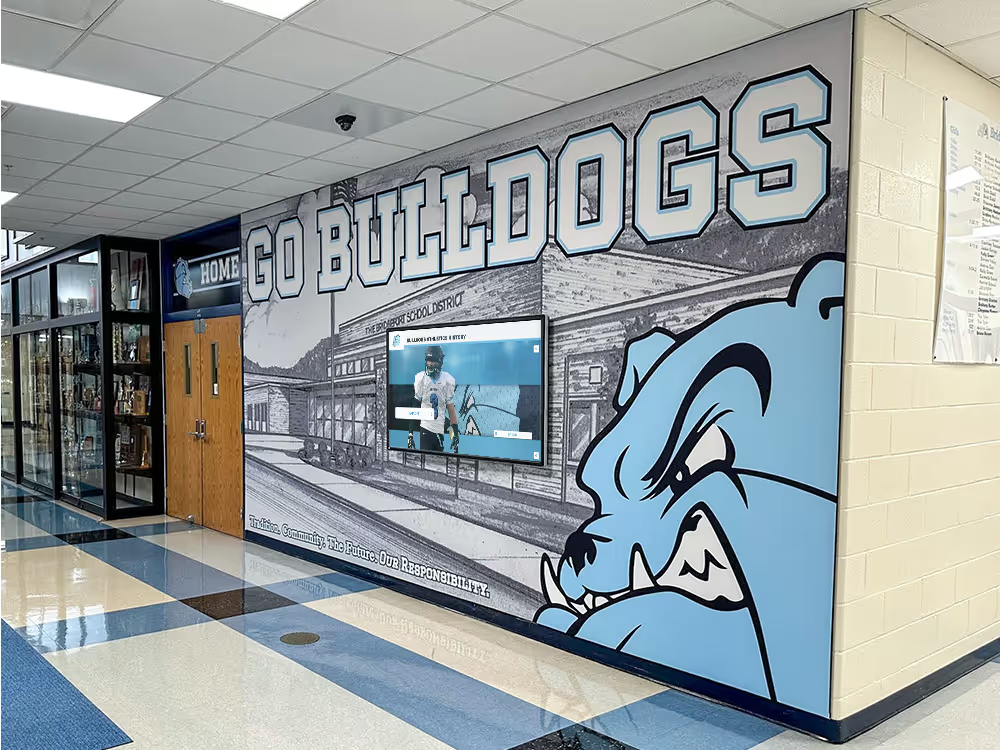
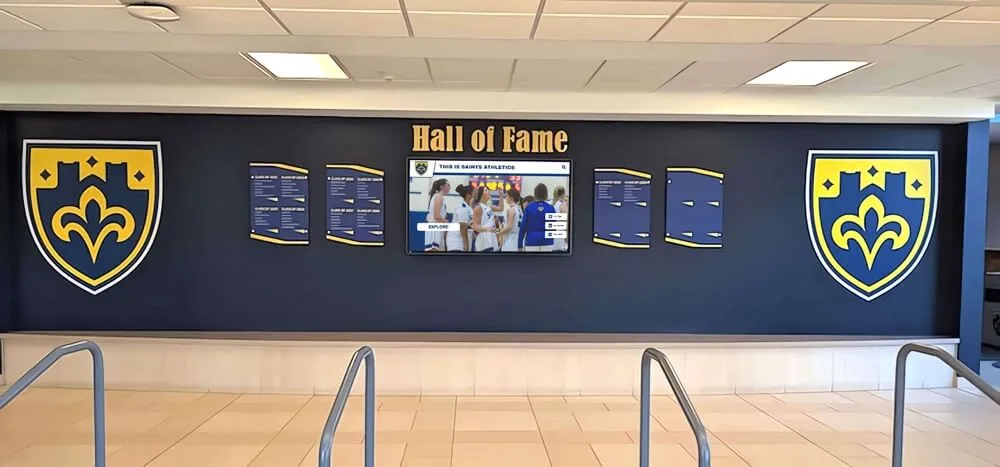
Traditional plaques provide time-honored recognition but quickly fill available space
Expensive Updates and Maintenance
Every addition to traditional plaque systems requires professional engraving, casting, or fabrication typically costing $500-$2,000 per plaque. For organizations with active fundraising, athletic programs, or recognition initiatives, these recurring expenses accumulate rapidly. Annual additions of 10-20 names create ongoing costs of $5,000-$40,000 just for basic recognition maintenance—before considering corrections, updates, or replacement of deteriorating elements.
Limited Storytelling Capability
Space constraints force traditional plaques to communicate minimally—typically just names, dates, and brief recognition categories. Donor plaques might include gift amounts but provide no context about what contributions funded or why supporters gave. Athletic plaques list names and years but offer no details about specific achievements, records broken, or significance of accomplishments. This abbreviated recognition fails to tell compelling stories that make contributions meaningful beyond basic documentation.
Deterioration and Preservation Challenges
Physical plaques deteriorate over time. Brass tarnishes, requiring periodic professional cleaning and restoration. Bronze develops patina that some consider attractive but others view as neglect. Engraving fades, becoming illegible. Outdoor installations face accelerated deterioration from weather exposure. Eventually, most traditional plaques require expensive restoration or complete replacement, typically after 20-30 years.
Learn more about challenges facing traditional recognition approaches and modern alternatives through donor recognition wall ideas that balance tradition with innovation.
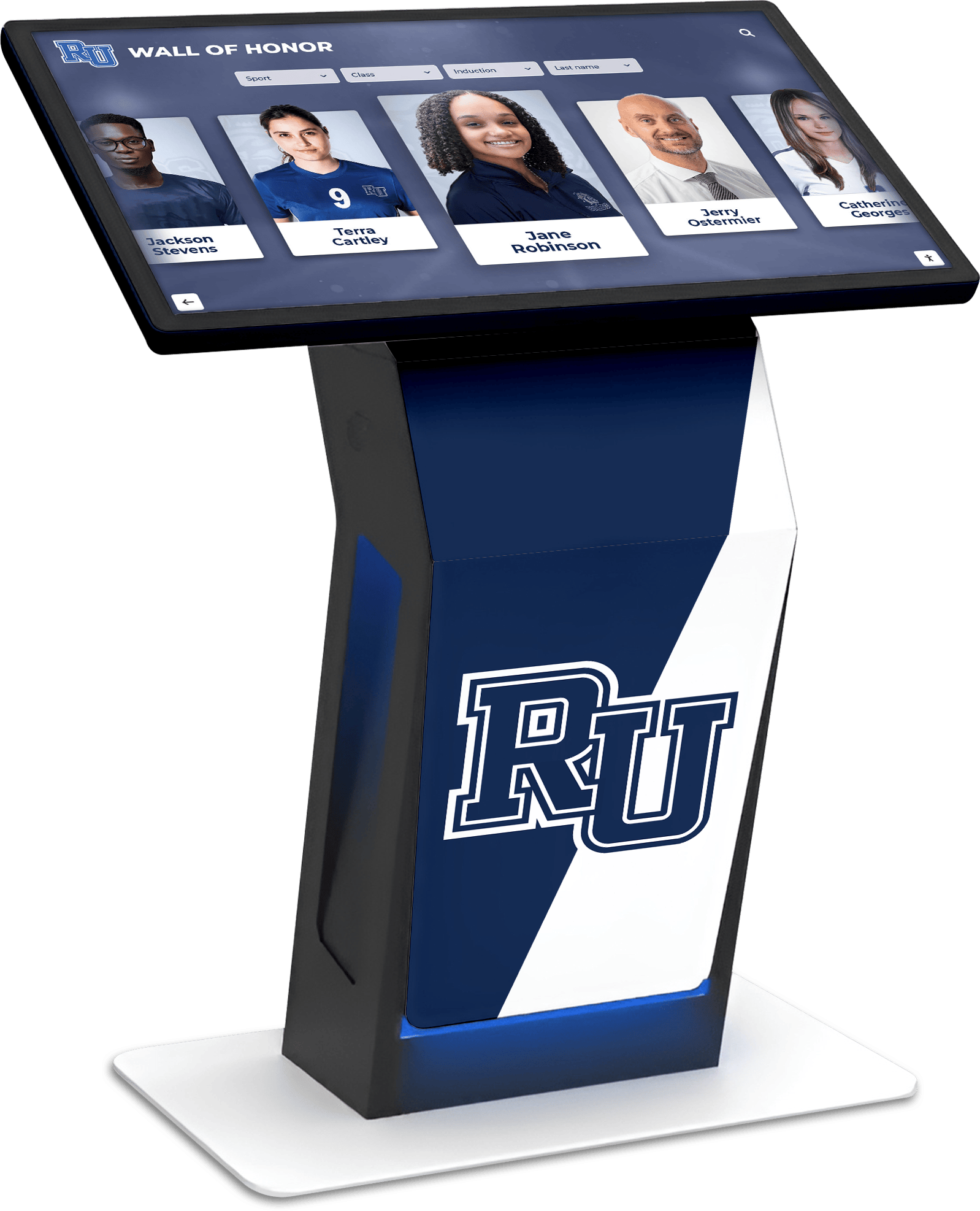
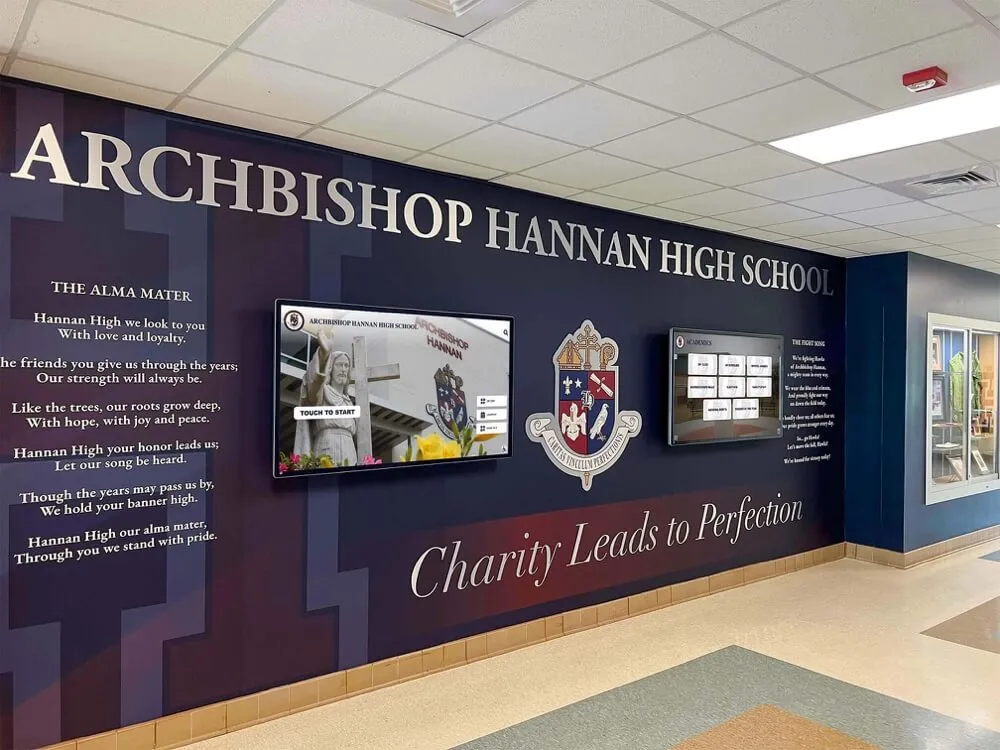
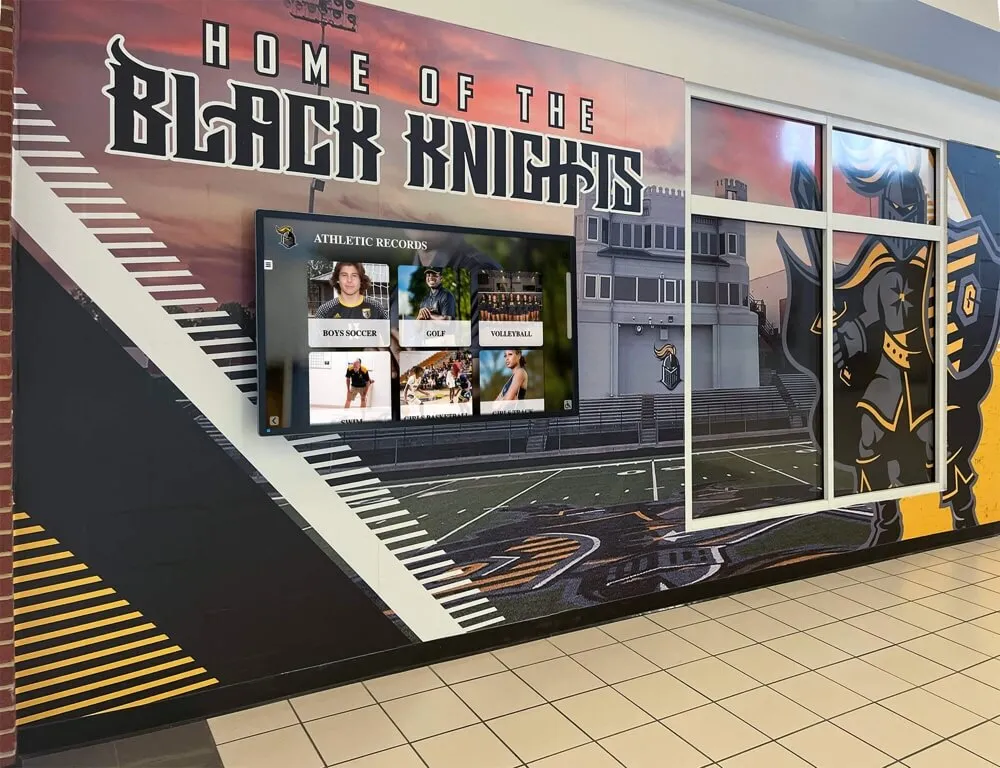
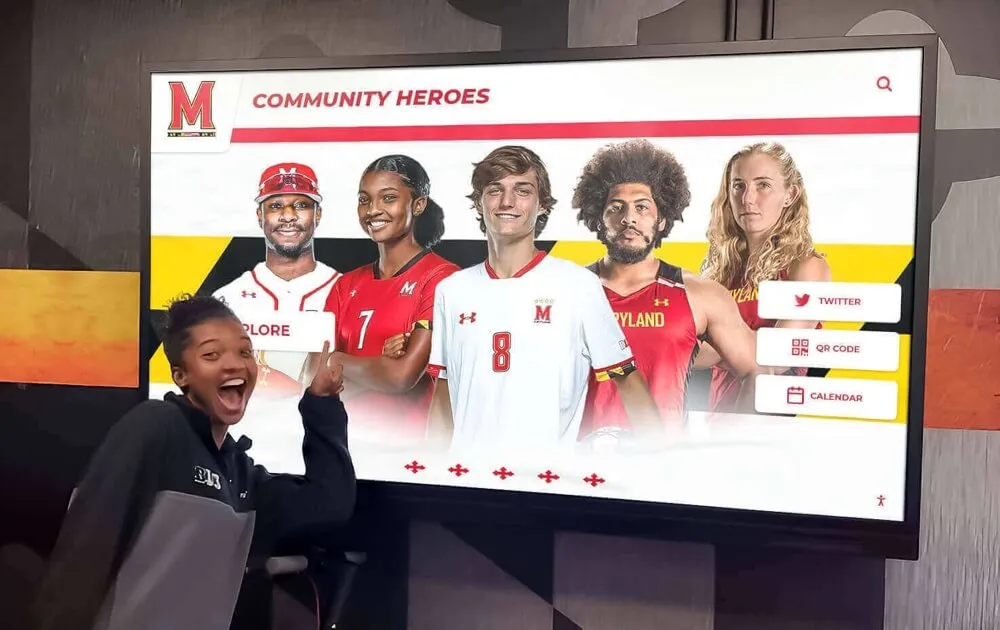
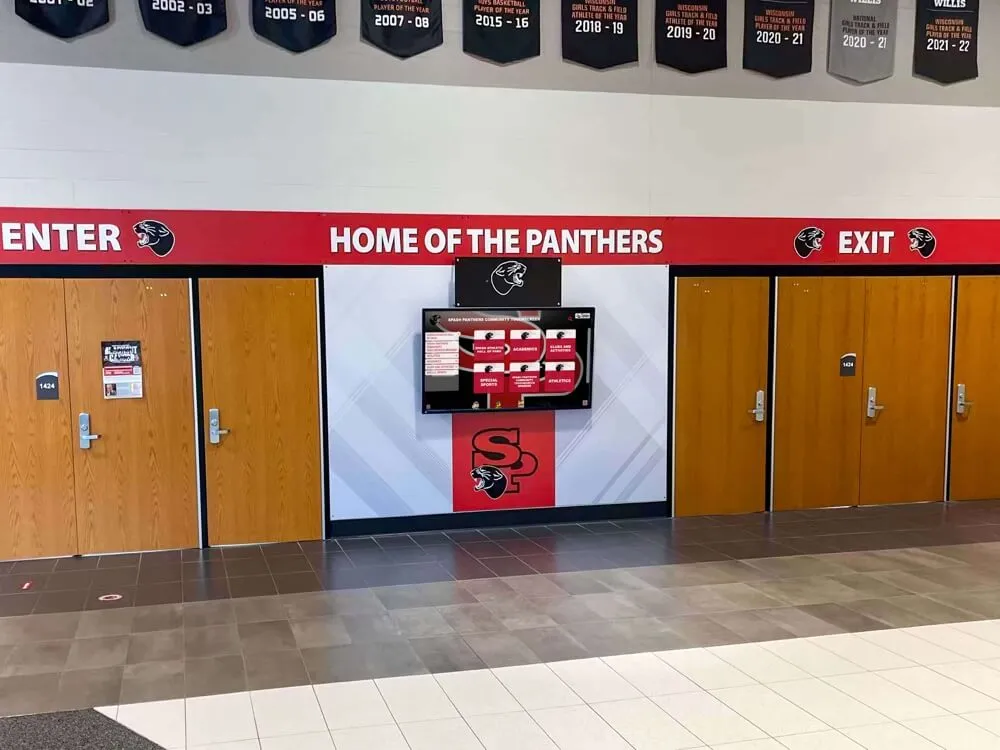
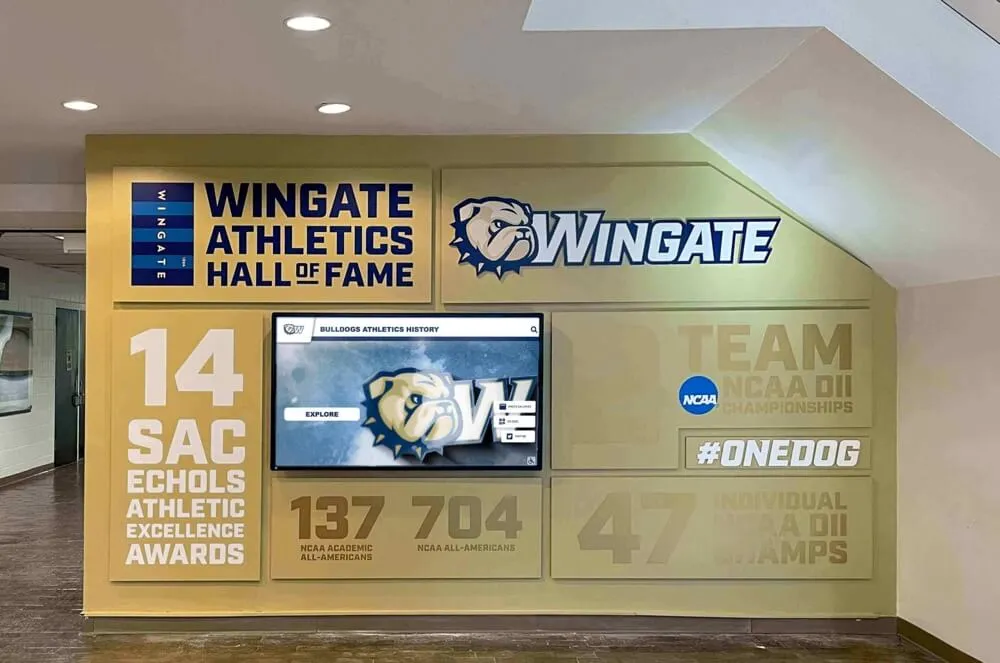
Digital recognition systems provide unlimited capacity while enabling rich storytelling impossible with traditional plaques
Traditional Commemorative Plaque Ideas: Time-Honored Recognition
Despite limitations, traditional plaques continue serving important recognition roles. Understanding options enables appropriate selection for specific needs.
Material and Style Options for Physical Plaques
Different materials communicate varying levels of prestige while offering distinct aesthetic qualities and durability characteristics:
Brass and Bronze Plaques
Cast or engraved brass and bronze plaques represent the most traditional recognition approach, offering warm metallic tones, substantial physical presence, and associations with permanence and quality. Brass plaques typically cost $200-$800 for standard individual recognition, while custom bronze casting for larger installations ranges from $1,500-$5,000+ depending on size and complexity.
Bronze develops distinctive patina over time that many find appealing, though it requires periodic maintenance preserving legibility. Indoor brass installations maintain appearance longer than outdoor applications exposed to weathering. Both materials communicate prestige appropriate for major donor recognition, significant achievement celebration, or memorial acknowledgment.
Marble and Stone Engraving
Marble, granite, and other stone materials provide elegant, refined recognition conveying permanence and sophistication. Engraved stone plaques work particularly well for building dedications, memorial gardens, and permanent recognition installations where classical aesthetics align with organizational character. Stone plaques typically cost $300-$1,500 depending on material selection, size, and engraving complexity.
Stone withstands outdoor installation better than most materials but remains susceptible to weathering that gradually erodes engraving clarity. Indoor installations preserve appearance indefinitely. The substantial weight of stone plaques requires secure mounting and structural support consideration for wall installations.
Acrylic and Modern Materials
Contemporary recognition increasingly utilizes acrylic, glass, wood, and composite materials offering diverse aesthetic options at moderate cost points. Acrylic plaques provide clarity, design flexibility, and modern appearance at $100-$400 per plaque. Glass offers sophisticated transparency and professional appearance at $150-$600. Wood provides warmth and traditional character appropriate for certain organizational aesthetics at $125-$500.
These materials suit organizations seeking contemporary design, budget-conscious recognition, or specific aesthetic alignment with facilities and branding. While lacking the gravitas of bronze or stone, modern materials enable creative design approaches and cost-effective recognition appropriate for various contexts.
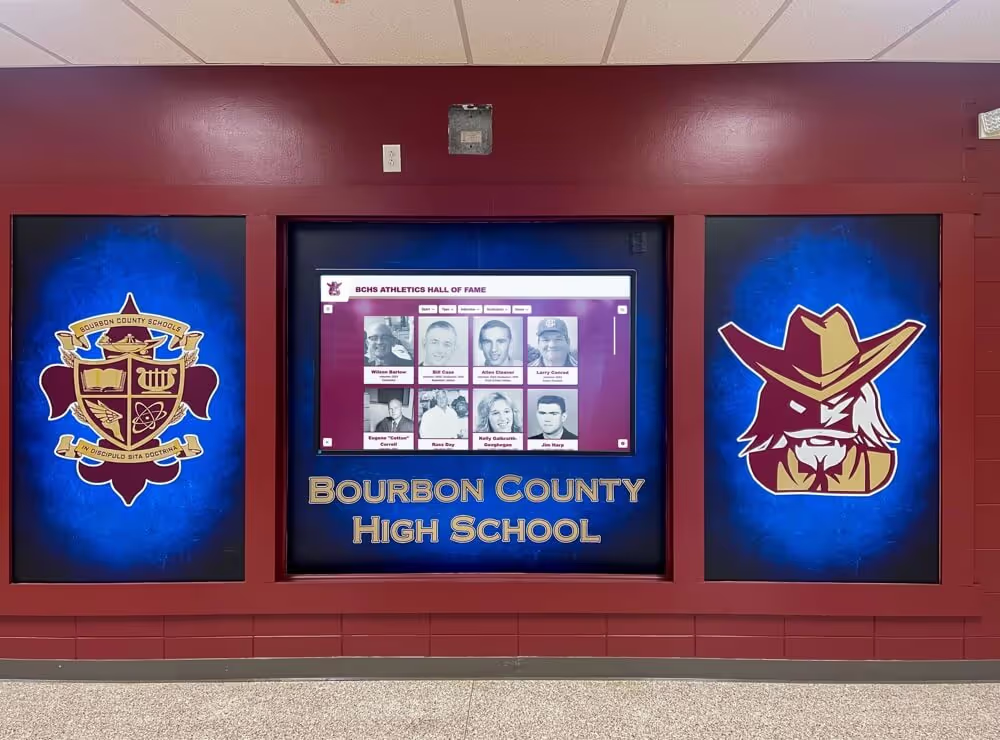
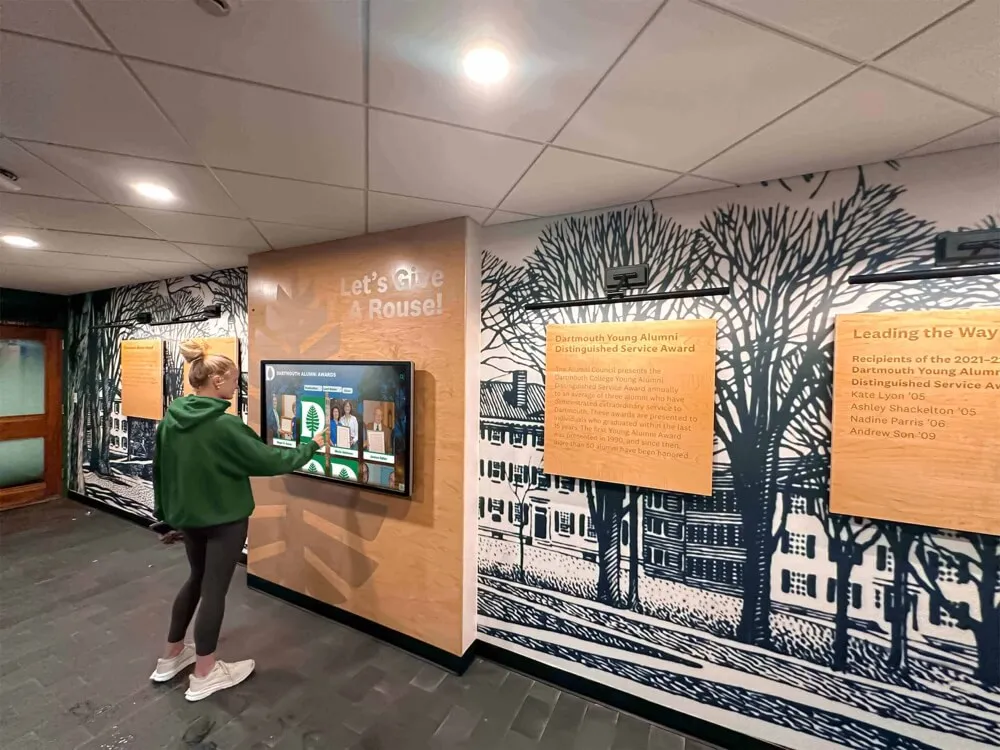
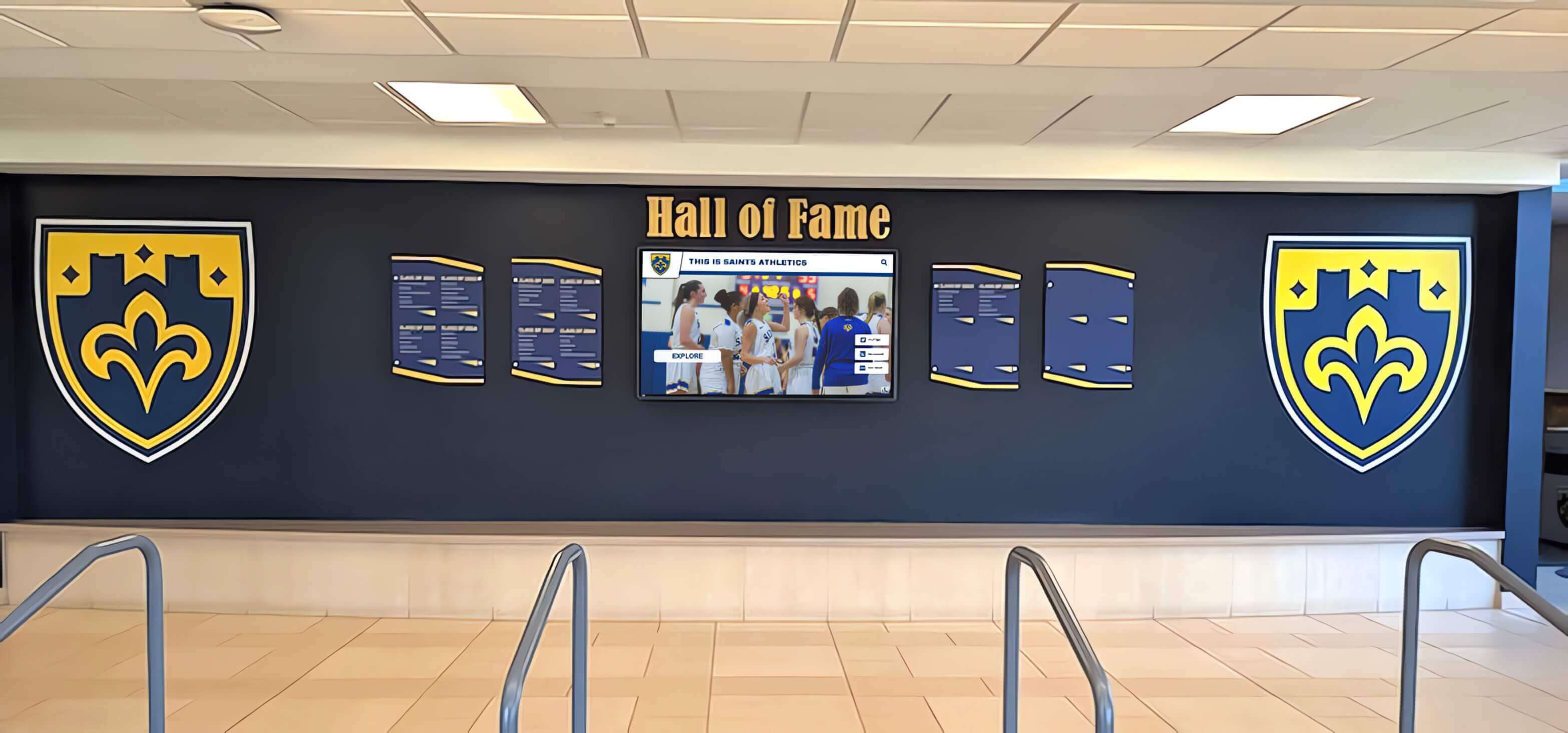
Comprehensive recognition spaces combine various traditional elements for multi-layered celebration
Specific Traditional Plaque Applications
Different recognition purposes suggest particular plaque approaches:
Donor Recognition Walls
Traditional donor walls typically arrange individual plaques in grids organized by giving levels. Common structures include tiered recognition with distinct materials or sizes for different contribution categories, alphabetical arrangement within giving levels, chronological ordering showing recognition evolution, and prominent positioning for naming gift recognition or lead donors.
These installations communicate philanthropic culture while honoring supporters whose generosity enables organizational missions. However, space limitations mean donor walls inevitably reach capacity, requiring difficult expansion decisions or relegating newer contributors to less visible secondary locations. Discover comprehensive donor recognition examples showing effective traditional and modern approaches.
Athletic Achievement Plaques
Sports programs use commemorative plaques recognizing individual athletic excellence through hall of fame inductee plaques, championship team rosters, record holder acknowledgment, all-state or all-conference honorees, and retired jersey number recognition.
These plaques preserve athletic legacy while celebrating excellence that defined programs. Trophy cases and athletic facility walls traditionally display achievement plaques, though space constraints force many schools to remove older recognition making room for current accomplishments—a problematic solution that dishonors past athletes whose achievements merited permanent recognition.
Memorial and Dedication Plaques
Buildings, rooms, outdoor spaces, and programs receive dedication plaques honoring major contributors or memorializing individuals whose legacies connect to recognized spaces. Memorial plaques typically include names, dates, and brief biographical information or quotations reflecting honoree character or values.
Dedication plaques communicate prominence appropriate to transformational gifts while providing permanent acknowledgment that families and communities encounter for decades. These installations merit traditional materials like bronze or stone conveying weight and permanence aligned with recognition significance.
Years of Service Recognition
Organizations honor employee longevity, volunteer commitment, or sustained organizational support through service milestone plaques acknowledging 10, 25, or 50 year commitments. These plaques celebrate loyalty and dedication while inspiring continued engagement through visible acknowledgment of long-term relationships.
Service recognition walls arranged chronologically or alphabetically create comprehensive acknowledgment while documenting organizational community across time. However, growing organizations quickly fill available space, requiring expansion that often proves architecturally challenging or prohibitively expensive.
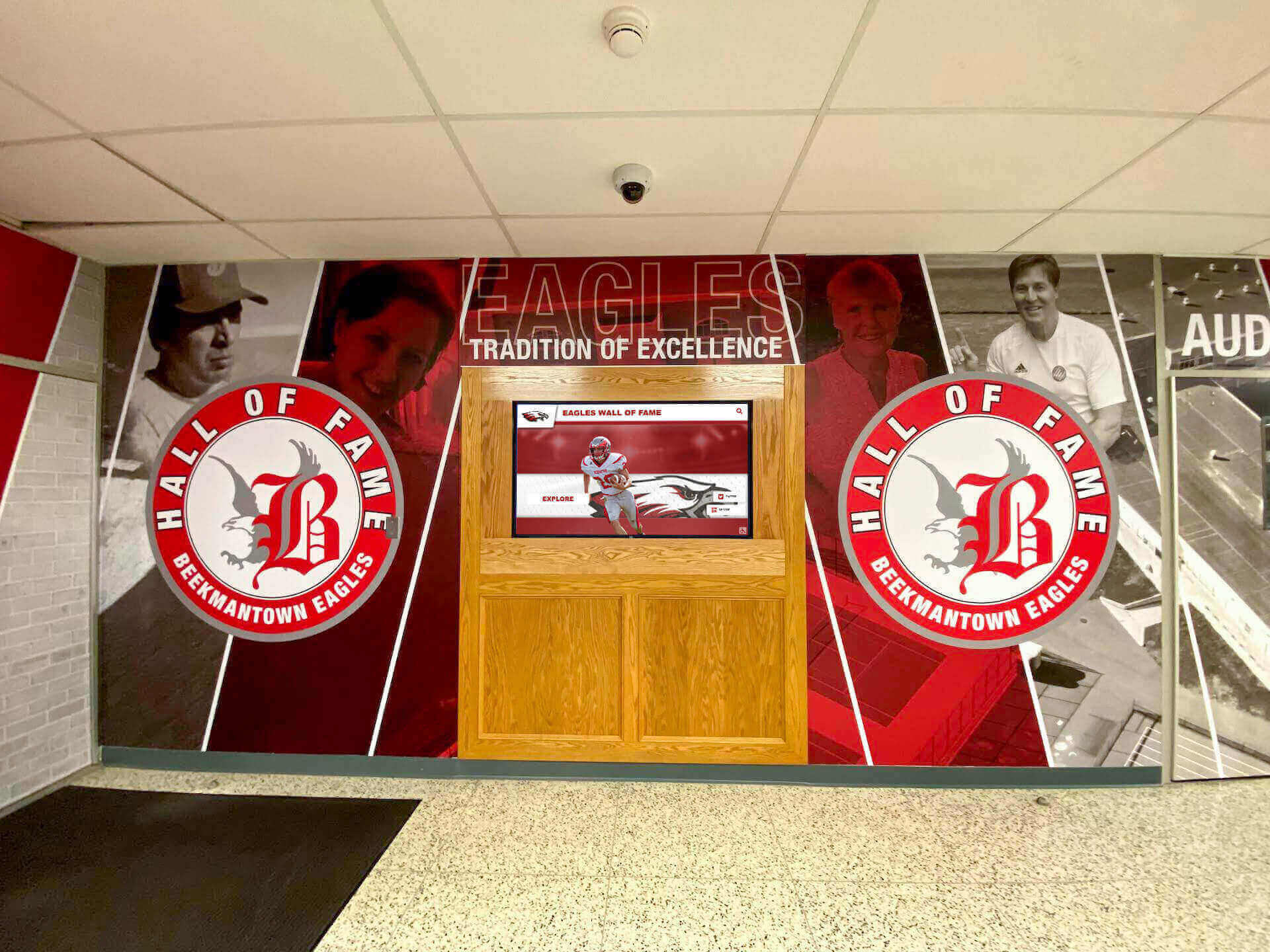
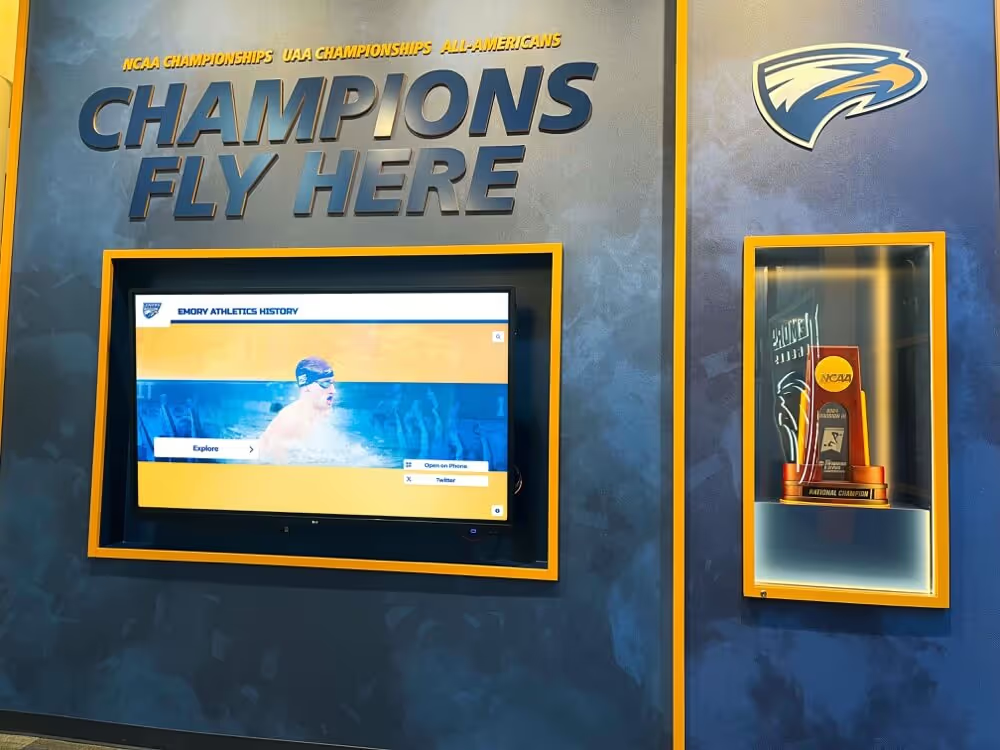
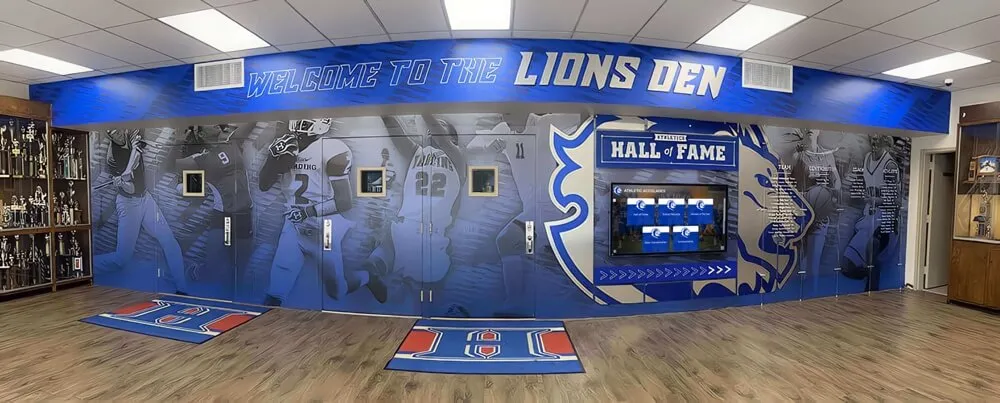
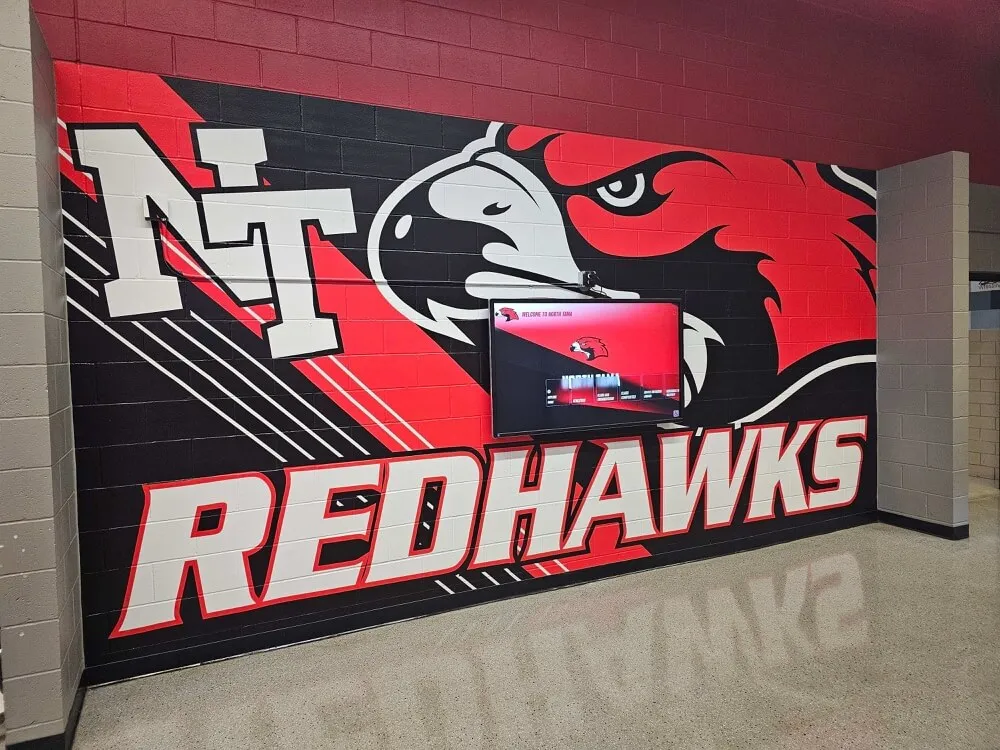
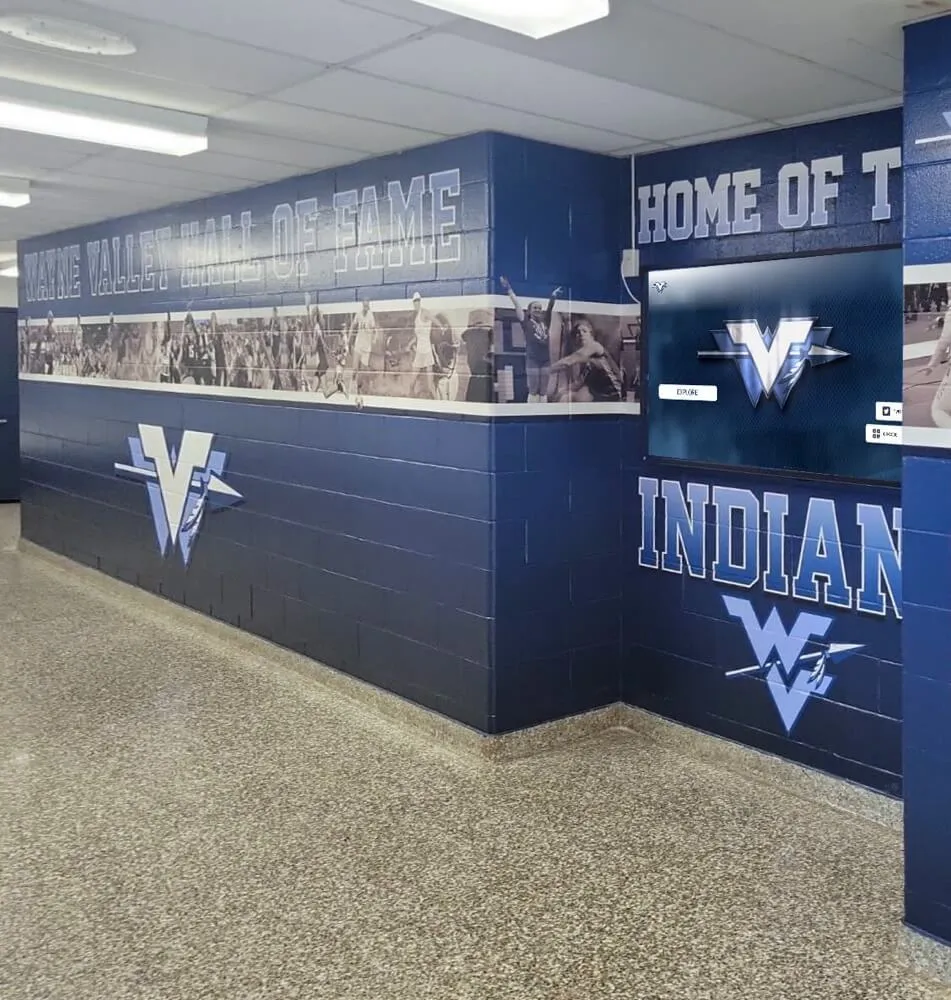
Athletic recognition combines murals, traditional displays, and modern elements celebrating program heritage
Modern Digital Recognition: Overcoming Traditional Plaque Limitations
While traditional plaques continue serving important roles, digital recognition systems solve fundamental limitations while preserving the permanence and visibility that make plaques meaningful.
The Digital Recognition Alternative
Modern touchscreen displays and cloud-based content platforms enable comprehensive recognition that traditional plaques cannot accommodate:
Unlimited Recognition Capacity
Digital systems honor unlimited contributors without physical space constraints. Single displays showcase hundreds or thousands of names through searchable databases enabling visitors to find specific honorees instantly. This unlimited capacity ensures every contribution receives appropriate acknowledgment regardless of gift size, achievement level, or when recognition occurs—first donors and fiftieth-year donors receive equivalent visibility without space limitations forcing difficult prioritization decisions.
Organizations implementing digital recognition report dramatic improvements in recognition comprehensiveness and equity. Every donor appears regardless of contribution size, every athlete receives permanent acknowledgment, and all service milestones warrant celebration without space constraints excluding worthy recipients.
Real-Time Updates Without Physical Intervention
Cloud-based administration enables instant recognition updates from any internet-connected device. Development staff add new donors immediately upon gift receipt, athletic directors update achievement displays after championships, and administrators honor service anniversaries on actual milestone dates rather than waiting months or years for physical engraving.
This immediacy improves donor satisfaction by providing prompt acknowledgment while eliminating the administrative burden and expense of coordinating physical plaque orders, installations, and ongoing maintenance that traditional systems require. Organizations report 85-90% reduction in recognition maintenance time and cost after implementing digital solutions.
Rich Multimedia Storytelling
Digital displays enable recognition extending far beyond name listings through detailed biographical profiles, contribution impact stories, achievement descriptions and context, video testimonials from honorees, photographs documenting contributions or accomplishments, and historical documentation preserving institutional memory.
This storytelling capability transforms recognition from simple documentation to compelling communication about why contributions matter, what achievements represent, and how honorees’ legacies continue influencing organizations. When donors see what their gifts accomplished, when athletes discover records they broke or championships they won, and when families explore loved ones’ contributions, recognition becomes meaningful beyond name placement alone.
Explore how digital recognition displays create comprehensive storytelling opportunities impossible with traditional plaques.

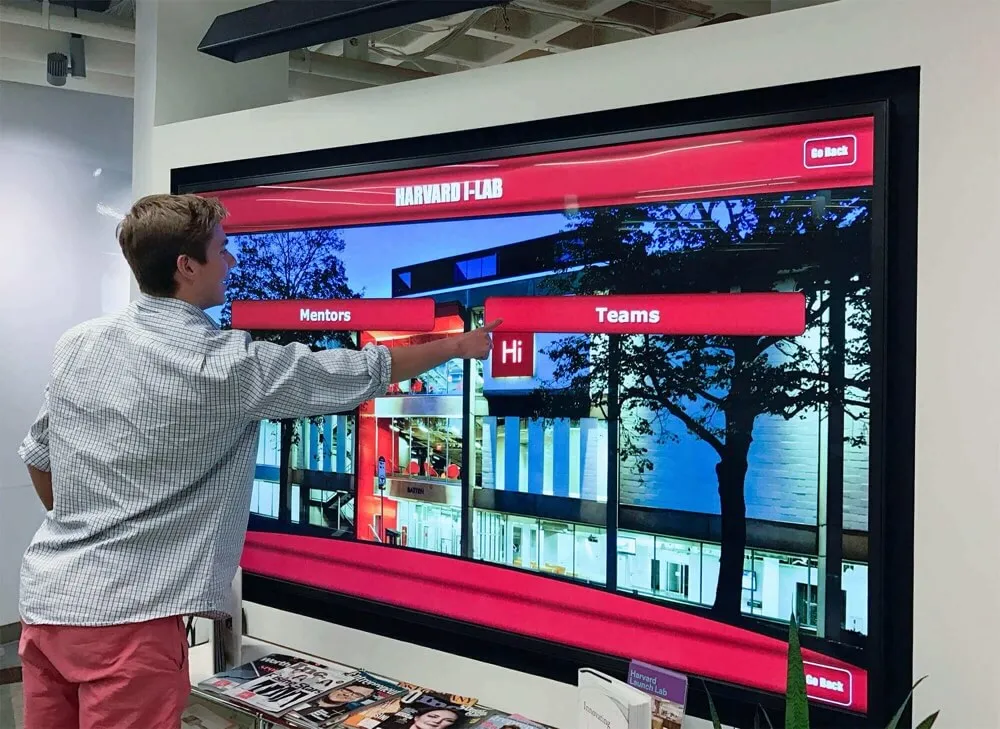
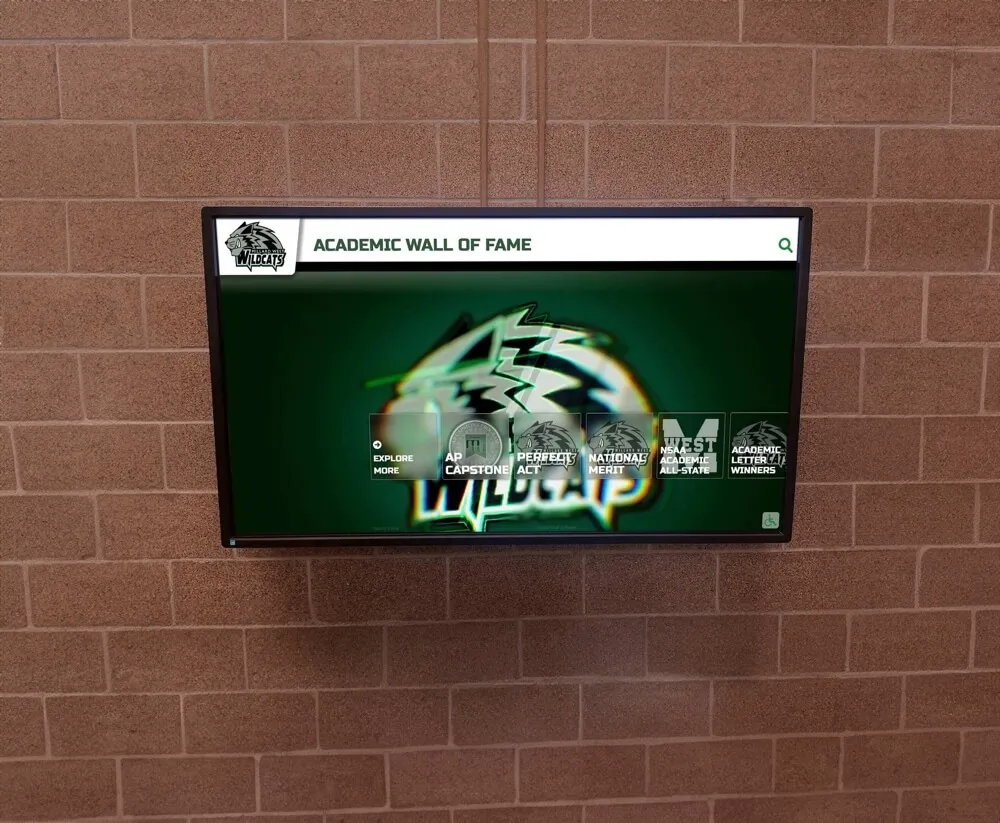
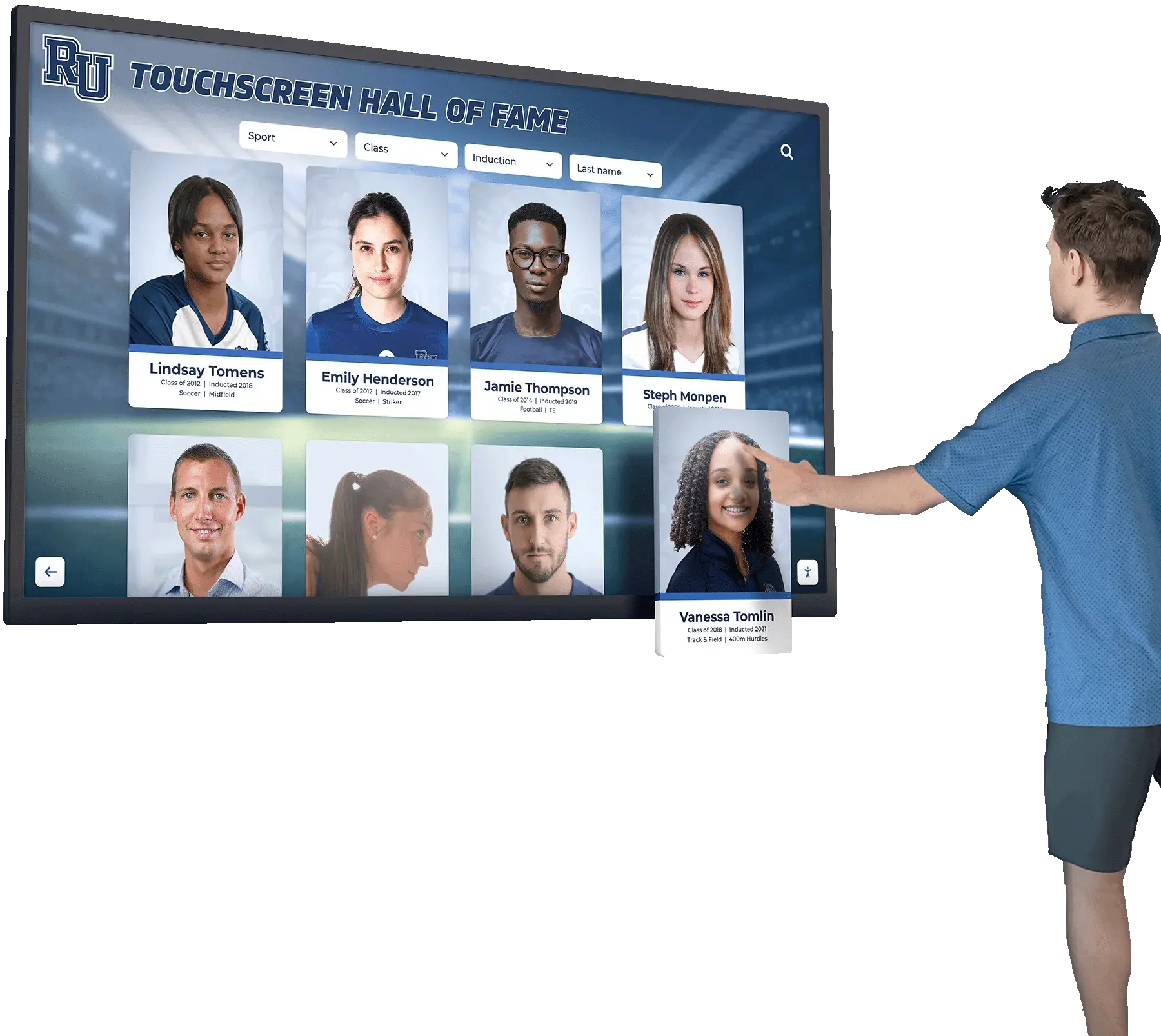
Touchscreen interfaces enable deep exploration of honoree achievements through intuitive interaction
Technical Implementation of Digital Recognition Systems
Understanding how modern recognition platforms work helps organizations evaluate whether digital solutions align with their needs:
Display Hardware and Installation
Digital recognition typically utilizes commercial-grade touchscreen displays ranging from 43 to 75 inches, mounted strategically in high-visibility locations including main building lobbies, hallways with significant traffic, gathering spaces where communities congregate, or specialized areas like athletic facilities, performing arts centers, or campaign-specific locations.
Displays can be wall-mounted flush for sleek integration or installed in freestanding kiosks providing flexibility for spaces where wall mounting presents challenges. Professional installation ensures secure mounting, proper cable management, network connectivity, and electrical infrastructure supporting continuous operation. Hardware investments typically range from $3,000-$10,000 per display depending on size, mounting requirements, and complexity.
Cloud-Based Content Management Platforms
Back-end systems provide user-friendly interfaces enabling non-technical staff to maintain recognition content through simple dashboards requiring no coding knowledge, bulk import tools for historical data migration, drag-and-drop organization, role-based permissions ensuring appropriate access, and preview functionality showing changes before publication.
These platforms eliminate dependence on IT departments or external vendors for routine updates, allowing development staff, athletic directors, or administrators to maintain current recognition efficiently. Annual platform subscriptions typically range from $1,200-$3,600 depending on features, number of displays, and support levels—substantially less than recurring engraving costs for traditional plaques while providing dramatically enhanced capabilities.
Search and Exploration Functionality
User-facing interfaces enable intuitive content exploration through name search finding specific honorees instantly, filtering by recognition category, giving level, achievement type, or milestone year, browsing chronologically through recognition history, viewing featured profiles highlighting priority content, and accessing detailed information unavailable in traditional plaques.
This flexible navigation ensures all visitors can find relevant content while enabling discovery of honorees they weren’t specifically seeking—encouraging broader engagement with recognition than targeted lookup alone would generate.
Solutions like Rocket Alumni Solutions provide comprehensive digital recognition systems combining professional hardware, intuitive content management, and engaging user experiences designed specifically for schools, universities, nonprofits, and organizations honoring contributors permanently.
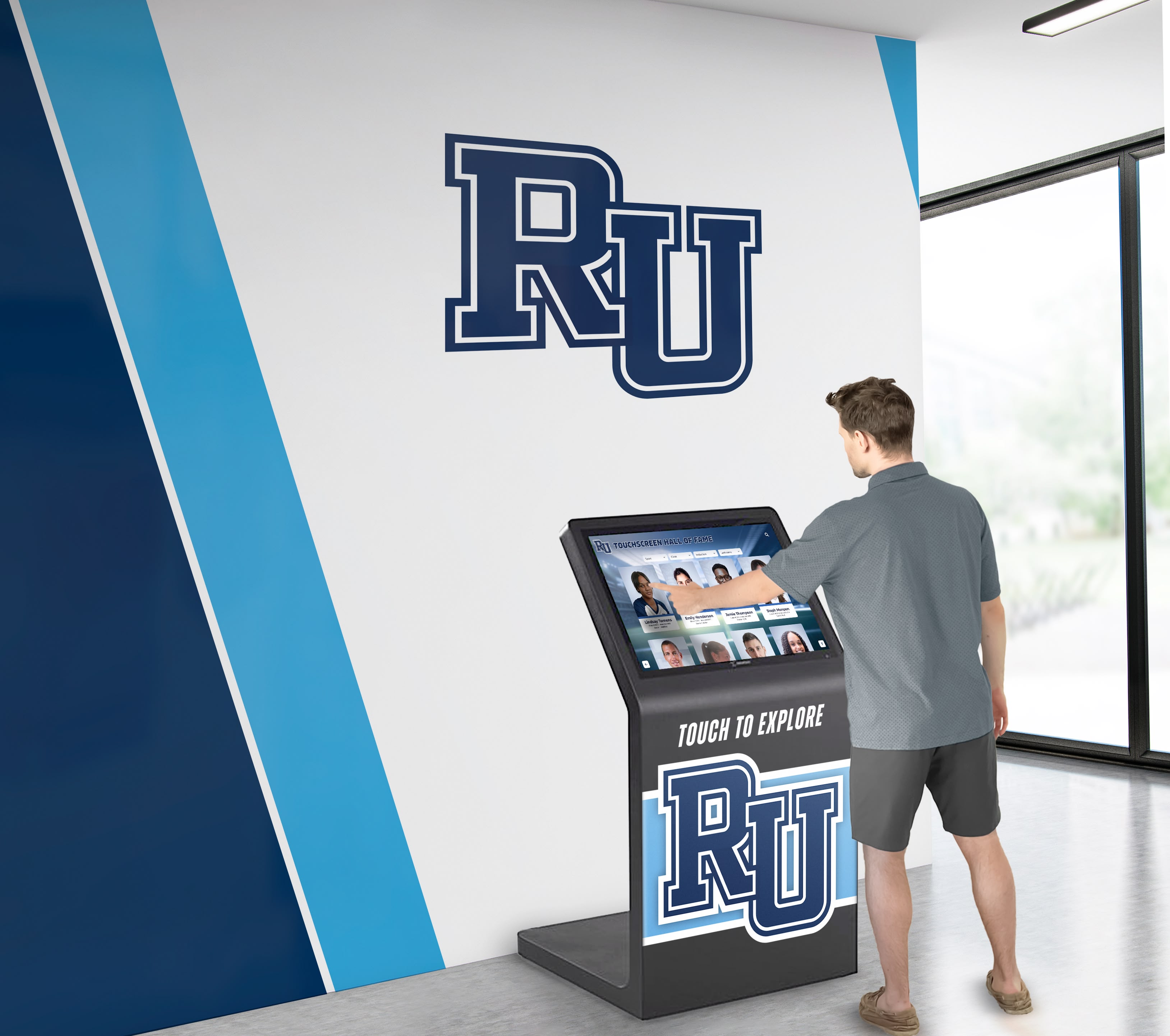
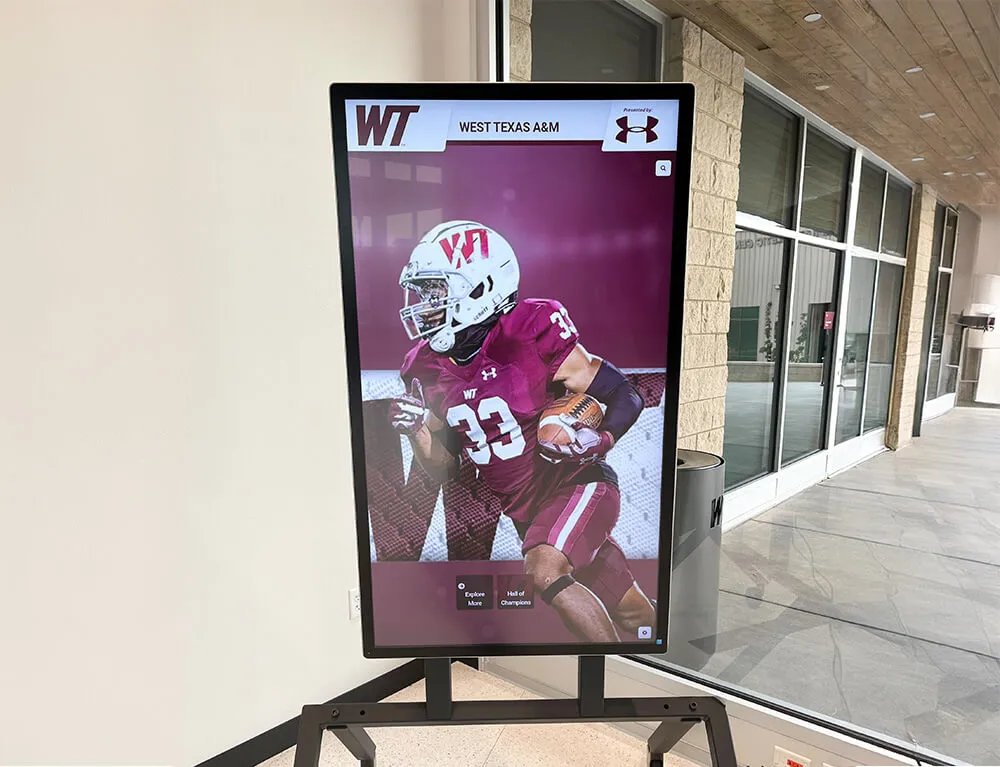
Strategically placed touchscreen kiosks become valued community resources for exploring recognition
Digital Recognition Content and Design Best Practices
Effective digital systems require thoughtful content strategy and design that honor contributors appropriately:
Recognition Level Structure and Visual Hierarchy
Digital platforms should communicate giving levels, achievement categories, or recognition tiers clearly through size and prominence variations, color distinctions indicating hierarchy, placement differences emphasizing major recognition, and consistent formatting within categories.
This visual structure ensures visitors immediately understand relative contribution significance or achievement levels without confusion while maintaining equitable presentation of all honorees within appropriate categories.
Detailed Honoree Profiles
Individual profiles should include essential elements like names with proper formatting and preferred designations, recognition categories and achievement descriptions, dates of contributions or accomplishments, and optional biographical information when honorees consent to enhanced profiles.
Enhanced profiles can include personal statements about what recognition means, motivations for contributions, achievement journey narratives, photographs and multimedia content, and connection to broader organizational mission or history.
Always respect privacy preferences and obtain explicit consent before displaying information beyond basic recognition details, maintaining trust essential for sustained relationships.
Impact Storytelling and Context
Connect recognition to tangible outcomes through beneficiary testimonials, before-and-after project documentation, statistical outcome metrics, program expansion enabled by support, facility improvements funded by contributions, and leadership reflections on honoree impact.
This impact context transforms recognition from lists of names into compelling communication about why contributions matter and what honorees’ generosity or excellence accomplished. The most effective recognition celebrates contributors as mission partners rather than simply documenting transactions or achievements.
Discover comprehensive approaches to memorial wall recognition that balance dignity, storytelling, and permanent celebration.
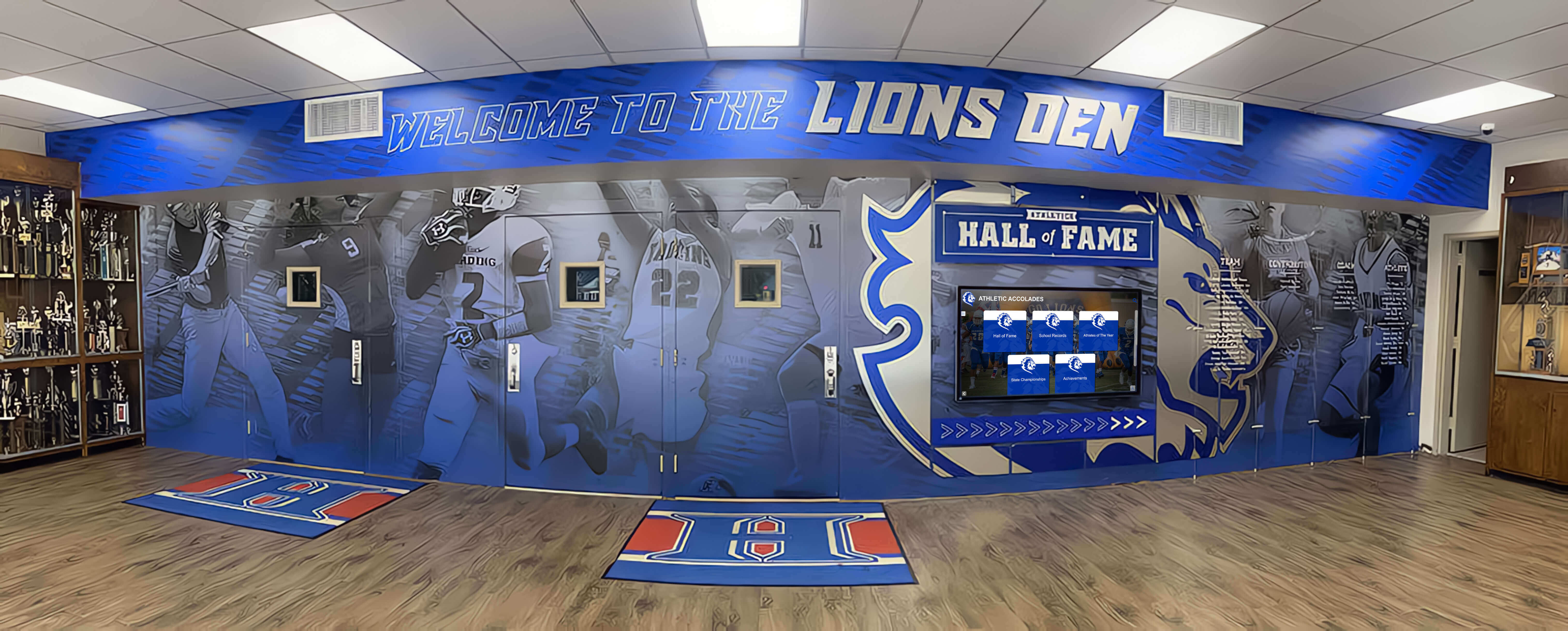
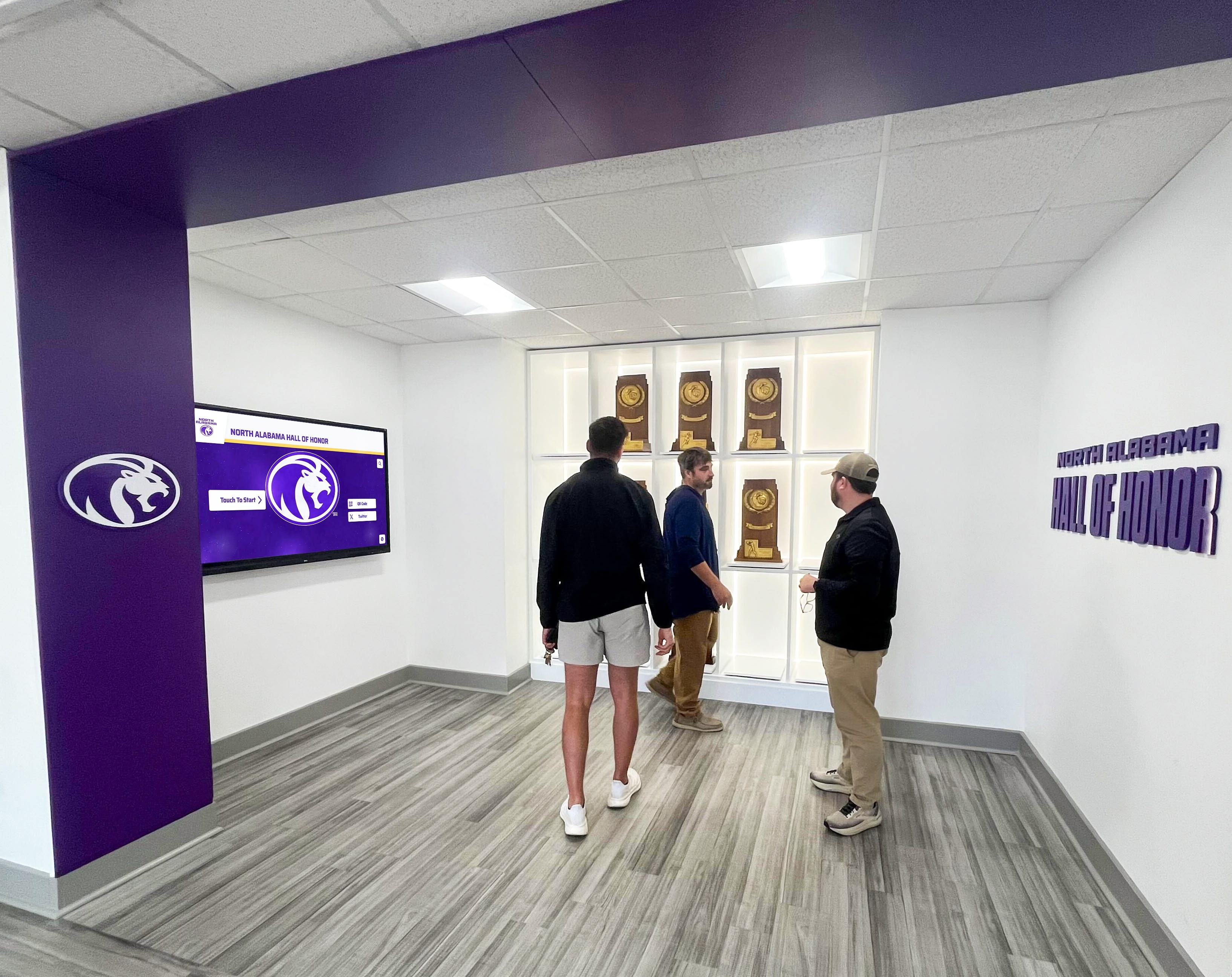
Comprehensive recognition spaces combine traditional trophies, murals, and digital displays for multi-layered celebration
Hybrid Approaches: Combining Traditional and Digital Recognition
Many organizations find that combining traditional plaques with digital systems creates optimal recognition balancing tradition, prestige, and modern capabilities:
When Hybrid Solutions Make Sense
Certain contexts benefit from integrating conventional and contemporary approaches:
Honoring Major Donors with Traditional Elements
Top-tier donors who fund building construction, endow programs, or make transformational gifts might receive both traditional brass dedication plaques and comprehensive digital recognition. Physical plaques communicate prominence and permanence appropriate to gift significance while digital systems tell complete impact stories about what contributions accomplished, share donor motivations and legacy intentions, and connect gifts to ongoing outcomes.
This dual recognition honors major supporters with traditional gravitas while providing storytelling depth that physical plaques cannot accommodate. It also creates visible recognition hierarchy appropriately reflecting different contribution levels without excluding smaller but equally committed supporters from digital acknowledgment.
Preserving Existing Traditional Installations
Organizations with existing donor walls, athletic achievement displays, or memorial plaques need not abandon functional traditional systems. Instead, supplement physical installations with digital components that accommodate ongoing additions without space constraints, provide detailed context traditional plaques lack, enable search functionality improving discovery, and preserve traditional elements honoring their historical significance.
This approach respects past recognition investments while solving capacity limitations that prevent appropriate acknowledgment of current and future contributors.
Creating Signature Recognition Experiences
Architecturally significant spaces might combine impressive traditional elements creating visual impact with digital systems providing functional recognition. Grand entrance lobbies could feature prominent bronze dedication plaques flanked by touchscreen kiosks enabling comprehensive honoree exploration. Athletic facilities might preserve trophy cases and championship banners while adding digital displays documenting complete program history.
These hybrid installations balance aesthetic impact with functional recognition, creating signature experiences that honor tradition while embracing modern capabilities.
Learn how academic recognition programs successfully integrate traditional and digital elements for comprehensive student celebration.
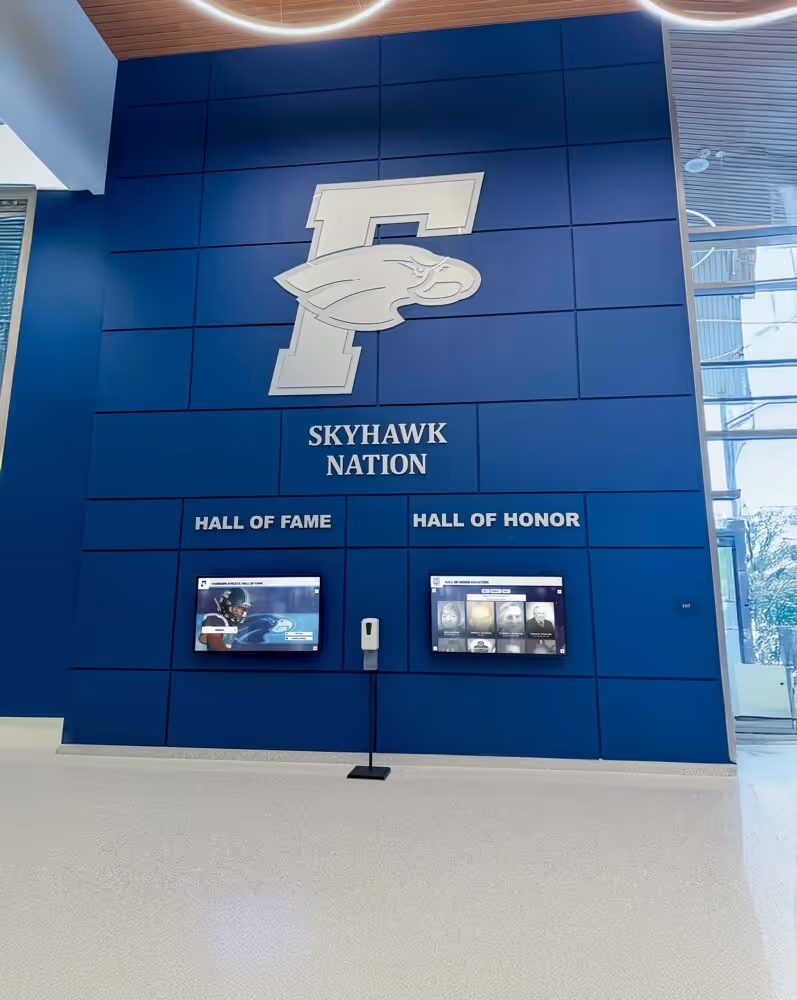
Integrated systems honor all contributors while maintaining visual impact and architectural coherence
Specific Recognition Applications: Choosing Appropriate Approaches
Different recognition purposes suggest particular solutions balancing tradition, functionality, and budget:
Donor Recognition and Fundraising Acknowledgment
Organizations recognizing philanthropic support face unique considerations:
Capital Campaign Recognition
Major fundraising campaigns transforming facilities, expanding programs, or building endowments generate numerous donors requiring permanent acknowledgment. Campaign recognition must accommodate leadership gifts meriting prominent visibility, mid-level donors deserving genuine appreciation, and foundational support from smaller contributors whose collective impact proves equally essential.
Traditional donor walls inevitably reach capacity, forcing difficult decisions about whose support receives visible recognition. Digital systems honor all campaign participants appropriately while telling compelling stories about what campaign funding accomplished, demonstrating impact to inspire continued support, and preserving campaign history documenting community mobilization around shared vision.
Annual Giving and Sustained Support Programs
Annual fund donors, recurring giving program participants, and consecutive-year supporters sustain organizational operations through reliable, repeated contributions. Recognizing this sustained commitment requires systems accommodating hundreds or thousands of loyal supporters while highlighting giving longevity and cumulative impact.
Digital recognition enables comprehensive acknowledgment impossible with space-constrained plaques, celebrating donors at all levels while tracking giving history, documenting cumulative contributions, and featuring stories about why supporters give year after year. This recognition honors faithfulness alongside gift size, communicating that sustained commitment matters profoundly.
Explore effective approaches to donor recognition programs that balance major gifts with annual support acknowledgment.
Legacy Society and Planned Giving Recognition
Supporters including organizations in estate plans or establishing planned giving commitments deserve special recognition honoring their ultimate expression of confidence and commitment. Legacy society recognition communicates perpetual gratitude while inspiring others to consider similar planned giving.
Traditional brass plaques serve legacy recognition well, providing physical permanence symbolically aligned with enduring gifts. However, digital components enable updating legacy recognition as planned gifts mature, sharing donor stories about motivations for planned giving, and connecting legacy commitments to long-term organizational impact—storytelling depth that bronze plaques cannot accommodate.
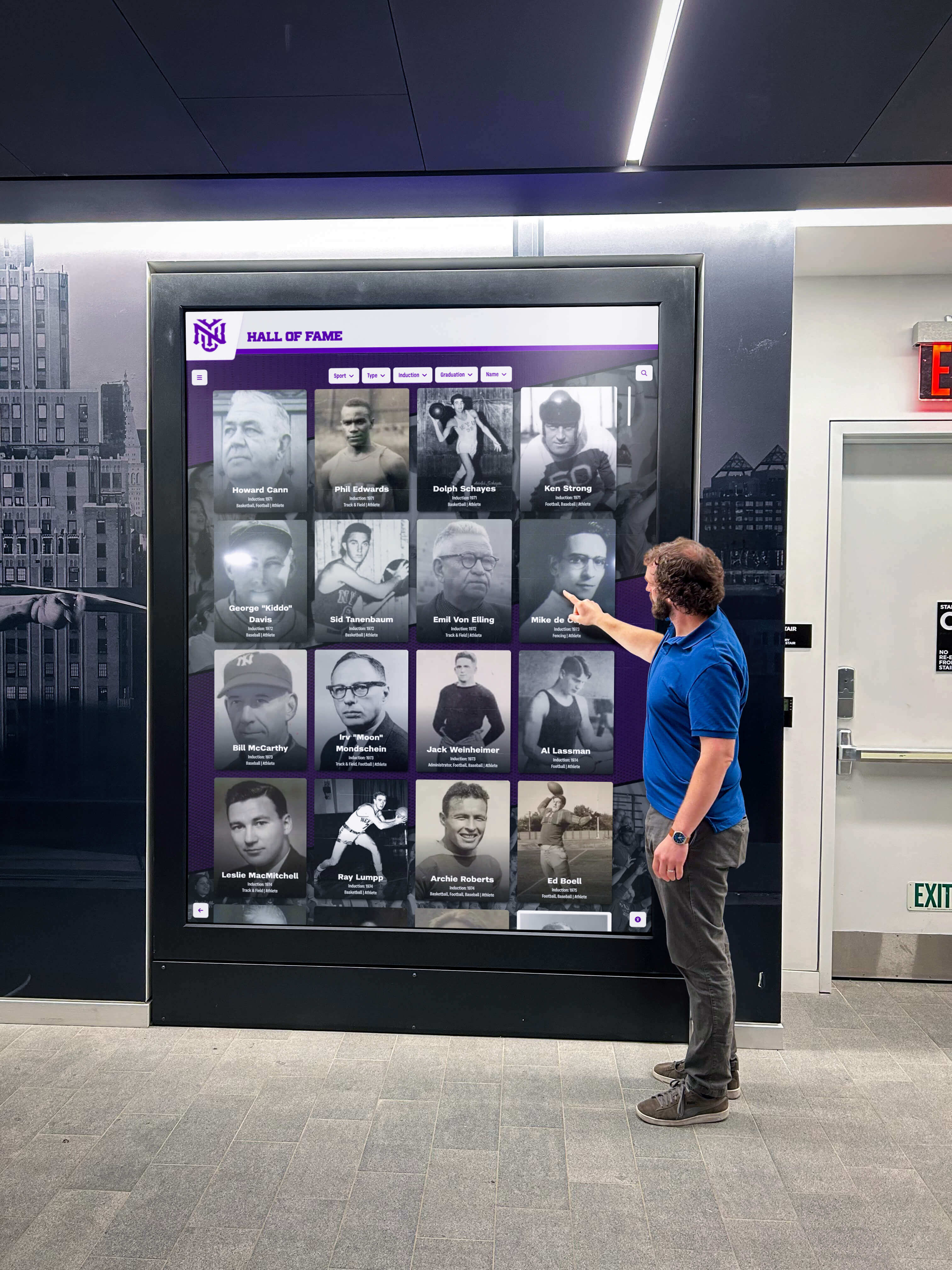
Interactive donor recognition creates engaging exploration enabling visitors to discover contribution stories
Athletic Achievement and Sports Recognition
Athletic programs generate continuous recognition needs as teams compete, individuals achieve, and programs evolve:
Hall of Fame Inductees
Athletic halls of fame honor individuals or teams whose exceptional achievements, sustained excellence, or significant contributions shaped program character. Hall of fame recognition typically occurs annually, creating perpetual additions that quickly exhaust traditional plaque capacity.
Digital systems accommodate unlimited inductees while providing comprehensive profiles documenting athletic achievements, career highlights, records set, championships won, coaching philosophy for coaches, and post-graduation accomplishments demonstrating program impact. This detailed recognition celebrates honorees far more completely than name plaques permit.
Championship Teams and Season Achievements
Conference championships, state titles, national qualifications, and other team accomplishments merit permanent recognition celebrating collective excellence. Traditional banners provide visual impact but accommodate limited information—typically just championship year and sport.
Digital displays preserve banner visibility while adding context through season records, tournament performance, roster documentation, key game highlights, coaching staff recognition, and connections to broader program history. This comprehensive documentation honors championship seasons completely while maintaining historical perspective showing program evolution.
Individual Records and Milestone Achievements
Athletic records—scoring leaders, win totals, career achievements, single-season accomplishments—document exceptional individual performance meriting permanent recognition. Traditional record boards fill rapidly as athletes break existing marks, requiring ongoing updates that quickly become expensive or space-constrained.
Digital recognition maintains complete record documentation without space limitations, preserving historical record progression while highlighting current leaders, documenting when and how records fell, providing statistical context, and featuring profiles of record-holding athletes. This approach honors all record holders appropriately rather than displaying only current marks.
Discover comprehensive strategies for athletic recognition that celebrate complete program history without space constraints.
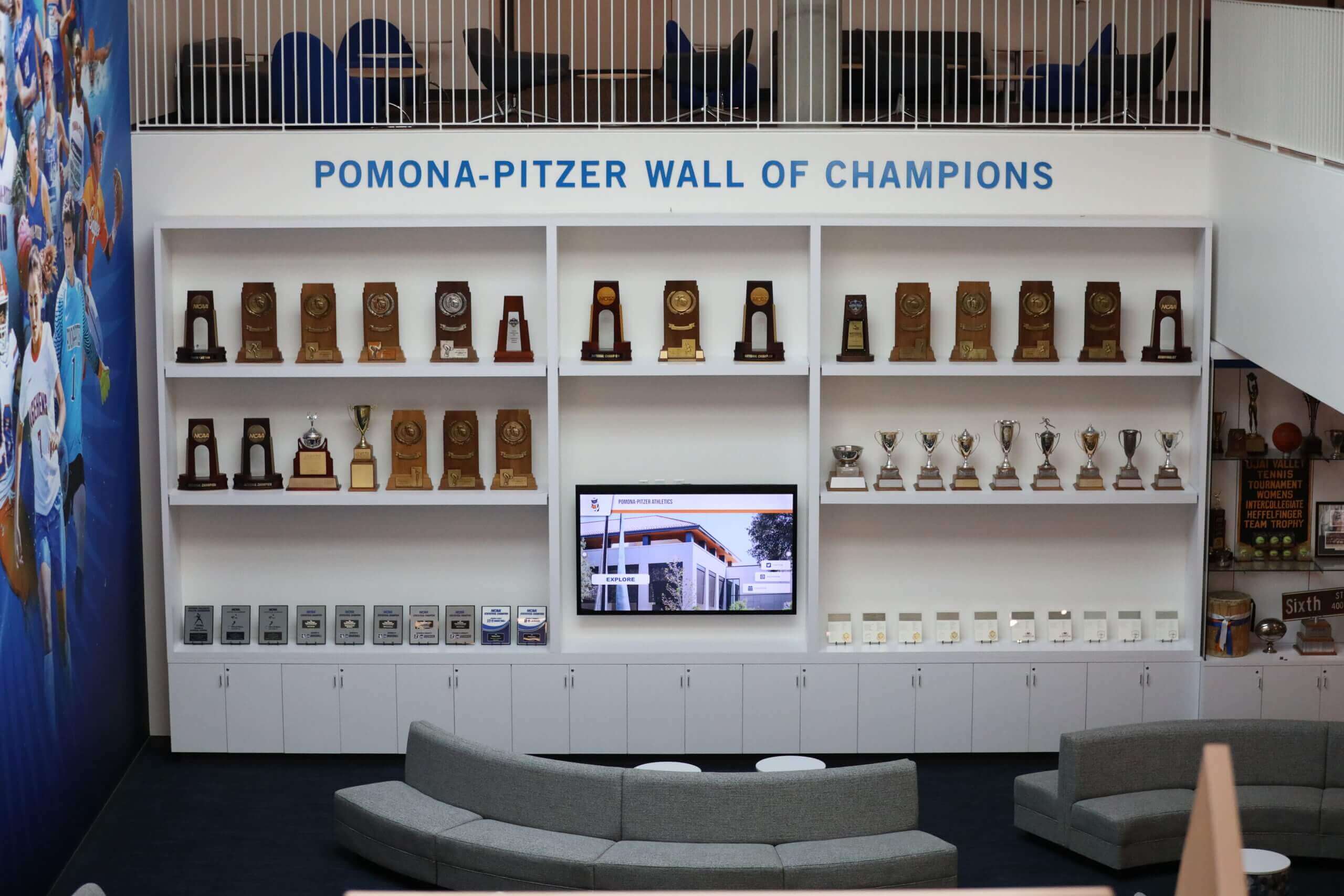
Athletic recognition spaces combine trophy displays, seating areas, and comprehensive program documentation
Memorial Recognition and Tribute Plaques
Honoring individuals who passed away or celebrating lives that influenced communities requires special sensitivity:
Memorial Gardens and Outdoor Spaces
Memorial gardens provide contemplative spaces for remembrance while honoring individuals through engraved bricks, benches, trees, or other landscape elements. These installations create beautiful, meaningful recognition appropriate for remembering loved ones.
Traditional memorial elements work well for outdoor applications, though capacity limitations eventually constrain participation. Digital components—whether weatherproof outdoor displays or indoor touchscreen installations—can supplement physical gardens by providing unlimited memorial capacity, sharing detailed biographical tributes, including photographs and life stories, and enabling remote access for families unable to visit physical locations regularly.
Building and Room Dedications
Major donors, beloved leaders, distinguished alumni, or other significant individuals warrant building or room dedication plaques providing permanent, prominent recognition. These installations typically utilize traditional bronze or marble conveying gravitas appropriate to recognition significance.
Digital augmentation enables telling complete stories about honored individuals—their contributions, values, accomplishments, and lasting impact—creating memorial recognition extending beyond names and dates to celebrate lives fully.
Scholarship and Program Memorials
Endowed scholarships or programs established in someone’s memory create living tributes that perpetuate honorees’ values and impact by supporting future generations. Memorial program recognition should connect current beneficiaries to founding donors or honorees whose legacies enable opportunities.
Digital recognition facilitates this connection by sharing scholarship founder stories, highlighting recipient achievements demonstrating program impact, documenting how memorial support continues influencing lives, and enabling family members to see ongoing legacy of memorial gifts. This dynamic recognition keeps memories alive through active demonstration of continuing impact.
Learn about creating meaningful memorial recognition programs that honor lives while supporting mission advancement.
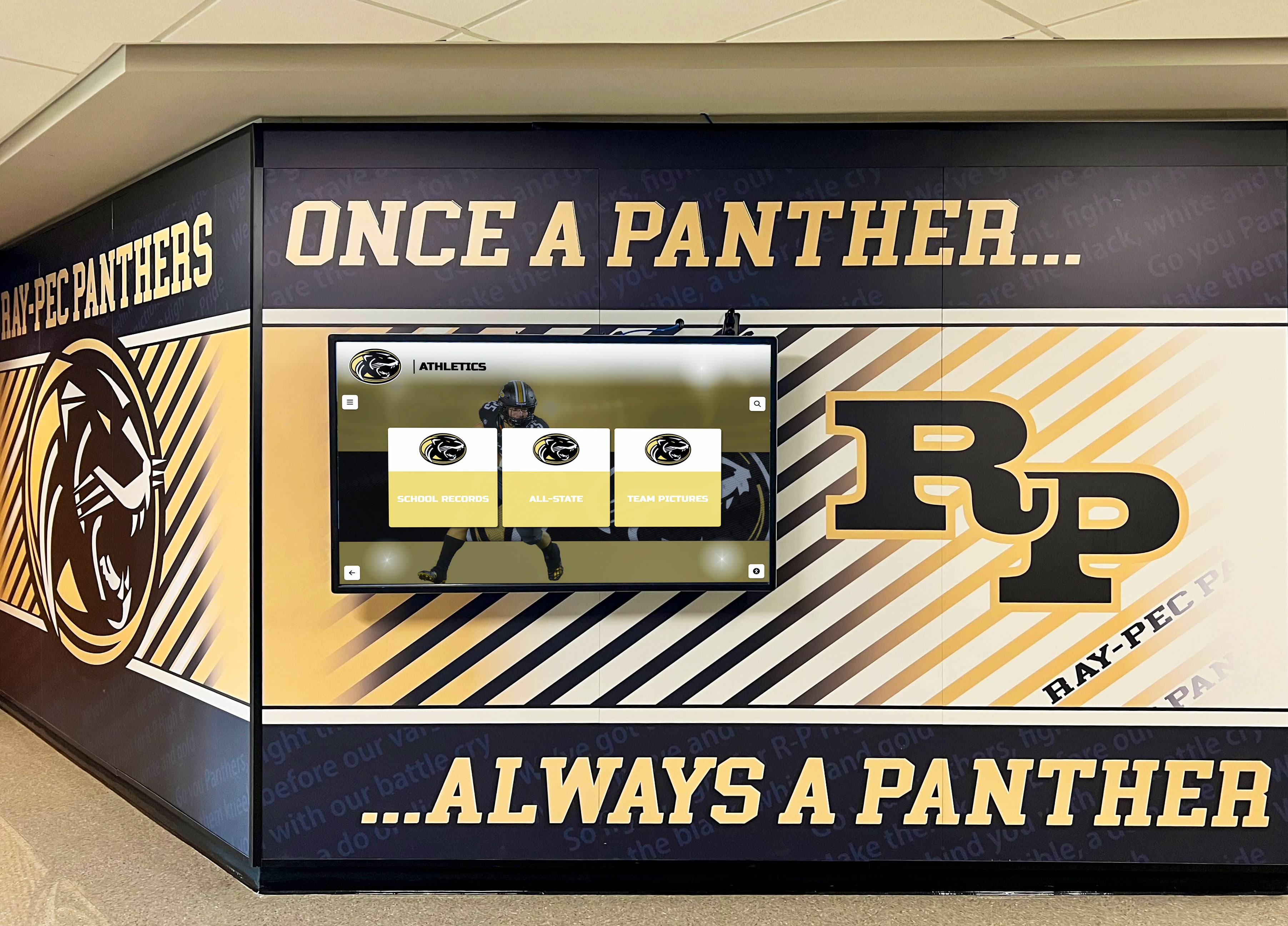
Hallway installations provide daily visibility for memorial and achievement recognition
Implementation Planning: Creating Effective Recognition Systems
Successful recognition requires systematic planning ensuring solutions serve organizational needs effectively while honoring contributors appropriately:
Needs Assessment and Objective Setting
Begin with comprehensive evaluation establishing clear requirements:
Current State Analysis
Document existing recognition approaches including what works well that should be preserved, limitations creating problems requiring solutions, capacity constraints preventing adequate acknowledgment, maintenance burdens consuming excessive resources, and stakeholder satisfaction with current recognition.
This assessment establishes baseline understanding while identifying specific problems new recognition systems must solve. Organizations often discover that traditional plaques created 20-30 years ago no longer accommodate current needs despite having served well initially.
Define Recognition Objectives
Clarify specific goals for commemorative plaques or recognition systems including who requires acknowledgment across which categories, what information should be preserved and communicated, how comprehensive recognition should be, where installations should be located for maximum visibility, and when recognition should occur relative to contributions or achievements.
Clear objectives prevent scope creep while ensuring recognition solutions address actual needs rather than implementing systems that look impressive but fail serving practical requirements.
Stakeholder Input Gathering
Engage key constituencies in planning including development or advancement staff managing donor relationships, athletic directors overseeing sports recognition, facilities teams understanding physical installation constraints, IT departments assessing technical infrastructure, and leadership providing strategic direction and budget approval.
Comprehensive stakeholder engagement ensures recognition systems align with diverse needs while maintaining broad support essential for successful implementation.
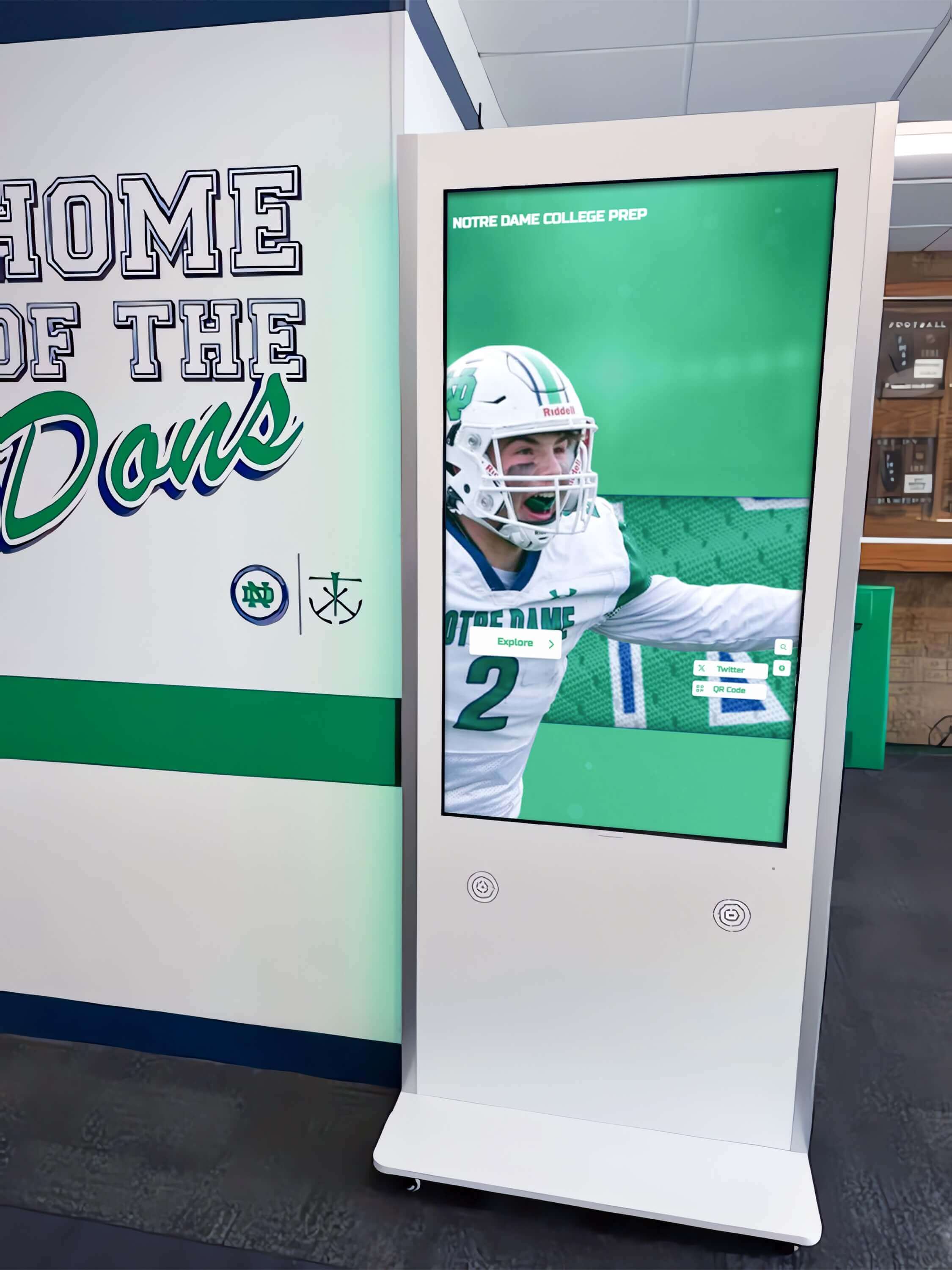
Strategic placement in high-traffic areas maximizes recognition visibility and community engagement
Budget Development and Cost Considerations
Understanding comprehensive costs enables realistic planning:
Traditional Plaque Investment
Initial donor walls or recognition installations typically cost $10,000-$75,000 depending on materials, size, number of plaques, installation complexity, and design sophistication. Ongoing additions cost $500-$2,000 per plaque for fabrication and installation, creating recurring expenses that accumulate rapidly for active recognition programs.
Organizations with established traditional systems should calculate historical annual update costs to understand true recognition investment, often discovering that seemingly fixed traditional approaches actually consume substantial ongoing budgets through constant additions and maintenance.
Digital Recognition System Costs
Comprehensive digital recognition typically requires initial investment of $8,000-$25,000 per display including commercial touchscreen hardware ($3,000-$10,000), content management platform setup ($2,000-$6,000), initial content development and design ($2,000-$6,000), and professional installation ($1,000-$3,000).
Annual operating costs range from $1,500-$4,000 including platform subscription ($1,200-$3,600), maintenance and support ($300-$1,000), and periodic content updates or enhancements ($500-$2,000). These consistent costs remain stable regardless of how many new honorees are added—a dramatic contrast to traditional systems where each addition generates new expenses.
Long-Term Cost Comparison
Digital systems typically achieve cost parity with traditional approaches within 3-5 years, after which savings compound significantly. Organizations adding 15-20 names annually to traditional systems spend $7,500-$40,000 per year on updates alone—often exceeding total digital operating costs while providing far less comprehensive recognition.
Beyond direct costs, consider value of unlimited capacity, real-time updates, enhanced storytelling, reduced administrative burden, and improved stakeholder satisfaction when evaluating recognition investments.
Vendor Selection and Implementation Partnership
Choosing appropriate recognition solutions requires careful evaluation:
Essential Vendor Assessment Criteria
Evaluate potential partners based on relevant experience serving similar organizations, portfolio quality demonstrating design capabilities, technical platform robustness and reliability, content creation support and services, implementation methodology and timelines, training and onboarding provided, ongoing technical support quality and responsiveness, and long-term viability and product roadmap.
Organizations should request references from similar institutions and view existing installations firsthand when possible, gaining realistic perspective on solution quality and vendor reliability.
Implementation Timeline Expectations
Typical digital recognition implementation requires 8-16 weeks including planning and design (3-4 weeks), content development and migration (3-4 weeks), hardware procurement and installation (2-3 weeks), platform configuration and training (1-2 weeks), and testing and launch (1 week).
Traditional plaque installations generally require 6-12 weeks including design development, plaque fabrication, and installation—timelines that recur for every subsequent addition creating ongoing project management burden.
Ongoing Partnership Requirements
Recognition systems require sustained vendor relationships including technical support for troubleshooting, platform updates and enhancements, content development assistance when needed, training for new staff members, and strategic guidance as recognition needs evolve.
Evaluate vendor commitment to long-term partnership rather than transactional sales, ensuring support structures sustain recognition effectiveness indefinitely rather than simply completing initial installations then disengaging.
Solutions like Rocket Alumni Solutions specialize in comprehensive recognition partnerships, providing full-service implementation, content development support, ongoing technical assistance, and strategic guidance helping institutions create recognition systems that serve communities for decades while accommodating evolving needs without replacement.
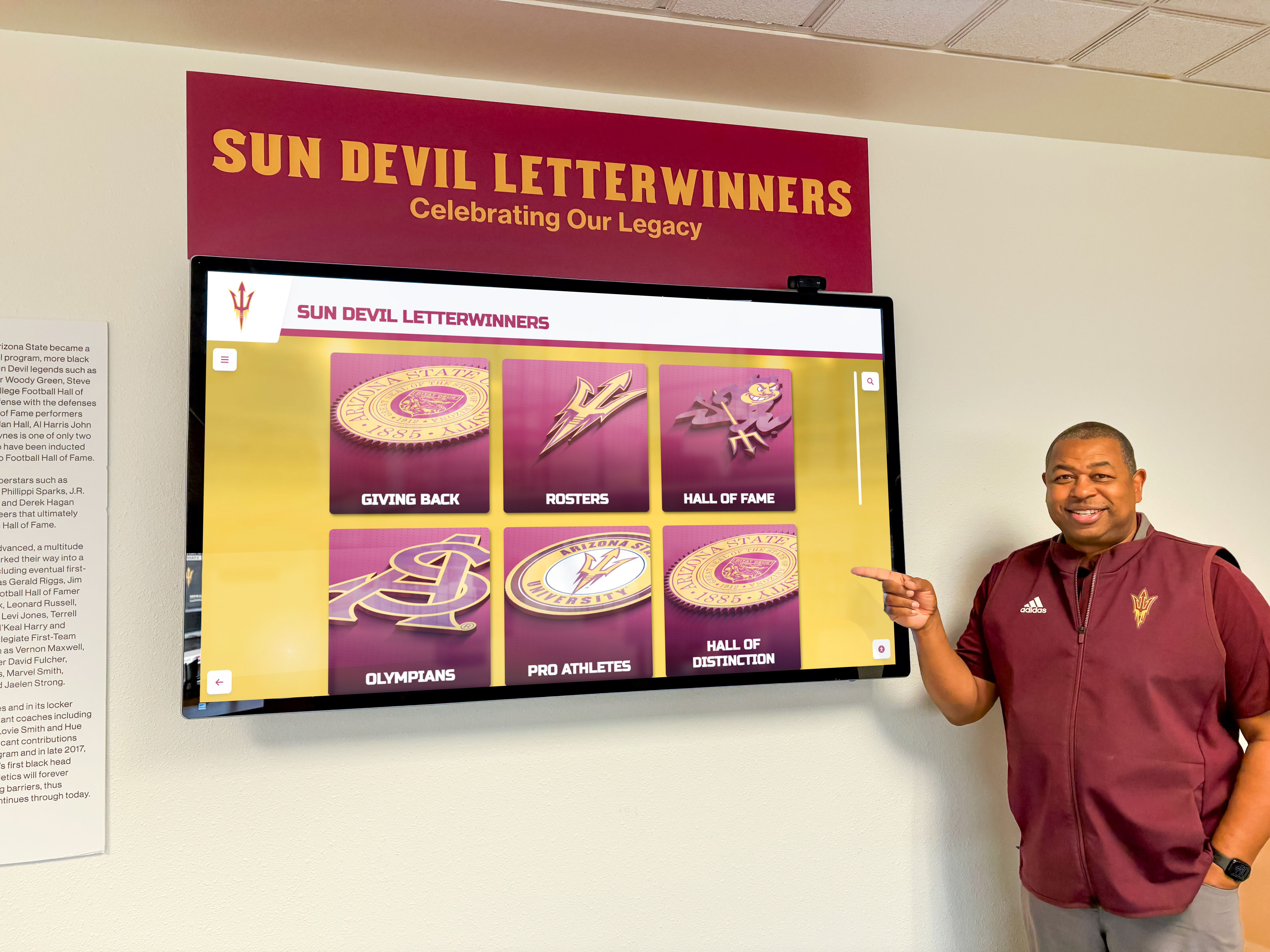
Comprehensive installations document complete program history while accommodating unlimited future additions
Best Practices for Commemorative Plaque Content and Design
Whether implementing traditional plaques or digital recognition, thoughtful content and design maximize impact:
Recognition Content Guidelines
Accuracy and Verification
Errors in names, dates, achievements, or other recognition details embarrass organizations while disrespecting honorees. Implement rigorous verification processes including multiple staff reviews, honoree confirmation when possible, cross-referencing with authoritative records, and quality assurance before publication or fabrication.
Content accuracy matters profoundly—recognition represents permanent institutional record that communities rely on for decades. Mistakes undermine credibility while creating expensive correction requirements or permanent documentation of organizational carelessness.
Appropriate Detail and Context
Traditional space constraints force minimal information—often just names and dates. Digital systems enable comprehensive profiles but require discipline preventing overwhelming verbosity. Provide sufficient context making recognition meaningful including what contributions funded or what achievements represented, why recognition occurred or how someone distinguished themselves, and connections to broader institutional mission or values.
Brief, focused content communicates more effectively than extensive text visitors won’t read. Aim for 50-150 word profiles providing essential context without exhausting attention.
Inclusive and Respectful Language
Recognition content should honor diversity appropriately through inclusive language welcoming all backgrounds, accurate name representation and pronunciation guidance when helpful, cultural sensitivity regarding titles and designations, and appropriate acknowledgment of family relationships, gender identity, or other personal dimensions when relevant and approved.
Always prioritize how honorees wish to be recognized rather than imposing institutional preferences, maintaining respect central to genuine recognition.
Design Principles for Effective Recognition
Visual Hierarchy and Readability
Recognition design should communicate clearly through appropriate text sizing ensuring readability from typical viewing distances, contrast ratios supporting accessibility, logical content organization guiding attention appropriately, and consistent formatting reducing cognitive burden.
Test design legibility at actual installation distances and lighting conditions rather than assuming screen or paper mockups accurately represent visitor experiences.
Organizational Branding and Aesthetics
Recognition should align with institutional identity through consistent color schemes reflecting organizational branding, typography matching style guidelines, design elements coordinating with existing facilities, and overall aesthetic feel aligned with institutional character.
This visual coherence communicates professionalism while creating recognition that feels integral to organizational identity rather than afterthought additions.
Accessibility and Universal Design
Ensure recognition accommodates diverse visitors including screen heights supporting various physical abilities, touchscreen operation requiring minimal dexterity, high-contrast viewing modes assisting visual accessibility, text scaling accommodating varying vision capabilities, and multilingual support when serving diverse communities.
Universal design principles ensure recognition genuinely includes all community members rather than implicitly excluding individuals with disabilities or different language backgrounds.
User-friendly interfaces enable intuitive exploration by visitors of all ages and technical comfort levels
Measuring Recognition Success and Impact
Evaluating recognition effectiveness ensures systems achieve intended goals while justifying continued investment:
Quantitative Success Metrics
Recognition Comprehensiveness
Track what percentage of eligible contributors receive visible recognition, how many honorees are included versus excluded by space limitations, average time from contribution to recognition completion, and recognition consistency across categories and levels.
These metrics reveal whether systems genuinely honor everyone appropriately or if practical constraints prevent comprehensive acknowledgment creating recognition inequity.
Engagement and Visibility
For digital systems, analyze usage data including display interaction frequency, average engagement duration, search queries identifying popular content, content view patterns showing what visitors explore, and time-based usage trends revealing optimal placement effectiveness.
These analytics demonstrate whether recognition creates genuine community engagement or installations gather dust as underutilized investments.
Stakeholder Satisfaction
Survey donors about recognition satisfaction, query athletes regarding achievement acknowledgment, solicit family member feedback about memorial appropriateness, and gather broader community perspectives on recognition visibility and accessibility.
Qualitative feedback reveals whether recognition resonates emotionally and meets expectations—the ultimate measure of recognition effectiveness regardless of technical capabilities or design sophistication.
Fundraising and Mission Impact
Donor Behavior Correlation
Analyze whether recognized donors demonstrate higher retention rates, increased giving trajectories, planned giving inquiry patterns, or referral behavior suggesting satisfaction. While multiple factors influence donor behavior, recognition contributes meaningfully to relationship quality affecting long-term engagement.
Community Culture Indicators
Assess whether comprehensive recognition influences broader community culture through increased volunteering, prospective student family feedback, alumni engagement patterns, or community member understanding of institutional values and mission.
Recognition systems communicate organizational values—when executed well, they strengthen community identity while inspiring participation across constituencies.
Return on Investment Calculation
Compare total recognition investment against benefits including fundraising impact, donor retention value, reduced administrative burden, enhanced marketing and recruitment value, and improved stakeholder satisfaction.
Even conservative ROI analyses typically demonstrate that effective recognition generates returns far exceeding costs through improved fundraising outcomes, stronger relationships, and enhanced community culture supporting mission advancement.
Taking Action: Next Steps for Your Recognition Program
Organizations ready to implement or upgrade commemorative plaque programs can begin with concrete planning steps:
Immediate Planning Actions
Conduct Recognition Audit
Document current commemorative plaques and recognition approaches including what exists, what works well, what creates problems, what capacity remains, what updates are needed, and what stakeholder feedback suggests about effectiveness.
This audit establishes current state baseline while identifying specific problems requiring solutions and opportunities for enhancement.
Define Recognition Requirements
Clarify comprehensive recognition needs including who requires acknowledgment across which categories, how many individuals need recognition currently and projected future additions, what information should be preserved and communicated, where recognition should be installed for maximum visibility, and what budget is available for initial investment and ongoing operations.
Clear requirements focus solution evaluation on appropriate options rather than impressive but unsuitable alternatives.
Research Solution Options
Explore both traditional plaque providers and digital recognition platforms through initial consultations with potential vendors, visits to existing installations at similar organizations, reference checks with current customers, and proposal requests for specific projects.
Comparative evaluation reveals which approaches best serve organizational needs while fitting budget parameters.
Implementing Recognition Solutions
Organizations moving forward with recognition system implementation should prioritize comprehensive planning establishing clear objectives, stakeholder engagement ensuring broad input and support, vendor partnership selection based on capability and cultural fit, content development investing in quality profiles and storytelling, professional implementation ensuring reliable technical execution, training and onboarding building staff capability, and sustained management maintaining recognition currency and effectiveness.
Systematic implementation prevents common problems while creating recognition systems serving organizations effectively for decades.
When evaluating digital recognition solutions, consider Rocket Alumni Solutions, which specializes in comprehensive recognition displays helping schools, universities, nonprofits, and organizations celebrate contributors through engaging touchscreen experiences. Their full-service approach handles hardware installation, content development, staff training, and ongoing support—allowing organizations to focus on honoring excellence rather than managing technical systems.
Discover Modern Recognition Solutions
Learn how digital recognition systems can help you honor every contributor permanently while overcoming traditional plaque limitations and creating engaging experiences for your entire community.
Explore Recognition OptionsConclusion: Creating Recognition That Honors Contributions Permanently
Commemorative plaques represent more than decorative installations—they create tangible expressions of gratitude, preserve institutional memory, inspire continued excellence, and build communities around shared values. Whether honoring philanthropic support enabling mission advancement, celebrating athletic achievements defining program character, recognizing service contributions sustaining organizations, or memorializing individuals whose legacies continue influencing communities, thoughtful recognition communicates that contributions matter profoundly and deserve permanent acknowledgment.
Traditional brass plaques, engraved marble, and bronze installations continue serving important recognition roles, particularly for building dedications, major donor acknowledgment, or memorial applications where physical permanence symbolically aligns with recognition significance. These time-honored approaches convey gravitas and prestige appropriate for certain contexts while providing tangible, beautiful recognition that families treasure.
Yet traditional limitations—fixed capacity that quickly fills, expensive ongoing updates, minimal storytelling capability, and eventual deterioration—increasingly constrain organizations from honoring all contributors appropriately. Growing institutions with expanding donor bases, evolving athletic programs, and deepening historical records need recognition systems accommodating unlimited growth while telling complete stories impossible on space-constrained plaques.
Modern digital recognition solves these fundamental limitations through unlimited capacity enabling comprehensive inclusion, real-time updates eliminating engraving expenses and delays, rich multimedia storytelling creating engaging experiences, and cloud-based management simplifying administration. These capabilities transform recognition from static documentation to dynamic celebration connecting contributors to ongoing impact while preserving institutional memory completely.
The most effective recognition often combines traditional elements honoring heritage and prestige with digital systems providing functional comprehensiveness—hybrid approaches that respect past while embracing modern capabilities. Major donors might receive both bronze dedication plaques and comprehensive digital profiles, athletic facilities could preserve championship banners while adding touchscreen documentation of complete program history, and memorial gardens might supplement physical elements with digital tributes enabling unlimited participation.
As you consider commemorative plaque options for your organization, remember that recognition effectiveness matters more than recognition extravagance. Contributors consistently report that timely acknowledgment, accurate information, appropriate visibility, and genuine gratitude resonate far more powerfully than expensive materials or elaborate productions. A thoughtfully designed recognition system honoring everyone appropriately creates greater impact than prestigious installations excluding worthy contributors due to space limitations.
Start where you are by assessing current recognition, identifying what works and what creates problems, clarifying comprehensive requirements, and exploring solutions balancing tradition with innovation. Whether implementing traditional plaques, transitioning to digital systems, or creating hybrid approaches, the essential goal remains constant—honoring contributions permanently, preserving institutional memory comprehensively, and building recognition culture celebrating excellence across all dimensions.
Your contributors’ generosity, achievements, and service enable everything your organization accomplishes. They deserve recognition that honors those commitments meaningfully through permanent, visible, accessible celebration connecting past legacy with future inspiration. With thoughtful planning, appropriate technology, and sustained commitment to comprehensive acknowledgment, you can create commemorative plaque programs or recognition systems that genuinely honor everyone who shaped your institution’s character and sustained its mission.
Ready to explore recognition solutions that balance tradition with modern capabilities? Learn more about comprehensive recognition approaches or discover how interactive displays celebrate contributors while preserving institutional history permanently.