Community service awards provide powerful recognition for students who dedicate time, energy, and compassion to improving their communities through volunteer work, service projects, and civic engagement. When schools and organizations systematically celebrate students who contribute beyond academic and athletic achievements, they reinforce values of compassion, civic responsibility, and leadership while inspiring peers to discover the transformative power of service.
Yet many institutions struggle to create recognition systems that adequately honor student volunteers. Service accomplishments often receive less visibility than academic or athletic achievements, volunteer hours go unacknowledged, and impactful community projects fade from institutional memory. Meanwhile, students investing hundreds of hours in meaningful service receive minimal recognition compared to those excelling in more traditional achievement domains.
This comprehensive guide explores evidence-based strategies for designing and implementing community service awards that meaningfully celebrate student volunteers, create lasting recognition, and inspire cultures of service throughout educational communities.
Effective community service recognition extends beyond token acknowledgment—it creates systematic approaches that document volunteer contributions, celebrate diverse service forms, and provide visibility that inspires ongoing civic engagement. Schools and organizations that excel at service recognition create environments where helping others becomes as celebrated as any other achievement.

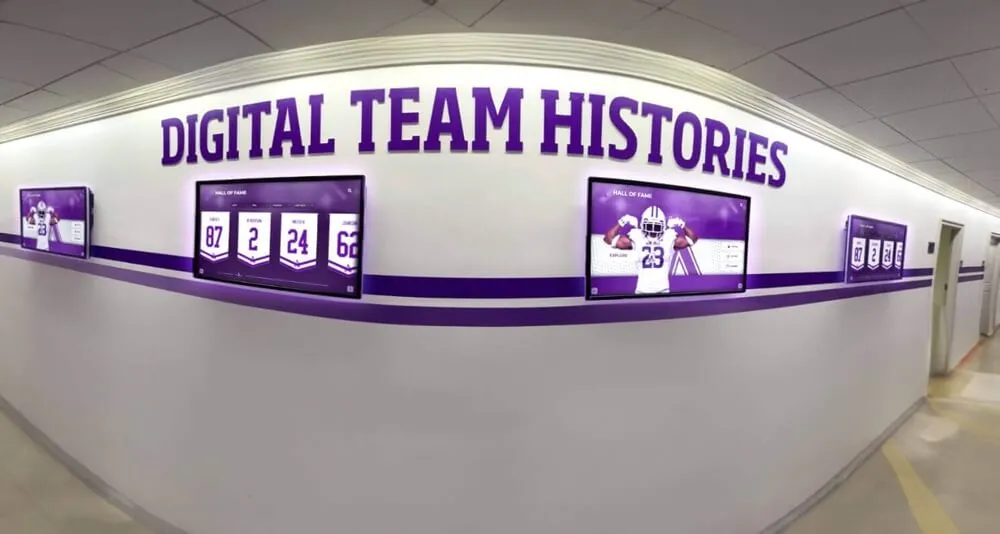
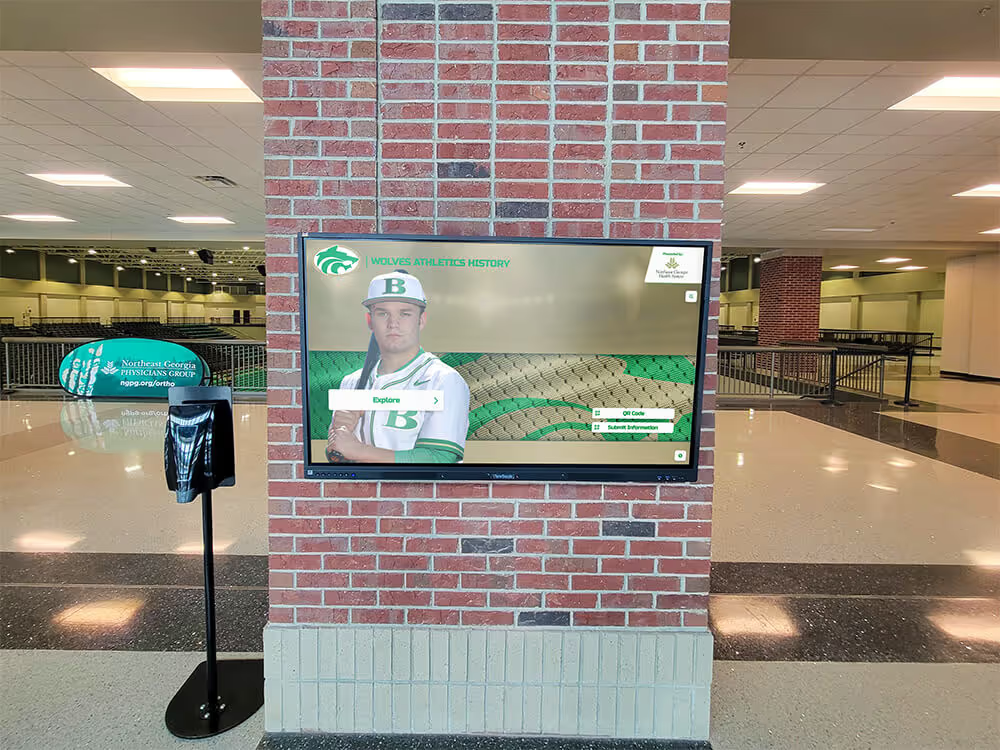
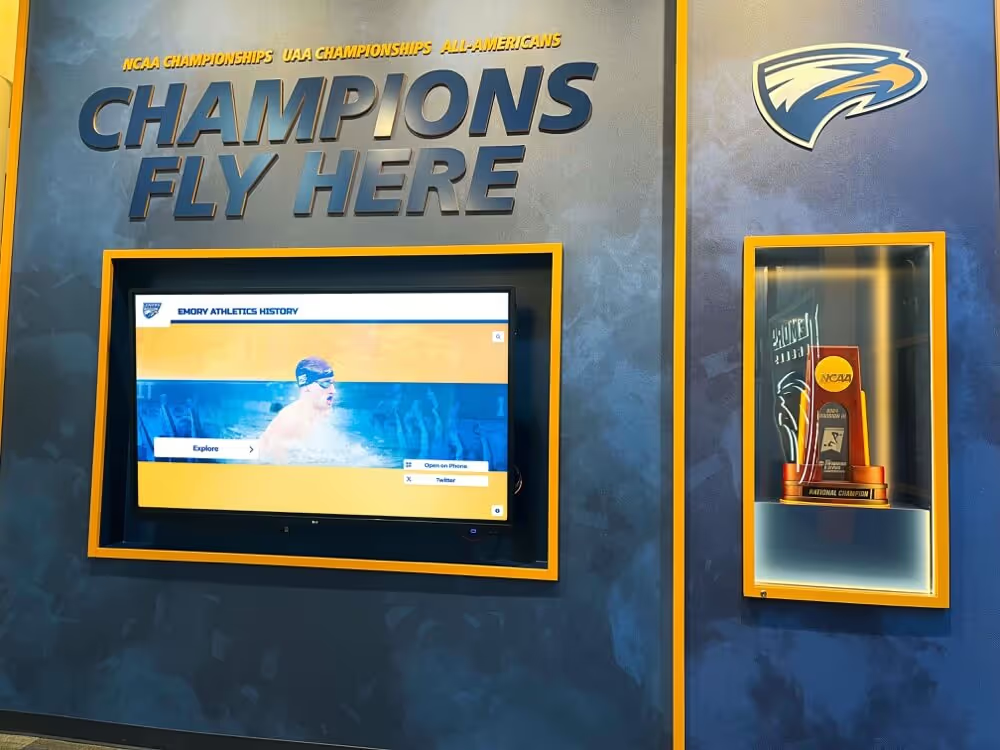
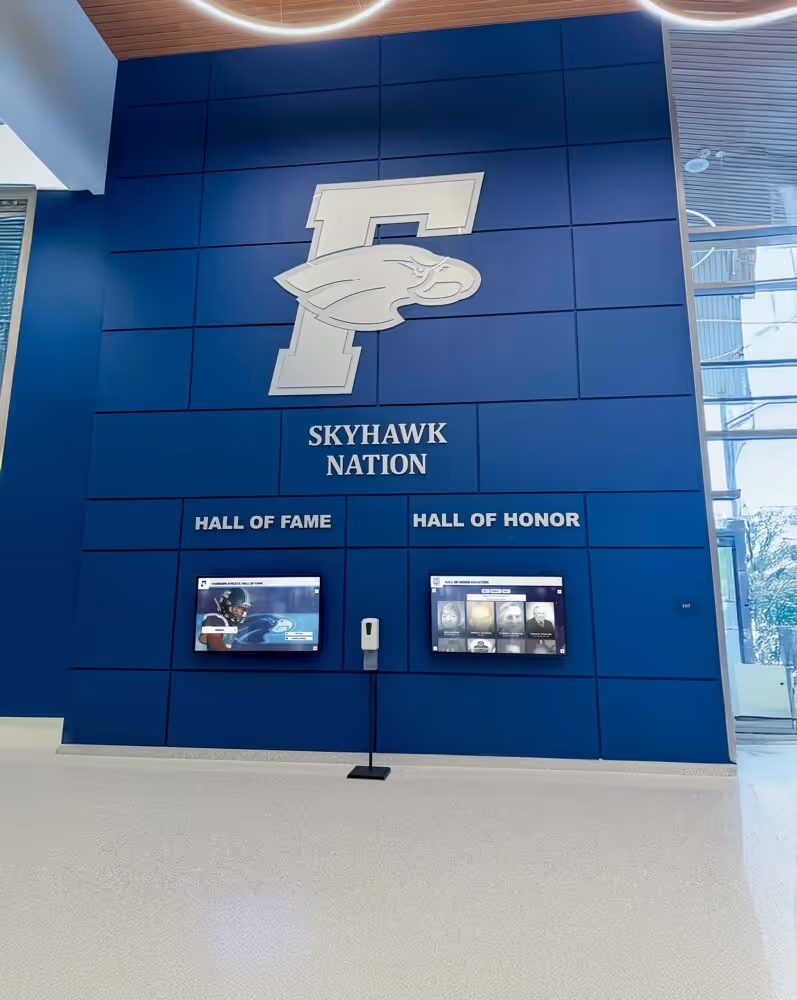
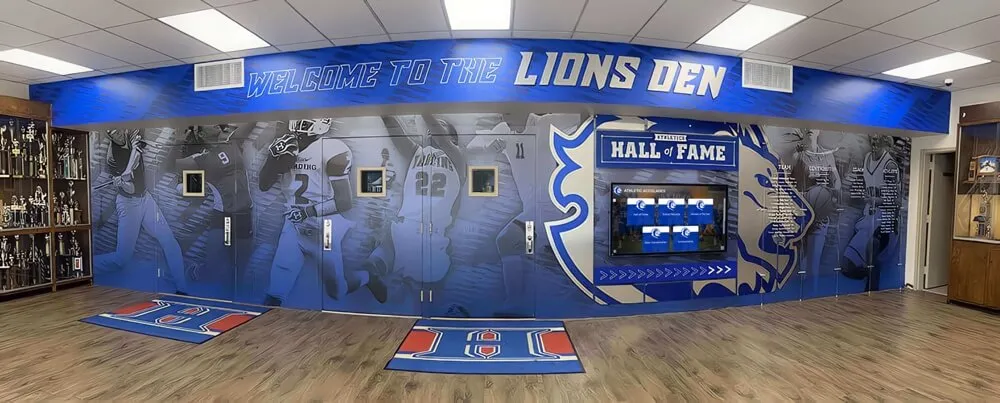
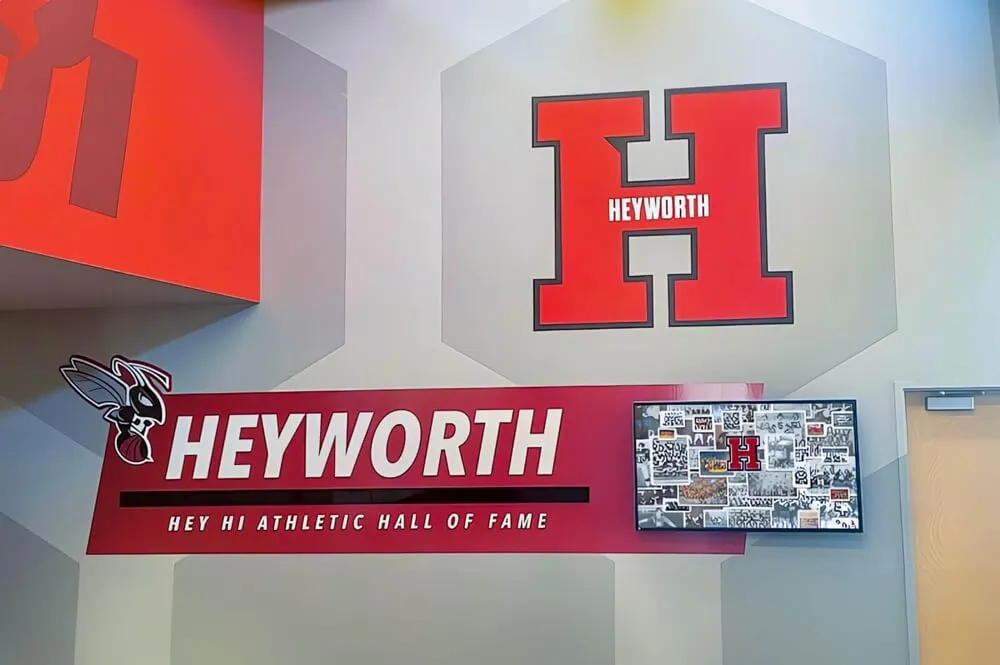
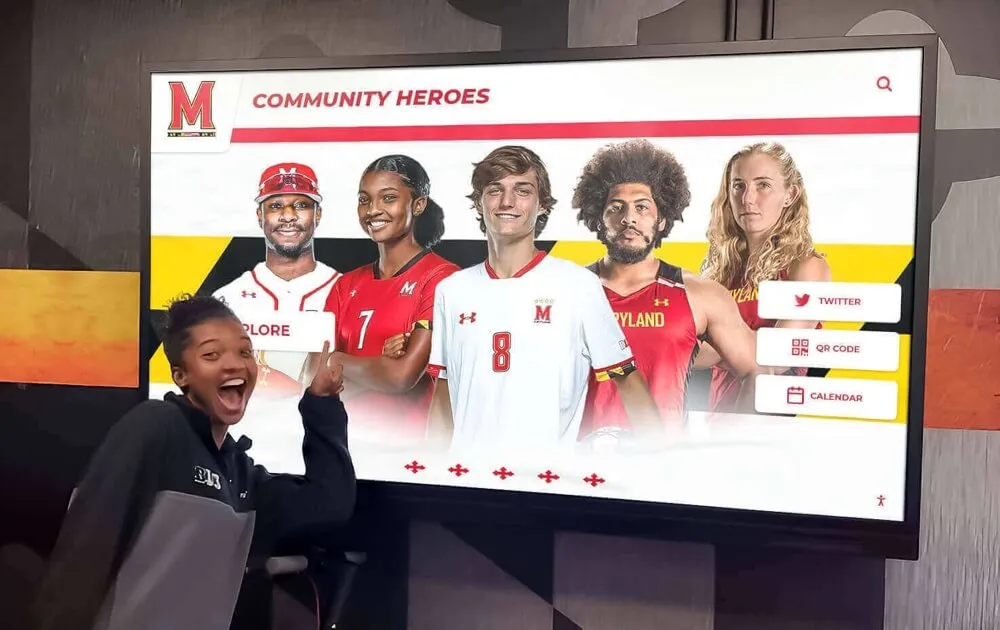
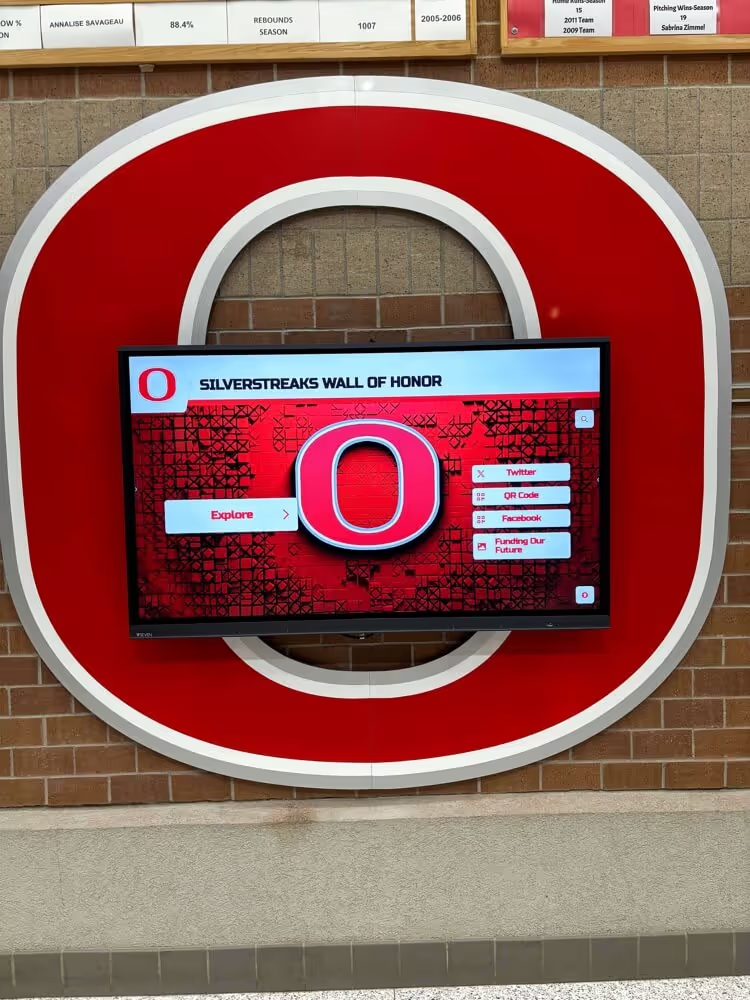
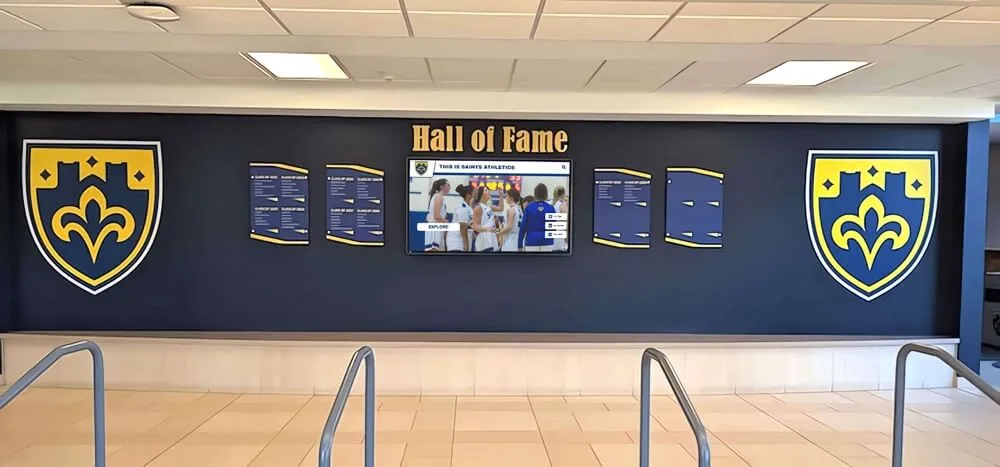
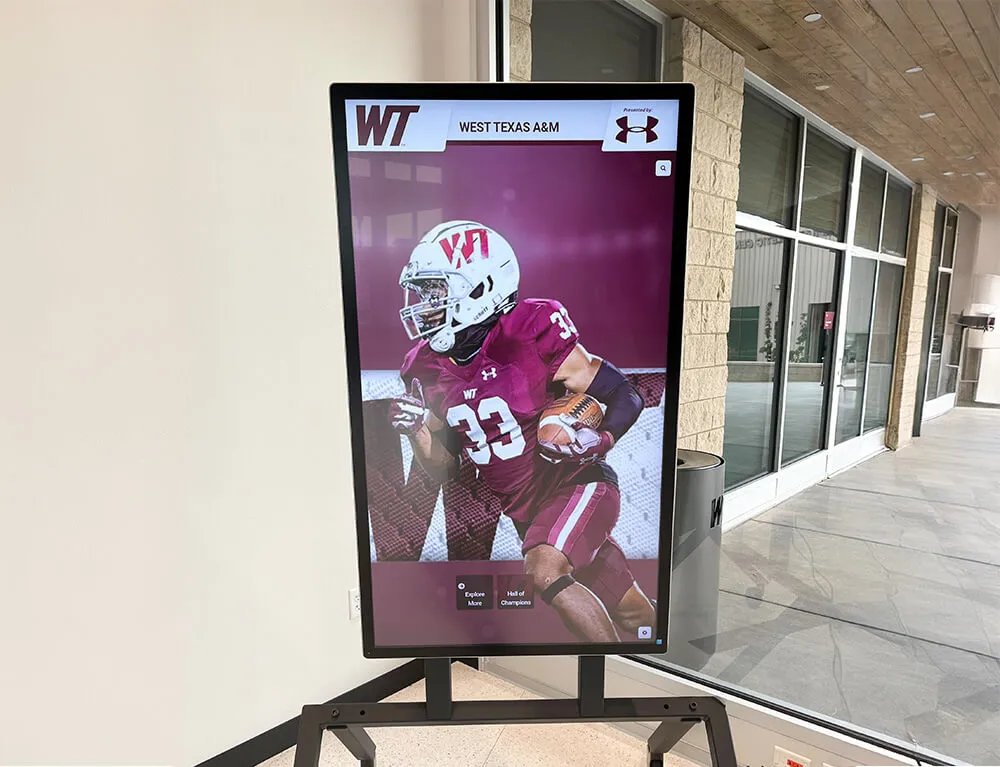
Digital displays make community service achievements visible and celebrated throughout educational institutions
Understanding Community Service Awards and Recognition
Community service awards acknowledge students who contribute volunteer time, skills, and effort to benefit others without expectation of payment or academic credit.
What Qualifies as Community Service for Student Awards
Defining eligible service ensures fair, consistent recognition:
Direct Service Activities
- Tutoring and mentoring younger students or community members
- Assisting at food banks, shelters, and community organizations
- Participating in environmental cleanup and conservation projects
- Supporting elderly community members through companionship and assistance
- Volunteering at hospitals, libraries, and community centers
Advocacy and Awareness Service
- Organizing fundraising campaigns for charitable causes
- Leading awareness initiatives addressing community issues
- Participating in civic engagement and local government
- Coordinating community health and safety programs
- Developing resources that address community needs
Skilled Service Contributions
- Providing technical assistance to nonprofit organizations
- Creating communications materials for community groups
- Offering music, art, or performance for community benefit
- Teaching skills workshops to community members
- Contributing professional services aligned with student abilities
Schools honoring diverse service recognize that community contributions take many forms, each deserving appropriate acknowledgment. Similar to approaches in volunteer recognition programs, effective systems celebrate both direct service hours and leadership in organizing community impact initiatives.
Service Learning vs. Volunteer Service Recognition
Understanding distinctions helps schools create appropriate recognition:
Volunteer Service Recognition Student-initiated service performed outside academic requirements deserves recognition celebrating personal commitment and initiative. This includes weekend food bank volunteering, summer tutoring programs, independently organized community projects, and ongoing commitments to community organizations.
Service Learning Academic Recognition Curriculum-integrated service connecting classroom learning with community needs represents important educational experiences but may warrant different recognition approaches since service fulfills academic requirements.
Many schools create separate recognition tracks ensuring students receiving academic credit for service learning also have opportunities to pursue additional volunteer service earning community service awards.
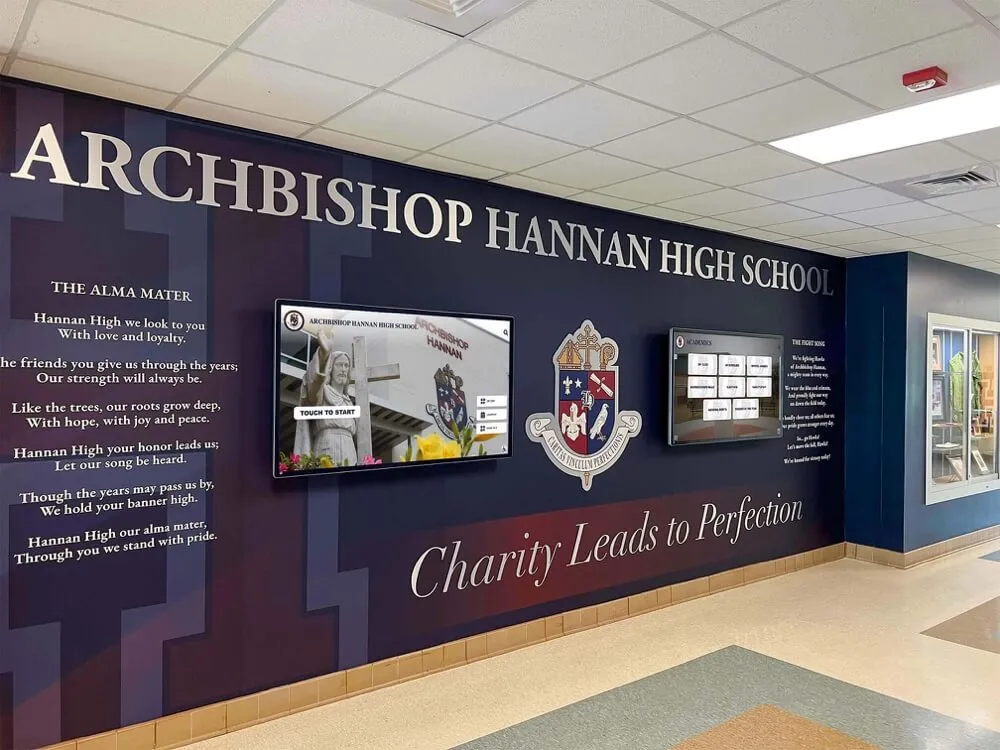
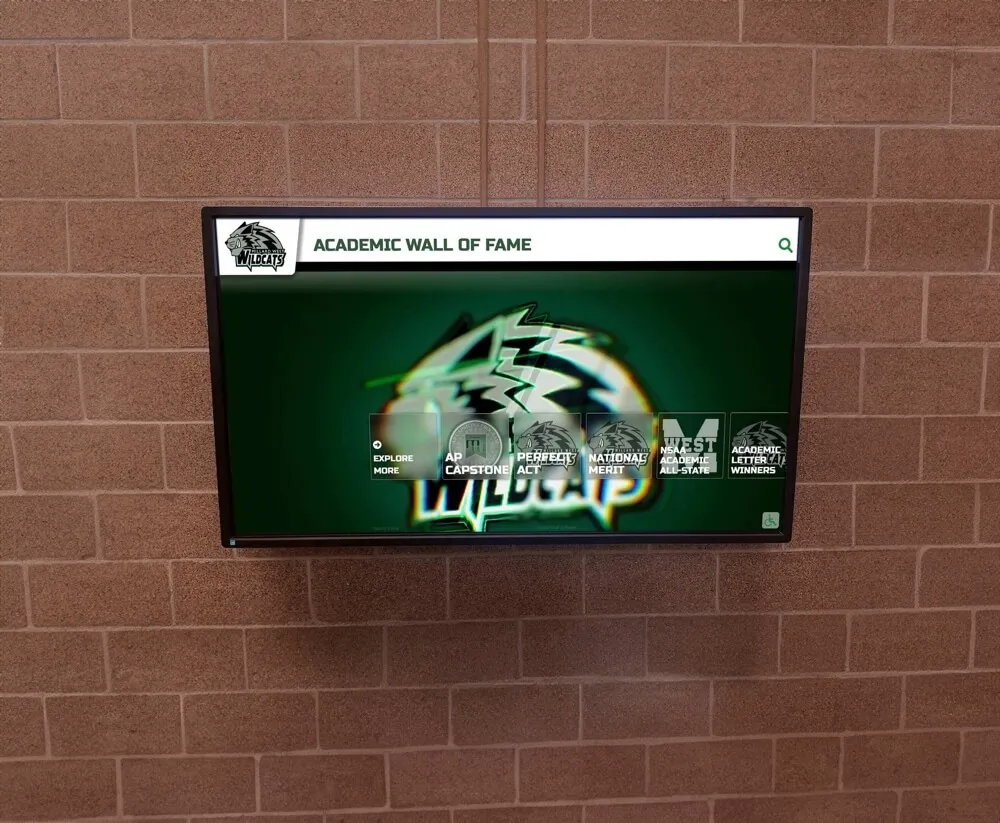
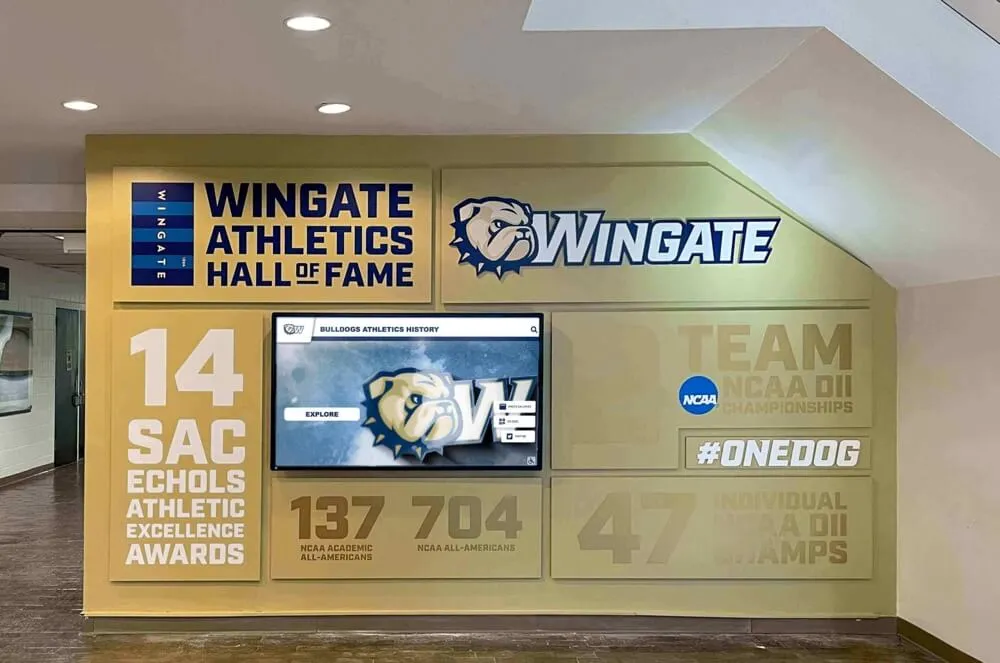
Comprehensive recognition systems honor both academic excellence and community service contributions
Types of Community Service Awards for Students
Creating multiple award categories ensures recognition opportunities exist for students at different service levels and contribution types.
Hour-Based Service Awards
Quantitative recognition acknowledges sustained volunteer commitment:
Milestone Hour Recognition
- 25 hours: Community Service Certificate of Recognition
- 50 hours: Bronze Community Service Award
- 100 hours: Silver Community Service Award
- 200 hours: Gold Community Service Award
- 500+ hours: Presidential Volunteer Service Award qualification
This tiered structure provides recognition achievable for students beginning service journeys while maintaining prestige for those demonstrating extraordinary commitment.
Annual Service Hour Goals Schools can establish yearly benchmarks encouraging consistent participation:
- 10 hours annually: Community Service Participant recognition
- 25 hours annually: Community Service Achiever designation
- 50+ hours annually: Community Service Leader acknowledgment
Regular milestone recognition maintains motivation throughout students’ educational careers rather than deferring all acknowledgment until graduation.
Impact and Leadership Service Awards
Qualitative recognition celebrates service significance beyond hours invested:
Outstanding Community Impact Award Honoring students whose service created measurable positive change in their communities through innovative approaches, sustained commitment, or addressing previously unmet needs.
Service Leadership Recognition Acknowledging students who organized service initiatives, recruited and coordinated volunteers, or built sustainable programs benefiting communities beyond their individual contributions.
Community Partnership Awards Celebrating students who built bridges between schools and community organizations, strengthened existing partnerships, or created new collaborative opportunities.
These impact-focused awards ensure recognition extends beyond simply accumulating hours to acknowledge the quality, creativity, and leadership demonstrated through service.
Subject-Specific Service Recognition
Connecting service with academic and extracurricular interests:
STEM Community Service Award Recognizing students using science, technology, engineering, or mathematics skills to address community needs—from coding for nonprofits to environmental research supporting conservation efforts.
Arts and Humanities Service Award Honoring students contributing creative talents through community murals, performances for underserved populations, or historical preservation projects.
Athletic Service Recognition Acknowledging student-athletes who coach youth sports, organize fitness programs for community members, or use athletic platforms to raise awareness for causes. Similar approaches to athletic recognition appear in digital athletic recognition displays.
This categorical approach ensures service recognition complements rather than competes with other student achievement acknowledgment.
Implementing Community Service Award Programs
Successful programs require systematic planning, clear criteria, and sustainable management processes.
Establishing Award Criteria and Guidelines
Clear standards ensure fairness and consistency:
Eligible Service Definition Create written guidelines specifying what counts toward service awards:
- Must benefit others without compensation or academic credit
- Performed for registered nonprofit organizations or documented community initiatives
- Cannot include activities primarily benefiting family members
- Requires verification through organization signatures or supervisor confirmation
- Excludes religious service performed exclusively for one’s own congregation
Documentation Requirements Establish simple verification processes:
- Service log templates recording dates, hours, activities, and supervisors
- Organization letterhead confirmation for major projects
- Photo documentation of service activities (with appropriate permissions)
- Reflection statements describing service experiences and impact
- Supervisor contact information for verification if needed
Submission Deadlines and Processes Create regular submission cycles:
- Quarterly review for ongoing recognition opportunities
- Annual comprehensive evaluation for major awards
- Clear submission portals accessible to all students
- Grace periods accommodating documentation delays
- Appeal processes addressing questions or concerns
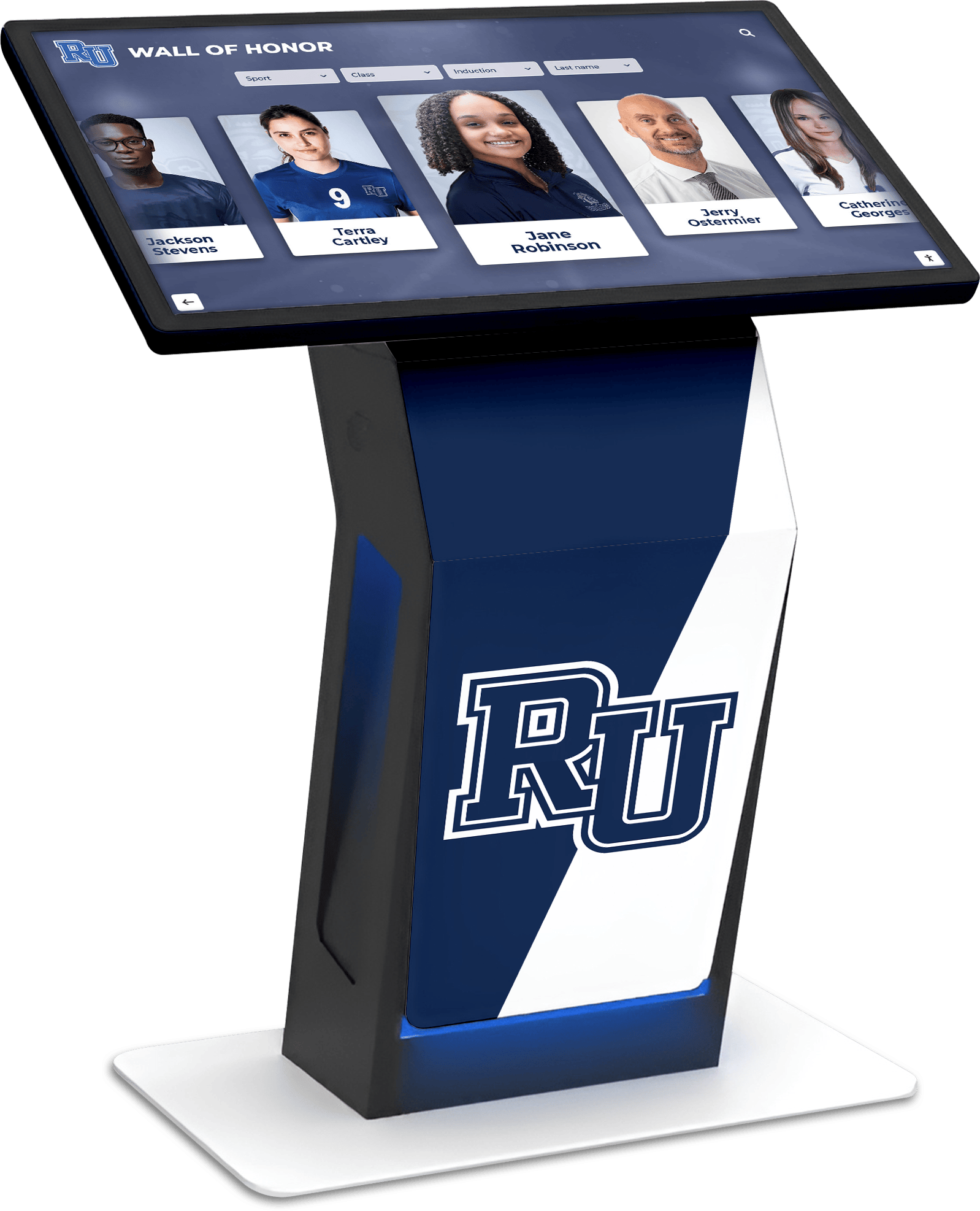
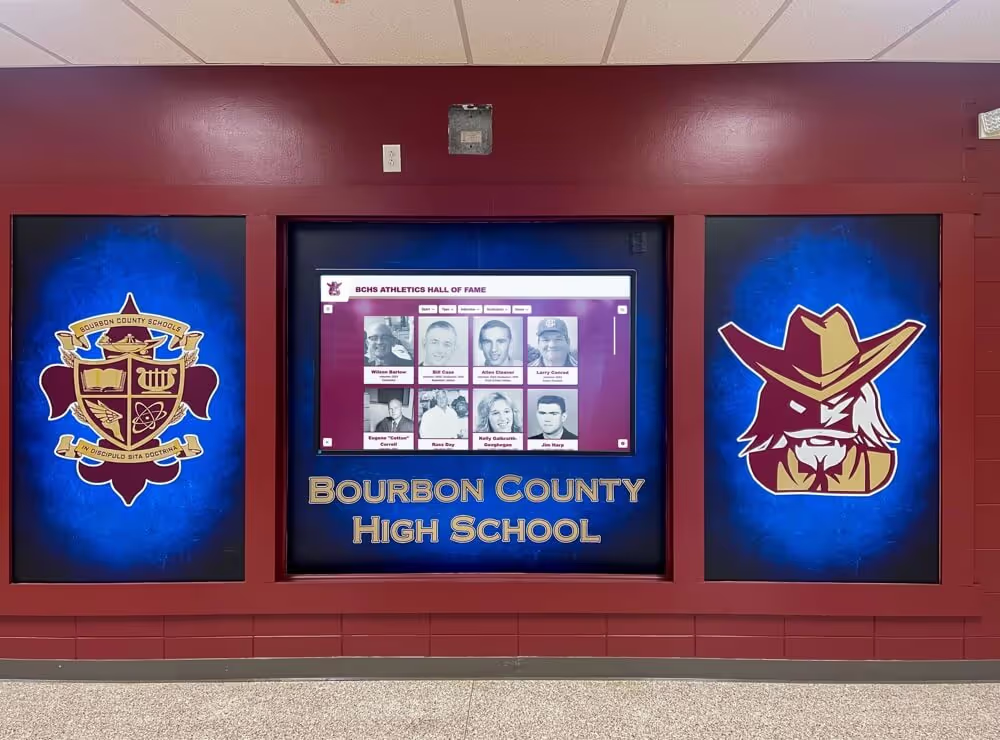
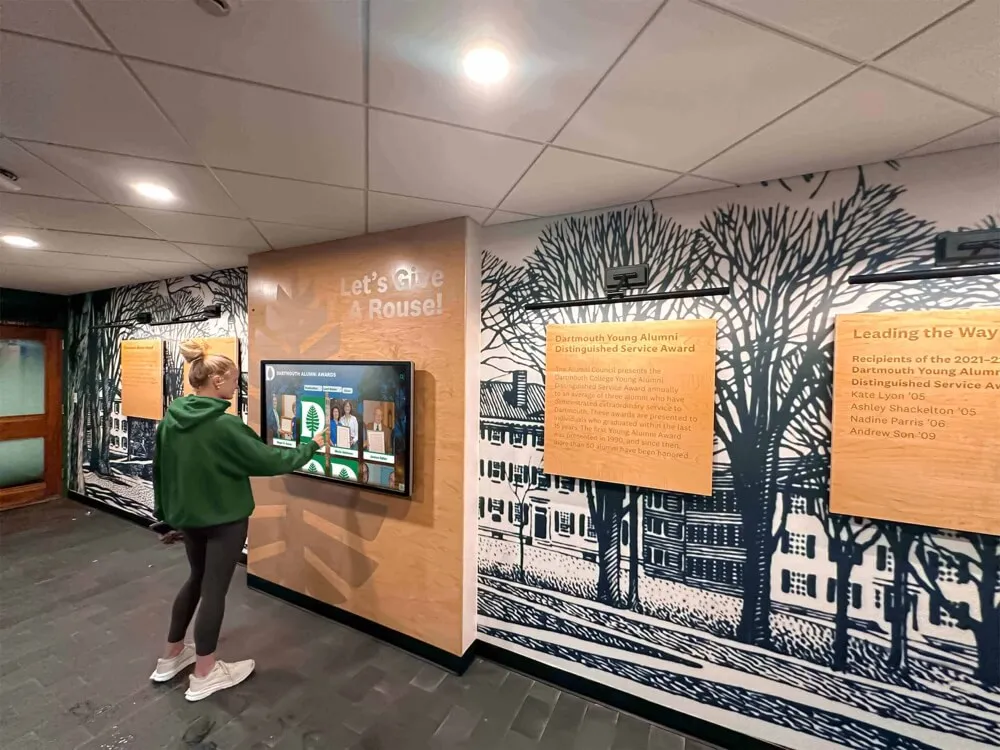
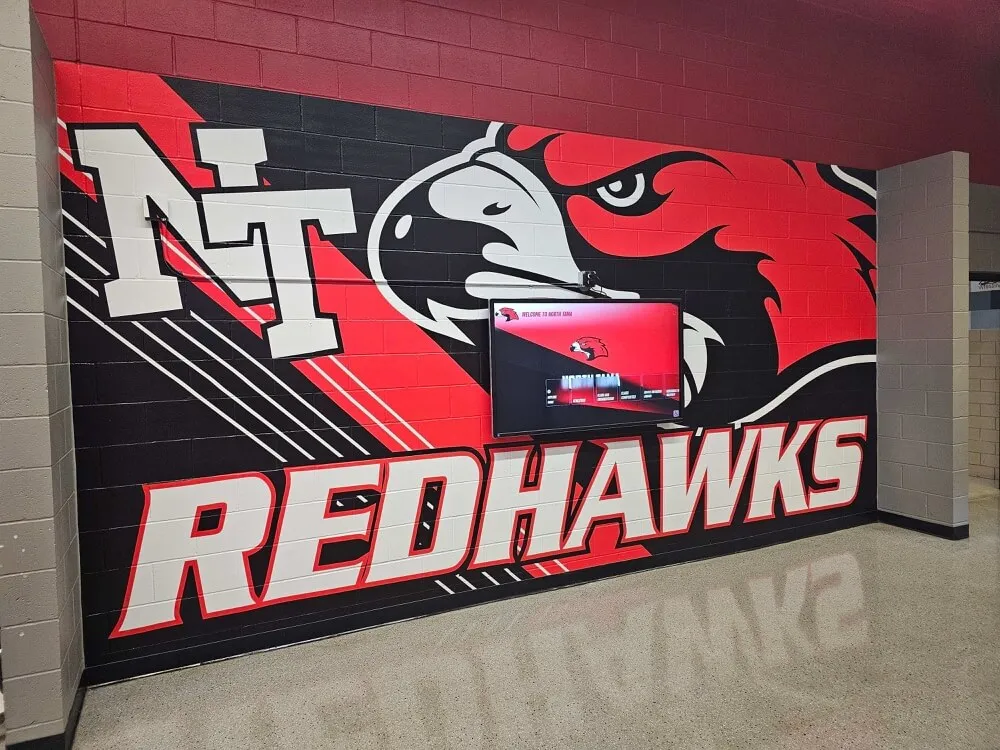
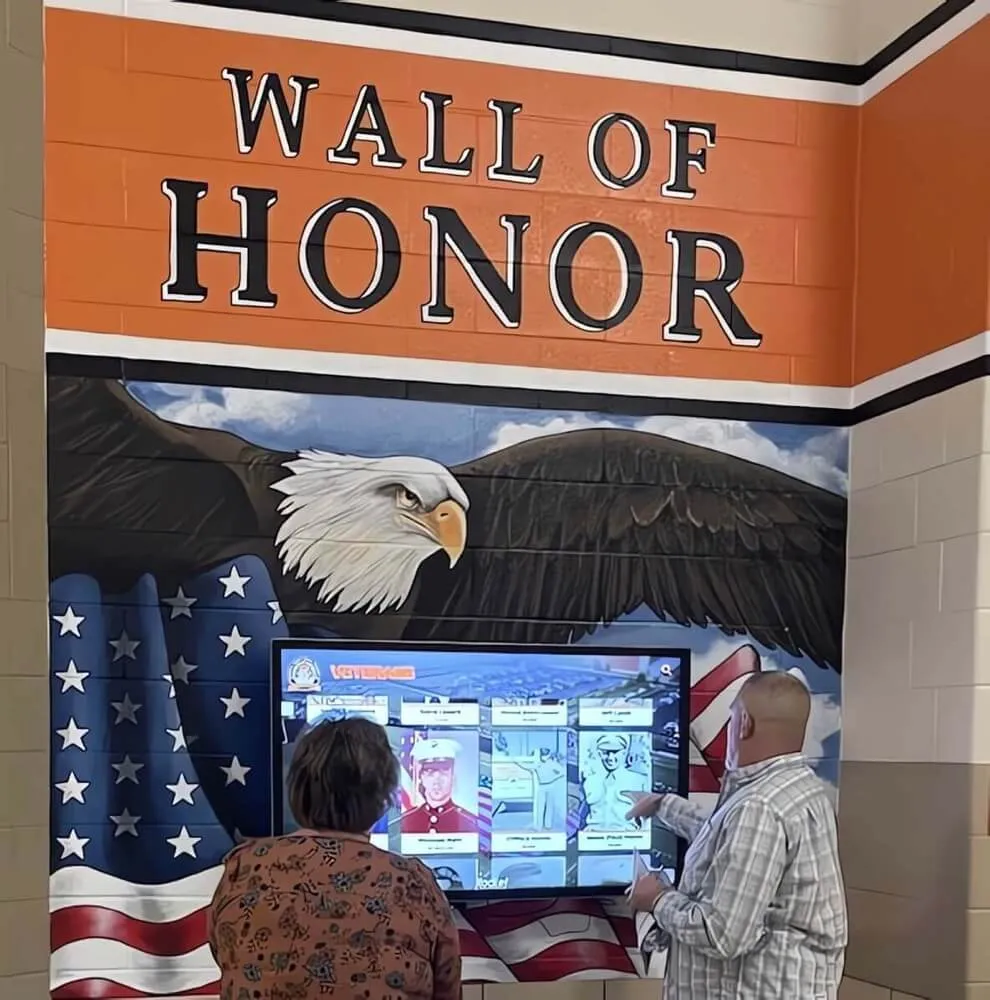
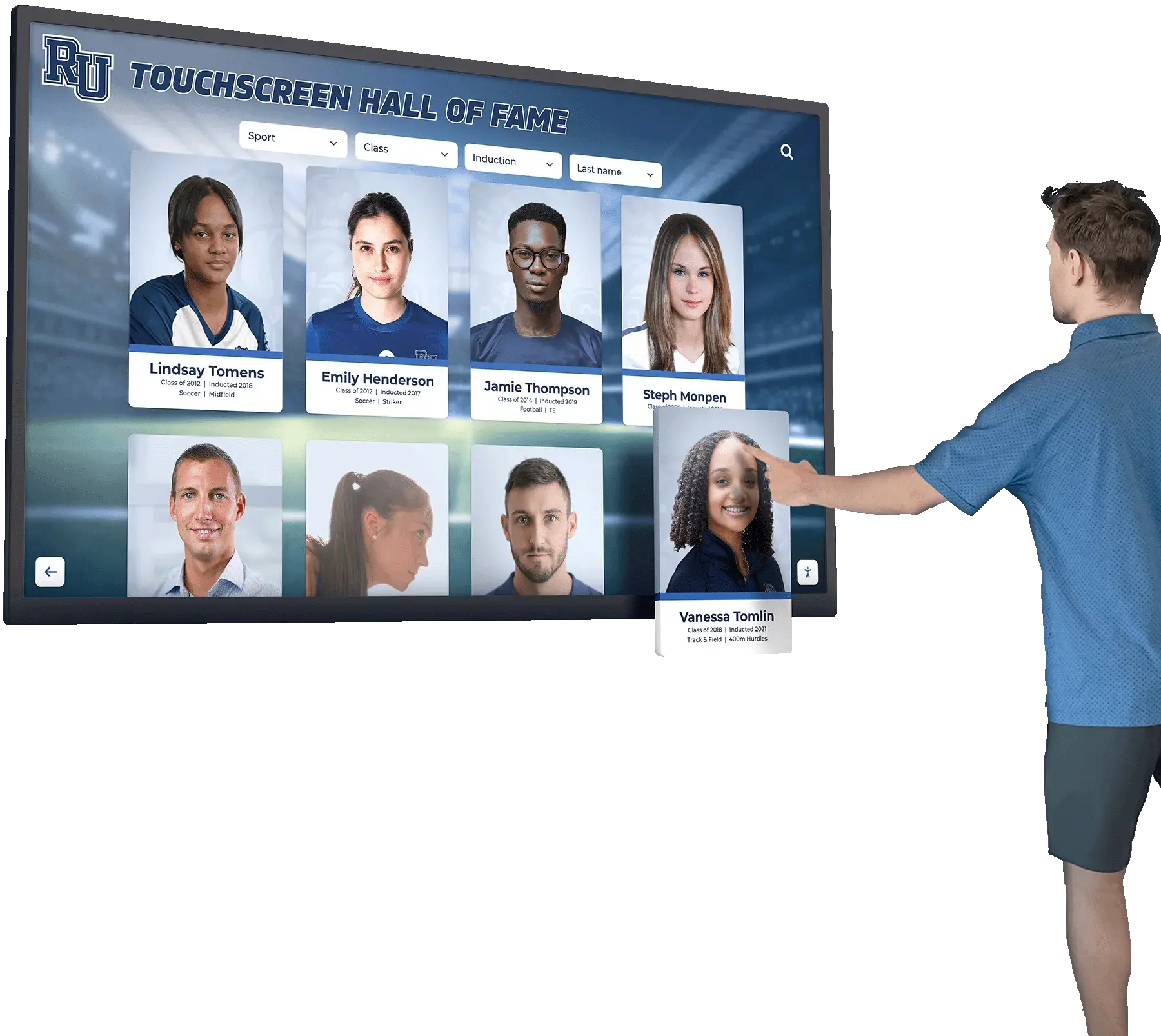
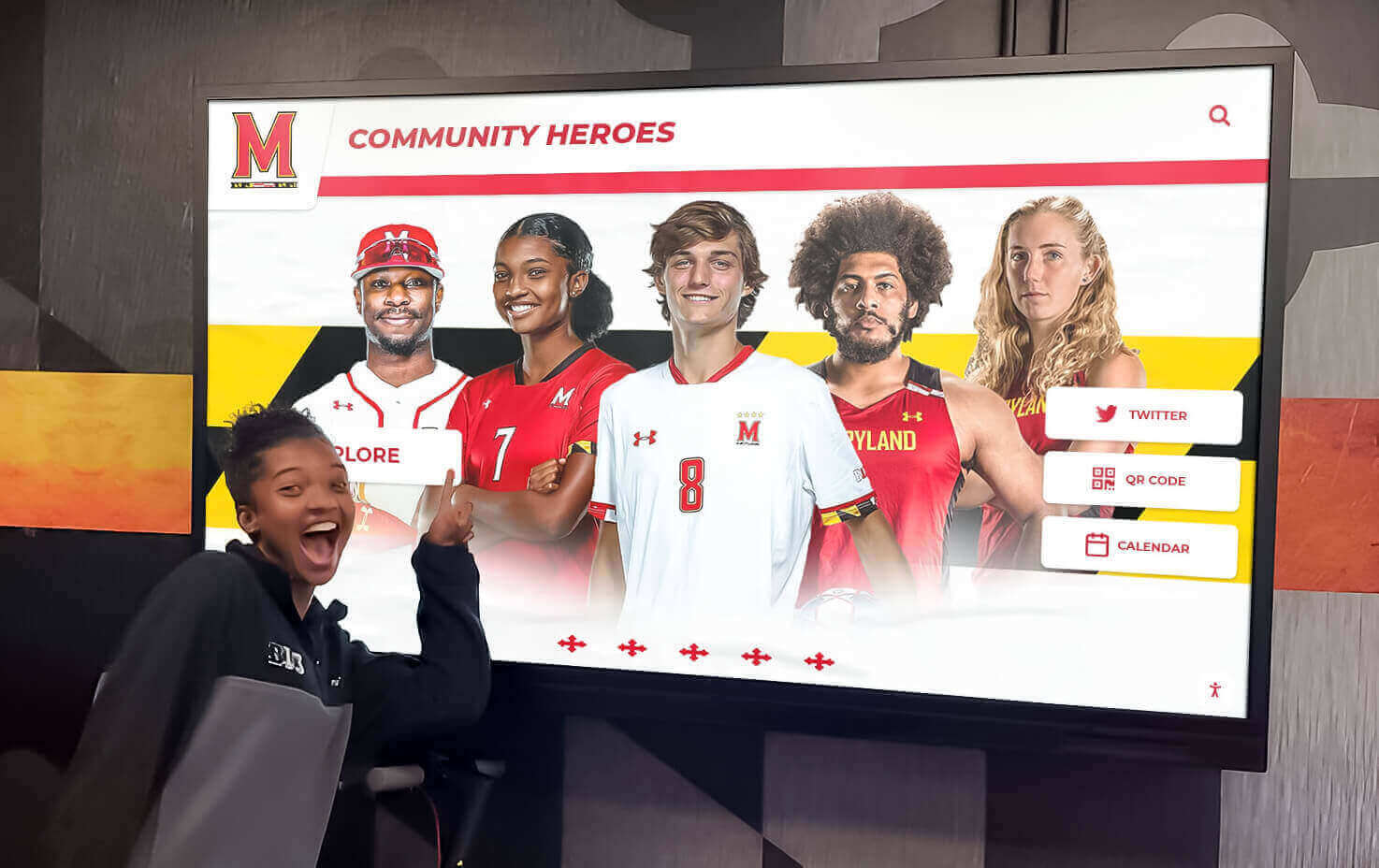
Modern recognition systems enable students to explore community service achievements interactively
Verification and Hour Tracking Systems
Manageable tracking prevents administrative burden while maintaining integrity:
Digital Tracking Platforms Web-based systems streamline hour logging and verification:
- Student portals for entering service activities and hours
- Automated notification to supervisors for electronic verification
- Administrative dashboards tracking overall program participation
- Report generation for award determination and recognition events
- Historical archives documenting cumulative student service
Traditional Documentation Approaches For schools preferring simpler systems:
- Standardized paper log sheets with organization signatures
- Quarterly submission to designated staff coordinator
- Spreadsheet tracking of verified hours by student
- Physical folder systems maintaining documentation
- Annual compilation for award determination
The key is creating processes students will actually use rather than complex systems that discourage participation despite administrative elegance.
Service Award Selection and Recognition Committees
Fair evaluation requires diverse perspective:
Committee Composition
- Faculty representatives from academic departments
- Student services or counseling staff
- Community organization partners
- Student government representatives
- Alumni who demonstrated service commitment
Evaluation Responsibilities
- Reviewing submitted documentation for award criteria compliance
- Evaluating impact and leadership for qualitative awards
- Ensuring equitable recognition across student populations
- Recommending award recipients to administration
- Identifying exceptional service deserving special recognition
Regular committee meetings during award cycles ensure timely evaluation and recognition delivery.
Celebrating Community Service Award Recipients
Recognition impact depends on visibility and meaningfulness of celebration.
Award Ceremony Integration
Incorporating service recognition into existing events maximizes visibility:
Academic Awards Night Integration Include community service awards alongside academic recognition ensuring service receives equal prominence. Highlight individual recipients with brief descriptions of their service contributions and community impact.
Athletic Recognition Integration Similar to approaches in graduation celebration programs, schools can integrate service recognition into year-end athletic banquets celebrating student-athletes who excel both in competition and community contribution.
Dedicated Service Recognition Events Schools with robust service programs may justify standalone celebration events:
- Invite community partners who hosted student volunteers
- Feature student speakers describing service experiences
- Showcase service project outcomes through displays or presentations
- Recognize volunteers, organizations, and community partners
- Inspire attendees to pursue their own service journeys
Graduation Recognition Designate service recognition within commencement programs through special cords, medals, or certificates acknowledging graduating seniors’ cumulative community contributions.
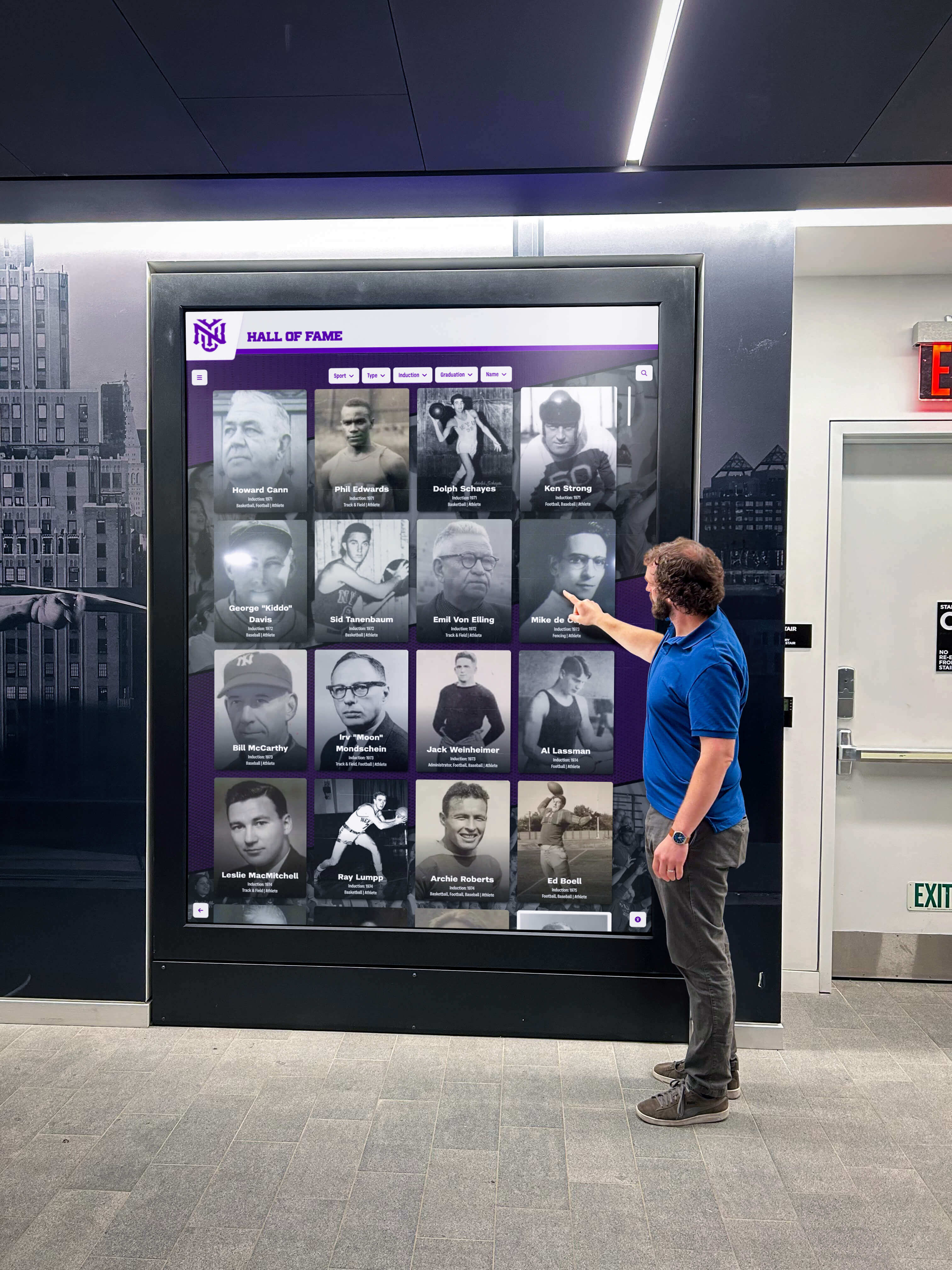
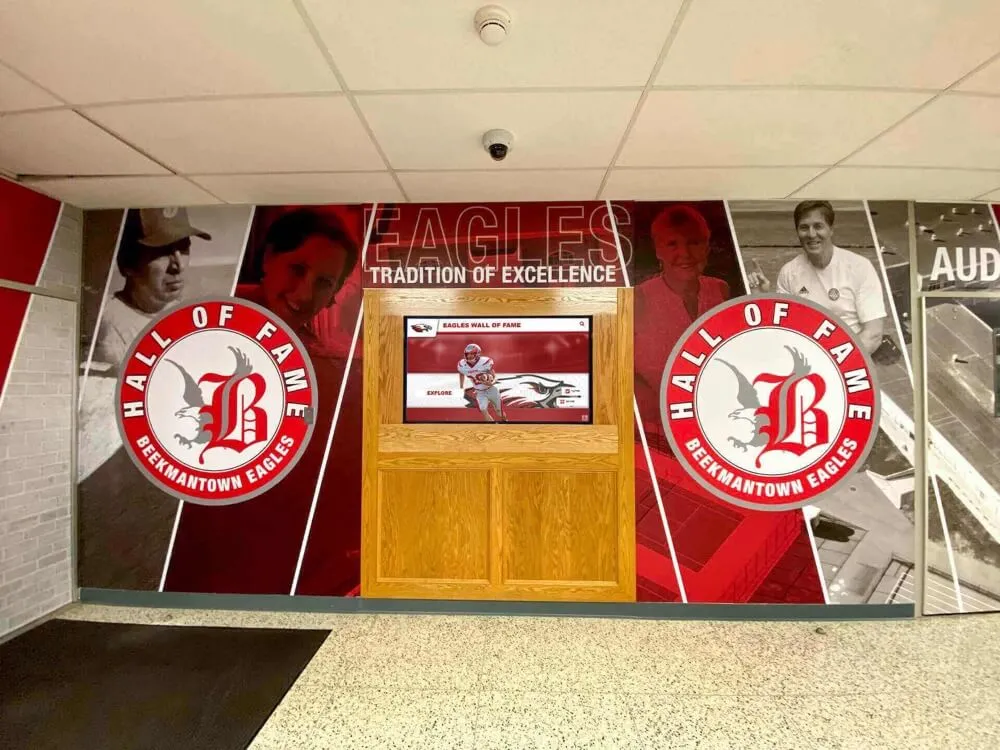
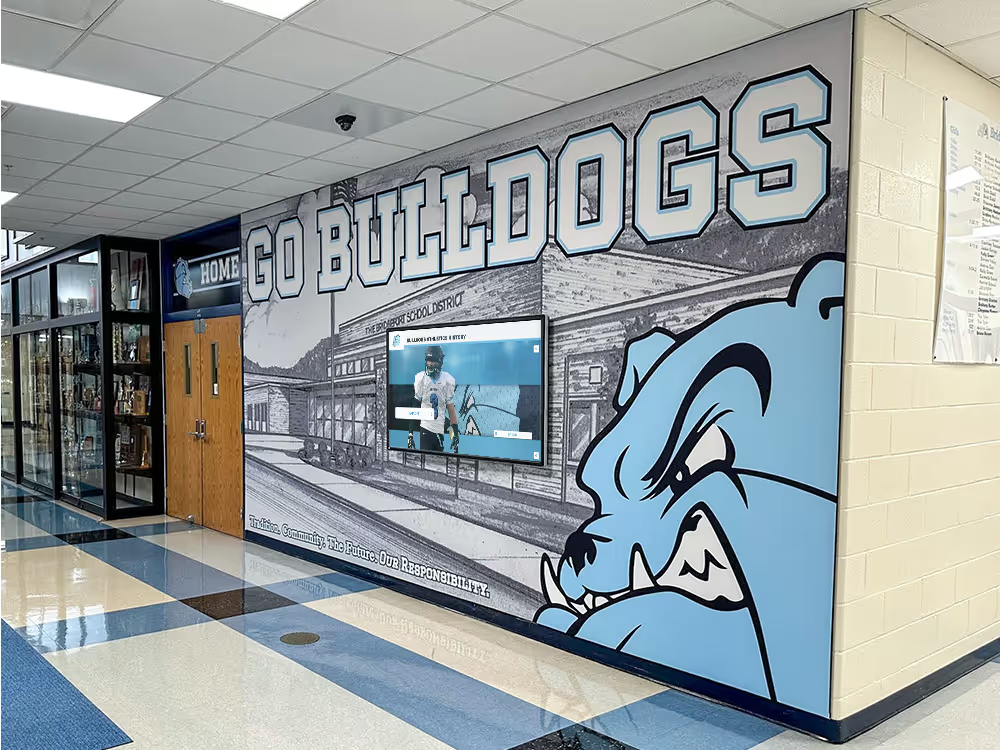
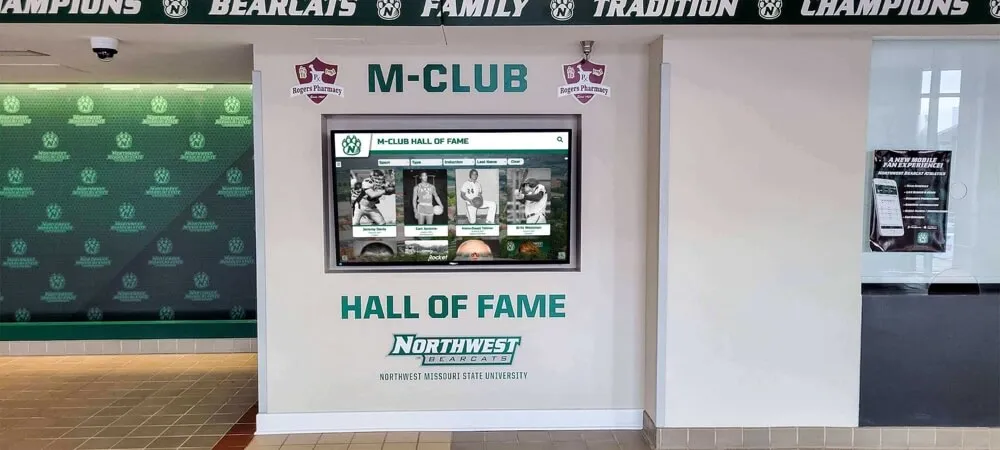
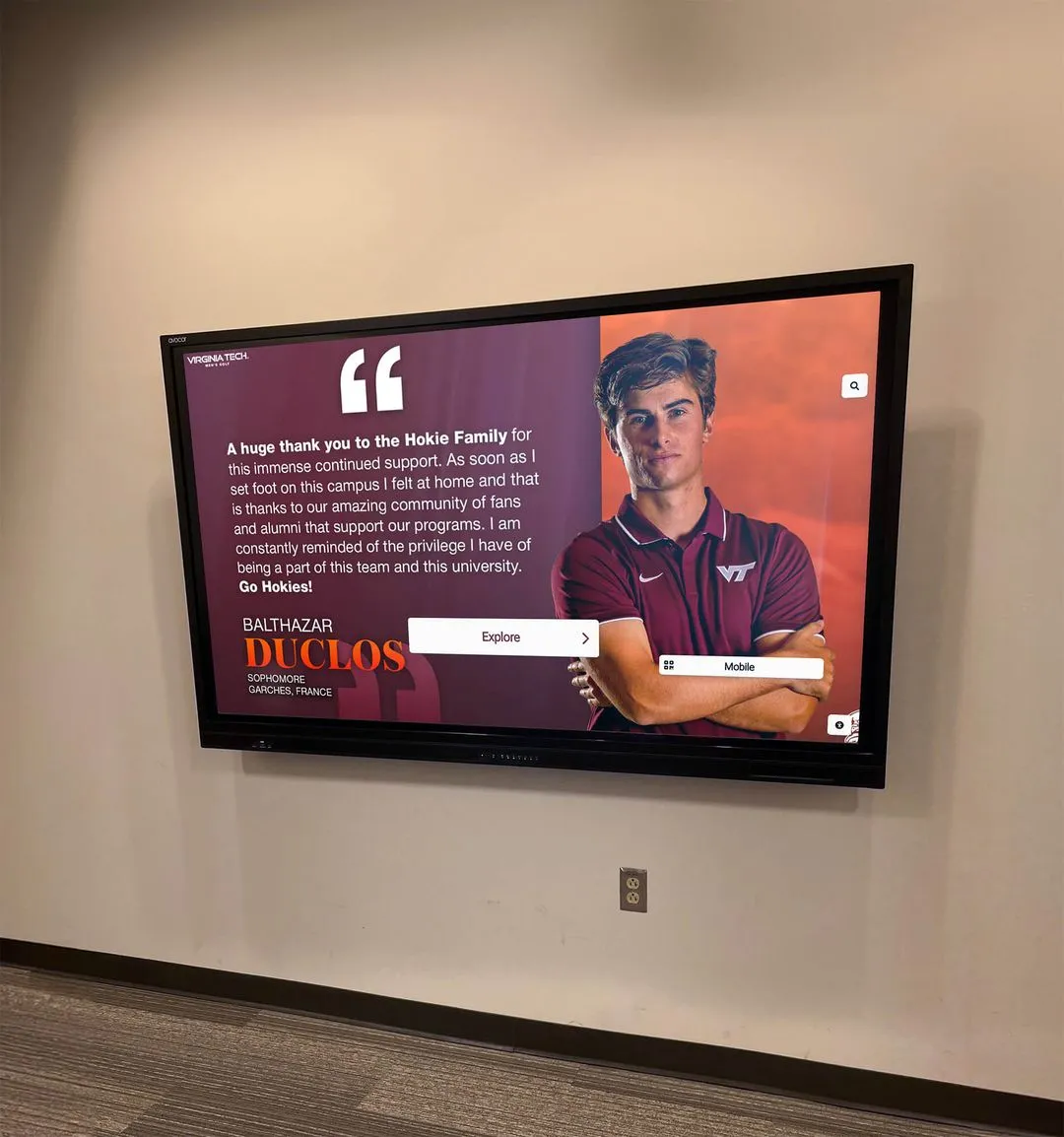
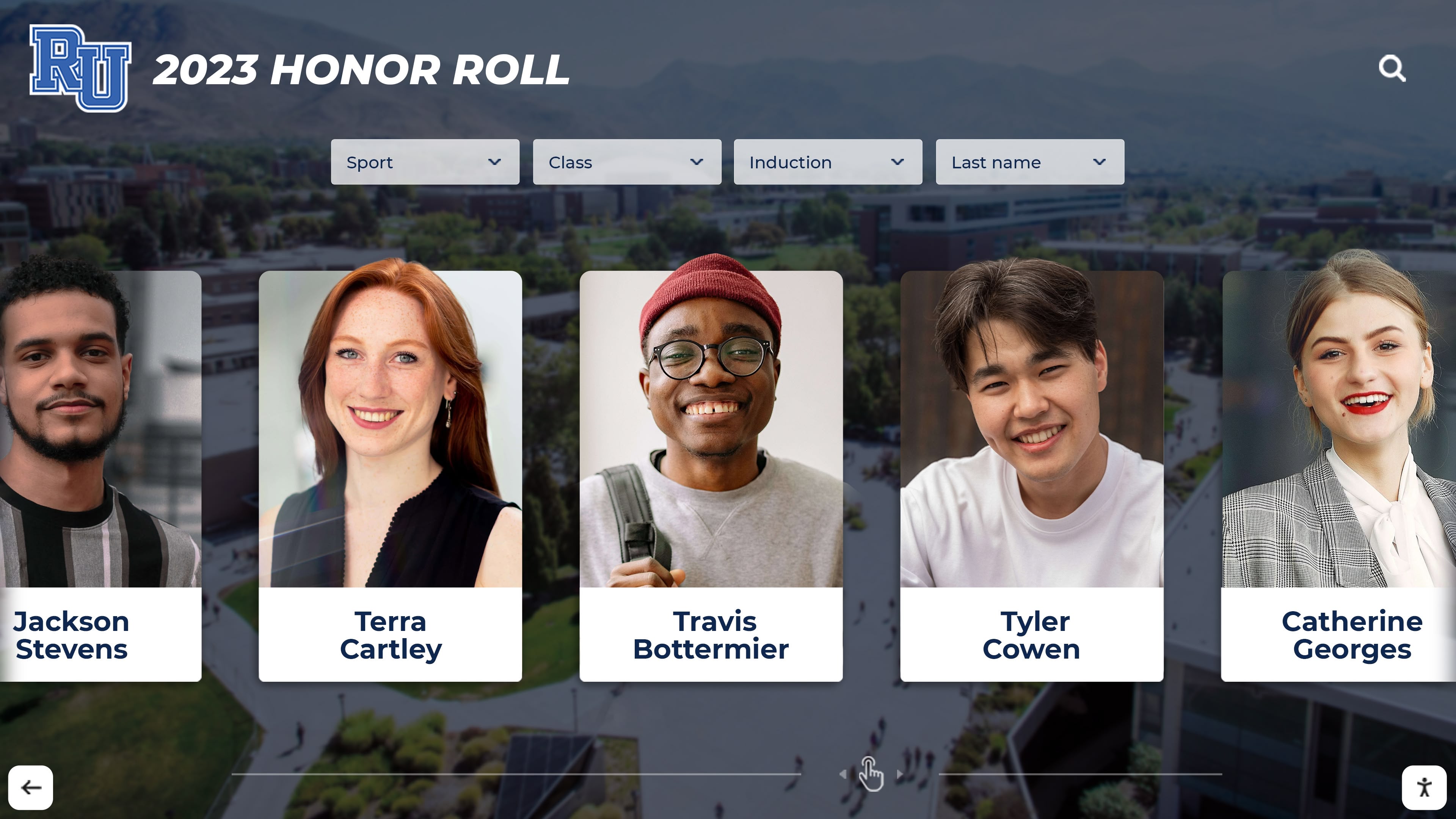
Public recognition displays enable community members to discover and celebrate student service achievements
Digital Recognition Display Solutions
Modern touchscreen systems create permanent, accessible recognition:
Comprehensive Service Recognition Archives Digital displays overcome space limitations of traditional plaques:
- Unlimited capacity for recognizing all service award recipients
- Detailed profiles documenting service activities and hours
- Photo galleries showcasing service projects and community impact
- Searchable interfaces enabling families to find specific students
- Historical preservation of institutional service legacy
Interactive Exploration Features Touchscreen functionality creates engaging experiences:
- Filtering by service category, year, or award level
- Individual achievement pages telling complete service stories
- Organization profiles highlighting community partnerships
- Project showcases documenting collective student impact
- Inspiration galleries encouraging ongoing service participation
Similar to approaches in digital touchscreen displays for schools, these systems transform recognition from static lists to dynamic celebrations.
Remote Access and Family Engagement Web-based platforms extend recognition beyond campus:
- Alumni worldwide can view current student service
- Families share accomplishments through social media
- Mobile accessibility enables anywhere recognition viewing
- Integration with school websites and communications
- Ongoing updates maintaining current content
Schools implementing digital recognition systems report significantly increased community awareness of student service compared to traditional bulletin board approaches.
Physical Award Components
Tangible recognition provides lasting mementos:
Certificates and Plaques Professional certificates suitable for college applications and portfolios. Schools with multiple award levels can use distinctive designs, colors, or materials differentiating recognition tiers.
Pins, Cords, and Medals Wearable recognition enables visible celebration:
- Lapel pins for service milestone achievements
- Honor cords worn during graduation ceremonies
- Medals presented during recognition events
- Color-coded designations indicating service levels
Service Recognition Displays Traditional physical recognition maintains value:
- Engraved plates on permanent service recognition walls
- Shadow boxes showcasing service project artifacts
- Photo galleries in hallways and common spaces
- Trophy case sections dedicated to community service
The most effective approaches combine digital systems providing unlimited, detailed recognition with select physical elements offering tangible, traditional acknowledgment.
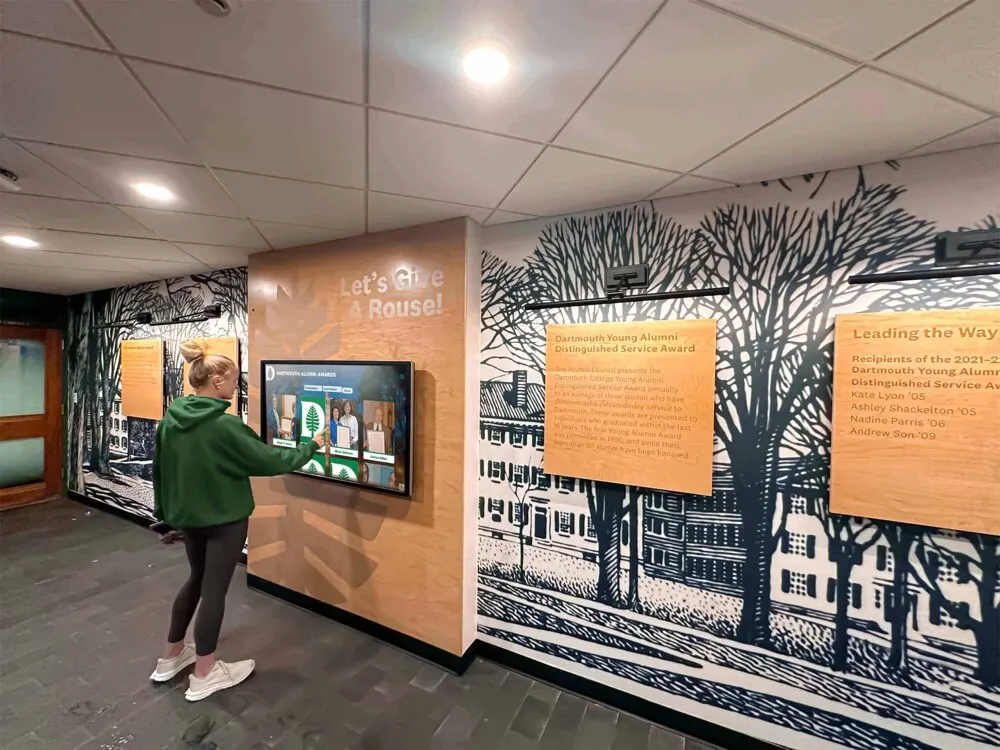
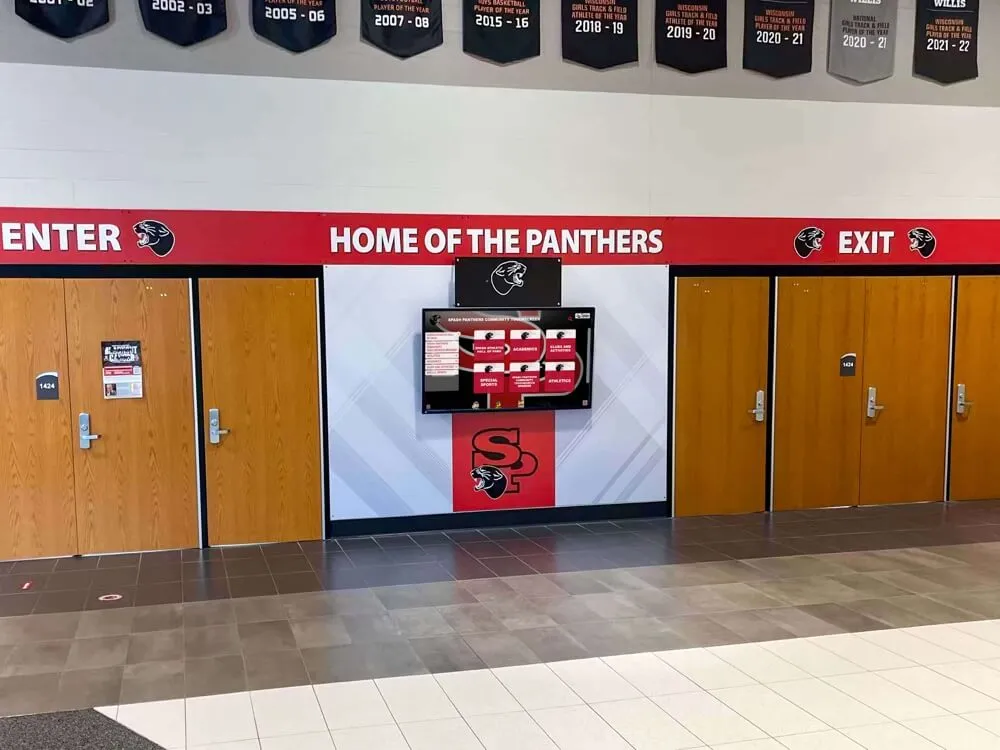
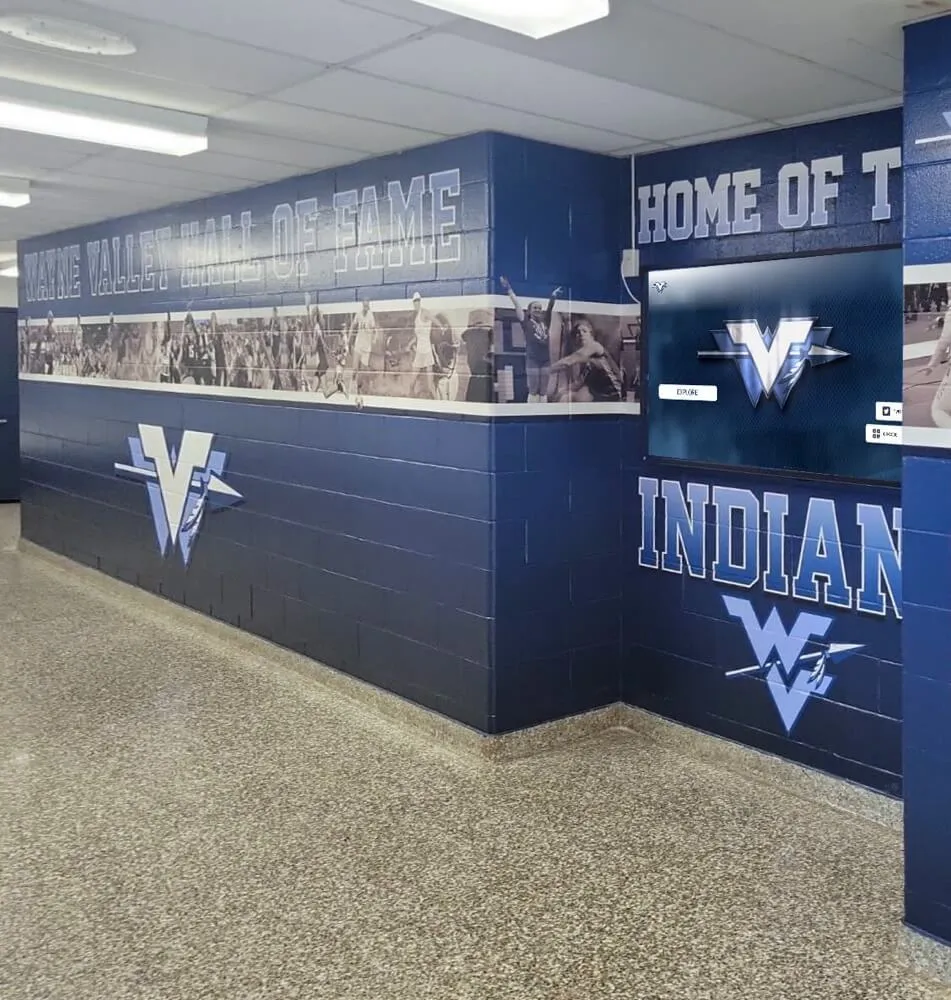
Strategic placement of recognition displays in high-traffic areas maximizes service achievement visibility
Presidential Volunteer Service Award Program
Schools should connect local recognition with this prestigious national program.
Program Overview and Benefits
The Presidential Volunteer Service Award (PVSA) represents nationally recognized certification of volunteer service, according to program information from AmeriCorps, which administers the award.
Award Levels by Age Group For students ages 11-15 (middle school):
- Bronze: 50-74 hours annually
- Silver: 75-99 hours annually
- Gold: 100+ hours annually
For students ages 16-25 (high school and college):
- Bronze: 100-174 hours annually
- Silver: 175-249 hours annually
- Gold: 250+ hours annually
Award Components Recipients receive official certificates, personalized congratulatory letters from the President, and medallions or pins—recognition enhancing college applications while celebrating community contribution.
Becoming a Certifying Organization
Schools and nonprofits can register as PVSA Certifying Organizations enabling them to issue awards directly to student volunteers:
Registration Requirements Organizations must be U.S.-based nonprofits, educational institutions, government entities, or businesses with established volunteer programs. Registration requires basic organizational information and agreement to verify service hours accurately.
Benefits of School Certification Schools registered as certifying organizations can:
- Issue PVSA awards directly without third-party verification
- Integrate PVSA into existing service recognition programs
- Track student progress toward PVSA milestones
- Provide prestigious national recognition alongside local awards
- Strengthen college application support for student volunteers
Award Process Schools verify student volunteer hours meet PVSA criteria, submit award requests through the online system, and receive official award materials to present to students during recognition ceremonies.
This integration elevates local service recognition by connecting school programs with nationally prestigious awards requiring no additional student effort beyond documentation they already complete.
Creating Service Recognition That Inspires Ongoing Engagement
The most effective recognition programs don’t just celebrate past service—they inspire future contribution.
Progress Tracking and Milestone Recognition
Regular acknowledgment maintains motivation:
Visible Progress Indicators Students stay engaged when they can track advancement toward recognition milestones. Digital dashboards showing current hours, next milestone targets, and progress toward specific awards create motivation similar to fitness tracker goal achievement.
Incremental Recognition Rather than only acknowledging final awards, celebrate milestones along the journey:
- 10 hours: Community Service Participant certificate
- 25 hours: Quarter-century Club recognition
- 50 hours: Half-century Achiever status
- Each 100-hour milestone: Century Club membership levels
This frequent positive reinforcement sustains engagement across multi-year service journeys.
Peer Recognition and Leadership Opportunities
Student voice strengthens programs:
Student Service Leader Positions Create formal leadership roles coordinating service initiatives:
- Community Service Council organizing school-wide projects
- Service ambassadors recruiting volunteers for opportunities
- Project coordinators leading specific initiatives
- Peer mentors supporting students beginning service journeys
Recognition of these leadership positions through special awards acknowledges organizational contributions beyond direct service hours.
Peer Nomination Awards Enable students to nominate classmates for service recognition based on observed impact, creating culture where peers celebrate rather than compete around service contribution.
Community Partnership Recognition
Acknowledge organizations hosting student volunteers:
Partner Organization Awards Annual recognition celebrating community organizations providing exceptional volunteer opportunities, mentorship, or support for student service. This strengthens relationships while demonstrating appreciation for partnership.
Impact Documentation Showcase collective student contributions to community partners:
- Total hours contributed to each organization
- Projects completed and measurable outcomes
- Testimonials from organization leaders
- Before/after documentation of service impact
- Financial value of volunteer contributions
This documentation serves dual purposes: celebrating student achievement while demonstrating institutional community commitment.
Similar approaches appear in recognizing community partnerships that strengthen school-community relationships.
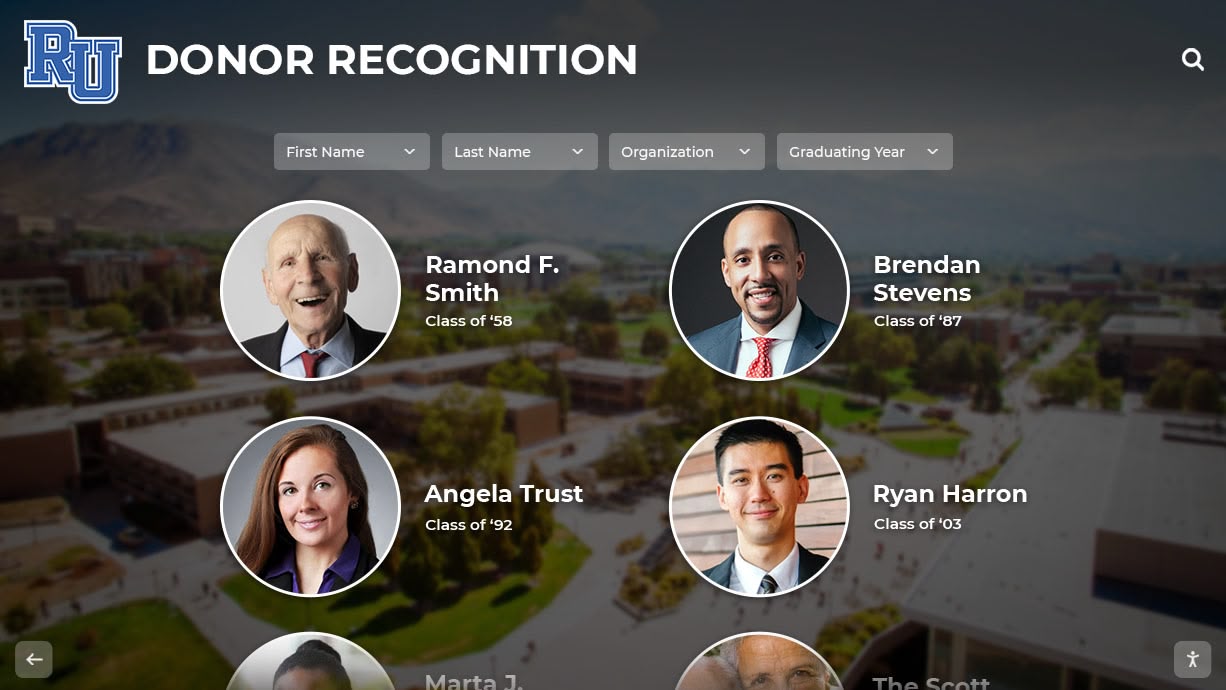
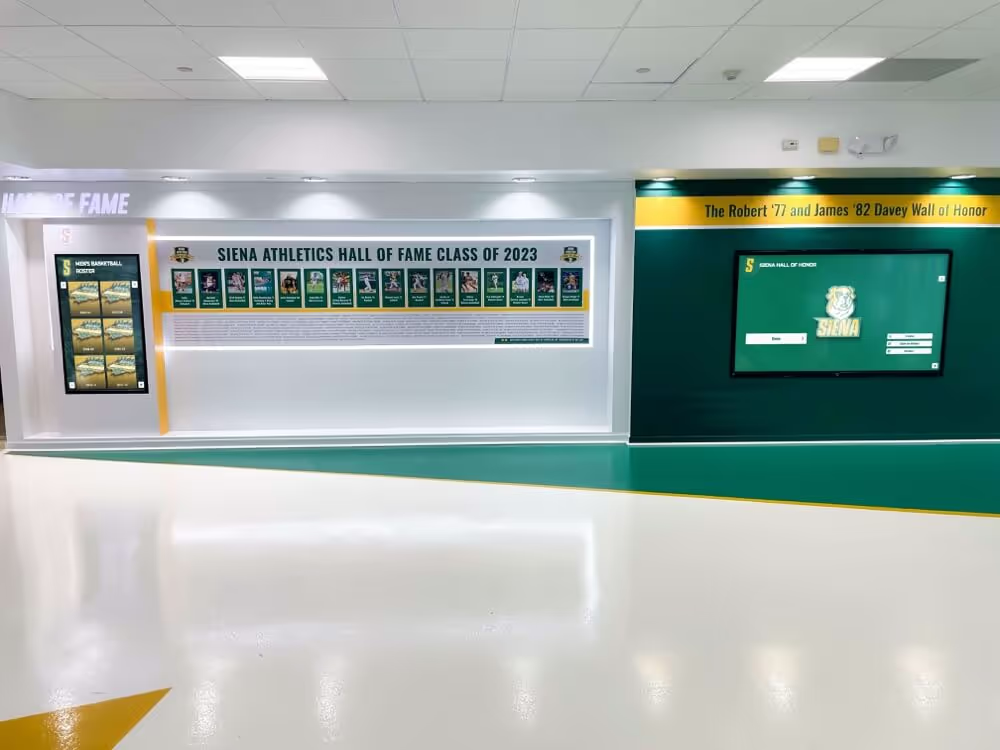
Comprehensive recognition walls celebrate multiple achievement dimensions including academic, athletic, and service contributions
Service Recognition for College Applications
Strategic documentation enhances student competitiveness:
Service Awards as Application Enhancers
College admissions increasingly value demonstrated community commitment:
Distinction in Common Application The Common Application provides specific sections for honors, awards, and activities where community service recognition appears prominently. Formal awards from schools carry more weight than self-reported volunteer claims.
Supplemental Essay Material Service experiences and recognition provide compelling essay content demonstrating character, values, leadership, and impact—qualities highly valued by selective institutions.
Recommendation Letter Support Service awards give counselors and teachers concrete achievements to highlight in recommendation letters, providing third-party validation of student character and commitment.
Documentation Best Practices
Support college application needs:
Comprehensive Service Portfolios Help students maintain organized documentation:
- Official award certificates with institutional letterhead
- Detailed service logs with verified hours
- Photos documenting service activities (with permissions)
- Impact statements describing outcomes achieved
- Supervisor letters affirming contributions
- News coverage of service projects if available
Transcript Notation Schools should include community service awards on official transcripts alongside academic honors, ensuring colleges reviewing applications see service recognition.
Counselor Documentation Systems Maintain institutional records enabling counselors to verify service awards and hours when writing recommendations or completing counselor forms for applications.
Special Considerations for Different Service Programs
Recognition approaches should match program characteristics and student populations.
Individual vs. Group Service Recognition
Balancing individual achievement with collaborative contribution:
Individual Service Tracking Traditional award systems recognize personal hour accumulation and individual initiative. This approach works well for students pursuing independent service commitments across multiple organizations.
Group Project Recognition Service learning programs and organized service trips present attribution challenges. Effective approaches include:
- Recognizing all participants in group service initiatives
- Additional recognition for project organizers and leaders
- Team awards celebrating collective accomplishment
- Individual recognition proportional to role and contribution
Hybrid Recognition Models Track both individual hours and participation in group initiatives, ensuring students pursuing either path receive appropriate acknowledgment.
Grade-Level Considerations
Developmentally appropriate recognition:
Elementary Service Recognition Focus on introduction and habit formation:
- Class-wide service projects with group recognition
- Simple hour tracking beginning in upper elementary
- Family service opportunities encouraging participation
- Fun, visible recognition maintaining engagement
- Character education integration emphasizing helping others
Middle School Service Programs Balance structure with emerging independence:
- Required service hours introducing systematic participation
- Individual tracking alongside group projects
- Milestone recognition celebrating first major achievements
- Peer leadership opportunities for eighth graders
- Connection to high school programs creating continuity
High School Service Recognition Comprehensive programs supporting college applications:
- Sophisticated tracking across four years
- Multiple award levels from participation through exceptional commitment
- PVSA integration providing national recognition
- Leadership positions coordinating school service initiatives
- Senior legacy recognition celebrating cumulative contribution
Similar developmental considerations appear in recognition programs discussed in military recognition displays honoring diverse contributions.
Inclusive Recognition Design
Ensuring accessibility and equity:
Accommodation for Diverse Participation
- Virtual service opportunities for students with mobility limitations
- Flexible scheduling accommodating work and family responsibilities
- Transportation assistance for service sites when possible
- Recognition of in-kind contributions (supplies, materials) from families unable to volunteer hours
- Micro-volunteering opportunities for students with limited availability
Socioeconomic Considerations Service programs should not create financial barriers:
- Free transportation to service sites when feasible
- No fees or dues for service participation
- School-provided materials for service projects
- Recognition not requiring purchase of special attire or items
- Equal celebration regardless of student resources
Cultural Responsiveness Recognize diverse forms of community contribution:
- Service to cultural and ethnic community organizations
- Family caregiving counted toward service when appropriate
- Faith-based service outside one’s own congregation
- Advocacy and activism addressing social justice issues
- International service reflecting family connections
Integrating Service Recognition with School Culture
Maximum impact requires systematic integration throughout institutional life.
Communication Strategies
Visibility drives participation and impact:
Regular Service Highlights
- Morning announcements featuring service award recipients
- Newsletter sections celebrating community contributions
- Social media posts showcasing service projects
- Hallway displays updating service initiative progress
- Website features highlighting student volunteers
Service Opportunity Promotion Connect recognition with accessible participation:
- Centralized service opportunity listings
- Match-making between student interests and community needs
- Scheduled service events simplifying participation
- Clear pathways from interest to involvement to recognition
Family Engagement Communicate service values and opportunities:
- Parent newsletters explaining service programs and benefits
- Family service opportunities encouraging shared participation
- Regular updates on student service achievements
- Resources supporting student service documentation
- Celebration events including families
Cross-Program Integration
Service recognition complements other school initiatives:
Academic Honor Society Requirements Many honor societies require community service for membership and ongoing participation. Aligning school service recognition with NHS and other honor society requirements creates efficiency while reinforcing service values.
Athletic Team Service Team service projects build camaraderie while contributing to communities. Recognizing athletic teams with outstanding service records alongside individual athlete volunteers creates positive peer pressure toward service participation.
Club and Organization Service Celebrate clubs organizing service initiatives:
- Most impactful service project awards
- Clubs with highest participation in service
- Organizations building sustainable community partnerships
- Student groups demonstrating service leadership
Similar integration appears in comprehensive recognition approaches like those in advancement and marketing recognition systems.

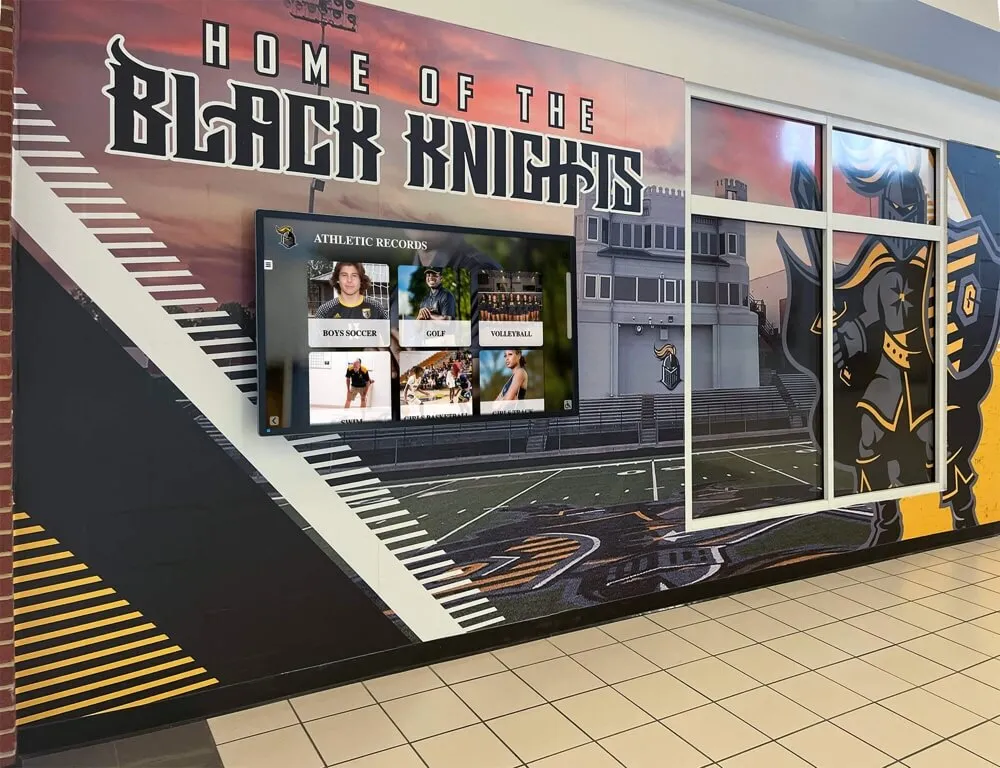
Touchscreen displays in athletic and common spaces create opportunities to highlight diverse student achievements including service
Measuring Service Program Success
Regular assessment ensures programs achieve goals and justify resources:
Quantitative Metrics
Participation Data
- Number of students earning service awards at each level
- Total volunteer hours contributed annually
- Percentage of student body participating in service
- Year-over-year participation growth trends
- Distribution of service across grade levels and demographics
Community Impact Indicators
- Number of community organizations partnering with students
- Total value of volunteer contributions (industry standard: $33.49/hour for 2024)
- Specific outcomes (meals served, students tutored, materials collected)
- Sustainability of student-initiated service projects
- Community partner satisfaction assessments
Recognition Program Efficiency
- Administrative time required for documentation and verification
- Award program costs per recognized student
- Digital display engagement metrics (interactions, session duration)
- Recognition ceremony attendance rates
- Family and community response to recognition communications
Qualitative Assessment
Student Feedback
- Surveys about recognition program awareness and impact
- Focus groups exploring what motivates continued service
- Reflection essays describing service experiences and outcomes
- Graduate testimonials about service program influence
- Student suggestions for program improvement
Community Partner Perspectives
- Organization assessments of student volunteer quality
- Partner feedback on recognition program effectiveness
- Testimonials about student impact on communities
- Suggestions for improved school-community collaboration
- Willingness to continue hosting student volunteers
Cultural Indicators
- Observed changes in service participation and attitudes
- Peer influence patterns around community contribution
- Student initiative in creating new service opportunities
- School reputation in community as service-oriented
- Alumni continued engagement in service
Regular assessment enables continuous improvement ensuring service recognition remains meaningful and impactful.
Conclusion: Building Cultures of Service Through Recognition
Community service awards represent strategic investments in character development, civic engagement, and institutional values. When schools systematically celebrate students who dedicate themselves to helping others—from food bank volunteers to project organizers addressing community needs—they create environments where service becomes aspirational, celebrated, and central to student identity.
The strategies explored in this guide provide comprehensive frameworks for building recognition systems that honor diverse service contributions while remaining sustainable, equitable, and aligned with educational missions. From hour-based milestone awards to impact-focused leadership recognition, from PVSA integration to digital displays creating permanent celebration, these approaches transform community service acknowledgment from occasional gestures to systematic culture-building.
Digital recognition solutions overcome traditional limitations enabling comprehensive documentation of student service journeys, interactive exploration of community contributions, and permanent institutional archives preserving service legacies. These systems create visibility for community service comparable to recognition given academic and athletic achievements.
Transform Your Student Recognition Program
Discover how modern digital recognition solutions can help you celebrate community service achievements alongside academic and athletic excellence, building comprehensive cultures that honor all dimensions of student contribution.
Explore Recognition SolutionsStart where you are with recognition programs you can implement immediately, then systematically expand to create comprehensive approaches celebrating the full spectrum of student achievement. Every student who receives meaningful recognition for community service develops stronger connection to civic values and greater motivation to continue contributing throughout their lives.
Students dedicating themselves to community service deserve celebration equal to any other achievement. With thoughtful planning, appropriate technology, and consistent implementation, you can create recognition systems that honor every contribution while building the positive, service-oriented culture where students discover the transformative power of helping others.
The young leaders serving your communities today become the engaged citizens, compassionate professionals, and committed volunteers of tomorrow. Recognition celebrating their service contributions plants seeds for lifelong civic engagement extending far beyond any individual volunteer hour.