Concession Stand Food Ideas: Crowd-Pleasing Menus That Maximize Booster Club Profits
Every Friday night under the lights, successful booster clubs generate thousands of dollars in revenue selling the right combination of crowd-pleasing foods at concession stands. But the difference between concession stands that barely cover costs and those that fund new uniforms, equipment upgrades, and facility improvements comes down to strategic menu planning—choosing foods that deliver maximum profit margins while satisfying hungry crowds who return game after game.
Many booster clubs struggle with concession operations that require exhausting volunteer effort while producing disappointing financial results. Long preparation times for complex foods waste volunteer energy, poor margin items drain profitability, limited menu variety loses customers to outside vendors, and lack of strategic pricing leaves money on the table. Meanwhile, the most successful concession operations have discovered that smart food selection—balancing customer favorites with high-profit items, offering variety without complexity, and pricing strategically—transforms game-day food service into serious fundraising revenue.
This comprehensive guide explores proven concession stand food ideas that maximize booster club profits including beverages and snacks with exceptional margins, hot foods that command premium prices, specialty items that differentiate your concession stand, strategic menu combinations that increase transaction sizes, pricing approaches that balance value with profitability, and operational systems that maintain quality while minimizing volunteer burnout. Whether your booster club serves a single sport or manages athletic department-wide concessions, these tested strategies help you build menus that satisfy customers while generating substantial program funding.

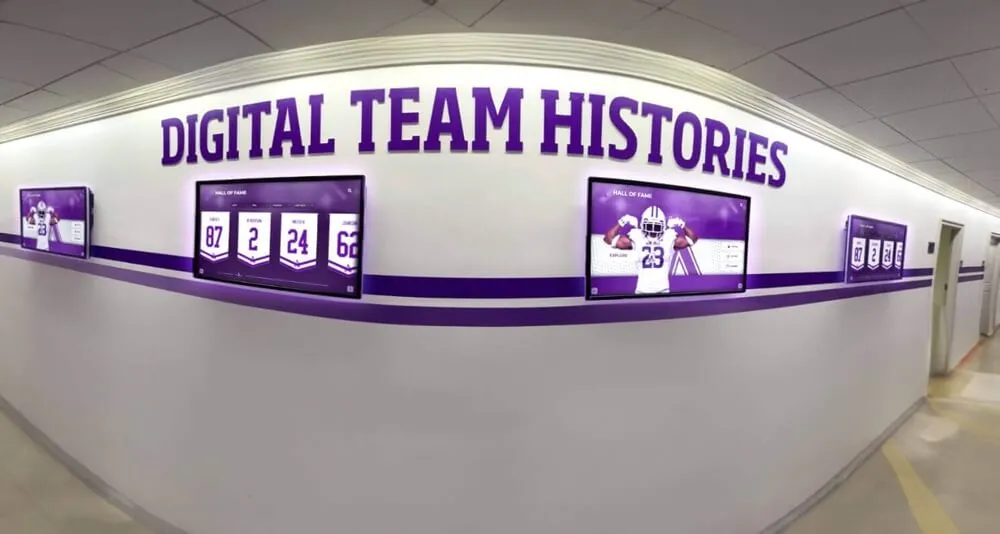
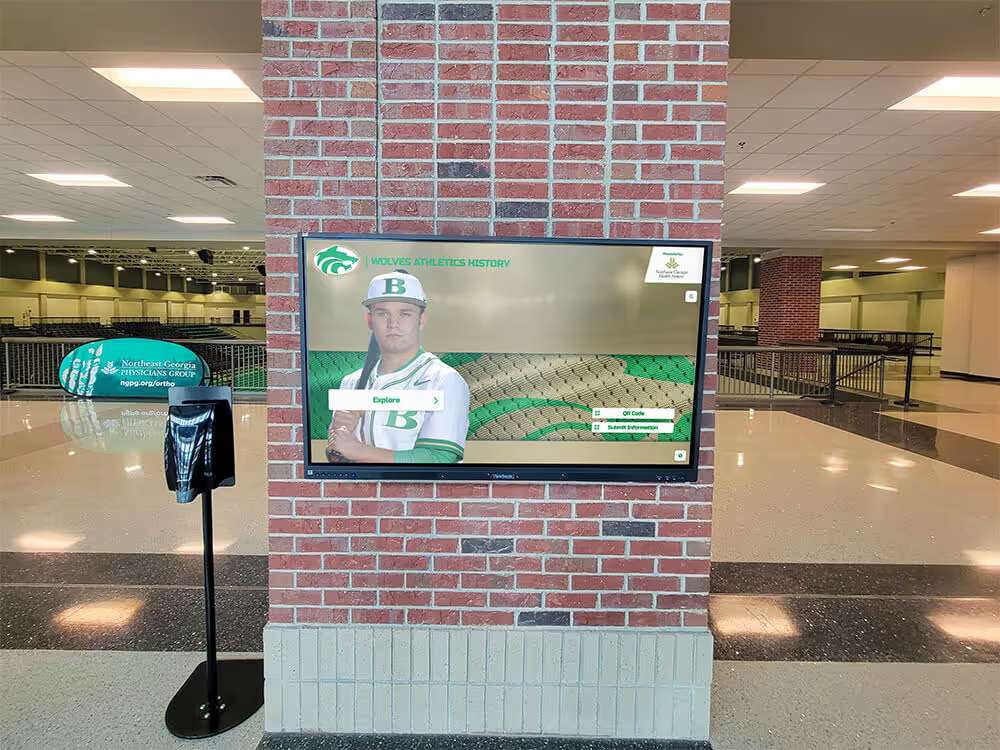
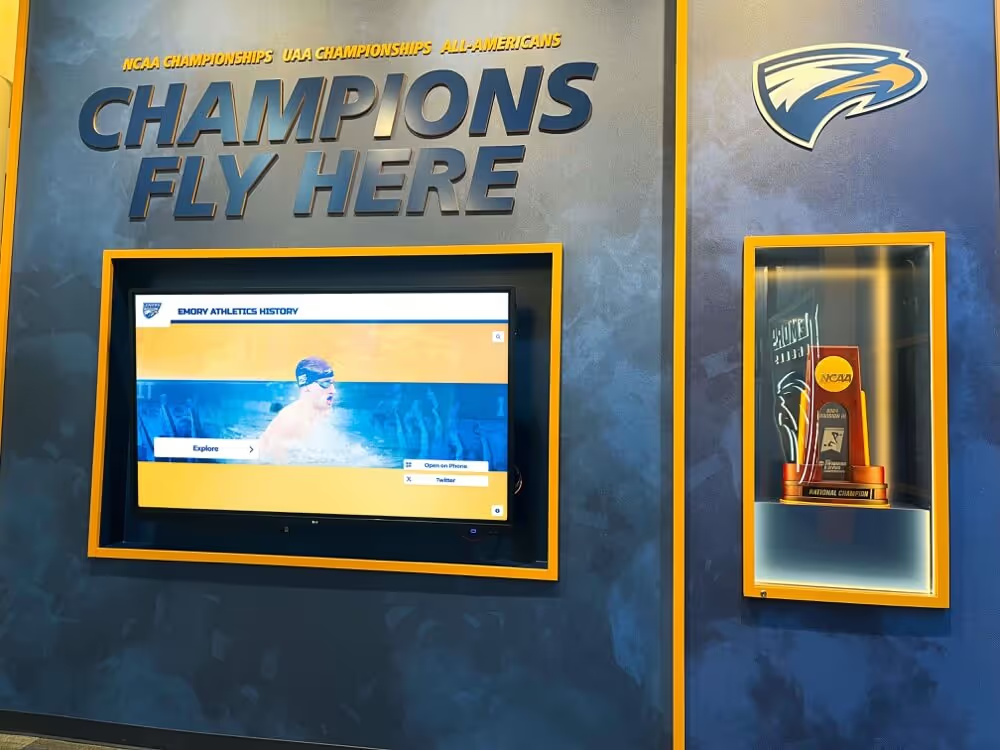
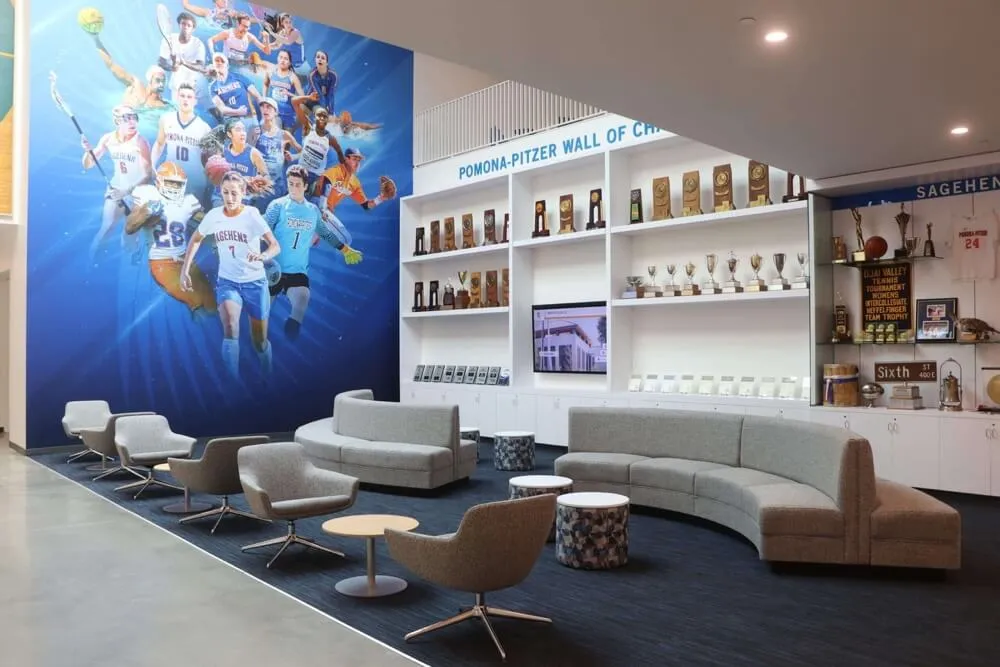
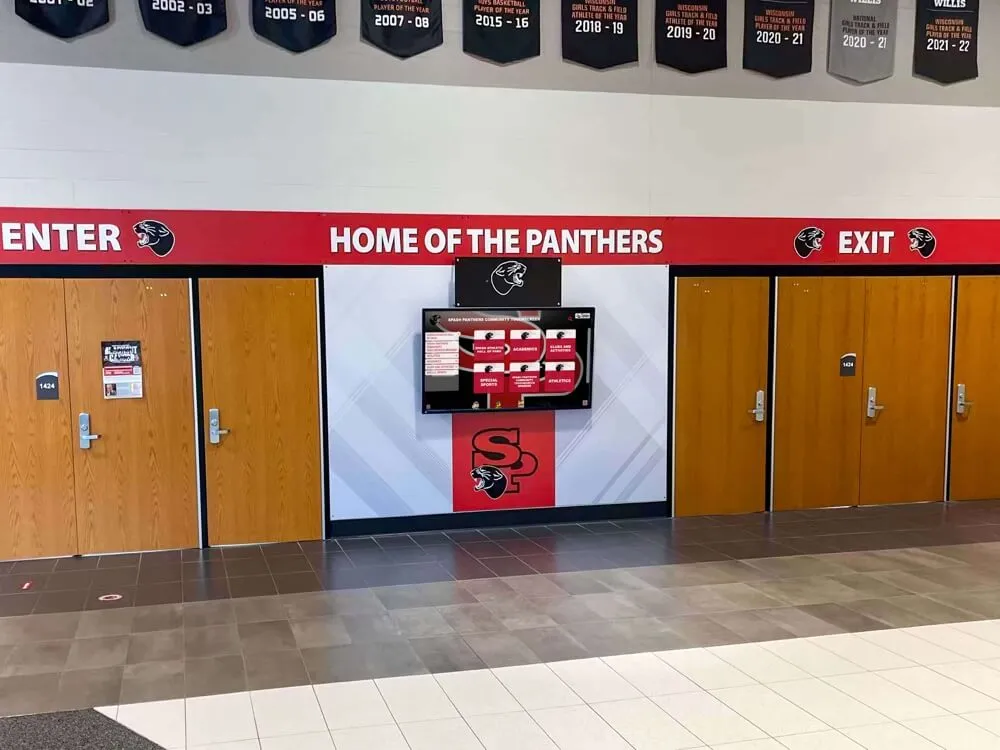
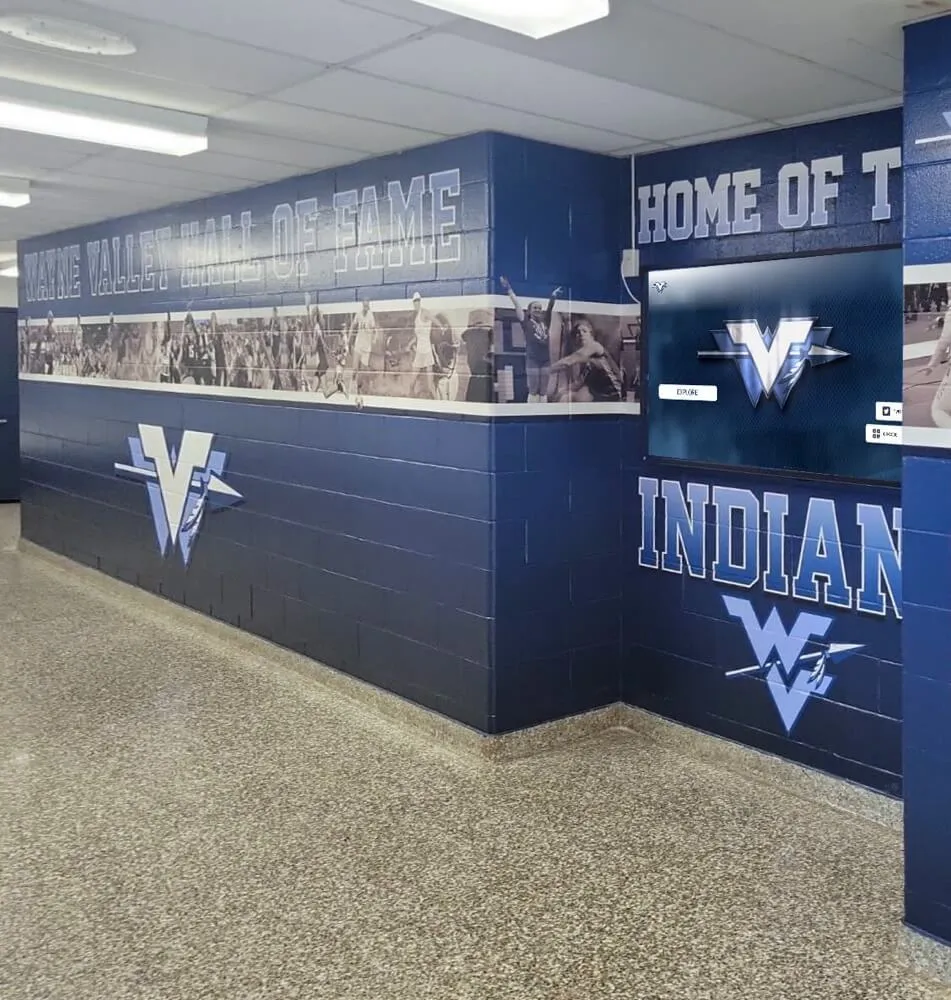
Successful concession operations fund the equipment, facilities, and recognition displays that celebrate student athletic achievement
The Foundation: Highest-Margin Concession Stand Foods
Strategic concession planning starts with understanding which foods deliver the best profit margins relative to preparation effort.
Fountain Beverages: The Profit Margin Champion
Fountain soda systems consistently deliver the highest profit margins in concession operations—often 85-92% when properly managed.
The Economics of Fountain Drinks
A large fountain soda costs $0.18-0.32 in syrup, CO2, ice, and cup but sells for $3-4, generating $2.68-3.82 profit per sale. Compare this to bottled sodas purchased for $0.70-0.90 and sold for $2-2.50, yielding just $1.30-1.60 profit per transaction.
With typical game attendance of 200-500 people and beverage purchase rates of 60-70%, fountain drink systems generate an additional $200-800 per event compared to bottled alternatives—a difference that adds up to $3,000-12,000 over a season.
Implementation Strategy
Invest $2,000-3,500 in commercial fountain equipment including a 4-6 flavor dispenser, ice machine or cooler integration, CO2 tank and regulator system, and cup and lid dispensers. This investment typically pays for itself within 8-12 events through superior margins.
Stock popular flavors: Coca-Cola and Diet Coke, Sprite or similar lemon-lime, Dr Pepper or root beer, fruit punch or orange, and keep one tap for seasonal options or customer requests.
Offer three sizes with strategic pricing that encourages upsizing: small ($2.50), medium ($3.00), and large ($3.50). The $0.50 increments feel reasonable to customers while the product cost difference is only $0.05-0.08.
Learn how successful schools create comprehensive athletic programs, and discover resources like youth sports awards recognition to celebrate achievement funded by concession profits.
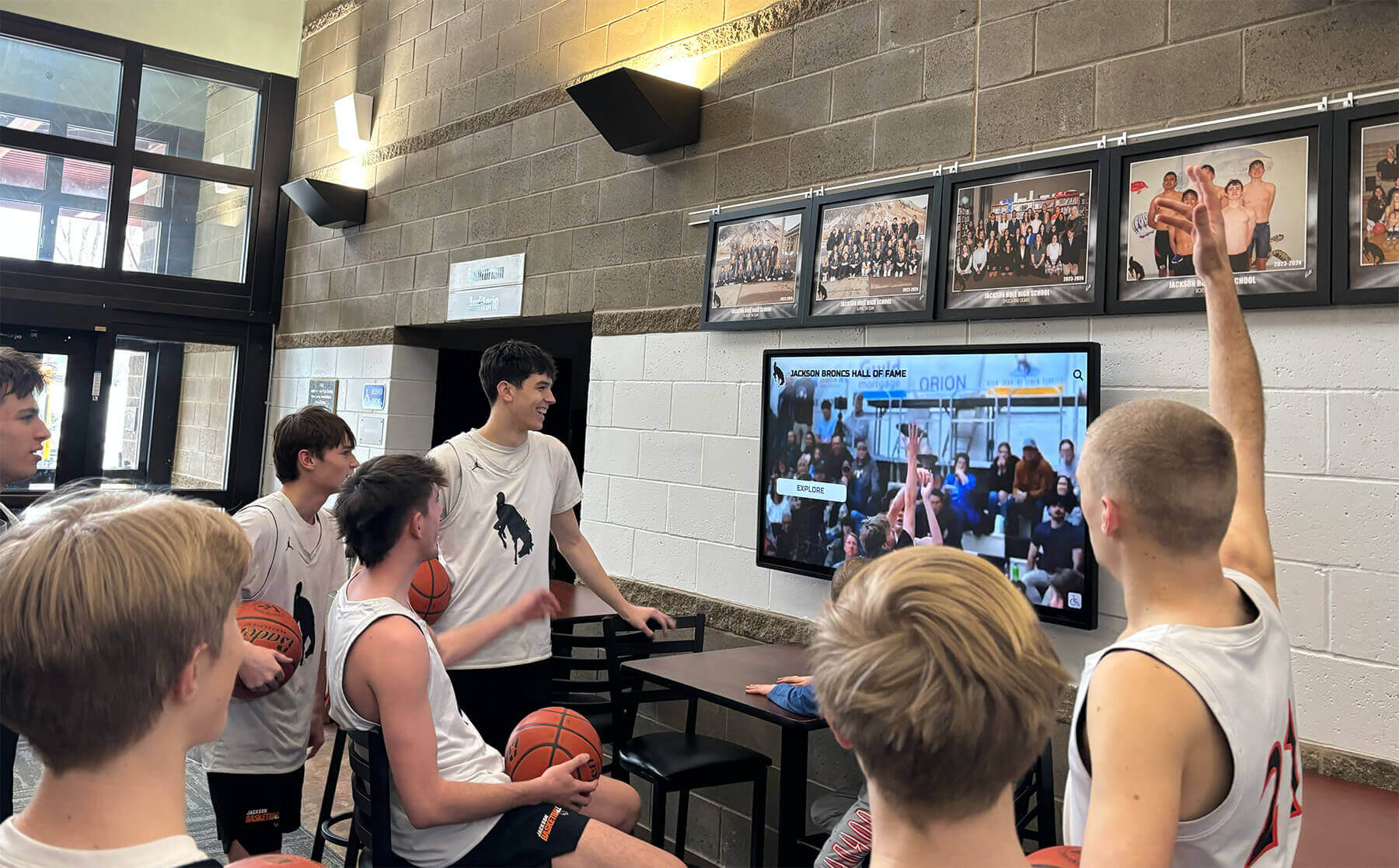
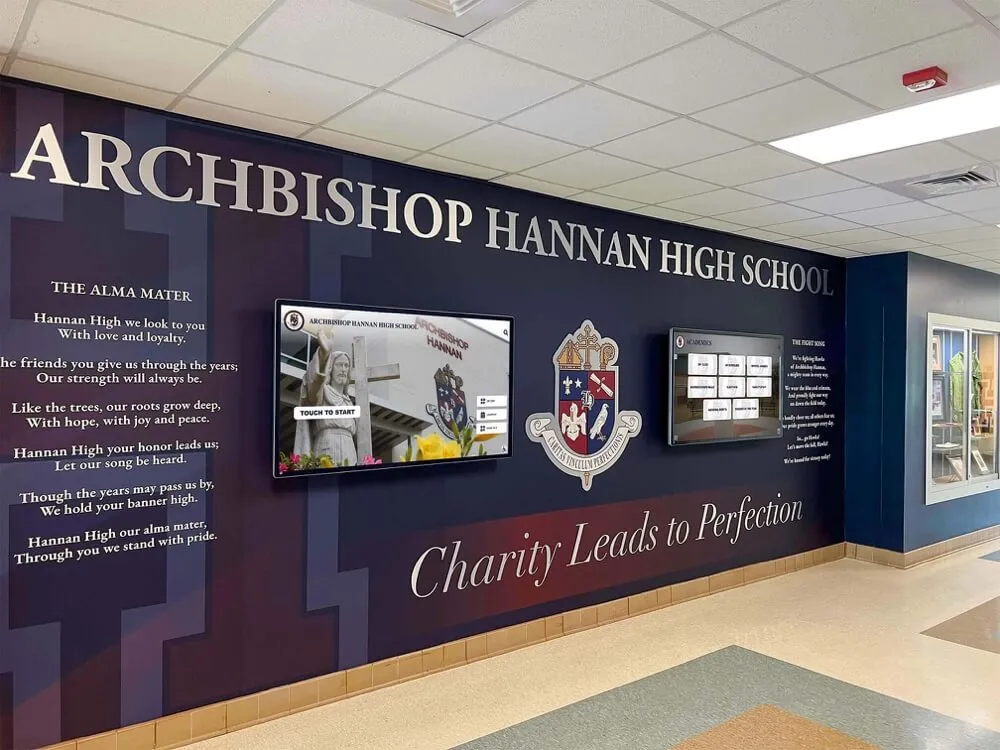
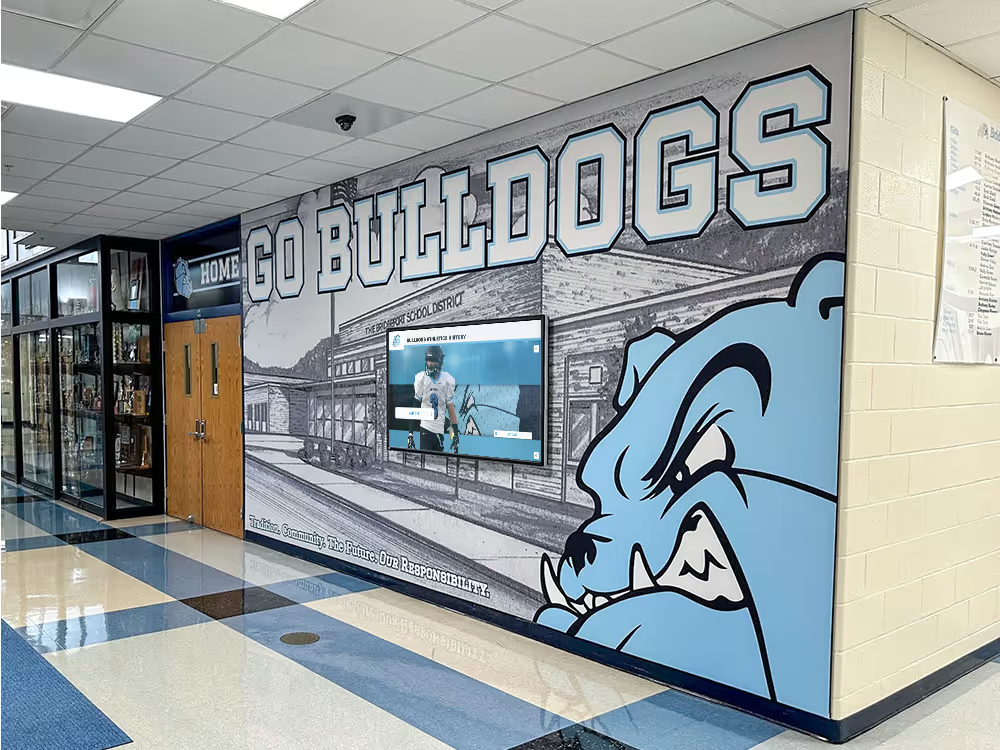
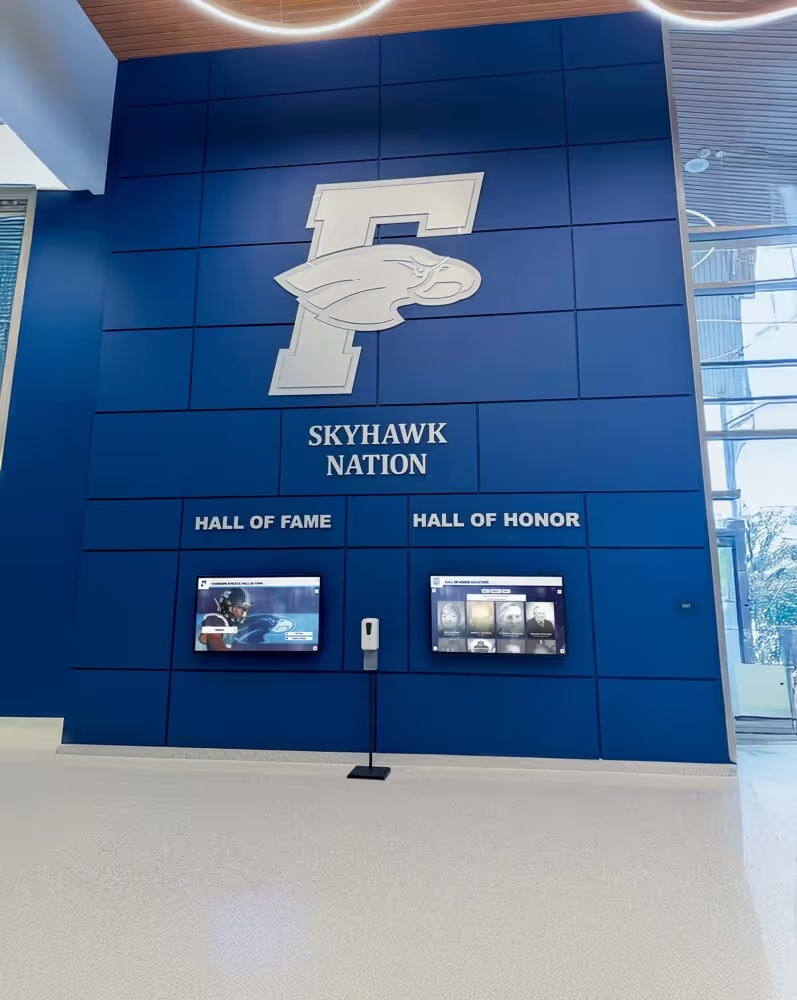
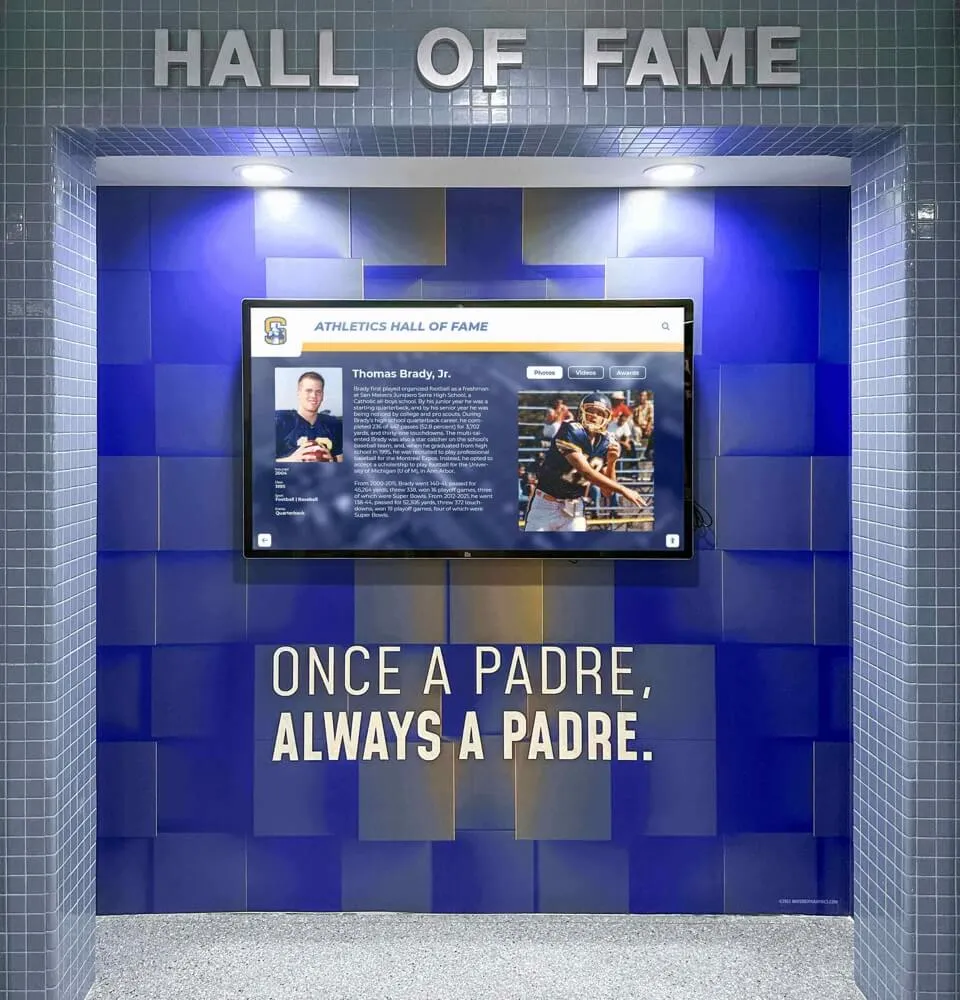
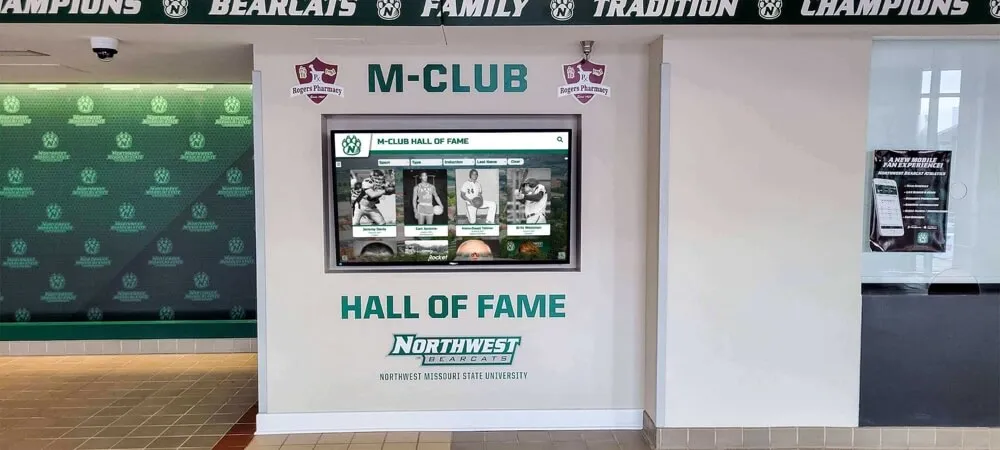
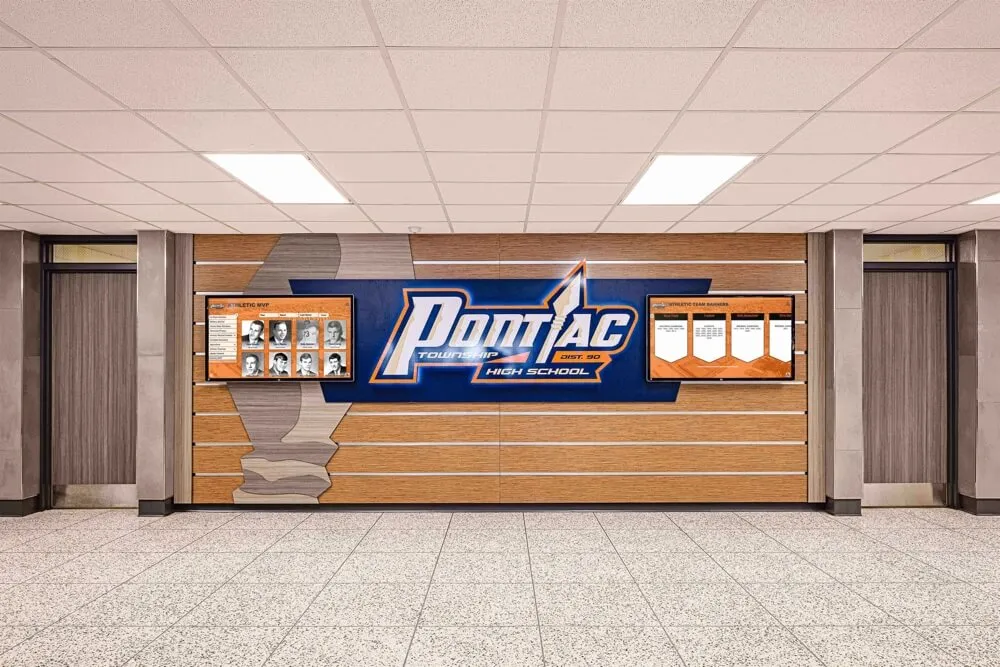
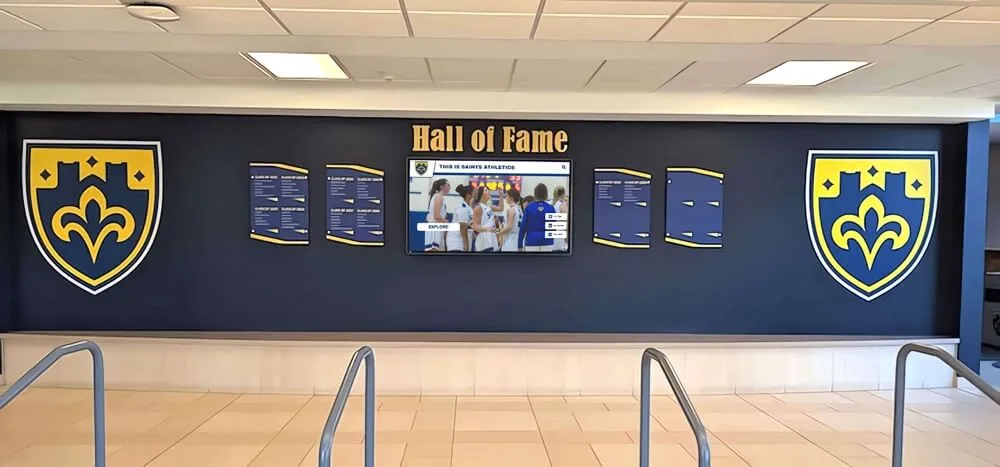
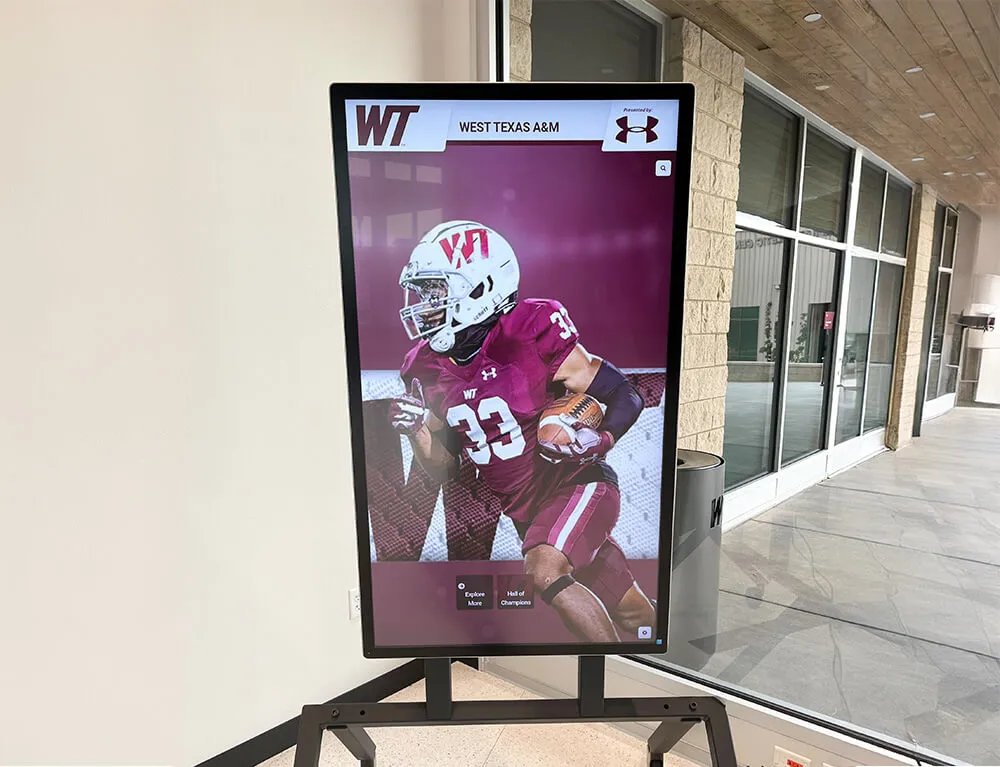
Concession revenue funds not just equipment but also recognition displays that celebrate athletes and build school pride
Popcorn: Simple Preparation, Outstanding Returns
Fresh-popped popcorn offers 88-92% profit margins while requiring minimal volunteer training and filling your concession area with appealing aromas that draw customers.
Popcorn Economics and Operations
Bulk popcorn kernels, coconut oil, and butter-flavored salt cost $0.12-0.22 per serving. Selling small bags at $2.50 and large at $4.00 generates $2.28-3.88 profit per sale with virtually no preparation complexity.
Commercial popcorn machines ($400-1,200) with 8-12 ounce kettles pop 40-60 servings per batch taking just 3-4 minutes. Warming cabinets maintain quality throughout events, preventing waste while ensuring customers always receive fresh product.
Maximizing Popcorn Revenue
Offer size variety: small bags ($2.50) for children, large bags ($4.00) for families, and jumbo tubs ($6.00) for groups. Position popcorn prominently near the entrance where the aroma attracts attention.
Create specialty options: cheese popcorn using powdered cheese seasoning ($0.18 additional cost, $1.00 premium pricing), caramel corn made in small batches ($0.35 cost, $5.00 pricing), or kettle corn for variety ($0.15 cost, $4.50 pricing).
Consider combo deals: popcorn and fountain drink combinations at $5.50 increase transaction sizes while providing customers value.
Nachos: Minimal Effort, Maximum Appeal
Nachos with cheese sauce offer 78-84% margins while requiring almost no cooking skill from volunteers.
Building Profitable Nacho Operations
Bulk restaurant-quality tortilla chips cost $0.15-0.22 per serving. Commercial cheese sauce in #10 cans costs $0.28-0.38 per portion. Total base cost: $0.43-0.60 per serving.
Sell basic nachos (chips and cheese) for $4.00 generating $3.40-3.57 profit. Loaded nachos with jalapeños ($0.08), salsa ($0.12), and sour cream ($0.15) cost $0.78-0.95 total but command $6.00 pricing for $5.05-5.22 profit per sale.
Equipment and Setup
Commercial nacho cheese warmers ($120-280) maintain proper serving temperature throughout events. Purchase nacho trays or boats ($0.08-0.14 each) that contain toppings without mess.
Speed assembly by setting up topping stations where volunteers can quickly build custom orders during rush periods.
Candy and Packaged Snacks: Zero Prep, Reliable Income
Pre-packaged items offer 45-65% margins with absolute zero preparation while satisfying customers seeking quick grab-and-go options.
Strategic Candy Selection
Purchase bulk candy from warehouse clubs or restaurant supply companies, not retail grocery stores. Typical economics: full-size candy bars cost $0.45-0.70 and sell for $1.50-2.00, large bags of chips cost $0.50-0.75 and sell for $2.00-2.50.
Stock proven sellers: Snickers, Reese’s, and M&Ms lead candy sales, Doritos, Cheetos, and regular chips dominate snack sales, Rice Krispies treats and granola bars appeal to health-conscious customers, and beef jerky and protein bars attract athletes.
Display effectively: Use clear bins or racks at eye level near the register, position impulse items where customers queue, and rotate stock using first-in-first-out to maintain freshness.
Many successful booster clubs integrate concession revenue with broader fundraising strategies including volunteer appreciation programs that honor the people making game-day operations possible.
Hot Food Items That Command Premium Prices
While requiring more equipment and volunteer coordination, hot foods enable higher price points and meal-level transactions.
Hot Dogs: The Concession Stand Classic
Hot dogs remain popular because they work—familiar comfort food that’s easy to eat while watching games and simple for volunteers to prepare consistently.
Hot Dog Economics
Wholesale hot dogs cost $0.28-0.45 each (depending on quality tier). Buns cost $0.12-0.18. Condiments add $0.03-0.05. Total cost per hot dog: $0.43-0.68.
Pricing strategy: Regular hot dogs at $3.50 generate $2.82-3.07 profit (75-82% margin). Premium options like quarter-pound all-beef franks or specialty sausages (Italian, bratwurst) cost $0.75-1.10 but command $5.00-6.00 pricing, yielding $3.90-5.25 profit.
Equipment and Operation
Commercial hot dog roller grills ($180-450) or steamer units ($220-380) maintain proper serving temperature for 30-60 hot dogs simultaneously. Both options require minimal volunteer training while producing consistent quality.
Set up condiment stations where customers self-serve ketchup, mustard, relish, onions, and sauerkraut. This speeds service while reducing volunteer workload.
Maximizing Hot Dog Revenue
Create combo meals: hot dog, chips, and drink for $7.00 increases average transaction size while providing customers convenience and perceived value (individual items would total $8.00-9.00).
Offer premium options: Chili cheese dogs at $5.50 (add $0.40 in chili and cheese), bacon-wrapped hot dogs at $6.00 (add $0.65 in bacon), or Chicago-style dogs with premium toppings at $6.50.
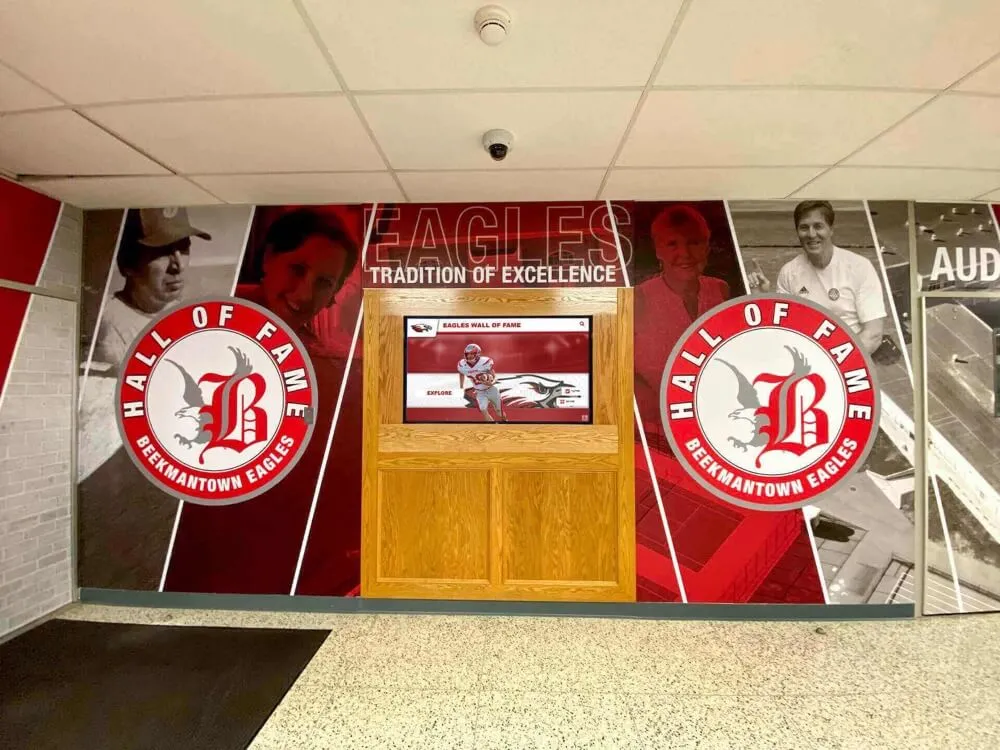
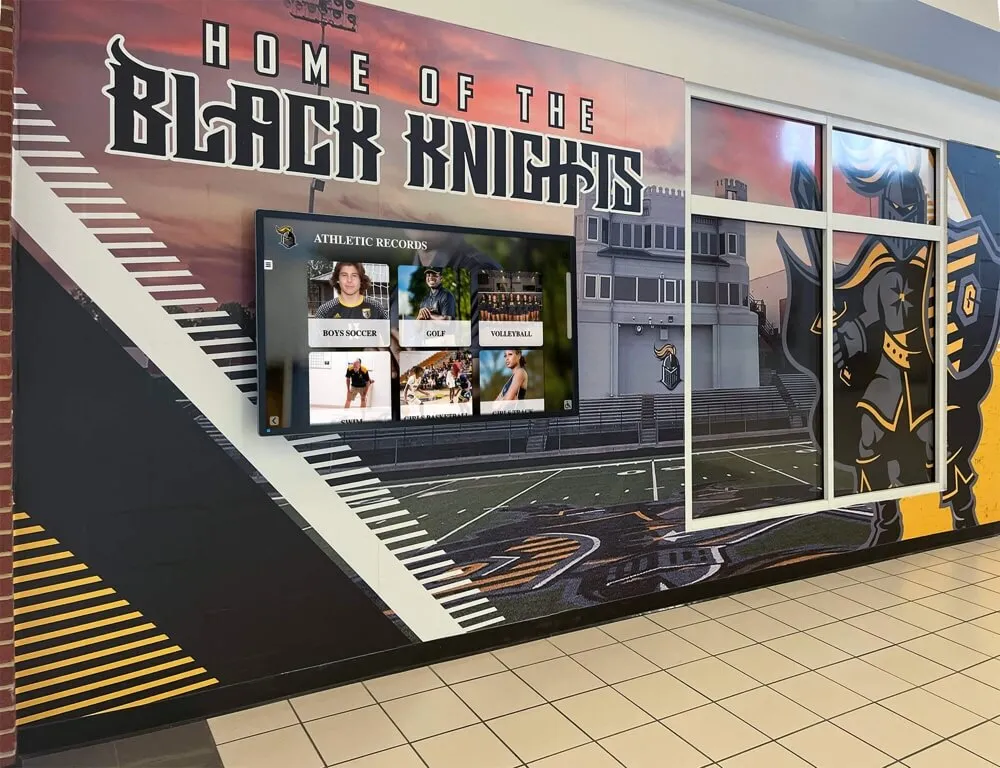
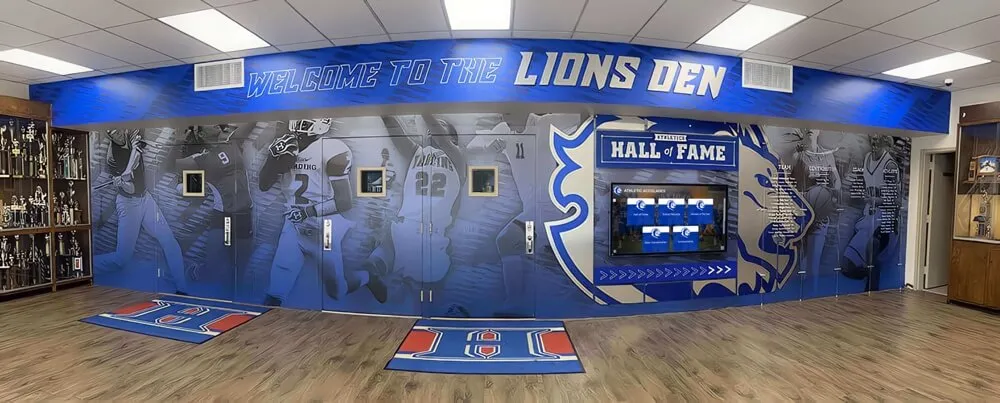
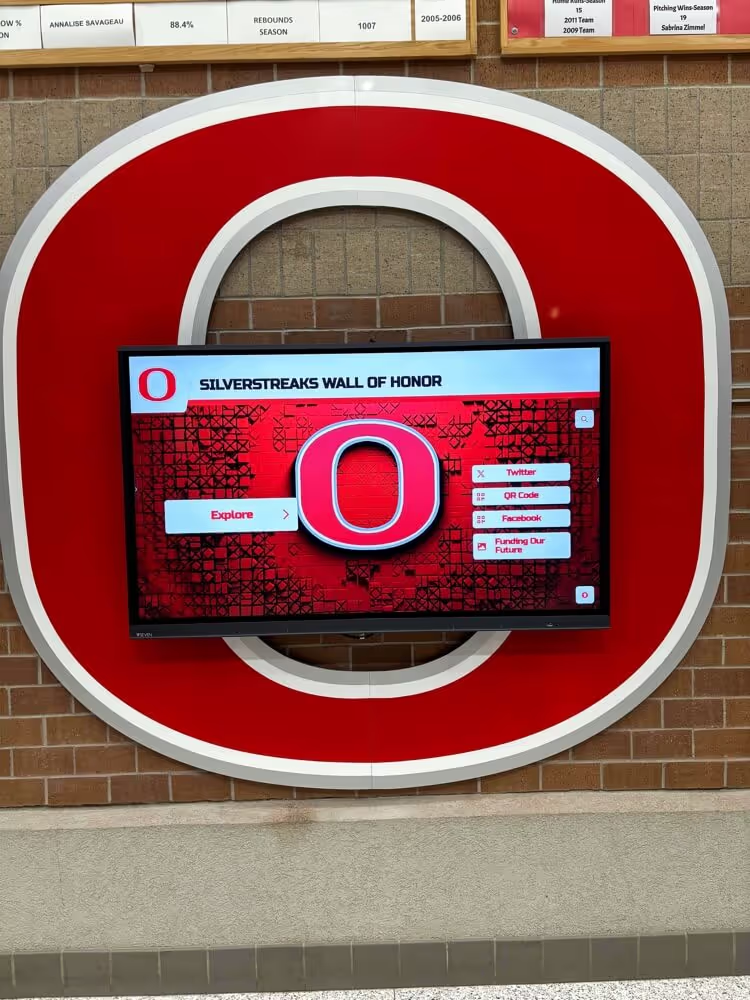
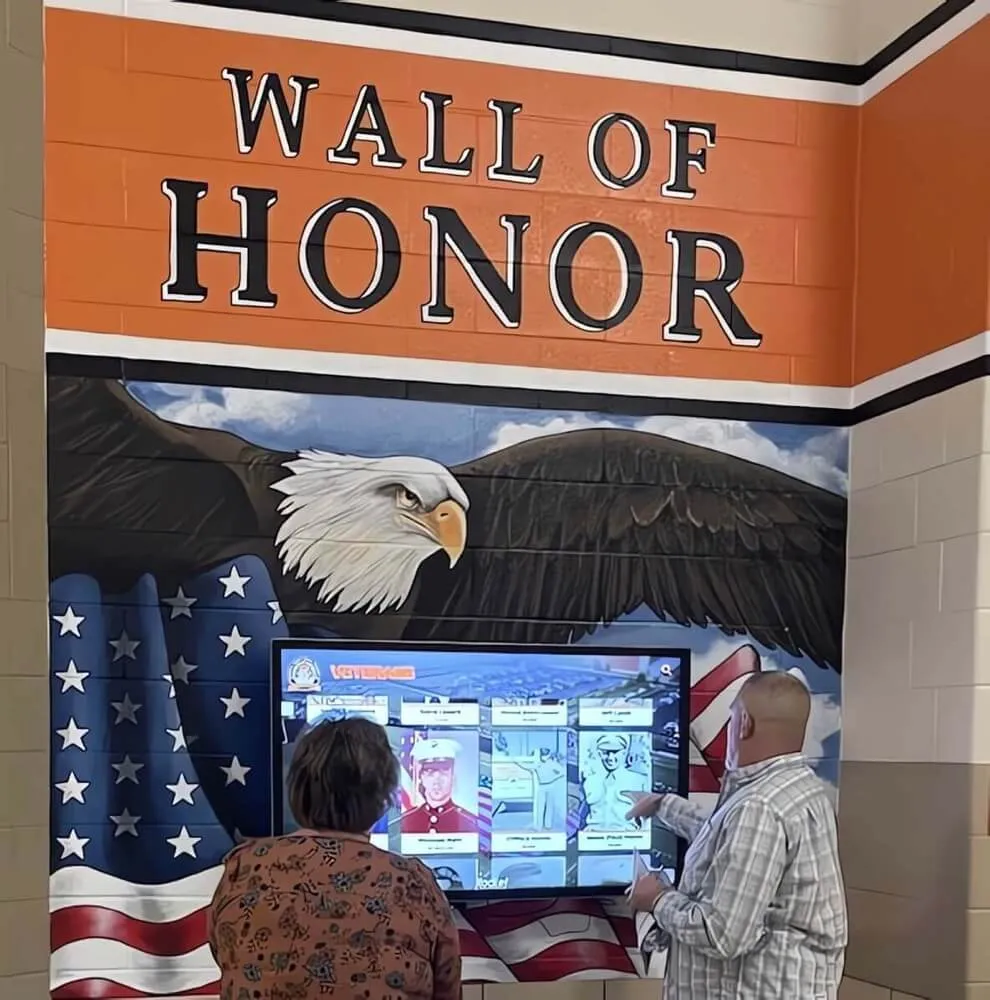
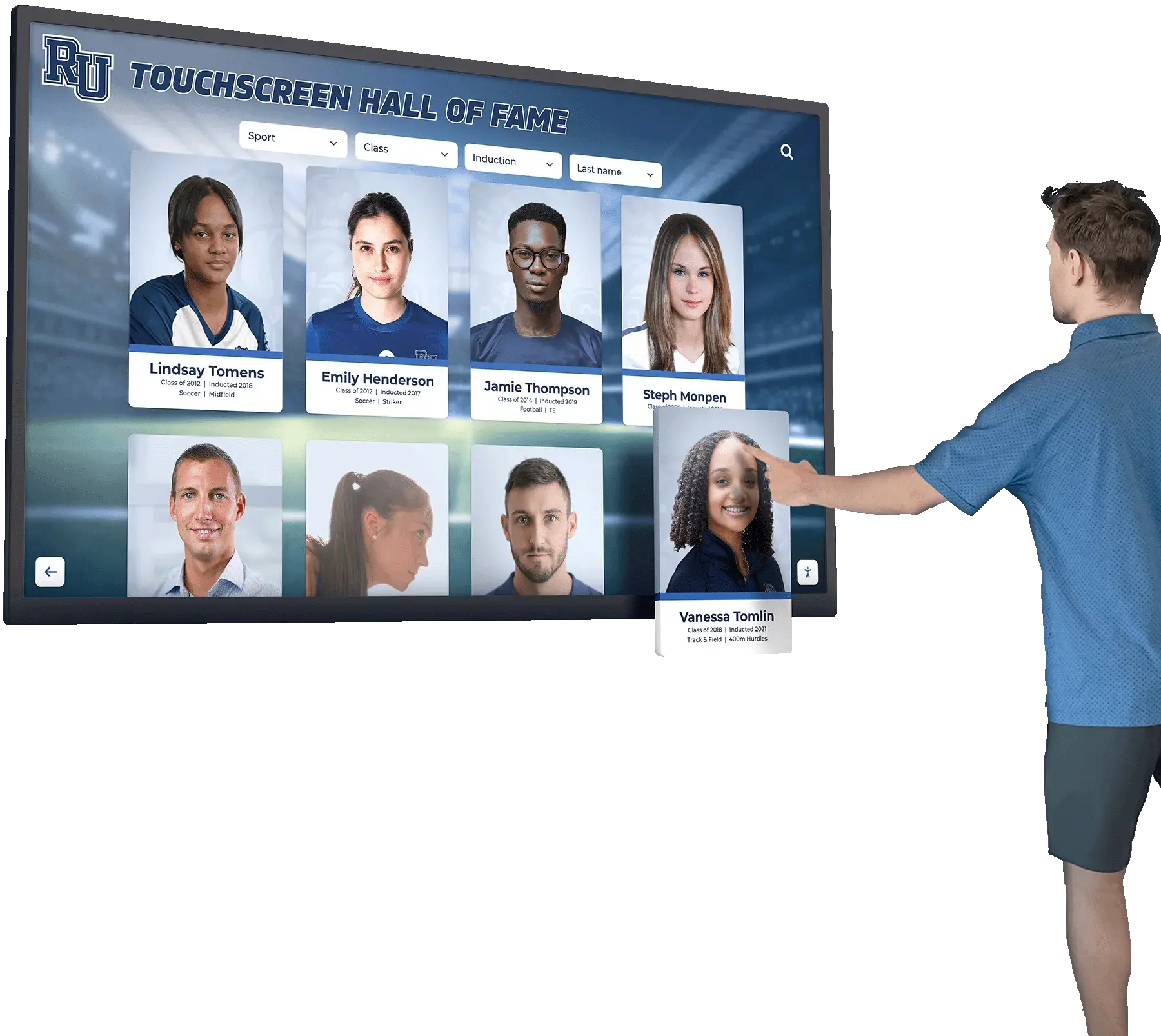
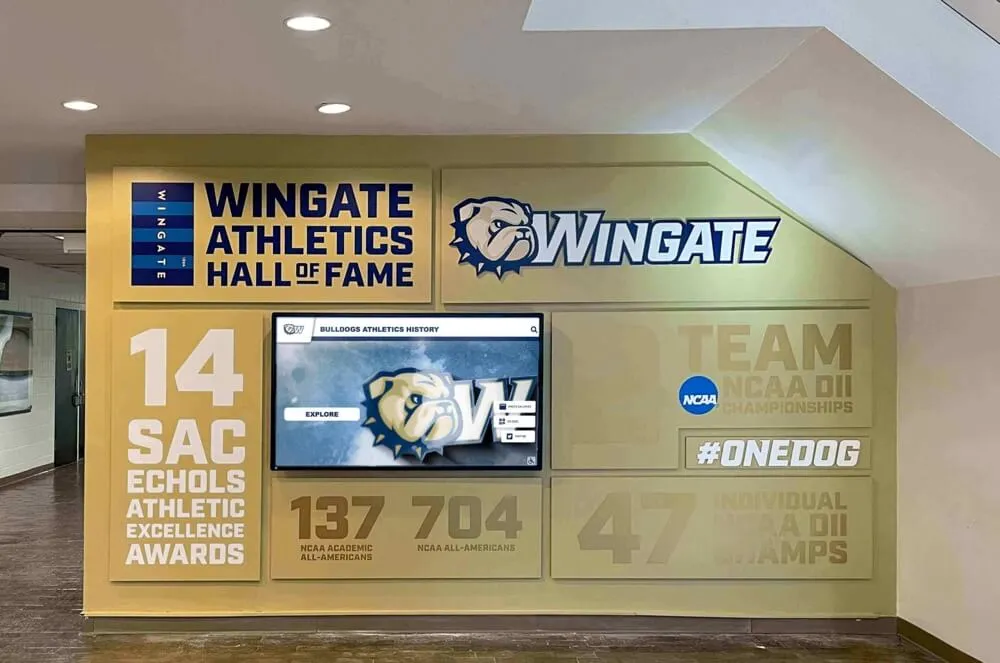
Revenue from concession operations helps fund recognition displays that honor athletes, donors, and community supporters
Walking Tacos: Portable, Profitable, Popular
Walking tacos (taco ingredients served in individual chip bags) offer fun, portable meals with excellent margins while minimizing plate and utensil costs.
Walking Taco Economics
Individual serving-size chip bags (Doritos, Fritos) cost $0.50-0.65. Seasoned taco meat costs $0.55-0.75 per portion. Cheese, lettuce, and salsa add $0.30-0.40. Total cost: $1.35-1.80 per serving.
Sell walking tacos at $6.00-7.00 generating $4.20-5.65 profit (70-76% margin) while offering customers a complete meal in an innovative format that appeals to students.
Preparation Strategy
Prepare seasoned taco meat in bulk before events using commercial electric roasters or slow cookers. Keep warm throughout the event in chafer pans with heating elements.
Set up assembly stations: volunteers open chip bags partway down, add meat and cold toppings, insert plastic forks, and hand to customers. Service speed matches hot dog operations.
Store cold toppings (shredded cheese, lettuce, diced tomatoes, sour cream, salsa) in refrigerated coolers with ice packs. Use squeeze bottles for sour cream and salsa for faster, cleaner application.
Pizza: High Revenue, Multiple Approaches
Pizza consistently ranks among top-selling concession items but requires choosing an operational approach that balances revenue with volunteer capacity.
Option 1: Partnership with Local Pizzeria
Negotiate with nearby pizza restaurants to deliver fresh pizzas to your concession stand throughout events. Typical arrangements: you pay $7-10 per pizza and sell slices at $3.50-4.00 each (8 slices per pizza), generating $18-22 revenue and $8-15 profit per pizza depending on agreement terms.
Benefits: Zero equipment investment, minimal volunteer training, no food safety concerns, and ability to offer pizza without capacity for on-site preparation.
Challenges: Profit margins lower than self-prepared options, dependence on timely delivery during peak periods, and limited control over product quality and timing.
Option 2: Reheat Pre-Made Pizzas
Purchase high-quality frozen pizzas or wholesale pizza ($4-6 each) and reheat in commercial countertop pizza ovens ($450-800). Slice and sell at $3.50 per slice generating $22-24 revenue and $16-20 profit per pizza (72-77% margin).
Benefits: Higher margins than delivery partnerships, control over timing and preparation, and ability to stock multiple varieties (pepperoni, cheese, supreme).
Required investment: Commercial pizza oven with proper temperature controls and pizza cutting equipment including wheeled cutters and serving spatulas.
Option 3: Make Fresh Pizza On-Site
Prepare pizzas from scratch using commercial pizza ovens ($1,200-3,500). Use pre-made dough ($0.85-1.20 per pizza), sauce ($0.30-0.45), cheese ($1.10-1.50), and toppings ($0.40-0.80). Total cost: $2.65-3.95 per pizza.
Sell slices at $4.00 each generating $32 revenue and $28.05-29.35 profit per pizza (87-89% margin).
This approach requires experienced volunteers, more preparation time, and significant equipment investment but delivers maximum profit margins for high-volume operations.
Schools funding comprehensive athletic programs often explore resources like team GPA recognition displays that celebrate both athletic and academic achievement.
Specialty Items That Differentiate Your Concession Stand
Beyond standard offerings, specialty items create buzz, attract customers, and generate premium revenue.
Premium Coffee and Specialty Hot Beverages
Cold weather events create opportunities for hot beverage sales with exceptional margins.
Coffee Operations
Commercial coffee urns (3-5 gallon capacity) brew bulk coffee at $0.22-0.35 per cup including grounds, cream, sugar, and disposable cups. Sell at $2.50-3.00 generating $2.15-2.78 profit (85-88% margin).
Offer simple varieties: Regular coffee, decaf coffee, and hot chocolate ($0.30-0.42 cost per serving, $3.00 pricing).
Add premium options: Flavored coffee syrups (vanilla, caramel, hazelnut) for $0.50 upcharge, whipped cream topping for $0.75 upcharge, and specialty seasonal drinks (peppermint mocha, pumpkin spice) at $4.00-4.50.
Implementation Tips
Start brewing coffee 30-45 minutes before gates open. Keep urns full throughout first half when sales peak. Monitor temperature to maintain food-safe serving conditions.
Position coffee near entrance or visitor seating areas where cold parents appreciate hot beverage options.
Pretzels: Soft, Fresh, Profitable
Soft pretzels offer something different from standard concession fare while maintaining volunteer-friendly preparation.
Pretzel Economics
Frozen soft pretzels cost $0.28-0.42 each. Heating takes 3-4 minutes in commercial convection ovens or pretzel warmers. Total cost including salt: $0.30-0.45.
Sell plain pretzels at $3.50 generating $3.05-3.20 profit (87-90% margin). Offer cheese sauce ($0.30 cost) or mustard for $0.50 upcharge.
Specialty pretzel bites: Mini pretzel bites served in containers with dipping sauce cost $0.55-0.75 and sell at $5.00, appealing particularly to younger customers.
Equipment Needs
Commercial pretzel warmers ($250-420) with humidity control maintain proper texture. Alternatively, convection ovens ($180-350) heat pretzels from frozen state in single batches.
Display pretzels prominently in warming cabinets where customers can see the appealing golden-brown exterior.
Breakfast Options for Morning Events
Weekend tournament play and early-season cold-weather games create demand for breakfast items.
Breakfast Sandwiches
Pre-made frozen breakfast sandwiches (sausage/egg/cheese or bacon/egg/cheese on biscuit or croissant) cost $0.95-1.35 each. Reheat in commercial microwaves or convection ovens in 90 seconds. Sell at $4.50-5.00 generating $3.15-4.05 profit (70-76% margin).
Pancakes on a Stick
Frozen pancake-wrapped sausage links cost $0.65-0.85 each, heat in 2-3 minutes, and sell at $3.00-3.50. Include syrup cups ($0.08 each) as optional add-on. Popular with youth customers and easy for volunteers to prepare consistently.
Muffins and Pastries
Wholesale bakery muffins, danishes, and cinnamon rolls cost $0.55-0.90 each and sell at $2.50-3.50. No preparation required beyond display. Offer coffee pairing promotions: coffee and pastry for $5.00.
Many booster clubs coordinating extensive athletic programs reference resources like gym banner design ideas to celebrate achievements funded through concession revenue.
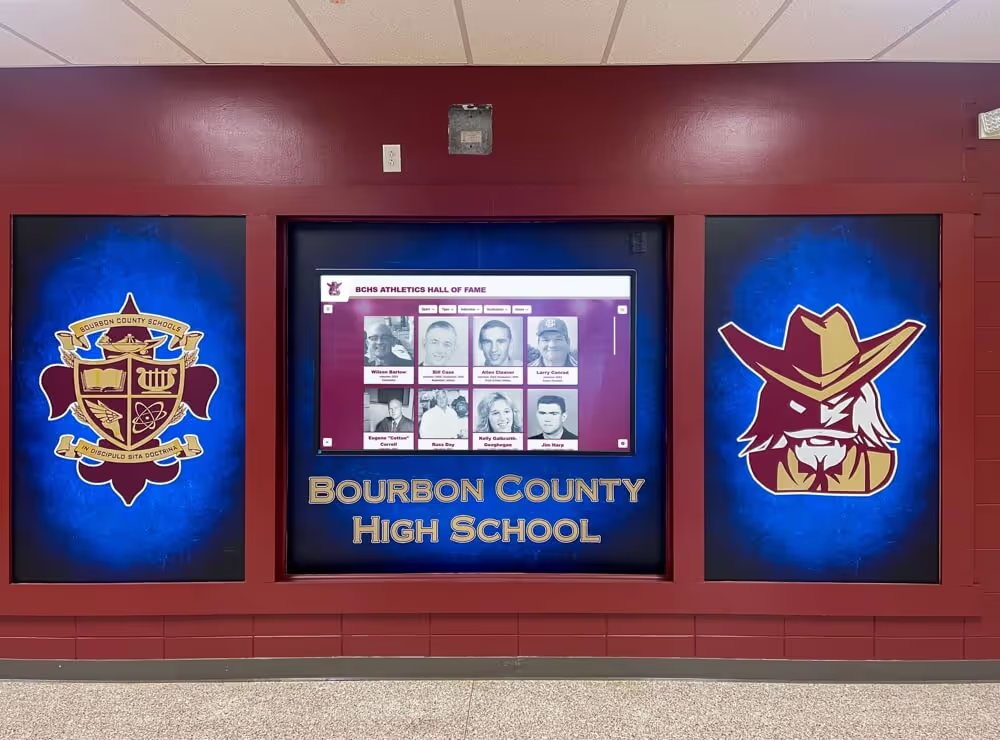
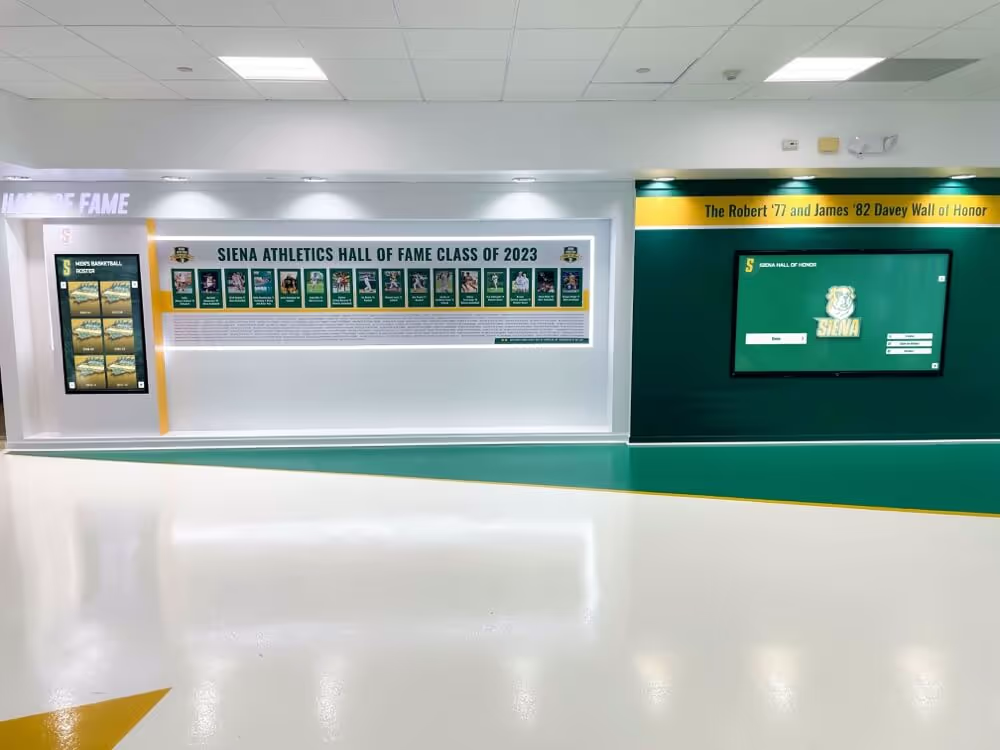
Concession profits fund the recognition displays and facility improvements that enhance the entire athletic program experience
Strategic Pricing and Menu Combinations
Thoughtful pricing strategies significantly impact profitability without requiring menu changes.
Psychological Pricing Tactics
Small pricing adjustments influence customer behavior while maintaining perceived value.
Price Point Strategy
End prices in .50 or .00 rather than .95 or .99. Concession customers prefer simplicity and avoiding coin change: $3.50 feels cleaner than $3.49 and speeds transactions.
Use anchoring: Position premium items first on menu boards at higher prices ($6.00 loaded nachos), making standard options ($4.00 basic nachos) feel more reasonable by comparison.
Size-Based Pricing
Structure sizes to encourage upsizing: small fountain drink at $2.50, medium at $3.00, large at $3.50. The $0.50 increments feel reasonable while your cost difference is only $0.06-0.09.
Most customers choose medium or large options when small-to-medium and medium-to-large gaps feel equal, maximizing revenue per transaction.
Combo Meals and Bundling
Combination meals increase average transaction sizes while providing customers convenience.
Classic Combo Structure
Create 3-4 combo options addressing different appetites:
Kid’s Combo ($6.00): Small hot dog, small chips, small drink
Individual cost would total: $7.00
Your cost: $1.05-1.35
Profit: $4.65-4.95 (73-78% margin)
Standard Combo ($8.50): Regular hot dog or walking taco, regular chips, medium drink
Individual cost would total: $9.50-10.00
Your cost: $1.85-2.30
Profit: $6.20-6.65 (73-78% margin)
Premium Combo ($12.00): Two hot dogs or premium item, large popcorn, large drink
Individual cost would total: $13.50-14.50
Your cost: $2.50-3.15
Profit: $8.85-9.50 (74-79% margin)
Family Bundle ($25.00): Four hot dogs, two large popcorns, four drinks
Individual cost would total: $30.00-32.00
Your cost: $6.20-8.00
Profit: $17.00-18.80 (68-75% margin)
Combo Benefits
Customers perceive combos as good value (saving $1.00-2.50), volunteers prepare orders more efficiently using standardized combinations, average transaction sizes increase 40-60% compared to single-item purchases, and lines move faster when customers order complete meals rather than building custom orders.
Strategic Menu Board Design
How you present pricing influences purchasing decisions.
Visual Hierarchy
Position high-margin items prominently: fountain drinks and popcorn in prime visual locations, combo meals near top of menu boards, and specialty items with eye-catching descriptions.
Use strategic descriptions: “Loaded Nachos with Jalapeños, Salsa & Sour Cream” sounds more appealing and justifies higher pricing than simply “Nachos - Large.”
Limited Choice Architecture
Research shows 7-12 menu items represent the optimal balance between variety and decision paralysis. Too many options slow ordering and overwhelm customers.
Organize clearly: Beverages, Snacks, Hot Foods, Combos. Within each category, list 2-4 options at most.
Schools developing comprehensive recognition programs often explore creating collegiate experiences for high school athletes including the professional facilities and recognition funded by successful fundraising.
Operational Excellence: Systems That Maximize Efficiency
Even perfect menus underperform without operational systems supporting volunteer success.
Volunteer Management and Training
Sustainable concession operations require systems preventing burnout while maintaining quality.
Station-Based Assignment System
Divide concession operations into specialized stations: register/cash handling (requires basic math skills and customer service), fountain drinks and cold items (simple, fast-paced station perfect for teens), hot food preparation (requires brief training, suited for experienced volunteers), and runner/restocking (physical station for volunteers who prefer less customer interaction).
Benefits: Volunteers master one station rather than trying to learn entire operation, specialized training is faster and more effective, stations work as assembly line during rush periods, and new volunteers integrate easily into single stations.
Pre-Event Preparation Protocols
Create checklist systems ensuring consistency across different volunteer teams:
Two Hours Before Event:
- Turn on hot dog rollers, nachos cheese warmer, and popcorn machine
- Verify cash drawer has proper starting change ($200 in small bills)
- Stock all stations with initial inventory
- Prepare hot foods requiring advance cooking (taco meat, etc.)
- Test fountain drink system and verify adequate CO2/syrup
One Hour Before Event:
- Begin popping popcorn to create appealing aroma
- Start first batch of hot dogs
- Final restock of customer-facing areas
- Brief all volunteers on evening specials or promotions
- Assign volunteers to specific stations
During Event:
- Continuous monitoring of popular items
- Restock before running empty (never tell customers “we’re out”)
- Rotate volunteers for breaks
- Monitor trash and customer areas
Post-Event:
- Food inventory and waste assessment
- Revenue counting with two-person verification
- Equipment cleaning and shutdown
- Brief evaluation: what sold well, what didn’t, operational challenges
Inventory Management and Cost Control
Tracking inventory and costs separates highly profitable operations from those leaving money on the table.
Purchasing Strategy
Buy in bulk from restaurant supply stores or warehouse clubs (Costco, Sam’s Club, Restaurant Depot) rather than retail grocery stores. Price differences range from 30-50% for identical products.
Join cooperative buying groups with other booster clubs to increase volume discounts.
Negotiate with distributors: Once your operation reaches consistent volume, approach regional food distributors for pricing competitive with retail warehouse clubs.
Waste Reduction
Monitor sales patterns to avoid over-preparing hot foods. Track how many hot dogs, nacho servings, and other prepared items sell during first half, halftime, and second half. Adjust preparation quantities to match actual demand.
Food Safety Compliance
Maintain proper temperatures: Cold foods at 40°F or below, hot foods at 140°F or above. Use food thermometers to verify.
Follow time limits: Prepared hot foods should not remain in service more than 4 hours.
Train volunteers on proper handwashing, glove use, and cross-contamination prevention.
Check with your local health department regarding permits, inspections, and requirements for concession operations.
Technology Integration for Modern Operations
Simple technology adoption improves efficiency and customer experience.
Digital Payment Options
Accept credit/debit cards through Square, Clover, or similar mobile payment systems. Benefits include 30-40% higher average transaction sizes (customers spend more with cards than cash), faster checkout reducing wait times, automatic sales tracking and reporting, and attracting customers who don’t carry cash.
Card processing fees (2.6-3.5% typically) are more than offset by increased transaction sizes and operational efficiency.
Digital Menu Boards
Digital displays showing menu items, combo deals, and pricing are easier to update than printed signs, enable rotating specials and time-based promotions (halftime specials), and create professional appearance enhancing perceived value.
Basic digital signage solutions run $200-400 using tablets or small screens with free digital signage software.
Many schools integrating technology across athletic programs explore resources like digital donor recognition walls that celebrate supporters whose contributions include volunteer time at concession stands.
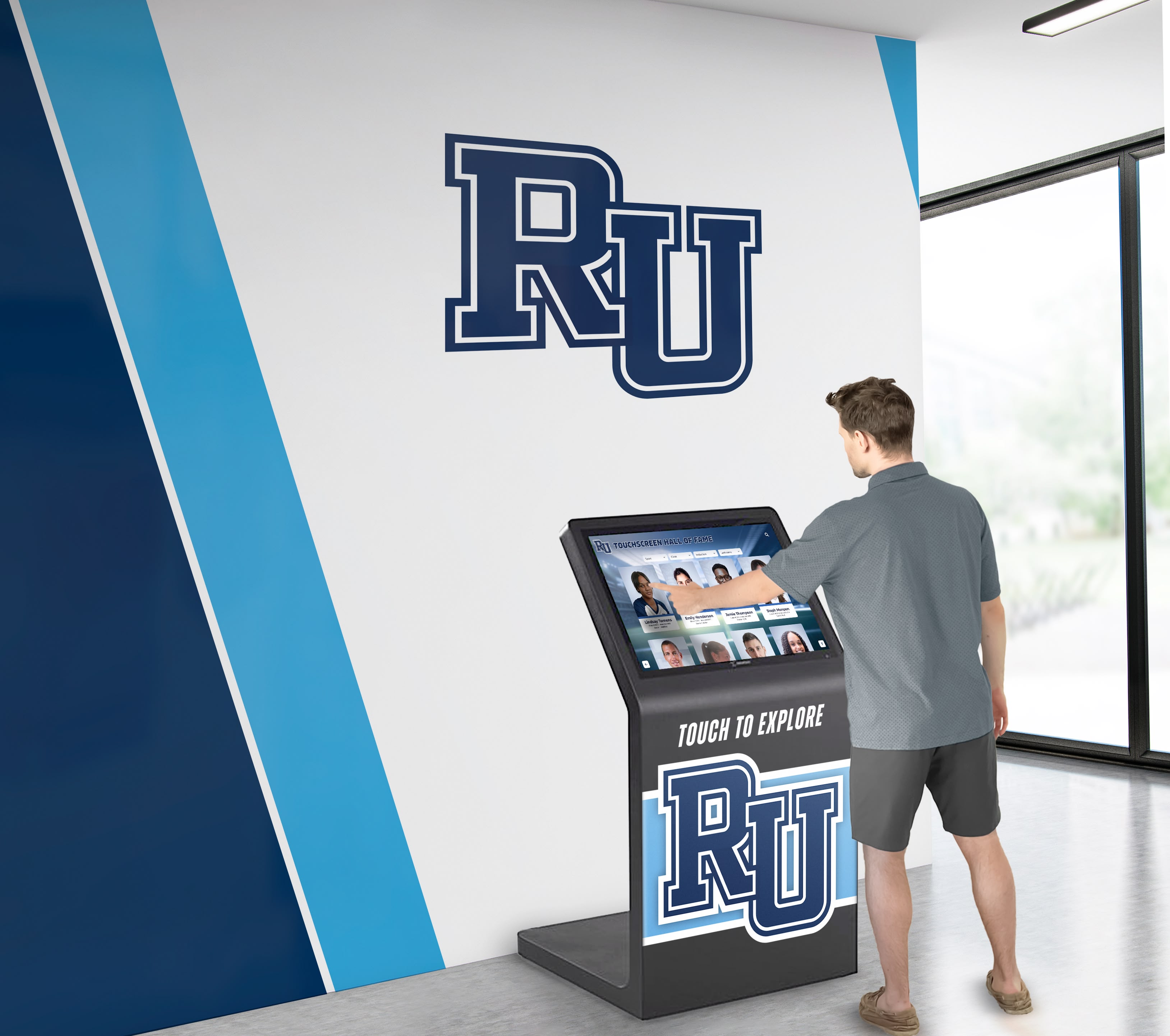
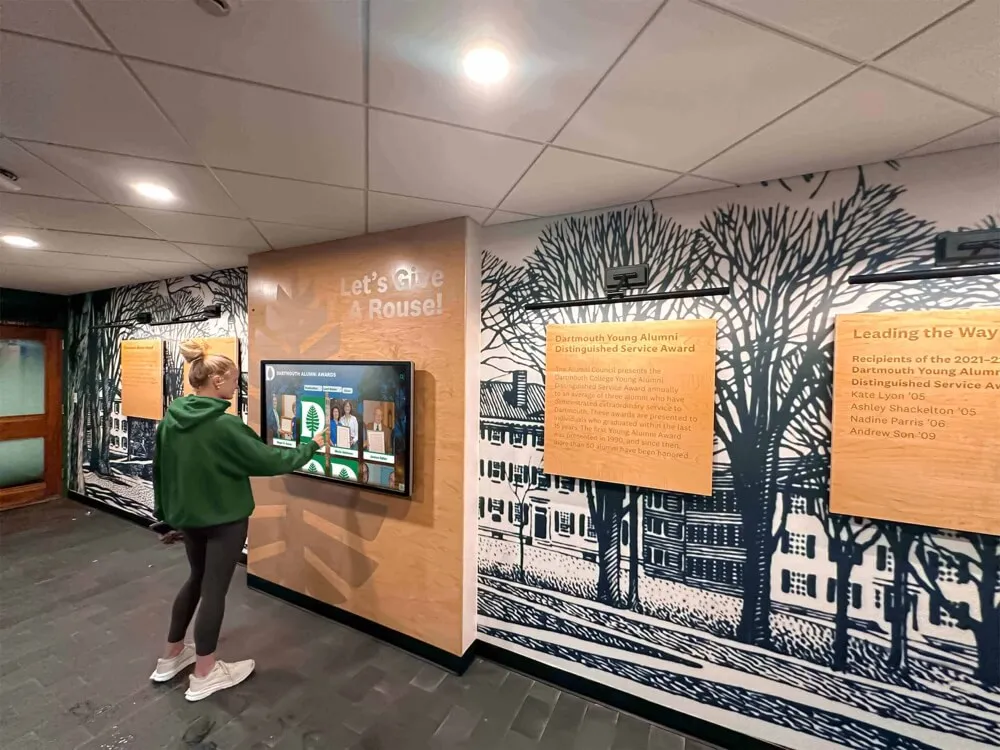
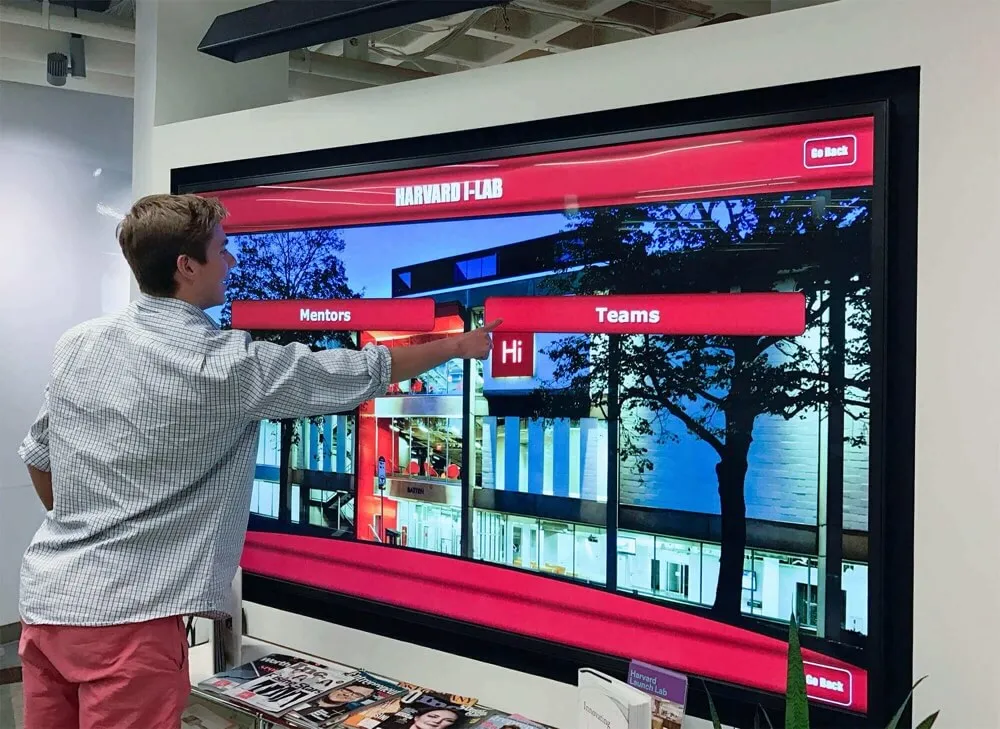
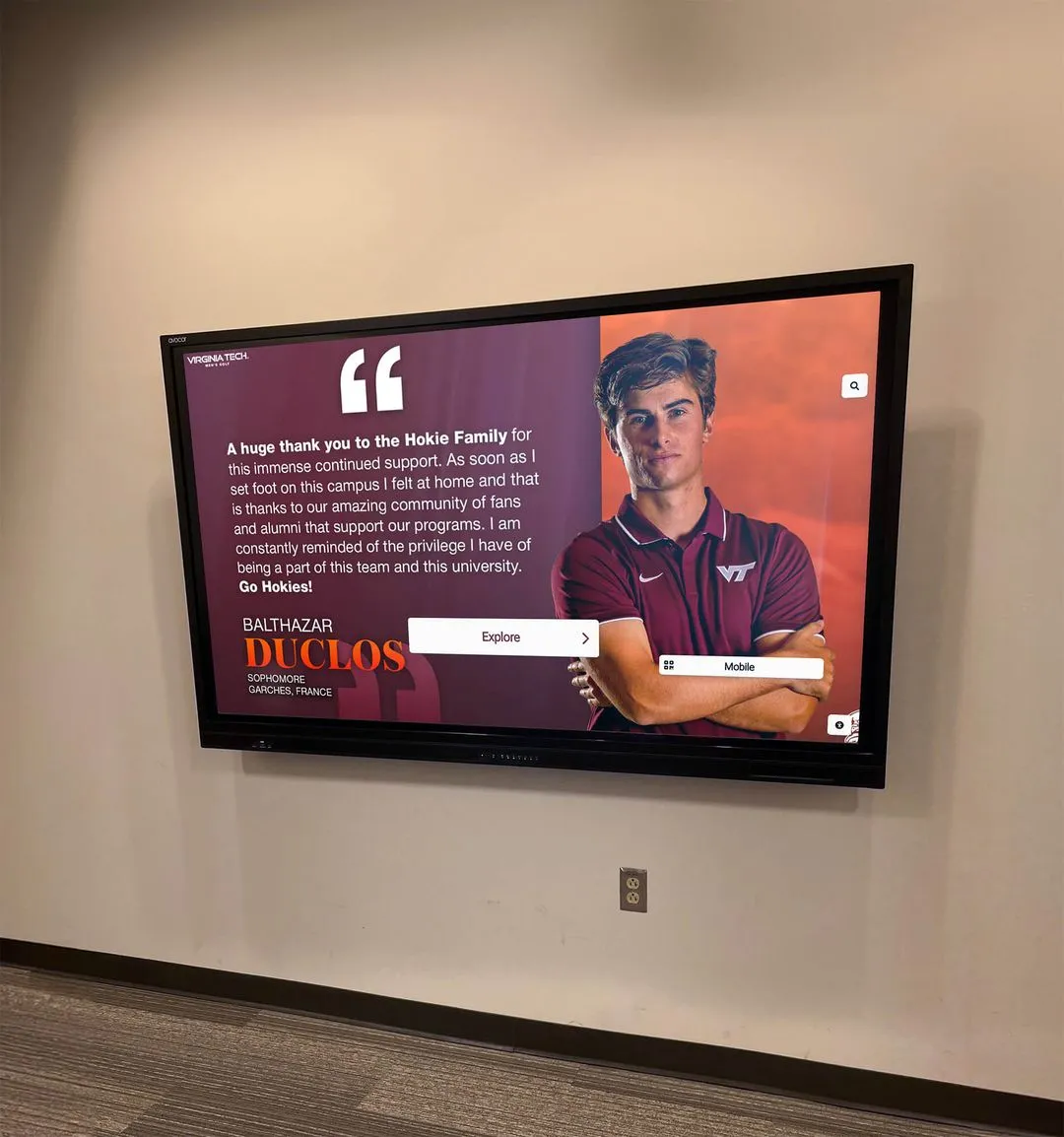
Modern recognition technology honors donors, volunteers, and supporters who make athletic programs possible through concession work and financial contributions
Connecting Concession Success to Program Recognition
Strategic booster clubs view concession revenue not just as operational funding but as investment capital for recognition systems that inspire continued community support.
Funding Recognition Displays Through Concession Revenue
Successful concession operations generating $15,000-45,000 annually create opportunities to honor the athletes, volunteers, and donors who make programs successful.
Digital Recognition Solutions
Modern recognition technology enables booster clubs to celebrate achievements without ongoing maintenance costs of traditional plaques and banners.
Interactive digital displays can showcase current athletes with game statistics and achievements, honor graduated athletes now competing at college levels, recognize booster club volunteers and major donors, display concession menu and pricing before events, and share upcoming fundraising events and sponsorship opportunities.
Schools implementing donor recognition displays find that visible appreciation for community support encourages continued engagement and giving.
Creating a Recognition Culture
When concession profits fund visible recognition honoring supporters, the cycle becomes self-reinforcing: successful concession operations generate revenue, revenue funds recognition displays celebrating community support, visible recognition inspires continued volunteer participation and financial support, and strong community support enables sustainable concession operations.
Celebrating Concession Volunteers
Booster clubs running successful concession stands typically rely on 20-40 dedicated volunteers contributing thousands of hours annually. Recognizing this service reinforces their value.
Recognition approaches include volunteer appreciation events funded by concession profits, featured volunteer profiles on digital displays, dedicated volunteer recognition sections celebrating years of service, and tangible appreciation gifts funded through operational surplus.
When volunteers see their service recognized prominently alongside athlete achievements, commitment deepens and recruitment of new volunteers becomes significantly easier.
Seasonal Menu Variations and Special Events
Adjusting your concession menu based on season and event type maximizes relevance and revenue.
Cold Weather Offerings
Fall football and winter basketball seasons create demand for warming foods.
Add: Hot chocolate and coffee (85-90% margins), soup in disposable cups (chili, chicken noodle) at 70-75% margins, hot apple cider during fall games, and handheld hot foods like pizza pockets, hot sandwiches, and burritos.
Warm Weather Adjustments
Spring and early fall events need lighter, cooling options.
Feature: Ice cream treats (ice cream sandwiches, popsicles) at 60-70% margins, frozen lemonade or slushies at 85-90% margins, cold sandwiches and wraps requiring refrigeration, and bottled iced coffee and cold brew.
Tournament and Special Event Menus
All-day tournaments serving continuous crowds enable expanded menus and higher volume.
Breakfast Service (7 AM - 11 AM): Coffee, breakfast sandwiches, pancakes on sticks, muffins, and juice.
Lunch Service (11 AM - 2 PM): Hot dogs, pizza, walking tacos, combo meals, and expanded hot food options.
Snack Service (2 PM - 6 PM): Standard concession menu with emphasis on grab-and-go items.
All-day events often generate 3-5x normal single-game revenue, making volunteer coordination worthwhile.
Theme Nights and Promotional Tie-Ins
Create buzz and drive traffic through special menu items tied to game themes.
Pink-Out Games (breast cancer awareness): Pink lemonade, strawberry items, and pink cotton candy with proceeds donated to cancer research.
Rivalry Games: Special items like “Beat [Rival] Burgers” or themed desserts create excitement and conversation.
Senior Night: Special combo deals or donate portion of specific item sales to senior class gift fund.
Homecoming: Upscale offerings like gourmet hot dogs, specialty nachos, or premium desserts.
Themed promotions increase both attendance and per-customer spending when marketed effectively through social media, school communications, and digital displays.
Many booster clubs exploring comprehensive community engagement reference resources about volunteer appreciation programs that honor the people making concession operations and entire athletic programs successful.
Financial Planning: Maximizing Concession Profitability
Understanding the complete financial picture helps booster clubs maximize returns from concession investments.
Startup Cost Considerations
Launching a high-quality concession operation requires initial equipment investment.
Essential Equipment ($3,500 - 6,500):
- Fountain drink system: $2,000-3,500
- Popcorn machine: $400-1,200
- Hot dog roller/steamer: $180-450
- Nacho cheese warmer: $120-280
- Cash register or POS system: $200-800
- Food warmers/heat lamps: $150-400
- Refrigeration (cooler/small fridge): $300-600
- Small equipment and supplies: $150-270
Optional Equipment (for expanded menus):
- Pizza oven: $450-3,500
- Coffee urns: $80-200
- Pretzel warmer: $250-420
- Additional refrigeration: $400-1,200
Most equipment pays for itself within one season through increased sales and improved margins compared to alternative approaches.
Revenue Projections
Realistic revenue expectations help with planning and goal-setting.
Single Sport Season (typical high school with 10-12 home events, 200-400 attendance per event):
Conservative scenario (200 avg attendance, 50% concession participation, $5.50 avg transaction):
10 events × 100 transactions × $5.50 = $5,500 revenue
At 70% avg margin: $3,850 net profit
Moderate scenario (300 avg attendance, 60% concession participation, $7.00 avg transaction):
10 events × 180 transactions × $7.00 = $12,600 revenue
At 72% avg margin: $9,072 net profit
Strong scenario (350 avg attendance, 65% concession participation, $8.50 avg transaction):
12 events × 227 transactions × $8.50 = $23,154 revenue
At 74% avg margin: $17,134 net profit
Multi-Sport Operations (serving football, basketball, volleyball, baseball/softball, etc.):
Well-run concession operations serving multiple sports with 40-60 total annual events can generate $35,000-75,000 in revenue producing $25,000-55,000 in net profit—substantial funding for athletic programs.
Investment Decisions: What to Fund With Concession Profits
Strategic allocation of concession revenue maximizes program impact.
Equipment and Facility Improvements: Uniform upgrades, training equipment, facility improvements, and technology enhancements.
Travel and Competition Costs: Tournament entry fees, team travel expenses, and off-season training camps.
Recognition and Awards: End-of-season banquets, individual awards, and permanent recognition displays.
Program Sustainability: Scholarship funds, coaching stipends, and emergency equipment replacement reserves.
When booster clubs allocate significant concession revenue to visible improvements like recognition displays, the tangible evidence of concession impact reinforces volunteer motivation and community support.
Taking Action: Implementing Profitable Concession Stand Menus
Building a highly profitable concession operation requires strategic planning followed by consistent execution.
Getting Started: 30-Day Implementation Plan
Week 1: Planning and Assessment
- Audit current concession operations identifying profitable items and underperformers
- Calculate actual profit margins for each menu item
- Survey customers about desired menu items and pricing perceptions
- Assess volunteer capacity and equipment needs
Week 2: Menu Development and Equipment
- Design new menu focusing on high-margin items
- Purchase or upgrade essential equipment
- Establish supplier relationships with restaurant supply vendors
- Create combo meals and pricing strategy
Week 3: Training and Systems
- Develop station-based volunteer assignments
- Create preparation checklists and procedures
- Conduct volunteer training sessions
- Design and print new menu boards
Week 4: Launch and Adjustment
- Implement new menu at first event
- Gather volunteer and customer feedback
- Track detailed sales and cost data
- Make adjustments based on real performance
Measuring Success
Track key performance indicators showing concession effectiveness:
Financial Metrics:
- Revenue per event
- Average transaction size
- Overall profit margin percentage
- Revenue per customer
- Cost of goods sold percentage
Operational Metrics:
- Average transaction time (time from order to delivery)
- Volunteer satisfaction and retention rates
- Customer wait times
- Popular items vs. slow sellers
- Waste percentage
Review these metrics monthly, identifying trends and opportunities for improvement.
Continuous Improvement
The most successful concession operations evolve continuously based on performance data and customer feedback.
Test new items: Introduce one new menu item every 2-3 events. Monitor sales and profitability. Keep winners, remove underperformers.
Seasonal adjustments: Rotate menu items based on weather and event timing. Cold weather items in fall/winter, lighter options in spring.
Volunteer optimization: Regularly assess what’s working and what creates frustration for volunteers. Simplify preparation when possible.
Customer engagement: Survey customers annually about favorite items, desired additions, and pricing perceptions.
Building Community Through Concessions
Beyond financial returns, successful concession stands strengthen community connections to athletic programs.
When families purchase concessions at every game, they’re not just buying food—they’re participating in the community ritual supporting student-athletes. The Friday night trip to the concession stand becomes part of the game-day experience connecting generations of families to your school’s athletic tradition.
Booster clubs that view concessions as community engagement opportunities rather than mere fundraising create environments where supporting athletics feels rewarding rather than obligatory. The parent volunteering at the concession stand, the grandparent buying hot chocolate for grandchildren, and the alumni returning to support current athletes all contribute to athletic program culture that transcends individual seasons or teams.
This community investment in athletic programs—expressed through concession participation, volunteer service, and financial support—deserves visible recognition. Modern recognition solutions create permanent testaments to community support that inspire continued engagement for decades.
Rocket Alumni Solutions provides schools and booster clubs with recognition technology that celebrates athletes, honors volunteers, and showcases donors whose support—including countless hours at concession stands—makes athletic excellence possible. When concession profits fund recognition displays that inspire continued community support, booster clubs create sustainable systems celebrating achievement while building lasting program strength.
Conclusion: Menus That Fund Athletic Excellence
Strategic concession stand food planning transforms game-day food service from exhausting volunteer work generating modest returns into sustainable revenue engines funding equipment, facilities, recognition systems, and experiences that elevate entire athletic programs.
The difference lies in menu selection balancing high-profit-margin items with customer satisfaction, operational efficiency with menu variety, and immediate revenue generation with long-term community building. Booster clubs implementing the strategies in this guide consistently generate 40-80% more concession revenue than those relying on conventional approaches while reducing volunteer burnout through efficient systems.
When concession revenue funds visible program improvements—new uniforms, facility upgrades, recognition displays celebrating athletes and supporters—the community sees tangible evidence that their concession purchases directly benefit student-athletes. This visible impact creates virtuous cycles where community support enables program excellence, program excellence generates community pride, and community pride sustains volunteer participation and financial support for generations.
Your concession stand represents more than a fundraising operation—it’s a community gathering place, a volunteer engagement opportunity, and a revenue engine powering athletic program dreams. Strategic menu planning ensures it fulfills all these roles effectively while maximizing the financial resources enabling student-athletes to compete at their best.