Running a successful concession stand at school sporting events requires more than just popping popcorn and selling candy bars. The best concession operations balance profitable menu offerings, efficient setup and workflow, reliable volunteer management, and customer experience—all while supporting athletic programs through fundraising revenue that pays for equipment, uniforms, travel, and facility improvements that enhance student-athlete experiences.
Yet many schools struggle with concession stands that underperform financially despite significant volunteer effort. Long lines frustrate customers, inefficient layouts waste volunteer time, poor menu selection leaves money on the table, and inadequate planning creates stress that leads to volunteer burnout. The difference between concession stands generating modest supplemental income and those producing substantial athletic program funding often comes down to strategic planning across menu selection, operational efficiency, and customer engagement.
This comprehensive guide explores creative concession stand ideas covering menu planning strategies that maximize profit margins, setup and layout approaches that improve efficiency, equipment and supply considerations, pricing tactics that balance affordability with revenue generation, volunteer management systems that prevent burnout, and fundraising integration that transforms concessions from simple food sales into comprehensive community engagement. Whether you’re launching a new concession operation or optimizing an existing stand, these proven strategies help schools create profitable, sustainable programs that support athletic excellence while delivering positive experiences for families and community members.

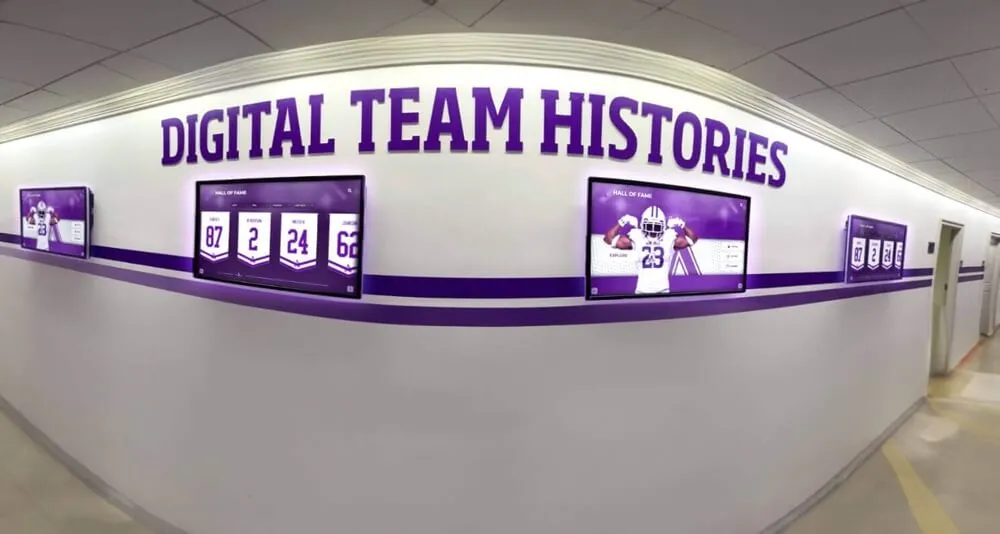
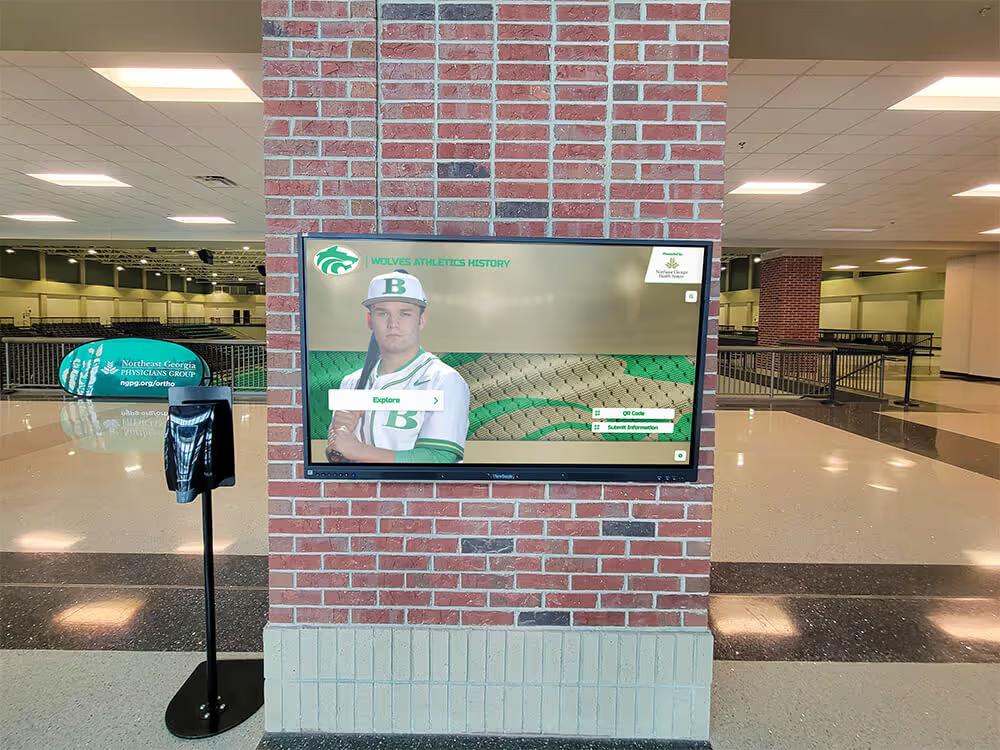
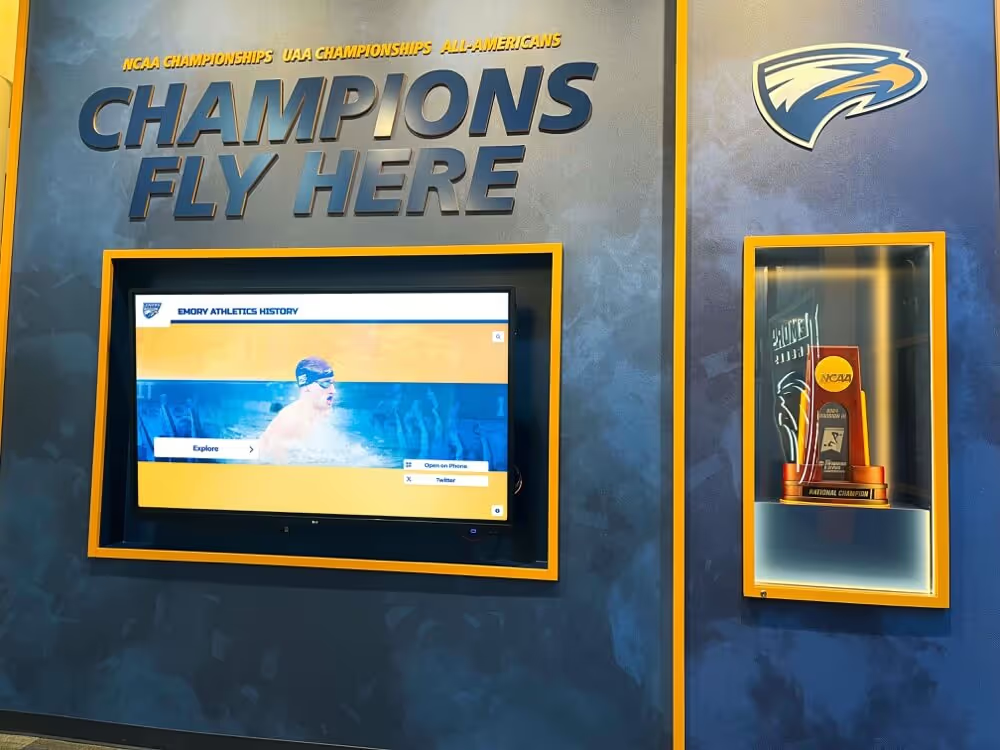
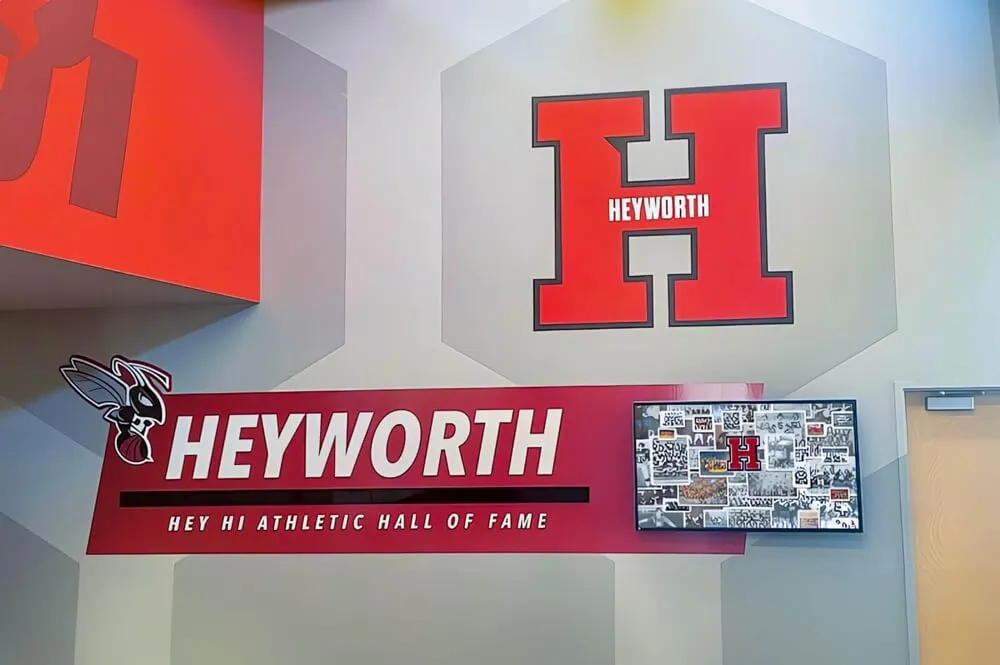
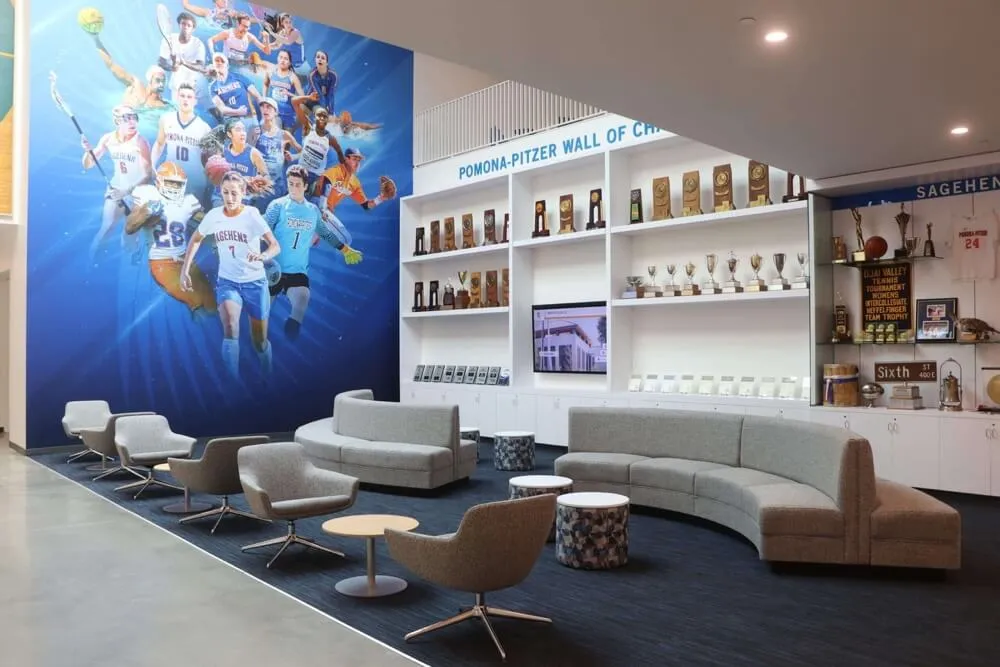
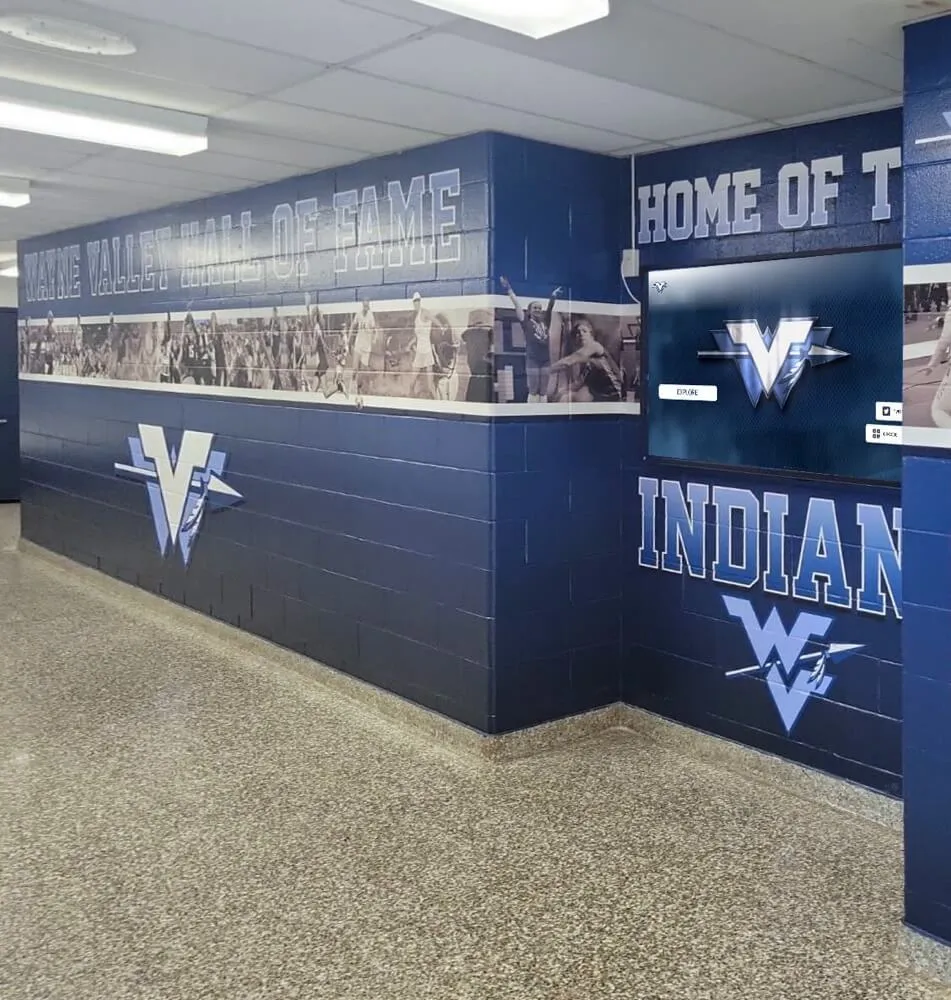
Successful school events combine great athletics with community experiences including quality concession offerings
High-Profit Menu Items Every School Concession Stand Needs
Strategic menu planning focuses on items with excellent profit margins, minimal preparation complexity, and broad customer appeal.
Beverage Offerings: The Profit Margin Champions
Beverages consistently deliver the highest profit margins in concession operations:
Fountain Drinks and Bottled Beverages
Fountain soda systems provide 80-90% profit margins when properly managed. A large fountain drink costing $0.15-0.30 in syrup and cup sells for $2-4, generating $1.70-3.85 profit per transaction. Bottled water, sports drinks, and canned sodas bought in bulk offer 60-70% margins.
Implementation approach: Invest in commercial fountain drink equipment ($1,500-3,000) that pays for itself within one season through superior margins compared to individual bottled drinks. Stock popular options including regular and diet cola, lemon-lime, orange, and fruit punch flavors. Offer multiple sizes (small, medium, large) with pricing that encourages upselling.
Coffee and Hot Chocolate
Cold weather events create demand for hot beverages with excellent margins. Commercial coffee urns brewing bulk coffee cost $0.25-0.40 per cup selling for $2-3. Hot chocolate from bulk mix offers similar economics while appealing to younger customers.
Sports Drinks and Enhanced Waters
Athletic event audiences particularly appreciate sports drinks. While individual bottle margins are lower than fountain drinks (50-60%), strategic bundling with food items or premium pricing for cold refrigerated options maintains profitability.
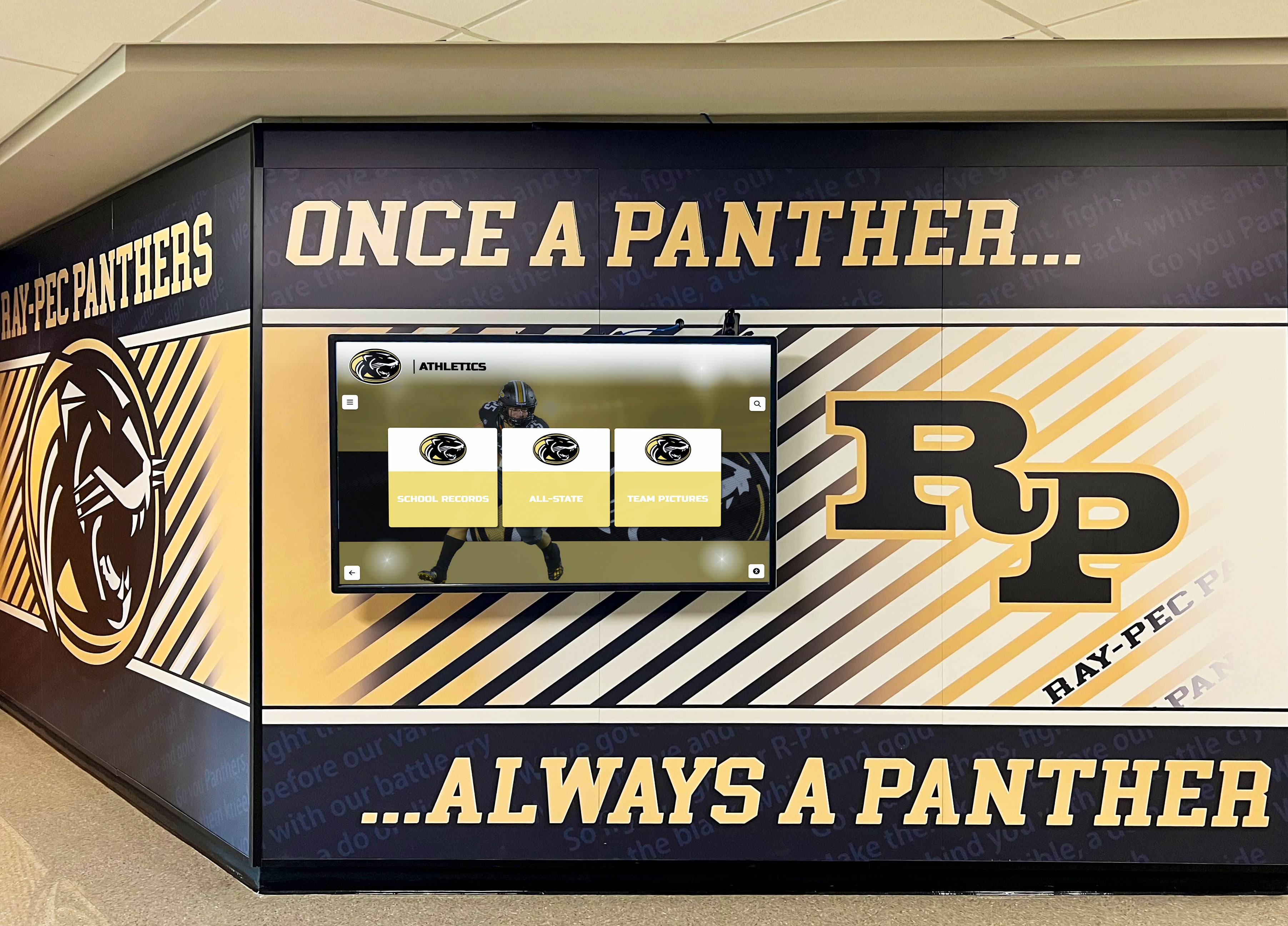
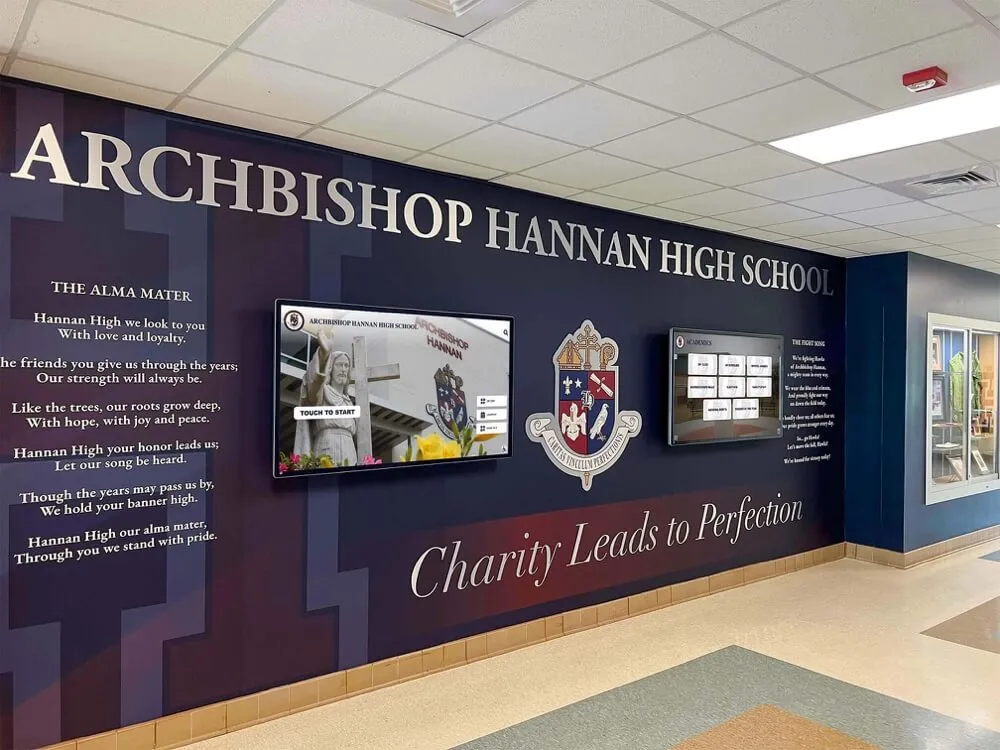
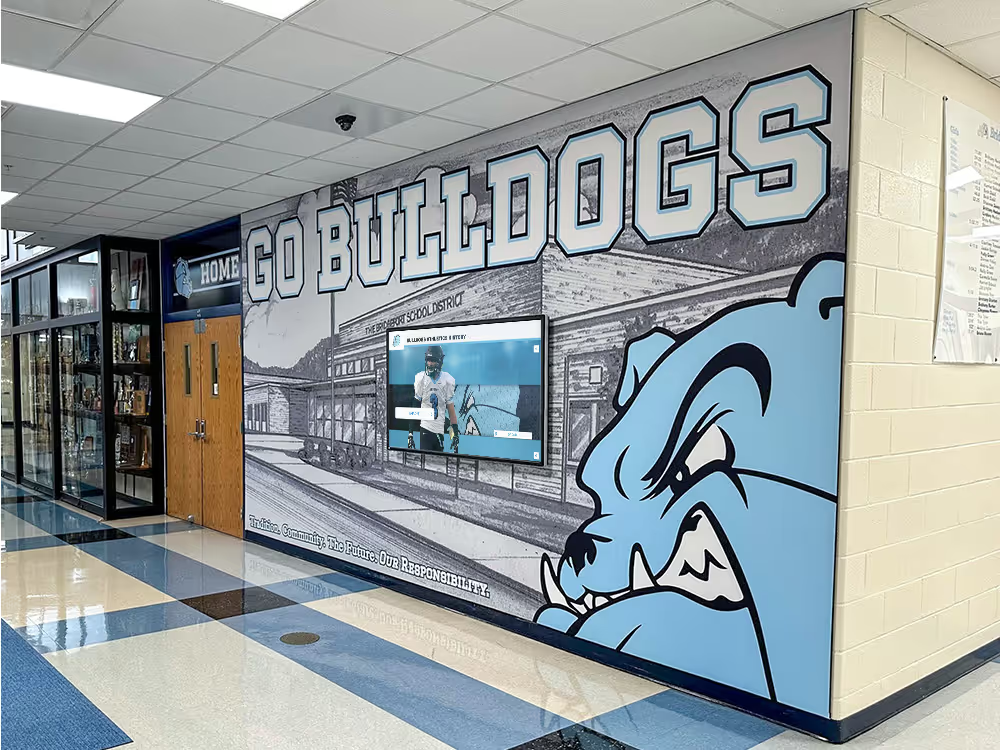
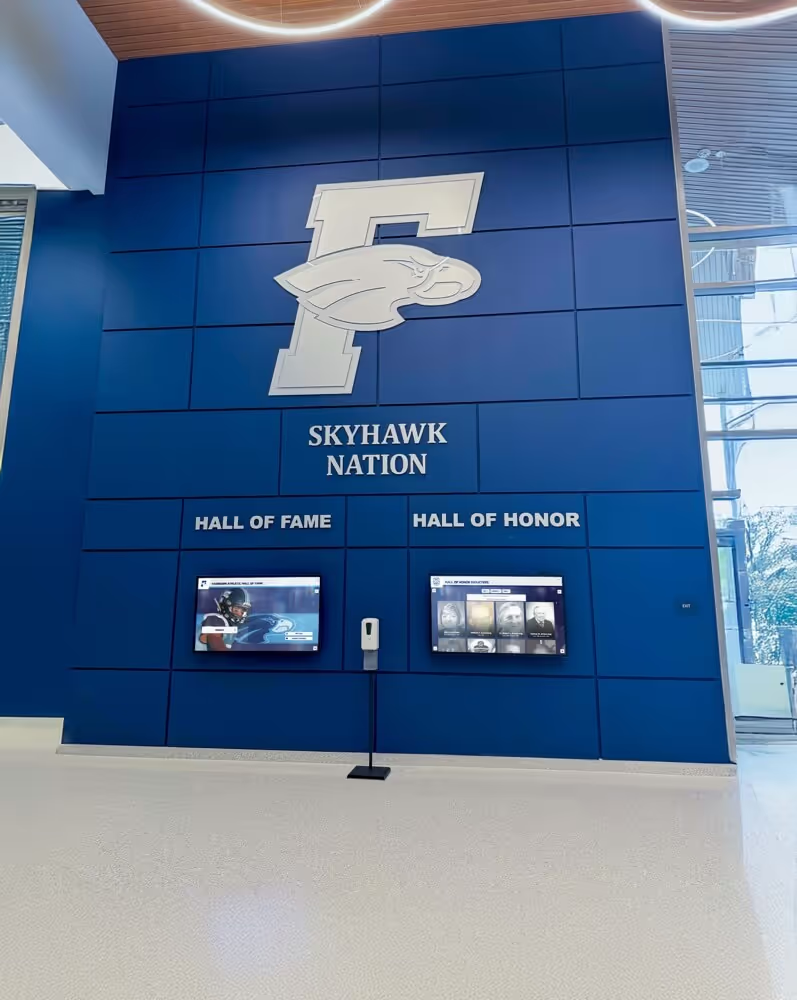
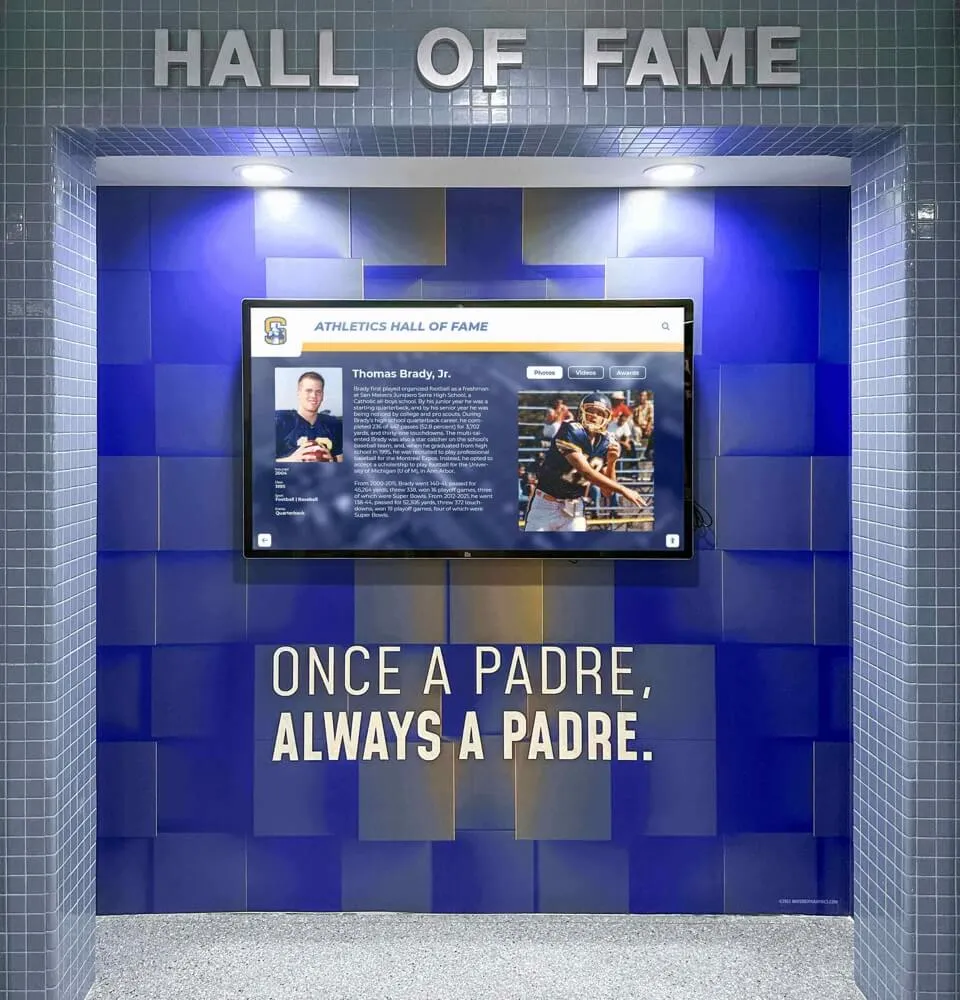
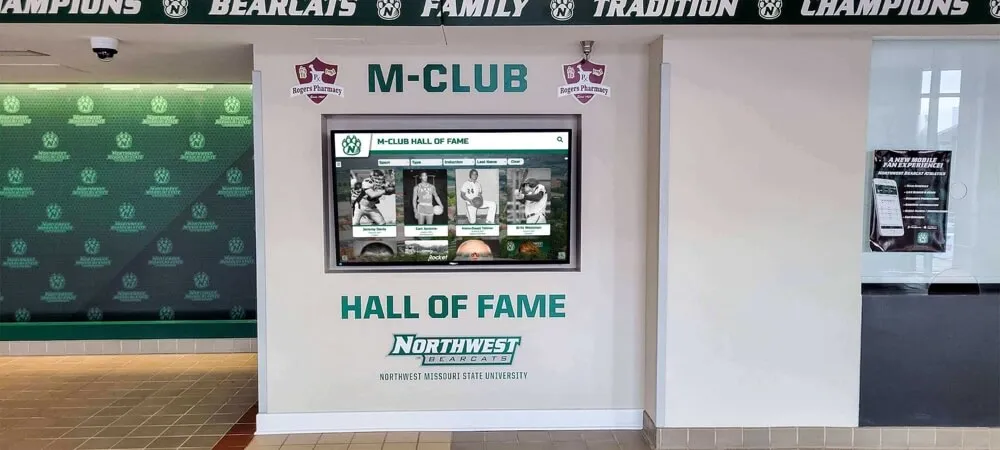
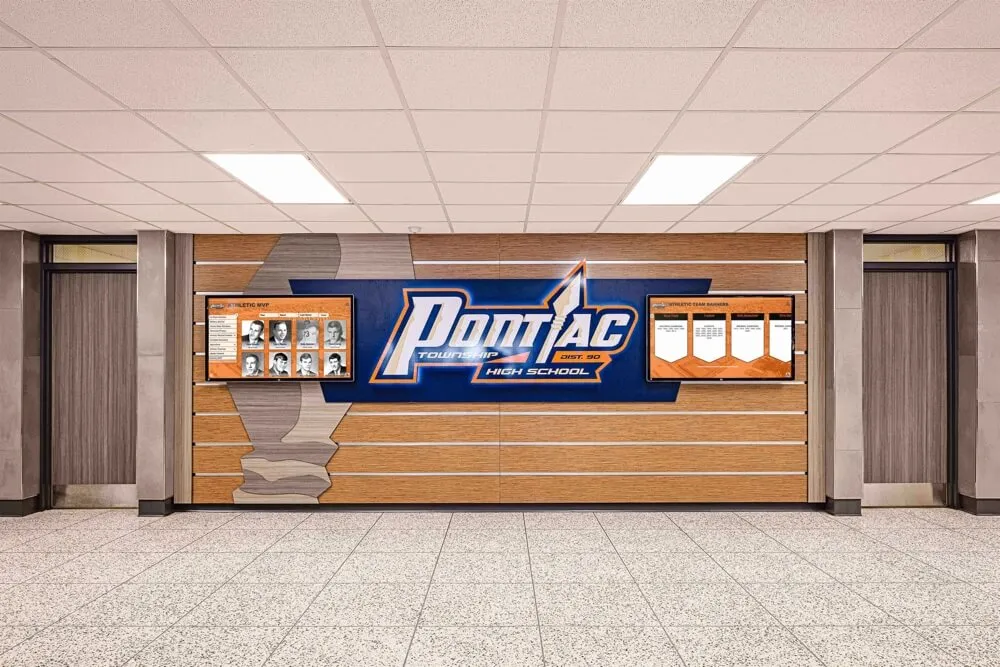
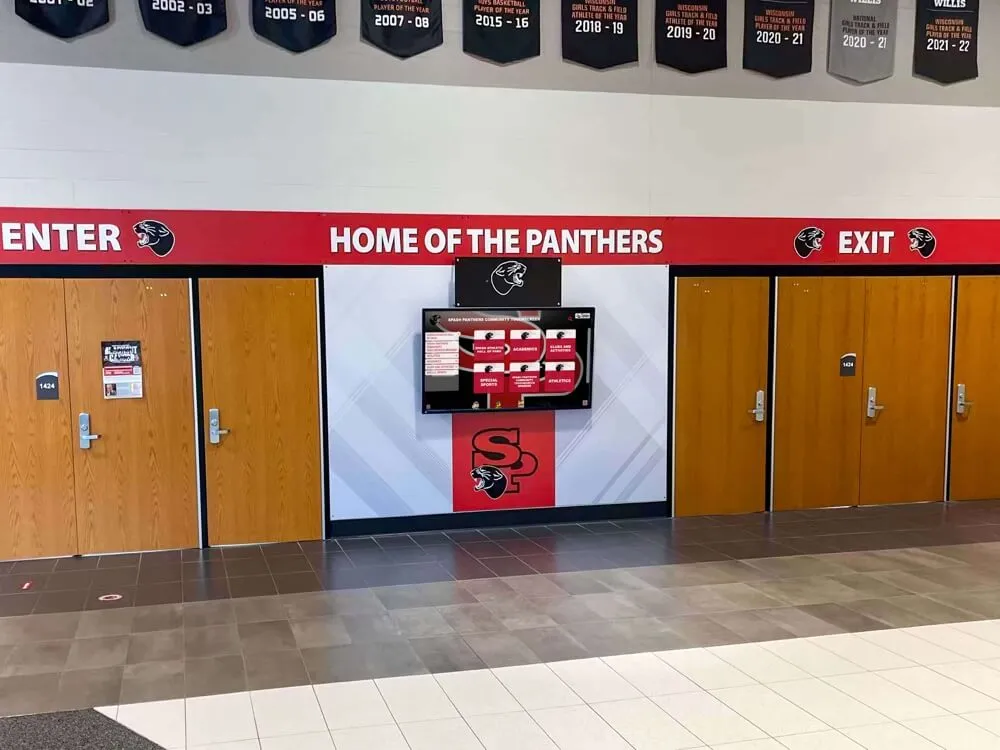
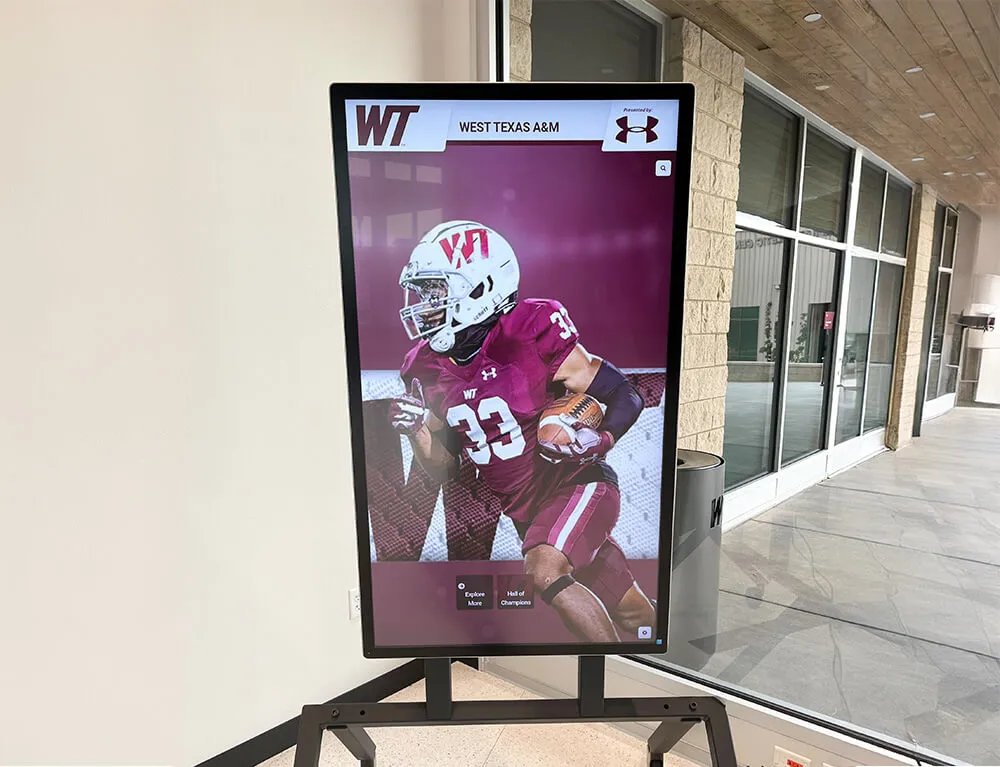
Athletic facilities integrate recognition displays that can promote concession specials and fundraising campaigns
Snack Foods: Simple Preparation, Solid Margins
Classic snack items require minimal preparation while delivering reliable profits:
Popcorn
Fresh-popped popcorn delivers 85-90% margins when using commercial popcorn machines. Bulk kernels, oil, and seasonings cost $0.15-0.25 per serving selling for $2-4. The aroma of fresh popcorn also serves as powerful marketing drawing customers to your concession stand.
Equipment investment: Commercial popcorn machines ($300-800) with warming cabinets maintain product quality throughout events. Theater-style presentation in branded bags enhances perceived value supporting premium pricing.
Nachos and Cheese
Nachos with cheese sauce offer 75-80% margins with minimal preparation complexity. Bulk tortilla chips and shelf-stable cheese sauce create servings costing $0.40-0.60 selling for $3-5. Adding jalapeños, salsa, or other toppings enables premium pricing for loaded nacho options.
Candy and Packaged Snacks
Pre-packaged candy bars, chips, crackers, and cookies provide 40-60% margins with zero preparation required. Buy in bulk from warehouse stores or wholesale candy suppliers rather than retail grocery stores to maximize margins.
Pretzels and Hot Pretzels
Soft pretzels from frozen options require simple heating while delivering 70-75% margins. Regular pretzels cost $0.30-0.50 and sell for $2-3. Offer cheese sauce or mustard for additional revenue.
Hot Food Options: Balancing Complexity and Revenue
More complex hot foods require equipment and preparation but command higher prices:
Hot Dogs and Sausages
Hot dogs remain concession stand staples offering 65-75% margins when purchased in bulk. Wholesale hot dogs cost $0.30-0.50 each and sell for $2-4. Commercial roller grills or steamers maintain quality while enabling volunteer-friendly operation.
Upgrade options: Offer premium sausages (bratwurst, Italian sausage) at $4-6 price points. Create combo deals (hot dog, chips, drink) that increase transaction sizes while providing customers perceived value.
Pizza
Hot pizza slices generate excellent revenue but require planning. Options include partnering with local pizzerias for delivered pizzas (split profits), using commercial pizza warmers for pre-made pizzas, or investing in commercial pizza ovens for on-site preparation.
Fresh pizza slices sell for $3-5 with 50-65% margins depending on preparation approach. Pizza’s popularity often justifies the additional operational complexity.
Nachos, Walking Tacos, and Handheld Meals
Walking tacos (taco ingredients served in individual chip bags) minimize cleanup while offering fun, portable meal options. Ingredient costs of $0.75-1.25 per serving support $4-6 pricing.
Nachos with multiple topping options (meat, beans, jalapeños, sour cream) create customizable meals at $5-8 price points with 70-75% margins when using bulk ingredients.
Schools managing successful fundraising programs often integrate concessions with broader strategies like those outlined in comprehensive high school sports fundraising ideas.
Strategic Setup and Layout for Maximum Efficiency
Thoughtful concession stand design dramatically improves customer throughput and volunteer experience while reducing operational stress.
Traffic Flow and Customer Queue Management
Multiple Service Windows
Concession stands serving large crowds benefit from multiple service points preventing bottleneck congestion. Design layouts with 2-4 service windows enabling simultaneous transactions. Dedicate specific windows to different offerings (drinks only, hot food, snacks) allowing customers to choose appropriate lines reducing wait times.
Clear Menu Visibility
Professional menu boards positioned where customers waiting in line can review options prevent hesitation at ordering windows. Include prices prominently, use large readable fonts, highlight popular items or specials, and feature attractive photos of signature offerings.
Digital displays showing menus with rotating specials and promotional content create professional appearances while enabling easy updates between events.
Queue Management
Define clear line formations using stanchions, floor markings, or signage preventing chaotic crowding. Consider express windows for single-item purchases (drinks only) moving quick transactions efficiently while preserving full-service windows for complex orders.
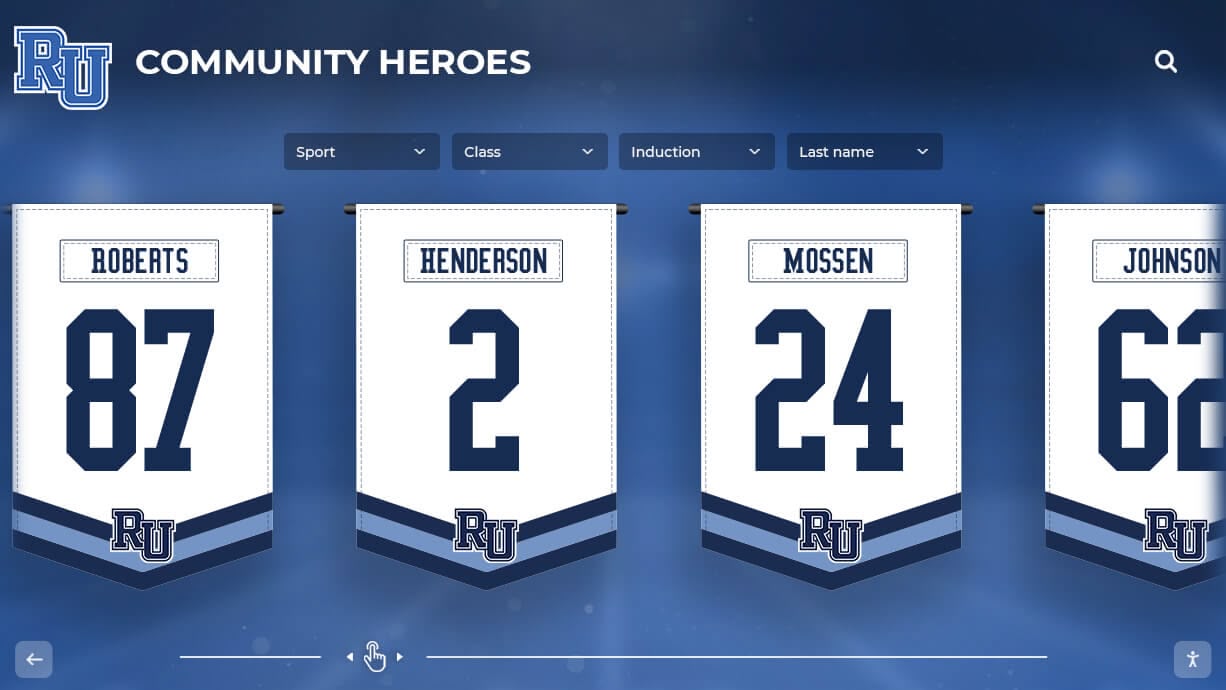
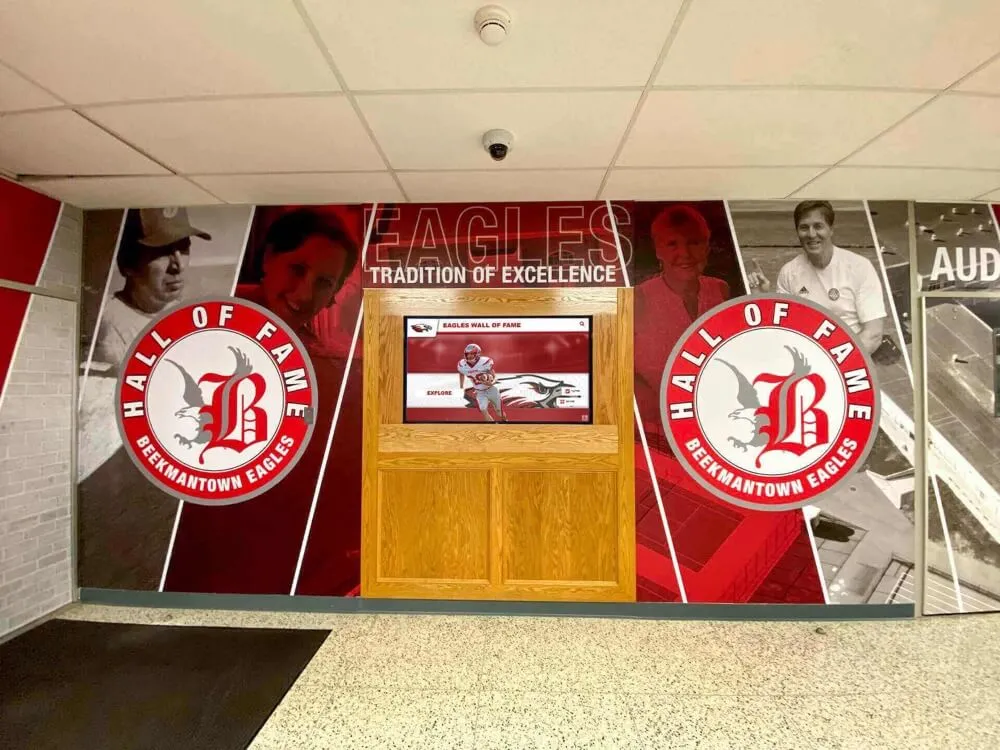
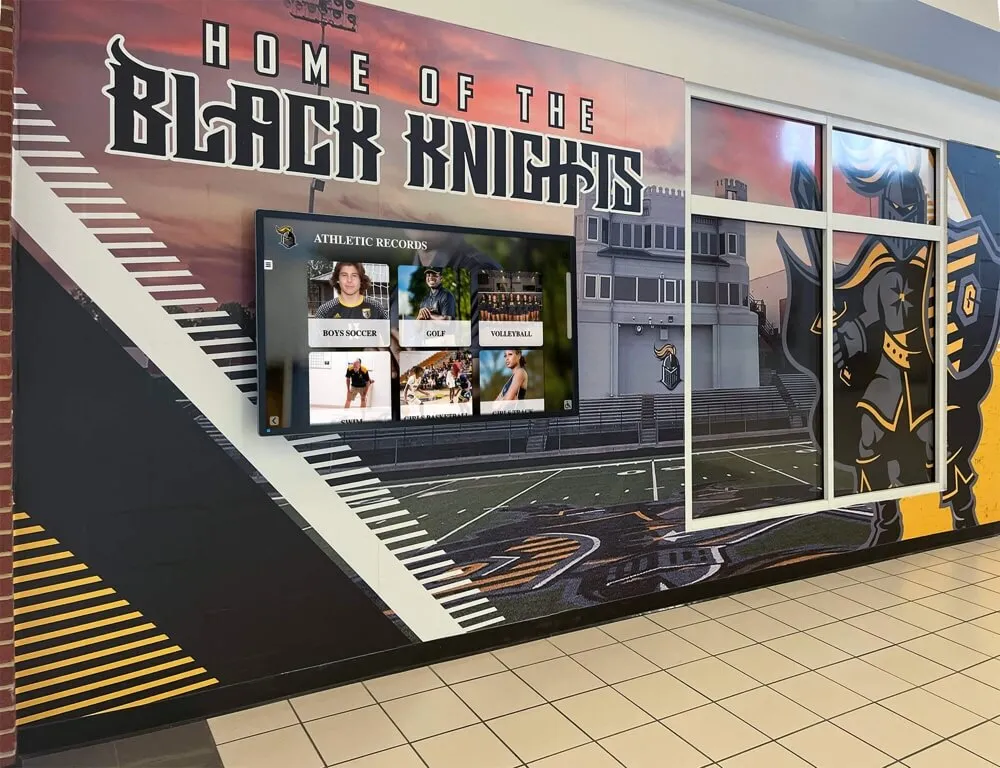
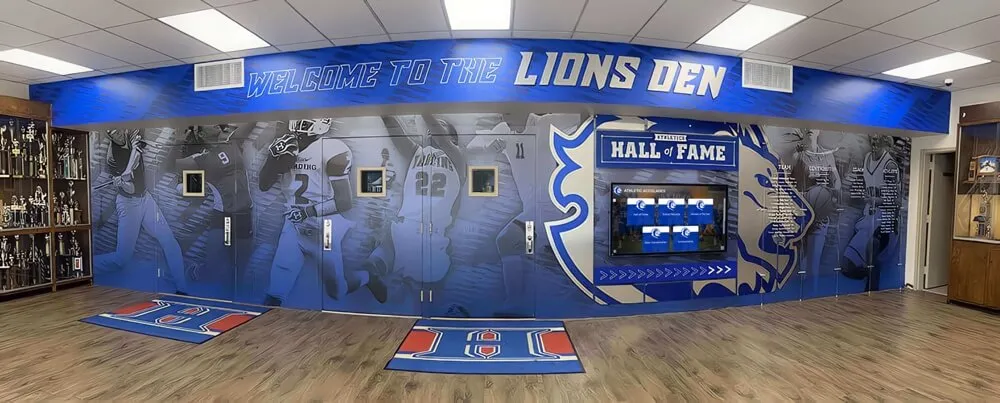
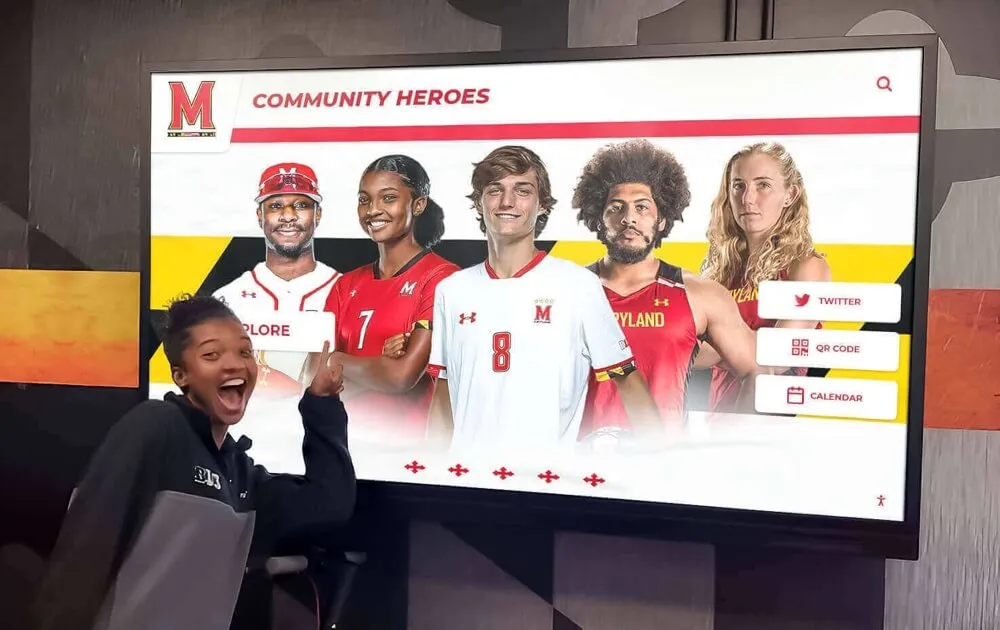
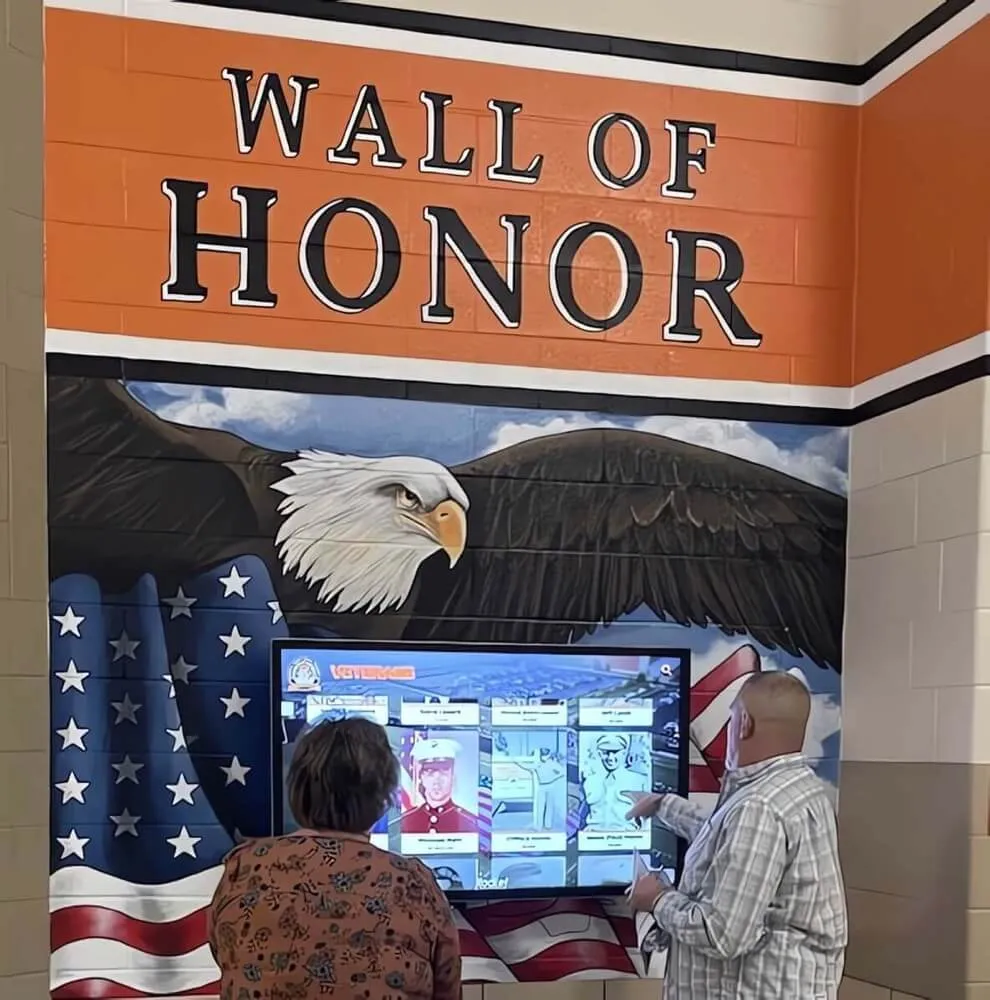
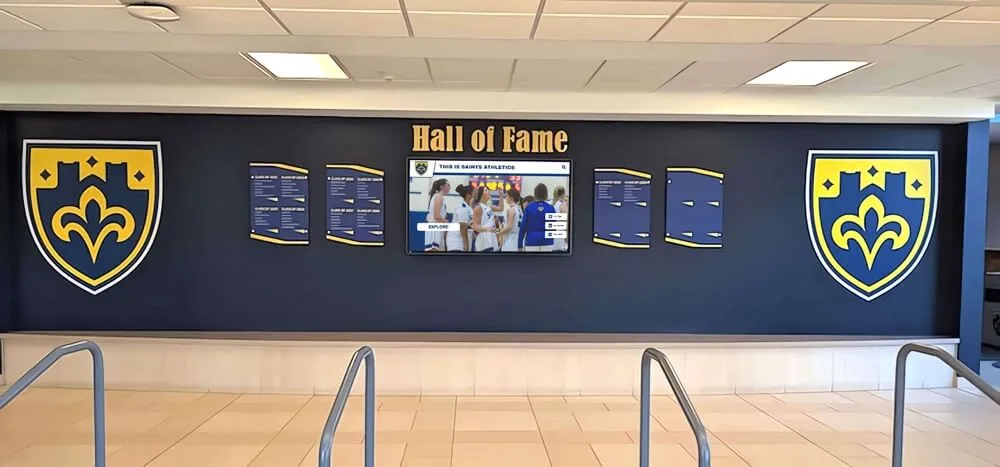
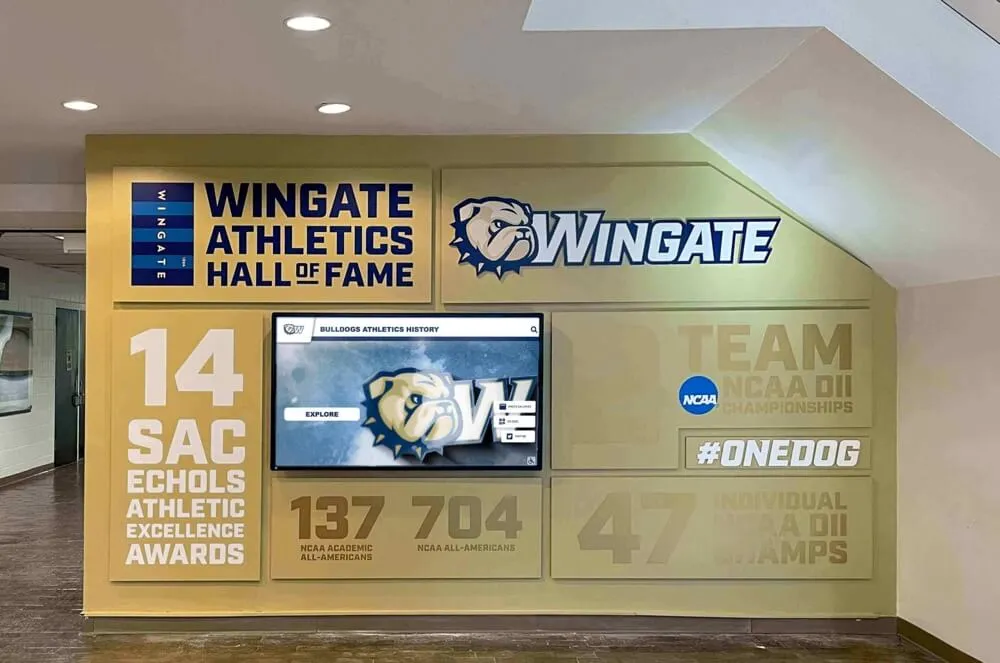
Athletic recognition systems celebrate community support including volunteers who make concession operations successful
Volunteer Workflow Optimization
Defined Positions and Responsibilities
Efficient concession operations assign specific roles including cashiers handling transactions, food preparers assembling orders, runners restocking supplies, and shift supervisors coordinating operations.
Clear role definition prevents volunteers from duplicating effort or leaving critical tasks unattended. Create simple position descriptions and quick reference guides enabling new volunteers to contribute effectively with minimal training.
Strategic Equipment Placement
Arrange equipment and supplies in logical sequences matching order fulfillment workflow. Position frequently used items within easy reach, organize supplies reducing unnecessary movement, and create dedicated stations for specific menu items (nacho station, hot dog station, drink station).
Pre-Event Preparation
Maximize efficiency through advance preparation including pre-portioning candy and snacks, preparing condiment stations, setting up equipment, organizing cash drawers with adequate change, and conducting volunteer briefings reviewing procedures and assignments.
Preparation work completed before gates open reduces stress while ensuring smooth operations when customer demand peaks.
Equipment and Supply Essentials
Core Equipment Investment
Essential concession stand equipment includes commercial popcorn machine ($300-800), hot dog roller grill or steamer ($200-600), fountain drink system or coolers for bottled drinks ($1,500-3,000 or $200-500), nacho cheese warmer ($100-300), and microwave for heating items ($100-200).
Calculate equipment return on investment based on improved margins. Fountain drink systems costing $2,000-3,000 typically recover costs within one season through superior margins versus bottled beverages while providing indefinite value across future years.
Supplies and Disposables
Stock adequate supplies including cups (multiple sizes for drinks), food containers and boats, napkins and condiments, plastic utensils, trash bags, gloves for food handling, and cleaning supplies.
Buy in bulk when possible balancing cost savings against storage capacity constraints. Join restaurant supply wholesale clubs accessing commercial quantities at significant discounts versus retail purchasing.
Many successful programs combine concession fundraising with broader booster club strategies detailed in guides about how to start effective booster clubs supporting athletic programs comprehensively.
Pricing Strategies That Maximize Revenue While Maintaining Value
Strategic pricing balances profitability with affordability ensuring strong sales volumes supporting overall revenue goals.
Competitive Market Research
Benchmark Against Comparable Venues
Research pricing at other school concessions, local sports facilities, movie theaters, and community events. Match or slightly undercut entertainment venue pricing while remaining above convenience store prices reflecting on-site service value and fundraising context.
Typical school concession pricing: fountain drinks $2-4, bottled beverages $2-3, popcorn $2-4, candy bars $1-2, hot dogs $2-4, nachos $3-5, pizza slices $3-5.
Value Perception
Customers accept premium pricing when perceived value justifies costs. Enhance value through quality ingredients, generous portions, fresh preparation, attractive presentation, and friendly service. Communicate that proceeds support student-athletes and athletic programs strengthening willingness to pay.
Bundle Pricing and Combo Deals
Meal Combinations
Create combo deals bundling entrees with sides and drinks at prices providing savings versus à la carte purchasing while increasing average transaction values. Examples include hot dog, chips, and drink for $6-7 (versus $8-9 separately) or pizza slice and drink for $5-6 (versus $7-8 separately).
Combos increase sales of higher-margin drinks while moving inventory efficiently. Promote combos prominently on menus encouraging customers toward higher-value purchases.
Family Packages
Offer family-sized options serving multiple people at attractive price points. Four hot dogs with four drinks for $20 (versus $24-28 separately) creates perceived value driving larger transactions while ensuring profit margins through volume.
Dynamic Pricing and Promotions
Time-Based Specials
Generate early traffic through pre-game specials (discounted items 30 minutes before event start) or create urgency with halftime promotions. Limited-time offers encourage purchasing while managing demand across event duration.
Loyalty Programs
Simple punch cards (buy 5 items, get 6th free) reward repeat customers while encouraging return visits across season. Digital loyalty programs using QR codes enable sophisticated tracking though adding operational complexity.
Special Event Pricing
Adjust pricing for different event types. Playoff games or rivalry matchups supporting premium pricing capitalize on increased attendance and heightened excitement. Senior nights or special recognition events create emotional connections justifying charitable premium pricing directly communicated as supporting specific program needs.
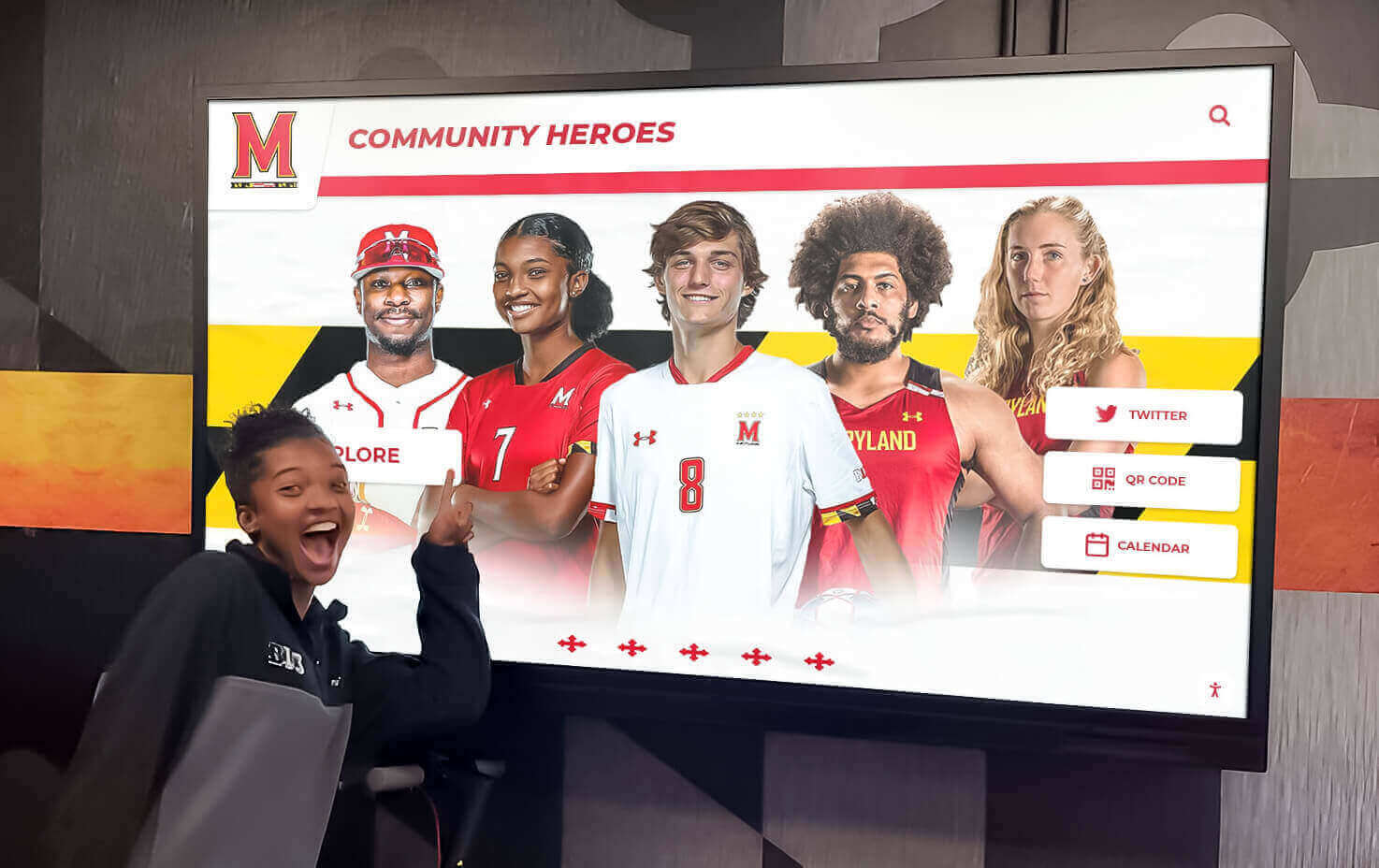
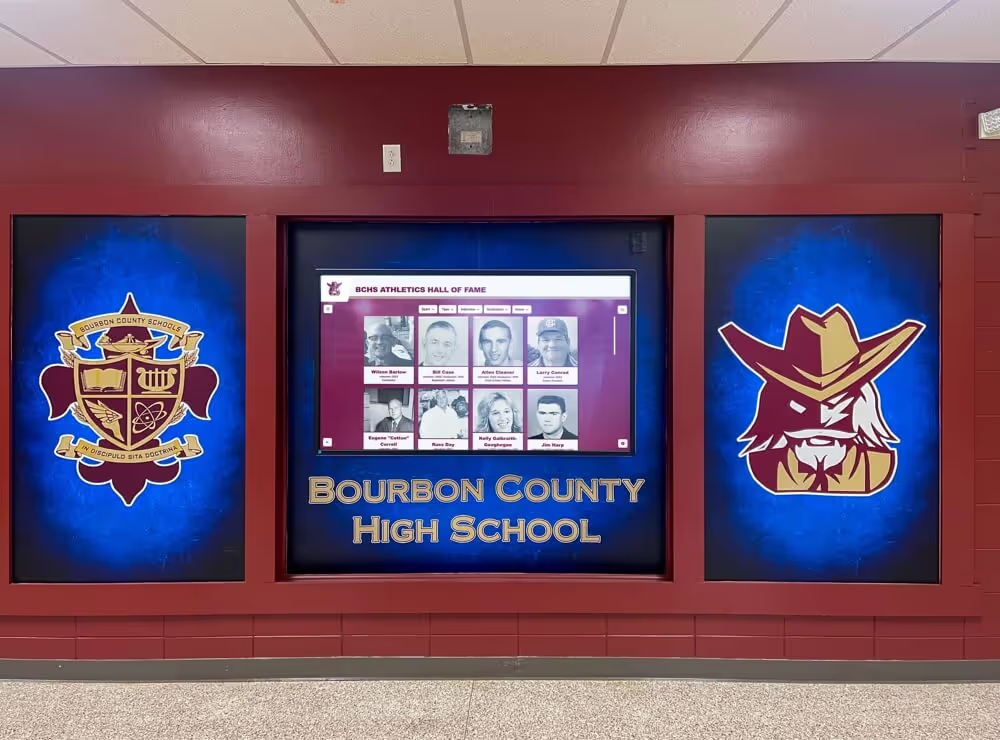
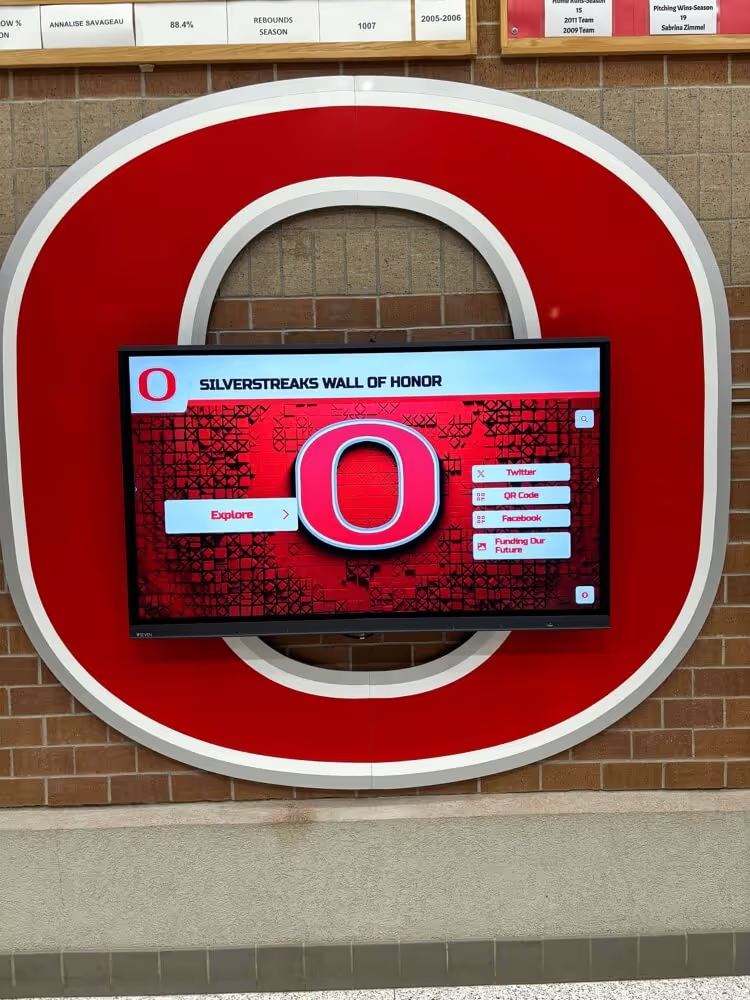
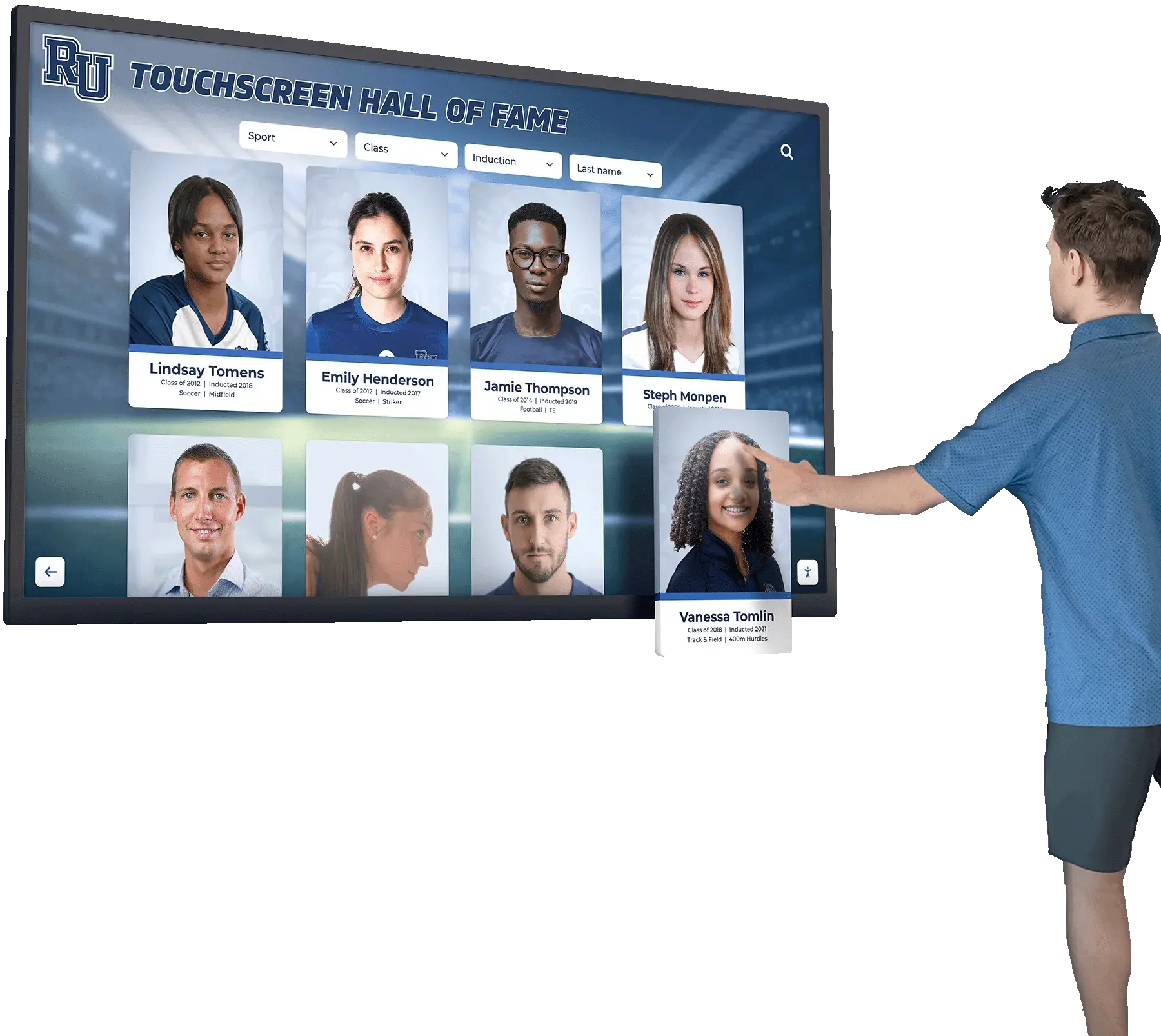
Recognition displays highlighting donor support for athletics demonstrate community investment that concession fundraising helps sustain
Volunteer Management: Building Sustainable Operations
Protecting volunteer capacity ensures long-term concession sustainability while preventing burnout that threatens program continuity.
Recruitment and Scheduling Systems
Fair Distribution of Responsibilities
Prevent over-reliance on small volunteer groups by distributing concession duties across entire athletic program family base. Create clear expectations that each family contributes defined number of concession shifts per season (2-4 shifts depending on program size).
Consider requiring minimum volunteer participation as condition of program participation, though enforce expectations sensitively accommodating legitimate conflicts and family circumstances.
Flexible Scheduling Options
Accommodate volunteer availability through shift structures including 2-3 hour shifts preventing excessive time commitments, multiple event coverage options, task-specific volunteer opportunities (setup crew, cleanup crew, specialty positions), and family volunteer sessions where multiple family members work together.
Online Scheduling Platforms
Use volunteer management software like SignUpGenius, VolunteerSpot, or dedicated sports team management platforms enabling families to select preferred shifts, automated reminder communications, last-minute availability requests, and attendance tracking.
Technology reduces administrative burden while improving volunteer experience through convenient self-service scheduling.
Training and Support
Simple Procedures and Documentation
Create concession operation manuals documenting equipment operation, menu preparation instructions, pricing information, cash handling procedures, health and safety protocols, and emergency contacts.
Laminated quick-reference guides at each station enable volunteers to work confidently with minimal supervision. Video tutorials demonstrating equipment operation and procedures accelerate training while accommodating different learning preferences.
Shift Leaders and Supervision
Designate experienced volunteers or staff members as shift leaders responsible for coordinating operations, answering questions, troubleshooting problems, ensuring proper cash handling, and maintaining service quality.
Leadership support enables less experienced volunteers to contribute effectively while ensuring consistent operations regardless of specific volunteer composition each event.
Appreciation and Recognition
Acknowledge volunteer contributions through thank-you communications, volunteer appreciation events, recognition in programs and newsletters, public acknowledgment at athletic events, and awards for outstanding service.
Programs implementing comprehensive recognition strategies for community supporters build cultures where volunteering feels valued and meaningful rather than thankless obligation.
Addressing Common Volunteer Challenges
No-Shows and Last-Minute Cancellations
Build backup systems including standby volunteer lists for emergency coverage, shift leader flexibility to fill gaps temporarily, simplified operations enabling short-staffed service, and clear cancellation policies requiring volunteers to find replacements.
Volunteer Fatigue
Prevent burnout by limiting maximum shifts per family each season, rotating undesirable assignments fairly, providing volunteer perks (free concession items, reserved seating), and maintaining reasonable expectations balancing program needs with volunteer wellbeing.
Training Consistency
Ensure all volunteers receive proper training through mandatory orientation sessions, mentorship pairing new volunteers with experienced workers, documented procedures eliminating reliance on tribal knowledge, and ongoing training updates when procedures change.
Maximizing Fundraising Revenue Beyond Simple Sales
Strategic concession programs integrate additional fundraising mechanisms that significantly increase athletic program support.
Donation Integration and Rounding
Round-Up Programs
Enable customers to round purchases to nearest dollar with difference donated to athletic programs. Point-of-sale prompts encouraging rounding create frictionless micro-donations accumulating substantially. Customer spending $6.50 rounds to $7 donating $0.50 requiring minimal thought while generating meaningful aggregate revenue.
Schools report round-up programs increasing concession revenue 5-15% with zero operational complexity beyond cashier prompts and tracking.
Direct Donation Options
Display donation jars prominently at checkout with clear signage explaining how contributions support specific program needs (new uniforms, equipment upgrades, facility improvements). Concrete donation purposes dramatically increase giving versus generic fundraising appeals.
Consider tiered donation acknowledgment: contributions over $20 receive recognition in program books or donor displays creating incentive for larger gifts beyond small change donations.
Sponsorship and Advertising Opportunities
Concession Stand Naming Rights
Offer local businesses concession stand naming sponsorships (Smith Family Concessions, Jones Automotive Snack Shack) providing prominent recognition at high-traffic locations throughout athletic seasons. Annual naming sponsorships of $2,500-$10,000 create recurring revenue requiring minimal ongoing work.
Menu Board Advertising
Sell advertisement space on concession menu boards to local businesses seeking family audience exposure. Sponsor logos alongside menu items or dedicated advertisement sections on display boards generate $250-$1,000 per advertiser annually.
Digital menu displays enable rotating advertisements accommodating multiple sponsors in single physical space while providing premium dynamic content sponsors value.
Product Sponsorships
Partner with vendors providing products at cost or free in exchange for exclusive concession rights and prominent branding. Beverage companies often sponsor fountain drink systems providing equipment and supplies at deep discounts in exchange for exclusivity.
Understanding broader donor recognition strategies helps programs acknowledge concession sponsors appropriately while inspiring continued support.
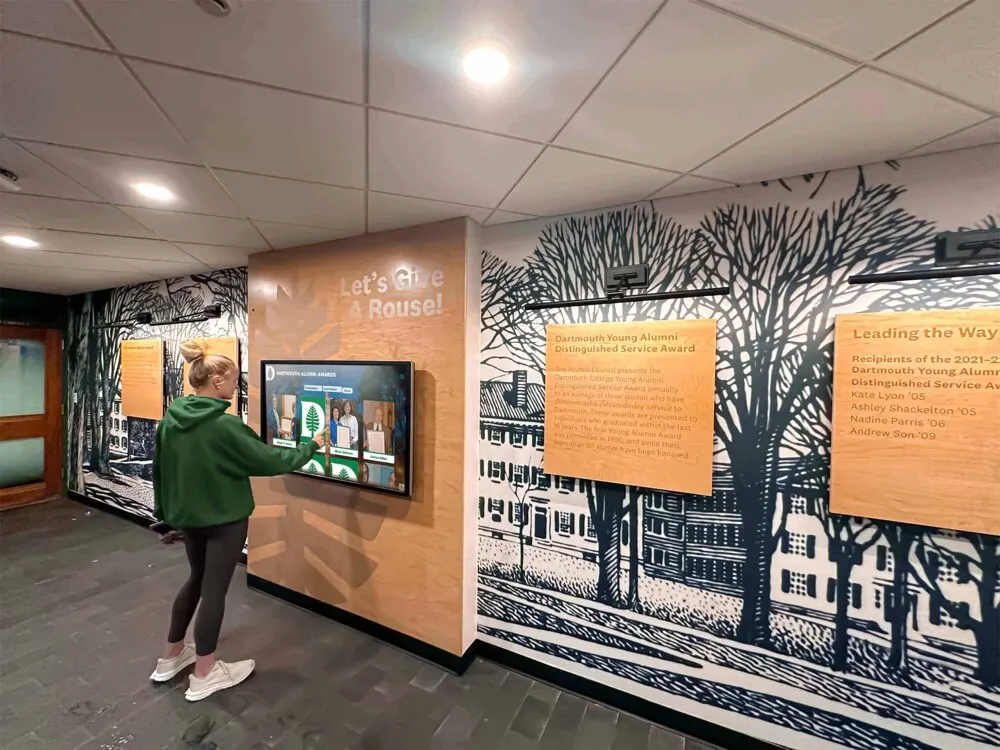
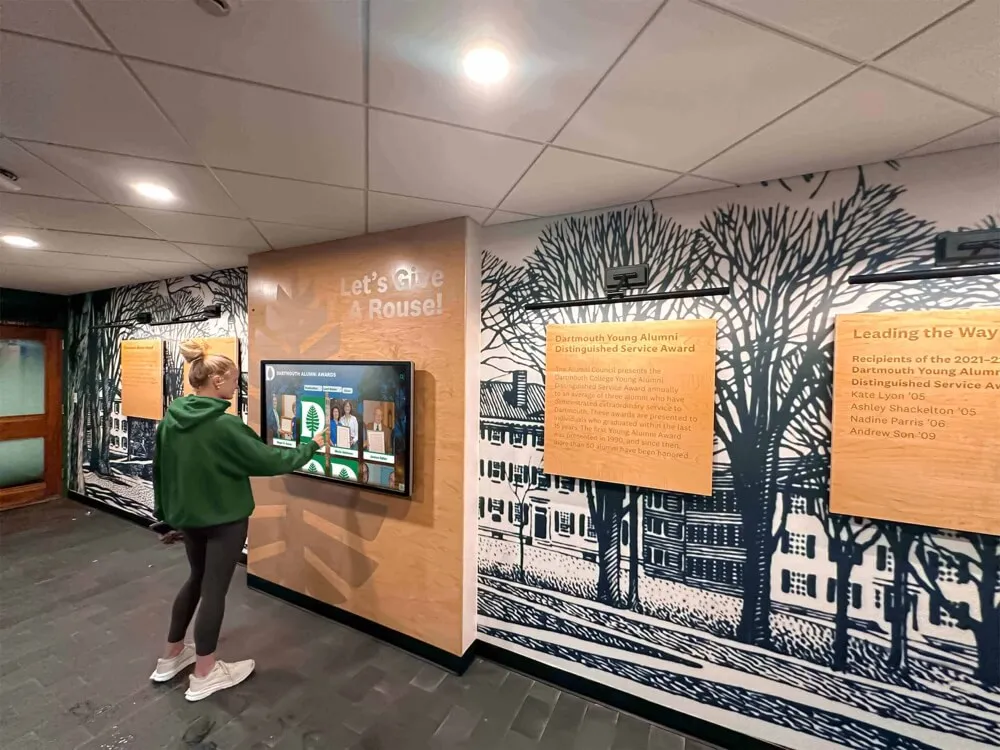
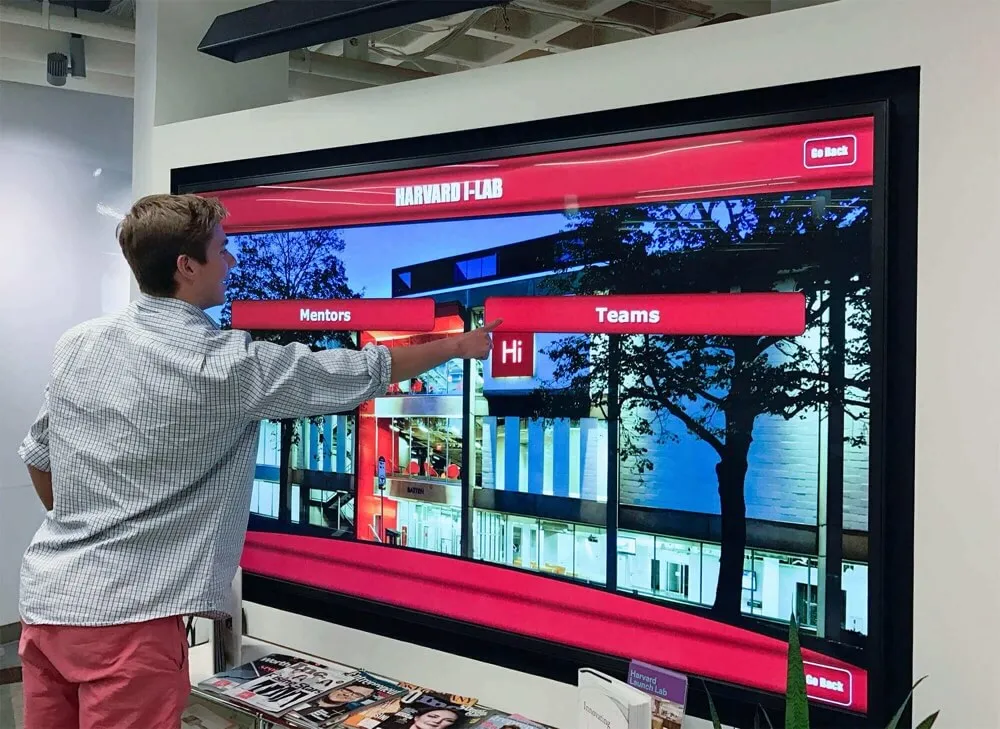
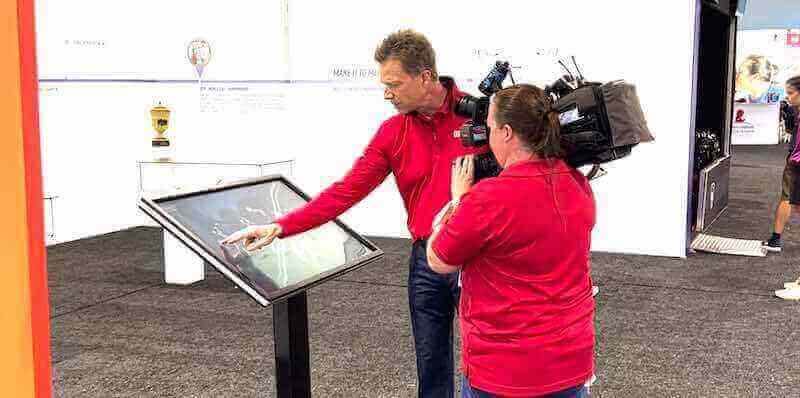
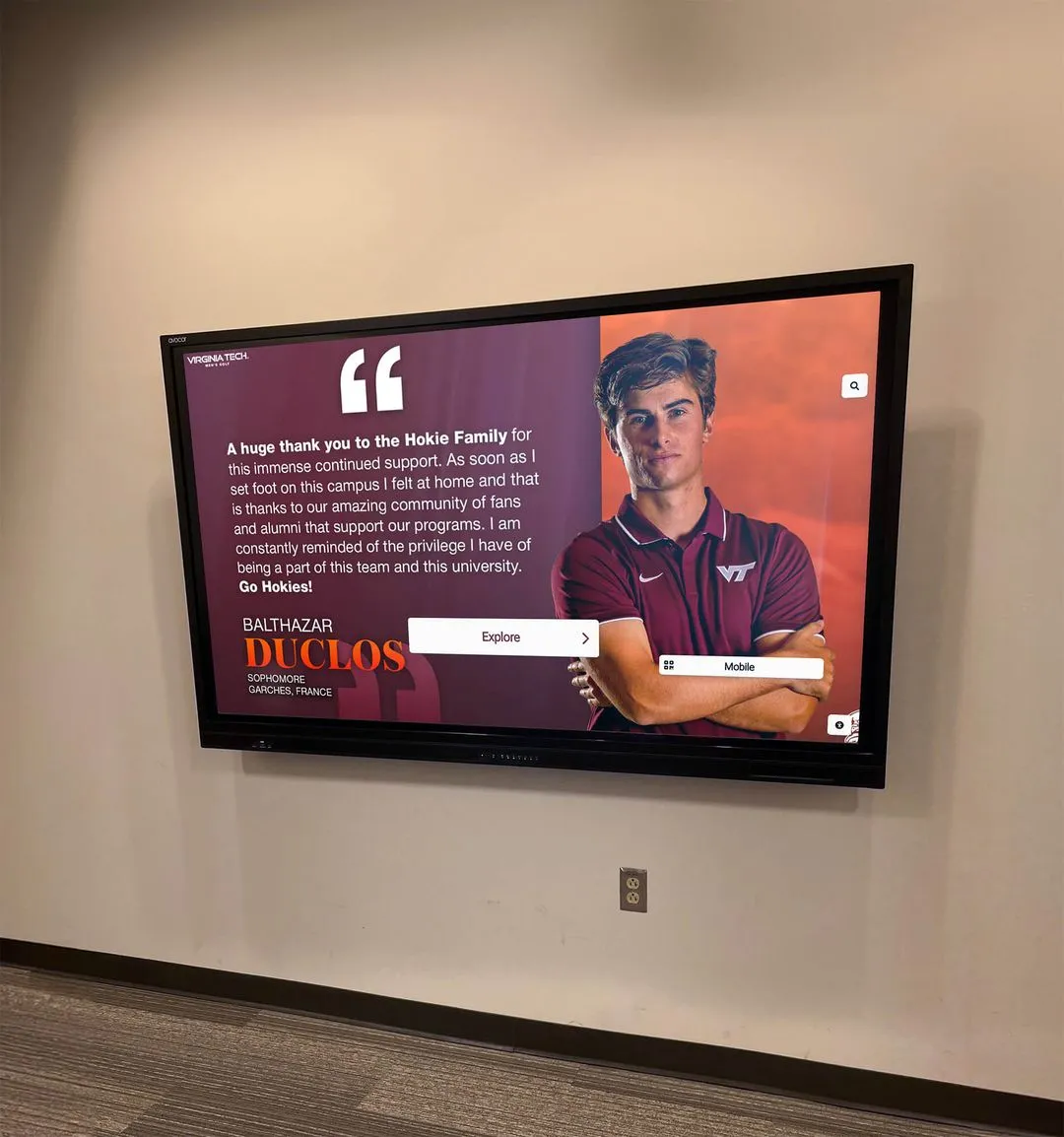
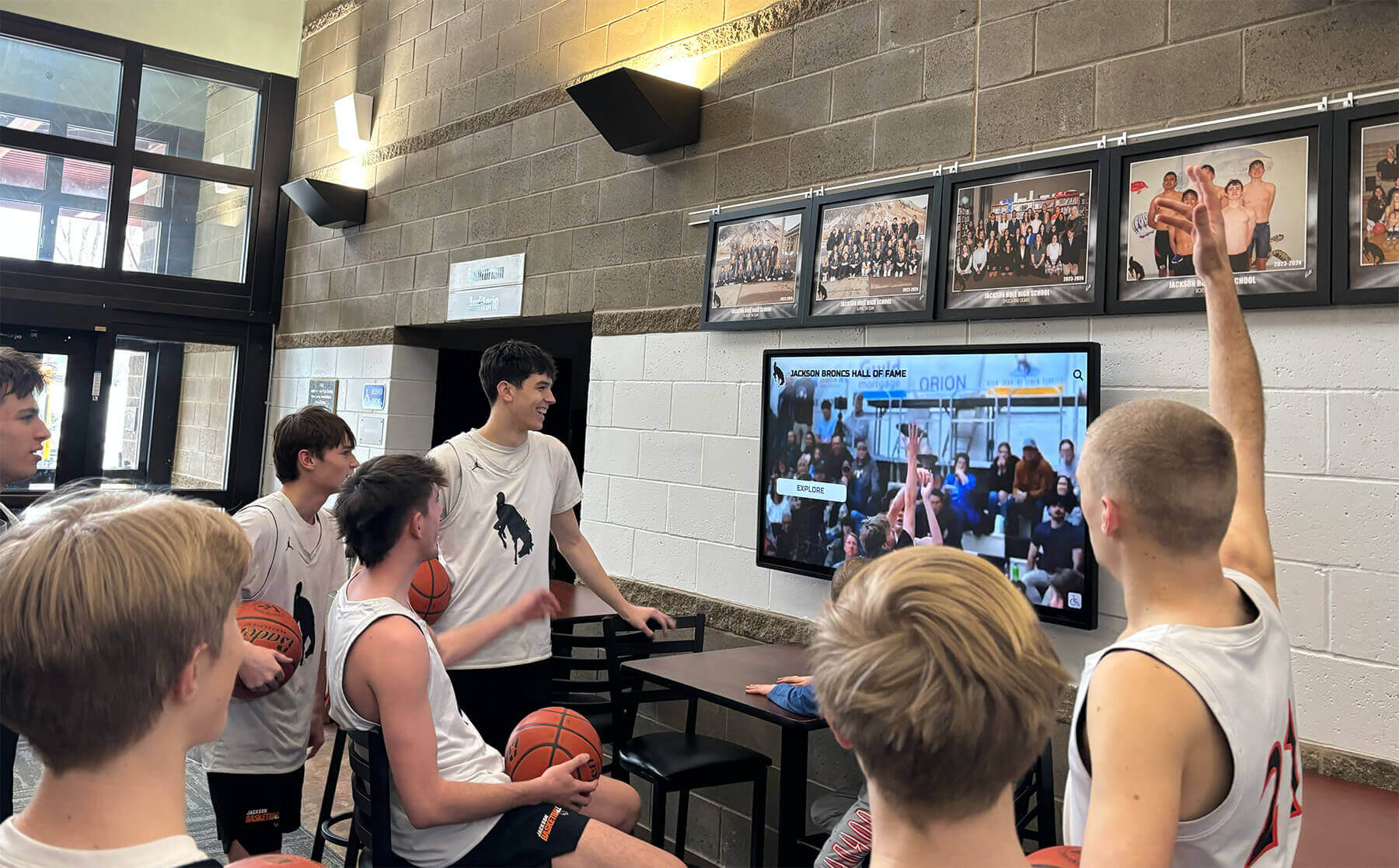
Modern recognition displays create engaging experiences that complement concession operations and celebrate athletic program support
Specialty Items and Premium Offerings
Spirit Wear Sales
Integrate team merchandise sales with concession operations creating one-stop shopping convenience. Display apparel, accessories, and spirit items prominently near concession areas capturing impulse purchases from customers already making transactions.
Coordinate with booster club merchandise programs avoiding inventory conflicts while ensuring comprehensive customer options.
Specialty Food Items
Offer premium menu items at elevated price points including gourmet hot dogs or sausages ($5-7), loaded nachos or specialty items ($6-9), premium desserts or treats ($3-5), and seasonal specialties (pumpkin spice items in fall, holiday treats in winter).
Premium offerings increase average transaction values while creating differentiation from standard concession fare.
Pre-Order Programs
Enable customers to pre-order meals online for event pickup reducing wait times while guaranteeing sales. Collect payment in advance improving cash flow and enabling precise preparation quantities reducing waste.
Pre-order systems particularly benefit complex menu items requiring advance preparation while providing customer convenience worth premium pricing.
Health, Safety, and Regulatory Considerations
Responsible concession operations prioritize food safety and regulatory compliance protecting customers while minimizing liability risks.
Food Safety and Sanitation
Proper Food Handling
Train all volunteers on essential food safety including handwashing and glove usage requirements, safe food temperature maintenance, prevention of cross-contamination, proper food storage procedures, and appropriate use of sanitizing solutions.
Maintain handwashing stations, provide adequate gloves and sanitizer, and post visible food safety reminders ensuring consistent practices regardless of volunteer experience.
Temperature Control
Monitor and maintain proper food temperatures including hot food held at 140°F or above, cold food maintained at 40°F or below, and use of food thermometers verifying safety.
Commercial warmers, steam tables, and refrigeration equipment maintain safe temperatures while preserving food quality throughout events.
Cleaning Protocols
Establish thorough cleaning procedures including surface sanitization between events, equipment cleaning and maintenance, proper waste disposal, and pest prevention measures.
Document cleaning schedules and maintain logs demonstrating consistent sanitation supporting health inspection compliance.
Permits, Licensing, and Insurance
Required Permits
Research local health department requirements which may include temporary food service permits, food handler certifications for workers, inspections of concession facilities, and compliance with specific equipment or operational standards.
Requirements vary significantly by jurisdiction. Consult local health departments early in planning processes ensuring adequate time for permitting and any necessary facility modifications.
Insurance Coverage
Verify adequate insurance coverage including general liability for customer injuries, product liability for food-related illness, property insurance for equipment, and volunteer accident coverage.
Coordinate with school district insurance or booster club policies ensuring concession operations receive proper coverage preventing devastating financial exposure from accidents or incidents.
Allergen Awareness
Post clear allergen information or disclaimers particularly regarding common allergens (nuts, gluten, dairy). Train volunteers to answer customer allergen questions or escalate to supervisors when uncertain.
Consider offering identifiable allergen-free options (clearly marked gluten-free snacks, nut-free choices) accommodating dietary restrictions while expanding customer base.
Schools planning comprehensive athletic support explore connections between concessions and broader community engagement like alumni reunion gatherings where food service creates welcoming atmospheres.
Technology Integration for Modern Concession Operations
Strategic technology adoption improves efficiency, customer experience, and financial management while positioning programs for future growth.
Point-of-Sale Systems
Mobile POS Solutions
Modern mobile point-of-sale systems using tablets or smartphones provide significant advantages over traditional cash registers including inventory tracking and management, sales reporting and analytics, multiple payment method acceptance (credit/debit cards, mobile payments), employee/volunteer time tracking, and cloud-based data backup preventing loss.
Popular concession POS systems like Square, Toast, or Clover offer affordable pricing ($0-50 monthly plus transaction fees) with volunteer-friendly interfaces requiring minimal training.
Payment Processing
Credit and debit card acceptance increases average transaction values 20-30% compared to cash-only operations as customers spend more freely using cards. Mobile payment options (Apple Pay, Google Pay) provide additional convenience particularly appealing to younger customers.
Factor processing fees (typically 2.5-3% per transaction) into pricing strategies ensuring margins remain healthy after payment processing costs.
Inventory Management
Automated Tracking
POS integration enabling real-time inventory tracking provides valuable operational intelligence including popular item identification, slow-moving inventory flagging, reorder point alerts, waste and spoilage monitoring, and supplier cost comparison.
Data-driven inventory management reduces waste, prevents stockouts of popular items, and optimizes purchasing maximizing profitability.
Seasonal Planning
Analyze historical sales data identifying seasonal trends and patterns informing menu planning, staffing requirements, inventory purchasing, and equipment maintenance scheduling.
Schools operating concessions across multiple sports seasons benefit substantially from understanding how football crowds differ from basketball audiences or how weather affects beverage versus hot food sales.
Communication and Promotion
Digital Signage
Modern digital displays in athletic facilities serve multiple purposes including concession menu and pricing display, promotional content for specials, fundraising campaign messaging, sponsor advertisement rotation, and real-time game information or scores.
Dynamic content maintains customer interest while enabling instant updates reflecting inventory availability or special promotions without physical menu reprinting.
Social Media Marketing
Promote concession offerings through athletic program social channels including advance menu announcements building anticipation, special promotion advertising, behind-the-scenes volunteer appreciation content, fundraising progress updates, and sponsor recognition posts.
Social engagement extends concession visibility beyond event attendees while demonstrating program vitality that attracts community support.
Programs integrating recognition and communication explore comprehensive alumni engagement strategies connecting current programs with broader institutional communities.
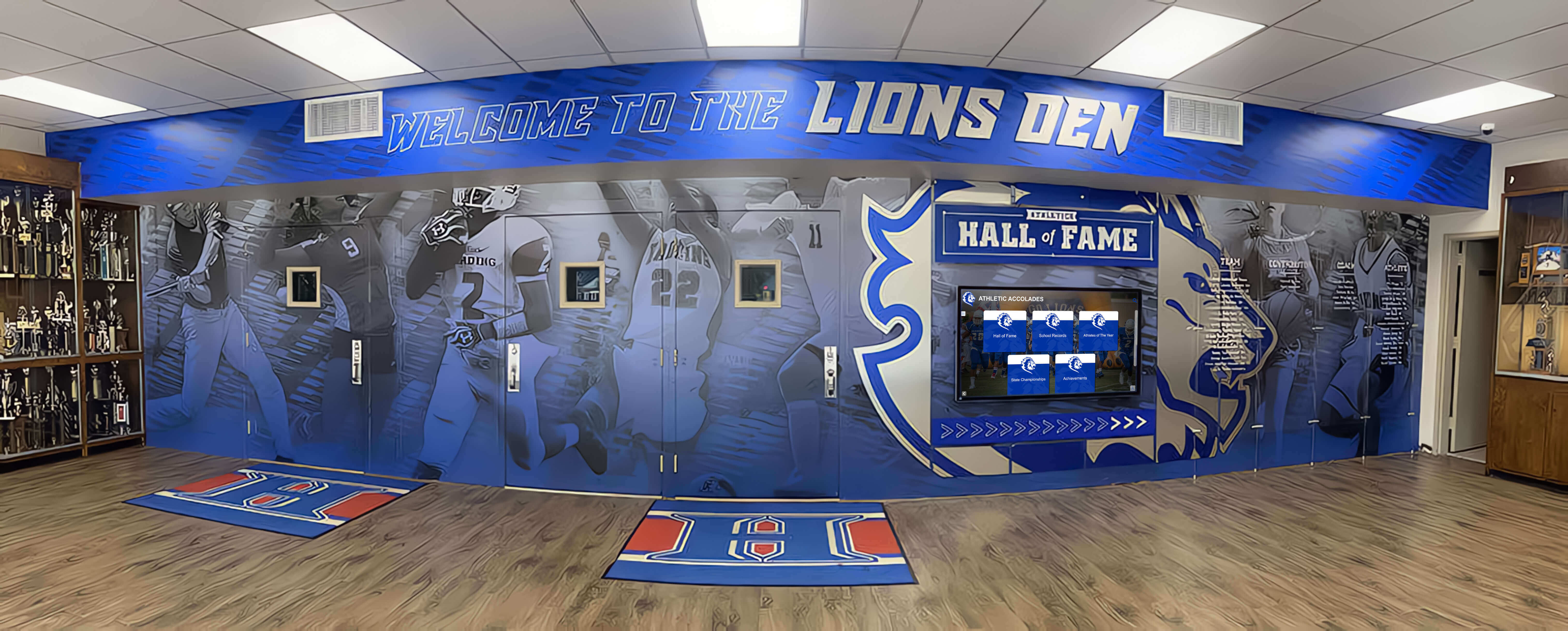
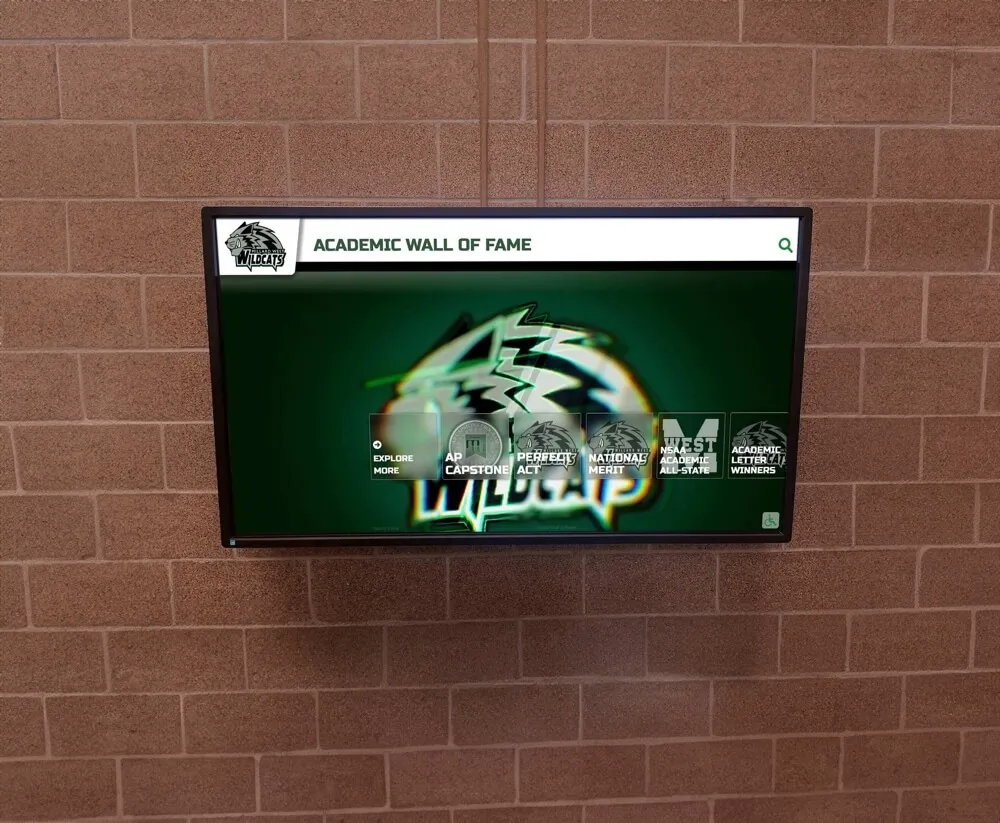
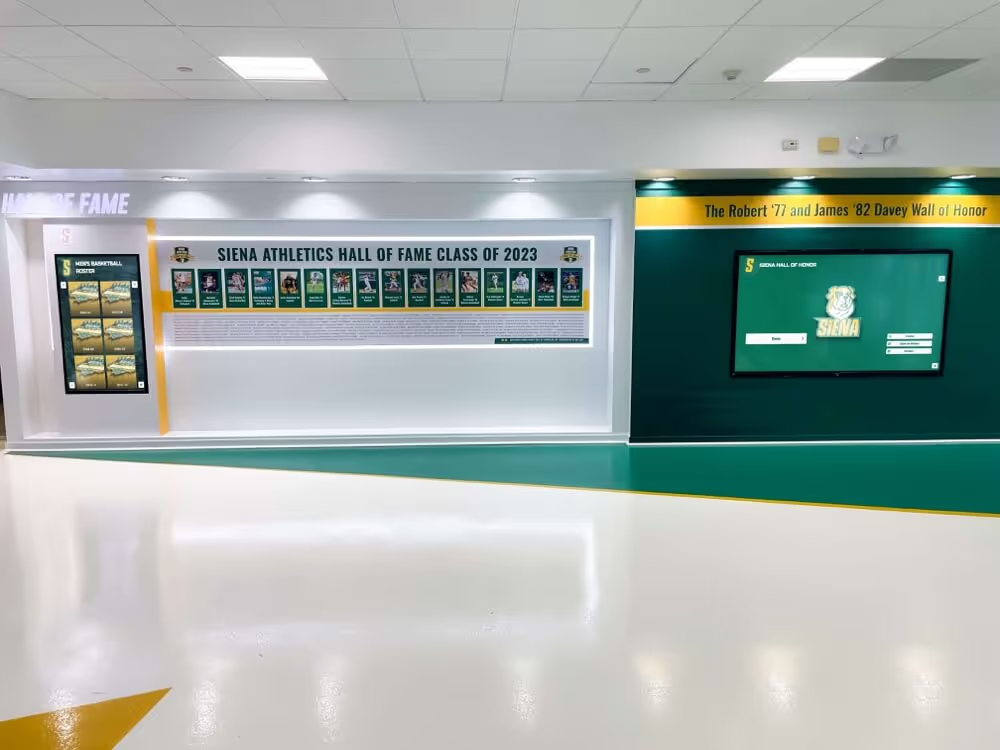
Athletic facilities showcase program history and achievements supported through fundraising including concession revenue
Measuring Success and Continuous Improvement
Strategic programs systematically evaluate performance and implement improvements ensuring concession operations maximize athletic program support.
Key Performance Metrics
Financial Performance Indicators
Track critical metrics including total revenue per event, profit margin percentages by menu category, average transaction value, revenue per customer, and cost of goods sold trends.
Calculate concession efficiency through revenue per volunteer hour enabling comparison across different event types and identifying opportunities for operational improvement.
Operational Metrics
Monitor service quality indicators including average customer wait times, customer complaints or feedback, volunteer attendance and reliability, inventory waste percentages, and safety incident reports.
Operational excellence supports financial performance while creating positive experiences encouraging customer loyalty and volunteer retention.
Fundraising Impact
Document concession contributions to overall athletic program funding including total net revenue annually, percentage of athletic budget funded through concessions, specific equipment or improvements funded, and year-over-year growth trends.
Concrete impact demonstration motivates volunteers while justifying continued organizational investment in concession program development.
Customer Feedback and Satisfaction
Systematic Feedback Collection
Gather customer input through brief surveys at events, online feedback forms, social media comments and engagement, direct observation and conversation, and volunteer reports of customer comments.
Understand what menu items customers want, price sensitivity, service quality perceptions, and suggestions for improvement informing strategic decisions.
Response and Adaptation
Demonstrate responsiveness to feedback by implementing requested menu additions when feasible, addressing service quality concerns, adjusting operations based on suggestions, and communicating changes made in response to input.
Visible responsiveness builds community engagement while demonstrating that concession programs value customer experience beyond merely extracting maximum revenue.
Continuous Improvement Process
Post-Event Debriefing
Conduct brief volunteer debriefings after events capturing lessons learned including operational challenges encountered, inventory that sold out or moved slowly, equipment issues requiring attention, volunteer suggestions for improvement, and celebration of successes.
Systematic learning prevents repeating mistakes while identifying best practices to standardize.
Annual Strategic Review
Evaluate concession programs comprehensively each year including financial performance analysis, menu effectiveness review, equipment and facility needs assessment, volunteer satisfaction evaluation, and competitive environment scanning.
Strategic reviews inform investment decisions, policy adjustments, and multi-year planning ensuring programs evolve meeting changing needs and opportunities.
Elevate Your Athletic Program Recognition
Discover how modern digital recognition solutions complement successful concession fundraising by celebrating donors, volunteers, and athletic achievements through engaging touchscreen experiences that strengthen community connections to your programs.
Explore Recognition SolutionsConclusion: Building Concession Programs That Sustain Athletic Excellence
Successful school concession stands extend far beyond simple food sales at athletic events—they represent comprehensive fundraising operations that generate substantial athletic program revenue while building community engagement, creating positive family experiences, and demonstrating institutional commitment to student-athlete support. When schools approach concessions strategically across menu planning, operational efficiency, volunteer management, and fundraising integration, they transform modest supplemental income into significant, sustainable funding that enables programs to provide excellent competitive experiences through proper equipment, quality facilities, necessary travel, and comprehensive support that helps student-athletes reach their potential.
The proven strategies explored throughout this guide provide practical frameworks for concession programs that balance multiple objectives simultaneously: generating maximum revenue through strategic menu selection and pricing, protecting volunteer capacity through efficient operations and sustainable scheduling, delivering positive customer experiences that build loyalty and repeat business, maintaining proper safety and regulatory compliance, integrating technology that improves efficiency and decision-making, and demonstrating tangible impact connecting concession revenue to specific athletic program needs that inspire continued community support.
Strategic Implementation Priorities
Schools launching new concession programs or enhancing existing operations should focus on current operational assessment identifying strengths and improvement opportunities, high-margin menu development emphasizing beverages and simple preparation items, volunteer recruitment and scheduling systems ensuring sustainable staffing, equipment investments prioritizing items offering best return on investment, point-of-sale technology adoption enabling efficient transactions and valuable data collection, and comprehensive recognition programs honoring volunteers and donors whose contributions make athletic programs possible.
The Recognition Connection
Schools implementing digital recognition displays celebrating athletic achievement, donor support, and volunteer contributions create powerful synergies with concession fundraising. Visible recognition of concession sponsors, volunteer appreciation, and demonstration of how concession revenue funds specific improvements inspires continued community engagement while validating that supporting programs creates meaningful impact. Solutions like Rocket Alumni Solutions provide digital recognition platforms specifically designed for athletic programs, enabling comprehensive celebration of supporters whose contributions—whether through concession purchases, direct donations, or volunteer service—make athletic excellence possible.
Building Long-Term Success
The most successful concession programs view operations through relationship lenses rather than purely transactional frameworks. They create welcoming environments where families enjoy gathering, acknowledge volunteers meaningfully demonstrating appreciation for service, celebrate specific ways concession revenue supports student-athletes, and build traditions around signature menu items or special event experiences that become anticipated aspects of athletic program culture.
Your student-athletes deserve programs providing excellent competitive experiences supported by adequate funding that enables necessary equipment, quality coaching, proper facilities, and comprehensive opportunities that help them succeed athletically while developing character, discipline, teamwork, and resilience that serve them throughout life. Strategic concession operations make those experiences possible while strengthening community pride in athletic excellence that extends far beyond individual seasons or student enrollments.
With thoughtful menu planning emphasizing profitable items, efficient operational designs respecting volunteer capacity, appropriate technology enabling excellent customer service and financial management, and genuine commitment to honoring everyone who supports programs through purchases, donations, or service, your concession stand can become powerful fundraising engine ensuring long-term athletic program sustainability while creating community gathering spaces where families celebrate student-athlete achievement together.
The difference between concession stands that struggle and those that thrive almost always comes down to strategic planning, consistent execution, and genuine commitment to excellence across every operational dimension. Start with the proven strategies outlined in this guide, adapt approaches to your specific community context and program needs, measure results systematically, and continuously improve based on data and feedback. The athletic programs your concession stand supports—and the student-athletes whose dreams you help fund—deserve nothing less than your best strategic thinking and operational excellence.