Corporate recognition programs represent one of the most powerful yet underutilized tools organizations have to drive employee engagement, retention, and performance. When companies systematically celebrate achievements—from individual contributions to team milestones to organizational accomplishments—they create cultures where excellence is visible, valued, and reinforced.
Yet many organizations struggle to create recognition systems that truly resonate. Recognition often defaults to annual reviews that feel perfunctory, employee-of-the-month programs that become predictable, or sporadic appreciation that lacks consistency. Meanwhile, employees achieving significant contributions go unnoticed, and accomplishments that could inspire others remain invisible.
This comprehensive guide explores evidence-based strategies for designing and implementing corporate recognition programs that celebrate diverse achievements, motivate all employees, and create lasting impact throughout your organization.
Effective corporate recognition extends beyond identifying top performers—it creates systematic approaches that acknowledge excellence across multiple dimensions while ensuring recognition opportunities exist for employees at all levels. Organizations that excel at recognition create environments where achievements receive the same visibility and celebration as financial milestones.

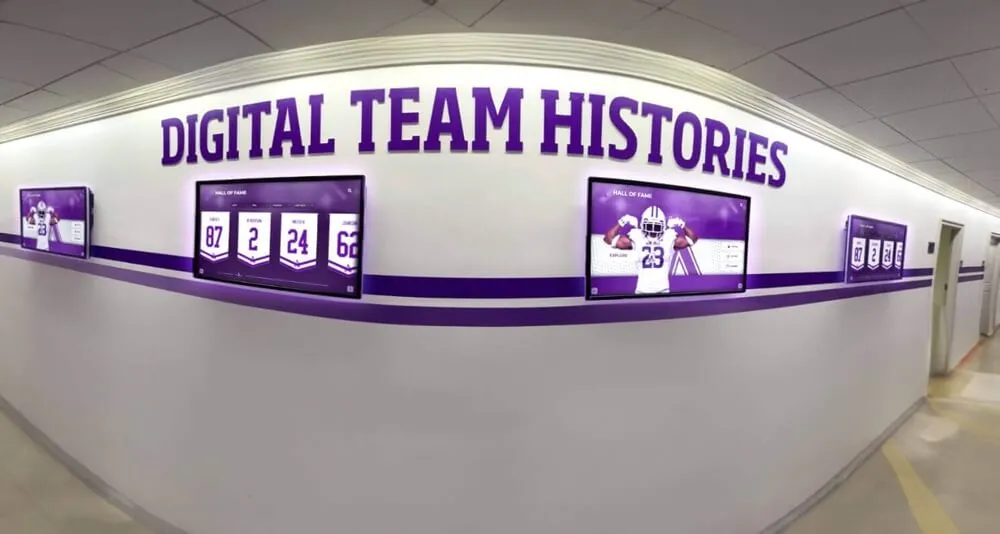
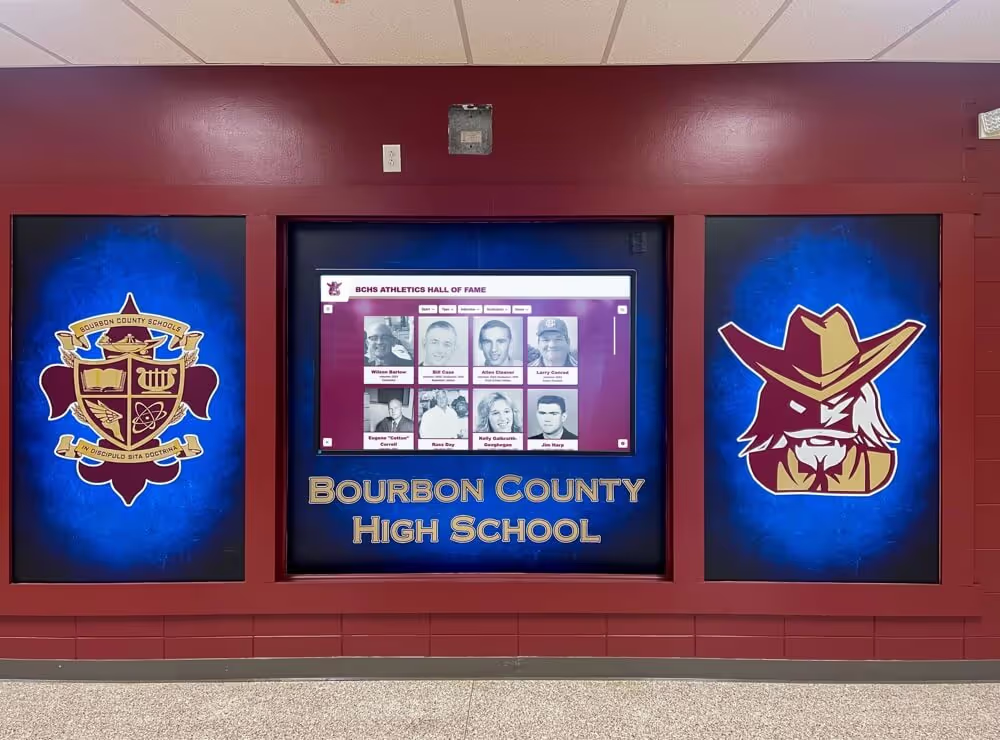
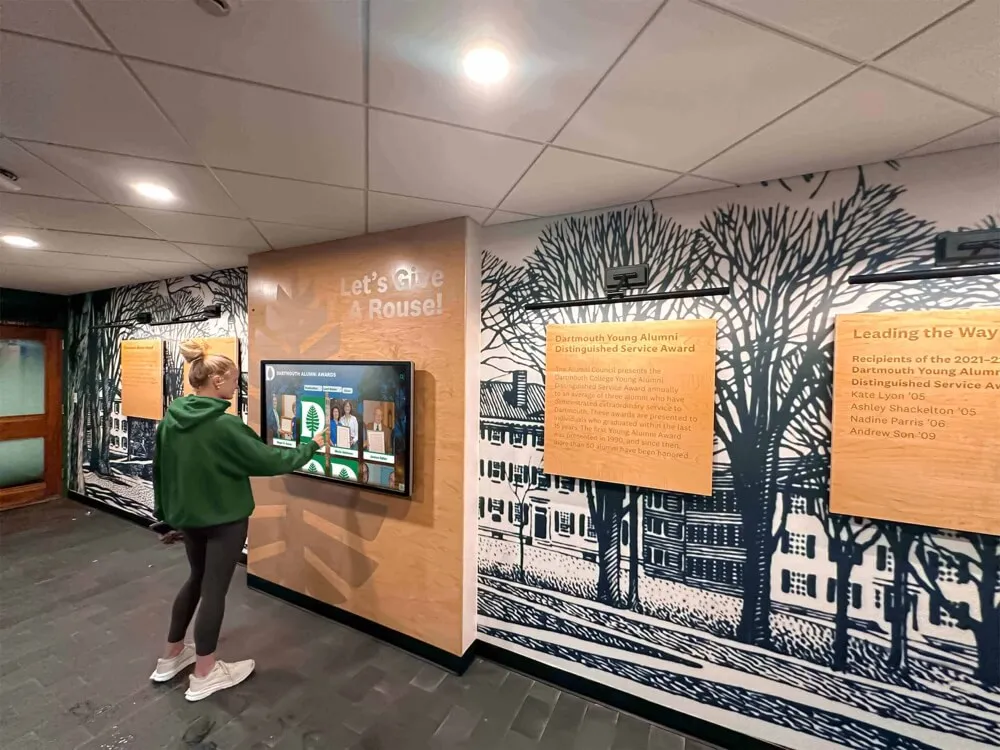
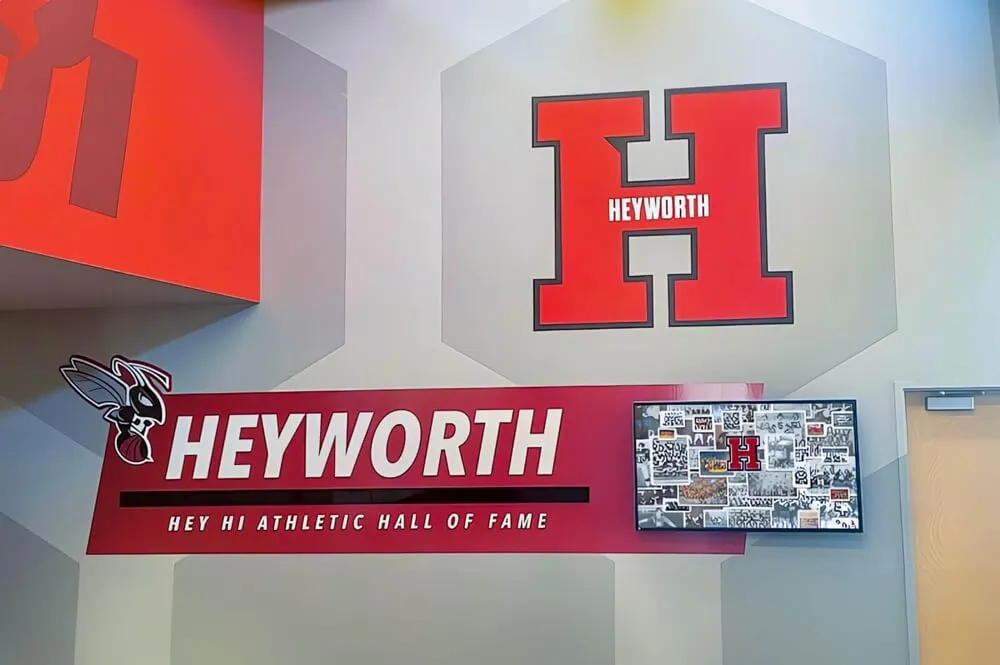
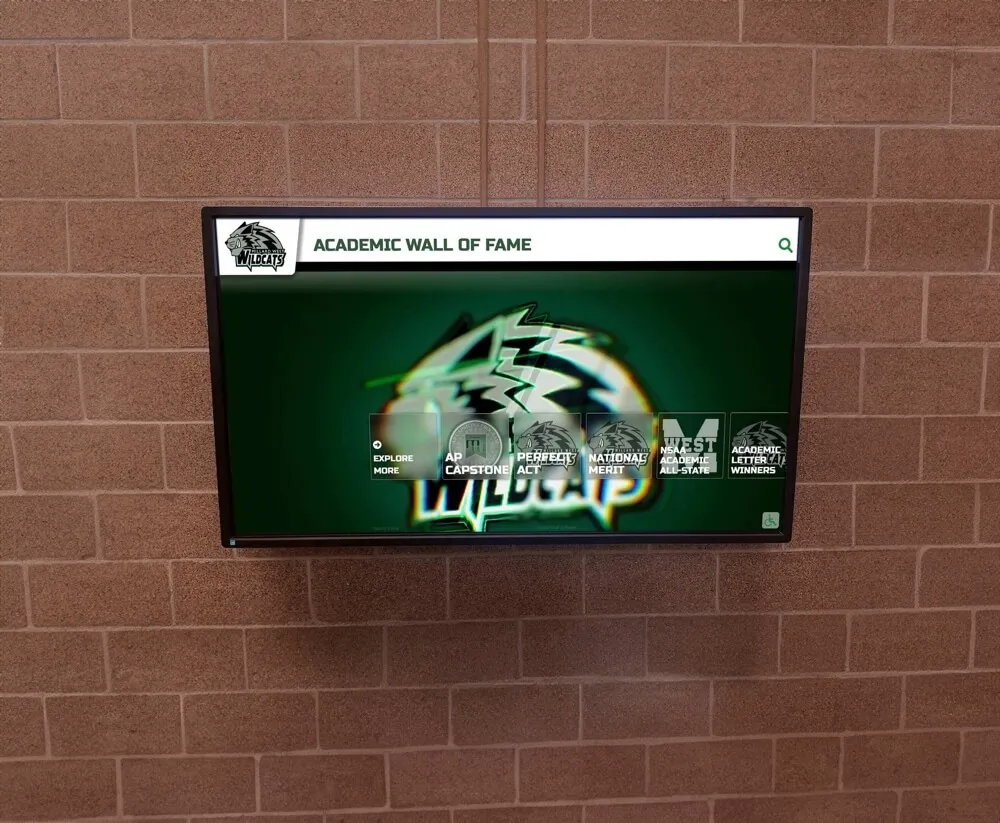
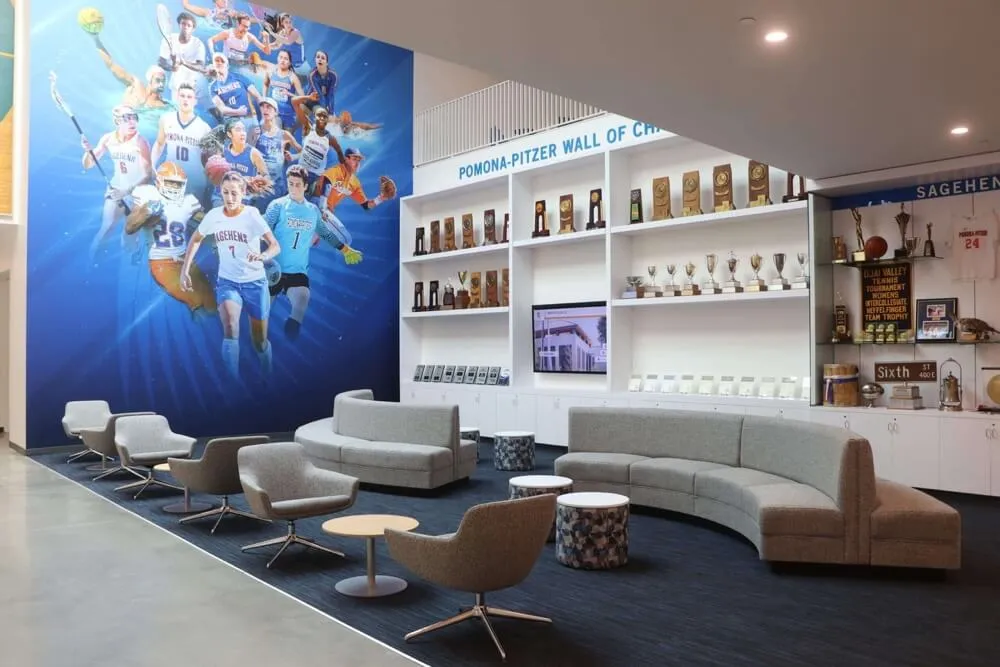
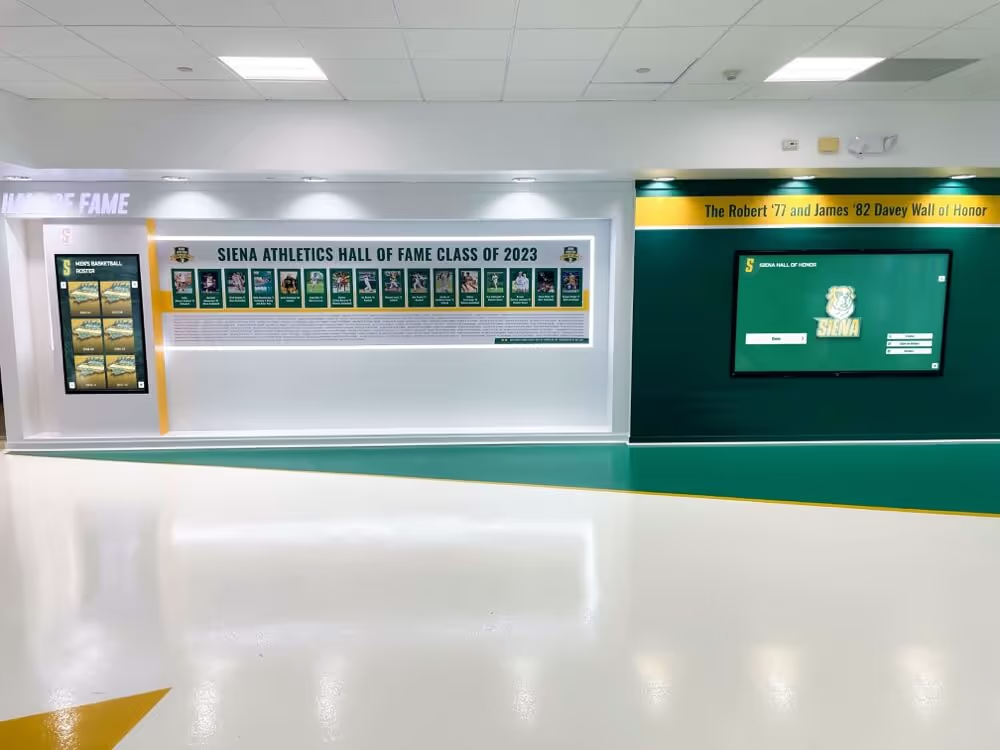
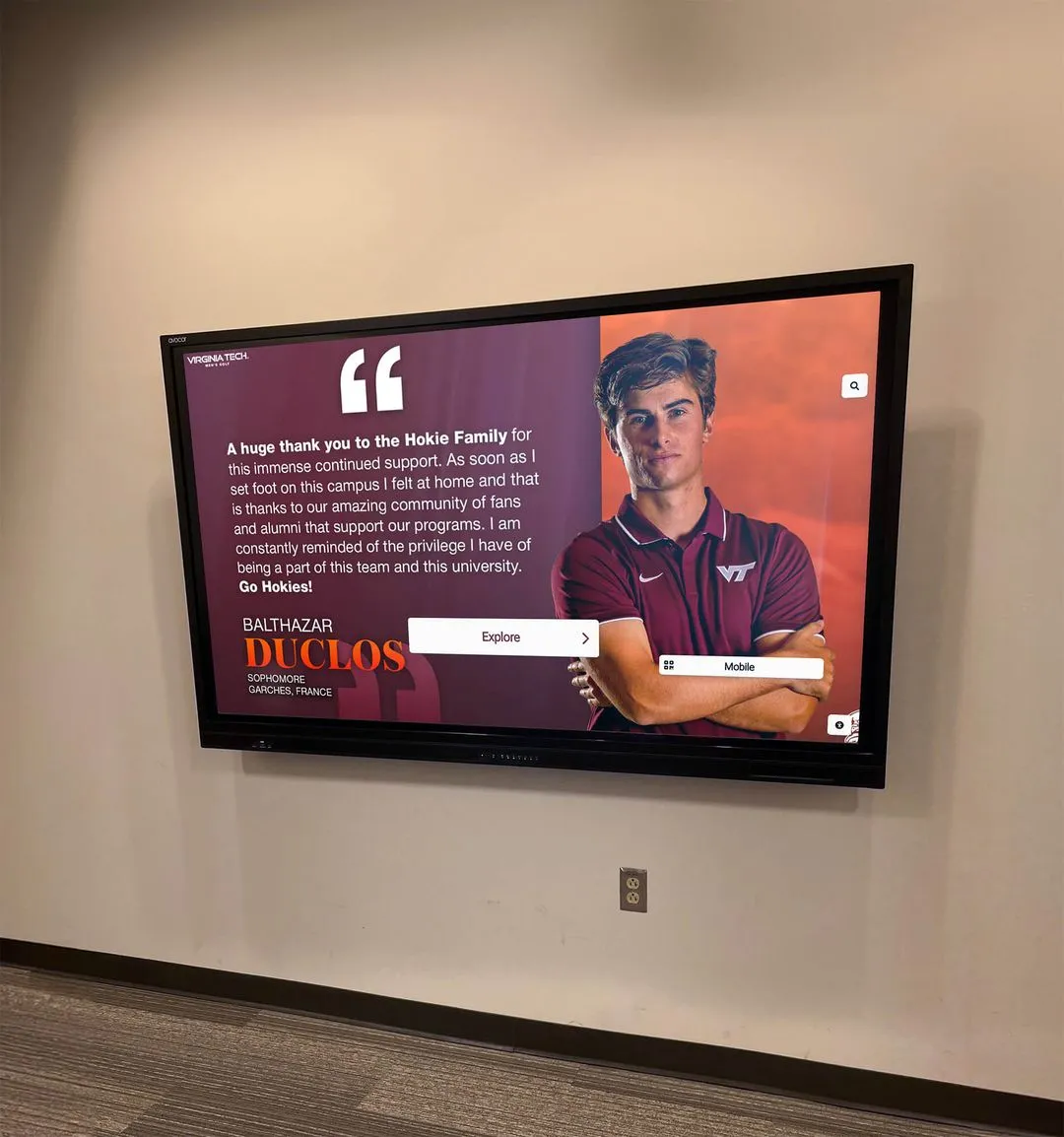
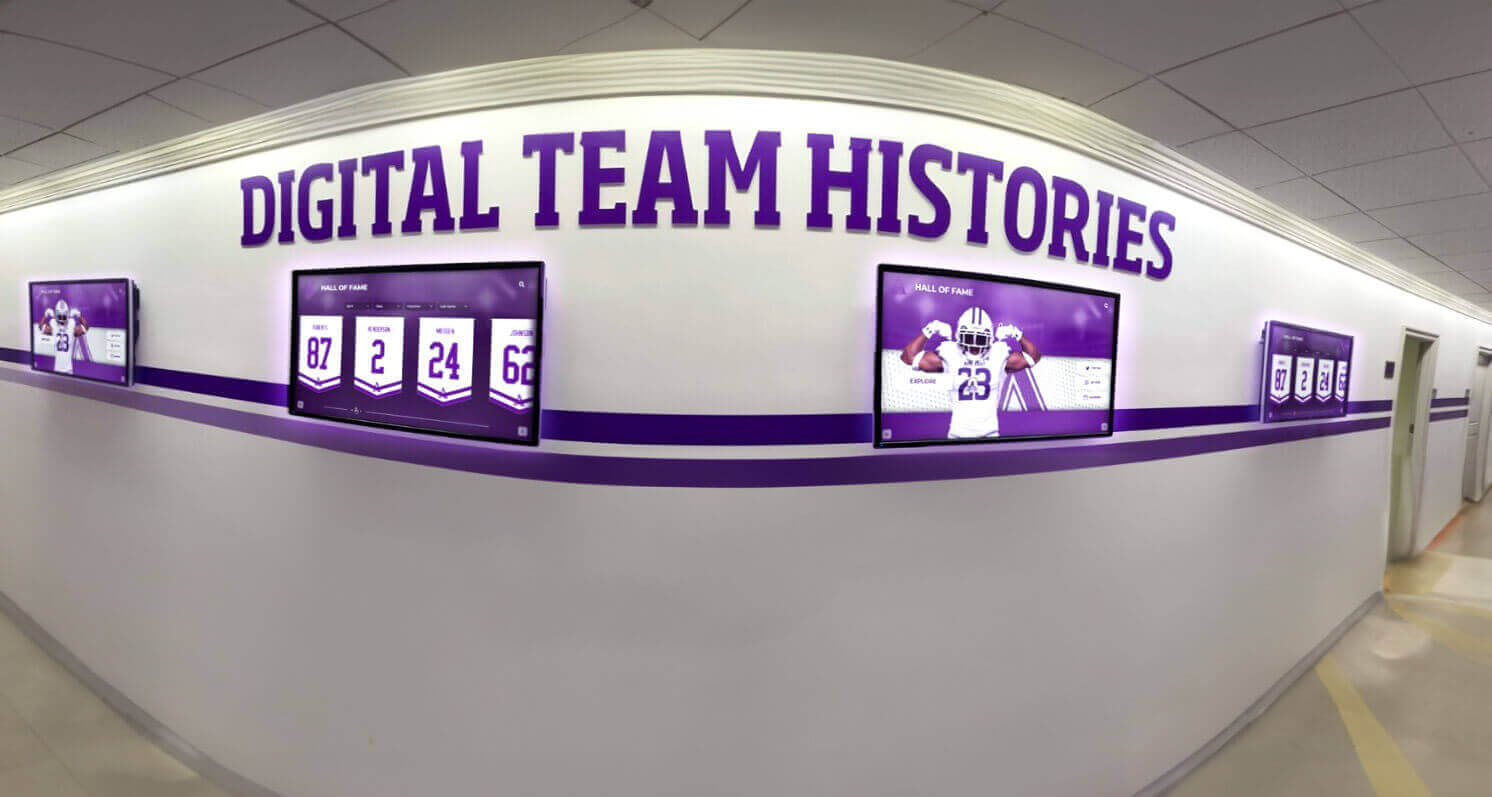
Modern corporate recognition displays make employee achievements visible and celebrated throughout the organization
The Business Case for Corporate Recognition Programs
Understanding how recognition affects employee behavior and organizational outcomes helps companies design programs that maximize positive impact.
Research-Based Benefits of Employee Recognition
Business research consistently demonstrates the power of systematic employee acknowledgment:
Performance and Engagement Enhancement
- Organizations with strong recognition programs see an 1,181% increase in great work, according to research from employee recognition platforms
- Companies with recognition and rewards programs have boosted average corporate revenue by 9.6%
- Employees recognized weekly are 2.6x more likely to be productive
- Recognition programs create positive reinforcement encouraging continued excellence
Retention and Cultural Impact
- Organizations with recognition programs experience 784% higher engagement levels
- Recognized employees show significantly higher company loyalty scores
- Systematic recognition reduces turnover costs by improving retention
- Multiple recognition pathways ensure diverse contributors find success opportunities
According to Vantage Circle, companies implementing comprehensive recognition programs see measurable improvements across engagement, productivity, and retention metrics. The motivational impact extends beyond individual recipients to create cultural shifts that elevate performance organization-wide.
Recognition’s Ripple Effects
Corporate recognition impacts extend throughout organizations:
Team Collaboration
- Recognition for collaborative achievements encourages teamwork
- Peer-to-peer recognition creates stronger working relationships
- Visible achievement builds team pride and cohesion
- Recognition events create positive team connection opportunities
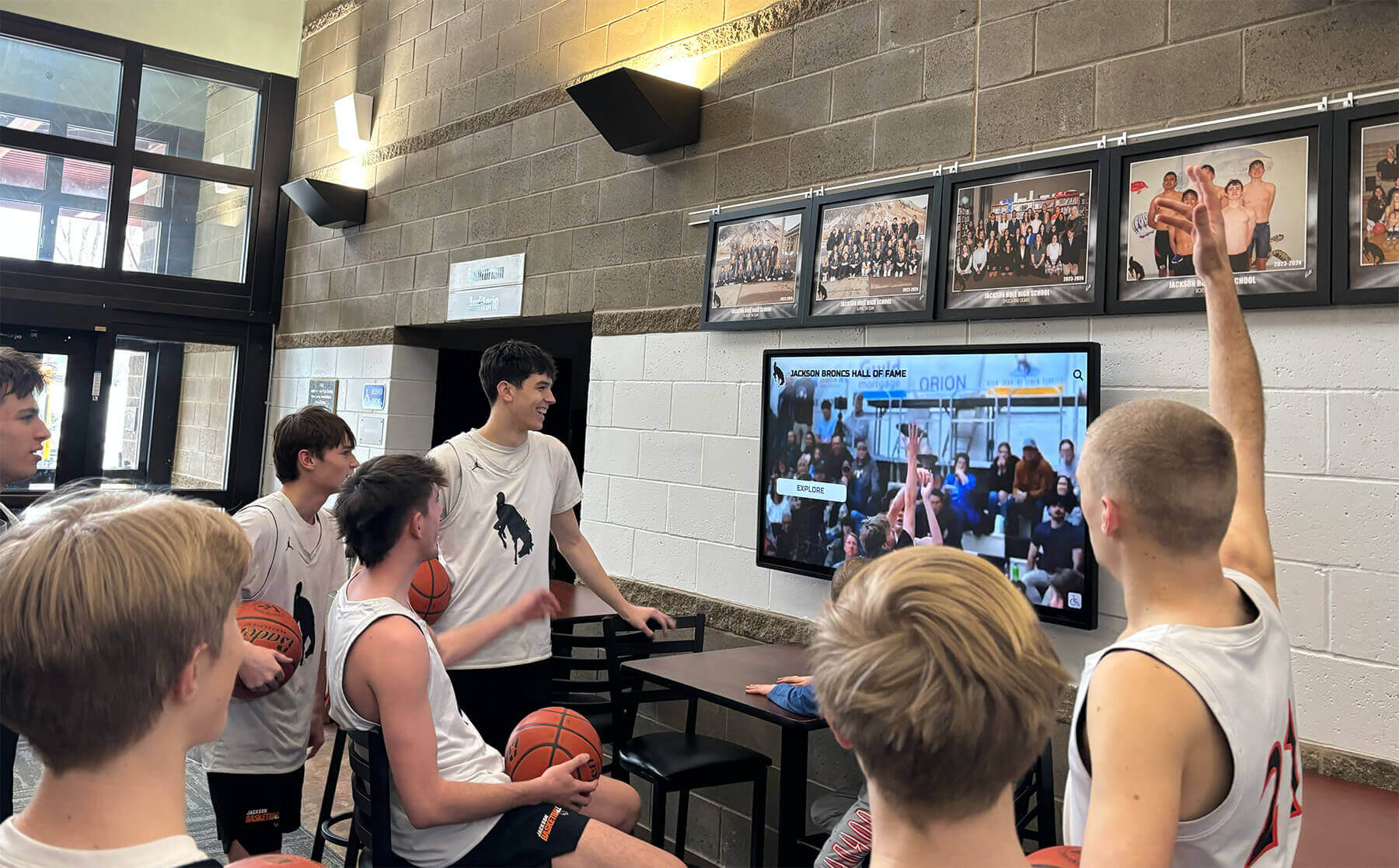
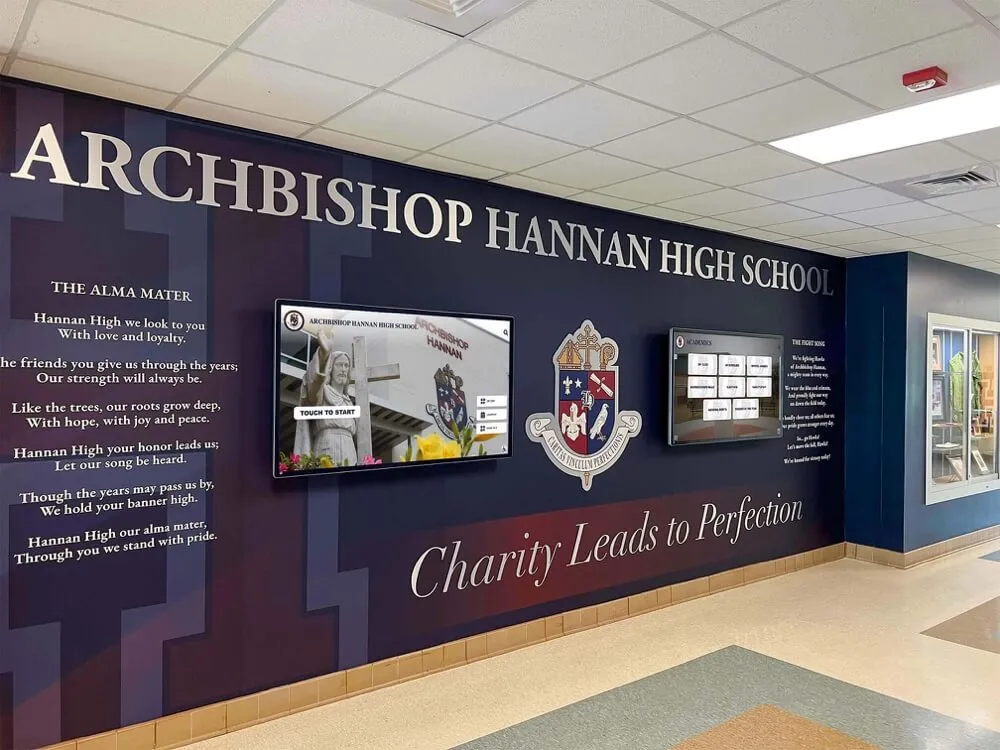
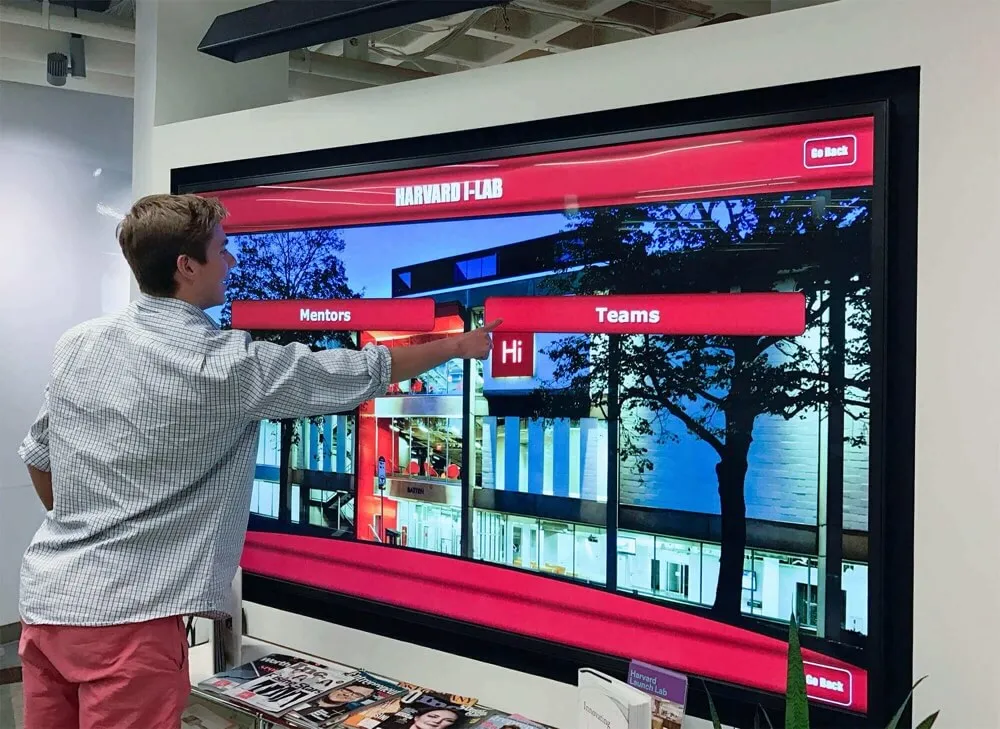
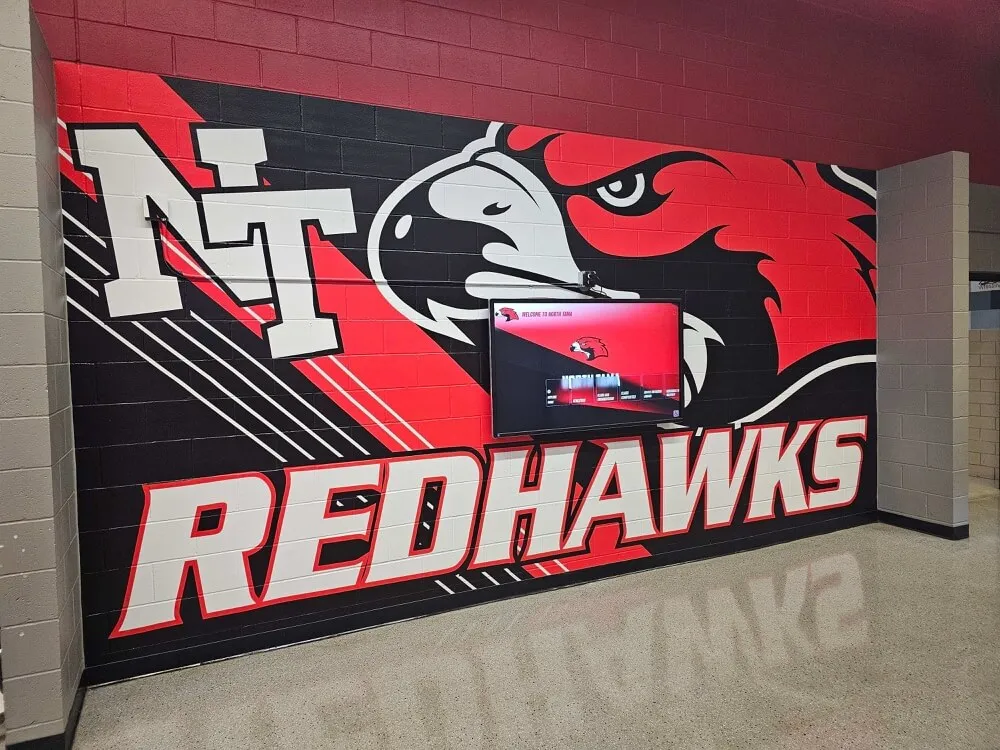
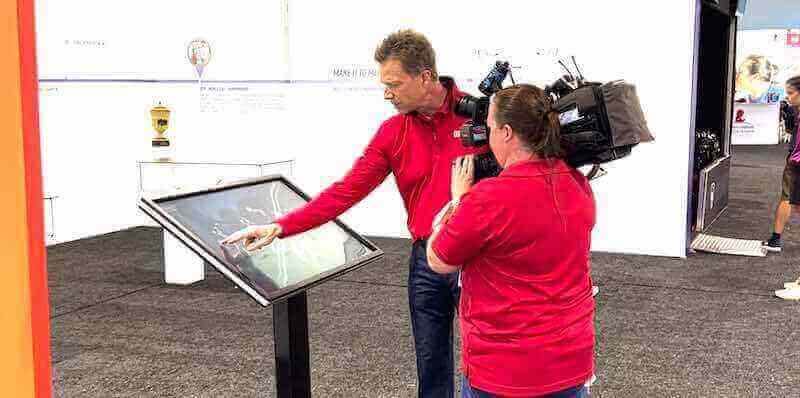
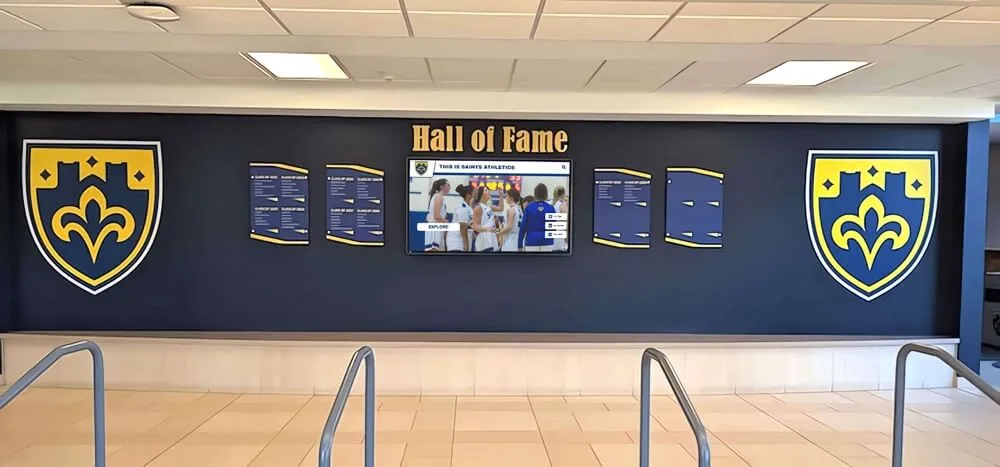
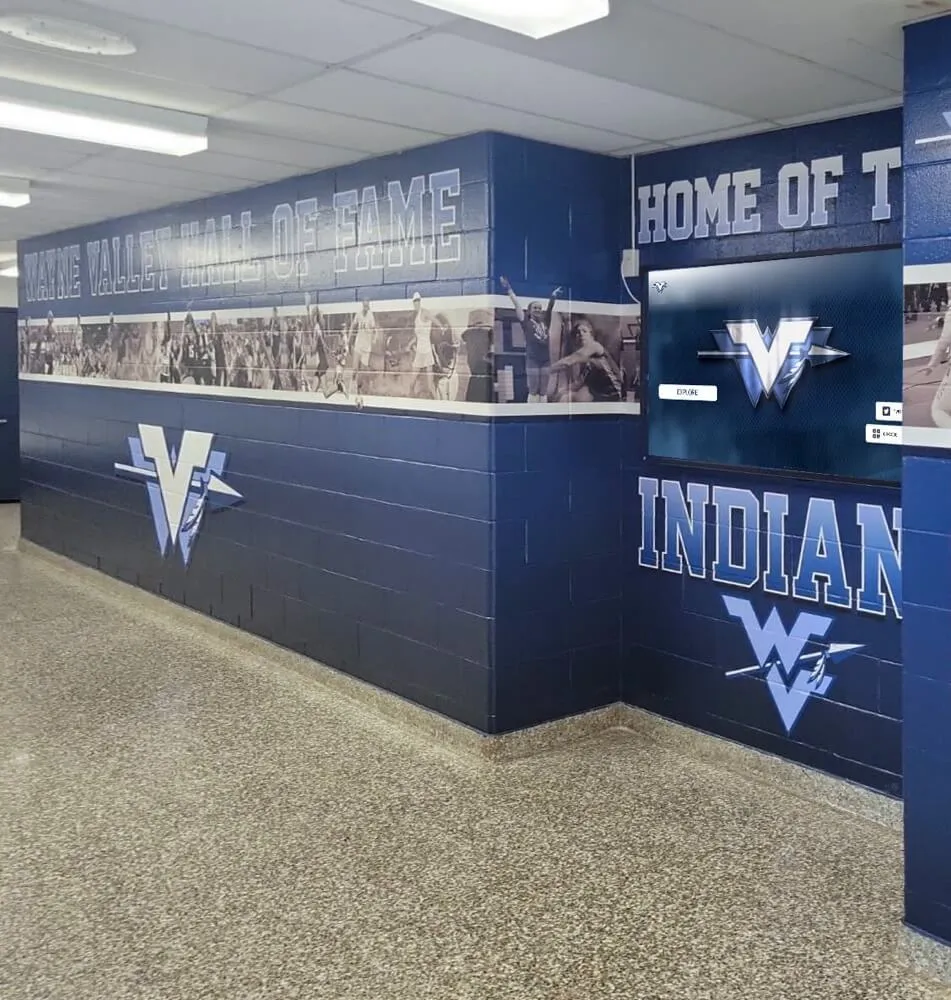
Interactive displays create opportunities for employees to explore achievements and connect with company culture
Organizational Culture Development
- Companies with strong recognition create achievement-oriented cultures
- Recognition signals organizational values and priorities
- Visible accomplishment reinforces desired behaviors company-wide
- Comprehensive recognition programs improve overall workplace climate metrics
The key to maximizing these benefits lies in designing recognition systems that feel meaningful, attainable, and aligned with your organization’s mission and values.
Core Components of Effective Corporate Recognition Programs
Successful corporate recognition programs share essential characteristics that maximize impact and sustainability.
Multi-Dimensional Recognition Criteria
Moving beyond single metrics ensures comprehensive achievement celebration:
Performance Excellence Recognition
- Sales targets and quota achievements
- Project completion milestones and delivery excellence
- Quality metrics and process improvement contributions
- Customer satisfaction scores and client relationship building
- Innovation and creative problem-solving accomplishments
Values-Based Recognition
- Demonstration of core company values in daily work
- Leadership behaviors and mentoring contributions
- Collaboration and teamwork excellence
- Customer service orientation and client advocacy
- Ethical decision-making and integrity demonstrations
Learn more about comprehensive approaches in building sustained engagement ecosystems that can inform corporate recognition strategies.
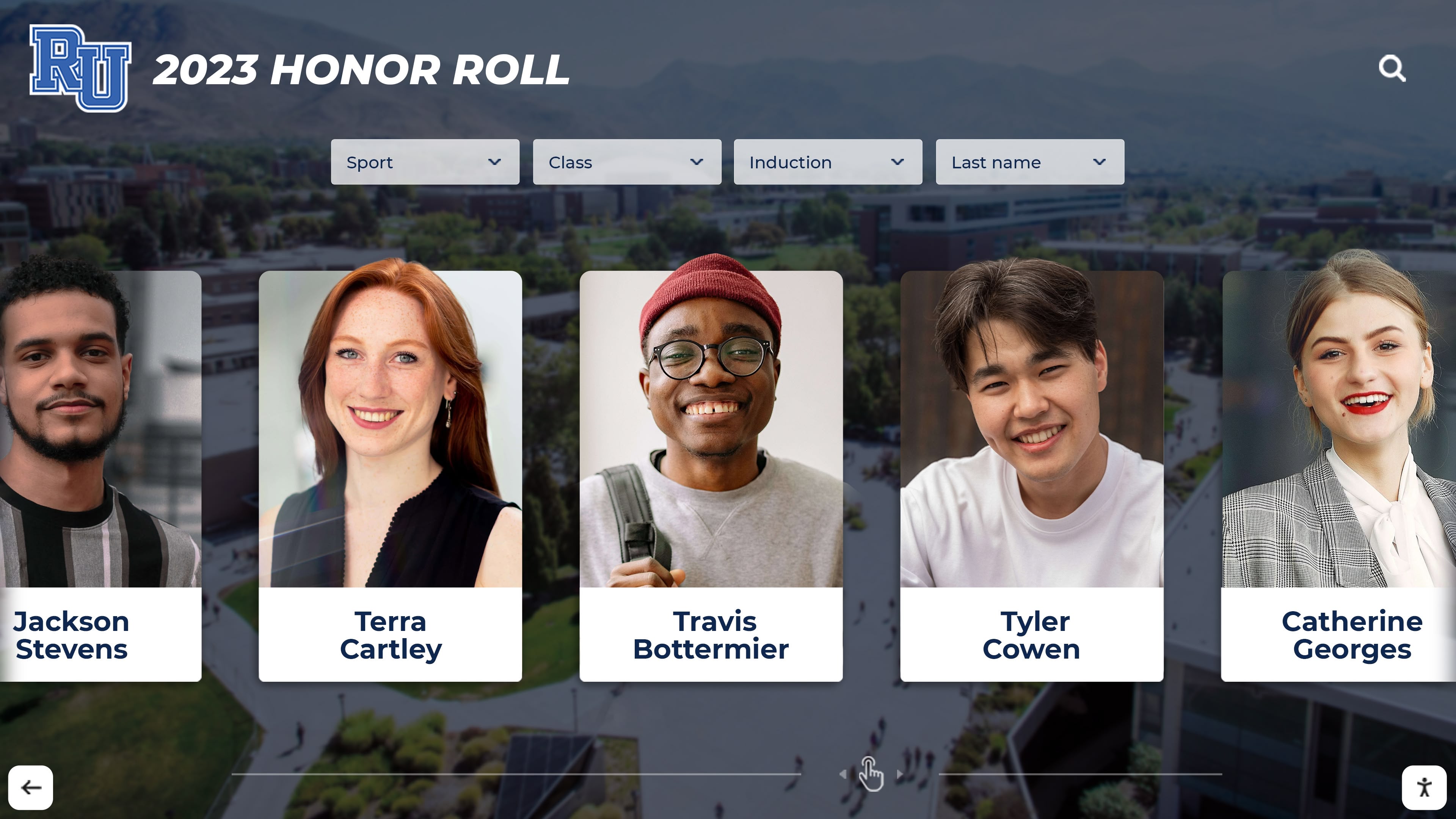
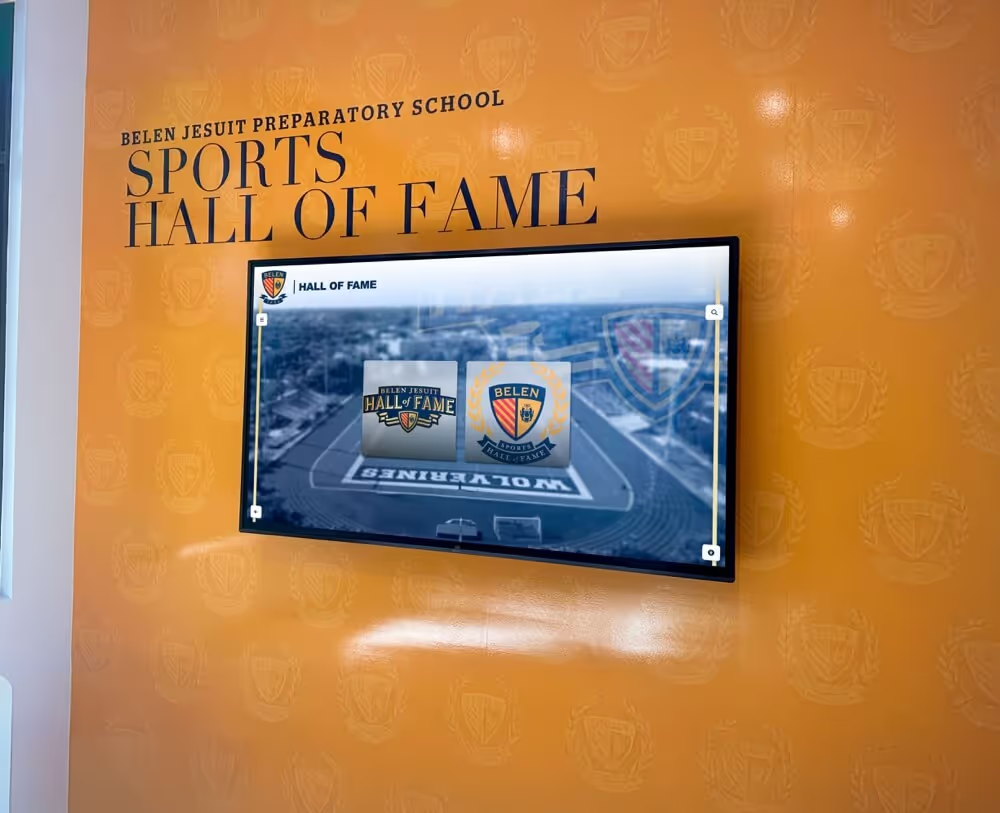
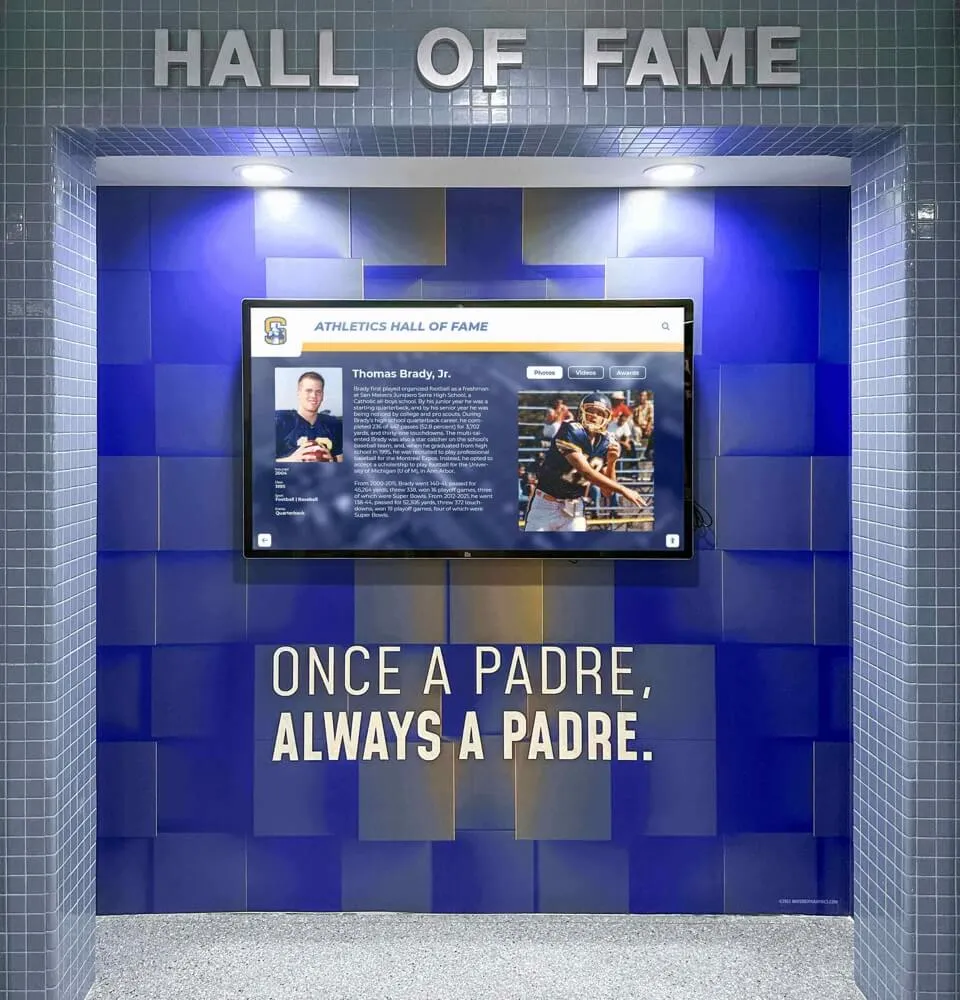
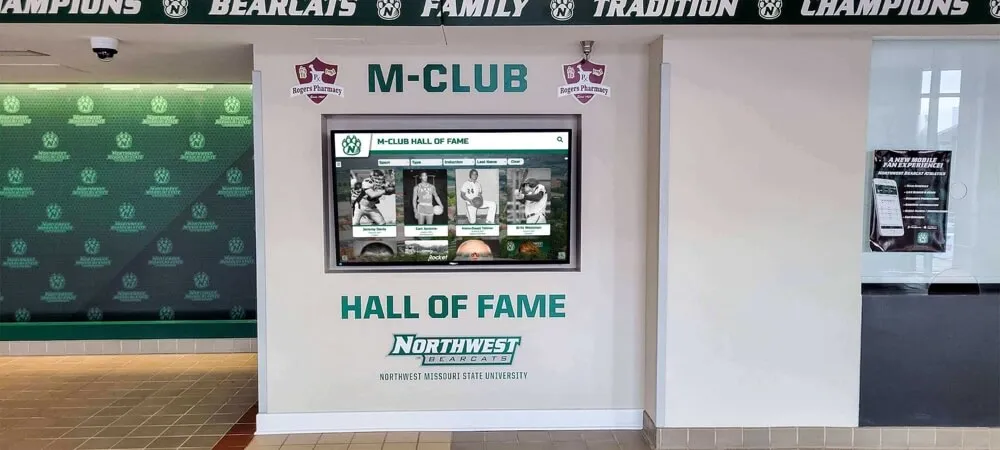
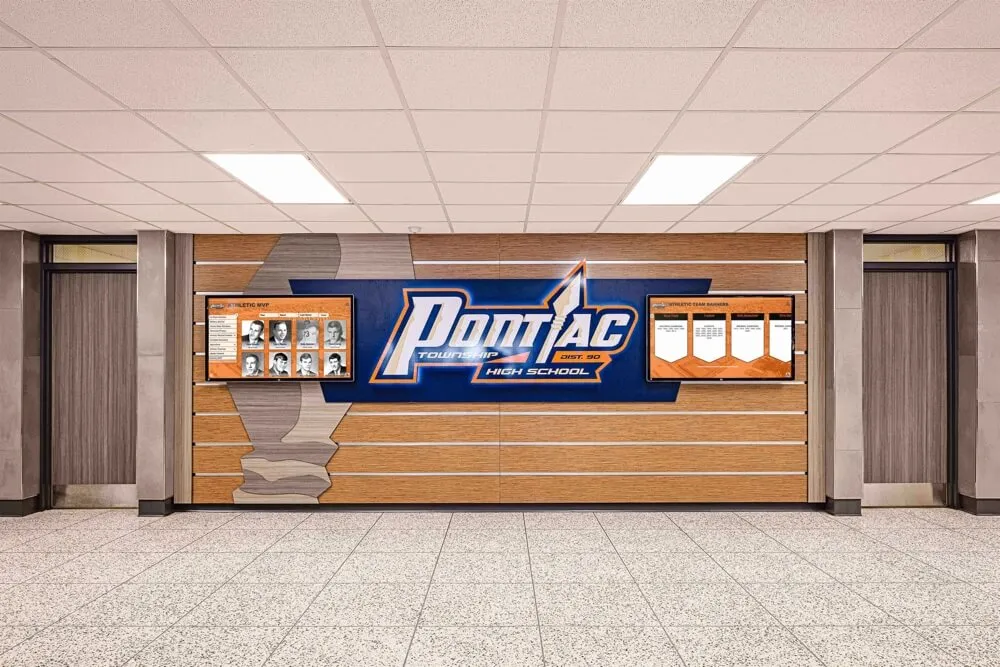
Individual recognition profiles celebrate specific achievements and professional journeys
Growth and Development Recognition
- Skill acquisition and professional development milestones
- Certification completions and continuing education
- Career advancement and promotion achievements
- Cross-functional learning and role expansion
- Mentorship contributions developing others
Tenure and Loyalty Recognition
- Service anniversaries and long-term commitment
- Continuous improvement throughout career
- Institutional knowledge and historical perspective
- Consistent performance over extended periods
- Dedication through organizational changes
This multi-dimensional approach ensures recognition opportunities exist for employees across different roles, contributions, and career stages.
Tiered Recognition Structures
Creating multiple recognition levels ensures appropriate acknowledgment at different achievement scales:
Pinnacle Achievement Recognition
- CEO awards for exceptional contributions
- Innovation awards for transformational ideas
- Lifetime achievement honors for career-long excellence
- Industry recognition and external award nominations
- Company hall of fame or hall of honor inductions
These highest honors receive special ceremony, permanent display, and prominent visibility throughout the organization.
Regular Recognition Programs
- Quarterly performance awards
- Monthly team achievement celebrations
- Weekly standout employee highlights
- Daily appreciation and acknowledgment
- Milestone achievement celebrations
Explore implementation strategies in student of the month recognition programs that translate well to corporate monthly recognition approaches.
Peer-to-Peer Recognition
- Colleague nominations and appreciation
- Team member acknowledgment programs
- Cross-departmental recognition initiatives
- Real-time appreciation platforms
- Social recognition and kudos systems
This tiered structure maintains meaning and prestige for top achievements while ensuring recognition opportunities exist for employees at all performance levels.
Department and Role-Specific Recognition
Corporate recognition should celebrate excellence across all functions, not just revenue-generating roles.
Sales and Revenue Team Recognition
Sales achievements deserve systematic celebration beyond commission structures:
Individual Performance Recognition
- Quota achievement and over-performance awards
- New client acquisition celebrations
- Deal size milestone acknowledgments
- Pipeline development excellence
- Customer retention and expansion recognition
Strategic Achievement Recognition
- Complex deal closing and strategic wins
- Market entry and expansion accomplishments
- Competitive displacement successes
- Long-term relationship building
- Product or service adoption leadership
Team and Collaborative Recognition
- Team quota achievement celebrations
- Cross-functional collaboration awards
- Knowledge sharing and mentoring contributions
- Best practice development and documentation
- Support of new team member development
Operations and Delivery Excellence
Operational achievements require equal systematic acknowledgment:
Efficiency and Quality Recognition
- Process improvement implementations
- Quality metric achievements
- Safety record milestones
- Cost reduction initiatives
- Waste elimination accomplishments
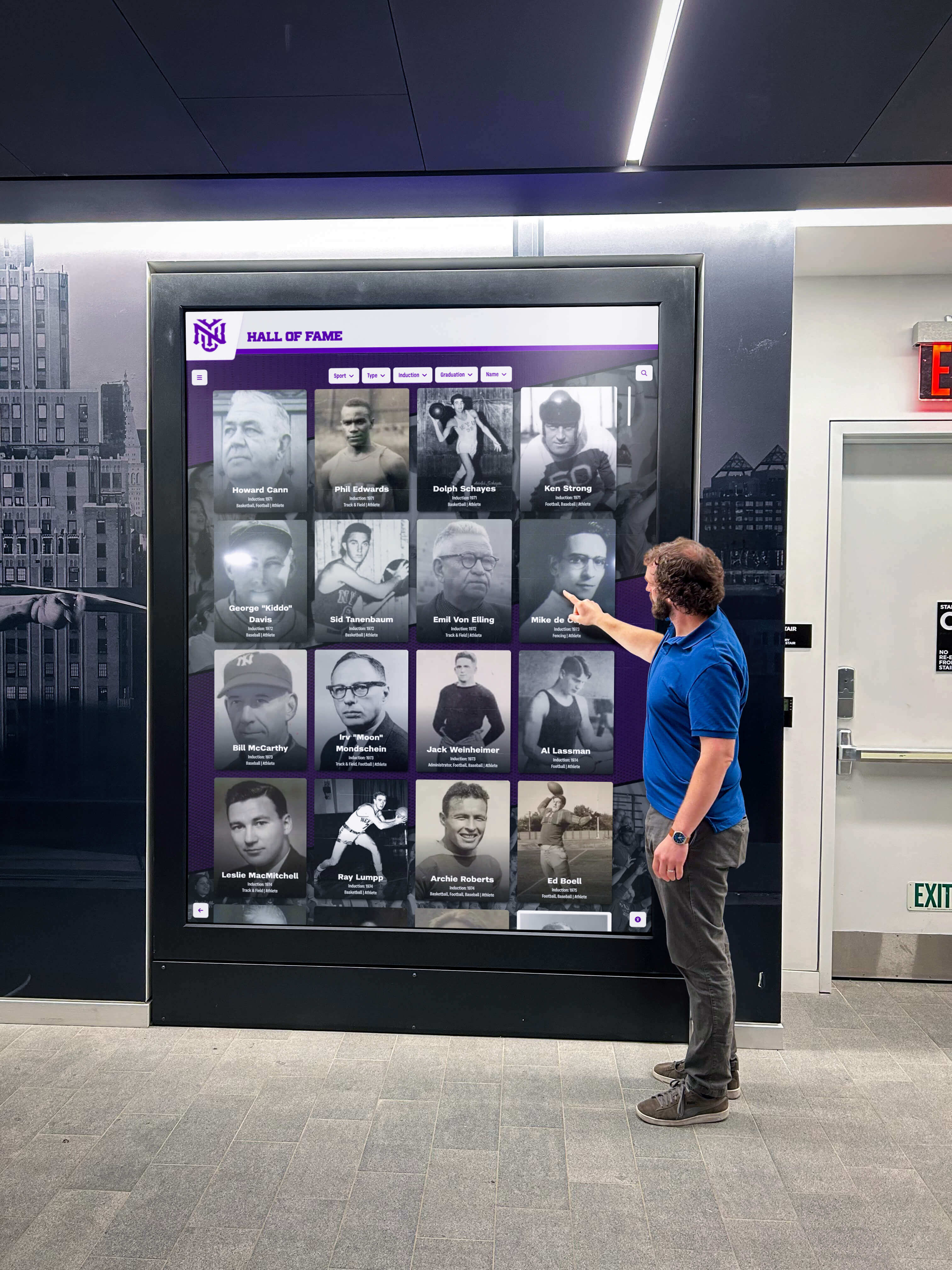
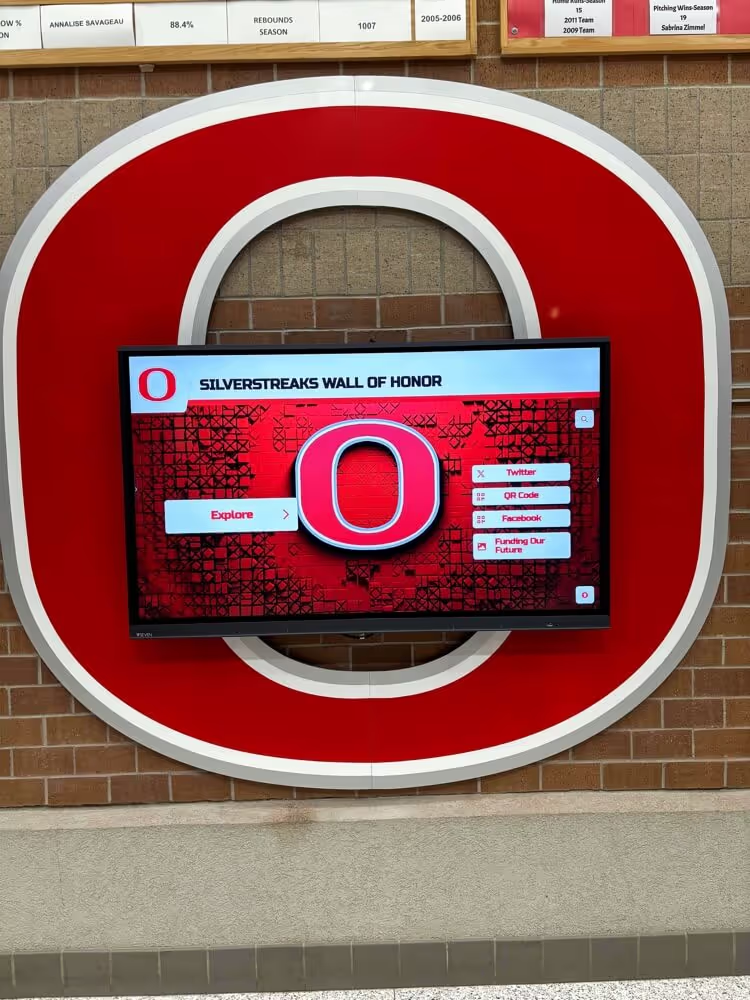
Comprehensive recognition systems document achievement journeys across employee tenures
Reliability and Consistency Recognition
- On-time delivery achievement
- Service level agreement performance
- Uptime and availability records
- Response time improvements
- Consistency and dependability honors
Innovation in Operations
- Technology implementation successes
- Workflow optimization achievements
- Tool and system improvement contributions
- Training and development initiatives
- Cross-team collaboration enhancements
Support Function Recognition
Support roles provide essential contributions deserving systematic recognition:
Technical Excellence
- System reliability and performance
- Security and compliance achievements
- Technical problem-solving successes
- Infrastructure improvement projects
- Innovation in technical solutions
Service Excellence
- Internal customer satisfaction scores
- Responsiveness and support quality
- Knowledge base development
- Training and enablement contributions
- Process documentation excellence
Business Support Excellence
- Financial accuracy and reporting quality
- HR program development and delivery
- Legal and compliance achievements
- Facilities and operational excellence
- Administrative efficiency improvements
Learn about comprehensive achievement approaches in best ways to highlight accomplishments that apply across organizational functions.
Modern Recognition Technology and Platforms
Traditional approaches to corporate recognition—printed newsletters, bulletin boards, and annual ceremonies—struggle to create the visibility and engagement modern workplaces need.
Digital Recognition Display Solutions
Solutions like Rocket Alumni Solutions transform corporate recognition through interactive displays that eliminate traditional limitations:
Unlimited Recognition Capacity Digital recognition displays overcome physical space constraints that force companies to choose whose accomplishments receive visibility:
- Single display showcases unlimited employees across all recognition categories
- No need to remove historical achievements to accommodate current recognition
- Comprehensive archives preserve organizational achievement history
- All departments and achievement types receive equal display capacity
Interactive Exploration Features Modern touchscreen systems create engagement impossible with static displays:
- Search functionality enables employees to find themselves and colleagues
- Filtering by achievement type, department, year, and other criteria
- Detailed profile pages telling complete professional stories
- Photo galleries and achievement documentation
- Progress tracking across multiple years
Learn about comprehensive platforms in touchscreen software security that protect corporate recognition data.
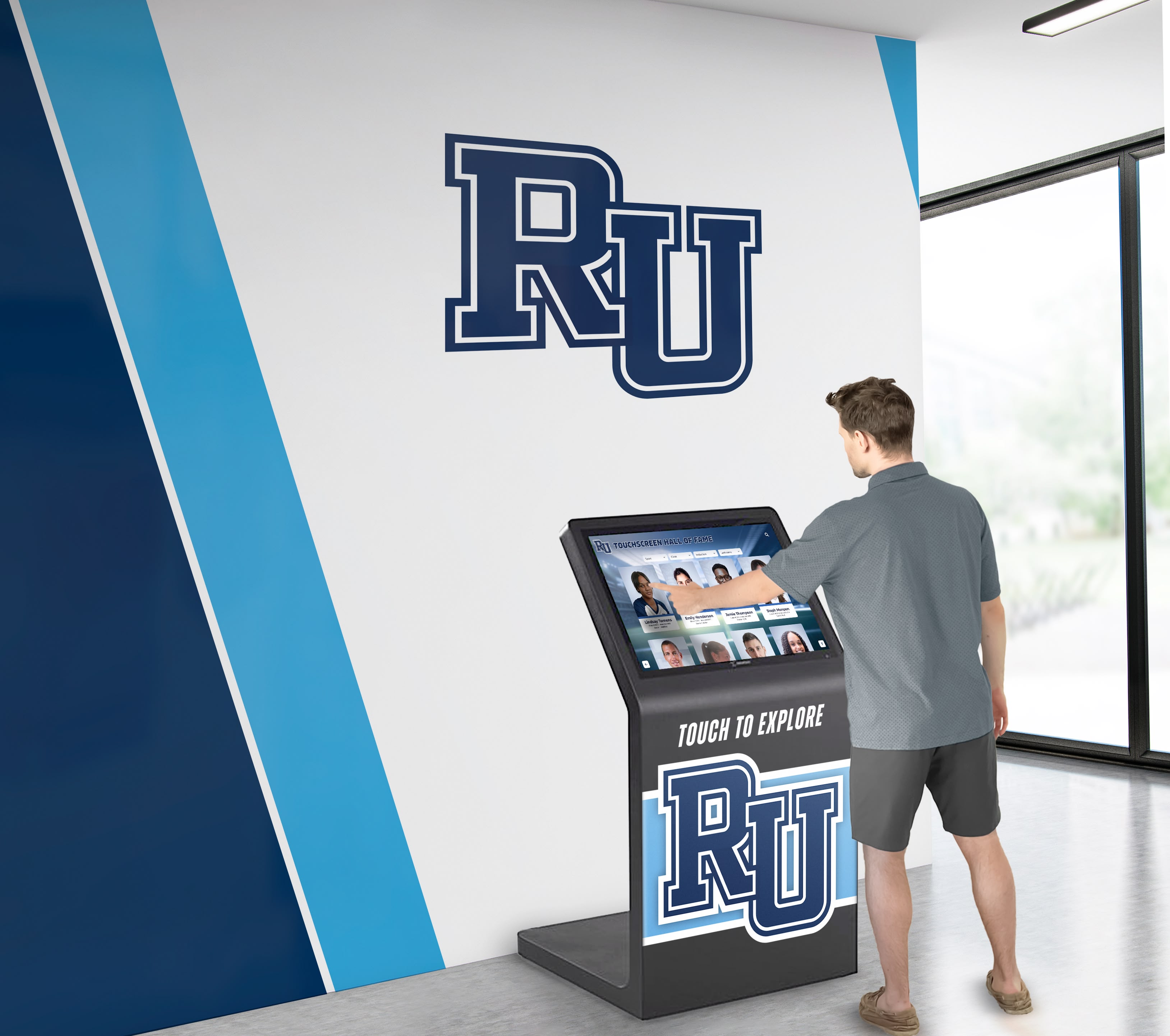
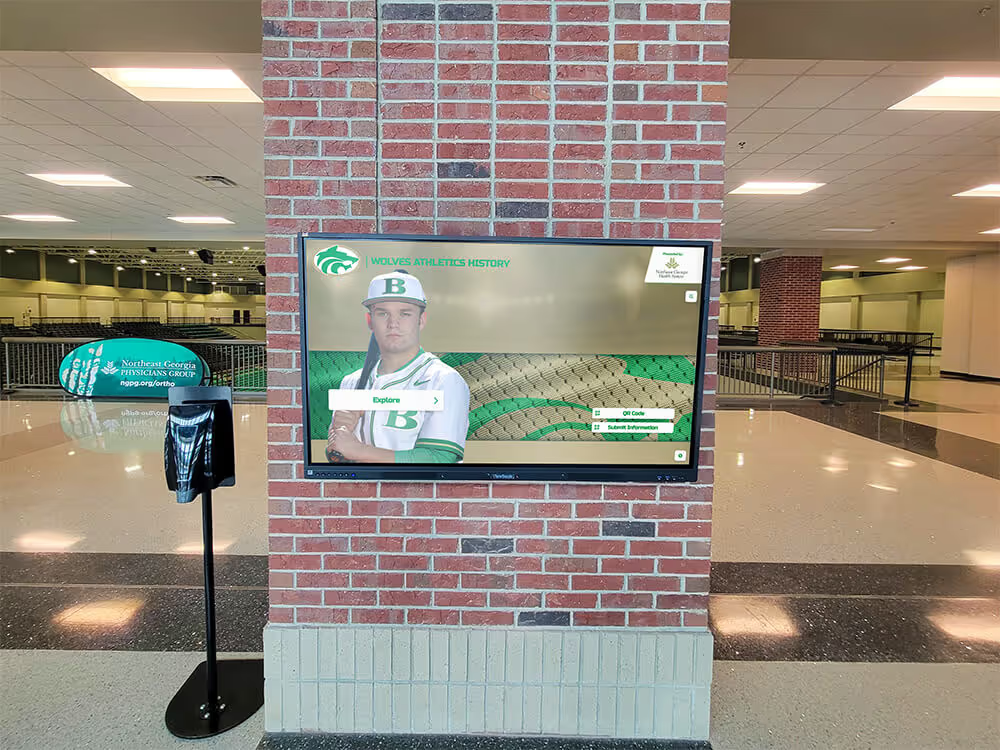
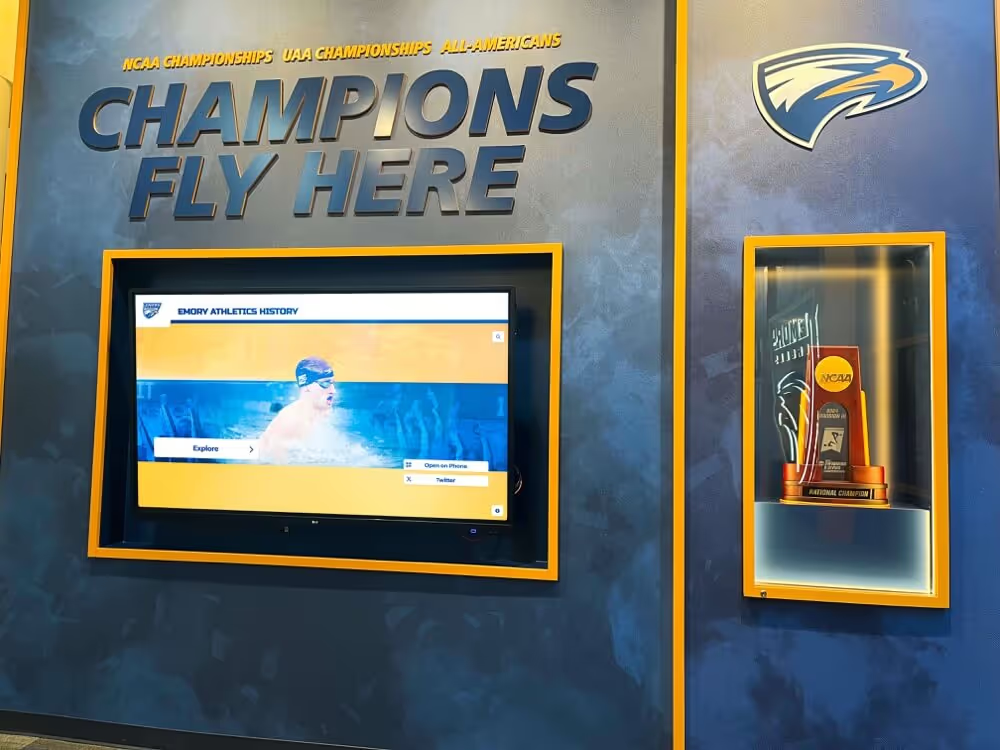
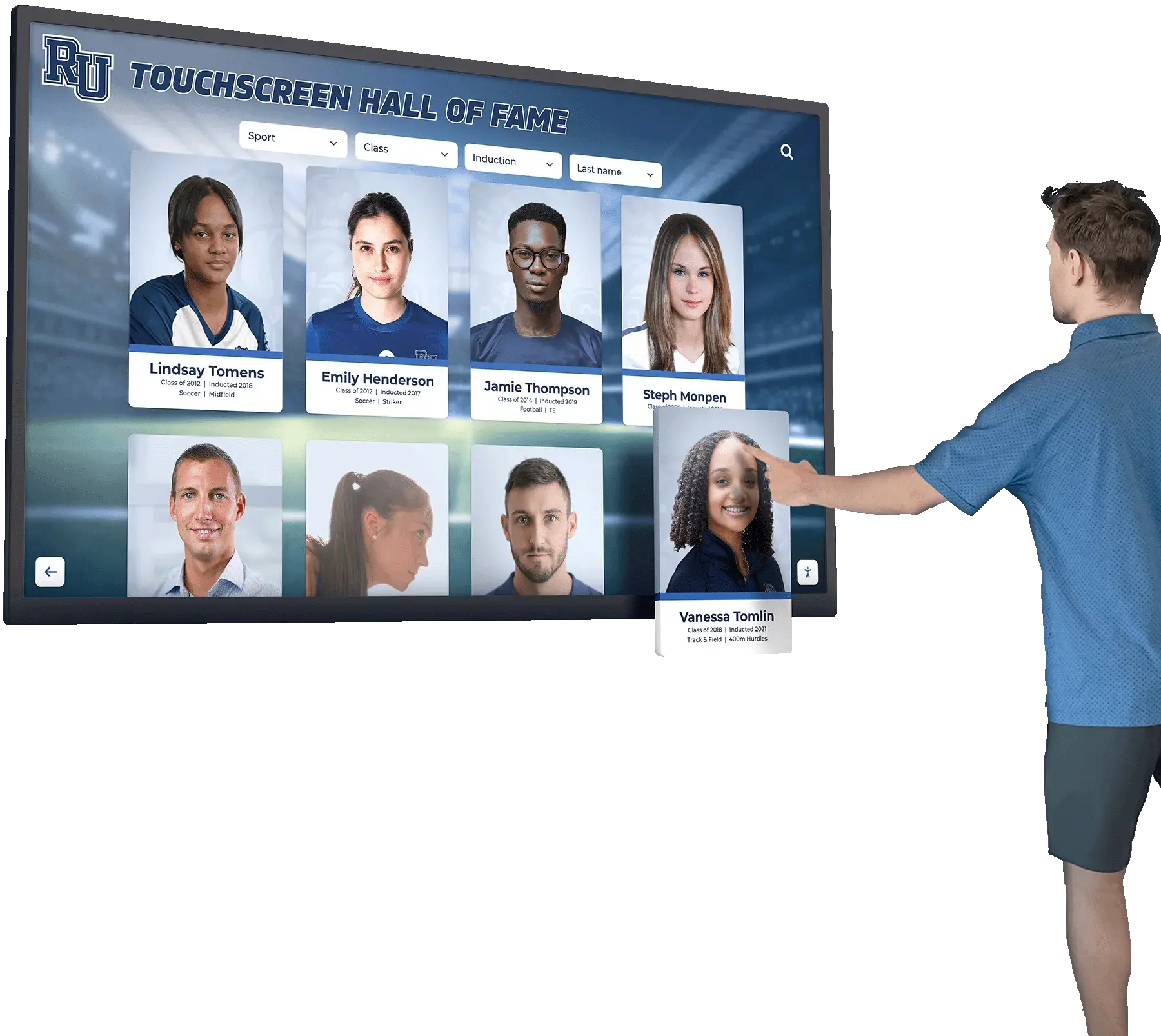
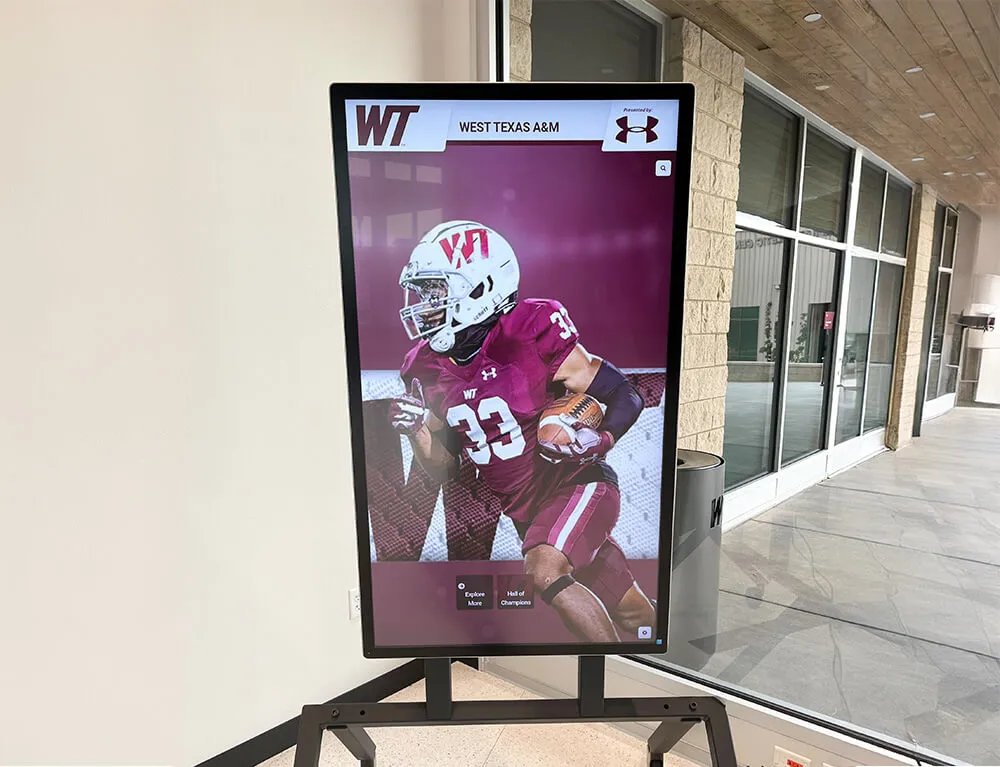
Touchscreen interfaces make exploring corporate achievements engaging and intuitive
Simple Content Management Cloud-based management systems eliminate administrative burden:
- Remote updates from any internet-connected device
- Bulk import tools for historical achievement data
- Scheduled publishing automation for quarterly and annual recognition
- Role-based permissions enabling appropriate staff access
- Drag-and-drop interfaces requiring no technical expertise
Organizations report 80-90% reduction in administrative time spent maintaining recognition programs after implementing digital systems.
Web-Based Recognition Extensions
Corporate recognition should extend beyond physical offices to engage remote workers and distributed teams:
Online Recognition Platforms Web-accessible systems amplify recognition impact:
- Remote employees worldwide can view current achievements
- Social sharing capabilities enabling employees to celebrate accomplishments
- Mobile-optimized displays ensuring accessibility across devices
- Integration with company intranets and communication platforms
- Analytics tracking engagement and recognition program effectiveness
Explore digital transformation approaches that translate to corporate recognition systems.
Recognition Communication Strategies Systematic communication ensures maximum visibility:
- Email announcements to teams when colleagues receive recognition
- Slack or Teams integration for real-time recognition sharing
- Newsletter features highlighting recognition program success
- All-hands meeting integrations providing company-wide acknowledgment
- LinkedIn and social media partnerships extending recognition externally
This multi-channel approach ensures achievements receive visibility across the organization regardless of location or work arrangement.
Recognition Ceremony Design
Formal ceremonies create memorable recognition experiences:
Quarterly Achievement Recognition Events
- Department excellence awards each quarter
- Cross-functional team achievement presentations
- Individual contributor celebrations
- Executive participation and acknowledgment
- Employee speaker opportunities
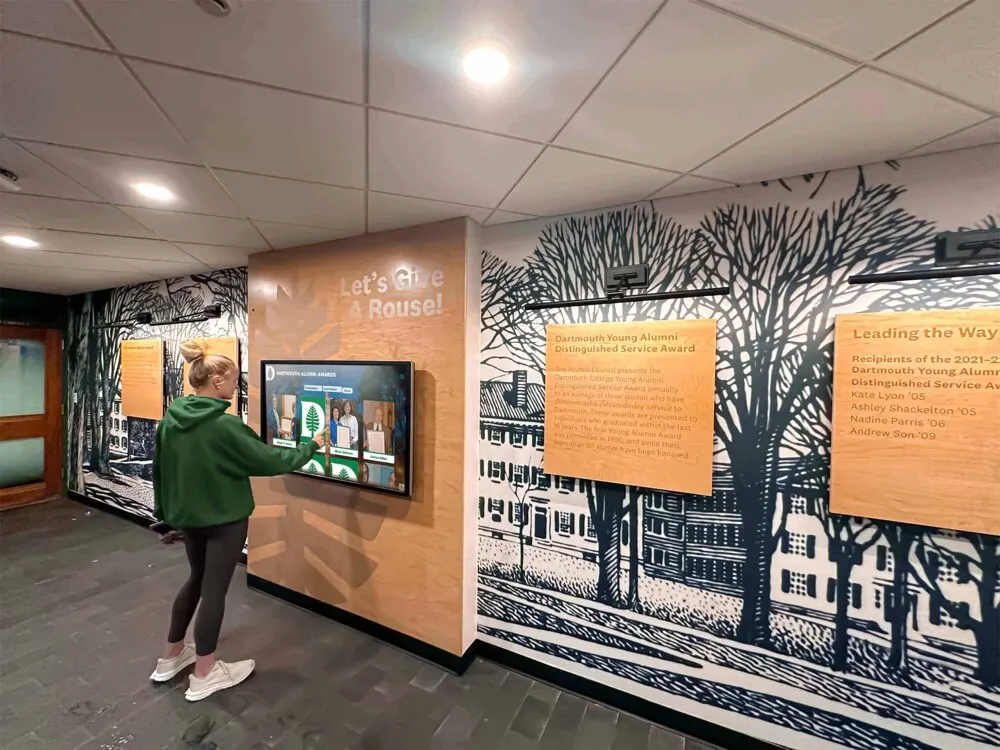
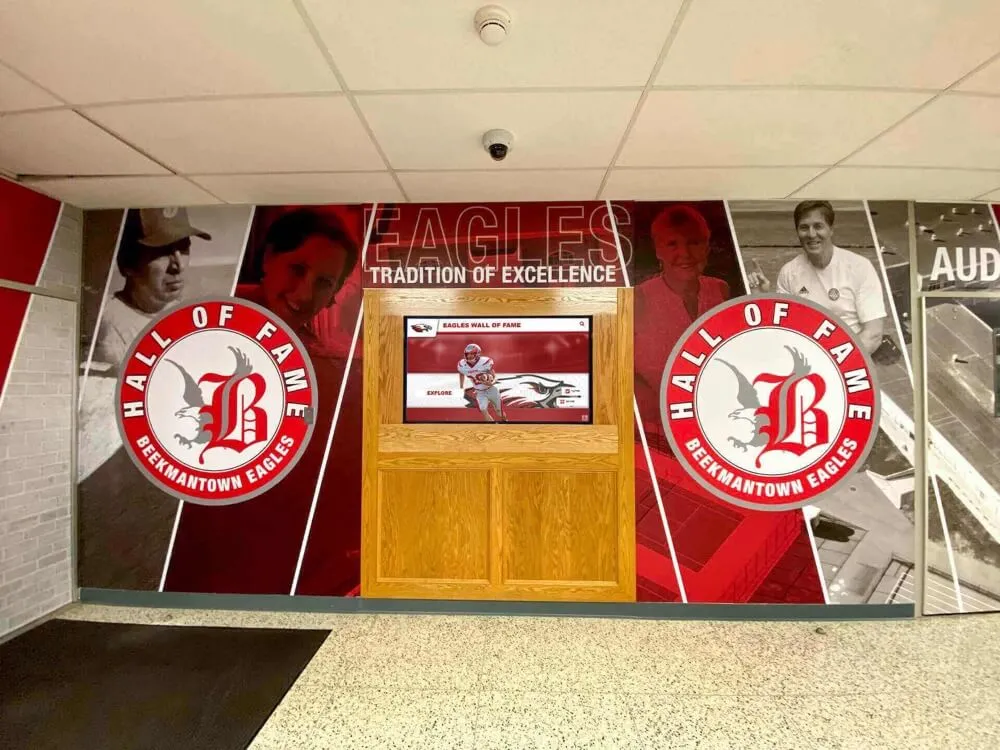
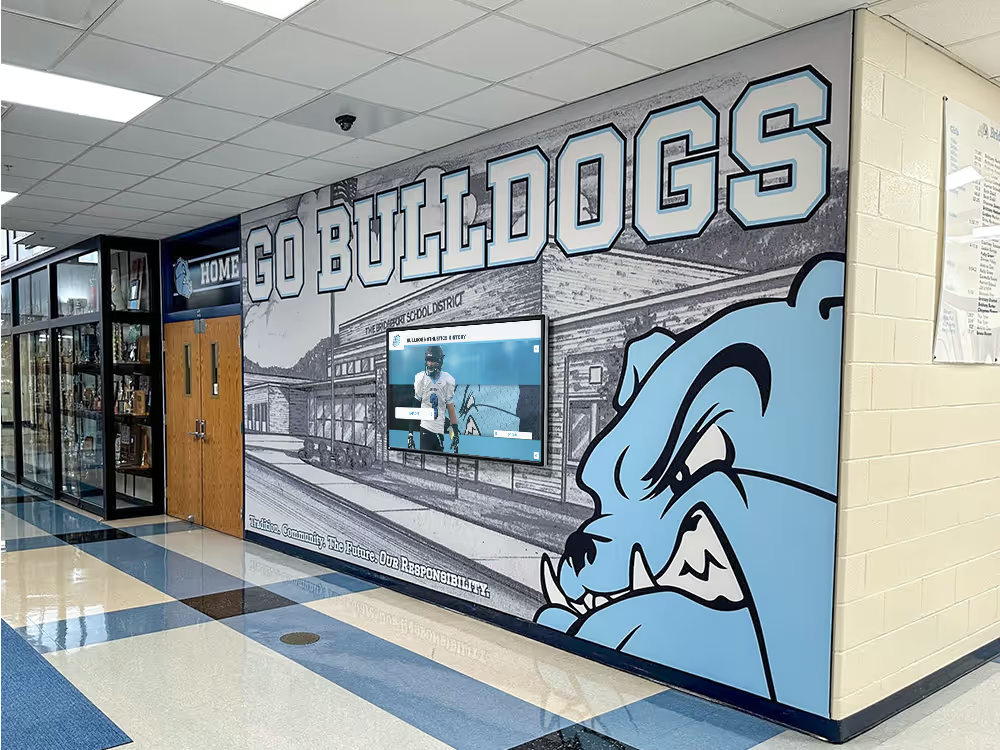
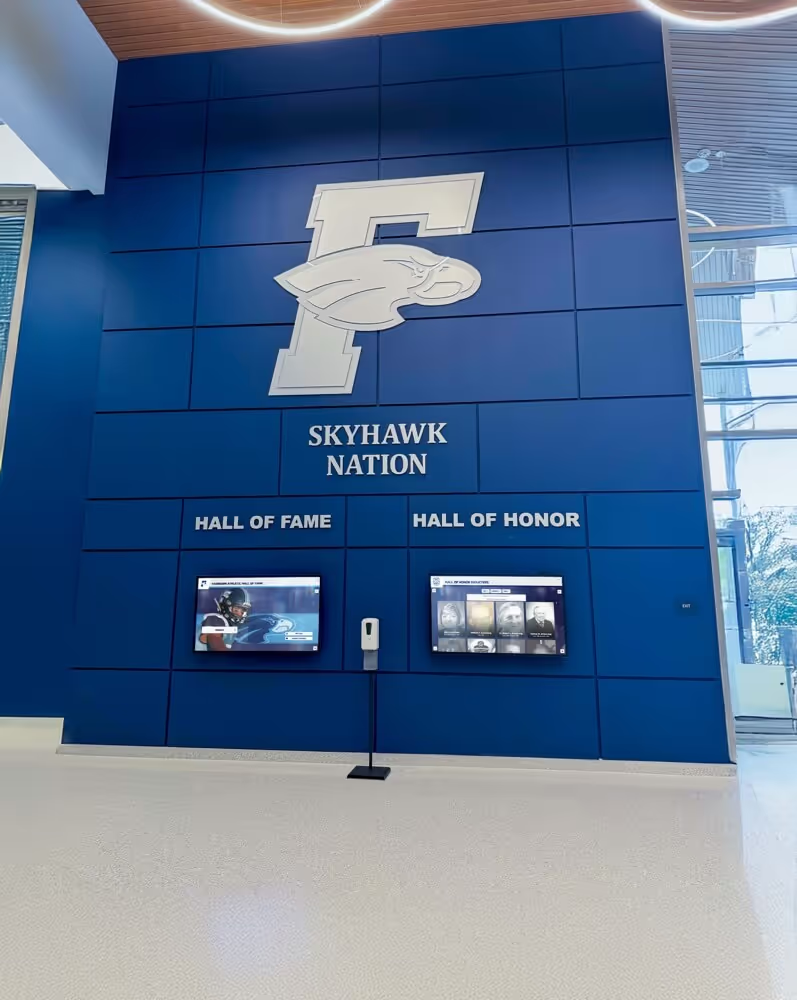
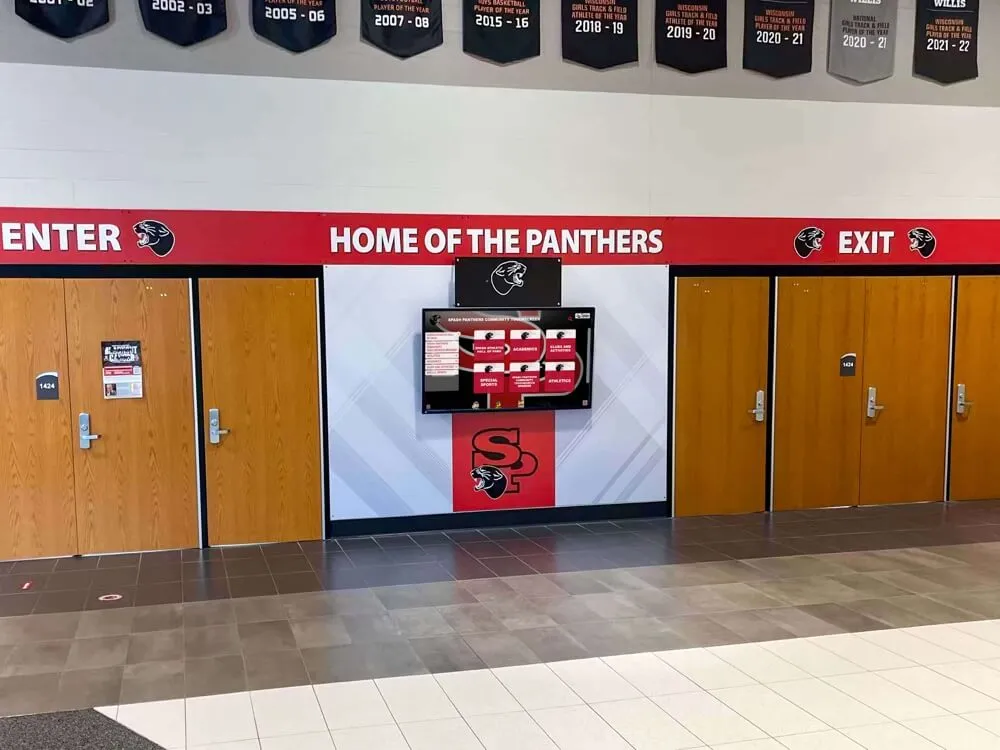
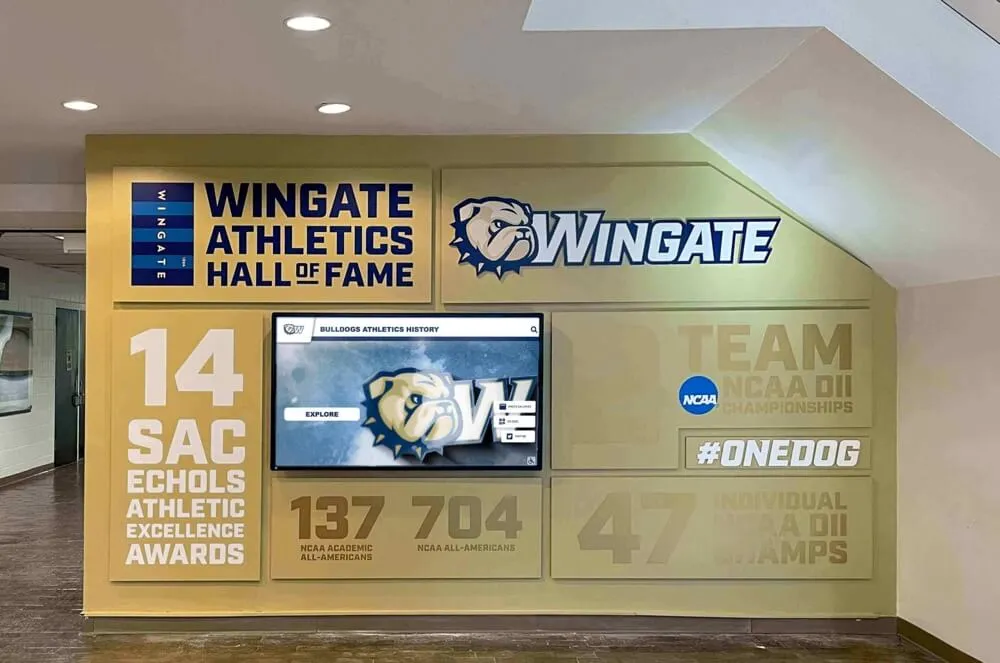
Strategic placement of recognition displays in high-traffic areas maximizes visibility and engagement
Annual Excellence Celebrations
- Year-end comprehensive achievement recognition
- Department-specific award presentations
- Special recognition for pinnacle achievements
- Career milestone acknowledgment
- Customer and partner participation
Learn about homecoming awards and recognition events that provide ceremony design inspiration.
Creating Inclusive Corporate Recognition
Effective programs ensure recognition opportunities exist for employees across all roles and backgrounds.
Equity in Recognition Design
Recognition systems must address equity concerns systematically:
Multiple Pathway Recognition
- Achievement recognition for employees in all roles and levels
- Growth and improvement measures ensuring developing employees receive acknowledgment
- Effort-based recognition valuing work ethic regardless of outcome
- Values-based recognition beyond traditional performance metrics
- Character-based recognition for collaboration, integrity, and cultural contribution
Accessibility Considerations Digital recognition platforms should incorporate comprehensive accessibility:
- ADA-compliant physical placement and mounting heights
- Screen reader compatibility for visual accessibility
- High-contrast viewing modes and text magnification
- Multilingual content options for diverse workforces
- Mobile access for employees without regular office access
Role and Level Inclusivity Recognition programs should not create hierarchical barriers:
- Recognition opportunities requiring no prerequisites
- Equal celebration regardless of employee level
- Recognition criteria acknowledging all role contributions
- Balance between individual and team recognition
- Intentional tracking of recognition distribution
Avoiding Recognition Pitfalls
Common mistakes undermine corporate recognition effectiveness:
Recognition Inflation Prevention
- Clear criteria distinguishing recognition levels
- Meaningful standards maintaining recognition value
- Balance between inclusivity and significance preservation
- Regular evaluation of criteria appropriateness
Bias Avoidance
- Recognition across all departments, not just revenue functions
- Multiple achievement dimensions beyond quantitative metrics
- Rotating recognition ensuring diverse employees receive acknowledgment
- Intentional tracking and auditing of recognition distribution
Learn about comprehensive employee recognition in digital recognition display approaches adaptable to corporate settings.
Best Practices for Corporate Recognition Programs
Research-backed best practices maximize recognition program effectiveness.
Timeliness and Frequency
Recognition timing significantly impacts employee perception and motivation:
Real-Time Recognition According to research from employee engagement platforms, recognition should be immediate and timely to maximize its impact and make it feel more genuine and memorable. Employees recognized weekly are 2.6x more likely to be productive.
Consistent Recognition Cadence
- Daily informal appreciation and acknowledgment
- Weekly team recognition and highlights
- Monthly individual and team awards
- Quarterly department celebrations
- Annual comprehensive recognition events
Event-Based Recognition
- Project completion celebrations
- Milestone achievement acknowledgments
- Customer success recognitions
- Innovation and improvement implementations
- Career advancement announcements
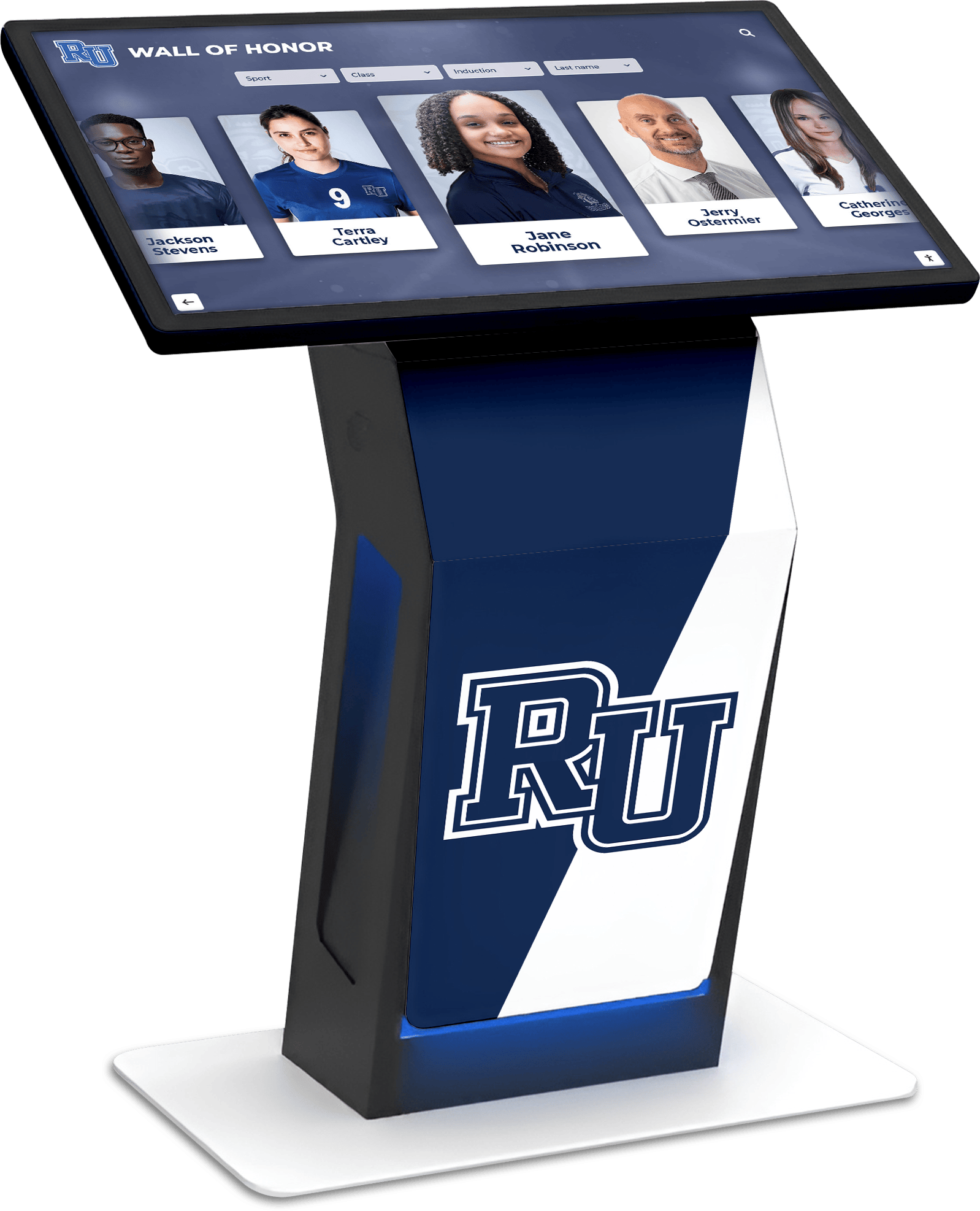
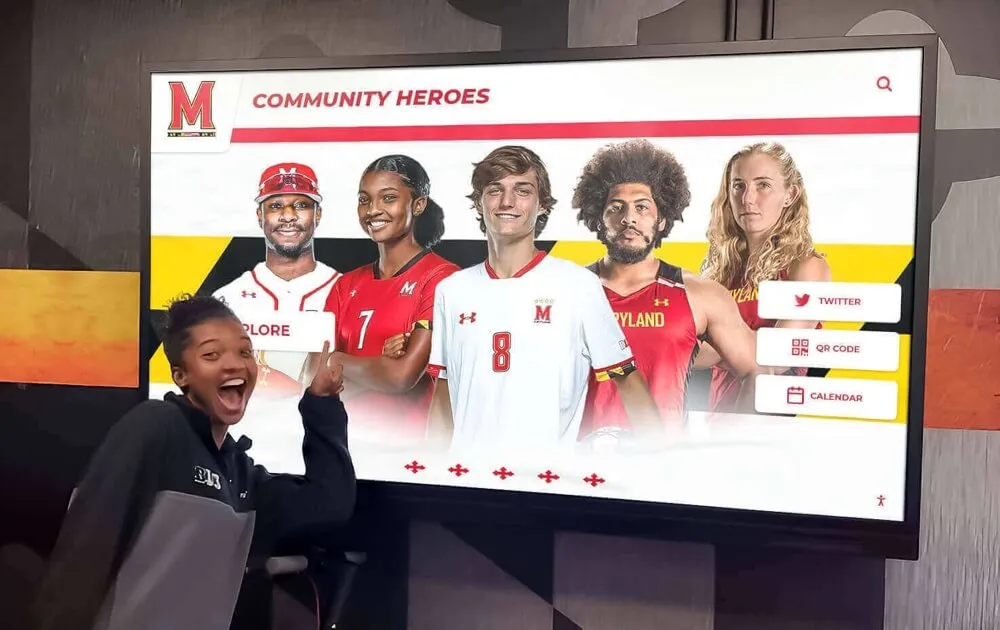
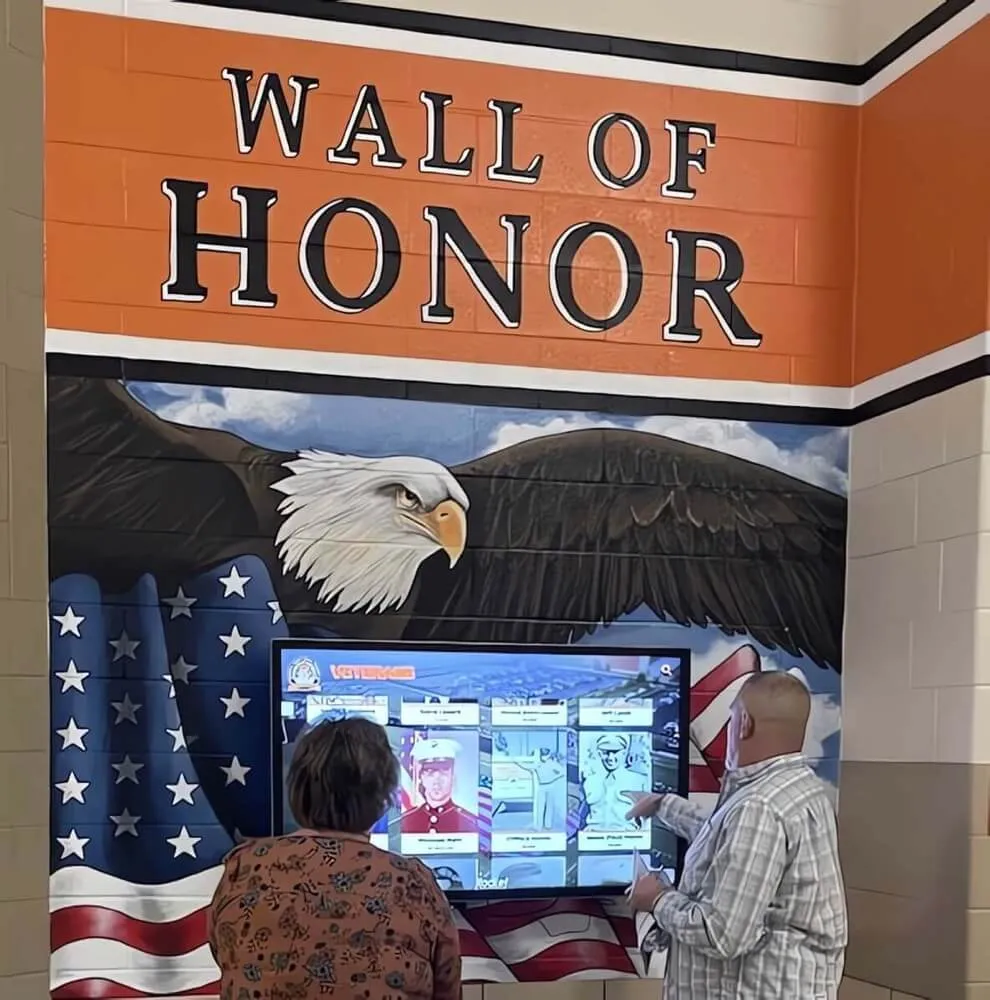
Modern recognition systems integrate touchscreen displays with cloud-based management platforms
Personalization and Authenticity
Recognition effectiveness depends on genuine, personalized appreciation:
Personalized Recognition Elements Personalized recognition will always be more meaningful than something generic. Modern recognition approaches focus on authentic, frequent acknowledgment that aligns with company values.
Specific and Detailed Acknowledgment
- Reference specific contributions and achievements
- Explain impact and outcomes
- Connect to company values and mission
- Include relevant context and details
- Avoid generic templates
Appropriate Recognition Formats
- Match recognition format to achievement significance
- Consider employee preferences and comfort levels
- Balance public and private recognition
- Vary recognition approaches to maintain freshness
- Align recognition with company culture
Peer-to-Peer Recognition
Empowering employees to recognize colleagues creates powerful workplace connections:
Peer Recognition Benefits Organizations implementing peer recognition programs see a 20% boost in overall engagement levels, according to employee recognition research. Peer recognition complements manager recognition while building stronger team relationships.
Peer Recognition Implementation
- Easy-to-use platforms for colleague appreciation
- Clear guidelines for meaningful recognition
- Integration with existing communication tools
- Visibility for peer recognition across organization
- Manager and leadership reinforcement
Learn about community recognition approaches that inform peer-to-peer corporate programs.
Implementation Strategy and Program Management
Successful corporate recognition requires systematic planning and sustainable management.
Planning Phase
Needs Assessment
- Evaluate current recognition programs and gaps
- Survey employees about recognition priorities and preferences
- Analyze engagement data identifying recognition opportunities
- Review available resources and budget considerations
- Assess physical spaces and technology infrastructure
Program Design
- Define recognition categories and criteria
- Establish tiered recognition levels
- Develop nomination and selection processes
- Create communication strategies
- Plan implementation timeline
Launch Strategy
Initial Implementation
- Begin with achievable programs building momentum
- Train managers on nomination, selection, and delivery processes
- Communicate recognition opportunities to all employees
- Create clear documentation of criteria and procedures
- Establish content management responsibilities
Technology Integration When implementing digital recognition displays:
- Select appropriate hardware based on placement and budget
- Choose content management platforms matching staff capabilities
- Plan for web integration extending recognition reach
- Consider solutions like Rocket Alumni Solutions offering comprehensive recognition systems
- Train multiple staff members ensuring management sustainability
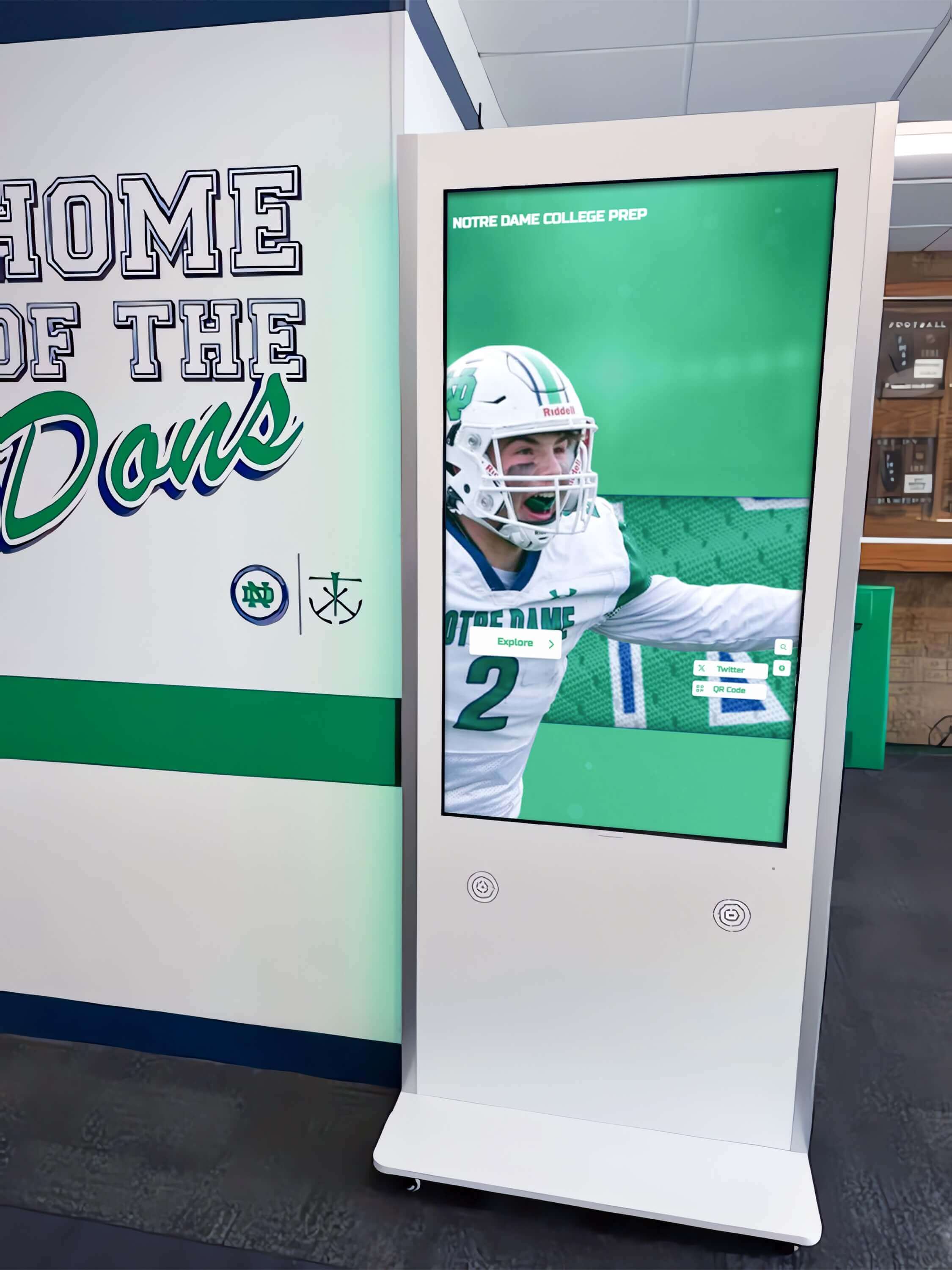
Strategically placed recognition kiosks in common areas maximize employee engagement
Sustainability and Continuous Improvement
Ongoing Management Requirements
- Assign clear responsibilities for recognition program maintenance
- Establish regular update schedules and deadlines
- Create nomination and submission processes
- Budget for ongoing program needs and enhancements
- Train new managers as leadership changes
Assessment and Refinement
- Track recognition distribution across employee populations
- Gather employee feedback on program effectiveness
- Monitor engagement with recognition displays and communications
- Analyze relationship between recognition and retention/engagement
- Adjust criteria and approaches based on assessment data
Regular evaluation ensures recognition programs remain effective, equitable, and aligned with organizational goals.
Measuring Recognition Program Success
Regular assessment ensures programs achieve intended goals and justify resource investment.
Quantitative Metrics
Participation and Coverage Data
- Percentage of employees receiving some recognition annually
- Distribution across departments and demographic groups
- Recognition frequency per employee
- Number of recognition categories utilized
- Year-over-year participation trend analysis
Engagement Indicators
- Digital display interaction rates and session duration
- Web-based recognition platform usage statistics
- Internal social platform engagement with recognition content
- Recognition ceremony attendance rates
- Employee response rates to recognition communications
Business Outcome Correlation
- Retention rates among recognized versus non-recognized employees
- Engagement survey score trends
- Performance metric improvements
- Recruitment success and employer brand strength
- Cultural indicators and workplace satisfaction measures
Qualitative Assessment
Employee Feedback
- Employee surveys about recognition program awareness and impact
- Focus groups exploring recognition preferences and effectiveness
- Exit interviews citing recognition as factor in retention
- Testimonials about meaningful recognition experiences
- Manager assessment of recognition program utility
Cultural Indicators
- Observed changes in workplace culture and peer relationships
- Employee motivation and engagement anecdotal evidence
- Behavioral data relating to collaboration and innovation
- Workplace climate survey results
- Employee sense of belonging measures
Regular assessment enables continuous improvement ensuring recognition programs remain meaningful and impactful.
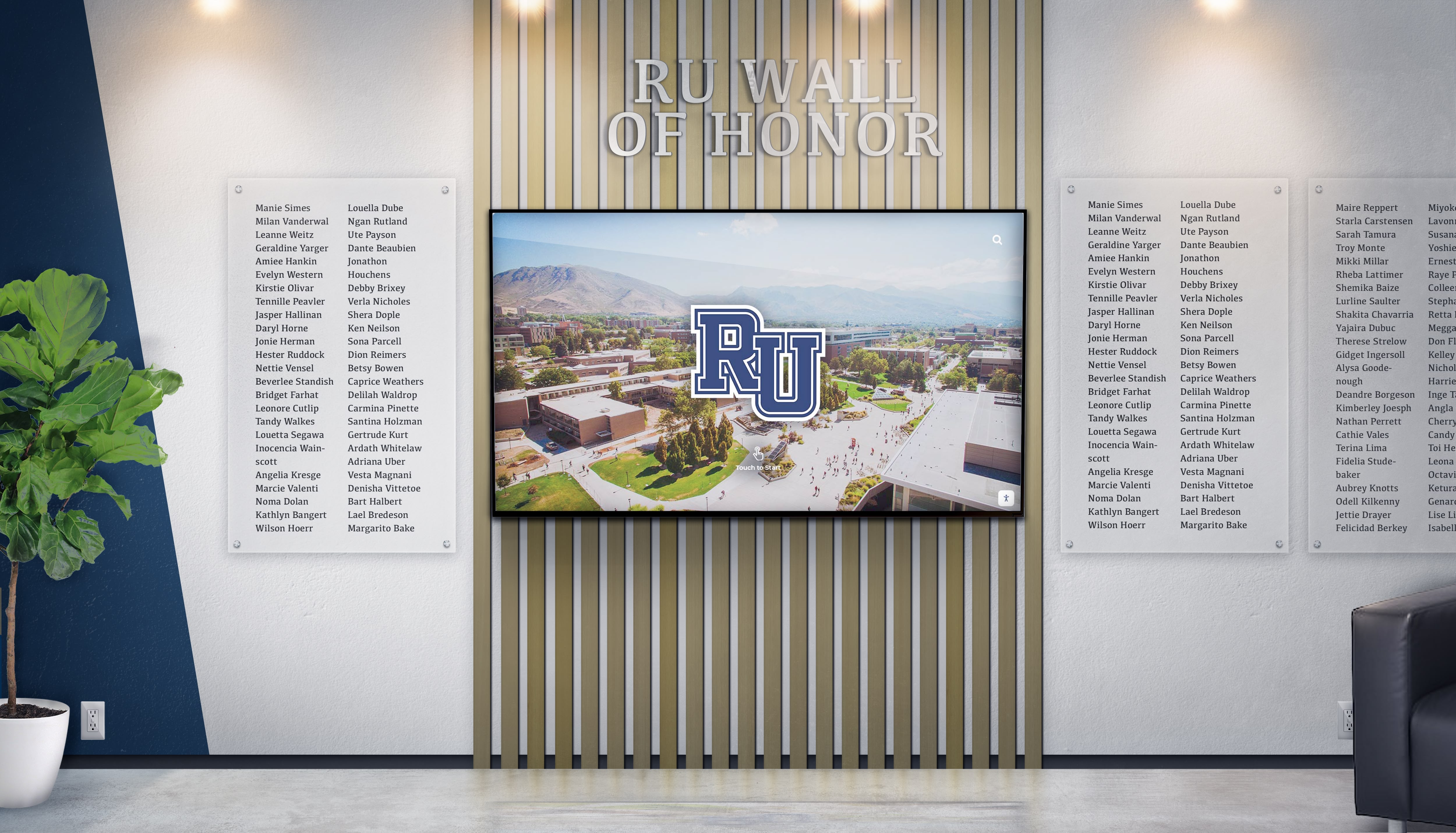
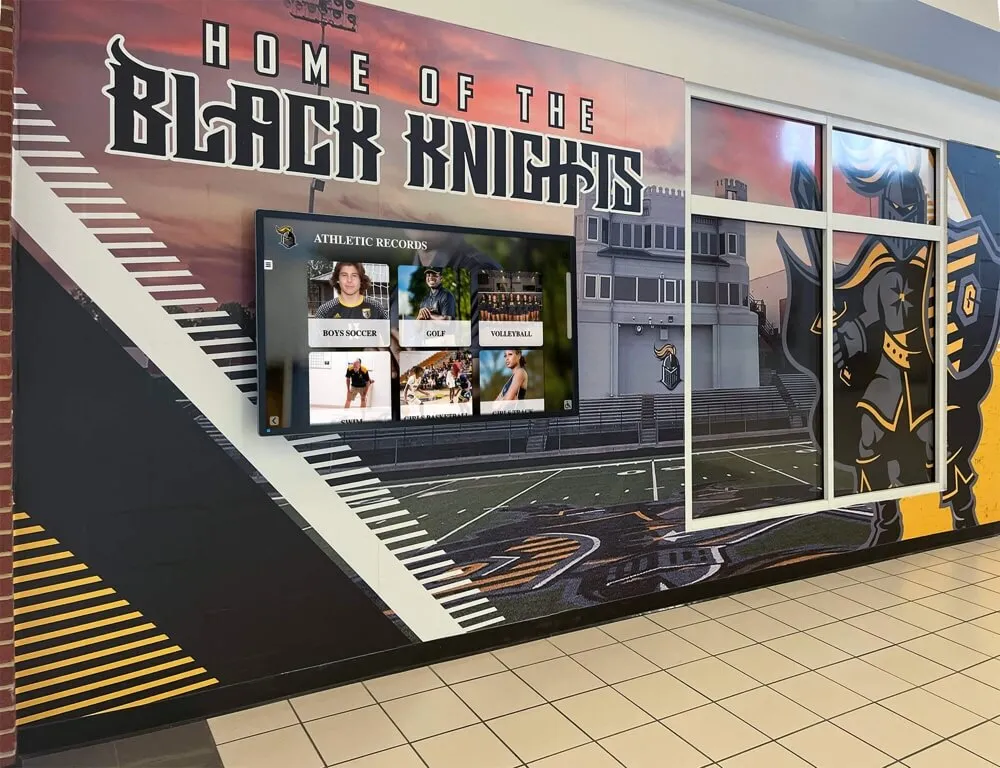
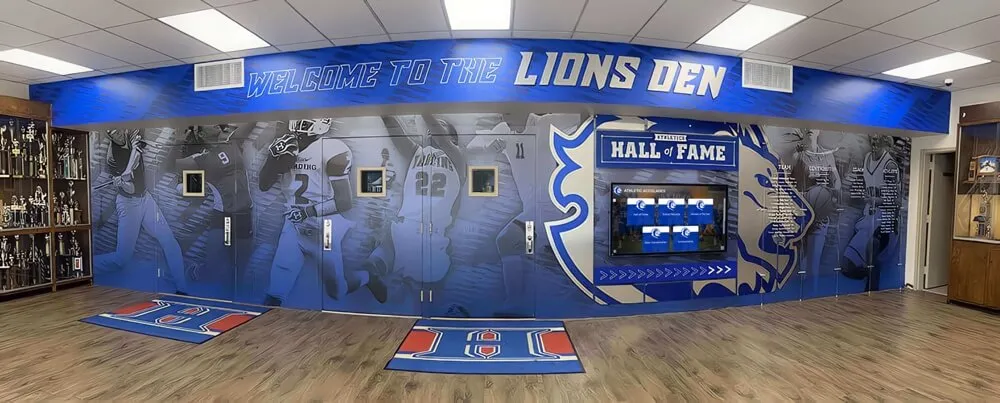
Integrated recognition systems combine digital displays with traditional elements creating comprehensive celebration spaces
Technology Trends Shaping Corporate Recognition
Modern recognition programs leverage technology for enhanced impact and accessibility.
AI and Data-Driven Recognition
Artificial intelligence enables more sophisticated recognition approaches:
AI-Powered Suggestion Systems Consider implementing AI-powered suggestion systems to prompt recognition opportunities. By leveraging data on performance and preferences, you can personalize recognition programs and maximize their impact.
Data-Driven Personalization
- Recognition timing optimization based on employee preferences
- Achievement pattern identification suggesting recognition opportunities
- Personalized recognition format recommendations
- Predictive analytics identifying employees needing recognition
- Sentiment analysis measuring recognition program perception
Mobile and Digital-First Approaches
Recognition programs must be digital-first and mobile-accessible:
Mobile Recognition Platforms Mobile accessibility is essential for modern workplaces, allowing employees to engage with recognition programs anytime and anywhere, increasing participation and engagement.
Integration with Workflow Tools Recognition programs should live wherever employees do their work, showing up in the flow of work inside tools like Slack, Teams, or Outlook. This seamless integration ensures recognition becomes part of daily work rather than separate program requiring special access.
Learn about touchscreen kiosk software for corporate recognition implementations.
Corporate Milestone and Company Achievement Recognition
Recognition extends beyond individual employees to organizational accomplishments:
Company Milestone Celebrations
Historical Achievement Recognition
- Founding anniversaries and company history
- Major business milestones and growth achievements
- Product launches and innovation milestones
- Market expansion and acquisition integrations
- Industry recognition and award achievements
Explore corporate milestone timeline displays that document organizational history.
Financial and Performance Milestones
- Revenue achievement celebrations
- Profitability milestone recognition
- Customer acquisition and retention records
- Market share and competitive position achievements
- Operational excellence and efficiency records
Timeline displays document company history and milestone achievements
Team and Department Recognition
Collaborative Achievement Celebration
- Cross-functional project successes
- Department performance excellence
- Team innovation implementations
- Collaborative problem-solving achievements
- Partnership and alliance successes
Safety and Compliance Excellence
- Safety record achievements and incident-free periods
- Regulatory compliance milestones
- Quality certification accomplishments
- Environmental and sustainability achievements
- Corporate responsibility recognitions
Learn about showcasing team achievements through digital recognition displays.
Support and Customer Success in Recognition Programs
Implementing successful corporate recognition requires ongoing support and optimization.
Implementation Support
Organizations benefit from partners providing comprehensive implementation support:
Planning and Design Assistance
- Recognition program strategy development
- Hardware and placement recommendations
- Content strategy and organizational design
- Integration with existing systems planning
- Change management and adoption strategies
Technical Implementation
- Hardware installation and configuration
- Network setup and testing
- Content management system training
- Integration with HR and communication platforms
- Quality assurance and launch support
Learn about white glove support approaches that ensure recognition program success.
Ongoing Optimization
Continuous Improvement Support
- Regular program performance reviews
- Usage analytics and engagement analysis
- Content strategy optimization recommendations
- Feature utilization assessment
- Best practice sharing and training
Proactive Monitoring
- System health monitoring and maintenance
- Performance optimization
- Issue identification and resolution
- Software updates and enhancements
- Security and compliance maintenance
Conclusion: Building Cultures of Recognition and Excellence
Effective corporate recognition programs represent strategic investments in employee engagement, organizational culture, and business performance. When companies systematically celebrate achievements across multiple dimensions—from individual excellence to team collaboration to organizational milestones—they create environments where contribution becomes visible, excellence becomes aspirational, and achievement becomes central to company culture.
The strategies explored in this guide provide comprehensive frameworks for building recognition systems that honor diverse achievements while remaining sustainable, equitable, and aligned with business goals. From digital recognition displays that eliminate space constraints to multi-tiered programs ensuring recognition opportunities at all levels, these approaches transform acknowledgment from occasional token gestures to systematic celebration woven throughout organizational culture.
Transform Your Corporate Recognition Program
Discover how modern digital recognition solutions can help you celebrate every employee achievement and build a thriving culture of excellence and engagement.
Explore Recognition SolutionsBuilding effective corporate recognition requires moving beyond limiting assumptions about who deserves acknowledgment and how recognition should appear. Digital platforms make comprehensive recognition achievable across unlimited employees and achievement categories, while systematic approaches ensure consistent implementation reaching all deserving contributors.
Organizations with strong recognition programs see documented improvements in engagement, retention, performance, and culture. These benefits flow from recognition programs that feel genuine, frequent, personalized, and aligned with company values. Technology enables scalability while maintaining the personal touch that makes recognition meaningful.
Start where you are with recognition programs you can implement immediately—improving manager training, establishing peer recognition platforms, implementing regular appreciation cadences—then systematically expand to create comprehensive approaches your employees deserve. Every employee who receives meaningful recognition for their contributions develops stronger connection to the organization and greater motivation to continue contributing excellence.
Your employees’ achievements deserve celebration equal to any business milestone. With thoughtful planning, appropriate technology, and consistent implementation, you can create recognition systems that honor every achievement while building the positive, motivating workplace culture where all employees thrive.
Ready to begin? Explore digital recognition display solutions or learn more about building effective recognition strategies that celebrate all contributors and create lasting workplace engagement.