High school athletic programs face mounting pressure to prepare student-athletes for the demands of college competition while simultaneously developing well-rounded individuals who excel academically and socially. Parents expect comprehensive preparation that positions their children for college athletic opportunities and scholarship offers. Student-athletes compare their high school experience to elite programs they see online and on television. College coaches evaluate not just individual talent but the quality of preparation and competitive experience provided by high school programs.
Meanwhile, athletic directors work with limited budgets, aging facilities, and community expectations that programs deliver college-level results without college-level resources. Traditional approaches—basic equipment, minimal technology, and outdated recognition systems—no longer meet expectations from stakeholders who demand modern, professional experiences that bridge the gap between high school and collegiate athletics.
This comprehensive guide explores practical strategies for creating collegiate-level experiences within high school athletic programs, addressing facility development, training systems, recognition programs, technology integration, and cultural elements that prepare student-athletes for success at the next level while remaining financially sustainable for schools with real-world budget constraints.
Creating a collegiate atmosphere in high school athletics requires more than simply mimicking superficial elements of college programs. Effective implementation demands strategic investment in areas that genuinely prepare athletes for college demands—mental toughness development, time management skills, academic accountability systems, professional communication standards, and exposure to competition structures mirroring collegiate athletics. When executed thoughtfully, these initiatives transform athletic programs into development systems that college coaches recognize as producing prepared, coachable athletes ready to contribute immediately at the next level.

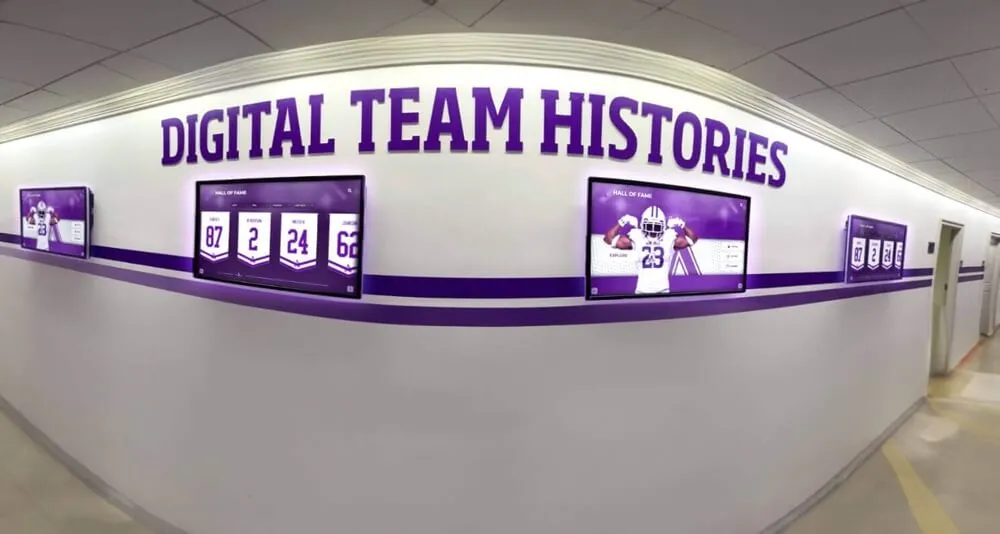
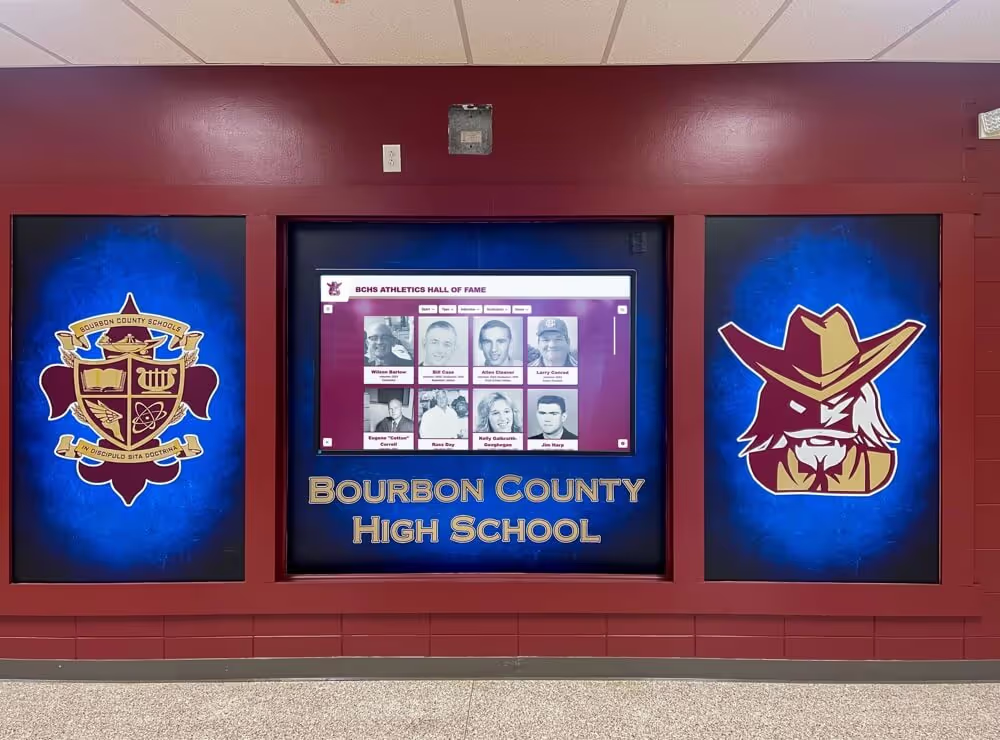
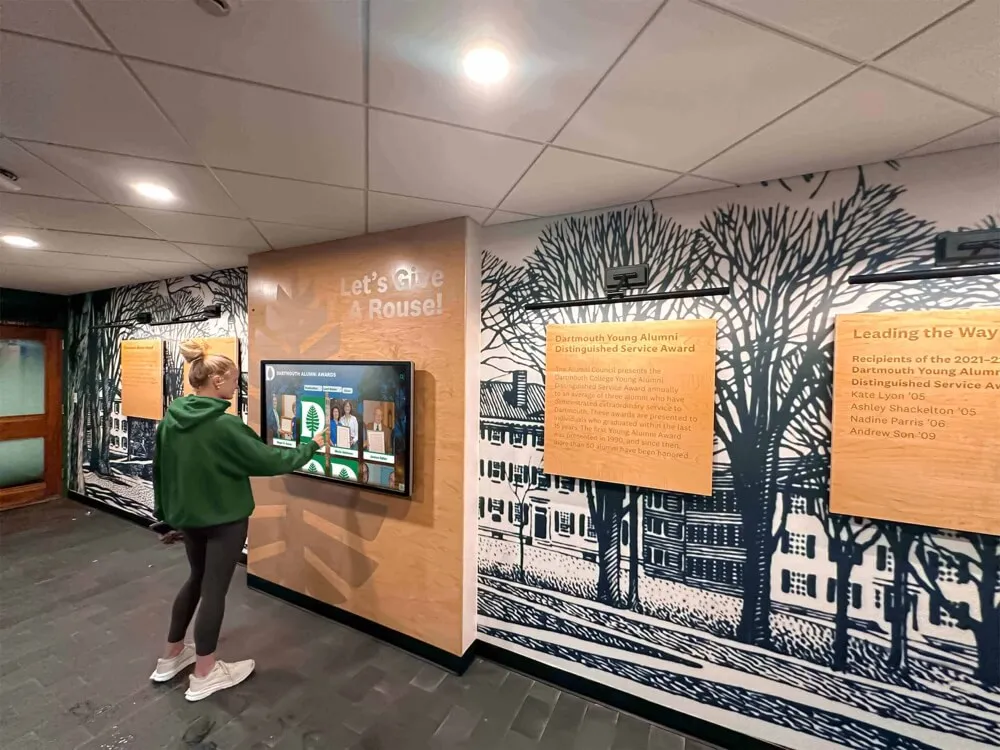
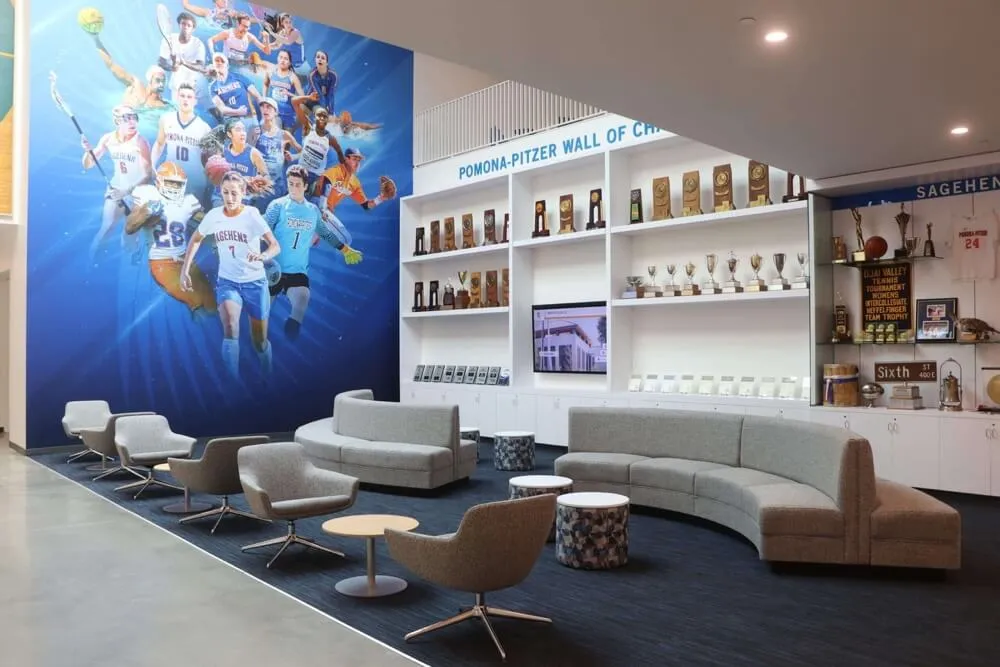
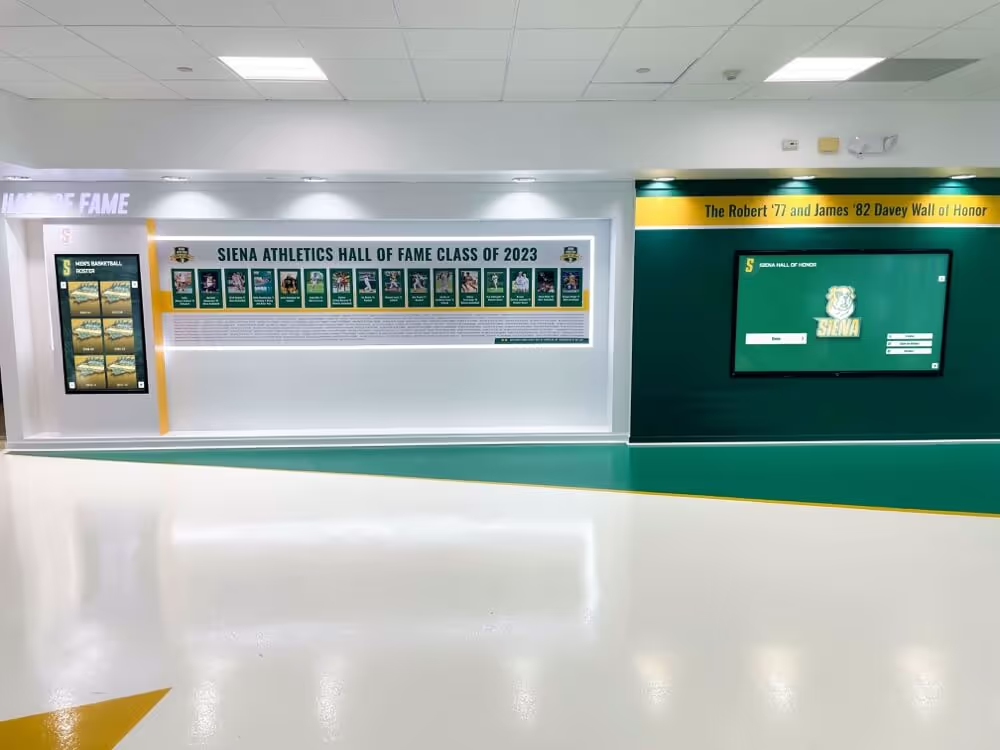
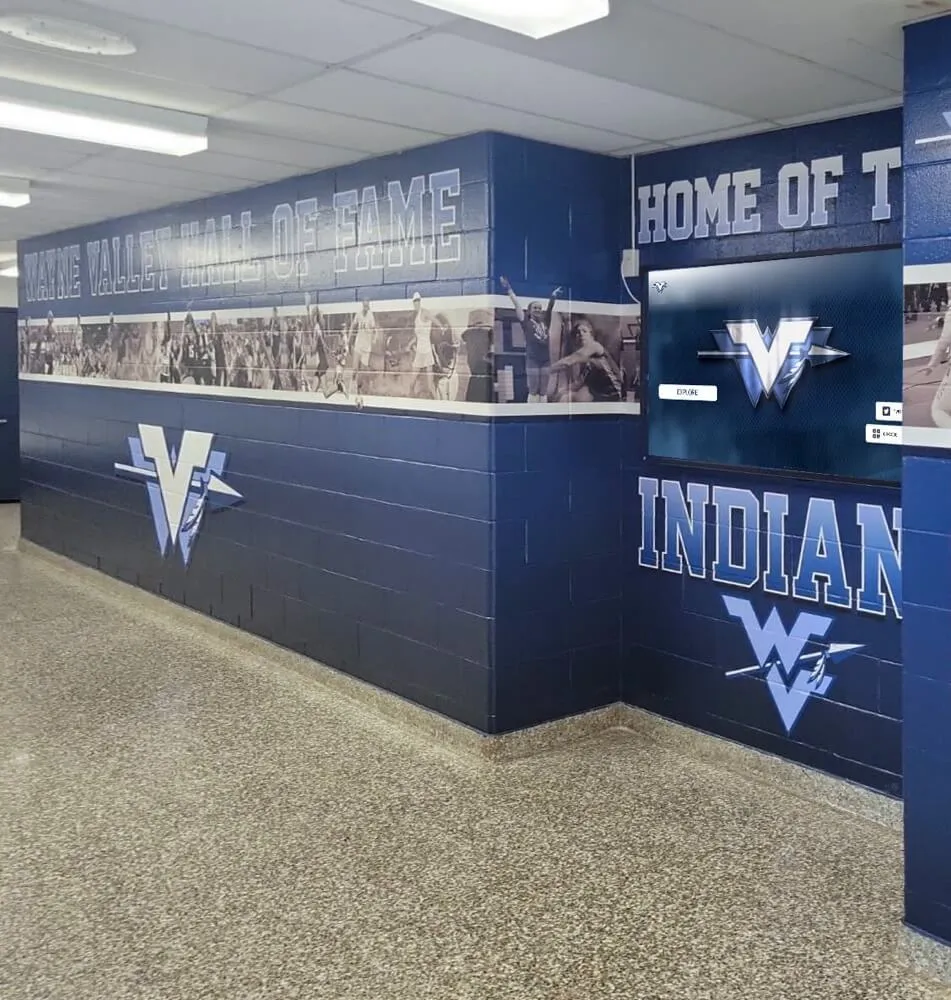
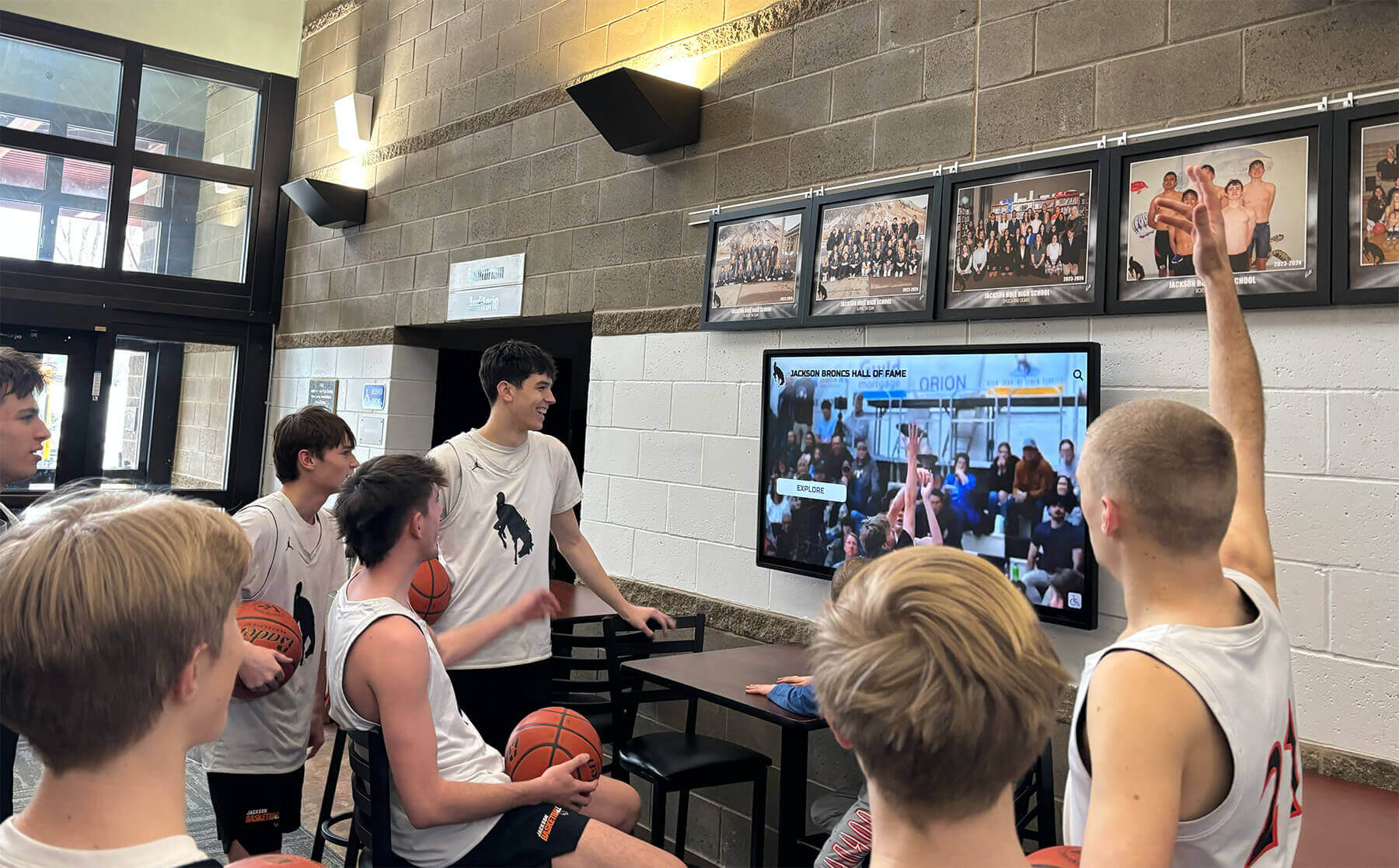
Modern athletic facilities that showcase program achievements create collegiate atmospheres inspiring student-athletes to pursue excellence
Understanding What “Collegiate Experience” Actually Means for High School Athletes
Before implementing specific initiatives, athletic directors need clear understanding of which collegiate elements genuinely prepare student-athletes versus those that merely create superficial appearances without developmental value.
Core Elements of Authentic Collegiate Preparation
Genuine collegiate experiences in high school settings focus on developing skills, mindsets, and habits that determine college athletic success.
Academic Accountability and Time Management
College student-athletes face rigorous demands balancing 20+ hour weekly athletic commitments with full academic courseloads, mandatory study halls, team meetings, travel schedules, and personal responsibilities. High school programs that create similar structures—mandatory study halls for struggling athletes, academic progress monitoring, scheduled training times requiring planning around classes, and consequences for academic underperformance—develop time management skills that separate successful college athletes from those who struggle with newfound independence.
According to research from the National Collegiate Athletic Association (NCAA), academic preparation represents one of the strongest predictors of college athletic persistence, with athletes possessing strong study habits and time management skills demonstrating significantly higher completion rates than those relying solely on athletic talent.
Professional Communication and Accountability
College coaches expect athletes who communicate proactively about injuries, academic challenges, or personal issues affecting performance, respond promptly to emails and scheduling communications, take responsibility for mistakes without excuses, and interact professionally with coaches, athletic trainers, academic advisors, and support staff. High school programs that establish these communication standards—requiring athletes to email coaches about absences, implementing professional meeting protocols, and holding athletes accountable for commitments—prepare students for collegiate expectations far more effectively than programs accepting casual, unprofessional interactions.
Mental Toughness and Adversity Response
College athletics presents constant adversity—playing time competition, academic pressure, injury setbacks, coaching criticism, performance slumps, and peer pressure. Athletes who develop resilience, growth mindsets, emotional regulation skills, and constructive response patterns to disappointment during high school experience smoother college transitions than those encountering significant adversity for the first time as freshmen far from family support systems.
Competitive Excellence and Preparation Standards
College programs demand consistent excellence across training, preparation, competition, and recovery. Student-athletes arriving with habits of cutting corners, inconsistent effort, or performance volatility struggle compared to those who developed professional preparation standards during high school including consistent training effort regardless of mood or motivation, thorough physical and mental competition preparation, attention to nutrition and recovery, and film study and strategic preparation.
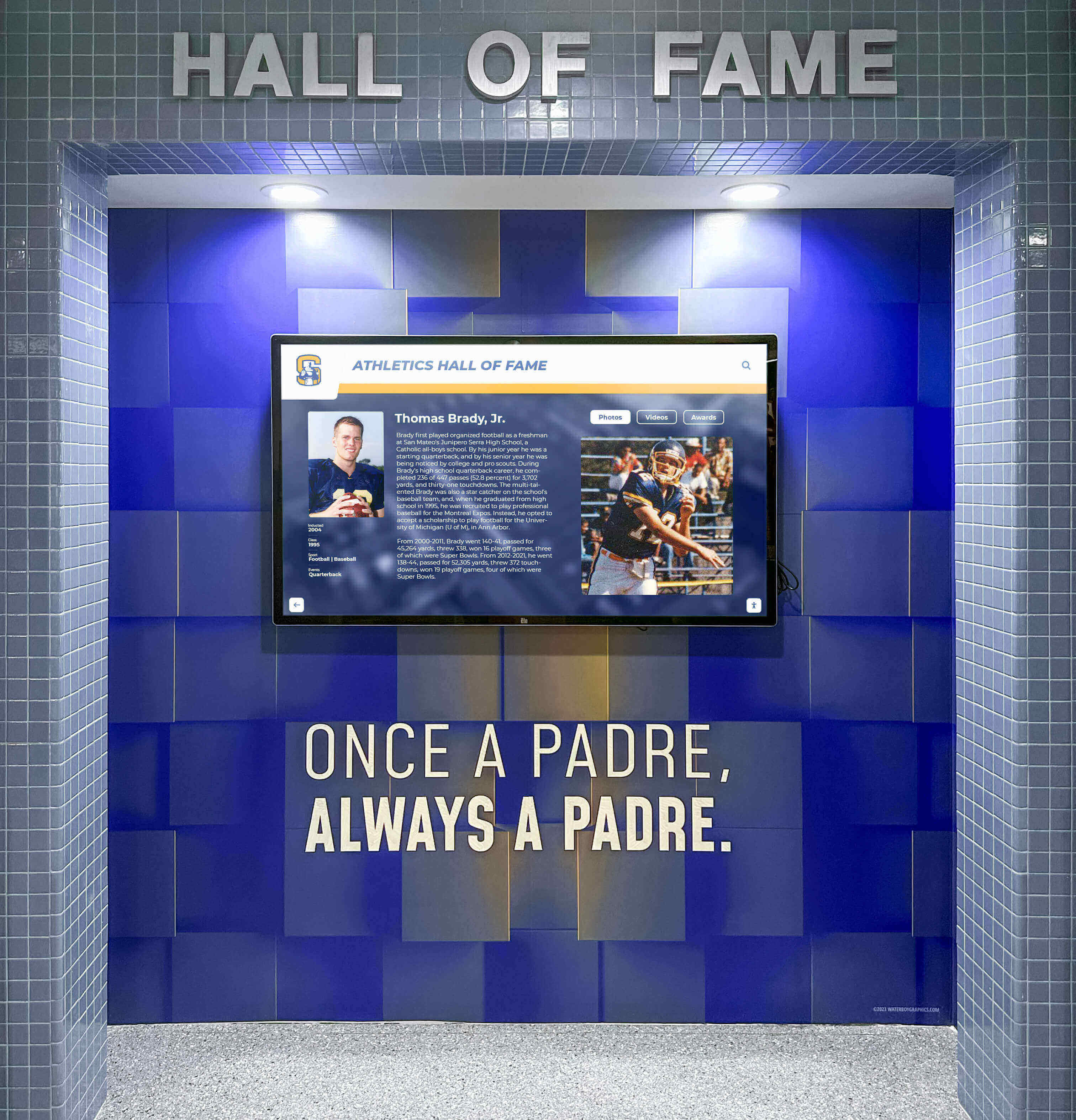
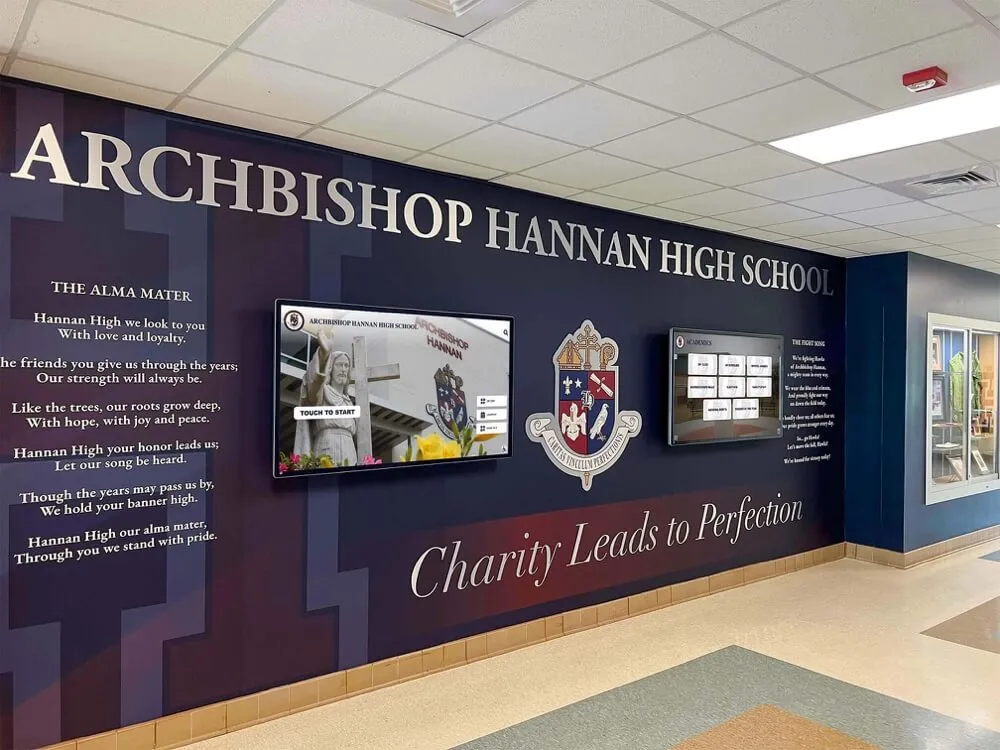
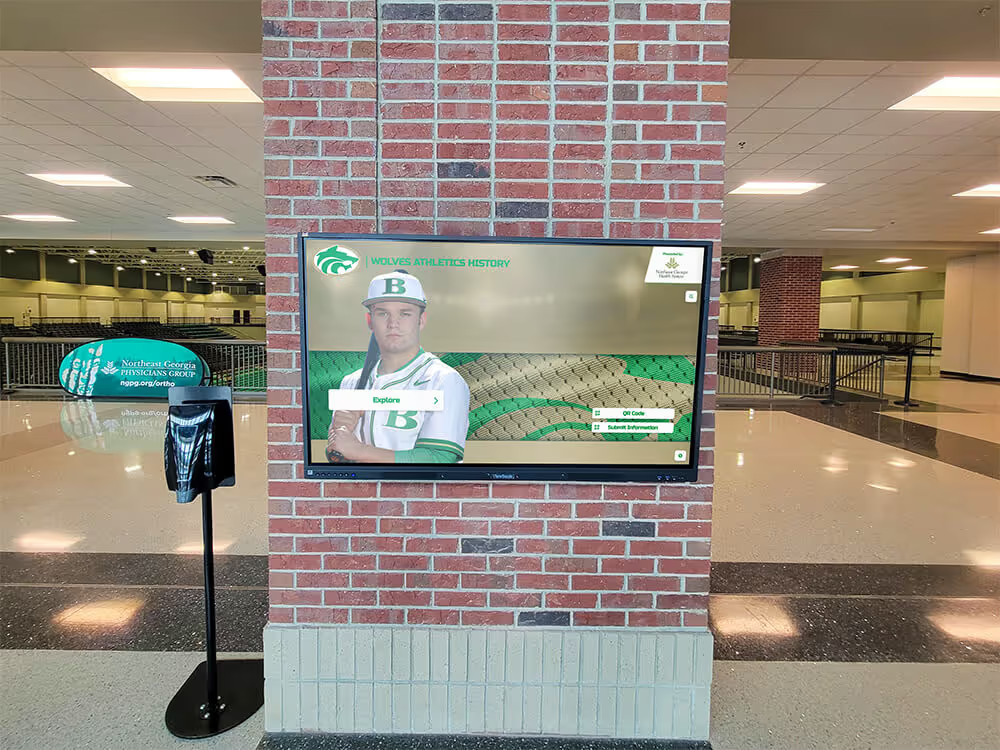
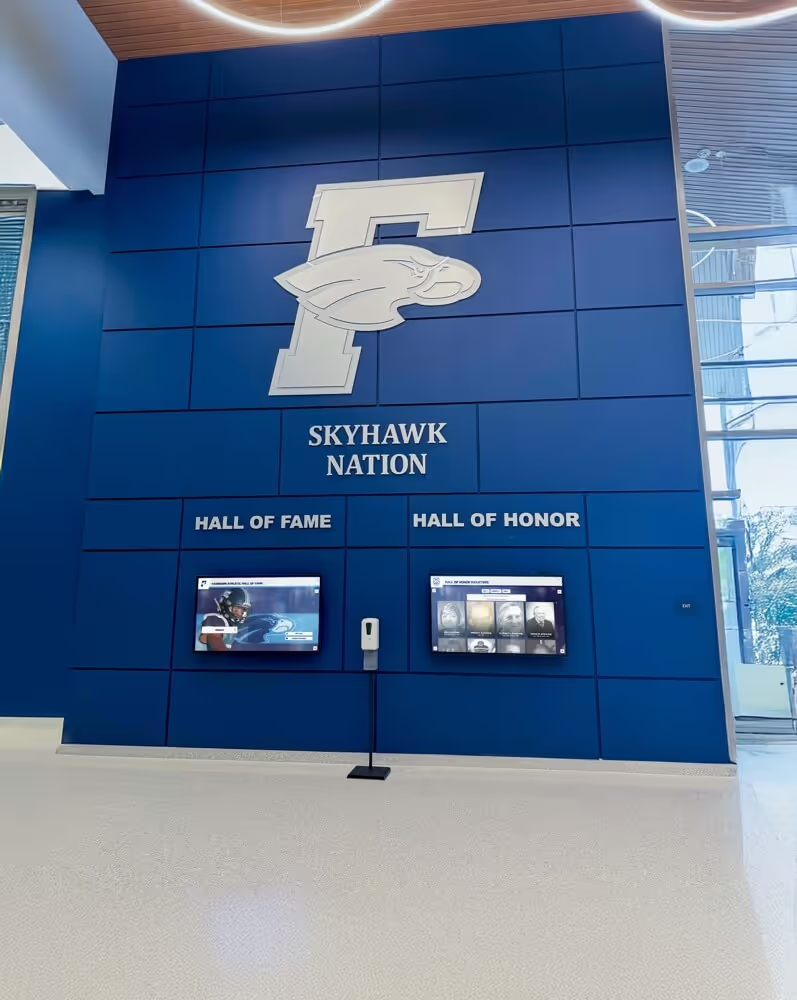
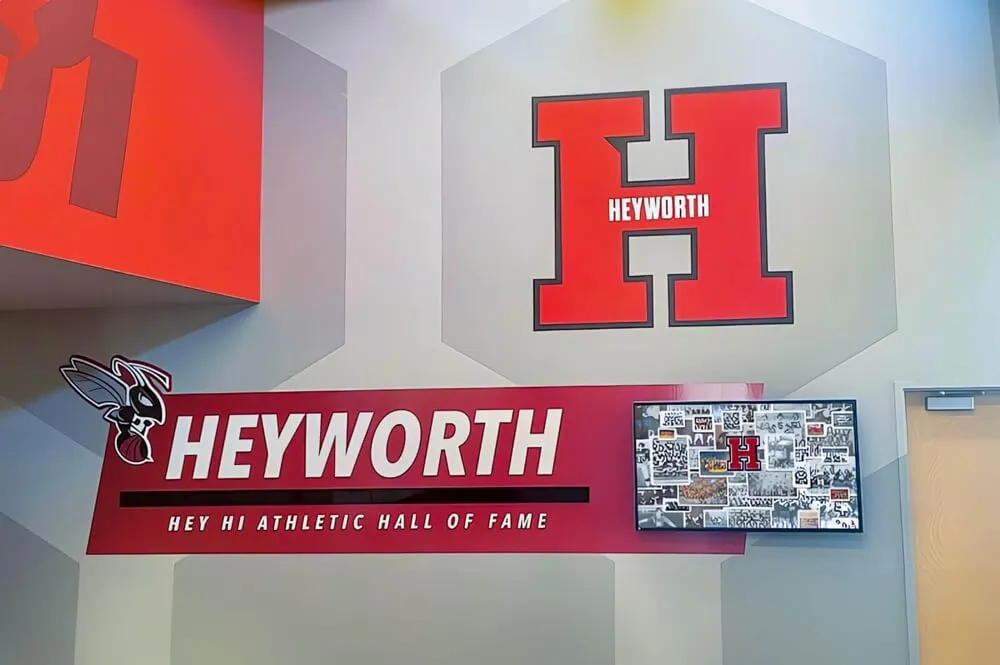
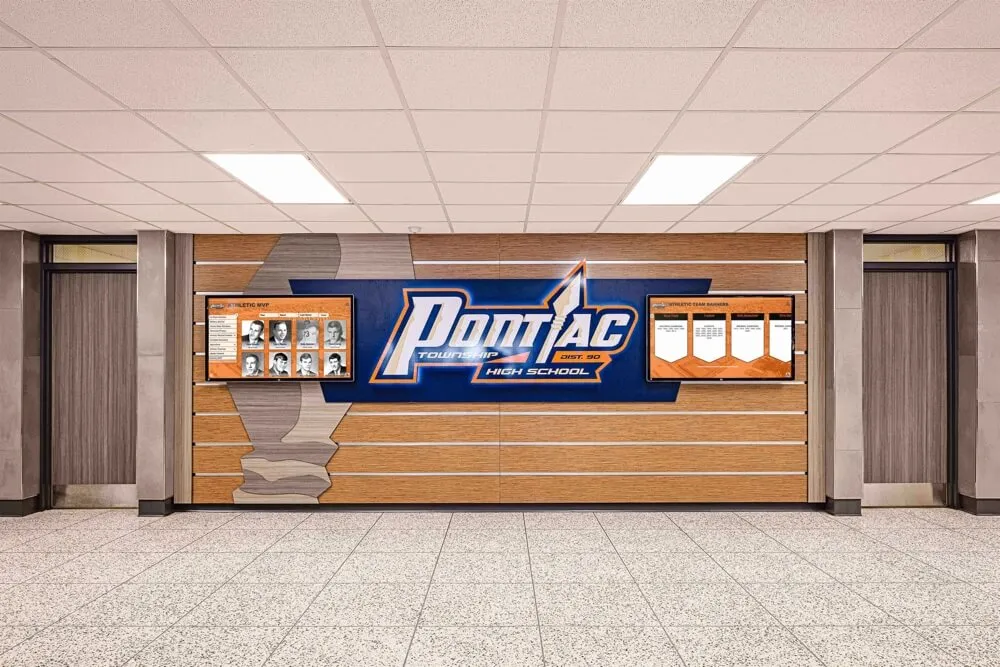
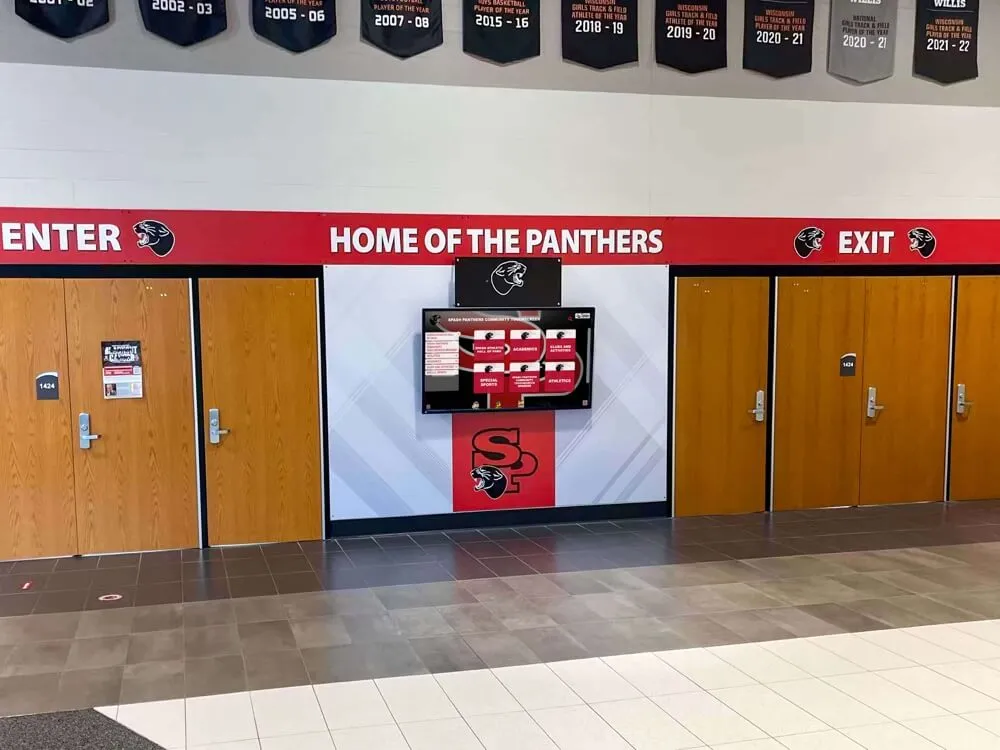
Professional recognition systems create environments where excellence becomes the expected standard
Differentiating Authentic Development from Superficial Mimicry
Not all “collegiate” program elements provide genuine preparation value—some merely copy surface aesthetics without developmental impact.
Meaningful Investments vs. Cosmetic Changes
Uniforms matching college styles, elaborate locker room decorations, and expensive gear create impressive appearances but provide minimal developmental benefit compared to investments in coaching education, strength and conditioning expertise, sports psychology resources, academic support systems, and quality practice facilities. Schools should prioritize developmental infrastructure over cosmetic enhancements that appeal to recruiting but don’t improve actual preparation.
Developmentally Appropriate Expectations
Copying elite Division I training volumes, competition schedules, or intensity standards often proves counterproductive for high school athletes still developing physically, mentally, and emotionally. Effective programs scale collegiate elements appropriately—implementing time management systems without overwhelming schedules, establishing accountability without crushing teenage confidence, and building resilience through progressive challenge rather than excessive pressure that leads to burnout or injury.
Sustainable Implementation Models
Many attempts to create collegiate experiences fail because they require resources, staffing, or time commitments schools cannot sustain long-term. Successful programs implement scalable approaches using technology to reduce labor requirements, volunteer expertise from parent and community professionals, partnerships with local colleges or training facilities, and systematic processes that survive coaching and administrative transitions.
Learn about comprehensive approaches to high school athletic program development that balance developmental priorities with resource constraints.
Facility Development: Creating Professional Athletic Environments
Athletic facilities communicate program standards and expectations while providing functional spaces where preparation, training, and competition occur.
Strategic Facility Enhancement Priorities
Most high schools cannot afford comprehensive facility overhauls but can make strategic improvements creating significant impact.
Weight Room and Training Facilities
Strength and conditioning represents one area where high school programs can most directly mirror collegiate environments through properly maintained equipment meeting safety standards, organized layouts enabling efficient workouts, posted workout programs and technique cues, tracking systems documenting athlete progress, and supervision ensuring proper form and safety protocols.
Investment in quality strength and conditioning preparation provides genuine developmental value preparing athletes physically for college demands while teaching training discipline, proper technique, and progressive overload principles they’ll use throughout athletic careers.
Athletic Training and Sports Medicine Spaces
College programs provide comprehensive athletic training coverage for injury prevention, evaluation, treatment, and rehabilitation. High schools can approximate this through dedicated athletic training rooms with proper equipment, scheduled athletic trainer availability for athletes needing evaluation or treatment, injury documentation systems tracking athlete status, rehabilitation protocol areas, and education about injury prevention and self-care.
Even schools unable to afford full-time athletic trainers can partner with local hospitals, physical therapy clinics, or universities to provide part-time coverage, particularly during high-risk practices and competitions.
Competition Venue Presentation Standards
Game day environments create lasting impressions on athletes, families, recruits, and college coaches attending events. Professional presentation includes well-maintained playing surfaces and facilities, consistent branding and signage, organized team areas and equipment management, professional sound systems and announcements, and comprehensive recognition displays showcasing program history and achievement.
These elements cost significantly less than major construction projects while creating environments communicating professionalism and program quality.
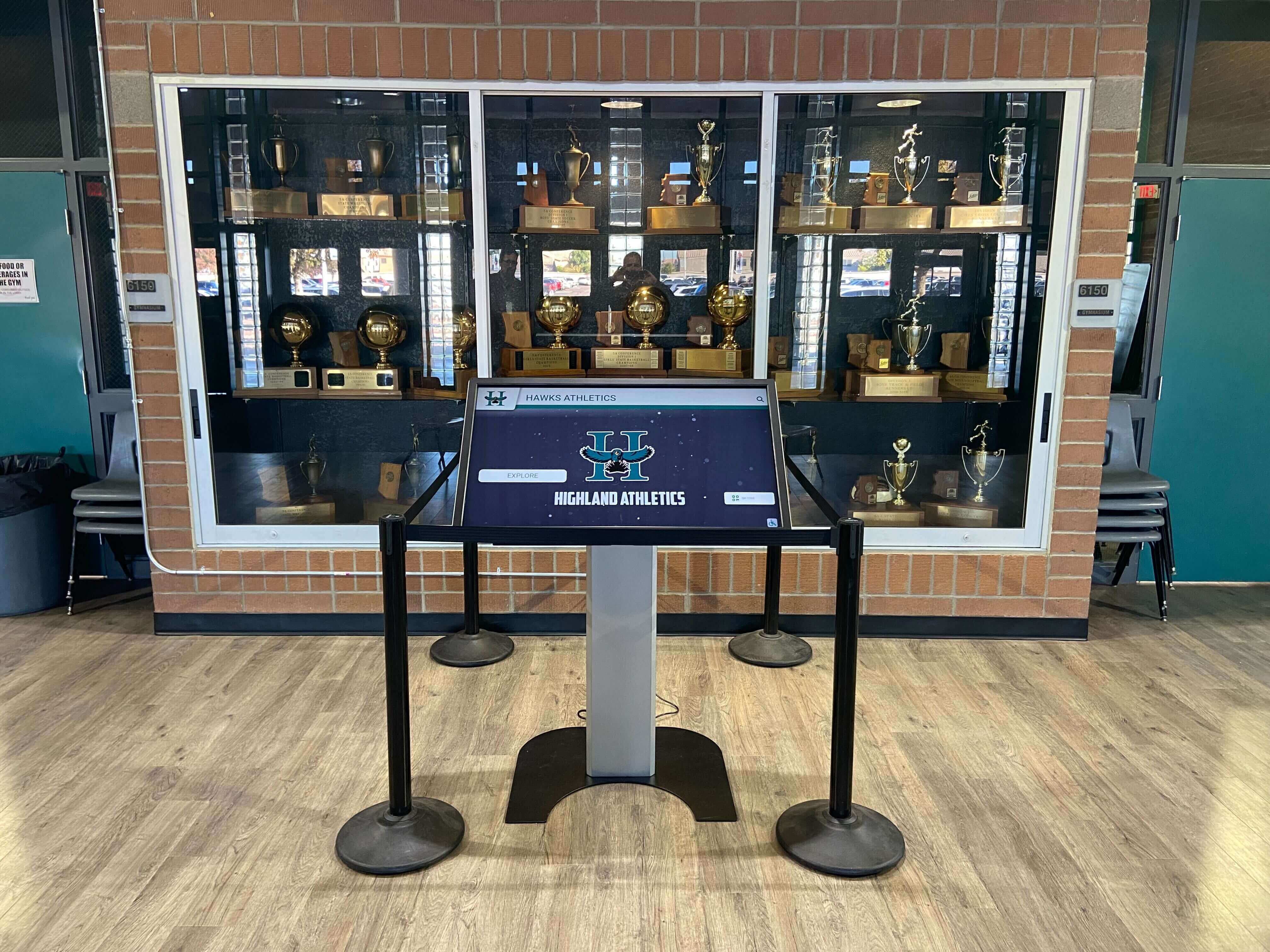
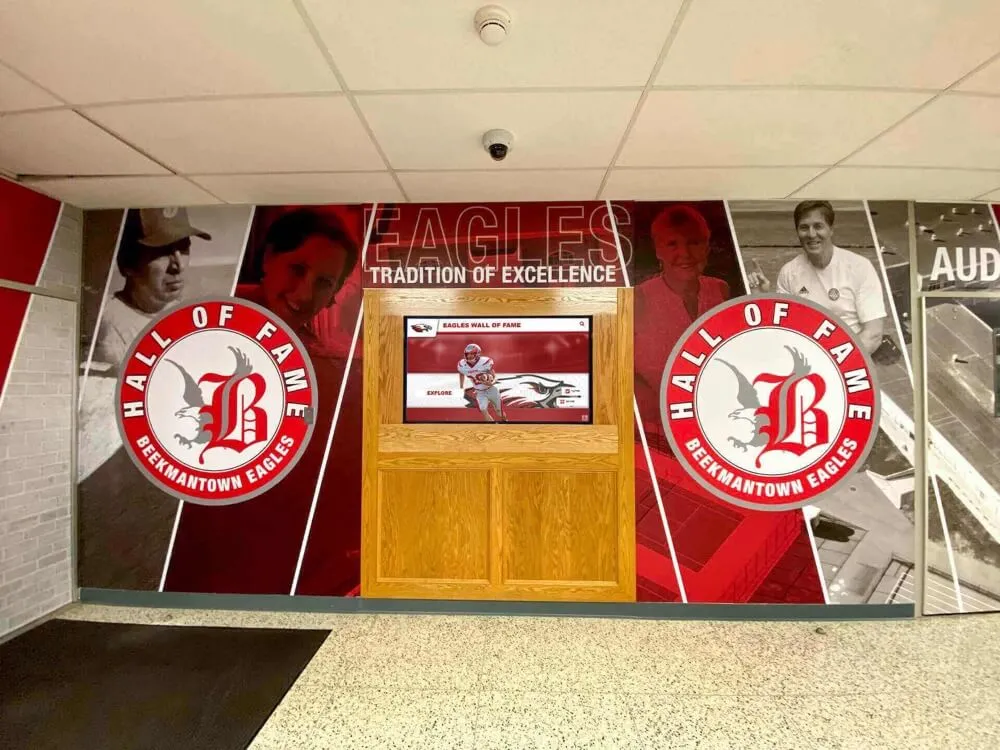
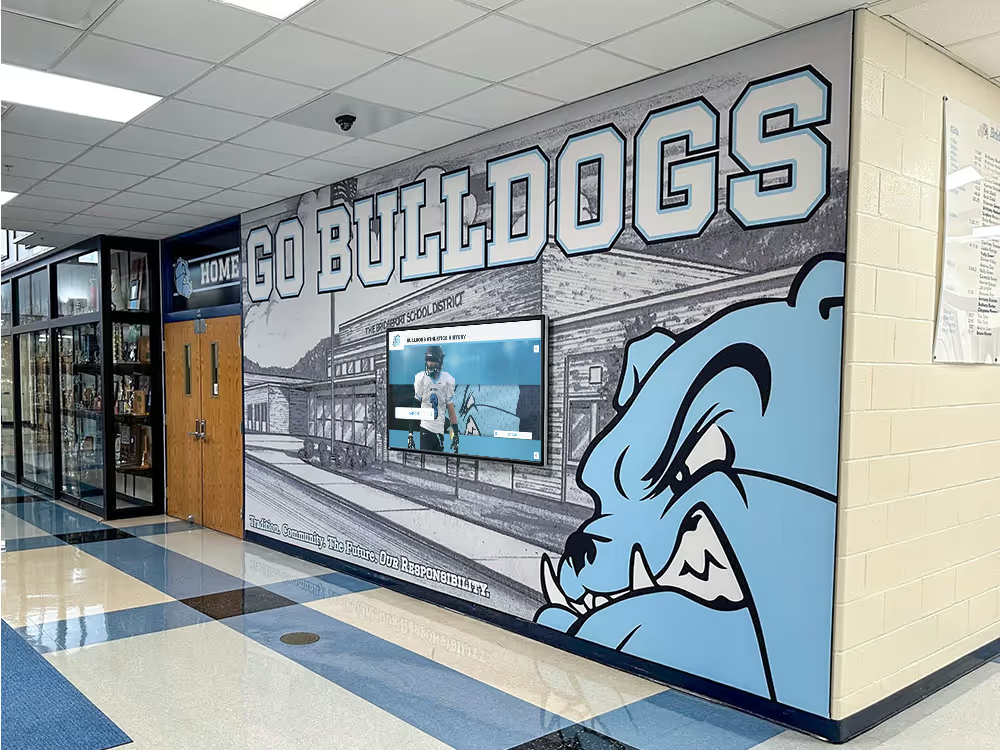
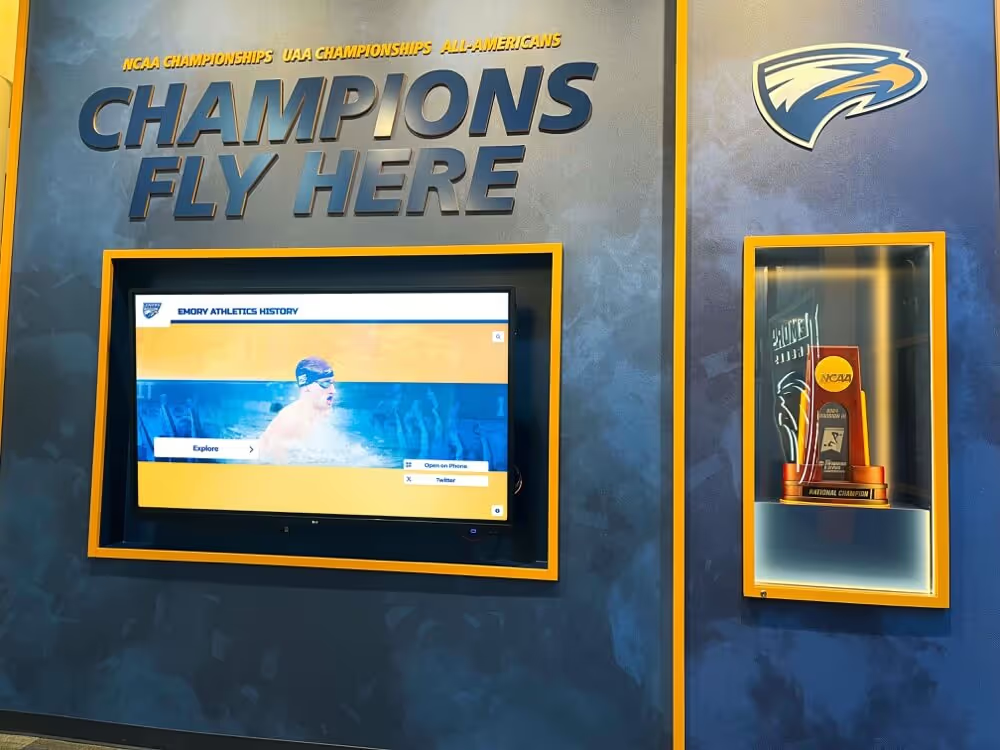
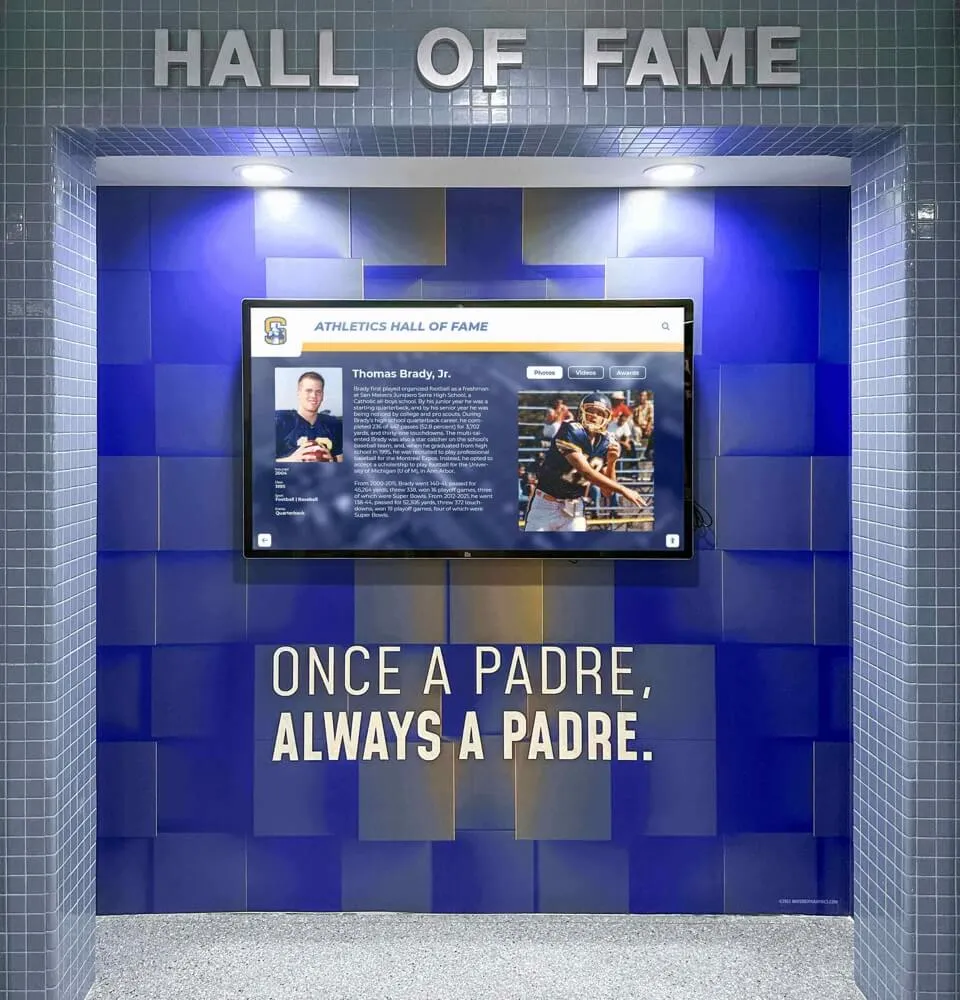
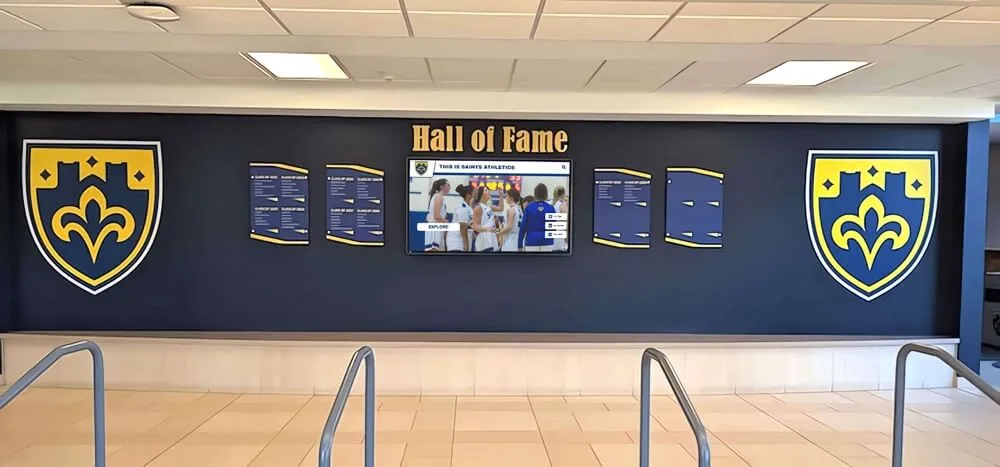
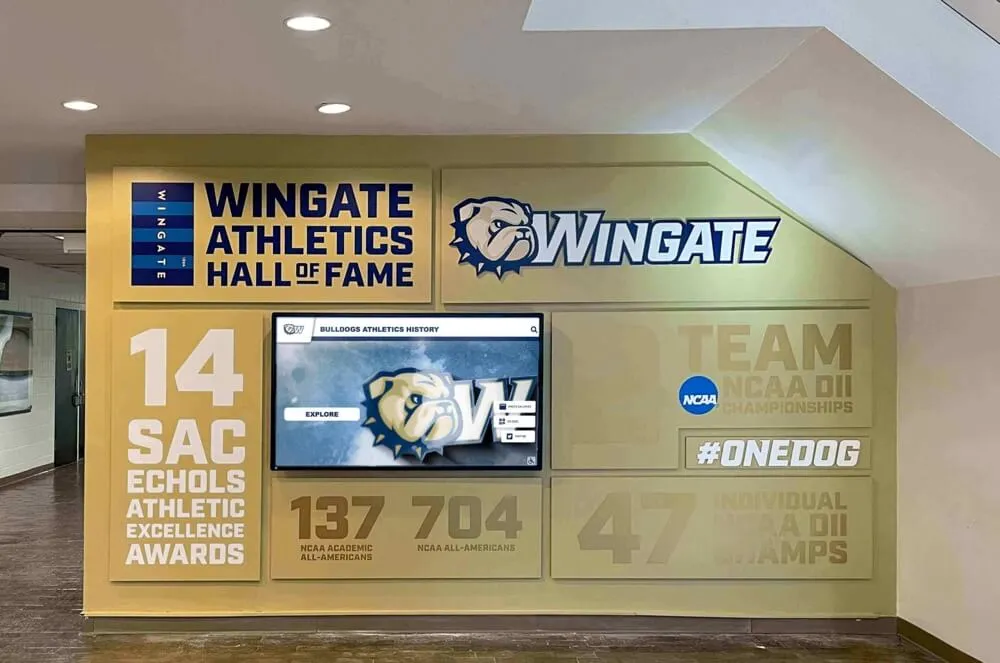
Strategic technology integration transforms traditional trophy cases into comprehensive interactive recognition systems
Technology-Enhanced Recognition and Program Showcase
Modern technology enables schools to create impressive program presentations at costs far below traditional architectural installations.
Interactive Digital Recognition Displays
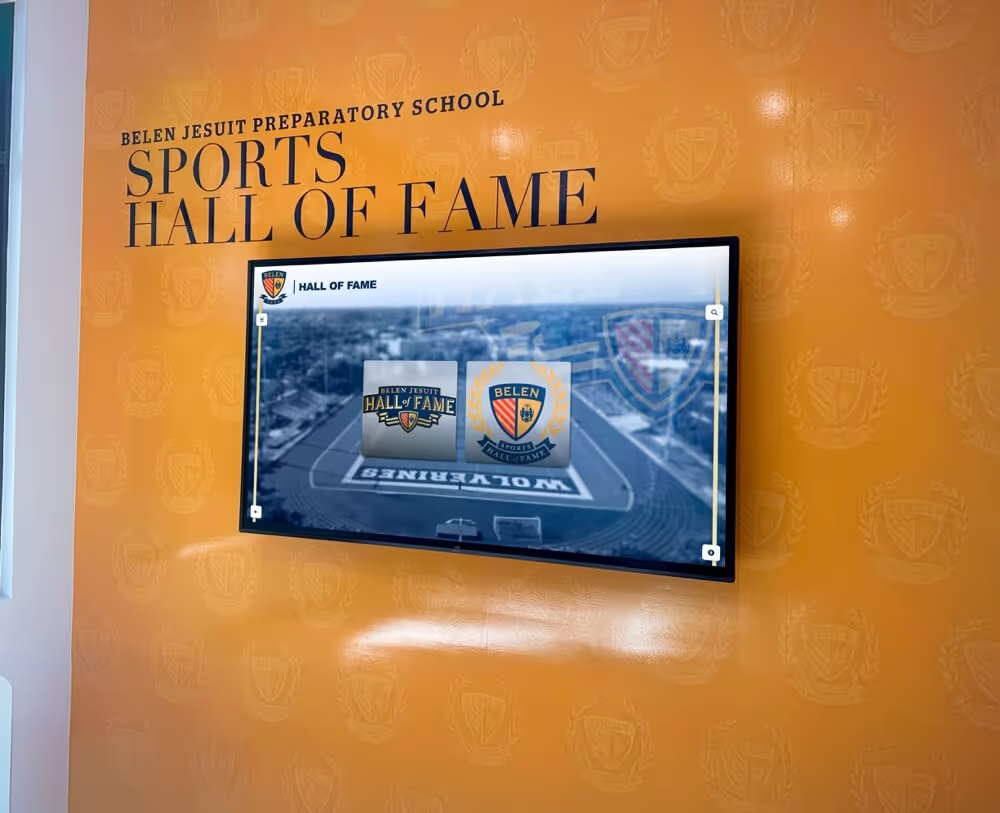
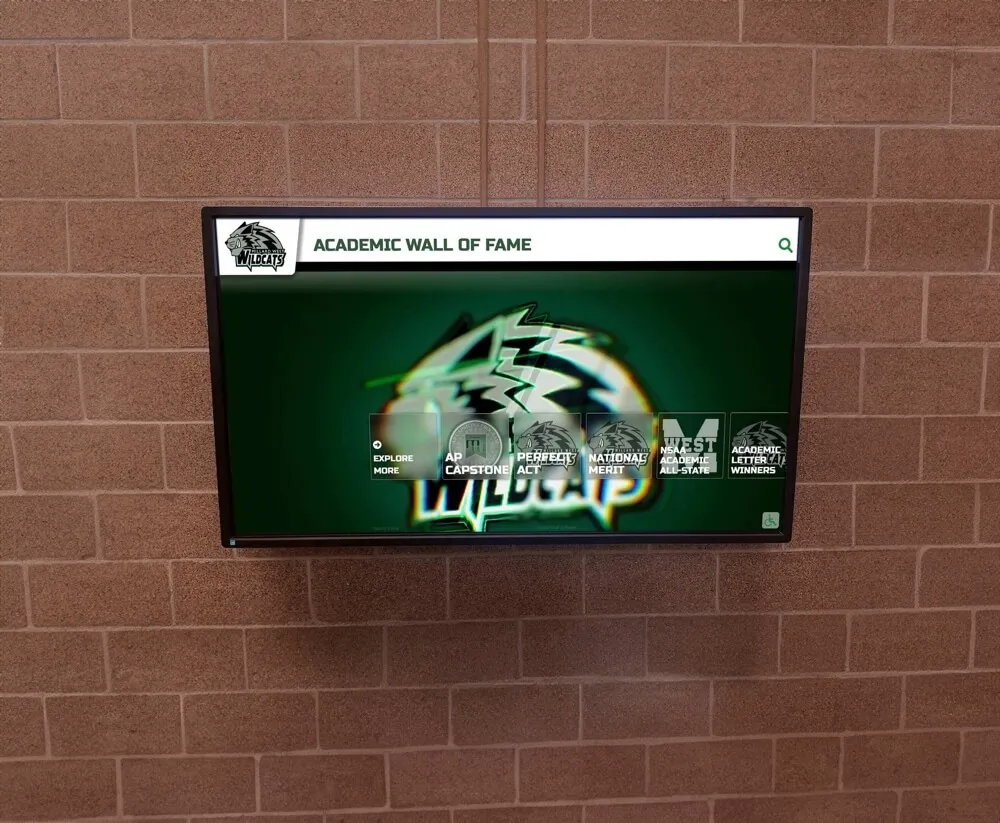
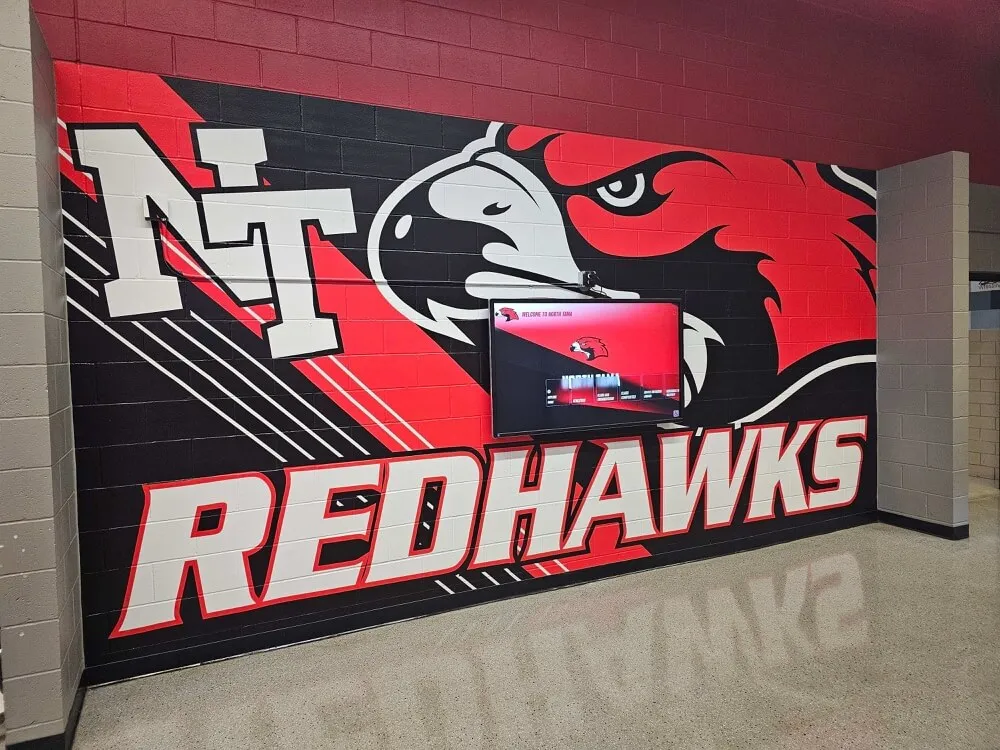
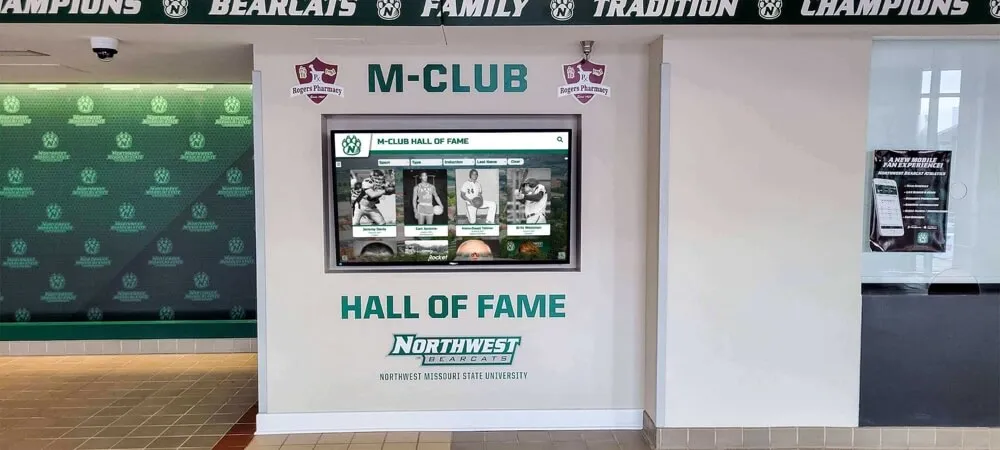
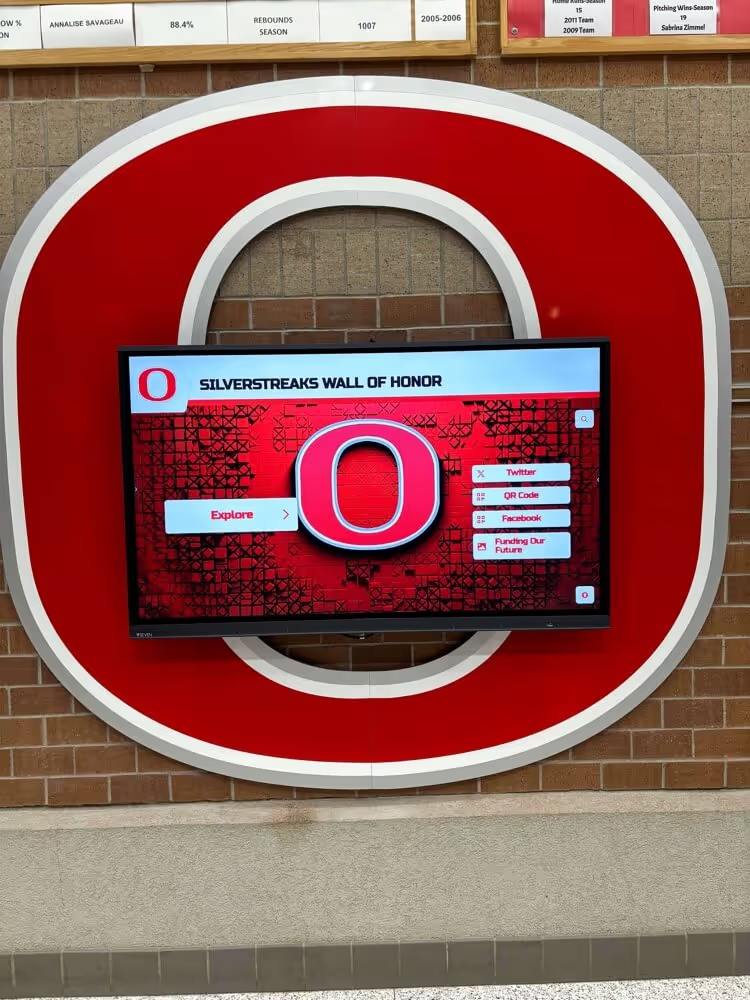
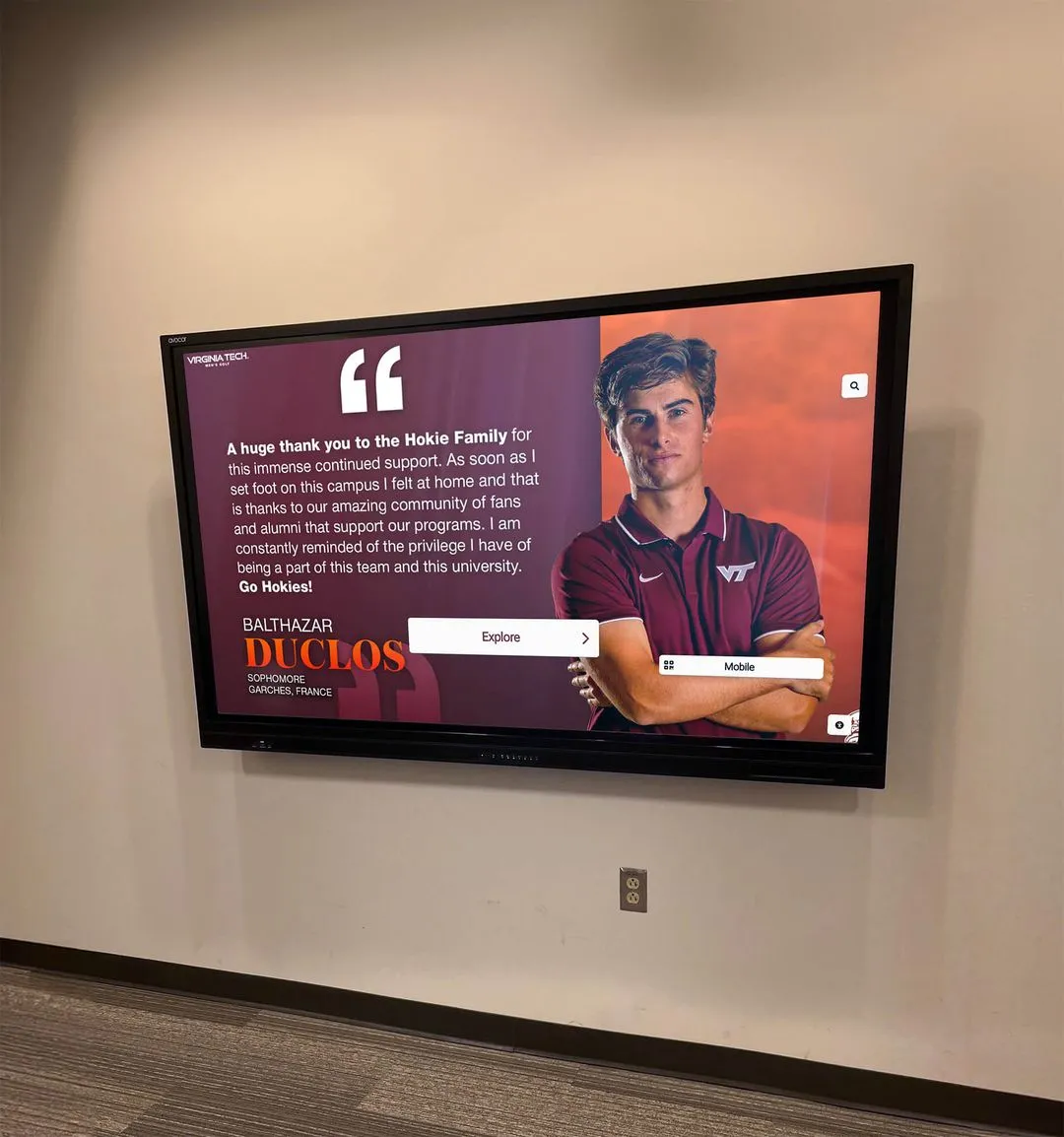
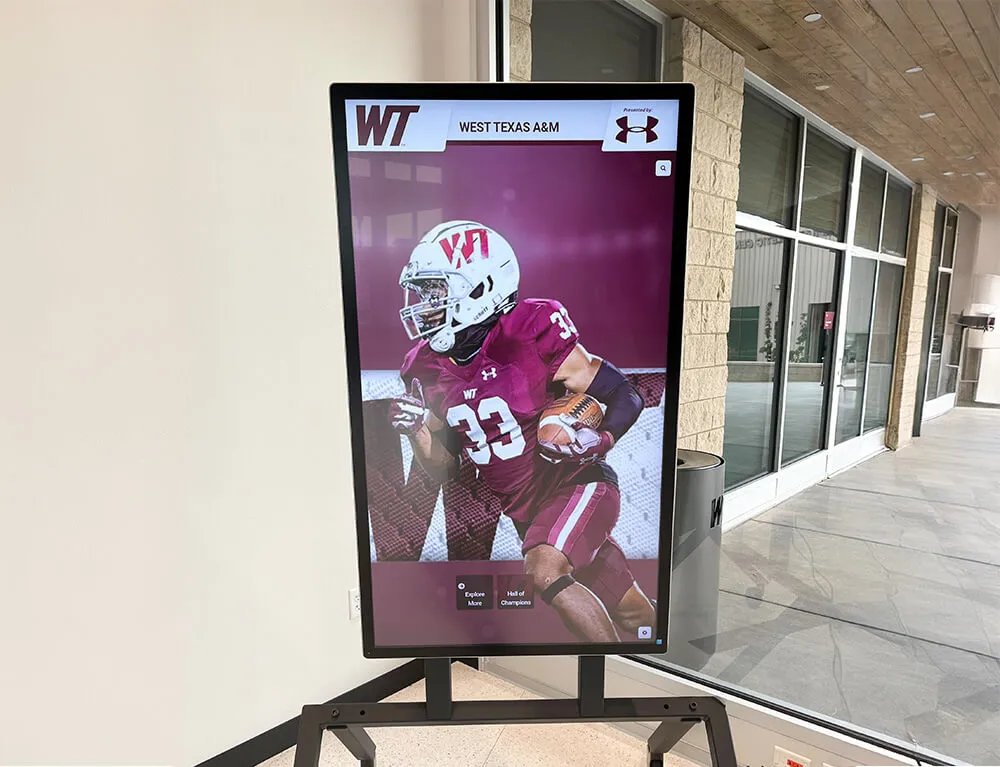
Solutions like Rocket Alumni Solutions transform how high school programs showcase achievements through touchscreen displays featuring unlimited athlete profiles and team histories, comprehensive statistics and records across all sports, photo and video content from competitions and seasons, alumni success stories and college placements, and real-time updates reflecting current season achievements.
Unlike traditional trophy cases limited by physical space and requiring expensive engraving for updates, digital recognition platforms accommodate comprehensive historical archives while remaining current with minimal maintenance effort. These systems create collegiate atmospheres where athletes explore program legacies, compare their performances to school records, and visualize themselves joining recognized excellence.
Recruiting Profile and Highlight Integration
High schools can integrate athlete recruiting materials directly into recognition displays through embedded highlight videos accessible to visiting college coaches, statistical profiles presenting performance data professionally, academic credentials and character references, contact information and recruiting timelines, and links to external recruiting platforms and highlight reels.
This integration helps college coaches efficiently evaluate prospective recruits during high school visits while teaching athletes professional self-marketing skills they’ll need throughout recruiting processes.
Virtual Tours and Online Facility Showcases
Schools unable to bring every recruit or prospective family to campus can create virtual experiences through 360-degree facility tours highlighting program spaces, embedded video content showing typical training and competition environments, athlete testimonials discussing program culture and preparation, coaching staff introductions and philosophy statements, and interactive elements allowing exploration of program history and achievements.
These digital experiences extend program reach beyond geography while showcasing facilities and culture in controlled, polished presentations.
Training Systems: Implementing Collegiate Preparation Standards
How athletes prepare matters more than where they train—systematic approaches create collegiate experiences regardless of facility limitations.
Structured Strength and Conditioning Programs
Organized, progressive training separates developmental programs from recreational athletics.
Periodized Training Plans
College programs use periodization—systematic variation of training volume, intensity, and focus across preparation, competition, and recovery phases. High school programs can implement similar structures through documented annual training plans with distinct phases, progressive overload principles increasing demands systematically, sport-specific training addressing particular athletic requirements, and individual programming accounting for athlete differences.
Many high school coaches lack strength and conditioning expertise but can access templates and resources from organizations like the National Strength and Conditioning Association (NSCA) or partner with local college programs willing to share programming approaches appropriate for high school athletes.
Performance Testing and Progress Monitoring
Regular assessment provides objective feedback motivating athletes and informing program adjustments through baseline testing establishing initial performance levels, periodic retesting documenting progress, documented improvements creating accountability, competitive elements inspiring effort, and data-informed training modifications addressing weaknesses.
Simple protocols—timed sprints, vertical jump measurements, lifting maximums, conditioning benchmarks—provide sufficient data without requiring expensive testing equipment or expertise.
Video Analysis and Technique Development
Film study represents standard college practice across sports for reviewing competition performance, studying opponents, analyzing individual technique, identifying tactical patterns, and creating accountability for execution.
High schools can implement video programs using smartphones or tablets for filming, free or low-cost editing software for creating clips, organized storage systems preserving seasonal footage, scheduled film sessions integrated into practice, and athlete access enabling independent review.
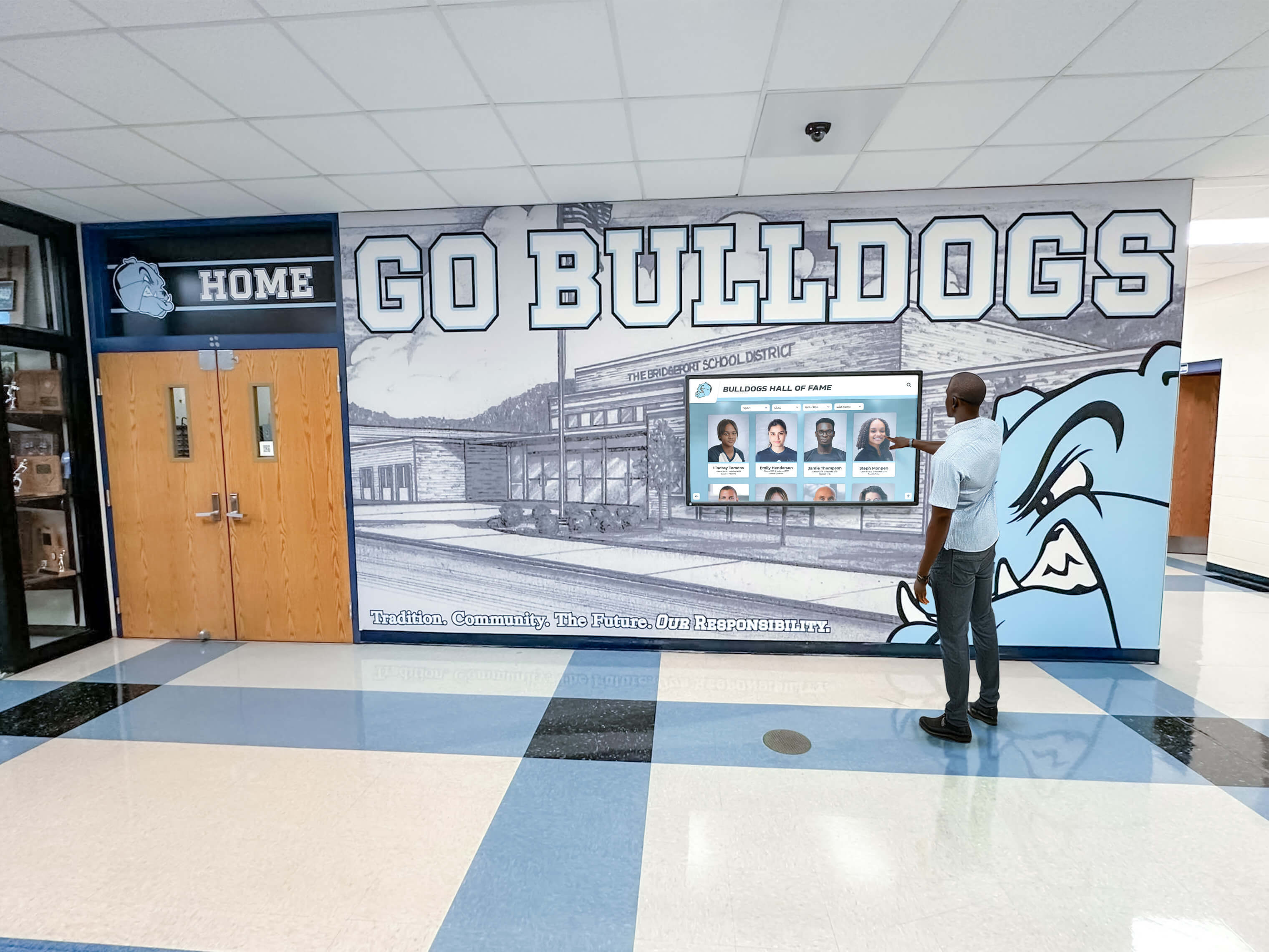
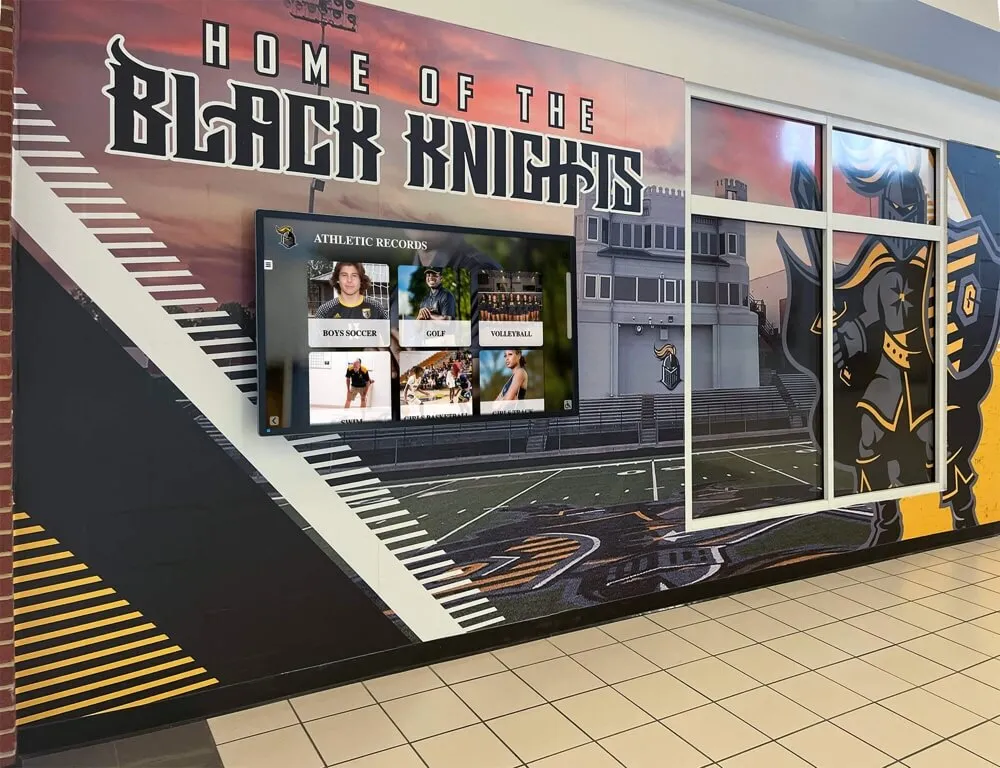
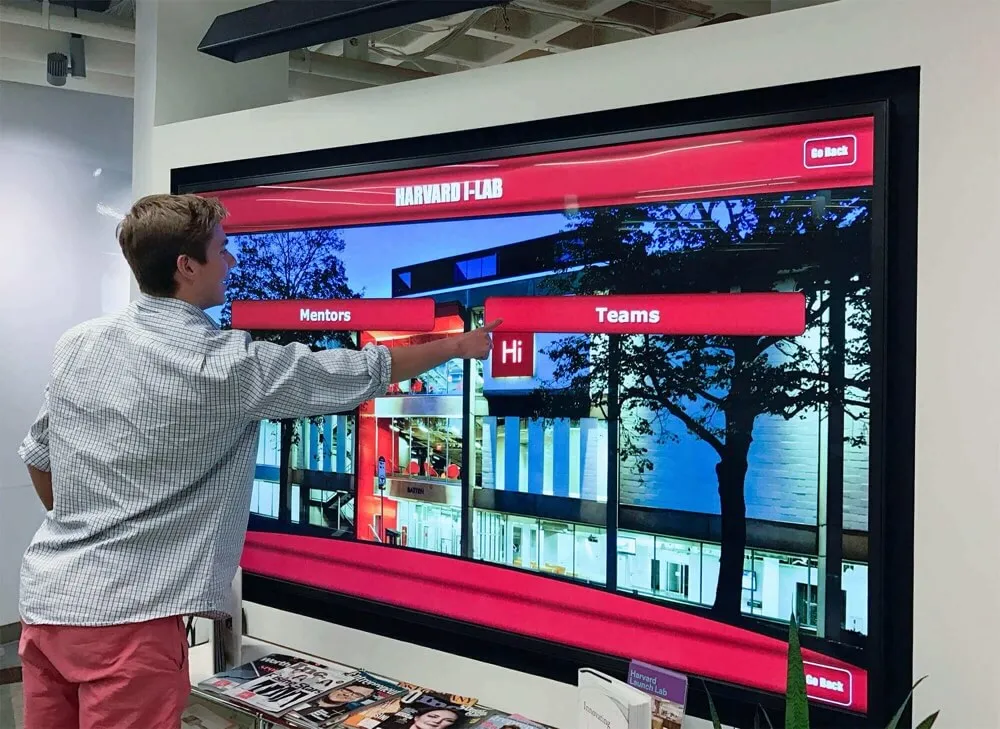
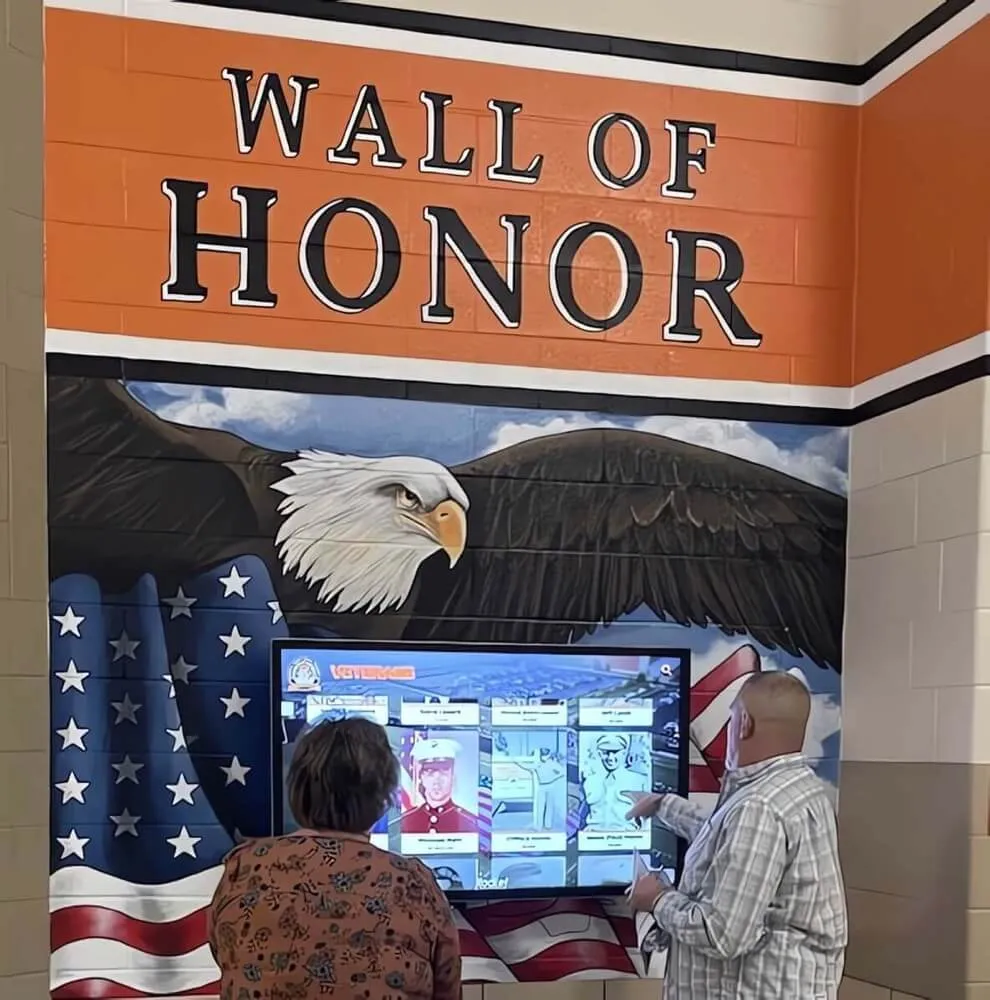
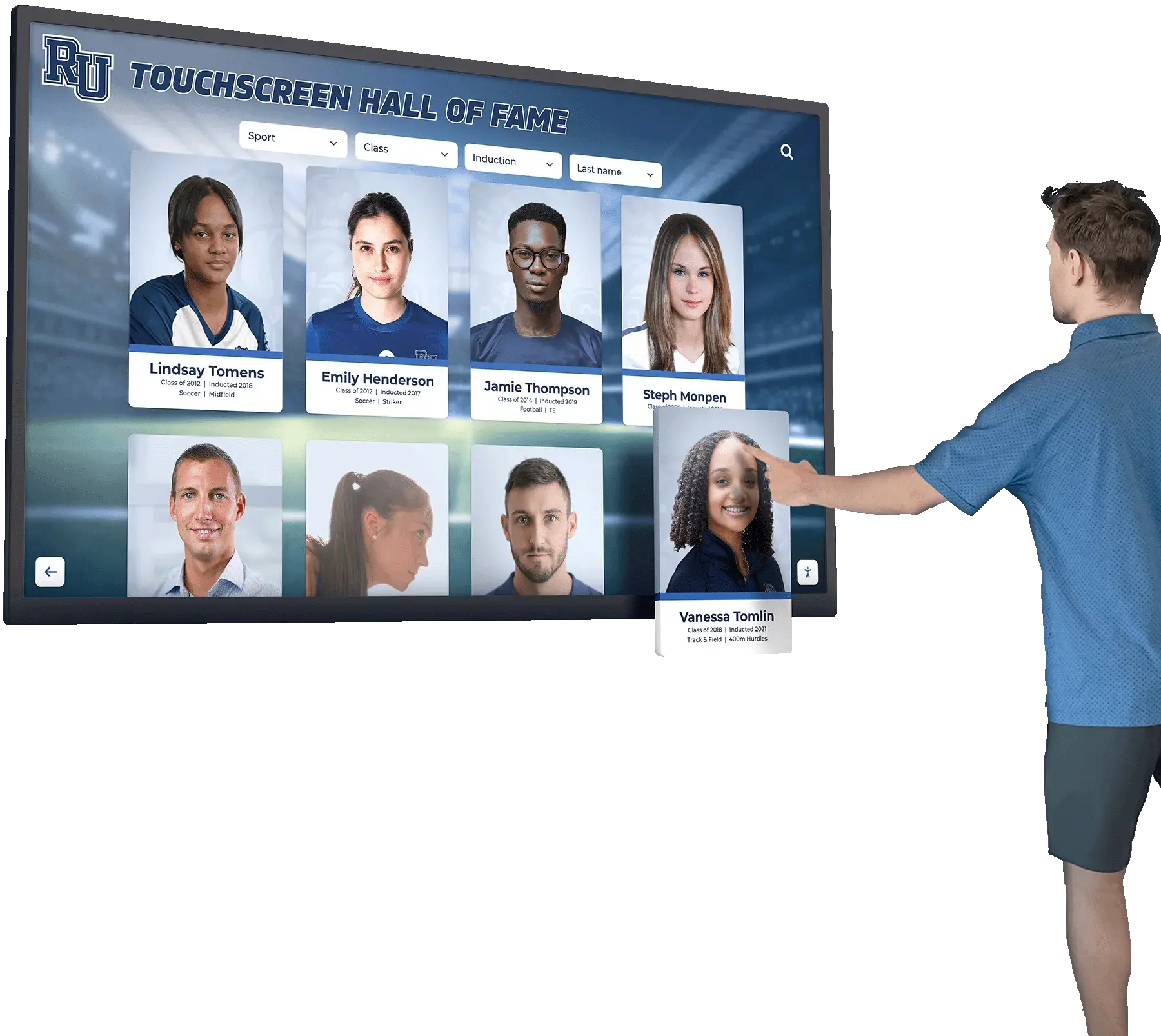
Interactive program displays engage athletes in exploring team history while inspiring personal excellence
Mental Skills and Sports Psychology Integration
Mental preparation separates good college athletes from great ones—high schools can introduce foundational skills.
Goal Setting and Performance Planning
Systematic goal development creates direction and accountability through season-long goals establishing overarching objectives, monthly benchmarks tracking progress toward larger goals, weekly focuses identifying specific areas for improvement, daily task identification clarifying immediate priorities, and reflection processes evaluating progress and adjusting plans.
Coaches can integrate goal-setting into team meetings, individual athlete conferences, or training documentation without requiring sports psychology expertise or external resources.
Pre-Competition Routines and Mental Preparation
College athletes arrive at competitions with established mental preparation routines developed through years of practice. High schools can teach foundational skills including pre-competition checklists ensuring physical and mental readiness, visualization protocols mentally rehearsing successful performance, breathing and relaxation techniques managing competition anxiety, focus cues directing attention appropriately, and post-competition evaluation processes reviewing performance constructively.
These skills become automatic through repeated practice across seasons and competitions, providing crucial foundations athletes refine in college programs with dedicated sports psychology support.
Resilience Development and Adversity Response
How athletes respond to setbacks, mistakes, injuries, or disappointing performances often determines college success more than raw talent. High school programs can deliberately develop resilience through productive failure experiences providing learning without crushing confidence, coaching that reframes setbacks as growth opportunities, teammate support systems normalizing struggle and providing encouragement, gradual challenge progression building confidence through sequential success, and explicit instruction about growth mindsets and performance improvement.
Research from youth development organizations indicates that athletes who experience manageable adversity with proper support develop significantly stronger resilience than those protected from all struggle or subjected to excessive pressure without appropriate guidance.
Explore comprehensive approaches to student-athlete development that integrate physical, mental, and emotional preparation systems.
Academic Integration: Preparing Scholar-Athletes
College athletics requires academic eligibility maintenance—preparation begins in high school through systematic academic support.
Academic Monitoring and Support Systems
Proactive academic oversight prevents eligibility crises while developing study habits athletes need in college.
Grade Monitoring and Eligibility Tracking
Rather than discovering academic problems when athletes become ineligible, effective programs implement regular progress checks through weekly or biweekly grade reports from teachers, tracking systems documenting each athlete’s academic status, proactive intervention when grades decline before eligibility is threatened, parent communication about academic concerns, and consequences for unacceptable academic performance that mirror college standards.
Many schools use learning management systems already tracking student progress, requiring only systematic review processes ensuring athletic staff monitor athlete academics consistently.
Mandatory Study Halls and Academic Support
College programs require study hall attendance, tutoring participation, and academic advising for athletes. High schools can establish similar structures through mandatory study hall hours for athletes below specified GPA thresholds, tutoring access for athletes struggling in particular subjects, academic resource identification connecting athletes with appropriate support, time management instruction helping athletes balance athletics and academics, and accountability systems ensuring athletes utilize available resources.
Even schools lacking dedicated athletic academic advisors can coordinate with existing academic support structures—libraries, tutoring programs, honor societies offering peer tutoring—to provide athletes with systematic support.
College Preparation and Recruiting Education
Most high school athletes lack understanding of college recruiting processes, eligibility requirements, or scholarship realities. Programs can provide crucial preparation through NCAA eligibility education covering required coursework and testing, recruiting timeline guidance appropriate for each sport and competition level, scholarship realities clarifying financial aid structures and limitations, application support helping athletes present themselves effectively, and connections with college coaches facilitating appropriate recruiting conversations.
Many recruiting services provide educational resources schools can utilize without cost, while college coaches often willingly present to high school teams about recruiting processes and college athletic expectations.
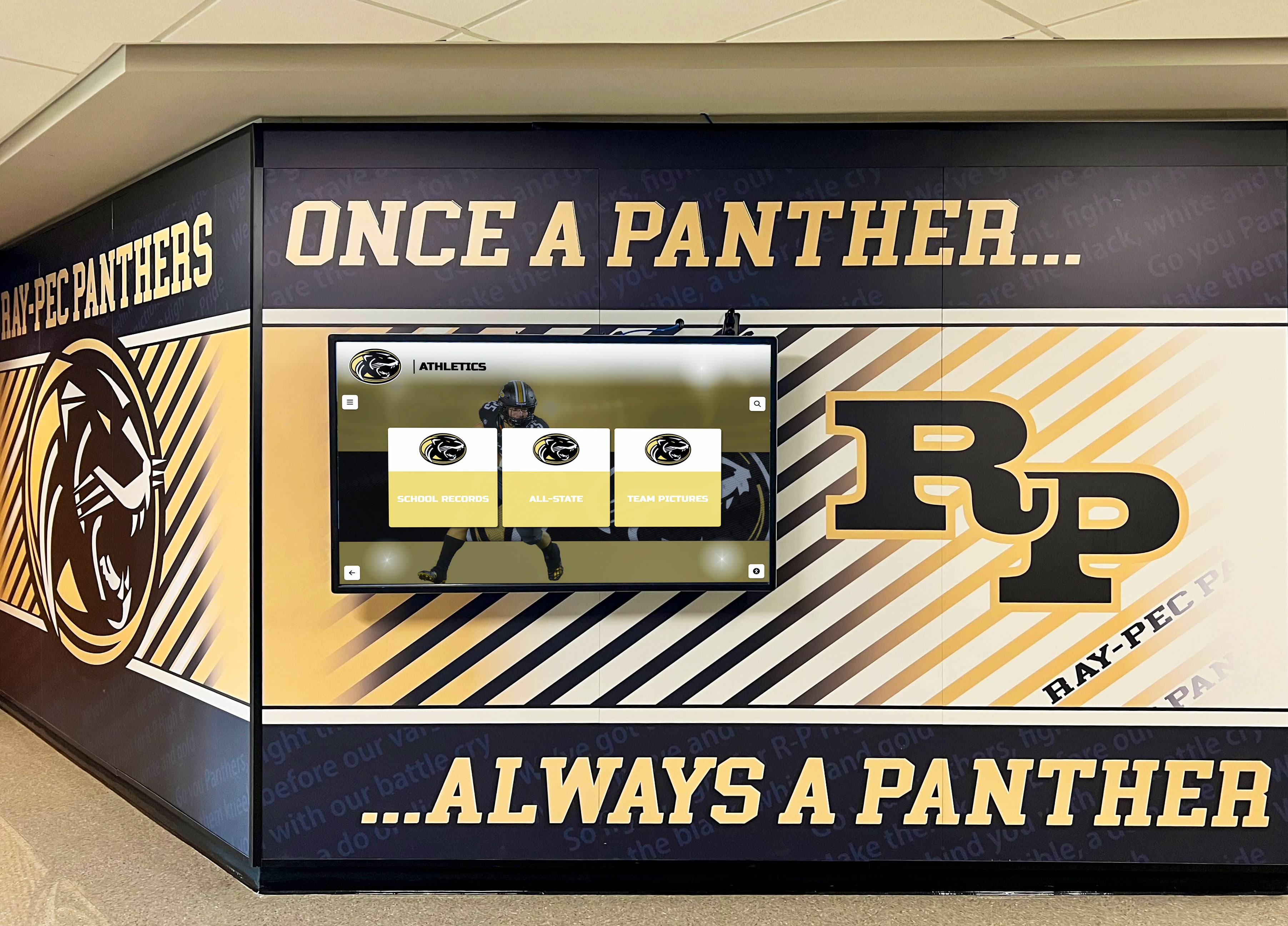
Comprehensive athletic recognition creates environments celebrating both athletic and academic achievement
Balancing Athletic and Academic Demands
Teaching athletes to manage competing demands represents crucial college preparation.
Schedule Management and Time Prioritization
High school athletes juggling practices, competitions, homework, jobs, and social lives face similar time pressures to college athletes but often lack systematic management approaches. Programs can teach essential skills through required use of planners or digital calendars documenting all commitments, prioritization frameworks identifying urgent versus important tasks, time blocking strategies dedicating specific time to different activities, deadline awareness and backward planning, and regular check-ins reviewing time management effectiveness.
These skills provide lifelong value extending far beyond athletics, making this preparation valuable even for athletes who don’t compete in college.
Communication with Teachers and Coaches
College athletes must advocate for themselves, communicating with professors about travel absences, requesting assistance when struggling, and managing academic accommodations appropriately. High schools can develop these skills through required communication protocols for missing classes, expectations that athletes personally discuss academic struggles with teachers, practice communicating about injuries or personal issues affecting performance, and professional email and meeting standards.
Programs sometimes over-accommodate athletes, having coaches handle all communication and removing consequences for absences or late work—approaches that fail to prepare athletes for college independence where personal responsibility determines success.
Cultural Development: Building Excellence-Driven Program Identity
Program culture—shared beliefs, expectations, and behaviors—determines whether collegiate experiences feel authentic or forced.
Establishing High-Performance Standards and Expectations
Culture begins with clearly articulated standards consistently reinforced across all program activities.
Non-Negotiable Behavioral Expectations
Successful programs identify core standards reflecting values and requirements for participation including punctuality for all practices, meetings, and competitions, respectful communication with coaches, teammates, officials, and opponents, academic performance maintaining minimum GPA standards, appearance and presentation standards at team events, and social media conduct protecting personal and program reputation.
These expectations must apply universally regardless of athlete talent or status, with consistent consequences when standards are violated. Inconsistent enforcement—excusing star athletes while punishing role players—destroys program credibility and culture faster than almost any other leadership failure.
Process Orientation Over Outcome Focus
College coaches recognize that athletes can’t always control competitive outcomes but can control preparation effort, competitive intensity, coachability, and teammate support. Programs emphasizing controllable processes over win-loss records develop athletes who persist through adversity and focus on daily improvement rather than becoming discouraged by inevitable setbacks every competitive season includes.
This process orientation doesn’t mean accepting losing or mediocre effort—it means evaluating success based on whether athletes and teams execute controllable elements at high levels regardless of final scores or seasonal records.
Competitive Excellence Without Win-At-All-Costs Mentality
Healthy competitive programs pursue excellence aggressively while maintaining perspective about athletics’ role in holistic adolescent development. This balance includes pursuing victory within rules and sportsmanship standards, developing athletes as complete individuals beyond athletic identity, maintaining long-term athlete health over short-term performance gains, and teaching that character and integrity matter more than winning.
Programs obsessed solely with winning often create toxic cultures that burn out athletes, encourage unethical behavior, and fail to develop life skills college coaches value in recruits.
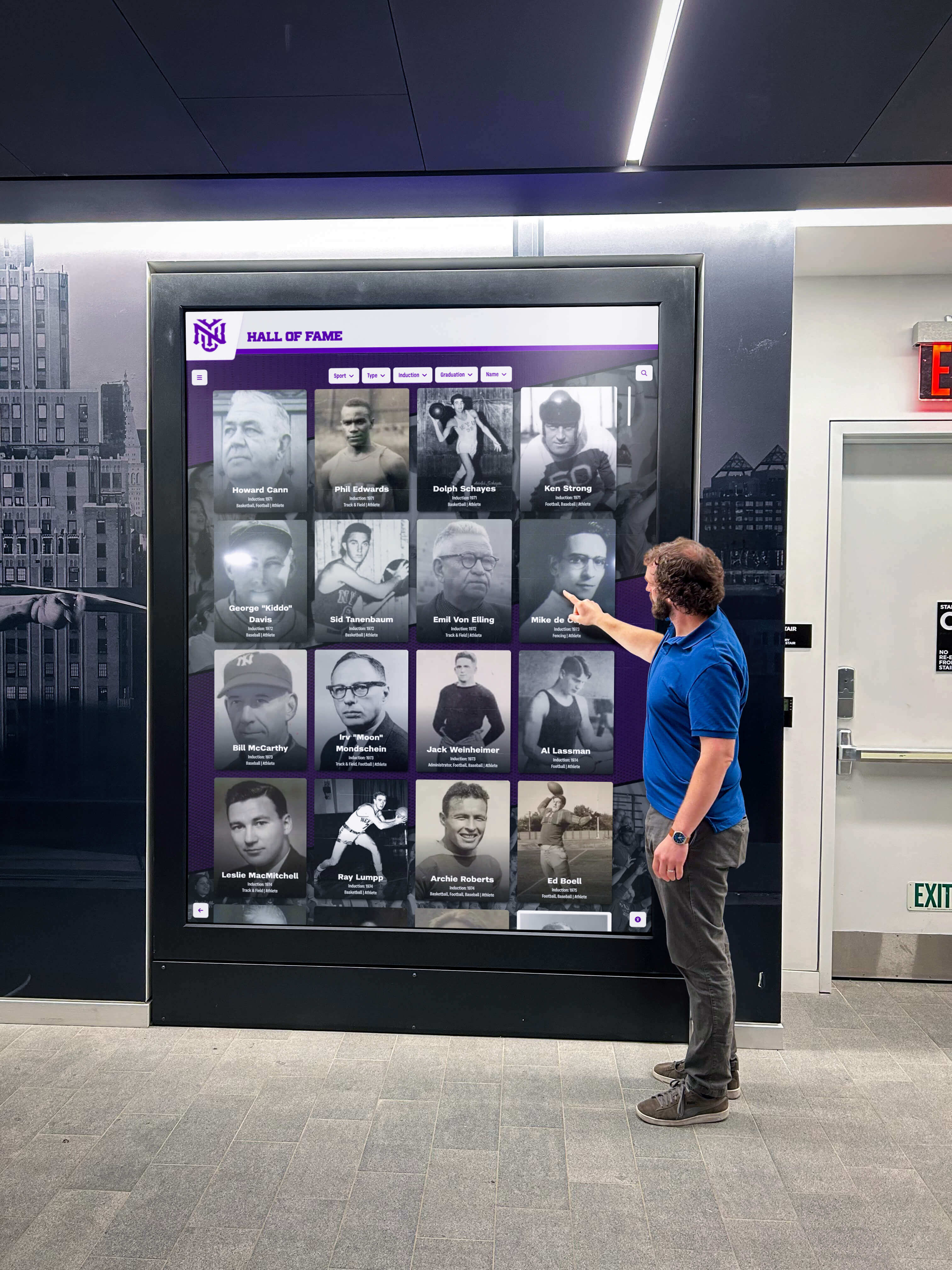
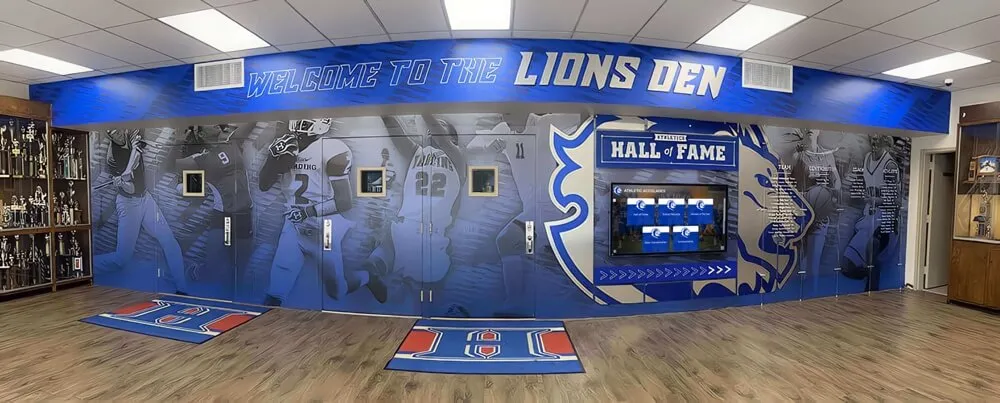
Recognition systems that honor character and leadership alongside athletic achievement communicate comprehensive program values
Leadership Development and Team Culture Building
Strong team cultures don’t happen accidentally—they require deliberate development through systematic leadership training.
Captains and Leadership Team Development
Rather than treating captaincy as honorary title for senior athletes, effective programs implement formal leadership development through structured selection processes evaluating leadership capacity, regular leadership team meetings addressing team needs and challenges, specific leadership responsibilities and accountability, training in communication, conflict resolution, and motivation, and evaluation processes assessing leadership effectiveness.
Many college programs use formal leadership councils with defined roles—captains, position leaders, academic representatives—providing models high schools can adapt appropriately.
Mentorship and Veteran-Newcomer Integration
Structured mentorship accelerates cultural transmission and team cohesion through formal mentor-mentee assignments pairing veterans with newcomers, structured activities facilitating relationship development, expectations that veterans actively integrate new teammates, recognition programs acknowledging effective mentorship, and continuous evaluation ensuring mentorship benefits both participants.
Without deliberate integration systems, newcomers often feel isolated while veterans form exclusive cliques undermining team unity and cultural development.
Team-Building Activities and Shared Experiences
Strategic team-building creates bonds that survive competitive and interpersonal stress through service projects connecting team with broader community, social activities building relationships beyond athletics, adversity challenges requiring cooperation and mutual support, tradition establishment creating shared identity and history, and celebration rituals acknowledging achievement and progress.
These activities work best when athletes have input in planning and when experiences genuinely challenge or inspire rather than feeling like mandatory participation in contrived exercises lacking authenticity.
Learn about effective approaches to athletic team recognition programs that strengthen program culture while celebrating team achievements.
Recognition Systems: Celebrating Achievement and Building Legacy
How programs acknowledge achievement significantly impacts culture, motivation, and athlete connection to program identity.
Comprehensive Multi-Level Recognition Approaches
Effective recognition celebrates diverse achievement types across all athletes rather than focusing exclusively on elite performers.
Individual Athletic Achievement Recognition
Beyond team success, individual accomplishment acknowledgment motivates personal excellence through statistical milestones and record achievements, all-conference and all-state selection, scholarship offers and college commitments, individual championship and tournament success, and personal improvement and development progress.
Traditional trophy cases limited by physical space force difficult decisions about which achievements warrant recognition. Digital recognition platforms like Rocket Alumni Solutions eliminate these constraints, enabling comprehensive celebration across all achievement levels and athlete roles.
Academic and Character Recognition Integration
Well-rounded recognition systems honor accomplishments beyond athletic performance including academic all-conference and scholar-athlete status, highest team GPA and honor roll achievements, improvement in academic performance, community service and leadership contributions, and sportsmanship and character recognition.
Integrating academic and character recognition with athletic celebration communicates that programs value complete individual development, not just competitive success—messaging that resonates with college coaches evaluating both athletic ability and character when making recruiting decisions.
Team Achievement and Historical Continuity
Recognition connecting current teams with program history builds pride and legacy awareness through championship team documentation and celebration, season milestones and achievement highlights, program records and historical comparison contexts, coaching milestone recognition honoring leadership contributions, and alumni achievement updates showing long-term impact.
Digital systems excel at creating this historical continuity by maintaining complete program archives accessible to current athletes, enabling comparisons between current and historical performance, documenting program evolution across decades, and preserving stories and context that static trophy cases cannot accommodate.
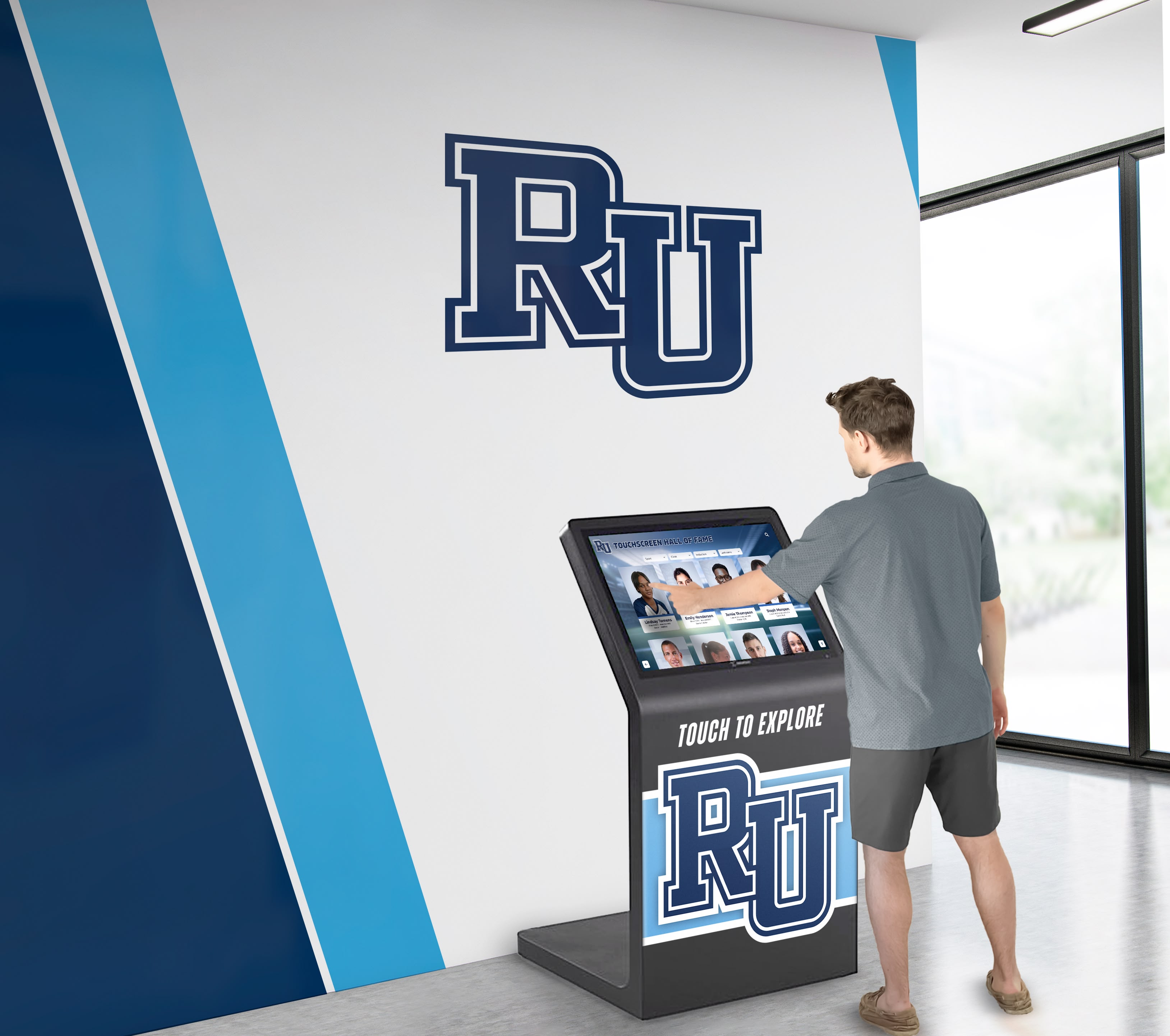
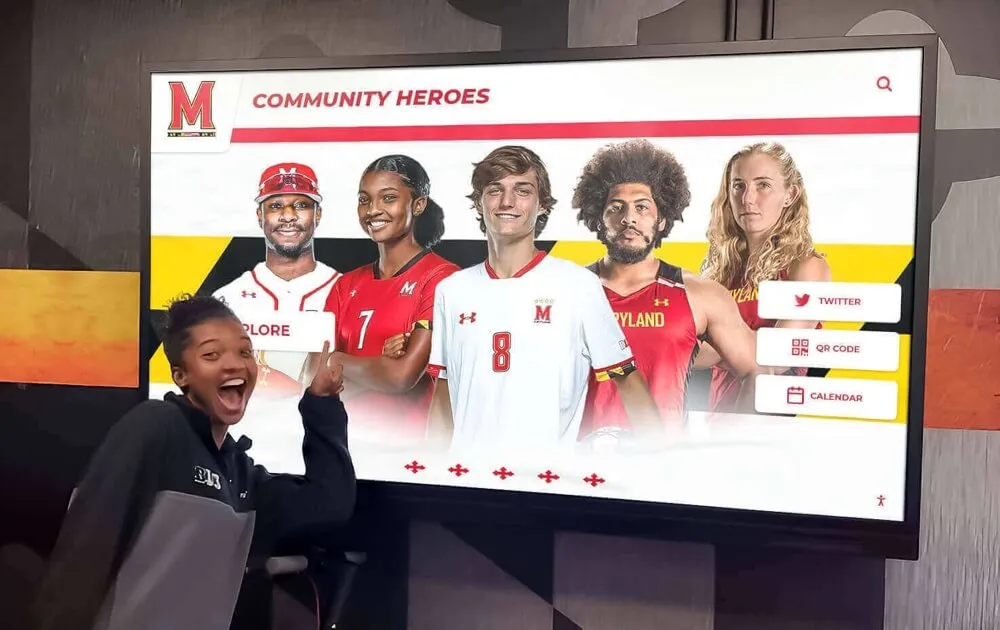
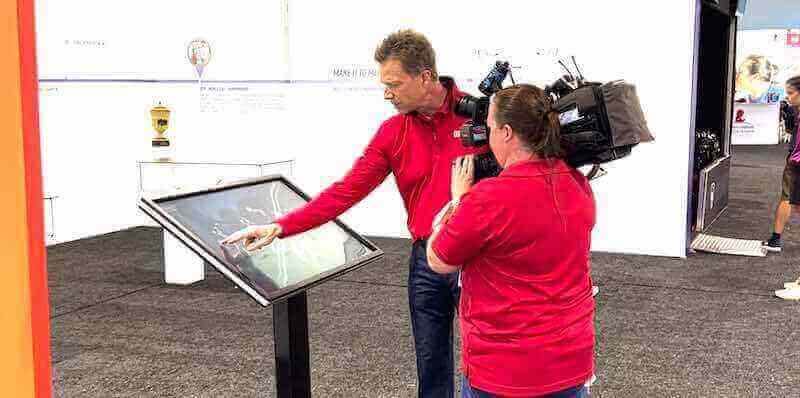
User-friendly digital recognition systems enable athletes, families, and visitors to explore program achievement independently
Modern Recognition Technology Implementation
Contemporary recognition systems provide capabilities impossible with traditional physical displays.
Interactive Digital Display Features
Modern recognition platforms transform static trophy cases into engaging experiences through searchable athlete databases finding specific individuals instantly, filter capabilities exploring achievements by sport, year, or type, detailed profiles including statistics, photos, videos, and stories, social sharing enabling digital recognition distribution, and web integration extending recognition beyond physical facilities.
These interactive features create engagement impossible with traditional plaques or trophy displays, with athletes regularly exploring program history, comparing their achievements to records, and sharing digital recognition with family and college recruiters.
Real-Time Updates and Current Season Integration
Unlike traditional recognition requiring physical changes for updates, digital systems enable immediate reflection of current achievements through weekly statistics and performance updates during seasons, automatic record identification when milestones are achieved, college commitment announcements as they occur, recognition of weekly awards and honors, and integration with team social media and communication platforms.
This currency keeps recognition relevant to current athletes while demonstrating program activity and success to visiting college coaches, prospective families, and community members touring facilities.
Multi-Location Access and Cloud-Based Management
Modern recognition systems exist beyond single trophy case locations through displays in multiple facility locations, web-based access from any internet-connected device, mobile apps providing anywhere program access, social media integration amplifying recognition reach, and cloud-based management enabling updates from anywhere without physical facility access.
This distributed approach ensures recognition reaches diverse audiences while reducing maintenance burden on athletic staff who can update content remotely rather than coordinating physical display modifications.
Discover comprehensive options for digital athletic recognition systems designed specifically for high school athletic programs.
Competition Development: Creating Collegiate Game Experiences
How schools approach competitions—preparation, presentation, and post-game processes—provides opportunities for collegiate experience development.
Pre-Competition Preparation Standards
Systematic pre-game preparation teaches professionalism athletes need in college.
Detailed Scouting and Opponent Preparation
College teams thoroughly scout opponents before every competition. High schools can implement appropriate versions through film review of opponent performances, statistical analysis identifying strengths and weaknesses, game plan development addressing specific matchups, player-specific preparation for individual opponent tendencies, and pre-game meetings reviewing strategic approaches.
Even schools lacking extensive film access can utilize publicly available highlight footage, statistical databases tracking opponent performance, or conversations with other coaches who’ve competed against upcoming opponents to provide meaningful preparation information.
Pre-Game Physical and Mental Preparation Protocols
Consistent preparation routines create performance readiness and reduce anxiety through standardized warm-up sequences ensuring physical readiness, mental preparation time for visualization and focus, nutrition and hydration protocols optimizing physical performance, equipment checks verifying everything needed is available and functional, and team unity activities building competitive energy and focus.
Athletes who develop consistent personal pre-competition routines during high school arrive at college with established processes requiring only refinement rather than starting preparation skill development from scratch as freshmen.
Professional Travel and Away Competition Standards
Away competitions provide opportunities for teaching professional behavior through appropriate appearance standards for travel and public settings, time management ensuring punctuality for buses and events, facility respect showing appreciation for host schools, community representation understanding athletes represent program and school, and self-regulation managing behavior without constant adult supervision.
College coaches consistently cite poor travel behavior and inability to represent programs professionally as issues with some incoming freshmen—standards established and reinforced during high school prevent these problems.
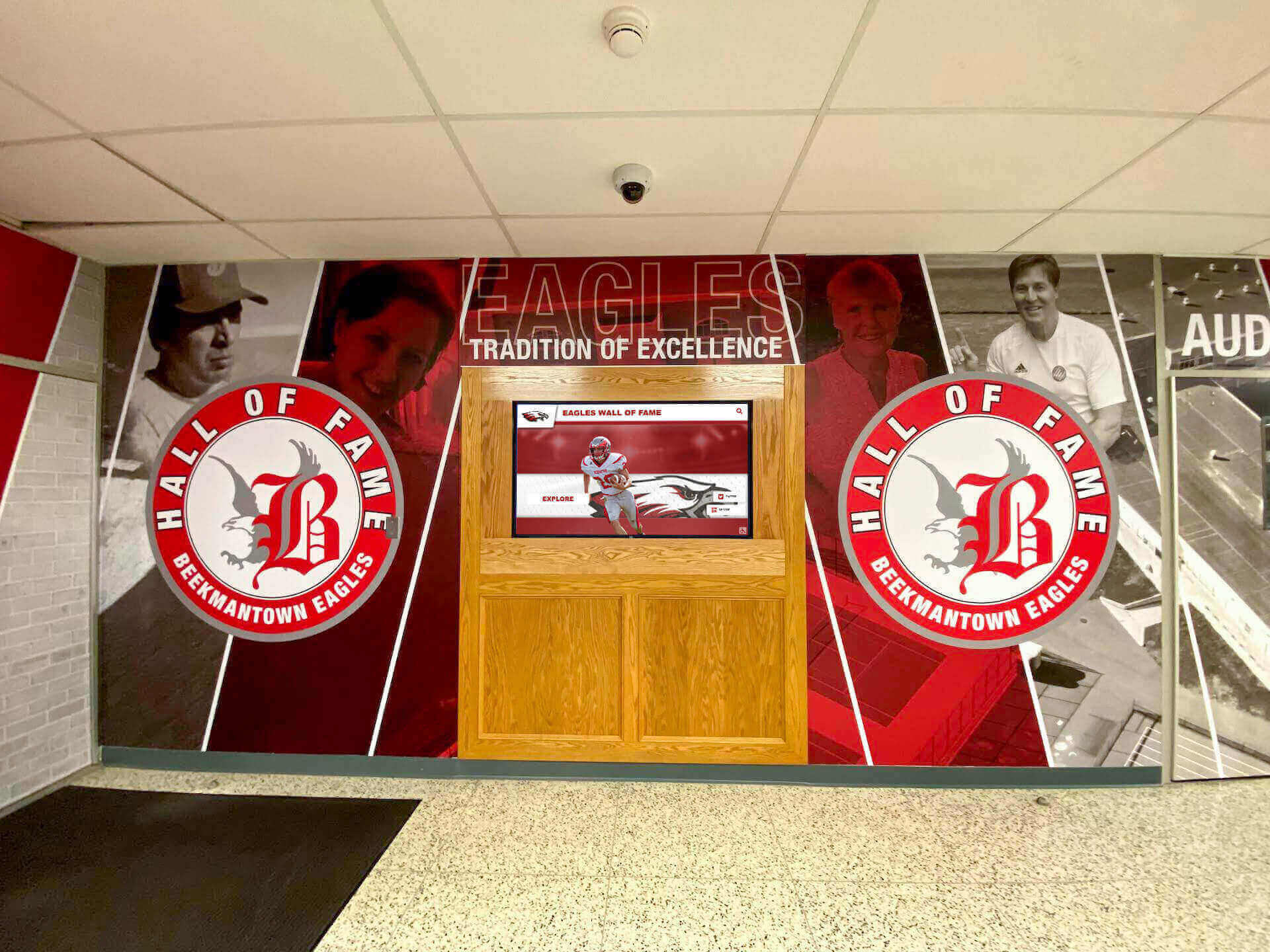
Professional facility presentation creates immediate impressions communicating program standards to athletes and visitors
Game Day Presentation and Environment
How schools present competitions affects athlete experience and program perception.
Professional Venue Setup and Management
Clean, organized, well-maintained competition venues communicate program professionalism through well-marked and properly maintained playing surfaces, organized team areas with needed equipment accessible, functional sound systems for announcements and music, appropriate lighting for competition and spectator viewing, and safety protocols clearly communicated and enforced.
These elements require minimal financial investment compared to facility construction but create significantly elevated game day experiences compared to competitions in poorly maintained, disorganized venues suggesting programs don’t value excellence or professional standards.
Enhanced Game Presentation Elements
Strategic presentation enhancements create memorable experiences including player introductions acknowledging participants, statistical and informational graphics keeping spectators informed, highlight video presentations celebrating key moments, recognition of special achievements during appropriate breaks, and music and atmosphere creation appropriate for sport and audience.
Schools should consider presentation elements matching their resources—elaborate productions requiring expensive technology and substantial staffing aren’t necessary for creating professional atmospheres compared to thoughtful, well-executed basic presentations.
Spectator Experience and Community Engagement
While athletes are primary focus, spectator experience affects program support and community perception through clear event information about parking, admission, and schedules, concessions and amenities meeting basic spectator needs, accessibility accommodations for individuals with disabilities, youth engagement opportunities inspiring next generation of program participants, and recognition of program supporters including boosters, volunteers, and sponsors.
Positive spectator experiences build community support generating resources enabling program enhancements benefiting athletes directly.
Post-Competition Review and Learning
How programs process competitions affects athlete development and continuous improvement.
Film Review and Performance Analysis
Systematic post-game review maximizes learning from competition through objective performance documentation via game film, individual and team evaluation identifying strengths and areas for improvement, statistical analysis quantifying performance elements, comparison to preparation and game plan effectiveness, and action planning applying lessons to upcoming training and preparation.
Effective review balances honest assessment with constructive, growth-oriented framing—acknowledging both successful execution and areas needing improvement without crushing confidence or creating defensiveness preventing learning.
Individual Athlete Conferences and Development Planning
While team review addresses collective performance, individual meetings enable personalized development through specific performance feedback focusing on individual contributions, strength recognition acknowledging effective execution and improvement, development area identification highlighting specific skills or habits needing attention, goal adjustment based on performance and progress, and resource connection when athletes need additional support or training.
Regular individual communication builds coach-athlete relationships while ensuring each athlete receives personalized attention impossible in team-only settings.
Practical Implementation: Building Collegiate Experiences on Realistic Budgets
Most schools cannot invest millions in facility upgrades or hire extensive support staff—strategic prioritization enables collegiate experience development within financial constraints.
Prioritizing High-Impact, Low-Cost Initiatives
Some collegiate elements provide substantial developmental value with minimal financial investment.
Systematic Processes and Documented Expectations
Written processes, standards, and expectations cost nothing but create significant structure including season plans documenting training and competition schedules, athlete handbooks clarifying expectations and policies, evaluation rubrics providing objective feedback frameworks, communication protocols establishing interaction standards, and succession planning preserving institutional knowledge through transitions.
Many programs lack basic documentation, requiring athletes and coaches to reinvent approaches annually and losing effectiveness through inconsistency and confusion about expectations.
Technology Leverage for Efficiency and Scale
Modern technology enables capabilities previously requiring substantial human resources through communication platforms coordinating teams and disseminating information, training apps delivering workout programming and tracking progress, film platforms storing and organizing game footage, digital recognition systems maintaining comprehensive achievement archives, and social media channels celebrating achievements and engaging community.
Free or low-cost technology tools provide capabilities that would require full-time staff if managed manually, enabling small athletic departments to implement collegiate systems previously available only to programs with extensive support staff.
Community Partnerships and Volunteer Expertise
Local communities often include professionals willing to contribute expertise including physical therapists providing injury screening or training, nutritionists offering dietary guidance, college coaches sharing coaching education, business professionals teaching life skills or career preparation, and alumni athletes providing mentorship and perspective.
Systematic identification and coordination of volunteer resources provides athletes with support services schools cannot afford to hire while building community connections strengthening program support.
Phased Implementation and Continuous Improvement
Programs can build collegiate experiences systematically over multiple years.
Multi-Year Development Plans
Strategic, phased approaches enable sustainable progress through annual priorities identifying specific focus areas, resource allocation matching priorities with available funding, implementation timelines setting realistic goals, assessment measures tracking effectiveness, and adjustment protocols learning from experience and adapting approaches.
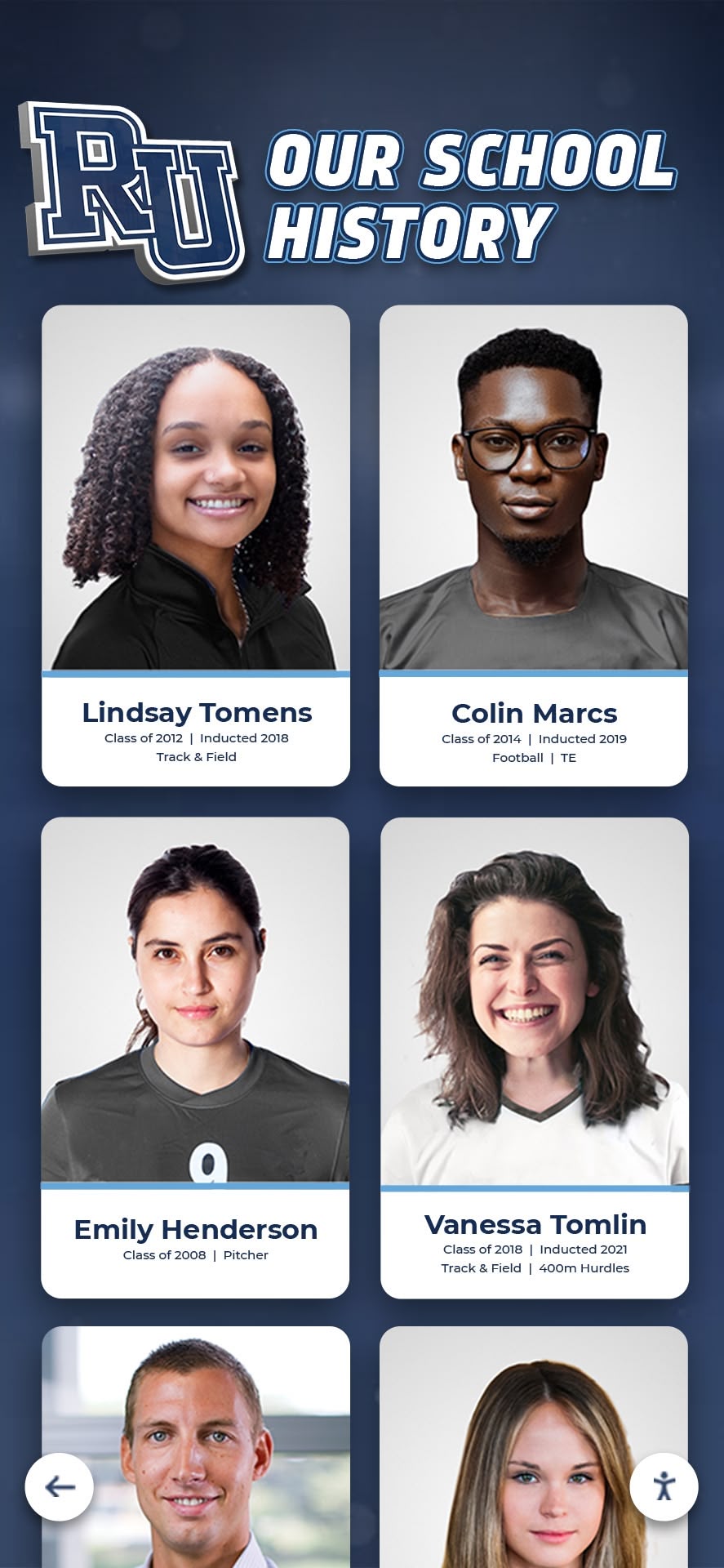
Professional athlete documentation creates lasting recognition while providing recruiting resources for college-bound athletes
Attempting comprehensive transformation immediately often fails due to overwhelming demands on limited resources. Systematic, incremental improvement proves more sustainable and ultimately more successful than ambitious initiatives that collapse under resource constraints.
Regular Assessment and Stakeholder Feedback
Continuous improvement requires evaluation and adjustment through athlete surveys assessing experience quality and developmental value, coaching evaluation reviewing program effectiveness, parent feedback understanding family perspective, college coach input learning what preparation college programs value most, and alumni perspective gathering long-term outcome information.
Regular feedback collection prevents programs from investing heavily in initiatives stakeholders don’t value while identifying opportunities for improvement that might not be obvious to program leadership.
Funding Strategies and Resource Development
Strategic fundraising can support collegiate experience initiatives.
Booster Club Support and Donor Engagement
Athletic booster organizations can provide crucial support for program enhancement through facility improvement campaigns funding specific upgrades, equipment grants providing updated training resources, technology funding supporting recognition systems and coaching tools, scholarship funds supporting college-bound athletes, and operating support covering program expenses beyond school budgets.
Effective booster engagement requires demonstrating how investments benefit athletes, transparent financial management, and recognition acknowledging supporter contributions—areas where digital recognition platforms excel by showcasing donor impact alongside athlete achievement.
Explore comprehensive approaches to booster club donor recognition that strengthen fundraising while celebrating program supporters appropriately.
Grant Opportunities and External Funding
Many organizations provide funding for athletic program development including national athletic associations offering program grants, educational foundations supporting student development initiatives, corporate partners providing equipment or technology donations, health organizations funding fitness and wellness programs, and community foundations supporting youth development.
Systematic grant identification and application processes can generate significant resources supporting program enhancement without requiring extensive booster fundraising or institutional budget increases.
Measuring Success: Assessing Collegiate Experience Impact
Implementation success requires evaluation demonstrating initiative effectiveness and return on investment.
Athlete Development Outcomes
Primary success measures focus on athlete preparation and development.
College Placement and Athletic Success
Programs successfully creating collegiate experiences should see improvement in college recruitment interest and scholarship offers, athlete readiness for college athletic demands, college persistence and completion rates for athlete alumni, college athletic success and achievement levels, and athlete satisfaction with high school preparation quality.
Tracking alumni outcomes provides crucial feedback about preparation effectiveness while generating compelling evidence supporting program initiatives when seeking community support and resources.
Academic Achievement and Character Development
Comprehensive programs develop complete individuals, measurable through athlete academic performance relative to general student population, college admission success and institutional quality, leadership and character recognition beyond athletics, community service and civic engagement, and life skill development preparing for post-athletic success.
College coaches consistently emphasize recruiting athletes with strong character and academic credentials over athletically talented individuals lacking maturity or academic qualification—holistic development benefits both athletic careers and life success.
Program Health and Sustainability Indicators
Organizational measures assess whether programs can maintain collegiate experiences long-term.
Participation and Retention Trends
Healthy programs attracting and retaining athletes demonstrate sustained quality through athlete participation numbers and tryout interest, retention rates showing continued participation across years, multi-sport participation indicating positive experiences, alumni engagement reflecting program connection after graduation, and community perception assessing program reputation and support.
Programs that create positive, developmental experiences typically see stable or growing participation while those with toxic cultures or athlete burnout face declining interest and high attrition rates suggesting systemic problems.
Resource Development and Community Support
Sustainable programs build increasing support over time through booster membership and engagement growth, fundraising performance generating necessary resources, facility improvement trajectories showing systematic enhancement, volunteer participation providing program support, and media coverage raising program visibility and community awareness.
These indicators demonstrate whether initiatives generate community value justifying continued investment or whether programs struggle to maintain support suggesting need for strategic adjustment.

Championship recognition integrating physical trophies with comprehensive digital documentation creates compelling program storytelling
Conclusion: Sustainable Development of High-Performance Athletic Programs
Creating authentic collegiate experiences in high school athletics represents far more than cosmetic facility upgrades or superficial mimicry of college program aesthetics. Genuine preparation requires systematic development of skills, habits, and mindsets that separate successful college athletes from those who struggle with transition demands—time management and academic accountability, professional communication and personal responsibility, mental toughness and resilience, and competitive excellence pursued with integrity and perspective.
This comprehensive guide has explored practical, financially sustainable approaches to collegiate experience development across facility enhancement, training systems, academic integration, cultural development, recognition programs, competition preparation, and implementation strategies. From strategic technology leverage reducing resource requirements to community partnerships providing expertise, from phased implementation distributing costs across multiple years to measurable outcomes demonstrating impact, schools can systematically elevate programs regardless of initial resource constraints or facility limitations.
Technology as Enabler of Excellence
Modern recognition platforms like Rocket Alumni Solutions exemplify how technology transforms what’s possible within typical school budgets. Where traditional trophy cases limit recognition to athletes whose achievements fit available physical space, digital systems provide unlimited capacity celebrating comprehensive achievement across all athletes, sports, and years. Where traditional displays require expensive engraving and physical modifications for every update, digital platforms enable instant remote updates maintaining current, accurate recognition with minimal effort. Where static displays present only names and dates, interactive systems tell complete stories through photos, videos, statistics, and narratives creating engagement impossible with conventional approaches.
These technological capabilities don’t replace fundamental developmental priorities—coaching quality, athlete character development, academic accountability—but they enable resource-constrained programs to create professional environments and recognition systems previously available only to elite programs with extensive budgets and dedicated support staff.
Strategic Focus on Genuine Development
Programs should resist temptation to prioritize impressive appearances over substantive preparation. Expensive uniforms and elaborate locker room decorations might attract initial recruiting interest, but college coaches quickly identify athletes lacking fundamental preparation—work ethic, coachability, time management, resilience—no amount of cosmetic investment provides. Strategic programs invest in areas creating genuine developmental value: coaching education improving instruction quality, strength and conditioning expertise ensuring proper physical development, academic support systems developing scholar-athletes, mental skills training building resilience, and systematic processes creating consistency and professionalism.
These fundamental investments produce lasting results extending far beyond athletic careers—life skills, work habits, character qualities, and mindsets that determine success in college, careers, and personal lives regardless of whether athletes continue competing athletically beyond high school.
Building Sustainable Excellence
The most successful programs demonstrate that collegiate experiences need not require college-level budgets when approached strategically and implemented systematically. Through careful prioritization focusing on high-impact initiatives, technology leverage reducing resource requirements, community partnerships providing expertise and support, phased implementation distributing costs across multiple years, and continuous improvement learning from experience and stakeholder feedback, schools can progressively build programs preparing athletes comprehensively for college success while remaining financially sustainable for typical school athletic budgets.
Every enhancement—whether implementing digital recognition celebrating all athletes, establishing academic monitoring systems, developing mental skills training, or creating professional competition standards—moves programs closer to providing experiences that genuinely prepare student-athletes for college demands while developing complete individuals succeeding beyond athletics. Begin with clear assessment of current program gaps, prioritize initiatives providing greatest developmental value relative to cost, implement systematically with appropriate evaluation, and commit to continuous improvement over multiple years building sustainable excellence.
Ready to transform your high school athletic program’s recognition systems and create a truly collegiate atmosphere? Digital platforms from Rocket Alumni Solutions enable comprehensive athlete recognition, team history preservation, and program showcase capabilities at costs far below traditional trophy case installations while providing unlimited capacity, instant updates, and engaging interactive experiences that inspire current athletes while impressing college coaches and prospective families visiting your facilities.