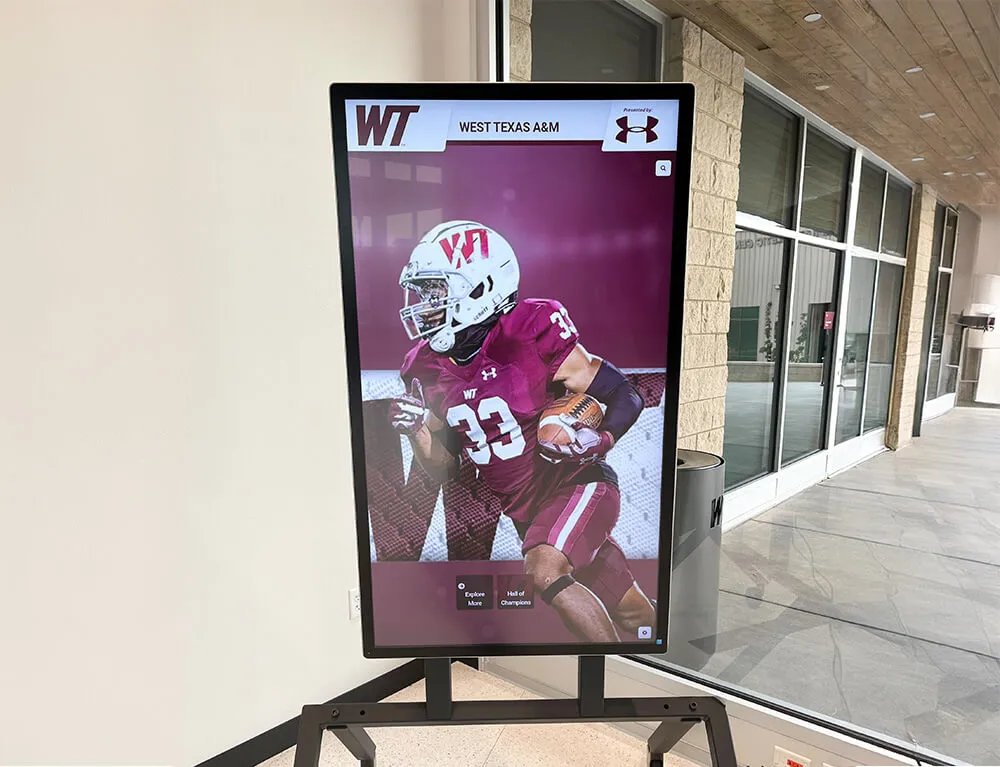
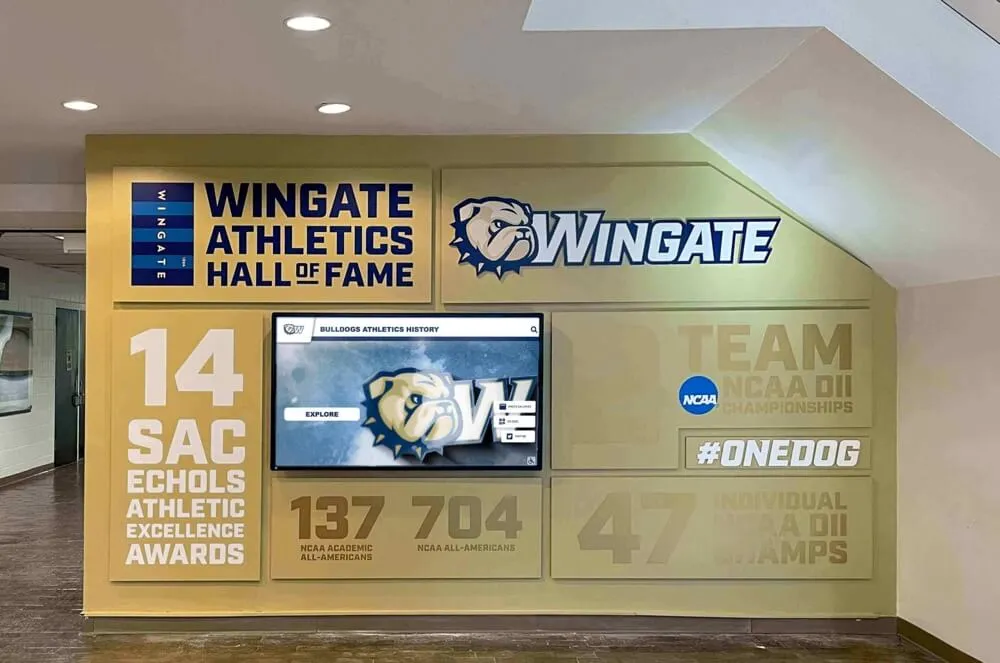
Donor Wall Ideas: Creative Designs to Recognize and Inspire School Supporters
Creative donor recognition wall designs transform ordinary acknowledgment into inspiring experiences that honor supporters, strengthen institutional culture, and motivate continued giving. Schools, universities, and educational institutions depend on philanthropic contributions to fund scholarships, facility improvements, program enhancements, and countless initiatives that institutional budgets cannot cover—making thoughtful donor recognition essential for sustainable fundraising success.
Yet many schools struggle with donor recognition, defaulting to static plaques that quickly become outdated, generic name listings that fail to inspire, or recognition approaches that consume valuable wall space while accommodating only a fraction of supporters. Meanwhile, development teams face pressure to acknowledge growing donor communities while maintaining aesthetic appeal, communicating impact effectively, and creating recognition experiences that motivate continued philanthropic engagement.
According to nonprofit fundraising research, recognized donors demonstrate significantly higher retention rates and increased giving levels compared to those receiving minimal acknowledgment. Schools that invest in creative, comprehensive donor recognition create competitive advantages in fundraising effectiveness while building cultures of philanthropy that sustain educational excellence for generations.
This comprehensive guide explores innovative donor wall ideas and creative recognition designs that celebrate supporters meaningfully while inspiring continued investment in educational missions. Whether your institution plans to launch new donor walls, refresh existing recognition displays, or transform acknowledgment approaches entirely, these strategies provide frameworks for creating recognition experiences that honor every supporter appropriately while strengthening fundraising outcomes.
Effective donor recognition balances multiple objectives simultaneously: celebrating diverse contribution levels from annual gifts to transformational donations, maintaining year-round visibility rather than limiting acknowledgment to single events, accommodating growing donor communities without physical space constraints, and creating engaging experiences that connect philanthropy to tangible educational impact.

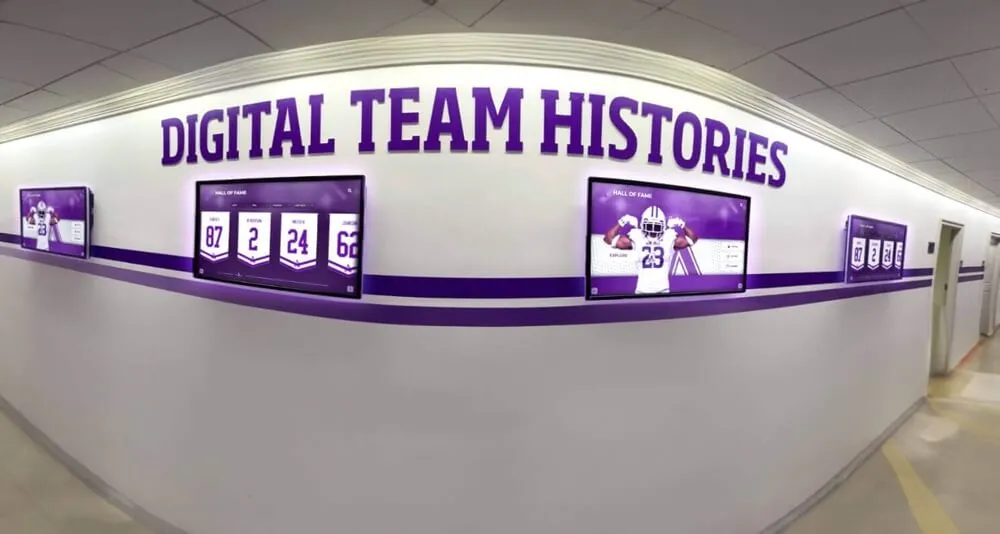
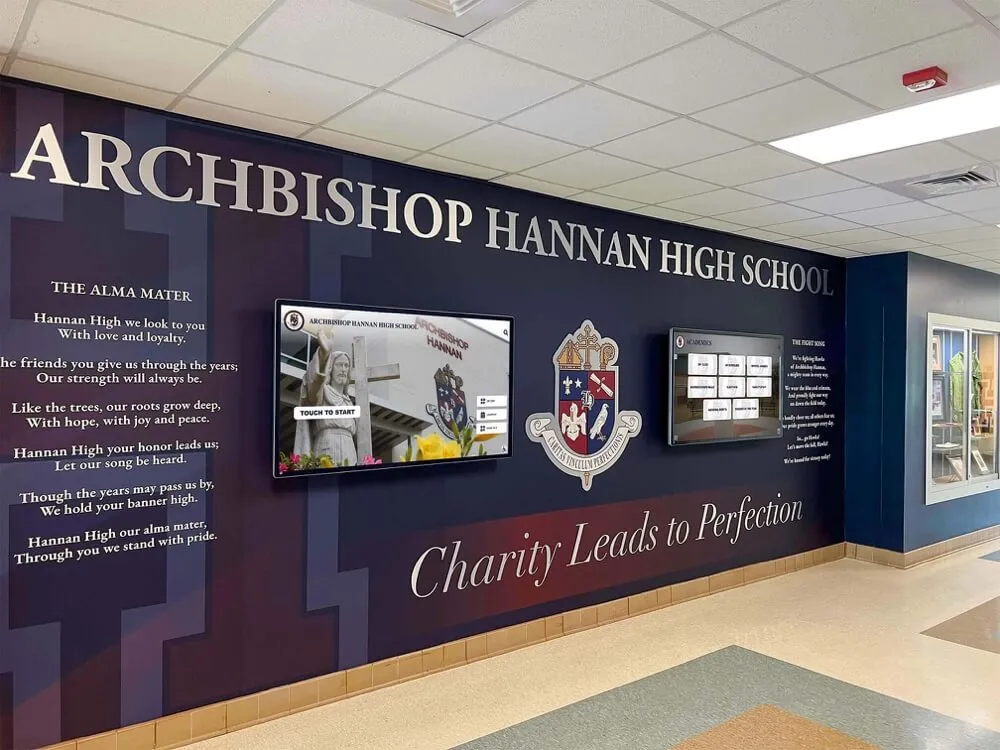
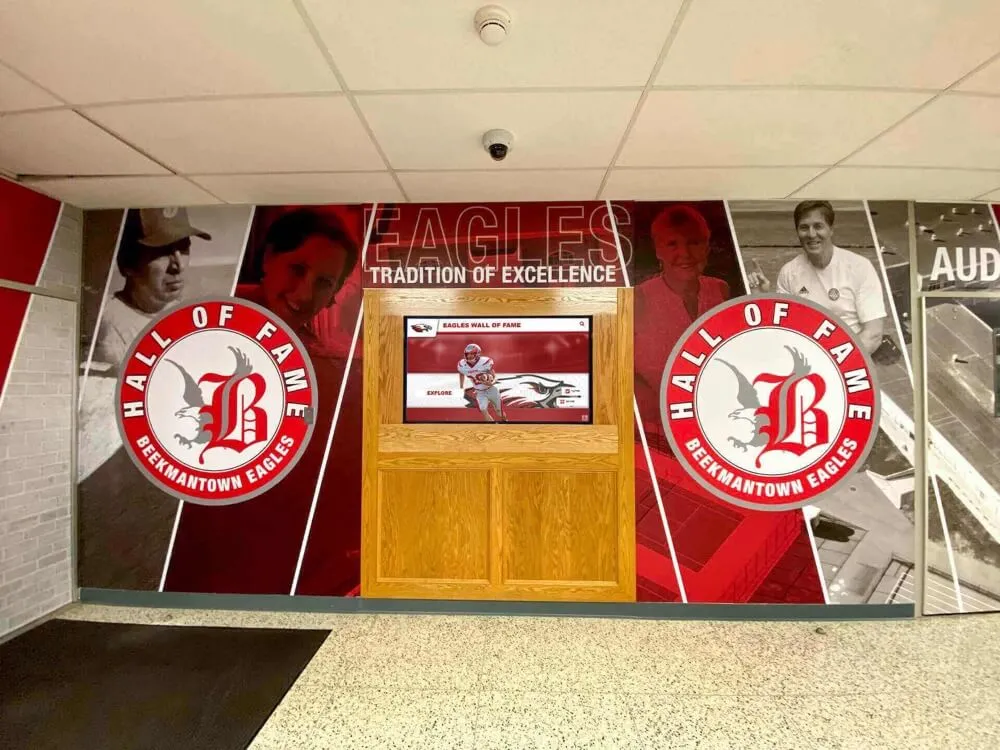
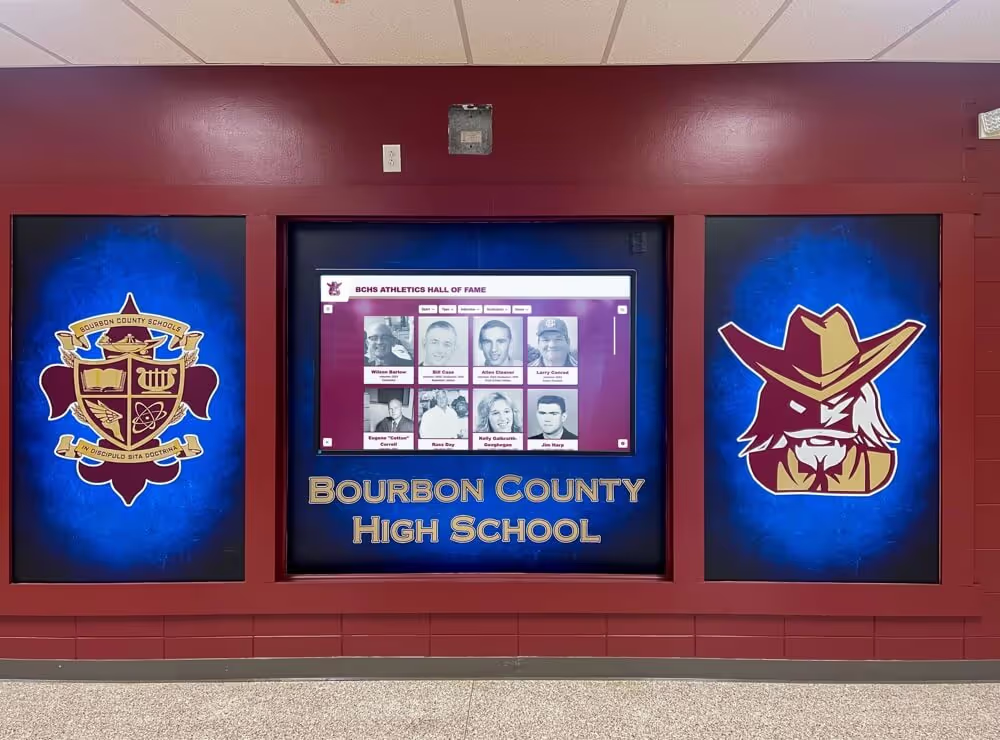
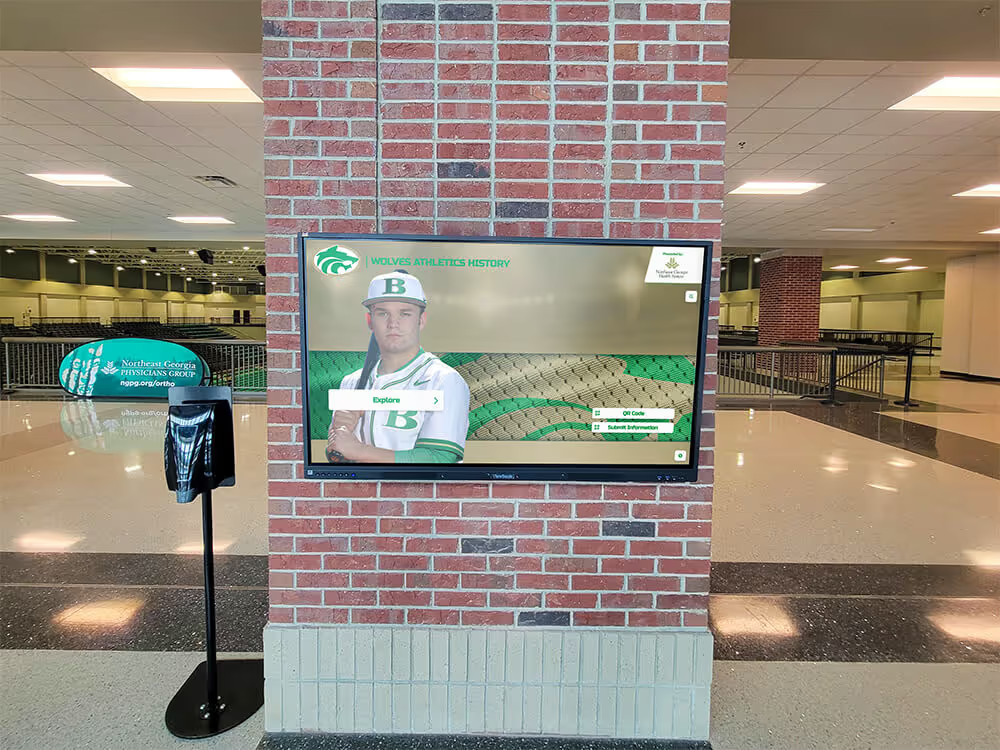
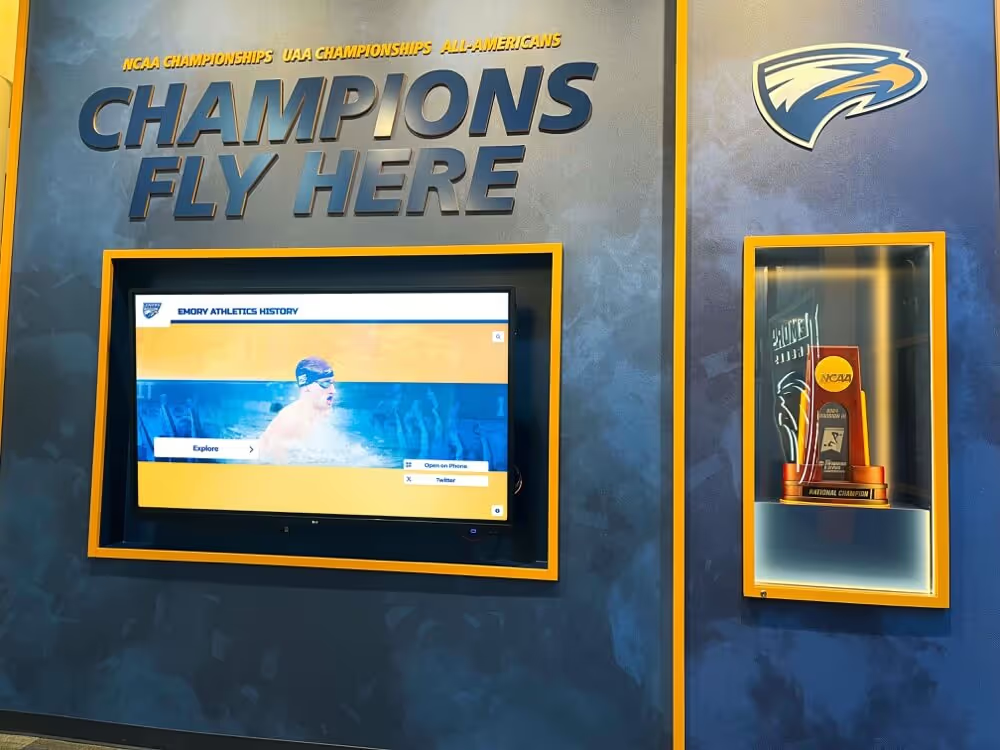
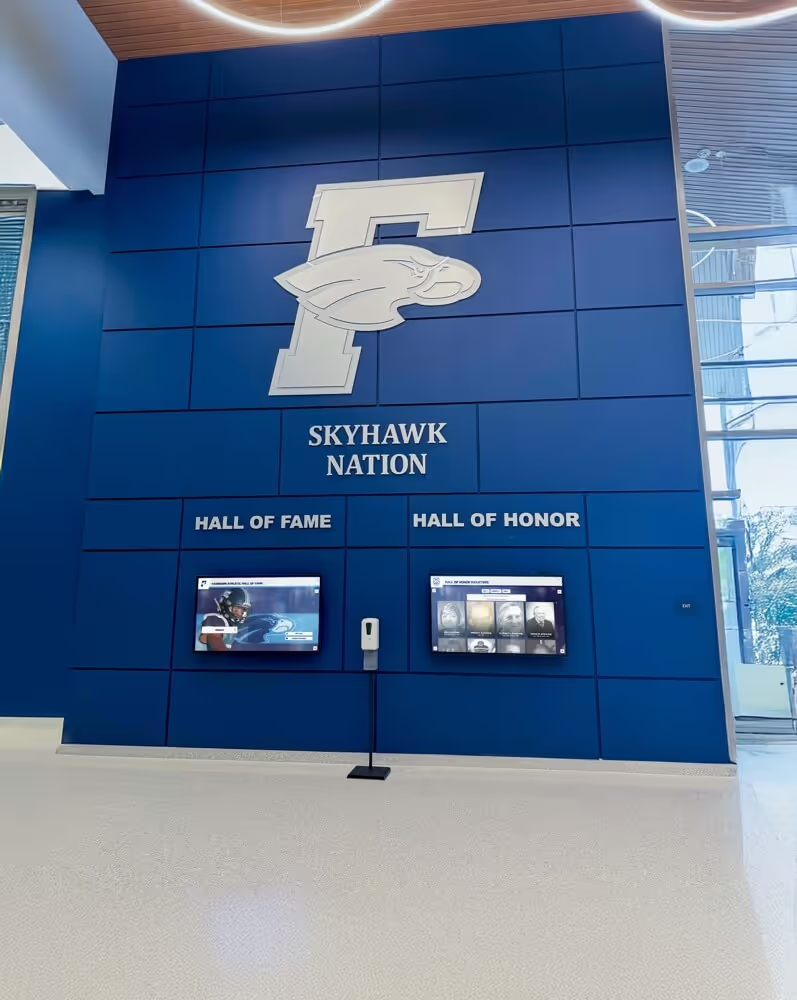
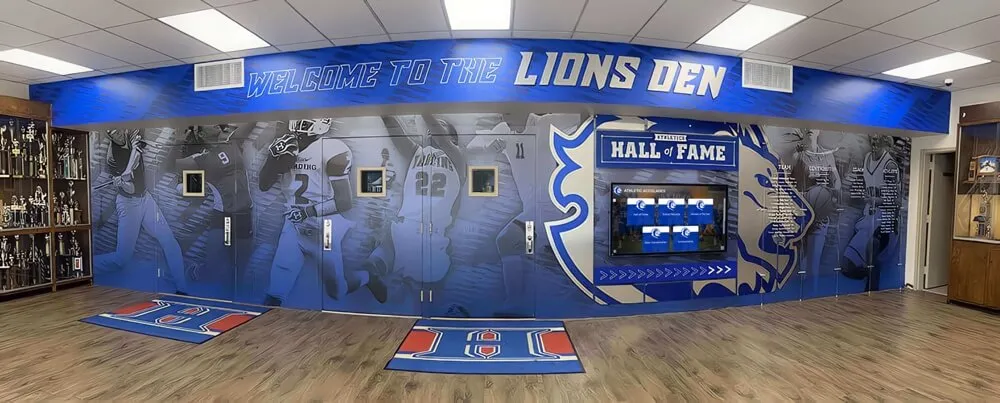
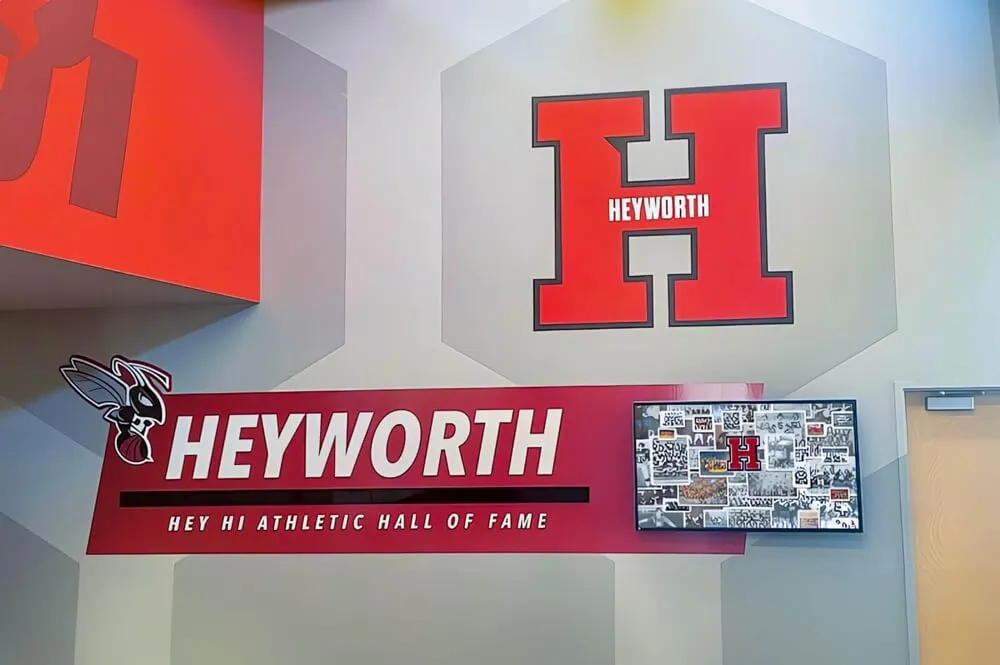
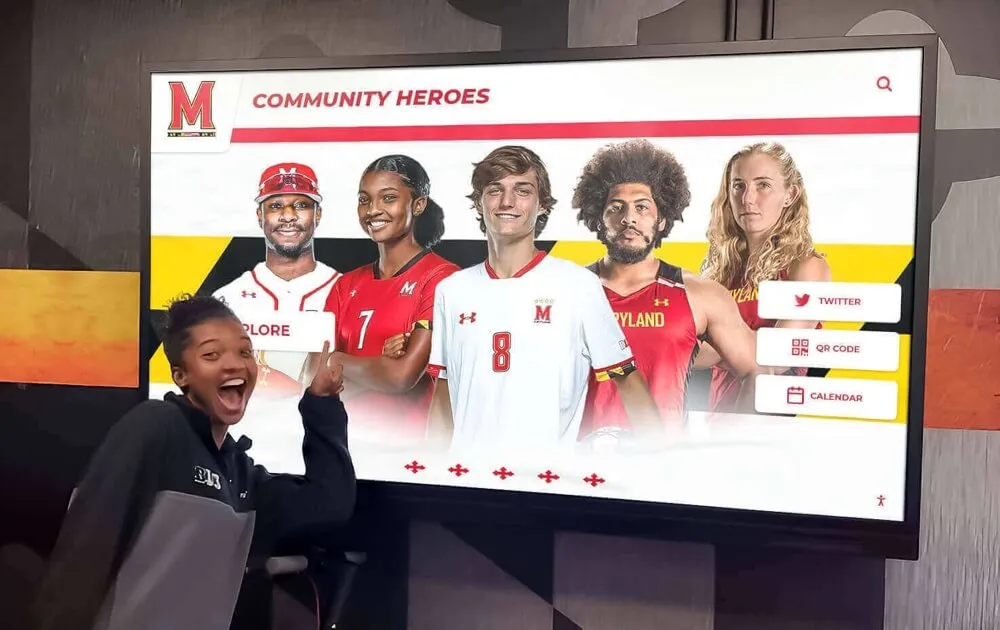
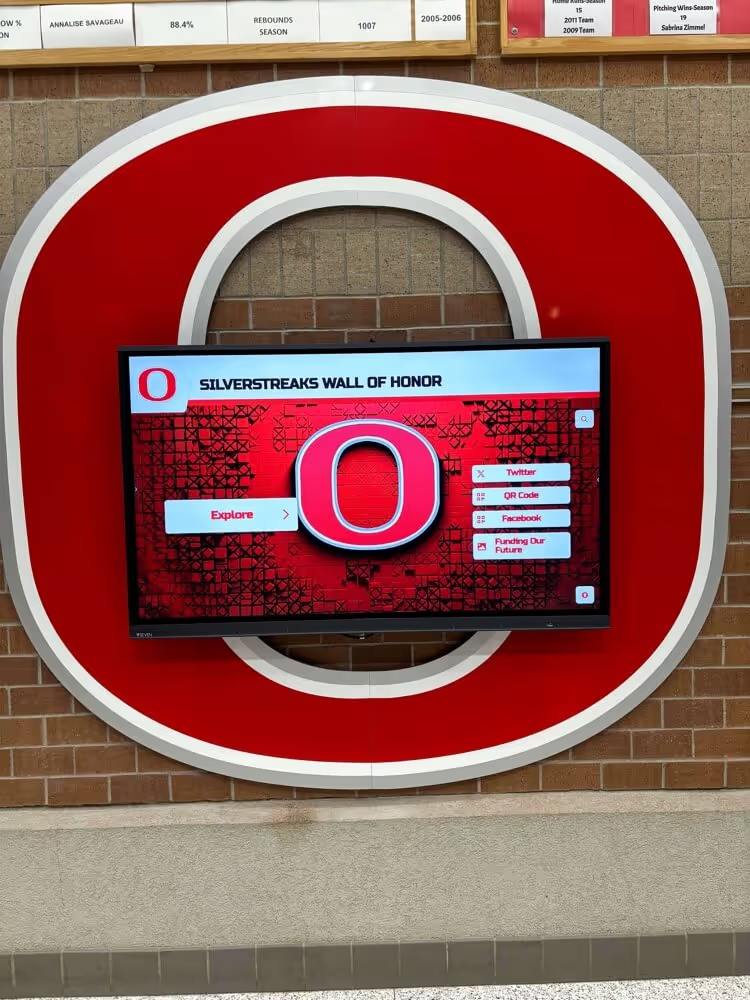
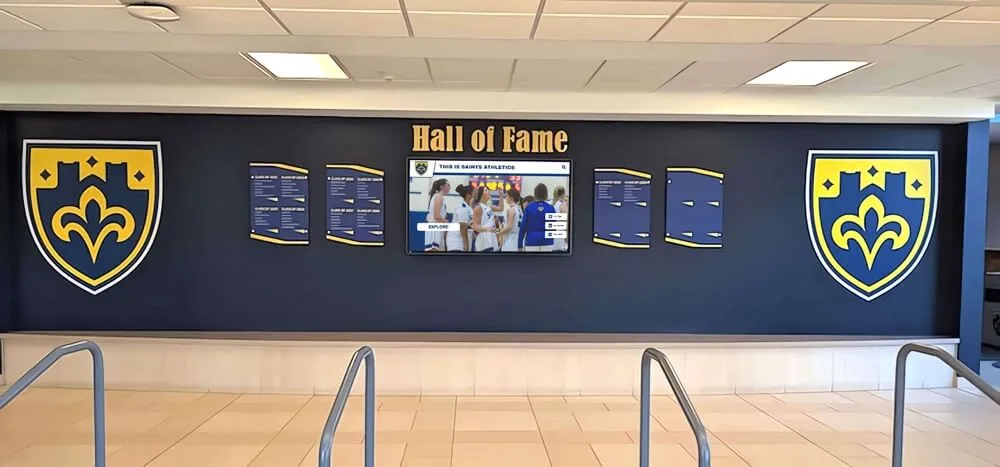
Modern donor recognition displays celebrate supporters through creative designs that inspire continued philanthropic engagement
Understanding Creative Donor Recognition Wall Designs
Before exploring specific design approaches, understanding what makes donor recognition truly creative helps institutions develop concepts that transcend traditional plaque installations while serving strategic fundraising objectives.
The Evolution of Donor Recognition
Donor recognition has evolved significantly from simple brass plaques to comprehensive experiences that tell philanthropic stories:
Traditional Recognition Approaches
Historic donor walls featured individual engraved plaques mounted in high-traffic areas, creating permanent acknowledgment that communicated institutional appreciation. These classic installations offered familiar formats donors immediately understood, straightforward hierarchy visualization distinguishing giving levels, relatively simple installation processes, and timeless aesthetic appeal suggesting permanence and respect.
However, traditional plaques present inherent limitations including fixed capacity restricting future donor additions, expensive and time-consuming updates requiring new plaques for every modification, physical space constraints forcing difficult decisions about whose names appear, and aesthetic deterioration as empty spaces or mismatched additions accumulate over time.
Modern Recognition Innovation
Contemporary donor recognition transcends static name listings to create engaging experiences that connect supporters to institutional missions, demonstrate philanthropic impact through multimedia storytelling, accommodate unlimited donor communities without space limitations, and enable effortless updates maintaining accuracy as giving programs evolve.
This evolution reflects broader shifts in donor expectations, where supporters increasingly seek meaningful connections to causes they fund rather than simple transactional acknowledgment. Creative recognition designs address these changing preferences while solving practical challenges that limit traditional approaches.
Why Creative Design Matters for Donor Recognition
Strategic donor recognition serves purposes extending far beyond simple acknowledgment:
Fundraising Performance Impact
Creative recognition directly influences fundraising outcomes through multiple mechanisms. Recognized donors demonstrate 40-60% higher retention rates compared to those receiving minimal acknowledgment. Proper recognition increases average gift sizes by 25-35% as supporters feel valued and connected to institutional missions. Public acknowledgment creates social proof inspiring prospective donors who observe peer support and philanthropic culture.
Institutional Culture Development
Visible donor recognition strengthens organizational identity around philanthropic values, demonstrates to prospective students and families that institutions enjoy robust community support, creates pride among current stakeholders who observe widespread engagement, and establishes giving as central institutional value rather than occasional activity.
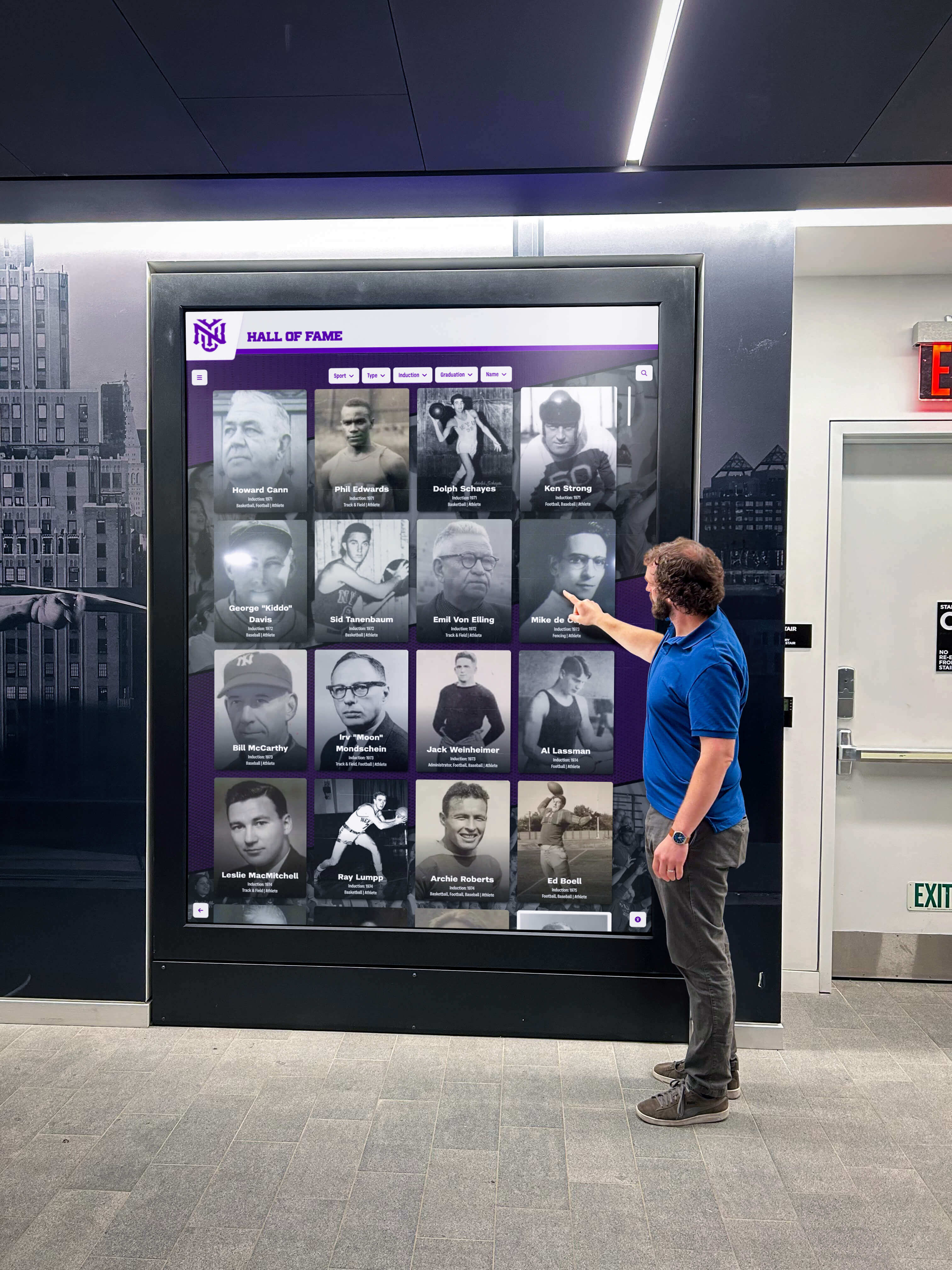
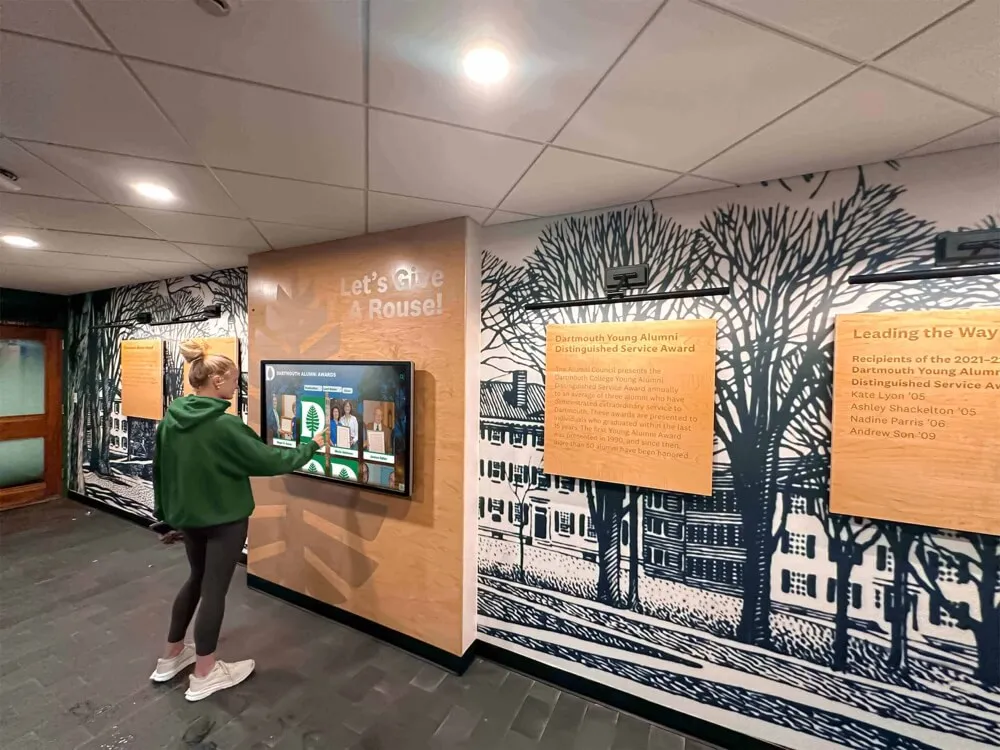
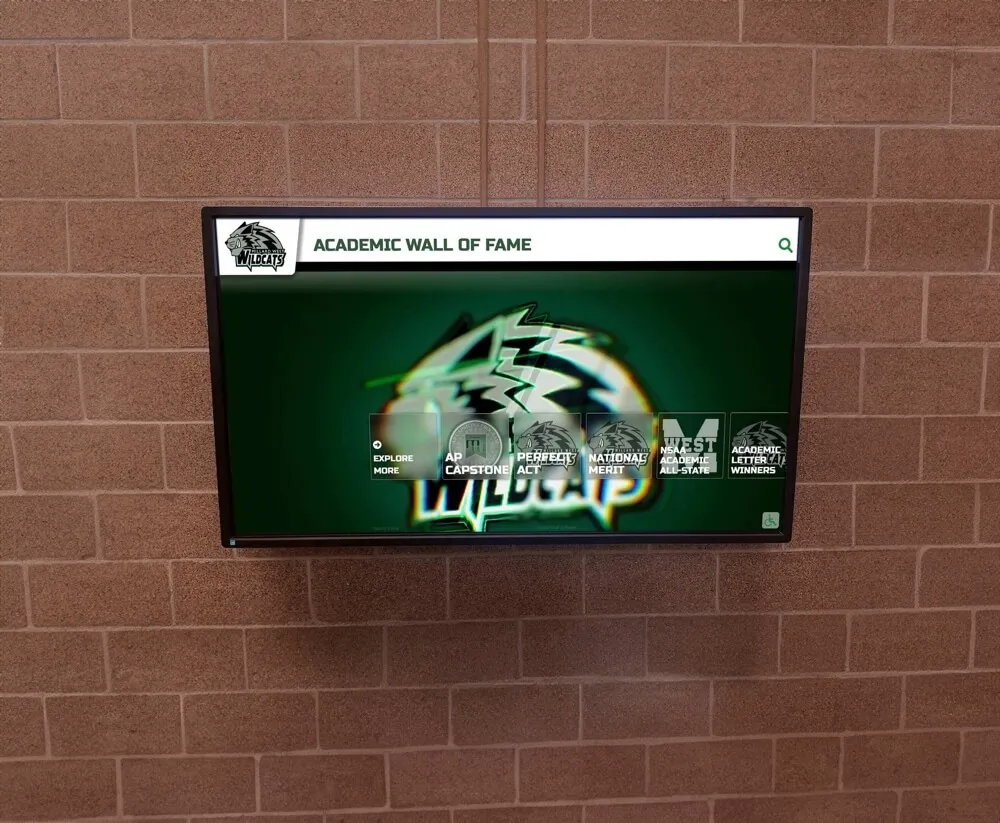
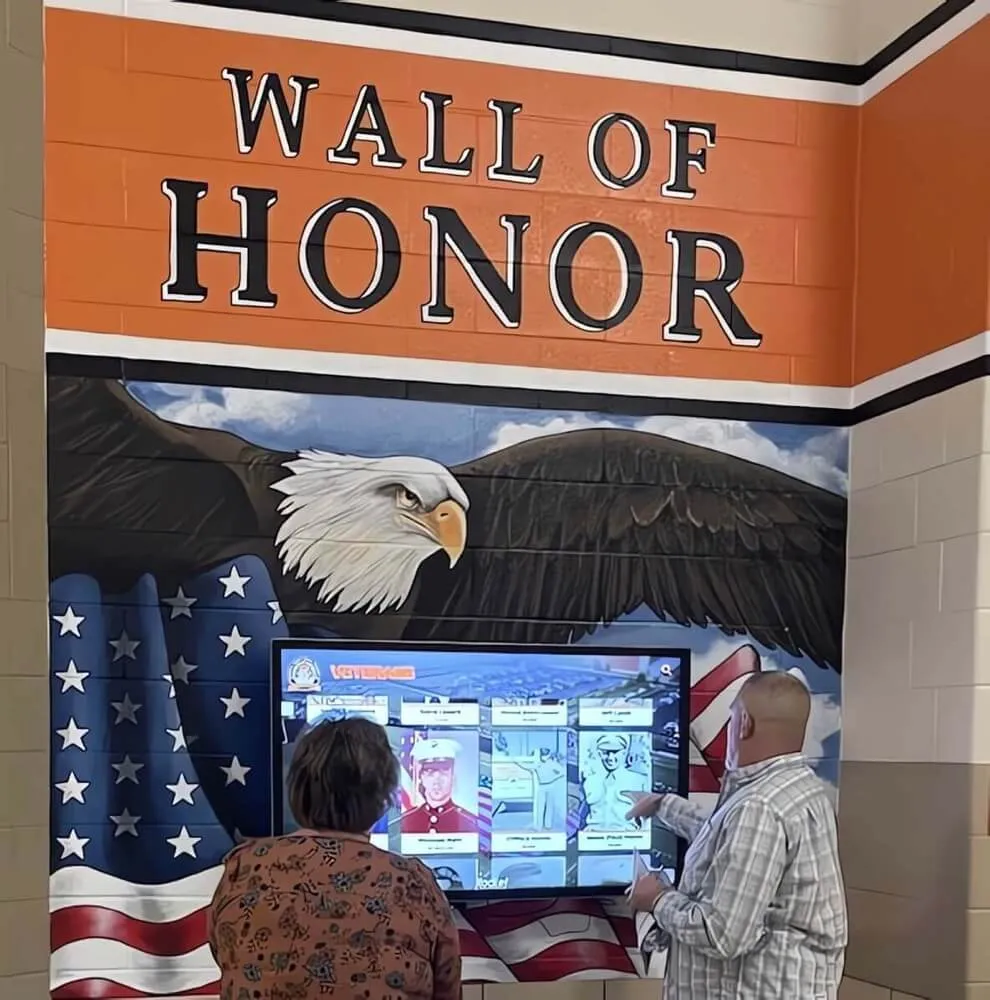
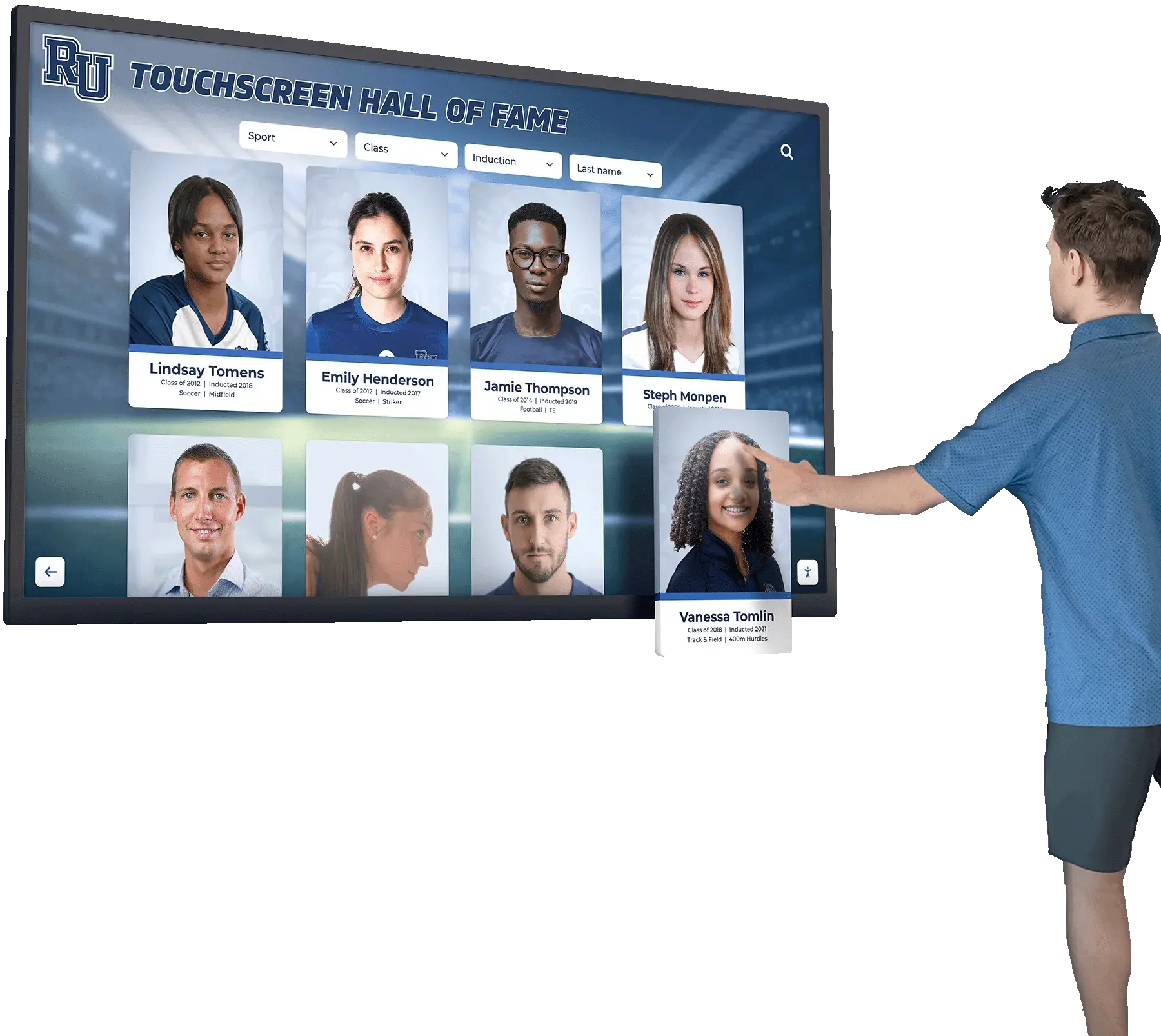
Interactive displays enable engaging exploration of donor stories and philanthropic impact
Recognition as Strategic Investment
Thoughtful donor recognition represents strategic investment rather than simple expense. Enhanced recognition improves donor retention, reducing acquisition costs that typically exceed retention expenses by 5-7 times. Increased giving from recognized supporters generates returns that exceed initial recognition investments within 2-3 years. Improved fundraising culture creates sustainable competitive advantages in development effectiveness.
Explore comprehensive approaches to digital donor recognition that integrate creative design with fundraising strategy.
Creative Donor Wall Design Ideas: Traditional Approaches Reimagined
Traditional recognition formats remain relevant when executed with creative vision that honors heritage while incorporating contemporary design principles.
Architectural Integration Concepts
Rather than treating donor walls as afterthoughts added to existing spaces, integrate recognition into architectural design from initial planning:
Built-In Recognition Features
Incorporate donor recognition into structural elements including custom millwork creating dedicated recognition alcoves, architectural niches designed specifically for donor acknowledgment, integrated lighting systems highlighting recognition displays, and materials coordinating with broader institutional aesthetic creating cohesive visual experiences.
Architectural integration ensures recognition feels intentional rather than retrofitted, communicating that institutions value donor acknowledgment sufficiently to incorporate it into fundamental design.
Material Innovation
Explore creative materials beyond standard bronze plaques including glass etching creating elegant transparency effects, metal fabrication utilizing laser-cutting or water-jet technologies, stone carving providing textural depth and permanence, acrylic installations enabling layered dimensional effects, and sustainable materials reflecting institutional environmental values.
Material selection communicates institutional character while creating distinctive recognition experiences that stand out from generic plaques common across educational institutions.
Dimensional Design Elements
Move beyond flat wall-mounted plaques to create three-dimensional recognition experiences including sculptural installations integrating donor names with artistic expression, relief designs adding depth and visual interest, shadow-box presentations creating layered acknowledgment, and free-standing installations serving as architectural focal points rather than wall-mounted additions.
Dimensional approaches transform recognition from background elements into featured design components that command attention while honoring supporters appropriately.

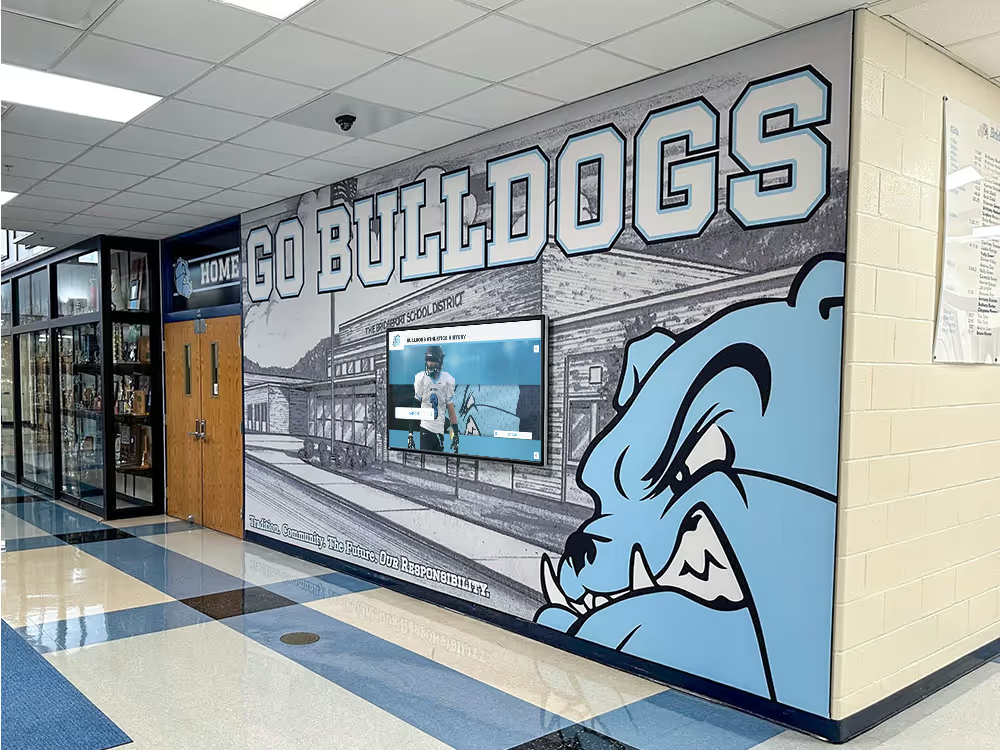
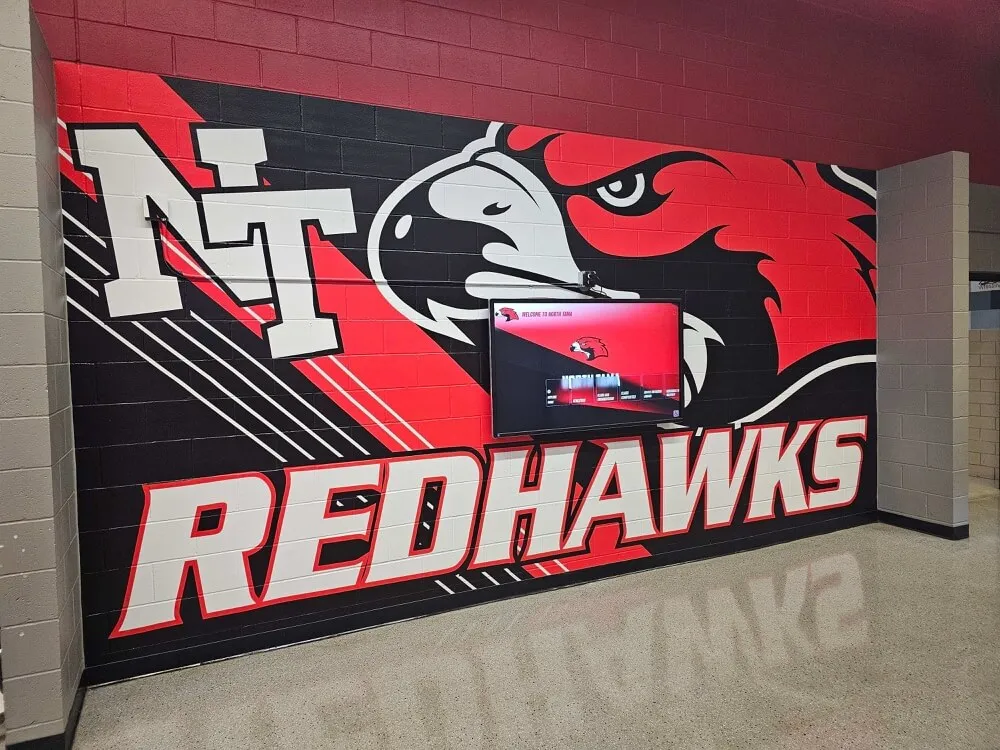
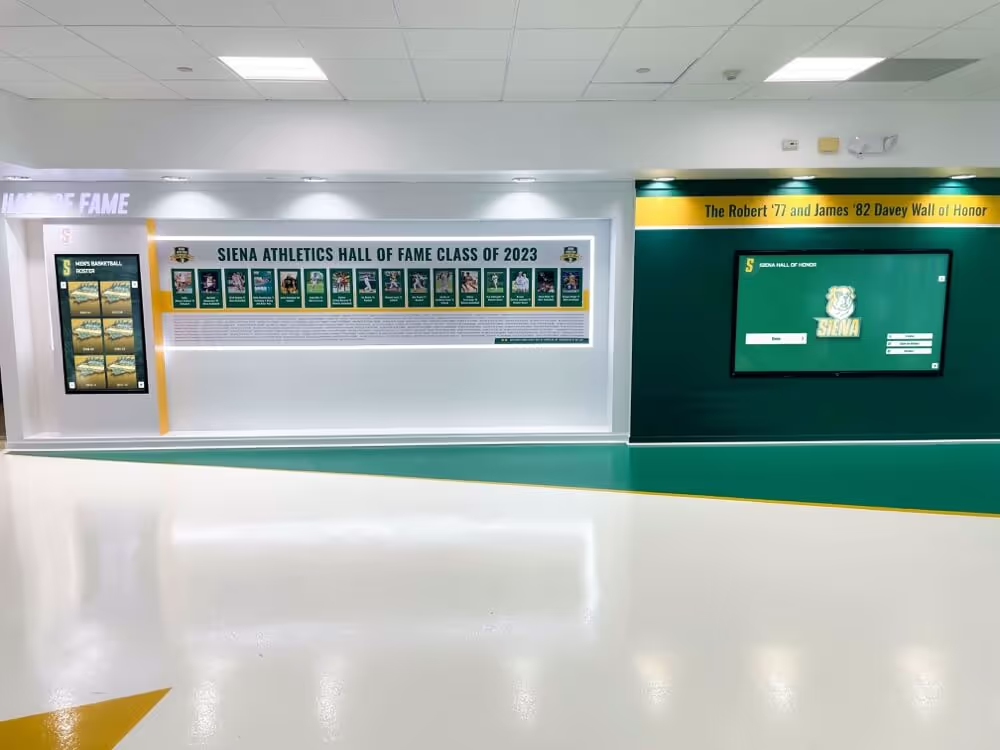
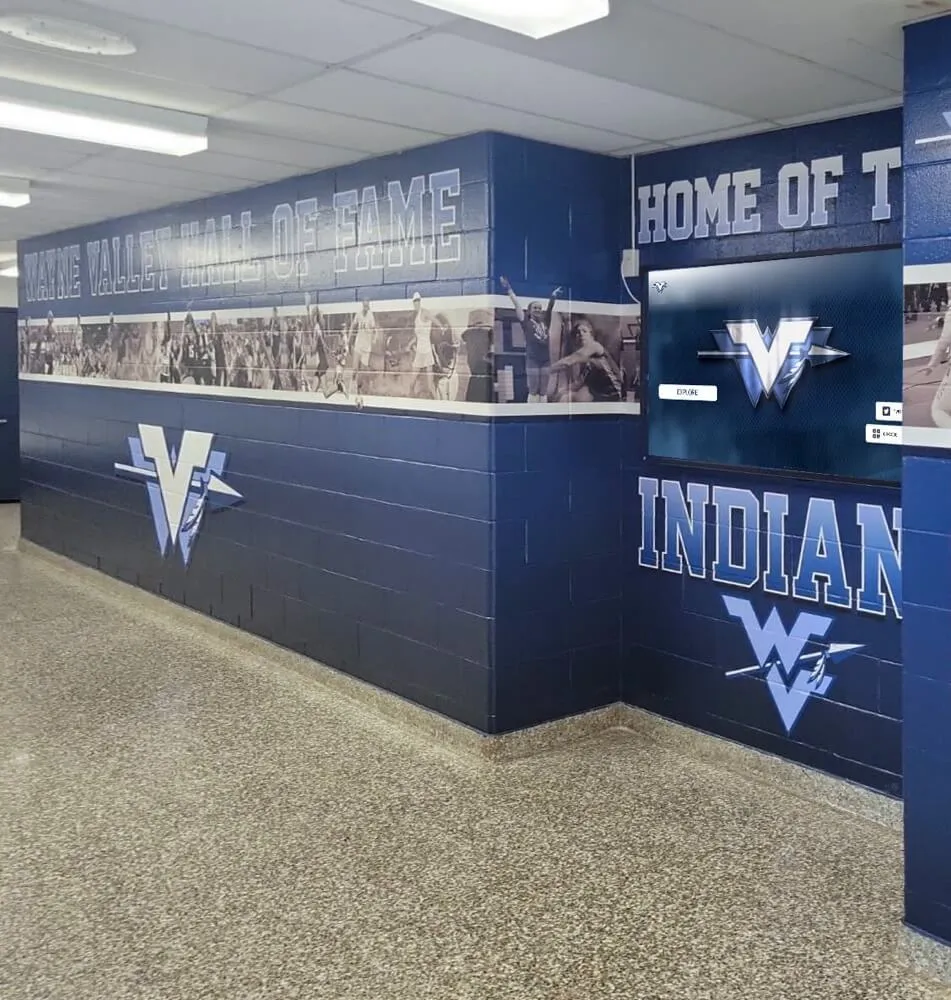
Recognition displays integrated with institutional design create cohesive visual experiences
Themed Recognition Wall Concepts
Create donor recognition experiences aligned with institutional identity or specific campaign purposes:
Legacy and Heritage Themes
Design recognition walls reflecting institutional history and traditions including timeline formats showing philanthropic evolution across decades, historical imagery connecting past and present donor communities, architectural elements referencing founding buildings or heritage structures, and color palettes reflecting traditional institutional branding.
Legacy themes particularly resonate with alumni donors who appreciate connections between their contributions and institutional traditions they experienced during enrollment.
Mission-Focused Recognition
Align donor wall design with specific institutional missions or campaign purposes including scholarship recognition highlighting student beneficiaries and academic achievement, facility campaign walls incorporating architectural renderings or construction documentation, program-specific recognition connecting donors to particular departments or initiatives, and impact-oriented designs visualizing outcomes donor support enables.
Mission-focused approaches strengthen connections between philanthropic contributions and tangible institutional outcomes, demonstrating that recognition celebrates results rather than simply acknowledging transactions.
Community and Place-Based Themes
Incorporate local geography, culture, or community identity into donor recognition including regional materials reflecting local character, artistic elements by community creators, imagery showcasing institutional setting or geographic location, and design motifs reflecting cultural heritage or community traditions.
Place-based recognition creates distinctive institutional identity while honoring donors’ connections to communities institutions serve.
Learn about comprehensive donor recognition strategies that align design with institutional mission.
Interactive Digital Donor Recognition Walls
Digital technology transforms donor recognition possibilities, enabling creative approaches impossible with traditional static installations.
Touchscreen Interactive Displays
Modern interactive donor walls utilize commercial-grade touchscreen technology creating comprehensive recognition solutions:
Unlimited Recognition Capacity
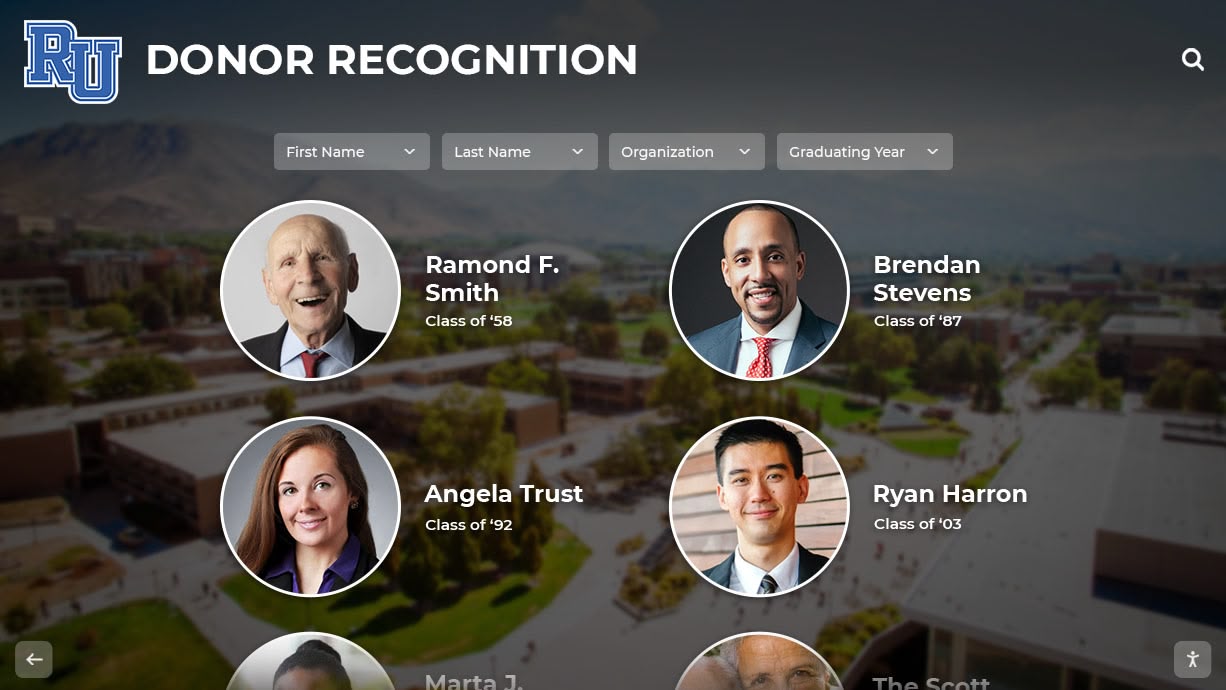
Digital platforms accommodate unlimited donors across all giving levels without physical space constraints that limit traditional plaques. Single displays showcase thousands of supporters through searchable interfaces enabling visitors to find specific donors instantly, explore giving societies or recognition levels, filter by graduation year or affiliation, and discover donors supporting particular programs or initiatives.
This comprehensive inclusion ensures every contributor receives acknowledgment regardless of gift size while maintaining appropriate visual hierarchy honoring major investments through featured placement and enhanced profiles.
Rich Multimedia Storytelling
Digital recognition extends far beyond name listings to include donor photographs and biographical information, video testimonials explaining why supporters contribute, impact visualization showing what specific gifts accomplished, historical documentation connecting past philanthropy to current institutional excellence, and interactive exploration creating engaging visitor experiences traditional plaques cannot match.
Multimedia capabilities enable recognition that educates visitors about institutional missions while celebrating supporters, creating dual purposes that maximize recognition value.
Real-Time Campaign Integration
Digital displays showcase active fundraising campaigns through dynamic progress tracking including thermometers visualizing progress toward campaign goals, donor listings updated immediately as gifts are received, milestone celebrations when campaigns reach significant benchmarks, and urgency messaging during campaign closing periods.
Real-time integration creates momentum during fundraising initiatives while demonstrating community support that inspires additional participation through visible social proof.
Explore how interactive touchscreen displays create engaging donor recognition experiences.

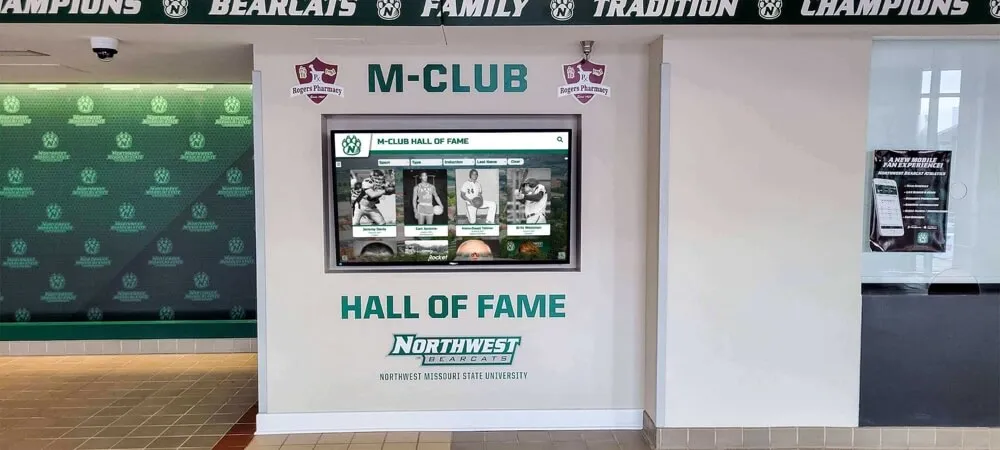
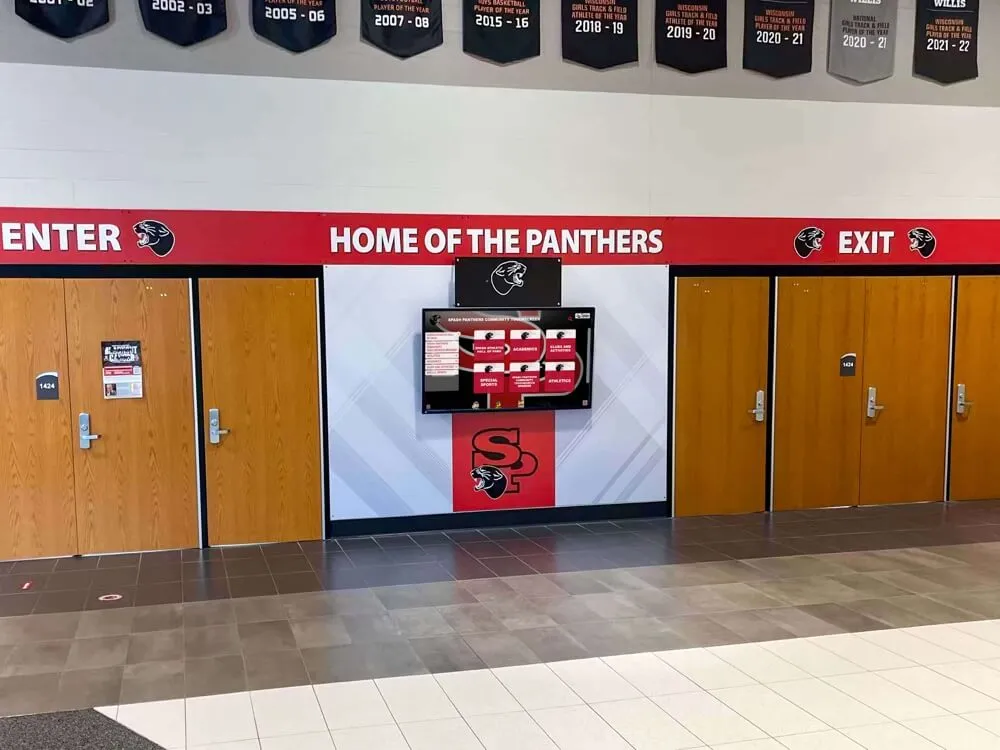
Touchscreen technology enables intuitive exploration of donor communities and philanthropic impact
Creative Digital Display Concepts
Beyond standard touchscreen formats, digital technology enables innovative recognition approaches:
Video Wall Recognition
Multi-screen video wall installations create dramatic visual impact through large-format displays showcasing donor communities, rotating content highlighting different giving societies or campaign initiatives, dynamic animations drawing attention to recognition displays, and high-resolution imagery creating premium presentation quality.
Video walls transform donor recognition into architectural focal points that command attention while accommodating comprehensive supporter acknowledgment impossible with physical space constraints.
Integrated Environmental Displays
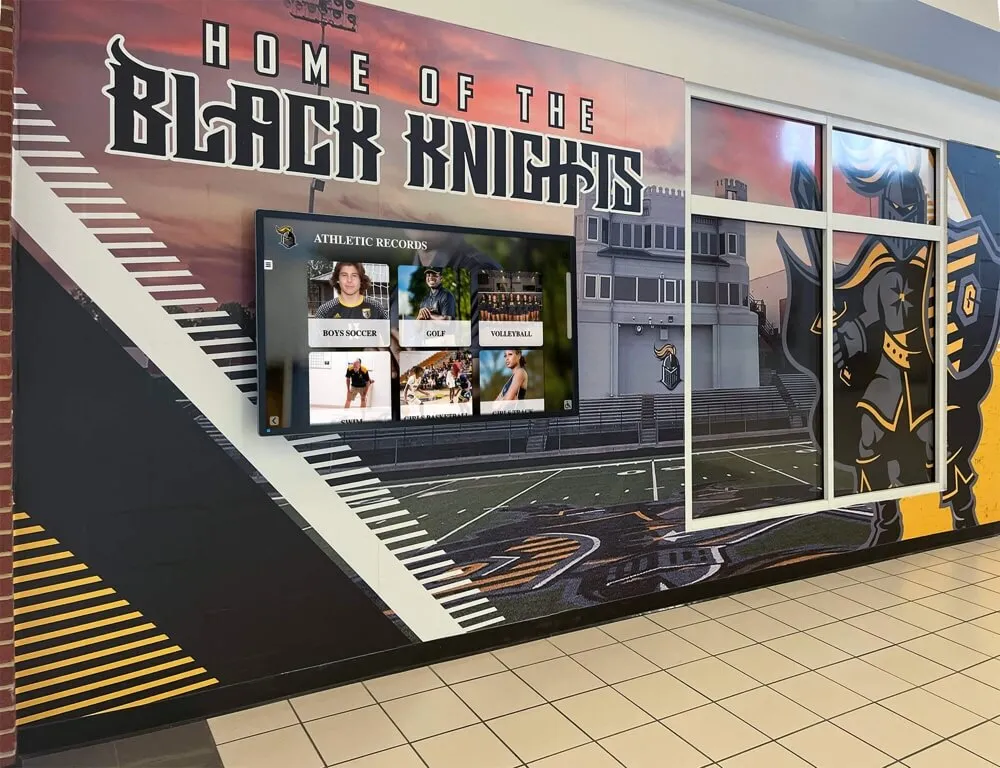
Combine digital recognition with broader environmental design including screens integrated into architectural features, recognition coordinated with wayfinding or building directories, displays complementing trophy cases or achievement showcases, and technology harmonizing with traditional design elements creating cohesive experiences.
Integrated approaches ensure digital recognition enhances rather than conflicts with existing institutional aesthetic while maximizing functionality and visitor engagement.
Mobile-Connected Experiences
Enable smartphone interactions extending recognition beyond physical displays including QR codes linking to expanded donor profiles or impact stories, augmented reality experiences overlaying digital content on physical spaces, mobile giving integration allowing immediate contribution through recognized displays, and personalized notifications when donors visit campus locations featuring their recognition.
Mobile connectivity creates hybrid experiences bridging physical recognition displays and digital engagement platforms, extending acknowledgment reach beyond visitors standing before displays.
Discover approaches to digital recognition displays that combine technology with creative design.
Hybrid Recognition Approaches: Combining Traditional and Digital
Many institutions implement combined recognition systems leveraging advantages of both traditional permanence and digital innovation.
Premium Physical Recognition for Major Donors
Reserve permanent architectural acknowledgment for transformational contributions:
Naming Opportunities and Dedicated Spaces
Major gifts warranting premium recognition through facility naming rights for buildings, wings, or specialized spaces, permanent architectural signage featuring donor names, dedicated recognition alcoves or galleries, formal dedication ceremonies with community and leadership presence, and customized stewardship ensuring sustained relationship cultivation.
Physical naming recognition provides prestige and permanence major donors expect while honoring extraordinary commitment transformational gifts represent.
Legacy Recognition Installations
Create distinctive permanent acknowledgment for leadership-level supporters including custom artistic installations integrating donor recognition with institutional identity, architectural features designed specifically for individual donors or families, memorial gardens or outdoor spaces honoring philanthropic legacies, and permanent fixtures ensuring recognition endures across generations.
Legacy installations communicate that major contributions receive acknowledgment commensurate with their institutional impact while creating distinctive recognition experiences that differentiate leadership giving from annual support.
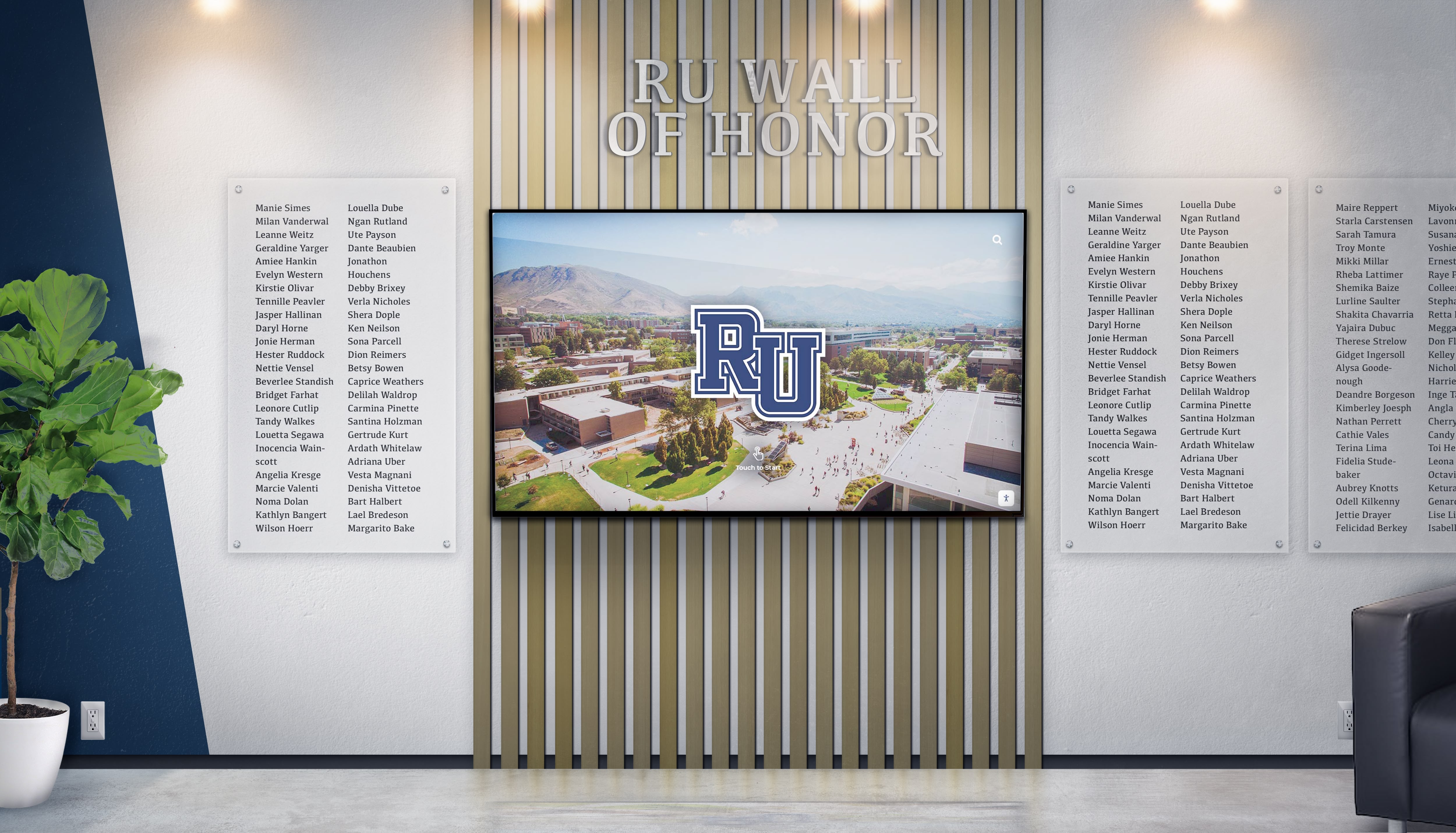
Hybrid recognition combines traditional permanence with digital flexibility for comprehensive acknowledgment
Digital Systems for Comprehensive Inclusion
Complement premium physical recognition with digital platforms accommodating all supporters:
Annual and Mid-Level Donor Recognition
Utilize digital donor walls for comprehensive acknowledgment including annual fund supporters at all gift levels, giving society membership across multiple tiers, multi-year sustained donors demonstrating consistent engagement, planned giving society members committed to legacy support, and volunteer contributors providing time alongside financial resources.
Digital platforms ensure comprehensive inclusion impossible with space-constrained physical displays while maintaining appropriate distinctions between giving levels through featured placement and enhanced profiles for larger contributions.
Dynamic Content and Updates
Digital systems enable recognition currency that traditional installations cannot match including immediate addition of new donors as gifts are received, correction of information ensuring accuracy without physical reinstallation, giving level updates reflecting increased contributions, campaign-specific recognition during active fundraising initiatives, and historical archives preserving all-time donor communities while spotlighting current supporters.
This flexibility proves essential for development programs where donor communities evolve constantly through new gifts, renewed commitments, increased contributions, and changing campaign priorities.
Cost-Effectiveness Over Time
While initial digital investment may exceed simple plaque installations, long-term analysis favors digital approaches through avoided recurring engraving expenses for new donors, eliminated reinstallation costs as recognition grows, prevented physical space expansion requirements, reduced labor for maintenance and updates, and enhanced fundraising results from improved recognition often offsetting initial investment within 2-3 years.
Learn about athletic director digital displays that combine recognition with program promotion.
Location and Installation Strategies for Maximum Impact
Recognition effectiveness depends significantly on strategic placement and thoughtful installation approaches.
High-Impact Location Selection
Choose recognition display locations maximizing visibility and community engagement:
Primary Entry and Lobby Areas
Install donor recognition in locations where all visitors pass including main building entrances serving as primary access points, lobby areas where visitors wait or gather, reception spaces where guests check in or receive directions, and connector hallways linking different building areas or wings.
Prime placement communicates that institutions value donor acknowledgment as important institutional priority deserving prominent visibility rather than relegating recognition to back corridors or low-traffic spaces.
Event and Gathering Spaces
Position recognition in locations hosting community events including auditoriums or performance venues where audiences gather, athletic facilities during competitions when communities attend, dining halls or student centers with daily traffic, and conference or meeting spaces hosting alumni and donor events.
Event visibility ensures recognition reaches maximum audiences while creating positive associations between donor support and institutional activities supporters enable.
Campaign-Specific Locations
Align recognition placement with funded initiatives including scholarship donor walls near financial aid or admissions offices, facility campaign recognition in renovated or new buildings funded by philanthropy, program-specific acknowledgment in departments receiving targeted support, and athletic donor walls in sports facilities funded by booster clubs or athletic campaigns.
Campaign-aligned placement strengthens connections between donor contributions and tangible outcomes while ensuring recognition reaches audiences most connected to specific initiatives.
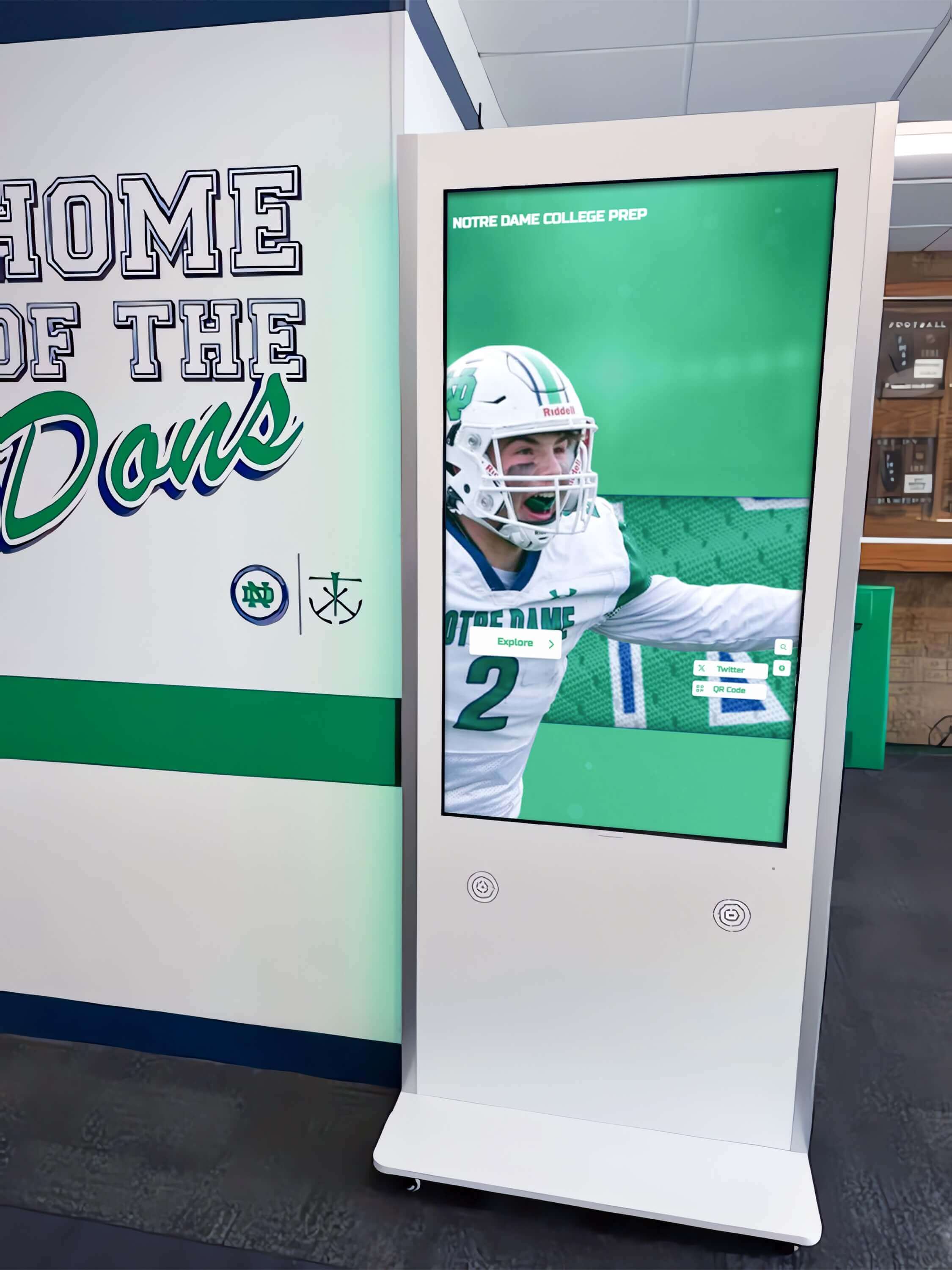
Strategic placement in high-traffic areas maximizes recognition visibility and community engagement
Design Integration with Institutional Spaces
Ensure recognition harmonizes with existing architectural character and institutional branding:
Aesthetic Coordination
Design donor recognition complementing broader institutional design including color palettes reflecting official institutional branding, materials coordinating with existing architectural finishes, lighting approaches matching ambient illumination strategies, and scale appropriate for surrounding architectural context.
Coordinated design ensures recognition feels integrated rather than retrofitted, communicating thoughtful planning and institutional commitment to donor acknowledgment.
Accessibility and Universal Design
Implement recognition accessible to all visitors including mounting heights and sight lines accommodating wheelchair users, readable font sizes and contrast ratios supporting visual accessibility, tactile elements enabling engagement for visitors with vision impairments, and intuitive interfaces requiring minimal instruction for interaction.
Accessible design ensures recognition reaches all community members while demonstrating institutional commitment to inclusion that extends beyond compliance to genuine accessibility.
Lighting and Visibility
Optimize recognition visibility through strategic illumination including dedicated lighting highlighting donor displays, ambient light consideration ensuring readability throughout daily cycles, glare reduction for digital displays or reflective materials, and dramatic lighting creating focal points drawing attention to recognition.
Proper lighting ensures recognition remains visible and engaging regardless of natural light conditions or time of day while creating premium presentation quality honoring supporters appropriately.
Explore building directory touchscreen displays that combine wayfinding with donor recognition.
Content Strategy for Engaging Donor Recognition
Creative design requires compelling content that transforms acknowledgment into meaningful experiences.
Donor Information and Profiles
Include appropriate details creating substantive recognition beyond simple name listings:
Basic Donor Information
Provide fundamental acknowledgment including full donor names as they prefer recognition, giving level designations or recognition society membership, years of contribution demonstrating sustained support patterns, and graduation years or institutional affiliations when applicable.
This foundational information enables visitors to understand donor communities while providing searchability in digital systems that facilitate easy discovery.
Enhanced Donor Profiles
Expand acknowledgment for major supporters or willing participants including donor photographs personalizing recognition, biographical information explaining institutional connections, testimonials describing why donors support institutions, family legacy documentation showing multi-generational engagement, and memorial or tribute information for dedicated gifts honoring loved ones.
Enhanced profiles transform recognition from simple name acknowledgment into compelling human stories that inspire other supporters while honoring donors appropriately.
Privacy and Preference Management
Establish clear policies regarding donor recognition preferences including options for public acknowledgment with full details, recognition with names but not gift amounts, anonymous giving without attribution, or private appreciation without public visibility.
Respecting donor preferences demonstrates institutional commitment to supporter autonomy while ensuring recognition approaches honor individual comfort levels rather than imposing uniform acknowledgment on all contributors.
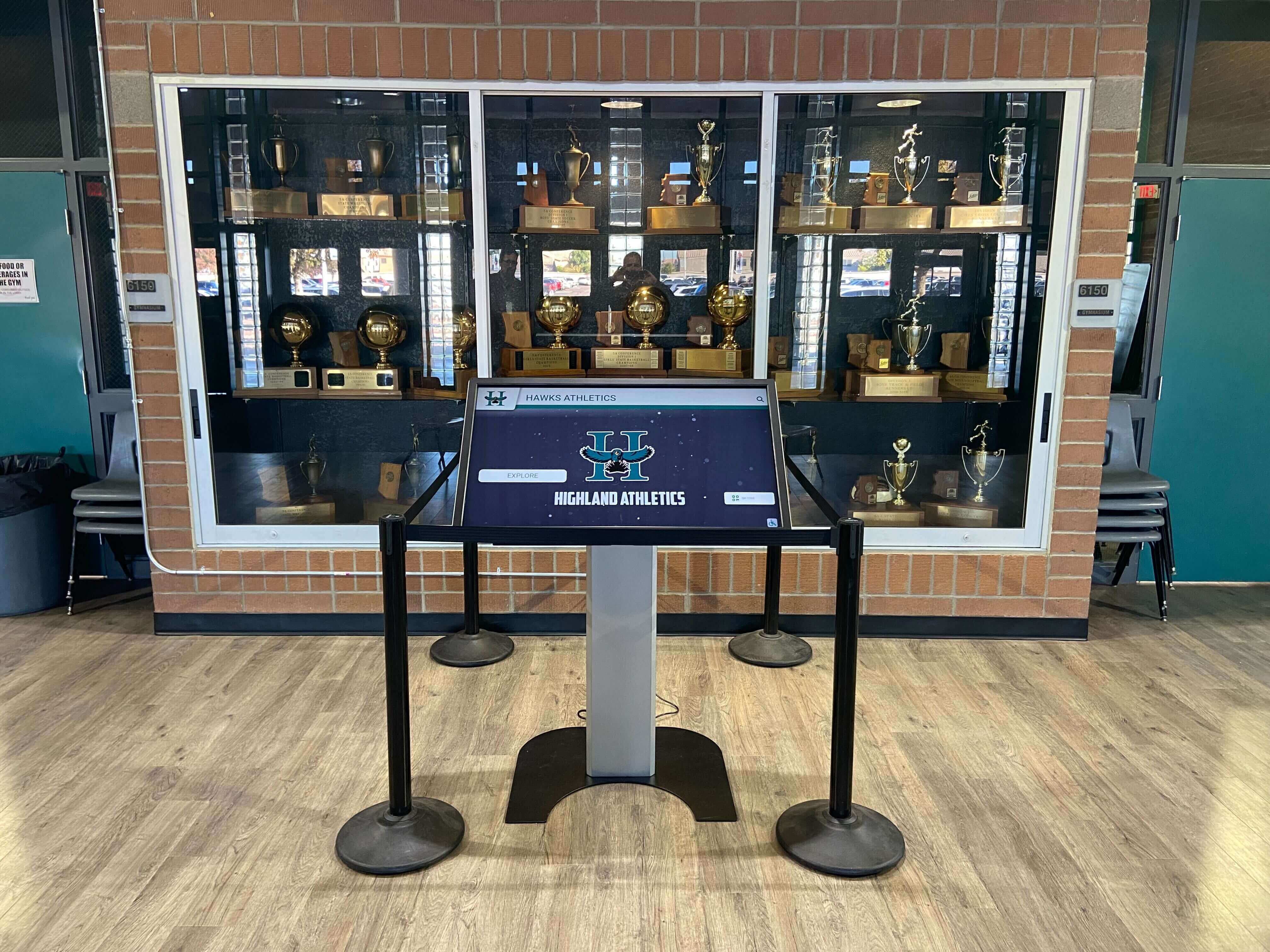
Rich content transforms donor recognition from simple acknowledgment into engaging storytelling
Impact Storytelling and Mission Connection
Connect donor recognition to tangible institutional outcomes their contributions enable:
Scholarship and Student Impact Stories
Demonstrate scholarship donor impact through student beneficiary profiles and success stories, academic achievement data showing outcomes enabled by financial aid, career placement information demonstrating return on educational investment, and testimonials from scholarship recipients expressing gratitude and describing transformational impact.
Student-focused storytelling creates emotional connections between philanthropic contributions and human outcomes while honoring donors through demonstrated results rather than simple acknowledgment.
Facility and Program Impact Documentation
Showcase outcomes from facility campaigns or program support including before-and-after imagery documenting facility transformations, utilization data showing how communities use improved spaces, program growth metrics demonstrating enrollment or participation increases, and competitive achievement resulting from enhanced facilities or program resources.
Outcome documentation proves that donor contributions create measurable differences while educating broader communities about philanthropic impact extending throughout institutions.
Historical Context and Legacy Documentation
Connect current recognition to institutional history and donor legacy including founding supporter acknowledgment showing philanthropic traditions spanning decades or centuries, campaign milestone documentation demonstrating fundraising evolution, historical imagery preserving institutional memory, and narrative timelines connecting past philanthropy to current excellence.
Historical perspective reinforces institutional stability while honoring those whose past support created foundations enabling current success and inspiring future philanthropic engagement.
Discover approaches to digital school tours that integrate donor recognition with institutional storytelling.
Special Considerations for School Donor Recognition
Educational institutions face unique recognition situations requiring thoughtful approaches.
Athletics and Booster Club Recognition
Athletic programs often generate substantial philanthropic support requiring coordinated acknowledgment:
Sport-Specific Donor Recognition
Create recognition honoring supporters of particular athletic programs including booster club members contributing to individual sports, equipment donors providing uniforms or training resources, facility sponsors funding field or gymnasium improvements, and championship supporters enabling competitive travel or tournament participation.
Sport-specific recognition acknowledges passionate supporter communities while creating models inspiring philanthropic engagement across multiple athletic programs.
Combined Athletic and Academic Recognition
Integrate athletic donor acknowledgment with broader institutional recognition including academic-athletic excellence society members, student-athlete scholarship donors, comprehensive booster recognition honoring all athletic program supporters, and multi-sport contributors supporting athletic departments rather than individual teams.
Combined approaches prevent athletic recognition from overshadowing academic acknowledgment while ensuring appropriate visibility for athletic philanthropy that comprises significant fundraising portions at many institutions.
Learn about comprehensive hall of fame recognition integrating donors with achievement celebration.
Alumni Donor Recognition and Engagement
Alumni represent crucial donor constituencies requiring tailored acknowledgment approaches:
Class-Based Recognition Structures
Organize alumni donor recognition by graduation year including class giving societies recognizing reunion year participation, multi-year class loyalty acknowledgment for sustained support, class leadership recognition honoring volunteer ambassadors or reunion committees, and competitive class giving challenges inspiring participation through peer comparison.
Class-based structures leverage alumni affinity for graduation cohorts while creating social dynamics that inspire increased participation through visible peer engagement and friendly competition.
Young Alumni Recognition
Create entry-level recognition specifically for recent graduates including affordable giving levels appropriate for early-career professionals, volunteer service acknowledgment honoring time contributions, consecutive giving recognition celebrating sustained engagement patterns, and leadership development opportunities connecting young philanthropists to institutional governance.
Young alumni recognition builds engagement patterns establishing lifelong philanthropic relationships while acknowledging that early-career supporters may contribute time and modest gifts before capacity enables major donations later.

Alumni recognition celebrates both institutional contributions and personal achievements
Memorial and Tribute Giving Recognition
Memorial gifts represent sensitive situations requiring thoughtful acknowledgment:
Dedicated Memorial Recognition
Honor memorial contributions through permanent dedicated spaces or programs, tribute plaques or naming opportunities, memorial scholarship acknowledgment including honoree information, digital memorial galleries preserving photographs and biographical details, and annual memorial events bringing together families and institutional communities.
Memorial recognition balances celebration of lives honored with appropriate institutional acknowledgment while providing meaningful ways for donor families to maintain connections to institutions their loved ones valued.
Legacy and Planned Giving Recognition
Acknowledge planned giving commitments through heritage society membership recognizing estate gift intentions, legacy wall inclusion honoring bequest commitments, annual legacy celebration events, and stewardship communications maintaining engagement with planned donors throughout their lifetimes.
Planned giving recognition encourages additional estate commitments while demonstrating that institutions value future gifts comparably to current contributions, creating cultures where legacy planning becomes expected philanthropic participation rather than exceptional activity.
Explore senior class recognition approaches that celebrate achievement alongside donor acknowledgment.
Technology Solutions and Implementation
Modern platforms simplify creative donor recognition while enhancing effectiveness through user-friendly management systems.
Comprehensive Digital Recognition Platforms
Solutions like Rocket Alumni Solutions provide integrated systems specifically designed for educational institutions including cloud-based content management requiring no technical expertise, unlimited donor capacity without physical space constraints, intuitive interfaces enabling development staff to manage recognition easily, multimedia support for photos, videos, and rich storytelling, searchable displays enabling easy donor discovery by name, year, or affiliation, campaign progress tracking and goal visualization, mobile responsiveness ensuring accessibility across devices, and professional templates creating attractive presentation without design expertise.
These comprehensive platforms transform recognition from labor-intensive manual processes requiring physical modifications for every update to streamlined systems that development teams manage efficiently despite competing responsibilities and limited technical resources.
Integration and Workflow Automation
Modern recognition platforms connect with broader institutional technology including donor database synchronization ensuring accuracy across systems, online giving platform integration enabling immediate recognition following contributions, email marketing connections for automated acknowledgment workflows, social media publishing extending recognition reach beyond physical displays, and financial system coordination simplifying gift processing and recognition workflows.
Integration reduces duplicate data entry while ensuring consistent donor information across all systems and communications, improving both operational efficiency and data accuracy despite staff transitions that often create institutional knowledge gaps.
Content Management and Updates
User-friendly management systems enable recognition currency through immediate donor additions following gift receipt, information corrections maintaining accuracy without physical reinstallation, giving level updates reflecting increased contributions or society advancement, campaign-specific content during active fundraising initiatives, and historical archives preserving comprehensive donor communities while spotlighting current supporters.
Streamlined content management ensures recognition remains accurate and current rather than becoming outdated as donor communities evolve through new gifts, renewed commitments, and changing institutional priorities.
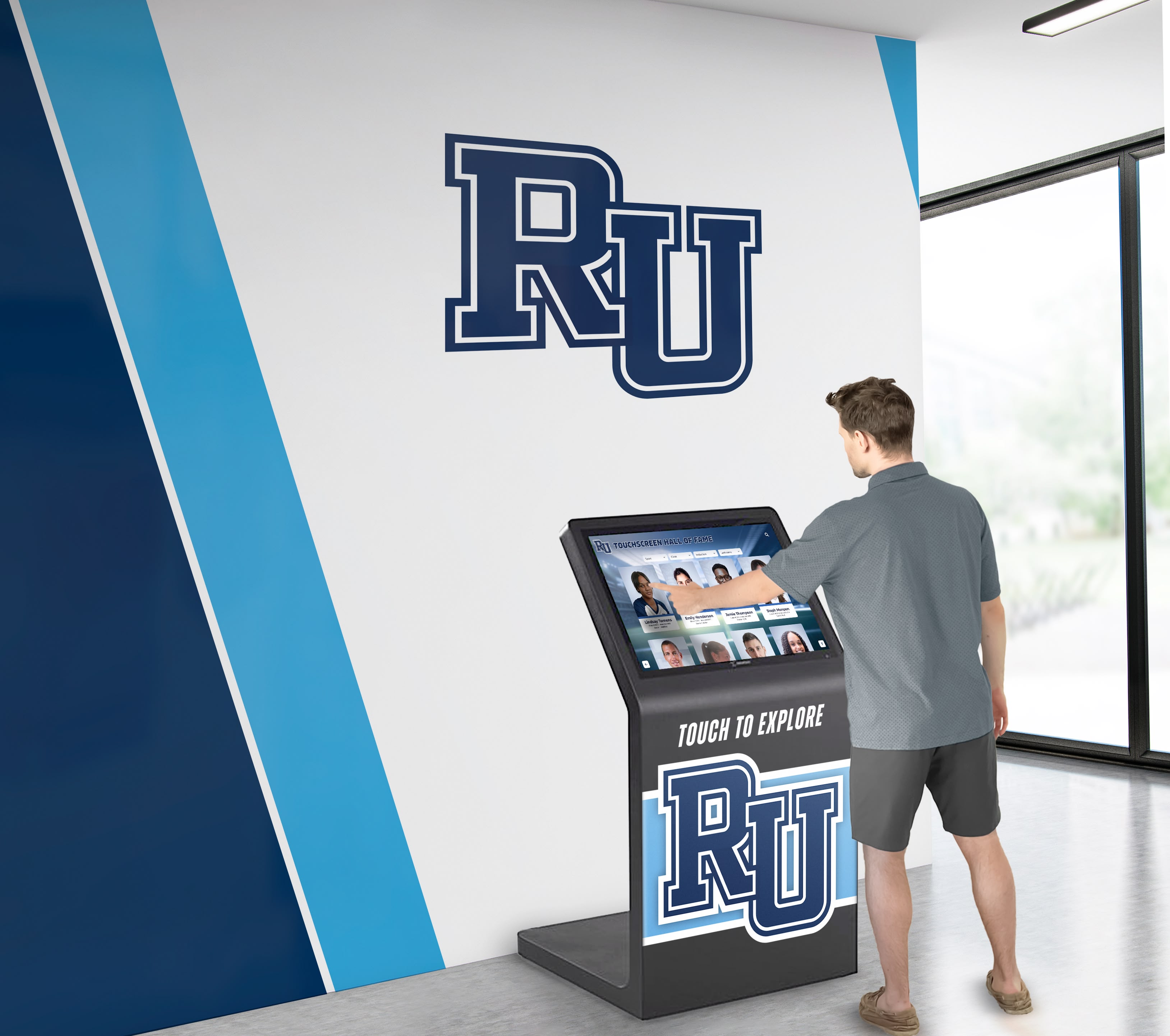
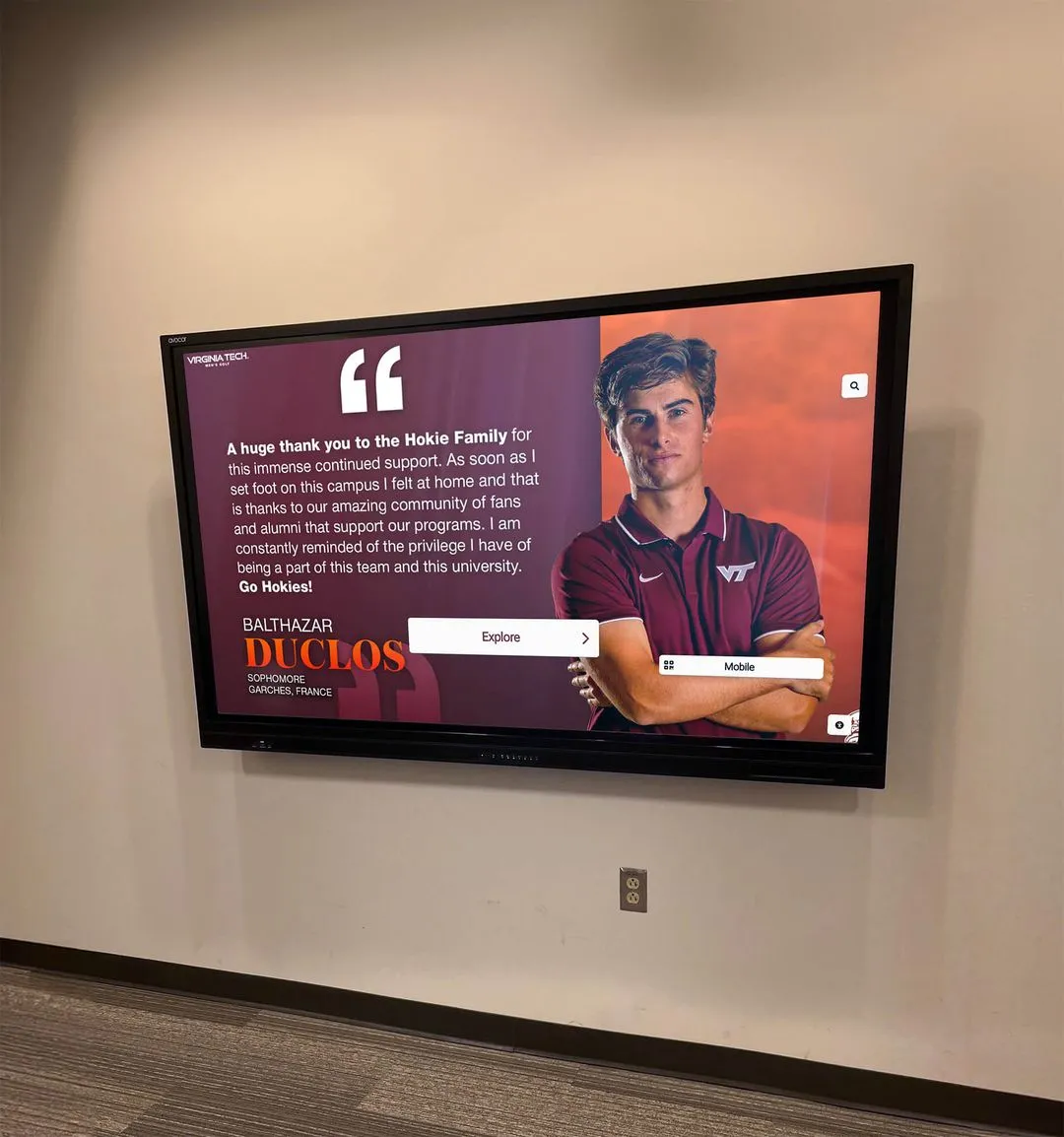
User-friendly interfaces encourage community exploration of donor recognition and institutional impact
Measuring Recognition Program Success
Assessment ensures creative donor recognition achieves intended objectives and justifies resource investment.
Fundraising Performance Metrics
Track recognition impact on core development outcomes including donor retention rates comparing recognized versus minimally acknowledged supporters, average gift size trends among donors receiving enhanced recognition, new donor acquisition influenced by visible recognition programs, giving level upgrades as donors increase contributions to reach higher recognition tiers, and multi-year giving patterns demonstrating sustained philanthropic engagement.
These metrics directly demonstrate recognition program return on investment through improved fundraising results that exceed program costs, providing data justifying continued recognition investment and supporting expansion proposals.
Engagement and Visibility Indicators
Monitor community interaction with recognition programs including digital display interaction counts and session durations, most viewed donor profiles or content sections indicating visitor interest, recognition event attendance and participation levels, qualitative feedback from donors about acknowledgment experiences, and social media engagement when recognition content is shared online.
Engagement metrics reveal whether recognition creates meaningful connections or functions merely as administrative acknowledgment without substantive impact on donor relationships or institutional culture.
Institutional Culture Assessment
Evaluate recognition contributions to broader philanthropic culture including community perception of institutional fundraising effectiveness, prospective student and family awareness of philanthropic support, current stakeholder pride in institutional donor engagement, volunteer recruitment success for development committees or campaign leadership, and comparative positioning relative to peer institutions in fundraising performance.
Cultural impact demonstrates recognition value extending beyond individual donor relationships to comprehensive institutional benefits justifying recognition as strategic priority rather than simple operational necessity.
Discover comprehensive digital signage solutions that enhance donor recognition effectiveness.
Implementation Planning: Launching Creative Donor Recognition
Institutions ready to develop or enhance donor recognition can follow systematic implementation processes ensuring successful outcomes.
Needs Assessment and Goal Definition
Begin by clarifying specific recognition objectives including primary use cases and priority donor segments, target audiences beyond donors including prospective supporters and broader communities, available budget and resource constraints, existing recognition limitations or challenges requiring solutions, success metrics defining program effectiveness, and stakeholder input from development staff, institutional leadership, and donor representatives.
Clear objectives guide design selection, technology decisions, and implementation planning ensuring recognition programs address actual institutional needs rather than pursuing generic best practices that may not fit specific contexts or cultures.
Design Development and Selection
Develop recognition concepts aligned with identified needs including aesthetic approaches coordinating with institutional architecture and branding, content strategies balancing acknowledgment with impact storytelling, technology decisions comparing traditional and digital approaches, capacity planning ensuring systems accommodate growth across multiple campaigns, and accessibility considerations ensuring universal design from initial planning rather than retrofitted compliance.
Comprehensive design development prevents costly modifications after implementation while ensuring recognition serves strategic objectives beyond simple donor acknowledgment.
Vendor Selection and Partnership
Compare recognition solution providers based on key criteria including alignment with institutional needs and identified use cases, total cost including implementation and ongoing maintenance or licensing, ease of use for development staff without technical expertise, content management flexibility and update simplicity, customer support quality and responsiveness, integration capabilities with existing institutional systems, references from comparable educational institutions, and scalability supporting growth across multiple years or campaigns.
Careful vendor selection establishes partnerships supporting long-term recognition success rather than creating frustrating relationships with inadequate support or inflexible systems requiring replacement within short timeframes.
Launch and Ongoing Management
Successful recognition programs require systematic launch planning including historical donor data compilation and organization, content development for inaugural recognition displays, stakeholder communication explaining new recognition approaches, formal unveiling events celebrating launch with donor communities, and ongoing management processes ensuring sustained currency and effectiveness.
Well-planned launches create positive first impressions establishing recognition as institutional priority while ongoing management sustains recognition value across leadership transitions and changing institutional circumstances.
Conclusion: Building Philanthropic Culture Through Creative Recognition
Creative donor recognition wall designs represent far more than aesthetic improvements to institutional spaces—they create foundations for sustainable fundraising success, build cultures celebrating philanthropic values, inspire continued generosity from committed supporters, and demonstrate that contributions create meaningful differences in educational excellence. When institutions invest thoughtful planning, appropriate resources, and sustained commitment in donor recognition, they create competitive advantages in development effectiveness while building enduring relationships that sustain institutional missions for generations.
The strategies explored throughout this guide provide comprehensive frameworks for recognition that honors all supporters appropriately while advancing strategic fundraising objectives. Creative designs transform simple acknowledgment into engaging experiences that connect donors emotionally to institutional missions, demonstrate tangible outcomes philanthropic contributions enable, accommodate growing donor communities without physical constraints limiting traditional approaches, and maintain currency through updates reflecting evolving support patterns and campaign priorities.
Recognition as Strategic Priority
Successful institutions view donor recognition not as administrative obligation but as strategic investment in fundraising sustainability and culture building. Supporters who feel genuinely appreciated through creative, meaningful recognition give again, increase contributions over time, include institutions in estate planning, and inspire peers through visible philanthropic leadership. This multiplier effect from effective recognition exceeds initial investment many times over through improved retention, larger gifts, expanded donor bases, and strengthened institutional cultures valuing philanthropy.
Technology Transformation
Digital recognition systems fundamentally expand what institutions can accomplish in donor acknowledgment by eliminating physical space constraints limiting comprehensive inclusion, enabling multimedia storytelling impossible with traditional plaques, facilitating effortless updates maintaining accuracy despite staff transitions, providing cost-effective solutions sustainable across multiple campaigns and decades, and creating engaging interactive experiences that amplify recognition impact while educating broader communities about institutional missions and philanthropic outcomes.
Modern platforms designed specifically for educational applications address institutional needs while remaining manageable for development professionals without technical expertise or substantial technology budgets, democratizing sophisticated recognition approaches previously available only to institutions with exceptional resources.
Building Lasting Impact
Donor recognition that celebrates all contribution levels appropriately, connects current philanthropy to institutional history and tradition, demonstrates sustained community support across generations, showcases both donor generosity and institutional achievement, and inspires continued investment in educational excellence creates lasting positive impact extending far beyond individual fundraising campaigns or capital projects.
Your institution’s supporters deserve recognition matching their contributions’ significance—thoughtfully designed, professionally executed, consistently maintained, and perpetually honored. With strategic planning, creative vision, and appropriate technology, you can create recognition experiences that celebrate every donor while building the sustainable philanthropic engagement educational excellence requires.
Ready to transform your donor recognition program with creative designs that inspire supporters and strengthen fundraising outcomes? Discover how innovative recognition solutions can help you honor every contributor while building lasting cultures of philanthropy that sustain institutional missions. Explore comprehensive donor recognition solutions designed specifically for schools, universities, and educational institutions committed to celebrating supporters meaningfully while advancing development goals.