Career and Technical Education (CTE) programs prepare students for high-demand careers in fields ranging from healthcare and advanced manufacturing to information technology and culinary arts. Yet despite their critical importance to workforce development, CTE achievements often receive less recognition than traditional academic or athletic accomplishments.
When students earn industry certifications, complete complex technical projects, win skills competitions, or secure apprenticeships, these milestones deserve prominent celebration. Digital touchscreen displays provide CTE programs with powerful platforms to showcase student accomplishments, highlight program excellence, and demonstrate the value of hands-on career preparation to the entire school community.
This comprehensive guide explores how educational institutions can implement digital recognition displays specifically designed to honor CTE achievements, from understanding program-specific recognition needs to selecting technology solutions that serve diverse technical education pathways.
Career technical education has experienced tremendous growth in recent years as schools, families, and students increasingly recognize that successful careers don’t always require four-year college degrees. According to recent data from the U.S. Department of Education, more than 12 million students are enrolled in CTE programs nationwide, representing a diverse range of career pathways that address critical workforce needs.

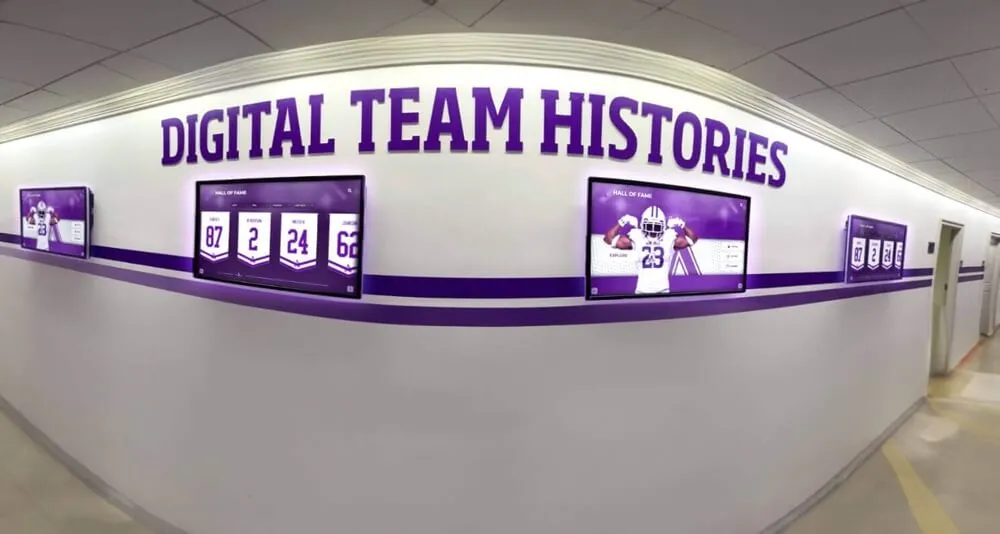
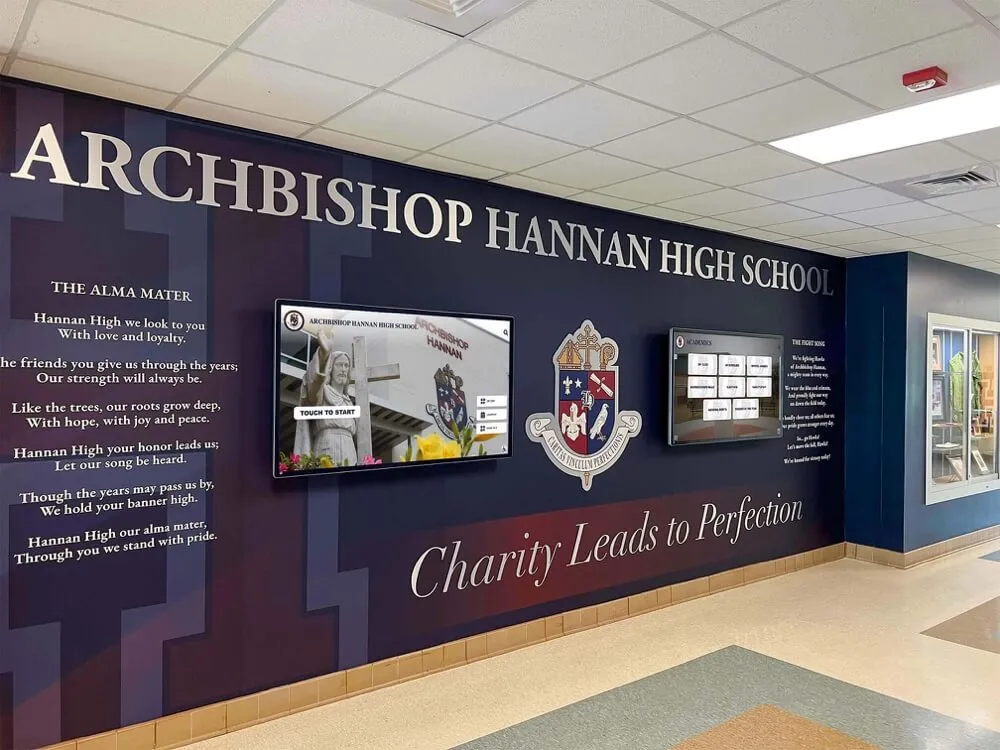
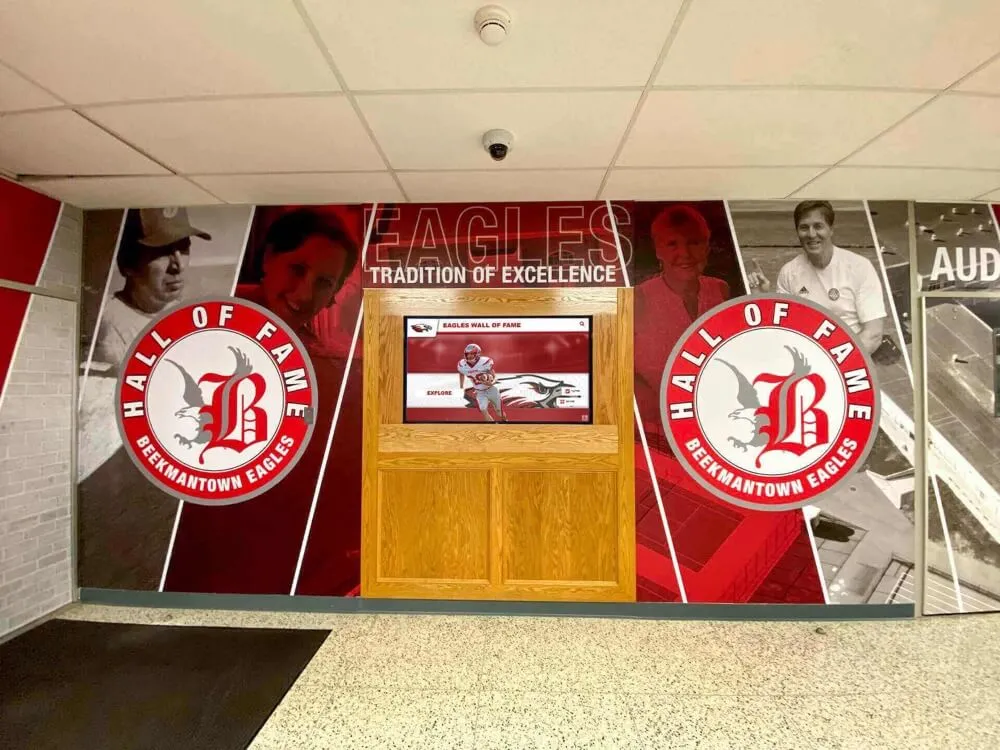
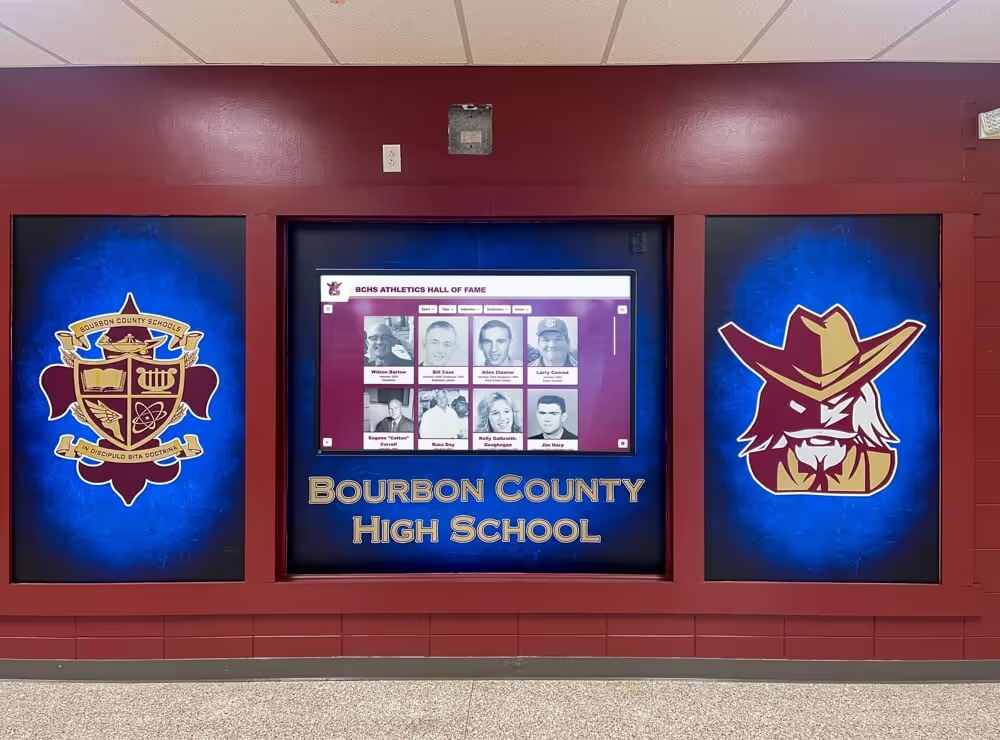
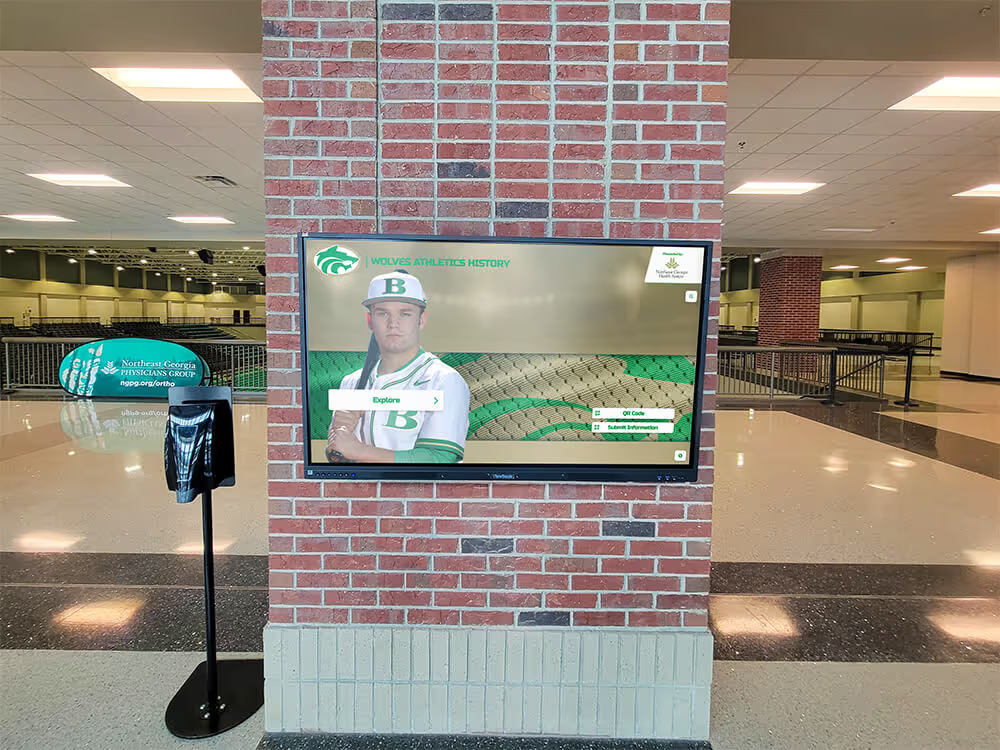
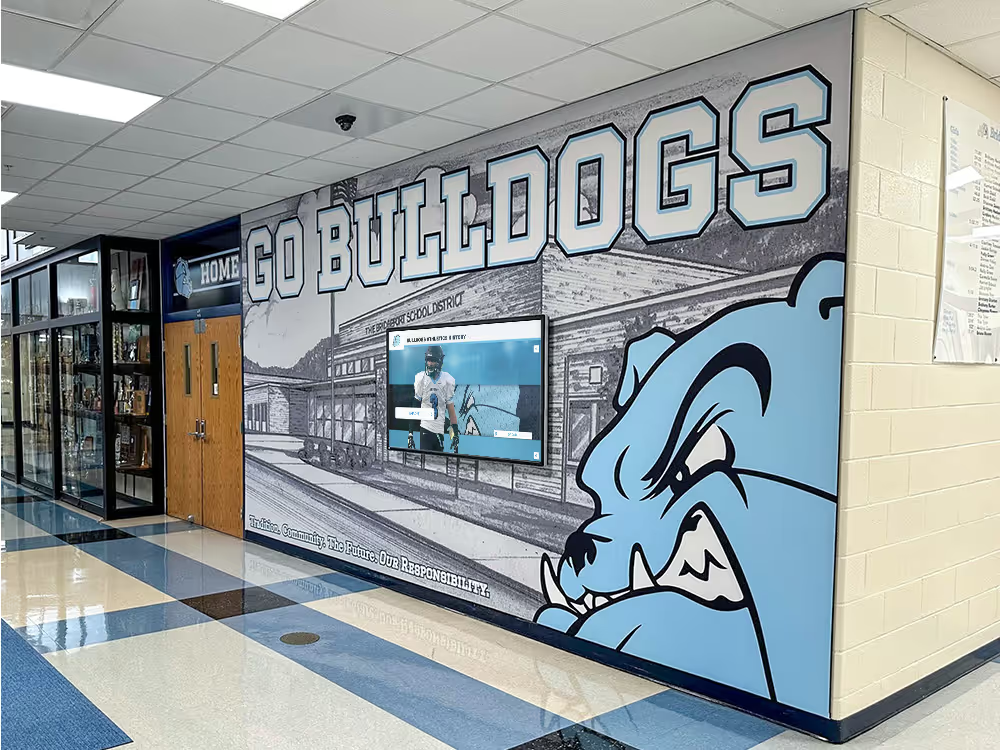
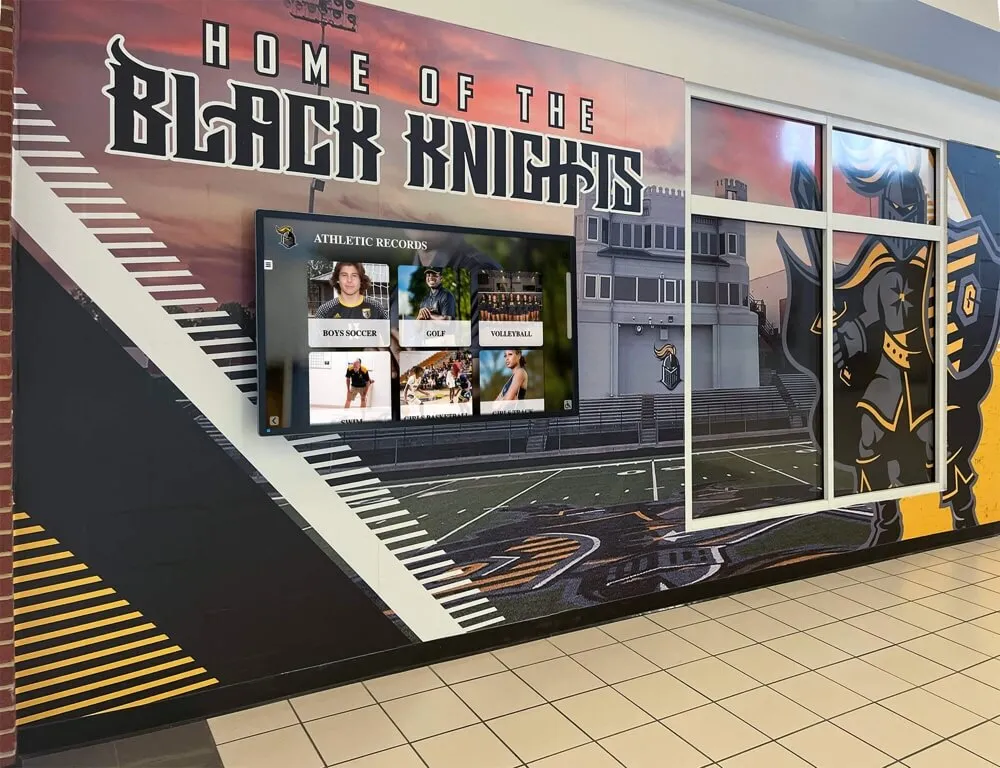
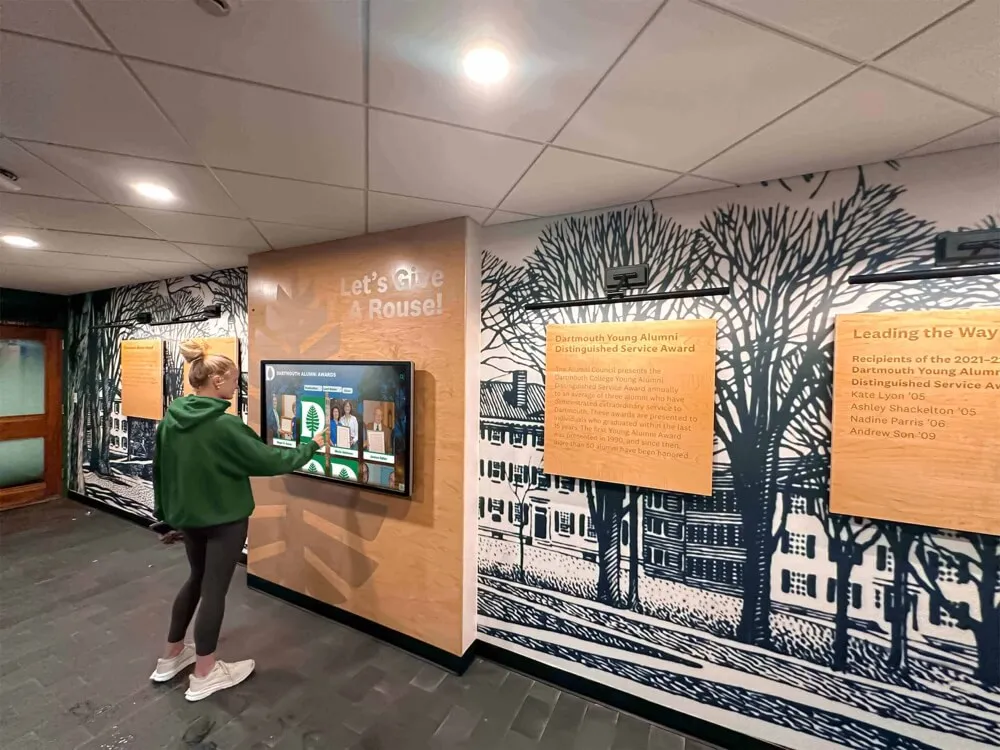
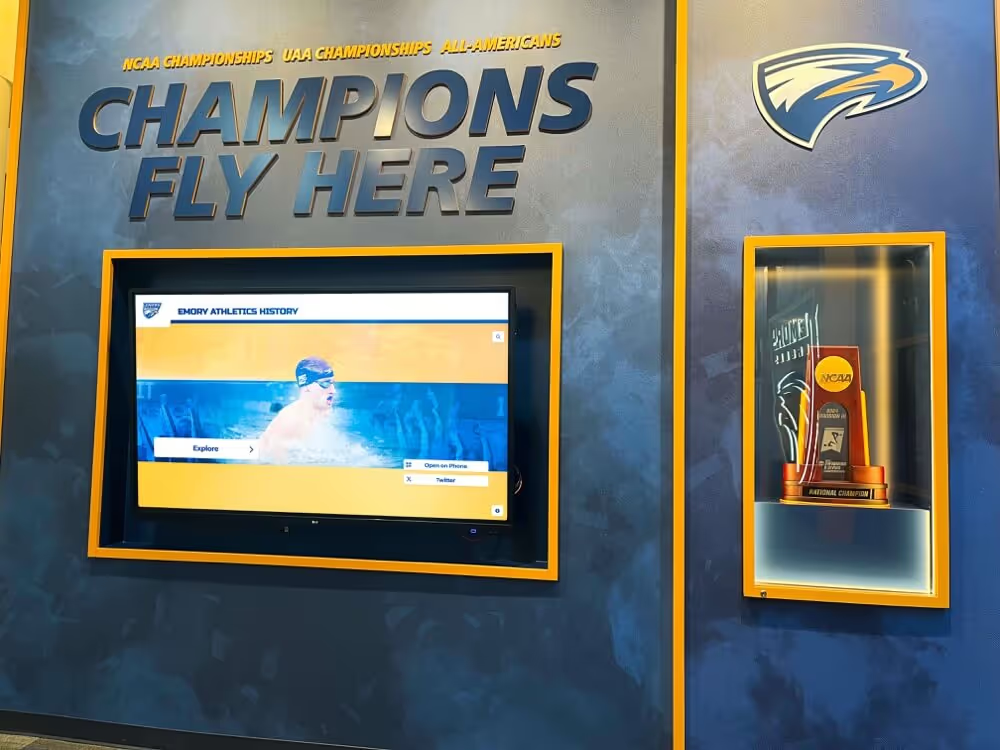
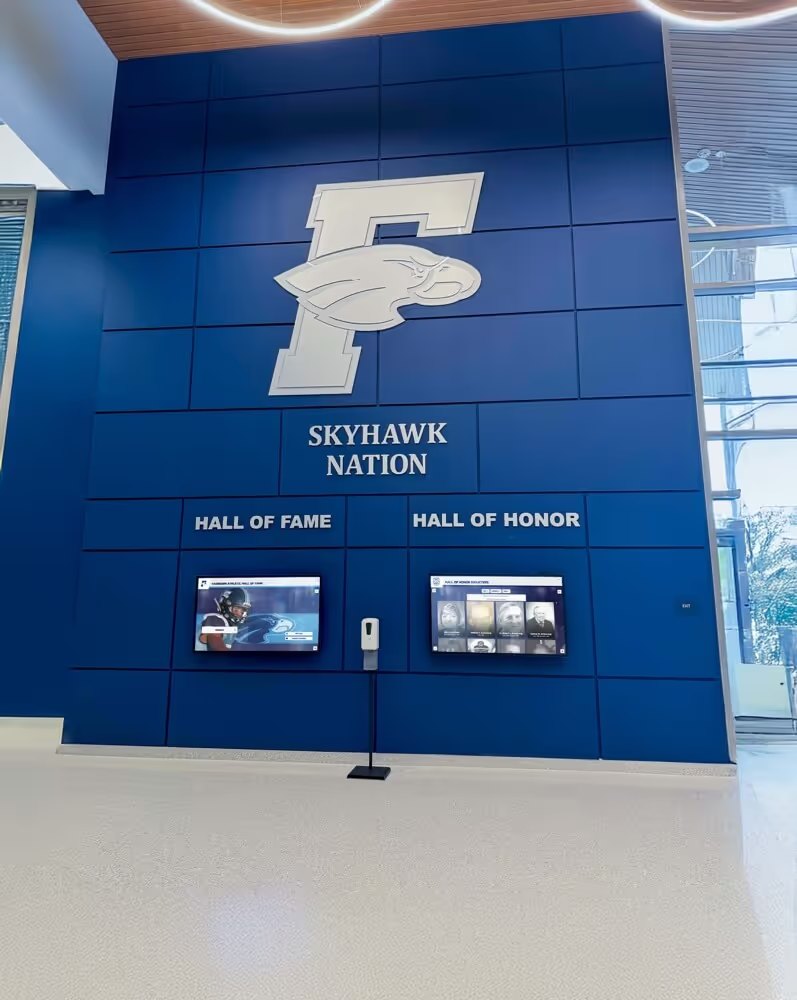
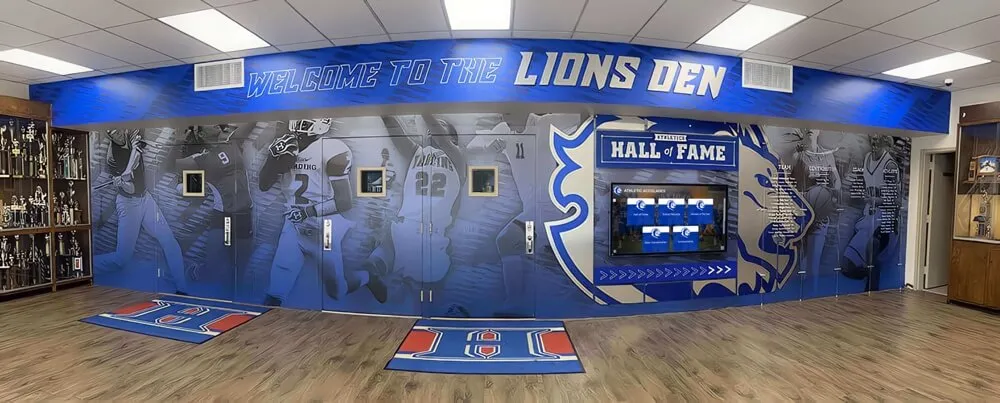
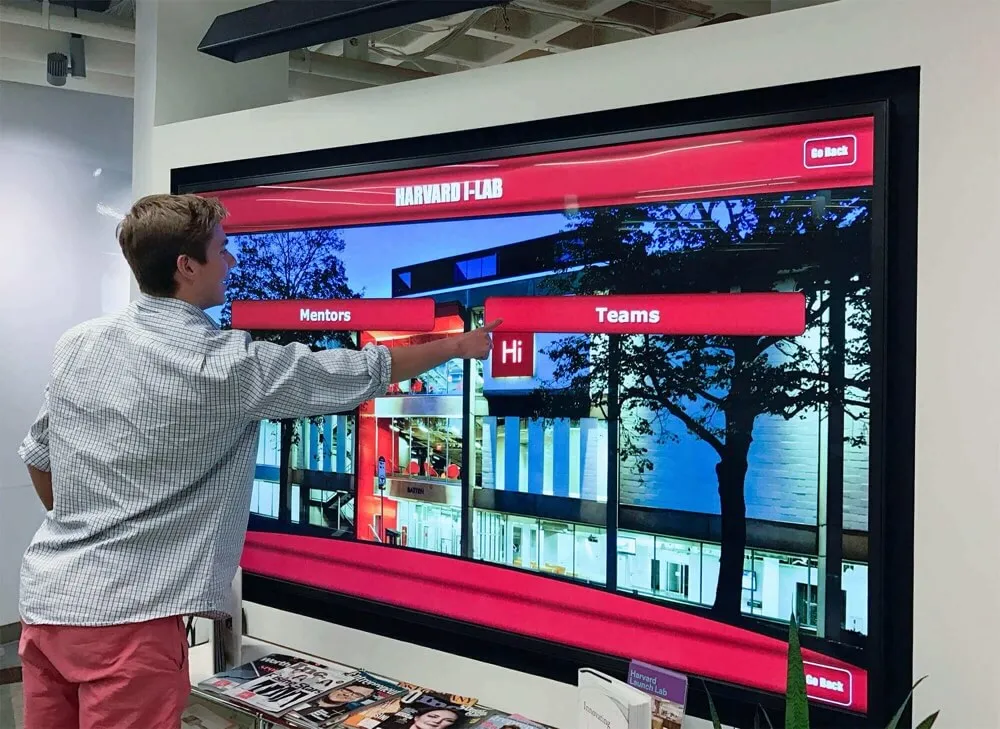
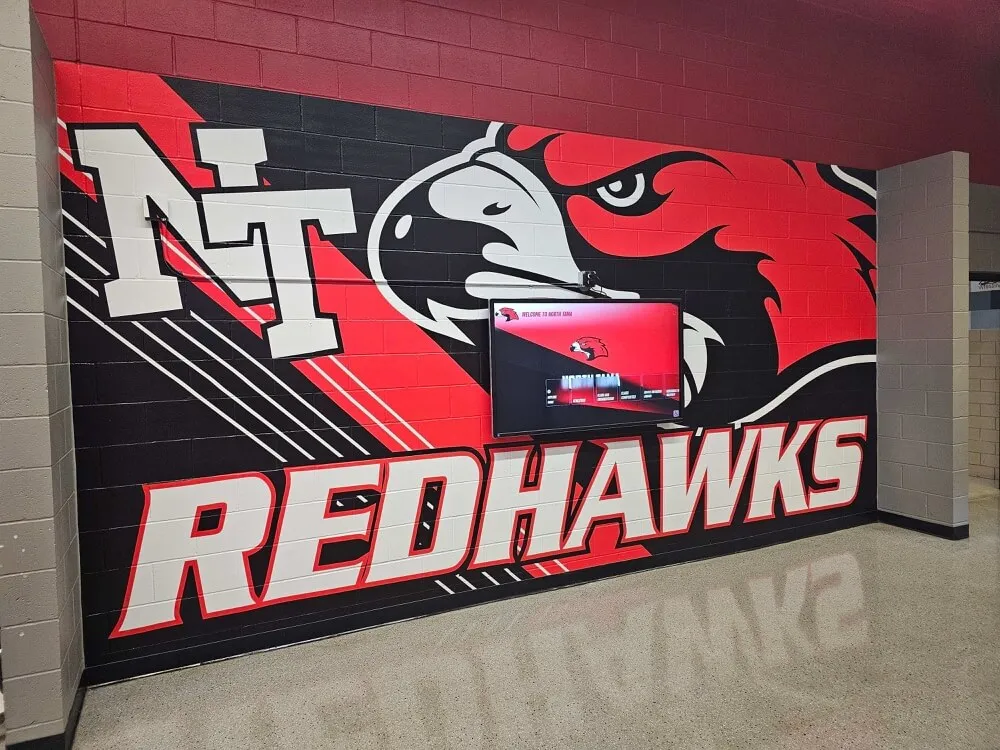
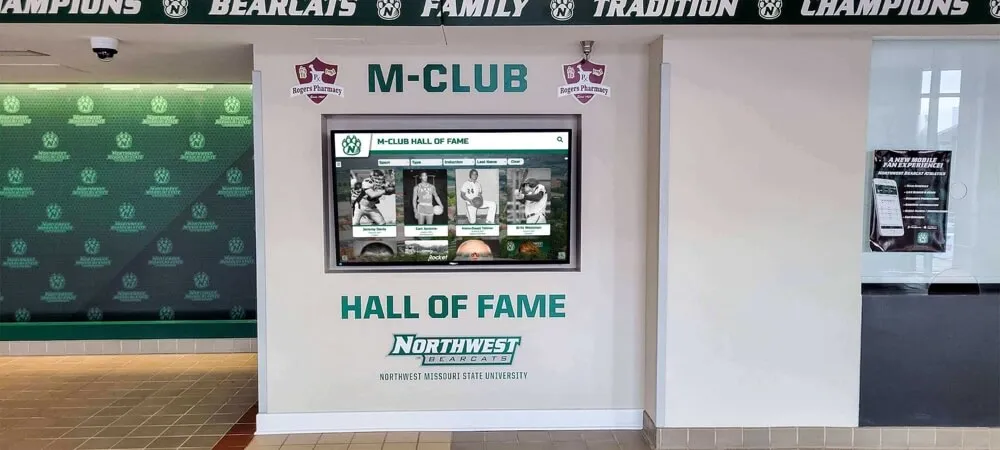
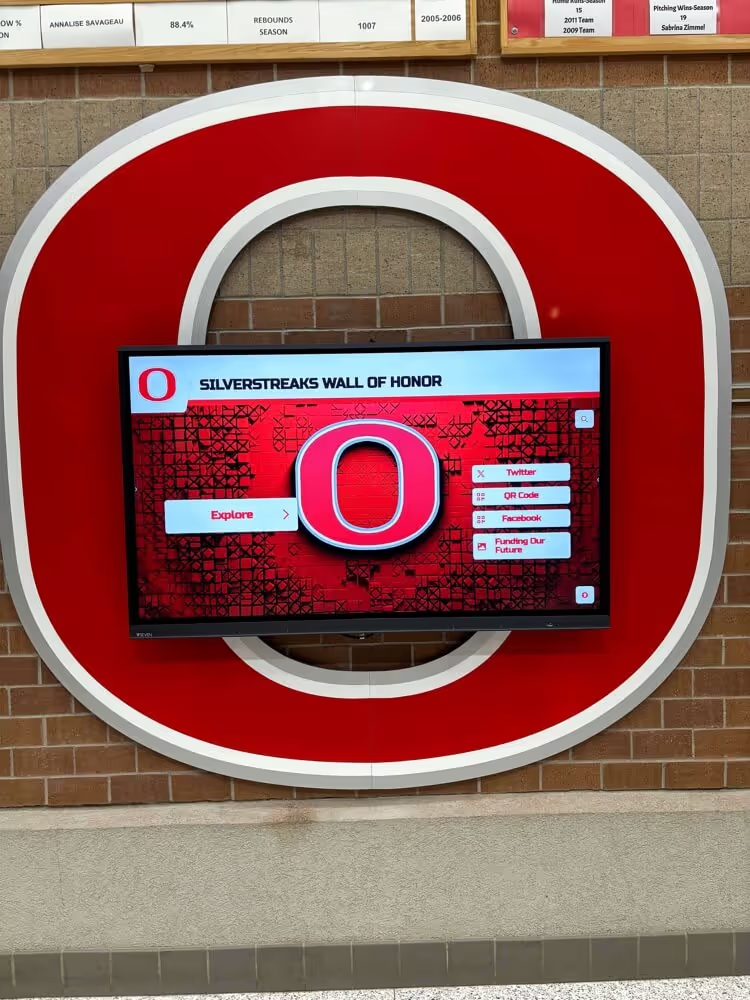
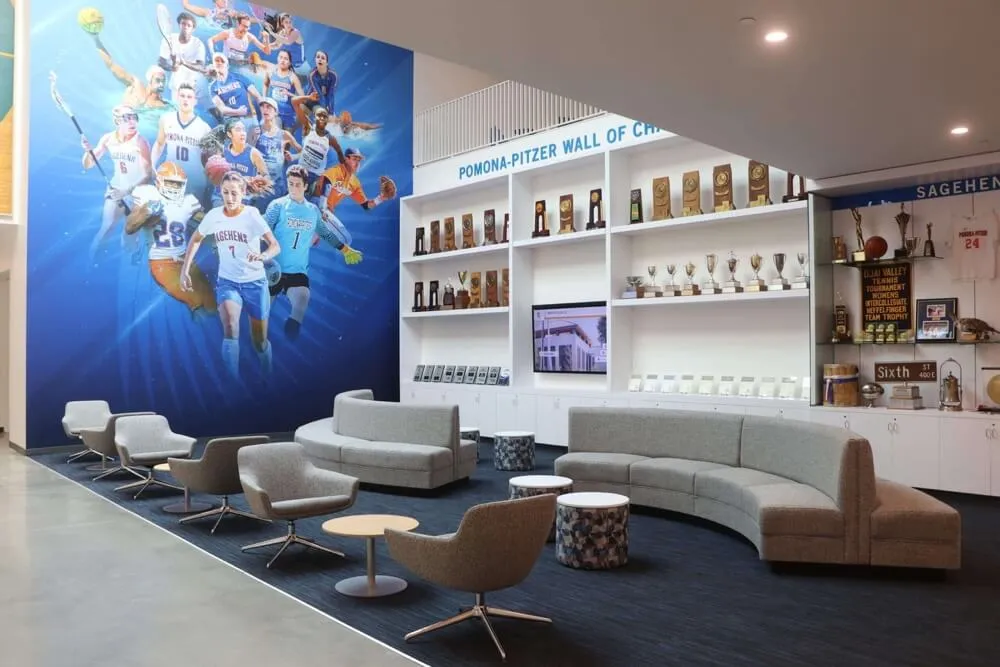
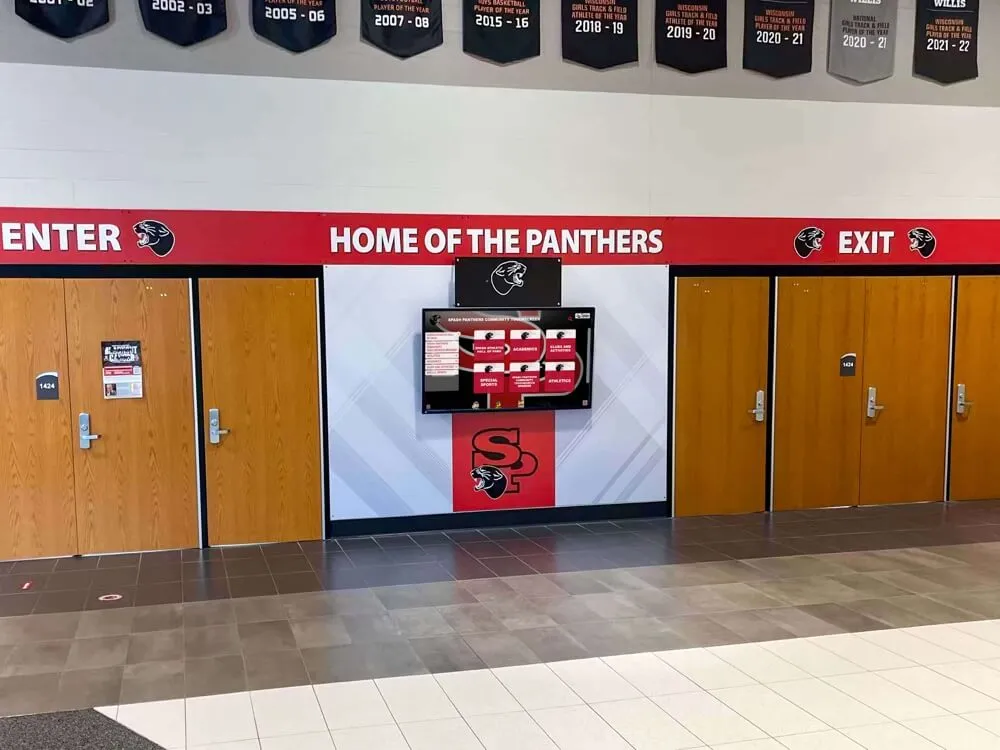
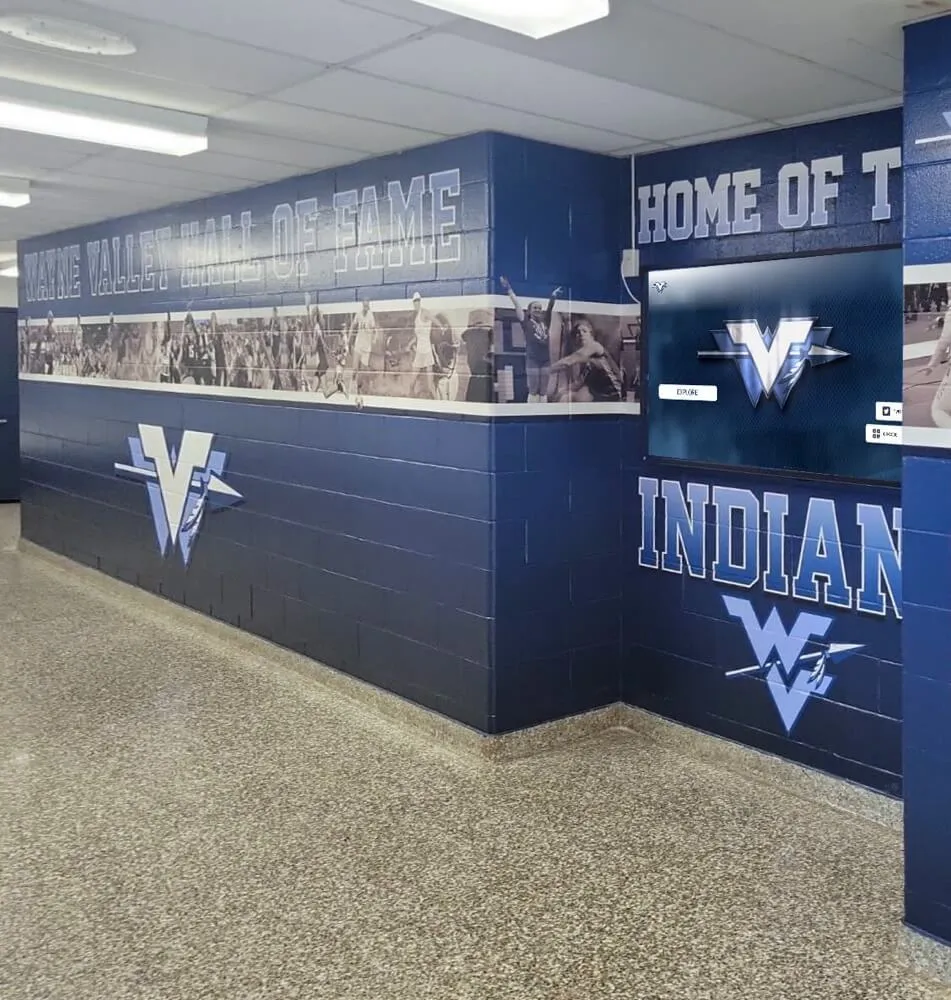
Modern digital displays provide CTE programs with engaging platforms to celebrate student technical achievements and career readiness accomplishments
Understanding Career and Technical Education in 2026
Career and Technical Education has evolved significantly from the vocational programs of previous generations. Today’s CTE offerings provide rigorous academic instruction integrated with hands-on technical training that prepares students for both immediate employment and continued education.
The Modern CTE Landscape
Contemporary CTE programs address workforce demands in high-growth sectors while maintaining academic rigor that prepares students for multiple pathways:
Healthcare Science
- Nursing assistant and patient care certifications
- Emergency medical technician training programs
- Dental assistant and medical coding pathways
- Health information technology programs
- Biotechnology and pharmaceutical manufacturing training
Information Technology
- Cybersecurity certification programs
- Software development and coding bootcamps
- Network administration and cloud computing training
- Digital media production and game design pathways
- Data analytics and artificial intelligence fundamentals
Advanced Manufacturing
- Computer numerical control (CNC) machining certifications
- Welding and metal fabrication programs
- Robotics and automation technology training
- Additive manufacturing and 3D printing pathways
- Quality control and industrial maintenance certifications
Engineering and Architecture
- Computer-aided design (CAD) certification programs
- Civil engineering and construction management pathways
- Electrical and mechanical engineering technology training
- Architectural drafting and building information modeling
- Environmental engineering and sustainability programs
Business and Finance
- Entrepreneurship and small business management training
- Accounting and financial services certifications
- Marketing and digital commerce programs
- Project management and business analytics pathways
- Human resources and organizational leadership training
Hospitality and Culinary Arts
- Professional culinary techniques and food safety certifications
- Hotel and restaurant management programs
- Event planning and tourism management pathways
- Baking and pastry arts specializations
- Nutrition and dietary services training
These diverse programs share common characteristics: industry partnerships ensuring curriculum relevance, certification opportunities providing portable credentials, work-based learning experiences connecting classroom to career, and clear pathways to both employment and post-secondary education.
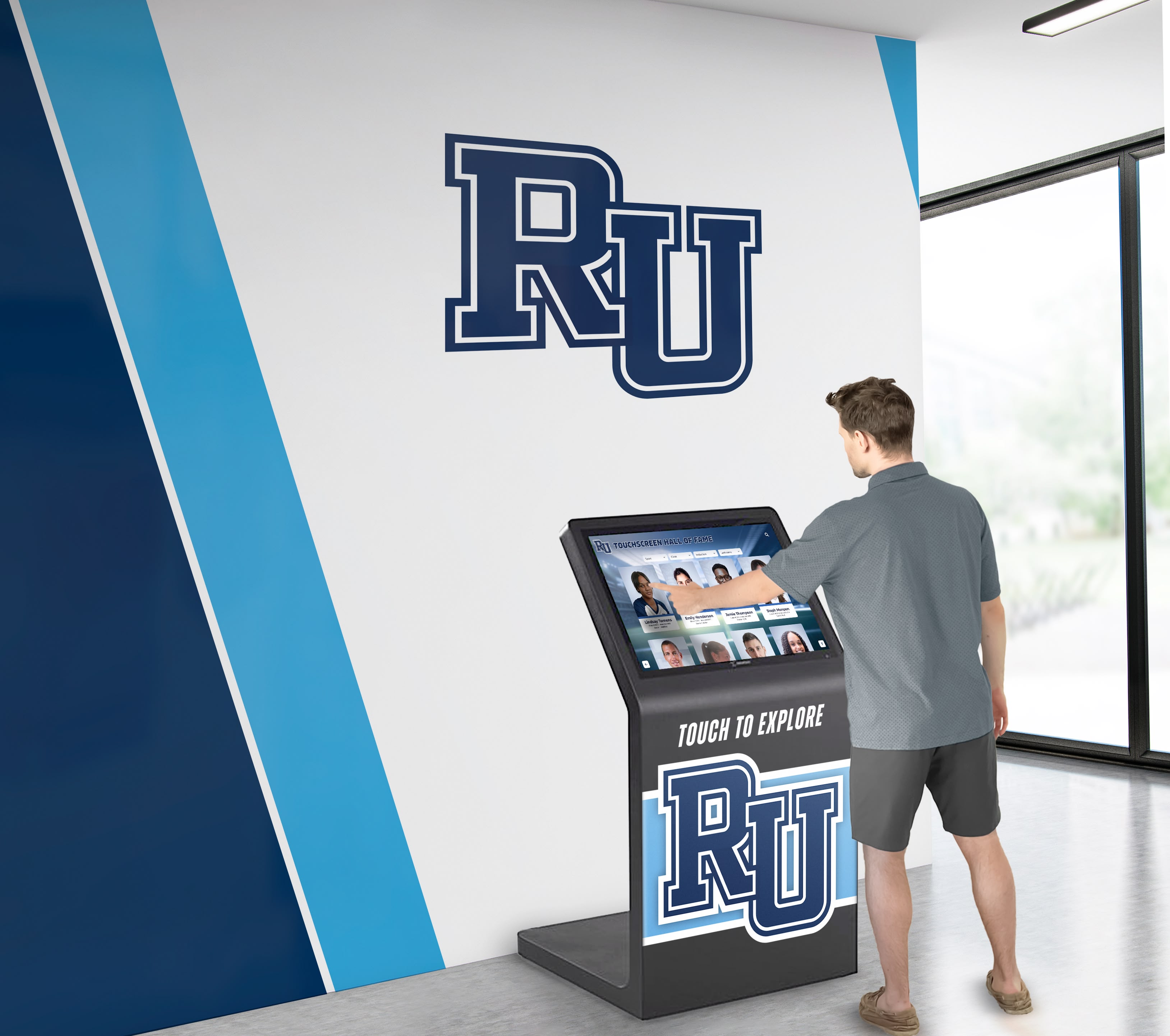
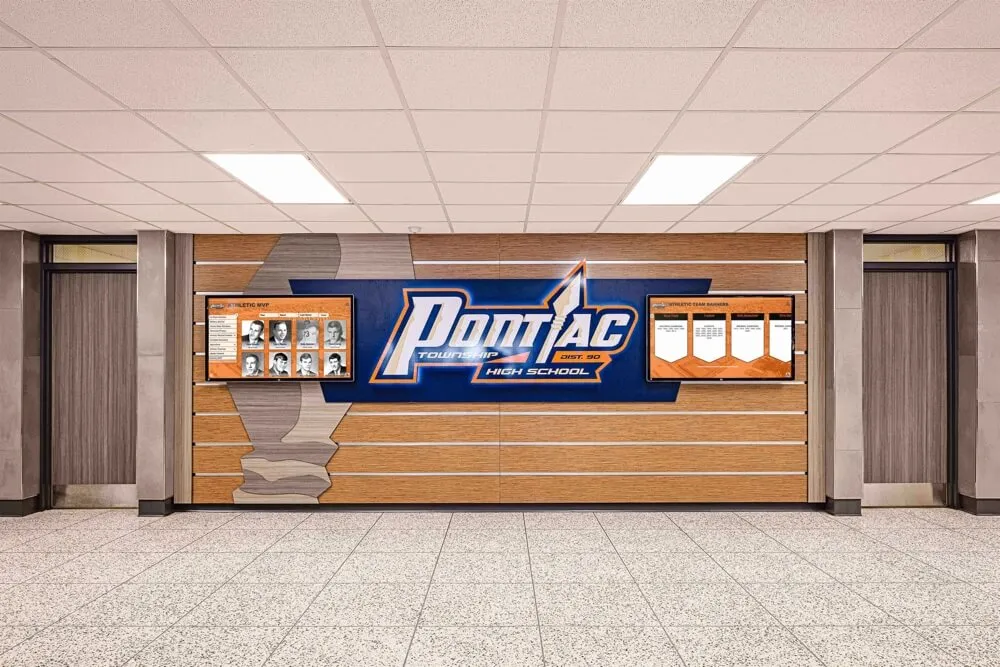
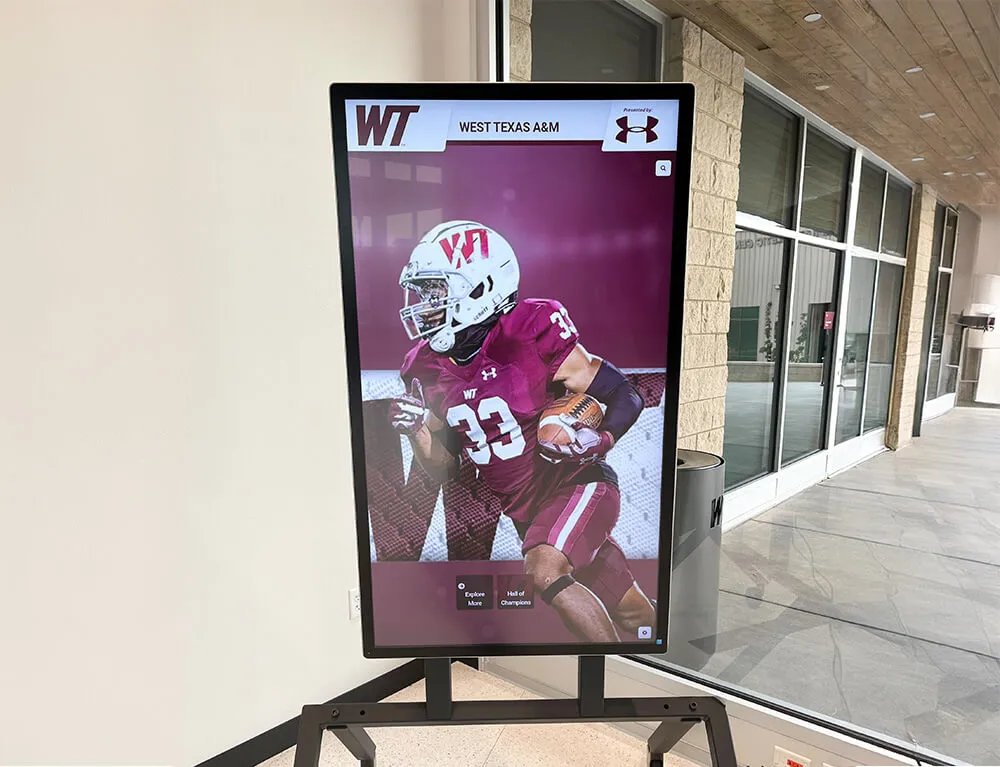
Interactive touchscreen displays enable students to explore CTE pathways, view program requirements, and discover career opportunities
CTE Recognition Challenges in Traditional Systems
Despite the value CTE programs provide, recognition systems in many schools inadvertently undervalue technical achievements:
Visibility Gaps Traditional academic honor rolls emphasize GPA and standardized test scores while overlooking technical skill mastery and industry certifications. Athletic recognition dominates physical spaces through trophy cases and hall of fame displays, while CTE accomplishments receive limited visibility. This imbalance sends implicit messages about institutional priorities that don’t reflect the genuine value schools place on career preparation.
Space Constraints Schools with robust CTE programs serving multiple career pathways struggle to showcase achievements across diverse fields. Static displays force difficult choices about which programs, students, and accomplishments receive limited recognition space. As programs grow and evolve, fixed displays quickly become outdated or overcrowded.
Recognition Complexity CTE achievement takes diverse forms that traditional recognition systems aren’t designed to accommodate. Industry certifications, competition rankings, technical project portfolios, apprenticeship placements, and job offers all represent significant accomplishments that deserve celebration but don’t fit standard academic award formats.
Multi-Year Achievement Tracking Many CTE pathways span multiple years as students progress through increasingly advanced coursework and training. Recognizing this developmental journey requires systems that can document progressive skill acquisition and cumulative achievement rather than single-moment honors.
Digital touchscreen displays address these challenges by providing unlimited recognition capacity, flexible content organization, and rich media capabilities that honor the full complexity of CTE student accomplishments.
The Case for CTE-Specific Recognition Displays
Dedicated recognition systems for career technical education serve multiple critical purposes that extend beyond individual student acknowledgment.
Elevating CTE Program Prestige
Prominent digital displays celebrating CTE achievements signal institutional commitment to career preparation as a valued educational pathway:
Visibility Creates Legitimacy When CTE accomplishments receive recognition equal to academic honors and athletic achievements, the entire school community understands that multiple pathways to success exist and deserve respect. Students in traditional college-prep tracks develop appreciation for technical careers, while CTE students feel validated that their chosen pathway holds genuine value.
Recruitment and Enrollment High-visibility CTE recognition displays serve as powerful recruitment tools for programs that may compete for enrollment with traditional academic offerings. When prospective students and families see celebrated accomplishments—certifications earned, competitions won, apprenticeships secured, job offers received—they recognize CTE programs as rigorous pathways leading to meaningful opportunities.
Community and Industry Engagement Digital displays showcasing CTE excellence help community members and industry partners understand program quality and student capabilities. When local employers see students earning relevant certifications and developing job-ready skills, they’re more likely to participate in internships, provide equipment donations, and create hiring pathways.
Similar approaches to academic recognition programs demonstrate how systematic celebration of achievement creates cultures that value excellence across all educational pathways.
Motivating Student Achievement
Recognition drives behavior—students pursue accomplishments they see the school community celebrating:
Goal Visibility Digital displays showing the full range of CTE achievements help students understand what’s possible and set aspirational goals. When students see peers earning multiple certifications, winning regional competitions, or securing impressive apprenticeships, those accomplishments become tangible targets rather than abstract possibilities.
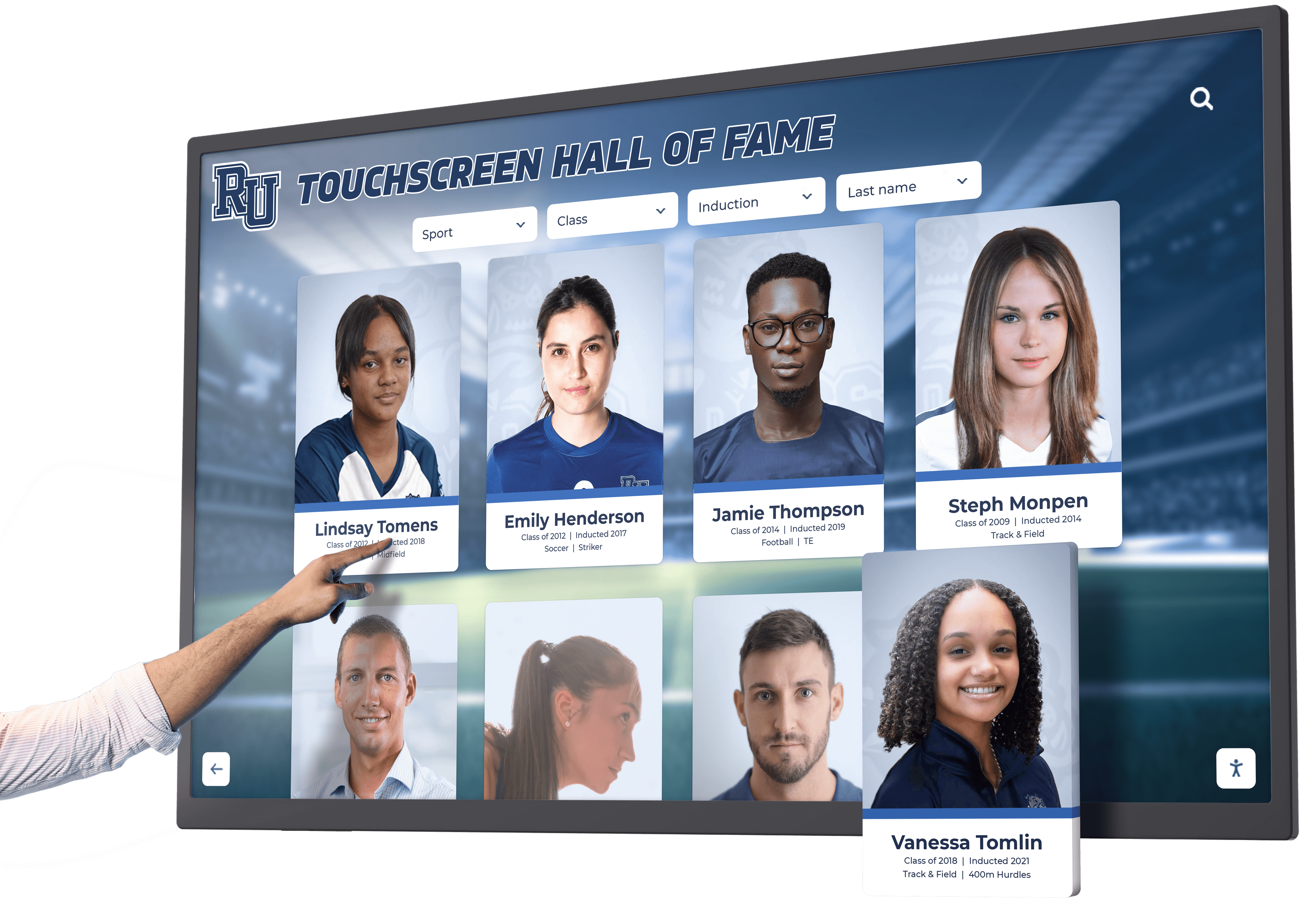
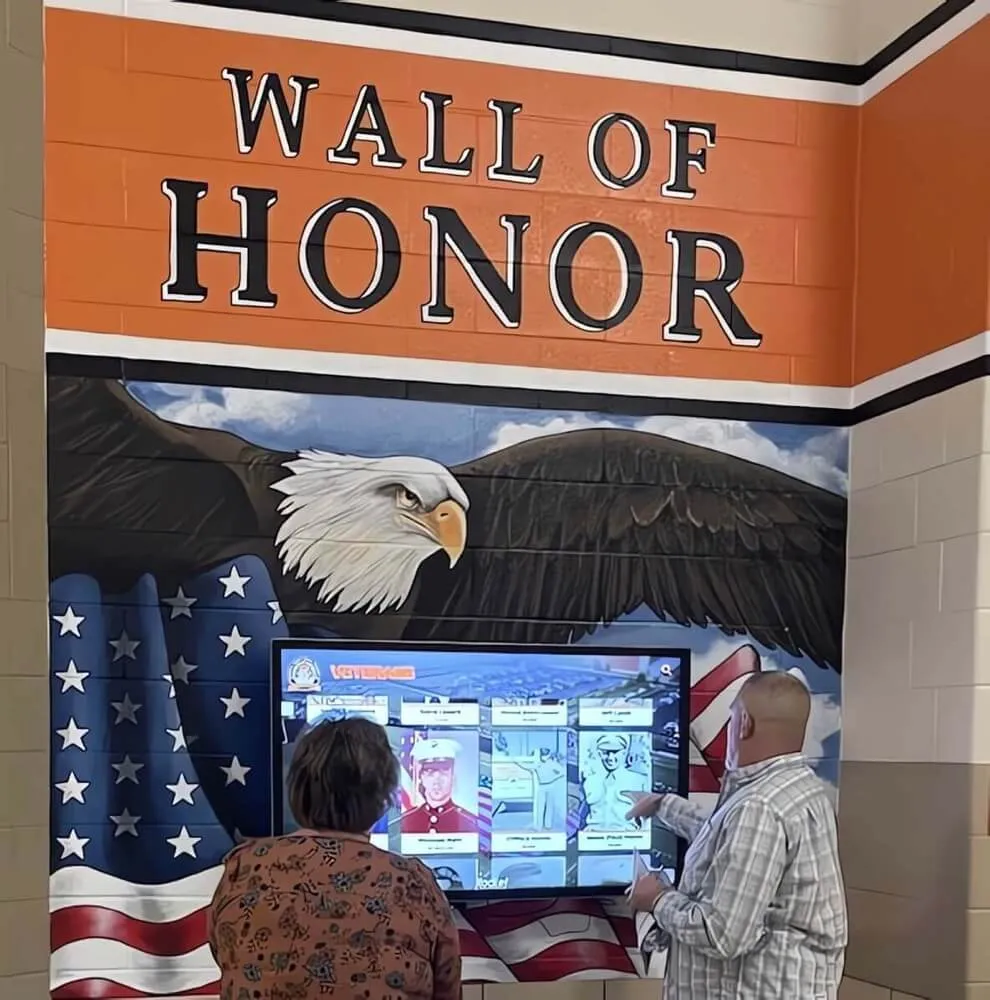
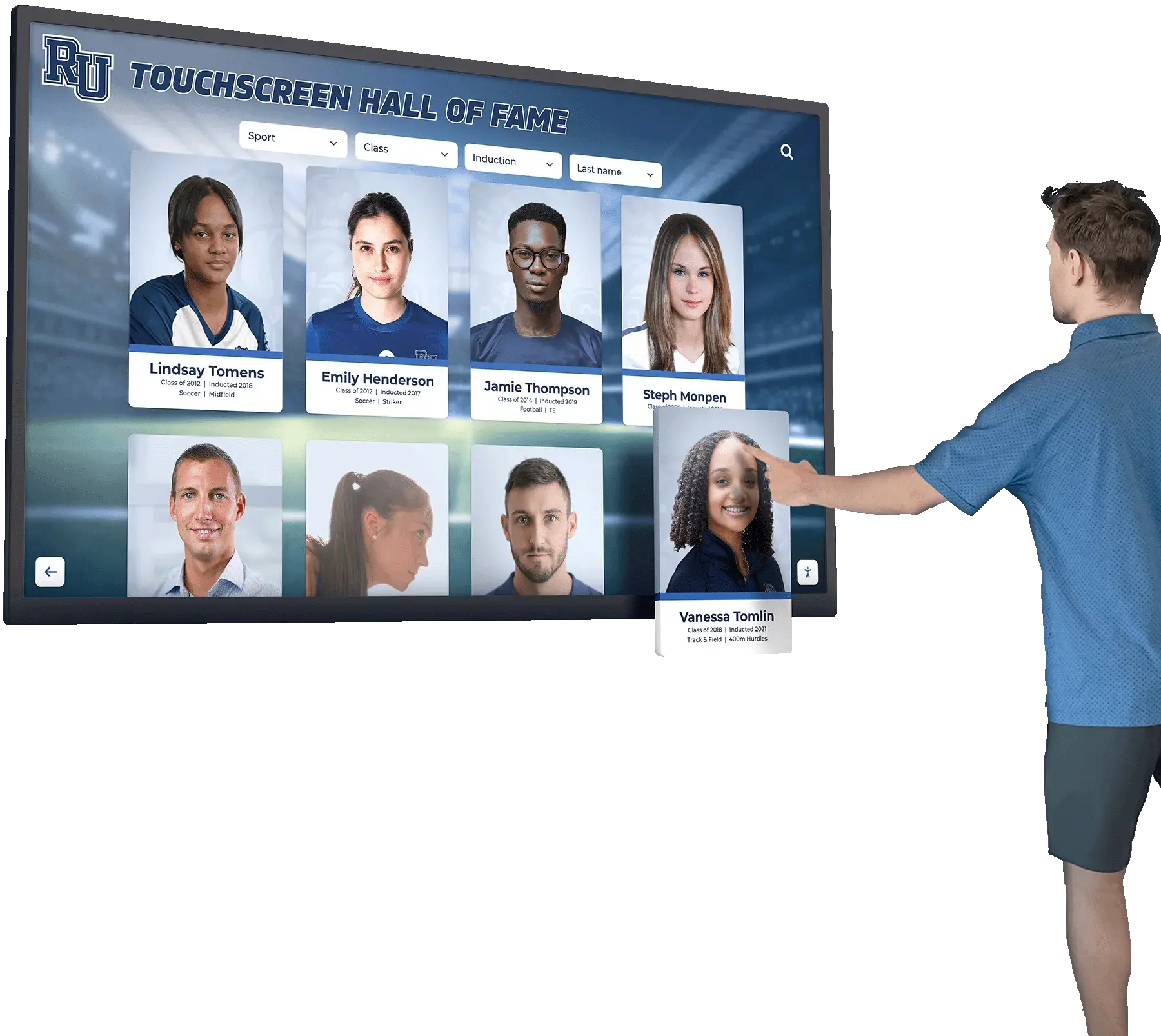
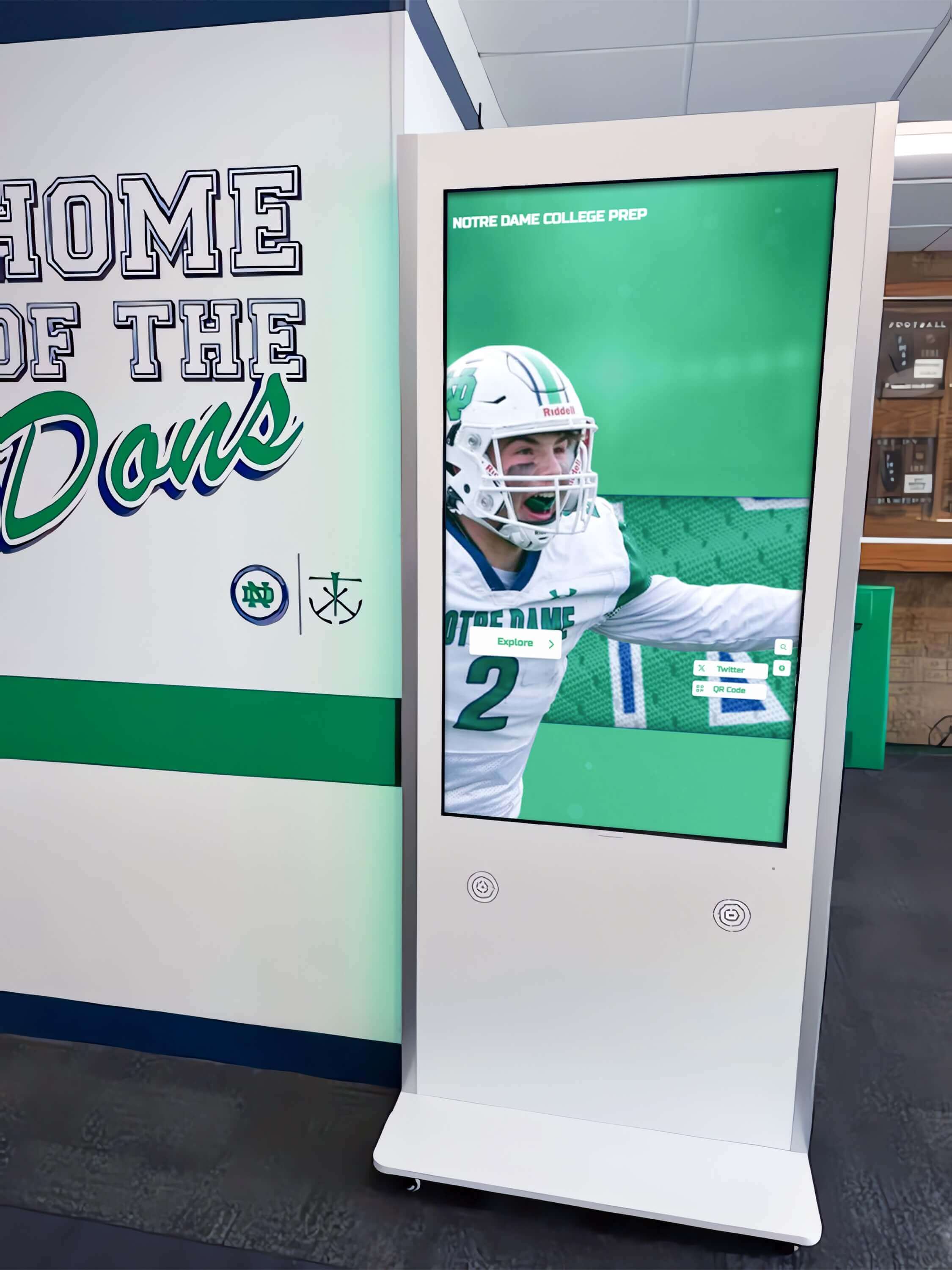
Intuitive touchscreen interfaces allow students to explore CTE achievements across programs and discover peer accomplishments that inspire their own goals
Sustained Motivation Multi-year recognition that tracks students’ CTE journeys from introductory courses through advanced certifications provides ongoing motivation. Students see their growing accomplishments documented and celebrated, reinforcing continued effort and skill development.
Peer Influence Public recognition creates positive peer pressure that encourages CTE participation and excellence. When students observe classmates being celebrated for technical achievements, career preparation becomes socially validated rather than stigmatized.
Supporting CTE Month and Awareness Initiatives
February is nationally recognized as Career and Technical Education Month, providing annual opportunities to celebrate CTE programs and accomplishments. According to proclamations from the White House and the U.S. Department of Education, CTE Month aims to raise awareness about career technical education’s role in preparing learners for in-demand careers requiring high-quality skills training.
Digital recognition displays support CTE Month celebrations by:
Year-Round Visibility While CTE Month focuses national attention on career education for one month annually, digital displays maintain visibility of CTE achievements throughout the entire school year, ensuring sustained awareness rather than momentary spotlight.
Special February Features During CTE Month specifically, displays can feature special content highlighting program accomplishments from the current year, alumni success stories demonstrating long-term career outcomes, industry partnership testimonials, and upcoming CTE events and opportunities.
Historical Context Multi-year archives preserved in digital systems enable powerful CTE Month presentations showing program evolution, cumulative student achievements, and long-term impact on graduates’ careers.
Key Recognition Categories for CTE Programs
Comprehensive CTE recognition systems should celebrate diverse achievement types reflecting the full scope of career technical education.
Industry Certifications and Credentials
The most tangible CTE outcomes are often industry-recognized certifications that provide students with portable credentials valued by employers:
Certification Achievement Recognition
- Professional certifications earned by students (examples: CompTIA A+, AWS Certified Solutions Architect, National Pharmacy Technician, OSHA Safety, ASE Automotive, ServSafe Food Handler)
- Licensure accomplishments in regulated fields
- Apprenticeship program completion certificates
- Industry skill assessments and proficiency validations
- Micro-credentials and digital badge collections
Certification Program Statistics Digital displays can showcase program-level data demonstrating CTE excellence:
- Total certifications earned by program or pathway
- Certification pass rates compared to state or national averages
- Most-earned certifications highlighting program strengths
- Year-over-year certification growth trends
- Employer recognition of program-earned credentials
This systematic celebration of credentialing helps students, families, and community members understand the concrete, career-ready outcomes CTE programs deliver.
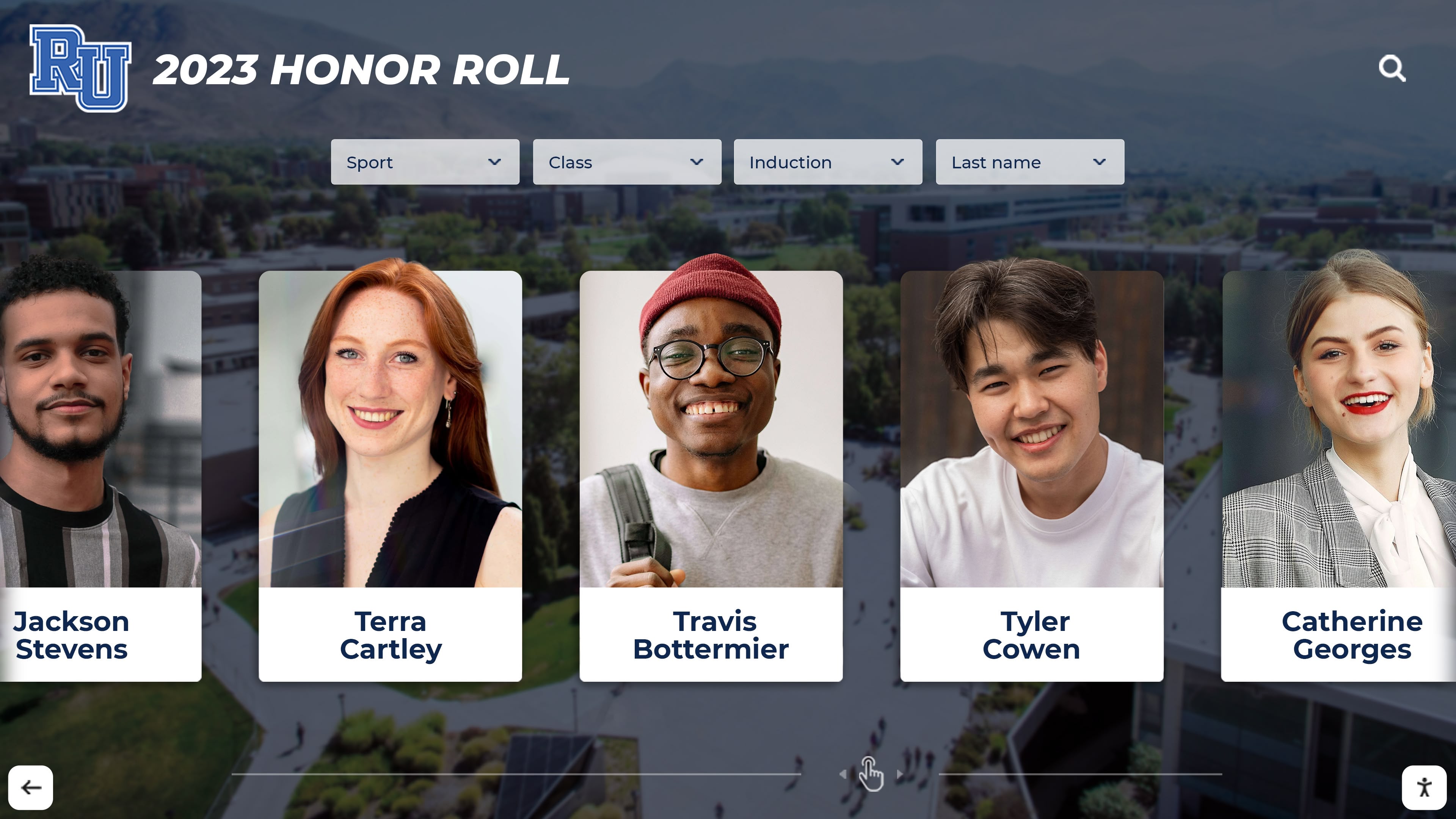
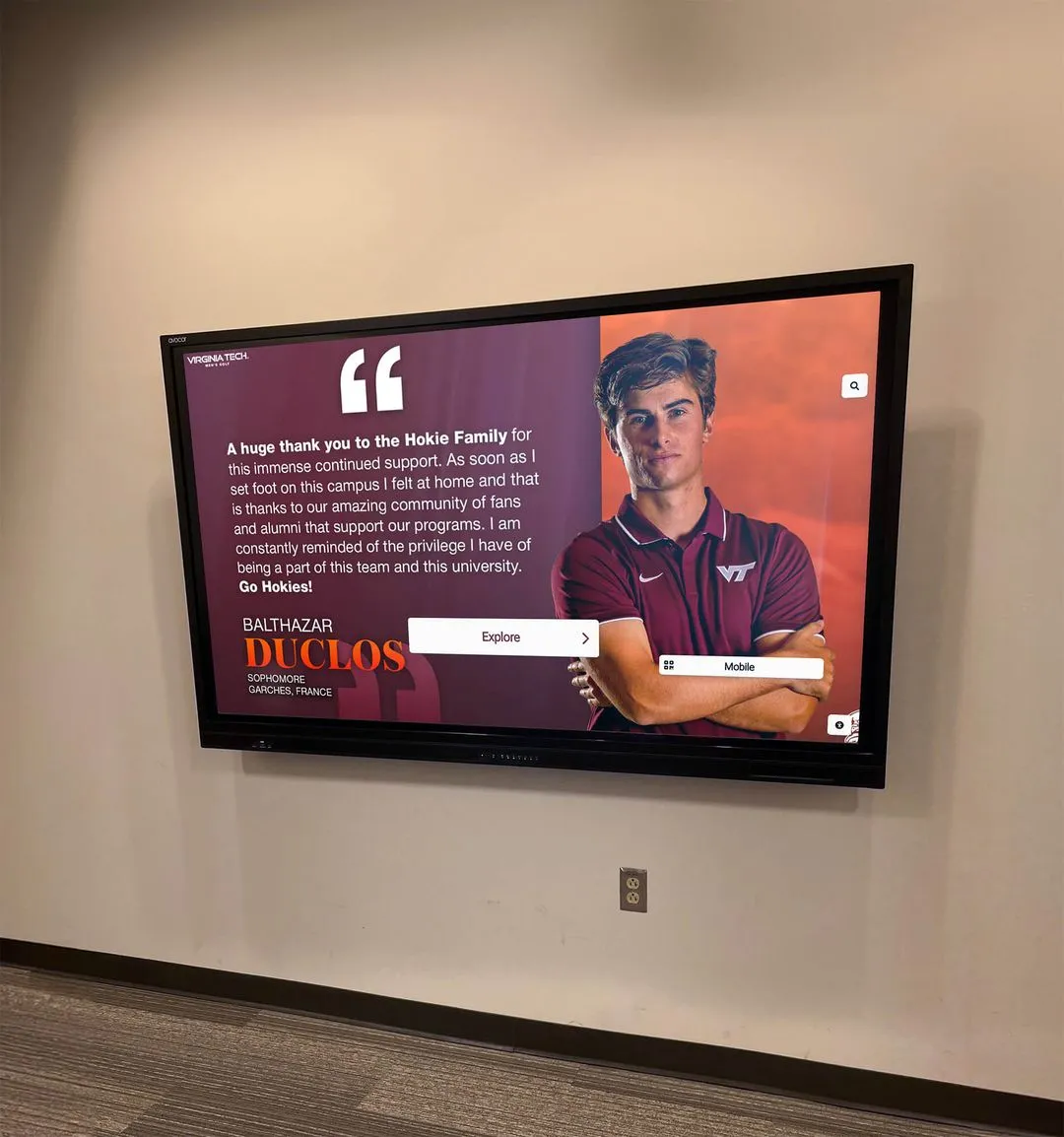
Individual student profiles celebrate specific technical certifications, skills competitions, and career readiness milestones achieved through CTE programs
Skills Competition Achievements
SkillsUSA, DECA, FBLA, FCCLA, FFA, HOSA, and other career and technical student organizations provide competitive platforms where students demonstrate mastery:
Competition Recognition Categories
- Regional, state, and national competition placements
- Team competition achievements and collaborative project awards
- Individual excellence in technical skill demonstrations
- Leadership competition recognition in career organizations
- Service project awards and community impact honors
Competition Context and Significance Digital displays can provide context that helps audiences understand competitive achievement significance:
- Number of competitors and schools participating in events
- Skill requirements and judging criteria for competitions
- Advancement pathways from regional to national competitions
- Historical program performance showing trends and excellence
- Alumni competition achievements connecting to career success
Learn more about comprehensive approaches to student recognition that increases future success through systematic celebration.
Project-Based Learning and Capstone Achievements
Many CTE programs culminate in substantial projects demonstrating integrated skill application:
Technical Project Recognition
- Senior capstone projects solving real-world problems
- Engineering design challenges and prototypes developed
- Culinary showcase events and menu development projects
- Software applications and digital media portfolios created
- Construction projects and architectural design portfolios
- Healthcare simulation scenarios and patient care demonstrations
- Business plans developed and entrepreneurial ventures launched
Project Documentation Features Digital recognition systems excel at showcasing complex projects through:
- Photo galleries documenting project development processes
- Video demonstrations of completed projects in action
- Technical specifications and documentation highlights
- Problem statements and solution approaches explained
- Client testimonials and community impact descriptions
- Industry partner evaluations and professional feedback
This rich documentation helps audiences understand the sophistication and real-world application of CTE student work.
Work-Based Learning Accomplishments
Internships, apprenticeships, cooperative education placements, and job shadows provide essential career readiness experiences:
Work-Based Learning Recognition
- Paid internship and cooperative education placements secured
- Apprenticeship program acceptance and completion milestones
- Summer career exploration programs and job shadows completed
- Work-based structured learning experiences in industry settings
- Employer performance evaluations and professional recommendations
- Job offers received while still enrolled in high school
- College program acceptances in technical fields
Employer Partnership Highlights Recognition displays can celebrate the businesses and organizations providing work-based learning opportunities:
- Featured employer partners by industry sector
- Long-term partnership recognition for sustained engagement
- Employer testimonials about student performance and program quality
- Apprenticeship pathway descriptions and requirements
- Career outcome statistics showing employment and earnings
Similar to approaches used in highlighting college commitments, showcasing work-based learning placements demonstrates concrete outcomes that validate program effectiveness.
Academic Integration and Dual Credit Achievements
Modern CTE programs increasingly integrate with academic coursework and post-secondary credit opportunities:
Integrated Academic Recognition
- Articulated college credit earned through CTE programs
- Dual enrollment in technical college courses
- Advanced technical coursework completion
- Industry certifications meeting state graduation requirements
- CTE concentrator and program completer designations
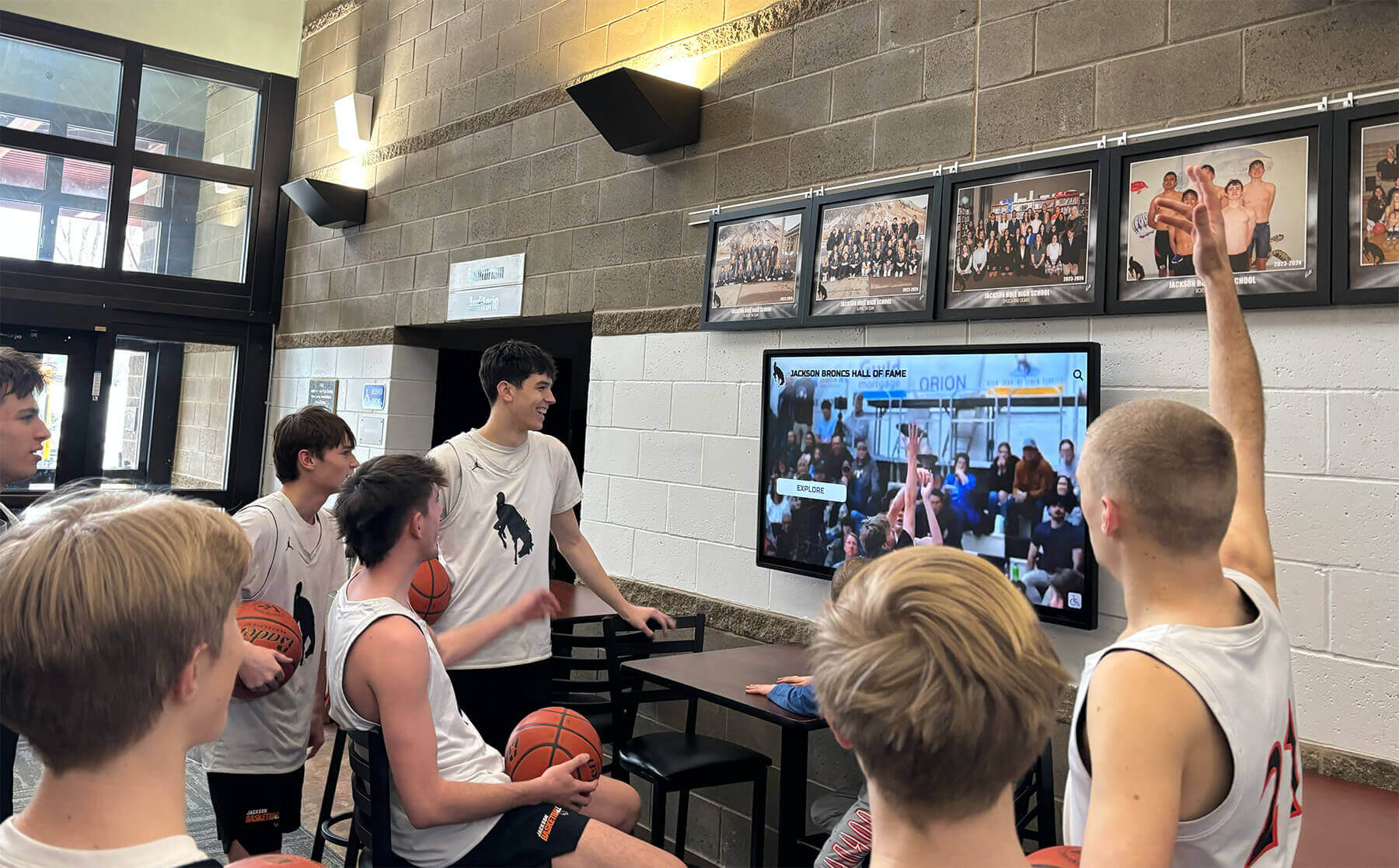
Group viewing experiences create opportunities for peer recognition and program awareness that build CTE community
Post-Secondary Pathway Recognition
- Technical college acceptances and scholarship awards
- Two-year degree program enrollments in technical fields
- Four-year engineering and applied science program acceptances
- Military technical training program commitments
- Direct-to-career employment in trained field
This recognition demonstrates that CTE provides multiple pathways including both immediate employment and continued education in technical fields.
Implementing Digital Touchscreen Solutions for CTE Recognition
Selecting and implementing appropriate technology ensures CTE recognition systems serve program needs effectively and sustainably.
Hardware Considerations for CTE Environments
CTE facilities often differ from traditional academic spaces, requiring hardware selections that address unique environmental and usage needs:
Display Specifications
- Screen sizes appropriate for viewing distances in technical labs, workshops, and hallways (typically 32-55 inches for wall-mounted displays, 21-32 inches for kiosk formats)
- Commercial-grade panels designed for extended daily operation rather than consumer television models
- High brightness specifications ensuring visibility in varied lighting conditions including bright workshop environments
- Impact-resistant screens protecting against accidental damage in active technical spaces
Mounting and Placement Options Technical education spaces require flexible installation approaches:
- Wall-mounted displays in CTE building lobbies and program hallways
- Freestanding kiosk installations near program enrollment offices
- Integrated displays within existing trophy cases or recognition walls
- Multi-display systems for schools with numerous CTE pathways requiring dedicated space
Environmental Durability Some CTE environments present challenges requiring specialized considerations:
- Dust-resistant enclosures for manufacturing and construction program areas
- Grease-resistant screens for culinary arts facilities
- Temperature-controlled installations in climate-varying spaces
- Vandal-resistant enclosures for unsupervised public areas
Solutions like digital trophy walls provide guidance on hardware selection for educational recognition applications.
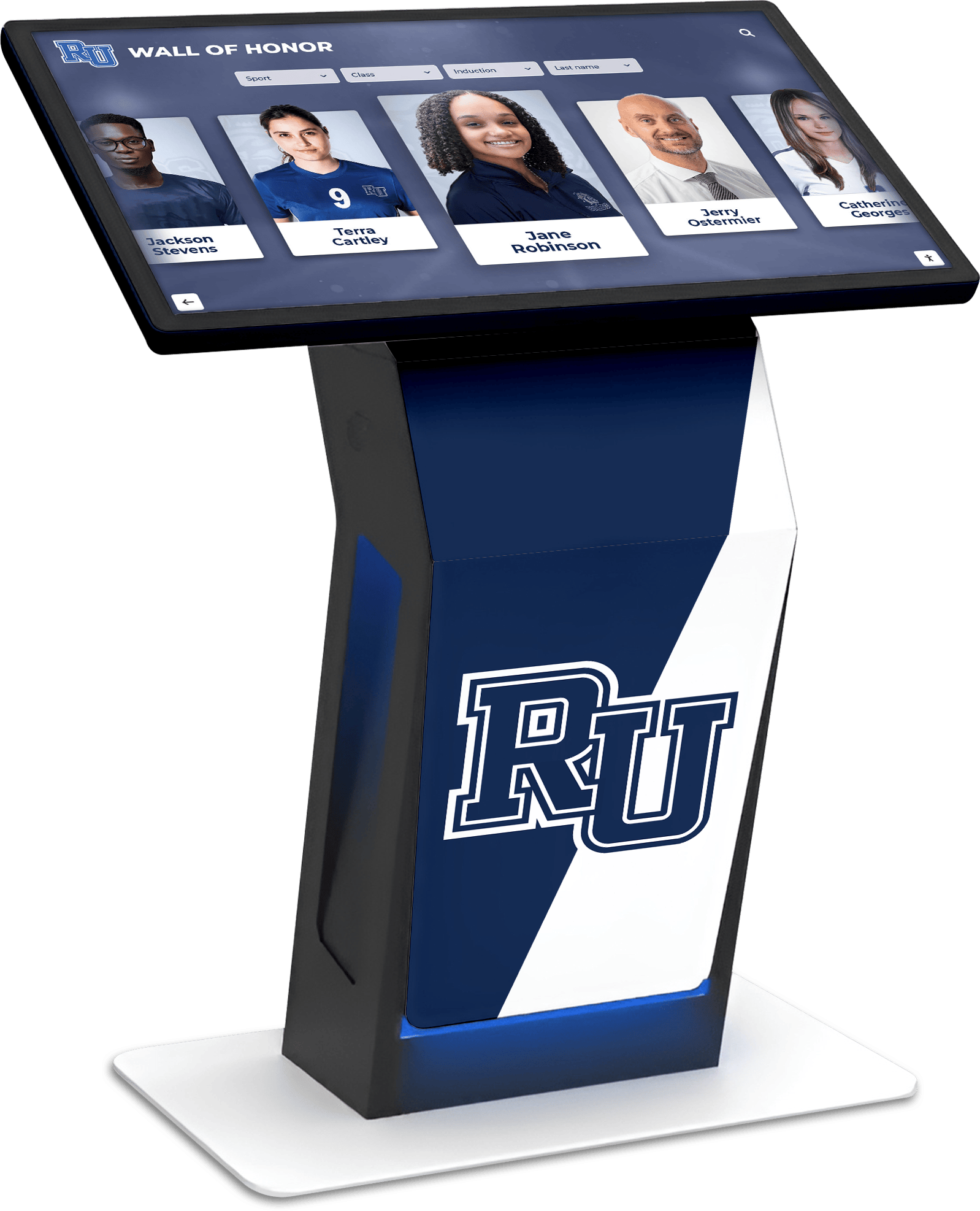
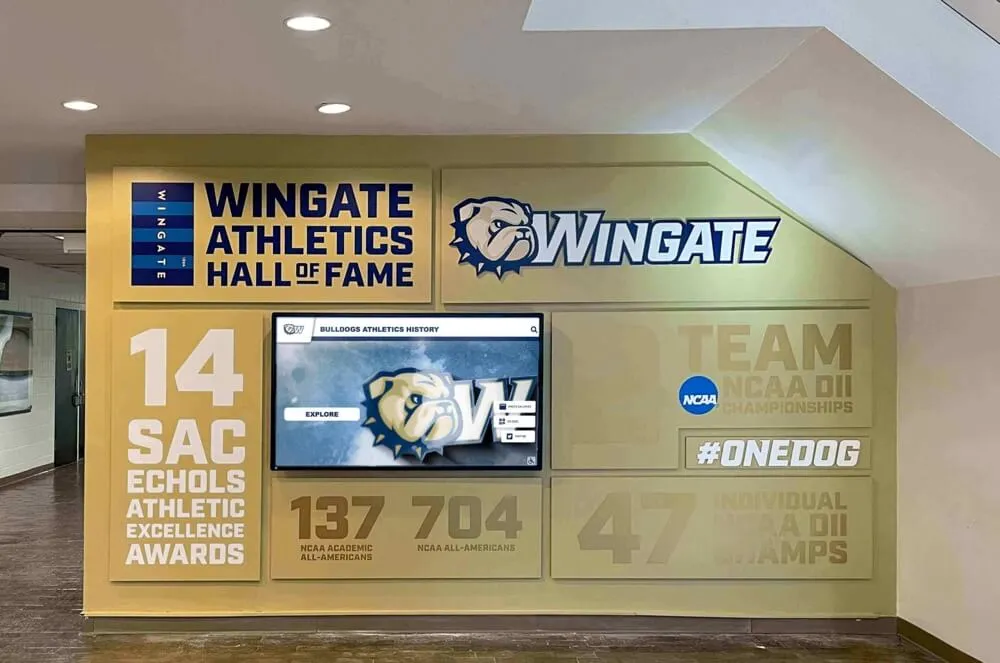
Purpose-built recognition kiosks provide durable, engaging platforms designed specifically for educational environments and sustained daily use
Software Features Supporting CTE Recognition
Content management systems should accommodate the specific characteristics of career technical education achievement:
Flexible Content Organization
- Program pathway organization mirroring school CTE structure (healthcare, IT, manufacturing, business, etc.)
- Multiple categorization enabling recognition by achievement type, year, student, or program
- Searchable databases allowing visitors to find specific students, certifications, or accomplishments
- Filtering capabilities enabling focused views (e.g., “show all welding certifications” or “display 2026 competition winners”)
Rich Media Support CTE achievements often require demonstration beyond text and static images:
- Video integration showing students performing technical skills or explaining projects
- Photo galleries documenting complex projects from conception through completion
- PDF document embedding displaying certification copies, project documentation, or competition materials
- External link capabilities connecting to student portfolios, competition results, or employer websites
Multi-User Management CTE programs often involve multiple instructors, coordinators, and administrators:
- Role-based permissions allowing appropriate staff to update specific program sections
- Approval workflows ensuring content review before publication
- Scheduling capabilities enabling timed content publication around events or milestones
- Bulk import tools facilitating efficient updates of certification results or competition outcomes
Comprehensive platforms like Rocket Alumni Solutions provide cloud-based content management specifically designed for educational recognition applications across diverse program types.
Integration with Existing CTE Systems
Recognition displays work best when integrated with other technology systems schools use to manage career technical education:
Student Information System Connections Many schools track CTE program enrollment, course completion, and certification achievements within student information systems (Infinite Campus, PowerSchool, Skyward, etc.). Integration capabilities that pull this data automatically reduce administrative burden and ensure recognition accuracy.
Career Readiness Platforms Schools increasingly use specialized platforms like Naviance, Xello, or state-specific career information systems to support CTE planning and tracking. Recognition displays that integrate with these systems can automatically highlight students who complete career assessments, develop pathways plans, or achieve readiness milestones.
Industry Credential Tracking Systems Some states and districts use specialized platforms to track industry certification testing and results. API connections or data import capabilities ensure certification achievements flow automatically to recognition displays without manual entry.
Communication System Integration Connecting recognition platforms with school communication tools (email, text messaging, social media management systems) enables automated notifications when students are featured, ensuring families and community members see CTE accomplishments.
Similar integration approaches used in student of the month digital displays demonstrate how connected systems reduce administrative workload while expanding recognition reach.
Content Strategies for Effective CTE Recognition
Technology provides the platform, but thoughtful content strategy ensures recognition resonates and achieves intended goals.
Balancing Individual and Program Recognition
Effective CTE displays honor both individual student accomplishments and collective program excellence:
Individual Student Profiles Personal recognition creates emotional connections and motivates achievement:
- Student photographs and biographical information
- Specific certifications, awards, and accomplishments listed with dates
- Quotes from students about their CTE experience and career goals
- Current status (employed, enrolled in technical college, military service, etc.)
- Career aspirations and how CTE preparation supports goals
Program-Level Highlights Aggregate data demonstrates collective impact and program quality:
- Total certifications earned by program annually
- Competition participation and success rates
- Employment and continuing education placement percentages
- Industry partnership recognition and employer testimonials
- Program growth trends and enrollment data
- Equipment, facility, and curriculum highlights
This dual approach ensures both students and programs receive appropriate recognition while providing comprehensive understanding of CTE offerings.
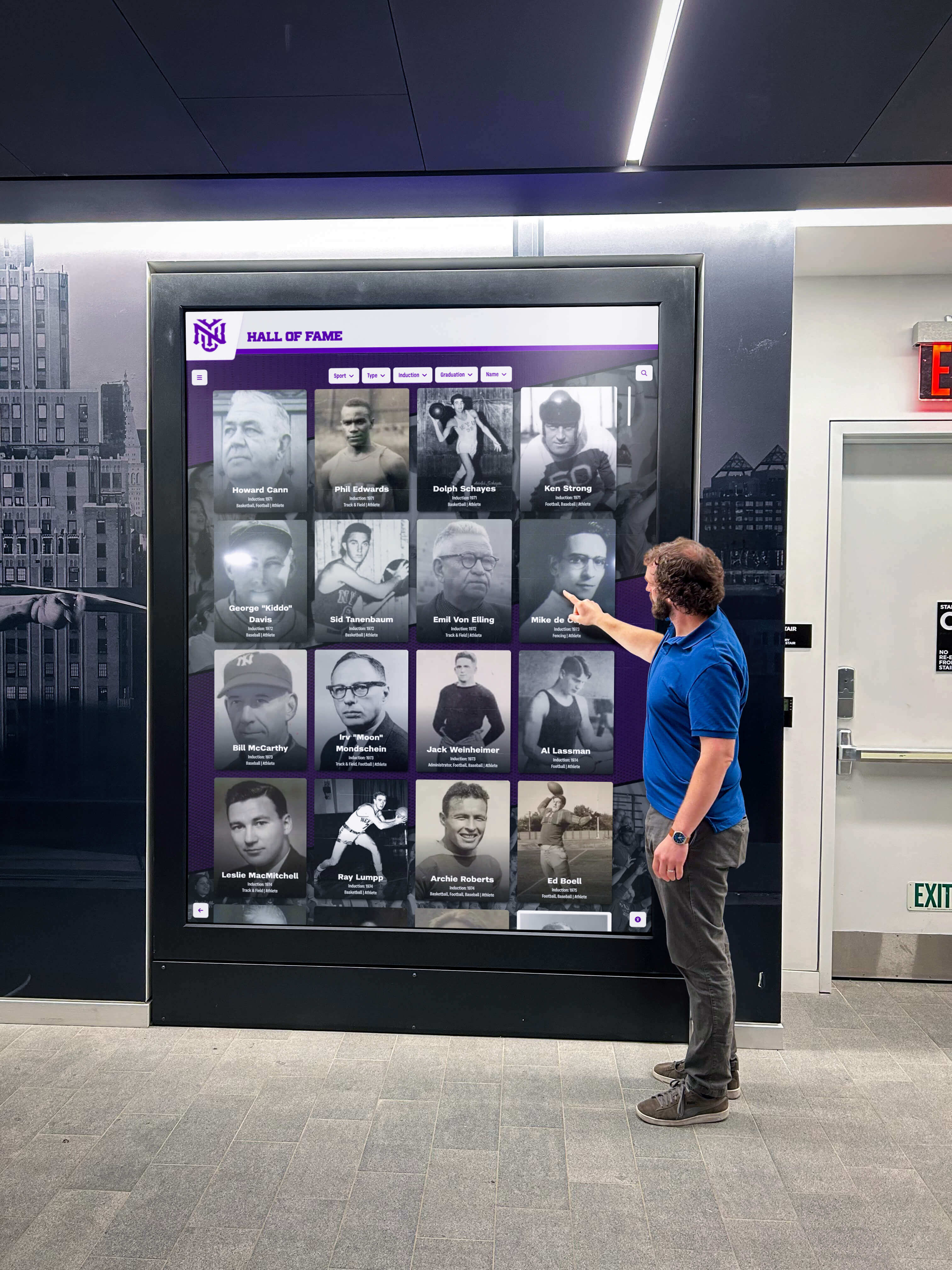
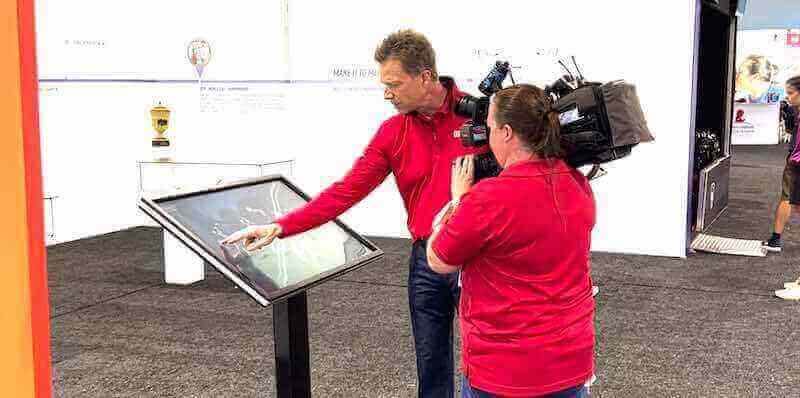
Interactive displays invite exploration from families, industry partners, and community members, creating engagement opportunities that build support for CTE programs
Storytelling Through Alumni Success
Current student achievements gain context and inspiration through alumni stories demonstrating long-term career outcomes:
Alumni Career Progression Features
- “Where Are They Now” profiles of CTE graduates
- Career trajectory stories showing progression from high school program through current position
- Earning and advancement data demonstrating financial outcomes
- Alumni testimonials about how CTE preparation impacted success
- Alumni engagement in mentoring current students or providing work-based learning opportunities
Multi-Year Journey Documentation Digital systems enable powerful storytelling by documenting students’ complete CTE journeys:
- Freshman exploration and introductory courses
- Sophomore pathway selection and foundational skill development
- Junior advanced coursework and initial certifications
- Senior capstone projects, advanced certifications, and career placement
- Post-graduation follow-up showing continued success
This longitudinal recognition helps younger students envision their own potential pathways while celebrating the developmental nature of career preparation.
Approaches similar to those used in alumni spotlight recognition programs demonstrate effective alumni storytelling strategies.
Seasonal and Event-Based Content
Dynamic content keeps recognition displays fresh and maintains audience engagement:
CTE Month Special Features (February) During national CTE Month, displays can feature special content:
- Month-long celebration of each CTE pathway with dedicated daily or weekly highlights
- Industry partner video testimonials about program value and student quality
- Legislative and community leader recognition of CTE importance
- Special alumni spotlight series featuring diverse career paths
- CTE scholarship opportunities and application information
- Upcoming open house events and program information sessions
Competition Season Recognition As students participate in skills competitions, timely recognition maintains excitement:
- Pre-competition features introducing competitors and explaining competition details
- Real-time results updates following regional and state competitions
- Celebration of qualifiers advancing to higher competition levels
- National competition send-off recognition and tracking
- Post-competition recaps with photos, results, and student reflections
Certification Testing Periods When groups of students complete certification exams, recognition timing matters:
- Pre-test motivation and good luck messages
- Results celebration when scores are released
- Multi-student recognition of cohorts earning credentials together
- Historical comparison showing year-over-year certification trends
- Spotlight on students earning multiple certifications or perfect scores
End-of-Year Celebrations Annual recognition provides natural opportunities for comprehensive celebration:
- Senior CTE completer recognition and career/college destinations
- Annual awards ceremony highlights and recipient profiles
- Year-in-review features showing cumulative program accomplishments
- Summer internship and work-based learning opportunity announcements
- Fall enrollment promotion for incoming student pathway selection
This dynamic content approach ensures recognition displays remain relevant and engaging throughout the year rather than becoming static installations audiences ignore.
Measuring Impact and Program Effectiveness
Implementing CTE recognition displays represents an investment that should deliver measurable returns in program support, student motivation, and community engagement.
Engagement Metrics
Digital touchscreen systems provide data about how audiences interact with recognition content:
Interaction Data
- Total sessions and unique users over time periods
- Average session duration indicating content engagement depth
- Search queries revealing what accomplishments, students, or programs interest audiences
- Most-viewed content identifying particularly compelling recognition
- Peak usage times and days showing when displays receive greatest attention
Demographic Insights Understanding who engages with CTE recognition helps refine content and placement:
- Student interaction patterns showing peer interest
- Family and visitor engagement during school events
- Staff usage indicating faculty awareness of CTE accomplishments
- Industry partner interaction during tours and partnership meetings
Program Outcome Correlations
While direct causation is difficult to prove, correlational analysis can suggest recognition impact:
Enrollment Trends Track CTE pathway enrollment before and after implementing recognition displays, particularly for programs receiving prominent feature. Increases may indicate that visibility drives interest and enrollment.
Achievement Rate Changes Monitor certification pass rates, competition participation, and work-based learning placements over time. If these metrics improve following recognition implementation, displays may contribute to motivation and goal-setting.
Student Persistence Analyze CTE concentrator and completer rates (students who complete multi-year pathways) before and after recognition systems launch. Improved persistence may indicate that celebrated accomplishments motivate continued engagement.
Community Awareness Survey families, community members, and industry partners about CTE program awareness and perception before and after recognition implementation. Improved awareness and reputation may result from high-visibility displays.
Similar measurement approaches used in digital wall of fame implementation provide frameworks for assessing recognition program effectiveness.
Qualitative Feedback
Numbers tell part of the story, but qualitative assessment reveals deeper impact:
Student Perspectives
- Focus groups or surveys asking CTE students about recognition meaning and motivational impact
- Individual interviews with recognized students about their experience
- Student testimonials for future promotion of recognition programs
- Student suggestions for recognition improvements or additions
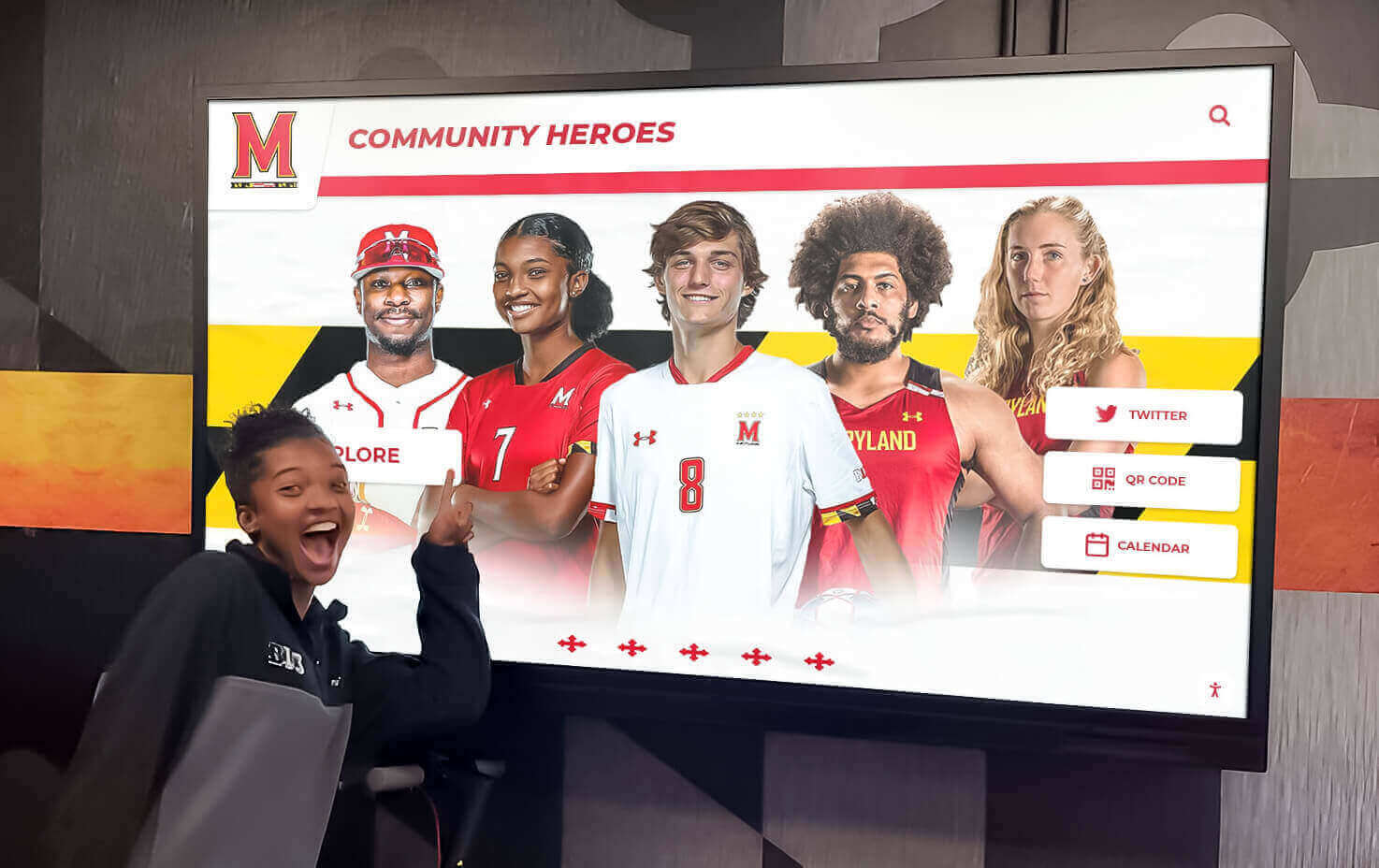
Student engagement with recognition displays creates opportunities to understand what content resonates and how visibility affects motivation
Staff Observations
- CTE instructor feedback about changes in student motivation and goal-setting
- Counselor perspectives on how recognition affects pathway advising conversations
- Administrator assessment of community and industry partner responses
- Enrollment and recruitment staff input on how displays support program promotion
Family and Community Input
- Parent surveys about CTE program awareness and understanding
- Industry partner feedback on how recognition affects their perception of program quality
- Community member responses during school visits and events
- Alumni perspectives on how recognition would have impacted their experience
Regular feedback collection ensures recognition programs evolve to serve stakeholder needs effectively.
Best Practices for CTE Recognition Program Management
Sustainable recognition requires systematic approaches to content creation, updates, and long-term maintenance.
Establishing Clear Processes
Recognition Criteria Documentation Create written guidelines specifying what achievements qualify for recognition:
- Minimum requirements for individual student profiles
- Standards for program-level recognition
- Inclusion criteria for competitions, certifications, and projects
- Timeline expectations for how current recognition remains
Content Submission Workflows Define clear processes for how achievements get from accomplishment to display:
- Who is responsible for identifying recognition-worthy achievements
- Required information and media (photos, details, documentation)
- Approval processes before content publication
- Timeline expectations for submission-to-publication duration
Update Schedules Establish regular update rhythms ensuring content remains current:
- Daily updates during competition seasons with real-time results
- Weekly updates during active school year with ongoing achievements
- Monthly comprehensive reviews ensuring accuracy and completeness
- Quarterly program highlights rotating featured pathways
- Annual year-end updates celebrating graduating seniors and program outcomes
Building Sustainable Management Teams
CTE recognition shouldn’t depend entirely on one person’s effort:
Distributed Responsibility Model
- CTE director or coordinator provides overall oversight and approval
- Individual program instructors submit achievements from their pathways
- Student career organization advisors contribute competition and leadership recognition
- Technology coordinator or communications staff manage technical platform
- Student digital media or marketing classes create content as authentic projects
Documentation and Training
- Written procedures for common tasks (adding students, updating certifications, creating featured content)
- Video tutorials demonstrating platform usage
- Regular training sessions for new staff or responsibility transitions
- Backup personnel identified for all key roles ensuring continuity
Student Involvement Many schools successfully engage students in recognition management:
- Digital media students create photo and video content
- Marketing students design featured recognition graphics and promotions
- Business students analyze engagement data and recommend improvements
- Student career organization members nominate peers for recognition
- Student ambassadors guide visitors through displays during tours and events
This distributed approach builds sustainability while providing authentic learning experiences for students.
Approaches similar to those in maintaining digital recognition displays ensure long-term system effectiveness.
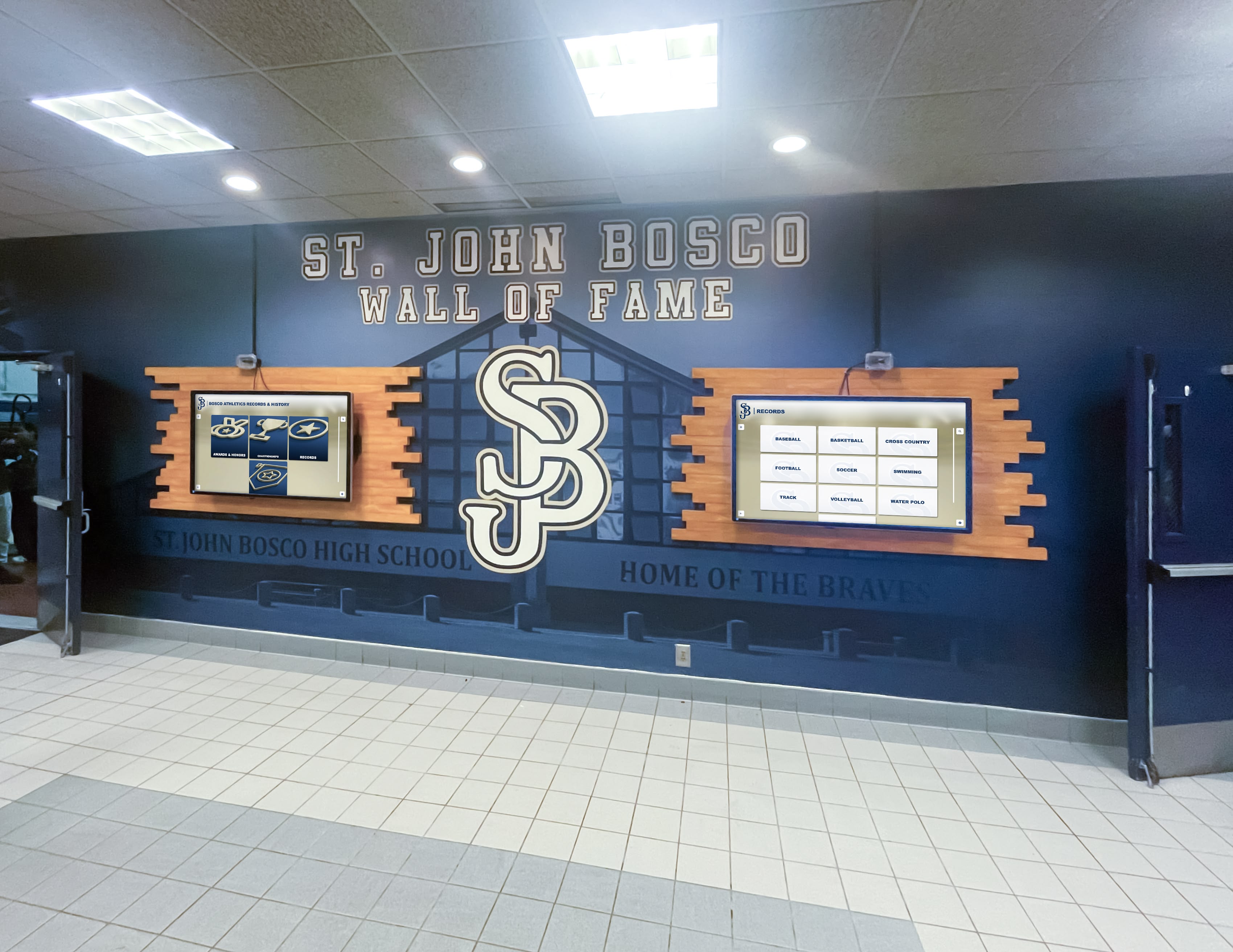
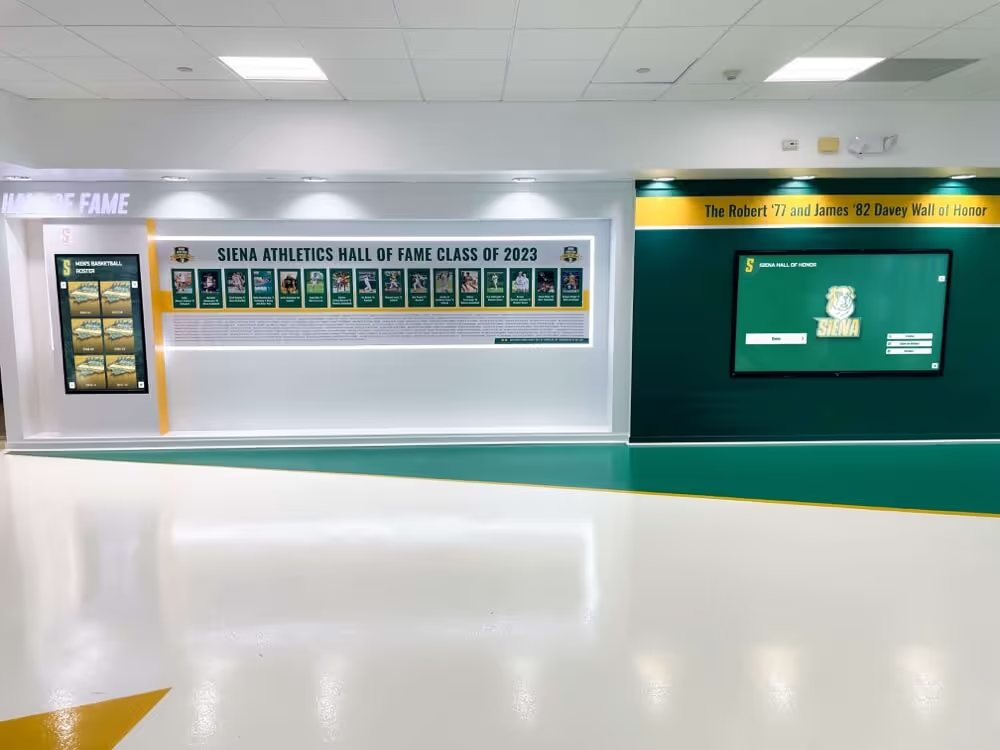
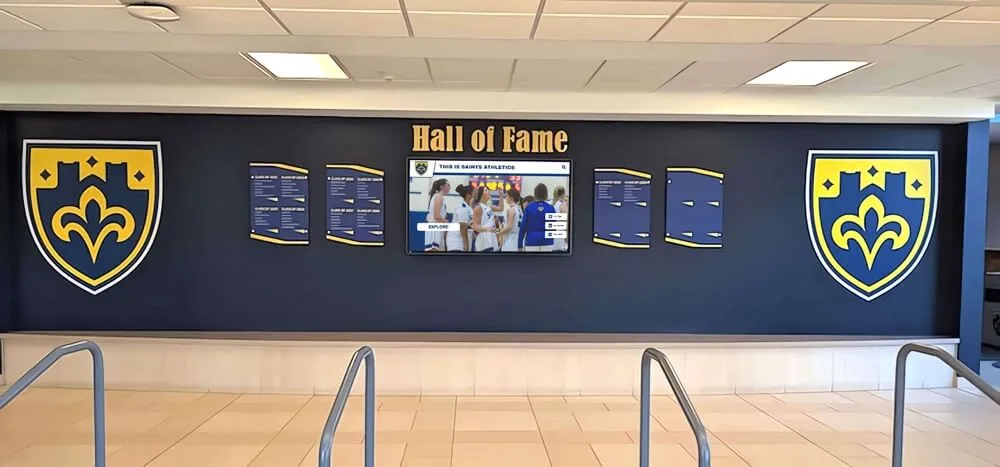
Multiple coordinated displays can serve different CTE pathways or recognition purposes while maintaining consistent design and management
Addressing Common Implementation Challenges
Schools implementing CTE recognition systems often encounter predictable challenges with known solutions.
Challenge: Limited CTE Space Visibility
Many CTE programs operate in separate buildings, wings, or even off-campus locations with limited visibility to the general student population.
Solutions:
- Install primary recognition displays in main building high-traffic areas ensuring school-wide visibility
- Use secondary displays in CTE-specific facilities providing detailed program information
- Implement web-based recognition extensions enabling access regardless of physical location
- Create mobile display options (tablets or portable screens) for career fairs and showcases
- Integrate CTE recognition into school-wide digital signage networks
- Feature CTE accomplishments in school entrance displays visible to all visitors
Strategic placement ensures CTE receives visibility proportional to its importance in the school’s educational mission.
Challenge: Diverse Program Needs
Schools offering multiple CTE pathways may struggle to fairly represent diverse programs with different achievement types and timelines.
Solutions:
- Create flexible recognition templates adaptable to different program types
- Establish rotating featured program schedules ensuring each pathway receives highlight periods
- Develop program-specific recognition criteria appropriate to each pathway’s characteristics
- Enable filtering and search allowing audiences to focus on programs of interest
- Track recognition distribution across programs ensuring equity
- Highlight interdisciplinary projects and collaborations across pathways
Balanced recognition across diverse programs demonstrates institutional commitment to all CTE offerings.
Challenge: Keeping Content Current
Recognition quickly becomes meaningless if displays show outdated information or fail to celebrate recent achievements.
Solutions:
- Automate updates where possible through system integrations
- Establish clear update responsibilities with specific staff assignments
- Create simple submission processes reducing barriers to content contribution
- Set calendar reminders for regular update activities
- Monitor engagement metrics identifying when content becomes stale
- Archive historical content systematically while prioritizing recent achievements
The cloud-based management systems offered by solutions like Rocket Alumni Solutions enable easy remote updates from any device, significantly reducing the administrative burden of keeping content current.
Challenge: Balancing Recognition with Privacy
Students and families may have varying comfort levels with public recognition of achievements.
Solutions:
- Implement opt-in or opt-out policies allowing students and families choice
- Establish clear policies about what information is displayed publicly
- Provide options for recognition with varying detail levels
- Enable private recognition modes viewable only to school community, not public visitors
- Regularly review and update privacy policies as regulations evolve
- Communicate clearly with families about recognition practices and choices
Respecting privacy while celebrating achievement creates trust and ensures recognition programs feel positive for all participants.
Extending CTE Recognition Beyond Physical Displays
While touchscreen displays provide powerful on-site recognition, comprehensive strategies extend celebration to additional channels.
Web-Based Recognition Extensions
Digital recognition should be accessible beyond physical school locations:
Dedicated CTE Recognition Websites Create web portals showcasing CTE accomplishments:
- Program descriptions and pathway requirements
- Current student achievement galleries searchable by program, year, or achievement type
- Alumni success stories and career outcome data
- Employer partnership recognition and testimonials
- Work-based learning and certification opportunity information
- Event calendars for competitions, open houses, and CTE celebrations
Social Media Integration Leverage platforms where students, families, and community members already engage:
- Regular posts celebrating individual student accomplishments
- Video features showing students explaining their CTE experiences
- Competition result announcements and celebration
- Event promotion and recaps with photos and highlights
- Employer partnership spotlights and appreciation
- CTE Month special content throughout February
School Communication Channels Integrate CTE recognition into existing communication systems:
- Newsletter features highlighting monthly CTE accomplishments
- Email announcements to families when their students are recognized
- Morning announcement integration during school days
- Parent portal connections showing individual student CTE progress
- School app notifications about CTE achievements and opportunities
Similar approaches to digital class composites demonstrate how web-based extensions amplify physical recognition impact.

Detailed student profiles accessible through touchscreen navigation provide comprehensive recognition that honors the full scope of individual achievement
Event-Based Recognition Opportunities
Strategic integration of recognition displays into school events amplifies impact:
CTE Open Houses and Showcases Use recognition displays prominently during events specifically promoting CTE:
- Feature displays showing program accomplishments and student achievements
- Provide interactive exploration opportunities for prospective students and families
- Include employer partner testimonials and work-based learning opportunities
- Highlight alumni success stories relevant to featured pathways
- Display certification opportunity information and requirements
School-Wide Events Integrate CTE recognition into broader school celebrations:
- Homecoming festivities featuring CTE alongside athletic and academic achievements
- New student orientation introducing CTE pathways and accomplishments
- Parent-teacher conferences with recognition displays in conference areas
- School board meetings showcasing CTE program excellence
- Community partnership events celebrating employer engagement
Career and College Fairs Position recognition displays strategically during planning events:
- Highlight connections between CTE preparation and career opportunities
- Show alumni progression from CTE programs to successful careers
- Display industry certification value and employer recognition
- Feature post-secondary technical education pathways and partnerships
- Celebrate work-based learning placements connecting students to careers
Print and Traditional Media Extensions
While digital solutions provide flexibility, traditional media still reaches important audiences:
Annual CTE Program Guides Printed materials can feature recognition highlights:
- Top achievers across all CTE pathways
- Certification and competition accomplishment summaries
- Employer partnership recognition and appreciation
- Alumni success story features
- Upcoming year program information and enrollment details
Local Media Relations Systematic outreach ensures community awareness:
- Press releases about significant CTE accomplishments
- Letters to the editor during CTE Month celebrating program value
- Student feature stories for local newspapers and community publications
- Broadcast media appearances by recognized students and instructors
- Community calendar listings for CTE events and showcases
Combined, these multi-channel approaches ensure CTE recognition reaches all stakeholders regardless of how they prefer to receive information.
Looking Forward: The Future of CTE Recognition
As career technical education continues evolving, recognition systems will adapt to serve emerging needs and leverage advancing technology.
Emerging Trends in CTE
Understanding where career technical education is heading helps schools plan recognition systems that remain relevant:
Industry 4.0 Skill Recognition Advanced manufacturing, artificial intelligence, and automation create new certification and skill areas requiring recognition frameworks that adapt to rapidly changing technical landscapes.
Micro-Credentialing and Stackable Certificates The shift toward granular skill validation through digital badges and micro-credentials requires recognition systems that can showcase accumulating competencies rather than only terminal certifications.
Remote and Hybrid Career Preparation Virtual internships, remote apprenticeships, and online technical training expand career preparation beyond physical CTE facilities, requiring recognition approaches that honor these non-traditional pathways.
Entrepreneurship and Innovation Growing emphasis on entrepreneurial thinking and innovation in CTE programs creates new achievement types worthy of recognition beyond traditional employment outcomes.
Technology Evolution
Recognition technology continues advancing in ways that will enhance CTE celebration:
Enhanced Interactivity Future systems may include:
- Augmented reality features overlaying project demonstrations or career information
- Voice-activated search enabling hands-free exploration
- Gesture-based interaction reducing touch requirements
- Mobile device integration allowing personal exploration and sharing
- Artificial intelligence powering personalized content recommendations
Advanced Analytics Sophisticated data analysis will enable:
- Predictive modeling identifying at-risk students who might benefit from additional support
- Pattern recognition revealing what recognition approaches most effectively motivate achievement
- Outcome tracking demonstrating long-term career success correlations with recognition
- Community engagement measurement showing recognition’s impact on program support
Seamless Integration Future recognition platforms will connect more deeply with educational technology ecosystems:
- Real-time integration with learning management systems and competency tracking
- Automated content generation from student information and assessment systems
- Direct connections to employer databases for work-based learning and employment tracking
- Integration with digital wallet systems where students manage their credential portfolios
Staying informed about emerging trends ensures CTE recognition systems remain effective as education and technology evolve.
Transform Your CTE Program Recognition
Discover how Rocket Alumni Solutions creates comprehensive digital touchscreen displays specifically designed to celebrate career technical education achievements. Our cloud-based platforms honor diverse CTE pathways, showcase student certifications and competition success, and demonstrate the value of hands-on career preparation to your entire school community.
Explore CTE Recognition SolutionsConclusion: Elevating Career Preparation Through Recognition
Career and Technical Education prepares millions of students for meaningful careers in high-demand fields while providing pathways to both immediate employment and continued education. These accomplishments deserve recognition equal to any other educational achievement—and digital touchscreen displays provide powerful platforms for that celebration.
When schools implement comprehensive CTE recognition systems, they accomplish multiple critical goals simultaneously. Students receive motivation and validation for pursuing career preparation pathways. Programs gain visibility and prestige that support enrollment and community support. Families develop understanding and appreciation for the value of technical education. Industry partners see evidence of program quality that encourages continued engagement. And school communities benefit from cultures that honor diverse pathways to success.
The strategies explored in this guide—from understanding CTE-specific recognition needs to implementing sustainable management approaches—provide frameworks for creating recognition systems that serve career technical education effectively. Whether you’re beginning to explore digital recognition options or ready to implement comprehensive solutions, taking steps to celebrate CTE achievements positions your programs to thrive and your students to succeed.
Career and Technical Education Month each February provides natural opportunities to launch or expand CTE recognition initiatives. But the most powerful recognition systems operate year-round, ensuring sustained visibility and celebration of the incredible accomplishments CTE students achieve as they prepare for careers that will sustain them, their families, and their communities for decades to come.
Your CTE students’ accomplishments—every certification earned, competition won, project completed, and career launched—deserve to be celebrated prominently and permanently. Digital touchscreen displays make that comprehensive recognition achievable, sustainable, and impactful. The investment in CTE recognition represents an investment in the students who will build, heal, feed, create, code, design, manufacture, and serve in the essential careers our economy and communities need.
Ready to begin elevating CTE recognition in your school? Explore comprehensive career and technical education recognition solutions and discover how digital recognition platforms can transform how your community celebrates the remarkable achievements of career-ready students.