Digital Asset Management for Schools: Complete Guide to Organizing, Sharing, and Showcasing Educational Content in 2026
Digital asset management (DAM) represents one of the most critical—yet frequently overlooked—technology needs facing modern educational institutions. Schools generate thousands of digital assets annually: event photos, student achievement records, athletic highlights, historical yearbooks, donor recognition materials, promotional videos, and institutional archives. Yet most schools lack systematic approaches for organizing, preserving, accessing, and presenting this valuable content, resulting in lost files, duplicated efforts, compliance risks, and missed opportunities to celebrate their communities.
Without proper digital asset management, schools struggle with scattered files across multiple devices and platforms, inaccessible historical content when staff members leave, inability to quickly locate specific photos or videos when needed, no systematic way to display achievements publicly, and significant time wasted recreating content that already exists somewhere in forgotten folders. These challenges waste resources while undermining schools’ ability to effectively communicate their stories and honor their communities.
This comprehensive guide explores strategies for implementing effective digital asset management systems in educational settings, addressing both content organization needs and public presentation opportunities that help schools celebrate achievements, engage communities, and preserve institutional memory for future generations.
Effective digital asset management in schools extends beyond simple file storage—it creates systematic workflows for capturing, organizing, preserving, accessing, and displaying content that tells your institution’s story. Schools that excel at digital asset management treat their photos, videos, documents, and records as valuable institutional assets requiring the same careful stewardship applied to physical property and financial resources.

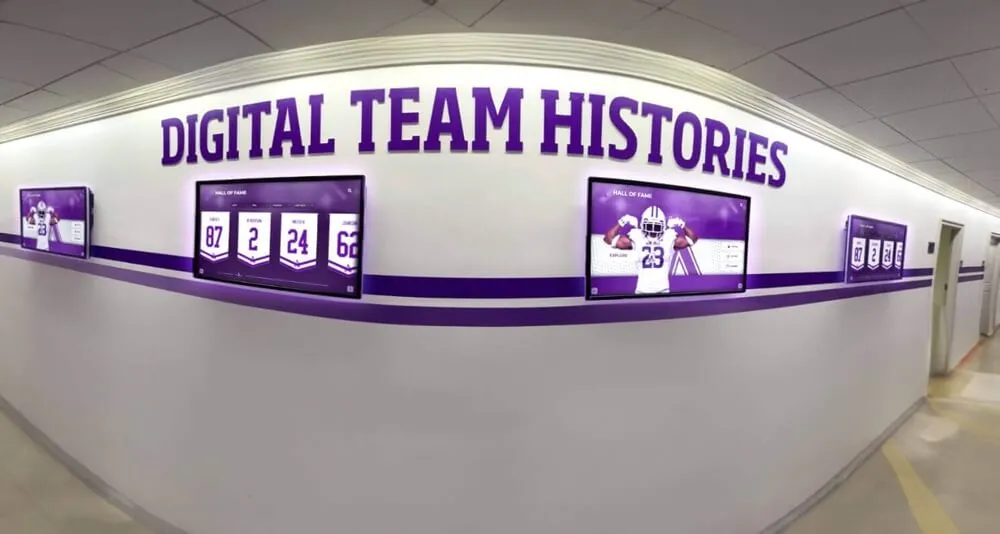
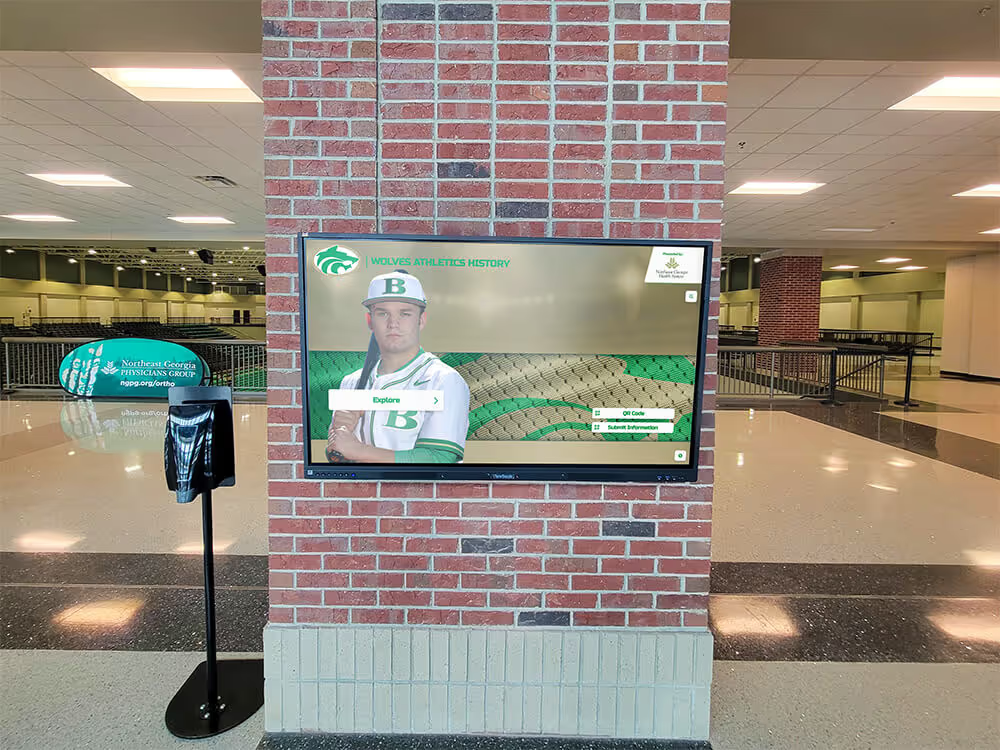
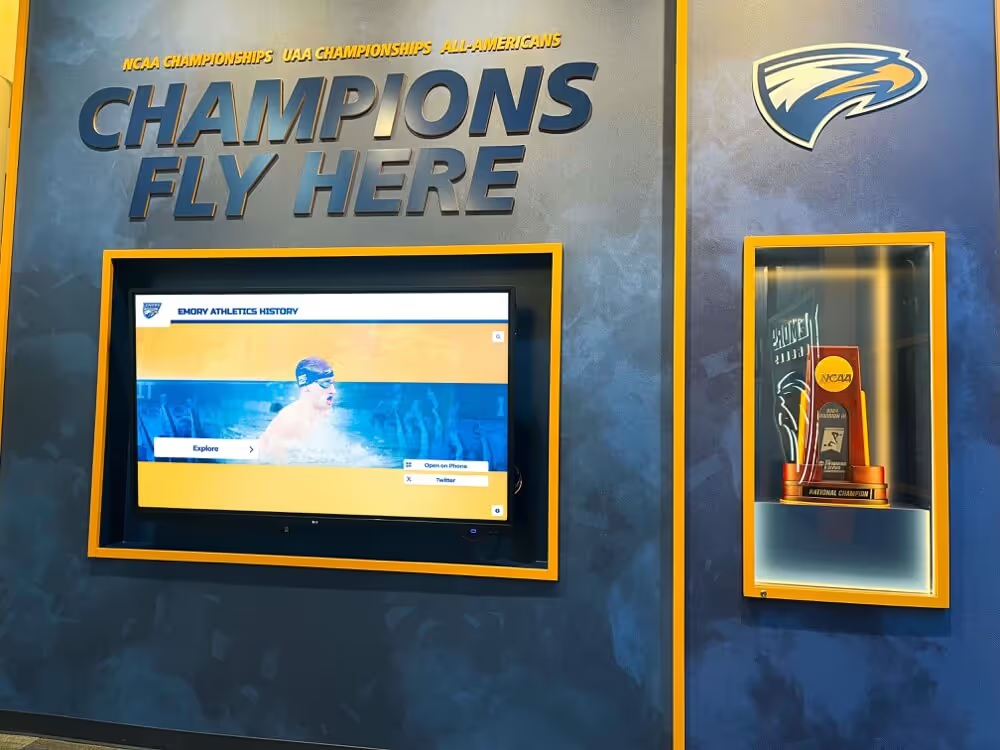
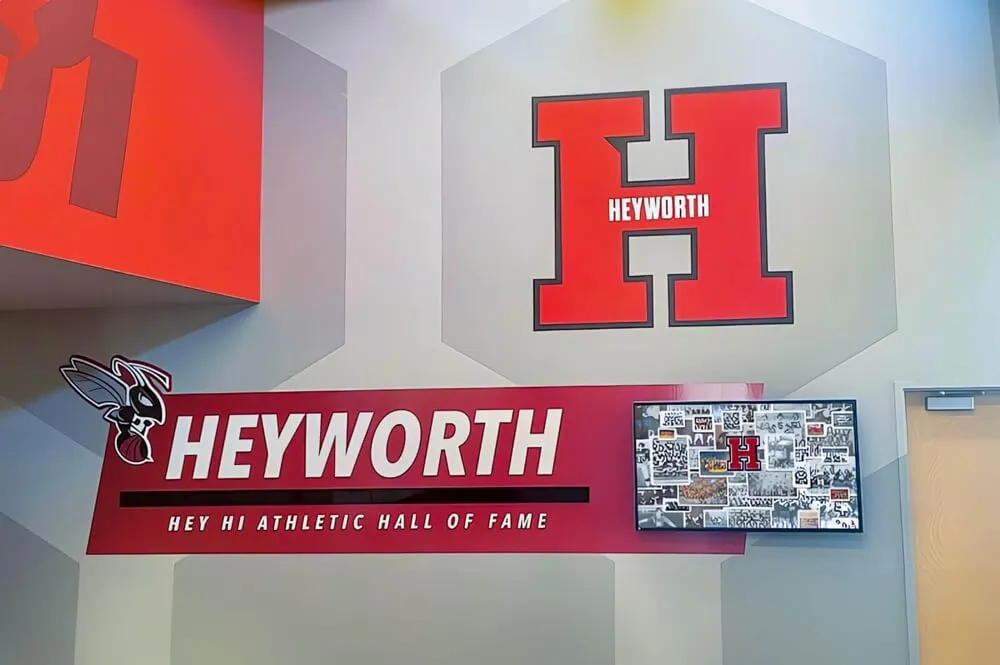
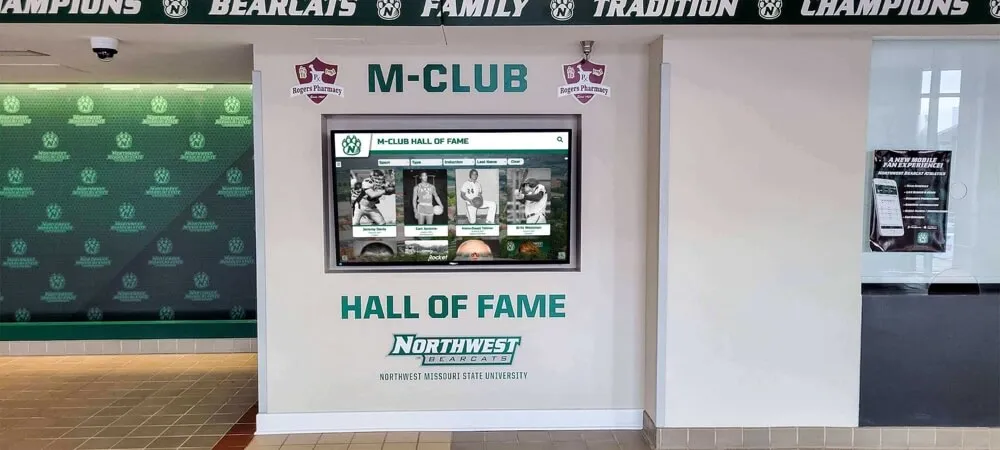
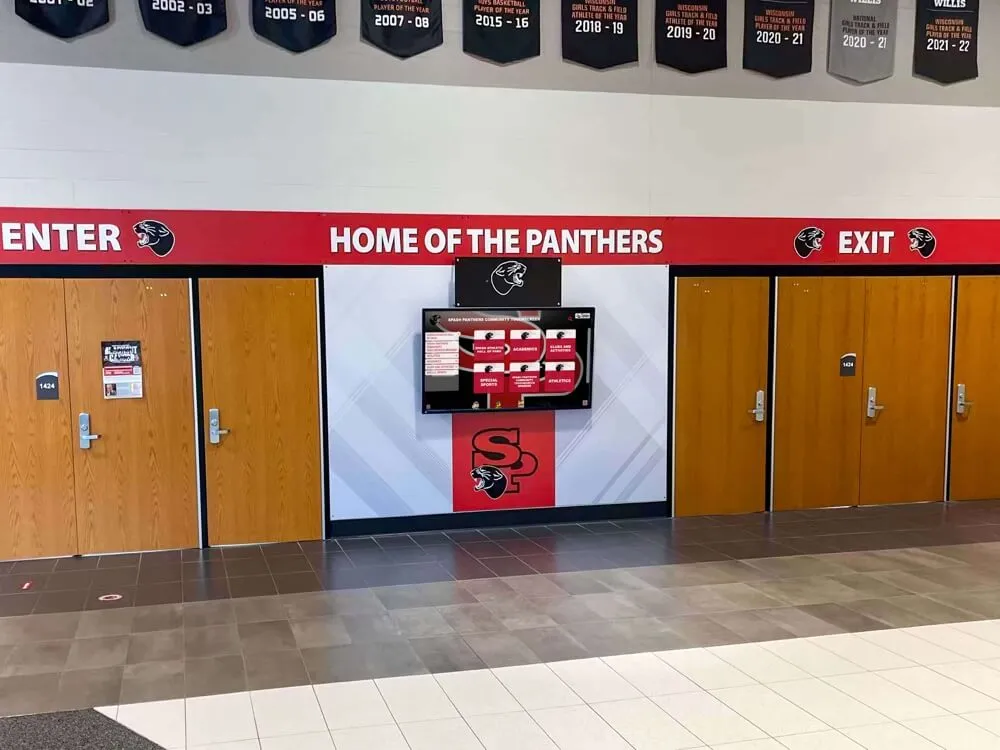
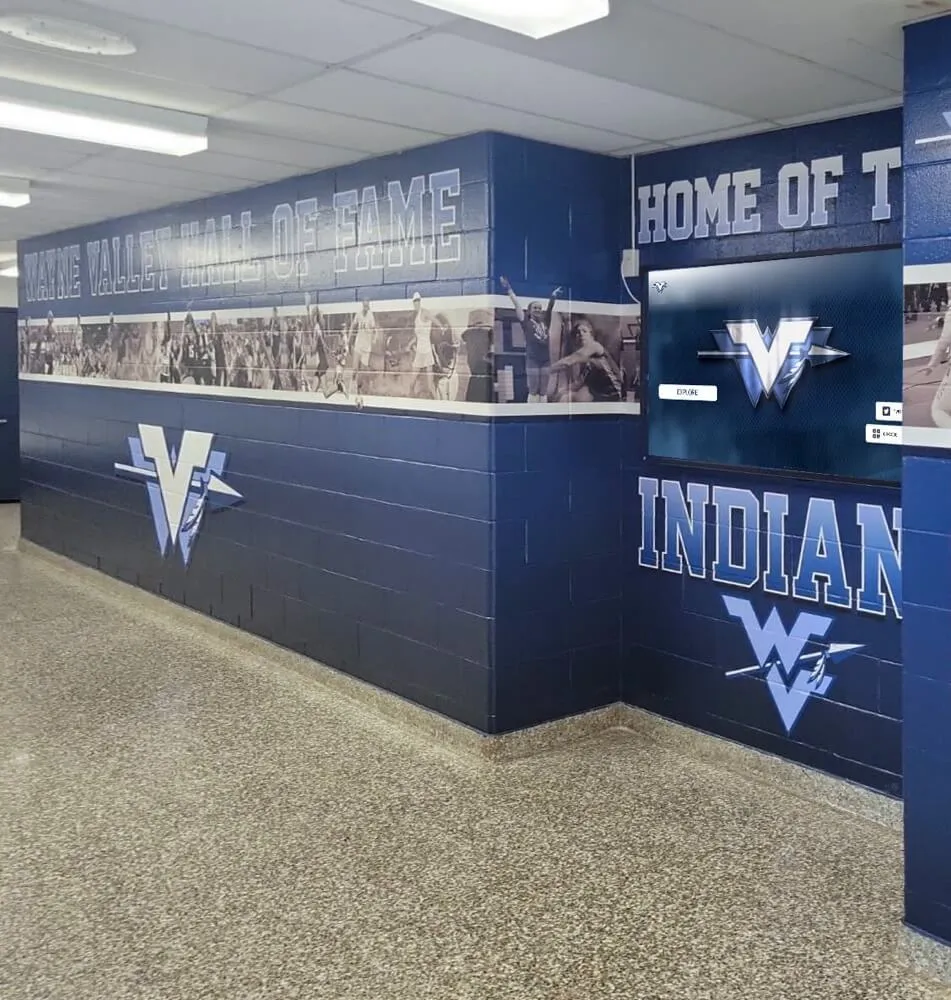
Modern digital asset management systems enable schools to organize content behind the scenes while presenting achievements publicly through engaging displays
Understanding Digital Asset Management Needs in Educational Settings
Before selecting systems and implementing workflows, understanding the unique digital asset management challenges facing schools helps institutions design approaches aligned with educational contexts and community expectations.
The Scope of School Digital Assets
Educational institutions manage diverse content types requiring different organizational approaches:
Visual Content and Media
- Event photography from athletics, performances, ceremonies, and daily activities
- Video recordings of competitions, presentations, celebrations, and historical moments
- Graphic design files for publications, marketing materials, and promotional content
- Logos, brand assets, and visual identity materials
- Architectural plans, facility photos, and campus documentation
Achievement and Recognition Records
- Student academic accomplishments and honor roll records
- Athletic achievements, statistics, and team histories
- Arts program performances and competition results
- Community service hours and leadership activities
- Alumni achievements and notable graduate profiles
Discover comprehensive approaches to celebrating academic achievements that make recognition records accessible and visible.
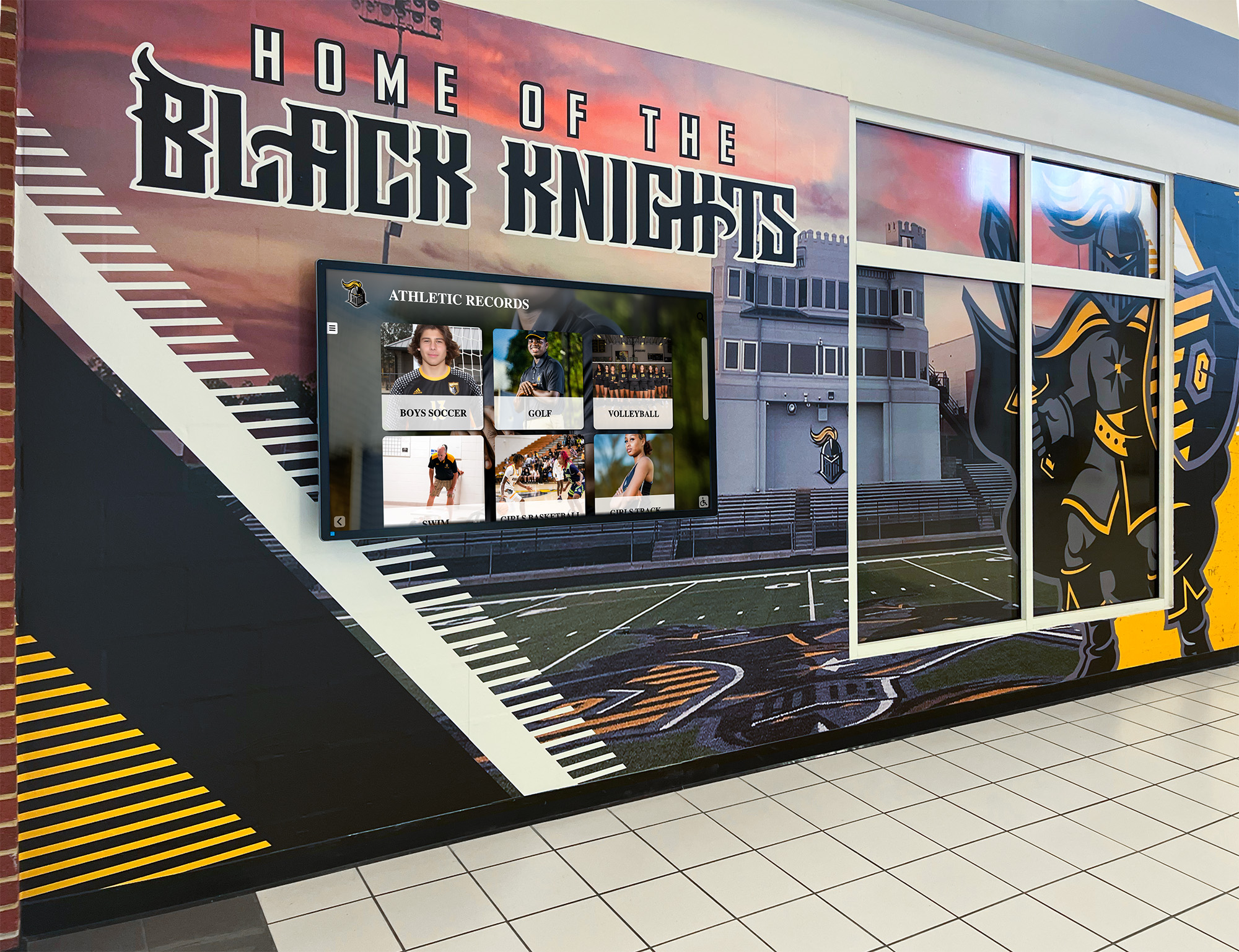
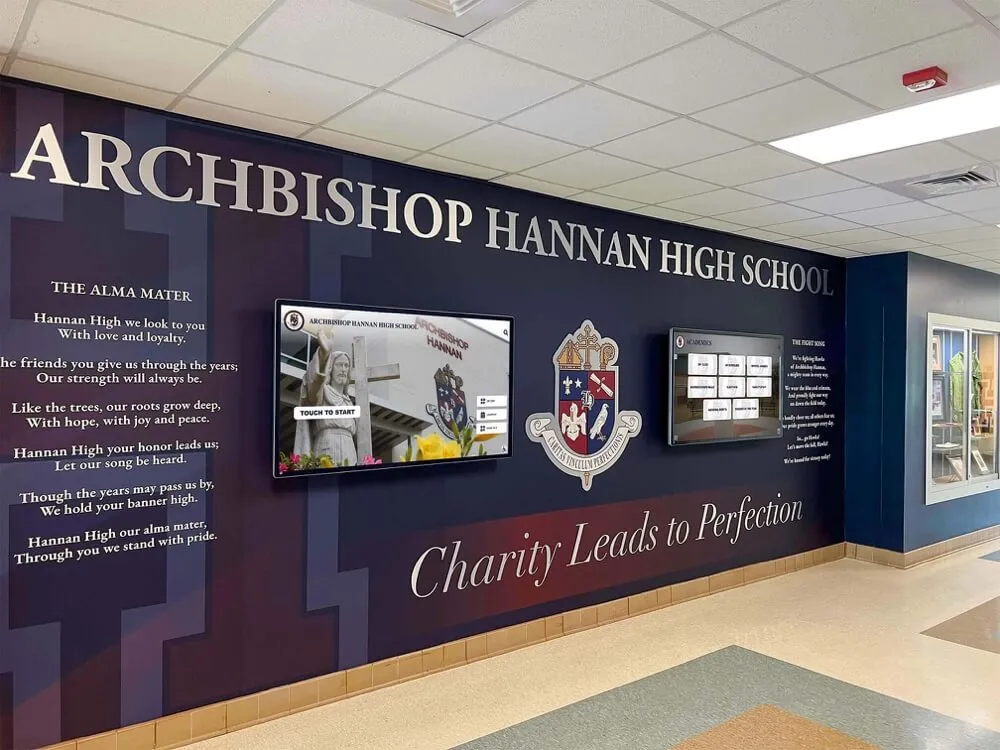
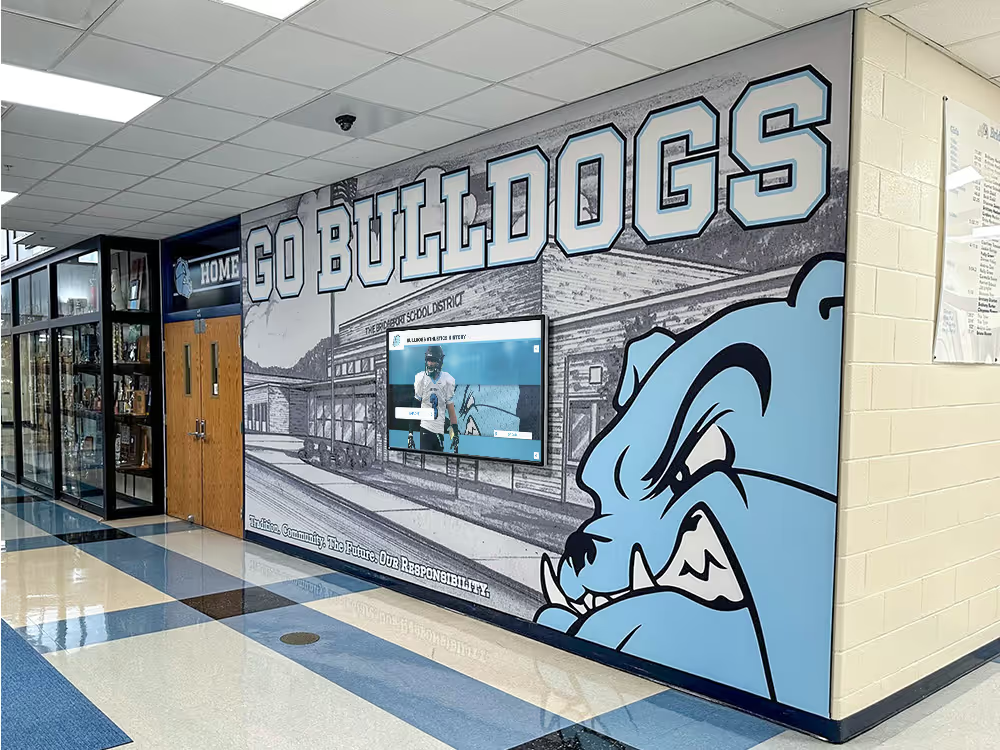
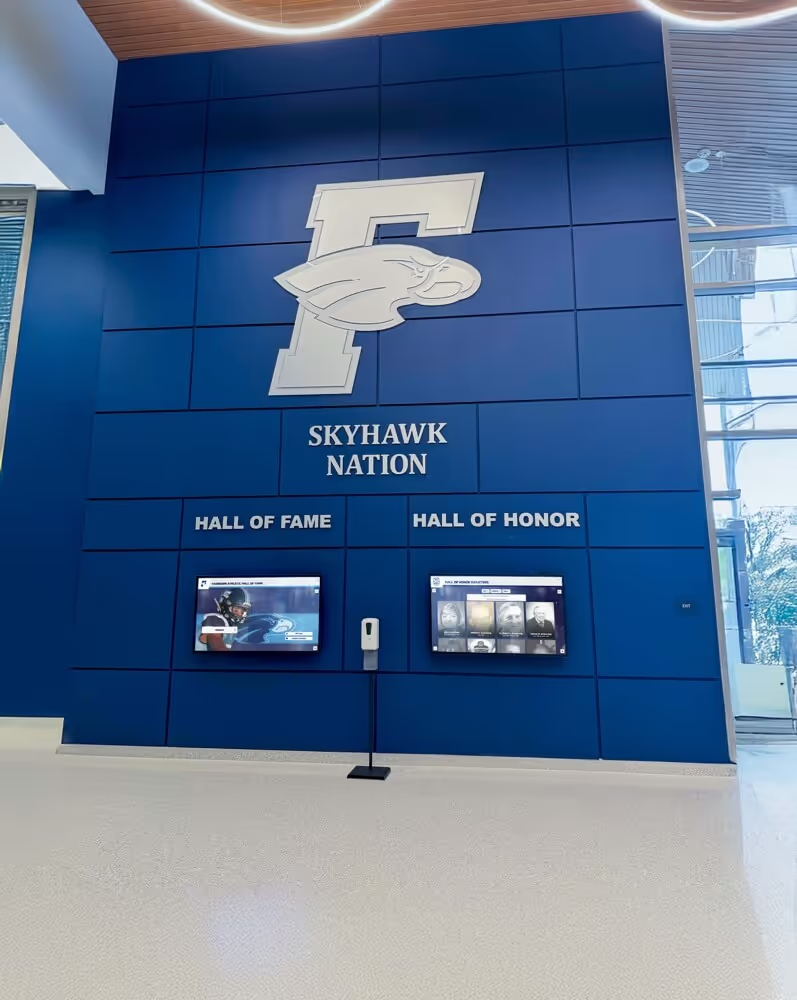
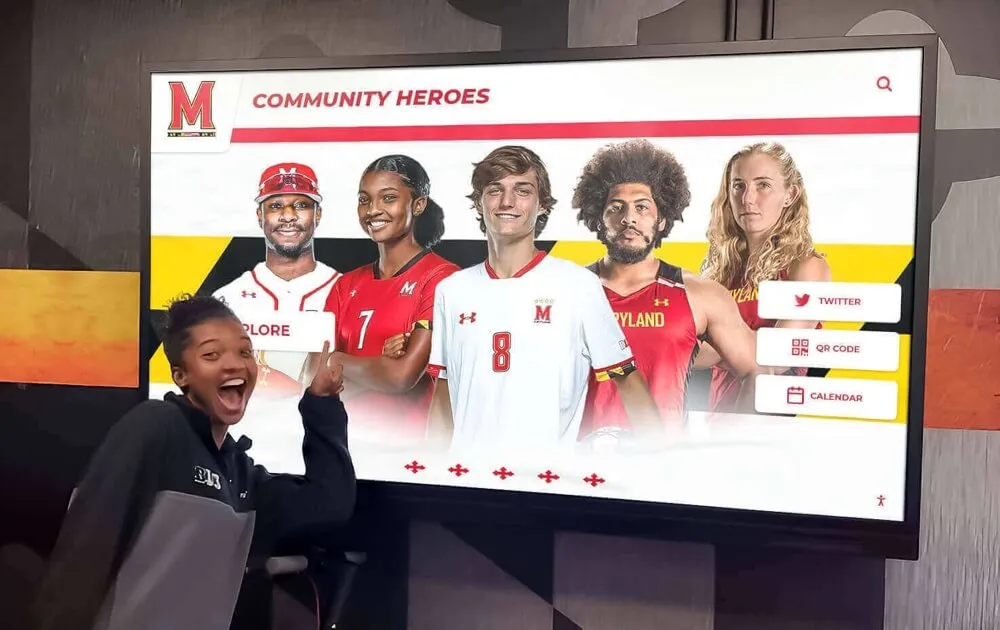
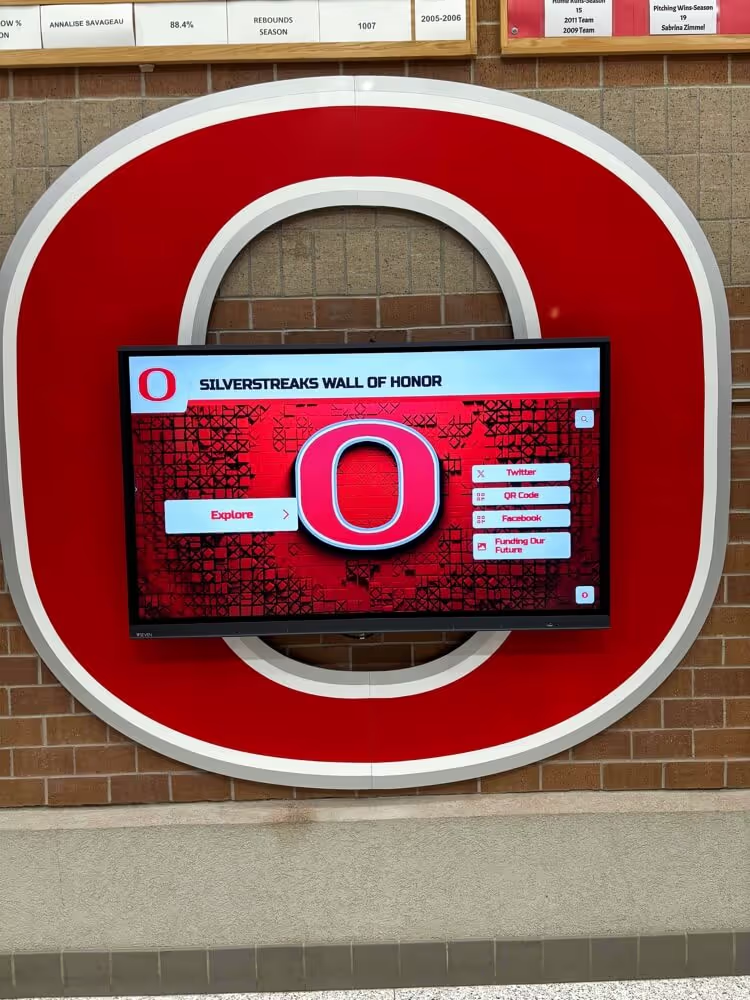
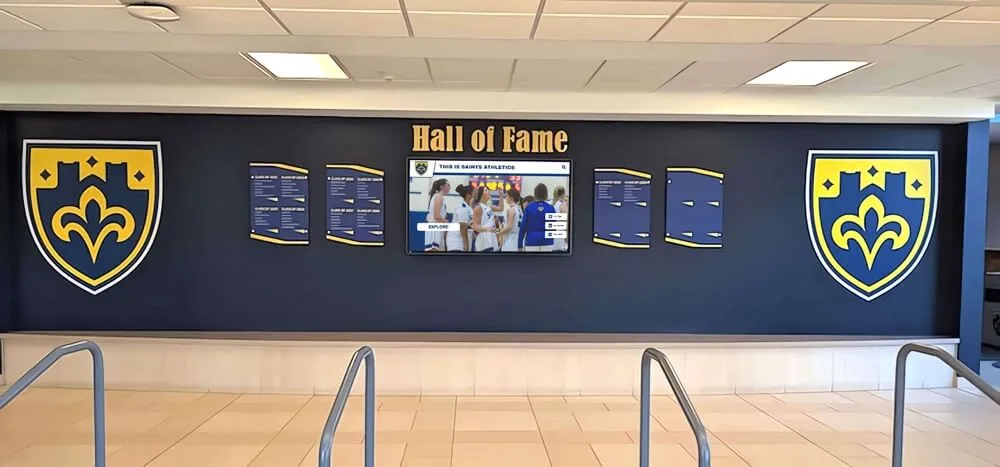
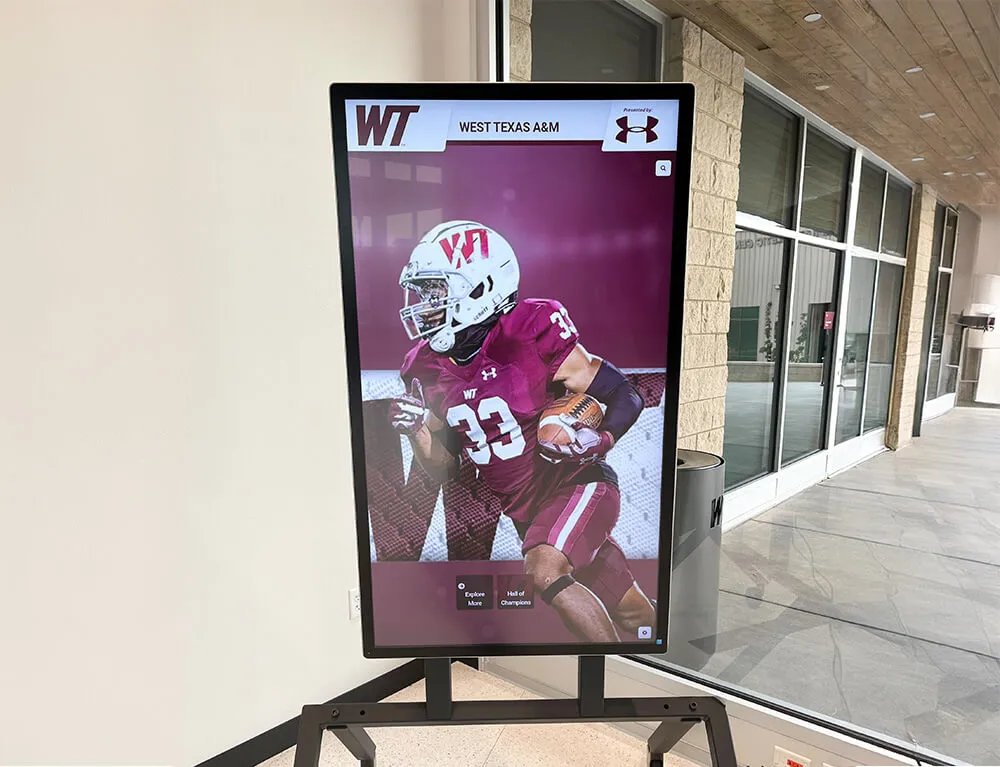
Effective DAM systems bridge digital content storage with public display opportunities throughout campus
Historical and Archival Materials
- Yearbook collections spanning decades
- Historical photographs documenting institutional evolution
- Newspaper clippings and media coverage archives
- Founding documents and institutional records
- Oral histories and community testimonials
Learn strategies for digitizing historical yearbooks to preserve and access institutional memory.
Donor and Development Content
- Donor photos and biographical information
- Gift recognition materials and naming opportunities
- Campaign progress documentation and milestone records
- Fundraising event photos and program materials
- Legacy giving stories and impact testimonials
Administrative and Operational Files
- Board meeting presentations and governance documents
- Policy manuals and procedural documentation
- Facility management photos and maintenance records
- Staff directories and organizational charts
- Curriculum materials and educational resources
This breadth of content types requires flexible systems accommodating diverse formats while maintaining consistent organizational structures across all asset categories.
Common Digital Asset Management Challenges in Schools
Educational institutions face unique obstacles when managing digital content:
Decentralized Content Creation
Unlike corporate environments with dedicated media teams, schools generate content across dozens of individuals including teachers documenting classroom activities, coaches capturing athletic moments, administrators photographing events, students creating projects, volunteers taking pictures, and alumni sharing historical materials. This decentralization creates fragmented collections with inconsistent quality, naming conventions, and storage locations.
Limited Technical Resources
Most schools lack dedicated IT staff focused on digital asset management, instead relying on general technology coordinators managing multiple priorities, communications directors wearing many hats, or enthusiastic volunteers without formal training. This resource constraint limits sophisticated system implementation and ongoing maintenance.
Long-Term Preservation Requirements
Educational institutions operate on timescales spanning decades or centuries, creating preservation requirements far exceeding typical business needs. Content from 1950 must remain accessible alongside materials from 2025, requiring migration strategies, format conversions, and sustained commitment transcending individual staff tenures.
Privacy and Compliance Considerations
Schools manage student information subject to FERPA regulations, requiring careful permissions management, content access controls, and systematic approaches ensuring appropriate privacy protection while still celebrating achievements appropriately.
Budget Constraints
Educational budgets typically prioritize direct instructional needs over infrastructure investments like digital asset management, making cost-effectiveness critical for system adoption and sustainability.
Multiple Stakeholder Needs
School DAM systems must serve diverse users including administrators needing quick access to specific photos, development staff requiring donor materials, coaches wanting athletic records, alumni seeking historical content, and community members exploring institutional stories—each with different technical capabilities and access requirements.
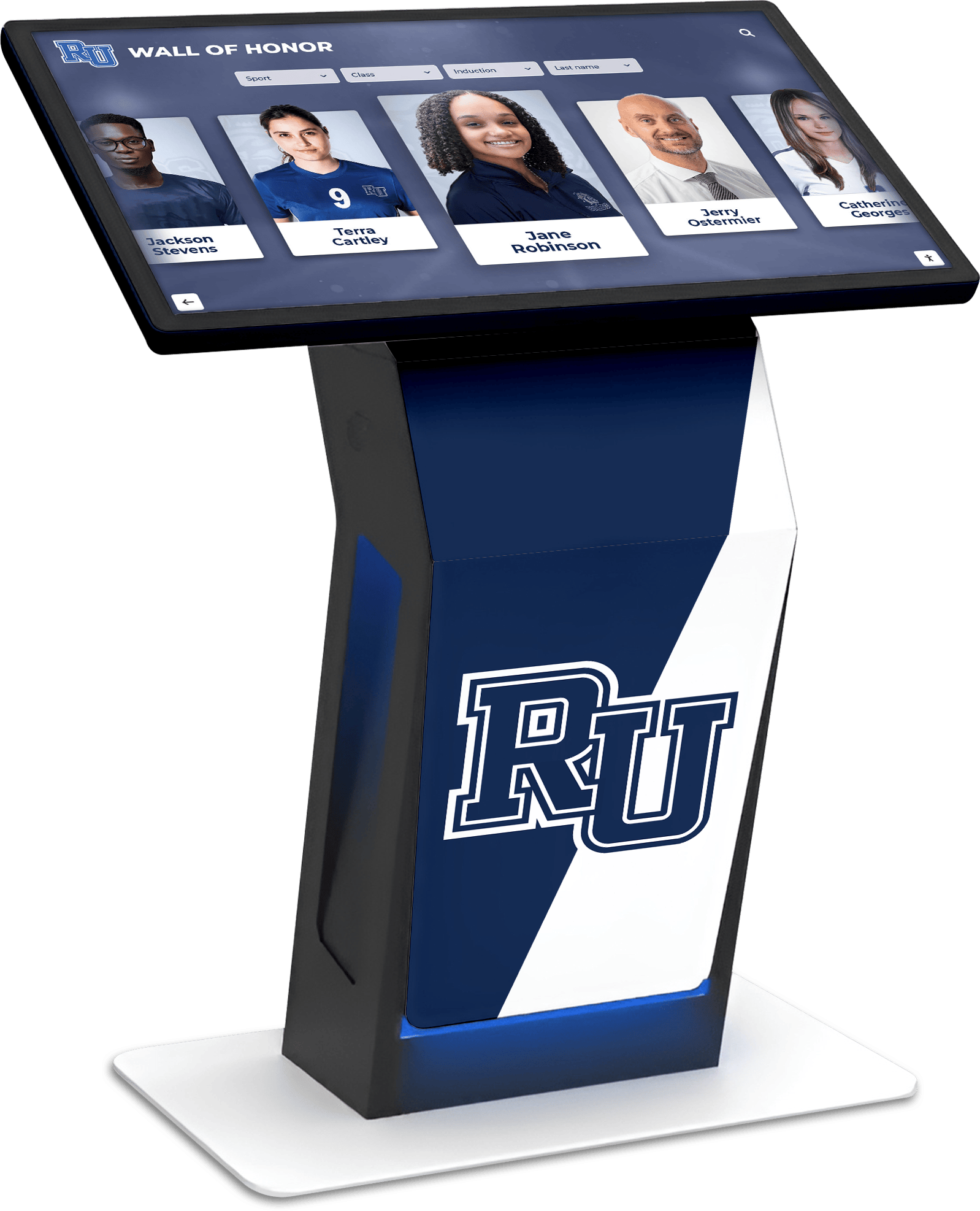
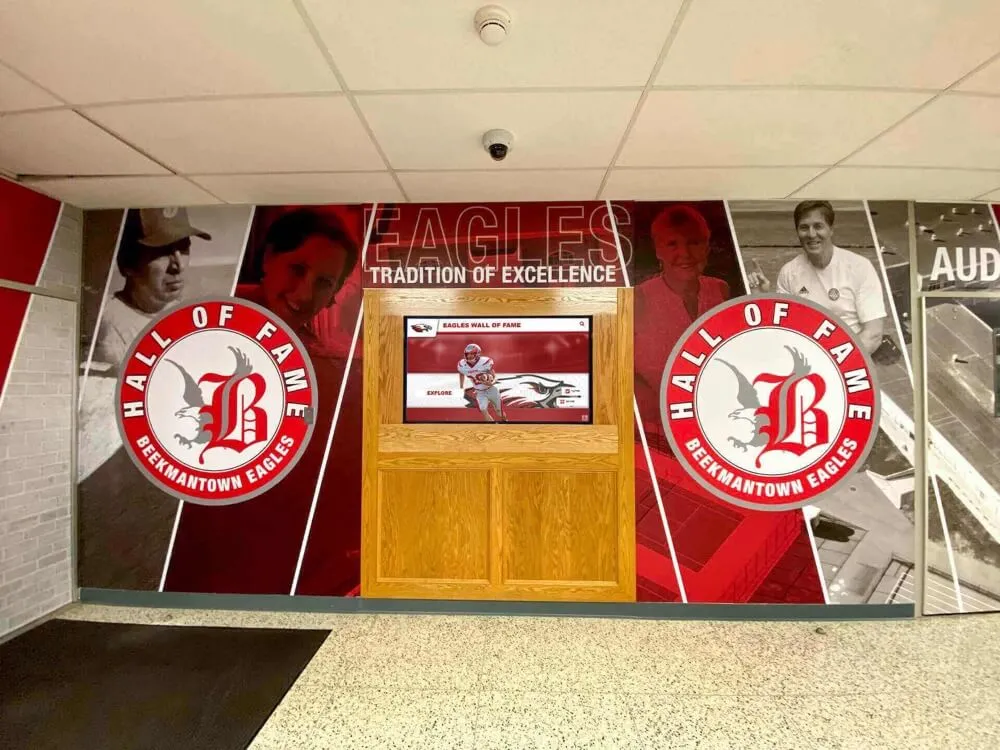
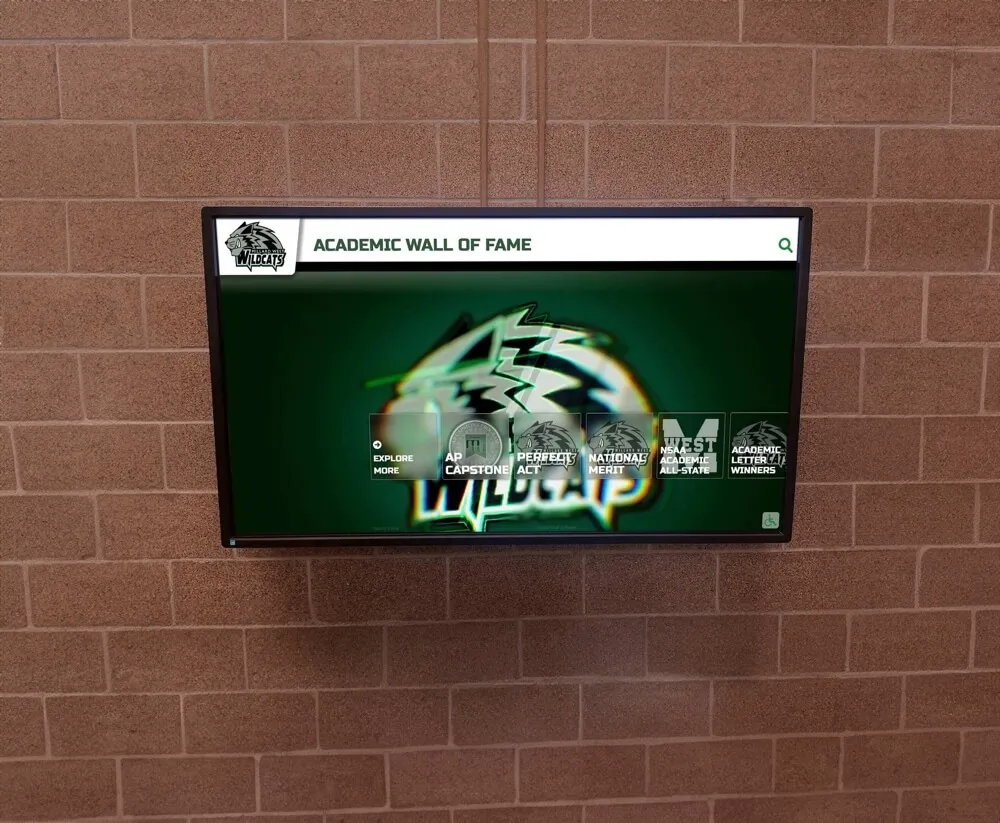
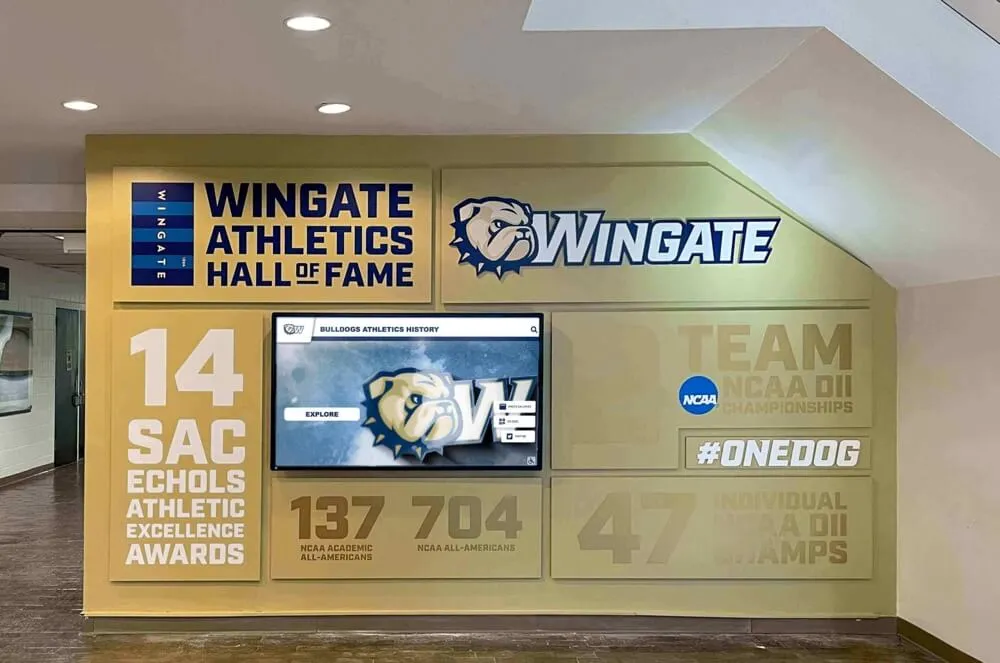
Modern DAM solutions balance secure content management with public access for appropriate stakeholders
Addressing these challenges requires systems designed specifically for educational contexts rather than generic solutions built for corporate environments with fundamentally different needs and resources.
Core Components of Effective School Digital Asset Management Systems
Successful educational DAM implementations share essential capabilities that address schools’ unique requirements.
Centralized Content Repository
The foundation of effective digital asset management is a unified system where all institutional content lives:
Single Source of Truth
Rather than files scattered across individual computers, email attachments, cloud storage accounts, and external drives, centralized repositories provide definitive locations where authorized users can access current, approved versions of all digital assets. This centralization eliminates the common scenario where three different people have three different versions of the same photo with no clear indication which is correct or approved.
Accessible from Anywhere
Cloud-based or web-accessible systems enable authorized users to access content from any location rather than requiring physical presence in specific offices or access to particular computers. This accessibility proves particularly valuable when staff members work remotely, volunteers need content from home, or administrators require files while traveling.
Scalable Storage Capacity
School digital collections grow continuously as new events occur, achievements accumulate, and historical materials are digitized. Effective DAM systems provide expandable storage accommodating decades of content without requiring periodic migrations to larger platforms or painful decisions about what to delete.
Secure but Flexible Access Controls
Robust permission systems enable administrators to control who can view, download, edit, or delete specific content categories. Development staff might access donor photos while coaches view athletic materials, students browse publicly approved content, and administrators manage everything—all within a single system with appropriate access boundaries.
Intelligent Organization and Search Capabilities
Simply storing files centrally provides minimal value without ways to find specific content when needed:
Metadata and Tagging Systems
Effective DAM platforms enable users to add descriptive information to assets including event names and dates, people pictured, locations, categories, keywords, usage rights, photographer credits, and custom fields specific to educational needs like graduation years, sports teams, or academic departments.
Rich metadata transforms generic “IMG_5847.jpg” into “2025 State Basketball Championship - Team Photo - March 15, 2025 - Springfield Arena” making content discoverable years later when the person who took the photo no longer works at the school.
Powerful Search Functions
Advanced search capabilities let users find content through multiple pathways including keyword searches across metadata fields, date range filtering, category browsing, person or group identification, event type selection, and combined criteria queries like “basketball + 2020s + championships.”
These search capabilities mean that when the principal needs a photo of the robotics team for tomorrow’s presentation, staff can locate appropriate options in seconds rather than spending an hour searching through thousands of unsorted files.
Facial Recognition and AI Enhancement
Leading DAM systems increasingly incorporate artificial intelligence to automatically identify individuals in photos, suggest relevant tags, detect image quality issues, and recommend related content. While requiring careful implementation respecting privacy concerns, these capabilities dramatically reduce manual tagging time.
Content Workflow Management
Digital asset management extends beyond storage to encompass how content flows through creation, approval, and use:
Intake and Upload Processes
Systematic workflows for getting content into the DAM system ensure comprehensiveness and consistency. Schools might implement event photography protocols where assigned photographers upload content within 48 hours following standardized naming conventions, student achievement submission forms allowing teachers to nominate recognition candidates with supporting documentation, or alumni contribution portals enabling graduates to share historical materials.
Review and Approval Workflows
Before content becomes publicly accessible, approval processes ensure appropriateness, accuracy, and permissions compliance. DAM systems can route uploaded content to relevant administrators for review, flag photos requiring specific student permissions, identify assets needing caption verification, and track approval status preventing premature publication.
Version Control and History
When files undergo edits or updates, version control preserves previous iterations while clearly identifying current approved versions. This capability proves essential when logos evolve, photos are cropped for different uses, or documents require periodic updates while preserving historical versions.
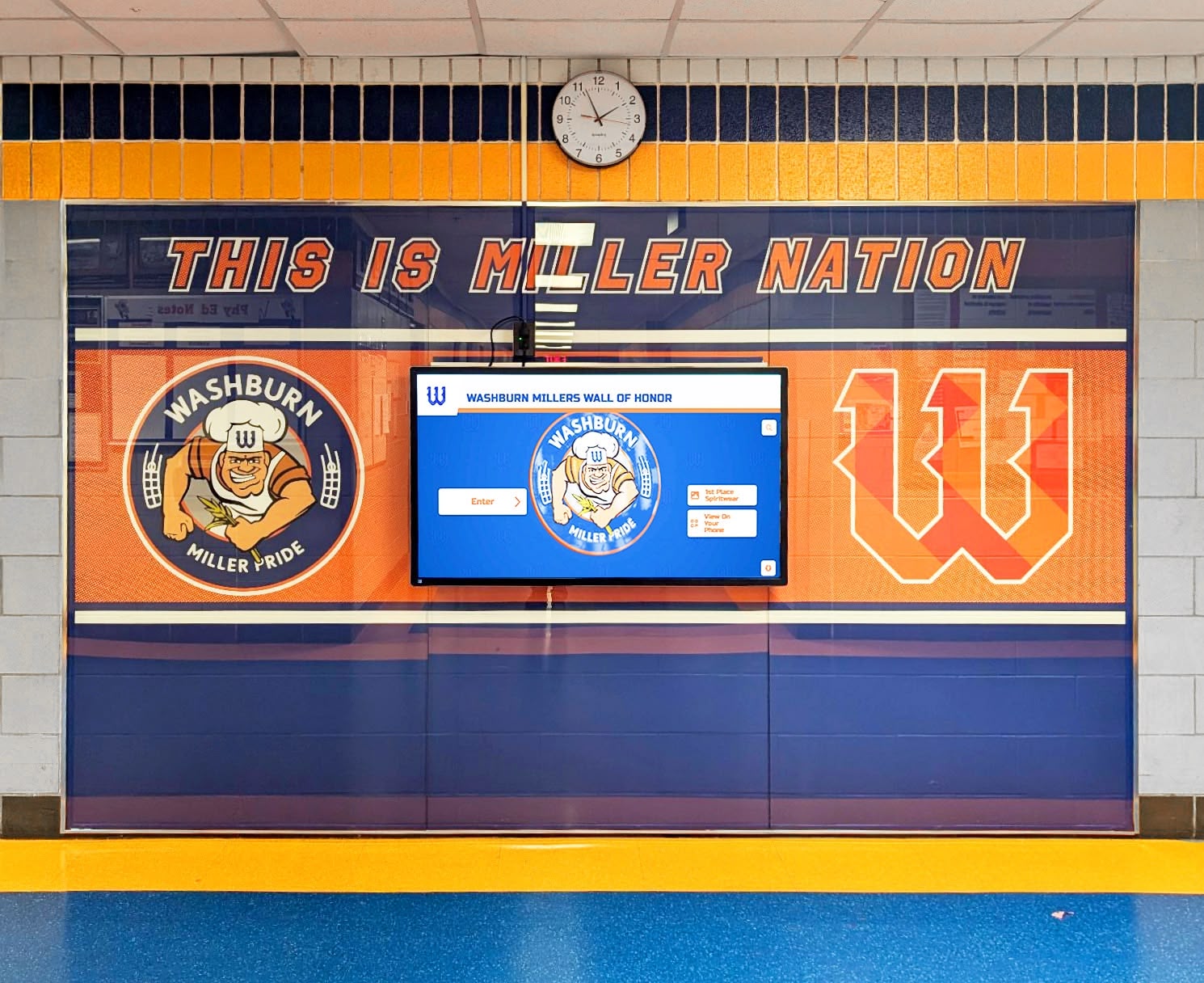
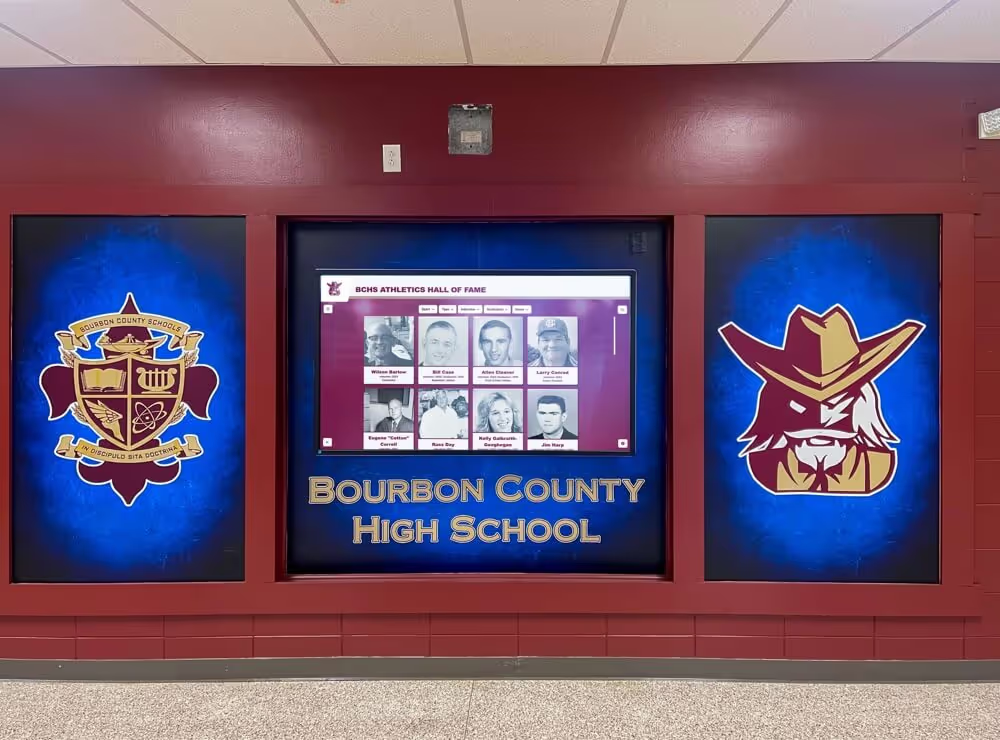
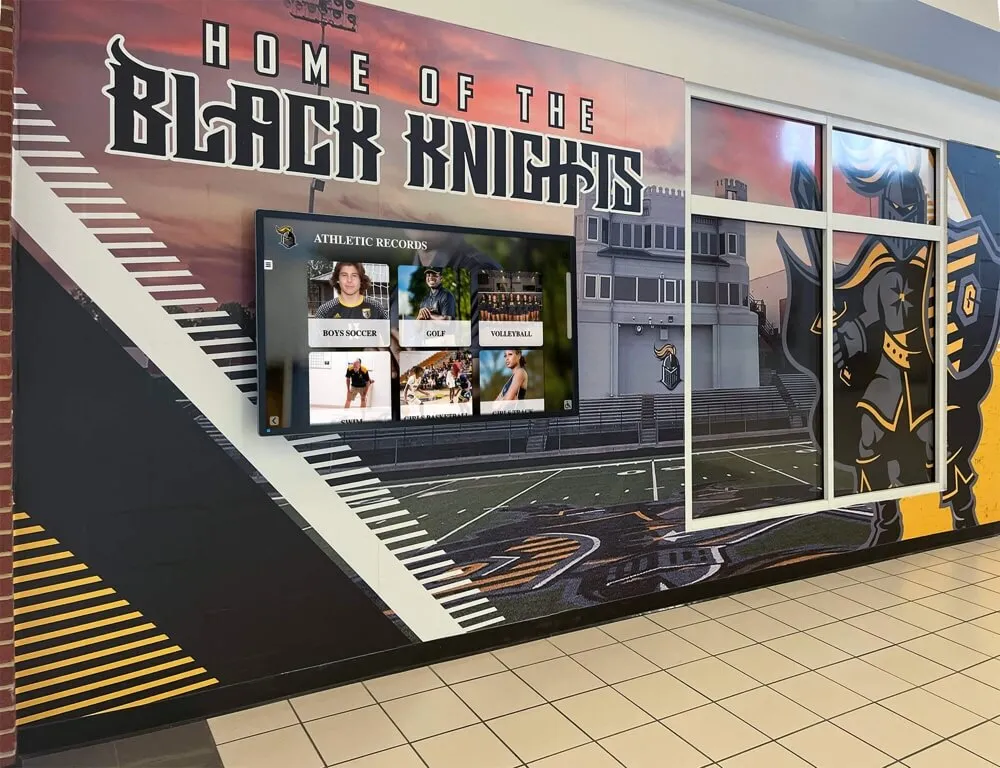
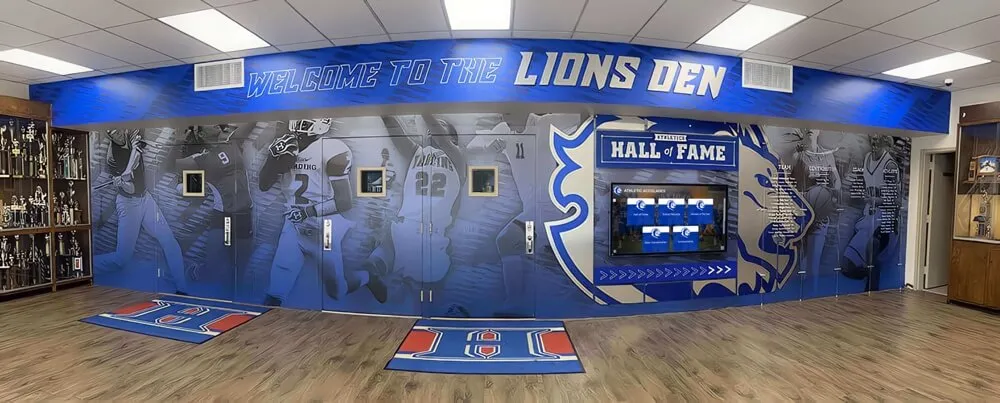
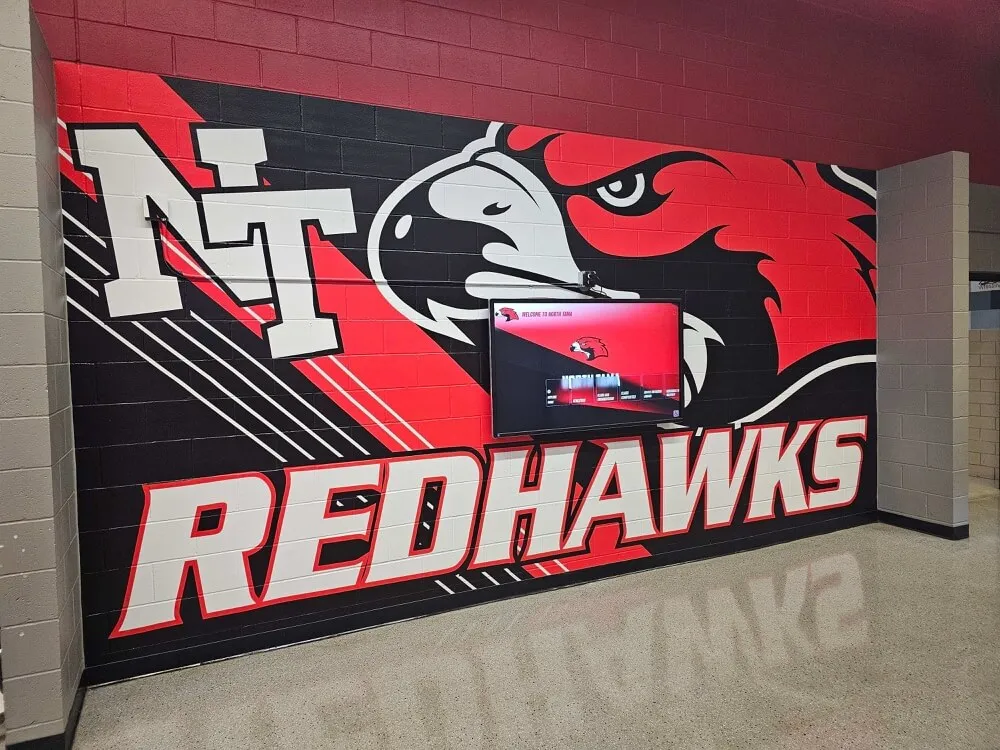
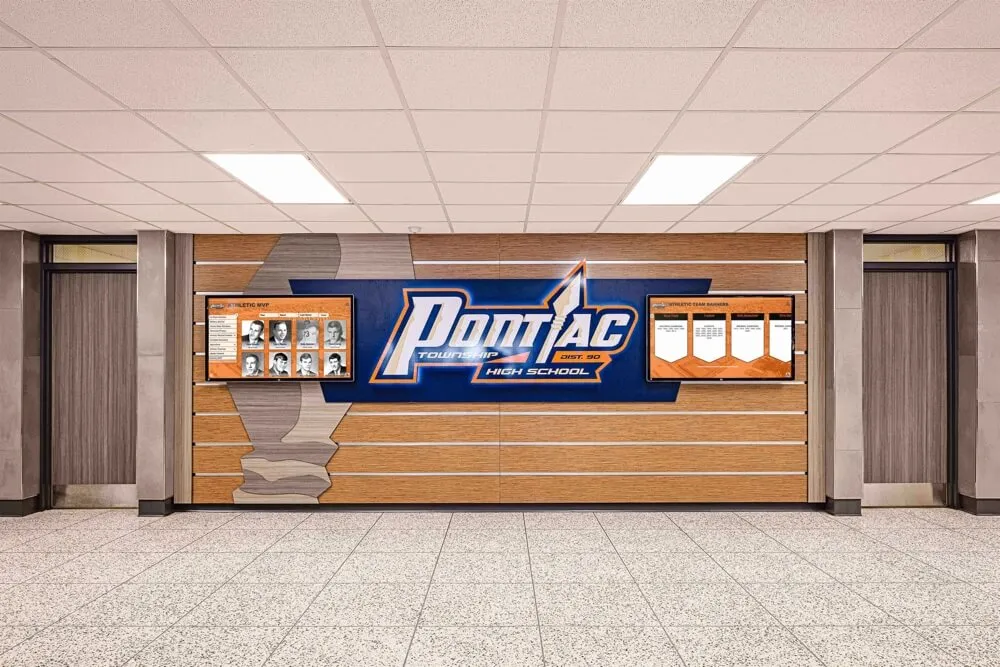
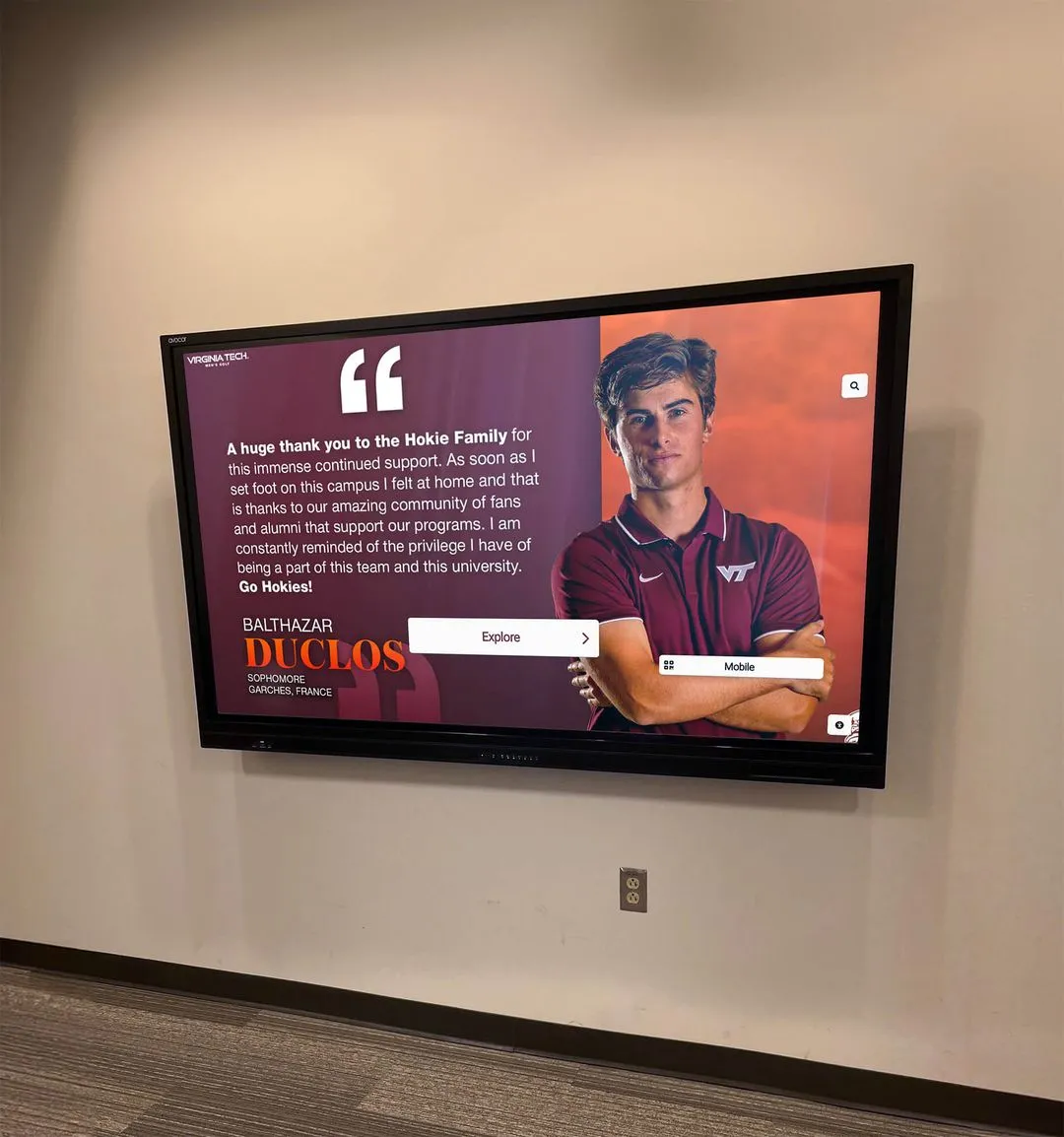
Comprehensive DAM systems feed content directly to public displays celebrating school achievements
The Public Display Dimension: From Storage to Celebration
While traditional DAM systems focus primarily on behind-the-scenes content management, schools require an additional crucial capability: publicly presenting assets in ways that celebrate communities and engage stakeholders.
Digital Asset Management Meets Public Presentation
The most effective school DAM solutions integrate content management with public display capabilities:
Recognition Walls and Digital Displays
Rather than storing photos and achievement records in systems only accessible to staff, comprehensive platforms enable schools to present content through interactive displays positioned in lobbies, hallways, and common areas. These installations transform archived content into living recognition celebrating students, honoring donors, highlighting athletic achievements, and telling institutional stories in high-traffic locations where communities gather.
Explore how schools implement digital hall of fame displays that bring archived content to public view.
Web-Based Content Portals
Beyond physical displays, modern DAM systems provide web interfaces enabling broader community access to appropriate content. Alumni can explore historical yearbooks, prospective families can view campus life photos, donors can see recognition displays remotely, and community members can celebrate student achievements—all accessing content from the same centralized repository that powers internal workflows.
Dynamic Content Updates
Unlike static physical displays requiring manual updates, digital presentation systems connected to DAM platforms enable effortless content refreshes. When a student earns a new honor, a team wins a championship, or a donor makes a gift, updated information flows automatically to relevant displays without creating separate update work.
Multi-Format Content Presentation
Comprehensive systems accommodate photos, videos, documents, and interactive elements, enabling rich storytelling impossible with traditional static displays. Athletic achievement presentations can include game highlights, donor recognition can feature impact testimonials, and historical archives can offer audio oral histories—all managed through unified DAM workflows.
Integration with Existing School Systems
Effective educational DAM solutions connect with other institutional platforms:
Student Information System Integration
Rather than manually entering student achievement data separately, DAM platforms can pull information from existing student databases, automatically updating honor roll recognition, academic awards, and graduation honors based on authoritative records already maintained by registrars.
Athletics Management Connections
Integration with sports scheduling and statistics platforms enables automatic achievement recognition when records are broken, championships are won, or milestones are reached—eliminating manual data entry while ensuring timely celebration.
Advancement Database Coordination
For donor recognition applications, DAM systems can connect with fundraising databases to display giving levels, campaign progress, and contributor acknowledgment based on authoritative development office records rather than requiring duplicate data management.
Communication Platform Extensions
Integration with email systems, social media management tools, and website content managers enables content to flow seamlessly from DAM repositories to various communication channels, ensuring consistent messaging while reducing repetitive upload processes.
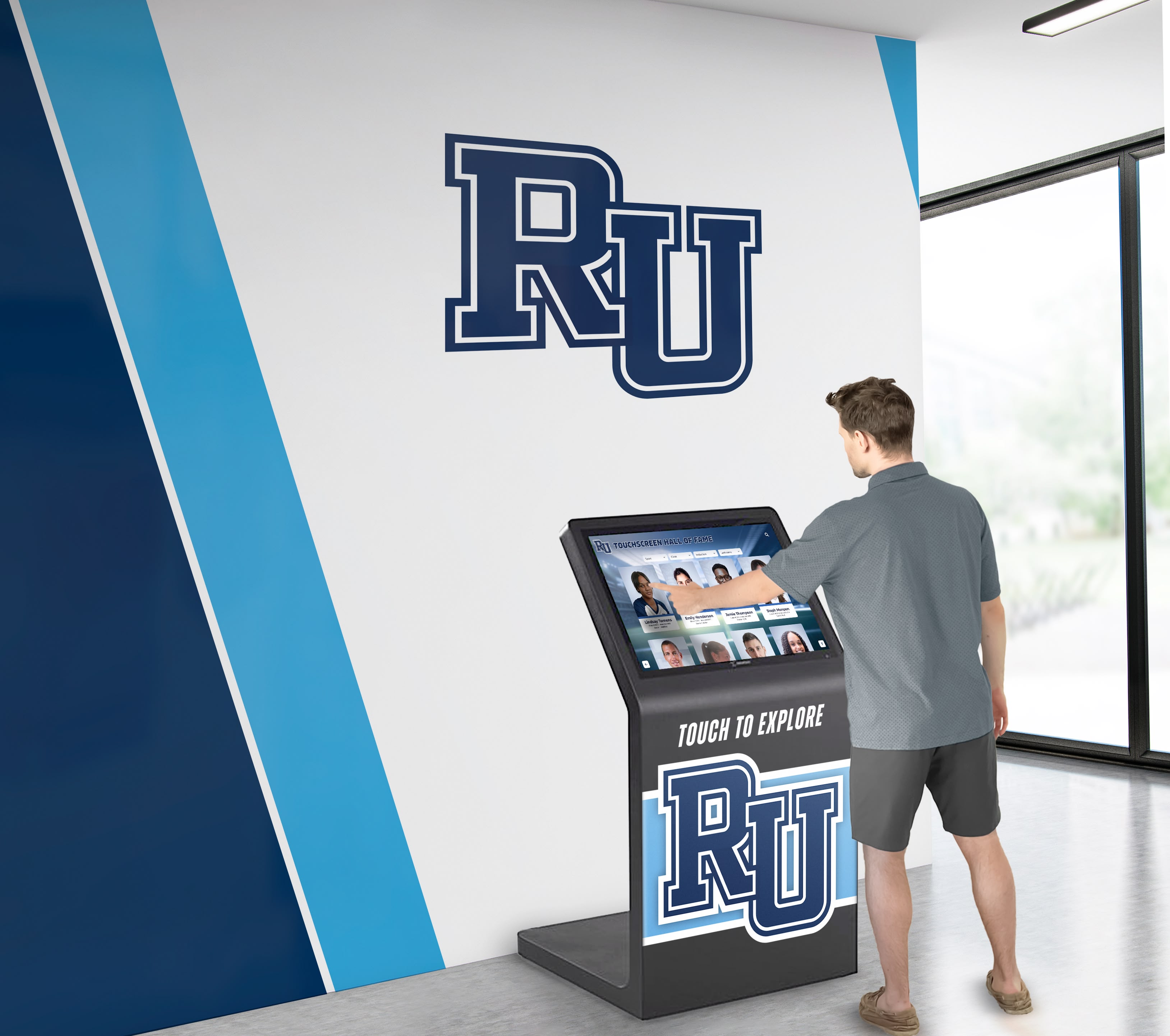
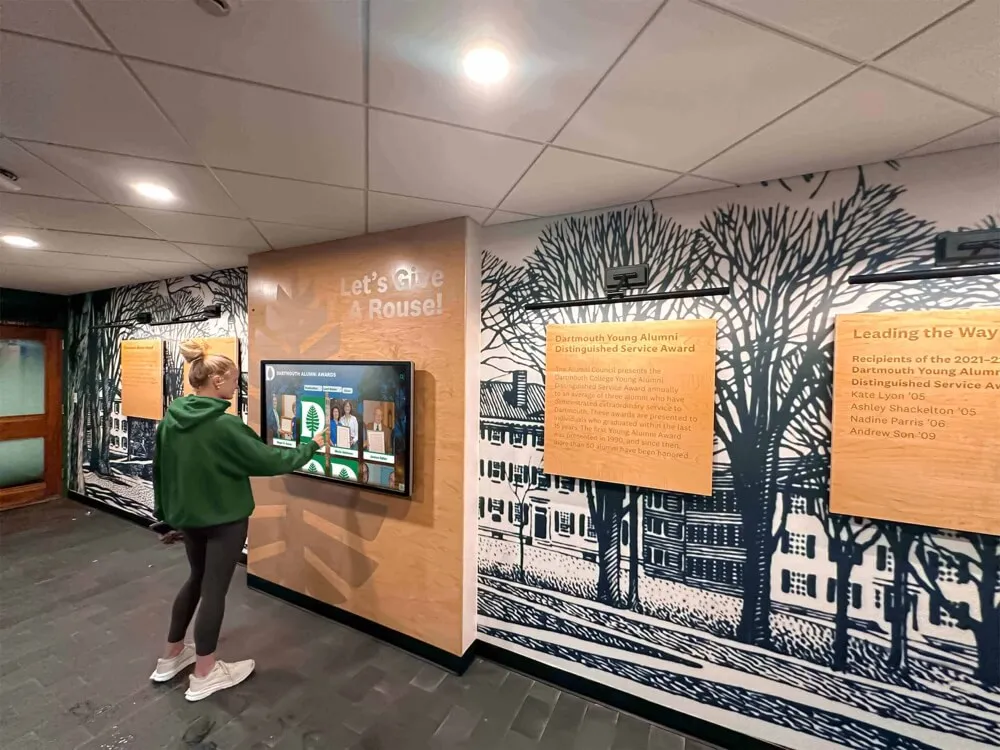
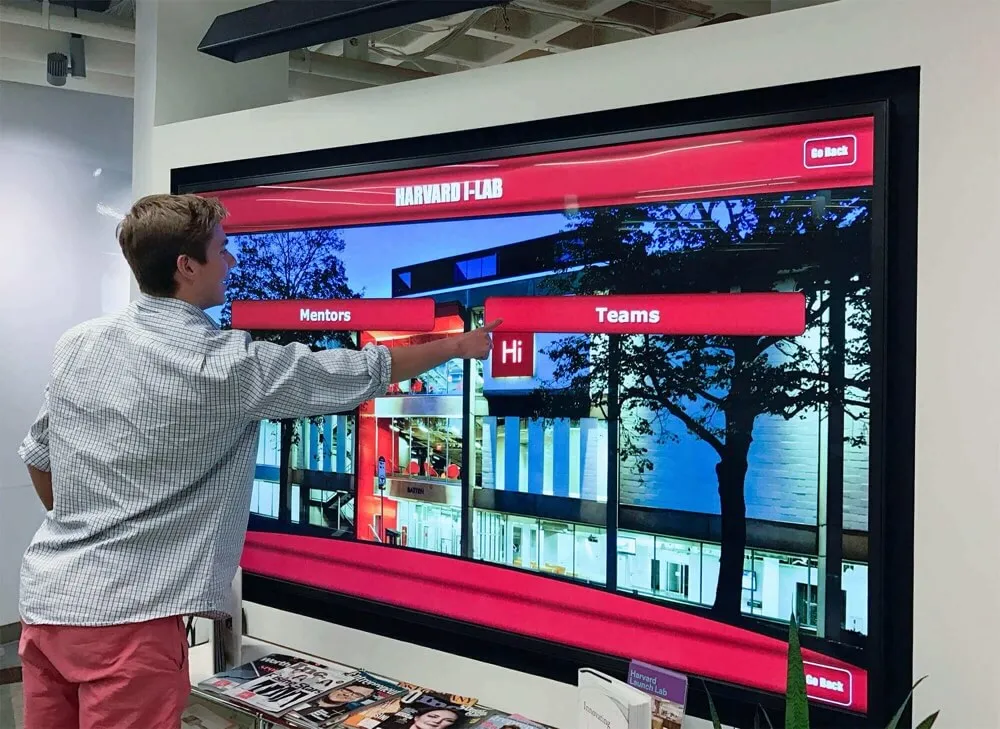
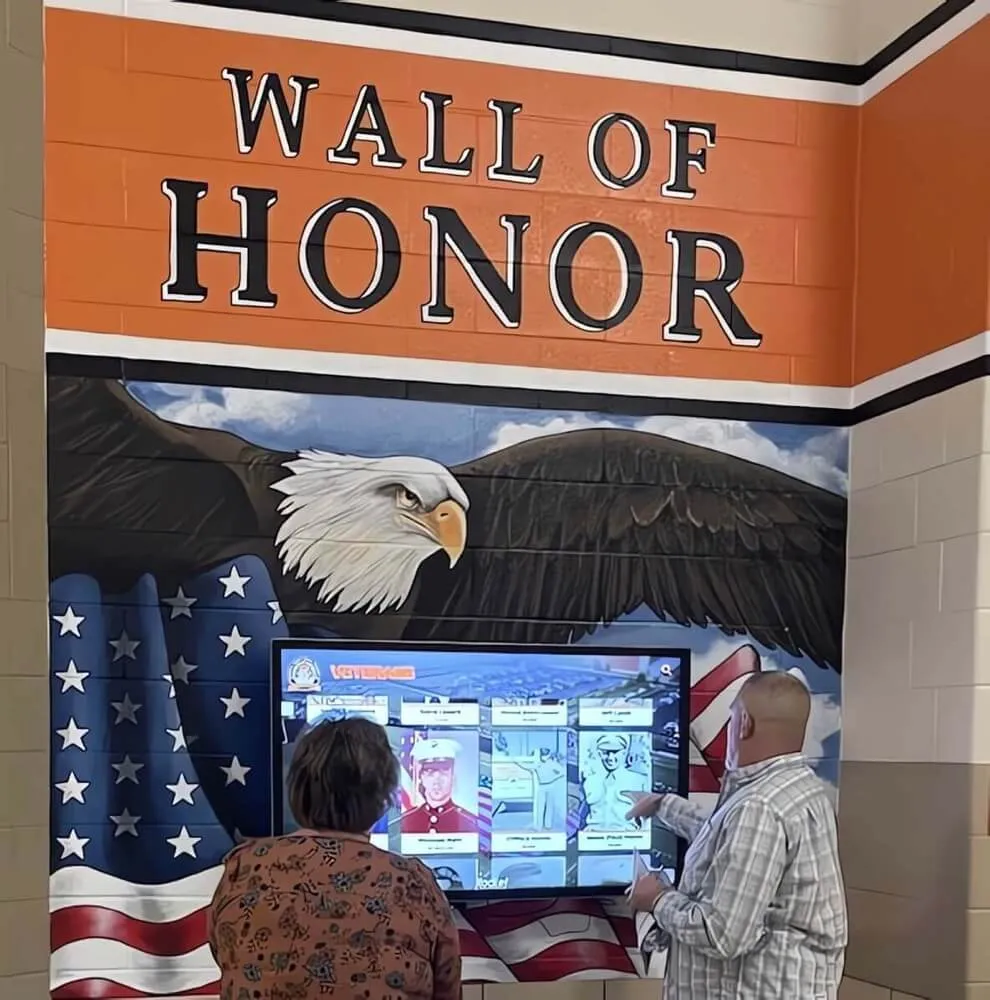
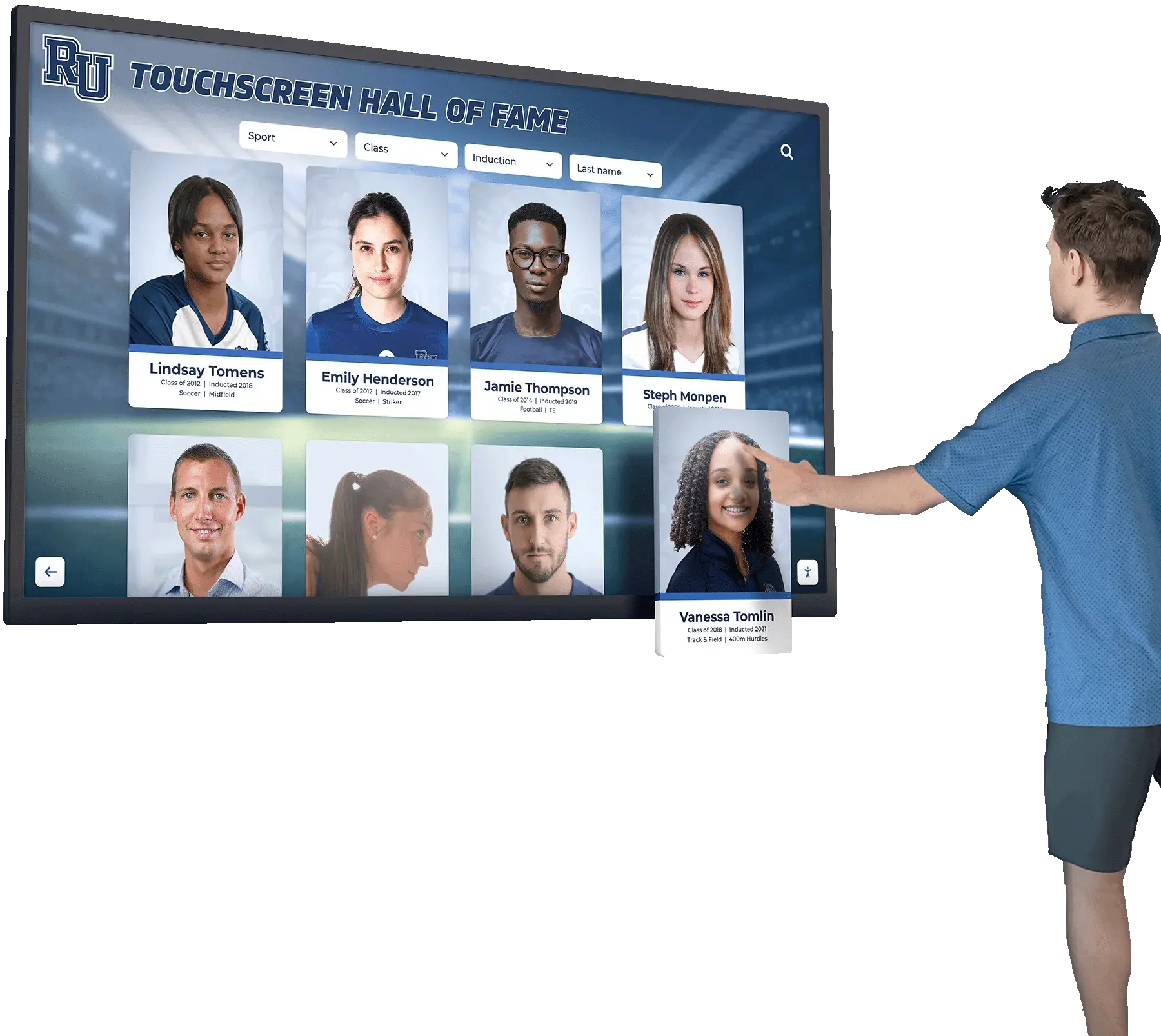
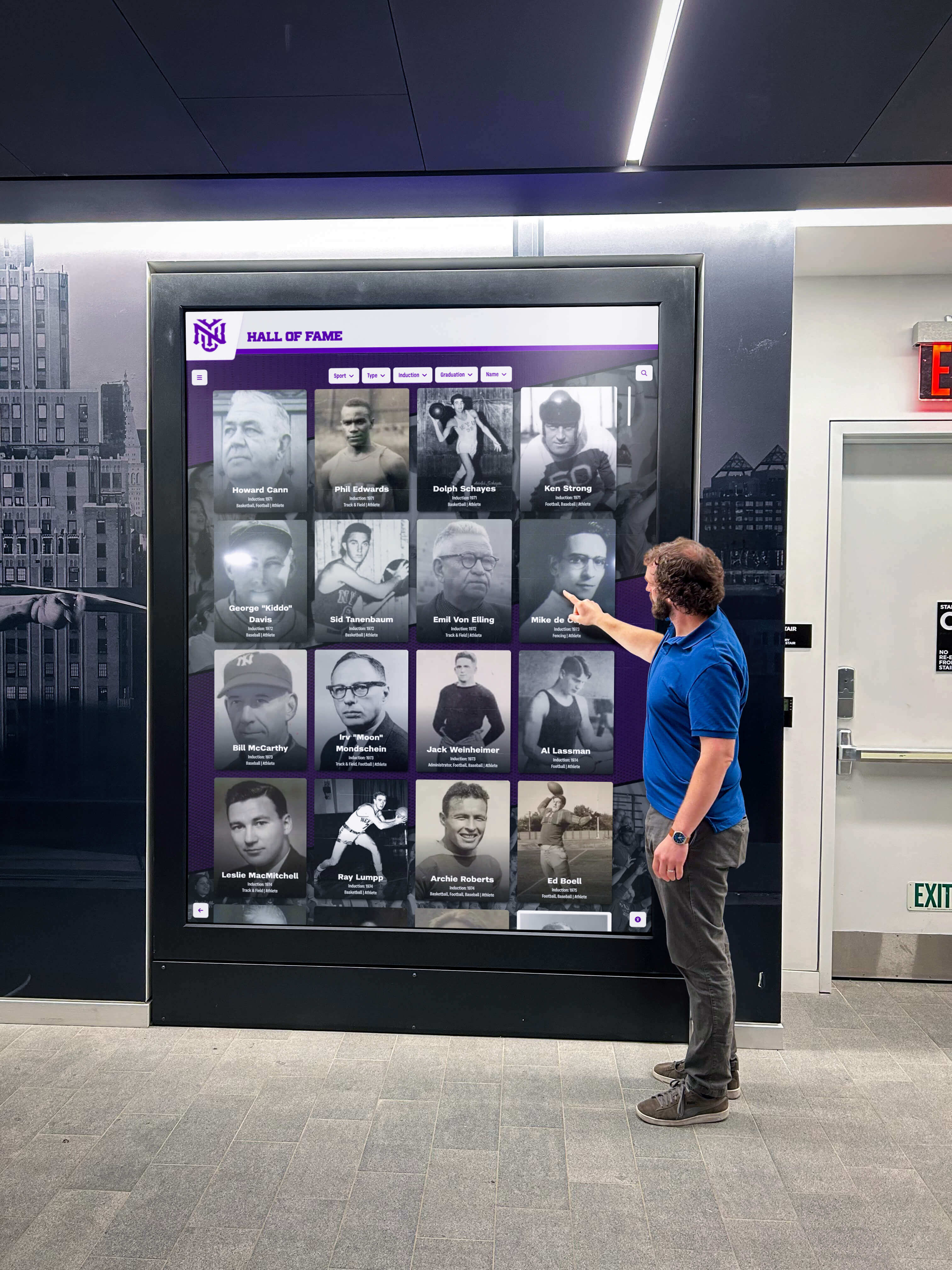
Integrated DAM systems enable community members to explore content through intuitive touchscreen interfaces
Implementing Digital Asset Management: Practical Strategies for Schools
Moving from concept to reality requires systematic approaches addressing technical, organizational, and cultural dimensions.
Assessment and Planning Phase
Conduct Content Inventory
Begin by cataloging existing digital assets to understand scope and current organization including identifying all locations where content currently lives, estimating total volume across different file types, assessing current organization methods and their effectiveness, documenting who creates and manages different content categories, and understanding how various stakeholders currently access materials.
This inventory reveals the magnitude of content requiring management while highlighting particularly problematic areas demanding immediate attention.
Define Primary Use Cases
Clarify what problems you’re solving and what outcomes matter most by identifying the three to five most important use cases such as celebrating student achievements, recognizing donors, preserving institutional history, streamlining communications workflows, or providing alumni access to archives.
Prioritizing use cases helps evaluate potential systems against actual needs rather than purchasing based on impressive feature lists that don’t address your specific challenges.
Establish Governance Framework
Determine organizational structures supporting DAM sustainability including who will own overall system administration, which departments or individuals will manage specific content categories, what approval processes will govern content publication, how permissions and access will be managed, and what training will ensure consistent usage.
Clear governance prevents systems from becoming abandoned repositories when initial champions leave or priorities shift.
System Selection Criteria
Educational-Specific Solutions vs. Generic Platforms
Schools face choices between general-purpose DAM systems designed for corporate environments and platforms built specifically for educational institutions. While generic solutions often offer sophisticated features, education-focused platforms typically provide better alignment with school workflows, pre-configured templates for common use cases, pricing models suited to educational budgets, and vendor understanding of unique educational requirements.
Solutions like Rocket Alumni Solutions function as comprehensive digital asset management platforms purpose-built for schools, combining robust content management capabilities with public display features specifically designed for educational recognition and community engagement needs.
Total Cost Evaluation
Look beyond initial licensing to understand comprehensive financial commitments including subscription or licensing fees, implementation and setup costs, storage capacity charges, integration development expenses, training investments, ongoing maintenance requirements, and potential migration costs if changing systems later.
Schools working with limited budgets benefit from transparent pricing models without hidden costs or unexpected capacity overages.
Scalability and Longevity
Given educational institutions’ long time horizons, evaluate systems’ ability to grow with your school including capacity to handle decades of content accumulation, flexibility to add users as staff changes, extensibility to integrate with future platforms, vendor stability and likelihood of long-term support, and migration capabilities if eventually changing systems.
Choosing platforms likely to remain viable for 10-20 years prevents disruptive migrations and protects content investments.
Discover interactive touchscreen kiosk solutions that present DAM content through engaging public displays.
Content Migration and Organization
Digitization of Historical Materials
Schools with significant physical archives require systematic digitization approaches including prioritizing most valuable or most requested materials for initial scanning, establishing quality standards for digital captures, creating consistent naming and metadata conventions, assigning proper permissions and usage rights, and preserving original physical materials appropriately.
Yearbook digitization often provides excellent starting points, creating high-interest content demonstrating DAM value while building organizational processes applicable to other material types.
Legacy Digital Content Cleanup
Existing digital files frequently require organization before migration including consolidating scattered files from multiple locations, eliminating duplicates and outdated versions, establishing consistent file naming conventions, adding metadata making content discoverable, and organizing materials into logical category structures.
While time-intensive, this cleanup pays ongoing dividends through dramatically improved findability and reduced storage waste.
Ongoing Capture Workflows
Establish systematic processes ensuring new content enters the DAM system promptly and appropriately including photographer assignments for major events, upload timelines and responsibilities, required metadata for different content types, approval workflows before publication, and regular audits ensuring compliance.
Consistent workflows prevent future content chaos requiring periodic cleanup campaigns.
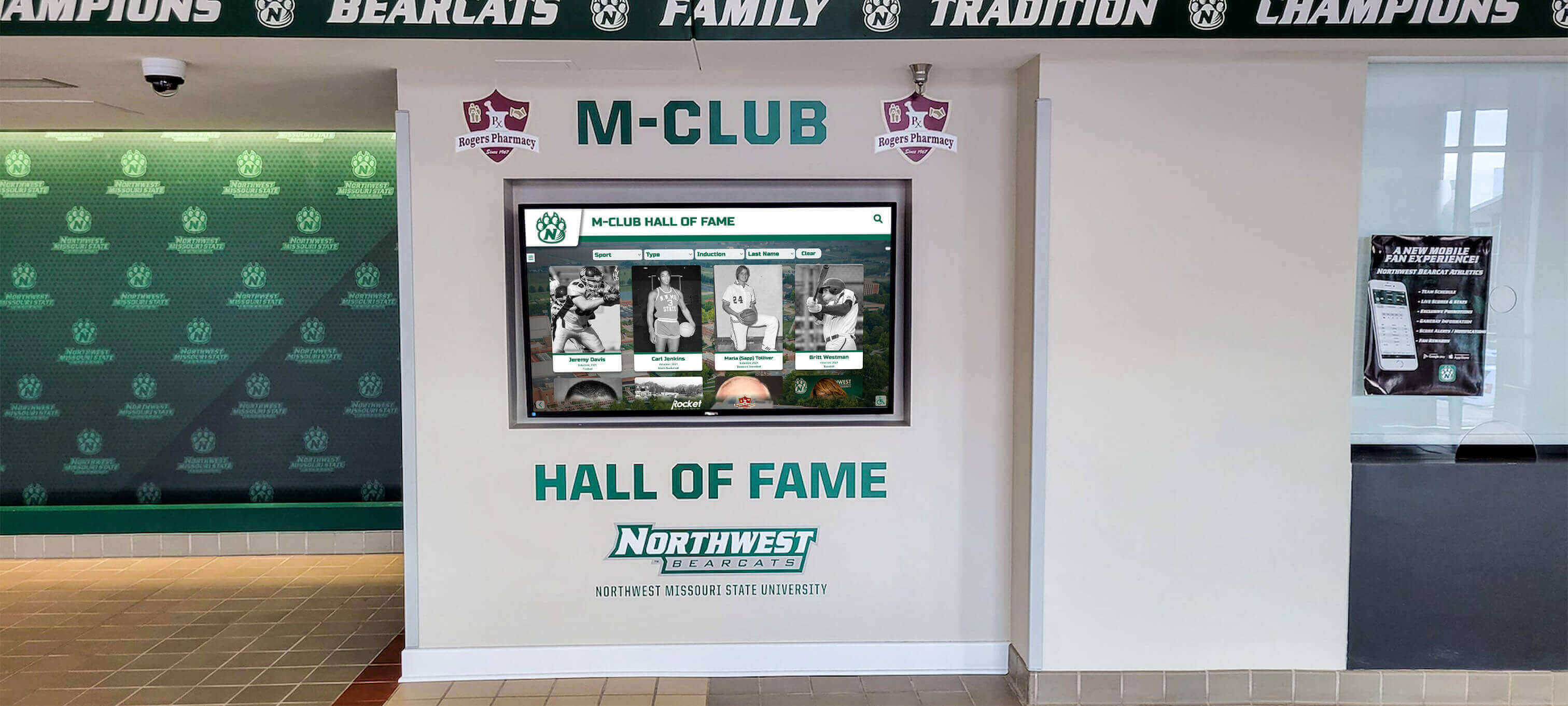
Systematic DAM workflows ensure athletic achievements are captured, organized, and displayed consistently
Advanced Digital Asset Management Capabilities for Schools
Beyond foundational content management, sophisticated systems offer enhanced capabilities addressing complex needs.
Rights Management and Permissions
Student Privacy Protection
Educational DAM systems must accommodate FERPA requirements and varying family preferences regarding student image usage including flagging students with photo restrictions, requiring permissions verification before publication, enabling granular controls over different usage contexts, tracking consent forms and expiration dates, and providing audit trails documenting permission compliance.
These capabilities protect both student privacy and institutional liability while enabling appropriate celebration of achievements.
Usage Rights Tracking
For professional photography, licensed content, or materials with specific usage limitations, DAM systems should track license terms and restrictions, alert users to expiring permissions, prevent unauthorized usage of restricted materials, document proper attribution requirements, and maintain creator contact information.
Proper rights management prevents copyright violations and ensures appropriate credit for contributed content.
Analytics and Usage Insights
Content Performance Tracking
Understanding how digital assets are used helps prioritize future efforts by identifying most frequently accessed content types, tracking download and view statistics, monitoring search terms revealing what users seek, measuring engagement with different display presentations, and revealing underutilized content requiring better organization or metadata.
These insights guide both content creation priorities and organizational improvements.
Display Engagement Metrics
For DAM systems with public presentation capabilities, analytics should track interaction with recognition displays, time spent viewing different content types, most explored categories and profiles, peak usage times and locations, and user pathways through interactive experiences.
Engagement data helps schools understand what content resonates with communities, informing both recognition strategies and content development priorities.
Preservation and Archival Functions
Long-Term Format Management
Ensuring decades-old content remains accessible requires proactive preservation including monitoring file format obsolescence risks, planning systematic format migrations, maintaining multiple format versions for critical assets, documenting original formats and conversion histories, and testing content accessibility periodically.
What plays perfectly today may become inaccessible in 20 years without systematic preservation planning.
Backup and Disaster Recovery
Schools’ irreplaceable historical content demands robust protection through geographically distributed backup storage, regular backup testing and verification, documented recovery procedures, redundant storage across multiple platforms, and clear responsibility assignments for backup maintenance.
The only thing worse than losing current files is losing irreplaceable historical materials that can never be recreated.
Digital Asset Management as Recognition Platform: The Rocket Alumni Solutions Approach
While many DAM systems focus exclusively on content storage and organization, Rocket Alumni Solutions takes a comprehensive approach recognizing that schools need both robust asset management and meaningful ways to present that content publicly.
Unified Content Management and Display
Rocket Alumni Solutions functions as a complete digital asset management platform specifically designed for educational institutions, providing centralized storage for photos, videos, achievement records, and historical materials while simultaneously powering interactive displays that celebrate communities through touchscreen walls of fame, web-based recognition portals, donor acknowledgment systems, and athletic achievement displays.
This integrated approach means schools manage content once while deploying it across multiple presentation contexts—the same athlete photo stored in the DAM feeds the digital trophy case, appears in web profiles, and can be downloaded for program printing, all from a single source without duplicate management.
Education-Focused Features
Rather than requiring schools to adapt generic DAM workflows to educational contexts, Rocket Alumni Solutions provides purpose-built capabilities including pre-configured templates for common recognition types like honor roll, athletics, donors, and alumni; student information system integrations eliminating duplicate data entry; permission management respecting educational privacy requirements; unlimited storage capacity accommodating decades of content; and intuitive interfaces requiring minimal training for staff, students, and volunteers.
These education-specific features dramatically reduce implementation complexity while ensuring systems align with how schools actually operate.
Display Hardware and Software Integration
Beyond content management, Rocket Alumni Solutions provides the complete ecosystem for presenting assets including touchscreen display hardware sized and designed for educational environments, content management interfaces enabling easy updates without technical expertise, responsive web presentations extending recognition beyond physical displays, mobile-friendly interfaces accessible from any device, and professional design services ensuring polished, on-brand presentations.
Schools receive turnkey solutions rather than piecing together separate storage, management, and display components from different vendors.
Learn how institutions implement comprehensive digital recognition systems combining content management with public engagement.
Ongoing Support and Sustainability
Educational institutions require long-term partnerships, not just software purchases, which is why Rocket Alumni Solutions provides continuous platform updates and improvements, responsive technical support understanding educational contexts, training resources and onboarding assistance, content services helping with digitization and organization, and proven track record with hundreds of educational institutions across decades.
This sustained commitment ensures schools’ digital asset investments remain protected and productive for years to come.
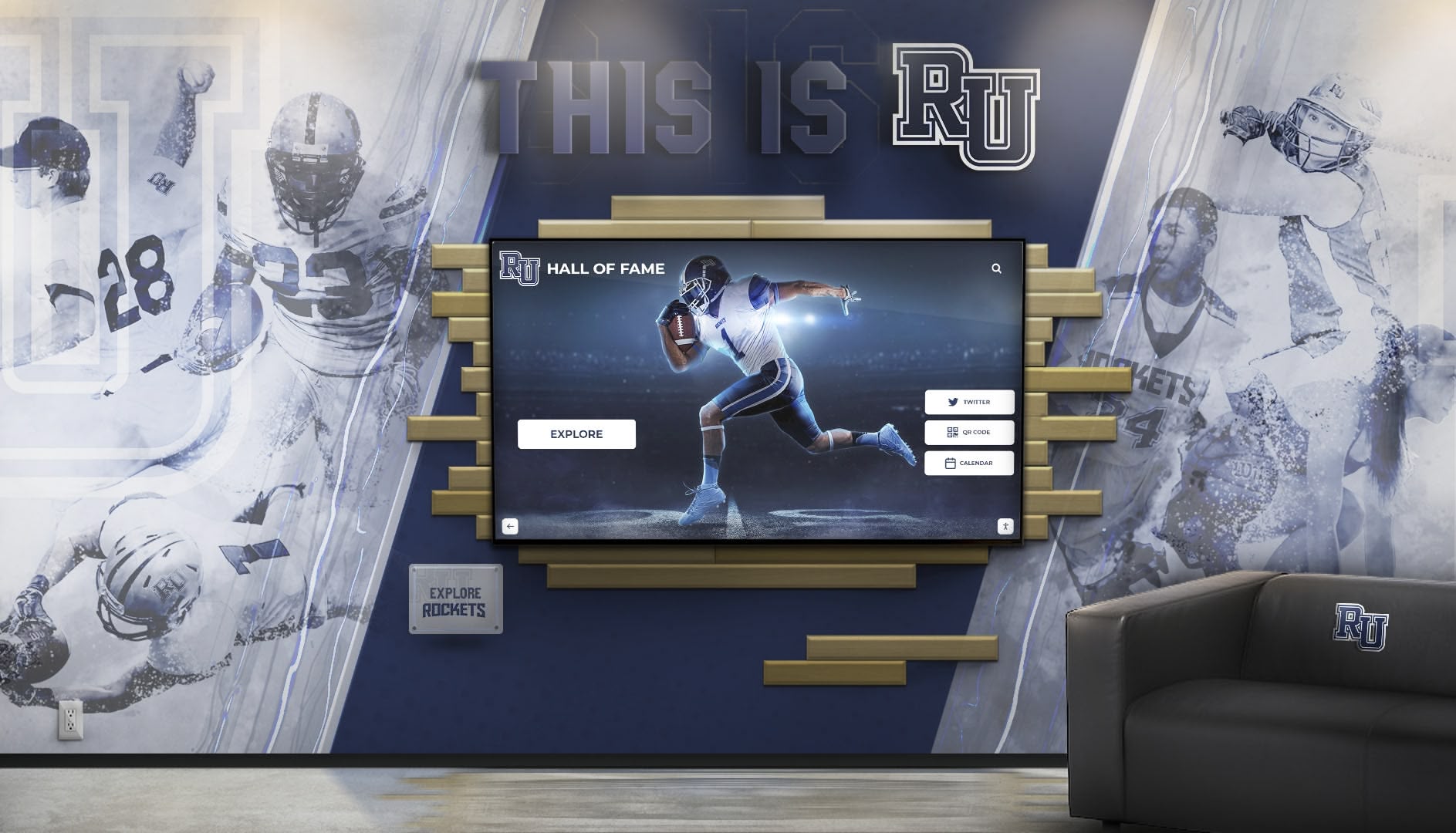
Complete DAM platforms combine behind-the-scenes content management with stunning public presentations
Building Your Digital Asset Management Implementation Plan
Successful DAM adoption requires systematic approaches addressing technical, organizational, and cultural dimensions.
Phase 1: Foundation (Months 1-3)
Core System Setup
- Select and configure DAM platform aligned with institutional needs
- Establish organizational structure and metadata schema
- Define user roles and permission frameworks
- Create documentation and standard operating procedures
- Identify and train initial system administrators
Priority Content Migration
- Digitize or organize highest-value content categories first
- Establish quality standards and naming conventions
- Begin metadata enrichment for most important assets
- Test workflows with representative content samples
- Document lessons learned informing broader rollout
Phase 2: Expansion (Months 4-9)
Broader Content Integration
- Systematically migrate additional content categories
- Implement intake workflows for ongoing content capture
- Extend access to additional user groups and departments
- Deploy initial public display installations
- Gather early user feedback and refine processes
Integration Development
- Connect DAM with student information systems
- Link advancement databases for donor recognition
- Integrate communication platforms and websites
- Automate content flows between systems
- Test integrations thoroughly before relying on automated processes
Phase 3: Optimization (Months 10-12+)
Process Refinement
- Analyze usage patterns and identify improvement opportunities
- Streamline workflows based on user experience
- Expand public presentation applications
- Develop additional content categories and templates
- Establish regular review cycles ensuring sustainability
Culture Building
- Celebrate DAM successes and recognize contributors
- Share impact stories demonstrating value
- Train new users as staff changes occur
- Continuously communicate system capabilities
- Evolve governance as institutional needs develop
This phased approach prevents overwhelming staff while building momentum through demonstrated successes at each stage.
Measuring Digital Asset Management Success in Educational Settings
Assessment ensures DAM investments deliver intended value and guide ongoing improvements.
Efficiency and Productivity Metrics
Time Savings Quantification
- Hours previously spent searching for specific files
- Staff time eliminated through automated workflows
- Reduced duplicate content creation
- Faster response to content requests
- Streamlined approval and publication processes
Track these metrics before and after DAM implementation to document productivity gains and calculate return on investment.
Content Accessibility Improvements
- Percentage of requests fulfilled successfully
- Time required to locate specific assets
- User satisfaction with search capabilities
- Reduction in “couldn’t find it” scenarios
- Increased content reuse across different applications
Better accessibility translates directly to more effective communications and recognition.
Community Engagement Outcomes
Recognition Impact Measures
- Community member interaction with digital displays
- Web portal traffic and content exploration
- Donor satisfaction with recognition presentation
- Alumni engagement with historical content
- Student and family awareness of achievements
These qualitative and quantitative indicators reveal whether DAM-powered recognition creates desired community connections.
Communication Effectiveness
- Increased use of high-quality visuals in publications
- Faster response to media requests
- More consistent brand presentation
- Greater storytelling depth through archival access
- Enhanced social media engagement using DAM content
Better content access typically improves communication quality and consistency across channels.
Preservation and Compliance Outcomes
Historical Content Protection
- Volume of materials successfully digitized and preserved
- Restoration of at-risk historical assets
- Accessibility of archival materials previously difficult to locate
- Compliance with records retention requirements
- Disaster recovery capability improvements
Preservation outcomes may not generate immediate returns but protect irreplaceable institutional assets.
Privacy and Permissions Compliance
- Systematic tracking of student photo permissions
- Audit capability demonstrating compliance
- Reduced risk of unauthorized content usage
- Clear documentation of rights and restrictions
- Improved vendor and contributor relationships
Compliance capabilities reduce risk while enabling confident content usage.
Explore donor recognition wall design approaches that leverage DAM systems for powerful recognition displays.
Common Implementation Challenges and Solutions
Understanding typical obstacles helps schools navigate DAM adoption successfully.
Challenge: User Adoption and Consistent Usage
Problem: Staff continue using familiar but problematic existing workflows rather than transitioning to new DAM systems, limiting benefits and creating continued fragmentation.
Solutions:
- Demonstrate clear personal benefits for different user groups rather than just institutional advantages
- Make DAM workflows easier than previous processes, not additional work
- Provide role-specific training addressing actual needs and use cases
- Identify and empower champions across different departments
- Celebrate and share early successes building momentum
- Integrate DAM into required processes rather than making it optional
- Provide ongoing support reducing frustration during learning curves
Adoption succeeds when users genuinely find DAM systems helpful rather than viewing them as administrative burdens.
Challenge: Legacy Content Volume and Quality
Problem: Decades of accumulated digital files create overwhelming migration challenges with inconsistent quality, poor organization, and unclear value.
Solution:
- Prioritize highest-value content rather than attempting comprehensive migration immediately
- Establish “minimum viable metadata” standards enabling later enrichment
- Accept that some legacy content may remain archived rather than actively managed
- Use migration as opportunity to eliminate clearly outdated or duplicate materials
- Engage volunteers, student workers, or alumni for large-scale digitization projects
- Plan multi-year timelines for comprehensive historical content migration
- Focus on preventing future chaos through good ongoing practices rather than perfecting the past
Perfect is the enemy of good when dealing with massive legacy collections.
Challenge: Sustaining Momentum Beyond Launch
Problem: Initial implementation enthusiasm fades as other priorities emerge, leading to poorly maintained systems and gradual return to previous fragmented approaches.
Solutions:
- Build DAM responsibilities into formal job descriptions rather than relying on volunteer effort
- Establish regular content audits and cleanup cycles
- Create feedback mechanisms enabling continuous improvement
- Refresh training as staff changes occur
- Expand applications demonstrating ongoing value
- Connect DAM performance to institutional priorities
- Allocate ongoing budget for system maintenance and enhancement
Sustainability requires treating DAM as core infrastructure rather than one-time project.
Conclusion: Digital Asset Management as Strategic Institutional Investment
Digital asset management represents far more than technology implementation—it embodies institutional commitment to preserving memory, celebrating community, operating efficiently, and communicating effectively. When schools invest in comprehensive DAM approaches, they create systems that honor achievements appropriately, engage stakeholders meaningfully, preserve irreplaceable history, and enable efficient operations that redirect resources from administrative frustration to educational mission advancement.
The strategies explored in this guide provide comprehensive frameworks for educational digital asset management that balance multiple priorities simultaneously: organizing content for efficient access, preserving historical materials for future generations, presenting achievements through engaging displays, protecting privacy while celebrating appropriately, operating within educational budget realities, and building sustainable systems serving institutions across decades.
From Storage to Celebration
The most powerful educational DAM platforms transcend simple content storage to enable meaningful public engagement. When the same system managing your photo library also powers interactive displays celebrating students, honoring donors, and presenting institutional history, digital asset management transforms from back-office function to strategic community engagement tool creating visibility and connection impossible with traditional approaches.
Solutions like Rocket Alumni Solutions demonstrate this integrated vision, functioning as comprehensive platforms addressing both content management needs and public presentation opportunities—enabling schools to organize thousands of assets behind the scenes while deploying that content through stunning displays that communities explore, enjoy, and remember.
Implementation as Journey
Schools should approach DAM as ongoing journeys rather than one-time destinations, beginning with high-priority use cases demonstrating clear value, building competencies and momentum through successful implementations, expanding systematically to additional content categories and applications, refining processes based on experience and feedback, and sustaining commitment through leadership transitions and priority shifts.
This evolutionary approach prevents overwhelming staff while building capabilities supporting ever-expanding applications as schools discover new ways to leverage well-managed content.
Long-Term Impact
Digital asset management investments create compounding value over time as content accumulates, workflows mature, integrations deepen, staff competencies grow, and community engagement expands. The DAM system implemented today will serve students, families, donors, and alumni for decades—preserving memories, celebrating achievements, and telling your institution’s evolving story across generations.
Your school’s photos, videos, achievement records, and historical materials represent irreplaceable assets documenting your community’s journey and honoring those who contributed to your mission. They deserve systematic management matching their value—carefully organized, properly preserved, securely stored, easily accessible when needed, and beautifully presented where communities gather. With strategic planning, appropriate investment, and sustained commitment, you can create digital asset management systems that serve your institution powerfully for generations to come.
Ready to explore comprehensive digital asset management solutions purpose-built for educational institutions? Book a demo to discover how Rocket Alumni Solutions combines robust content management capabilities with stunning public displays that celebrate your school community.