Dance teams carry costs that most bystanders never see. Before a single performance, a team has already spent on new costumes, competition registration fees, choreography contracts, studio rentals, travel, lodging, and the specialized shoes that wear out faster than any coach expects. School budgets rarely cover these fully, and the gap falls squarely on families, boosters, and community supporters who believe the program is worth fighting for.
The good news is that dance programs have a genuine asset most sports teams do not: they put on a show. Every recital, showcase, and competition is a natural fundraising moment waiting to be structured. Paired with a thoughtful booster club and a recognition system that makes donors feel genuinely celebrated, a dance team fundraising program can move well beyond bake sales into sustainable, community-building revenue.
This guide covers both sides of that equation: the fundraising ideas that generate the money, and the recognition strategies that keep supporters coming back year after year.
Dance program budgets at competitive high school programs typically range from $15,000 to $50,000 annually once you account for nationals travel, custom costumes, music licensing, and coaching staff. Even mid-level programs need $8,000–$20,000 beyond what the school provides. That means fundraising is not a nice-to-have; it is foundational infrastructure.

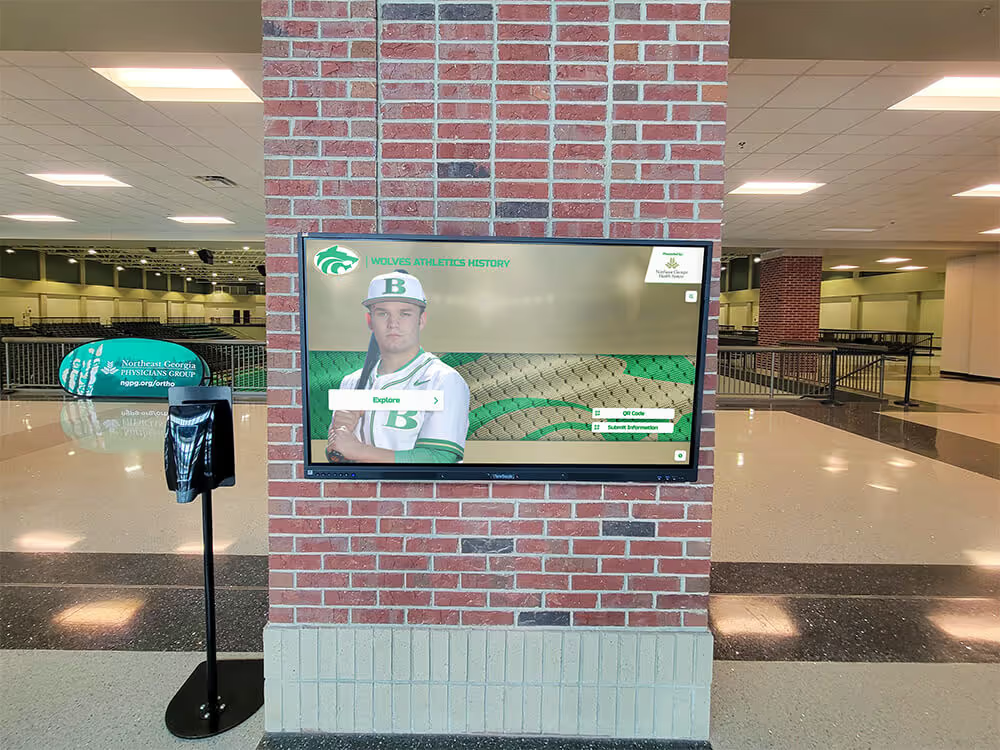
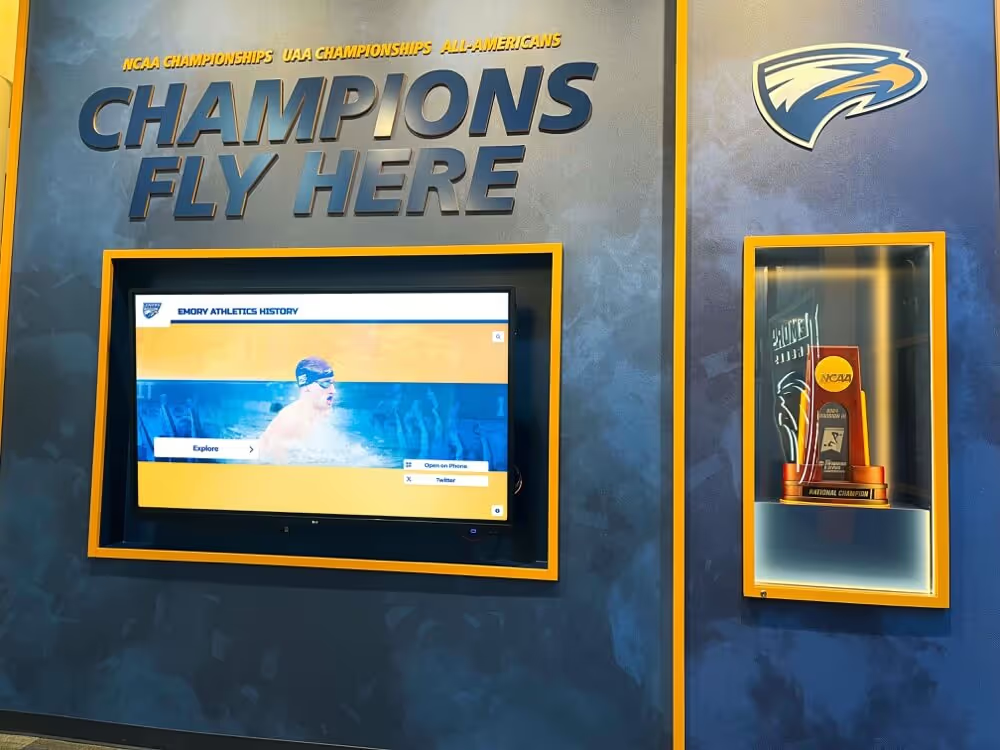
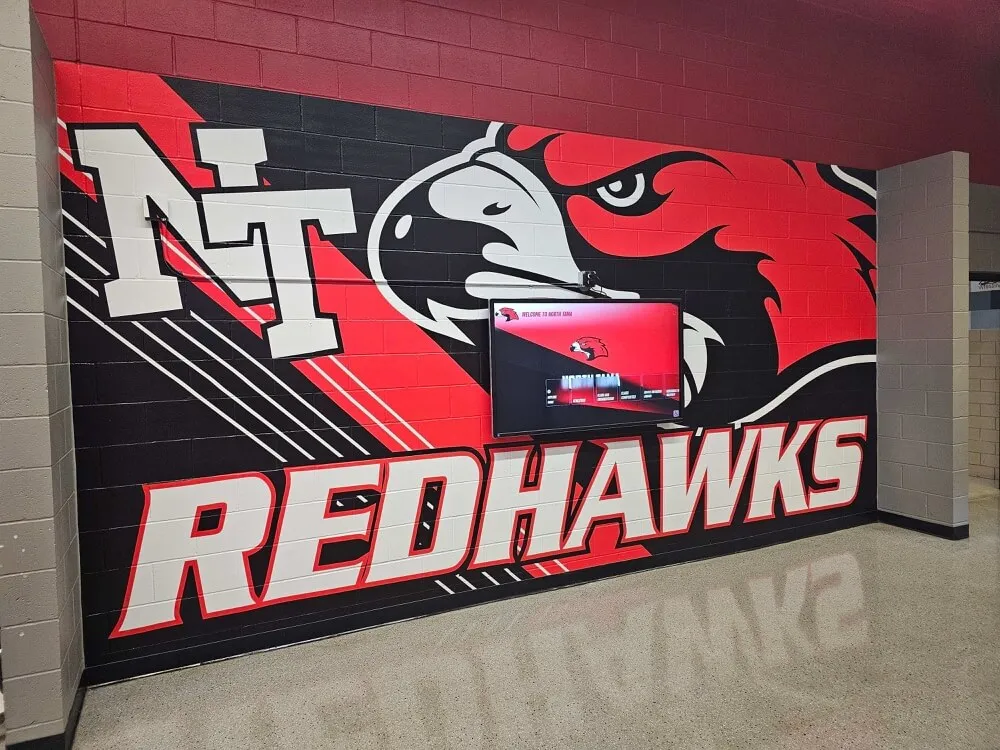
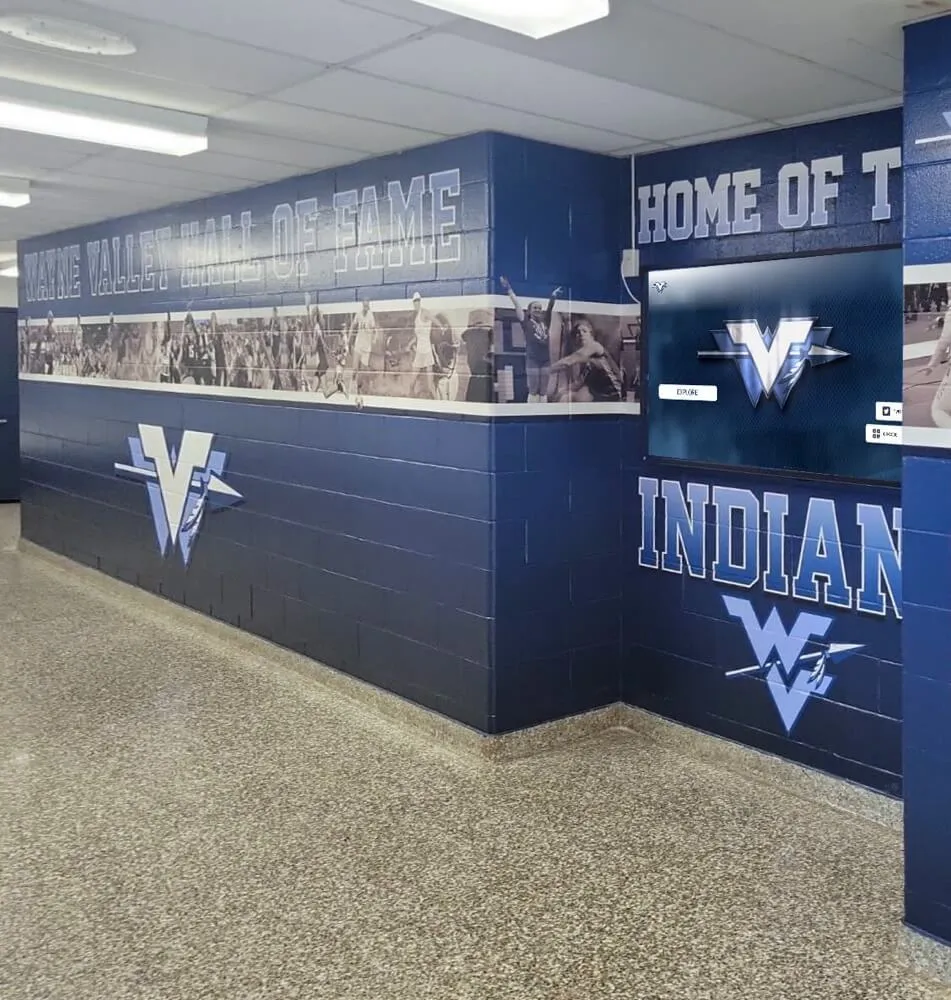
Schools that invest in professional recognition environments signal to donors that contributions are treated with care — a key element in sustained dance program fundraising
Why Dance Team Fundraising Deserves Its Own Playbook
Athletic boosters have decades of well-documented fundraising frameworks. Dance programs often adapt those models with mixed results because the audience, the product, and the culture are different in important ways.
Dance families skew toward parents who are already investing heavily in private lessons and competition fees for their children. They respond well to fundraising that feels curated rather than transactional, and they expect acknowledgment that matches the artistry of the program. A car wash or candy bar sale can feel misaligned with a program that performs on a national stage.
At the same time, the performing arts create fundraising opportunities that athletics cannot easily replicate: ticketed performances, dance showcases, branded merchandise with genuine aesthetic appeal, and workshop experiences that draw community members who want to engage with the art form, not just the team.
The most effective dance team fundraising programs combine high-impact events tied to performances, scalable digital giving, coordinated booster club operations, and a recognition system that makes every donor feel like part of the program’s story.
For comparison, cheerleading fundraiser ideas follow a similar philosophy — performance-connected fundraising outperforms generic campaigns when the community is already invested in the team’s visible success.
12 Dance Team Fundraising Ideas That Work
1. Ticketed Showcase Performances
A well-produced showcase is the strongest single fundraising event in a dance team’s calendar. Charge $10–$20 per ticket, sell reserved seating at a premium, and layer in a program book with paid sponsor listings. A showcase drawing 400 attendees at $15 average can generate $6,000 in ticket revenue alone before concessions, raffle, or program ads.
Production value matters. Invest in lighting, a printed or digital program, and a reception afterward where families can meet the dancers. These details signal that the event is worth attending — and worth sponsoring at a higher level next year.
2. Dinner-Dance Gala
An annual gala moves fundraising into major-gift territory. Combine a catered dinner with a performance excerpt or student showcase, a live or silent auction, and a paddle raise for a specific program need (new competition costumes, travel fund, studio renovation). Gala events for performing arts programs routinely generate $20,000–$60,000 when properly cultivated.
Seat tables at $500–$1,500 for booster families and local business sponsors. The live auction should feature curated, experience-based items: a private dance lesson with the varsity team, a reserved VIP table at the spring showcase, a behind-the-scenes rehearsal experience. These items have high perceived value and low cost to deliver.
3. Competition Hosting
If your facility can support it, hosting a regional or invitational competition is one of the highest-revenue events available. Entry fees from visiting teams, spectator ticket sales, concession revenue, and vendor tables combine to generate net revenue in the $10,000–$30,000 range for well-attended invitationals.
The key is managing volunteer labor carefully. Hospitality, check-in, and floor management require significant staffing, but booster clubs that have hosted competitions consistently report they are worth the effort once the operational systems are established.
4. Spirit Wear and Performance Merchandise
Online spirit wear stores through platforms like Custom Ink Fundraising, Bonfire, or Printful allow families to purchase branded gear year-round with no inventory investment from the booster. Profit margins of 20–35% per item add up across a season.
Go beyond standard t-shirts. Dance programs have visual brand assets — team colors, logos, performance imagery — that make genuinely attractive merchandise. Hoodies, tote bags, warm-up pants, and rhinestone accessories align with team culture in a way that generic school merchandise does not.
5. Dance-a-Thon
A pledge-based dance-a-thon works well because it involves the dancers directly in fundraising through their families’ and friends’ networks. Each dancer collects pledges per hour of dancing (or a flat donation). Teams that run four-hour dance-a-thons with 30–50 participants regularly collect $5,000–$15,000 depending on network depth.
Use a platform like DonorDrive or Pledgeit to manage online pledge collection, which dramatically expands reach beyond in-person asks. Create a team leaderboard and small prizes for top fundraisers to build healthy competition and motivation.
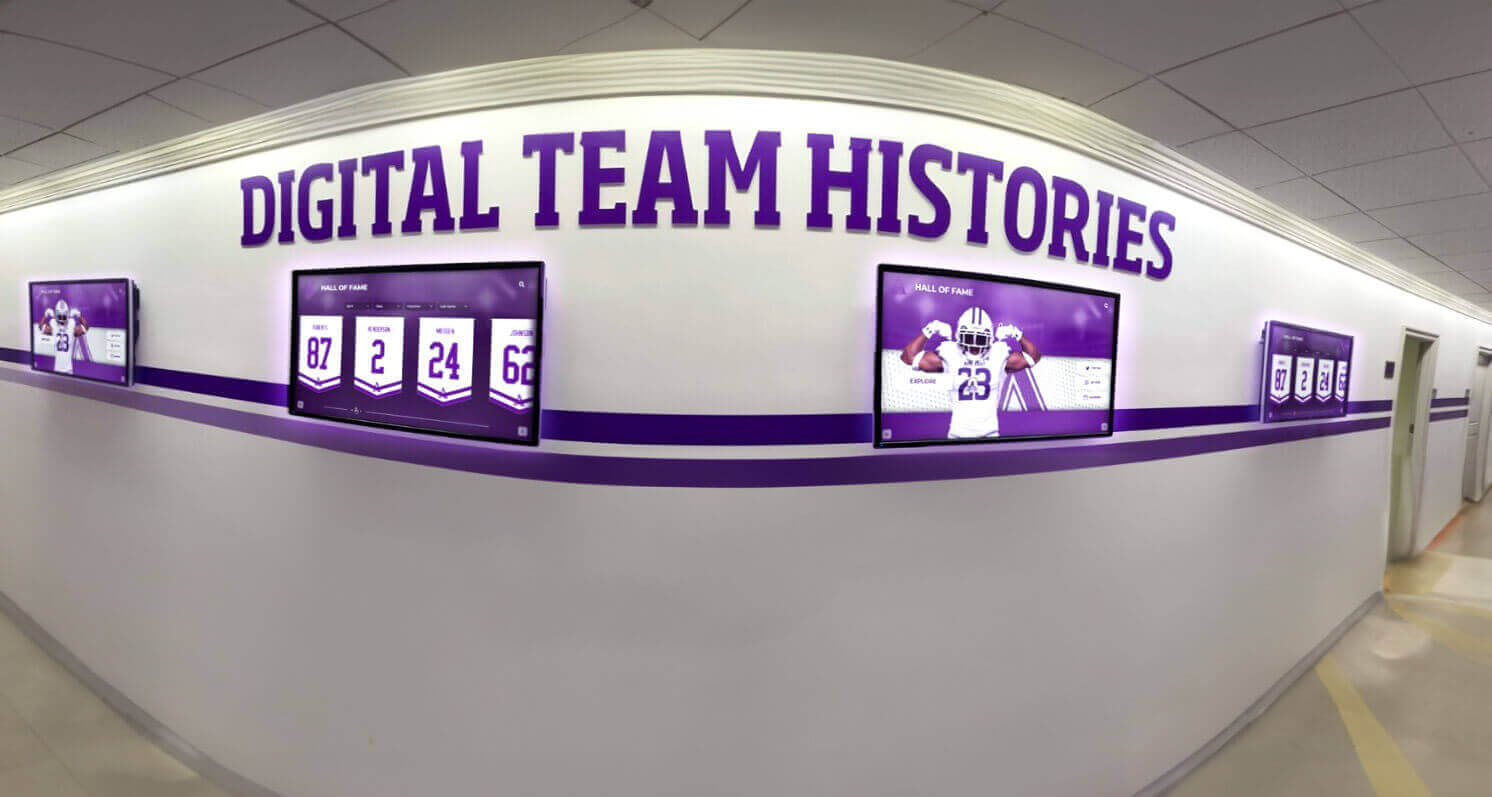
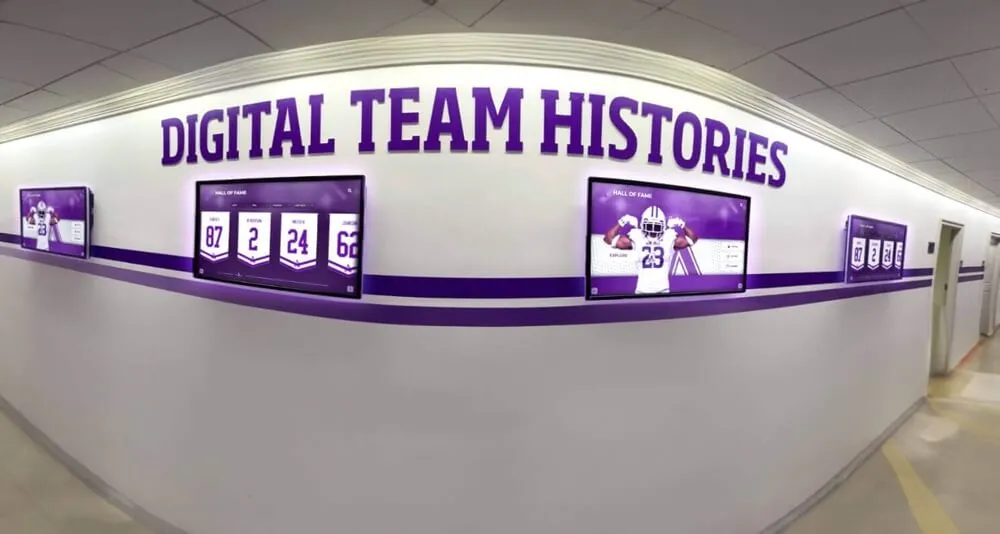
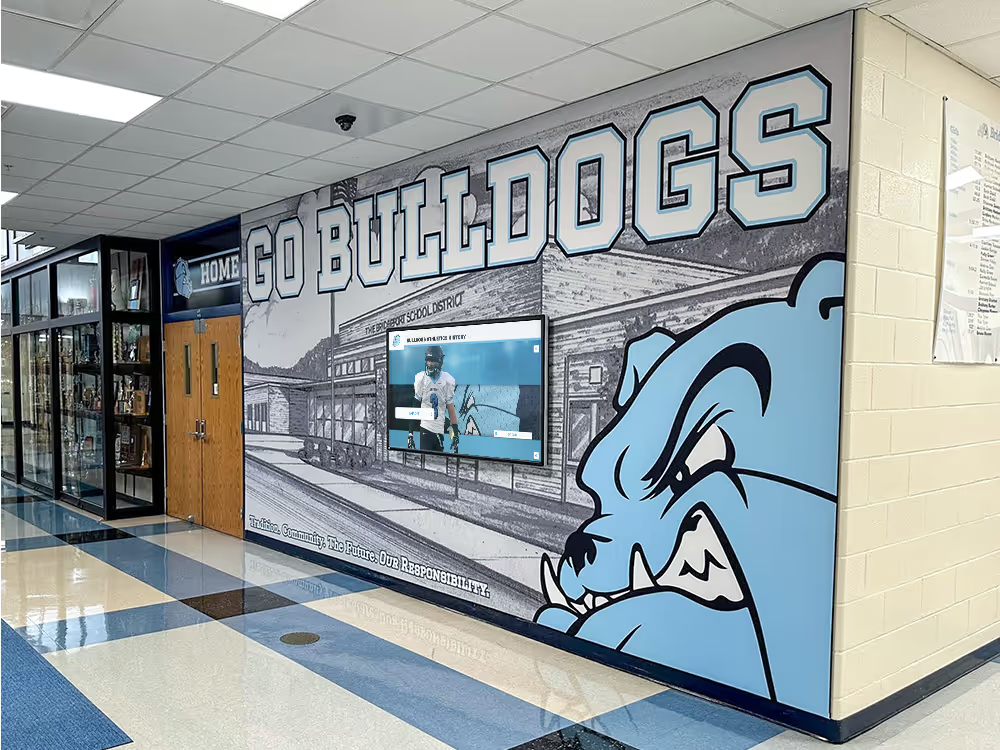
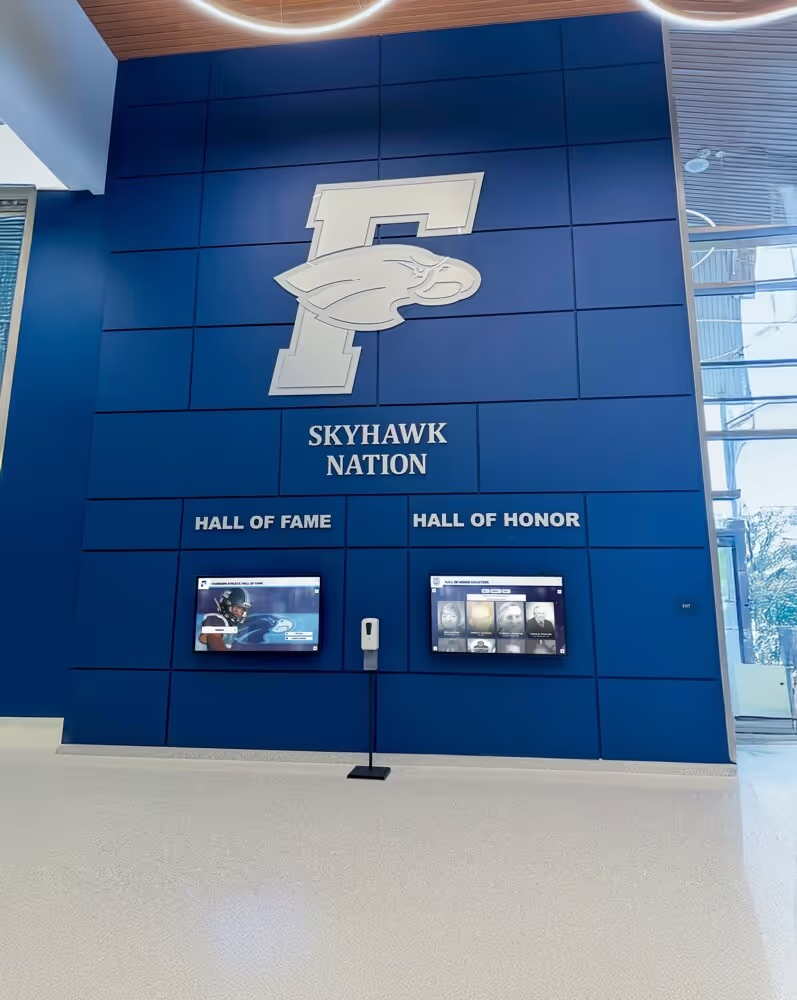
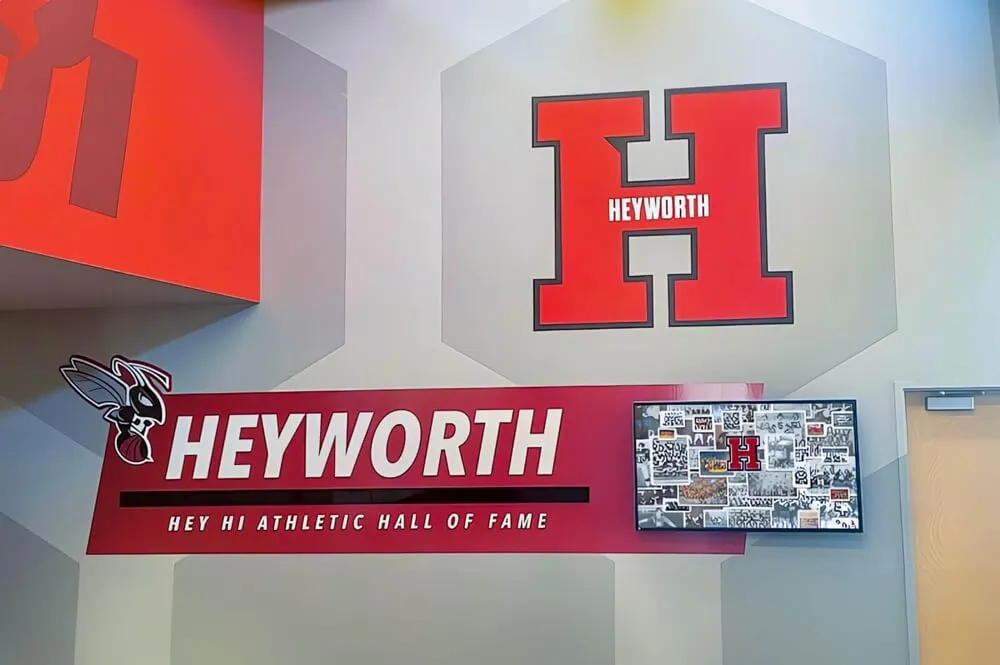
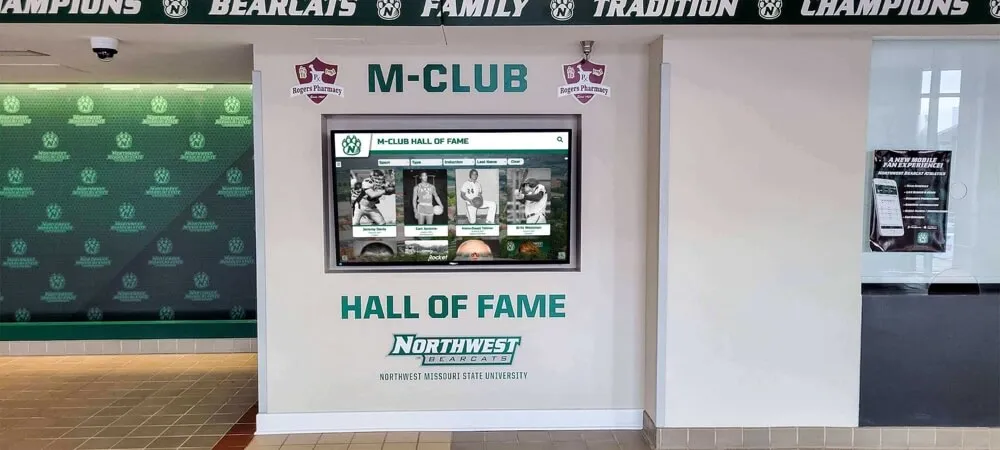
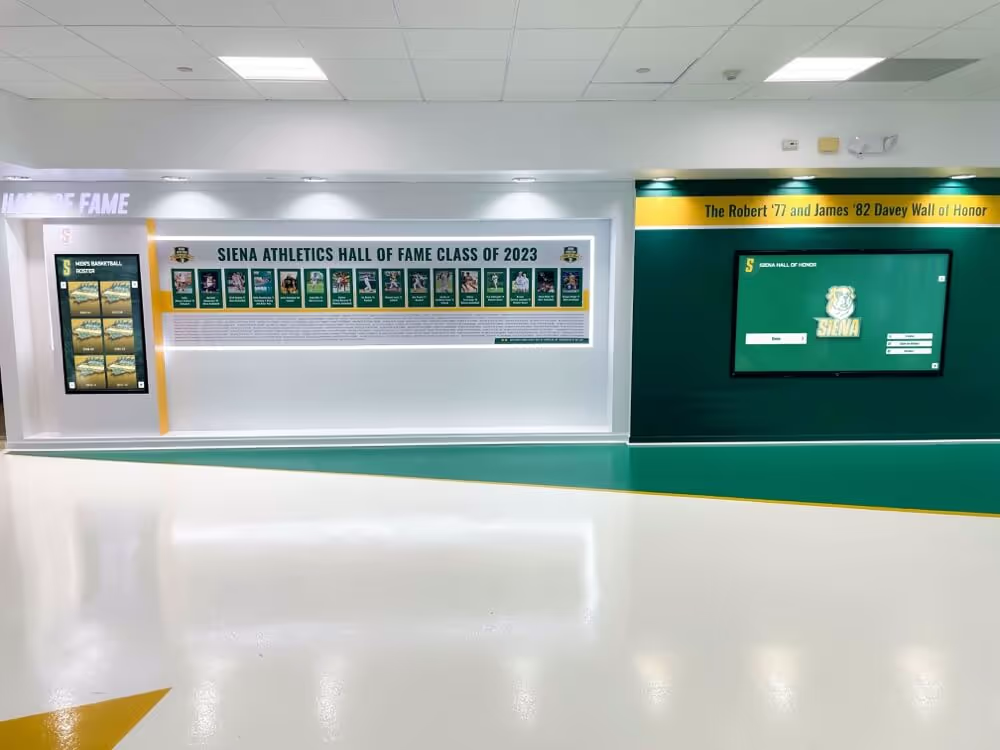
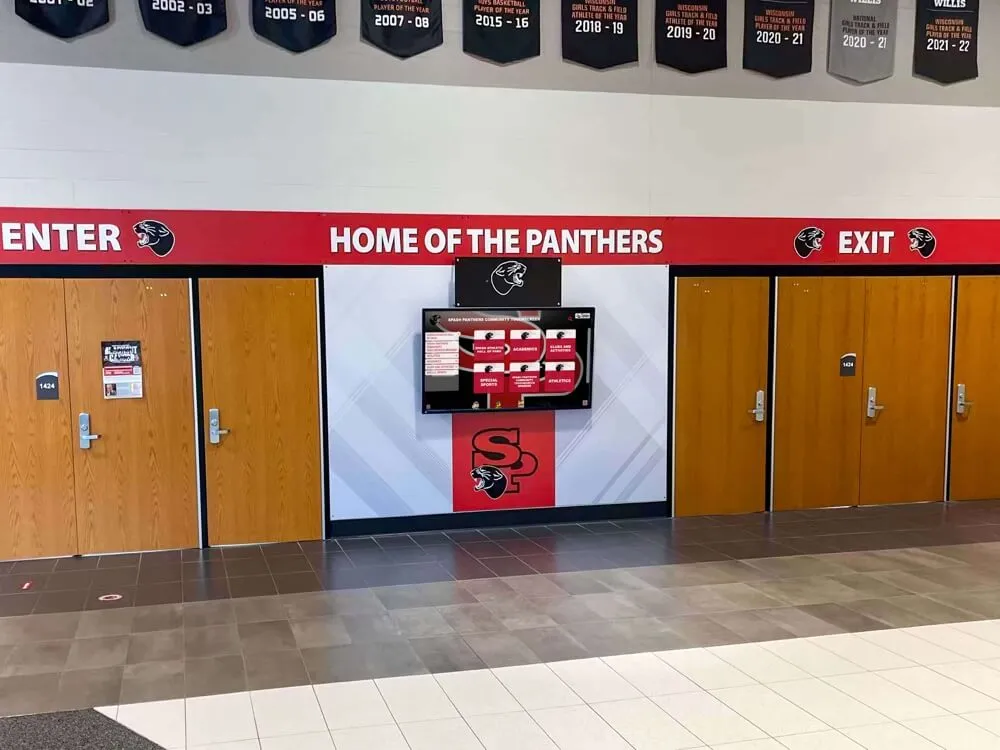
Integrating team history and donor recognition into hallway displays gives supporters visible evidence that their contributions are part of a lasting legacy
6. Restaurant and Business Spirit Nights
Spirit nights at local restaurants — where a percentage of sales during a specific time window is donated to the program — require almost no volunteer labor while building community awareness. Chains like Chipotle, Panera, and Culver’s have established fundraising programs; local restaurants often agree to 15–25% of sales during a two-hour window.
The real value is compounding: a team that runs one spirit night per month builds a community habit of associating dining out with supporting the program. Over a season, that habit can generate $3,000–$8,000 with minimal coordination effort.
7. Online Peer-to-Peer Fundraising Campaigns
Platforms like Snap! Raise specialize in school program peer-to-peer campaigns and manage outreach compliance concerns that arise when students contact supporters directly. A well-run Snap! Raise campaign for a dance team of 40 students typically generates $12,000–$25,000 over a three-week window.
The key is preparation: collect complete, accurate parent email lists, brief students on how to personalize their outreach, and set a clear team goal with a visible progress tracker. Programs that treat peer-to-peer fundraising as a whole-team effort with coaching around the ask consistently outperform those that simply distribute the link.
8. Silent Auction at Performances
Every ticketed performance is an opportunity to run a concurrent silent auction. Set up 15–30 items in the lobby — experience packages, gift cards, memorabilia, professional services donated by booster families — and use a mobile bidding platform like GiveSmart or OneCause to run bidding from attendees’ phones throughout the evening.
Items that perform best at performing arts silent auctions include private coaching experiences, dance portrait sessions, travel and entertainment packages, restaurant and spa gift certificates, and one-of-a-kind team memorabilia from signature performances.
9. Corporate and Local Business Sponsorships
Structured sponsorship packages give local businesses a clear framework for supporting your program in exchange for visibility. Tiered packages might include:
Presenting Sponsor ($3,000–$5,000): Name in program title, banner at all performances, social media features, recognition on donor wall
Gold Sponsor ($1,500–$2,999): Program listing, lobby signage, social media acknowledgment
Silver Sponsor ($500–$1,499): Program listing, website recognition
Supporter ($100–$499): Program listing
Businesses respond well to sponsorship packages that specify what they receive rather than asking for general donations. Dance studios, dancewear retailers, photography studios, and performing arts venues are natural first targets. See athletic banquet planning ideas for additional event frameworks that translate well to dance program galas.
10. Arts and Activities Grant Applications
Many foundations specifically fund performing arts programs at the secondary and post-secondary level. State arts councils, community foundations, and national organizations like the National Endowment for the Arts (NEA) offer grant programs accessible to school-based dance programs.
Grant writing takes time but yields unrestricted or targeted revenue at 100% margin. Start with your state arts council’s education grant programs and local community foundation directories. A single $2,500–$10,000 grant can fund a semester of coaching or a competition travel fund without drawing on booster reserves.
11. Dance Clinics and Community Classes
Running Saturday morning beginner dance clinics or summer intensives for younger students in the community generates revenue while building the pipeline of future program participants and supporters. Charge $25–$75 per student per session depending on length and format. Clinics run by varsity team members create natural mentorship while earning $500–$3,000 per event.
These events also function as stewardship touchpoints for current donors, who see their contributions fund a program that gives back to the community.
12. End-of-Year Merchandise Bundles
Create limited-edition season recap packages — a custom design featuring the year’s performances, awards, and team photos — sold as apparel bundles, photobooks, or framed prints. These items have high sentimental value to families and alumni, command premium pricing ($35–$100), and serve as lasting acknowledgment of the year’s work.
For ideas on how to present these awards and achievements in a lasting way, high school awards ceremony ideas provide useful frameworks that dance programs can adapt for their own end-of-season celebrations.
Building a Dance Team Booster Club
A booster club is the organizational infrastructure that makes sustained fundraising possible. Without one, every new season reinvents the wheel. With one, institutional knowledge, donor relationships, and operational systems carry forward even when families cycle out.
Core Booster Club Structure for Dance Programs
Effective dance booster clubs maintain these core roles:
President / Fundraising Chair: Oversees annual strategy, coordinates major events, manages sponsor relationships
Treasurer: Manages accounts, processes donations, maintains financial records for reporting to school administration
Event Coordinator: Plans and executes performances, galas, and community events
Communications Chair: Manages social media, email newsletters, and parent communications
Donor Recognition Chair: Maintains donor records, coordinates wall updates, manages stewardship communications
The Donor Recognition Chair is often undervalued but is critical to retention. Donors who are properly acknowledged give again. Those who receive nothing give once.
Annual Planning Calendar
Booster clubs that plan the full calendar at the start of each school year execute more consistently and stress volunteers less:
- August–September: Spirit wear store launch, sponsorship cultivation outreach, annual giving campaign kickoff
- October–November: Fall showcase tickets and program ads, silent auction item collection
- December: Holiday gala or year-end dinner event
- January–February: Competition season pledge drives, dance-a-thon planning
- March–April: Spring showcase production, grant deadlines for following year
- May–June: Year-end celebration, donor recognition wall updates, end-of-season stewardship
For context on how other performing-arts-adjacent programs coordinate booster activities, cheer award ideas and recognition strategies offer useful parallels.
Setting Giving Levels and Donor Tiers
Tiered giving programs create visible goals for donors and inspire upgrades. The following matrix provides a starting template:
DANCE PROGRAM DONOR RECOGNITION TIERS
======================================

LEGACY CIRCLE         $10,000+
  - Named endowment opportunity
  - Permanent placement on digital donor wall (Priority position)
  - Personal video feature in annual showcase program
  - VIP reserved seating for all performances (2 seats, lifetime)
  - Annual stewardship call from program director

GOLD PATRON           $5,000–$9,999
  - Digital donor wall listing with recognition level badge
  - Reserved seating for all home performances (2 seats, annual)
  - Name in all printed and digital programs
  - Recognition at spring gala
  - Annual impact letter from head coach

SILVER SUPPORTER      $2,500–$4,999
  - Digital donor wall listing
  - Reserved seating at spring showcase (2 seats)
  - Name in printed program
  - Social media recognition post

BRONZE FRIEND         $1,000–$2,499
  - Digital donor wall listing
  - Name in printed program
  - End-of-year thank-you from the team

COMMUNITY SUPPORTER   $250–$999
  - Digital donor wall listing
  - Name in digital program

TEAM BACKER           Up to $249
  - Acknowledgment in digital program
  - Social media thank-you

Note: Multi-year commitments at any level receive an
additional recognition upgrade and priority wall placement.
Cumulative giving is tracked and rewarded annually.
This matrix works as a living document. Update it each year based on donor response and program funding needs. Sharing it publicly — in your booster newsletter and on your school’s booster page — normalizes the giving conversation before you make individual asks.
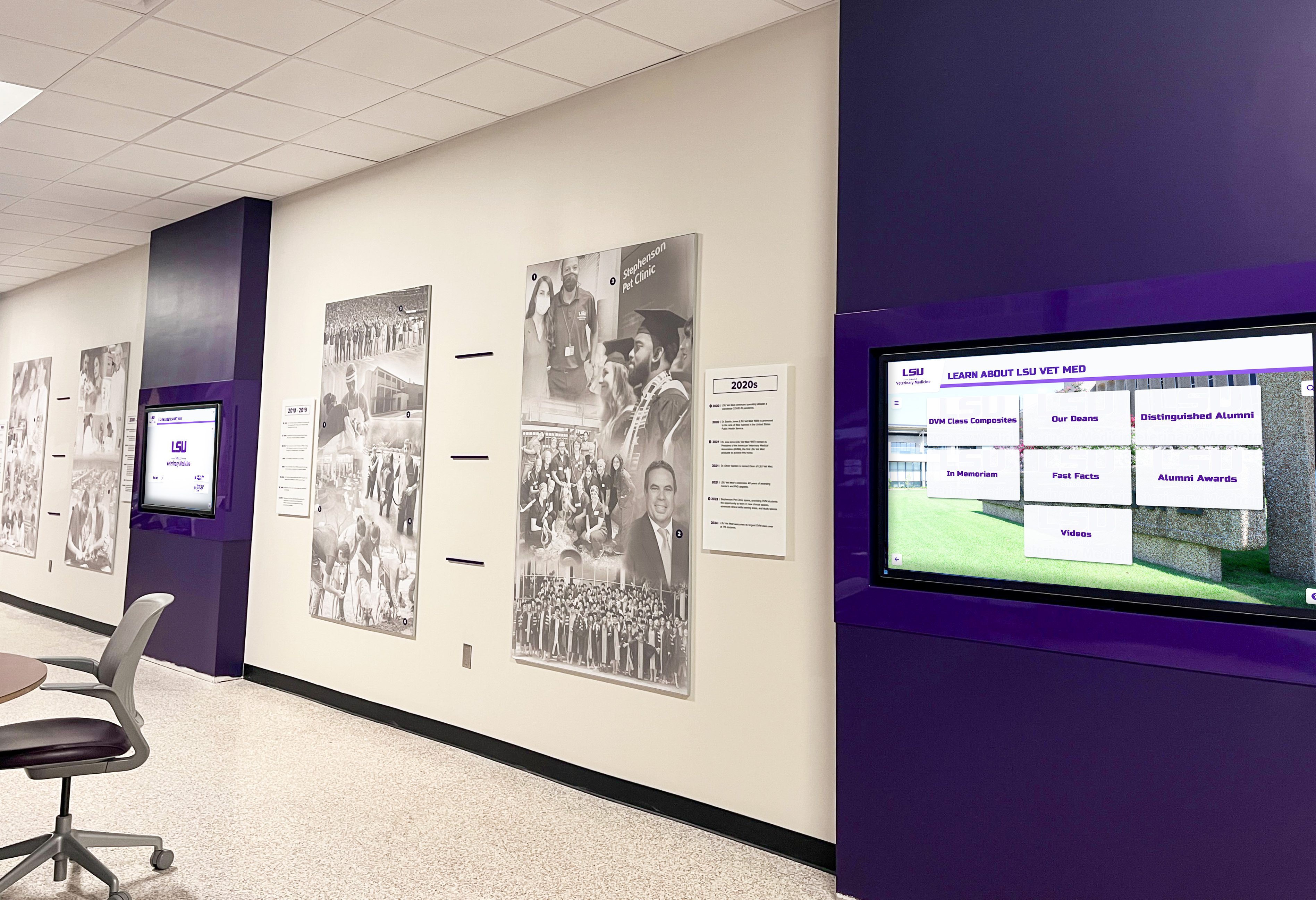
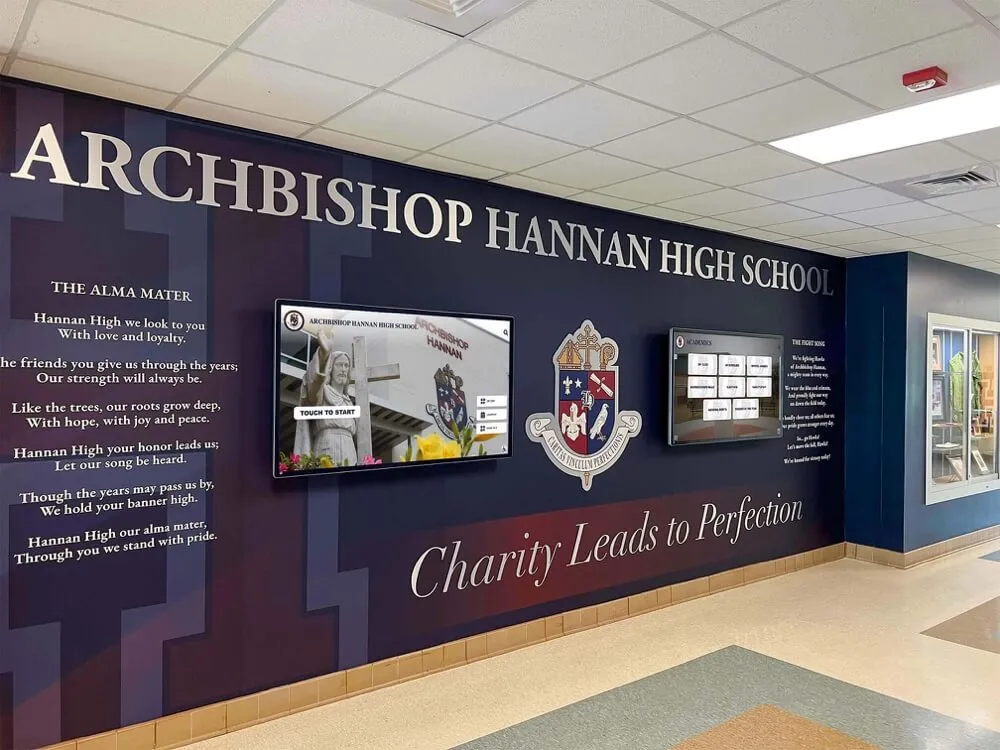
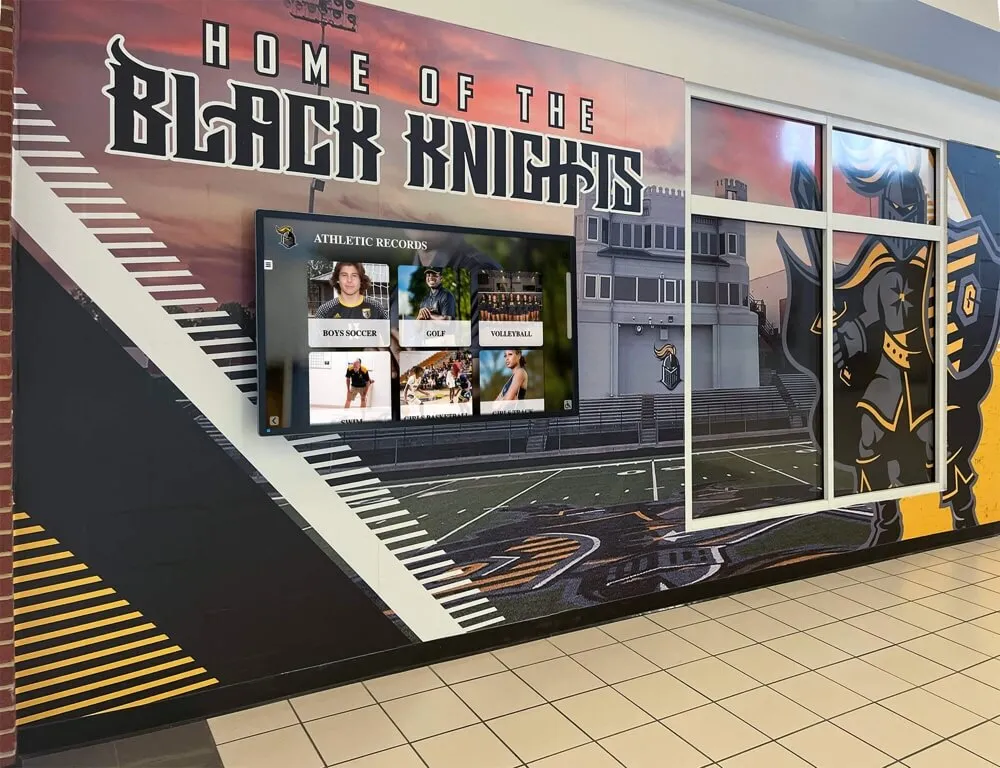
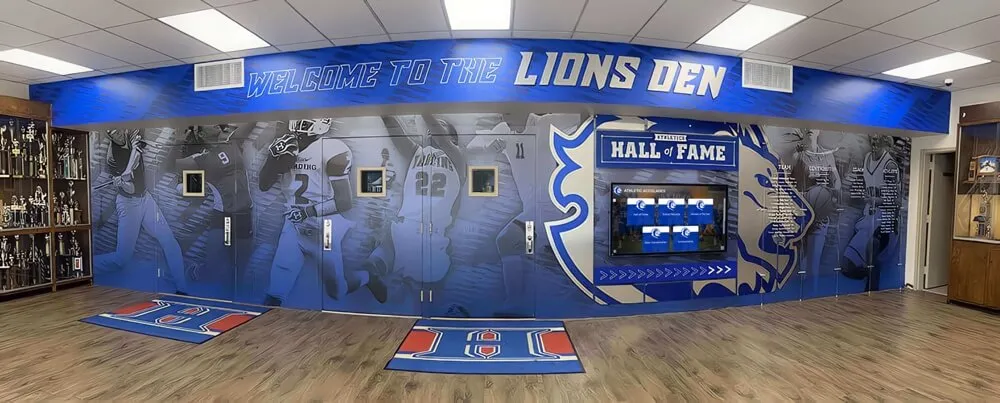
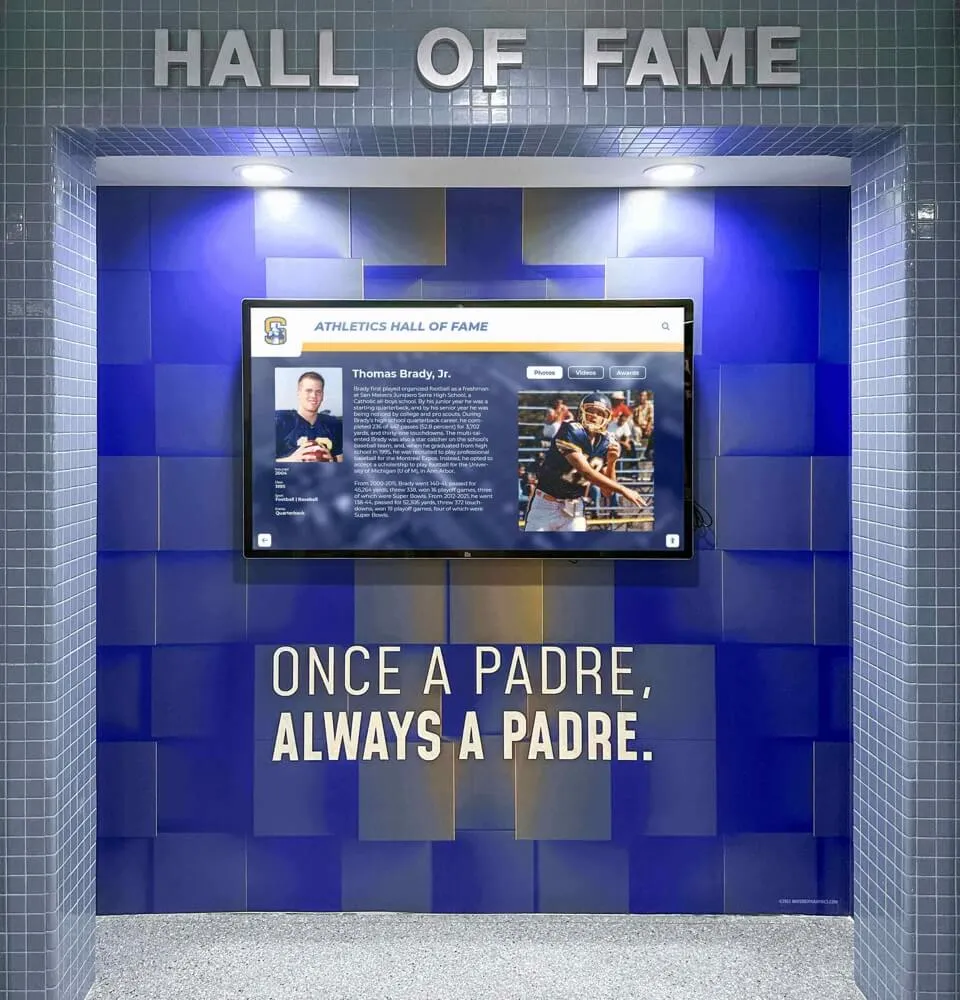
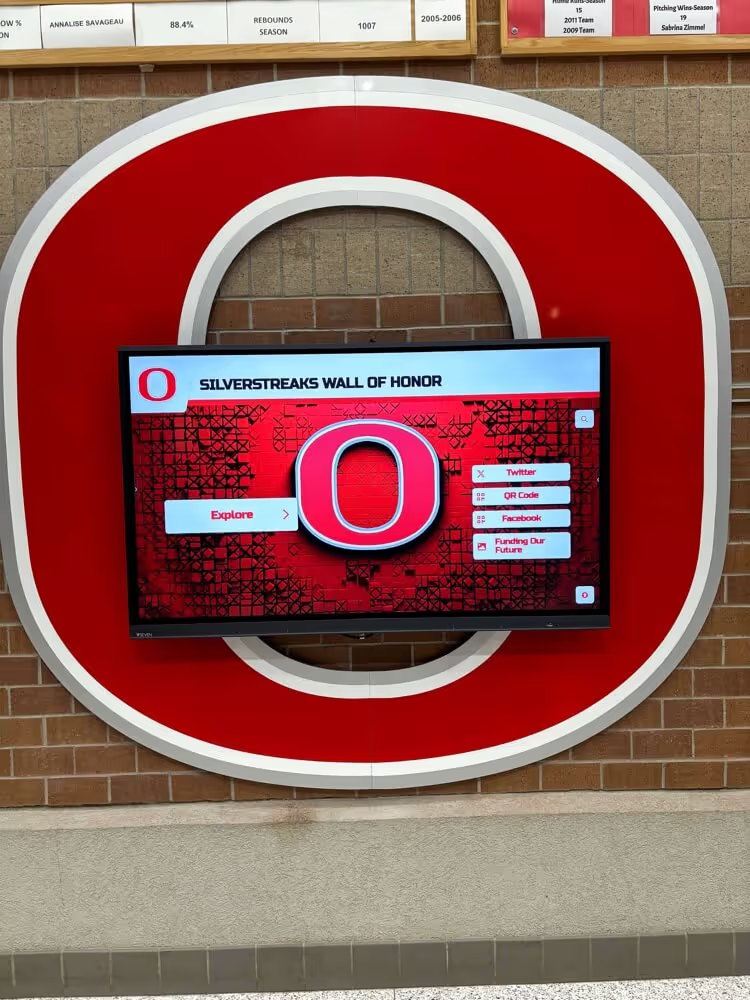
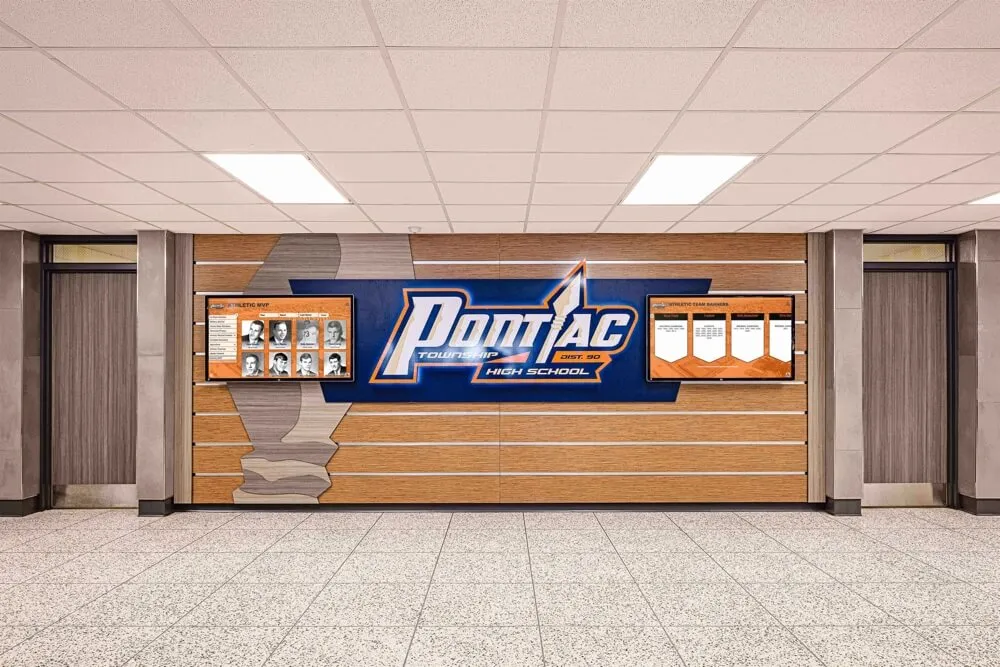
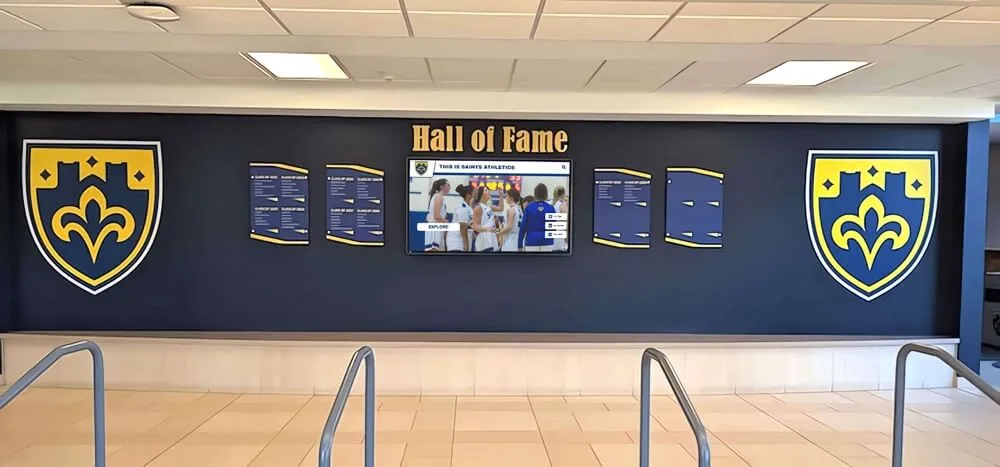
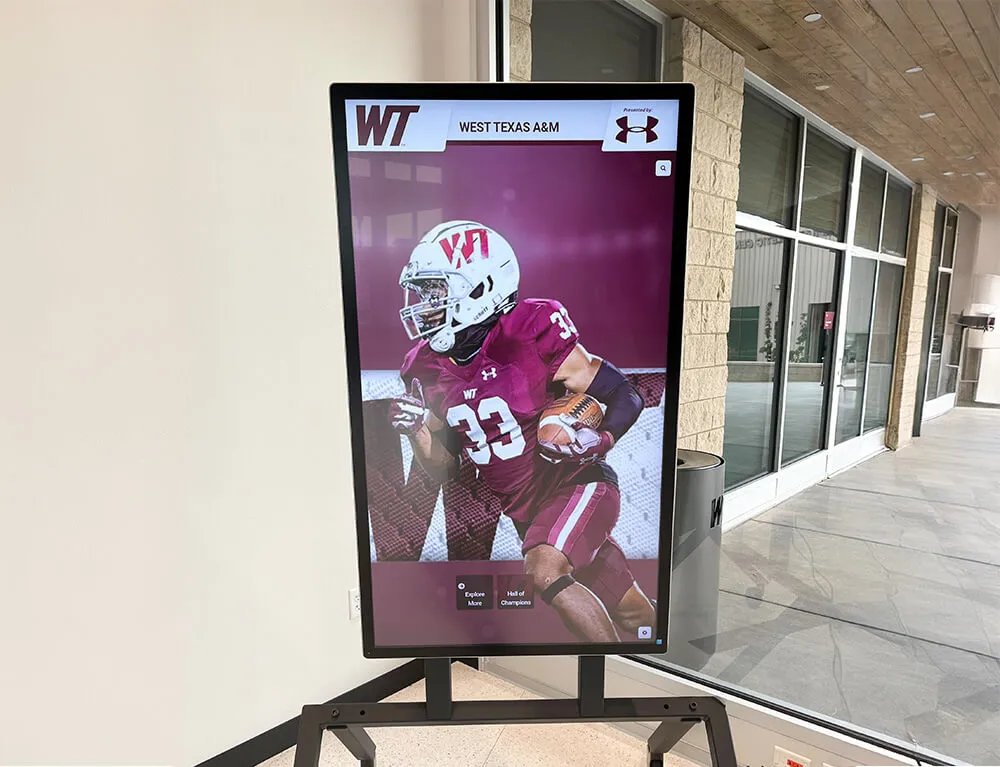
Digital recognition displays in prominent hallways make donor acknowledgment a visible part of campus culture rather than a back-of-program footnote
Donor Recognition Walls for Dance Programs
The way a dance program acknowledges its donors is not separate from fundraising — it is one of the most powerful fundraising tools available. Recognition drives retention, and retention is where the real fundraising math happens. According to the Association of Fundraising Professionals, retaining an existing donor costs five to seven times less than acquiring a new one. A donor recognition wall that makes supporters feel genuinely seen is not a nice addition to your program; it is part of the revenue model.
What Dance Program Donors Want to See
Dance donors are often parents, alumni, and community members who are emotionally invested in the art form. They want to see their support acknowledged in a way that feels commensurate with the program’s values — polished, visible, and permanent.
Effective recognition for dance program donors includes:
Named giving levels that create clear milestones and aspirational tiers
Visible, prominent placement in a location donors actually pass through — the school entrance, the performing arts hallway, or the lobby of the theater
Timely updates that add new donors within weeks of their gift rather than annually
Multimedia storytelling that connects donor names to the specific programs, costumes, or competitions their gifts funded
For a comprehensive overview of recognition display approaches, donor recognition wall ideas cover the full range from traditional plaques to interactive digital installations.
Traditional vs. Digital Donor Walls
Traditional donor recognition walls — engraved plaques, laser-cut acrylic panels, donor bricks — work well for major gifts at the top of the tier structure. They communicate permanence and prestige. The limitations are well known: physical panels fill up, updates require fabrication lead time and cost, and smaller donors are often left off entirely because adding their names is not cost-effective at small gift sizes.
Digital donor walls solve these constraints. An interactive touchscreen can display every donor at every giving level with no additional fabrication cost per name, update in real time as new gifts come in, show video testimonials and program highlights alongside donor listings, and scale from 50 donors to 5,000 without any physical modifications.
The most effective approaches combine both: a curated physical installation honoring Legacy Circle and Gold Patron donors, backed by a digital display that gives every supporter visibility and lets visitors explore the full story of the program’s community. See the donor recognition screen complete guide for technical specifications and implementation considerations.
Placement Strategy for Performing Arts Programs
Where you place donor recognition shapes how it functions. For dance programs, the highest-impact locations are:
Theater or auditorium lobby: Every performance audience sees the recognition wall as they wait for doors to open. This is the ideal location for combining donor acknowledgment with a live fundraising moment.
School performing arts hallway: Visible to students, faculty, and visitors year-round, not just on performance nights. This location serves ongoing cultivation as much as acknowledgment.
Dance studio entrance: The most intimate placement — visible to the dancers themselves, to parents dropping off for practice, and to prospective donors touring the program. Donors whose names hang in the studio often feel a deeper connection to the daily work than those recognized only at annual events.
For inspiration on how schools display achievement across programs, school trophy case and achievement display ideas offer applicable design principles.
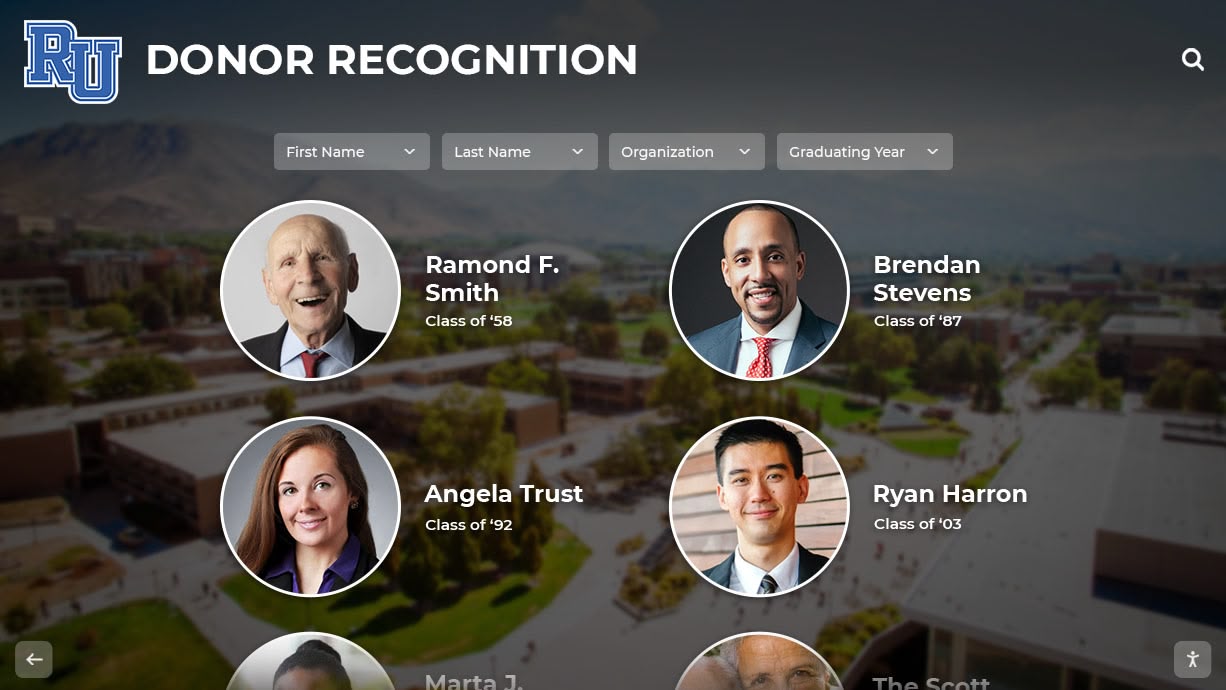
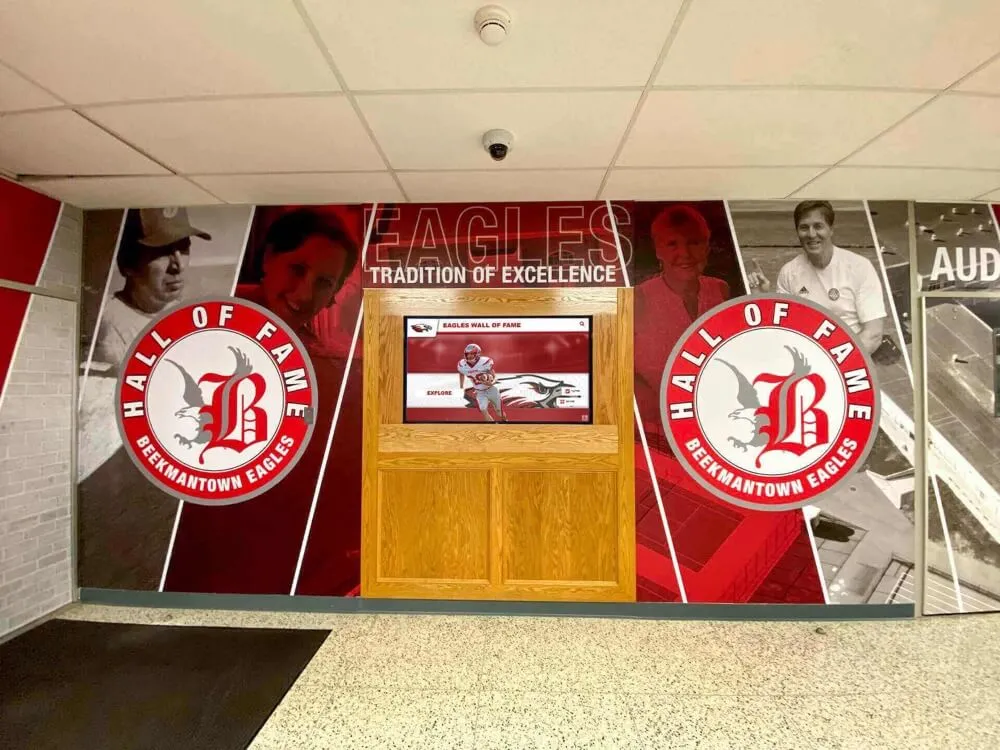
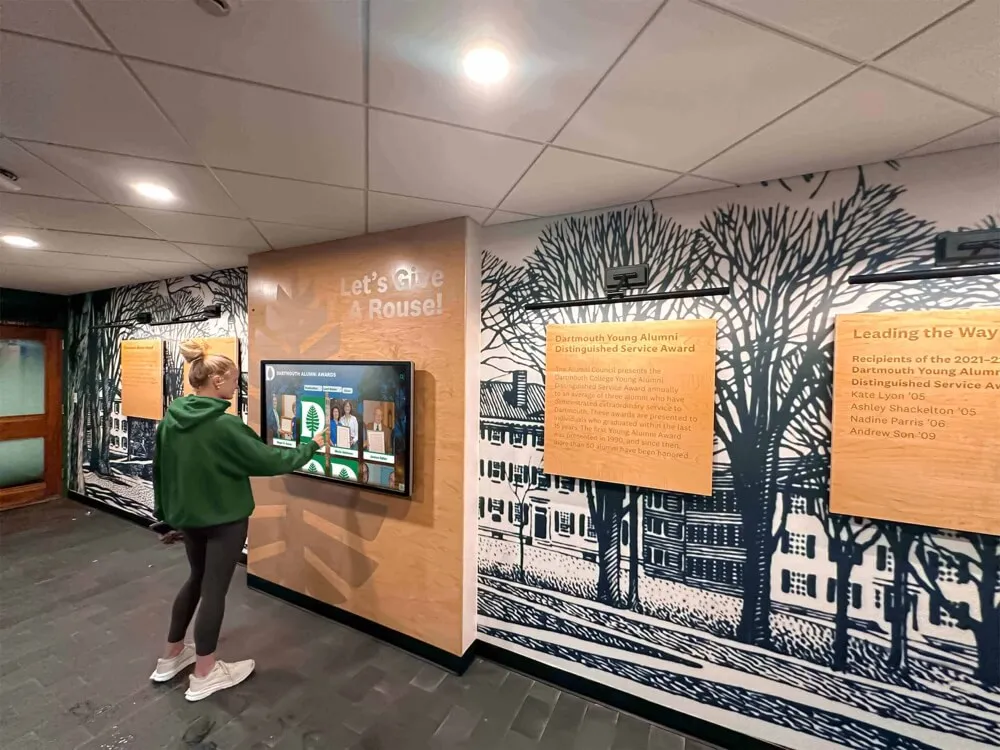
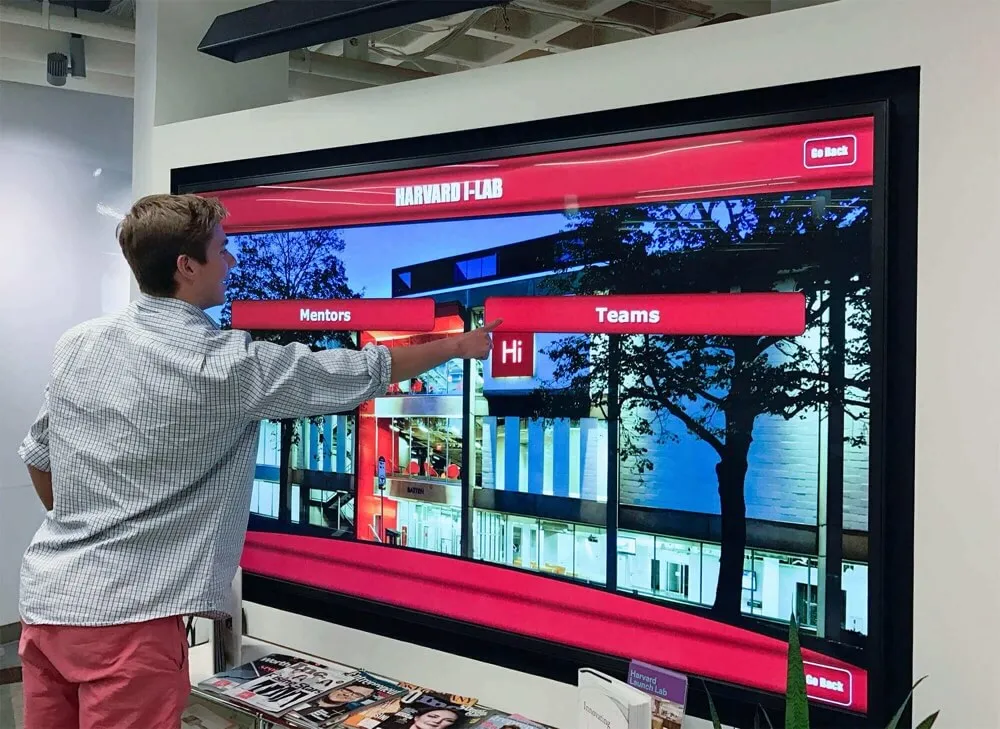
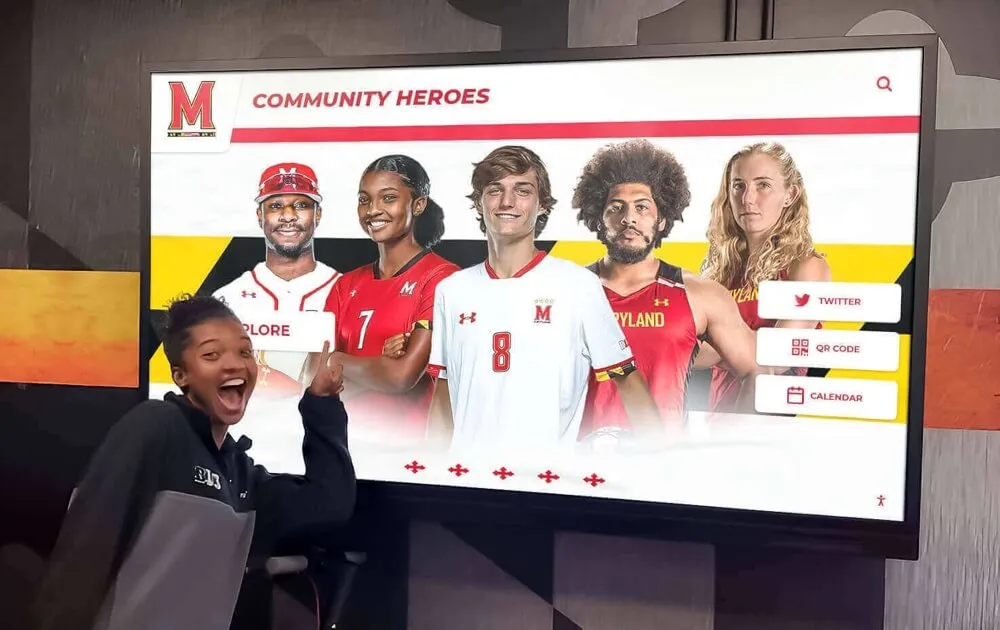
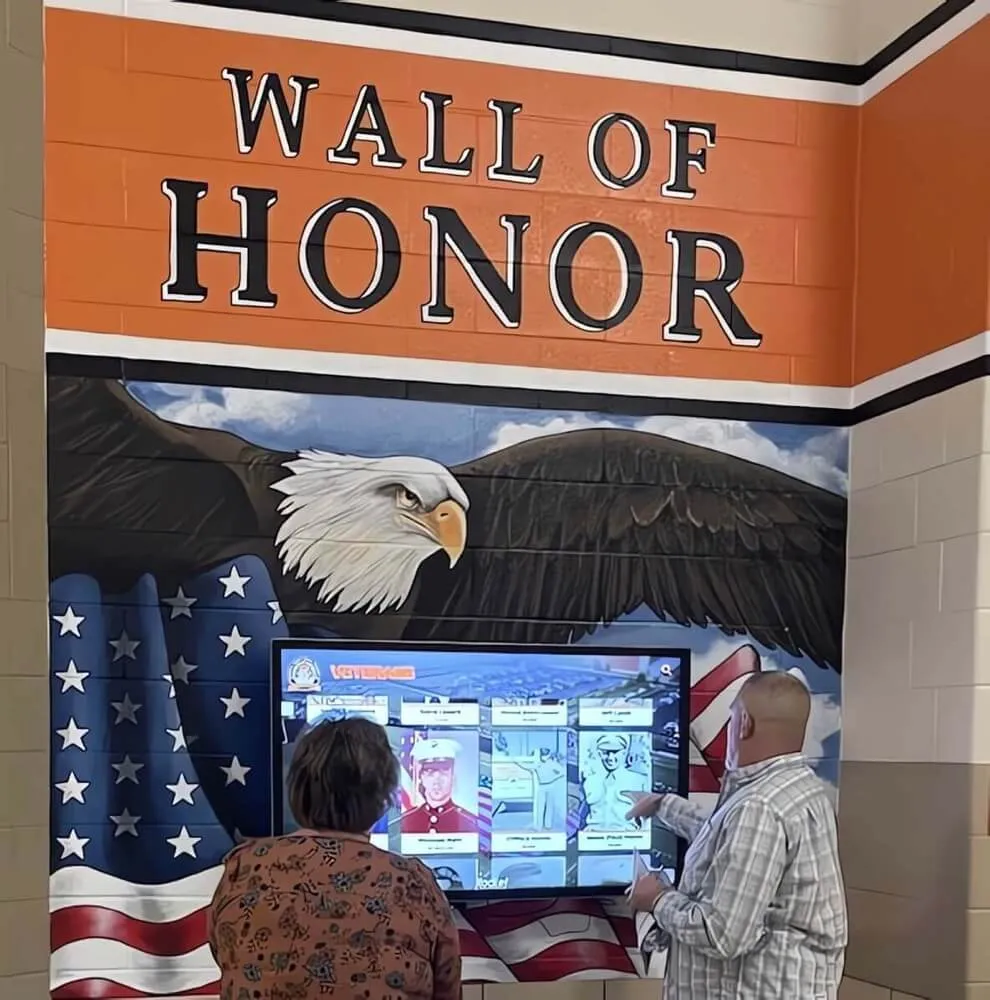
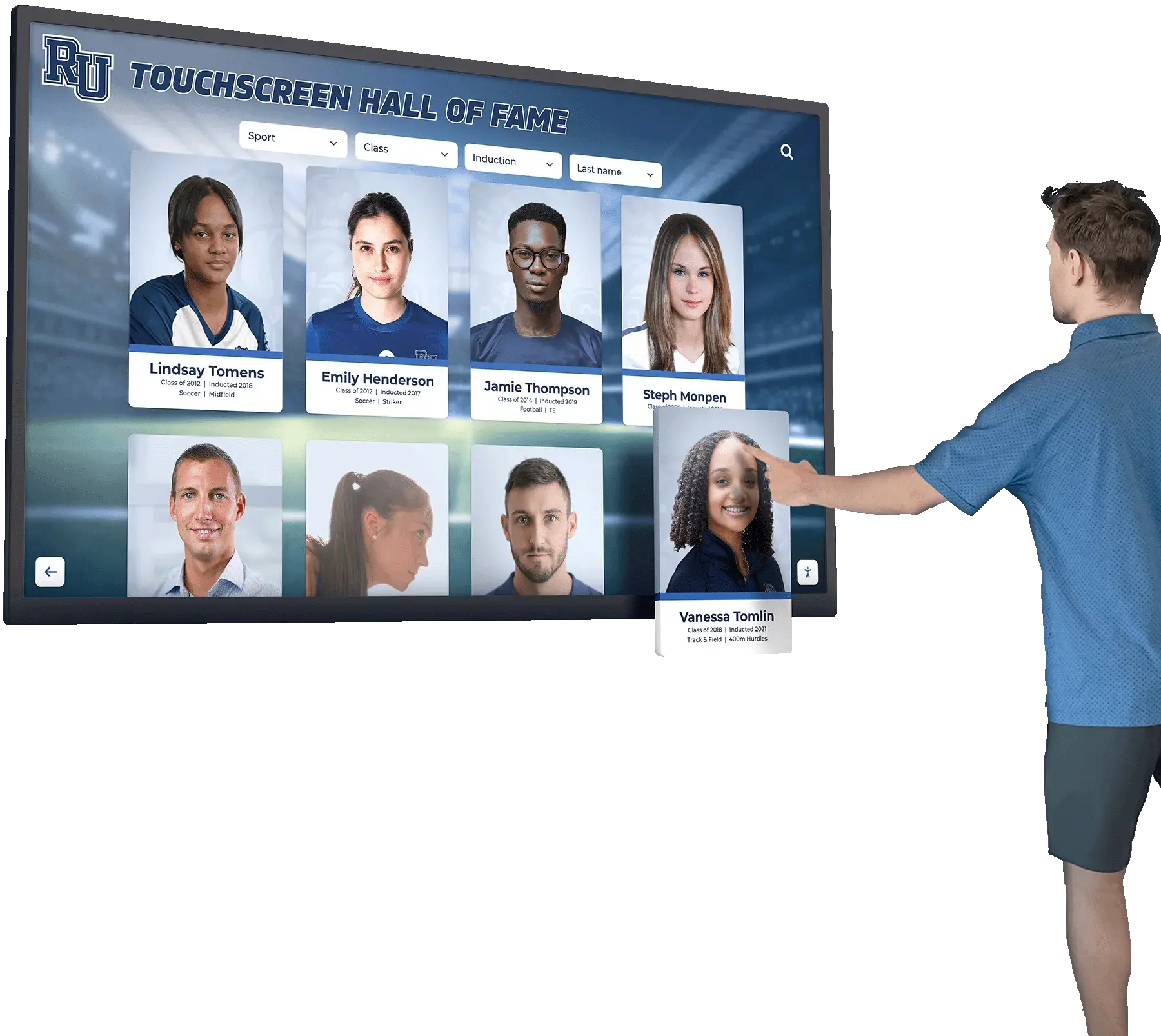
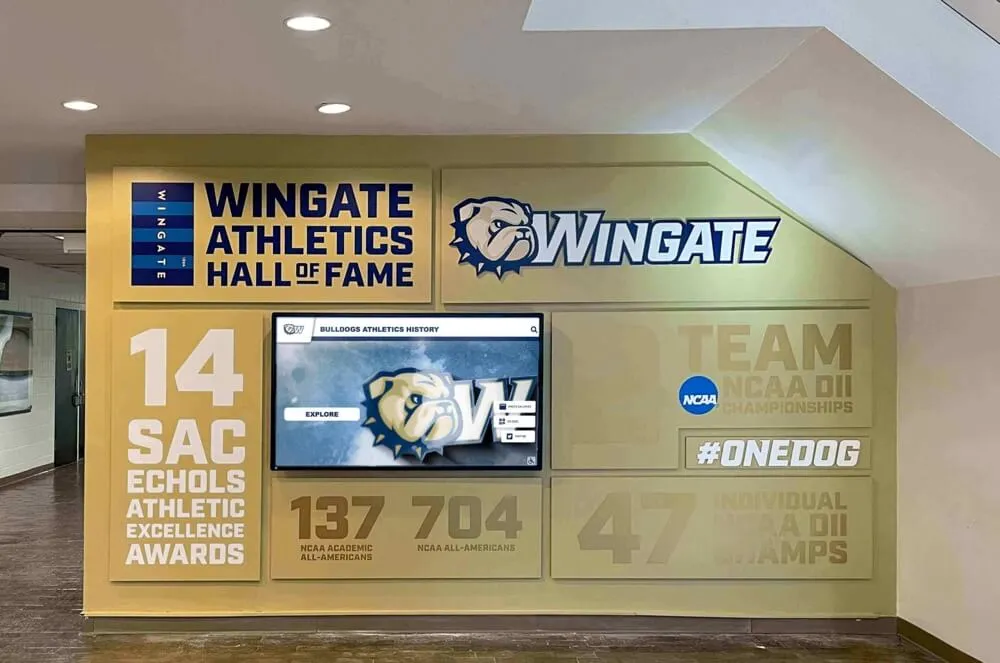
Personalizing donor recognition with photos and stories creates an emotional connection that plaques alone cannot achieve — and drives future giving at measurably higher rates
Using Interactive Displays to Tell the Dance Program Story
The most sophisticated dance program recognition installations do more than list names. They tell the story of what those names made possible.
An interactive digital display in a performing arts hallway can show:
- Program history timeline: Year-by-year milestones, championship results, and notable alumni
- Competition trophy gallery: Digital documentation of awards that would fill a physical case quickly
- Donor profiles: Photos, recognition levels, and brief notes on how specific gifts were used
- Performance highlights: Video clips from signature performances, accessible to visitors exploring the display
- Current campaign progress: A live fundraising thermometer showing progress toward this season’s goal
This storytelling function does something that a static plaque cannot: it creates conversation. Parents waiting for rehearsal to end browse the display and see their name alongside the team’s history. Prospective donors touring the school interact with a display that communicates organizational health and community depth. Alumni returning for a performance find their era documented and feel welcomed back into a living tradition.
Interactive digital signage for engaging visitors details how touchscreen technology has evolved to serve exactly these purposes in school and nonprofit environments.
What to Include in a Dance Program Donor Wall Launch
When launching or upgrading a donor recognition display, sequence the implementation in three phases:
Phase 1 — Foundation (Month 1–2): Establish donor database, confirm all names and giving levels, set recognition tier criteria, draft display copy
Phase 2 — Build (Month 2–3): Install display hardware and software, input all current donor records, design visual layout matching program brand
Phase 3 — Reveal (Month 3): Announce the display at a performance or gala event, invite major donors to a preview viewing, send personalized letters to every recognized donor with a photo of the display
The launch event is itself a fundraising moment. Donors who see the display for the first time in person — their name on the wall, surrounded by the community they helped build — are among the most likely to upgrade their giving at the next ask.
Donor recognition displays for school and nonprofit programs and donor wall ideas for creative supporter recognition provide additional frameworks for planning both the content and the community rollout.
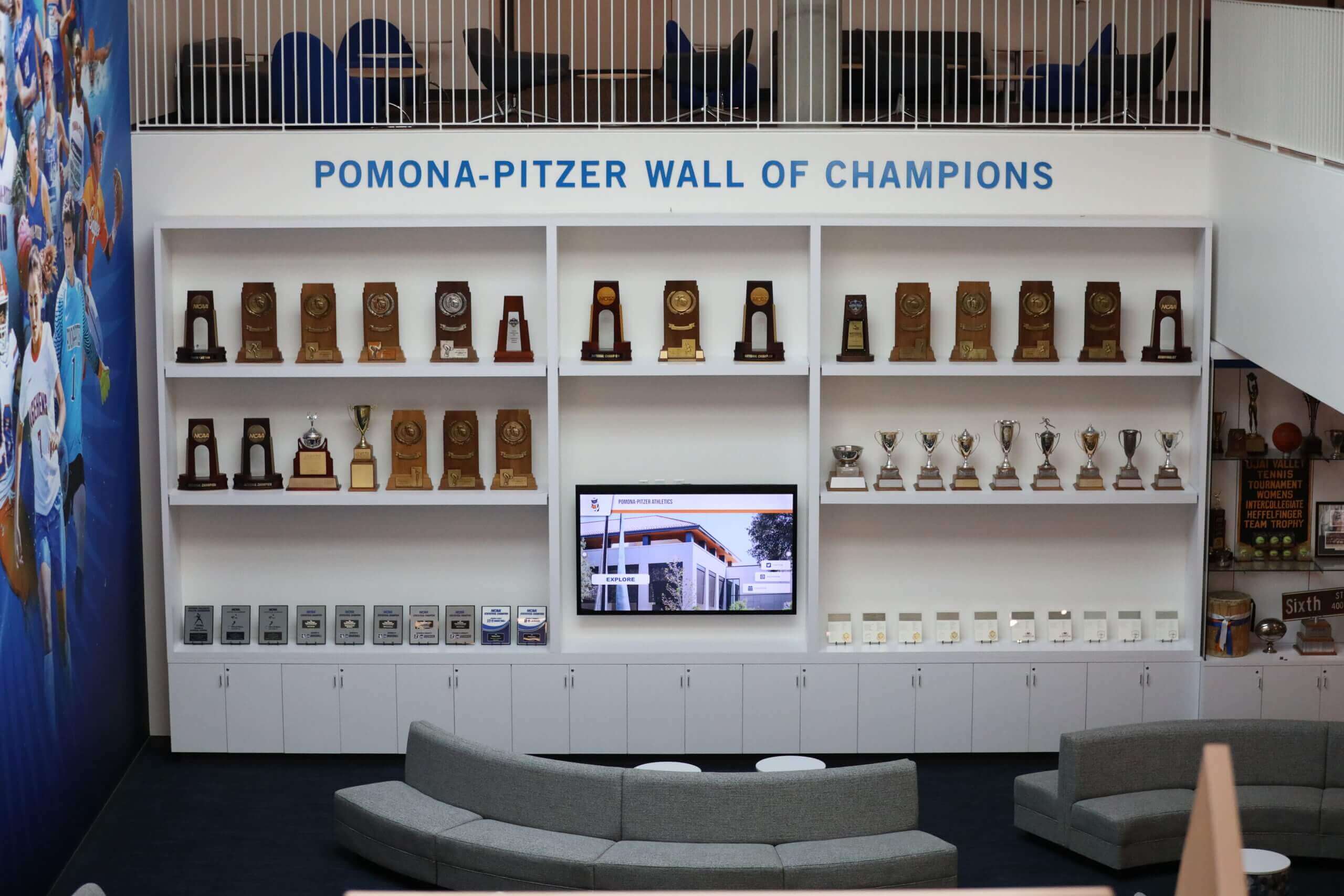
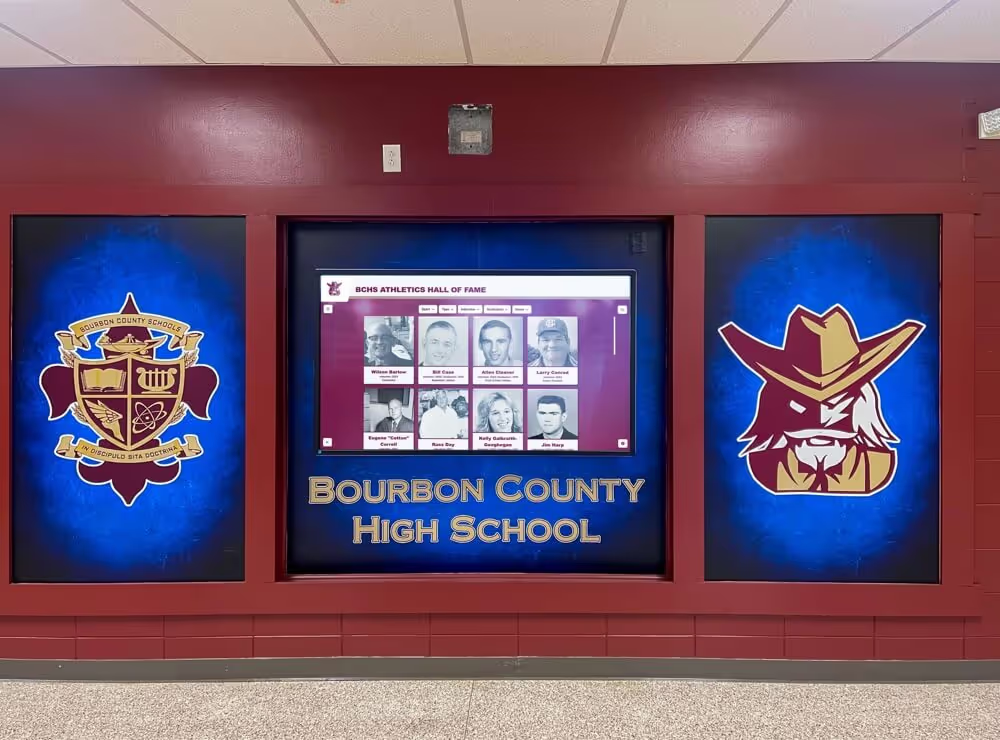
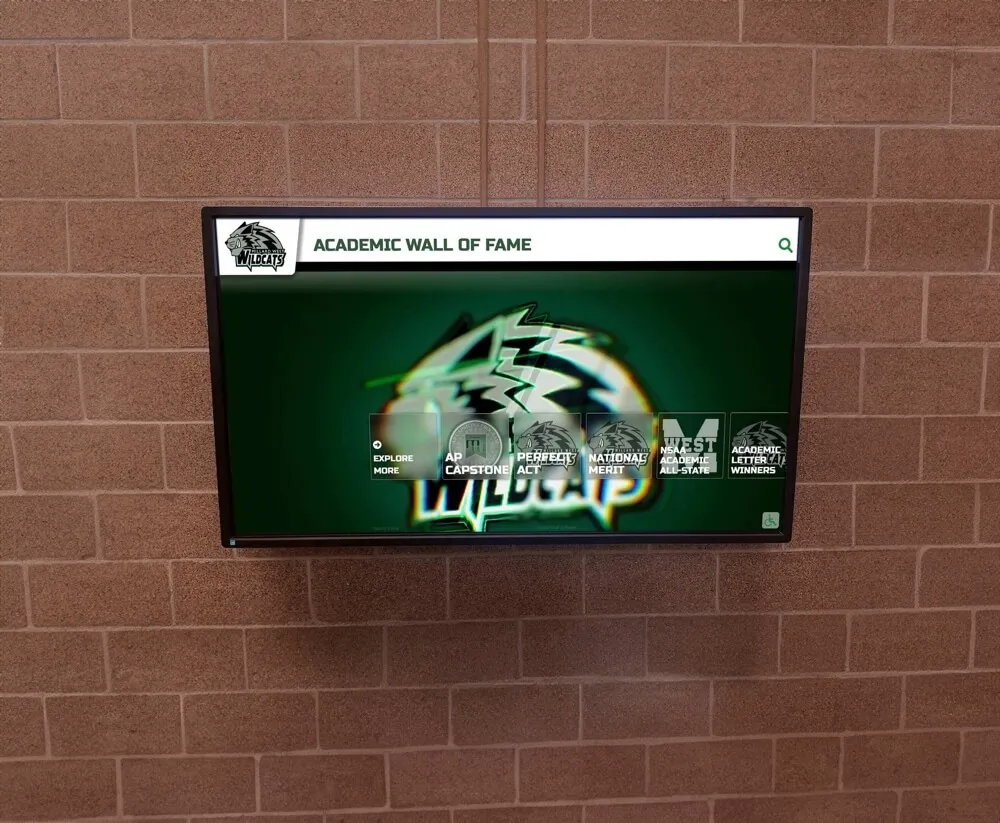
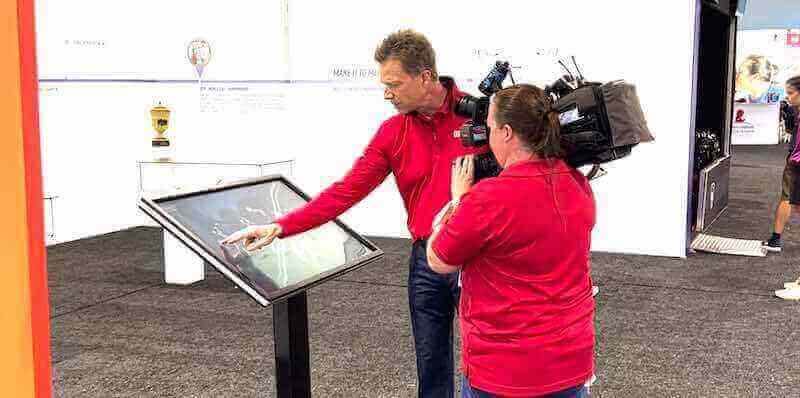
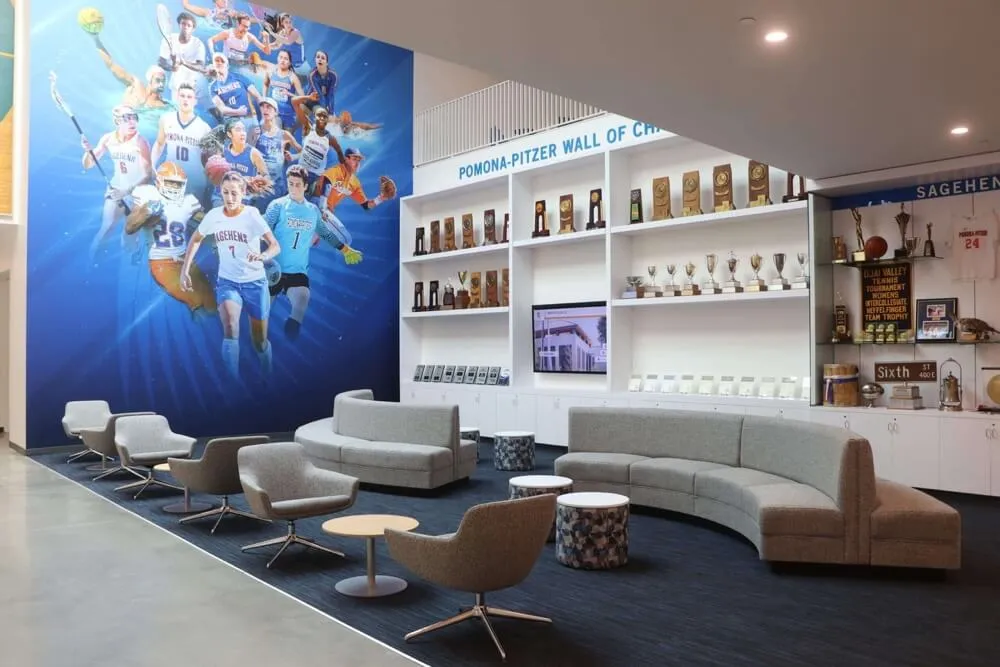
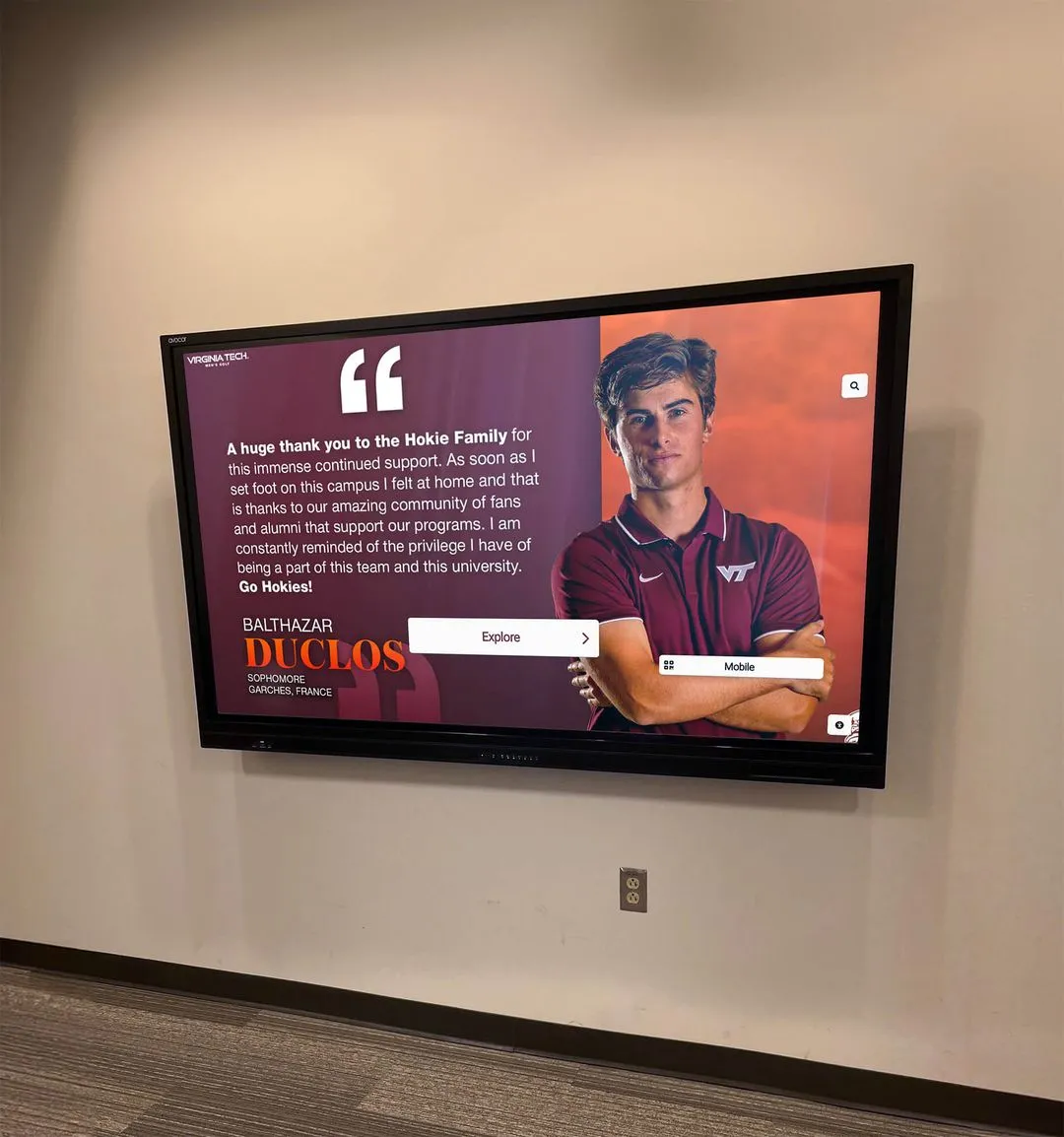
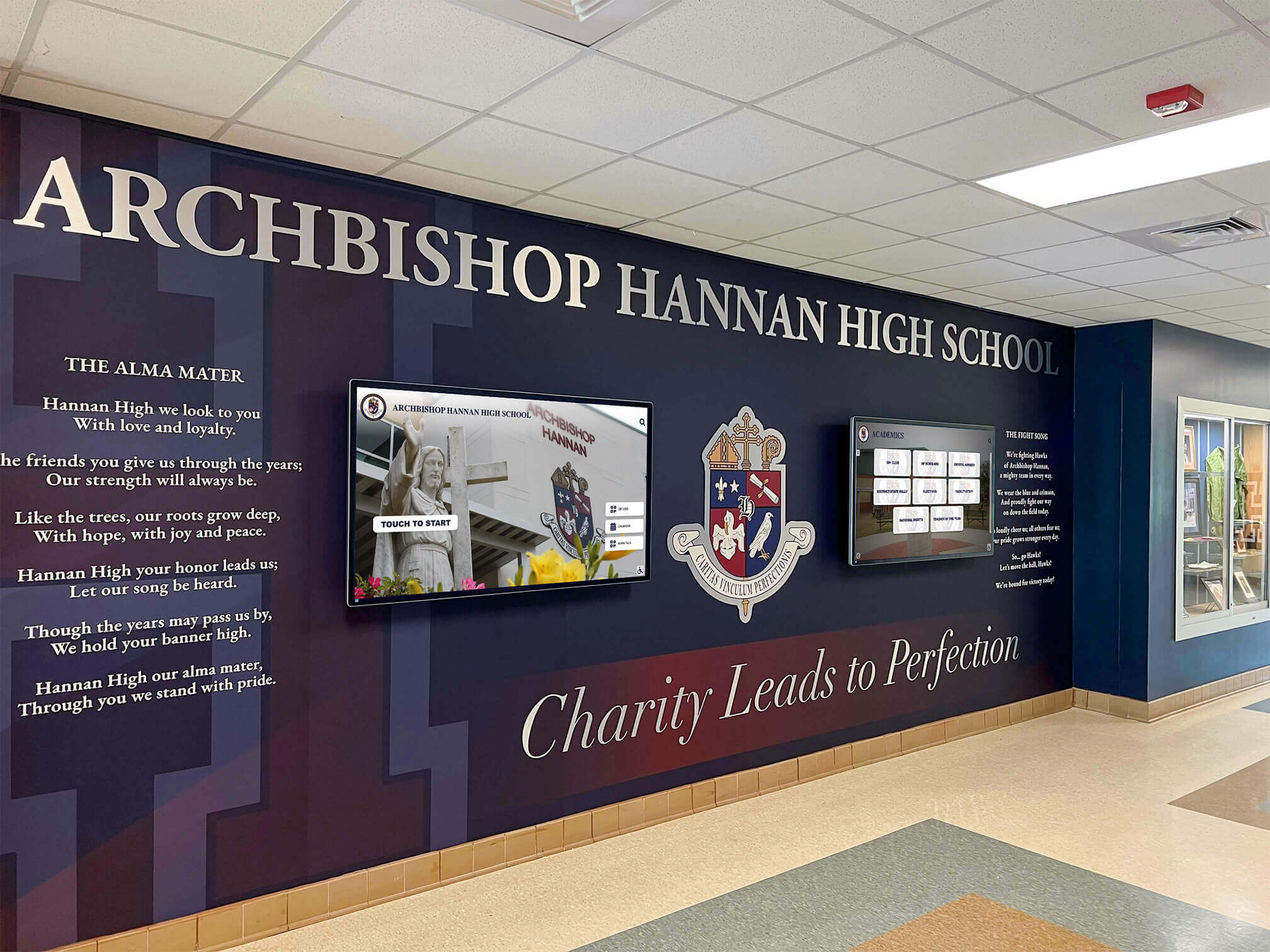
Creating a dedicated space where donors and community members can experience recognition together turns acknowledgment into a social and relational moment
Stewardship: Keeping Donors Engaged Between Asks
Recognition at the moment of giving is necessary but not sufficient. Donors who give and hear nothing until the next ask rarely give again at the same level. The booster clubs that sustain strong dance program funding are the ones that build stewardship into their annual calendar as a structured activity, not an afterthought.
A practical stewardship calendar for dance program donors:
Within 48 hours of gift: Automated email acknowledgment with tax receipt, personalized thank-you from the booster president or program director for gifts over $500
Within two weeks: Handwritten note from the head coach for gifts of $1,000+; team-signed card for all donors at community supporter level and above
At first performance of the season: Personal invitation for donors above Silver Supporter level; reserved seating acknowledgment at the door
Mid-season: Impact update email with photos and a brief note on what donations funded this season (costumes, specific competition travel, a new piece of equipment)
End of season: Annual impact letter summarizing the year’s achievements, photos of the team at competitions funded by donations, a personal renewal ask for multi-year commitment consideration
Summer: Low-ask cultivation — a highlight video from the season, a note about upcoming program plans, an invitation to the new season’s first parent meeting
This cadence keeps donors emotionally connected between fundraising campaigns. When the next ask arrives, it lands with context and warmth rather than as a cold request from a program they hear from once a year.
Conclusion: Fund the Art, Honor the Community
The dance programs that build the strongest fundraising cultures are the ones that treat donor relationships as seriously as they treat their competition preparation. They plan the year with the same care as a performance season, structure their recognition with the same attention to detail as their choreography, and communicate with the same professionalism that makes their performances worth watching.
The twelve fundraising ideas in this guide provide a menu to build from — start with two or three that fit your current capacity, add others as your booster infrastructure matures, and always connect fundraising back to what it makes possible. When donors can see their name on the wall, watch the team perform in costumes their gifts funded, and follow a program that acknowledges them as genuine partners rather than transactions, they give more, stay longer, and bring others with them.
Digital donor walls make that recognition scalable and lasting. Whether your program is launching its first structured recognition system or upgrading an outdated plaque wall, the right display technology turns donor acknowledgment into a year-round community experience that drives the fundraising outcomes your program deserves.
Ready to build a donor recognition wall that celebrates every supporter and strengthens your dance program’s fundraising foundation? Rocket Alumni Solutions designs interactive digital donor and alumni recognition displays for schools, universities, and performing arts programs — combining unlimited donor capacity, real-time updates, and multimedia storytelling in displays built to last.