Every school has countless stories worth telling—the early morning quiet of empty hallways before students arrive, the energy of a packed homecoming game, the focused intensity in science labs during experiments, the pride on faces at graduation, and the everyday moments that define what makes your institution special. Yet most schools struggle to capture and share these authentic glimpses into daily life that prospective families, alumni, and community members genuinely want to see.
Traditional approaches to school storytelling remain limited and fragmented. Annual yearbooks document one moment in time but quickly become archived and forgotten. Occasional social media posts capture fleeting highlights yet disappear into crowded feeds within hours. Static trophy cases show past achievements without context or connection to current students. Meanwhile, the full story of school life—the traditions passed down through generations, the evolution of programs and facilities, the faces and personalities behind institutional excellence—remains invisible to those who matter most.
Modern schools need better ways to showcase “a day in the life” experiences that bring their unique character to life. Photo galleries displaying events throughout each school year, timeline layouts documenting institutional history and evolution, and About Us profiles introducing the people who make schools special create authentic storytelling that commemorates legacy while serving practical marketing needs.
This comprehensive guide explores how educational institutions use digital displays, interactive galleries, and thoughtfully organized content to tell their stories effectively. Whether you’re looking to honor school history, strengthen community connections, or provide prospective families with genuine insights into your institution, these proven approaches help schools showcase what makes them special while building pride among current students and staff.

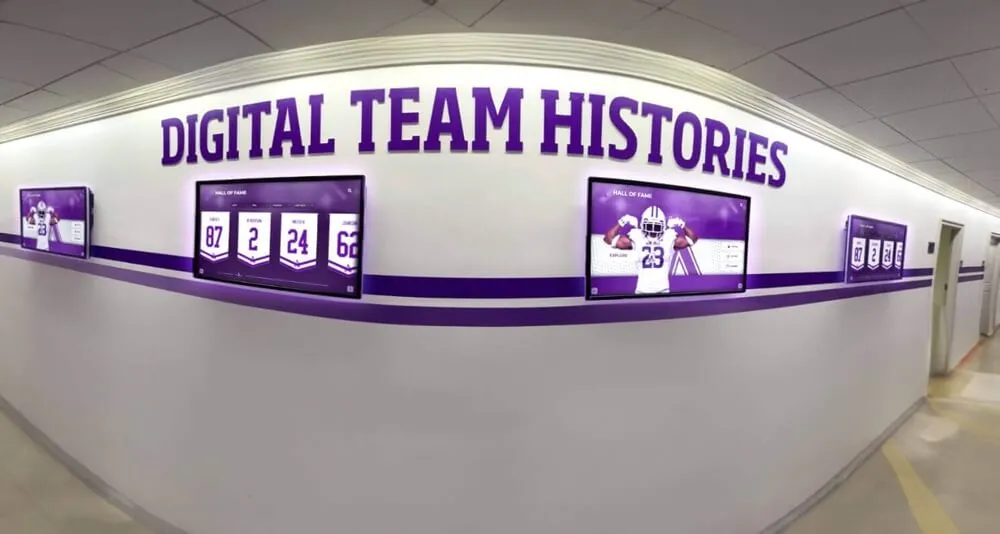
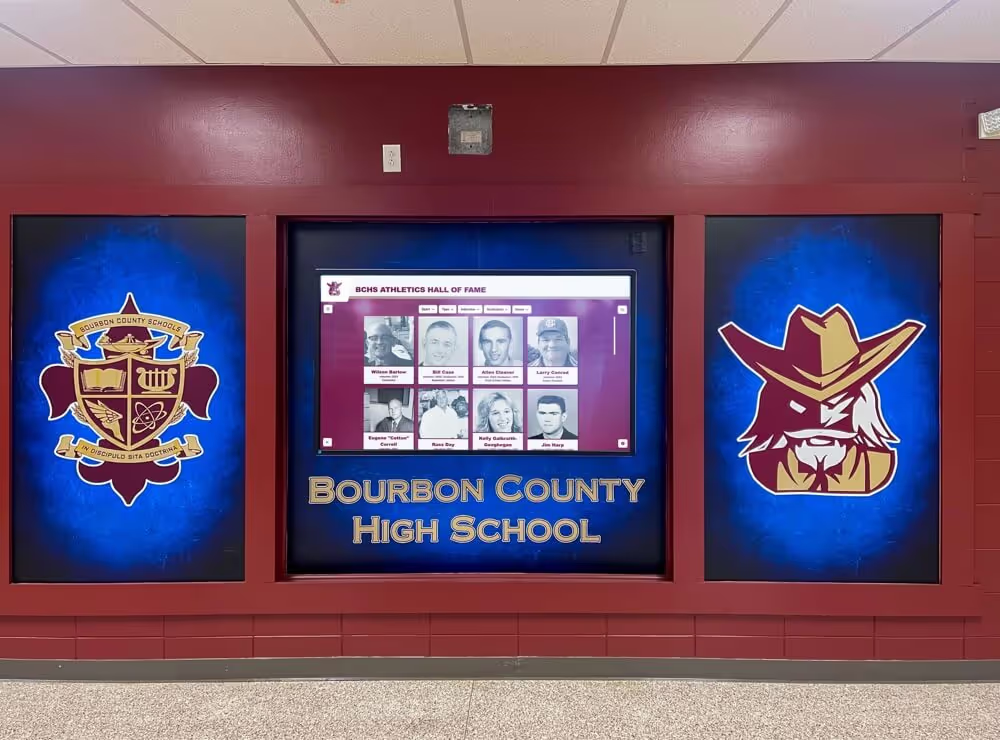
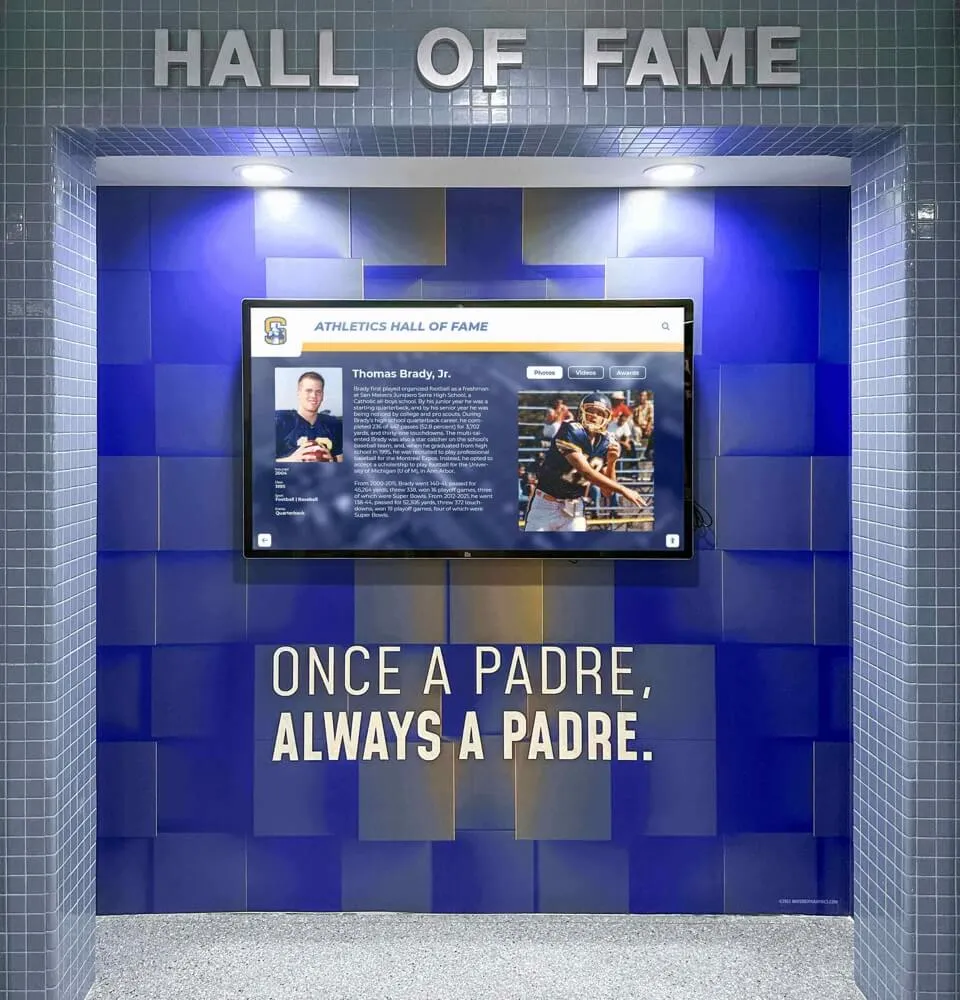
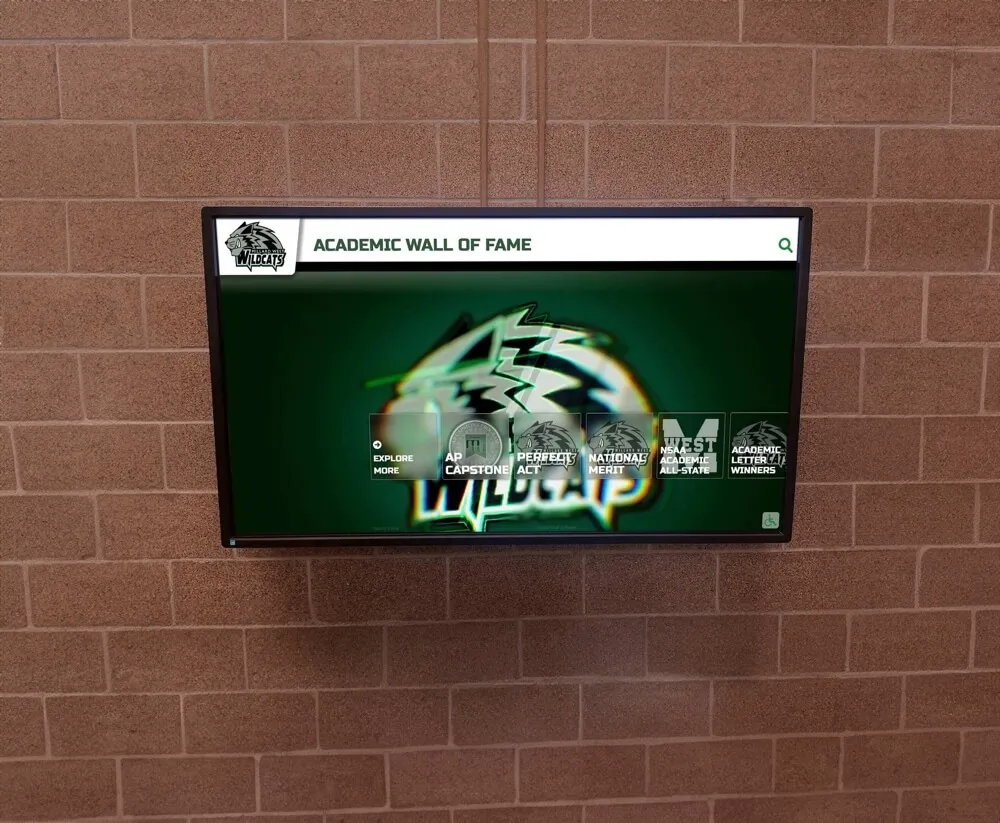
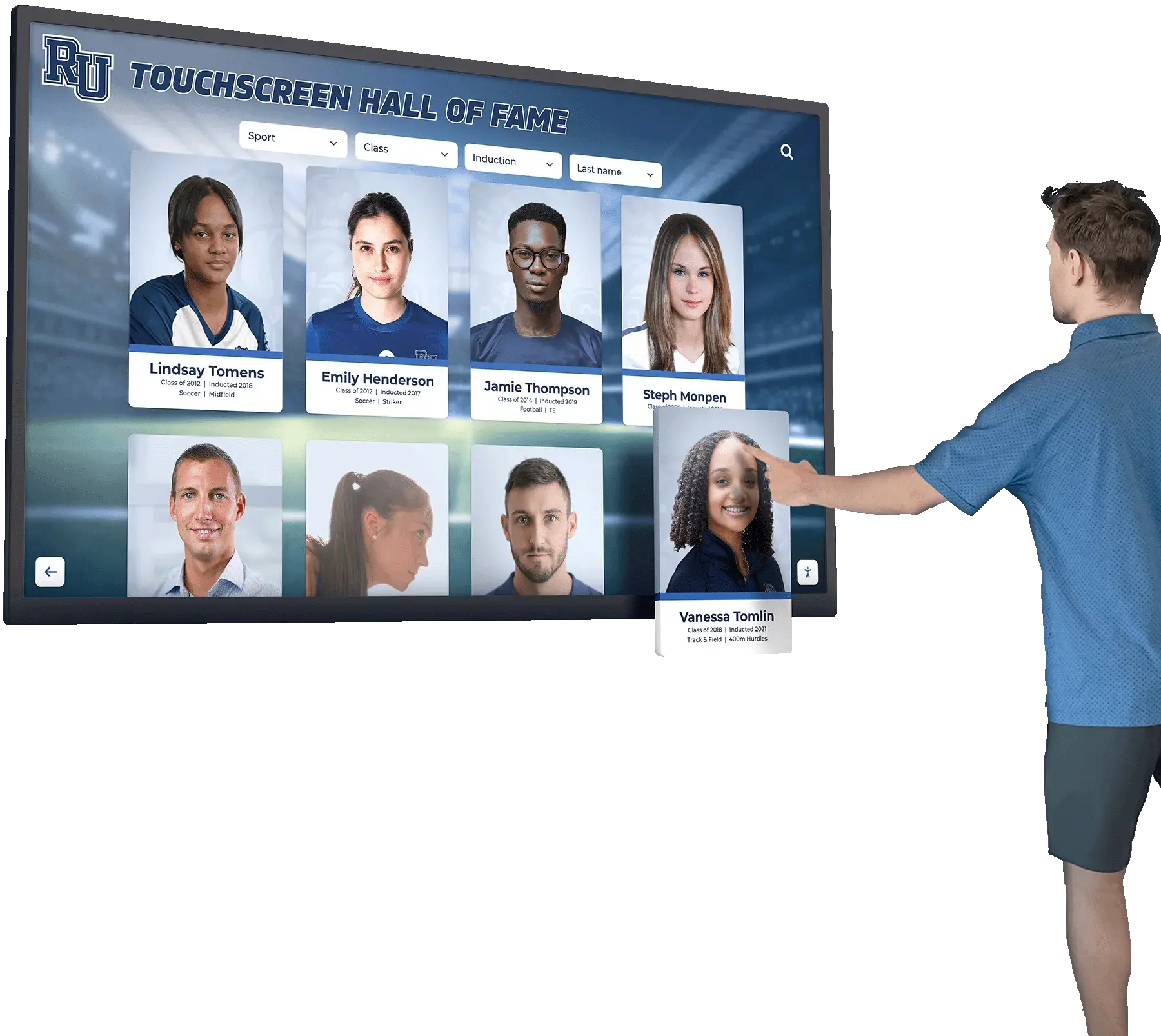
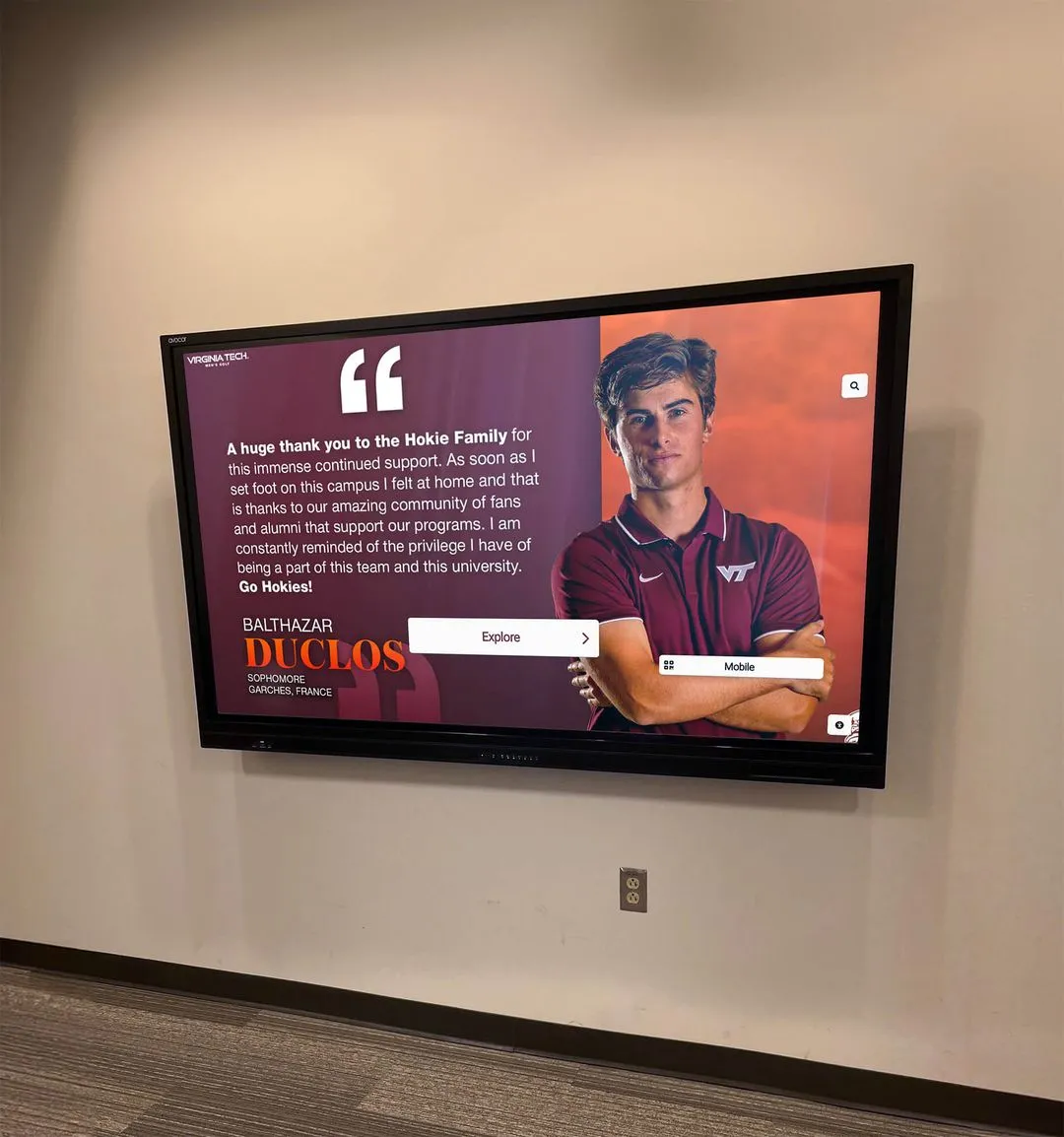
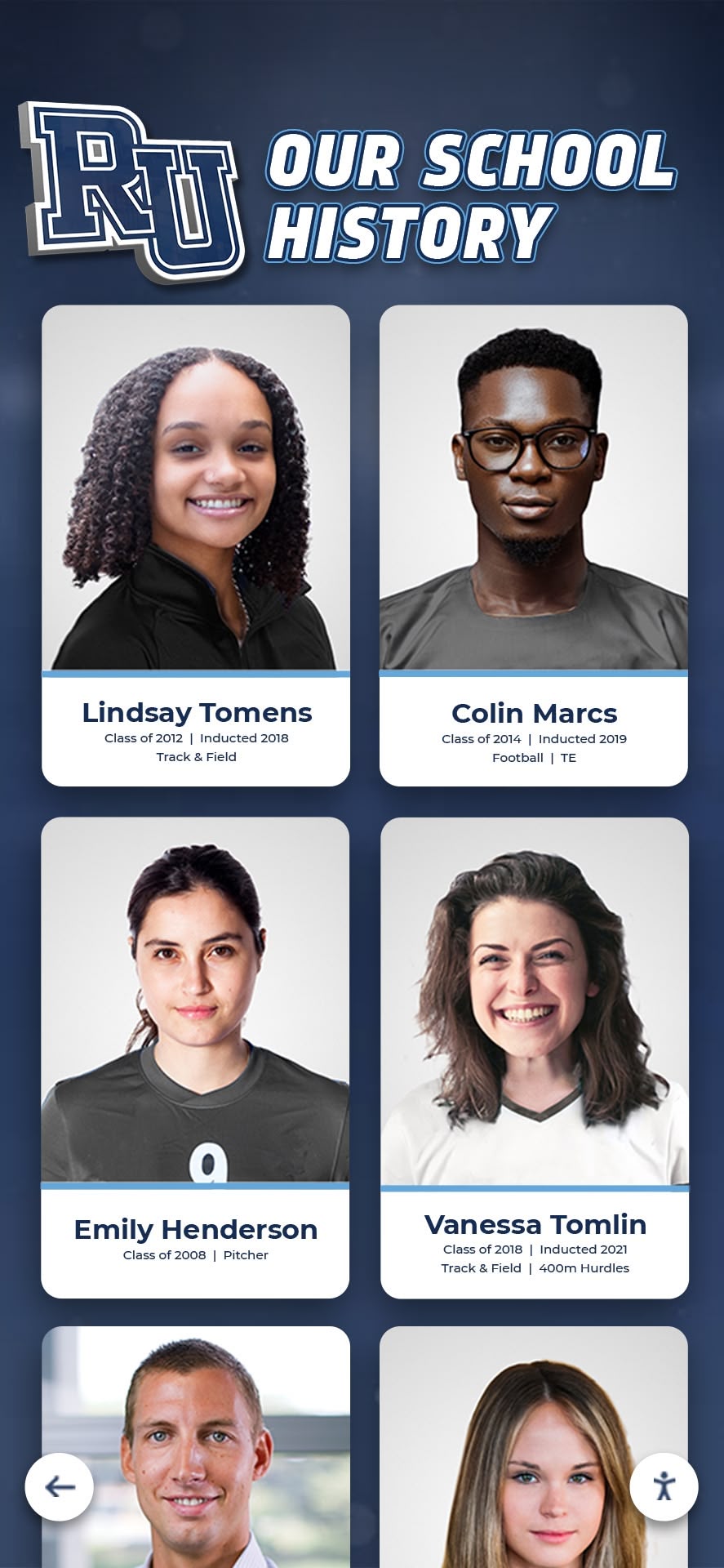
Portrait galleries preserve individual faces and stories, creating personal connections to institutional heritage
Understanding “Day in the Life” Storytelling for Schools
Effective school storytelling goes beyond highlighting major achievements or championship wins. It reveals the authentic character of institutions through everyday experiences, behind-the-scenes moments, and the people who create community culture.
What “Day in the Life” Content Includes
Comprehensive school storytelling captures multiple dimensions of institutional life that together create complete pictures of school character and culture.
Event Photo Galleries Throughout the Year
Schools host dozens of meaningful events annually, each offering storytelling opportunities through fall sports seasons and homecoming celebrations, winter concerts and holiday programs, spring competitions and academic showcases, graduation ceremonies and senior recognition events, parent engagement programs and community partnerships, and daily classroom moments showing learning in action.
These event collections, when properly organized and displayed, demonstrate the breadth and depth of school experiences available to students. Prospective families can see themselves participating in traditions while current families reconnect with memories that strengthen their bonds to institutions.
Timeline Layouts Showing Historical Evolution
School history provides context that helps communities understand institutional identity and values through founding stories explaining why schools exist and their original missions, facility development showing how campuses grew and evolved over decades, program additions documenting how academic offerings expanded over time, leadership transitions recognizing principals and administrators who shaped institutions, and milestone achievements celebrating championships, accreditations, and significant accomplishments.
Timeline presentations make history accessible and relevant rather than feeling like dusty archives. Students discover they’re part of continuing stories, alumni reconnect with their eras, and prospective families recognize institutional stability and legacy worth joining.
About Us Profiles and Behind-the-Scenes Introductions
People make schools special, and profiling key community members creates personal connections through administrator leadership profiles introducing principals and department heads, teacher spotlights highlighting instructional staff and their approaches, staff recognition celebrating coaches, counselors, and support personnel, student leader features showcasing class officers and organization presidents, alumni success stories demonstrating long-term institutional impact, and volunteer acknowledgment honoring parents and community supporters.
These human-centered profiles transform institutions from abstract organizations into communities of real people with faces, personalities, and stories that resonate with audiences. Profiles answer the question prospective families really ask: “Who will my child learn from and grow alongside?”
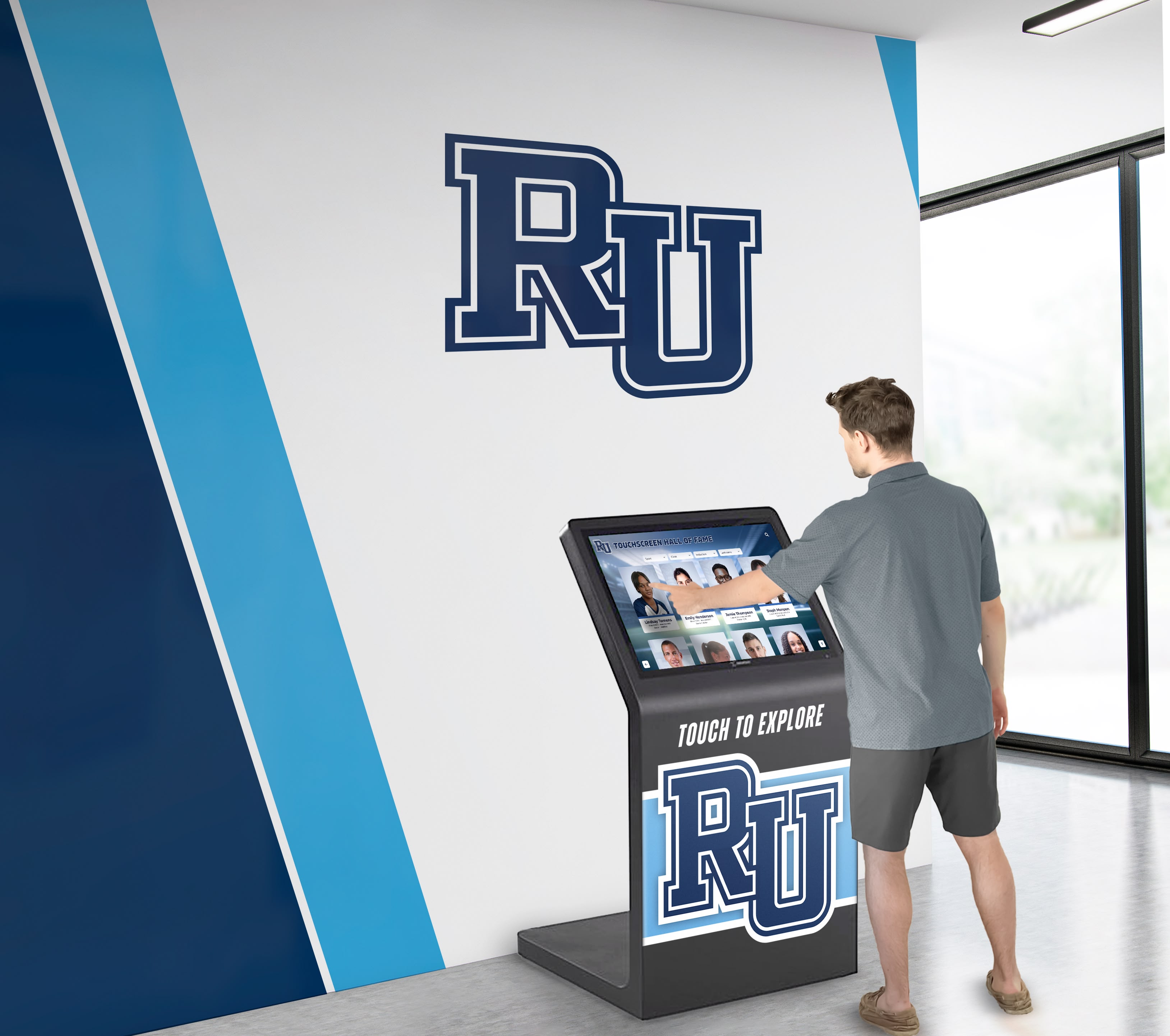
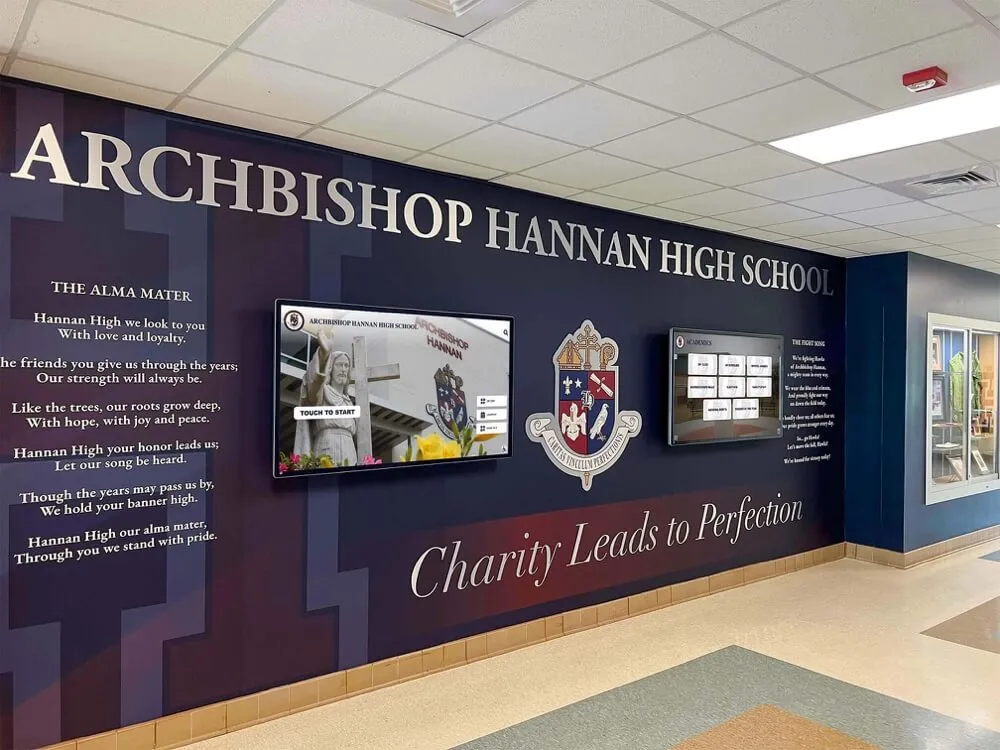
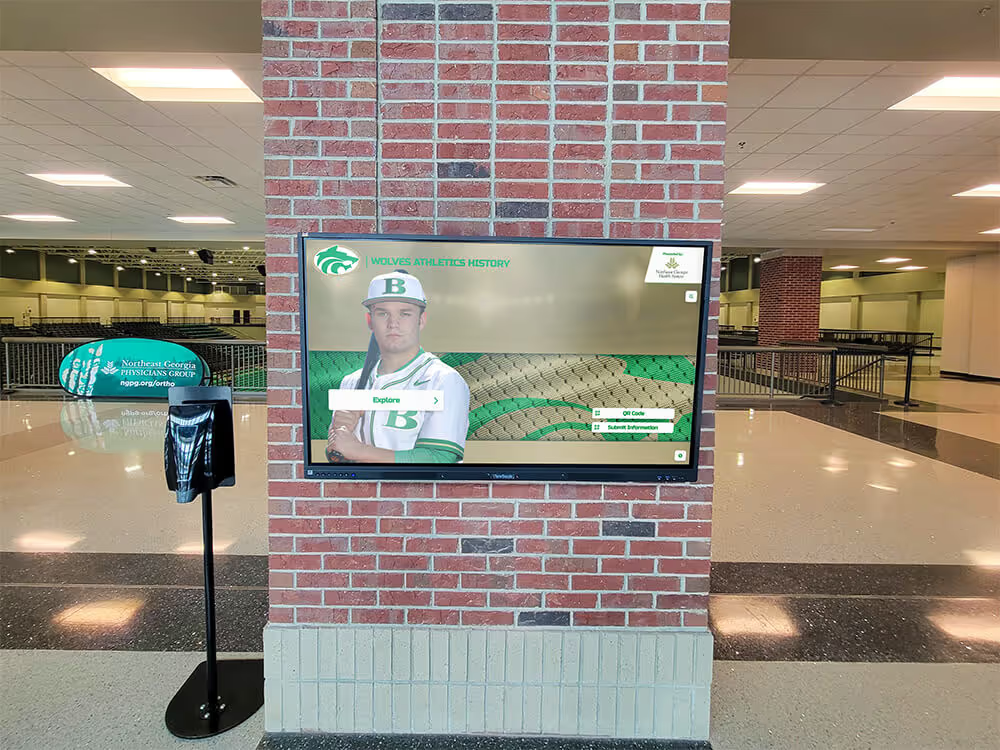
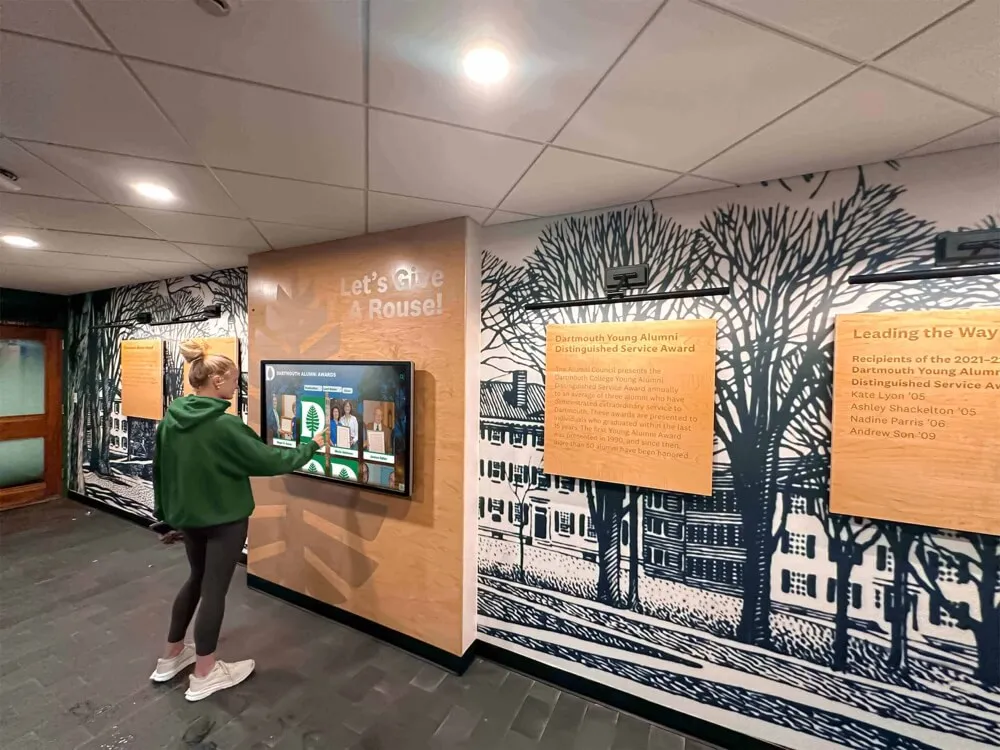
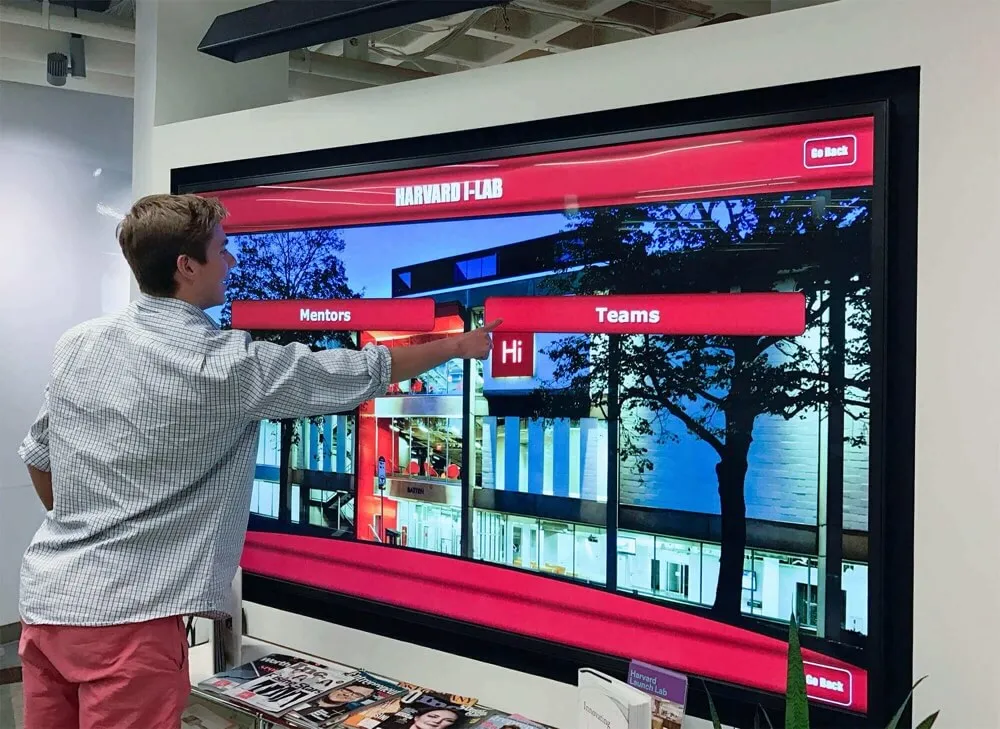
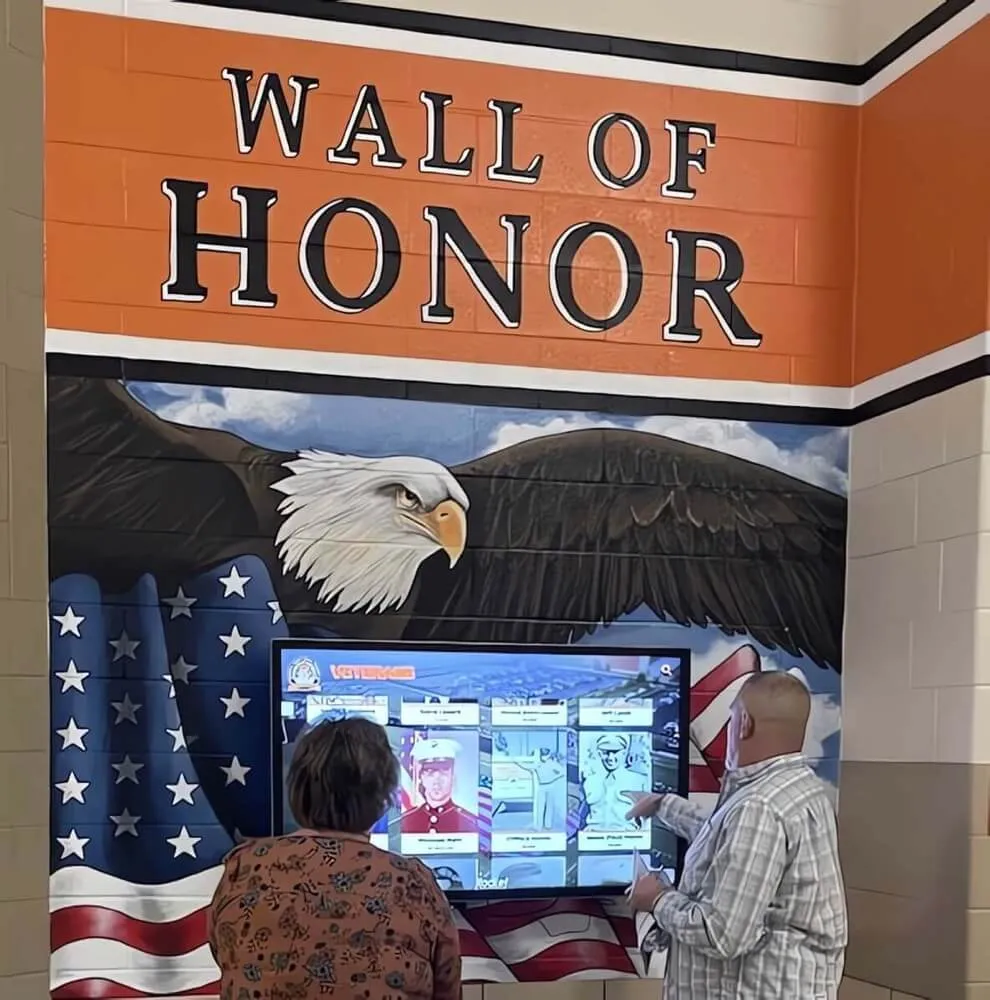
Interactive displays make school stories accessible for exploration by visitors, students, and community members
Why This Storytelling Approach Works
Multi-dimensional storytelling using galleries, timelines, and profiles succeeds because it addresses diverse audience needs simultaneously while creating authentic connections.
Meeting Prospective Family Information Needs
Families considering school enrollment want comprehensive understanding of what daily life actually looks like beyond marketing brochures and statistics. Photo galleries show authentic moments during classes, athletics, activities, and events. Timeline displays demonstrate institutional stability and continuous improvement over decades. Profile content introduces specific people their children would learn from and interact with daily.
According to educational marketing research, prospective families report that authentic glimpses into school culture influence enrollment decisions more than test scores or facility tours alone. Schools that effectively showcase daily life through visual storytelling differentiate themselves from competitors offering similar academic programs.
Solutions like digital recognition displays enable schools to present comprehensive storytelling in engaging formats that prospective families explore at their own pace.
Strengthening Current Community Connections
Students, families, and staff currently connected to schools benefit from seeing themselves and their contributions recognized publicly. Event galleries validate participation and create shareable content families proudly distribute through personal networks. Historical timelines help students understand traditions they’re continuing and institutional legacy they’re part of. Profile recognition motivates continued excellence and engagement across school communities.
This recognition serves practical purposes beyond feeling good—it strengthens retention, encourages volunteer participation, supports fundraising efforts, and builds the community pride that creates positive school culture benefiting all stakeholders.
Preserving Institutional Memory and Legacy
Schools exist for decades or even centuries, accumulating rich histories that risk being lost without intentional preservation efforts. Photo documentation captures moments that would otherwise disappear when participants graduate or retire. Timeline organization provides structure preventing history from becoming chaotic collection of disconnected facts. Profile content preserves knowledge about who contributed what to institutional development.
Preserved heritage serves future generations by connecting them to past while honoring those who built foundations current students benefit from. Schools that effectively document and display history demonstrate respect for legacy that resonates with alumni and community members whose support remains essential.
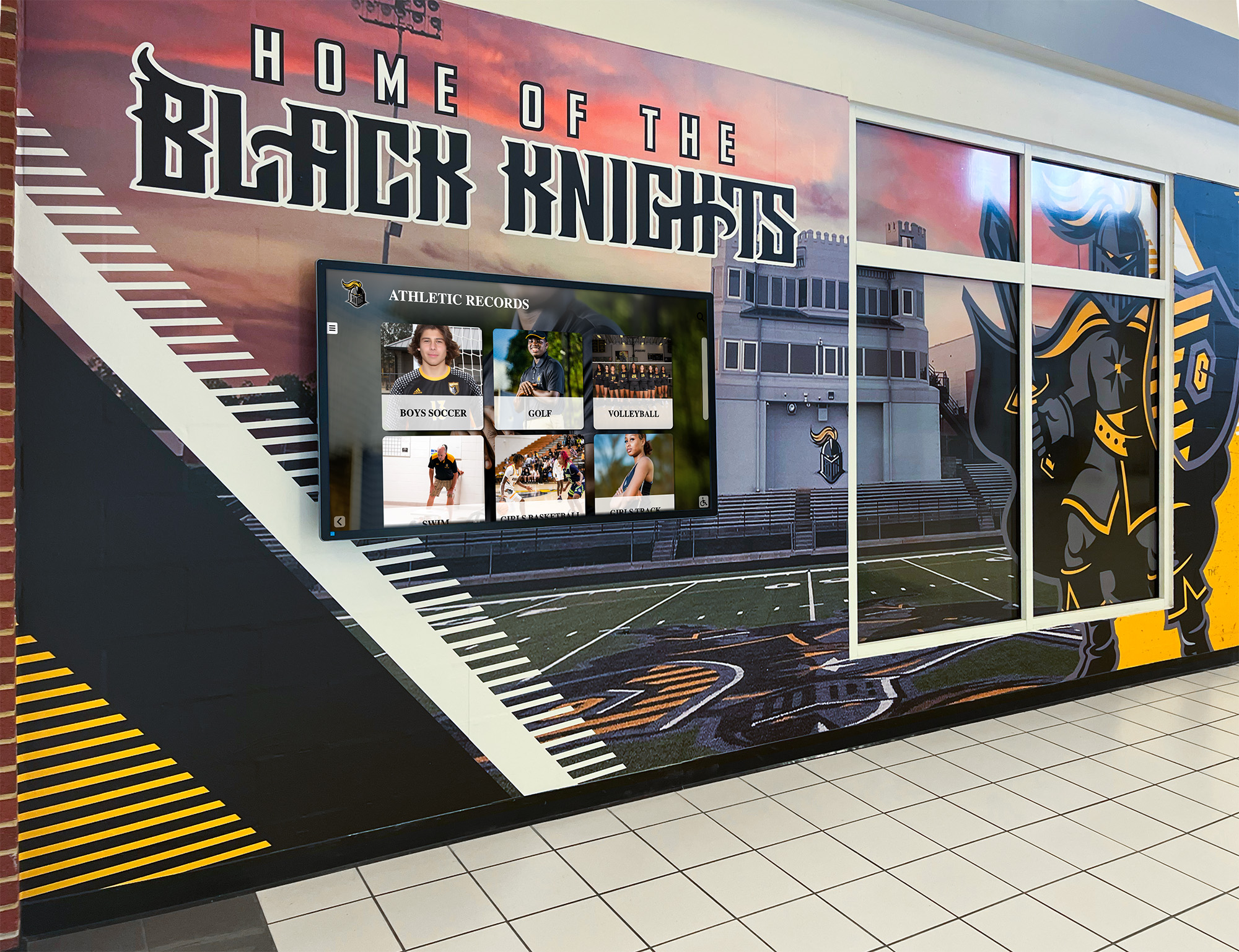
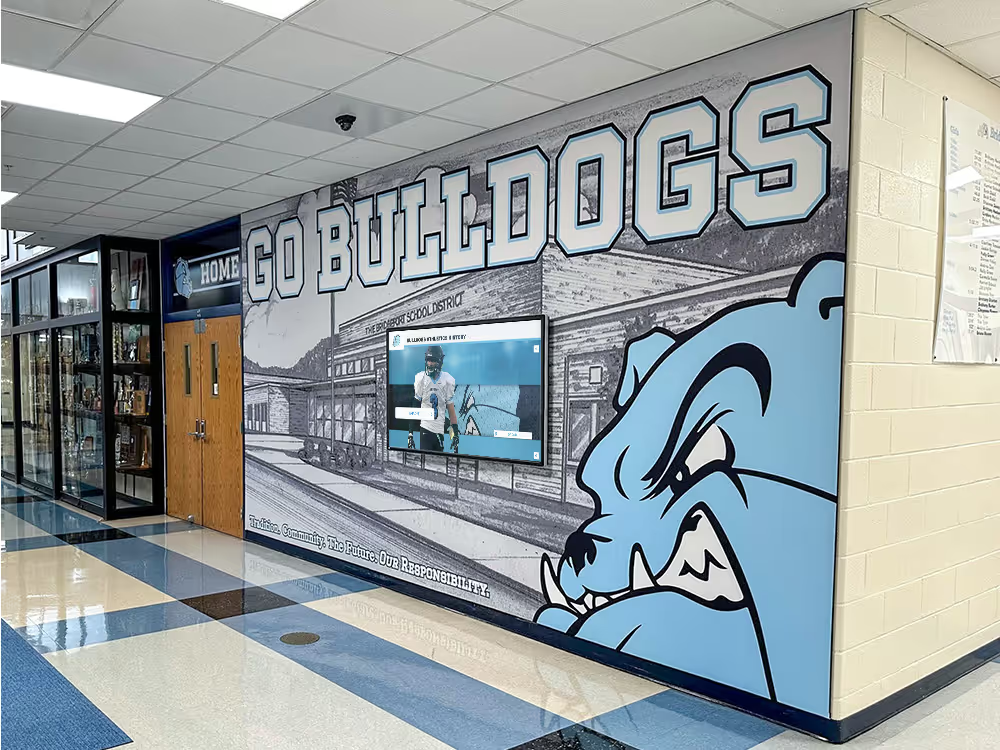
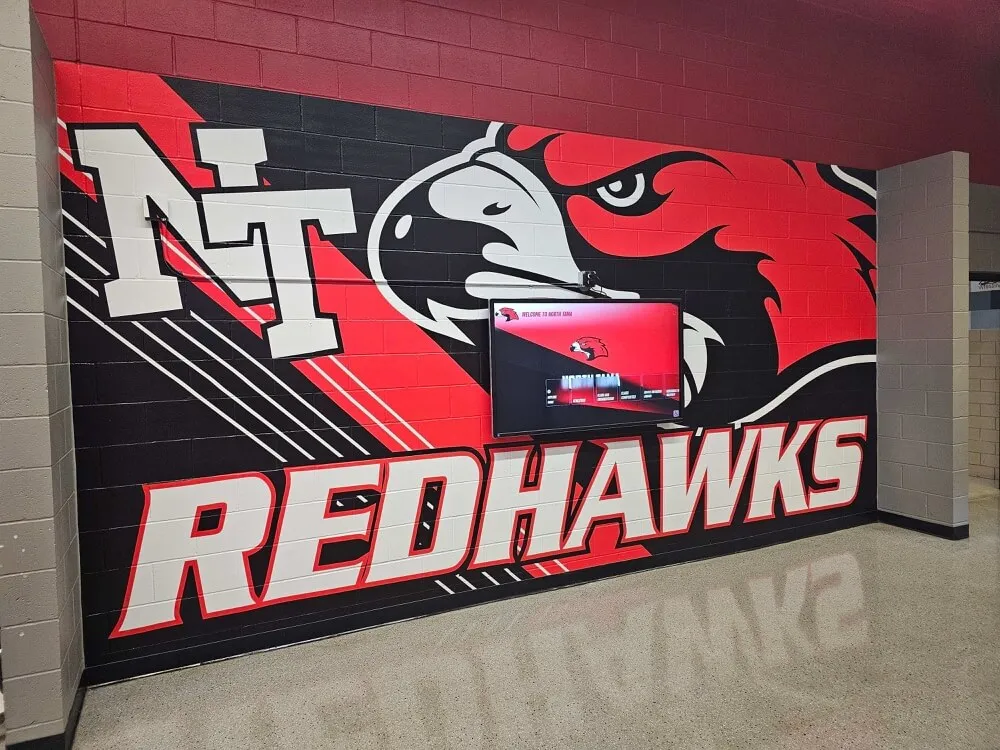
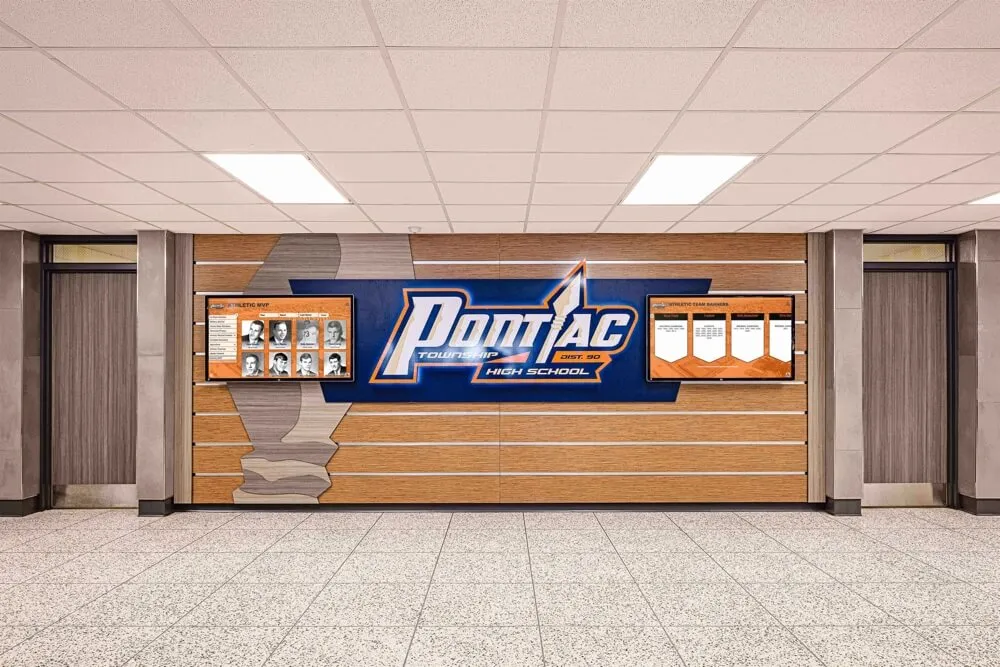
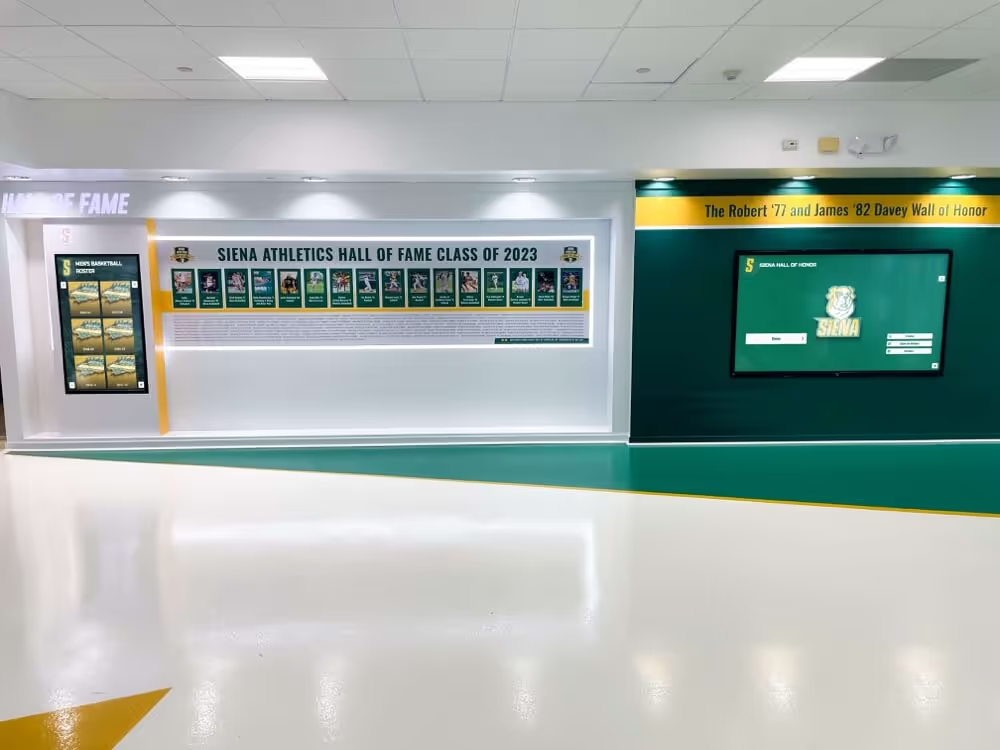
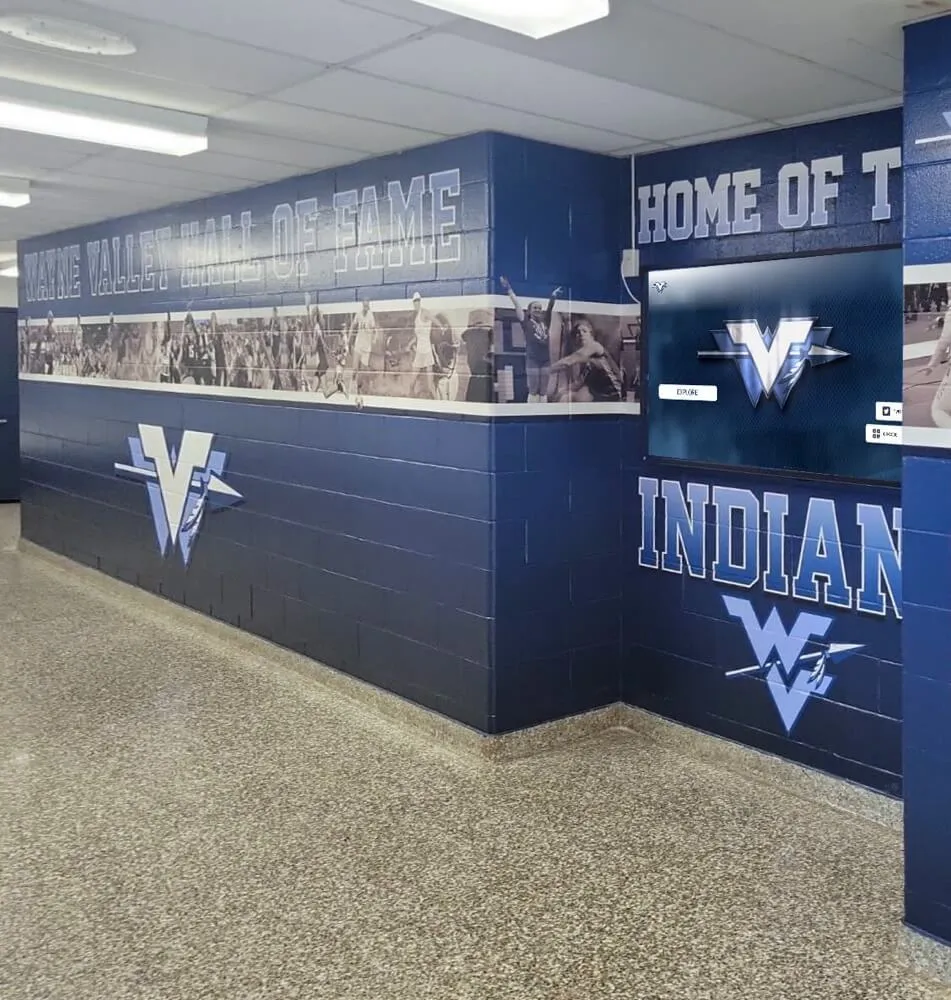
Strategic hallway displays ensure heritage content reaches daily traffic, making history part of everyday school experience
Creating Effective Photo Galleries for School Events
Well-organized photo galleries transform scattered event documentation into coherent storytelling that showcases school life comprehensively while remaining easily accessible.
Planning Event Photo Coverage
Systematic approaches to event documentation ensure comprehensive coverage that serves both immediate sharing needs and long-term archival purposes.
Identifying Key Annual Events
Map complete school year calendars identifying all events worthy of documentation including athletic competitions across all sports and levels, performing arts presentations like concerts and theatre productions, academic competitions and recognition ceremonies, student government events and spirit weeks, community service projects and partnership activities, alumni gatherings and reunion celebrations, and donor appreciation events and fundraising initiatives.
This comprehensive mapping prevents important moments from being missed while ensuring photography resources focus on events delivering maximum storytelling value for diverse audiences.
Assigning Documentation Responsibilities
Clear ownership ensures consistent coverage through designated staff photographers covering official school events, volunteer parent photographers supplementing major activities, student journalism programs documenting peer perspectives, professional photographer partnerships for major annual events, and digital asset management systems collecting submissions from multiple sources.
Schools report that distributed photography programs where multiple contributors capture events from different perspectives create richer galleries than relying on single official photographers alone.
Establishing Photo Standards and Guidelines
Consistent quality requirements ensure professional presentations through resolution specifications suitable for large display screens, composition guidelines maintaining visual consistency across contributors, release requirements ensuring permission for public display, naming conventions enabling efficient organization and retrieval, and submission timelines getting content available while still relevant.
These standards prevent galleries from looking haphazard while making content management practical for staff with limited time for photo editing and organization.
Organizing Galleries by Theme and Timeline
Strategic organization determines whether photo collections become useful resources or overwhelming dumps of unorganized content.
Chronological Organization Approaches
Time-based structures work well for event documentation through school year galleries organized by fall, winter, spring terms, monthly collections highlighting specific periods, week-by-week event documentation for particularly active seasons, and multi-year archives enabling historical comparison across decades.
Chronological organization feels intuitive to audiences wanting to explore specific time periods or compare how annual traditions evolve while maintaining consistency across years.
Thematic and Categorical Structures
Content-based organization complements chronological approaches through athletics galleries separated by sport and team level, performing arts collections organized by ensemble or production, academic achievement galleries grouped by subject or recognition type, community life sections covering student organizations and events, and facilities development timelines showing campus evolution.
Thematic organization helps specific audience segments find personally relevant content quickly—prospective families interested in particular activities can immediately locate relevant galleries without sorting through unrelated content.
Search and Discovery Features
Modern digital galleries require reliable search capabilities including keyword tagging enabling text-based content location, face recognition technology identifying individuals across multiple events, date range filtering narrowing results to specific time periods, and category browsing guiding exploration through organized collections.
Schools using digital display systems report that search functionality significantly increases gallery usage compared to static displays requiring manual browsing through hundreds of images.
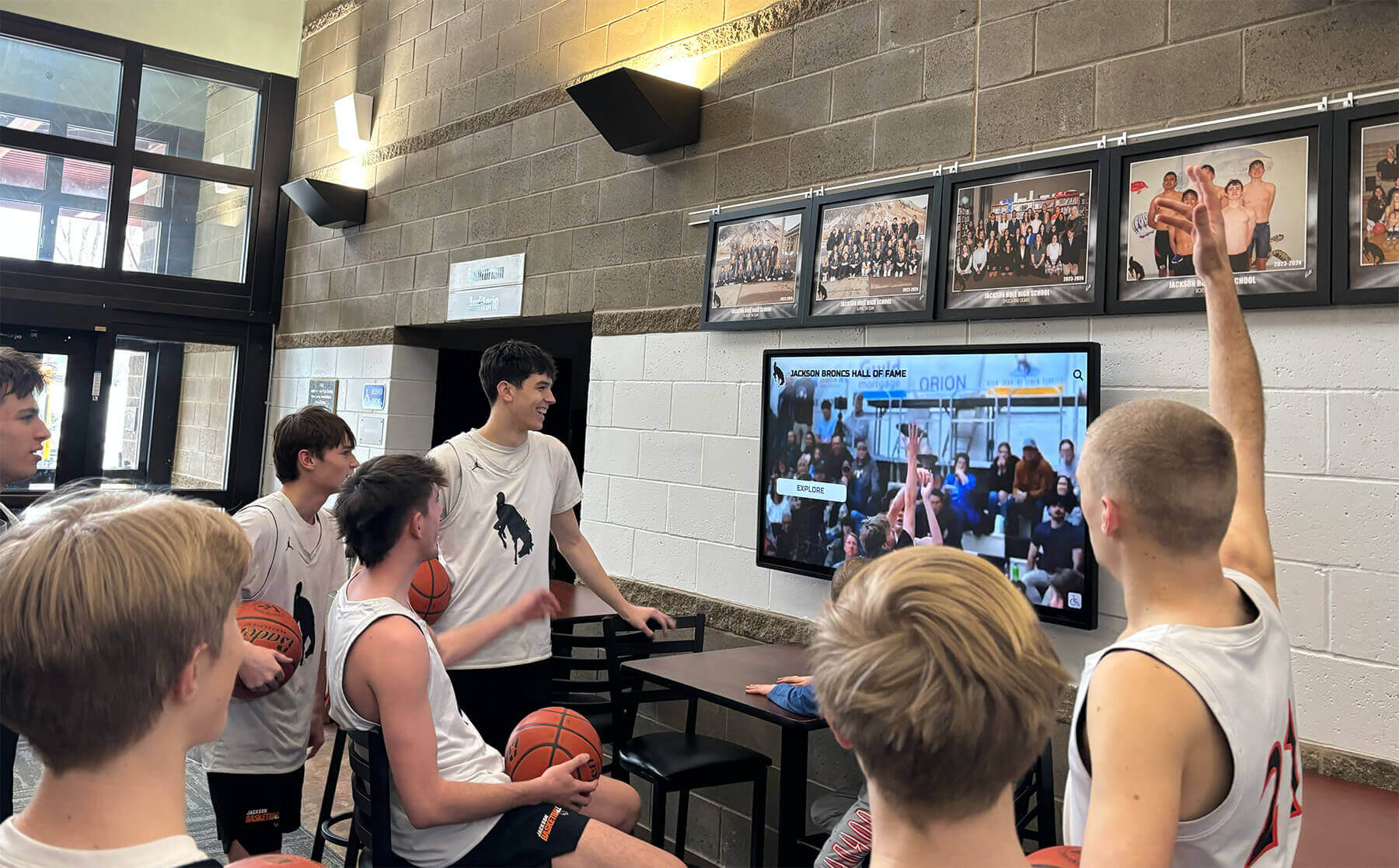
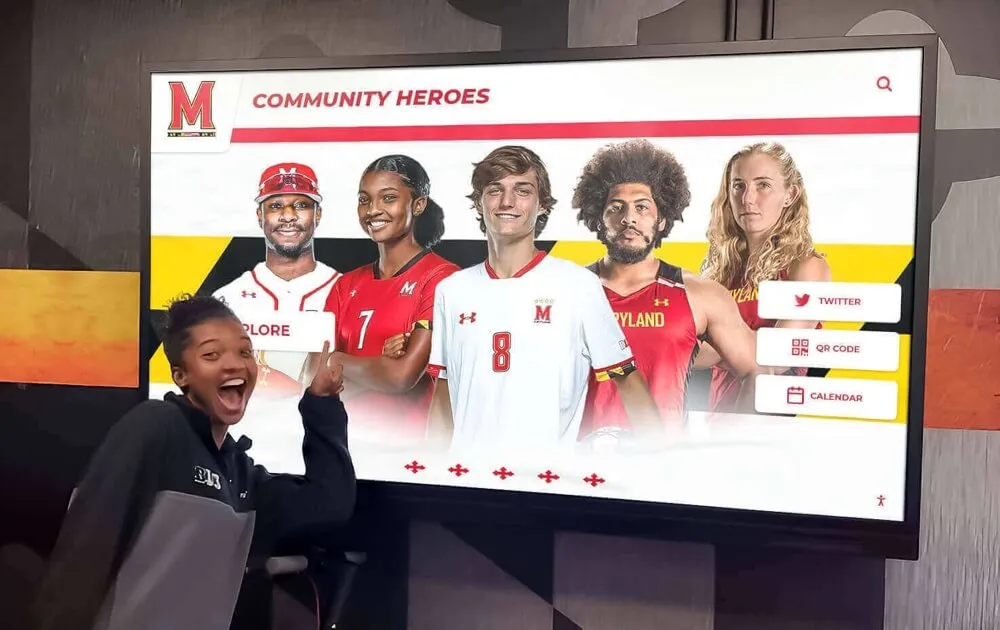
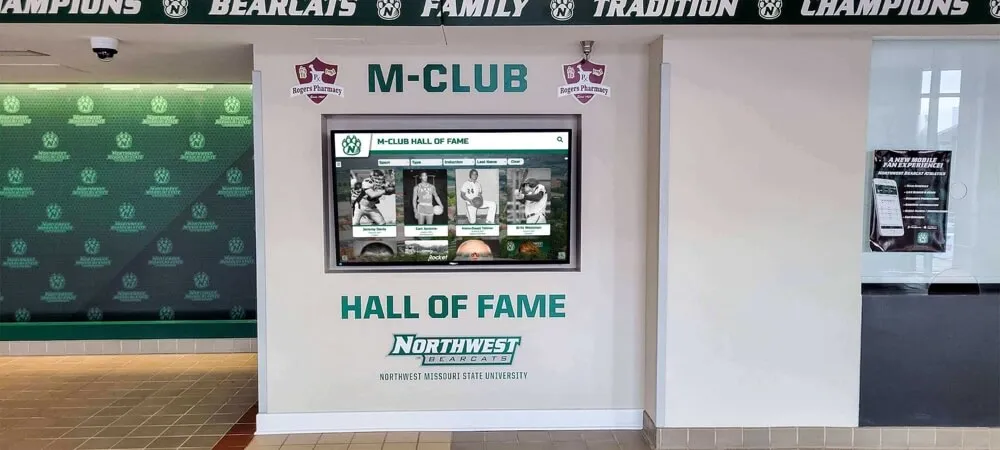
Group-friendly displays create social experiences where students explore and share memories together
Display and Sharing Strategies
Creating galleries means nothing if intended audiences never encounter content—strategic display placement and sharing mechanisms ensure visibility.
Physical Display Locations
Consider high-traffic areas throughout campuses including main entrance lobbies where visitors form first impressions, cafeteria and common areas with extended daily exposure, athletic facility lobbies showcasing competition highlights, performing arts centers displaying concert and theatre content, and administrative office areas where parent meetings occur.
Multiple display locations ensure diverse audience segments encounter relevant content in contexts that feel natural rather than forced. Athletic families see sports galleries in gymnasiums while prospective academic families encounter achievement recognition in main office areas.
Digital Platform Integration
Online accessibility extends gallery reach beyond physical campus through school website galleries accessible to anyone, mobile applications enabling on-demand access, email newsletters featuring recent event highlights, social media feeds driving engagement and sharing, and password-protected parent portals balancing visibility with privacy.
Multi-platform distribution maximizes audience reach while respecting privacy considerations that prevent public posting of all student images. Different platforms can serve different privacy levels—general highlights on public websites while comprehensive galleries remain behind authenticated access.
Social Sharing and Community Engagement
Enable natural content distribution through download capabilities allowing families to save personal images, social sharing buttons making distribution easy, embedded galleries enabling other organizations to display content, QR code connections linking physical spaces to digital galleries, and contribution features inviting community members to submit their own event photos.
When families can easily access and share images featuring their children, they become voluntary marketing ambassadors distributing authentic school content through trusted personal networks that carry more weight than official institutional communications.
Developing Timeline Displays for School History
Chronological presentations organize institutional history into accessible narratives that connect past, present, and future while honoring heritage that defines school identity.
Researching and Documenting School History
Effective timelines require systematic investigation uncovering stories and facts that might otherwise remain hidden or forgotten.
Gathering Historical Materials
Search diverse sources for timeline content including archived yearbooks documenting student life across decades, newspaper clippings covering school milestones and events, facility blueprints and construction photos showing campus development, board meeting minutes recording policy decisions and planning, achievement records tracking athletic championships and academic honors, and donor recognition materials acknowledging major contributions and campaigns.
These primary sources provide factual foundations preventing timelines from relying on potentially inaccurate memories or folklore. Documentation also enables citing sources, lending credibility to historical presentations.
Conducting Oral History Interviews
First-hand accounts add human dimension to factual timelines through interviews with retired administrators and long-serving teachers, conversations with alumni representing different eras, discussions with community members remembering school impact, and stories from founding families or major benefactors.
Recorded interviews serve dual purposes—immediate timeline content and preserved archives for future reference. Schools using digital heritage systems often integrate audio or video interview clips into timeline displays, bringing historical narratives to life through authentic voices.
Organizing Research Findings
Systematic organization prevents overwhelming confusion through spreadsheet databases tracking events, dates, and sources, chronological sorting identifying patterns and connections, thematic grouping showing development of specific programs or traditions, and verification processes confirming accuracy before public presentation.
This research foundation supports multiple timeline formats and ensures accuracy that maintains credibility with audiences who may remember events personally or can fact-check claims.
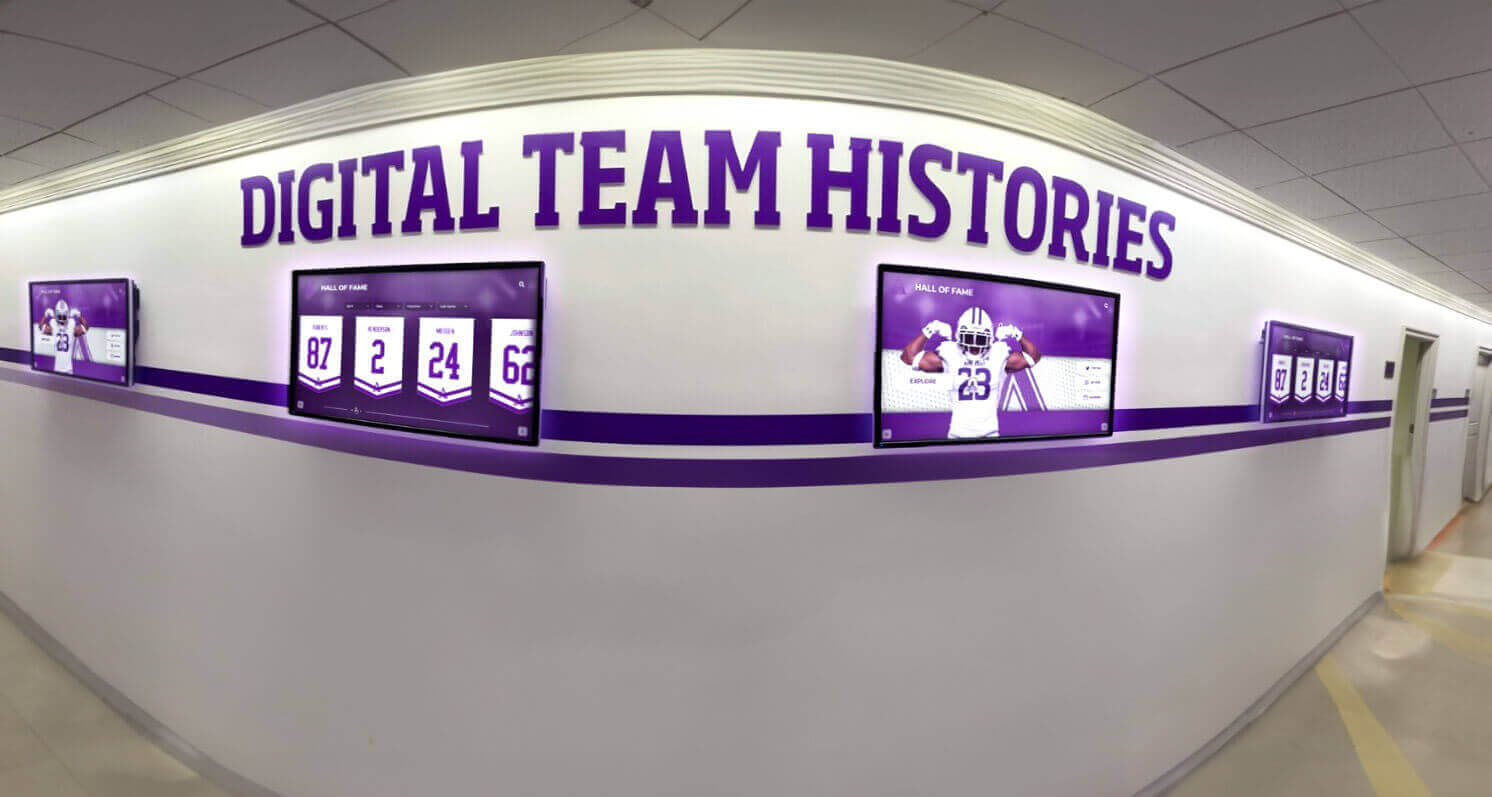
Timeline displays integrated throughout buildings tell stories in context of spaces where history occurred
Designing Engaging Timeline Presentations
Visual design determines whether historical content captivates audiences or becomes ignored background decoration requiring thoughtful approaches balancing information with aesthetics.
Visual Timeline Formats
Multiple presentation styles suit different content and contexts including horizontal timelines working well for lobby walls and extended hallway spaces, vertical timelines fitting narrow wall sections or kiosk displays, circular or spiral timelines showing cyclical institutional patterns, comparative timelines juxtaposing school history with broader social context, and interactive timelines enabling audience exploration and discovery.
Format selection should consider available physical space, content volume, and desired audience experience. Interactive digital timelines accommodate far more content than static wall displays while enabling personalized exploration impossible with fixed presentations.
Content Selection and Milestone Prioritization
Comprehensive timelines become overwhelming without thoughtful editing through clear hierarchy emphasizing transformational moments over routine occurrences, diverse content balancing academic, athletic, artistic, and community dimensions, representational fairness ensuring all eras receive appropriate coverage, and contextualization explaining why milestones mattered beyond simple factual reporting.
Effective timelines tell stories rather than just listing dates—they help audiences understand how institutions evolved and why current character reflects historical foundation and development.
Incorporating Multimedia Elements
Rich media creates engagement impossible with text and static images alone through historical photograph galleries showing facilities and people across eras, video clips preserving speeches, performances, or event footage, audio recordings featuring interviews or archived radio coverage, document scans displaying original materials like newspaper articles, and interactive maps showing campus development and expansion.
Solutions like Rocket Alumni Solutions provide platforms specifically designed for schools to integrate diverse media types into coherent timeline presentations accessible through physical displays and online platforms simultaneously.
Integration with Current School Life
Historical timelines serve current communities most effectively when explicitly connecting past to present rather than treating history as separate from contemporary school life.
Highlighting Tradition Continuity
Draw clear lines between historical origins and current practices through annual event histories showing decades-long traditions, program evolution demonstrating continuous improvement, facility timelines connecting historical spaces to current use, and achievement comparisons showing sustained excellence across generations.
Current students who understand they’re participating in traditions older than their parents or even grandparents feel increased connection and pride. Prospective families recognize institutional stability and proven track records.
Celebrating Multi-Generational Connections
Personal links between past and present create emotional resonance through legacy family recognition celebrating multiple generations, teacher longevity acknowledgment honoring decades-long service, alumni return documentation showing graduates coming back as staff or parents, and community partnership histories demonstrating lasting relationships.
These multi-generational stories demonstrate that schools create lasting impacts extending well beyond graduation—a powerful message for prospective families making long-term enrollment commitments.
Connecting Heritage to Current Identity
Make explicit how history shapes present through mission evolution showing how founding values translate to current priorities, tradition explanations helping new community members understand school culture, and historical achievement context positioning current success within longer institutional narratives.
Effective school history displays create these connections naturally through design that integrates historical and contemporary content rather than segregating them into separate presentations.
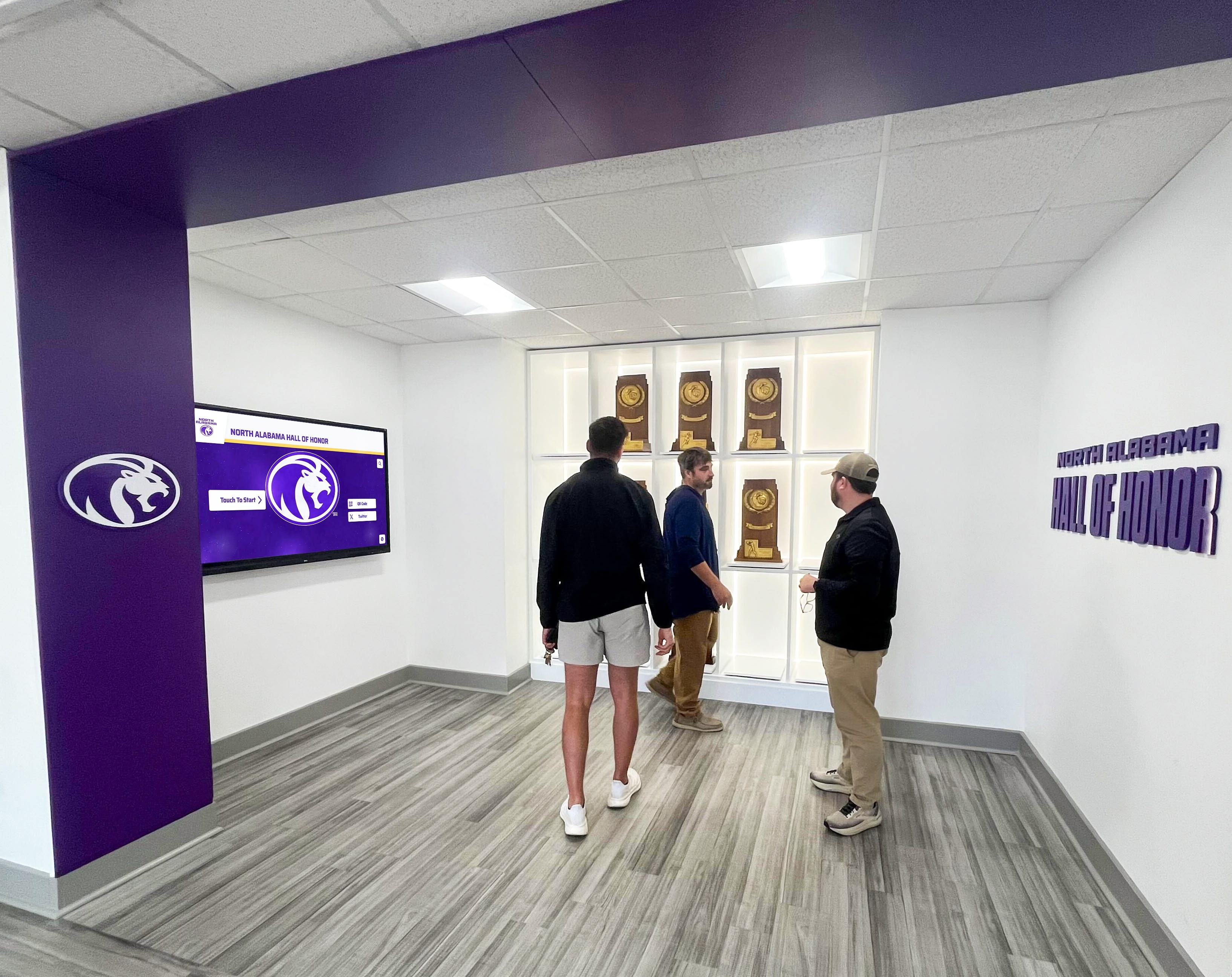
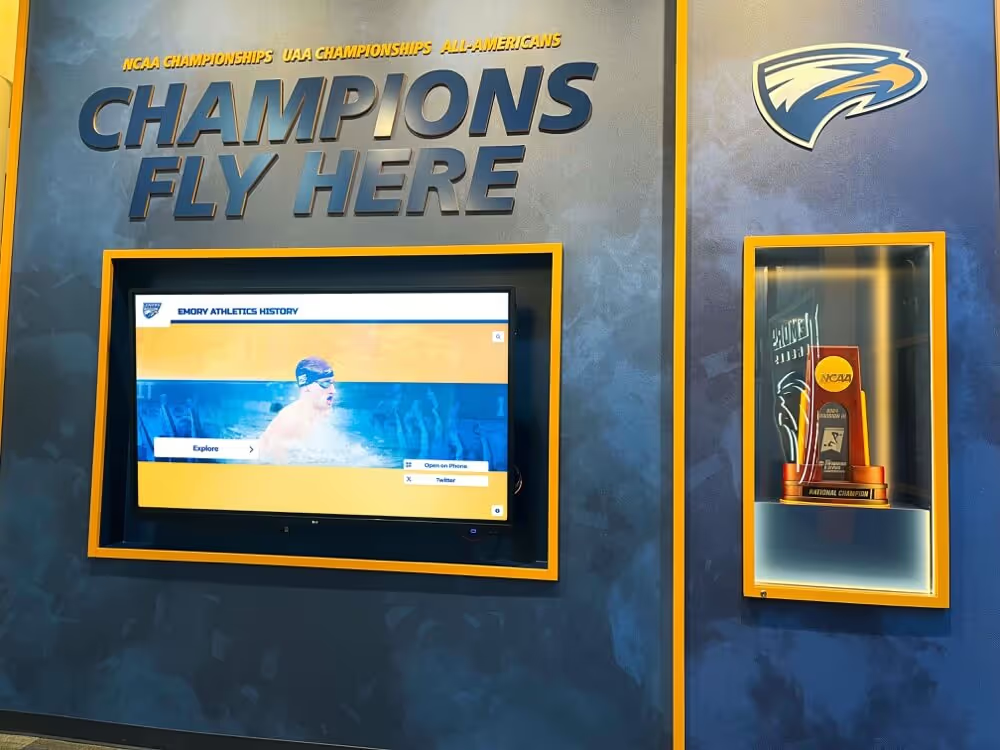
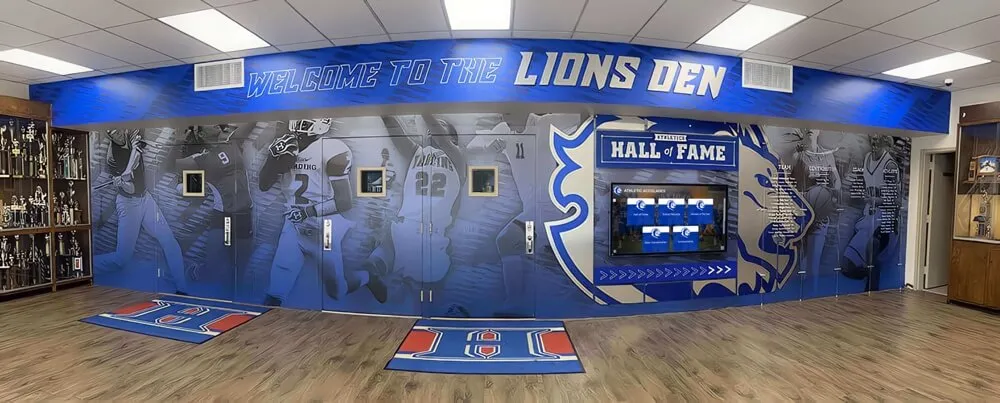
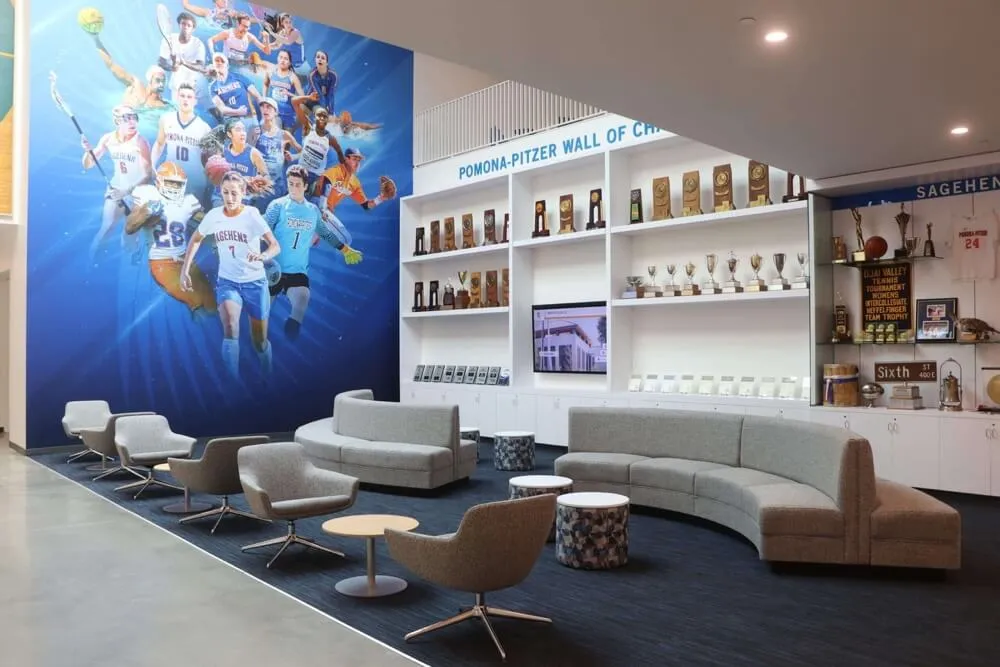
Comprehensive heritage spaces combine multiple storytelling elements creating immersive institutional narrative experiences
Creating Compelling About Us Profiles
Individual profiles humanize institutions by introducing the faces, personalities, and stories of people who create school character and culture.
Identifying Profile Subjects Worth Featuring
Strategic selection ensures diverse representation while highlighting individuals whose stories resonate with target audiences and advance institutional goals.
Administrative and Leadership Profiles
School leaders merit profile coverage through principal and head of school introductions explaining leadership philosophy and vision, assistant principal features highlighting specific program responsibilities, department chair profiles showcasing academic leadership, athletic director content introducing sports program direction, and key administrator recognition celebrating business managers, registrars, and essential operational leaders.
These profiles help prospective families understand who leads institutions and what priorities guide decision-making—important factors in enrollment decisions often overlooked in standard marketing materials.
Teacher and Instructional Staff Features
Faculty represent daily student experiences most directly through teacher profiles highlighting instructional philosophy and classroom approaches, subject specialist features celebrating expertise in specific disciplines, coaching staff content connecting athletic and academic roles, special education and support staff recognition acknowledging diverse student service, and teacher milestone celebrations honoring longevity and loyalty.
Prospective families want to know who will actually teach their children, not just admissions office staff they meet on tours. Current families appreciate public acknowledgment of educators they value personally.
Student Leader and Achievement Recognition
Student profiles demonstrate actual outcomes and experiences through class officer introductions showcasing student government leadership, club president features highlighting extracurricular opportunities, achievement spotlights celebrating academic, athletic, and artistic excellence, student ambassador profiles introducing peer perspectives, and senior reflection content sharing culminating experiences and advice.
Current student voices carry more credibility with prospective families than any official marketing message—authentic peer perspectives significantly influence enrollment decisions according to educational marketing research.
Alumni Success Stories and Where Are They Now
Graduate outcomes demonstrate long-term institutional value through career success profiles showing diverse professional paths, graduate school achievement highlighting advanced education preparation, entrepreneurship features celebrating business founders and innovators, community service recognition acknowledging graduates serving others, and multi-generational legacy stories celebrating lasting family connections.
Schools with strong alumni recognition programs report that visible graduate success directly impacts prospective family perceptions of institutional quality and career preparation effectiveness.
Developing Profile Content Frameworks
Consistent structure and thoughtful questions ensure profiles reveal personality and character while maintaining professional tone appropriate for institutional contexts.
Standard Profile Components
Establish templates ensuring comprehensive coverage through biographical basics including education and professional background, role descriptions explaining current responsibilities and contributions, personal philosophy statements revealing values and approaches, achievements and milestones highlighting specific accomplishments, fun facts or personal interests making subjects relatable, and quotes capturing authentic voice and perspective.
Standardized frameworks enable delegation of profile creation to multiple contributors while maintaining consistent quality and completeness across all subjects.
Interview Questions That Reveal Character
Move beyond superficial coverage with thoughtful prompts including “What drew you to this school/role?” revealing motivation, “What do you wish people understood about [topic]?” uncovering insider perspective, “Tell us about a moment that made you proud” eliciting specific stories, “What advice would you give prospective students/families?” providing practical wisdom, and “How has this school/role changed you?” demonstrating mutual impact.
These open-ended questions generate authentic responses that feel conversational rather than corporate, creating genuine connections between subjects and audiences.
Visual Standards and Photography Guidelines
Professional presentation requires quality imagery through consistent background settings or styles creating visual coherence, natural lighting and authentic expressions avoiding forced corporate headshot aesthetics, action shots showing subjects in context when appropriate, candid moments supplementing formal portraits, and accessibility considerations ensuring inclusive representation.
Many schools find that mixing formal headshots with candid work environment photos creates warmer, more authentic profiles than traditional corporate photography alone.
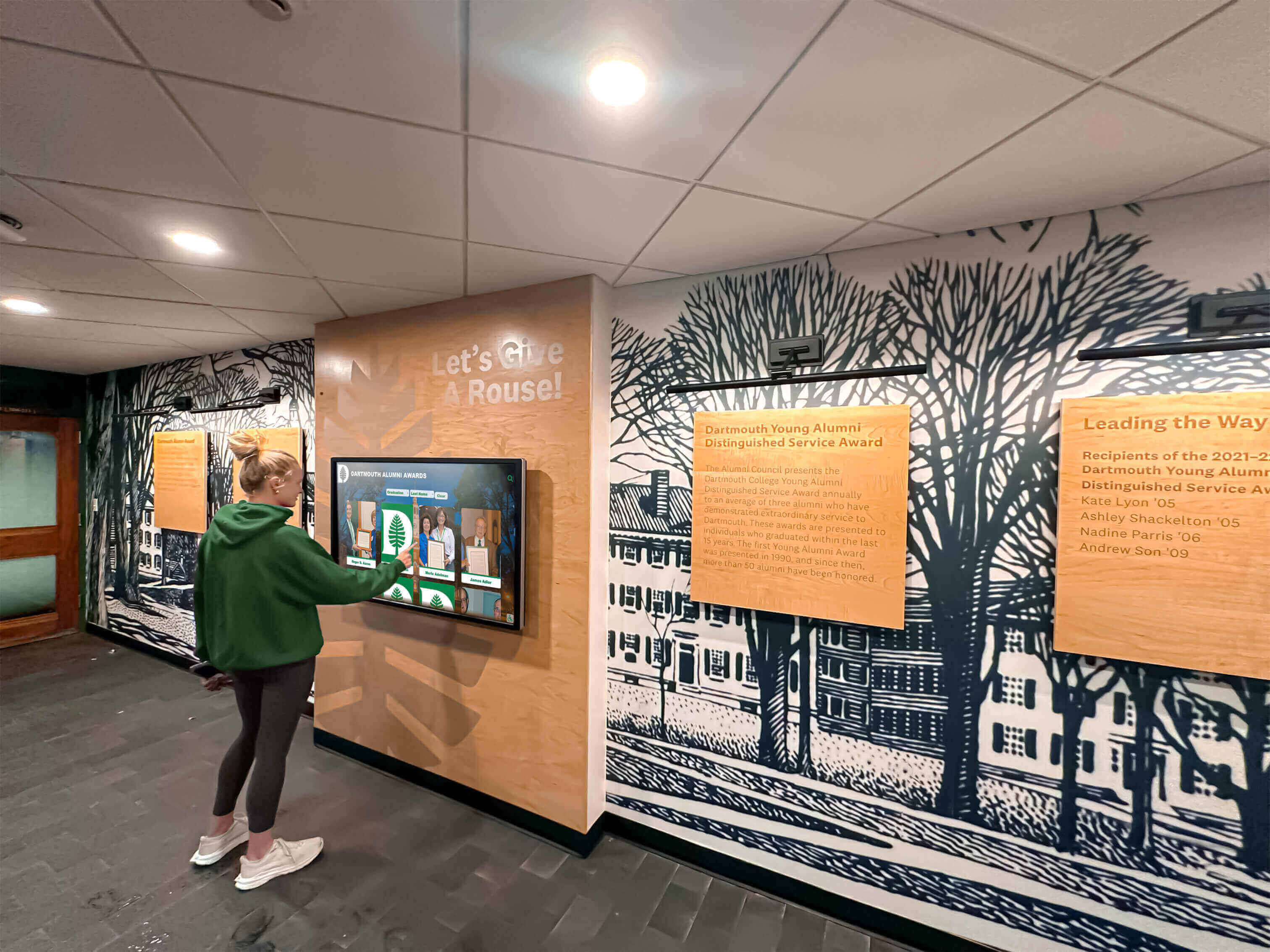
Interactive profile systems enable students to explore information about community members at their own pace
Profile Display and Distribution Strategies
Creating profiles delivers no value if target audiences never encounter content—multi-channel distribution ensures visibility and accessibility.
Physical Display Integration
Position profile content strategically throughout campus including lobby displays introducing leadership to visitors, department-specific areas featuring relevant faculty and staff, athletic facilities showcasing coaching staff and accomplished athletes, activity and interest-specific locations highlighting relevant student leaders, and donor recognition areas acknowledging significant contributors.
Context-appropriate placement ensures audiences encounter profiles when most relevant—prospective families touring athletic facilities see coaching profiles while academic program visitors encounter relevant teaching staff features.
Digital Platform Publication
Maximize reach through online accessibility including website profile directories enabling systematic browsing, social media features creating shareable highlight content, email newsletter spotlights introducing community members to broader audiences, mobile application integration enabling on-demand profile access, and search functionality helping audiences find specific individuals or role types.
Digital publication also enables regular updates impossible with static physical displays—schools can refresh profile content seasonally without reinstalling physical displays or reprinting materials.
Integration with Broader Storytelling
Link profiles to related content creating comprehensive narratives through event photo galleries tagged with featured individuals, timeline milestones connected to specific leaders or contributors, achievement celebrations linked to responsible parties, and program descriptions featuring relevant staff introductions.
These connections transform individual profiles from isolated biographical sketches into integral components of complete institutional storytelling that shows how people, programs, and heritage interconnect to create school character and culture.
Technical Implementation: Digital Display Systems
Physical and digital infrastructure determines how effectively schools can present galleries, timelines, and profiles to intended audiences.
Selecting Appropriate Display Hardware
Technical specifications and physical constraints shape what solutions work for specific school environments and needs.
Touchscreen Kiosk Systems
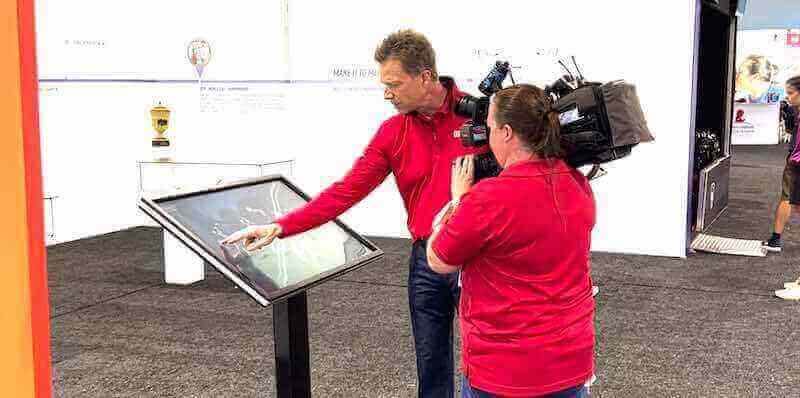
Interactive kiosks work particularly well for comprehensive storytelling through large screen formats accommodating detailed content exploration, intuitive touch interfaces requiring no technical expertise, freestanding designs enabling flexible placement without wall mounting, durable construction withstanding high-traffic school environments, and accessibility compliance ensuring universal access.
Kiosks positioned in lobbies, libraries, and common areas invite extended exploration impossible with passive displays—visitors can search for personal connections, browse specific interests, and spend as much or little time as desired.
Wall-Mounted Digital Displays
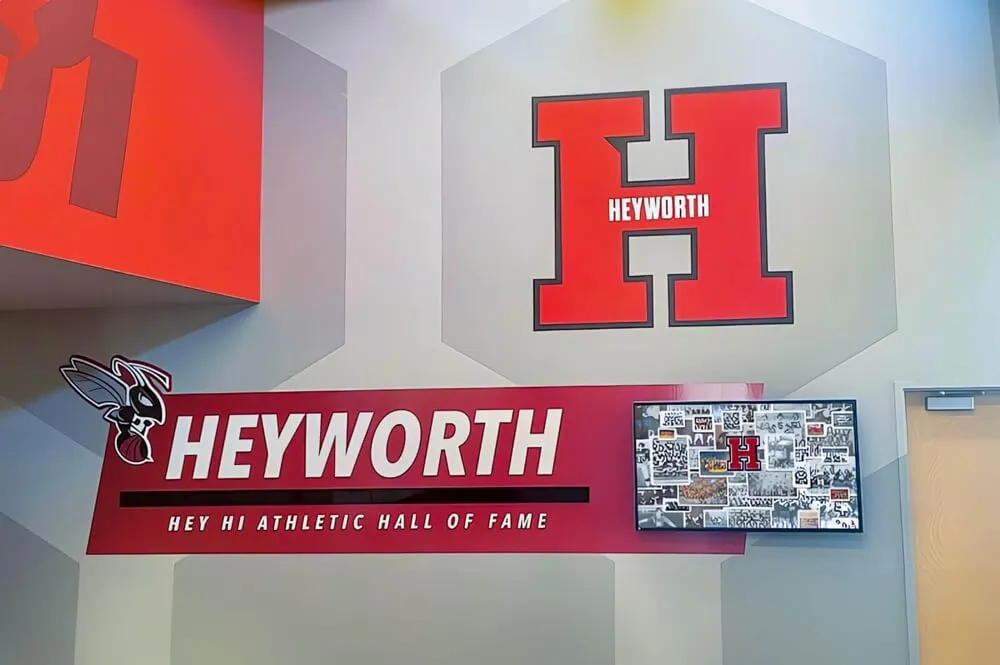
Mounted screens suit specific contexts through space efficiency utilizing vertical wall surfaces, size flexibility ranging from small monitors to large video walls, integration with physical exhibits combining digital and traditional elements, and network connectivity enabling remote content updates.
Wall displays work well when complementing existing physical recognition systems or fitting into architectural constraints where freestanding kiosks prove impractical.
Display Specifications and Considerations
Technical requirements for school environments include commercial-grade components designed for continuous operation, high-brightness screens ensuring visibility in varied lighting conditions, responsive touch technology supporting intuitive interaction, sufficient processing power handling complex multimedia content, reliable network connectivity enabling cloud-based management, and accessibility features supporting users with diverse abilities.
Schools should prioritize reliability over the newest features—displays that require frequent maintenance or technical troubleshooting quickly become unused regardless of their sophisticated capabilities.
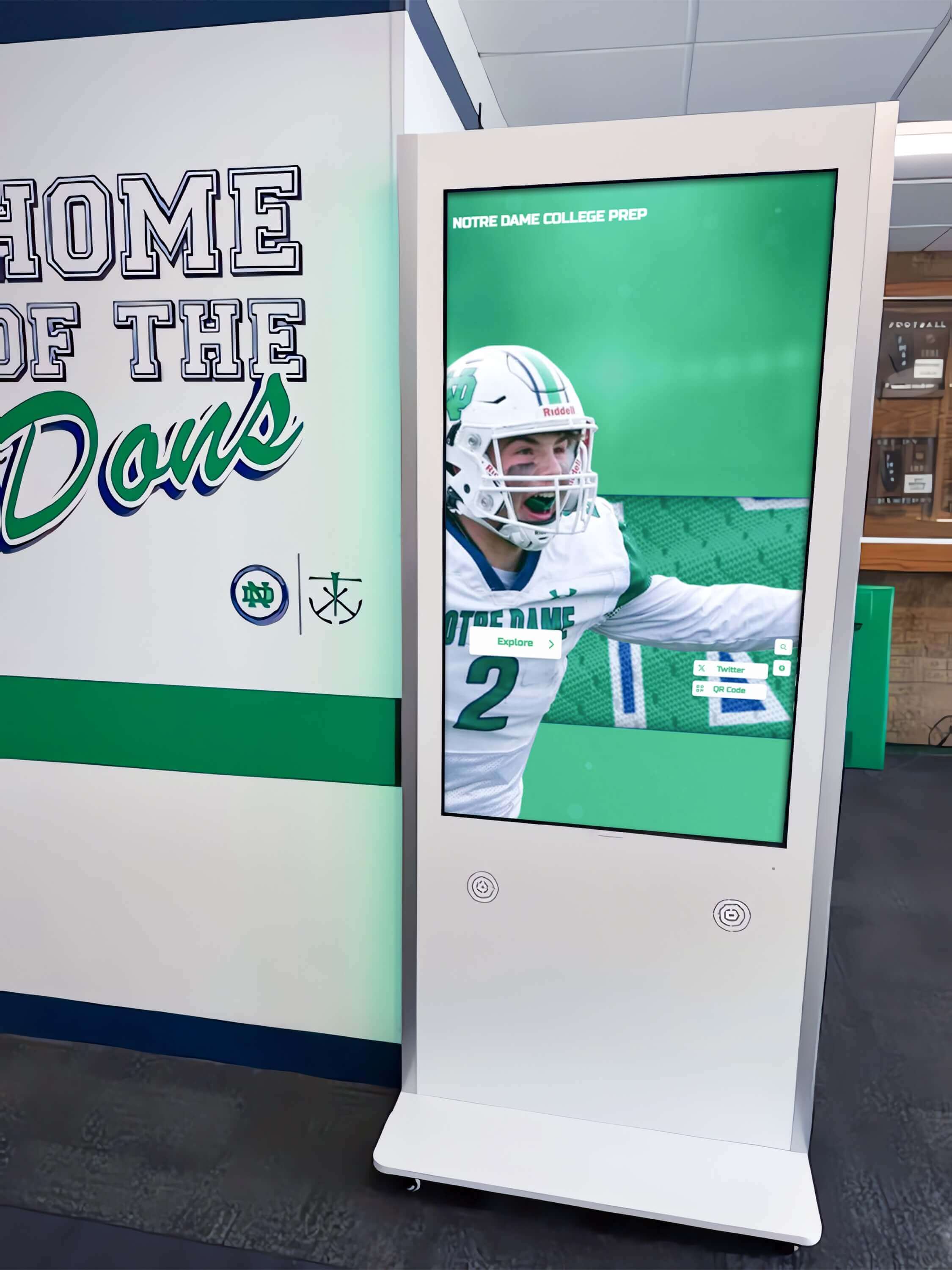
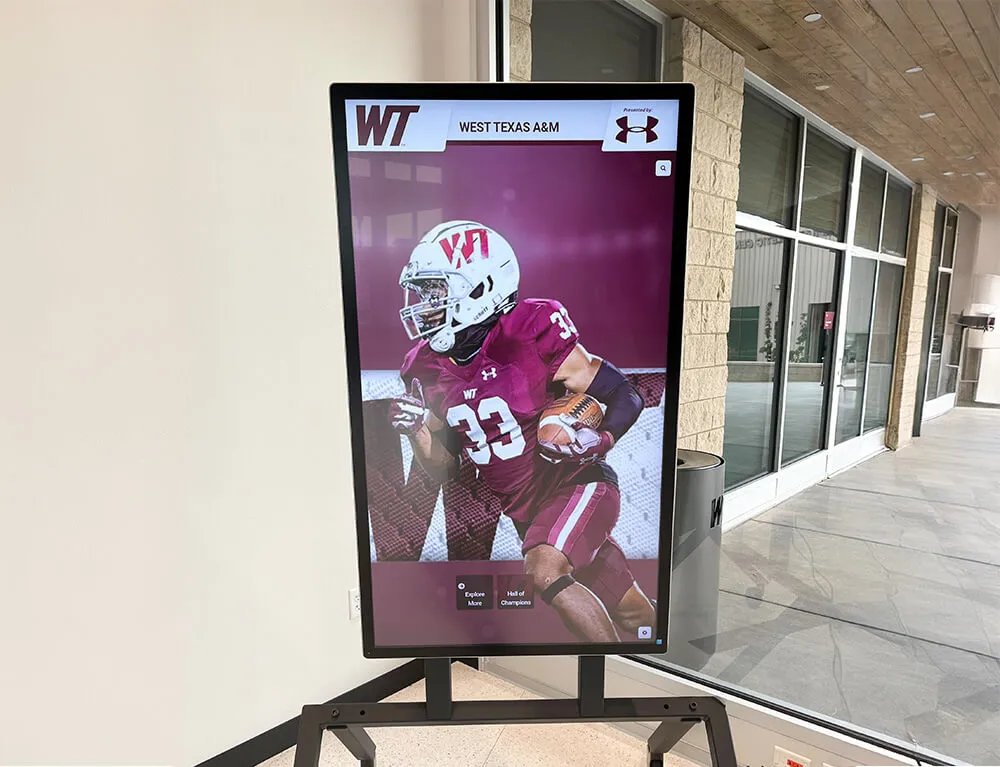
Freestanding kiosks offer placement flexibility, enabling schools to position displays optimally as needs evolve
Content Management Platform Requirements
Backend systems enabling content creation, organization, and updating determine long-term sustainability of digital storytelling programs.
Cloud-Based Management Systems
Modern platforms should provide remote access enabling updates from any location, intuitive interfaces requiring minimal technical training, multi-user support allowing distributed content responsibilities, version control preventing accidental content loss, scheduled publishing automating content rotation, and cross-platform deployment simultaneously updating physical displays and online galleries.
Schools report that cloud-based systems reduce content maintenance time by 85% compared to solutions requiring physical access to individual displays for updates—this efficiency difference often determines whether storytelling programs remain active or become abandoned due to maintenance burden.
Content Organization and Metadata
Systematic structure ensures content remains findable and useful through hierarchical organization reflecting institutional structure, keyword tagging enabling search and discovery, date and event association supporting chronological browsing, individual identification connecting people across content, and relationship mapping linking related materials.
Comprehensive metadata transforms content libraries from chaotic collections into searchable archives where specific materials can be located quickly even years after original creation.
Integration Capabilities
Connected systems maximize value through website synchronization displaying content across channels, social media connections enabling easy sharing, donor database links connecting recognition to giving systems, student information system integration enabling automatic updates, and third-party platform compatibility supporting diverse institutional ecosystems.
Solutions like Rocket Alumni Solutions provide purpose-built platforms specifically designed for schools that integrate storytelling, recognition, and heritage preservation in comprehensive systems requiring no technical expertise to operate while supporting institutional needs across admissions, advancement, and community engagement.
Installation and Placement Strategies
Physical positioning significantly impacts whether storytelling displays become destination features or overlooked decorations.
High-Traffic Location Selection
Position displays where they naturally intercept target audiences including main entrance lobbies creating first impressions for visitors, cafeteria and student common areas ensuring daily student exposure, athletic facility entrances serving sports-focused families, performing arts center lobbies reaching arts program audiences, and administrative office areas where parent meetings occur.
Multiple displays serving different audience segments work better than single comprehensive installations attempting to serve all purposes simultaneously—context-specific content feels more relevant and engaging.
Accessibility and Universal Design
Ensure inclusive access through appropriate mounting heights serving users of varied statures, wheelchair-accessible positioning enabling comfortable interaction, adjustable text size options supporting visual impairments, audio alternatives for visual content supporting hearing impairments, and intuitive navigation requiring minimal instruction.
Schools serve diverse populations including visitors with disabilities—accessible design ensures all community members can fully engage with storytelling content while demonstrating institutional values of inclusion.
Physical Context and Aesthetic Integration
Displays should complement rather than clash with existing environments through architectural compatibility respecting building style and character, school branding consistency using institutional colors and design elements, appropriate scale matching space proportions, lighting consideration ensuring visibility without glare, and physical protection in unsupervised areas preventing vandalism.
Well-integrated displays feel like intentional components of overall design rather than obviously-added technology—this integration affects whether installations enhance or detract from institutional image and perception.
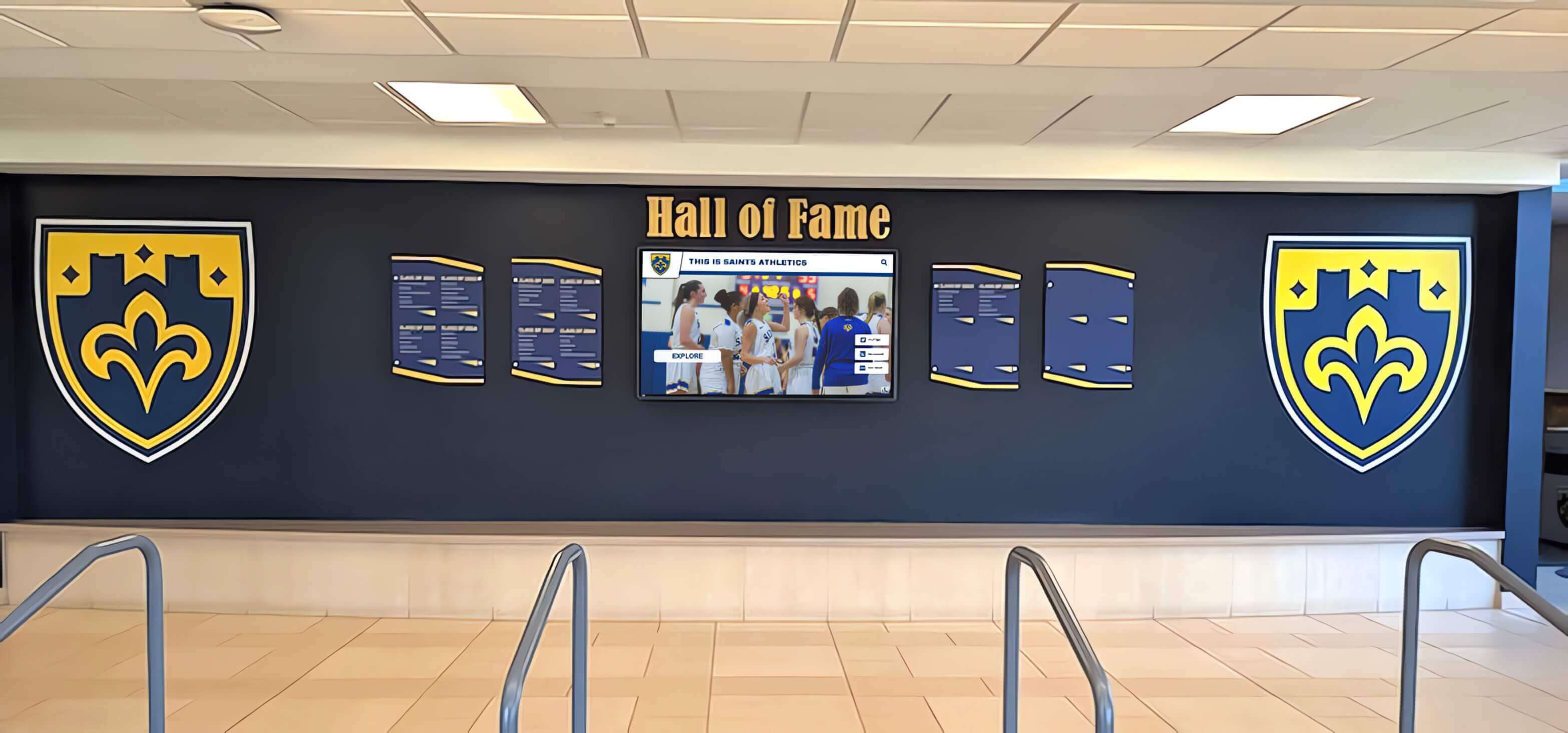
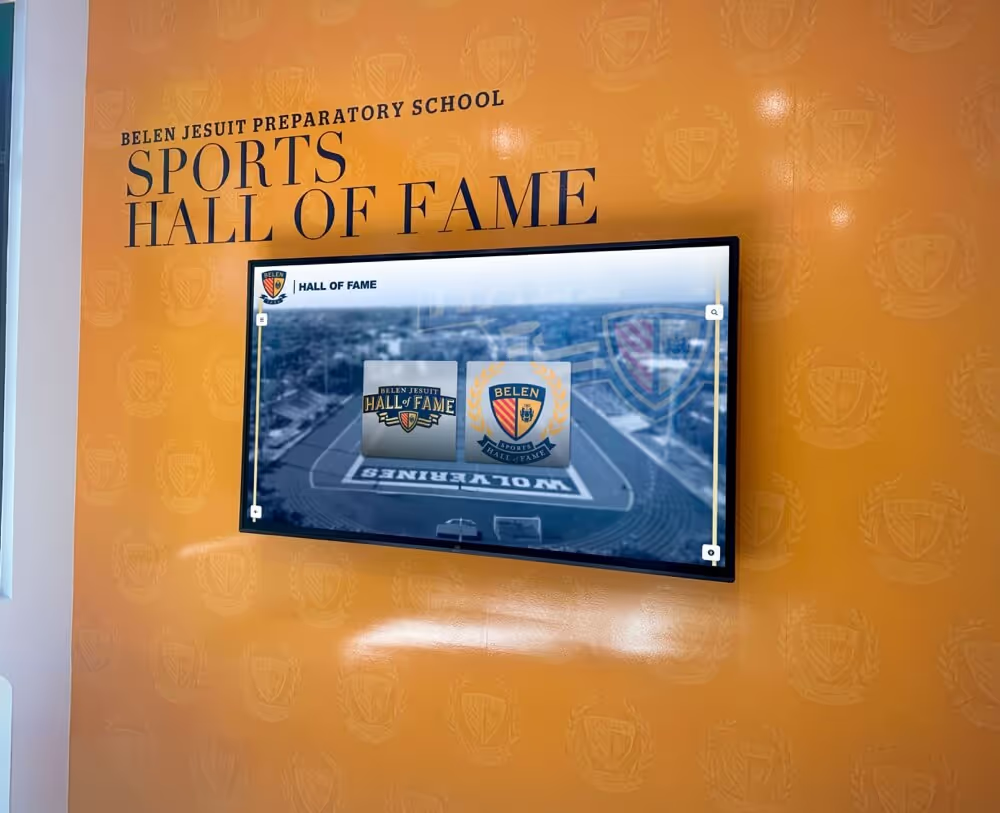
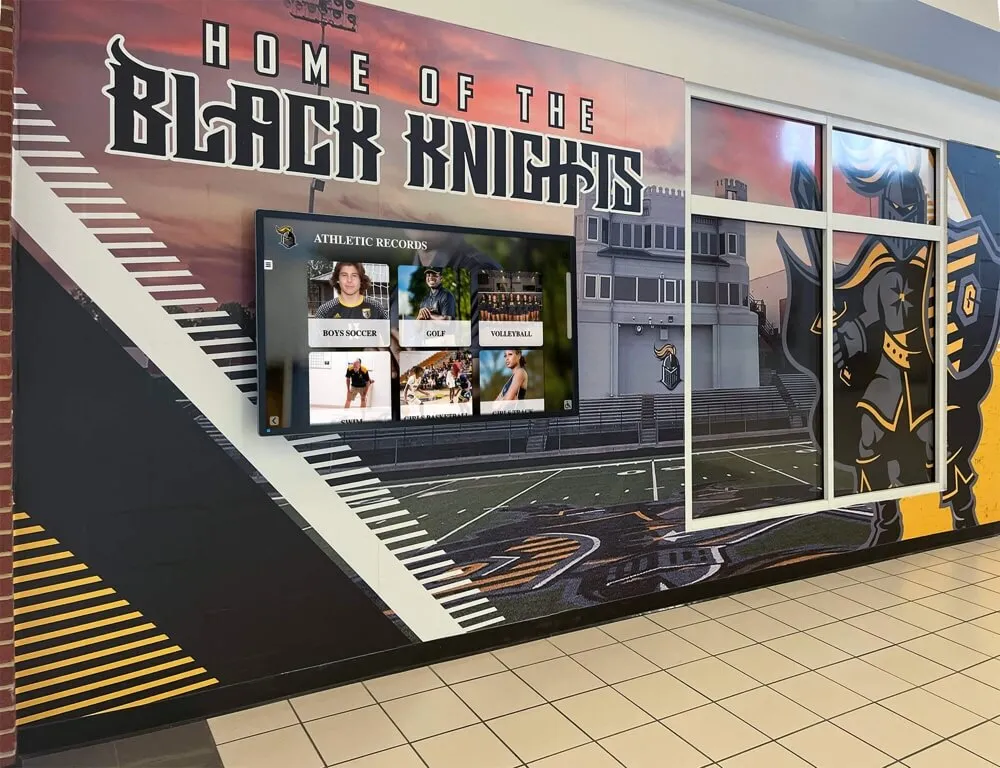
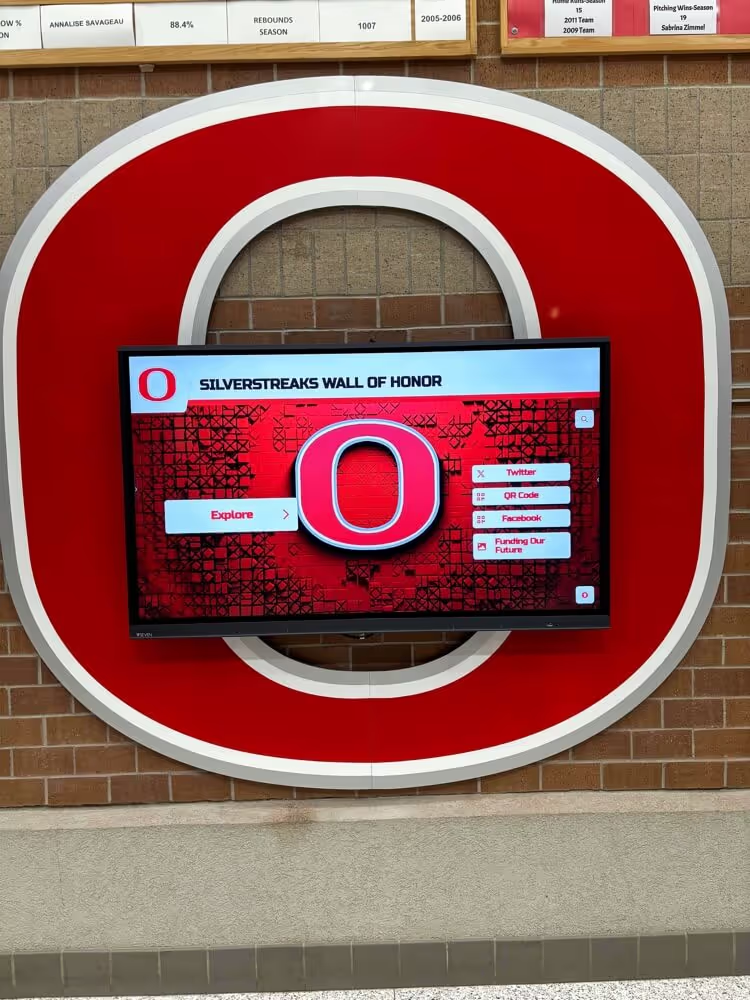
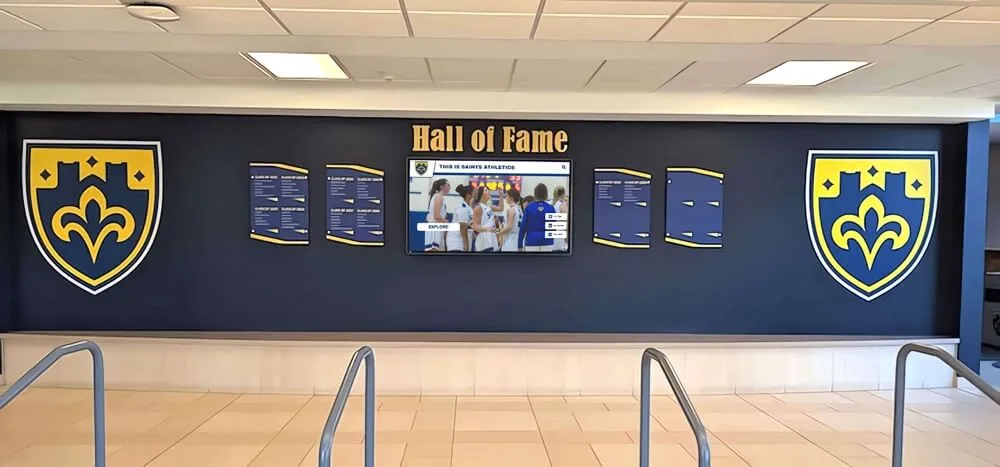
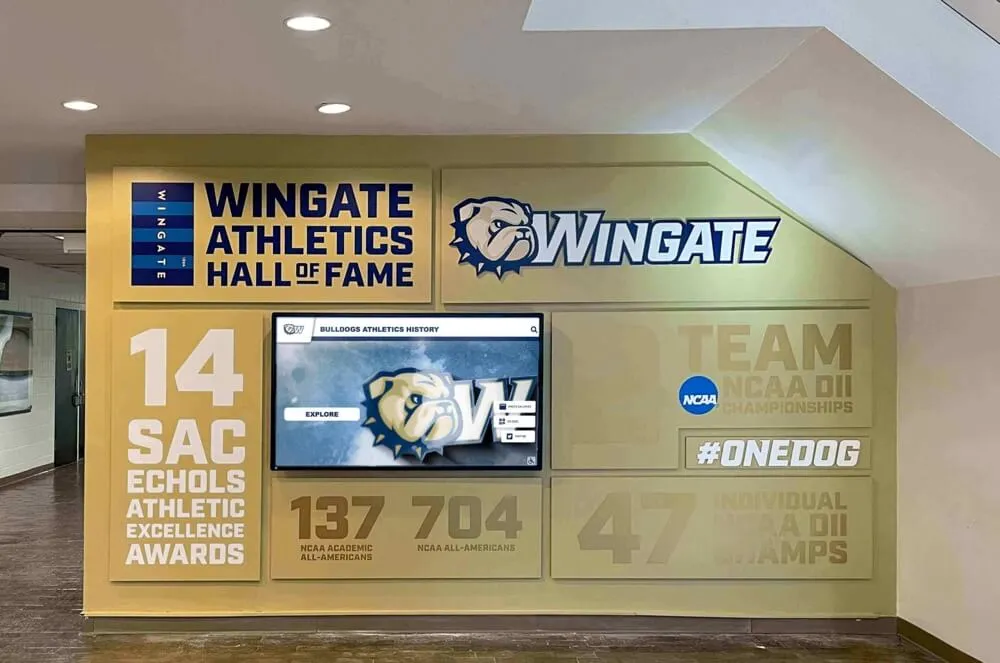
Thoughtful integration ensures digital displays complement rather than compete with existing physical recognition elements
Content Development Workflows and Sustainability
Initial installation represents just the beginning—sustainable storytelling requires ongoing content creation processes and institutional commitment to maintenance and updates.
Establishing Content Creation Responsibilities
Clear ownership and distributed workloads prevent storytelling programs from becoming unsustainable burdens on individual staff members.
Assigning Primary Coordination Roles
Designate specific responsibilities through overall program management coordinating the entire storytelling initiative, platform administration handling technical management and troubleshooting, content quality assurance ensuring consistency and professionalism, submission review and approval maintaining appropriate standards, and publication scheduling coordinating release timing.
Many schools find that communications directors or marketing coordinators naturally fit storytelling program management, though specific organizational structures should dictate actual assignments.
Distributing Content Contribution
Spread creation workload across institutional capacity through department liaisons submitting content from specific program areas, athletic coaches providing team highlights and athlete profiles, performing arts directors sharing concert and production content, student government representatives contributing peer perspective content, parent volunteer photographers covering events and activities, and alumni relations staff gathering graduate success stories.
Distributed models generate more content with less burden on any single contributor while ensuring diverse perspectives and comprehensive coverage impossible when single individuals attempt to document entire institutions.
Building Student Involvement Programs
Use student capabilities and perspectives through journalism program partnerships creating content as educational activity, service learning opportunities connecting community service to storytelling, digital media class projects producing content as practical application of learned skills, student employment programs hiring student photographers and content creators, and student government initiatives promoting institutional pride through heritage celebration.
Student-created content often resonates more authentically with prospective students than adult-produced materials while building valuable skills and creating meaningful student engagement opportunities.
Creating Sustainable Content Calendars
Systematic scheduling ensures regular updates and seasonal variety that keep displays fresh and relevant.
Annual Content Planning
Map year-long content needs including fall season coverage of athletics, activities, and back-to-school events, winter programming highlighting performing arts, academics, and holidays, spring content covering competitions, recognition, and year-end celebrations, summer activities showcasing camps, athletics, and facility improvements, and evergreen content maintaining relevance across all seasons.
Annual planning prevents last-minute scrambling while ensuring no major events or seasons get overlooked due to reactive rather than proactive content development approaches.
Event-Based Content Workflows
Establish predictable processes for recurring coverage through pre-event planning assigning photography and videography responsibilities, during-event documentation capturing key moments and participants, post-event processing organizing and editing materials, submission deadlines ensuring timely publication, and review approval maintaining quality and appropriateness standards.
Systematized workflows make event coverage routine rather than exceptional, ensuring consistent documentation without requiring extensive planning for each individual occurrence.
Regular Profile and Feature Schedules
Maintain steady content flow through weekly or monthly profile features introducing new community members regularly, seasonal spotlight series highlighting specific themes or populations, milestone celebrations recognizing significant achievements and anniversaries, and systematic rotation ensuring all departments and programs receive appropriate coverage.
Regular schedules create audience expectations and maintain engagement—communities begin anticipating new features rather than checking occasionally to see if anything changed.
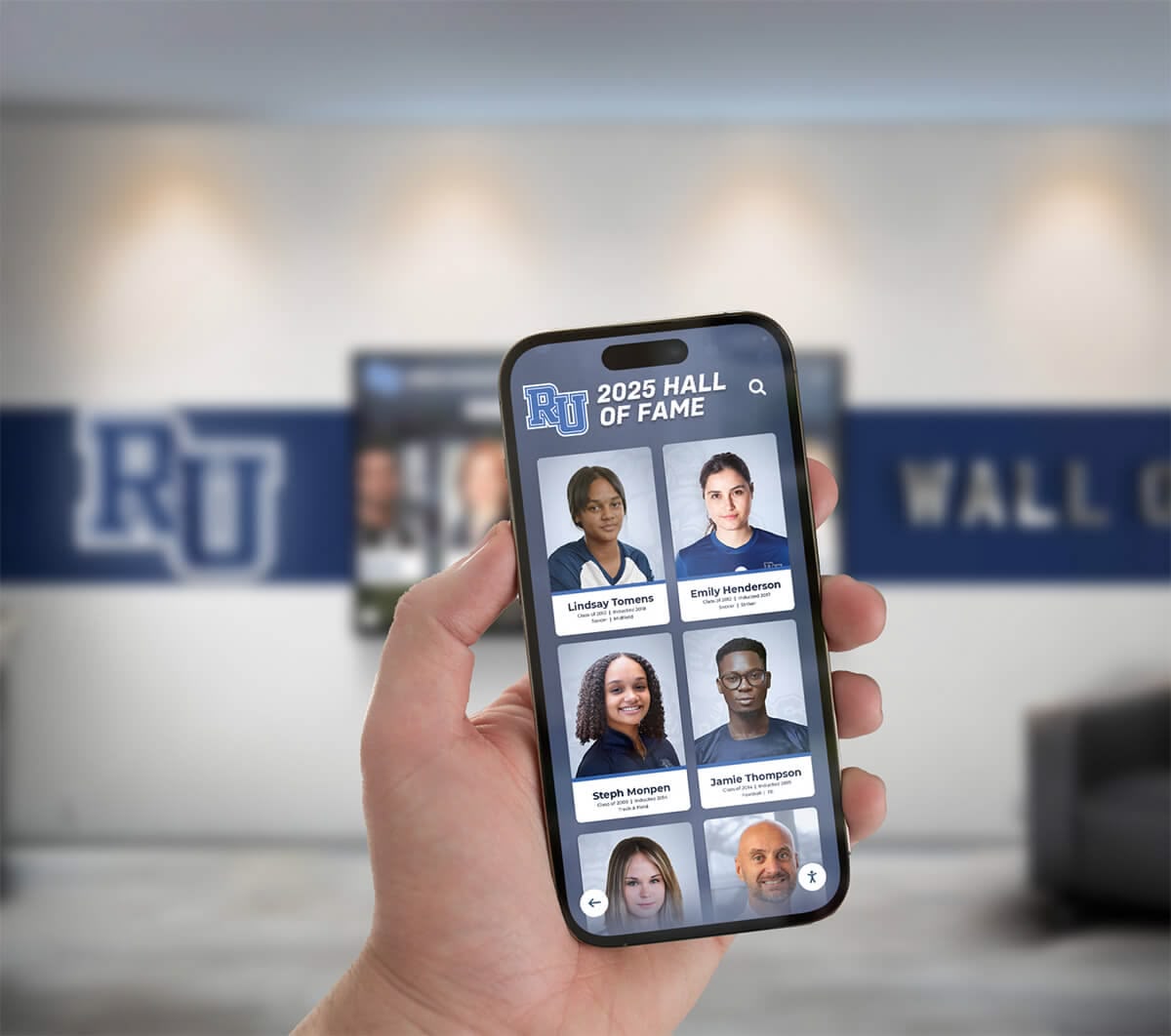
Mobile integration enables content exploration beyond physical display locations, extending storytelling reach
Marketing and Admissions Applications
While storytelling serves multiple purposes, prospective family attraction and enrollment influence represent primary objectives justifying investments for many schools.
Showcasing Daily Life for Prospective Families
Authentic glimpses into actual school experiences influence enrollment decisions more than marketing claims or statistics.
Creating Virtual Experience Opportunities
Enable remote exploration through comprehensive online galleries accessible from home, virtual tour integrations showing facilities with contextual content, day-in-the-life video compilations showing typical schedules, student perspective content explaining actual experiences, and parent testimonial integrations sharing family viewpoints.
Many families begin school search processes online long before scheduling campus visits—accessible digital storytelling influences which schools make shortlists and receive serious consideration during these critical early decision stages.
Supporting Campus Visit Experiences
Enhance in-person tours through strategically placed displays enriching tour guide narratives, self-guided exploration opportunities when formal tours conclude, family engagement features enabling personal discovery and connection, and takeaway capabilities allowing families to continue exploring post-visit.
According to admissions professionals, prospective families who engage with interactive storytelling displays during campus visits demonstrate higher enrollment rates than those who don’t—technology-enabled exploration creates memorable experiences that differentiate institutions from competitors offering similar programs.
Differentiating School Character and Culture
Communicate unique institutional personality through authentic community member voices rather than marketing speak, comprehensive activity and opportunity demonstration beyond bullet point lists, tradition and heritage storytelling showing institutional longevity and stability, and diverse achievement celebration representing multiple excellence pathways.
Schools can claim anything in marketing materials, but photo galleries, historical timelines, and authentic profiles provide evidence that either confirms or contradicts promotional claims—aligned messaging supported by visible proof creates trust that abstract promises alone never achieve.
Alumni Engagement and Development Support
Heritage storytelling serves advancement purposes by strengthening alumni connections and supporting fundraising initiatives.
Creating Emotional Alumni Connections
Rekindle institutional affinity through searchable yearbook and historical photo access enabling memory rediscovery, era-specific content highlighting periods when alumni attended, alumni spotlight features celebrating post-graduation success, tradition continuity demonstration showing what persists from their time, and reunion content customized for specific anniversary years.
Development professionals recognize that emotional connection drives philanthropic behavior—alumni who regularly engage with institutional heritage demonstrate significantly higher giving rates than those with minimal post-graduation institutional contact.
Donor Recognition Integration
Coordinate storytelling with stewardship through named facility histories explaining donor contributions, scholarship recipient profiles connecting giving to student impact, campaign progress displays documenting fundraising milestones, legacy giving features celebrating multi-generational support, and donor impact storytelling showing tangible contribution results.
Visible recognition honors contributors appropriately while demonstrating to prospective donors that institutions value and acknowledge support—this demonstration influences future giving decisions and campaign participation rates.
Heritage-Based Fundraising Narratives
Position giving as legacy continuation through historical funding stories showing philanthropic foundations, facility evolution timelines requiring ongoing investment, program development narratives demonstrating continuous improvement, and future vision communication positioning giving as investing in continuing traditions.
Effective donor recognition systems integrate naturally with broader institutional storytelling, creating comprehensive presentations where heritage, current achievement, and future vision reinforce each other.
Measuring Success and Optimizing Impact
Systematic assessment ensures storytelling investments deliver intended returns while identifying optimization opportunities.
Tracking Engagement Metrics
Digital systems provide detailed interaction data informing strategic decisions.
Display Usage Analytics
Monitor activity patterns through daily and hourly traffic tracking identifying peak usage times, average session duration indicating content engagement depth, popular content identification revealing what resonates most, navigation pathway analysis showing how audiences explore, and return visitor patterns suggesting compelling content.
Usage data enables evidence-based decisions about content development priorities, display placement optimization, and resource allocation—schools can invest more in content types generating highest engagement while reconsidering underperforming material.
Online Gallery and Profile Performance
Track digital platform engagement through page view statistics measuring overall interest, time-on-page metrics indicating content quality, search query analysis revealing what audiences seek, social sharing rates showing content resonance, and conversion tracking measuring enrollment inquiries or applications.
Digital analytics often reveal surprising patterns—content schools assume will interest audiences sometimes underperforms while unexpected features generate significant engagement indicating unmet information needs.
Audience Feedback Collection
Supplement quantitative data with qualitative insights through prospective family surveys asking about storytelling influence, current community feedback revealing what students and families value, alumni responses to heritage content, staff input on administrative utility, and donor reactions to recognition integration.
Direct feedback often surfaces considerations pure analytics miss—audiences may tolerate rather than love certain features, or they may want capabilities current systems don’t provide.
Optimizing Content Based on Performance
Use collected data to continuously improve storytelling effectiveness and audience value.
Content Refresh and Update Cycles
Maintain relevance through regular audits identifying outdated material, seasonal variation aligning content with school year rhythm, underperforming content revision or removal, high-performer expansion creating more similar popular content, and systematic rotation preventing displays from feeling static.
Schools that treat storytelling as living programs requiring ongoing attention maintain significantly higher engagement than those creating initial content then rarely updating displays—audiences quickly lose interest in unchanging presentations regardless of initial quality.
Technical Enhancement and Feature Addition
Continuously improve user experience through navigation refinement based on observed usage patterns, search capability enhancement addressing common queries, accessibility improvement supporting diverse user needs, performance optimization ensuring responsive interaction, and new feature deployment as capabilities emerge.
Technology continuously evolves—platforms that supported advanced capabilities five years ago may now feel dated. Regular enhancement maintains contemporary feel that reflects positively on institutional commitment to excellence.
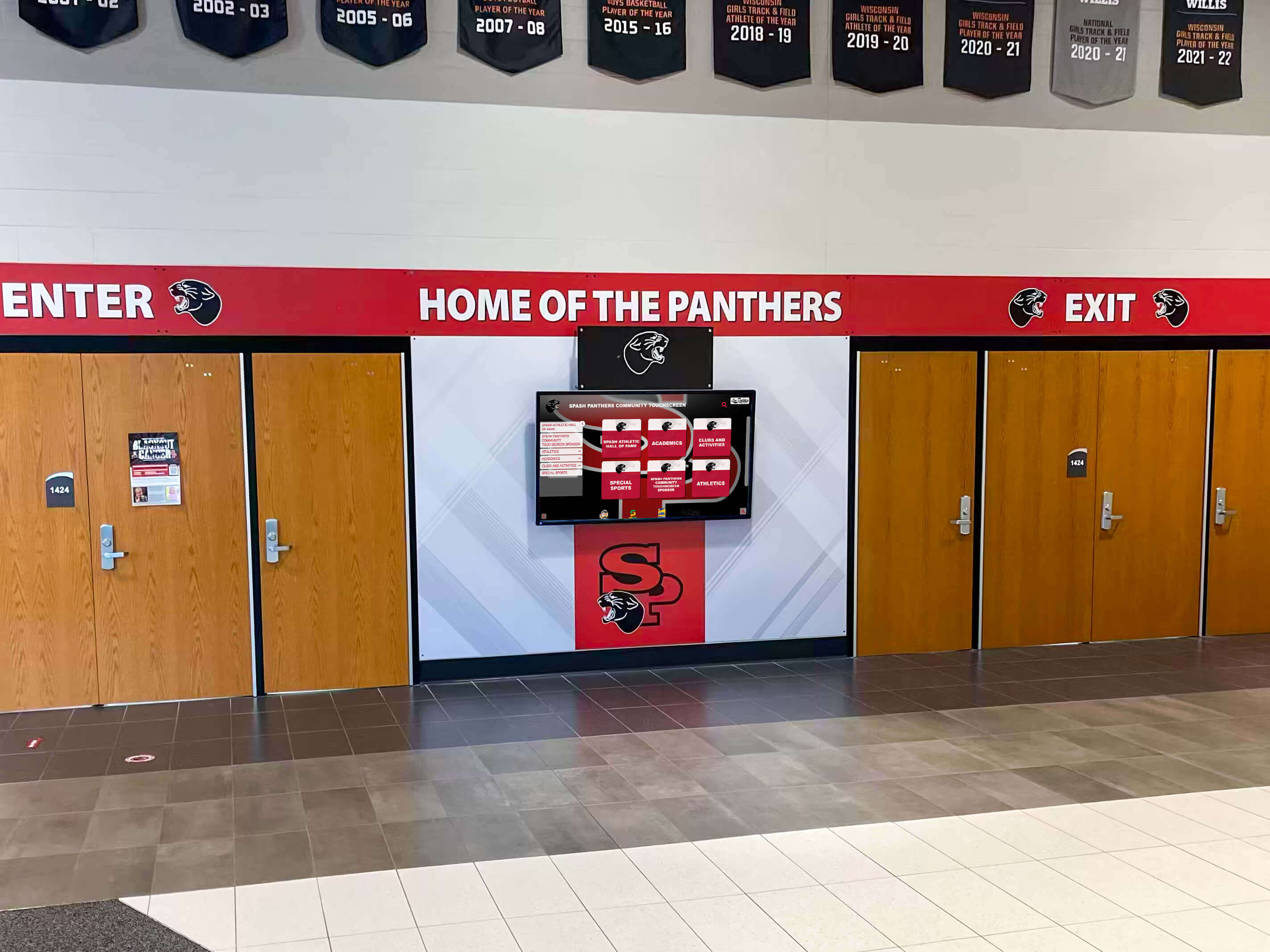
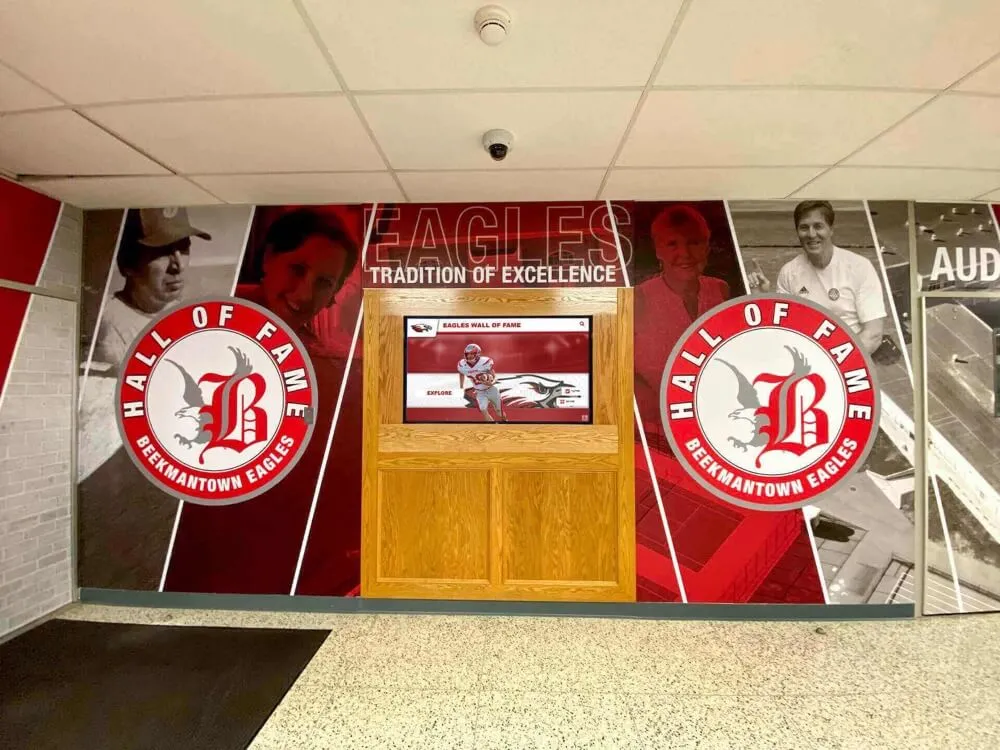
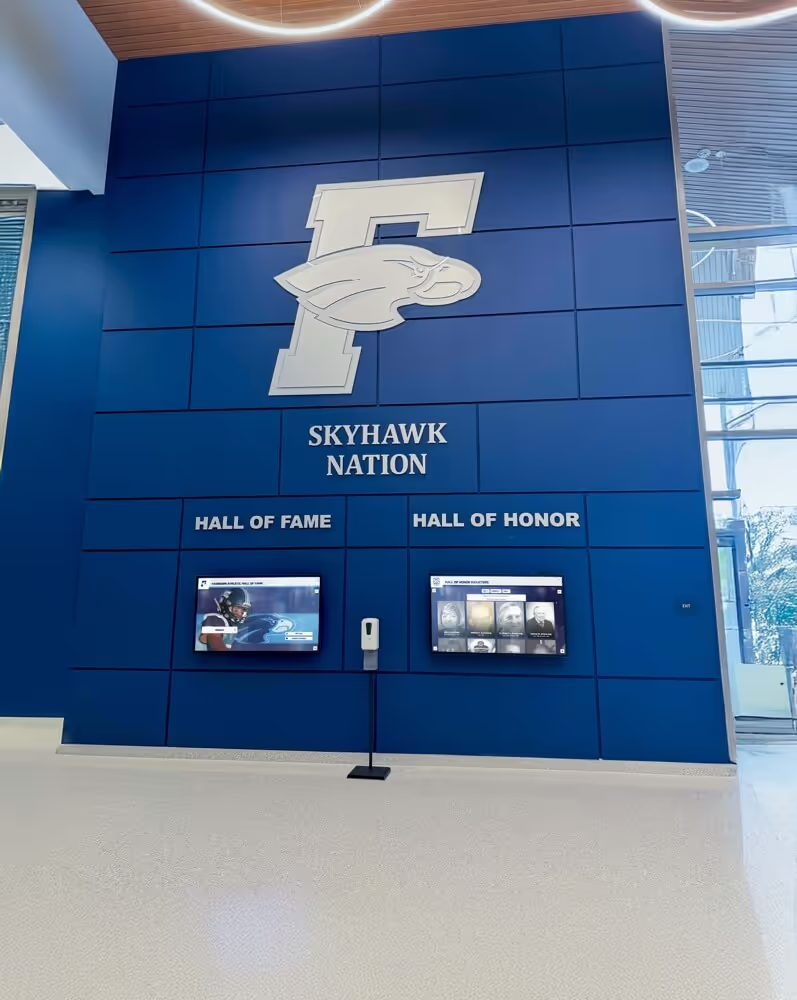
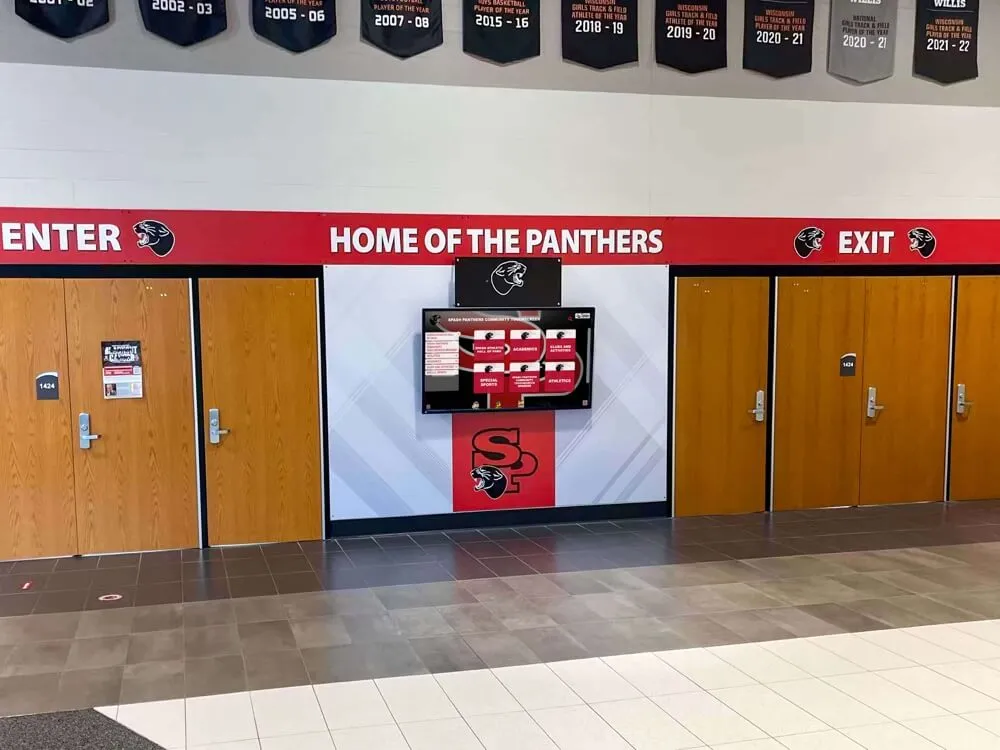
Entry point displays create powerful first impressions for visitors while serving daily community engagement
Conclusion: Building Sustainable School Storytelling Programs
Schools possess remarkable stories worth telling—decades or even centuries of heritage, countless student success narratives, dedicated educators shaping lives, and daily moments that define institutional character. Yet these stories remain invisible without intentional systems capturing, organizing, and displaying them for communities that genuinely want to see authentic glimpses into school life.
Photo galleries documenting events throughout each year showcase the breadth and depth of opportunities and experiences available to students. Timeline displays organize institutional history into accessible narratives that honor heritage while connecting past to present. Profile content introduces the real people who make schools special, transforming abstract institutions into human communities with faces, personalities, and stories that resonate.
Modern technology makes comprehensive “day in the life” storytelling achievable for schools of all sizes and resource levels. Digital displays and cloud-based content management systems eliminate technical barriers while providing infrastructure supporting multiple institutional objectives simultaneously—admissions marketing, alumni engagement, donor recognition, and community pride building all benefit from the same underlying storytelling platforms.
Bring Your School's Story to Life
Discover how Rocket Alumni Solutions helps schools create comprehensive photo galleries, timeline displays, and profile content through purpose-built platforms designed specifically for educational institutions. From interactive touchscreen displays to cloud-based content management, we provide complete solutions for showcasing heritage, celebrating achievement, and telling your unique story.
Book a demoStart where you are with storytelling initiatives you can implement immediately—perhaps documenting upcoming events through systematic photography, interviewing key community members for initial profiles, or researching institutional history through archived materials. Then systematically expand, creating comprehensive heritage resources your community deserves.
Every documented event preserves memories that would otherwise fade. Every timeline presentation connects current students to legacy they’re continuing. Every profile humanizes your institution while honoring individuals making it special. Your school’s story deserves telling with the same care and excellence you bring to education itself—with thoughtful planning, appropriate technology, and sustained commitment, you can create storytelling programs that commemorate history and legacy while inspiring current and prospective students for generations to come.
Ready to begin showcasing your school’s story? Explore approaches to historical photo archiving, learn about digital heritage preservation strategies, discover timeline display design best practices, or talk to our team to discuss how purpose-built school storytelling platforms can preserve institutional memory while supporting admissions, advancement, and community engagement objectives.