Debate team achievement boards represent essential tools for recognizing one of the most demanding academic pursuits students can undertake—competitive speech and debate. When schools effectively display and celebrate forensics accomplishments, they inspire future competitors, elevate the status of speech and debate programs, and create cultures that value intellectual rigor alongside athletic and artistic achievement.
Yet many schools struggle to provide debate teams with recognition comparable to what athletes receive for similar levels of competitive success. Students earning national recognition, winning state championships, or accumulating hundreds of competitive points may receive minimal acknowledgment while sports teams enjoy prominent displays, pep rallies, and ongoing celebration. This disparity sends problematic messages about institutional priorities while failing to leverage debate achievement as recruitment and motivation for younger students.
This comprehensive guide explores evidence-based strategies for creating debate team achievement boards that honor accomplishments appropriately, inspire continued excellence, and position forensics programs for long-term success and institutional support.
Effective debate team recognition extends beyond simple trophy cases to create systematic celebration matching the significance of competitive speech and debate accomplishments. Schools excelling at forensics recognition create environments where intellectual achievement receives visibility and celebration equal to any other form of student excellence.

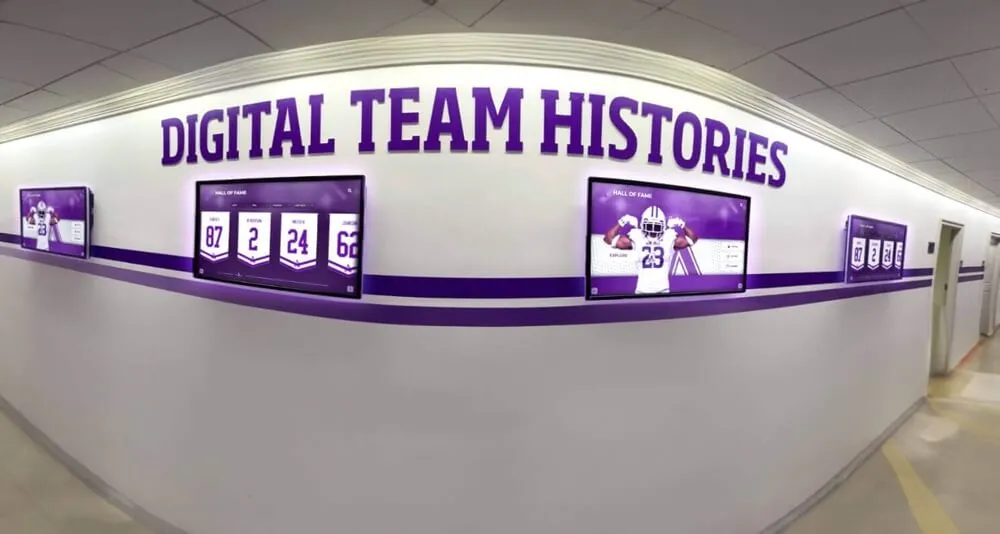
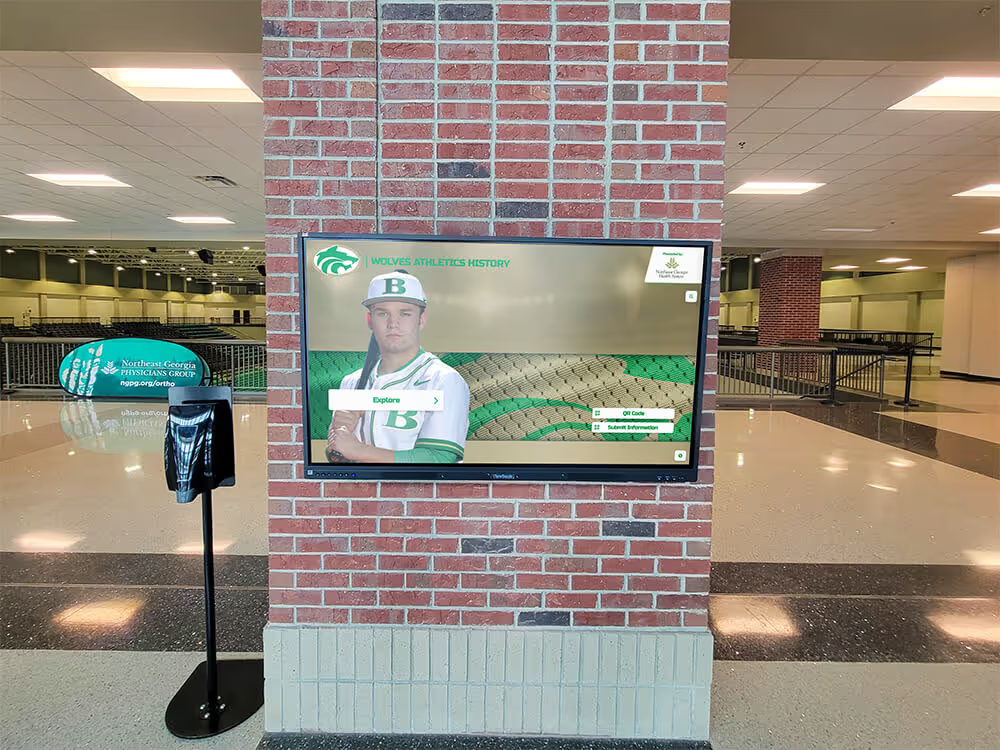
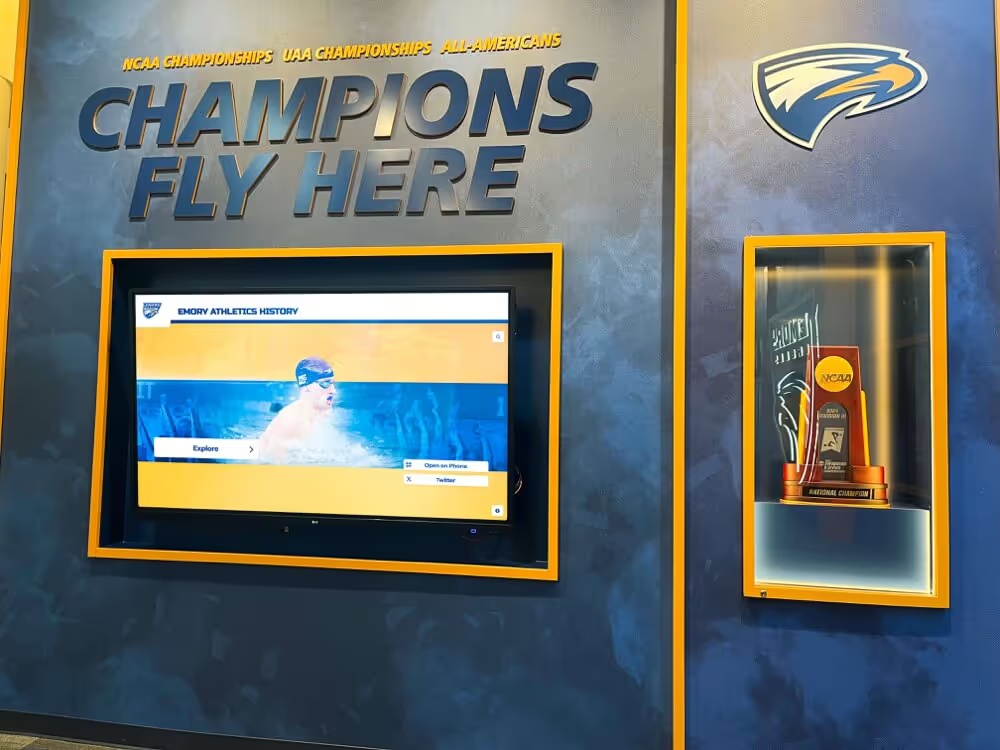
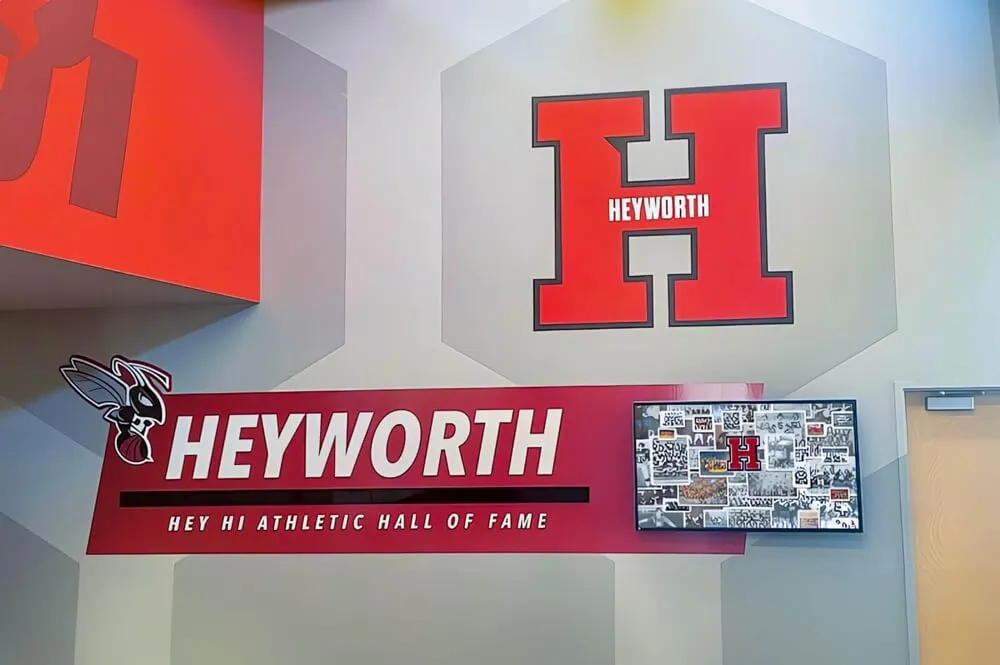
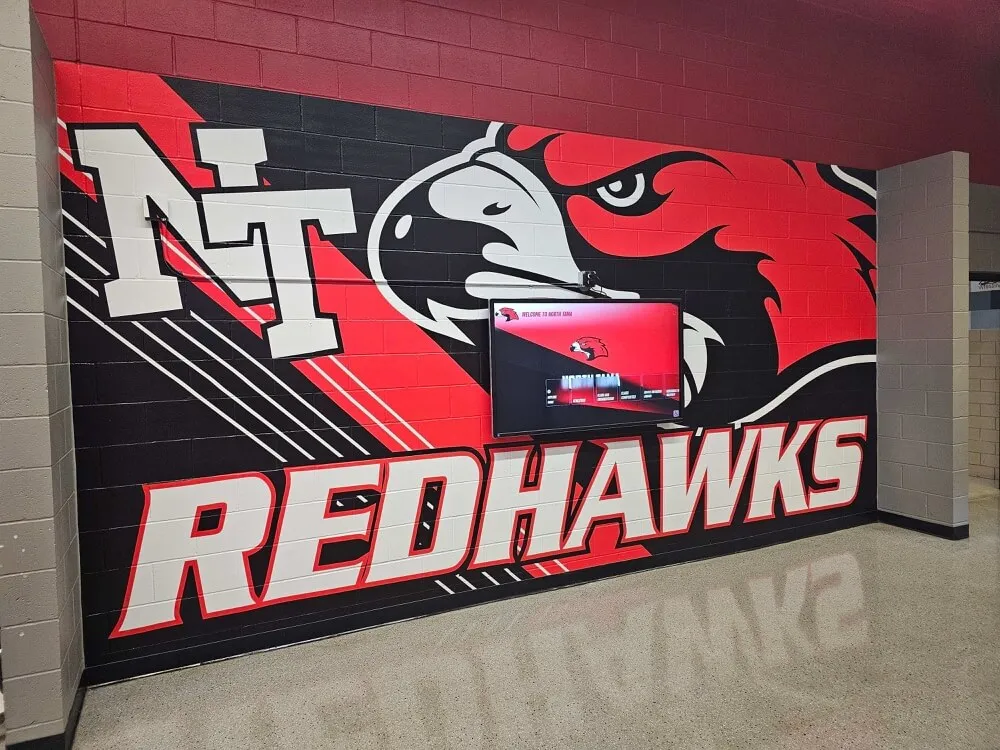
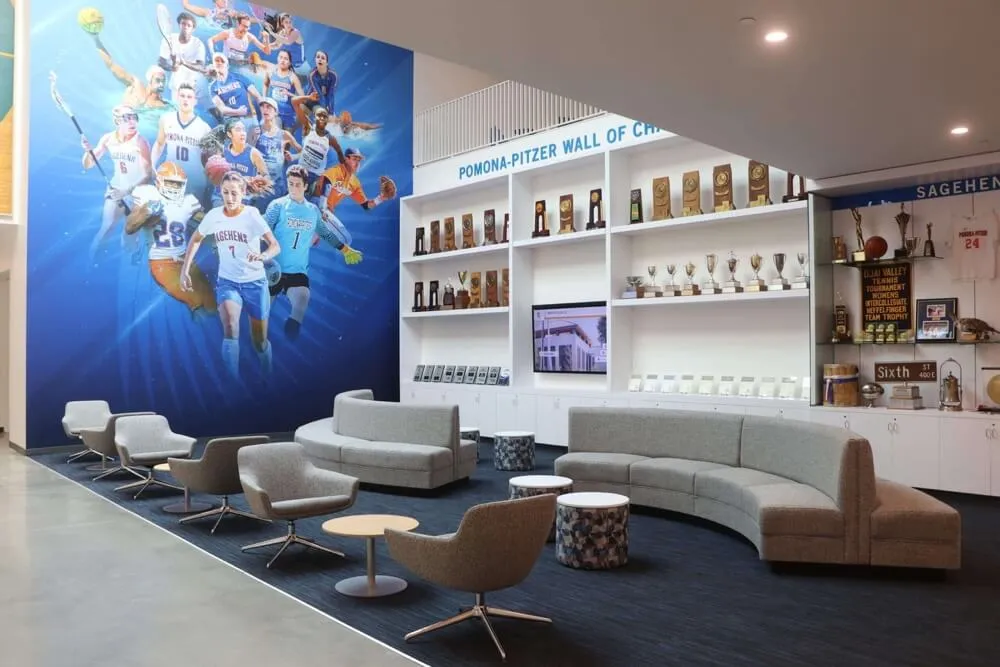
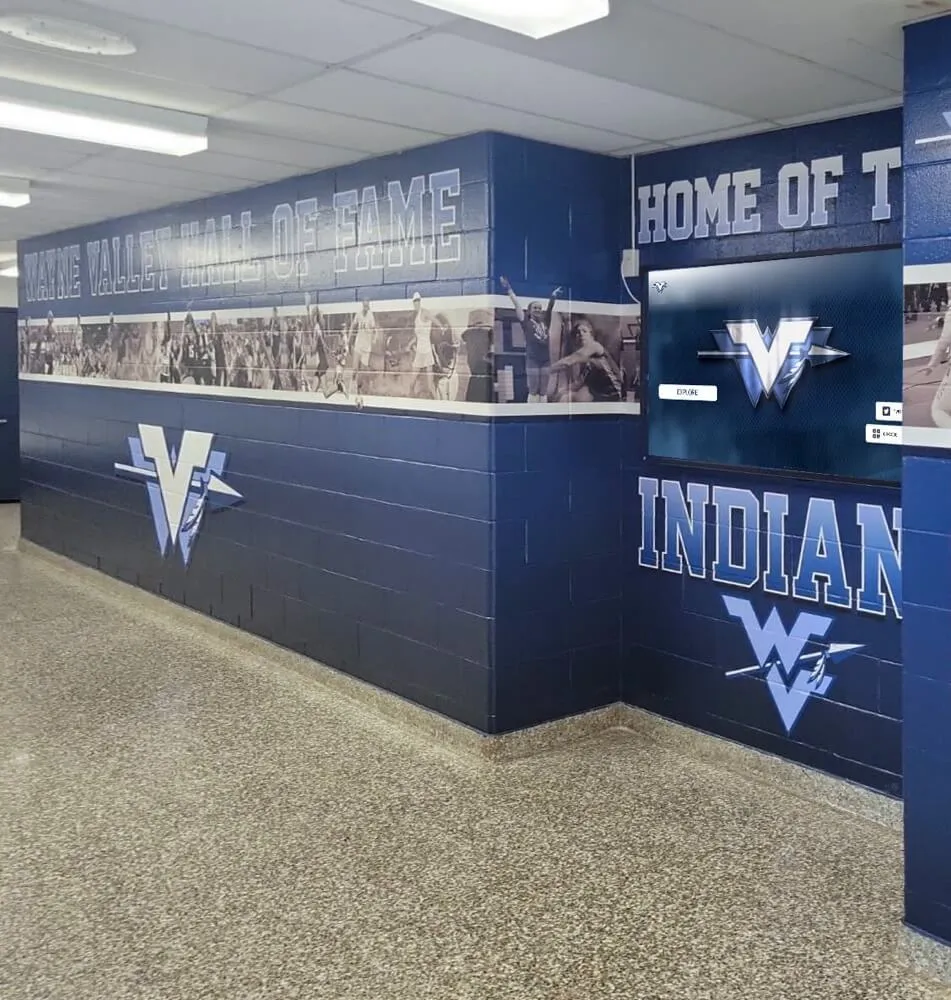
Modern recognition systems celebrate debate team achievements alongside other forms of student excellence
Understanding Competitive Speech and Debate Achievement
Before designing recognition systems, schools need clear understanding of what debate achievement represents and the competitive landscape students navigate to earn these honors.
The National Speech & Debate Association Framework
The National Speech & Debate Association (NSDA) provides the primary structure for high school forensics competition across the United States:
Honor Society and Degrees The NSDA Honor Society recognizes students based on points earned through competition and service. According to the National Speech & Debate Association student recognition program, students progress through degree levels:
- Degree of Merit: 25 points
- Degree of Honor: 75 points
- Degree of Excellence: 150 points
- Degree of Distinction: 250 points
- Degree of Special Distinction: 500 points
- Degree of Superior Distinction: 750 points
Fewer than 2% of NSDA students earn the Degree of Superior Distinction, making this achievement exceptionally prestigious and worthy of prominent recognition.
National Recognition Programs Top student point earners receive special designation:
- All Americans: The 25 students with the highest total points following the National Tournament
- Academic All Americans: Students earning the Degree of Superior Distinction with 3.7+ GPA
- Speaking and Service Award: 200 service points in a single year
The 2026 National Student of the Year Taite Kirkpatrick represents one individual recognized from more than 150,000 student members, illustrating the competitive selectivity of top honors.
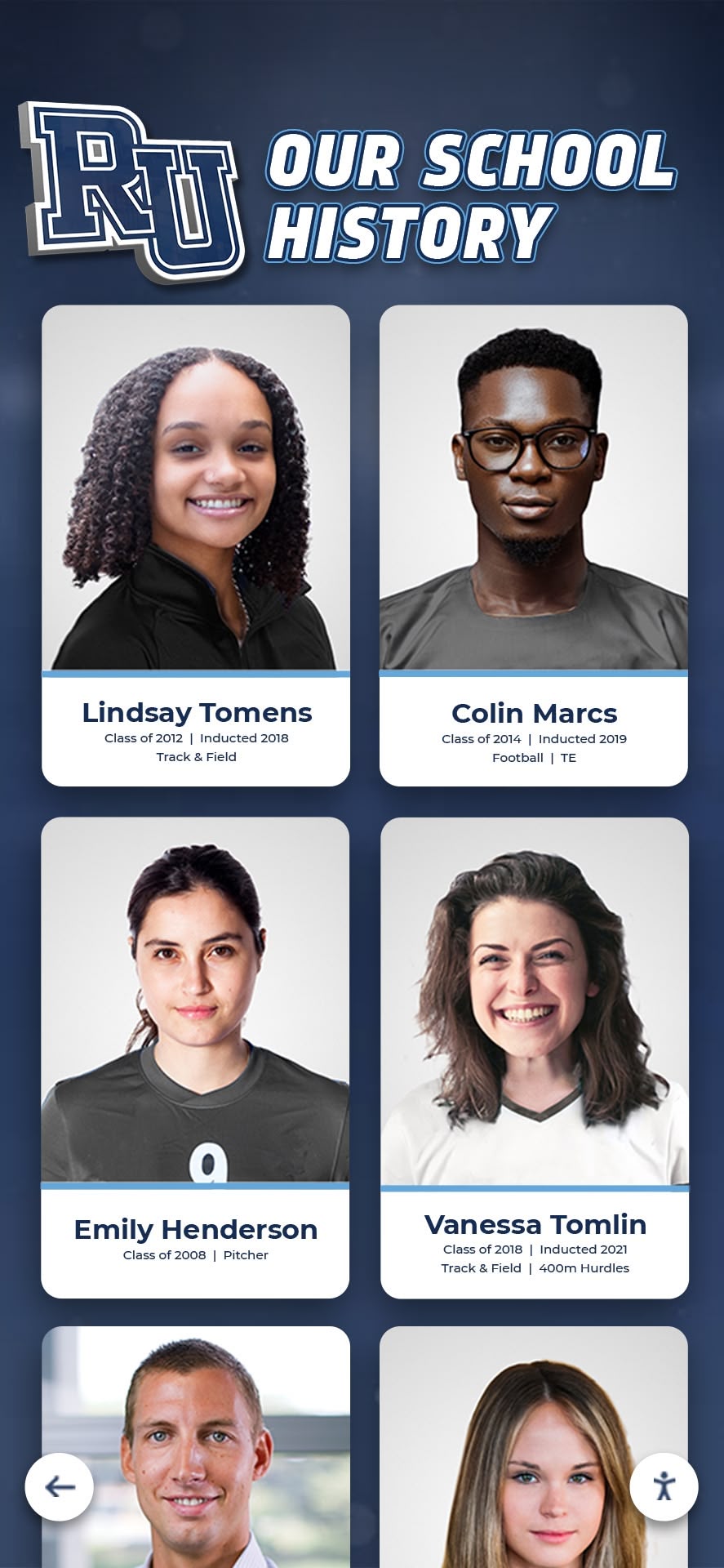
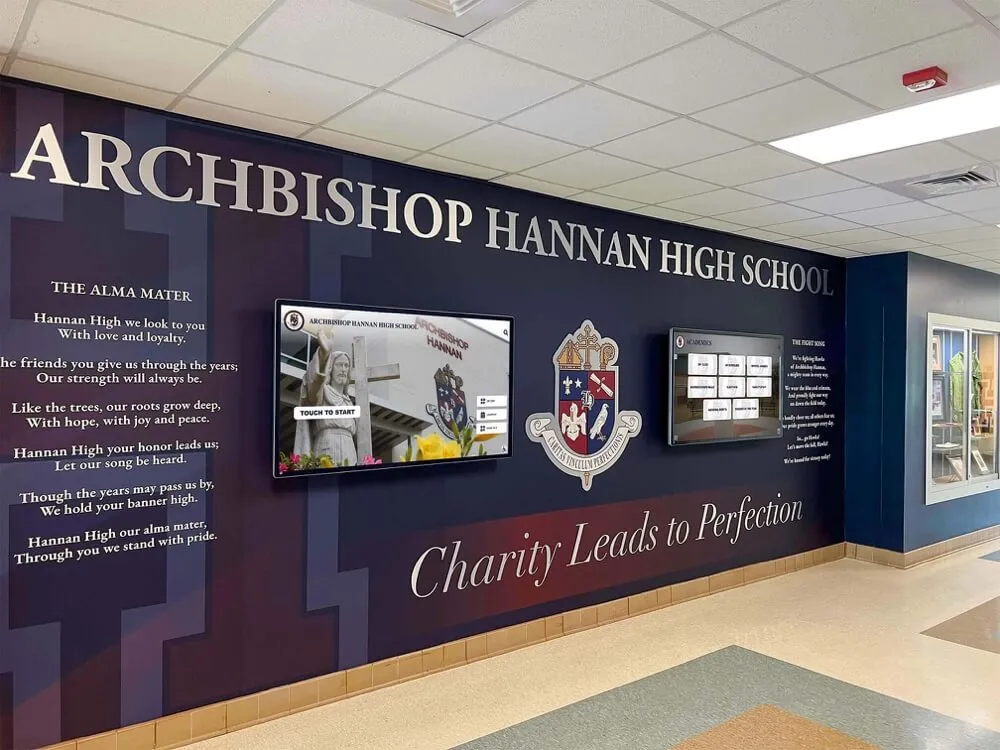
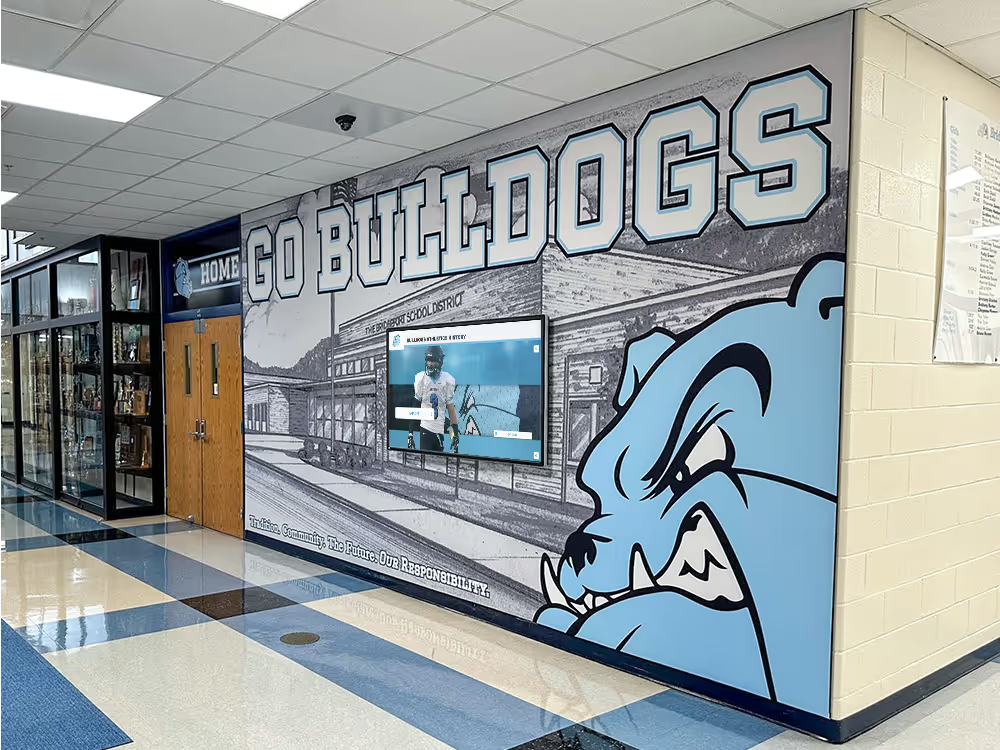
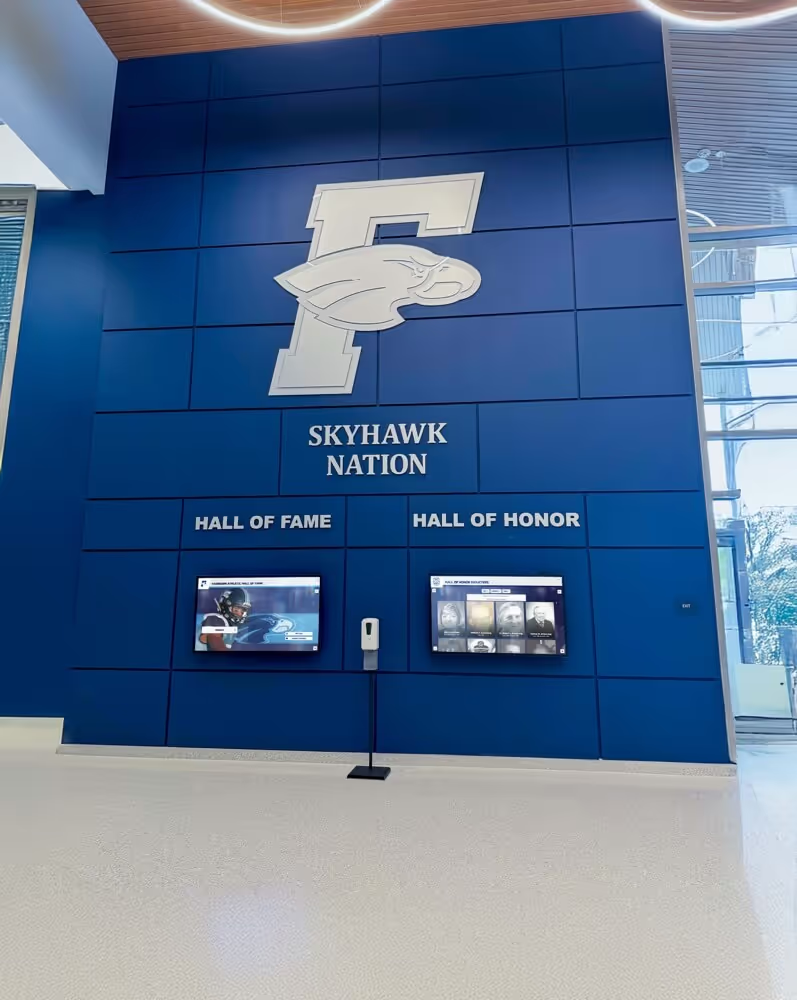
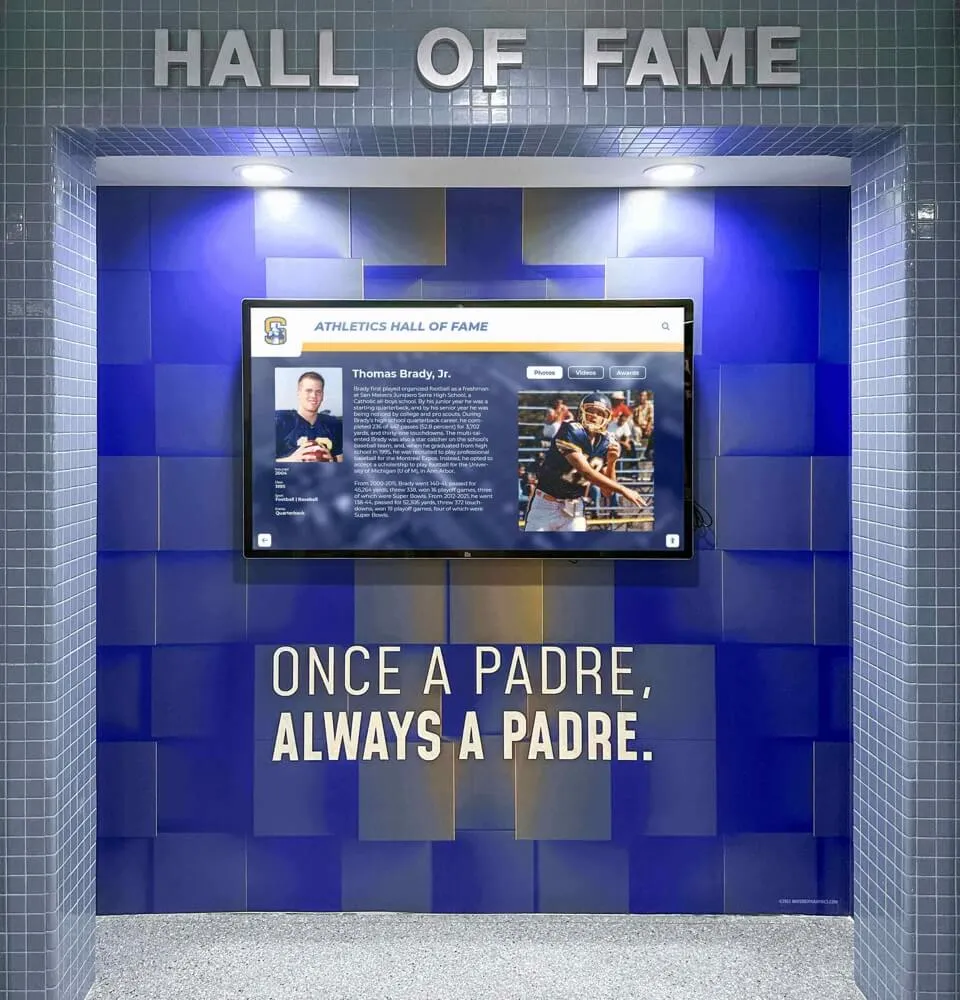
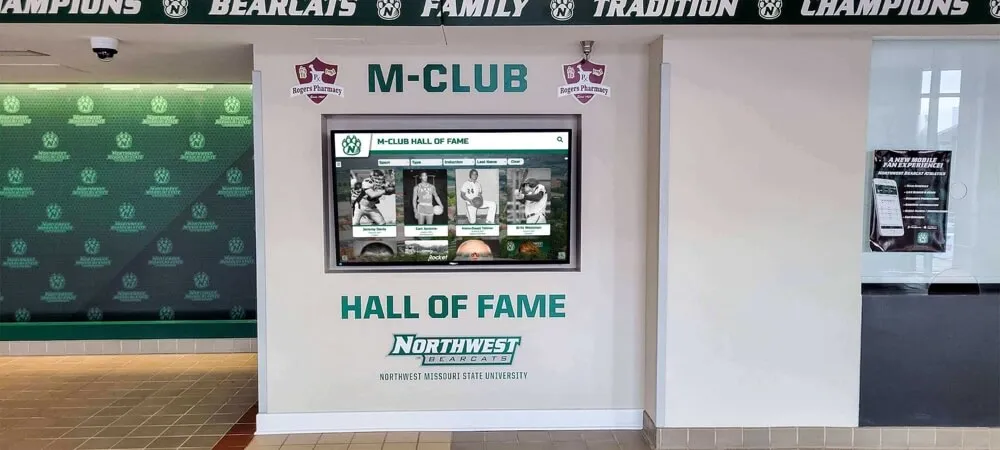
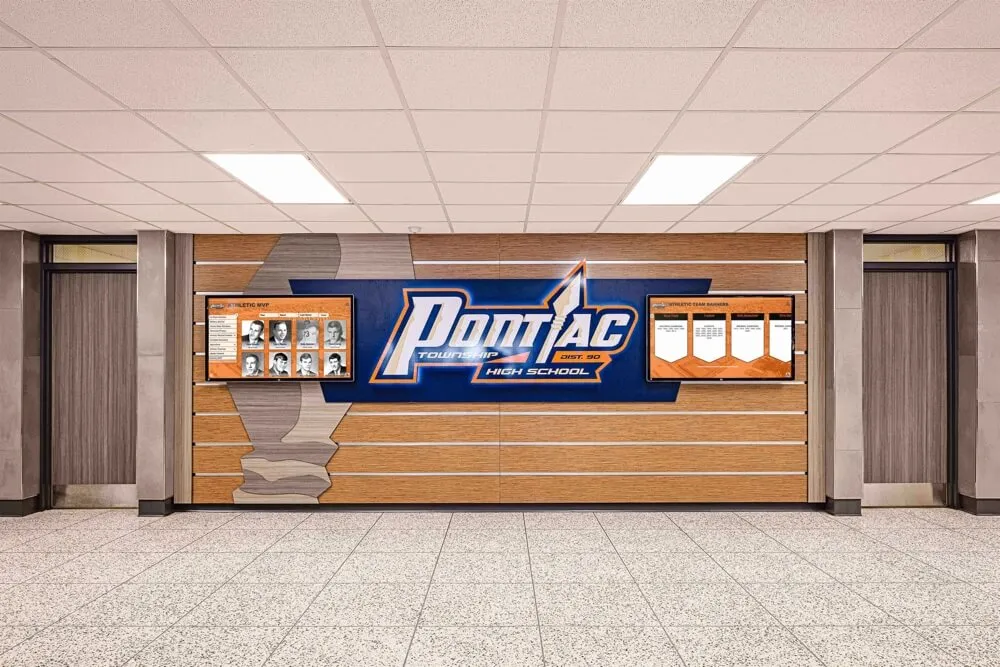
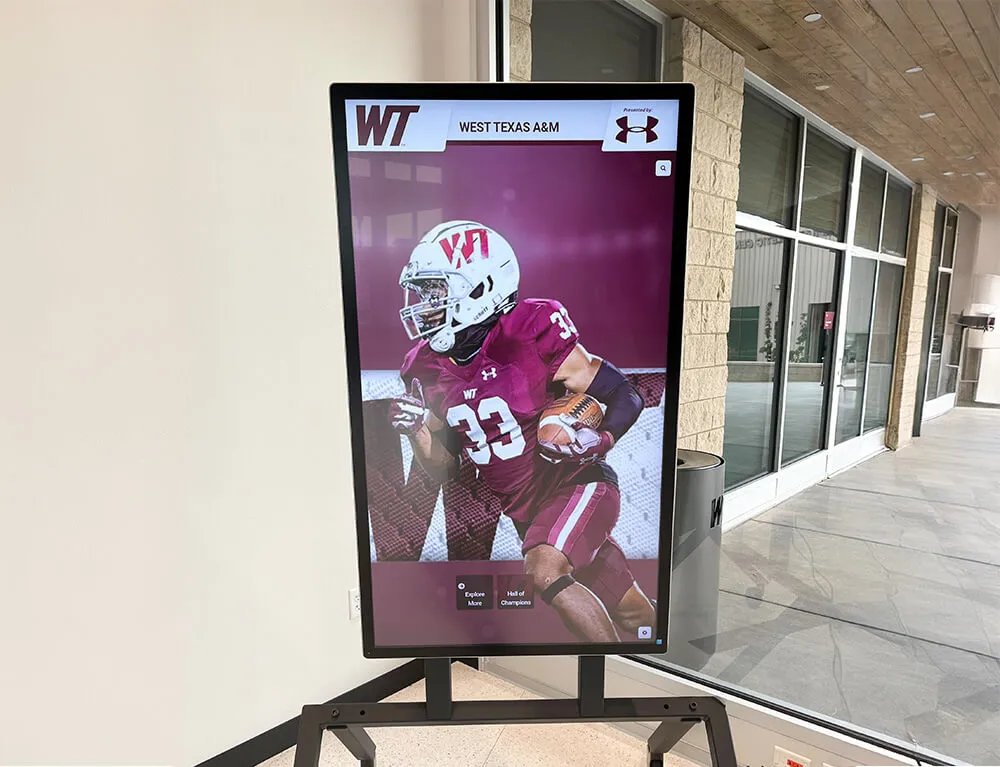
Comprehensive recognition systems document achievement journeys across competitive careers
Competition Event Categories
Understanding the diversity of speech and debate events helps schools design recognition acknowledging various achievement types.
Debate Events According to the NSDA competition events structure, debate categories include:
- Lincoln-Douglas Debate: One-on-one philosophical value debate focusing on ethics and principles
- Public Forum Debate: Two-person teams arguing current event topics changed monthly or bi-monthly
- Policy Debate: Teams debating comprehensive policy proposals with extensive evidence
- Congressional Debate: Legislative debate simulating Congressional procedures
- World Schools Debate: International format with three-person teams
Speech Events Individual events showcase diverse communication skills:
- Platform Speaking: Original Oratory, Informative Speaking, Extemporaneous Speaking
- Interpretation Events: Dramatic Interpretation, Humorous Interpretation, Duo Interpretation, Program Oral Interpretation
- Limited Preparation: Impromptu Speaking, Extemporaneous Commentary
This event diversity means achievement boards should accommodate multiple categories rather than treating all accomplishments identically.
Competitive Tournament Structure
The competitive landscape includes multiple levels worthy of recognition:
Local and Regional Tournaments
- Invitational tournaments at local schools
- District and regional qualifying competitions
- Round-robin and elimination bracket advancement
- Novice, junior varsity, and varsity divisions
State Championships State-level competitions represent significant achievement, with schools like Park City High School celebrating back-to-back state championships in 2026 with their nearly 50-member team.
National Circuit Tournaments The most competitive tournaments draw elite competitors nationally:
- The Glenbrooks (Chicago suburbs)
- Harvard Invitational (Boston)
- California Invitational (UC Berkeley)
- Greenhill Fall Classic (Dallas area)
- The Harvard-Westlake Debates (Los Angeles)
National Championships The Tournament of Champions at the University of Kentucky represents the pinnacle of high school competition, considered the national championship of the circuit according to competitive debate tournament structures.
Learn more about comprehensive approaches to recognizing diverse achievements in academic recognition programs guide.
The Value and Impact of Debate Achievement Recognition
Systematic debate team recognition delivers benefits extending far beyond individual honorees to positively impact entire programs, schools, and student outcomes.
Benefits for Individual Students
Debate achievement provides students with advantages during high school and beyond:
College Applications and Scholarships Debate accomplishments strengthen college applications significantly:
- Quantifiable achievement metrics through NSDA degree levels and tournament success
- Demonstrated research, critical thinking, and communication skills valued by admissions
- Evidence of sustained commitment to demanding intellectual pursuit
- Leadership opportunities through team captainships and tournament organization
- Automatic scholarship opportunities at debate-focused institutions
Notable 2026 examples include Oxford High School graduate Tommy Nichol earning National Runner-Up in Congressional Debate at the National Tournament, providing exceptional credential for college applications.
Intellectual Development The debate experience accelerates student growth:
- Advanced research and evidence evaluation skills
- Critical analysis of complex policy and philosophical questions
- Extemporaneous speaking and argumentation abilities
- Cross-examination and rebuttal technique mastery
- Logical reasoning and fallacy identification
- Current events knowledge and civic engagement
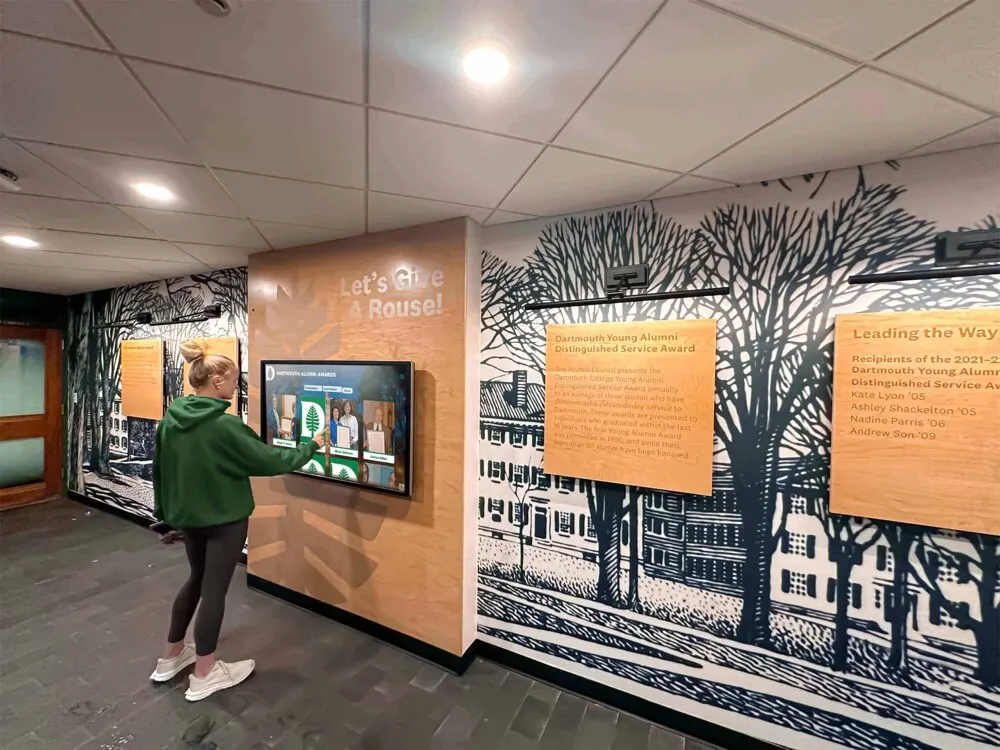
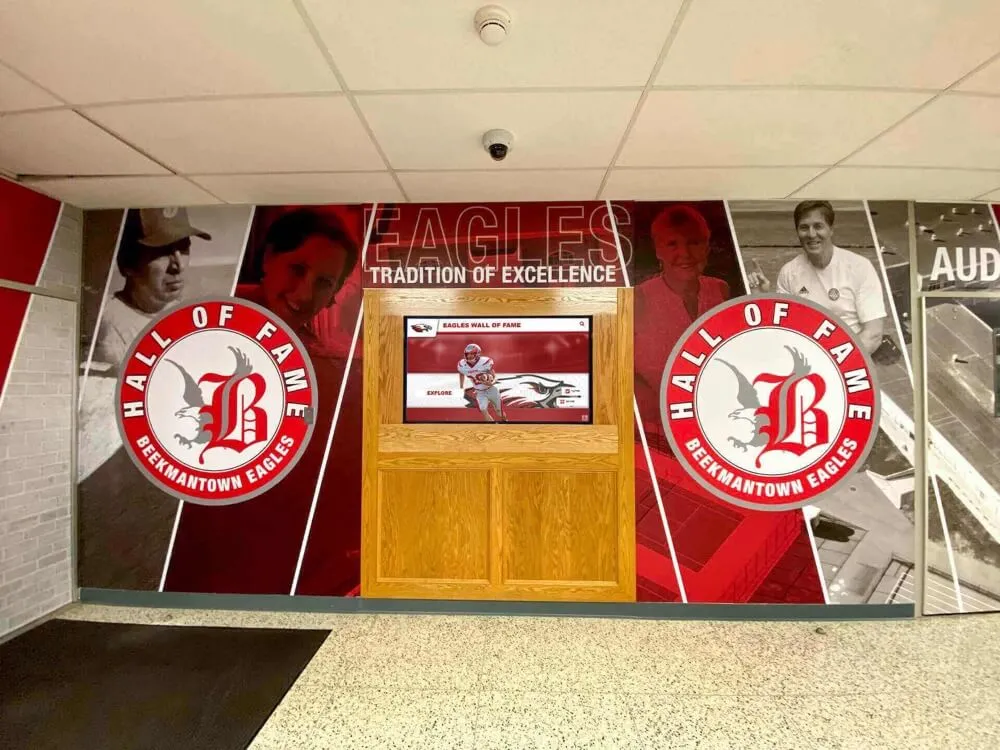
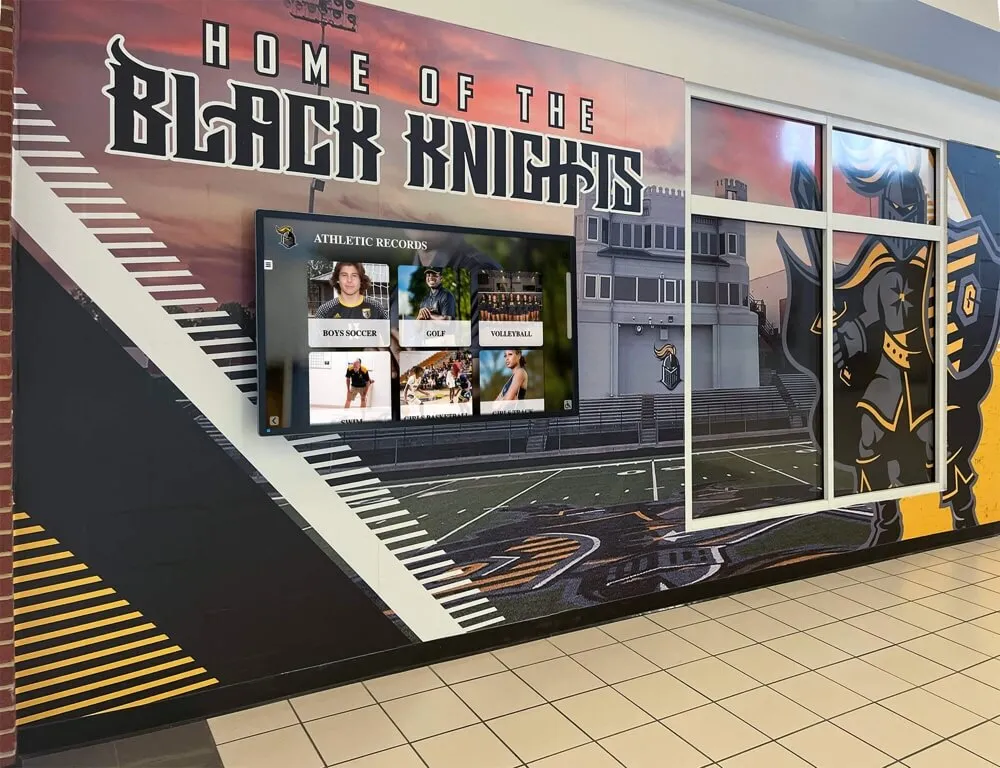
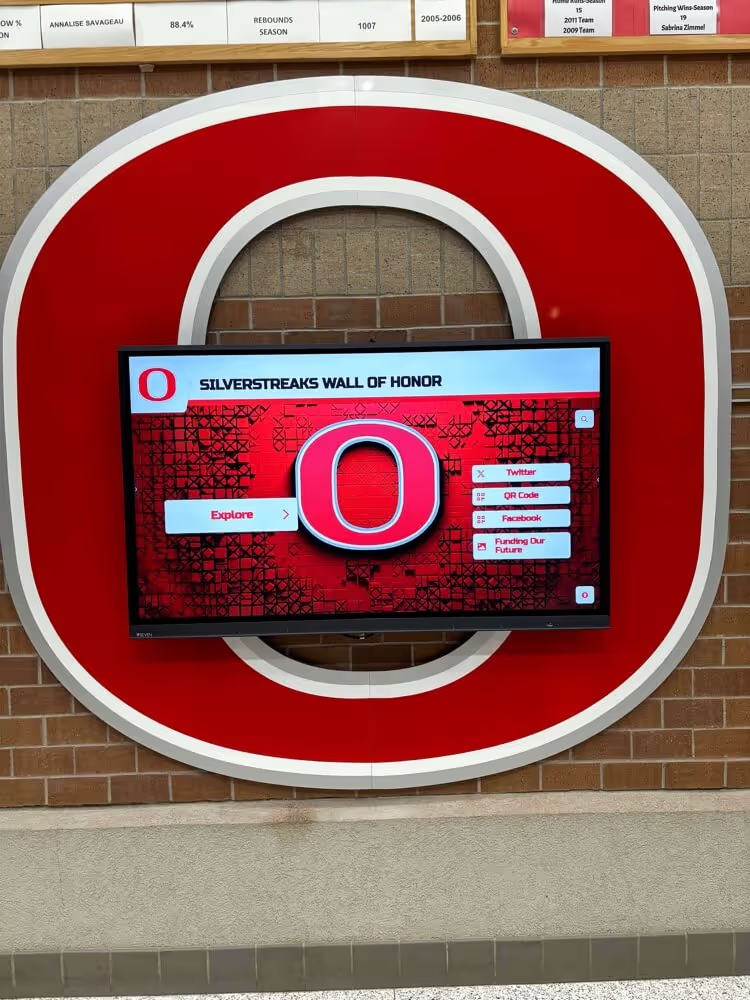
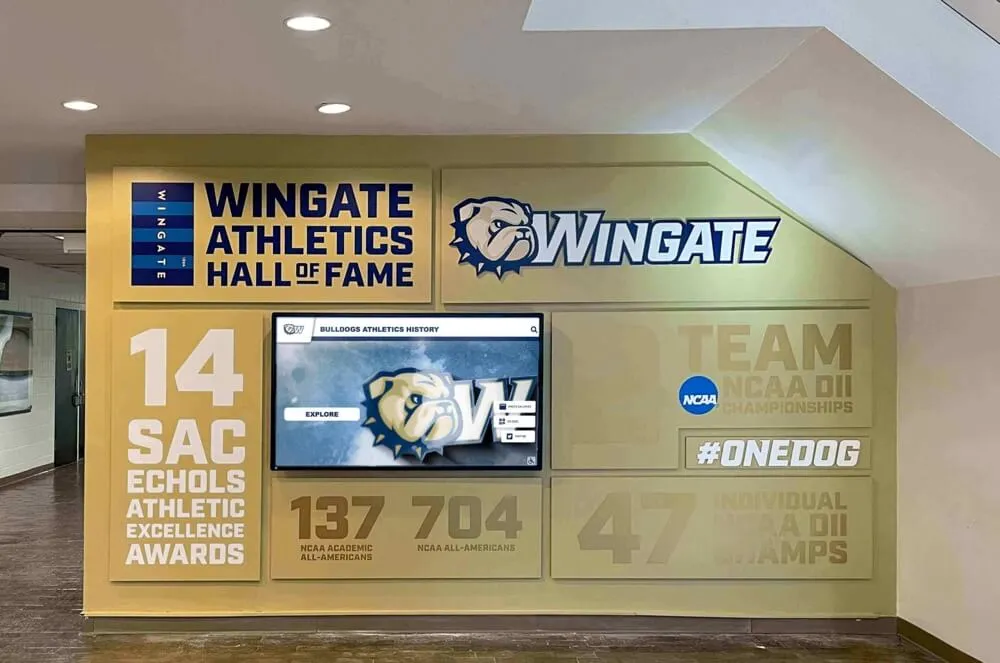
Strategic placement of recognition displays in high-traffic areas maximizes visibility and engagement
Life Skills and Character Development Competitive forensics teaches valuable lessons:
- Confidence in public speaking and persuasive communication
- Resilience through losses and constructive criticism
- Time management balancing research with academics and other activities
- Collaboration within team environments
- Grace in victory and defeat
- Preparation and organizational discipline
Benefits for Speech and Debate Programs
Schools with strong recognition traditions see program-wide advantages:
Recruitment and Retention Visible celebration of debate achievements:
- Attracts academically motivated incoming students seeking intellectual challenge
- Motivates younger students to join programs after seeing older students recognized
- Reduces attrition by demonstrating clear achievement pathways and recognition opportunities
- Builds program reputation within school and broader community
- Creates positive peer effects where participation becomes desirable
Program Culture and Excellence Recognition systems elevate entire teams:
- Creates culture of excellence where high achievement becomes normal expectation
- Provides role models demonstrating what dedication and preparation can achieve
- Strengthens peer support networks around shared competitive goals
- Increases preparation intensity and practice commitment throughout team
- Establishes traditions connecting current competitors with program history
Institutional and Community Support Well-recognized achievements build essential backing:
- Administrators see concrete evidence of program quality and student success
- School boards understand program value through visible achievement
- Parent organizations increase support, fundraising, and booster activity
- Community members develop pride in program accomplishments
- Budget discussions include consideration of program success and resource needs
According to school recognition programs through the NSDA, becoming a charter school (50 degrees within three years) represents the highest institutional honor, with Top 100 Schools receiving annual designation for largest numbers of new degrees earned.
Explore comprehensive student recognition approaches that increase future success through systematic celebration.
Essential Components of Effective Debate Achievement Boards
Successful debate team recognition systems incorporate multiple elements that provide comprehensive celebration while remaining manageable and sustainable.
Achievement Categories to Recognize
Comprehensive boards acknowledge diverse accomplishments rather than single metrics:
NSDA Degree Progression
- All degree levels from Merit through Superior Distinction
- Milestone celebrations when students achieve each new level
- Special recognition for Distinction and above (top performers)
- Academic All American designation combining competition and GPA
Tournament Success
- Local and invitational tournament finalists and champions
- District and regional competition advancement
- State tournament qualifiers and medalists
- National circuit tournament success and elimination rounds
- Tournament of Champions qualification and performance
- National tournament participants and finalists
Event-Specific Recognition
- Individual event category achievements (LD, PF, Oratory, Interpretation, etc.)
- Multiple event participation recognizing versatility
- Specialized recognition by debate format or speech category
- First-time competitors and novice division success
Team Achievements
- Overall team state championship and runner-up finishes
- Sweepstakes awards at major tournaments
- Top 100 Schools designation from NSDA
- Charter school milestone achievement
- Team service and leadership contributions
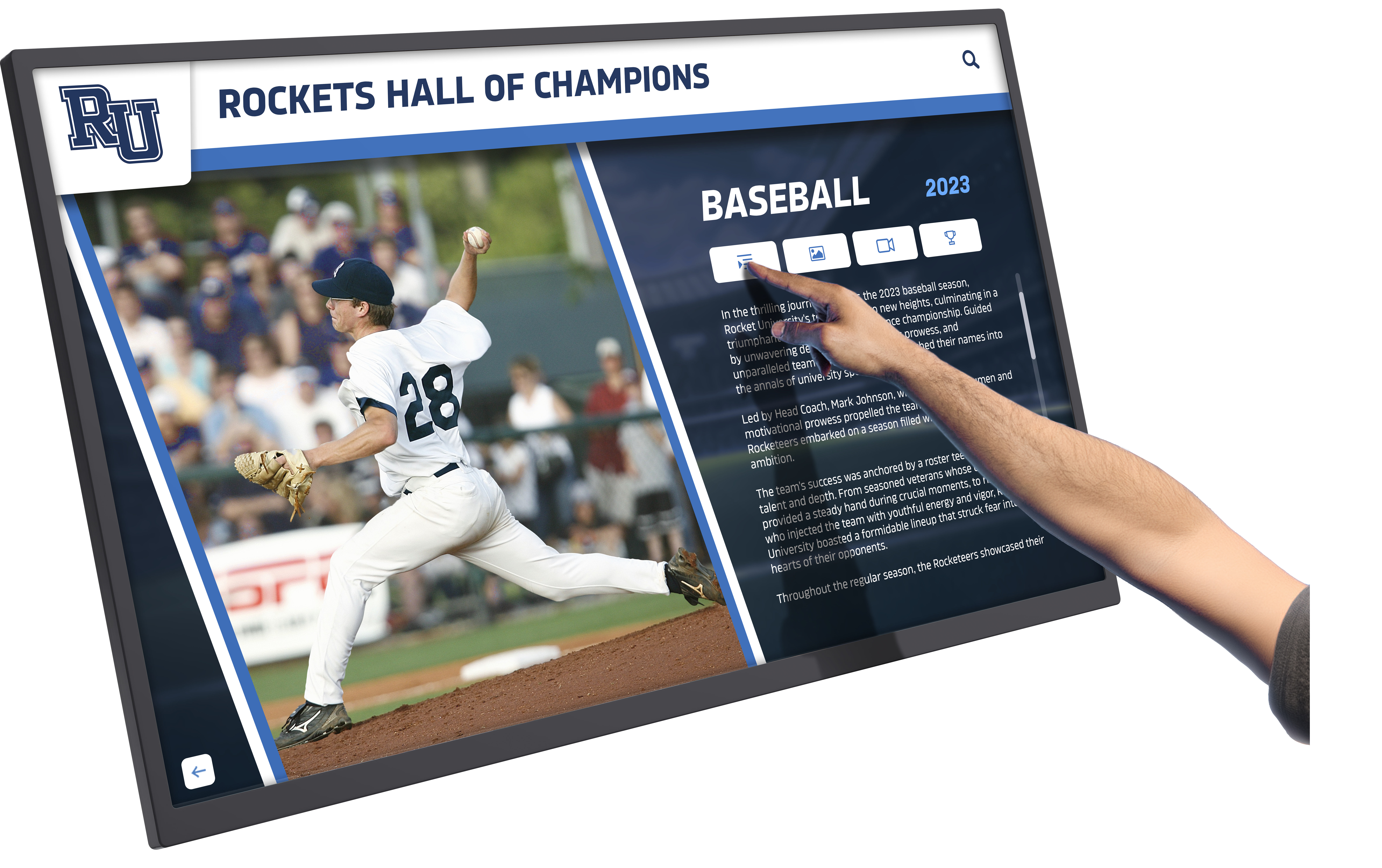
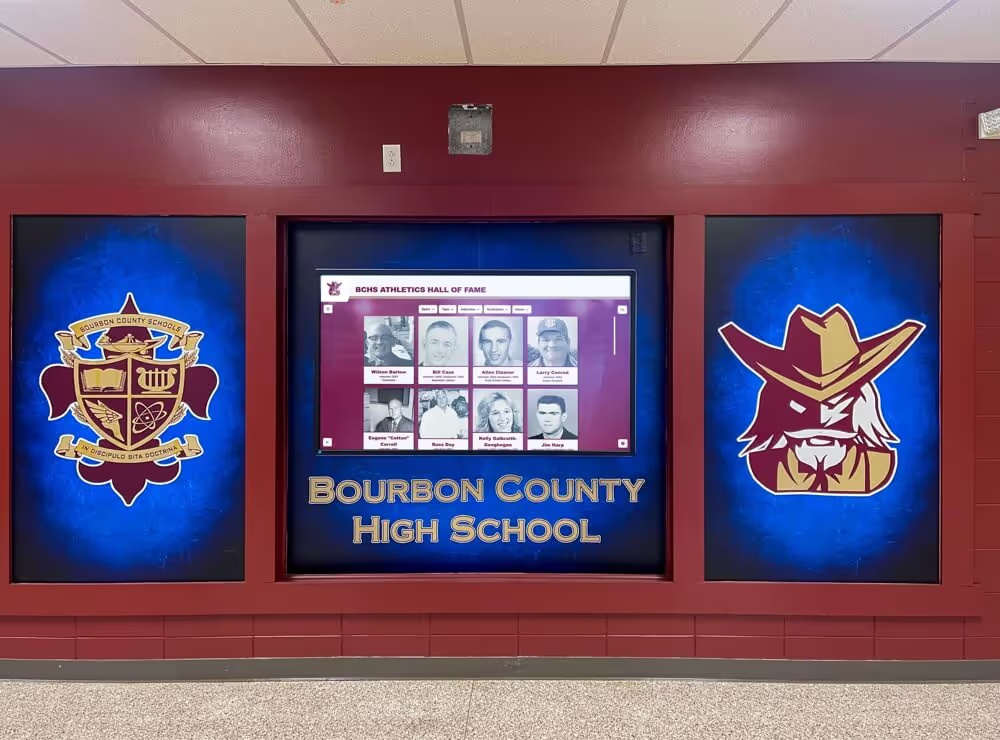
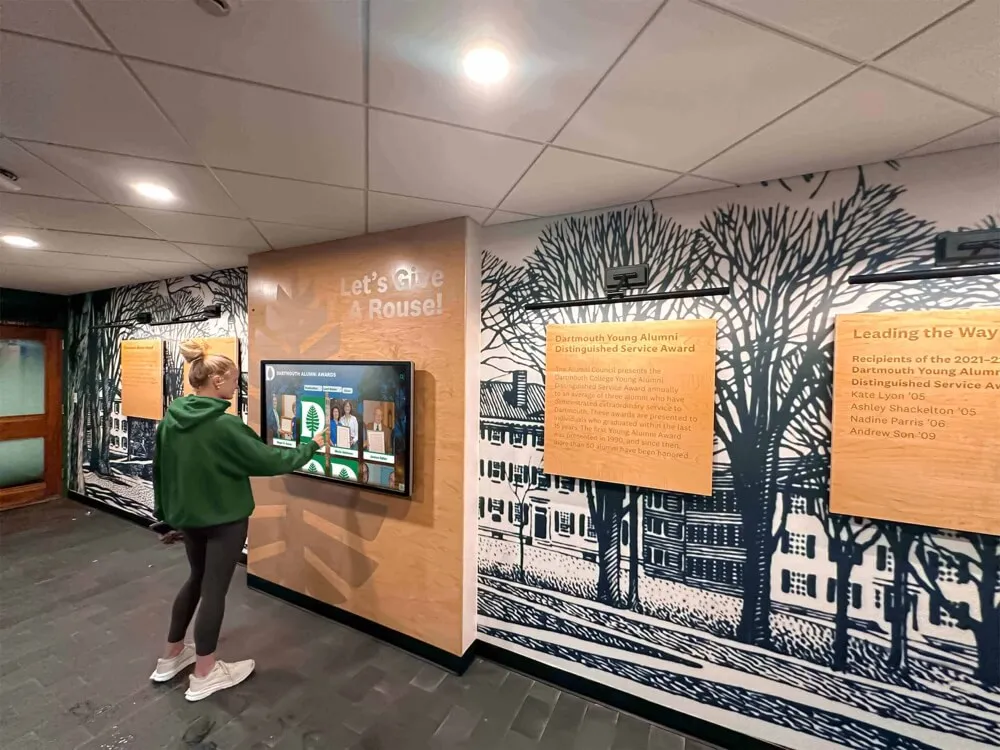
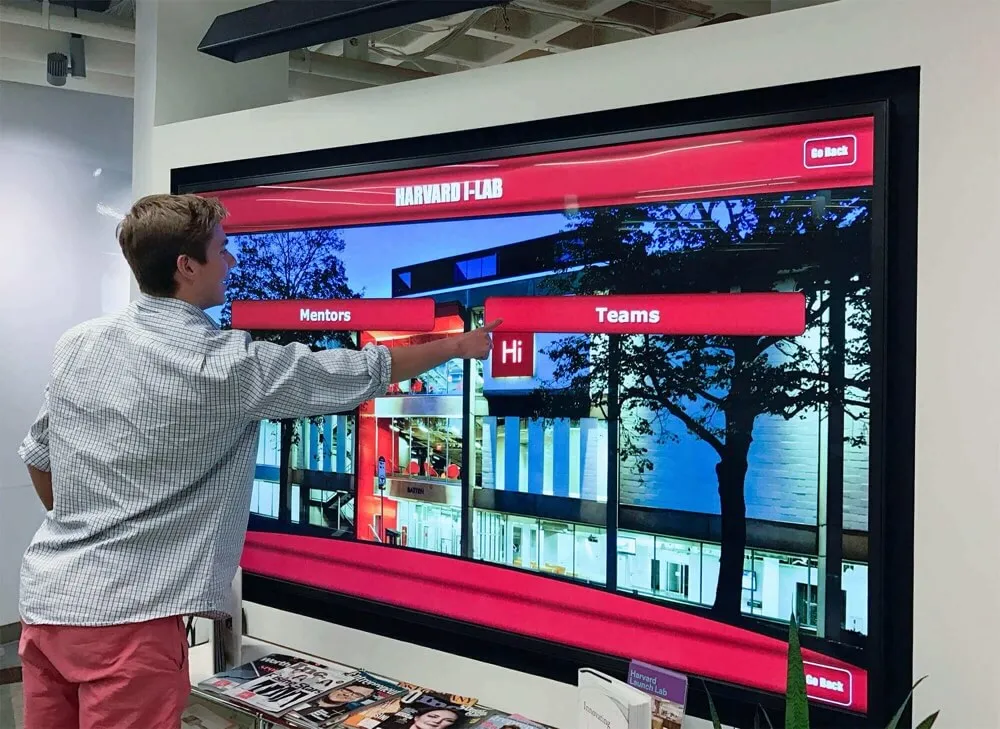
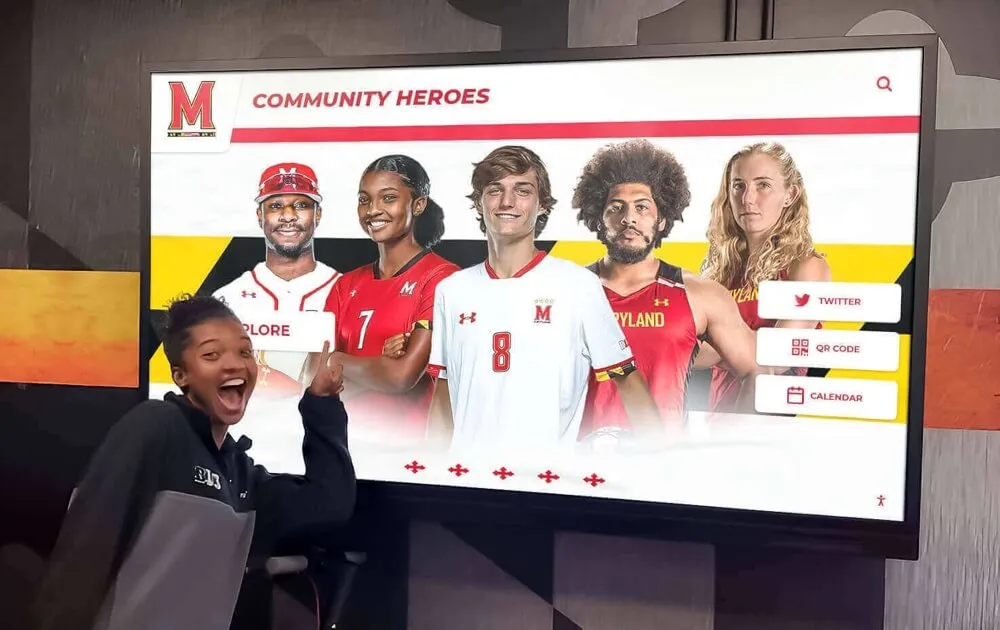
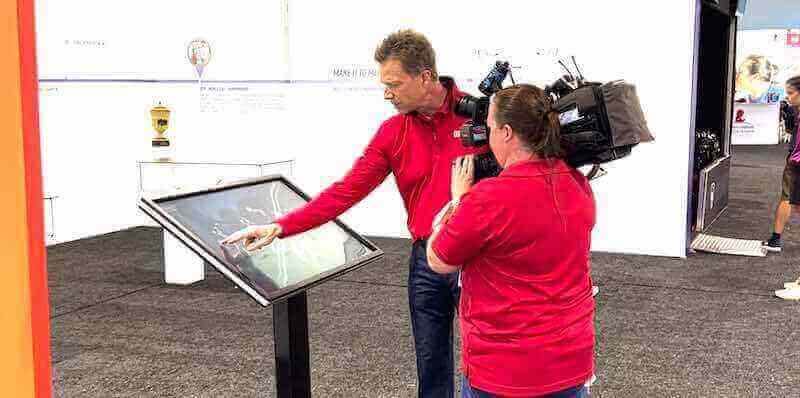
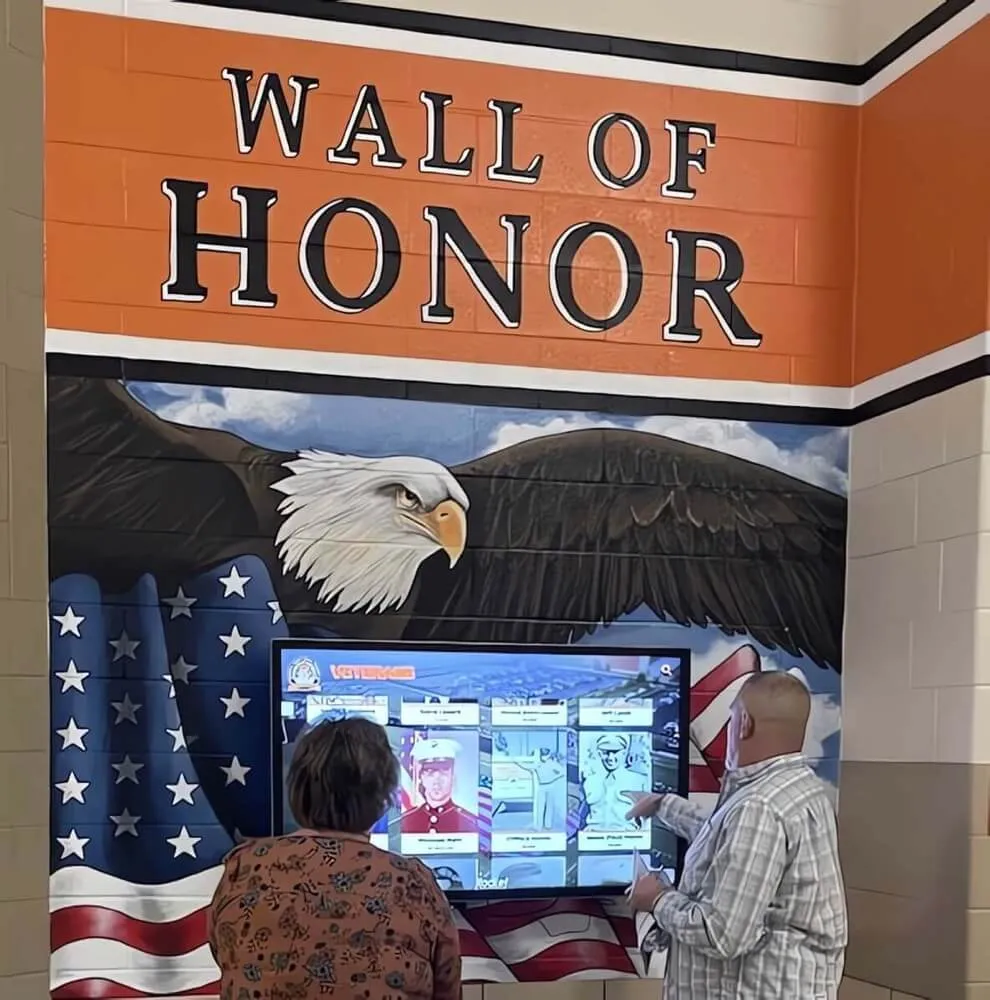
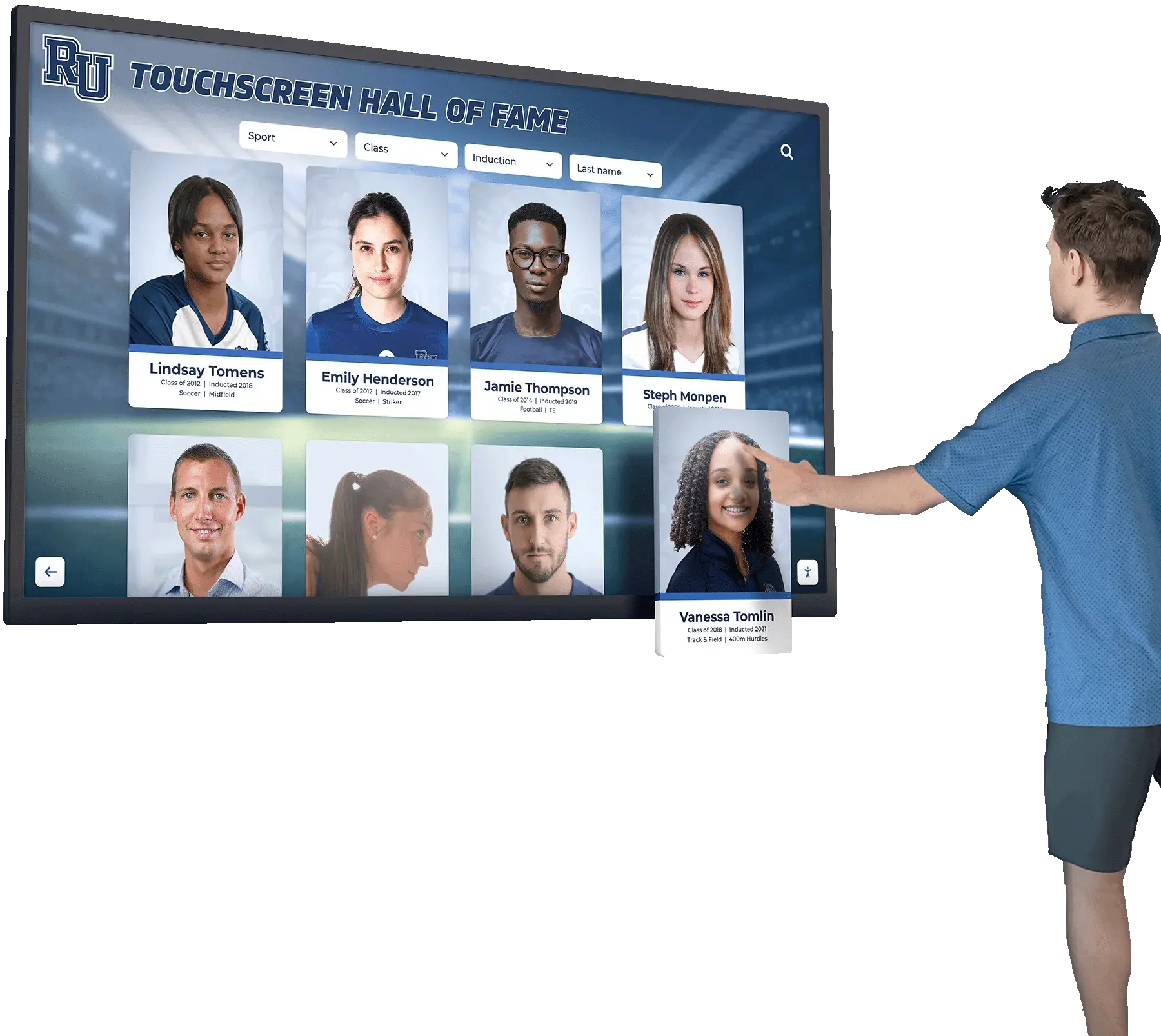
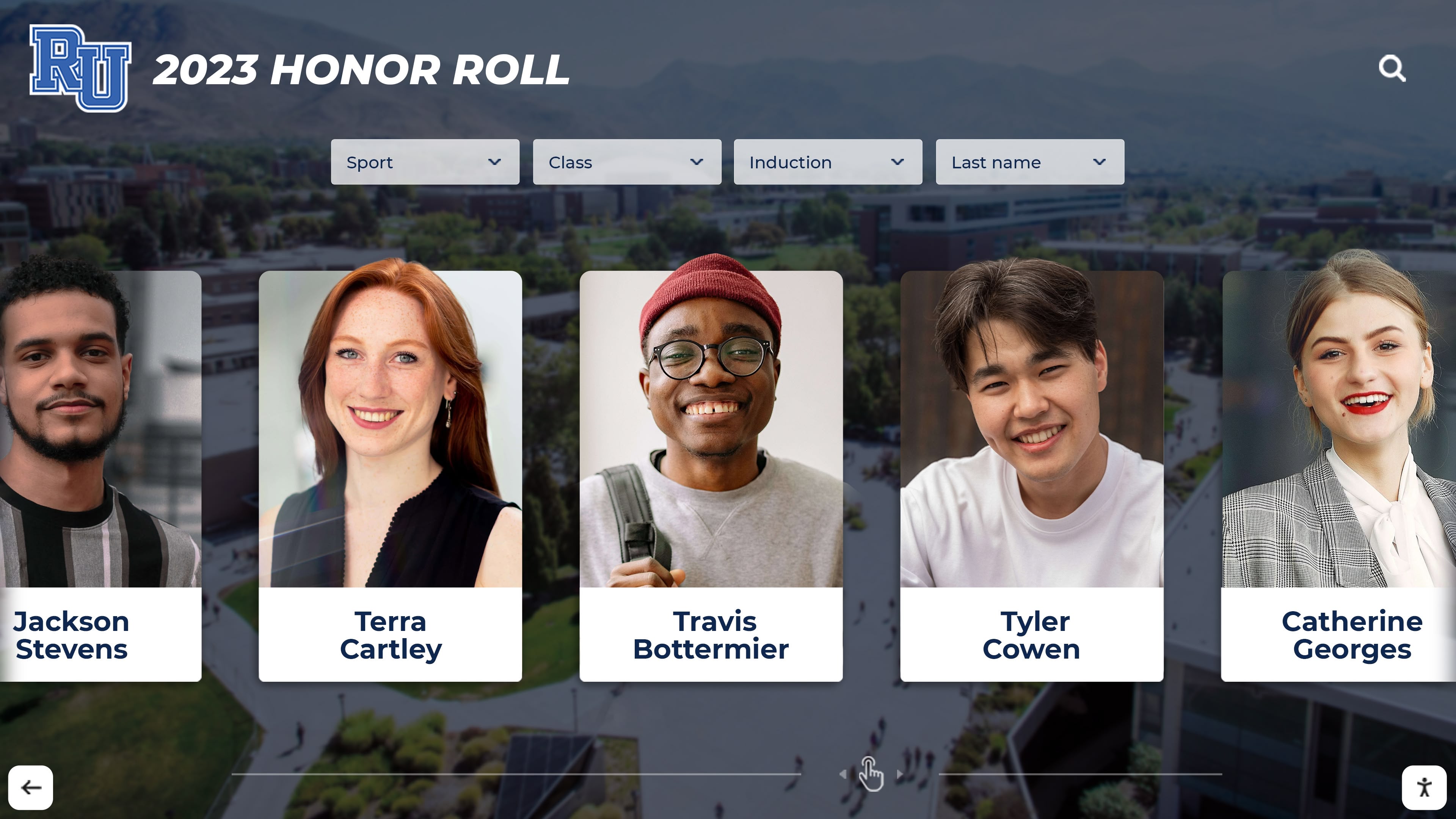
Touchscreen interfaces make exploring student achievements engaging and intuitive
Senior Recognition
- Cumulative points earned across high school career
- Highest degree level achieved
- Most successful events and formats
- College destinations and planned majors
- Program leadership positions held
- Legacy contributions to team culture
Learn about comprehensive approaches in showcasing student accomplishments effectively.
Information to Display
Effective recognition includes sufficient detail to tell complete achievement stories:
Individual Profiles Should Include
- Student name, photo, and graduation year
- Current NSDA degree level and total points
- Tournament accomplishments and placements
- Preferred events and debate formats
- Years on team and participation history
- Awards and special recognition received
- Personal statements or achievement reflections
Team Summaries Should Include
- Season record and tournament results
- State and national ranking information
- Team leaders and captains
- Coaching staff and support personnel
- Historical context and program traditions
- Comparison to previous seasons
- Goals and program vision
Historical Archives Should Include
- Past graduates and their accomplishments
- Alumni career paths and success stories
- Program milestones and landmark achievements
- Evolution of team culture and competitive focus
- Championship seasons and breakthrough moments
- Long-term statistical trends and growth patterns
Traditional vs. Modern Debate Achievement Board Approaches
Schools have options ranging from traditional static displays to comprehensive digital platforms, each with distinct advantages and limitations.
Traditional Physical Recognition Approaches
Schools have historically used various physical display methods:
Trophy Cases and Plaques
- Dedicated display cases in main hallways or near classrooms
- Individual plaques listing names by year or achievement level
- Tournament trophies and awards physically displayed
- Certificate displays in protective frames
- Rotating displays featuring current year achievements
Advantages of Physical Displays
- Tangible, permanent recognition students can physically see
- No technical requirements or ongoing maintenance needs
- Traditional appearance familiar to stakeholders
- Can incorporate actual awards and memorabilia
- Works in schools without digital infrastructure
Limitations of Physical Displays
- Severe space constraints limiting recognition capacity
- Difficulty updating as students earn additional achievements
- No ability to include multimedia content or detailed information
- Older achievements often removed to accommodate new ones
- Static presentation without interactive exploration
- Maintenance challenges with aging materials
- Limited flexibility in how information is organized and accessed
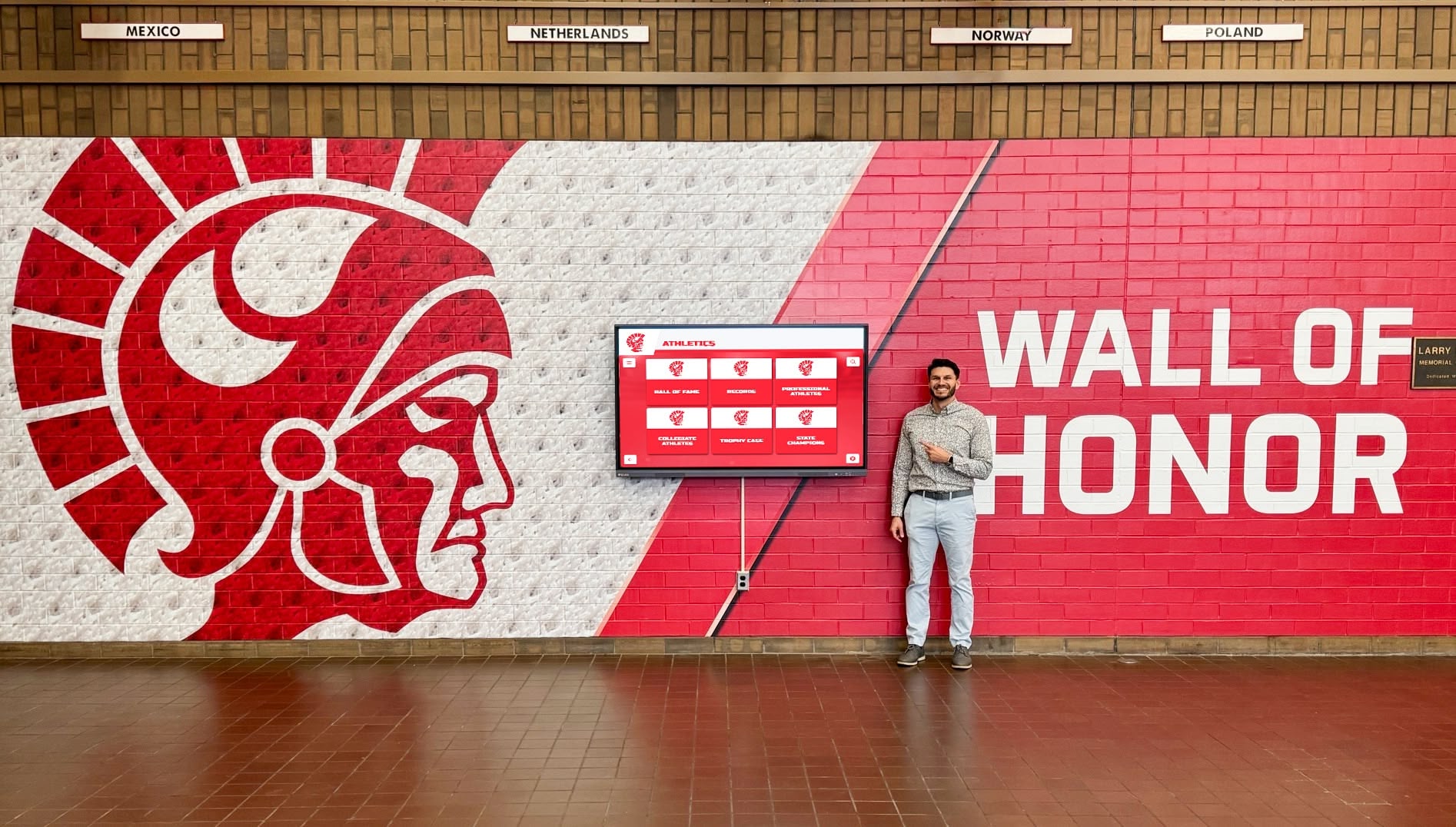
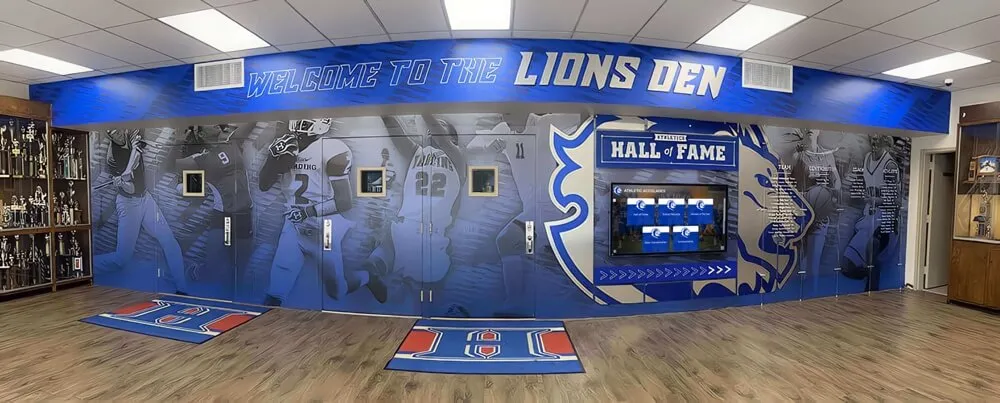
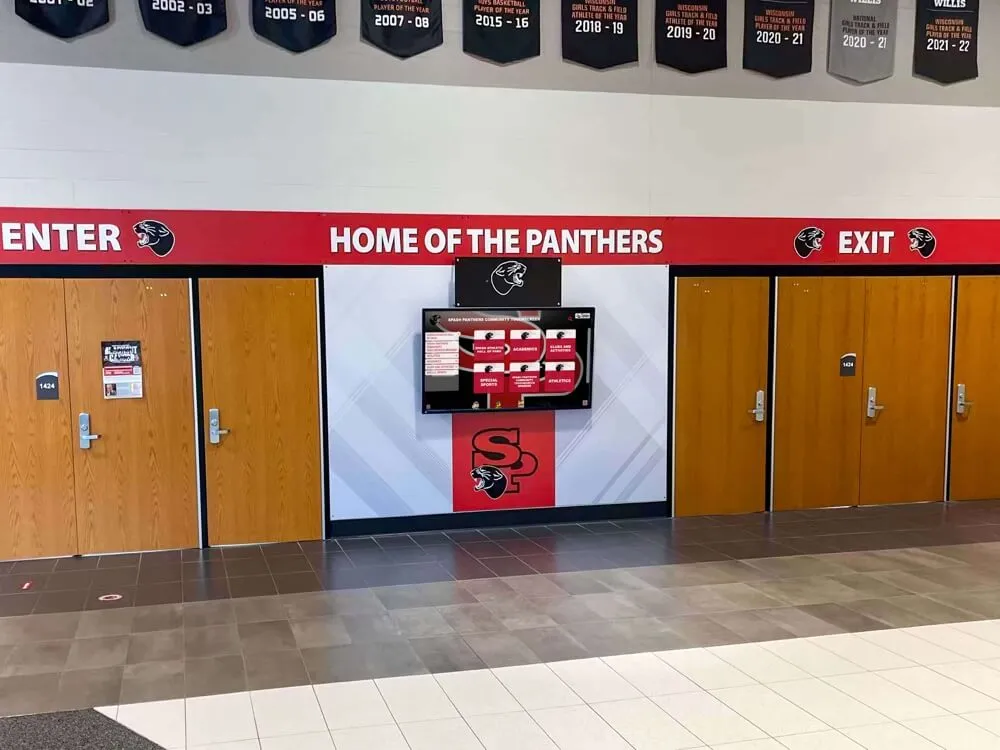
Traditional recognition walls provide permanent tribute but face space and flexibility limitations
Digital Debate Achievement Board Solutions
Modern technology transforms how schools recognize forensics accomplishments through interactive platforms that eliminate traditional constraints.
Comprehensive Digital Recognition Systems
Solutions like Rocket Alumni Solutions provide specialized platforms designed for educational recognition:
Unlimited Recognition Capacity
- Single display showcases unlimited students across all achievement categories
- No need to remove historical achievements to accommodate current recognition
- Comprehensive archives preserve decades of program tradition
- All event types and achievement levels receive equal display capacity
- Detailed profiles impossible with physical space constraints
Interactive Exploration Features Digital systems create engagement impossible with static displays:
- Search functionality enabling students to find themselves and peers
- Filtering by achievement type, event category, year, degree level, and other criteria
- Detailed profile pages telling complete competitive stories
- Photo galleries and achievement documentation
- Video integration showcasing speeches, debates, and tournament moments
- Progress tracking showing point accumulation and degree advancement
- Comparison features highlighting career trajectories
Learn about comprehensive platforms in best school history software for managing comprehensive recognition.
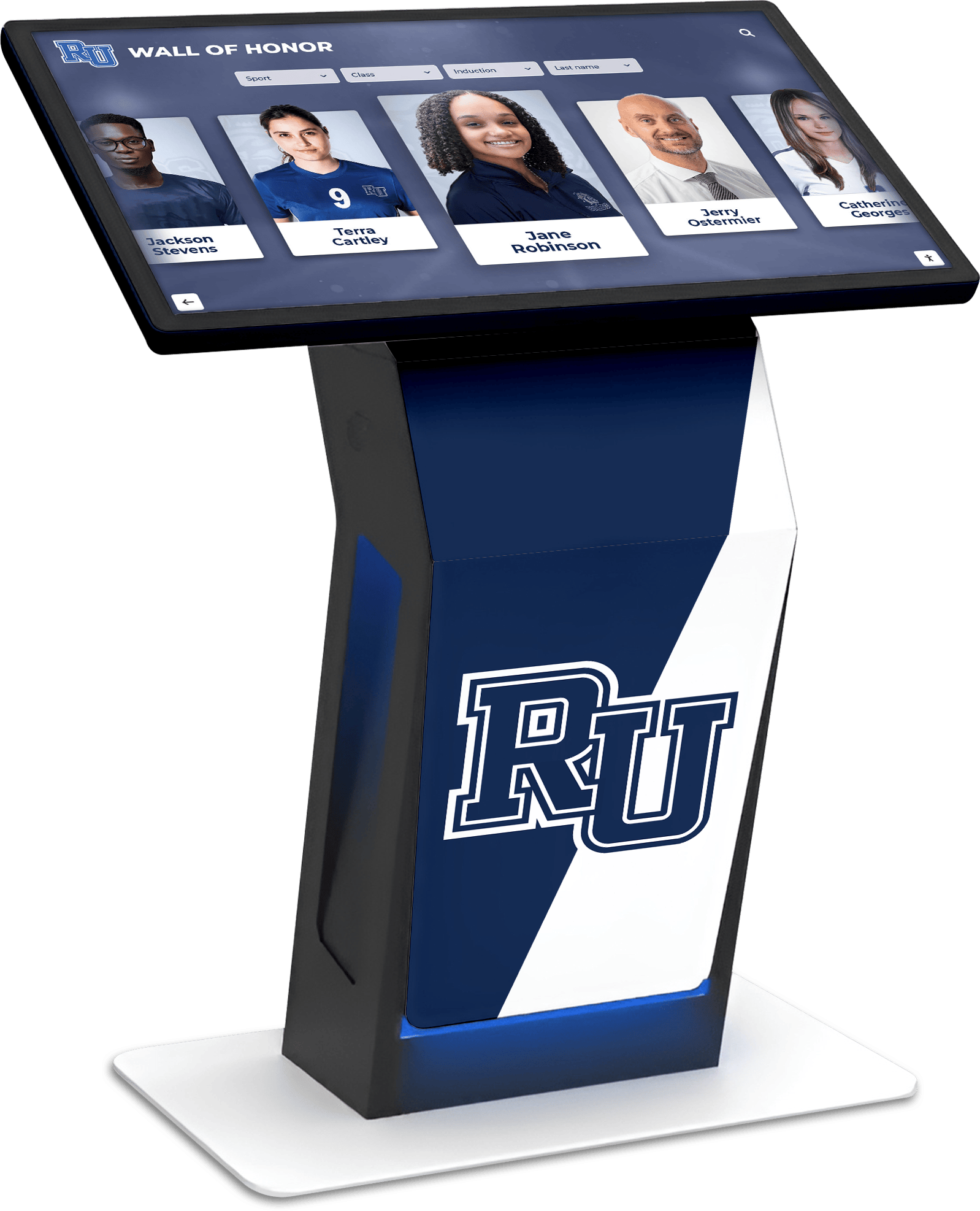
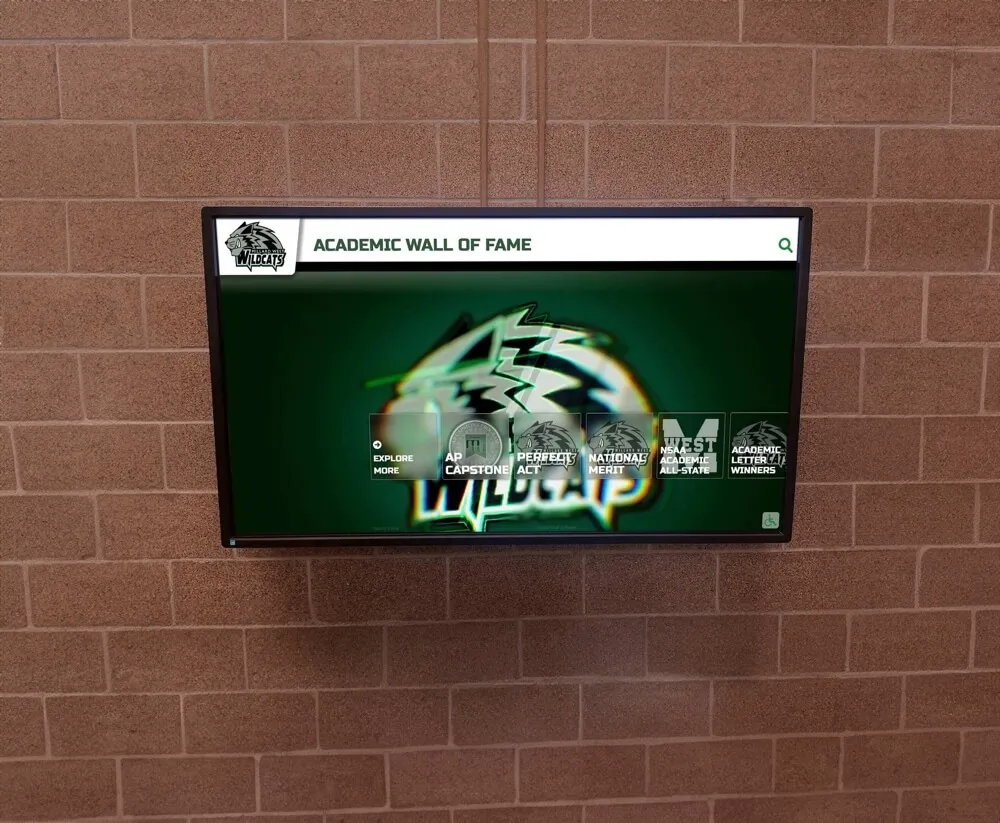
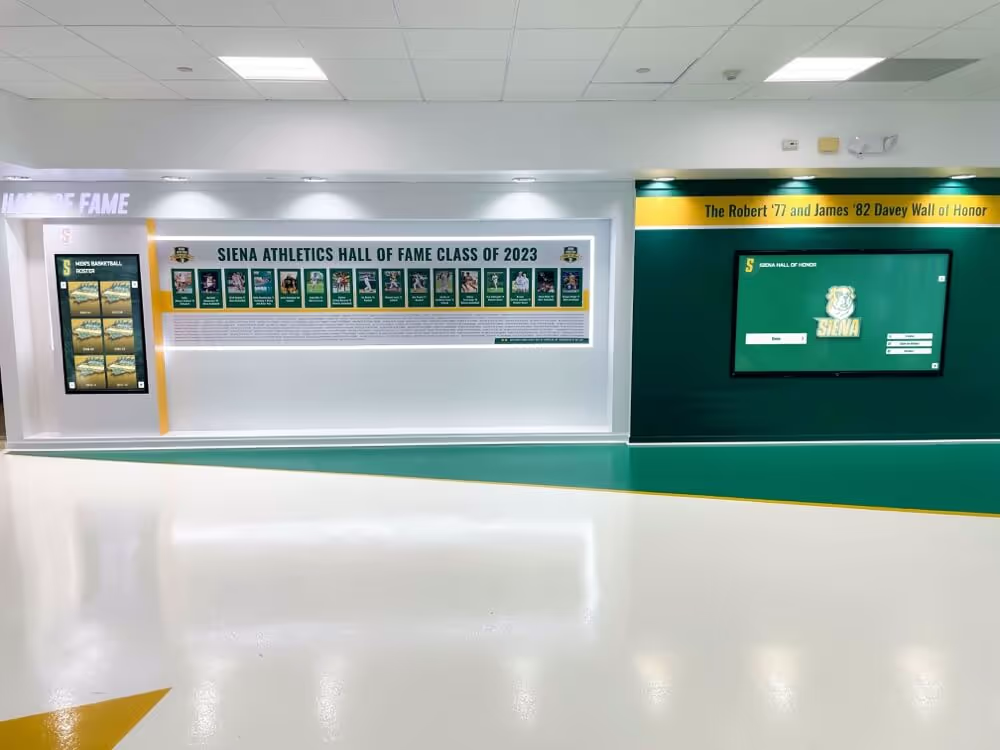
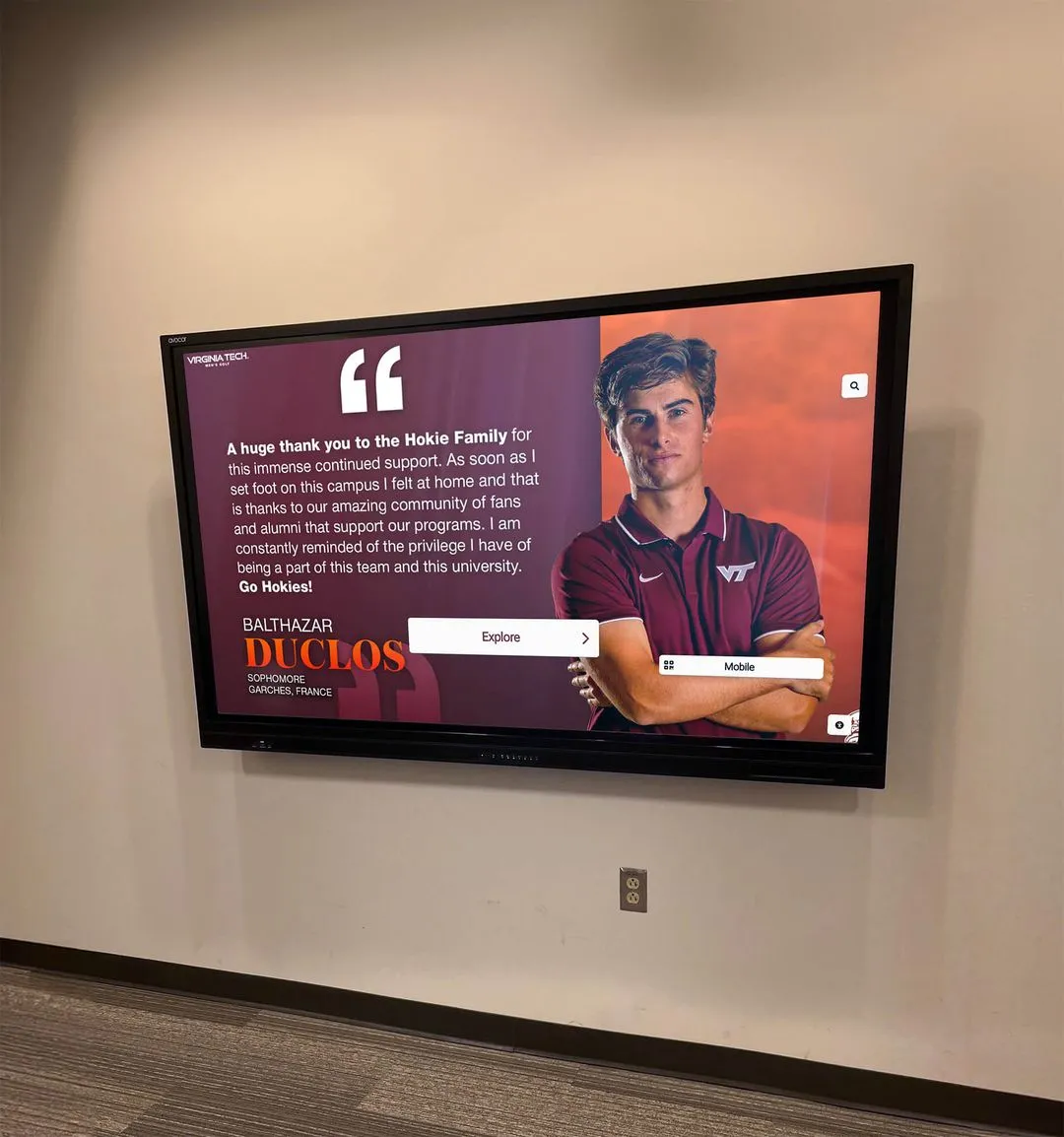
Modern recognition systems integrate touchscreen displays with cloud-based management platforms
Simple Content Management Cloud-based platforms eliminate administrative burden:
- Remote updates from any internet-connected device
- Bulk import tools for tournament results and NSDA point updates
- Scheduled publishing automation for season-end recognition
- Role-based permissions enabling appropriate coach and administrator access
- Drag-and-drop interfaces requiring no technical expertise
- Mobile app management enabling updates from tournaments
- Automatic notification options when new achievements are added
Schools report 80-90% reduction in time spent maintaining debate recognition after implementing digital systems compared to traditional approaches.
Web-Based Extensions Recognition should extend beyond physical campus:
- Alumni and families worldwide can view current team achievements
- Social sharing capabilities enabling students to celebrate accomplishments
- Mobile-optimized displays ensuring accessibility across devices
- Integration with school websites and team social media
- Analytics tracking engagement and recognition program effectiveness
- Recruitment tools showing prospective students program achievements
Explore online hall of fame website approaches for extended reach beyond campus.
Hybrid Recognition Approaches
Many schools benefit from combining traditional and digital elements:
Complementary System Design
- Physical awards and trophies in traditional trophy case
- Digital display providing detailed information and comprehensive coverage
- Physical plaque directing visitors to digital platform for full recognition
- Print materials and certificates complementing digital celebration
- Integration ensuring consistency across all recognition formats
This approach satisfies traditional expectations while leveraging technology’s comprehensive capabilities.
Implementing Debate Team Achievement Board Systems
Successful recognition requires systematic planning, appropriate technology selection, and sustainable management processes.
Planning and Design Phase
Needs Assessment Begin implementation by understanding current state and goals:
- Evaluate existing recognition programs and identified gaps
- Survey coaches, students, and families about recognition priorities
- Analyze achievement data identifying recognition opportunities
- Review available resources and budget considerations
- Assess physical spaces for display placement
- Research technology infrastructure and capabilities
Program Design Decisions Define recognition parameters and structure:
- Determine achievement categories and criteria for inclusion
- Establish update frequency and responsibility assignments
- Decide on information depth and multimedia integration
- Plan communication strategies announcing recognition
- Create implementation timeline and rollout approach
- Develop measurement criteria for program success
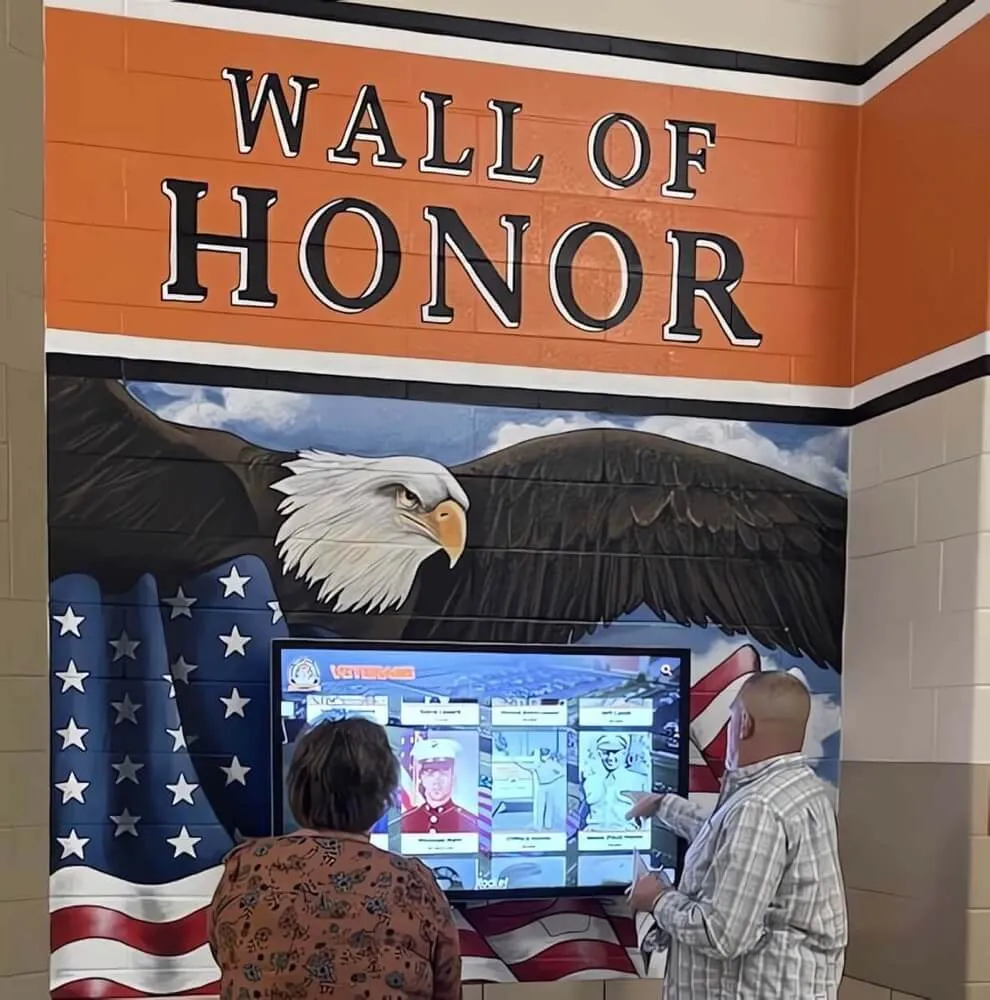
Prominent placement in high-traffic areas ensures maximum visibility and community engagement
Stakeholder Engagement Successful programs involve key constituencies:
- Debate coach input on achievement priorities and categories
- Student and parent feedback on meaningful recognition
- Administrative support securing resources and institutional backing
- Alumni connection sharing historical achievements and program evolution
- Booster organization involvement in funding and promotion
Technology Selection
Digital Display Hardware Considerations When implementing digital achievement boards:
Display Type and Size
- Touchscreen capabilities enabling interactive exploration
- Appropriate size for viewing distance and mounting location
- Commercial-grade displays built for continuous operation
- Sufficient resolution for detailed content display
- Landscape or portrait orientation based on space and content
Installation Requirements
- Electrical and network connectivity at display location
- Mounting hardware appropriate for wall type
- ADA-compliant placement and interaction height
- Protection from damage in high-traffic areas
- Proximity to areas where recognition will be seen
Learn about touchscreen software considerations for optimal platform selection.
Content Management Platform Selection Choose systems matching program needs and technical capabilities:
Essential Platform Features
- Intuitive content creation and editing interface
- Template systems ensuring consistent presentation
- Media management supporting photos and videos
- Search and filtering capabilities for visitors
- Mobile-responsive design for cross-device access
- Regular updates and ongoing vendor support
- Integration capabilities with school systems
Evaluation Criteria
- Ease of use for staff members managing content
- Customization options matching school branding and needs
- Cost structure including initial and ongoing expenses
- Technical support availability and responsiveness
- Security and privacy protection for student information
- Scalability for program growth and expansion
- User testimonials and implementation success stories
Solutions like Rocket Alumni Solutions offer purpose-built platforms specifically designed for educational recognition needs with comprehensive features and white-glove implementation support.
Content Development
Initial Content Creation Launch successful programs with complete content:
Historical Achievement Research
- Contact NSDA for historical degree and point data
- Research tournament results from previous years
- Interview coaches about landmark achievements and memorable moments
- Connect with alumni providing photos and information
- Review yearbooks, programs, and media coverage for details
- Document team traditions and cultural elements
Profile Development Create rich individual profiles:
- Professional photos of current team members
- Achievement summaries with specific tournament results
- Degree progression timelines showing point accumulation
- Event-specific accomplishments by category
- Personal statements or achievement reflections
- Links to video content when available
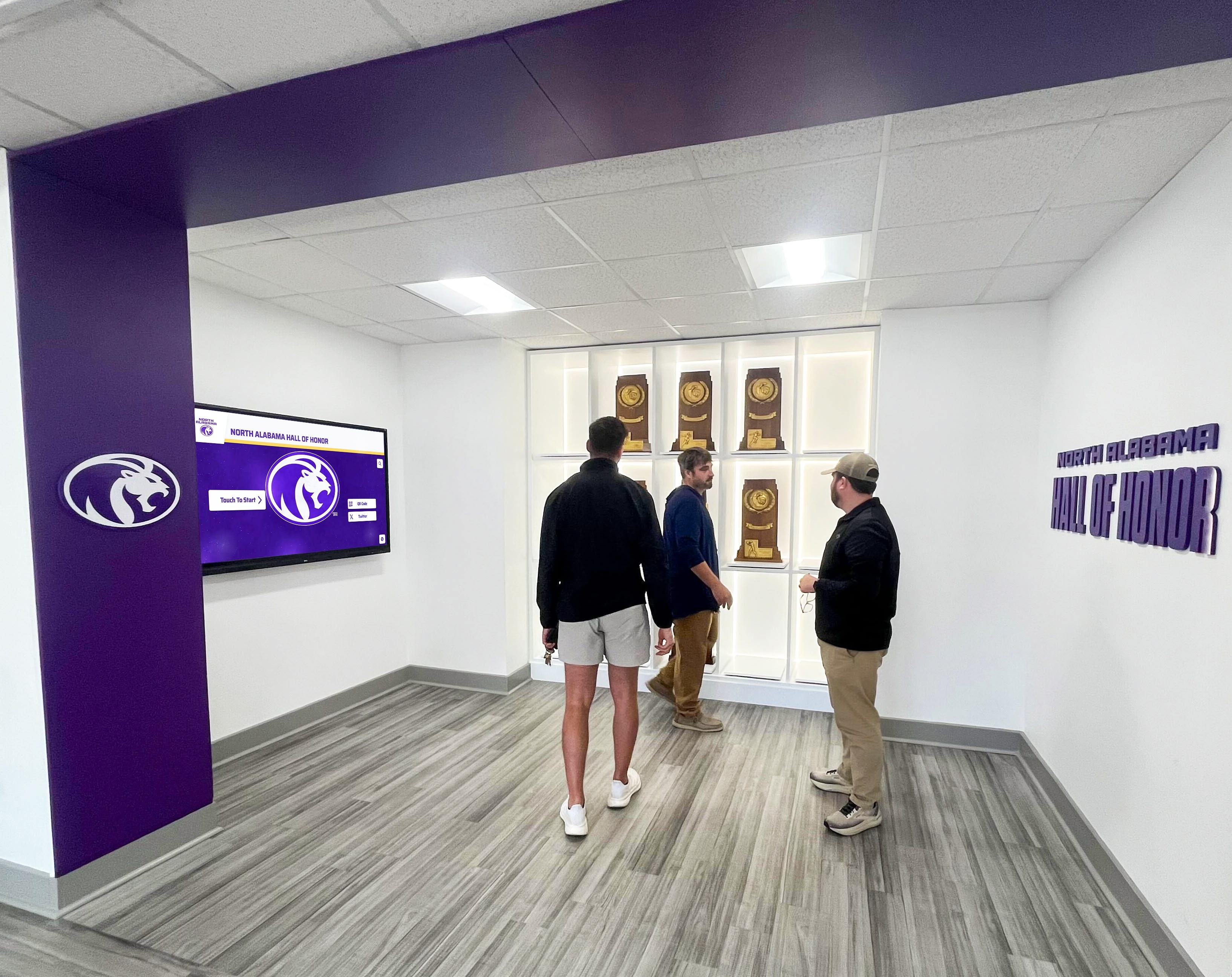
Recognition displays serve as gathering spaces where community members explore student achievements
Ongoing Content Management Establish sustainable update processes:
- Assign specific responsibility for recognition updates
- Create submission forms for coaches and students
- Establish deadlines aligned with tournament schedule
- Develop quality standards for photos and information
- Implement review processes ensuring accuracy
- Schedule regular content audits and improvements
Learn about digital display content refresh strategies for maintaining engagement.
Maximizing Debate Achievement Board Impact
Recognition systems work best when integrated with comprehensive communication and celebration approaches.
Communication and Promotion Strategies
Immediate Achievement Recognition Provide timely acknowledgment when students earn accomplishments:
- Morning announcements recognizing tournament success
- Social media posts celebrating achievements with photos
- Email newsletters highlighting individual and team success
- Update digital displays within days of achievement
- Physical certificates or awards presentation
- Recognition at upcoming team meetings or school events
Regular Recognition Communications Maintain ongoing visibility for debate accomplishments:
- Weekly updates during competitive season
- Monthly team newsletters for families and supporters
- Quarterly program summaries for administrators and school board
- Season-end comprehensive achievement reports
- Social media content showcasing achievement board
- Local media notification of significant accomplishments
Learn about effective student achievement showcase strategies that maximize visibility.
Community Engagement Extend recognition beyond school walls:
- Parent and family access to online recognition platforms
- Alumni engagement through historical achievement displays
- Community member invitation to view achievements
- Local business and organization partnership opportunities
- Prospective student recruitment featuring achievement board
- Media coverage of landmark team accomplishments
Recognition Event Integration
Tournament Send-Offs and Welcome-Backs Create meaningful celebrations around major competitions:
- Pep rallies or assemblies before state or national tournaments
- Social media promotion of competing students
- Welcome-back celebrations recognizing performance
- Achievement board updates following competition
- School-wide announcement of major accomplishments
- Family and community recognition events
Awards Ceremonies and Banquets Formal events provide important recognition opportunities:
- Season-ending team banquets celebrating all achievements
- Individual awards for category-specific excellence
- Senior recognition honoring career accomplishments
- Most Improved and Rookie of the Year awards
- Coach recognition and appreciation
- Parent and supporter acknowledgment
- Achievement board features in ceremony programs and presentations
School-Wide Integration Connect debate recognition with broader celebrations:
- Academic honors assemblies including debate achievements
- Graduation recognition for senior accomplishments
- Athletic events featuring debate team recognition
- School newsletter and media coverage
- Parent organization meetings highlighting success
- Administrator updates to school board and community
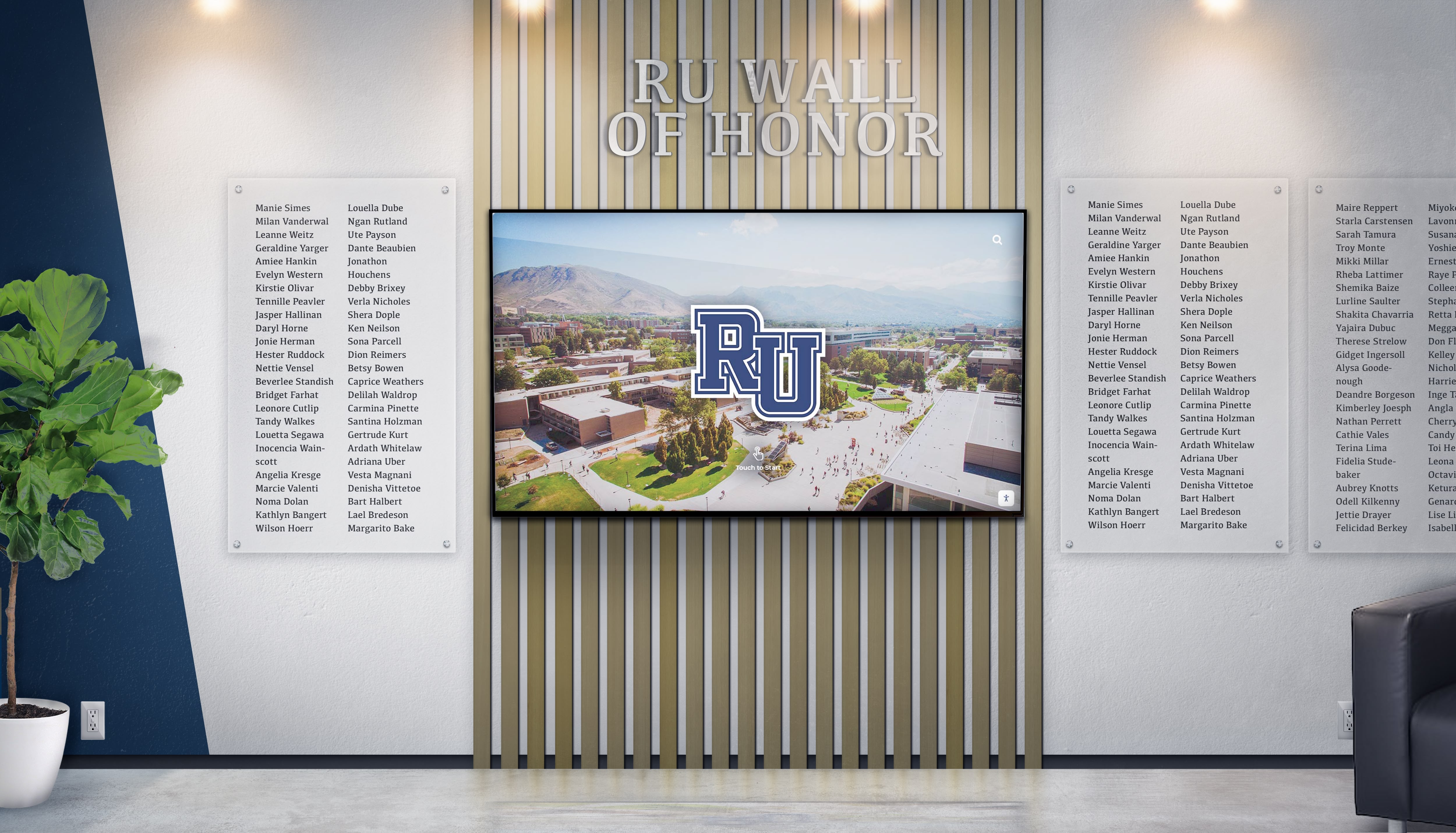
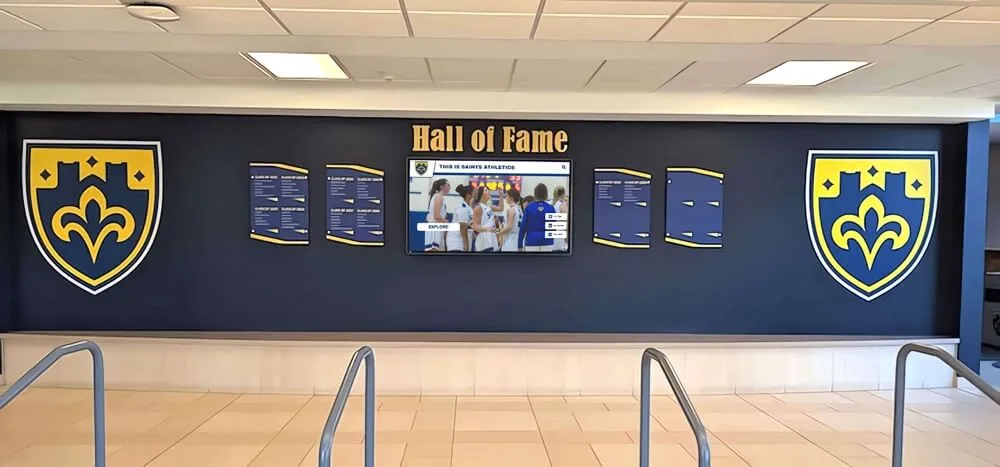
Integrated recognition systems combine digital displays with traditional elements creating comprehensive celebration spaces
Debate Recognition Across Different School Contexts
Achievement board approaches should adapt to program size, competitive level, and institutional resources.
Large Competitive Programs
Schools with established programs and significant participation:
Recognition Priorities
- Managing high volume of achievements requiring sophisticated filtering
- Distinguishing various achievement levels given many successful competitors
- Highlighting top achievements while ensuring broad recognition
- Documenting long program tradition and historical success
- Supporting recruitment by showcasing program depth and excellence
Optimal Approaches
- Digital platforms essential for managing achievement volume
- Detailed filtering and search capabilities enabling navigation
- Historical archives documenting program tradition
- Multiple display locations if single display insufficient
- Web-based extensions managing capacity beyond physical displays
Growing and Emerging Programs
Schools building forensics presence and competitive success:
Recognition Priorities
- Celebrating early achievements building program momentum
- Recognizing improvement and growth mindset
- Creating aspirational culture through visible success
- Building institutional support through achievement visibility
- Attracting new participants by demonstrating opportunity
Optimal Approaches
- Recognition of first-time competitors and novice success
- Highlighting program growth and expanding participation
- Celebrating breakthrough achievements and milestones
- Documenting program development trajectory
- Cost-effective solutions matching available resources
Learn about creating effective recognition on limited budgets through strategic approaches.
Small School and Rural Programs
Schools with limited participation and resources:
Recognition Priorities
- Maximizing impact of every achievement given smaller numbers
- Creating sense of tradition despite limited history
- Inspiring younger students to join and sustain program
- Demonstrating value to administrators and community
- Building upon individual student successes
Optimal Approaches
- Comprehensive individual profiles telling complete stories
- Emphasis on individual growth and improvement
- Connection with program alumni and historical participants
- Integration with broader student achievement recognition
- Flexible systems allowing program growth without replacement
Creating Equity and Inclusion in Debate Recognition
Effective recognition systems ensure all team members receive appropriate acknowledgment regardless of competitive results or experience level.
Multiple Recognition Pathways
Competitive Achievement Recognition Traditional tournament success and point accumulation:
- Tournament finalists and champions
- NSDA degree progression
- State and national qualification
- Elimination round advancement
- Head-to-head record milestones
Participation and Growth Recognition Non-competitive accomplishments deserving celebration:
- First-time competitors completing tournaments
- Improvement trajectories and skill development
- Event diversity and trying new formats
- Tournament attendance and consistency
- Resilience through challenging losses
Service and Leadership Recognition Team contributions beyond competition:
- Peer mentoring and tutoring
- Tournament hosting and judging assistance
- Fundraising and program support
- Team officer positions and leadership
- Community outreach and program promotion
Academic Excellence Recognition Integration with broader achievement:
- Academic All American designation
- Honor roll and academic honors
- College admissions and scholarship success
- Curriculum integration with coursework
- Research and writing excellence
Learn about comprehensive student recognition programs including wellness and belonging.
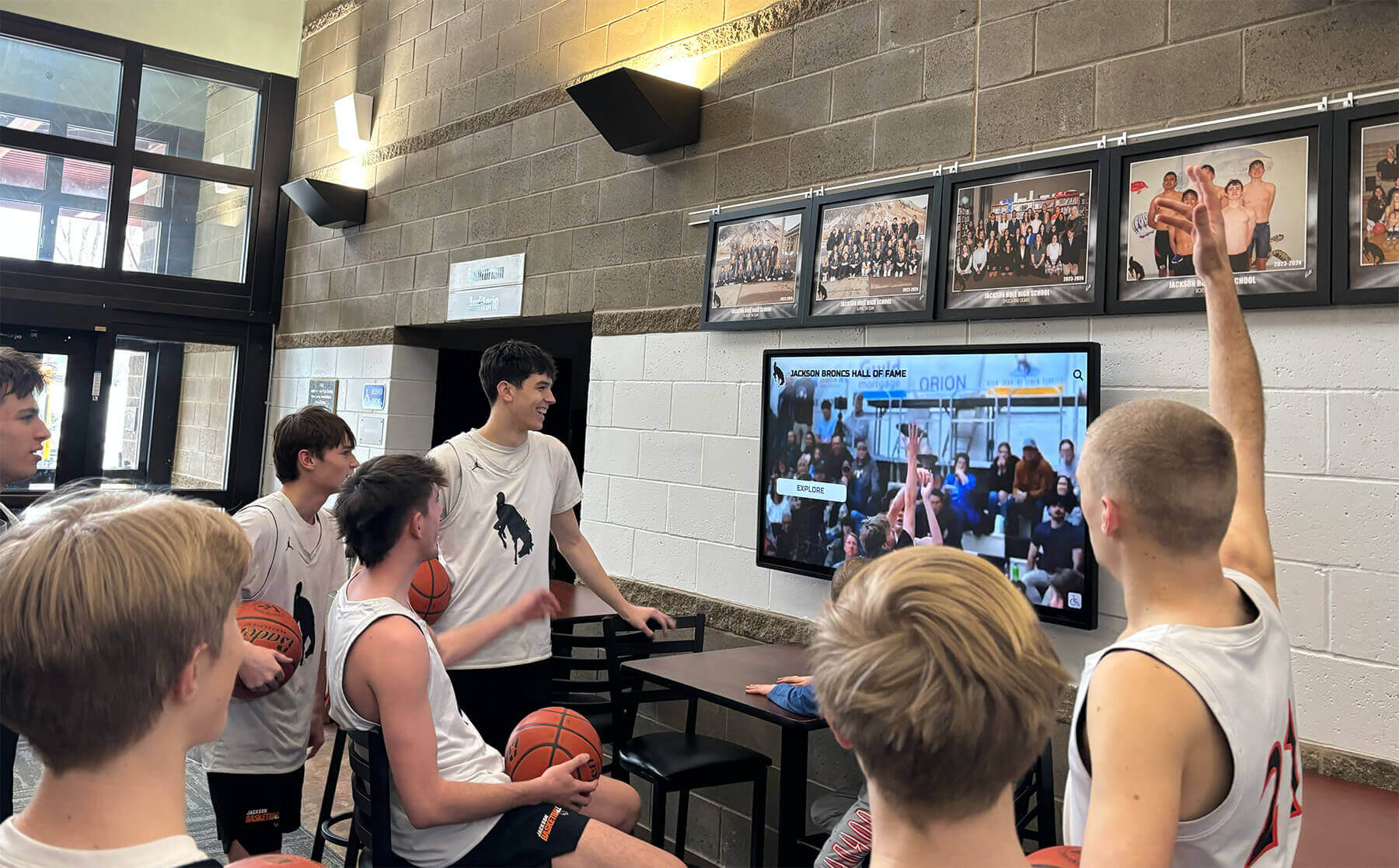
Interactive displays create opportunities for students to explore achievements and connect with team culture
Addressing Debate Accessibility and Resource Gaps
Recognition should acknowledge students overcoming additional challenges:
Economic Accessibility Debate involves significant costs that affect participation:
- Tournament fees ranging from $10-50 per student per event
- Travel expenses for distant competitions
- Professional attire requirements
- Summer camps and coaching opportunities
- Evidence services and research database access
Schools should:
- Provide financial assistance reducing cost barriers
- Recognize students succeeding despite limited resources
- Celebrate schools making debate accessible to all students
- Highlight students balancing work obligations with competition
- Connect with community supporters funding participation
Diverse Participation Recognition
- First-generation students navigating academic competition
- Multilingual students competing in non-native language
- Students with disabilities succeeding in inclusive environments
- Underrepresented groups in forensics community
- Students balancing significant family responsibilities
Creating recognition that celebrates diverse pathways to success builds more inclusive debate cultures.
Measuring Debate Achievement Board Effectiveness
Regular assessment ensures recognition programs achieve intended goals and justify resource investment.
Quantitative Metrics
Recognition Coverage Data
- Percentage of team members receiving some form of recognition
- Distribution across experience levels (novice, JV, varsity)
- Recognition balance between events and formats
- Historical coverage and archive completeness
- Update frequency and content currency
Engagement Indicators
- Digital display interaction rates and session duration
- Web-based platform usage statistics and visitors
- Social media engagement with achievement content
- Recognition event attendance by students and families
- Search queries and content accessed most frequently
Program Growth Correlation
- Team membership trends following recognition implementation
- Participation rates in various events and tournaments
- Retention of students across multiple years
- Competitive success trajectories and achievement levels
- Community awareness and institutional support indicators
Qualitative Assessment
Stakeholder Feedback
- Student surveys about recognition awareness and motivation impact
- Family perception of recognition program fairness and comprehensiveness
- Coach assessment of program manageability and effectiveness
- Administrator evaluation of recognition value and visibility
- Alumni reflection on how recognition influenced their experience
Cultural Indicators
- Observed changes in team culture and peer attitudes toward debate
- Student motivation and recruitment anecdotal evidence
- Institutional perception of program importance and value
- Community pride and support manifestations
- Program tradition development and strengthening
Regular evaluation enables continuous improvement ensuring recognition programs remain meaningful and impactful.
Debate Team Achievement Board Best Practices
Successful programs share common characteristics and implementation approaches.
Content Quality Standards
Visual Excellence
- Professional photography showing students in competition
- Consistent image specifications and quality
- Appropriate background and composition
- Updated photos reflecting current appearance
- Action shots from tournaments when possible
Information Accuracy
- Verified tournament results and placements
- Accurate NSDA point totals and degree levels
- Correct event categories and format names
- Current team rosters and classifications
- Precise dates and location information
Comprehensive Coverage
- All team members receiving appropriate recognition
- Historical archives preserving program tradition
- Multiple achievement categories represented
- Event diversity across debate and speech
- Both individual and team accomplishments
Technical Considerations
System Reliability
- Regular backups protecting content investment
- Redundancy planning for hardware failures
- Technical support availability for issues
- Security measures protecting student information
- Performance optimization for smooth operation
Accessibility Compliance
- ADA-compliant physical placement and height
- Screen reader compatibility for digital content
- High-contrast viewing options
- Text magnification capabilities
- Alternative access methods for disabilities
Learn about digital wall of fame accessibility requirements and best practices.
Privacy Protection
- Appropriate consent for photo and information use
- Secure data management and storage
- Privacy policy compliance and transparency
- Parental notification and opt-out options
- Graduation and archive status management
Conclusion: Building Thriving Programs Through Recognition
Effective debate team achievement boards represent strategic investments in program culture, student motivation, and institutional support. When schools systematically celebrate forensics accomplishments at levels comparable to athletic and artistic achievements, they create environments where intellectual competition flourishes and dedicated students receive the recognition their commitment deserves.
The strategies explored in this guide provide comprehensive frameworks for building recognition systems that honor individual achievements while strengthening programs and inspiring future competitors. From digital recognition displays that eliminate space constraints to multi-channel communication ensuring broad visibility, these approaches transform debate recognition from occasional acknowledgment to systematic celebration woven throughout school culture.
Transform Your Debate Team Recognition Program
Discover how modern digital recognition solutions can help you celebrate every speech and debate achievement and build thriving forensics programs that inspire intellectual excellence.
Explore Recognition SolutionsBuilding effective debate achievement boards requires moving beyond limiting assumptions about which accomplishments deserve prominent celebration. Digital platforms make comprehensive recognition achievable across all events and achievement levels, while systematic approaches ensure consistent implementation reaching all deserving students.
Start where you are with recognition programs you can implement immediately, then systematically expand to create the comprehensive approaches your team deserves. Every debate student who receives meaningful recognition develops stronger connection to your program and greater motivation to continue their forensics journey.
Your students’ intellectual achievements deserve celebration equal to any other accomplishment. With thoughtful planning, appropriate technology, and consistent implementation, you can create recognition systems that honor every achievement while building the positive, inspiring debate program culture where all students can thrive intellectually.
Ready to begin? Explore student achievement recognition approaches or learn more about interactive displays for comprehensive recognition that celebrate intellectual excellence.
Sources
- National Speech & Debate Association Student Recognition
- National Speech & Debate Association School Recognition
- NSDA Competition Events
- Oxford High School Class of 2026 National Recognition
- Park City High School State Championship
- Tournament of Champions - Wikipedia
- Lincoln-Douglas Debate Format - Wikipedia