Intent: Define
Every educational institution possesses a treasure trove of irreplaceable heritage materials—decades of yearbooks documenting student experiences, thousands of historical photographs capturing moments in time, athletic records chronicling competitive excellence, student newspapers reporting campus life, and administrative documents recording institutional evolution. These materials represent the collective memory of your school or university, yet most institutions struggle to preserve, organize, and share this heritage effectively.
Traditional approaches to archival preservation trap valuable materials in dusty storage rooms, deteriorating file cabinets, or forgotten basement boxes where they remain invisible to the very communities they document. Students never discover the rich traditions they’ve inherited. Alumni searching for connections to their past find nothing. Researchers lack access to primary sources. Development teams miss powerful cultivation opportunities. And irreplaceable materials slowly deteriorate toward the point of permanent loss.
According to the Society of American Archivists, proper archival management ensures institutions preserve their unique histories while making them accessible for education, research, and community engagement. Modern digital archiving transforms hidden collections into searchable, engaging heritage resources that honor institutional history while protecting precious materials from loss and obsolescence.
This comprehensive guide provides advancement professionals, librarians, archivists, and institutional leadership with systematic frameworks for implementing digital archives that preserve educational heritage, strengthen alumni connections, support fundraising initiatives, and create powerful engagement tools celebrating institutional legacy across generations.

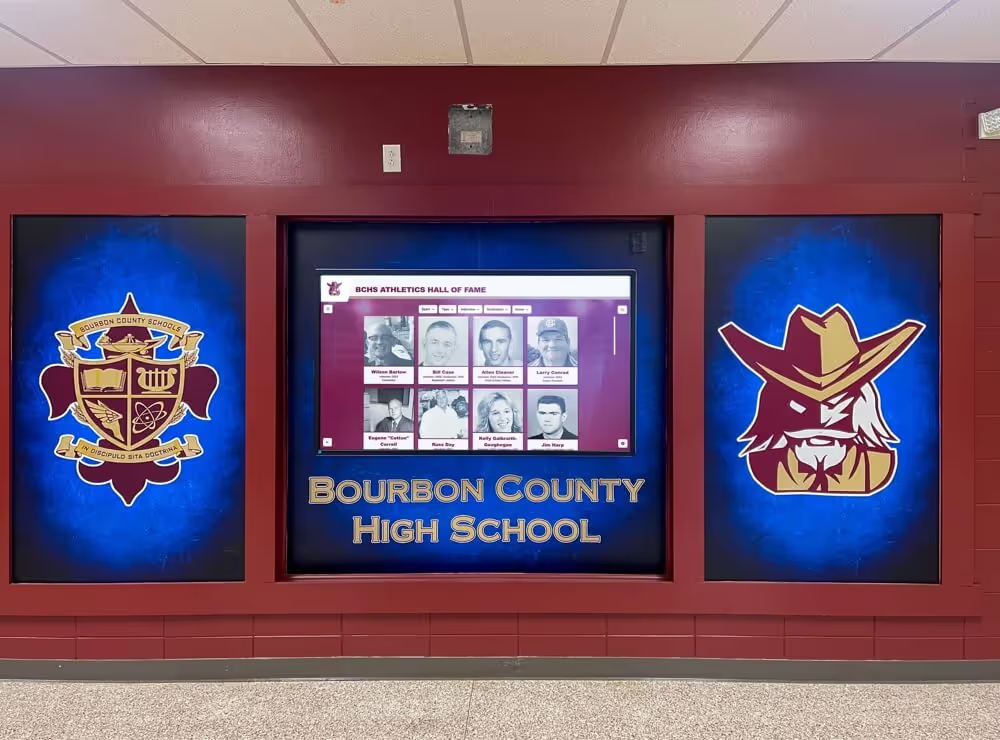
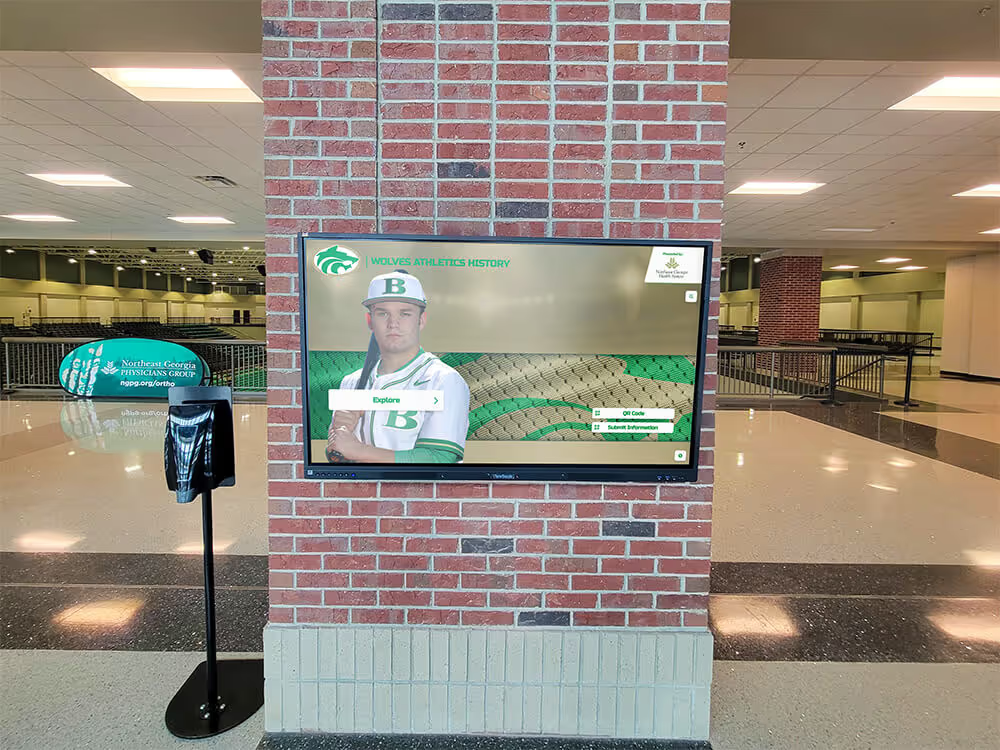
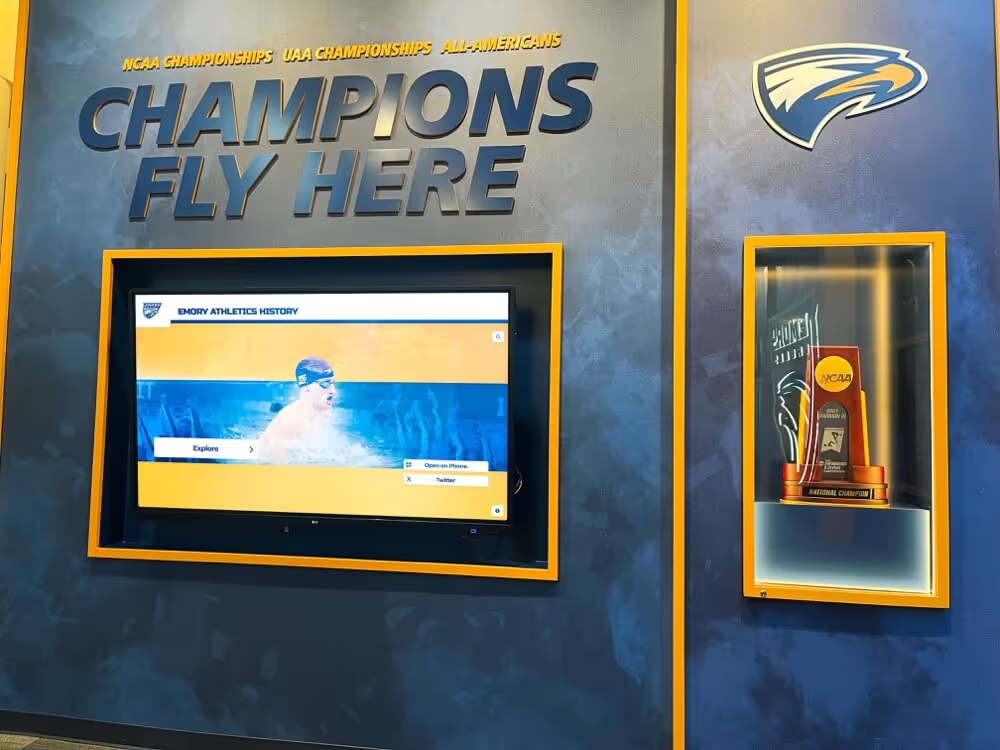
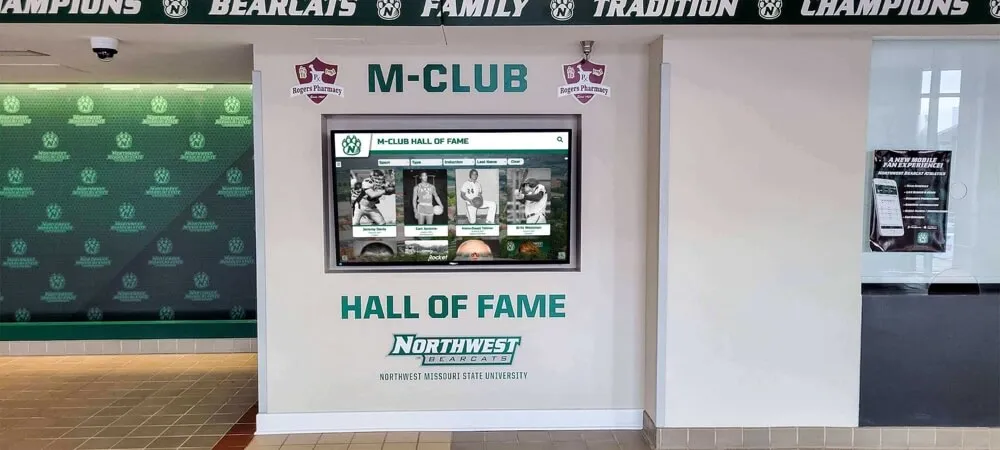
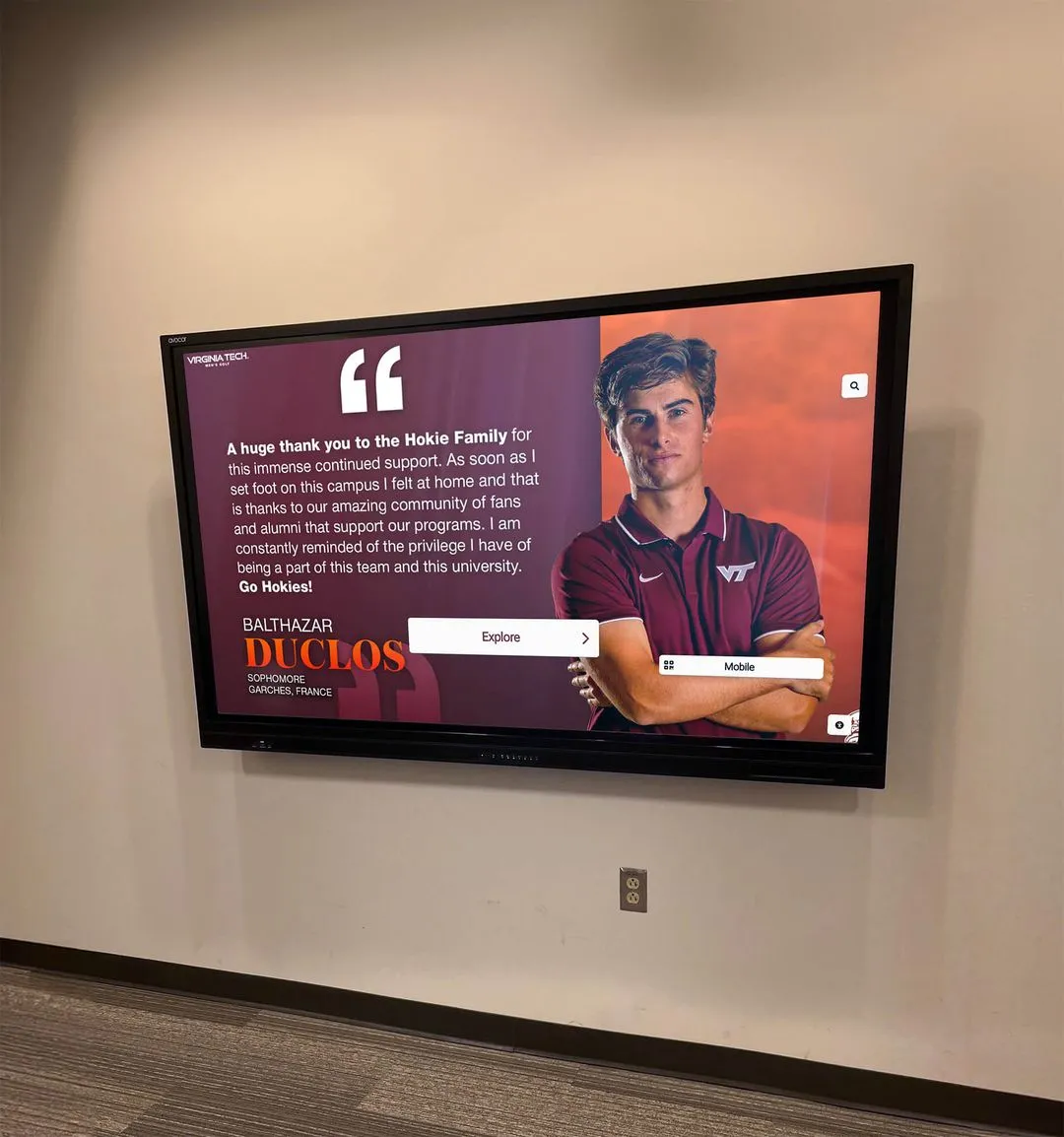
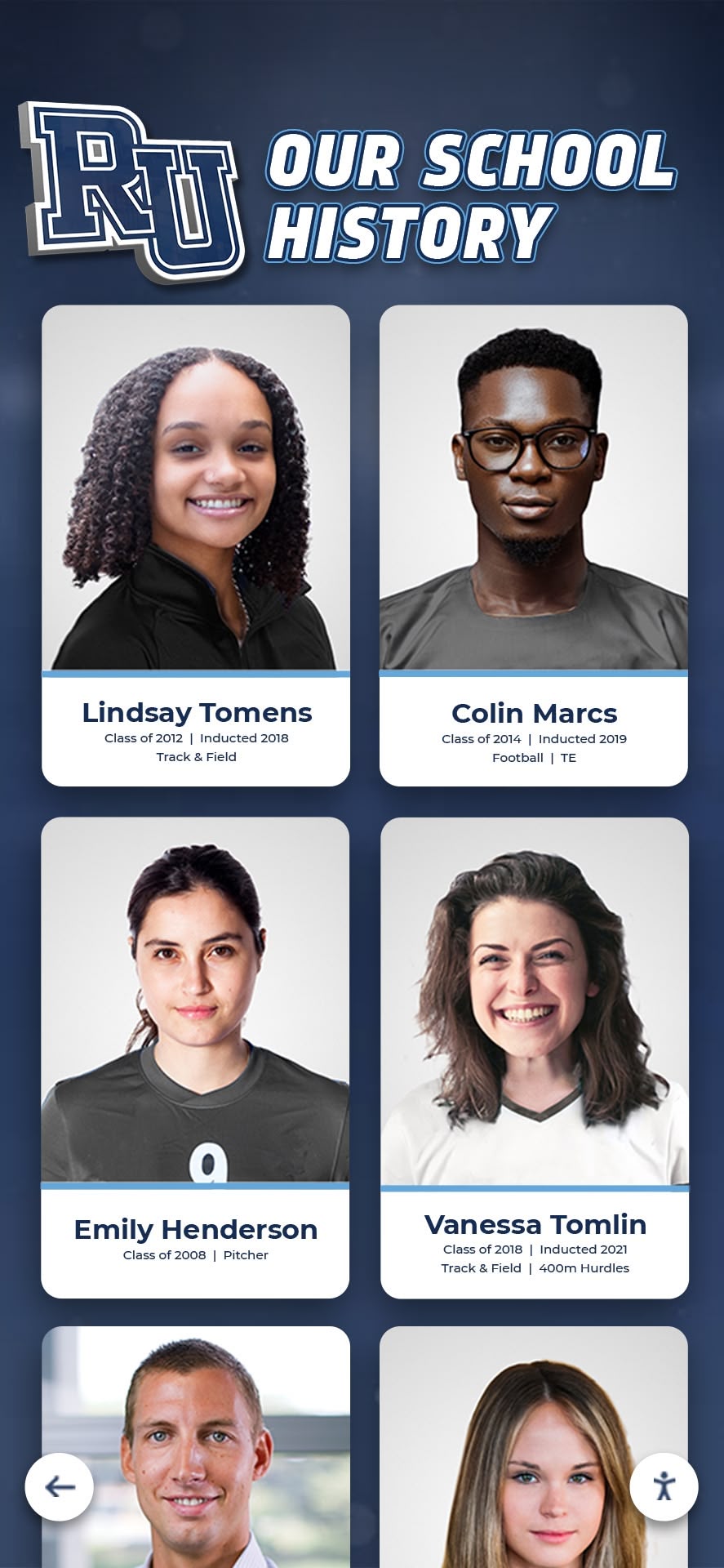
Digital archives preserve individual stories and faces spanning decades of institutional history, making heritage accessible to entire communities
Understanding Digital Archives: What Schools & Universities Need to Preserve
Before implementing digital archival systems, educational institutions need clear understanding of what materials warrant preservation and how digital approaches overcome traditional limitations.
The Scope of Educational Archives
Schools, colleges, and universities generate diverse materials documenting institutional life across multiple dimensions requiring systematic preservation.
Institutional Memory Documentation
Educational archives encompass official records and informal materials that together tell complete institutional stories through yearbooks capturing student experiences and school culture across decades, student newspapers documenting campus events and changing perspectives, course catalogs showing curriculum evolution and academic offerings, commencement programs celebrating graduating classes, athletic programs and media guides, administrative reports and strategic planning documents, facility photographs documenting campus development, and faculty publications and research materials.
These materials serve diverse purposes beyond simple historical documentation—they provide primary sources for research, inform strategic planning by revealing institutional patterns, support accreditation and assessment processes, and create emotional connections strengthening alumni relationships and philanthropic support.
Born-Digital Materials Requiring Preservation
According to Princeton Alumni Weekly, contemporary archives increasingly consist of born-digital materials never existing in physical form including institutional websites documenting online presence evolution, social media content capturing community engagement, digital photographs and video content, email correspondence and electronic communications, administrative databases and student information systems, digital publications and e-newsletters, and online course materials and learning management content.
These digital materials face unique preservation challenges—file format obsolescence, storage media deterioration, technological dependencies, and the sheer volume of content requiring systematic management approaches that physical archives never demanded.
Why Digital Archives Matter: Strategic Benefits for Educational Institutions
Implementing comprehensive digital archives delivers substantial benefits justifying resource investment while advancing multiple institutional priorities simultaneously.
Alumni Engagement and Development Impact
Digital archives provide powerful tools for strengthening alumni relationships that directly support fundraising success through searchable yearbook access enabling alumni to rediscover their school years, historical photo galleries sparking nostalgic connections, interactive timeline displays showing institutional evolution alumni experienced personally, and recognition systems honoring donor contributions within historical context.
Development professionals recognize that emotional connection drives philanthropic behavior. When major gift prospects explore digital archives rediscovering their student experiences, they encounter sophisticated heritage presentations demonstrating institutional values and stewardship that naturally position giving opportunities as continuing legacies they once benefited from personally.
Solutions like Rocket Alumni Solutions integrate digital archiving with donor recognition systems, creating comprehensive platforms where institutional heritage and philanthropic celebration reinforce each other naturally.
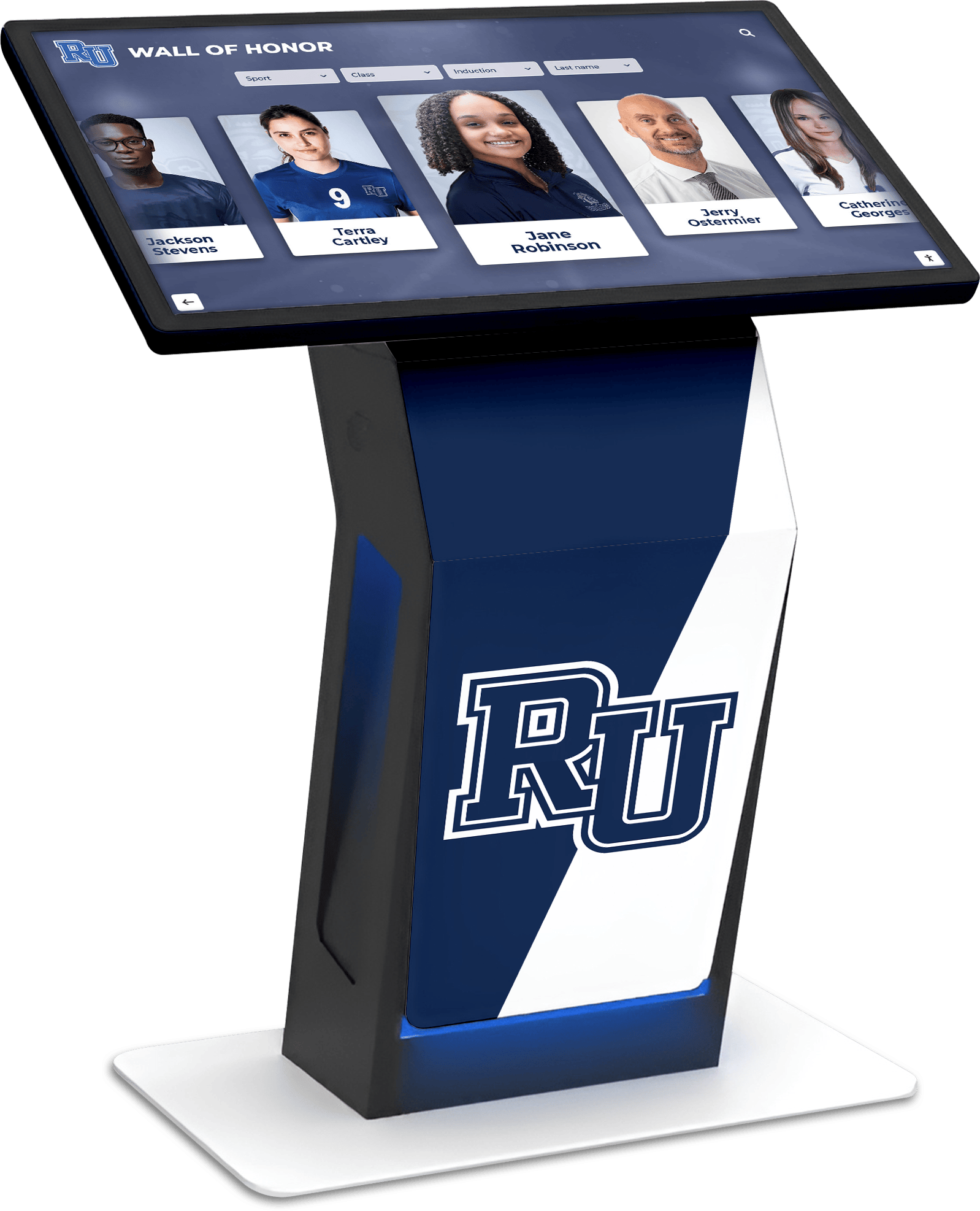
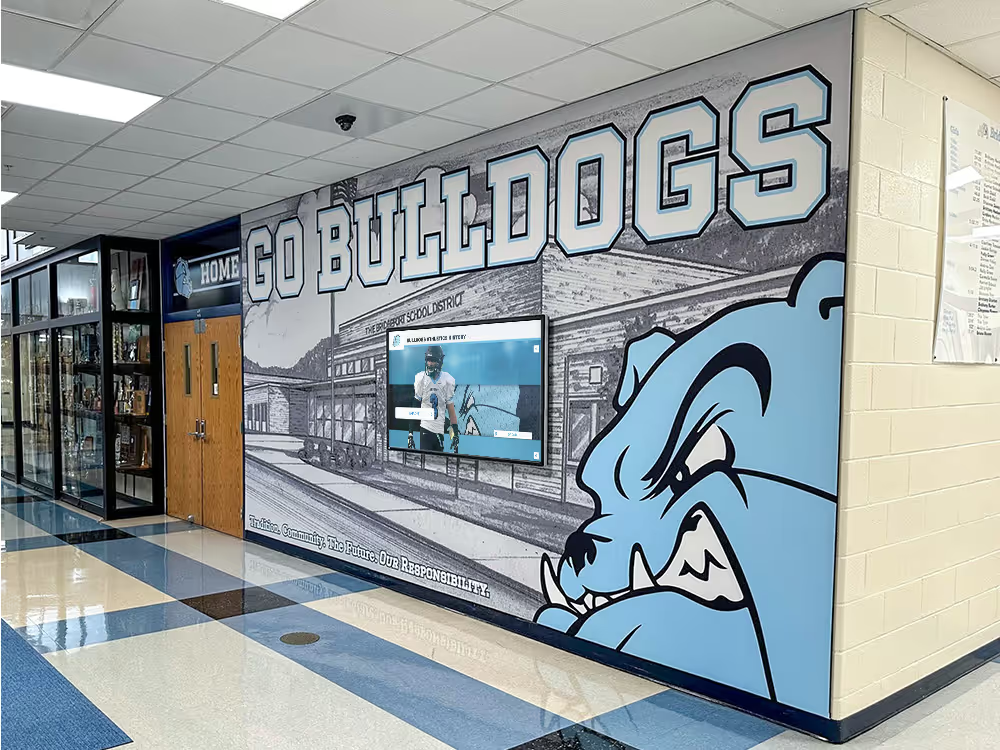
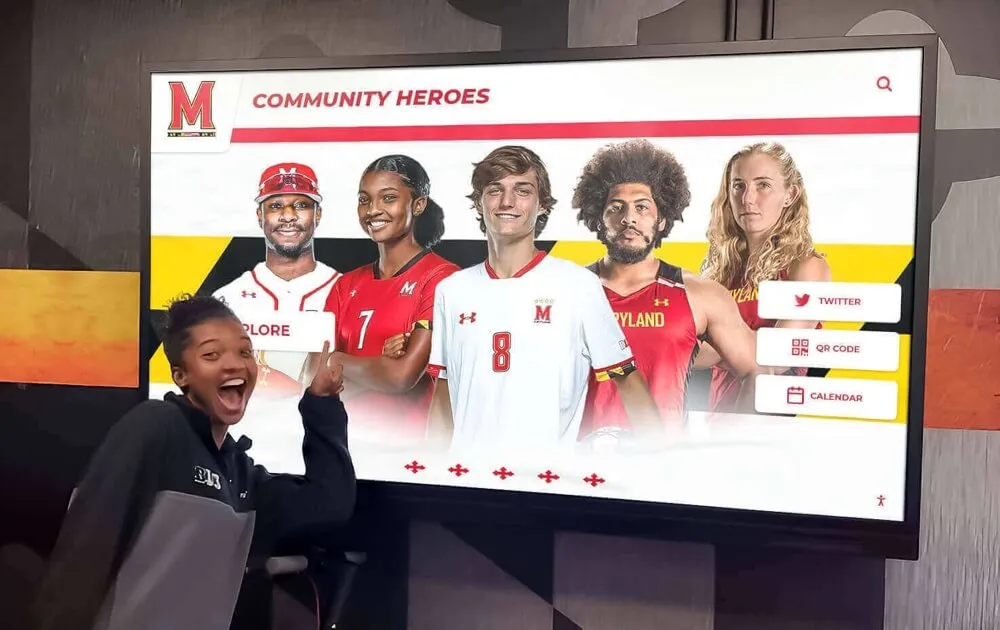
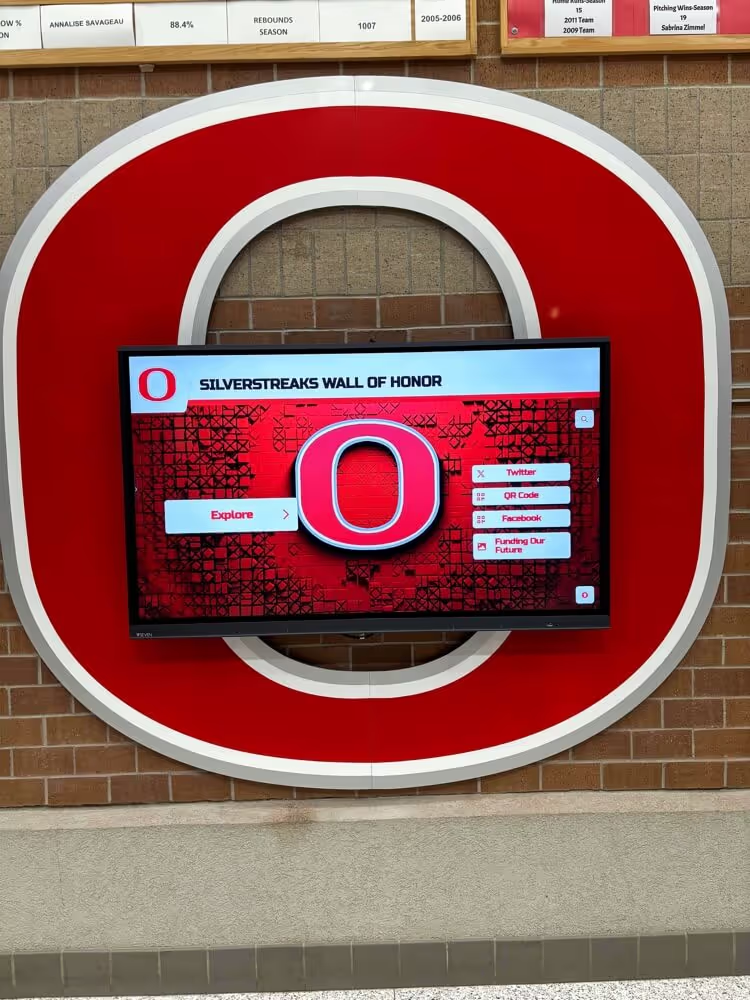
Interactive touchscreen displays make archived heritage materials accessible for exploration by entire educational communities
Educational Value and Research Support
Archives serve academic missions by providing primary source materials for student research, supporting curriculum development showing pedagogical evolution, enabling institutional history courses and projects, documenting local and regional history for community research, and preserving unique materials unavailable elsewhere.
According to EdTech Magazine, universities increasingly harness cloud-based systems to make archival materials accessible for educational purposes while ensuring long-term preservation—digital access removes physical barriers that previously limited archival use to those who could physically visit special collections.
Community Connection and Institutional Pride
Accessible heritage materials strengthen institutional identity and community pride through visible celebration of traditions and achievements, connections between current students and institutional legacy, documentation of community partnerships and local impact, and recognition of diverse contributors to institutional success.
Schools and universities that excel at heritage presentation create environments where history remains living and relevant rather than forgotten—current students understand they’re part of ongoing narratives, alumni maintain lifelong connections, and communities recognize institutions as careful stewards of shared memory.
When to Implement Digital Archives: Scenarios and Triggers
Certain situations create particularly opportune moments for launching comprehensive digital archiving initiatives that generate maximum institutional benefit and stakeholder support.
Milestone Anniversaries and Celebrations
Significant institutional anniversaries provide natural catalysts for heritage initiatives through centennial or sesquicentennial celebrations requiring historical documentation, decade milestones like 50th or 75th anniversaries, program-specific anniversaries for athletics, academic departments, or student organizations, facility dedications celebrating new or renovated spaces with historical context, and reunion years when alumni engagement peaks naturally.
Anniversary initiatives generate stakeholder enthusiasm and often attract specific funding or volunteer support unavailable during ordinary operational periods. Leverage these moments to implement sustainable archival infrastructure serving institutional needs long after anniversary celebrations conclude.
Facility Renovations and Transitions
Physical changes often uncover forgotten materials requiring systematic preservation through administrative office relocations revealing stored historical materials, library renovations creating opportunities for archival space improvements, athletic facility updates discovering trophy collections and historical records, and campus master planning initiatives requiring documentation of existing facilities.
Renovation timelines create urgency preventing materials from being discarded or damaged during construction—establish preservation protocols ensuring discovered materials receive appropriate archival treatment rather than being thrown away as clutter during space transitions.
Leadership Transitions and Institutional Planning
Administrative changes and strategic planning processes provide opportunities to establish archival priorities through presidential transitions requiring institutional history documentation for orientation, strategic planning initiatives examining institutional trajectory and identity, accreditation processes requiring comprehensive institutional documentation, major fundraising campaign launches needing heritage storytelling, and succession planning ensuring institutional knowledge transfer.
New leadership often brings fresh perspective on heritage preservation’s strategic value—transitions provide opportunities to advocate for archival investments that might have seemed less urgent under previous administrations.
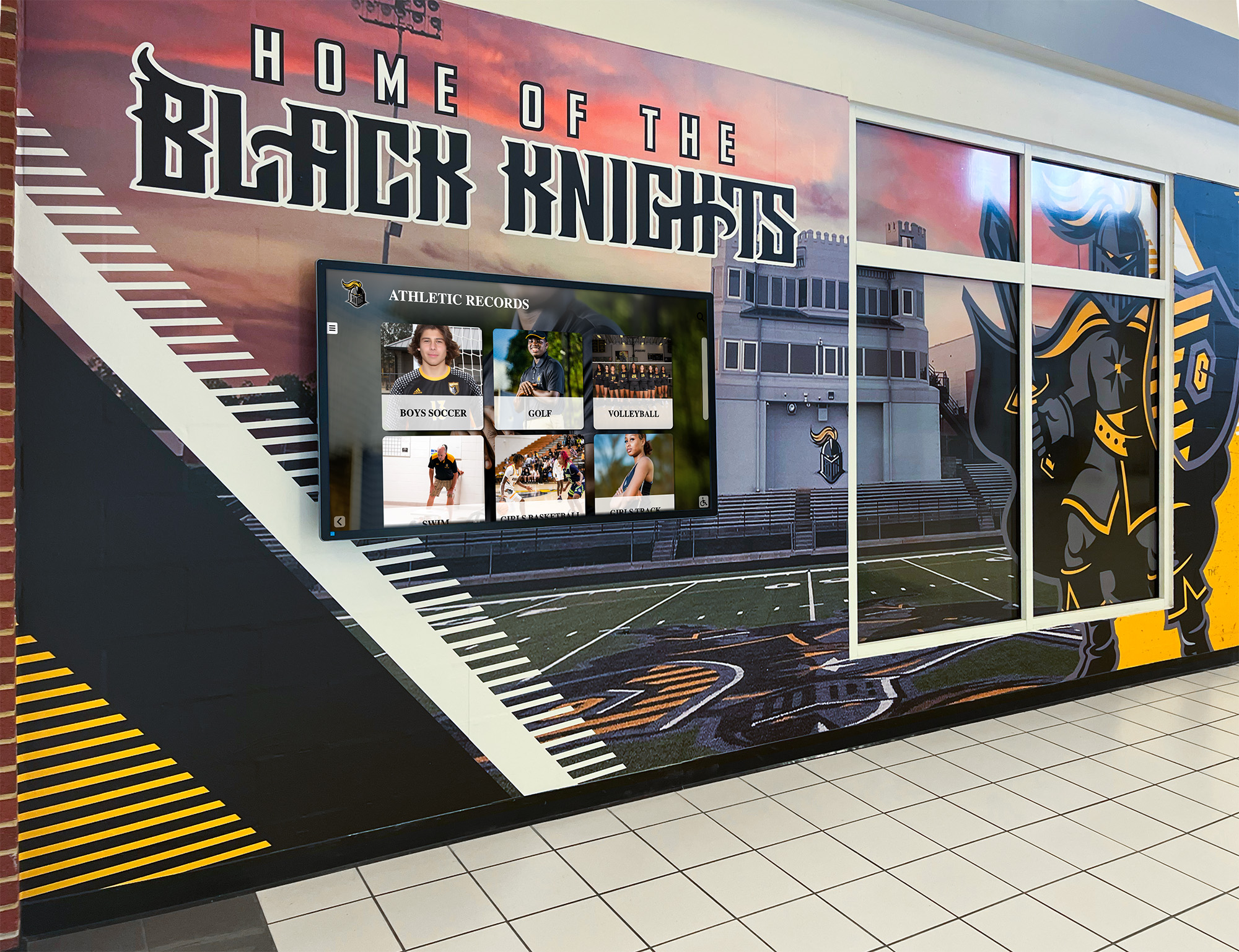
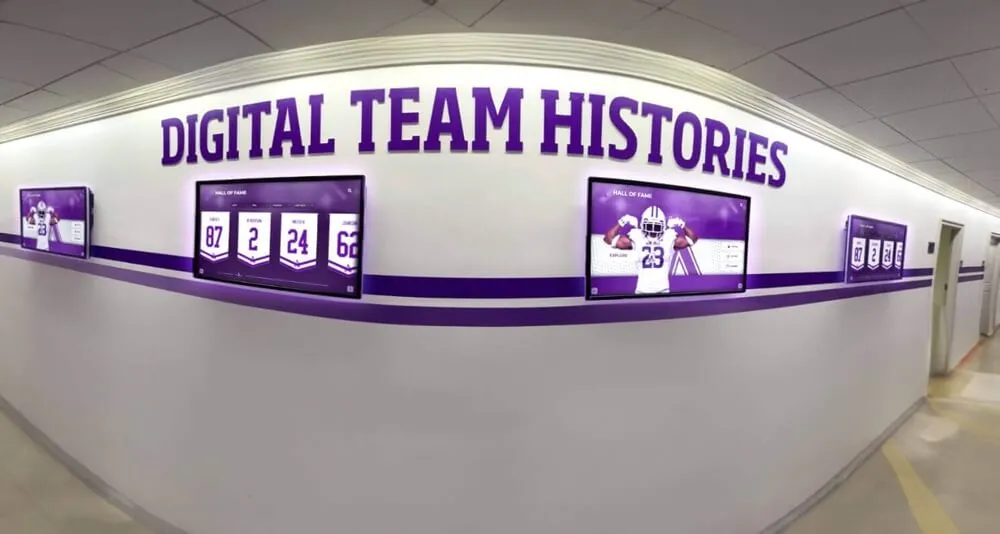
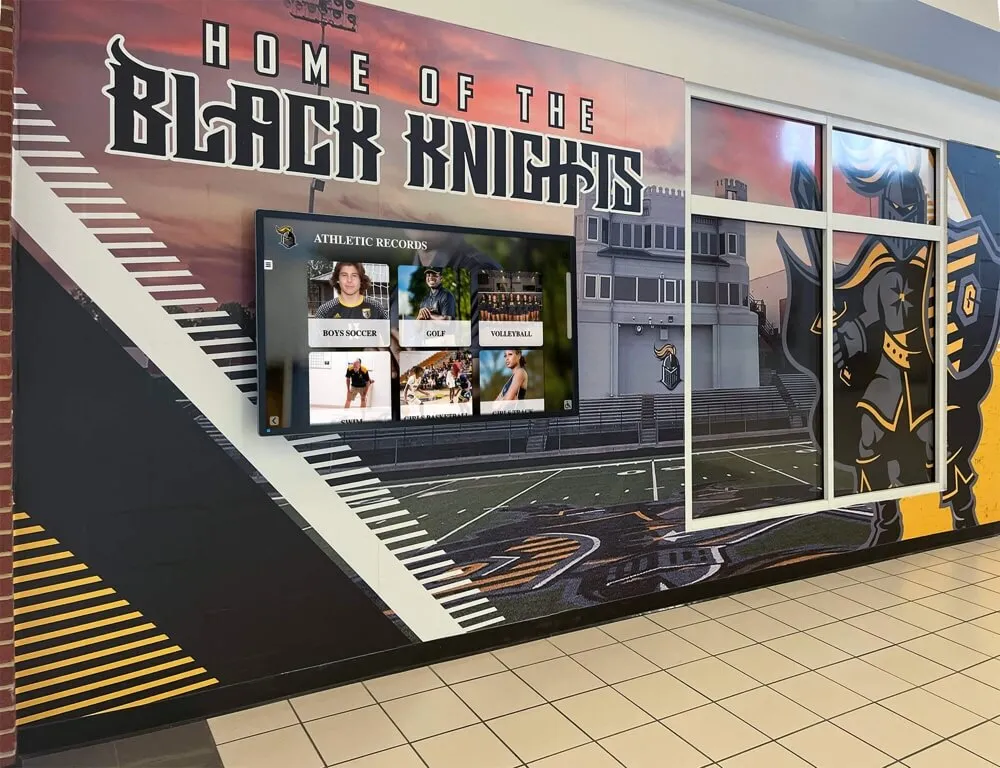
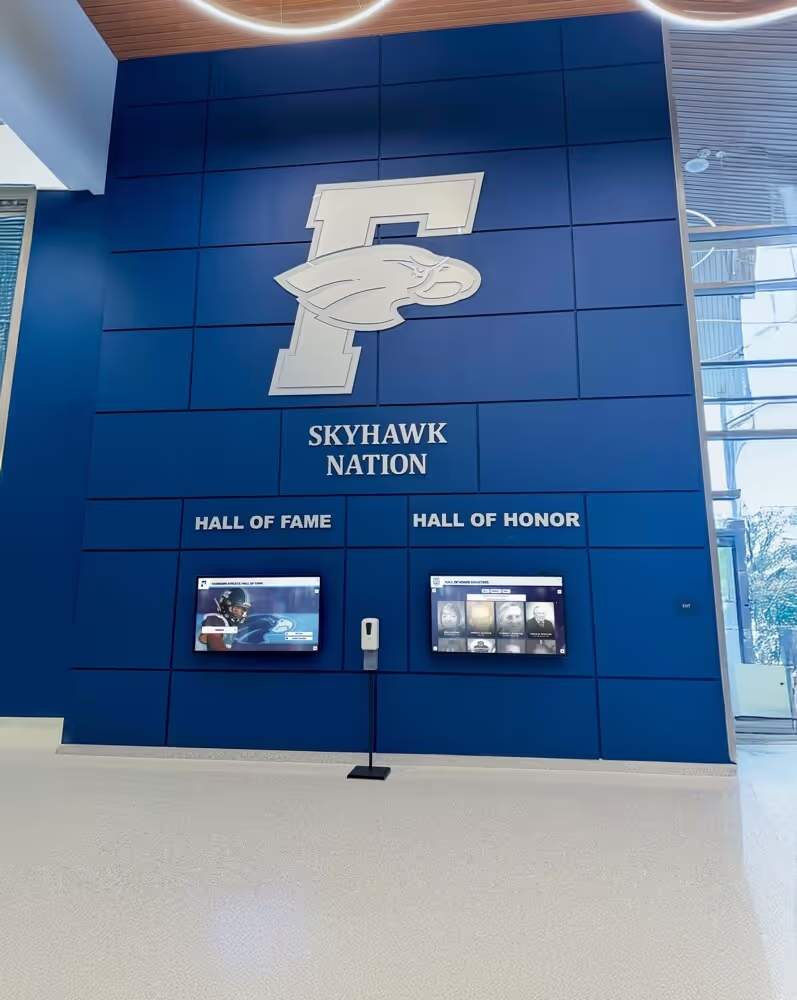
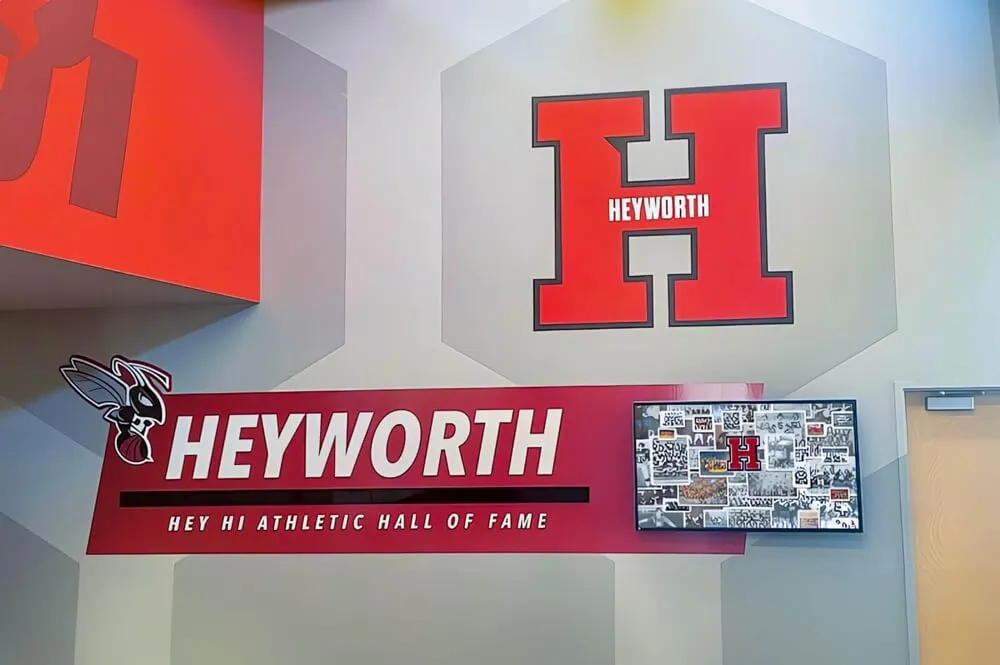
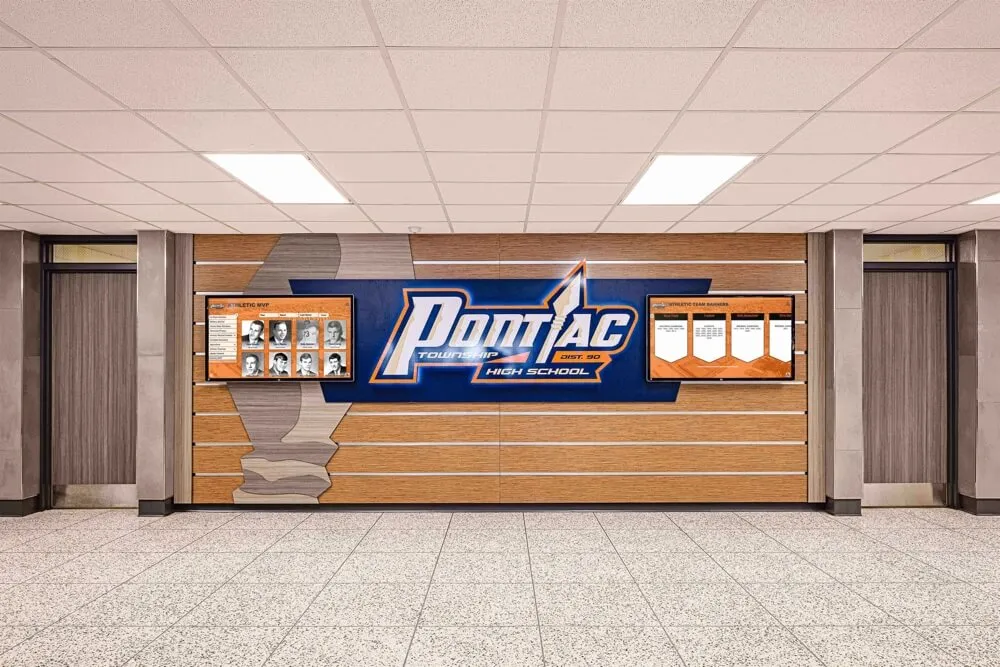
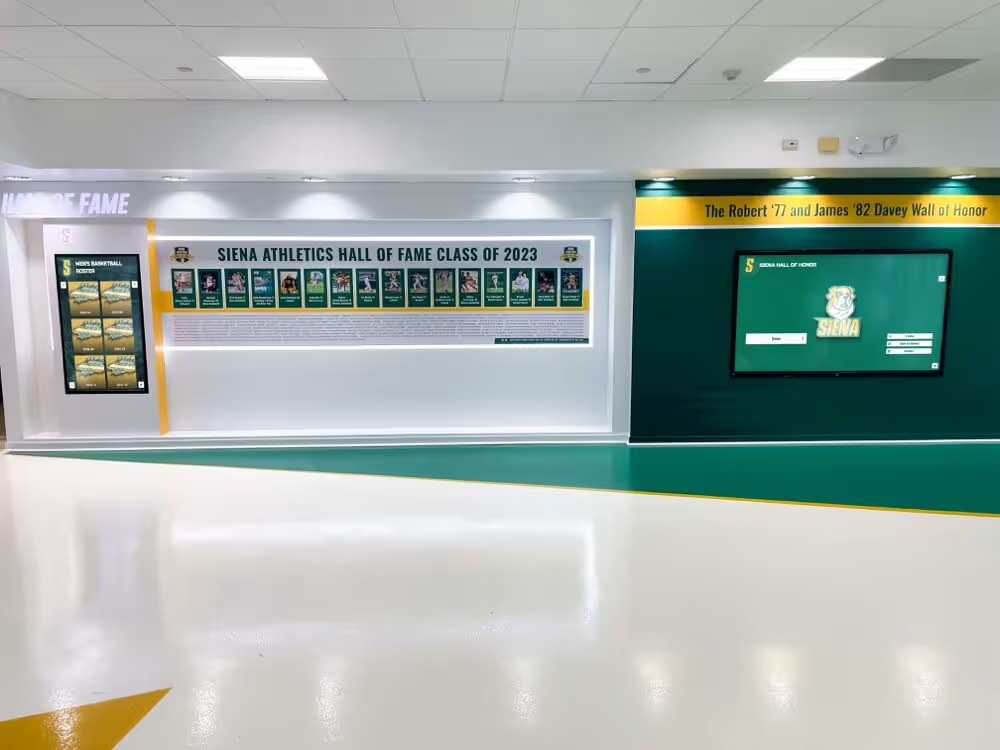
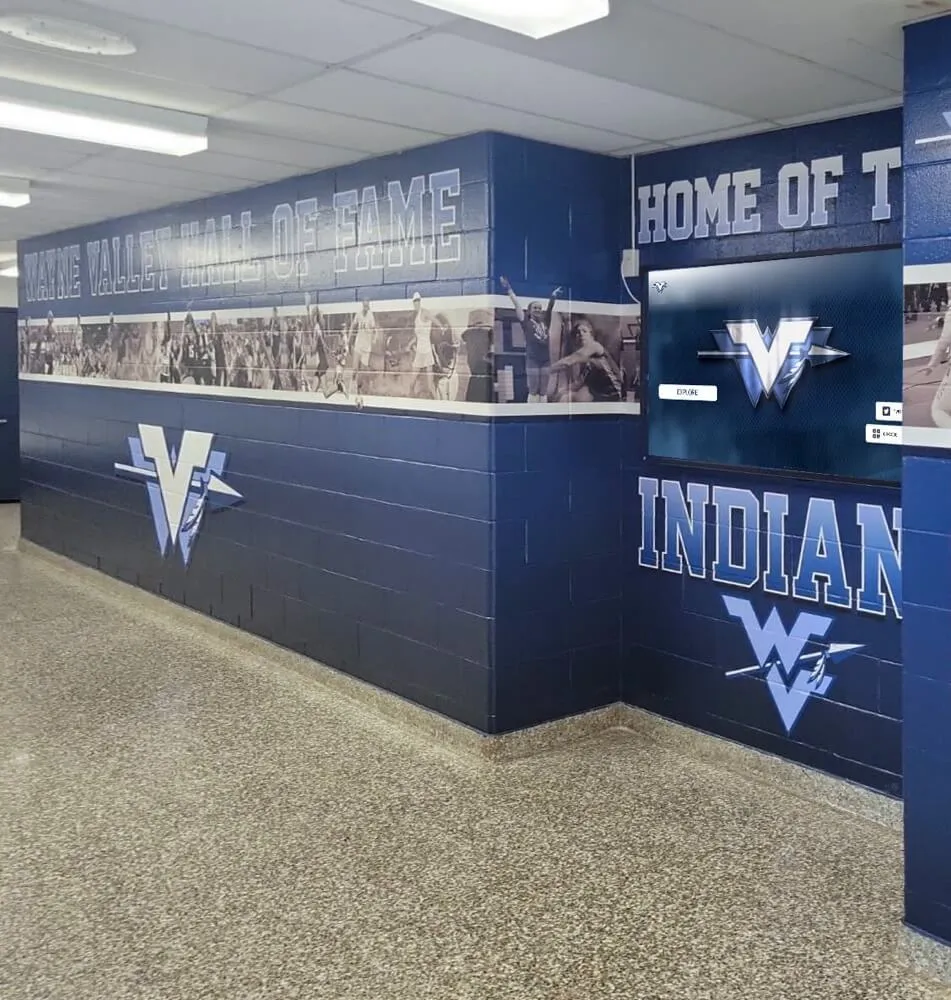
Modern heritage displays integrate seamlessly into educational spaces, celebrating institutional memory in high-traffic areas
Crisis Preservation Moments
Unfortunate circumstances sometimes create immediate preservation urgency requiring rapid response including facility damage from fire, flooding, or natural disasters, discovery of deteriorating materials requiring urgent intervention, retirement of long-term staff possessing institutional knowledge at risk of being lost, and budget cuts threatening existing preservation efforts.
While crisis situations present challenges, they also create opportunities to advocate for systematic preservation infrastructure preventing future emergencies and ensuring institutional memory survives individual transitions or unfortunate events.
Implementing Digital Archives: Step-by-Step Framework
Successful digital archive implementation requires systematic planning and phased execution ensuring quality results while managing limited resources effectively.
Phase 1: Planning and Needs Assessment
Inventory Existing Materials
Begin with comprehensive assessment of what materials currently exist and their conditions through systematic facility searches identifying scattered collections, consultation with long-term staff knowing institutional history, outreach to alumni and community members possessing relevant materials, partnerships with local historical societies holding institutional materials, and condition assessments evaluating preservation urgency.
Document current locations, formats, approximate quantities, date ranges, and priority rankings for discovered materials—systematic inventories prevent overlooking valuable materials while establishing foundations for organized preservation.
Define Scope and Priorities
Establish clear boundaries for initial archival efforts through date range parameters defining what eras receive priority attention, material type priorities focusing on most valuable or vulnerable content, accessibility goals determining how archives will be accessed and by whom, and budget constraints establishing realistic implementation timelines.
Most institutions cannot immediately digitize entire historical collections—thoughtful prioritization ensures available resources focus on materials delivering maximum institutional value or facing greatest preservation urgency.
Identify Stakeholders and Resources
Successful archives require support from diverse institutional constituencies through administrative leadership providing strategic direction and resource allocation, library and IT staff contributing technical expertise, development professionals recognizing fundraising applications, alumni relations teams facilitating community engagement, and faculty identifying educational applications.
Build coalitions demonstrating how archives serve multiple institutional priorities simultaneously—broader stakeholder support improves resource allocation and ensures sustainable long-term management.
Phase 2: Technical Infrastructure Selection
Digital Asset Management Systems
Choose platforms appropriate to institutional scale, technical capacity, and archival needs through purpose-built archival systems designed specifically for heritage preservation, institutional repository platforms serving academic research alongside heritage materials, cloud-based solutions eliminating local infrastructure management, or integrated platforms combining archiving with display and engagement features.
According to guidance from preservation experts, selecting systems with open standards, migration capabilities, and sustainable pricing ensures long-term viability—avoid proprietary systems creating vendor lock-in or platforms with uncertain sustainability.
Digitization Standards and Workflows
Establish technical specifications ensuring quality preservation through appropriate scanning resolutions based on original material sizes, file format standards balancing quality with accessibility, metadata schemas capturing essential contextual information, quality control procedures verifying digitization accuracy, and storage backup protocols following archival best practices.
The Library of Congress provides comprehensive technical standards for digital preservation that educational institutions can adapt to their specific contexts and resource levels.
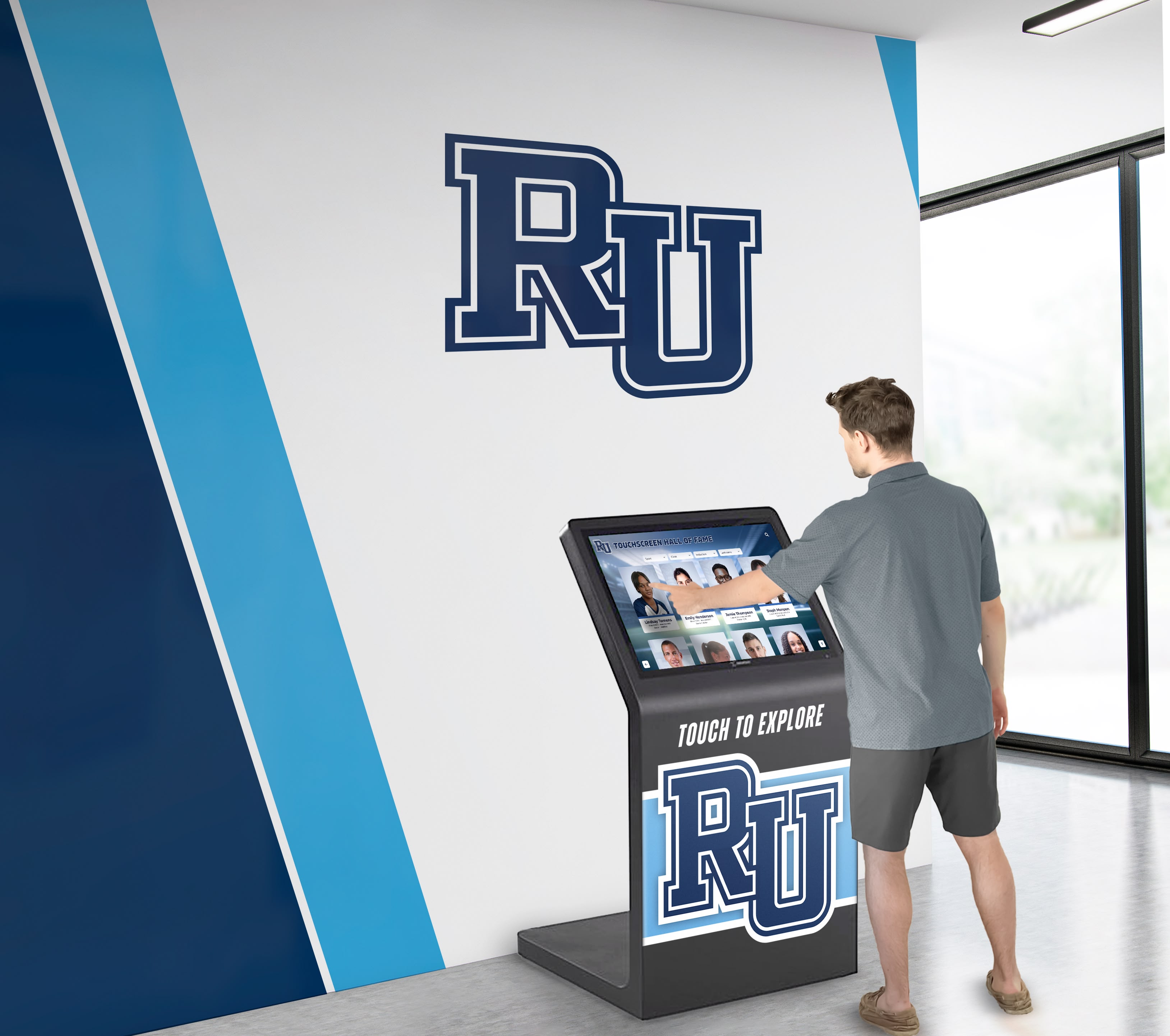
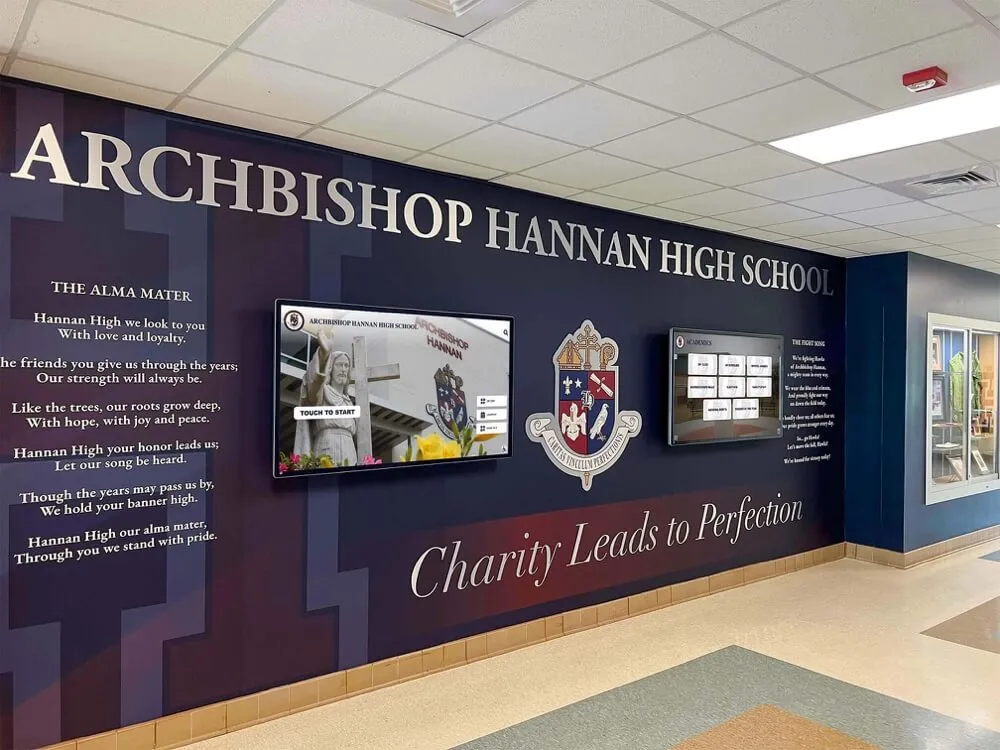
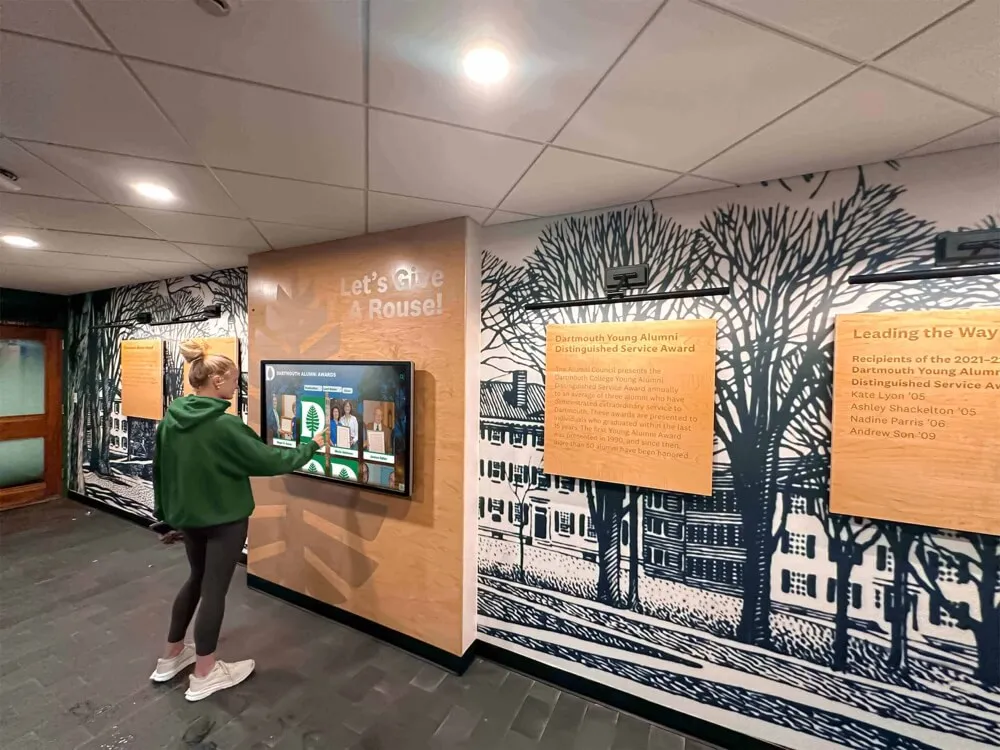
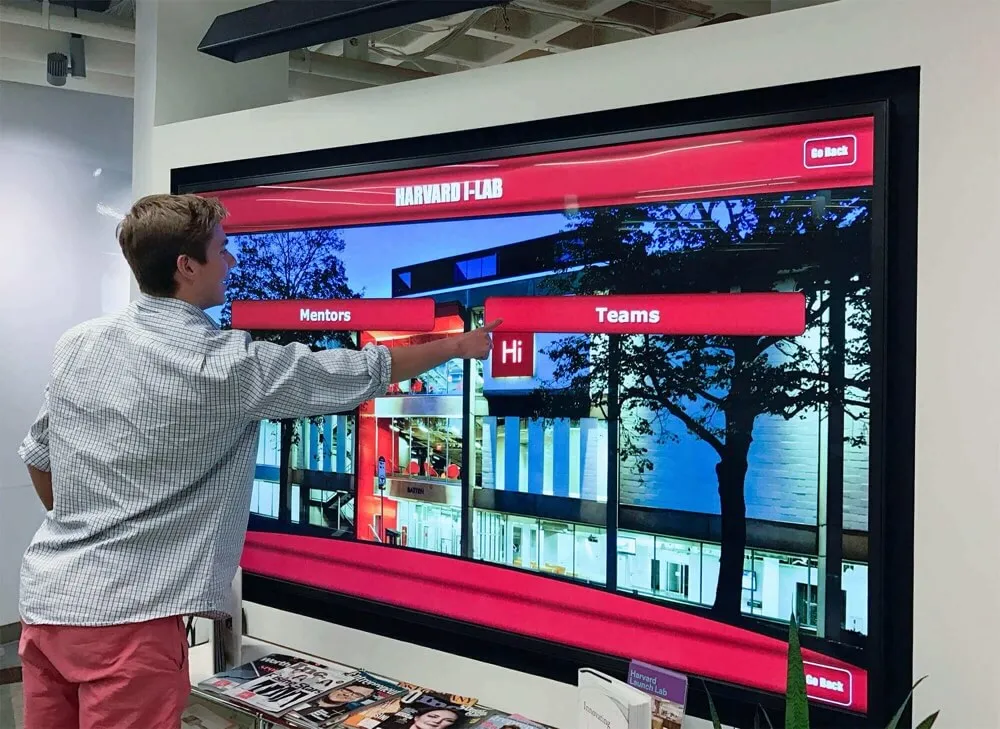
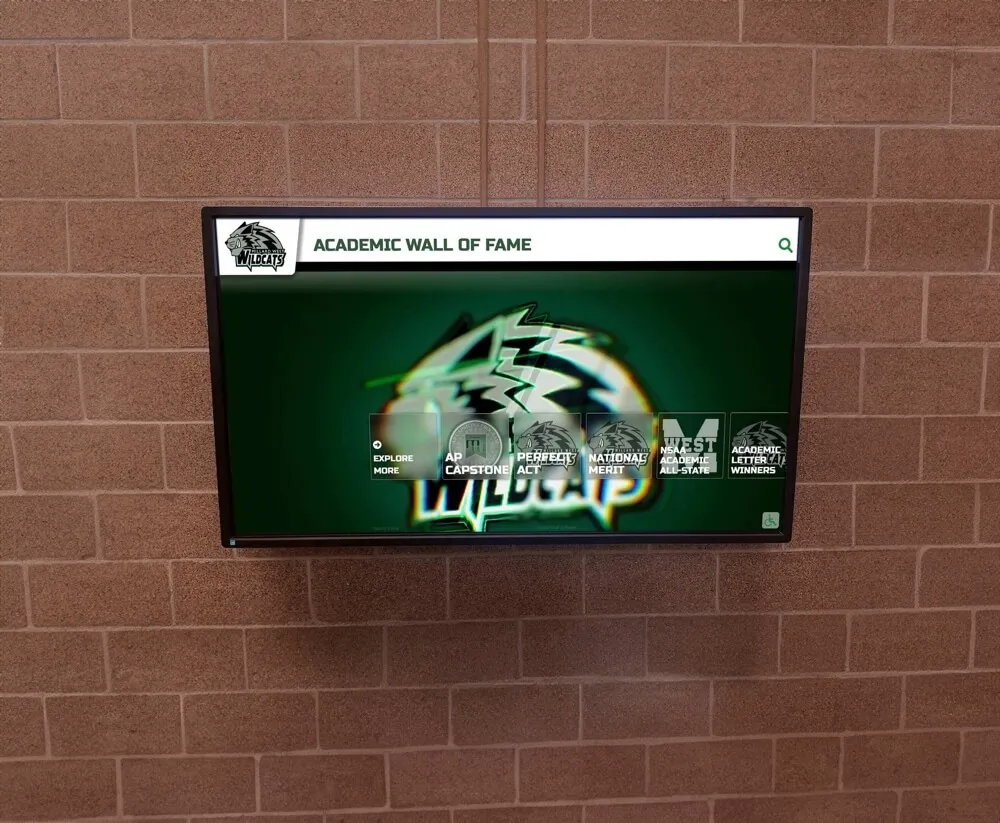
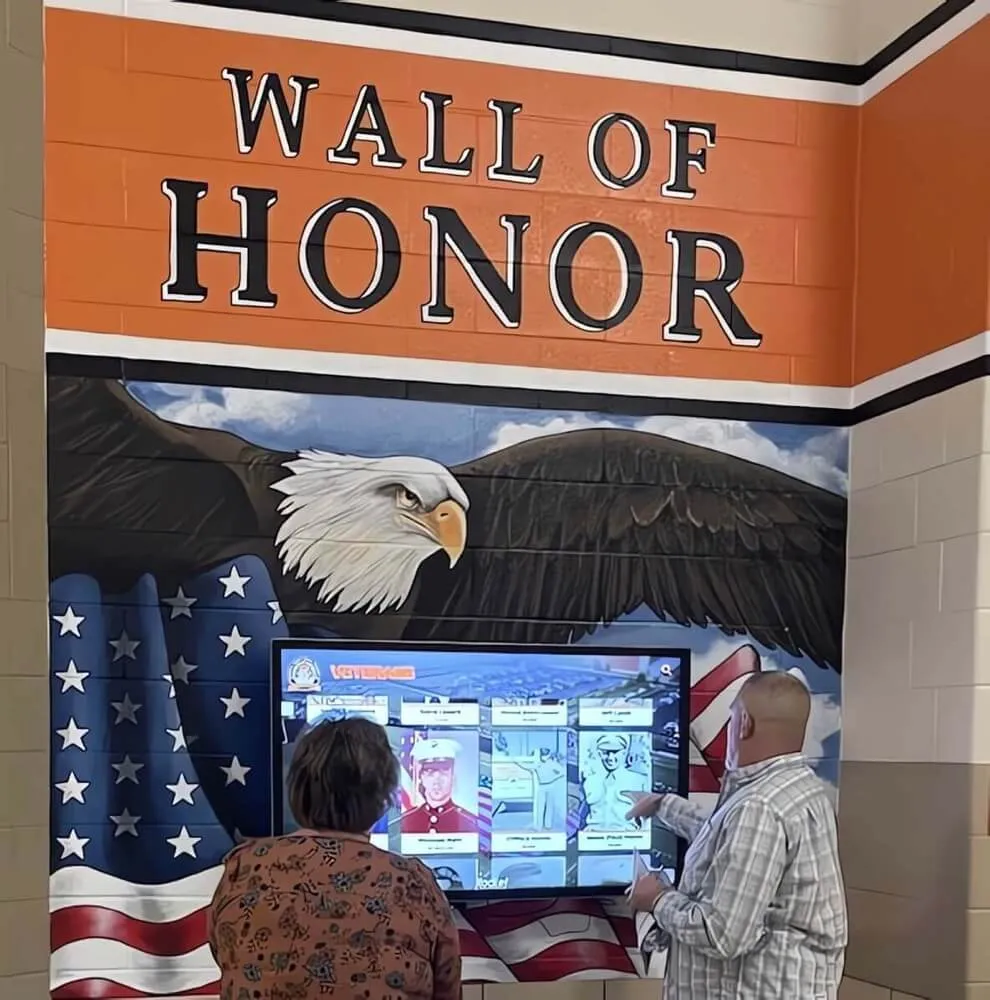
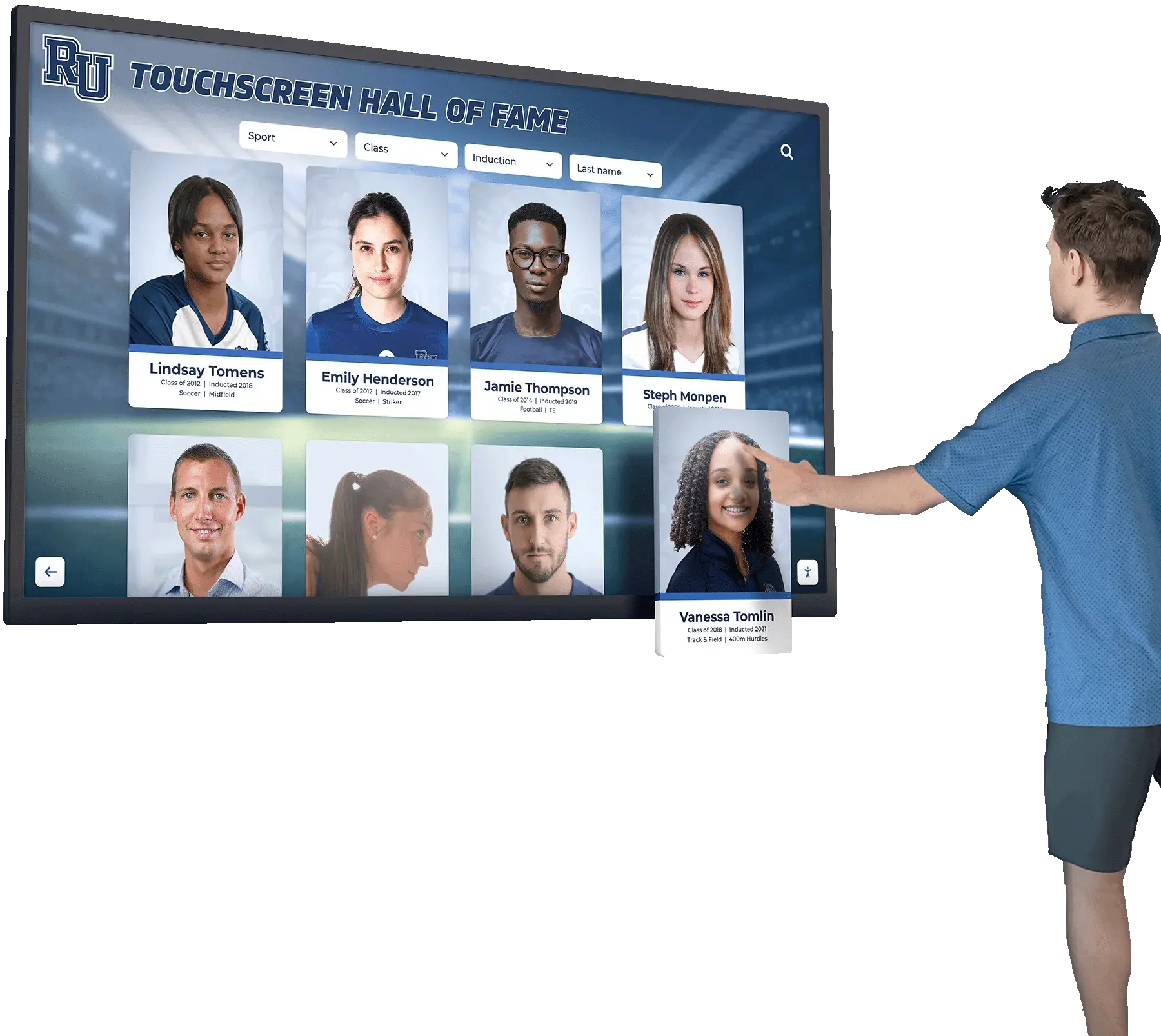
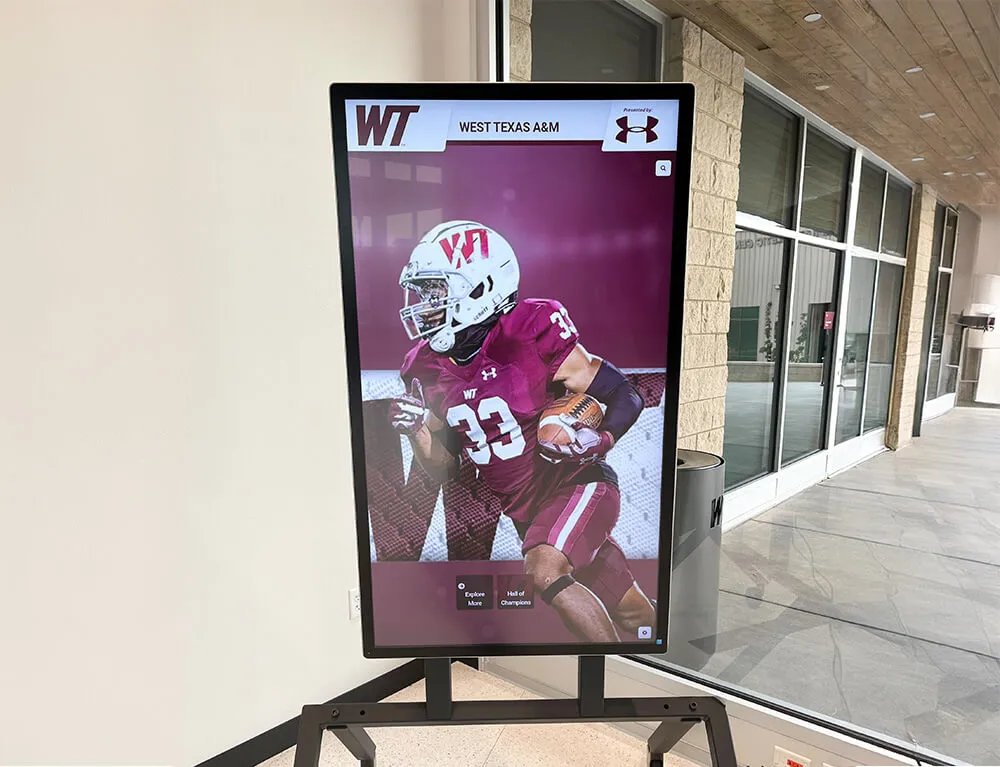
Properly designed touchscreen systems enable comfortable exploration of extensive archival collections by visitors of all ages and technical abilities
Display and Access Platforms
Determine how archived materials will be accessed and experienced through web-based portals providing universal online access, interactive touchscreen displays for on-campus engagement, mobile applications extending access to smartphones and tablets, integration with institutional websites and intranets, and social media connectivity enabling content sharing and community engagement.
Solutions like Rocket Alumni Solutions provide integrated platforms combining preservation infrastructure with engaging display systems and donor recognition capabilities—purpose-built educational platforms eliminate need to cobble together separate systems for archiving, display, and community engagement.
Phase 3: Content Development and Digitization
Digitization Priorities and Workflows
Implement systematic digitization addressing most valuable materials first through highest-priority items facing preservation urgency or generating greatest community interest, chronological approaches working backward from recent decades or forward from founding eras, thematic initiatives focusing on specific subjects like athletics, academics, or student life, and volunteer-led projects engaging community members in meaningful contributions.
Establish consistent workflows ensuring quality and efficiency through standardized handling procedures protecting fragile originals, technical specifications applied uniformly across all materials, metadata standards capturing essential contextual information, and quality review processes verifying accuracy and completeness.
Metadata and Documentation Standards
Comprehensive metadata transforms collections of digitized images into searchable, contextual archives through descriptive information identifying what materials depict, date information documenting when materials were created, creator attribution crediting photographers or authors, subject classification enabling browsing and searching, relationship documentation connecting related materials, and preservation metadata tracking digitization specifications and processes.
Incomplete metadata severely limits archival utility—materials without adequate description remain effectively invisible even when digitally preserved. Invest appropriate effort in documentation ensuring materials become truly accessible rather than simply digitized.
Community Contribution and Crowdsourcing
Leverage institutional communities to expand collections and enhance documentation through alumni photo and document contributions, crowdsourced identification of people and events in historical materials, story collection gathering memories and context from community members, volunteer digitization assistance from skilled community members, and student research projects investigating specific archival collections.
According to SocialArchive, participatory approaches where communities contribute content and memories create more complete institutional histories while building stakeholder engagement that strengthens relationships and supports other institutional priorities.
Phase 4: Access and Engagement
Interactive Display Implementation
Create engaging on-campus heritage experiences through strategically placed touchscreen kiosks in lobbies, libraries, and high-traffic areas, thematic displays showcasing specific subjects like athletics, academics, or facilities evolution, timeline presentations showing institutional development chronologically, searchable databases enabling visitors to find specific years, people, or events, and integration with physical exhibits combining digital access with traditional display elements.
Interactive displays transform passive viewing into active exploration—visitors can search for their graduation years, explore specific interests, discover unexpected connections, and share findings with family and networks.
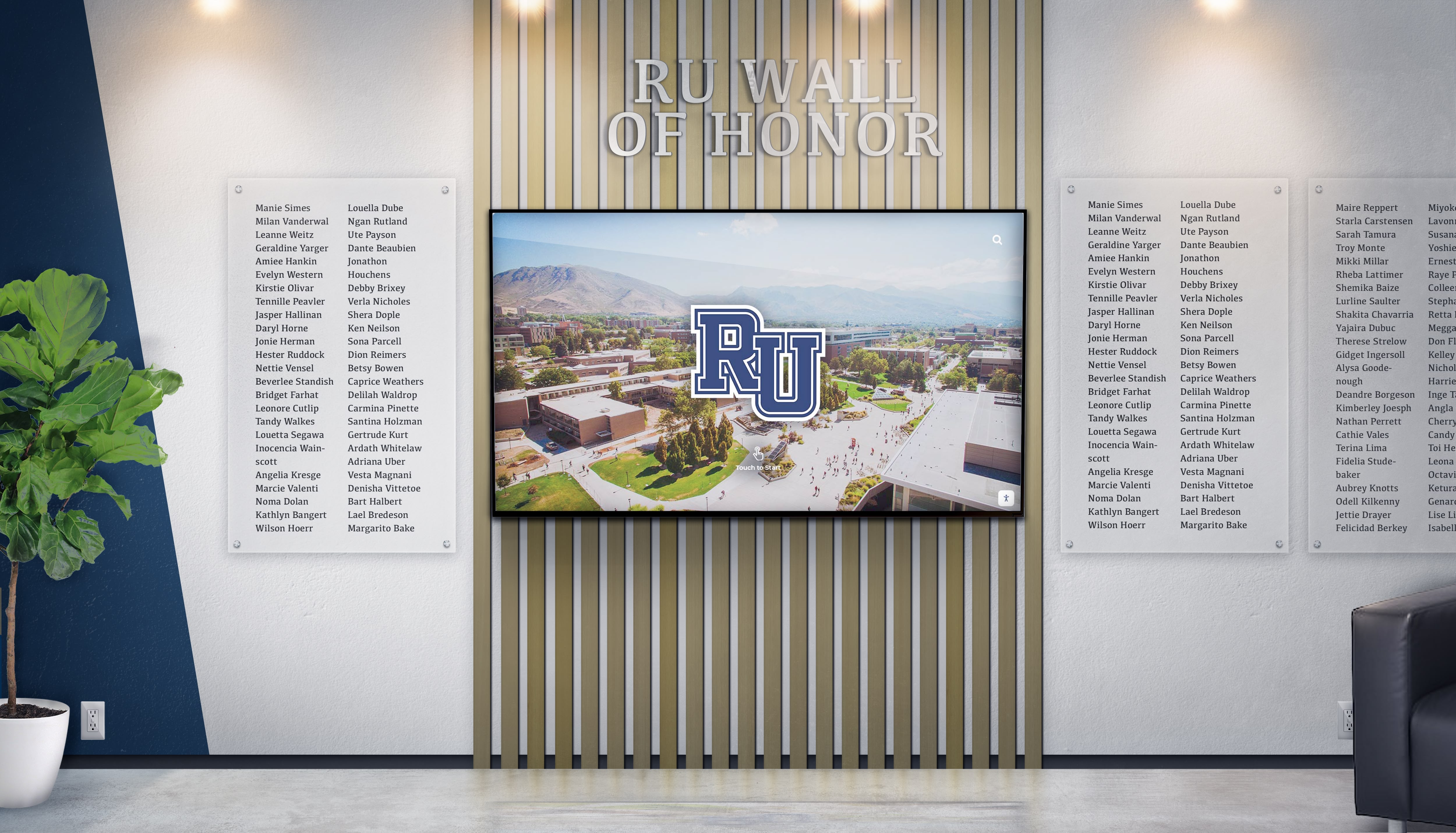
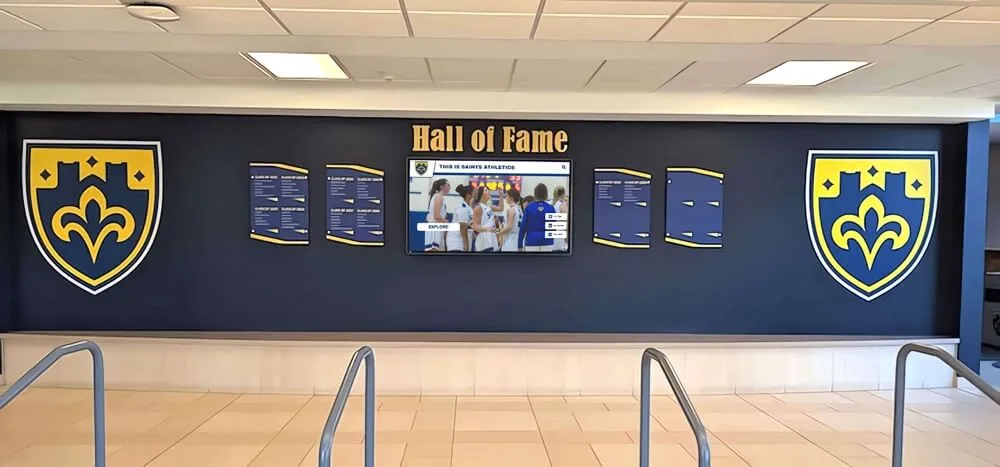
Integrated recognition systems combine archival heritage displays with donor acknowledgment, creating multi-dimensional institutional storytelling
Online Portal Development
Extend archival access beyond campus through web-based heritage portals featuring searchable databases with advanced filtering and discovery tools, curated galleries highlighting significant materials or themes, user contribution systems enabling alumni to submit materials and memories, downloadable content for personal and educational use, and social sharing functionality amplifying archival reach through networks.
Mobile-responsive design ensures excellent experiences across all devices—many alumni will access archives primarily through smartphones rather than desktop computers, making mobile optimization essential rather than optional.
Alumni and Community Programming
Activate archives through programming that strengthens engagement through alumni spotlight features celebrating distinguished graduates using archival materials, virtual events exploring institutional history with archival illustration, oral history projects capturing memories from senior alumni, student research showcases presenting projects using archival sources, and anniversary celebrations incorporating archival materials showing institutional evolution.
Active programming demonstrates that archives serve living purposes rather than passive historical preservation—when communities engage regularly with heritage materials, archives justify continued investment while supporting broader institutional goals.
Overcoming Common Digital Archive Challenges
Educational institutions implementing digital archives encounter predictable obstacles—understanding these challenges and proven solutions helps ensure successful implementation.
Limited Budget and Staffing Resources
According to research on digital preservation challenges, staffing and funding represent the most problematic obstacles facing university archives. Most schools lack dedicated archivists or substantial preservation budgets, requiring creative approaches that accomplish meaningful preservation within resource constraints.
Cost-Effective Implementation Strategies
Achieve significant preservation progress without major budgets through phased implementations spreading costs across multiple years, volunteer engagement leveraging alumni and community member contributions, student involvement through service learning and independent study projects, grant funding targeting heritage preservation initiatives, and purpose-built platforms like Rocket Alumni Solutions providing complete infrastructure at educational pricing eliminating need for custom development.
Start with highest-priority materials generating greatest community interest and demonstrating archival value—initial successes build stakeholder support justifying expanded resource allocation for subsequent phases.
Leveraging Existing Infrastructure
Maximize value from resources already available through existing scanners and digitization equipment, institutional website platforms for online access, cloud storage services provided through educational technology agreements, IT support for technical infrastructure management, and library staff expertise applicable to archival management.
Many schools possess underutilized resources that, with modest coordination, can support archival initiatives without requiring substantial new investments.
Technical Obsolescence and Format Migration
Digital materials face constant threats from technological change—file formats become obsolete, storage media deteriorate, software dependencies disappear, and hardware compatibility changes. These challenges require proactive strategies ensuring long-term accessibility.
Future-Proof Preservation Approaches
Protect against obsolescence through open standard file formats with broad support and clear migration paths, regular format assessments identifying materials at risk, proactive migration before obsolescence becomes critical, multiple backup copies on diverse media types, and cloud-based systems where vendors manage technological updates transparently.
According to University of Surrey archivists, digital preservation requires active management rather than passive storage—materials preserved today need regular attention ensuring they remain accessible decades into the future.
Metadata and Documentation Standards
Comprehensive documentation enables future migration and access through detailed technical specifications of original digitization, relationships between derivative versions, rights and permissions information, and provenance documentation tracking materials through their lifecycles.
Well-documented materials remain recoverable even when original systems become obsolete—documentation provides the context necessary for future migrations that inevitably become necessary as technology evolves.
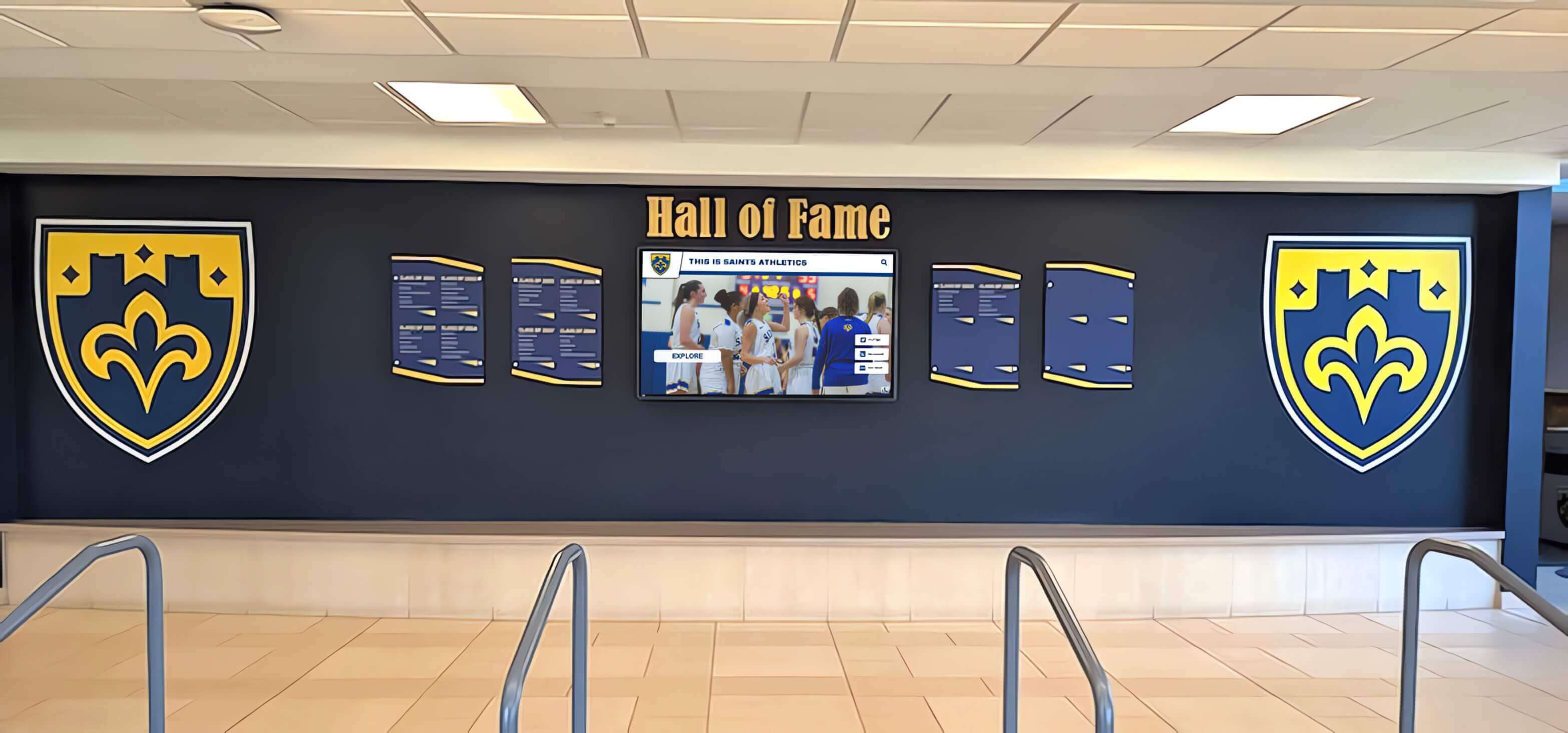
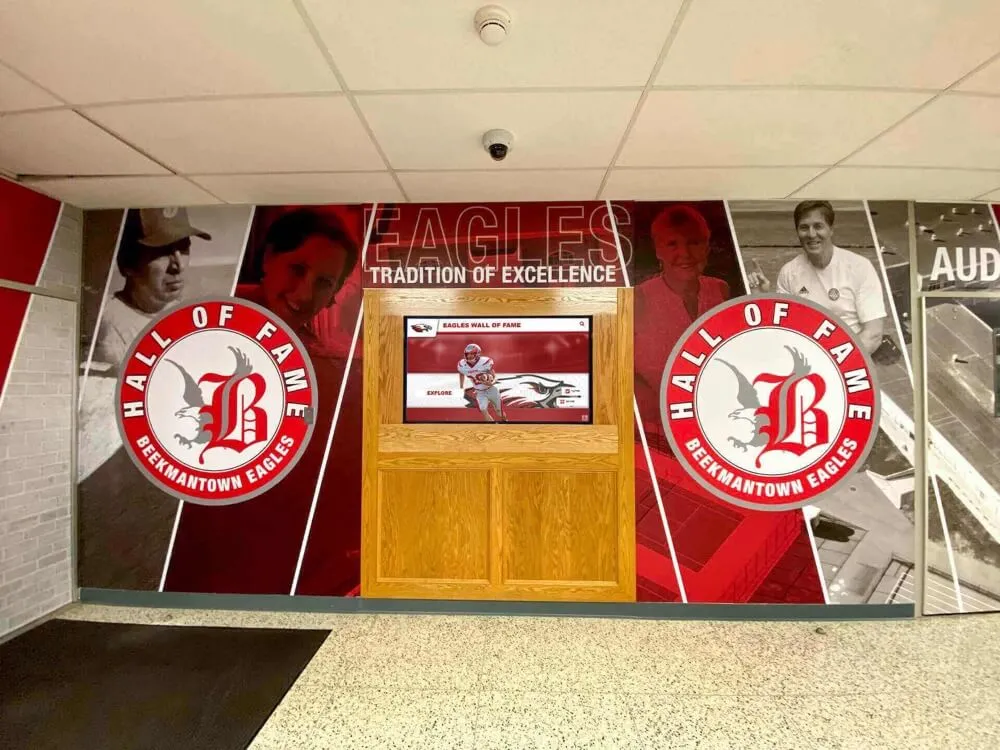
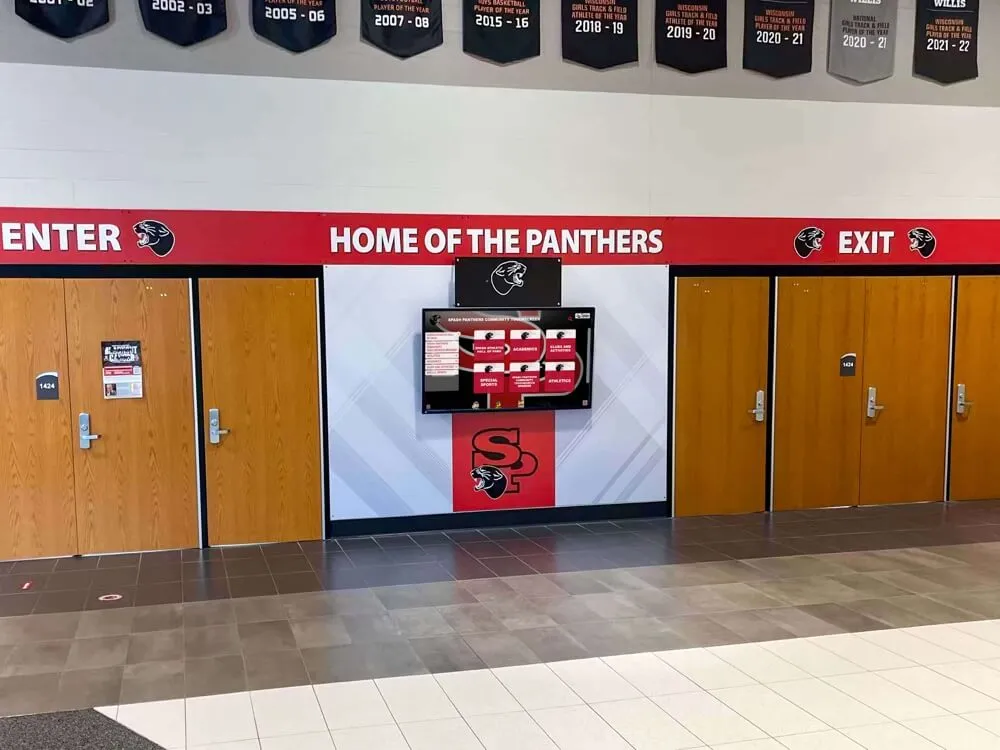
Strategic lobby placement ensures heritage displays create powerful first impressions for visitors while serving daily community engagement
Privacy and Rights Management
Educational archives inevitably contain materials involving student privacy considerations, intellectual property rights, and potentially sensitive content requiring careful management.
Privacy Protection Frameworks
Balance access with privacy through FERPA compliance for student information, appropriate consent for identifiable individuals in recent materials, redaction procedures for confidential information, time-based access restrictions for sensitive materials, and clear policies about what materials become publicly accessible versus remaining restricted.
Consult institutional legal counsel establishing policies that comply with applicable regulations while maximizing appropriate access to heritage materials—most historical materials can be made accessible with thoughtful policies addressing legitimate privacy concerns without unnecessarily restricting access.
Rights and Permissions Management
Ensure appropriate use through copyright assessment and rights documentation, takedown procedures for disputed materials, attribution requirements for contributed content, terms of use clearly communicated to users, and licensing frameworks for commercial or publication requests.
Proactive rights management prevents future complications while demonstrating institutional commitment to ethical archival practices that respect creators’ rights alongside preservation and access goals.
Community Engagement and Contribution Quality
Crowdsourced contributions expand collections but require quality management ensuring accuracy and appropriateness.
Moderation and Quality Control
Maintain archival integrity through review processes before public posting of contributed materials, fact-checking for contested information, appropriate content standards preventing offensive materials, duplicate detection avoiding redundancy, and regular audits ensuring ongoing quality.
Balance quality control with accessibility—overly restrictive policies discourage valuable contributions, while insufficient oversight allows inappropriate or inaccurate materials to undermine archival credibility.
Measuring Digital Archive Success and Impact
Systematic assessment demonstrates archival value while identifying opportunities for continuous improvement and enhanced engagement.
Quantitative Metrics
Track measurable usage indicators including online portal traffic showing unique visitors and page views, search queries revealing what users seek most frequently, download statistics indicating what materials generate greatest interest, interactive display session counts and duration, and contribution rates for community-submitted materials.
Usage data demonstrates that archives serve real audiences rather than remaining unused despite preservation investments—regular monitoring reveals patterns informing content development priorities and engagement strategies.
Qualitative Assessment
Document meaningful impacts through user testimonials about archive experiences, faculty adoption for teaching and research, media coverage featuring archival materials, alumni event feedback incorporating heritage content, and development outcomes where archives supported donor cultivation.
Qualitative evidence often proves more compelling than statistics for building stakeholder support—a single heartfelt testimonial from an alumnus who rediscovered forgotten memories can justify entire preservation programs to skeptical administrators.
Return on Investment
Demonstrate value relative to costs through alumni engagement metrics correlating with giving patterns, reduced staff time answering individual heritage requests, educational value delivered through teaching and research applications, enhanced institutional reputation and community recognition, and avoided costs from preventing material loss requiring expensive recovery.
Frame archives as strategic investments generating returns across multiple dimensions rather than as pure costs without offsetting benefits—comprehensive assessment reveals diverse value that simple preservation cost calculations never capture.
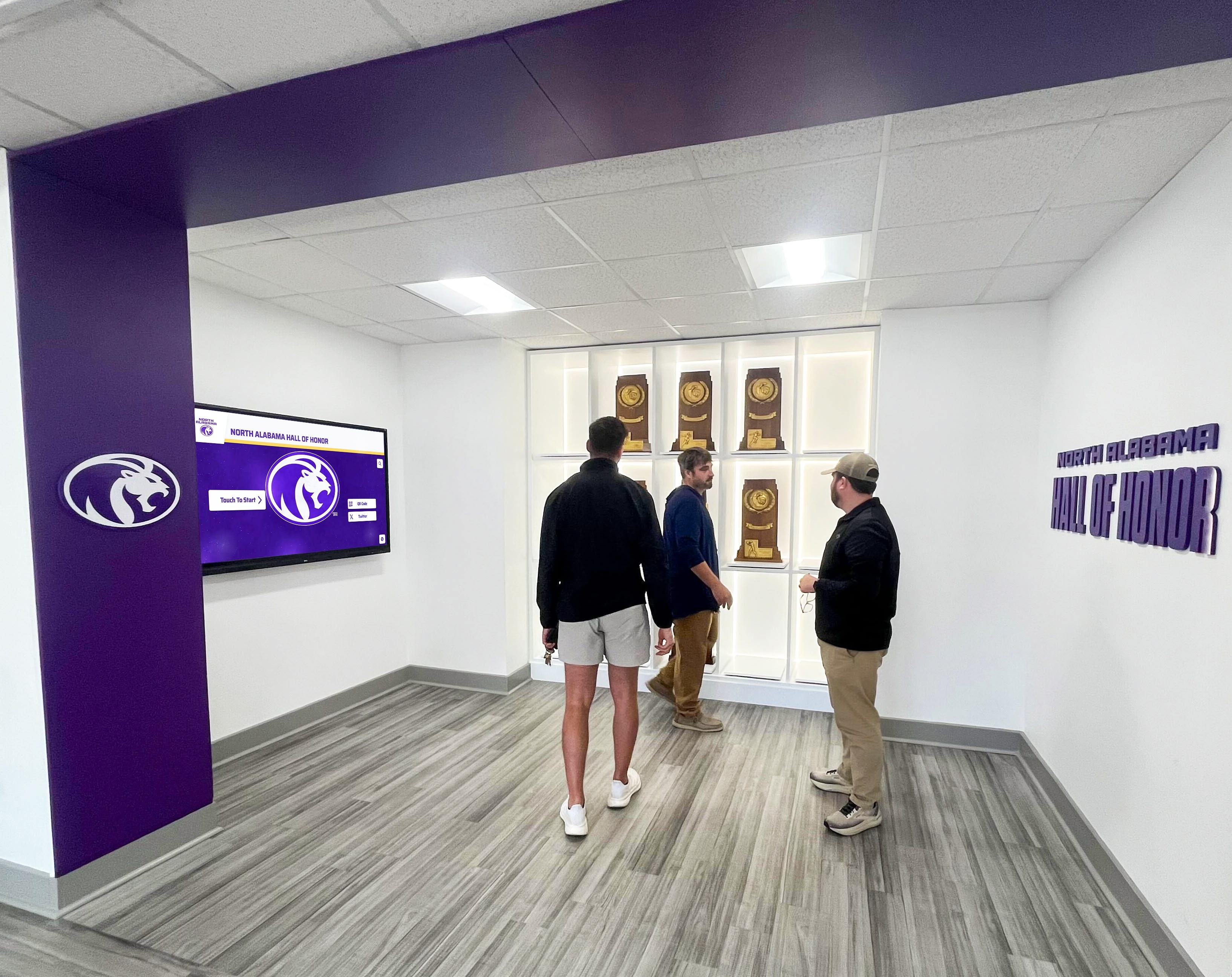
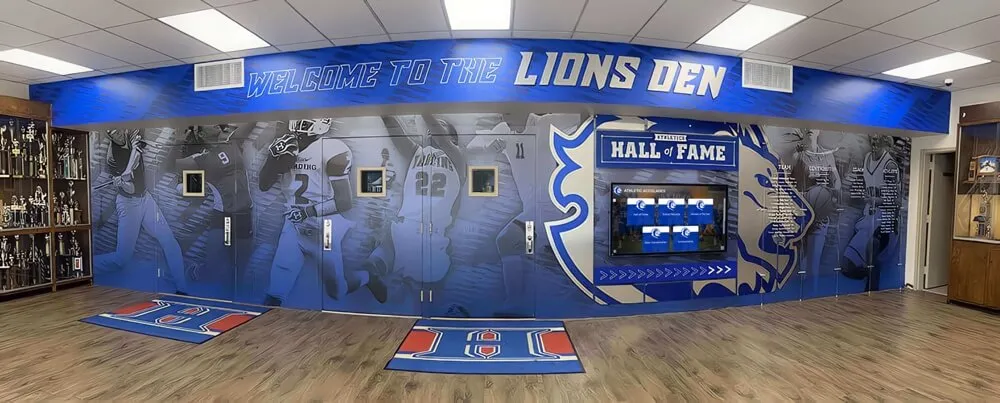
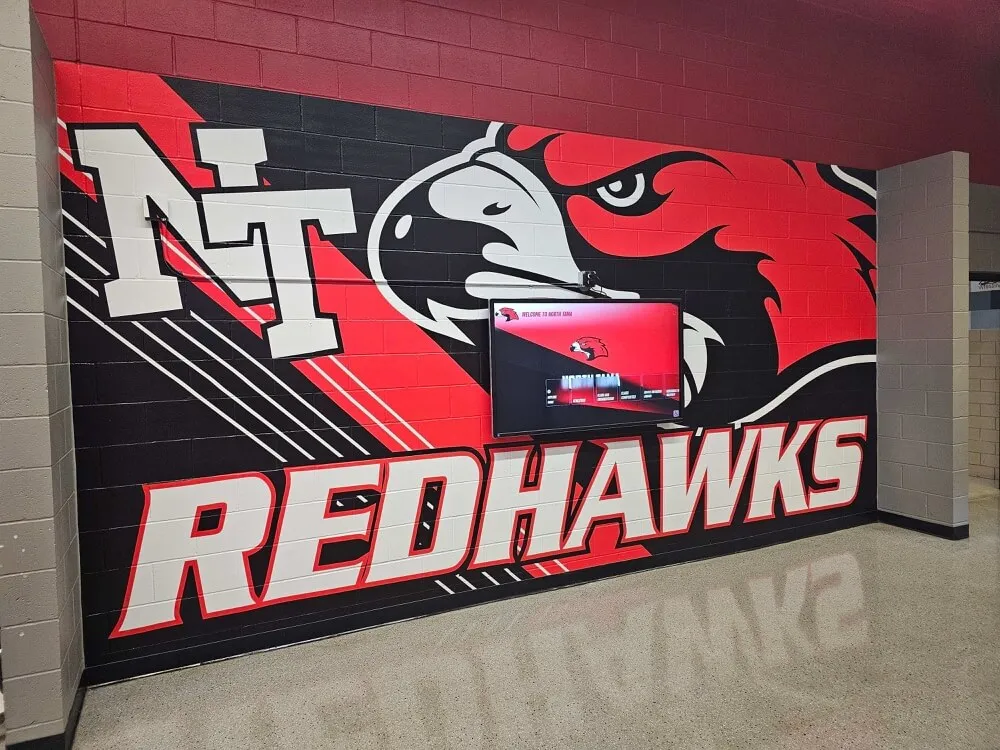
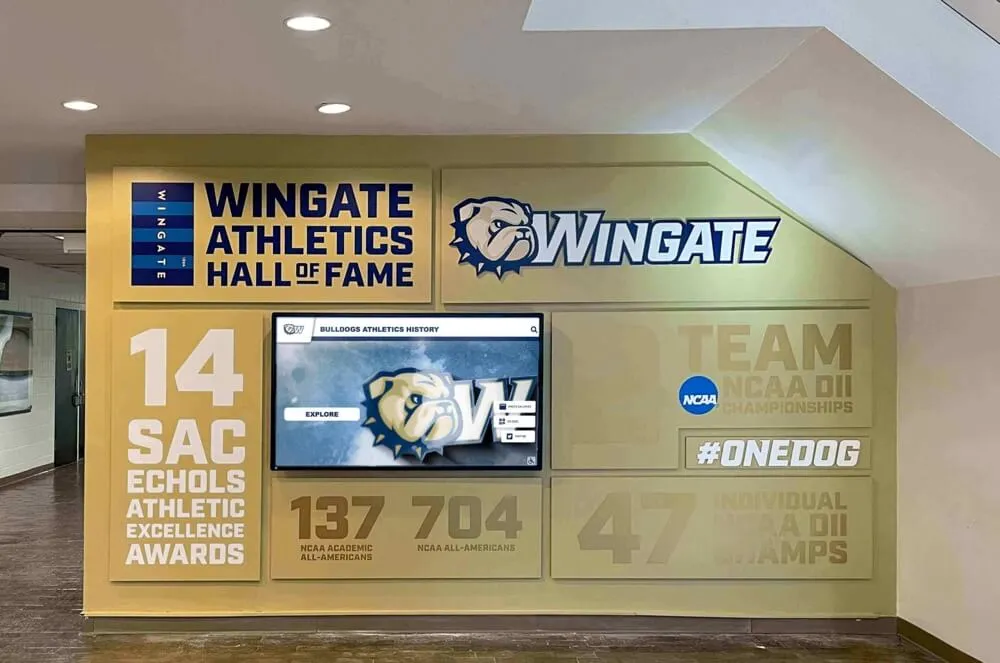
Comprehensive heritage environments combine physical artifacts with digital displays creating multi-dimensional institutional storytelling spaces
Connecting Archives to Advancement and Recognition Programs
Digital archives work most effectively when integrated with broader advancement initiatives that strengthen alumni relationships and support fundraising goals.
Donor Recognition Integration
Coordinate archival initiatives with donor stewardship through historical context for named facilities and endowments, tribute and memorial recognition connecting donors to institutional legacy, multi-generational giving visualization showing family philanthropy across decades, campaign progress displays documenting fundraising history and impact, and interactive donor walls where current recognition complements historical archives.
Solutions like Rocket Alumni Solutions provide integrated platforms where digital donor recognition and heritage preservation reinforce each other naturally—donors see their contributions within broader institutional narratives while archives gain sustainable funding through advancement priorities.
Alumni Engagement Programming
Activate archives for relationship cultivation through reunion class features highlighting specific graduation years during anniversary events, distinguished alumni celebrations showcasing accomplished graduates using archival materials, nostalgia marketing in advancement communications featuring historical photos and stories, heritage tours during campus visits and special events, and social media campaigns encouraging alumni to share memories and contribute materials.
Archives that support measurable advancement outcomes receive sustained institutional support—demonstrate clear connections between heritage preservation and fundraising success to ensure continued investment.
Educational Institution Storytelling
Position archives as strategic communications assets through visual content for publications and marketing materials, authentic storytelling showcasing genuine institutional character, differentiation demonstrating unique heritage and traditions, and prospective student engagement showing traditions they’ll join.
Admissions and marketing teams increasingly recognize heritage content’s value for authentic institutional storytelling—archival materials provide visual assets and narratives that professionally-produced marketing materials struggle to replicate.
Technology Solutions and Platform Selection
Choosing appropriate technology infrastructure shapes what archives can accomplish and how effectively they serve diverse institutional needs.
Purpose-Built Educational Platforms
Solutions designed specifically for educational heritage preservation offer significant advantages through intuitive interfaces requiring no technical expertise, school-specific templates and organizational structures, integrated recognition combining archives with achievement celebration, unlimited storage capacity for comprehensive collections, cloud-based management accessible from anywhere, and interactive display software for on-campus installations.
Rocket Alumni Solutions provides purpose-built platforms specifically designed for schools, colleges, and universities—eliminate technical barriers enabling institutions to focus on content and community rather than wrestling with complicated generic tools designed for other contexts.
Integration with Existing Systems
Effective archives connect with broader institutional technology ecosystems through website integration providing seamless access, social media connectivity enabling content sharing, donor management system coordination for advancement applications, student information system linkages for verification and research, and content management system compatibility for institutional communications.
Isolated archives that don’t integrate with existing institutional workflows struggle to achieve sustainable adoption—prioritize platforms offering appropriate integration capabilities matching your specific institutional environment.
Evaluation Criteria
Assess archival platforms considering ease of use for non-technical staff, scalability supporting collection growth, metadata capabilities enabling comprehensive description, search functionality and discovery tools, mobile responsiveness across all devices, accessibility compliance ensuring universal access, backup and preservation features protecting against loss, vendor sustainability and support quality, and total cost of ownership including storage and maintenance.
Thorough evaluation prevents costly mistakes—platform selection significantly impacts long-term success and satisfaction with archival initiatives.
Conclusion: Building Living Archives That Honor Heritage and Strengthen Communities
Digital archives transform hidden institutional heritage into accessible, engaging resources that honor educational legacy while supporting strategic priorities across advancement, academics, and community engagement. Schools, colleges, and universities that excel at digital preservation create living archives where decades or centuries of history remain visible and meaningful—where students connect with traditions they’ve inherited, where alumni rediscover formative experiences, where researchers access primary sources, and where communities recognize institutions as careful stewards of shared memory.
The frameworks explored in this comprehensive guide provide systematic approaches for implementing digital archives addressing discovery and inventory of scattered materials, quality digitization following professional preservation standards, comprehensive metadata enabling discovery and context, engaging display systems bringing heritage to life, community engagement building stakeholder participation, and sustainable management ensuring long-term success.
Transform Your Institutional Heritage Program
Discover how Rocket Alumni Solutions can help you create comprehensive digital archives with engaging interactive displays that preserve institutional memory, strengthen alumni connections, and support advancement goals through purpose-built platforms designed specifically for educational institutions.
Request an Archive Planning CallModern technology makes comprehensive digital archiving achievable for institutions of all sizes and resource levels. Purpose-built platforms eliminate technical barriers while providing integrated systems combining preservation infrastructure, interactive displays, online access, and intuitive management requiring minimal specialized expertise.
Start where you are with preservation initiatives you can implement immediately—perhaps digitizing recent decades generating strong alumni interest, preserving most vulnerable materials facing urgent deterioration, or launching student involvement programs teaching valuable skills while advancing archives. Then systematically expand creating comprehensive heritage resources your community deserves.
Every preserved yearbook enables alumni to rediscover their past. Every digitized photograph protects irreplaceable visual documentation. Every interactive display strengthens student connections to institutional traditions. Every accessible archive supports research advancing knowledge. Your institutional heritage deserves preservation and celebration equal to its significance—with thoughtful planning, appropriate technology, and sustained commitment, you can create digital archives that honor every era while bringing history to life for current and future generations.
Ready to begin preserving your institutional heritage? Explore comprehensive approaches to displaying school history, learn about interactive timeline displays organizing visual history chronologically, discover digital yearbook preservation strategies, or schedule a consultation with Rocket Alumni Solutions to discuss how purpose-built archival platforms can preserve your institutional memory while strengthening alumni engagement and supporting advancement priorities.
Sources
This article references information from the following sources:
- Guidelines for College and University Archives - Society of American Archivists
- SocialArchive - Heritage and Archives for Schools, Colleges & Universities
- Born Digital: How Social Media and Paperless Offices are Reshaping University Archives - Princeton Alumni Weekly
- Universities Harness the Cloud for Digital Archives - EdTech Magazine
- Digital Preservation Practices and Challenges at University Archives - CiteDrive
- Why Preserve? The Need for Digital Preservation - University of Surrey Archives Blog