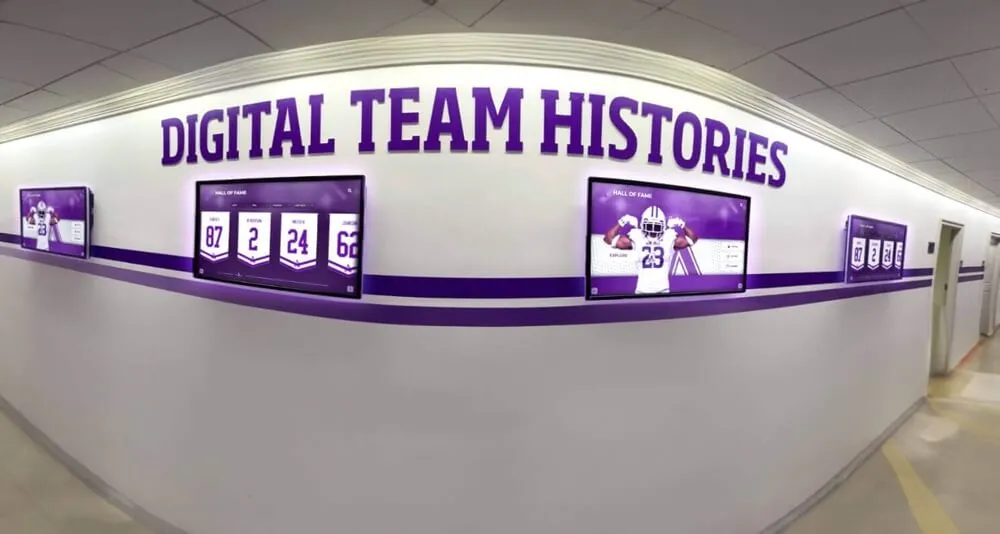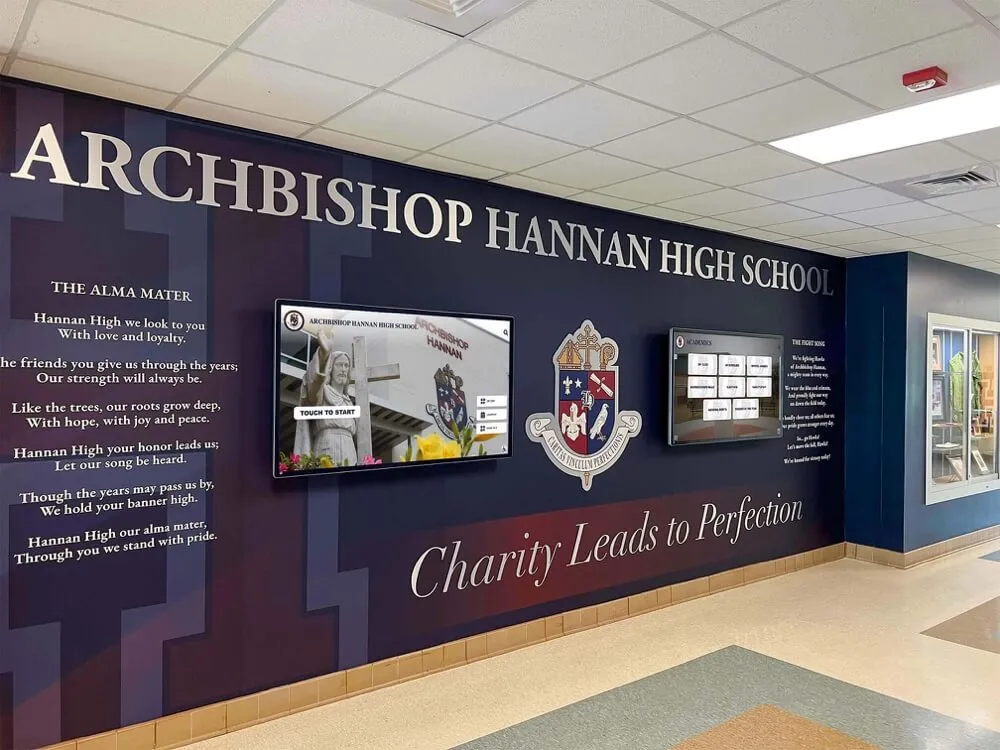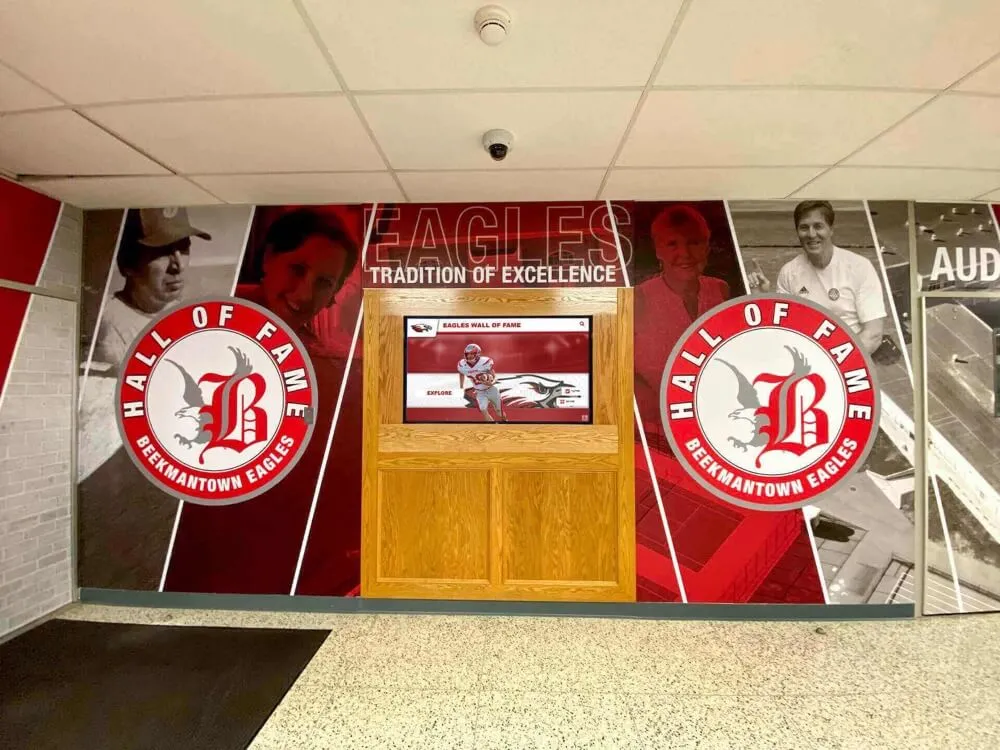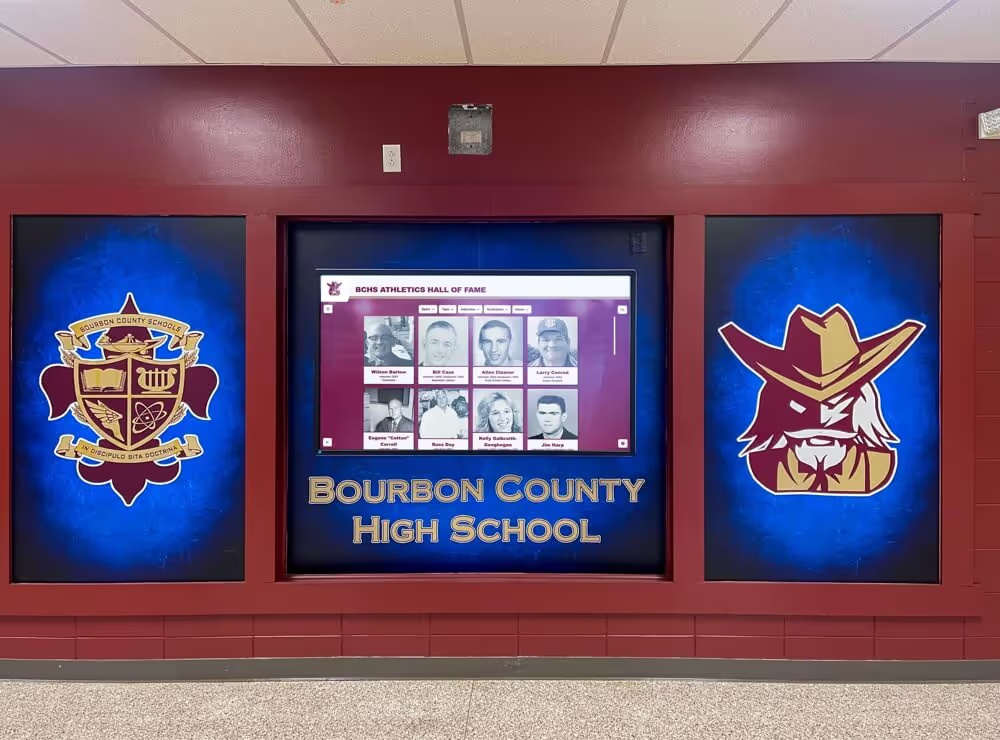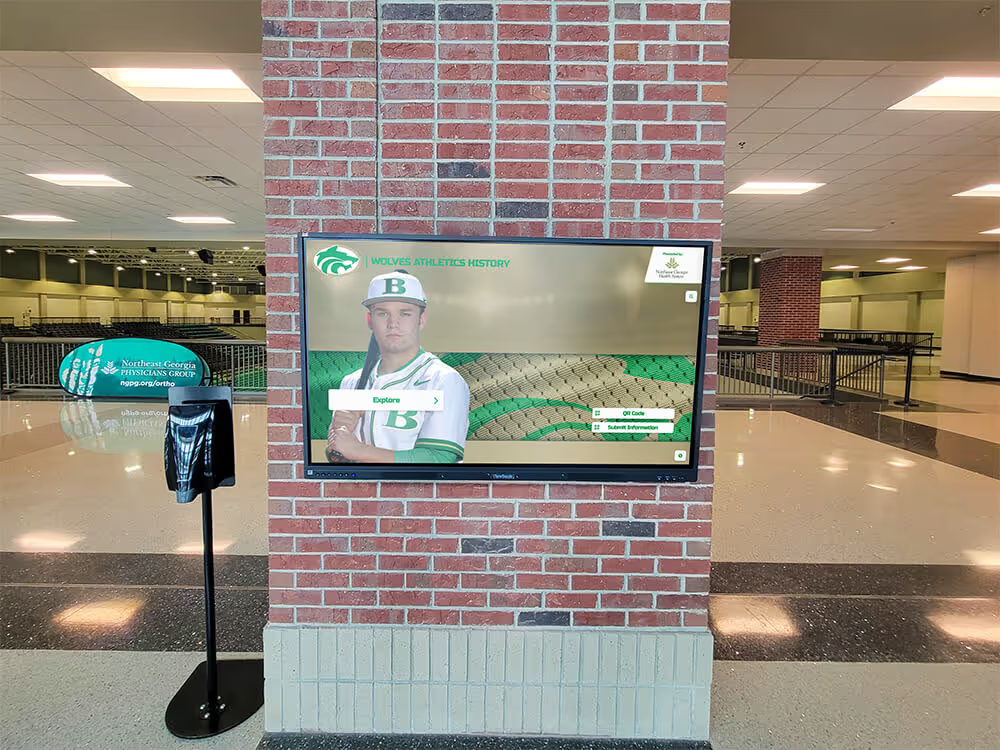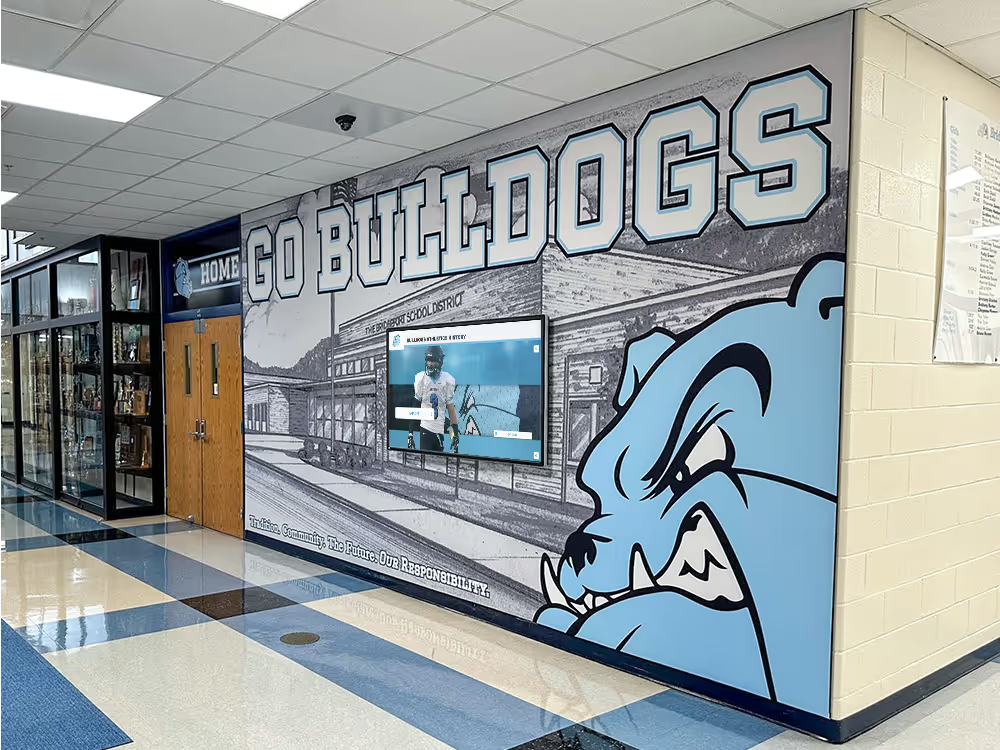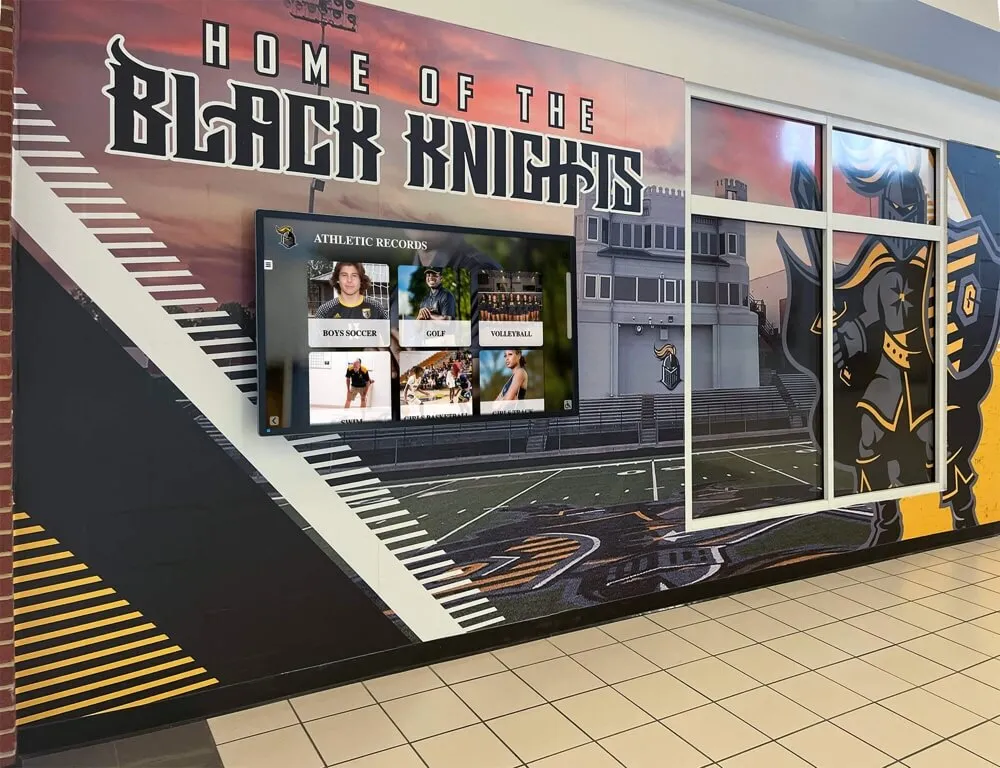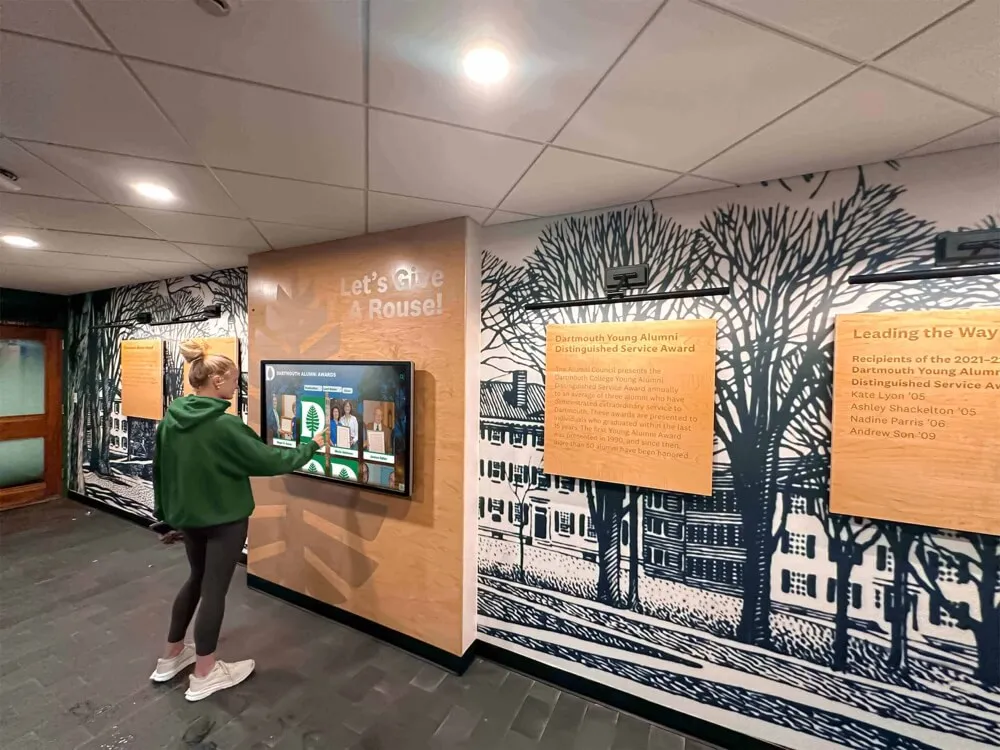
Digital displays for schools are revolutionizing how educational institutions recognize student achievement, communicate with their communities, and create engaging learning environments in 2026. Unlike traditional bulletin boards and static plaques that require constant manual updating and offer limited visibility, digital recognition systems provide dynamic content delivery, unlimited capacity for celebrating achievements, real-time updates from anywhere, and interactive experiences that resonate with today’s digitally native students.
Yet many schools still rely on outdated recognition methods that fail to adequately celebrate student accomplishments. Traditional trophy cases fill up within years, paper honor roll lists become outdated the moment they’re printed, bulletin boards require constant physical updating, and static displays offer no way to tell comprehensive achievement stories. Meanwhile, students whose accomplishments deserve celebration receive acknowledgment that feels impersonal, temporary, and disconnected from the digital world they inhabit.
This comprehensive guide explores how forward-thinking schools are implementing digital display technology to transform student recognition, enhance school culture, improve communication, and create environments where achievement receives the visibility and celebration that inspires continued excellence.
Modern educational technology extends far beyond classroom instruction—it encompasses how schools communicate values, celebrate achievements, and build community. Educational institutions that excel at student recognition create dynamic systems that honor accomplishments across all dimensions while remaining flexible for evolving needs. Digital display solutions like those from Rocket Alumni Solutions make this comprehensive recognition achievable for schools of all sizes and budgets.

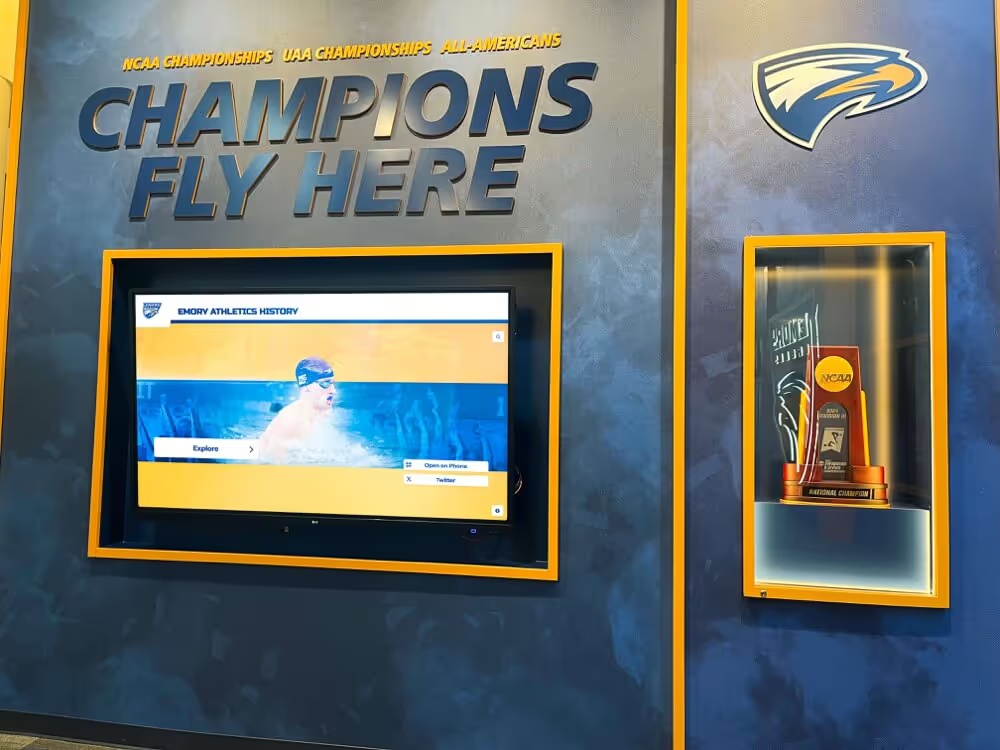
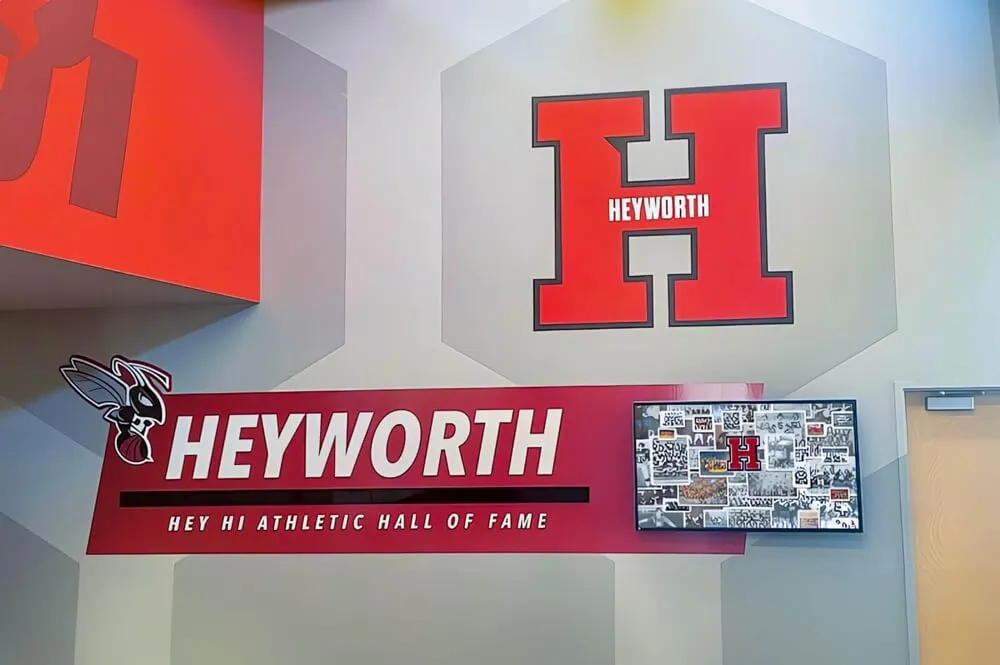
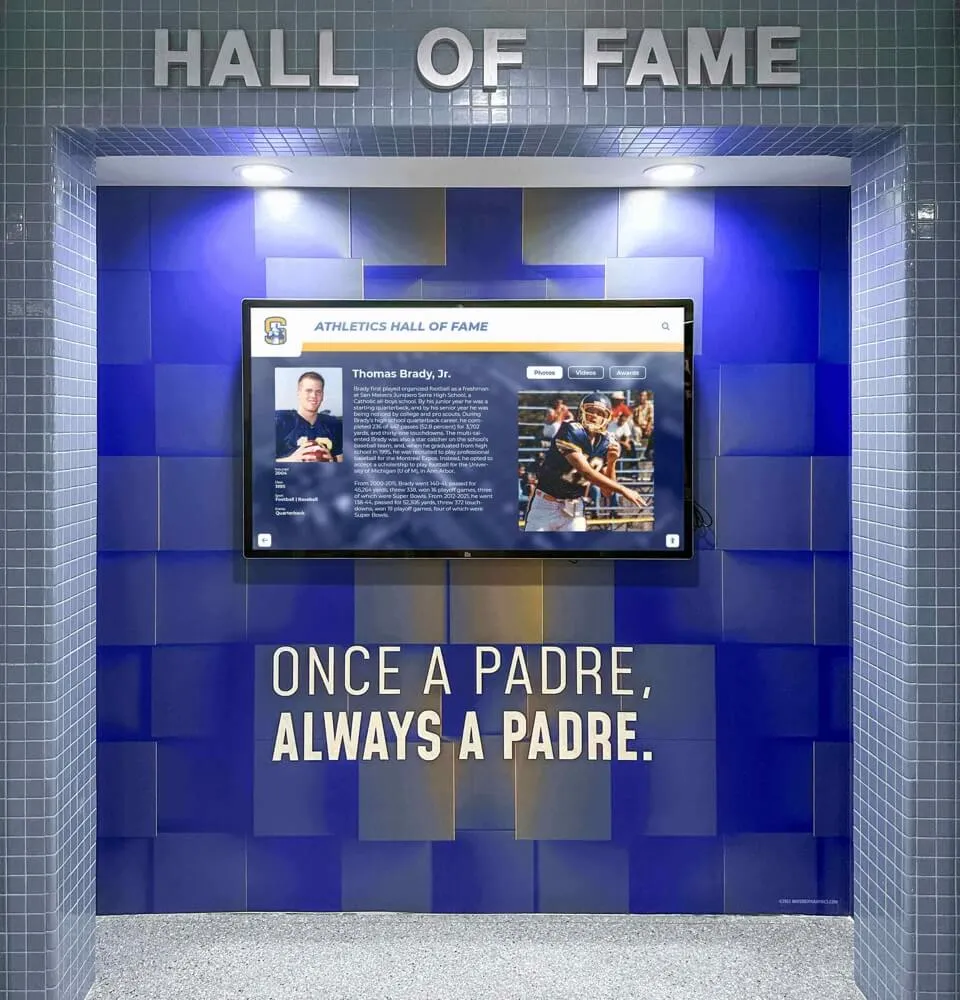
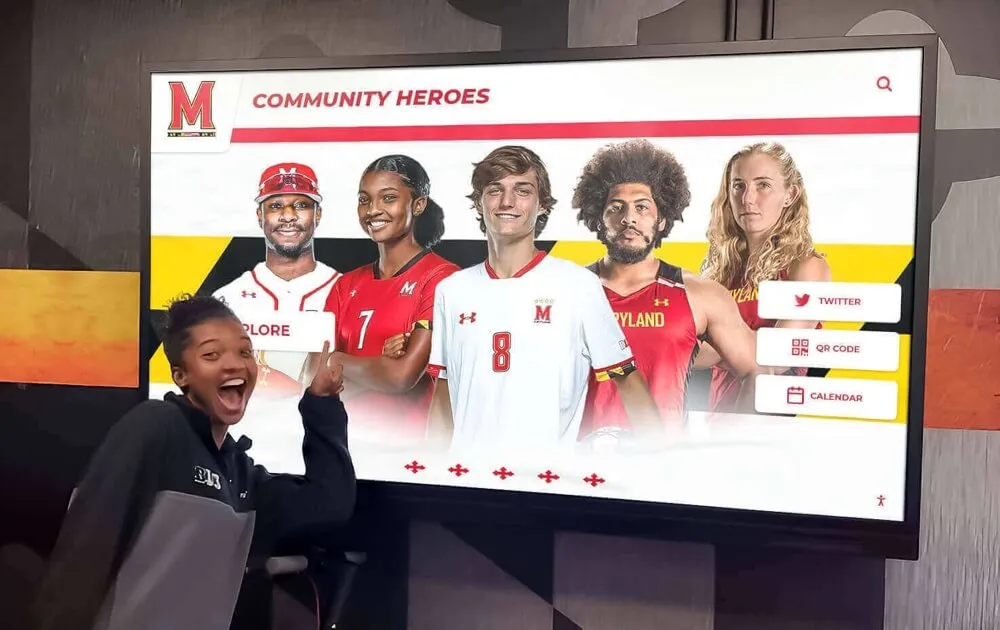
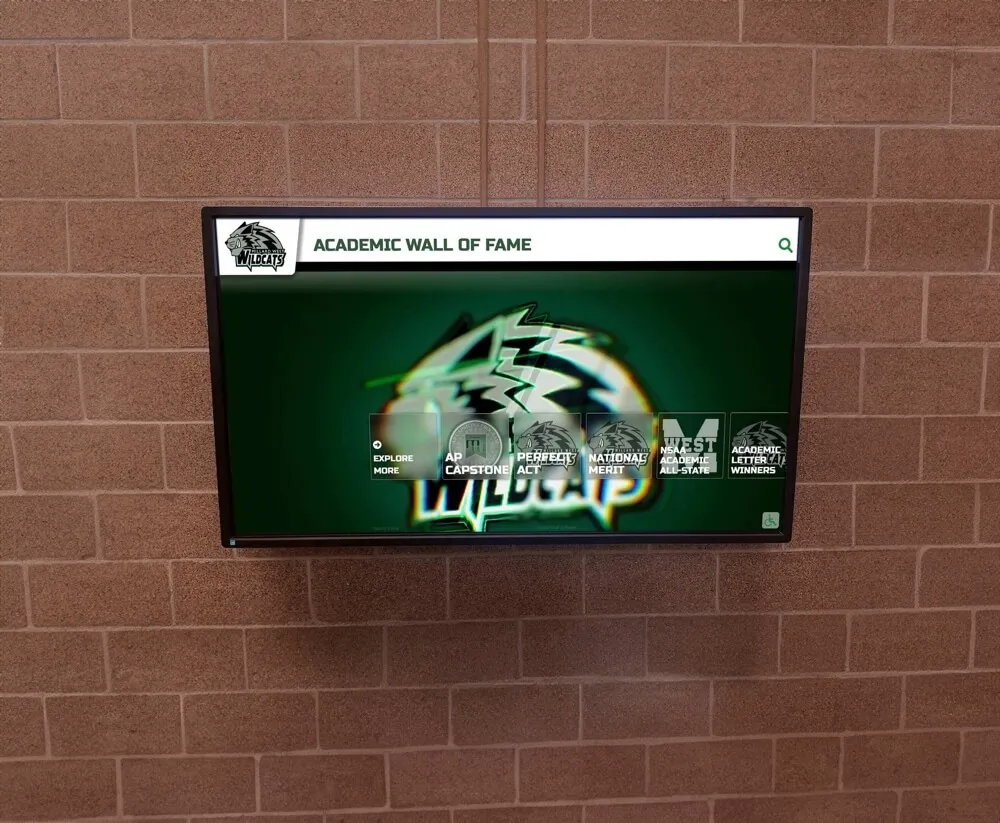
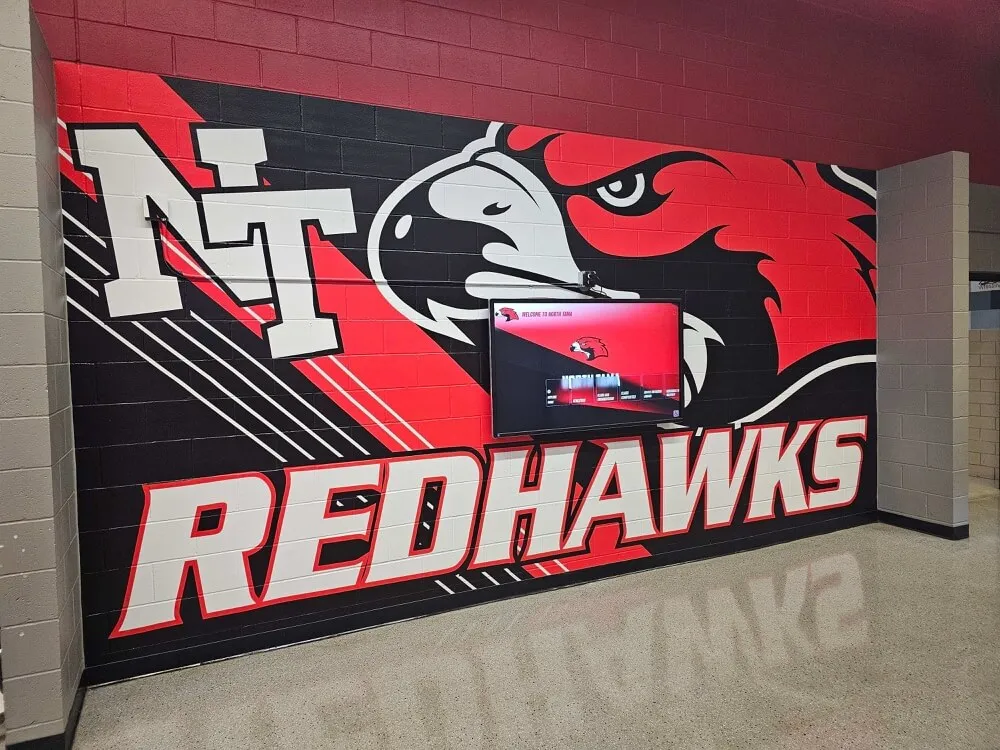
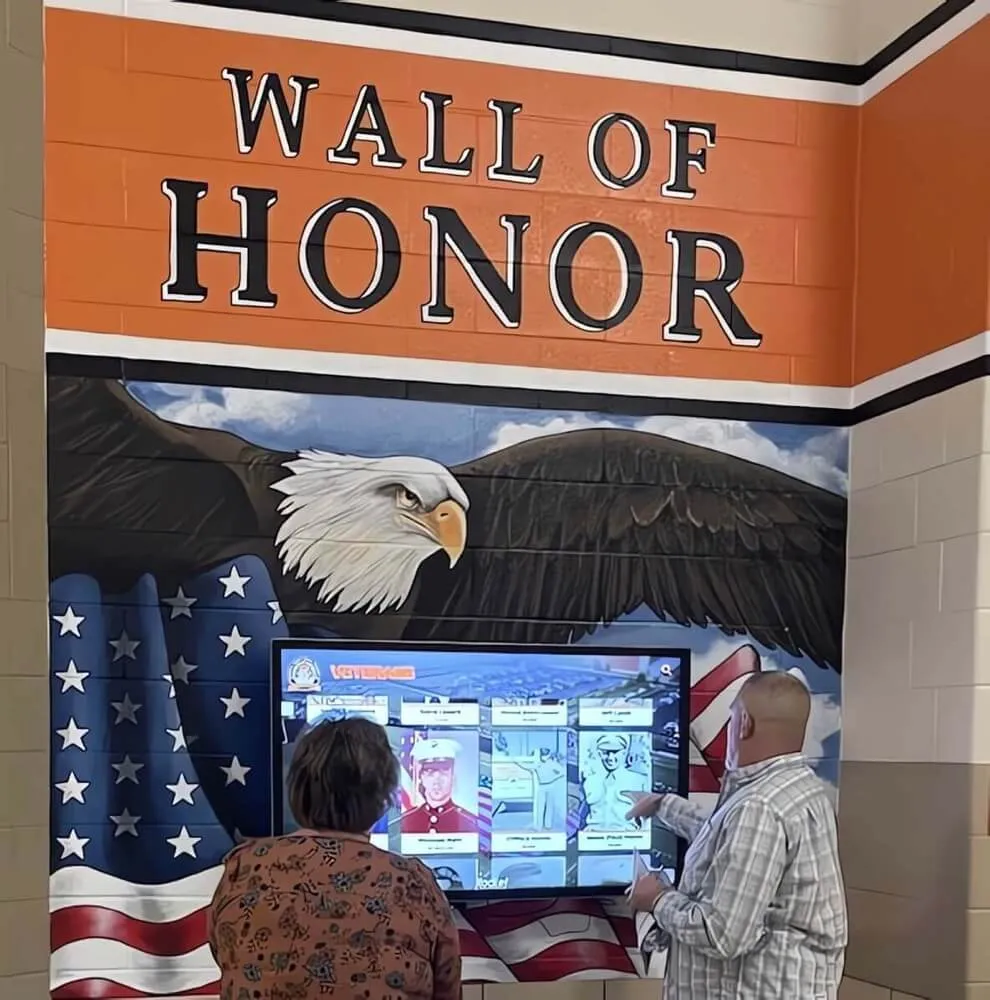
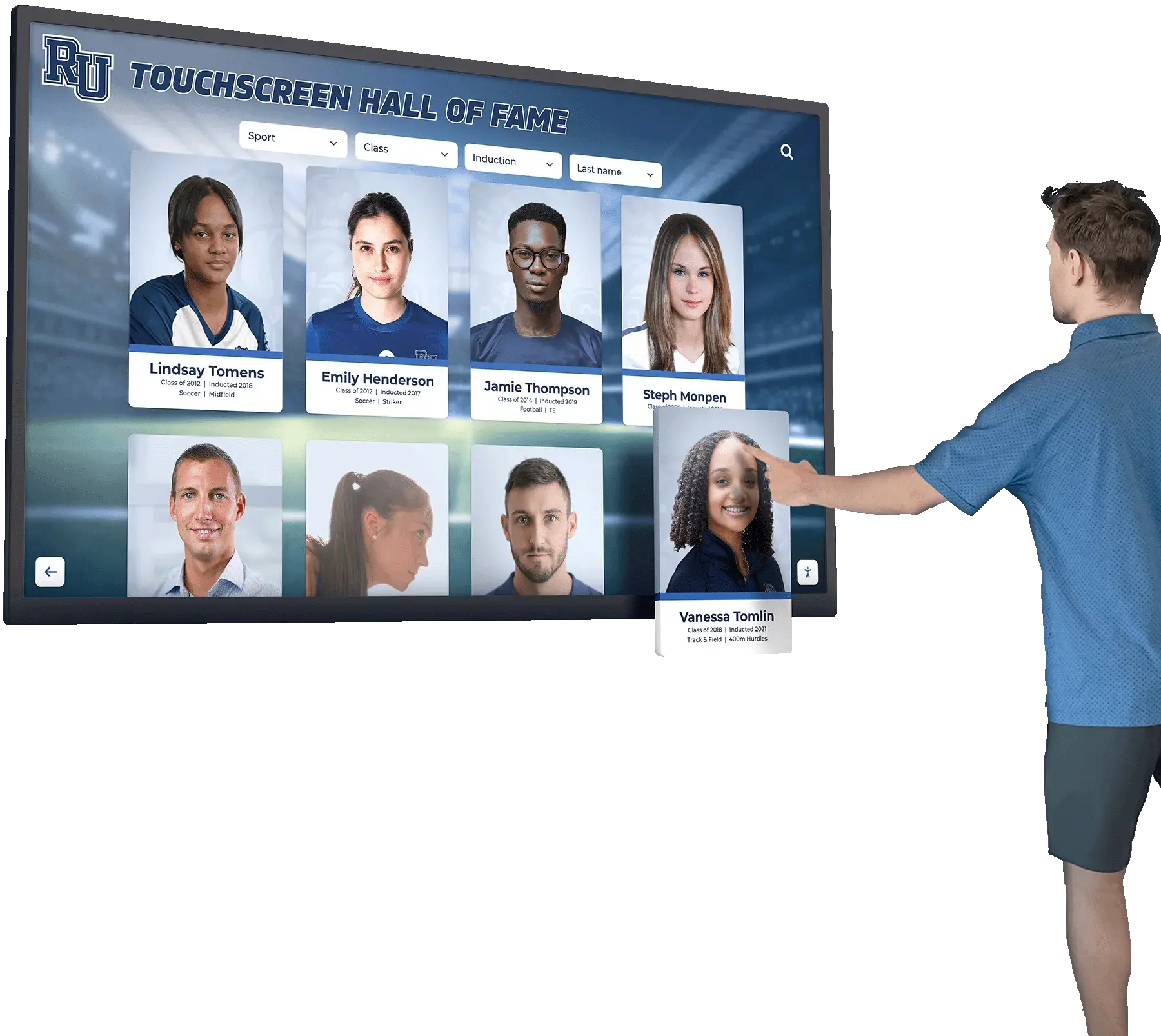
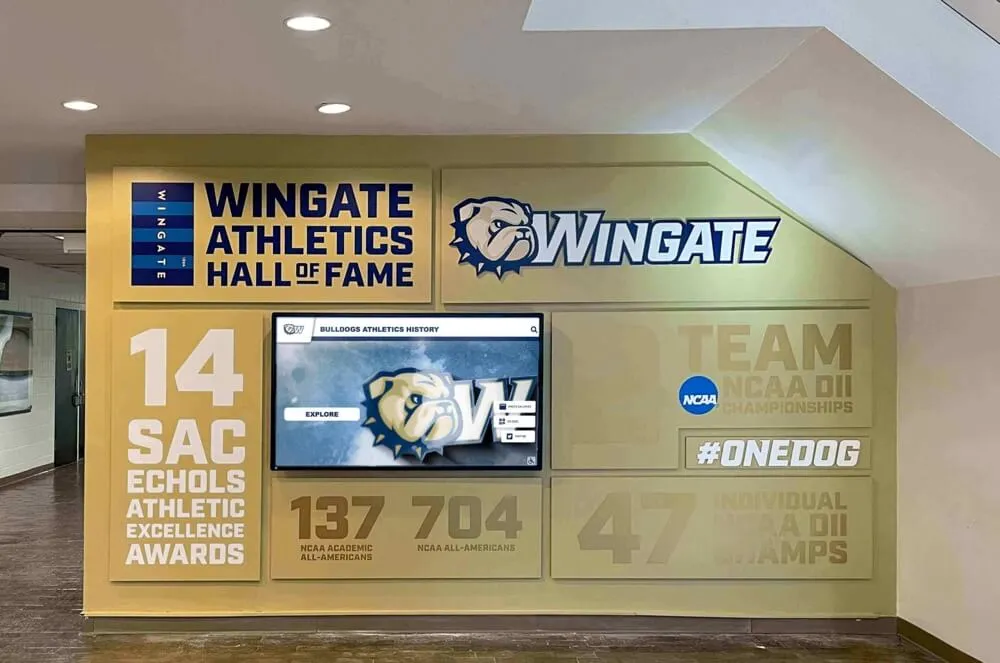
Digital recognition displays transform how schools celebrate student excellence and build achievement culture
The Evolution of Student Recognition Technology in Education
Understanding how digital display technology has transformed educational recognition helps schools make informed decisions about modernizing their approaches to celebrating student achievement.
From Static Displays to Dynamic Recognition Systems
Student recognition in schools has evolved dramatically as educational technology advances:
Traditional Recognition Limitations
- Physical trophy cases with finite capacity forcing difficult decisions about what to display
- Paper honor roll lists that become outdated before the ink dries
- Bulletin boards requiring staff time for manual updating and maintenance
- Static plaques offering no storytelling capabilities or context
- No way to showcase multimedia content like photos, videos, or achievement details
- Expensive re-engraving costs and physical space constraints
According to educational technology research, these limitations cause many schools to struggle with recognition that adequately celebrates all deserving students. When only the highest achievers receive visible acknowledgment because physical space runs out, students making significant progress from different starting points feel undervalued, potentially affecting their motivation and engagement.
The Digital Display Solution
Modern digital displays for schools overcome traditional limitations through technology that enables unlimited recognition capacity without physical constraints, instant content updates from any location with internet access, rich multimedia storytelling with photos and videos, interactive exploration allowing students to discover achievements, flexible organization accommodating multiple recognition categories, and cost-effectiveness eliminating recurring physical update expenses.
Solutions like Rocket Alumni Solutions provide comprehensive digital recognition platforms combining large-format displays with cloud-based content management, enabling schools to honor every achievement appropriately regardless of available wall space.
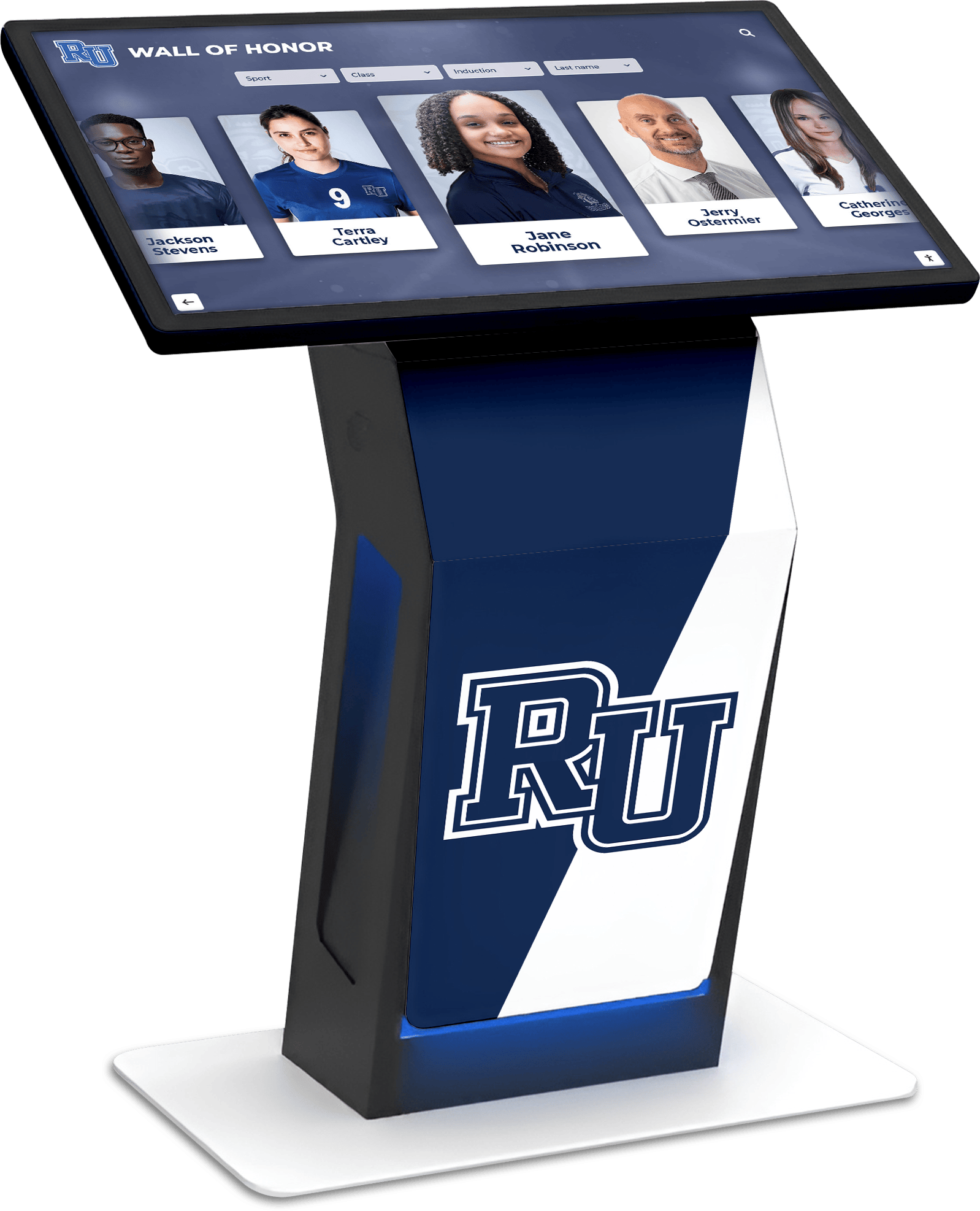
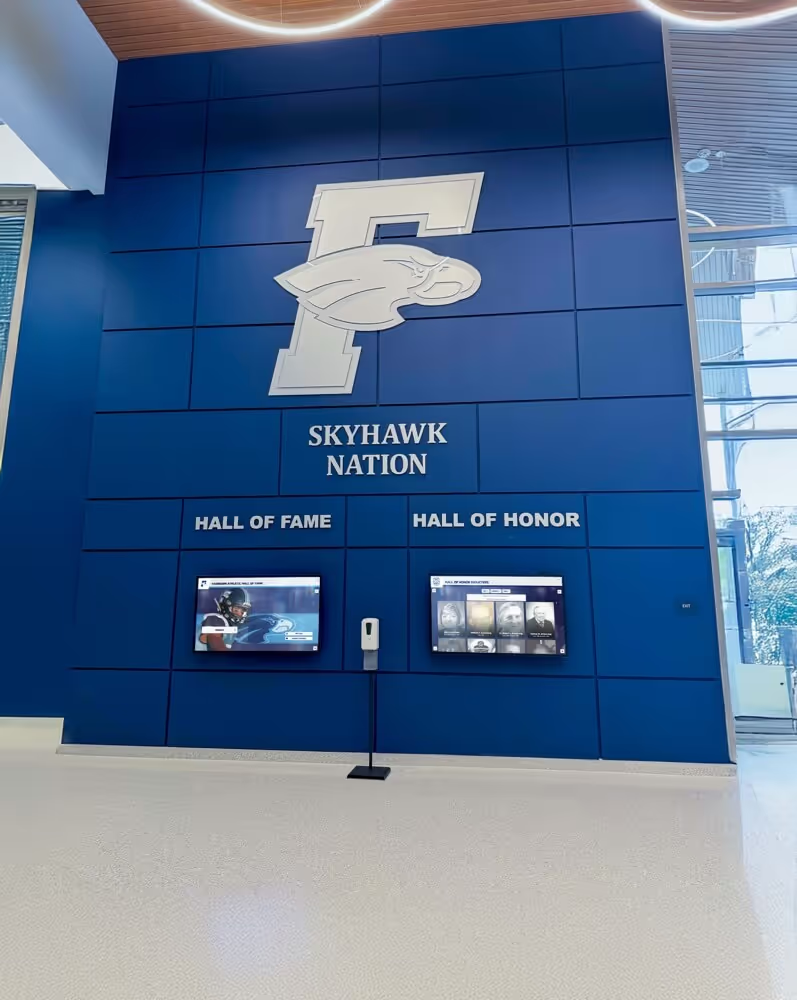
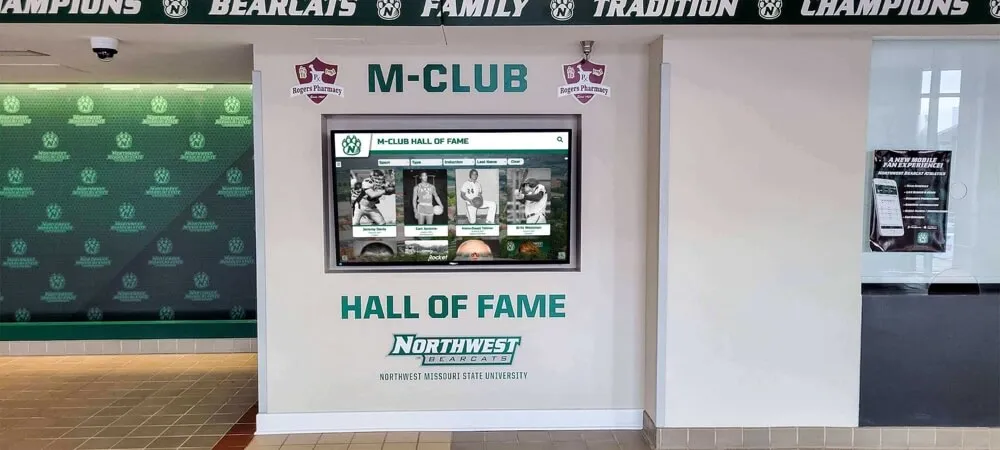
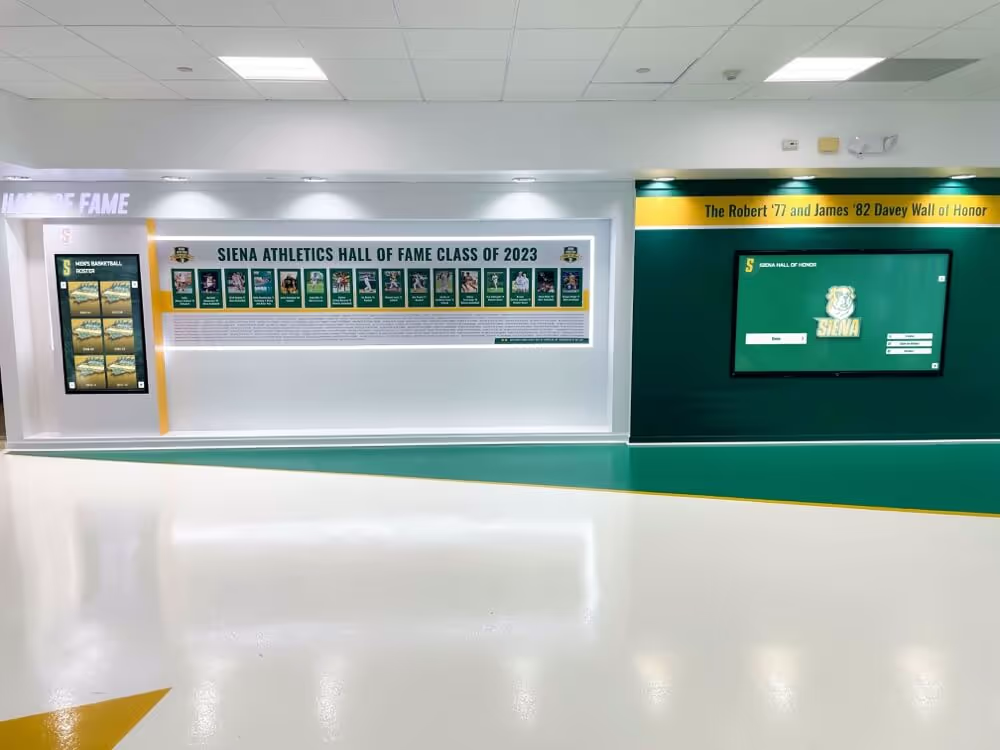
Interactive touchscreen systems eliminate space constraints while creating engaging student experiences
Core Benefits Schools Are Experiencing
Educational institutions implementing digital displays for student recognition report transformative improvements across multiple dimensions:
Unlimited Recognition Capacity
Traditional displays accommodate perhaps 50-100 names or achievements before running out of space. Digital systems recognize unlimited students across all categories—academic excellence, athletic achievements, performing arts accomplishments, community service, character development, and specialized recognitions. Single displays can showcase thousands of students through searchable, filterable interfaces enabling visitors to explore achievements instantly.
This unlimited capacity ensures every worthwhile accomplishment receives appropriate celebration, from students earning their first honor roll designation to National Merit Scholars, creating comprehensive inclusion impossible with traditional installations.
Real-Time Updates and Flexibility
Cloud-based management platforms enable instant recognition updates from any internet-connected device. School staff can add new achievements within minutes of receiving notification, update information as accomplishments evolve, correct errors immediately without physical intervention, schedule recognition to go live at specific times like assemblies or parent nights, and refresh content regularly maintaining relevance and engagement.
According to educational technology platforms, schools implementing digital recognition systems report 85-90% reduction in administrative time spent maintaining student recognition compared to traditional approaches requiring physical updates.
Enhanced Student Engagement and Motivation
Digital displays create engagement traditional recognition cannot match. Research from educational psychology demonstrates that visible recognition significantly increases student motivation—students seeing their peers celebrated for achievements develop stronger aspirations to earn similar recognition. Interactive touchscreen systems enable students to search for classmates, explore detailed achievement profiles, view photos and accomplishment documentation, share recognition digitally with family, and track their own achievement progress over time.
This interactivity encourages students to spend more time engaging with recognition displays, increasing awareness of what the school values while inspiring higher achievement levels across the student body.
Learn about comprehensive recognition strategies in honor roll touchscreen display approaches that maximize student motivation.
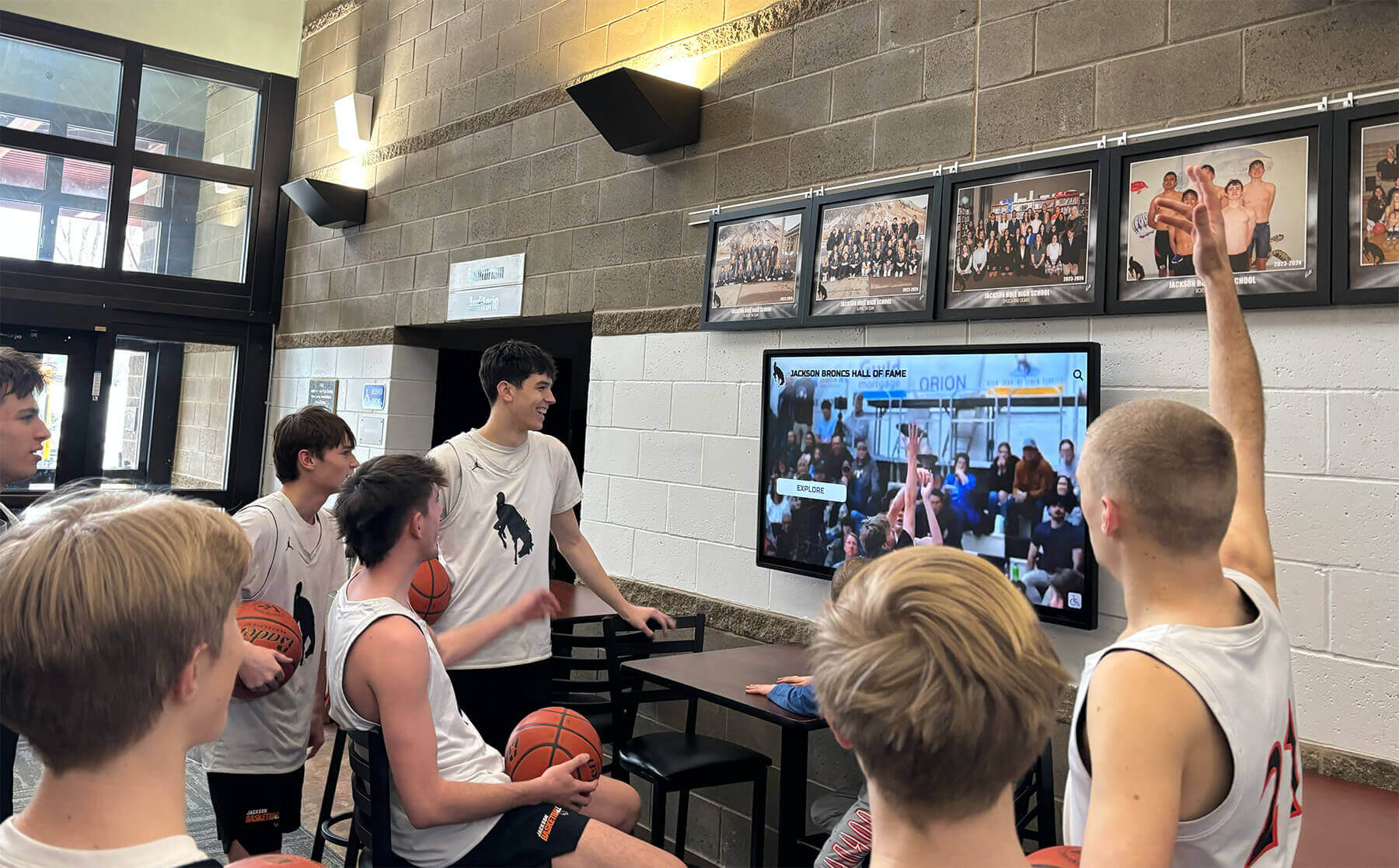
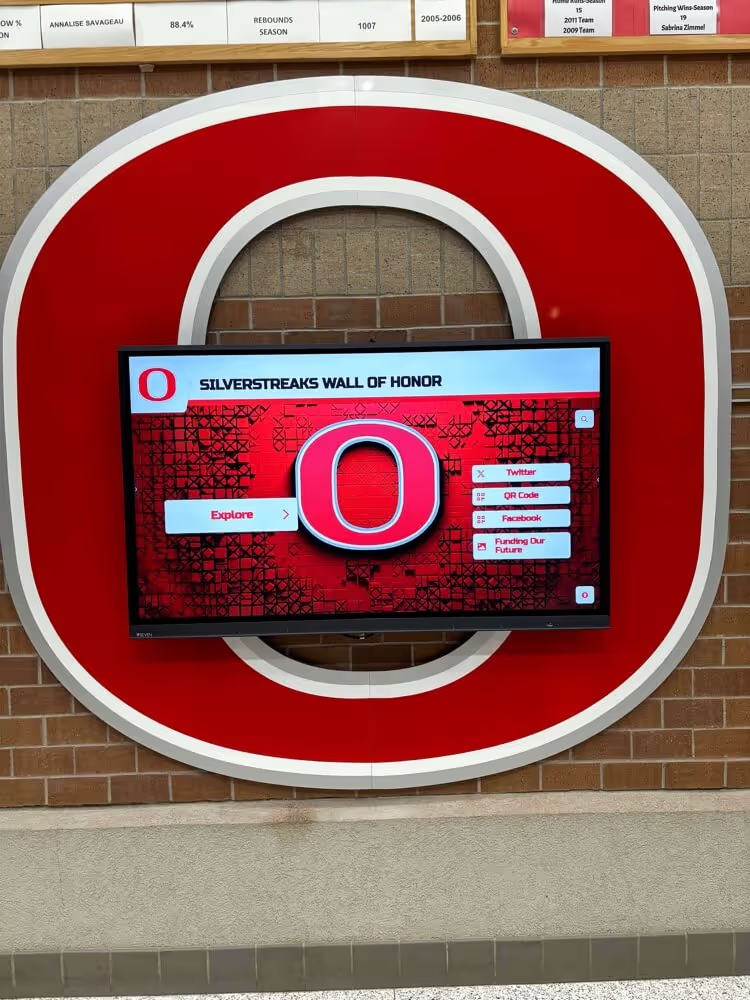
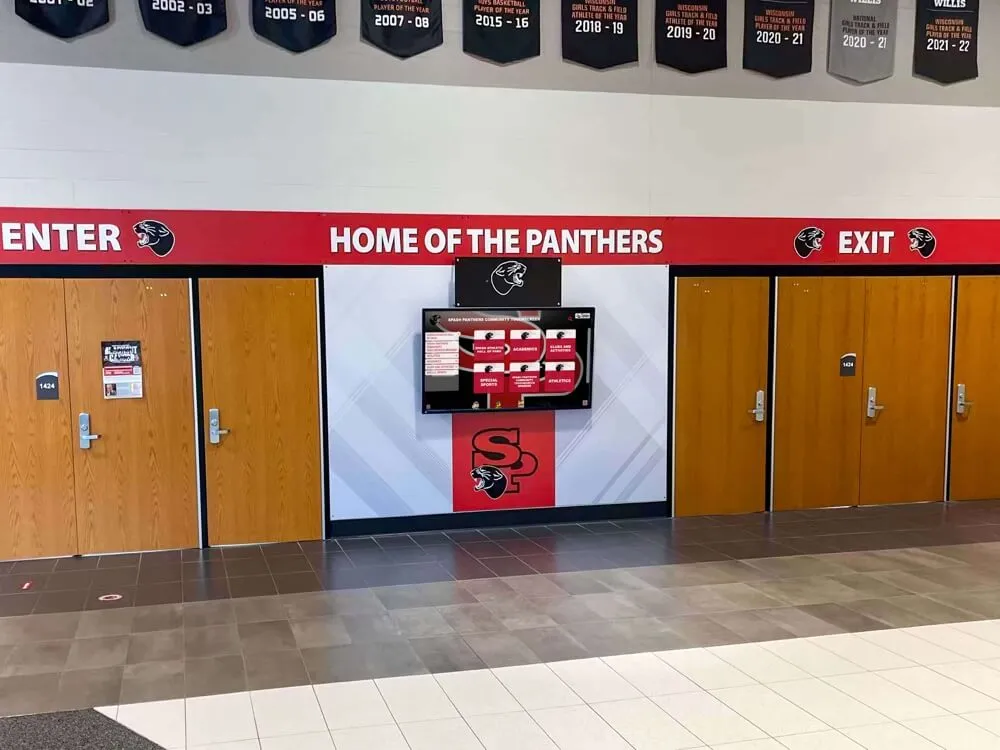
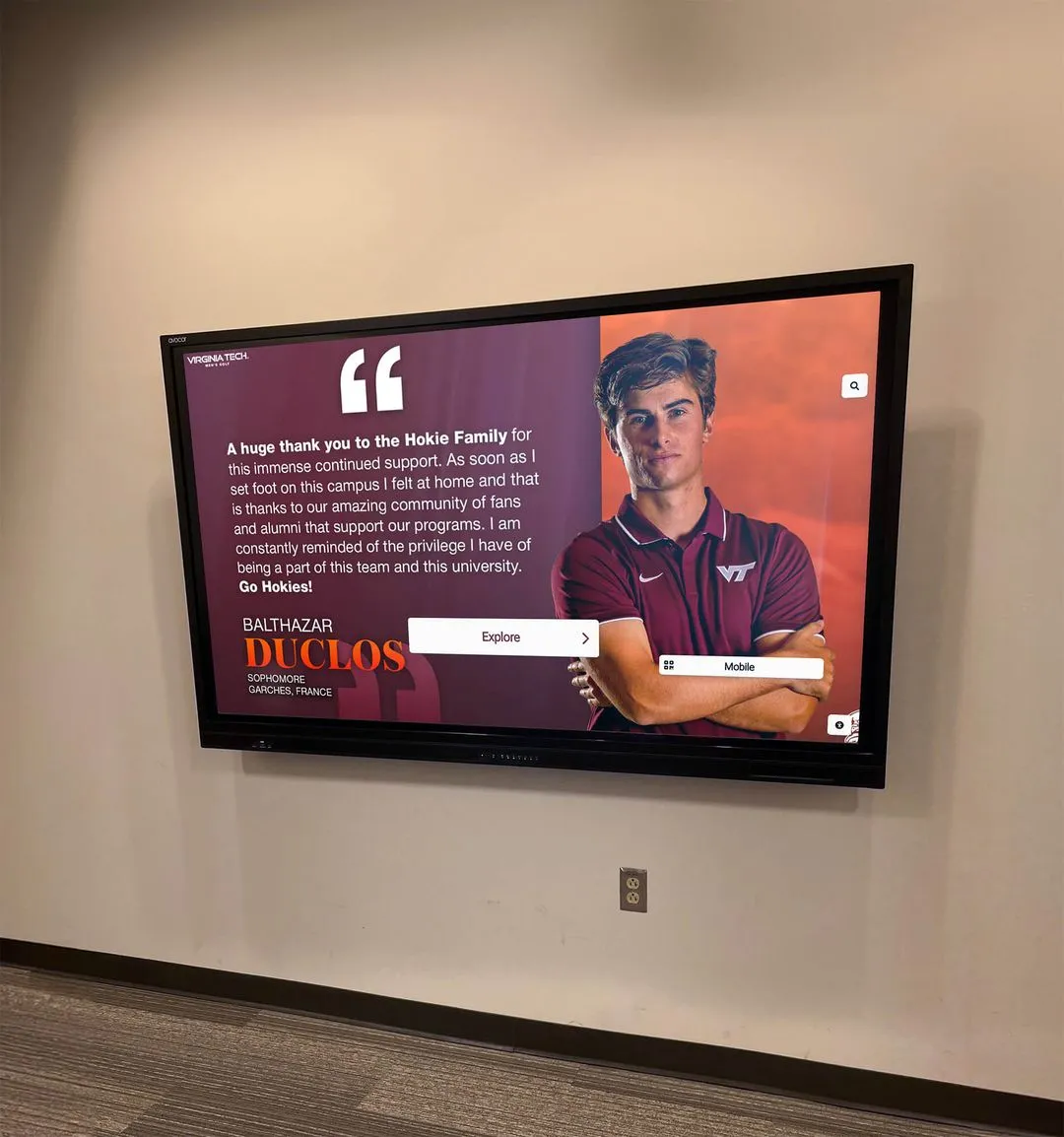
Digital displays become gathering places where students explore achievements and celebrate peers
Strengthened School Culture and Community
Visible achievement celebration transforms school culture. When accomplishments across all domains—academics, athletics, arts, service, leadership—receive equal visibility, schools communicate that diverse talents and contributions matter. Digital displays enable comprehensive cultural storytelling through historical timelines connecting past and present, alumni achievement profiles inspiring current students, school value demonstrations through what receives recognition, community partnership acknowledgment celebrating supporters, and tradition preservation maintaining institutional memory.
This cultural impact extends beyond individual student motivation to shape institutional identity and community cohesion.
Cost-Effectiveness Over Time
While initial investment in digital display systems may exceed traditional trophy cases or plaques, long-term costs strongly favor digital approaches. Traditional recognition requires ongoing expenses for engraving new plaques, purchasing additional display cases as space fills, printing updated lists and materials, physical labor for installation and updates, and eventual replacement as displays deteriorate.
Digital systems eliminate these recurring expenses while providing unlimited capacity and enhanced functionality traditional installations cannot match. Schools report that digital displays typically achieve cost parity with traditional approaches within 3-5 years, after which the savings compound significantly.
Categories of Student Recognition Digital Displays Serve
Digital display technology enables comprehensive recognition across all domains of student achievement and school life.
Academic Recognition and Excellence
Digital displays excel at celebrating intellectual achievement:
Academic Performance Recognition
- Honor roll designations by marking period, semester, and year
- Grade point average milestones and academic distinction levels
- Perfect attendance recognition and improvement tracking
- Course-specific excellence awards in individual subjects
- Advanced Placement, International Baccalaureate, and dual enrollment achievements
- Standardized test accomplishments like SAT, ACT, PSAT recognition
- Academic competition success including Math Olympiad, Science Olympiad, and quiz bowl achievements
Growth and Improvement Recognition Digital systems uniquely enable celebrating progress from different starting points:
- Most improved GPA tracking showing academic growth trajectories
- Reading level advancement and literacy milestone achievements
- Subject-specific skill progression demonstrating mastery development
- Attendance improvement recognition for students overcoming barriers
- Behavior and engagement growth acknowledgment
This multi-dimensional academic recognition ensures students at all performance levels have opportunities for celebration, not just those starting from high achievement baselines.
Explore comprehensive academic recognition in AP Scholar digital recognition approaches that celebrate intellectual excellence.
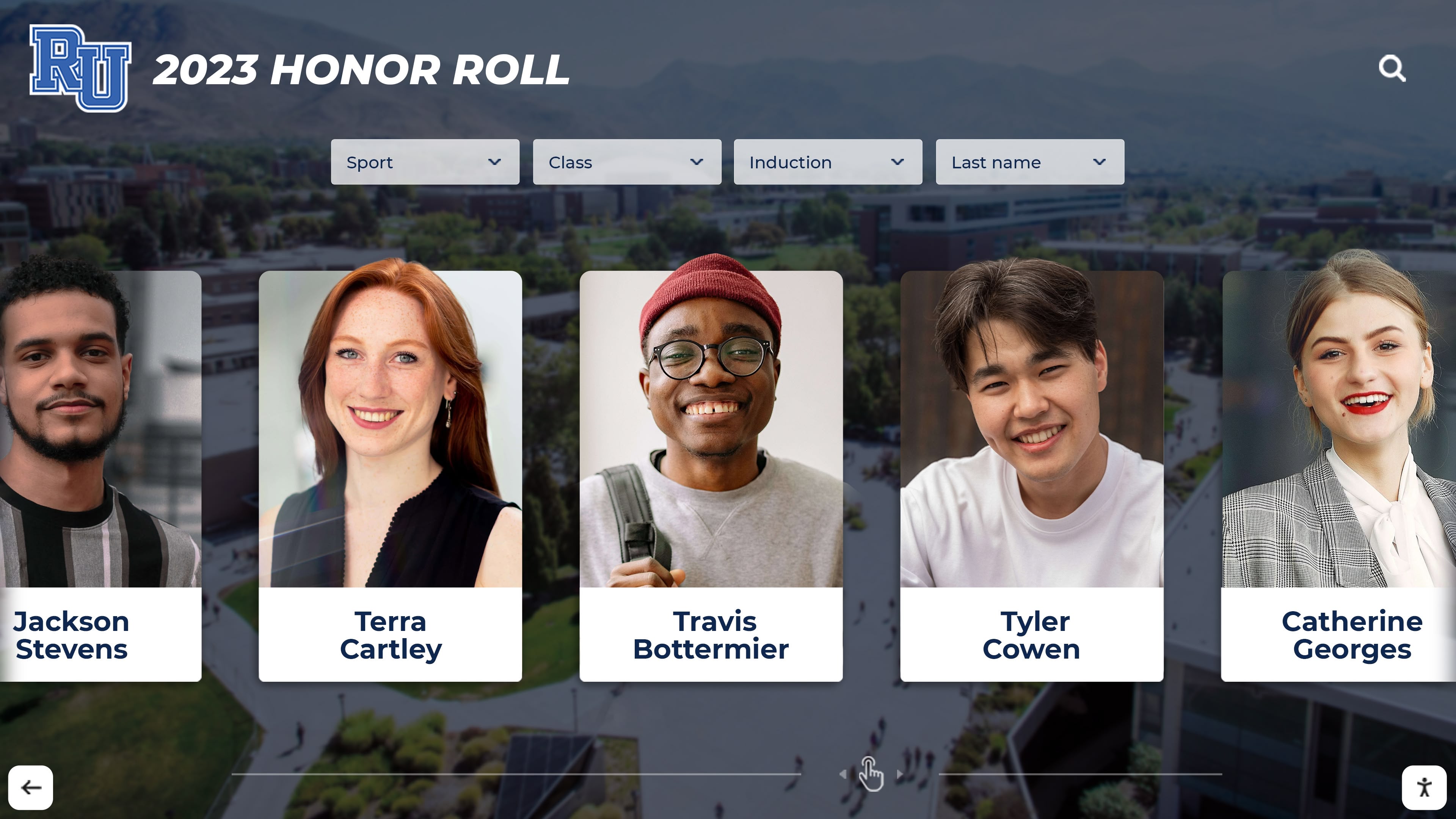
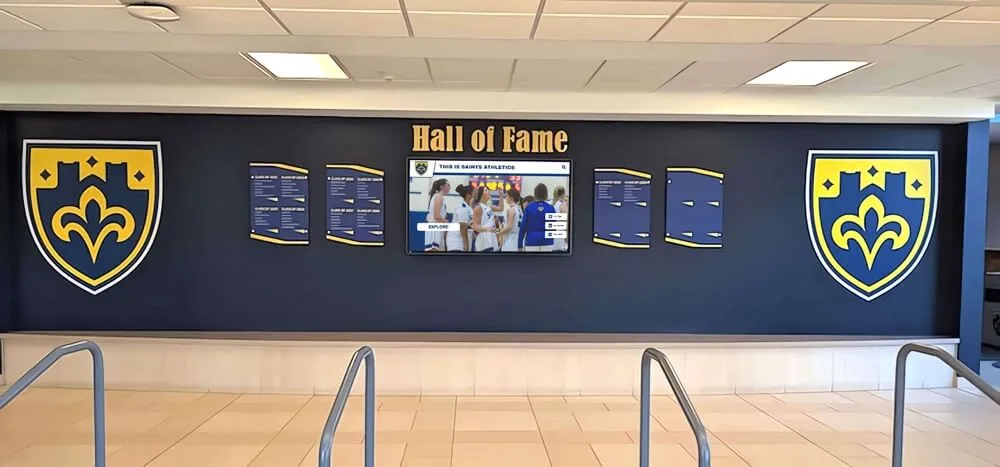
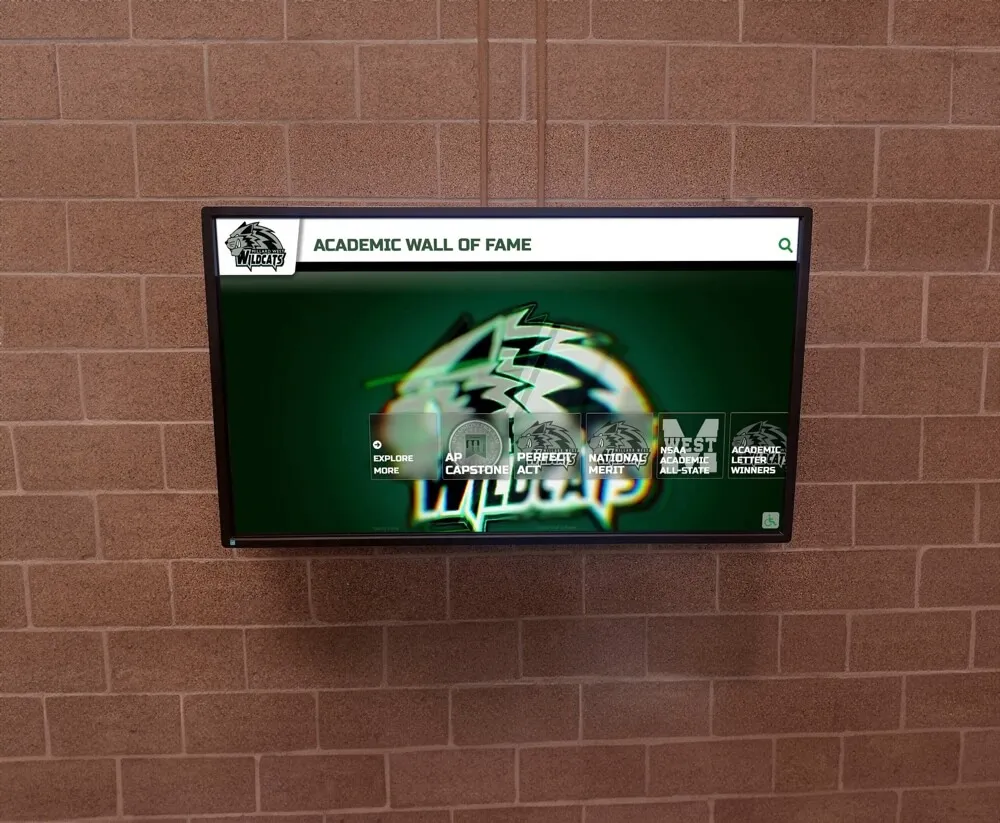
Individual student profiles with photos create personal, meaningful academic recognition
Athletic Achievement and Sports Recognition
Digital displays transform how schools celebrate athletic excellence:
Individual Athletic Recognition
- Record-breaking performances in track, swimming, and individual sports
- All-conference, all-state, and all-American selections
- State championship qualifiers and competitors
- Career milestone achievements like 1,000-point scorers
- Athlete of the week, month, and year honors
- Senior athlete recognition celebrating four-year contributions
Team Achievement Celebration
- Conference championship teams across all sports
- State tournament qualifiers and champions
- Historical team records and season achievements
- Rivalry game victories and traditional competition success
- Season highlight documentation with photos and videos
- Team statistics and performance tracking
Digital systems enable equal visibility for all sports—not just high-profile programs—ensuring athletes in soccer, tennis, golf, cross country, swimming, volleyball, and other sports receive recognition comparable to football and basketball.
Learn about athletic recognition in digital displays for state championship brackets that celebrate team achievements.
Performing Arts and Creative Achievement
Digital displays bring artistic accomplishments into prominent visibility:
Music Program Recognition
- All-state band, orchestra, and choir selections
- Solo and ensemble competition achievements
- Concert performances and special music events
- Student compositions and original work
- Musical theater cast and crew recognition
- Jazz band, marching band, and specialized ensemble achievements
Discover performing arts recognition in musical wall of honor approaches that celebrate artistic excellence.
Visual and Performing Arts Celebration
- Student artwork galleries and exhibition recognition
- Theater production cast and crew acknowledgment
- Dance performance and competition achievements
- Film and video production accomplishments
- Creative writing awards and publication recognition
- Art competition success and scholarship achievements
Digital displays enable multimedia presentation of artistic work—displaying actual artwork images, performance video clips, and creative portfolio samples impossible with traditional recognition methods.
Beyond Traditional Recognition Categories
Modern digital displays celebrate diverse student contributions:
Leadership and Service Recognition
- Student government officers and representatives
- Club and organization leadership positions
- Community service hour milestones and project recognition
- Volunteer program participation acknowledgment
- Peer mentoring and tutoring contributions
- School culture and climate improvement leadership
Character and Special Recognition
- Character education award recipients
- Kindness and compassion recognition programs
- Overcoming adversity and resilience acknowledgment
- Positive behavior intervention and support celebrations
- Anti-bullying and inclusion leadership
- School improvement and innovation contributions
This comprehensive recognition approach ensures all valuable student contributions receive visibility, not just traditional achievement metrics.
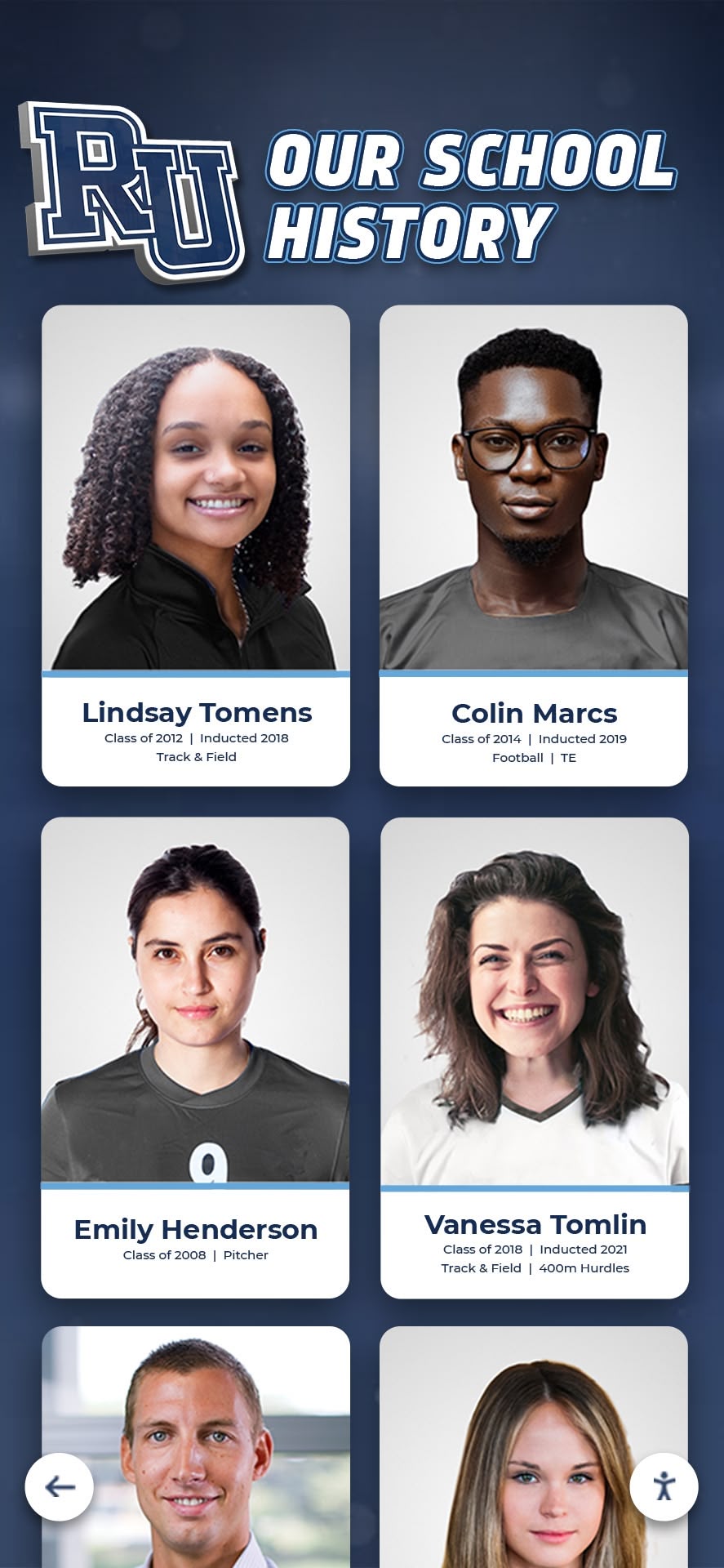
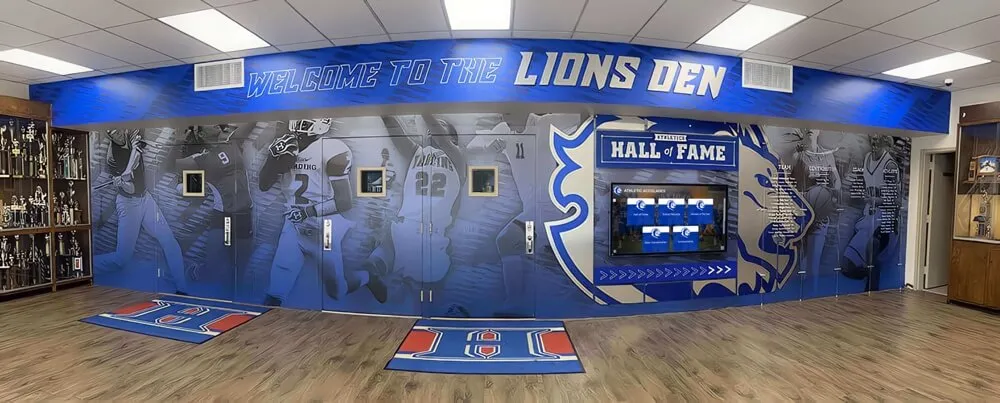
Digital displays preserve institutional history while celebrating current achievements
Implementation Strategies: Bringing Digital Displays to Your School
Successful implementation requires thoughtful planning and systematic execution ensuring displays meet educational needs effectively.
Needs Assessment and Strategic Planning
Begin with comprehensive evaluation establishing clear requirements:
Current State Assessment
- Inventory existing recognition practices across departments
- Identify gaps where deserving achievements go unrecognized
- Evaluate student and family satisfaction with current acknowledgment
- Assess physical spaces available for display installations
- Review technology infrastructure and network capabilities
- Analyze budget availability and potential funding sources
Stakeholder Engagement
Involve key constituencies in planning including administrative leadership input on institutional priorities and values, teaching staff perspectives on recognition needs across departments, student feedback on what recognition means to them, parent and family input on visibility and communication preferences, athletics and activities coordinators identifying recognition opportunities, and technology staff providing technical infrastructure guidance.
Comprehensive stakeholder engagement ensures display systems align with diverse needs while maintaining broad support across the school community.
Recognition Philosophy Development
Establish principles governing student recognition including commitment to celebrating achievements across all domains equally, balance between recognizing pinnacle accomplishments and growth from all starting points, inclusion ensuring recognition opportunities exist for all students, flexibility enabling personalization within consistent frameworks, and sustainability ensuring long-term program viability.
Clear philosophy prevents ad hoc decisions creating inconsistencies or approaches conflicting with educational values.
Technology Selection and Display Options
Choosing appropriate solutions requires understanding available technology:
Display Hardware Considerations
Different display types serve different purposes and locations:
Large-Format Digital Displays
- 55-75 inch commercial-grade screens for high-traffic areas
- Non-interactive displays ideal for passive viewing in lobbies, hallways, and common areas
- Content managed centrally with scheduled rotation
- Lower cost per display compared to interactive options
- Perfect for showcasing rotating recognition, announcements, and achievement highlights
Interactive Touchscreen Systems
- 43-55 inch touchscreen kiosks enabling user exploration
- Ideal for locations where visitors will interact—libraries, student centers, main offices
- Search and filter functionality allowing students to find specific achievements
- Detailed profile pages with photos, videos, and comprehensive information
- Higher engagement and time spent exploring content
Video Wall Arrays
- Multiple displays combined creating large-format recognition walls
- Dramatic visual impact in large spaces like gymnasiums and auditoriums
- Can display combined content or separate recognition categories
- Flexibility to show different content on individual screens
- Premium option for schools prioritizing visibility and impact
Discover display technology options in types of screens used for digital signage relevant to educational settings.
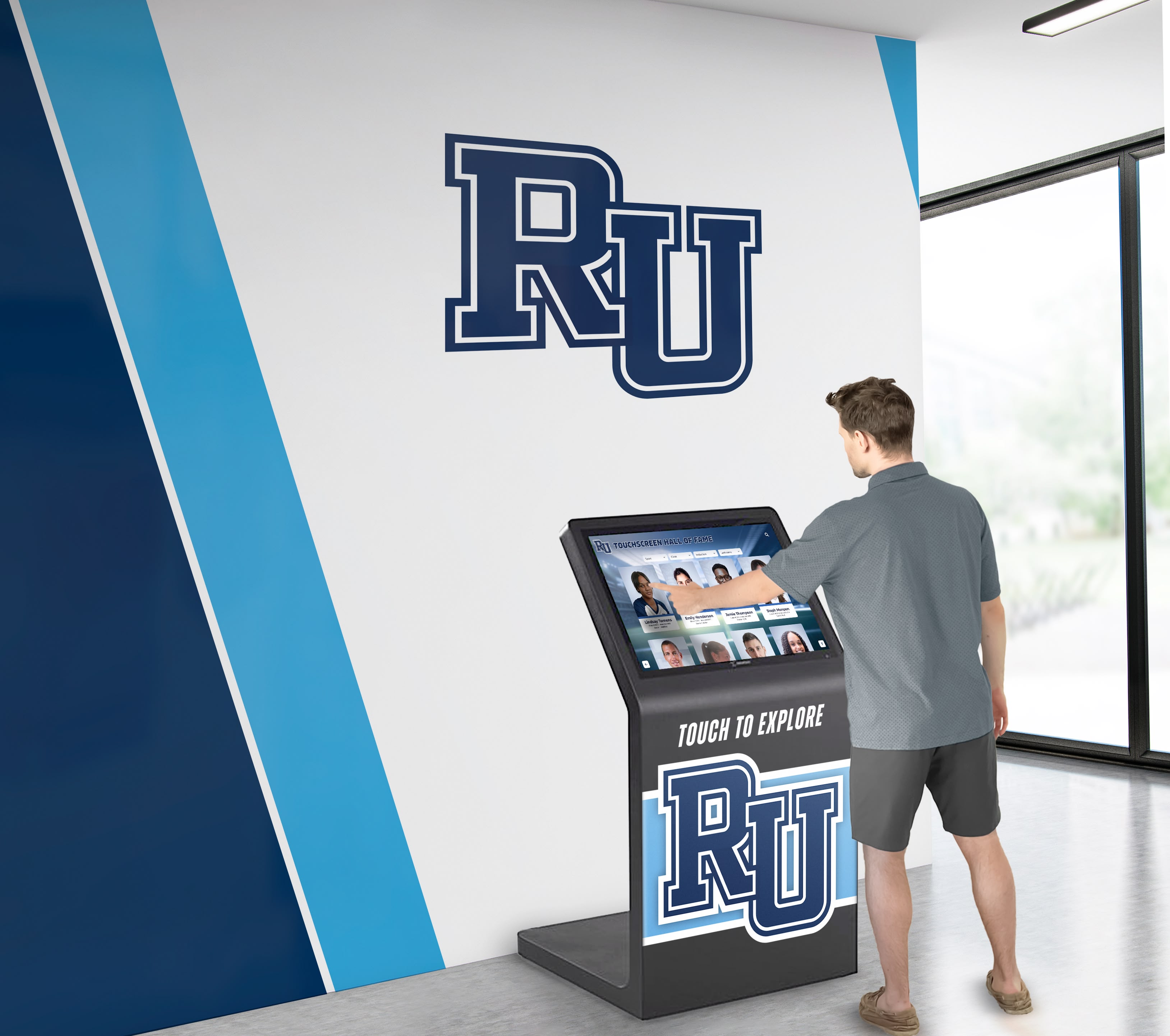
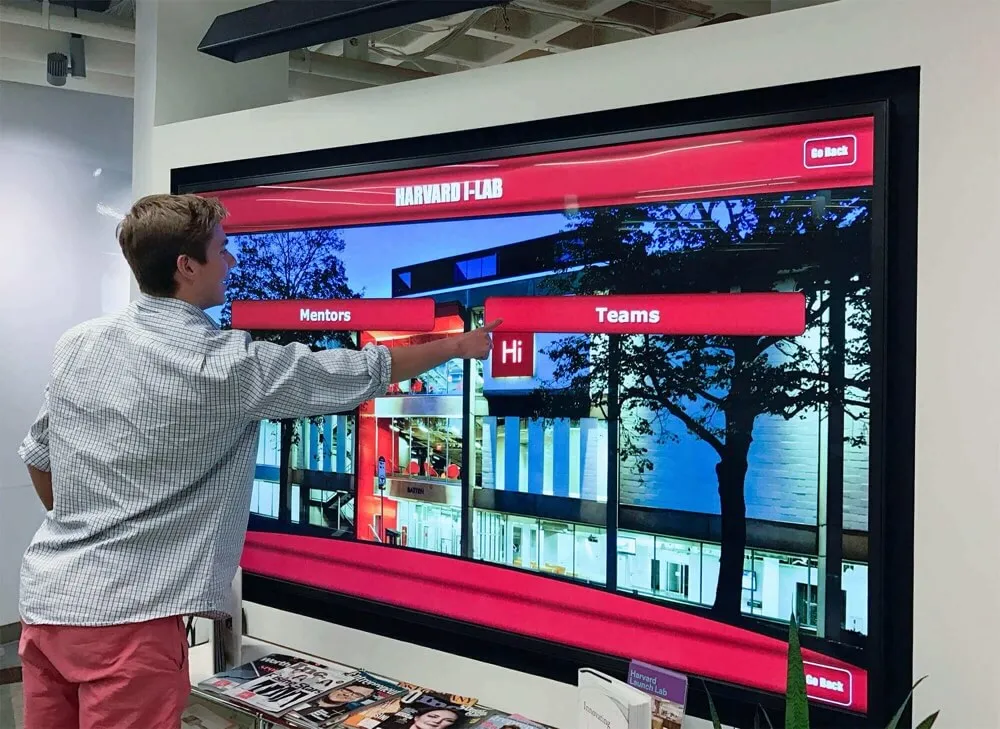
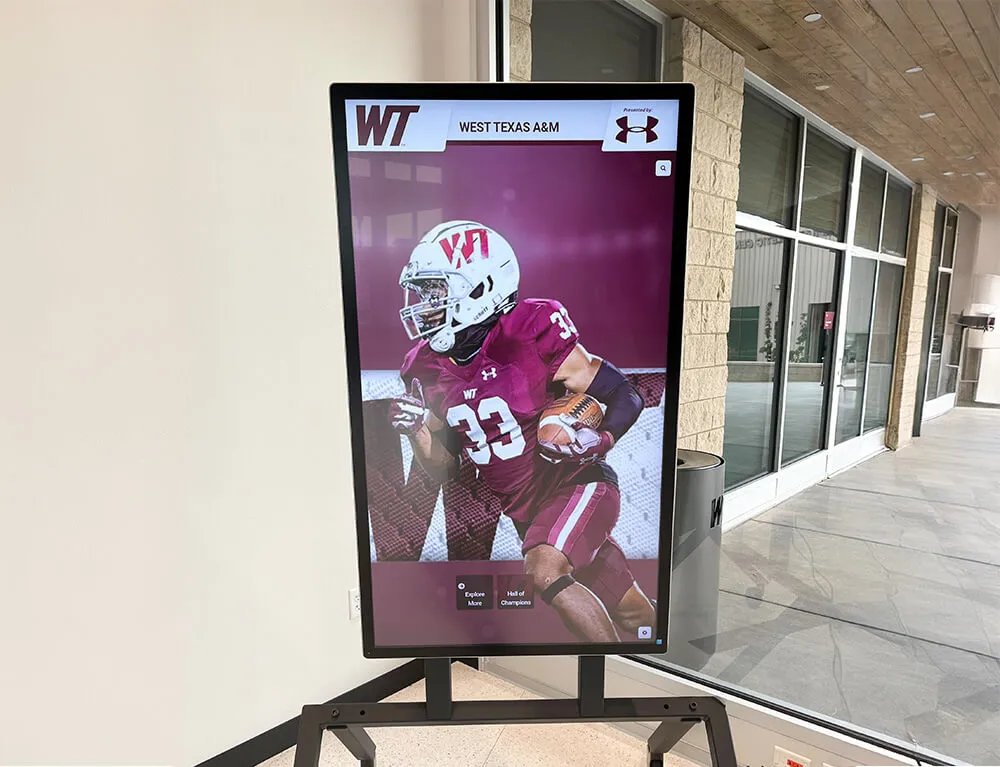
Interactive kiosks create engaging exploration experiences in school common areas
Content Management Platform Requirements
Software capabilities matter as much as hardware:
Essential Platform Features
- Intuitive administrative interface requiring no technical expertise
- Robust content organization with categories, tags, and filtering
- Bulk import tools for historical achievement data and student information
- Scheduling capabilities for timed content publication
- Multiple user access with role-based permissions
- Mobile-responsive design enabling smartphone and tablet management
- Template libraries ensuring professional, consistent design
- Media management supporting photos, videos, and documents
Integration Capabilities
- Student information system connections for automated data flow
- Athletic management software integration pulling game results and statistics
- Learning management system connections highlighting academic achievements
- Website integration extending recognition online
- Social media sharing enabling achievement amplification
- Digital signage integration coordinating with other school displays
Solutions like Rocket Alumni Solutions specialize in educational recognition platforms designed specifically for schools, offering proven implementation processes, extensive template libraries, and ongoing support ensuring successful long-term operation.
Installation and Content Development
Professional implementation ensures optimal functionality and appearance:
Physical Installation Planning
- Electrical infrastructure for display power requirements and network connectivity
- Mounting options including wall-mounted, freestanding kiosks, or integrated into existing spaces
- ADA compliance verification ensuring accessibility for all students and visitors
- Security considerations protecting equipment from damage or theft
- Lighting conditions ensuring optimal screen visibility
- High-traffic location selection maximizing recognition exposure
Initial Content Development Strategy
Comprehensive content preparation ensures strong launch:
Historical Achievement Migration
- Digitize existing recognition from trophy cases, plaques, and records
- Scan historical photos, documents, and achievement artifacts
- Create student profiles for notable alumni and past achievements
- Establish timeline documentation of school history and tradition
- Archive materials preserving institutional memory digitally
Current Recognition Content
- Gather current school year achievements across all categories
- Collect student photos and biographical information with appropriate permissions
- Develop recognition criteria and level descriptions
- Create announcement templates for new achievements
- Establish content approval workflows ensuring quality and accuracy
Learn about content development in digital archives for schools applicable to recognition displays.
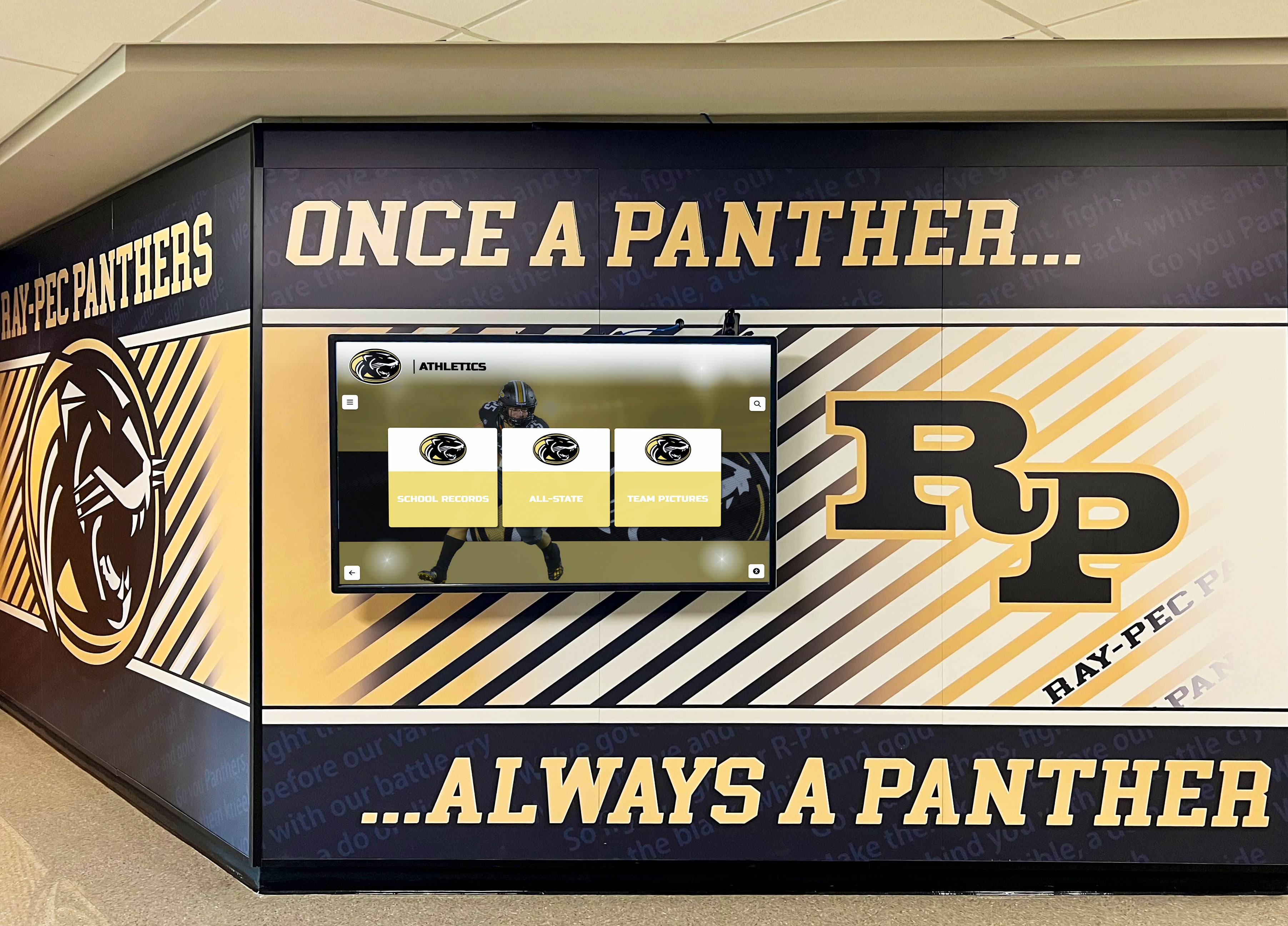
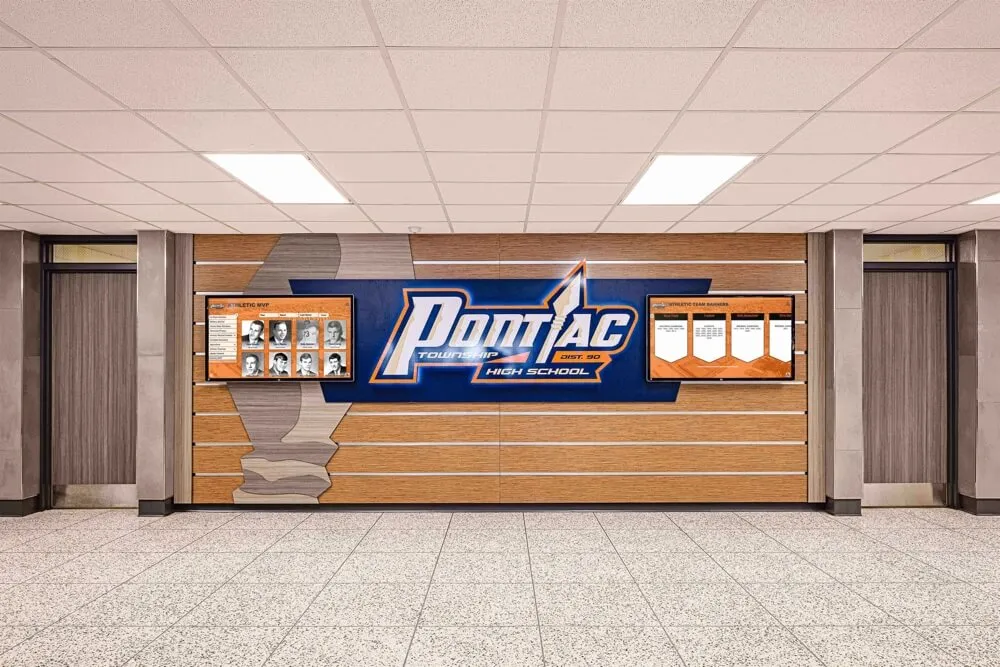
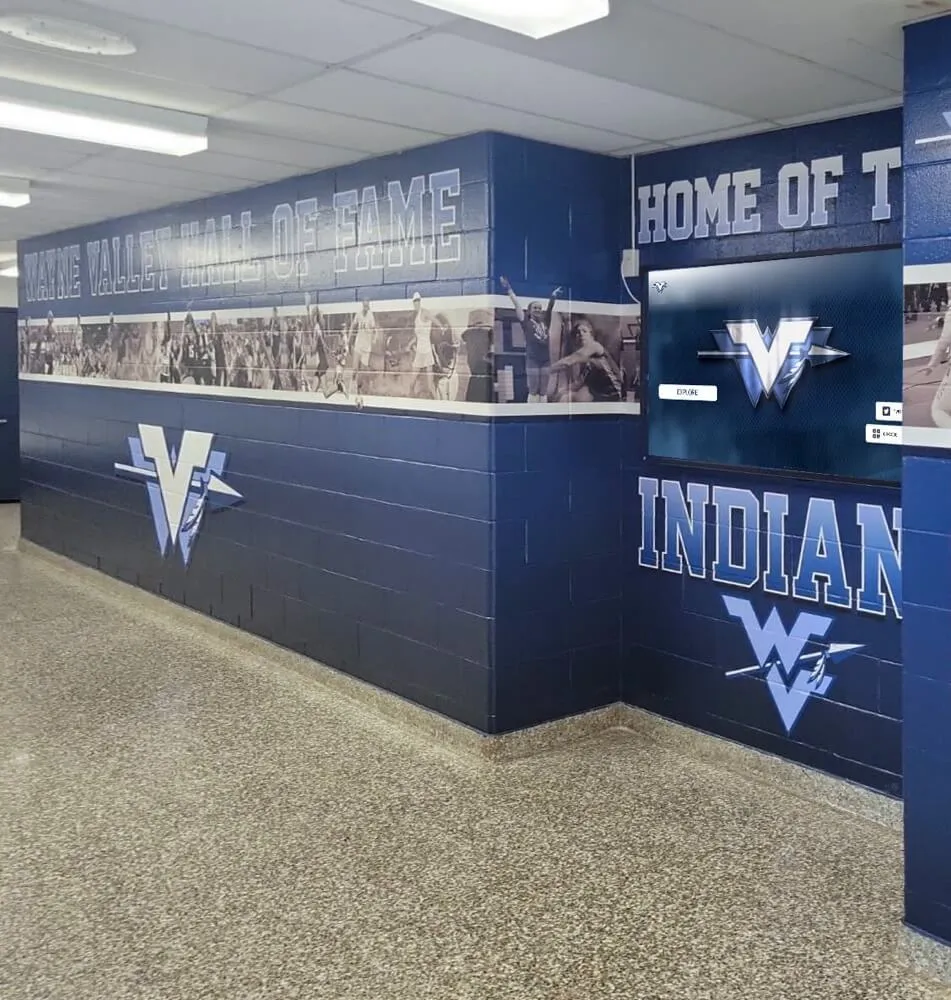
Displays integrate with existing school aesthetics creating cohesive recognition environments
Launch Strategy and Ongoing Management
Successful launches create excitement while establishing sustainable operations:
Launch Event Planning
- Unveiling ceremony introducing displays to school community
- Student assembly showcasing recognition system capabilities
- Open house for families demonstrating how to explore achievements
- Media coverage amplifying recognition program visibility
- Integration into back-to-school communications and orientation programs
Sustainable Management Protocols
Establish ongoing administration ensuring displays remain current and effective:
Content Update Workflows
- Clear role assignments for different recognition categories
- Regular update schedules maintaining currency across achievement types
- Quality assurance processes preventing errors before publication
- Student communication about recognition timelines and processes
- Technical maintenance ensuring reliable display operation
- Periodic content refreshment keeping displays engaging over time
Assessment and Improvement
- Monitor display engagement through analytics tracking
- Gather stakeholder feedback on recognition program effectiveness
- Analyze recognition distribution ensuring equity across student populations
- Evaluate correlation between recognition visibility and student achievement trends
- Adjust content strategy based on what generates highest engagement
- Plan expansion as program proves successful
Regular evaluation ensures recognition programs remain effective, equitable, and aligned with educational mission and student needs.
Cost Considerations and Funding Strategies
Understanding comprehensive cost enables informed budgeting and creative funding approaches.
Initial Investment Components
Digital display costs vary based on scope and specifications:
Hardware Expenses
- Commercial-grade displays: $2,000-$6,000 per screen depending on size and features
- Interactive touchscreen kiosks: $4,000-$10,000 including enclosure and mounting
- Media players and computers: $500-$1,500 per display
- Installation and mounting: $500-$2,000 per location
- Network infrastructure upgrades if needed: $1,000-$5,000
- Protective enclosures and security hardware: $500-$2,000
Software and Platform Costs
- Content management platform setup: $1,000-$5,000
- Design customization and branding: $1,500-$5,000
- Initial content creation and data migration: $2,000-$8,000
- Training and staff onboarding: $500-$2,000
- Integration with student information systems: $1,000-$5,000 if required
Total Initial Investment Range
Most schools invest $8,000-$30,000 for comprehensive digital recognition display implementation, with variation based on number of displays, hardware specifications, customization requirements, and professional services needed. This investment typically equals or moderately exceeds traditional trophy case costs but provides significantly enhanced capabilities and long-term operational advantages.
Ongoing Operational Costs
Annual expenses ensure continued effectiveness:
Subscription and Support
- Content management platform subscription: $1,000-$4,000 annually depending on features and number of displays
- Software updates and basic technical support typically included
- Cloud hosting and data storage usually included in platform cost
- Extended warranty or service contracts: $300-$1,000 per display annually
Content Management Labor
- Internal staff time for content updates: 4-8 hours monthly depending on update frequency
- Professional photography services for student photos: $500-$2,000 annually
- Graphic design support for special recognition campaigns: $500-$2,000 annually
- Technical support for troubleshooting and optimization as needed
Annual Ongoing Cost Range
Expect $2,500-$10,000 in annual operating costs depending on number of displays, content refresh frequency, and level of professional services utilized. These costs remain consistent regardless of how many new student achievements are added, creating substantial savings compared to traditional recognition requiring physical updates for each addition.
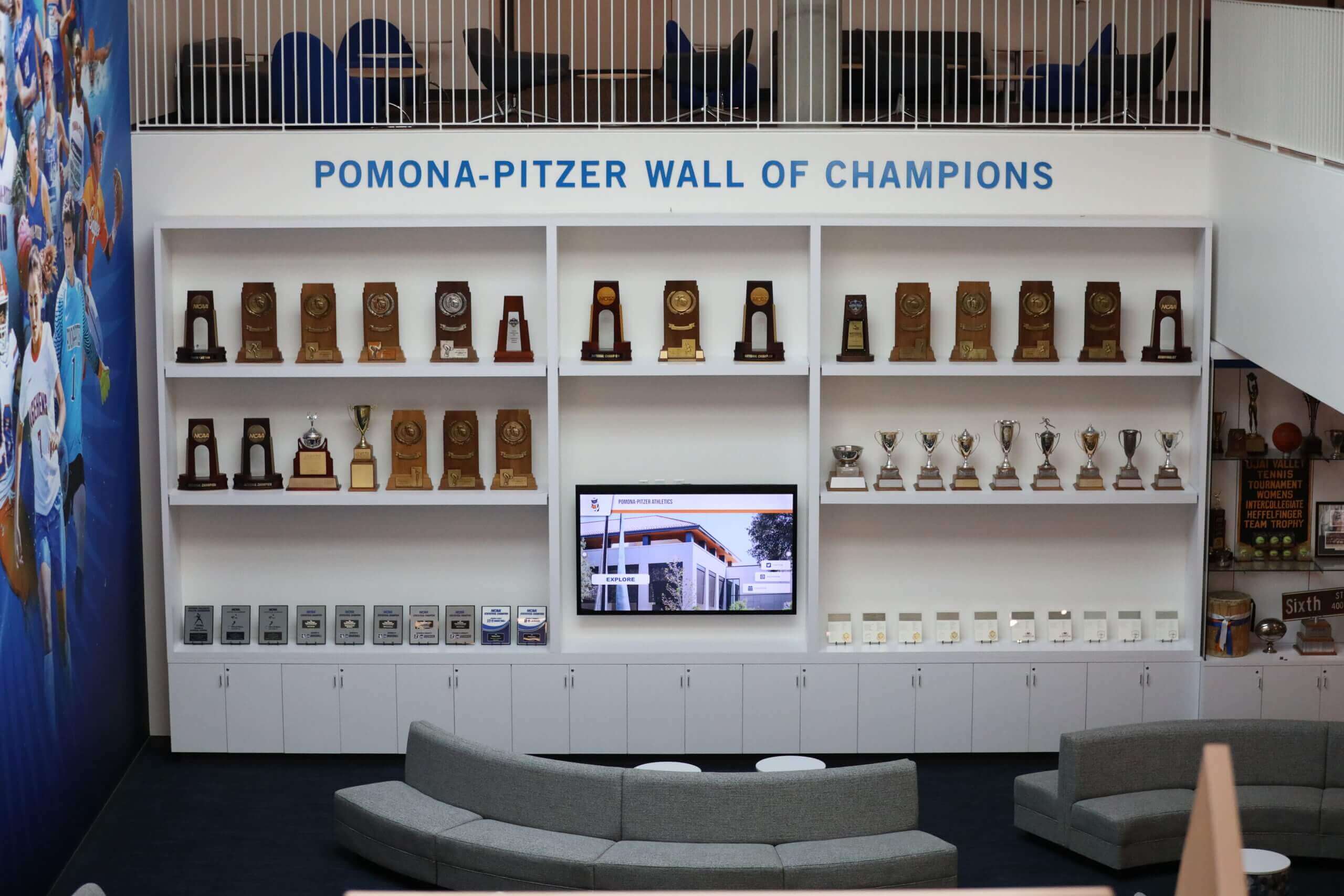
Strategic recognition spaces combine digital displays with comfortable environments encouraging engagement
Creative Funding Strategies
Schools employ diverse approaches to fund digital recognition investments:
Traditional Funding Sources
- Technology budget allocations as educational infrastructure investment
- Capital improvement funds for physical installation and infrastructure
- Annual operating budget line items for ongoing costs
- Grant applications to educational foundations and technology funders
- Bond referendums including technology infrastructure
Development and Fundraising Approaches
- Donor sponsorship of recognition displays as naming opportunities
- Alumni fundraising highlighting recognition of past achievements
- Parent organization contributions from booster clubs and PTAs
- Corporate partnerships with local businesses supporting education
- Memorial gift opportunities allowing families to fund recognition in honor of loved ones
Phased Implementation
- Begin with single display in highest-traffic location
- Expand as benefits become evident and additional funding secured
- Lease or subscription payment models reducing initial capital requirements
- Pilot programs demonstrating value before full-scale implementation
- Multi-year implementation plans spreading costs across budget cycles
Schools successfully implementing digital recognition often combine multiple funding sources while demonstrating return on investment through improved school culture, increased student engagement, and enhanced community perception.
Real-World Applications: How Schools Are Using Digital Displays
Educational institutions across different levels and contexts implement digital recognition in diverse ways.
Elementary School Applications
Primary schools adapt digital recognition for younger students:
Age-Appropriate Recognition
- Character education award celebrations with photos and descriptions
- Reading milestone achievements tracking literacy progress
- Perfect attendance recognition with fun graphics and celebration
- Kindness and peer support acknowledgment building positive culture
- Classroom achievement rotations ensuring all students receive visibility
- Birthday celebrations and student of the week highlights
Visual and Interactive Design
- Bright, colorful graphics appealing to younger audiences
- Simple navigation appropriate for elementary literacy levels
- Animation and movement capturing attention and interest
- Audio components for pre-readers or emerging readers
- Touch-friendly interfaces sized for smaller hands
- Parent-friendly content encouraging family conversations about achievements
Elementary implementations focus on building achievement orientation from early ages while ensuring frequent recognition opportunities for all students.
Middle School and Junior High Applications
Adolescent-focused implementations balance peer dynamics with recognition needs:
Diverse Recognition Categories
- Academic honor roll across multiple achievement levels
- Athletic team achievements and individual records
- Performing arts recognition for concerts, plays, and competitions
- Club and activity leadership acknowledgment
- Community service hour tracking and milestone recognition
- Growth mindset celebrations focusing on improvement and effort
Engagement Strategies
- Student voice in recognition criteria and categories
- Peer nomination opportunities for character and service recognition
- Social media integration enabling digital sharing
- QR codes linking to extended online profiles and portfolios
- Contest and challenge tracking with leaderboards
- Integration with advisory programs and student government
Middle school implementations acknowledge developmental needs while creating recognition that feels meaningful during transitional years.
Explore specialized recognition in student STEM project recognition approaches relevant to middle school programs.
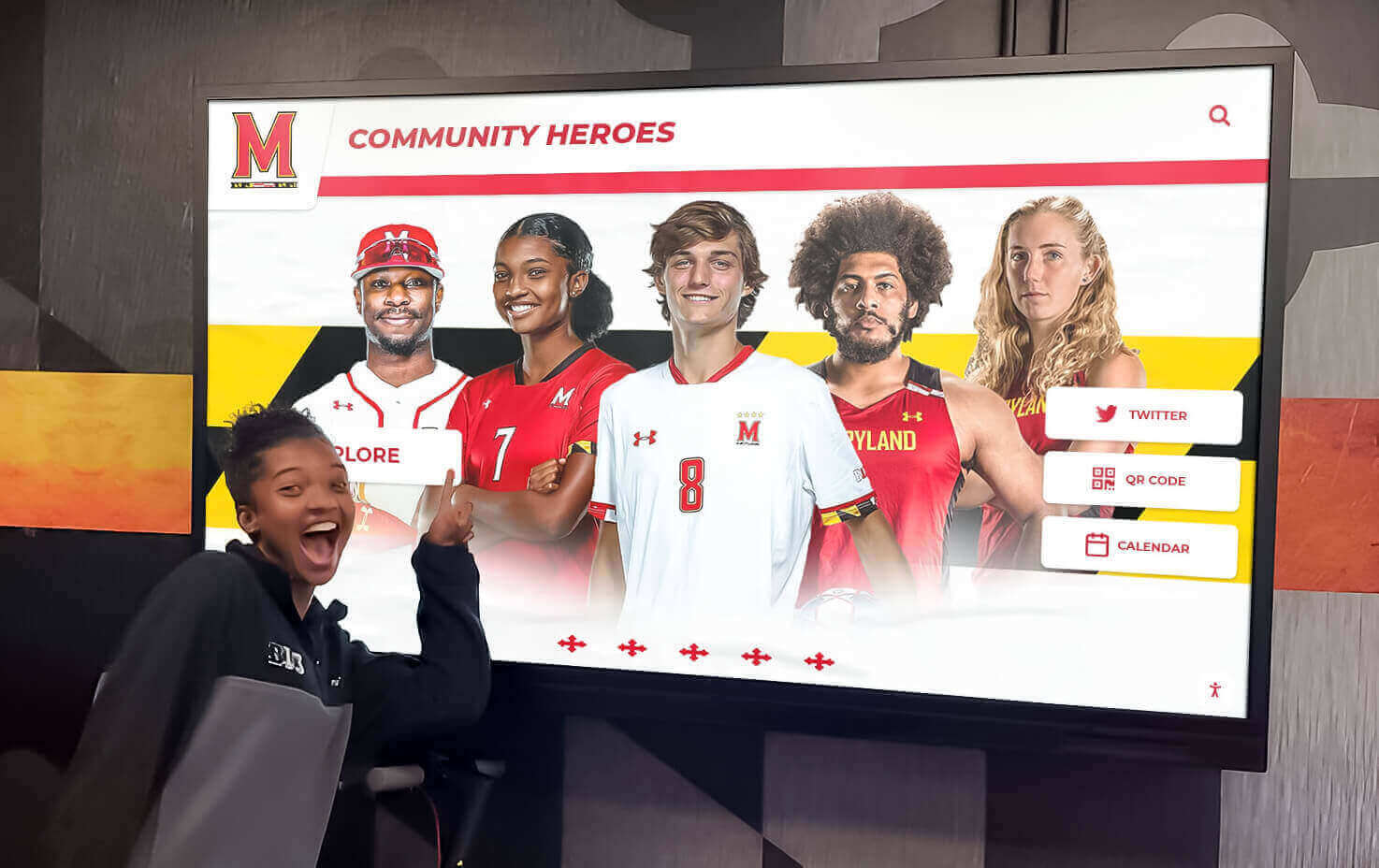
Visible recognition inspires students and creates achievement-oriented school culture
High School and Secondary Applications
Comprehensive secondary implementations serve complex recognition needs:
Academic Excellence Recognition
- Cumulative GPA rankings and honor roll designations
- National Merit Scholar and recognition program achievements
- Advanced Placement and International Baccalaureate success
- Valedictorian and salutatorian recognition
- Subject-specific departmental awards
- Academic competition achievements across all disciplines
- Senior college acceptance celebrations
Athletic Achievement Celebration
- Varsity letter recognition across all sports
- Record-breaking performance documentation
- All-conference and all-state selections
- State tournament qualifiers and champions
- Career milestone achievements like 1,000-point scorers
- Team championship celebrations with photos and videos
Discover athletic recognition in honor roll touchscreen display strategies applicable to sports achievement.
Comprehensive Co-Curricular Recognition
- Performing arts achievements in music, theater, and visual arts
- Career and technical education certification accomplishments
- Student leadership positions and government officers
- Community service hour milestones and project recognition
- Club competition success like debate, robotics, and academic teams
- Work-based learning and internship participation
Senior Legacy Programs
- Four-year achievement compilations for graduating seniors
- Alumni transition featuring graduates in recognition displays
- College signing day celebrations for athletic and academic commitments
- Scholarship award recognition highlighting post-secondary success
- Senior superlative and class recognition
High school implementations provide comprehensive recognition supporting college applications, scholarship opportunities, and transition to post-secondary success.
Best Practices for Maximizing Impact
Thoughtful implementation strategies ensure digital displays achieve maximum recognition effectiveness.
Content Strategy and Design
Effective content creation drives engagement and recognition value:
Visual Design Principles
- High-quality student photos creating professional, respectful recognition
- Consistent design templates maintaining brand identity and polish
- Clear hierarchy emphasizing most significant achievements appropriately
- Color coding by recognition category enabling quick visual scanning
- Readable typography ensuring accessibility from viewing distance
- School branding integration connecting recognition to institutional identity
Content Organization Approaches
- Logical categorization by achievement type, grade level, or time period
- Featured recognition highlighting current, timely achievements prominently
- Historical archives preserving institutional tradition and legacy
- Rotation strategies ensuring all recognition receives periodic visibility
- Search and filter functionality enabling personalized exploration
- Alphabetical and chronological organization options
Storytelling Beyond Names
- Detailed achievement descriptions providing context and significance
- Student quotes about accomplishments, goals, and school experience
- Coach, teacher, and advisor testimonials adding perspective
- Photo galleries documenting achievement moments and celebrations
- Video clips of performances, competitions, and achievement highlights
- Progress documentation showing growth trajectories over time
Rich storytelling transforms recognition from simple name listings to meaningful celebration of student journeys and accomplishments.
Learn about effective storytelling in digital tools that bring history to life applicable to student recognition.
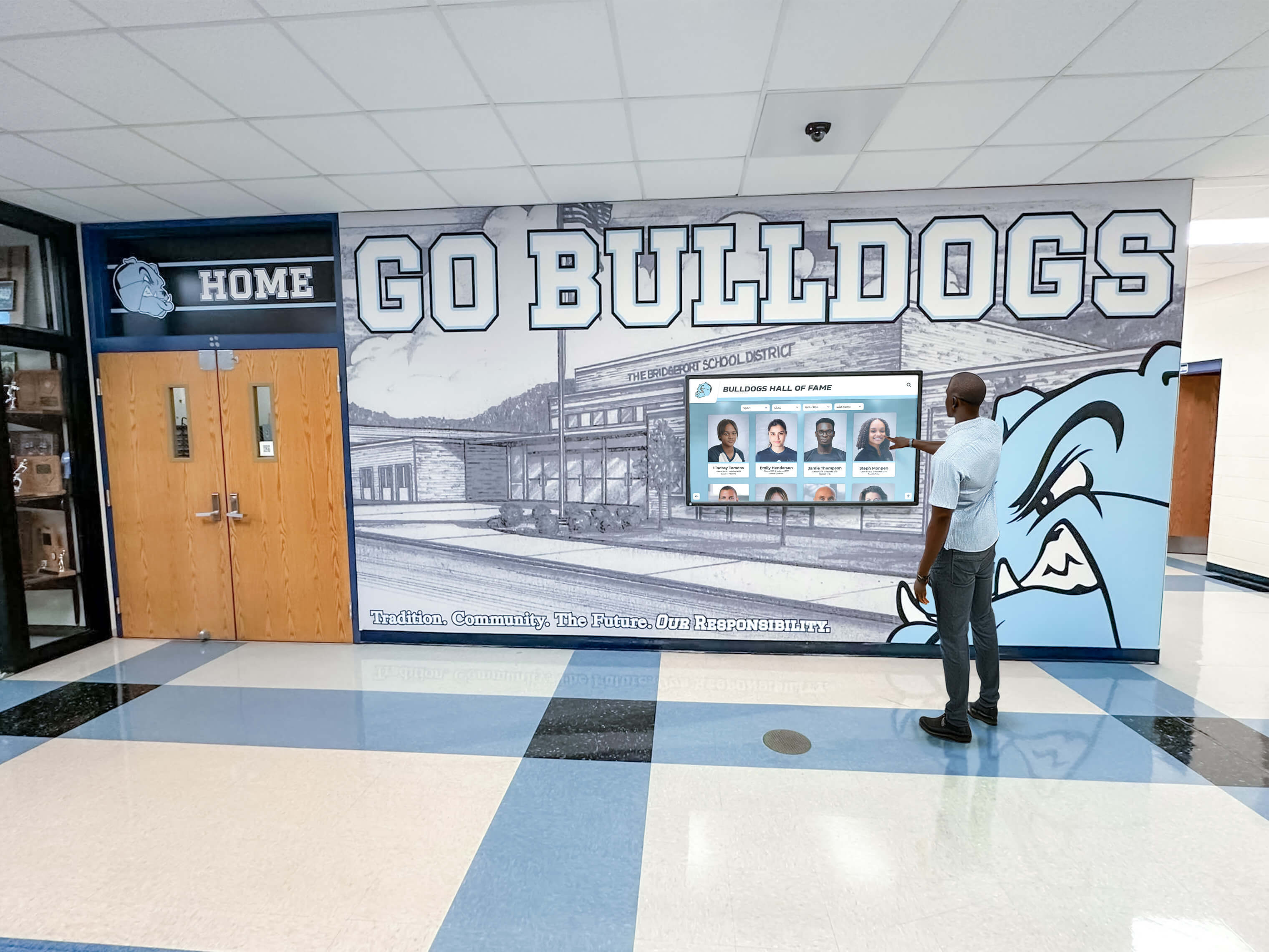
Intuitive interfaces encourage exploration and create memorable recognition experiences
Ensuring Equity and Inclusion
Recognition systems must serve all students fairly:
Multiple Achievement Pathways
- Recognition categories beyond traditional academic and athletic excellence
- Growth-based recognition celebrating improvement from all starting points
- Character and citizenship acknowledgment valuing non-competitive contributions
- Specialized talent recognition in diverse domains from art to entrepreneurship
- Threshold achievements celebrating first-time accomplishments
Accessibility Standards
- Physical accessibility with appropriate mounting heights and clear approach spaces
- Visual accessibility through high-contrast modes and text sizing options
- Cognitive accessibility with clear navigation and simple interfaces
- Multilingual content options serving diverse linguistic communities
- Alternative format availability for students with specific needs
Equitable Visibility
- Monitoring recognition distribution across demographic groups
- Intentional promotion of recognition opportunities to all students
- Transparent criteria ensuring students understand paths to recognition
- Regular review identifying and addressing recognition gaps
- Celebration of diverse achievement types without prestige hierarchy
Equity-focused implementation ensures recognition programs benefit all students, not just those already advantaged by resources, background, or traditional achievement patterns.
Community Engagement and Communication
Recognition impact multiplies when extended beyond school walls:
Family Communication Strategies
- Email notifications when students receive recognition
- Mobile-friendly web access allowing families to view achievements remotely
- Social media posts celebrating student accomplishments
- Parent newsletter features highlighting recognition programs
- Open house events showcasing recognition displays to families
- QR codes on recognition displays linking to extended online content families can share
Community Integration
- Local media partnerships publicizing student achievements
- Business partner recognition celebrating community support
- Civic organization acknowledgment of student service contributions
- Alumni engagement connecting past and present student success
- Virtual recognition extending beyond geographic boundaries
Student Ownership
- Student input on recognition criteria and categories
- Student-led recognition committees and nominations
- Student documentation of achievements through photos and descriptions
- Student ambassador programs explaining recognition systems to visitors
- Student celebration events honoring recognition recipients
Community engagement transforms recognition from internal acknowledgment to community-wide celebration of student excellence.
Integration with Broader School Technology
Digital recognition displays work best when integrated into comprehensive educational technology ecosystems.
Student Information System Integration
Connections with student data systems streamline operations:
Automated Recognition Updates
- Grade data pulling honor roll qualifications automatically
- Attendance tracking triggering perfect attendance recognition
- Course completion data updating academic achievement displays
- Standardized test score imports adding recognitions as results arrive
- Activity participation records flowing into recognition systems
Data Accuracy and Privacy
- Single source of truth maintaining consistency across systems
- Automated updates reducing manual data entry errors
- Privacy controls respecting student information confidentiality
- Parental permission management ensuring appropriate visibility
- Compliance with FERPA and student data protection requirements
Explore integration approaches in best digital signage software relevant to educational settings.
Website and Online Extension
Digital recognition should extend to online presence:
Web-Based Recognition Pages
- Mirror of physical display content accessible from school website
- Mobile-responsive design ensuring smartphone and tablet access
- Social sharing capabilities enabling achievement amplification
- Alumni access allowing graduates to view current student success
- Search engine optimization ensuring recognition content appears in searches
Social Media Integration
- Automated posting of new recognition to school social accounts
- Hashtag campaigns connecting recognition across platforms
- Student and family tagging enabling celebration and sharing
- Alumni engagement through recognition content
- Community building around shared celebration of achievement
Online extension multiplies recognition impact and reach exponentially beyond physical display visibility.
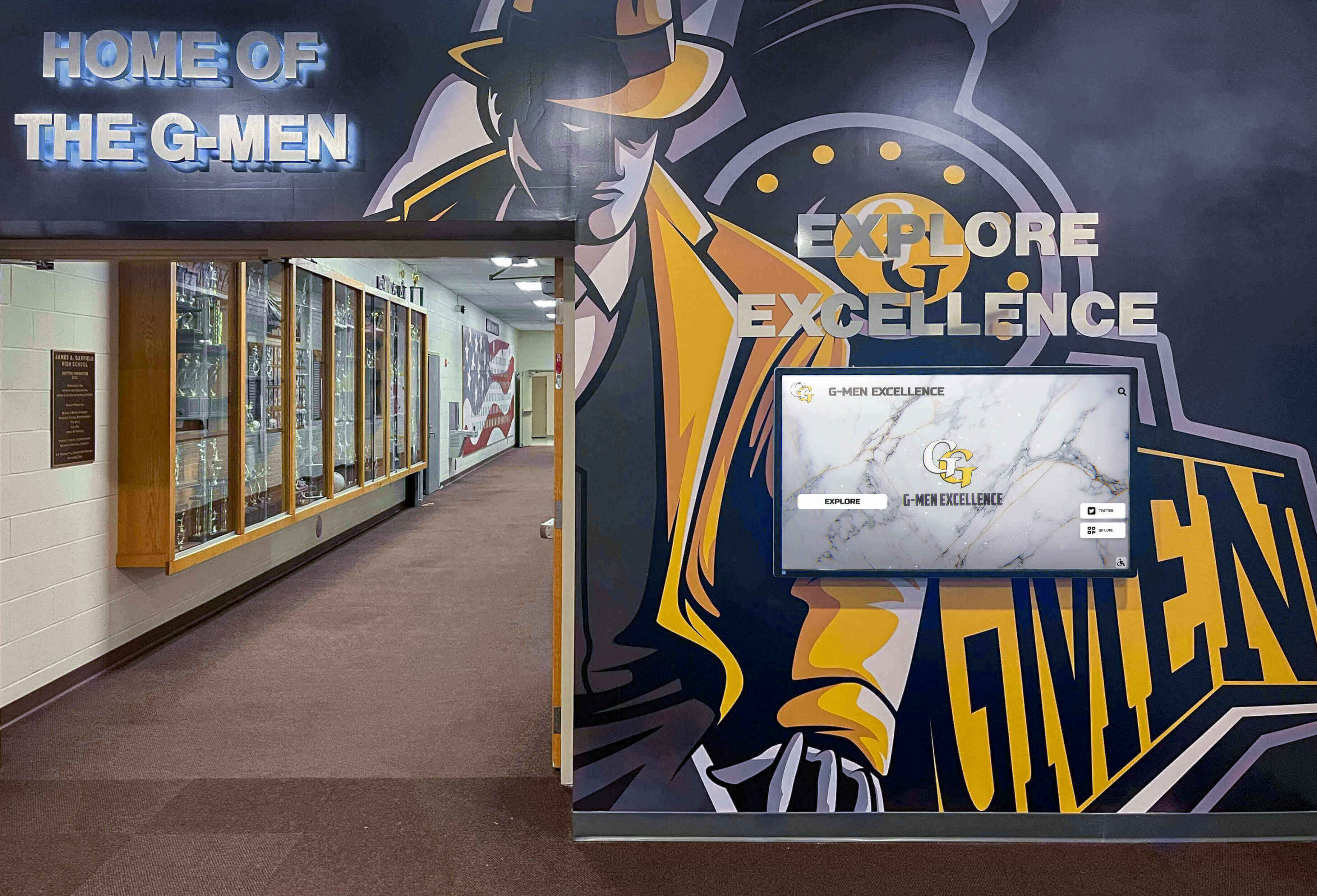
Displays integrate with existing school environments complementing rather than replacing tradition
Future Trends in Educational Recognition Technology
Understanding emerging developments helps schools plan for long-term effectiveness and evolution.
Artificial Intelligence and Personalization
AI technologies are beginning to transform educational recognition:
Intelligent Content Recommendations
- Personalized recognition content based on visitor interaction patterns
- Predictive highlighting of achievements likely to interest specific viewers
- Automated achievement detection from student information systems
- Natural language search enabling conversational queries
- Sentiment analysis measuring recognition program effectiveness
Ethical AI Considerations
Schools must thoughtfully evaluate privacy implications of personalized analytics, appropriate versus problematic personalization boundaries, human oversight maintaining judgment in recognition decisions, and transparency about AI usage in educational systems.
Enhanced Interactivity and Immersive Experiences
Future recognition may incorporate advanced interactive technologies:
Augmented Reality Integration
- AR overlays enhancing physical trophy cases with digital information
- Virtual tours of achievement spaces for remote visitors
- 3D visualization of student projects and accomplishments
- Interactive storytelling bringing achievements to life
- Enhanced accessibility through technology-assisted exploration
Advanced Interactive Features
- Gesture recognition enabling touchless interaction
- Voice activation for accessibility and convenience
- Facial recognition (with appropriate privacy safeguards) personalizing displays
- Multi-user interaction enabling group exploration
- Gaming elements creating achievement challenges and competitions
Learn about interactive technology in touchscreen technology history relevant to educational applications.
Data Analytics and Continuous Improvement
Advanced analytics will enable evidence-based recognition optimization:
Engagement Analytics
- Detailed tracking of which content generates highest engagement
- Time-of-day and day-of-week usage patterns informing content scheduling
- Demographic analysis ensuring equitable recognition reach
- Search query analysis revealing what students seek
- A/B testing comparing design approaches for effectiveness
Impact Measurement
- Correlation analysis between recognition visibility and student achievement trends
- Motivation assessment measuring recognition program effects
- School culture indicators tracking through surveys and behavioral data
- Long-term outcomes connecting recognition to post-graduation success
- Return on investment calculation quantifying program value
Data-driven approaches will enable continuous improvement ensuring recognition programs achieve maximum positive impact on students and school culture.
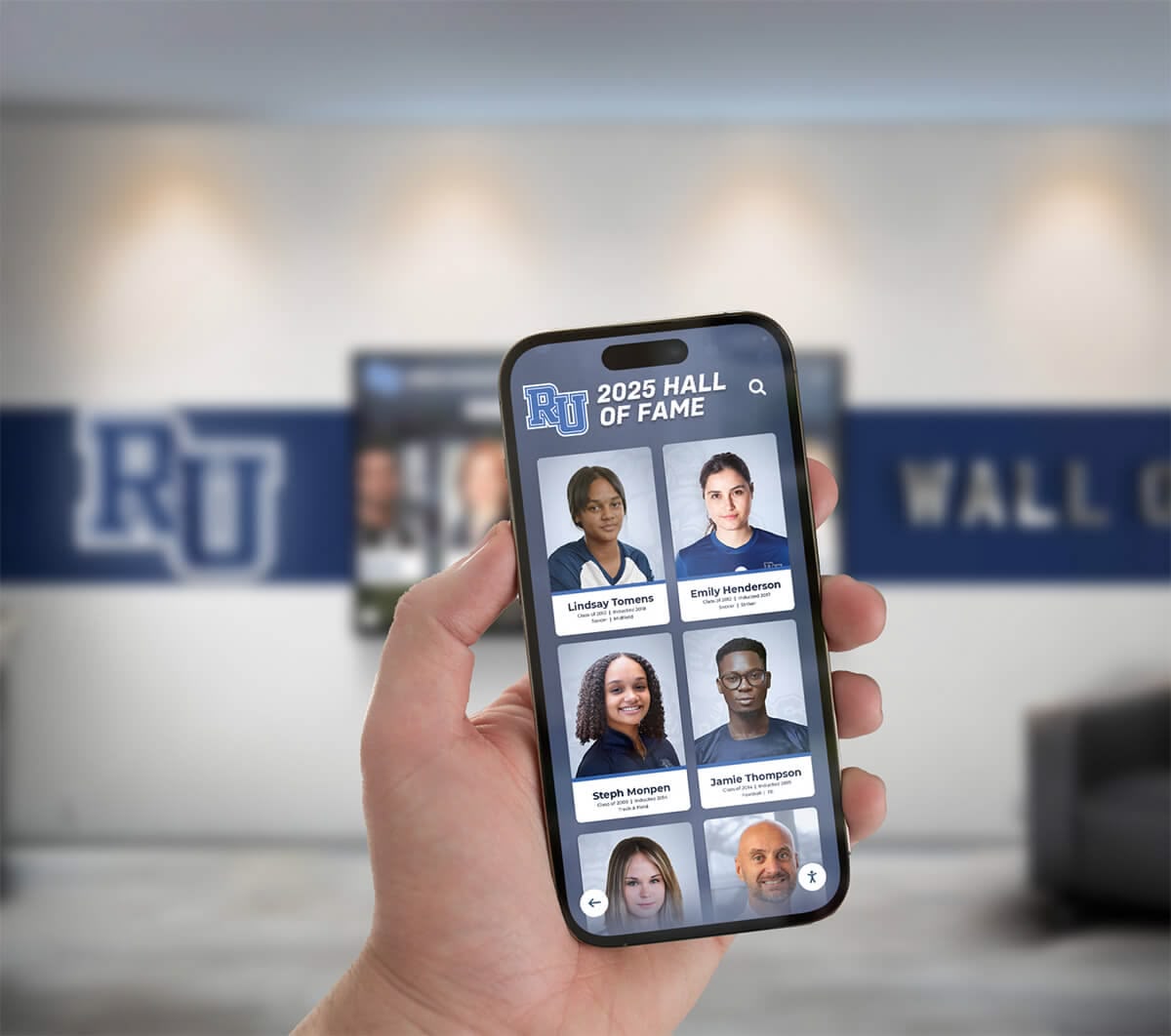
Mobile integration extends recognition access beyond physical displays enabling anytime, anywhere viewing
Conclusion: Transforming School Culture Through Digital Recognition
Digital displays for schools represent far more than technological upgrades to traditional bulletin boards and trophy cases—they enable fundamental transformation in how educational institutions celebrate achievement, communicate values, build culture, and inspire excellence. When schools implement digital recognition strategically, they create systems that honor every worthwhile accomplishment appropriately, tell compelling stories about student journeys and school values, remain flexible as needs and priorities evolve, and strengthen the achievement orientation essential for educational mission fulfillment.
The strategies explored in this guide provide comprehensive frameworks for digital display implementation that balances multiple objectives including celebrating achievements across all domains from academics to arts to athletics, ensuring recognition opportunities exist for students at all starting points and backgrounds, creating engaging experiences that inspire continued excellence, maintaining flexibility accommodating changing programs and priorities, and building sustainable systems serving schools for decades.
Transform Your School Recognition Program
Discover how digital display solutions can help you celebrate every student achievement, build thriving school culture, and create inspiring educational environments where excellence receives the visibility that motivates continued success.
Explore Recognition SolutionsStrategic Implementation Pathway
Schools considering digital recognition displays should begin with comprehensive needs assessment identifying current gaps and opportunities, engage stakeholders ensuring broad input and support from administration, staff, students, and families, evaluate technology solutions aligning capabilities with specific needs and budget, develop realistic implementation plans accounting for all costs and timeline requirements, plan sustainable management protocols ensuring long-term program success, and commit to ongoing optimization improving recognition effectiveness over time.
This systematic approach prevents common implementation problems while ensuring digital displays achieve intended goals of enhanced student recognition and strengthened school culture.
The Recognition Investment Imperative
Educational research consistently demonstrates that recognized students achieve at higher levels, remain more engaged in school, demonstrate stronger school connectedness, and pursue more challenging opportunities than peers lacking recognition. Digital display technology makes comprehensive recognition achievable—celebrating not just top performers but growth at all levels, not just major accomplishments but incremental progress, and not just traditional domains but diverse talents and contributions.
When every worthwhile achievement receives appropriate visibility—not just those fitting in limited physical trophy cases—schools build inclusive cultures where all contributions are valued and students at every level feel genuinely appreciated for their efforts and accomplishments.
Technology as Educational Mission Enabler
Modern digital recognition technology exists to strengthen educational missions, not compete with them. The most effective implementations position technology as tools serving student development and school culture rather than ends in themselves. Solutions like Rocket Alumni Solutions provide comprehensive platforms combining powerful capabilities with user-friendly administration, enabling schools to focus on celebrating students rather than managing technical systems.
Your students’ achievements deserve recognition that honors their accomplishments appropriately, demonstrates the impact they’re creating, strengthens their connection to school community, and inspires their continued excellence. With thoughtful planning, appropriate technology, and sustained commitment, you can create digital recognition systems that transform acknowledgment from sporadic gestures into systematic celebration essential for positive school culture and student success.
Ready to begin exploring digital displays for your school? Learn more about digital signage for schools or discover how interactive recognition displays celebrate students and inspire continued excellence across diverse educational settings.