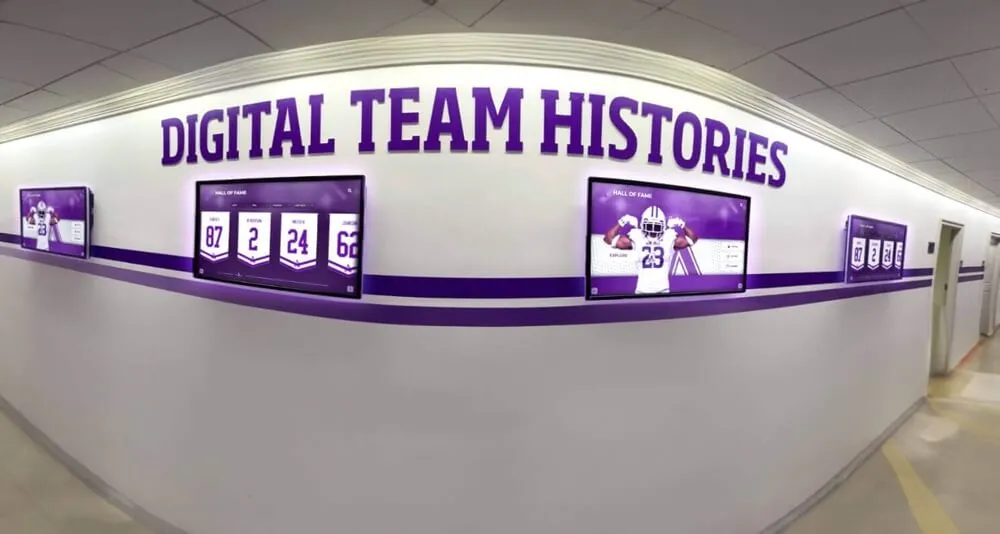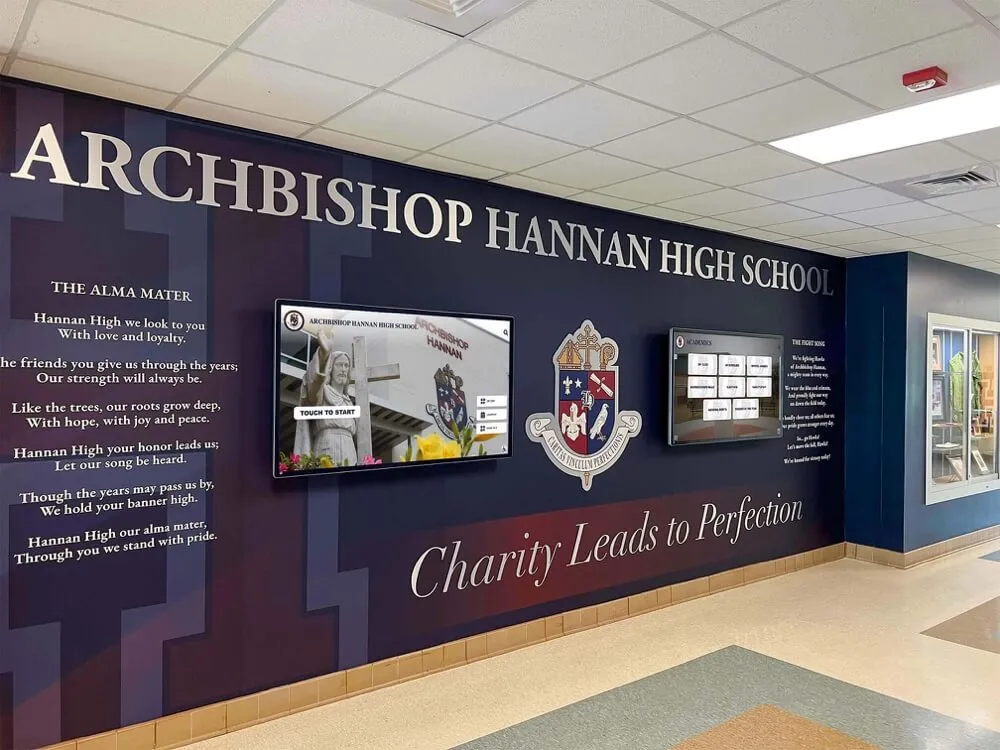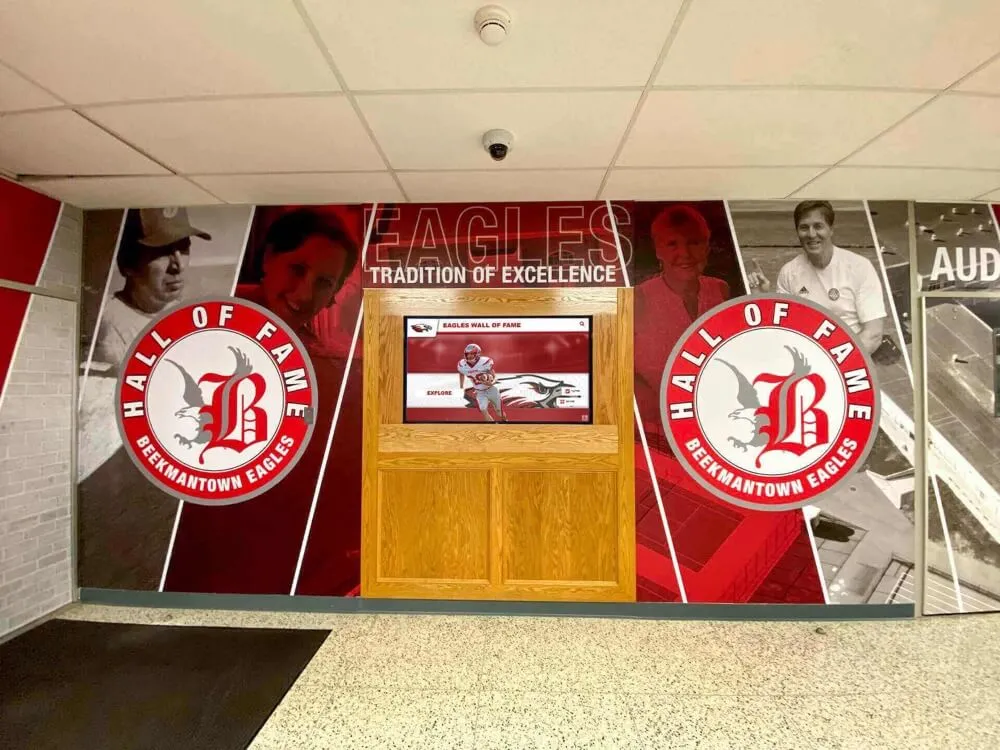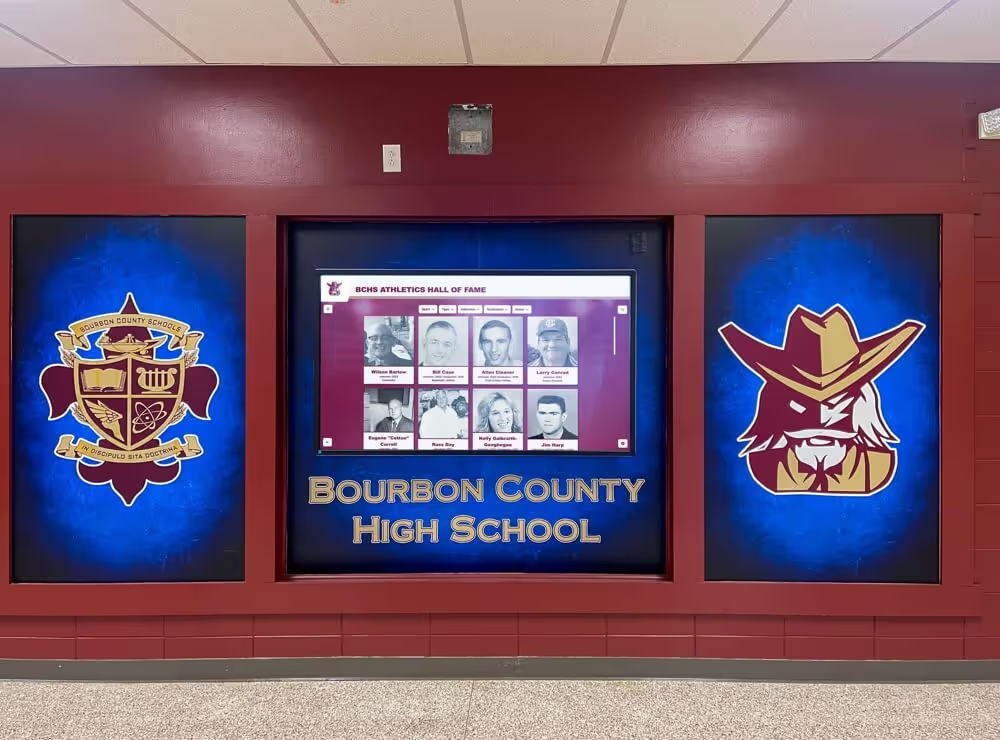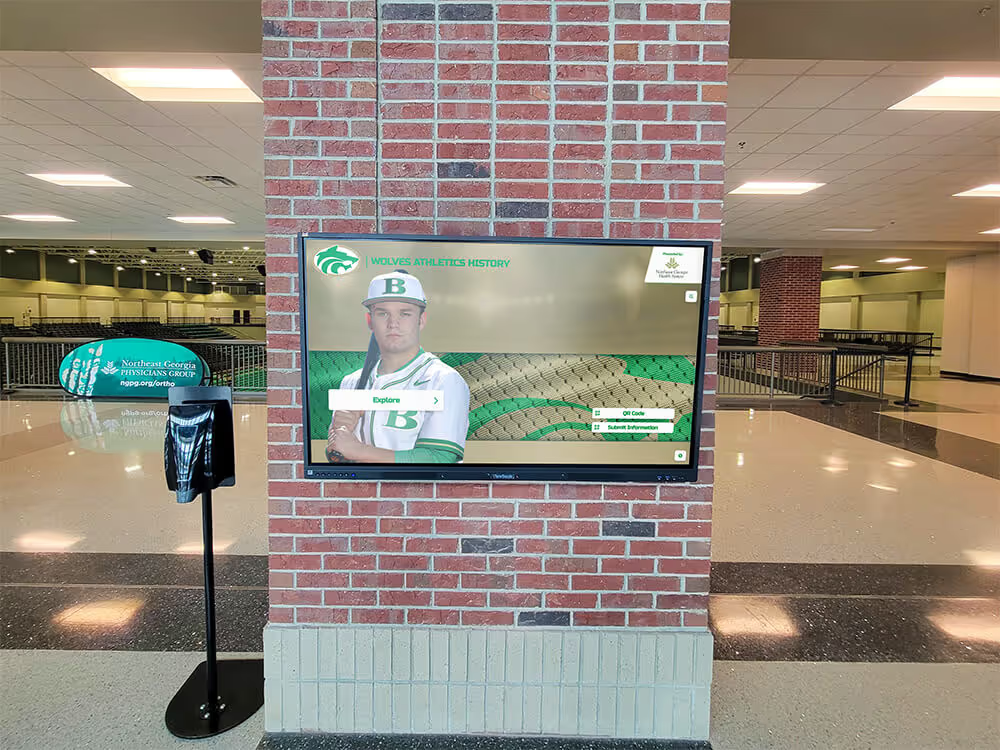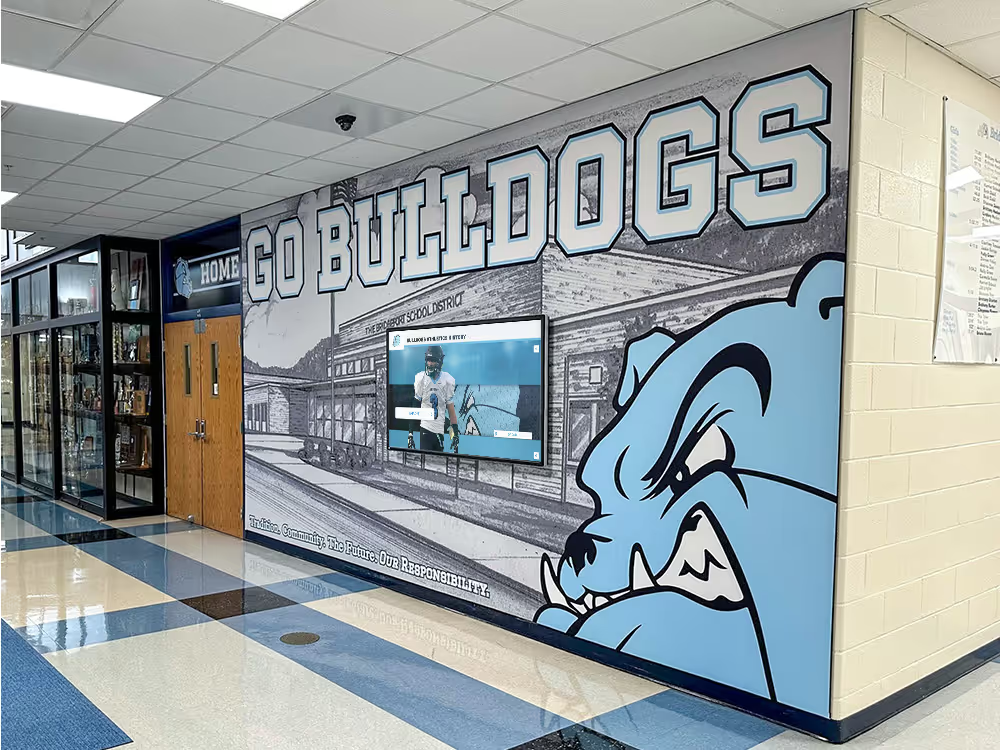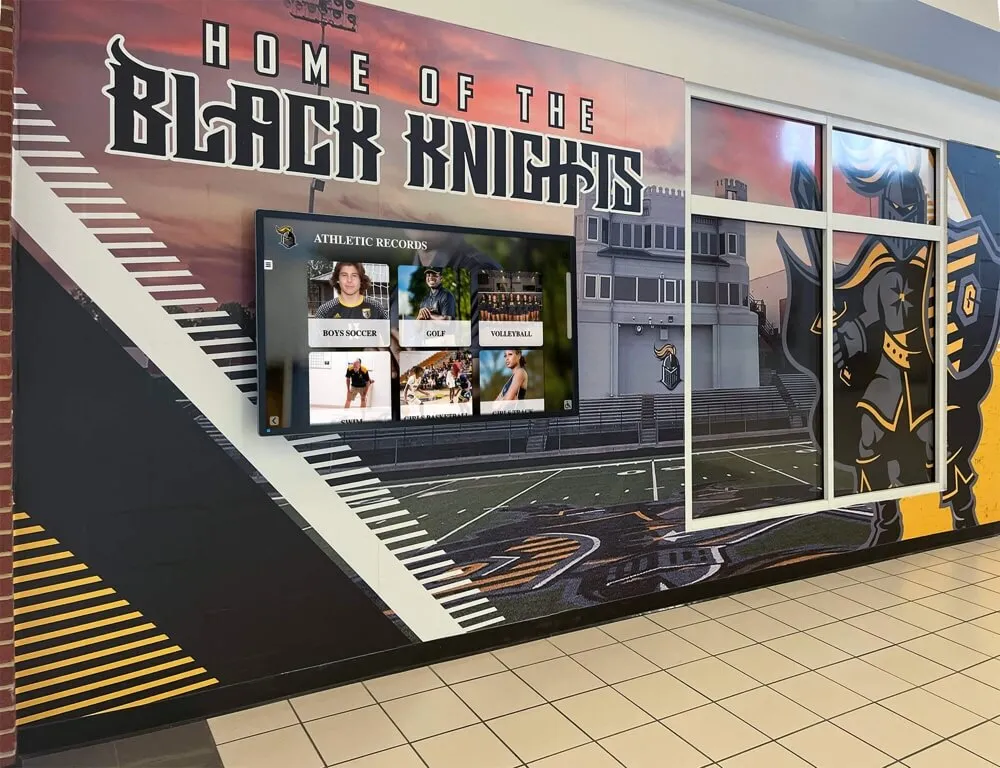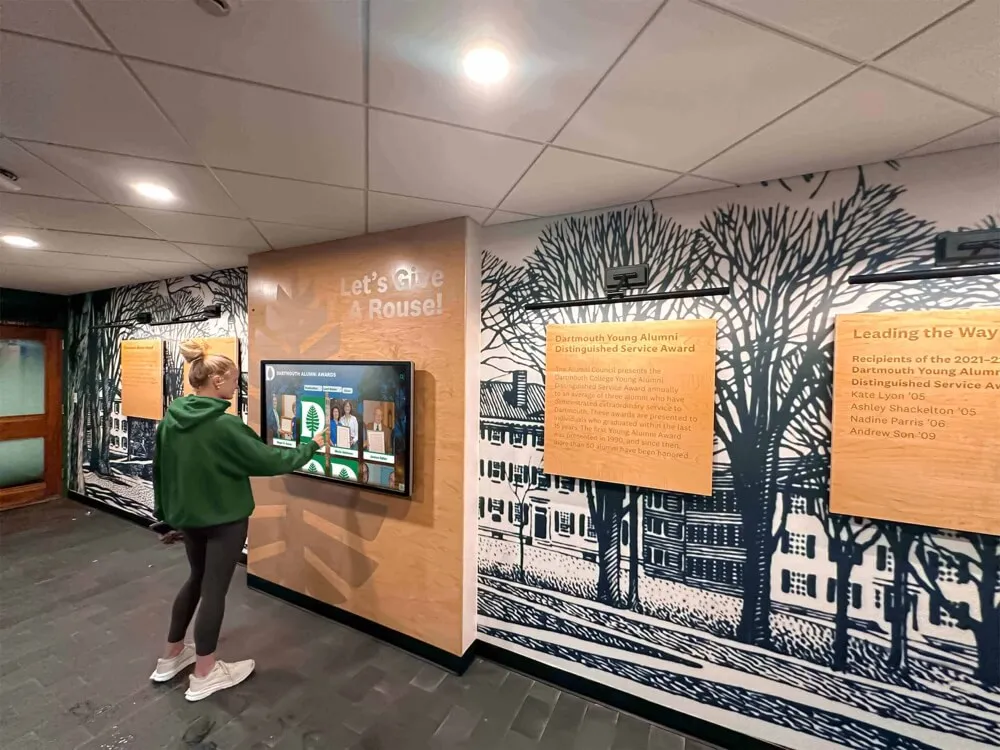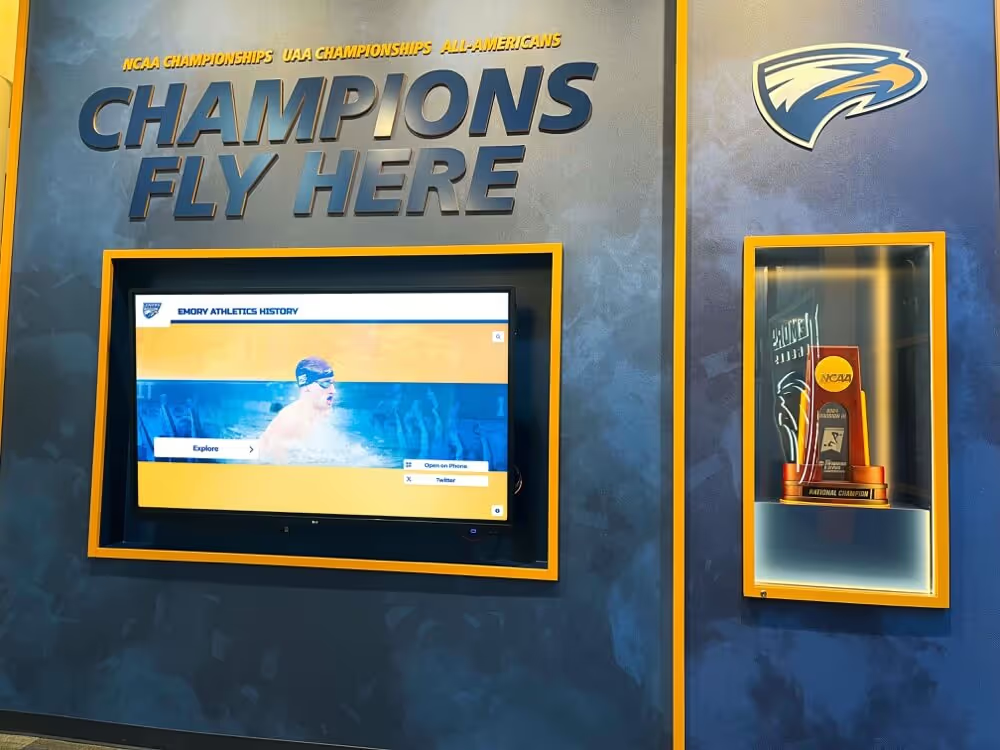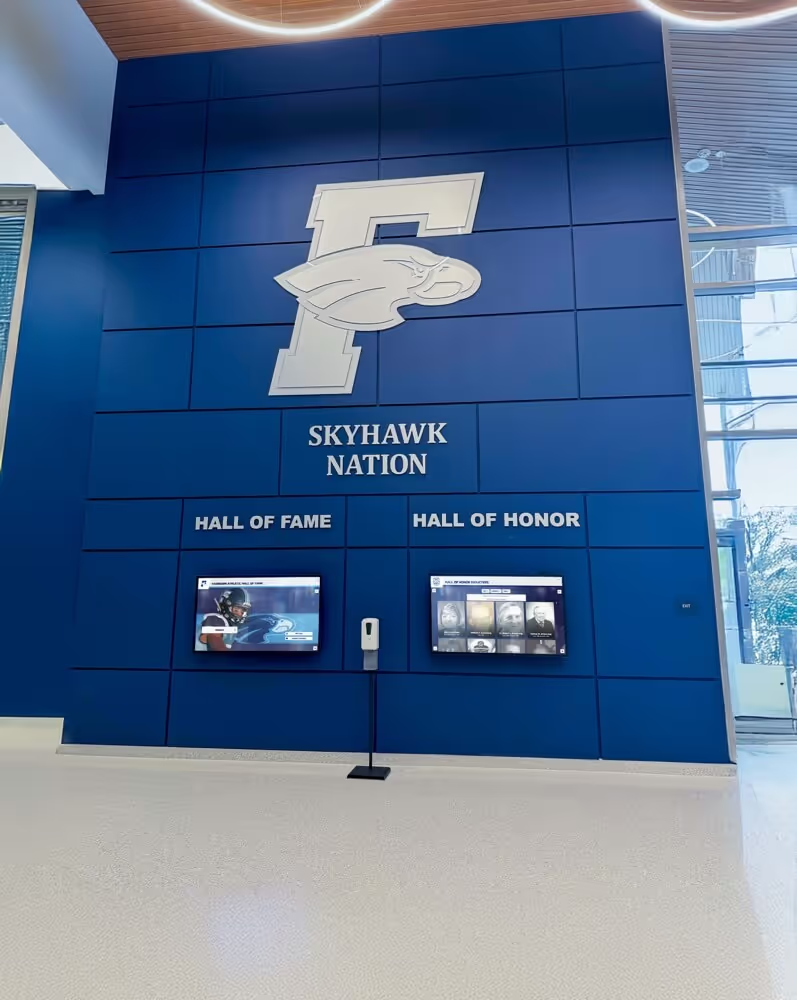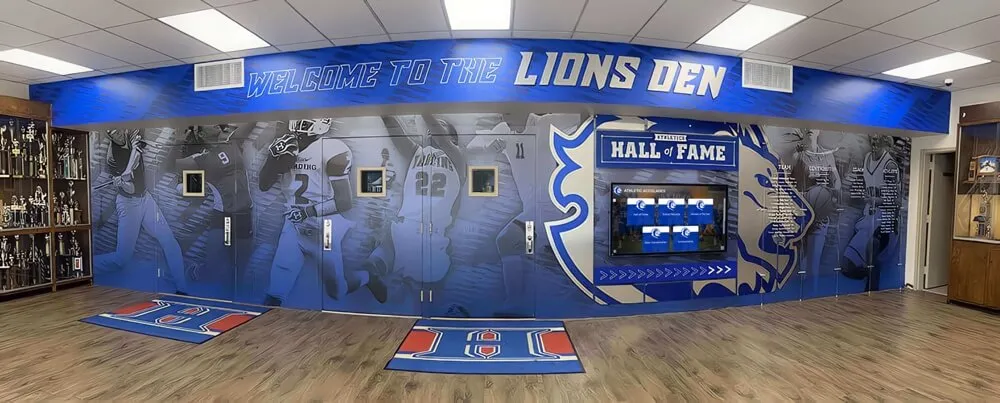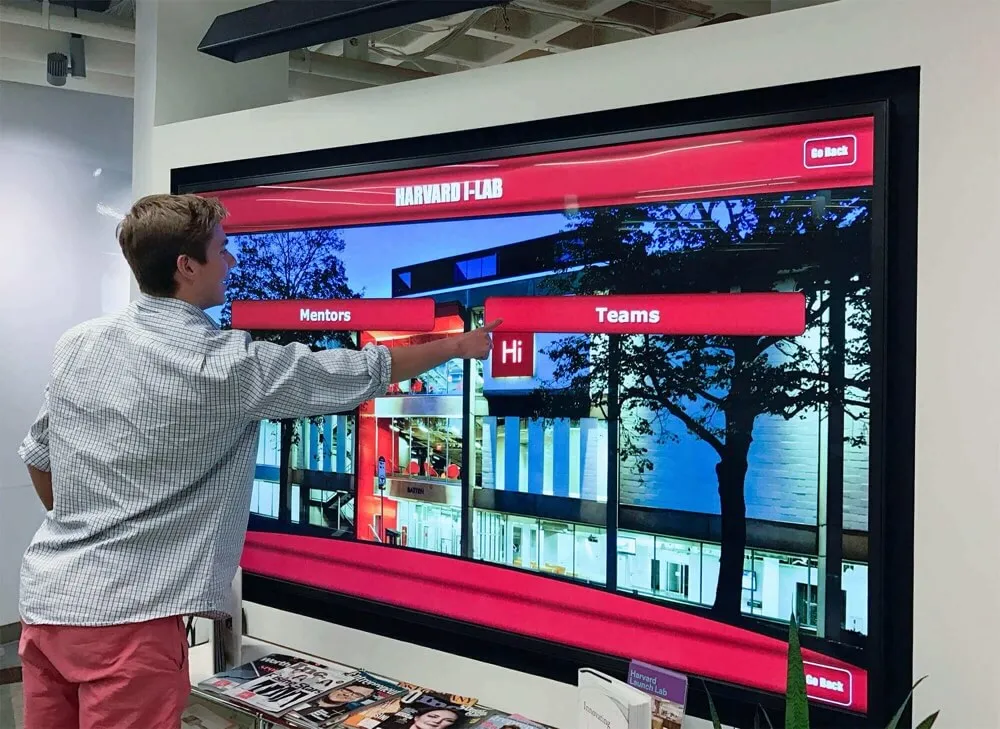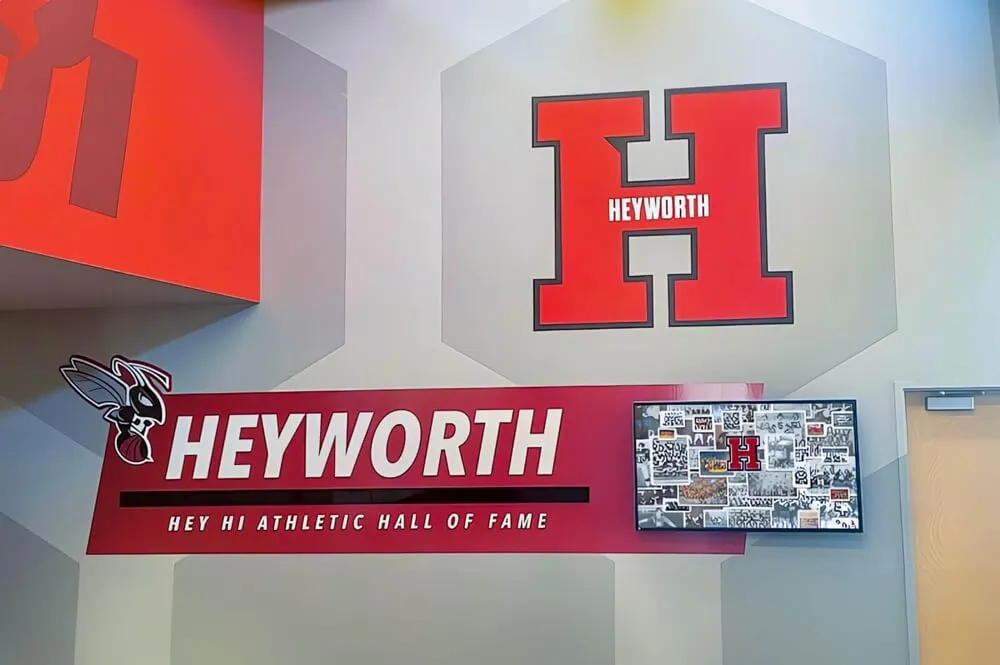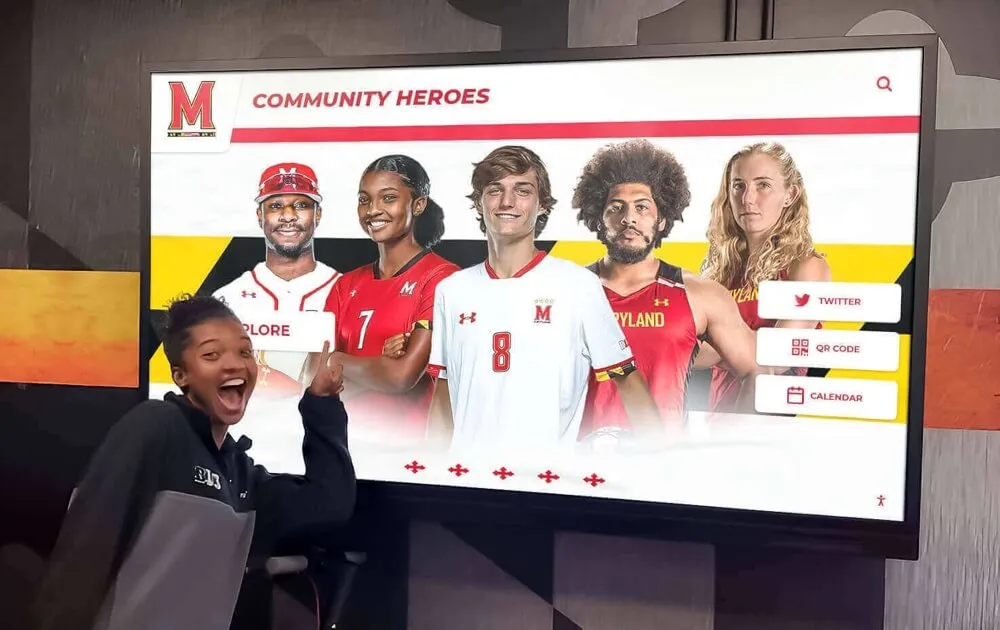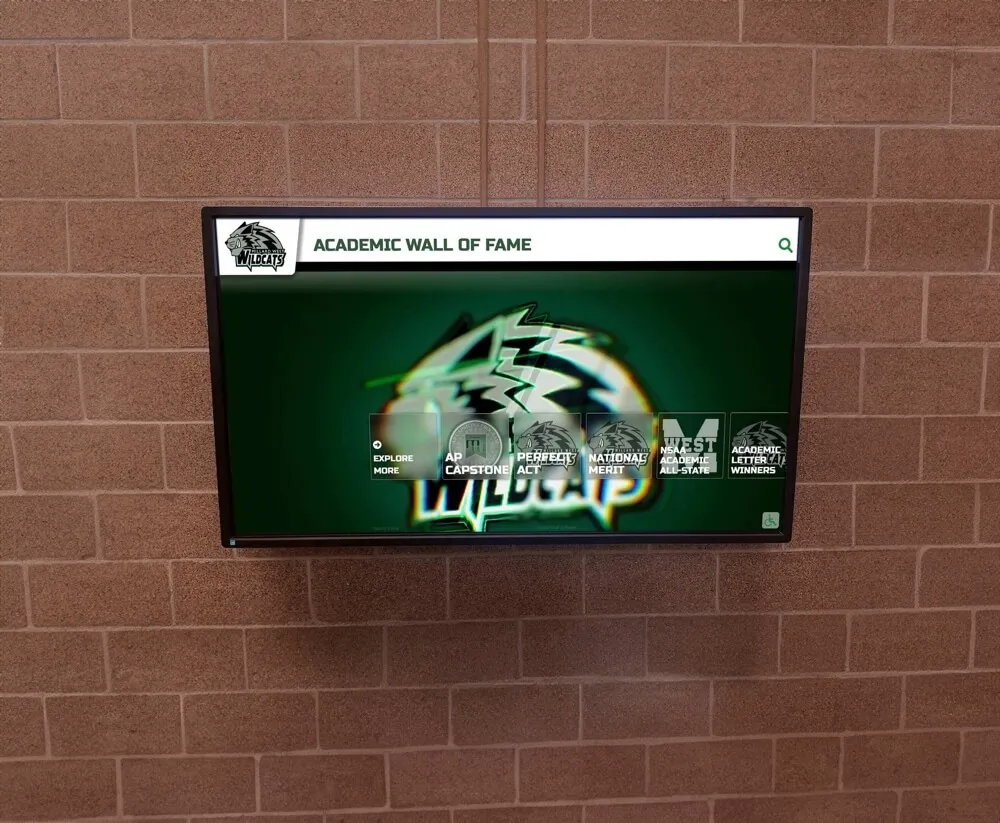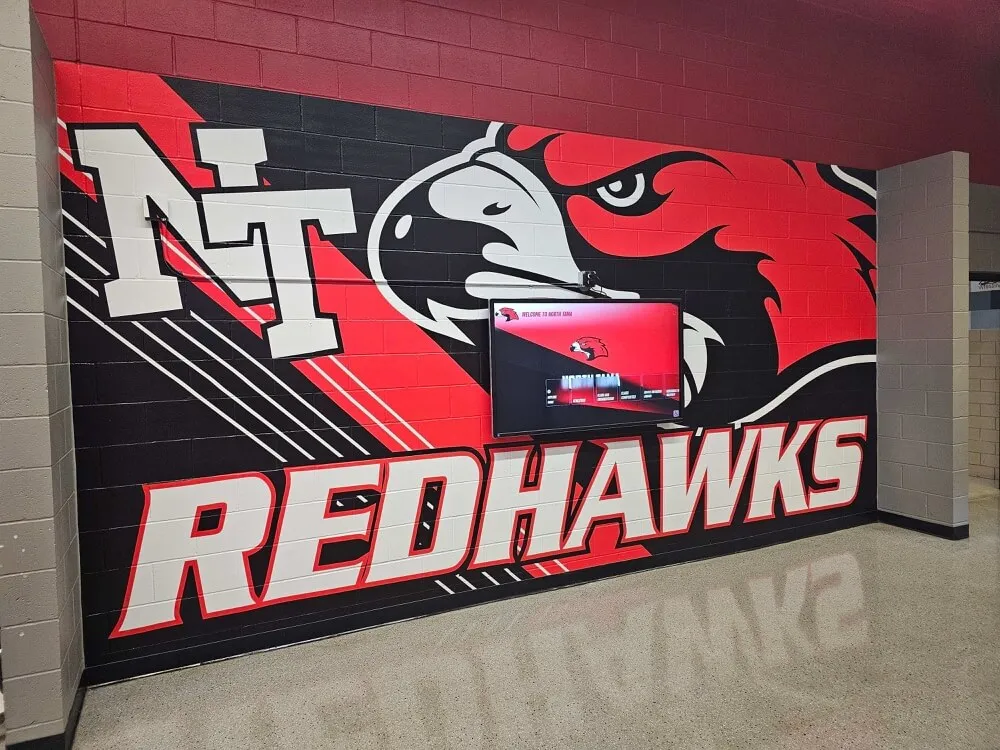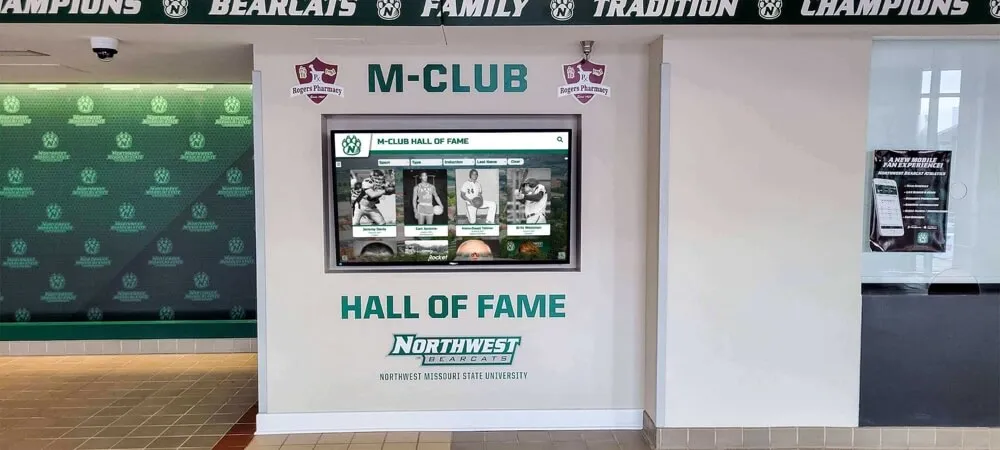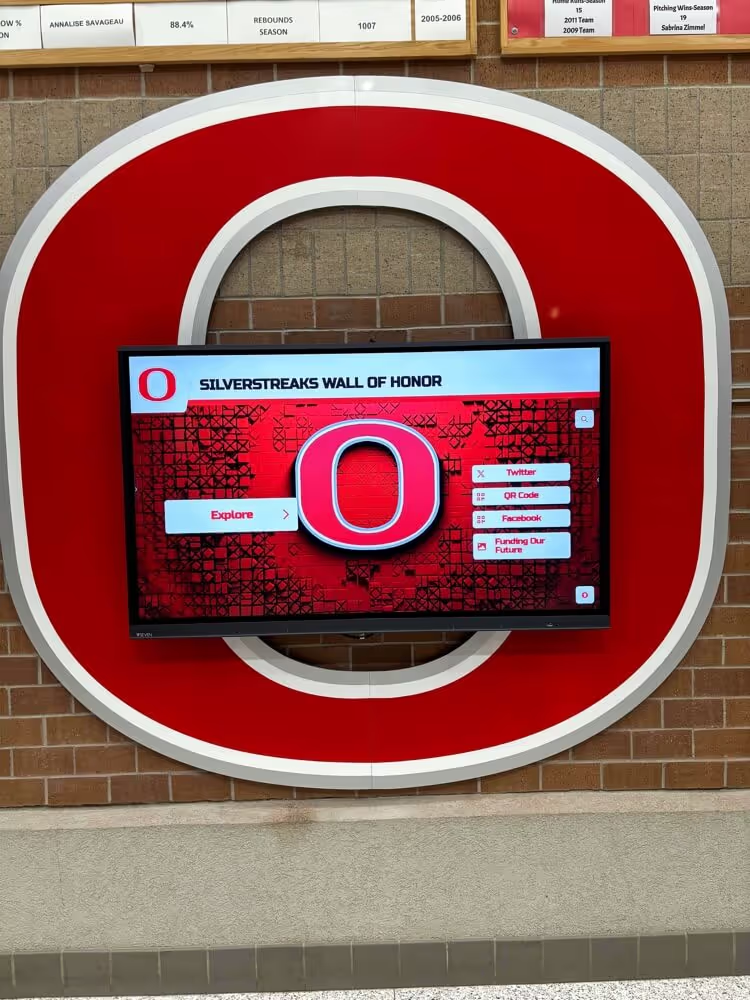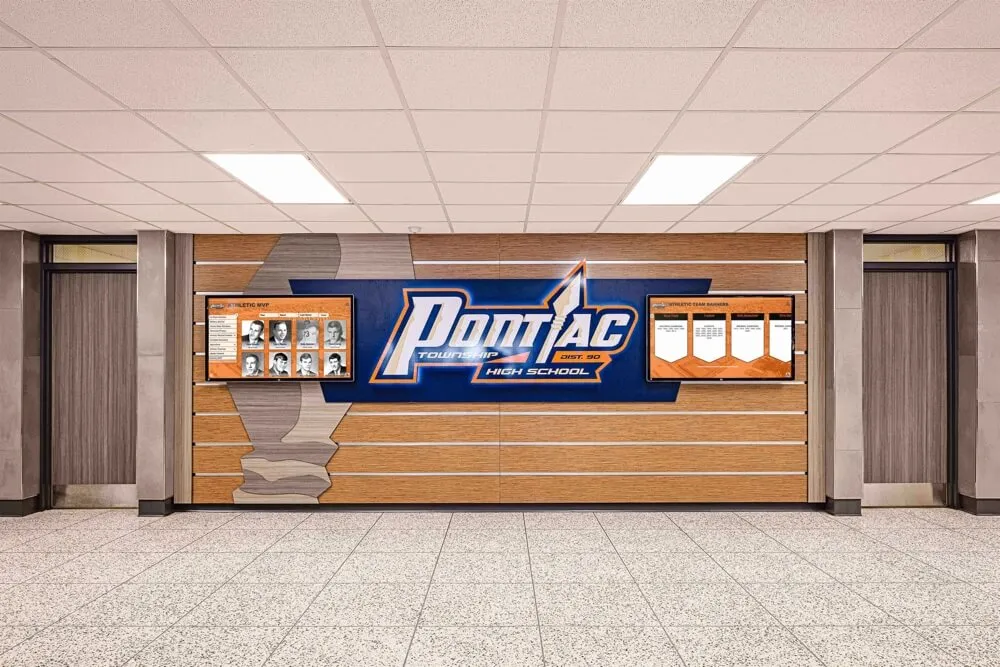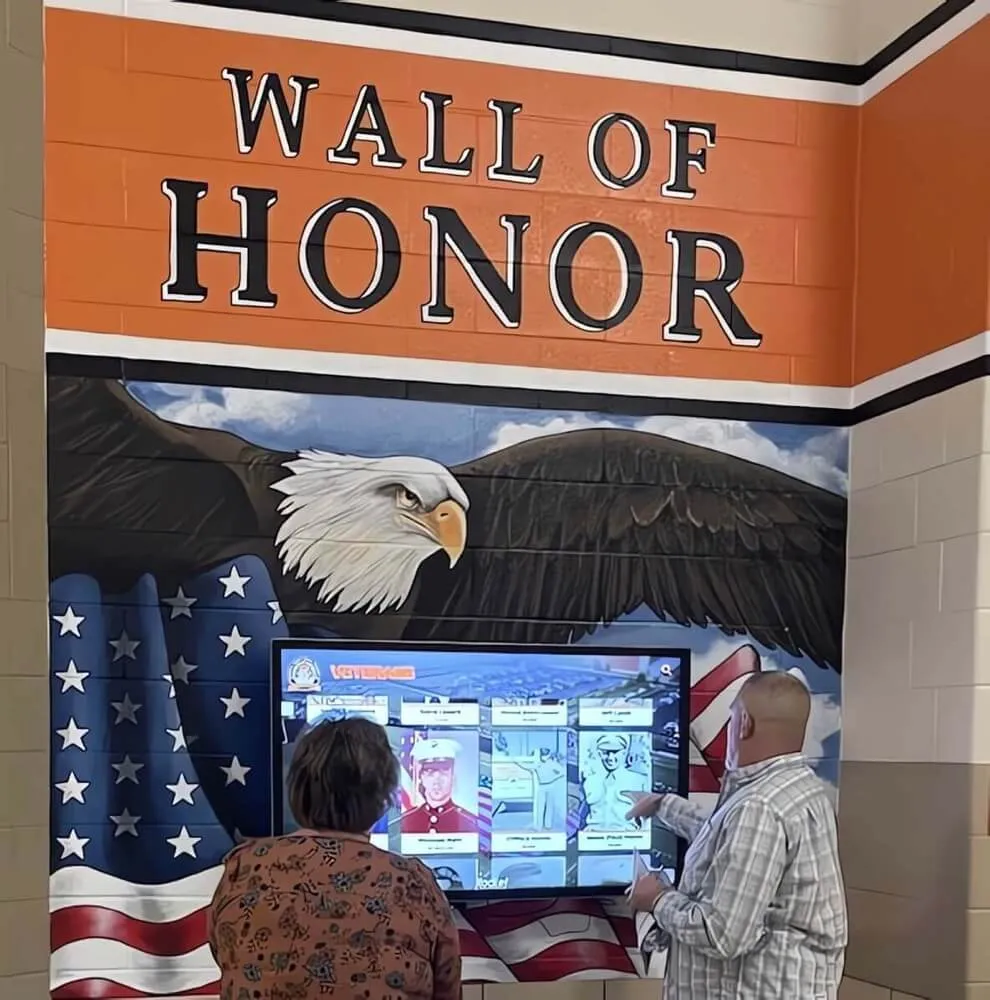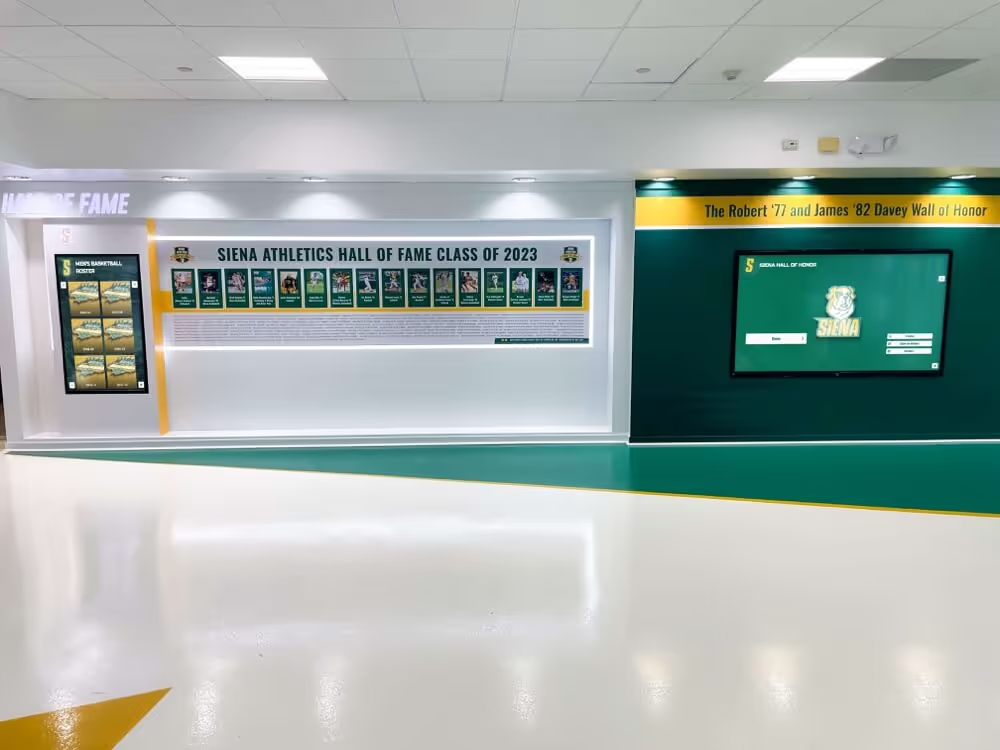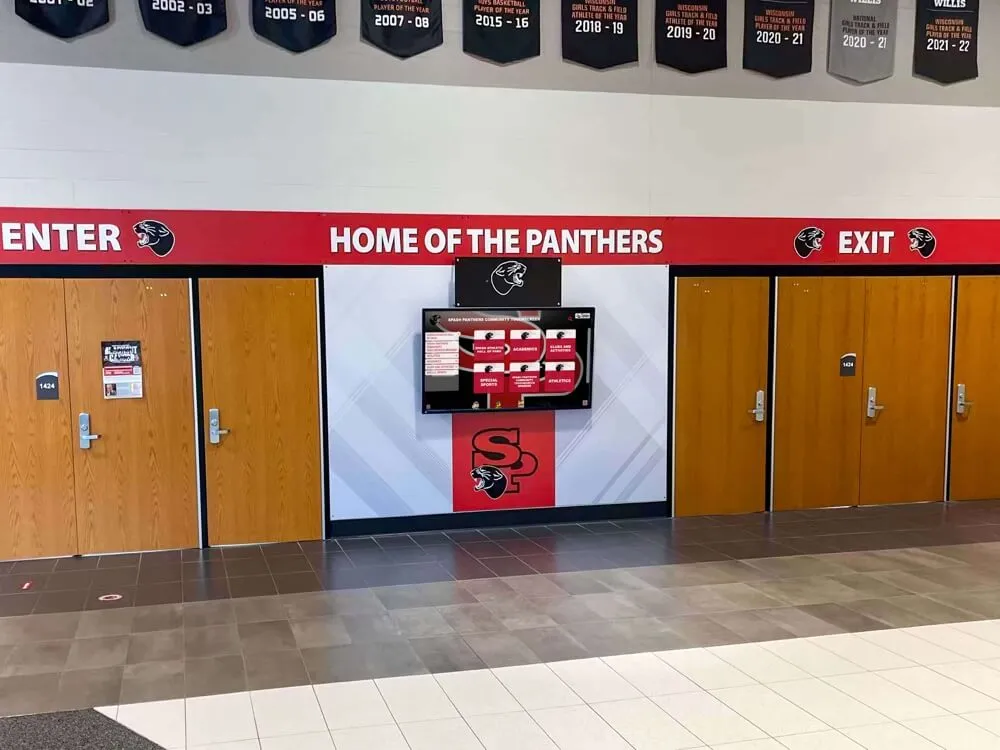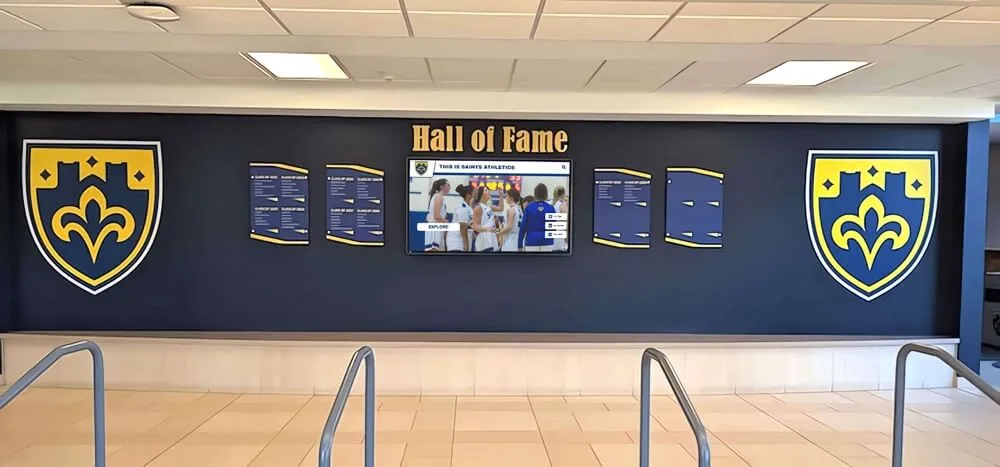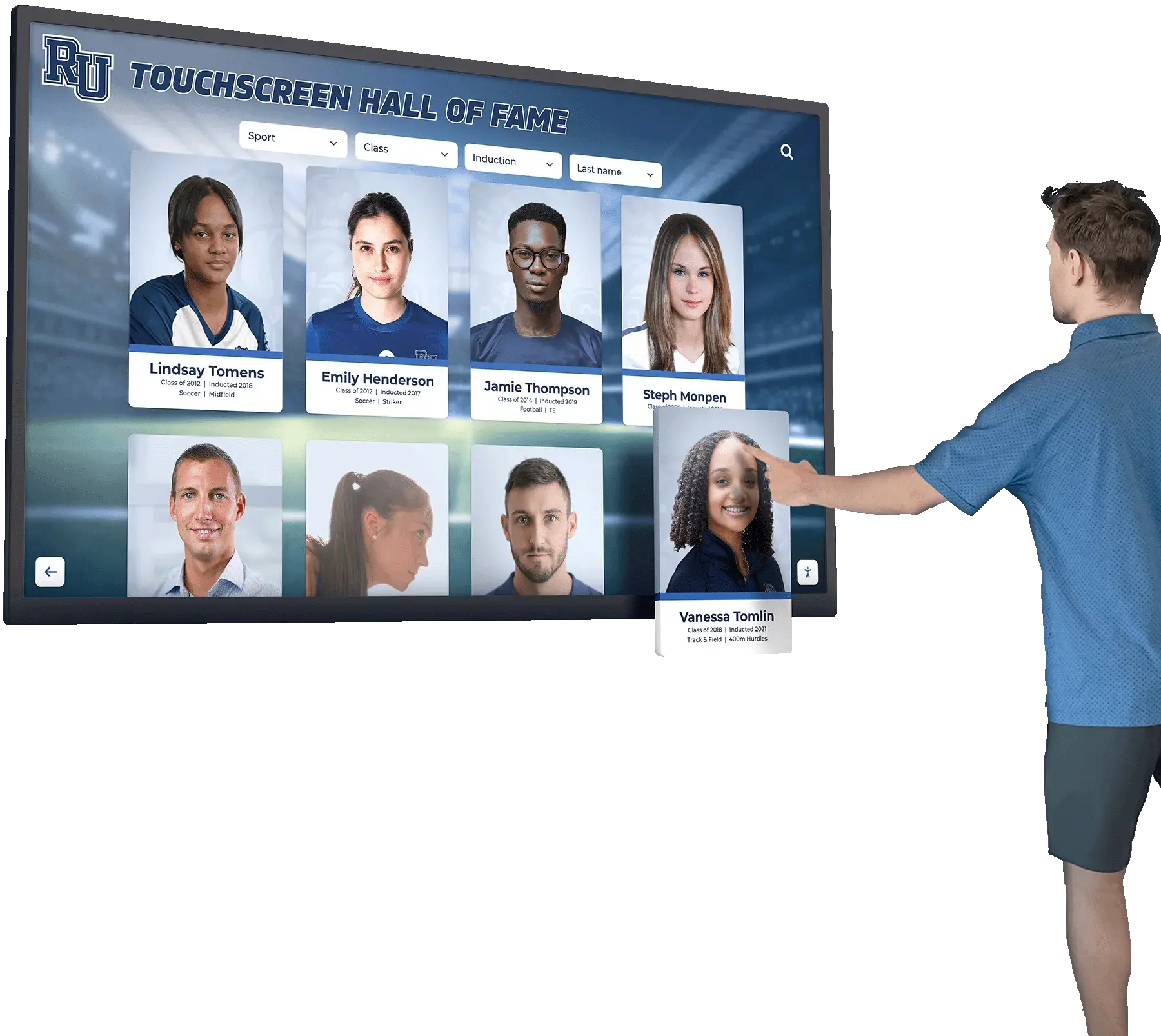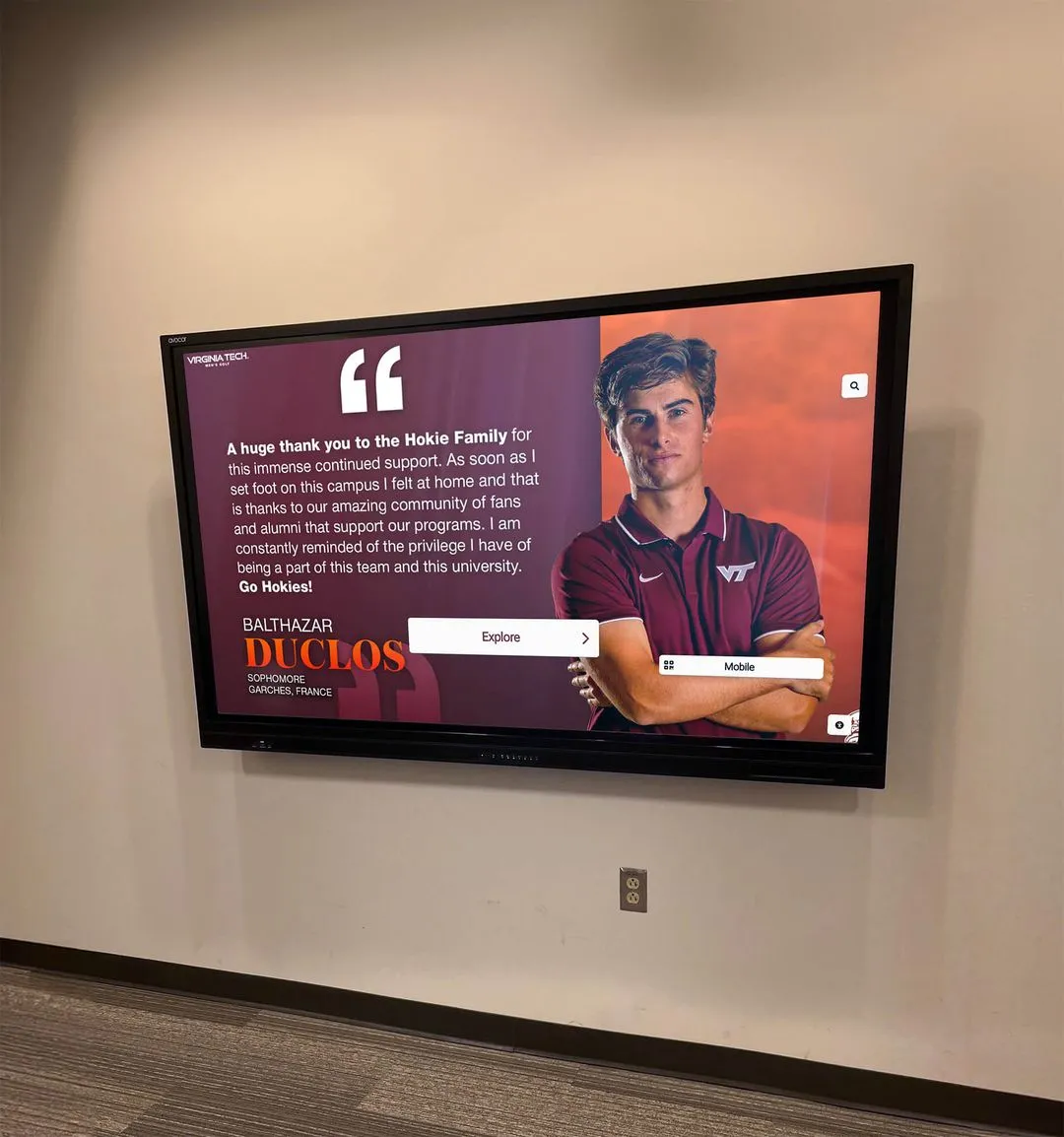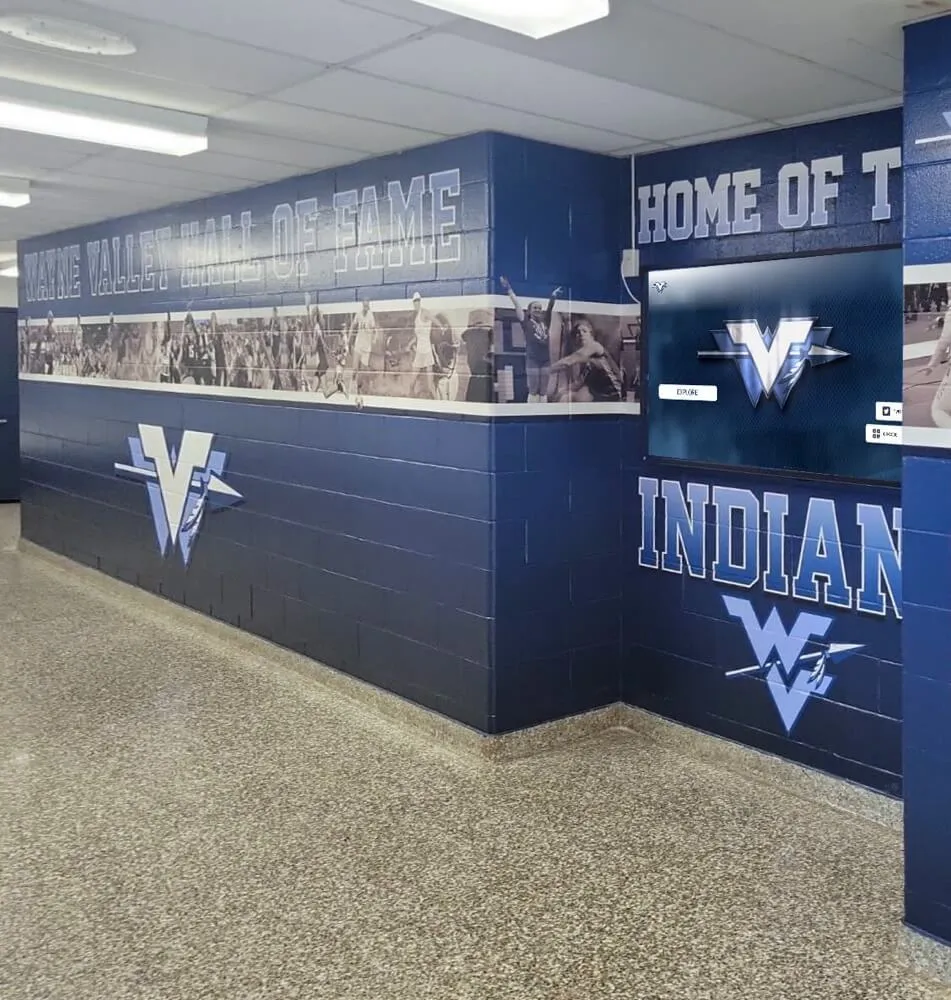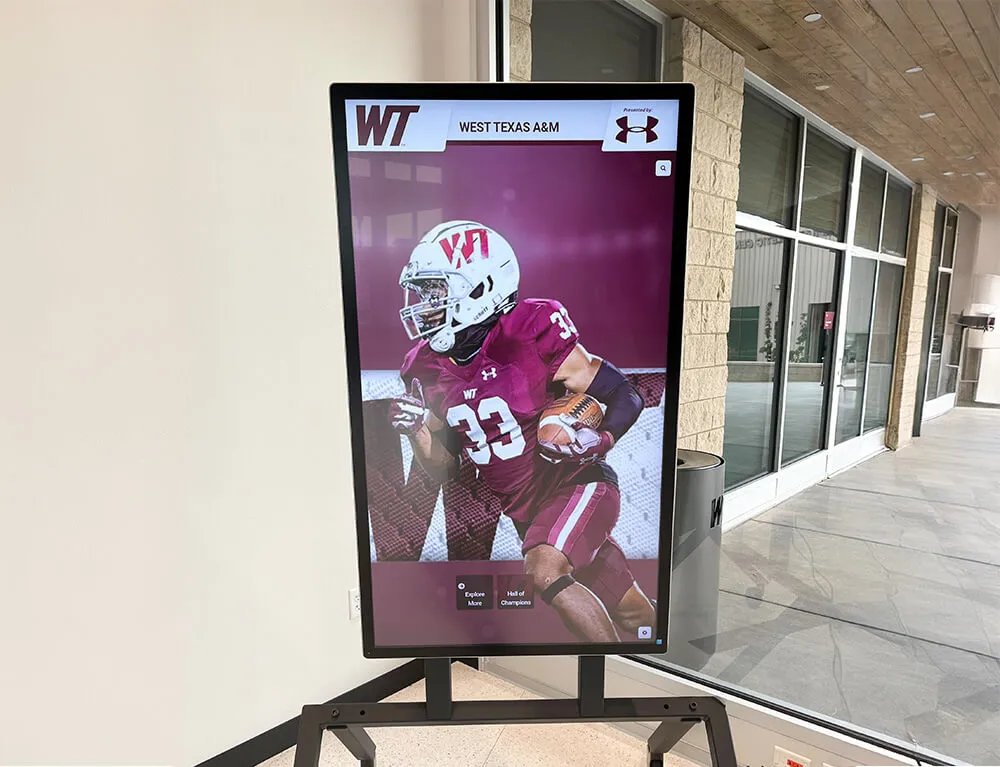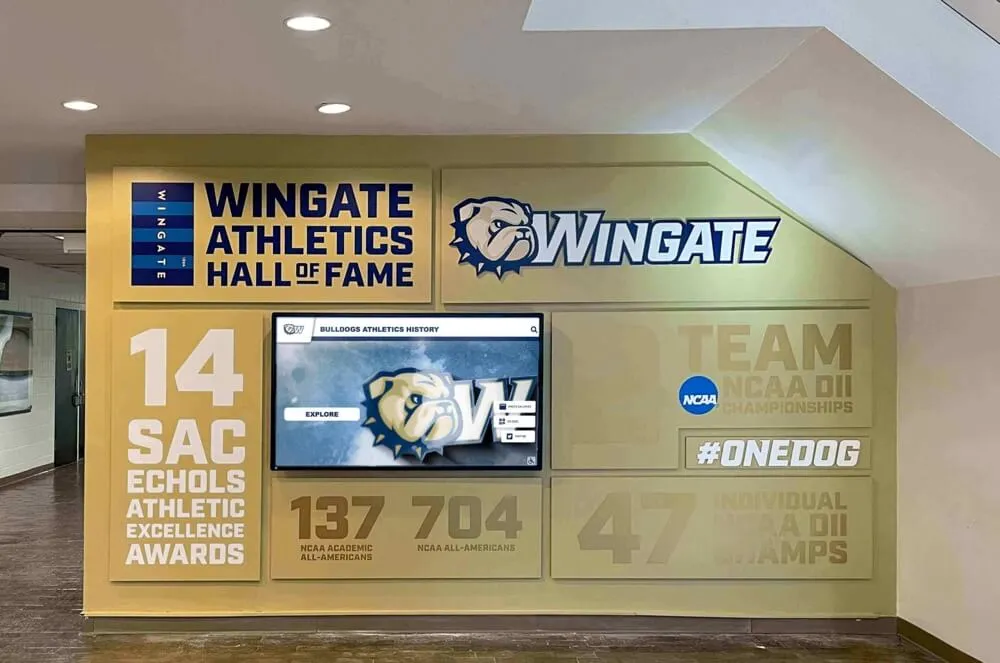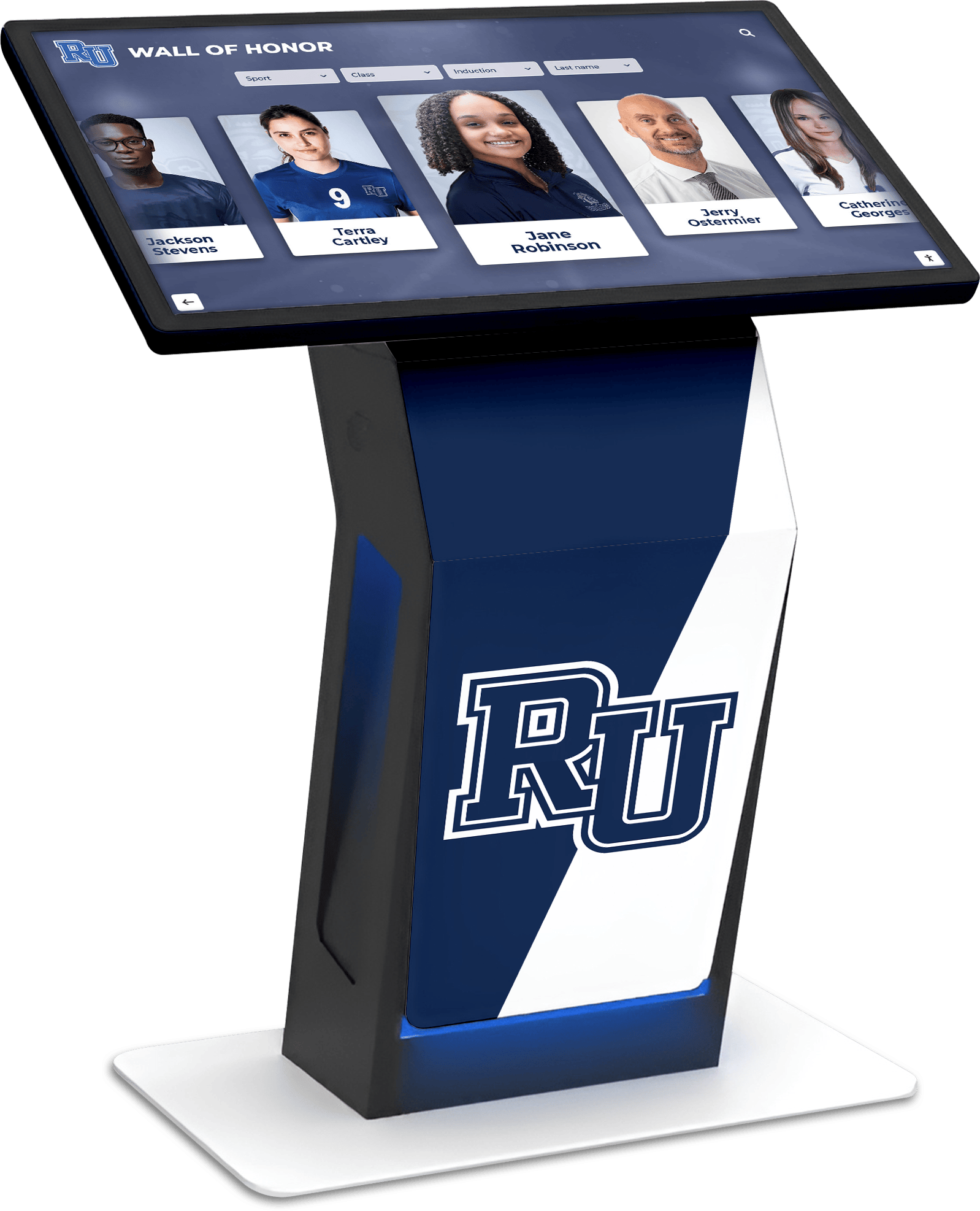
Dual-purpose digital displays that function as both hall of fame recognition systems and donor walls represent one of the most significant advances in institutional recognition strategy. These integrated platforms allow organizations to celebrate athletic achievements, academic excellence, and historical milestones while simultaneously honoring the donors and sponsors whose contributions make these programs possible—all within a single, cohesive digital experience.
Development teams frequently face a common challenge: limited wall space, competing recognition needs, and the question of whether to dedicate precious real estate to donor acknowledgment or achievement celebration. Traditional solutions force organizations to choose between honoring donors and showcasing accomplishments, often resulting in fragmented recognition experiences, overlooked contributors, and missed stewardship opportunities that could inspire continued support.
Are Digital Hall of Fame Displays Also Used as Donor Walls?
Yes, digital hall of fame displays commonly serve dual functions as donor recognition walls, and this integrated approach has become increasingly popular across educational institutions, athletic programs, nonprofit organizations, and community facilities. The question isn’t whether these dual-purpose systems exist—they’re now the standard for forward-thinking organizations—but rather how to implement them effectively while maintaining appropriate recognition protocols for both achievement honorees and financial supporters.
Modern digital recognition platforms allow organizations to dedicate specific sections, tabs, or navigation areas to donor recognition while maintaining separate spaces for hall of fame inductees, championship teams, academic achievers, and historical archives. This integrated approach offers several advantages over separate physical installations:
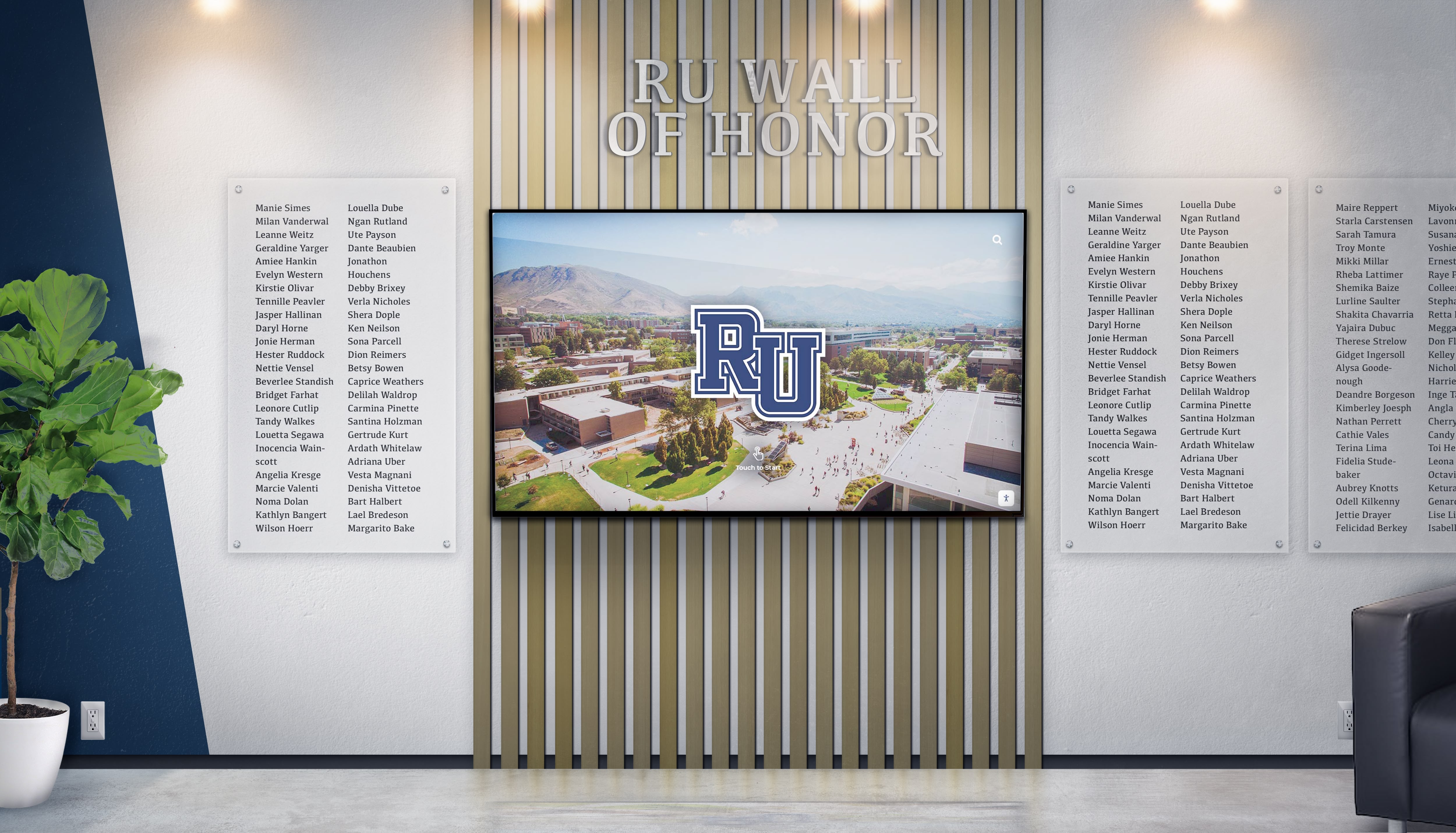
Space Efficiency: A single 55" or 65" touchscreen display can showcase hundreds of donors and dozens of hall of fame inductees, whereas traditional plaques and trophy cases require extensive wall space and regular expansion as programs grow.
Unified Messaging: Dual-purpose displays allow organizations to tell complete stories that connect donor generosity directly to program achievements, demonstrating tangible impact and inspiring continued support.
Content Flexibility: Development teams can adjust recognition prominence, rotate featured donors, highlight campaign progress, and update sponsor acknowledgments without physical renovations or re-engraving costs.
Recognition Hierarchy: Digital platforms enable tiered recognition structures where major donors receive prominent placement while ensuring every contributor—regardless of gift size—receives appropriate acknowledgment.
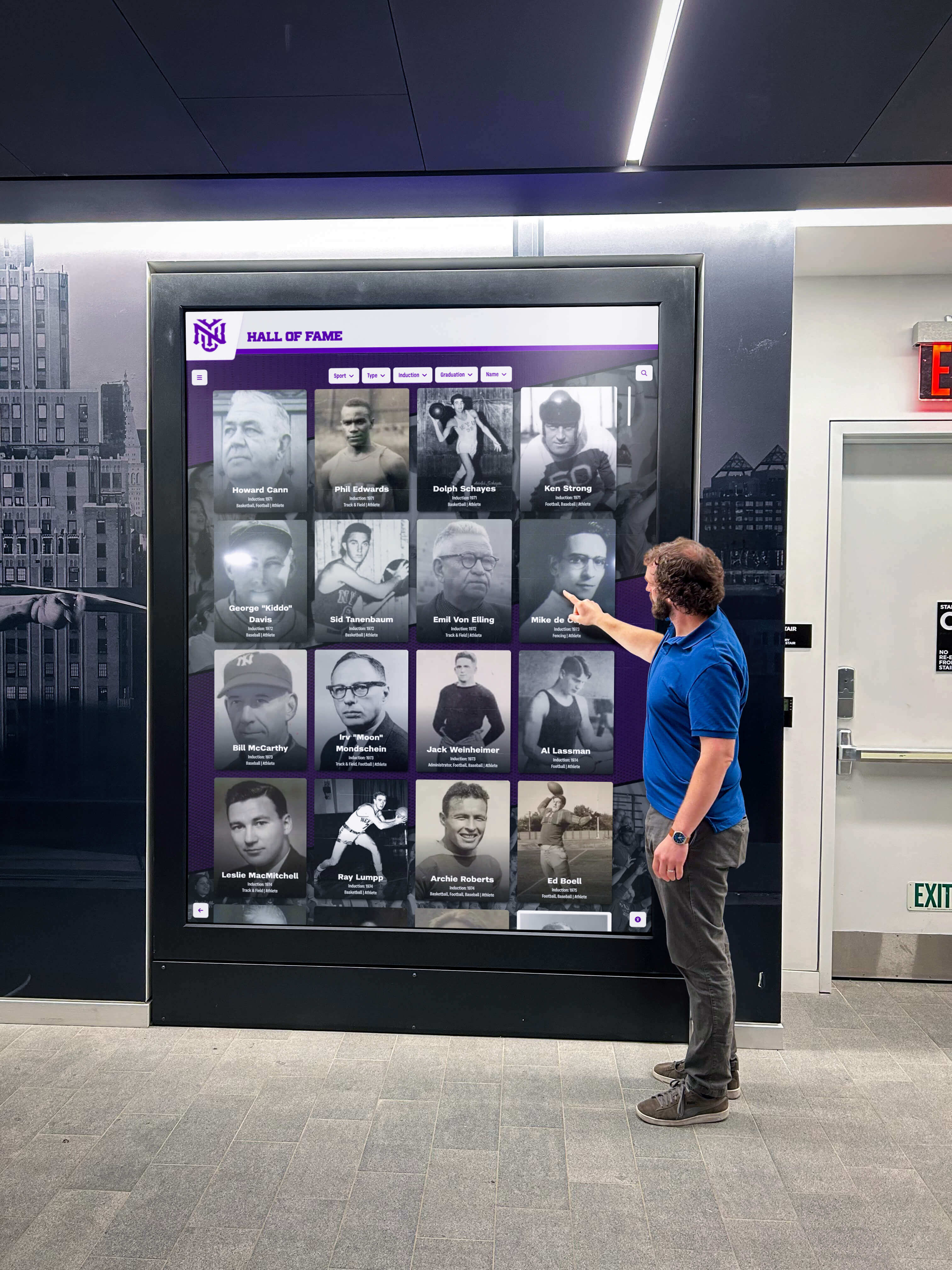
Organizations implementing dual-purpose displays typically structure their content using one of three primary approaches: segmented navigation (separate “Hall of Fame” and “Donors” menu options), integrated storytelling (donor profiles embedded within achievement narratives), or alternating displays (time-based rotation between recognition types). The chosen approach depends on organizational culture, donor expectations, recognition policy requirements, and the relative importance of each recognition category.
How Dual-Purpose Recognition Systems Handle Sponsor Acknowledgment
The technical architecture of dual-purpose digital displays determines how effectively they balance achievement recognition with sponsor acknowledgment. Well-designed systems provide distinct recognition pathways that honor both constituents appropriately while maintaining the dignity and prestige both audiences deserve.
Navigation Structure and Content Organization
Most effective dual-purpose platforms employ hierarchical navigation that separates achievement recognition from donor acknowledgment at the top level while allowing contextual connections deeper within content structures. This approach respects the distinct purposes of each recognition type while enabling powerful storytelling when appropriate.
A typical navigation structure might include:
Home Screen
├── Hall of Fame
│   ├── Inductees by Year
│   ├── Inductees by Sport/Category
│   ├── Selection Criteria
│   └── Induction Ceremony History
├── Donors & Sponsors
│   ├── Recognition Societies (by giving level)
│   ├── Campaign Contributors
│   ├── Naming Rights Honorees
│   ├── Corporate Partners
│   └── Legacy Society Members
├── Championship History
├── Record Holders
└── School/Organization History
This structure allows visitors interested in athletic or academic achievements to explore those accomplishments without donor information dominating the experience, while providing clear pathways for development stakeholders, prospective donors, and recognized contributors to access appropriate acknowledgment.
Tiered Recognition Display Strategies
Digital donor walls within hall of fame displays typically employ tiered recognition systems that acknowledge different giving levels with appropriate prominence, display duration, and content richness. These tiers ensure major donors receive recognition proportionate to their impact while maintaining inclusive acknowledgment for all supporters.
Common recognition tier structures include:
Transformational Gifts ($100,000+)
- Full-screen featured donor profile with photo
- Detailed narrative describing gift impact
- Video testimonial or donor story (optional)
- Permanent placement in premier navigation position
- Naming rights acknowledgment when applicable
Major Gifts ($25,000-$99,999)
- Prominent placement in recognition society section
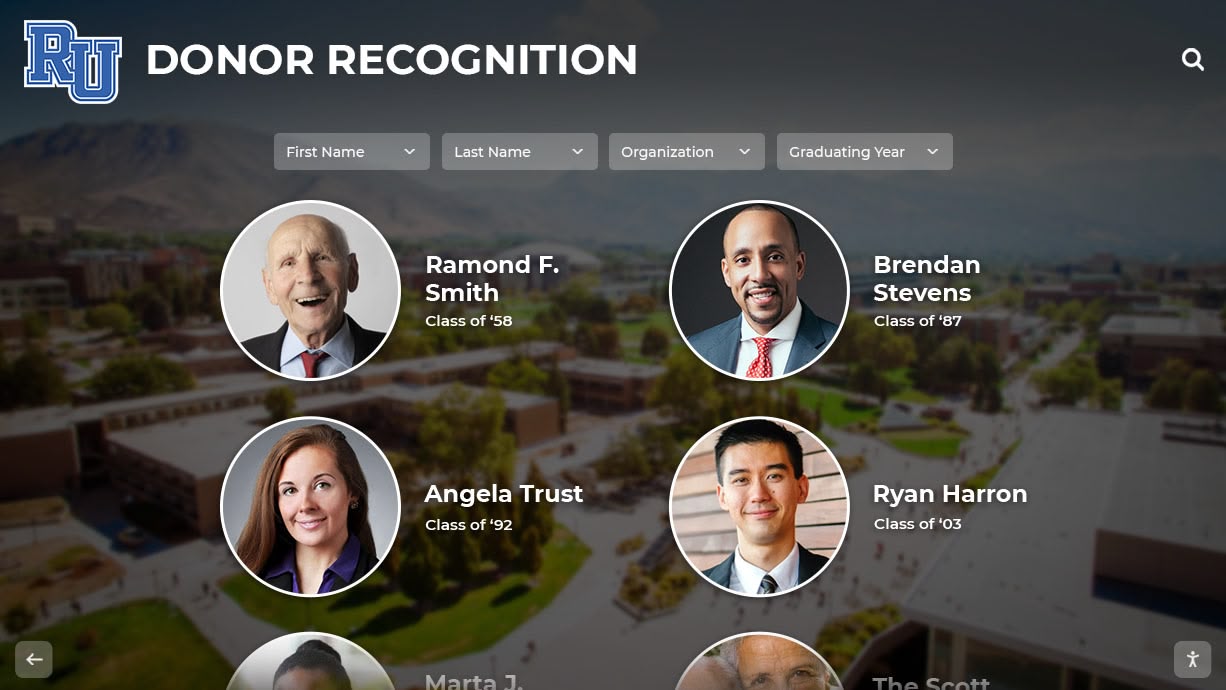
- Donor name, photo, giving year, and brief impact statement
- Recognition society badge or designation
- Priority listing within giving level group
Leadership Gifts ($10,000-$24,999)
- Standard profile with name, photo, and giving year
- Recognition society membership acknowledgment
- Alphabetical listing within giving level group
Supporting Gifts ($1,000-$9,999)
- Name and giving year listing
- Society affiliation when applicable
- Grouped alphabetical display
Friends and Annual Donors ($1-$999)
- Name listing in scrolling or paginated format
- Optional giving year indication
- Inclusive acknowledgment ensuring all donors feel valued
This tiered structure—which should be customized to your organization’s specific giving levels and recognition culture—provides appropriate recognition proportionate to gift size while maintaining dignity and appreciation for every contributor. Development offices can adjust these tiers as campaigns evolve, recognition standards change, or naming opportunities are fulfilled.
Sponsor Recognition Without Compromising Achievement Focus
One of the most delicate aspects of dual-purpose displays involves acknowledging corporate sponsors, naming rights donors, and facility funders without allowing commercial messaging to overshadow achievement recognition or diminish the prestige of hall of fame induction.
Effective platforms address this challenge through carefully designed sponsor acknowledgment protocols:
Contextual Placement: Sponsor recognition appears in appropriate contexts—facility naming rights acknowledged on location/building screens, program sponsors listed within relevant sport or activity sections, equipment donors recognized in related content areas.
Tasteful Design Standards: Sponsor logos and branding follow size restrictions, color palette guidelines, and placement protocols that maintain the dignity of the recognition platform while honoring contractual obligations.
Time-Based Display Options: For annual or multi-year sponsorships (as opposed to permanent naming rights), displays can show current sponsors prominently while maintaining historical archives of past support.
Impact Narratives Over Commercial Messaging: Sponsor recognition focuses on philanthropic impact and program support rather than product promotion or commercial advertising.
Organizations frequently ask whether corporate sponsors should appear alongside individual donors or receive separate recognition sections. Best practice suggests separating these recognition types when sponsorships involve commercial entities seeking brand visibility, while integrating recognition when corporate foundations or business owners give philanthropically without marketing objectives.
Recognition Messaging Framework for Dual-Purpose Displays
Development teams implementing dual-purpose recognition systems benefit from standardized messaging frameworks that ensure consistency, maintain appropriate tone, and honor both achievement and philanthropy with equal professionalism.
Donor Recognition Copy Template
The following template provides adaptable language for various donor recognition scenarios within dual-purpose displays:
[MAJOR DONOR PROFILE FORMAT]

[Donor Name/Family Name]
[Recognition Society Designation] • [Giving Level or Named Opportunity]

[2-3 sentence narrative describing]:
- Donor's connection to the organization
- Specific program, facility, or initiative supported
- Impact statement showing tangible outcomes

"[Optional 1-2 sentence quote from donor about motivation or values]"

Gift Date: [Year or Date]
Recognition: [Naming opportunity, society membership, or special designation]

---

[LEADERSHIP GIFT FORMAT]

[Donor Name]
[Recognition Society Name] • [Year]

[Single impact-focused sentence connecting gift to program outcome]

---

[SUPPORTING GIFT FORMAT]

[Donor Name] • [Year]
[Society Name]
This tiered format ensures recognition appropriate to gift level while maintaining consistent appreciation across all donor segments. Development teams can customize field selections, narrative length, and optional elements based on donor preferences gathered during gift discussions.
Sponsor Acknowledgment Language Guidelines
Corporate sponsor recognition requires different messaging approaches than individual philanthropic donors. The following guidelines help development teams craft appropriate sponsor acknowledgment:
For Naming Rights Sponsors (Buildings, Facilities, Programs):
[Facility/Program Name]
Made possible through the generous support of [Sponsor Name]

[1-2 sentences describing]:
- Years of partnership or support commitment
- Program impact enabled by sponsorship
- Organizational values alignment when relevant

Partnership established [Year]
For Annual Program Sponsors:
[Program Name]
Proudly supported by [Sponsor Name]

[Company/Foundation Name] has been a valued partner since [Year], enabling [specific program outcome or capability].

[Optional: Current sponsorship year or commitment period]
For Equipment or Facility Component Sponsors:
[Equipment/Facility Component]
Provided through the generosity of [Sponsor Name]

This [equipment/component] enhances [specific program benefit], supporting [number] student-athletes/participants annually.
These templates maintain professional tone while acknowledging sponsor contributions appropriately. Development officers should secure sponsor approval of final recognition language before content publication, particularly when contractual obligations specify recognition formats.
Implementation Strategies for Integrated Recognition Systems
Successfully launching dual-purpose recognition displays requires careful planning around content migration, stakeholder communication, recognition policy documentation, and ongoing stewardship coordination.
Content Planning and Recognition Hierarchy
Before implementation, development teams should conduct recognition audits that inventory:
Current donor recognition commitments: Review existing donor agreements, naming rights contracts, and recognition society benefits to ensure digital display plans fulfill all obligations.
Hall of fame selection criteria and inductee lists: Document achievement standards, selection processes, and historical inductee information requiring migration to digital platforms.
Sponsor contracts and acknowledgment requirements: Catalog corporate sponsorship agreements, recognition duration commitments, and specific display requirements.
Available recognition “real estate”: Calculate digital capacity (screen counts, navigation sections, profile slots) to ensure all recognition commitments can be fulfilled appropriately.
Recognition policy gaps: Identify areas where existing policies don’t address digital recognition scenarios, requiring policy updates or new guidelines.
This audit process frequently reveals recognition commitments that conflict, insufficient documentation of donor expectations, or capacity constraints requiring difficult decisions about recognition prominence. Addressing these issues before implementation prevents awkward conversations with major donors who discover inadequate recognition after installation.
Donor Communication and Expectation Management
Organizations transitioning from traditional donor walls to digital recognition systems must proactively communicate changes to existing donors, particularly those with perpetual recognition commitments or naming rights agreements.
Effective communication strategies include:
Advance Notification: Contact recognized donors 90-120 days before display installation, explaining the transition, showing preview mockups, and soliciting feedback on recognition formats.
Benefit Enhancement Messaging: Position digital transition as recognition upgrade offering photo integration, expanded narratives, multimedia capability, and perpetual visibility without maintenance deterioration.
Legacy Preservation Options: For donors strongly attached to physical plaques, offer retention options such as archive displays, donor society recognition walls, or historical exhibit integration.
Preview and Approval Process: Provide major donors (particularly naming rights holders and transformational gift contributors) with final recognition preview and approval opportunity before public launch.
Launch Event Recognition: Incorporate digital display unveiling into donor recognition events, allowing contributors to see their acknowledgment alongside achievement celebration.
One frequent concern among existing donors involves perpetuity commitments—assurances that recognition will remain permanent. Development teams should clearly document that digital recognition fulfills perpetuity obligations when displays remain active and maintained, with content backup protocols ensuring data preservation should hardware eventually require replacement.
Coordinating Recognition Updates Across Achievement and Donor Content
Dual-purpose displays require coordination between athletic directors, alumni relations teams, and development offices to ensure recognition remains current, accurate, and appropriately prominent across both content areas. This coordination challenge represents one of the primary operational considerations for integrated recognition systems.
Successful implementations establish clear protocols for:
Content Ownership and Update Authority: Define which department manages hall of fame inductee profiles, donor recognition sections, sponsor acknowledgment, and historical archives. Typically, athletic or alumni relations oversees achievement content while development manages donor recognition, but single points of responsibility prevent conflicting updates.
Review and Approval Workflows: Implement approval processes ensuring donor recognition language receives development office review, sponsor acknowledgment meets contractual requirements, and achievement content maintains selection criteria integrity.
Update Frequency and Scheduling: Establish regular update cycles (monthly, quarterly, annually) for different content types, with protocols for urgent updates when major gifts are received or new inductees are announced.
Version Control and Audit Trails: Maintain documentation of content changes, recognition additions, and profile modifications to support donor questions, audit requirements, and historical record keeping.
Modern digital recognition platforms like Rocket Alumni Solutions provide remote content management capabilities that allow authorized staff to update recognition content from any internet-connected device, eliminating the coordination delays and technical dependencies that plague traditional static donor walls. These systems support role-based permissions, approval workflows, and content scheduling that streamline recognition updates while maintaining appropriate governance.
Recognition Policy Framework for Dual-Purpose Displays
Organizations implementing dual-purpose recognition systems should establish (or update) recognition policies that address digital display-specific scenarios while maintaining consistency with broader donor stewardship and naming rights frameworks.
Digital Donor Wall Recognition Policy Template
DIGITAL DONOR RECOGNITION POLICY

Purpose
This policy establishes standards for acknowledging philanthropic contributions and
sponsorships through digital recognition displays, ensuring appropriate, consistent,
and respectful recognition while preserving organizational values and donor intent.

Recognition Eligibility

1. Individual Donors
   - Minimum gift threshold: $[Amount]
   - Recognition based on cumulative giving or single campaign gifts [specify]
   - Anonymous giving options respected across all platforms
   - Recognition period: [Perpetual / Time-limited - specify]

2. Corporate and Foundation Sponsors
   - Minimum sponsorship level: $[Amount]
   - Recognition duration aligned with sponsorship commitment period
   - Logo usage governed by branding guidelines [reference document]
   - Commercial messaging restrictions: [specify limitations]

3. Naming Rights and Major Gift Recognition
   - Governed by individual donor agreements
   - Minimum thresholds: [specify by opportunity type]
   - Recognition prominence proportionate to gift level
   - Multi-year pledges recognized upon commitment [or first payment - specify]

Recognition Levels and Display Standards

[List your organization's specific recognition societies, giving levels, and
associated digital display formats using the tiered framework provided earlier]

Content Standards

- All donor recognition content subject to development office review
- Donor names displayed as specified in gift agreements
- Photo submissions encouraged but not required; professional quality standards apply
- Narrative content limited to [XX] words for [gift level]
- Quotes attributed only with explicit donor consent

Duration and Perpetuity

- "Perpetual" recognition maintained as long as digital display system operates
- Recognition transfers if display technology is upgraded or replaced
- Data backup protocols ensure recognition preservation
- Donors notified in advance of any significant platform changes

Update Frequency

- New donor recognition added within [XX days] of gift processing
- Pledge fulfillment status reviewed [quarterly/annually]
- Recognition removed or adjusted only upon donor request or policy violation
- Annual audit ensures current donor information accuracy

Donor Privacy and Anonymity

- Anonymous giving options honored across all recognition platforms
- Donor contact information never displayed publicly
- Gift amounts shown only when donor explicitly approves
- Deceased donor family consulted regarding recognition continuation

Recognition Removal or Modification

Recognition may be adjusted or removed when:
- Donor requests anonymity or recognition changes
- Pledge commitments remain unfulfilled beyond [X years]
- Donor actions conflict with organizational values [specify process]
- Legal requirements mandate removal

Appeals and Concerns

Donors with recognition concerns should contact:
[Development Office Contact Information]

Policy Review

This policy reviewed annually by [Development Committee/Board] with updates
communicated to recognized donors.

Approved: [Date]
Next Review: [Date]
This policy template should be customized to your organization’s specific recognition culture, legal requirements, and donor relationship philosophy. Legal counsel review is recommended, particularly for sections addressing recognition removal and perpetuity commitments.
Handling Sensitive Recognition Scenarios
Dual-purpose recognition platforms occasionally present complex scenarios requiring careful navigation:
Scenario: Donor Whose Gift Supported Specific Hall of Fame Inductee
When a donor’s gift established a scholarship, award, or program honoring a specific individual now in the hall of fame, recognition should appear in both sections with clear connections. The hall of fame profile notes the award or program named for the inductee, while the donor profile explains the gift’s purpose in honoring that individual’s legacy.
Scenario: Hall of Fame Inductee Who Is Also a Major Donor
When the same individual merits recognition for both achievement and philanthropy, best practice creates separate profiles in each section rather than combining recognition. The hall of fame profile focuses exclusively on achievements and selection criteria, while the donor profile acknowledges their generosity. A brief cross-reference note in each profile (“also recognized as major donor” or “hall of fame inductee”) provides context without conflating the distinct honors.
Scenario: Controversial Inductee or Donor
Digital displays offer significant advantages when recognition becomes complicated by changed circumstances, revealed information, or community controversy. Unlike permanent bronze plaques requiring physical removal, digital recognition can be adjusted, contextualized, or removed following organizational policy and legal guidance. Any such changes should follow documented processes, involve appropriate stakeholders, respect contractual obligations, and consider donor relationship implications.
Scenario: Competing Recognition Requests from Separate Donors
When multiple donors request prominent placement—common during capital campaigns or after major gift solicitations—transparent recognition policies prevent conflicts. Document placement algorithms (alphabetical within giving level, chronological by gift date, rotating featured positions) before discussions occur, allowing objective application of standards rather than subjective negotiations.
Technical Considerations for Dual-Purpose Recognition Systems
While this guide focuses on recognition messaging and stewardship protocols rather than technical specifications, development teams should understand several technical factors affecting donor recognition effectiveness.
Content Management Capabilities
Effective dual-purpose displays require content management systems that support:
- Role-based editing permissions (allowing development staff to update donor content while athletic staff manages inductee profiles)
- Approval workflows ensuring appropriate review before publication
- Bulk upload capabilities for campaign donor lists or annual recognition updates
- Content scheduling for time-sensitive recognition (corporate sponsor contracts, annual society members)
- Searchable archives allowing visitors to find specific donors or inductees quickly
Solutions like Rocket Alumni Solutions provide remote content management accessed through standard web browsers, eliminating specialized software requirements and allowing distributed teams to coordinate recognition updates effectively. This capability particularly benefits organizations where development offices operate separately from facilities housing physical displays.
Accessibility and Inclusive Design
Digital donor recognition must meet accessibility standards ensuring visitors with disabilities can access acknowledgment information:
- Screen reader compatibility: All text content properly formatted for assistive technology
- Touch target sizing: Interactive elements sized appropriately for users with limited dexterity
- Color contrast standards: Text and background combinations meeting WCAG 2.2 AA requirements
- Alternative navigation: Search functions and alphabetical lists supplementing visual navigation
- Height considerations: Touchscreen installations positioned for wheelchair accessibility
Development teams should verify that chosen recognition platforms meet accessibility requirements, both fulfilling legal obligations and ensuring every donor—regardless of ability—can experience appropriate appreciation.

Capacity Planning and Scalability
One of the primary advantages digital recognition offers over traditional donor walls involves unlimited scalability. However, development teams should still plan recognition capacity thoughtfully:
Profile Depth vs. Breadth: Organizations can showcase 100 donors with rich profiles including photos and narratives, or 1,000 donors with name-only listings, on the same physical display. Choose approaches balancing appropriate recognition prominence with inclusive acknowledgment.
Navigation Complexity: As donor lists grow beyond 50-100 profiles, searchability, filtering, and organized navigation become essential. Effective platforms provide alphabetical browsing, giving level filtering, and search functions preventing “lost” recognition for donors whose names appear deep in paginated lists.
Future Campaign Planning: Consider recognition capacity needed not just for current donors but for anticipated campaign growth. Capital campaigns doubling your donor base require systems accommodating that expansion without navigation redesign or recognition dilution.
Multi-Display Coordination: Large facilities might install multiple recognition displays in different locations. Content management systems should support coordinated updates across all displays while allowing location-specific customization when appropriate.
Case Applications: When Dual-Purpose Recognition Makes Sense
While dual-purpose digital displays offer significant advantages, they’re not optimal for every recognition scenario. Understanding when integrated recognition systems provide maximum value helps development teams make appropriate investment decisions.
Ideal Applications for Dual-Purpose Recognition
Athletic Facilities with Donor-Funded Construction or Renovation
High schools, universities, and athletic clubs building new gymnasiums, field houses, or training facilities typically combine recognition of athletic achievement with acknowledgment of donors whose capital gifts made construction possible. Dual-purpose displays installed in main lobbies showcase championship teams, record holders, and hall of fame inductees alongside capital campaign contributors and naming rights donors.
This integrated approach powerfully demonstrates philanthropy’s impact—visitors exploring athletic achievements naturally encounter recognition of supporters who made those programs possible, reinforcing the connection between generosity and opportunity.
Academic Buildings Honoring Distinguished Alumni and Facility Donors
Universities and independent schools constructing academic buildings commonly recognize distinguished alumni achievements while acknowledging facility funders and program endowment donors. A dual-purpose display in an engineering building, for example, might showcase notable alumni working in engineering fields while recognizing donors who established scholarships, funded labs, or contributed to building construction.
This integration tells compelling institutional stories connecting alumni success back to philanthropic investment, potentially inspiring current students who may become future donors themselves.
Community Centers and Nonprofit Facilities
YMCAs, Boys & Girls Clubs, community theaters, and similar organizations frequently maintain honor rolls recognizing program participants, volunteers, or award winners while acknowledging donors supporting operations. These dual-purpose applications balance community celebration with donor stewardship, both critical to organizational sustainability.
Church Fellowship Halls and Ministry Centers
Faith-based organizations building fellowship halls or ministry centers often establish memorial recognition for deceased members while acknowledging living donors supporting construction. Digital recognition systems designed for church applications can integrate these recognition needs sensitively while supporting ongoing stewardship of church members supporting capital projects.
When Separate Recognition Systems May Be Preferable
Some scenarios benefit from dedicated donor recognition separate from achievement displays:
Development Office Locations: Donor recognition displays positioned in development office waiting areas or meeting spaces can focus exclusively on philanthropy without achievement content, supporting gift conversations and major donor cultivation.
Event Venues: Gala venues, donor recognition events, and fundraising functions may warrant temporary or permanent displays focused entirely on donor acknowledgment without achievement content dilution.
Entrance Statements: Some organizations prefer prominent donor recognition at main building entrances, with achievement recognition placed in programmatically relevant areas (athletic displays in gyms, academic recognition in classroom buildings).
Sensitive Timing: Organizations launching capital campaigns before completing new facilities sometimes install temporary donor recognition in existing spaces, adding achievement integration only after new construction allows comprehensive recognition planning.
The decision between integrated and separate recognition depends on organizational culture, available installation locations, budget considerations, and the relative importance your community places on each recognition type.
Launching Your Dual-Purpose Recognition Display
Once you’ve developed recognition frameworks, established policies, and selected appropriate platforms, successful launches require coordinated planning between development, facilities, communications, and program leadership teams.
Pre-Launch Preparation Checklist
Complete these steps before unveiling dual-purpose recognition displays:
- Conduct recognition audit documenting all current donor commitments and hall of fame inductees
- Review donor agreements ensuring digital recognition fulfills contractual obligations
- Establish or update recognition policies addressing dual-purpose display scenarios
- Create messaging templates for various donor and sponsor recognition levels
- Collect donor photos, biographical information, and gift details for profiles
- Compile hall of fame inductee information, achievement records, and historical data
- Develop content review workflows specifying approval authorities
- Design navigation structure balancing donor and achievement content appropriately
- Prepare donor communication explaining transition to digital recognition
- Plan launch event incorporating both donor recognition and achievement celebration
- Train staff on content management procedures and update protocols
- Establish metrics for tracking display engagement and recognition effectiveness
This preparation ensures smooth launches that honor all stakeholders appropriately while establishing sustainable recognition management processes.
Stewardship Integration and Ongoing Recognition
Digital donor recognition should integrate into broader stewardship strategies rather than existing as isolated acknowledgment:
Event Activation: During homecoming weekends, athletic banquets, donor appreciation events, and similar gatherings, encourage guests to explore recognition displays. Consider creating scavenger hunts, self-guided tours, or group activities centered on discovering connections between donors and achievements showcased.
Prospect Cultivation: Use recognition displays during major donor prospect tours, demonstrating how previous contributors are honored and showing prospects their potential recognition formats. This visualization helps prospects imagine their philanthropic legacy while reinforcing your organization’s commitment to meaningful acknowledgment.
Campaign Momentum Building: During active campaigns, configure displays to show campaign progress, highlight recent gifts, and feature donor testimonials explaining giving motivations. This real-time acknowledgment creates urgency and demonstrates community support, potentially inspiring additional gifts.
Social Media Integration: Photograph donors interacting with their recognition profiles, capture screenshots of acknowledgment content, and share (with permission) across social channels. This extends recognition beyond physical installation locations while showcasing your commitment to donor appreciation.
Annual Recognition Refreshes: Schedule annual content reviews ensuring donor information remains current, recognition society members are updated, and new supporters receive timely acknowledgment. These regular refreshes demonstrate active stewardship rather than one-time recognition followed by neglect.
Next Steps: Implementing Your Dual-Purpose Recognition Strategy
Digital displays that effectively combine hall of fame recognition with donor acknowledgment represent sophisticated recognition systems requiring thoughtful planning, clear policies, professional content management, and ongoing stewardship coordination. Organizations investing in these integrated platforms position themselves to honor achievements while advancing philanthropic missions—all through compelling, accessible, and scalable digital experiences.
Development teams ready to explore dual-purpose recognition displays should begin by:
Auditing Current Recognition: Document existing donor commitments, hall of fame inductees, sponsor agreements, and available recognition capacity to understand requirements and constraints.
Establishing Recognition Frameworks: Develop tiered recognition structures, messaging templates, and policy guidelines adapted from the templates provided in this guide.
Evaluating Technical Solutions: Research digital recognition platforms that support dual-purpose applications, assessing content management capabilities, accessibility features, and scalability.
Building Stakeholder Consensus: Engage development staff, program leaders, facilities managers, and organizational leadership in planning processes ensuring buy-in and coordinated implementation.
Planning Phased Rollouts: Consider staging implementation with initial donor recognition sections followed by expanded achievement content, or vice versa, to manage content development workload.
The organizations achieving greatest success with dual-purpose recognition systems view these displays not as technology installations but as stewardship tools advancing donor relationships while celebrating organizational excellence. When implemented thoughtfully with appropriate frameworks, governance, and ongoing management, integrated recognition platforms help communities understand the connection between philanthropic generosity and institutional achievement.
Ready to explore how digital recognition displays can honor both your donors and your achievers? Solutions like Rocket Alumni Solutions provide dual-purpose platforms with unlimited donor capacity, dynamic giving tier displays, ADA-compliant touchscreen interfaces, campaign progress tracking, and remote content management—eliminating the space constraints, update limitations, and navigation complexity that constrain traditional recognition approaches. Book a demo to see how integrated recognition systems can strengthen your donor relationships while celebrating institutional excellence.