Digital halls of fame have revolutionized how educational institutions, athletic programs, and nonprofit organizations celebrate achievement, honor contributors, and preserve institutional legacy. These interactive recognition systems replace static plaques and overcrowded trophy cases with dynamic, multimedia experiences that engage donors, inspire stakeholders, and create lasting connections between supporters and the missions they advance.
Yet implementing effective digital recognition requires more than installing touchscreen hardware. Development teams need recognition messaging frameworks that honor donors appropriately, stewardship protocols that maintain relationships beyond initial giving, technical specifications that ensure accessibility and longevity, and content strategies that tell compelling stories while preserving naming rights and recognition policies.
This comprehensive guide provides advancement professionals, development directors, and institutional leadership with practical frameworks for implementing digital halls of fame that celebrate donors, athletes, and community members through modern recognition displays that strengthen engagement, support fundraising goals, and create meaningful stewardship experiences.
Effective digital recognition transforms how organizations honor supporters and preserve achievement. Whether recognizing major gift donors who fund capital campaigns, celebrating athletic milestones and championship teams, or preserving institutional history through alumni profiles and legacy narratives, digital halls of fame provide flexible platforms that accommodate diverse recognition needs while maintaining the dignity and permanence supporters deserve.

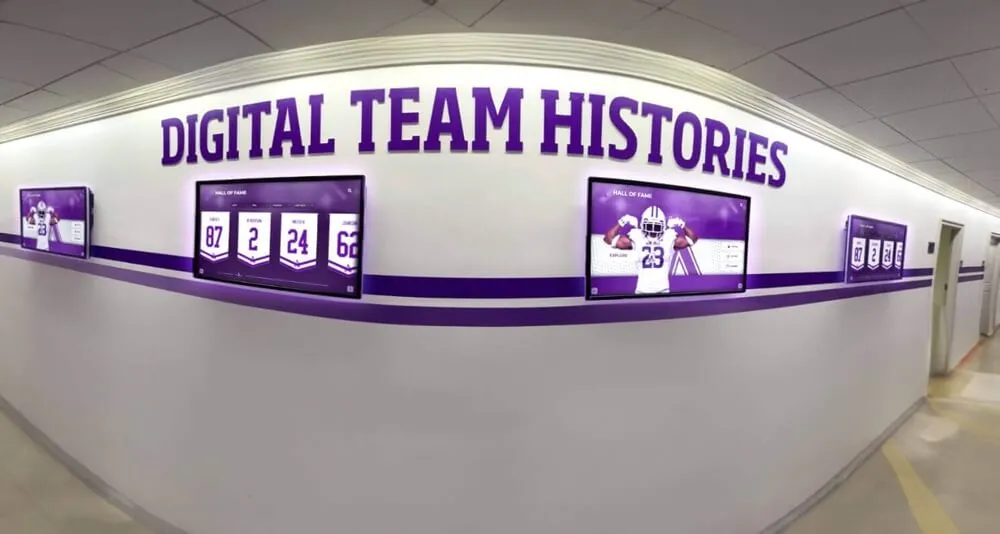
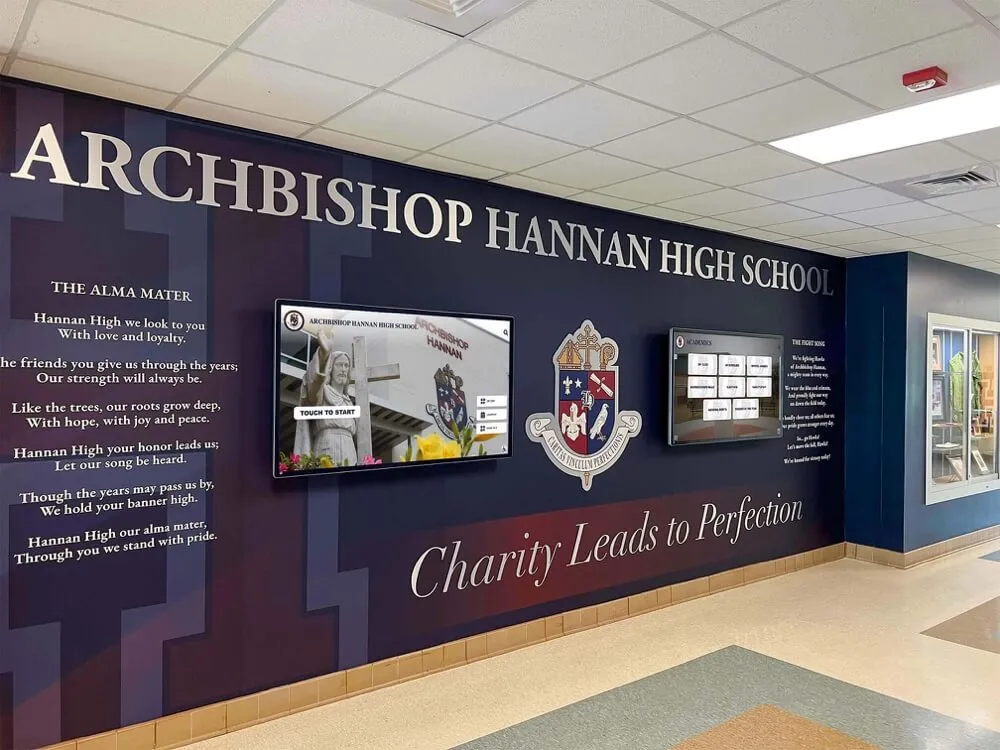
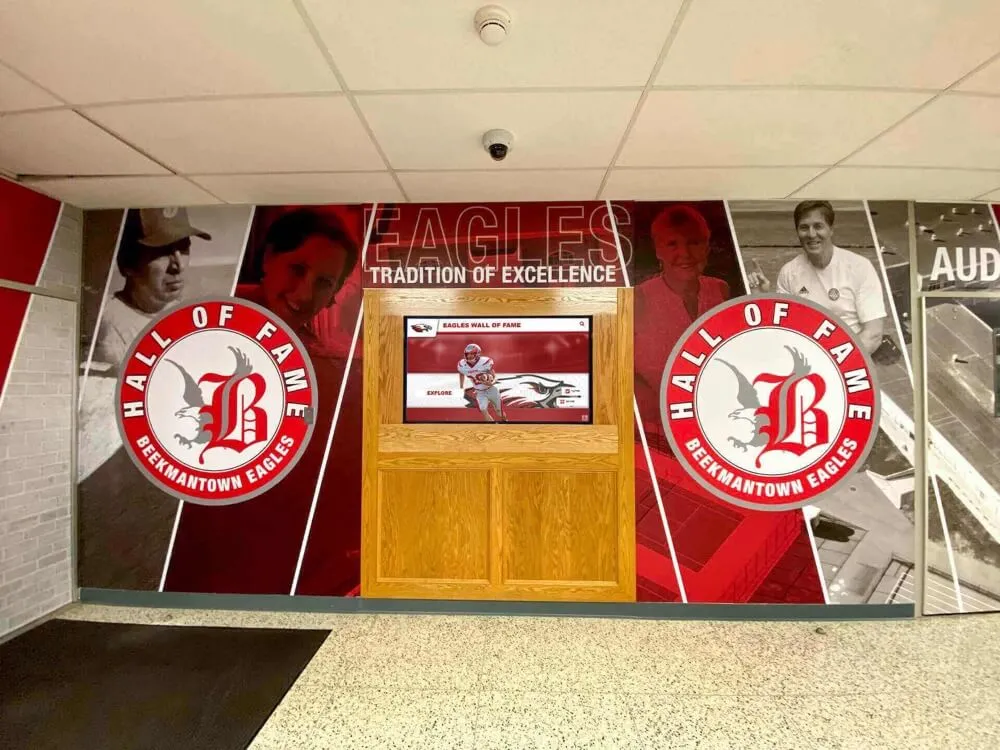
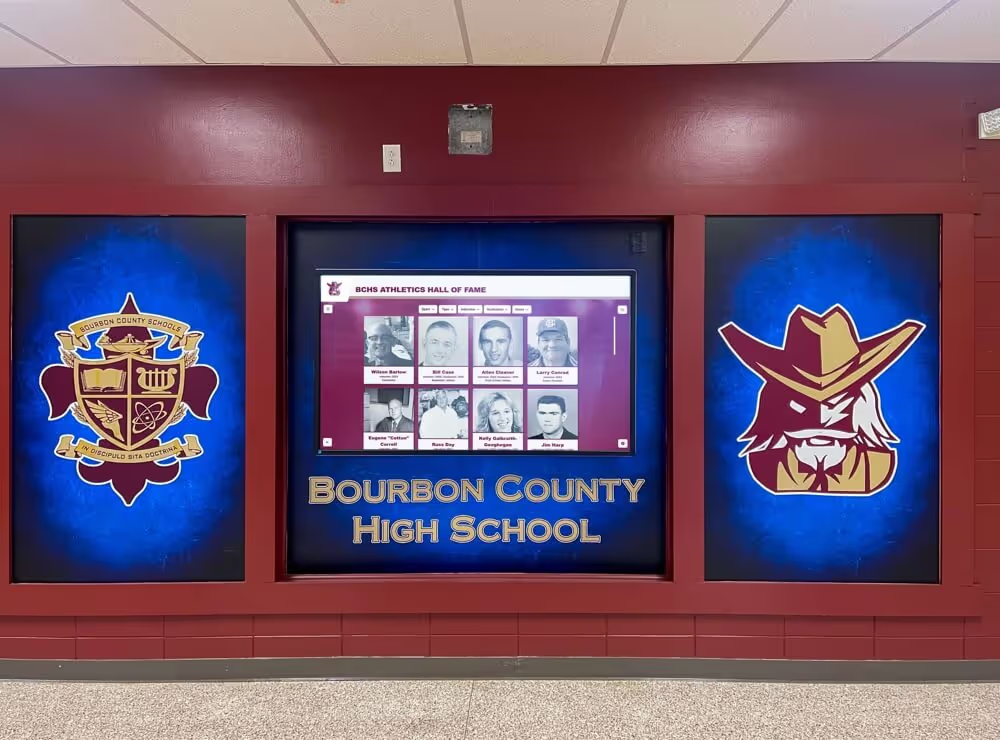
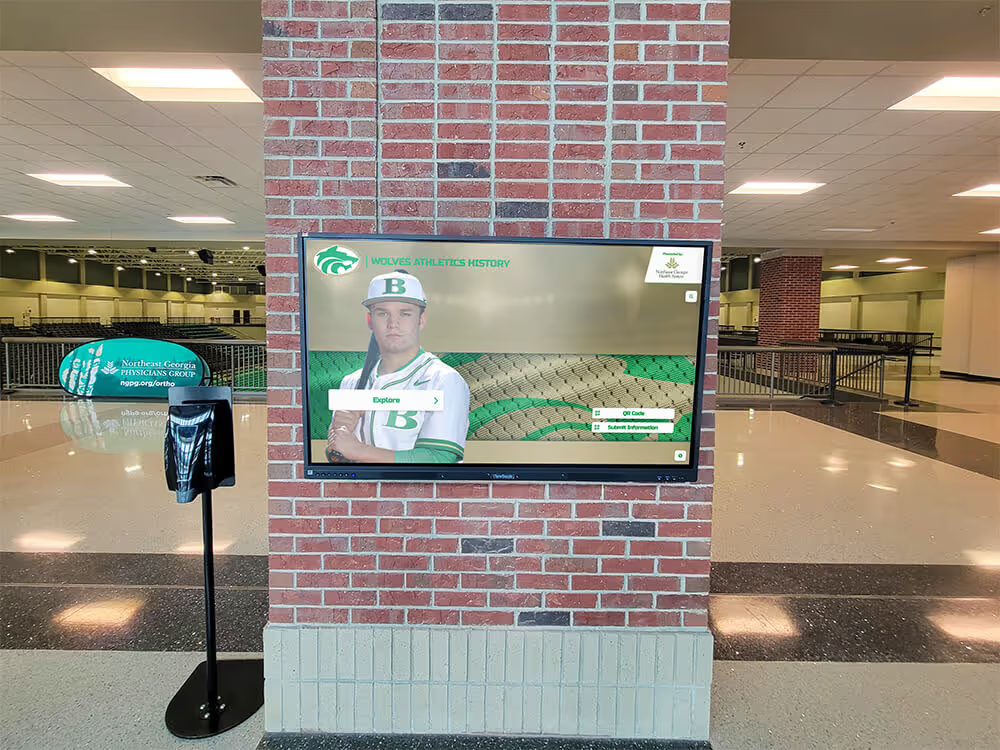
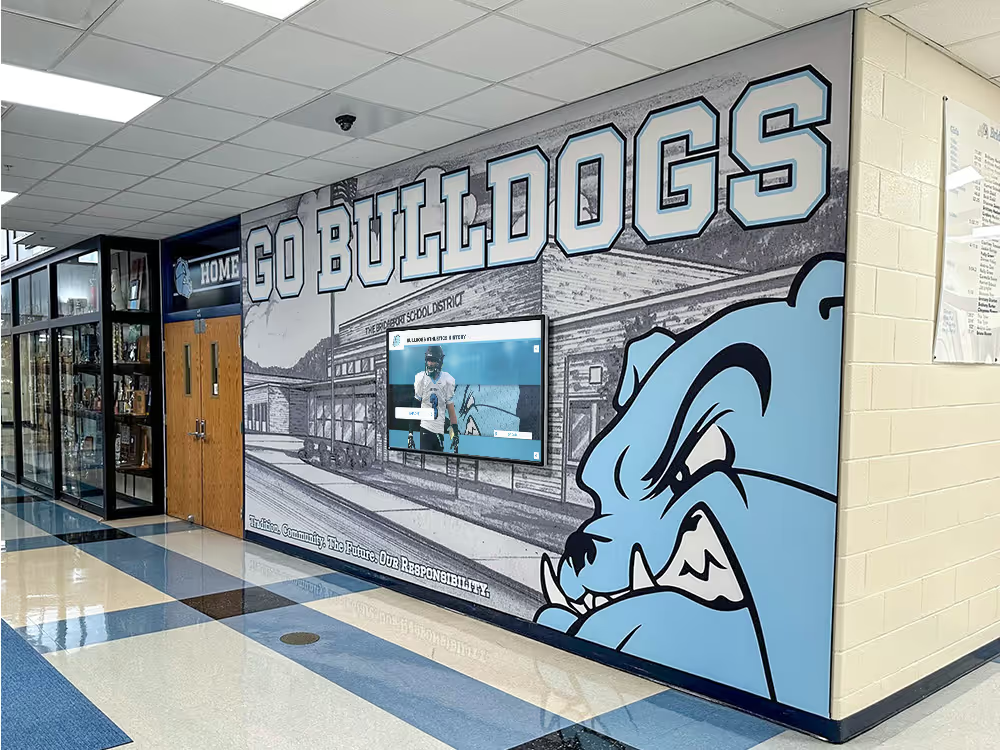
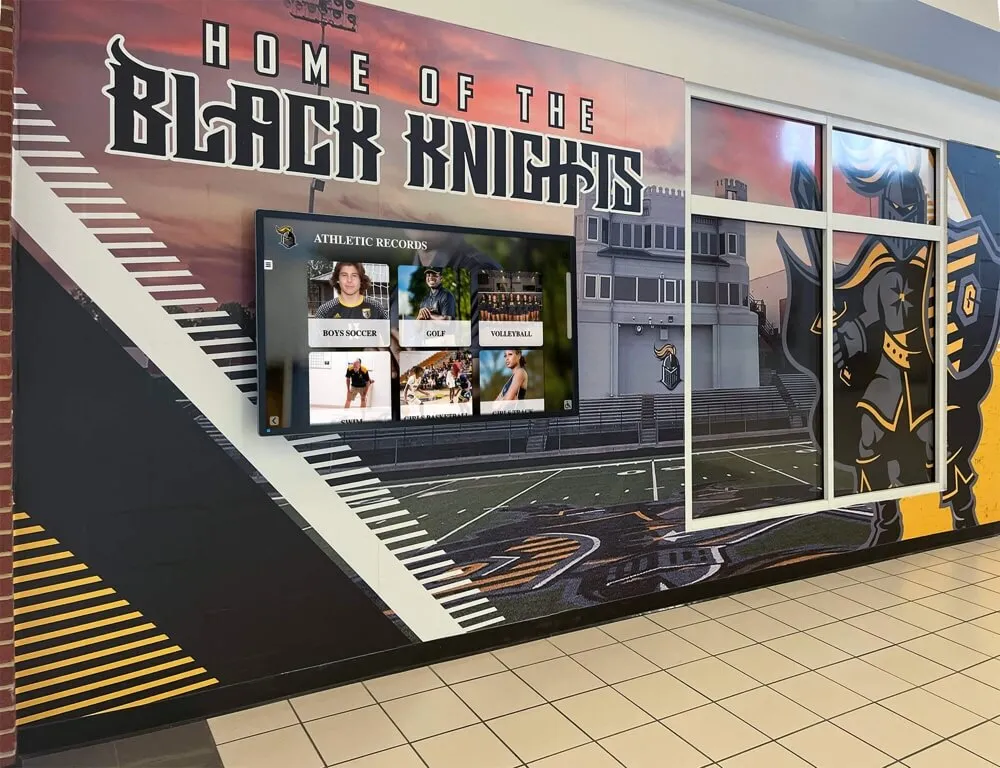
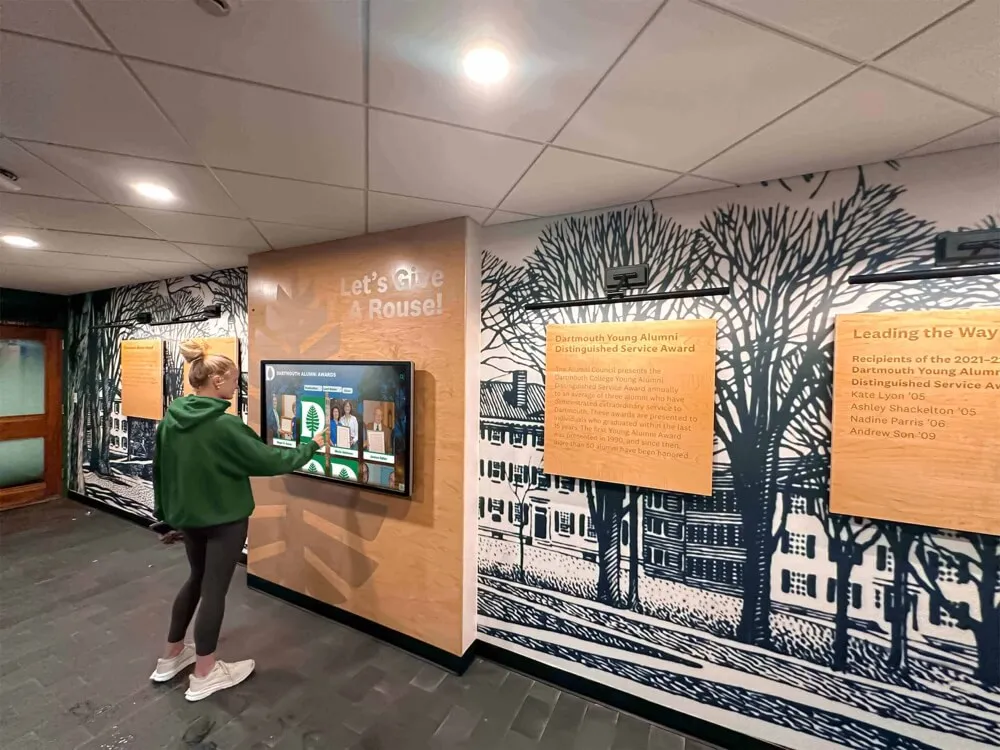
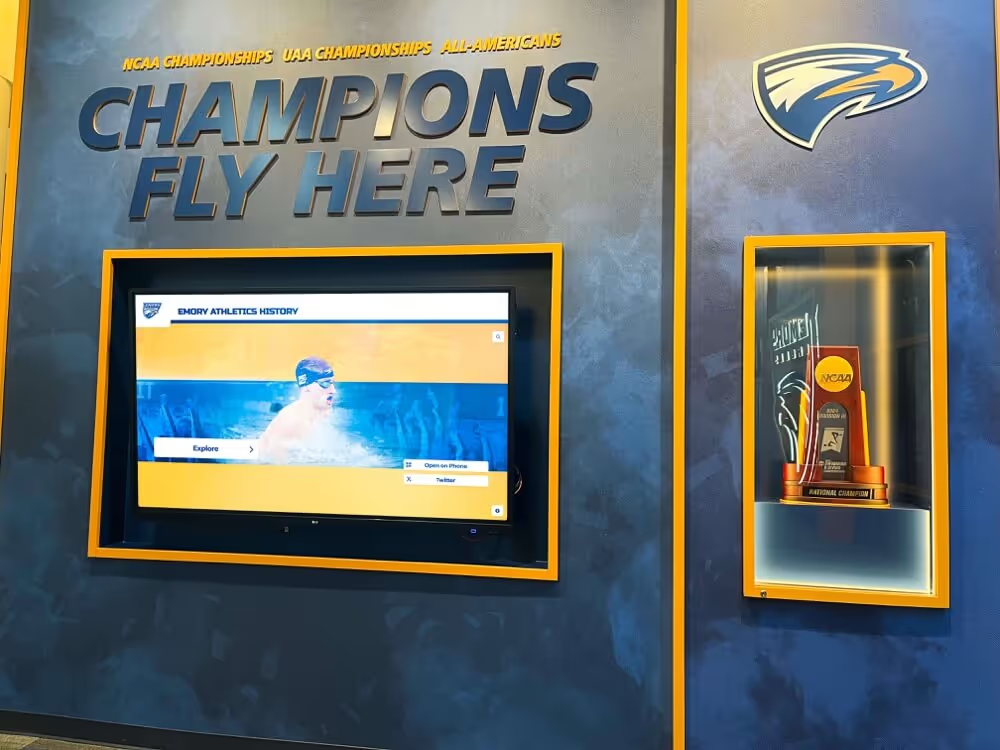
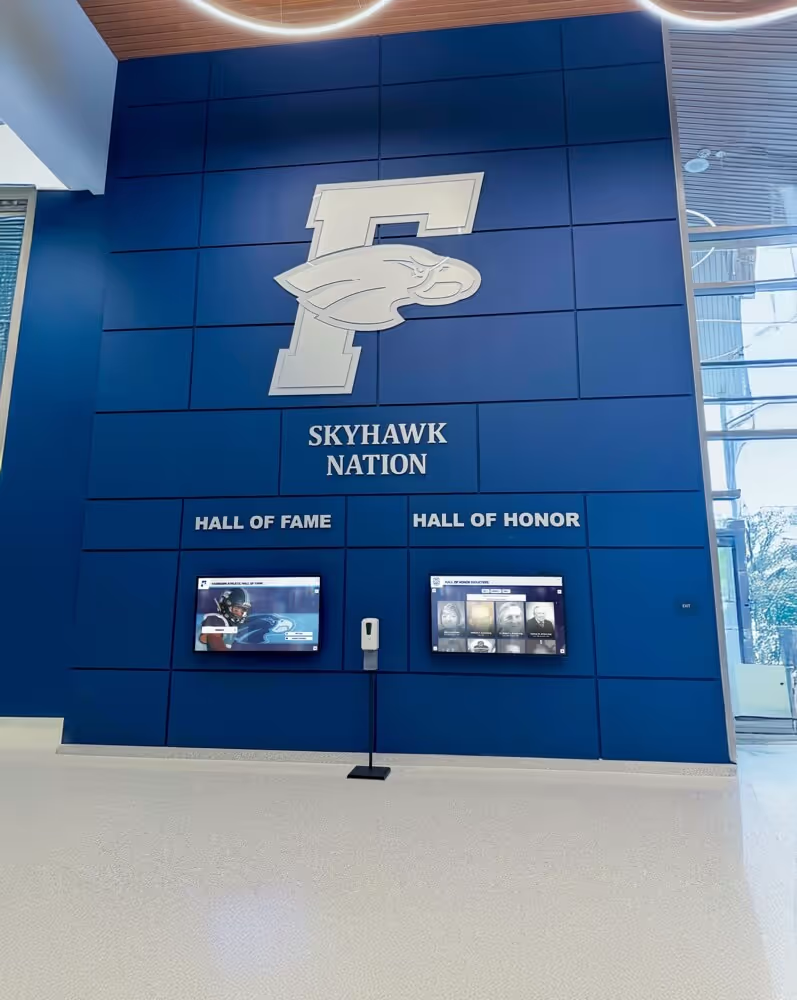
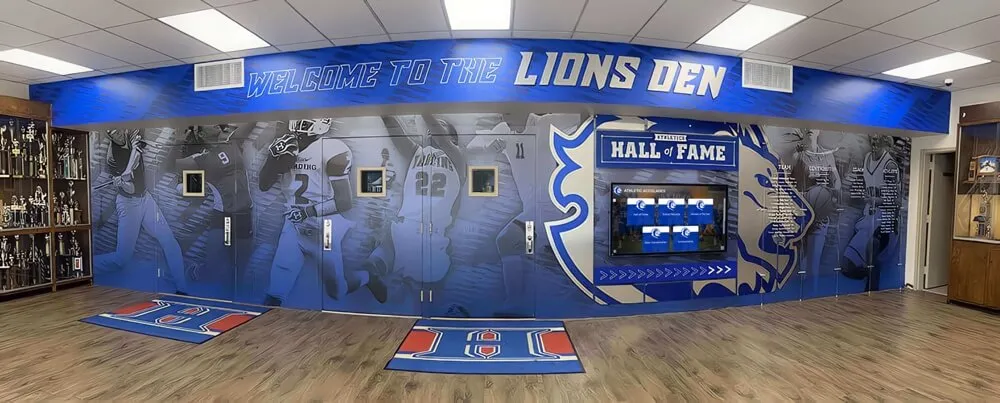
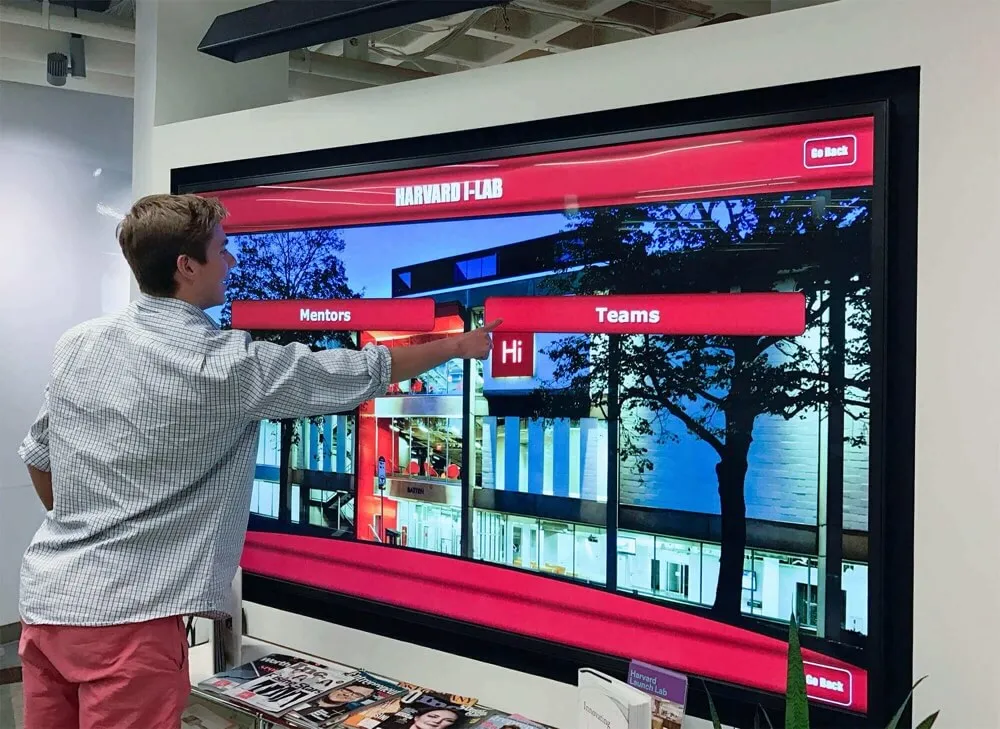
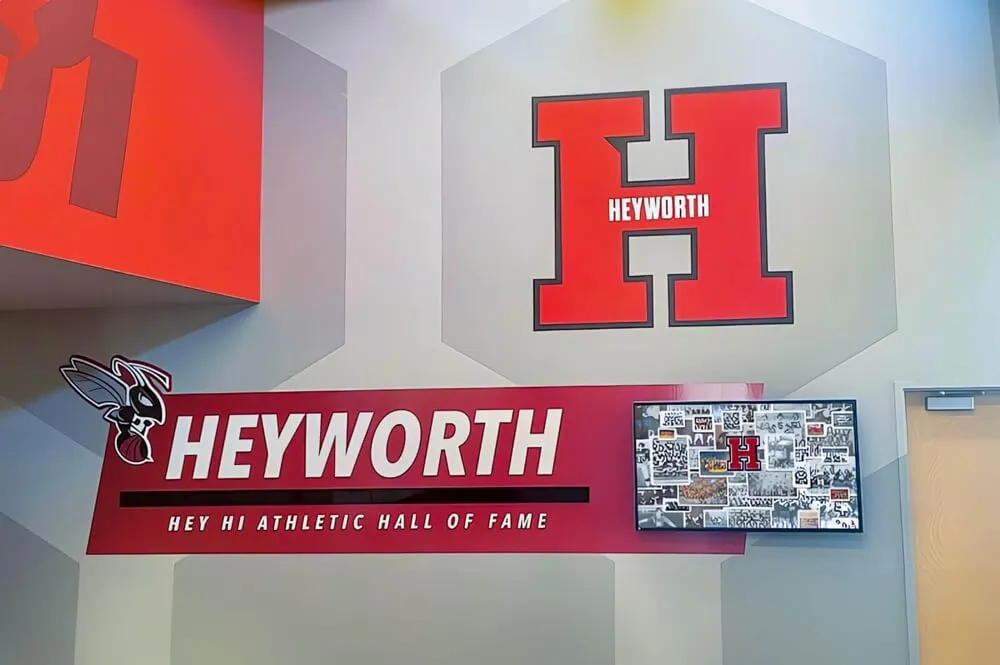
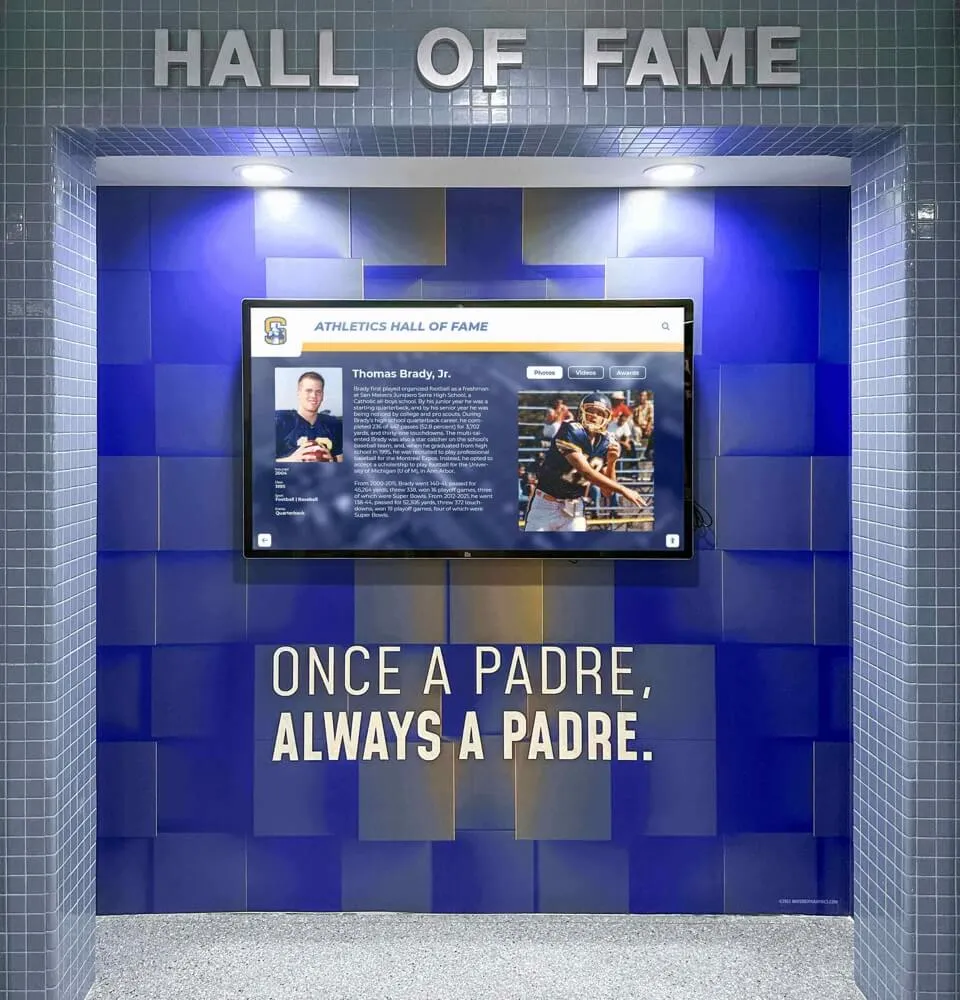
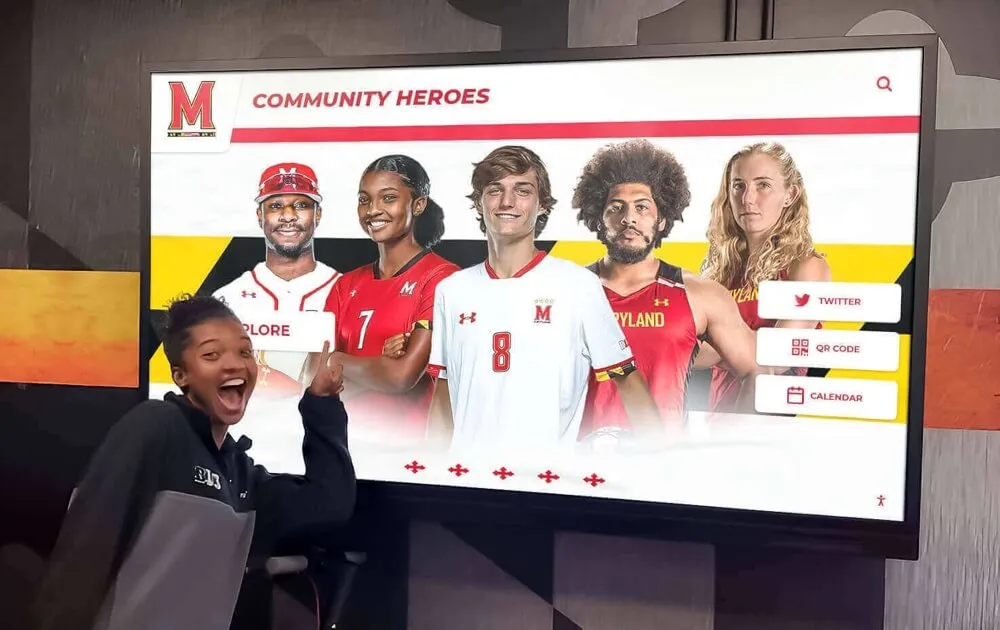
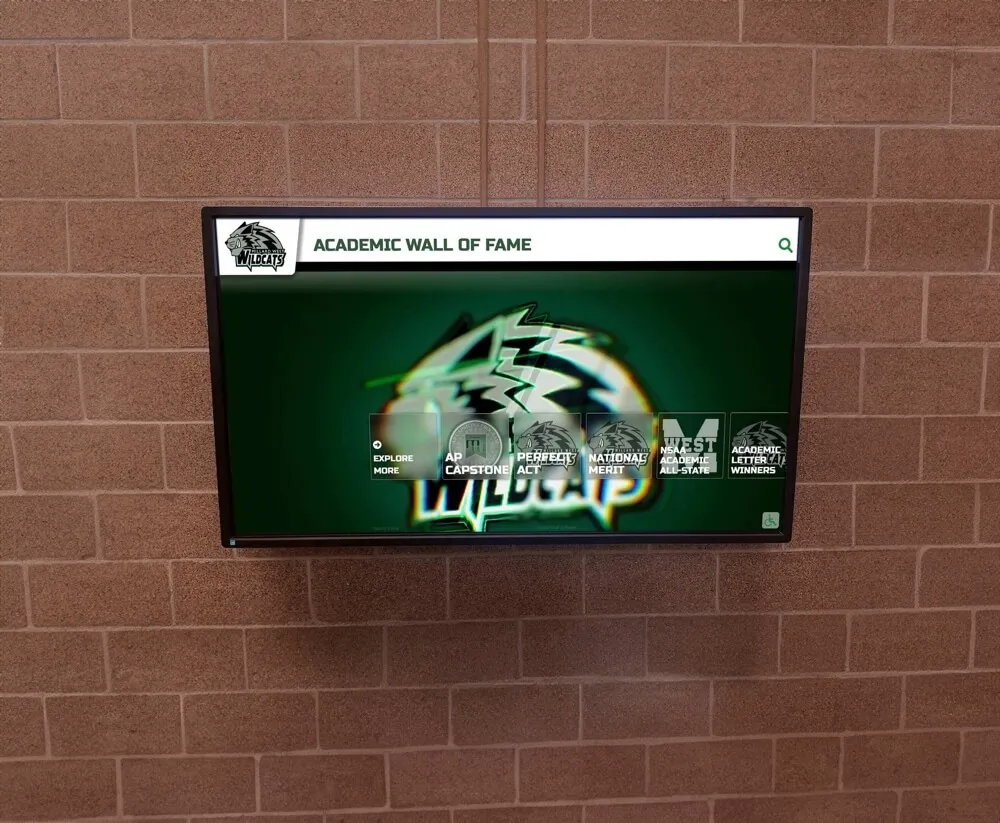
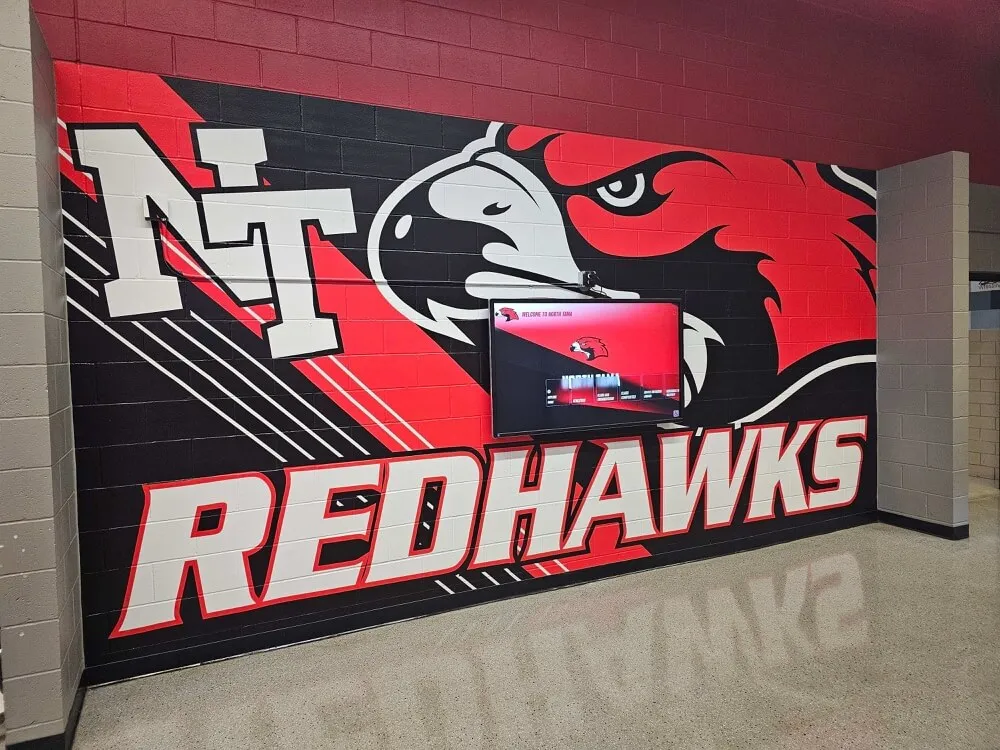
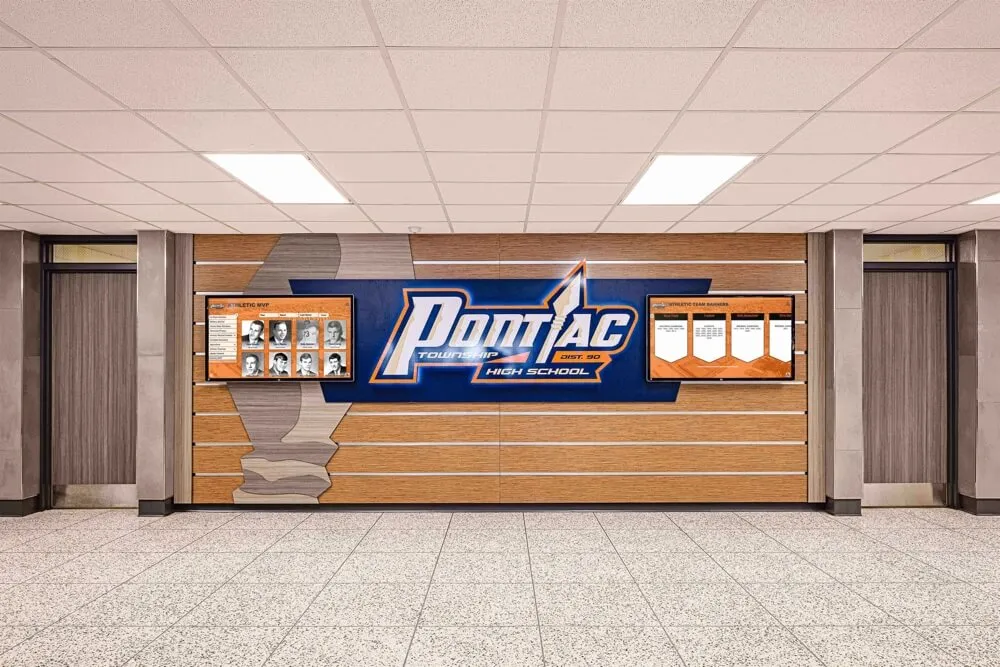
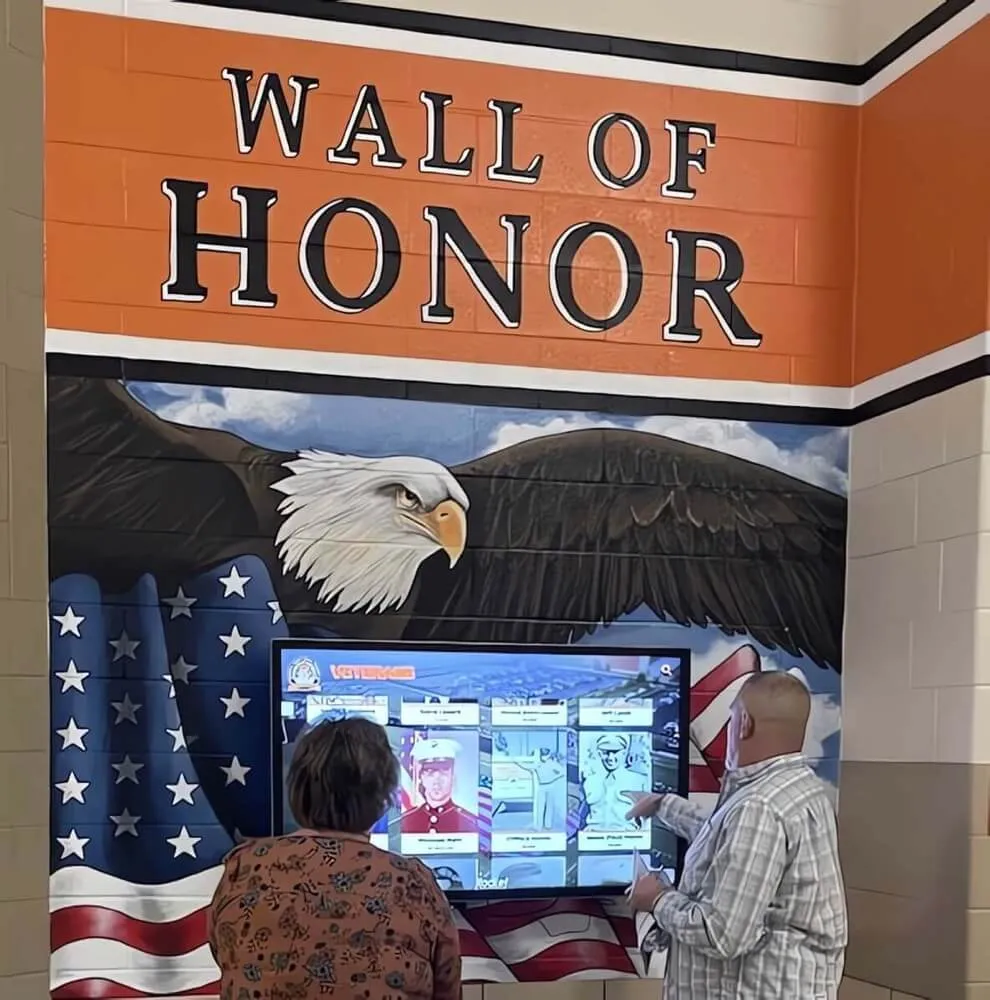
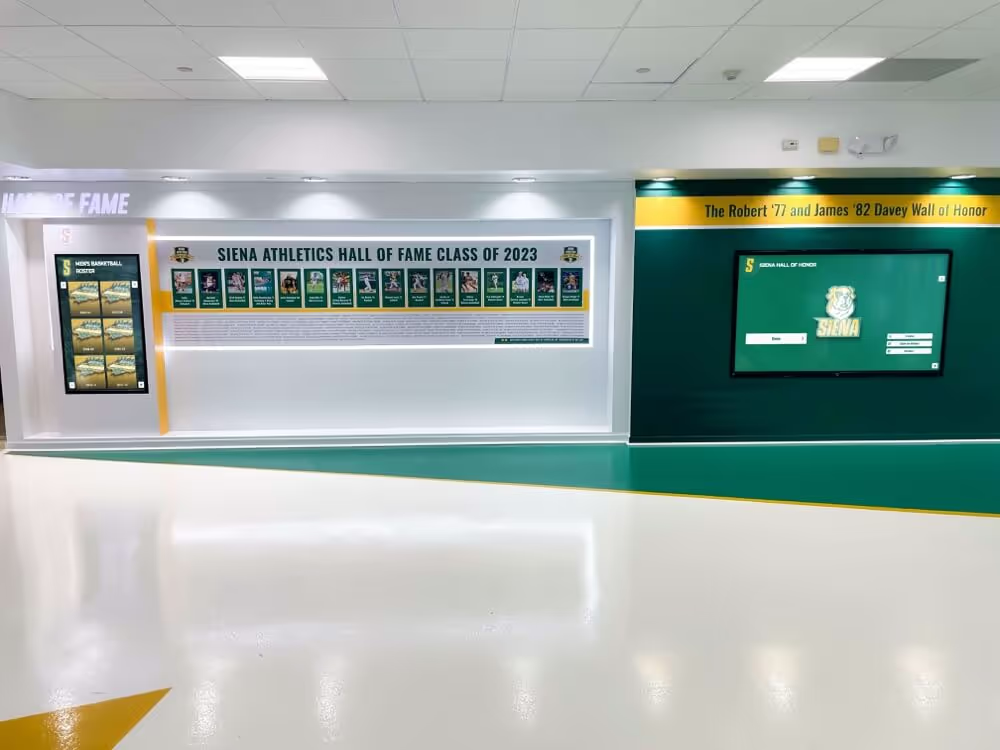
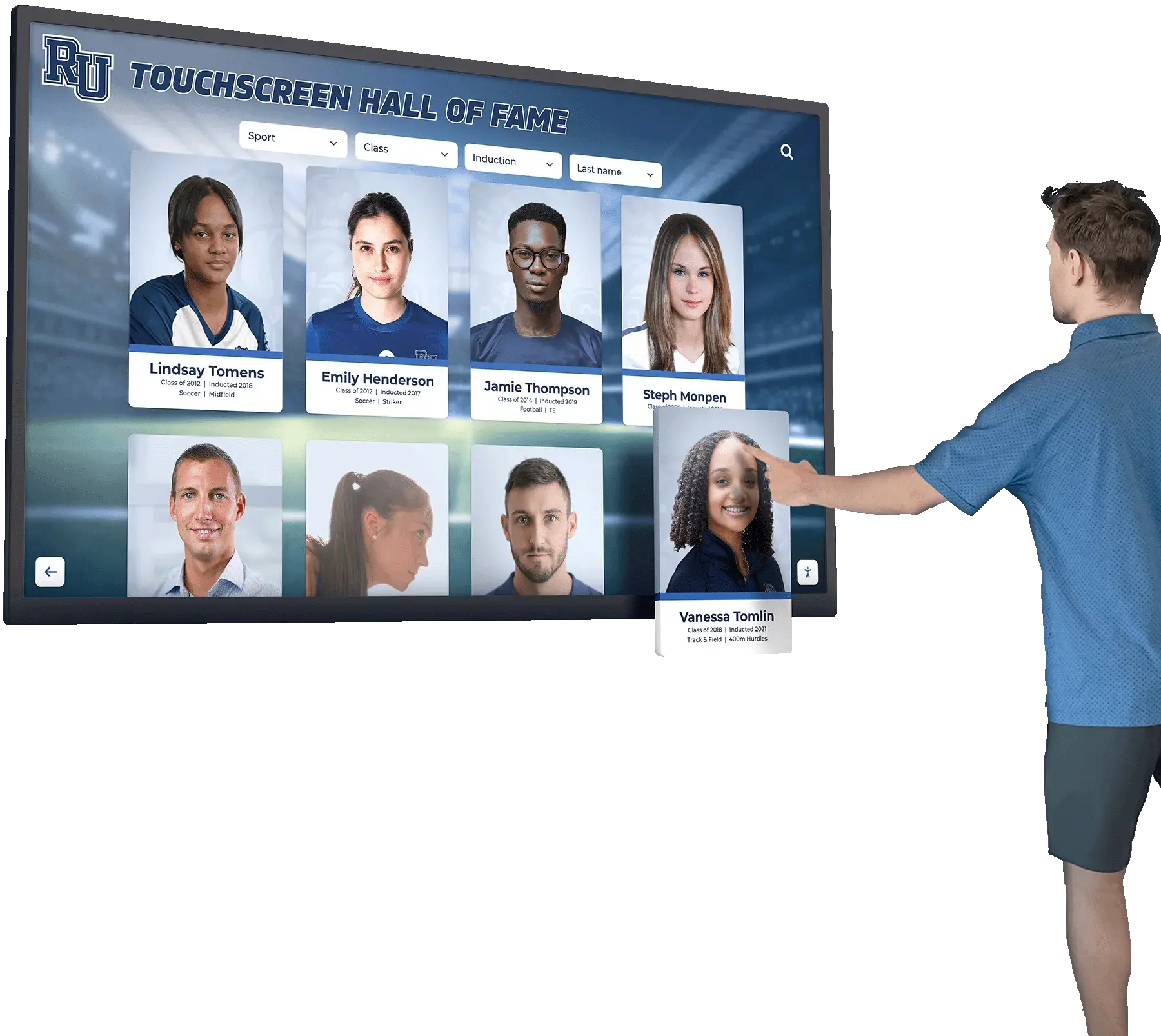
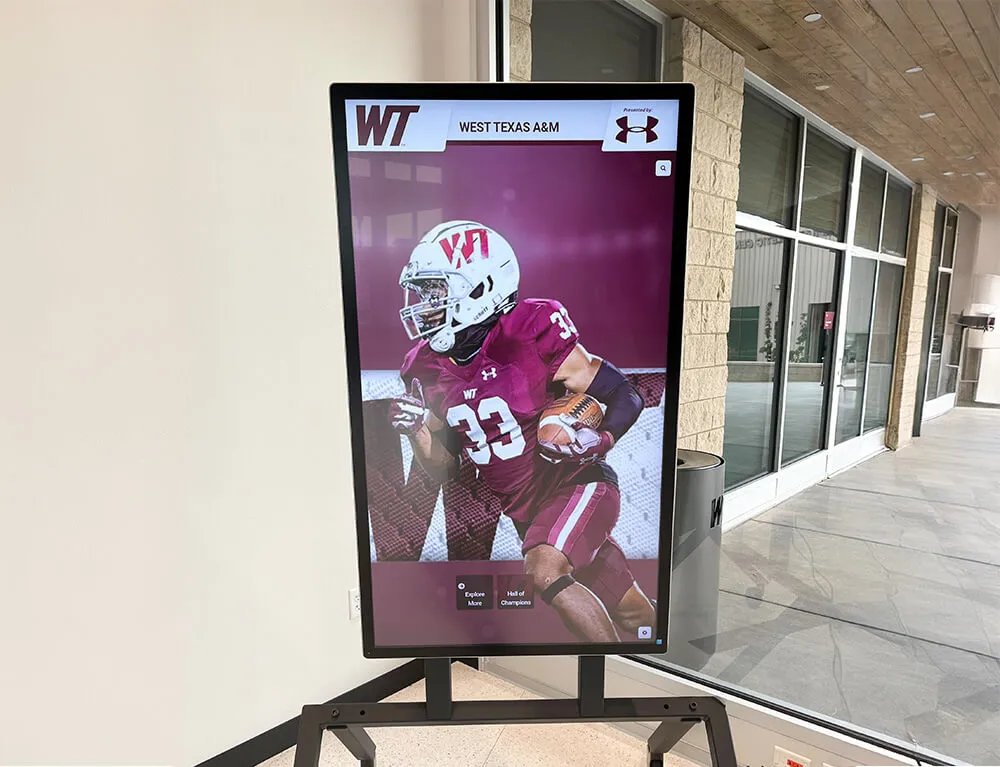
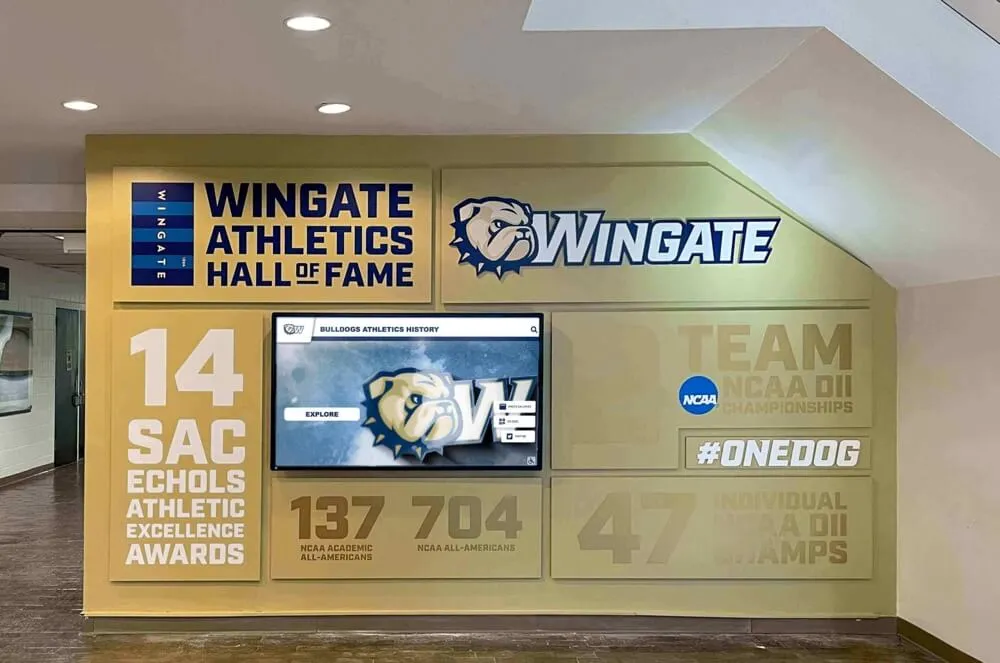
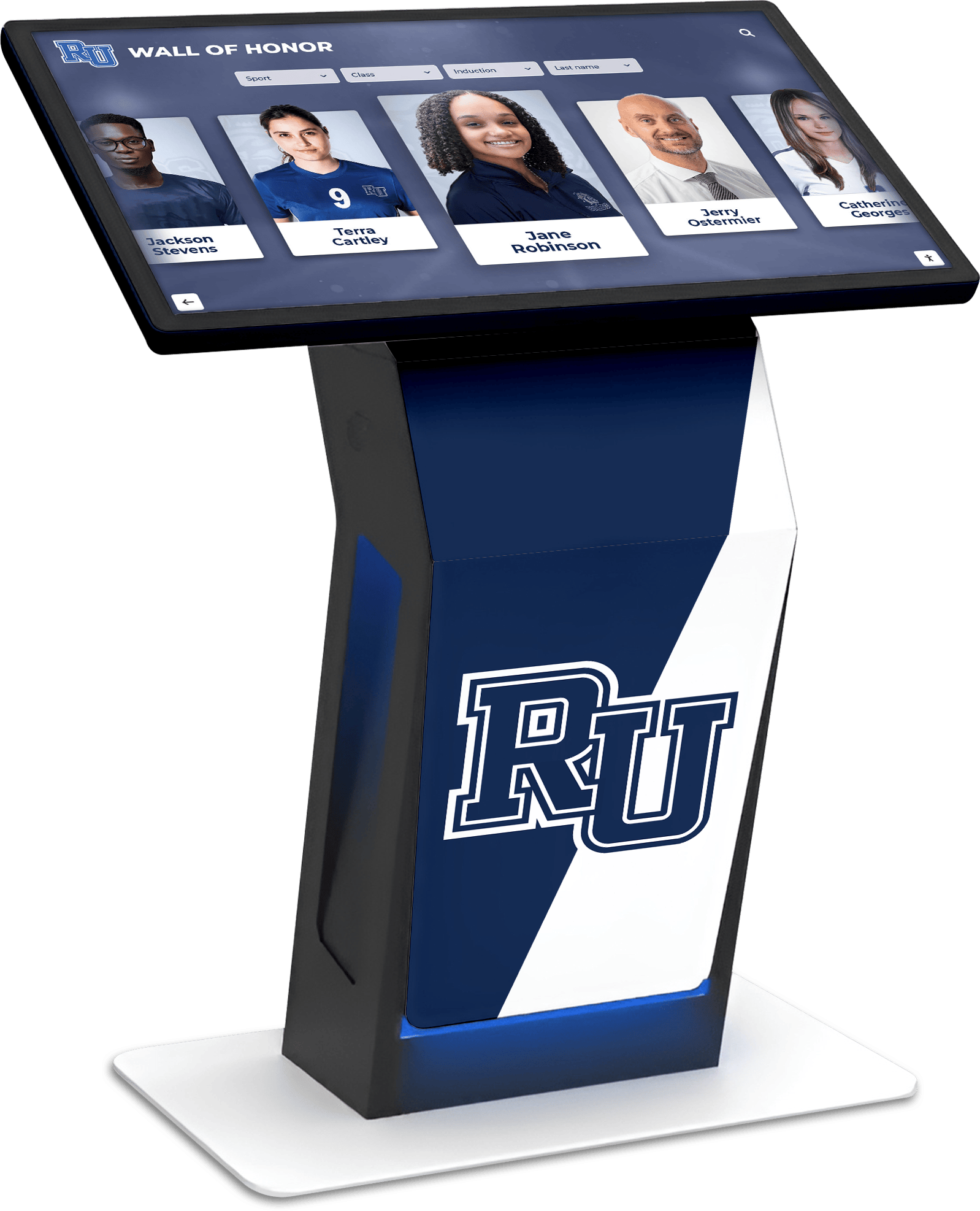
Purpose-built touchscreen systems create engaging recognition experiences that honor donors, athletes, and institutional legacy through interactive digital displays
Understanding Digital Halls of Fame: Core Concepts and Applications
Before implementing digital recognition systems, development professionals need clear understanding of what these platforms provide and how they support both donor stewardship and institutional storytelling.
What Digital Halls of Fame Deliver
Modern digital recognition platforms provide interactive experiences that static displays cannot match:
Unlimited Recognition Capacity
Traditional donor walls and trophy cases face inherent space constraints—physical plaques require wall space, and adding new honorees often means removing historical recognition or constraining new donations. Digital displays eliminate these limitations through unlimited profile capacity showcasing thousands of donors, athletes, or honorees without physical constraints, comprehensive historical archives preserving institutional legacy indefinitely, and dynamic content that accommodates recognition tiers from annual fund contributors to transformational gift donors.
A single touchscreen display can showcase recognition that would require dozens of traditional donor walls, making comprehensive stewardship visible and accessible while honoring commitments to permanent recognition across all giving levels.
Interactive Multimedia Storytelling
Digital recognition moves beyond names and dollar amounts to tell complete philanthropic stories through high-resolution donor photos and campaign imagery, video testimonials explaining what inspired giving decisions, historical timelines showing campaign progress and impact, impact documentation connecting gifts to tangible outcomes, and family legacy narratives that honor multi-generational support.
This rich storytelling creates emotional connections that inspire future giving while providing meaningful recognition that honors the motivations and values driving philanthropic support.
Real-Time Campaign Progress Visualization
For organizations conducting capital campaigns or annual giving initiatives, digital displays provide dynamic progress tracking through live fundraising thermometers showing campaign advancement, recognition tier visualization displaying giving levels and benefits, countdown features building momentum toward campaign deadlines, impact metrics demonstrating what donations achieve, and celebration features highlighting milestone achievements as goals are reached.
These real-time elements transform recognition from retrospective honor into active fundraising tools that motivate participation while building community excitement around institutional priorities.
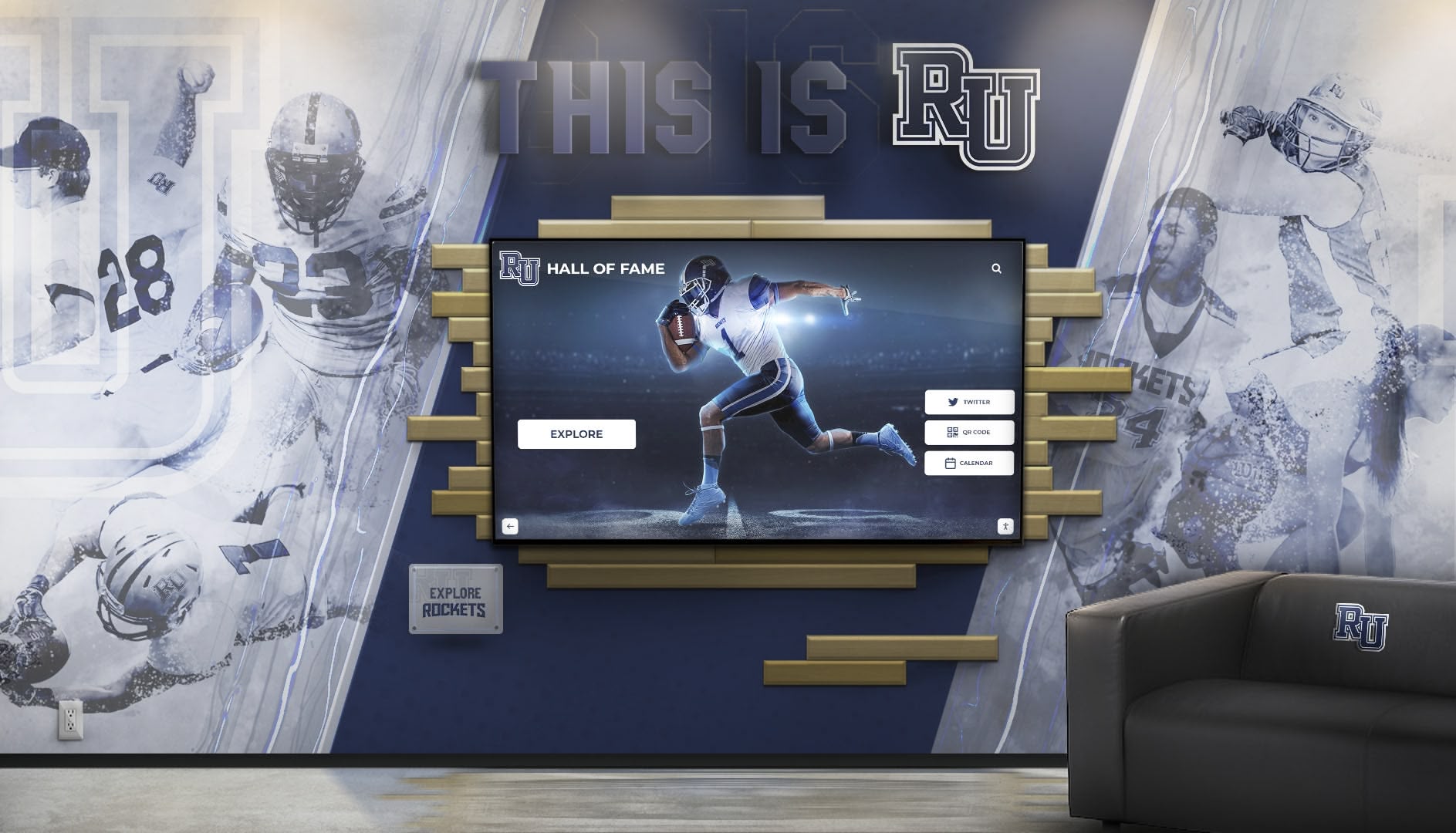
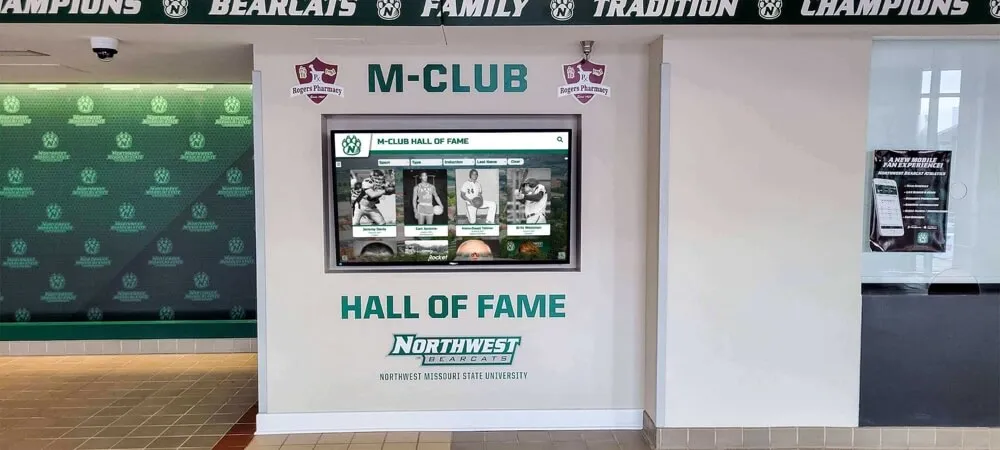
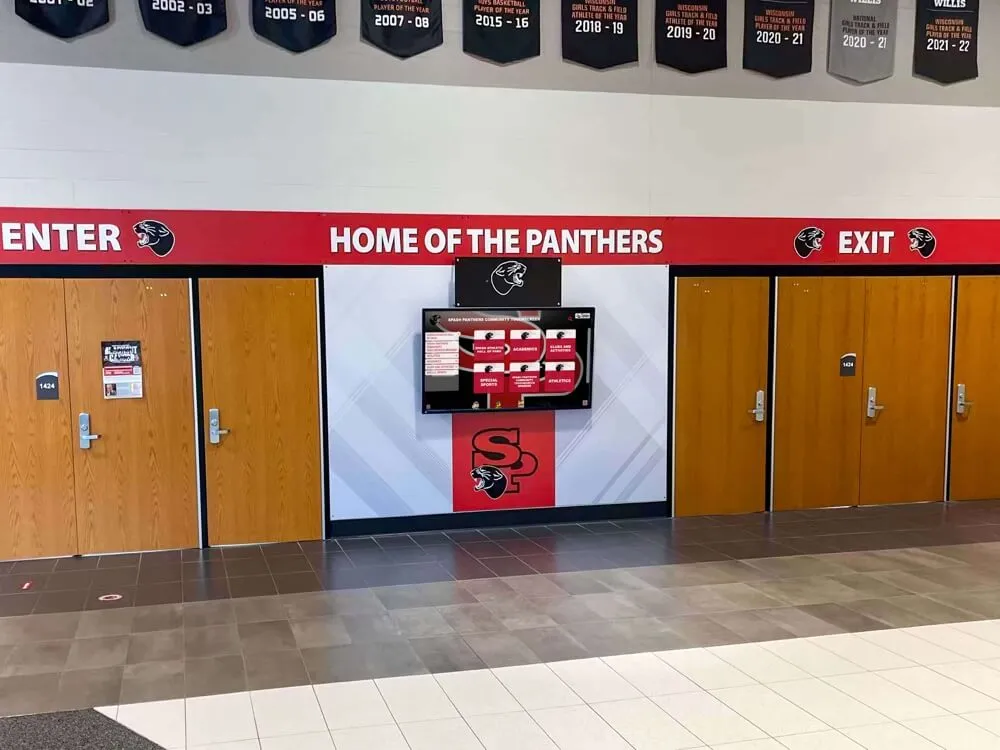
Strategic placement in high-traffic areas ensures recognition displays support both stewardship goals and broader institutional storytelling
Web-Connected Accessibility Beyond Campus
Unlike physical displays visible only to campus visitors, web-connected digital halls of fame extend recognition globally through mobile-responsive displays accessible from any device, shareable profile links donors can distribute to family and networks, integration with institutional websites and giving platforms, and social media connectivity that amplifies recognition reach.
This extended accessibility proves particularly valuable for organizations with geographically dispersed stakeholders—alumni worldwide can explore recognition displays, prospective donors can see existing supporter community, and families can share honored recognition with distant relatives regardless of physical location.
Primary Digital Hall of Fame Applications
Organizations implement digital recognition for diverse purposes requiring tailored approaches and content strategies.
Donor Recognition and Stewardship
The most common application honors philanthropic support across giving levels through major gift donor recognition celebrating transformational contributions, capital campaign donor walls documenting campaign participation and outcomes, annual giving societies recognizing sustained support across multiple years, naming rights displays honoring facility naming and endowment gifts, and planned giving recognition celebrating legacy commitments and bequest intentions.
Digital platforms accommodate complex recognition requirements including anonymous giving options, pledge fulfillment tracking, and flexible recognition that adjusts as donors increase giving levels or complete multi-year commitments.
Athletic Achievement Celebration
Schools and sports organizations use digital halls of fame for comprehensive athletic recognition through hall of fame inductee profiles celebrating coaching and athlete excellence, championship team documentation preserving winning seasons and tournament success, individual milestone achievement like 1,000-point scorers or state records, coaching legacy recognition honoring program builders, and season-by-season team histories providing comprehensive athletic documentation.
Interactive features enable statistical exploration, video highlight integration, and searchable databases that help visitors discover specific athletes, teams, or accomplishments across decades of program history.
Institutional Legacy and Alumni Recognition
Beyond donors and athletes, digital halls of fame preserve broader institutional narratives through distinguished alumni profiles celebrating professional achievement and community contribution, historical timeline displays documenting institutional evolution and key milestones, notable faculty and leadership recognition, student achievement beyond athletics including academic honors and arts excellence, and community partnership recognition celebrating local organizations supporting institutional mission.
These comprehensive approaches create multi-dimensional institutional stories that strengthen community identity while honoring diverse forms of excellence and contribution.
Recognition Display Formats and Configurations
Digital halls of fame appear in various physical implementations matching different institutional needs and spatial contexts.
Freestanding Touchscreen Kiosks
Self-contained recognition stations work well in lobbies, atriums, and open areas through 43-65 inch touchscreen displays in custom-branded enclosures, wheelchair-accessible mounting heights ensuring ADA compliance, durable commercial-grade construction withstanding heavy daily use, and integrated computing systems requiring minimal technical infrastructure.
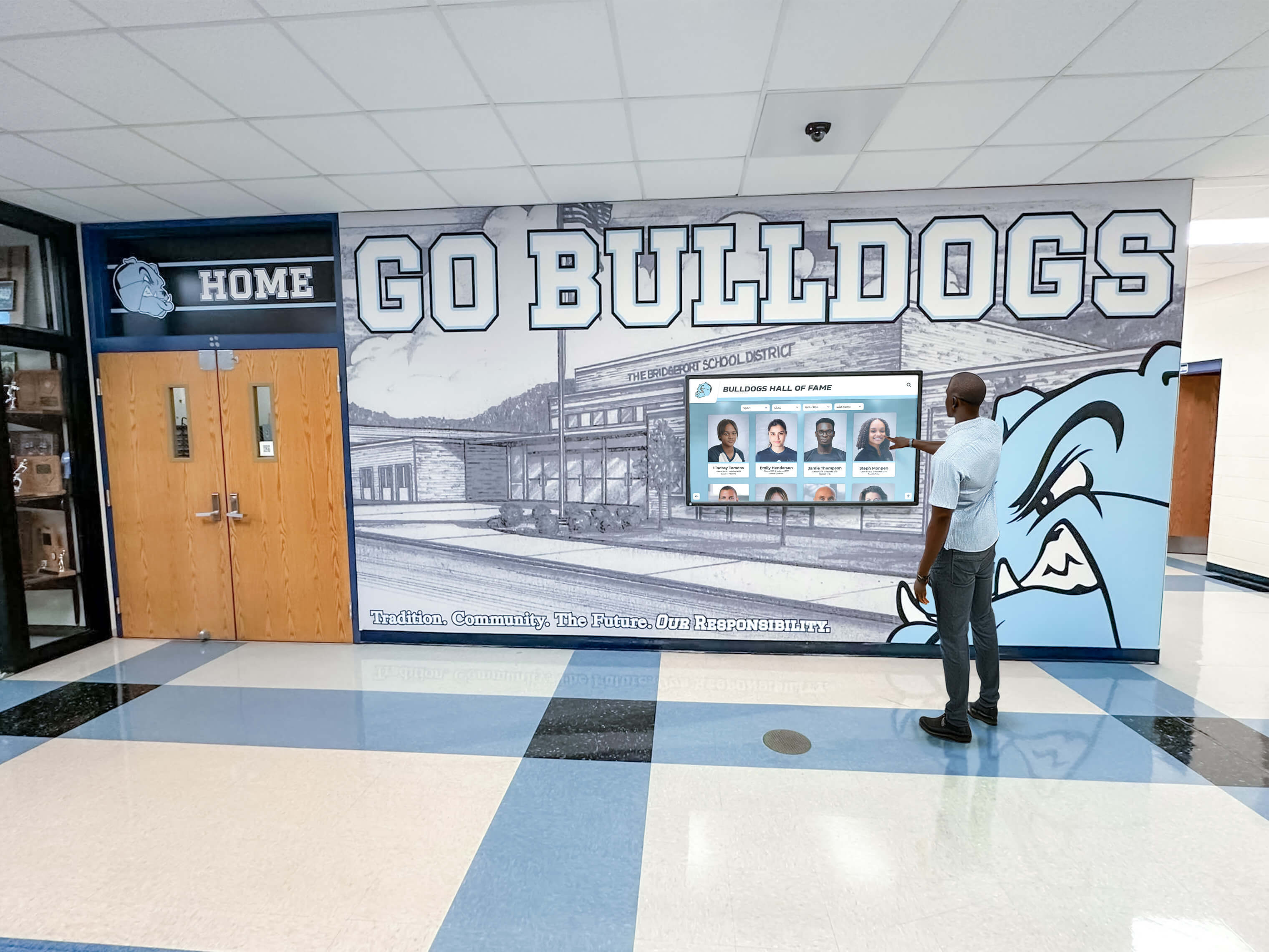
Intuitive touchscreen interfaces enable visitors of all ages to explore recognition content independently
Wall-Mounted Recognition Displays
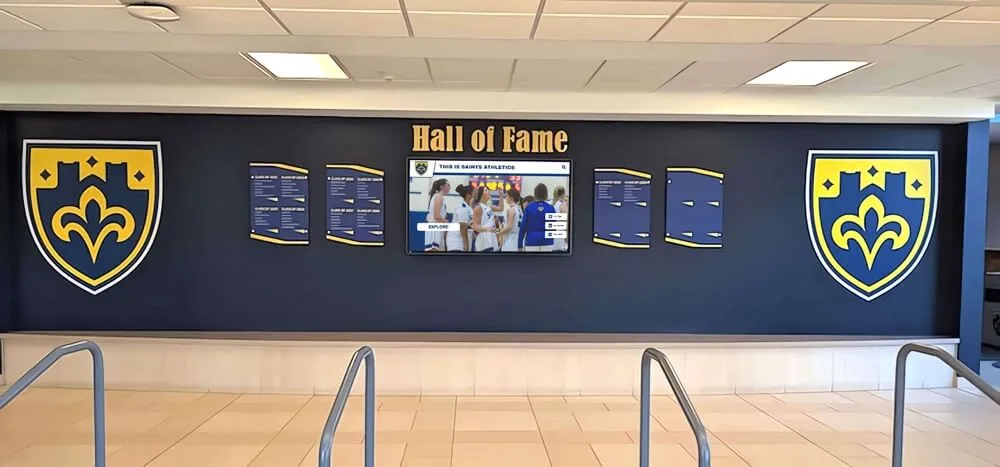
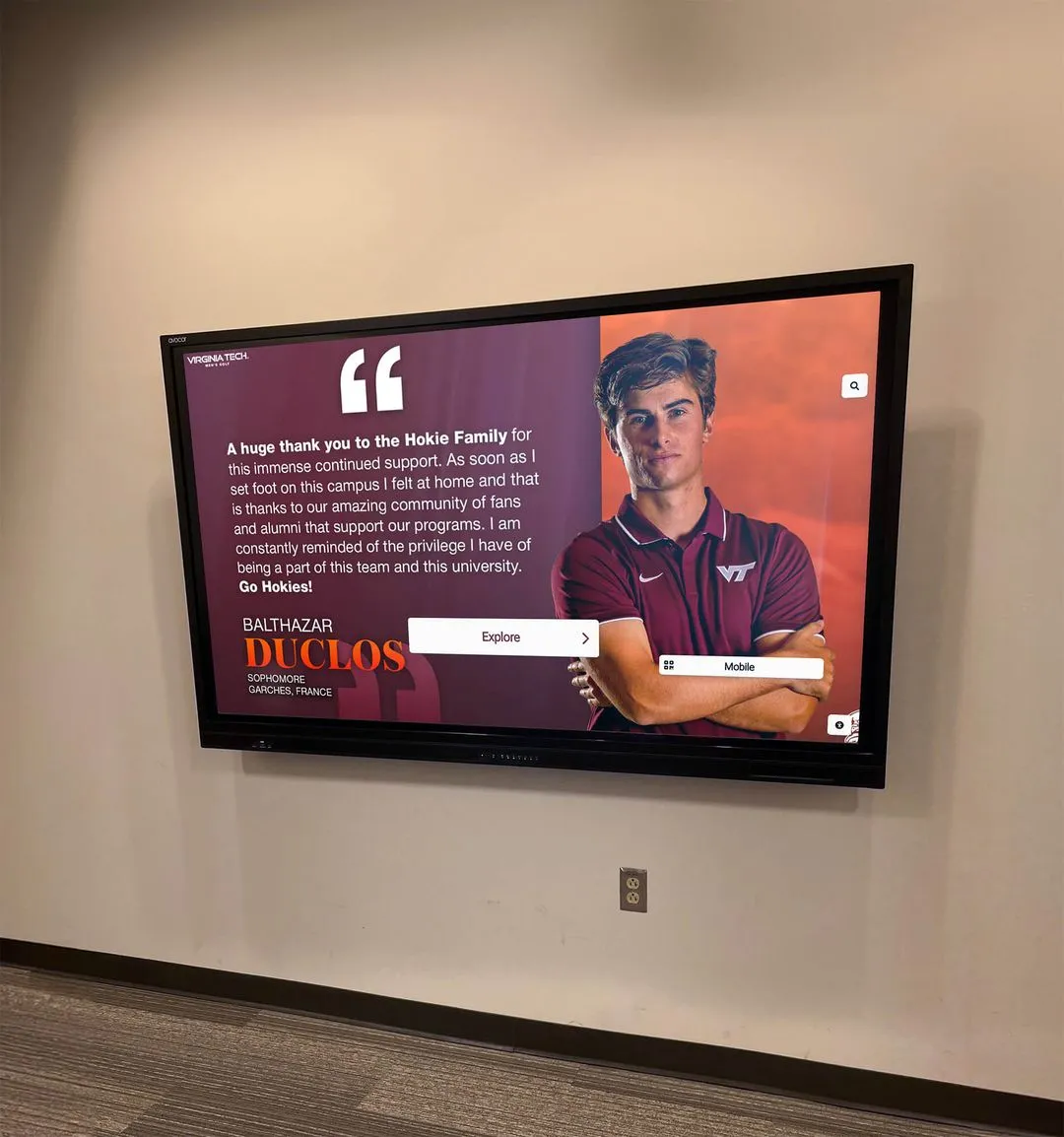
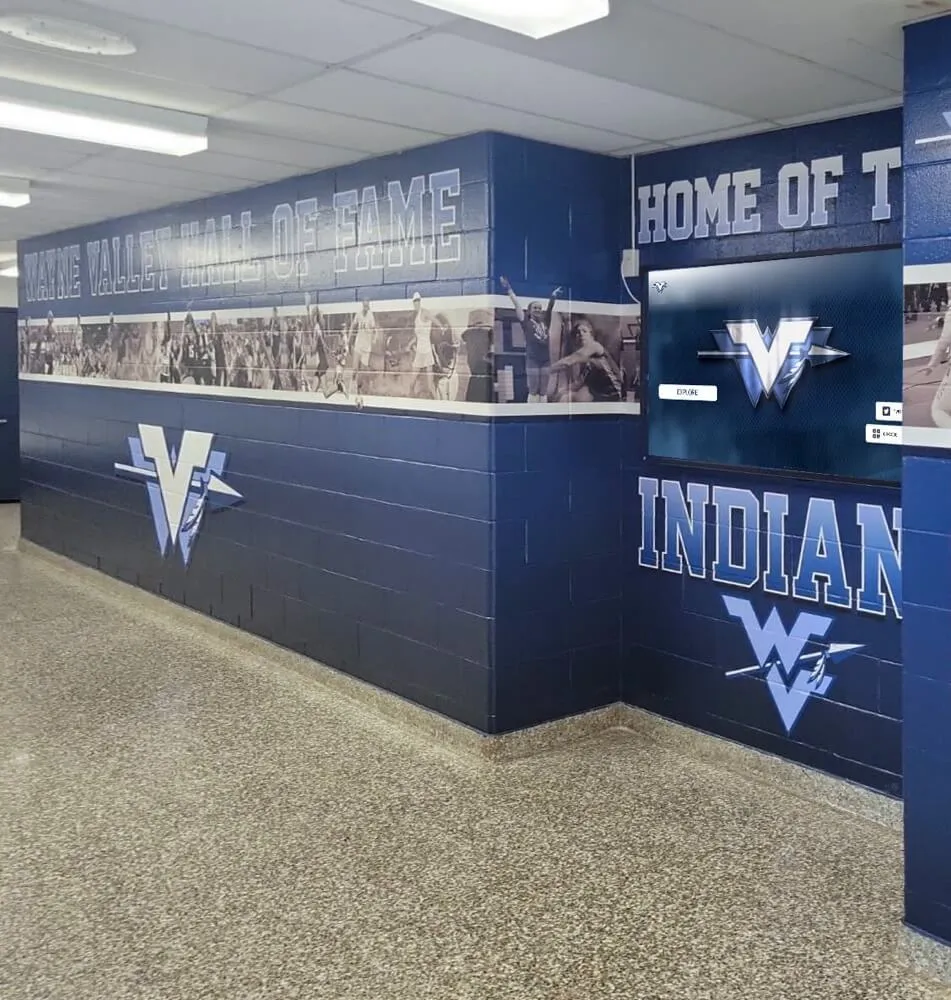
Integrated wall installations complement existing architectural elements through flat-panel touchscreen displays mounted flush with walls or within custom millwork, coordinated design with surrounding donor recognition elements, multiple display configurations supporting various content zones, and integration with traditional physical elements like donor name plaques or trophy cases.
Multi-Display Recognition Environments
Large-scale recognition installations may include multiple coordinated displays serving different functions through primary touchscreen stations for interactive exploration, complementary non-interactive displays showing rotating campaign content, wayfinding integration directing visitors to recognition areas, and coordinated content management ensuring consistent messaging across multiple screens.
Solutions like Rocket Alumni Solutions support these complex multi-display configurations through centralized content management enabling consistent updates across all screens regardless of institutional size or recognition program scope.
Building Donor Recognition Frameworks for Digital Displays
Effective donor recognition requires systematic frameworks ensuring appropriate honor, consistent stewardship, and alignment with fundraising goals across all giving levels.
Recognition Level Architecture and Naming Rights
Before implementing digital recognition, organizations need clear policies defining what recognition each giving level receives.
Establishing Recognition Tiers
Develop hierarchical recognition structures aligned with fundraising strategy through transformational gift recognition for donations exceeding major gift thresholds, principal donor acknowledgment for significant campaign contributors, leadership circle recognition for upper-level giving society members, annual donor societies celebrating sustained participation, and tribute gift recognition honoring memorial and honorary contributions.
Each tier should receive recognition proportional to gift significance—major donors deserve comprehensive profiles with photos, testimonials, and impact narratives, while annual fund supporters may receive names listed within searchable donor rolls or society rosters.
Naming Rights Documentation
For donors receiving facility naming recognition or endowment acknowledgment, digital displays complement physical signage through facility history documentation explaining what spaces were named and why, donor motivation narratives sharing what inspired naming gift decisions, impact visualization showing what named funds or facilities achieve, and family legacy preservation documenting multi-generational connections to institutions.
These digital narratives provide context and meaning that physical naming plaques cannot accommodate, helping visitors understand significance while honoring donor intentions more completely.
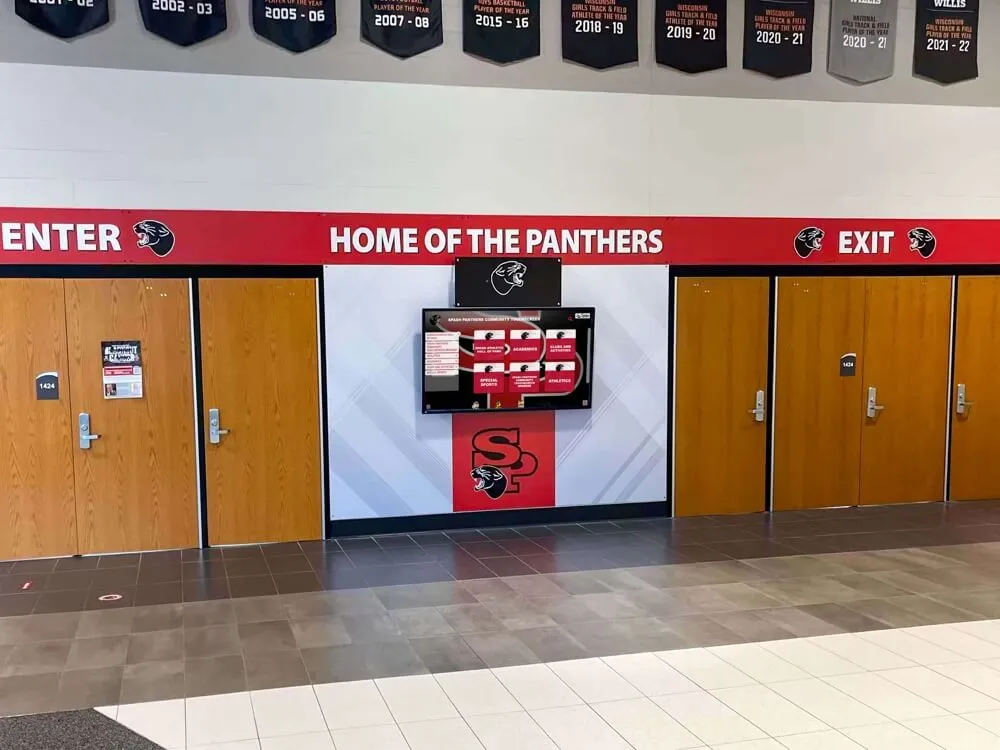
Digital donor walls provide flexible recognition that honors diverse giving levels while supporting ongoing stewardship and campaign goals
Anonymous Recognition Protocols
Many donors prefer giving without public attribution—digital systems accommodate these preferences through society roster inclusion without individual profile creation, aggregate recognition showing total contributed without individual attribution, optional reveal features enabling anonymous donors to share profiles selectively, and flexible approaches where initial anonymity can transition to attribution after donor comfort increases.
Maintaining donor confidentiality while providing meaningful recognition requires careful content management and clear institutional policies about what information appears publicly versus remaining private within development records.
Donor Recognition Content Standards
Consistent, professional recognition requires content guidelines ensuring appropriate tone and complete information across all donor profiles.
Essential Profile Information
Comprehensive donor recognition includes donor names as they wish to be acknowledged, recognition level or giving society membership, gift designation showing what donations support, relationship to institution (alumnus, parent, community member, etc.), years of giving for sustained supporters, and optional biography information donors choose to share.
This baseline information provides context while honoring donors appropriately across different giving levels and institutional relationships.
Impact Narrative Development
Move beyond transaction acknowledgment to showcase philanthropic impact through specific outcomes donations enable (scholarships funded, facilities built, programs launched), beneficiary testimonials from students or programs supported, before-and-after documentation showing transformation gifts create, quantified impact metrics demonstrating scale of contribution, and institutional gratitude messaging from leadership and beneficiaries.
These impact narratives provide meaningful recognition while inspiring prospective donors by illustrating what their gifts might achieve.
Visual Recognition Standards
Professional donor recognition requires quality visual content through high-resolution portrait photography following consistent style guidelines, campaign imagery connecting donors to specific initiatives, facility photos for naming gift recognition, historical documentation for long-term supporters, and branded design elements maintaining institutional identity.
Working with professional photographers and designers ensures recognition displays maintain quality and consistency worthy of donor commitment while reflecting positively on institutional professionalism.
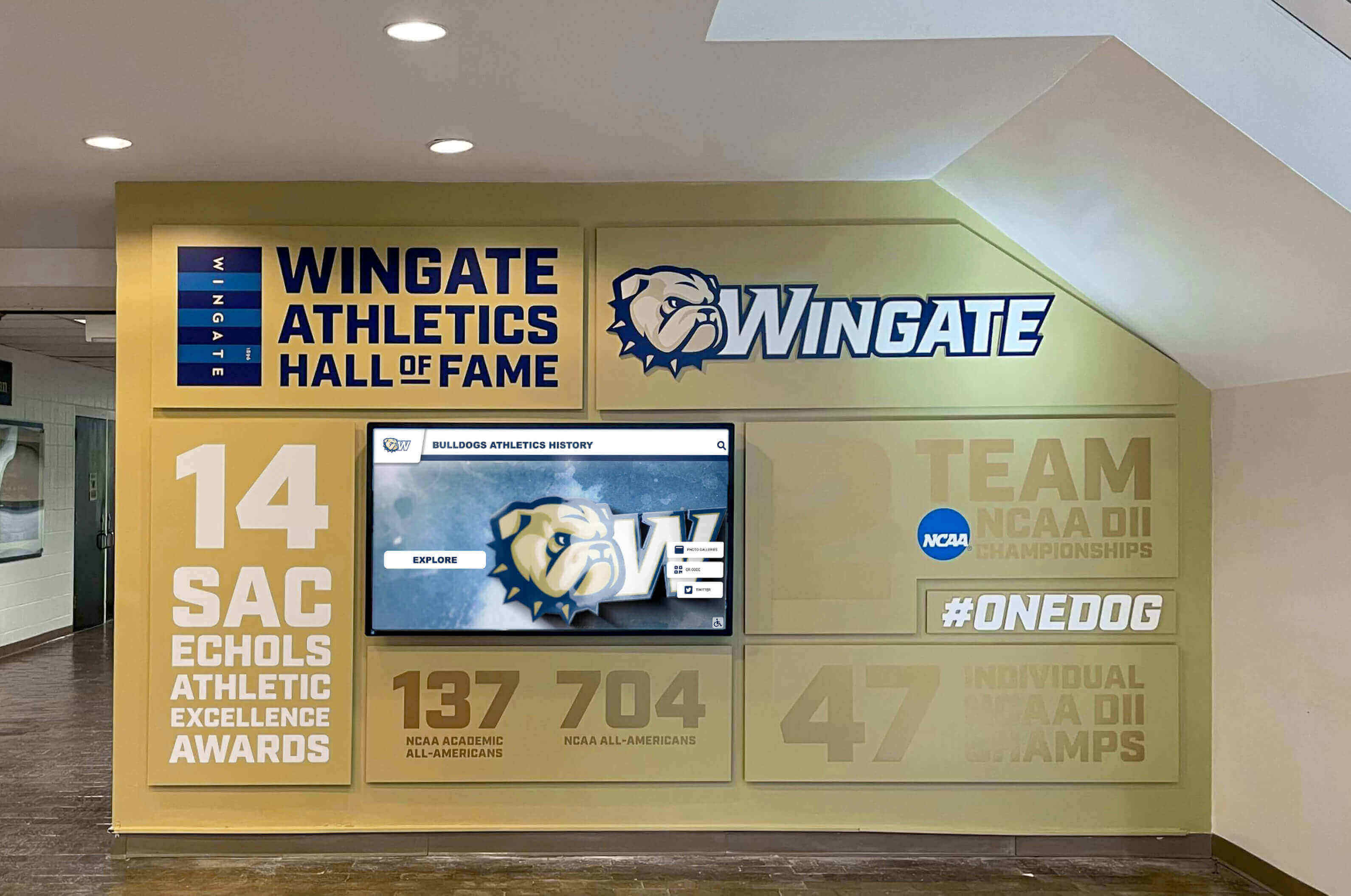
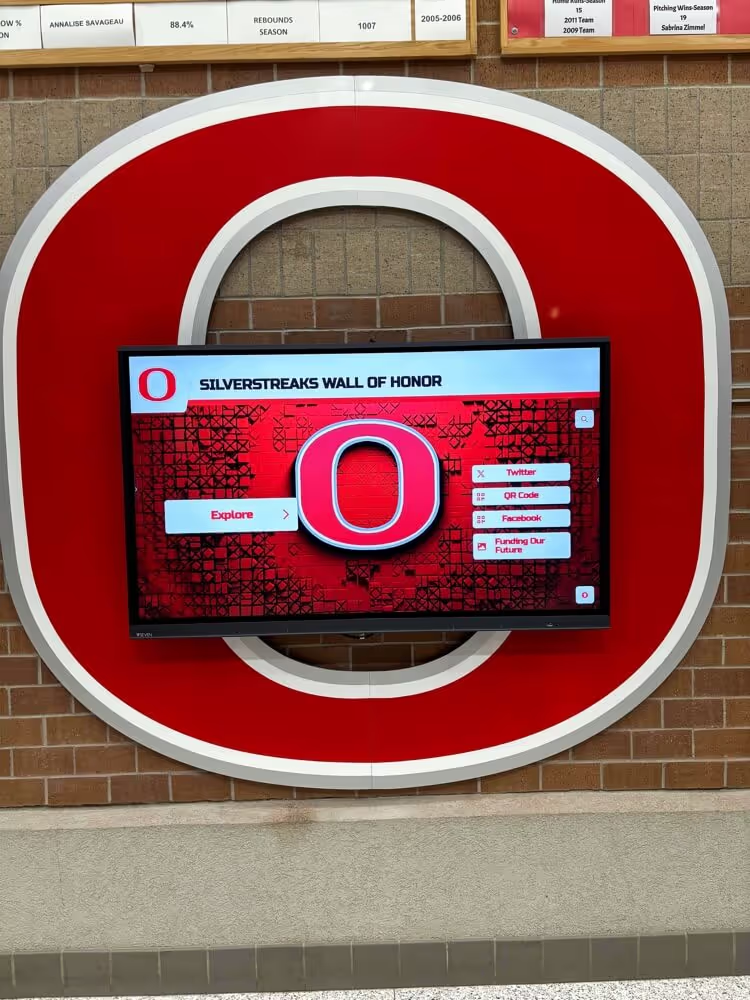
Professionally designed recognition displays integrate institutional branding while creating engaging experiences that honor diverse achievements
Stewardship Integration and Donor Engagement
Digital recognition should support ongoing stewardship strategies beyond initial gift acknowledgment.
Recognition Update Protocols
Maintain current, accurate donor information through annual content reviews ensuring profile accuracy, addition of new donors as gifts are received, recognition level updates when giving increases, impact updates showing continued program success, and planned giving recognition when legacy commitments are finalized.
These regular updates demonstrate that recognition remains current and valued rather than becoming static documentation of historical giving.
Engagement Analytics and Stewardship Insights
Modern digital recognition platforms provide usage data informing stewardship strategy through profile view tracking showing which donors receive most attention, search term analysis revealing what visitors seek, session duration metrics indicating engagement depth, and device analytics showing mobile versus on-site access patterns.
These insights help development teams understand how recognition displays function within broader stewardship ecosystems while identifying opportunities to enhance content or improve accessibility based on actual visitor behavior.
Recognition Ceremonies and Launch Events
Coordinate digital recognition with physical stewardship events through unveiling ceremonies celebrating new recognition displays, donor appreciation events featuring digital recognition exploration, campaign milestone celebrations where recognition updates are revealed, legacy society induction gatherings incorporating profile additions, and annual giving society events where digital recognition complements traditional physical awards.
These ceremonial elements create memorable donor experiences while providing natural opportunities to showcase digital recognition investments and explain how displays honor philanthropic partnership.
Athletic Recognition Content and Messaging Strategy
Schools and athletic organizations implementing digital halls of fame need systematic approaches for celebrating competitive achievement while maintaining appropriate focus on educational mission.
Hall of Fame Induction Frameworks
Formal athletic halls of fame require clear selection criteria and consistent recognition standards.
Eligibility and Selection Criteria
Establish transparent induction policies defining waiting periods after playing careers end, statistical thresholds or achievement benchmarks, character and citizenship requirements, nomination and selection committee processes, and induction ceremony protocols and timing.
Clear criteria ensure hall of fame recognition maintains prestige while providing transparent pathways for deserving athletes, coaches, and contributors to receive appropriate honor.
Inductee Profile Development
Comprehensive athletic recognition tells complete achievement stories through career statistics and performance highlights, championship contributions and team success context, post-athletic career information showing life after sports, personal reflections about experiences and program impact, and coaching testimonials contextualizing achievements within program history.
These rich profiles move beyond simple statistics to honor complete individuals while preserving institutional athletic heritage comprehensively.

Athletic recognition displays celebrate competitive excellence while preserving program history and inspiring current student-athletes
Team Achievement Documentation
Beyond individual honors, comprehensive athletic recognition celebrates collective success and team accomplishments.
Championship Team Recognition
Document winning seasons and tournament success through team roster and coaching staff listings, season records and postseason advancement, game-by-game results and statistical leaders, championship game recaps and highlight videos, and team photo galleries and celebration documentation.
This comprehensive team recognition ensures championship seasons receive permanent documentation while individual athletes are recognized within team success contexts.
Season-by-Season Program Histories
Create complete athletic archives documenting program evolution through chronological season navigation and results databases, record progression showing how program standards evolved, coaching transition documentation and tenure recognition, facility evolution showing how programs developed infrastructure, and rivalry history preservation documenting traditional competition results.
These historical archives serve educational purposes while helping current athletes understand traditions they’re continuing and excellence standards they’re maintaining.
Individual Milestone Celebration
Athletic achievement includes diverse milestones beyond hall of fame induction deserving systematic recognition.
Statistical Milestone Recognition
Celebrate achievement thresholds through 1,000-point scorers in basketball programs, rushing or passing yardage milestones in football, swimming and track state record holders, career victory totals for wrestlers or tennis players, and sport-specific achievement markers unique to programs.
Digital recognition accommodates unlimited milestone achievers without space constraints forcing prioritization—every athlete reaching recognized thresholds can receive appropriate permanent recognition.
Awards and Honors Documentation
Beyond team and milestone recognition, document individual accolades including all-state, all-conference, and all-region selections, player of the year and statistical championship recognition, academic all-league scholar-athlete honors, college scholarship and signing day recognition, and sportsmanship and character award recipients.
This comprehensive approach ensures recognition extends beyond pure competitive achievement to honor complete student-athletes who excel academically and demonstrate character alongside athletic skill.
Coaching and Contributor Recognition
Athletic excellence depends on leadership and support deserving systematic acknowledgment alongside athlete recognition.
Coaching Legacy Documentation
Honor program builders and leaders through career records and championship totals, tenure timelines showing program evolution, coaching philosophy statements and program values, athlete testimonials about coaching impact, and post-coaching career updates for retired leaders.
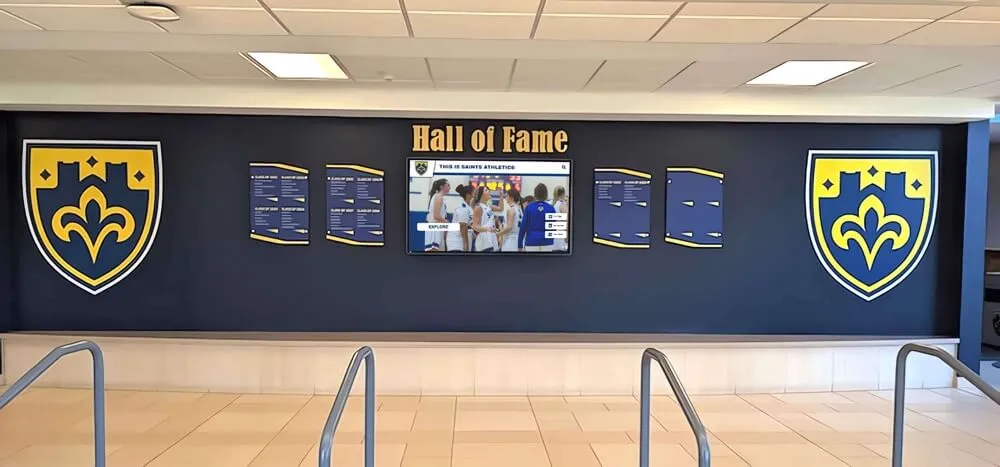
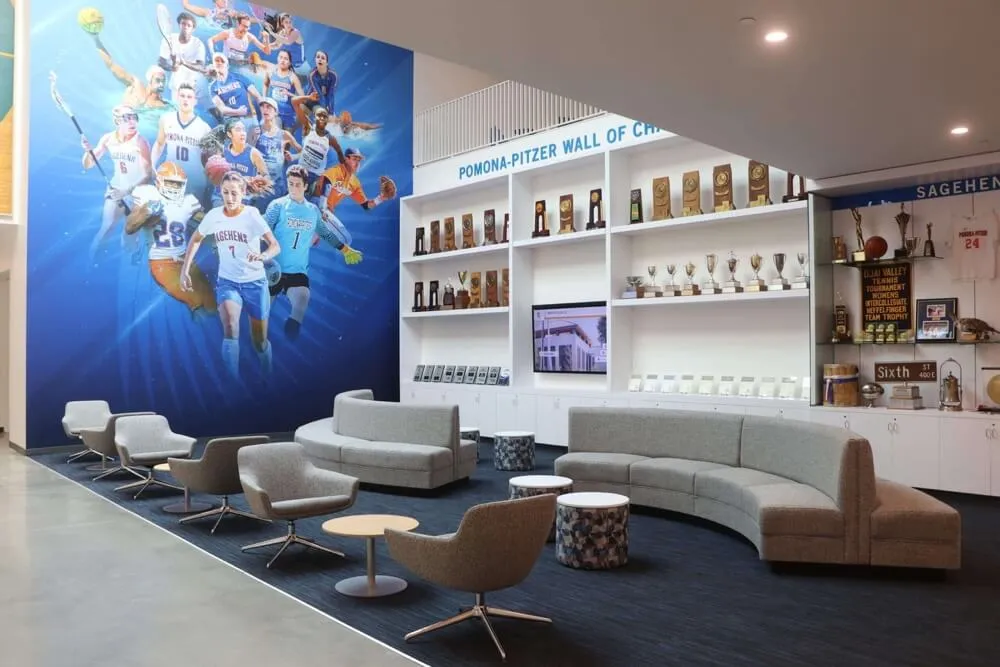
Integrated recognition designs combine digital displays with traditional physical elements creating comprehensive celebration spaces
Booster and Supporter Acknowledgment
Athletic programs depend on community support beyond coaching and athletes through booster club leadership recognition, facility and equipment donors, volunteer coaches and assistant staff, team parent contributions, and longtime fan and community support.
Systematic recognition of these supporters strengthens community connections while ensuring contributions beyond direct competition receive appropriate visibility and gratitude.
Technical Implementation and Display Configuration
Successful digital hall of fame deployment requires appropriate technology selection, professional installation, and sustainable content management infrastructure.
Hardware Selection and Specifications
Choose display technology matching institutional needs, usage patterns, and long-term maintenance capabilities.
Commercial-Grade Touchscreen Displays
Educational and nonprofit environments require durable, reliable technology through commercial-grade panels rated for 16+ hours daily operation, 10-point capacitive touch supporting multi-user interaction, anti-glare glass reducing reflection in high-light environments, 4K resolution ensuring visual quality and readability, and 50,000+ hour panel lifespans minimizing replacement frequency.
Consumer-grade televisions or monitors prove inadequate for public installation contexts requiring sustained reliability and professional appearance over years of continuous operation.
Display Size and Viewing Distance Optimization
Match screen dimensions to installation contexts through 43-55 inch displays for individual touchscreen interaction at arm’s length, 65-75 inch screens for group viewing or larger spaces, portrait versus landscape orientation based on content design, and viewing distance calculations ensuring readability from expected visitor positions.
Undersized displays force visitors too close for comfortable viewing, while oversized screens in small spaces overwhelm environments and create awkward spatial relationships.
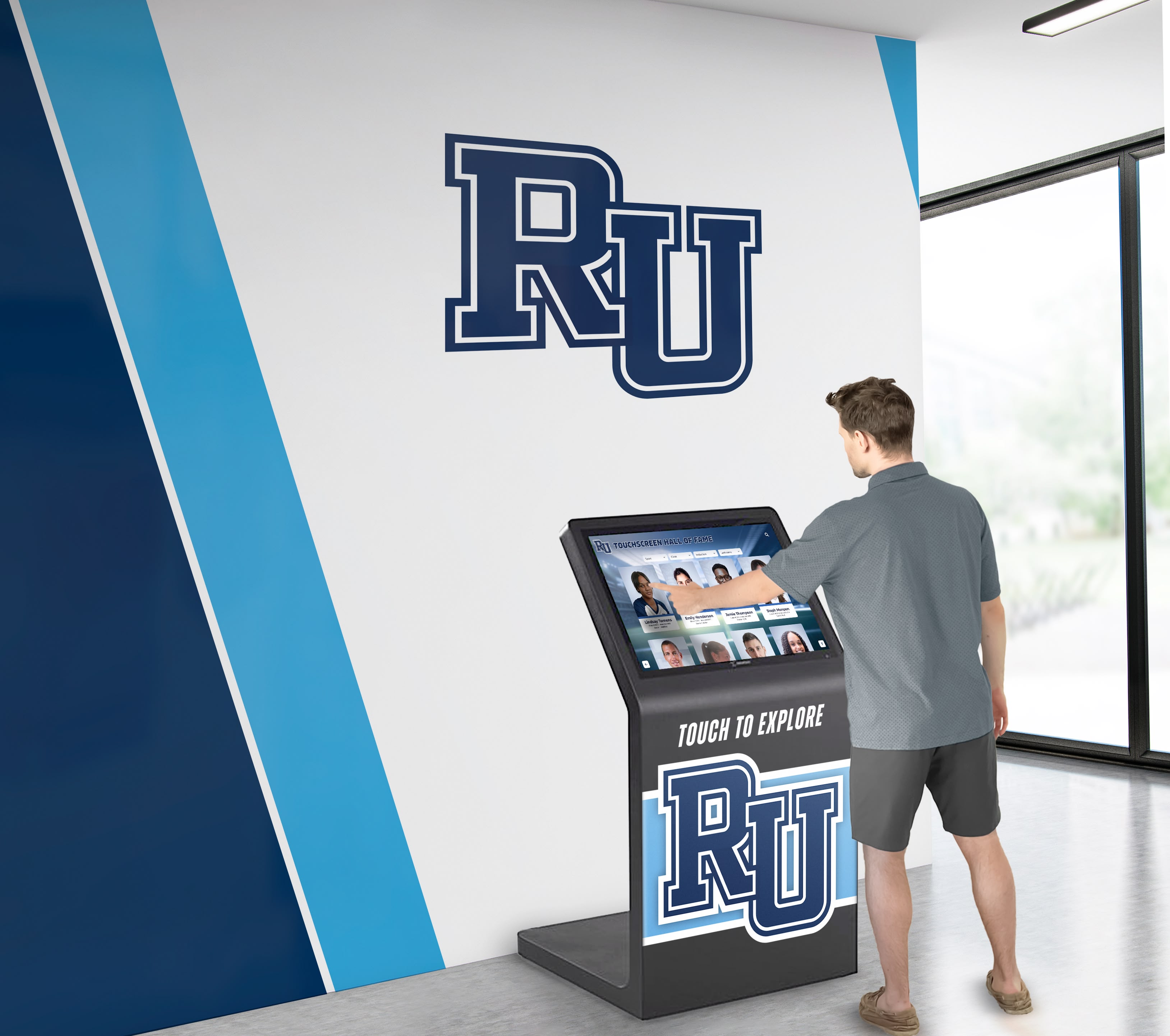
Properly sized and positioned touchscreen displays enable comfortable interaction for visitors of all ages and abilities
Computing Infrastructure and Connectivity
Digital displays require appropriate computing power and network connectivity through dedicated media players or integrated computing systems, wired ethernet connections ensuring reliable content updates, wireless connectivity backup where wired connections prove impractical, remote management capabilities enabling off-site content updates, and adequate bandwidth supporting video content and high-resolution imagery.
Insufficient computing power or unreliable connectivity undermines recognition system functionality, creating frustrating user experiences and complicating content management.
Installation Planning and Physical Integration
Professional installation ensures recognition displays function reliably while integrating appropriately within architectural contexts.
Mounting and Structural Requirements
Secure installation requires appropriate support through commercial-grade wall mounts or freestanding kiosks, structural anchoring capable of supporting display weight long-term, ADA-compliant mounting heights for wheelchair accessibility, cable management concealing power and data connections, and ventilation space preventing computing system overheating.
Working with experienced audiovisual installers familiar with educational environments ensures installations meet safety, accessibility, and reliability standards while avoiding common deployment mistakes.
Spatial Design and Environmental Considerations
Recognition display placement affects both functionality and visitor experience through high-traffic location selection maximizing visibility, adequate clearance enabling comfortable touchscreen interaction, lighting control minimizing screen glare and reflection, ambient noise management ensuring comfortable viewing environments, and integration with existing donor walls or trophy cases.
Poor placement undermines recognition effectiveness—displays tucked into low-traffic corners fail to serve stewardship goals, while installations in uncomfortable environments discourage the extended engagement digital recognition platforms enable.
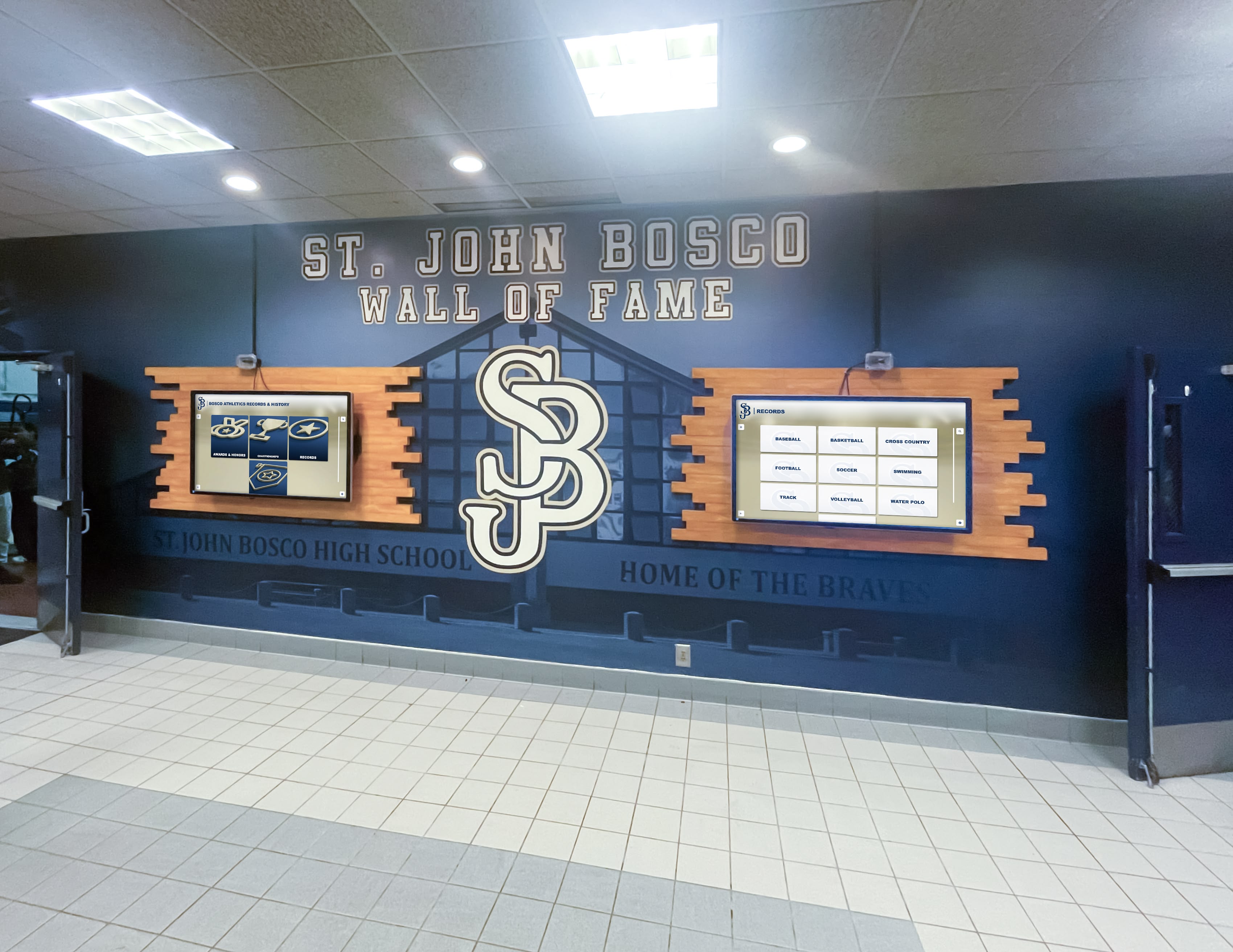
Multi-display installations create comprehensive recognition environments celebrating diverse institutional achievements within unified designs
Power and Network Infrastructure
Ensure adequate electrical and data connectivity through dedicated electrical circuits preventing display power issues, surge protection preserving equipment from electrical anomalies, network connectivity meeting bandwidth requirements, backup connectivity options maintaining function during outages, and remote management access enabling off-site troubleshooting and updates.
Infrastructure inadequacies create ongoing frustration and maintenance challenges—proper planning during installation prevents these predictable complications.
Content Management Platform Selection
Backend systems managing recognition content determine day-to-day operational experience and long-term sustainability.
Cloud-Based Management Systems
Modern recognition platforms provide web-based content management through browser-based interfaces requiring no specialized software, role-based permissions enabling appropriate staff access, intuitive drag-and-drop content builders, real-time preview showing changes before publication, and automatic backup ensuring content preservation.
Solutions like Rocket Alumni Solutions provide purpose-built content management specifically designed for educational recognition contexts, eliminating need to adapt generic digital signage software lacking recognition-specific features.
Content Development and Publishing Workflows
Sustainable management requires efficient processes through standardized content templates ensuring consistent recognition formats, bulk import capabilities handling historical data efficiently, scheduled publishing enabling recognition to appear on specific dates, revision history tracking content changes and updates, and approval workflows ensuring appropriate review before publication.
These workflow features transform content management from technical challenges into straightforward administrative tasks achievable by development staff without specialized technical training.
Mobile and Web Integration
Recognition content should extend beyond physical displays through responsive web displays accessible from any device, shareable URLs for individual donor or athlete profiles, social media integration enabling recognition amplification, website embedding placing recognition directly in institutional web presence, and mobile app integration connecting recognition to broader institutional communication platforms.
This multi-channel approach maximizes recognition reach while ensuring supporters can share their honored achievements with family, colleagues, and networks regardless of physical location.
Recognition Messaging and Donor Communications Strategy
Digital recognition displays work most effectively when integrated within comprehensive stewardship communication strategies that honor donors while supporting ongoing fundraising priorities.
Launch Communications and Donor Engagement
Introducing digital recognition requires thoughtful communication ensuring donors understand how displays honor their support.
Pre-Launch Donor Communication
Before unveiling recognition displays, inform supporters through personalized letters explaining new recognition approach, invitations to unveiling events or private previews, requests for biographical information and photos enhancing profiles, explanation of web accessibility extending recognition reach, and gratitude messaging acknowledging patience during implementation.
This advance communication demonstrates respect for donors while managing expectations about what new recognition systems provide and how supporters can engage with enhanced stewardship tools.
Unveiling Events and Recognition Ceremonies
Formal launches create celebratory moments through donor appreciation gatherings featuring display unveiling, guided tours demonstrating interactive features, individual donor recognition during ceremonies, speeches from beneficiaries and institutional leadership, and refreshments creating social engagement opportunities.
These events transform technology implementations into stewardship experiences while providing natural opportunities to discuss ongoing fundraising priorities with gathered supporter communities.
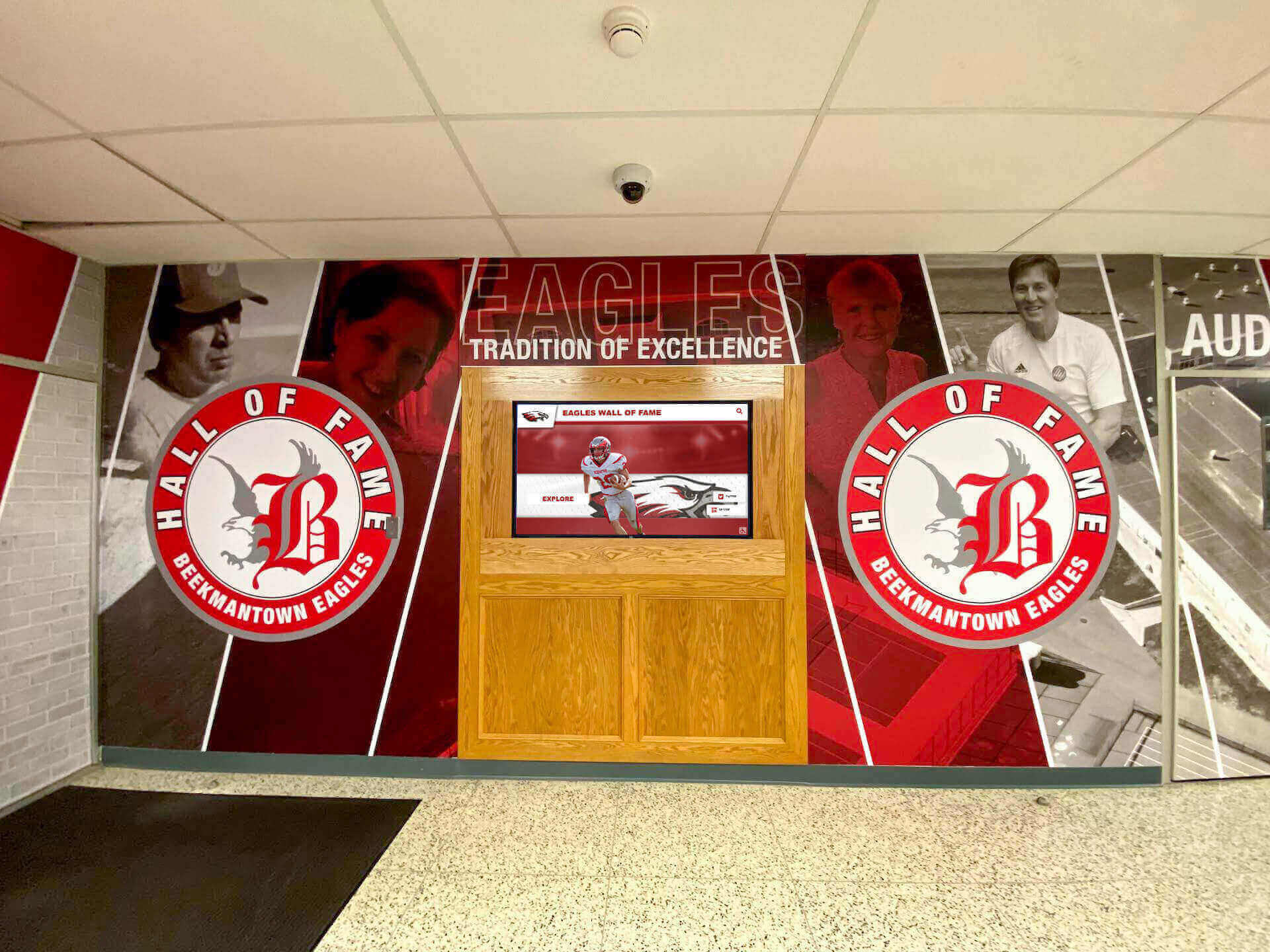
Comprehensive recognition environments integrate digital displays within broader branded designs creating memorable impression points for visitors
Ongoing Recognition Updates and Notifications
After launch, maintain donor engagement through email notifications when profiles are added or updated, social media posts celebrating new donor recognition, annual reports featuring recognition display highlights, website integration providing direct access to digital recognition, and periodic reminders encouraging donors to share their recognition.
These ongoing touchpoints keep recognition top-of-mind while demonstrating that digital displays remain actively maintained rather than becoming static installations receiving minimal attention after initial launch excitement fades.
Stewardship Copy and Recognition Language
Effective donor recognition requires thoughtful messaging that honors support appropriately while maintaining dignity and professionalism.
Donor Profile Writing Guidelines
Consistent, professional donor acknowledgment follows clear style standards through third-person narrative voice maintaining appropriate formality, focus on donor motivation and institutional connection rather than biographical minutiae, specific impact documentation connecting gifts to tangible outcomes, gratitude messaging from institutional leadership and beneficiaries, and family legacy acknowledgment for multi-generational supporters.
Well-written donor profiles honor support meaningfully while avoiding the dry transactional tone that characterizes less thoughtful recognition copy.
Recognition Level Naming and Society Designation
Giving society names should reflect institutional identity through historically significant naming connecting recognition to institutional heritage, values-based designation reflecting institutional mission, geographic or building-specific naming for facility campaigns, honorary naming recognizing significant institutional figures, and creative naming that’s memorable without sacrificing dignity.
Strong society names create aspirational identities donors proudly claim while providing natural conversation starters for fundraising conversations about recognition benefits at various giving levels.
Campaign Progress Messaging and Thermometer Design
For organizations conducting active fundraising campaigns, digital displays provide real-time progress visualization motivating participation.
Dynamic Fundraising Thermometer Design
Campaign progress features should be engaging and informative through visual goal tracking showing percentage and dollar amount raised, countdown timers building urgency as campaign deadlines approach, recent gift acknowledgment celebrating newest contributors, challenge gift activation showing matching opportunities, and milestone celebrations when significant thresholds are crossed.
These dynamic elements transform recognition displays into active fundraising tools that motivate giving while providing transparent accountability about campaign progress and community participation.
Impact Visualization and Outcome Communication
Move beyond dollars raised to showcase what campaigns achieve through facility rendering showing what capital projects will create, program expansion description explaining new capacities being built, scholarship student profiles illustrating who receives support, before-and-after documentation demonstrating transformation, and beneficiary testimonials explaining impact from recipient perspectives.
This outcome-focused messaging helps prospective donors understand what their participation enables rather than viewing campaigns as abstract fundraising goals divorced from tangible institutional improvement.
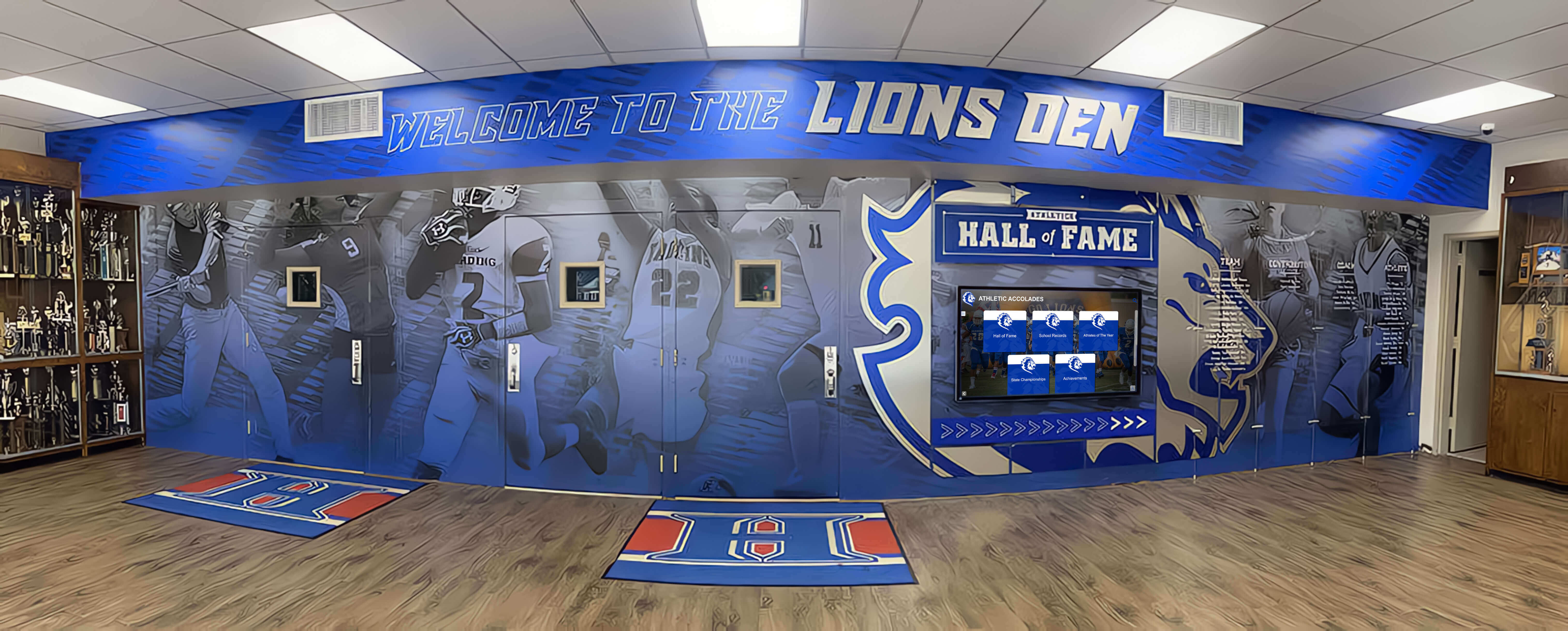
Thoughtfully designed recognition environments balance digital innovation with traditional physical elements creating comprehensive stewardship experiences
Accessibility, Compliance, and Inclusive Recognition Design
Effective digital recognition must be accessible to all visitors regardless of physical ability, cognitive differences, or technological familiarity.
ADA Compliance and Physical Accessibility
Federal accessibility requirements and inclusive design principles shape recognition display implementation.
Mounting Height and Reach Requirements
Ensure wheelchair users can operate touchscreen displays through mounting heights placing interactive elements at 48 inches maximum from floor, forward reach zones keeping primary touch areas within comfortable range, side approach clearances enabling wheelchair positioning, and operable parts requiring 5 pounds maximum force for activation.
Non-compliant mounting heights exclude visitors with mobility limitations from full recognition experience while potentially exposing institutions to accessibility complaints.
Visual Accessibility and Display Readability
Support visitors with vision limitations through high-contrast color schemes ensuring text readability, adjustable text sizing enabling vision-appropriate magnification, screen reader compatibility for visitors using assistive technology, audio description options explaining visual content verbally, and anti-glare glass reducing reflection that interferes with reading.
These accommodations ensure recognition displays serve diverse visitor populations rather than privileging visitors with typical vision and mobility.
Cognitive Accessibility and Intuitive Navigation
Design interfaces that visitors with cognitive differences can navigate through simple, consistent navigation patterns across all screens, clear labeling explaining interface elements and functions, minimal text entry reducing spelling and typing barriers, error forgiveness allowing visitors to recover from navigation mistakes, and session reset features returning to home screen after inactivity.
Overly complex interfaces that seem intuitive to technical staff often prove frustrating or incomprehensible to visitors less comfortable with digital technology—inclusive design serves all users more effectively.
Multi-Language Support and Cultural Inclusivity
Institutions serving diverse communities should provide recognition in multiple languages reflecting local populations.
Translation and Localization
Extend recognition reach through Spanish translation for Hispanic/Latino communities, other languages reflecting local demographic composition, culturally appropriate imagery and representation, name pronunciation guidance for unfamiliar names, and cultural celebration recognition honoring diverse community contributions.
Language accessibility demonstrates institutional commitment to inclusive recognition while ensuring non-English-speaking donors, families, and community members can fully engage with celebration of their support and achievements.
Privacy, Anonymity, and Recognition Preferences
Respect individual preferences about recognition visibility and personal information sharing.
Donor Privacy Protections
Honor supporter preferences through anonymous recognition options excluding personal details, selective disclosure enabling donors to choose what information appears, opt-out provisions allowing recognition removal upon request, minor privacy protections for student athletes under 18, and data security ensuring personal information remains protected.
These protections build donor trust while ensuring recognition programs respect individual autonomy about personal information disclosure rather than assuming all supporters desire maximum public visibility.
Measuring Recognition Program Success and ROI
Systematic assessment demonstrates digital recognition value while identifying opportunities for continuous improvement.
Engagement Metrics and Usage Analytics
Modern digital recognition platforms provide data revealing how visitors interact with displays.
Physical Display Engagement Data
Track on-site usage through daily interaction counts and visitor session frequency, average session duration indicating engagement depth, search term analysis revealing what visitors seek, profile view patterns showing whose recognition receives attention, and time-of-day usage patterns informing content update scheduling.
These metrics help institutions understand whether recognition displays achieve intended engagement goals while identifying opportunities to enhance content or improve placement based on actual visitor behavior.
Web and Mobile Access Analytics
Beyond physical displays, track online recognition engagement through web platform visits and unique visitors, geographic distribution showing where online visitors originate, device analytics revealing mobile versus desktop access, social share frequency indicating recognition amplification, and referral sources showing how visitors discover recognition.
Web analytics demonstrate recognition reach beyond physical campus while revealing whether donors and alumni engage with recognition remotely as digital platforms are designed to enable.
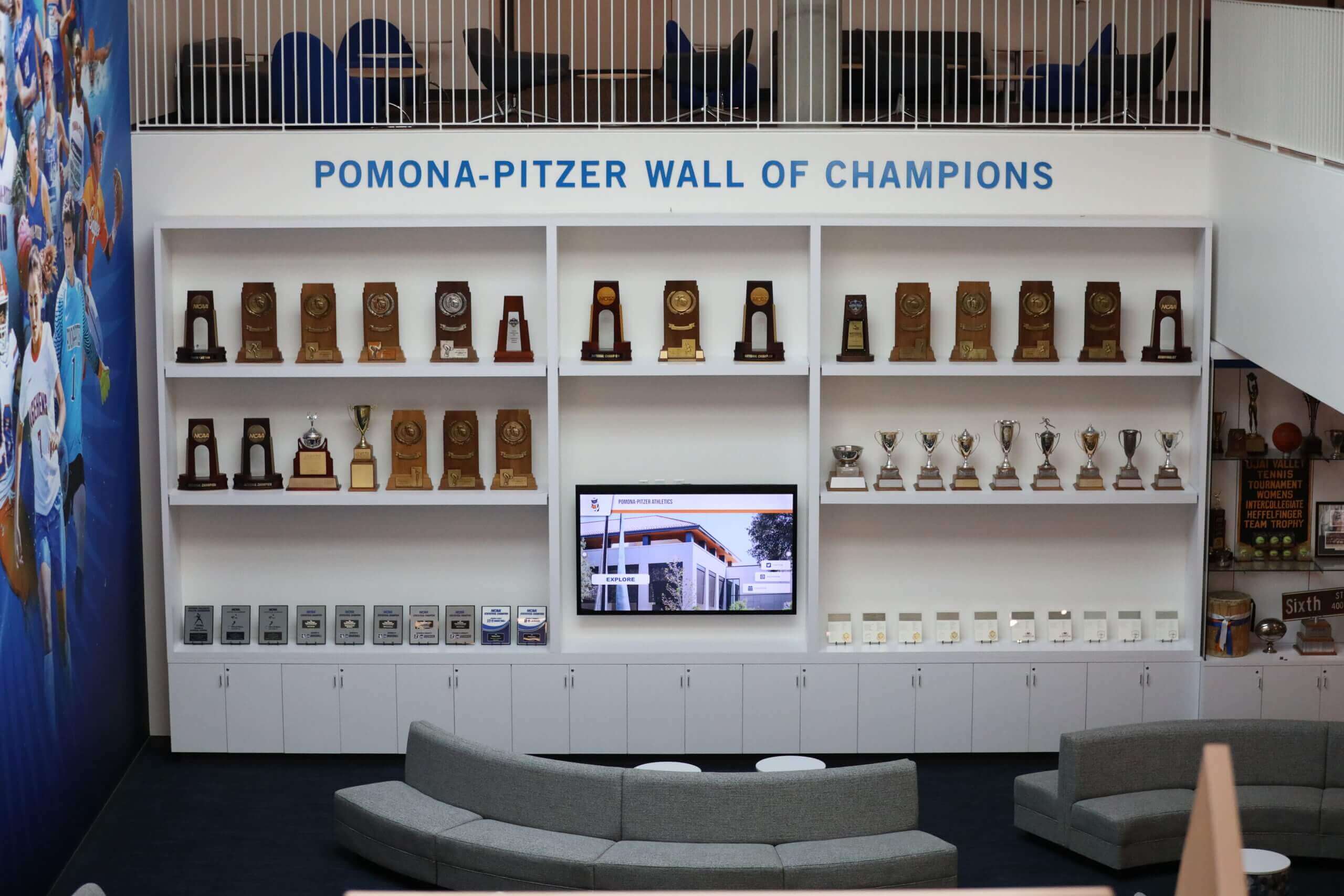
Comprehensive recognition spaces combine digital displays, physical trophies, and branded environments creating multi-dimensional celebration of achievement
Donor Stewardship and Fundraising Impact
Assess how recognition displays support development goals beyond simple visitor engagement.
Donor Retention and Upgrade Rates
Monitor whether enhanced recognition correlates with giving behavior through donor retention comparing recognized versus unrecognized supporters, gift upgrade frequency among donors receiving recognition, planned giving conversion rates following recognition implementation, new donor acquisition attributed to recognition visibility, and referral gifts from recognized donors encouraging others to participate.
While correlation doesn’t prove causation, tracking these indicators helps development teams understand whether recognition investments support broader fundraising objectives beyond stewardship obligations.
Campaign Performance and Recognition Correlation
During active campaigns, assess recognition program contribution through campaign participation rates before and after digital recognition launch, average gift size comparing campaigns with and without recognition features, campaign timeline efficiency reaching goals faster with progress visualization, volunteer solicitor effectiveness citing recognition as motivator, and post-campaign donor satisfaction with recognition experience.
These measures help justify recognition system investments by demonstrating tangible contribution to fundraising success rather than treating recognition as pure expense without measurable return.
Program Performance Indicators
Beyond direct engagement and fundraising metrics, monitor operational success indicators ensuring sustainable program management.
Content Currency and Update Frequency
Track recognition system maintenance through days between donor gifts and profile publication, content accuracy complaints or correction requests, historical profile completion percentage showing archival development progress, staff time requirements for routine updates, and technical support incidents requiring vendor assistance.
These operational metrics reveal whether recognition programs remain sustainable long-term or create unsupportable administrative burden that undermines initial implementation benefits.
User Satisfaction and Stakeholder Feedback
Gather qualitative assessment through donor surveys about recognition satisfaction, visitor feedback about display usability and interest, staff assessment of content management workflows, leadership perception of recognition program value, and campus community awareness of recognition displays.
This stakeholder feedback provides context for quantitative metrics while revealing opportunities to enhance recognition programs based on actual user experience rather than assumptions about what constitutes effective recognition.
Implementation Timeline and Project Management
Successful digital recognition deployment requires systematic planning and realistic timeline management ensuring quality results without unnecessary delays.
Planning Phase and Needs Assessment
Begin with comprehensive evaluation of recognition needs, institutional requirements, and available resources.
Recognition Program Goal Definition (Weeks 1-2)
Establish clear objectives through stakeholder interviews identifying recognition priorities, current state assessment evaluating existing recognition approaches, gap analysis revealing what improvements are needed, success criteria defining what effective recognition achieves, and budget parameters establishing financial constraints and possibilities.
This foundation ensures recognition system selection and implementation align with actual institutional needs rather than defaulting to generic approaches that may not serve specific organizational contexts.
Technical Requirements and Specifications (Weeks 2-3)
Define implementation parameters through location evaluation assessing proposed installation sites, infrastructure assessment of power and networking adequacy, accessibility requirement documentation ensuring ADA compliance, integration needs connecting recognition to existing systems, and content scope defining historical recognition to be included.
Clear specifications enable accurate vendor proposals and prevent scope creep or misunderstanding about what implementations will deliver.
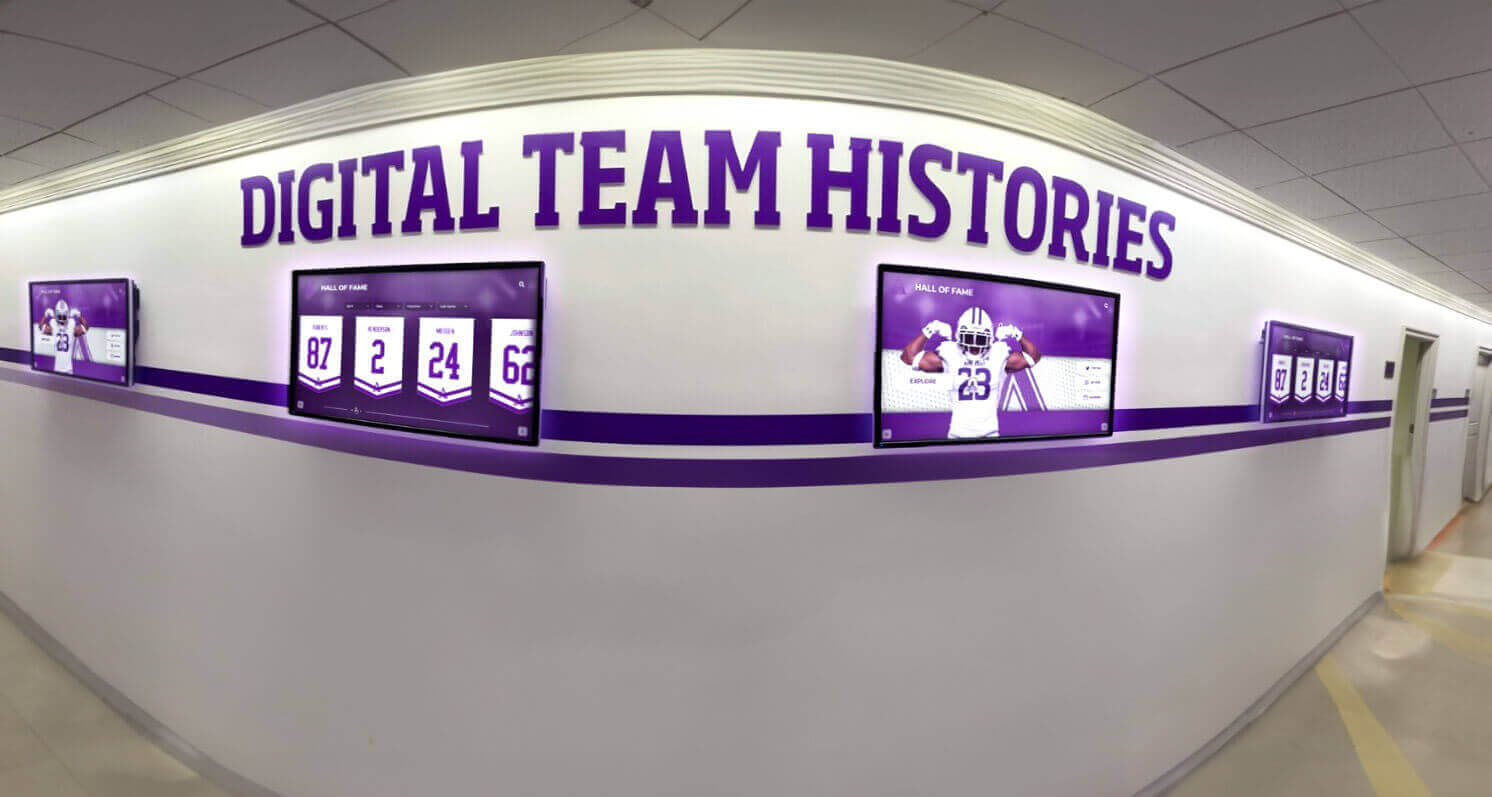
Coordinated multi-display installations create comprehensive recognition environments celebrating diverse achievements within unified content strategies
Vendor Selection and System Design
Choose recognition platform providers and configure systems matching institutional needs.
Proposal Evaluation and Vendor Selection (Weeks 4-6)
Compare providers systematically through platform capability assessment against requirements, content management system evaluation for staff usability, hardware specifications reviewing quality and longevity, implementation support including installation and training, and total cost analysis covering initial and ongoing expenses.
Solutions like Rocket Alumni Solutions provide purpose-built recognition platforms designed specifically for educational and nonprofit contexts, offering advantages over generic digital signage adapted for recognition purposes without recognition-specific features.
System Design and Content Architecture (Weeks 6-8)
Configure platforms for institutional use through interface design customization reflecting institutional branding, content structure defining recognition categories and navigation, recognition tier framework establishing what information each giving level receives, accessibility feature implementation ensuring ADA compliance, and web integration planning connecting physical displays to institutional web presence.
Thoughtful design prevents the need for costly reconfiguration after launch when initial approaches prove inadequate for actual recognition needs.
Content Development and System Deployment
Build recognition content and deploy physical infrastructure.
Historical Content Creation (Weeks 8-14)
Develop comprehensive recognition profiles through data collection gathering donor or athlete information, photography and media acquisition for visual content, profile writing following established messaging guidelines, impact documentation connecting recognition to outcomes, and quality review ensuring accuracy and professionalism.
Historical content development typically requires most time investment during implementation—the depth of historical recognition determines timeline length more than technical implementation.
Hardware Installation and System Configuration (Weeks 12-14)
Deploy physical infrastructure through site preparation ensuring adequate power and networking, display mounting and physical installation, computing system setup and software configuration, network connectivity testing, and accessibility verification confirming ADA compliance.
Professional audiovisual installation ensures reliable long-term operation while avoiding common mistakes that create maintenance challenges or compromise visitor experience.
Launch and Ongoing Management
Unveil recognition systems and establish sustainable management processes.
Staff Training and Launch Preparation (Weeks 14-15)
Prepare for go-live through content management training for staff responsible for updates, troubleshooting instruction enabling routine issue resolution, launch event planning for unveiling ceremonies, communication material development informing stakeholders, and backup and security procedures protecting content.
Adequate training ensures staff confidence managing recognition systems independently rather than remaining dependent on vendor support for routine content updates and basic maintenance.
Launch and Continuous Improvement (Week 16+)
Unveil recognition and establish ongoing management through formal unveiling events or recognition ceremonies, initial usage monitoring assessing early visitor engagement, feedback collection from donors and visitors, content refinement based on initial experience, and regular update scheduling ensuring recognition remains current.
Successful launches transition smoothly into sustainable ongoing management rather than treating go-live as project completion—recognition programs require continuous stewardship ensuring long-term value.
Conclusion: Transforming Recognition Through Digital Innovation
Digital halls of fame represent fundamental advances in how organizations honor donors, celebrate achievements, and preserve institutional legacy. By eliminating physical space constraints that forced impossible prioritization decisions, enabling rich multimedia storytelling that brings recognition to life, providing interactive features that transform passive viewing into active exploration, and extending recognition reach to global audiences regardless of physical location, modern recognition displays serve stewardship goals that traditional approaches cannot achieve.
The strategies explored in this guide provide advancement professionals with comprehensive frameworks for implementing digital recognition that honors philanthropic partnership, celebrates competitive excellence, and preserves institutional narratives through engaging platforms accessible to all stakeholders. From donor recognition messaging and stewardship integration to technical implementation and accessibility compliance, these evidence-based approaches ensure recognition programs achieve intended goals while remaining sustainable through staff transitions and organizational evolution.
Transform Your Recognition Program with DonorsWall
Discover how modern digital recognition solutions from Rocket Alumni Solutions can help you honor donors, celebrate achievements, and build lasting community connections through interactive displays designed specifically for educational and nonprofit stewardship needs.
Request a DonorsWall Planning CallOrganizations considering digital recognition should begin with clear goal definition understanding what recognition programs must achieve, comprehensive needs assessment evaluating current approaches and improvement opportunities, realistic budget development accounting for initial implementation and ongoing management, and stakeholder engagement ensuring recognition programs reflect community values and priorities. With thoughtful planning, appropriate technology selection, and commitment to sustainable content management, digital halls of fame provide recognition platforms serving institutional missions for decades while adapting to changing needs and expanding recognition as communities grow.
Whether implementing first comprehensive donor walls for capital campaigns, enhancing existing athletic recognition with interactive features, or preserving institutional history through multimedia archives, digital recognition platforms provide tools needed to honor supporters and achievements with prominence, accessibility, and permanence they deserve. The investment in recognition infrastructure pays dividends through enhanced donor stewardship, inspired stakeholder engagement, and preserved institutional legacy celebrating contributions that advance educational and nonprofit missions.
Ready to explore digital recognition solutions? Learn more about donor recognition messaging frameworks, discover comprehensive approaches to athletic achievement celebration, explore interactive touchscreen implementation strategies, or schedule a consultation with Rocket Alumni Solutions to discuss how digital recognition platforms can support your stewardship goals and celebrate the donors, athletes, and community members advancing your institutional mission.