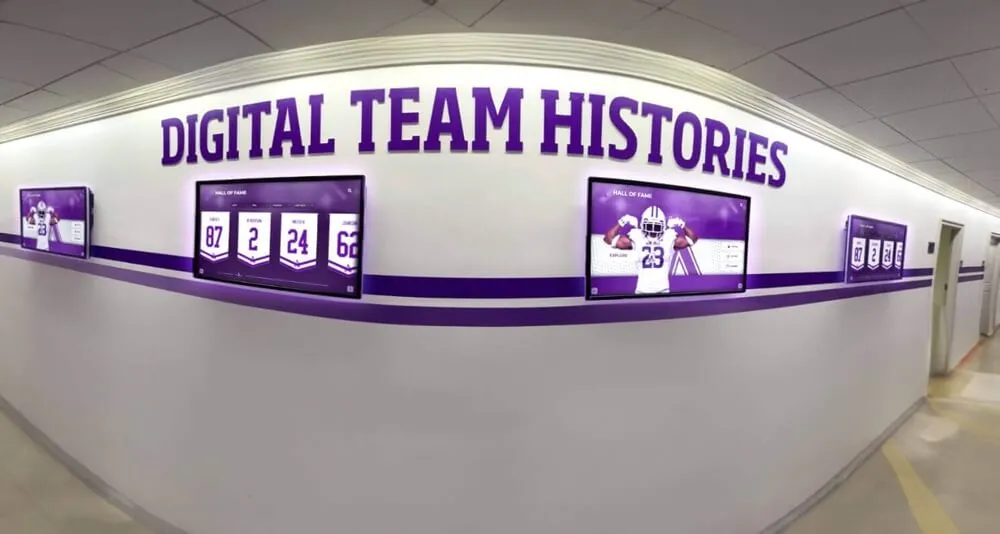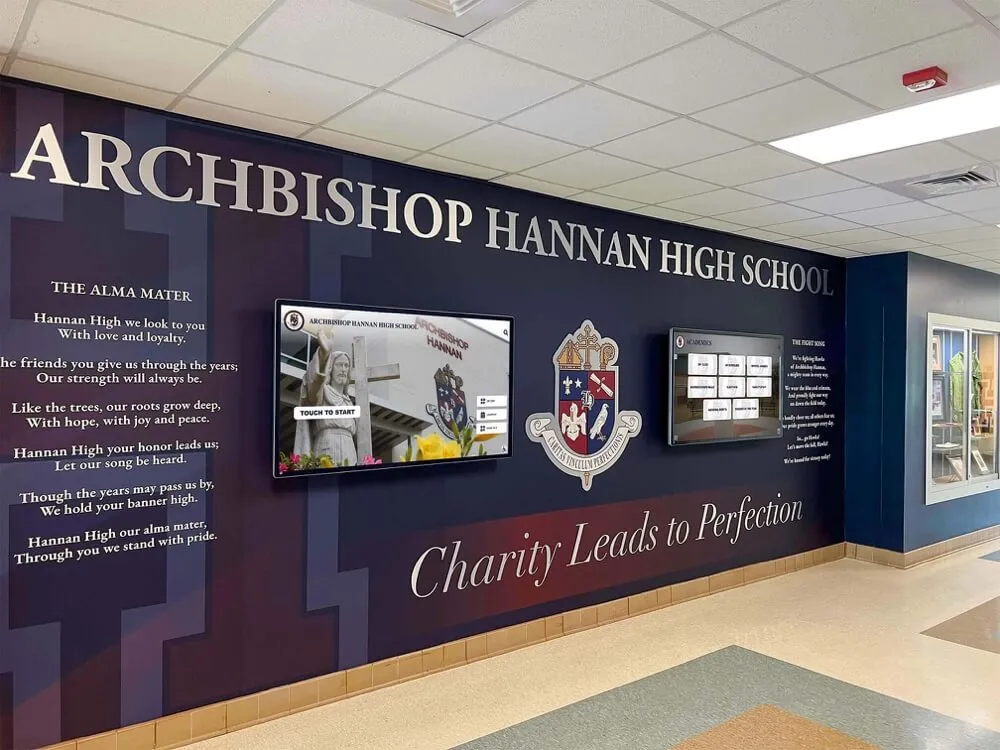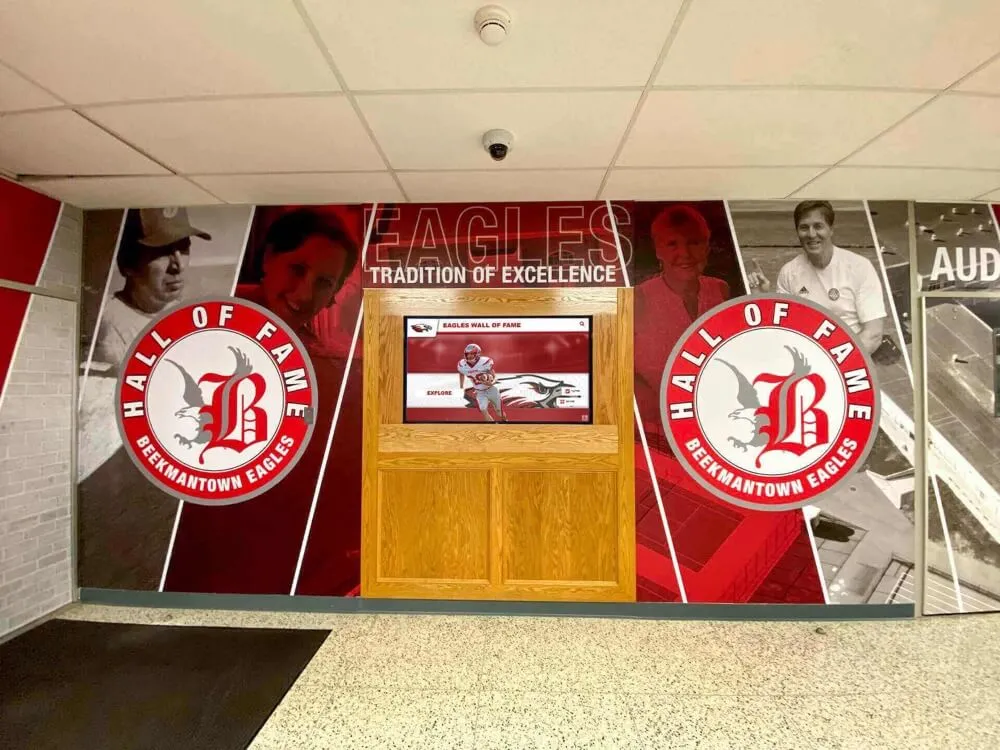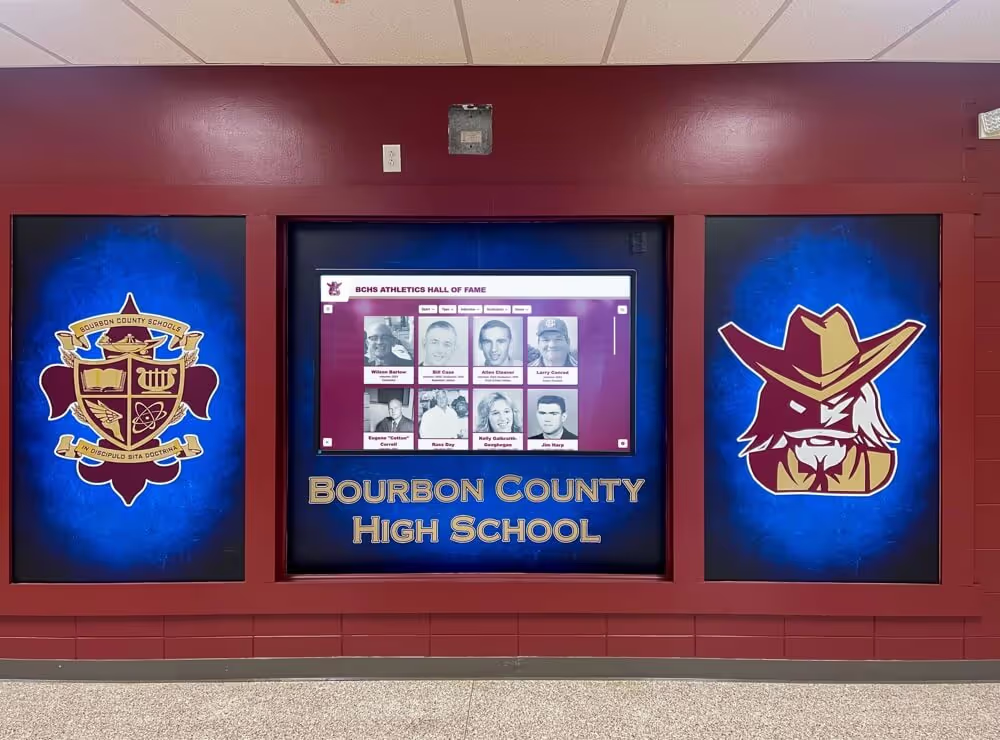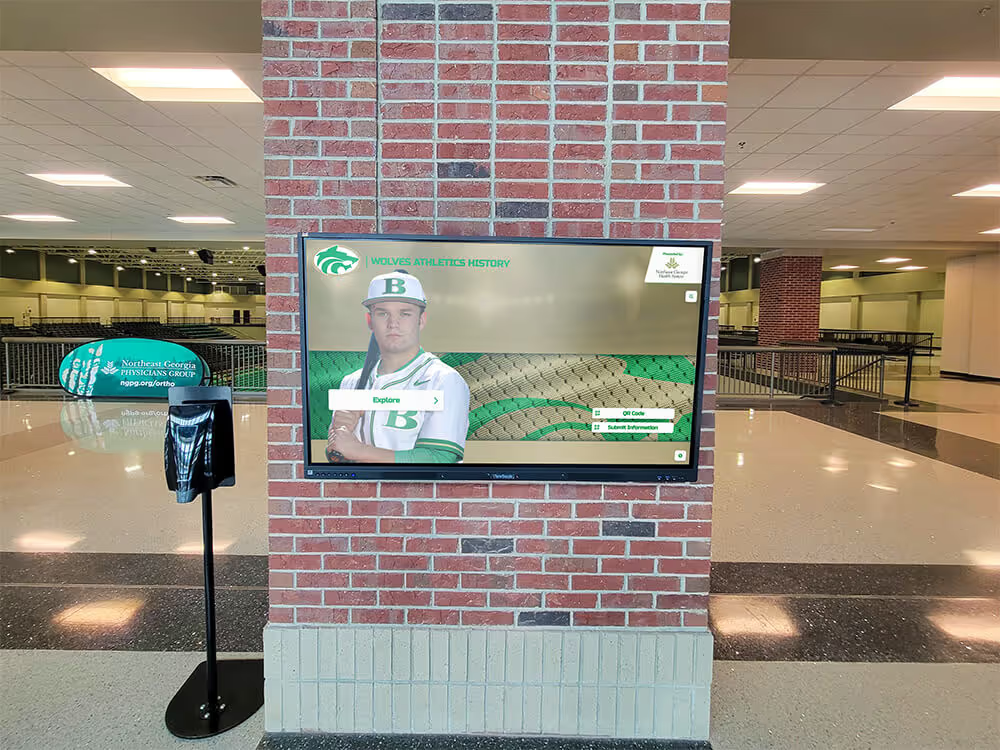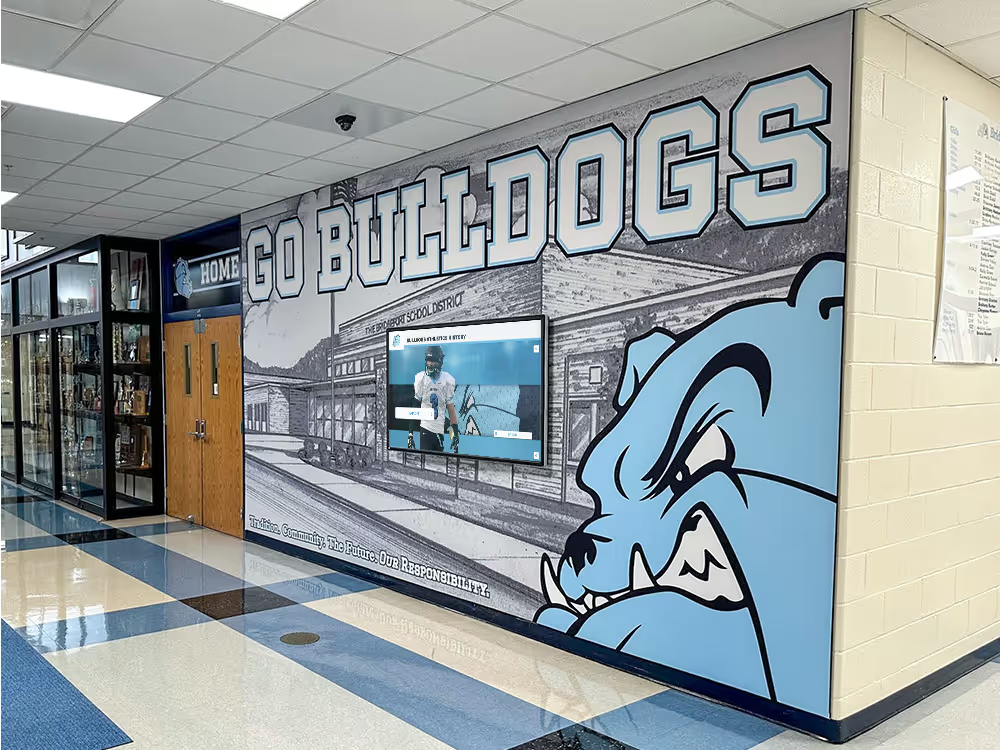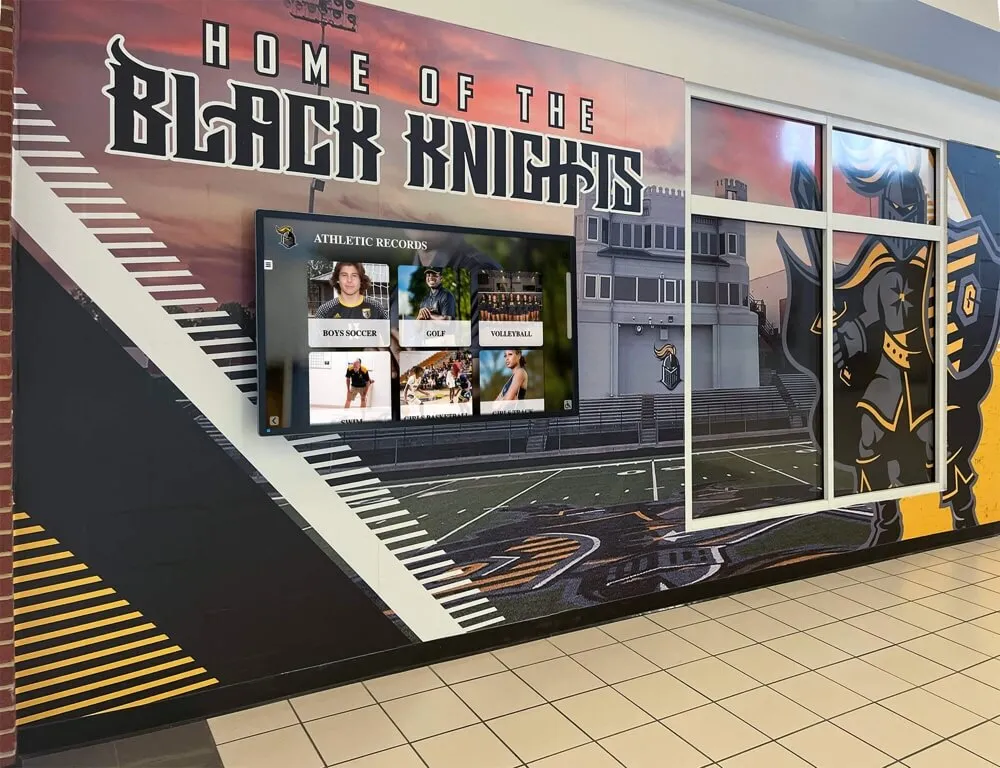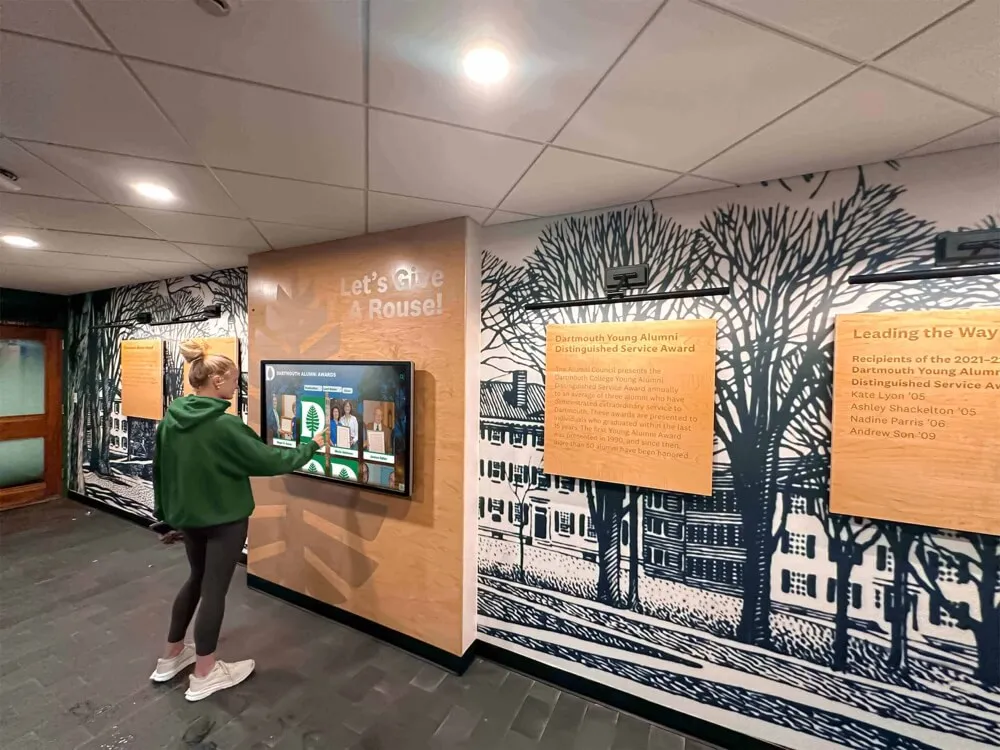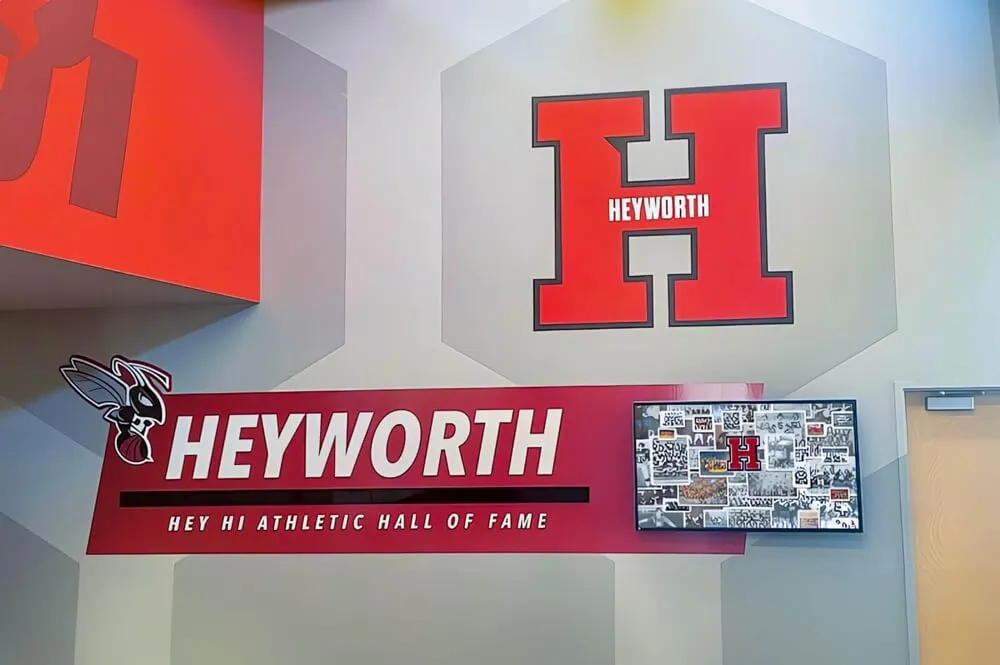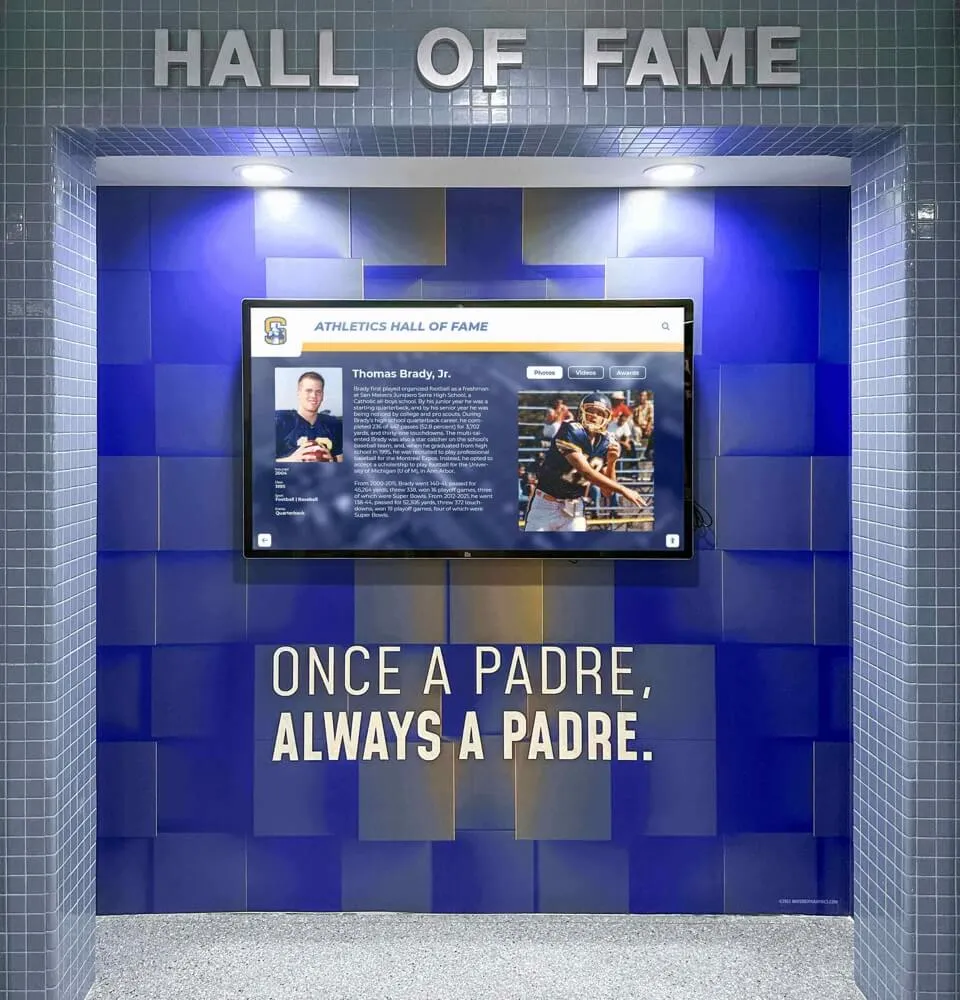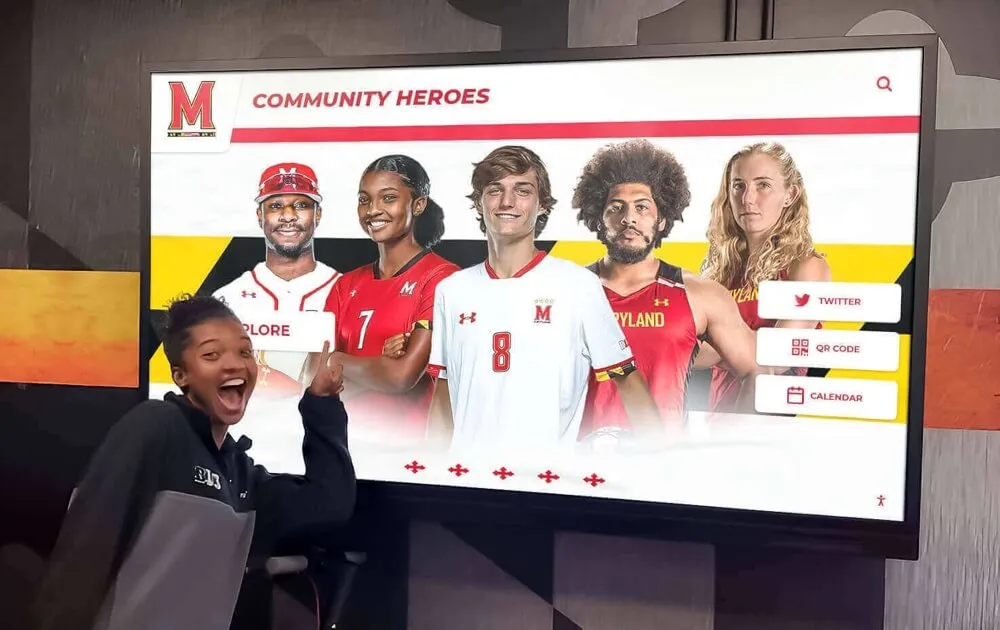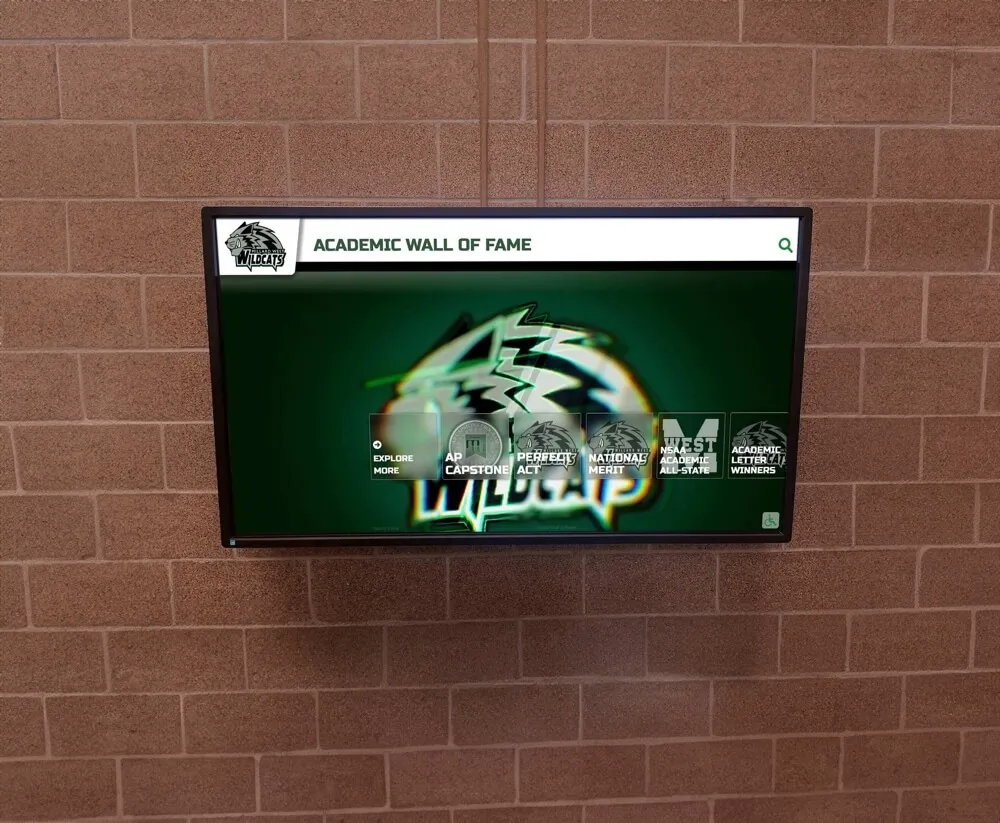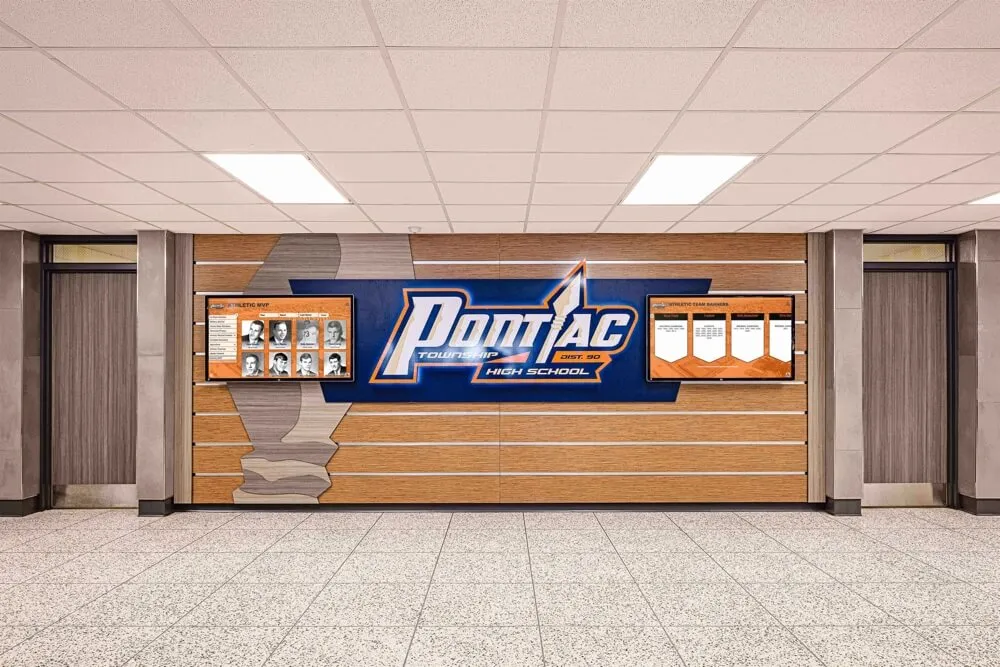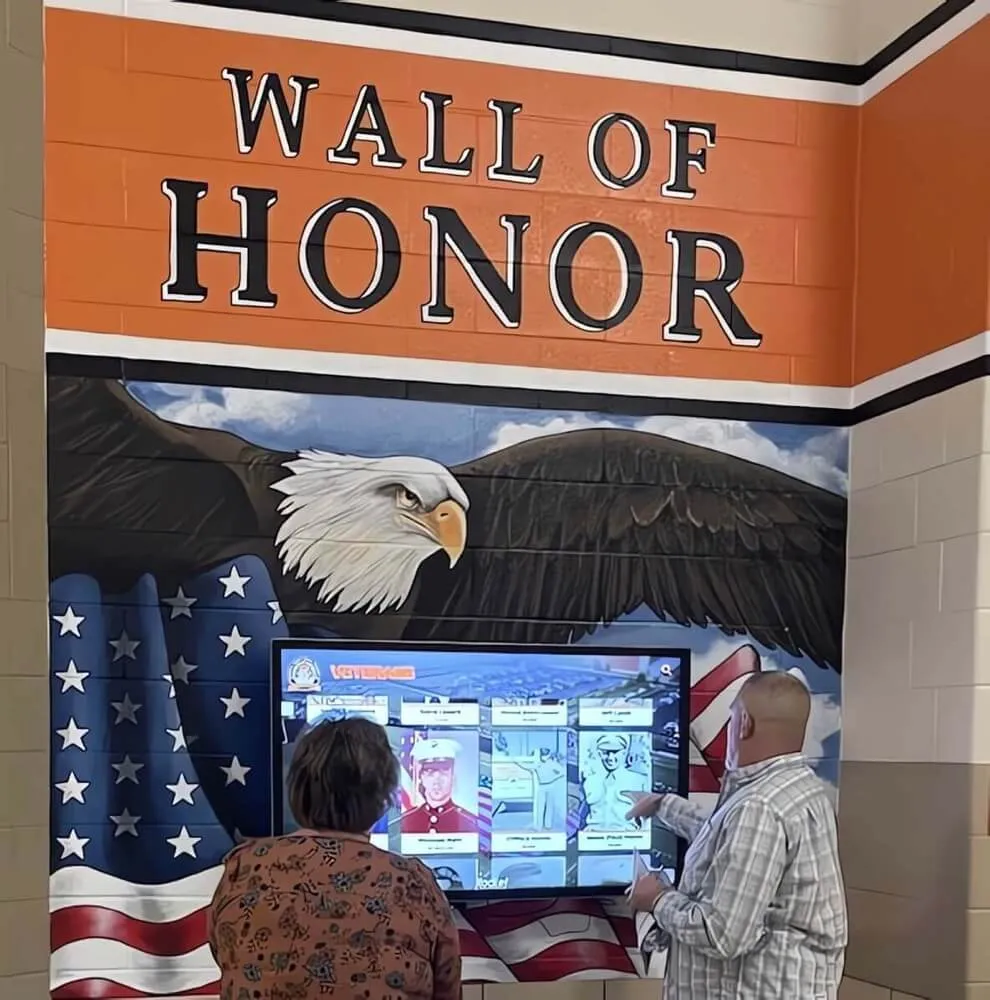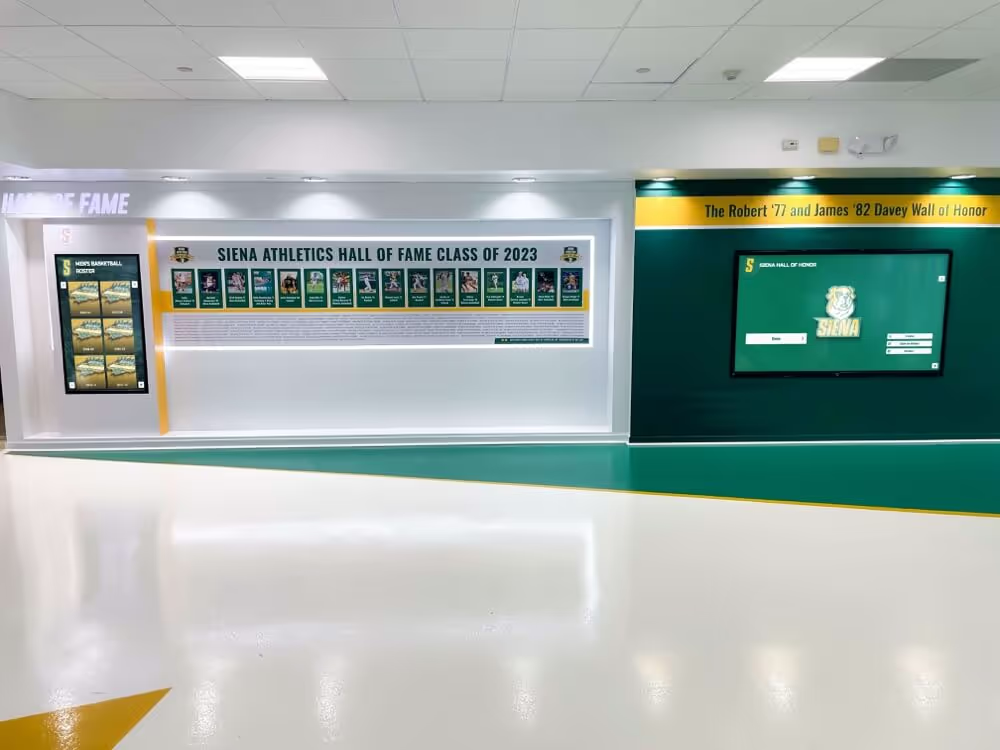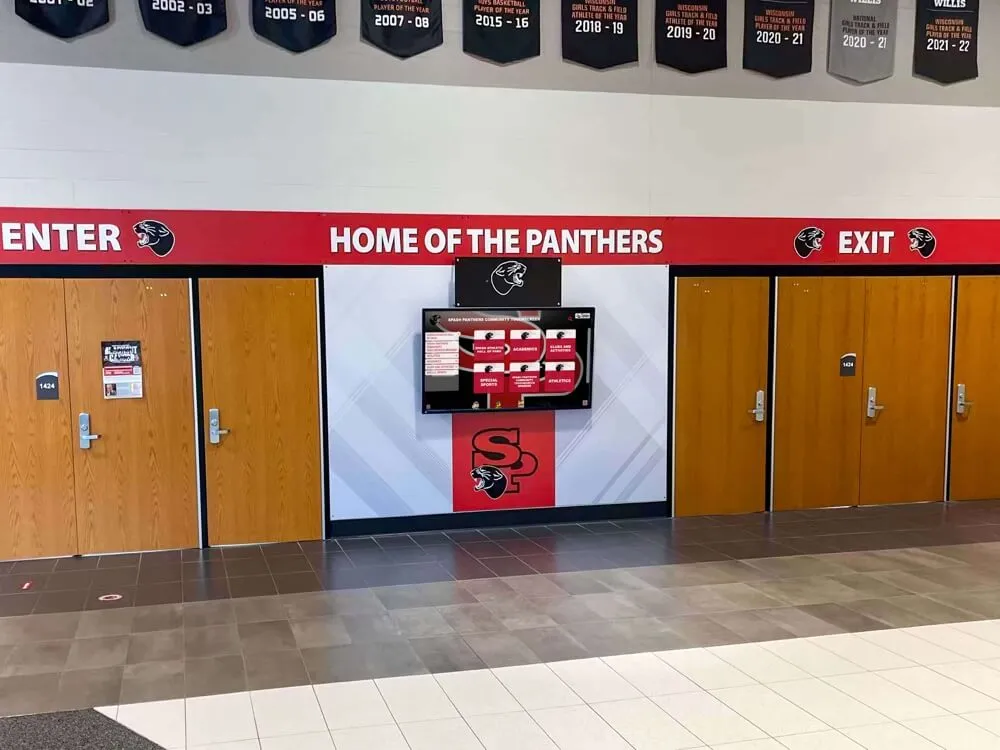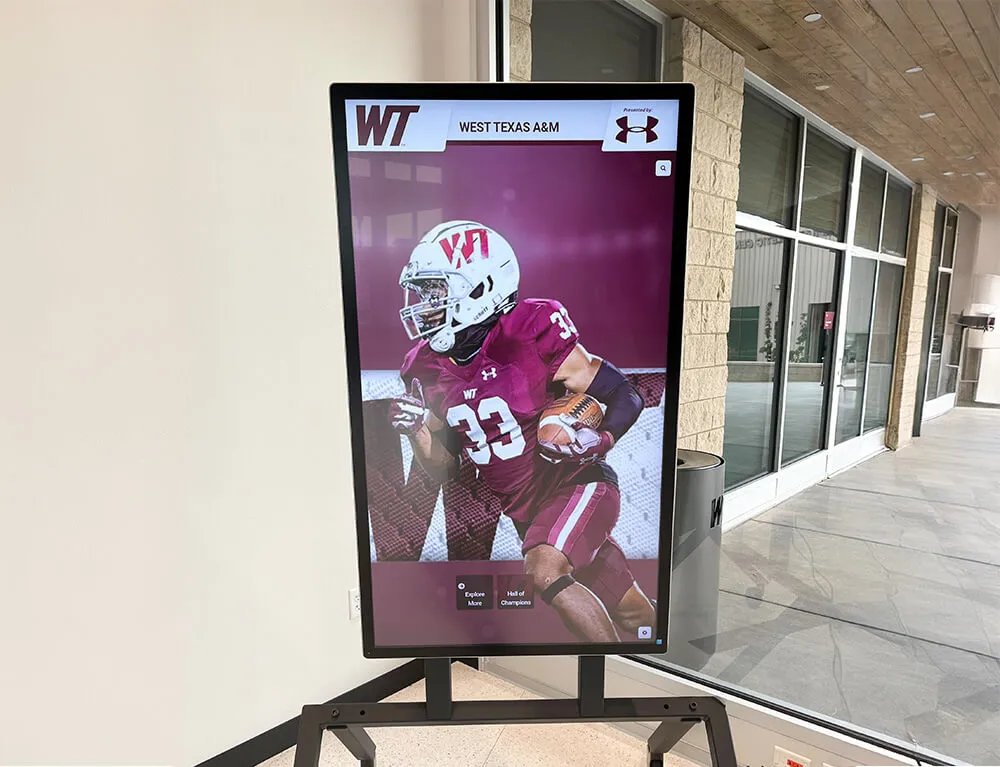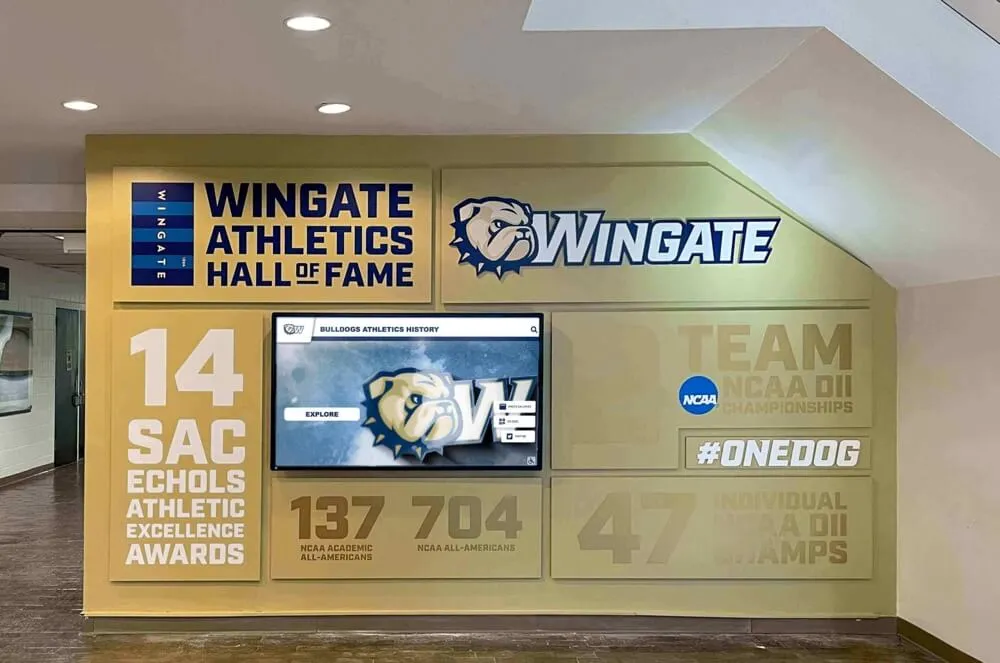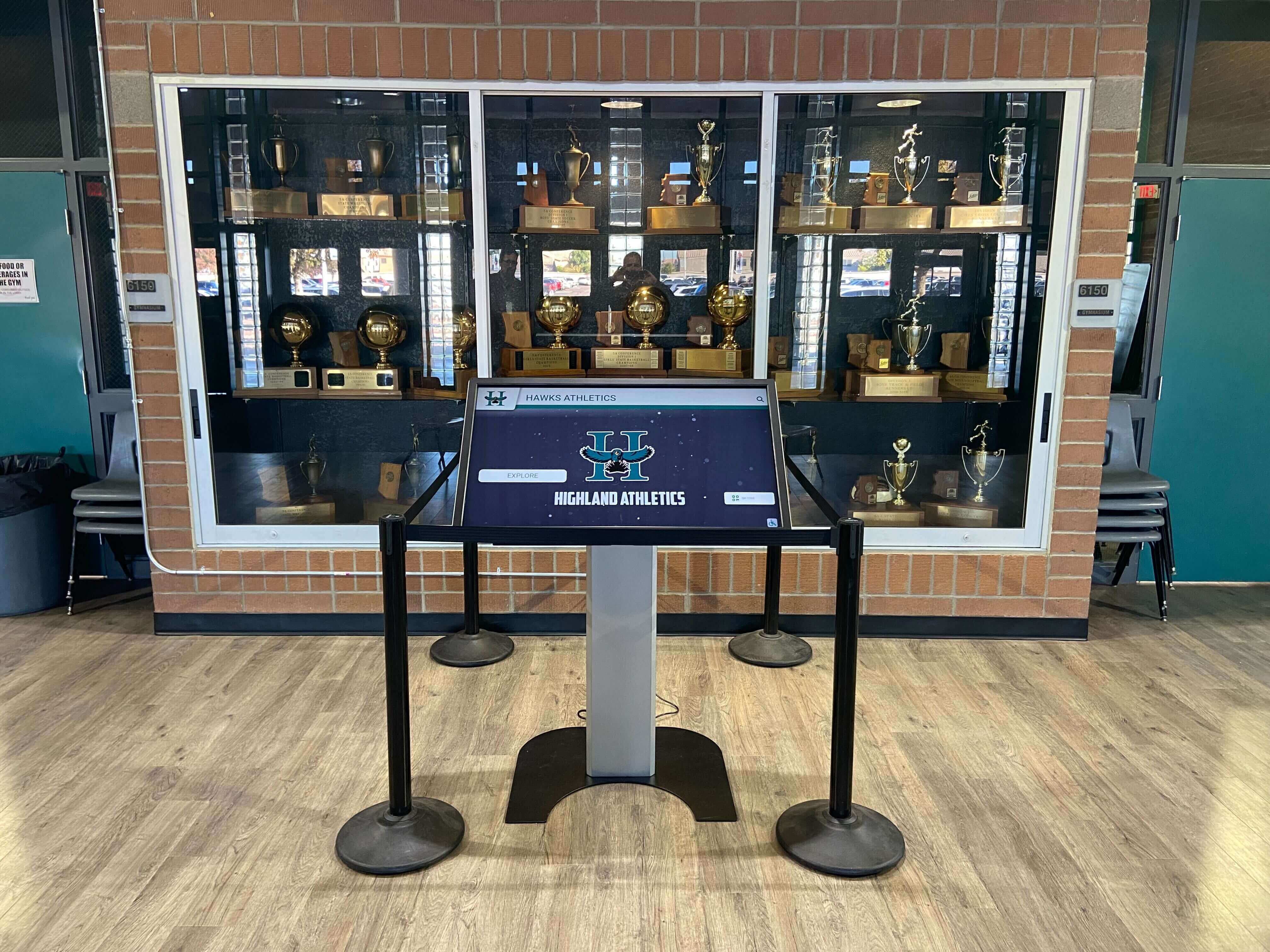
Digital hall of fame displays and traditional trophy cases both serve the same fundamental purpose—celebrating student achievements and preserving institutional legacy—yet they represent dramatically different approaches to recognition in school hallways. While trophy cases have displayed trophies, medals, and plaques for generations, digital displays introduce interactive technology that addresses the persistent space limitations, outdated content, and limited storytelling capacity that frustrate schools relying solely on physical recognition methods.
Schools face mounting pressure to recognize more students across academics, athletics, arts, and community service while physical hallway space remains fixed. Traditional trophy cases fill up quickly, force difficult decisions about what to remove when space runs out, and provide no context beyond what fits on small plaques. Meanwhile, today’s students and visitors expect engaging, searchable experiences that allow them to explore achievements, discover stories, and connect with institutional history in ways static displays simply cannot deliver.
This comprehensive guide examines the practical, functional, and strategic differences between digital hall of fame displays and traditional trophy cases, helping school administrators make informed decisions about recognition solutions that best serve their communities.
Understanding these differences goes beyond comparing new technology to old tradition. The choice between digital displays and trophy cases affects how many students receive recognition, how visitors engage with achievements, how much staff time goes into maintenance, and ultimately how effectively your school celebrates and preserves the accomplishments that define your institutional identity.

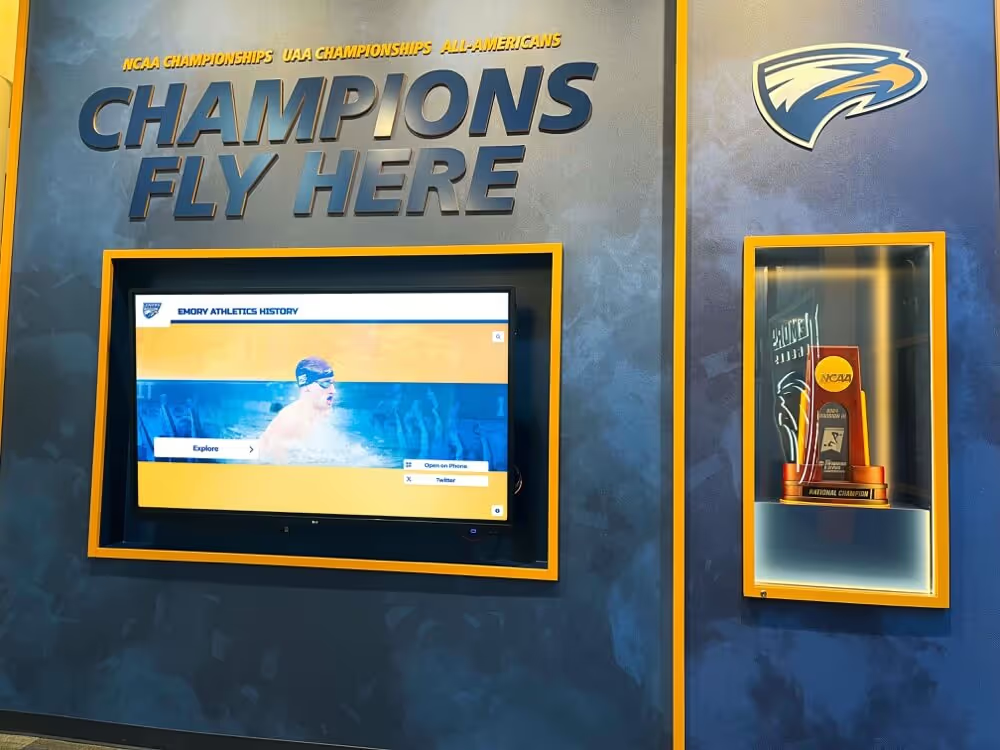
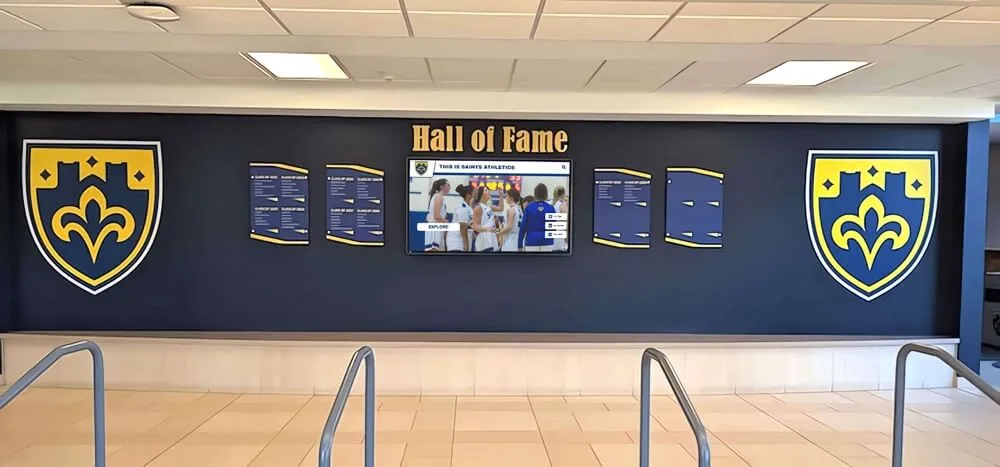
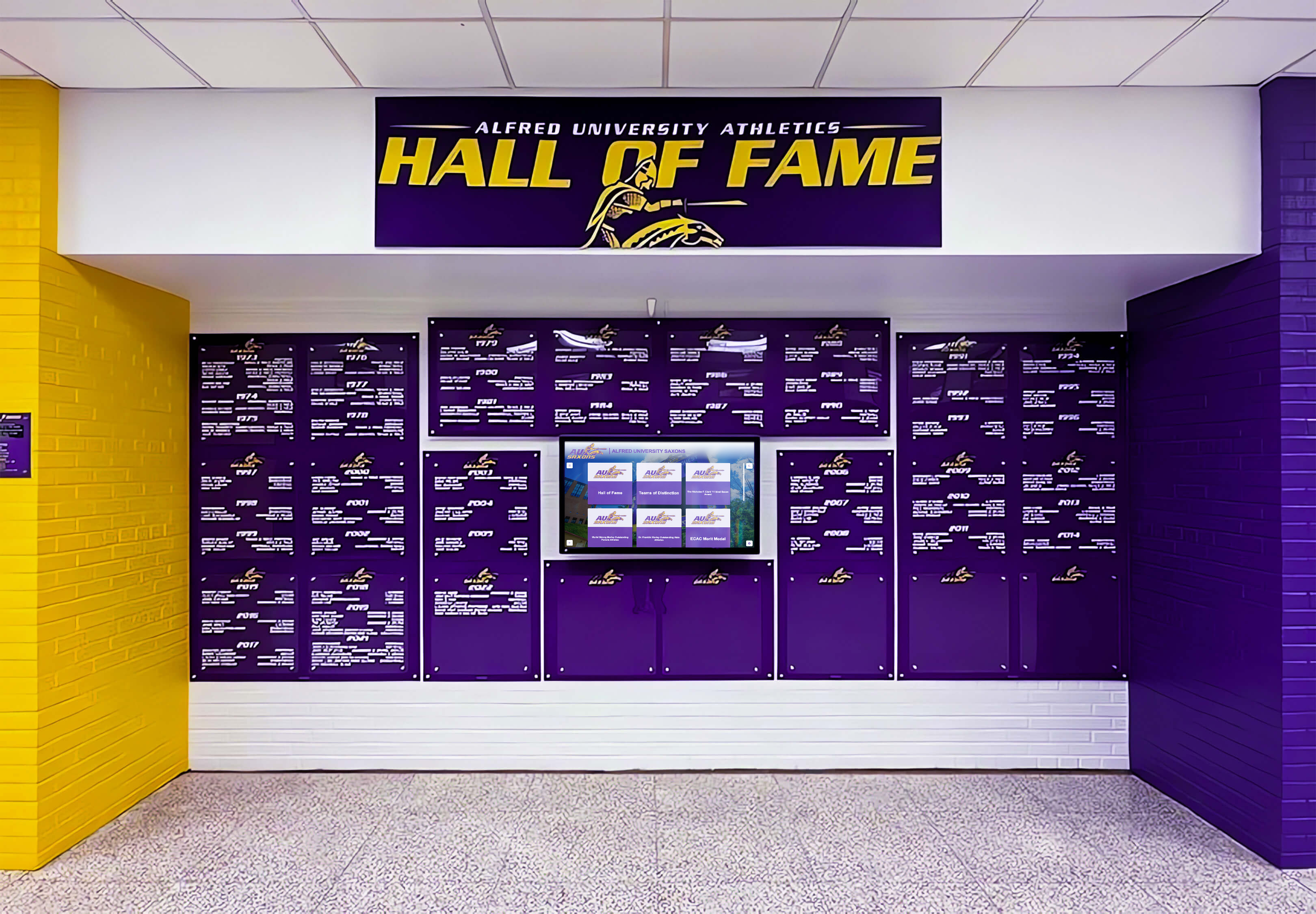
Modern schools often combine digital displays with traditional trophy cases to maximize recognition capacity
Physical Space and Capacity Limitations
The most immediate difference between digital displays and trophy cases centers on physical capacity—how many achievements each can actually display.
Traditional Trophy Case Space Constraints
Physical trophy cases face unavoidable space limitations that create ongoing challenges:
Fixed Capacity
- Standard hallway trophy cases hold 20-50 individual trophies depending on size
- Shelf space fills completely within 3-5 years for active athletic programs
- Each new achievement requires removing older items or adding new cases
- Wall space in school hallways is finite and often already allocated
Removal Decisions
- Someone must decide which achievements to remove when cases fill up
- Older accomplishments get relegated to storage where no one sees them
- Teams and individuals who earned removed trophies feel devalued
- Historical achievements become invisible to current students and visitors
Expansion Costs
- Additional trophy cases cost $2,000-$8,000 each depending on size and quality
- Installation requires available wall space and structural mounting
- Multiple cases along hallways create cluttered, inconsistent appearance
- Budget constraints often prevent adding cases when needed
Schools with robust athletic programs, growing enrollment, or comprehensive recognition initiatives consistently run out of trophy case space, forcing compromises about whose achievements remain visible.
Digital Display Unlimited Capacity
Digital hall of fame displays eliminate physical space constraints through unlimited digital capacity:
No Physical Limits
- Database systems accommodate thousands of individual profiles and achievements
- Every trophy, award, and accomplishment can be documented digitally
- Historical achievements remain perpetually accessible through search
- New accomplishments add to the collection without removing anything
Comprehensive Recognition
- Recognize every honor roll student, not just valedictorians
- Feature all-conference athletes alongside state champions
- Include club achievements, community service awards, and arts recognition
- Document decades of institutional history in searchable format
Growth Accommodation
- System capacity grows with your recognition programs
- No physical expansion required as achievements accumulate
- Consistent presentation regardless of content volume
- Future-proofed for decades of continued recognition
Digital systems allow schools to recognize more students, preserve complete achievement history, and eliminate the painful decisions about what to remove when physical space runs out.
Space Comparison Reality
Consider a typical high school scenario:
Traditional Trophy Case Capacity
- Four 6-foot cases in main hallway
- Approximately 160 trophies displayed
- Represents roughly 10-15 years of major awards
- Cannot accommodate individual athlete recognition
- No space for academic or arts achievements
Digital Display Capacity
- Single wall-mounted touchscreen
- Unlimited individual profiles and achievements
- Can include 50+ years of complete history
- Accommodates athletics, academics, arts, service
- Searchable by name, year, sport, achievement type
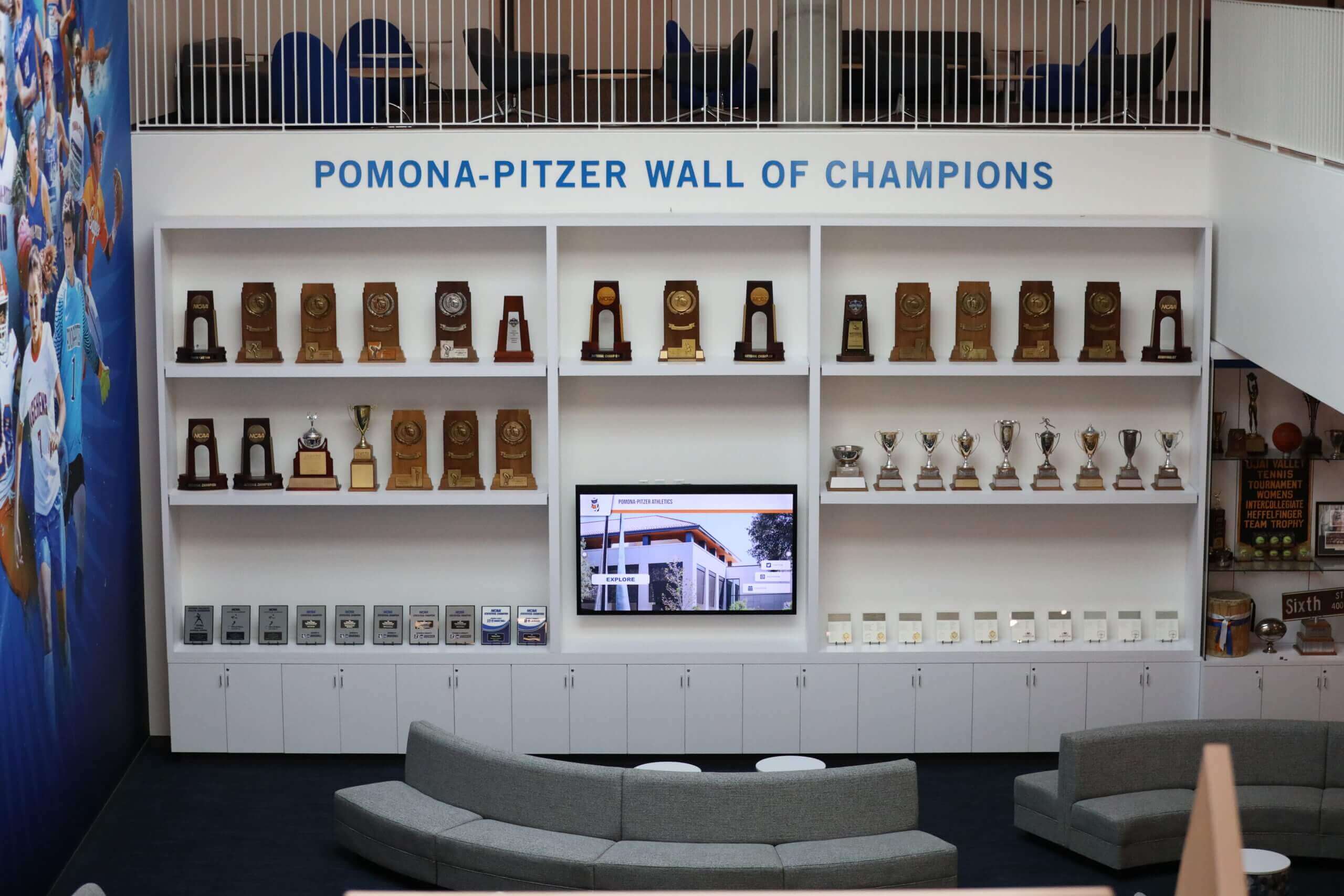
Physical trophy displays provide tangible recognition but face unavoidable space limitations
The capacity difference becomes particularly significant for schools committed to comprehensive recognition programs that celebrate diverse student achievements beyond just top-tier athletic championships.
Learn more about maximizing athletic hall of fame recognition across multiple achievement categories.
Content Richness and Storytelling Depth
Beyond physical capacity, digital and traditional displays differ dramatically in their ability to tell compelling stories about achievements and achievers.
Limited Context in Trophy Cases
Traditional trophy cases show physical trophies but provide minimal context:
Plaque Information Only
- Small engraved plaques limited to name, year, and achievement
- No biographical information about athletes or students
- Cannot explain significance of particular achievements
- No context about memorable moments, records broken, or team stories
Static Presentation
- Visitors see trophies but learn nothing about the people behind them
- No photos of championship teams or individual athletes
- Cannot convey the dedication, teamwork, or memorable moments
- Historical achievements become meaningless without context
Missed Connections
- Current students can’t discover if their parents or relatives earned recognition
- Alumni visiting cannot easily find their own achievements
- No mechanism to understand how current teams compare to historical results
- Achievements become anonymous objects rather than personal stories
A trophy sitting on a shelf might say “State Champions 1998” but offers nothing about who played, what made that season special, how they won, or what those athletes accomplished later in life.
Rich Multimedia Storytelling in Digital Displays
Digital hall of fame displays provide comprehensive context through multimedia content:
Complete Biographical Profiles
- Individual student profiles with photos, stats, and biographical information
- Career highlights describing memorable performances and achievements
- Post-graduation updates showing college commitments and career paths
- Personal statements or quotes from athletes, scholars, or performers
Visual Storytelling
- Team photos showing championship squads
- Action photography from competitions and performances
- Historical photos documenting institutional evolution
- Video highlights capturing memorable moments
Achievement Context
- Season records and statistics providing performance context
- Historical comparisons showing how achievements rank
- Explanation of significance for particular milestones
- Recognition criteria clarifying what achievements qualify
Searchable Connections
- Family members can search by last name to find relatives
- Alumni can locate their own profiles and relive memories
- Current students discover institutional history relevant to their interests
- Filters by sport, year, achievement type, or name
Digital systems transform simple achievement lists into engaging stories that honor individuals, preserve institutional memory, and create emotional connections between past and present.
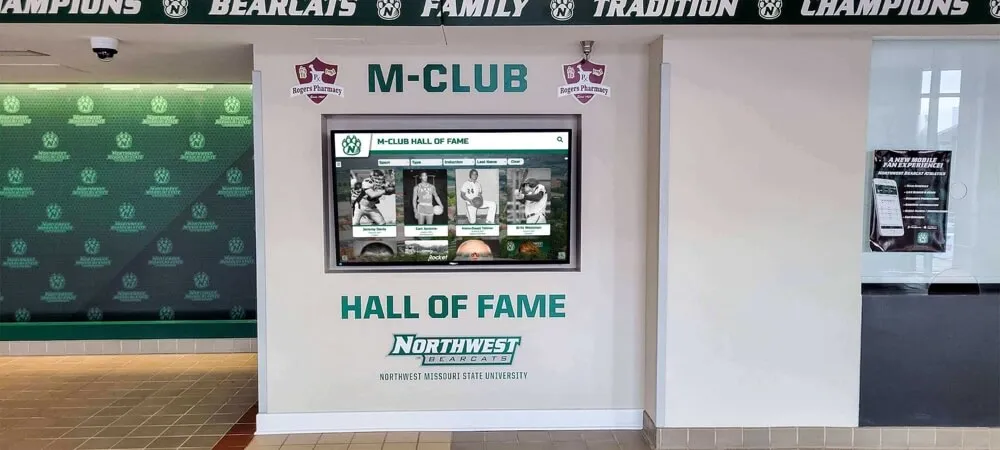
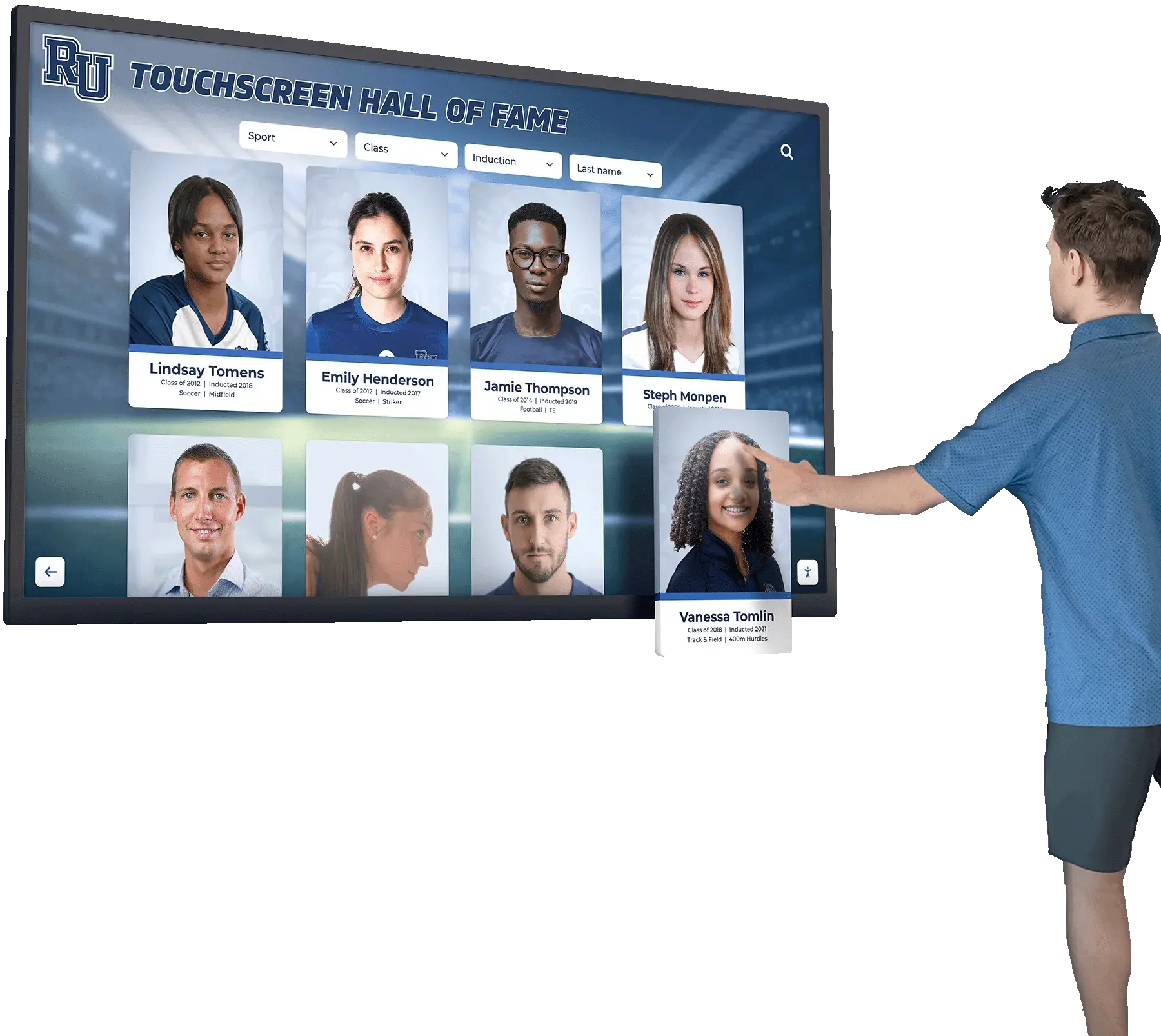
Digital displays present rich biographical information, photos, and achievement context that trophy plaques cannot provide
Discover how schools create compelling digital trophy case displays that tell stories while preserving athletic legacy.
Maintenance Requirements and Updates
The ongoing effort required to maintain recognition displays represents another significant difference between digital and traditional approaches.
Trophy Case Maintenance Challenges
Traditional trophy cases require ongoing physical maintenance:
Cleaning and Preservation
- Regular dusting of trophies and shelves
- Glass cleaning to maintain visibility
- Trophy polishing to prevent tarnishing
- Pest control to prevent insect infiltration
Physical Rearrangement
- Moving trophies when adding new achievements
- Reorganizing displays to optimize space utilization
- Creating consistent, attractive arrangements
- Ensuring proper lighting and visibility
Damage and Deterioration
- Trophies break when handled or bumped
- Plaques fade or tarnish over time
- Ribbons and materials deteriorate
- Glass breaks requiring replacement
Security Concerns
- Trophy theft from unsecured cases
- Vandalism of displays
- Locked cases preventing easy updates
- Insurance considerations for valuable items
Staff time for trophy case maintenance varies but typically requires several hours monthly for cleaning, organization, and minor repairs.
Digital Display Simple Updates
Digital displays require minimal physical maintenance with simple content updates:
Hardware Maintenance
- Screen cleaning as needed (similar to cleaning glass)
- Periodic software updates (often automatic)
- Rare hardware issues typically under warranty
- Professional installation ensures reliability
Content Updates
- Remote updates from any computer or device
- New achievements added through content management system
- Photo uploads and information entry in minutes
- No physical handling or rearrangement required
Consistent Presentation
- Professional templates ensure consistent quality
- No physical deterioration of content
- Automatic rotation of featured content
- Analytics showing what visitors view most
Security Benefits
- Nothing physical to steal or vandalize
- Screen damage typically covered by warranty
- Content backed up in cloud systems
- Access controls protecting content management
Schools implementing solutions like Rocket Alumni Solutions benefit from intuitive content management systems that make updates simple enough for any staff member, eliminating dependency on technical expertise while ensuring professional results.
Cost Comparison Over Time
Initial investment represents only part of the cost equation—total cost of ownership over years reveals different financial implications.
Trophy Case Long-Term Costs
Traditional trophy cases involve substantial initial investment plus ongoing costs:
Initial Investment
- Quality trophy cases: $2,000-$8,000 per case
- Professional installation: $500-$1,500 per case
- Most schools need 4-6 cases for comprehensive display
- Total initial investment: $10,000-$50,000
Ongoing Costs
- Cleaning supplies and maintenance: $200-$500 annually
- Repairs and glass replacement: $300-$800 every few years
- Additional cases as space fills: $2,000-$8,000 each
- Trophy engraving and updates: $20-$50 per trophy
Hidden Costs
- Staff time for cleaning and maintenance
- Storage space for trophies removed from display
- Lost recognition opportunities when space runs out
- Inability to update historical information
Over 10 years, traditional trophy case systems typically cost $15,000-$75,000+ depending on initial installation size and how many expansion cases schools add.
Digital Display Investment
Digital displays require higher initial investment but lower ongoing costs:
Initial Investment
- Professional touchscreen system: $8,000-$15,000
- Installation and setup: typically included
- Initial content development: varies by scope
- Software and content management: often included
Ongoing Costs
- Software maintenance/hosting: $500-$1,500 annually
- Content updates: staff time (typically less than trophy maintenance)
- Minimal hardware maintenance
- No physical expansion costs as recognition grows
Long-Term Value
- Capacity never runs out requiring additional investment
- Content improves over time as more history is digitized
- System upgrades extend lifespan
- Analytics demonstrate value and engagement
Over 10 years, digital display systems typically cost $15,000-$30,000 total, providing unlimited capacity while traditional cases of similar initial cost face inevitable space constraints requiring additional investment.
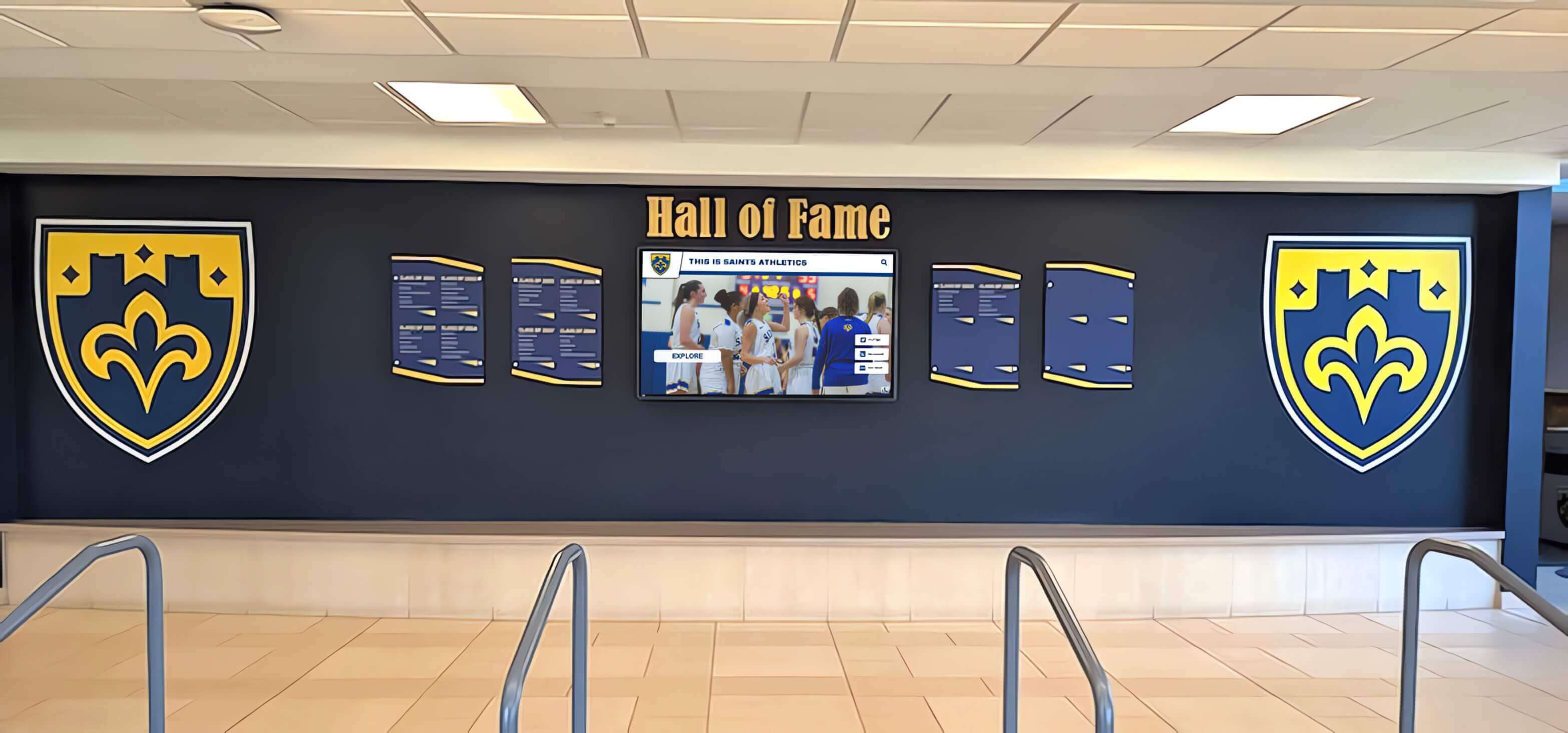
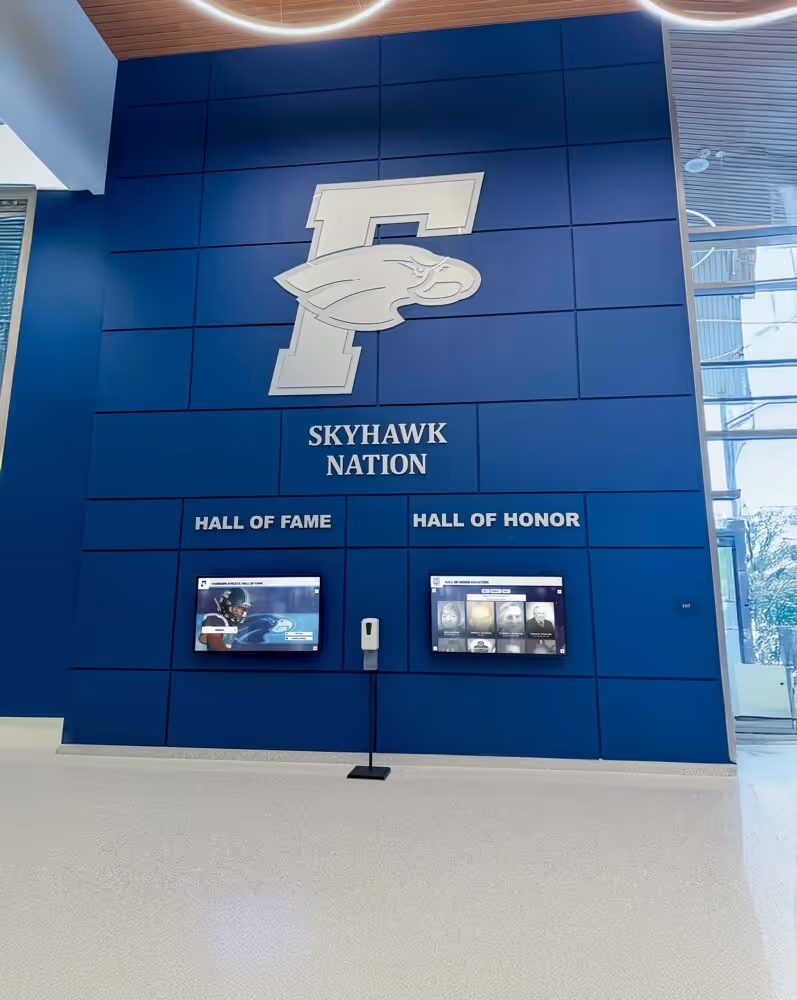
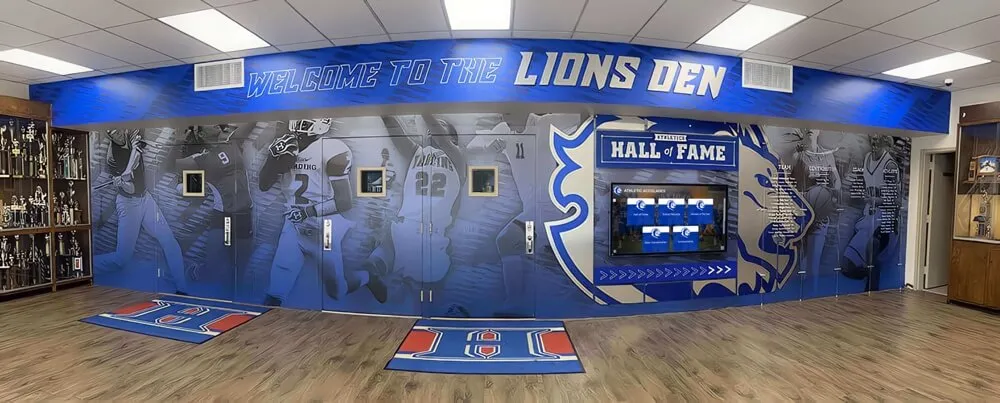
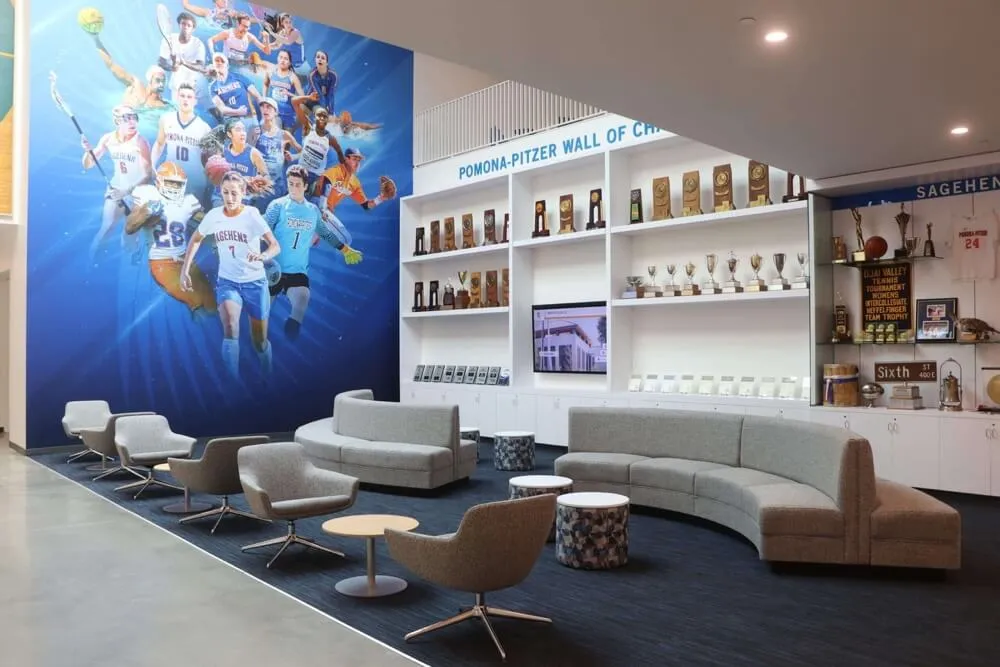
Many schools strategically combine traditional trophy displays with digital screens for comprehensive recognition
Explore school lobby design strategies that effectively integrate multiple recognition approaches.
Visitor Engagement and Interaction
How students, parents, alumni, and visitors actually interact with recognition displays differs substantially between formats.
Passive Viewing of Trophy Cases
Traditional trophy cases function as passive displays:
Limited Engagement
- Visitors walk past and glance at trophies
- Cannot search for specific achievements or people
- No mechanism for deeper exploration
- Attention span typically 10-30 seconds
Accessibility Challenges
- Small plaques difficult to read from hallways
- No accommodation for visual impairments
- Bottom shelves invisible to wheelchair users
- No way to learn more about interesting achievements
One-Size-Fits-All Presentation
- Everyone sees identical arrangement
- Cannot personalize to individual interests
- Families can’t focus on their student’s achievements
- Alumni can’t easily locate their own recognition
Trophy cases serve as background décor more than engaging recognition experiences.
Interactive Exploration of Digital Displays
Digital displays invite active exploration and personalization:
Engagement Behaviors
- Average interaction time: 3-7 minutes
- Visitors actively search for names, teams, years
- Exploration of multiple profiles and achievements
- Photography of personal connections for sharing
Personalized Discovery
- Search functionality finds specific people quickly
- Filters help visitors focus on interests (sport, year, achievement type)
- Related content suggests similar profiles
- Families create personal recognition moments
Accessibility Features
- Text sizing accommodates visual impairments
- Touch interface requires no technical expertise
- Screen height accessible to all users
- Audio descriptions available in advanced systems
Social Sharing
- Students photograph their digital profiles
- Families share discoveries on social media
- Alumni tag friends in historical team photos
- Creates ongoing engagement beyond physical visit
Interactive experiences create memorable moments that visitors discuss and share, extending recognition impact far beyond the school hallway.
Research on museum interactives shows that touchscreen experiences generate 3-5 times more engagement time compared to static displays, with visitors exploring content more deeply when given control over their experience.
Recognition Program Scope and Inclusivity
The type of display system schools choose directly affects how many students and what types of achievements they can recognize.
Trophy Case Recognition Limitations
Physical space constraints force selective recognition:
Hierarchical Selection
- Only major championships and top awards displayed
- Individual athletes rarely recognized unless exceptional
- Academic and arts achievements often excluded entirely
- Recent years over-represented as older items removed
Recognition Inequity
- High-profile sports receive disproportionate display space
- Non-athletic achievements marginalized or invisible
- “Minor” sports underrepresented despite student dedication
- Creates perception that only certain accomplishments matter
Exclusion of Deserving Students
- Honor roll students receive no visible recognition
- Academic competition participants overlooked
- Community service leaders invisible
- Arts program achievements forgotten
Limited physical capacity forces schools to choose between recognizing few students comprehensively or many students inadequately.
Comprehensive Recognition with Digital Displays
Unlimited digital capacity enables inclusive recognition programs:
Multi-Category Recognition
- Athletics: all sports, all achievement levels
- Academics: honor roll, AP scholars, competition winners
- Arts: drama, music, visual arts achievements
- Service: community impact, leadership roles
- Special achievements: scholarships, unique accomplishments
Individual Celebration
- Every honor roll student can be recognized
- All-conference athletes alongside state champions
- Club leaders and participants documented
- Senior achievements and college commitments
Equitable Representation
- All sports receive equal presentation quality
- Academic achievements given prominent platform
- Arts programs showcased with same care as athletics
- Service and leadership valued visibly
Historical Completeness
- Decades of achievement history maintained
- Alumni from all eras find their recognition
- Institutional memory preserved comprehensively
- New achievements add to growing archive
Digital systems allow schools to align recognition displays with stated values about celebrating all students and all achievement types, rather than letting physical constraints dictate whose accomplishments receive visibility.
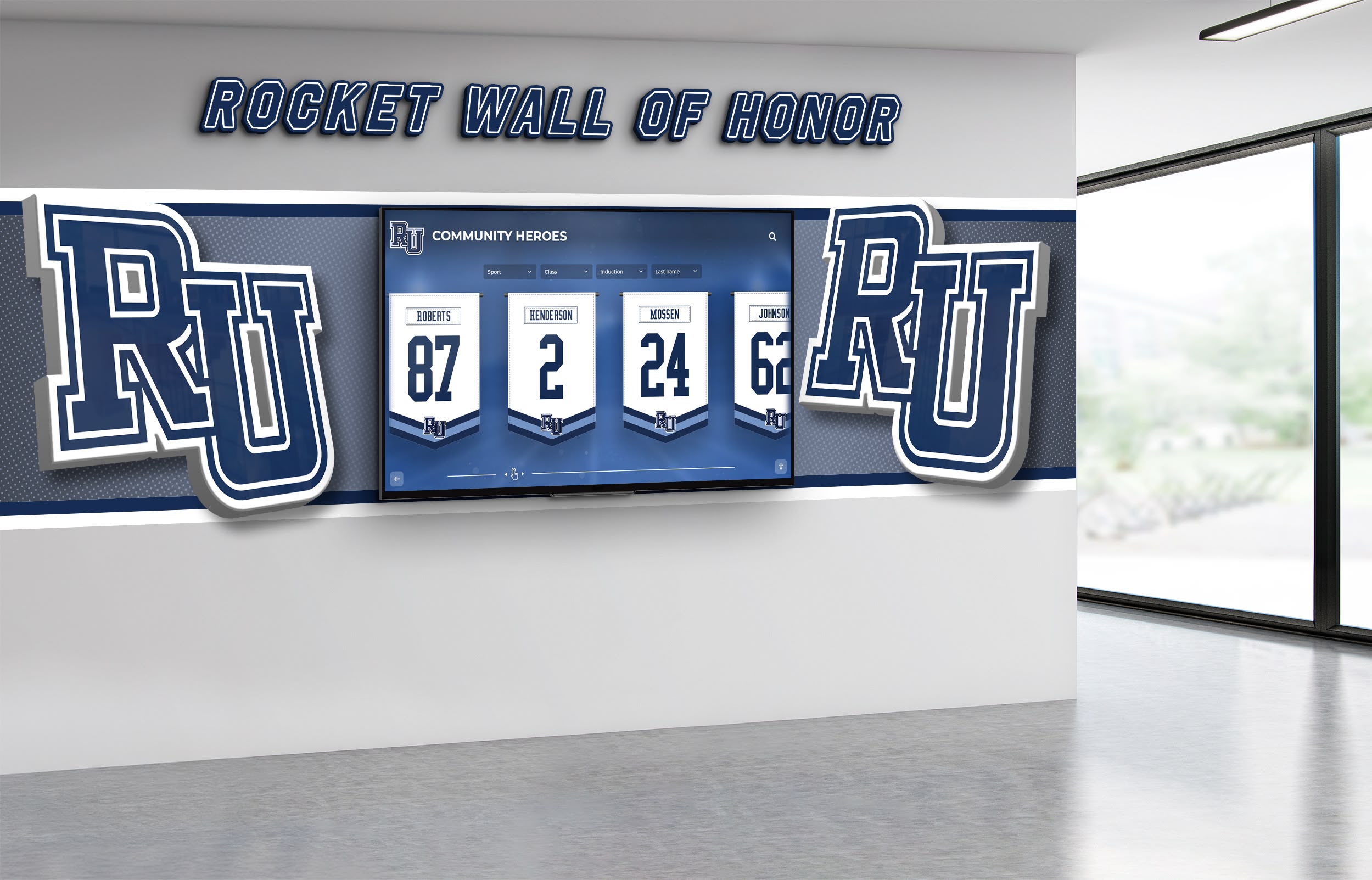
Digital systems enable comprehensive recognition across athletics, academics, arts, and service equally
Learn how schools build student recognition programs that celebrate diverse achievement across all student activities.
Technical Considerations and Requirements
Schools evaluating these options must consider practical implementation requirements.
Trophy Case Installation Requirements
Traditional trophy cases require straightforward but permanent installation:
Physical Requirements
- Adequate wall space in high-traffic areas
- Structural support for case weight (200-400 pounds)
- Proper lighting for visibility
- Secure mounting preventing tipping
No Technical Infrastructure
- No power or network connections needed
- No software or updates to manage
- No technical expertise required for operation
- Staff physically access cases for updates
Permanence
- Cases become permanent fixtures
- Difficult and expensive to relocate
- Commitment to specific hallway configuration
- Replacement requires full case removal and reinstallation
Digital Display Technical Infrastructure
Digital systems require modest technical support:
Installation Requirements
- Power outlet for display
- Network connection (Wi-Fi or ethernet)
- Wall mounting or floor stand installation
- Viewing height and accessibility considerations
Technical Support
- Content management system training
- Occasional software updates
- Basic troubleshooting protocols
- Technical support from provider
Flexibility Benefits
- Can relocate if needed
- Software upgrades extend capabilities
- Remote management from anywhere
- Integration with other school systems possible
Schools with existing IT infrastructure find digital displays integrate smoothly, while providers like Rocket Alumni Solutions offer white-glove installation and ongoing technical support that eliminates technical complexity for school staff.
Student and Community Impact
The choice between display types affects intangible but important aspects of school culture.
Trophy Case Traditional Appeal
Physical trophies carry symbolic weight:
Tangible Achievement
- Physical trophies represent concrete accomplishment
- Traditional recognition students and parents recognize
- Visible symbols of excellence create pride
- Generational familiarity with trophy-based recognition
Collection Aesthetic
- Well-maintained trophy cases look impressive
- Shiny trophies attract attention
- Create traditional athletic department atmosphere
- Align with sports culture expectations
Permanence Perception
- Physical trophies feel permanent and substantial
- Traditional recognition formats carry gravitas
- Alumni appreciation for familiar recognition style
- Continuity with institutional history
Digital Display Modern Engagement
Interactive displays create different impacts:
Contemporary Experience
- Aligns with how today’s students consume information
- Interactive exploration feels relevant and engaging
- Technology integration demonstrates institutional innovation
- Appeals to digital-native generations
Personal Connection
- Students see themselves as individuals, not just team members
- Families create special moments finding personal recognition
- Alumni engagement increases through searchable access
- Social sharing extends recognition beyond school walls
Institutional Pride
- Comprehensive recognition demonstrates institutional values
- Modern presentation showcases forward-thinking leadership
- Inclusive recognition builds broader community support
- Preserved history strengthens institutional identity
Cultural Considerations
Schools must consider community preferences:
Traditional Communities
- May prefer familiar trophy case presentation
- Value tangible, physical recognition
- Appreciate continuity with past practices
- May view digital systems as impersonal
Progressive Communities
- Embrace technology integration
- Value inclusive recognition programs
- Appreciate searchability and accessibility
- Want modern presentation matching other facilities
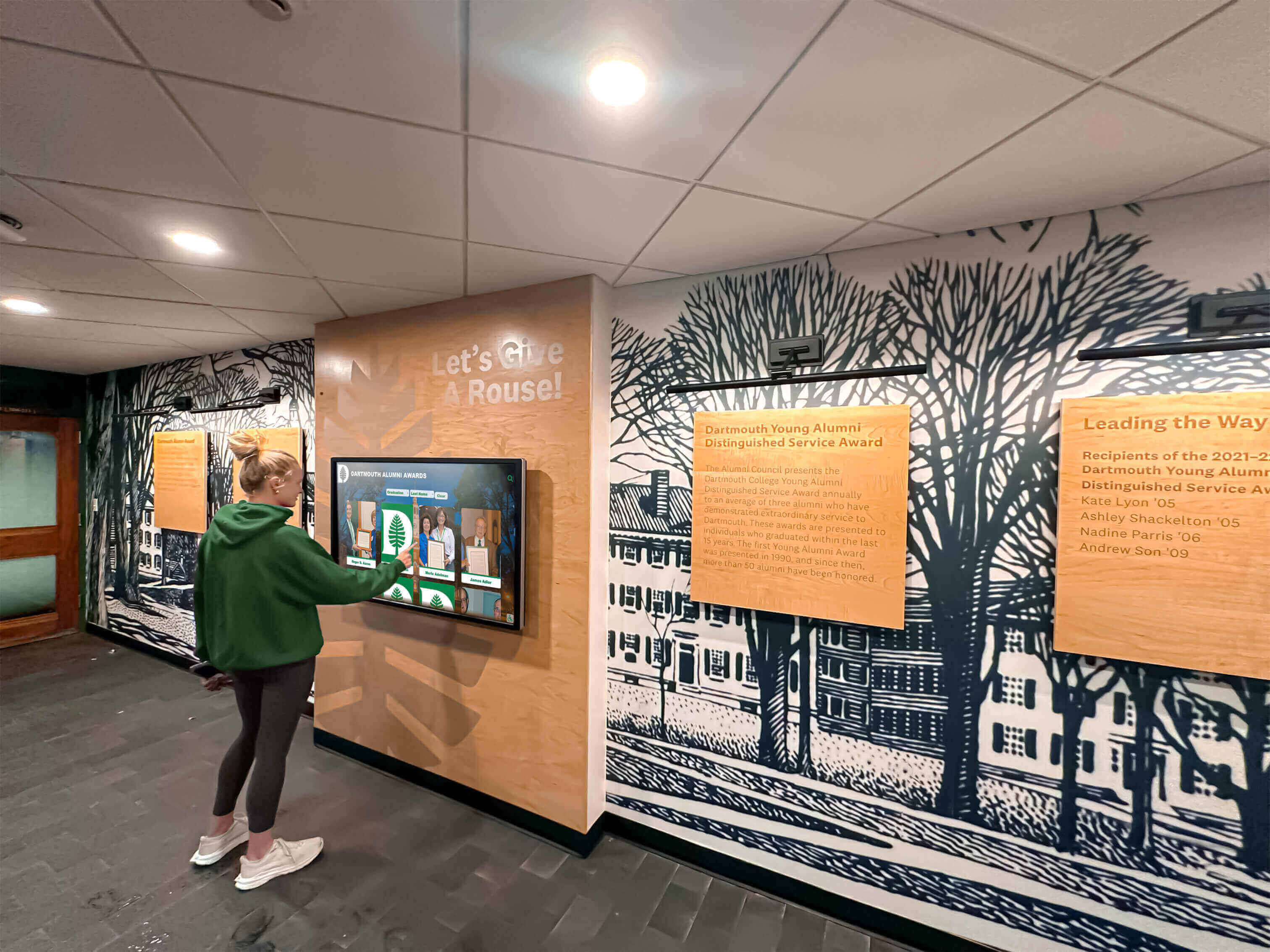
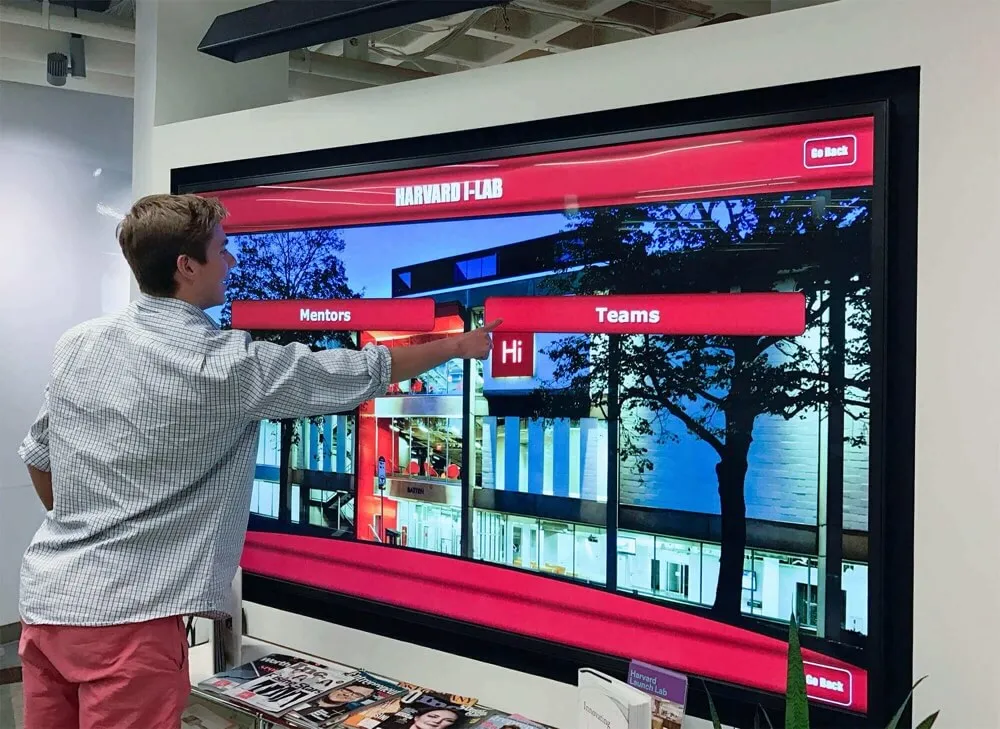
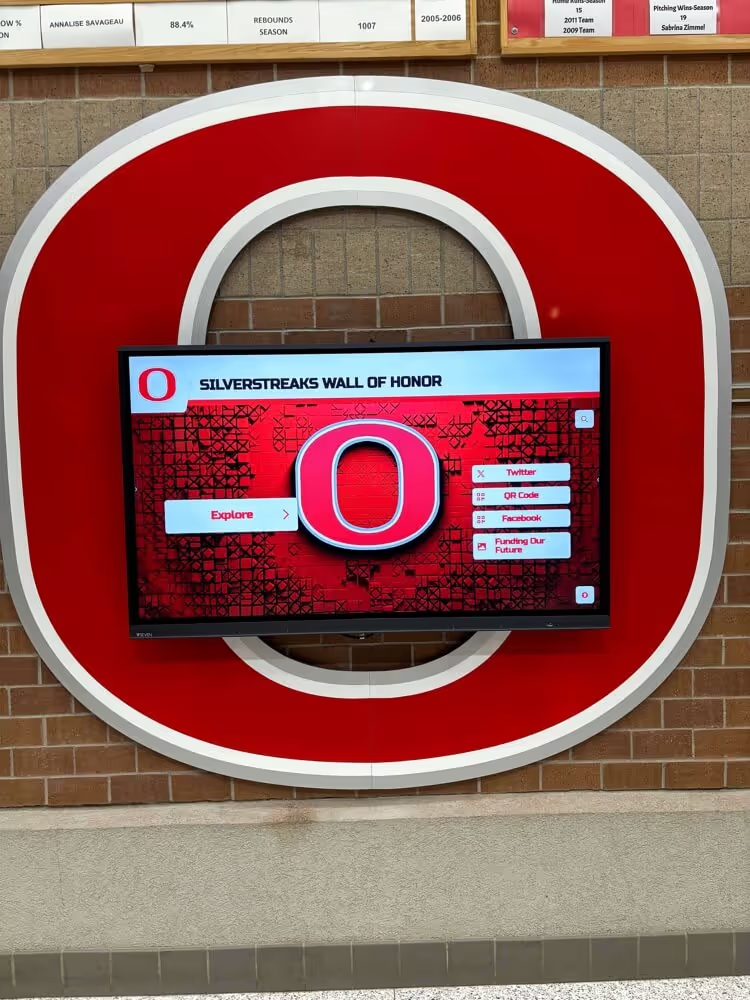
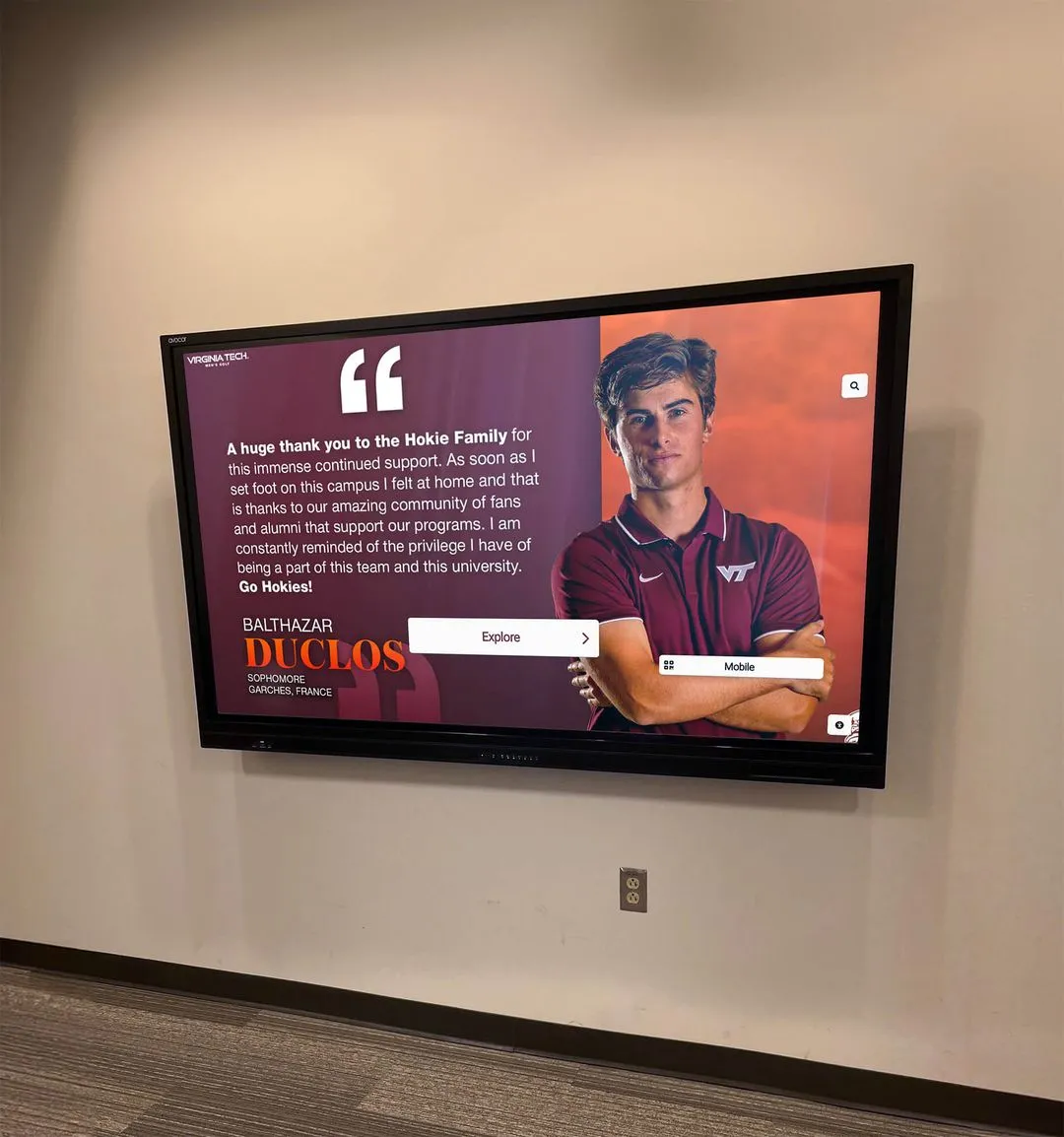
Today's students naturally gravitate toward interactive displays that allow personal exploration
Many schools find that combining both approaches—maintaining some traditional trophy displays while adding digital systems—respects tradition while expanding recognition capacity and meeting contemporary expectations.
Discover how schools build academic recognition programs that honor diverse student achievement effectively.
Practical Implementation Strategies
Schools needn’t choose exclusively between digital and traditional approaches.
Hybrid Recognition Systems
The most effective school recognition often combines both formats:
Strategic Allocation
- Display major championship trophies in traditional cases
- Use digital systems for comprehensive individual recognition
- Maintain historical trophy displays while adding digital capacity
- Allow trophy cases to represent “headline” achievements while digital preserves complete history
Complementary Strengths
- Trophy cases provide impressive visual impact
- Digital displays offer unlimited capacity and searchability
- Physical trophies honor tradition
- Interactive systems enable modern engagement
Phased Implementation
- Install digital displays without removing existing trophy cases
- Gradually reduce reliance on physical space as digital content grows
- Repurpose some trophy case space for other displays
- Maintain most significant trophies while digitizing everything
Implementation Sequence
Schools successfully implementing digital recognition typically follow this progression:
Phase 1: Planning and Selection
- Assess current recognition programs and space constraints
- Identify what achievements currently go unrecognized
- Define recognition priorities and categories
- Select digital display solution appropriate for needs and budget
Phase 2: Content Development
- Digitize existing trophy and award information
- Collect photos and biographical content
- Establish content standards and templates
- Create initial content database
Phase 3: Installation and Launch
- Professional installation of hardware
- Content management training for staff
- Soft launch with core content
- Promotion to students, families, and alumni
Phase 4: Ongoing Operation
- Regular content additions as achievements occur
- Gradual expansion of historical content
- Analytics review informing content strategy
- Continuous improvement based on usage
Schools working with comprehensive solutions like Rocket Alumni Solutions receive support throughout this process, from initial planning through ongoing content management, ensuring successful implementation regardless of internal technical capacity.
Making the Right Choice for Your School
Selecting between digital displays, traditional trophy cases, or hybrid approaches depends on specific institutional factors.
Evaluation Criteria
Consider these factors when making recognition display decisions:
Capacity Requirements
- How many students and achievements need recognition?
- Is space limitation forcing recognition compromises?
- Do current displays exclude deserving students?
- Will recognition programs expand in coming years?
Budget Reality
- What’s available for initial investment?
- Can you accommodate ongoing maintenance costs?
- Is expansion space available if trophy cases fill?
- What’s the 10-year total cost of ownership?
Community Expectations
- What do students, parents, and alumni value?
- Is your community traditional or progressive?
- Do constituents express frustration with current recognition?
- How important is technology integration to your community?
Operational Capacity
- Who manages recognition display updates?
- What’s their technical comfort level?
- How much time can they dedicate to maintenance?
- Is remote management capability important?
Strategic Alignment
- What recognition values does your institution espouse?
- Does comprehensive recognition support enrollment goals?
- How does recognition affect school culture and pride?
- What message does your recognition approach send?
Decision Framework
Use this framework to guide your selection:
Choose Traditional Trophy Cases If:
- Budget is limited and technical infrastructure weak
- Recognition needs are modest and unlikely to grow
- Community strongly values traditional presentation
- Available wall space exceeds foreseeable needs
- Staff capacity for ongoing updates is limited
Choose Digital Displays If:
- Recognition needs exceed available physical space
- Comprehensive, inclusive recognition is a priority
- Budget allows for initial technology investment
- Community expects modern, interactive experiences
- Remote content management would benefit operation
Choose Hybrid Approach If:
- You want both tangible trophies and unlimited capacity
- Budget allows for both investment types
- Community values tradition and innovation
- Physical space accommodates both display types
- Recognition program includes both major championships and comprehensive individual recognition
Most schools committed to comprehensive recognition programs that celebrate diverse student achievement across athletics, academics, arts, and service find that digital displays provide the capacity, flexibility, and engagement capability that physical trophy cases alone cannot deliver.
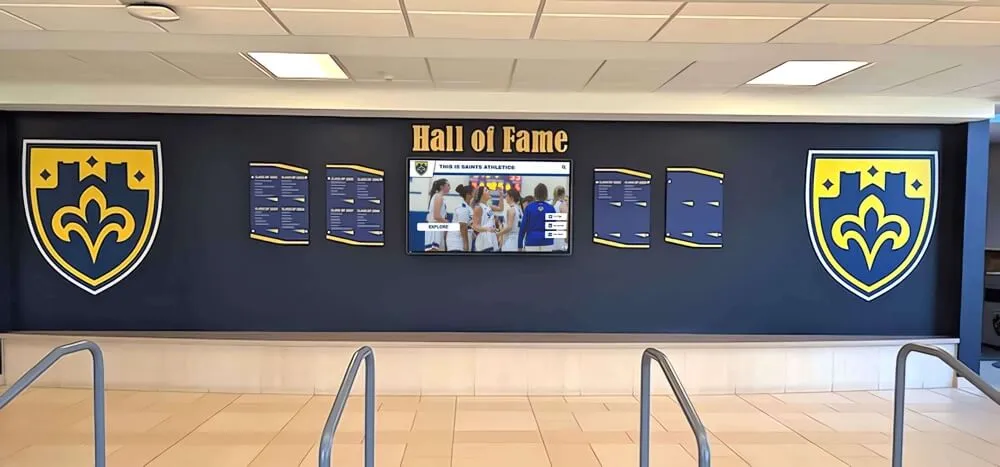
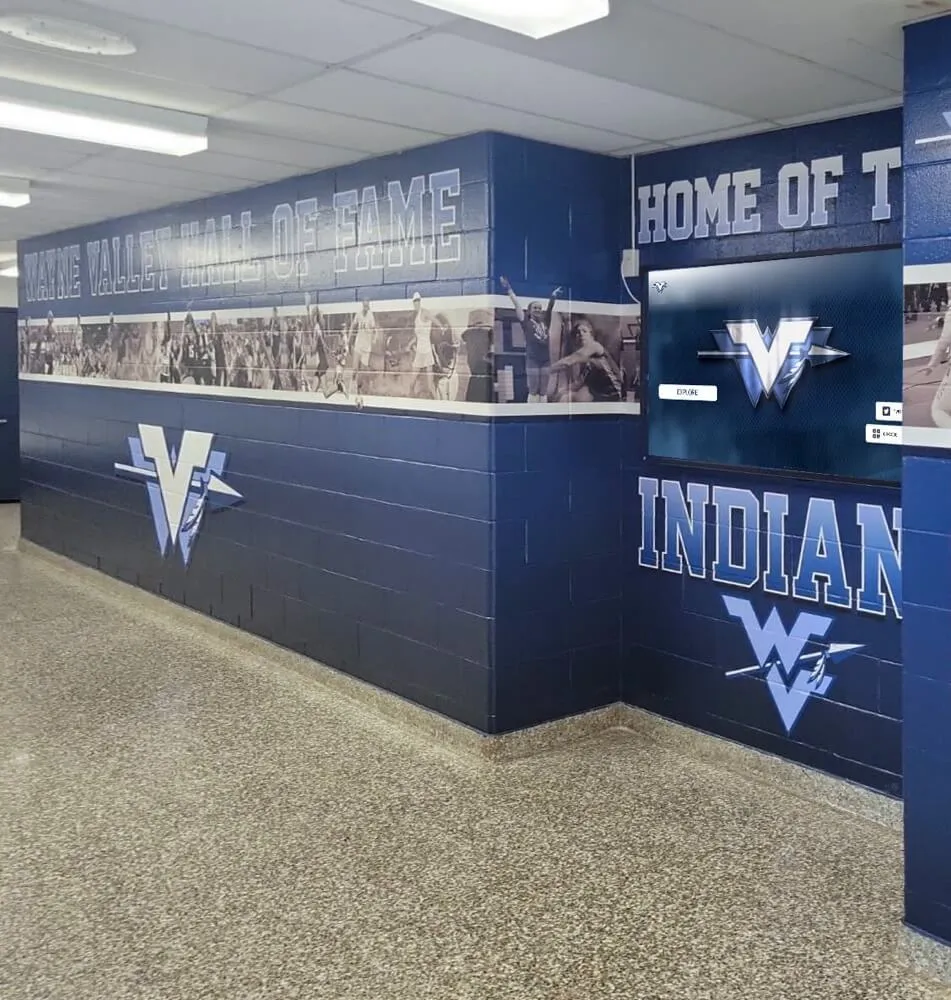
Integrated displays honor tradition while adding digital capacity for comprehensive recognition
Explore how schools plan athletic hall of fame implementations that serve their communities effectively.
Transform Your School Recognition Program
The difference between digital hall of fame displays and traditional trophy cases extends far beyond technology versus tradition. These recognition approaches differ fundamentally in capacity, flexibility, engagement, maintenance, cost structure, and most importantly, in how many students receive the recognition they deserve for their achievements.
Traditional trophy cases serve schools well for displaying major championships and creating impressive visual impact in hallways, but their unavoidable physical limitations force compromises about whose achievements remain visible. Digital displays eliminate space constraints while adding interactive exploration, searchable databases, and multimedia storytelling that trophy plaques cannot provide.
Schools committed to comprehensive recognition that celebrates all students—athletes and scholars, champions and participants, recent graduates and historical figures—increasingly find that digital systems deliver the capacity and capability required to align recognition displays with institutional values about honoring diverse achievement.
The most successful implementations often combine both approaches strategically: maintaining traditional trophy cases for major championships that benefit from tangible display while implementing digital systems that ensure every deserving student receives lasting recognition regardless of physical space limitations.
Whether you choose digital displays, traditional trophy cases, or a hybrid approach depends on your specific needs, budget, community preferences, and recognition philosophy. What matters most is that your recognition system actually serves its fundamental purpose: making students feel valued for their achievements while preserving institutional legacy and inspiring future generations to pursue excellence.
Ready to explore how digital recognition displays can expand your school’s recognition capacity while honoring more students across all achievement categories? Discover Rocket Alumni Solutions’ comprehensive digital display systems designed specifically for schools—combining intuitive content management with professional touchscreen hardware that makes unlimited, inclusive recognition achievable for institutions of any size.