Every institution possesses a treasure of irreplaceable historical materials—decades of photographs documenting moments in time, yearbooks capturing student experiences across generations, athletic records chronicling competitive excellence, donor contributions sustaining missions, and countless documents preserving institutional memory. These materials represent the collective heritage of museums, schools, historical societies, and cultural organizations, yet most struggle to preserve, organize, and share this legacy effectively.
Traditional archival approaches trap valuable materials in storage rooms, deteriorating boxes, or inaccessible file cabinets where they remain invisible to the communities they document. Students never discover rich traditions they’ve inherited. Alumni searching for connections to their past find nothing. Researchers lack access to primary sources. Development teams miss cultivation opportunities. Irreplaceable materials slowly deteriorate toward permanent loss.
Modern digital history archives transform hidden collections into searchable, engaging heritage resources that honor institutional legacy while protecting precious materials from loss and obsolescence. These interactive systems combine professional preservation standards with recognition capabilities that celebrate donors, preserve achievements, and create powerful engagement tools connecting communities to their shared past.
This comprehensive guide provides development professionals, archivists, museum curators, and institutional leadership with systematic frameworks for implementing digital history archives that preserve heritage, strengthen community connections, support fundraising initiatives, and create engaging experiences celebrating institutional legacy across generations.

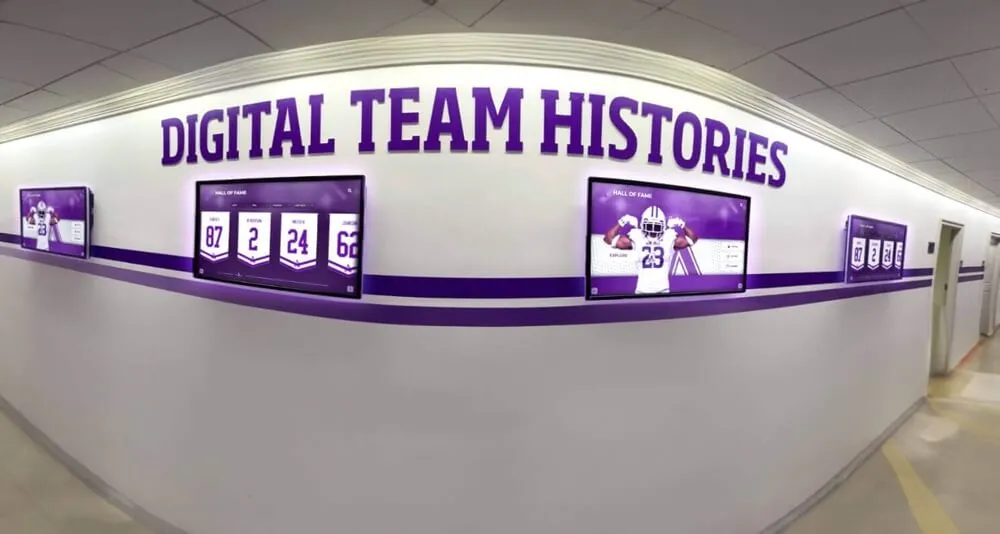
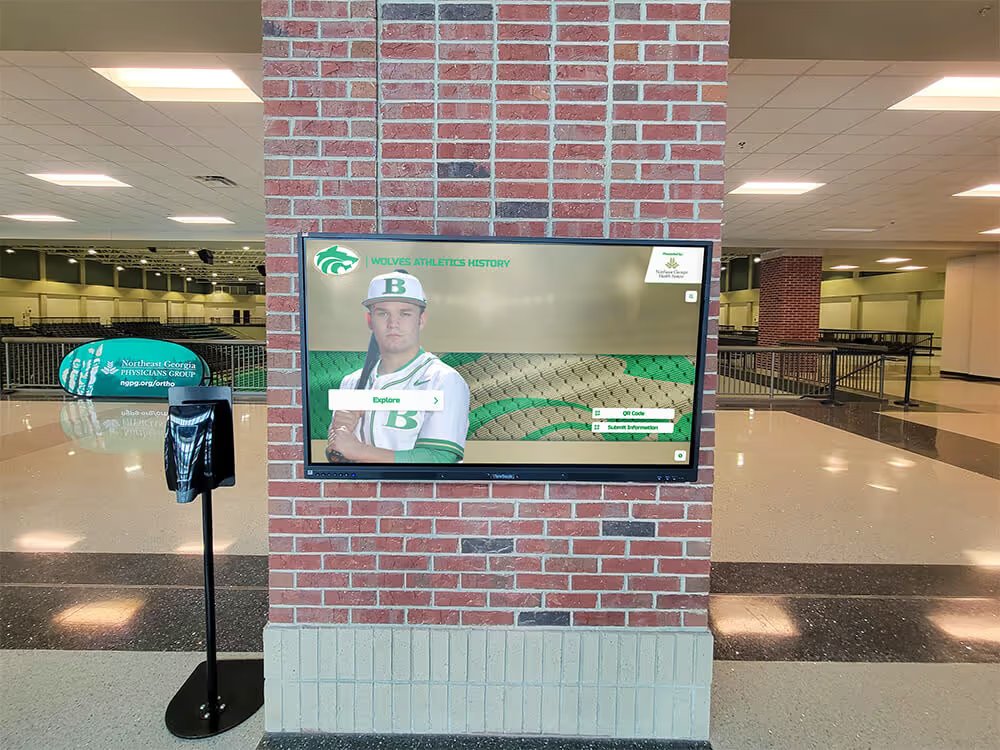
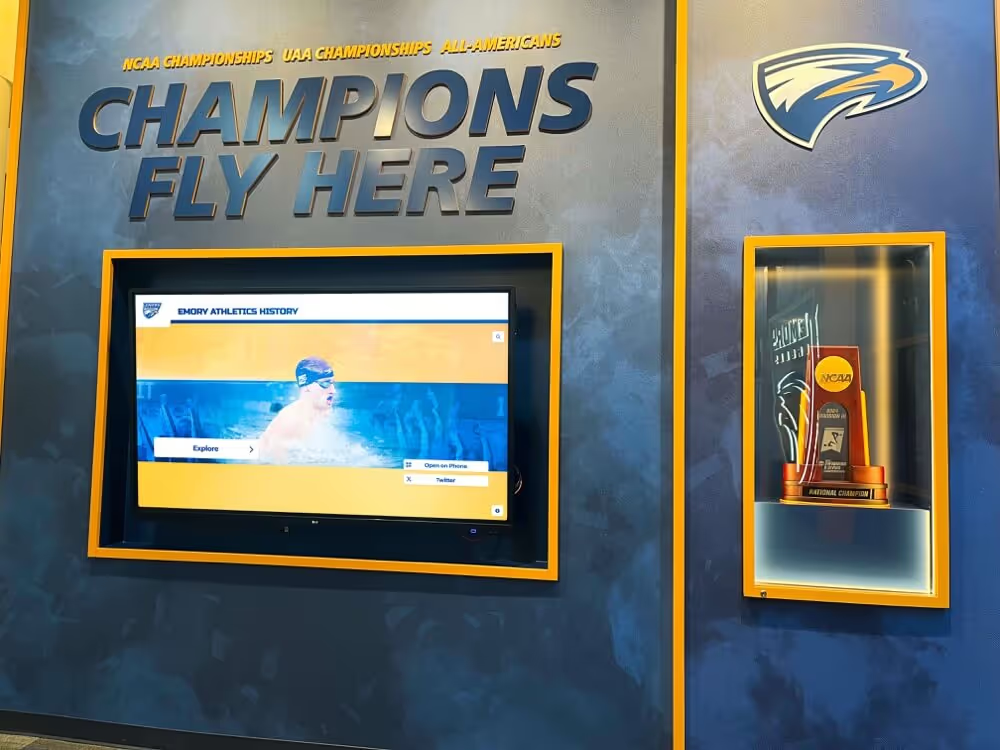
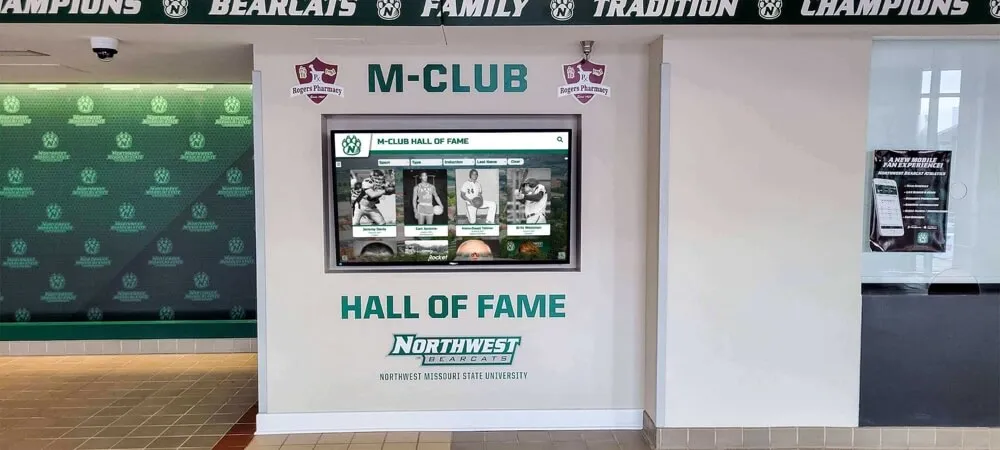
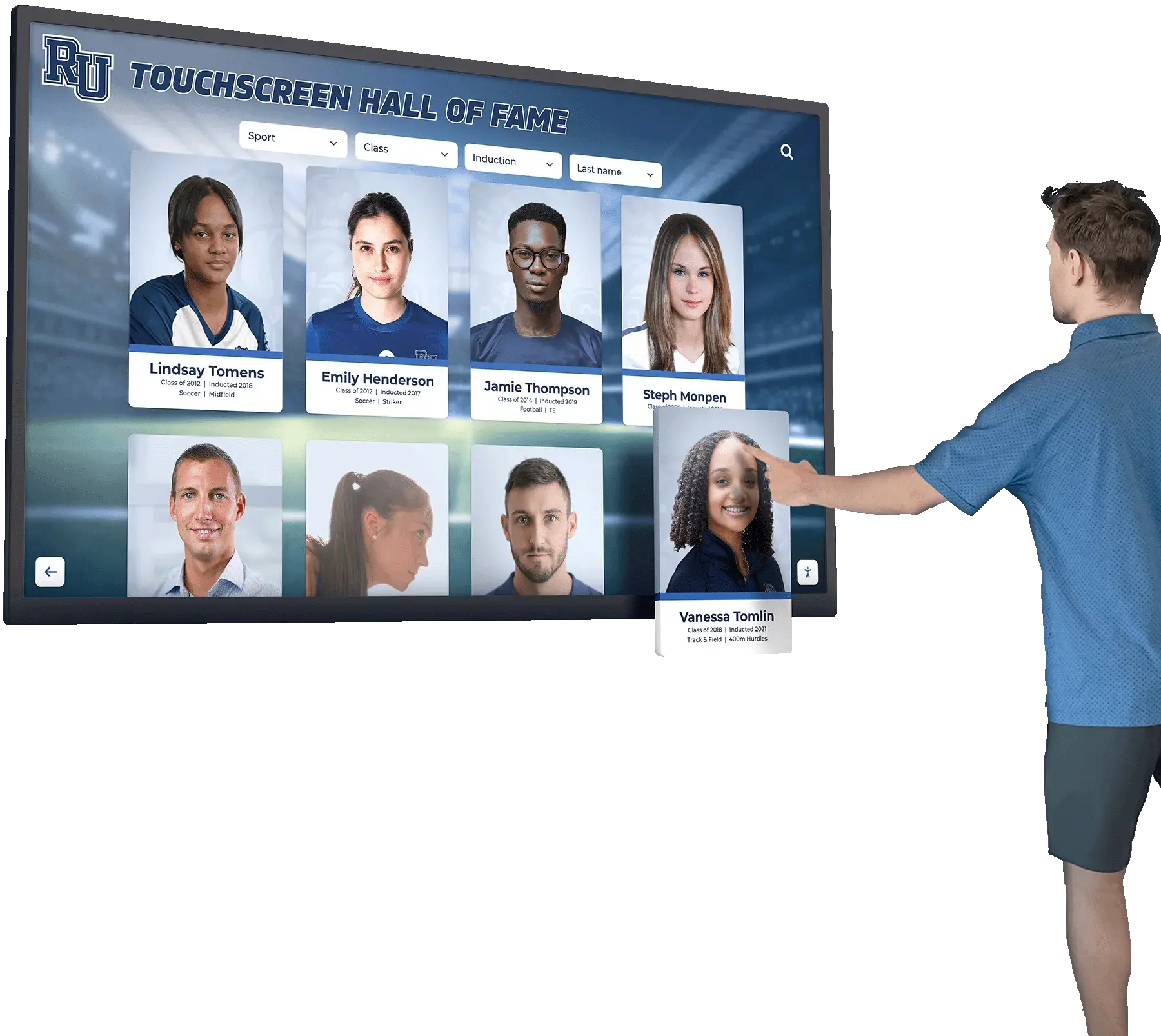
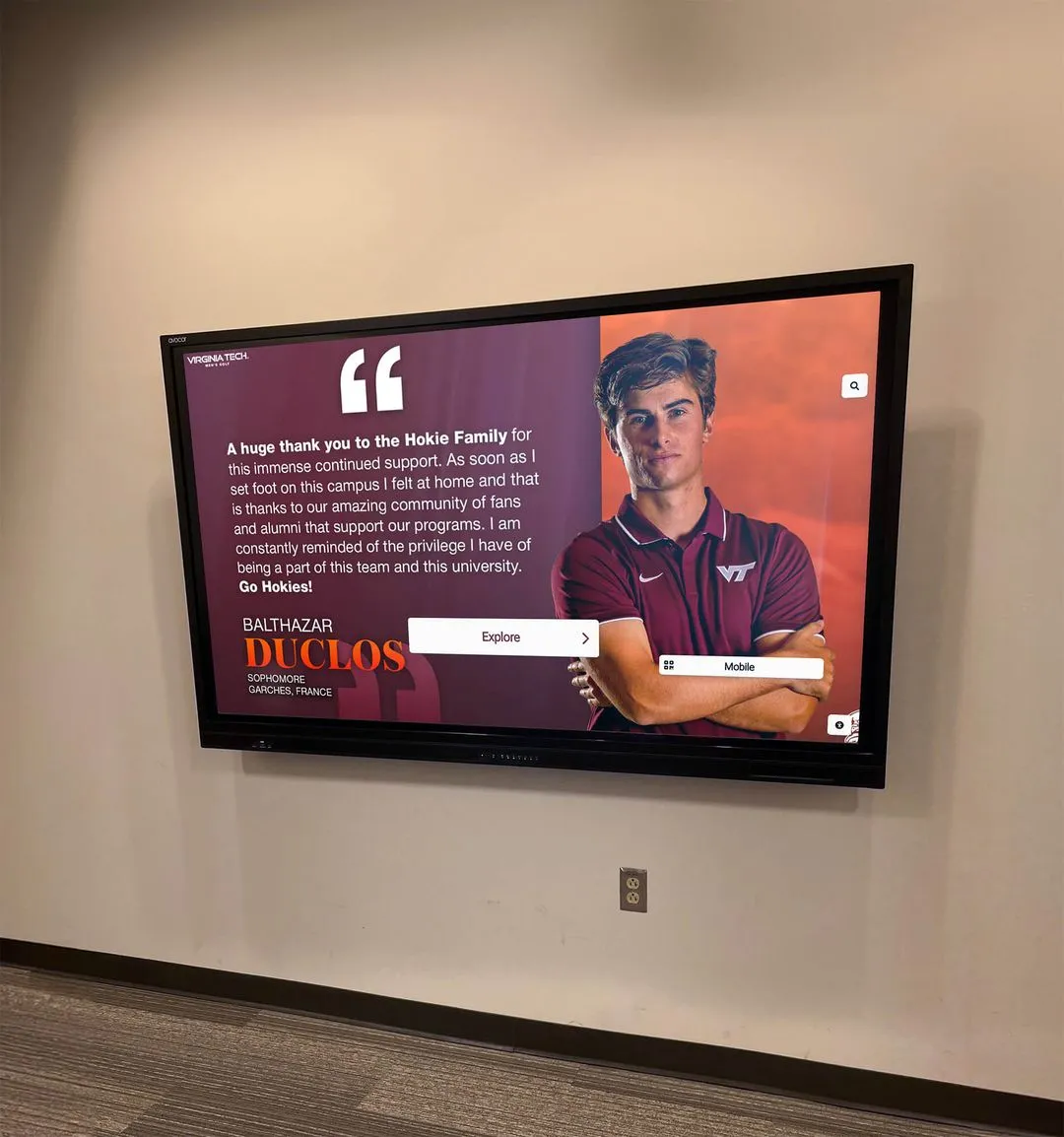
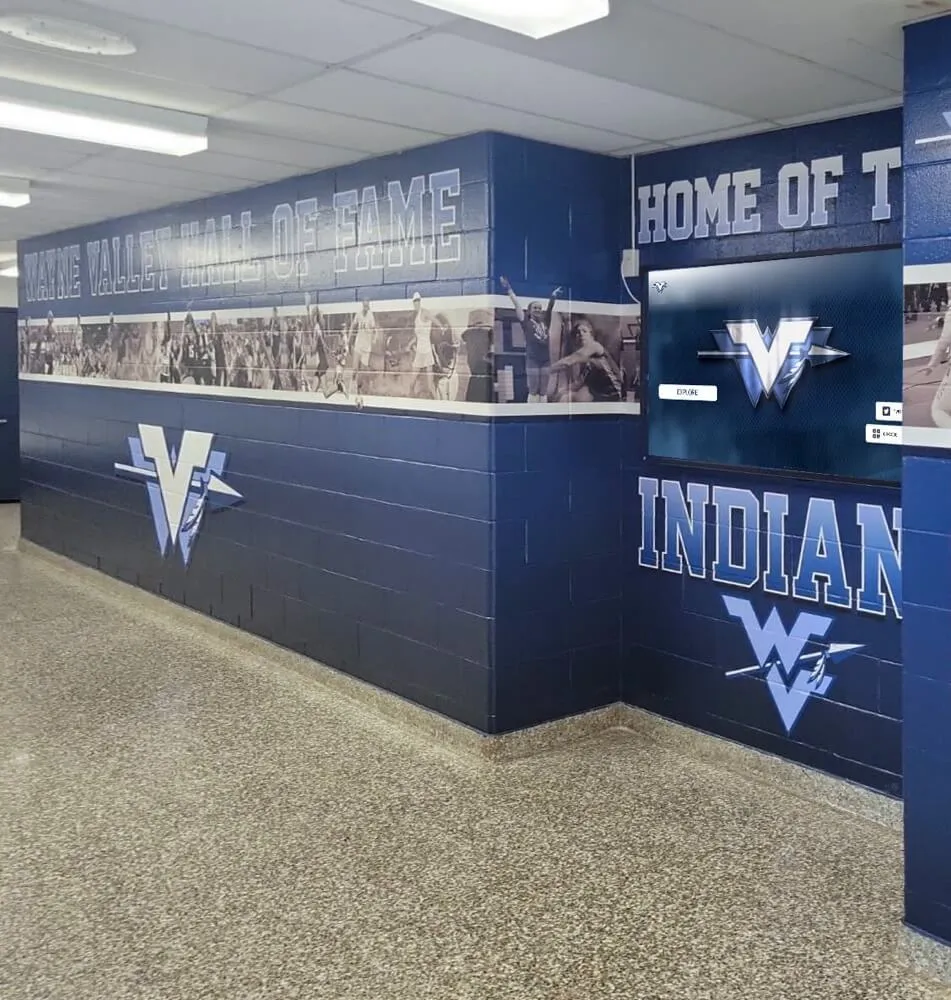
Digital history archives preserve individual stories and faces spanning decades, making heritage accessible to entire communities
Understanding Digital History Archives: Purpose and Strategic Value
Before implementing digital archival systems, organizations need clear understanding of what these platforms provide and how they serve both preservation and recognition needs.
What Digital History Archives Deliver
Modern digital archives provide capabilities that traditional approaches cannot match while addressing preservation challenges that threaten irreplaceable collections.
Comprehensive Digital Preservation
Digital archives protect materials from physical deterioration through high-resolution scanning capturing detail that reproduction preserves, standardized file formats following professional archival guidelines, cloud-based storage eliminating dependency on physical media, redundant backup systems protecting against data loss, and format migration strategies ensuring long-term accessibility as technology evolves.
Research from preservation professionals indicates that properly digitized materials maintain accessibility for decades while original physical documents face inevitable deterioration from handling, environmental factors, and simple aging.
Unlimited Recognition Capacity
Unlike physical displays constrained by wall space, digital archives accommodate unlimited profiles through comprehensive donor recognition honoring all giving levels, athletic achievement documentation preserving competitive excellence, faculty and staff recognition celebrating institutional leadership, student accomplishment archives documenting academic success, and community contributor acknowledgment honoring volunteer service.
A single interactive touchscreen can showcase recognition that would require dozens of traditional plaques, making comprehensive stewardship visible while honoring commitments to permanent acknowledgment across diverse communities.
Interactive Exploration and Discovery
Digital archives transform passive viewing into active exploration through searchable databases enabling specific person or event discovery, timeline navigation showing chronological institutional development, thematic galleries organizing content by subject or period, filtering capabilities narrowing extensive collections to relevant materials, and social sharing features amplifying archive reach through networks.
These interactive features create engaging experiences that static physical archives cannot provide while making extensive collections truly accessible rather than simply preserved.
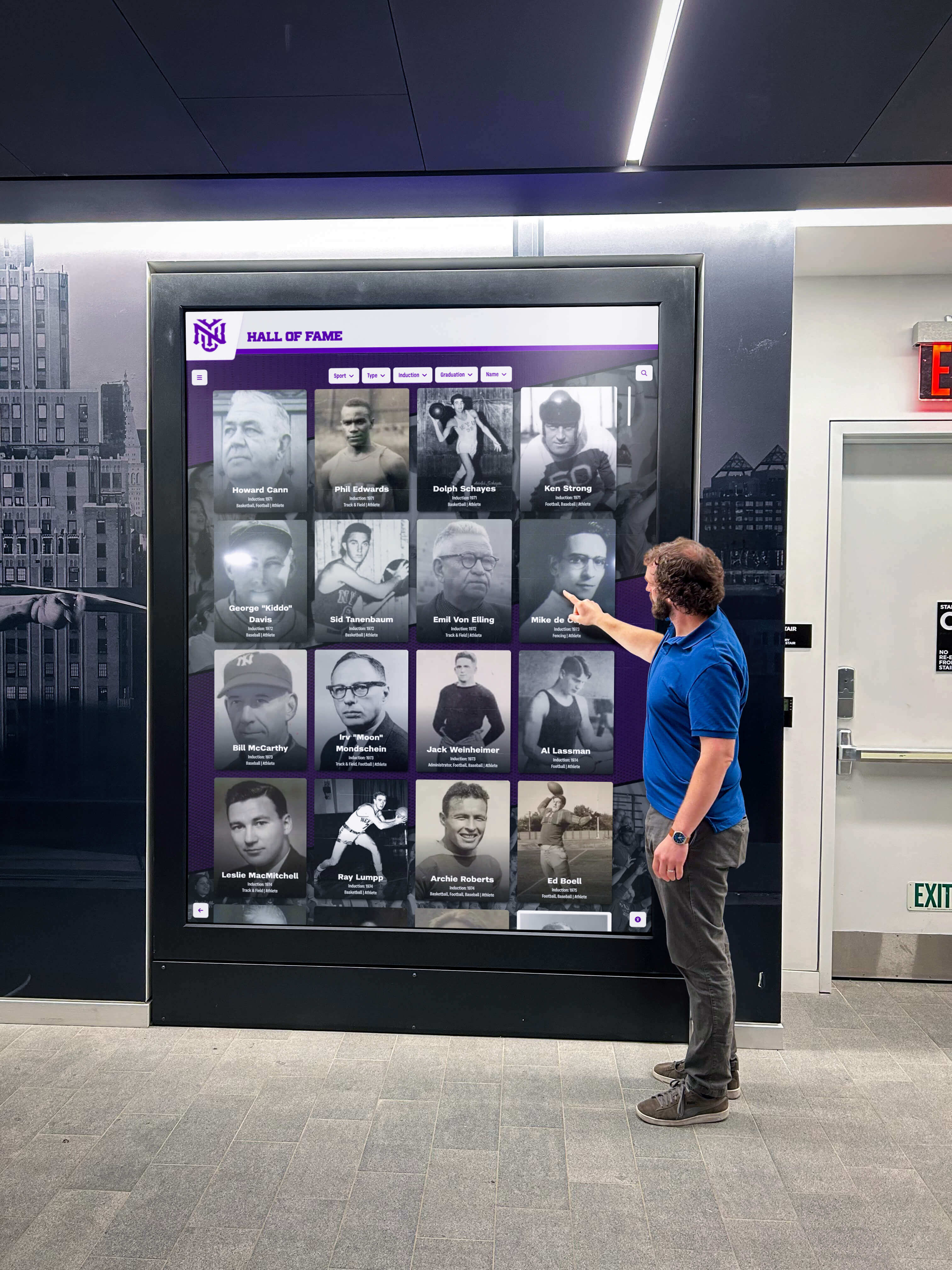
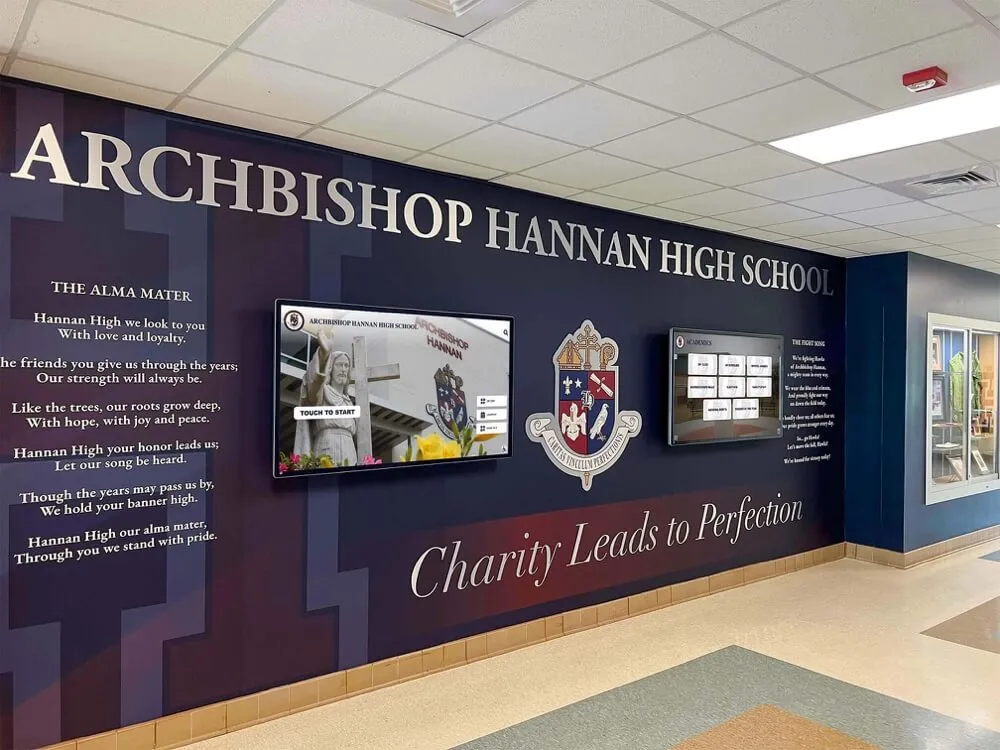
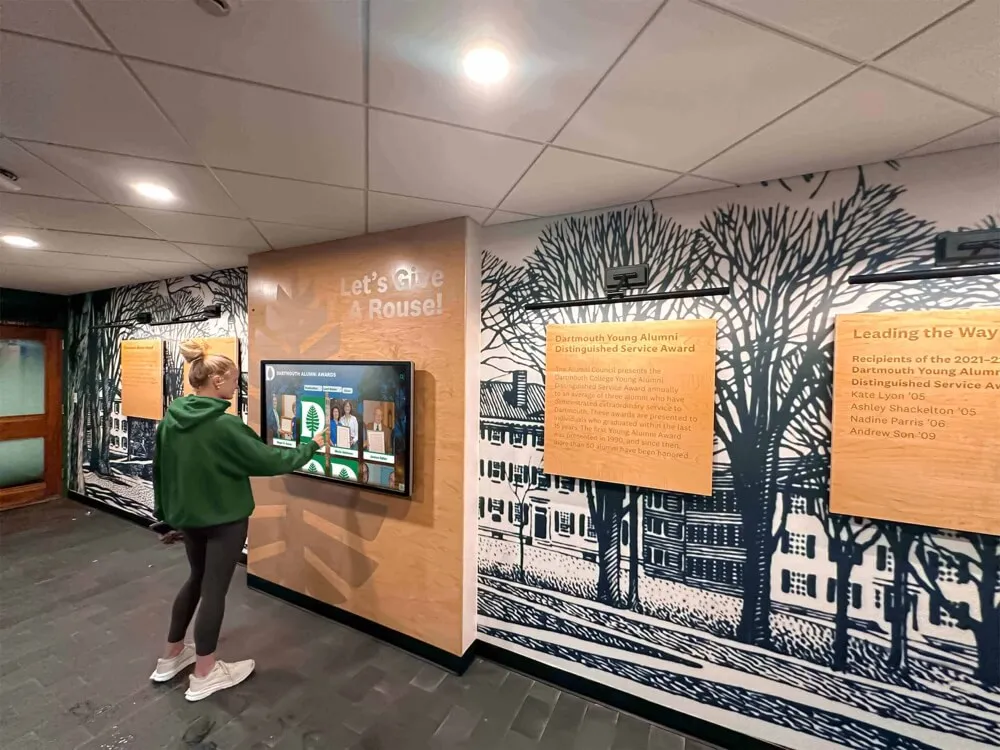
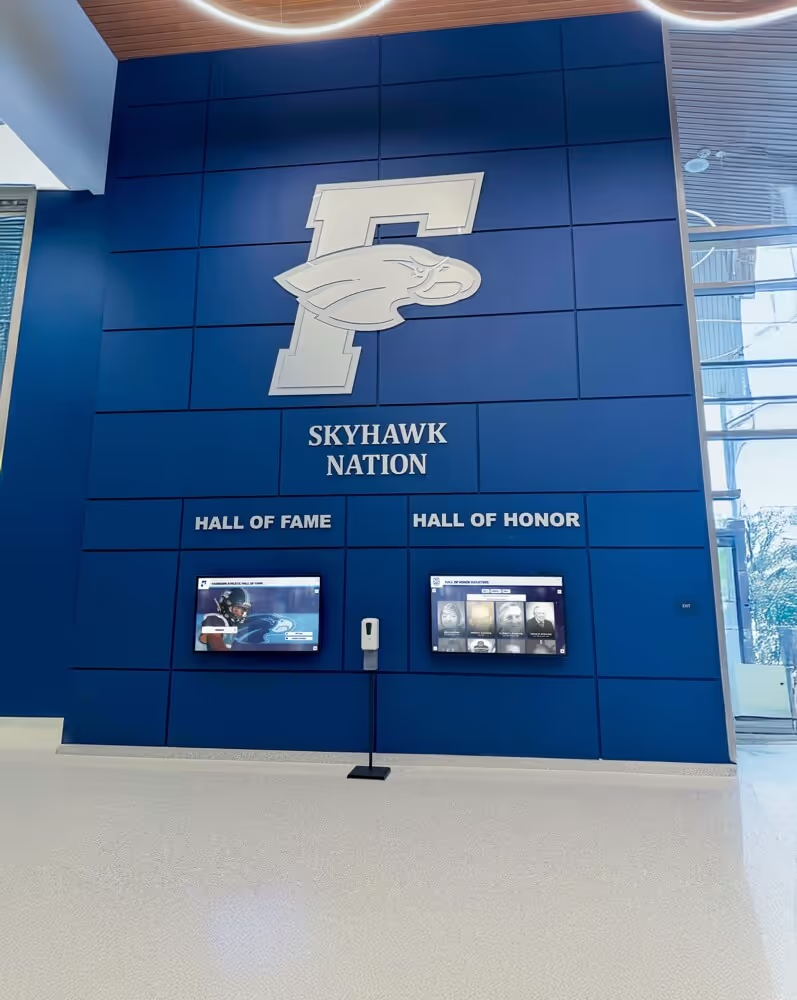
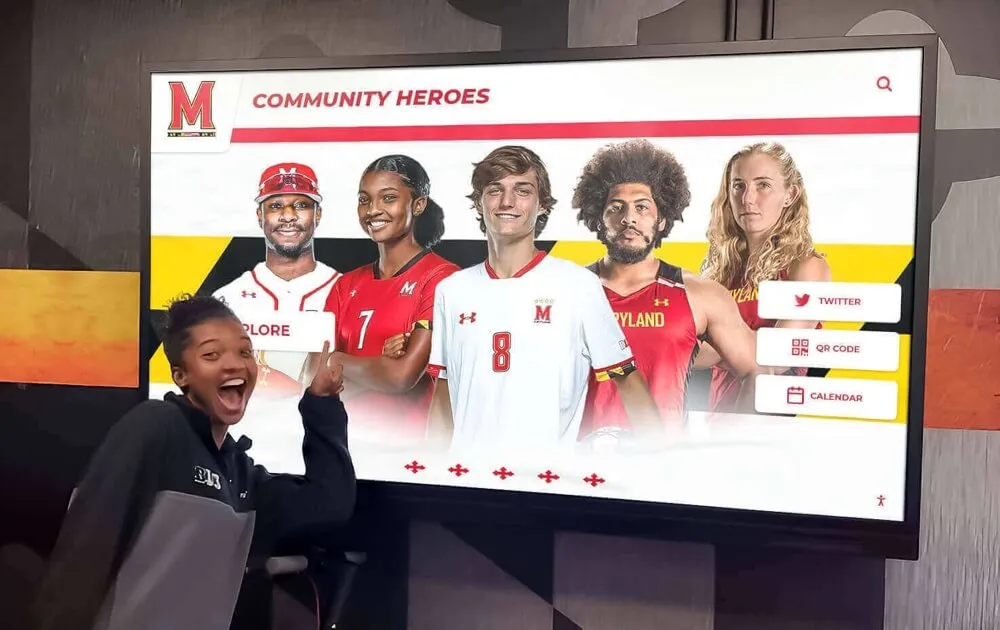
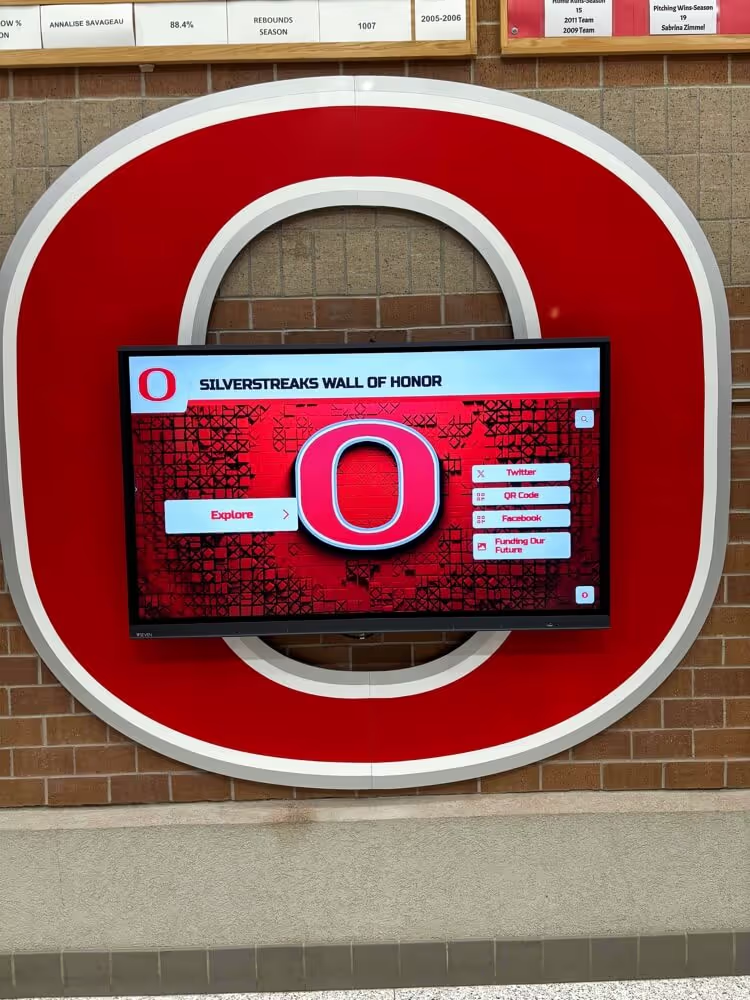
Interactive touchscreen displays enable comfortable exploration of extensive archival collections by visitors of all ages
Primary Digital History Archive Applications
Organizations implement digital archives for diverse purposes requiring tailored approaches and content strategies.
Museum Collection Management and Public Access
Museums use digital archives for comprehensive collection documentation through artifact cataloging with detailed provenance information, exhibition history tracking what items appeared in past shows, conservation documentation recording restoration and preservation work, public collection databases enabling research and education, and virtual exhibition capabilities extending museum reach beyond physical buildings.
According to museum professionals, digital collection systems serve dual purposes of internal cataloging and public engagement—materials properly archived become simultaneously preserved and accessible.
Educational Institution Heritage Preservation
Schools, colleges, and universities implement digital archives documenting institutional history through yearbook digitization preserving student experiences across decades, athletic archives celebrating competitive excellence and program history, faculty and administrator recognition honoring leadership contributions, facility evolution documentation showing campus development, and distinguished alumni profiles celebrating professional achievement.
These comprehensive archives serve advancement goals while preserving institutional memory that strengthens community identity and supports fundraising initiatives.
Historical Society Community Documentation
Local historical societies preserve community heritage through family history collections documenting genealogy and settlement, business and industry archives preserving economic development, architectural documentation showing community evolution, oral history projects capturing memories from senior community members, and event documentation preserving celebrations and milestones.
Digital archives enable historical societies to fulfill preservation missions while making materials accessible to researchers, genealogists, and community members regardless of physical location or visiting hour constraints.
Nonprofit Donor Recognition and Legacy Documentation
Development-focused organizations integrate archives with donor stewardship through major gift donor recognition celebrating transformational contributions, campaign history documentation preserving fundraising milestones, board member and volunteer leadership recognition, program impact visualization showing what donations achieve, and beneficiary story archives demonstrating mission success.
Solutions like Rocket Alumni Solutions provide integrated platforms where donor recognition and heritage preservation reinforce each other—contributors see their support within broader institutional narratives while archives gain sustainable funding through advancement priorities.
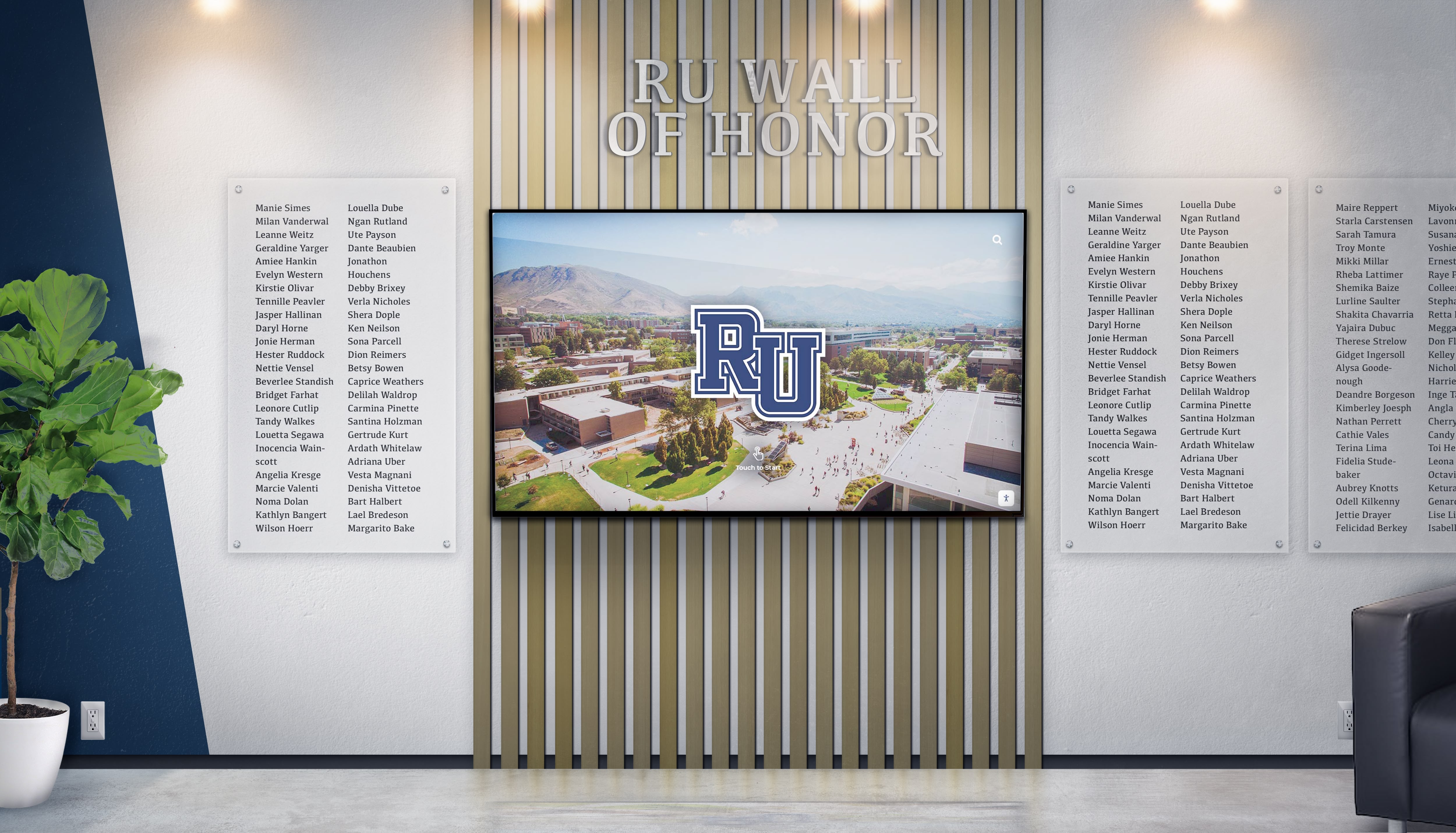
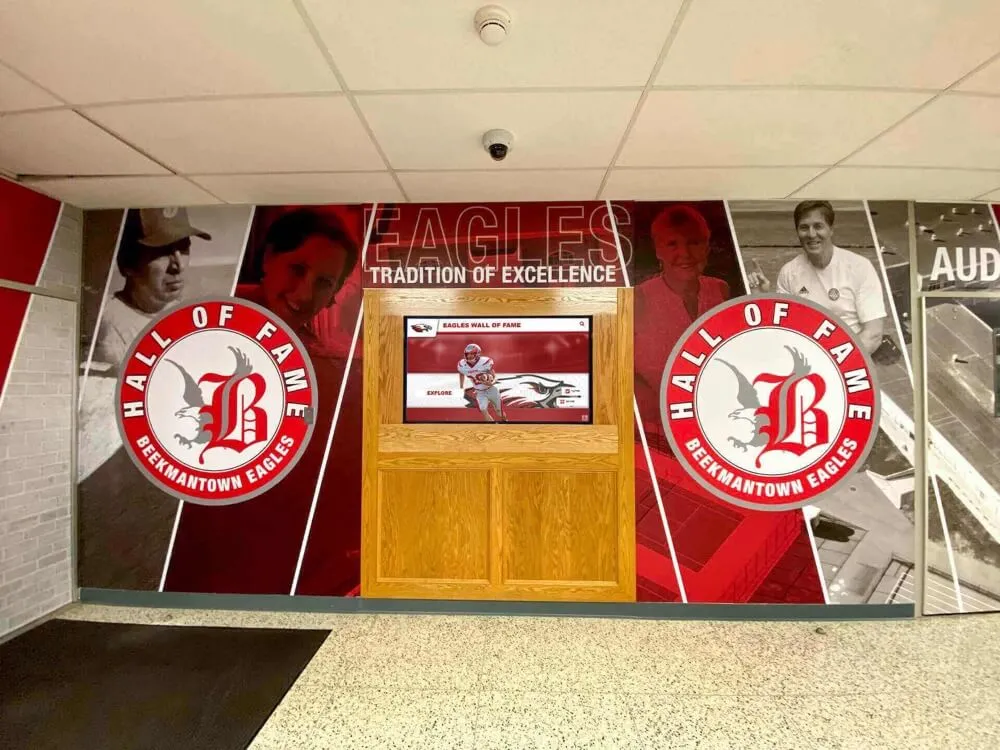
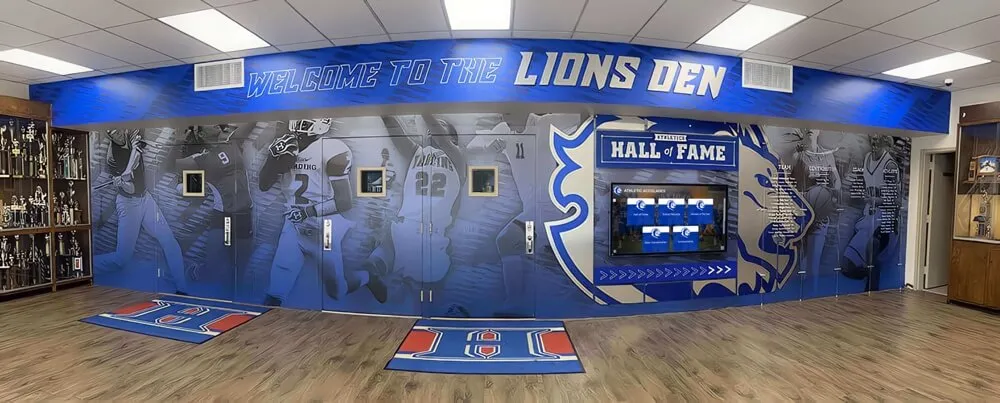
Integrated recognition systems combine archival heritage displays with donor acknowledgment
When to Implement Digital History Archives: Strategic Timing and Triggers
Certain situations create particularly opportune moments for launching comprehensive digital archiving initiatives that generate maximum benefit and stakeholder support.
Milestone Anniversaries and Heritage Celebrations
Significant institutional anniversaries provide natural catalysts for heritage initiatives through centennial or sesquicentennial celebrations requiring historical documentation, decade milestones creating opportunities to review institutional progress, founding anniversary commemorations inspiring heritage focus, reunion years when alumni or community engagement peaks naturally, and campaign kickoffs where heritage storytelling supports fundraising goals.
Anniversary initiatives generate enthusiasm and often attract specific funding or volunteer support unavailable during ordinary periods. Organizations can establish sustainable archival infrastructure serving needs long after anniversary celebrations conclude.
Facility Renovations and Capital Projects
Physical changes often uncover forgotten materials requiring systematic preservation through administrative office relocations revealing stored historical documents, library renovations creating opportunities for archival space improvements, athletic facility updates discovering trophy collections and team records, campus master planning requiring documentation of existing facilities, and new construction projects inspiring celebration of institutional history.
These transitions create urgency preventing materials from being discarded during construction while providing natural opportunities to advocate for proper preservation rather than treating discovered materials as clutter requiring disposal.
Leadership Transitions and Strategic Planning
Administrative changes and planning processes provide opportunities to establish archival priorities through presidential or executive transitions requiring institutional history documentation, strategic planning examining institutional trajectory and identity, accreditation processes requiring comprehensive documentation, major fundraising campaign launches needing heritage storytelling, and succession planning ensuring institutional knowledge transfer.
New leadership often brings fresh perspective on heritage preservation’s strategic value—transitions provide opportunities to advocate for archival investments that might have seemed less urgent under previous administrations.
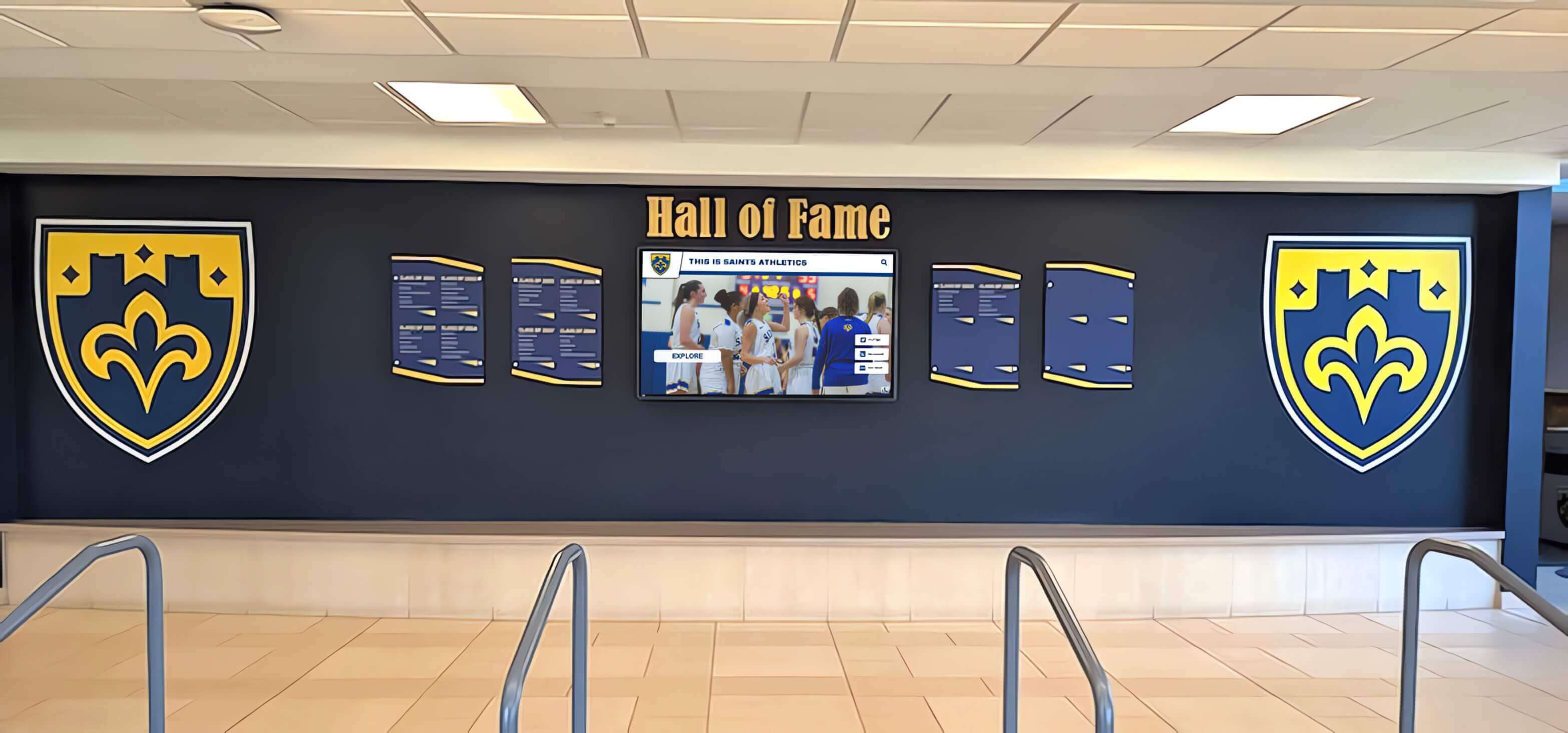
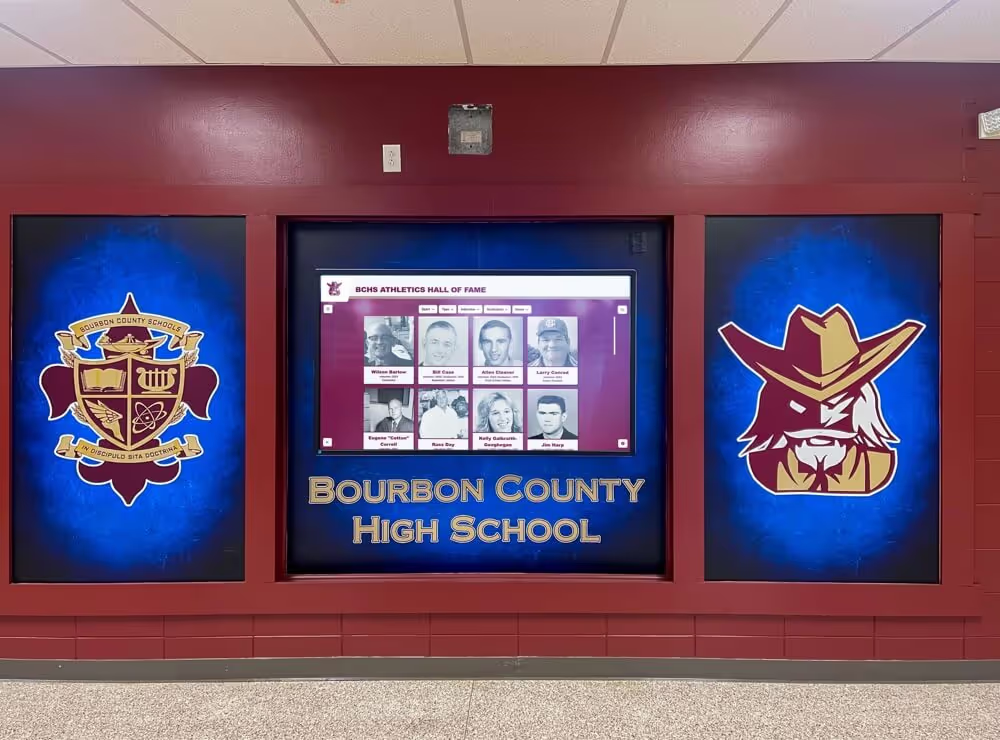
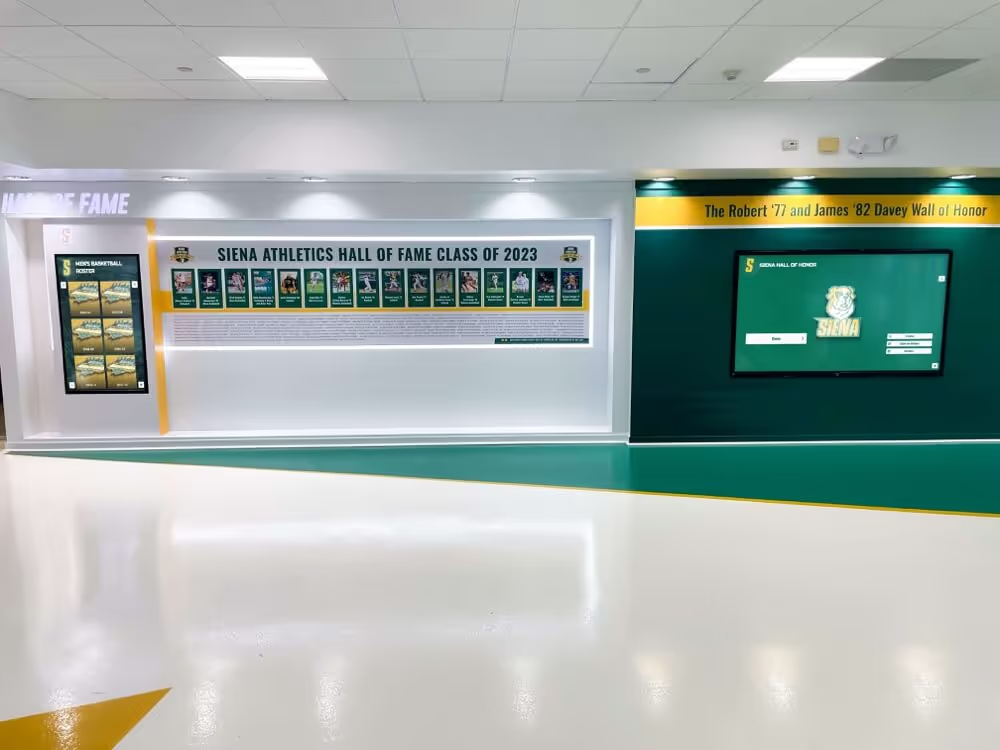
Strategic lobby placement ensures heritage displays create powerful first impressions for visitors
Crisis Preservation Moments
Unfortunate circumstances sometimes create immediate preservation urgency through facility damage from fire, flooding, or natural disasters, discovery of deteriorating materials requiring urgent intervention, retirement of long-term staff possessing institutional knowledge, budget cuts threatening existing collections, and storage space limitations forcing decisions about what to keep.
While crisis situations present challenges, they also create opportunities to advocate for systematic preservation infrastructure preventing future emergencies and ensuring institutional memory survives individual transitions or unfortunate events.
Implementing Digital History Archives: Step-by-Step Framework
Successful digital archive implementation requires systematic planning and phased execution ensuring quality results while managing limited resources effectively.
Phase 1: Assessment and Planning
Inventory Existing Materials
Begin with comprehensive assessment of what materials exist and their conditions through systematic facility searches identifying scattered collections, consultation with long-term staff knowing institutional history, outreach to community members possessing relevant materials, partnerships with local organizations holding institutional materials, and condition assessments evaluating preservation urgency.
Document current locations, formats, approximate quantities, date ranges, and priority rankings for discovered materials—systematic inventories prevent overlooking valuable items while establishing foundations for organized preservation.
Define Scope and Priorities
Establish clear boundaries for initial archival efforts through date range parameters defining what eras receive priority attention, material type priorities focusing on most valuable or vulnerable content, accessibility goals determining how archives will be accessed and by whom, recognition requirements if donor stewardship factors into planning, and budget constraints establishing realistic implementation timelines.
Most organizations cannot immediately digitize entire historical collections—thoughtful prioritization ensures available resources focus on materials delivering maximum value or facing greatest preservation urgency.
Identify Stakeholders and Resources
Successful archives require support from diverse constituencies through administrative leadership providing strategic direction and resources, development professionals recognizing fundraising applications, volunteer groups offering digitization assistance, technical staff contributing infrastructure expertise, and community members providing materials and documentation.
Build coalitions demonstrating how archives serve multiple priorities simultaneously—broader stakeholder support improves resource allocation while ensuring sustainable long-term management.
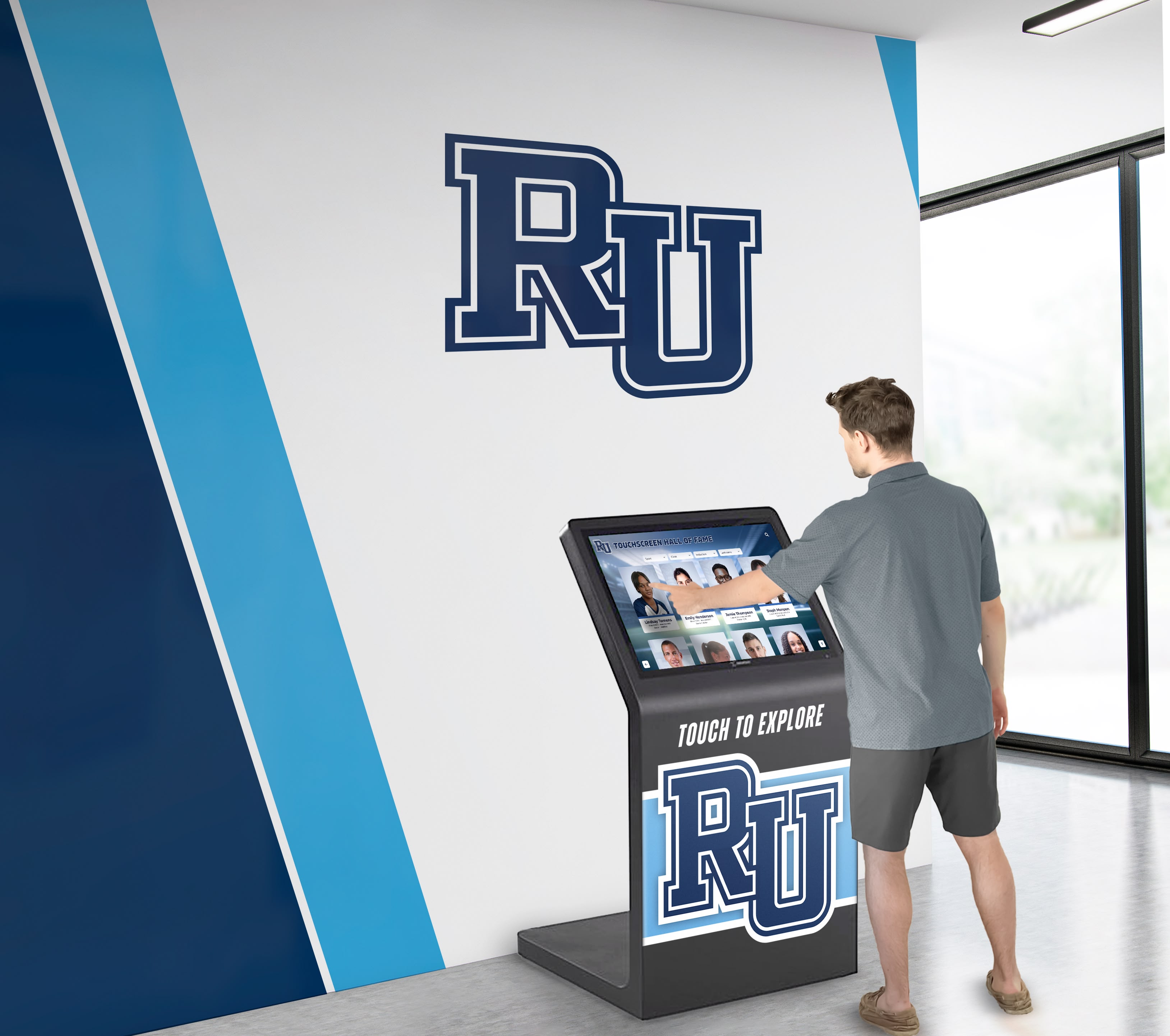
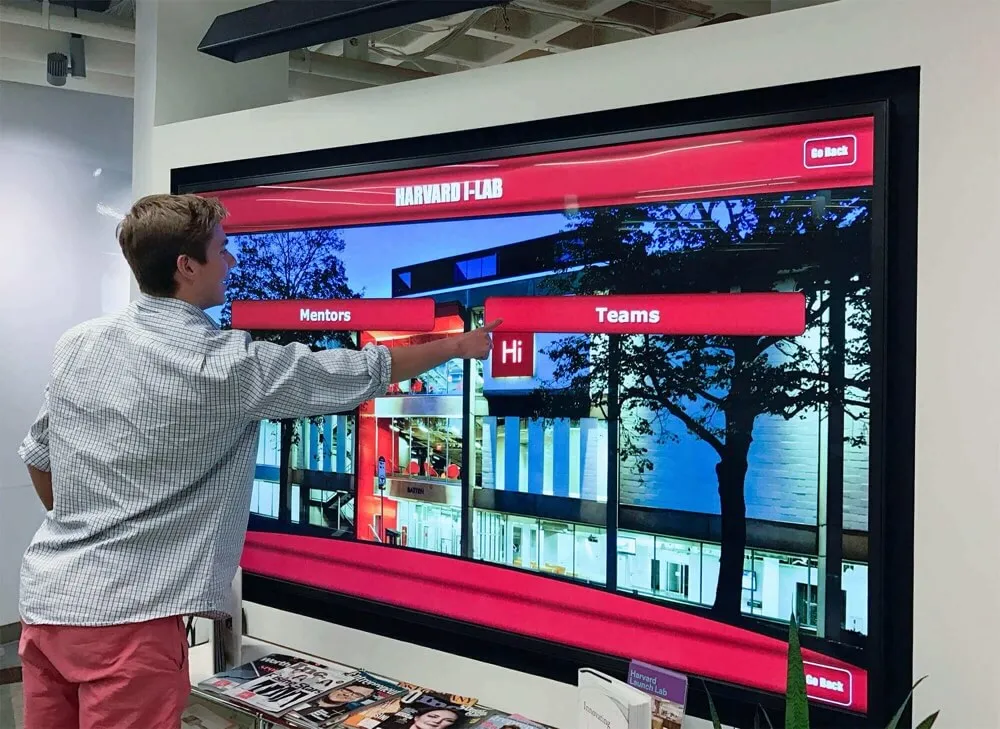
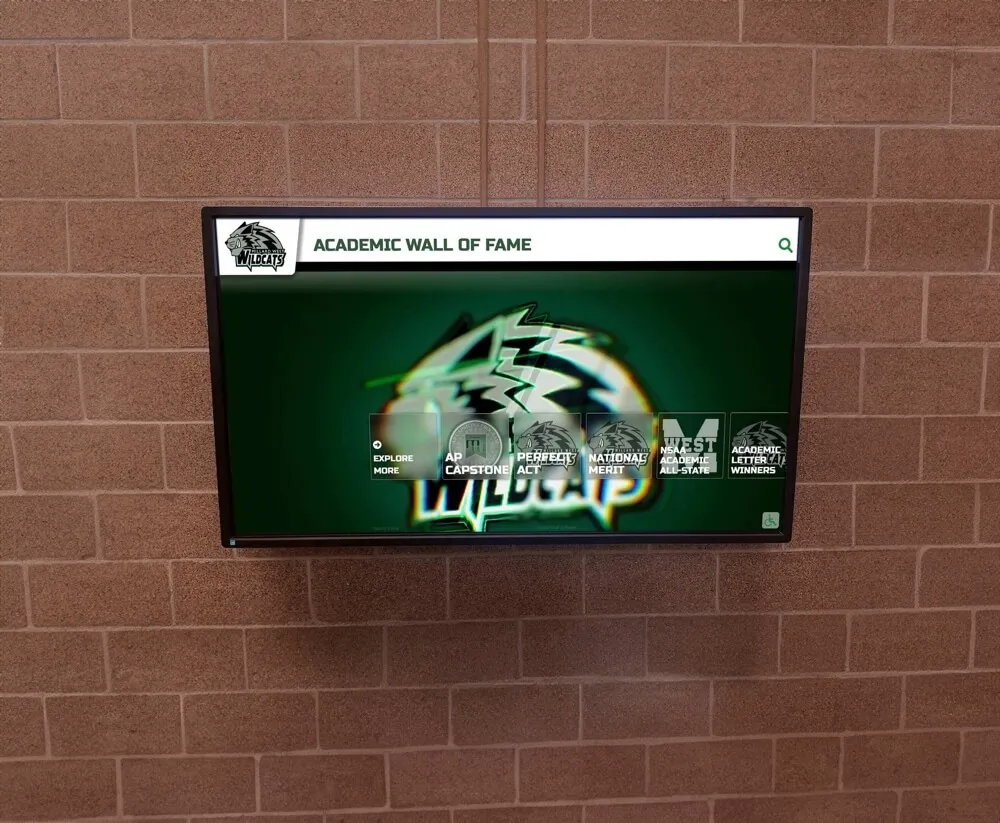
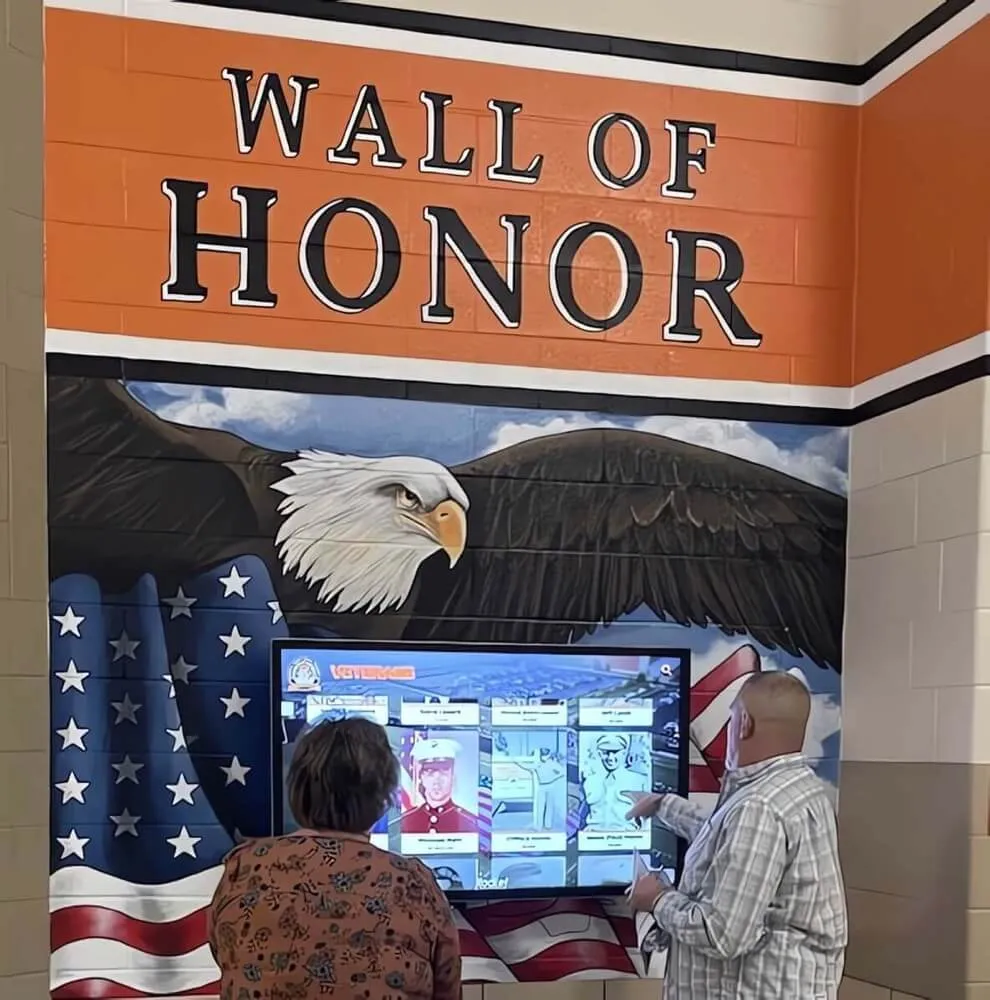
User-friendly touchscreen systems enable comfortable exploration by visitors of all technical abilities
Phase 2: Technical Infrastructure Selection
Digital Asset Management and Recognition Platforms
Choose platforms appropriate to institutional scale, technical capacity, and archival needs through purpose-built archival systems designed specifically for heritage preservation, institutional repository platforms serving academic research alongside heritage materials, integrated solutions combining archiving with donor recognition displays, cloud-based platforms eliminating local infrastructure management, and open-standard systems ensuring long-term accessibility and migration capabilities.
Selecting systems with sustainable pricing and migration capabilities ensures long-term viability—avoid proprietary platforms creating vendor lock-in or systems with uncertain sustainability.
Digitization Standards and Workflows
Establish technical specifications ensuring quality preservation through appropriate scanning resolutions based on original material sizes, file format standards balancing quality with accessibility, metadata schemas capturing essential contextual information, quality control procedures verifying digitization accuracy, and storage backup protocols following archival best practices.
Professional preservation standards ensure digitized materials serve both current access needs and long-term archival requirements without requiring expensive re-digitization when technology advances.
Display and Access Systems
Determine how archived materials will be accessed and experienced through web-based portals providing universal online access, interactive touchscreen displays for on-site engagement, mobile applications extending access to smartphones and tablets, integration with institutional websites and communications, and social media connectivity enabling content sharing and amplification.
Solutions like Rocket Alumni Solutions provide integrated platforms combining preservation infrastructure with engaging display systems and donor recognition capabilities—purpose-built platforms eliminate need to cobble together separate systems for archiving, display, and stewardship.
Phase 3: Content Development and Digitization
Digitization Priorities and Workflows
Implement systematic digitization addressing most valuable materials first through highest-priority items facing preservation urgency or generating greatest interest, chronological approaches working backward from recent decades or forward from founding, thematic initiatives focusing on specific subjects like athletics or academics, and volunteer-led projects engaging community members in meaningful contributions.
Establish consistent workflows ensuring quality through standardized handling procedures protecting fragile originals, technical specifications applied uniformly across materials, metadata standards capturing essential context, and quality review processes verifying accuracy and completeness.
Metadata and Documentation Standards
Comprehensive metadata transforms collections of digitized images into searchable archives through descriptive information identifying what materials depict, date information documenting when materials were created, creator attribution crediting photographers or authors, subject classification enabling browsing and searching, relationship documentation connecting related materials, and preservation metadata tracking digitization specifications.
Incomplete metadata severely limits archival utility—materials without adequate description remain effectively invisible even when digitally preserved. Investment in documentation ensures materials become truly accessible rather than simply digitized.
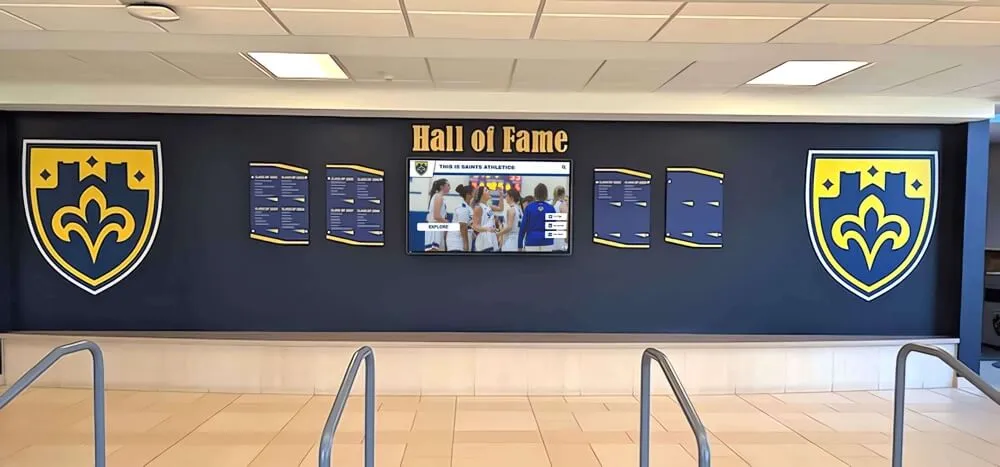
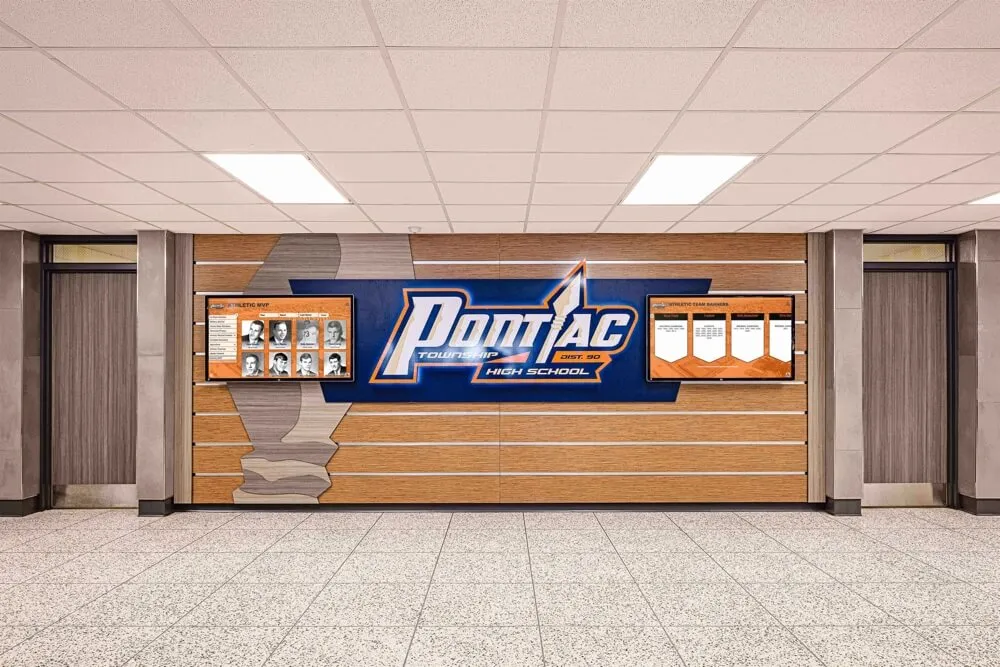
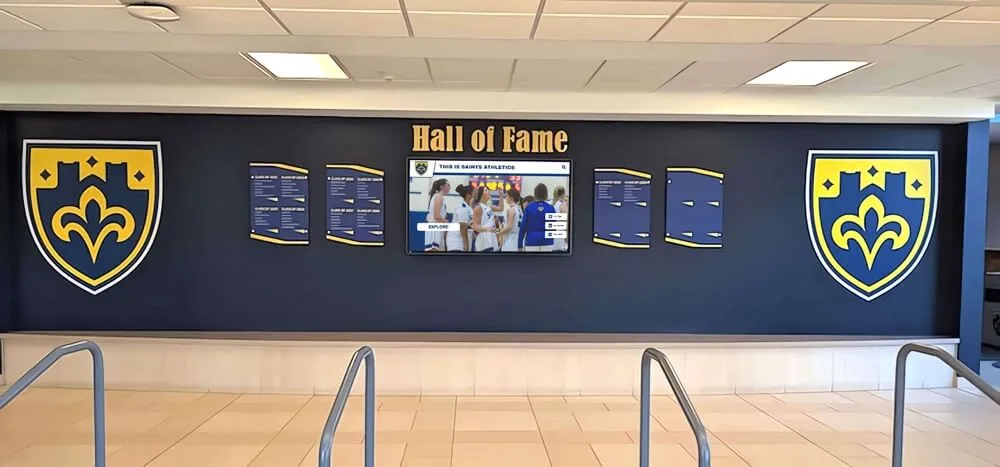
Integrated recognition displays combine digital innovation with traditional design elements
Community Contribution and Crowdsourcing
Leverage institutional communities to expand collections through alumni photo and document contributions, crowdsourced identification of people and events in historical materials, story collection gathering memories and context from community members, volunteer digitization assistance from skilled participants, and student research projects investigating specific collections.
Participatory approaches where communities contribute content create more complete institutional histories while building stakeholder engagement that strengthens relationships and supports other priorities.
Phase 4: Access and Recognition Integration
Interactive Display Implementation
Create engaging on-site heritage experiences through strategically placed touchscreen kiosks in lobbies and high-traffic areas, thematic displays showcasing specific subjects like athletics or academics, timeline presentations showing institutional development chronologically, searchable databases enabling visitors to find specific years or people, and integration with physical exhibits combining digital access with traditional elements.
Interactive displays transform passive viewing into active exploration—visitors can search for graduation years, explore specific interests, discover unexpected connections, and share findings with networks.
Online Portal Development
Extend archival access beyond physical locations through web-based heritage portals featuring searchable databases with advanced filtering, curated galleries highlighting significant materials or themes, user contribution systems enabling community submissions, downloadable content for personal and educational use, and social sharing functionality amplifying reach through networks.
Mobile-responsive design ensures excellent experiences across all devices—many community members will access archives primarily through smartphones rather than desktop computers, making mobile optimization essential.
Alumni and Community Programming
Activate archives through programming that strengthens engagement through alumni spotlight features celebrating distinguished graduates, virtual events exploring institutional history with archival illustration, oral history projects capturing memories from senior community members, student showcases presenting research using archival sources, and anniversary celebrations incorporating materials showing evolution.
Active programming demonstrates that archives serve living purposes rather than passive preservation—when communities engage regularly with heritage materials, archives justify continued investment while supporting broader goals.
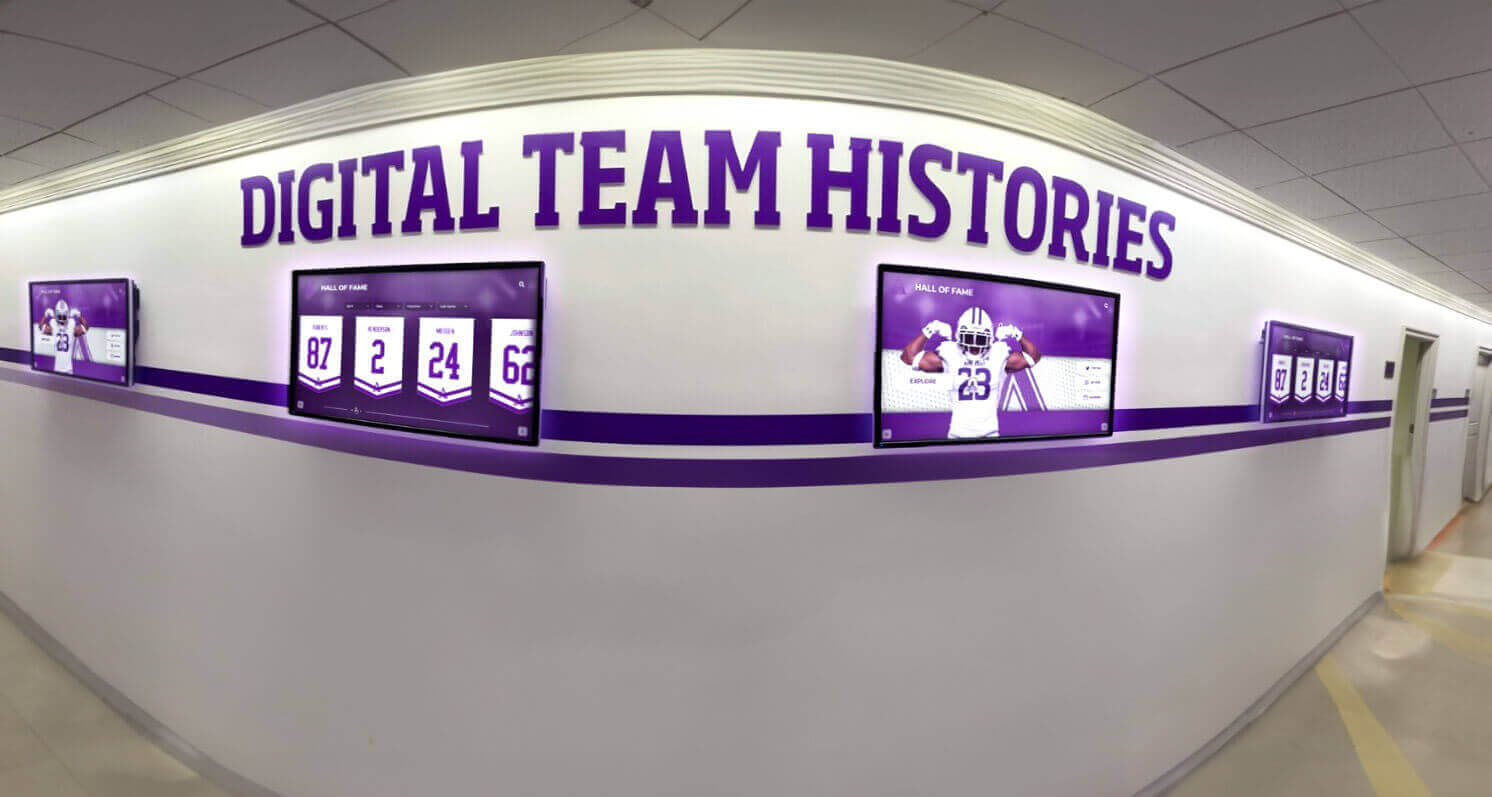
Multi-display installations create comprehensive heritage environments celebrating diverse achievements
Integrating Donor Recognition with Historical Archives
Development-focused organizations benefit from coordinating heritage preservation with donor stewardship creating comprehensive recognition systems.
Recognition Level Architecture Within Archives
Digital archives accommodate diverse recognition needs through unlimited capacity honoring all giving levels.
Tiered Donor Recognition Structures
Establish hierarchical acknowledgment through transformational gift recognition with comprehensive profile pages including photos and impact narratives, major donor society members receiving featured placement and detailed acknowledgment, annual giving supporters listed within searchable donor rolls, memorial gift recognition honoring tribute contributions, and volunteer leadership acknowledgment celebrating service beyond financial support.
Each tier receives recognition proportional to contribution significance—major donors deserve comprehensive profiles while annual fund supporters may receive names within society rosters or honor rolls.
Naming Rights Integration
For donors receiving facility naming or endowment recognition, digital archives complement physical signage through facility history documentation explaining what spaces were named and why, donor motivation narratives sharing what inspired contributions, impact visualization showing what named funds achieve, family legacy preservation documenting multi-generational connections, and campaign milestone documentation preserving fundraising history.
These digital narratives provide context that physical naming plaques cannot accommodate, helping visitors understand significance while honoring donor intentions more completely.
Anonymous Recognition Protocols
Many supporters prefer giving without public attribution—digital systems accommodate these preferences through society roster inclusion without individual profiles, aggregate recognition showing totals without individual attribution, optional reveal features enabling anonymous donors to share selectively, and flexible approaches where initial anonymity can transition to attribution.
Maintaining confidentiality while providing meaningful recognition requires careful content management and clear policies about what information appears publicly versus remaining private within development records.
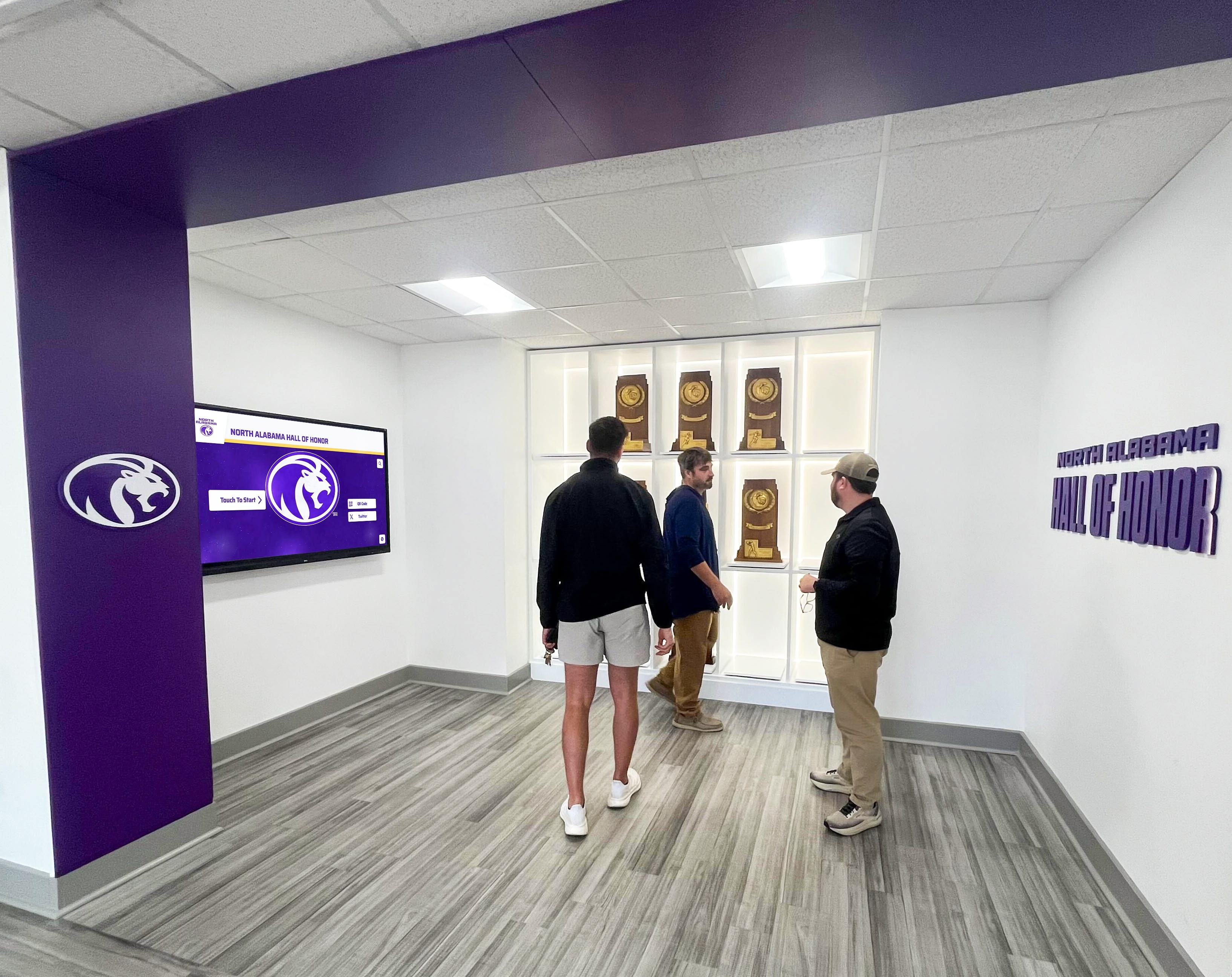
Comprehensive heritage environments combine physical artifacts with digital displays
Donor Recognition Content and Messaging
Professional donor recognition requires consistent content standards ensuring appropriate tone across all profiles.
Essential Profile Information
Comprehensive donor recognition includes names as they wish to be acknowledged, recognition level or giving society membership, gift designation showing what donations support, relationship to institution (alumnus, board member, community supporter), years of giving for sustained supporters, and optional biography information donors choose to share.
This baseline information provides context while honoring donors appropriately across different giving levels and institutional relationships.
Impact Narrative Development
Move beyond transaction acknowledgment to showcase philanthropic outcomes through specific results donations enable (scholarships funded, programs launched), beneficiary testimonials from those supported, before-and-after documentation showing transformation, quantified impact metrics demonstrating contribution scale, and institutional gratitude messaging from leadership and beneficiaries.
These impact narratives provide meaningful recognition while inspiring prospective donors by illustrating what their support might achieve.
Visual Recognition Standards
Professional acknowledgment requires quality visual content through high-resolution portrait photography following consistent guidelines, campaign imagery connecting donors to initiatives, facility photos for naming gift recognition, historical documentation for long-term supporters, and branded design elements maintaining institutional identity.
Working with professional photographers and designers ensures recognition displays maintain quality worthy of donor commitment while reflecting positively on institutional professionalism.
Stewardship Integration and Engagement
Digital recognition should support ongoing stewardship strategies beyond initial gift acknowledgment.
Recognition Update Protocols
Maintain current, accurate information through annual content reviews ensuring profile accuracy, addition of new donors as gifts are received, recognition level updates when giving increases, impact updates showing continued program success, and planned giving recognition when legacy commitments are finalized.
Regular updates demonstrate that recognition remains current and valued rather than becoming static documentation of historical giving.
Engagement Analytics and Insights
Modern platforms provide usage data informing stewardship strategy through profile view tracking showing which donors receive most attention, search term analysis revealing what visitors seek, session duration metrics indicating engagement depth, and device analytics showing mobile versus on-site access patterns.
These insights help development teams understand how recognition functions within broader stewardship ecosystems while identifying opportunities to enhance content based on actual visitor behavior.
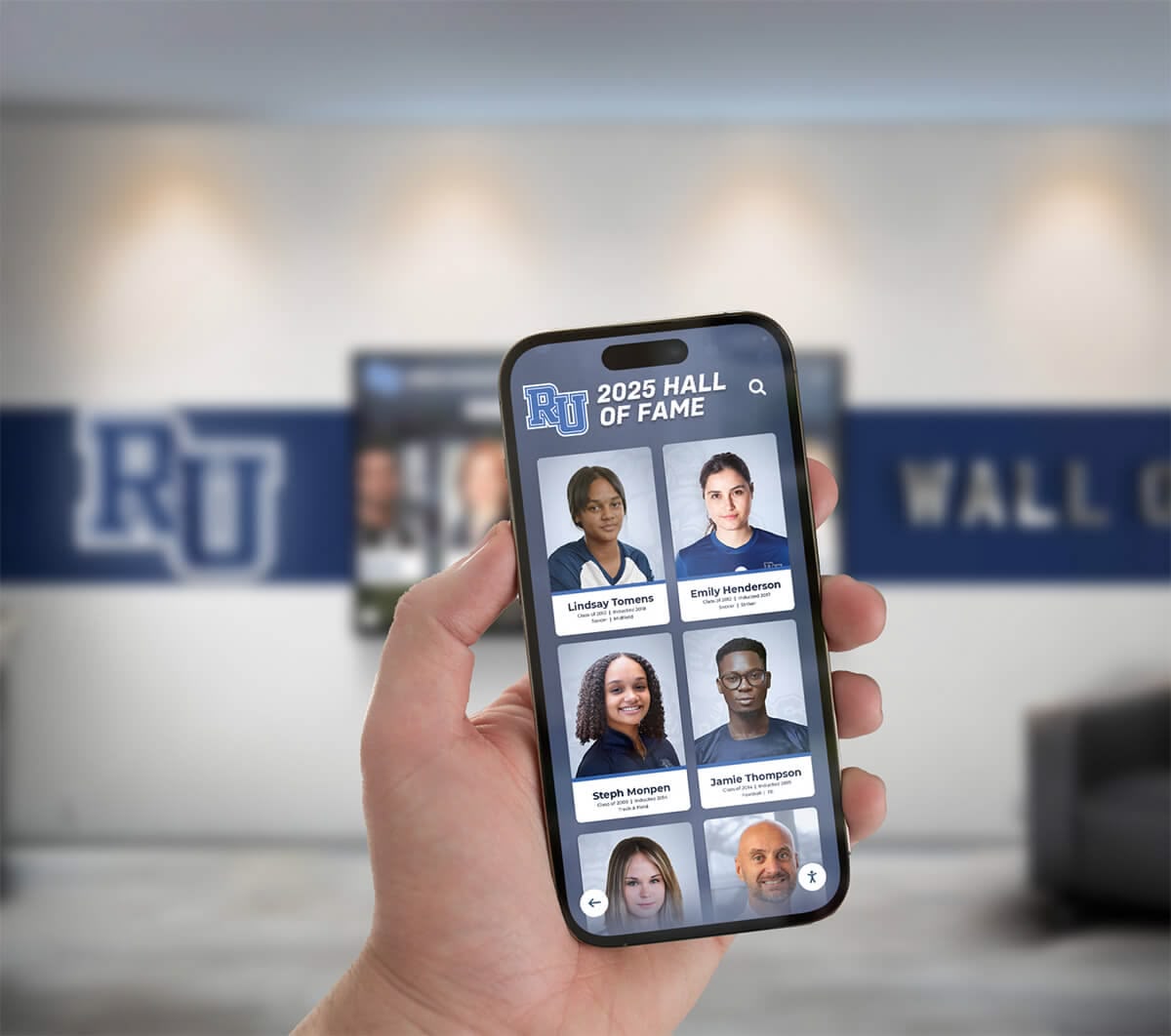
Mobile integration extends archive access beyond physical locations to global audiences
Athletic Achievement and Competitive Excellence Documentation
Schools and sports organizations use digital history archives for comprehensive athletic recognition preserving competitive excellence.
Hall of Fame Induction Documentation
Formal athletic halls of fame require systematic recognition approaches.
Inductee Profile Development
Comprehensive recognition tells complete achievement stories through career statistics and performance highlights, championship contributions and team success context, post-athletic career information showing life after sports, personal reflections about experiences and program impact, and coaching testimonials contextualizing achievements within program history.
Rich profiles honor complete individuals while preserving institutional athletic heritage comprehensively beyond simple statistics.
Selection Criteria and Process Transparency
Maintain hall of fame prestige through clear waiting periods after playing careers end, statistical thresholds or achievement benchmarks, character and citizenship requirements, transparent nomination and selection processes, and formal induction ceremony protocols.
Clear criteria ensure recognition maintains significance while providing transparent pathways for deserving athletes, coaches, and contributors to receive appropriate honor.
Team Achievement Documentation
Beyond individual honors, comprehensive athletic recognition celebrates collective success.
Championship Team Recognition
Document winning seasons and tournament success through team roster and coaching staff listings, season records and postseason advancement, game-by-game results and statistical leaders, championship game recaps and highlight videos, and team photo galleries and celebration documentation.
Comprehensive team recognition ensures championship seasons receive permanent acknowledgment while individual athletes are recognized within team success contexts.
Season-by-Season Program Histories
Create complete athletic archives documenting program evolution through chronological season navigation and results databases, record progression showing how standards evolved, coaching transition documentation and tenure recognition, facility evolution showing infrastructure development, and rivalry history preservation documenting traditional competition results.
Historical archives serve educational purposes while helping current athletes understand traditions they’re continuing and excellence standards they’re maintaining.

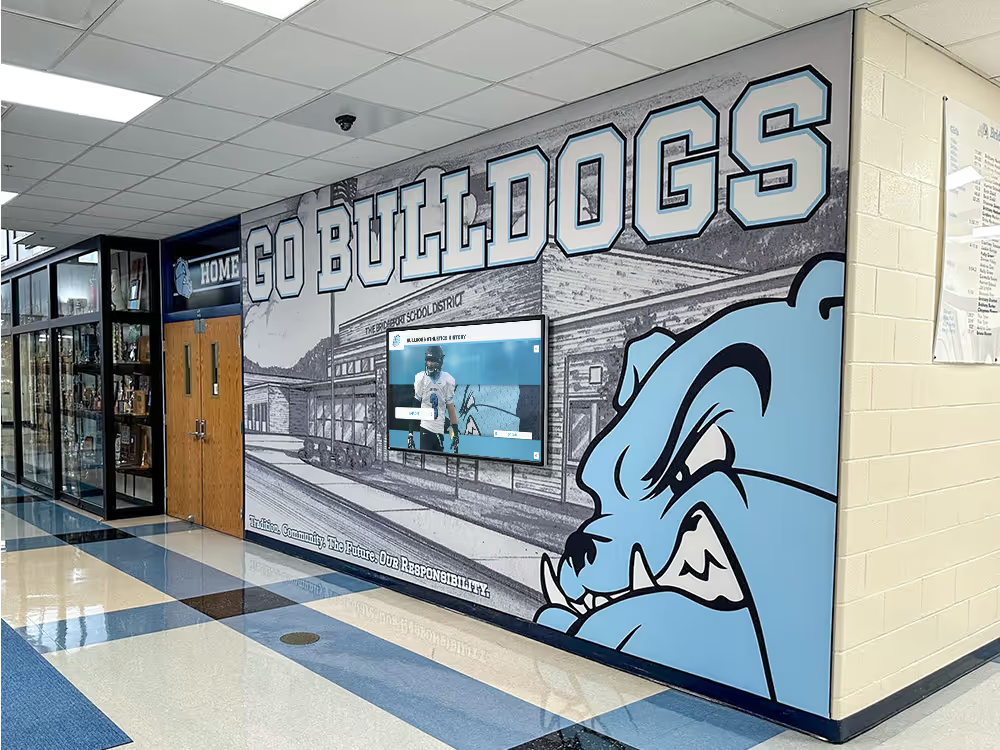
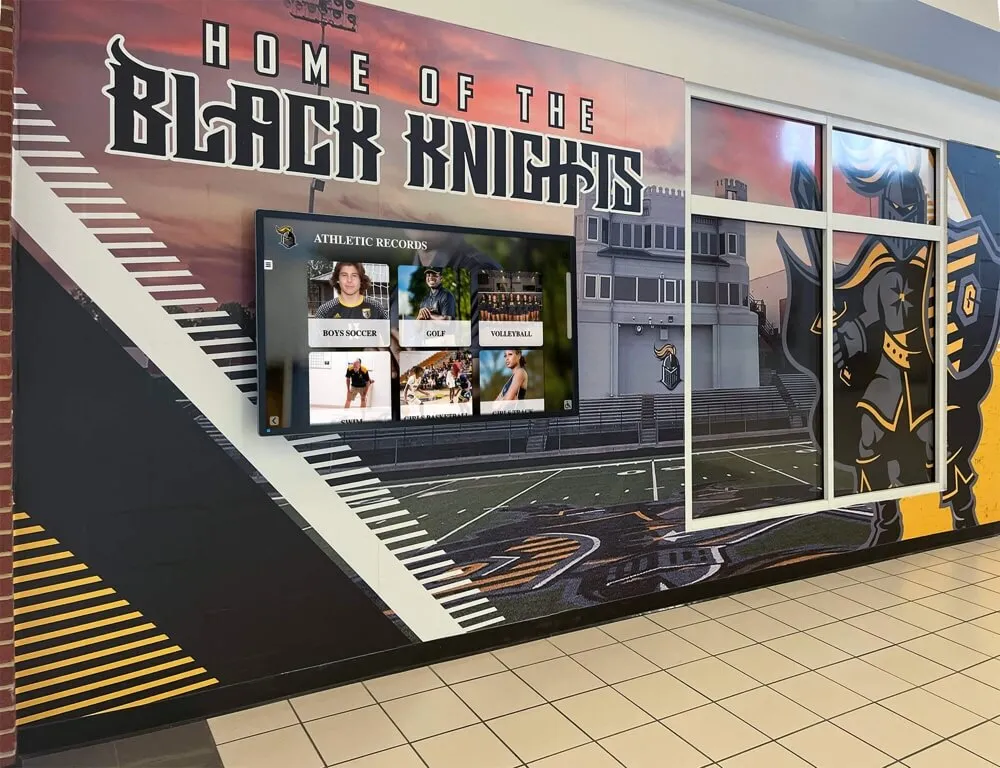
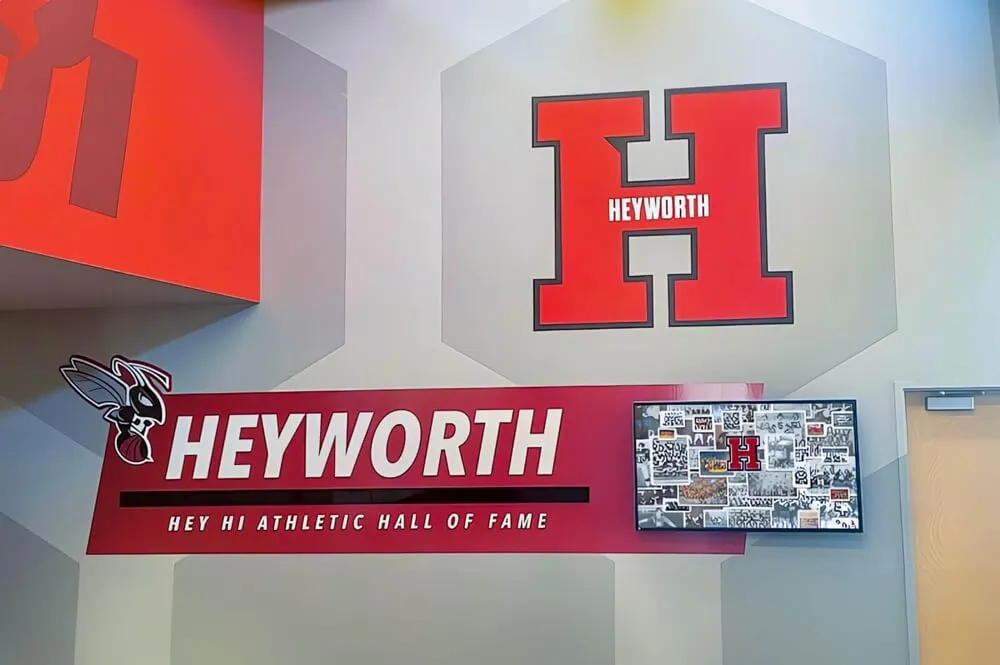
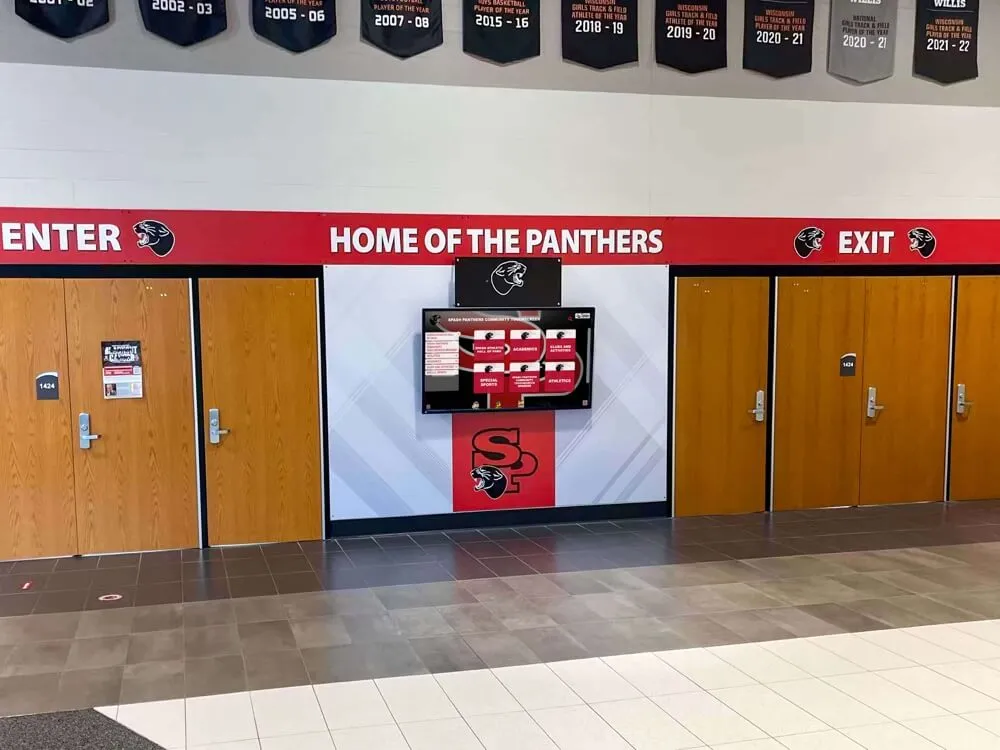
Branded athletic heritage displays integrate institutional identity with comprehensive achievement recognition
Individual Milestone Celebration
Athletic achievement includes diverse milestones deserving systematic recognition beyond hall of fame induction.
Statistical Milestone Recognition
Celebrate achievement thresholds through 1,000-point scorers in basketball programs, rushing or passing yardage milestones in football, state record holders in swimming and track, career victory totals for individual sport athletes, and sport-specific achievement markers unique to programs.
Digital recognition accommodates unlimited milestone achievers without space constraints forcing prioritization—every athlete reaching recognized thresholds receives appropriate permanent acknowledgment.
Awards and Honors Documentation
Document individual accolades including all-state, all-conference, and all-region selections, player of the year and statistical championship recognition, academic all-league scholar-athlete honors, college scholarship and signing day recognition, and sportsmanship and character award recipients.
Comprehensive approaches ensure recognition extends beyond competitive achievement to honor complete student-athletes who excel academically and demonstrate character alongside athletic skill.
Technical Specifications and Display Configuration
Successful digital archive deployment requires appropriate technology selection and professional installation.
Hardware Selection and Requirements
Choose display technology matching institutional needs and usage patterns.
Commercial-Grade Touchscreen Displays
Educational and heritage environments require durable technology through commercial-grade panels rated for extended daily operation, capacitive touch supporting multi-user interaction, anti-glare glass reducing reflection in high-light environments, 4K resolution ensuring visual quality and readability, and extended panel lifespans minimizing replacement frequency.
Consumer-grade equipment proves inadequate for public installation contexts requiring sustained reliability over years of continuous operation.
Display Size and Viewing Distance
Match screen dimensions to installation contexts through 43-55 inch displays for individual touchscreen interaction, 65-75 inch screens for group viewing or larger spaces, portrait versus landscape orientation based on content design, and viewing distance calculations ensuring readability from expected positions.
Undersized displays force visitors too close for comfortable viewing, while oversized screens in small spaces overwhelm environments.
Computing Infrastructure and Connectivity
Digital displays require appropriate computing power and network connectivity through dedicated media players or integrated systems, wired ethernet connections ensuring reliable content updates, wireless connectivity backup where wired connections prove impractical, remote management capabilities enabling off-site updates, and adequate bandwidth supporting video content and high-resolution imagery.
Insufficient computing power or unreliable connectivity undermines archive functionality, creating frustrating experiences and complicating content management.
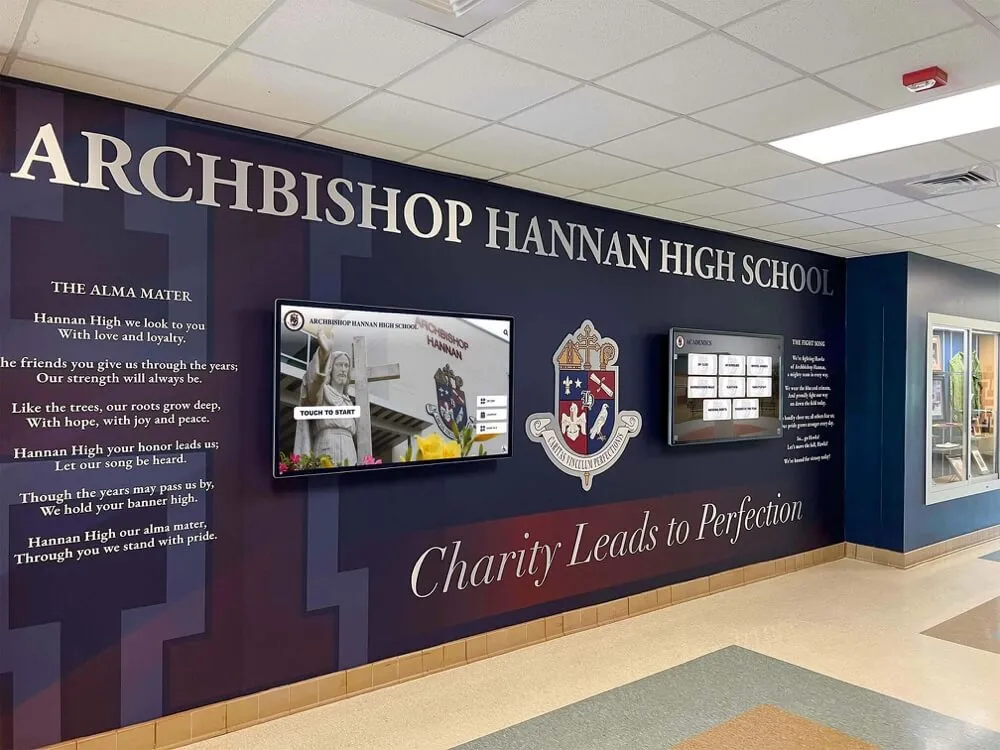
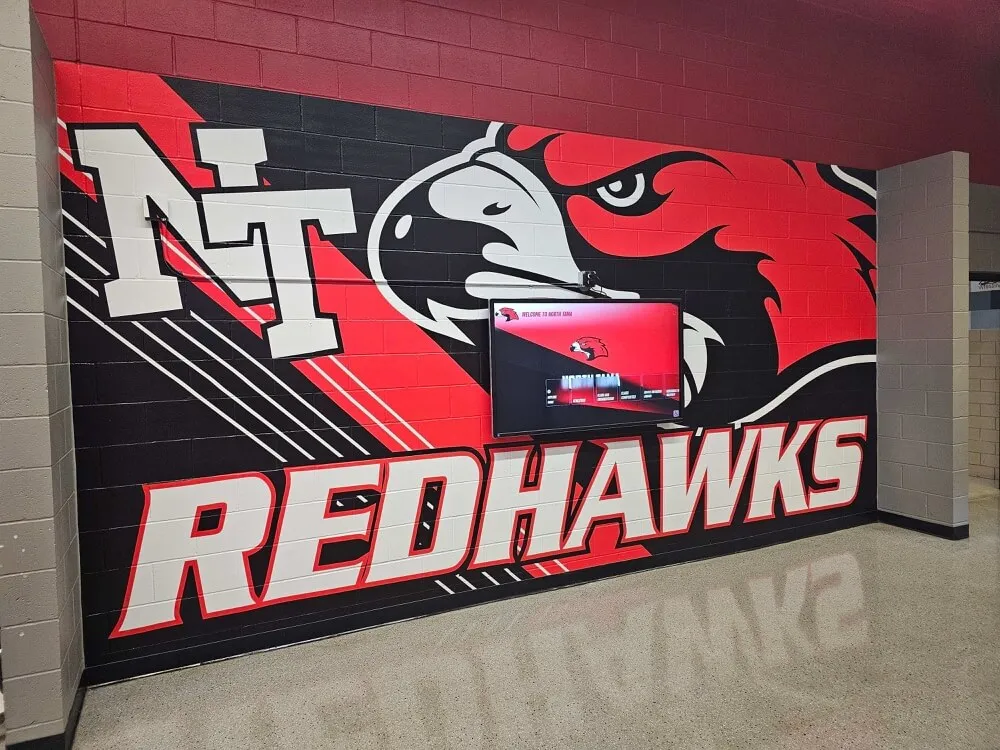
Professionally designed heritage installations integrate institutional branding with modern technology
Installation Planning and Physical Integration
Professional installation ensures archives function reliably while integrating appropriately within architectural contexts.
Mounting and Structural Requirements
Secure installation requires appropriate support through commercial-grade wall mounts or freestanding kiosks, structural anchoring capable of supporting display weight long-term, ADA-compliant mounting heights for wheelchair accessibility, cable management concealing power and data connections, and ventilation space preventing computing system overheating.
Working with experienced installers ensures installations meet safety, accessibility, and reliability standards while avoiding common deployment mistakes.
Spatial Design and Environmental Considerations
Archive placement affects both functionality and visitor experience through high-traffic location selection maximizing visibility, adequate clearance enabling comfortable interaction, lighting control minimizing screen glare and reflection, ambient noise management ensuring comfortable viewing environments, and integration with existing displays or exhibits.
Poor placement undermines effectiveness—archives tucked into low-traffic corners fail to serve engagement goals, while installations in uncomfortable environments discourage the extended interaction digital platforms enable.
Content Management Platform Selection
Backend systems managing archival content determine day-to-day operational experience and long-term sustainability through cloud-based management systems requiring no specialized software, intuitive interfaces enabling non-technical staff to manage content, standardized templates ensuring consistent recognition formats, bulk import capabilities handling historical data efficiently, and mobile-responsive access extending archives beyond physical displays.
Solutions like Rocket Alumni Solutions provide purpose-built platforms specifically designed for educational and heritage contexts, eliminating need to adapt generic software lacking recognition-specific features.
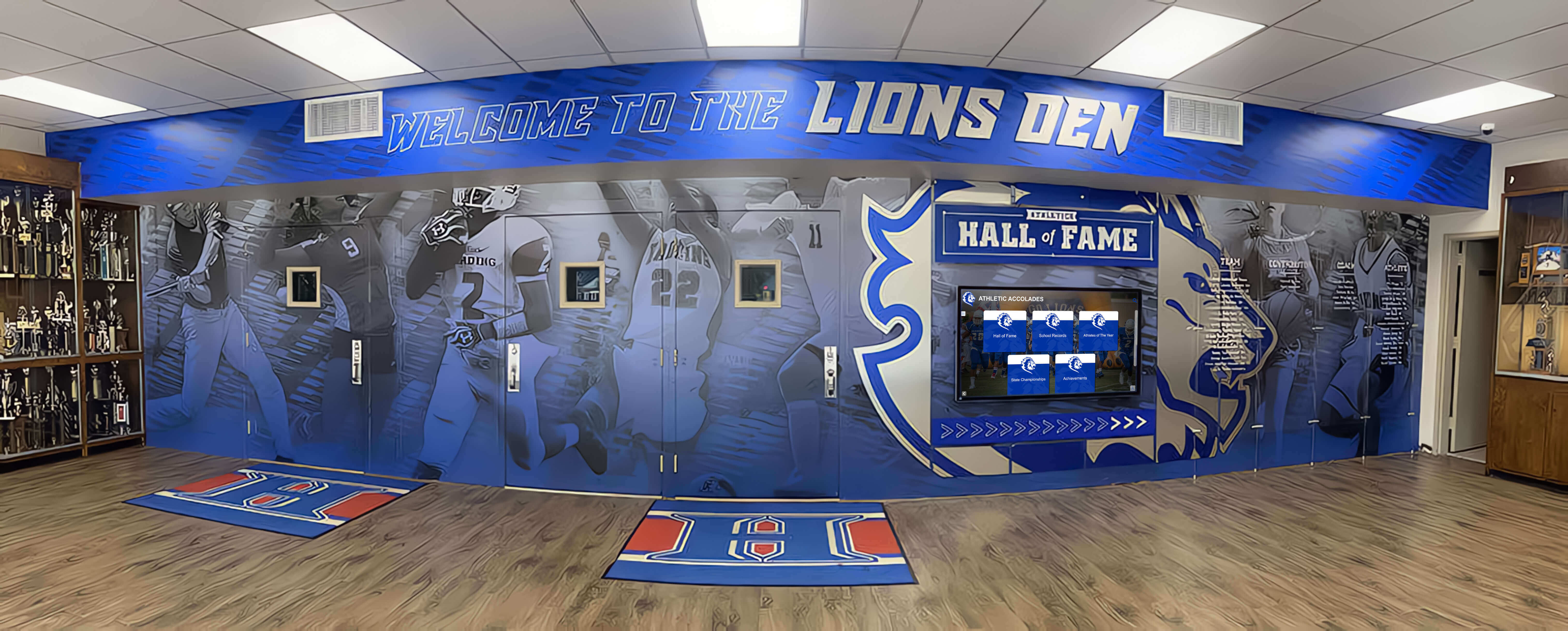
Comprehensive heritage spaces combine digital displays with traditional physical elements
Accessibility, Privacy, and Inclusive Archive Design
Effective digital archives must be accessible to all visitors regardless of physical ability, cognitive differences, or technological familiarity.
ADA Compliance and Physical Accessibility
Federal accessibility requirements and inclusive design principles shape archive implementation.
Mounting Height and Reach Requirements
Ensure wheelchair users can operate touchscreen displays through mounting heights placing interactive elements at 48 inches maximum from floor, forward reach zones keeping primary touch areas within comfortable range, side approach clearances enabling wheelchair positioning, and operable parts requiring minimal force for activation.
Non-compliant mounting heights exclude visitors with mobility limitations from full archive experiences while potentially exposing institutions to accessibility complaints.
Visual Accessibility and Display Readability
Support visitors with vision limitations through high-contrast color schemes ensuring text readability, adjustable text sizing enabling vision-appropriate magnification, screen reader compatibility for visitors using assistive technology, audio description options explaining visual content verbally, and anti-glare glass reducing reflection interfering with reading.
These accommodations ensure archives serve diverse populations rather than privileging visitors with typical vision and mobility.
Cognitive Accessibility and Intuitive Navigation
Design interfaces that visitors with cognitive differences can navigate through simple, consistent navigation patterns across all screens, clear labeling explaining interface elements and functions, minimal text entry reducing spelling and typing barriers, error forgiveness allowing recovery from navigation mistakes, and session reset features returning to home after inactivity.
Overly complex interfaces that seem intuitive to technical staff often prove frustrating or incomprehensible to visitors less comfortable with digital technology—inclusive design serves all users more effectively.
Privacy and Recognition Preferences
Respect individual preferences about recognition visibility and personal information sharing.
Privacy Protection Frameworks
Balance access with privacy through appropriate consent for identifiable individuals in materials, redaction procedures for confidential information, time-based access restrictions for sensitive materials, clear policies about what materials become publicly accessible, and data security ensuring personal information remains protected.
Thoughtful policies comply with regulations while maximizing appropriate access—most historical materials can be made accessible with policies addressing legitimate privacy concerns without unnecessarily restricting access.
Anonymous Recognition Options
Honor supporter preferences through anonymous recognition excluding personal details, selective disclosure enabling individuals to choose what information appears, opt-out provisions allowing recognition removal upon request, and flexible approaches where initial anonymity can transition to attribution.
These protections build trust while ensuring programs respect individual autonomy about personal information disclosure rather than assuming all community members desire maximum public visibility.
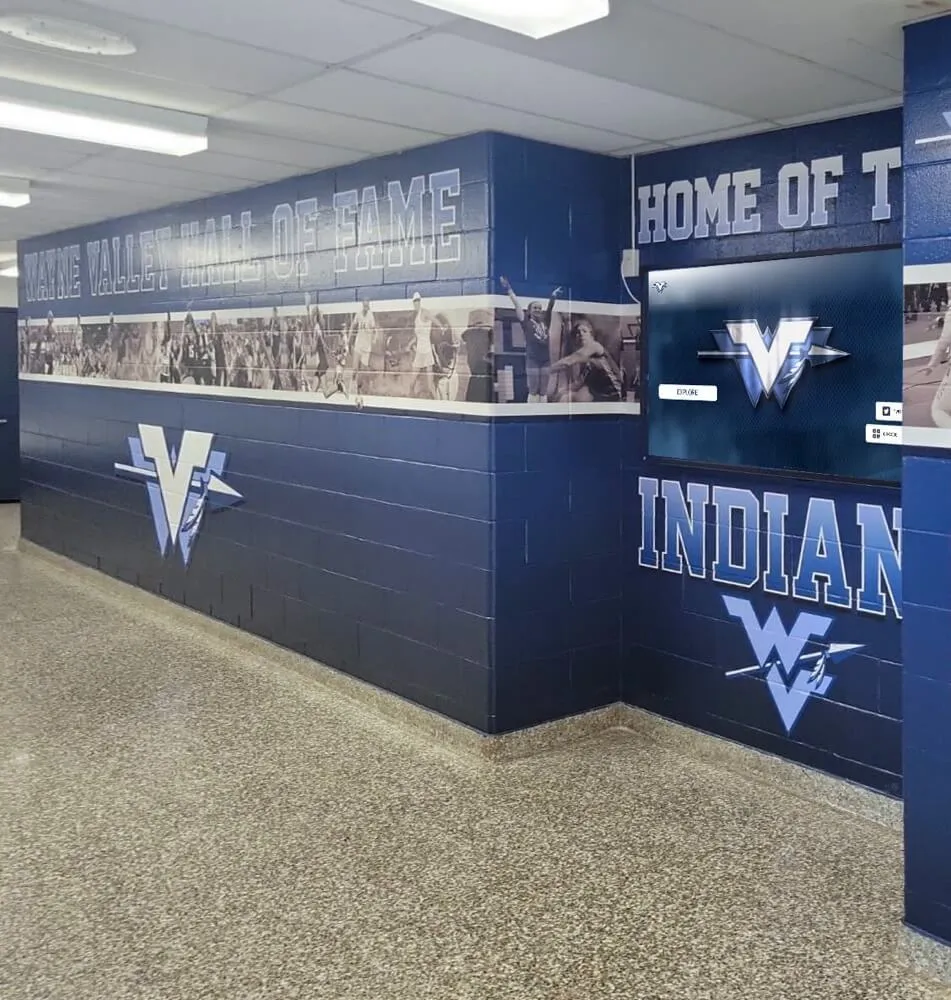
Themed heritage environments create immersive experiences celebrating institutional identity
Measuring Digital Archive Success and Impact
Systematic assessment demonstrates archival value while identifying opportunities for continuous improvement.
Engagement Metrics and Usage Analytics
Modern digital platforms provide data revealing how visitors interact with archives.
Physical Display Engagement Data
Track on-site usage through daily interaction counts and visitor session frequency, average session duration indicating engagement depth, search term analysis revealing what visitors seek, content view patterns showing what materials receive attention, and time-of-day usage informing content update scheduling.
These metrics help institutions understand whether archives achieve intended engagement goals while identifying opportunities to enhance content based on actual visitor behavior.
Web and Mobile Access Analytics
Beyond physical displays, track online engagement through web platform visits and unique visitors, geographic distribution showing where online visitors originate, device analytics revealing mobile versus desktop access, social share frequency indicating recognition amplification, and referral sources showing how visitors discover archives.
Web analytics demonstrate reach beyond physical locations while revealing whether community members engage with recognition remotely as digital platforms enable.
Community Impact Assessment
Document meaningful effects through user testimonials about archive experiences, educational adoption for teaching and research, media coverage featuring archival materials, community event feedback incorporating heritage content, and development outcomes where archives supported donor cultivation.
Qualitative evidence often proves more compelling than statistics for building stakeholder support—a single heartfelt testimonial from someone who rediscovered forgotten memories can justify entire preservation programs.
Return on Investment
Demonstrate value relative to costs through community engagement metrics correlating with support patterns, reduced staff time answering individual heritage requests, educational value delivered through teaching and research applications, enhanced institutional reputation and community recognition, and avoided costs from preventing material loss requiring expensive recovery.
Frame archives as strategic investments generating returns across multiple dimensions rather than pure costs without offsetting benefits—comprehensive assessment reveals diverse value that simple preservation cost calculations never capture.
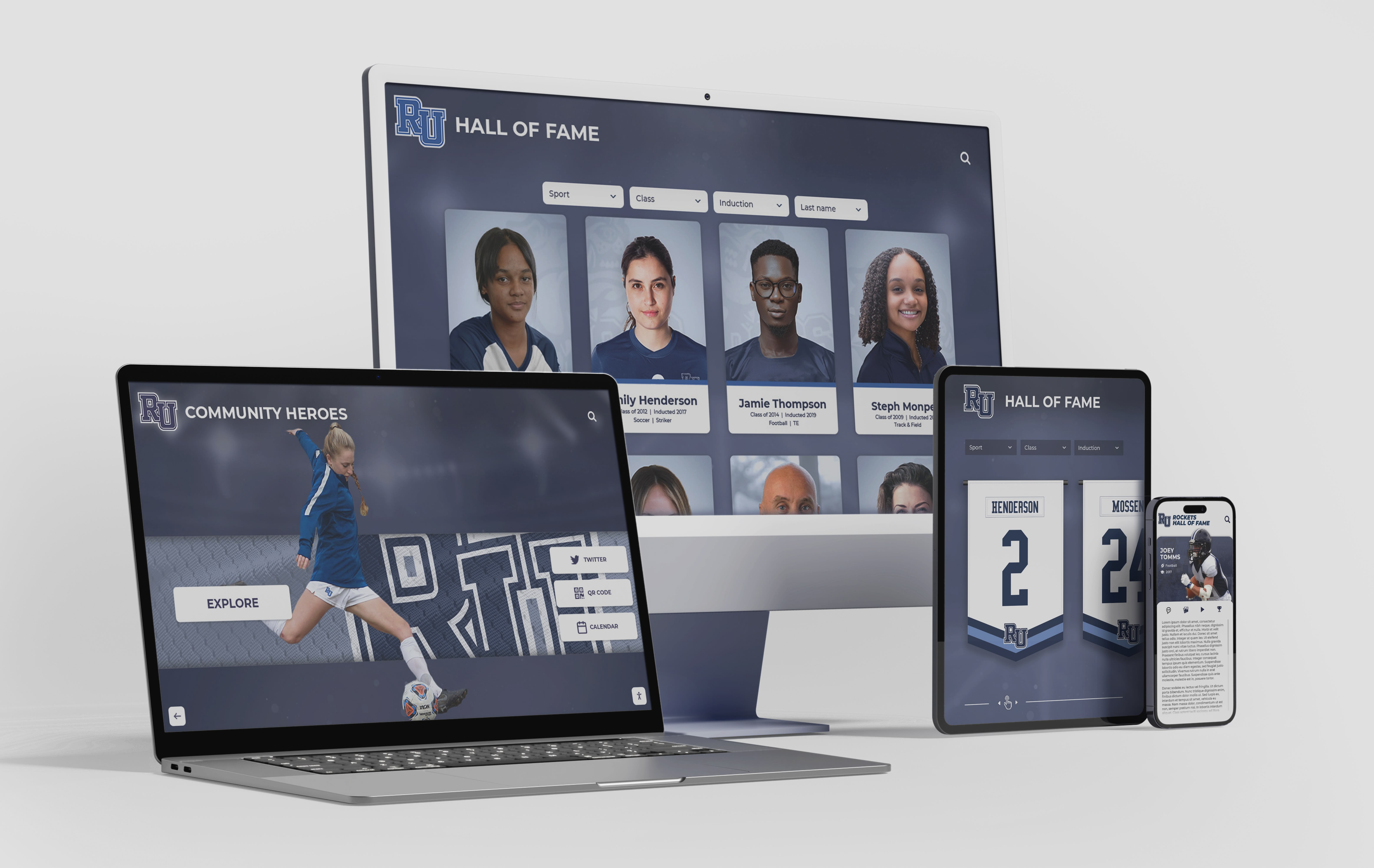
Mobile-responsive archive platforms ensure excellent experiences across all devices and screen sizes
Implementation Timeline and Project Management
Successful digital archive deployment requires systematic planning and realistic timeline management.
Planning Phase and Needs Assessment (Weeks 1-4)
Begin with comprehensive evaluation through stakeholder interviews identifying priorities, current state assessment evaluating existing materials and approaches, gap analysis revealing what improvements are needed, success criteria defining what effective archives achieve, and budget parameters establishing financial constraints.
This foundation ensures archive selection and implementation align with actual institutional needs rather than defaulting to generic approaches that may not serve specific contexts.
Content Development and Digitization (Weeks 5-16)
Build comprehensive archival content through systematic material digitization following professional standards, metadata creation capturing essential contextual information, donor recognition profile development when applicable, quality review ensuring accuracy and completeness, and community engagement gathering additional materials and documentation.
Historical content development typically requires most time investment—the depth of coverage determines timeline length more than technical implementation.
Technical Implementation and Launch (Weeks 14-18)
Deploy infrastructure and unveil archives through hardware installation and system configuration, content management platform setup and training, staff preparation for ongoing management, soft launch testing with selected stakeholders, and formal unveiling events celebrating archive launch.
Professional installation ensures reliable long-term operation while staff training enables confident independent management rather than remaining dependent on vendor support.
Ongoing Management and Enhancement (Week 18+)
Establish sustainable administration through regular content update schedules, quality assurance reviews, technical maintenance ensuring reliable operation, usage analytics monitoring, and continuous enhancement based on feedback and metrics.
Successful launches transition smoothly into sustainable ongoing management rather than treating go-live as project completion—archives require continuous stewardship ensuring long-term value.
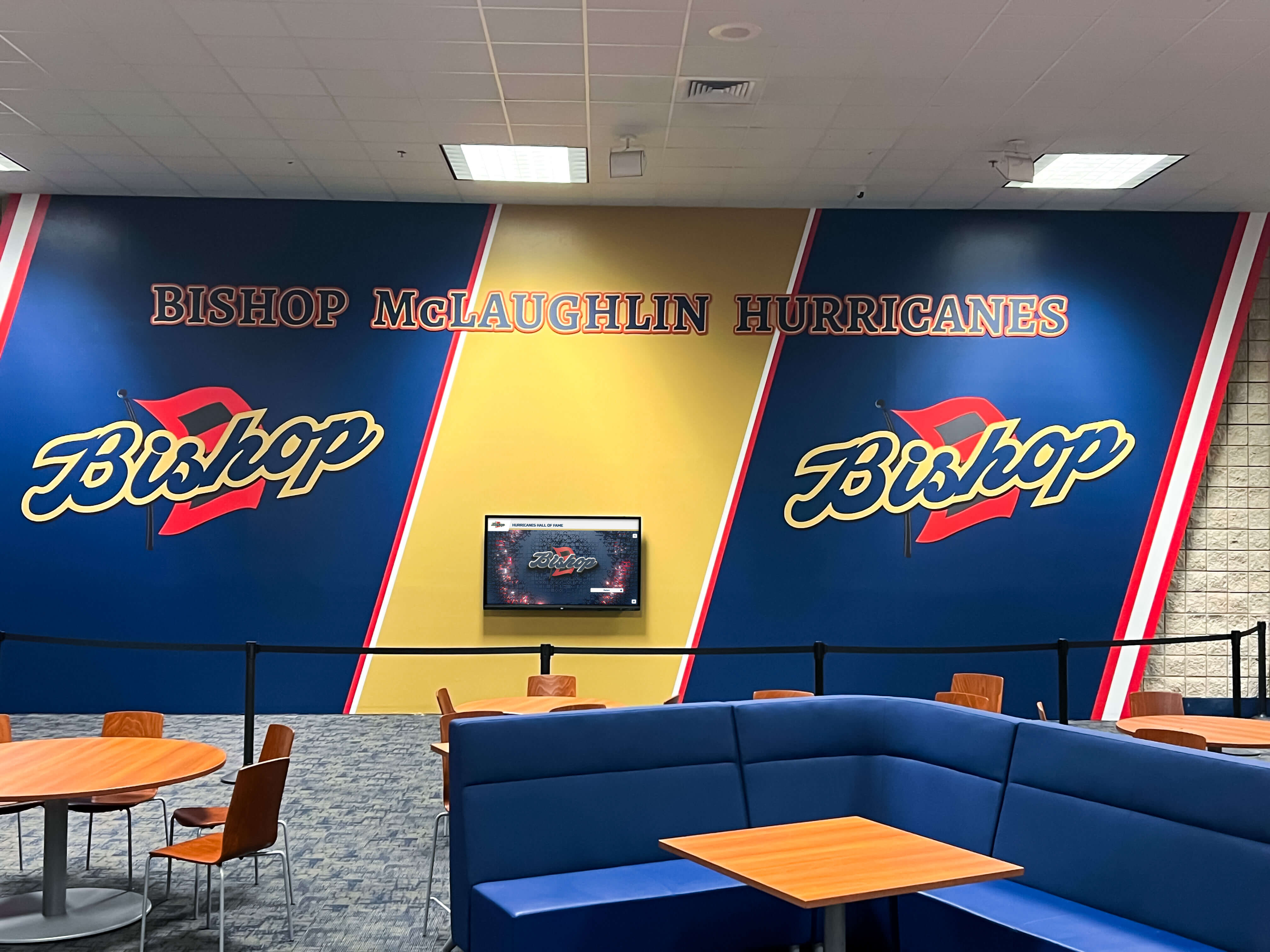
Heritage installations enhance institutional spaces while creating engaging community environments
Conclusion: Preserving Heritage While Building Community Through Digital Archives
Digital history archives transform hidden institutional heritage into accessible, engaging resources that honor legacy while supporting strategic priorities across preservation, community engagement, and development. Organizations that excel at digital archiving create living collections where decades or centuries of history remain visible and meaningful—where community members connect with traditions they’ve inherited, where researchers access primary sources, and where institutions demonstrate careful stewardship of shared memory.
The frameworks explored in this comprehensive guide provide systematic approaches for implementing digital archives addressing discovery and inventory of scattered materials, quality digitization following professional preservation standards, comprehensive metadata enabling discovery and context, engaging display systems bringing heritage to life, donor recognition integration supporting advancement goals, community engagement building stakeholder participation, and sustainable management ensuring long-term success.
Transform Your Heritage Preservation Program
Discover how Rocket Alumni Solutions can help you create comprehensive digital history archives with engaging interactive displays that preserve institutional memory, strengthen community connections, and support advancement goals through purpose-built platforms designed specifically for heritage organizations.
Modern technology makes comprehensive digital archiving achievable for institutions of all sizes and resource levels. Purpose-built platforms eliminate technical barriers while providing integrated systems combining preservation infrastructure, interactive displays, online access, and intuitive management requiring minimal specialized expertise.
Start where you are with preservation initiatives you can implement immediately—perhaps digitizing materials facing urgent deterioration, preserving recent decades generating strong community interest, or launching volunteer programs teaching valuable skills while advancing archives. Then systematically expand creating comprehensive heritage resources your community deserves.
Every preserved photograph protects irreplaceable visual documentation. Every digitized yearbook enables community members to rediscover their past. Every interactive display strengthens connections to institutional traditions. Every accessible archive supports research advancing knowledge. Your institutional heritage deserves preservation and celebration equal to its significance—with thoughtful planning, appropriate technology, and sustained commitment, you can create digital history archives that honor every era while bringing the past to life for current and future generations.
Ready to begin preserving your institutional heritage? Explore comprehensive approaches to displaying school history, learn about interactive timeline displays organizing visual history chronologically, discover museum kiosk implementations, or schedule a consultation with Rocket Alumni Solutions to discuss how purpose-built archival platforms can preserve your institutional memory while strengthening community engagement and supporting advancement priorities.