School renovation projects represent transformational moments when institutions modernize facilities, expand educational capacity, and create inspiring learning environments for future generations. These capital initiatives demand extraordinary financial commitment from school communities—major gifts, multi-year pledges, and generous contributions from donors who believe deeply in educational excellence. Yet recognizing these renovation donors appropriately presents unique challenges that traditional brass plaques and static donor walls struggle to address.
When schools complete renovation projects, they often discover that physical donor walls installed during construction already lack capacity for additional supporters, that changes to donor information require expensive re-engraving, that recognition approaches feel disconnected from modern facility aesthetics, or that important contributors receive inadequate visibility because space limitations forced difficult decisions about whose names appear prominently.
This comprehensive guide explores how digital recognition walls solve these renovation donor acknowledgment challenges while creating flexible, engaging displays that honor every contributor appropriately, accommodate unlimited supporters without space constraints, integrate seamlessly with contemporary facility design, and provide schools with sustainable recognition systems serving communities for decades.
School renovation projects create perfect opportunities to implement modern donor recognition approaches that match facility excellence. Whether your institution is planning new construction, completing major renovations, or seeking to enhance existing donor acknowledgment systems, these strategies provide frameworks for recognition that celebrates generosity appropriately while building lasting relationships with supporters whose contributions made transformation possible.

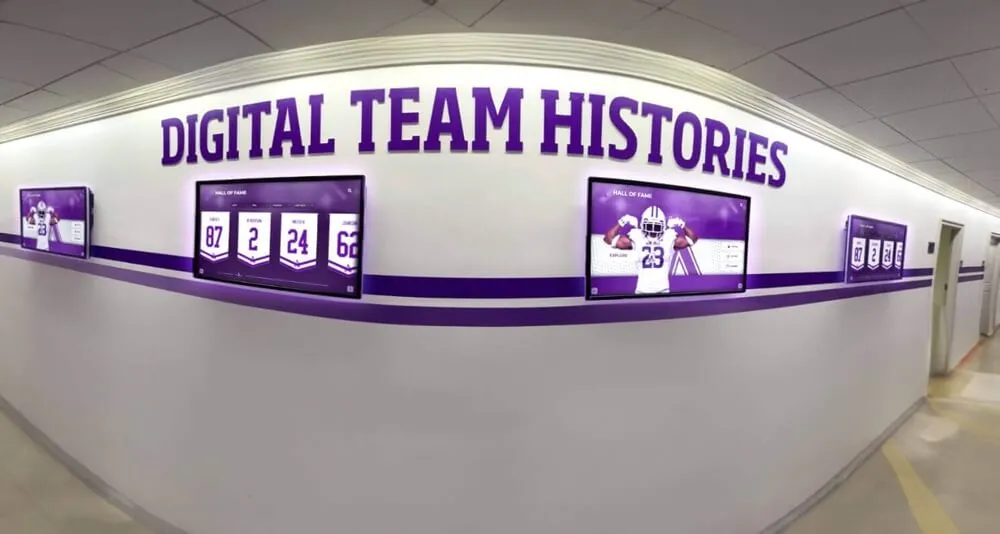
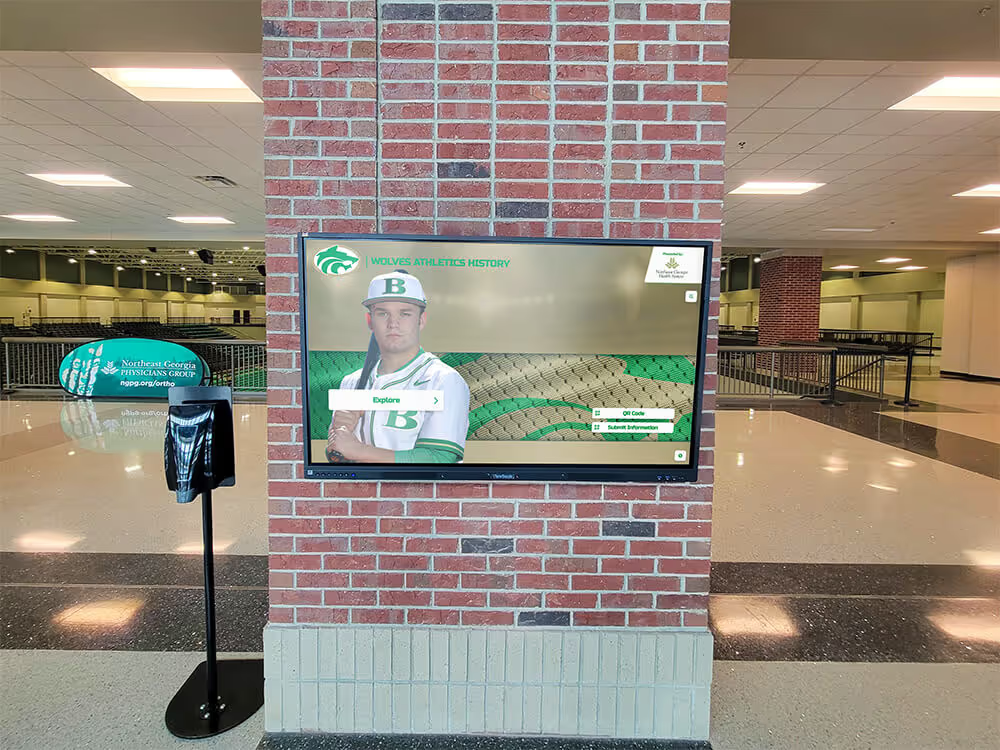
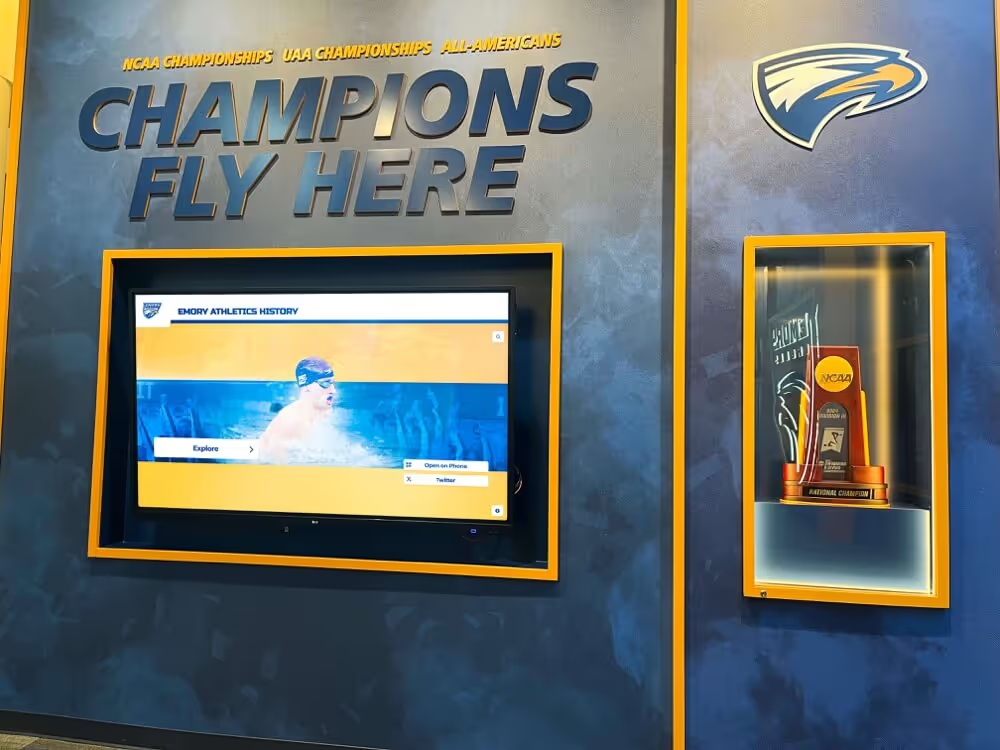
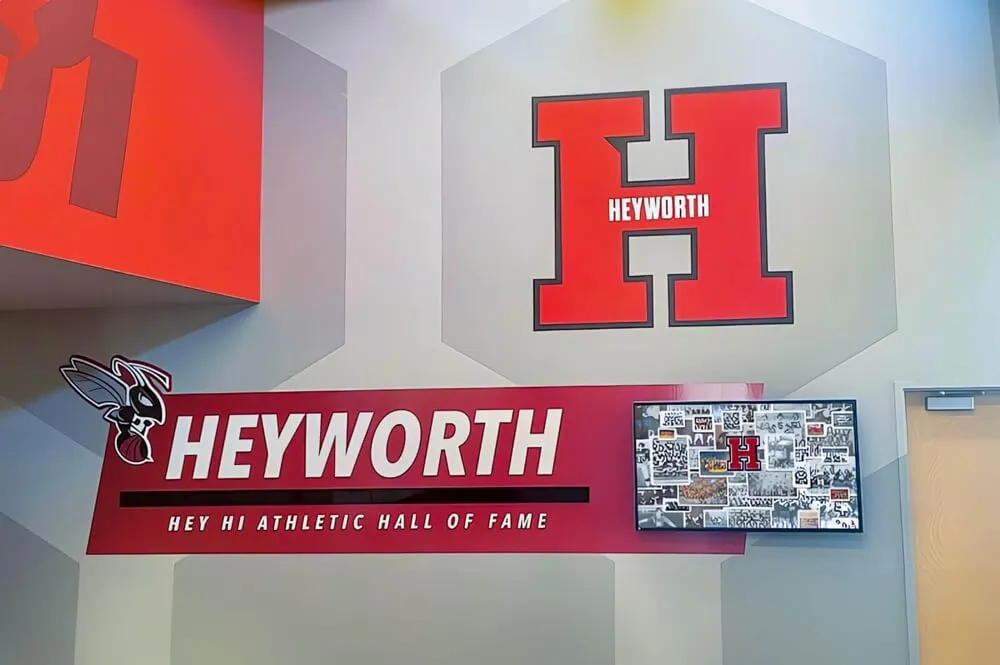
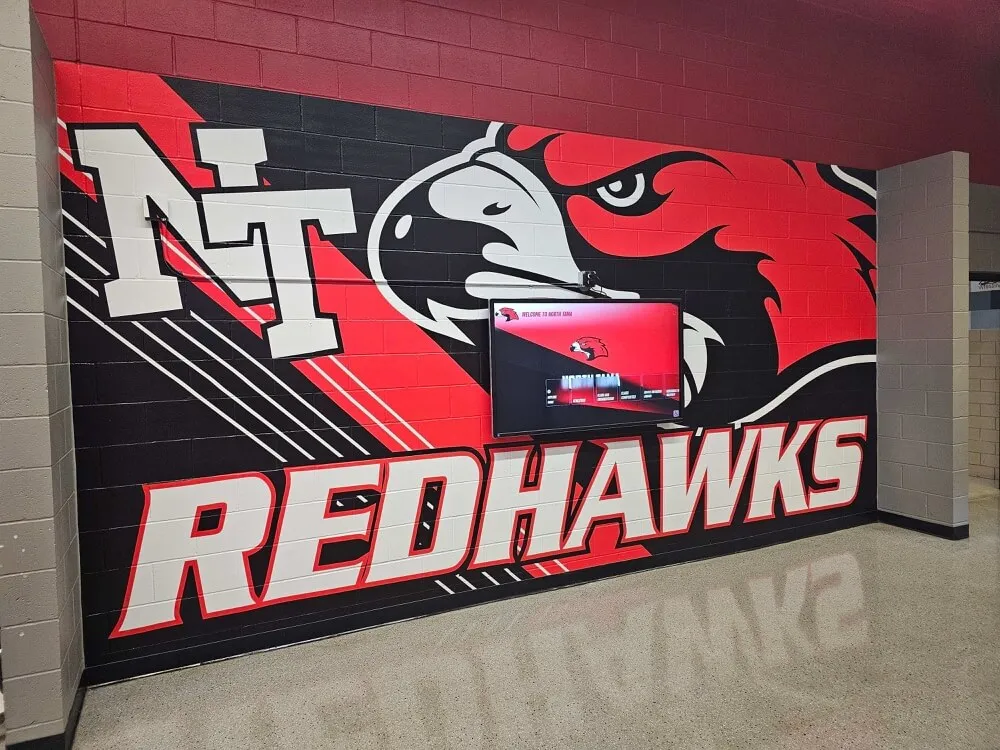
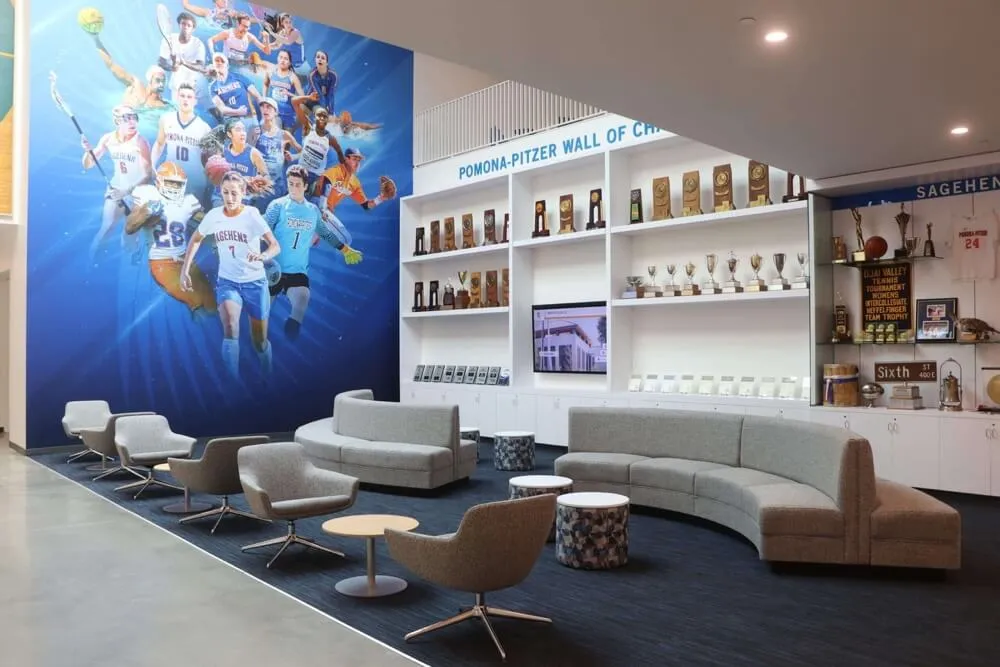
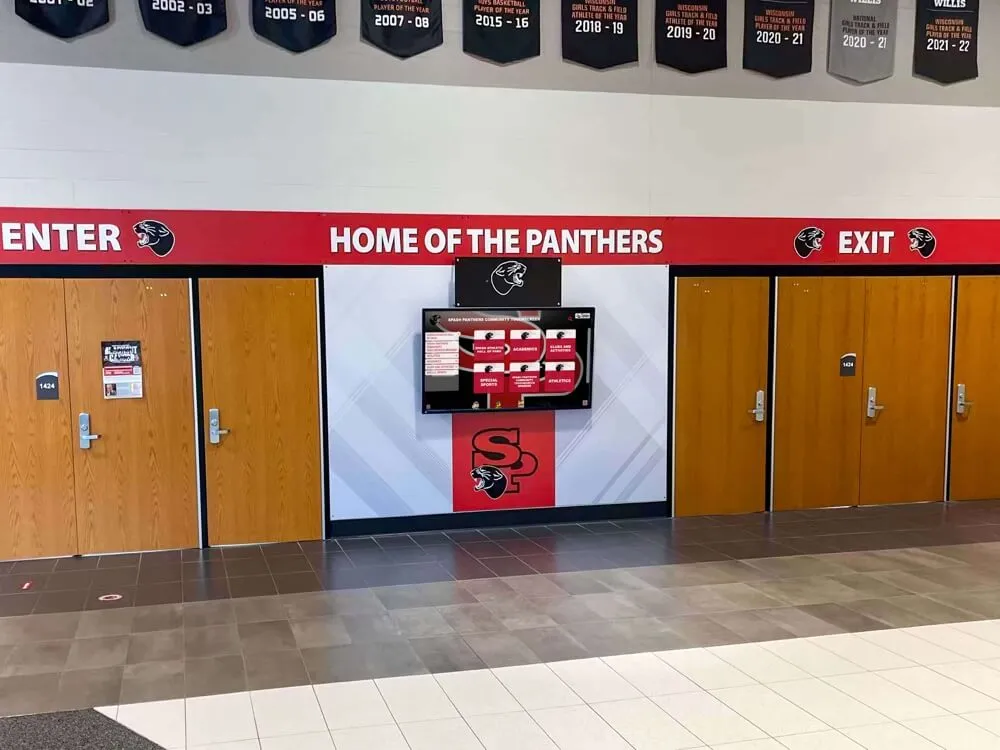
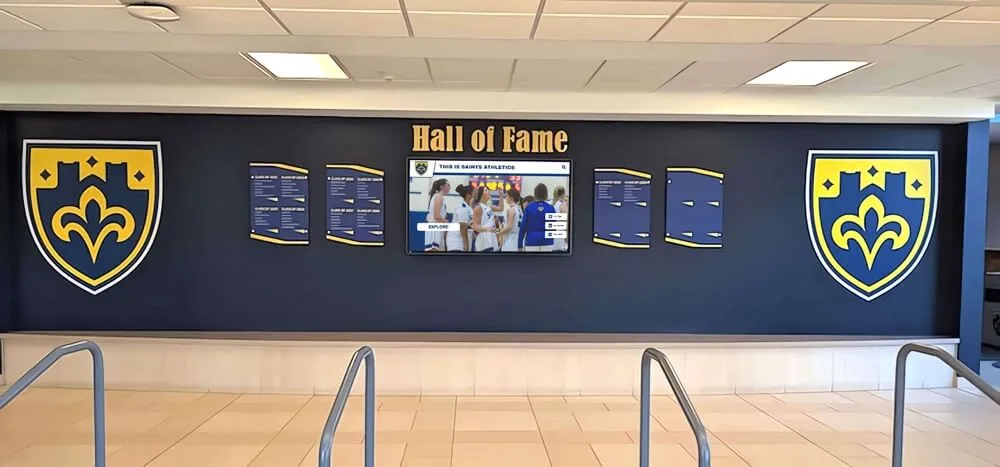
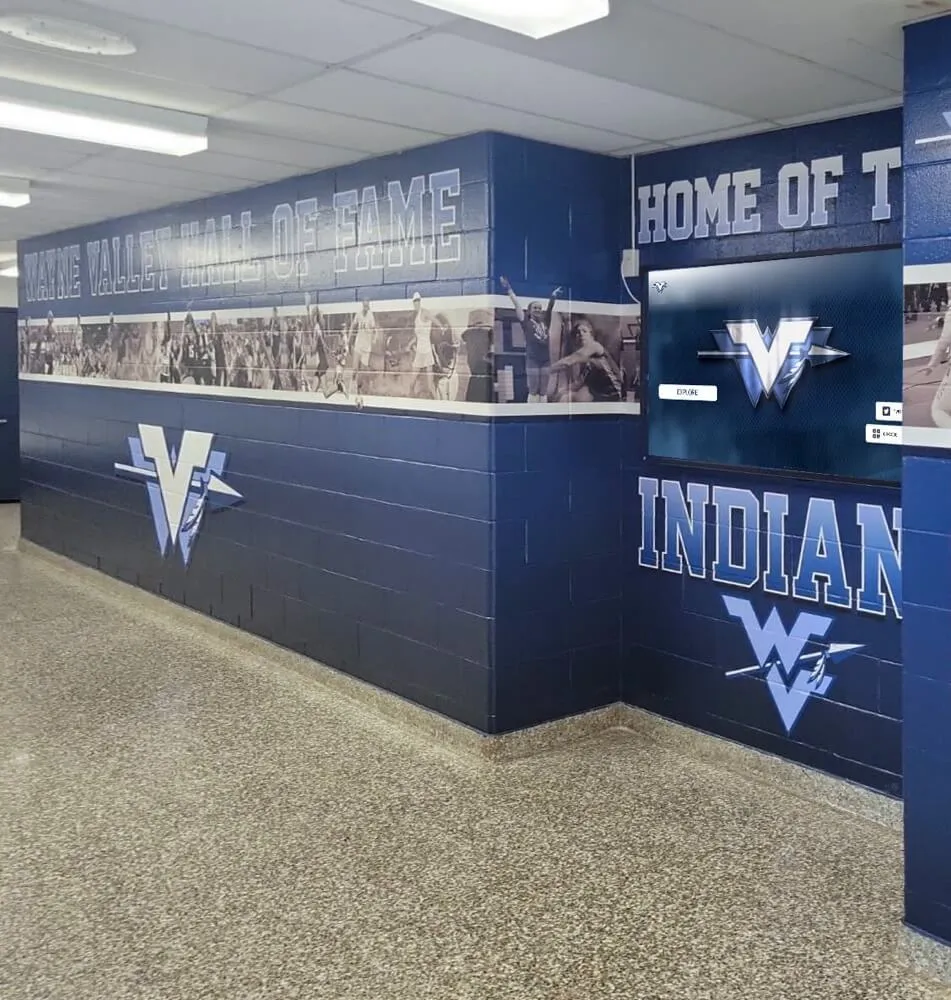
Modern digital recognition walls honor renovation donors with engaging displays that integrate beautifully with newly renovated facilities
Understanding School Renovation Donor Recognition: Unique Challenges and Opportunities
Before exploring digital recognition solutions, understanding what makes renovation donor acknowledgment distinct from typical fundraising recognition helps schools design approaches aligned with capital project dynamics and supporter expectations.
The Special Nature of Renovation Donor Recognition
School renovation projects create recognition contexts fundamentally different from annual giving programs:
Transformational Financial Commitment
Renovation donors typically contribute amounts far exceeding their regular annual support. A family giving $1,000 annually might stretch to provide $10,000, $25,000, or even $100,000 toward renovation projects that will serve students for generations. These extraordinary commitments represent carefully considered decisions involving significant financial sacrifice, creating expectations for meaningful, lasting recognition that honors the magnitude of support provided.
Permanent Facility Integration
Unlike annual gifts funding immediate operations, renovation contributions create lasting physical presence. Donors understand their support enables facility improvements that will educate students for 30-50 years or more, making permanent recognition both expected and appropriate. This permanence elevates acknowledgment from routine appreciation to legacy creation, requiring recognition approaches that endure as long as facilities themselves.
Visible Community Impact
Renovation projects generate intense community attention through construction activity, grand opening celebrations, facility tours, and ongoing use by students, families, and visitors. This visibility creates recognition opportunities absent from typical fundraising while demanding acknowledgment systems that match facility quality and remain current throughout building lifecycles.
Multiple Donor Categories Requiring Recognition
Renovation campaigns often encompass diverse supporter types including major donors funding significant portions of projects, leadership gift contributors providing substantial support, general campaign participants making meaningful contributions, memorial and tribute donors honoring loved ones, in-kind contributors providing materials or services, and multi-year pledge donors committing sustained support.
This diversity requires recognition systems accommodating different acknowledgment approaches while maintaining equitable treatment across donor categories.
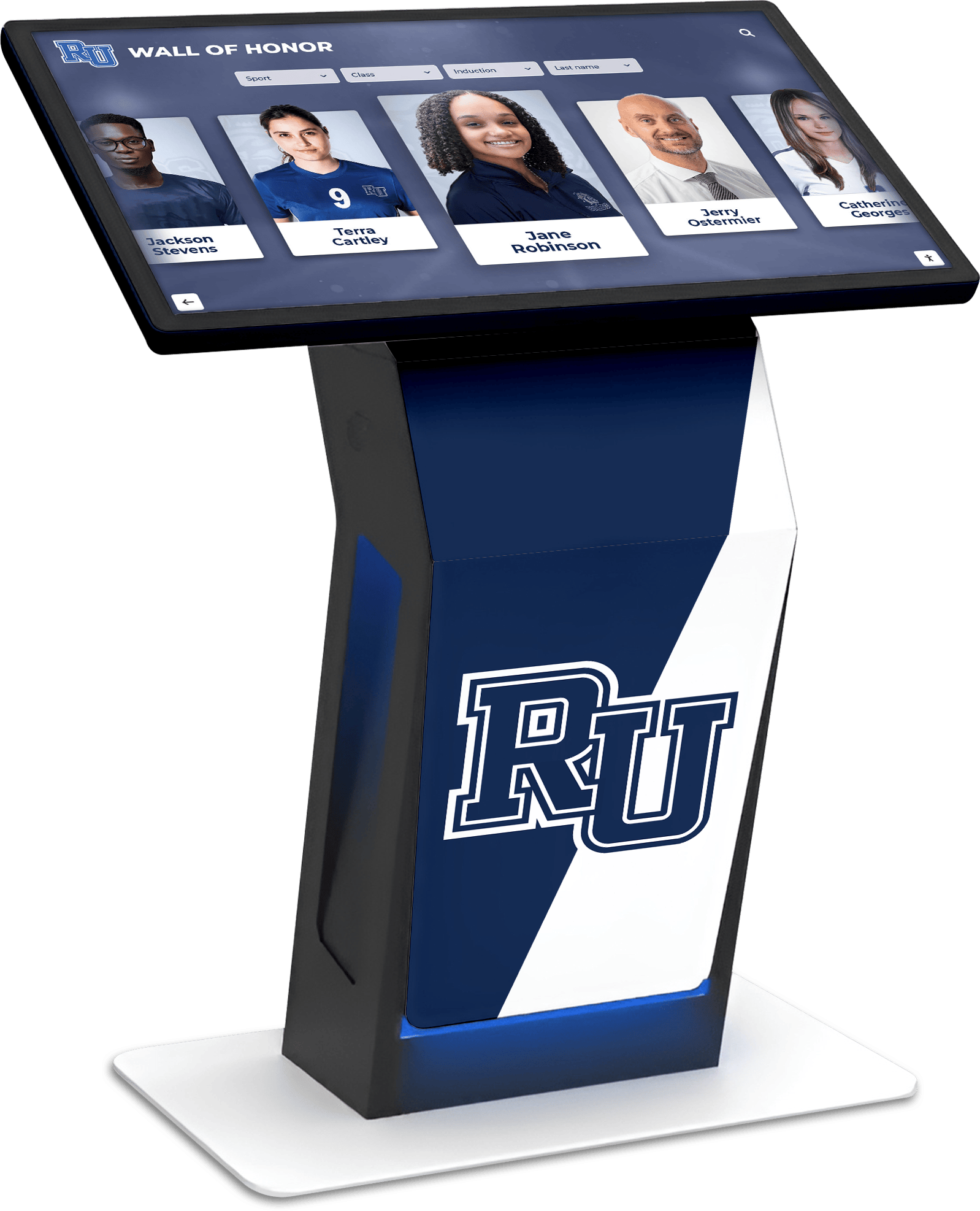
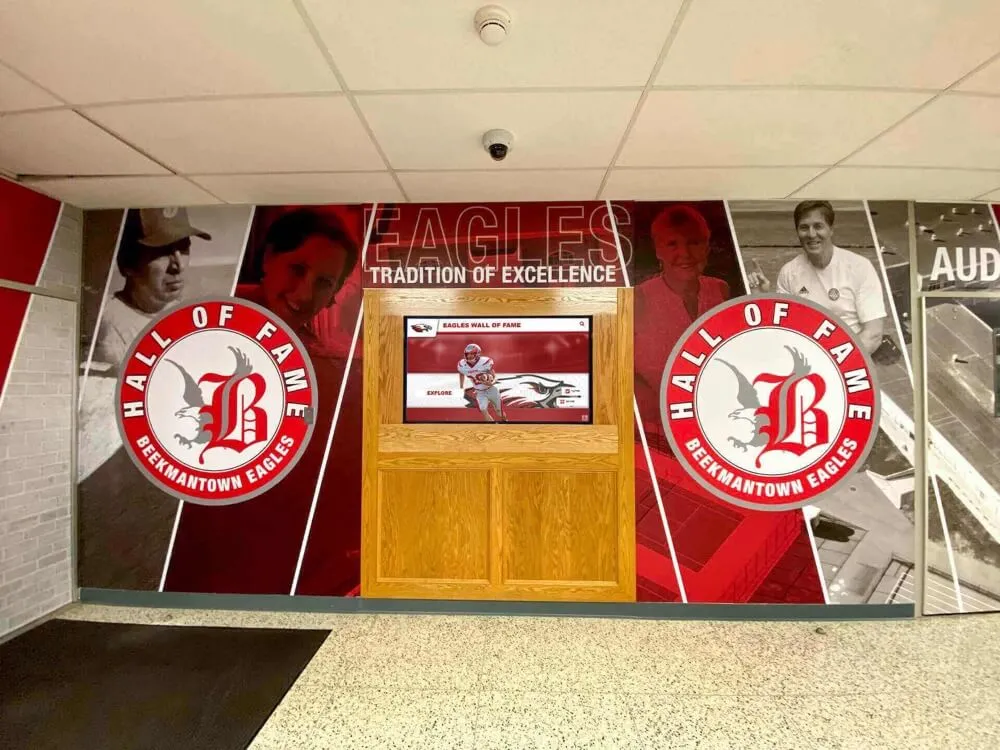
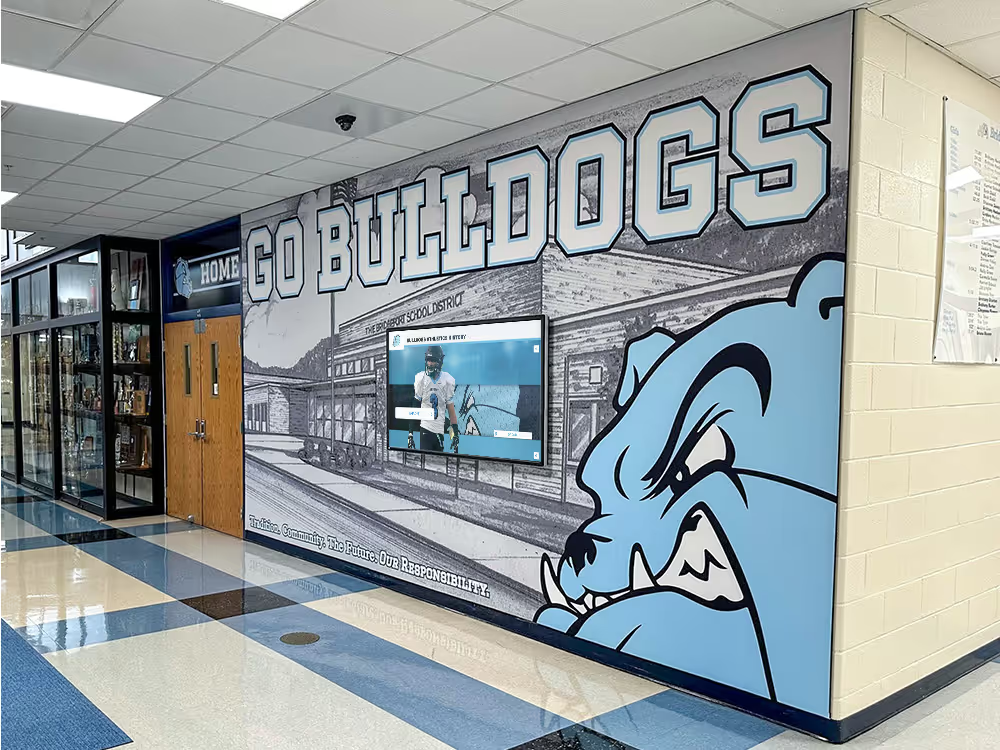
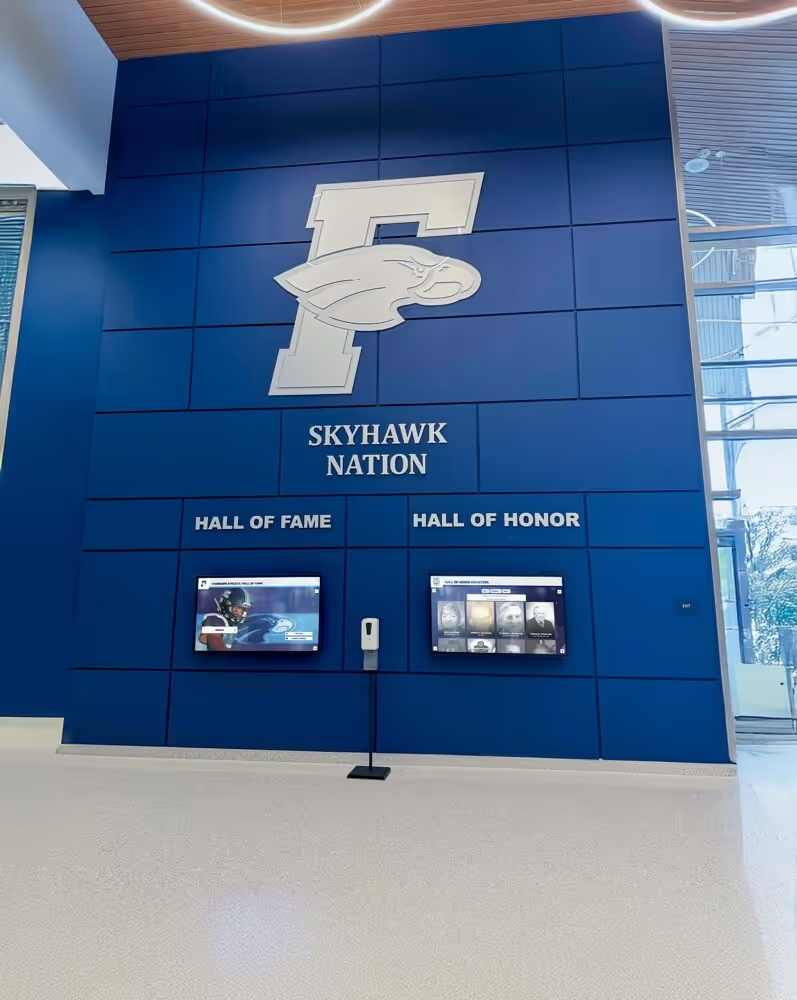
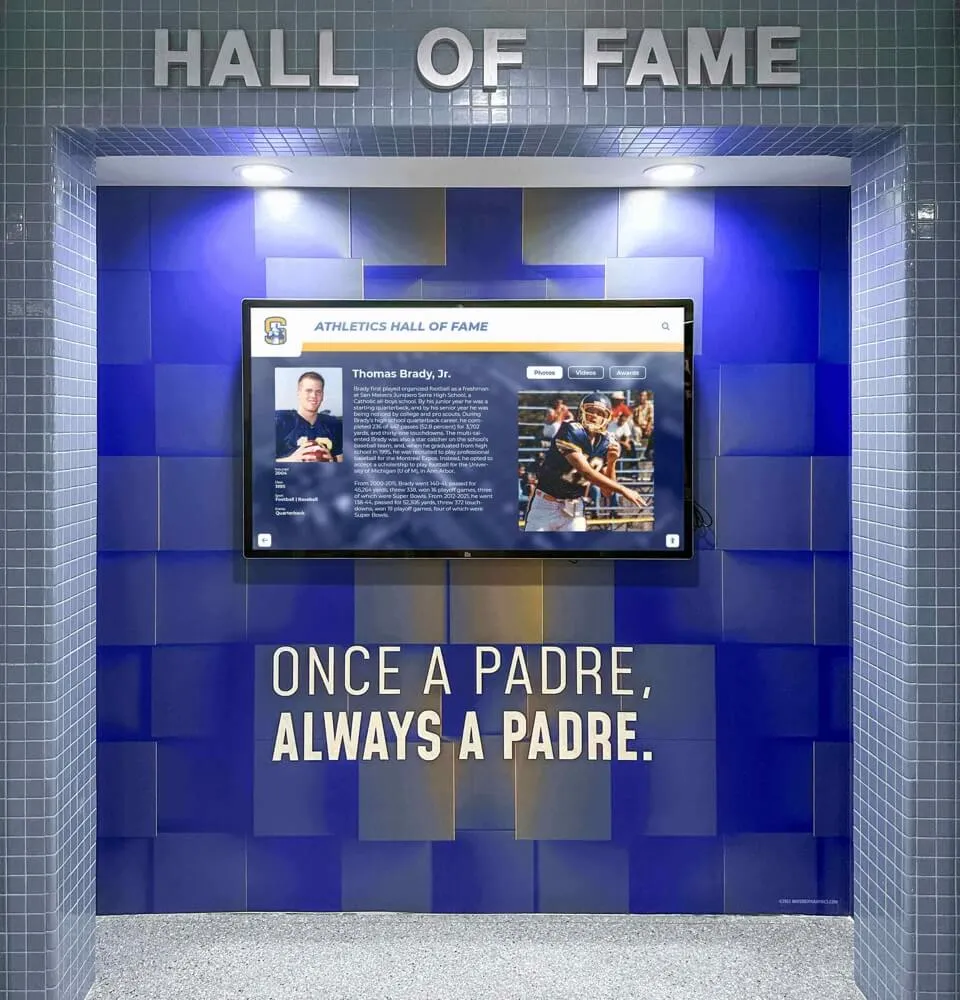
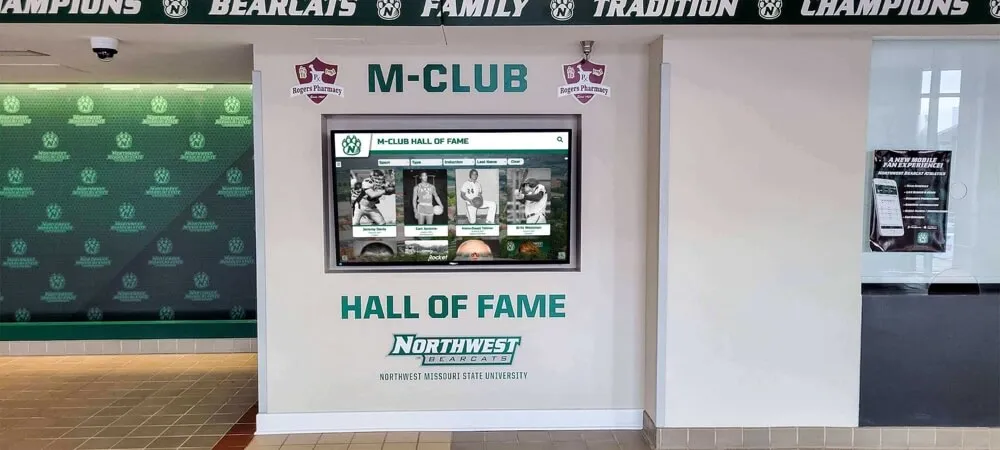
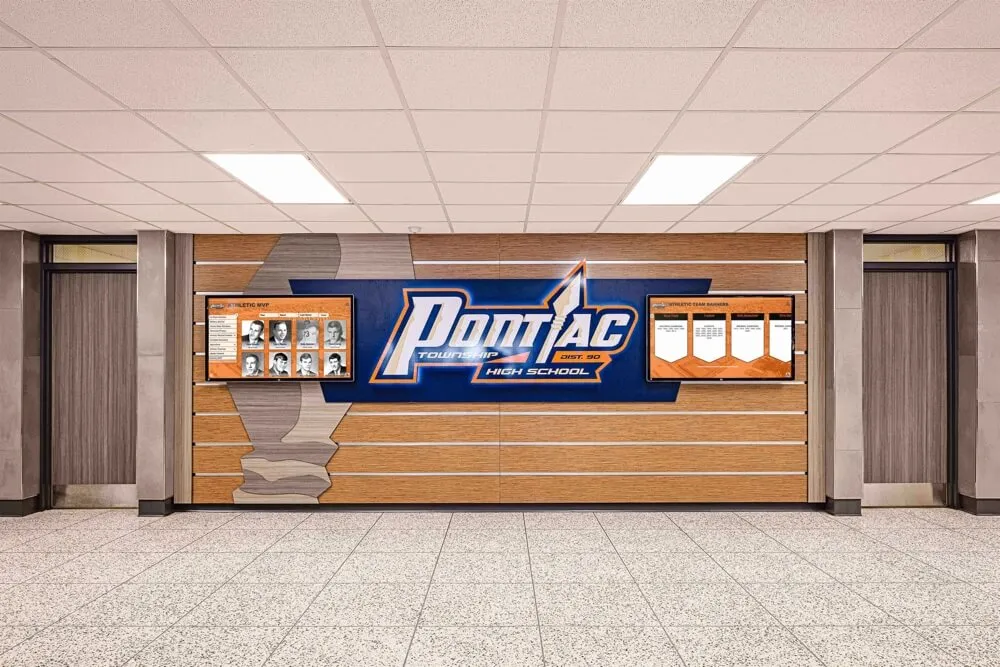
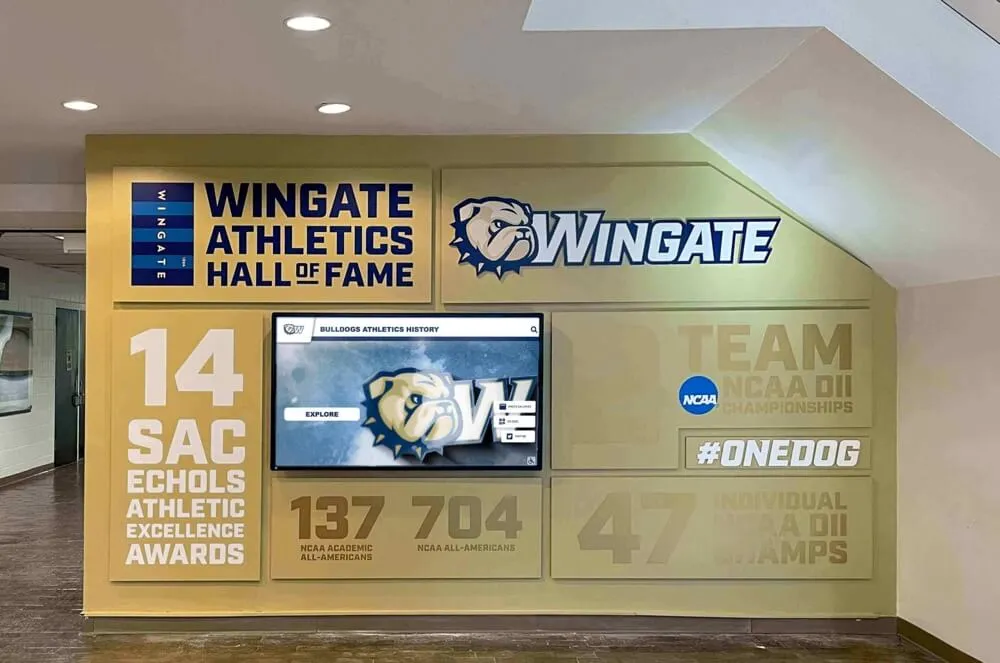
Renovation projects provide ideal opportunities to install modern recognition displays that honor all project supporters
Common Renovation Donor Recognition Challenges
Traditional recognition approaches create recurring problems for school renovation projects:
Space Limitations and Capacity Constraints
Physical donor walls installed during renovations frequently run out of space within months or years as additional contributions arrive, late pledges are fulfilled, or schools add stretch goals requiring expanded recognition. These capacity limitations force difficult decisions about excluding deserving supporters, creating awkward additions that compromise aesthetic quality, or undertaking expensive wall expansions that disrupt facility operations.
Inflexible Recognition Once Installed
Brass plaques, engraved walls, and carved recognition become permanent fixtures that cannot accommodate changes. When donors request name corrections, when giving levels change as pledges are completed, when memorial dedications need updating, or when organizations need to reorganize recognition structures, physical installations require expensive modification or complete replacement.
Disconnect Between Modern Facilities and Traditional Recognition
Schools investing substantial resources in contemporary renovation designs often install donor recognition that feels dated or disconnected from facility aesthetics. Traditional brass plaques and formal engraved walls may clash with modern architecture, creating visual inconsistencies that diminish both recognition impact and overall facility appeal.
Insufficient Storytelling and Donor Connection
Static name listings provide minimal context about why donors contributed, what their support made possible, or how renovation projects impact educational programs. This limited storytelling misses opportunities to deepen supporter connections, inspire future giving, or educate visitors about philanthropic culture sustaining institutional excellence.
According to nonprofit advancement research, effective donor recognition should connect contributions to tangible outcomes while providing meaningful acknowledgment that strengthens relationships. Traditional physical-only recognition struggles to achieve these objectives within space-constrained, inflexible formats.
Digital Recognition Wall Advantages for School Renovation Projects
Modern digital recognition systems overcome traditional limitations while providing capabilities impossible with physical-only donor walls.
Unlimited Recognition Capacity
Digital displays eliminate the space constraints that plague traditional donor walls:
Accommodate Every Contributor
Digital systems can recognize unlimited donors across all giving levels without physical space limitations. Whether renovation campaigns secure 50 donors or 500, digital displays showcase every supporter through searchable interfaces enabling visitors to find specific donors instantly or browse comprehensive recognition organized by giving level, campaign phase, or donor category.
This unlimited capacity ensures schools honor every contribution appropriately rather than making difficult decisions about whose names appear when recognition space runs short.
Seamless Addition of New Donors
As renovation campaigns continue, as late pledges arrive, or as schools add stretch goals, digital systems accommodate new donors effortlessly through cloud-based content management enabling immediate updates without physical modifications, scheduled recognition publication coordinating acknowledgment with campaign milestones, and flexible organization structures adapting as donor populations grow.
Schools implementing digital recognition systems report never worrying about running out of space, eliminating the perpetual concern that constrains traditional donor wall planning.
Multiple Recognition Views and Organizations
Digital systems enable diverse recognition perspectives including giving level tiers clearly distinguishing major donors, chronological organization showing when contributions arrived, campaign phase recognition celebrating quiet phase versus public phase supporters, memorial and tribute listings honoring dedications, cumulative giving displays recognizing sustained support, and special recognition categories for volunteer leaders or in-kind contributors.
This organizational flexibility allows schools to honor the same donors through multiple lenses, creating comprehensive acknowledgment impossible with single-perspective physical walls.
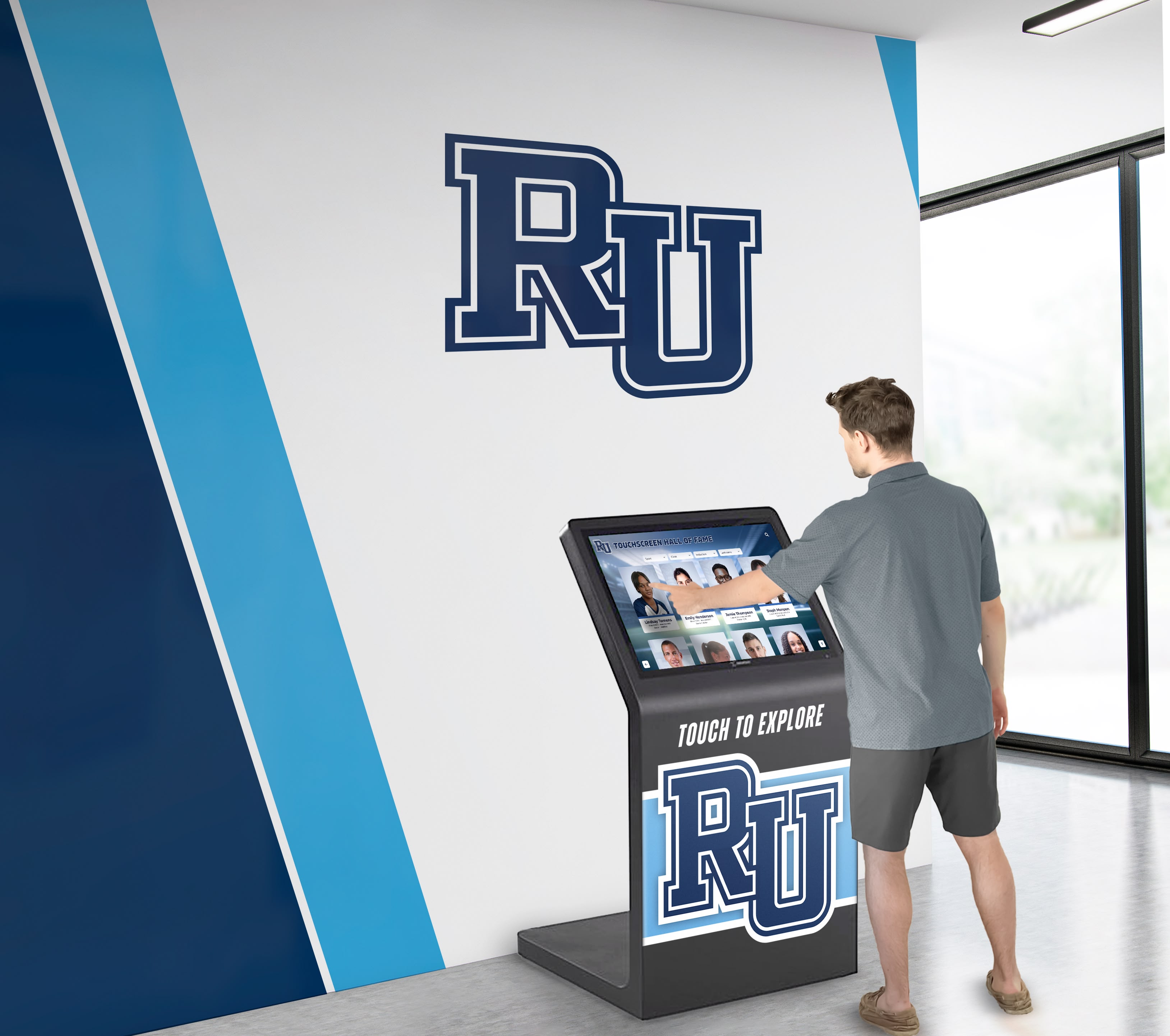
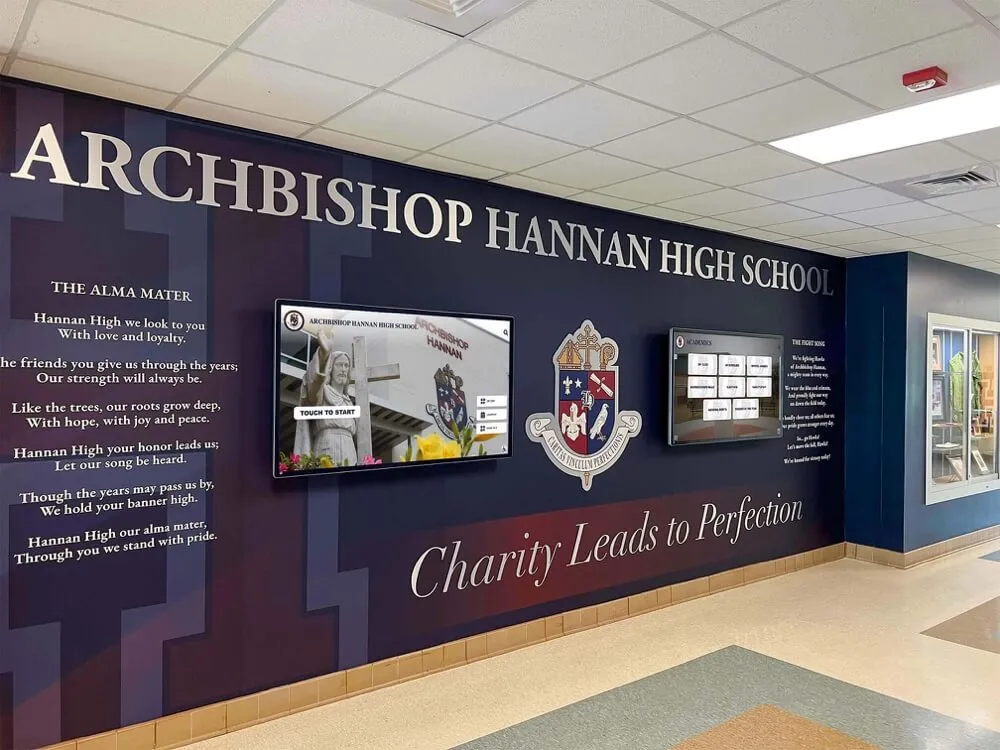
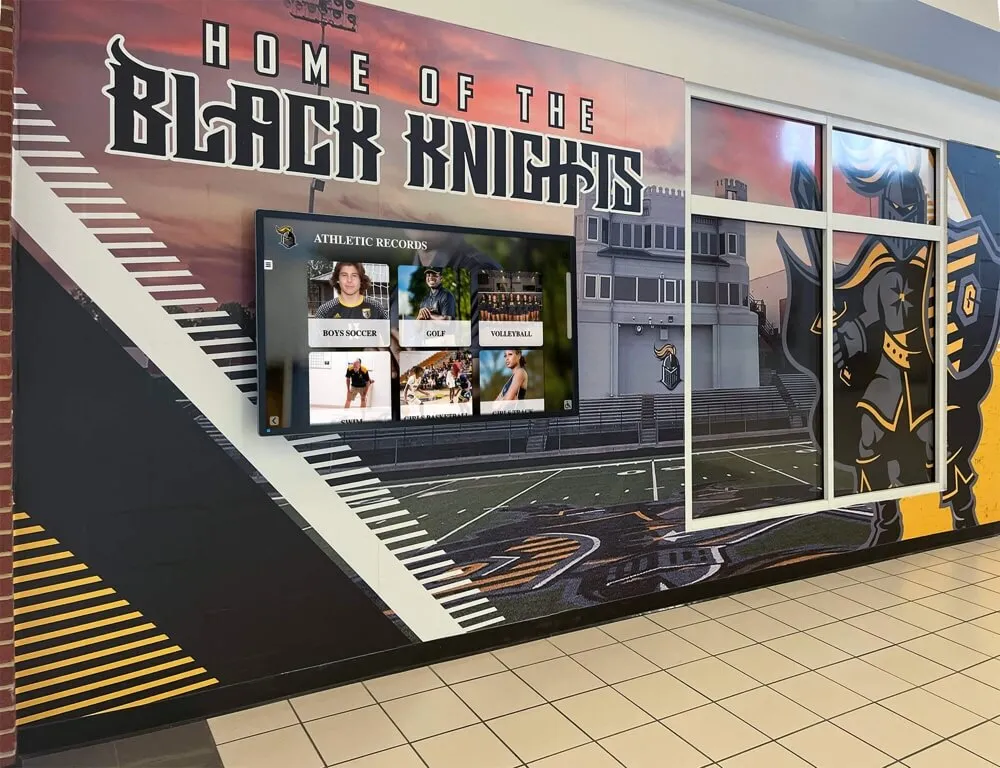
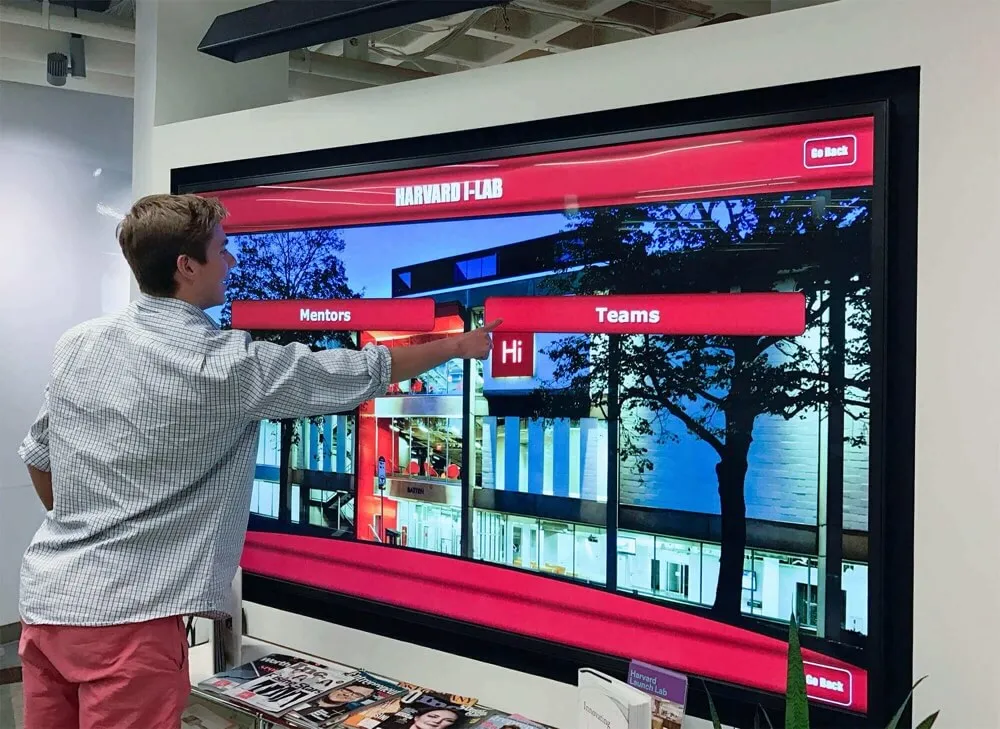
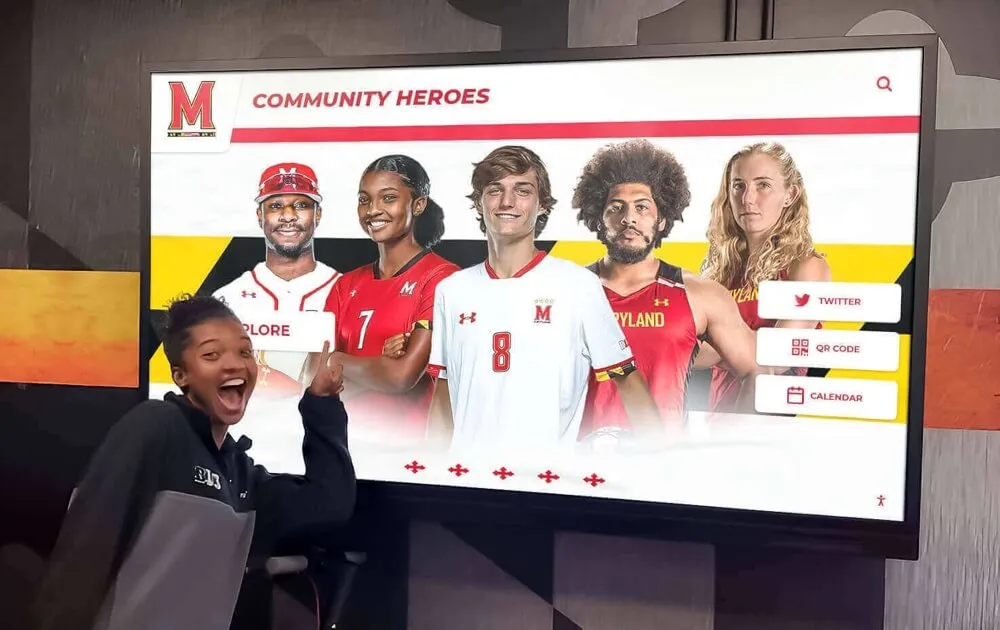
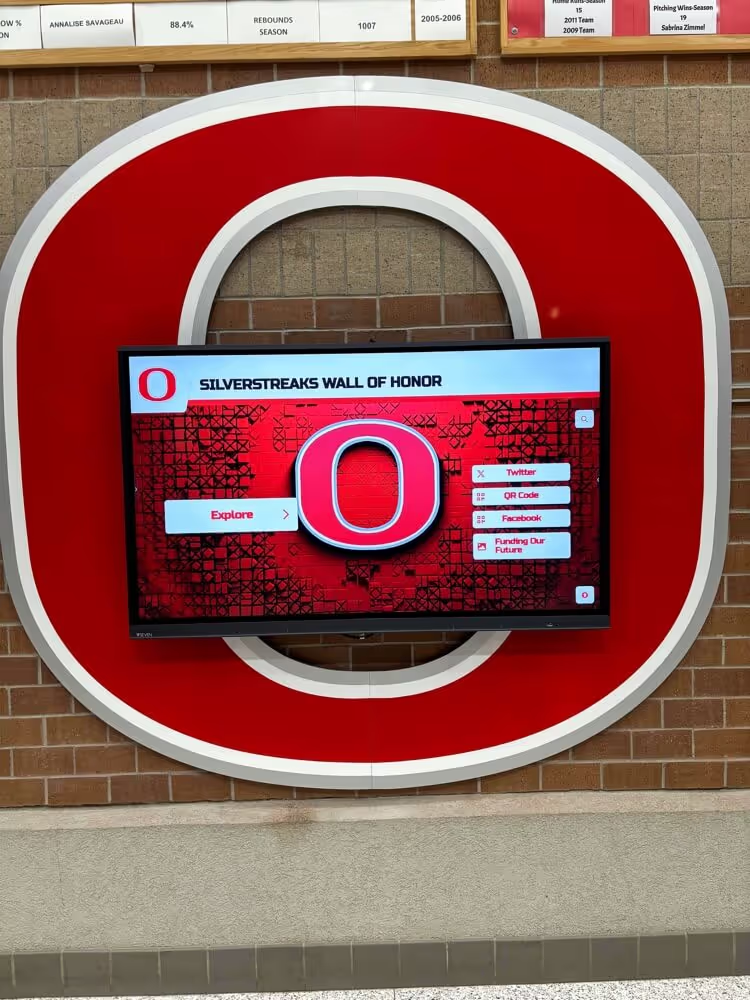
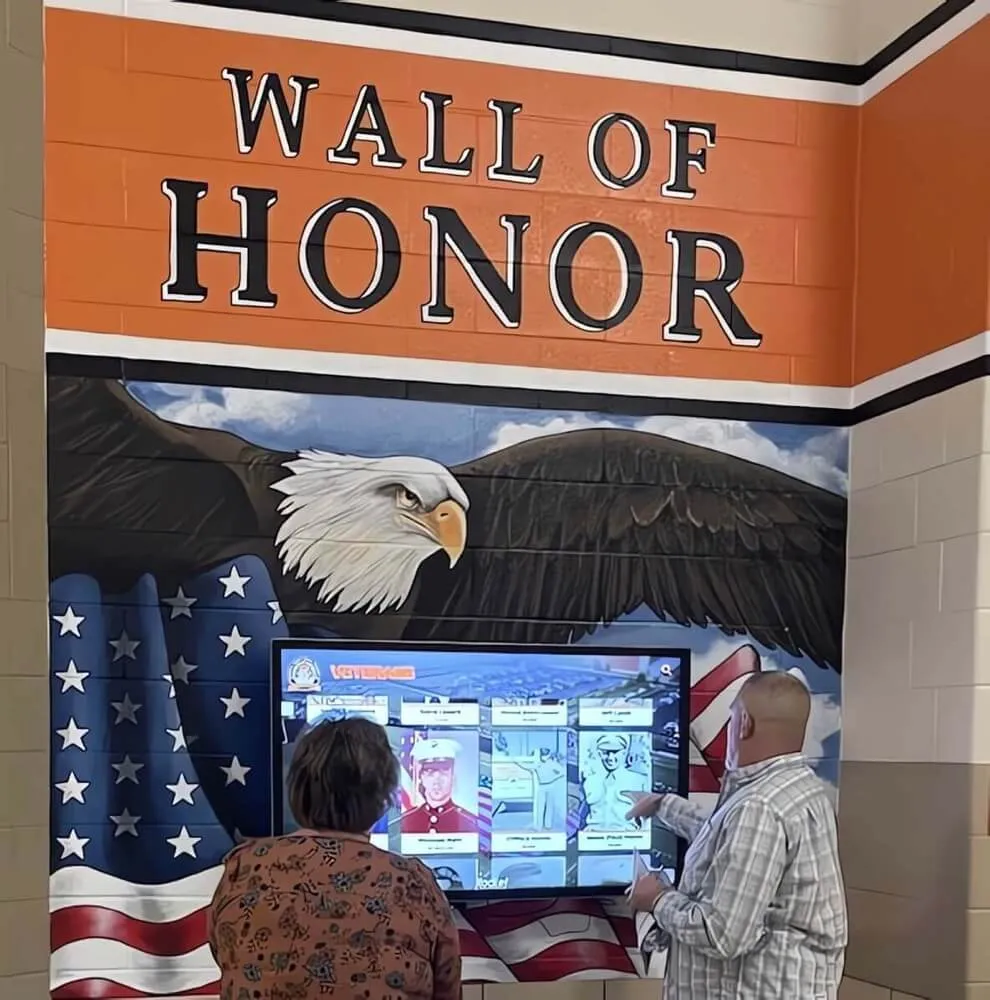
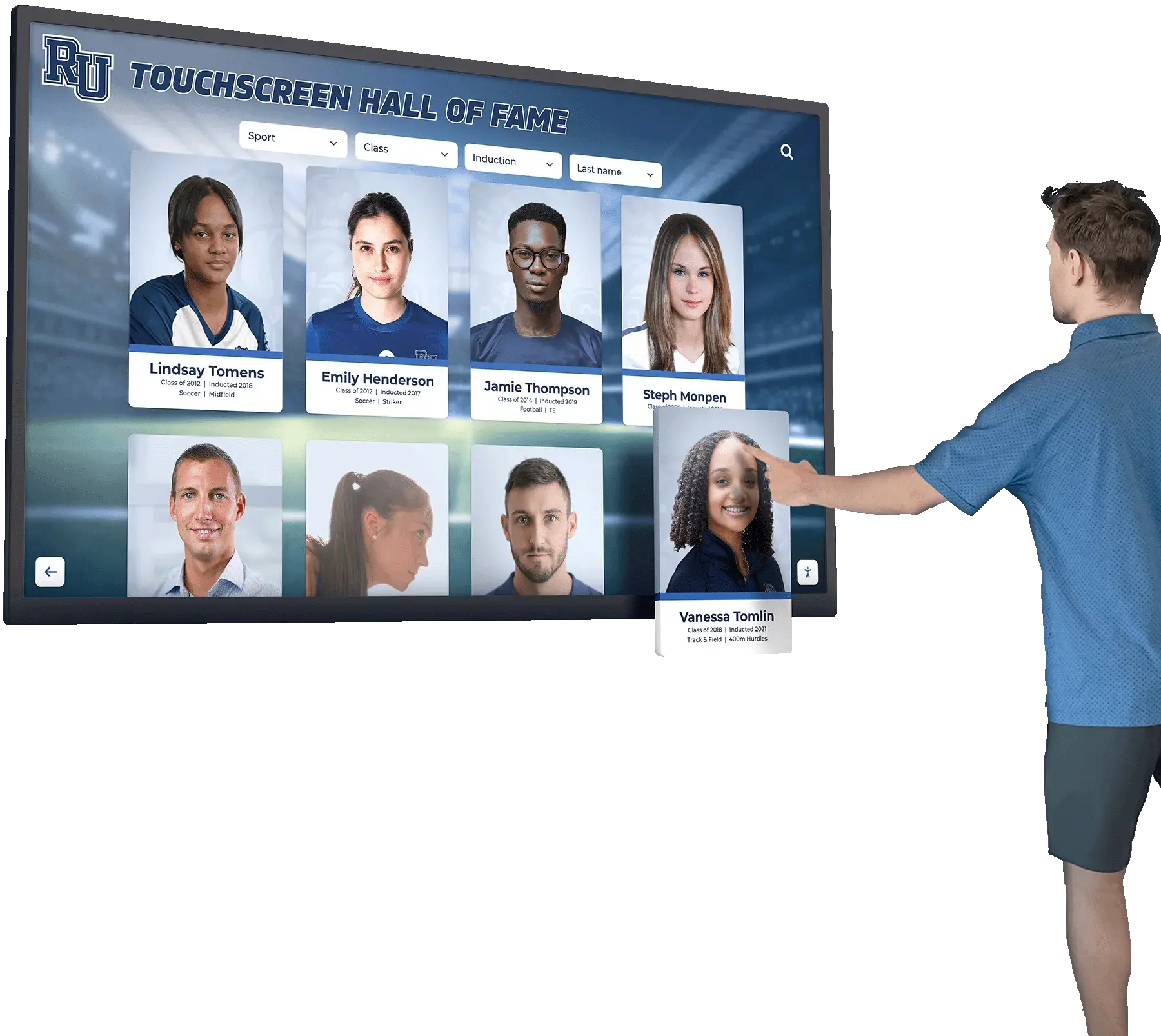
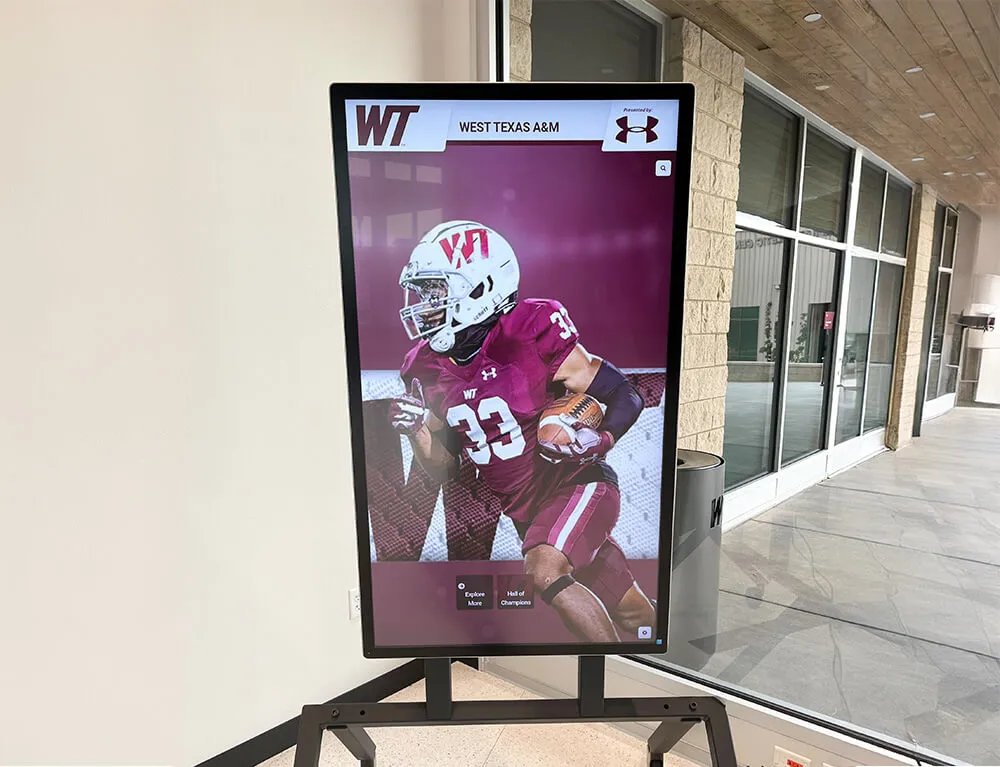
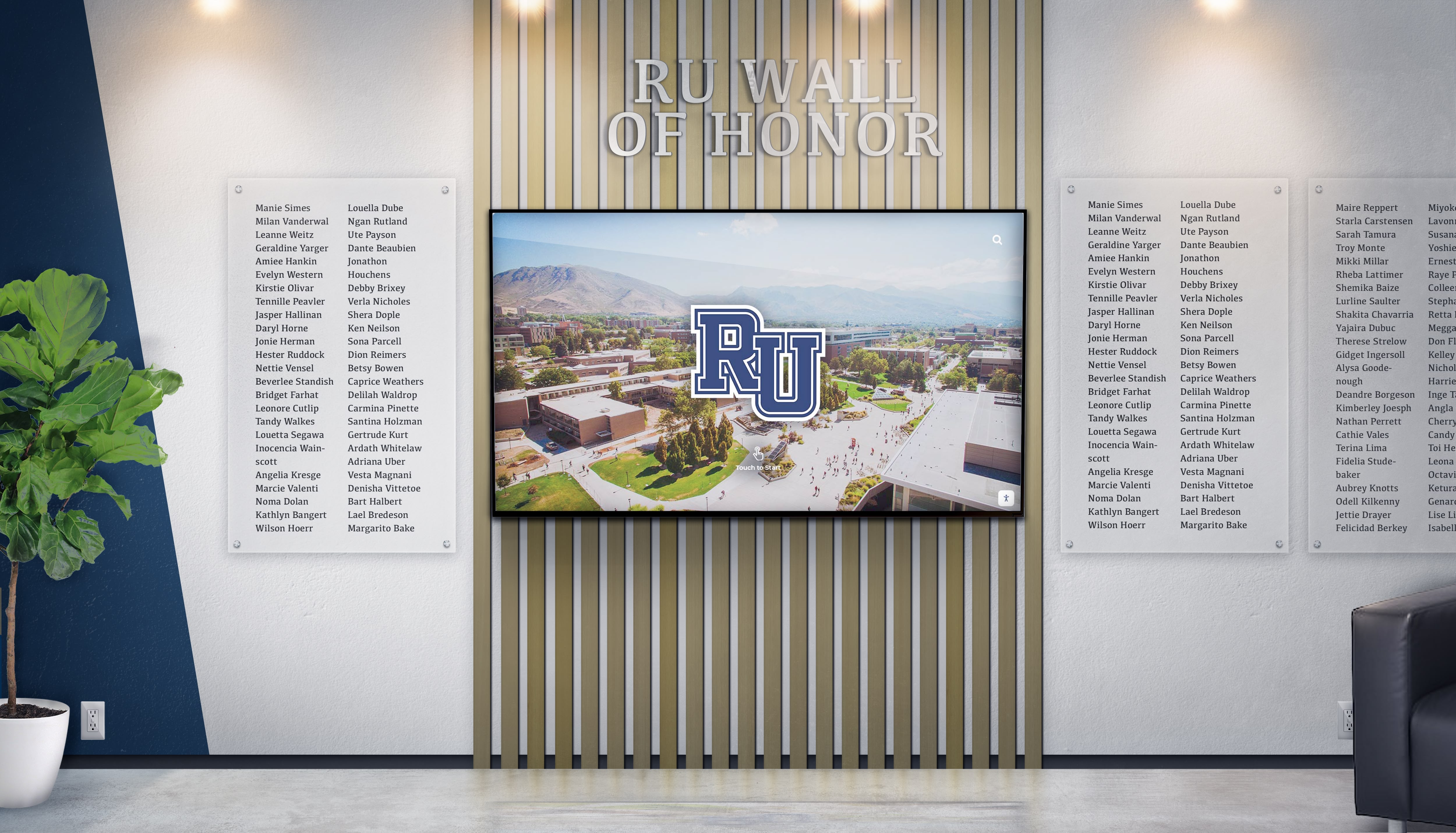
Touchscreen interfaces make exploring comprehensive donor recognition intuitive for all facility visitors
Real-Time Updates and Perpetual Flexibility
Cloud-based management platforms provide unprecedented recognition flexibility:
Instant Recognition Updates
Development staff can add new donors, update information, or make corrections within minutes from any internet-connected device without requiring physical installation, engraving services, or facility disruptions. This immediate update capability enables timely acknowledgment that demonstrates organizational responsiveness and respect for supporter contributions.
Effortless Information Maintenance
When donors request name changes, when memorial dedications need updating, when giving levels change as pledges are fulfilled, or when cumulative totals require recalculation, digital systems accommodate modifications instantly without expensive re-engraving, physical plaque replacement, or wall reconstruction.
Organizations implementing digital donor walls report 90% reduction in recognition maintenance time and costs compared to traditional systems requiring physical updates for every change.
Scheduled Content and Strategic Recognition
Cloud management enables strategic recognition timing including scheduled publication coordinating acknowledgment with dedication ceremonies, phased recognition revealing donor names at campaign milestones, featured donor rotation ensuring all supporters receive prominent visibility periodically, and seasonal content refreshes maintaining engagement throughout facility lifecycles.
This scheduling capability allows schools to choreograph recognition experiences that maximize impact while maintaining donor interest across years.
Rich Multimedia Storytelling Capabilities
Digital displays transform recognition from simple name listings to compelling donor storytelling:
Donor Profiles and Giving Stories
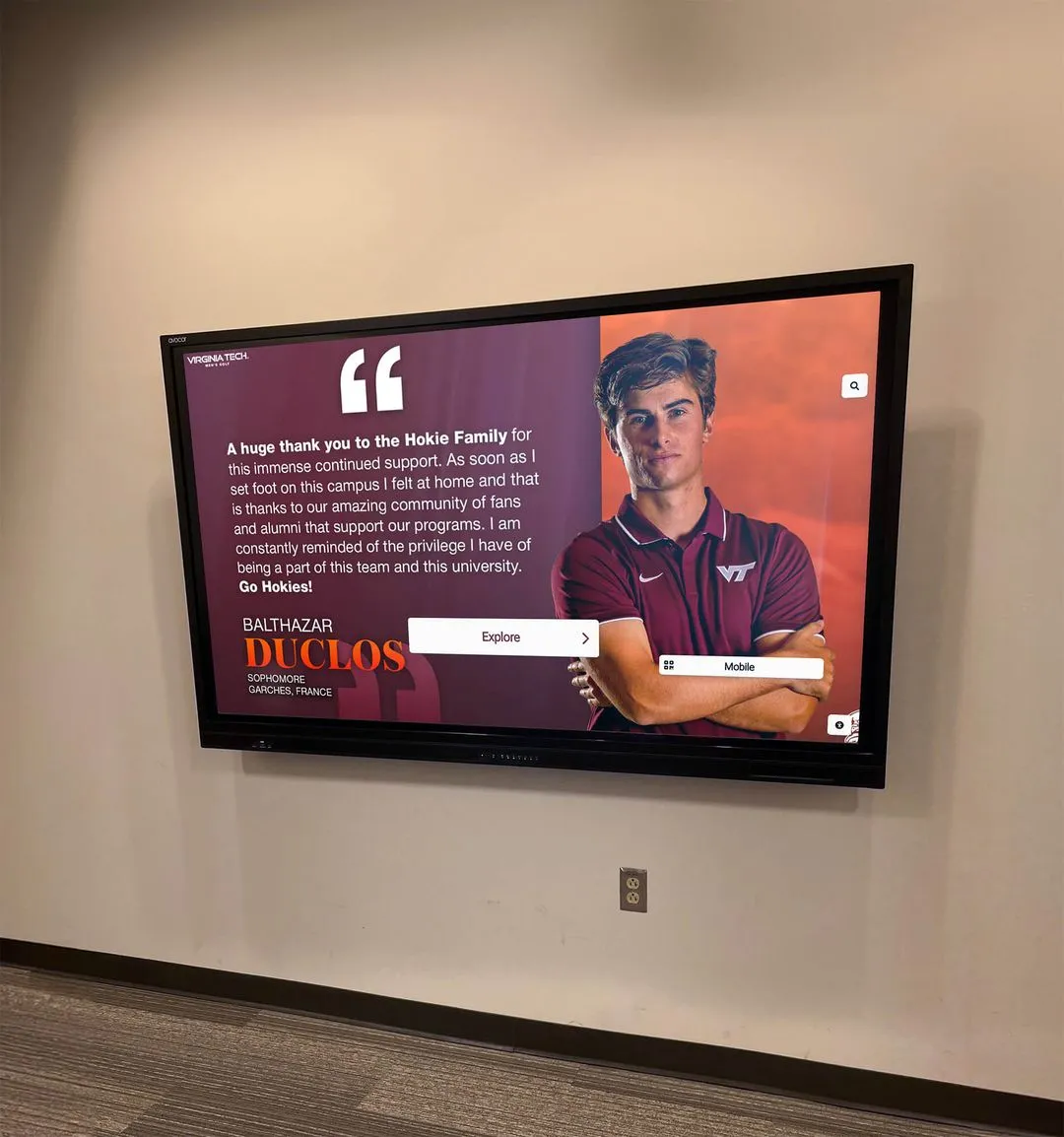
Enhanced recognition can include donor photographs and family information, personal statements explaining giving motivations, video testimonials sharing why supporters contributed, giving history documentation showing sustained support patterns, and connection stories linking donors to schools, students, or programs.
These rich profiles create meaningful recognition that honors not just donor generosity but the relationships, values, and experiences motivating support. When visitors explore donor stories rather than merely reading names, recognition becomes engaging content that inspires others while deepening appreciation for philanthropic commitment.
Impact Documentation and Project Outcomes
Digital systems enable powerful connections between donor generosity and tangible results including before-and-after renovation photographs showing transformation donors enabled, construction timeline documentation illustrating project progression, program enhancement descriptions explaining how renovated facilities improve education, student testimonials sharing how new spaces enhance learning experiences, and outcome metrics quantifying improvements renovation projects created.
This impact storytelling demonstrates that donor recognition isn’t merely institutional obligation but celebration of real educational advancement that contributions made possible.
Interactive Exploration and Discovery
Touchscreen capabilities create engaging recognition experiences where visitors can search for specific donors by name, filter recognition by giving level or campaign phase, explore detailed donor profiles at their own pace, view impact stories and renovation documentation, and share recognition discoveries with family and friends.
This interactivity encourages facility visitors to spend more time engaging with donor recognition, increasing awareness of philanthropic support while potentially inspiring their own contributions to future campaigns.
Learn about comprehensive digital recognition approaches that combine acknowledgment with impactful storytelling.
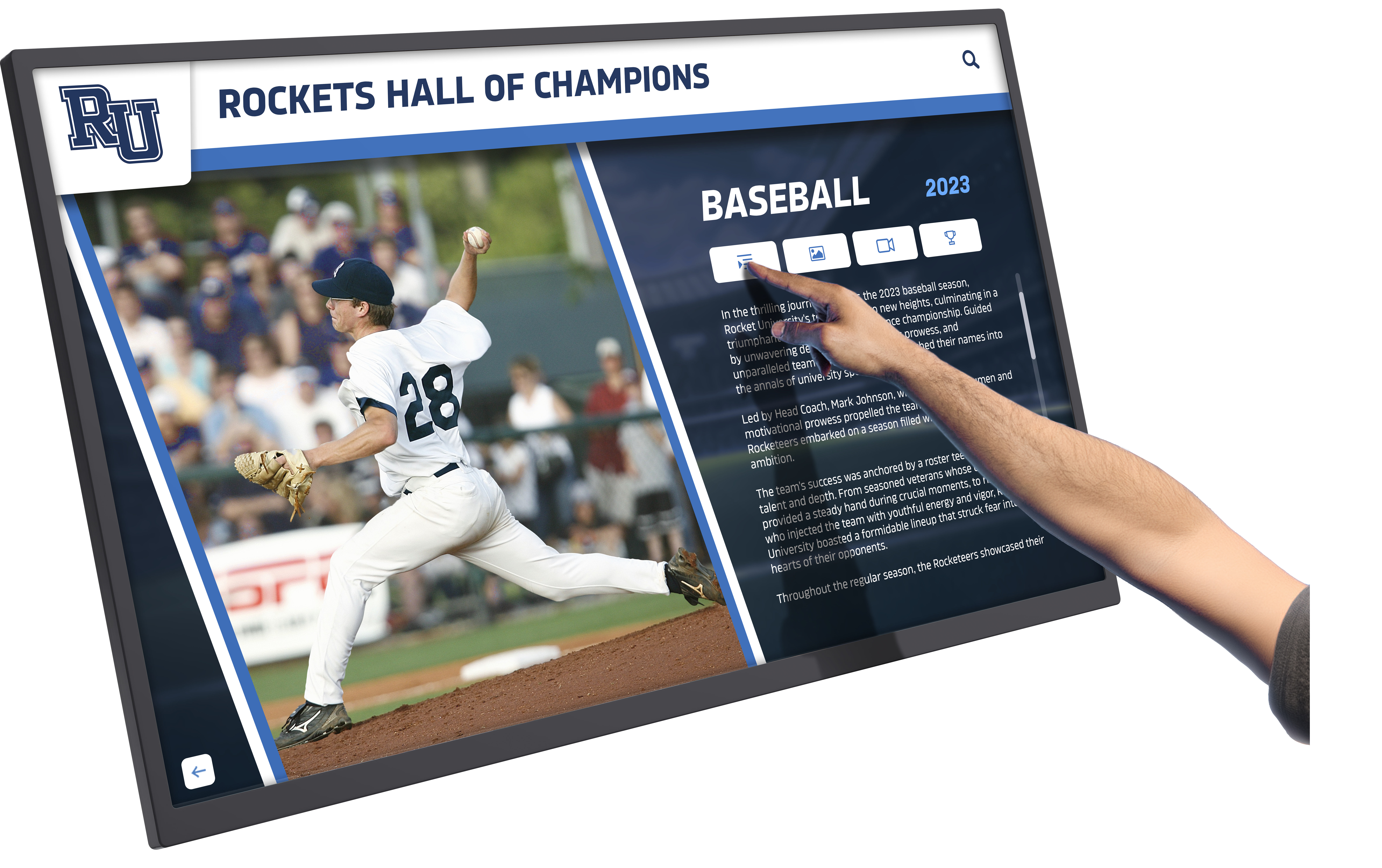
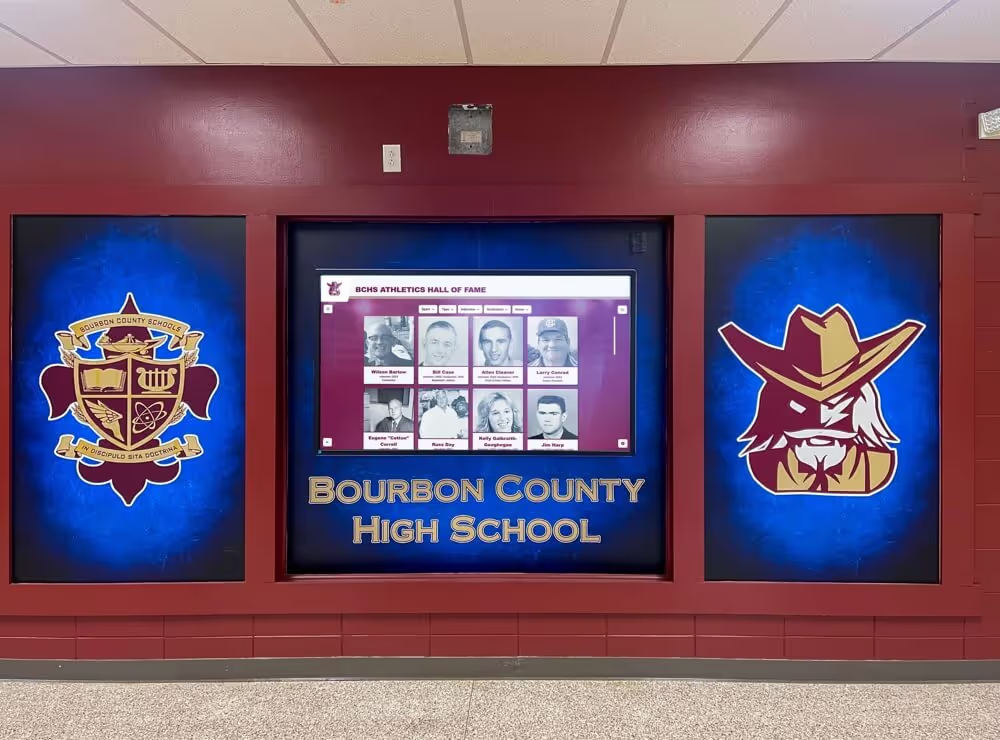
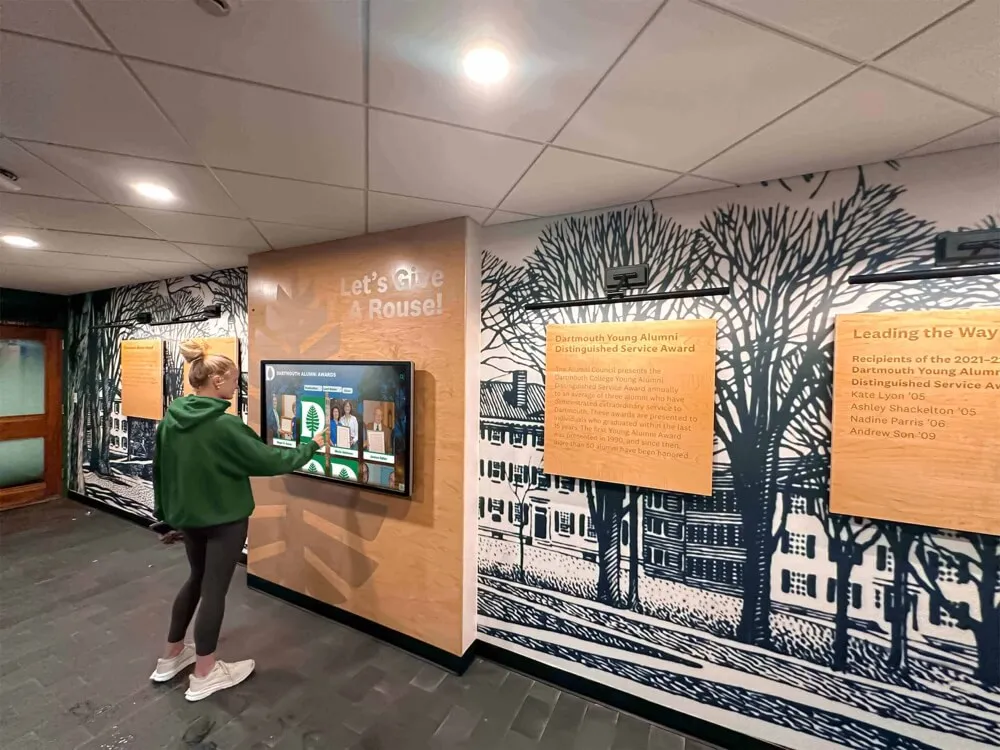
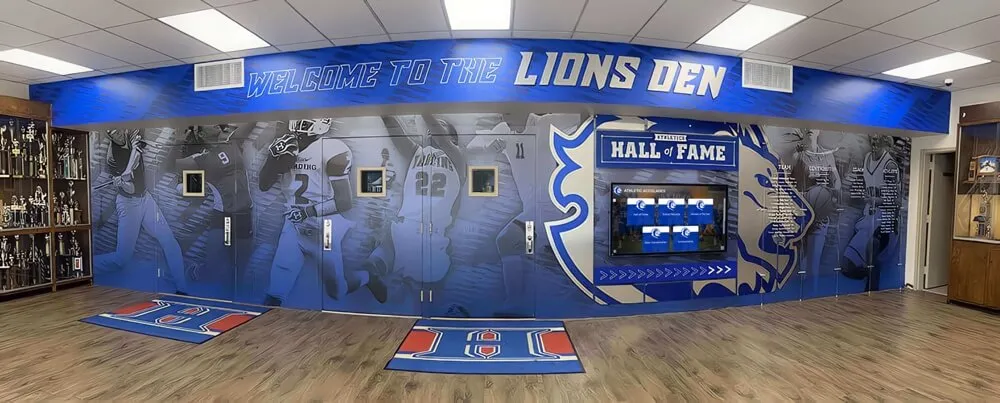
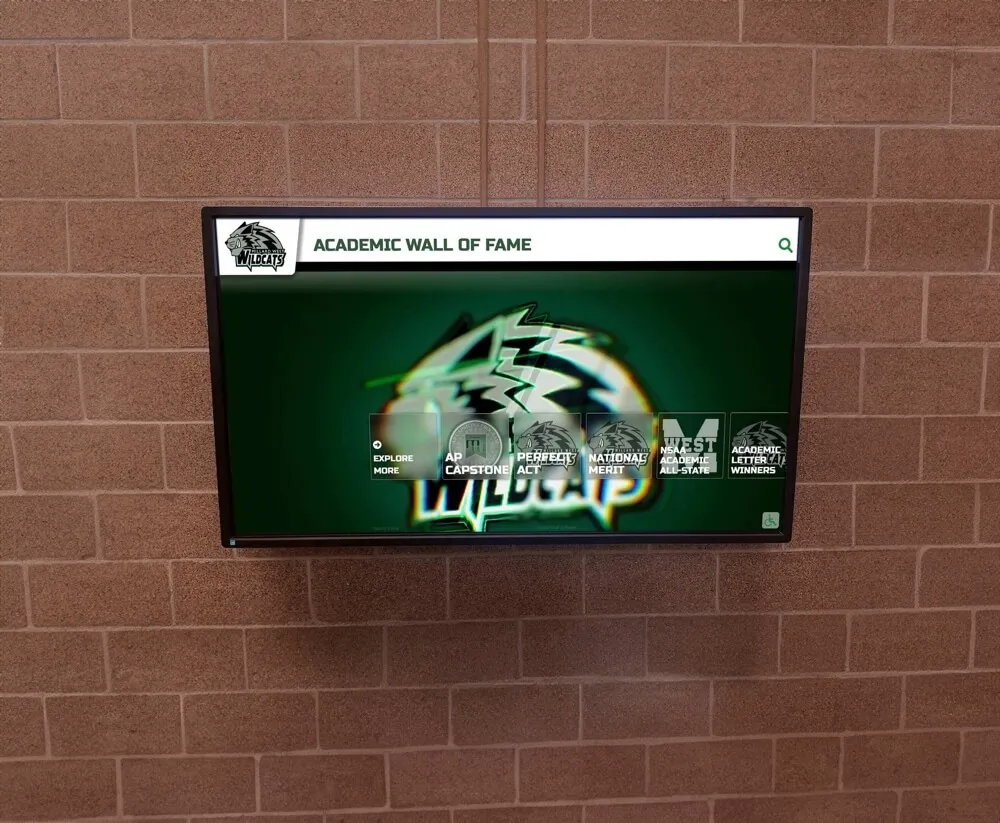
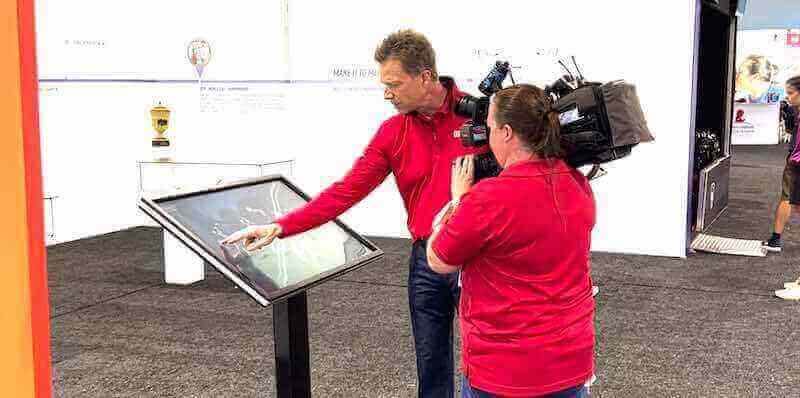
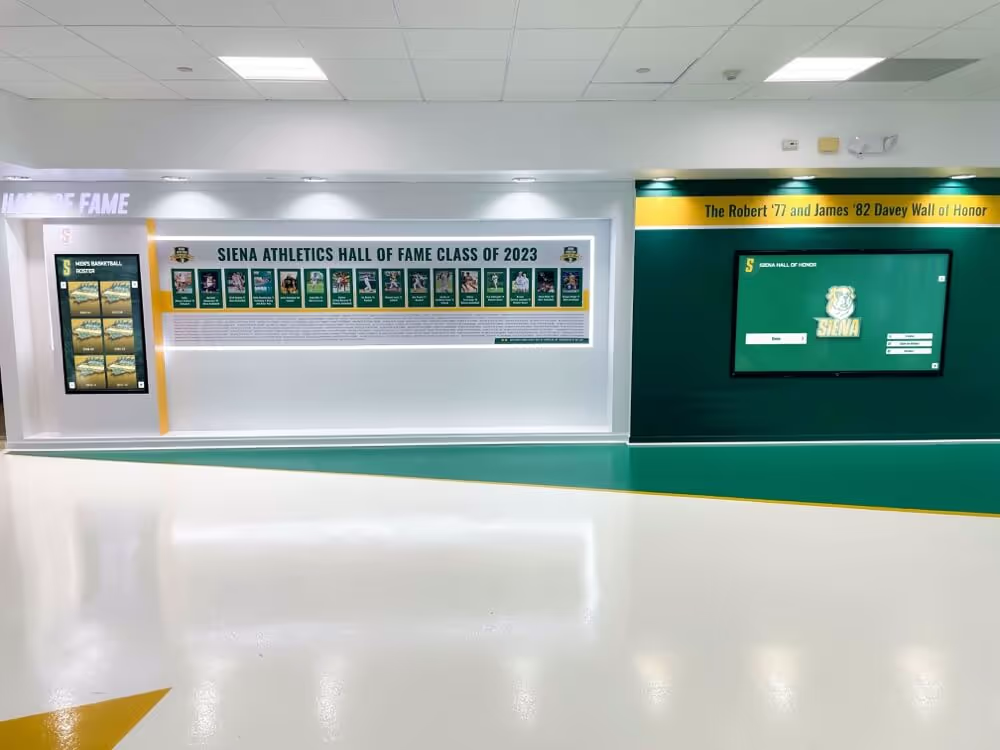
Interactive displays allow visitors to explore donor stories, campaign impact, and renovation project details at their own pace
Contemporary Aesthetic Integration
Digital recognition systems integrate beautifully with modern renovation designs:
Customizable Visual Design
Digital displays offer extensive aesthetic customization including branded color schemes matching school identity, typography selections coordinating with facility design, layout approaches ranging from formal to contemporary, animation and transition styles creating appropriate sophistication, and visual hierarchies clearly distinguishing recognition levels.
This design flexibility ensures recognition complements rather than conflicts with renovation aesthetics, creating cohesive facility experiences where acknowledgment feels intentionally integrated rather than awkwardly appended.
Multiple Display Form Factors
Digital recognition accommodates diverse installation approaches including large wall-mounted touchscreens creating dramatic lobby focal points, freestanding kiosks enabling placement anywhere without wall mounting, horizontal displays integrating with reception desks or custom millwork, video walls providing grand-scale recognition for major projects, and tablet-based systems offering portable recognition for multiple locations.
This form factor flexibility allows schools to select recognition installations perfectly suited to specific spaces, traffic patterns, and aesthetic goals.
Seamless Facility Technology Integration
Modern schools increasingly incorporate digital signage, wayfinding systems, and interactive technology throughout renovated facilities. Digital donor recognition integrates naturally with these technology ecosystems, creating unified facility experiences rather than isolated recognition installations that feel disconnected from broader environmental design.
Long-Term Cost Effectiveness
While digital systems require initial technology investment, long-term economics strongly favor digital approaches:
Eliminated Recurring Update Costs
Traditional donor walls require $500-$2,000 per update for physical engraving, plaque additions, or wall modifications. Schools with active advancement programs need 3-10 updates annually, creating recurring expenses of $1,500-$20,000 per year that accumulate throughout building lifecycles. Digital systems eliminate these recurring costs entirely while providing unlimited update capability.
Reduced Recognition Replacement Needs
Physical donor walls deteriorate over 15-25 years, requiring expensive replacement or refurbishment. Digital displays, while requiring eventual hardware updates, enable content migration to new systems without losing recognition information, creating continuity impossible with physical installations requiring complete reconstruction.
Enhanced Fundraising ROI
Research from advancement platforms indicates that visible, engaging donor recognition increases giving by 10-25% through social proof effects demonstrating philanthropic culture, improved donor retention from meaningful acknowledgment, increased gift sizes from recognized supporters, and enhanced capital campaign success from recognition opportunities inspiring major gifts.
If improved recognition contributes to even 5% giving increases for schools with $500,000 annual advancement revenue, the additional $25,000 in contributions exceeds typical digital system costs within the first year.
Explore comprehensive cost analysis for digital donor recognition examining long-term value and return on investment.
Planning Digital Recognition for School Renovation Projects
Successful digital donor recognition requires thoughtful planning integrated with renovation project timelines and capital campaign strategies.
Recognition Planning Timeline Integration
Coordinate recognition planning with renovation project phases:
Pre-Campaign Planning (12-18 Months Before Construction)
Begin recognition planning during campaign feasibility studies including recognition philosophy articulation and policy development, comprehensive naming opportunity inventory for renovation spaces, donor wall location identification and design conceptualization, recognition budget allocation within overall project costs, and preliminary digital system exploration identifying platform options.
Early recognition planning ensures schools approach major prospects with concrete acknowledgment proposals rather than vague promises, creating confidence that supports solicitation success.
Capital Campaign Integration (During Fundraising)
Throughout fundraising phases, maintain recognition focus including recognition proposal incorporation into solicitation materials, donor preference documentation about acknowledgment desires, pledge agreement language specifying recognition commitments, regular recognition planning updates ensuring approaches remain aligned with campaign progress, and recognition event planning coordinating dedication ceremonies.
This ongoing attention ensures recognition remains central to donor conversations rather than becoming afterthought addressed only after campaign conclusions.
Construction Phase Coordination (During Renovation)
As renovation projects proceed, advance recognition preparation including final donor wall location confirmation and infrastructure planning, electrical and network installation for digital display systems, content development beginning donor profile creation, photography coordination capturing renovation progression, and installation scheduling coordinating recognition with project completion.
Thoughtful construction phase coordination ensures recognition installations launch smoothly when renovated facilities open, creating immediate donor acknowledgment without delays undermining stewardship relationships.
Post-Opening Recognition Management (After Dedication)
Following renovation completions and dedication ceremonies, establish ongoing recognition maintenance including content update protocols and responsibility assignment, donor communication systems ensuring accurate information, recognition performance monitoring tracking engagement and satisfaction, periodic content refreshment maintaining display appeal, and donor stewardship integration connecting recognition to broader relationship building.
Sustainable management ensures recognition remains current, accurate, and effective long after initial installation excitement fades.
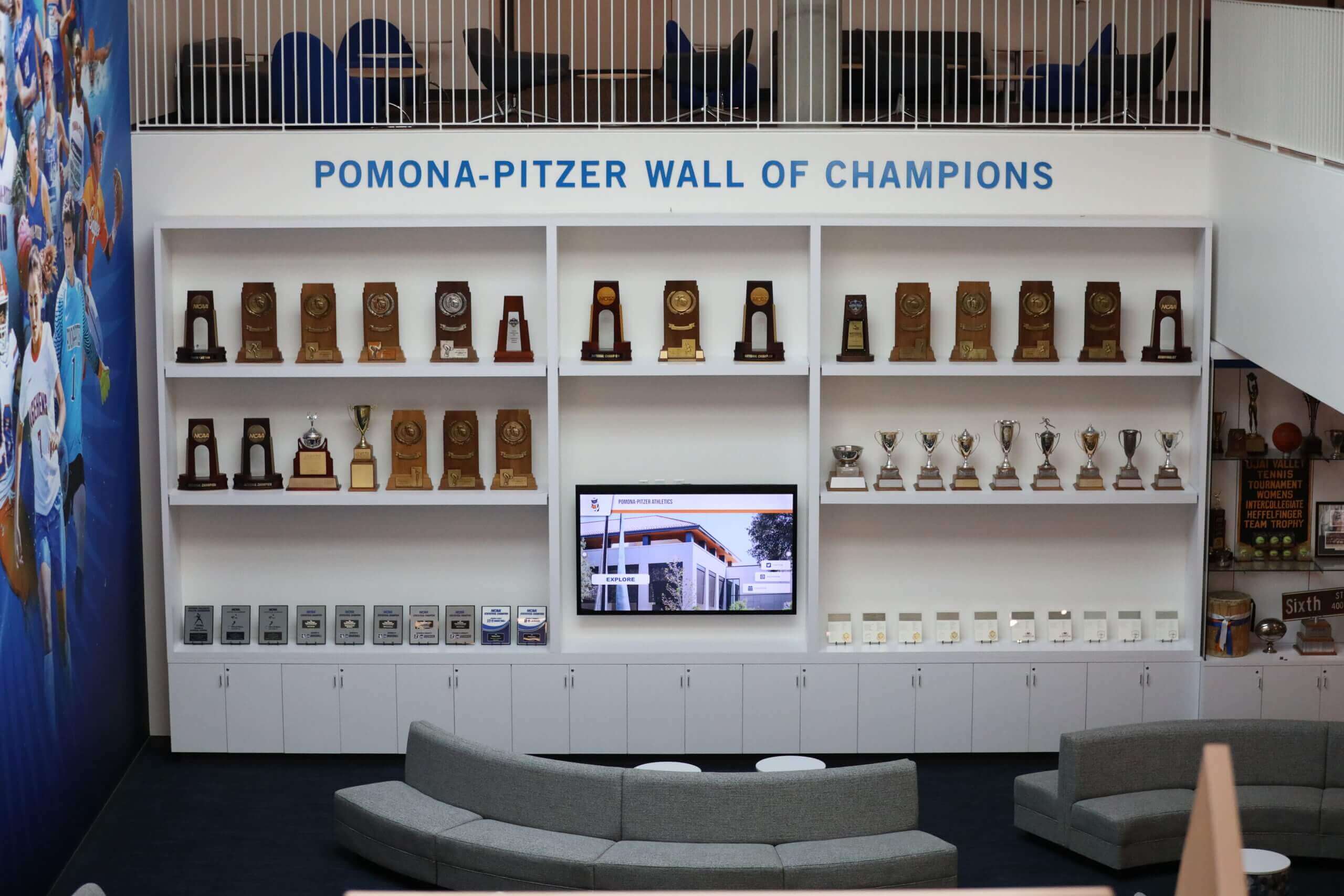
Strategic planning ensures recognition installations integrate seamlessly with renovation project timelines and dedication events
Determining Recognition Requirements and Scope
Define specific recognition needs guiding technology selection and implementation:
Primary Recognition Audiences
Identify who will engage with donor recognition including current donors deserving acknowledgment and stewardship, prospective donors evaluating giving opportunities during tours, school families understanding philanthropic culture supporting education, prospective families assessing institutional strength during admissions, alumni connecting with generous classmates and community, and community members recognizing school investment in excellence.
Understanding audience diversity helps schools design recognition approaches serving multiple constituencies effectively.
Content Categories and Recognition Types
Determine what recognition content systems must accommodate including renovation campaign donors at all giving levels, naming opportunity recipients for major spaces and features, memorial and tribute gift dedications, multi-year pledge recognition showing sustained commitment, in-kind contributor acknowledgment for materials and services, volunteer leader celebration honoring campaign involvement, and historical context connecting current projects to institutional legacy.
Comprehensive content planning ensures digital systems accommodate all recognition dimensions from project inception.
Integration Requirements and Capabilities
Consider how recognition connects with other systems including donor database integration for automatic updates, website publication extending recognition online, advancement office access for regular content management, capital campaign materials coordination for consistent messaging, facility wayfinding and signage integration, and event spaces coordination for dedication ceremonies.
These integration requirements influence technology selection, ensuring platforms support comprehensive recognition ecosystems rather than isolated installations.
Selecting Appropriate Digital Recognition Technology
Evaluate platform options based on renovation project needs:
Essential Platform Capabilities
Prioritize digital recognition systems offering intuitive content management for non-technical staff, unlimited donor capacity without arbitrary limitations, flexible content organization accommodating diverse recognition types, multimedia support for photos, videos, and rich content, customizable design matching renovation aesthetics, cloud-based architecture eliminating on-site servers, responsive technical support and training resources, and scalability supporting long-term growth.
Hardware Considerations for Renovated Facilities
Select display hardware appropriate for specific installation contexts including commercial-grade touchscreens designed for continuous operation, screen sizes suited to viewing distances and space constraints, mounting options aligning with renovation design intentions, aesthetic finishes coordinating with facility materials, accessibility features supporting diverse user abilities, and durability standards ensuring long-term reliable performance.
Learn about hardware selection for digital recognition tailored to educational environments.
Vendor Partnership and Implementation Support
Evaluate potential technology partners based on relevant experience implementing school recognition systems, comprehensive installation services handling technical details, content development assistance migrating historical data, training programs ensuring staff self-sufficiency, ongoing support availability for troubleshooting, and long-term platform development commitment ensuring continued innovation.
Full-service providers like Rocket Alumni Solutions handle complete implementation including hardware installation, content development, staff training, and ongoing support, allowing schools to launch sophisticated recognition systems without requiring internal technical expertise or creating staff burden during busy renovation timelines.
Digital Recognition Content Strategy for Renovation Donors
Maximizing digital recognition value requires thoughtful content development that honors donors while engaging facility visitors.
Core Donor Recognition Content Elements
Comprehensive donor acknowledgment extends beyond simple name listings:
Essential Donor Information
Every donor profile should include full names as donors prefer recognition, giving level designations or cumulative contribution totals, campaign phase participation showing when support arrived, special recognition society memberships or leadership designations, memorial or tribute information including dedications, and multi-year pledge status acknowledging sustained commitments.
Enhanced Donor Profiles for Major Contributors
With donor permission, create rich profiles for major supporters including donor photographs and family images, biographical information about backgrounds and connections, personal giving statements explaining motivations and values, video testimonials sharing why supporters contributed, and legacy stories about multi-generational family relationships with schools.
These enhanced profiles transform major donor recognition from directory listings to meaningful celebration of individuals whose extraordinary generosity enabled transformation, creating compelling content that inspires others while deeply honoring featured supporters.
Donor Impact Storytelling
Connect donor recognition to tangible renovation outcomes including specific facility improvements donor contributions funded, program enhancements renovated spaces enable, student testimonials explaining how new facilities improve education, before-and-after photography showing transformation, and outcome metrics quantifying educational impact.
This impact documentation demonstrates that recognition celebrates real educational advancement rather than merely fulfilling institutional obligations.
Explore comprehensive approaches to nonprofit donor recognition that connect acknowledgment with impact storytelling.
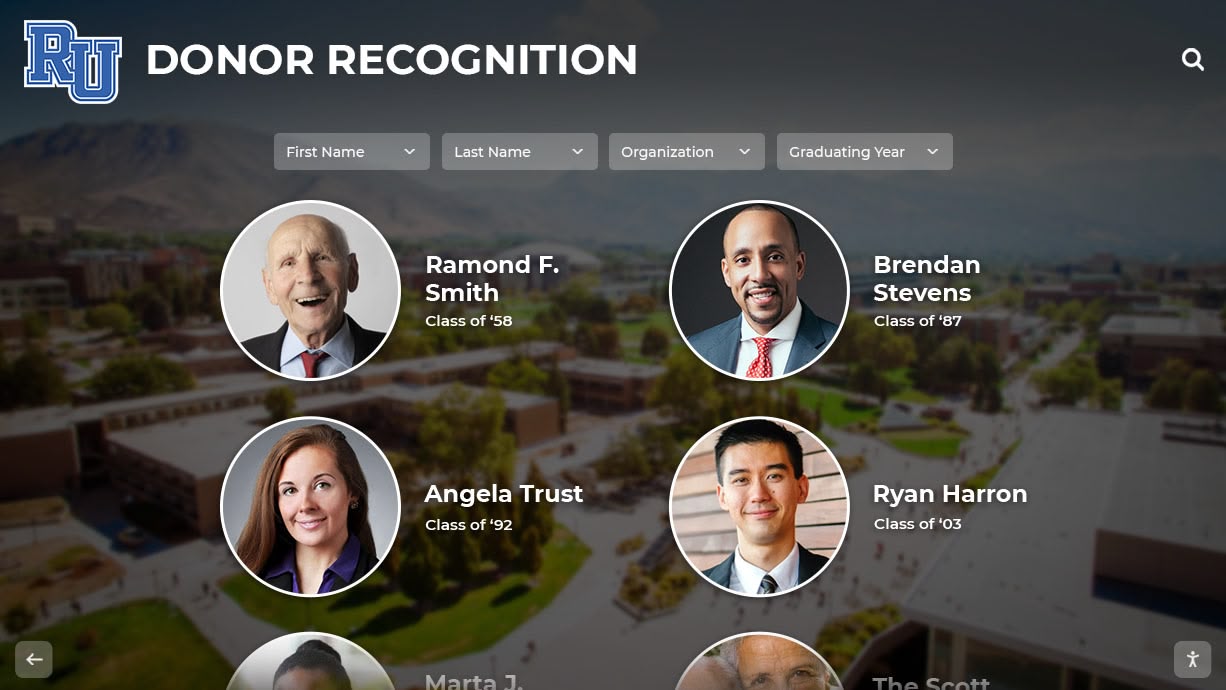
Rich donor profiles connect recognition to the people and stories behind philanthropic support for renovation projects
Renovation Project Documentation Content
Beyond donor recognition, incorporate project context enriching facility understanding:
Construction and Renovation Documentation
Archive comprehensive project information including architectural renderings showing design vision, construction timeline documentation illustrating project progression, before-and-after photography demonstrating transformation, contractor and architect recognition acknowledging professional contributors, sustainability features and green building certifications, and cost summaries showing total investment and funding sources.
This documentation creates valuable institutional history while demonstrating project scope that donor contributions made possible.
Facility Enhancement and Program Impact
Explain how renovations improve educational programs including new teaching spaces and learning environment features, technology infrastructure supporting contemporary instruction, specialized facilities for arts, athletics, or sciences, accessibility improvements expanding inclusive participation, capacity expansions accommodating enrollment growth, and sustainability features reducing environmental impact.
Dedication and Celebration Content
Preserve dedication ceremony content including dedication event photography and videography, speeches from school leadership and major donors, community celebration documentation, media coverage of project completions, and milestone achievement recognition.
This celebration content extends dedication impact beyond single events while creating resources for future advancement communications and institutional archives.
Historical Context and Legacy Connection
Position renovation projects within broader institutional narratives:
Previous Capital Projects and Facility History
Connect current renovations to historical development including original facility construction and founding donors, previous renovation projects and their supporters, facility evolution timelines showing growth, and historical photography documenting campus transformation.
This historical context reinforces institutional permanence while honoring those whose past generosity created foundations current projects build upon.
Distinguished Alumni and Institutional Achievement
Integrate donor recognition with broader achievement celebration including distinguished alumni whose success validates educational excellence, academic achievements and program recognition, athletic accomplishments and championship celebrations, and artistic and extracurricular excellence.
This comprehensive approach positions donor recognition within cultures of excellence, demonstrating how philanthropic support enables achievements schools celebrate.
Learn about school history preservation that integrates donor recognition with institutional narratives.
Implementation: Installing Digital Recognition in Renovated Facilities
Professional implementation ensures recognition installations honor donors while integrating seamlessly with renovation projects.
Site Preparation and Infrastructure Requirements
Coordinate recognition installation with renovation construction:
Location Selection and Traffic Patterns
Choose recognition locations maximizing visibility and engagement including main entrance lobbies where all visitors encounter recognition, circulation corridors with consistent traffic, gathering spaces where people linger rather than pass through, and proximity to renovated areas donors funded.
Poor location selection—hidden corridors or inconspicuous spaces—suggests schools don’t genuinely value support, potentially undermining recognition purposes.
Electrical and Network Infrastructure
Ensure adequate installation infrastructure including dedicated electrical circuits for display power, network connectivity through hardwired ethernet or robust WiFi, cable management and concealment planning, appropriate lighting avoiding glare or visibility issues, and ADA compliance for accessible user interaction.
Coordinate infrastructure installation during renovation construction phases to avoid disruptive retrofitting after facility completion.
Mounting Surface Preparation
Prepare installation surfaces including structural support verification for wall-mounted displays, mounting surface finishing coordinating with facility aesthetics, floor reinforcement for freestanding kiosks if required, and protection during ongoing construction activities.
Environmental Considerations
Address environmental factors affecting installation including temperature and humidity control for electronics, sunlight exposure potentially causing glare, dust and construction debris protection during installation, and security considerations for valuable equipment.
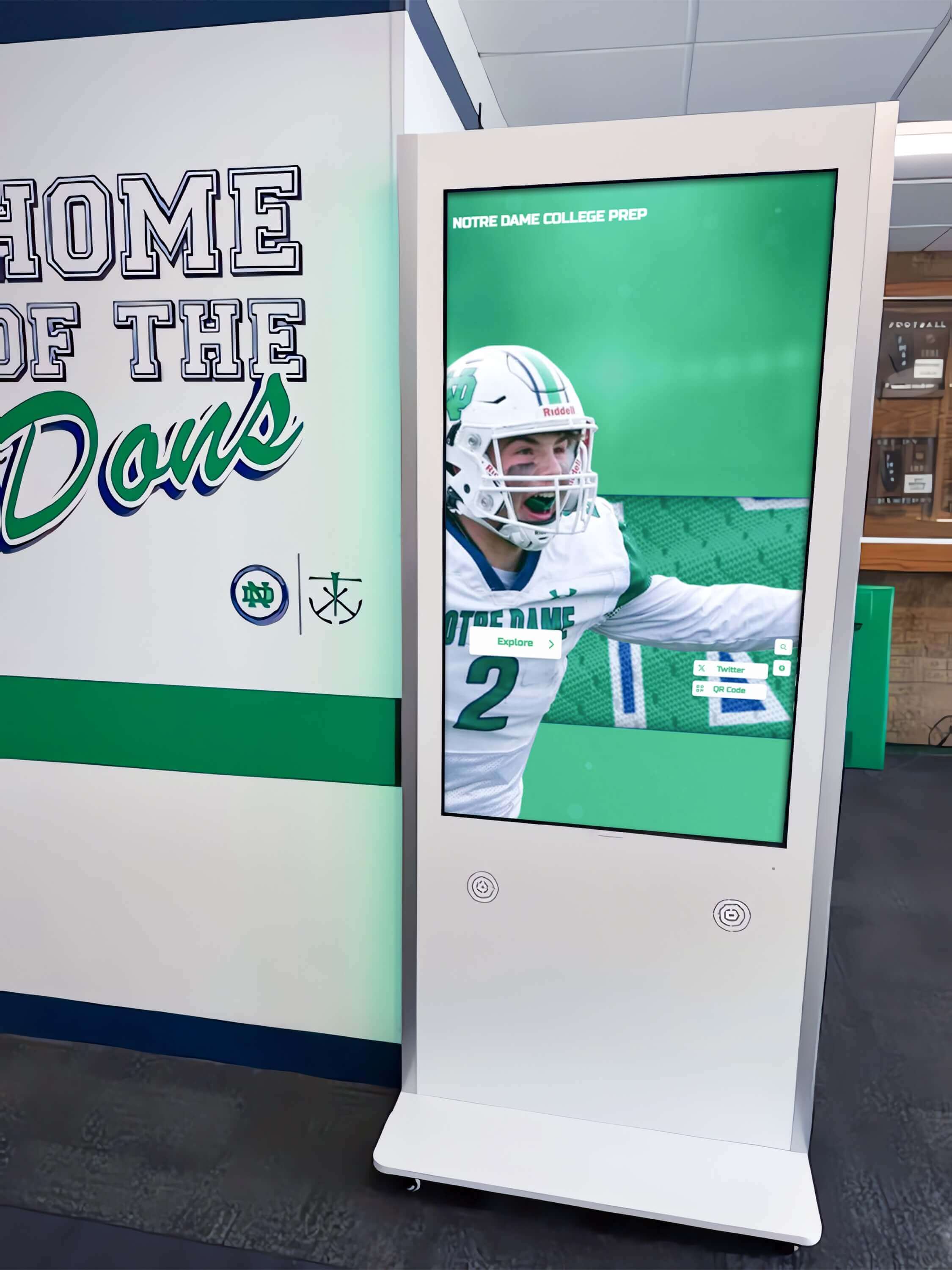
Professional installation ensures digital recognition displays integrate seamlessly with renovated facility design
Content Development and Migration
Comprehensive content preparation ensures recognition launches successfully:
Historical Donor Data Compilation
Gather complete donor information including comprehensive donor lists from all campaign phases, giving level or contribution amount verification, pledge fulfillment status and payment tracking, donor preference documentation about recognition desires, memorial and tribute dedication information, and contact information for donor communication and verification.
Profile Content Creation
Develop rich recognition content including donor biography writing and editing, photography collection or professional photo sessions, video testimonial recording and editing when applicable, impact story development connecting gifts to outcomes, and graphic design for visual appeal and consistency.
Many schools partner with full-service recognition providers handling content development, significantly reducing internal workload during busy renovation project timelines.
Quality Assurance and Donor Verification
Before recognition launches, verify accuracy through comprehensive content review processes, donor confirmation communications ensuring correct information, testing all interactive functions and search capabilities, and preview sessions with key stakeholders gathering feedback.
Thorough quality assurance prevents embarrassing errors undermining donor relationships and institutional credibility.
Launch, Dedication, and Ongoing Management
Successful recognition launches create excitement while establishing sustainable management:
Soft Launch and Testing Period
Before formal dedication, conduct limited soft launches including staff and leadership previews identifying issues, select donor preview sessions gathering reactions, functionality testing ensuring reliable operation, and refinement implementation addressing identified concerns.
Dedication Ceremony Integration
Formal recognition unveiling should coordinate with renovation dedication including recognition display prominently featured in ceremonies, donor recognition elements in dedication programs, facility tours highlighting donor acknowledgment installations, and media coverage amplifying recognition visibility.
Sustainable Management Protocols
Establish ongoing administration ensuring long-term effectiveness including clear responsibility assignment for content updates, regular update schedules maintaining currency, donor communication protocols about recognition changes, technical maintenance ensuring reliable operation, periodic content refreshment keeping displays engaging, and performance monitoring tracking engagement and donor satisfaction.
Systematic management ensures recognition remains current, accurate, and effective long after initial launch excitement fades.
Explore ongoing management approaches ensuring long-term recognition system success.
Best Practices for School Renovation Donor Recognition
Learning from successful implementations helps schools avoid common pitfalls while maximizing recognition impact.
Honor All Donor Categories Equitably
Comprehensive recognition includes diverse supporter types:
Tiered Recognition Acknowledging Gift Levels
Create clear visual hierarchy distinguishing major donors receiving enhanced visibility and detail, leadership donors recognized prominently with substantial profiles, supporting donors acknowledged with meaningful inclusion, and general contributors honored through comprehensive listing.
This tiered approach respects different contribution levels while ensuring all supporters receive appropriate acknowledgment.
Memorial and Tribute Gift Sensitivity
Handle memorial dedications with particular care including clear designation of memorial nature, appropriate language respecting diverse cultural traditions, family input on dedication wording and content, and thoughtful presentation honoring remembered individuals.
Many renovation donors contribute in memory of loved ones, creating emotional significance requiring respectful handling.
In-Kind and Volunteer Contributor Recognition
Acknowledge non-financial contributions including materials and services donations, volunteer time and expertise, professional services provided at reduced rates, and planning committee participation.
Comprehensive recognition celebrating all contribution types builds inclusive philanthropic cultures.
Maintain Recognition Accuracy and Currency
Ongoing attention to detail sustains credibility:
Regular Information Verification
Establish systematic accuracy processes including annual donor information confirmation, prompt correction of identified errors, pledge fulfillment status updates, giving level recalculation as contributions continue, and removal processes for donors requesting exclusion.
Donor Communication Integration
Connect recognition with broader donor stewardship including recognition installation notifications for featured donors, periodic recognition reports showing how acknowledgment appears, invitation to provide updated information or photos, and recognition experience feedback solicitation.
This communication integration demonstrates organizational respect for donors while ensuring recognition remains accurate.
Balance Permanence With Flexibility
Recognition systems should honor tradition while accommodating change:
Recognition Policy Development
Establish clear policies addressing recognition duration commitments, naming opportunity perpetuity or term limits, processes for recognition reconsideration if circumstances change, and donor preferences about privacy and visibility.
Technology Upgrade Planning
Anticipate long-term technology evolution including content migration planning as platforms evolve, hardware replacement budgeting for eventual updates, design refreshment schedules maintaining contemporary appeal, and platform reassessment ensuring continued best-in-class capabilities.
Digital recognition provides flexibility traditional walls cannot match, but maintaining effectiveness requires periodic attention ensuring systems remain current as technology advances.
Learn about major gift recognition strategies that balance permanence with adaptability.
Special Considerations for Different Renovation Project Types
Recognition approaches should align with specific project characteristics:
New Building Construction Recognition
Entirely new facilities provide maximum recognition flexibility:
Comprehensive Naming Opportunities
New buildings offer extensive naming possibilities including overall building naming for transformational gifts, major functional space naming for significant contributions, departmental areas and specialized centers, classrooms, laboratories, and instructional spaces, architectural features like entries, atriums, or courtyards, and outdoor spaces including plazas, gardens, and pathways.
Integrated Recognition Planning
New construction allows recognition integration from design inception including donor wall location optimization during architectural design, infrastructure planning incorporating recognition technology, aesthetic coordination ensuring recognition complements building design, and dedication ceremony planning synchronized with building opening.
Major Renovation and Addition Projects
Renovation-addition projects combine existing and new spaces:
Balanced Recognition Approaches
Ensure recognition honors both renovation and addition supporters equitably, accommodates existing recognition from previous campaigns, creates visual continuity between old and new spaces, and clearly distinguishes current campaign from historical giving.
Hybrid Recognition Systems
Consider approaches combining traditional elements in historical spaces with digital recognition in renovated areas, creating respectful integration that honors institutional heritage while embracing contemporary innovation.
Targeted Facility Improvements
Smaller-scale renovations require proportionate recognition:
Appropriately Scaled Acknowledgment
Match recognition scope to project scale including focused recognition for specific facility areas, digital displays complementing rather than overwhelming spaces, and cost-effective technology appropriate for modest campaigns.
Integration With Existing Recognition
Coordinate new recognition with established systems including consistent design language and organization, complementary technology platforms, and unified donor communication and stewardship.
Measuring Recognition Program Success and Impact
Assessment ensures recognition programs achieve intended donor stewardship and advancement goals.
Donor Satisfaction and Retention Metrics
Track indicators demonstrating recognition effectiveness:
Donor Feedback and Satisfaction
Gather input through post-dedication surveys assessing recognition satisfaction, donor comments during stewardship visits, recognition-related questions during campaign solicitations, and testimonials from satisfied supporters.
Giving Pattern Analysis
Monitor metrics indicating recognition impact including donor retention rates among recognized contributors, gift upgrade rates for donors making subsequent contributions, multi-year giving participation showing sustained engagement, and planned giving inquiries from recognized annual donors.
Research consistently shows that meaningful recognition improves donor retention by 15-30%, creating substantial long-term advancement value.
Facility Visitor Engagement
Assess how facility users interact with recognition:
Usage Analytics and Interaction Metrics
Digital systems provide detailed engagement data including total interaction counts showing recognition usage, average session durations indicating content engagement depth, most-viewed donor profiles revealing audience interests, search query patterns showing how visitors explore recognition, and time-based usage patterns identifying peak engagement periods.
Prospective Family Impact
During admissions processes, gather feedback including prospective family comments about recognition, admissions tour integration and guide references, and perceived institutional culture and donor support strength.
Advancement Program Impact
Evaluate recognition contributions to broader advancement success:
Fundraising Performance
Monitor advancement metrics including capital campaign total achievement and goal attainment, average gift sizes during recognition-emphasized solicitations, naming opportunity selection rates and pricing validation, and subsequent campaign success leveraging recognition precedents.
Recognition ROI Calculation
Compare recognition investment with fundraising impact including recognition costs as percentage of funds raised, long-term donor retention value from recognition, incremental giving attributed to recognition visibility, and cost avoidance from eliminated physical update expenses.
These assessments demonstrate recognition value while identifying optimization opportunities improving effectiveness over time.
Conclusion: Transforming Renovation Donor Recognition for Lasting Impact
School renovation projects represent extraordinary opportunities—transformational capital investments that modernize educational facilities, expand learning capacity, and create inspiring environments serving students for generations. These ambitious projects demand exceptional financial commitment from donors who believe deeply in educational excellence and invest generously to advance institutional missions.
Donors making these significant contributions deserve recognition that honors the magnitude and lasting impact of their support. Digital recognition walls provide schools with powerful tools to celebrate renovation donors appropriately while creating flexible, engaging acknowledgment systems that serve communities for decades.
The strategies explored in this guide provide comprehensive frameworks for digital recognition implementation that balances multiple objectives including honoring all donors appropriately across diverse giving levels, creating unlimited capacity eliminating space constraints, enabling ongoing flexibility as campaigns continue evolving, integrating beautifully with contemporary renovation aesthetics, telling compelling stories connecting gifts to educational impact, and building sustainable systems requiring minimal ongoing management.
Strategic Implementation Pathway
Schools planning renovation projects should integrate recognition into earliest planning phases including recognition philosophy articulation during feasibility studies, comprehensive naming opportunity development during campaign planning, donor wall location identification during architectural design, recognition budget allocation within overall project costs, digital technology evaluation exploring platform options, content development strategy ensuring launch readiness, and dedication ceremony planning showcasing recognition installations.
This systematic approach prevents recognition problems plaguing projects where acknowledgment becomes afterthought rather than strategic priority planned from inception.
Technology as Recognition Enabler
Modern digital recognition technology exists to strengthen donor relationships and celebrate philanthropic culture, not merely fulfill institutional obligations. The most effective implementations position technology as tools serving stewardship objectives rather than ends in themselves. Solutions like Rocket Alumni Solutions provide comprehensive platforms combining powerful capabilities with user-friendly administration, enabling schools to focus on donor relationships rather than technical management.
Your renovation donors’ generosity creates lasting educational impact that will serve students for generations. They deserve recognition matching their gifts’ transformational significance—thoughtfully planned, beautifully executed, properly maintained, and perpetually honored. With strategic planning, appropriate technology investment, and sustained commitment, you can create recognition systems that celebrate every supporter appropriately while building the culture of philanthropy essential for long-term institutional excellence.
Ready to Honor Your Renovation Donors?
Discover how digital recognition walls can help you celebrate every supporter, demonstrate project impact, and build lasting donor relationships that sustain your institution's mission.
Explore Recognition SolutionsReady to begin planning digital recognition for your school renovation project? Learn more about comprehensive donor recognition approaches that strengthen relationships, or discover how digital donor walls transform acknowledgment into lasting engagement that extends far beyond dedication ceremonies and serves communities for decades to come.