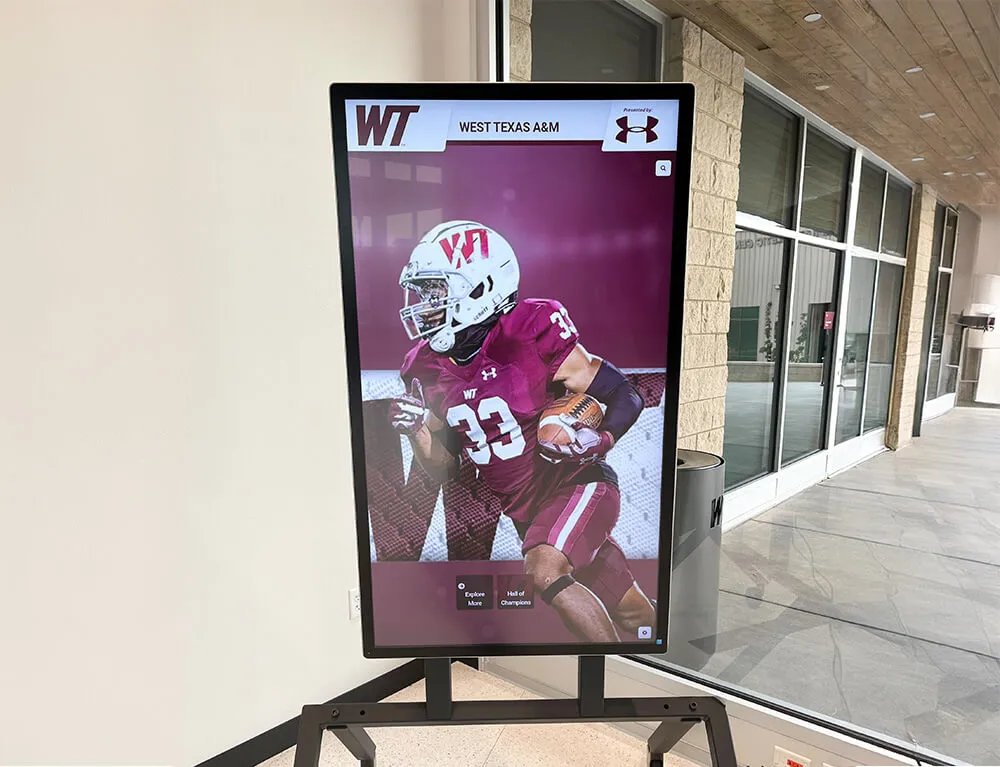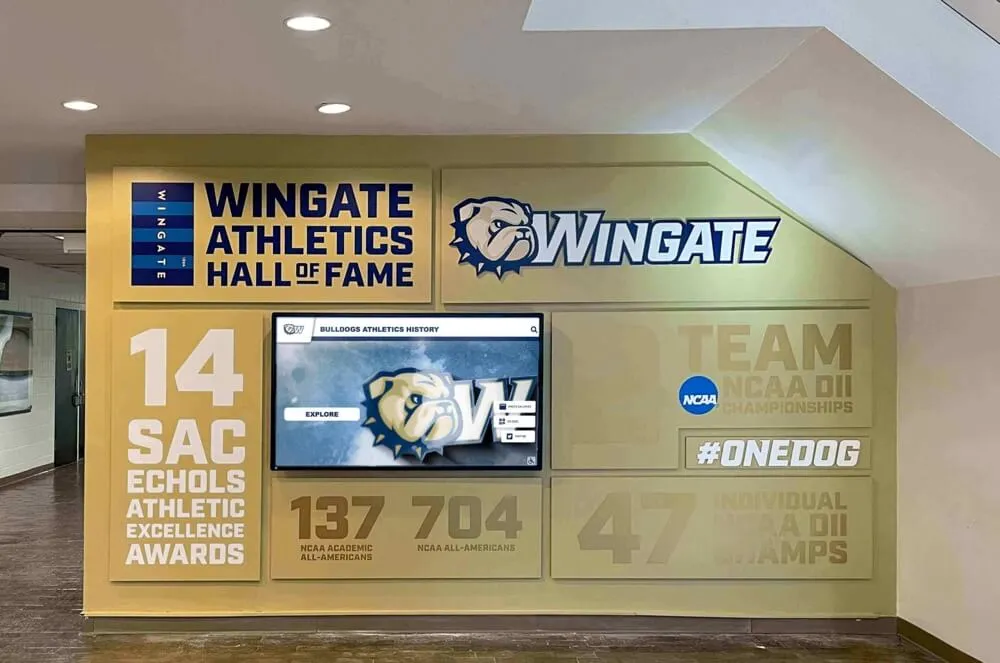
Digital record boards change how schools and universities celebrate athletic achievement, build campus spirit, and engage communities around competitive excellence. Unlike traditional painted record boards that require costly updates and offer limited information, digital solutions provide unlimited capacity, real-time updates, multimedia storytelling, and interactive exploration that turns static lists into compelling recognition experiences.
Athletic programs accumulate decades of achievement data across multiple sports, yet most institutions struggle to display this history effectively. Traditional record boards fill quickly, become outdated within seasons, lack context for statistical achievements, and fail to connect current student-athletes with program legacy. Meanwhile, record-breaking performances that deserve prominent celebration often receive acknowledgment limited to brief announcements.
This comprehensive guide provides 20 specific ideas for maximizing digital record board impact, helping athletic departments, schools, and universities create recognition systems that honor achievement, inspire current athletes, engage alumni, and strengthen institutional identity through visible celebration of competitive excellence.
Digital record boards serve multiple purposes within campus environments. Beyond documenting statistical achievement, these systems inspire current athletes by connecting them to program history, engage visiting recruits by demonstrating program excellence, provide media and community members with accessible information, and create gathering points where students, faculty, and alumni connect around shared athletic identity.

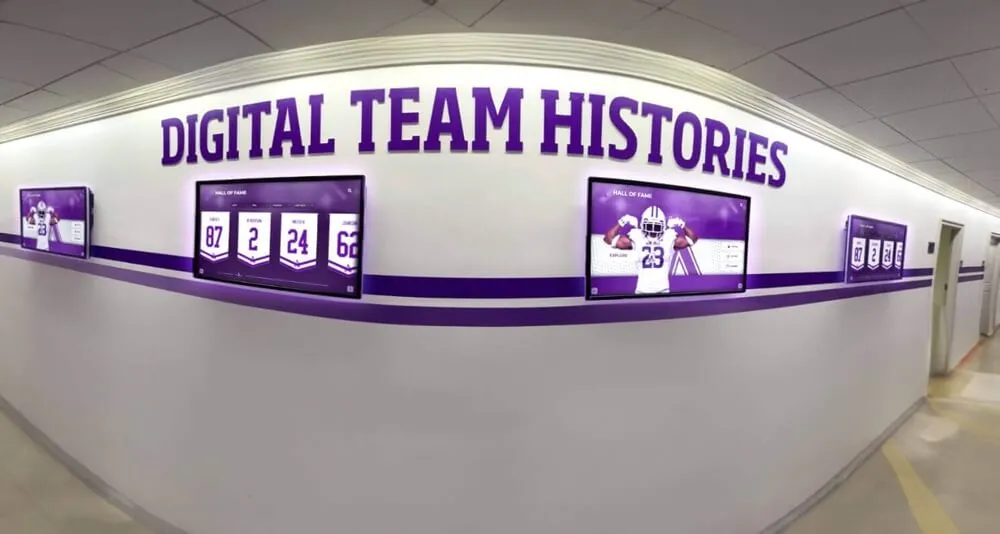
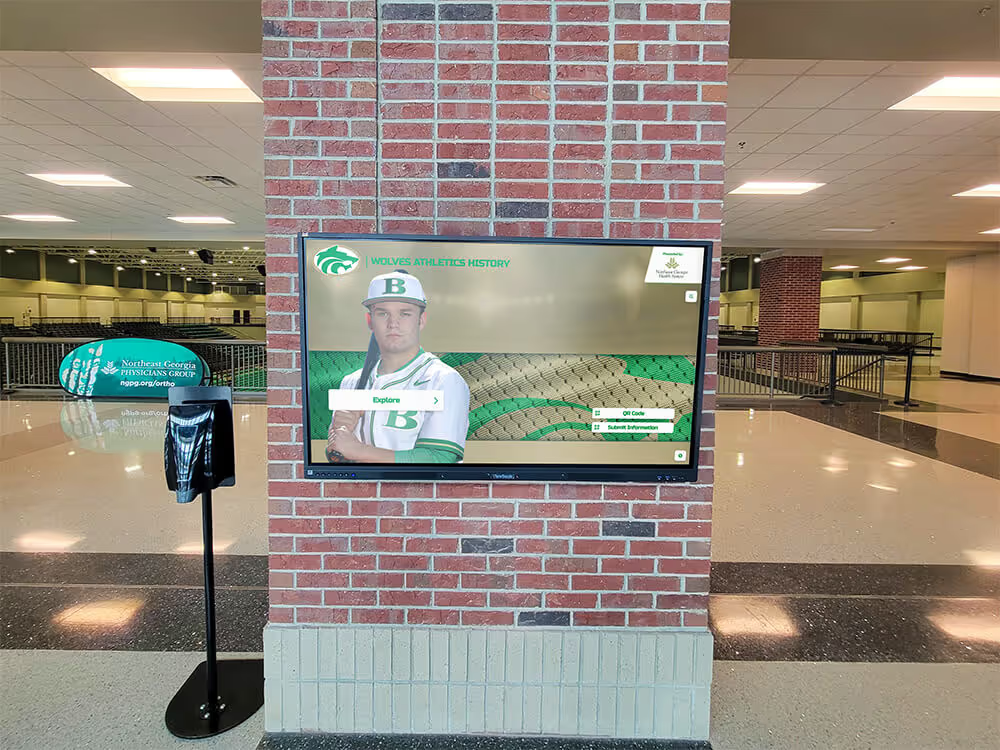
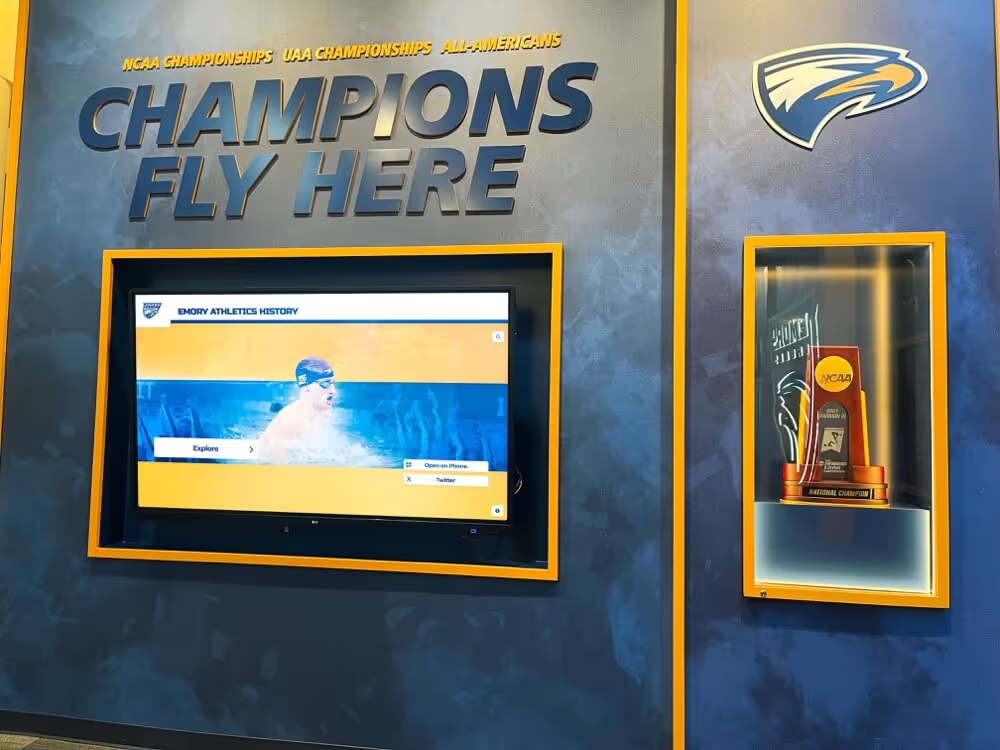
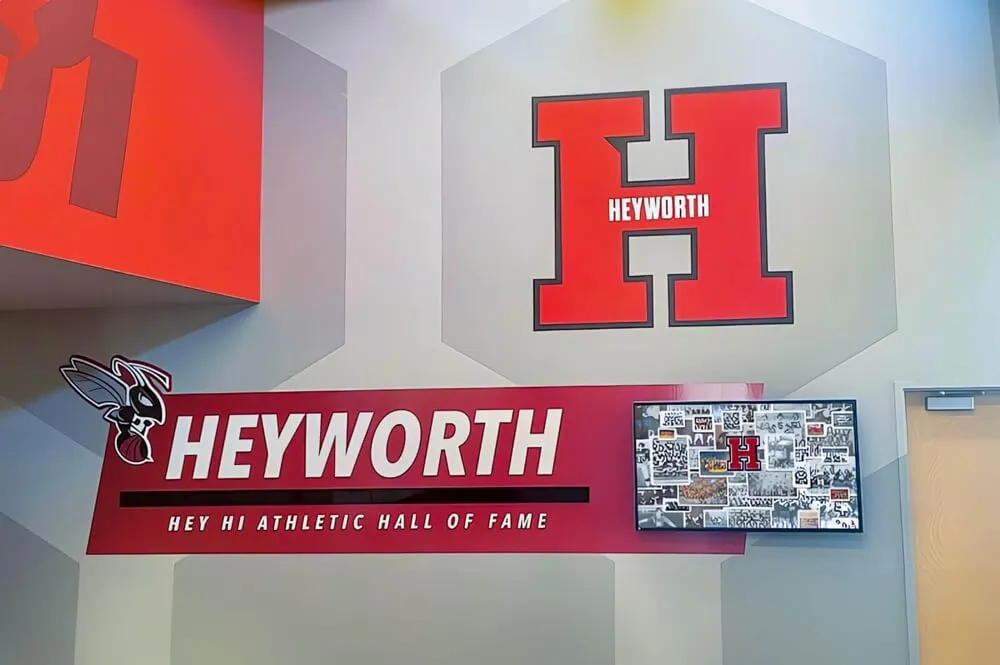
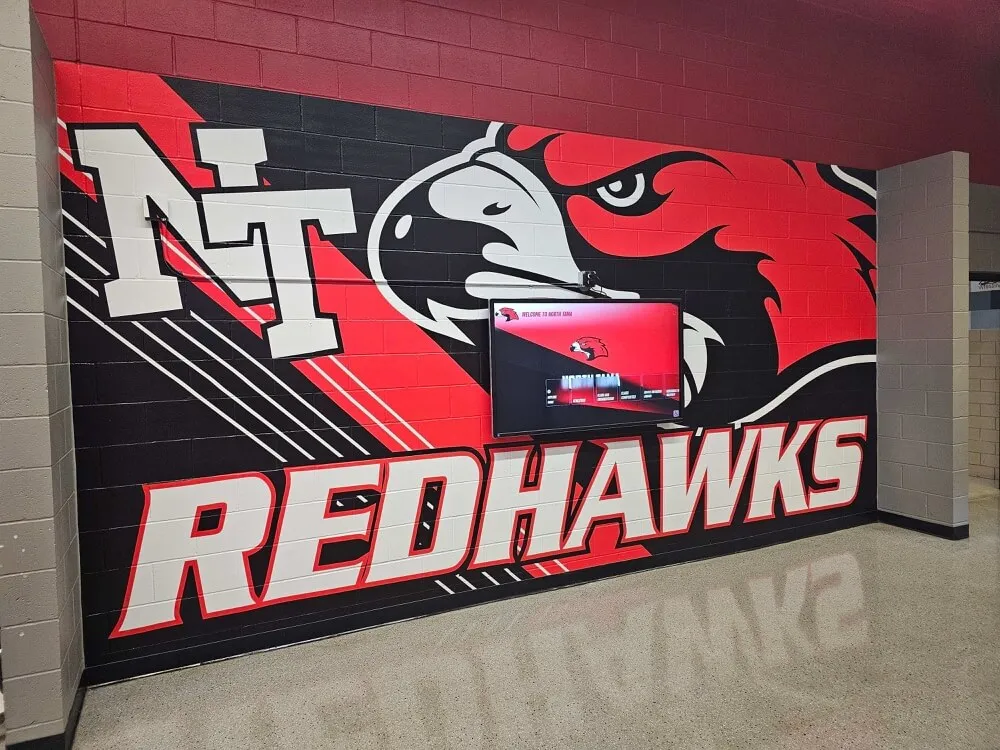
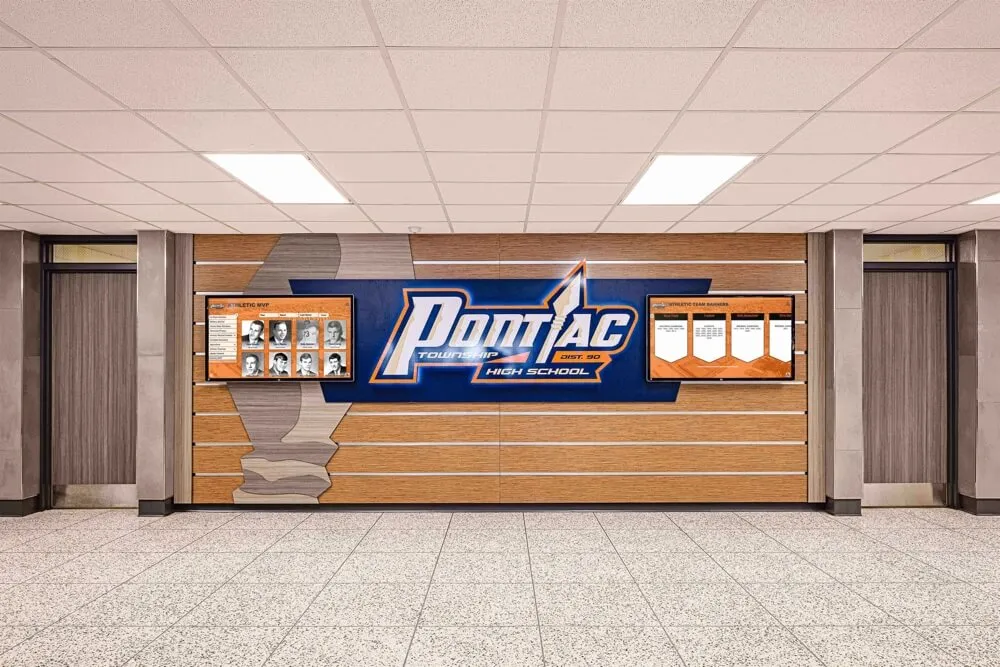
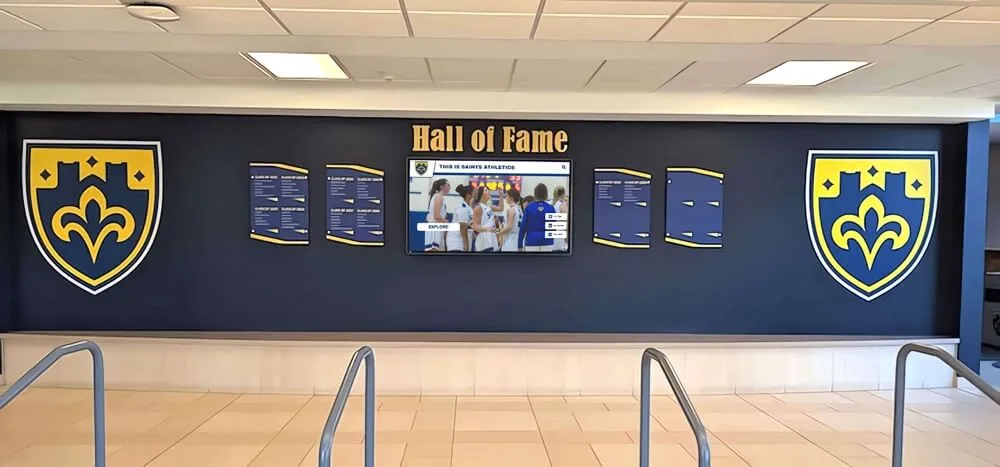
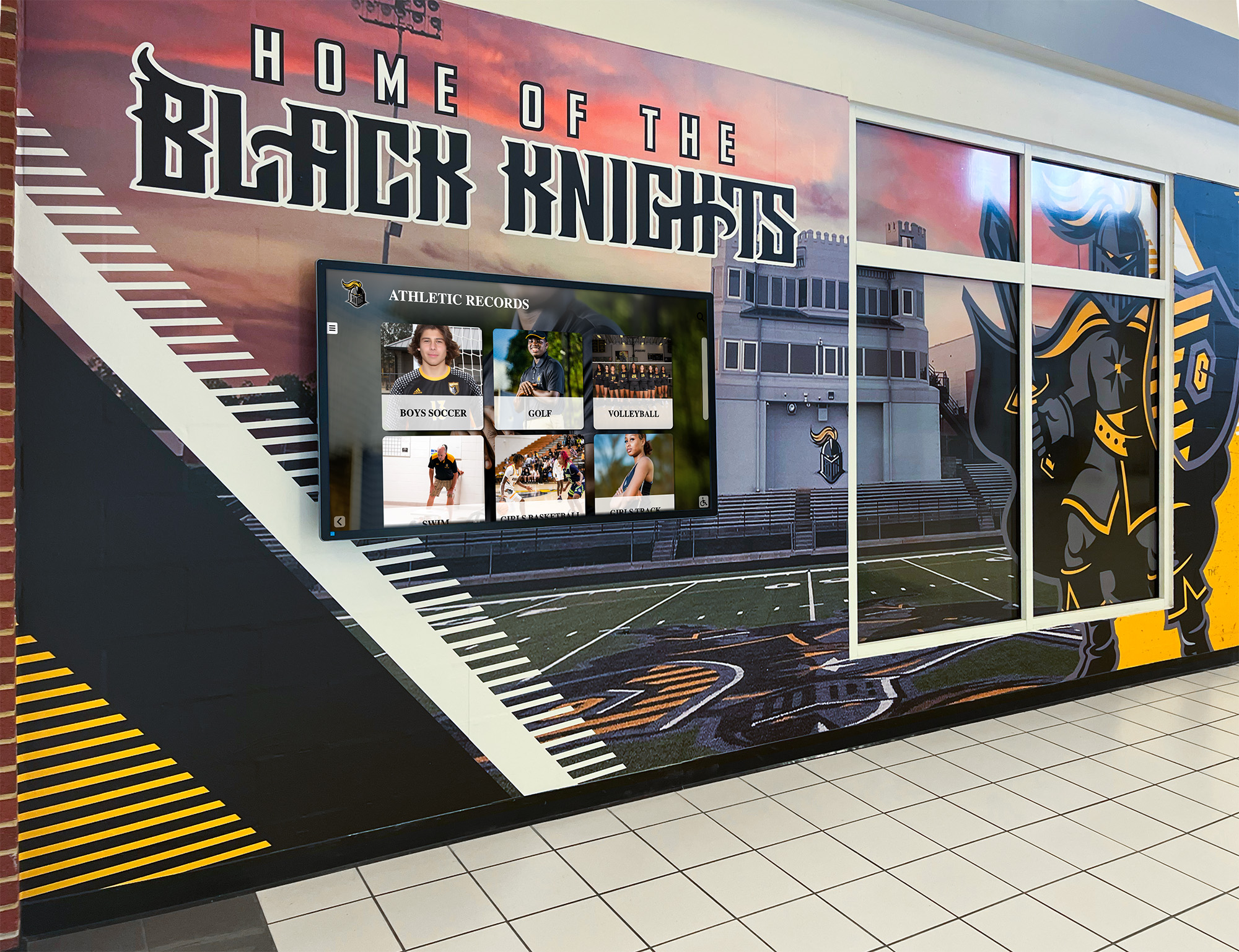
Digital record boards transform athletic hallways into engaging spaces celebrating program history and competitive excellence
Understanding Digital Record Board Value
Before implementing specific ideas, understanding how digital record boards create value helps athletic directors and administrators make informed decisions supporting both recognition goals and broader institutional priorities.
Traditional Record Board Limitations
Conventional painted or engraved record boards present ongoing challenges for athletic programs:
Capacity Constraints - Physical boards fill quickly as new records are established, forcing difficult decisions about what achievements deserve permanent recognition versus removal to accommodate new accomplishments.
Update Costs - Each record update requires professional painting or engraving services costing hundreds of dollars per change, creating budget barriers that delay recognition or limit what records receive documentation.
Information Depth - Space limitations restrict record displays to names and numbers, eliminating opportunities to provide performance context, athlete stories, or achievement circumstances that make statistics meaningful.
Maintenance Burden - Painted surfaces fade over time, requiring periodic refinishing beyond routine updates. Damage from moisture, temperature fluctuations, or physical contact necessitates additional restoration work.
Static Presentation - Fixed displays cannot rotate content based on season, display multiple sports simultaneously, or adapt recognition to special occasions, anniversaries, or program milestones.
Digital Record Board Advantages
Modern digital solutions address traditional limitations while creating new engagement opportunities:
Solutions like digital recognition displays eliminate capacity constraints through cloud-based content management supporting unlimited athletes, records, and achievements across all sports and recognition categories.
Real-time updates ensure current information without waiting for scheduled maintenance or budget approval, allowing record-breaking performances to receive immediate celebration visible throughout campus communities.
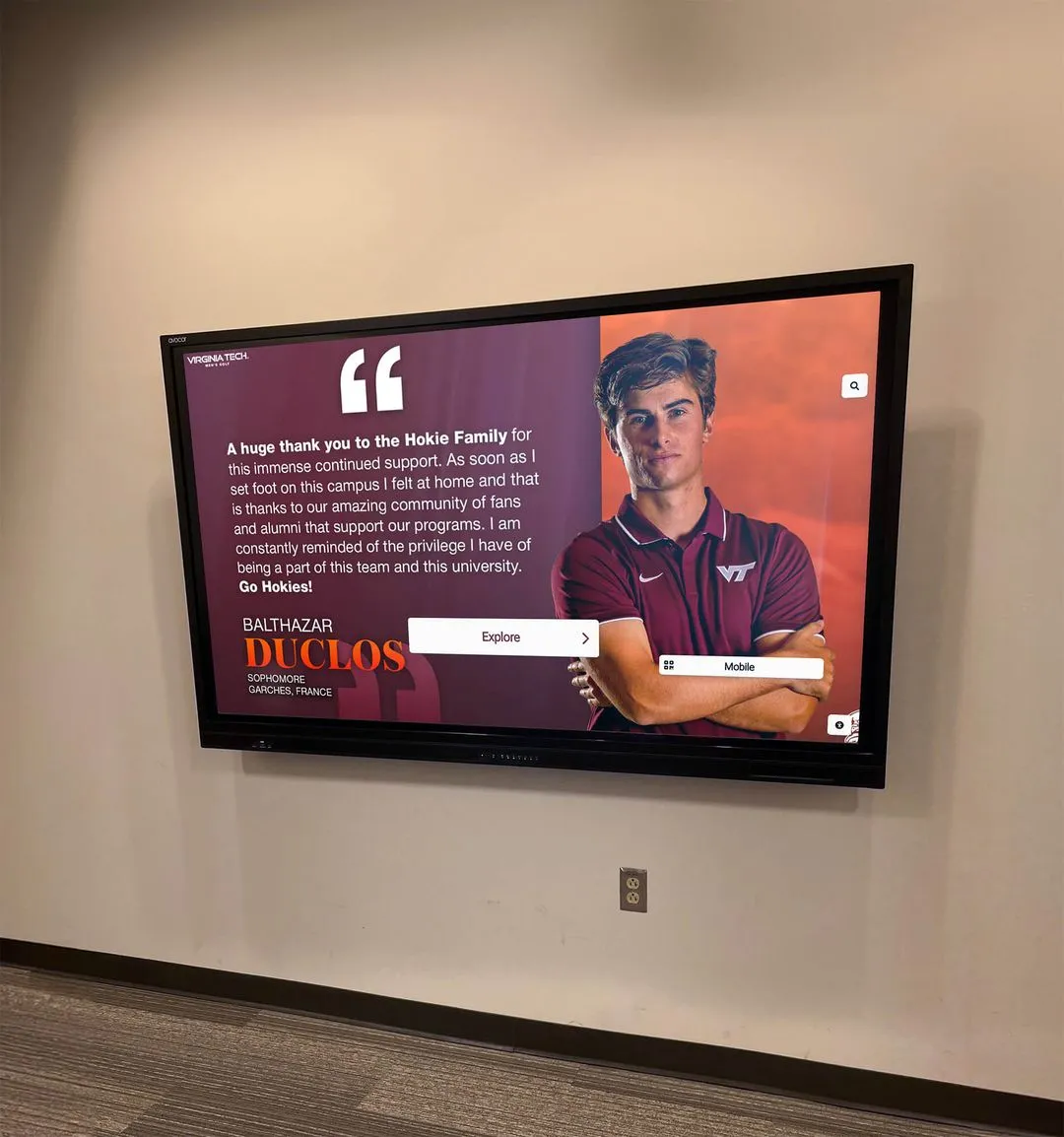
Multimedia integration adds photos, videos, career statistics, and athlete profiles that transform number lists into compelling stories connecting current students with program heritage and competitive tradition.
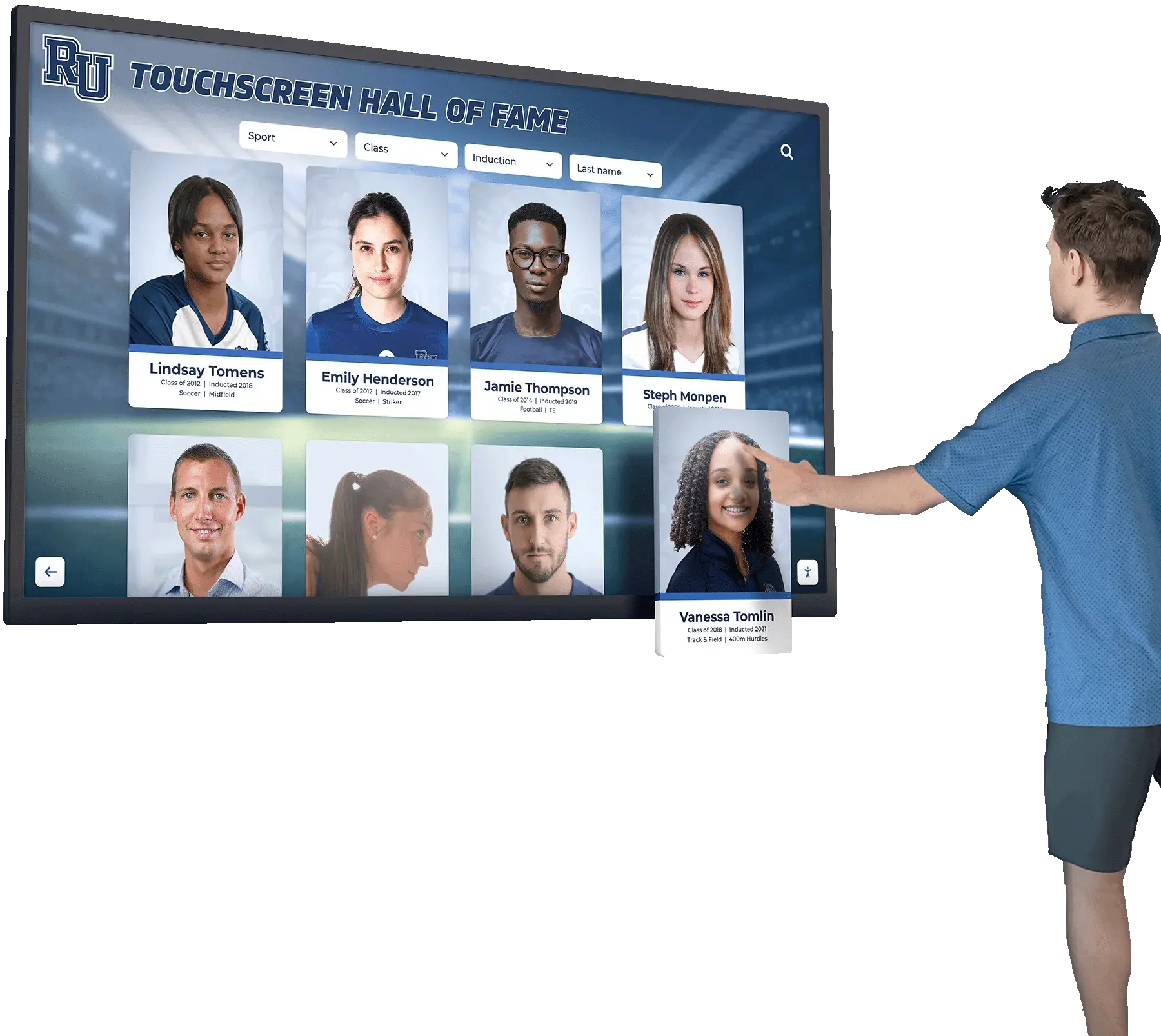
Interactive features enable visitors to explore records by sport, decade, or achievement type while discovering connections between current rosters and historical excellence patterns.
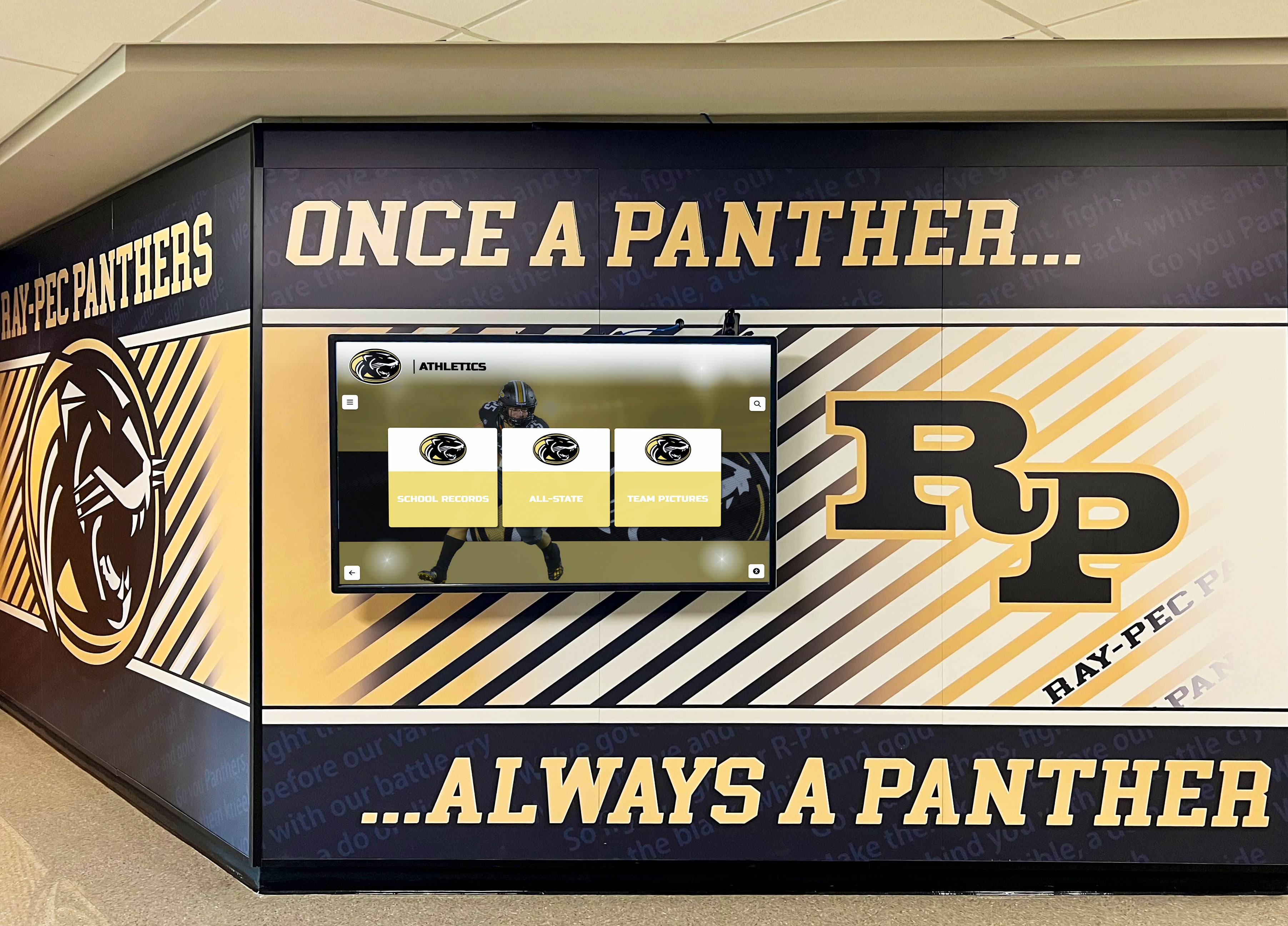
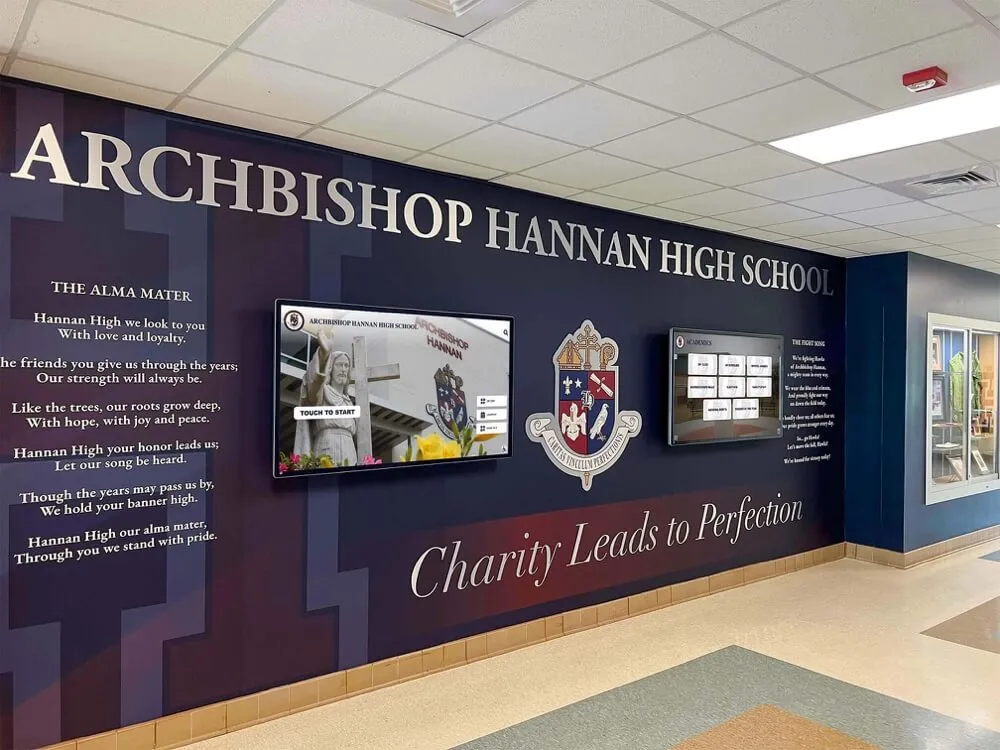
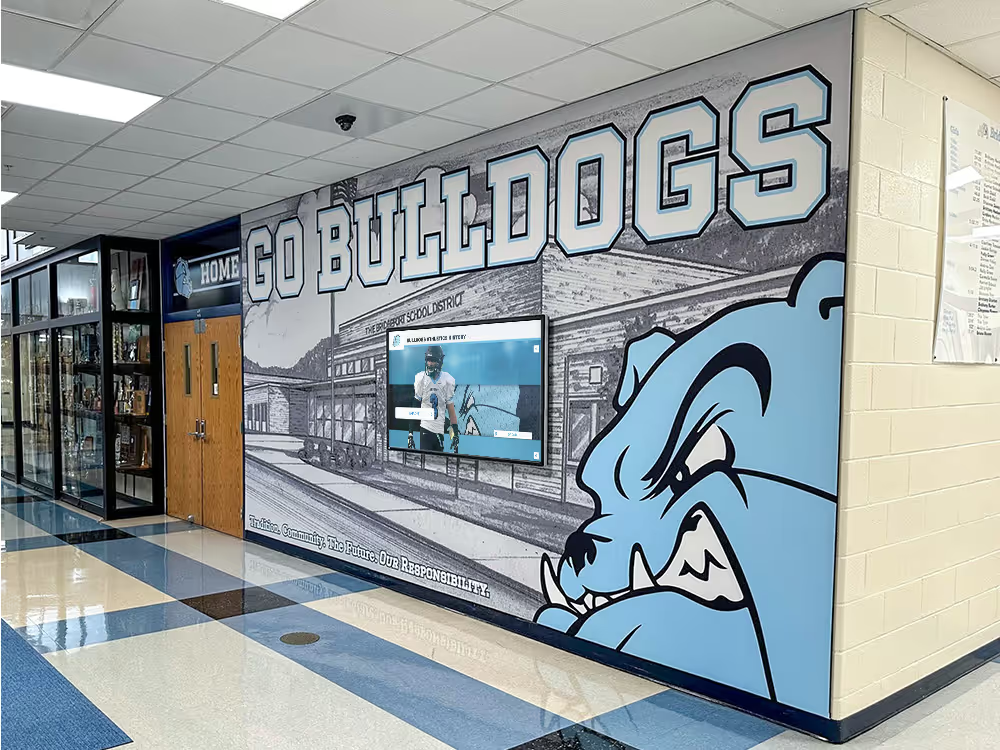
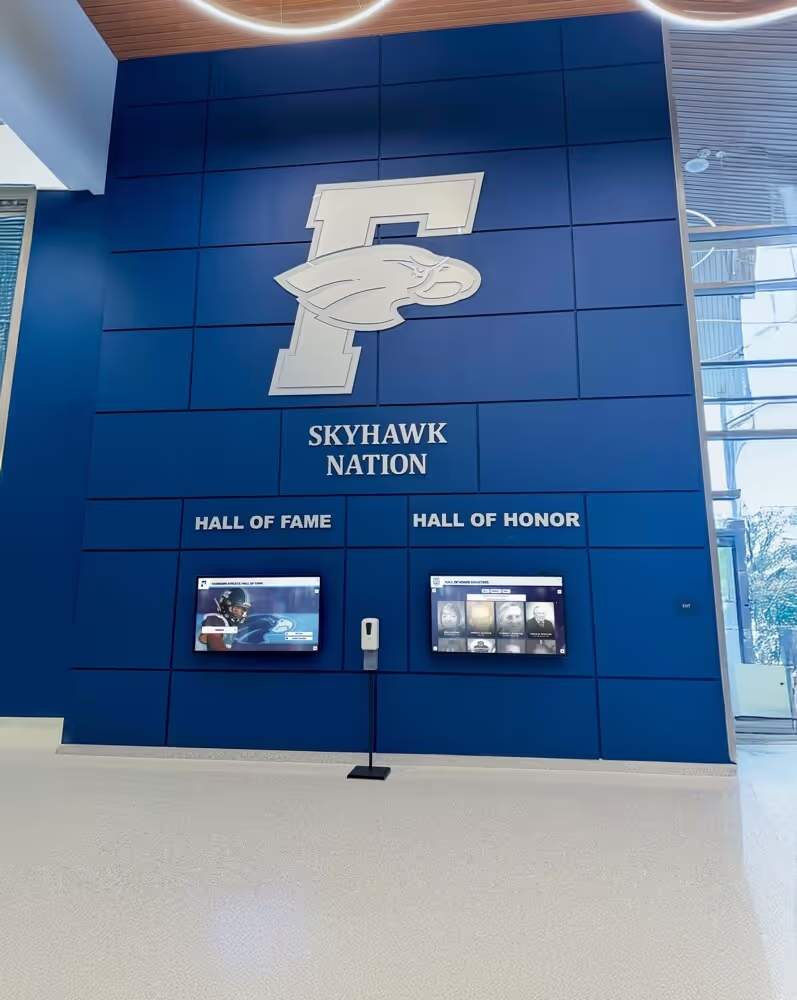
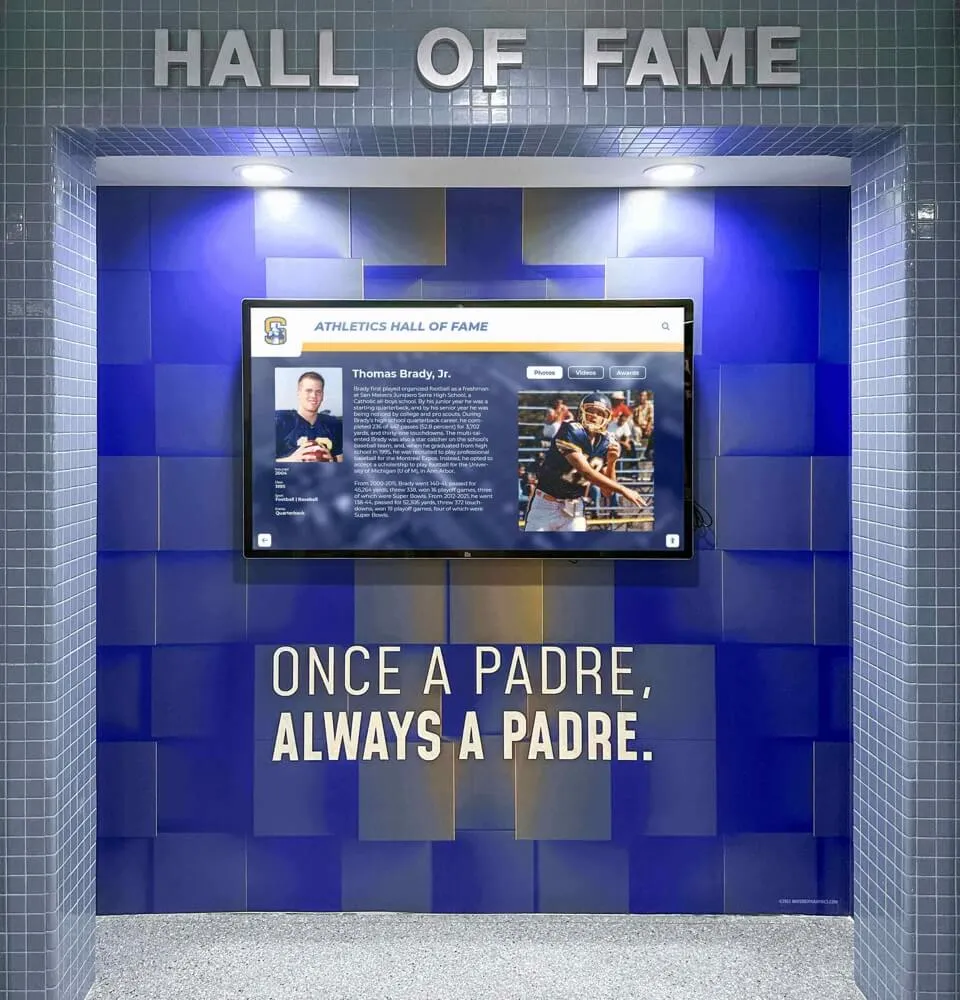
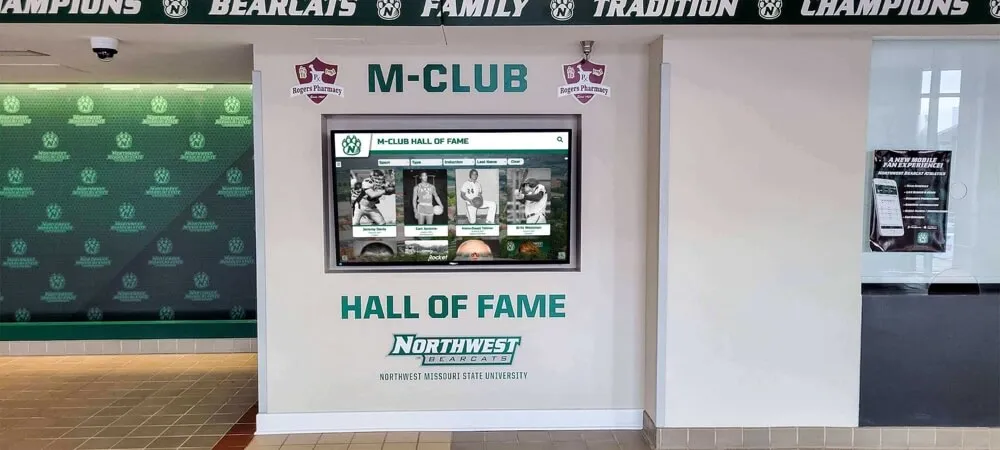
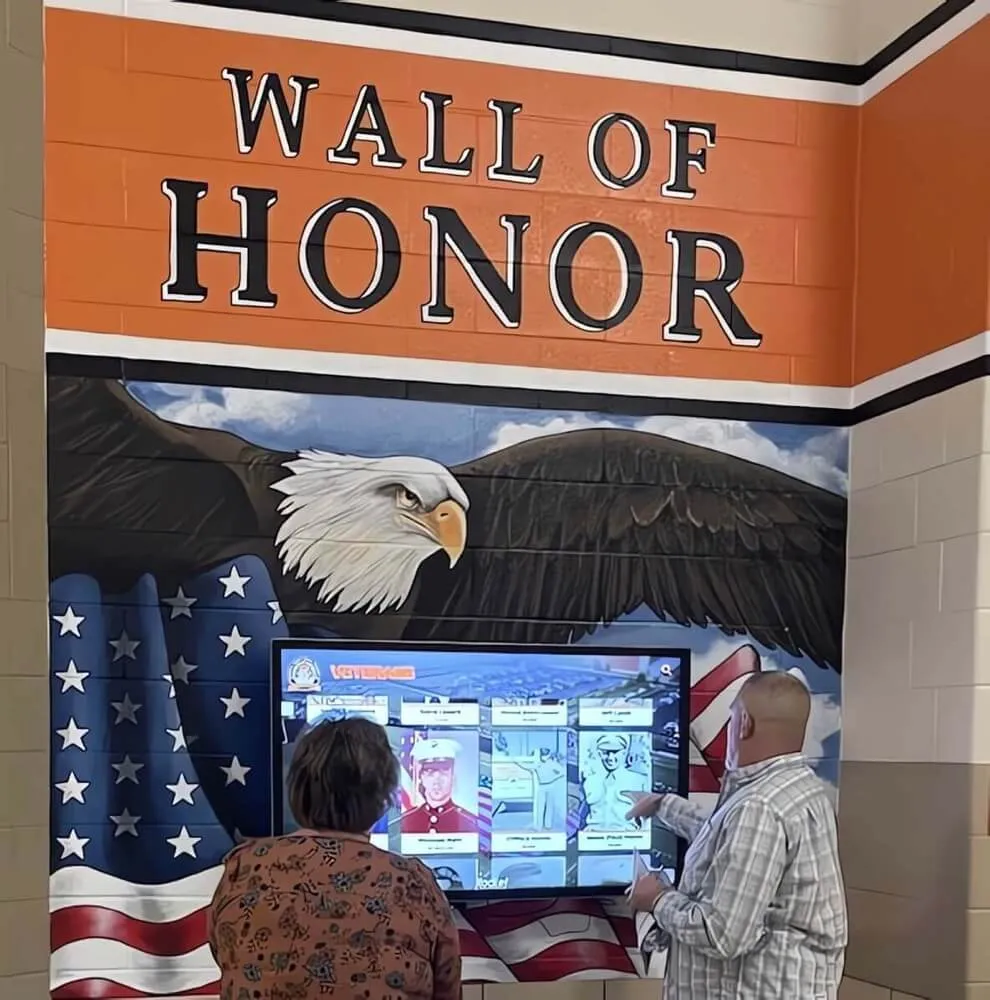
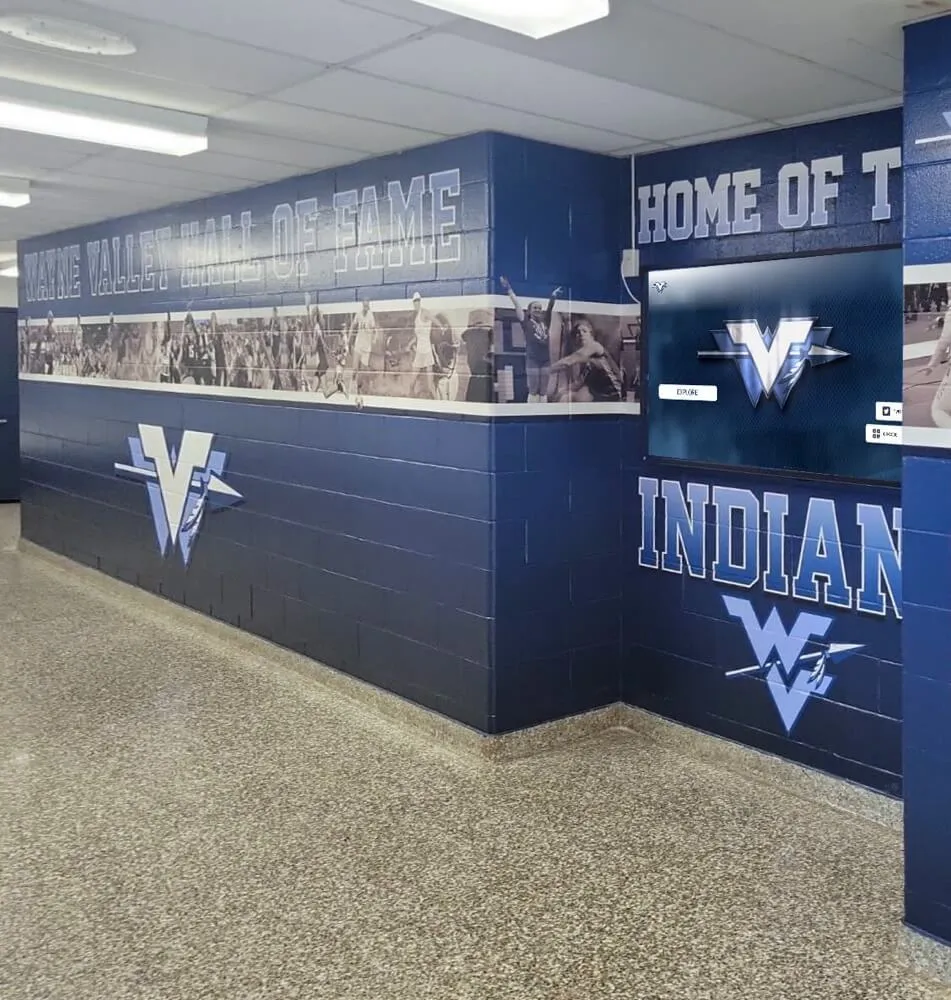
Digital record boards integrate with existing athletic branding while providing flexible recognition capacity
Sport-Specific Record Ideas (Ideas 1-8)
Different sports emphasize distinct achievements requiring tailored recognition approaches that celebrate discipline-specific excellence while maintaining consistent presentation standards across comprehensive athletic programs.
Basketball Records
1. Career Scoring Leaders and 1,000-Point Club - Comprehensive career scoring leaderboards with game-by-game progression charts showing how athletes reached milestone thresholds. Include career statistics, championship contributions, and post-graduation accomplishments that demonstrate sustained excellence beyond high school or collegiate competition.
Basketball programs benefit from displaying separate leaderboards for boys’ and girls’ programs, career versus single-season records, and playoff-specific achievements that recognize postseason performance under competitive pressure.
2. Single-Game and Single-Season Performance Records - Recognition celebrating individual game excellence including points scored, rebounds, assists, steals, blocks, and three-pointers. Single-season records document sustained excellence across complete campaigns with season context explaining competitive environment and team success during record-setting performances.
Display opponents faced during record games, final scores, and game circumstances (league championship, playoff round, rivalry match) that add meaning to statistical achievement beyond raw numbers.
Track and Field Achievement
3. Event-Specific Record Boards with Performance Progression - Individual event leaderboards for running, jumping, throwing, and field events with historical progression showing how records improved over decades. Include weather conditions, meet types (invitational, league, state), and qualifying standards that provide context for achievement difficulty.
Track programs should display both outdoor and indoor records separately, relay team records with all four athletes recognized, and performance comparisons against school standards, conference records, and state qualifying thresholds.
4. Multi-Event Excellence and State Qualifiers - Recognition for athletes competing across multiple events, scoring substantial team points, or qualifying for state championships. Display career event combinations showing versatility alongside specialists who dominated single disciplines.
Include team GPA achievements that celebrate academic-athletic balance within demanding track programs requiring significant training time while maintaining academic performance.
Football Recognition
5. Career and Single-Season Statistical Leaders - Position-specific leaderboards recognizing quarterbacks (passing yards, touchdowns), running backs (rushing yards, scores), receivers (receptions, receiving yards), and defensive players (tackles, sacks, interceptions). Separate career and single-season records with team success context during achievement periods.
Football record boards should acknowledge that statistical opportunities vary based on offensive systems, game frequency, and era-specific rule changes affecting play styles and scoring patterns across program history.
6. Team Records and Championship Achievements - Season win totals, playoff runs, undefeated campaigns, and championship game results with complete rosters, coaching staffs, and season narratives explaining what made particular teams exceptional. Include rivalry game histories, conference standings, and playoff bracket progressions.
Other Sports Records
7. Sport-by-Sport Leaderboards - Dedicated record boards for baseball/softball (batting average, home runs, pitching wins, strikeouts), soccer (goals, assists, shutouts), volleyball (kills, blocks, aces), swimming (event times), wrestling (pins, match wins), and tennis (match records, tournament titles).
Smaller programs should receive equal digital real estate compared to high-profile sports, ensuring comprehensive athletic departments provide consistent recognition across all competitive offerings regardless of spectator attendance or community attention levels.
8. Cross-Sport Multi-Achievement Recognition - Athletes competing in multiple sports with distinction across different seasons. Display athletes who lettered in three or four sports, earned all-conference honors in multiple disciplines, or balanced individual and team sport excellence throughout athletic careers.
Multi-sport athletes demonstrate versatility, time management, and commitment patterns that merit special recognition beyond single-sport statistical achievements.
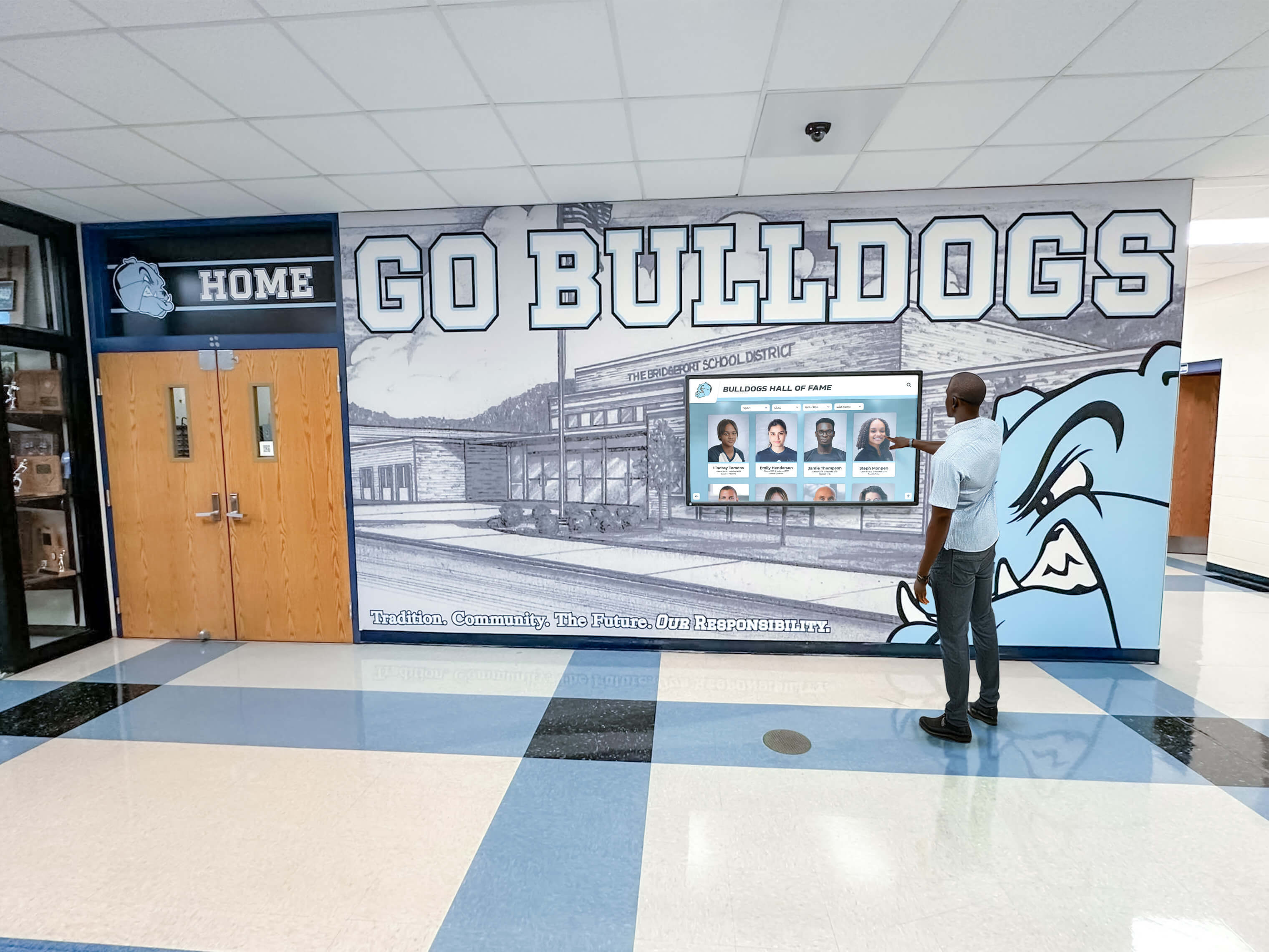
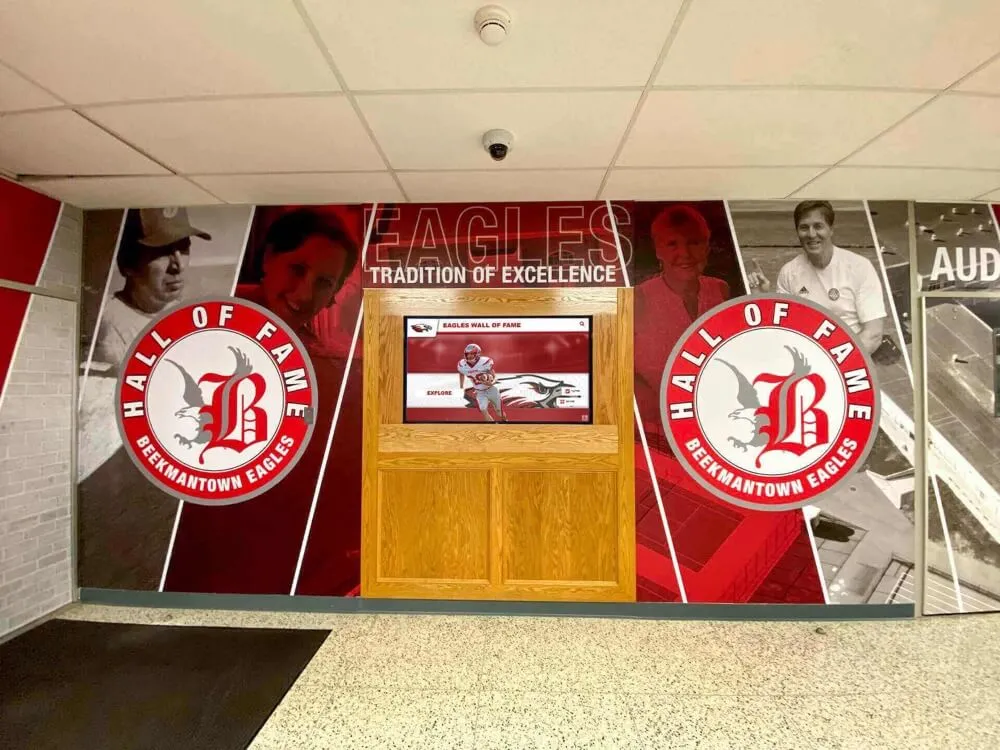
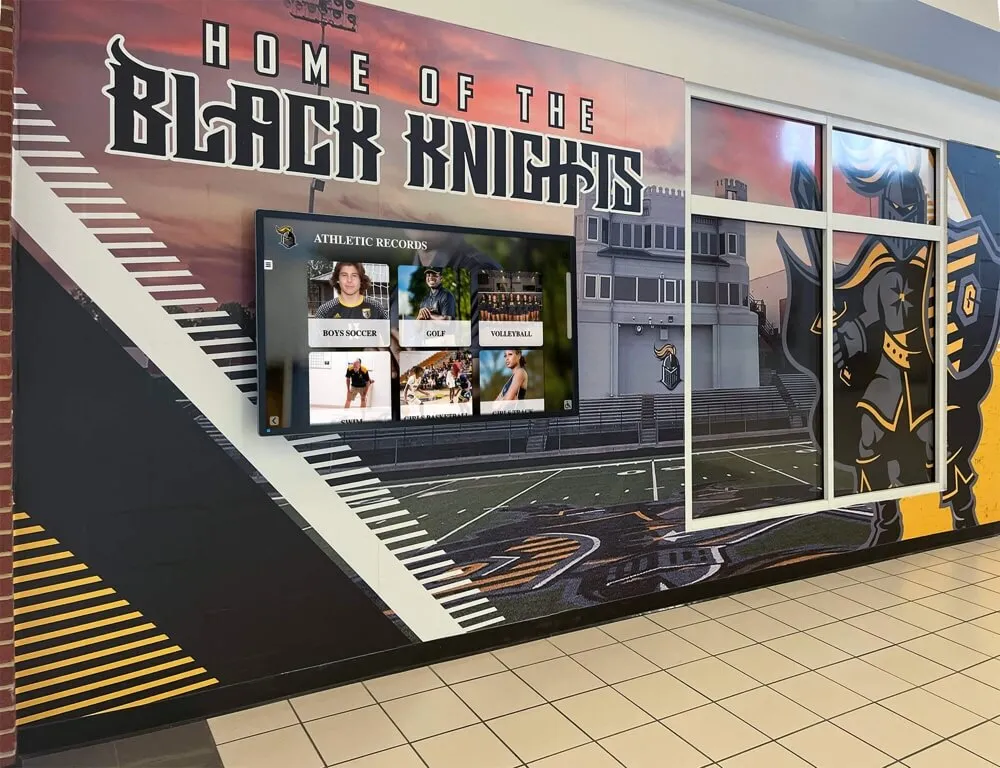
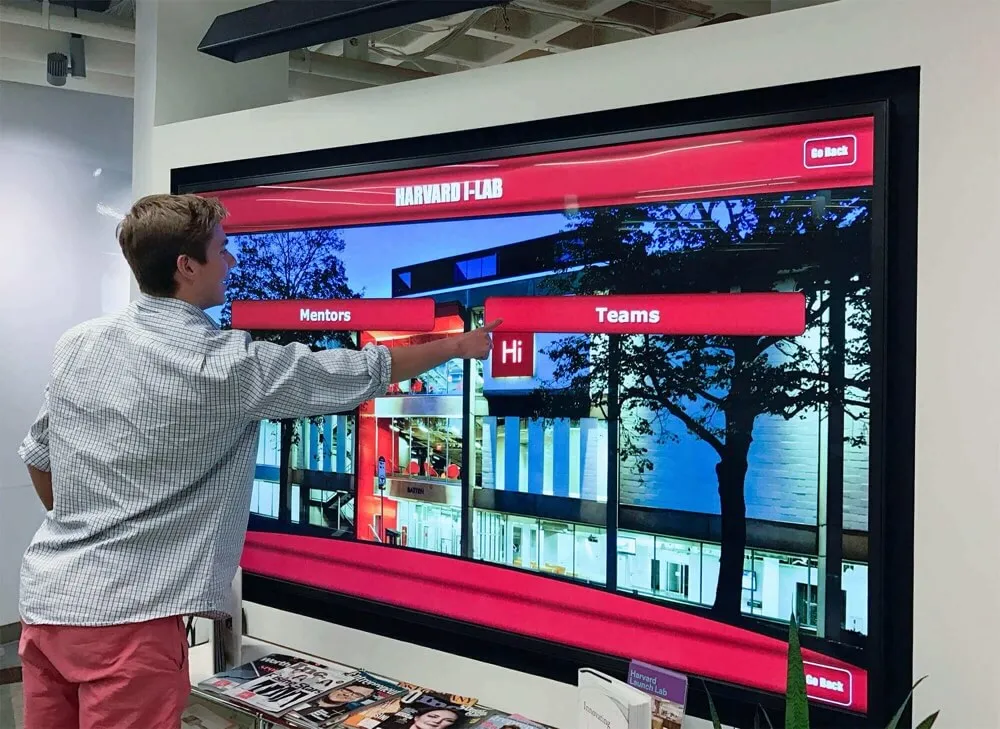
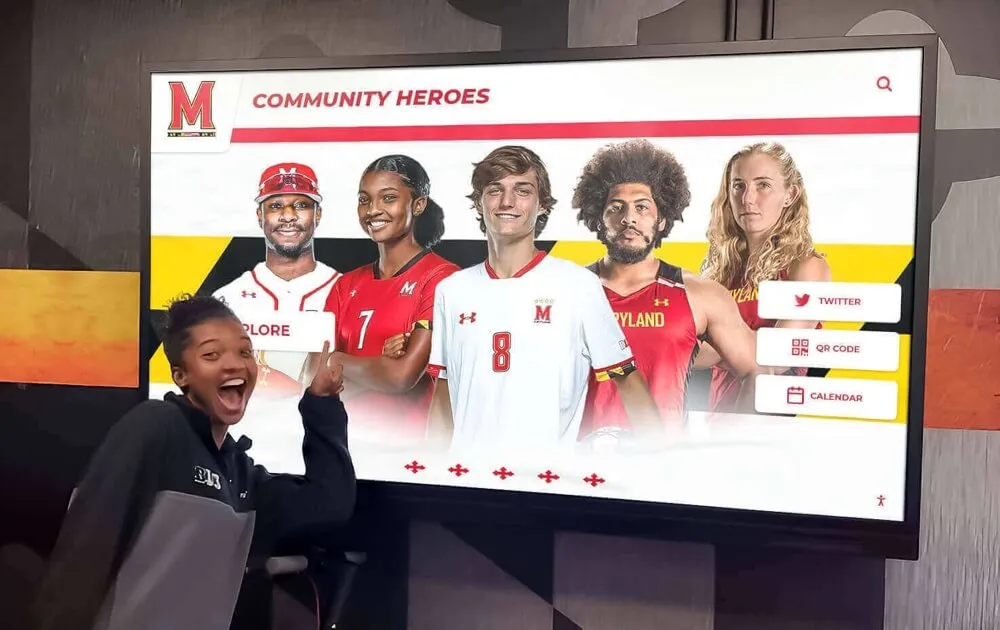
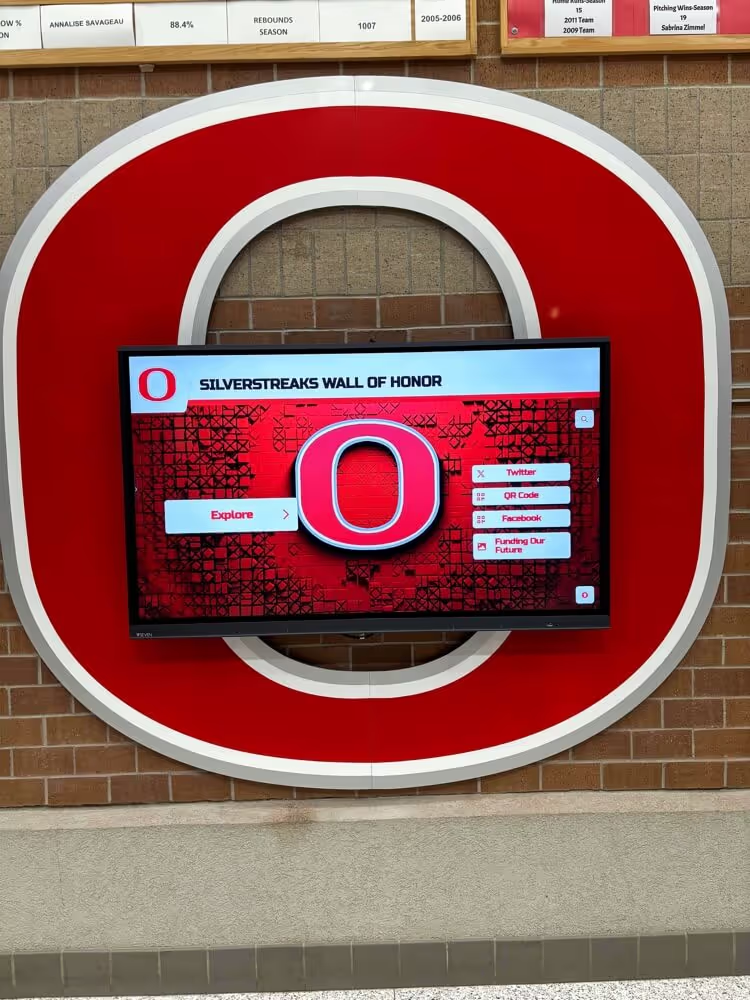
Interactive features enable visitors to explore athletic records by sport, decade, or achievement category
Team Achievement Recognition (Ideas 9-12)
Individual records tell partial stories. Comprehensive digital record boards must also celebrate collective accomplishments demonstrating program excellence through team success that requires collaborative effort and shared commitment to competitive goals.
9. Championship Team Rosters and Season Documentation - Complete team rosters with player positions, jersey numbers, statistics, and individual contributions to championship runs. Include playoff brackets, game-by-game results, championship match recaps, and celebration photos capturing championship moments.
Championship teams should remain accessible indefinitely rather than rotating off displays as new titles are won, preserving institutional memory that connects current student-athletes with competitive heritage they’re continuing.
10. Undefeated and Historic Season Recognition - Special acknowledgment for perfect seasons, longest winning streaks, defensive shutout records, or unprecedented statistical team achievements. Display season narratives explaining what made these teams historically significant within program context.
Include coach reflections, key player interviews, and season-defining moments (comeback victories, upset wins over ranked opponents, rivalry dominance) that add texture beyond win-loss records.
11. Conference and League Championship Totals - Running tallies of conference titles across all sports with decade-by-decade breakdowns showing program trajectory over time. Display current standings comparison showing whether programs are gaining competitive ground or addressing success gaps requiring attention.
Conference championship counts demonstrate sustained excellence versus single-season peaks, highlighting programs maintaining competitive standards across coaching changes and athlete graduation cycles.
12. Rivalry Game Series Records - Head-to-head records against traditional rivals with memorable game highlights, series turning points, and longest winning/losing streaks. Include rivalry trophy histories, series statistics, and notable individual performances in rivalry contexts.
Rivalry displays create conversation starters connecting alumni from different eras around shared competitive identity and memorable moments that transcend individual seasons.
Individual Achievement Categories (Ideas 13-16)
Beyond statistical records, comprehensive digital boards should recognize achievement categories celebrating multiple excellence forms including awards, honors, and post-athletic accomplishments demonstrating program impact extending beyond competition.
13. All-Conference and All-State Selections - Season-by-season rosters of athletes earning conference, district, regional, or state-level honors across all sports. Organize by recognition level (honorable mention, second team, first team, player of year) and sport with athlete photos and career statistics.
All-conference recognition demonstrates sustained program quality producing athletes who compete at elite levels within competitive leagues requiring consistent excellence across complete seasons.
14. College Commitment and Signing Day Recognition - Athletes continuing athletic careers at collegiate levels with commitment announcements, signing day photos, college logos, and updates tracking collegiate careers. Include Division I, II, III, NAIA, and junior college commitments showing diverse pathways for athletic continuation.
College signing recognition celebrates athletic development while showing program credibility to recruits evaluating whether your institution can prepare them for next-level competition.
15. Academic All-American and Scholar-Athlete Awards - Recognition celebrating athletes who combine athletic excellence with academic achievement through honor roll status, academic all-conference selections, or national scholar-athlete awards. Display cumulative GPAs alongside athletic statistics showing balanced excellence.
Academic recognition counters stereotypes suggesting athletics detract from educational focus while celebrating complete student development through co-curricular participation patterns supporting both competitive and classroom success.
16. Post-Graduate Achievement and Alumni Success - Updates documenting life after athletic careers including professional sports participation, coaching careers, athletic-adjacent professions (sports medicine, athletic training, sports management), and accomplishments in unrelated fields demonstrating transferable skills athletics develop.
Alumni success stories show current student-athletes that skills developed through competition—discipline, teamwork, resilience, time management—create advantages extending throughout personal and professional lives beyond athletic participation.
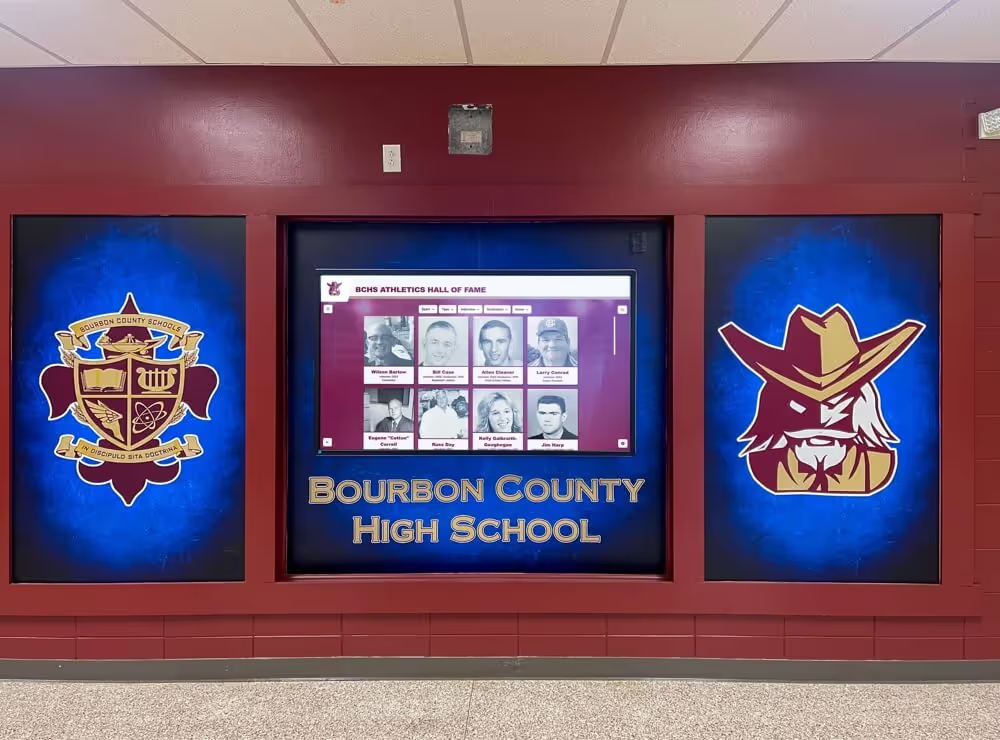
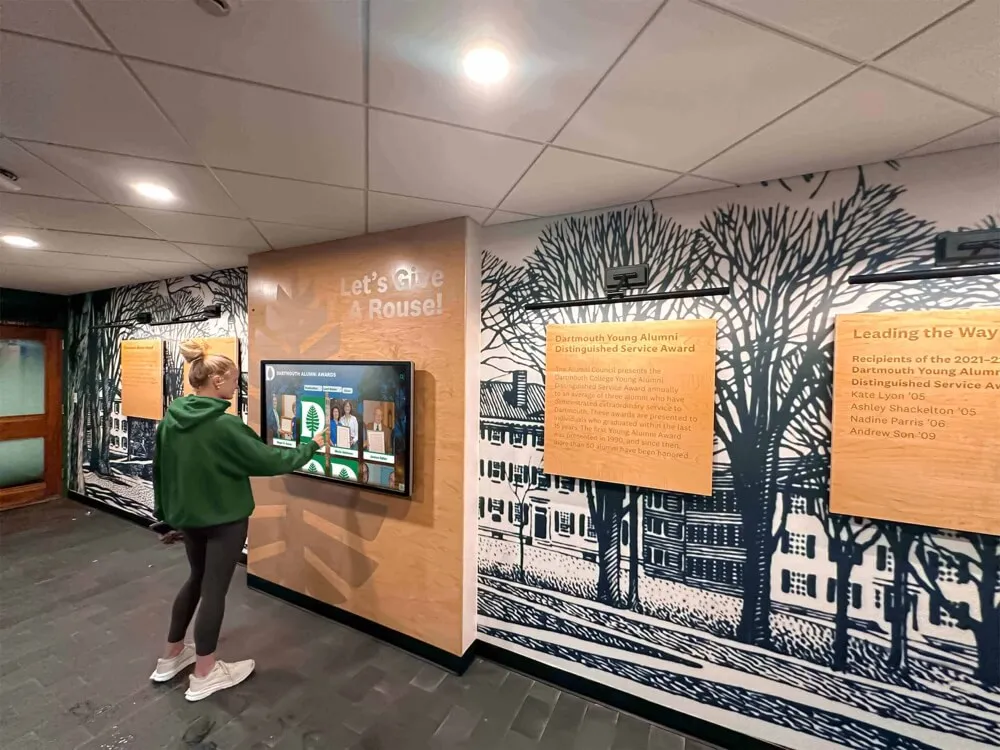
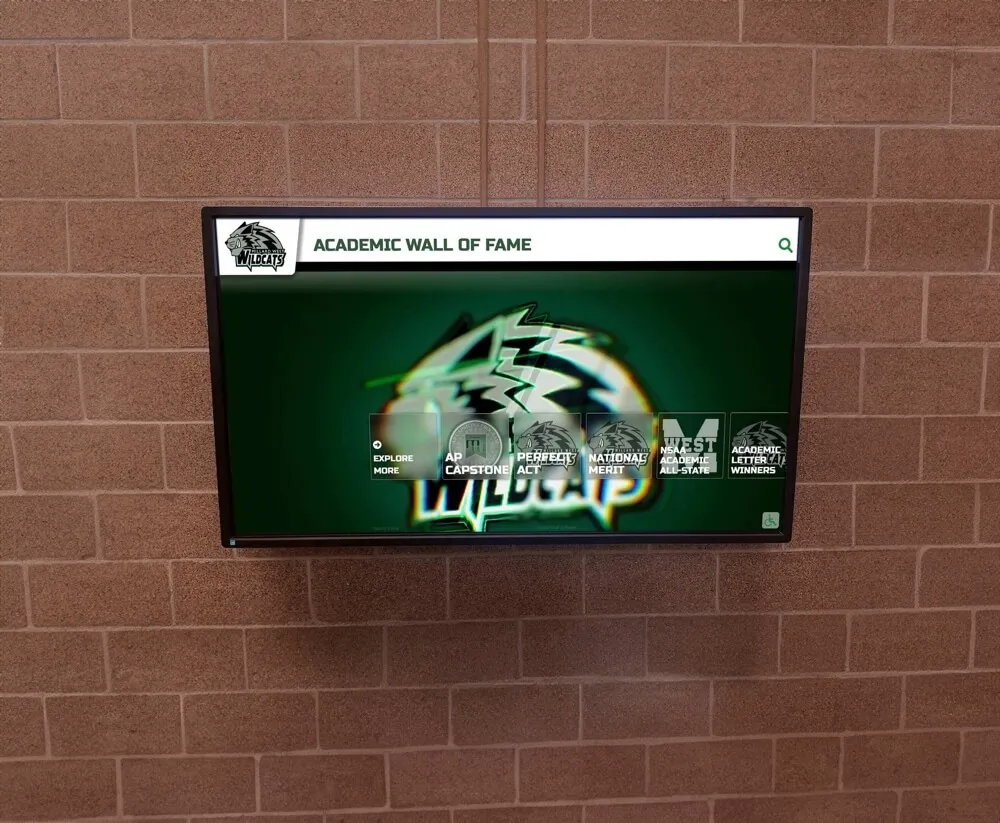
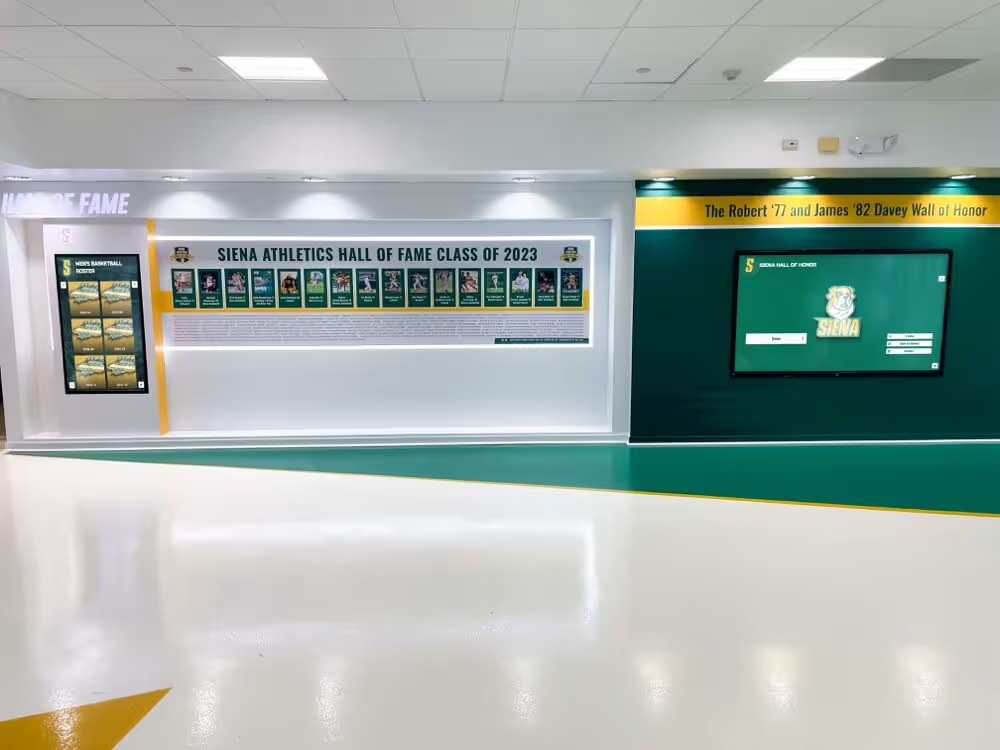
Comprehensive digital record boards celebrate multiple achievement types beyond statistical performance
Interactive and Real-Time Features (Ideas 17-20)
Static record lists represent baseline functionality. Maximum engagement requires interactive features and real-time elements that transform passive displays into dynamic recognition systems adapting to seasons, special occasions, and evolving program priorities.
17. Current Season Real-Time Statistics - Live statistical leaderboards updating throughout active seasons showing current leaders in various categories across sports. Display weekly updates highlighting performances from recent competitions, statistical movement (who moved up leaderboards), and record chase progress as athletes approach historical thresholds.
Real-time features maintain relevance for current students rather than positioning record boards as exclusively historical artifacts disconnected from present competitive experiences.
18. Record Chase Tracking and Milestone Countdowns - Special displays when current athletes approach school records showing proximity to records, games remaining in seasons, statistical pace required to reach thresholds, and historical context about current record holders. Build anticipation around potential record-breaking performances generating excitement throughout campus communities.
Record chase tracking engages broader student populations beyond athletic participants, creating school-wide investment in individual athlete achievements that unite communities around shared competitive identity.
19. Interactive Filtering and Search Capabilities - Touchscreen interfaces enabling visitors to explore records by sport, decade, achievement type, or specific athletes. Allow users to compare statistical leaders across different eras, view complete athlete profiles, watch highlight videos, and discover connections between records (athletes who hold multiple records, family members with records in same sports).
Interactive features extend engagement time as visitors explore content relevant to personal interests rather than passively viewing predetermined rotation sequences, creating personalized recognition experiences that resonate more deeply than one-size-fits-all presentations.
20. Social Integration and Digital Sharing - QR codes and sharing features enabling visitors to photograph displays, share athlete profiles on social media, or receive additional content on personal devices. Integration with digital archives allows deeper exploration of team photos, newspaper clippings, and historical documentation beyond what displays surface directly.
Social integration extends record board reach beyond physical installation locations, creating ongoing engagement as content circulates through digital networks connecting alumni, current students, and community members who may never visit campus facilities directly.
Implementation Considerations
Maximizing digital record board value requires thoughtful implementation addressing content management, display placement, technology selection, and ongoing maintenance ensuring systems remain effective throughout multi-year operational lifespans.
Content Development and Organization
Historical Research and Data Compilation - Gathering complete record information across program history requires systematic research through historical records, yearbooks, newspaper archives, and athletic department files. Identify gaps requiring verification through alumni outreach or accept incomplete data while continuing ongoing research to fill historical holes.
Content Hierarchy and Presentation Standards - Establish consistent presentation formats across sports ensuring equitable recognition regardless of program size or competitive success. Define achievement thresholds determining what records merit inclusion versus exclusion, how tie records are handled, and whether records are maintained separately by gender, decade, or competitive classification.
Photo and Media Asset Collection - Prioritize contemporary photography for current and recent athletes while acknowledging that historical record holders may lack quality photos. Establish standards for photo quality, athlete permissions, and archival digitization ensuring legal compliance while preserving historical documentation.
Display Location Strategy
High-Traffic Placement for Maximum Visibility - Position primary record boards in athletic facilities near gymnasium entrances, locker room corridors, or main hallways where students, athletes, families, and visitors congregate before competitions and events.
Multiple Display Coordination - Larger institutions benefit from coordinated displays across multiple locations—main gymnasium, fitness centers, athletic offices, and academic buildings—ensuring consistent messaging while adapting content to location-specific audiences and space constraints.
Integration with Existing Recognition - Digital record boards work alongside traditional trophy cases, championship banners, and physical hall of fame displays rather than replacing everything. Create cohesive recognition environments where digital and traditional elements complement rather than compete with each other.
Technology and Platform Selection
Hardware Durability and Maintenance - Athletic environments subject displays to temperature fluctuations, humidity, and physical activity requiring commercial-grade equipment rated for demanding conditions. Prioritize warranty coverage, technical support responsiveness, and replacement part availability during multi-year operational periods.
Content Management Accessibility - Cloud-based management platforms enable updates from any location without requiring technical expertise or physical access to display hardware. Evaluate whether athletic staff can manage content independently versus requiring ongoing vendor support for routine updates.
Scalability for Future Growth - Select platforms supporting additional displays, expanded sports, or new recognition categories as programs grow and needs evolve. Avoid proprietary systems locking institutions into single vendors with limited expansion options or inflexible pricing structures.
Solutions like Rocket Alumni Solutions provide purpose-built platforms designed specifically for educational institutions requiring flexible, accessible systems supporting diverse recognition needs across athletic programs, academic achievements, and donor stewardship without technical barriers preventing staff from maintaining current, engaging content.
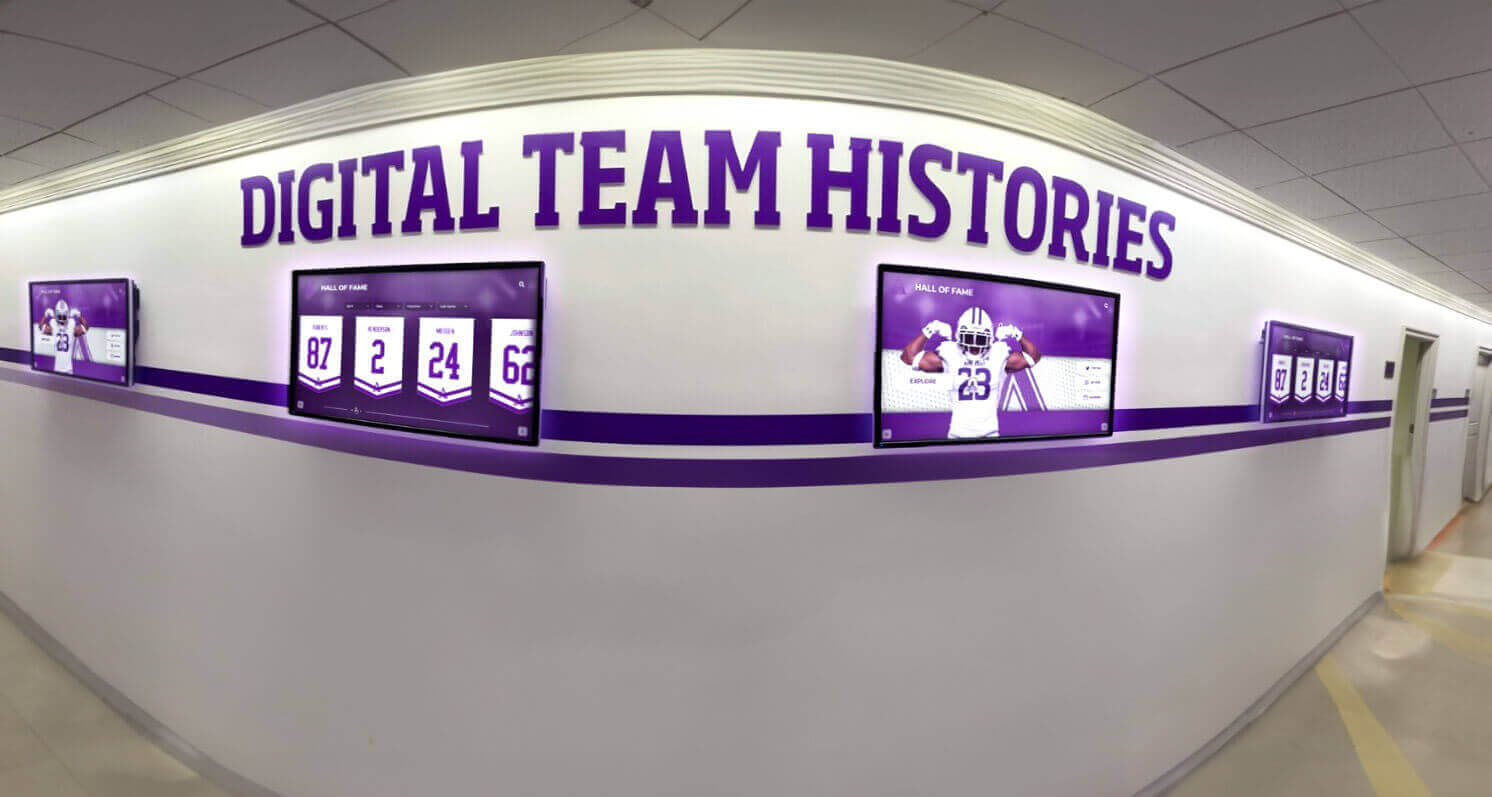
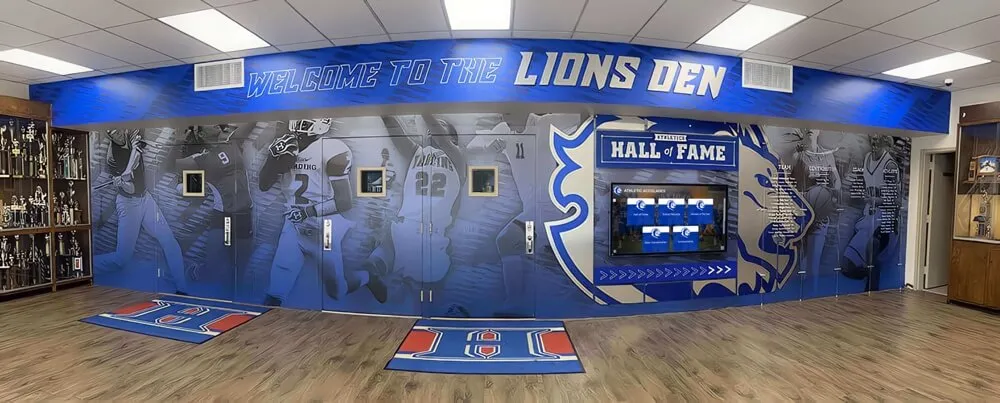
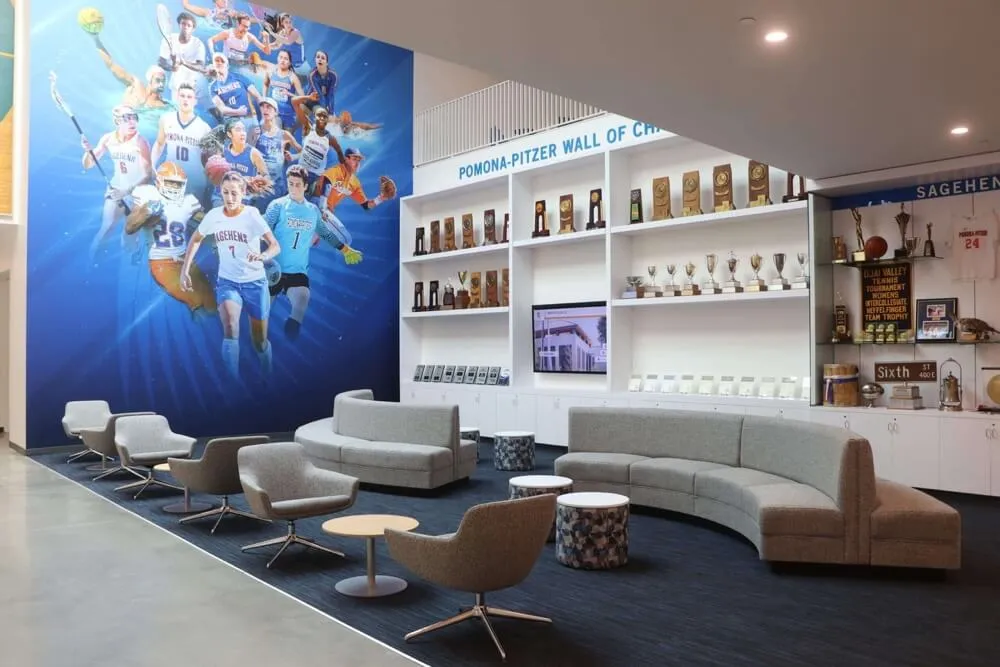
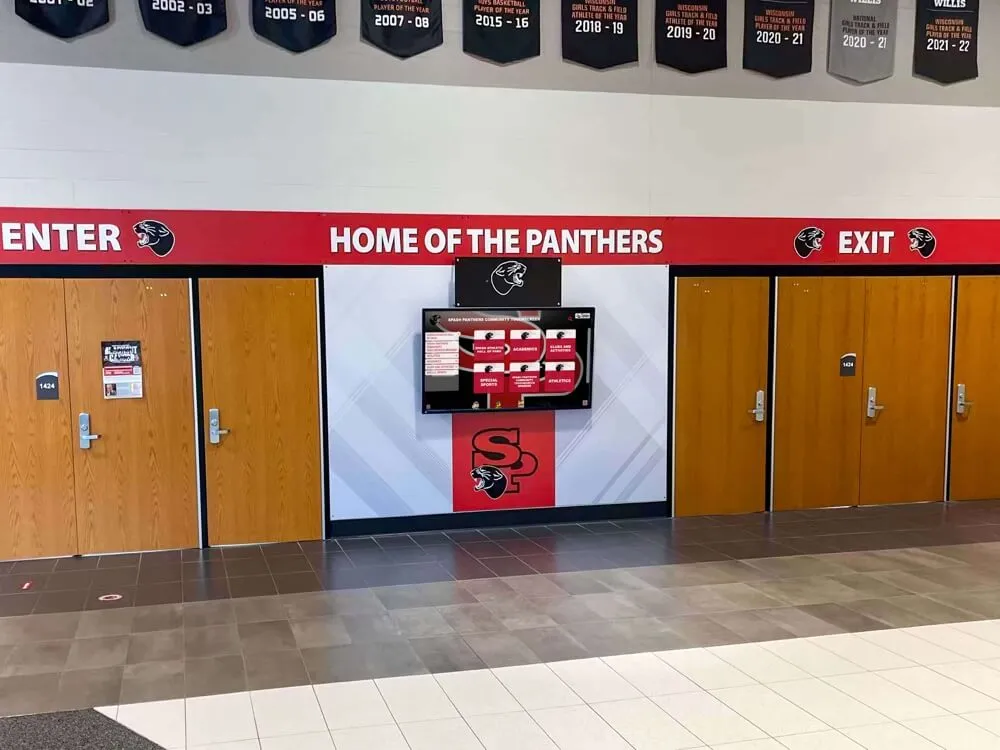
Coordinated digital displays create comprehensive recognition environments celebrating athletic history throughout campus facilities
Measuring Impact and Success
Digital record boards represent significant investments requiring ongoing evaluation ensuring they achieve intended engagement, recognition, and community-building goals while justifying continued content management effort and technology maintenance costs.
Quantitative Metrics
Display Interaction Tracking - Touchscreen systems log user interactions showing which content receives most exploration, how long visitors engage with displays, what search terms they use, and which athletes or records generate highest interest. Interaction data informs content development priorities focusing effort on high-value recognition categories.
Social Sharing and Digital Reach - Monitor QR code scans, social media mentions, and digital asset downloads measuring how record board content extends beyond physical installations into digital spaces where alumni and community members engage with institutional content.
Recruitment and Visit Impact - Survey prospective student-athletes and families about recognition systems during campus visits. Track whether record boards influence commitment decisions, generate conversations during tours, or differentiate your institution from competing programs recruiting similar athletes.
Qualitative Feedback
Student and Alumni Responses - Gather input from current athletes, students, and alumni about record board value through surveys, focus groups, or informal conversations. Identify gaps in recognition, requests for additional content categories, or suggestions for improved organization and presentation.
Community Engagement Observations - Notice how visitors interact with displays during competitions, open houses, or community events. Observe whether displays create gathering points, generate conversations, or receive attention versus being ignored, informing placement and content decisions.
Media and Publicity Value - Track whether record boards generate media coverage, provide interview backdrops, supply content for promotional materials, or enhance institutional marketing demonstrating athletic excellence to external audiences.
Addressing Common Concerns
Athletic directors and administrators considering digital record boards often express similar concerns requiring honest discussion about realistic expectations, potential challenges, and mitigation strategies ensuring successful implementations.
“We don’t have enough records to fill a digital display”
Even smaller programs accumulate substantial achievement data across multiple sports and decades. Start with available records, acknowledge gaps, and commit to ongoing research filling historical holes through alumni engagement and archival research. Supplement record boards with team rosters, season highlights, and coach recognition creating comprehensive athletic recognition beyond statistical achievements alone.
“Traditional record boards have served us well”
Traditional boards work until they don’t—until space runs out, until update costs become prohibitive, until record holders request photo updates, or until visitor expectations for engaging presentation exceed what painted walls provide. Digital solutions extend rather than eliminate traditional recognition, creating capacity for expansion without removing existing installations that carry sentimental value.
“We lack staff time for content management”
Initial content development requires substantial effort, but ongoing management demands minimal time when systems are designed for easy updates. Cloud-based platforms supporting direct content uploads, template-based layouts, and bulk record imports reduce management burden compared to coordinating with painters or engravers for traditional board updates. Designate student assistants, team managers, or athletic communications staff for routine updates while administrators handle strategic oversight and approval processes.
“What happens when technology fails?”
Commercial-grade hardware with comprehensive warranties and technical support minimizes failure risk, but contingency planning remains prudent. Maintain backup displays, establish clear vendor response time expectations, and design recognition environments where digital failure doesn’t eliminate all athletic recognition if temporary outages occur during repairs or replacements.
Moving Forward with Digital Record Boards
Digital record boards transform athletic recognition from static documentation into dynamic engagement tools that honor achievement, inspire current athletes, connect alumni with program history, and strengthen institutional identity through visible celebration of competitive excellence.
Successful implementations require clear goals, thorough content planning, appropriate technology selection, and commitment to ongoing content management that keeps displays current, relevant, and engaging for diverse campus audiences including athletes, students, families, alumni, and community members.
Start by inventorying existing records, identifying content gaps, and prioritizing sports or achievement categories for initial implementation. Engage athletes, coaches, and alumni in content development ensuring accuracy while building stakeholder investment in recognition systems that celebrate their accomplishments and preserve program legacy for future generations.
Digital record boards represent more than technology implementations—they embody institutional values around recognition, tradition, and community celebration that define what schools and athletic programs stand for beyond competition outcomes alone.
Ready to transform your athletic recognition with digital record boards that engage campus communities while honoring competitive excellence? Book a demo to explore how interactive digital displays can preserve program history, celebrate achievement, and strengthen athletic identity throughout your institution.