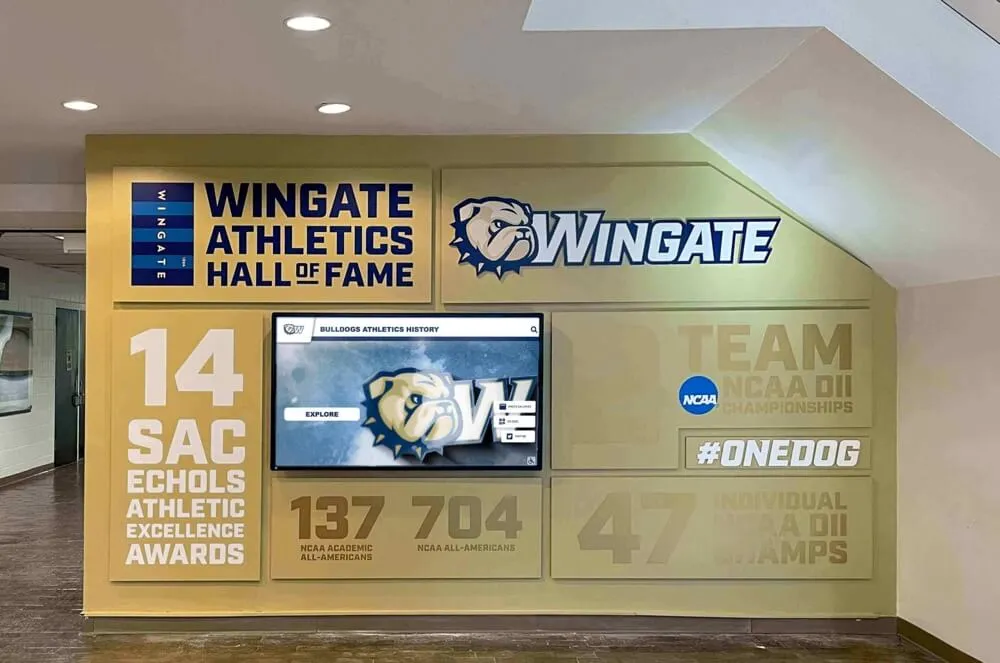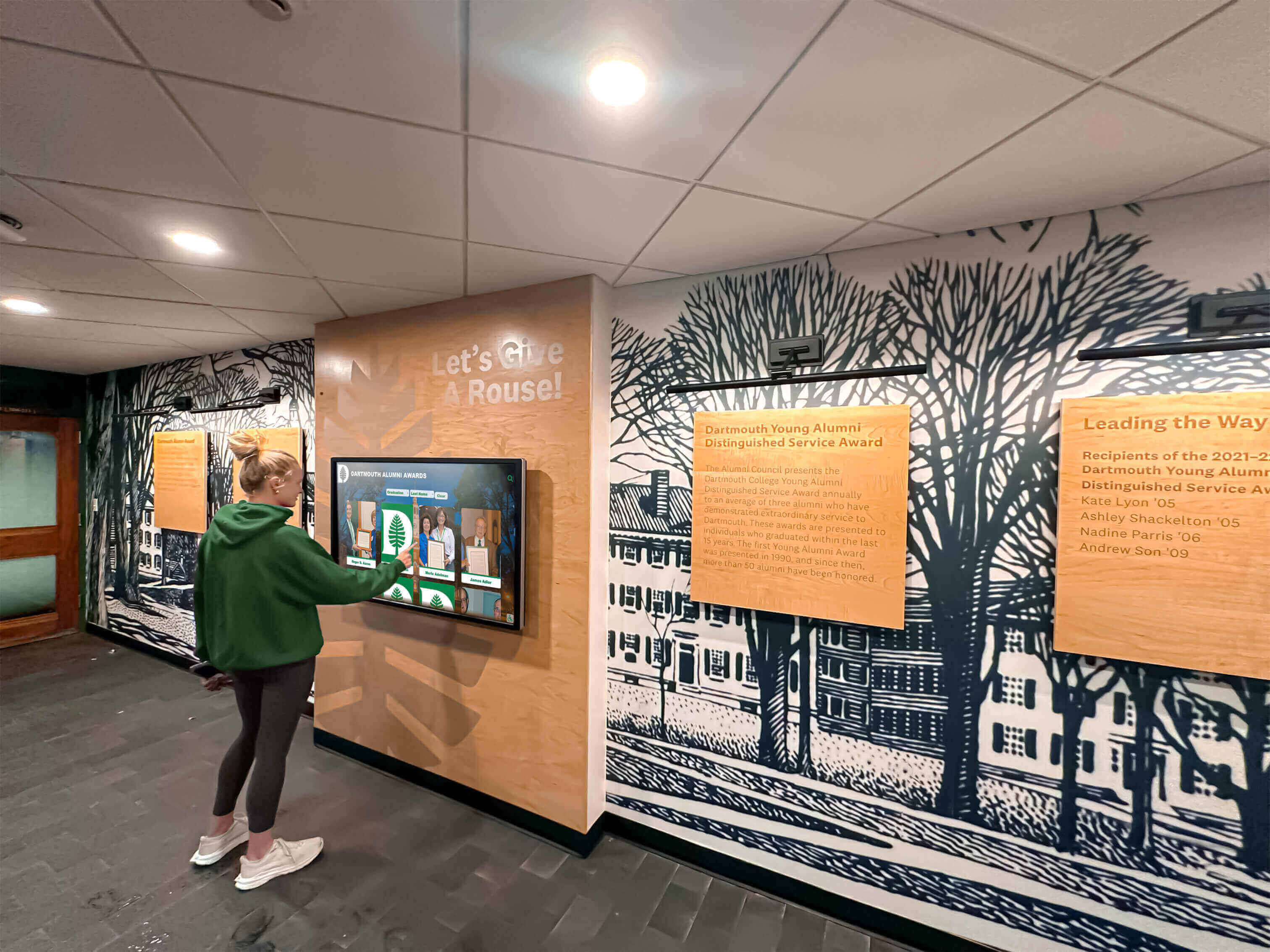
High school class officers serve as the backbone of student government, coordinating events that define school culture, representing their peers in critical conversations with administration, and developing leadership skills that last a lifetime. When schools effectively recognize these student leaders through modern digital showcases and comprehensive recognition systems, they inspire continued excellence, demonstrate genuine institutional commitment to student voice, and create cultures where leadership receives the visibility it deserves.
Yet many schools struggle to provide class officers with recognition matching their substantial contributions. While these leaders invest countless hours organizing homecoming, managing fundraisers, leading school-wide initiatives, and advocating for classmates, their acknowledgment often consists of brief yearbook mentions or outdated bulletin boards that quickly fade into hallway backgrounds. This inadequate recognition fails to honor the democratic participation these positions represent while missing opportunities to inspire younger students toward future leadership roles.
This comprehensive guide explores evidence-based strategies for recognizing class officers through digital showcase systems that honor contributions, celebrate achievements throughout the year, and build sustainable recognition programs that strengthen student government across generations.
Student government leadership recognition creates systematic celebration demonstrating institutional commitment to student voice and democratic participation. Schools excelling at leadership recognition build environments where every class president, vice president, secretary, and treasurer receives visibility reflecting the significance of their service to the school community.
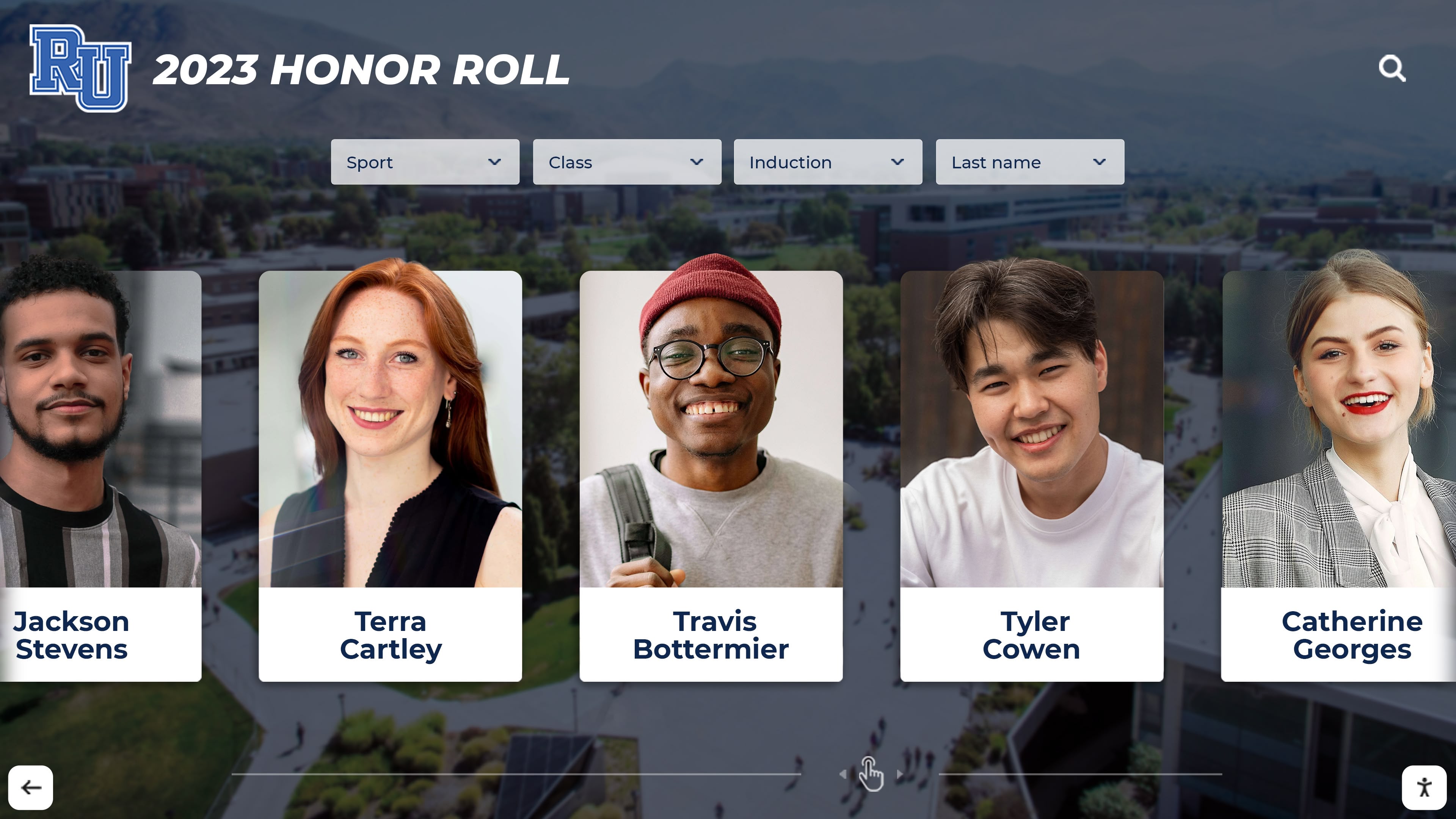
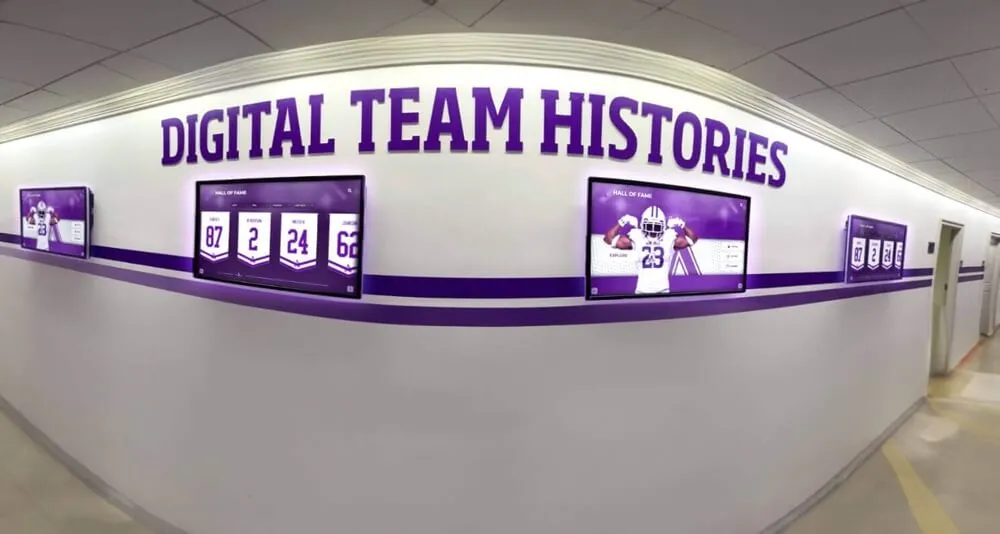
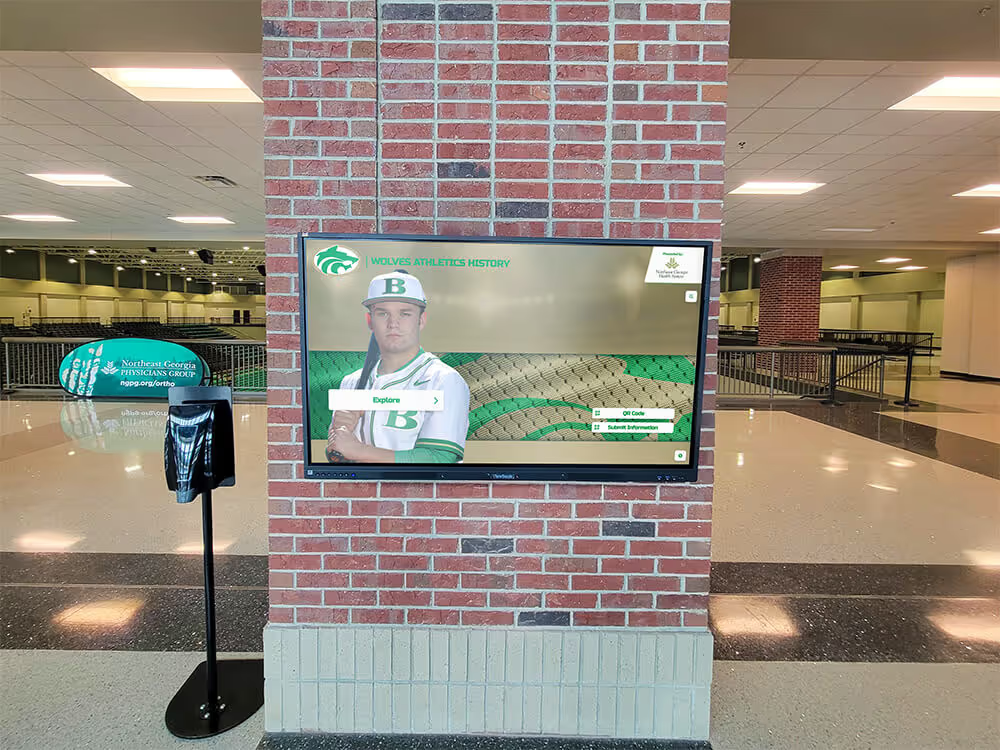
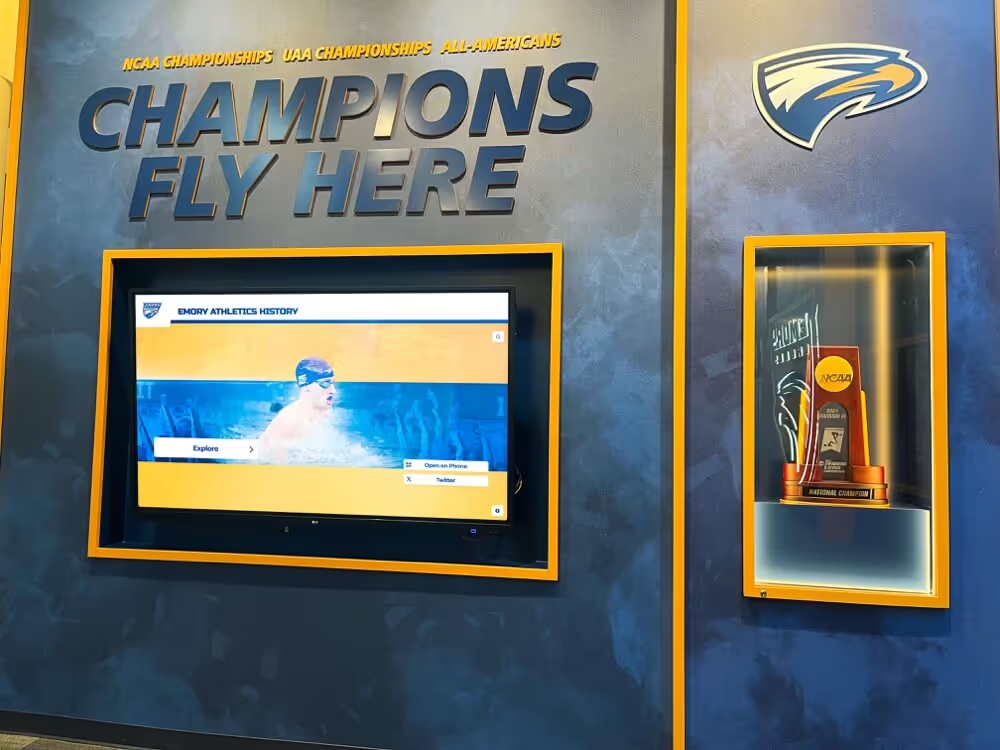
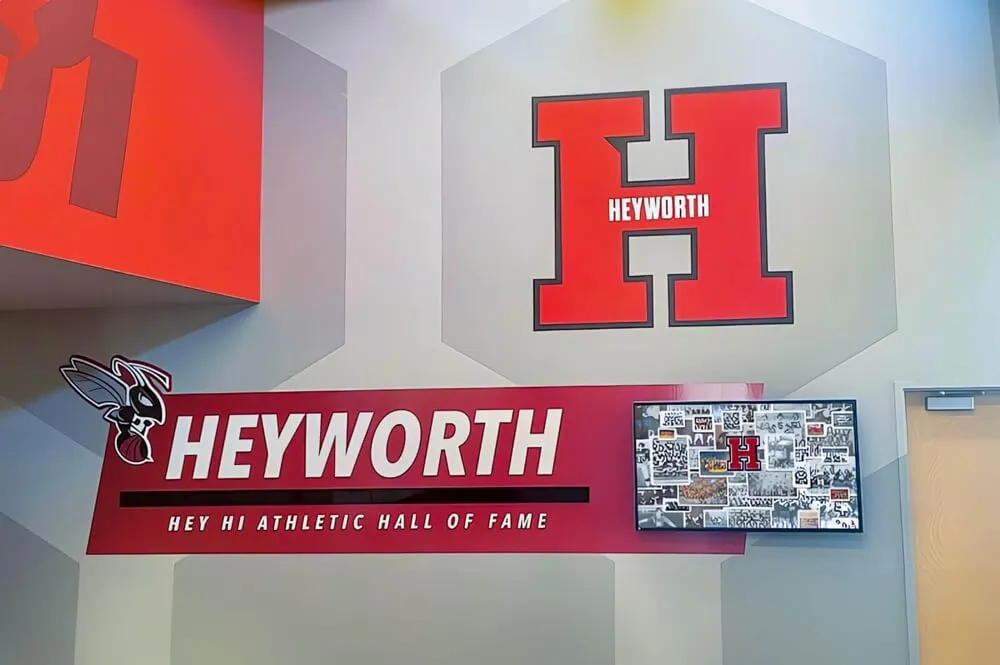
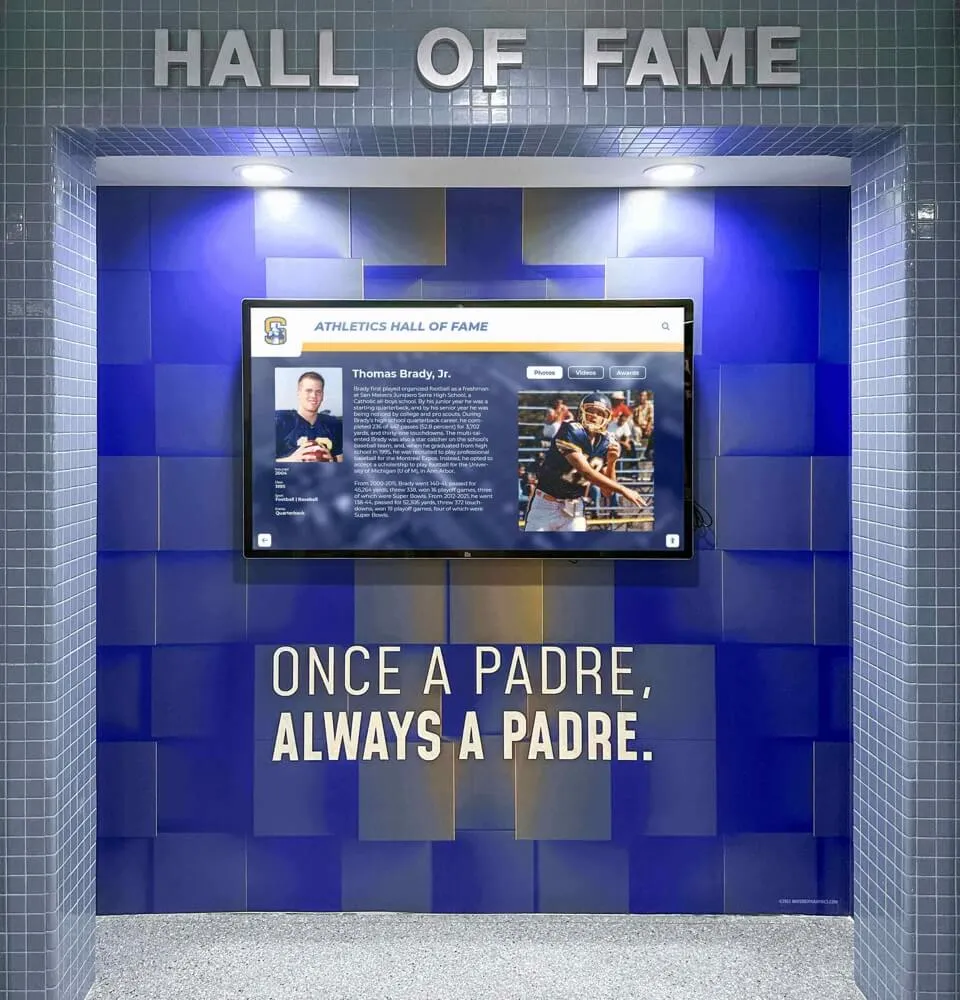
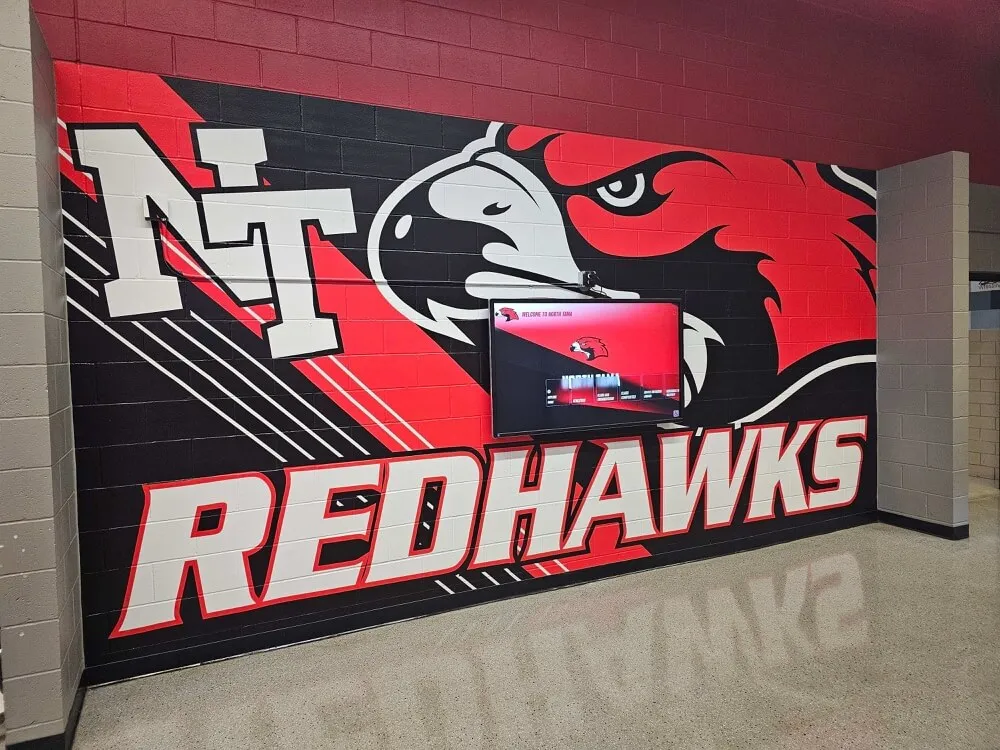
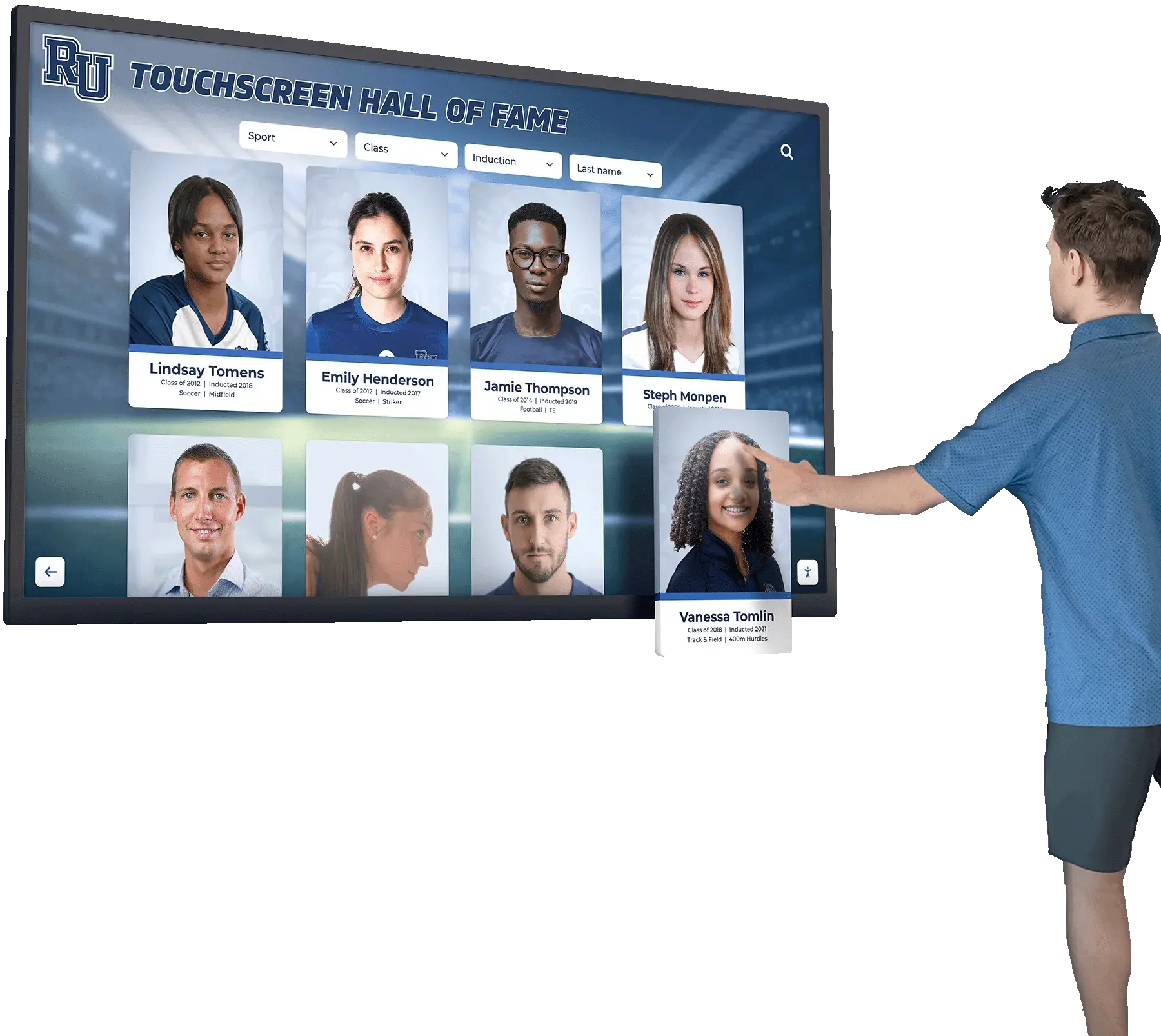
Digital showcase systems present individual student leaders with comprehensive profiles celebrating their specific contributions
Understanding Class Officer Roles and Responsibilities
Before implementing recognition systems, schools benefit from clear understanding of the leadership positions comprising effective student government and what each role contributes to school community.
Core Class Officer Positions
Most high schools establish leadership structures distributing responsibilities while providing meaningful experience across different positions.
Class President
The class president serves as chief executive for their graduating class, presiding over meetings and setting agendas. This role includes coordinating fundraising activities to support class initiatives, planning major events like homecoming dances and prom, serving as primary communication link between classmates and administration, representing the class at school board meetings when appropriate, organizing class participation in school-wide spirit activities, and delegating responsibilities effectively to other officers.
The position requires exceptional organizational capabilities, strong communication skills, commitment to serving classmates’ interests, and vision for building positive class culture extending throughout high school years and beyond graduation.
Class Vice President
The vice president supports the class president while developing leadership capabilities. Responsibilities include assuming presidential duties during absences, assisting with event planning and coordination, managing specific initiatives assigned by the president or advisor, supporting communication efforts with classmates, and often serving as primary coordinator for particular events like fundraisers or social activities.
This role provides leadership development while ensuring operational continuity when presidents cannot fulfill responsibilities.
Class Secretary
The secretary maintains essential organizational records including detailed meeting minutes documenting discussions and decisions, attendance tracking for meetings and events, communication distribution to class members about upcoming activities, documentation of class history for institutional memory, and record-keeping ensuring smooth transitions between leadership years.
Effective secretaries provide organizational infrastructure enabling student government to function efficiently while preserving knowledge that strengthens programs across leadership transitions.
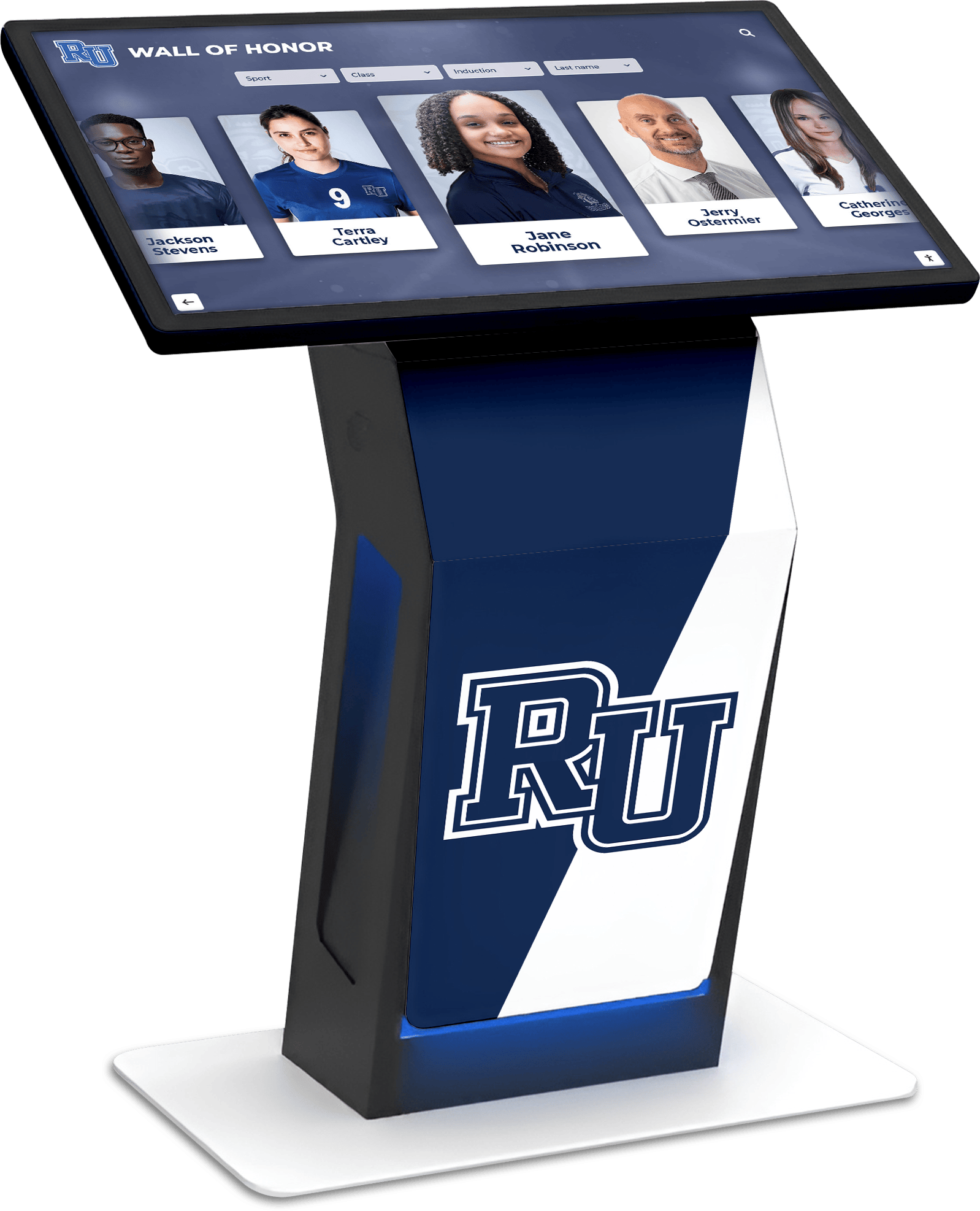
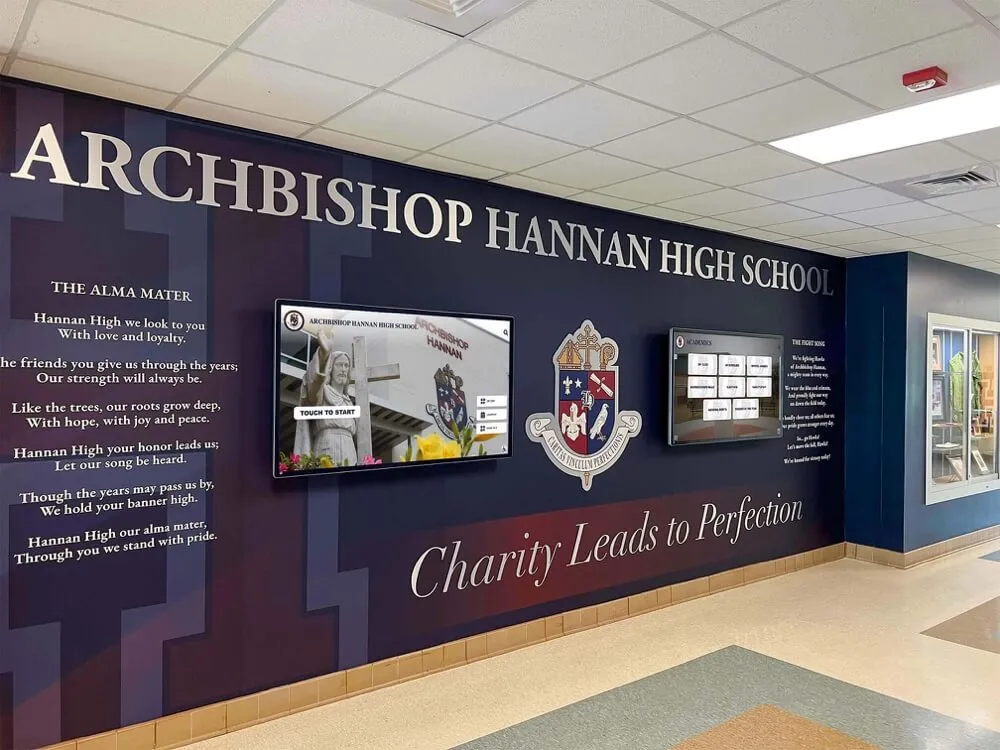
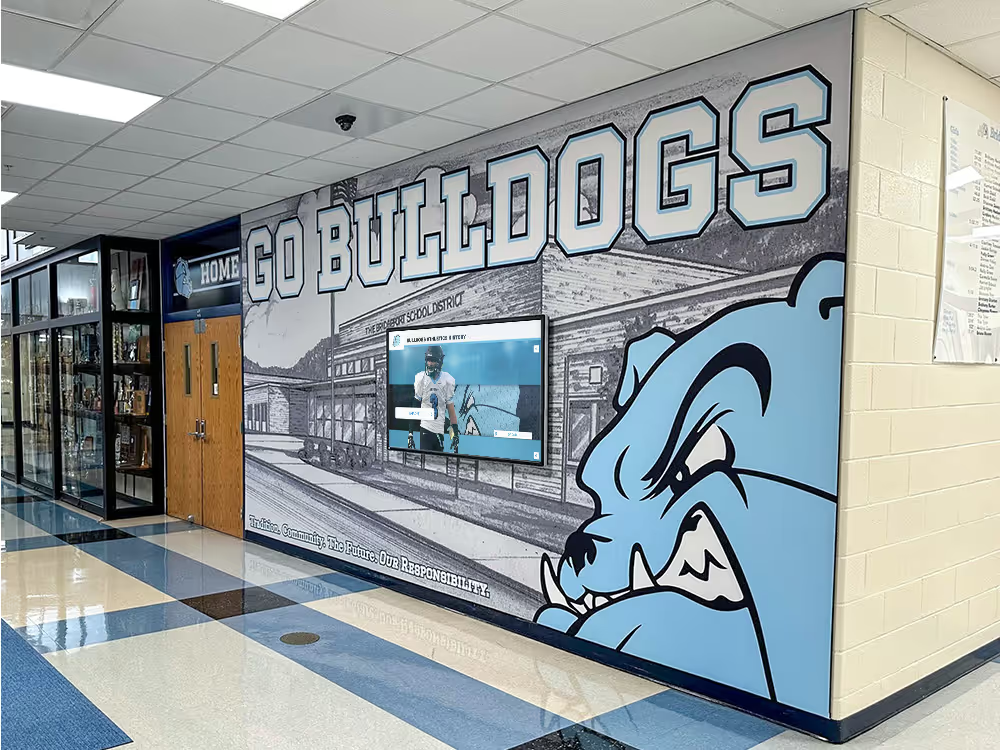
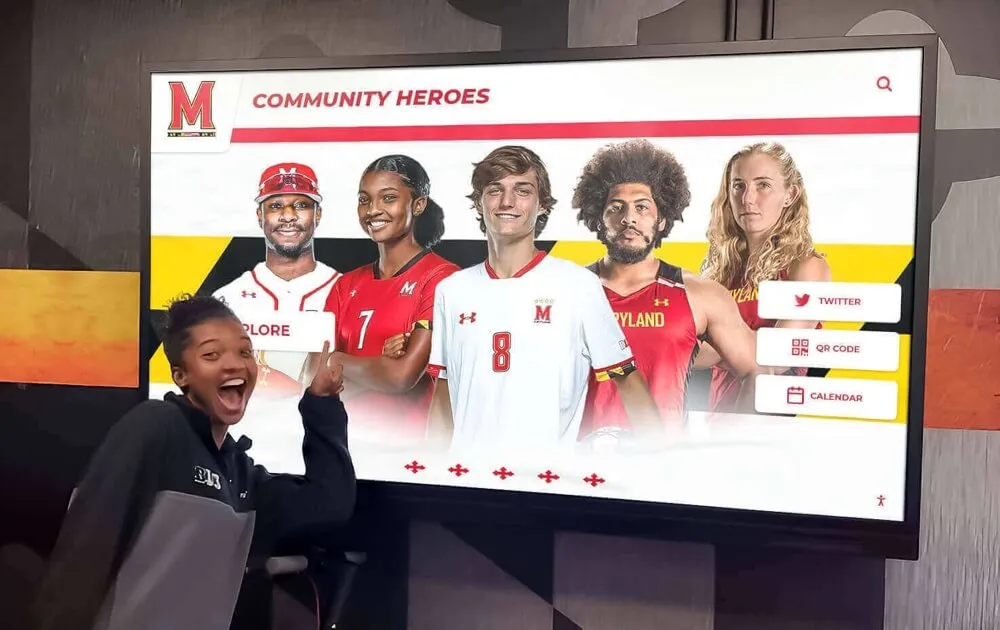
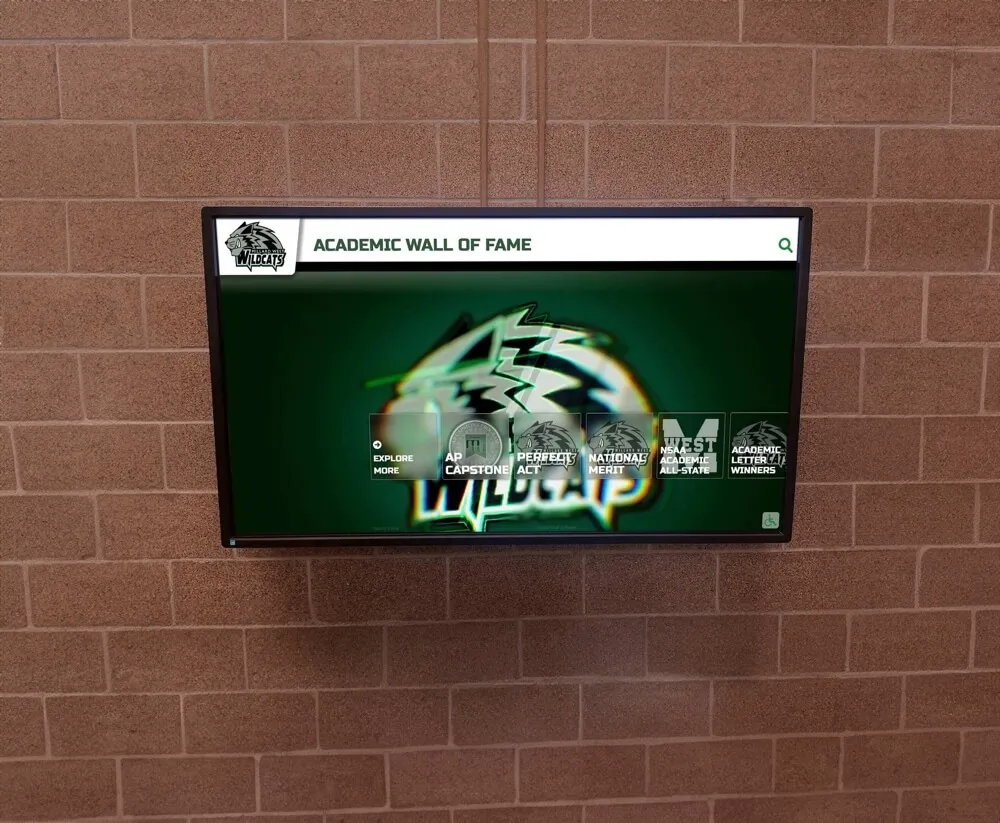
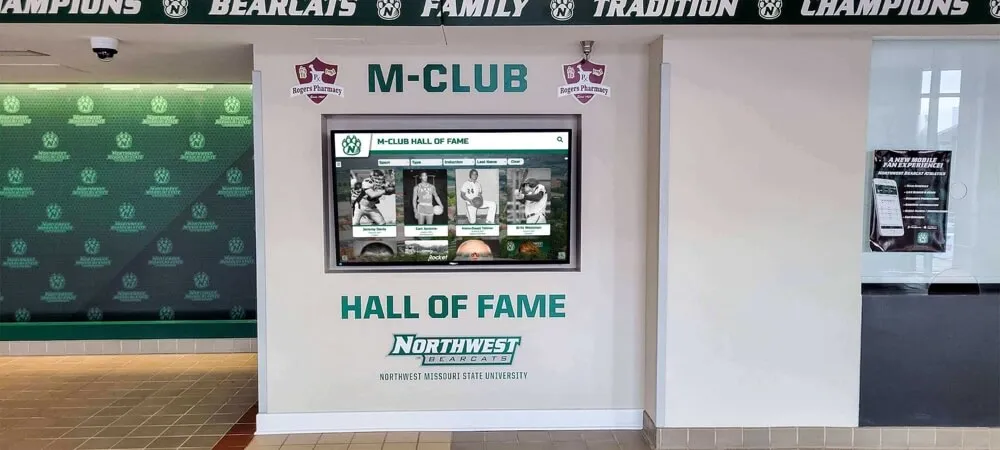
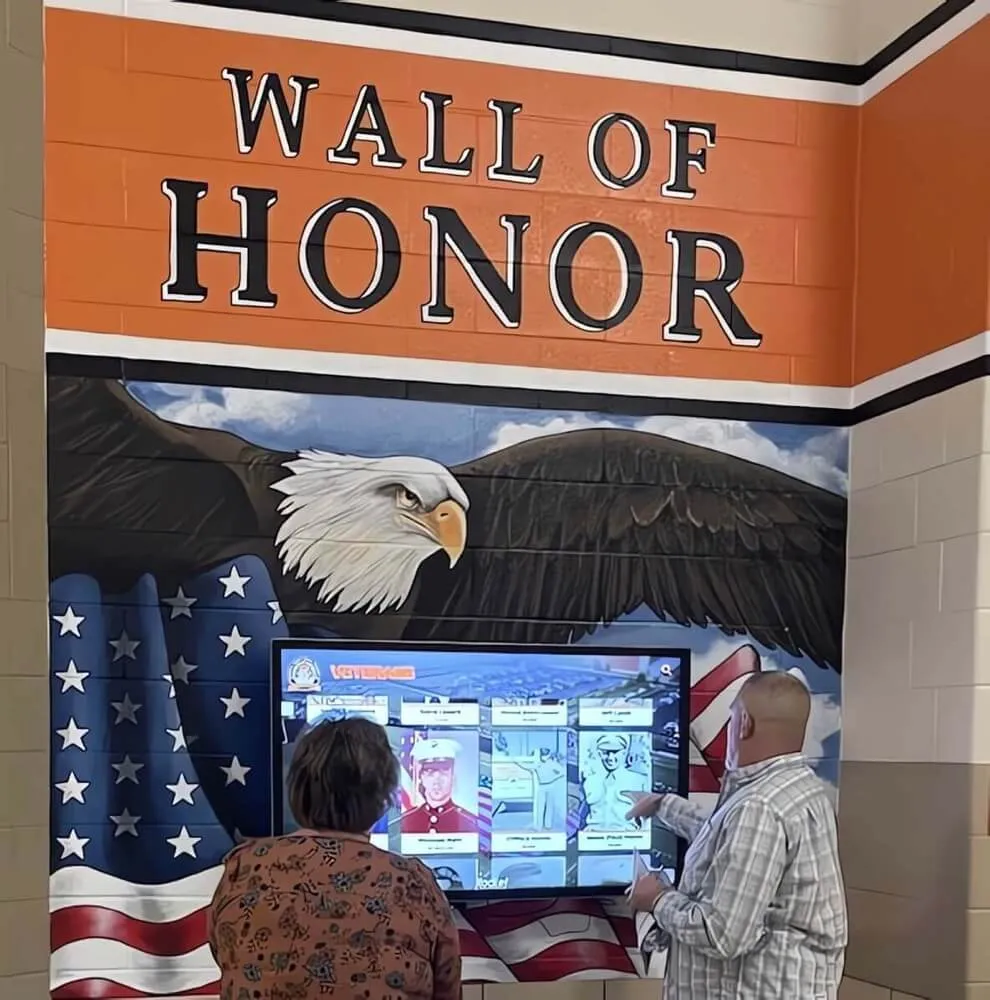
Interactive touchscreen systems enable comprehensive recognition of student leaders across all grades and positions
Class Treasurer
The treasurer manages financial aspects of class operations including budget development and monitoring, fundraising initiative coordination and tracking, expense management and reimbursement processing, financial reporting to class members and administration, account reconciliation, and long-term financial planning for major expenses like senior activities.
Classes organizing significant fundraisers, planning expensive events like prom, and managing multi-year budgets require capable financial leadership that treasurers provide through careful stewardship of class resources.
Student Body Officers
At the school level, student body president and executive officers represent all students regardless of graduating class. These positions include advocating for the entire student body with administration, coordinating school-wide events and initiatives, presiding over student council meetings with representatives from all classes, serving on committees involving students and faculty, and representing the school at district and community events.
These positions require mature leadership, sophisticated communication abilities, and capacity to represent diverse student perspectives in conversations with adult decision-makers.
The Value of Class Officer Recognition
Serving as a class officer provides substantial benefits for individual students while delivering significant value to schools and broader communities.
Benefits for Individual Student Leaders
Class officer positions offer advantages during high school and throughout students’ personal and professional lives. Leadership experience in student government strengthens college applications through demonstrating sustained commitment, showcasing organizational and leadership capabilities, providing concrete examples of measurable impact on school culture, highlighting communication and advocacy skills, and illustrating democratic participation valued by selective institutions.
According to college admissions experts, student government positions are often perceived as high-level extracurricular activities that substantially strengthen applications in competitive admissions processes.
Students develop transferable capabilities including organizational leadership through coordinating complex events, team building through recruiting volunteers and delegating effectively, conflict resolution when addressing competing interests, public speaking through presentations at meetings and assemblies, financial management as treasurers or budget committee members, and project management coordinating initiatives from conception through execution.
Learn more about comprehensive student leadership in class president digital display recognition celebrating executive leadership.
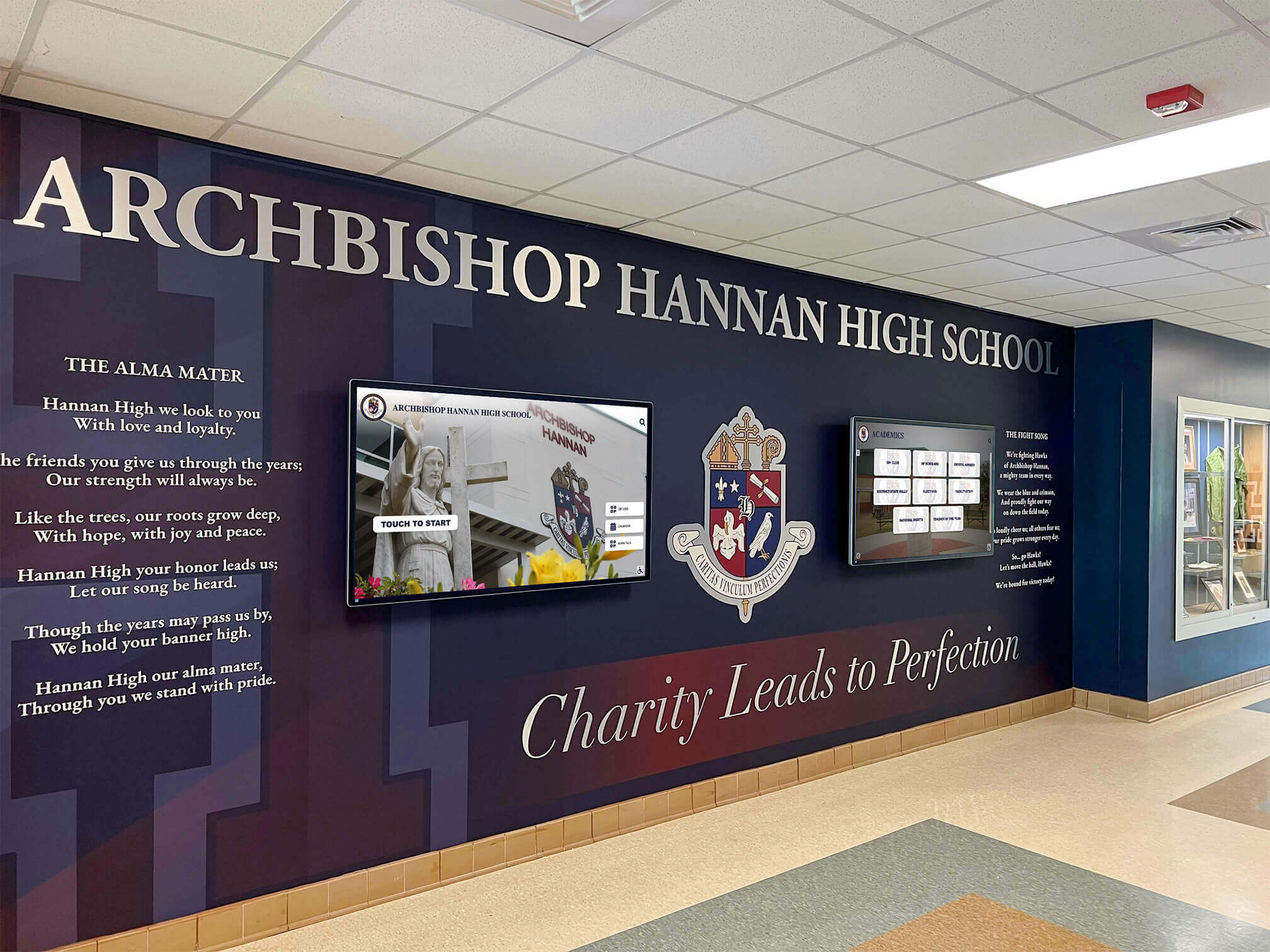
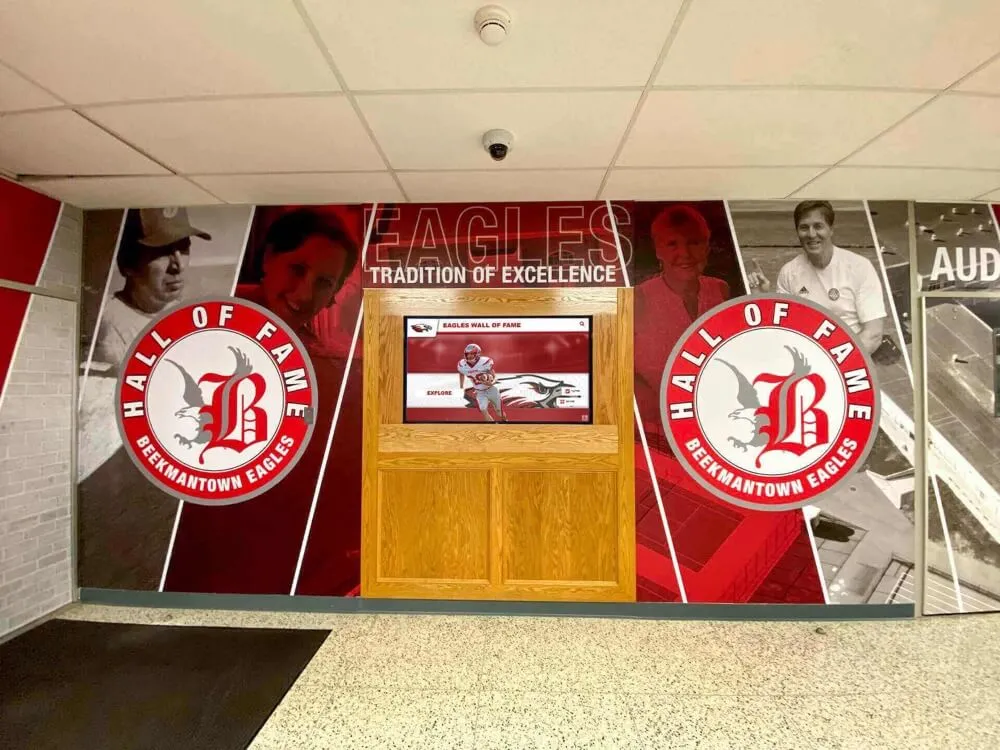
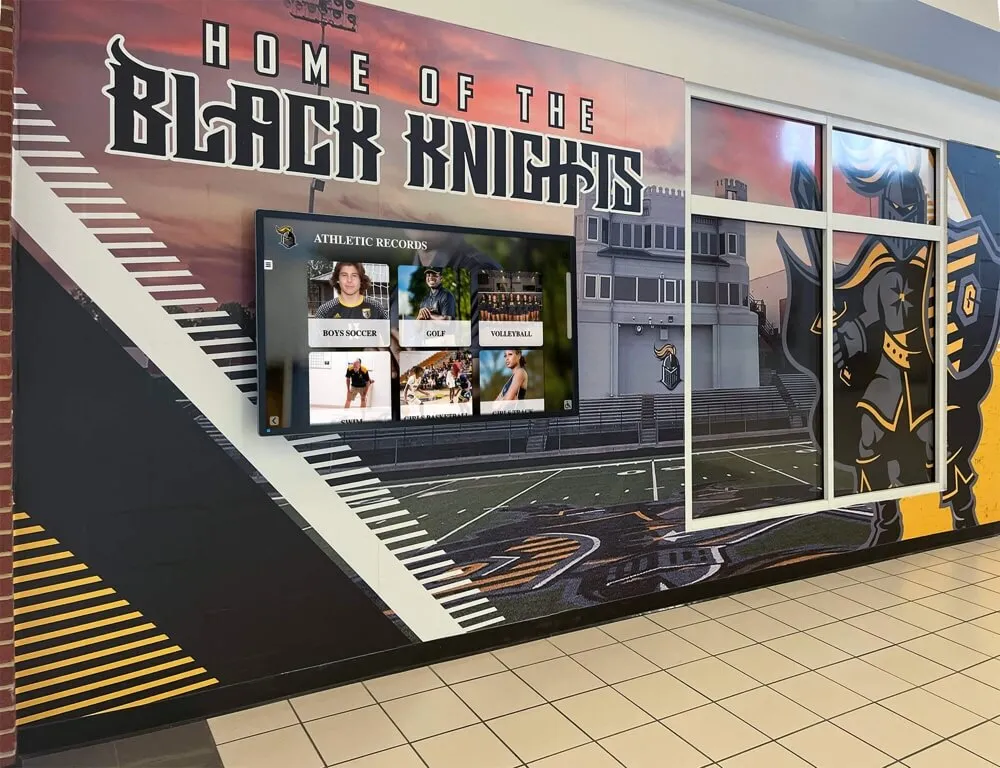
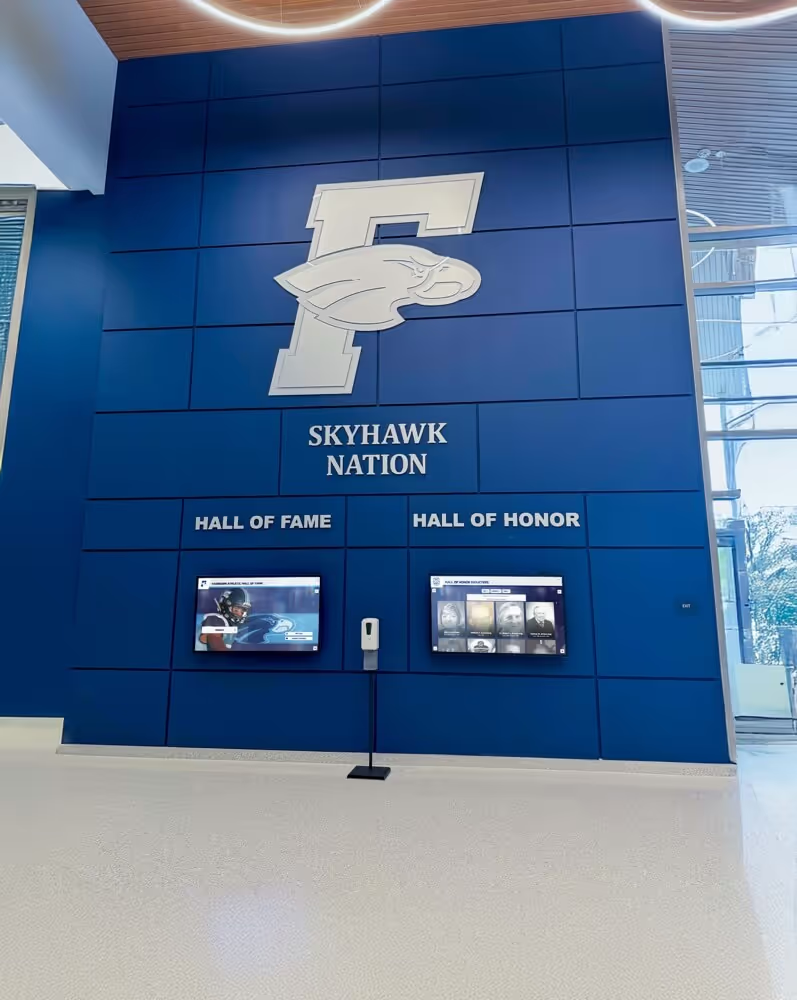
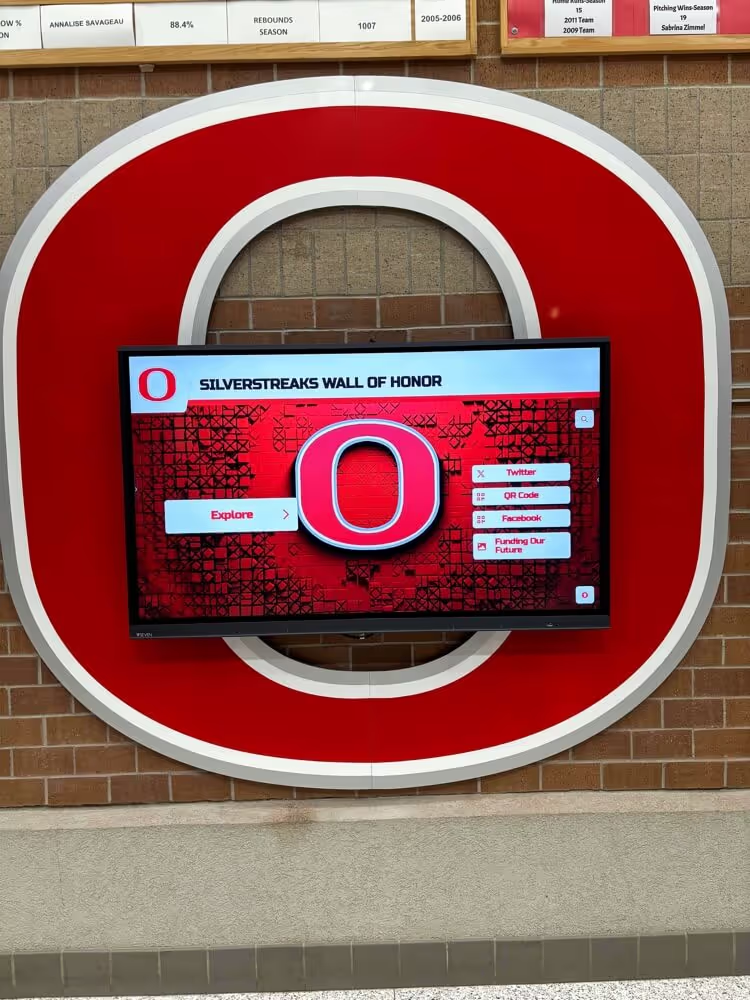
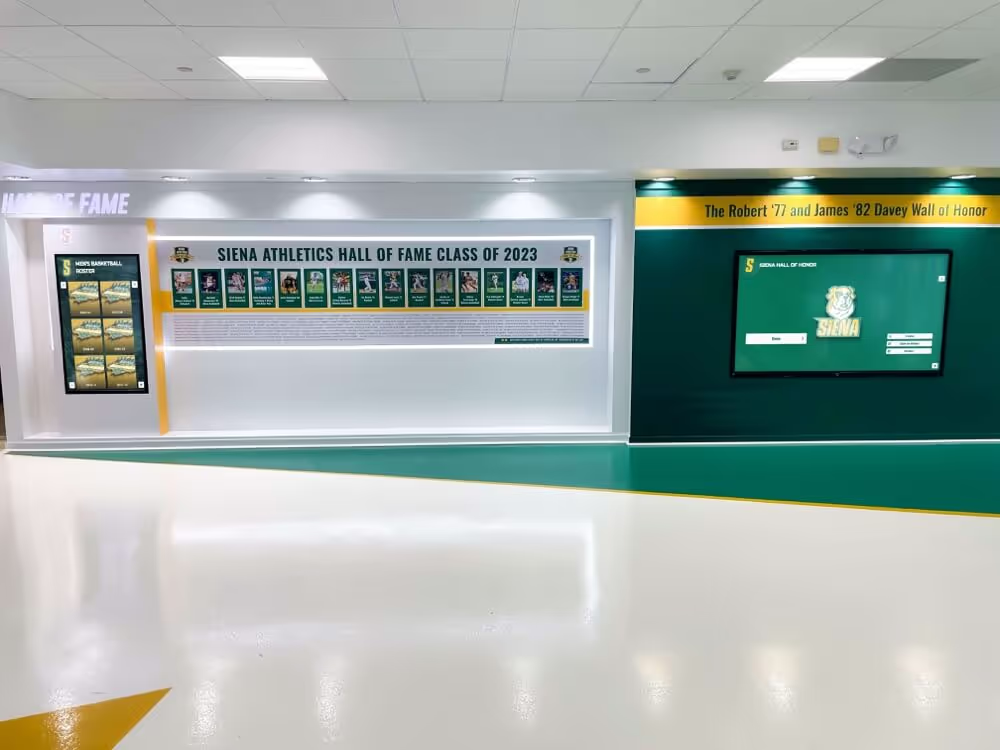
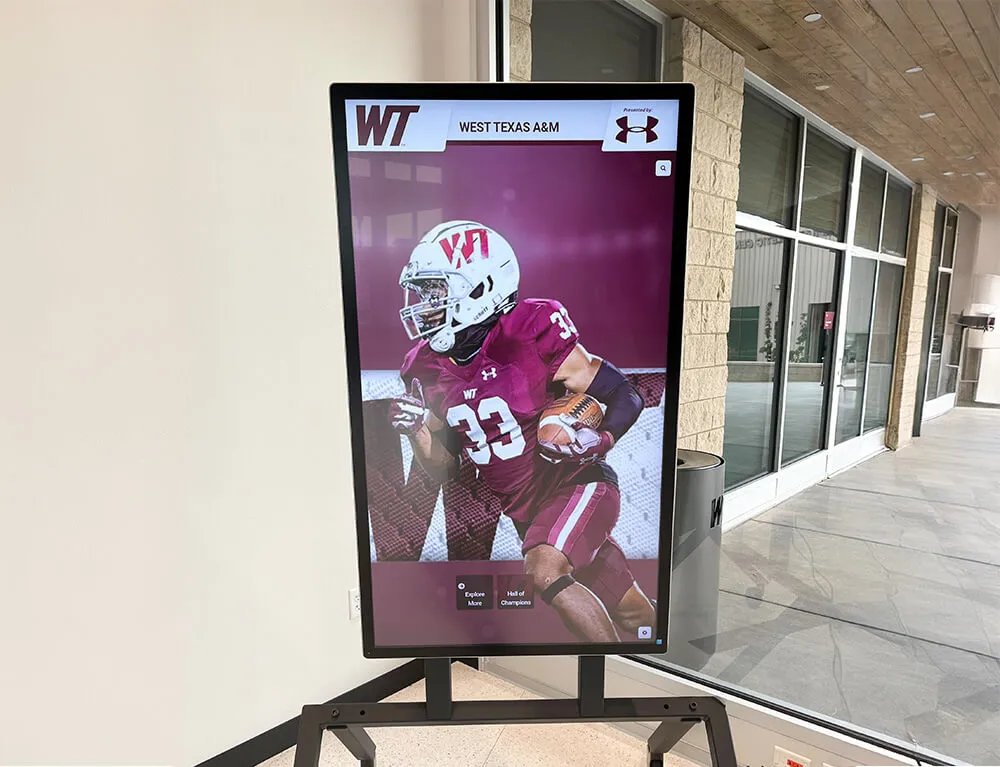
Main entrance placement ensures class officer recognition remains visible to all visitors and community members
Benefits for Schools and Educational Communities
Strong class officer recognition creates program-wide advantages extending throughout educational institutions. Research on school recognition programs indicates that students with strong sense of school belonging demonstrate higher academic achievement, better attendance rates, and fewer behavioral issues.
Recognizing class officers contributes to this positive culture through increased student engagement as visible leadership recognition attracts participation, improved school climate when student voice receives genuine institutional acknowledgment, stronger traditions as each leadership generation builds on predecessor accomplishments, trust between students and administration through authentic governance participation, and pride as the entire community celebrates leaders’ contributions.
Schools implementing robust recognition programs report increased applications for student government positions, improved quality of leadership candidates, better retention as officers complete terms rather than resigning, stronger succession planning as underclassmen aspire to follow recognized leaders, and institutional memory preservation through recognition systems documenting governance history.
Recognition Strategies Creating Lasting Impact
Effective recognition programs incorporate multiple approaches providing immediate celebration, ongoing visibility throughout the year, and permanent documentation preserving leadership legacies.
Digital Showcase Systems for Class Officer Recognition
Traditional recognition methods face significant limitations when celebrating class officers. Physical officer boards list names with minimal context, photo displays become outdated quickly, bulletin boards require constant manual updating, and static displays cannot convey leadership impact or accomplishments.
Digital showcase systems overcome these limitations while providing enhanced recognition capabilities that solutions like Rocket Alumni Solutions make accessible for schools of all sizes.
Unlimited Recognition Capacity
Digital systems eliminate physical space constraints limiting how many officers, years, or positions can be recognized. Comprehensive archives preserve complete student government histories across decades with multiple filtering and search options enabling exploration by year, position, class, or name. Detailed individual profiles impossible with static plaques provide context about each officer’s specific contributions and accomplishments.
Rich Multimedia Content Celebrating Leadership
Digital showcases present high-quality photos capturing leadership teams and individual portraits, biographical information including graduation years and colleges attended, detailed accomplishment documentation describing specific initiatives and measurable outcomes, personal reflections as officers share insights about leadership experiences, video content featuring officers discussing their roles or showcasing successful events, and statistics demonstrating impact including funds raised and events organized.
Discover comprehensive approaches in student recognition award displays designed for schools.
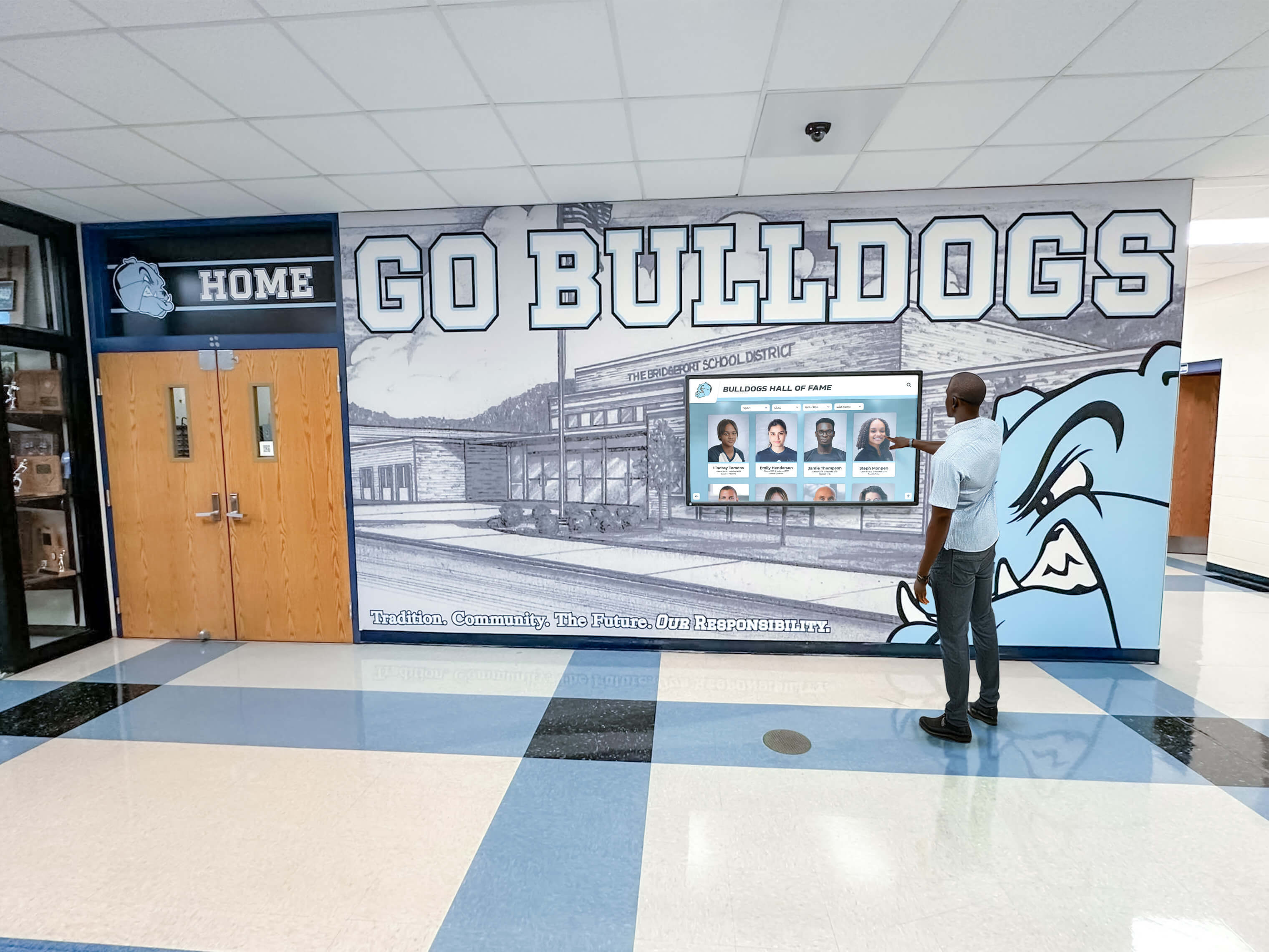
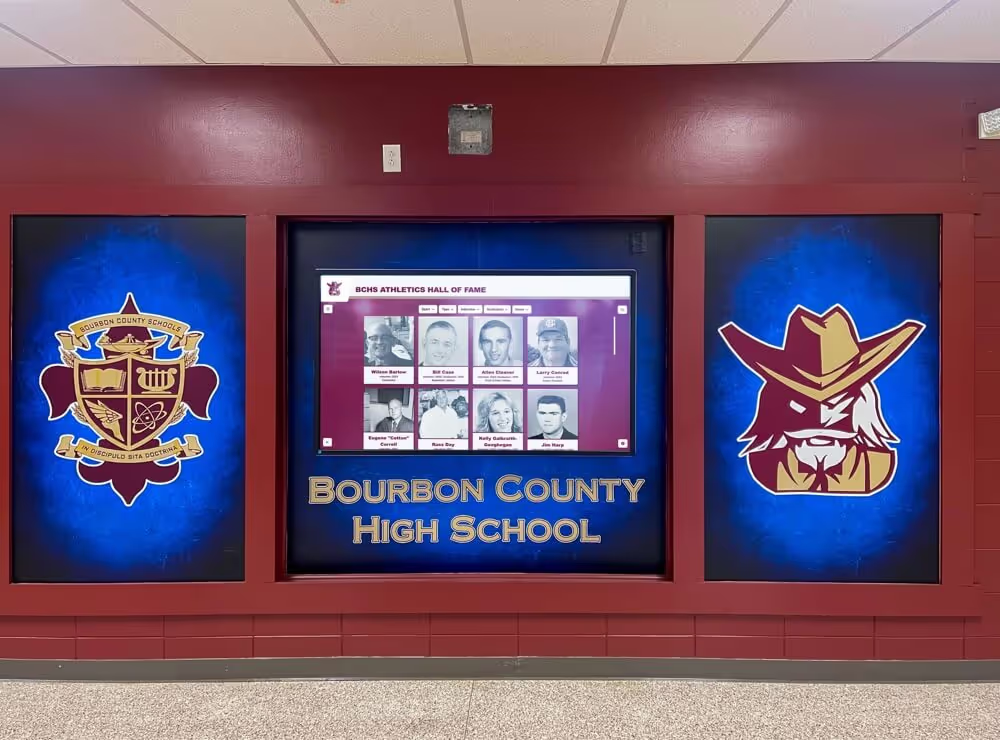
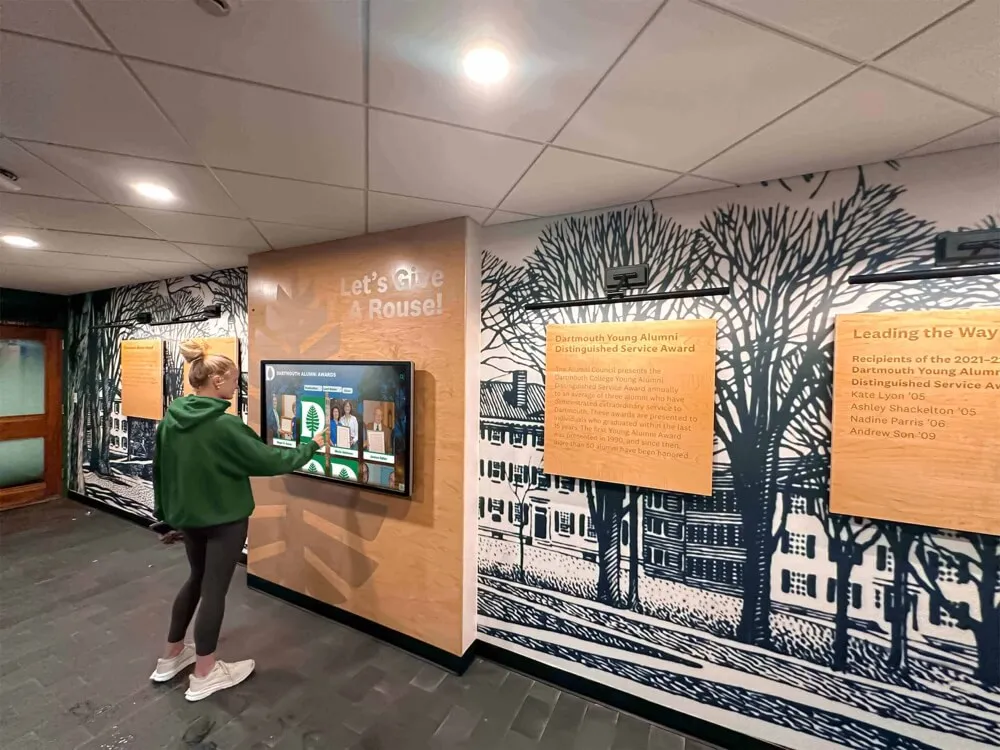
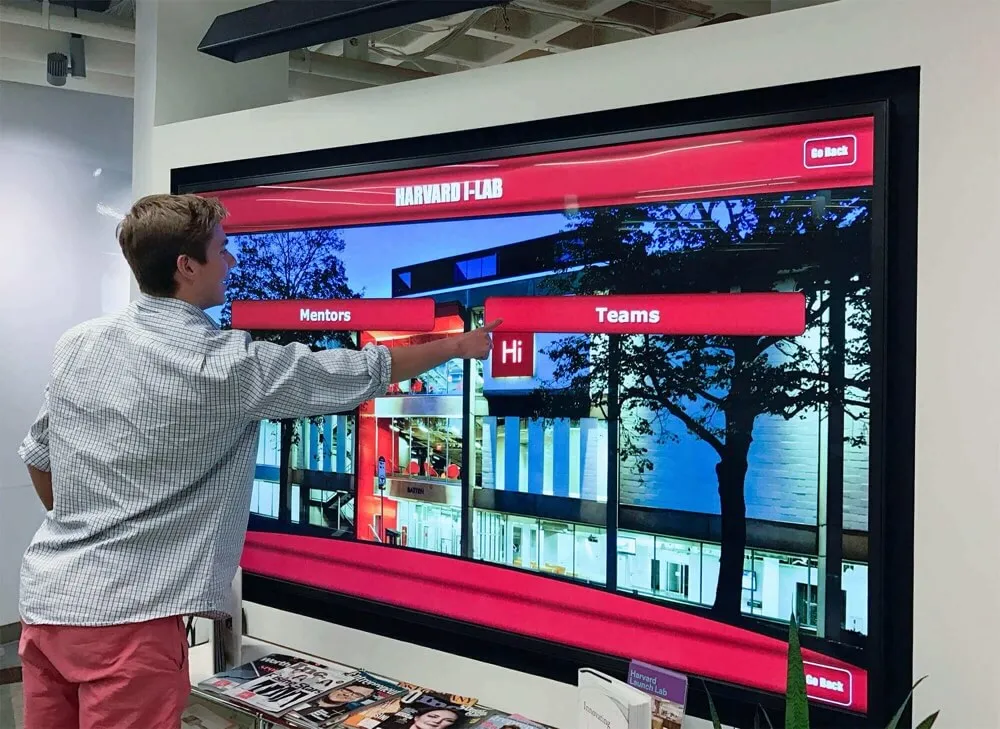
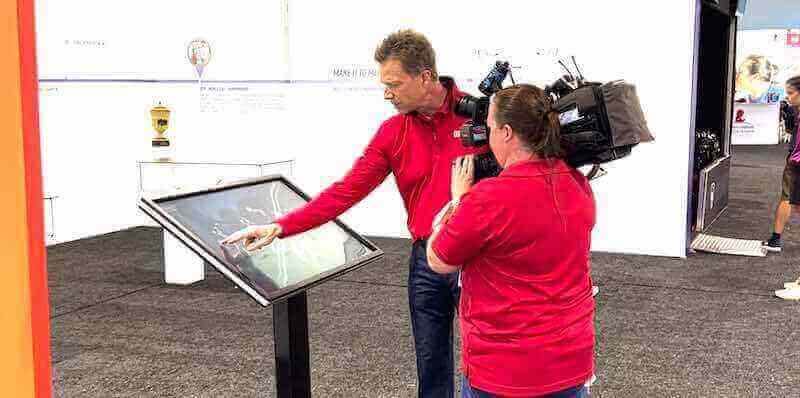
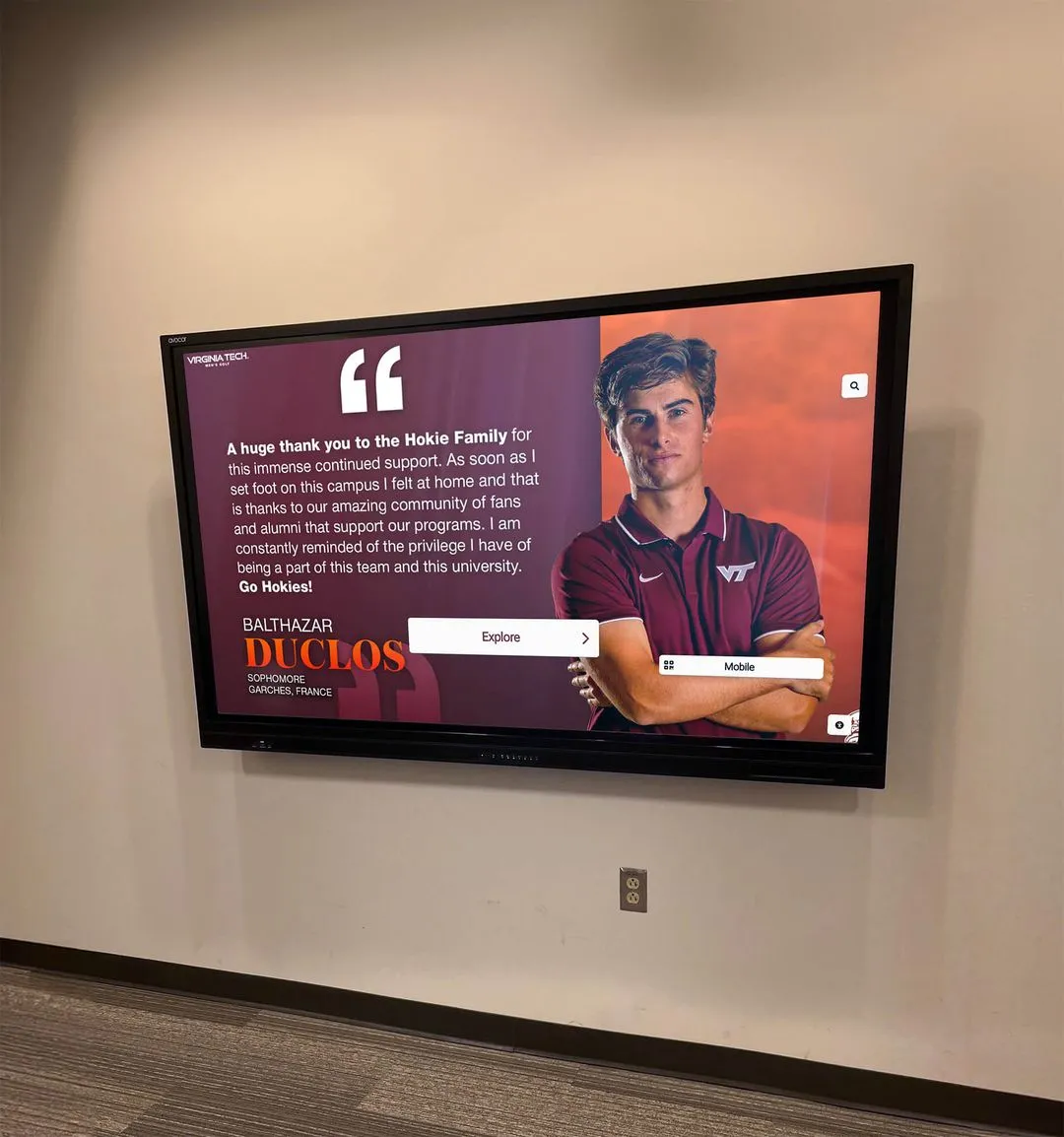
Touchscreen interfaces make exploring class officer histories engaging and intuitive for all ages
Interactive Exploration Features
Digital showcases offer intuitive search functionality helping community members find specific individuals, timeline views showing student government evolution and leadership traditions, cross-referencing connecting officers to specific initiatives and events, mobile accessibility extending recognition beyond physical campus to families anywhere, real-time updates as new officers assume roles or achieve milestones, and social sharing capabilities allowing students to share recognition with family and friends.
Strategic Display Placement
Location significantly affects recognition visibility and cultural impact. Main entrance and lobby areas ensure prime visibility for prospective families during admissions tours, community members attending school events, and students passing through daily. This prominent placement sends powerful messages about institutional priorities and what forms of achievement schools genuinely celebrate.
Student common areas including cafeterias, student unions, and libraries provide repeated exposure ensuring student government recognition becomes woven throughout daily school experience. Administrative and meeting spaces including main offices and conference rooms position recognition where it informs decisions and demonstrates commitment to student voice.
Messaging Frameworks for Class Officer Recognition
Beyond display technology, effective recognition requires thoughtful messaging celebrating contributions appropriately.
Recognition Content Templates
Schools benefit from structured templates ensuring consistent, meaningful recognition across all officers and years. Profile templates should include officer name and position, class year and tenure dates, key initiatives and accomplishments, specific events coordinated or led, fundraising results and financial impact, personal leadership reflection or quote, and post-graduation pathway highlighting college or career.
Achievement Documentation Standards
Comprehensive documentation preserves leadership legacies while providing models for future officers. Document major event successes including attendance numbers and participant feedback, policy changes resulting from student advocacy, fundraising achievements with dollar amounts and purposes, community service initiatives and hours contributed, innovative program launches addressing student needs, and effective responses to challenges demonstrating leadership under pressure.
Quantifiable metrics provide concrete evidence of leadership effectiveness that recognition systems should prominently feature.
Explore messaging approaches in honor roll digital recognition applicable to leadership programs.
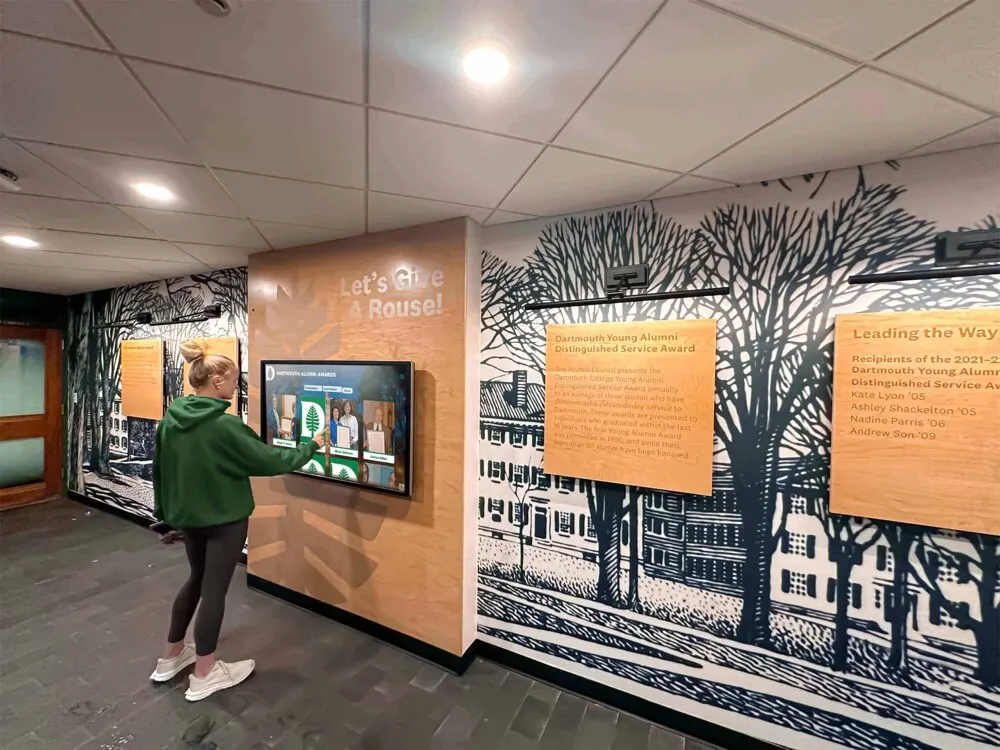
Interactive displays engage students in discovering leadership traditions and institutional history
Recognition Ceremony Scripts
Formal recognition events require thoughtful scripting honoring contributions appropriately. Inauguration ceremonies introducing newly elected officers should acknowledge outgoing officers’ specific accomplishments, welcome new officers with descriptions of their campaign platforms and leadership vision, include administrator participation presenting certificates or symbolic items, and invite family members to celebrate students’ election victories.
End-of-year recognition events should celebrate specific achievements from the school year, present awards recognizing exceptional leadership or initiative, share statistical summaries of class accomplishments, feature reflections from graduating senior officers, and transition recognition to incoming leadership teams.
Creating Comprehensive Recognition Programs
Sustainable class officer recognition requires systematic approaches ensuring consistency, equity, and longevity beyond individual administration transitions.
Planning Recognition Program Implementation
Needs Assessment
Begin with comprehensive evaluation establishing clear requirements. Inventory existing recognition practices across departments, identify gaps where deserving leadership goes unrecognized, evaluate student and family satisfaction with current acknowledgment, assess physical spaces available for display installations, review technology infrastructure and network capabilities, and analyze budget availability and potential funding sources.
Stakeholder Engagement
Involve key constituencies in planning including administrative leadership input on institutional priorities, teaching staff perspectives on recognition needs, student feedback on what recognition means to them, parent input on visibility and communication preferences, student government advisors identifying specific recognition opportunities, and technology staff providing infrastructure guidance.
Comprehensive stakeholder engagement ensures display systems align with diverse needs while maintaining broad support across the school community.
Recognition Philosophy Development
Establish principles governing student leadership recognition including commitment to celebrating achievements across all officer positions equally, balance between recognizing executive officers and broader council members, inclusion ensuring recognition opportunities exist for diverse leadership contributions, flexibility enabling personalization within consistent frameworks, and sustainability ensuring long-term program viability.
Clear philosophy prevents inconsistent decisions creating approaches conflicting with educational values.
Learn about implementation strategies in digital displays for schools and student recognition systems.
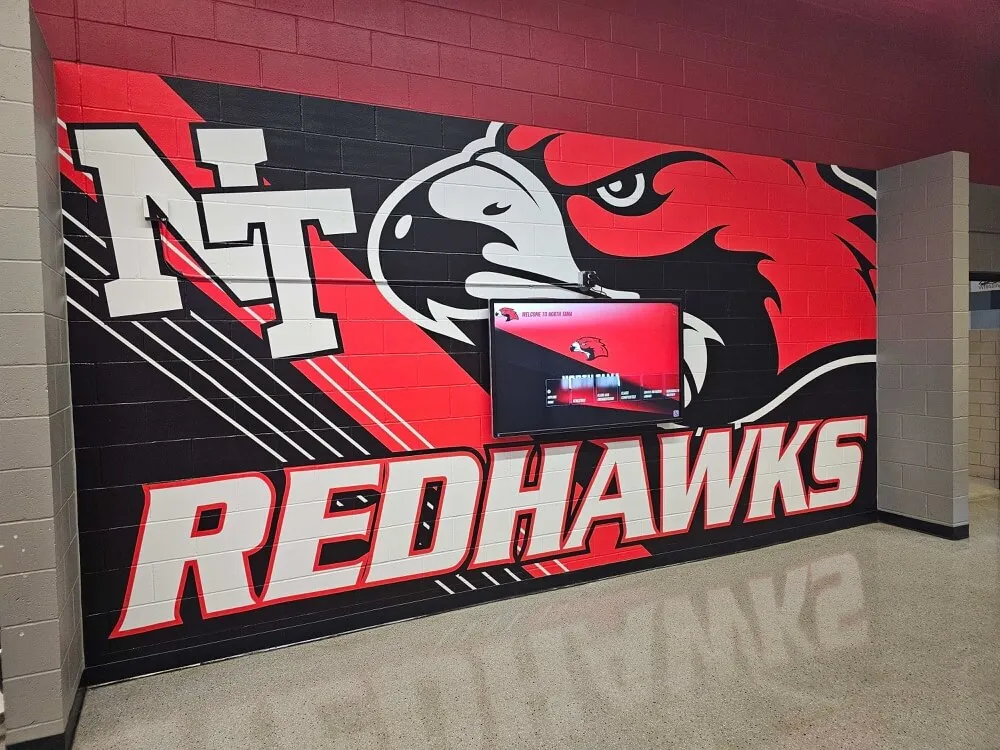
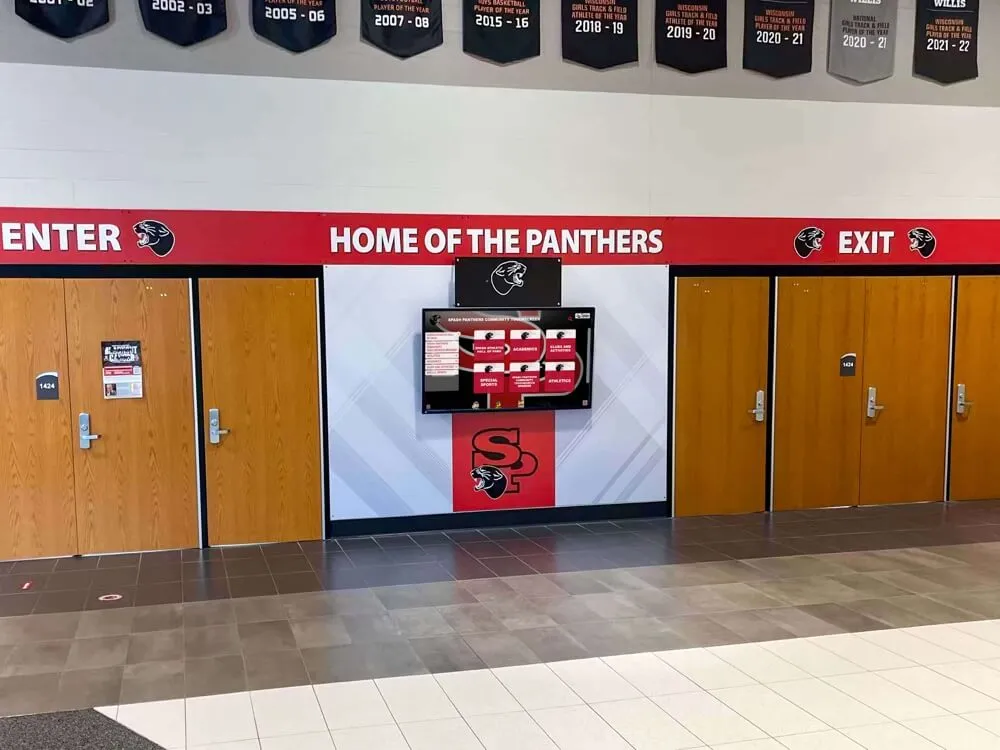
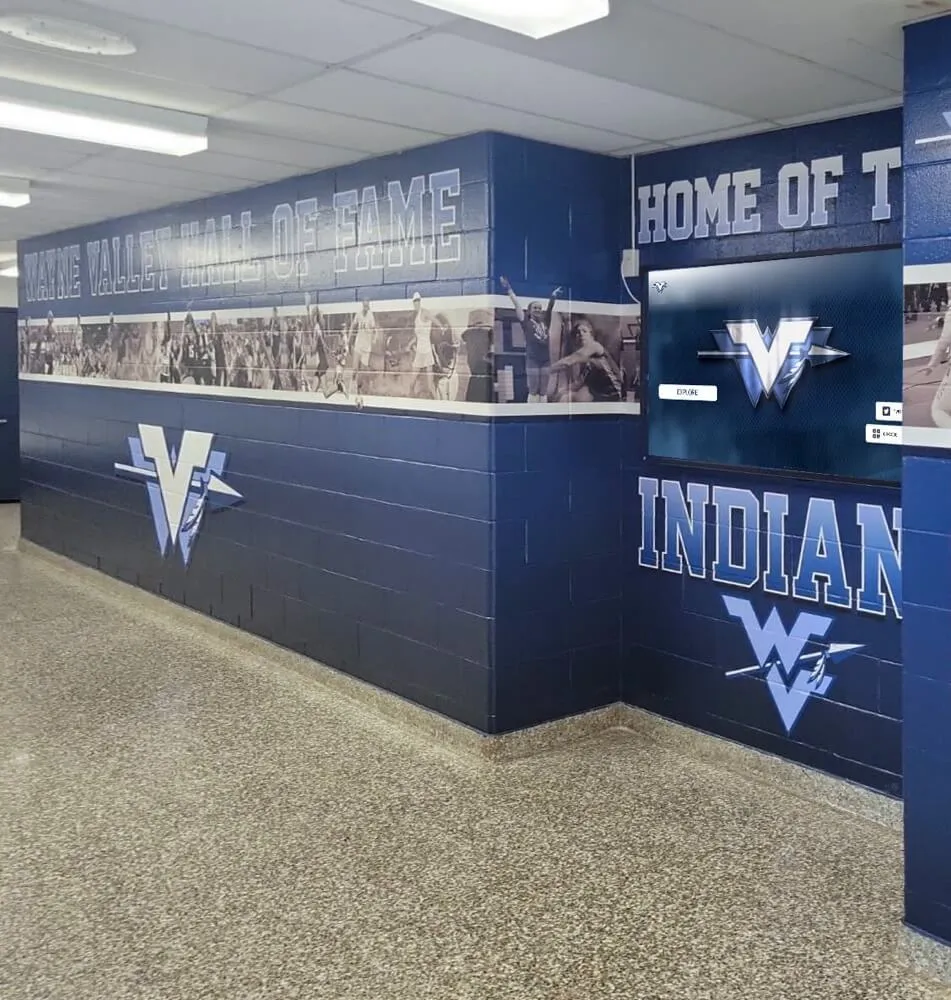
High-traffic hallway locations ensure leadership recognition integrates naturally into daily school experience
Content Development and Maintenance
Historical Data Migration
Comprehensive recognition begins with preserving past leadership. Digitize existing records from yearbooks, officer boards, and archives. Scan historical photos and documents preserving institutional memory. Create officer profiles for notable alumni highlighting post-graduation accomplishments. Establish timeline documentation connecting past and present student government traditions.
Historical content provides context for current recognition while inspiring students through connection to leadership traditions.
Current Officer Recognition Workflows
Establish systematic processes for recognizing current officers. Gather officer information and photos immediately following elections. Document major accomplishments and initiatives throughout terms. Update displays in real-time as milestones are achieved. Create announcement templates for new officer recognition. Establish content approval workflows ensuring quality and accuracy before publication.
Regular updates maintain recognition relevance and demonstrate ongoing institutional commitment to celebrating leadership.
Sustainable Management Protocols
Assign clear role responsibilities for recognition content updates across different categories. Establish regular update schedules maintaining currency throughout the school year. Implement quality assurance processes preventing errors before publication. Communicate timelines and processes to students and advisors. Plan technical maintenance ensuring reliable display operation. Schedule periodic content refreshment keeping displays engaging over time.
Clear protocols ensure recognition systems remain effective regardless of personnel changes or leadership transitions.
Recognition Messaging That Inspires Future Leaders
Effective recognition does more than acknowledge past service—it inspires future participation and sets expectations for leadership excellence.
Crafting Officer Recognition Narratives
Highlighting Specific Contributions
Generic recognition stating that someone “served as class president” provides minimal inspiration or context. Effective recognition describes specific contributions: “coordinated three major fundraisers generating $12,000 for prom expenses,” “represented 450 classmates in monthly meetings with administration,” “led homecoming committee organizing events attended by 800 students and families,” or “implemented new communication system reaching 95% of class members.”
Specific accomplishments provide concrete models for future officers while validating the significance of leadership contributions.
Emphasizing Leadership Development
Recognition should acknowledge growth and skill development. Profiles might note how officers “developed public speaking confidence addressing audiences of 300+,” “learned financial management coordinating $15,000 annual class budget,” “built consensus among diverse perspectives on controversial issues,” or “overcame initial uncertainty to become confident advocate for classmate needs.”
This development focus positions student government as learning opportunity with long-term benefits beyond immediate accomplishments.
Explore storytelling approaches in senior class awards displays celebrating student achievement.
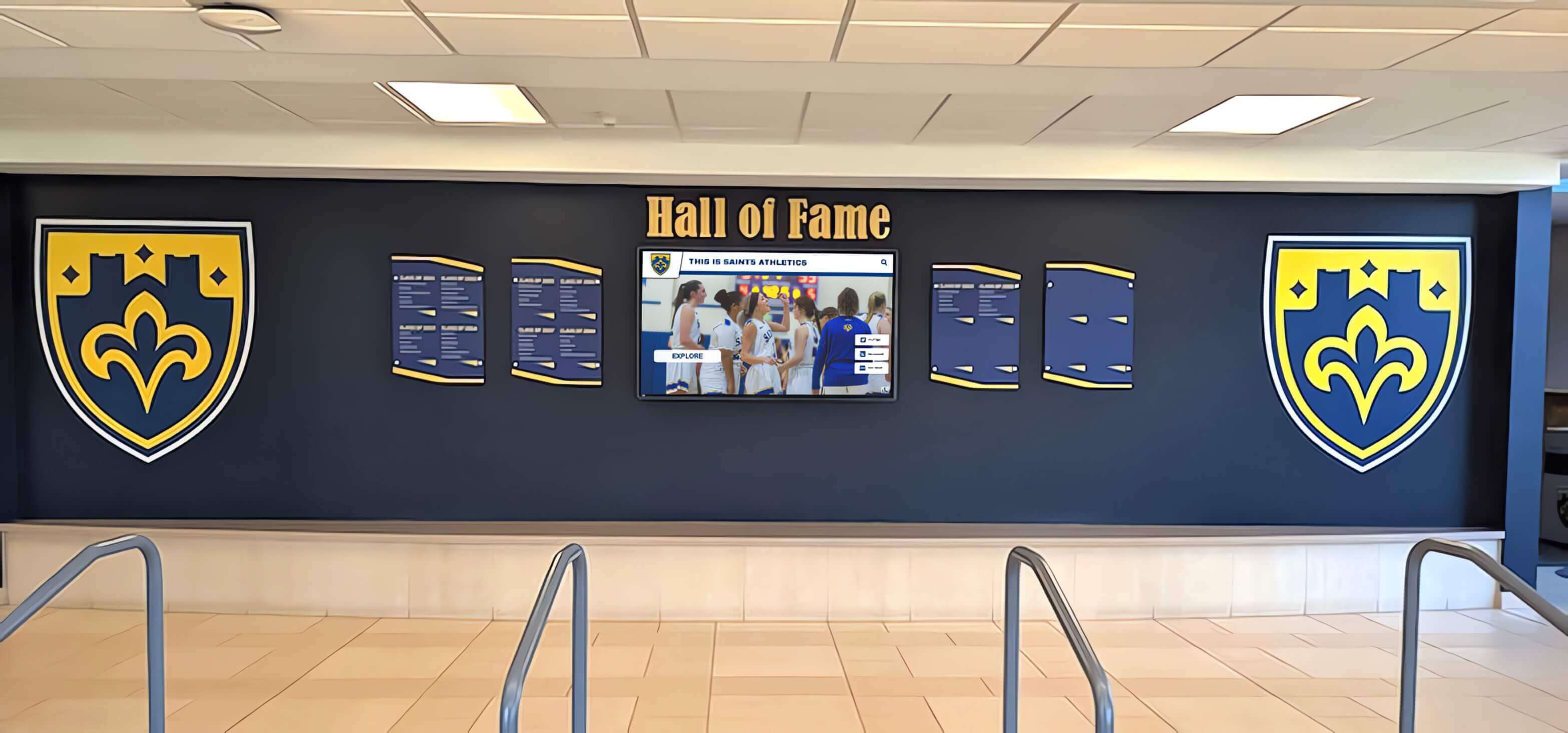
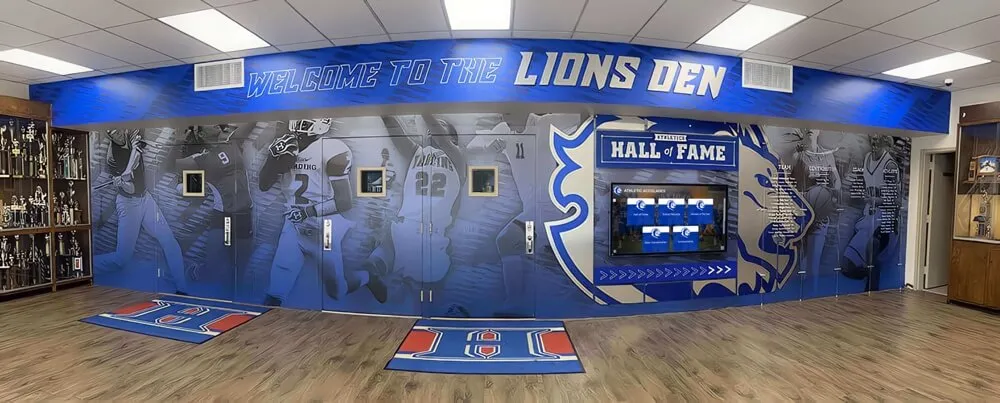
Integrated recognition systems in prominent locations celebrate diverse class officer roles and contributions
Connecting Leadership to School Values
Link officer recognition to institutional values and mission. Recognition might highlight how officers “demonstrated school commitment to inclusive community by ensuring all student voices were heard,” “embodied leadership value through persistent advocacy despite initial setbacks,” “showed integrity managing funds transparently and reporting regularly,” or “built tradition of service that strengthens school culture for future generations.”
Value connections position student government as essential expression of school mission rather than peripheral activity.
Recognition Language and Tone
Respectful and Professional
Recognition language should reflect the significance of leadership positions. Use professional titles consistently (“Class President” rather than informal references), describe accomplishments with appropriate gravitas, acknowledge the democratic process through which officers were elected, respect the trust classmates placed in elected leaders, and position student government as genuine governance rather than symbolic activity.
Professional tone validates the seriousness of student leadership while preparing students for adult civic participation.
Inclusive and Equitable
Recognition language must serve all students fairly. Ensure equal prominence for all officer positions rather than focusing only on presidents, recognize contributions from diverse student backgrounds and perspectives, acknowledge varied leadership styles and approaches, celebrate different types of accomplishments from event coordination to policy advocacy, and avoid language assuming particular demographic or socioeconomic backgrounds.
Inclusive recognition ensures all students see themselves reflected in honored leadership and feel encouraged to pursue future positions.
Forward-Looking and Aspirational
While honoring past service, recognition should inspire future participation. Include statements about how officers “set new standards for class leadership,” “established traditions that future classes will build upon,” “demonstrated the meaningful impact student voice can have on school culture,” or “proved that student government creates lasting positive change.”
Future-oriented recognition positions each leadership generation as link in continuing tradition rather than isolated accomplishment.
Integrating Officer Recognition with Broader School Culture
Class officer recognition works best within broader school cultures genuinely valuing student voice and democratic participation.
Equitable Recognition Across Leadership Types
Schools should ensure consistency across all leadership categories. Student government should receive recognition comparable to athletic captains, National Honor Society officers, and performing arts leaders. Budget allocations should reflect genuine commitment to recognizing all leadership forms. Display spaces should provide equal visibility for diverse leadership categories. Administrative presence at student government events should match attendance at athletic contests and performances.
Research on school recognition programs indicates that schools implementing comprehensive recognition report significant increases in family engagement and staff satisfaction, demonstrating broad cultural benefits extending beyond recognized individuals.
Discover comprehensive recognition in student achievement showcases celebrating diverse accomplishments.

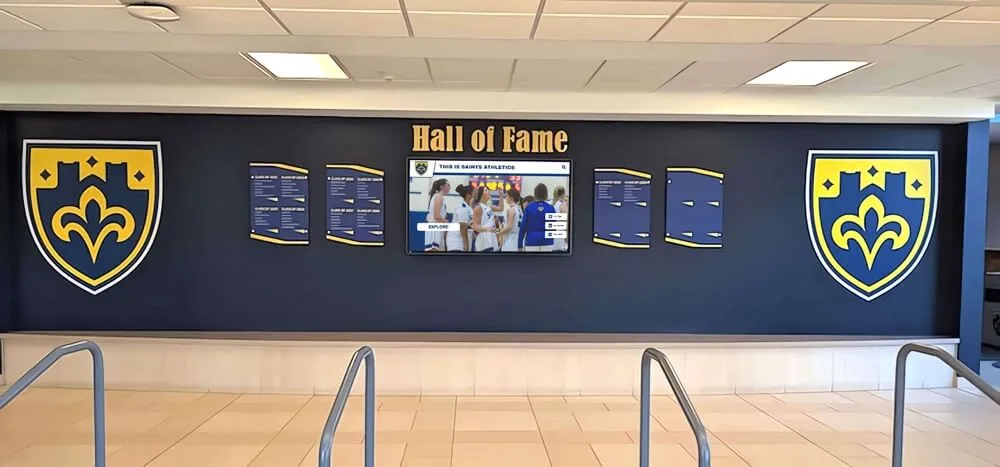
Digital recognition systems engage students in exploring leadership histories and school governance traditions
Alumni Connection and Legacy Building
Leadership recognition creates opportunities for meaningful alumni engagement across generations. Track former class officers featuring post-graduation accomplishments, create detailed alumni profiles highlighting professional success and continued civic engagement, invite accomplished alumni back as mentors and speakers for current officers, develop alumni networks supporting current programs through advice and resources, and showcase career paths former officers pursued leveraging skills developed through student government.
Mentorship Programs Connecting Generations
Connect current officers with alumni who held similar positions during their high school years. Facilitate advice, leadership guidance, and encouragement from predecessors understanding role demands. Create traditions where alumni return for installations or events offering wisdom. Build long-term relationships between program generations extending beyond high school. Leverage alumni professional networks for current student opportunities and career exploration.
Fundraising Through Alumni Engagement
Alumni who received meaningful recognition during leadership years often become enthusiastic supporters. Leverage alumni pride in student government experiences for financial support of current programs. Create named recognition opportunities for major donors supporting student leadership. Develop scholarship funds supporting participation by students facing financial barriers. Build endowments supporting program sustainability independent of annual budget cycles.
Alumni providing long-term support, resources, and advocacy strengthen student government for future generations.
Technology Solutions Enabling Effective Recognition
Modern digital showcase platforms make comprehensive class officer recognition achievable for schools of all sizes and budgets.
Platform Selection Considerations
When selecting digital recognition solutions, schools should evaluate content management systems matching staff technical capabilities and desired update frequency, hardware appropriate for placement locations and viewing distances, web integration extending recognition beyond physical campus to families and alumni, training availability ensuring multiple staff members can manage systems effectively, and support ensuring reliable operation through personnel changes.
Solutions like Rocket Alumni Solutions specialize in educational recognition platforms designed specifically for schools, offering proven implementation processes, extensive template libraries, and ongoing support ensuring successful long-term operation.
Essential Platform Capabilities
Effective digital showcase systems require intuitive administrative interfaces requiring no technical expertise, robust content organization with categories and filtering, bulk import tools for historical data and officer information, scheduling capabilities for timed content publication, multiple user access with role-based permissions, mobile-responsive design enabling smartphone management, template libraries ensuring professional consistent design, and media management supporting photos and videos.
Integration capabilities connecting student information systems, website platforms, social media channels, and digital signage coordinate recognition across all school communication channels.
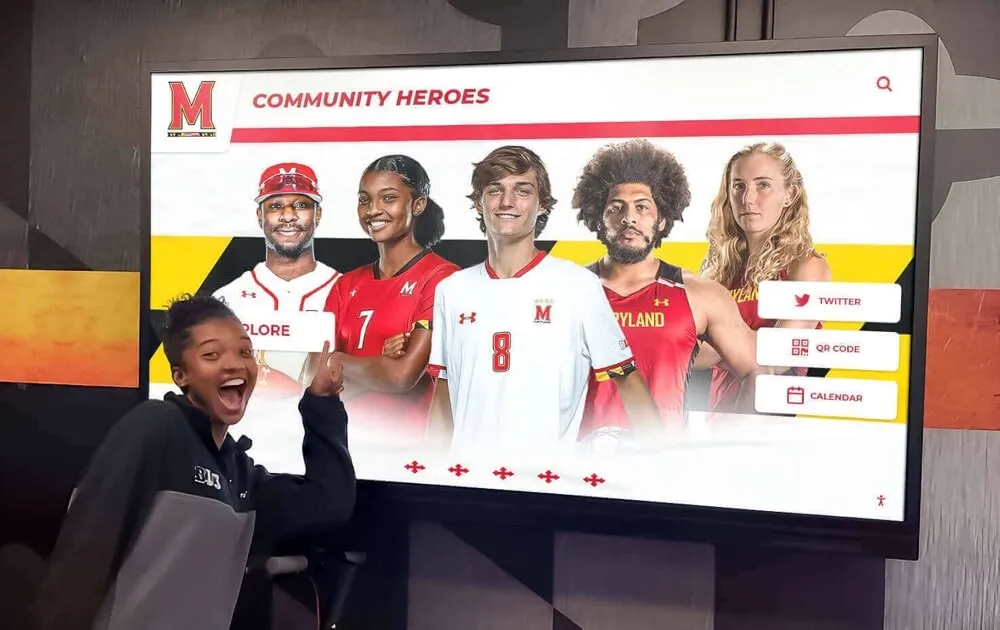
Recognition displays become points of pride students actively share with family, friends, and visitors
Implementation Best Practices
Professional Installation
Physical installation requires careful planning including electrical infrastructure for display power and network connectivity, mounting options including wall-mounted or freestanding kiosks, ADA compliance verification ensuring accessibility for all students and visitors, security considerations protecting equipment from damage, lighting conditions ensuring optimal screen visibility, and high-traffic location selection maximizing recognition exposure.
Launch Strategy
Successful launches create excitement while establishing sustainable operations. Plan unveiling ceremonies introducing displays to school community. Host student assemblies showcasing recognition system capabilities. Organize open houses for families demonstrating exploration features. Secure media coverage amplifying recognition program visibility. Integrate into back-to-school communications and orientation programs.
Ongoing Assessment
Monitor display engagement through analytics tracking. Gather stakeholder feedback on recognition effectiveness. Analyze recognition distribution ensuring equity across student populations. Evaluate correlation between recognition visibility and student government applications. Adjust content strategy based on engagement data. Plan expansion as programs prove successful.
Regular evaluation ensures recognition programs remain effective, equitable, and aligned with educational mission and student needs.
Cost Considerations and Funding Approaches
Understanding comprehensive costs enables informed budgeting and creative funding strategies for class officer recognition programs.
Investment Components
Digital showcase costs vary based on scope and specifications. Commercial-grade displays typically range from $2,000-$6,000 depending on size and features. Interactive touchscreen kiosks including enclosures and mounting range from $4,000-$10,000. Content management platform setup typically ranges from $1,000-$5,000. Design customization and branding adds $1,500-$5,000. Initial content creation and data migration typically requires $2,000-$8,000.
Most schools invest $8,000-$30,000 for comprehensive digital recognition display implementation, with variation based on number of displays, hardware specifications, and professional services needed. This investment typically equals or moderately exceeds traditional display costs but provides significantly enhanced capabilities and long-term operational advantages.
Annual operating costs including platform subscriptions, support, and maintenance typically range from $2,500-$10,000 depending on number of displays and service levels. These costs remain consistent regardless of how many new officers are added, creating substantial savings compared to traditional recognition requiring physical updates.
Creative Funding Strategies
Schools employ diverse approaches funding digital recognition investments. Traditional sources include technology budget allocations as educational infrastructure investment, capital improvement funds for physical installation, annual operating budget line items for ongoing costs, grant applications to educational foundations, and bond referendums including technology infrastructure.
Development and fundraising approaches include donor sponsorship of recognition displays as naming opportunities, alumni fundraising highlighting recognition of past achievements, parent organization contributions from booster clubs, corporate partnerships with local businesses supporting education, and memorial gift opportunities allowing families to fund recognition.
Phased implementation reduces initial capital requirements by beginning with single displays in highest-traffic locations, expanding as benefits become evident, using lease or subscription payment models, piloting programs demonstrating value before full-scale implementation, and spreading costs across multiple budget cycles.
Schools successfully implementing digital recognition often combine multiple funding sources while demonstrating return on investment through improved school culture and increased student engagement.
Learn about funding approaches in digital donor recognition strategies applicable to school recognition programs.
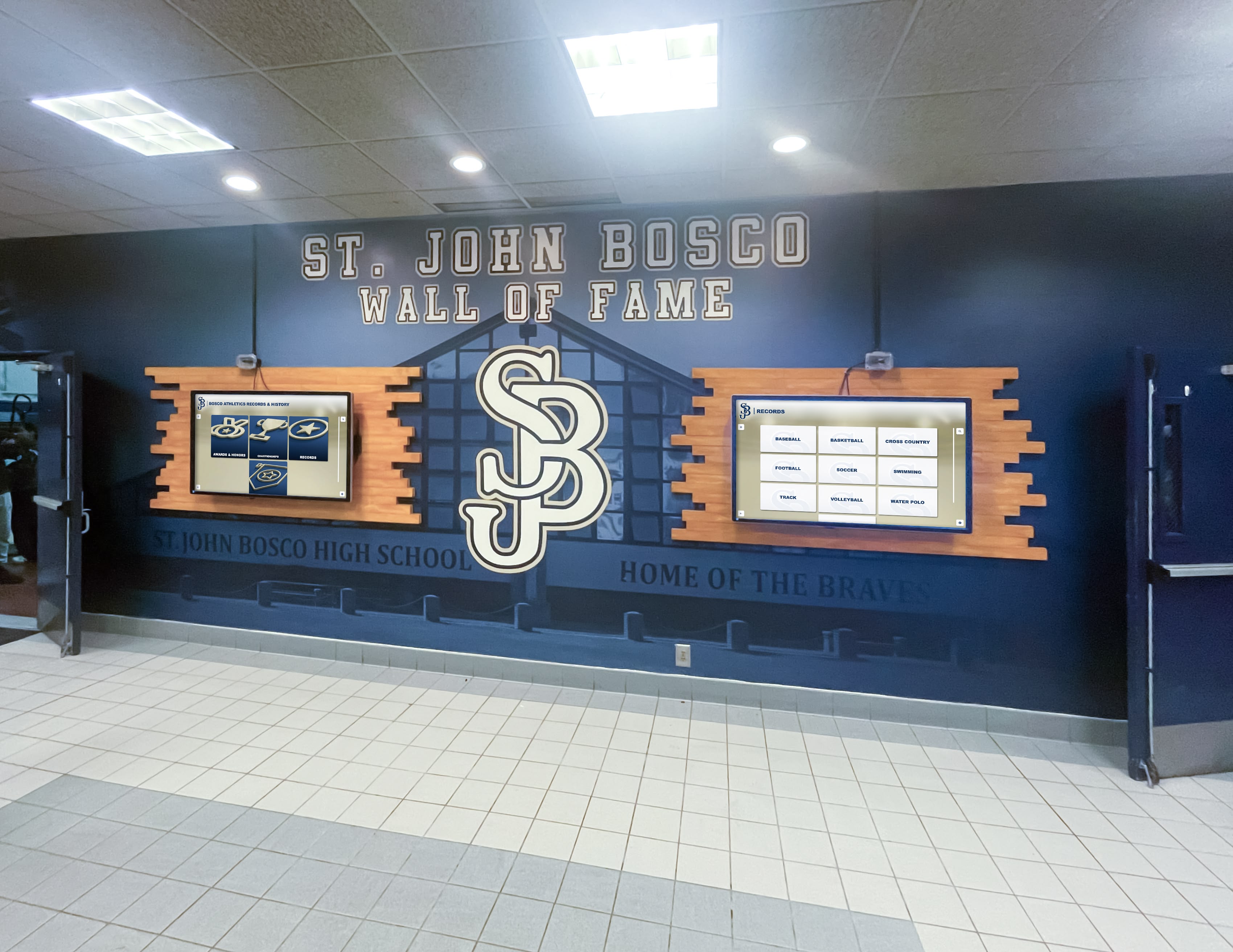
Multiple display installations enable comprehensive recognition of class officers across all grade levels and positions
Building Sustainable Recognition Programs
Long-term success requires systematic approaches ensuring recognition programs remain effective across leadership transitions and administrative changes.
Documentation and Procedures
Establish clear procedures documenting all recognition processes. Create step-by-step guides for adding new officers, updating accomplishments, and maintaining displays. Develop quality standards ensuring consistent professional presentation. Build training materials for new staff members. Document troubleshooting procedures for common technical issues. Create communication templates for announcing new recognition.
Comprehensive documentation ensures program continuity regardless of personnel changes.
Ongoing Program Assessment
Establish regular assessment processes measuring recognition effectiveness. Track participation rates in student government elections and positions. Monitor student and family satisfaction through surveys. Analyze recognition distribution across demographic groups. Evaluate correlation between recognition visibility and leadership program strength. Compare costs against traditional recognition approaches. Gather qualitative feedback from officers about recognition meaning and impact.
Data-driven assessment enables continuous improvement ensuring recognition programs achieve maximum positive impact.
Evolution and Expansion
Plan for recognition program evolution as needs change and resources grow. Incorporate new officer positions and structures as student government evolves. Adapt recognition approaches as technology capabilities advance. Expand recognition capacity as programs grow and funding increases. Integrate alumni achievements as former officers accomplish professional success. Connect recognition to fundraising and alumni engagement opportunities. Scale successful approaches to recognize student leadership across all programs.
Regular evolution ensures recognition remains relevant, effective, and aligned with institutional goals across changing circumstances.
Conclusion: Honoring Student Voice Through Class Officer Recognition
Effective class officer recognition represents strategic investment in democratic participation, leadership development, and institutional commitment to authentic student voice in school governance. When schools systematically celebrate elected officers through digital showcase systems, they create environments where democratic engagement and peer leadership receive prominence these contributions deserve in educational settings preparing students for citizenship.
The strategies explored in this guide provide practical frameworks for building recognition systems honoring individual leadership while strengthening programs and inspiring future generations. From digital showcase displays eliminating physical space constraints to strategic messaging celebrating specific contributions, these approaches transform class officer recognition from occasional yearbook mentions to systematic celebration woven throughout institutional culture.
Transform Your Class Officer Recognition Program
Discover how digital showcase solutions can help you celebrate every class president, vice president, secretary, and treasurer who builds community and develops leadership skills through democratic service. Create recognition systems that inspire participation and honor contributions year after year.
Book a demoBuilding effective leadership recognition requires moving beyond limiting assumptions about which student contributions deserve prominent institutional celebration. Digital platforms make comprehensive recognition achievable across all elected positions, leadership roles, and achievement years, while systematic implementation approaches ensure consistent recognition reaching every deserving class officer regardless of visibility or traditional hierarchies.
Class presidents, vice presidents, secretaries, and treasurers invest countless hours coordinating events, advocating for peers, managing budgets, navigating relationships with administration, and building democratic processes giving voice to hundreds or thousands of classmates. They develop organizational capabilities, communication skills, and civic competencies serving them throughout personal and professional lives. These students deserve recognition validating dedication, celebrating contributions comprehensively, inspiring younger students to pursue leadership when eligible, and demonstrating that class officer leadership receives institutional celebration equal to any other student achievement.
Start where you are with recognition approaches you can implement immediately—perhaps beginning with enhanced ceremony planning or improved social media acknowledgment—then systematically expand toward comprehensive digital showcase systems your class officers truly deserve. Every officer receiving meaningful recognition develops stronger connection to your institution, greater motivation to complete terms effectively, and deeper appreciation for democratic participation extending far beyond high school.
Your class officers’ contributions deserve celebration equal to any accomplishment your institution honors. With thoughtful planning, appropriate technology investments, and consistent implementation, you can create recognition systems honoring every officer while building positive democratic program culture where all students can develop leadership skills and service commitments strengthening communities throughout their lives.
Ready to transform your class officer recognition? Explore additional approaches in elementary school recognition boards or discover digital recognition benefits that transform student government recognition in your school community.