High school theater programs create transformative experiences through dramatic productions, musical performances, and student showcases that represent months of dedication, artistic growth, and collaborative creativity. Traditional playbills—those printed programs distributed at performances—document cast lists, production credits, and show information, serving as treasured keepsakes for students and families. Yet most schools struggle to preserve and showcase these important theatrical records beyond the night of the performance, leaving rich program history scattered across filing cabinets, lost in storage, or fading in forgotten binders.
When playbills and theatrical documentation remain hidden or inaccessible, schools miss critical opportunities to celebrate student achievement comprehensively, inspire current students through visible program tradition, recruit prospective performers by showcasing production quality, build program pride that sustains participation, and demonstrate performing arts value to administrators and communities.
This comprehensive guide explores how high schools can leverage modern digital recognition solutions to create, preserve, and showcase digital theatre playbills that honor theatrical excellence, maintain accessible production archives, and transform how communities experience and value drama programs.
Digital theatre playbills extend far beyond simple scanned programs—they represent comprehensive performance documentation systems that preserve complete production histories, enable interactive exploration of theatrical achievements, celebrate individual student contributions, and position theater programs with prominence equal to athletic and academic recognition throughout school environments.

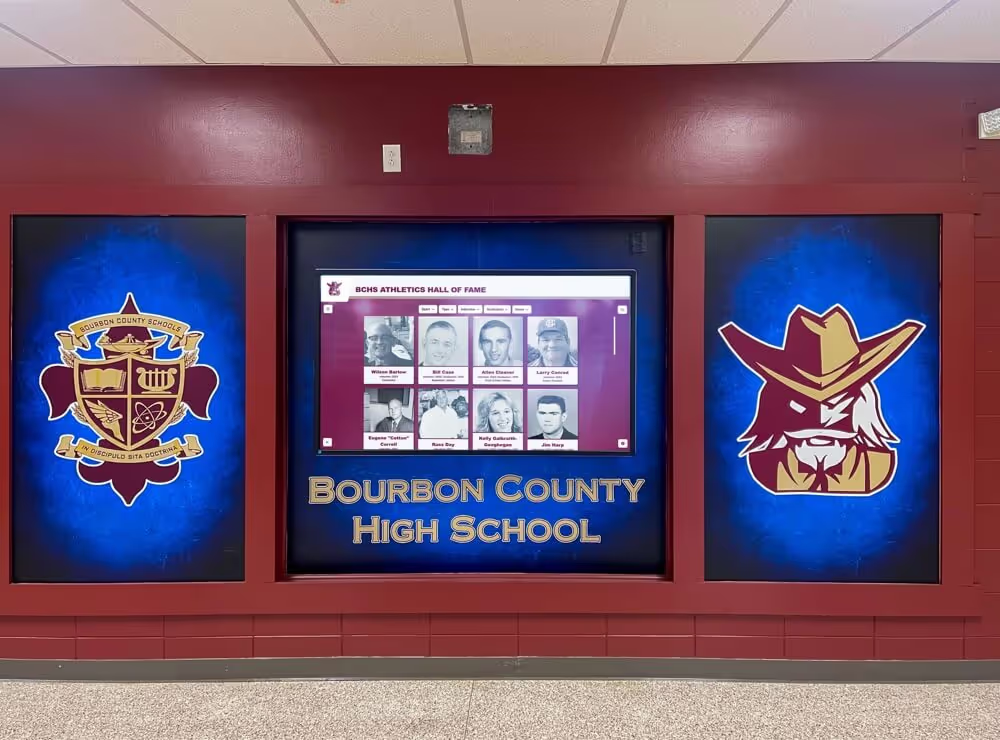
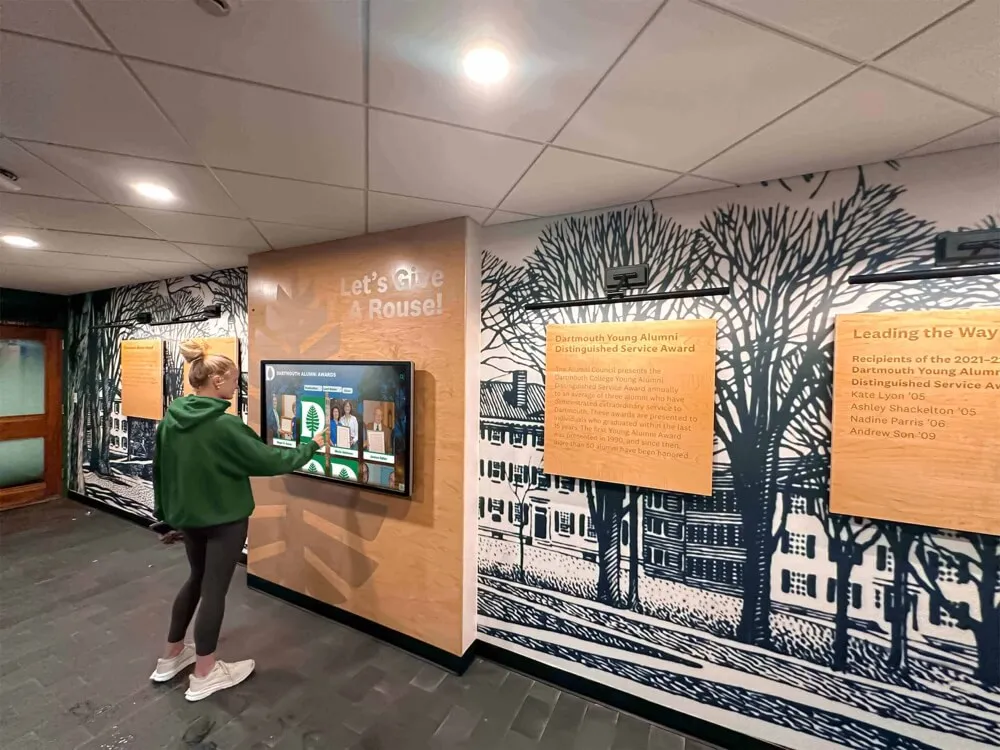
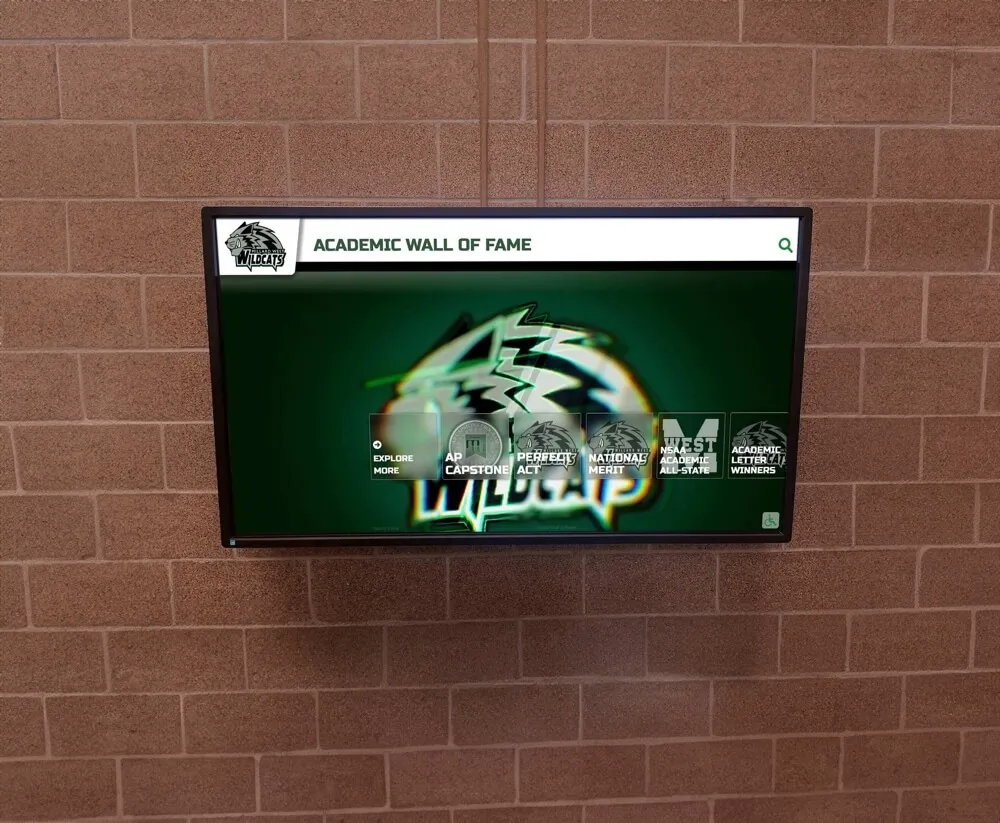
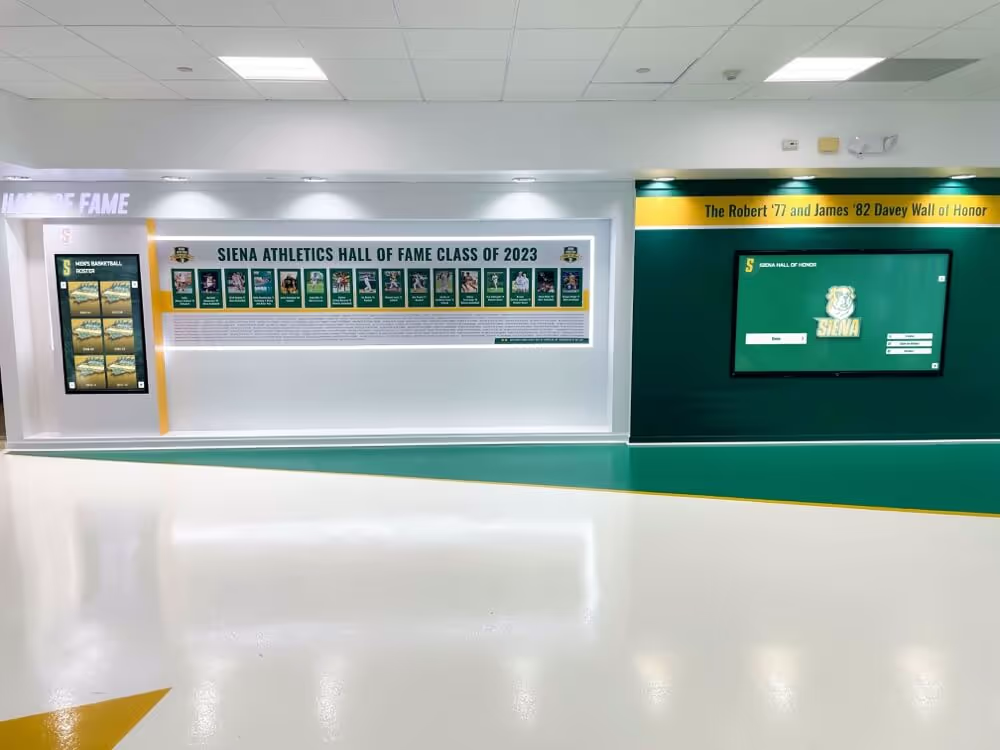
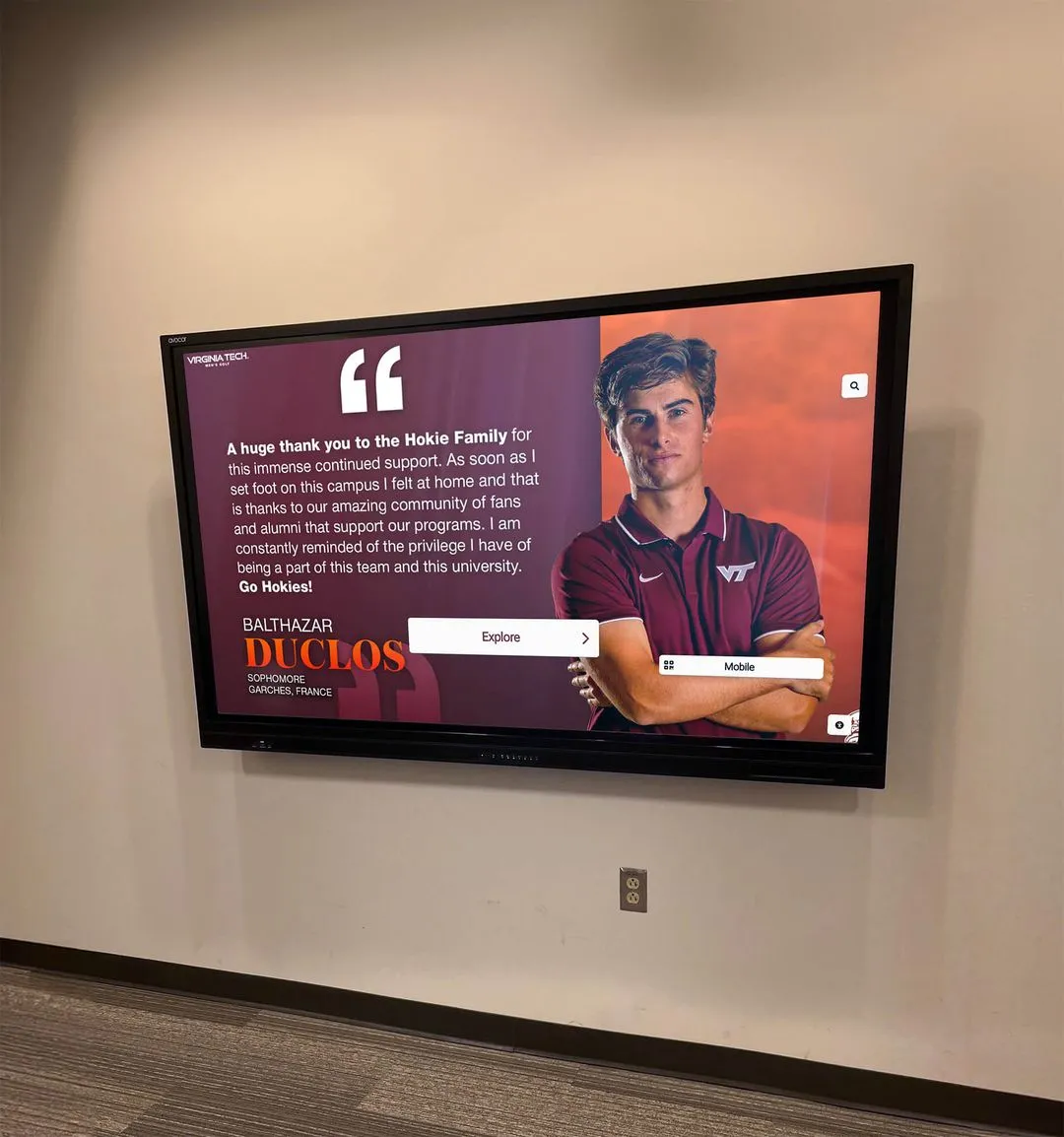
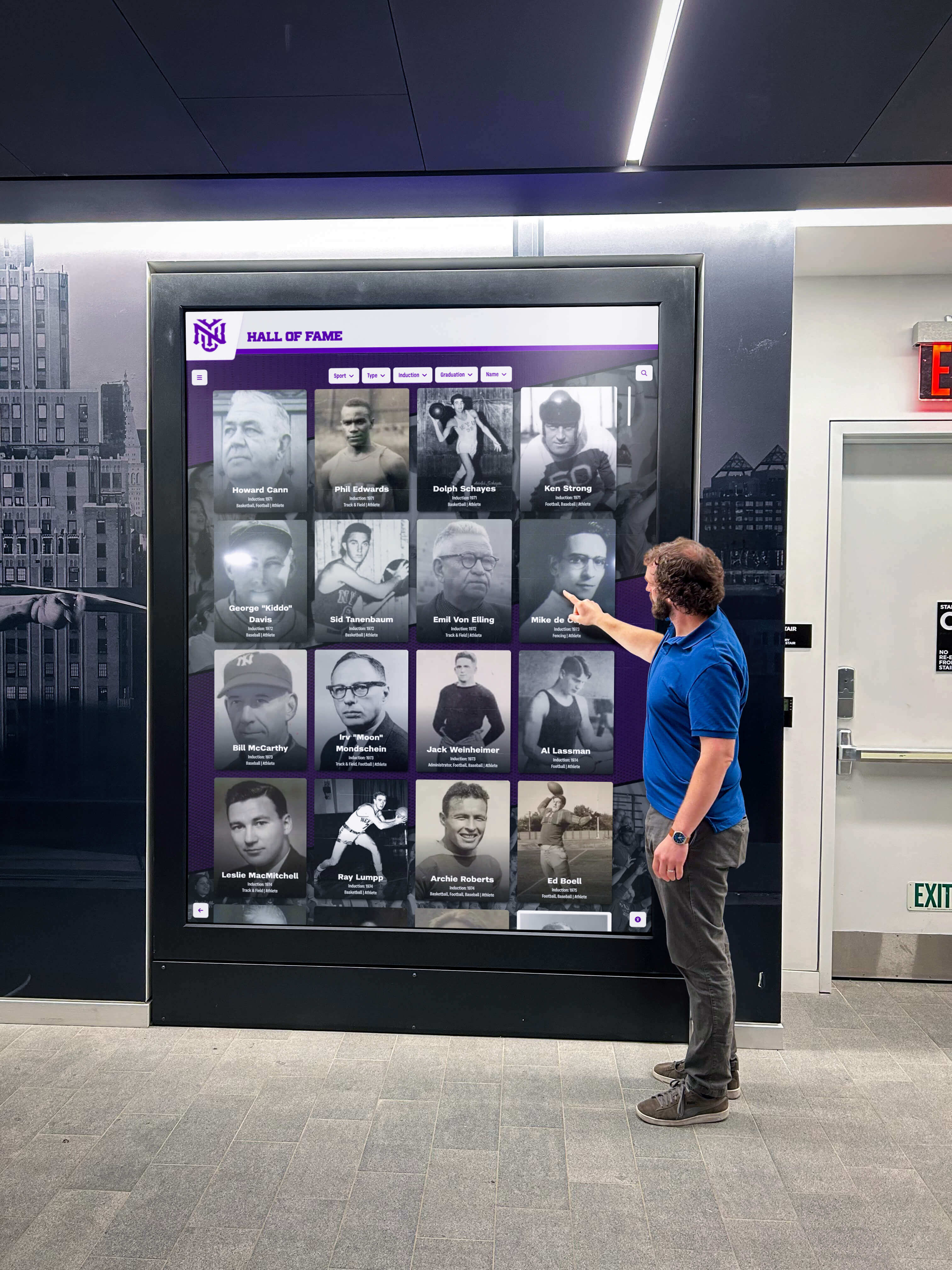
Modern digital displays transform how schools preserve and showcase theater playbills and performance archives
Understanding Digital Theatre Playbills: Beyond Printed Programs
Before exploring implementation strategies, understanding what digital playbills encompass and why comprehensive theatrical documentation matters helps schools develop effective recognition approaches.
What Digital Theatre Playbills Represent
Traditional printed playbills serve essential functions during theatrical performances, providing audience members with cast information, production credits, show synopses, and program notes. These printed programs document specific production details but face inherent limitations including physical degradation over time, limited accessibility after performance nights, space constraints restricting content depth, inability to include video or multimedia elements, and storage challenges as archives accumulate.
Digital theatre playbills address every traditional limitation while expanding what’s possible in theatrical documentation. Modern digital systems enable schools to preserve complete playbill content in permanent digital formats, supplement printed program information with extensive multimedia content, create searchable archives spanning entire program histories, maintain accessible records requiring no physical storage space, and showcase theatrical excellence through engaging interactive displays visible year-round.
According to the Educational Theatre Association, comprehensive documentation of student theatrical participation provides valuable educational records supporting college applications, scholarship opportunities, and professional theater pursuits long after high school graduation. Digital preservation ensures this documentation remains accessible indefinitely rather than deteriorating in storage or becoming lost during facility moves or staff transitions.
The Educational Value of Theatrical Documentation
Well-maintained theater archives serve multiple important educational purposes that justify investment in comprehensive digital systems:
Student Recognition and Motivation
Permanent documentation honors student dedication by acknowledging months of rehearsal and performance work, recognizing diverse contributions from performers to technical crews, creating visible examples inspiring future participation, documenting personal growth across multiple productions, and preserving achievements supporting future educational and career opportunities.
Research consistently shows that visible, permanent recognition increases student motivation and program participation. When theatrical achievements receive prominent celebration comparable to athletic championships, more students view drama programs as valuable pursuits worthy of their time and commitment.
Program Tradition and Culture Building
Comprehensive archives spanning years or decades of productions create powerful program traditions by connecting current students to institutional theatrical legacy, demonstrating production quality and consistency over time, honoring founding productions and milestone achievements, showcasing distinguished alumni theatrical careers, and building shared identity around dramatic arts excellence.
These visible traditions elevate program prestige while creating environments where theatrical participation becomes valued institutional identity rather than marginal activity competing for attention with more prominent programs.
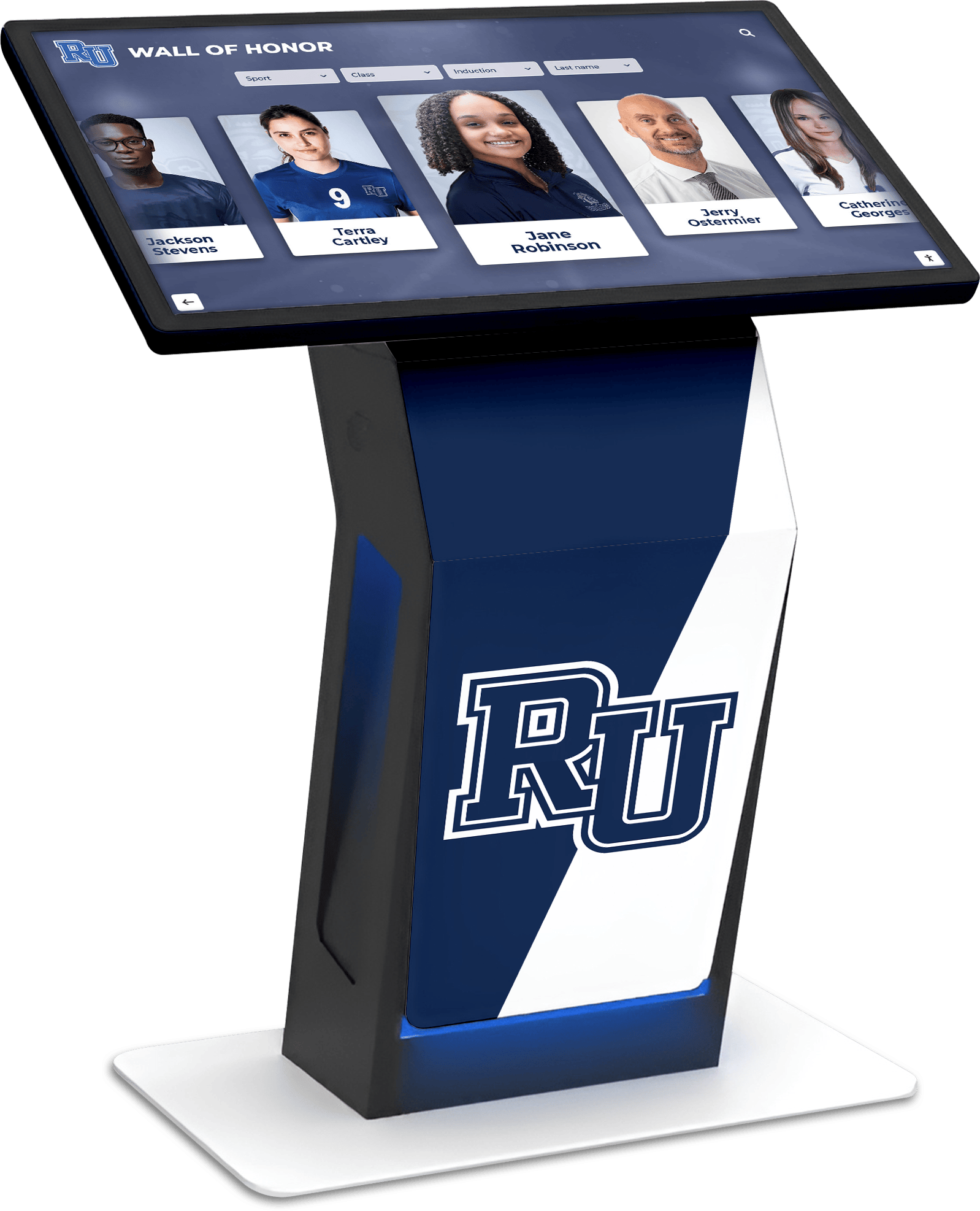
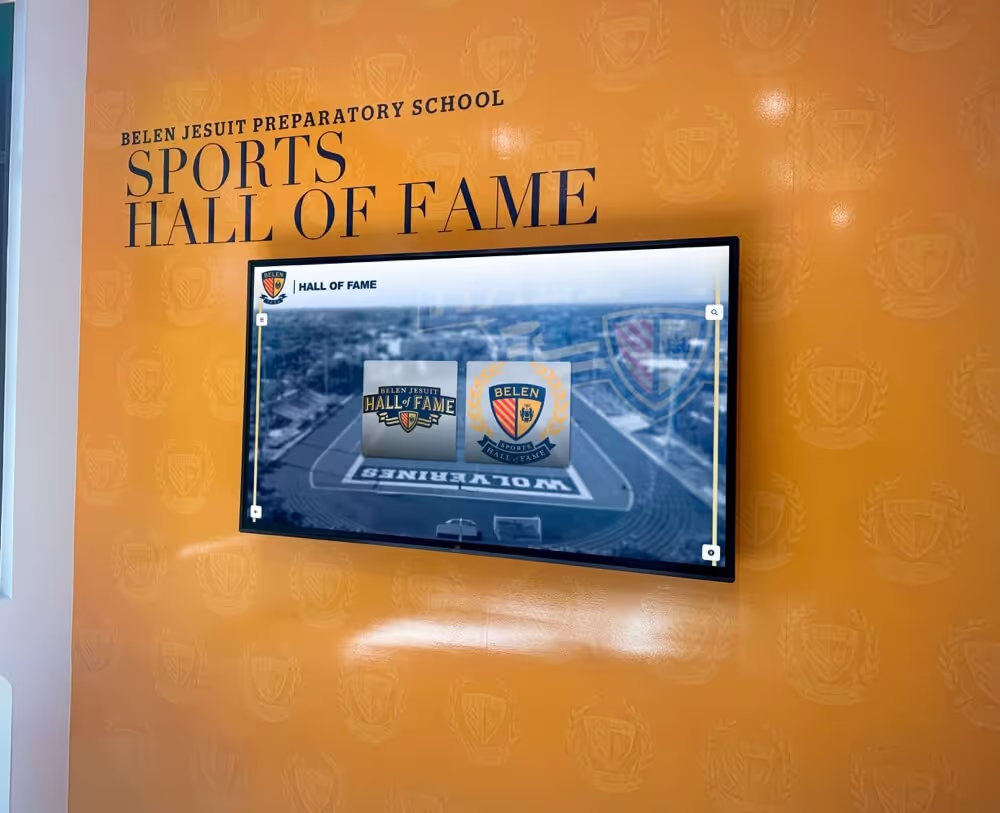
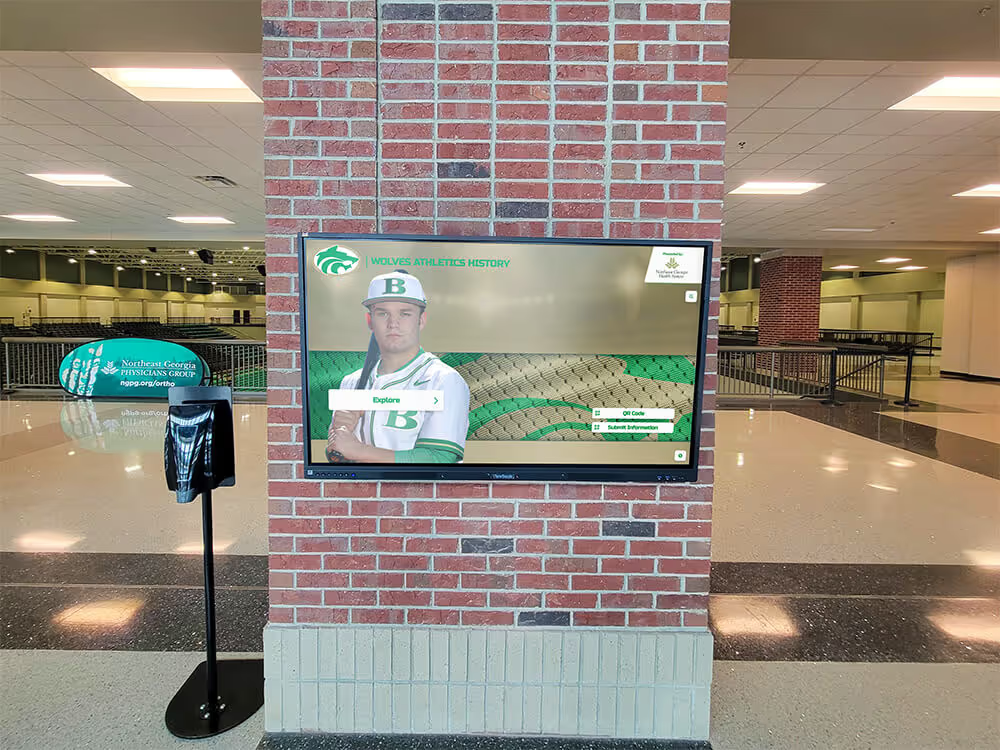
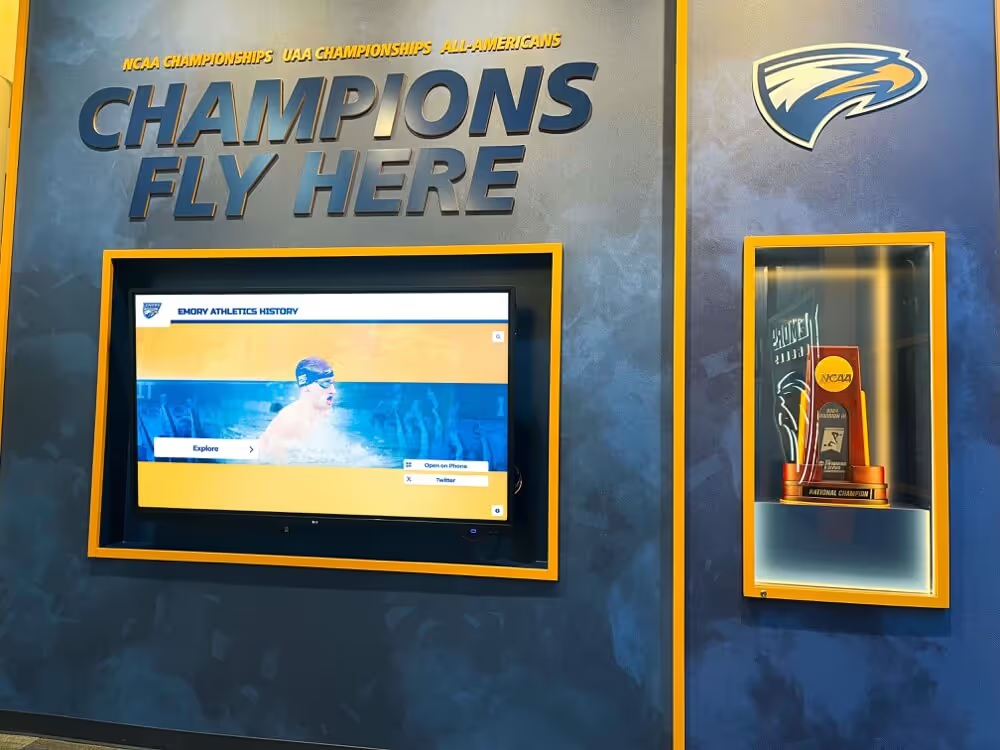
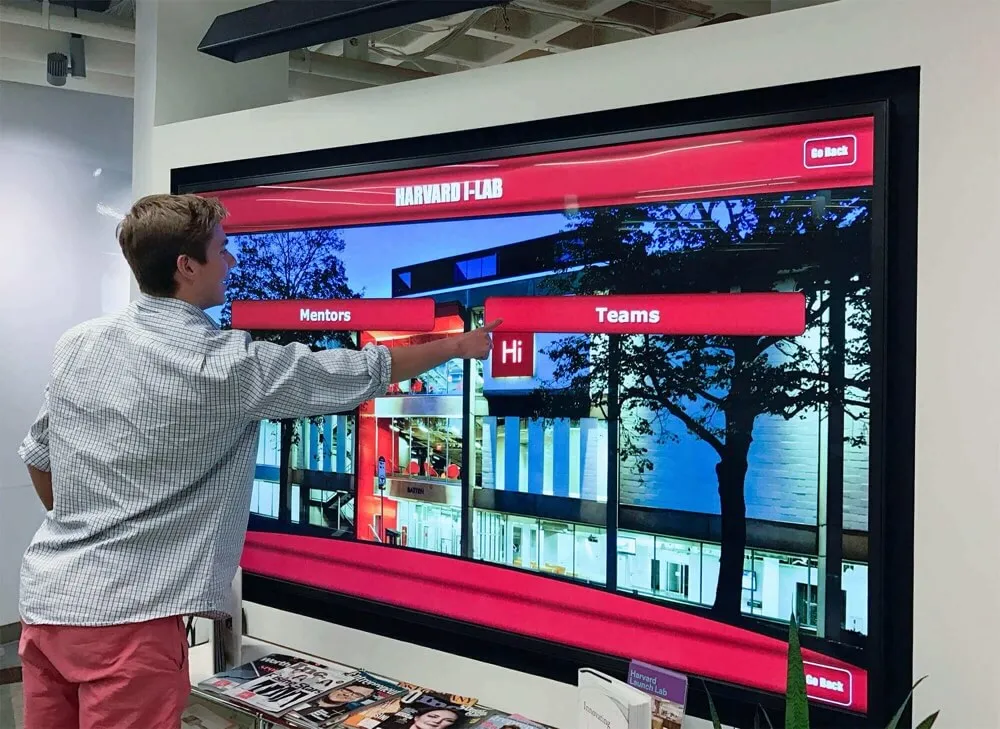
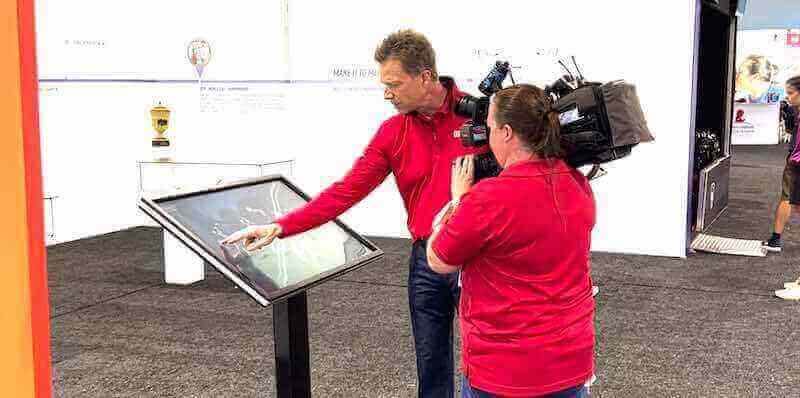
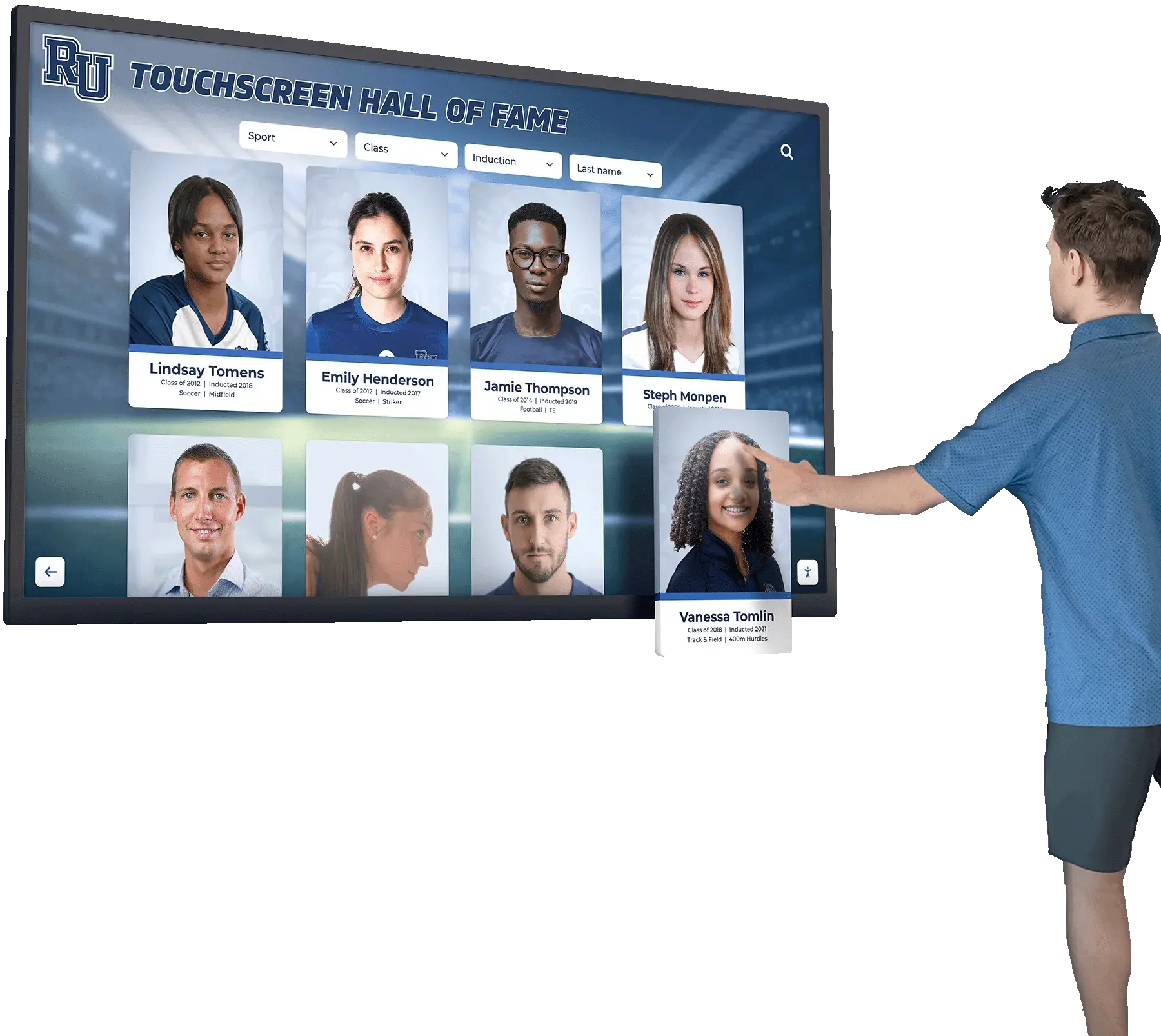
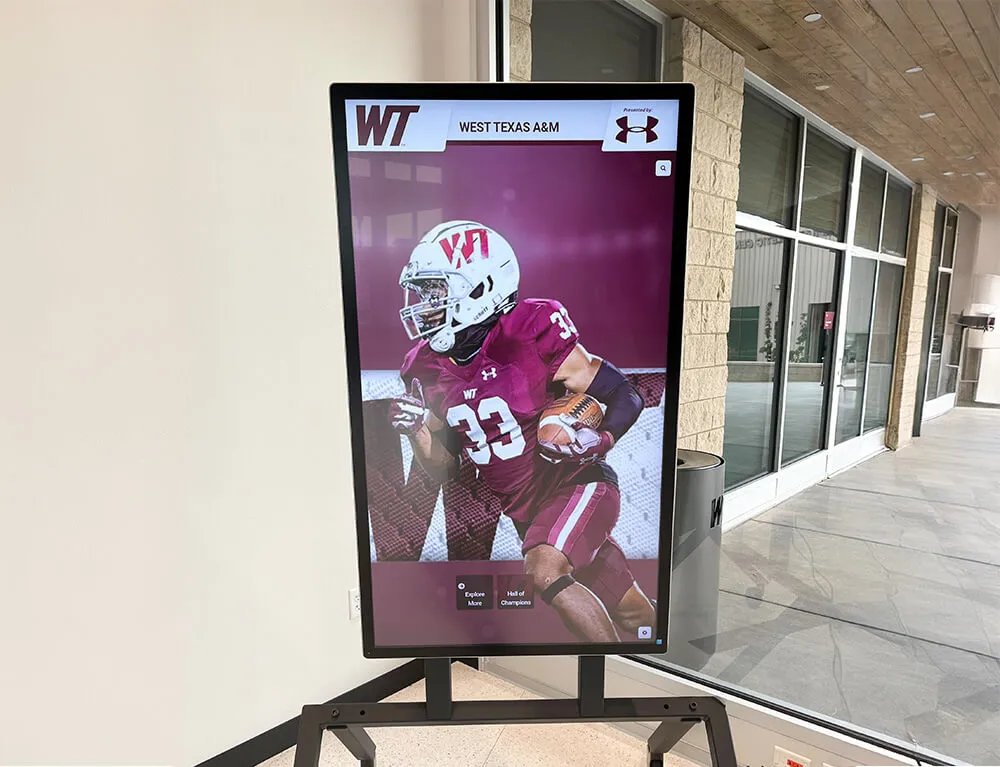
Dedicated touchscreen systems enable intuitive exploration of complete theatrical archives
Recruitment and Community Engagement
Accessible production archives support program growth through showcasing production quality to prospective students and families, demonstrating diverse participation opportunities from performance to technical theater, highlighting the educational and personal development value theatrical programs provide, building community awareness and appreciation for performing arts education, and attracting administrative and financial support through visible evidence of program excellence.
When theater directors can easily show prospective participants comprehensive production histories featuring engaging multimedia content, recruitment becomes far more effective than verbal descriptions or scattered photos alone could achieve.
Explore comprehensive approaches to recognizing all-state musicians that parallel effective theatrical documentation strategies.
Traditional Playbill Archiving: Limitations and Challenges
Understanding conventional theatrical documentation approaches helps schools appreciate both established practices and modern alternatives addressing traditional limitations.
Physical Playbill Collections and Trophy Cases
Many schools maintain collections of printed playbills in drama department offices, libraries, or display cases. These physical archives provide tangible records but face significant constraints including limited display space forcing selection of which productions to showcase, environmental degradation from light exposure, humidity, and handling, accessibility restrictions—only those who know collections exist can view them, time-consuming manual searching when locating specific productions or performers, and vulnerability to loss from facility moves, renovations, or poor storage conditions.
Perhaps most significantly, physical playbill collections typically remain hidden from general school populations. When theatrical archives exist only in specialized drama spaces or storage, they cannot inspire prospective participants, demonstrate program value to administrators, or build school-wide appreciation for performing arts excellence.
Yearbook Documentation Limitations
School yearbooks typically include drama section pages featuring production photos and brief cast information. While yearbooks provide permanent documentation, they suffer from severe space constraints limiting theatrical coverage to a few pages, prioritization of lead performers while minimizing ensemble and technical crew recognition, inability to accommodate video, detailed production notes, or comprehensive cast information, and one-time publication that cannot be updated or corrected after printing.
Yearbooks document that productions occurred but cannot comprehensively honor the full scope of theatrical achievement or create engaging experiences that inspire future participation.
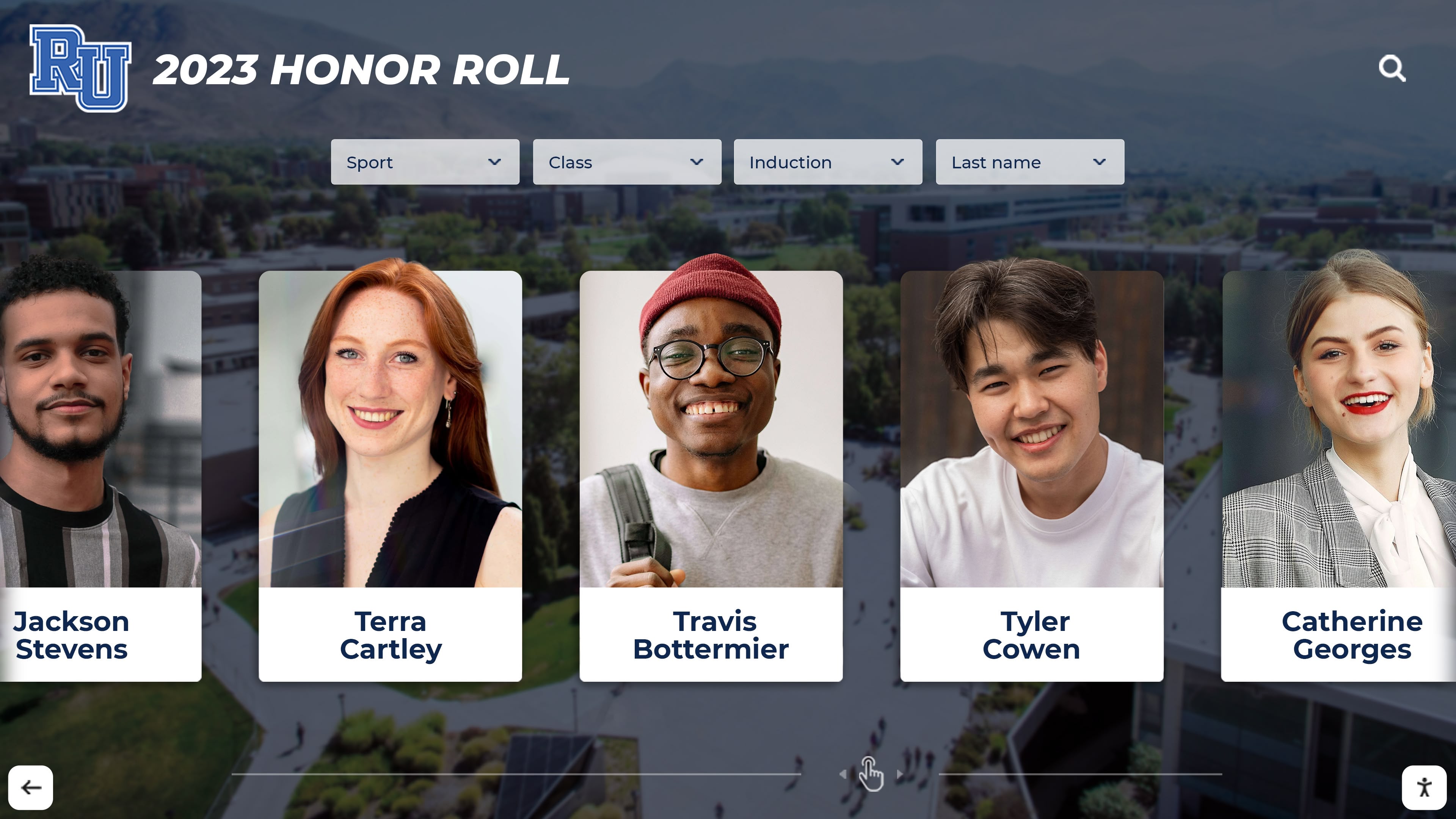
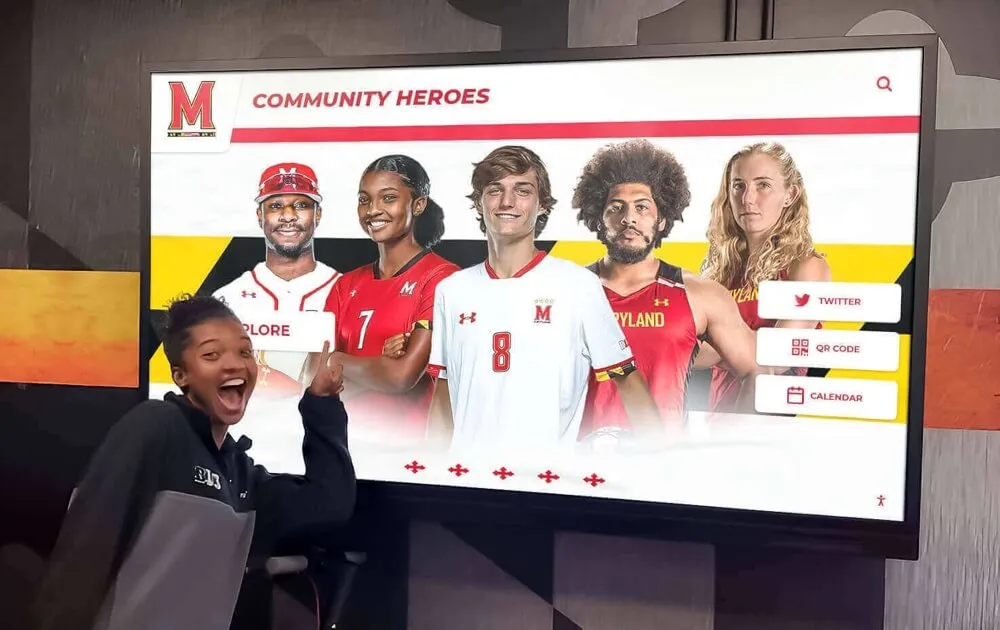
Digital systems enable individual profile cards honoring each student's theatrical contributions
Scattered Digital Documentation
Some theater programs maintain partial digital records including production photos stored on staff computers or shared drives, performance videos scattered across YouTube accounts or personal devices, social media posts providing temporary visibility that quickly disappears in feeds, and email archives containing program information accessible only to specific individuals.
This fragmented approach provides some documentation but lacks organization, permanence, or accessibility that comprehensive recognition requires. When theatrical records exist across multiple disconnected platforms and devices, they effectively remain invisible to most community members while remaining vulnerable to loss through technical failures, staff transitions, or platform changes.
Learn about strategies for showcasing school theater programs through modern recognition approaches.
Modern Digital Playbill Solutions: Comprehensive Theatrical Documentation
Contemporary technology transforms what’s possible in theater program recognition, enabling capabilities that traditional approaches simply cannot provide.
Interactive Touchscreen Display Systems for Theater Recognition
Purpose-built digital recognition platforms provide comprehensive solutions specifically designed for educational performing arts documentation rather than generic digital signage requiring extensive customization.
Unlimited Production Archives
Digital displays accommodate complete theater program histories spanning decades without physical space limitations. Schools can showcase every production from program founding through present day, ensuring comprehensive historical preservation including all fall plays, spring musicals, one-act festivals, student-directed showcases, competition performances, and special community productions—all within unified recognition systems.
This unlimited capacity proves particularly valuable for established drama programs with rich traditions. Schools can honor founding productions from program origins, celebrate milestone anniversary productions, recognize program evolution across different directors and eras, and ensure no achievement disappears simply because physical display space limitations.
Solutions like Rocket Alumni Solutions provide specialized platforms designed specifically for educational recognition rather than generic content management systems, offering comprehensive capabilities including unlimited content capacity without storage restrictions, professional multimedia presentation supporting video and audio integration, intuitive content management requiring minimal technical expertise, permanent web accessibility extending recognition beyond campus, and proven educational implementations across thousands of schools.
Rich Multimedia Storytelling
Digital platforms enable theatrical documentation that brings productions to life through capabilities impossible with printed playbills including performance video clips showcasing exceptional moments and full productions, behind-the-scenes footage revealing rehearsal processes and technical preparation, cast and crew interview videos explaining experiences and artistic processes, extensive photo galleries documenting complete productions from rehearsals through performances, audio recordings of musical performances and spoken word pieces, and director commentary providing artistic vision and production context.
This multimedia richness transforms simple playbill archiving into compelling storytelling that honors student achievement comprehensively while creating engaging experiences maintaining visitor attention far longer than static displays. Research shows visitors typically spend 30 seconds glancing at traditional bulletin boards but engage 5-10 minutes with interactive digital recognition displays featuring rich multimedia content.
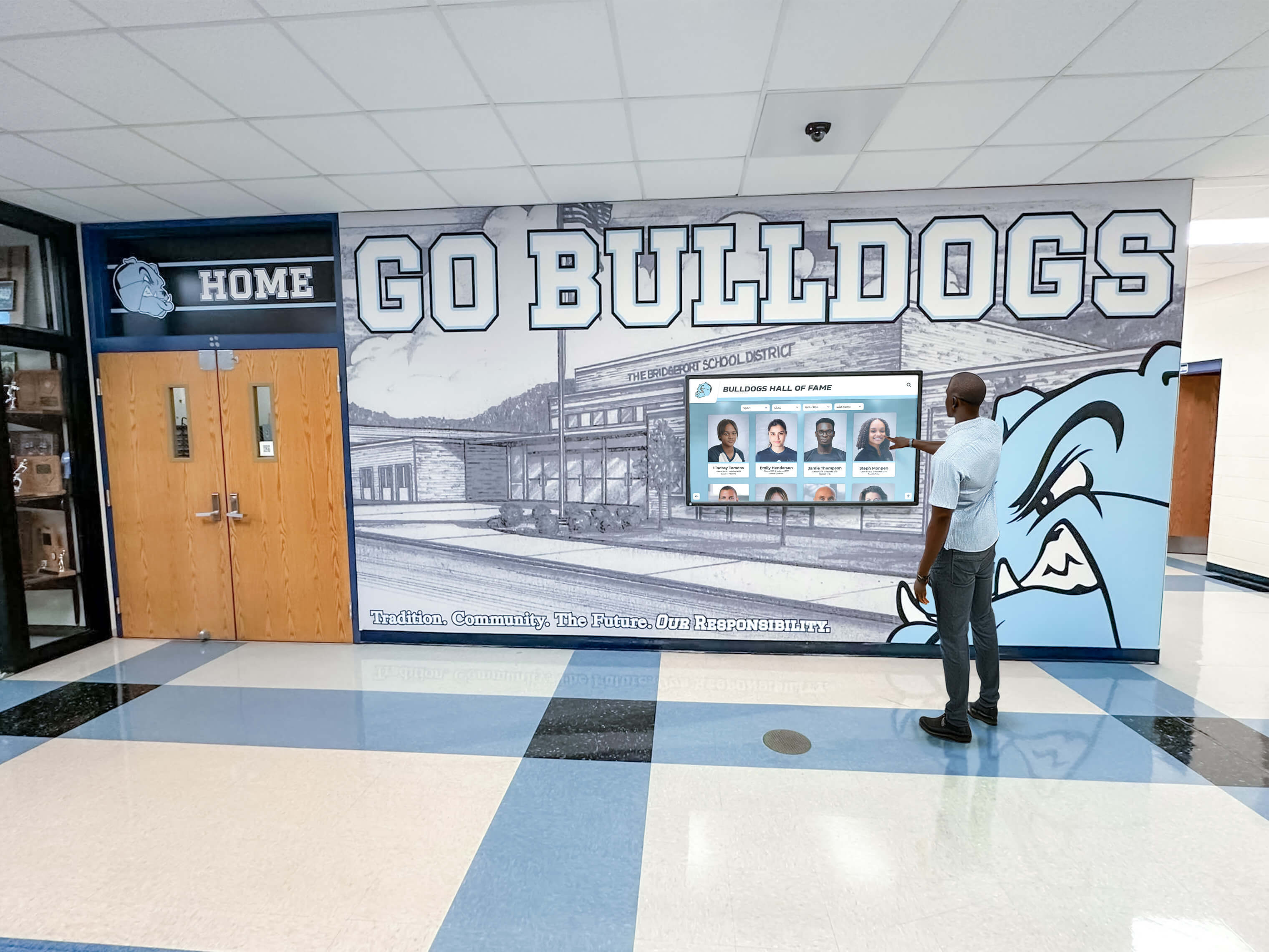
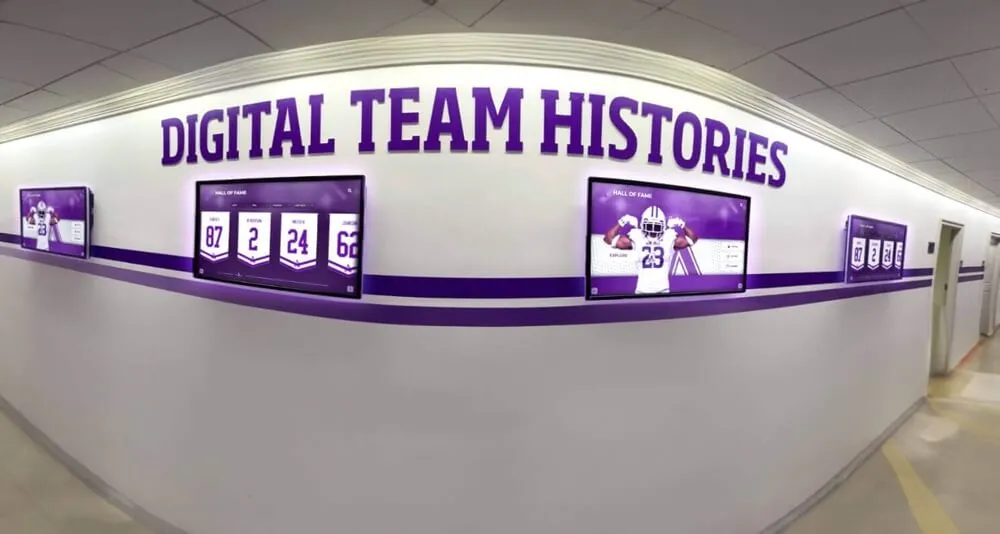
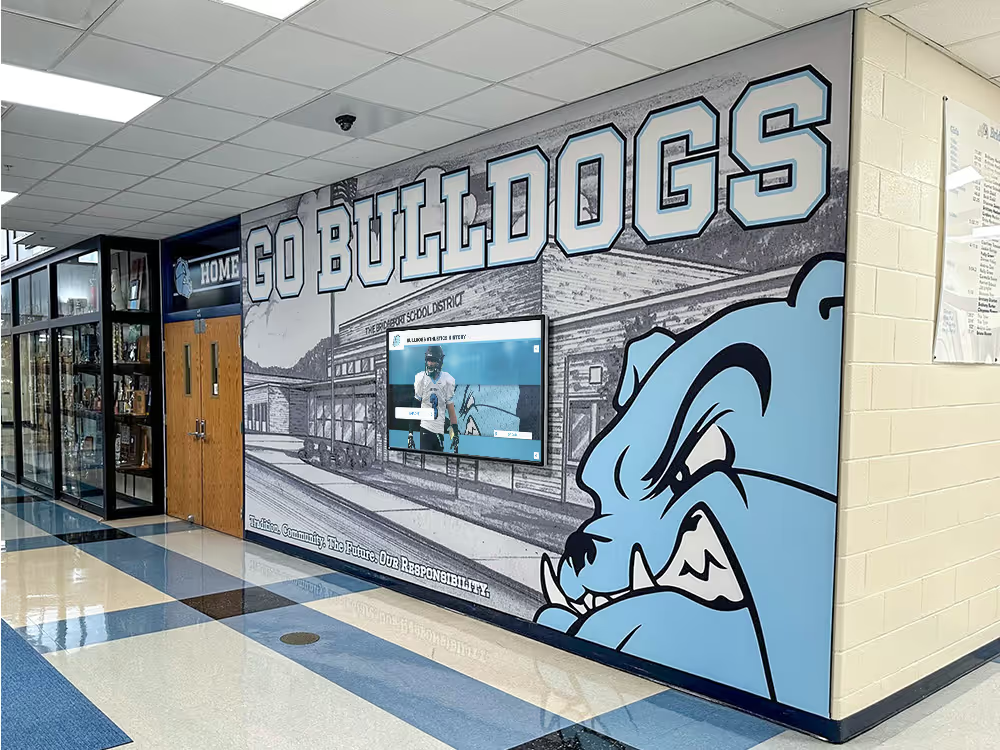
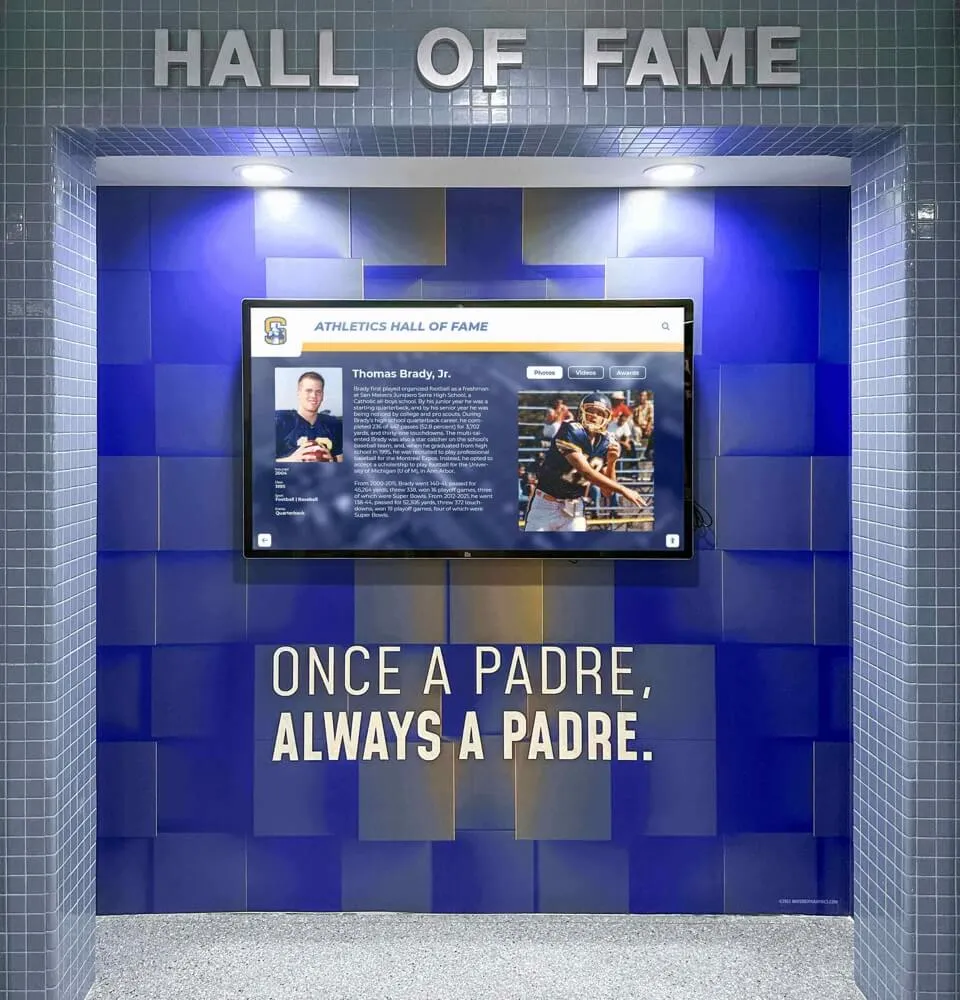
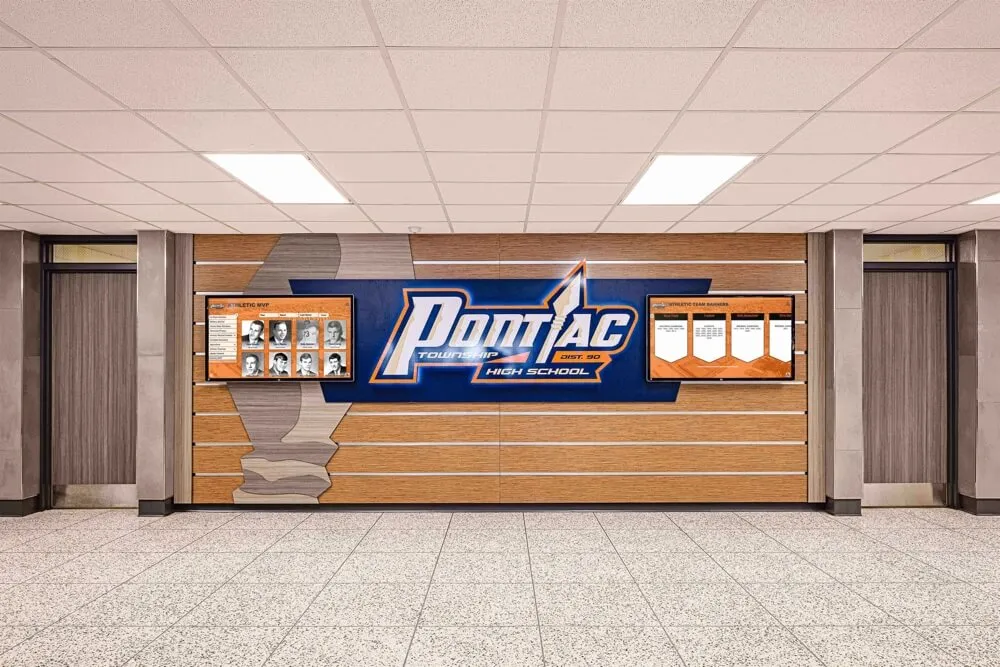
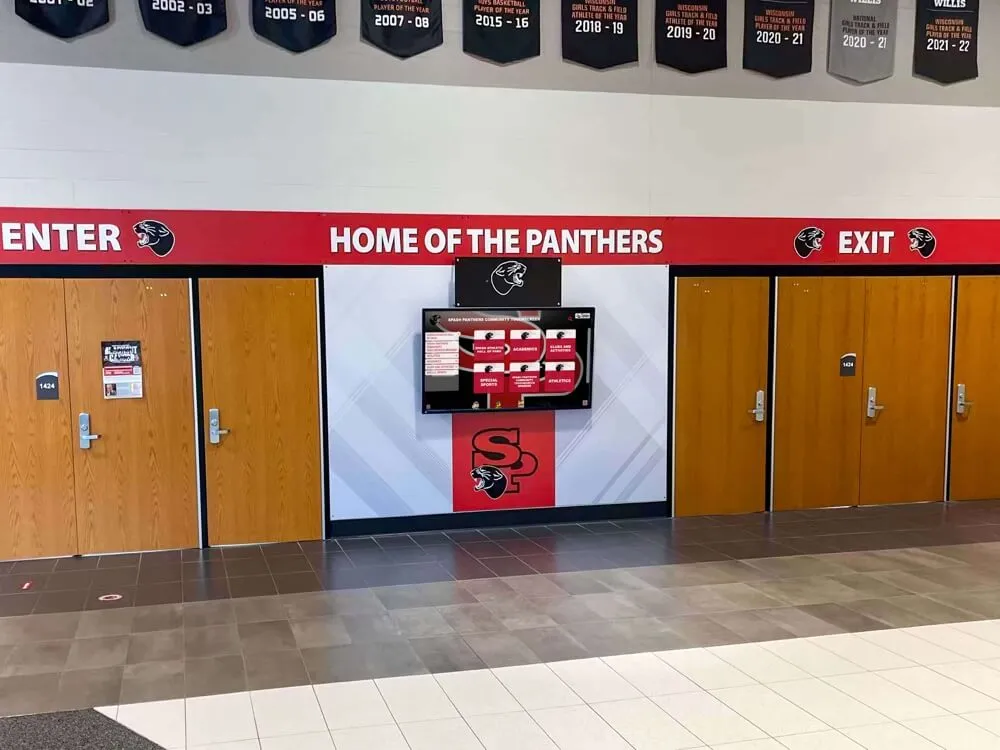
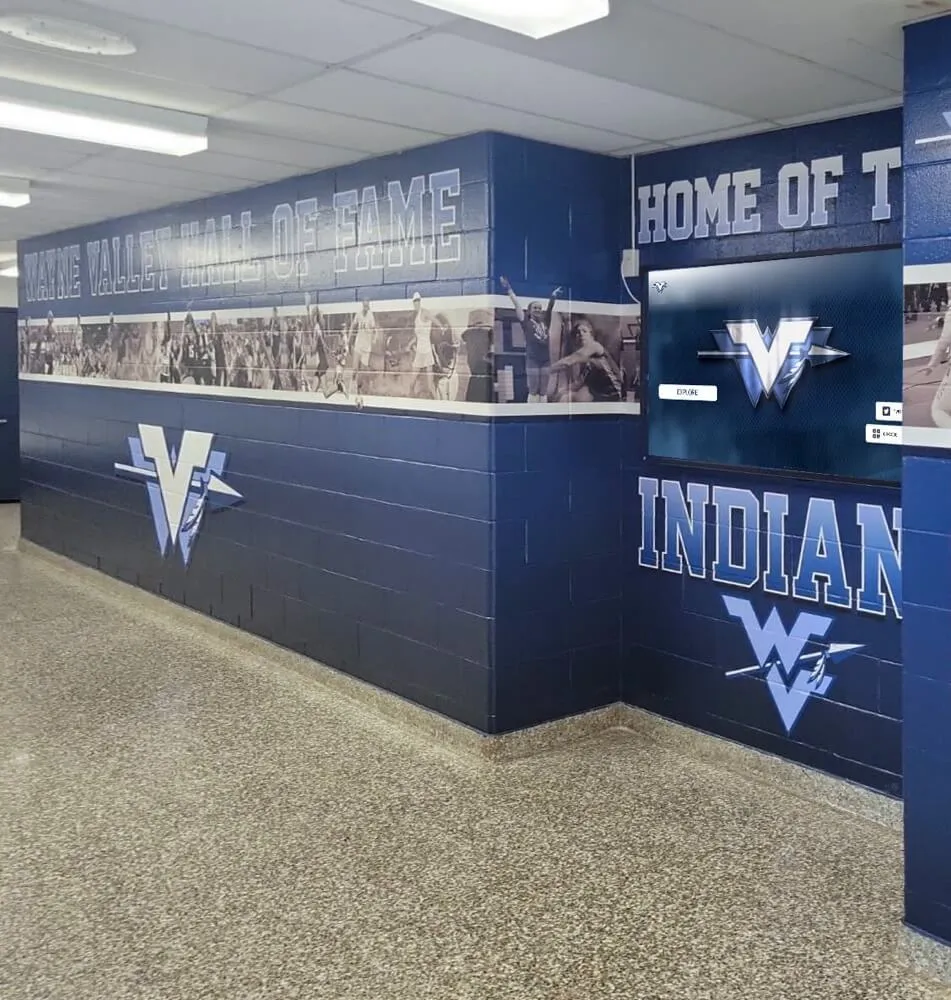
Hallway installations ensure theater recognition reaches all students throughout daily school experiences
Powerful Search and Discovery Features
Digital systems enable visitors to quickly locate specific productions, performers, or information within comprehensive theater archives through searchable databases supporting finding individuals by name across all productions, browsing productions by year, show title, or performance type, filtering by production category (drama, musical, competition, showcase), exploring technical crew contributions and behind-the-scenes roles, and discovering distinguished alumni performers and their theatrical journeys.
These search capabilities make comprehensive archives practical and accessible rather than overwhelming. Students can instantly find their own performances across multiple years. Parents can locate all productions featuring their children. Alumni visiting schools can rediscover theatrical experiences from decades past—all through intuitive search interfaces requiring no training or technical knowledge.
Discover comprehensive approaches to digital hall of fame displays that showcase theatrical excellence through modern technology.
Web-Accessible Digital Playbill Archives
Leading digital recognition systems extend theater program showcases beyond physical campus displays through web platforms making content accessible globally to alumni, extended families, prospective students, and community members worldwide.
Global Accessibility Benefits
Web-integrated platforms provide theater program visibility far exceeding on-campus displays including alumni access from anywhere worldwide enabling graduates to revisit performances, family sharing with relatives unable to attend live performances, prospective student research during school selection processes, community appreciation building broader program support, and social media integration enabling instant sharing that extends institutional visibility.
When students share theater recognition through social platforms, these posts extend institutional visibility to hundreds or thousands of connections while celebrating individual accomplishment. Web accessibility thus serves recruitment, community relations, and alumni engagement purposes while honoring student achievement.
Mobile-Responsive Design
Modern platforms ensure optimal viewing experiences across all devices including desktop computers for detailed exploration with large displays, tablets providing portable access with touch interaction, smartphones enabling instant access and social sharing, and interactive kiosks creating engaging on-campus experiences.
This device flexibility ensures theater recognition remains accessible whenever and wherever community members want to engage with production histories and student achievements.
Creating Comprehensive Digital Playbill Content
Technology enables display platforms, but thoughtful content development creates meaningful experiences that genuinely honor theatrical achievement while inspiring current students.
Essential Production Documentation Elements
Comprehensive digital playbills should include multiple content components for each production that together tell complete theatrical stories:
Core Production Information
- Show title, playwright/composer, and production dates
- Performance venue, showtimes, and ticket information
- Director, assistant directors, and production team
- Complete cast with character and role assignments
- Full technical crew listings by department
- Student leadership positions and responsibilities
- Musical director, choreographer, and accompanist credits
- Production company and licensing information
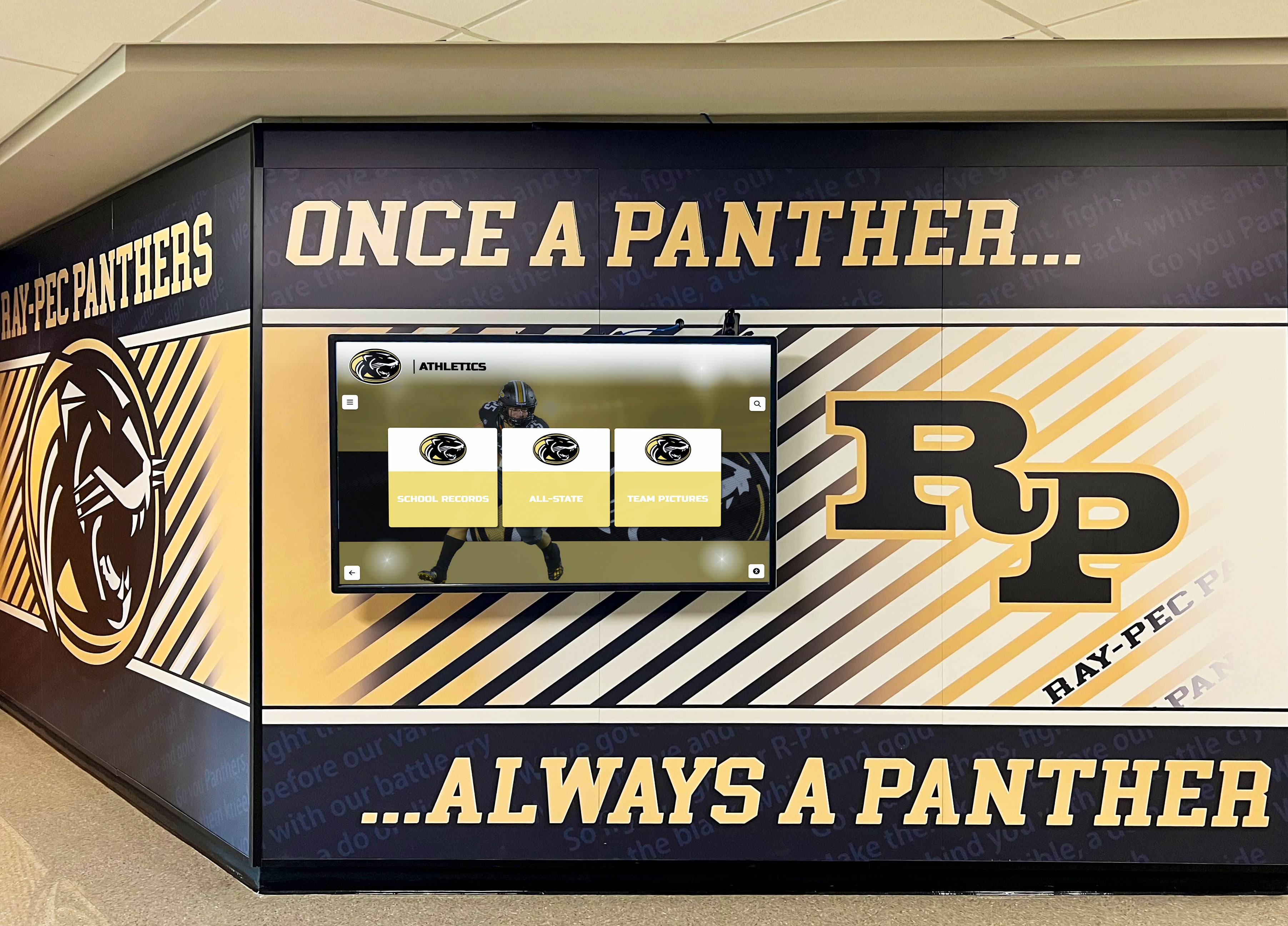
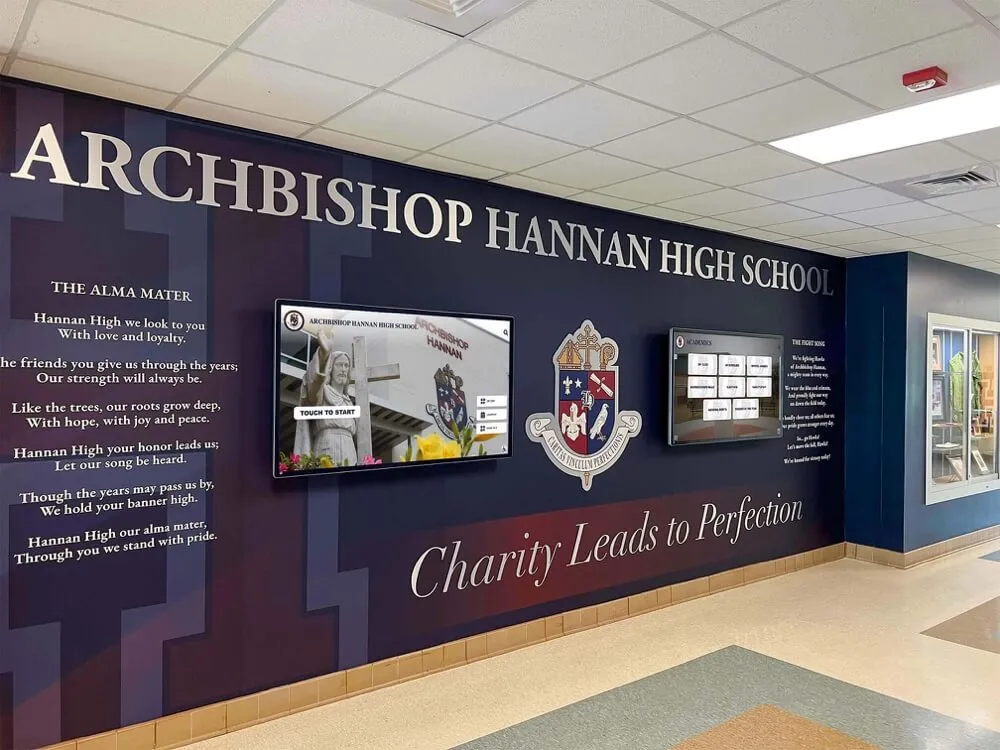
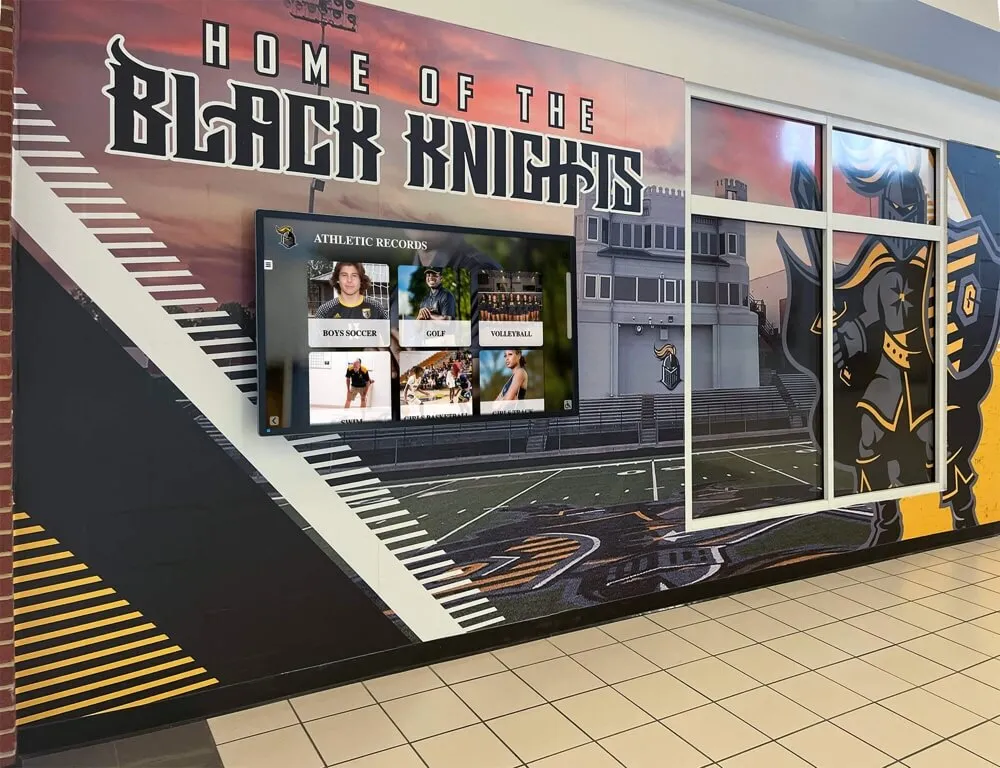
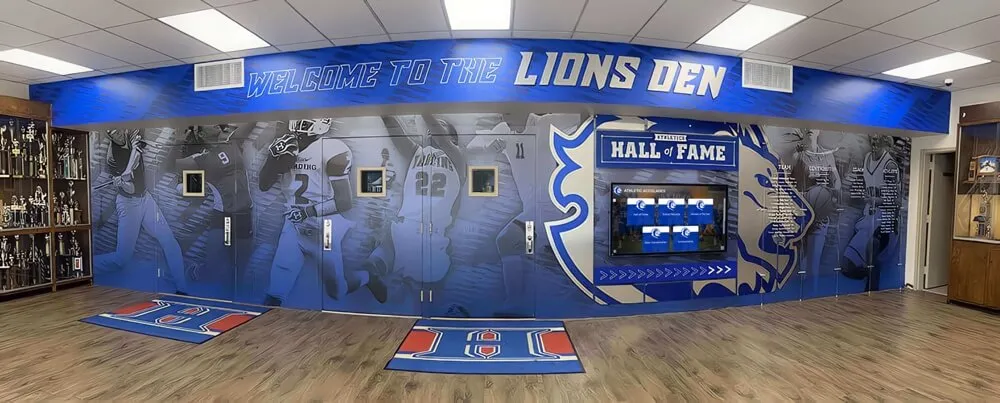
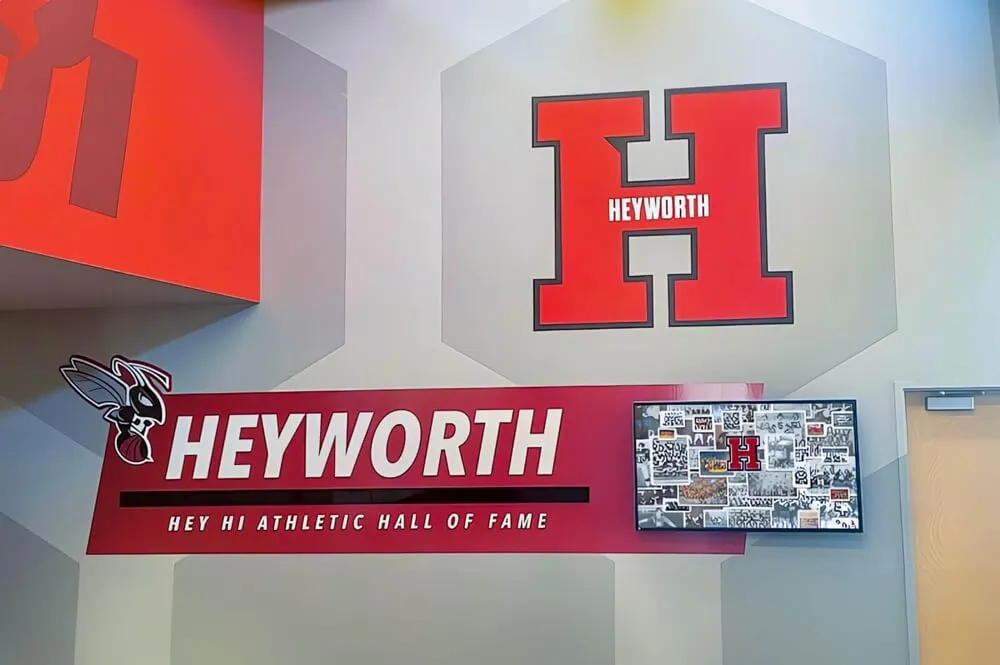
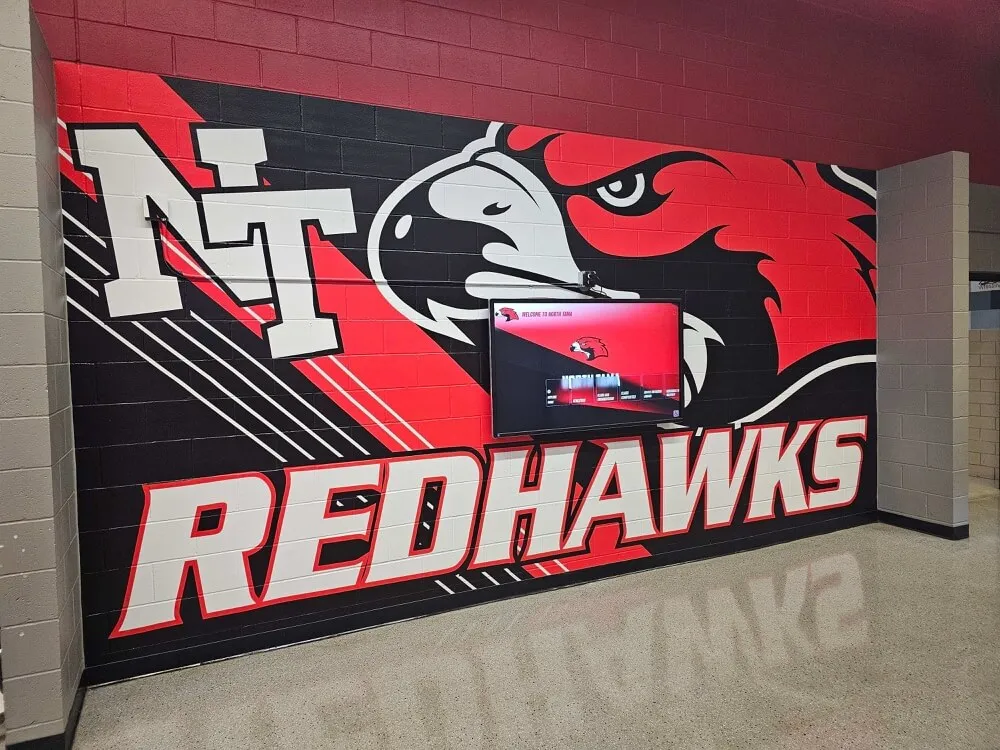
Integrated hallway installations combine artistic elements with functional digital recognition systems
Visual Documentation
- Professional production photography from performances
- Character portrait photography in costume
- Behind-the-scenes rehearsal process documentation
- Technical theater elements (sets, lighting, costumes, props)
- Cast and crew group photos
- Audience engagement and community response
- Strike and closing night celebration photos
Multimedia Enhancements
- Performance video highlights or complete productions
- Cast interviews and personal reflections
- Director statements explaining artistic vision
- Technical showcase videos demonstrating production elements
- Behind-the-scenes footage of construction and preparation
- Musical performance recordings and vocal showcases
- Curtain call and audience reaction documentation
Contextual Narratives
- Show synopsis, themes, and historical context
- Director’s notes explaining production choices and interpretation
- Production challenges and creative solutions
- Special achievements, awards, or critical recognition
- Community impact and audience response
- Connection to program traditions and previous productions
- Educational objectives and learning outcomes achieved
When schools systematically document these elements for each production, they create rich archives honoring achievement comprehensively while providing valuable educational resources for current and future drama students studying theatrical history and production processes.
Recognizing Diverse Theater Program Contributions
Equitable recognition celebrates complete theatrical teams beyond just lead performers, ensuring all contributors receive appropriate acknowledgment:
Performance Recognition Categories
- Lead role excellence and character development
- Supporting character achievement and ensemble quality
- Understudy dedication, preparation, and performance readiness
- Student director and assistant director leadership
- Musical performance excellence in vocal and instrumental roles
- Dance and choreography performance achievement
- Character portrayal and transformation
Technical Theater Excellence
- Set design, construction, and scenic painting
- Lighting design, programming, and operation
- Sound design, engineering, and board operation
- Costume design, construction, and wardrobe management
- Props acquisition, creation, and management
- Stage management and backstage coordination
- Makeup design and application
Production Team Leadership
- Student direction and mentorship
- Production management and logistics coordination
- Choreography creation and teaching
- Musical direction and accompaniment
- Publicity, marketing, and social media management
- Box office and front-of-house coordination
- Parent volunteer coordination and community outreach
Comprehensive recognition acknowledging technical excellence equally with performance achievement broadens participation by demonstrating that multiple pathways to theatrical engagement and recognition exist. Students interested in technical aspects, leadership, or behind-the-scenes roles see that drama programs value their potential contributions, attracting diverse talents that strengthen overall program quality.
Explore strategies for honoring student achievement across programs that ensure comprehensive celebration of diverse contributions.
Strategic Implementation of Digital Playbill Systems
Moving from concept to reality requires systematic planning addressing content development, technology selection, and sustainable operations ensuring recognition programs thrive long-term.
Phased Implementation Approach
Schools with extensive theater histories should develop digital playbill content incrementally rather than attempting comprehensive archiving immediately:
Phase 1: Current Season Foundation (Months 1-3)
Begin by documenting current academic year productions thoroughly, establishing baseline content and testing workflows. Immediate implementation demonstrates value quickly while building momentum and stakeholder support. Focus on upcoming productions where content gathering integrates naturally into production processes rather than requiring historical research and reconstruction.
Phase 2: Recent History Documentation (Months 4-9)
Add content from previous 3-5 years, providing historical depth while capturing material from currently enrolled students’ experiences. Recent history documentation often proves easier because directors remember productions well, students remain available for interviews, and digital photos typically already exist rather than requiring yearbook scanning or physical photograph digitization.
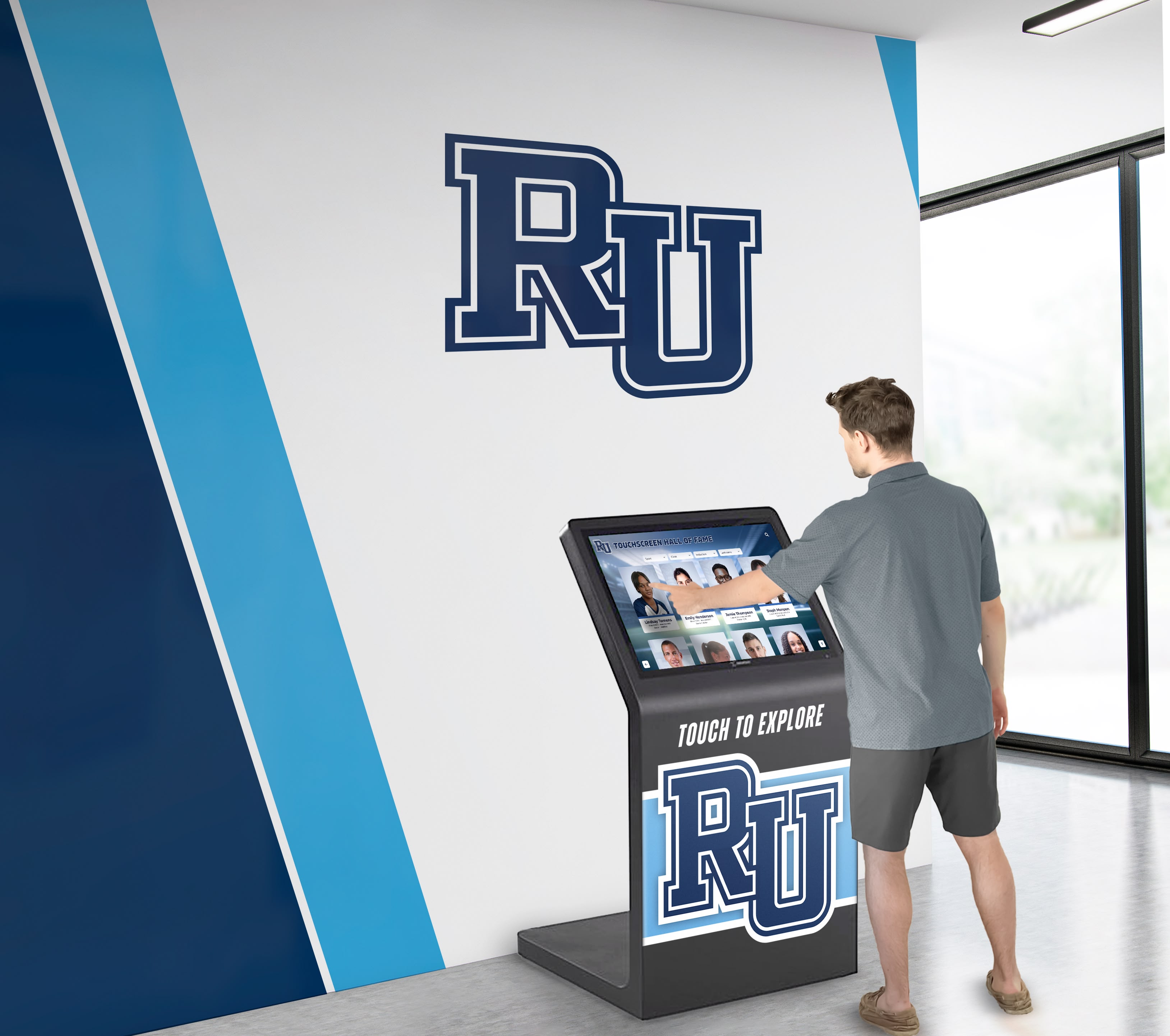
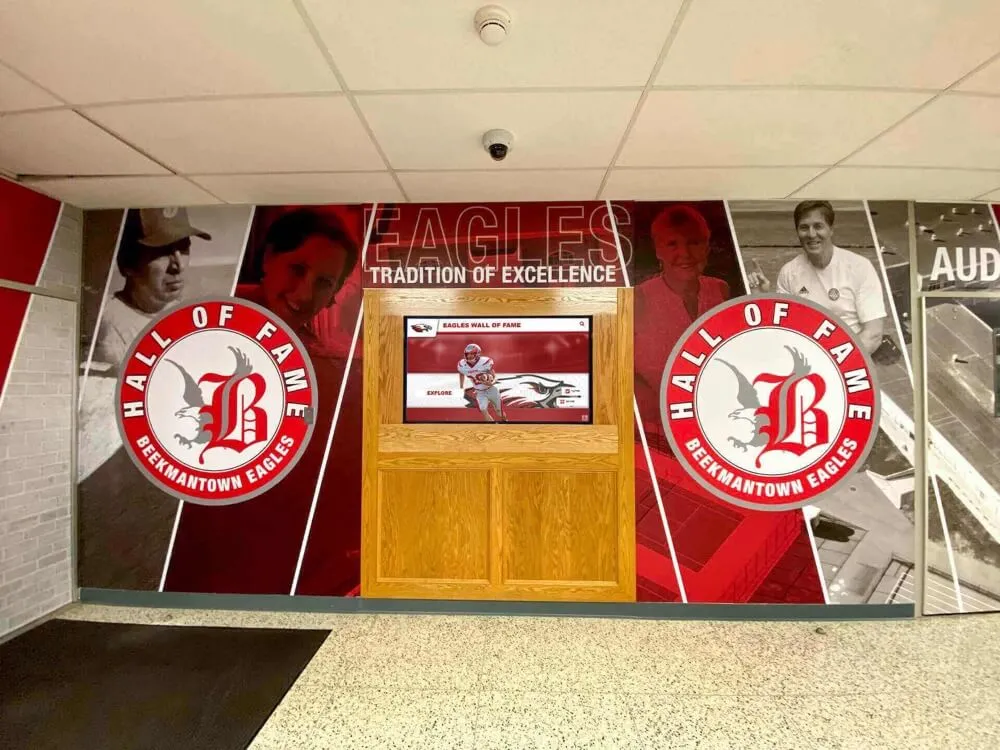
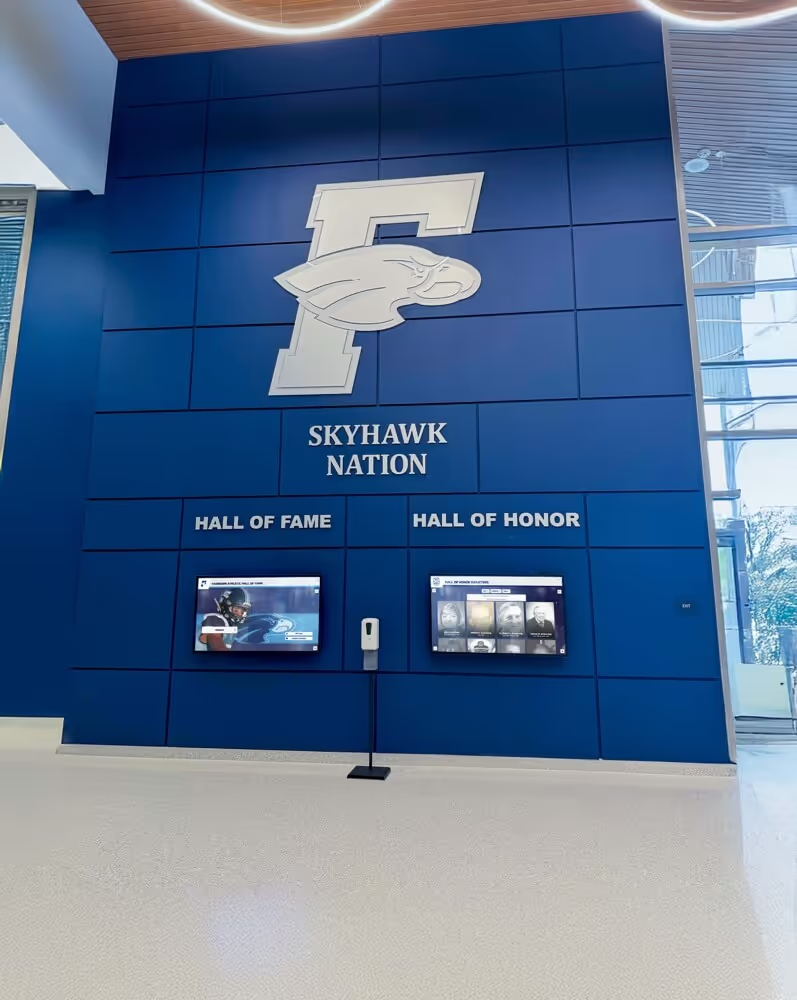
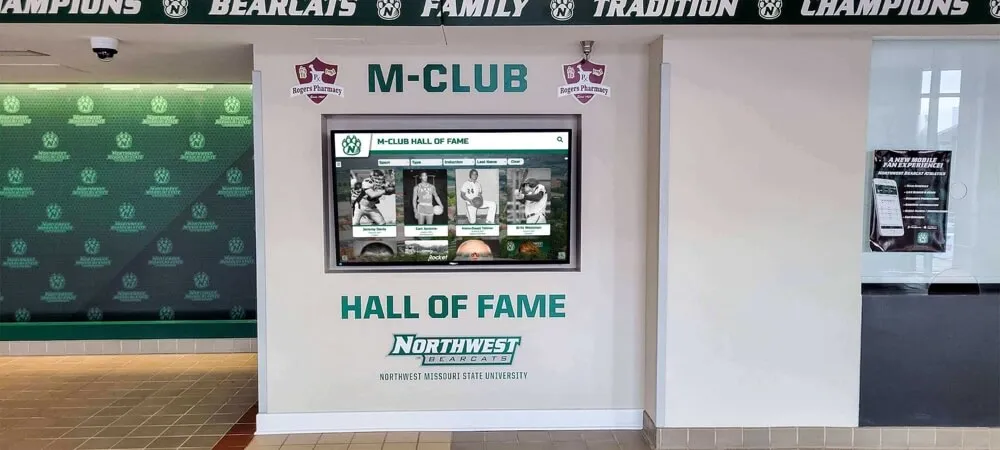
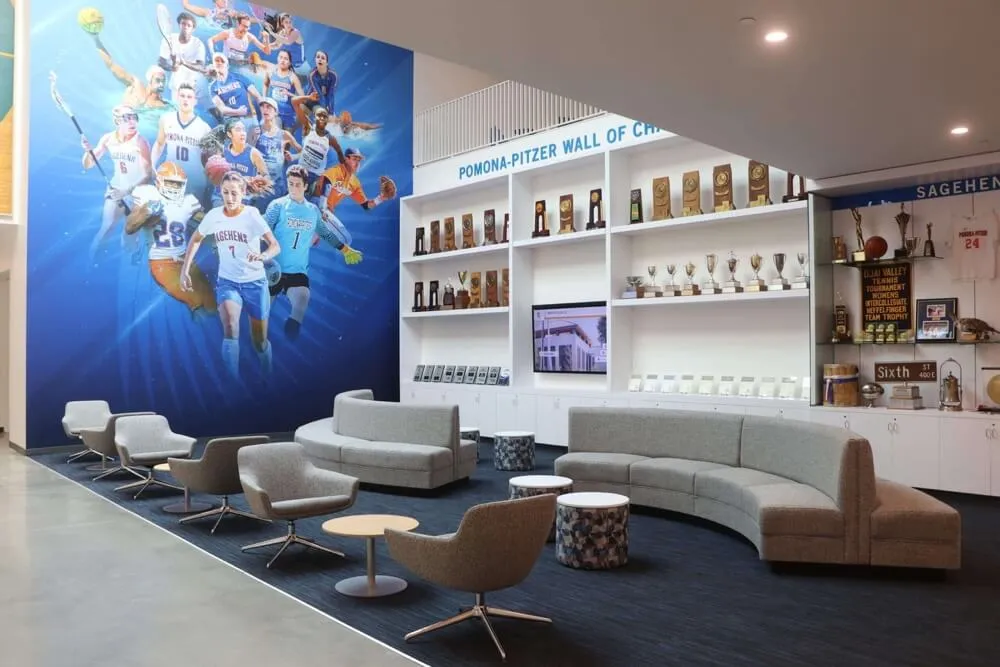
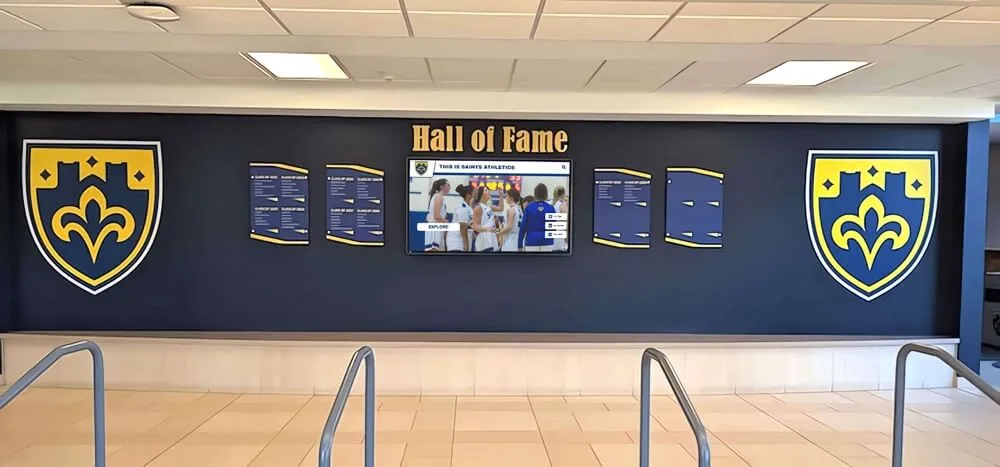
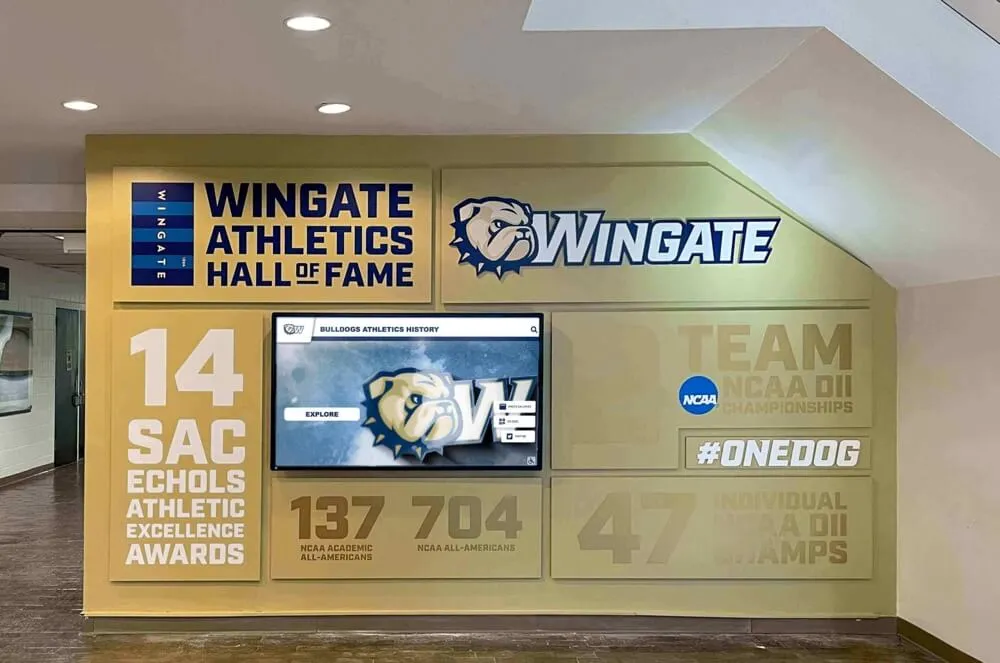
Lobby installations create prominent recognition spaces welcoming visitors with theatrical excellence
Phase 3: Program Milestones and Traditions (Months 10-18)
Systematically add significant historical productions defining program traditions—legendary shows, distinguished student performers, program founding productions, or anniversary celebrations. Milestone documentation creates historical depth while honoring theatrical heritage that current students should understand as part of program tradition they continue.
Phase 4: Comprehensive Archives (Ongoing)
Continue historical documentation working backward through program history as time and resources permit. Complete archives develop over months or years, but phased approaches enable earlier launches demonstrating value while distributing substantial workload across manageable increments.
Technology Selection Criteria for Theater Recognition
Schools evaluating digital display solutions should assess options against criteria ensuring systems meet theatrical documentation needs:
Platform Capabilities
- Comprehensive multimedia support (video, audio, images, text)
- Unlimited or very generous content capacity
- Powerful search, filtering, and navigation features
- Flexible content templates for different production types
- Web integration capabilities extending access beyond campus
- Mobile-responsive design ensuring accessibility across devices
- Social sharing features enabling community engagement
Management Requirements
- Intuitive content management interfaces requiring minimal technical expertise
- Cloud-based remote access enabling updates from any location
- Collaborative editing support when multiple staff contribute
- Scheduled publishing automating routine updates
- Version history enabling restoration if mistakes occur
- Responsive technical support understanding educational contexts
Implementation Factors
- Professional installation services for physical display components
- Commercial-grade hardware quality ensuring reliable long-term operation
- Realistic budget alignment with educational funding realities
- Educational pricing programs recognizing school resource constraints
- Proven educational implementations demonstrating track record
- Long-term upgrade pathways supporting evolving needs
Specialized educational recognition platforms like Rocket Alumni Solutions typically provide superior value compared to generic digital signage systems requiring extensive customization to support theater recognition needs effectively. Purpose-built educational platforms understand school contexts, offer appropriate features, and provide support familiar with educational environments.
Examine comprehensive digital recognition buyer’s guides helping schools evaluate options systematically while avoiding common technology selection mistakes.
Maximizing Digital Playbill Impact on Program Culture
Technology enables documentation platforms, but strategic implementation maximizes recognition value for students, programs, and communities.
Strategic Display Placement
Performing Arts Center Locations
Theater building entrances provide ideal locations where displays greet all performance attendees, create welcoming atmosphere celebrating program heritage, occupy audiences during pre-show and intermission periods, and reinforce program pride and tradition. Lobby displays capitalize on captive audiences already interested in theater who naturally engage with performance history and student recognition during performance attendance.
Main Building Common Areas
Beyond specialized theater facilities, positioning displays in main school entrances, cafeteria commons areas, library spaces, and administrative lobbies ensures theater recognition reaches all students, staff, and visitors—not just drama participants. Broad visibility demonstrates institutional commitment to performing arts, attracts participation from students unfamiliar with programs, and creates parity with athletic recognition typically prominent in main school spaces.
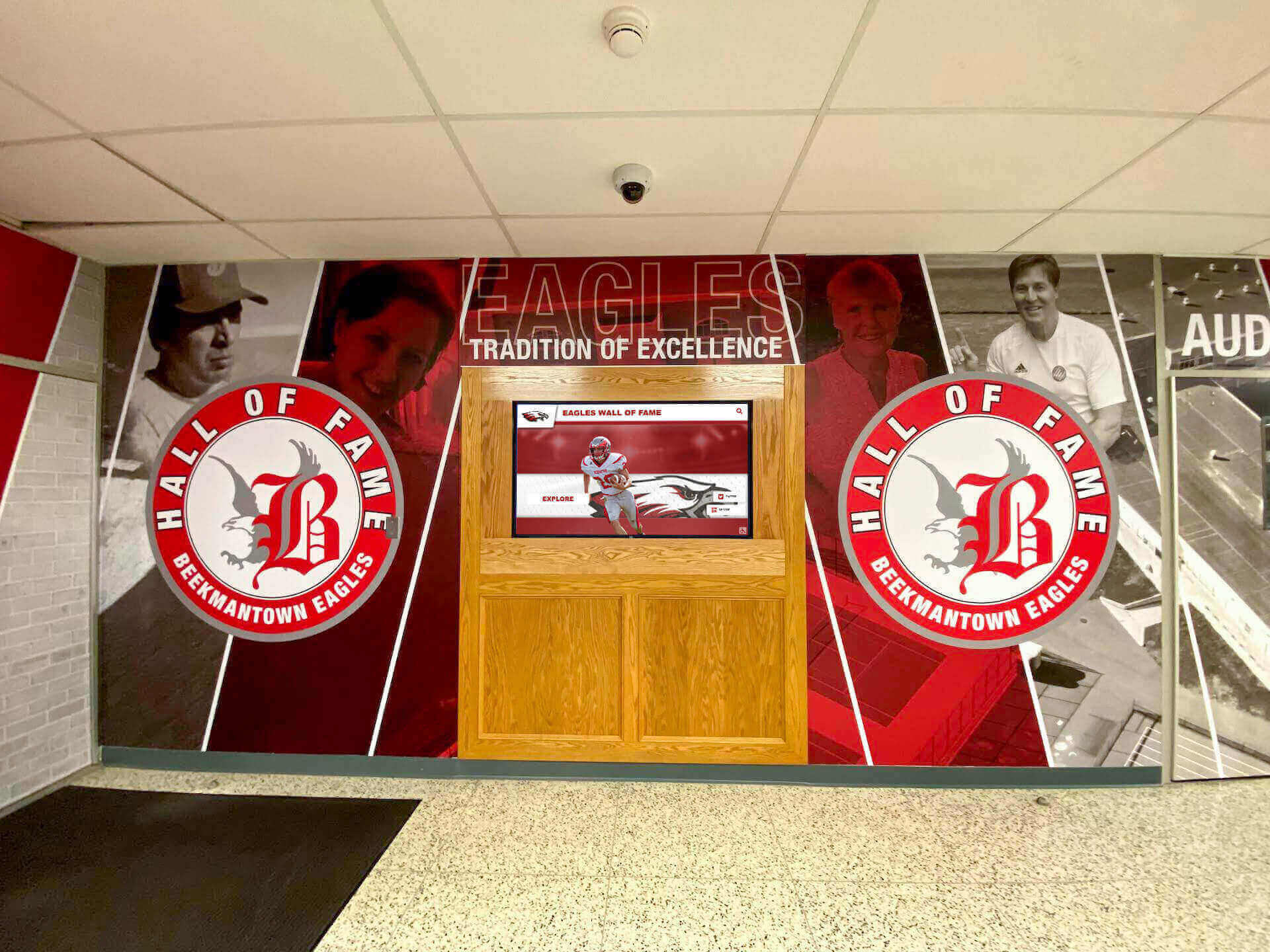
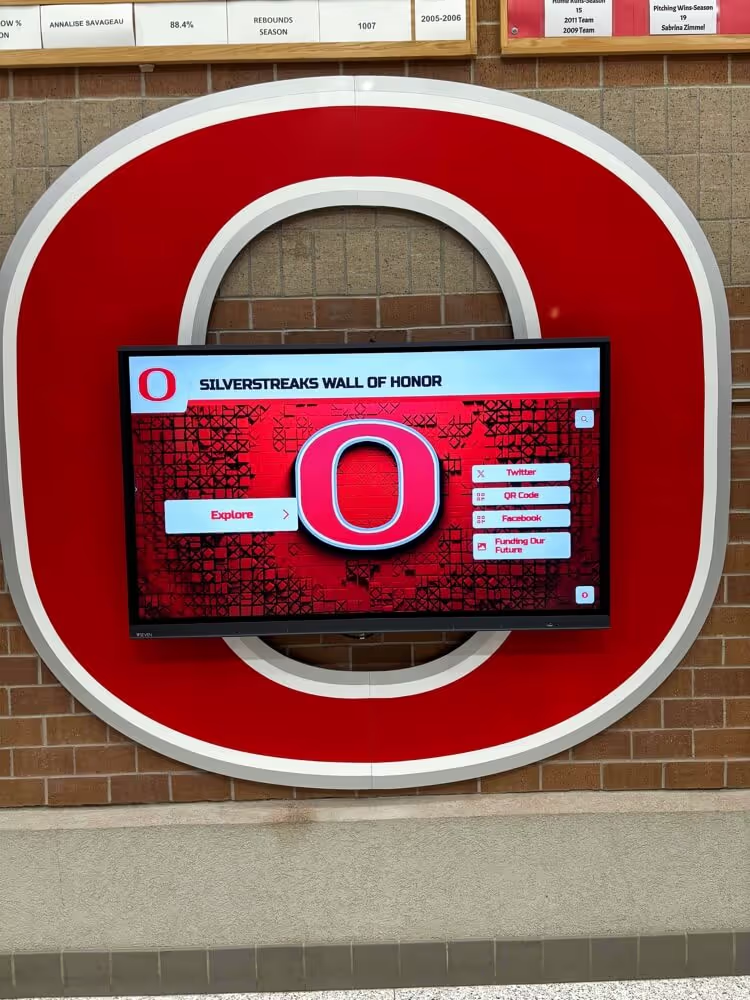
Lobby installations integrate theatrical recognition with broader school achievement celebration
Drama Classrooms and Rehearsal Spaces
Drama classrooms, black box theaters, rehearsal halls, and practice spaces benefit from displays showcasing program history where students preparing for current productions daily encounter inspiration from previous theatrical achievements. These internal displays create environments where excellence becomes expected tradition, raising aspirations and performance standards for current participants.
Year-Round Visibility Strategies
Production Launch Celebrations
When new productions receive digital playbill documentation, schools can amplify visibility through announcement campaigns across multiple channels, social media posts featuring production highlights and video clips, email communications to theater families and broader school communities, homepage features on school websites showcasing recent productions, morning announcements directing students to explore new content, and viewing celebrations in common areas with reception events.
These launch strategies ensure productions receive immediate attention when community interest peaks following performances.
Ongoing Discovery Opportunities
Beyond initial launches, recognition systems should promote regular engagement including featured production rotation highlighting different shows periodically, seasonal reminders during subsequent production preparation periods, prospective student recruitment communications showcasing program quality and opportunities, alumni engagement campaigns connecting graduates to current theatrical excellence, and open house or campus visit components demonstrating drama program value.
Year-round visibility transforms theatrical productions from single-event occurrences into ongoing program marketing and recognition assets continually demonstrating theater program value and excellence.
Learn about winter concert recognition approaches that parallel effective theatrical documentation strategies for performing arts programs.
Building Sustainable Theater Recognition Operations
Successful digital playbill programs require ongoing attention ensuring recognition remains current, comprehensive, and impactful across staff transitions and competing priorities.
Establishing Clear Responsibilities
Sustainable programs designate specific individuals with formal theater recognition coordination responsibilities including overall program oversight and strategic planning, production documentation coordination during rehearsals and performances, content development and uploads to digital platforms, display maintenance and monitoring ensuring proper operation, web platform management and updates, promotion and communication to school communities, and stakeholder engagement gathering feedback and suggestions.
Without clear accountability, recognition programs gradually decline as competing demands consume available time and attention. Drama directors juggling teaching, production direction, and administrative duties cannot add comprehensive recognition coordination without explicit time allocation and support resources.
Creating Efficient Documentation Workflows
Predictable processes integrate recognition activities into regular production rhythms rather than treating documentation as separate special projects:
Pre-Production Planning
- Identify documentation requirements and content goals
- Schedule photography and videography sessions
- Prepare content collection templates and forms
- Assign documentation responsibilities to specific individuals
- Coordinate technical requirements with production schedules
Production Documentation
- Capture rehearsal process photos showing growth and development
- Record dress rehearsal video for archival purposes
- Photograph technical elements including sets, costumes, lighting, props
- Conduct cast and crew interviews during production week
- Document audience engagement and community response
Post-Production Completion
- Edit and organize media files for digital platforms
- Develop production narratives and contextual information
- Create individual student profiles and recognition entries
- Upload content to displays and web platforms
- Promote new recognition additions to school communities
Systematic workflows ensure consistent documentation quality rather than relying on ad hoc efforts producing uneven coverage across different productions depending on available time and competing priorities during particular production cycles.
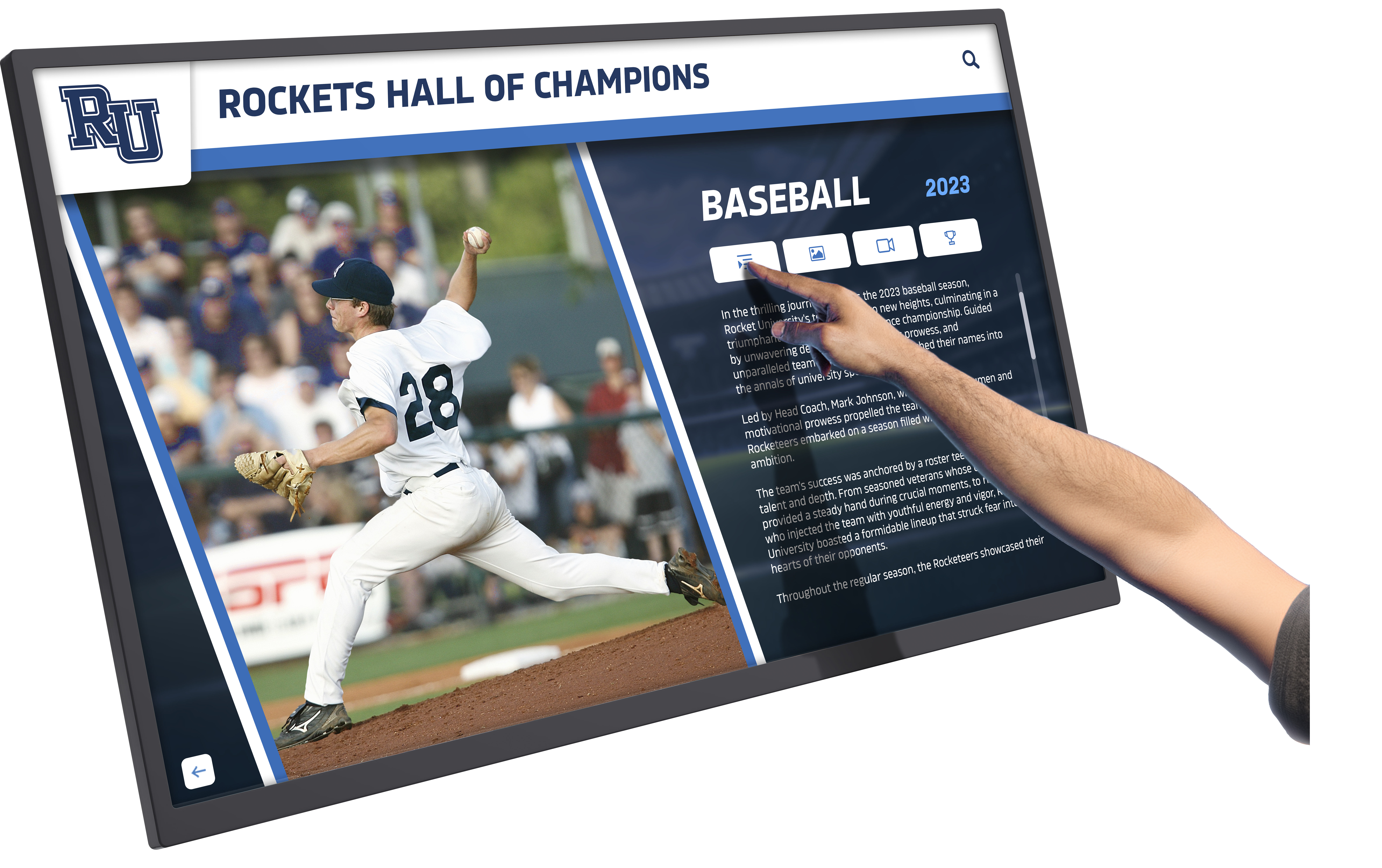
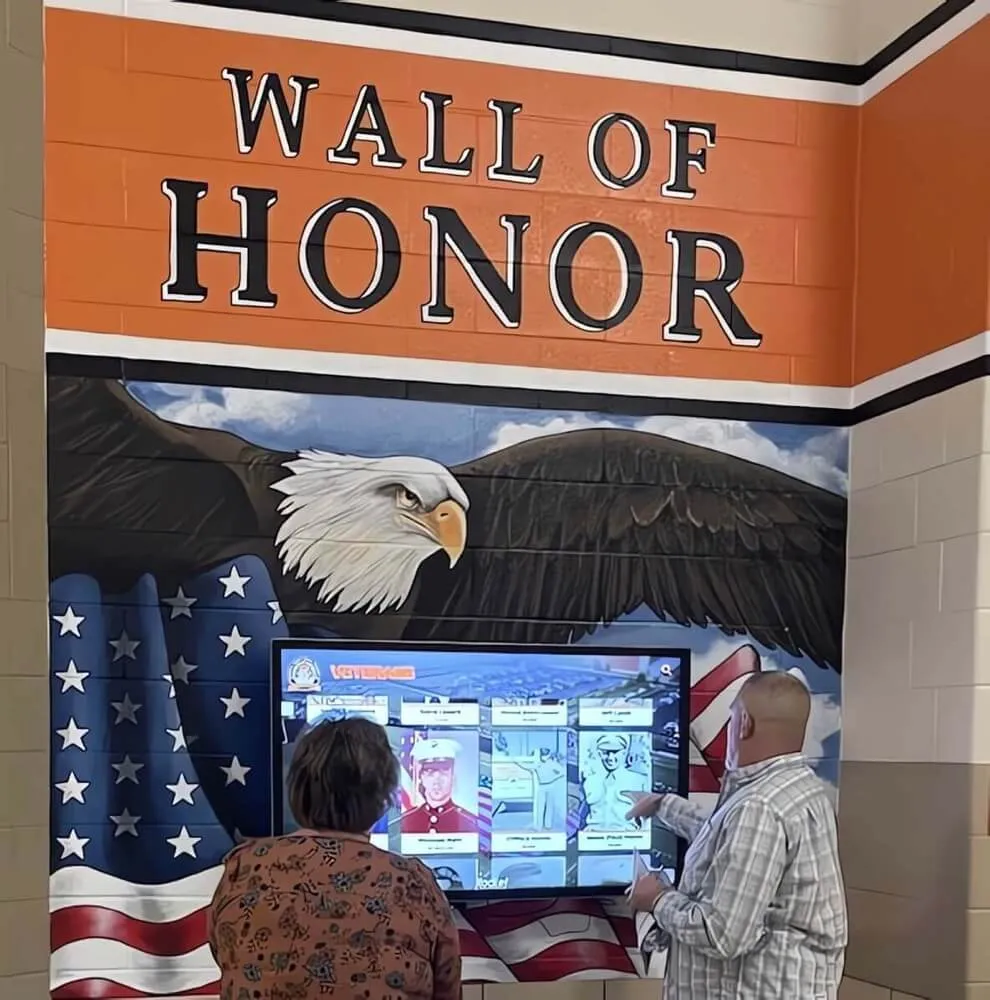
Intuitive touch interaction makes exploring theatrical history accessible to all ages and technical abilities
Engaging Student Leadership
Many successful programs involve students directly in theater recognition development through student media partnerships where journalism or video production students document theater productions, technical theater student contributions photographing set construction and backstage processes, student curator roles managing historical research and archiving projects, and peer recognition programs where students nominate exceptional contributions and document achievements.
Student involvement distributes workload while creating authentic learning opportunities and building broader investment in program success beyond those who perform or crew productions directly.
Discover strategies for student mentorship programs that leverage recognition systems for educational and community-building purposes.
Measuring Digital Playbill Program Success
Regular assessment demonstrates program value while identifying enhancement opportunities improving effectiveness.
Quantitative Success Metrics
Measurable indicators reveal recognition program performance including documentation coverage percentages tracking which productions receive comprehensive documentation, student theater participation rates showing enrollment trends over time, digital display engagement analytics measuring interaction frequency and duration, web platform traffic statistics showing online access patterns, social media sharing metrics tracking content distribution and reach, and prospective student inquiries about theater programs during recruitment periods.
Correlation between enhanced recognition visibility and increased participation validates investment in comprehensive theater showcasing while justifying continued resources. Schools implementing prominent digital theater recognition typically report 15-30% participation increases within 2-3 years as programs become more visible and celebrated throughout school communities.
Qualitative Impact Assessment
Non-numerical insights complement quantitative data through student surveys about recognition value and theatrical motivation, family feedback regarding documentation quality and accessibility, drama staff perspectives on program culture changes and community engagement, alumni reflections on recognition meaning and program connection, and community responses to theater program visibility and quality demonstrations.
Student feedback proves particularly valuable for understanding whether recognition influences theatrical motivation, participation decisions, pride in creative work, or aspirations for continued artistic development. Direct student input reveals recognition’s most important outcome—impact on student experiences and artistic identity formation.
Focus groups with current drama students, graduated alumni performers, and families invested in theater programs provide rich qualitative data revealing how recognition contributes to comprehensive educational experiences while identifying enhancement opportunities addressing unmet needs or overlooked recognition areas.
Cultural Transformation Indicators
Long-term recognition program success manifests through sustained theater participation growth across grade levels and demographics, elevated program prestige and reputation within school communities, increased competitive success at drama festivals and competitions, growing alumni involvement and support for current programs, and strengthened institutional identity around comprehensive education including robust performing arts programs.
These cultural shifts justify recognition investment while creating self-reinforcing excellence cycles where recognition attracts participation, participation builds program strength, strength enables ambitious programming, and ambitious programming generates impressive achievements deserving comprehensive recognition and celebration.
Explore strategies for building school pride through recognition that elevate performing arts alongside athletic and academic programs.
Special Considerations for Different Production Types
Digital playbill systems should accommodate diverse theatrical formats that high school programs present throughout academic years.
Full-Length Productions and Musicals
Main stage productions including fall plays, spring musicals, and major theatrical events deserve comprehensive documentation capturing the full scale and significance of these major undertakings requiring extensive student, staff, and community investment and collaboration.
Musical-Specific Documentation
Musical productions benefit from enhanced documentation including complete musical numbers with composer and lyricist credits, orchestration acknowledgment for pit orchestra members, choreography documentation with choreographer and dance captain recognition, vocal performance highlights showcasing singing excellence, and behind-the-scenes documentation of technical complexity musical productions require.
One-Act Festivals and Competition Performances
Student-directed one-acts, festival performances, and competition theater deserve equal recognition honoring the unique educational value these formats provide including student direction opportunities and leadership development, ensemble collaboration in intimate performance formats, experimental theatrical approaches and artistic risk-taking, competition achievement and adjudicator recognition, and festival participation connecting students to broader theatrical communities.
These alternative formats often provide crucial leadership opportunities for students not cast in lead roles in main stage productions, making comprehensive recognition particularly important for equitable celebration of diverse theatrical contributions.
Student Showcases and Class Projects
Drama class performances, scene showcases, and educational projects merit documentation honoring the learning process and skill development these experiences represent including scene study and monologue performances, improvisation showcases and comedic performance, technical theater demonstrations and design presentations, playwriting and original work development, and collaborative class projects building ensemble skills.
Recognition of educational theatrical work alongside production performances demonstrates that drama programs value learning processes and skill development as much as polished final performances.
Discover approaches to recognizing classroom projects that celebrate educational theater work alongside performance achievements.
Connecting Digital Playbills to Broader Performing Arts Recognition
Digital theater playbills work most effectively when integrated with comprehensive performing arts recognition celebrating excellence across all performance disciplines.
Multi-Disciplinary Performing Arts Archives
Schools should consider comprehensive performing arts recognition systems integrating theater productions with musical performance documentation, dance concert and recital archives, speech and debate competition recognition, student film and media arts showcases, and interdisciplinary performances combining multiple art forms.
This integrated approach positions theater within broader celebrations of creative and performing arts excellence while avoiding artificial separation between related disciplines that often share students, facilities, and educational objectives.
Individual Student Performing Arts Profiles
Beyond production-level recognition, comprehensive individual student profiles celebrate complete performing arts journeys spanning participation across theater, music, dance, and related disciplines; leadership progression from ensemble member through principal roles and student direction; technical theater and production contributions across multiple shows; awards, scholarships, and external recognition received; post-graduation performing arts pursuits and professional pathways; and personal statements reflecting on performing arts education impact.
These comprehensive profiles honor students holistically rather than fragmenting recognition across separate systems for each activity type, providing more meaningful celebration of individual artistic development and achievement.
Learn about comprehensive academic recognition approaches that parallel integrated performing arts documentation strategies.
Conclusion: Transforming Theater Recognition Through Digital Playbills
High school theater programs create extraordinary educational experiences through dramatic productions that develop student creativity, collaboration skills, communication abilities, and artistic expression while building vibrant school communities appreciating performing arts. Traditional playbills document these achievements temporarily, but most schools lack systems preserving and showcasing theatrical excellence beyond performance nights—leaving rich program histories hidden in storage, scattered across personal devices, or lost entirely.
Modern digital playbill solutions transform what’s possible in theater program recognition by providing unlimited capacity for comprehensive production archives spanning entire program histories, rich multimedia presentation bringing productions to life through video, photos, and audio, powerful search enabling intuitive exploration of theatrical achievements, web accessibility extending recognition beyond campus to global communities, and professional campus installations ensuring ongoing visibility throughout school environments.
Transform Your Theater Program Recognition
Discover how Rocket Alumni Solutions provides comprehensive platforms for creating and showcasing digital theatre playbills that preserve theatrical excellence, celebrate student achievement, and build thriving drama programs through professional recognition displays.
Explore Digital Playbill SolutionsSuccessful implementation requires establishing clear documentation standards and systematic workflows, developing content through phased approaches managing workload effectively, selecting appropriate technology matching program needs and resources, promoting displays ensuring community awareness and engagement, and measuring impact demonstrating value while identifying improvement opportunities.
Your drama students invest countless hours rehearsing, preparing, performing, and supporting productions creating transformative educational experiences and memorable community events. They deserve recognition preserving their accomplishments permanently, celebrating diverse theatrical contributions equitably, inspiring continued artistic excellence through visible program traditions, and demonstrating that performing arts matter as much as any other achievement domain within comprehensive educational programs.
Solutions like Rocket Alumni Solutions provide purpose-built platforms designed specifically for educational theater recognition, offering comprehensive capabilities including unlimited production documentation, professional multimedia presentation, intuitive content management, permanent web accessibility, and proven educational implementations across thousands of schools. These specialized systems enable theater programs to showcase excellence with prominence and depth performing arts deserve.
Ready to transform how your school creates and showcases digital theatre playbills? Explore modern recognition solutions honoring your drama program’s rich history while building excitement for future productions. Whether implementing first comprehensive theater recognition or enhancing existing approaches, digital platforms provide tools needed to celebrate performing arts with the visibility, engagement, and permanence that student creative achievement deserves.
Your school’s theatrical tradition—spanning years or decades of remarkable productions, talented performers, dedicated crews, and transformative creative experiences—deserves celebration equal to any athletic championship or academic honor. Digital playbill solutions finally make comprehensive theater recognition practical, sustainable, and impactful, ensuring performing arts receive the institutional recognition reflecting their profound importance in comprehensive student development and vibrant school community culture.