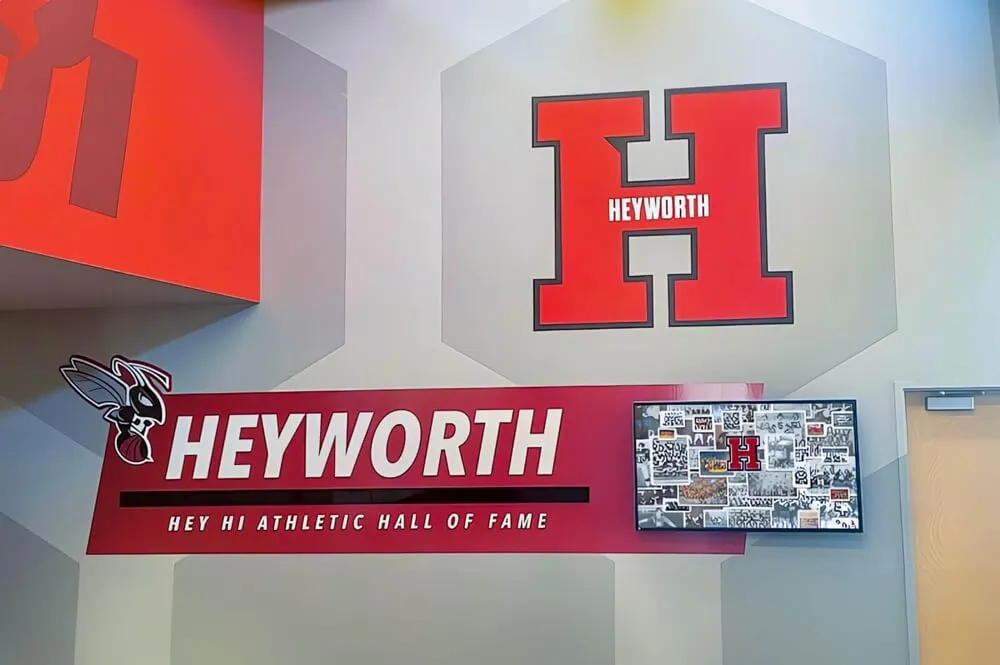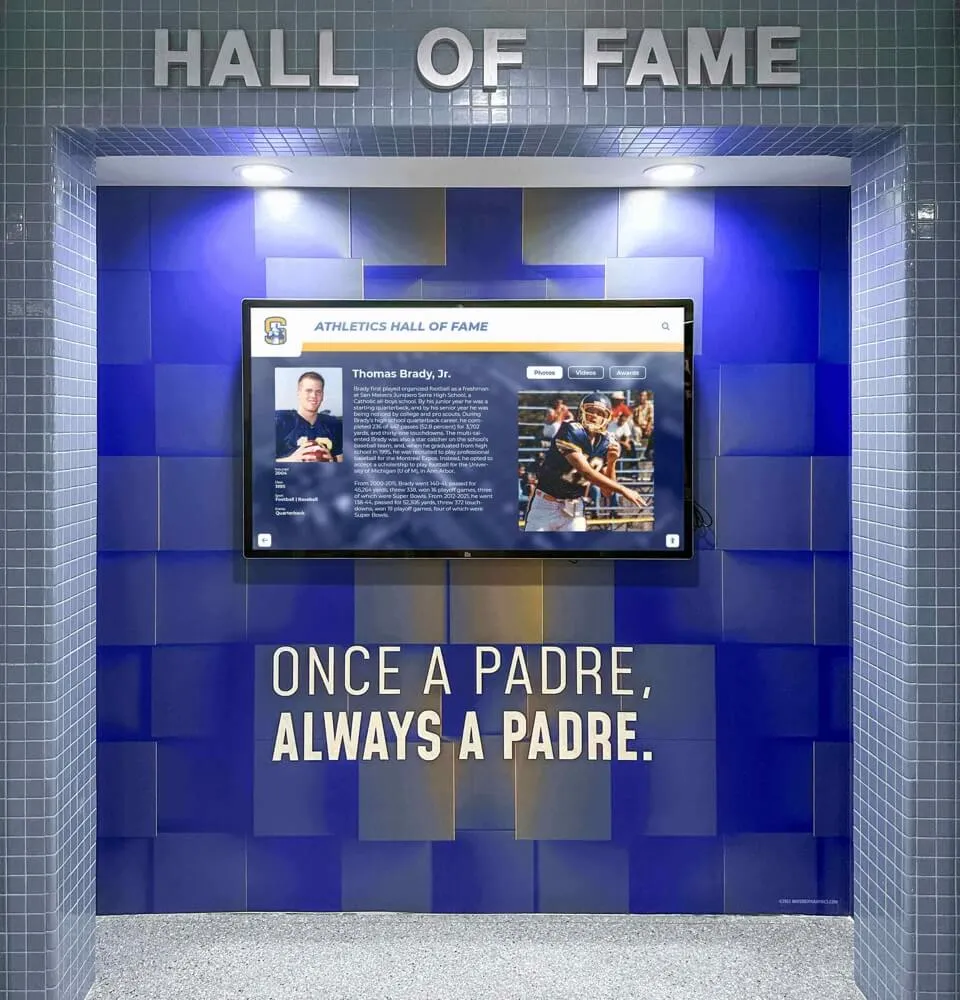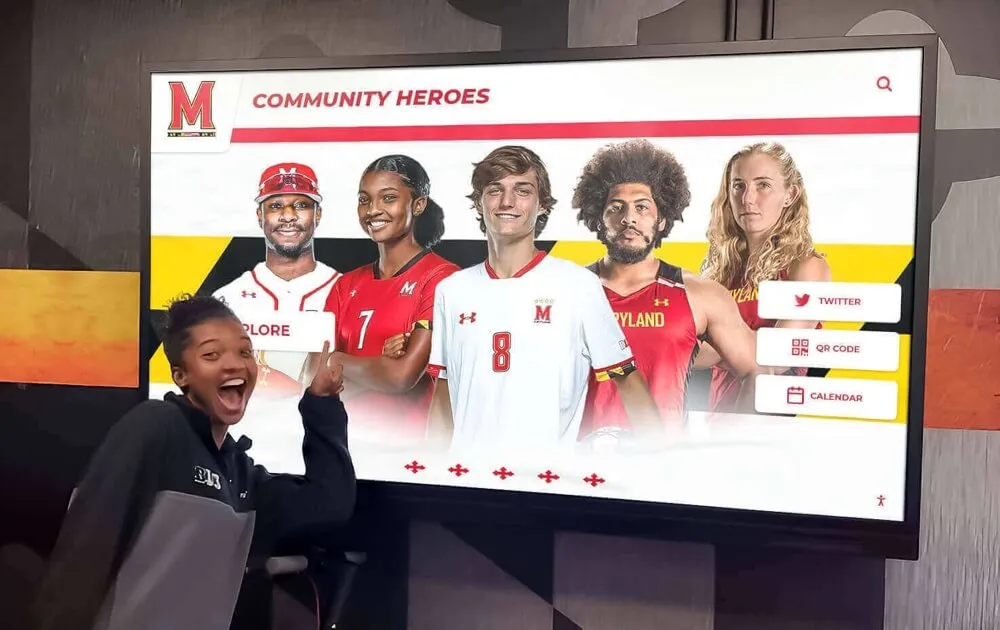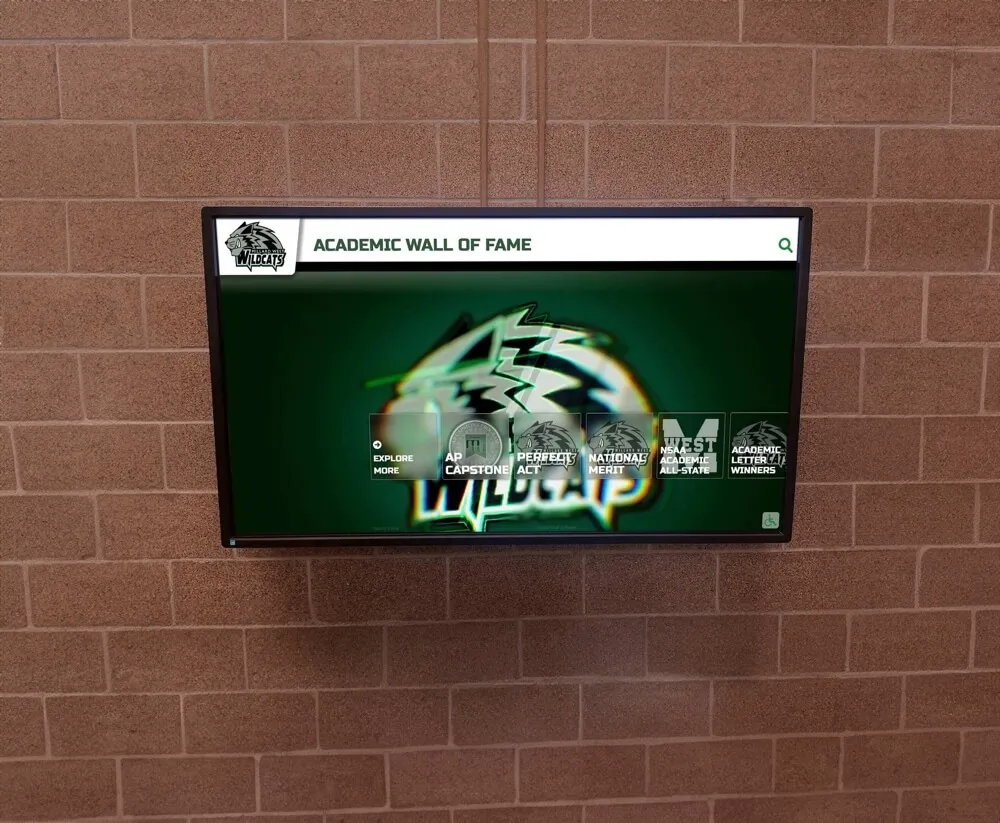
Intent: Define — Understanding how digital tools transform historical preservation and storytelling.
History lives in more than textbooks and museum glass cases. For schools, heritage organizations, and cultural institutions, the challenge of making historical content engaging and accessible has never been more critical. Traditional static displays—printed placards, physical exhibits behind barriers, dusty archives in storage—fail to capture attention in an age where audiences expect dynamic, interactive experiences. When historical materials remain locked away in filing cabinets or presented through outdated formats, their educational and emotional power diminishes. Students walk past static hallway displays without a second glance. Alumni searching for connections to institutional heritage find nothing but yellowed photos in forgotten storage rooms. Communities lose touch with the stories that shaped their identity.
Digital tools are revolutionizing how organizations preserve and present history, transforming passive viewing into active exploration through interactive touchscreen displays, searchable digital archives, multimedia storytelling, virtual reality experiences, and cloud-based content management that enables real-time updates and worldwide access. These technologies don’t replace traditional preservation—they enhance it, making historical materials more accessible, engaging, and meaningful to diverse audiences from students conducting research to alumni seeking connections to their past.
This comprehensive guide explores the most effective digital tools bringing history to life in 2026, examining touchscreen technologies, archival digitization systems, presentation platforms, and implementation strategies that enable schools, museums, heritage organizations, and cultural institutions to transform how they preserve, present, and share historical content with the communities they serve.
Organizations that excel at digital historical preservation create living archives where centuries of heritage remain instantly accessible, where visitors of all ages engage deeply with historical content through intuitive interfaces, where stories connect past to present through compelling multimedia presentations, and where preserved digital collections protect irreplaceable materials from deterioration while expanding access beyond physical boundaries.

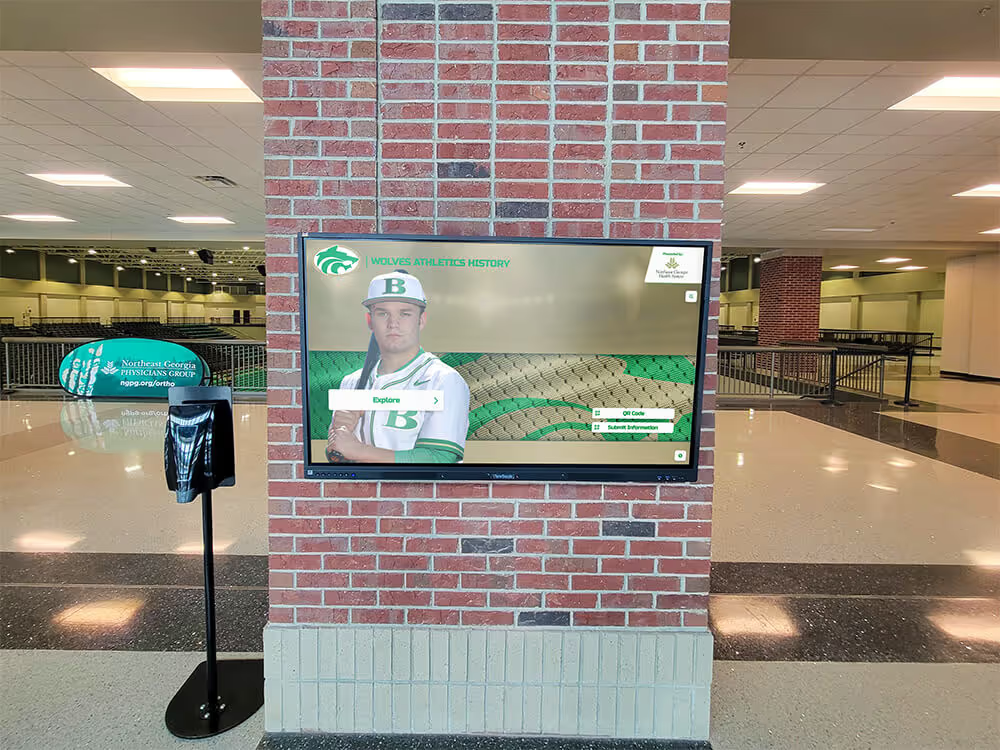
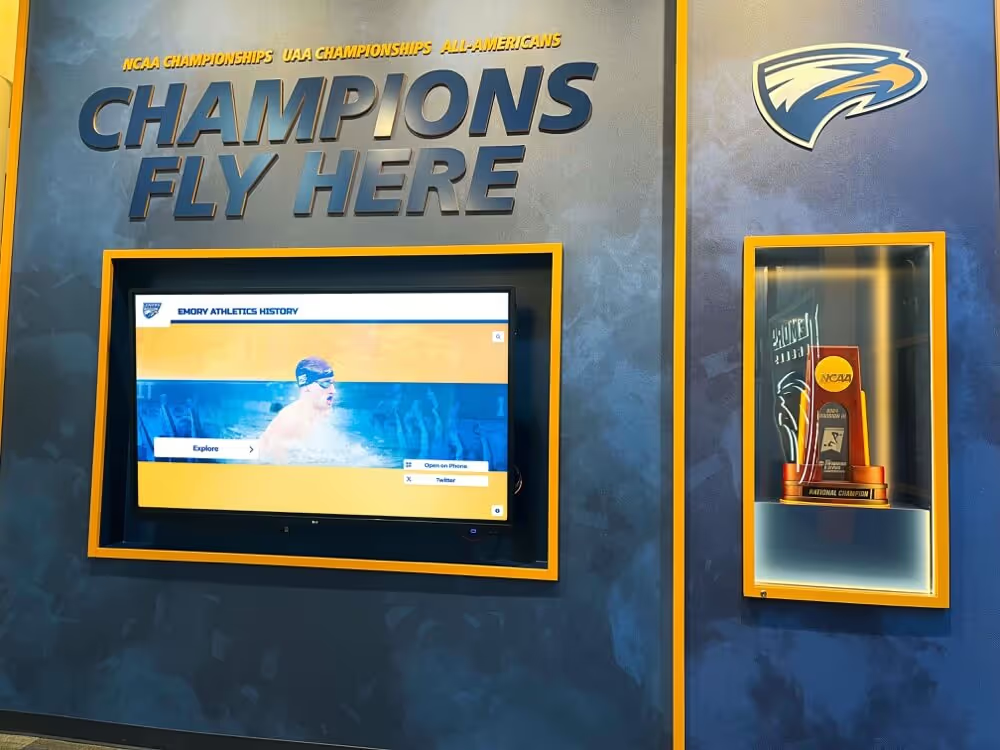
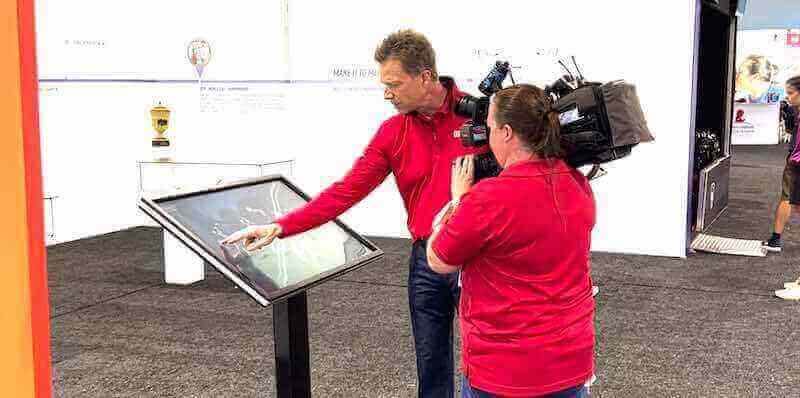
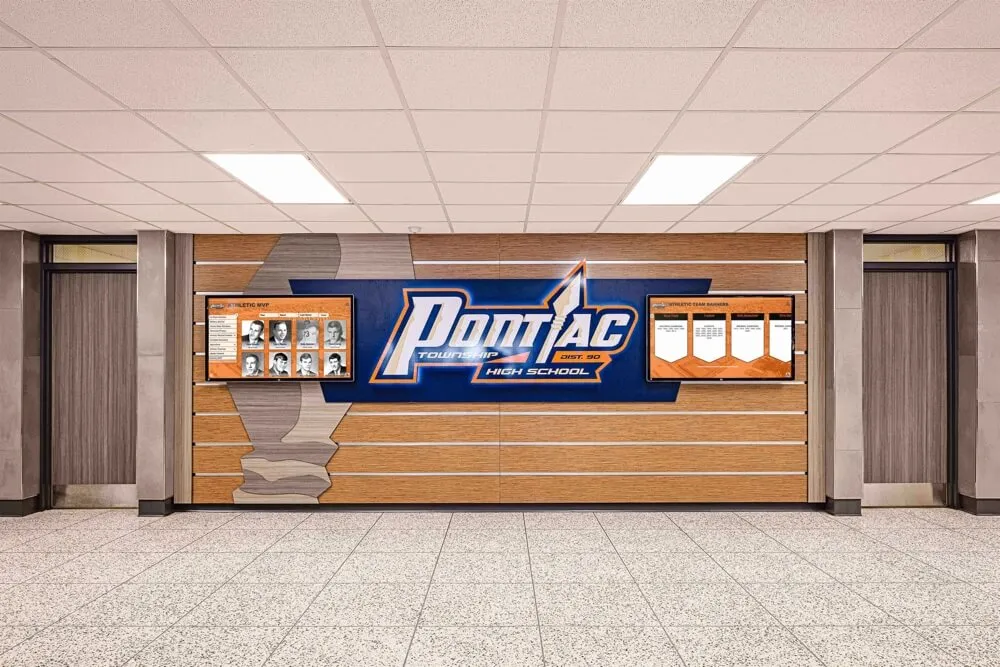
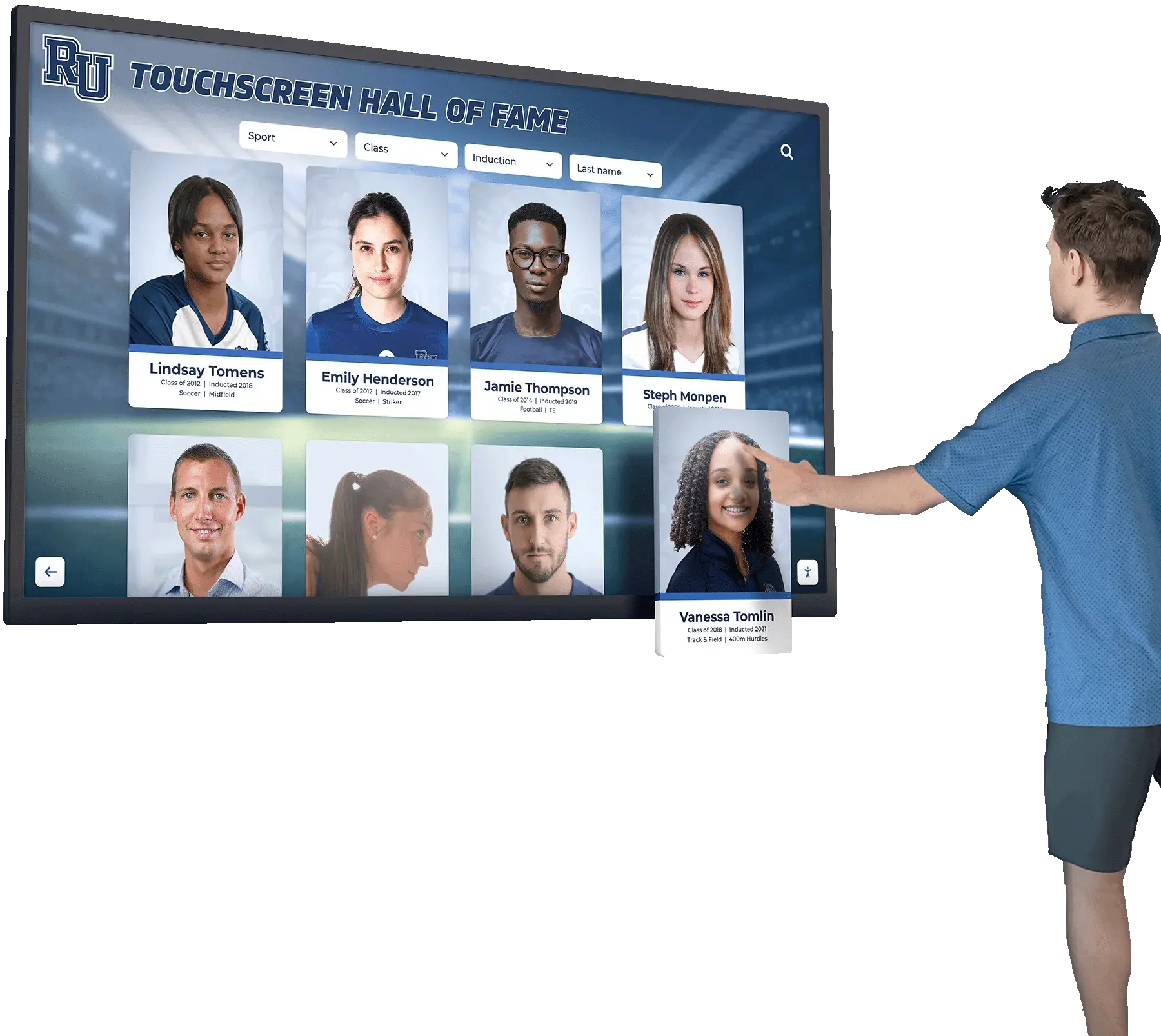
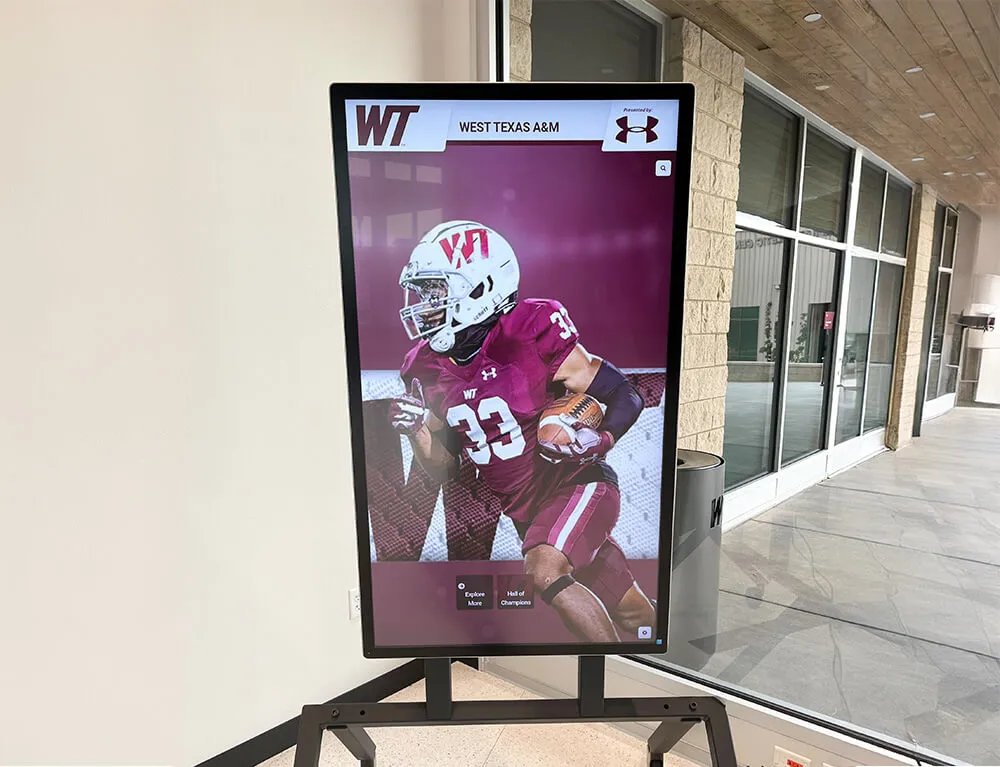
Modern touchscreen technology transforms historical preservation into engaging interactive experiences
Why Digital Tools Matter for Historical Preservation
Understanding the strategic importance of digital heritage tools helps organizations justify technology investments while building stakeholder support for modernization initiatives.
The Limitations of Traditional Historical Displays
Traditional approaches to historical preservation and presentation create significant barriers to engagement and accessibility that digital tools effectively overcome.
Physical Space Constraints
Museums, schools, and heritage organizations face constant space limitations. Physical displays can accommodate only limited artifacts and information. Wall space fills quickly with plaques, photographs, and text panels. Trophy cases overflow. Storage rooms contain thousands of historical items that will never be viewed because no display space exists. When institutions possess rich historical collections but can showcase only a tiny fraction, most heritage value remains inaccessible to audiences who could benefit from exploring comprehensive archives.
Static Content That Cannot Evolve
Once physical exhibits are installed, updating them requires expensive renovations, time-consuming reinstallations, and often complete replacement of outdated materials. When new historical information is discovered, correcting existing displays proves impractical. As research reveals more context about historical events or individuals, static exhibits present increasingly incomplete or outdated interpretations. Organizations wanting to highlight different historical periods seasonally or coordinate exhibits with contemporary events find physical displays too inflexible for dynamic programming.
Limited Accessibility and Reach
Physical historical displays serve only visitors who can physically travel to specific locations during limited operating hours. Alumni living overseas never see institutional heritage exhibits. Researchers in distant cities cannot access archived materials without expensive travel. Students conducting evening research find facilities closed. Individuals with mobility limitations may be unable to reach displays or view materials behind glass cases. When historical content remains location-bound, its educational and cultural impact is severely constrained.
How Digital Tools Transform Historical Engagement
Modern digital technologies address traditional limitations while creating entirely new possibilities for historical storytelling and preservation.
Unlimited Capacity and Comprehensive Archives
Digital systems eliminate physical space constraints. Single touchscreen displays provide access to thousands of historical photographs, documents, artifacts, and stories—far more content than any physical exhibit could accommodate. Cloud-based archives store unlimited materials at minimal incremental cost compared to climate-controlled physical storage. Organizations can preserve and present complete historical collections rather than cherry-picking fragments that fit available display space.
According to digital archiving research, institutions implementing comprehensive digital heritage systems typically provide access to 50-100 times more historical content than was previously available through physical displays alone.
Dynamic Content That Stays Current
Cloud-based digital platforms enable instant updates from any internet-connected device. Correct historical errors immediately without physical reinstallation. Add newly discovered materials or photographs within minutes of acquisition. Rotate featured content highlighting different historical periods, anniversaries, or themes without touching display hardware. Schedule automatic content updates coordinating with academic calendars, reunion events, or community celebrations.
Solutions like Rocket Alumni Solutions provide intuitive content management requiring no technical expertise, enabling historians, educators, or administrators to update heritage displays as easily as posting to social media.
Universal Access Breaking Geographic Barriers
Digital heritage platforms extend access far beyond physical locations. Alumni worldwide explore institutional history from anywhere at any time. Researchers access digitized archives without travel expenses or scheduling constraints. Students conduct historical research at midnight from dorm rooms. Mobile apps enable smartphone access to heritage content from anywhere. Social sharing spreads historical stories across networks, exponentially expanding awareness and engagement.
When historical content lives online with searchable databases and intuitive interfaces, its educational and cultural impact multiplies dramatically compared to location-bound physical displays.
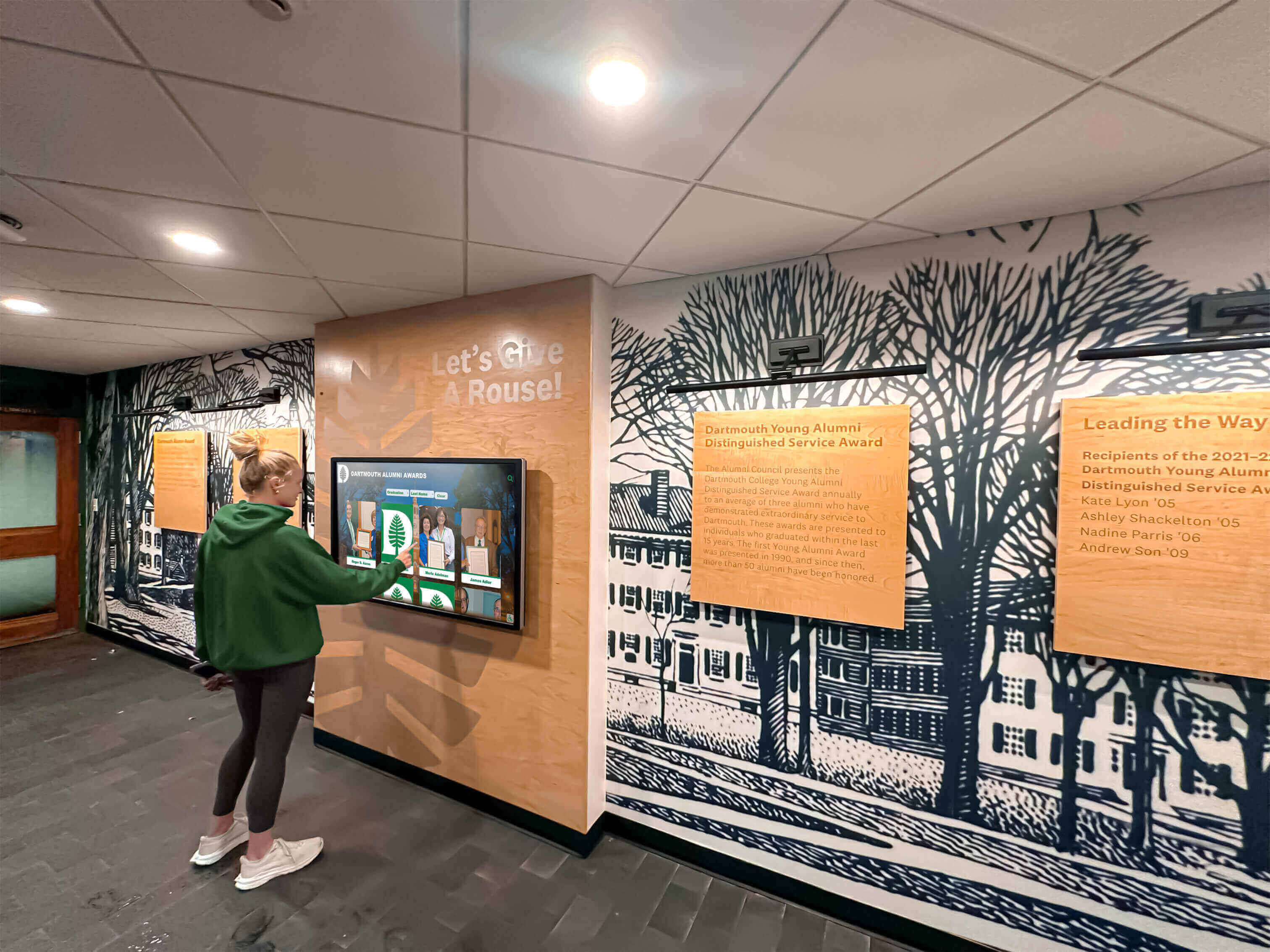
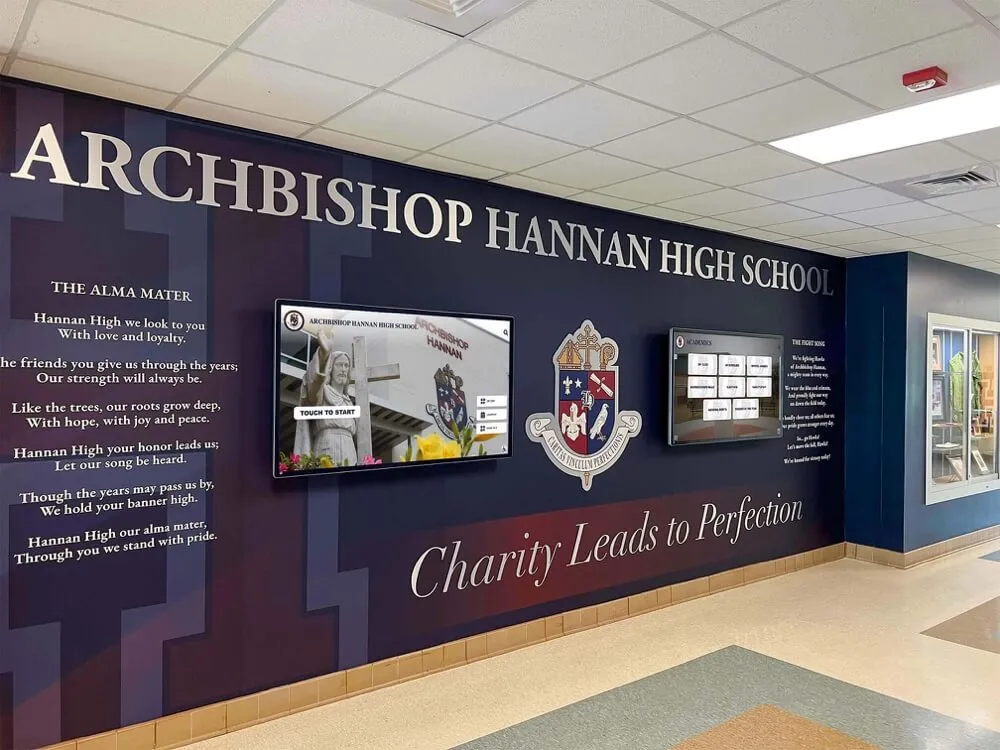
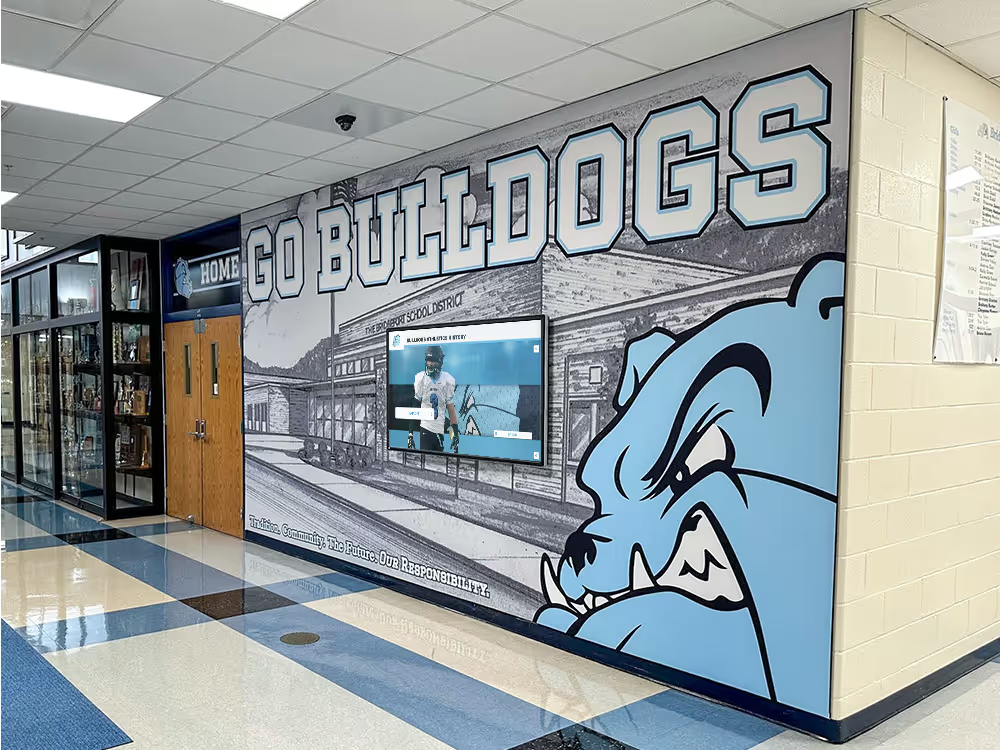
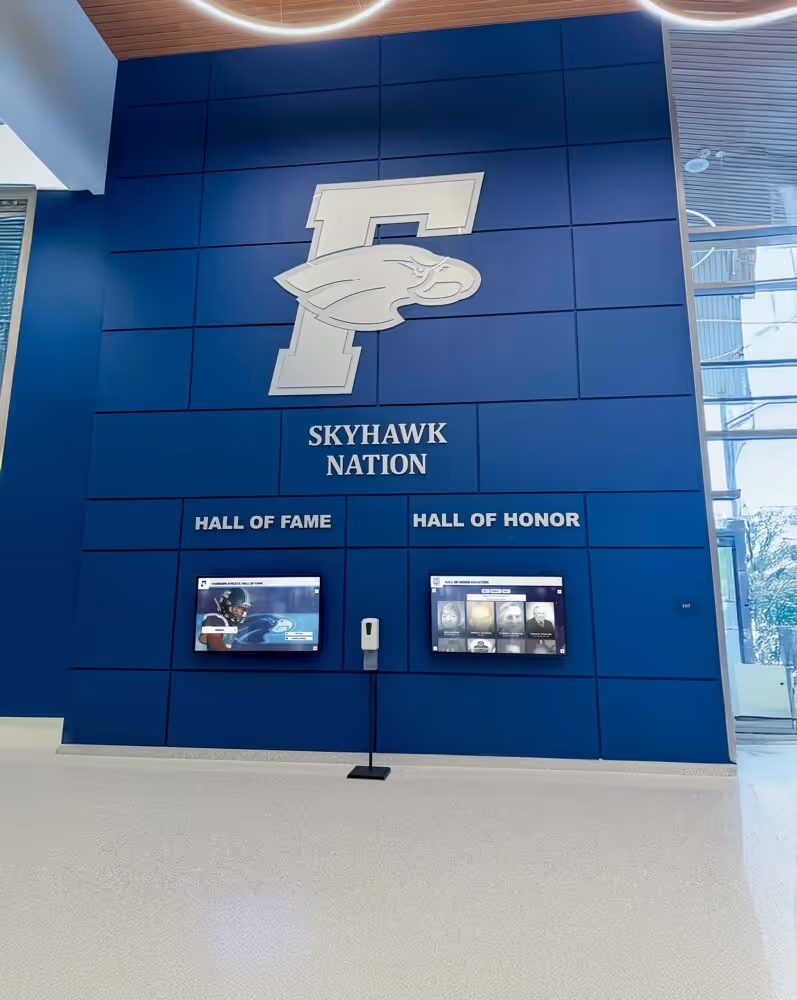
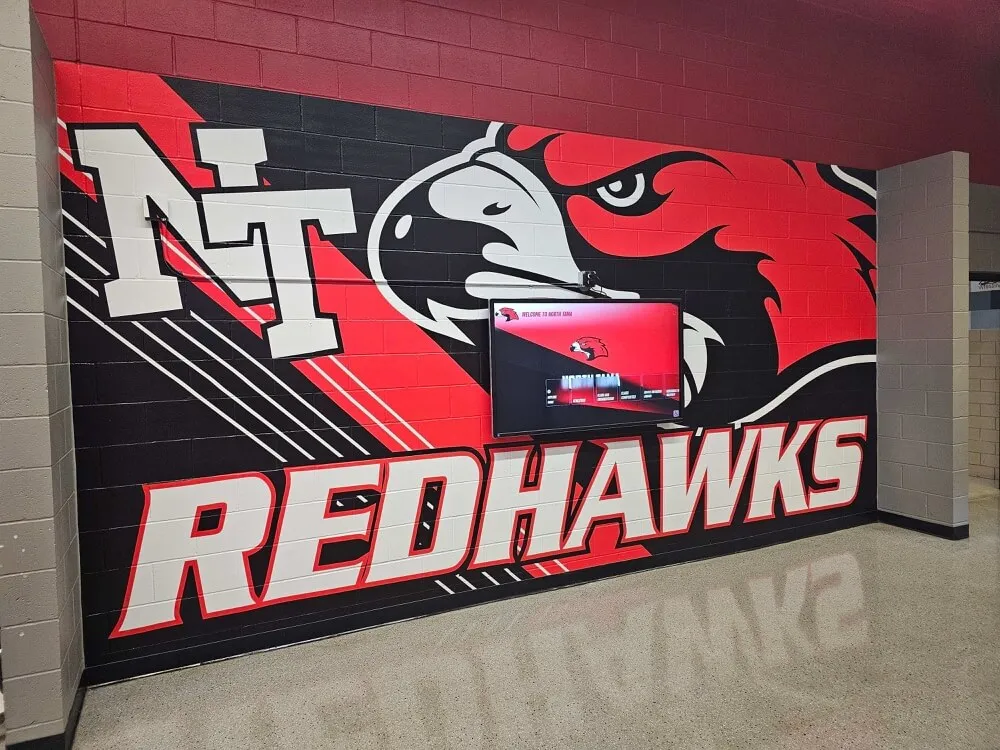
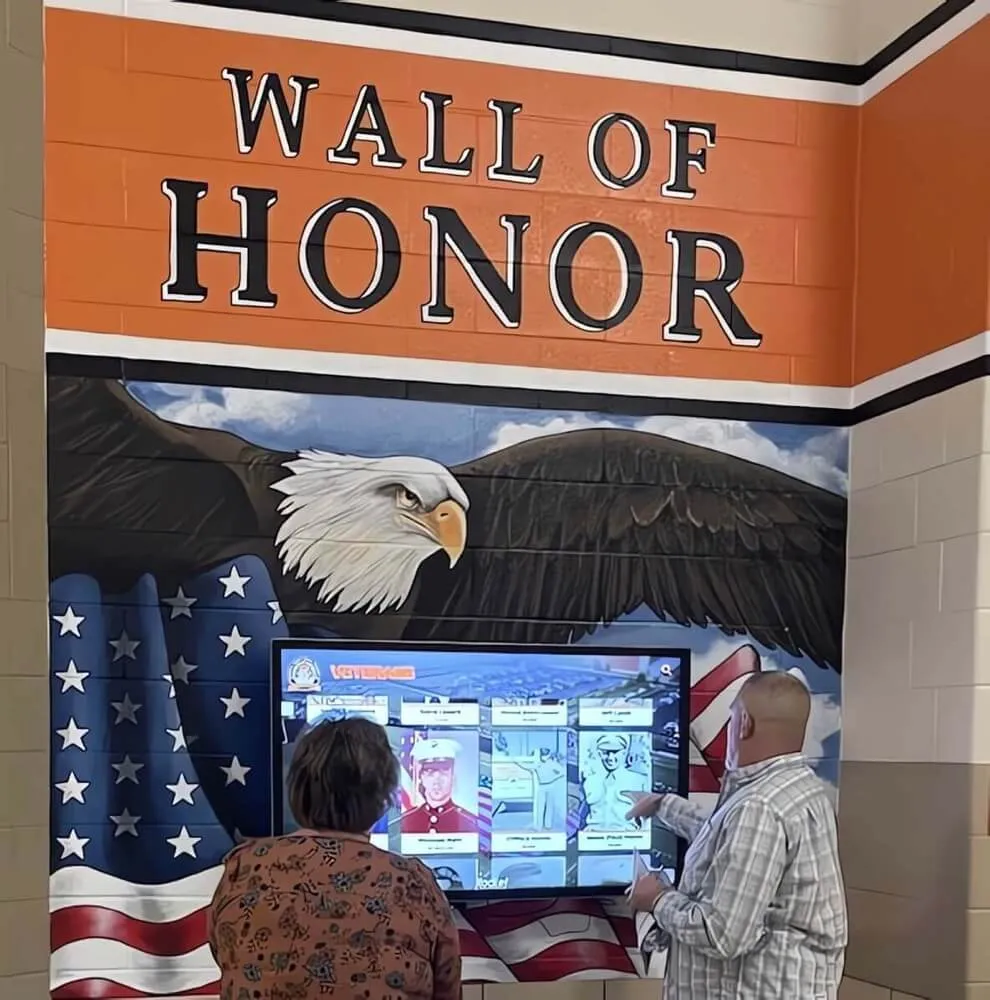
Interactive displays engage students with institutional history in familiar high-traffic locations
Enhanced Engagement Through Interactivity
Digital tools create fundamentally different engagement patterns compared to static displays where visitors passively read information.
Active Exploration Versus Passive Reading
Touchscreen interfaces invite active participation. Visitors search for specific names, dates, or topics of personal interest. Zoom into high-resolution historical photographs revealing details invisible in standard prints. Filter content by categories, time periods, or themes matching individual curiosity. Navigate through historical timelines at personal paces. Access related content through intuitive connections impossible in linear physical exhibits.
Research on museum technology indicates that visitors spend 3-4 times longer engaging with interactive digital exhibits compared to equivalent static displays, demonstrating dramatically increased attention and information retention.
Multimedia Storytelling Creating Emotional Connections
Digital platforms enable rich multimedia presentations impossible with traditional text and static images. Historical video footage brings past eras to life. Audio recordings preserve voices and sounds from earlier decades. Interactive maps show geographic change over time. Comparison sliders reveal facilities or communities transforming across decades. Documentary-style presentations combine photographs, text, video, and narration into compelling historical narratives.
When history incorporates multiple sensory dimensions and dynamic presentations, it creates emotional connections that static text alone cannot achieve.
Personalized Discovery and Relevance
Digital heritage systems enable personalized exploration paths. Alumni search for specific graduation years finding classmates and experiences from their eras. Genealogy researchers trace family members through searchable archives. Students investigating specific historical topics find relevant materials instantly rather than browsing randomly. Recommendation systems suggest related content based on viewing patterns, encouraging deeper exploration.
Personalization transforms history from generalized institutional narratives into personally meaningful discoveries that strengthen individual connections to heritage.
Learn about comprehensive approaches to preserving school history that integrate digital tools with traditional preservation methods.
Essential Digital Tools for Interactive Historical Preservation
Understanding available technologies helps organizations select appropriate solutions matching specific needs and resources.
Interactive Touchscreen Display Systems
Touchscreen technology forms the foundation of modern interactive historical presentations.
Commercial-Grade Interactive Displays
Professional touchscreen systems designed for continuous institutional use provide reliability consumer devices cannot match. Commercial displays operate 16-24 hours daily for years without failure. Industrial touchscreens withstand heavy public use in high-traffic areas. Brightness specifications ensure visibility in well-lit spaces. Screen sizes from 42 to 86 inches accommodate various viewing distances and space constraints. Anti-glare coatings prevent sunlight interference.
Quality interactive displays cost $2,000-$8,000 depending on size and specifications—representing significant but worthwhile investments for heritage presentations serving communities for decades.
Touchscreen Kiosk Solutions
Freestanding kiosks provide portable, self-contained interactive heritage stations ideal for lobbies, libraries, visitor centers, or temporary exhibits. Integrated computer systems eliminate separate equipment racks. Built-in mounting provides professional appearance and security. Accessibility designs ensure ADA compliance. Cable management conceals wiring. Some kiosks include printers enabling visitors to capture historical information as physical takeaways.
Explore advanced touchscreen kiosk software designed specifically for heritage and educational applications.
Wall-Mounted Display Systems
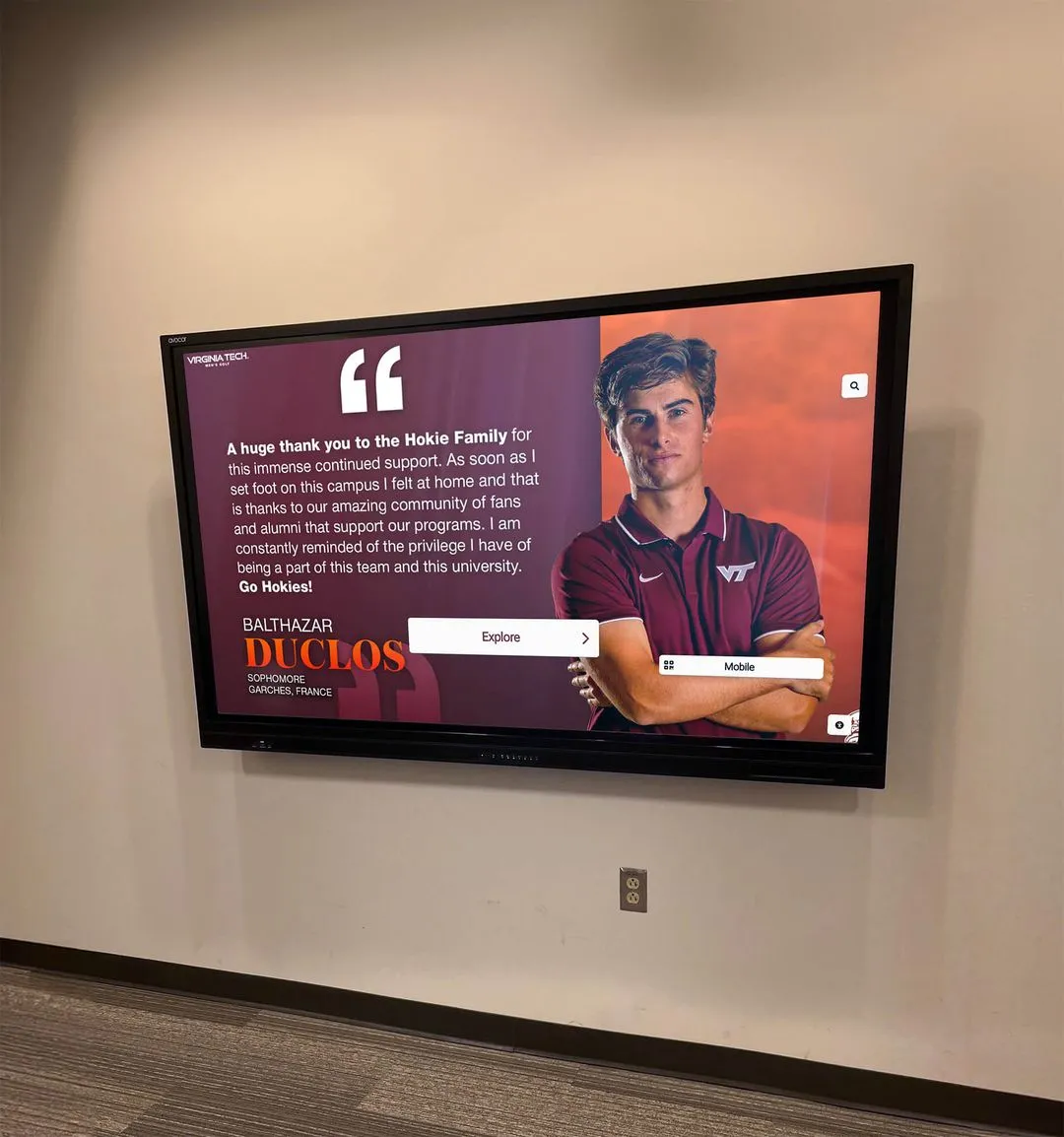
Slim profile displays mount flush to walls creating integrated presentations in hallways, common areas, or dedicated heritage spaces. Wall mounting saves floor space while positioning screens at optimal viewing heights. Landscape or portrait orientations accommodate different content layouts. Vandal-resistant mounting hardware provides security in public environments. VESA-compatible brackets enable easy installation on various wall types.
Wall-mounted heritage displays integrate seamlessly with traditional exhibits—digital screens alongside physical artifacts create hybrid presentations combining both approaches’ strengths.
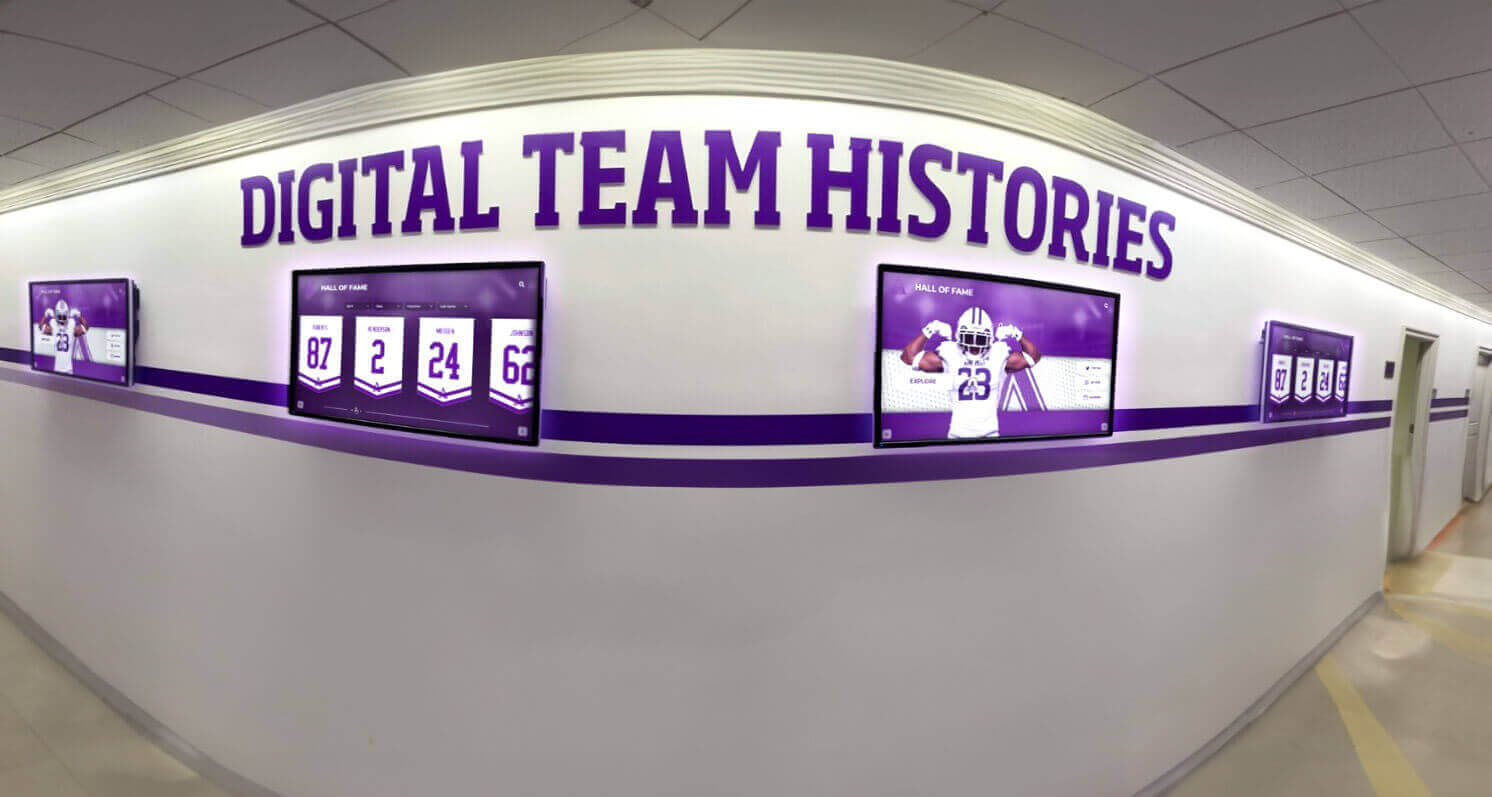
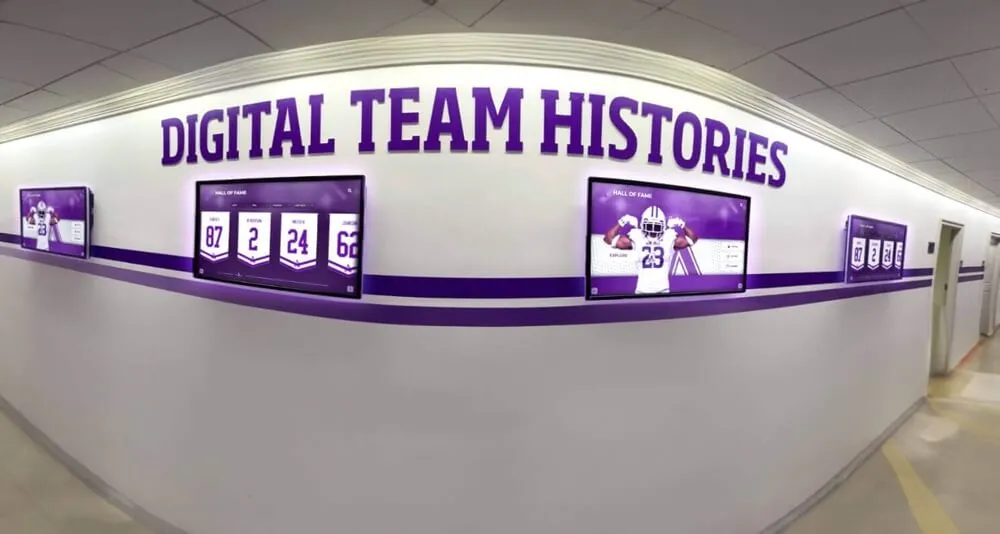
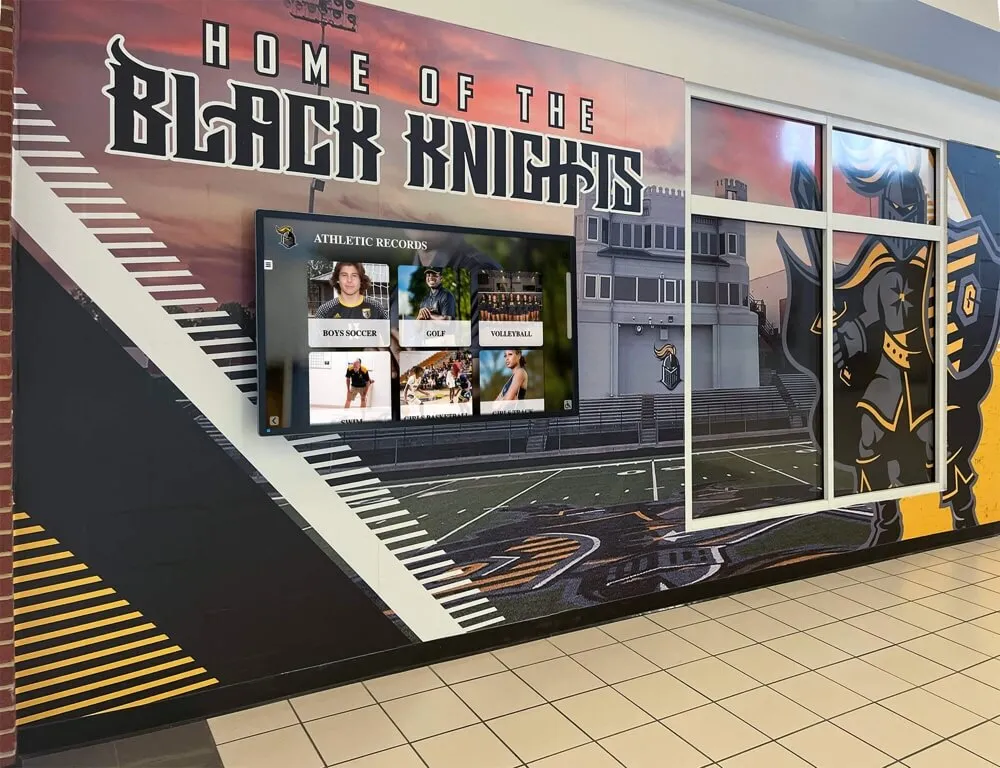
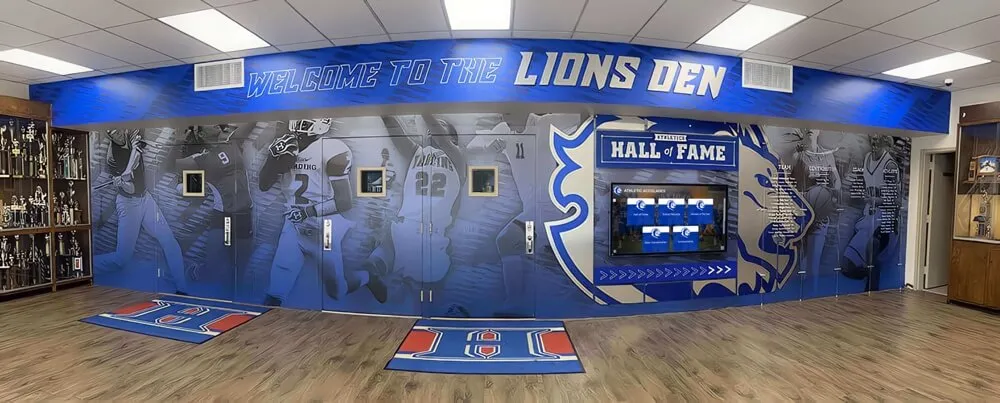
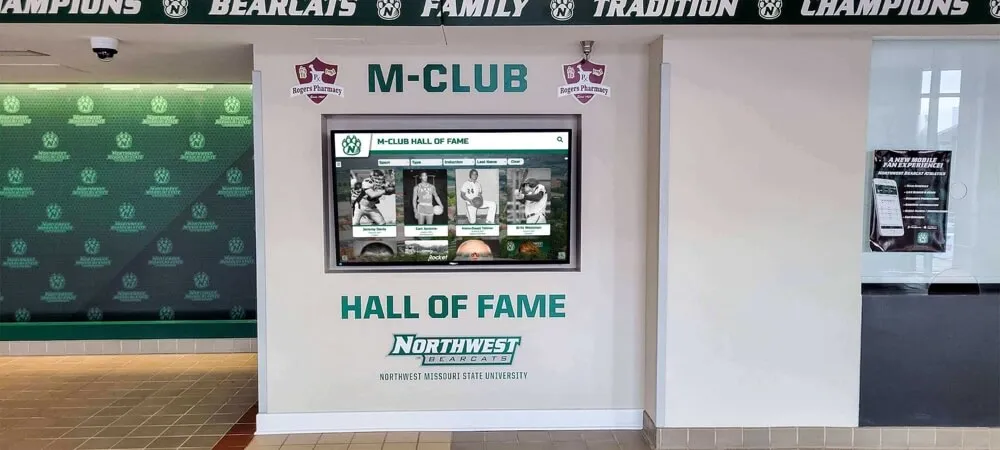
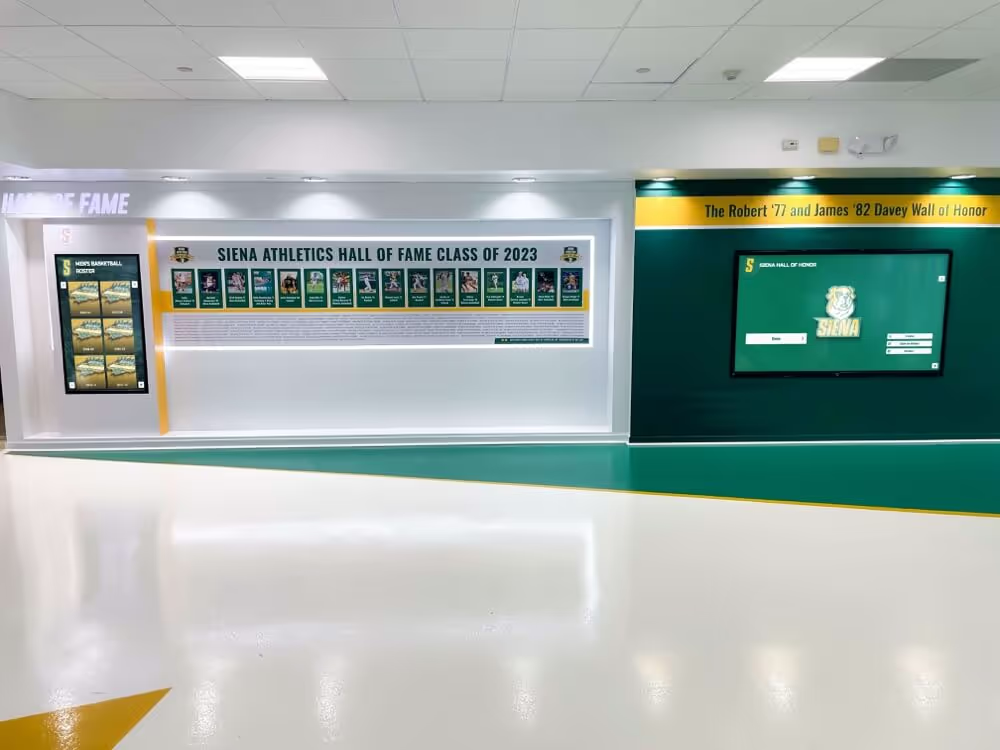
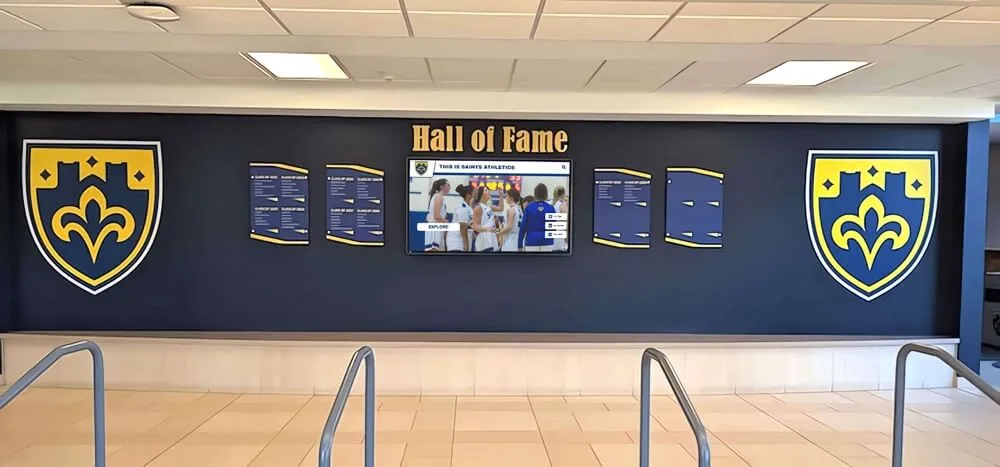
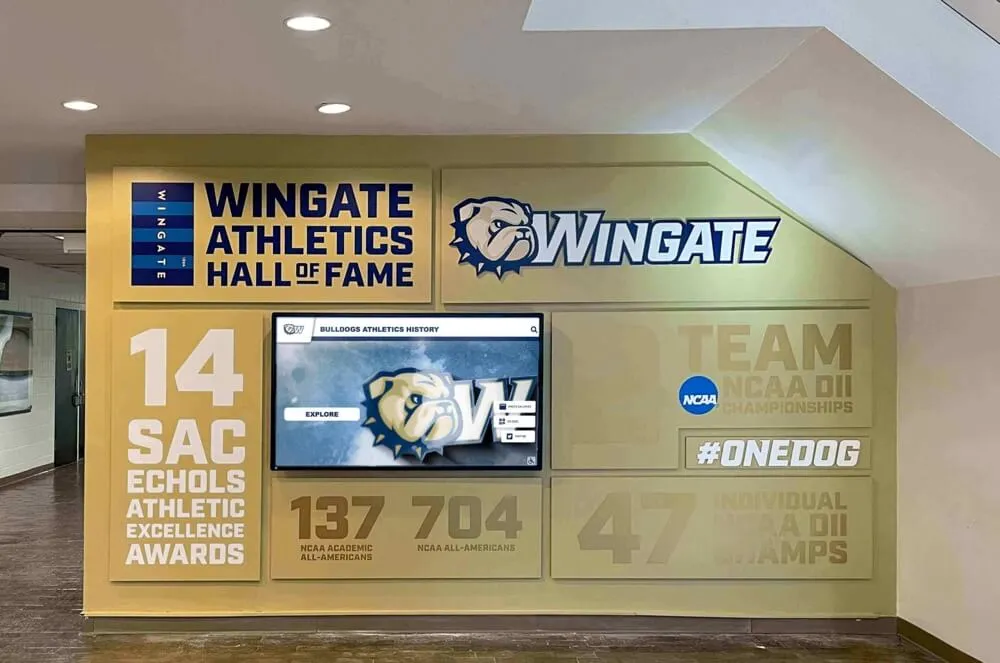
Multiple coordinated displays enable comprehensive historical storytelling throughout facilities
Digital Archiving and Scanning Technologies
Preserving physical historical materials through high-quality digitization protects irreplaceable content while enabling universal access.
Professional Document and Photo Scanners
Quality flatbed scanners digitize historical photographs, documents, yearbooks, and printed materials with archival-grade quality. Minimum 600 DPI optical resolution captures sufficient detail for preservation and display. Large format scanners accommodate oversized materials like architectural drawings, newspapers, or poster-sized photographs. Film and negative scanning attachments digitize photographic originals predating paper prints. Color calibration ensures accurate reproduction of original materials.
Professional archival scanners cost $300-$2,000 depending on capabilities—essential investments for comprehensive historical digitization projects.
Overhead Book Scanners
Purpose-built book scanners digitize bound volumes without damaging fragile bindings. V-shaped cradles support books at natural opening angles. Overhead cameras or scanning elements eliminate pressure on spines. Glass plates gently flatten pages without binding stress. Automatic page detection accelerates workflow. These systems prove essential for digitizing old yearbooks and rare historical volumes that cannot withstand traditional flatbed scanning.
3D Scanning and Photogrammetry
Advanced digitization captures three-dimensional artifacts enabling virtual examination from any angle. 3D scanners create detailed models of historical objects, trophies, or architectural elements. Photogrammetry software converts multiple photographs into 3D reconstructions. These digital models enable virtual exhibits where users rotate objects, zoom to inspect details, or view artifacts too fragile or valuable for physical handling.
Optical Character Recognition (OCR) Software
OCR technology converts scanned page images into searchable text databases transforming static historical documents into research-ready digital archives. Modern OCR achieves 95-99% accuracy on quality source materials. Batch processing handles large document collections efficiently. Multiple language support accommodates diverse historical documents. Embedded searchable text enables instant name searches, keyword discovery, and comprehensive research impossible with image-only scans.
Cloud-Based Content Management Platforms
Sophisticated content management systems organize historical materials while enabling intuitive access through various interfaces.
Digital Asset Management Systems
Specialized platforms organize thousands of historical photographs, documents, videos, and artifacts through centralized databases with comprehensive metadata support, advanced search and filtering capabilities, collection organization by categories, time periods, and themes, access permissions controlling sensitive materials, version tracking documenting changes over time, and automated backups protecting against data loss.
Heritage-Specific Presentation Platforms
Solutions designed specifically for historical and educational applications—like Rocket Alumni Solutions—provide purpose-built features including intuitive interfaces requiring no technical expertise, timeline visualizations for chronological exploration, interactive maps showing geographic history, multimedia integration combining photos, videos, and audio, mobile-responsive design ensuring quality experiences on any device, and social features enabling community contributions and sharing.
Web Content Management Systems
General-purpose CMS platforms power online historical portals enabling worldwide access. WordPress, Drupal, and other systems support archival plugins creating sophisticated digital heritage websites. Template systems enable attractive presentation without custom development. Media libraries manage extensive photo and document collections. User management supports collaborative content development.
Learn about comprehensive interactive touchscreen software options for heritage applications.
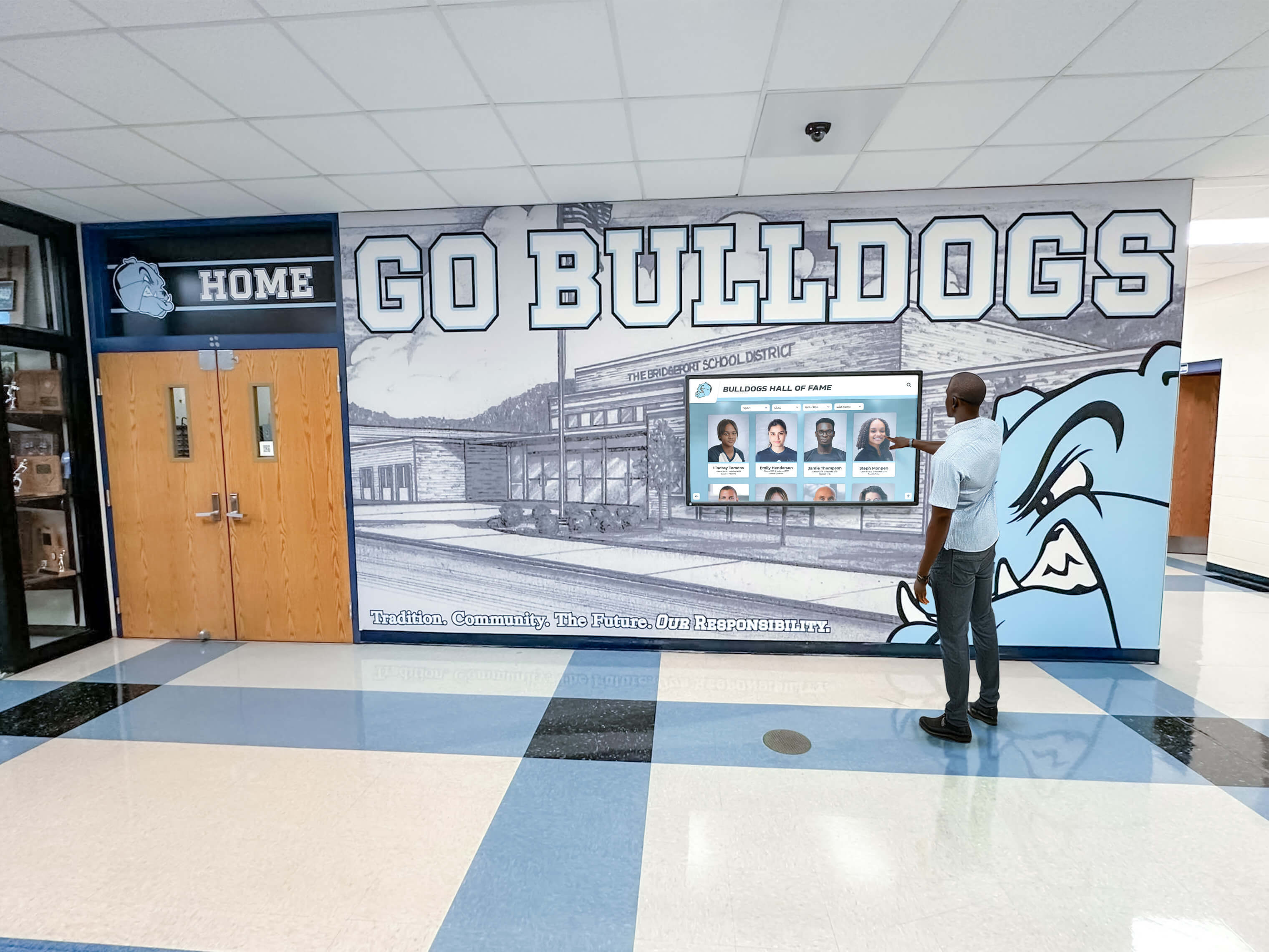
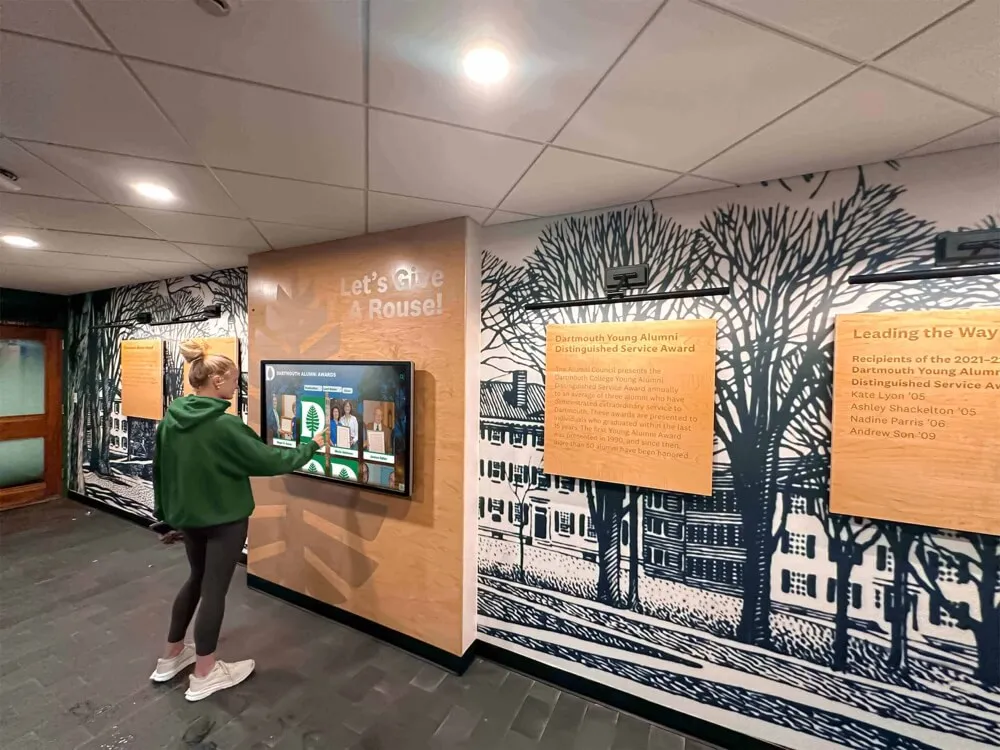
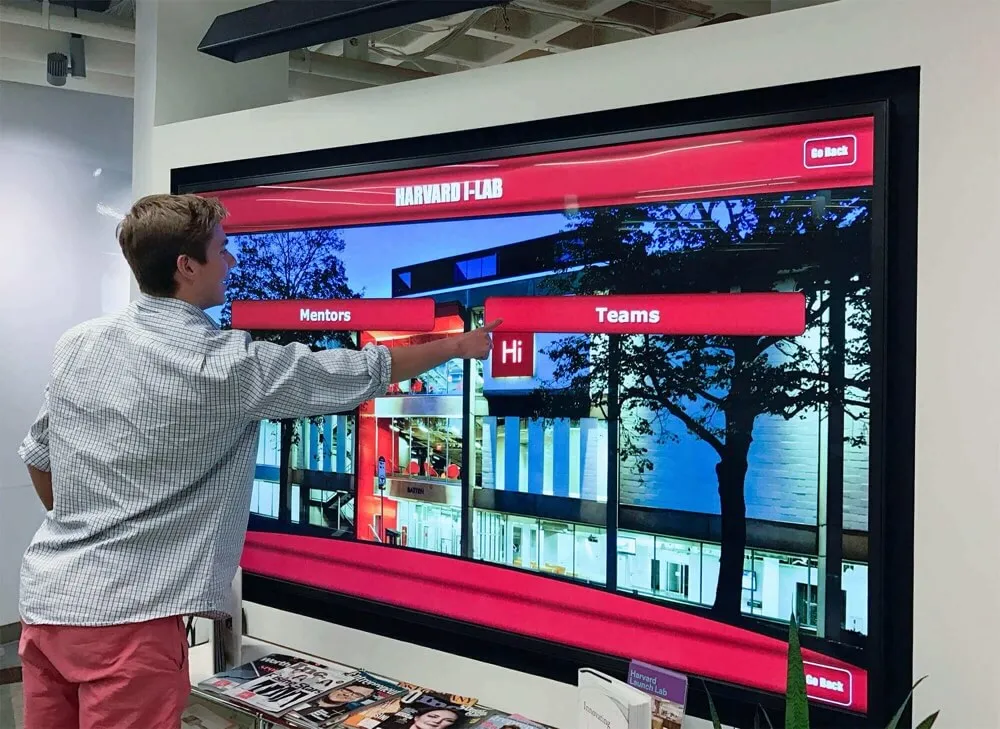
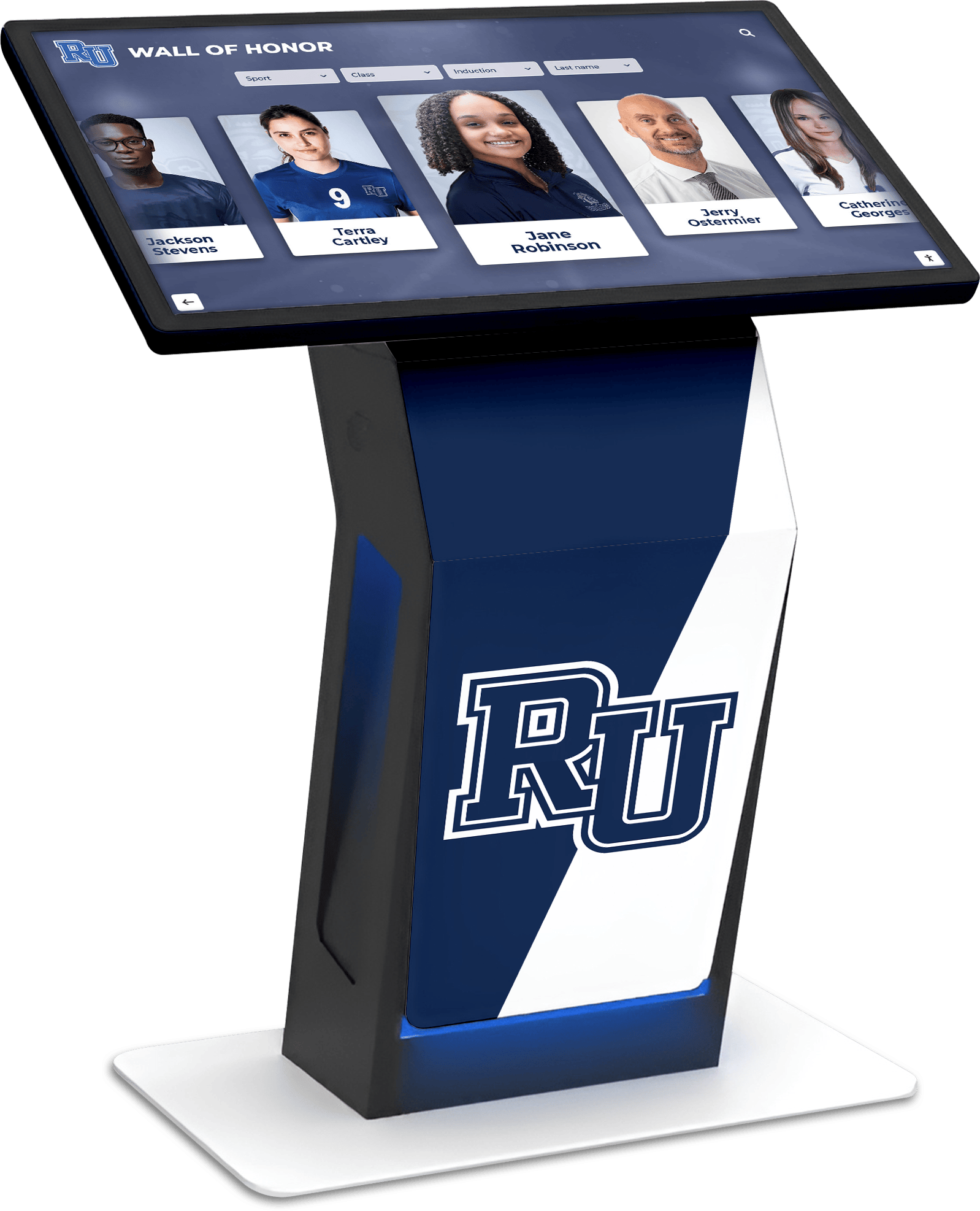
Intuitive touchscreen interfaces encourage exploration by visitors of all ages and technical abilities
Multimedia Production and Editing Tools
Creating compelling historical narratives requires tools for producing and refining multimedia content.
Video Editing Software
Professional video editors create documentary-style historical presentations combining archival footage, photographs, narration, and music. Adobe Premiere Pro and Final Cut Pro offer comprehensive capabilities for institutions with editing expertise. DaVinci Resolve provides powerful free alternative. User-friendly options like iMovie or Windows Video Editor enable basic editing without professional training. Motion graphics software adds animated maps, timelines, and infographics enhancing historical storytelling.
Audio Production Tools
Digital audio workstations record and edit oral histories, historical audio recordings, and narration for multimedia presentations. Audacity provides capable free audio editing. Professional tools like Pro Tools or Adobe Audition offer advanced capabilities. Noise reduction filters improve quality of historical recordings from decades past. Podcast-style productions make historical content accessible through modern distribution channels.
Photo Enhancement and Restoration
Image editing software breathes new life into deteriorated historical photographs. Adobe Photoshop remains industry standard for photo restoration. Free alternatives like GIMP provide capable editing for budget-conscious organizations. Restoration techniques repair damage, remove stains and tears, correct fading and discoloration, and enhance contrast making faded details visible. AI-powered restoration tools increasingly automate complex repairs that previously required expert manual work.
Virtual and Augmented Reality Technologies
Emerging technologies create immersive historical experiences impossible through traditional displays.
Virtual Reality Historical Reconstructions
VR technology recreates historical environments enabling visitors to explore buildings, communities, or events from past eras. 360-degree environments provide immersive sense of presence. Interactive elements allow examining details or triggering additional information. VR particularly benefits architectural history—walking through buildings demolished decades ago or experiencing historical events from first-person perspective.
Augmented Reality Overlay Systems
AR applications overlay digital historical information onto physical environments viewed through smartphones or tablets. Point devices at buildings to see historical photographs showing previous appearances. Historical figures appear as AR holograms in relevant locations telling their stories. Timeline overlays show facility evolution with before-and-after comparisons. AR bridges physical and digital heritage creating contextual experiences impossible with either approach alone.
While VR and AR represent emerging technologies requiring significant expertise and investment, decreasing costs and improving accessibility make them increasingly practical for comprehensive heritage programs.
Implementation: Creating Effective Digital Heritage Experiences
Successful digital historical preservation requires thoughtful planning and systematic execution ensuring technology serves heritage goals effectively.
Planning and Needs Assessment
Begin with comprehensive evaluation establishing clear requirements and realistic expectations.
Inventory Historical Materials
Document existing historical collections including photographs, documents, and artifacts in archives, yearbooks and publications scattered across locations, audio and video recordings requiring digitization, oral history opportunities with longtime community members, and physical artifacts and memorabilia currently stored or displayed.
Comprehensive inventory reveals preservation needs, identifies highest-priority materials, estimates project scope, and enables realistic timeline and budget development.
Define Objectives and Success Criteria
Establish specific heritage program goals including preservation protecting irreplaceable materials from loss or deterioration, access expansion reaching worldwide audiences beyond physical visits, engagement enhancement creating more compelling historical experiences, education supporting curriculum and research applications, and community building strengthening connections to shared heritage.
Clear objectives guide technology selection, content development priorities, and evaluation frameworks measuring program success.
Assess Resources and Constraints
Evaluate available resources including budget for equipment, software, and services, personnel capacity and technical expertise, physical spaces for display installations, existing technology infrastructure, and timeline flexibility for phased implementation.
Realistic resource assessment prevents overambitious plans that stall incomplete while identifying achievable starting points building toward comprehensive visions.
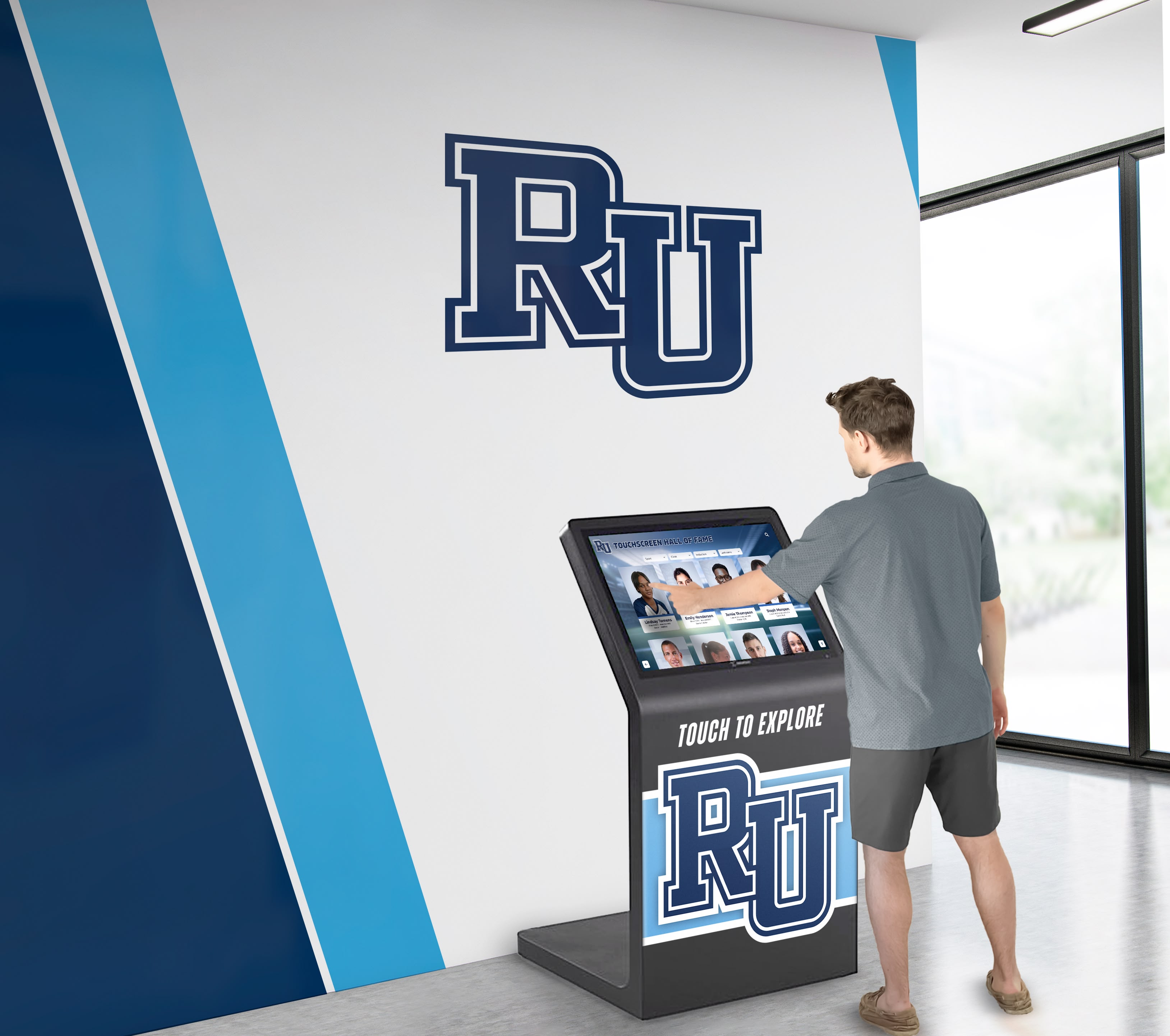
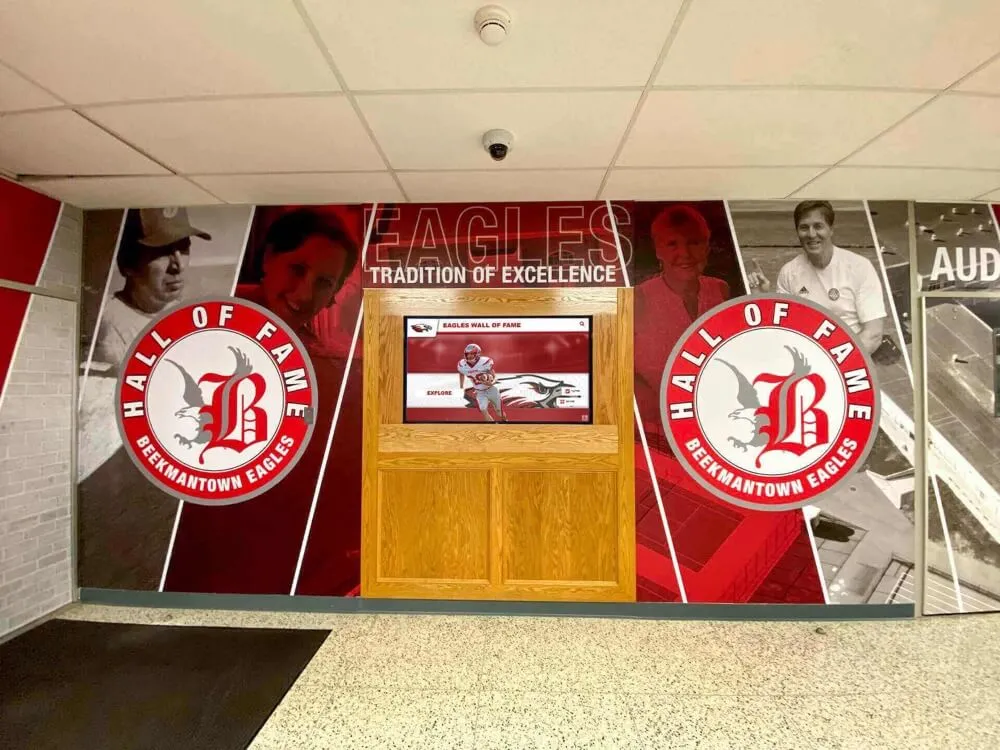
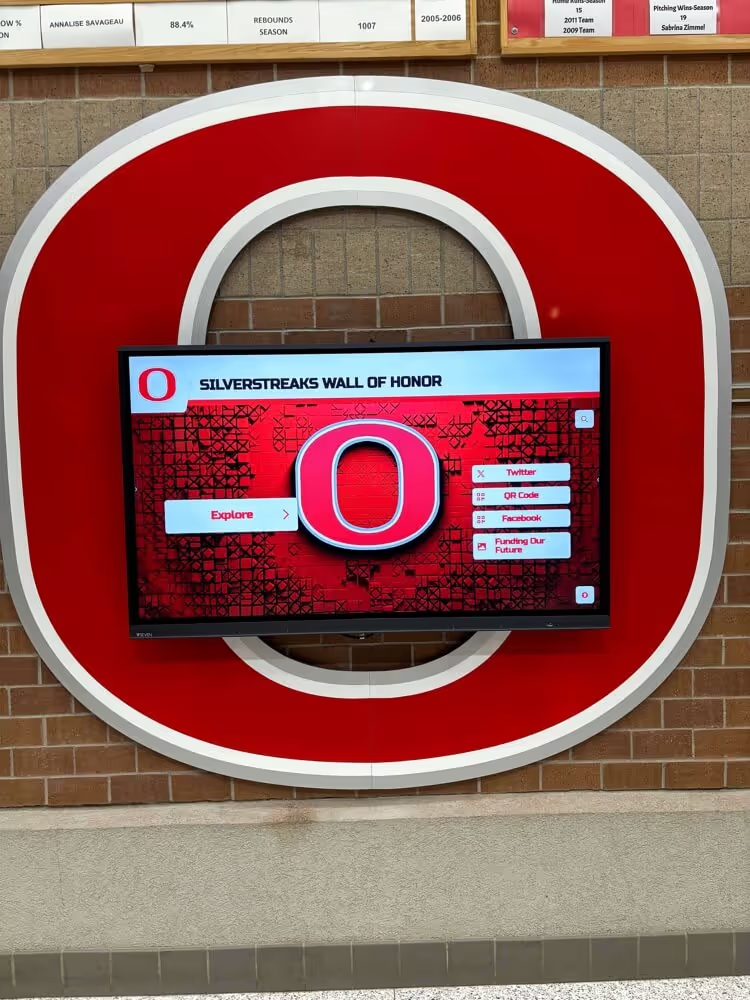
Strategic lobby placements create impressive heritage presentations welcoming visitors and prospective families
Content Development and Digitization
High-quality content forms the foundation of effective digital heritage experiences.
Systematic Digitization Workflows
Establish consistent processes ensuring quality and efficiency across large historical collections. Photograph or scan materials following archival standards. Create master preservation files at high resolution. Generate access copies optimized for various display contexts. Implement quality control catching problems during digitization rather than discovering defects later. Document provenance and context for each digitized item. Store redundant backups following 3-2-1 backup rules.
Systematic workflows prevent inconsistencies and quality issues while maximizing efficiency when processing thousands of individual historical items.
Metadata Creation and Documentation
Comprehensive metadata ensures historical materials remain findable, usable, and properly contextualized. Document dates, people, locations, and events depicted. Record source information and provenance. Include subject categories and keywords enabling discovery. Note copyright and usage rights. Provide historical context explaining significance. Enable community contributions adding knowledge over time.
Rich metadata transforms collections of digital files into searchable historical archives where researchers, students, and community members quickly find relevant materials matching diverse inquiry needs.
Multimedia Content Production
Create engaging presentations combining historical materials with modern storytelling techniques. Record oral history interviews with longtime community members sharing first-person memories. Produce documentary-style videos weaving photographs, documents, and narration into compelling narratives. Create interactive timelines showing historical evolution across decades or centuries. Develop comparison presentations revealing change over time through side-by-side views.
Multimedia storytelling makes history more accessible and engaging than text or static images alone, particularly for younger audiences expecting dynamic content.
Learn about effective digital art gallery approaches applicable to historical image presentations.
Display Design and User Experience
Thoughtful interface design determines how effectively visitors engage with digital historical content.
Intuitive Navigation and Search
Design interfaces enabling effortless content discovery through clear visual hierarchies guiding attention appropriately, simple touch gestures familiar from smartphones, chronological timelines supporting temporal browsing, category filters organizing content by themes, full-text search finding specific names or topics, and featured content highlighting particularly significant or compelling materials.
User testing with diverse audiences—from children to seniors—ensures interfaces work intuitively for all skill levels rather than requiring technical sophistication.
Accessible Design for All Visitors
Create inclusive experiences accommodating diverse needs through appropriate screen heights and touch target sizes, high-contrast viewing modes for visual accessibility, text sizing adjustments supporting readability preferences, audio descriptions for visually impaired visitors, multilingual support serving diverse communities, and simple operation requiring minimal instructions.
Accessibility benefits everyone while ensuring historical content reaches all community members regardless of ability or background.
Aesthetic Integration with Physical Spaces
Design digital displays complementing rather than conflicting with existing architecture and traditional exhibits. Match screen mounting and framing to facility aesthetics. Coordinate color schemes and design elements with institutional branding. Balance modern technology with historical context—overly futuristic displays may feel inappropriate in traditional heritage settings while extremely dated designs fail to leverage technology’s capabilities.
Thoughtful aesthetic integration helps digital heritage displays feel like natural enhancements rather than jarring intrusions.
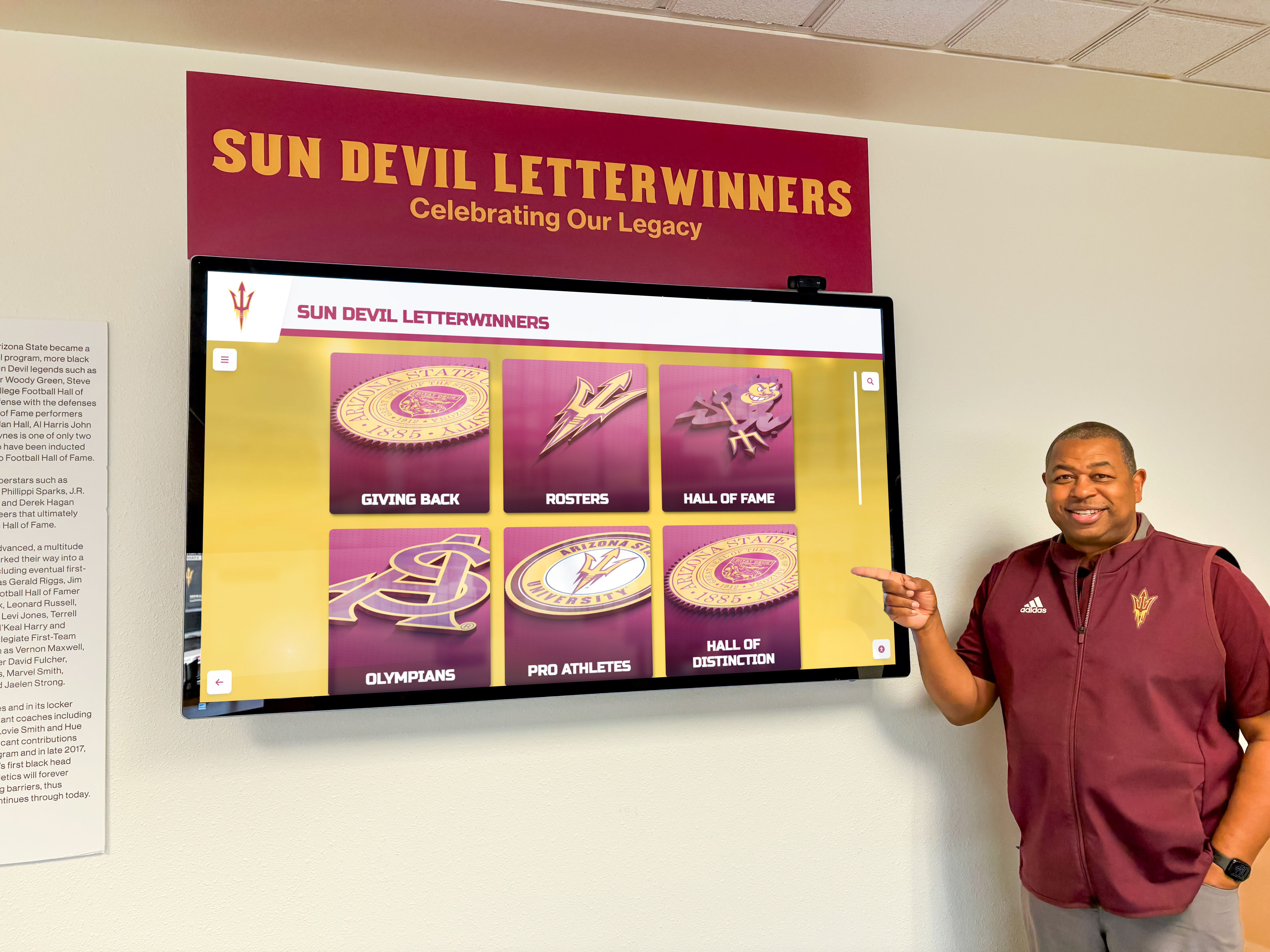
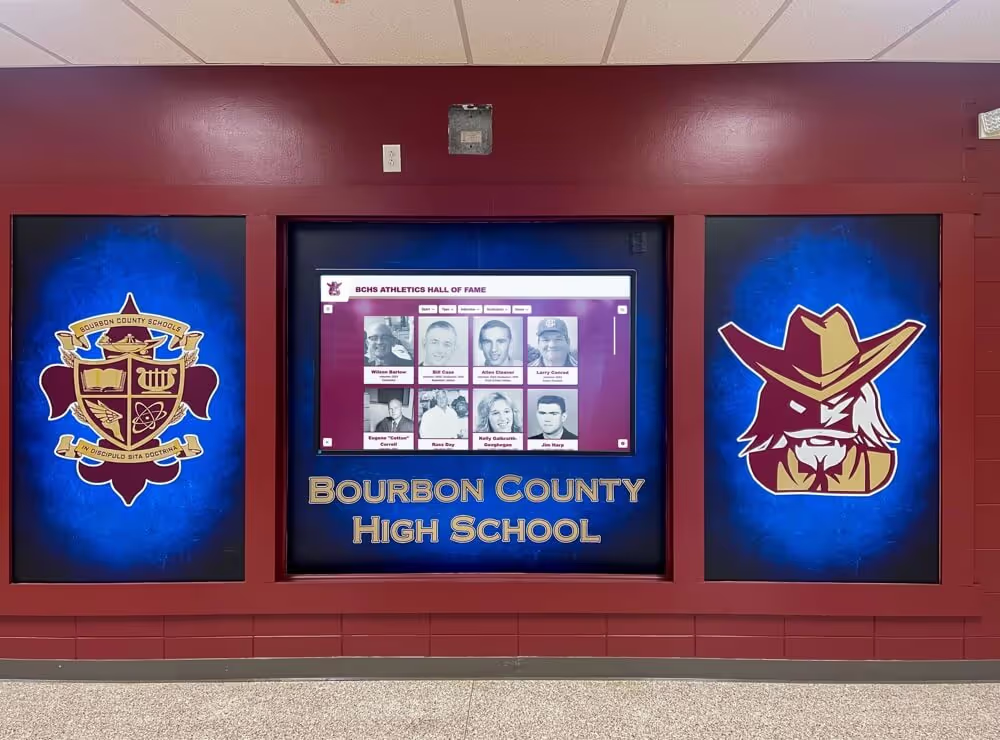
Comprehensive heritage displays combine photographs, statistics, and interactive elements for rich storytelling
Online Heritage Portals and Remote Access
Extend digital heritage benefits beyond physical display locations through web-based platforms.
Website Development and Online Archives
Create dedicated online portals providing worldwide access to historical collections through searchable databases supporting keyword and advanced queries, gallery views enabling visual browsing, high-resolution viewing with zoom capabilities, downloadable content for personal and educational use, social sharing spreading heritage content across networks, and responsive design ensuring quality mobile experiences.
Online access particularly benefits distant community members unable to visit physical locations regularly while providing 24/7 availability unconstrained by facility hours.
Mobile Applications
Custom mobile apps offer optimized experiences for smartphone and tablet users including offline access to downloaded content, GPS-triggered historical information about nearby locations, push notifications highlighting new additions or upcoming events, personalized collections saving favorite historical items, and simplified interfaces optimized for small screens and touch interaction.
Virtual Tours and Digital Exhibits
Create online-only presentations leveraging digital capabilities impossible in physical spaces. Virtual museum tours enable exploring historical spaces remotely. Curated digital exhibits combine materials from multiple collections around specific themes. Interactive experiences gamify historical exploration. These digital-native experiences reach audiences who never visit physical locations while offering new perspectives to those who do.
Community Engagement and Crowdsourcing
Successful digital heritage programs engage communities as active participants rather than passive audiences.
Photo Identification and Historical Research
Leverage distributed community knowledge through crowdsourcing identifying people in unlabeled historical photographs, correcting dates and locations in incompletely documented materials, providing context and stories associated with historical images, contributing additional photographs and documents from personal collections, and researching specific historical questions collaboratively.
Alumni, longtime residents, and family historians possess irreplaceable knowledge about historical materials. Systematic crowdsourcing captures this information before it’s lost as older generations pass away.
Oral History Collection Programs
Record first-person memories and perspectives through structured oral history initiatives interviewing longtime community members about historical periods they experienced, capturing stories associated with specific locations, events, or artifacts, documenting vanishing knowledge about traditions and practices, and creating audio and video content enriching digital heritage presentations.
Oral histories add human dimension and emotional depth impossible through photographs and documents alone, connecting present audiences to lived experiences of past eras.
Educational Programming and Student Engagement
Integrate digital heritage into educational activities through classroom projects researching and presenting historical topics, student digitization initiatives teaching practical archival skills, creative assignments producing multimedia historical content, service learning programs contributing to community heritage preservation, and student ambassador programs training peers to use heritage systems.
Educational integration serves current students while advancing heritage preservation and building future generations’ appreciation for institutional history.
Explore comprehensive historical timeline displays that organize heritage content chronologically.
Case Studies: Digital Tools Transforming Historical Preservation
Understanding real-world applications demonstrates how organizations successfully implement digital heritage technologies.
Educational Institutions: Making School History Accessible
Schools preserve decades or centuries of institutional heritage but struggle making historical materials accessible to students, alumni, and communities.
The Challenge
A college founded in 1895 possessed extensive historical collections including thousands of photographs from 130 years, complete yearbook archives since founding, championship trophies and memorabilia, faculty and alumni achievement records, and facility evolution documentation. Yet most materials remained in storage boxes seen only by archivists. Students walked past halls daily unaware of rich traditions they’d inherited. Alumni seeking connections to their school years found nothing accessible online. The institution wanted to honor its heritage while inspiring current students through historical connections.
The Digital Solution
The college implemented comprehensive digital heritage program combining interactive touchscreen displays in high-traffic campus locations, fully digitized and searchable yearbook archive spanning 130 years, online heritage portal accessible worldwide with advanced search capabilities, mobile-responsive design enabling smartphone access, and curated digital exhibits highlighting specific eras and themes.
Content management through platforms like Rocket Alumni Solutions enabled non-technical staff to update displays easily, add newly discovered materials continuously, and coordinate features with reunion events and anniversaries.
The Results
Within two years, the digital heritage system achieved usage by 75% of students reporting engagement with historical content, 40% increase in alumni website traffic and engagement metrics, reunion attendance growth of 25% attributed to heritage connection, major gift prospects responding positively to heritage cultivation, and crowdsourced contributions adding hundreds of identified photos and stories.
The college demonstrated that comprehensive digital tools transform hidden historical collections into living heritage resources strengthening institutional identity and community connections.
Learn about interactive announcements feeds that can integrate historical content with current campus communications.
Museums and Cultural Institutions: Expanding Access and Engagement
Museums balance preservation missions with engagement goals, seeking technologies that protect collections while creating compelling visitor experiences.
The Challenge
A regional history museum possessed remarkable collections documenting 200 years of community development. Physical display space accommodated just 3-4% of collection at any time. The vast majority of artifacts, photographs, and documents remained in climate-controlled storage unseen by public. Rotating physical exhibits required months of planning and thousands in installation costs. The museum sought ways to provide access to complete collections while creating more dynamic visitor experiences than static glass cases allowed.
The Digital Solution
The museum implemented multi-layered digital strategy including interactive touchscreen stations throughout galleries enabling virtual exploration of entire collections, digitized archive of 25,000+ photographs searchable by topic, person, location, and date, online collections database providing worldwide research access, mobile app offering gallery enhancements and virtual tours, and augmented reality experiences overlaying historical images onto current community locations.
Cloud-based management enabled curators to update digital content daily, showcase materials connecting to current events or anniversaries, and create virtual exhibits without physical installation costs.
The Results
Digital implementations achieved visitor time in museum increasing from 45 minutes to 90 minutes average, visitor satisfaction scores improving from 78% to 94%, website visitors growing from 3,000 to 35,000+ monthly, educational group visits doubling due to research capabilities, and membership renewals increasing 18% attributed to enhanced value.
Most significantly, the museum fulfilled its access mission by providing comprehensive collection visibility rather than limiting public view to tiny fraction fitting physical display space.
Heritage Organizations: Preserving Community History
Historical societies and genealogy organizations serve communities by preserving local history and enabling family research.
The Challenge
A county historical society maintained invaluable records including 15,000+ historical photographs documenting 150 years, cemetery records and obituaries from 1850-present, census data and vital records, property and business directories, and oral history recordings with longtime residents. But materials existed only in physical form requiring researchers to visit during limited volunteer-staffed hours. Fragile originals deteriorated through repeated handling. Geographic distance prevented most county residents from accessing their own community history.
The Digital Solution
The historical society partnered with libraries and universities to digitize complete collections through grant-funded systematic digitization following archival standards, comprehensive metadata creation enabling advanced searches, OCR text recognition making documents searchable, online database accessible 24/7 from anywhere, and training programs teaching community members to research using digital tools.
Volunteer-powered digitization engaged community members while keeping costs manageable. Purpose-built genealogy software organized materials specifically for family history research patterns.
The Results
Within five years, digital access achieved 50,000+ annual online research sessions from worldwide users, volunteer digitization engaging 150+ community members contributing 8,000+ hours, grants and donations totaling $75,000 supporting heritage preservation, educational partnerships creating student research projects, and media coverage raising organizational profile and community awareness.
The historical society transformed from under-utilized facility serving dozens annually to vital resource serving thousands through digital access while preserving irreplaceable materials from loss.
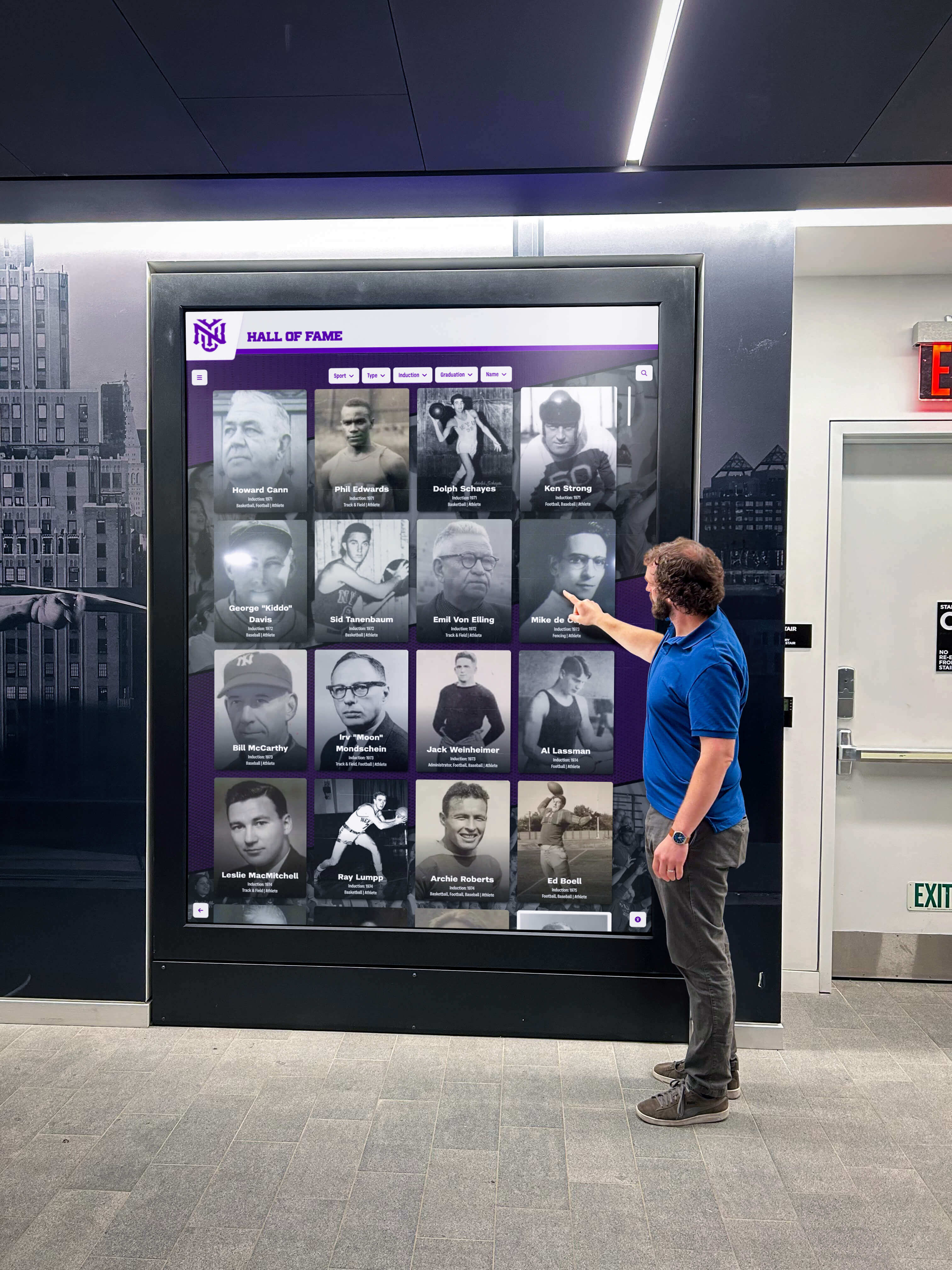
Interactive heritage displays create destination experiences encouraging extended visitor engagement
Best Practices for Sustainable Digital Heritage Programs
Successful implementations follow proven approaches ensuring long-term effectiveness rather than abandoned pilot projects.
Start with Clear Objectives and Measurable Goals
Define specific outcomes digital heritage programs should achieve. Preservation protecting materials from loss or deterioration. Access expanding who can engage with historical content and how. Education supporting curriculum and research applications. Engagement strengthening community connections to shared heritage. Revenue enhancing membership, admissions, or donations through heritage value.
Measurable goals enable demonstrating success including usage statistics showing visitor engagement, user feedback documenting satisfaction and impact, educational outcomes measuring student learning, and community contributions reflecting participation and investment.
Clear objectives guide technology selection, content priorities, resource allocation, and evaluation ensuring heritage investments deliver meaningful returns.
Prioritize Content Quality Over Quantity
Better to digitize limited materials to archival standards than rush through extensive collections creating poor-quality digital surrogates. High-resolution scanning preserves maximum detail from originals. Comprehensive metadata enables effective searching and contextual understanding. Quality control prevents errors requiring time-consuming later correction. Thoughtful selection prioritizes most significant or vulnerable materials when resources limit comprehensive digitization.
Quality digital collections serve researchers and communities effectively for decades while rushed poor-quality digitization may require costly re-work or remain largely unusable.
Design for Diverse Audiences and Accessibility
Heritage programs serve varied constituencies from school children to senior researchers. Interfaces should accommodate diverse technical abilities through progressive disclosure revealing complexity as needed. Multiple access paths including search, browsing, and guided tours accommodate different discovery preferences. Accessibility features ensure disabled visitors receive equal experiences. Multilingual support serves diverse communities.
Universal design principles create experiences working well for everyone rather than segmenting audiences by ability or background.
Implement Sustainable Management and Update Workflows
Technology implementations fail when initial launch enthusiasm fades without sustainable ongoing management. Assign clear responsibility for content updates and system maintenance. Establish regular update schedules ensuring currency. Create workflows enabling non-technical staff to add content easily. Document processes preventing knowledge loss during personnel transitions. Budget for ongoing costs including software subscriptions, storage, and technical support.
Successful heritage programs become routine institutional operations rather than special projects requiring extraordinary effort.
Build Community Engagement and Participation
Heritage programs generate greatest impact when communities actively participate rather than passively consume content. Crowdsource historical knowledge through identification and research projects. Enable user contributions through comments, stories, and additional materials. Recognize contributors publicly building pride and participation. Create educational programs teaching digital heritage skills. Partner with related organizations multiplying resources and expanding reach.
Community-powered heritage initiatives build stakeholder investment ensuring long-term support and sustainability.
Learn about content strategies for digital recognition applicable to heritage programming.
Addressing Common Challenges in Digital Heritage Implementation
Organizations pursuing digital historical preservation encounter predictable obstacles—understanding challenges and proven solutions helps ensure successful outcomes.
Limited Budgets and Resource Constraints
Heritage preservation competes with immediate operational needs for limited resources.
Phased Implementation Strategies
Start with achievable pilot projects demonstrating value before seeking major investments. Digitize recent decades first generating immediate audience interest. Prioritize most vulnerable materials requiring urgent preservation. Focus initial displays in single high-traffic location before expanding throughout facilities. Build comprehensively over multiple years rather than attempting everything simultaneously.
Volunteer and Partnership Approaches
Leverage community assistance through volunteer digitization training programs, student service learning projects, partnerships with universities providing expertise, grant funding from historical societies and foundations, and in-kind contributions of equipment or services.
Creative resource development enables ambitious heritage programs without prohibitive budgets while building community investment in preservation success.
Technical Complexity and Staff Expertise
Organizations often lack staff with advanced technical skills for digital heritage implementations.
User-Friendly Platform Selection
Choose heritage technologies designed for non-technical users like purpose-built solutions requiring no coding or database expertise. Intuitive content management through familiar web interfaces. Extensive training resources including videos and documentation. Responsive technical support understanding institutional needs. Managed services handling technical infrastructure.
Solutions like Rocket Alumni Solutions specifically designed for schools and cultural institutions enable sophisticated digital heritage without requiring IT departments or technical specialists.
Professional Services and Expertise
Engage specialists for aspects requiring advanced skills including initial digitization to archival standards by professional services, system setup and customization by experienced consultants, training programs teaching staff sustainable management, and ongoing technical support addressing complex problems.
Strategic professional service investments enable successful implementations while building internal capacity for long-term sustainability.
Copyright and Intellectual Property Concerns
Organizations worry about legal implications of publishing historical materials online.
Educational and Fair Use Provisions
Educational institutions and nonprofit heritage organizations generally enjoy broad latitude for preserving and providing educational access to historical materials. Digitizing collections for archival preservation, educational instruction, and research typically falls within fair use even when copyright remains active. Consult intellectual property counsel for specific guidance based on your circumstances and materials.
Rights Management and Opt-Out Processes
Implement clear policies about what materials will be published and why. Provide straightforward processes enabling individuals to request removal if privacy concerns exist. Focus on materials originally created for public dissemination like published yearbooks, newspapers, or event programs. Obtain permissions when possible for materials with known copyright holders.
Transparent rights management and responsive processes demonstrate responsibility while enabling appropriate heritage access.
Maintaining Engagement After Initial Launch
Initial enthusiasm often fades as digital heritage becomes familiar.
Dynamic Content and Regular Updates
Keep heritage programs fresh through rotating featured content highlighting different eras or themes, new material additions maintaining novelty, seasonal programming coordinating with relevant events or anniversaries, user-generated content providing constantly evolving perspectives, and social media promotion spreading awareness beyond initial launch audiences.
Integrated Programming and Educational Partnerships
Embed heritage resources into ongoing activities through curriculum integration creating recurring classroom uses, research assignments requiring historical archive consultation, volunteer programs engaging community members continuously, special events celebrating heritage milestones, and partnership programs connecting heritage to broader community initiatives.
Successful digital heritage becomes living resource woven into institutional fabric rather than static exhibit gradually losing relevance.
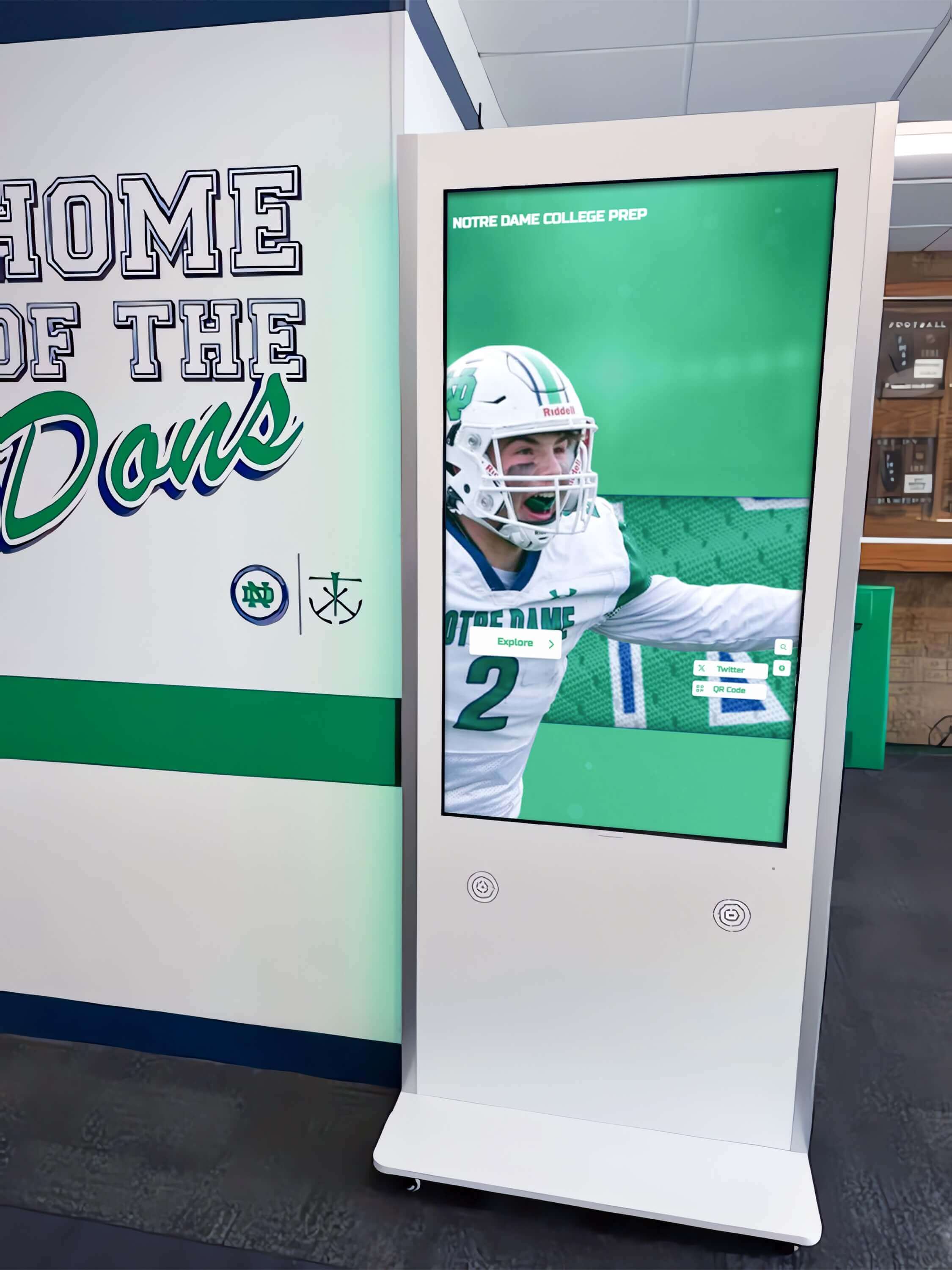
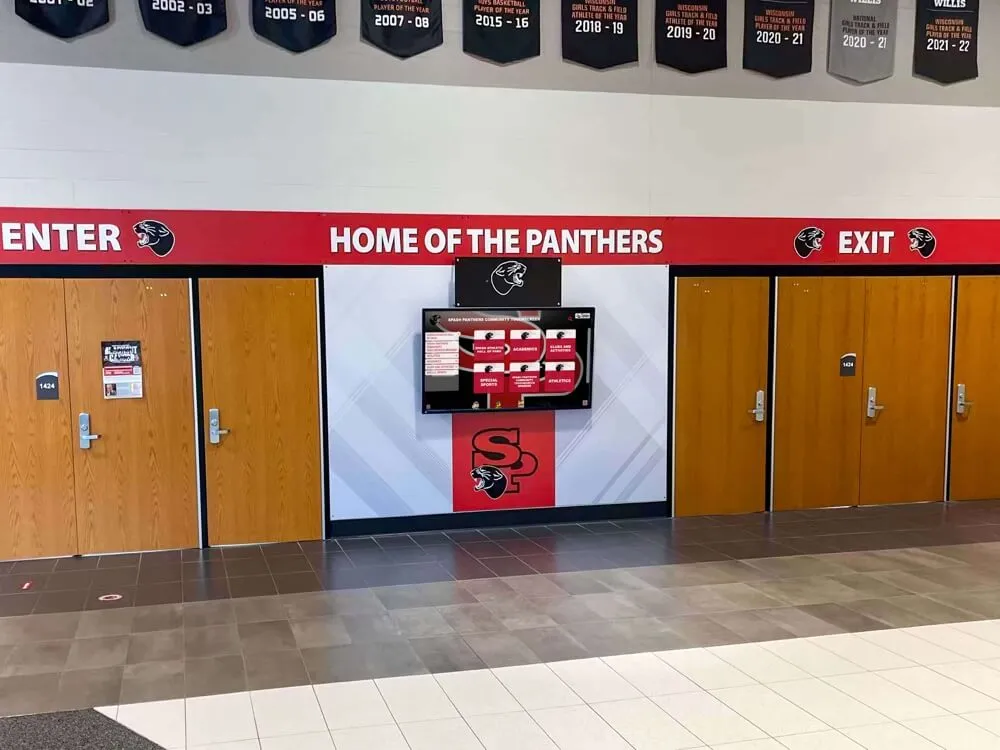
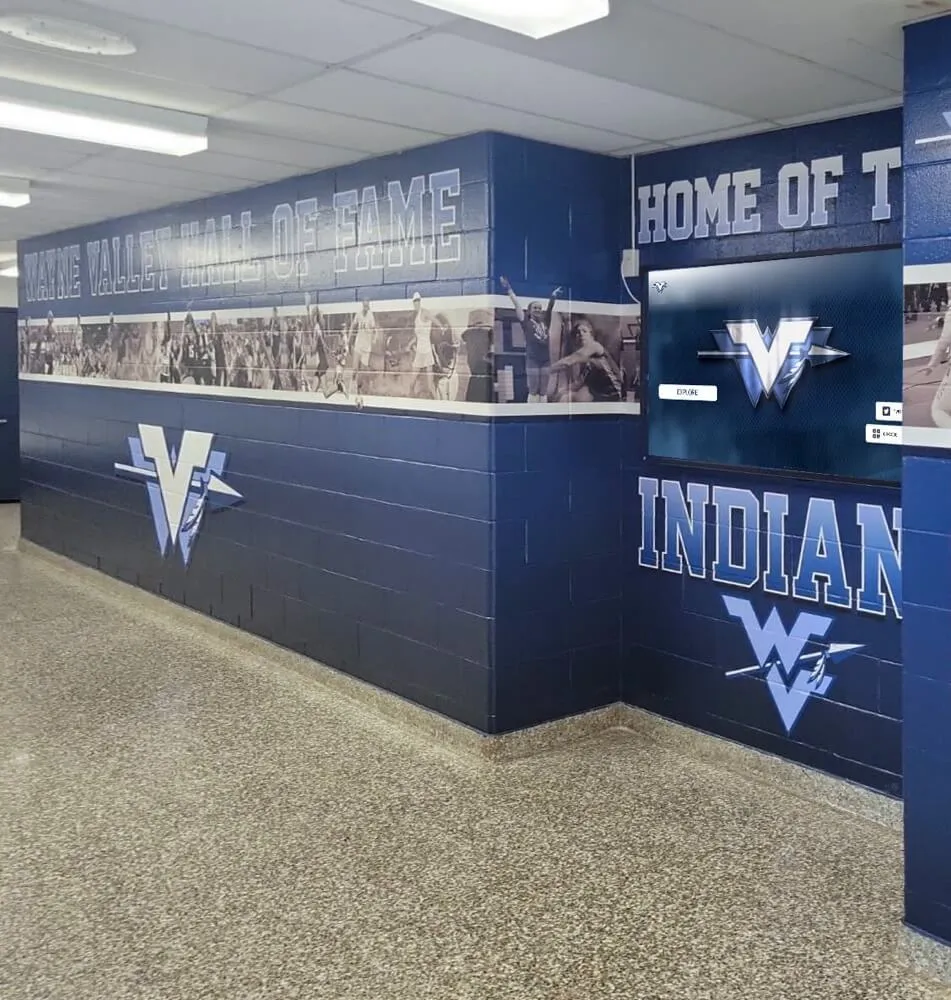
Strategic hallway placements ensure heritage displays reach daily foot traffic throughout institutions
Future Trends: Emerging Technologies Shaping Historical Preservation
Understanding developing technologies helps organizations plan for evolving heritage capabilities.
Artificial Intelligence and Machine Learning
AI technologies increasingly automate labor-intensive heritage tasks while enabling new capabilities.
Automated Metadata Generation
AI image recognition identifies objects, scenes, and even individuals in historical photographs, automatically suggesting metadata tags and classifications. Natural language processing analyzes text documents extracting names, dates, locations, and subjects. These automated systems dramatically reduce manual metadata creation labor while improving consistency and comprehensiveness across large collections.
Advanced Search and Discovery
Semantic search understands query intent beyond exact keyword matching. Visual similarity search finds related images based on content rather than metadata. Recommendation engines suggest relevant historical materials based on viewing patterns. These intelligent systems help users discover unexpected connections and materials they wouldn’t find through traditional searching.
Photo Restoration and Enhancement
AI-powered tools automatically restore damaged or deteriorated photographs, remove scratches and stains, colorize black-and-white images, enhance faded details, and upscale low-resolution digitizations. While traditional restoration required expert manual work, AI makes quality enhancement accessible to any organization.
Extended Reality and Immersive Experiences
Virtual, augmented, and mixed reality technologies create unprecedented historical engagement.
Virtual Reality Historical Reconstructions
VR enables experiencing demolished historical buildings, witnessing historical events from first-person perspective, exploring communities as they appeared decades or centuries ago, and interacting with three-dimensional historical artifacts. As VR hardware becomes more affordable and content creation tools improve, immersive historical experiences will increasingly complement traditional displays.
Augmented Reality Context Layers
AR applications overlay historical information onto current environments viewed through smartphones or tablets. Point devices at locations to see historical photographs showing previous appearances. Historical figures appear as AR projections telling their stories. Timeline comparisons show change over time. AR bridges physical and digital heritage creating contextual experiences impossible with either approach alone.
Mixed Reality Collaborative Exploration
Emerging mixed reality systems enable multiple users exploring historical content simultaneously in shared virtual spaces. Remote students join virtual historical fieldtrips. Researchers collaborate examining three-dimensional artifact models from different locations. These technologies expand who can participate in heritage exploration regardless of geographic constraints.
Blockchain and Decentralized Preservation
Distributed technologies offer novel approaches to long-term digital preservation.
Immutable Historical Records
Blockchain systems create tamper-proof records of historical information with verifiable provenance. Digital signatures prove authenticity of historical documents. Distributed storage prevents single points of failure risking catastrophic data loss. These technologies address concerns about digital heritage manipulation or loss as centralized systems fail.
Community-Owned Heritage Archives
Decentralized autonomous organizations (DAOs) enable community governance of shared heritage resources. Token systems incentivize contribution and curation. Smart contracts automate rights management and access policies. While still experimental, these models may revolutionize how communities collectively manage cultural heritage.
Advanced Analytics and Heritage Impact Measurement
Sophisticated data analysis demonstrates heritage program value while guiding improvements.
Usage Analytics and Visitor Insights
Advanced tracking reveals how visitors engage with digital heritage including which content generates greatest interest, how users navigate through historical materials, which features prove most valuable for research, demographic patterns showing who engages with heritage, and A/B testing comparing different presentation approaches.
These insights enable evidence-based optimization ensuring heritage investments deliver maximum community value.
Social Impact and Community Benefits
Emerging assessment frameworks measure heritage programs’ broader community impacts including educational outcomes from student engagement, economic development through heritage tourism, community identity and social cohesion, and health and wellbeing benefits from meaningful connection to place and tradition.
Demonstrating multidimensional value strengthens support for heritage preservation competing with other priorities for limited resources.
Conclusion: Bringing History to Life Through Digital Innovation
Digital tools are revolutionizing how organizations preserve and present history, transforming passive exhibits into engaging interactive experiences, breaking geographic barriers that limited heritage access to physical visitors, enabling comprehensive archives rather than tiny fractions fitting display cases, and protecting irreplaceable materials through high-quality digitization and redundant backup. Schools, museums, heritage organizations, and cultural institutions implementing strategic digital heritage programs create living connections between past and present—where students discover traditions shaping their institutions, where alumni maintain lifelong bonds to shared experiences, where researchers access comprehensive primary sources without travel constraints, where communities recognize heritage organizations as vital stewards of collective memory, and where preserved digital collections protect irreplaceable materials for future generations.
The strategies explored in this comprehensive guide provide frameworks for effective digital heritage implementation addressing technology selection matching organizational needs and resources, content development through systematic archival digitization, presentation design creating intuitive engaging experiences, community engagement building stakeholder participation, and sustainable operations ensuring long-term program success.
Transform How You Preserve and Share History
Discover how Rocket Alumni Solutions can help you create compelling digital heritage experiences with interactive touchscreen displays, searchable online archives, and intuitive content management that bring history to life for your entire community.
Explore Digital Heritage SolutionsStrategic Implementation Pathway
Organizations beginning digital heritage initiatives should start by conducting comprehensive inventory establishing collection scope, defining clear objectives and success criteria, assessing available resources and constraints, selecting appropriate technologies matching needs and expertise, implementing phased digitization prioritizing highest-value materials, creating engaging presentation experiences through interactive displays and online portals, building community engagement through crowdsourcing and educational programs, establishing sustainable management workflows, and committing to ongoing evaluation and improvement.
This systematic approach prevents common implementation problems while ensuring digital heritage investments deliver meaningful returns across preservation, access, engagement, education, and community dimensions.
The Heritage Preservation Imperative
Every organization possesses historical materials worth preserving and sharing. Physical deterioration, storage limitations, and access constraints mean much heritage value remains unrealized—precious materials slowly deteriorating in storage while potential audiences cannot access institutional history that could strengthen their connections and understanding. Digital tools make comprehensive preservation and universal access achievable for organizations of all sizes and resources.
Purpose-built platforms like Rocket Alumni Solutions specifically designed for schools and heritage organizations eliminate technical barriers while providing sophisticated capabilities. Professional digitization services deliver archival-quality results without requiring specialized equipment or expertise. Volunteer and community-powered programs enable ambitious preservation despite limited budgets.
Begin Preserving Your Heritage Today
Start digital heritage initiatives immediately with available resources—perhaps digitizing recent materials generating strong immediate interest, preserving most vulnerable historical items requiring urgent attention, or launching pilot interactive displays in single high-traffic locations. Then systematically expand backward through institutional history while continuously adding contemporary documentation, creating comprehensive digital heritage resources serving your community for generations.
Every preserved photograph represents memories saved from loss. Every searchable archive enables research previously impossible. Every interactive display strengthens community connections to shared traditions. Every online portal extends heritage access beyond geographic boundaries. Your organization’s history deserves preservation and presentation equal to its significance—with thoughtful planning, appropriate technology, and sustained commitment, you can bring history to life through digital innovation that honors the past while inspiring the future.
Ready to transform your historical preservation? Learn about school history timeline approaches that organize heritage chronologically, explore preserving fraternity and sorority history methods applicable to many organizational types, or discover how digital donor walls demonstrate heritage technology creating meaningful community connections while celebrating contributions across generations.