Division 2 athletic scholarships represent a powerful pathway for talented student-athletes seeking to compete at the collegiate level while earning financial support for their education. These scholarships offer the unique combination of competitive athletics, meaningful academic opportunities, and partial financial assistance—creating a balanced college experience that many athletes and families find ideal. Yet D2 scholarships remain frequently misunderstood, overshadowed by the high-profile nature of Division 1 programs while lacking the clear “no athletic aid” messaging that defines Division 3 schools.
Understanding Division 2 athletic scholarships requires navigating NCAA eligibility requirements, scholarship limit structures, equivalency versus headcount sports distinctions, academic qualification standards, and recruitment processes that differ significantly from both D1 and D3 pathways. Student-athletes who grasp these nuances position themselves to maximize scholarship opportunities, make informed college decisions, and pursue athletic careers that align with their academic goals and personal priorities.
This comprehensive guide explores everything student-athletes and their families need to know about Division 2 athletic scholarships—from eligibility requirements through recruitment strategies to making the most of D2 opportunities while being properly recognized for these achievements within your school community.
Understanding Division 2 Athletic Scholarships: The Fundamentals
Before diving into specific eligibility requirements and recruitment strategies, understanding what Division 2 scholarships are—and how they differ from other NCAA divisions—provides essential context for navigating the D2 landscape effectively.
What Makes Division 2 Scholarships Unique
Division 2 represents the NCAA’s middle tier, positioned between the high-profile, often full-scholarship environment of Division 1 and the no-athletic-aid approach of Division 3. This positioning creates distinctive characteristics that define the D2 scholarship experience:
Partial Scholarship Model: Unlike Division 1 football and basketball programs that offer full scholarships (covering tuition, room, board, and books), most D2 sports operate under an equivalency system where coaches divide limited scholarship funds among team rosters. A D2 basketball team might have 10 full-scholarship equivalents to distribute among 15 roster players, meaning most athletes receive partial scholarships combined with academic aid, need-based grants, or family contributions to cover total costs.
Academic-Athletic Balance: D2 schools explicitly emphasize balancing competitive athletics with strong academics and active campus involvement. Student-athletes typically spend less time on athletic commitments than D1 counterparts—allowing greater opportunity for internships, campus leadership, academic pursuits, and social experiences. This philosophy appeals to athletes seeking meaningful competition without athletics dominating every aspect of college life.
Regional Competition Focus: Many D2 programs prioritize regional competition, reducing travel demands and allowing athletes to compete closer to home where family and friends can attend competitions more easily. This regional focus creates strong local rivalries while maintaining more manageable travel schedules than D1 programs with national conference affiliations.
Smaller School Environment: D2 institutions typically enroll between 2,500 and 10,000 students, creating smaller campus communities where student-athletes often achieve greater visibility and impact than they might experience at larger D1 universities. This environment appeals to students preferring close-knit communities where they can make meaningful contributions beyond athletics.
How D2 Scholarships Differ from Division 1 and Division 3
Understanding the three NCAA divisions helps student-athletes identify which level best matches their competitive abilities, academic goals, and personal preferences:
Division 1 Characteristics: D1 programs offer the highest competitive level, most extensive media coverage, largest athletic budgets, and most significant time commitments. Football Bowl Subdivision (FBS) and basketball programs offer full scholarships, while most other sports use equivalency models with higher scholarship limits than D2. D1 athletes face intense practice schedules, extensive travel, and year-round training demands. Academic support tends to be robust, but balancing athletics with academics requires exceptional time management.
Division 2 Characteristics: D2 provides competitive athletics with less demanding schedules than D1, allowing greater academic and campus engagement. Partial scholarships are typical, combining athletic aid with academic scholarships, need-based grants, and merit awards to create comprehensive financial packages. The D2 philosophy explicitly values well-rounded student development over single-minded athletic focus. Competition remains intense, but within frameworks respecting student-athletes as students first.
Division 3 Characteristics: D3 prohibits athletic scholarships entirely, instead offering only need-based financial aid and academic merit scholarships available to all students regardless of athletic participation. D3 emphasizes athletics as part of comprehensive educational experiences rather than potential professional pathways. Time commitments are typically lower than D1 or D2, though competition can be intense depending on programs and conferences.
For student-athletes with strong athletic abilities who also value academic opportunities, campus involvement, and balanced college experiences, D2 often represents the ideal middle ground—offering meaningful scholarships, competitive athletics, and time for comprehensive college engagement.
Division 2 Scholarship Limits by Sport: Understanding the Numbers
NCAA Division 2 establishes specific scholarship limits for each sport, determining maximum equivalencies coaches can distribute among team rosters. Understanding these limits helps student-athletes set realistic expectations about potential scholarship amounts.
Equivalency Sports: How Partial Scholarships Work
Most D2 sports operate under equivalency systems where coaches receive a set number of full-scholarship equivalents to divide among rosters however they choose. A sport with 10 equivalencies might distribute them as:
- 5 athletes receiving full scholarships (5.0 equivalencies)
- 10 athletes receiving half scholarships (5.0 equivalencies)
- 20 athletes receiving quarter scholarships (5.0 equivalencies)
- Any combination totaling no more than 10.0 equivalencies
Coaches strategically distribute scholarships based on recruiting priorities, positional needs, athlete development potential, and roster balance. Star recruits might receive larger scholarships, while developmental athletes or those with strong academic aid receive smaller athletic scholarships as part of comprehensive financial packages.
Common D2 Equivalency Sport Limits:
- Baseball: 9.0 equivalencies
- Men’s Soccer: 9.0 equivalencies
- Women’s Soccer: 9.9 equivalencies
- Softball: 7.2 equivalencies
- Men’s Lacrosse: 10.8 equivalencies
- Women’s Lacrosse: 9.9 equivalencies
- Men’s Track/Cross Country: 12.6 equivalencies
- Women’s Track/Cross Country: 12.6 equivalencies
- Wrestling: 9.0 equivalencies
- Volleyball: 8.0 equivalencies
- Golf: 3.6 equivalencies (men), 5.4 equivalencies (women)
- Tennis: 4.5 equivalencies (men), 6.0 equivalencies (women)
These limits represent maximums—schools may choose to fund fewer scholarships based on athletic department budgets and institutional priorities.

Headcount Sports: Full Scholarship Opportunities
A small number of D2 sports operate under headcount systems where every scholarship must be a full scholarship covering tuition, fees, room, board, and books. D2 headcount sports include:
- Football (FCS equivalent): 36 full scholarships maximum
- Men’s Basketball: 10 full scholarships maximum
- Women’s Basketball: 10 full scholarships maximum
- Women’s Volleyball: 8 full scholarships maximum (at some schools)
In headcount sports, coaches cannot divide scholarships—athletes either receive full scholarships or no athletic aid. However, many D2 programs don’t fully fund these maximums, particularly in football where the 36-scholarship limit represents significantly fewer scholarships than FBS programs (85) or even FCS programs (63 equivalencies).
Sport-Specific Scholarship Realities
While scholarship limits establish maximums, actual scholarship availability varies significantly by sport, school, and competitive level:
High-Profile Sports like football and basketball often receive stronger scholarship funding and more competitive recruiting because they generate revenue, alumni interest, and institutional visibility. Top recruits in these sports might receive full or near-full scholarships at well-funded D2 programs.
Olympic Sports like track and field, swimming, or tennis typically work with limited equivalencies divided among large rosters, resulting in smaller individual scholarship amounts. A track program with 12.6 equivalencies supporting 30-40 athletes means most receive modest partial scholarships supplementing academic aid and family contributions.
Emerging Sports like women’s lacrosse or sand volleyball may receive increasing scholarship support as programs develop, but emerging sports often operate with minimal scholarship budgets initially.
Understanding sport-specific scholarship realities helps student-athletes set appropriate expectations and recognize when partial scholarship offers represent strong commitments from programs operating within tight budget constraints.
NCAA Division 2 Eligibility Requirements: Academic and Amateurism Standards
Earning a D2 scholarship requires meeting specific NCAA eligibility requirements covering academic preparation, amateurism standards, and registration processes.
Academic Eligibility: GPA and Test Score Requirements
The NCAA Eligibility Center determines initial eligibility for prospective D2 student-athletes based on high school academic performance in core courses, grade point average, and standardized test scores.
Core Course Requirements: D2 requires completion of 16 core courses during high school across specific academic areas:
- 3 years of English
- 2 years of mathematics (Algebra 1 or higher)
- 2 years of natural/physical science (including 1 year of lab science)
- 3 years of additional English, math, or science
- 2 years of social science
- 4 years of additional core courses (from any academic area above, foreign language, comparative religion, or philosophy)
These core courses must be NCAA-approved courses on your high school’s List of NCAA Courses, which schools submit to the Eligibility Center for review and approval.
Sliding Scale for GPA and Test Scores: D2 uses a sliding scale balancing GPA against SAT or ACT scores. Higher GPAs require lower test scores and vice versa. The minimum requirements include:
- 2.2 GPA in core courses
- Corresponding SAT or ACT score based on sliding scale (higher GPAs allow lower test scores)
For example, a student with a 3.0 core GPA might need a 950 SAT (critical reading and math sections combined) or 75 ACT sum score, while a student with a 2.5 core GPA would need higher test scores to achieve eligibility.
Students should register with the NCAA Eligibility Center early in their junior year, ensuring transcripts are submitted and eligibility is confirmed before senior recruiting heats up. Many high school academic recognition programs help students track their academic progress toward college eligibility requirements while celebrating achievement.
Amateurism Certification: Maintaining Eligibility
Beyond academics, D2 requires amateurism certification ensuring athletes haven’t violated NCAA rules governing amateur status:
Prohibited Activities: Student-athletes cannot:
- Accept payment or prize money above actual expenses for athletic participation
- Sign contracts with professional teams or agents
- Compete on professional teams (with limited exceptions for tryouts)
- Receive benefits from agents or sports marketing representatives
- Accept salary for teaching or coaching in their sport beyond actual expenses
Permissible Activities: Student-athletes may:
- Receive athletic scholarships from colleges
- Accept prize money for competition up to actual and necessary expenses
- Compete in amateur competitions with expense reimbursement
- Participate in charity or benefit events under specific NCAA guidelines
- Receive equipment and apparel for competition within NCAA limits
Amateurism rules differ slightly across divisions, with D1 maintaining the strictest standards. Student-athletes should review specific regulations for their sports and consult compliance offices with questions about activities that might affect eligibility.
Continuing Eligibility: Academic Progress Requirements
Once enrolled, D2 student-athletes must maintain eligibility through ongoing academic progress:
Credit Hour Requirements: Athletes must complete a minimum percentage of degree requirements each year:
- 24 semester or 36 quarter hours per academic year
- 40% of degree requirements by start of third year
- 60% of degree requirements by start of fourth year
- 80% of degree requirements by start of fifth year
GPA Requirements: Student-athletes must maintain minimum cumulative GPAs:
- 1.8 GPA after first year
- 1.9 GPA after second year
- 2.0 GPA after third year and beyond
These continuing eligibility standards ensure student-athletes make reasonable progress toward degrees while maintaining satisfactory academic standing. Schools typically provide academic support services helping athletes balance competitive demands with academic requirements.
The D2 Recruitment Process: How to Get Noticed and Earn Scholarships
Understanding how D2 coaches recruit and evaluate prospects helps student-athletes navigate the process effectively and maximize scholarship opportunities.
Timeline for D2 Recruiting
D2 recruiting timelines differ from D1, with some important distinctions:
Contact Periods: D2 coaches may begin contacting prospects (phone calls, emails, texts) on June 15 after sophomore year, earlier than D1 in most sports. This creates opportunities for earlier relationship building with D2 programs.
Official Visits: Prospects may take official visits (paid by schools) beginning the first day of classes during senior year. Student-athletes can take up to five official visits total across all divisions.
Signing Periods: D2 uses the National Letter of Intent (NLI) program with early signing periods (typically November for many sports) and regular signing periods (typically April). Unlike D1, D2 has more flexibility around signing timing.
The earlier contact allowance means serious D2 prospects should begin researching programs, attending camps, and communicating with coaches during sophomore year—earlier than many families realize.
How to Get Recruited by D2 Programs
Successful D2 recruitment requires proactive effort from student-athletes and families:
Build Your Athletic Profile: Create comprehensive highlight videos showcasing your skills, compile relevant statistics and achievements from high school or club competition, and develop athletic resumes summarizing achievements, awards, and relevant information. Make materials easily accessible through recruiting platforms, personal websites, or email attachments.
Research Target Schools: Identify D2 programs matching your academic interests, athletic abilities, geographic preferences, and campus culture priorities. Research team rosters identifying positional needs, review schools’ academic programs ensuring they offer your intended major, and evaluate campus locations and environments for personal fit.
Initiate Contact with Coaches: Don’t wait for coaches to find you—proactively contact programs you’re interested in through personalized emails introducing yourself, expressing interest, and including links to highlight videos and athletic profiles. Follow up consistently without being pushy, respecting coaches’ time while demonstrating genuine interest.
Attend Camps and Showcases: Participate in college camps at target schools where coaches can evaluate you directly, attend multi-school showcase events in your sport where D2 coaches recruit, and compete at high levels through club teams, travel teams, or elite high school programs where D2 coaches scout talent.
Leverage High School Coaches: Work with high school or club coaches to facilitate introductions to college programs, ask coaches to advocate for you with college programs they have relationships with, and request that coaches provide references when college coaches inquire about you.
Schools that recognize and celebrate athletes earning scholarship opportunities through digital recognition displays build program cultures that motivate younger athletes while honoring senior achievements.
Evaluating Scholarship Offers
When scholarship offers arrive, thorough evaluation ensures you make informed decisions:
Understand Offer Specifics: Clarify exactly what the scholarship covers—tuition percentage, room and board, fees, books—and for how many years the scholarship is guaranteed (one year renewable vs. four-year guarantee). Understand conditions for renewal including academic GPA requirements, athletic participation expectations, and conduct standards.
Combine Aid Packages: Work with financial aid offices to understand total aid packages combining athletic scholarships with academic merit aid, need-based grants, work-study opportunities, and outside scholarships. Often, a smaller athletic scholarship at a school offering strong academic aid results in better total packages than larger athletic scholarships at more expensive schools with less academic aid.
Compare Total Costs: Calculate out-of-pocket costs at each school after all aid is applied, considering not just tuition but room, board, fees, books, travel, and personal expenses. The lowest sticker price doesn’t always represent the best value after aid is factored in.
Evaluate Non-Financial Factors: Consider coaching staff relationships and coaching philosophies, academic program quality in your intended major, team culture and roster composition, campus environment and location preferences, and post-graduation outcomes for program alumni. The right fit matters more than marginal scholarship differences.
Many students also benefit from understanding how varsity athletic participation at the high school level prepares them for collegiate athletics while building recruitment profiles.
Maximizing Your D2 Scholarship Potential: Strategies for Success
Beyond meeting basic eligibility requirements, strategic approaches help student-athletes maximize scholarship opportunities and leverage D2 athletics for long-term success.
Academic Excellence Creates Opportunities
Strong academics significantly enhance scholarship potential in multiple ways:
Academic Scholarships Supplement Athletic Aid: Many D2 schools offer generous academic merit scholarships that stack with athletic aid. A student receiving a 40% athletic scholarship might add a 30% academic scholarship and 20% need-based grant, reducing out-of-pocket costs to just 10% of total expenses. Academic excellence dramatically improves total financial packages.
Coaches Value Academic Achievers: D2 coaches prioritize recruits who won’t struggle academically, understanding that eligibility issues create roster problems and program headaches. Athletes with strong academic profiles often receive preference over equally talented athletes with borderline academic credentials.
Honor Roll and Academic Awards Matter: Recognition for academic achievement like honor roll status or National Honor Society membership strengthens recruitment profiles and signals academic commitment to college coaches.
Multi-Sport Athletes Often Excel at D2
D2 programs frequently recruit multi-sport high school athletes who bring diverse athletic skills, competitive experience, and proven time management abilities:
Transferable Skills: Athletes competing in multiple sports often develop broader athleticism, competitive mentality across different contexts, and adaptability that serves them well in college athletics. Coaches value these qualities even when recruiting for single sports.
Demonstrated Time Management: Successfully balancing multiple sports with academics proves time management capabilities essential for college student-athletes juggling practice, competition, academics, and campus life.
Later Specialization: While many D1 recruits specialize in single sports by middle school, D2 programs often welcome athletes who competed in multiple sports through high school, recognizing that later specialization can reduce burnout and overuse injuries.
Geographic Flexibility Expands Options
Student-athletes willing to consider schools beyond their immediate region often discover more scholarship opportunities:
Regional Competition Focus: D2’s regional emphasis means schools recruit heavily within their geographic areas, but student-athletes willing to look outside their regions may find less competition for roster spots and stronger scholarship offers from programs in different parts of the country.
Cost of Living Variations: Schools in lower cost-of-living areas may offer scholarships covering larger percentages of total expenses compared to schools in expensive metropolitan areas, even when scholarship dollar amounts are similar.
Conference Affiliations: Research D2 conferences identifying those with strong programs in your sport, then explore schools in those conferences regardless of geography. Conference affiliation often indicates competitive quality and scholarship funding levels.
Financial Aid Beyond Athletic Scholarships: Building Complete Packages
Smart student-athletes and families understand that D2 scholarship offers represent just one component of comprehensive financial aid packages.
Stacking Scholarships and Aid
D2 allows combining various aid sources to create total packages:
Athletic Aid + Academic Merit Scholarships: Most D2 schools allow stacking athletic scholarships with academic merit awards, though some cap total aid at cost of attendance. Work with financial aid offices to understand specific institutional policies.
Need-Based Federal Aid: Complete the FAFSA (Free Application for Federal Student Aid) to access Pell Grants, federal student loans, work-study programs, and other need-based aid available regardless of athletic participation.
Institutional Grants: Many D2 schools offer institutional need-based grants supplementing federal aid. Private schools often have larger endowments supporting generous need-based aid for qualifying students.
Outside Scholarships: Apply for community scholarships, corporate sponsorships, organizational awards, and other outside scholarships that can supplement athletic and academic aid. Some schools allow these to reduce expected family contributions rather than reducing institutional aid.
State Aid Programs: Many states offer merit-based or need-based aid for residents attending in-state schools. State aid can significantly reduce costs at public D2 institutions.
Negotiating Financial Aid Packages
While NCAA rules prohibit bidding wars for athletic scholarships, families can advocate for themselves within appropriate boundaries:
Ask About Available Aid: If financial packages fall short of needs, ask admissions and financial aid offices whether additional academic merit aid, need-based grants, or institutional scholarships might be available. Sometimes aid offices have discretionary funds for strong candidates.
Explain Special Circumstances: If family financial situations involve unusual expenses, recent job losses, medical costs, or other circumstances not reflected in FAFSA, explain these to financial aid offices through special circumstances appeals.
Compare Total Packages: While you shouldn’t play schools against each other with athletic aid, you can share that total cost comparisons (after all aid) factor into your decision-making. Schools genuinely interested in enrolling you may look for additional non-athletic aid to improve total packages.
Multi-Year Guarantees: Ask whether athletic scholarships can be guaranteed for four years rather than one-year renewable agreements. Four-year guarantees provide security even if injuries or coaching changes occur.
Life as a D2 Student-Athlete: What to Expect
Understanding the D2 student-athlete experience helps prospects determine whether Division 2 aligns with their college goals and personal priorities.
Time Commitment and Academic Balance
D2 explicitly emphasizes balancing athletics with academics and campus involvement:
Practice and Competition Hours: NCAA limits countable athletically related activities to 20 hours per week during season and 8 hours per week out of season. While D2 programs maximize allowable hours, the culture typically respects these limits more than some D1 programs where “voluntary” activities extend time commitments beyond official limits.
Study Time and Academic Support: D2 programs provide academic support including tutoring, study halls for at-risk students, academic advisors familiar with athletic schedules, and priority registration helping athletes schedule classes around practice and competition.
Internship and Campus Involvement: D2’s balanced philosophy allows time for career-building internships, campus leadership in student government or other organizations, and social experiences beyond athletics. Many D2 athletes complete meaningful internships during college—less common for D1 athletes with year-round training demands.
Competition Level and Professional Prospects
D2 offers legitimate competition while maintaining realistic perspectives about professional athletics:
High-Level Competition: D2 includes extremely talented athletes, many of whom could compete at mid-major D1 levels. The competition is intense and meaningful, requiring serious commitment and talent.
Professional Opportunities Exist: While less common than from D1, D2 athletes do reach professional levels. NFL rosters include D2 alumni, international professional leagues recruit D2basketball players and soccer players, and Olympic rosters have featured D2athletes. Professional opportunities exist but require exceptional talent and development.
Career Preparation Priority: D2 philosophy emphasizes preparing for life after sports. Most athletes realistically understand college represents the end of competitive athletic careers and embrace using athletics to earn degrees leading to professional careers outside sports.
Campus Experience and Community
D2 campus environments create distinctive experiences:
Athlete Visibility: At schools where athletics are prominent campus activities, student-athletes often achieve significant visibility and recognition within campus communities. You’re more likely to be recognized around campus than at larger D1 universities with enormous student populations.
Community Connection: Many D2 schools maintain strong connections with surrounding communities where local residents follow teams, attend competitions, and support athletes. This creates meaningful community engagement beyond campus boundaries.
Lifelong Networks: D2 alumni often maintain strong connections with teammates and athletic communities long after graduation. The combination of competitive bonds and smaller campus environments creates close relationships that endure for decades.
Schools that implement recognition programs honoring scholarship recipients strengthen campus cultures celebrating achievement while inspiring younger students to pursue similar opportunities.
Recognizing and Celebrating D2 Scholarship Recipients
When student-athletes earn Division 2 scholarships, schools have opportunities to celebrate these achievements while building athletic program cultures that inspire continued excellence.
Why Scholarship Recognition Matters
Publicly acknowledging athletes who earn collegiate scholarships serves multiple important purposes:
Honors Individual Achievement: Earning athletic scholarships represents years of dedication, countless hours of practice, and exceptional talent. Public recognition honors athletes appropriately for these remarkable achievements.
Inspires Younger Athletes: When underclassmen see seniors recognized for scholarship achievements, they understand that hard work and commitment can lead to college opportunities—creating powerful motivation for continued dedication to athletic and academic excellence.
Demonstrates Program Success: Scholarship recognition showcases athletic program quality and coaching effectiveness. Communities take pride in programs that consistently develop scholarship-caliber athletes.
Strengthens School Culture: Recognition traditions create expectations that excellence will be honored, building cultures where achievement is celebrated and athletes feel genuinely valued for their contributions.
Recognition Approaches for Scholarship Athletes
Schools implement various strategies for honoring scholarship recipients:
Senior Night Recognition: Many programs announce scholarship destinations during senior night ceremonies, celebrating both athletic careers and college commitments in comprehensive tributes.
Signing Day Celebrations: Formal signing ceremonies where scholarship athletes sign National Letters of Intent create special events honoring commitments while bringing together families, coaches, teammates, and school communities.
Social Media Spotlights: Dedicated social media features highlighting scholarship recipients, their achievements, chosen schools, and future plans extend recognition beyond school communities to broader audiences.
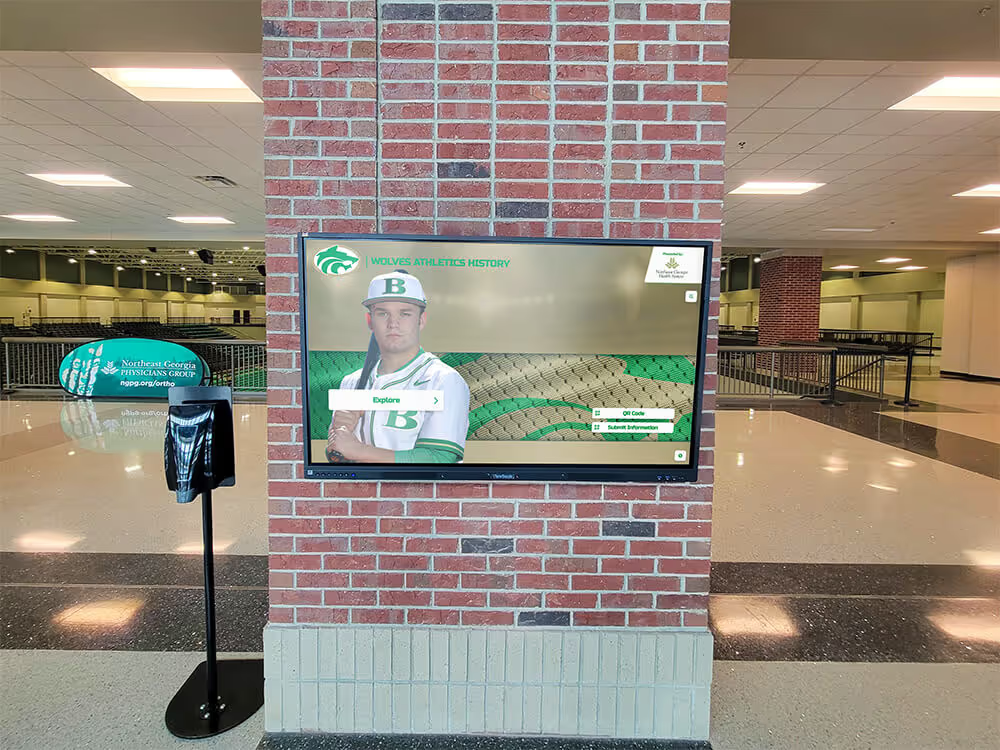
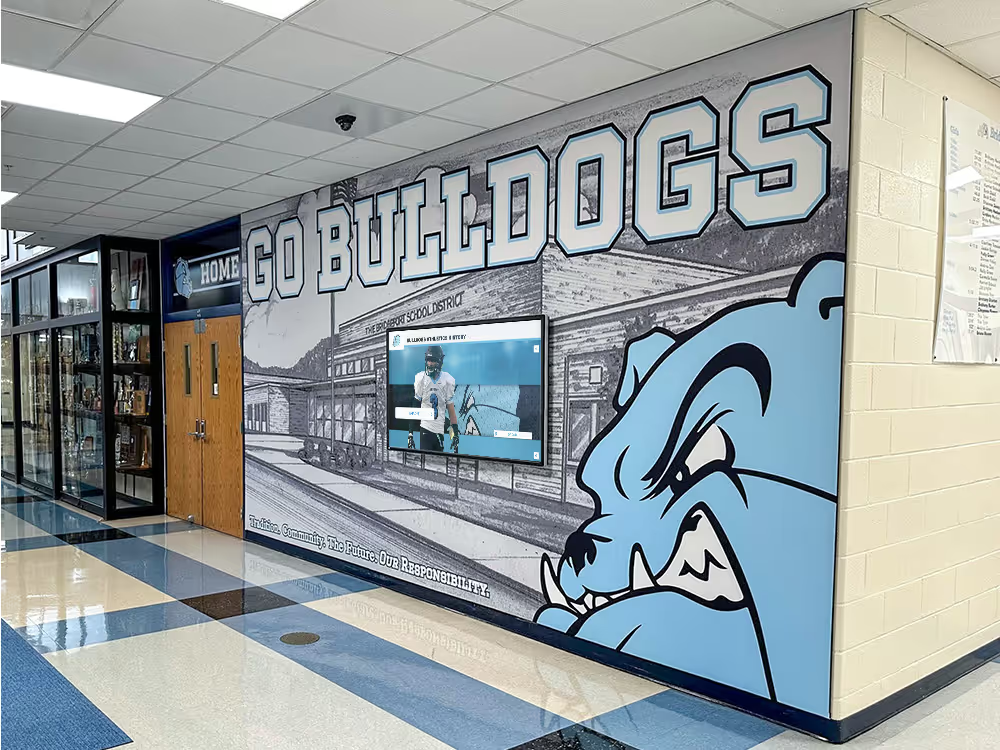
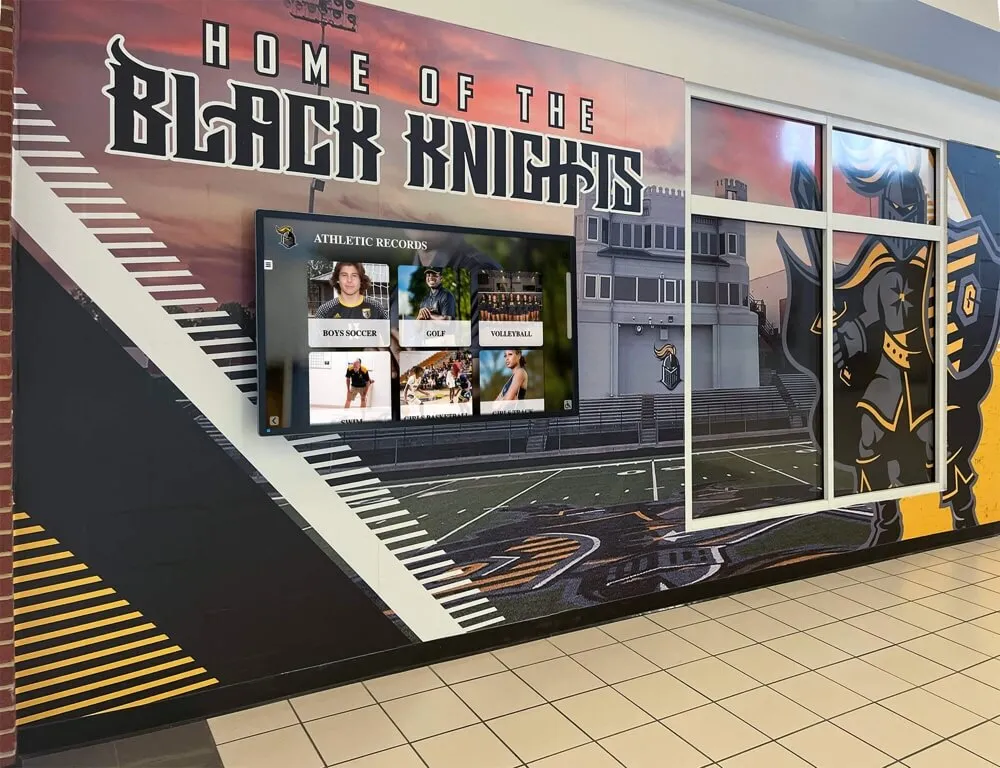
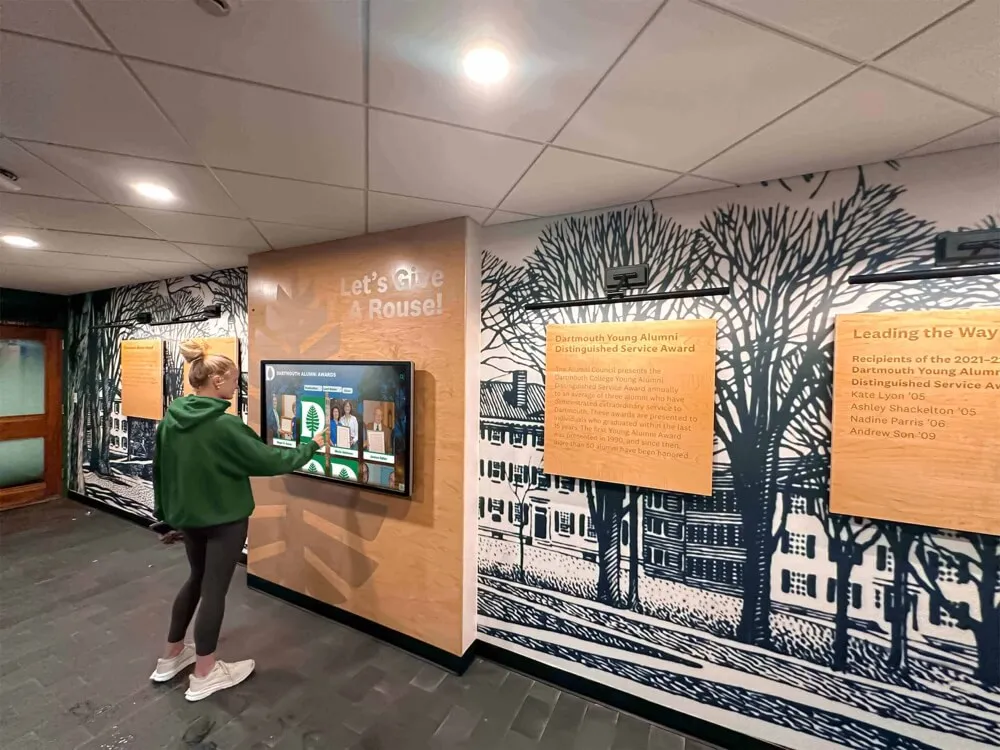
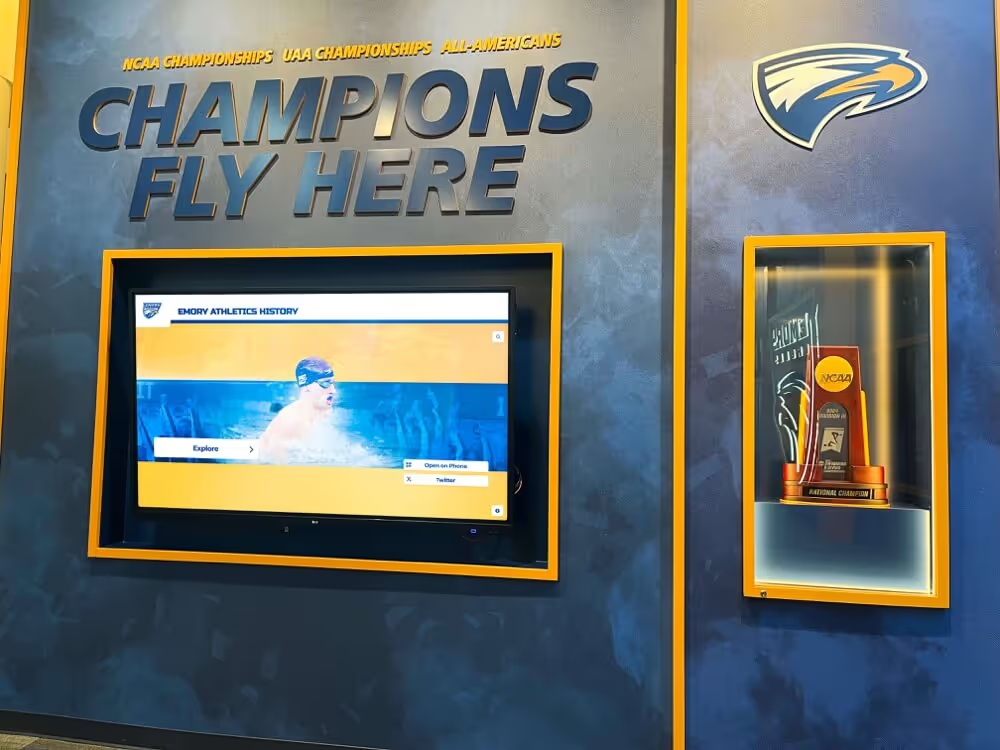
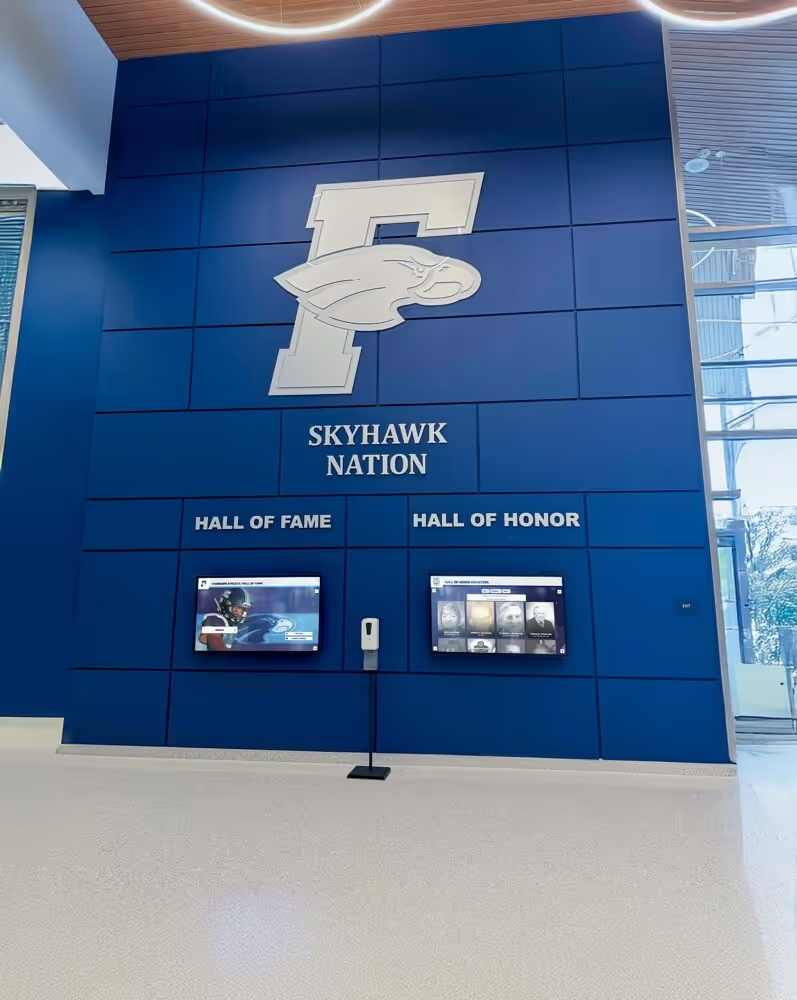
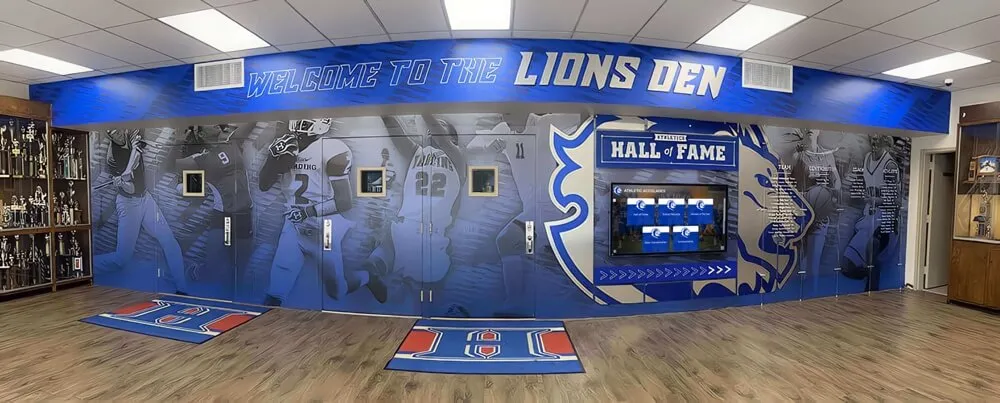
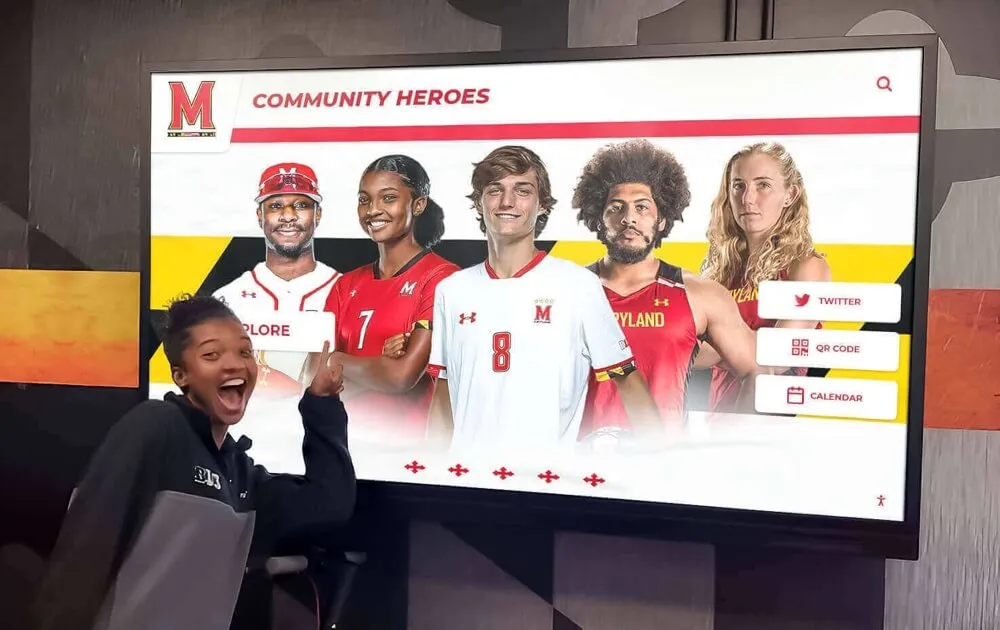
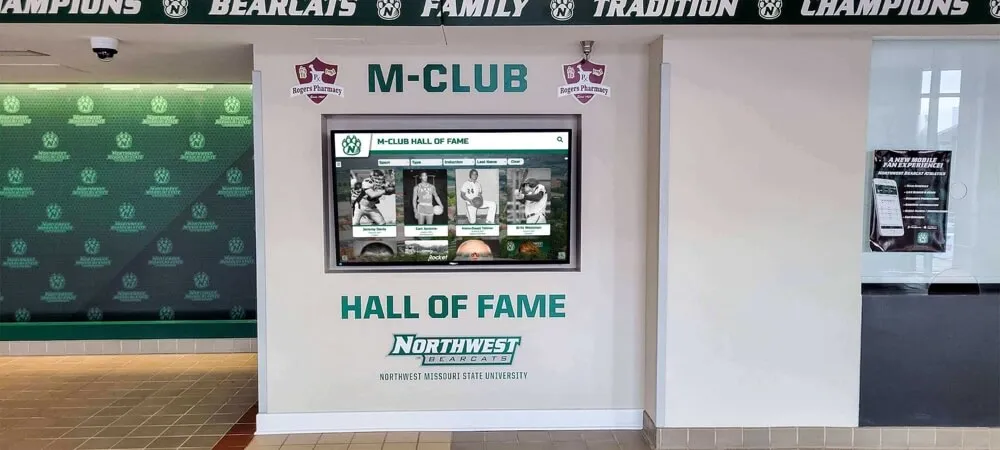
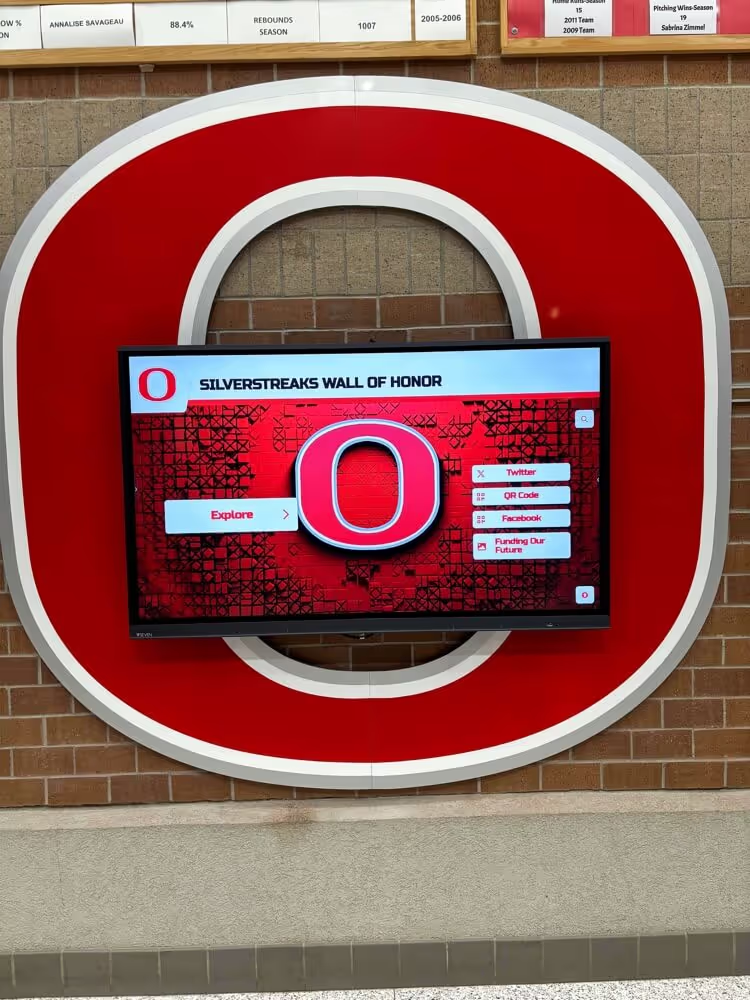
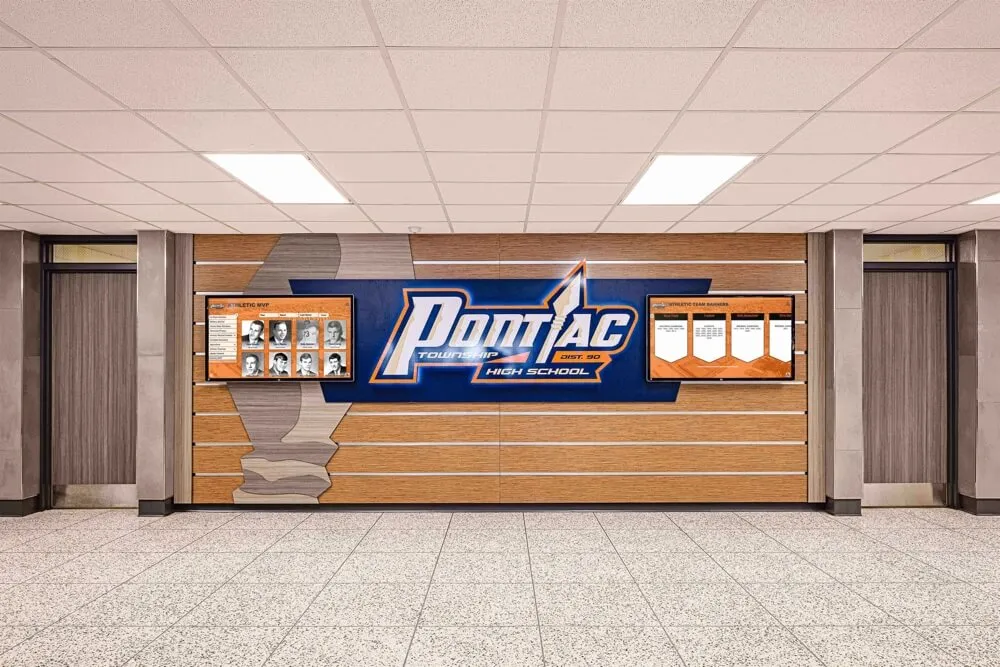
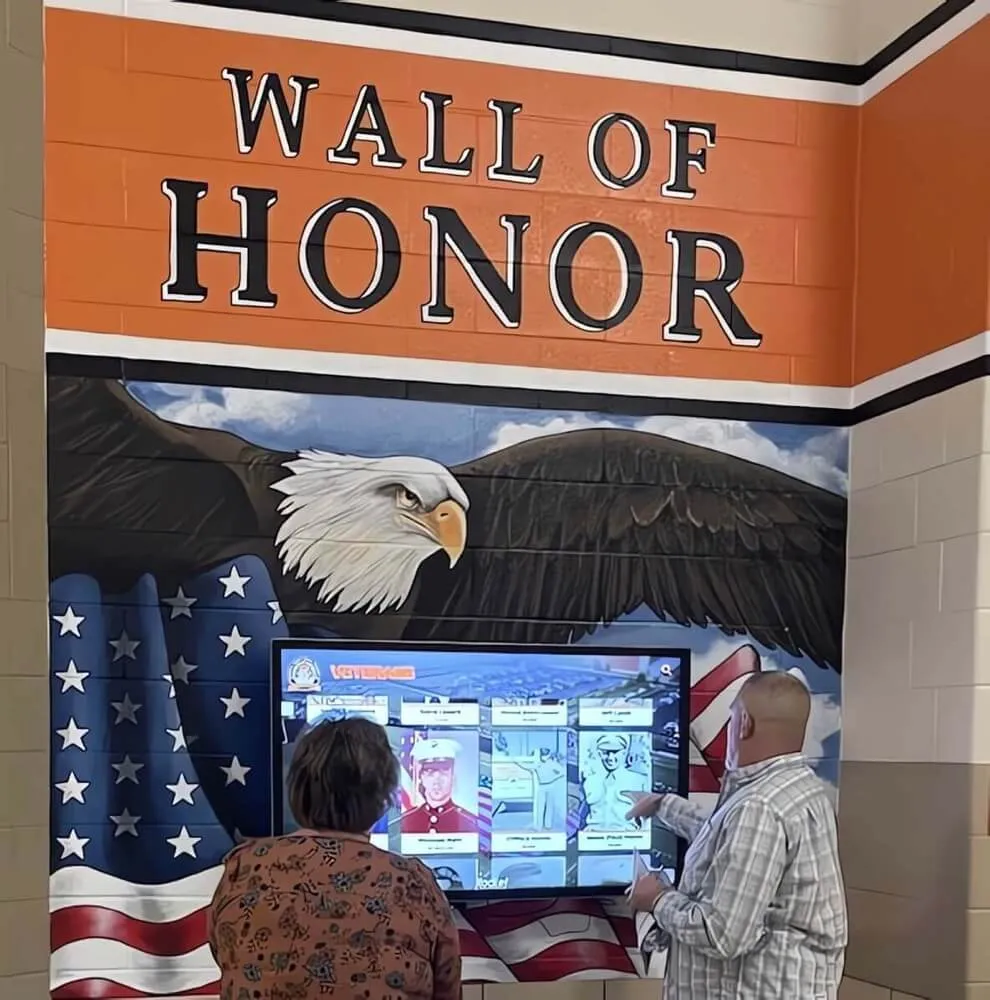
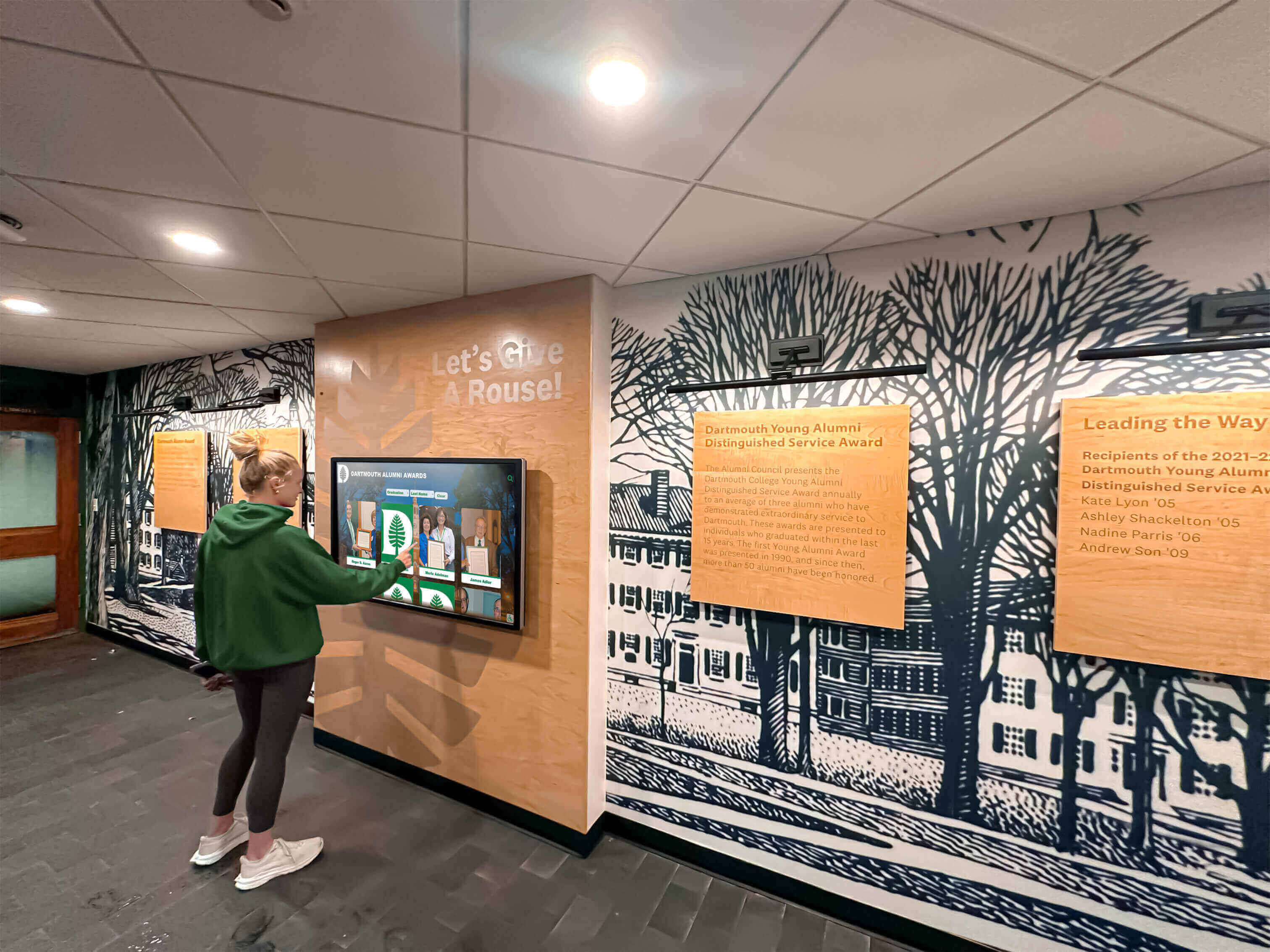
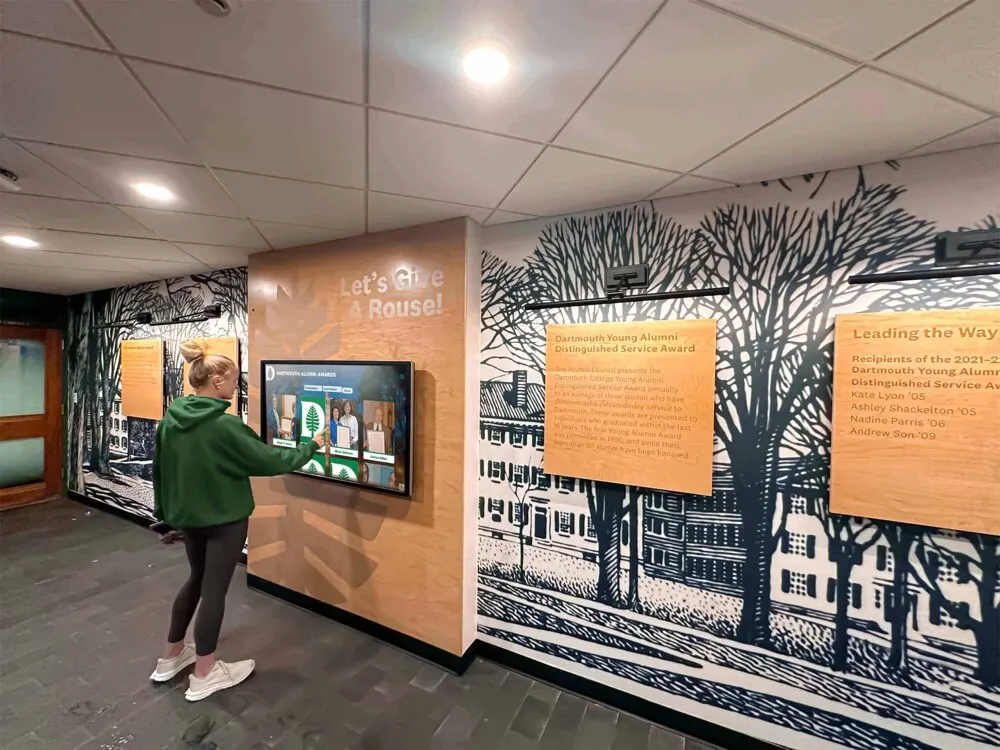
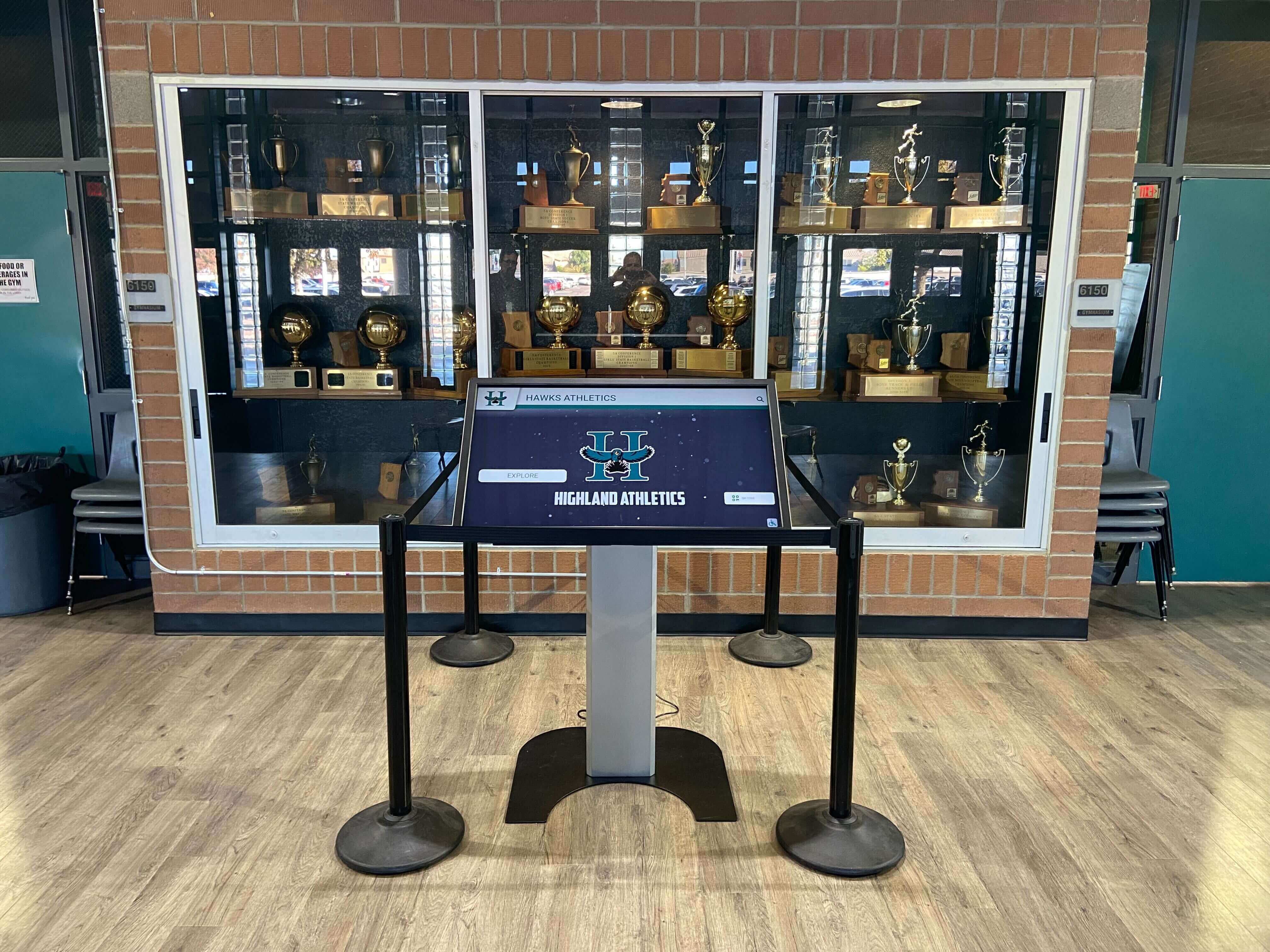
Permanent Recognition Displays: Digital recognition systems like those from Rocket Alumni Solutions create permanent tributes to scholarship athletes that remain accessible long after graduation, preserving achievements within school history while showcasing program success to prospective students, recruits, and community members.
Digital Recognition Solutions for Athletic Achievement
Modern recognition approaches leverage technology to create comprehensive, permanent celebration of athletic scholarships and achievements:
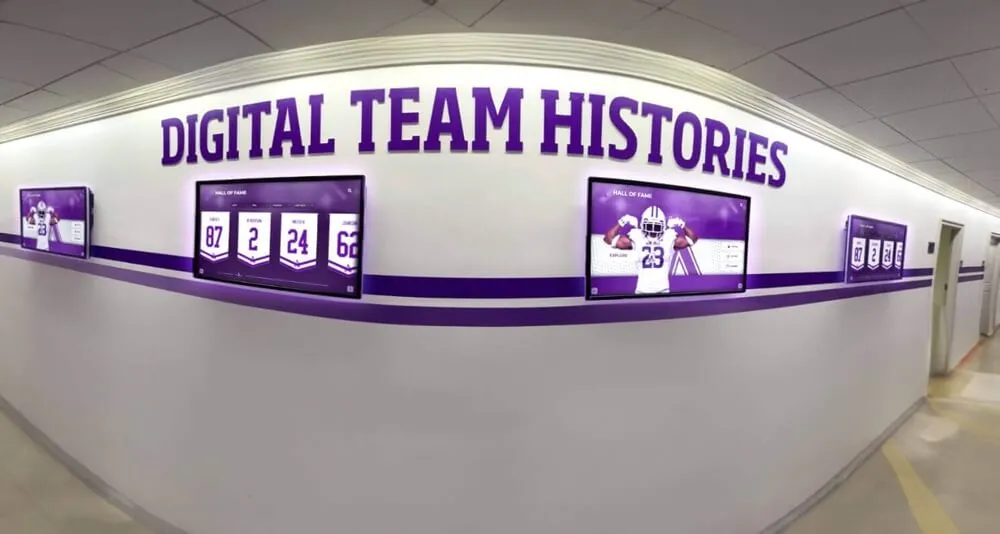
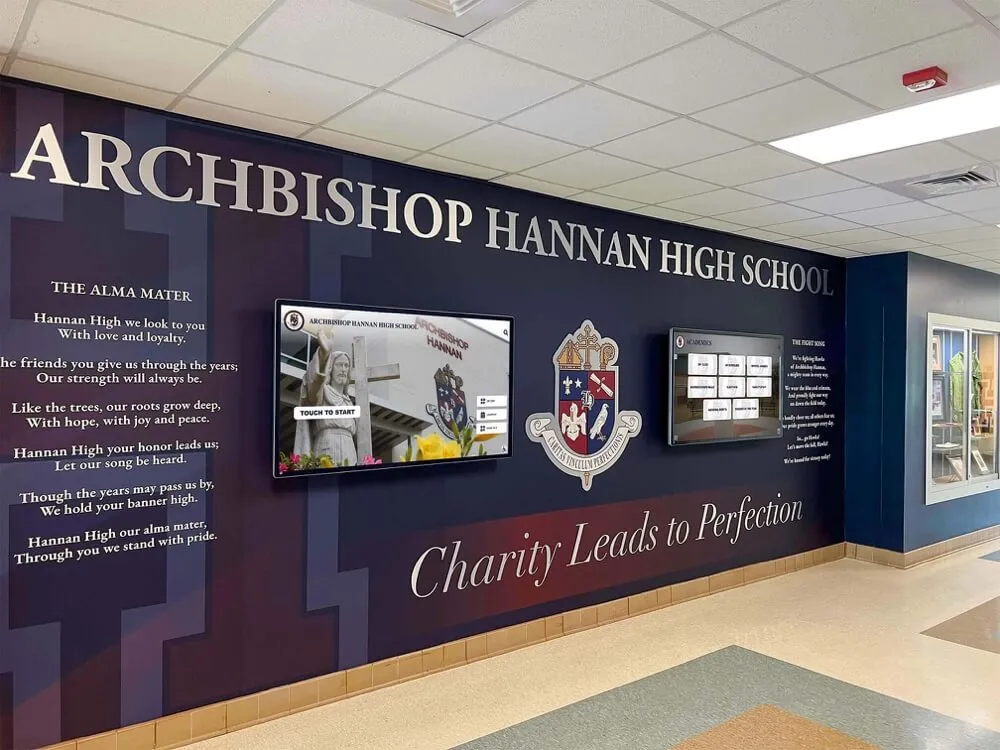
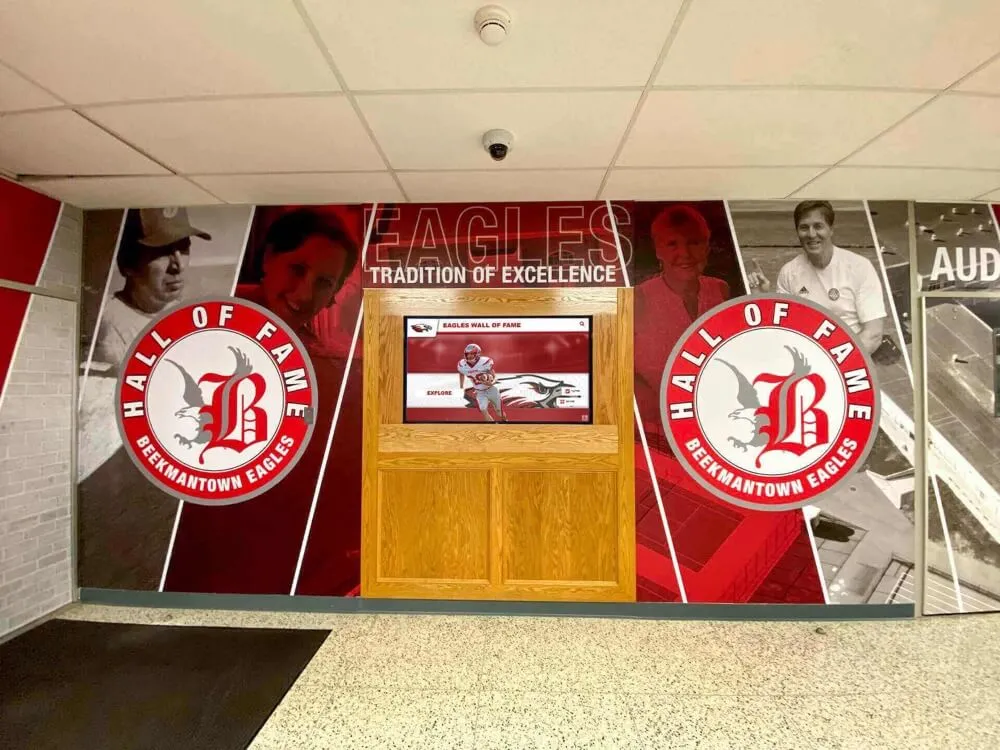
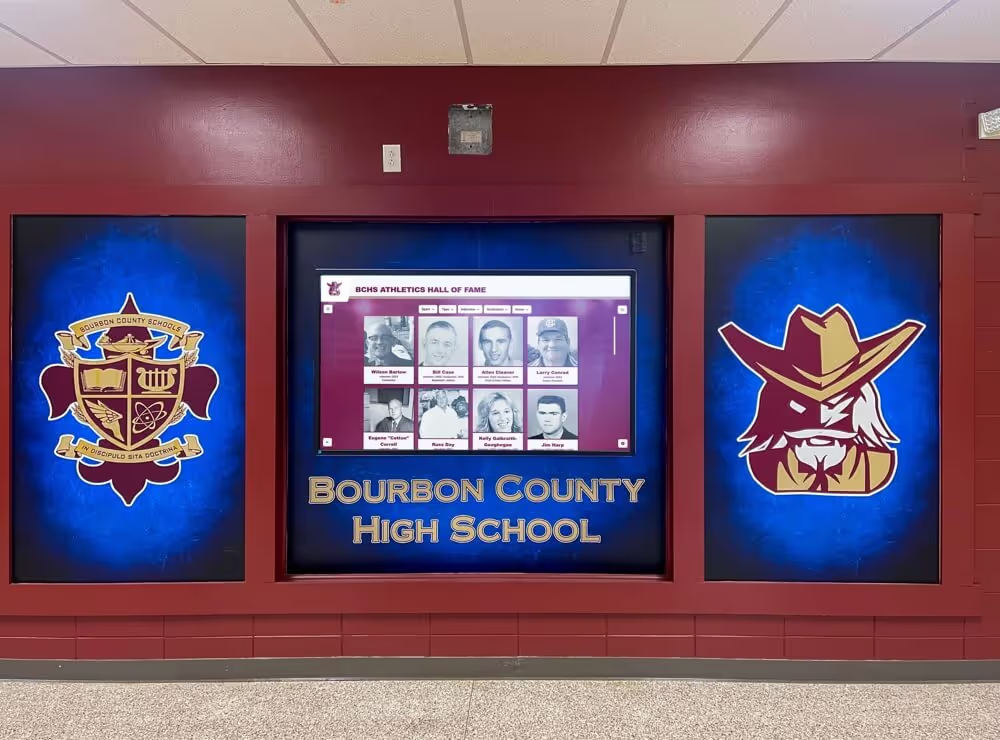
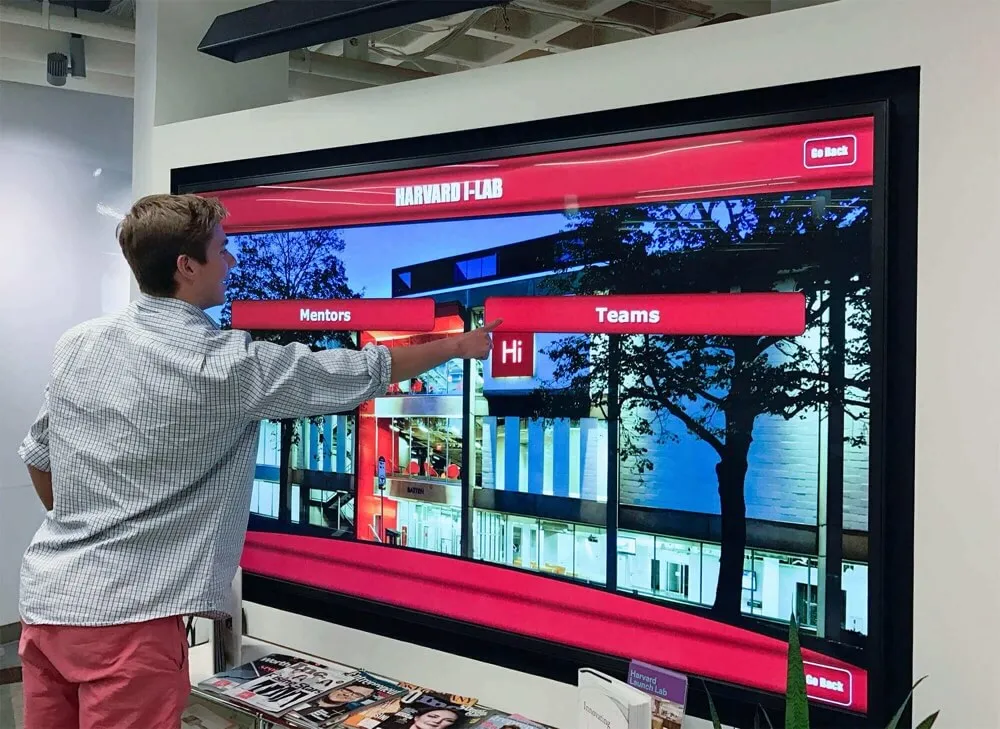
Interactive digital displays installed in athletic facilities, school lobbies, or gymnasium entrances allow schools to showcase scholarship recipients alongside other athletic honors including championship teams, record holders, hall of fame inductees, and all-conference selections. These systems create centralized locations where students, families, and community members explore athletic program history and celebrate individual achievements.
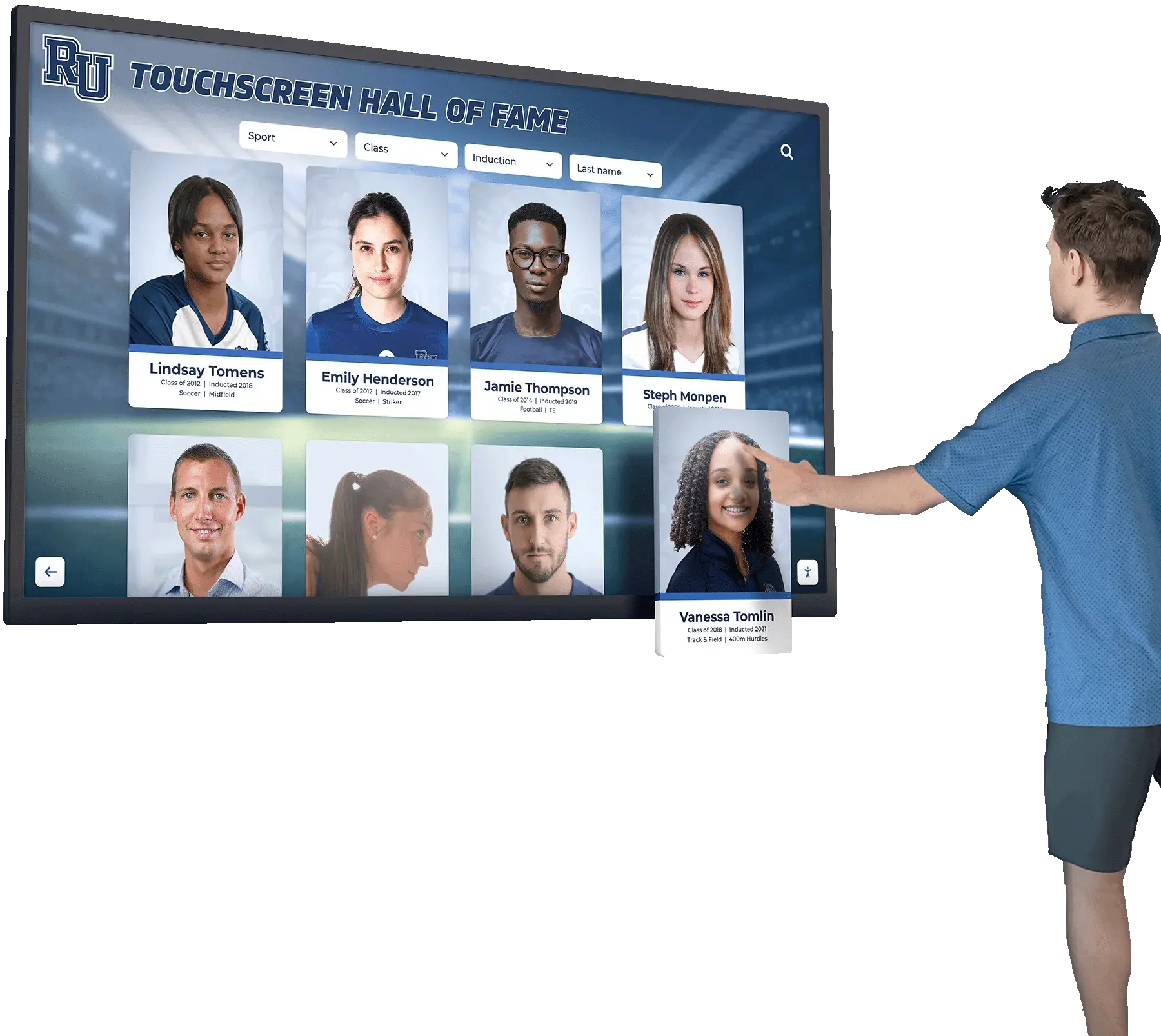
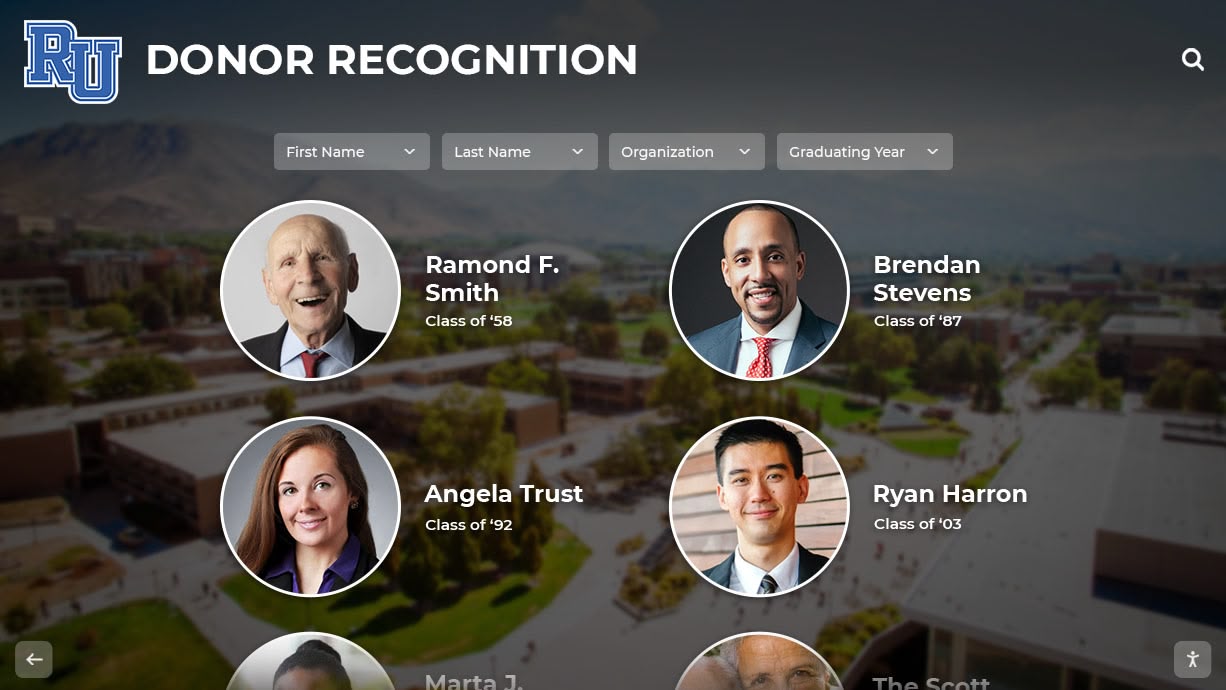
Solutions like Rocket Alumni Solutions enable schools to maintain searchable databases of scholarship athletes organized by sport, year, or destination school. Community members can explore which athletes earned scholarships to specific colleges, track program scholarship trends over time, and discover alumni connections to particular universities—creating valuable networks connecting current prospects with program alumni at schools they’re considering.
These permanent recognition systems serve multiple functions simultaneously—honoring individual achievement, motivating younger athletes, demonstrating program success to prospective families, and preserving institutional history documenting decades of athletic excellence and scholarship achievement.
Common Questions About D2 Athletic Scholarships
Can D2 scholarships be full rides?
Yes, though full scholarships are less common at D2 than D1. Headcount sports like football and basketball can offer full scholarships at fully-funded programs. In equivalency sports, top recruits sometimes receive full scholarships, but partial scholarships are more typical. However, when athletic scholarships combine with academic merit aid and need-based grants, total packages can approach or reach full cost of attendance.
Do D2 athletes go pro?
Yes, though less frequently than D1 athletes. D2 has produced NFL players, international basketball professionals, Major League Baseball players, and Olympic athletes. Professional opportunities exist but require exceptional talent. Most D2 athletes realistically prepare for careers outside professional sports while competing at high levels during college.
Is D2 better than D3 for scholarships?
D2 offers athletic scholarships while D3 does not, making D2 more advantageous for athletes whose families need athletic financial aid. However, some wealthy D3 schools offer generous need-based and academic merit aid that can exceed D2 athletic scholarships for qualifying students. Compare total aid packages rather than assuming D2 is always better financially.
When should I start the D2 recruitment process?
Begin researching D2 programs and building athletic profiles during sophomore year. Register with the NCAA Eligibility Center early in junior year. Attend camps and showcases during sophomore and junior summers. Initiate contact with coaches after June 15 following sophomore year. Serious recruitment conversations typically intensify during junior year with commitments often occurring during summer before senior year.
How do I know if I’m good enough for D2?
Honestly assess your athletic abilities compared to current D2 rosters in your sport. Talk with high school and club coaches about realistic college levels. Attend college camps to receive evaluations from college coaches. Research programs at various competitive levels within D2—some programs compete at levels approaching mid-major D1 while others are less competitive. If you’re a strong high school or club athlete but not elite D1 caliber, D2 may be an excellent fit.
Can D2 scholarships be renewed each year?
Athletic scholarships are typically one-year agreements renewable annually, though some schools offer multi-year guarantees. Renewal usually requires maintaining eligibility, satisfactory academic progress, appropriate conduct, and continued athletic participation. Read scholarship agreements carefully and ask about renewal expectations and guarantees.
Conclusion: Embracing the D2 Opportunity
Division 2 athletic scholarships represent outstanding opportunities for talented student-athletes seeking competitive college athletics, meaningful financial support, and balanced experiences valuing academics and personal development alongside athletic achievement. The D2 pathway offers legitimate competition, scholarship funding that often combines with academic aid to create comprehensive packages, and campus environments where athletes can pursue well-rounded college experiences without athletics consuming every moment.
Student-athletes who understand D2 eligibility requirements, proactively manage recruitment processes, maintain strong academics alongside athletic development, and evaluate opportunities based on total fit rather than prestige alone position themselves to maximize D2 scholarship potential. The combination of athletic and academic excellence, supplemented by multi-sport backgrounds and geographic flexibility, creates the strongest recruitment profiles for D2 opportunities.
For families navigating the college athletic scholarship landscape, Division 2 deserves serious consideration—not as a consolation when D1 opportunities don’t materialize, but as a deliberate choice offering distinctive advantages for student-athletes with appropriate athletic abilities and personal priorities. The D2 philosophy of balancing athletics with comprehensive student development resonates with many families seeking college experiences that develop complete individuals prepared for successful lives beyond sports.
Schools play vital roles in supporting athletes pursuing D2 opportunities by providing appropriate recognition, celebrating scholarship achievements, and maintaining systems that document and honor these accomplishments as part of institutional athletic legacies. When communities properly recognize D2 scholarship recipients, they validate the significance of these achievements while inspiring future generations to pursue their own athletic and academic excellence.
Ready to celebrate your scholarship athletes and athletic achievements with permanent recognition? Rocket Alumni Solutions provides interactive digital recognition platforms that honor scholarship recipients, showcase athletic achievements, and preserve program history through searchable databases accessible to your entire community. Our solutions enable schools to recognize athletes earning Division 2 scholarships alongside other athletic honors, creating comprehensive celebration of excellence that motivates current athletes while documenting institutional legacy for generations to come.