Thoughtful donor appreciation gifts strengthen the relationship between educational institutions and their supporters, transforming one-time contributors into lifelong advocates for your mission. Whether honoring a major gift that funds a new athletic facility, recognizing annual fund donors who give consistently year after year, or thanking volunteers who dedicate countless hours to your cause, the right appreciation gift communicates genuine gratitude while reinforcing the meaningful impact of their support.
Yet many development teams struggle with selecting appropriate donor appreciation gifts that feel personal rather than transactional, meaningful rather than generic, and proportionate to the gift level without appearing wasteful. Questions arise constantly: Should you send physical gifts or focus on experiential recognition? How do you honor major donors differently from smaller contributors? What appreciation strategies work within tight nonprofit budgets? When does a gift feel genuine versus obligatory? Finding that balance between heartfelt gratitude and strategic stewardship represents one of the most important challenges facing advancement professionals.
This comprehensive guide explores thoughtful donor appreciation gift ideas spanning multiple recognition levels and donor types, providing practical strategies, budget-conscious options, and creative approaches to help schools, universities, and nonprofits thank their supporters in ways that honor contributions while inspiring continued engagement and future giving.

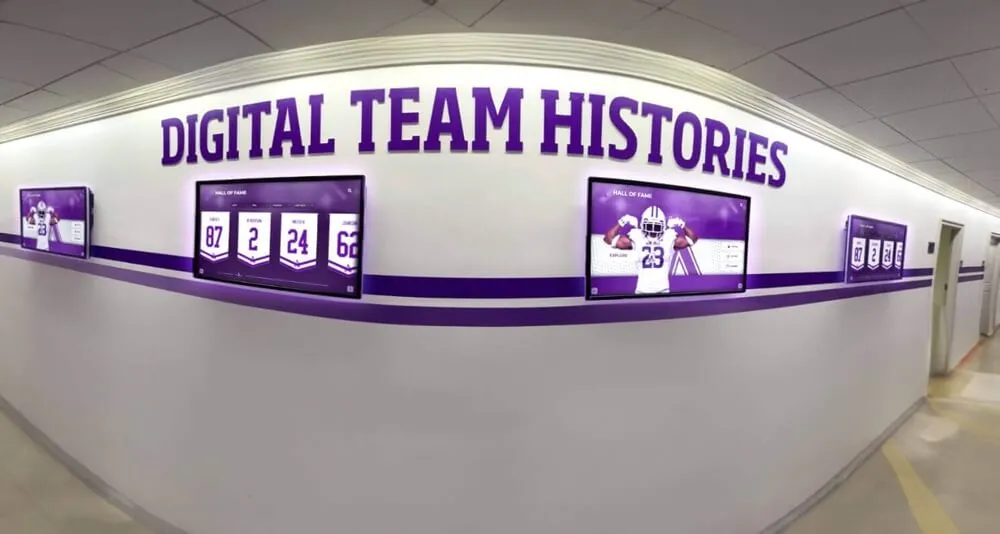
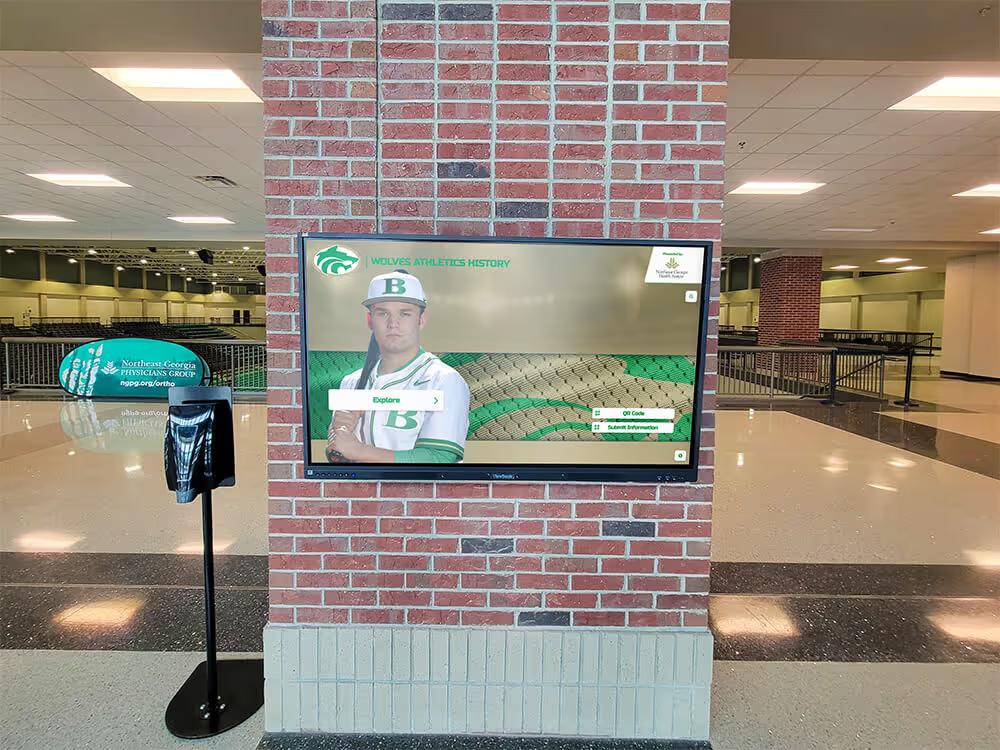
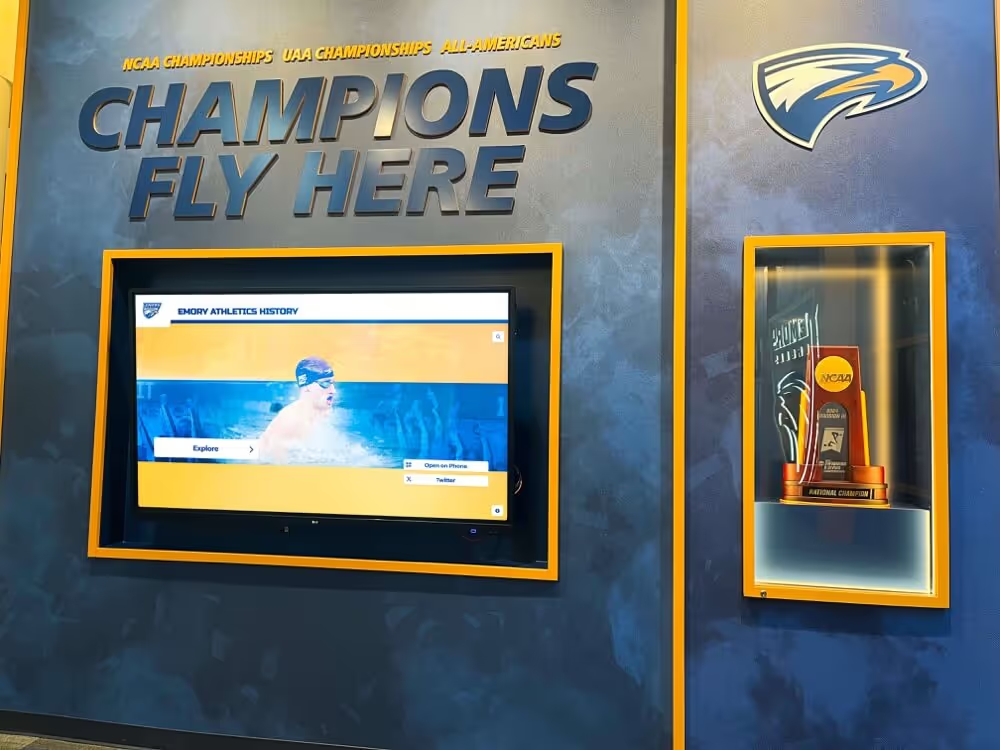
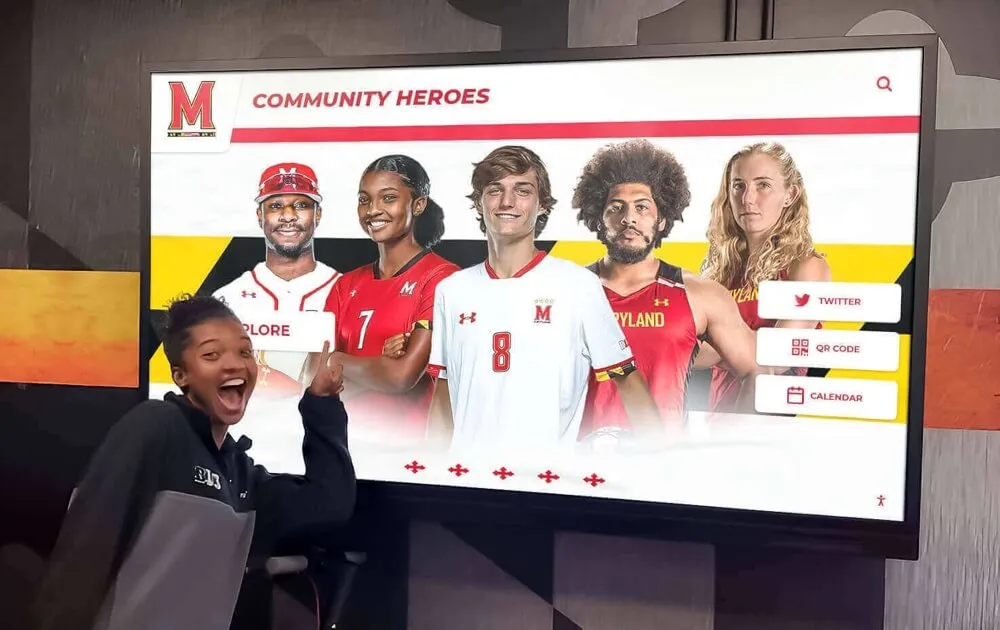
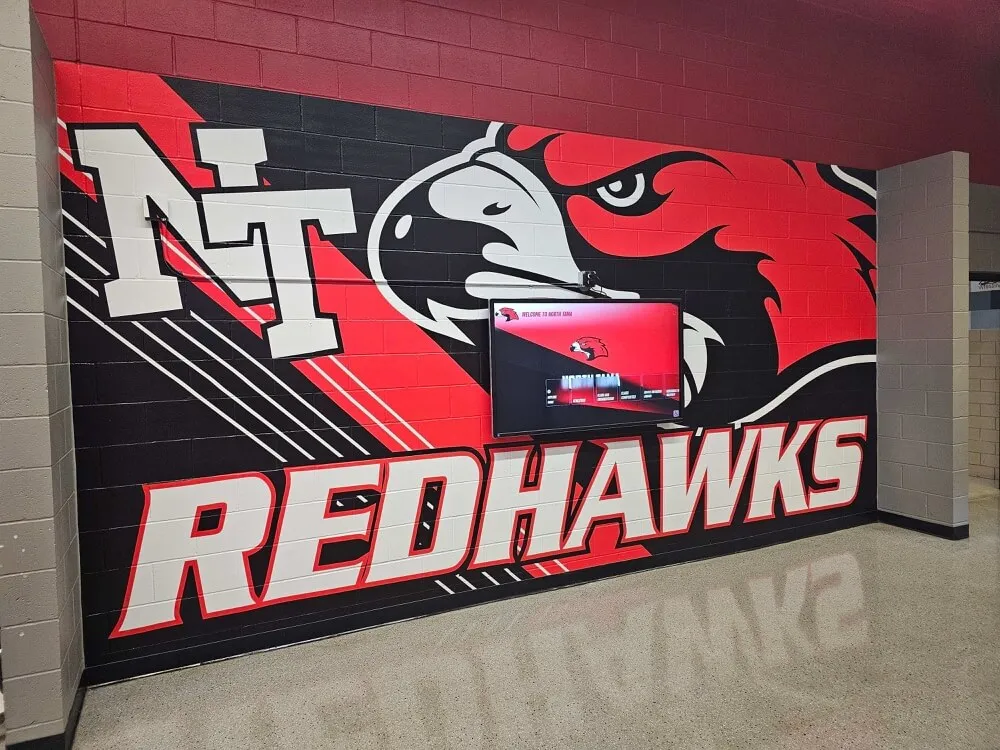
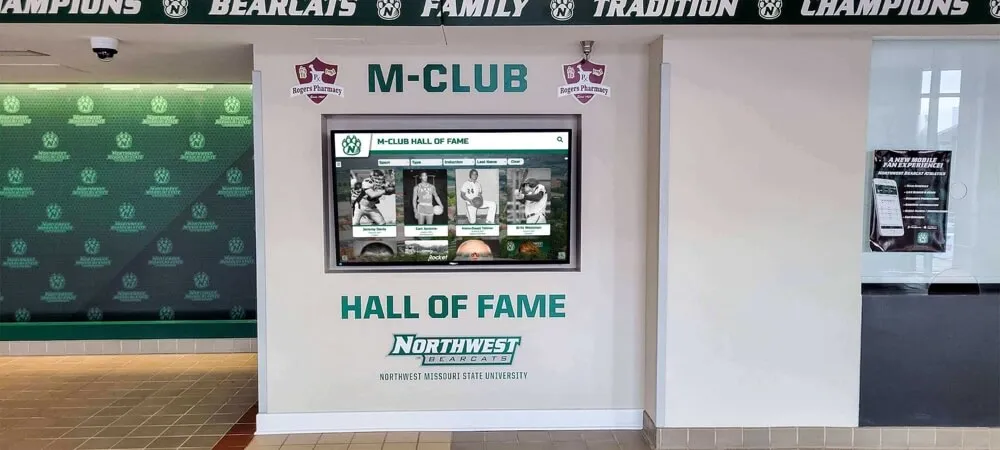
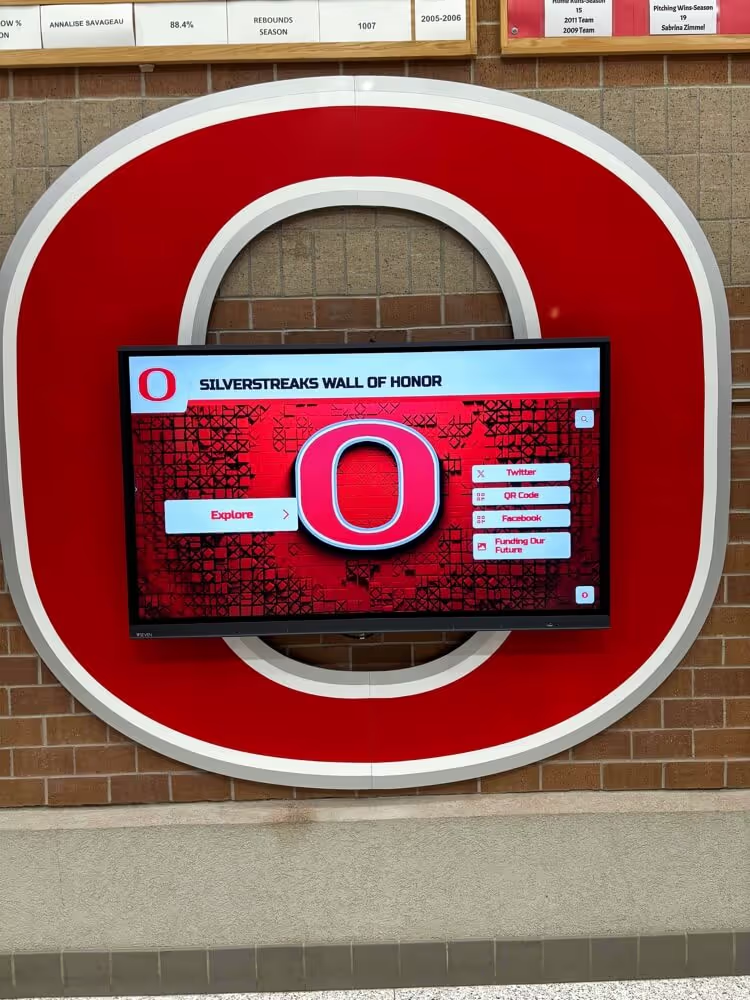
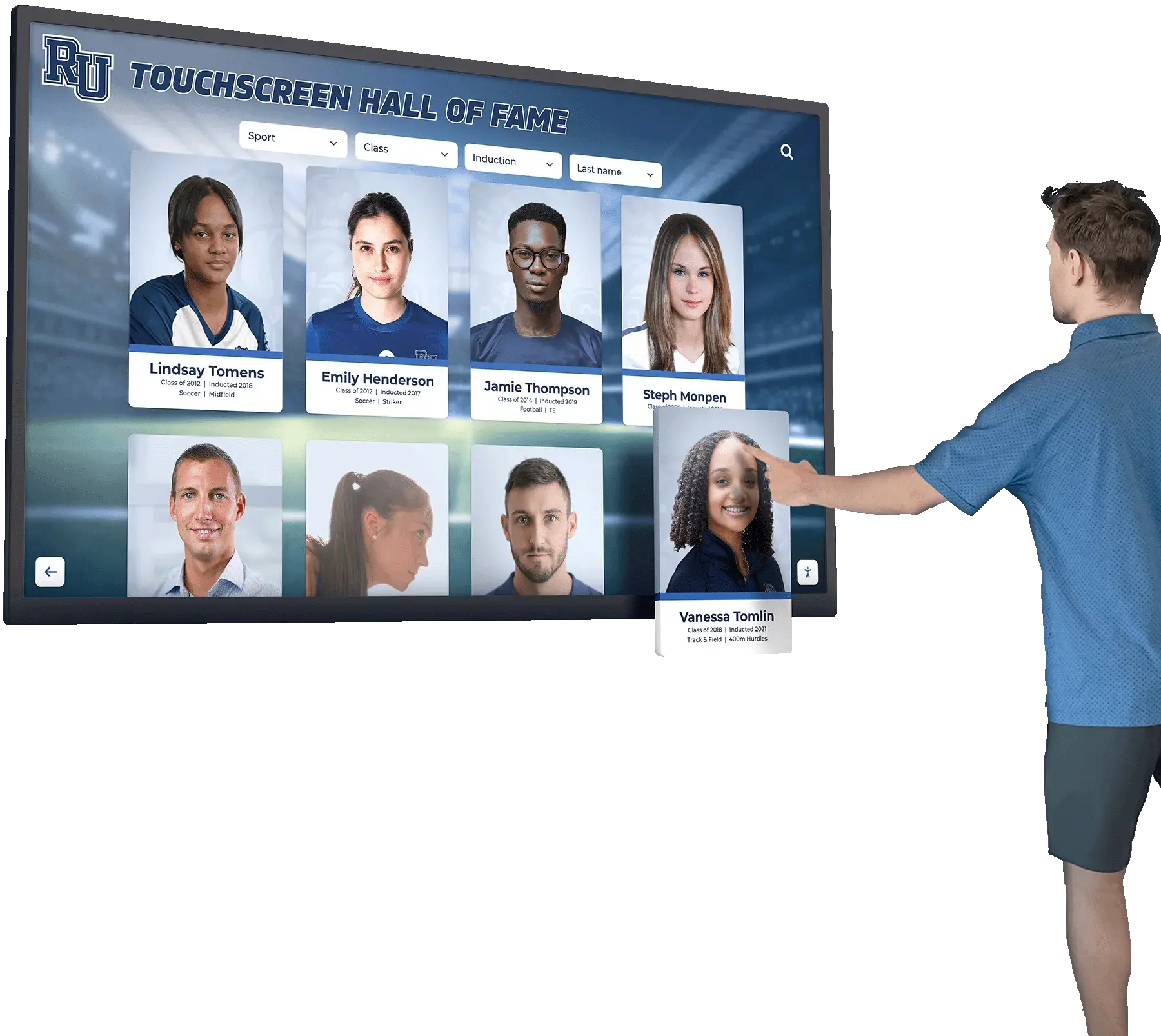
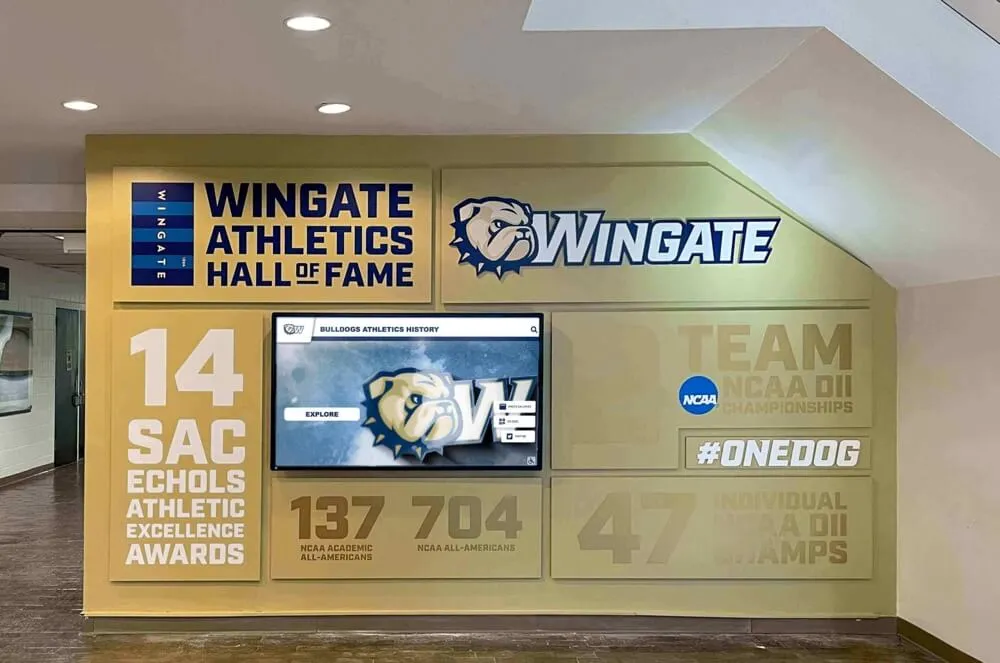
Recognition displays celebrate donors and supporters publicly, creating lasting tributes that honor contributions while inspiring others to give
Understanding the Purpose of Donor Appreciation Gifts
Before exploring specific gift ideas, it’s essential to understand why donor appreciation gifts matter and what makes recognition meaningful from both the donor’s and institution’s perspectives.
Why Donor Appreciation Matters
Donor Retention
Research consistently shows that appreciated donors give again. When supporters feel genuinely thanked and see the tangible impact of their contributions, they’re significantly more likely to renew gifts annually and even consider increasing giving levels over time.
Organizations that implement thoughtful donor recognition programs often see donor retention rates 20-30% higher than those treating recognition as an afterthought.
Relationship Building
Donor appreciation gifts represent touchpoints in an ongoing relationship rather than transactions. Each meaningful interaction—whether a personalized thank-you note, invitation to special events, or thoughtful recognition gift—deepens the connection between donor and institution, building trust and affinity that transcends any single contribution.
Mission Amplification
When donors receive appreciation that demonstrates the impact of their giving, they become ambassadors for your cause. They share their positive experiences with friends, family, and colleagues, organically expanding your donor base through authentic word-of-mouth advocacy that no marketing budget can buy.
Cultural Reinforcement
Public recognition through appreciation gifts creates culture of philanthropy where giving is celebrated, impact is visible, and generosity inspires others. Schools that prominently honor donors through recognition walls, named spaces, and appreciation events normalize philanthropic support as integral to institutional culture.
What Makes Donor Appreciation Meaningful
Not all appreciation gifts create equal impact. The most effective recognition shares certain characteristics:
Personalization
Generic appreciation feels transactional. Donors respond to recognition that acknowledges their specific interests, motivations for giving, and relationship history with your organization. A gift referencing the donor’s connection to your mission resonates far more deeply than something anyone could receive.
Proportionality
Appreciation should align with gift size and donor capacity. Major donors funding capital projects expect different recognition than annual fund contributors, yet both deserve gratitude proportionate to their support. The key is honoring each gift appropriately without making smaller donors feel undervalued or major donors feel insufficiently recognized.
Timeliness
Immediate gratitude matters. Donors who receive prompt acknowledgment of their contributions feel valued, while delayed recognition—even if eventually thoughtful—can create feelings of being forgotten or taken for granted. Best practice suggests thanking donors within 48 hours of receiving gifts.
Impact Connection
The most meaningful appreciation connects gifts directly to outcomes. Rather than generic thanks, effective recognition shows donors exactly how their support made a difference—students it helped, programs it funded, facilities it built, or lives it changed. This impact storytelling transforms abstract contributions into concrete accomplishments.
Institutions implementing comprehensive capital campaign recognition strategies understand that appreciation connecting gifts to mission impact creates powerful donor engagement that sustains giving long after campaigns conclude.
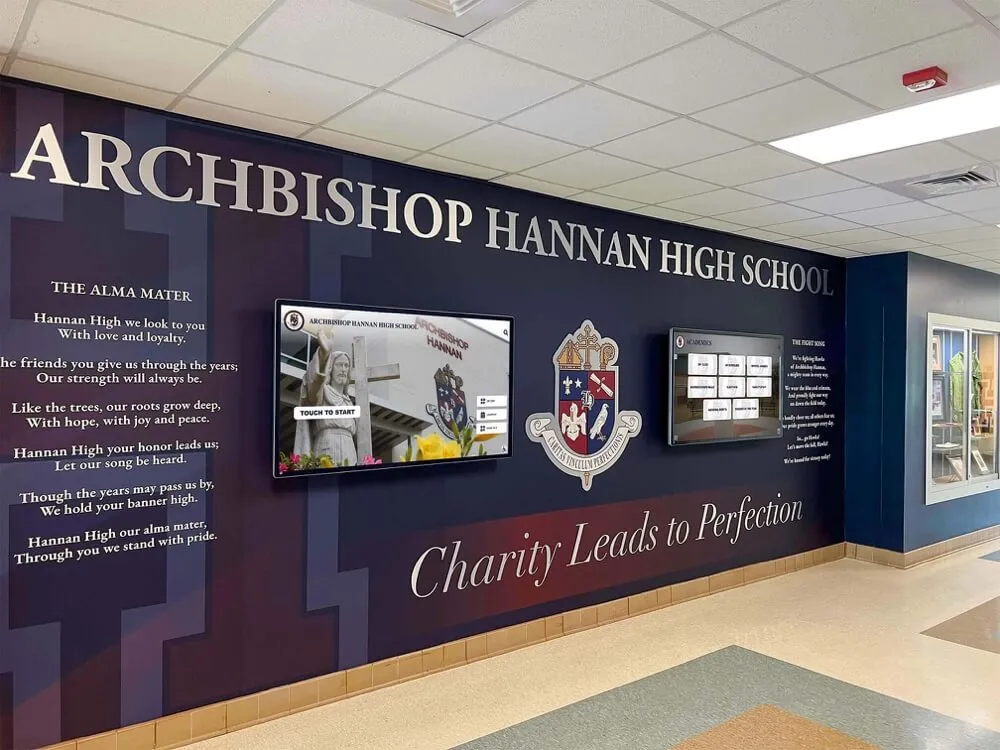
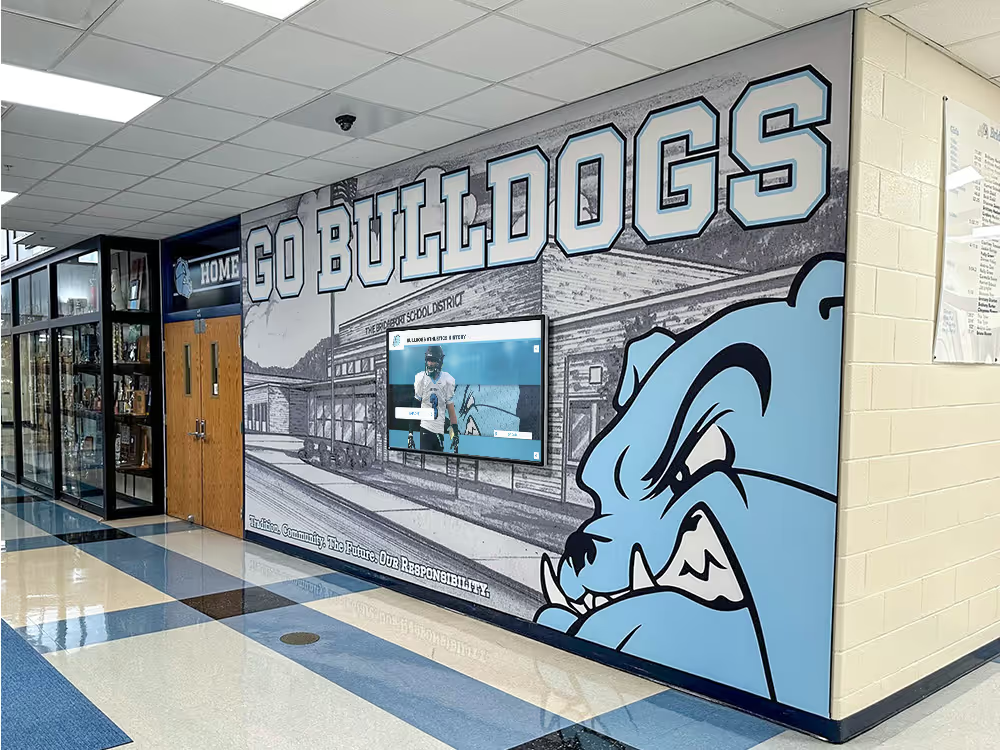
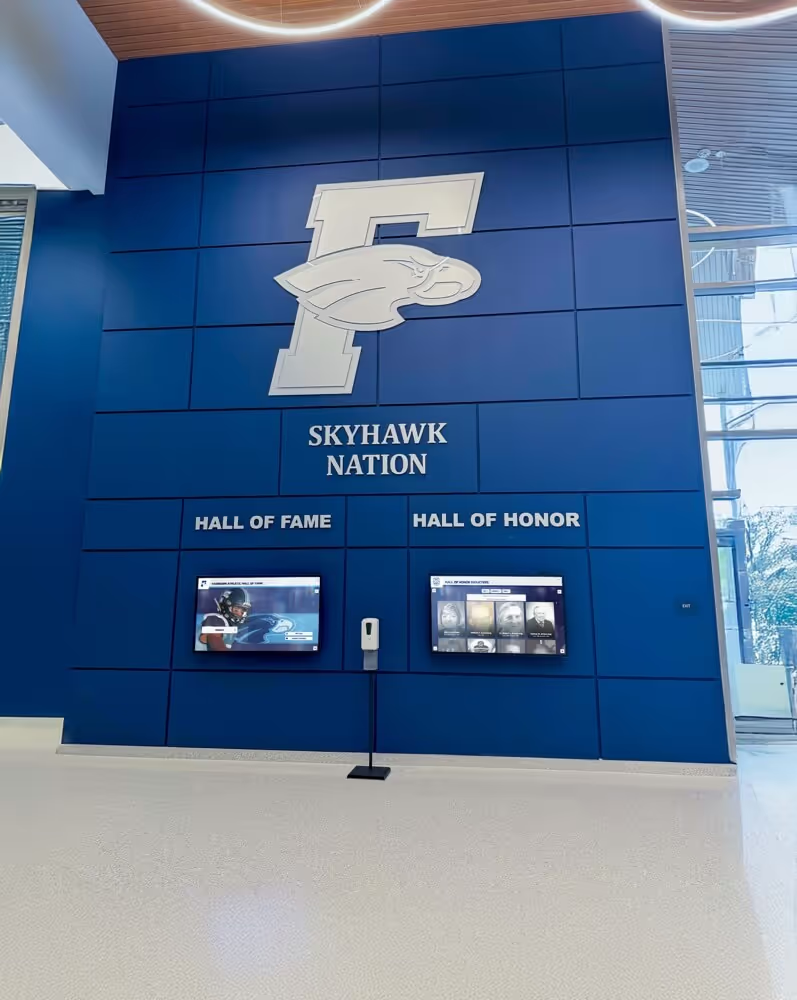
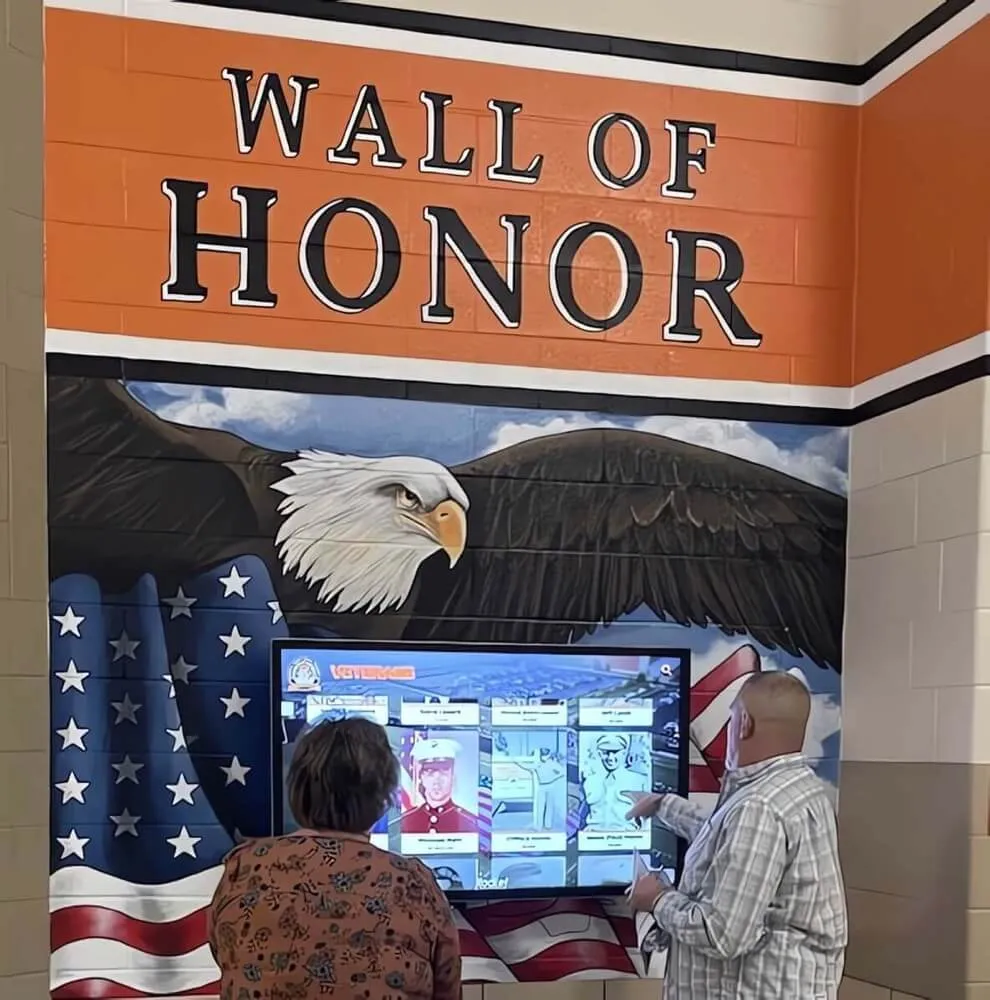
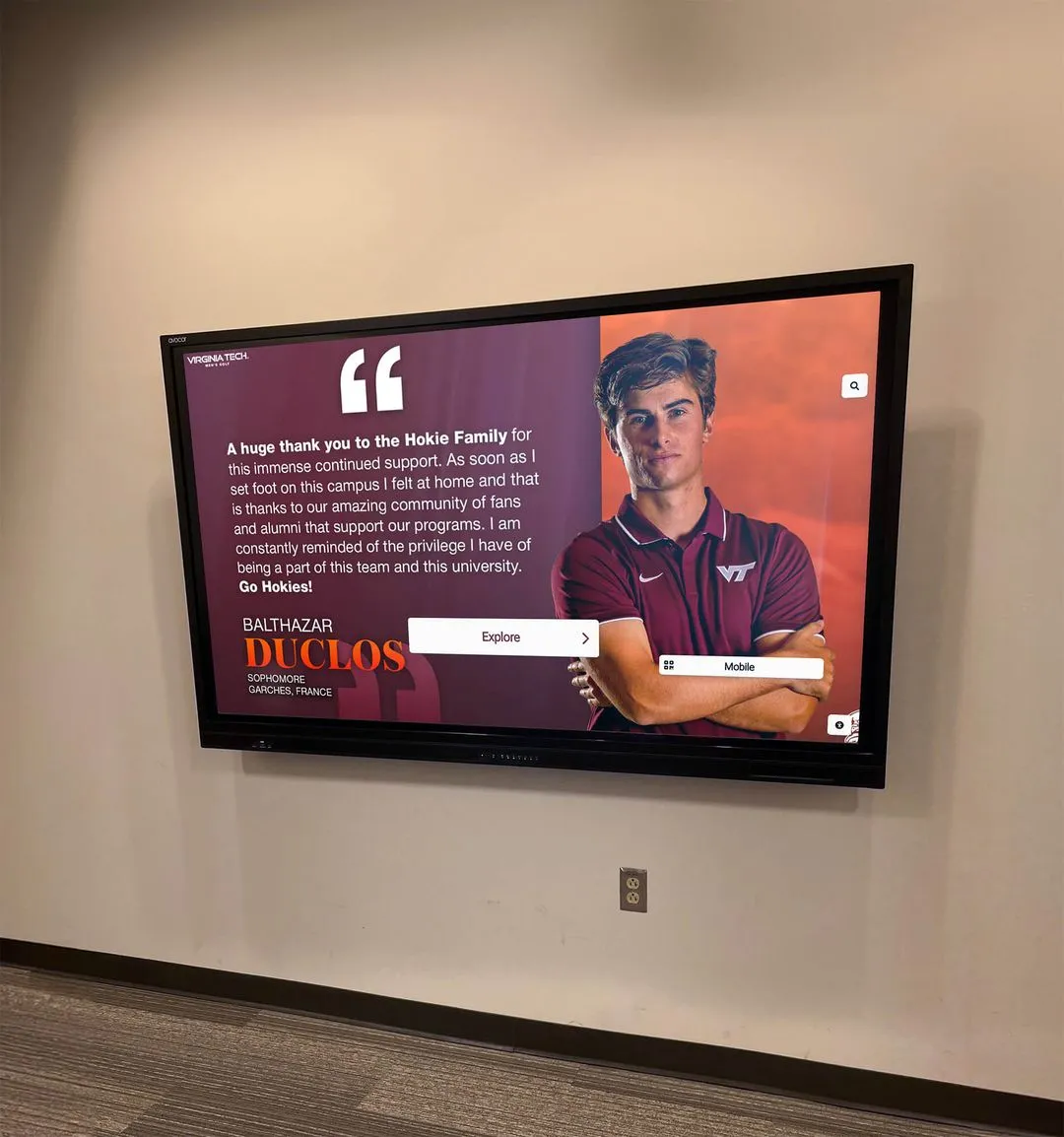
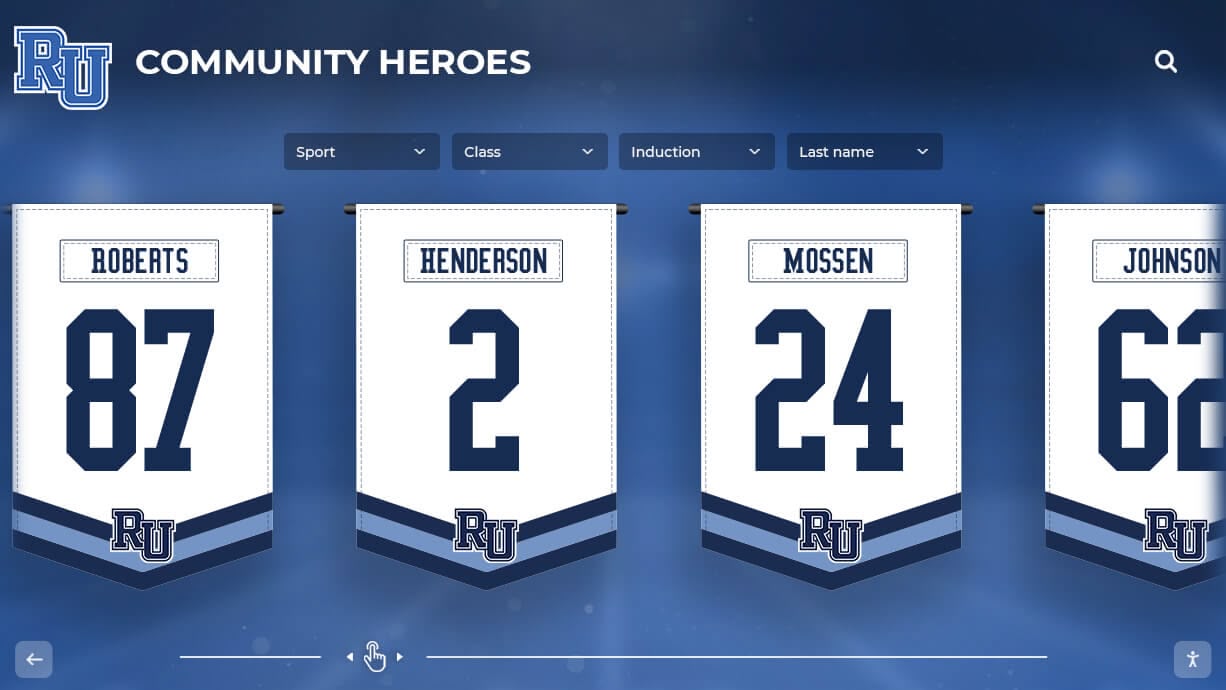
Interactive recognition systems enable personalized donor experiences, sharing impact stories and celebrating contributions at multiple giving levels
Donor Appreciation Gift Ideas by Recognition Level
Different gift levels warrant different recognition approaches. These category-specific suggestions help you select appropriate appreciation for donors across the giving spectrum.
Annual Fund and Small-Gift Donor Recognition ($1-$999)
For donors making smaller but important contributions, focus on personal touches rather than expensive gifts:
Personalized Thank-You Notes
Handwritten notes from leadership, students who benefit from scholarships, or program directors whose work donors support create powerful personal connection. The time invested in authentic, specific thanks often means more than any physical gift.
Key elements of effective thank-you notes include:
- Specific mention of the gift amount and date
- Direct connection between the gift and its impact
- Personal reference to the donor’s relationship with your organization
- Genuine, conversational tone rather than formal template language
- Signature from someone the donor knows or would recognize
Recognition Certificates
Attractive certificates acknowledging giving levels or years of consistent support provide donors with tangible recognition they can display. Digital certificates emailed promptly combine timeliness with environmental consciousness, while printed versions feel more formal and permanent.
Donor Recognition Listings
Including donor names in annual reports, program booklets, event materials, or digital donor walls provides public acknowledgment that many donors value. Always confirm name spelling and preferred listing format, and offer anonymous giving options for those who prefer privacy.
Small Branded Items
Tasteful branded merchandise like bookmarks, notecards, lapel pins, or keychains featuring your organization’s logo provide useful items that remind donors of their support. Focus on quality over quantity—one well-made item beats multiple cheap ones.
Student-Created Appreciation
For educational institutions, cards, artwork, or video messages created by students whose programs donors support offer uniquely meaningful thanks. These authentic expressions of gratitude from beneficiaries create emotional connections that no purchased gift can match.
Invitation to Donor Appreciation Events
Annual donor appreciation gatherings—whether casual receptions, virtual thank-you events, or campus tours—allow smaller donors to see their collective impact, meet fellow supporters, and feel valued as essential community members.
Mid-Level Donor Recognition ($1,000-$9,999)
For donors making significant annual commitments or cumulative gifts in this range, combine personalized appreciation with recognition that acknowledges increased impact:
Named Recognition Opportunities
Options might include:
- Named seats in performance venues or athletic facilities
- Inscribed bricks or pavers in walkways or courtyards
- Recognition on donor recognition plaques in prominent campus locations
- Named endowed fund contributions (when combined with other gifts)
- Digital recognition in interactive displays showing donor names and giving levels
Behind-the-Scenes Access
Exclusive experiences create memorable appreciation:
- Private tours of facilities or programs donors support
- Attendance at rehearsals, practices, or pre-event preparations
- Meetings with program directors, coaches, or faculty
- Access to special collections or campus areas not open to general public
- VIP seating or experiences at major institutional events
Premium Institutional Merchandise
High-quality branded items differentiate mid-level recognition:
- Framed institution photography or historic prints
- Premium apparel like quarter-zip pullovers or polo shirts
- Executive desk accessories with institution branding
- High-end drinkware or home goods
- Books about institutional history or related to your mission
Personalized Video Messages
Custom video thanks from leadership, students, or program beneficiaries create shareable content that donors can revisit. Videos showcasing the specific impact of the donor’s gift level—facilities funded, students served, programs enhanced—make abstract contributions concrete.
Giving Society Membership
Named donor societies recognizing cumulative or annual giving at this level provide ongoing acknowledgment. Benefits might include special events, exclusive communications, recognition materials, and priority access to institutional resources or events.
Schools developing alumni recognition programs understand that connecting alumni donors to current students and showcasing impact creates powerful stewardship that inspires continued generosity.
Major Donor Recognition ($10,000-$99,999)
Major donors funding significant initiatives deserve recognition that honors the transformative nature of their support:
Named Spaces
Permanent recognition through naming opportunities represents the most significant appreciation:
- Classrooms, laboratories, or studios
- Program suites or department spaces
- Athletic facilities or field houses
- Library collections or study areas
- Outdoor spaces like gardens or plazas
Naming rights typically include prominent plaques or signage, recognition in facility dedication ceremonies, and permanent acknowledgment in institutional records.
Permanent Plaque Recognition
Beyond named spaces, major donors receive recognition on donor walls and recognition displays featuring:
- Engraved plaques with donor names and gift designations
- Digital profiles sharing donor stories and motivations
- Recognition tiers showing giving society levels
- Historical documentation of philanthropic impact
Personalized Plaques or Awards
Custom recognition pieces designed specifically for major donors might include:
- Engraved crystal or glass awards
- Framed commemorative pieces featuring facility renderings or campaign graphics
- Custom-designed recognition reflecting the project funded
- Architectural elements or artifacts from renovated spaces
Exclusive Stewardship Events
Special gatherings exclusively for major donors create community:
- Private dinners with institutional leadership
- Facility groundbreakings or ribbon-cutting ceremonies
- Intimate performances or athletic events with premium access
- Retreats or travel experiences related to institutional mission
- Advisory board or committee participation opportunities
Comprehensive Impact Reporting
Detailed, personalized communications showing exactly how major gifts made differences:
- Annual impact reports specific to funded programs
- Photo documentation of facility construction or renovation progress
- Student or program beneficiary introductions and updates
- Financial reporting showing endowment growth or fund utilization
- Video documentation of funded initiatives in action
Legacy Planning Recognition
Major donors often appreciate assistance with estate planning or legacy giving:
- Complimentary consultations with planned giving officers
- Recognition in legacy society for documented estate gifts
- Assistance designing gifts that achieve both philanthropic and financial goals
- Family philanthropy conversations helping donors involve next generations
Many institutions showcase major donor recognition through interactive donor recognition displays that share detailed donor stories, project outcomes, and lasting impact in engaging, accessible formats.
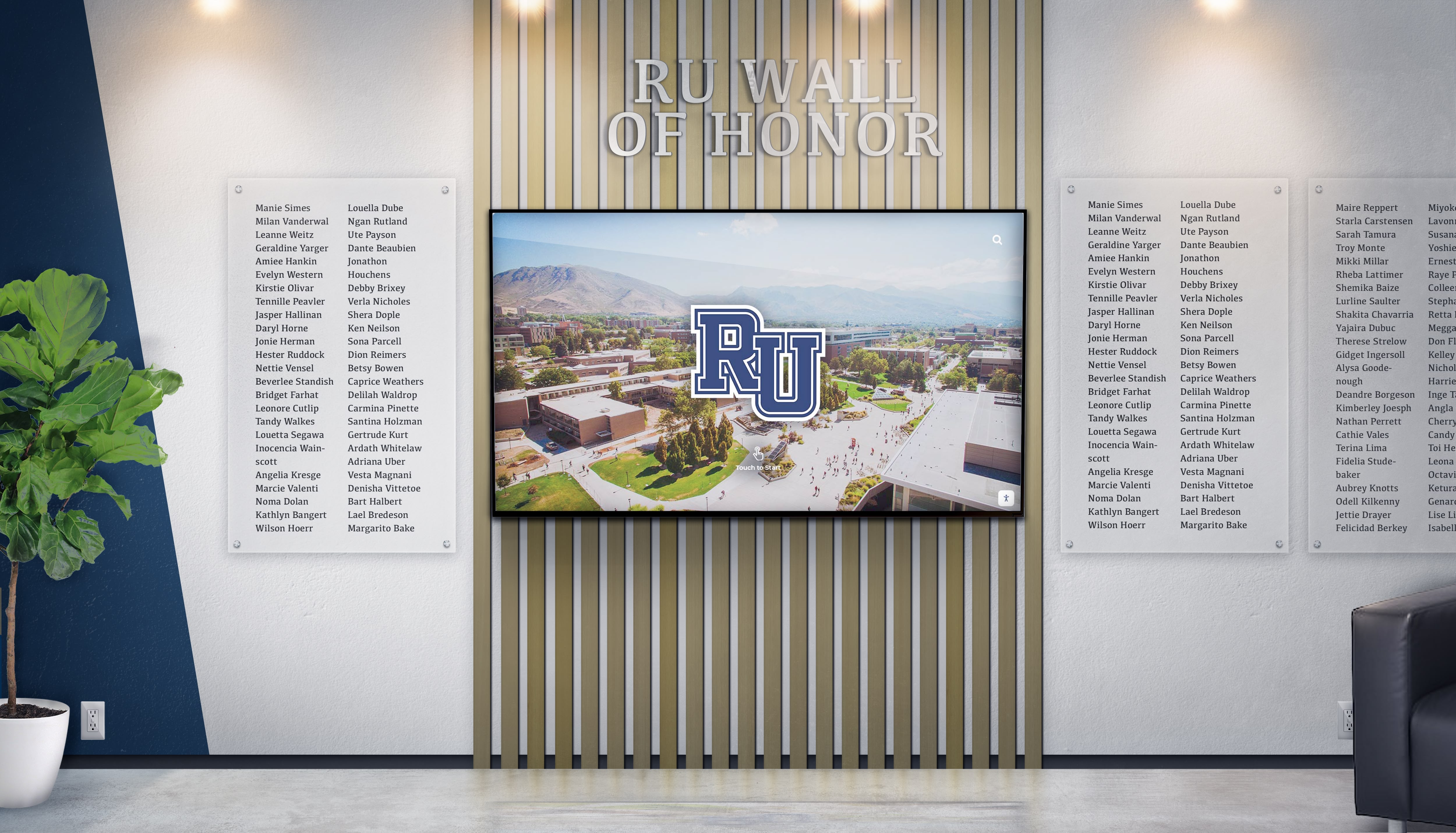
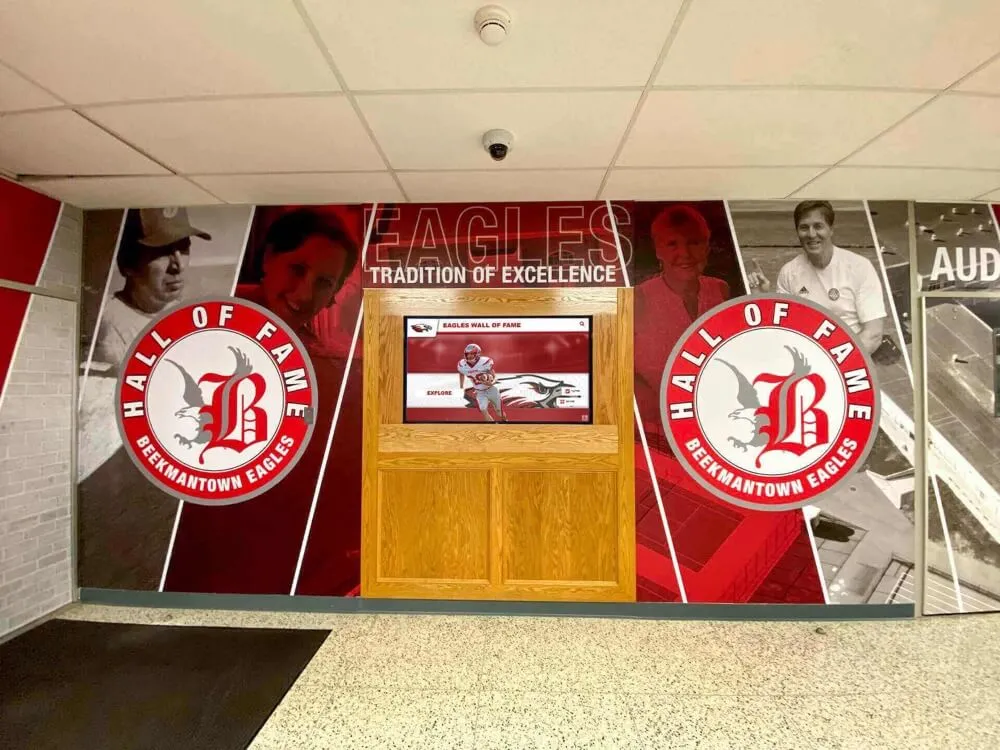
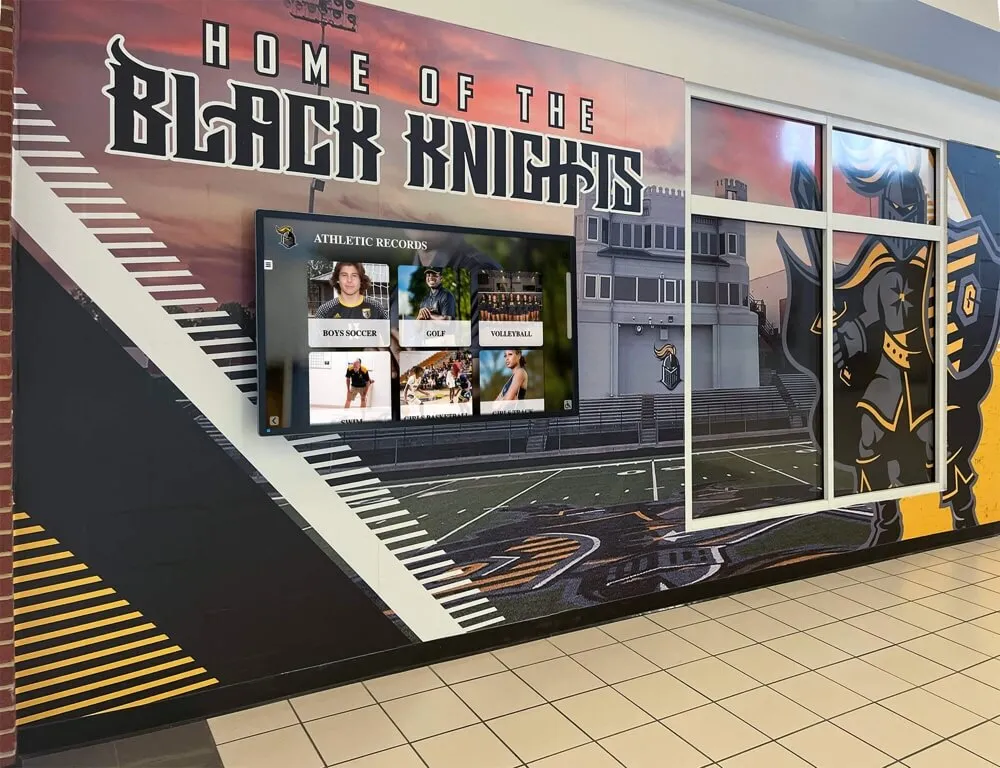
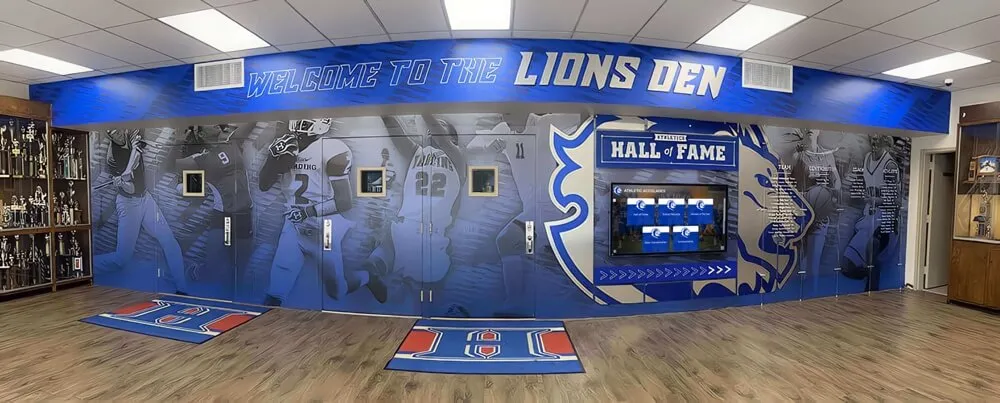
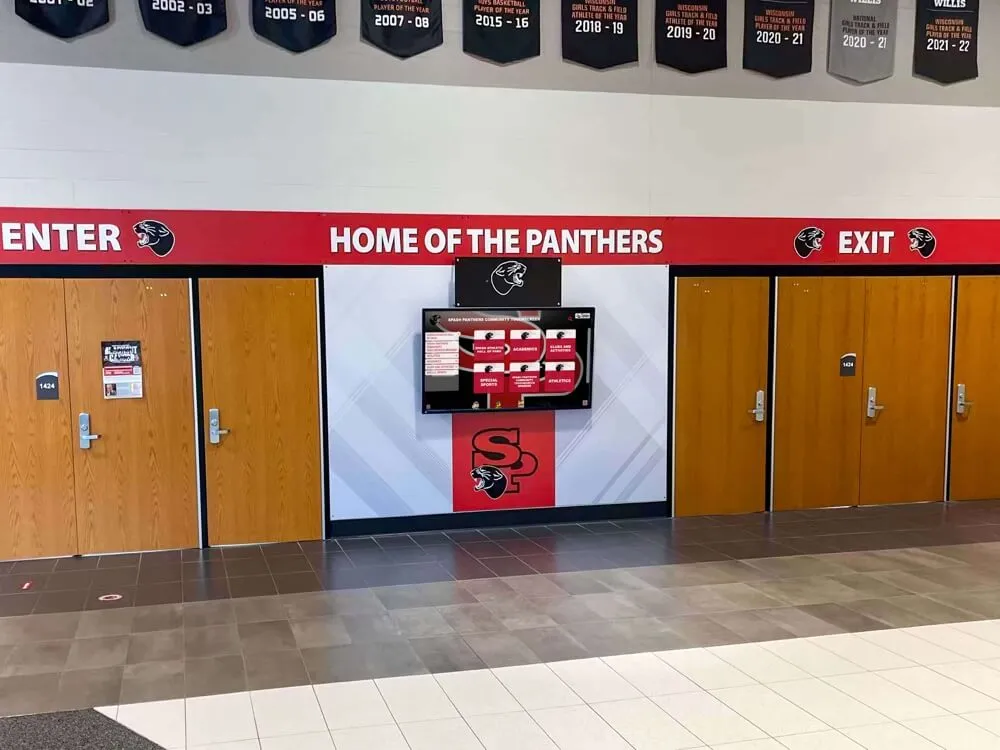
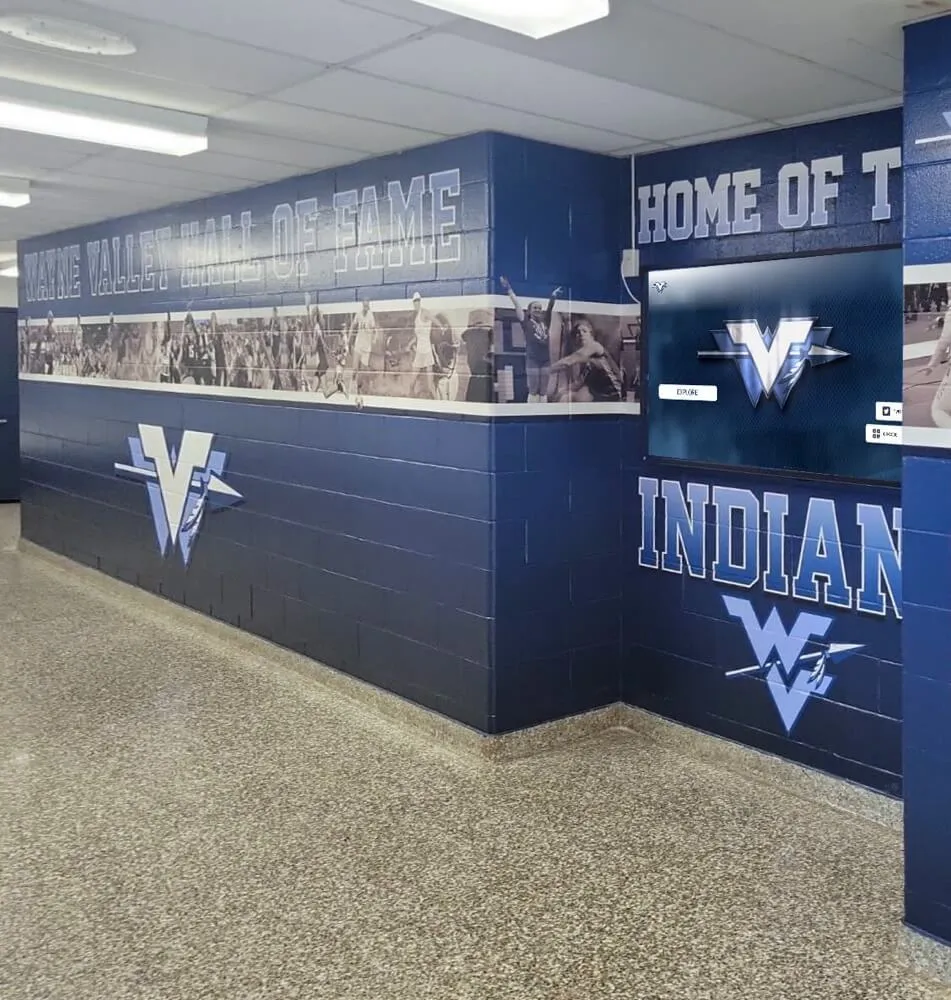
Modern donor walls combine permanent recognition with dynamic content, honoring major gifts while sharing ongoing impact stories
Transformational Gift Recognition ($100,000+)
Donors making transformational gifts that fundamentally change institutional capacity deserve the highest level of recognition and stewardship:
Building or Program Naming
Entire buildings, institutes, centers, academic chairs, or comprehensive programs named in honor of transformational donors create permanent institutional legacies. These naming opportunities typically include:
- Formal dedication ceremonies with media coverage
- Prominent exterior and interior signage
- Recognition in all institutional materials referencing the named entity
- Ongoing stewardship showing impact over time
- Family involvement in milestone celebrations
Endowment Recognition
Permanently endowed funds named for transformational donors provide lasting recognition:
- Named scholarships or fellowships
- Endowed faculty chairs or professorships
- Program endowments funding operations in perpetuity
- Annual reporting showing endowment performance and impact
- Recognition in perpetuity as long as institution exists
Board-Level Engagement
Transformational donors often receive invitations to:
- Serve on institutional boards of trustees
- Join campaign leadership committees
- Participate in strategic planning processes
- Access presidential or executive director relationships
- Influence institutional direction through advisory roles
Commemorative Elements
Unique recognition pieces might include:
- Commissioned artwork or sculptures honoring donors
- Cornerstones or foundation stones inscribed with donor names
- Time capsules or historical archives documenting gifts
- Dedication books or permanent records housed in special collections
- Custom-designed recognition unique to the specific gift
Multi-Generational Stewardship
Transformational donor relationships extend across decades and generations:
- Family legacy planning involving children and grandchildren
- Regular presidential or leadership contact and updates
- Exclusive experiences connecting donors to mission impact
- Recognition evolving as institutional needs and donor interests change
- Cultivation of next-generation family members as future supporters
Public Recognition and Celebration
Appropriate public acknowledgment might include:
- Press releases and media coverage of transformational gifts
- Feature stories in institutional publications
- Recognition at major institutional events
- Invitations to serve as speakers or honorees
- Documentation in institutional histories and archives
Institutions managing complex multi-year capital campaigns understand that transformational donor recognition requires sophisticated systems tracking gifts across years, managing complex naming agreements, and providing ongoing stewardship that honors extraordinary generosity.
Budget-Friendly Donor Appreciation Strategies
Meaningful appreciation doesn’t require large budgets. These cost-effective strategies communicate genuine gratitude while respecting fiscal responsibility:
Leverage Student and Faculty Talent
Student-Created Appreciation
Educational institutions possess built-in resources for authentic recognition:
- Art students create custom thank-you cards or appreciation artwork
- Music students perform private concerts for donor gatherings
- Theatre students produce appreciation videos or performances
- Photography students document donor impact through photo essays
- Writing students craft personalized thank-you letters or impact stories
These authentic expressions cost little beyond materials while offering donors priceless connections to beneficiaries.
Faculty Expertise
Faculty members can contribute:
- Lectures or workshops on topics matching donor interests
- Consultation on donor projects or professional interests
- Recognition mentions in academic papers or presentations
- Participation in donor events sharing institutional achievements
- Personalized impact reports showing how gifts advanced their work
Maximize Digital Recognition
Social Media Appreciation
Public acknowledgment through institutional social channels:
- Donor spotlight posts sharing stories and motivations
- Photo galleries from appreciation events
- Video testimonials from program beneficiaries
- Campaign milestone celebrations recognizing donor collective impact
- Thank-you messages from students and program participants
Email Recognition Campaigns
Regular digital communications:
- Monthly donor newsletters featuring impact stories
- Year-end reports showing cumulative donor impact
- Personalized emails with photos or videos of funded initiatives
- Birthday or anniversary greetings acknowledging giving history
- Survey invitations seeking donor input on institutional priorities
Digital Recognition Displays
Modern digital donor recognition walls provide cost-effective permanent recognition that:
- Displays unlimited donor names without costly plaque updates
- Shares dynamic content showing ongoing campaign progress
- Features rotating impact stories and donor profiles
- Enables remote content management without on-site visits
- Scales recognition from annual fund donors to major contributors
Focus on Experiences Over Objects
Low-Cost Exclusive Access
Create special experiences using existing resources:
- Private campus or facility tours highlighting donor impact
- Breakfast or coffee with institutional leadership
- Reserved seating at athletic events or performances
- Access to typically closed spaces or collections
- Invitations to student showcases or presentations
Virtual Appreciation Events
Technology enables budget-friendly gatherings:
- Zoom donor appreciation sessions with student panels
- Virtual facility tours showing spaces donors funded
- Live-streamed performances or athletic events with donor chat
- Online impact presentations with Q&A sessions
- Digital donor society gatherings connecting supporters
Recognition Photographs
Simple but meaningful appreciation:
- Photos of donors with students they support
- Images of facilities or programs funded by contributions
- Group photos from appreciation events
- Action shots of programs in operation
- Before-and-after documentation of funded improvements
Understanding academic recognition program best practices helps institutions apply student achievement celebration principles to donor recognition, creating comprehensive appreciation cultures on limited budgets.
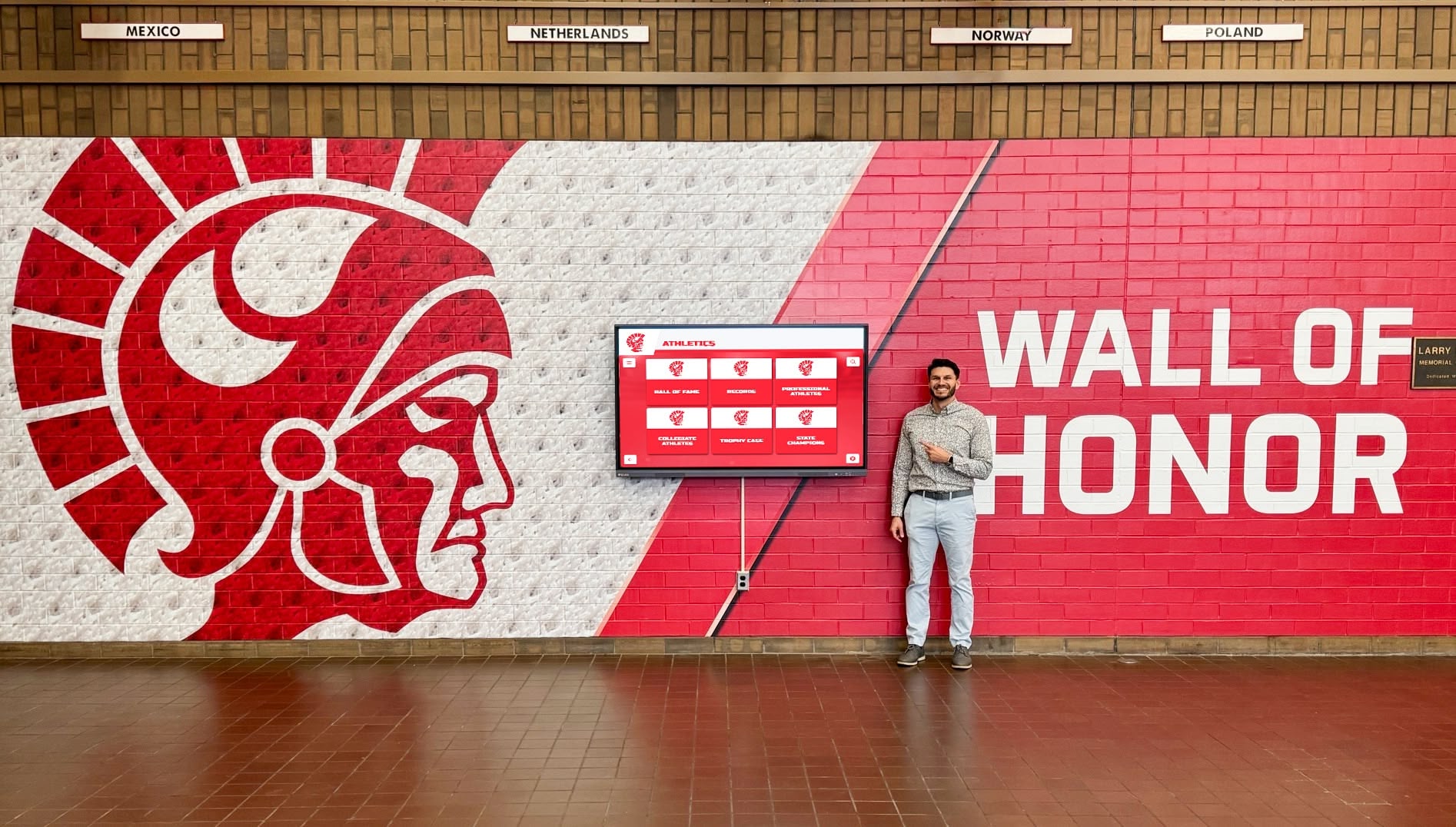
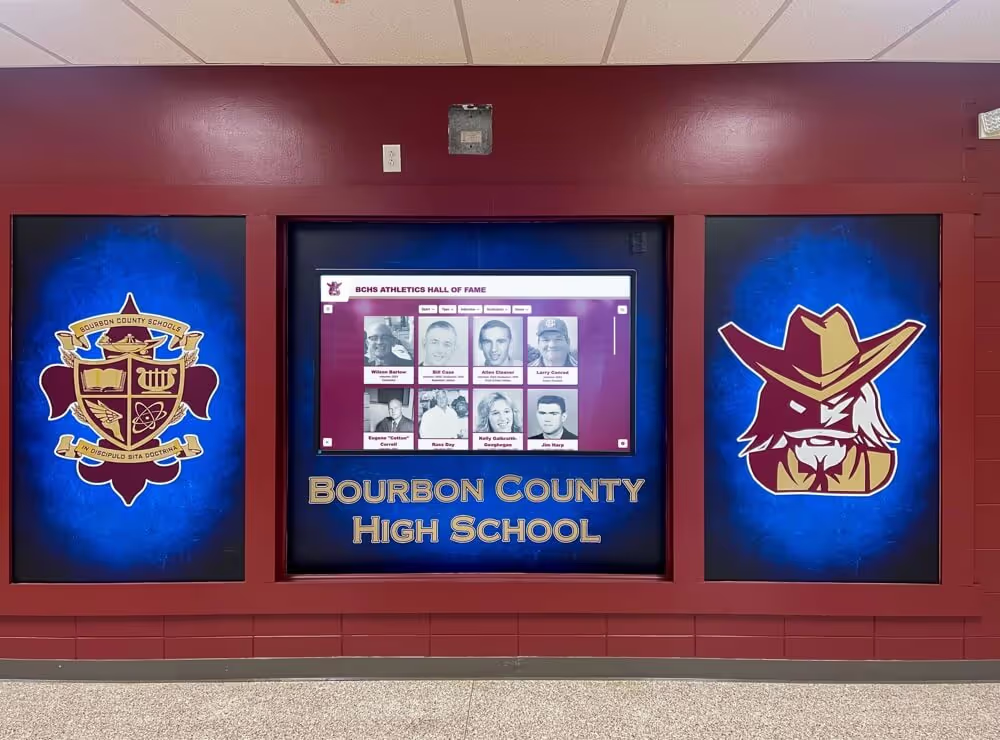
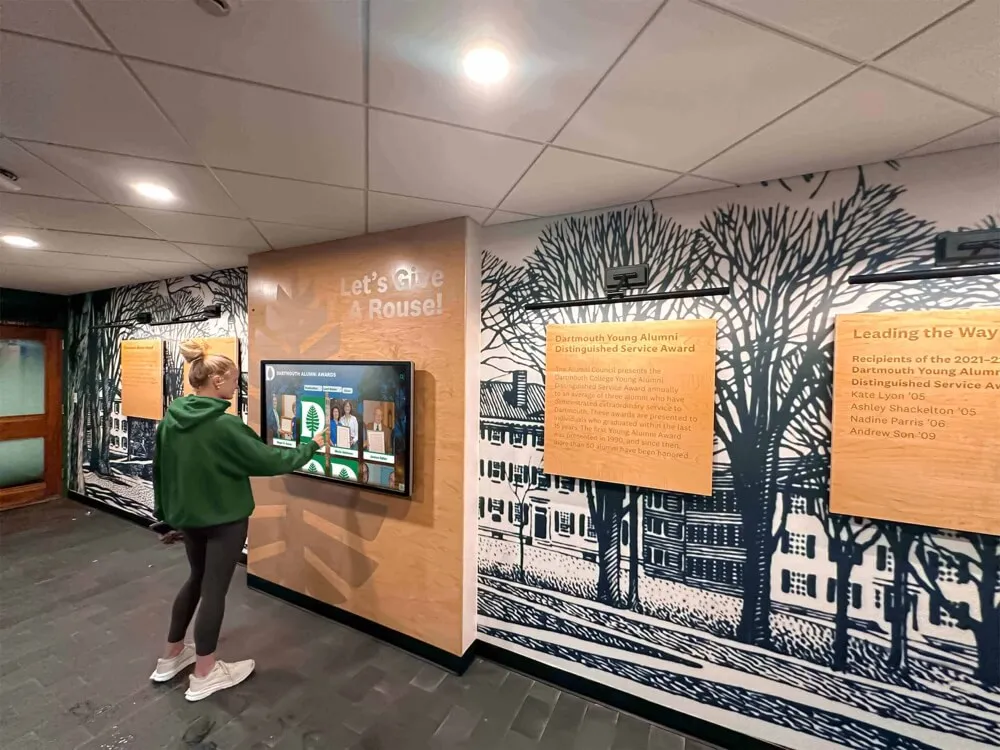
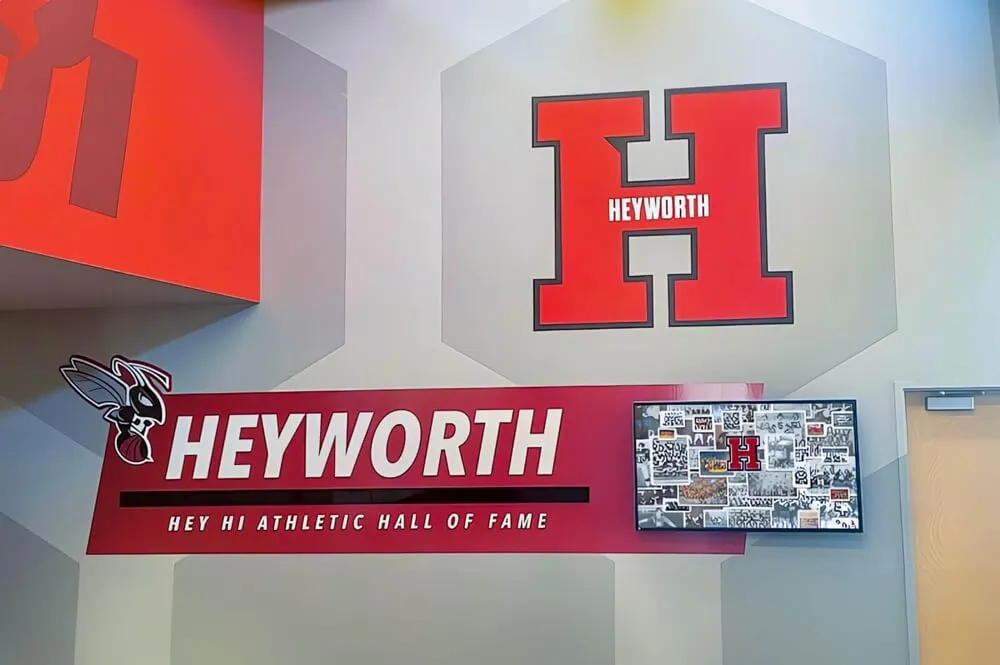
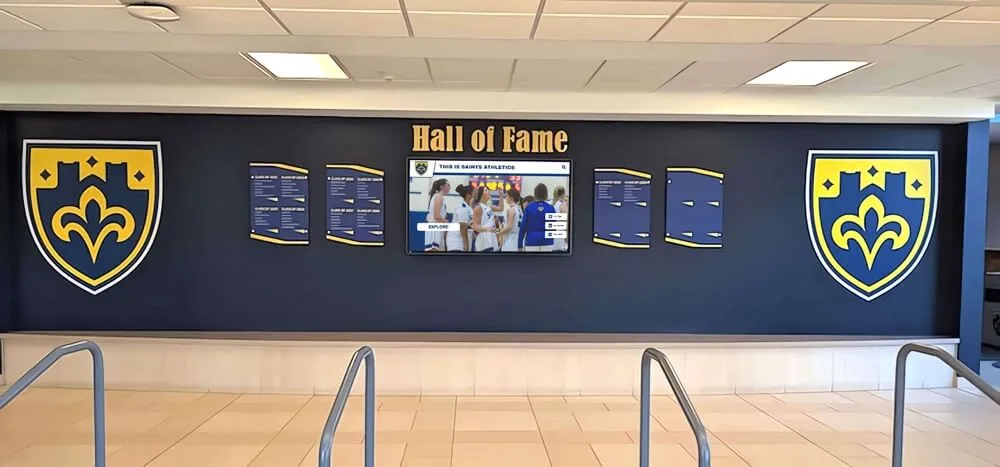
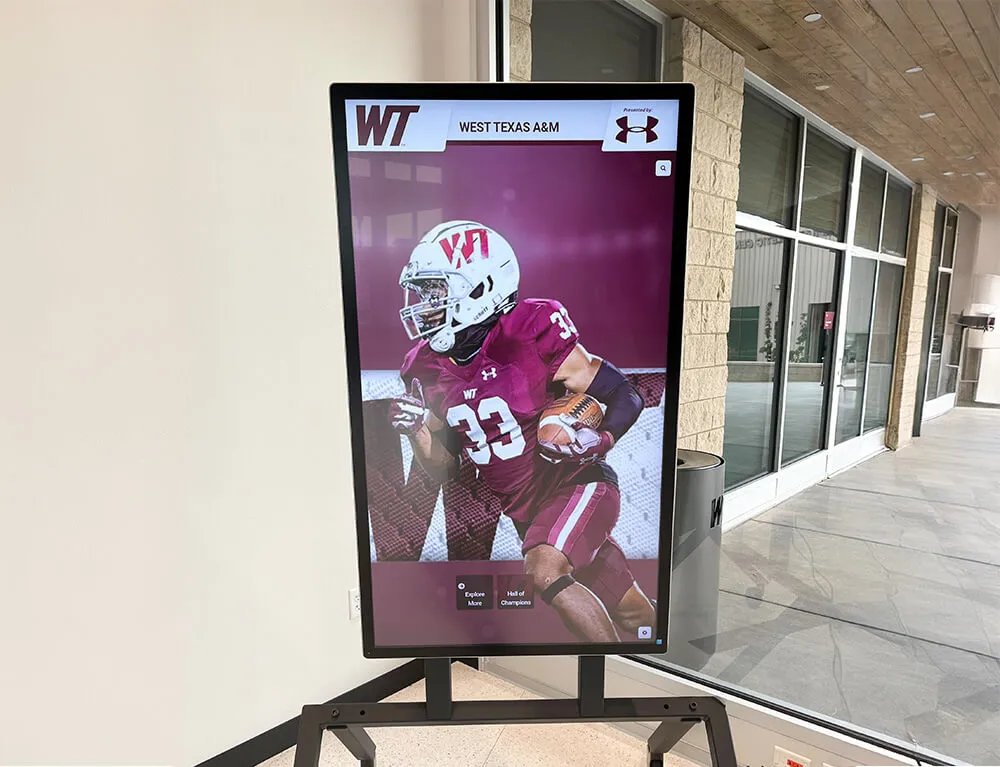
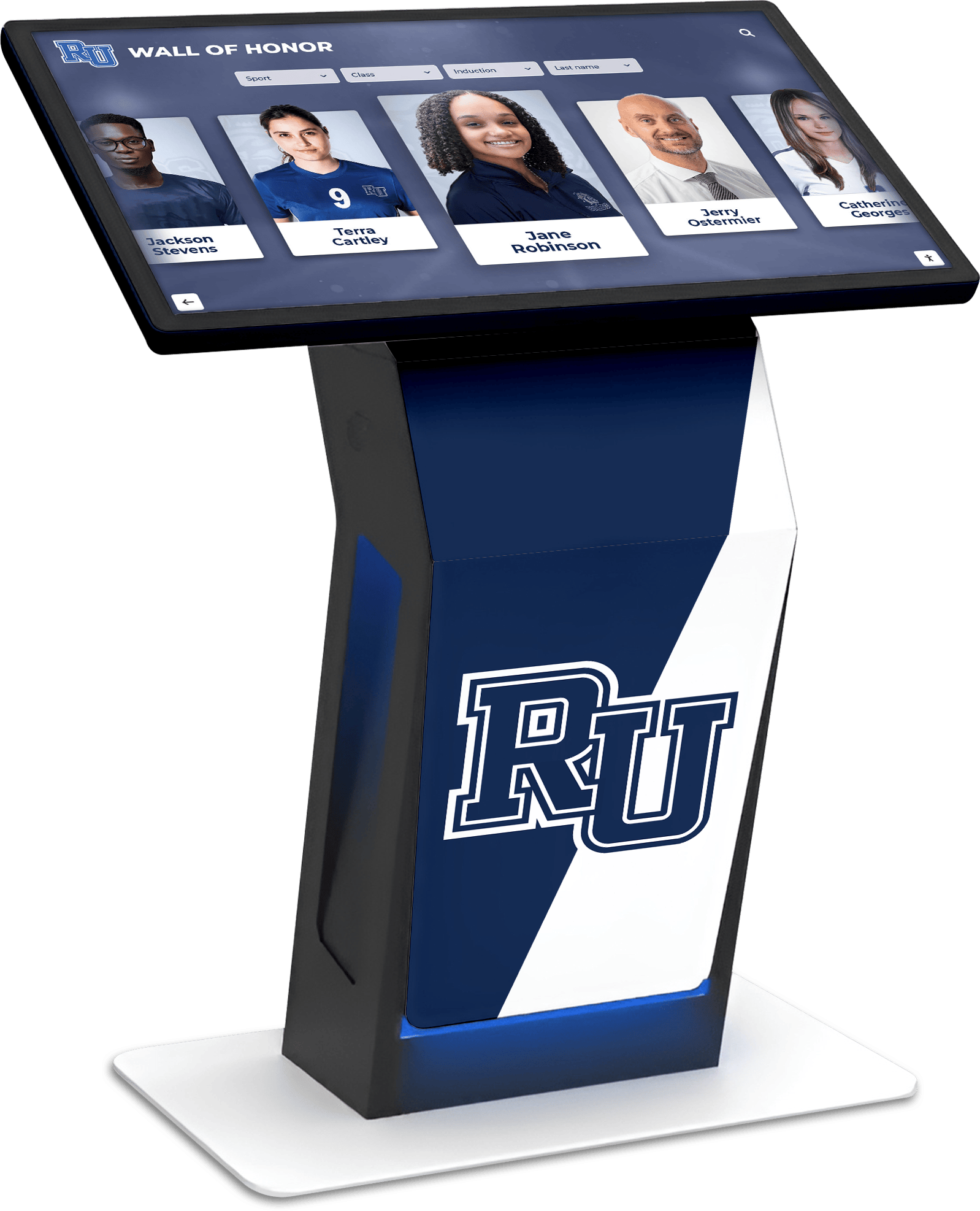
Interactive donor walls enable visitors to explore giving histories, discover donor stories, and understand philanthropic impact through engaging touchscreen experiences
Experiential Donor Appreciation Ideas
Some of the most memorable appreciation involves experiences rather than physical gifts. These ideas create lasting memories while deepening donor relationships:
Educational Experiences
Behind-the-Scenes Access
Exclusive opportunities donors can’t access otherwise:
- Athletic team practices with coach introductions
- Rehearsal attendance for theatre or music performances
- Laboratory visits seeing research donors support
- Library special collections private viewings
- Archives access exploring institutional history
Learning Opportunities
Educational experiences matching donor interests:
- Guest lectures on topics related to funded programs
- Workshops led by faculty in donor areas of interest
- Credit-free course attendance
- Campus lecture series early access
- Professional development sessions
Student Interaction
Direct connection with beneficiaries:
- Scholarship recipient lunches or meetings
- Student panel presentations about program impact
- Mentorship opportunities with students
- Student organization event attendance
- Class visits observing teaching donors enable
Social and Community Experiences
Exclusive Donor Events
Special gatherings building donor community:
- Annual donor appreciation galas or dinners
- Seasonal receptions at notable campus locations
- Campaign milestone celebrations
- President’s circle gatherings for top donors
- Giving society induction ceremonies
Peer Connection Opportunities
Facilitating donor relationships:
- Donor networking events connecting supporters with shared interests
- Affinity group gatherings (alumni decade groups, parent circles, etc.)
- Volunteer opportunities where donors work together
- Mentorship programs connecting donors with students
- Advisory councils bringing donors into institutional planning
Family-Inclusive Events
Recognition extending to donor families:
- Family campus days with activities for all ages
- Student performance invitations for donor families
- Athletic event premium seating for donor guests
- Campus tours tailored to donor family interests
- Milestone celebrations including multiple generations
VIP Access and Perks
Premium Event Experiences
Elevated access to institutional events:
- Reserved seating at athletic events or performances
- Pre-event receptions with coaches, directors, or performers
- Post-game or post-show gatherings
- Sideline or backstage access
- Press box or suite access for major competitions
Facility Naming Ceremonies
Formal recognition events for major donors:
- Dedication ceremonies with media attendance
- Plaque unveiling or cornerstone laying
- Ribbon cutting for new facilities
- Time capsule placement
- Commemorative event programs and keepsakes
Travel Experiences
Institutional trips connecting donors to mission:
- International service trips aligned with institutional programs
- Athletic team travel to major competitions
- Faculty-led educational tours
- Mission-aligned destination experiences
- Alumni group travel with institutional representatives
Many university recognition programs combine physical recognition displays with experiential appreciation, creating comprehensive stewardship that honors donors through both permanent tributes and memorable engagement opportunities.
Donor Appreciation Gift Dos and Don’ts
Certain best practices and pitfalls consistently influence donor appreciation effectiveness. Following these guidelines helps ensure recognition efforts strengthen rather than strain donor relationships:
Do: Personalize Recognition
Tailor to Individual Donors
Generic appreciation feels transactional. Research donor interests, giving history, and relationship with your organization to craft personalized recognition that acknowledges their unique connection to your mission.
Reference Specific Gifts and Impact
Rather than form-letter thanks, mention the specific amount donated, date of gift, and exactly how it’s being used. This specificity demonstrates that you know exactly who the donor is and what they contributed.
Consider Donor Motivations
Some donors give for personal reasons (honoring family members, supporting causes they experienced), while others support institutional priorities broadly. Recognition acknowledging individual motivations resonates more deeply than one-size-fits-all approaches.
Don’t: Make Donors Feel Uncomfortable
Avoid Excessive or Lavish Gifts
Donors contributing to support your mission don’t want to see resources spent on expensive appreciation gifts. Thoughtful recognition that clearly required time and care matters more than costly items suggesting wasteful spending.
Respect Privacy Preferences
Always confirm that donors want public recognition before listing names in publications, on donor walls, or in event programs. Some supporters prefer anonymous giving, and respecting these wishes builds trust.
Don’t Pressure Donors
Appreciation should feel like genuine gratitude, not cultivation for the next gift. While stewardship naturally leads to continued giving, recognition moments should focus entirely on thanking donors rather than asking for more.
Do: Acknowledge Impact and Outcomes
Show How Gifts Made Differences
The most meaningful appreciation connects gifts to tangible outcomes. Share specific stories about students who benefited, programs that expanded, facilities that improved, or research that advanced because of donor support.
Provide Updates Over Time
Major donors especially appreciate ongoing communication showing how their gifts continue making impact. Annual updates, progress reports, and long-term outcome data demonstrate that gifts create lasting change.
Feature Beneficiary Voices
Students, program participants, or community members who benefited from donor support offer the most authentic appreciation. Their testimonials carry weight no institutional thank-you can match.
Don’t: Delay Recognition
Thank Promptly
Donors should receive acknowledgment within 48 hours of giving. Delayed thanks—even if eventually thoughtful—can create feelings of being forgotten or taken for granted.
Honor Commitments on Schedule
If you promise to install a donor plaque by a certain date or send impact reports quarterly, meet those commitments. Delayed recognition suggests disorganization or lack of genuine appreciation.
Respond to Donor Communications
When donors reach out with questions, concerns, or updates, respond quickly and thoroughly. Communication responsiveness demonstrates respect and values their ongoing relationship.
Do: Make Recognition Visible and Lasting
Create Public Acknowledgment
Most donors appreciate some level of public recognition that honors their contributions while inspiring others to give. Prominent donor walls, named spaces, and recognition events create visibility that validates donor generosity.
Ensure Permanent Recognition
Major donors especially expect recognition that lasts. Whether traditional plaques or modern digital recognition displays, ensure that appreciation remains visible and maintained over time.
Integrate Recognition Into Institutional Culture
Schools and nonprofits should weave donor appreciation throughout institutional operations rather than treating it as isolated development office responsibility. When entire organizations value and acknowledge philanthropy, donors feel genuinely appreciated by the communities they support.
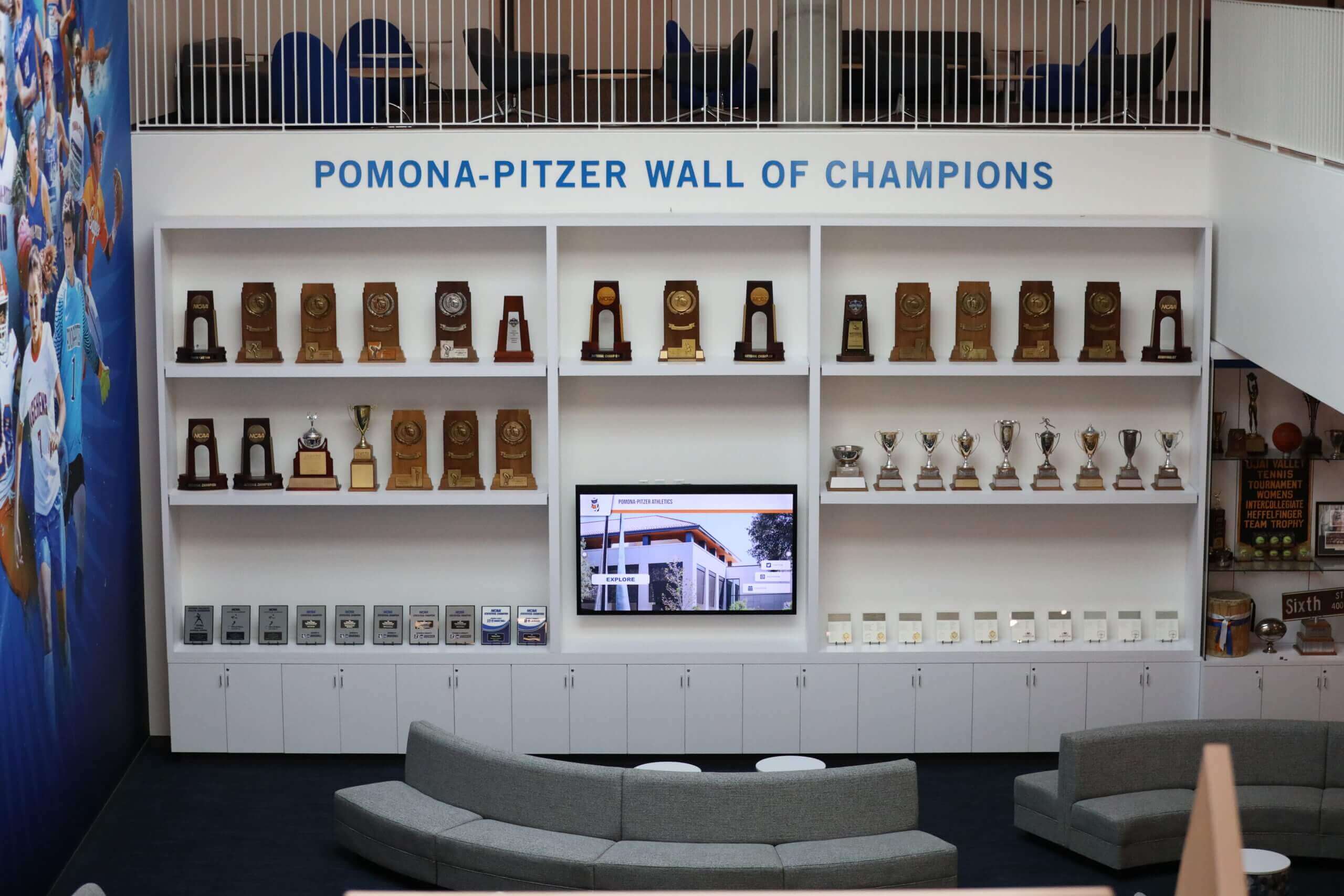
Dedicated recognition spaces create prominent venues for celebrating donors, combining traditional plaques with modern displays that share ongoing impact stories
Creating Year-Round Donor Appreciation Programs
Effective appreciation extends beyond single thank-you gestures to comprehensive year-round stewardship that keeps donors engaged and valued:
Develop a Donor Stewardship Calendar
Plan Touchpoints Throughout the Year
Rather than recognizing donors only when soliciting gifts, create scheduled appreciation:
- Immediate gift acknowledgment (within 48 hours)
- 30-day impact update showing gift in action
- Quarterly newsletters featuring program progress
- Six-month check-ins providing detailed outcome reports
- Annual impact reports documenting full year of difference made
- Birthday or anniversary cards acknowledging donor milestones
- Holiday greetings maintaining connection during giving season
Vary Communication Methods
Different touchpoints should use various formats:
- Handwritten notes for personal connection
- Emails for timely updates and photo sharing
- Phone calls for relationship building
- In-person meetings for major donors
- Social media for public acknowledgment
- Video messages for impact storytelling
Segment by Donor Type
Tailor stewardship intensity to giving level:
- Annual fund donors receive regular mass communications plus occasional personal touches
- Mid-level donors get more frequent personal outreach and event invitations
- Major donors warrant individualized stewardship plans with dedicated relationship managers
- Planned giving prospects need patient, relationship-focused cultivation
Host Regular Appreciation Events
Annual Signature Events
Create anticipated donor gatherings that become institutional traditions:
- Spring donor appreciation reception
- Fall campaign kickoff celebration
- Year-end thank-you gathering
- Scholarship donor and recipient connection events
- Athletic or arts season appreciation nights
Milestone Celebrations
Mark significant achievements with donor community:
- Campaign goal celebrations
- Facility dedications
- Program anniversary commemorations
- Student achievement showcases
- Faculty or program recognition events
Giving Society Events
Exclusive gatherings for donors at specific levels create community:
- President’s Circle dinners for top annual donors
- Legacy Society luncheons for planned giving donors
- Young Alumni gatherings for emerging donors
- Corporate partner appreciation events
- Volunteer recognition celebrations
Many institutions leverage digital recognition displays at appreciation events, showcasing donor impact stories and campaign progress in interactive formats that facilitate conversation and engagement.
Build Multi-Channel Communication Programs
Email Marketing
Sophisticated email campaigns keep donors informed:
- Welcome series for new donors
- Impact story emails featuring specific outcomes
- Campaign progress updates
- Event invitations
- Surveys seeking donor input
- Annual reports and year-end summaries
Social Media Recognition
Public appreciation through institutional channels:
- Donor spotlight features sharing stories and motivations
- Thank-you posts after major gifts or campaign milestones
- Live event coverage from donor gatherings
- Impact story videos showing funded programs
- User-generated content from donor events
Print Communications
Despite digital growth, print remains valuable:
- Annual reports mailed to all donors
- Impact magazines featuring stories
- Personalized letters from leadership
- Recognition lists in event programs
- Newsletters highlighting achievements
Website Recognition
Online acknowledgment provides permanent visibility:
- Donor wall listings searchable by name or year
- Giving society member directories
- Campaign progress thermometers
- Impact story libraries
- Testimonial videos from beneficiaries and donors
Create Opportunities for Ongoing Engagement
Volunteer Opportunities
Invite donors to contribute time alongside financial support:
- Mentorship programs connecting donors with students
- Advisory committee service
- Event volunteer roles
- Phonathon participation
- Campaign committee leadership
Feedback Mechanisms
Actively seek donor input:
- Surveys about institutional priorities
- Focus groups exploring donor motivations
- Advisory board service
- Strategic planning participation
- Program evaluation input
Educational Opportunities
Keep donors learning and growing:
- Webinars on topics related to your mission
- Campus events and lectures
- Behind-the-scenes facility tours
- Professional development opportunities
- Continuing education courses
Understanding recognition best practices from athletic programs helps institutions apply successful fan engagement strategies to donor stewardship, creating passionate supporter communities that fuel ongoing philanthropy.
Special Considerations for Different Donor Types
Different donor categories have unique appreciation needs and preferences. Tailoring recognition to specific supporter types increases effectiveness:
Individual Major Donors
Relationship-Focused Stewardship
Major individual donors typically value:
- Personal relationships with institutional leadership
- Detailed information about how gifts are used
- Involvement in decision-making about funded initiatives
- Recognition that honors their values and motivations
- Privacy or public acknowledgment based on their preferences
Long-Term Engagement
Major donors often support institutions for decades:
- Assign dedicated relationship managers
- Create individualized stewardship plans
- Provide exclusive access and involvement opportunities
- Update regularly on funded program progress
- Cultivate next-generation family members
Corporate and Foundation Donors
Partnership Approach
Organizational donors often view giving as partnerships:
- Recognition acknowledging the organization, not individuals
- Visibility providing brand exposure
- Reporting demonstrating measurable outcomes and ROI
- Engagement opportunities for employees
- Alignment with corporate social responsibility goals
Professional Communication
Corporate appreciation should include:
- Formal grant reports meeting funder requirements
- Data and metrics documenting impact
- Logo placement in appropriate recognition materials
- Employee volunteer opportunities
- Media coverage and public relations value
Planned Giving Donors
Legacy Recognition
Estate gift donors appreciate:
- Recognition during their lifetimes
- Inclusion in legacy society events
- Understanding that their future gifts will create lasting impact
- Family involvement in recognition decisions
- Flexibility as circumstances change
Patient Stewardship
Planned giving requires long-term relationship building:
- Regular communication maintaining connection
- Education about planned giving options
- Professional guidance through gift structuring
- Recognition honoring intent even before gifts are realized
- Gratitude acknowledging often-personal motivations
Alumni Donors
Connection to Experience
Alumni giving connects to personal institutional history:
- Recognition linking gifts to their class years or experiences
- Reunion-based giving campaigns
- Engagement with current students in their former programs
- Updates showing how institution evolved since graduation
- Pride-building accomplishments they can celebrate
Class-Based Recognition
Alumni appreciation often works best through class structures:
- Reunion giving societies
- Class gift campaigns
- Class-specific donor walls or plaques
- Reunion weekend recognition events
- Class agent volunteer programs
Parent Donors
Student-Focused Appreciation
Parent donors primarily care about student experience:
- Recognition connecting gifts to benefits for their students
- Updates on programs their students participate in
- Involvement opportunities during campus visits
- Family-inclusive appreciation events
- Connection to broader parent community
Limited Timeframe
Parent giving typically spans student enrollment:
- Intensify stewardship during student years
- Create opportunities for ongoing engagement after graduation
- Transition satisfied parent donors to general institution supporters
- Leverage parent positive experiences for referral cultivation
- Celebrate parent contributions to student success
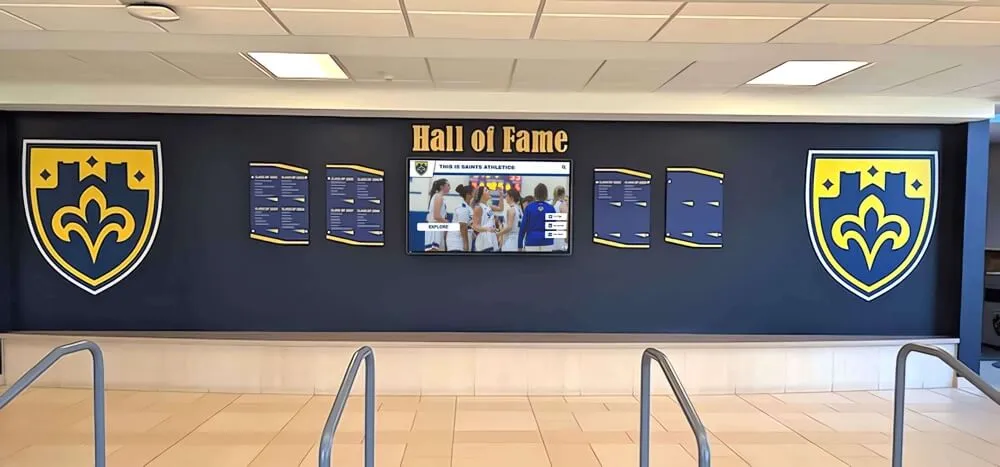
Combining traditional recognition elements with modern technology creates comprehensive donor appreciation that honors history while showcasing current impact
Implementing Effective Donor Recognition Systems
Beyond individual appreciation gifts, comprehensive recognition requires systems that manage, display, and maintain donor acknowledgment over time:
Traditional Donor Recognition Elements
Physical Donor Walls and Plaques
Permanent recognition through traditional materials:
Advantages:
- Timeless, elegant appearance
- No technology maintenance required
- Perceived permanence and prestige
- Traditional aesthetic appealing to many donors
Limitations:
- Expensive and time-consuming to update as new donors give
- Space constraints limit how many donors can be recognized
- Static information—can’t show campaign progress or tell stories
- Accessibility challenges for some visitors
- Weather and age can degrade materials
Engraved Bricks and Pavers
Popular for outdoor recognition:
Advantages:
- Relatively affordable way to recognize many donors
- Creates beautiful walkways or courtyards
- Donors appreciate permanent, visible recognition
- Families enjoy finding their bricks during visits
Limitations:
- Weather exposure can wear engravings over time
- Limited space for information (typically just names and dates)
- Difficult to browse—no searchability or organization
- Maintenance required to keep areas attractive
Named Spaces and Buildings
Ultimate recognition for major donors:
Advantages:
- Most prestigious recognition available
- Permanent acknowledgment visible to all campus visitors
- Creates powerful donor legacy
- Inspires additional major gifts
Considerations:
- Typically requires transformational gifts
- Naming policies should be established before offering
- Long-term commitment to maintaining recognition
- Potential complications if donor reputations later change
Modern Digital Recognition Solutions
Digital Donor Walls and Recognition Displays
Technology enables more flexible, dynamic recognition:
Key Advantages:
Unlimited Scalability
- Recognize unlimited donors without physical space constraints
- Add new donors instantly through cloud content management
- Include donors at all giving levels from annual fund to major gifts
- Scale recognition across multiple physical locations
Dynamic Content
- Show real-time campaign progress and fundraising goals
- Share rotating impact stories and beneficiary testimonials
- Feature different content for special events or donor gatherings
- Update information instantly without physical changes
Enhanced Storytelling
- Include donor photos and biographical information
- Share video messages from donors explaining their motivations
- Display impact metrics showing outcomes donors funded
- Connect individual gifts to specific programmatic achievements
Improved Accessibility
- ADA-compliant interfaces accessible to all visitors
- Text-to-speech capabilities for visually impaired
- Adjustable text sizes and high contrast options
- Multiple language support for diverse communities
Cost-Effective Updates
- No engraving or fabrication costs for adding new donors
- Remote content management without on-site visits
- Easy correction of spelling or information errors
- Flexible recognition tiers that can evolve with campaigns
Engagement Features
- Touchscreen interactivity inviting exploration
- Search functions helping visitors find specific donors
- Filtering by giving level, class year, or designation
- QR codes connecting physical displays to online giving
Many schools and nonprofits now implement modern digital donor recognition walls that combine the prestige of permanent recognition with the flexibility of digital content management.
Hybrid Recognition Approaches
Combining Traditional and Digital
The most effective solutions often blend timeless and modern elements:
Physical Presence With Digital Enhancement
- Traditional architectural elements providing prestigious framework
- Digital displays showing dynamic content within classic designs
- Engraved major donor recognition supplemented by digital story-sharing
- Named spaces featuring digital displays that share impact
Permanent Recognition With Updated Content
- Fixed donor names on permanent plaques
- Digital screens showing rotating impact stories
- Traditional aesthetic meeting modern functionality
- Honor the past while showcasing present impact
Choosing the Right Recognition System
Consider These Factors:
Budget and Resources
- Upfront investment versus ongoing costs
- Installation requirements and complexity
- Content management staff time and expertise
- Long-term maintenance and update needs
Physical Space
- Available wall or floor space for recognition
- Architectural constraints and aesthetic considerations
- Visibility and foot traffic patterns
- Environmental factors (lighting, temperature, weather)
Donor Demographics
- Donor age ranges and technology comfort levels
- Recognition preferences and expectations
- Cultural considerations around public acknowledgment
- Historical recognition approaches your donors expect
Institutional Culture
- Traditional versus innovative institutional identity
- Existing recognition that new systems should complement
- Campus aesthetic and architectural style
- Technology adoption and digital presence
Scalability Needs
- Current donor count and projected growth
- Space for recognizing future donors
- Campaign plans requiring recognition capacity
- Multi-location recognition needs
Solutions like Rocket Alumni Solutions provide comprehensive digital recognition systems specifically designed for schools, universities, and nonprofits, combining elegant touchscreen displays with intuitive content management platforms that make donor recognition both prestigious and practical.
Measuring Donor Appreciation Effectiveness
Thoughtful appreciation should strengthen donor relationships and inspire continued giving. These metrics help evaluate whether recognition efforts achieve desired outcomes:
Donor Retention Rates
Year-Over-Year Retention
Track what percentage of donors give again in subsequent years:
- Overall retention rate across all donors
- Retention rates by giving level
- First-time donor retention versus multi-year donors
- Retention by donor acquisition source
Retention by Stewardship Activity
Analyze whether specific appreciation efforts influence renewal:
- Retention rates for donors who attended appreciation events versus those who didn’t
- Impact of personalized stewardship calls or visits
- Effectiveness of different communication channels
- Correlation between recognition type and continued giving
Gift Growth and Upgrades
Donor Lifetime Value
Measure how donor giving evolves over time:
- Average gift size by year of donor relationship
- Percentage of donors who increase gifts over time
- Major gift conversion rates from annual fund donors
- Cumulative giving by donor cohorts
Upgrade Attribution
When possible, identify what stewardship influenced gift growth:
- Survey major donors about what inspired increased giving
- Track upgrade rates following specific appreciation initiatives
- Analyze whether recognition visibility correlates with gift increases
- Measure impact of beneficiary connection opportunities
Engagement Metrics
Event Attendance and Participation
Monitor donor engagement beyond giving:
- Attendance rates at appreciation events
- Volunteer participation
- Survey response rates
- Advisory committee involvement
- Alumni event attendance by donor status
Communication Engagement
Track how donors interact with stewardship communications:
- Email open and click-through rates
- Social media engagement from donors
- Website recognition page traffic
- Video view rates for impact stories
- Response rates to donor surveys
Donor Satisfaction
Direct Feedback
Regularly survey donors about their experiences:
- Overall satisfaction with recognition
- Perception of impact transparency
- Appreciation for communication frequency and quality
- Suggestions for improved stewardship
- Net Promoter Score measuring likelihood to recommend giving
Qualitative Insights
Gather anecdotal feedback through:
- Conversations at donor events
- Responses to thank-you communications
- Testimonials donors share
- Social media comments
- Referrals donors make
Understanding successful recognition strategies from student achievement programs helps institutions apply proven appreciation principles to donor stewardship, creating comprehensive recognition cultures that honor all forms of contribution.
Transform Your Donor Recognition Experience
Discover how modern digital recognition solutions help schools and nonprofits thank donors meaningfully, showcase impact dynamically, and inspire continued giving through elegant, accessible displays that honor contributions at every level.
Explore Recognition SolutionsConclusion: Building Lasting Donor Relationships Through Thoughtful Appreciation
Effective donor appreciation gifts and recognition strategies transform transactional contributions into lasting relationships that fuel ongoing institutional advancement. Whether thanking annual fund donors through personalized notes and recognition certificates, honoring mid-level supporters with named recognition and exclusive experiences, celebrating major donors through permanent plaques and comprehensive stewardship, or acknowledging transformational gifts with building naming and legacy opportunities, thoughtful appreciation communicates that every contribution matters and every donor deserves genuine gratitude.
The most successful recognition efforts share common characteristics: they’re personalized to individual donor interests and motivations, proportionate to gift levels, timely in delivery, connected to tangible impact, and sustained throughout the year rather than limited to isolated thank-you moments. Organizations that implement comprehensive donor appreciation programs—combining traditional recognition elements with modern digital solutions, leveraging budget-friendly strategies alongside appropriate investment in major donor stewardship, and measuring effectiveness through retention and engagement metrics—build cultures of philanthropy where giving is celebrated, donors feel valued, and generosity inspires continued support.
This guide has explored dozens of donor appreciation gift ideas spanning physical items and experiential opportunities, budget-conscious strategies and major donor recognition, traditional plaques and modern digital displays. Beyond specific gift suggestions, the principles shared here—focusing on authentic relationship building, connecting appreciation to mission impact, respecting donor preferences, implementing year-round stewardship rather than transactional thanks, and investing in recognition systems that honor donors today while scaling to celebrate future supporters—provide frameworks for creating appreciation programs that strengthen institutions while honoring the generosity that makes advancement possible.
As you develop or refine your donor appreciation approach, remember that meaningful recognition starts with genuine gratitude for support that advances your mission. The most elaborate recognition gift means nothing if it’s not accompanied by authentic thanks and clear demonstration of impact. Conversely, even simple appreciation—a heartfelt handwritten note, a personal introduction to students who benefited from scholarships, a photo of the facility a donor helped build—can create powerful emotional connections when it genuinely honors the difference a donor made.
Modern recognition technology enables institutions to scale appreciation across thousands of donors while maintaining the personal touches that make gratitude meaningful. Digital donor walls display unlimited supporter names alongside dynamic impact stories. Cloud-based content management allows development teams to update recognition instantly from anywhere. Touchscreen interactivity invites visitors to explore donor contributions and understand philanthropic impact. These innovations don’t replace authentic relationship building—they enhance it, making comprehensive stewardship practical even for organizations with limited advancement staff.
Your donors invest in your mission because they believe in your work and want to make a difference. Thoughtful appreciation that honors their contributions, demonstrates clear impact, and builds lasting relationships ensures that first-time donors become lifelong supporters, that modest gifts grow into major commitments, and that your organization cultivates the philanthropic community needed to achieve ambitious goals. Every donor—regardless of gift size—deserves recognition that makes them feel valued, respected, and integral to your success.
Choose appreciation strategies that align with your institutional culture, reflect your donors’ preferences, and fit within your budget constraints. Invest in recognition systems that honor today’s supporters while providing capacity to celebrate future donors. Most importantly, make gratitude genuine, personal, and clearly connected to the mission impact that inspired giving in the first place. That’s the appreciation donors remember, the stewardship that builds loyalty, and the recognition that transforms supporters into advocates who fuel your institution’s continued advancement for years to come.