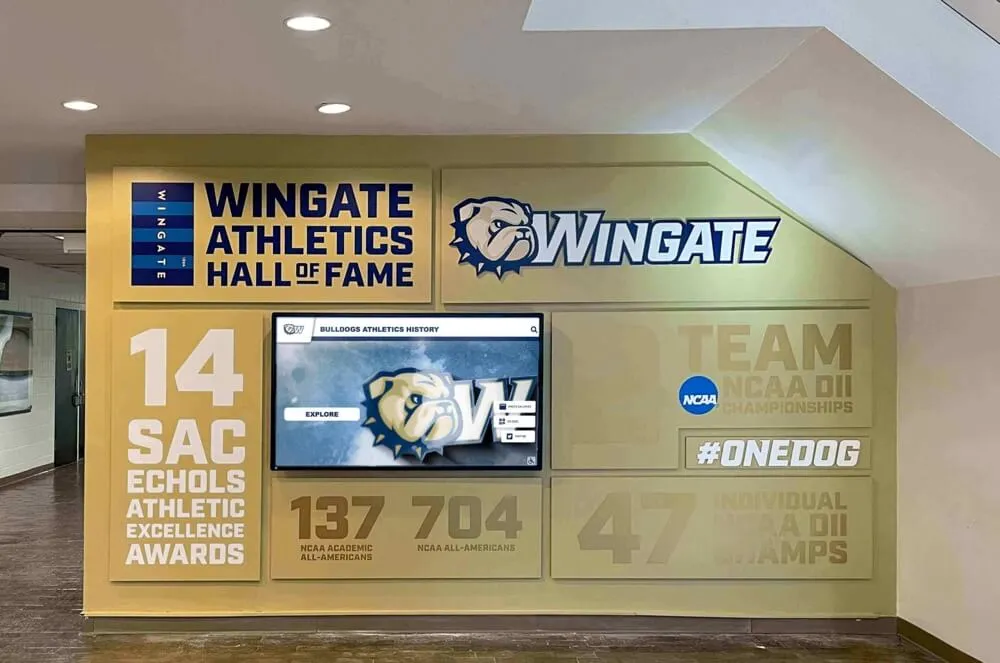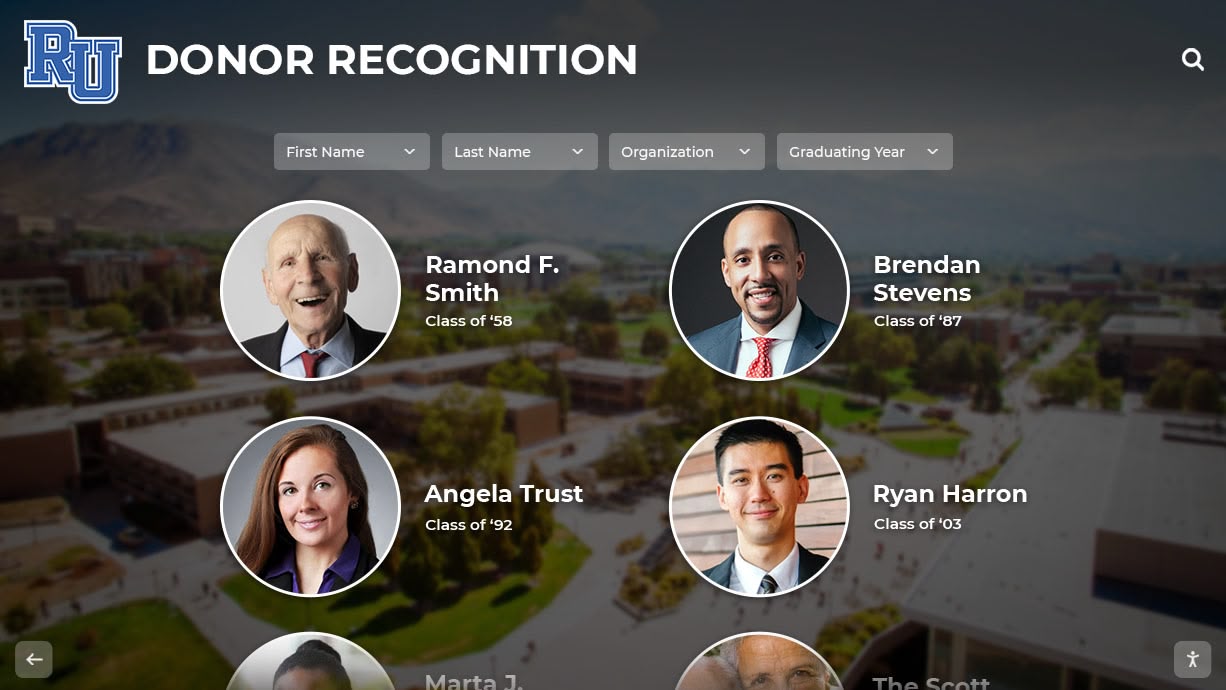
Selecting the right donor plaque design requires balancing permanence, professionalism, and personalization to create recognition that honors contributions appropriately while inspiring continued generosity. Whether acknowledging major capital campaign donors who funded facility construction, recognizing annual fund contributors who sustain operations, or celebrating legacy society members who included your organization in estate plans, the plaque you choose communicates volumes about how deeply you value philanthropic partnerships.
Traditional donor plaques—engraved brass plates, etched marble panels, cast bronze nameplates—continue serving important recognition roles across schools, universities, hospitals, cultural institutions, and community organizations. Yet these conventional approaches require careful consideration of material durability, wording conventions, display placement, maintenance requirements, and long-term flexibility as donor rosters expand and recognition needs evolve over time.
Schools and nonprofits investing in donor recognition face critical decisions that affect both immediate impact and decades-long stewardship relationships. The plaque material you select determines longevity and maintenance costs. The wording you craft shapes how donors perceive their relationship with your mission. The display location you choose influences visibility, engagement, and fundraising momentum. Getting these elements right creates recognition experiences that strengthen donor commitment while positioning your organization for sustained philanthropic success.
Understanding Donor Plaque Materials: Durability, Aesthetics, and Budget Considerations
Material selection fundamentally shapes both the immediate visual impact and long-term performance of donor recognition. Each option offers distinct advantages while presenting specific limitations that organizations must evaluate against recognition objectives, environmental conditions, and budget realities.
Traditional Plaque Materials and Their Applications
Brass plaques represent the most recognized donor recognition format, offering warm golden tones that photograph beautifully and convey prestige effectively. Standard brass plaques accept engraving or etching processes that produce crisp, readable text lasting decades when properly maintained. Organizations typically specify brass for indoor installations where controlled environments prevent the tarnishing and corrosion that outdoor exposure accelerates.
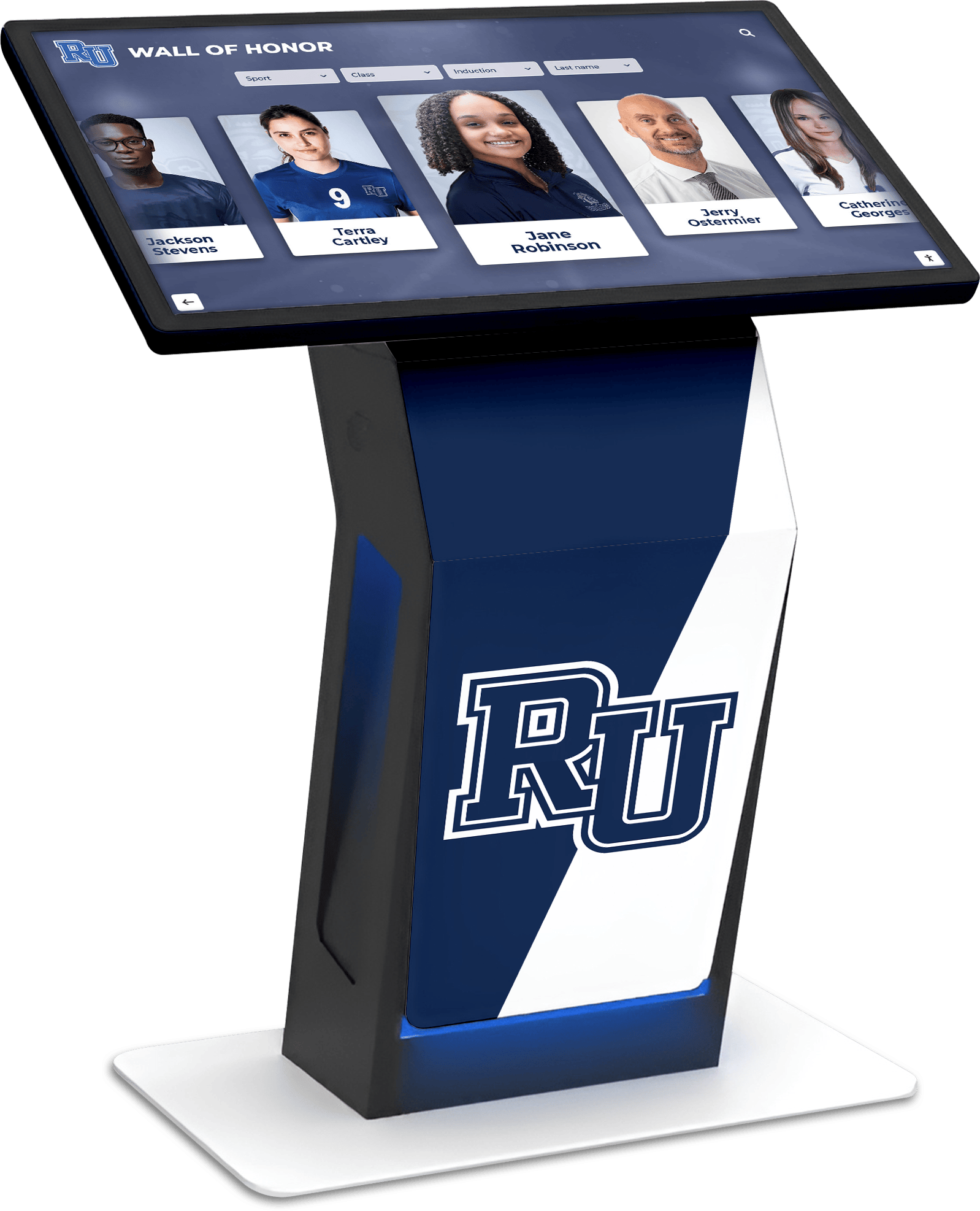
Budget-conscious institutions often choose brass-plated aluminum alternatives offering similar aesthetics at lower costs, though these composite materials require more frequent refinishing as plating wears through high-contact areas. Premium solid brass plaques justify higher initial investment through superior longevity, with properly maintained installations serving recognition needs for 30+ years.
Bronze casting delivers unmatched permanence and gravitas for the most significant recognition opportunities—building dedications, founding donor tributes, memorial installations honoring transformational gifts. The casting process accommodates complex relief designs, organizational crests, and dimensional elements impossible with flat-plate engraving. Bronze develops distinctive patina over time, creating visual character that many institutions embrace as evidence of historical significance.
Marble and granite panels provide elegant backgrounds for engraved donor names, particularly within formal architectural contexts including building lobbies, chapel walls, and foundation galleries. Natural stone communicates permanence and institutional stability while accepting precise engraving or sandblasting techniques. Color variation across stone types—from classic white Carrara marble to dramatic black granite—allows aesthetic coordination with existing architectural finishes.
Stone installations require professional mounting systems capable of supporting substantial weight, adding installation complexity and cost beyond metal plaque alternatives. Surface porosity necessitates sealing treatments that protect against staining while maintaining the polished finish that showcases engraved text effectively.
Contemporary Alternatives Expanding Recognition Possibilities
Acrylic and glass plaques introduce modern design elements suited to contemporary architectural environments. Laser engraving on clear or colored acrylic creates striking visual effects through edge-lighting techniques, while printed acrylic accepts full-color graphics impossible with traditional engraving. These synthetic materials cost considerably less than metal or stone while offering design flexibility that traditional materials cannot match.
Organizations should recognize acrylic’s vulnerability to scratching and UV degradation that yellows clear panels over extended outdoor exposure. Indoor installations away from direct sunlight maximize acrylic’s aesthetic advantages while minimizing deterioration concerns.
Wood recognition displays introduce warmth and approachability particularly valued by educational institutions, cultural organizations, and community-focused nonprofits. Hardwood species including walnut, cherry, and oak accept precise laser engraving while developing rich patina through aging. Wood installations pair beautifully with traditional campus architecture and complement spaces emphasizing natural materials.
Maintenance requirements exceed metal alternatives, with periodic refinishing necessary to preserve protective finishes against moisture damage, UV fading, and normal wear. Budget allocation should account for this ongoing maintenance when selecting wood recognition systems.
Crafting Donor Plaque Wording: Templates and Best Practices for Meaningful Recognition
The text you place on donor plaques shapes how contributors perceive their relationship with your organization while communicating your institutional values to every visitor who encounters the recognition. Professional wording balances gratitude expression, gift acknowledgment, and impact communication without excessive formality that distances donors or casual phrasing that diminishes contribution significance.
Essential Elements of Effective Donor Plaque Text
Well-crafted donor plaques typically include several standard components that work together to create complete recognition statements:
Donor identification appears most prominently, presenting names exactly as donors prefer—including proper prefix usage (Dr., Mr., Mrs., Ms.), maiden name inclusions, family name formatting (“The Johnson Family,” “Robert and Linda Martinez”), corporate entity names, or foundation designations. Always confirm exact name presentation with donors before finalizing engraving to avoid errors requiring costly plaque replacement.
Gift attribution acknowledges the specific contribution inspiring recognition, whether financial donations (“In recognition of their generous gift of $50,000”), in-kind contributions (“In appreciation for equipment donation”), multi-year pledge commitments (“Capital Campaign Leadership Circle”), or legacy intentions (“Proud member of the Heritage Society”). Attribution phrasing should align with your organization’s established donor recognition tiers and stewardship messaging.
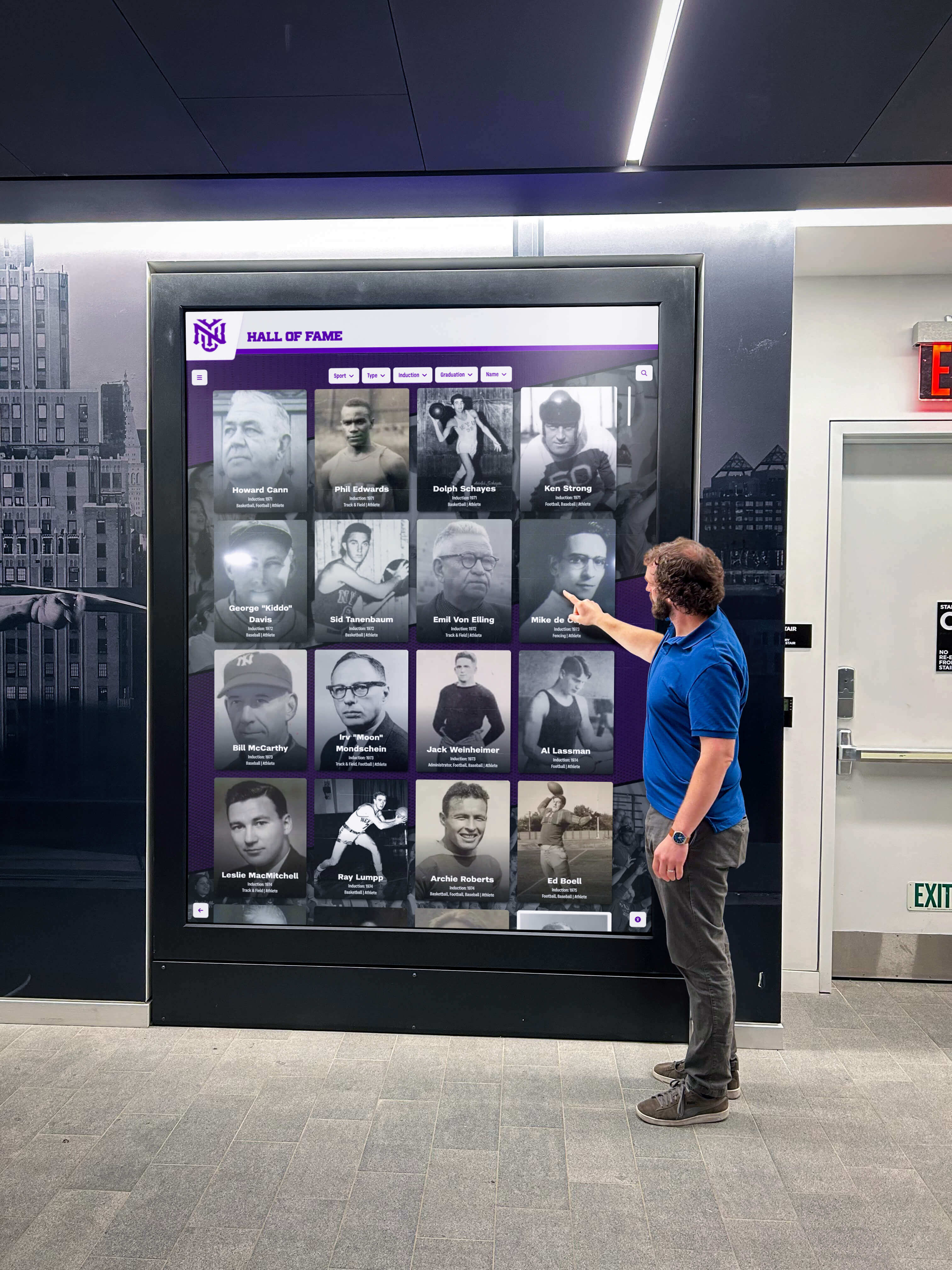
Impact statements briefly describe how contributions advance mission objectives—“Supporting student scholarships since 2020,” “Making athletic excellence possible,” “Advancing cancer research,” “Preserving community history.” Impact language transforms donor lists into mission narratives that inspire additional giving by demonstrating tangible outcomes philanthropic support creates.
Date inclusions provide historical context, whether recognizing one-time gifts (“Capital Campaign 2025-2026”), commemorating dedication ceremonies (“Dedicated October 15, 2026”), or acknowledging ongoing support (“Sustaining Donor 2020-2026”). Date formats should follow consistent style conventions across all recognition materials.
Donor Plaque Wording Templates for Common Recognition Scenarios
Organizations can adapt these templates to specific recognition contexts while maintaining professional tone and grammatical precision:
Capital Campaign Major Gift Recognition:
In grateful recognition of

THE ANDERSON FAMILY FOUNDATION

whose transformational gift of $250,000
made possible the construction of
Henderson Hall

Capital Campaign 2025-2026

Your generosity shapes futures
Annual Fund Supporter Recognition:
With sincere appreciation to

JAMES AND PATRICIA REYNOLDS

Cornerstone Circle Members
Supporting student success since 2022

Annual Fund Leadership Donors
Memorial Gift Acknowledgment:
In loving memory of

ROBERT EDWARD WILLIAMS
Class of 1982

This scholarship honors his passion for education
and commitment to community service

Established by the Williams Family
2025
Facility Naming Recognition:
THE MARTINEZ FAMILY LIBRARY

Dedicated October 2026

In recognition of the extraordinary generosity of
Carlos and Elena Martinez

whose vision and support created this center
for learning, discovery, and community connection
Organizations developing multiple plaques should establish style guidelines covering capitalization conventions, font selections, date formats, and spacing standards that create visual consistency across recognition displays. Many advancement offices maintain comprehensive wording libraries that staff reference when drafting new plaque text, ensuring recognition language aligns with institutional voice while honoring donors appropriately.
Strategic Display Placement: Maximizing Visibility and Donor Engagement
Where you install donor plaques significantly impacts both recognition effectiveness and fundraising momentum. Strategic placement decisions consider traffic patterns, architectural integration, lighting conditions, accessibility requirements, and opportunities for donor engagement that transforms static name lists into compelling recognition experiences.
High-Impact Display Locations for Donor Recognition
Building entrance lobbies represent premium recognition real estate, greeting every visitor while associating donor support with organizational excellence visitors experience. Lobby installations benefit from controlled environmental conditions, abundant natural light, architectural prominence, and high traffic volumes that maximize donor visibility. Schools, hospitals, performing arts centers, and community foundations consistently report that lobby donor walls generate the most recognition impact and inspire additional philanthropic commitment.
When planning lobby installations, consider sight lines from multiple entrance points, coordinate plaque mounting heights with average adult eye levels (approximately 60 inches to text center), and ensure adequate lighting that makes engraved text readable throughout varying daylight conditions. Professional designers often recommend installing donor plaques opposite entrance doors where visitors naturally focus attention upon entry.
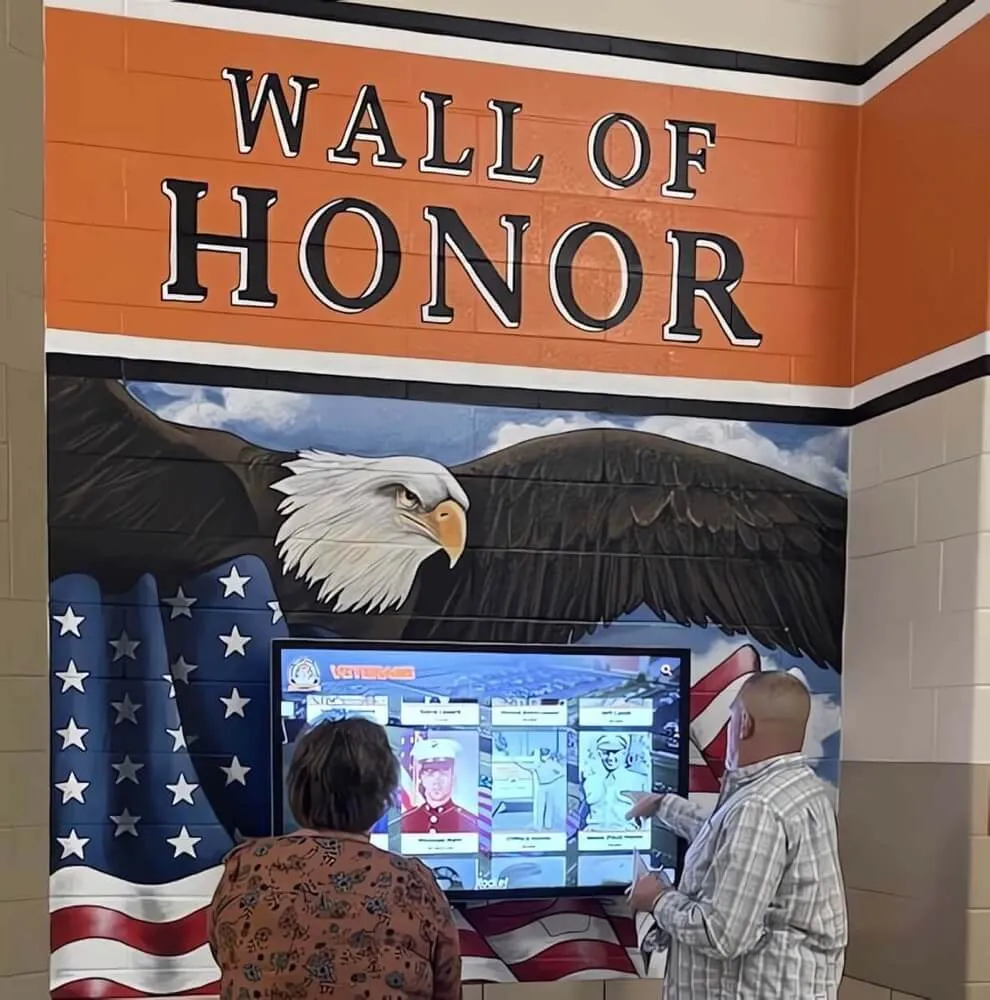
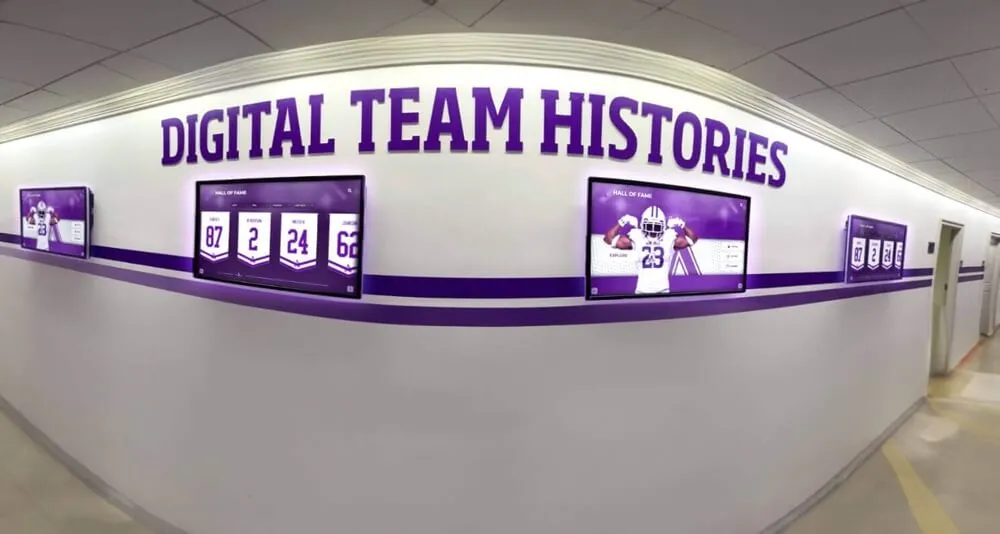
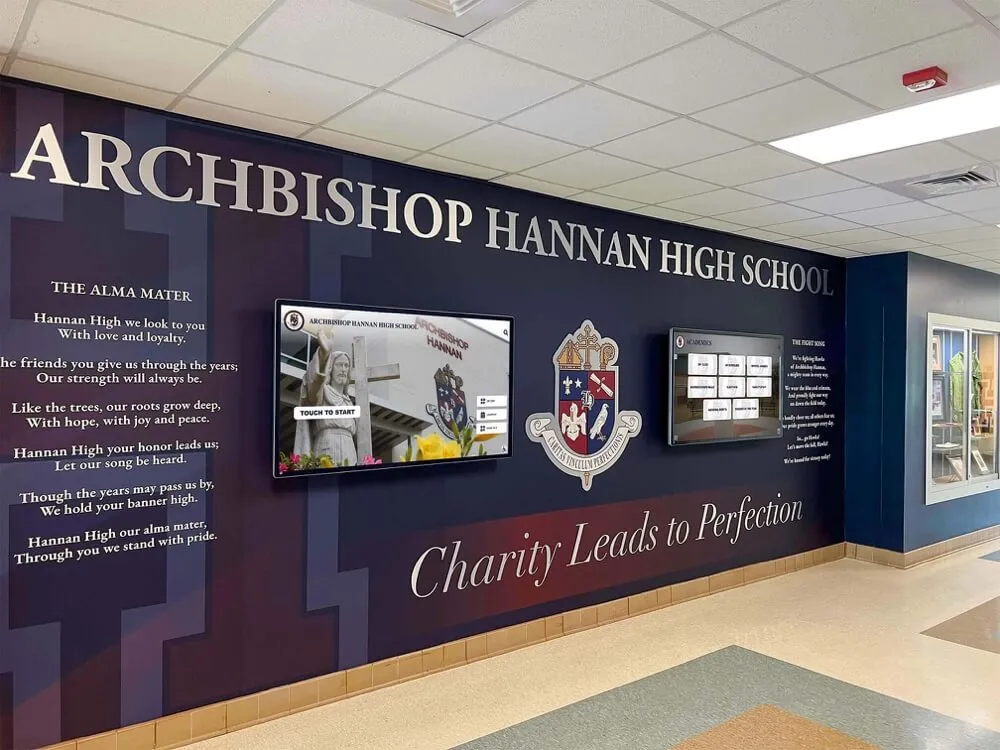
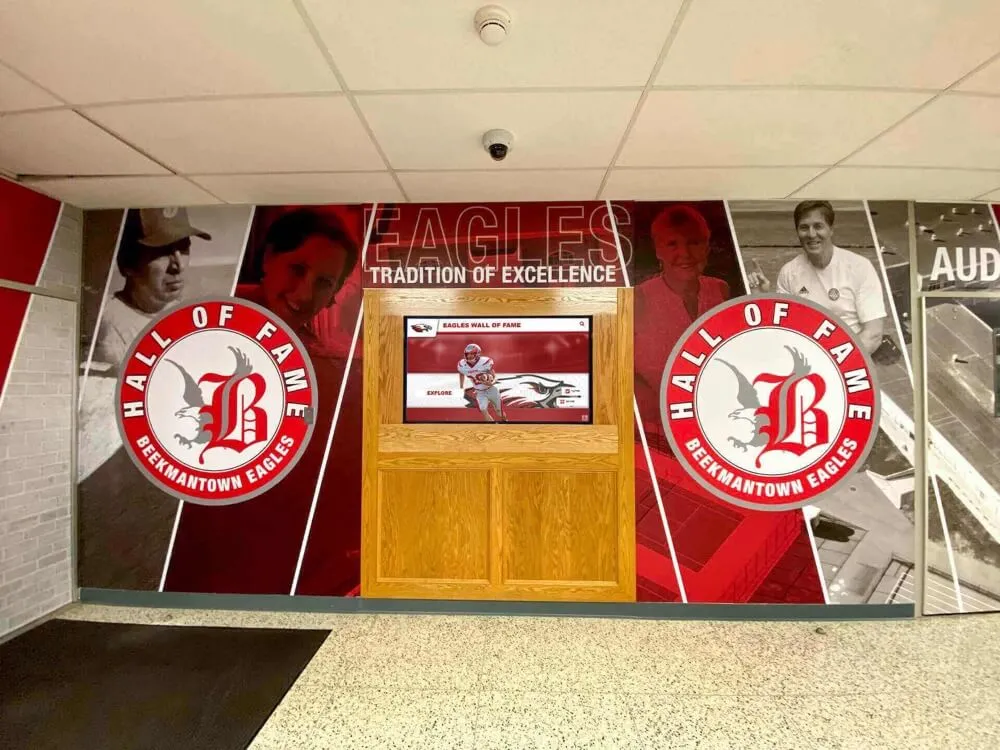
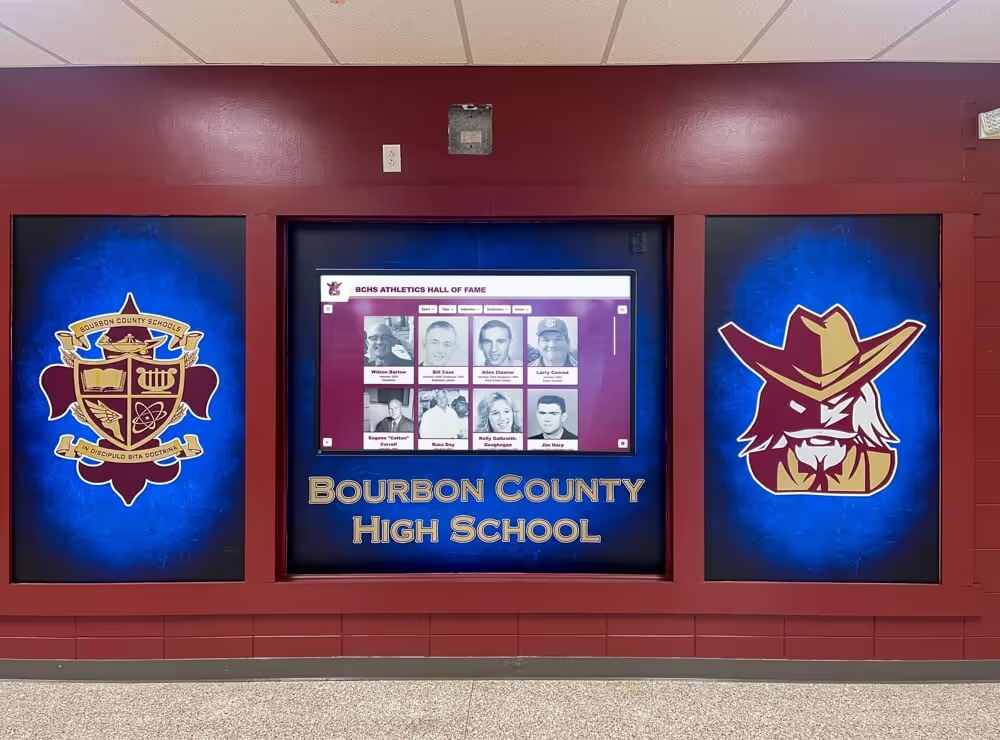
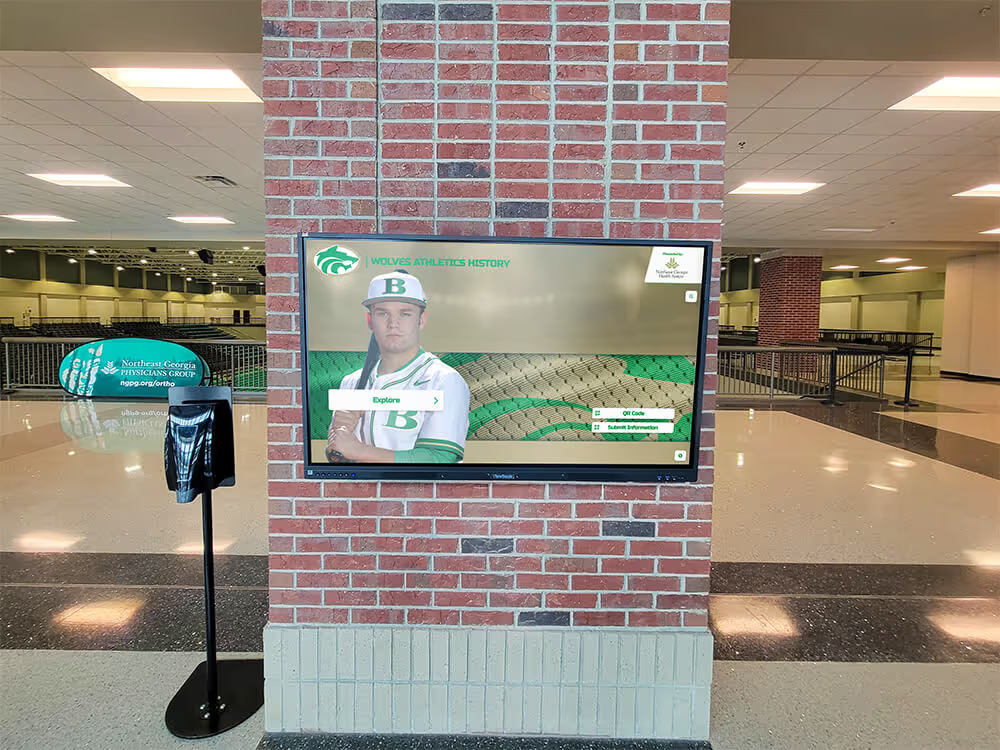
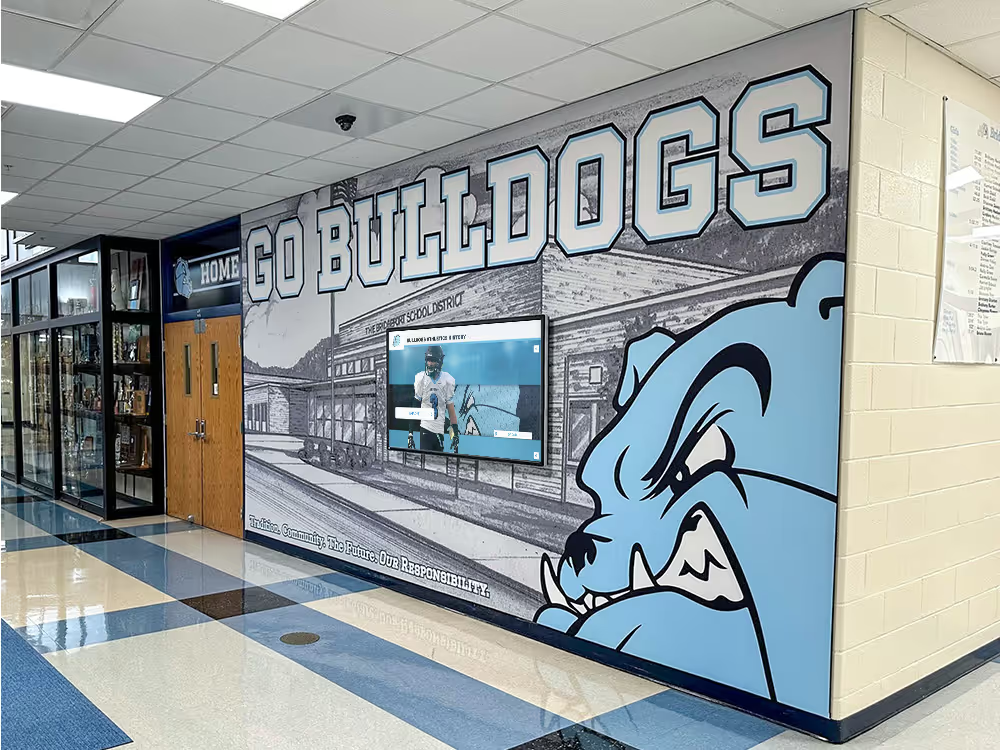
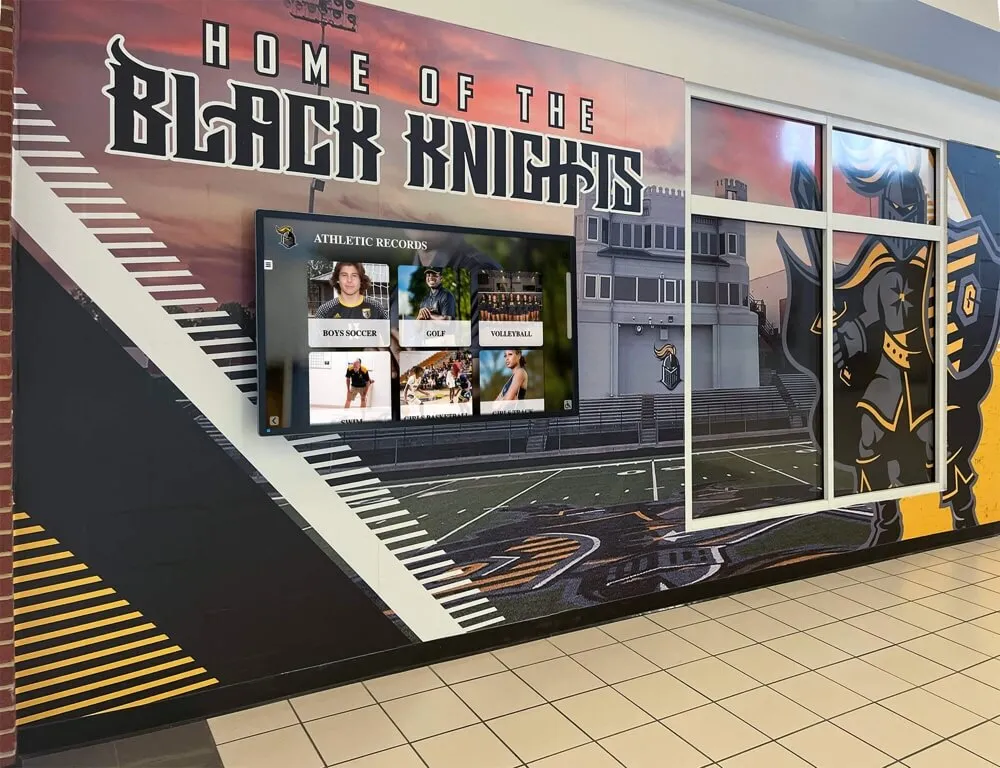
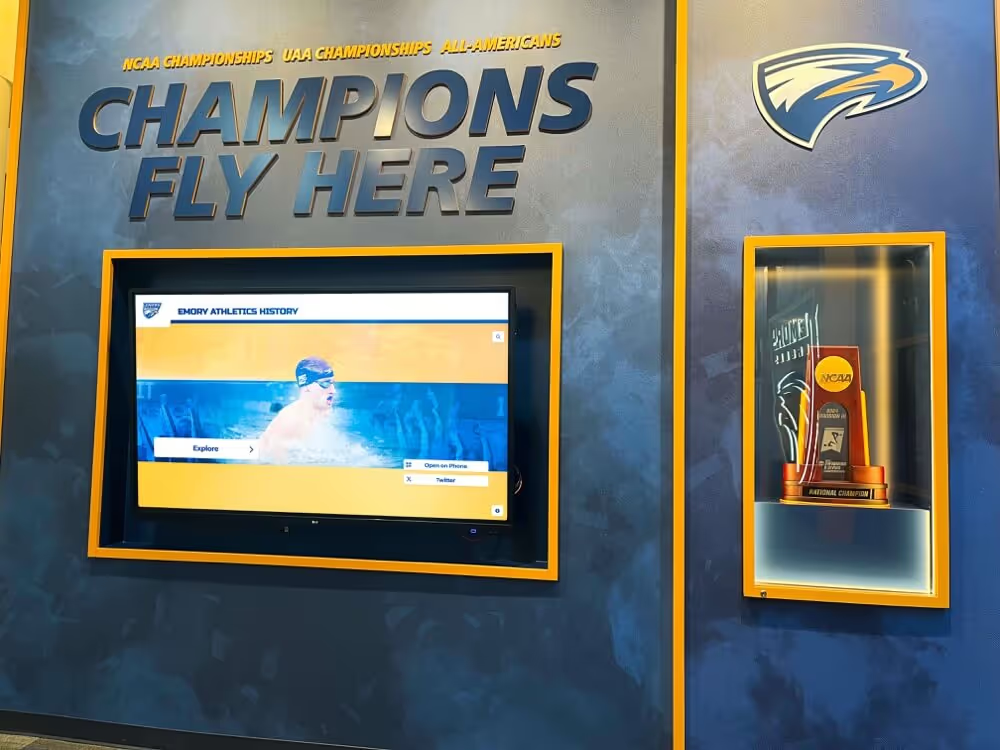
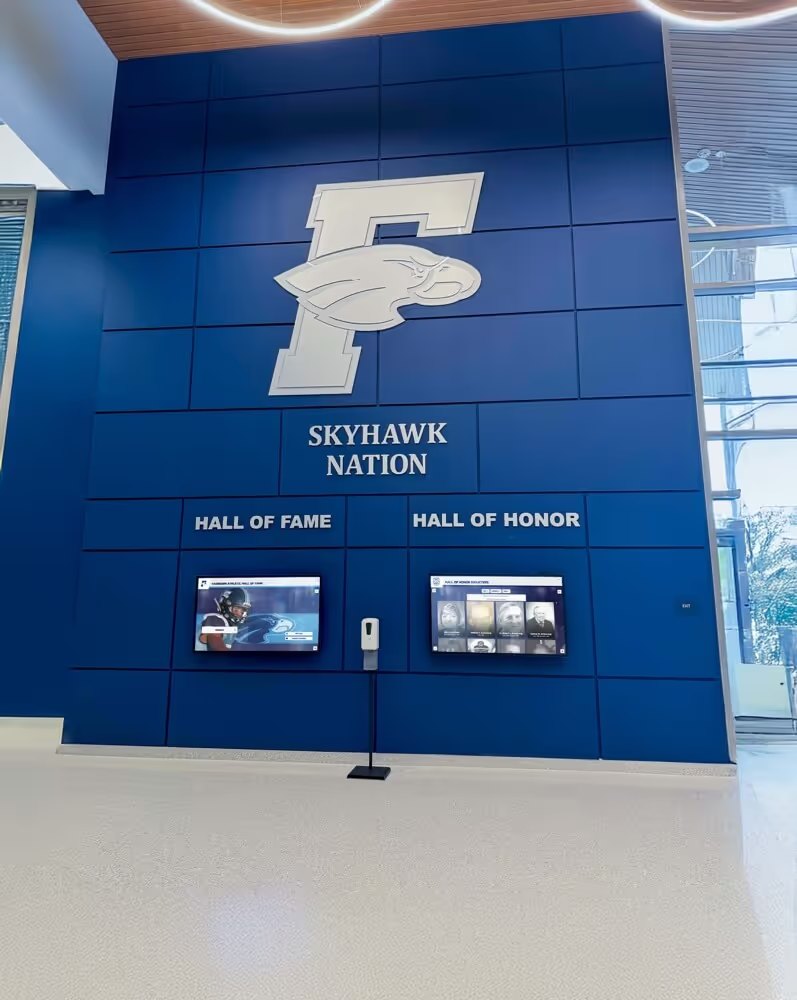
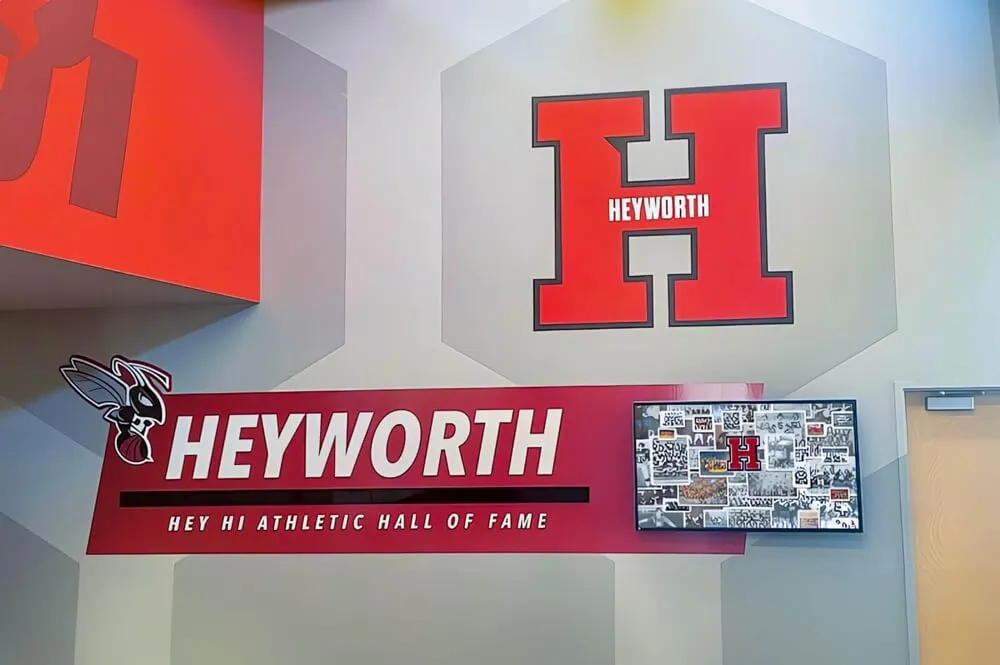
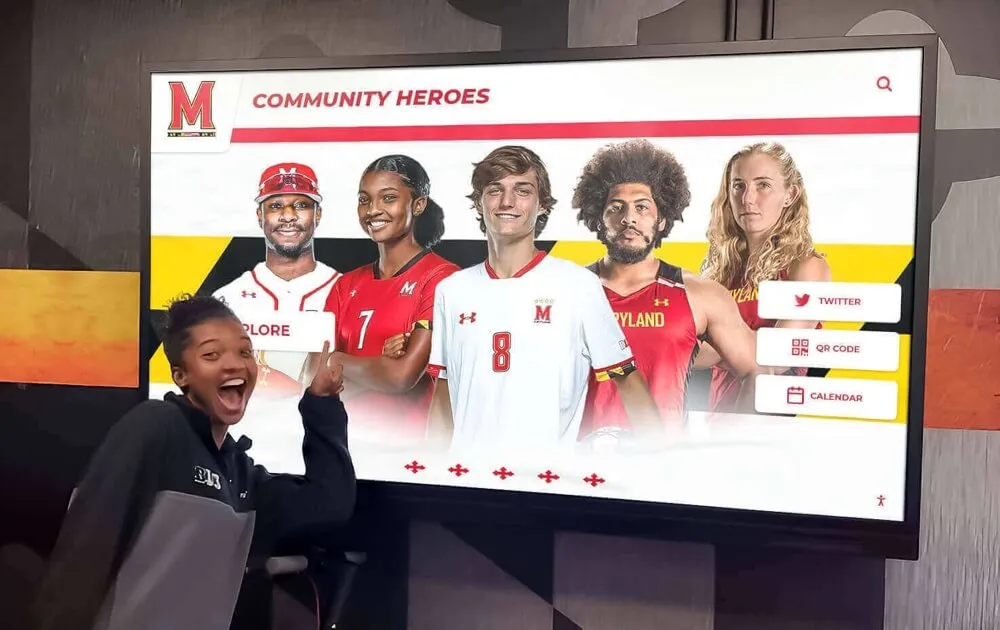
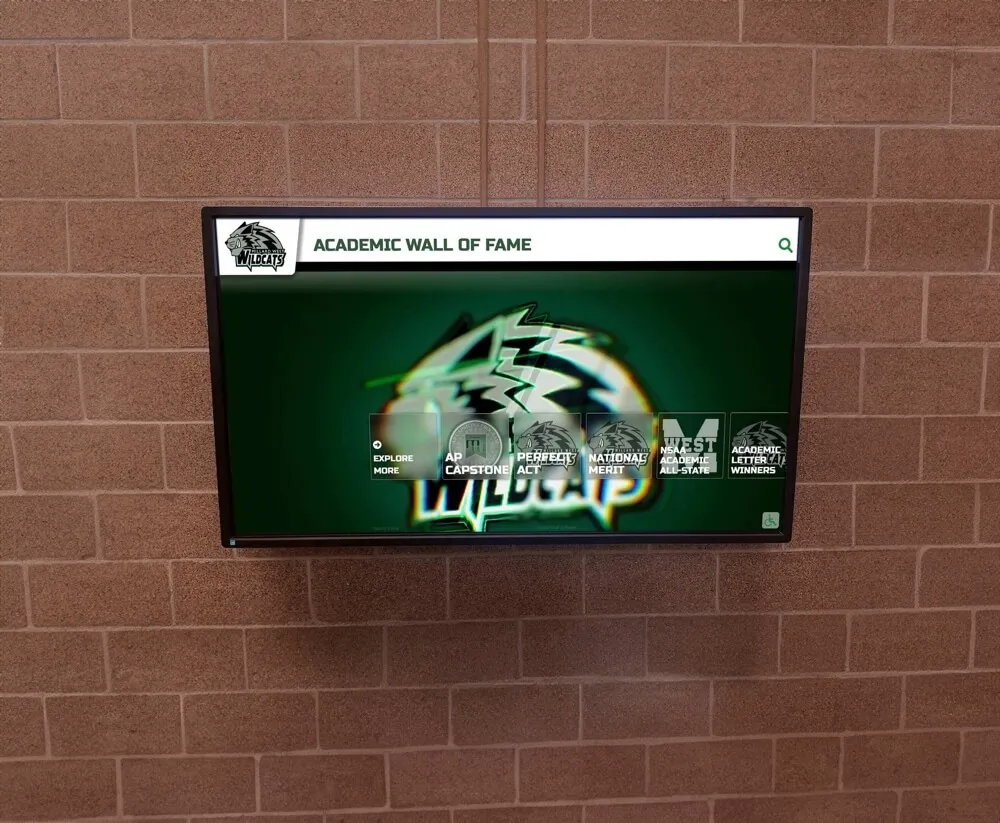
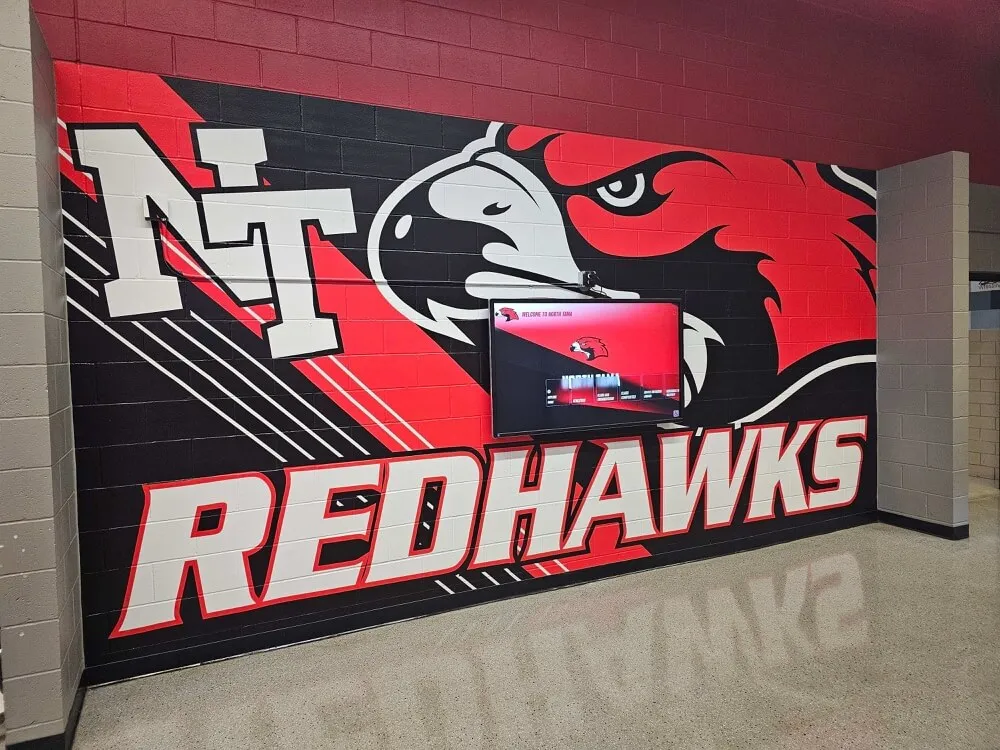
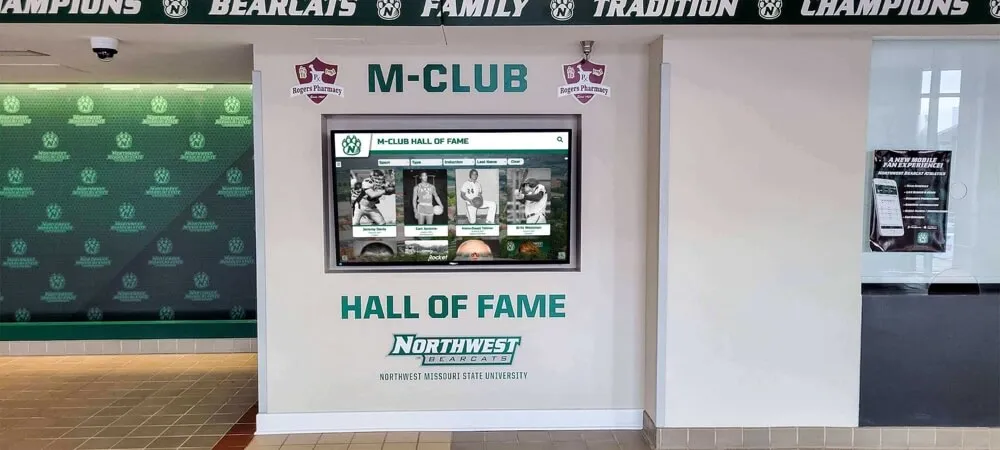
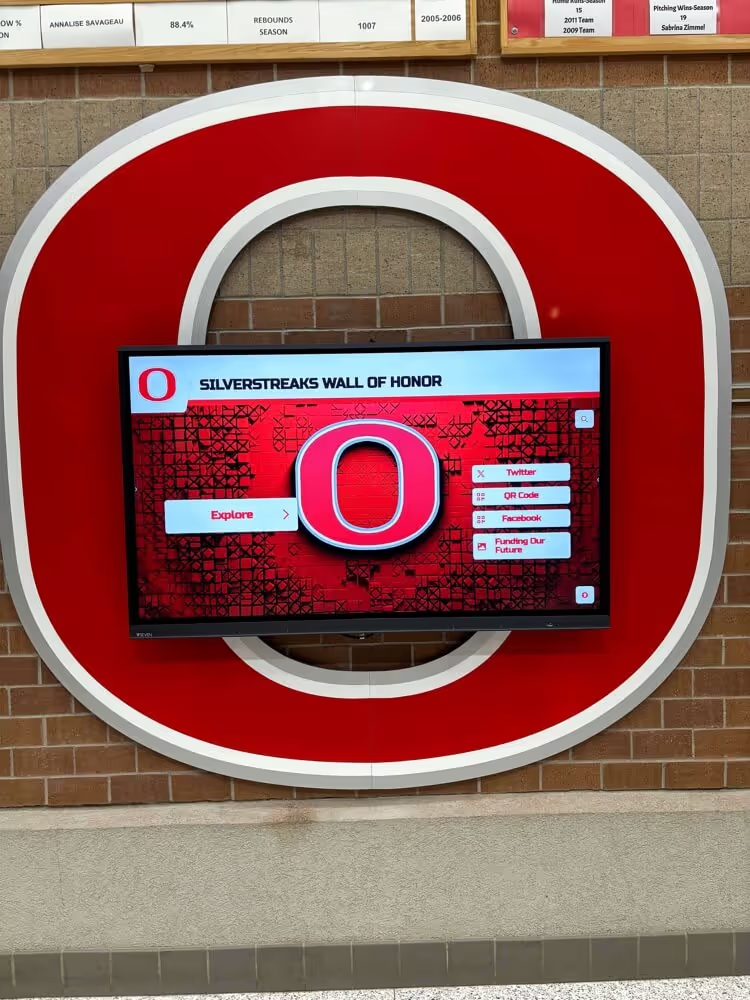
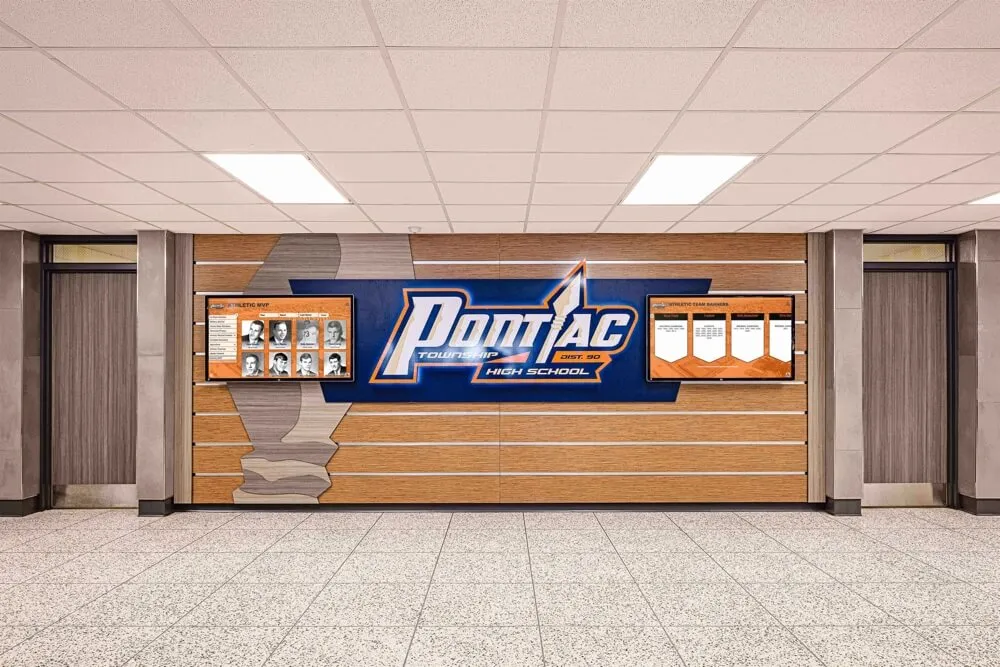
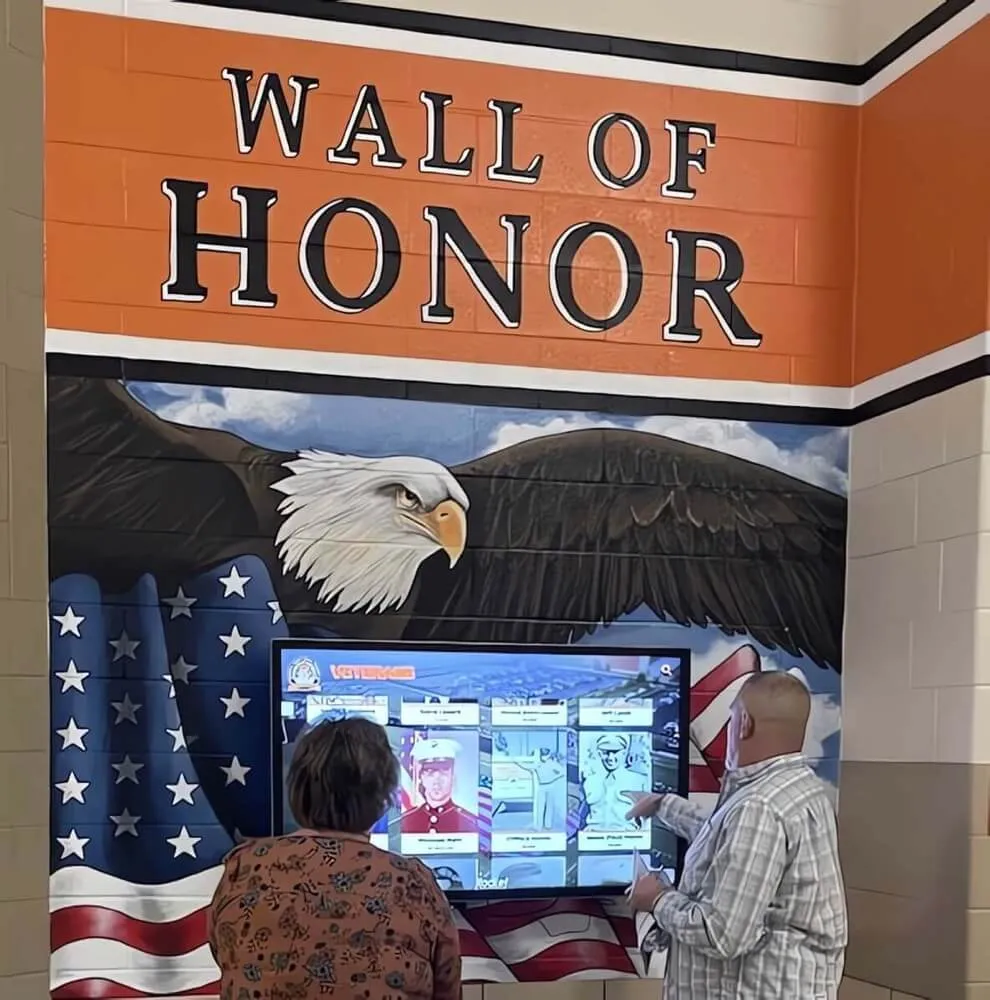
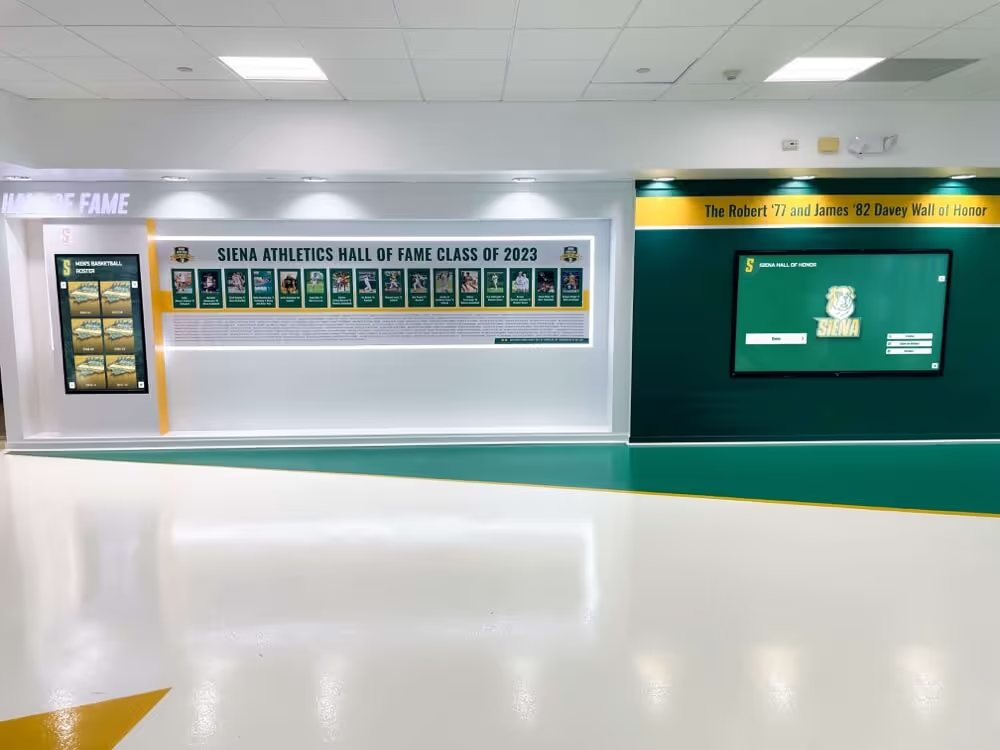
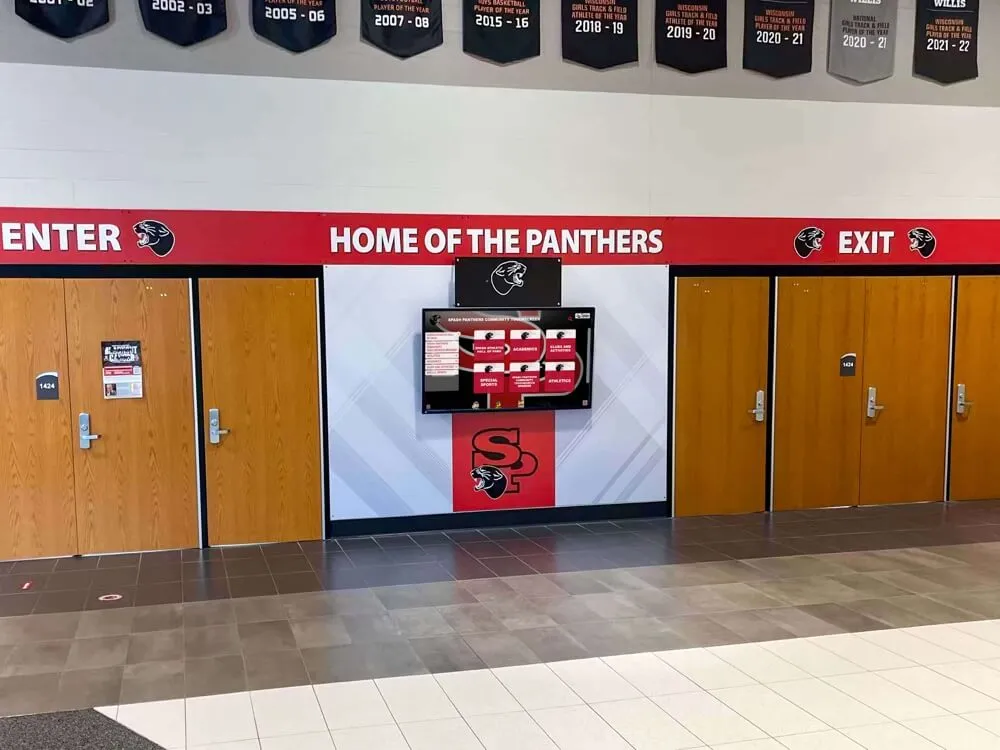
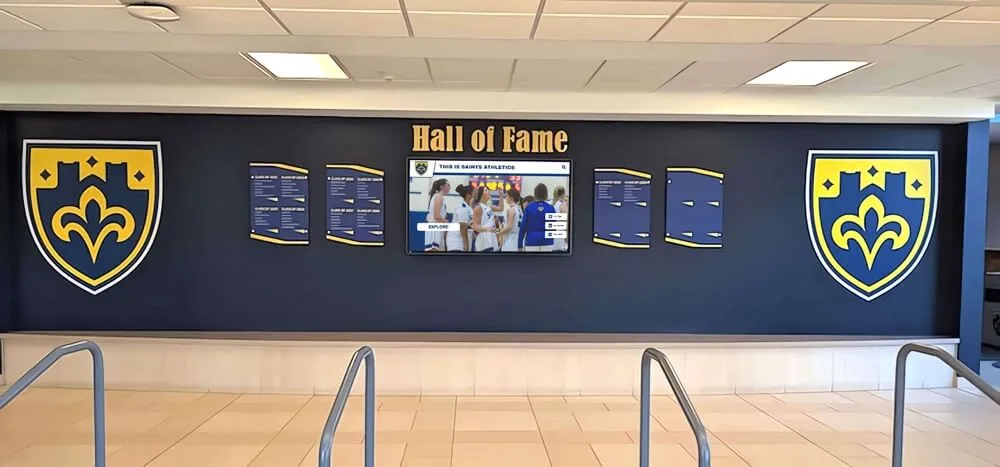
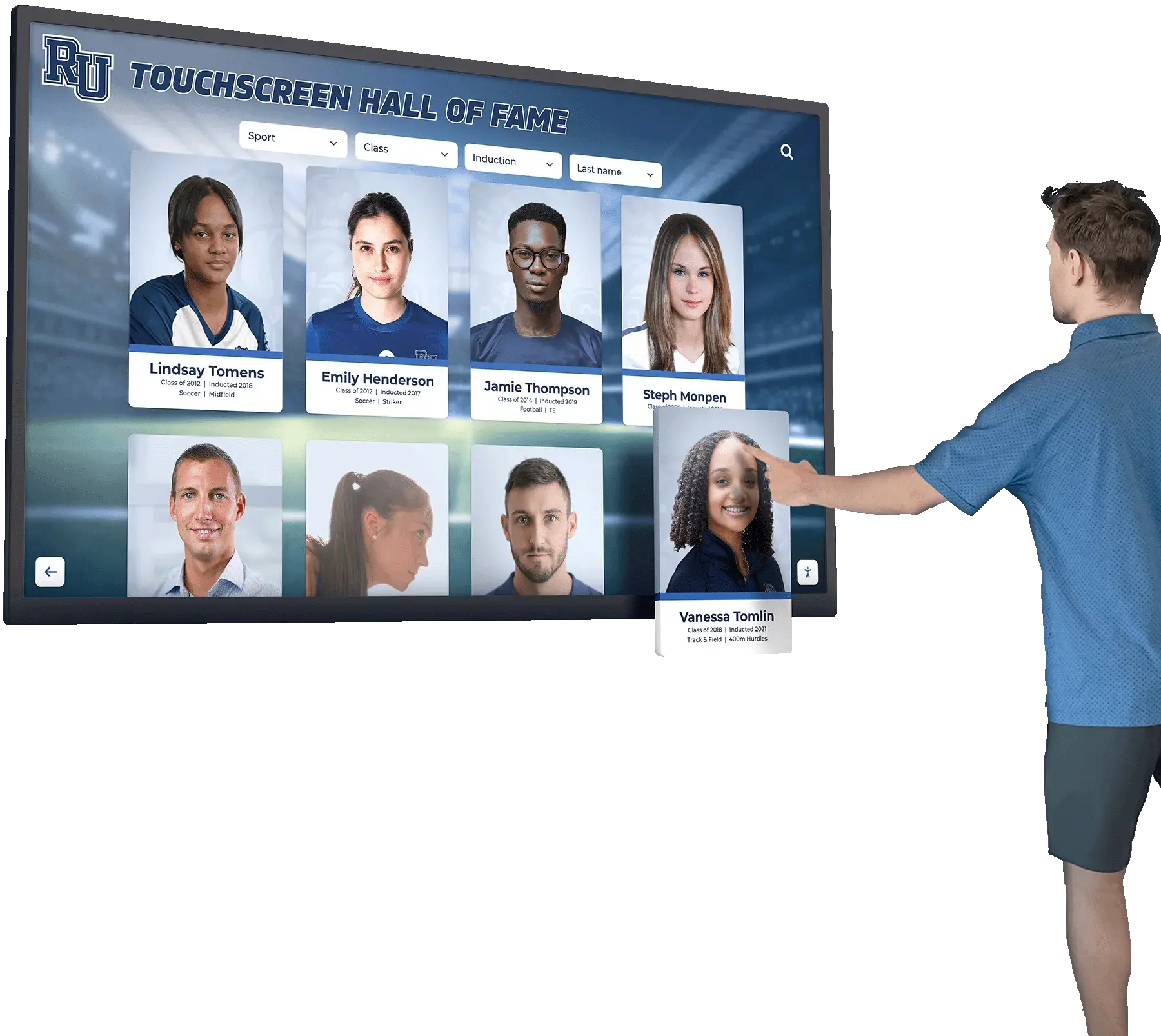
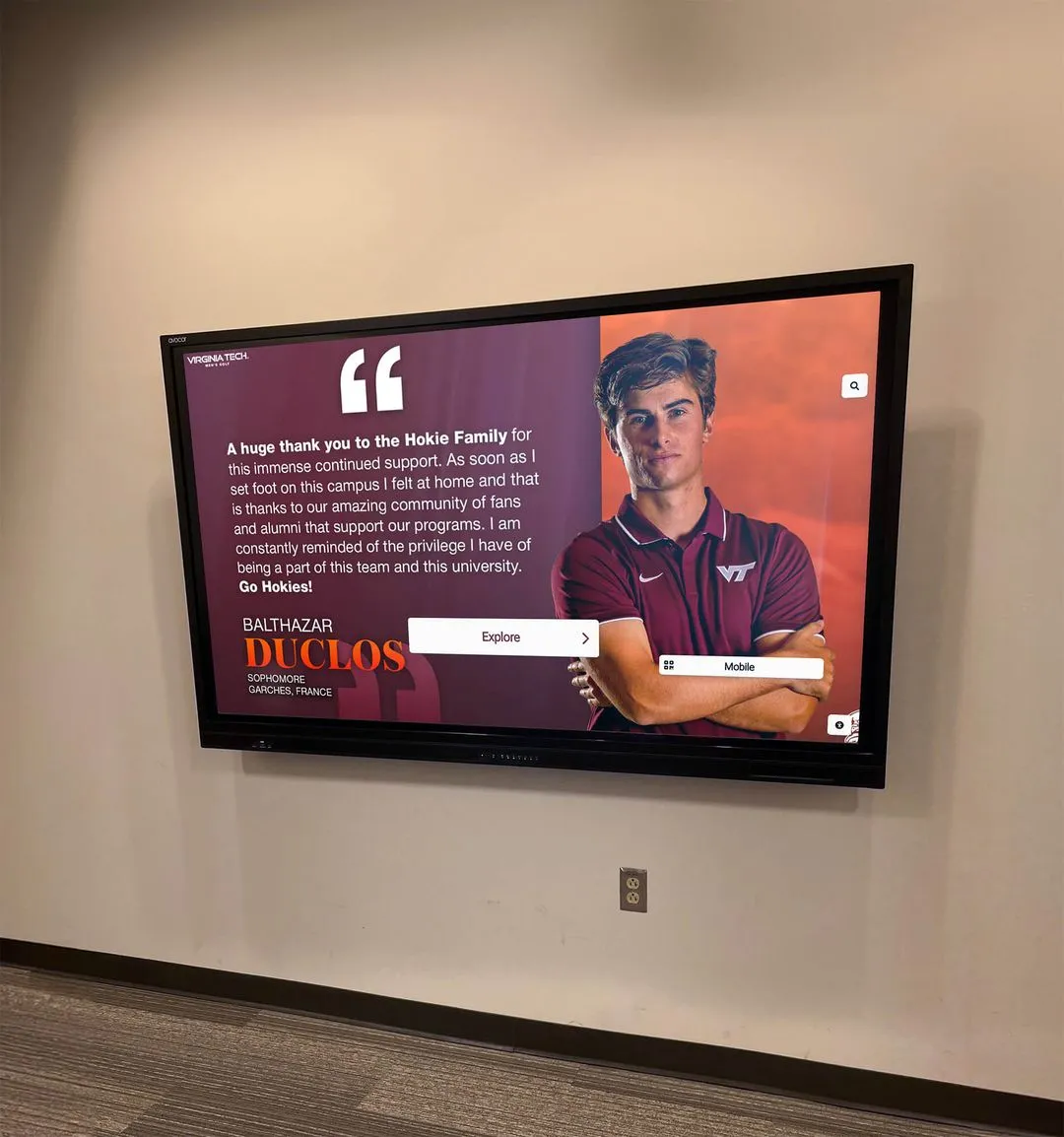
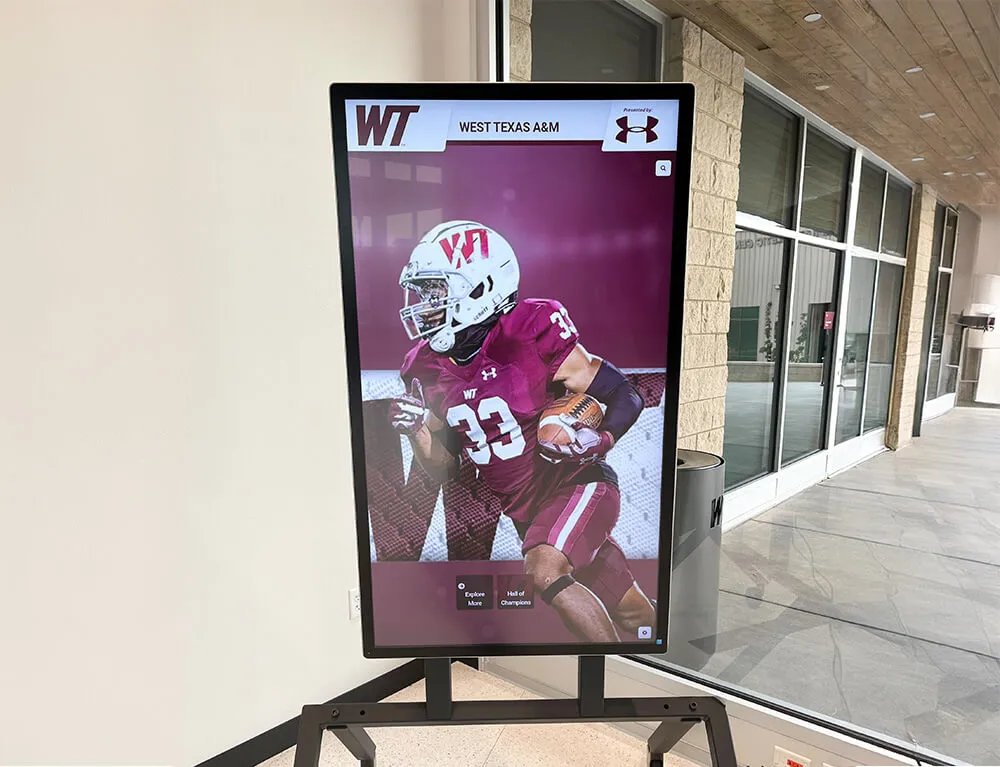
Organizations increasingly combine traditional donor plaques with digital donor recognition displays that accommodate unlimited donor additions while featuring multimedia storytelling capabilities that bring philanthropic impact to life. Inspiring donor wall examples demonstrate how schools and nonprofits successfully implement these hybrid approaches. These strategies honor legacy donors through permanent plaques while providing flexibility for future recognition through updatable digital systems.
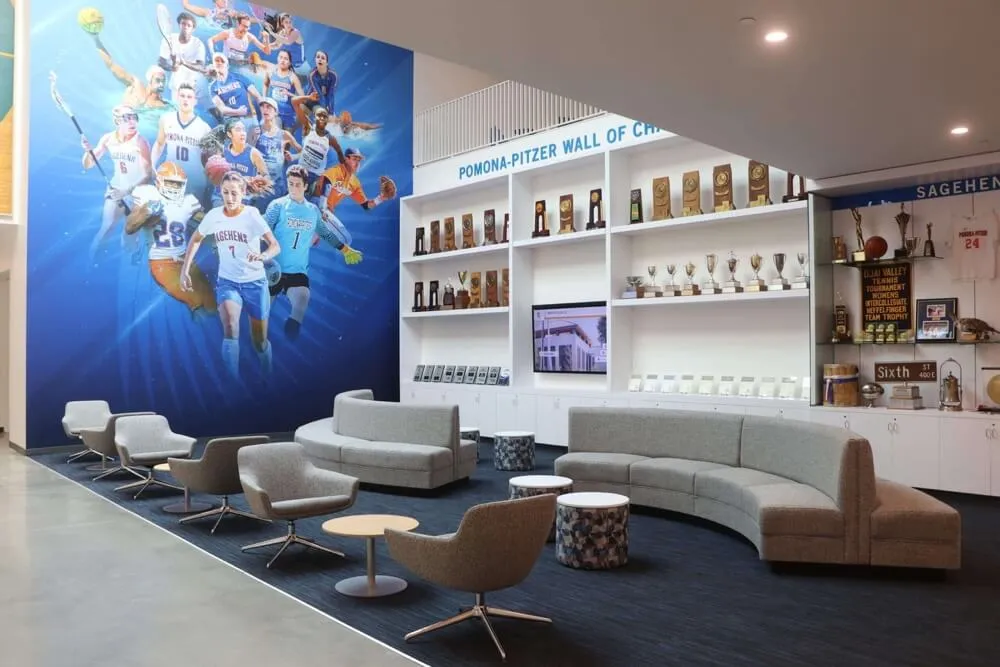
Dedicated donor recognition galleries create focused spaces celebrating philanthropic partnerships through comprehensive displays combining donor plaques, impact photography, campaign timelines, and stewardship messaging. Universities often position donor galleries within advancement office buildings or adjacent to major campus venues, while hospitals create recognition spaces near main lobbies or chapel areas. Cultural institutions frequently integrate donor galleries into exhibition circulation paths where visitors naturally pause during facility exploration.
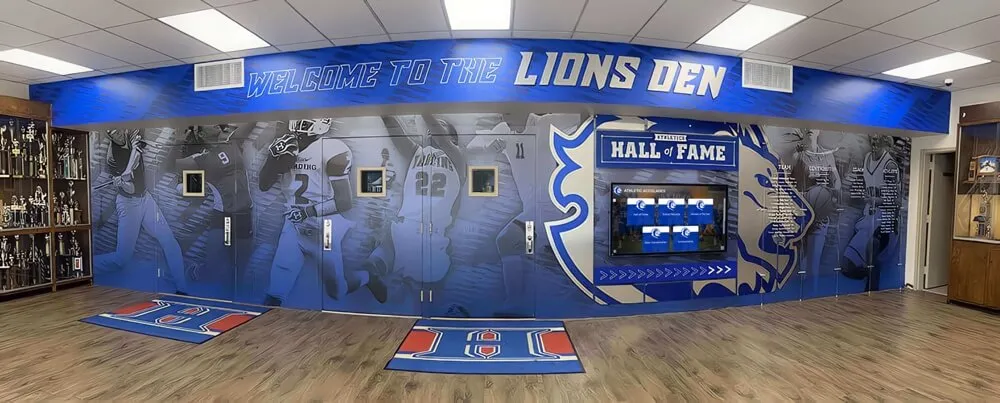
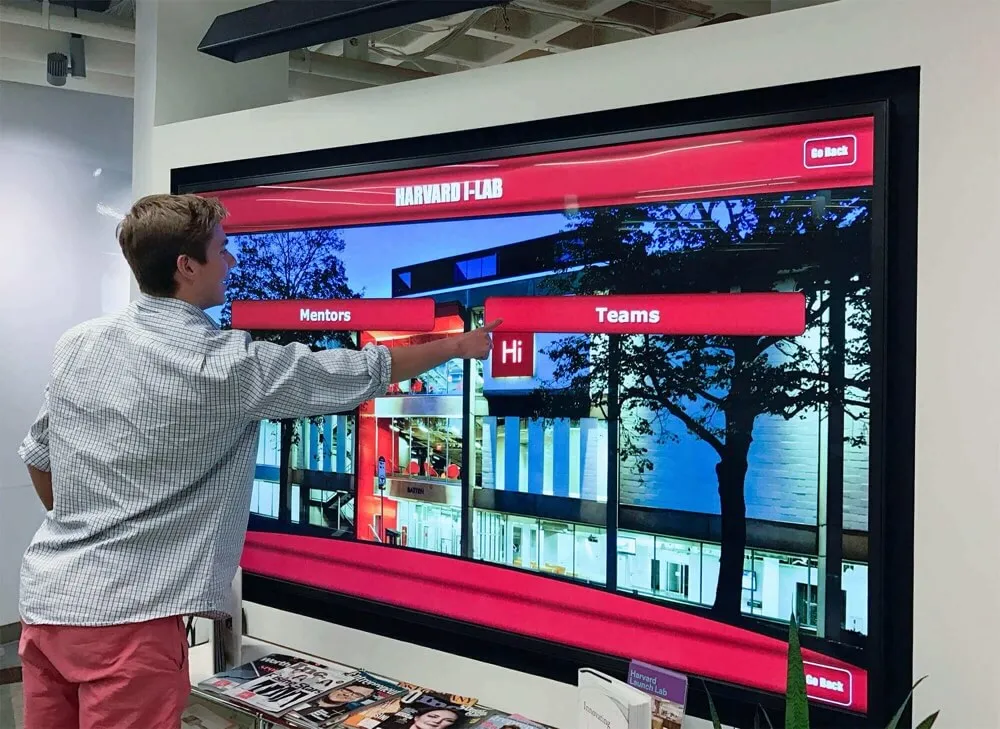
Gallery formats allow creative display concepts impossible within standard hallway installations—curved wall configurations, backlit panel systems, interactive touch displays, rotating recognition features, and multimedia presentations that tell donor impact stories compellingly. The dedicated space signals organizational commitment to donor relationships while providing controlled environments that protect recognition materials from weather, vandalism, and excessive handling.
Named facility interiors position donor plaques within spaces gifts directly funded—libraries donors enabled, athletic facilities their contributions built, academic wings their support constructed. Interior placement creates immediate connection between donor recognition and tangible impact, helping visitors understand how philanthropy advances institutional missions practically. Creative donor wall concepts and wall of fame design ideas often integrate recognition seamlessly into architectural elements including column wraps, stair risers, and reception desk surrounds.
Consider dedicating prominent wall sections near facility entrances rather than relegating donor plaques to secondary corridors where recognition impact diminishes. The space allocation you provide communicates how seriously your organization values philanthropic partnerships—generous donors deserve prominent recognition placement reflecting their investment significance.
Accessibility and Maintenance Considerations
ADA compliance requires mounting plaques at heights accessible to wheelchair users while maintaining readability for standing visitors. The Americans with Disabilities Act recommends placing important information including recognition plaques between 15 and 48 inches above finished floors, though many installations position donor walls higher to prevent vandalism and unauthorized contact. Organizations should consult accessibility specialists when planning major recognition displays to ensure installations welcome all visitors while protecting donor plaques appropriately.
Text sizing significantly affects readability across age ranges and vision capabilities. Standard practice specifies minimum letter heights of 5/8 inch for critical information, with 1-inch lettering preferred for names and key details that visitors view from conversational distances (3-6 feet). Larger installations viewed from greater distances require proportionally larger text—calculate letter heights by dividing intended viewing distance (in inches) by 30 to determine minimum readable text sizes.
Protective measures extend plaque longevity while preserving professional appearance. Indoor installations benefit from UV-filtering glass or acrylic covers that prevent fading, minimize dust accumulation, and discourage unauthorized touching. Recessed mounting systems position plaques slightly behind surrounding wall surfaces, providing physical protection while creating dimensional visual interest.
Establish regular maintenance schedules including quarterly dusting, semi-annual deep cleaning with appropriate materials (avoiding abrasive cleaners that damage engraving), and annual condition inspections identifying deterioration requiring professional restoration. Many organizations contract specialized trophy and recognition vendors for periodic maintenance visits that preserve recognition displays professionally while freeing internal staff for mission-critical work.
Modern Alternatives: Digital Recognition Systems Complementing Traditional Plaques
While traditional donor plaques continue serving important recognition roles, forward-thinking organizations increasingly adopt digital recognition technologies that overcome conventional plaque limitations while enhancing donor engagement through interactive experiences impossible with static materials.
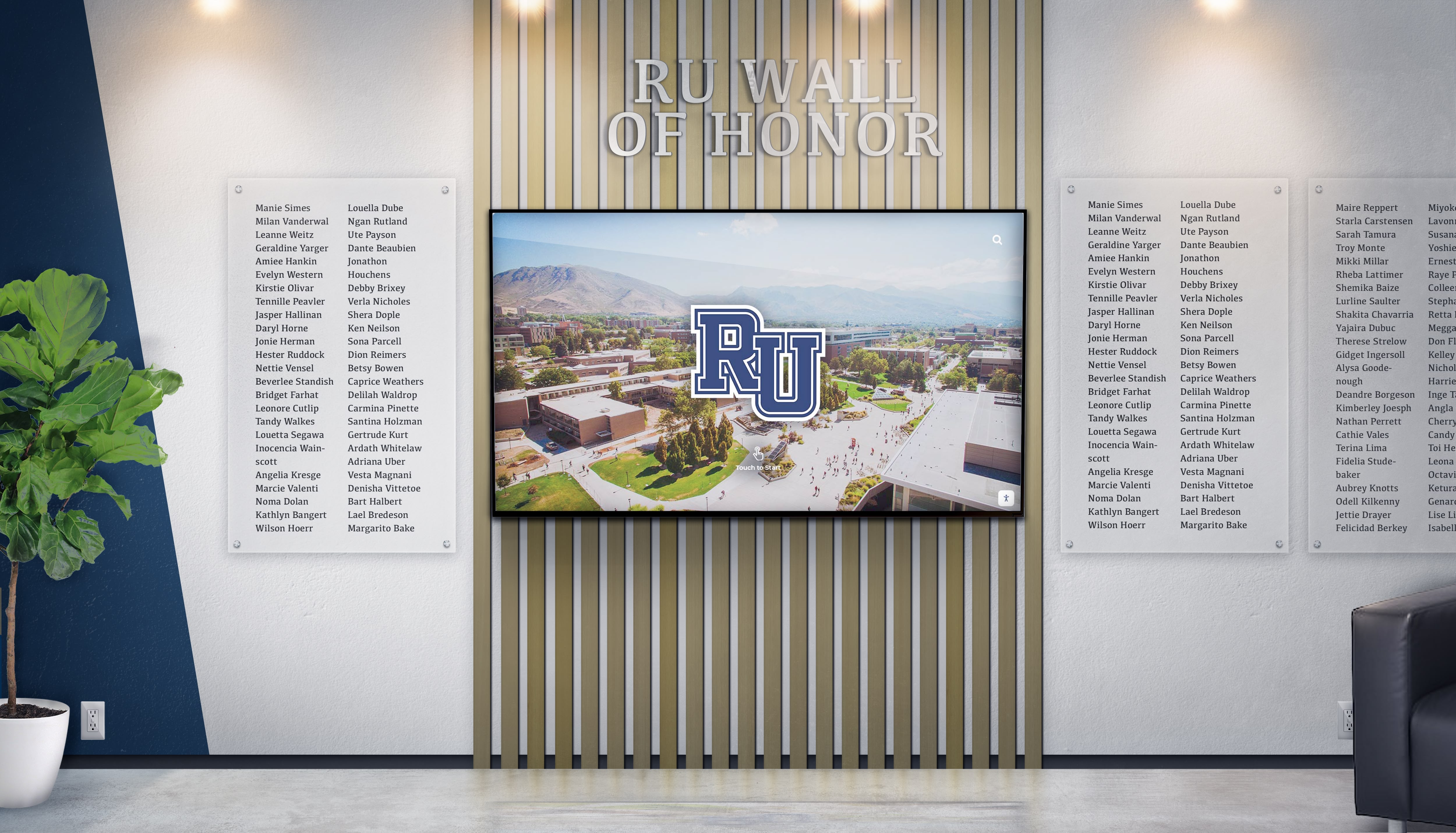
Advantages of Digital Donor Recognition Displays
Unlimited capacity eliminates the space constraints that plague traditional plaque walls, allowing organizations to recognize every contributor regardless of wall size limitations. Digital systems accommodate hundreds or thousands of donor profiles within single display units, presenting names through searchable databases, scrolling tickers, or categorized lists organized by giving levels, donation years, or recognition societies.
This scalability proves particularly valuable for organizations conducting multi-year capital campaigns, annual fund drives recognizing thousands of contributors, or comprehensive recognition programs honoring donors across multiple giving categories simultaneously. Schools planning fundraising initiatives particularly appreciate unlimited capacity that accommodates growing donor communities. Rather than choosing which donors receive physical plaque recognition due to space limitations, digital systems present complete donor rosters while maintaining visual clarity and professional presentation.
Real-time updates allow immediate donor addition following gift processing, eliminating the months-long delays between contribution receipt and recognition display that frustrate donors and weaken stewardship relationships. Advancement teams simply update donor databases remotely, with changes appearing instantly on recognition displays. This responsiveness demonstrates organizational efficiency while ensuring timely acknowledgment that reinforces positive giving experiences.
Campaign progress tracking features display cumulative totals, goal achievement percentages, and giving momentum visualizations that inspire additional contributions by demonstrating community-wide support. Many nonprofit donor recognition programs report that visible progress displays accelerate campaign timelines by creating urgency and social proof that motivate fence-sitting prospects.
Multimedia storytelling transforms donor recognition from simple name lists into compelling impact narratives through photographs, video testimonials, project documentation, and beneficiary stories that illustrate how contributions advance organizational missions tangibly. Rather than reading “John Smith, Capital Campaign Donor,” visitors encounter rich profiles explaining John’s motivation for giving, highlighting his family’s multi-generational institutional connection, and showcasing specific programs his support enabled.
This depth creates emotional engagement that static plaques cannot match, helping prospects envision their own philanthropic legacy while demonstrating the transformational impact thoughtful giving creates. Organizations incorporating storytelling elements report stronger donor retention, increased upgrade rates, and more frequent legacy gift conversations as current supporters envision expanded engagement possibilities.
Implementing Hybrid Recognition Approaches
Smart organizations don’t choose between traditional plaques and digital recognition—they implement strategic combinations honoring established donors through permanent materials while leveraging digital flexibility for ongoing recognition needs. Common hybrid approaches include:
Permanent founder recognition through premium bronze or marble plaques celebrating transformational leadership gifts that launched campaigns, funded signature facilities, or established endowment programs. These most significant contributions warrant the gravitas and permanence that traditional materials convey, while digital systems handle ongoing annual fund recognition, campaign updates, and expandable donor rosters.
Tiered recognition systems present major donors (leadership circle and above) on traditional plaques installed prominently, while digital displays accommodate supporter and friend-level donors whose smaller gifts collectively sustain operations. This approach manages costs effectively while ensuring all contributors receive meaningful acknowledgment appropriate to gift levels.
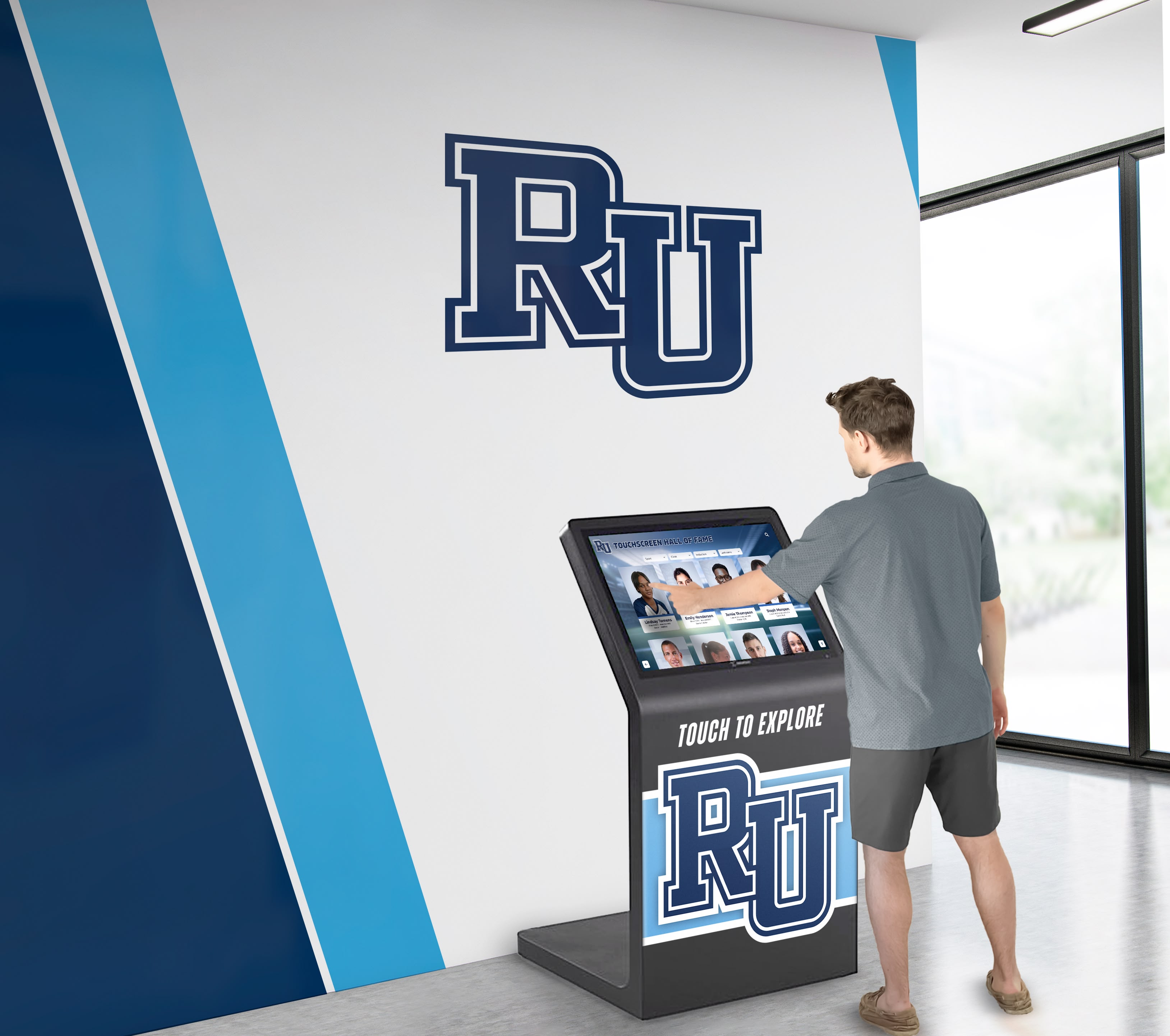
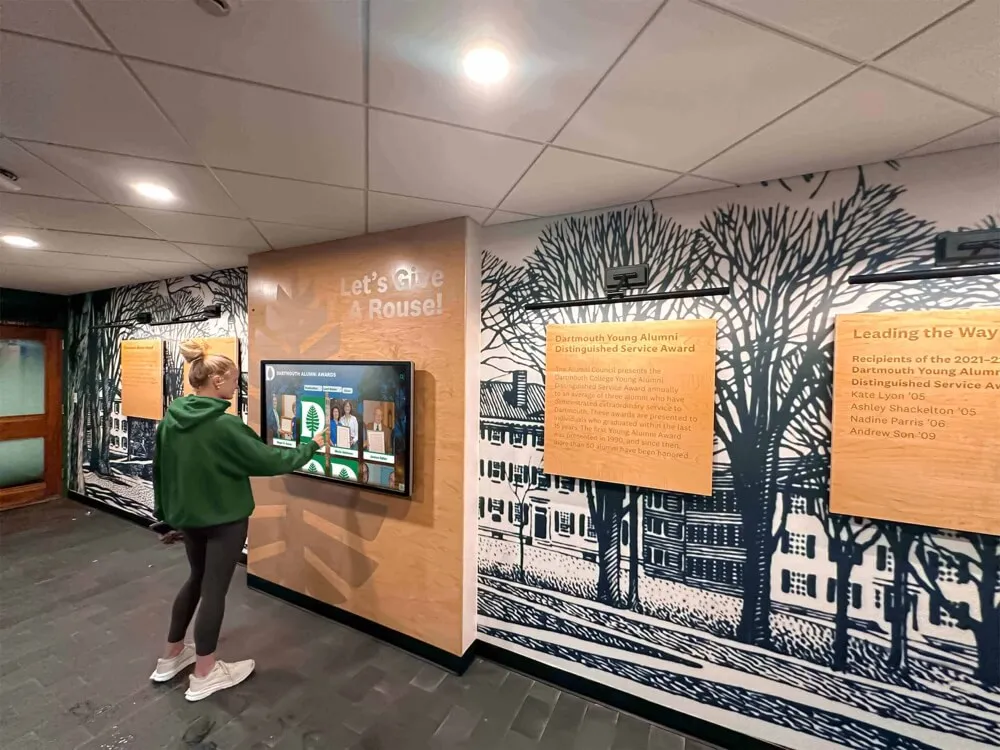
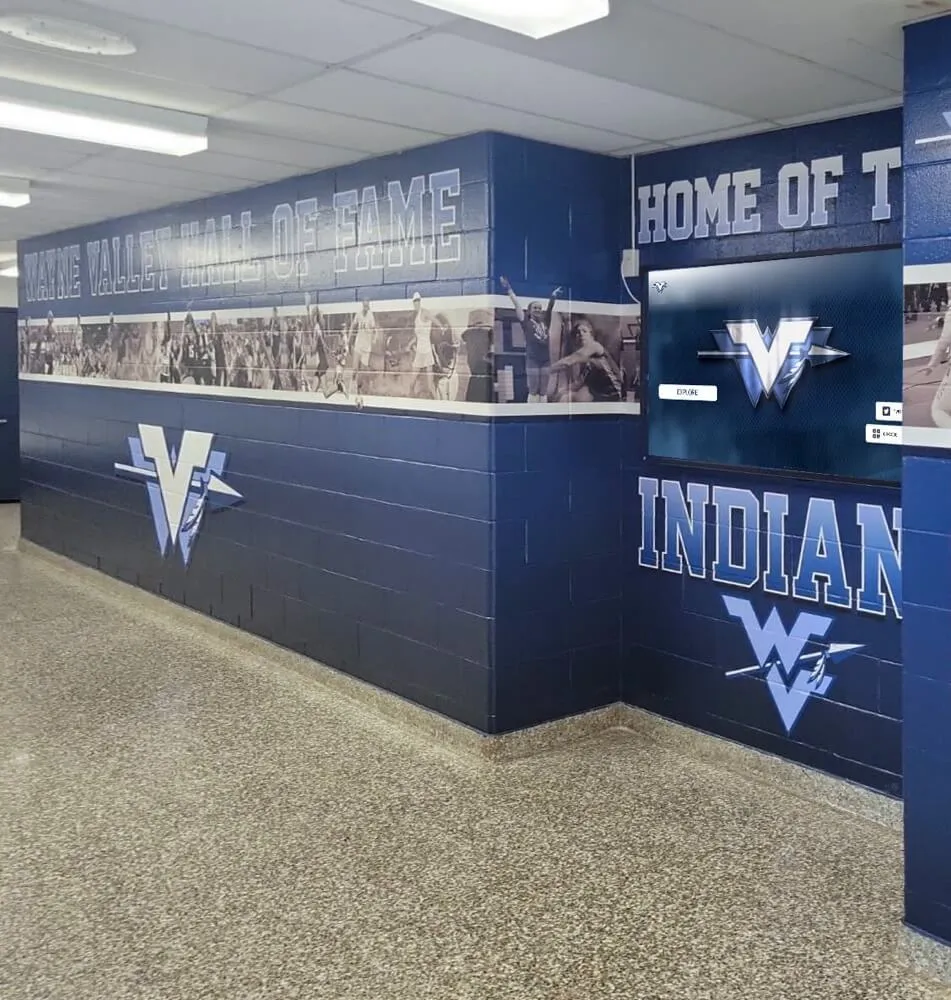
Legacy wall conversions preserve historic donor plaques documenting decades of institutional support while adding digital components that continue recognition stories into the future. Rather than removing beloved traditional installations when wall space fills, organizations integrate interactive displays adjacent to plaque walls, creating comprehensive recognition galleries spanning organizational history through present campaigns. This approach honors tradition while embracing innovation that serves contemporary donor engagement expectations.
Solutions like Rocket Alumni Solutions provide turnkey digital donor recognition systems designed specifically for schools and nonprofits, featuring unlimited donor capacity, remote content management, ADA-compliant interfaces, and multimedia capabilities that transform static recognition into engaging stewardship experiences. These systems complement traditional donor plaques beautifully while providing the flexibility modern advancement programs require.
Budget Planning: Donor Plaque Costs and Long-Term Value Considerations
Financial planning for donor recognition requires understanding both initial installation costs and ongoing maintenance investments that preserve professional appearance and ensure continued recognition effectiveness throughout decades of service.
Traditional Plaque Pricing Factors
Individual donor plaque costs vary significantly based on several key variables:
Material selection represents the primary cost driver, with basic aluminum plates starting around $50-75 for simple 4"x6" sizes, brass plaques ranging $150-400 depending on dimensions and engraving complexity, bronze castings commanding $500-2,000+ for custom designs, and premium marble or granite installations requiring $300-1,000+ per panel including professional mounting.
Engraving specifications affect pricing through text quantity, font selections requiring custom tooling, logo incorporations, border designs, and dimensional detailing. Simple text engraving adds modest cost premiums, while complex multi-font layouts, graphic elements, and relief work increase fabrication time and associated expenses proportionally.
Quantity discounts make comprehensive recognition programs more affordable, with vendors typically offering 10-25% cost reductions when ordering multiple identical plaques for donor wall installations. Organizations planning large recognition displays should request volume pricing proposals that reflect true per-plaque costs rather than individual unit rates.
Installation requirements add labor costs including professional mounting system fabrication, wall preparation, secure fastening meeting building codes, and finished presentation that integrates plaques seamlessly into architectural contexts. Budget $50-200 per plaque for professional installation depending on complexity, accessibility, and structural considerations.
Comparing Traditional and Digital Recognition Investments
While traditional plaques present clear per-unit costs, digital recognition systems require different financial evaluation considering total cost of ownership across expected service life:
Initial digital donor wall installations typically range $8,000-25,000 depending on display sizes, hardware specifications, software capabilities, and installation complexity. This investment includes commercial-grade displays built for continuous operation, touchscreen interfaces supporting user interaction, mounting systems, and content management platforms enabling remote updates.
Rather than per-donor costs like traditional plaques, digital systems accommodate unlimited donor additions at zero incremental expense—the thousandth donor profile costs nothing more than the first. Organizations recognizing hundreds or thousands of annual contributors find digital approaches dramatically more cost-effective than traditional plaque alternatives that would require hundreds of individual plates plus substantial wall space.
Ongoing costs include annual software licensing ($500-1,500 depending on feature sets), occasional content updates ($0 for in-house management or $500-2,000 annually for professional content services), and eventual display replacement after 7-10 years of continuous operation. Total ten-year cost of ownership typically ranges $15,000-40,000 for complete digital recognition systems—often comparable to or less than comprehensive traditional plaque installations serving equivalent donor volumes.
Implementation Best Practices: From Design to Installation
Successful donor recognition requires thoughtful planning, donor consultation, professional execution, and ongoing stewardship that maintains recognition quality while demonstrating continued organizational gratitude.
Essential Planning Steps for Donor Recognition Projects
Stakeholder consultation should begin recognition planning, gathering input from advancement staff who understand donor relationships, facility managers who maintain installations, institutional leadership who approve recognition policies, and major donors whose preferences shape recognition expectations. Many organizations also draw inspiration from established recognition program models when designing comprehensive donor stewardship systems. This collaborative approach surfaces potential concerns early while building consensus around recognition approaches that serve organizational objectives effectively.
Many successful institutions form recognition committees meeting regularly to establish policies, review proposed plaque designs, evaluate display locations, and ensure consistent recognition standards across departments. Committee involvement prevents inconsistent recognition that confuses donors and creates perceived favoritism.
Donor preference verification prevents errors requiring expensive plaque replacement while demonstrating respect for individual wishes. Before finalizing any plaque text, send proof copies to donors requesting confirmation of exact name spelling, preferred formatting, accompanying text approval, and any special considerations they wish addressed. Allow 2-3 weeks for donor review and maintain documented approvals protecting against future disputes.
Some donors prefer privacy, requesting recognition omission despite major gifts. Honor these preferences graciously while ensuring gift acceptance documentation includes signed acknowledgment of anonymous recognition terms. Other donors appreciate inclusion of memorial dedications, family crests, or specific impact language—accommodate these personalization requests whenever possible as they strengthen donor connections.
Professional design development elevates recognition from functional name lists into cohesive aesthetic statements reflecting institutional character. Consider engaging design professionals experienced with donor recognition who understand material performance, architectural integration, accessibility requirements, and visual hierarchy principles that create scannable, engaging displays.
Design specifications should address typography selections supporting readability, layout grids ensuring organized presentation, color palettes coordinating with existing architectural finishes, lighting plans highlighting recognition effectively, and scale considerations appropriate to viewing distances and visitor traffic patterns.
Working with Recognition Vendors and Contractors
Qualified vendor selection requires evaluating both creative capabilities and technical execution quality. Request portfolios demonstrating previous donor recognition projects, client references you can contact directly, material samples showing engraving quality and finish options, and detailed proposals outlining scope, timeline, costs, and warranty terms.
Avoid selecting vendors based solely on lowest pricing—donor recognition represents long-term institutional investments deserving quality craftsmanship that maintains professional appearance throughout decades of service. Mid-range pricing typically delivers optimal value balancing affordability with durability and aesthetic refinement.
Production timelines vary by material and project complexity, with simple engraved plaques often completing within 2-4 weeks while custom bronze castings, complex installations, or large donor wall projects may require 8-12 weeks from approval to installation. Factor these timelines into event planning when coordinating recognition unveilings with dedication ceremonies, campaign celebrations, or donor appreciation events celebrating philanthropic partnerships.
Request periodic production updates confirming projects progress on schedule, and insist on final proof approvals before irreversible fabrication steps including engraving, casting, or permanent installations. This checkpoint prevents costly errors while ensuring finished recognition matches approved specifications exactly.
Creating Lasting Impact Through Thoughtful Donor Recognition
The donor plaque designs you select, the wording you craft, and the display strategies you implement collectively shape how contributors perceive their philanthropic partnerships while influencing whether they continue, expand, or cease supporting your mission. Organizations investing thoughtful attention in recognition planning demonstrate profound respect for donor relationships while creating visible testaments to community support that inspire additional giving.
Traditional plaques serve important roles honoring major gifts through permanent materials conveying gravitas and historical significance. Contemporary digital recognition systems complement these classic approaches while providing unlimited capacity, real-time updates, multimedia storytelling, and interactive engagement that traditional materials cannot offer. Smart recognition strategies leverage both approaches strategically, combining permanence with flexibility that serves donor stewardship objectives comprehensively.
Whether you’re planning your first donor recognition installation or expanding established programs, focus on creating experiences that honor contributors meaningfully, communicate impact compellingly, and inspire continued philanthropic commitment to the mission work they value. The recognition you provide today shapes the transformational partnerships that sustain your organization tomorrow.
Ready to create donor recognition that inspires lasting engagement? Explore how Rocket Alumni Solutions provides comprehensive digital recognition systems designed specifically for schools and nonprofits, featuring unlimited donor capacity, remote content management, and multimedia capabilities that transform traditional donor walls into engaging stewardship experiences that strengthen philanthropic partnerships.