Donor Recognition: Best Practices for Thanking and Honoring Your Supporters
Every nonprofit organization and educational institution depends on supporter generosity to fulfill its mission. Yet despite understanding that donor relationships drive fundraising success, many organizations struggle with recognition programs that feel transactional, inconsistent, or disconnected from the meaningful impact contributions create. A thank-you letter arrives weeks late. Recognition at events overlooks major contributors. Donor walls gather dust with outdated names while recent supporters receive no acknowledgment. These missed opportunities don’t just represent poor manners—they directly undermine fundraising sustainability by eroding the emotional connections that inspire continued generosity.
Research consistently demonstrates that recognized donors give again at substantially higher rates than unacknowledged supporters. Conversely, feeling unappreciated ranks among the top reasons donors stop giving to organizations they previously supported. The stakes extend beyond individual relationships to organizational financial health, as donor retention rates fundamentally determine whether development programs grow sustainably or remain trapped in expensive cycles of perpetually replacing lapsed supporters.
Strategic donor recognition represents far more than obligatory etiquette. Thoughtful appreciation programs strengthen relationships that drive sustained support, demonstrate organizational values around gratitude and stewardship, inspire increased giving as donors feel genuinely valued, create social proof that motivates prospective contributors, and build communities united around shared mission rather than transactional exchanges.
This comprehensive guide explores evidence-based donor recognition best practices spanning acknowledgment timing and personalization strategies, recognition methods across diverse supporter levels and contribution types, stewardship approaches that connect appreciation to impact, technology solutions that scale recognition without losing authenticity, and measurement frameworks ensuring recognition programs advance fundraising objectives while honoring supporters meaningfully. Whether you manage established recognition programs or seek to transform acknowledgment approaches that aren’t delivering results, these frameworks provide practical guidance for creating donor experiences that inspire loyalty, increased giving, and advocacy.
Effective donor recognition requires understanding that supporters contribute for diverse reasons—connection to mission, community belonging, personal legacy, impact on causes they care about, or honoring loved ones. Recognition that addresses these varied motivations proves far more effective than generic acknowledgment treating all donors identically regardless of their unique relationships with your organization.

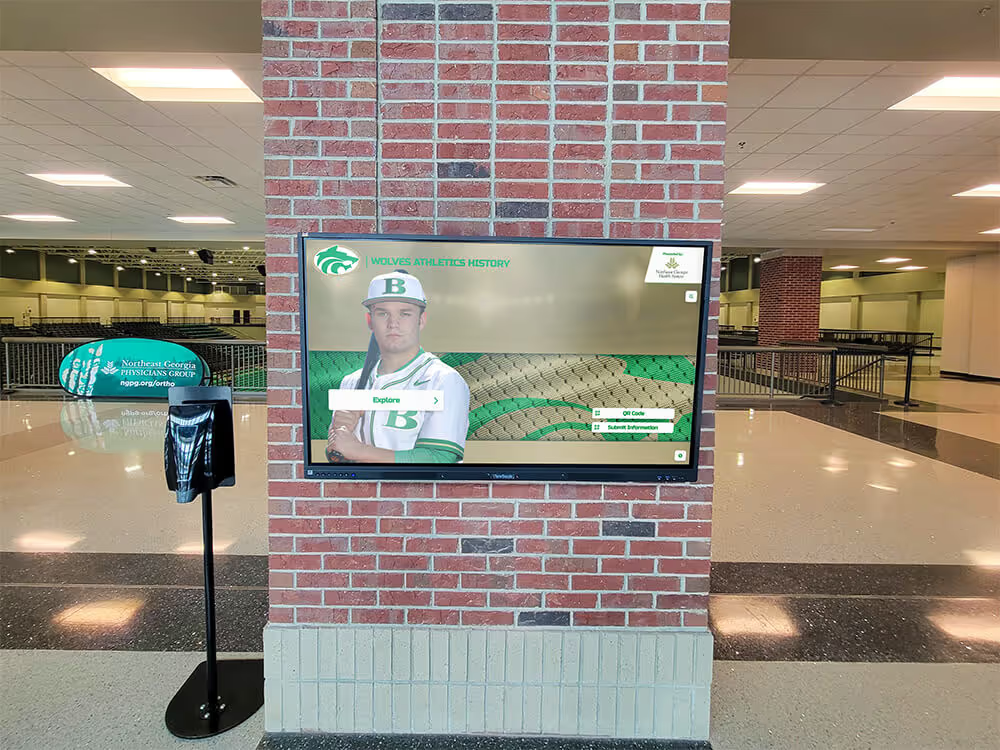
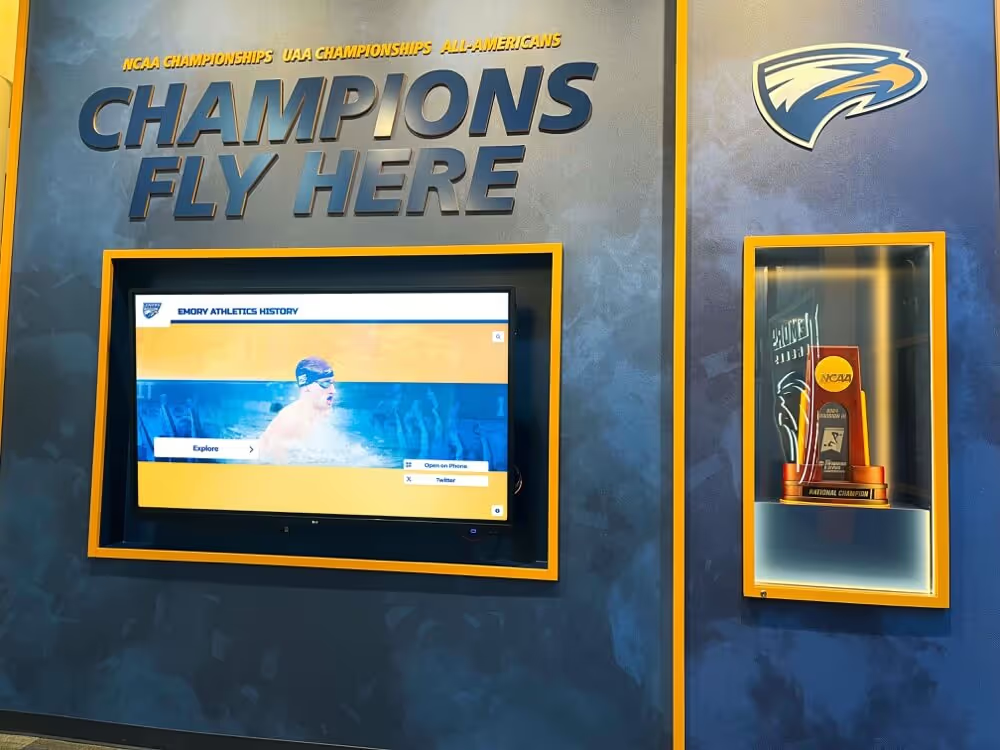
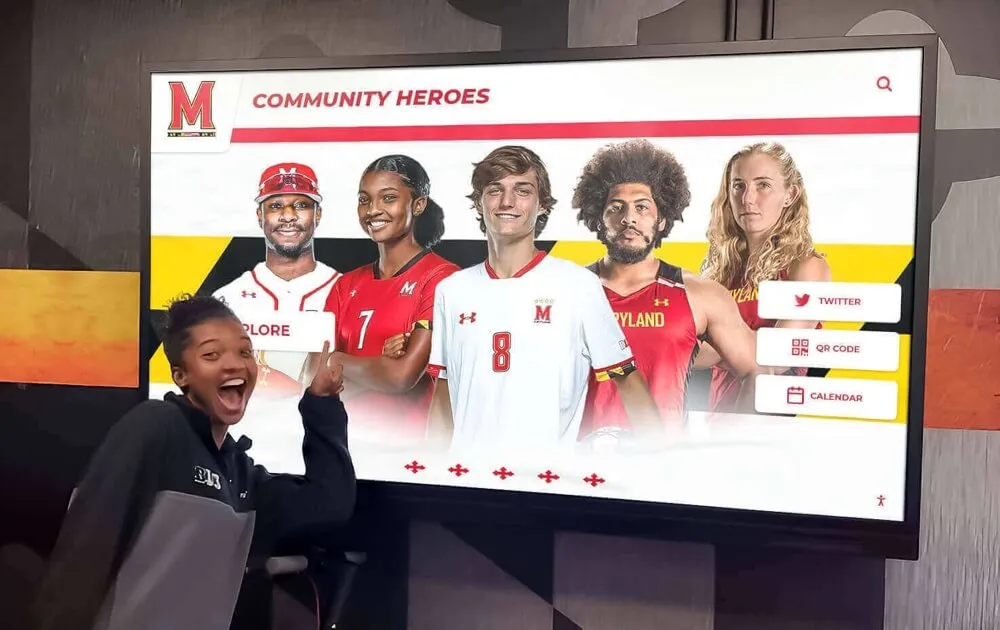
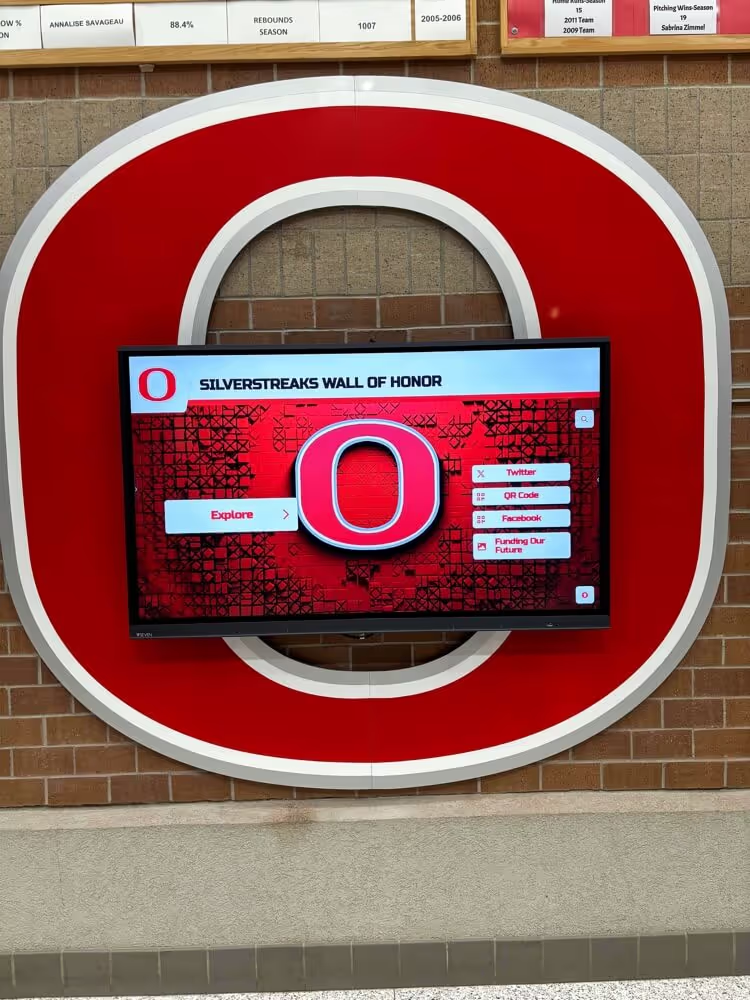
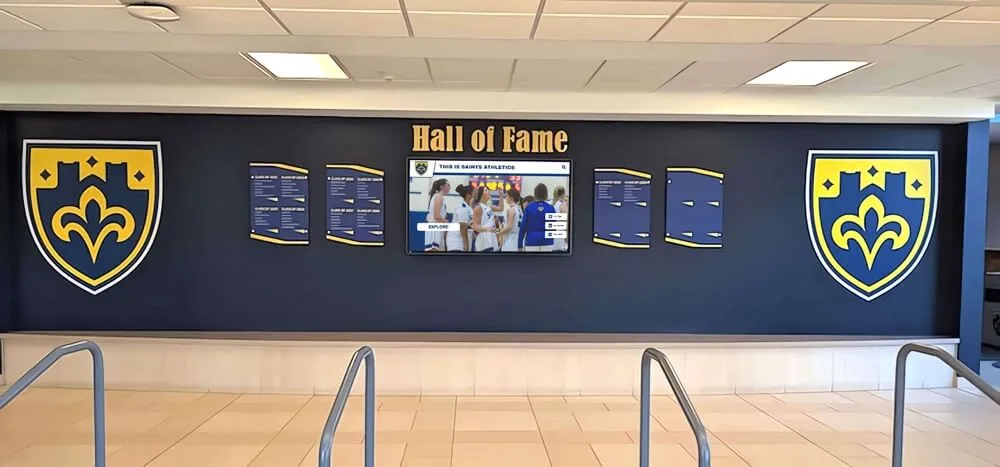
Thoughtful donor recognition connects supporter generosity to organizational impact and mission advancement
The Foundation: Understanding What Donors Actually Value in Recognition
Before implementing specific acknowledgment tactics, understanding what makes recognition meaningful to supporters ensures appreciation resonates authentically rather than feeling perfunctory.
Beyond Transactional Thank-Yous
Many organizations treat donor recognition as administrative obligation—send the tax receipt, add the name to the annual report, move to the next gift. This transactional approach misses the emotional core of what makes acknowledgment meaningful:
Genuine Gratitude That Feels Personal
Donors can immediately distinguish authentic appreciation from templated acknowledgment. Recognition that feels genuinely personal includes specific details about their contribution rather than generic language, acknowledges individual motivations or connections to mission, references donor history or relationship with organization, and communicates appreciation from actual humans rather than institutional anonymity.
Personalization doesn’t require elaborate custom communications for every gift. Simple touches like handwritten notes on printed letters, specific references to designated fund or program supported, or acknowledgment from staff members donors have relationships with transform generic thank-yous into meaningful recognition.
Connection to Impact and Outcomes
Supporters want to know their contributions matter. Recognition that connects giving to tangible impact proves far more satisfying than simple acknowledgment alone. Show what specific programs or initiatives gifts fund, share outcome metrics demonstrating contribution effectiveness, introduce beneficiaries whose lives improved because of support, document progress on capital projects or programmatic goals, and celebrate milestones reached through collective donor generosity.
This impact storytelling reinforces giving decisions while demonstrating that organizations use contributions effectively rather than simply collecting funds without clear outcomes.
Timeliness That Demonstrates Priority
When organizations acknowledge contributions quickly, donors perceive their support matters. Conversely, delayed recognition suggests gifts aren’t particularly valued or appreciated. Fundraising best practices recommend acknowledging gifts within 48 hours for automated receipts and within one week for personalized communications, with major gifts warranting even faster response including phone calls or personal outreach within 24 hours.
Late acknowledgment doesn’t just communicate poor organizational capacity—it fundamentally damages relationships by signaling that donor support ranks low on institutional priorities despite rhetoric about valuing generosity.
Recognition Preferences Vary by Donor Segment
Different supporter groups value distinct recognition approaches, requiring thoughtful segmentation rather than uniform acknowledgment treating all donors identically:
Major Gift Donors
Transformational contributors expect recognition matching their extraordinary commitment including personal communication from senior leadership, opportunities to see funded programs or spaces firsthand, involvement in planning or advisory capacities when appropriate, public acknowledgment through naming opportunities or premium display placement, and ongoing stewardship demonstrating lasting relationships rather than transactional exchanges.
Major donors often care deeply about organizational mission and want sustained engagement beyond simple acknowledgment of financial contributions.
Mid-Level and Annual Fund Supporters
Regular contributors forming the fundraising base require systematic recognition that acknowledges sustained support patterns including consistent timely acknowledgment for every contribution, periodic impact reporting demonstrating cumulative effect of annual support, inclusion in donor communities or recognition societies, invitation to events celebrating supporter communities, and opportunities to increase engagement beyond financial contributions.
These donors keep organizations financially sustainable between major gifts but often receive insufficient attention compared to six or seven-figure contributors despite their collective importance.
Memorial and Tribute Gift Donors
Supporters making gifts honoring loved ones need particularly sensitive recognition including acknowledgment that respects emotional context of contributions, notification to honored individual or family when appropriate, memorial or tribute designation options in public recognition, connection to causes or programs meaningful to those honored, and ongoing communication about lasting impact of memorial support.
Memorial gifts represent deeply personal giving decisions requiring recognition approaches that honor both donor generosity and individuals remembered.
Anonymous Donors
Some substantial contributors prefer privacy despite significant gifts. Respecting anonymity preferences demonstrates organizational integrity including clear policies governing when anonymity is offered, internal stewardship maintaining donor relationships privately, placeholder recognition maintaining visual balance on public displays, and confidential records enabling appropriate cultivation despite public anonymity.
Pressuring donors toward public acknowledgment they don’t want damages relationships and violates trust essential for sustained major giving.
Learn how comprehensive recognition programs address diverse supporter preferences while maintaining consistent appreciation approaches.
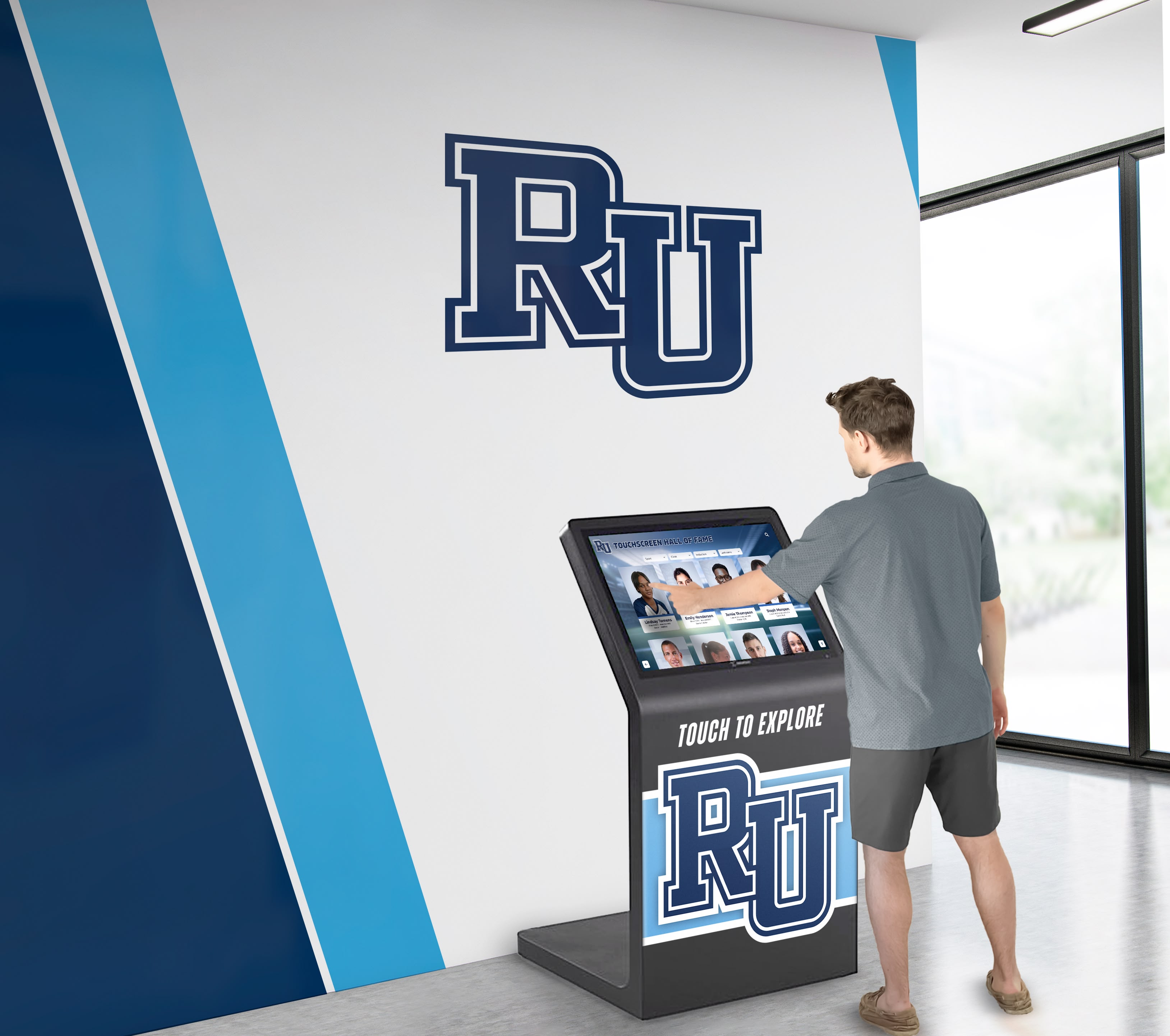
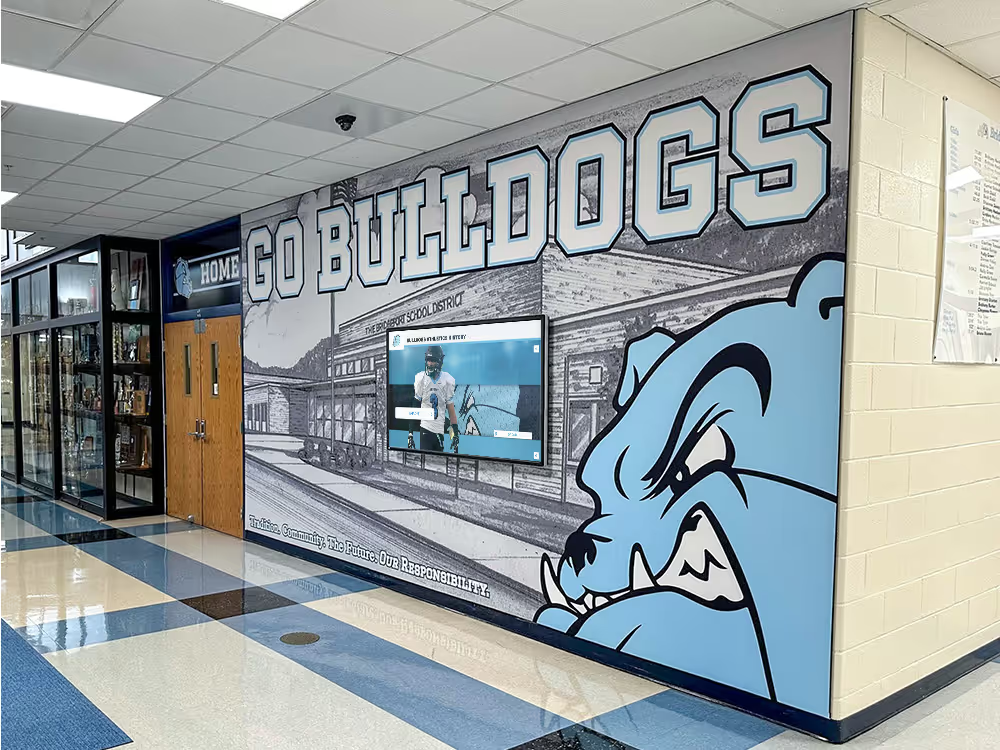
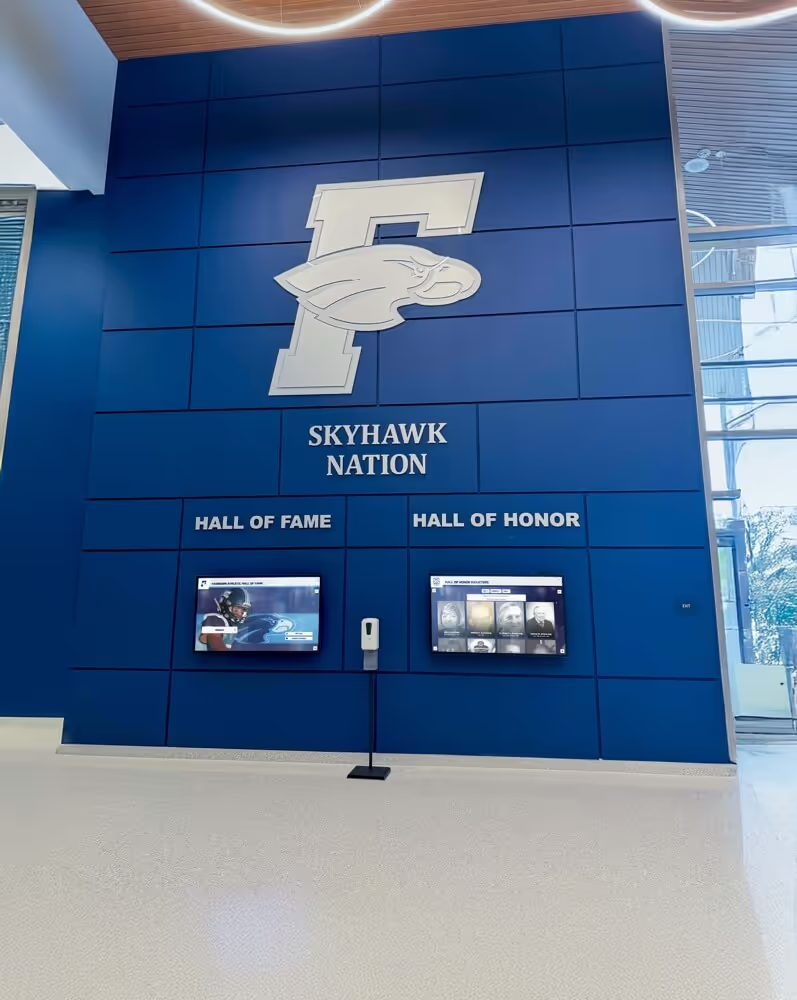
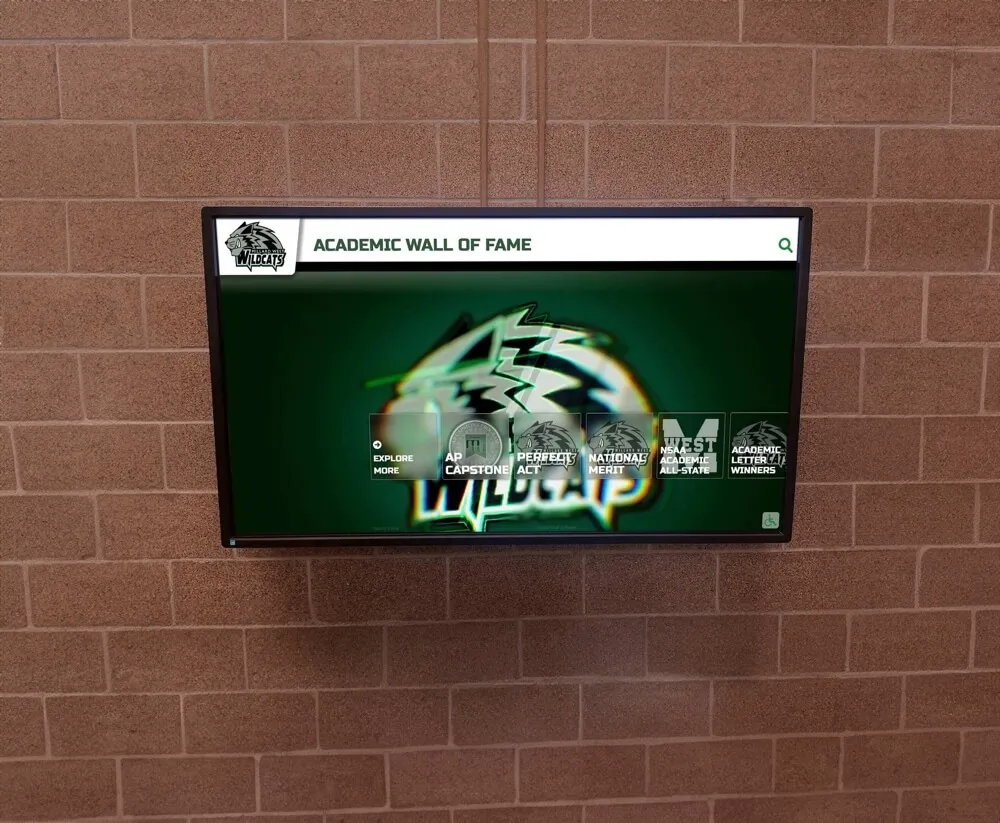
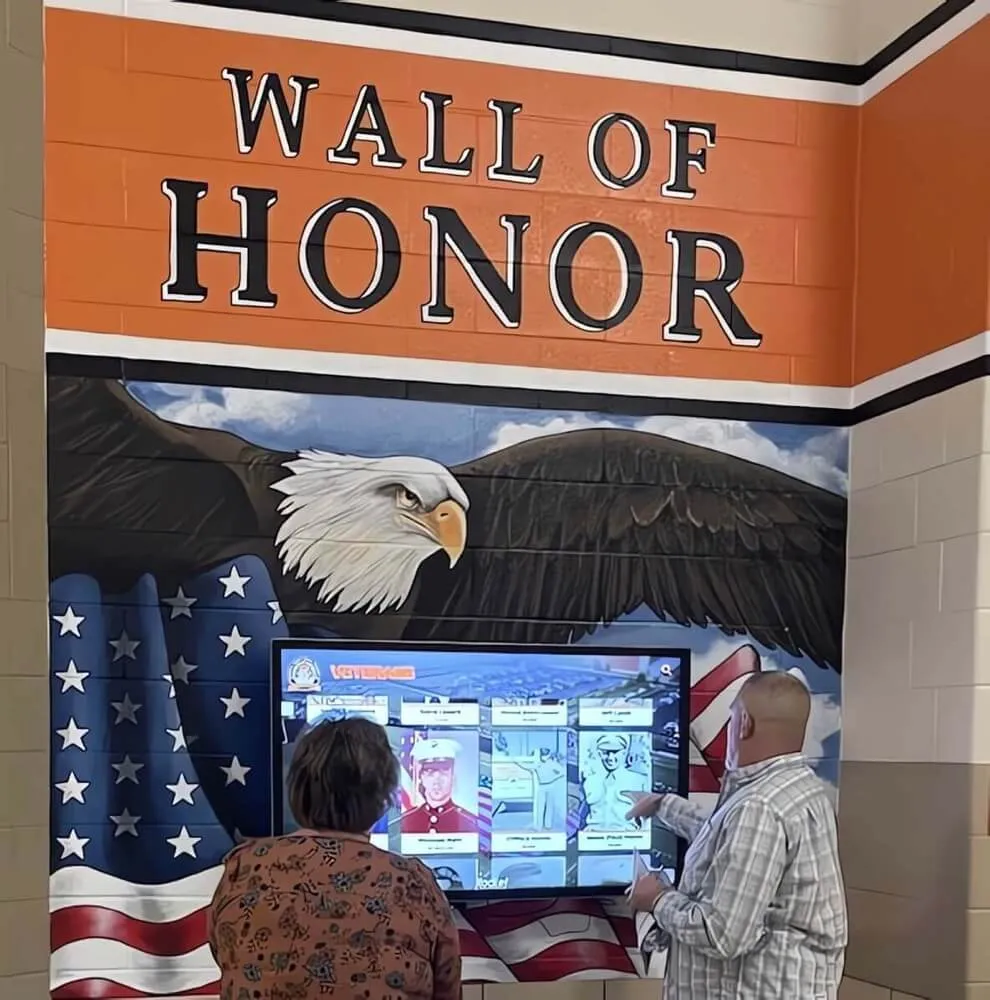
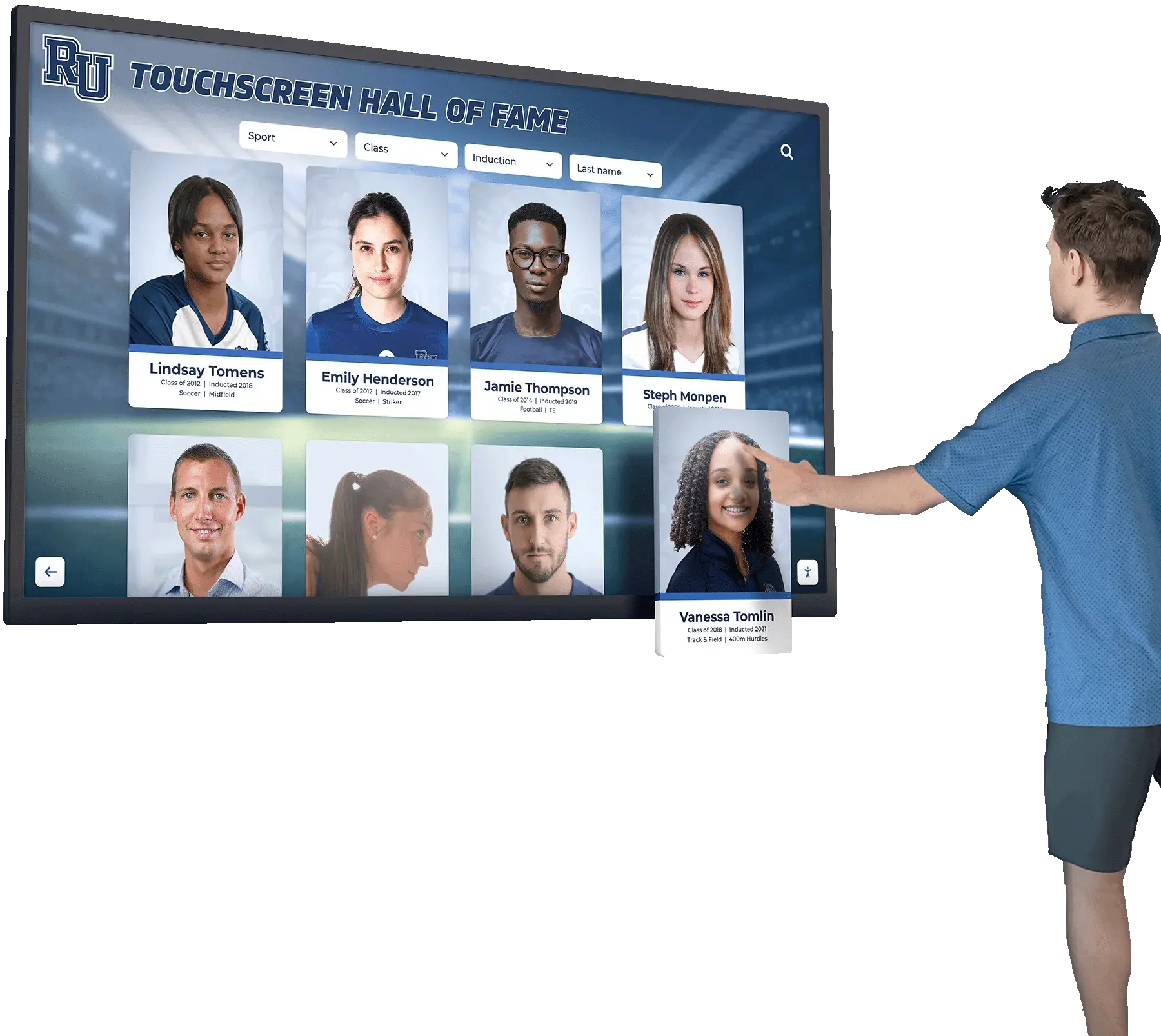
Interactive recognition systems enable personalized donor experiences at scale
Essential Elements of Effective Donor Recognition Programs
Successful recognition programs integrate multiple acknowledgment approaches creating comprehensive appreciation experiences rather than relying on single touchpoints.
Immediate Acknowledgment: The Critical First Response
The first recognition donors receive fundamentally shapes their perception of organizational appreciation:
Automated Digital Receipts
Immediate email confirmation following online gifts provides essential acknowledgment including transaction verification and tax documentation, confirmation of designated fund or program support, estimated timeline for additional personalized follow-up, and contact information if donors have questions or concerns.
While automated receipts lack personalization, they fulfill important administrative and legal functions while demonstrating organizational responsiveness. The key is ensuring automated acknowledgment doesn’t represent the only recognition donors receive.
Personalized Follow-Up Communications
Beyond automated receipts, meaningful recognition requires personalized touches including handwritten notes or personalized letters from development staff, specific acknowledgment of contribution’s purpose or designation, reference to donor giving history or organizational relationship, and phone calls for major gifts or particularly significant contributions.
Organizations managing substantial donor volumes should establish clear protocols governing which gifts receive different acknowledgment levels, ensuring consistency while allocating limited personalization capacity strategically toward major donors and cultivation prospects.
Leadership Communication for Major Gifts
Transformational contributions warrant recognition from senior organizational leadership including personal phone calls from executive directors or presidents within 24 hours, follow-up letters from board leadership, eventual in-person meetings to discuss program vision and donor interests, and ongoing communication maintaining relationships beyond initial acknowledgment.
Major donors frequently cite access to leadership and insider perspective on organizational strategy as valued recognition elements beyond public acknowledgment or naming opportunities.
Public Recognition: Creating Visible Appreciation
Beyond private acknowledgment, public recognition serves important functions including inspiring additional giving through social proof, creating donor community and belonging, demonstrating organizational gratitude broadly, and providing tangible legacy for supporters seeking lasting acknowledgment.
Donor Recognition Walls and Displays
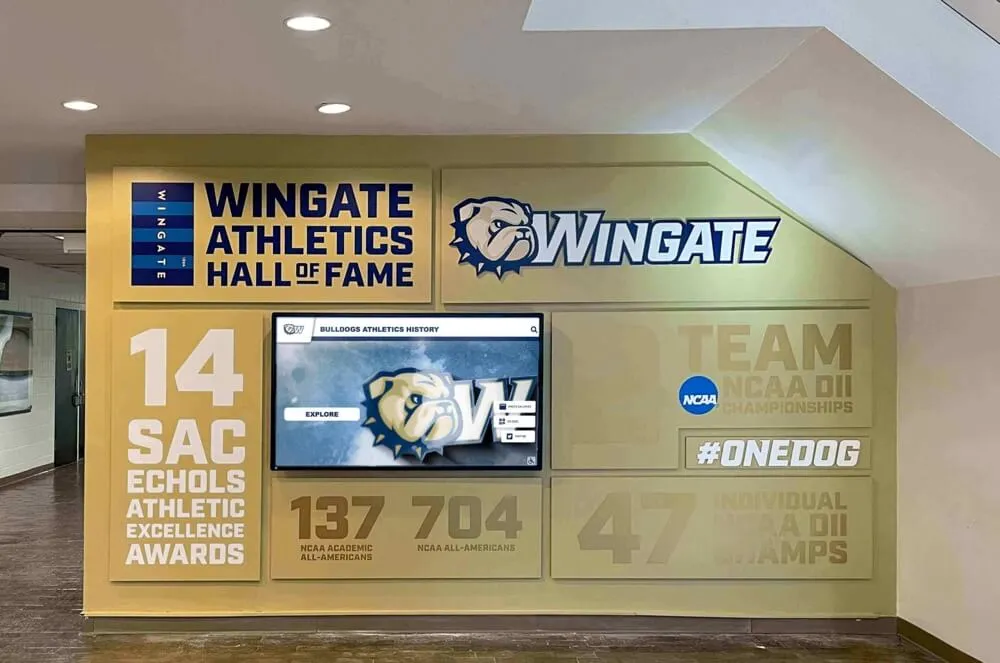
Physical or digital installations in organizational facilities provide permanent visible appreciation including tiered displays reflecting giving level differences, prominent placement in high-traffic locations, attractive design that honors supporters appropriately, and flexibility for additions as campaigns continue.
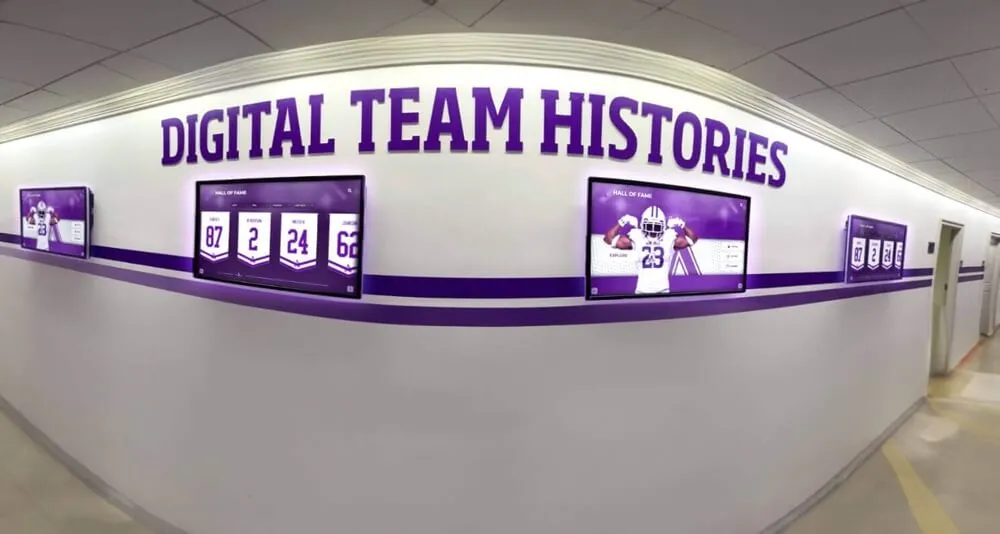
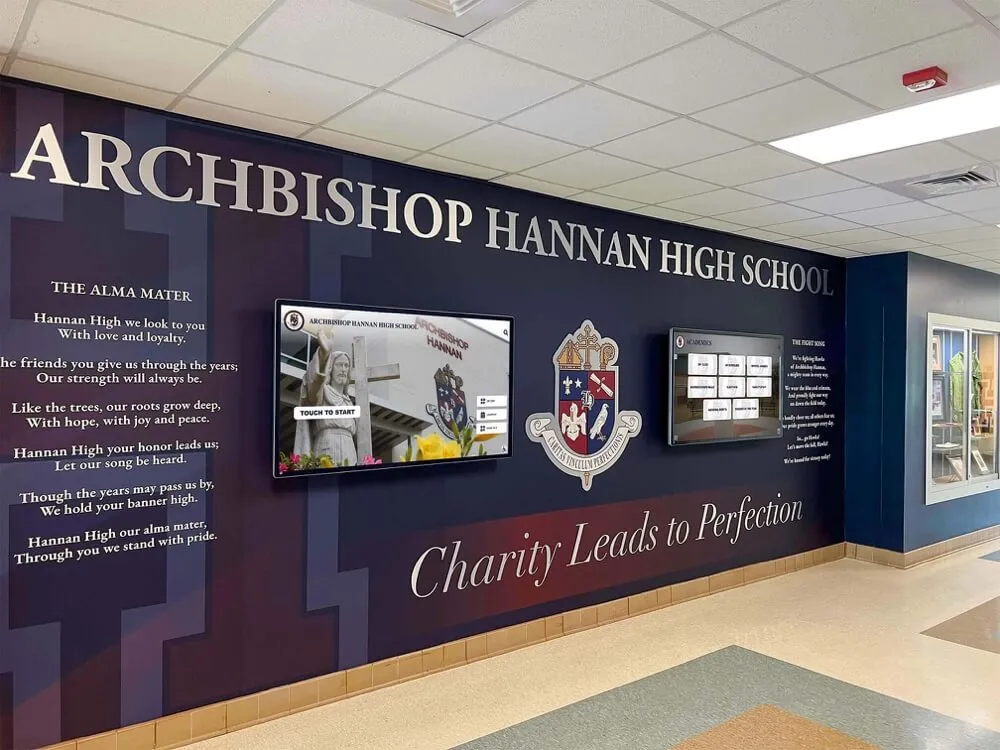
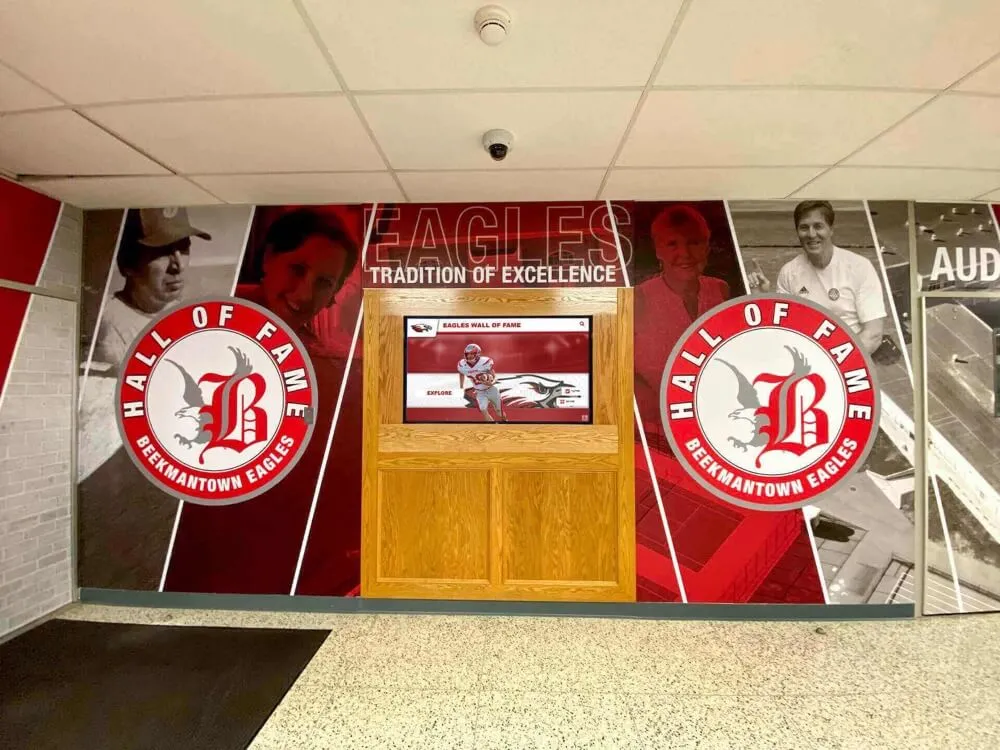
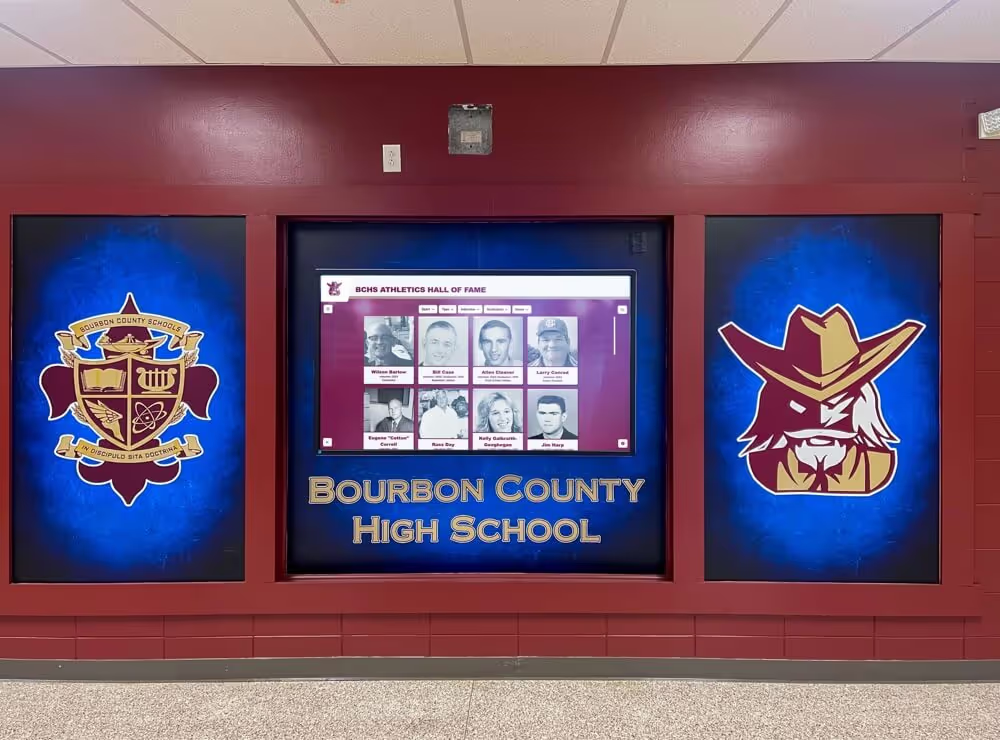
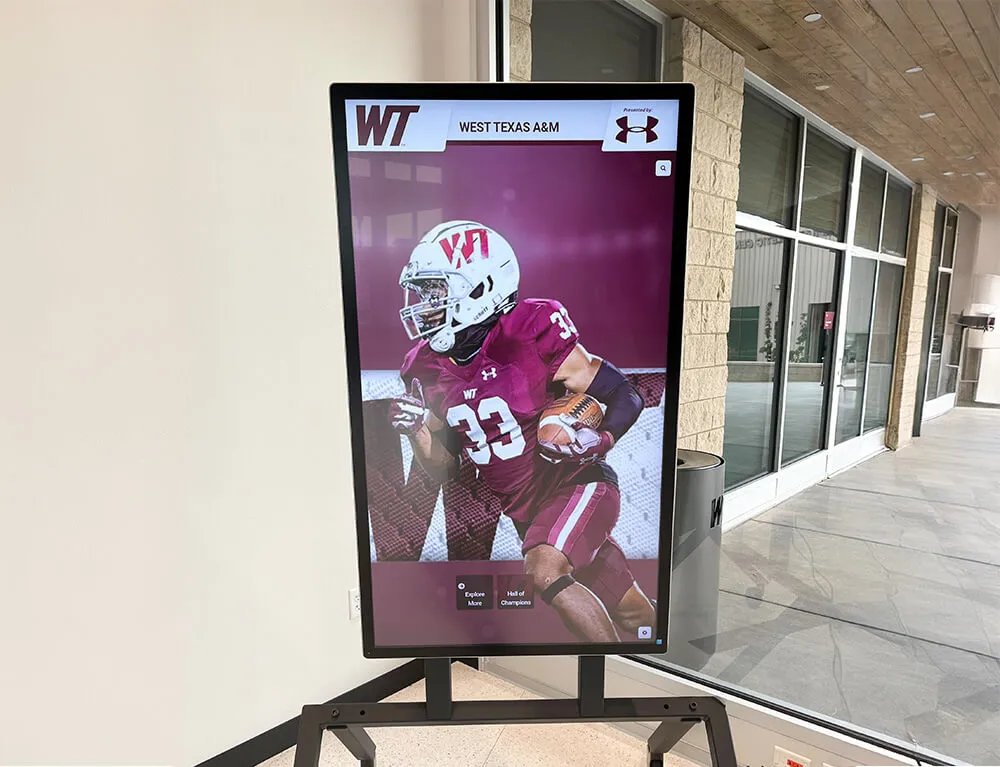
Modern digital donor walls overcome traditional plaque limitations by enabling unlimited capacity, instant updates, multimedia content, and searchable interfaces that traditional static displays cannot provide.
Naming Opportunities
Facilities, programs, scholarships, or endowed positions bearing donor names create lasting recognition including permanent architectural signage for major facility gifts, program names honoring transformational support, endowed faculty positions or scholarships, and dedicated spaces within larger facilities.
Naming opportunities require clear policies governing minimum gift levels, duration of recognition, and circumstances potentially requiring name removal to prevent future conflicts or misunderstandings.
Annual Reports and Publications
Comprehensive donor listings in annual communications provide inclusive recognition including all contributors regardless of gift size, giving level categories showing recognition tiers, special acknowledgment for sustained multi-year donors, and memorial or tribute gift designations when appropriate.
While some question whether donors actually read annual reports, research indicates supporters do notice their names and appreciate inclusive acknowledgment even in formats they may not read thoroughly.
Recognition Events
Gatherings celebrating supporter communities provide concentrated appreciation including annual donor appreciation receptions or dinners, campaign milestone celebrations, facility dedication ceremonies for major capital projects, scholarship or program recognition events connecting donors with beneficiaries, and exclusive experiences for major donor societies.
Events that connect donors to mission impact and each other prove more meaningful than generic social gatherings focused primarily on eating and small talk.
Explore recognition wall ideas that create meaningful appreciation experiences.
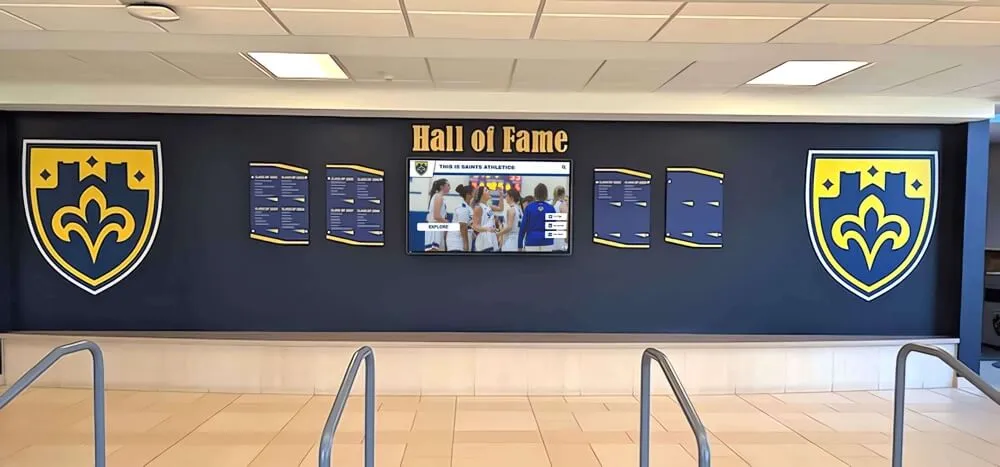
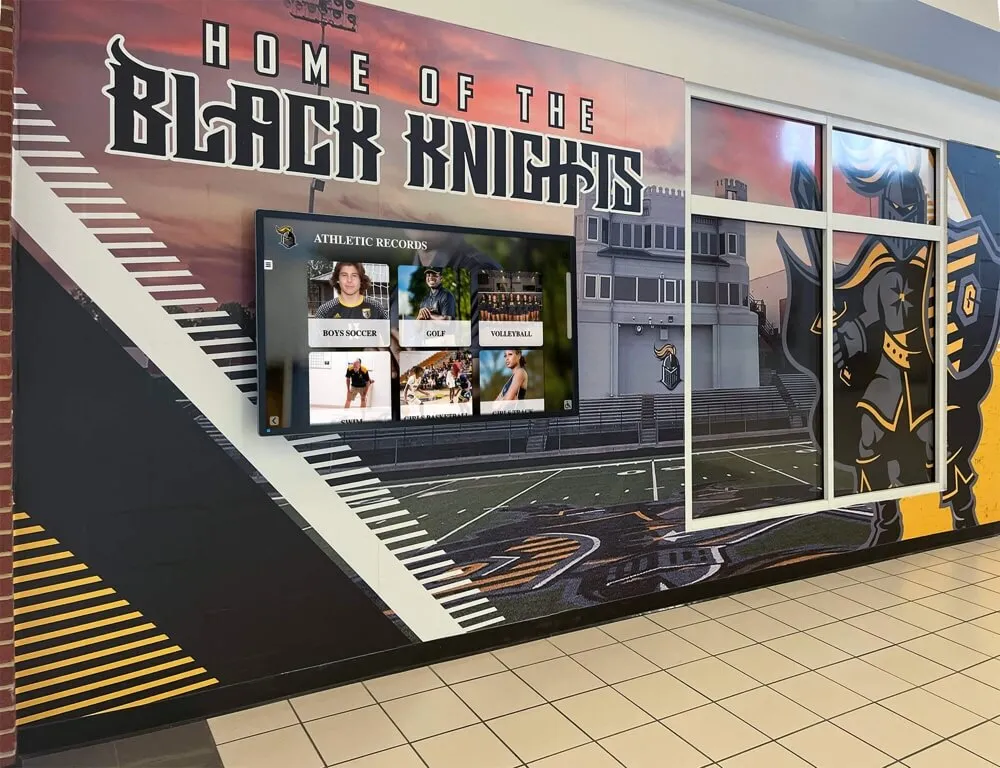
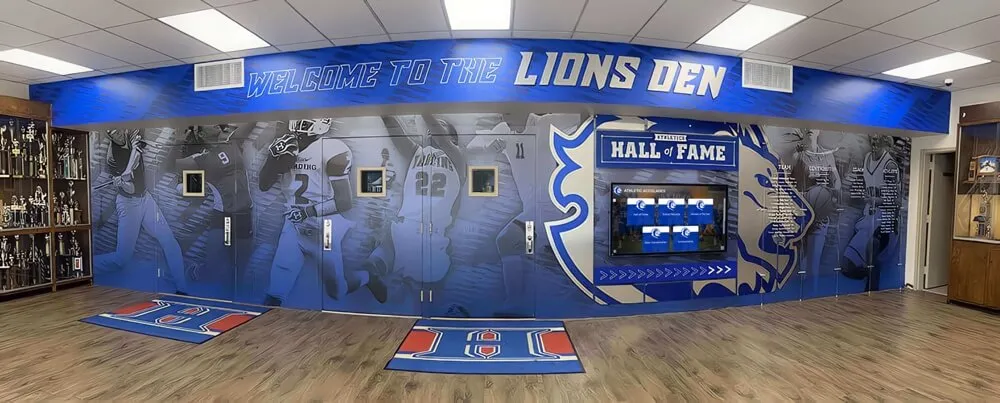
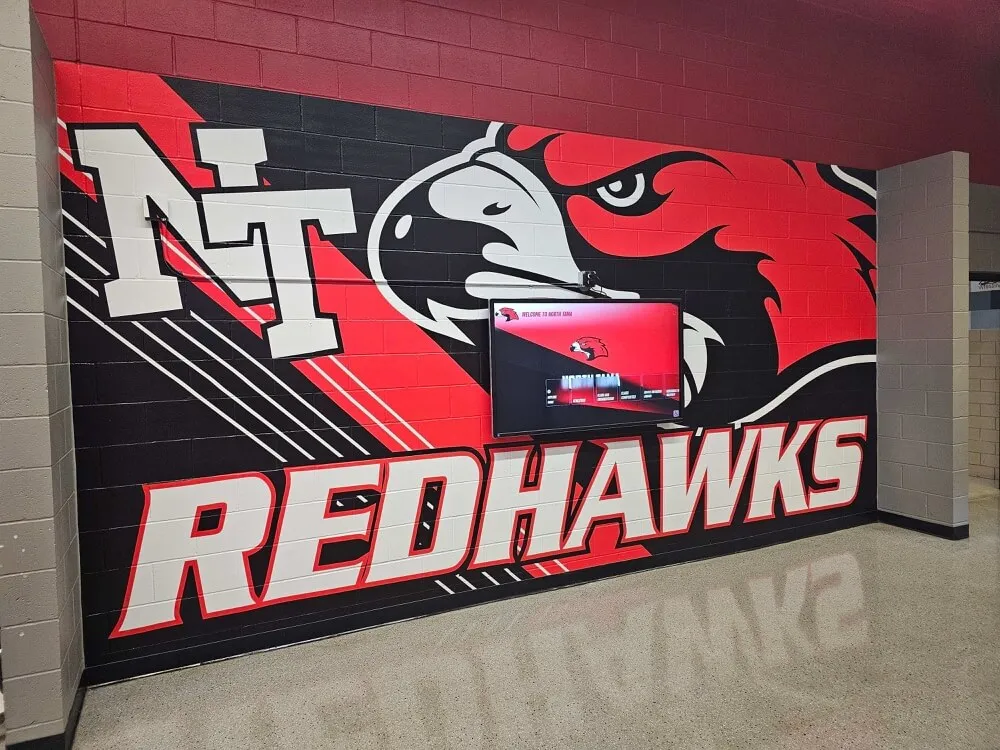
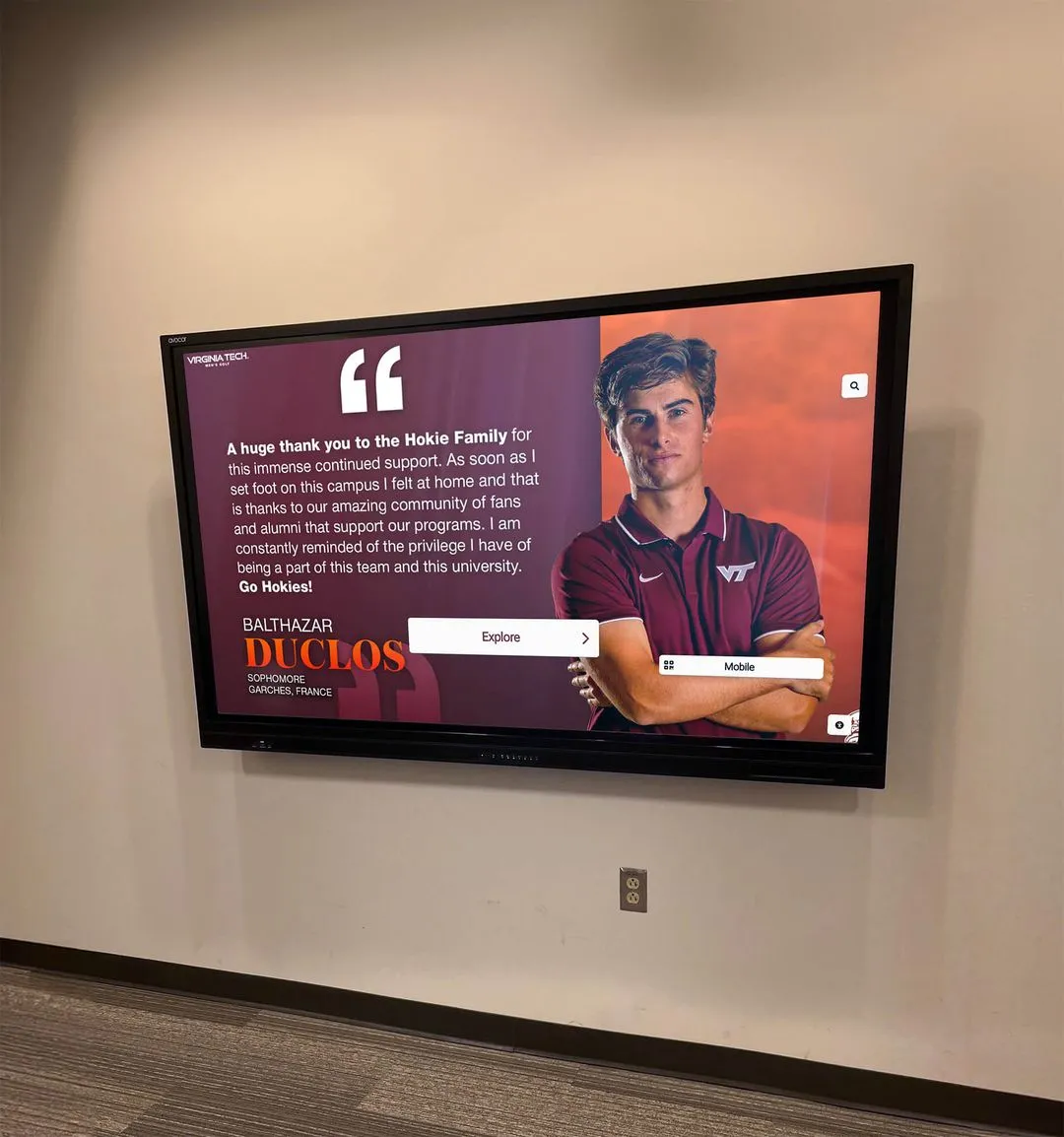
Hybrid recognition approaches combine permanent acknowledgment with flexible digital content
Ongoing Stewardship: Recognition Beyond the Thank-You
The most effective donor recognition extends far beyond initial acknowledgment to create sustained appreciation:
Regular Impact Reporting
Periodic updates connecting contributions to outcomes including quarterly or annual impact reports showing program results, campaign progress updates demonstrating momentum toward goals, beneficiary stories illustrating how support changes lives, financial transparency showing responsible resource stewardship, and invitation to see funded programs or facilities firsthand.
Impact reporting simultaneously recognizes past support while cultivating future giving by demonstrating organizational effectiveness and mission advancement.
Anniversary Recognition
Acknowledging supporter milestones including giving anniversaries celebrating years of sustained support, cumulative giving recognition when donors reach lifetime total thresholds, tribute communications on major personal milestones when appropriate, and special anniversary events or experiences for long-term supporters.
Anniversary recognition demonstrates that organizations track relationship history rather than viewing each gift as isolated transaction.
Exclusive Access and Insider Experiences
Recognition that provides special access or perspective including behind-the-scenes facility tours or program visits, meetings with organizational leadership to discuss strategic vision, early announcement of initiatives before public release, invitation to planning discussions or advisory committees, and special events with program beneficiaries or mission delivery staff.
Many major donors value insider access and influence over public acknowledgment, particularly in sectors like education where supporters care deeply about programmatic quality and strategic direction.
Volunteer Engagement Opportunities
Recognition that invites deeper involvement including board or committee service opportunities, volunteer roles connecting to donor interests or expertise, mentorship programs connecting supporters with beneficiaries, event hosting or leadership responsibilities, and ambassador roles representing organization in community.
Volunteer engagement both recognizes past support and deepens relationships that inspire continued generosity, creating upward giving spirals as involvement strengthens commitment.
Tiered Recognition Structures: Acknowledging Diverse Support Levels
Strategic recognition programs establish clear giving level tiers that acknowledge all supporters appropriately while maintaining distinction for major contributions:
Establishing Recognition Levels
Most comprehensive programs create multiple acknowledgment tiers including leadership giving circles for transformational contributions, major donor societies recognizing substantial gifts, mid-level recognition programs acknowledging significant support, annual fund acknowledgment for regular giving, and inclusive appreciation for all contributors regardless of size.
Clear tier structure ensures consistent treatment while preventing ad hoc decisions that create perception of favoritism or inconsistency. Many organizations establish levels corresponding to natural gift amount clusters in donor data rather than arbitrary round numbers that don’t reflect actual giving patterns.
Cumulative Versus Annual Recognition
Organizations must decide whether recognition tiers reflect single gift amounts or cumulative lifetime giving:
Annual Giving Tiers
Recognition based on current year contributions including benefits and acknowledgment available to all reaching thresholds regardless of giving history, flexibility enabling donors to participate at varying levels across years, and simplified administration tracking only current year gifts.
Annual structures risk donors reducing giving after reaching lifetime milestones if cumulative totals aren’t separately acknowledged.
Lifetime Giving Recognition
Cumulative total-based acknowledgment including recognition that increases as relationships deepen and giving accumulates, sustained benefits regardless of year-to-year gift variation, and celebration of long-term partnership rather than transactional exchanges.
Lifetime recognition honors sustained commitment but requires more complex tracking and may not motivate near-term giving if donors have already reached top tiers.
Hybrid Approaches
Many organizations maintain both annual societies recognizing current year giving and lifetime recognition honoring cumulative support. This combination motivates sustained annual participation while celebrating long-term relationships appropriately.
Benefits Associated with Recognition Levels
Define clear benefits corresponding to each tier including specific acknowledgment methods at each level, event invitations and exclusive experiences, communication frequency and insider access, naming opportunity eligibility, and special services like priority reservations or complementary access.
Document benefit structures prevent misunderstandings while ensuring consistent donor treatment across development staff and leadership transitions.
Discover how donation wall ideas create visual hierarchies that honor diverse support levels appropriately.
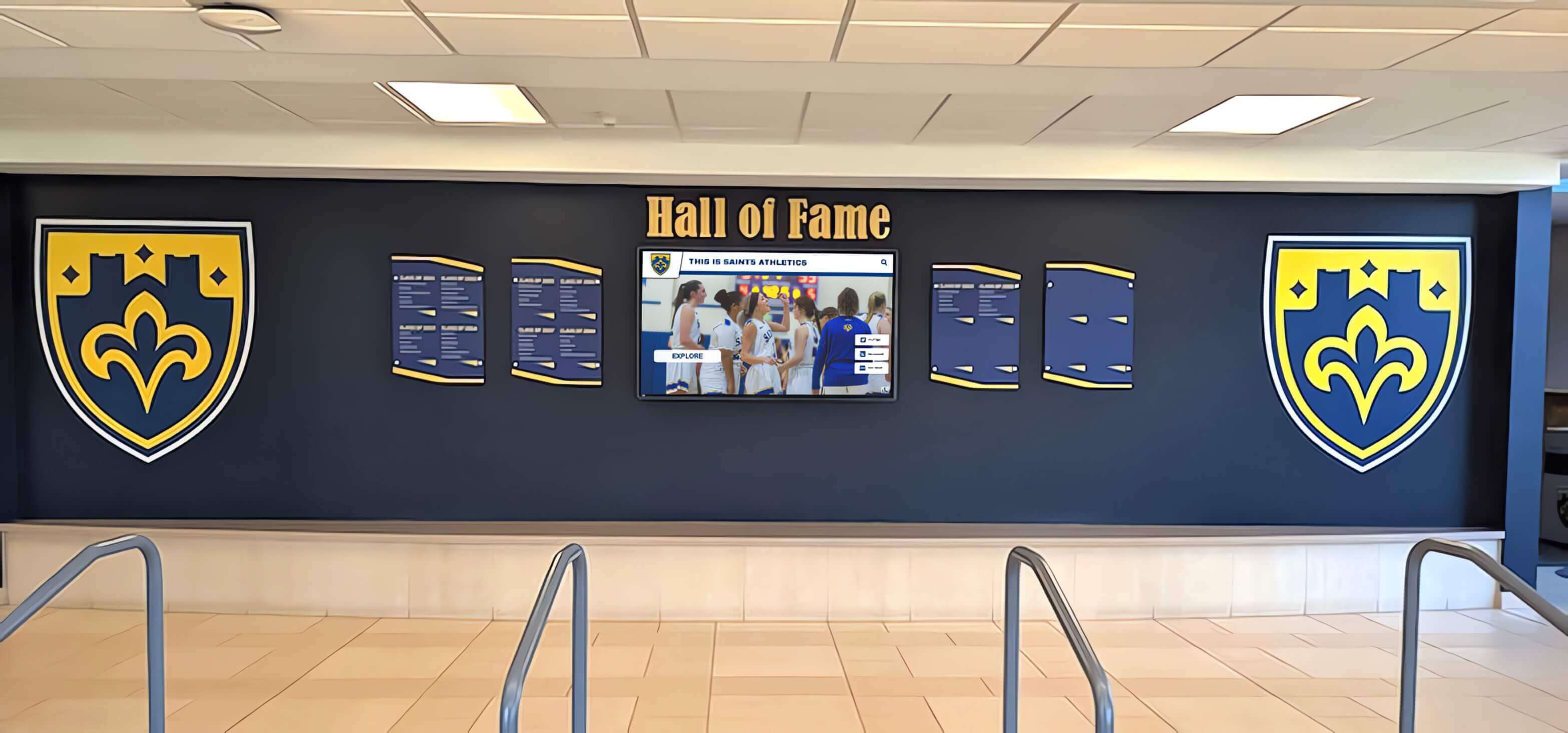
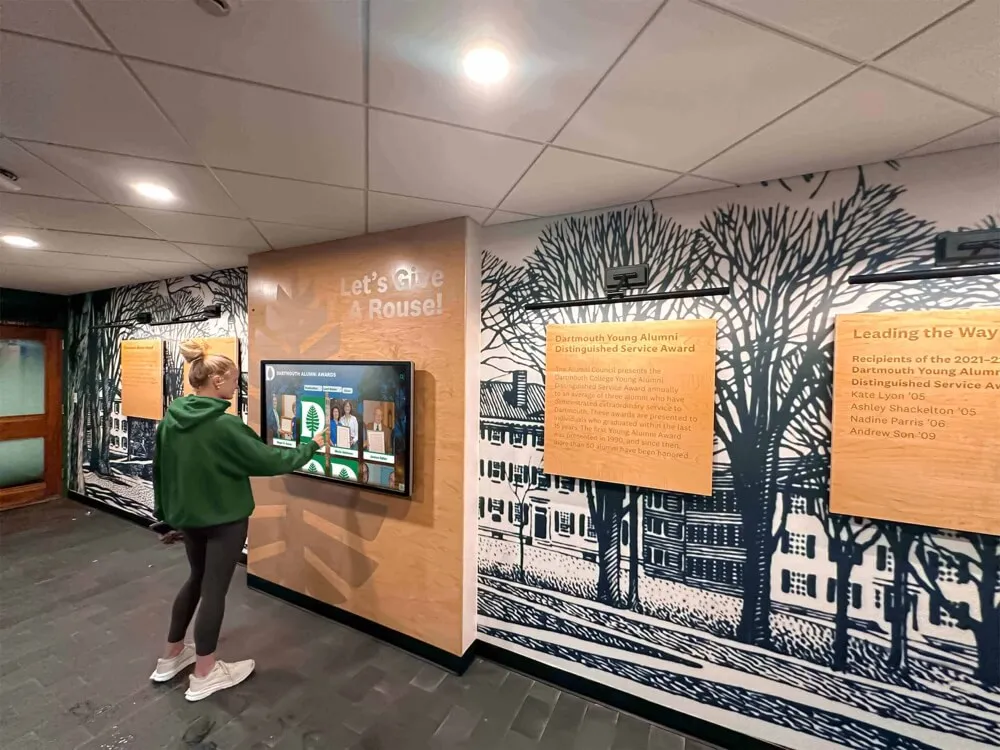
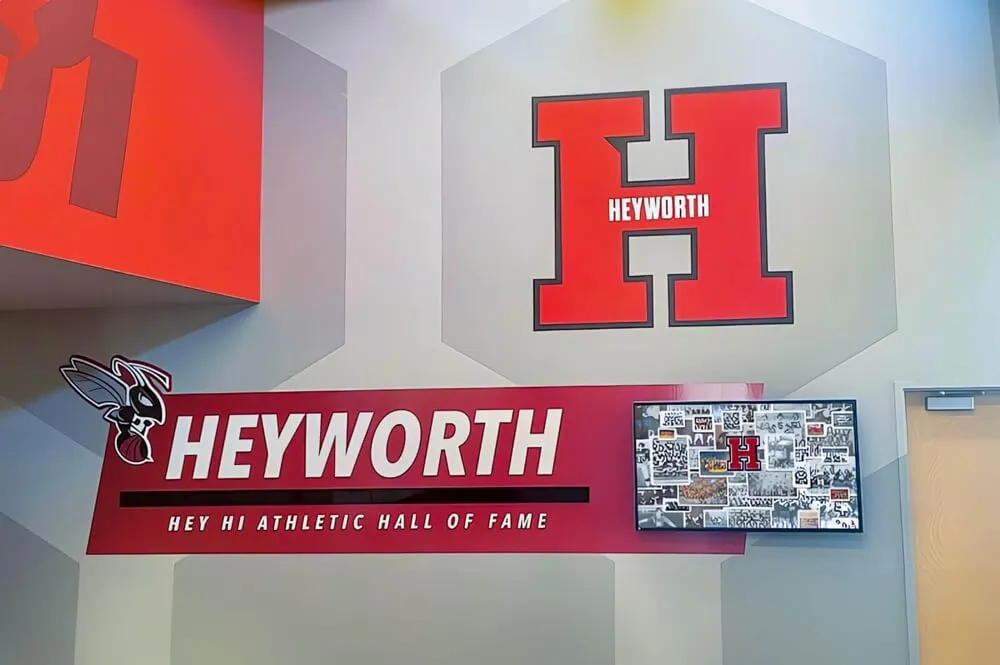
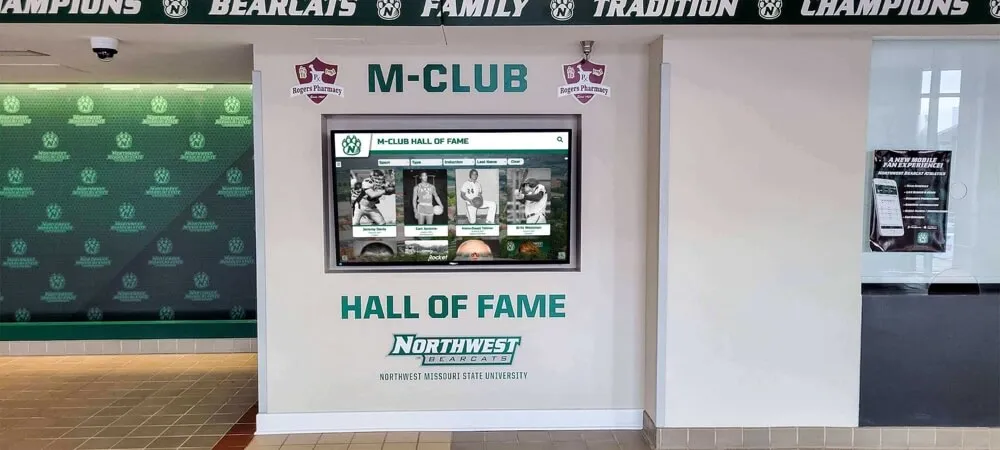
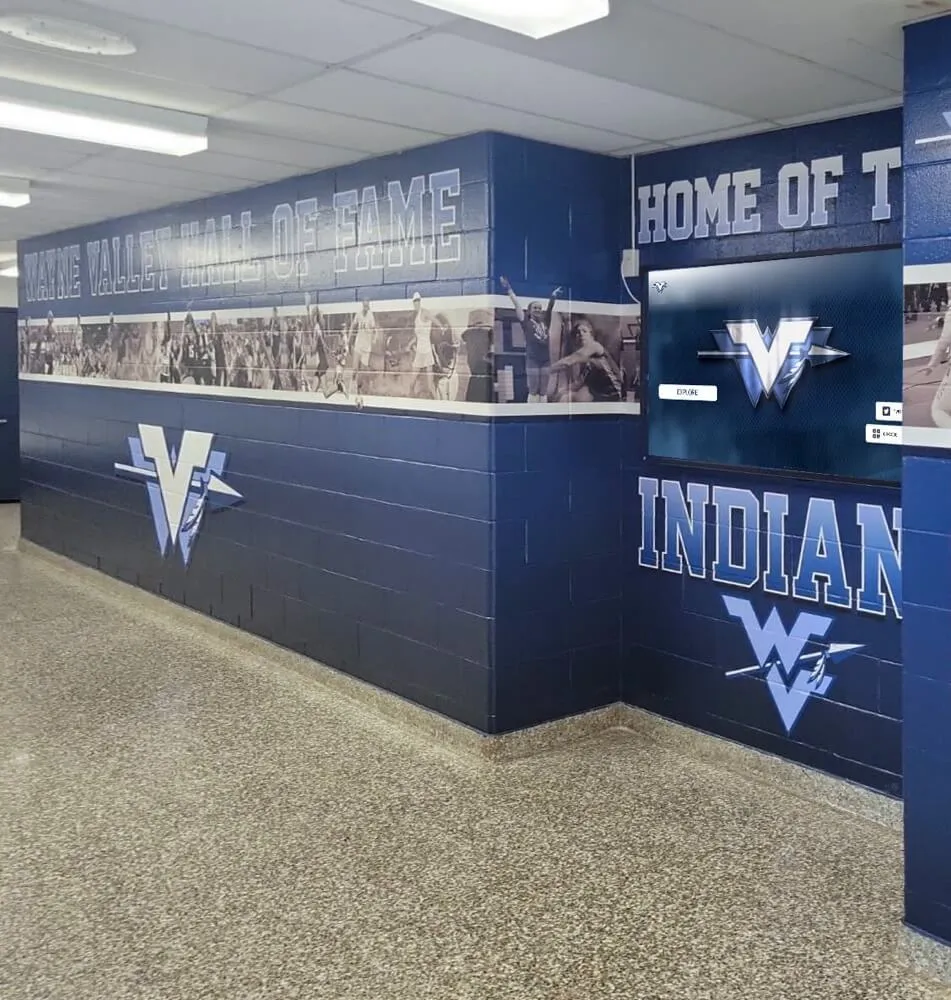
Well-designed recognition systems balance visual hierarchy with inclusive acknowledgment
Special Recognition Considerations for Different Donor Types
Various supporter categories require tailored acknowledgment approaches addressing their unique characteristics:
Corporate and Foundation Donors
Institutional funders have different recognition needs than individual supporters including appropriate organizational branding in acknowledgment materials, recognition of both institution and key relationship managers, benefits addressing organizational rather than personal interests, reporting requirements often exceeding individual donor expectations, and relationship cultivation involving multiple stakeholders across institutions.
Many foundations specifically request minimal public recognition or prefer acknowledgment directed to program impact rather than donor celebration.
Planned and Legacy Donors
Supporters making bequest commitments or other planned gifts require special recognition including acknowledgment honoring future commitment despite not yet realized, legacy society membership creating community among planned givers, periodic communication reinforcing giving decisions, and flexibility as estate plans change over donor lifetimes.
Organizations should avoid treating planned gifts as closed transactions, instead cultivating relationships that often result in accelerated giving or increased bequest amounts as relationships strengthen.
In-Kind and Non-Cash Donors
Supporters contributing goods, services, or non-cash assets need recognition addressing unique gift characteristics including appropriate valuation for acknowledgment purposes, recognition of contribution type rather than only monetary value, public acknowledgment identifying gift nature when donors desire, and tax documentation meeting IRS requirements for non-cash contributions.
Service providers donating professional expertise particularly appreciate acknowledgment that describes their contribution’s impact rather than only financial valuation.
Volunteer Donors
Supporters contributing time alongside or instead of financial gifts including volunteer hour tracking and valuation methods, recognition alongside financial contributors when appropriate, special acknowledgment for sustained volunteer leadership, and cultivation approaches that may convert volunteer engagement to financial support.
Many academic recognition programs successfully honor both achievement and supporter contributions through integrated displays.
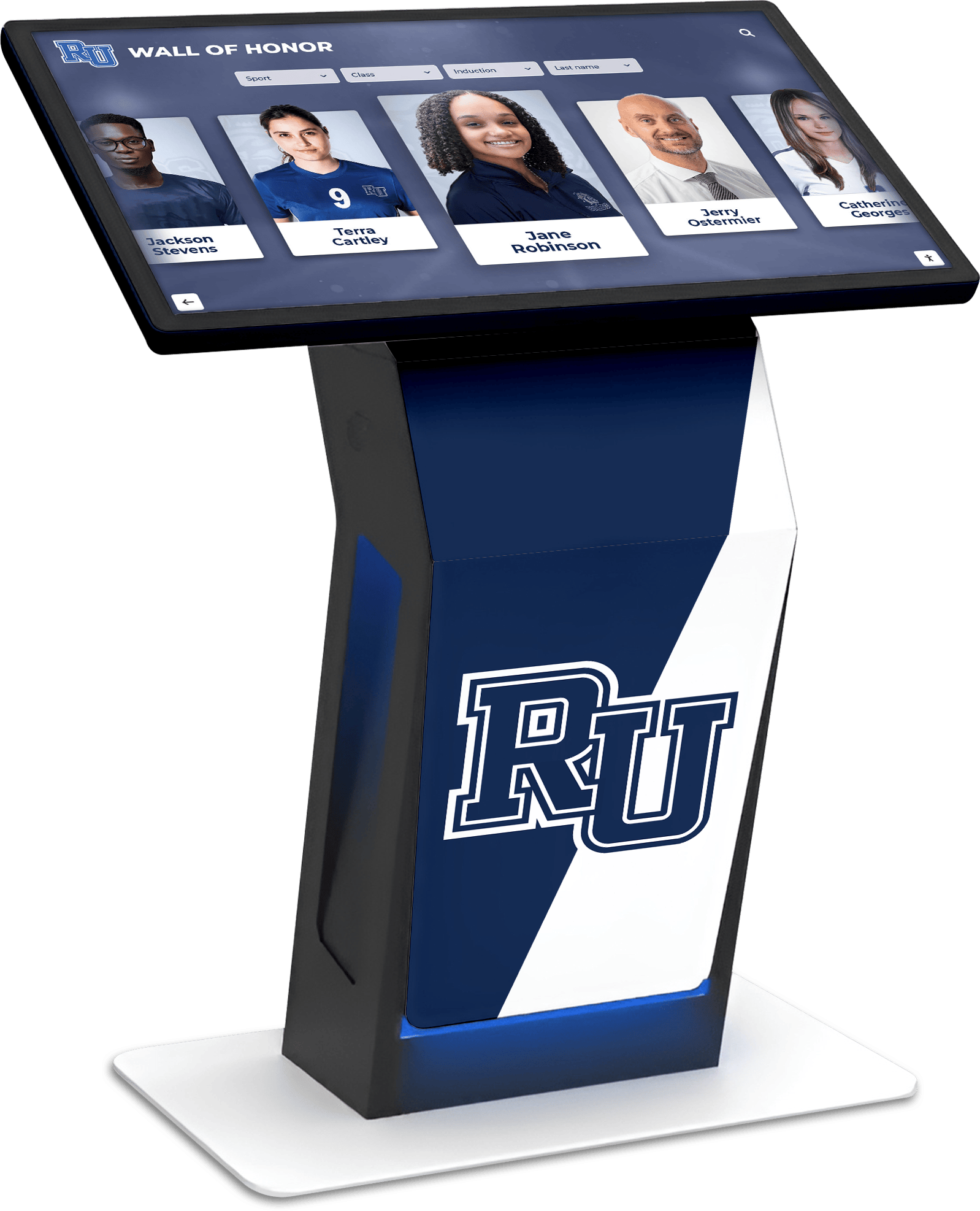
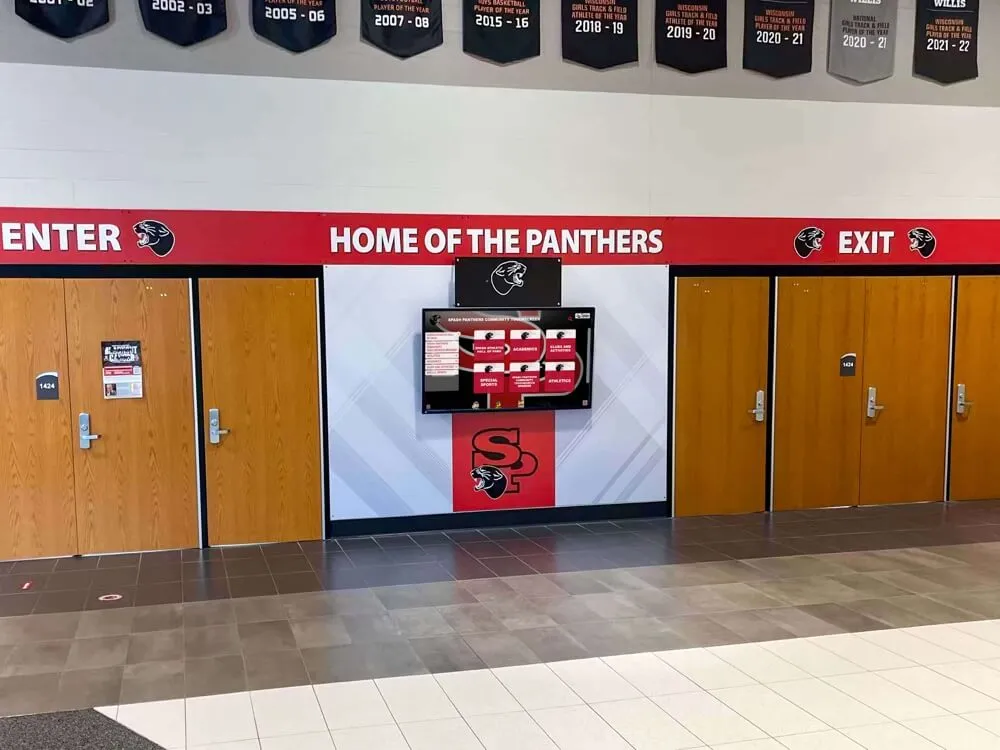
Modern recognition technology accommodates diverse donor types through flexible content structures
Technology Solutions for Scalable Donor Recognition
Digital platforms enable comprehensive recognition that remains manageable despite growing supporter bases:
Digital Recognition Displays and Interactive Walls
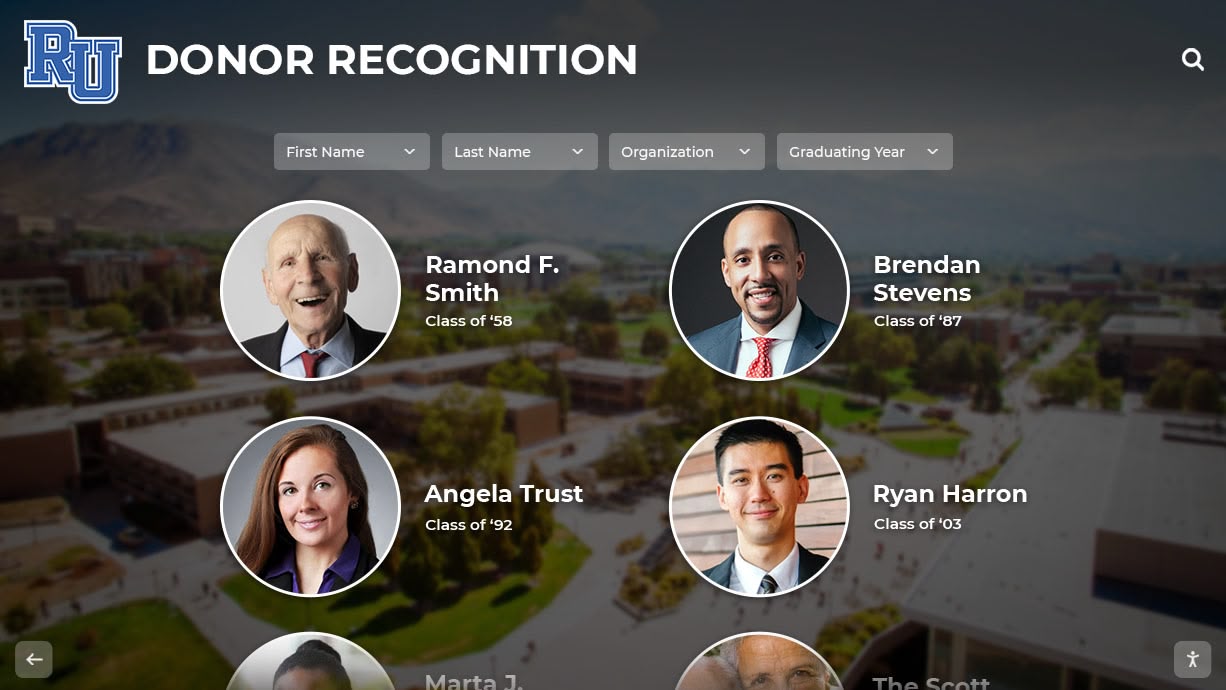
Modern touchscreen systems in organizational facilities provide dynamic acknowledgment including unlimited donor capacity without physical space constraints, instant updates adding new supporters immediately, searchable interfaces enabling easy name discovery, multimedia content including photos and impact stories, campaign progress visualization showing real-time fundraising momentum, and remote content management from any location.
Organizations implementing digital recognition report dramatically reduced administrative burden while achieving more comprehensive donor inclusion than traditional plaque limitations allowed.
Donor Portal and Online Recognition
Web-based platforms providing personal access including secure individual dashboards showing contribution history, downloadable tax documentation, giving impact reports connecting contributions to outcomes, communication preference management, and peer fundraising tools enabling donor advocacy.
Online portals simultaneously recognize supporters through personalized experiences while reducing administrative workload through donor self-service capabilities.
Social Media Recognition
Digital platforms enabling public acknowledgment including supporter spotlights highlighting individual donor stories, campaign milestone celebrations acknowledging collective community, thank-you video messages from leadership or beneficiaries, behind-the-scenes content showing programs supporters fund, and donor-generated content encouraging supporters to share giving motivations.
Social recognition amplifies appreciation beyond direct donor communication while creating peer influence that inspires additional giving through visible community support.
Email and Communication Platforms
Marketing automation enabling personalized acknowledgment at scale including automated workflows triggering acknowledgment sequences, personalized content based on giving history or designations, impact storytelling connecting to donor interests, milestone recognition celebrating anniversaries or cumulative totals, and cultivation messaging maintaining relationships between active gifts.
Technology that appears impersonal when poorly implemented becomes powerful recognition tool when thoughtfully configured with genuine personalization based on donor data and preferences.
Learn about foyer design ideas that integrate recognition displays into welcoming institutional spaces.
Common Recognition Mistakes and How to Avoid Them
Even organizations with good intentions make acknowledgment errors that damage donor relationships:
Spelling or Information Errors
Misspelling donor names or including incorrect information represents particularly damaging recognition mistake including implementing multi-level approval processes before publication, maintaining clean accurate donor databases as single source of truth, confirming name preferences and proper spellings during gift processing, and conducting final reviews before recognition goes public.
Name errors communicate carelessness that suggests organizations don’t truly value supporters whose names they couldn’t bother to spell correctly.
Inconsistent or Inequitable Treatment
Donors quickly notice when certain supporters receive preferential treatment including establishing clear recognition policies governing all acknowledgment, applying tier benefits consistently regardless of personal relationships, avoiding special exceptions that create perception of favoritism, and regularly auditing practices ensuring equitable treatment.
Perceived inequity damages relationships with both advantaged donors who feel recognition is manipulative and disadvantaged supporters who feel undervalued.
Excessive Solicitation Following Gifts
Immediately asking for additional contributions following gifts suggests organizations view acknowledgment as transaction rather than relationship including implementing quiet periods preventing solicitation immediately post-gift, focusing recognition communication on appreciation rather than asks, building cultivation sequences that steward before soliciting again, and training staff on appropriate solicitation timing.
Donors who feel organizations only communicate when seeking money quickly become former donors.
Generic Impersonal Acknowledgment
Template communications lacking personalization feel perfunctory including using specific gift details and designations in recognition, referencing donor history or relationship when appropriate, varying communication avoiding identical messages for all gifts, and ensuring technology-enabled personalization feels authentic rather than algorithmic.
Delayed or Missing Recognition
Late acknowledgment or complete absence of appreciation for contributions including establishing automated workflows ensuring no gift goes unacknowledged, implementing tracking systems identifying delayed acknowledgments, setting organizational standards for recognition timing, and creating backup processes when primary staff are unavailable.
Ignoring Donor Preferences
Failing to respect stated wishes regarding recognition including capturing preference information during gift processing, maintaining preference flags in donor databases, training staff on respecting privacy or acknowledgment wishes, and implementing systems that prevent preference violations.
Explore how alumni gathering areas create welcoming spaces that naturally facilitate supporter recognition and engagement.
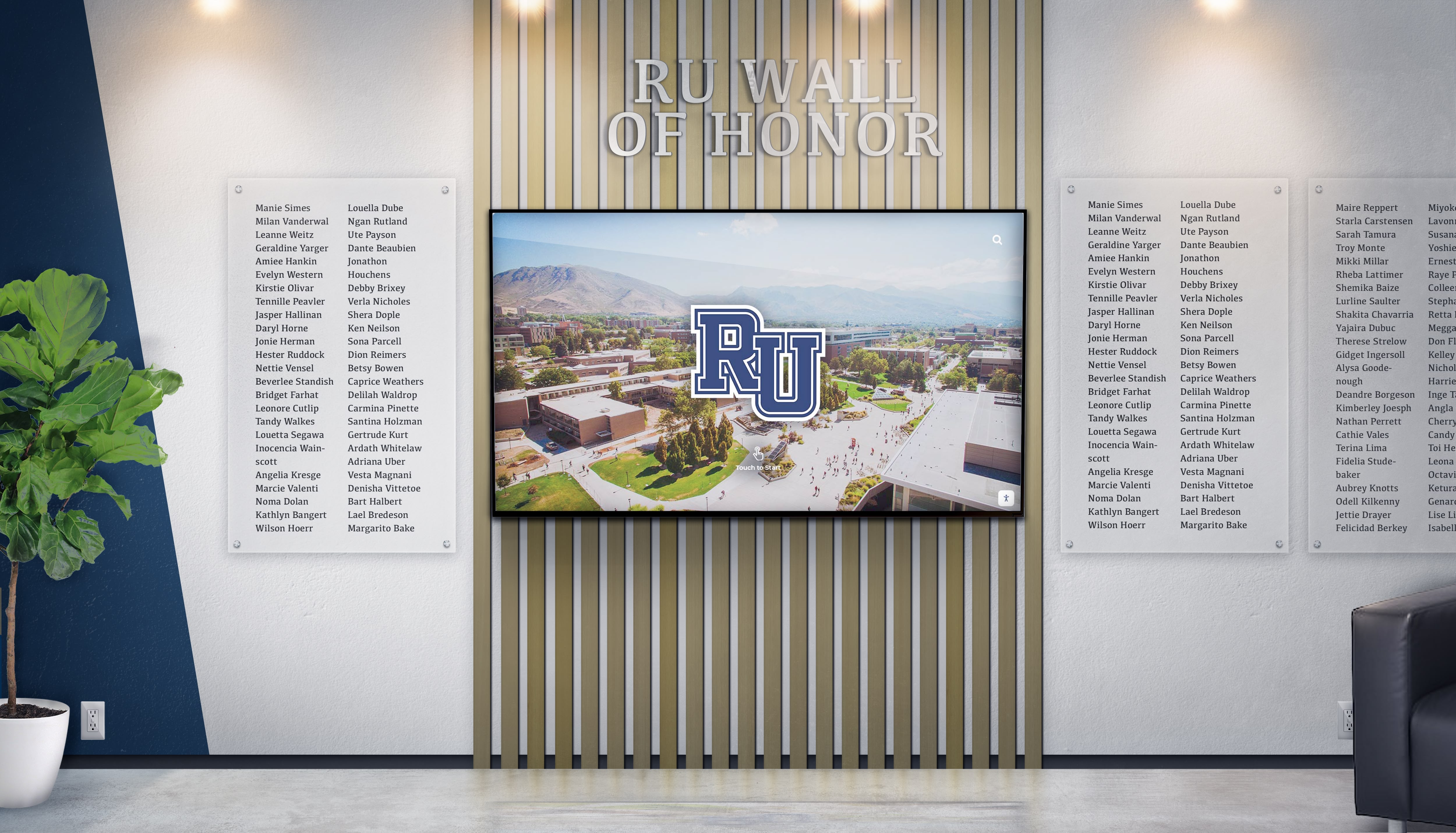
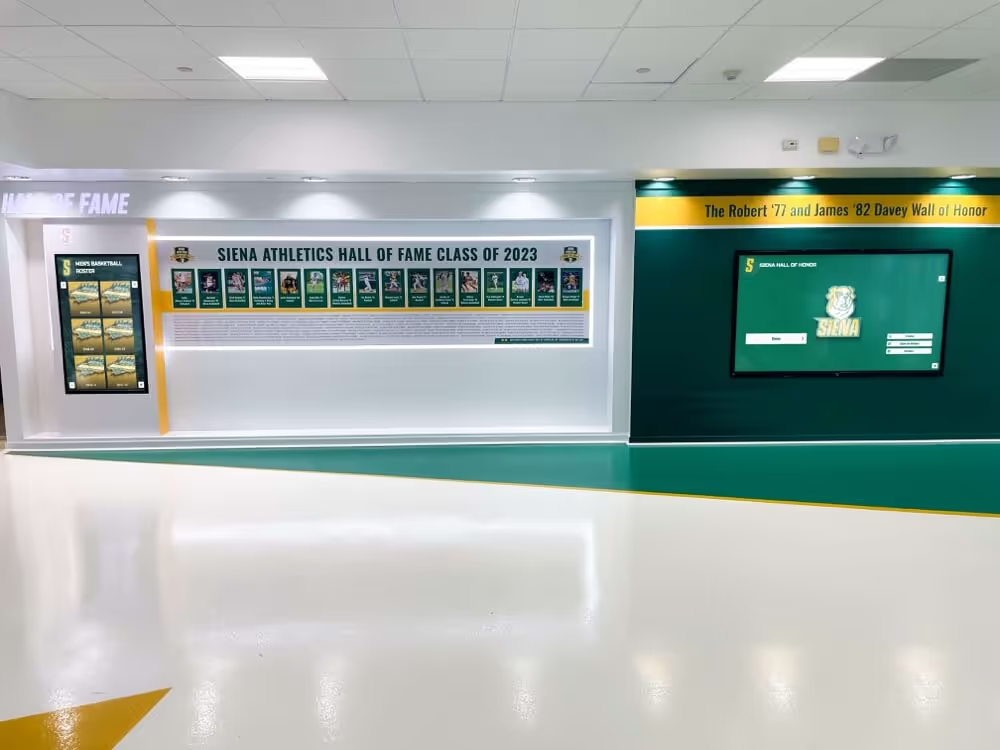
Hybrid recognition systems combine traditional permanence with digital flexibility
Measuring Recognition Program Effectiveness
Assessment ensures appreciation efforts achieve intended objectives:
Donor Retention Metrics
Recognition program success appears most clearly in retention including comparing retention rates for donors receiving enhanced versus basic recognition, tracking multi-year giving patterns among recognized supporters, measuring giving level upgrades following recognition program improvements, and analyzing lapsed donor reactivation rates.
Organizations consistently demonstrating strong retention rates typically invest systematically in recognition and stewardship rather than focusing primarily on acquisition.
Donor Satisfaction and Feedback
Qualitative measures revealing recognition effectiveness including donor surveys assessing satisfaction with acknowledgment, feedback collected during individual donor visits or conversations, sentiment analysis of donor communications, recognition event attendance and engagement levels, and unsolicited testimonials about appreciation experiences.
Direct donor feedback often reveals recognition gaps that data alone doesn’t identify.
Program Participation and Engagement
Behavioral indicators showing recognition impact including recognition society enrollment rates, event attendance among invited donors, voluntary advocacy and peer-to-peer fundraising, volunteer engagement rates among financial donors, and planned giving commitment rates.
Recognized donors demonstrate higher engagement across multiple dimensions beyond simply renewing financial support.
Cost-Benefit Analysis
Financial metrics justifying recognition investment including cost per donor retained through recognition programs, lifetime value comparison for recognized versus unrecognized cohorts, incremental giving attributed to recognition program improvements, and total program costs versus incremental revenue generated.
While recognition serves important relationship functions beyond financial return, demonstrating positive return on investment helps secure continued organizational commitment to appreciation programs.
Building Your Donor Recognition Strategy
Organizations ready to strengthen appreciation approaches should follow systematic planning processes:
Assess Current State
Begin by understanding existing recognition including auditing all current acknowledgment practices and touchpoints, analyzing donor feedback about recognition experiences, reviewing retention rates and giving patterns, comparing practices to sector benchmarks and peer organizations, and identifying gaps between current state and desired outcomes.
Honest assessment often reveals practices that seem adequate internally but fall short of donor expectations or industry standards.
Define Recognition Principles and Policies
Establish frameworks guiding decisions including core values around gratitude and appreciation, acknowledgment standards for different gift types and levels, privacy and preference policies, timeline standards for various recognition methods, and approval processes preventing errors.
Written policies ensure consistency despite staff turnover while preventing case-by-case decisions that create inconsistency.
Develop Tiered Programs
Create recognition structures including giving level definitions and corresponding benefits, cumulative versus annual recognition approaches, naming opportunity policies and procedures, special programs for planned gifts or multi-year commitments, and volunteer recognition integration.
Clear tier structures guide both donor cultivation and internal recognition implementation.
Select Technology and Tools
Evaluate solutions supporting recognition including donor database capabilities for tracking and personalization, digital recognition display systems for facility installations, donor portal platforms providing personal access, email and marketing automation tools, and integration between systems ensuring data consistency.
Technology should enable rather than complicate recognition, with user-friendly platforms that staff actually adopt rather than elaborate systems no one uses effectively.
Implement and Train
Execute recognition programs including staff and volunteer training on policies and procedures, technology implementation and user onboarding, initial content development and communication creation, process documentation enabling consistency, and stakeholder communication introducing new programs.
Recognition programs fail when well-designed strategies don’t translate to consistent execution by staff who understand both mechanics and underlying philosophy.
Monitor and Refine
Continuously improve through measurement including regular metric tracking and analysis, periodic donor feedback collection, staff debriefs identifying implementation challenges, peer organization benchmarking, and iterative refinement based on learning.
Recognition programs should evolve based on donor response and organizational learning rather than remaining static after initial implementation.
Discover how cross-country awards programs create cultures of appreciation applicable to donor communities.
Creating Recognition Culture Throughout Your Organization
Sustainable appreciation requires embedding gratitude in organizational culture beyond development department responsibility:
Leadership Modeling and Commitment
Senior leaders set cultural tone including leadership participation in recognition events and donor stewardship, board member engagement with key donors, resource allocation supporting recognition programs, messaging reinforcing importance of donor appreciation, and personal involvement in major gift acknowledgment.
Organizations where leaders visibly prioritize donor recognition create cultures where appreciation becomes institutional priority rather than development department obligation.
Cross-Functional Recognition Participation
Broad organizational involvement including program staff connecting with supporters funding their work, beneficiary involvement sharing impact with donors, volunteer engagement in appreciation events and activities, board member participation in donor cultivation and stewardship, and non-development staff awareness of supporter importance.
Recognition feels more authentic when entire organizations demonstrate appreciation rather than only development professionals managing transactional acknowledgment.
Recognition as Ongoing Priority
Sustained commitment beyond episodic campaigns including regular schedule of recognition activities throughout year, consistent budget allocation supporting appreciation programs, performance metrics and accountability for recognition quality, continuous improvement based on results and feedback, and institutional knowledge preservation despite staff transitions.
Organizations that maintain strong donor retention typically embed recognition into institutional culture rather than treating appreciation as variable expense to cut during budget pressure.
Conclusion: Recognition as Relationship Foundation
Donor recognition represents far more than polite acknowledgment or legal requirement. Strategic appreciation programs build the relational foundation enabling sustained support, communicate organizational values around gratitude and stewardship, inspire donors to continue and increase giving, demonstrate impact that validates supporter investment, and create communities united around shared mission. Organizations that invest thoughtful attention and appropriate resources in recognition consistently demonstrate stronger retention, higher lifetime donor value, and more sustainable fundraising results than those treating acknowledgment as administrative afterthought.
The best practices explored throughout this guide provide comprehensive frameworks for appreciation that honors all supporters appropriately while building relationships that advance organizational mission. From immediate acknowledgment to ongoing stewardship, from private appreciation to public recognition, from individual personalization to scalable systems, effective donor recognition integrates multiple elements creating appreciation experiences that resonate authentically with supporters whose generosity makes mission achievement possible.
Remember that donors contribute because they believe in your mission and want to make a difference. Recognition that connects their support to meaningful impact, demonstrates genuine gratitude, respects their preferences and privacy, and maintains relationship over time honors not just their financial contributions but their partnership in creating positive change. This relationship-centered approach to recognition builds the trust and emotional connection that transforms one-time contributors into lifelong supporters and advocates.
Your donors deserve recognition matching the significance of their generosity. By implementing strategic appreciation programs grounded in these best practices, you honor supporters appropriately while building the sustainable funding relationships organizational success requires.
Ready to Transform Your Donor Recognition Program?
Strategic donor recognition strengthens relationships that drive sustainable fundraising success. Whether you’re building appreciation programs from scratch or enhancing existing recognition that isn’t delivering results, modern digital solutions enable comprehensive acknowledgment at scale while maintaining authentic personalization supporters value.
Rocket Alumni Solutions specializes in digital recognition systems that honor every supporter beautifully while accommodating unlimited growth. Our interactive donor walls combine permanent naming recognition with dynamic digital displays, unlimited donor capacity, campaign progress visualization, searchable interfaces, multimedia storytelling, and remote content management—creating recognition experiences that inspire continued generosity while dramatically reducing administrative burden.
Connect with our recognition specialists to explore donor appreciation solutions tailored to your organizational culture, facility spaces, and stewardship vision—transforming acknowledgment from obligation into strategic advantage that advances mission for generations.