When a donor makes a contribution to your organization, they’re doing more than writing a check—they’re investing in your mission, expressing trust in your stewardship, and choosing your cause among countless worthy alternatives. How you acknowledge that gift determines whether they feel genuinely appreciated or merely processed through your donor management system. Donor recognition gifts serve as tangible expressions of gratitude that transform transactional giving into lasting relationships.
Many organizations struggle with donor recognition, defaulting to generic thank-you letters, impersonal emails, or one-size-fits-all tokens that feel like afterthoughts rather than genuine appreciation. Meanwhile, research consistently shows that donors who feel meaningfully recognized give more frequently, contribute larger amounts, and remain loyal supporters for longer periods. The difference between donor attrition and donor retention often comes down to how authentically you demonstrate that their support matters.
This comprehensive guide explores strategic approaches to donor recognition gifts that strengthen relationships, inspire continued giving, and create memorable experiences that donors will associate with your organization for years to come.
Organizations that excel at donor recognition understand a fundamental truth: the most effective appreciation isn’t about the monetary value of gifts you give—it’s about demonstrating that you see donors as individuals, understand their motivations, and genuinely value their partnership in advancing your mission.

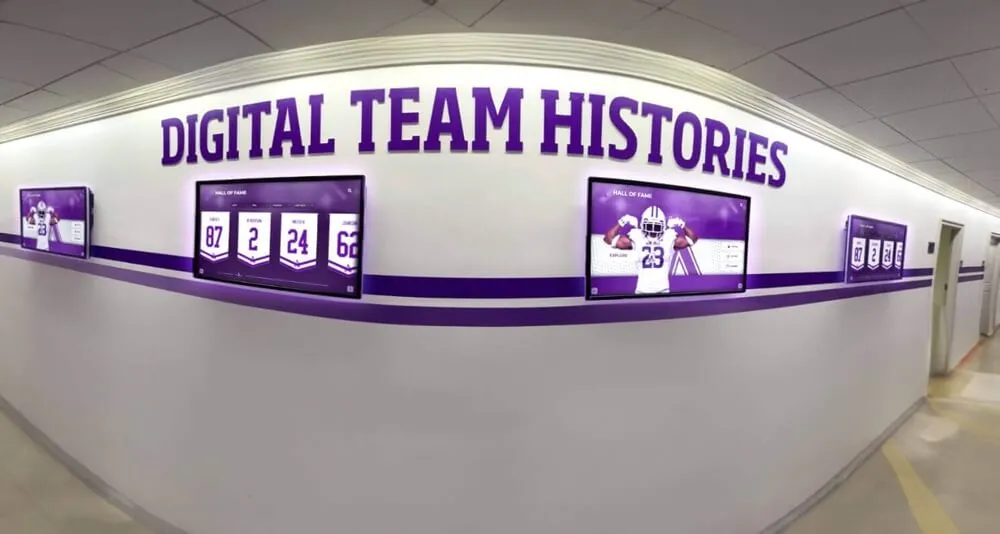
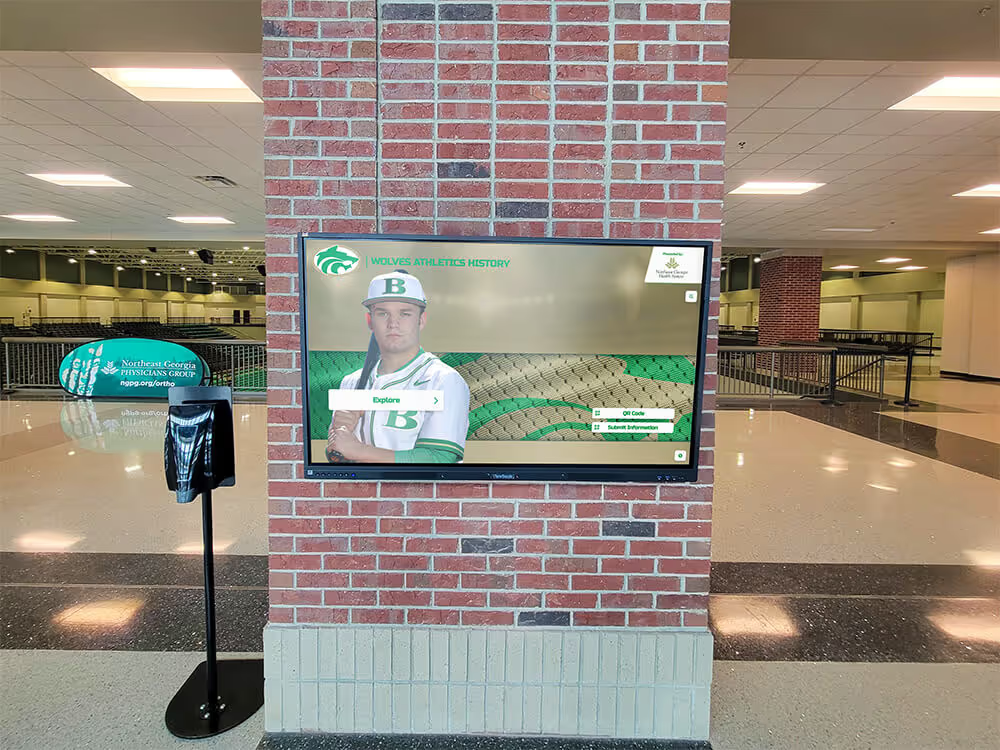
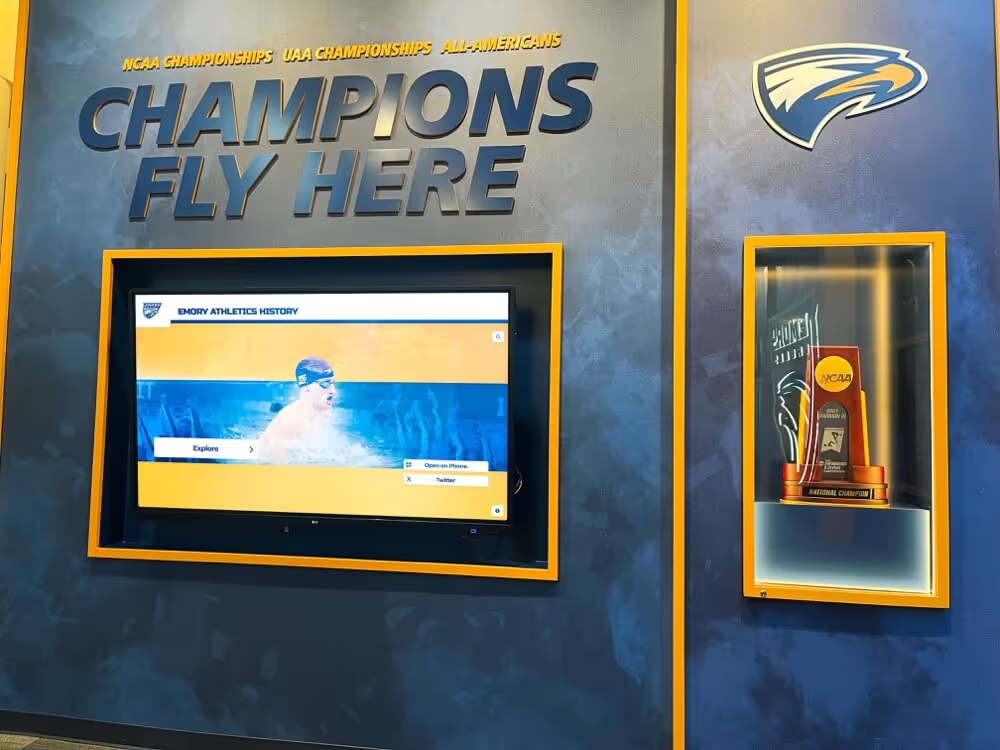
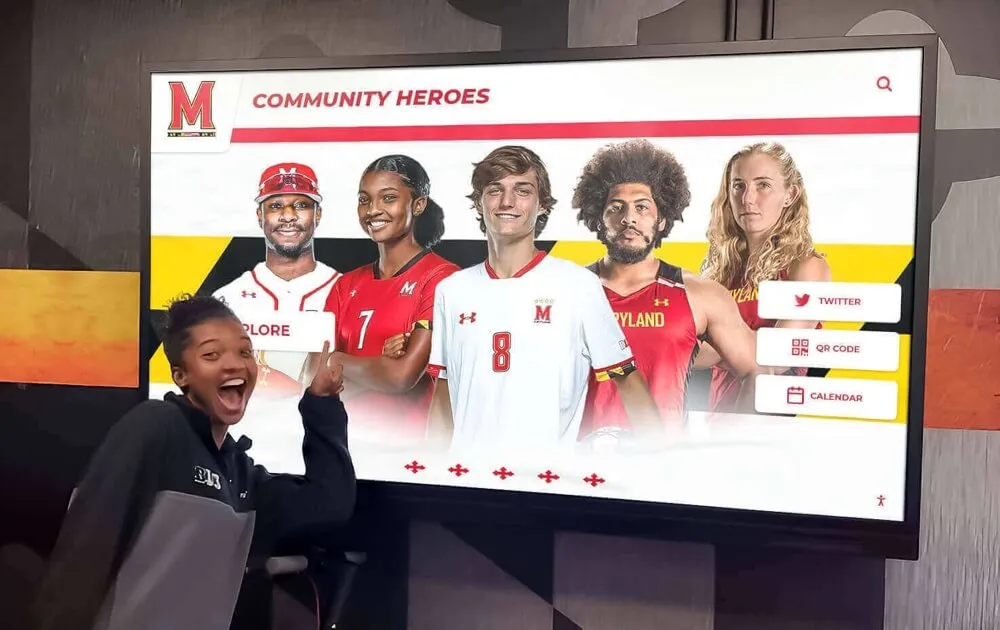
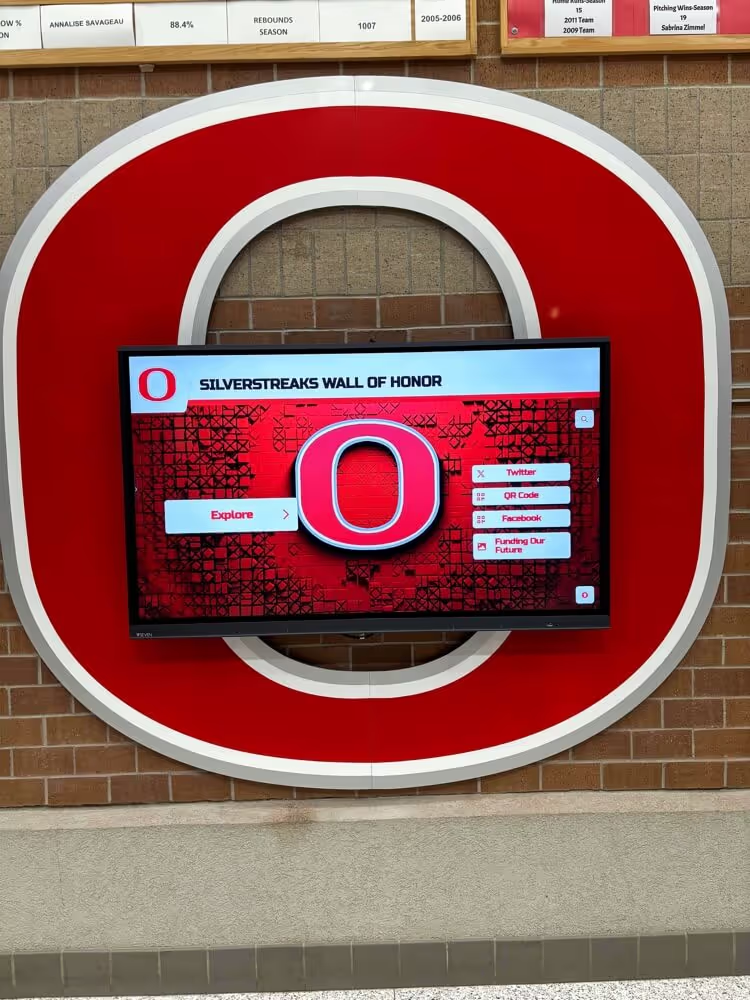
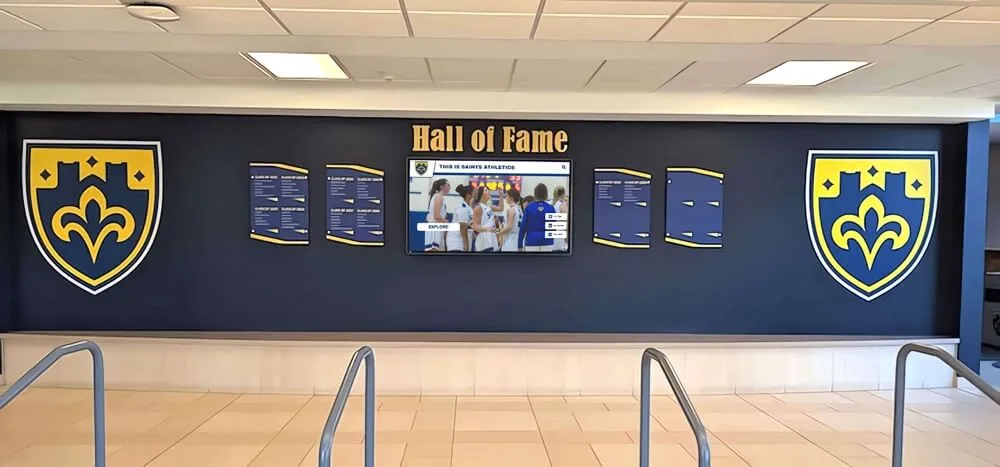
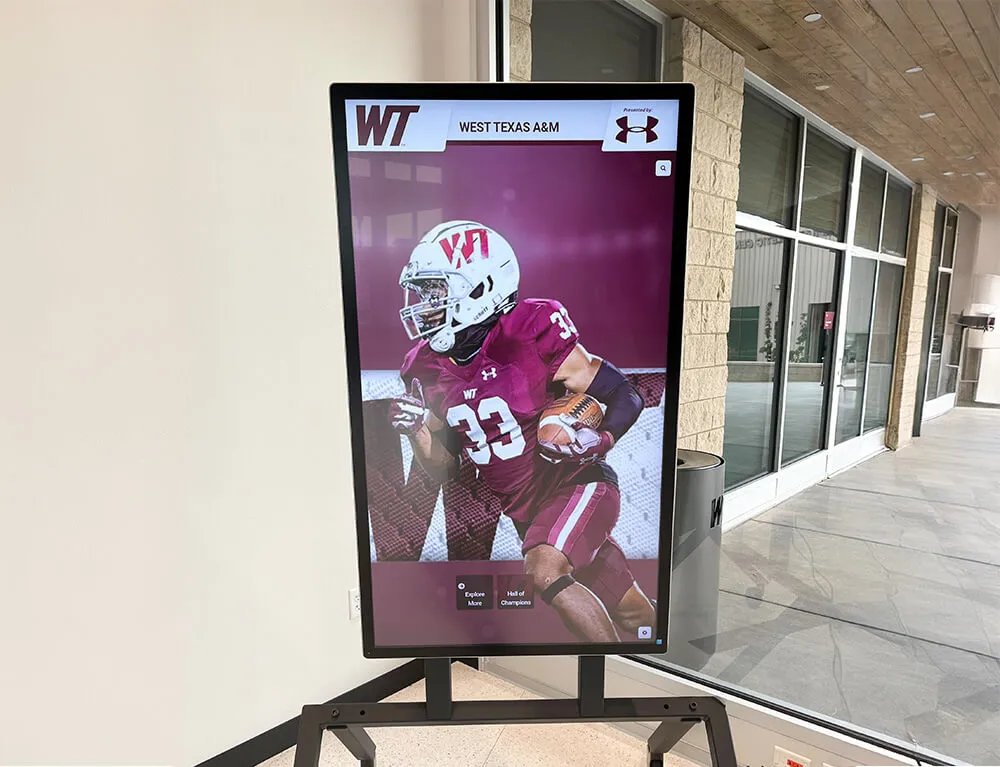
Prominent donor recognition displays demonstrate appreciation while inspiring additional contributions from the community
Understanding the Strategic Value of Donor Recognition Gifts
Before selecting specific recognition tokens, it’s essential to understand why donor appreciation matters and how thoughtful gifts contribute to long-term fundraising success.
The Psychology Behind Donor Recognition
Human beings have fundamental psychological needs for acknowledgment, appreciation, and belonging. When organizations recognize donors effectively, they’re addressing these core motivations in ways that strengthen emotional connections to the cause:
Recognition Validates Donor Impact
Donors want confirmation that their contributions matter. Recognition gifts serve as tangible proof that their support was noticed, valued, and meaningful to the organization’s work. This validation reinforces the emotional satisfaction donors experience when giving, making them more likely to give again.
Appreciation Builds Community Connection
Thoughtful recognition helps donors feel like valued members of your organizational community rather than anonymous financial transactions. This sense of belonging creates emotional investment that transcends the specific dollar amounts donated—donors begin identifying as supporters of your mission and feeling personal stake in your success.
Visibility Creates Social Proof
Public recognition through donor walls, plaques, or displays serves dual purposes: honoring current supporters while demonstrating to prospective donors that giving to your organization is socially valued. This social proof particularly matters for capital campaigns and major giving initiatives where donors want assurance that others in their community consider your cause worthy of support.
Building a comprehensive donor stewardship program ensures recognition fits within broader relationship-building strategies.
How Recognition Affects Donor Retention
The financial impact of donor recognition becomes clear when examining retention statistics. Organizations with strong recognition programs retain 60-70% of first-time donors compared to industry averages of 40-45%. Over time, this difference compounds dramatically:
The Lifetime Value Multiplier
A donor who gives $100 annually and stays engaged for ten years contributes $1,000. But if thoughtful recognition inspires them to increase giving by just 5% each year, that same donor contributes nearly $1,300—a 30% increase in lifetime value. When you multiply this across hundreds or thousands of donors, the revenue impact of effective recognition programs becomes substantial.
Reduced Acquisition Costs
Acquiring new donors costs 5-10 times more than retaining existing supporters. Every donor who returns because they felt appreciated represents marketing dollars you don’t need to spend finding replacements. Recognition gifts that cost a few dollars can prevent attrition that would require hundreds in acquisition spending to offset.
Increased Gift Frequency
Recognized donors don’t just give more—they give more often. Organizations that implement thoughtful recognition strategies see donors transition from annual giving to semi-annual or even quarterly contributions because they feel genuinely connected to the organization’s ongoing work rather than just obligated to respond to annual appeals.

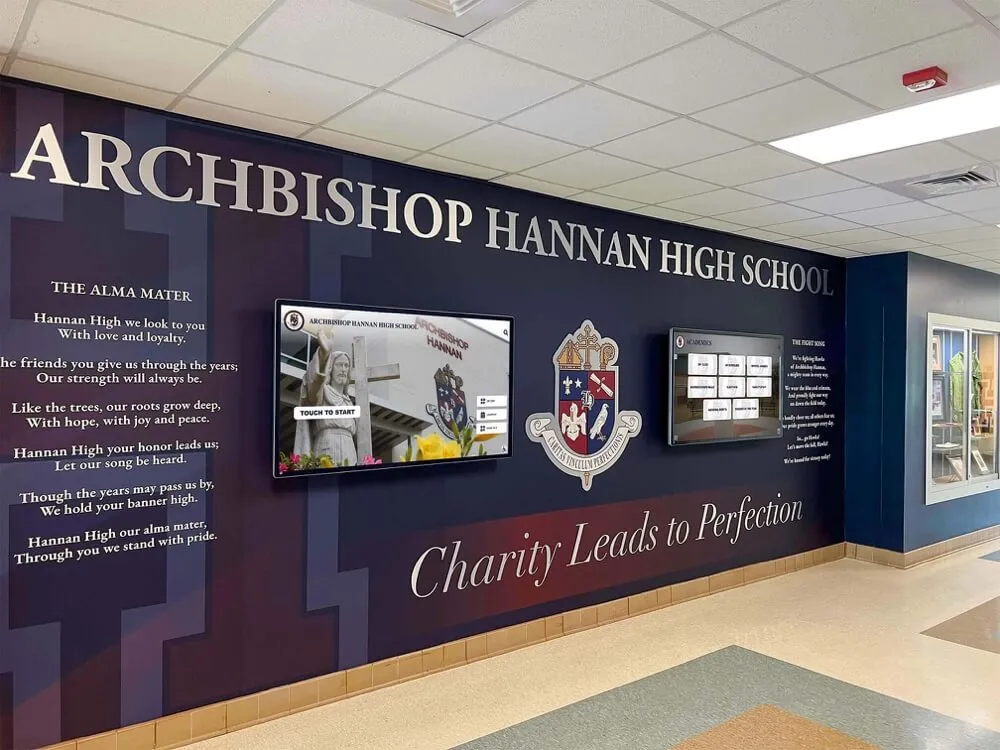
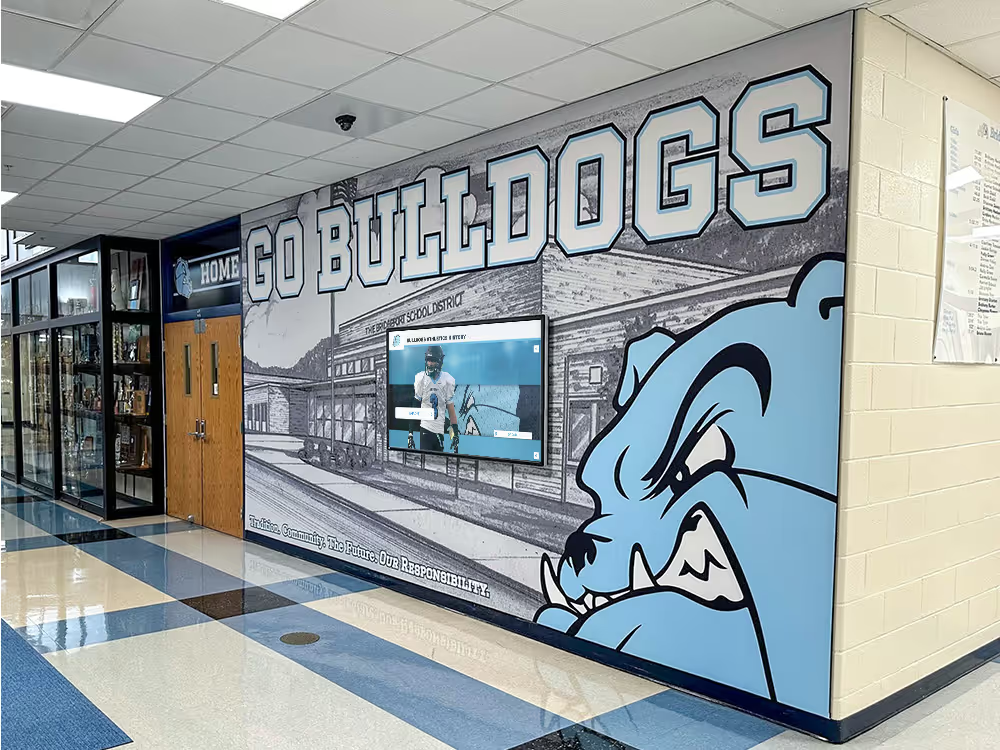
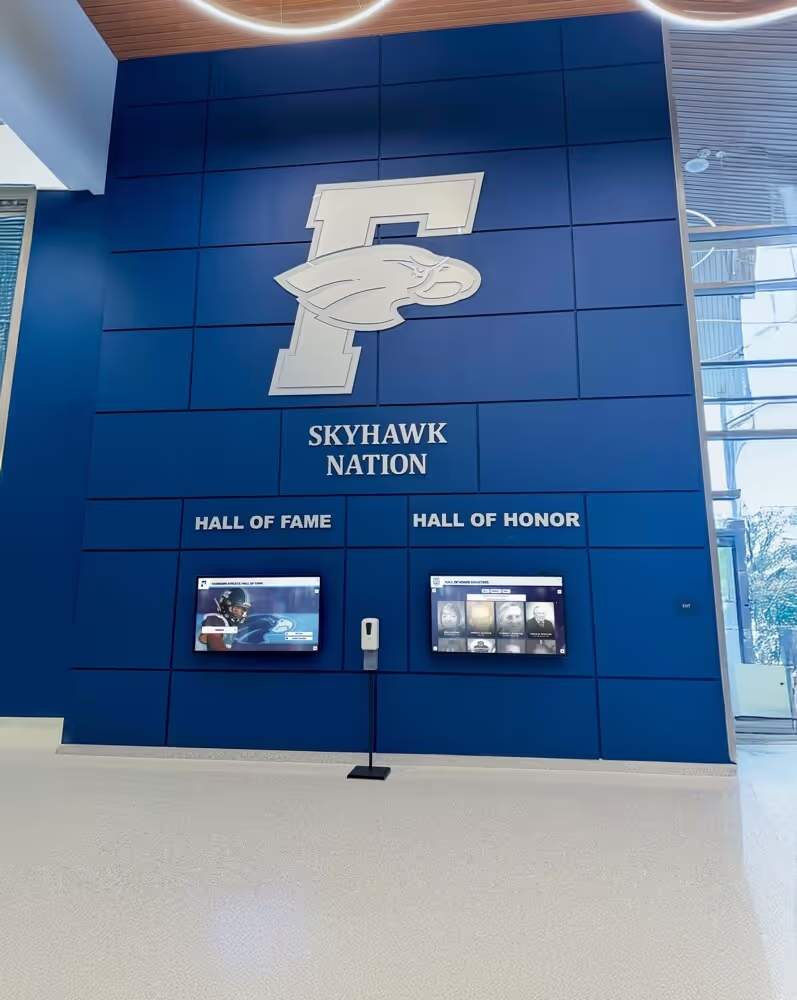
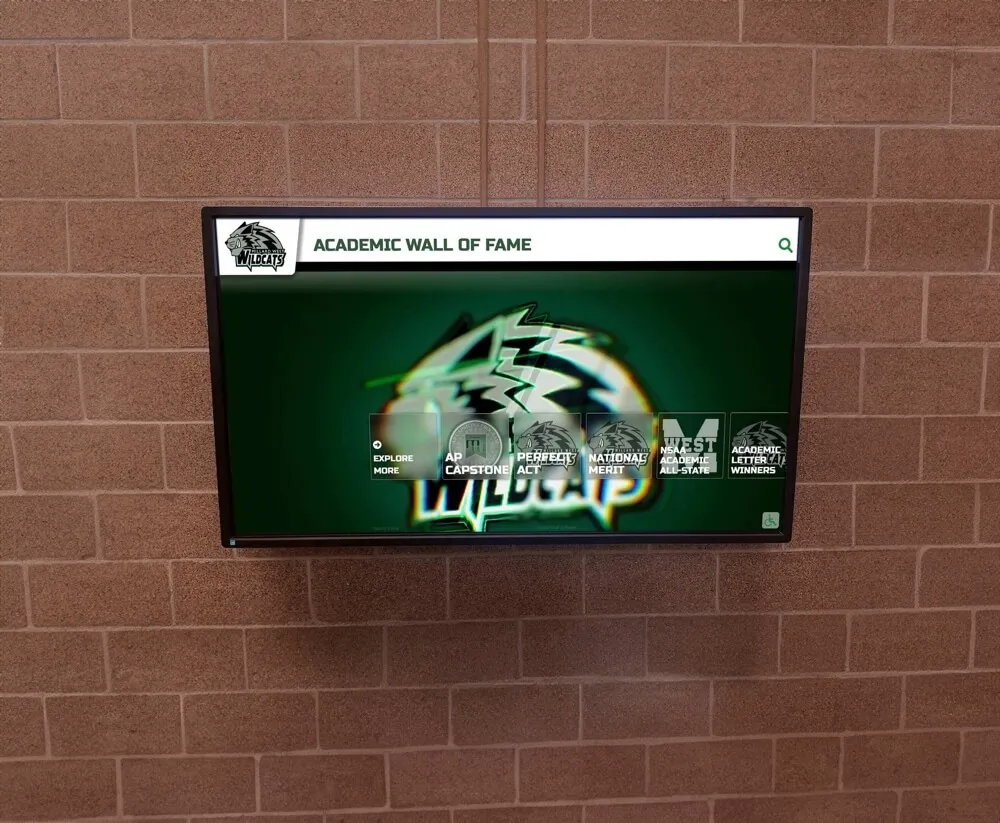
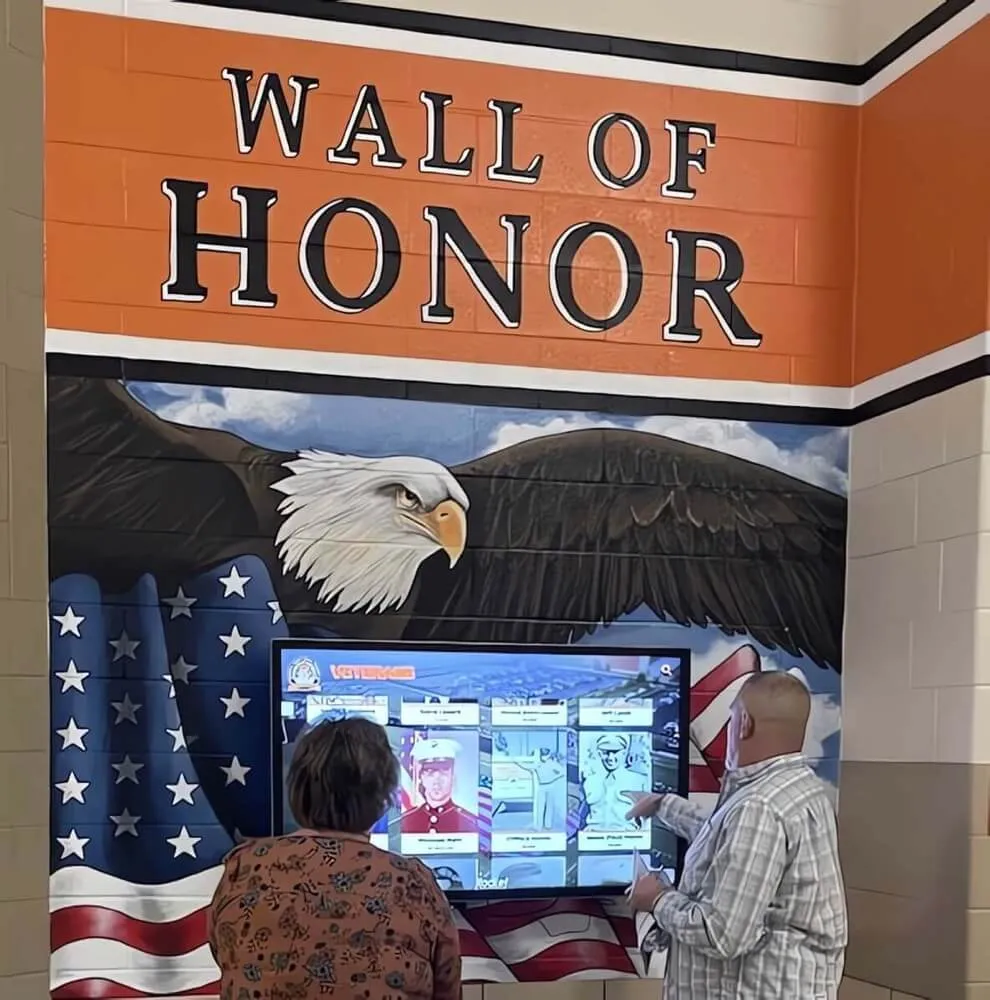
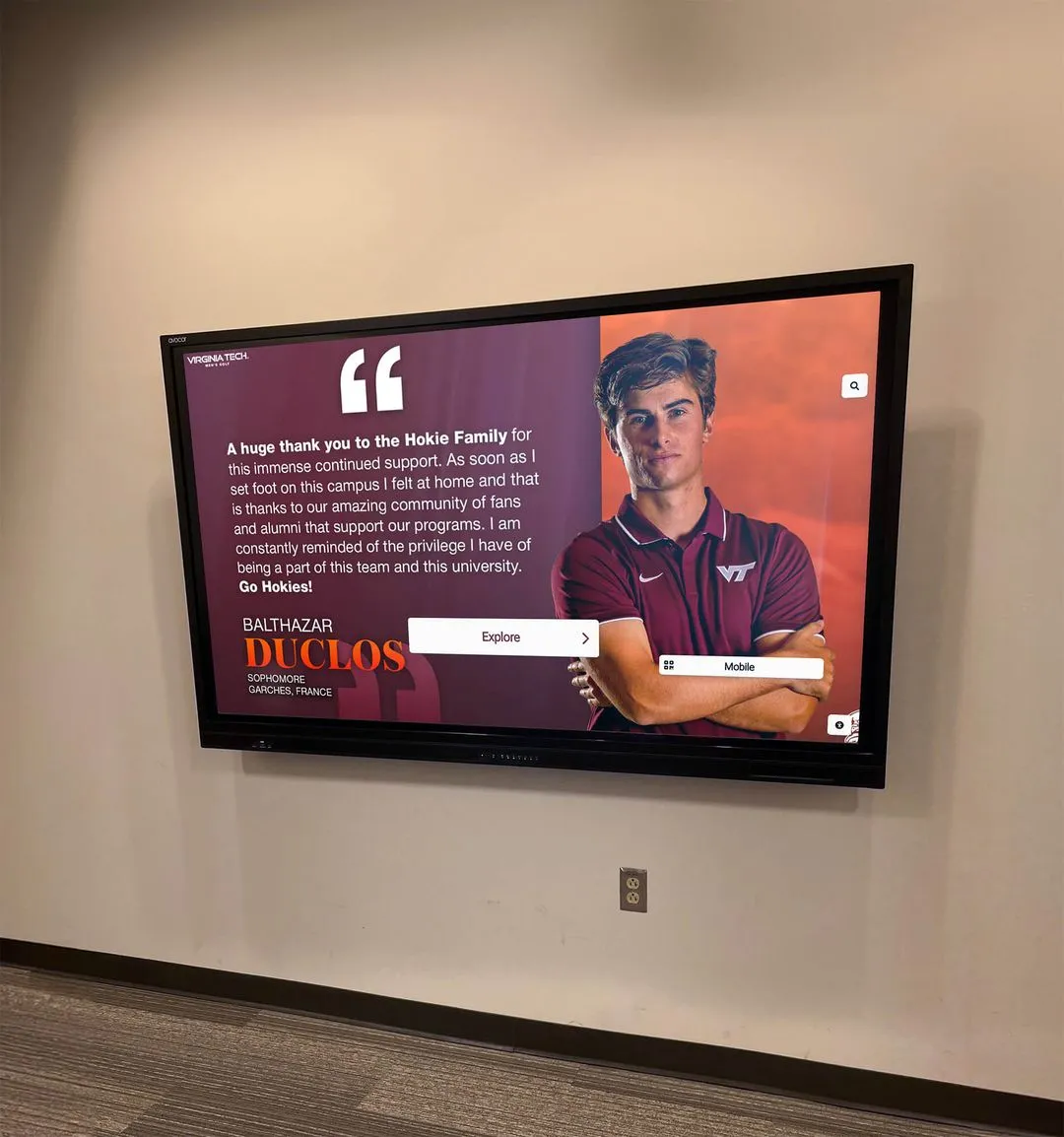
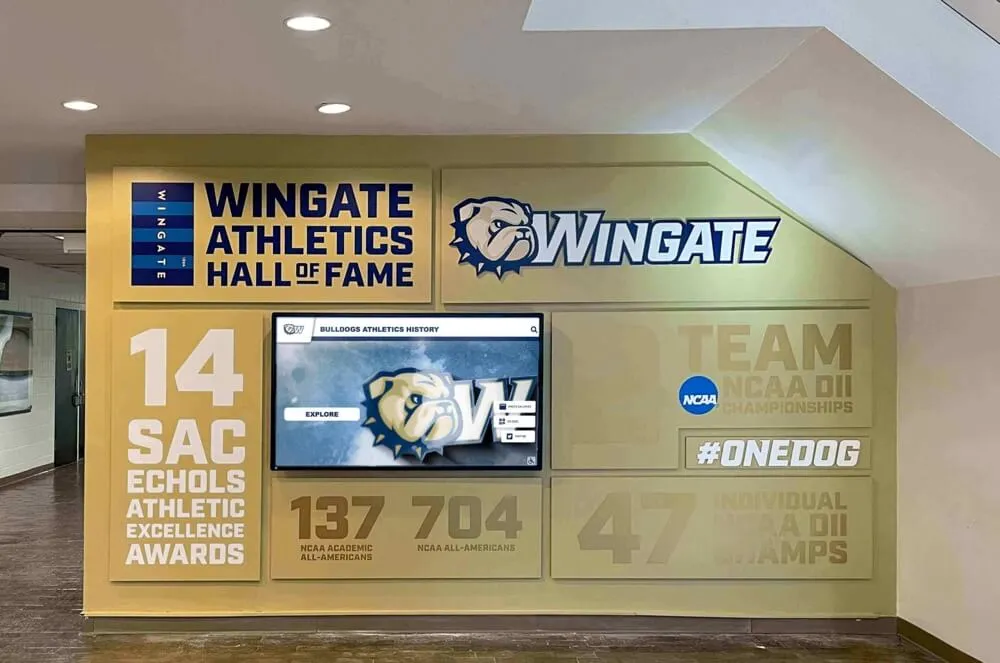
Recognition walls that celebrate both achievements and the donors who made them possible create powerful community narratives
Categories of Donor Recognition Gifts: From Traditional to Innovative
Effective donor recognition spans a spectrum from timeless traditional approaches to contemporary digital solutions. Understanding the full range of options helps organizations create recognition programs aligned with donor preferences and organizational budgets.
Traditional Physical Recognition Gifts
Tangible tokens remain meaningful because donors can display them, share them, and revisit them over time. These physical gifts create lasting reminders of the relationship between donor and organization:
Plaques and Engraved Items
Personalized plaques, engraved bricks, or custom nameplates offer permanent acknowledgment of donor support. These work particularly well for capital campaigns, building dedications, or major gift recognition:
- Individual name plaques on donor walls
- Engraved bricks for outdoor walkways or gardens
- Recognition tiles in lobbies or common areas
- Personalized nameplates on equipment or furniture
- Custom plaques commemorating specific gift milestones
Benefits: Permanent, visible, can be personalized with names and dedication dates, work well for public spaces where recognition inspires additional giving.
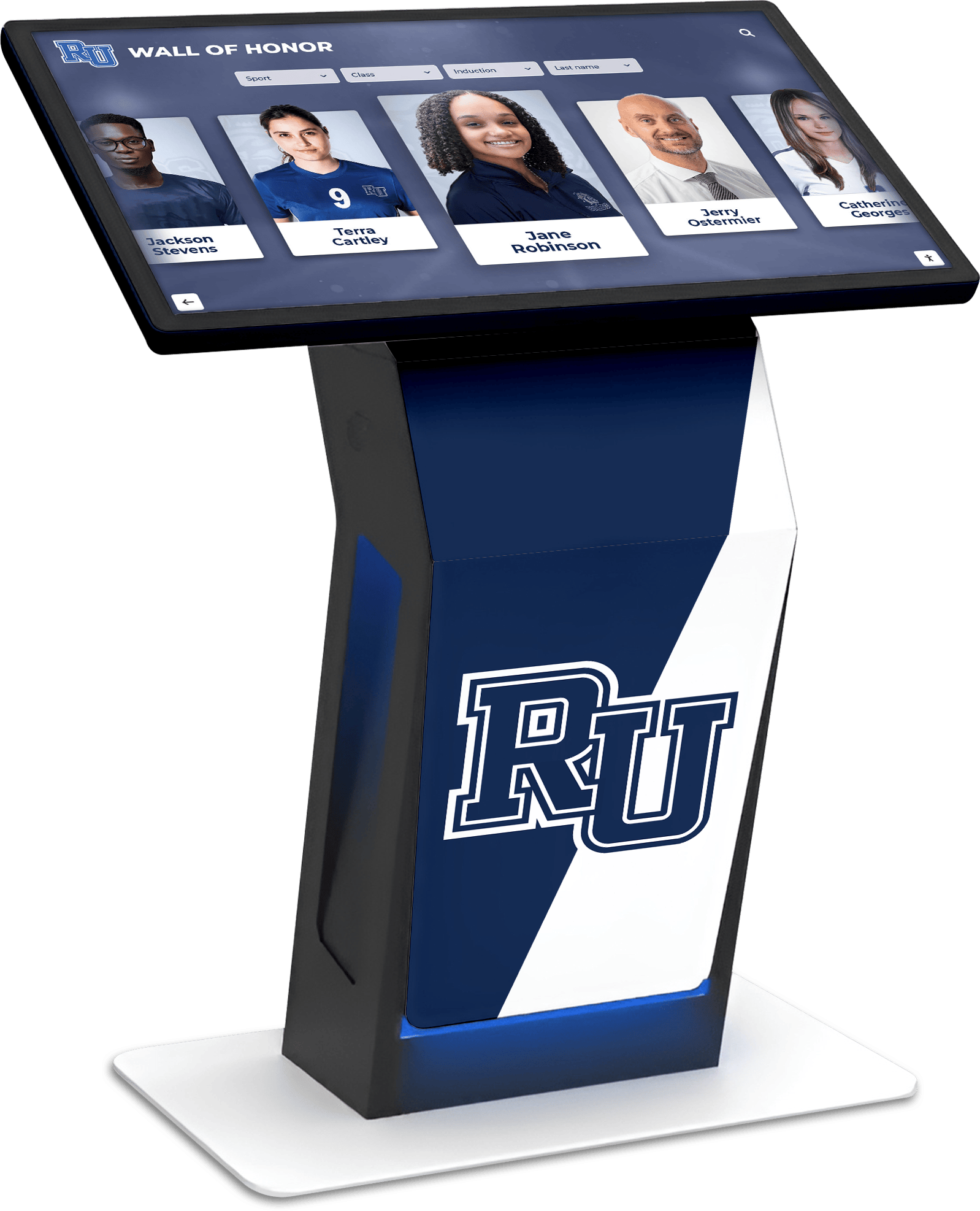
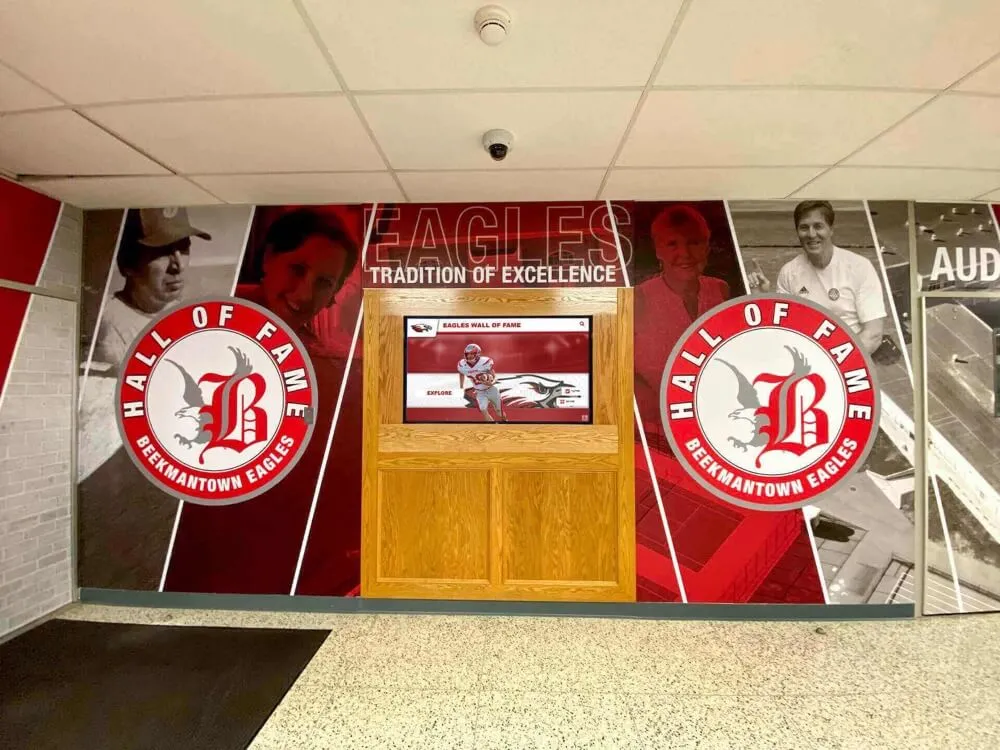
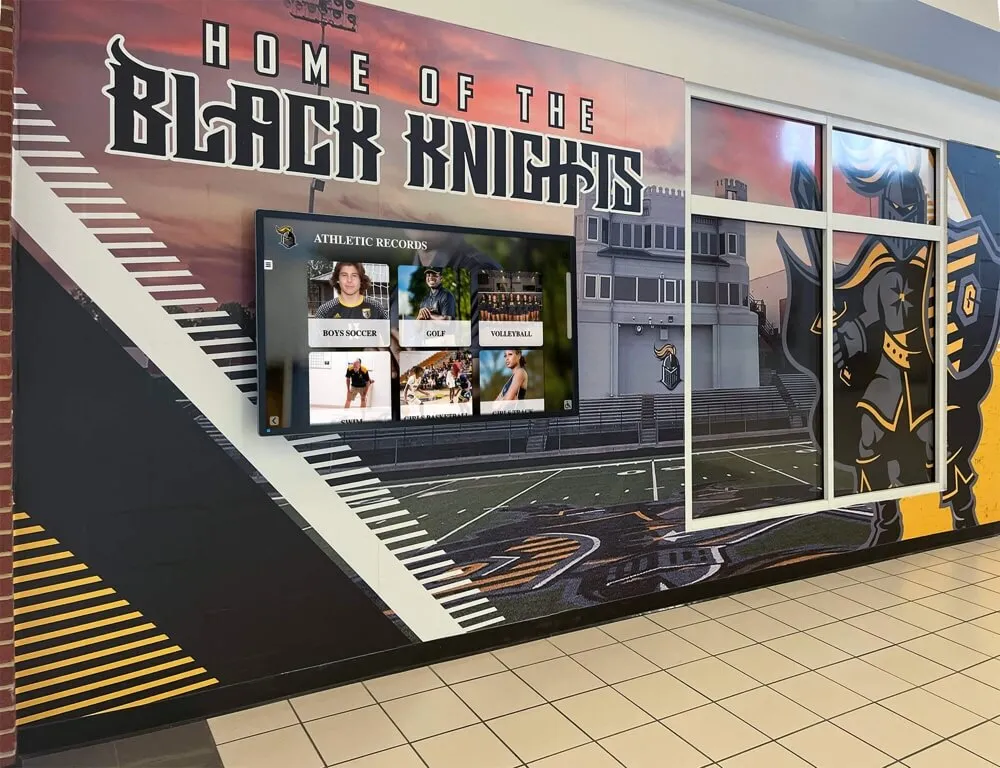
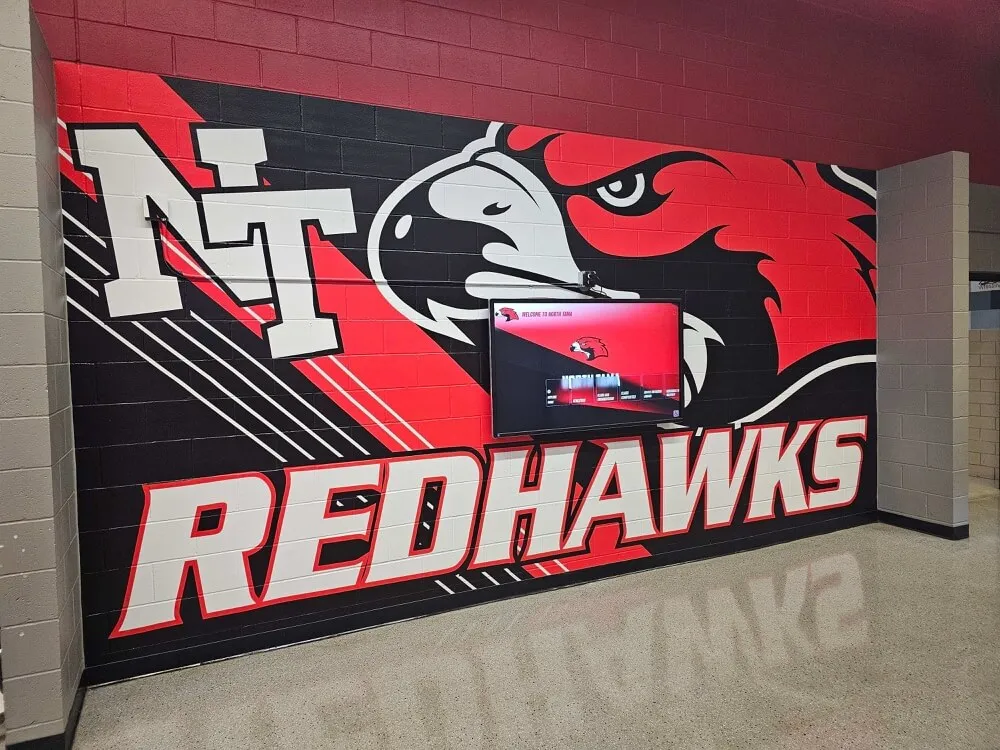
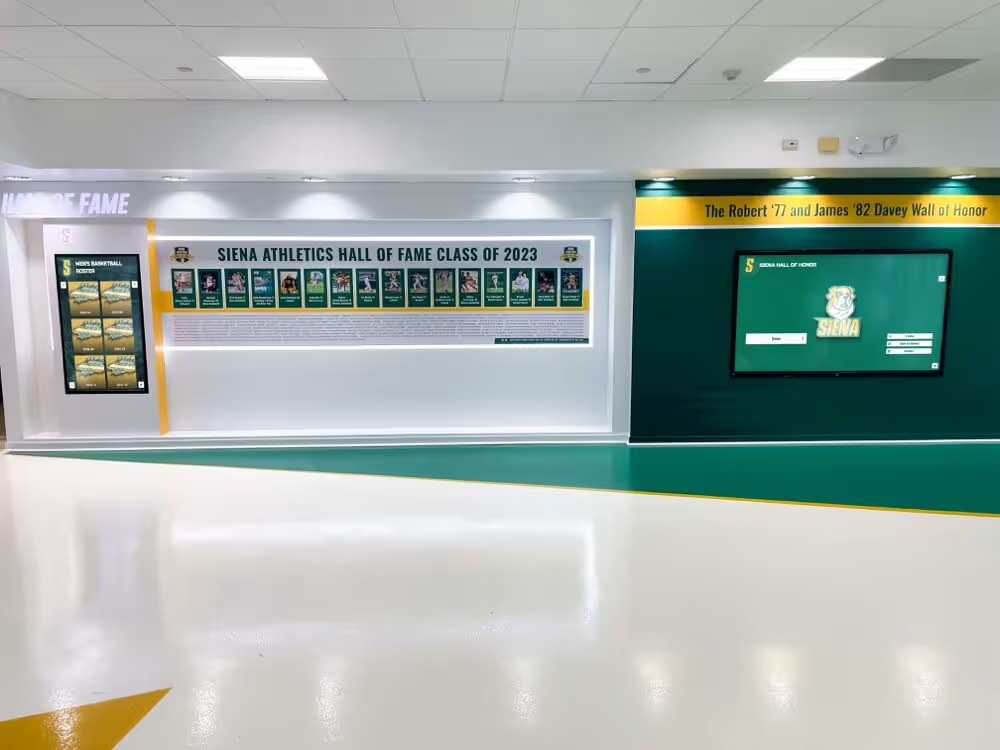
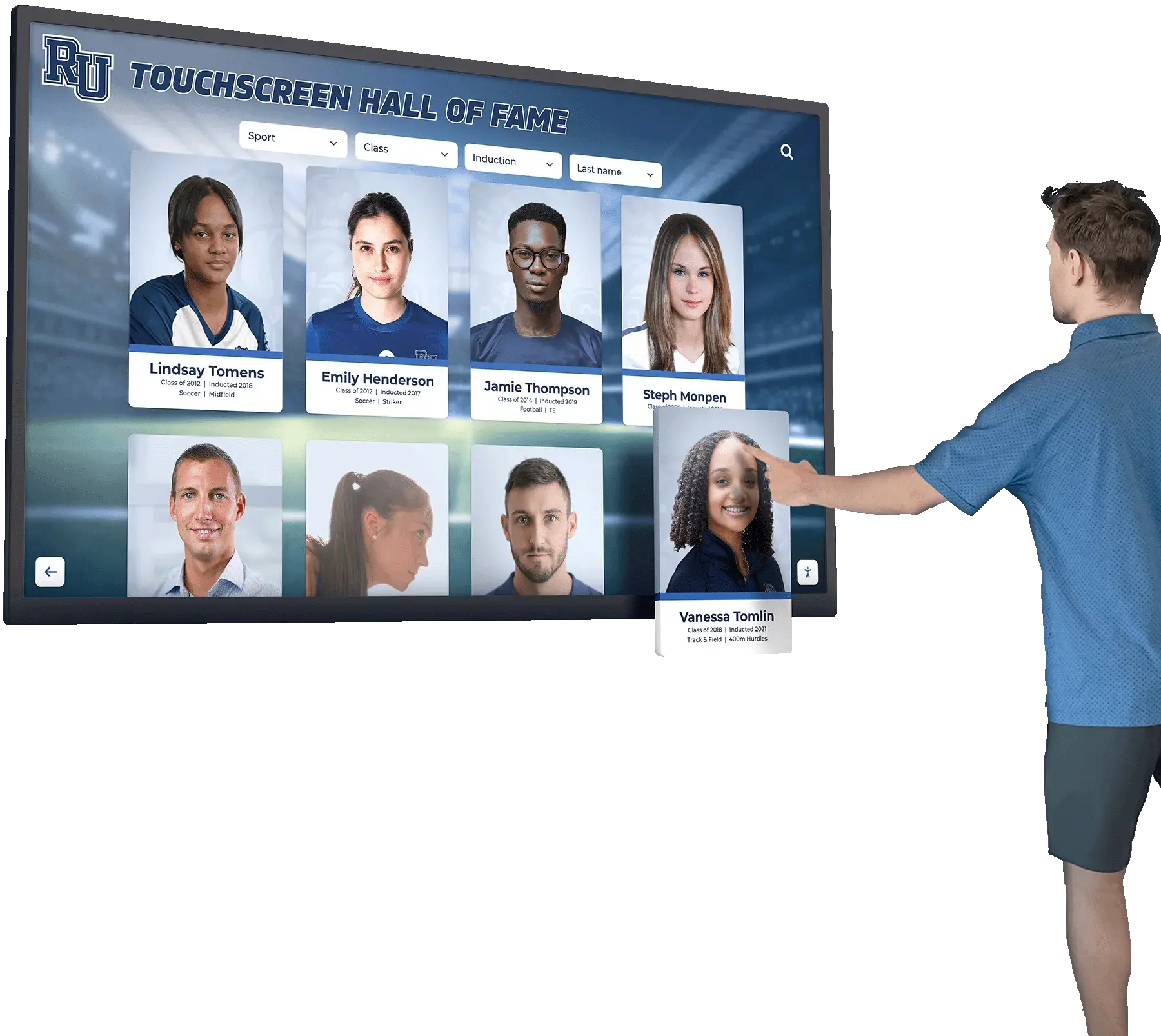
Modern interactive displays make donor recognition dynamic and engaging while accommodating unlimited recognition capacity
Branded Merchandise and Wearables
Branded items serve dual purposes—they thank donors while creating visibility for your organization when supporters use or wear them in their communities:
- Quality apparel (polo shirts, jackets, scarves)
- Drinkware (insulated tumblers, coffee mugs, water bottles)
- Tote bags or backpacks featuring organizational branding
- Lapel pins denoting giving levels or years of support
- Desk accessories (pen sets, paperweights, business card holders)
Considerations: Choose items donors will actually use rather than items that end up in closets. Quality matters more than quantity—one well-made jacket donors wear regularly creates more value than five cheap items they never use.
Books and Publications
For certain donor segments, thoughtfully selected books related to your mission area create meaningful gifts that demonstrate understanding of donor interests:
- Coffee table books showcasing your organization’s impact
- Historical publications about your institution or cause
- Mission-related titles aligned with donor passions
- Custom-published anniversary commemorations
- Limited edition prints or artistic publications
These work particularly well for major donors and legacy society members who appreciate substantive recognition over trinkets.
Experience-Based Recognition
Sometimes the most memorable gifts aren’t physical objects but experiences that create lasting memories and deepen donor connections to your mission:
Behind-the-Scenes Access
Offer donors exclusive opportunities to see your organization’s work firsthand:
- Private facility tours showing impact of contributions
- Meet-and-greet sessions with leadership or beneficiaries
- Attendance at program activities typically closed to public
- Participation in special events or milestone celebrations
- Shadowing opportunities for donors interested in operations
Educational Experiences
Recognition gifts that educate donors about your mission area strengthen their intellectual and emotional investment:
- Workshops or seminars related to organizational focus
- Speaker series featuring experts in your field
- Research presentations showing program outcomes
- Virtual or in-person learning opportunities
- Conference attendance or professional development
Special Event Invitations
Exclusive events create community among major supporters while honoring their contributions:
- Donor appreciation dinners or receptions
- VIP experiences at organizational gatherings
- Private performances or exhibitions
- Intimate small-group discussions with leadership
- Annual recognition celebrations for giving societies
These experiences work particularly well because they create opportunities for ongoing relationship building beyond the recognition itself. Many successful charity events incorporate recognition moments that honor donors while advancing fundraising goals.

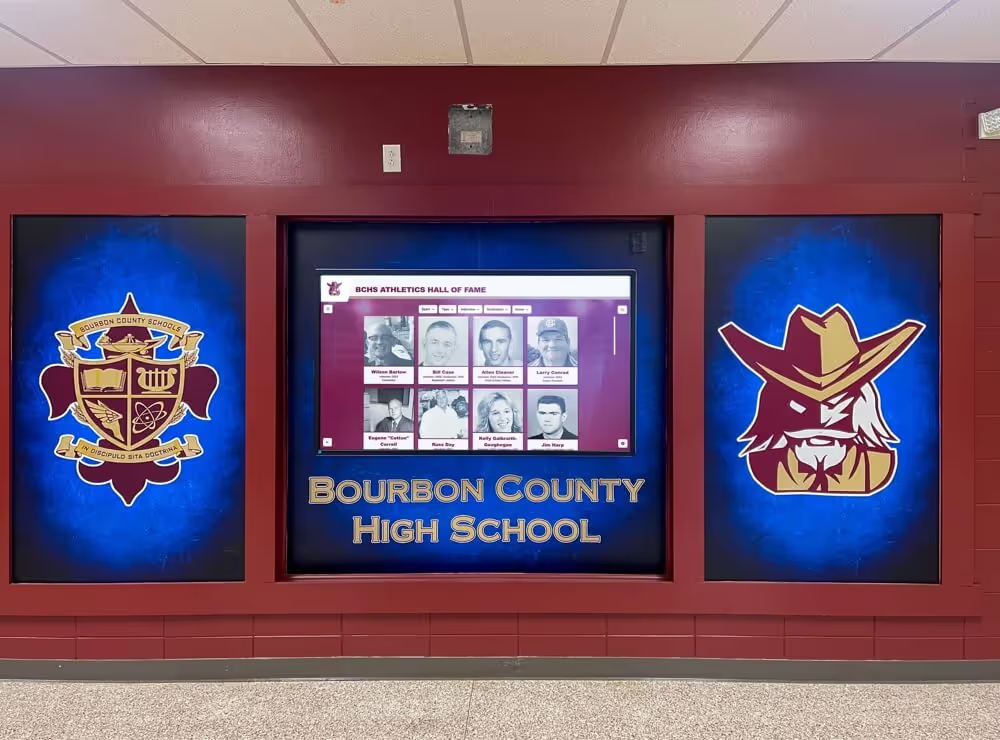
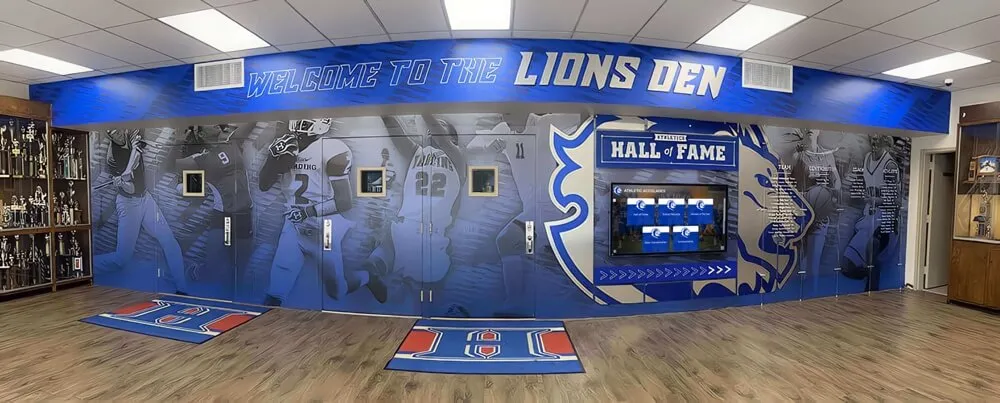
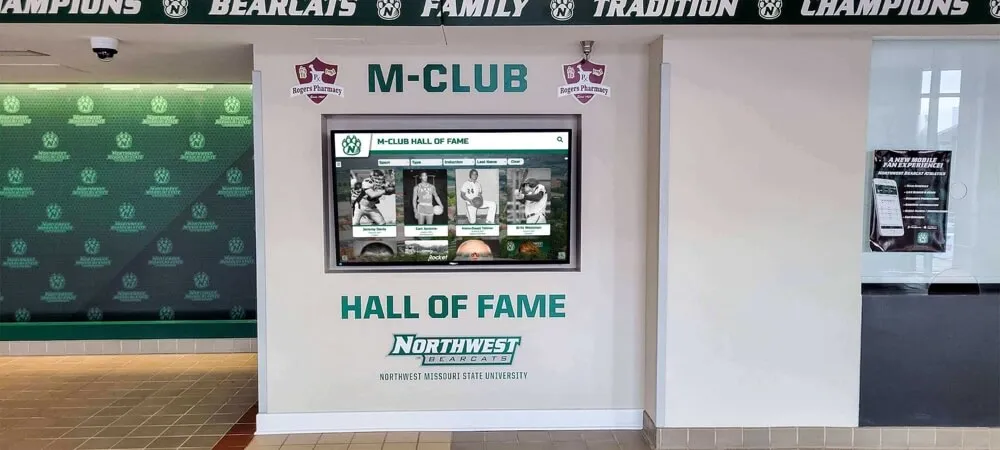
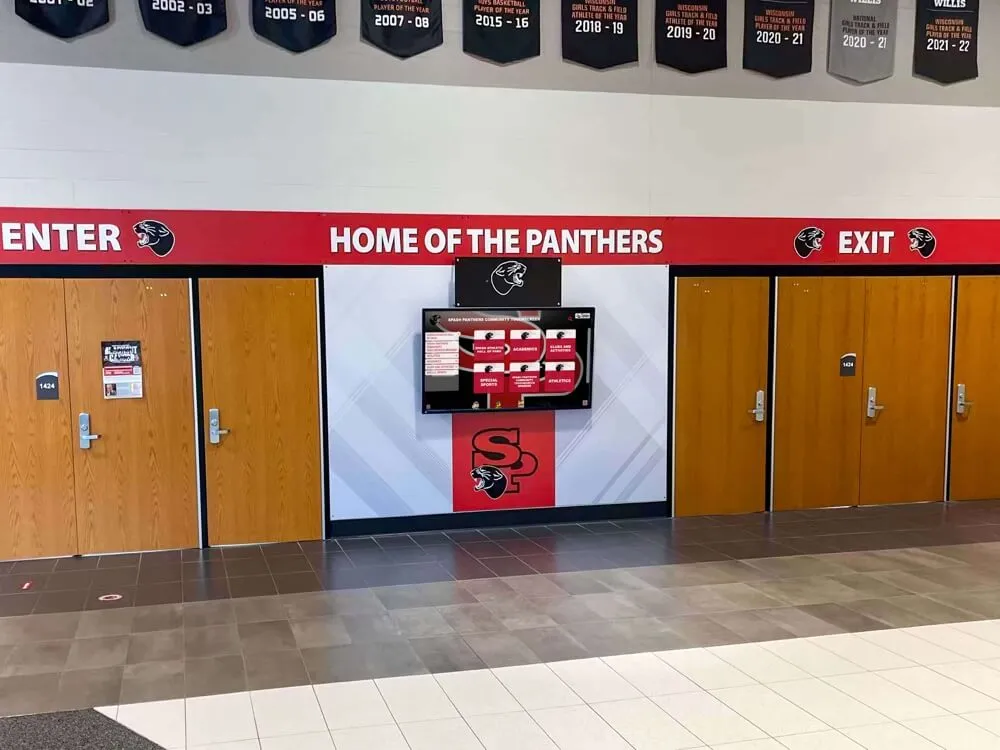
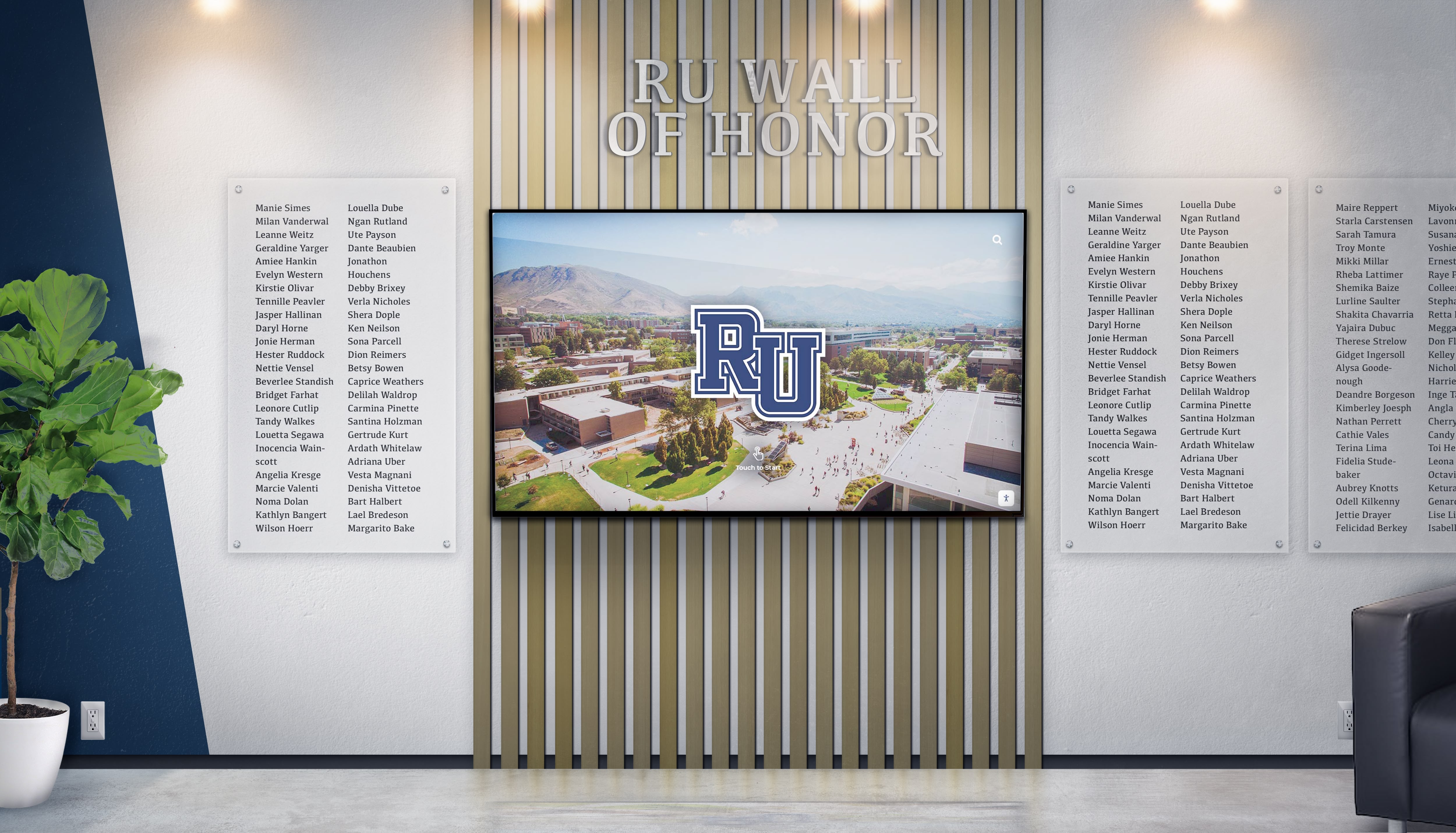
Strategic placement of donor recognition in high-visibility locations ensures consistent appreciation throughout the year
Digital and Modern Recognition Solutions
Technology has transformed donor recognition possibilities, offering flexibility, scalability, and engagement opportunities impossible with traditional approaches alone.
Interactive Digital Donor Walls
Modern virtual donor walls combine visual impact with unlimited recognition capacity and easy content updates as campaigns progress:
Advantages of Digital Recognition
- Unlimited “space” for donor names regardless of contribution timing
- Easy updates without ordering new plaques or physical modifications
- Multimedia capabilities including photos, videos, and donor stories
- Interactive features letting visitors explore recognition by category
- Cost-effective recognition for annual campaigns with changing donor rosters
- Integration with donor databases for automatic updates
Implementation Considerations
Digital donor walls work best when they complement rather than replace all physical recognition. Many organizations implement hybrid approaches featuring prominent digital displays for comprehensive recognition alongside traditional plaques for top giving levels or permanent gifts.
Organizations ranging from schools to hospitals to churches have successfully implemented interactive donor boards that make recognition dynamic and engaging.
Social Media and Public Recognition
Digital channels create opportunities for timely, public acknowledgment that reaches donors where they already spend time:
Social Recognition Strategies
- Donor spotlights featuring stories and motivations
- Thank-you videos from beneficiaries or leadership
- Impact updates showing how specific donations created change
- Virtual recognition walls shared across digital platforms
- Donor anniversary celebrations highlighting multi-year support
Privacy Considerations: Always secure permission before publicly recognizing donors, as some supporters prefer anonymous giving. Provide easy opt-out mechanisms for donors who don’t want public acknowledgment.
Personalized Digital Communications
Technology enables personalized recognition at scale that was impossible in the pre-digital era:
Personalization Approaches
- Custom video thank-you messages from leadership
- Personalized impact reports showing outcomes of specific donations
- Digital certificates commemorating gift milestones
- Customized email sequences tailored to donor interests
- Birthday and anniversary acknowledgments with mission updates
Modern alumni relations software makes it easier to track donor relationships and automate meaningful touchpoints throughout the year.
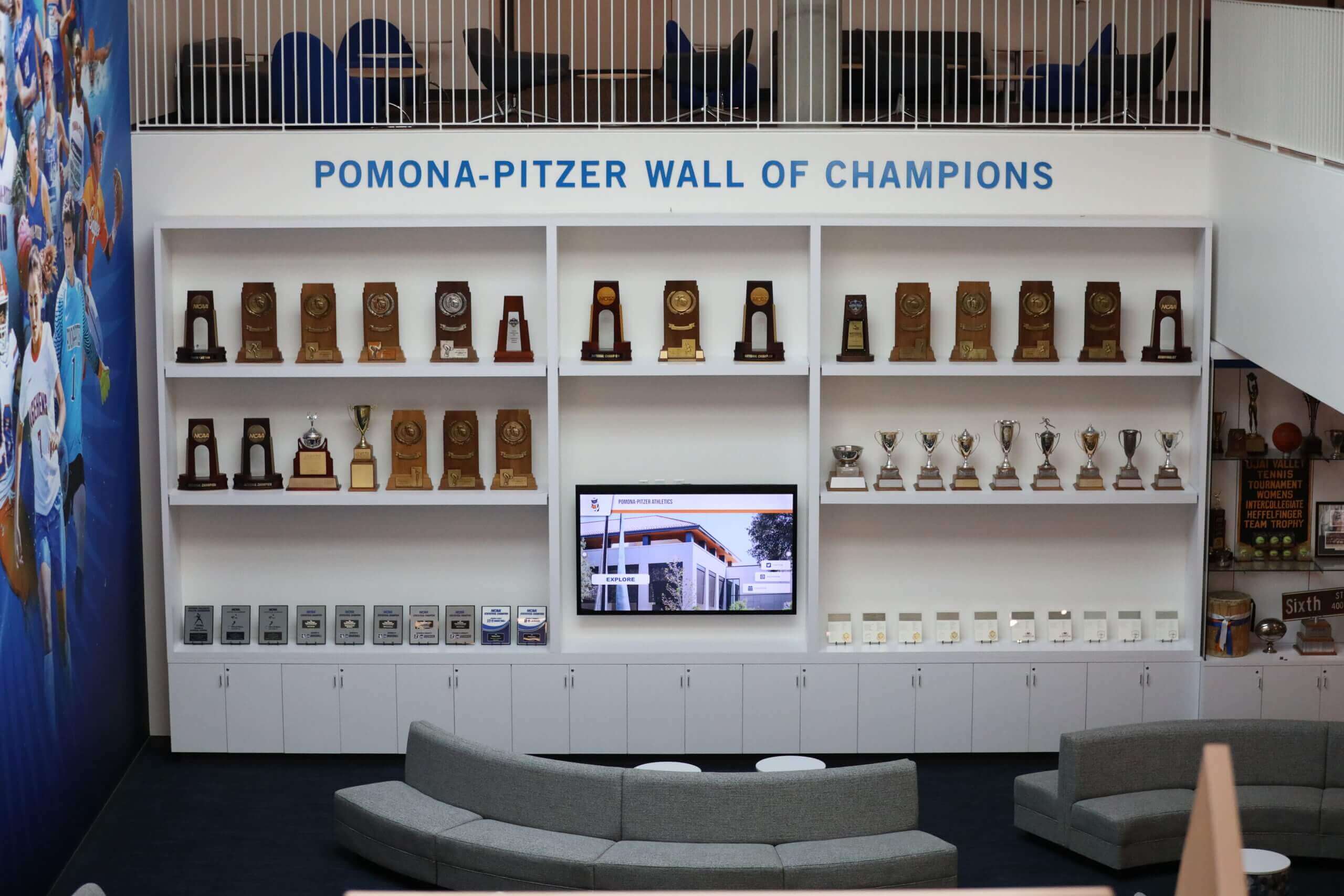
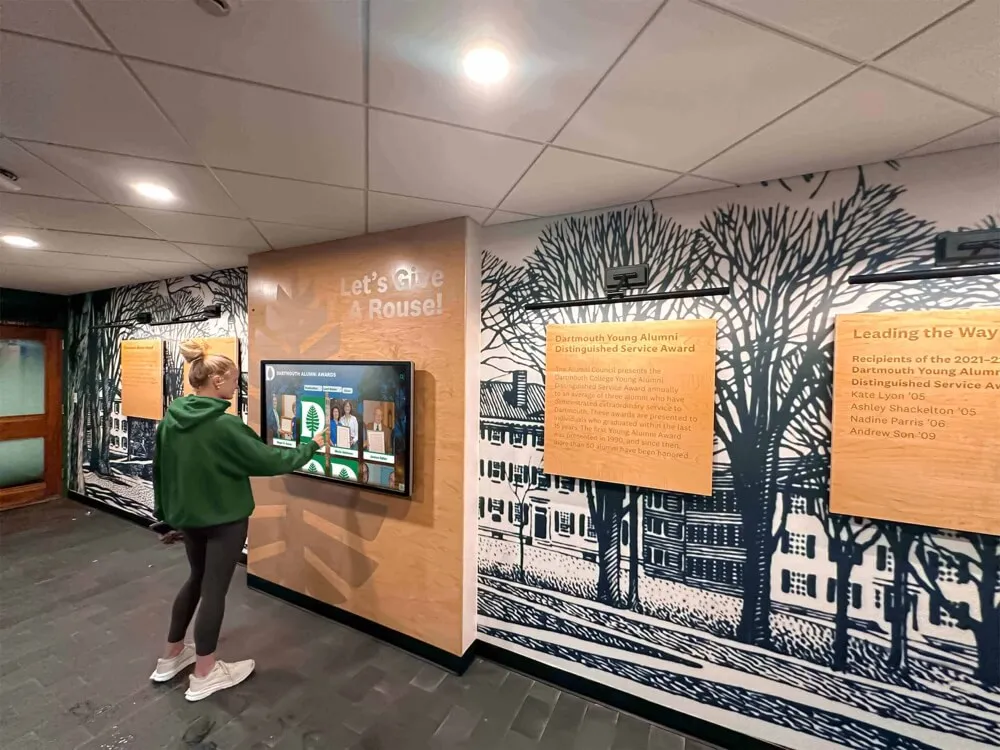
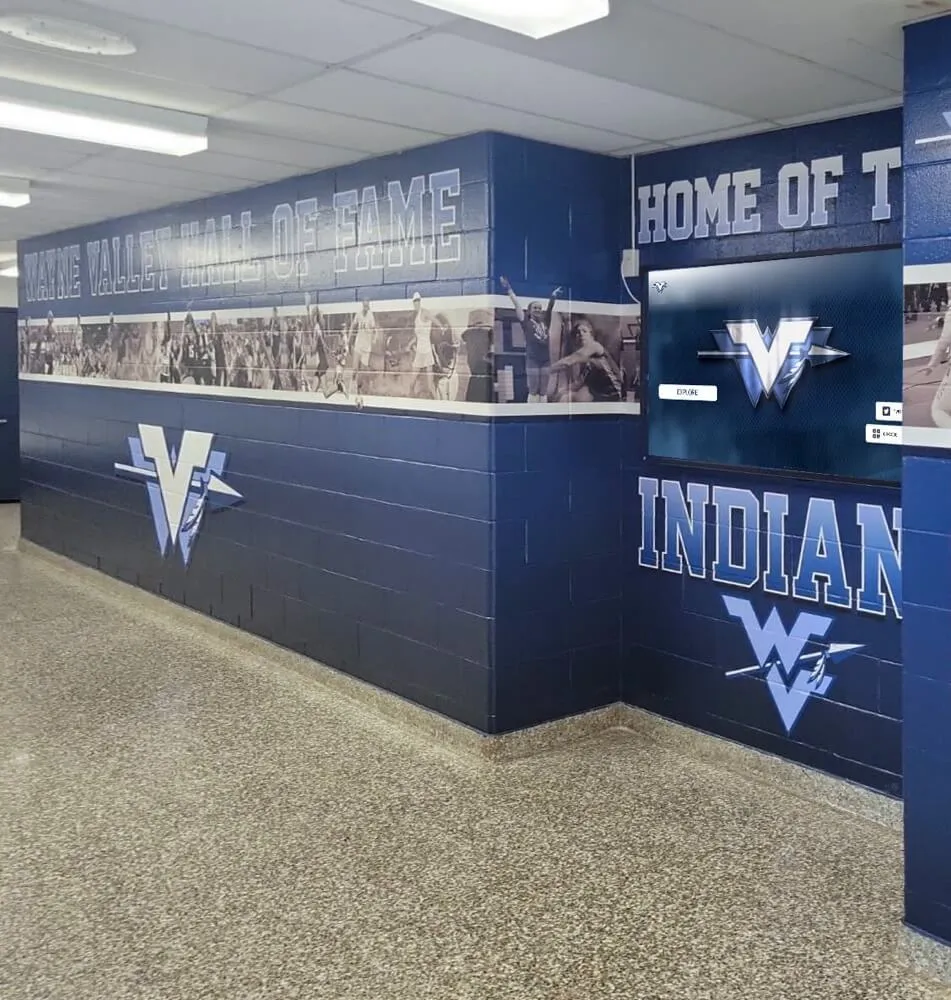
Recognition displays in communal spaces create conversation opportunities and inspire pride among community members
Matching Recognition Gifts to Donor Segments
The most effective recognition programs tailor appreciation to different donor segments based on giving levels, motivations, preferences, and relationship length.
Recognition by Giving Level
Strategic organizations implement tiered recognition ensuring all donors feel appreciated while reserving special acknowledgment for major supporters:
Entry-Level Donors ($1-$99)
- Personalized thank-you emails within 48 hours
- Annual impact reports showing collective outcomes
- Inclusion on digital donor honor rolls
- Invitations to general appreciation events
- Branded thank-you cards or small tokens
Mid-Level Donors ($100-$999)
- Handwritten thank-you notes from staff or leadership
- Named recognition on donor walls (physical or digital)
- Branded merchandise items donors will use
- Exclusive updates about programs their gifts support
- Invitations to donor-appreciation events or special programming
Major Donors ($1,000-$9,999)
- Personal phone calls from leadership within one week
- Named recognition on prominent displays
- Quality branded items or experience opportunities
- Personalized impact reports specific to their contribution area
- Behind-the-scenes access or exclusive event invitations
- Quarterly personal updates from program leadership
Principal/Leadership Donors ($10,000+)
- In-person thank-you meetings with organizational leaders
- Naming opportunities for programs, spaces, or initiatives
- Premium recognition placement and permanent acknowledgment
- Custom recognition gifts reflecting donor interests
- Advisory role opportunities and strategic involvement
- Comprehensive impact reporting throughout the year
- Legacy recognition including estates and planned gifts
The specific dollar thresholds should align with your organization’s size, mission, and donor base characteristics.
Recognition by Donor Type and Motivation
Different donor segments have varying recognition preferences requiring tailored approaches:
First-Time Donors
New donors need recognition that welcomes them into your community and sets expectations for the relationship:
- Immediate acknowledgment confirming gift receipt
- Welcome packet explaining mission and impact
- Introduction to programs their gift will support
- Clear communication about how future engagement works
- Invitation to learning opportunities about your work
Multi-Year Consecutive Donors
Loyal supporters deserve special recognition for sustained commitment:
- Milestone acknowledgment (3-year, 5-year, 10-year anniversaries)
- Cumulative giving recognition showing total impact
- Special naming within giving societies for sustained donors
- Loyalty tokens or progressive recognition items
- Personal notes acknowledging consistent support
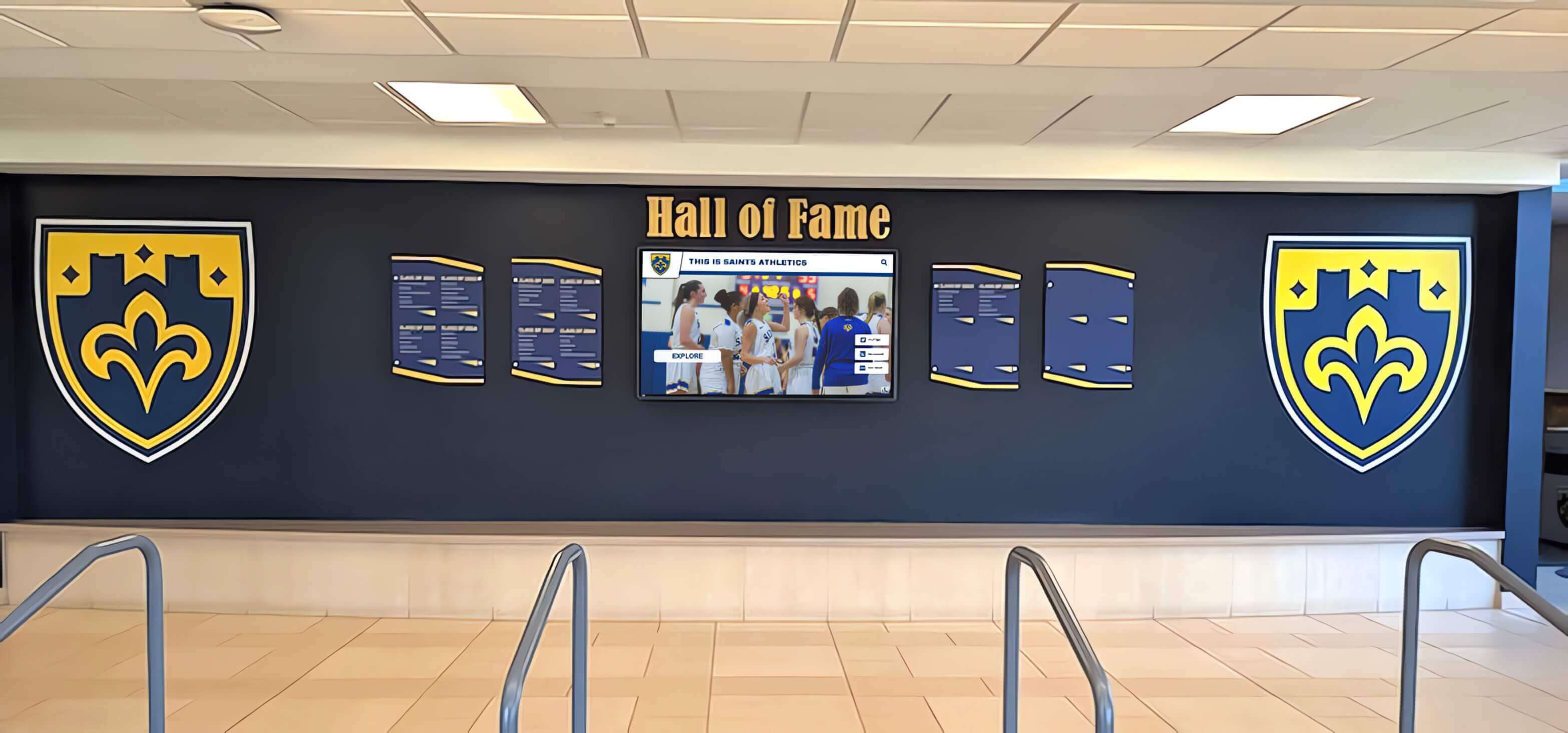
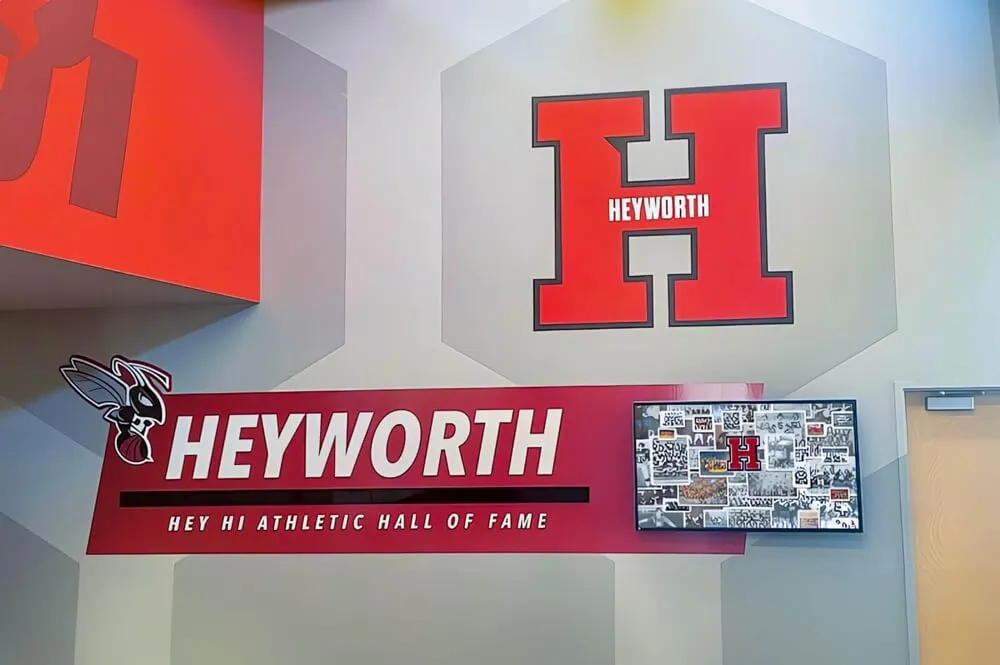
Lobby recognition displays make powerful first impressions on visitors, donors, and community members
Legacy and Planned Gift Donors
Supporters making future gift commitments deserve recognition reflecting the significance of their long-term commitment:
- Induction into legacy societies or heritage clubs
- Special events exclusively for planned giving donors
- Permanent recognition alongside current major donors
- Opportunities to document their philanthropic stories
- Involvement in legacy planning and mission continuity discussions
Corporate and Foundation Donors
Institutional supporters often have different recognition needs than individual donors:
- Logo placement on materials and displays
- Public acknowledgment in annual reports and communications
- Partnership recognition highlighting shared mission alignment
- Co-branding opportunities for specific programs
- Sponsorship visibility at events and in publications
Understanding these different motivations ensures recognition resonates with each donor segment. Effective alumni engagement strategies often apply similar segmentation approaches to tailor outreach and appreciation.
Strategic Principles for Effective Donor Recognition Programs
Beyond specific gift types, certain universal principles distinguish recognition programs that genuinely strengthen donor relationships from those that feel perfunctory:
Timeliness Matters More Than Extravagance
The speed of your response demonstrates whether donors are truly priorities or administrative afterthoughts. Organizations should acknowledge gifts within 24-48 hours, even if formal recognition follows later. Immediate acknowledgment shows donors that their support registered, matters, and prompted action rather than falling into bureaucratic processing queues.
Research shows donors receiving acknowledgment within 48 hours give again at rates 30-40% higher than those waiting weeks for generic thank-you letters. Simple, prompt appreciation outperforms elaborate but delayed recognition every time.
Personalization Creates Connection
Generic recognition—“Dear Donor” letters, mass thank-you emails, identical plaques—communicates that supporters are interchangeable checkbooks rather than valued individuals. Even small personalization elements transform recognition impact:
- Using donor names correctly (verify spelling and preferences)
- Referencing specific gift amounts and designated purposes
- Mentioning previous support or relationship history
- Connecting recognition to donor-stated interests or motivations
- Including personal signatures from appropriate staff or leadership
Technology makes personalization scalable, but authentic personalization requires human attention to individual donor relationships.
Consistency Builds Trust
Recognition shouldn’t feel sporadic or dependent on whether development staff remember to send acknowledgments. Systematic recognition programs ensure every donor receives appropriate appreciation regardless of when they give, which staff member processes the gift, or how busy the organization feels.
Document your recognition protocols specifying timelines, responsible parties, and escalation procedures for different donor segments. This systematization prevents recognition gaps that breed donor resentment and attrition.
Public and Private Recognition Serve Different Purposes
Some donors want visible acknowledgment demonstrating their community commitment. Others prefer quiet stewardship without public attention. Excellence requires offering both options and respecting donor preferences.
Always ask donors about recognition preferences, providing clear opt-out mechanisms for those wanting privacy. Make anonymous giving easy and genuinely respected—donors choosing anonymity deserve equal appreciation through private channels.
Recognition Should Reflect Organizational Values
The tone, style, and substance of recognition gifts communicate organizational character. Consider whether your recognition approaches align with stated values:
- Sustainability-focused organizations might choose eco-friendly recognition items
- Educational institutions might emphasize learning-oriented appreciation
- Arts organizations might feature artistic or creative recognition elements
- Faith-based organizations might incorporate spiritual or mission-aligned gifts
This alignment strengthens organizational authenticity while creating recognition that feels coherent with donor motivations for supporting your specific cause. Organizations can learn from employee recognition programs that successfully align appreciation with organizational culture.
Budget-Conscious Recognition Strategies That Still Feel Meaningful
Many organizations, particularly smaller nonprofits with limited resources, worry they can’t afford impactful recognition programs. In reality, creativity and thoughtfulness often matter more than budget size:
High-Impact, Low-Cost Recognition Ideas
Handwritten Notes
Personal, handwritten thank-you notes from executive directors, board members, or program beneficiaries cost pennies but create outsized impact because they require time and individual attention that donors recognize as valuable:
- Staff or board members writing 5-10 notes weekly
- Beneficiaries (students, program participants, service recipients) sending personal thanks
- Leadership adding handwritten postscripts to formal acknowledgment letters
Impact Photography
Photos showing donors exactly how their contributions created change cost minimal money but tremendous effort, making them valuable recognition tokens:
- Photos of program participants their gifts supported
- Images of facilities or equipment contributions enabled
- Before/after comparisons showing transformation their support created
- Action shots of programs in operation because of donor funding
Volunteer Recognition Events
Hosting donor appreciation gatherings doesn’t require expensive venues or catering when you leverage existing resources creatively:
- Events at your facility showcasing program spaces
- Potluck appreciation dinners where board and staff provide food
- Recognition incorporated into existing organizational events
- Virtual appreciation events eliminating venue costs
- Walking tours or outdoor gatherings in free public spaces
Leveraging Technology for Scalable Recognition
Digital tools enable personalized recognition at scale without proportional cost increases:
- Email templates with personalization fields (name, amount, program designation)
- Video recording personal thanks from leadership sent to donor segments
- Social media recognition campaigns highlighting donor impact
- Digital donor walls eliminating ongoing plaque costs
- Automated milestone recognition (anniversaries, cumulative giving thresholds)
Technology doesn’t replace human connection but amplifies your capacity for individual appreciation beyond what manual processes allow. Modern digital interactive displays offer creative ways to showcase donor recognition alongside organizational storytelling.
In-Kind Recognition Opportunities
Businesses, corporate partners, and vendors often donate recognition items at significant discounts or as in-kind contributions:
- Local printers providing discounted recognition materials
- Corporate partners donating branded merchandise
- Restaurants hosting appreciation events at reduced rates
- Venues offering free or discounted space for recognition gatherings
- Service providers contributing professional photography, videography, or design
Building relationships with community businesses creates recognition resources extending far beyond direct program budgets.
Common Donor Recognition Mistakes to Avoid
Even well-intentioned organizations make recognition mistakes that undermine donor relationships. Awareness of common pitfalls helps prevent costly errors:
Spelling Donor Names Incorrectly
Nothing communicates “you don’t matter” more effectively than misspelling donor names on recognition materials. This fundamental error signals carelessness that donors interpret as organizational incompetence or indifference.
Prevention strategies: Verify name spelling directly with donors, maintain meticulous database records, implement multi-step review processes before producing permanent recognition materials, and when errors occur, acknowledge them immediately and fix them without excuse or delay.
Delayed or Missing Acknowledgment
Donors who receive no confirmation that gifts were received begin questioning whether contributions actually arrived, whether your organization functions competently, or whether their support matters to you. Extended acknowledgment delays create donor anxiety that prevents rather than encourages future giving.
Best practices: Acknowledge all gifts within 24-48 hours even if formal recognition follows later, implement automated gift receipt processes ensuring no contributions fall through cracks, and assign backup coverage ensuring recognition continues even when primary staff are unavailable.
Inconsistent Recognition Standards
When major donors receive elaborate recognition while smaller supporters get perfunctory form letters, you create perception that only large gifts matter. This inconsistency breeds resentment among the mid-level and entry-level donors who represent your fundraising future.
Solution: Implement documented recognition standards specifying appreciation appropriate for each giving level, ensure all donors receive baseline acknowledgment regardless of amount, and calibrate special recognition based on gift size while still honoring all supporters.
Overly Generic Appreciation
Form letters addressing “Dear Donor” or “Dear Friend” with no gift-specific details signal that donors are processed transactions rather than valued individuals. Generic recognition fails to create the personal connection necessary for relationship building.
Improvement approaches: Include specific gift amounts and dates in acknowledgments, reference designated purposes or programs donors supported, mention previous giving history when applicable, and incorporate personal details about donor motivations or interests when known.
Excessive Fundraising in Recognition Communications
Acknowledgment letters or events that immediately pivot to asking for additional contributions make donors feel manipulated rather than appreciated. Recognition moments should focus purely on gratitude without fundraising pressure.
Guidelines: Separate recognition communications from solicitation appeals, avoid including donation forms with thank-you letters, eliminate fundraising pitches from appreciation events, and build sufficient goodwill through authentic recognition before making subsequent asks.
Creating Comprehensive Recognition Programs
The most effective donor appreciation doesn’t rely on single gifts but on comprehensive recognition systems ensuring consistent, appropriate acknowledgment across all donor touchpoints:
Recognition Touchpoint Mapping
Identify every moment donors interact with your organization, then design recognition elements appropriate for each touchpoint:
- Gift receipt: Immediate automated acknowledgment
- 48-hour window: Personalized thank-you email or letter
- First week: Phone call for major gifts, handwritten note for all others
- 30 days: Impact update showing early program progress
- 90 days: Quarterly report to major donors, general newsletter to all supporters
- Annual recognition: Year-end impact report, invitation to appreciation event
- Milestone moments: Multi-year anniversary acknowledgment, cumulative giving recognition
This systematic approach ensures donors receive appropriate recognition throughout the giving year rather than just immediately following contributions.
Integrating Recognition Across Communications
Recognition shouldn’t exist in isolation but should permeate all organizational communications:
- Annual reports prominently featuring donor acknowledgment
- Event programs recognizing sponsors and supporters
- Social media regularly highlighting donor impact
- Website donor pages celebrating supporters
- Email signatures thanking donors who make work possible
- Facility signage acknowledging major contributors
This comprehensive integration demonstrates that donor appreciation is fundamental to organizational culture rather than an afterthought handled by development staff.
Building Recognition Into Organizational Culture
The strongest donor recognition happens when appreciation becomes embedded in organizational DNA rather than being development department responsibility alone:
- Board members writing personal thank-you notes
- Program staff sending impact updates to donors funding their work
- Leadership mentioning donor support in speeches and presentations
- Beneficiaries contributing to donor acknowledgment processes
- All staff understanding their role in donor stewardship
Organizations where everyone “owns” donor recognition create appreciation cultures that significantly outperform those where development staff bear sole responsibility.
Measuring Recognition Program Effectiveness
Strategic organizations don’t just implement recognition programs—they measure whether appreciation efforts actually strengthen donor relationships and improve retention:
Key Performance Indicators for Recognition
Track metrics revealing whether recognition creates measurable impact:
Donor Retention Rates
- First-time donor return rate
- Multi-year consecutive giving rates
- Retention by donor segment and giving level
- Lapsed donor reactivation success
Gift Growth Patterns
- Year-over-year gift increases from retained donors
- Upgrade rates to higher giving levels
- Frequency of repeat gifts within 12-month periods
- Lifetime value growth over multi-year periods
Engagement Indicators
- Event attendance rates among recognized donors
- Response rates to impact communications
- Volunteer participation among donor populations
- Survey feedback about recognition experiences
Operational Metrics
- Average time from gift to acknowledgment
- Percentage of donors receiving each recognition tier
- Recognition accuracy rates (correct names, amounts, designations)
- Cost per donor for recognition program elements
Gathering Donor Feedback
Quantitative metrics reveal what’s happening, but qualitative feedback explains why and provides improvement direction:
- Post-gift surveys asking about recognition experiences
- Focus groups with donor segments exploring preferences
- Exit interviews with lapsed donors identifying failure points
- Informal conversations during appreciation events
- Board member outreach to peer donors seeking honest feedback
This feedback reveals gaps between intended recognition impact and actual donor experiences, guiding program refinements.
Continuous Recognition Improvement
Use metrics and feedback to continuously evolve recognition approaches:
- A/B testing different acknowledgment approaches
- Pilot programs trying new recognition formats
- Benchmarking against peer organizations
- Regular review of recognition protocols and guidelines
- Training updates incorporating learned recognition best practices
Organizations treating recognition as static programs miss opportunities to optimize appreciation effectiveness as donor preferences and communication technologies evolve.
Special Considerations for Different Organization Types
While recognition principles apply broadly, different organization types face unique considerations requiring tailored approaches:
Educational Institutions
Schools, colleges, and universities often have multi-generational donor relationships requiring long-term recognition thinking:
- Alumni donors maintaining relationships across decades
- Parent giving tied to student enrollment periods
- Scholarship donors wanting connection to recipients
- Facility naming opportunities lasting generations
- Recognition integrated with campus architecture and tradition
Educational institutions benefit from comprehensive recognition approaches that honor both academic achievement and donor support in complementary ways.
Healthcare Organizations
Hospitals, clinics, and medical research institutions often work with donors motivated by personal health experiences:
- Grateful patient programs recognizing donors who received care
- Memorial giving honoring deceased loved ones
- Research donors wanting connection to scientific progress
- Capital campaigns for facility expansions and equipment
- Recognition balancing privacy with acknowledgment in healthcare settings
Arts and Cultural Organizations
Museums, theaters, symphonies, and cultural institutions frequently offer recognition tied to artistic experiences:
- Performance or exhibition dedications
- Donor recognition in playbills and programs
- VIP experiences and behind-the-scenes access
- Preview events for donors before public openings
- Recognition integrated into artistic installations
Faith-Based Organizations
Churches, religious schools, and faith-affiliated nonprofits navigate recognition within theological frameworks emphasizing humility and service:
- Biblical principles around anonymous giving and humility
- Recognition approaches aligned with faith values
- Memorial opportunities honoring deceased members
- Capital campaigns for building or renovation projects
- Balancing public acknowledgment with spiritual teachings about giving
Religious organizations often implement specialized recognition approaches like church interactive donor boards that honor supporters while respecting congregational culture.
The Future of Donor Recognition
As technology evolves and generational preferences shift, donor recognition continues adapting to changing expectations and possibilities:
Emerging Recognition Trends
Forward-thinking organizations are experimenting with innovative approaches including augmented reality recognition enabling smartphone users to view donor stories when pointing cameras at physical plaques, blockchain-based giving certificates creating verifiable permanent donation records, virtual reality experiences showing donors immersive views of programs their gifts support, AI-personalized communications tailoring messaging to individual donor interests at scale, and gamification elements making cumulative giving milestones engaging and achievement-oriented.
Generational Preference Shifts
Younger donors often prefer different recognition than previous generations:
- Greater comfort with digital and social recognition
- Interest in impact transparency over traditional tokens
- Preference for experiences over physical items
- Desire for participation and involvement beyond financial gifts
- Expectation of real-time communication and immediate acknowledgment
Organizations must evolve recognition programs acknowledging these preference shifts while still honoring supporters who value traditional appreciation approaches.
Sustainability Considerations
Environmental consciousness increasingly influences donor recognition choices:
- Eliminating single-use or wasteful recognition items
- Choosing sustainable materials for physical recognition
- Digital recognition reducing paper and physical production
- Experience-based appreciation over physical tokens
- Carbon-neutral event planning for appreciation gatherings
Organizations aligning recognition programs with sustainability values strengthen authenticity while reducing environmental impact.
Practical Implementation: Getting Started with Donor Recognition Gifts
For organizations ready to enhance donor appreciation efforts, systematic implementation ensures success:
Assessment and Planning
Current State Evaluation
- Audit existing recognition practices and donor feedback
- Identify recognition gaps across donor segments
- Review budget allocation for donor appreciation
- Survey donors about recognition preferences
- Benchmark against peer organization approaches
Goal Setting
- Define specific recognition objectives (retention rates, satisfaction scores)
- Establish budget parameters aligned with fundraising revenue
- Set implementation timelines for program rollout
- Identify stakeholders responsible for various recognition functions
- Create measurement frameworks tracking program effectiveness
Program Design
Tiered Recognition Structure
- Define giving levels with corresponding recognition benefits
- Match recognition gift types to each donor segment
- Establish personalization standards appropriate to gift levels
- Create recognition calendars ensuring timely acknowledgment
- Develop backup protocols for special situations
Vendor Selection and Sourcing
- Research recognition gift suppliers and quality standards
- Obtain quotes comparing pricing and service
- Negotiate volume discounts for standard items
- Establish relationships with multiple vendors preventing disruptions
- Create approval processes for new recognition items
Implementation and Training
Systems and Processes
- Integrate recognition workflows with donor management systems
- Create standard operating procedures for gift fulfillment
- Assign clear responsibilities across development team
- Establish quality control preventing errors
- Develop tracking mechanisms monitoring recognition delivery
Staff and Stakeholder Training
- Train development staff on recognition program components
- Educate board members about their role in donor appreciation
- Create resources explaining recognition offerings during solicitation
- Develop templates for recognition communications
- Ensure all organizational staff understand donor stewardship importance
Ongoing Management and Refinement
Monitoring and Evaluation
- Track key performance indicators monthly
- Collect donor feedback through surveys and conversations
- Monitor recognition costs relative to budgets
- Review vendor performance and quality standards
- Analyze retention patterns among differently recognized cohorts
Continuous Improvement
- Pilot test new recognition approaches with small donor segments
- Incorporate donor feedback into program refinements
- Update recognition offerings as preferences evolve
- Share recognition best practices across team
- Celebrate recognition program successes with stakeholders
Organizations committed to excellence in donor recognition view appreciation not as obligation but as opportunity—the chance to transform one-time transactions into lifelong partnerships advancing missions that matter.
Implementing thoughtful recognition gift programs requires investment of time, resources, and attention. But organizations that make donor appreciation a strategic priority rather than administrative checkbox create fundraising foundations built on gratitude, relationship, and shared commitment to causes larger than any individual contribution.
Ready to create a comprehensive donor recognition program combining meaningful gifts with visible acknowledgment? Rocket Alumni Solutions offers digital donor recognition systems that complement gift programs with interactive displays showcasing supporter impact, flexible content management accommodating growing donor bases, and professional design creating prestigious acknowledgment. Explore how modern recognition technology strengthens donor relationships while providing the scalability and flexibility advancement programs require.