When a school receives a transformational gift—whether $25,000 for a new auditorium wing or $500,000 for a scholarship endowment—the donor recognition plaque that honors this generosity becomes far more than decorative hardware. It represents a permanent testament to philanthropy, a public expression of institutional gratitude, and often the most visible element of recognition a major donor receives for decades of impact.
Yet development directors and school administrators frequently discover that creating effective donor recognition plaques involves far more complexity than ordering engraved brass. Questions about appropriate wording, material longevity, layout hierarchy, location visibility, and budget constraints create decision paralysis precisely when organizations need to move quickly to honor supporters and inspire additional giving.
This comprehensive guide walks through the complete process of selecting and implementing donor recognition plaques for schools, universities, and educational nonprofits, covering wording conventions that balance gratitude with dignity, material choices that ensure decades of service, layout principles that honor all contributors appropriately, and practical considerations that keep projects on schedule and within budget.
Schools that excel at donor recognition understand that plaques represent strategic investments in relationships rather than mere acknowledgment obligations. The right donor recognition plaque reinforces the significance of major gifts, demonstrates organizational professionalism, provides visible social proof that inspires additional giving, and creates lasting connections between donors and the institutions they support.

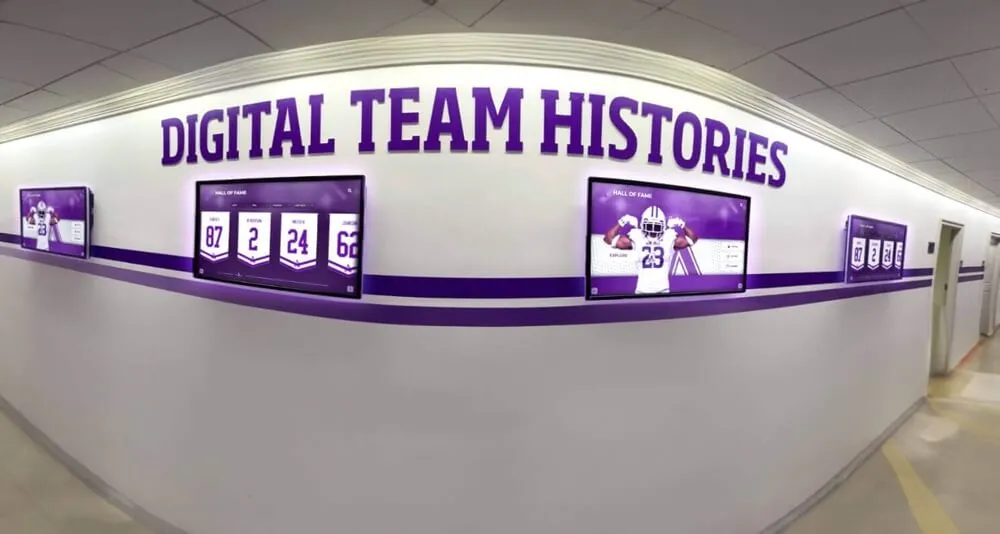
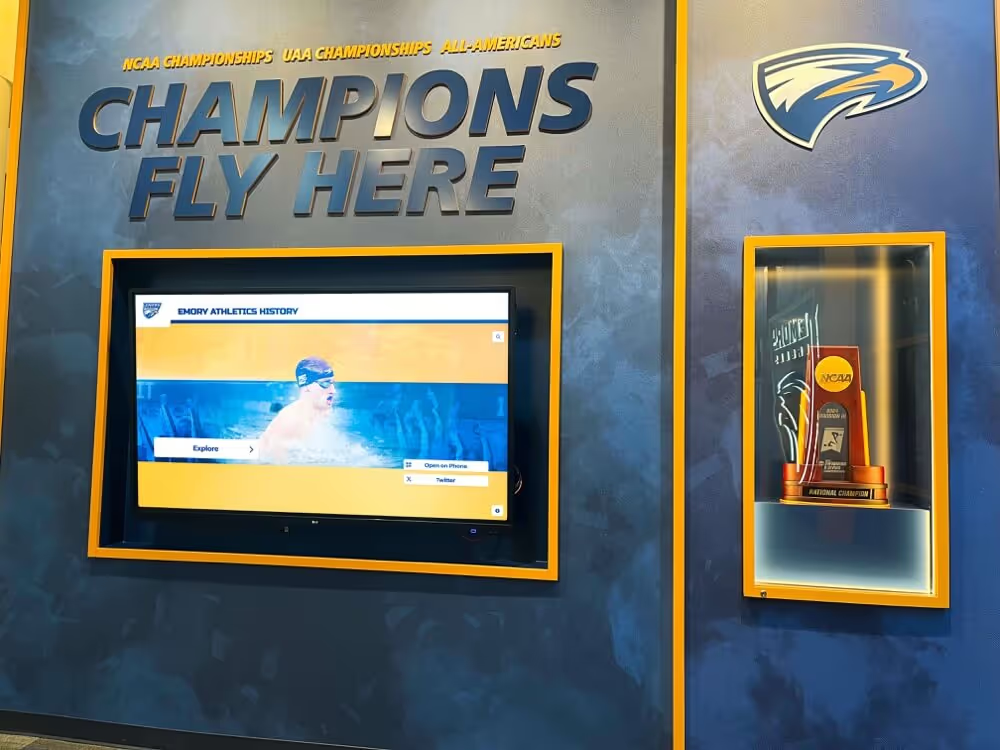
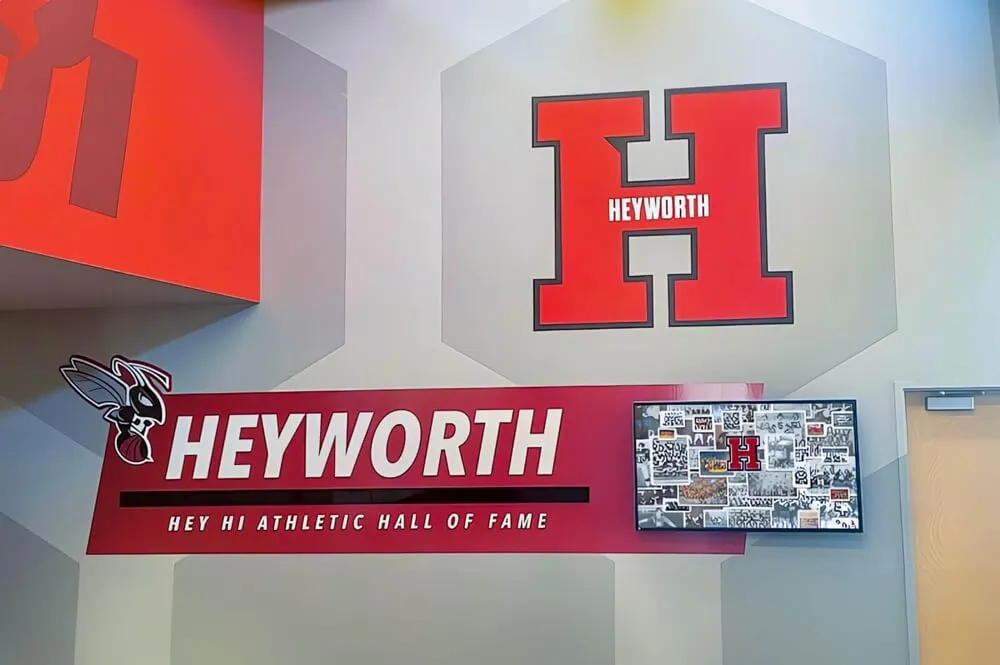
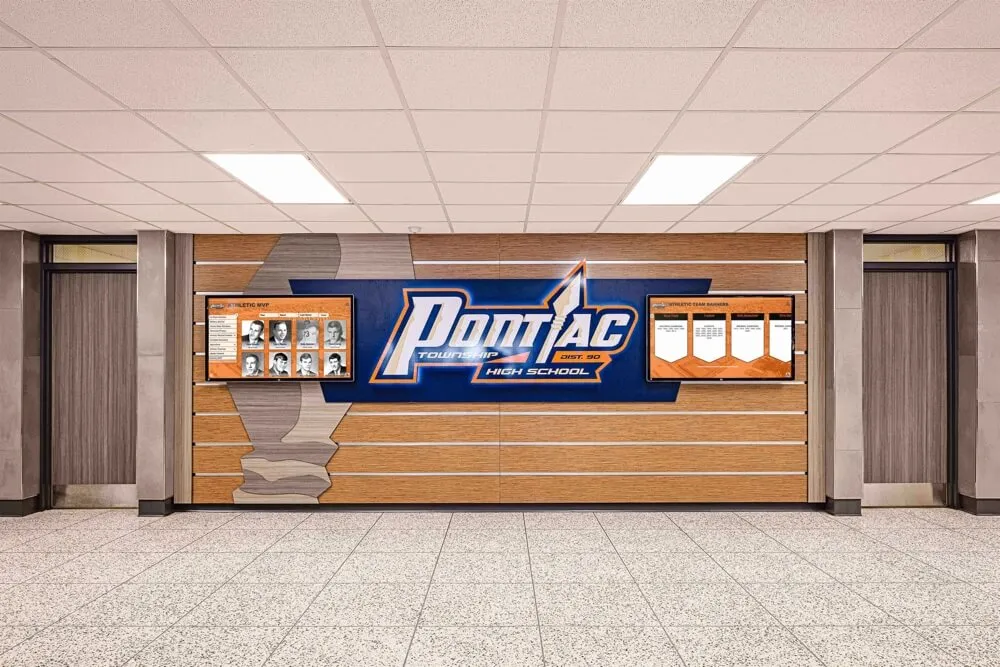
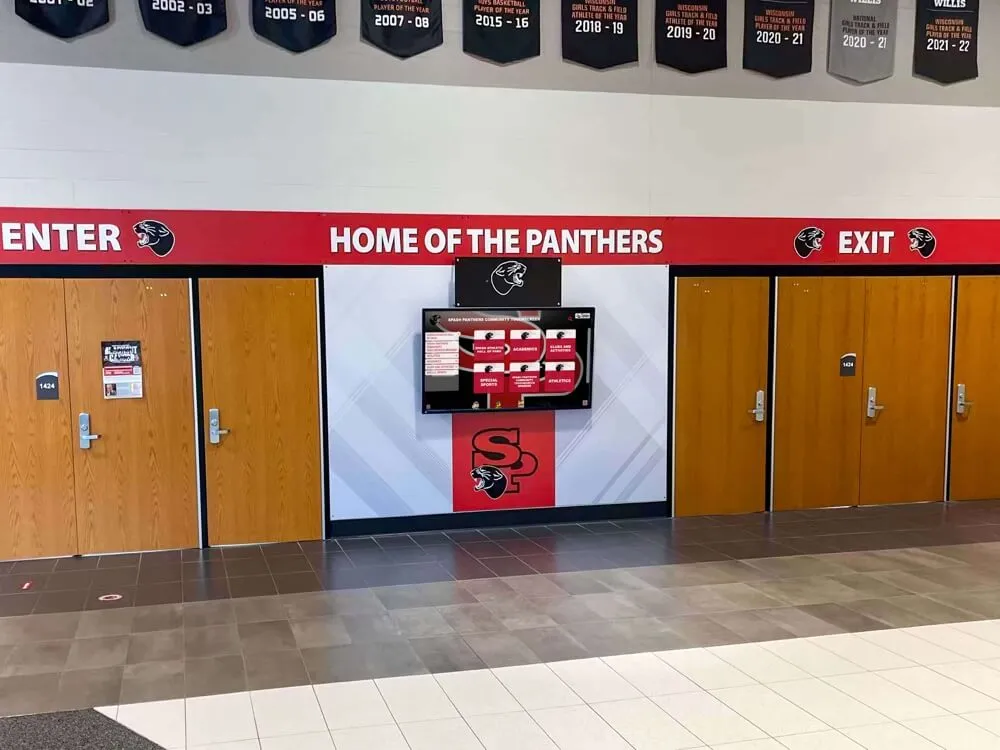
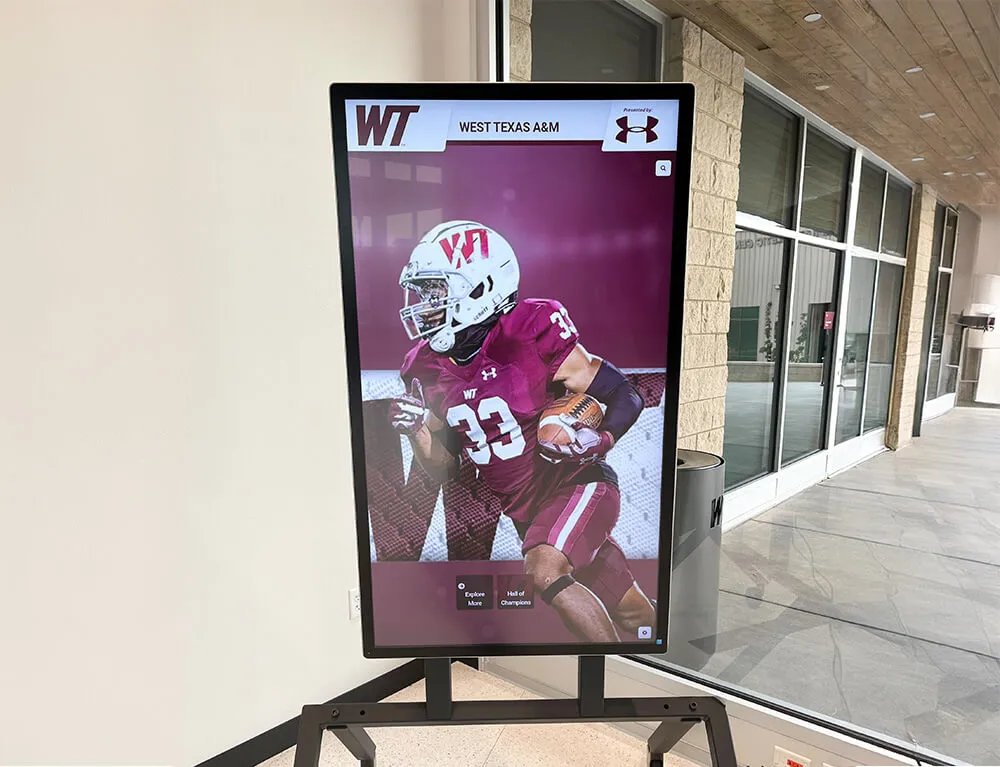
Professional donor recognition installations combine individual plaques with cohesive design that honors all contributors appropriately
Understanding Donor Recognition Plaque Fundamentals
Before exploring specific design and material choices, understanding the strategic role donor recognition plaques play in development programs helps organizations make decisions aligned with broader fundraising objectives.
Why Donor Recognition Plaques Matter Beyond Acknowledgment
Recognition plaques serve multiple functions extending far beyond thanking individual supporters:
Inspiring Future Giving Through Social Proof
When prospective donors tour facilities and encounter professional donor recognition plaques listing dozens or hundreds of contributors, they internalize a powerful message: giving to this organization is normal, expected, and valued. This social proof influences giving decisions more effectively than direct solicitation alone.
Schools with prominent donor recognition plaques featuring community leaders, respected alumni, and familiar local families create environments where potential donors envision themselves joining this philanthropic community rather than standing alone in support.
Demonstrating Institutional Stewardship
The quality, permanence, and presentation of donor recognition plaques communicate how organizations value supporter contributions. Cheap materials, poorly maintained installations, or haphazard layouts signal that donor relationships may receive similarly inadequate attention—undermining confidence during solicitation conversations.
Professional plaques installed prominently in high-traffic areas demonstrate that schools take stewardship seriously, treating donor relationships as long-term partnerships warranting sustained attention and respect.
Creating Accountability and Transparency
Public recognition plaques provide visible accountability for how funds are raised and allocated. When donors see their names permanently associated with specific projects, programs, or facilities, schools demonstrate transparency about campaign progress and gift attribution that builds trust throughout the donor community.
This transparency proves particularly valuable during capital campaigns where multiple donors contribute to single projects at various levels—clear recognition hierarchies help all supporters understand how their specific gifts fit within comprehensive fundraising efforts.
Building Institutional Legacy and History
Over decades, donor recognition plaques create visual histories documenting organizational growth, community support patterns, and philanthropic traditions. These installations become reference points telling institutional stories about how facilities were built, programs were established, and missions were sustained through generations of community investment.
Schools developing recognition programs should consider how today’s plaques will integrate with future recognition installations, creating cohesive narratives that honor current supporters while accommodating growth over time.

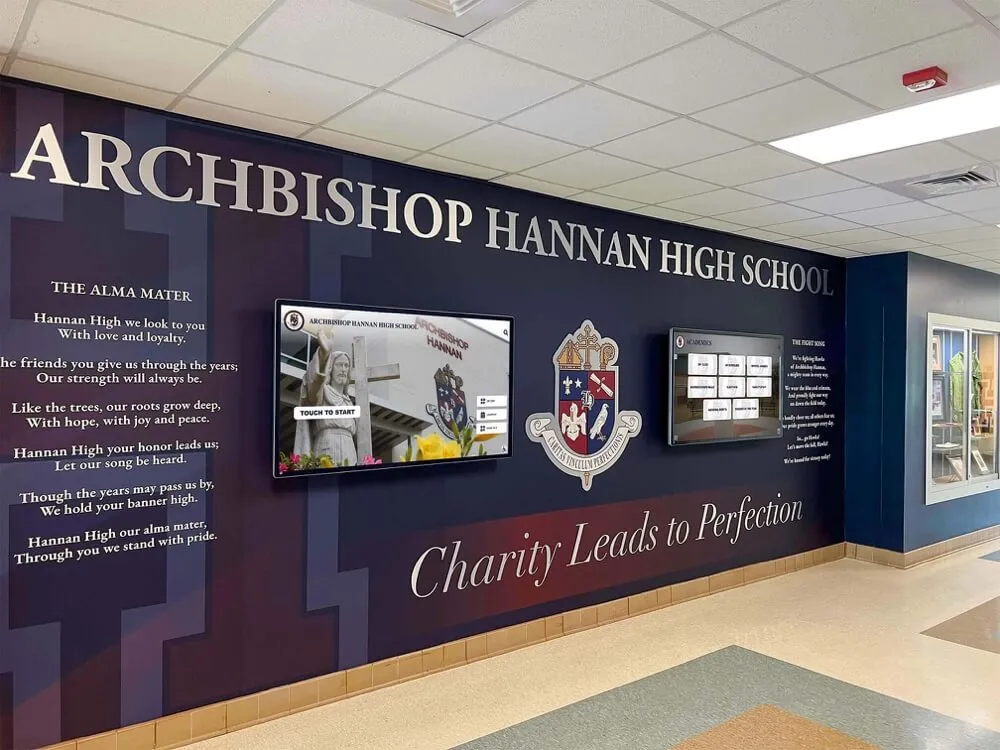
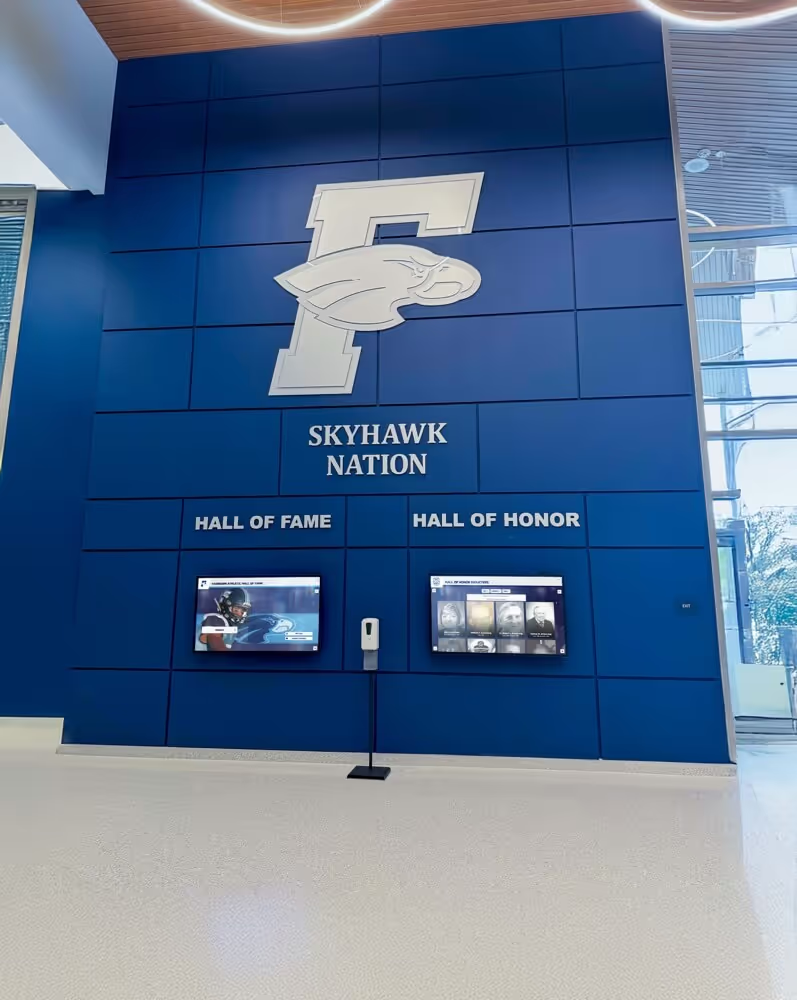
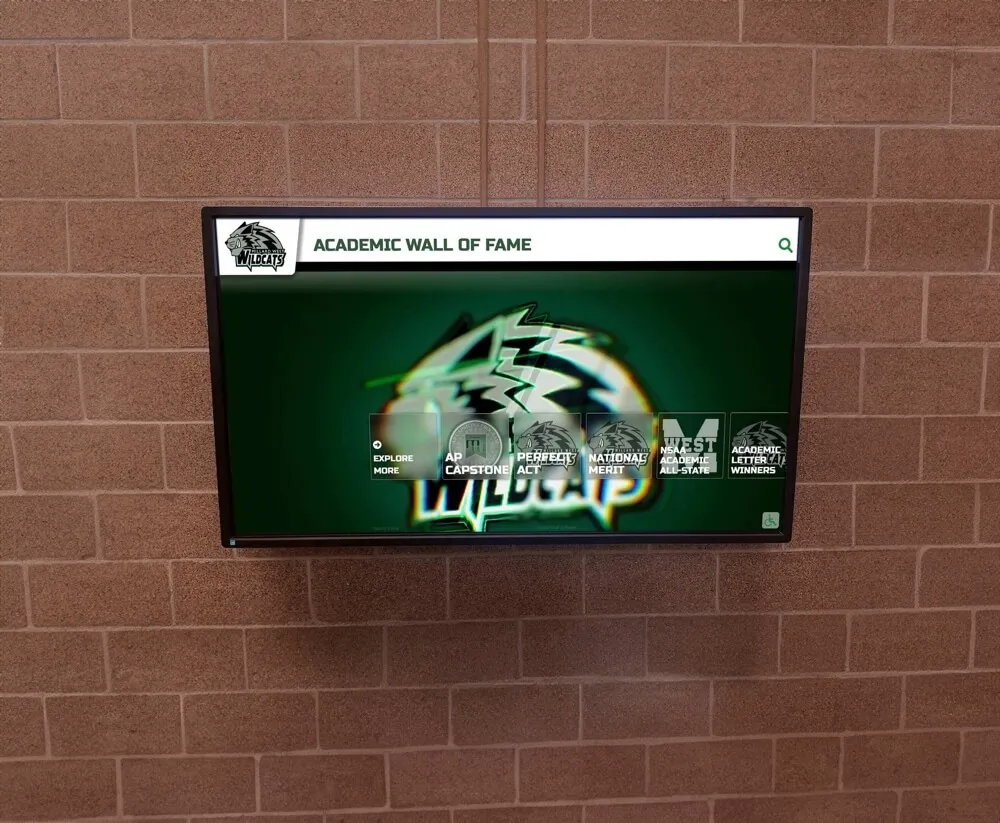
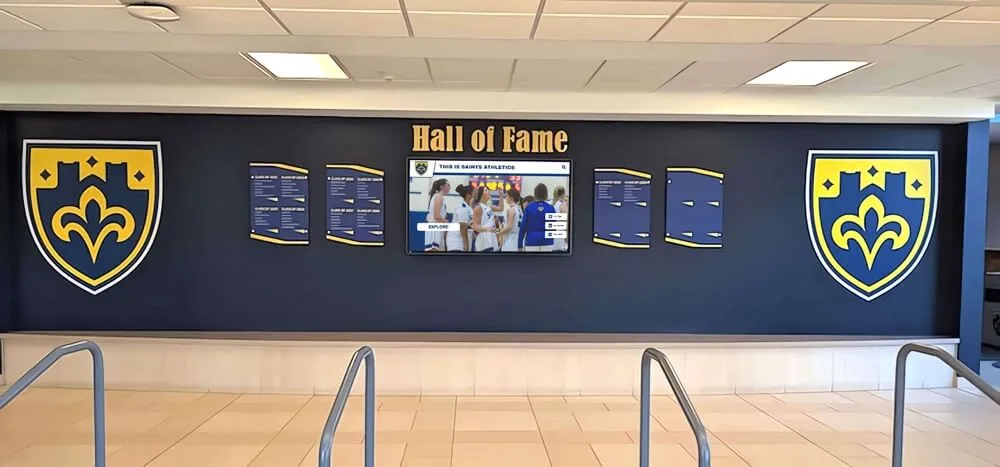
Recognition displays create environments celebrating achievement while inspiring future contributions
Plaque Types and Common Applications
Different giving situations call for distinct recognition plaque approaches:
Individual Donor Plaques
Single-donor recognition plaques honor specific contributors, typically for major gifts warranting standalone acknowledgment. These plaques commonly recognize building naming opportunities ($100,000+), program endowments ($50,000+), major equipment gifts, or memorial donations establishing permanent tribute.
Individual plaques offer maximum customization including personal messages, family names, dedication dates, and specific gift purposes. They work particularly well for very large gifts where donors expect prominent standalone recognition rather than inclusion among lists of multiple contributors.
Donor Wall Plaques
Comprehensive donor walls feature multiple plaques arranged systematically to recognize all contributors to campaigns or projects above minimum thresholds (often $1,000+). These installations organize donors by giving levels, creating visual hierarchies where larger gifts receive larger plaques, more prominent positions, or enhanced design elements.
Donor wall plaques balance individual recognition with collective celebration, demonstrating broad community support while appropriately distinguishing major gifts. Many schools find donor walls more sustainable than individual plaques because they accommodate growth as campaigns add contributors over time.
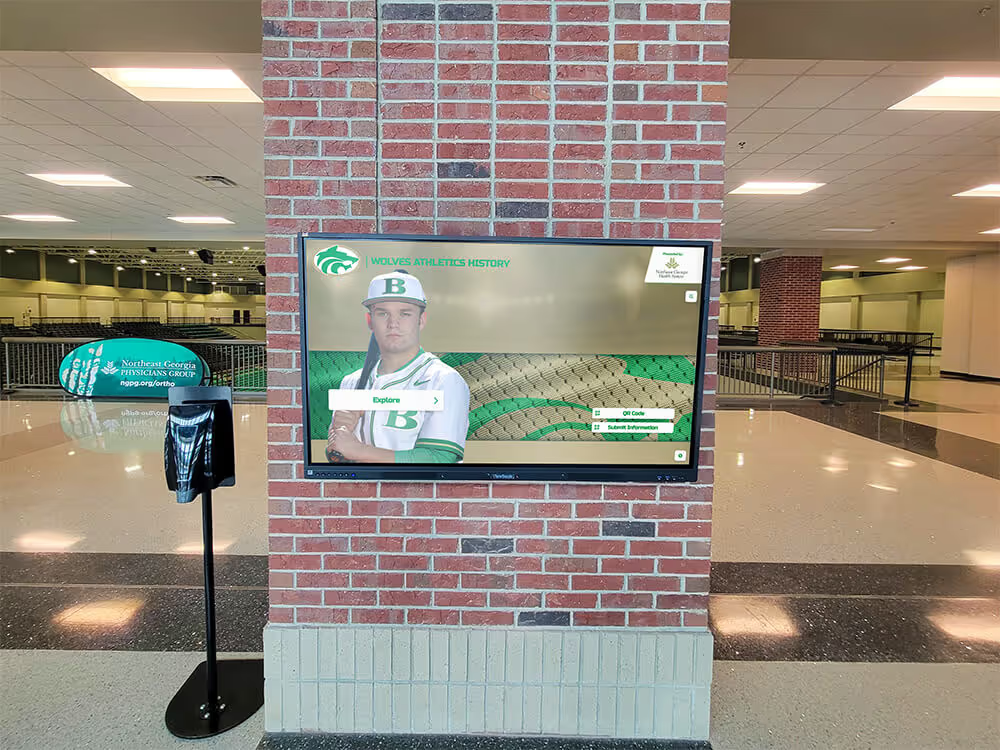
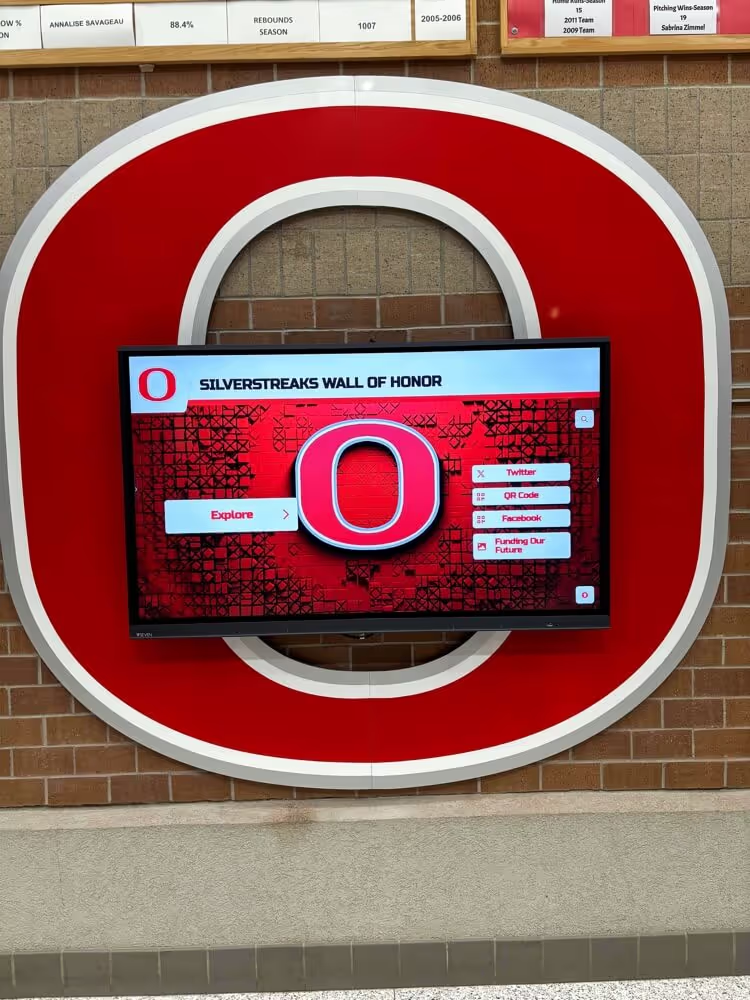
Organizations implementing digital recognition displays can complement traditional plaques with flexible systems that update easily as donor lists grow.
Commemorative and Memorial Plaques
Plaques honoring deceased donors, retiring administrators, or historical milestones serve different purposes than active fundraising recognition. These installations emphasize legacy, service, and remembrance rather than inspiring additional giving, often warranting more elaborate wording, historical context, and permanent prominent positioning.
Memorial plaques frequently include biographical information, service dates, and personal messages beyond what typical donor recognition requires, creating more comprehensive tributes appropriate to commemorative purposes.
Named Space Plaques
When donors fund facility naming opportunities—the Johnson Auditorium, the Martinez Science Wing, the Robinson Athletic Complex—dedicated plaques mark these spaces permanently. Named space plaques typically feature larger formats, premium materials, and prominent placement at main entries or within spaces themselves.
These plaques serve dual purposes: honoring donors while helping visitors navigate facilities by identifying spaces by their formal names. Clear, durable materials and highly visible installations prove essential since these plaques function as both recognition and wayfinding elements.
Schools planning academic recognition programs often combine donor recognition with student achievement displays, creating comprehensive environments celebrating both support and accomplishment.
Crafting Effective Donor Recognition Plaque Wording
The text appearing on donor recognition plaques requires careful consideration balancing brevity, dignity, gratitude, and clarity while respecting donor preferences and organizational voice.
Essential Elements of Plaque Wording
Most donor recognition plaques include several core components:
Donor Name or Naming Convention
The primary purpose of recognition plaques centers on displaying donor names prominently and correctly. This seemingly simple requirement involves numerous considerations:
Verify exact name spelling, punctuation, and formatting with donors directly—errors in recognition plaques create embarrassing situations requiring expensive corrections. Confirm whether donors prefer individual names, family names, business names, or foundation designations. Ask about title preferences (Dr., Mr., Mrs., Ms.) or whether donors prefer no titles, as conventions vary by region, generation, and personal preference.
Discuss name presentation for couples: “John and Mary Smith,” “The Smith Family,” “John Smith and Mary Johnson,” or other formats matching family preferences. Clarify whether maiden names, middle initials, or honorifics should appear.
For memorial gifts honoring deceased individuals, confirm exact name formatting and whether dates (birth-death) should appear, as families hold strong preferences about how loved ones are remembered.
Recognition Statement or Thank You Message
Brief statements following donor names communicate gratitude and context:
Common formats include:
- “In grateful recognition of generous support”
- “With appreciation for dedicated service and philanthropy”
- “Honoring transformational leadership and vision”
- “In recognition of commitment to [school name] students”
- “With gratitude for exceptional generosity”
Keep recognition statements brief (typically 5-12 words) as extended prose proves difficult to read on plaques and often feels more formal than heartfelt. Let donor names and gift contexts speak for themselves rather than relying on elaborate verbiage to convey appreciation.
Gift Purpose or Campaign Connection
Plaques often identify what donations supported:
Examples include:
- “Capital Campaign Supporter”
- “Johnson Science Center Donor”
- “Athletics Facilities Campaign”
- “Scholarship Endowment Contributor”
- “Library Renovation Benefactor”
Including gift purposes helps future generations understand how facilities were funded, provides context for recognition, and reinforces connections between donors and specific outcomes they made possible.
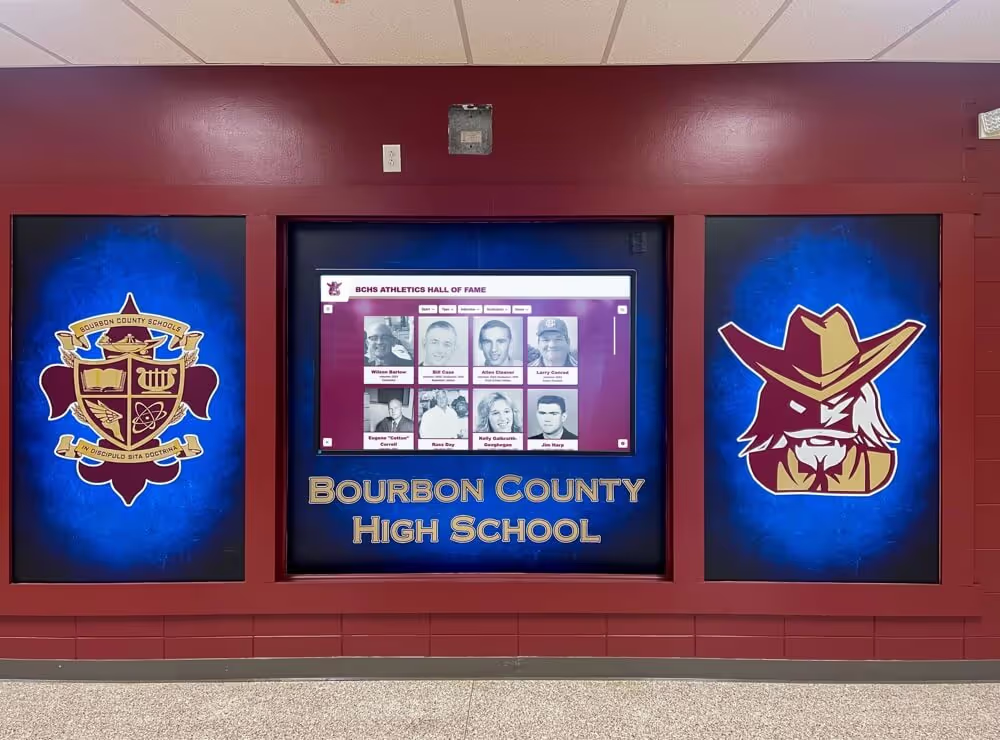
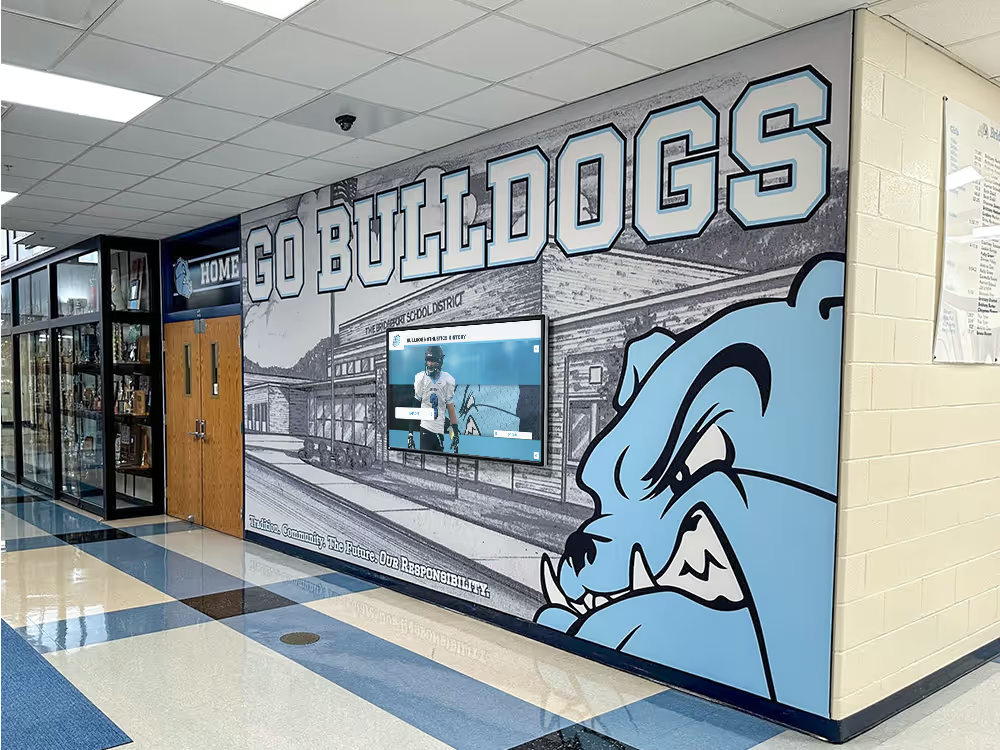
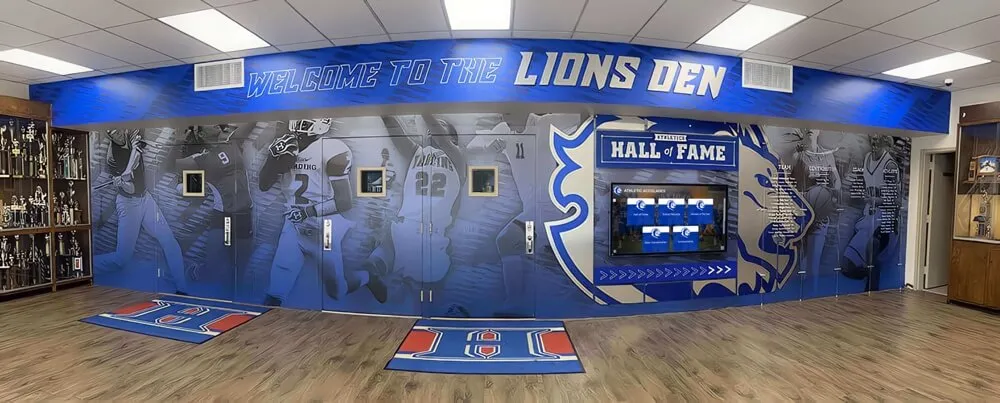
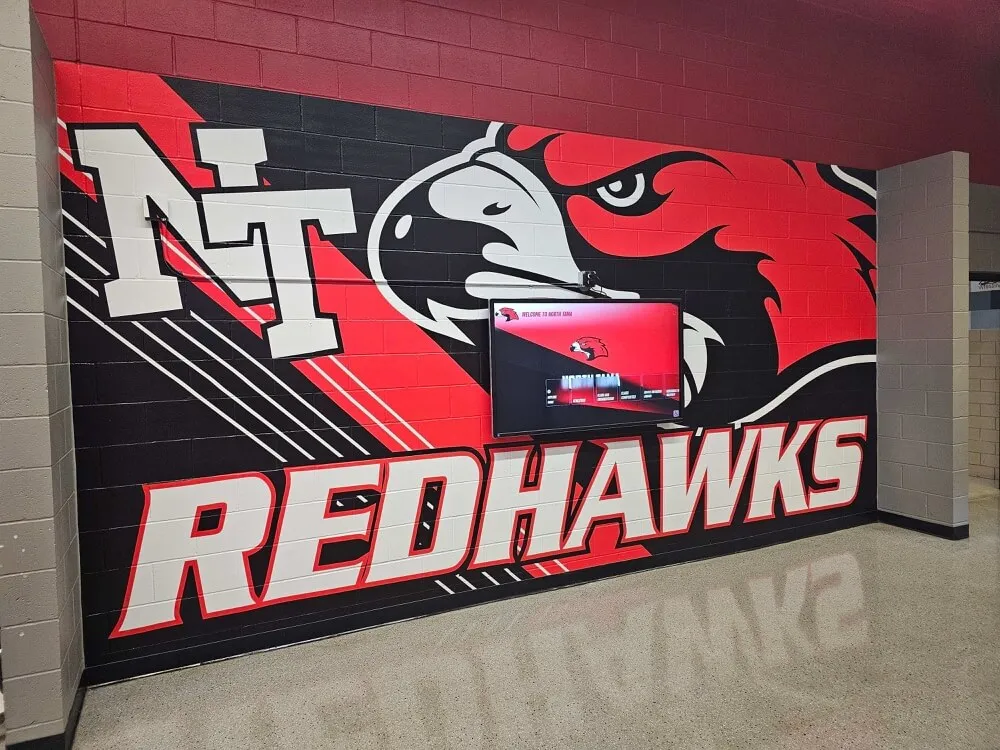
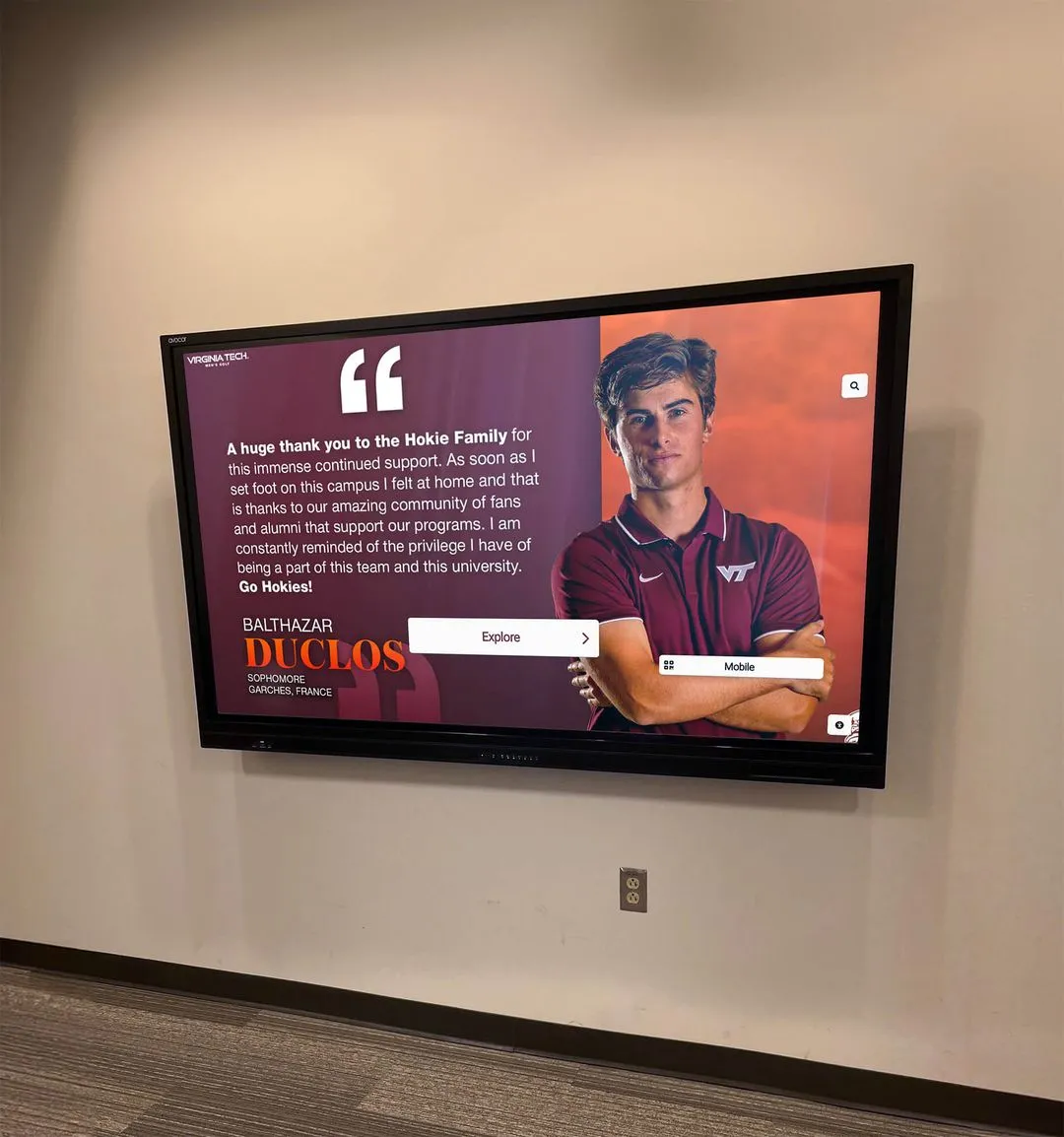
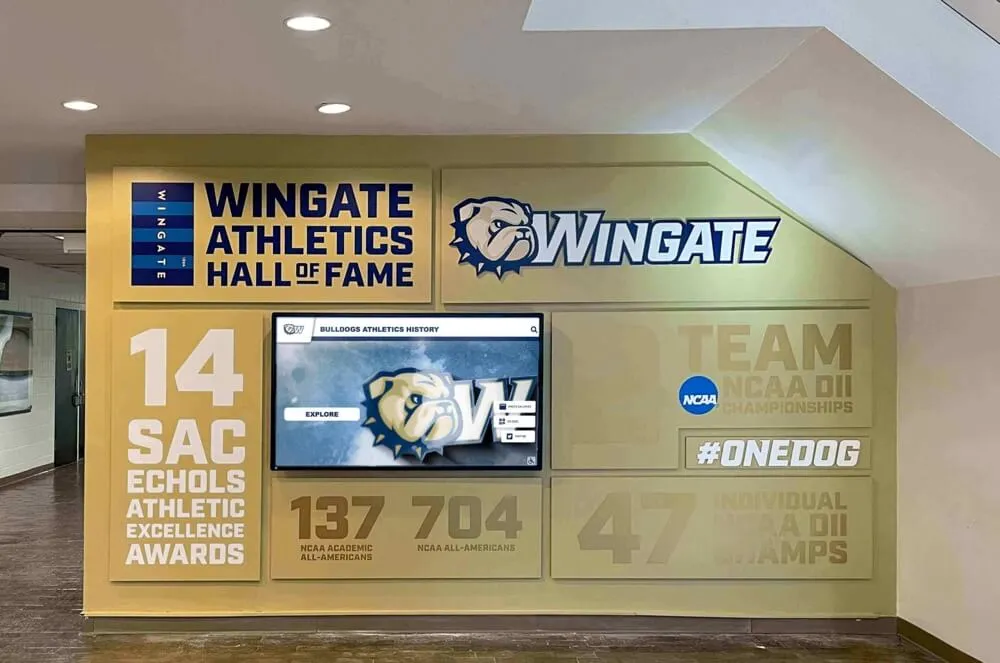
Modern recognition systems combine traditional plaques with digital displays offering expanded storytelling capacity
Date or Timeframe
Including dates provides historical context and helps organize recognition chronologically:
Approaches include:
- Single year for annual campaign recognition: “2025 Leadership Circle”
- Date range for multi-year campaigns: “Capital Campaign 2023-2026”
- Specific dedication dates: “Dedicated October 15, 2025”
- General timeframes: “21st Century Campaign”
Dates prove particularly valuable for ongoing recognition programs where multiple campaigns over decades create distinct donor cohorts. Future visitors can understand when different facility components were funded and how institutional growth occurred over time.
Giving Level Categories
Donor walls typically organize contributors by gift ranges rather than listing specific amounts, preserving donor privacy while creating clear hierarchies:
Standard categories might include:
- Founder’s Circle: $100,000+
- Leadership Circle: $50,000-$99,999
- Benefactor: $25,000-$49,999
- Patron: $10,000-$24,999
- Supporter: $5,000-$9,999
- Contributor: $1,000-$4,999
Clear category labels on plaque headers help donors and visitors understand recognition structures while avoiding the tackiness of listing exact dollar amounts publicly.
Wording Tone and Style Considerations
Beyond content, the tone and style of plaque wording should reflect organizational culture and donor expectations:
Balancing Formality and Warmth
Educational institutions typically adopt moderately formal tone avoiding both stiff corporate language and overly casual familiarity. Aim for gracious professionalism that feels respectful without becoming pretentious.
Compare these alternatives:
- Too formal: “The institution herein acknowledges with utmost gratitude the magnanimous benefaction of…”
- Too casual: “Thanks so much to these awesome donors who helped out with…”
- Appropriate: “With grateful recognition of generous support for the Johnson Science Center”
Consistency Across Recognition Installations
Organizations should establish consistent wording conventions used across all recognition plaques rather than inventing new formats for each project. Consistent style reinforces institutional brand, simplifies planning for future campaigns, and creates cohesive appearance when multiple recognition installations appear in proximity.
Document approved wording templates in gift acceptance policies so development staff, designers, and fabricators reference standard formats rather than improvising variations that create inconsistent appearance.
Donor Privacy and Anonymity Preferences
Some donors prefer limited recognition or complete anonymity despite making major gifts. Plaque wording should accommodate these preferences through:
- “Anonymous Donor” for individuals requesting no public identification
- Abbreviated recognition like “A Friend of [School Name]” for partial anonymity
- Omitting donor names from highly visible locations while providing acknowledgment in less prominent plaques or program materials
- Creating separate “quiet recognition” options for donors uncomfortable with public celebration
Confirm recognition preferences explicitly during gift acceptance conversations rather than assuming all donors desire maximum visibility.
Schools developing capital campaign recognition strategies often create tiered systems accommodating diverse donor preferences while maintaining consistent overall presentation.
Selecting Materials for Donor Recognition Plaques
Material choices significantly impact plaque longevity, appearance, maintenance requirements, and costs—decisions that affect recognition quality for decades.
Traditional Plaque Materials: Advantages and Limitations
Various materials serve donor recognition purposes with distinct characteristics:
Bronze Plaques
Cast or etched bronze represents the premium standard for exterior donor recognition plaques and prestigious interior installations:
Advantages:
- Exceptional durability lasting 50+ years with minimal maintenance
- Classic, timeless appearance conveying permanence and importance
- Weather-resistant for outdoor installations
- Oxidation creates attractive patina over time
- Perceived value matches significance of major gifts
Limitations:
- Higher cost typically $30-$80 per square inch for quality castings
- Heavy weight requiring substantial mounting systems
- Limited color options (primarily bronze, pewter, or verde finishes)
- Longer fabrication timelines (6-8 weeks typical)
- Theft concerns in some locations due to metal value
Bronze works exceptionally well for building entrance plaques, outdoor commemorative installations, and major donor recognition where premium appearance justifies higher investment.
Aluminum Plaques
Aluminum offers lightweight alternatives to bronze while maintaining professional appearance:
Advantages:
- Significantly lighter weight simplifying installation
- Lower cost ($15-$40 per square inch) than bronze
- Available in multiple finish colors and textures
- Faster production timelines
- Corrosion-resistant for interior and protected exterior applications
Limitations:
- Less prestigious appearance than bronze for major gift recognition
- Scratches and dents more easily than bronze
- May require more frequent maintenance to preserve appearance
- Not ideal for harsh outdoor environments
- Thinner profiles can feel less substantial
Aluminum suits interior donor walls recognizing comprehensive contributor lists at various giving levels where numerous plaques make bronze cost-prohibitive.
Acrylic and Glass Plaques
Contemporary recognition increasingly incorporates acrylic and glass materials offering modern aesthetics:
Advantages:
- Sleek, contemporary appearance fitting modern architecture
- Can incorporate color, edge lighting, or layered effects
- Moderate pricing ($20-$50 per square inch depending on complexity)
- Lightweight and easy to install
- Available in various transparency levels and tints
Limitations:
- More fragile than metal options
- Scratches visible on glossy surfaces
- Limited outdoor durability
- Can feel less permanent than traditional materials
- May require more careful maintenance
Glass and acrylic work well for institutions emphasizing modern design aesthetic or creating recognition displays incorporating lighting effects and visual interest beyond traditional plaques.
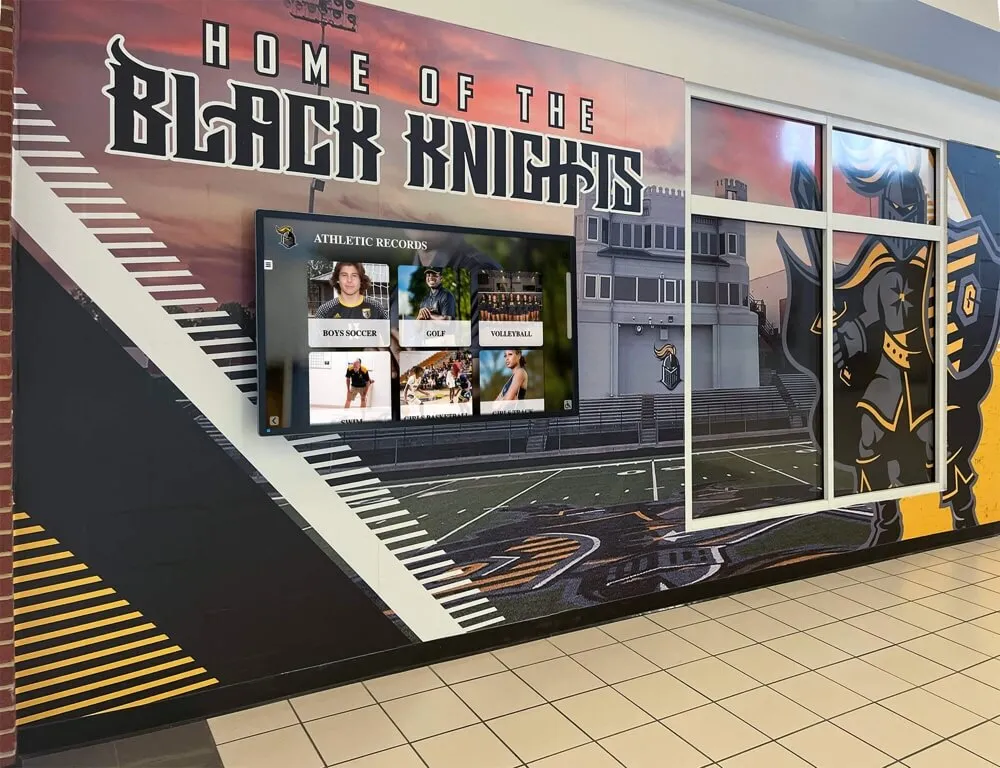
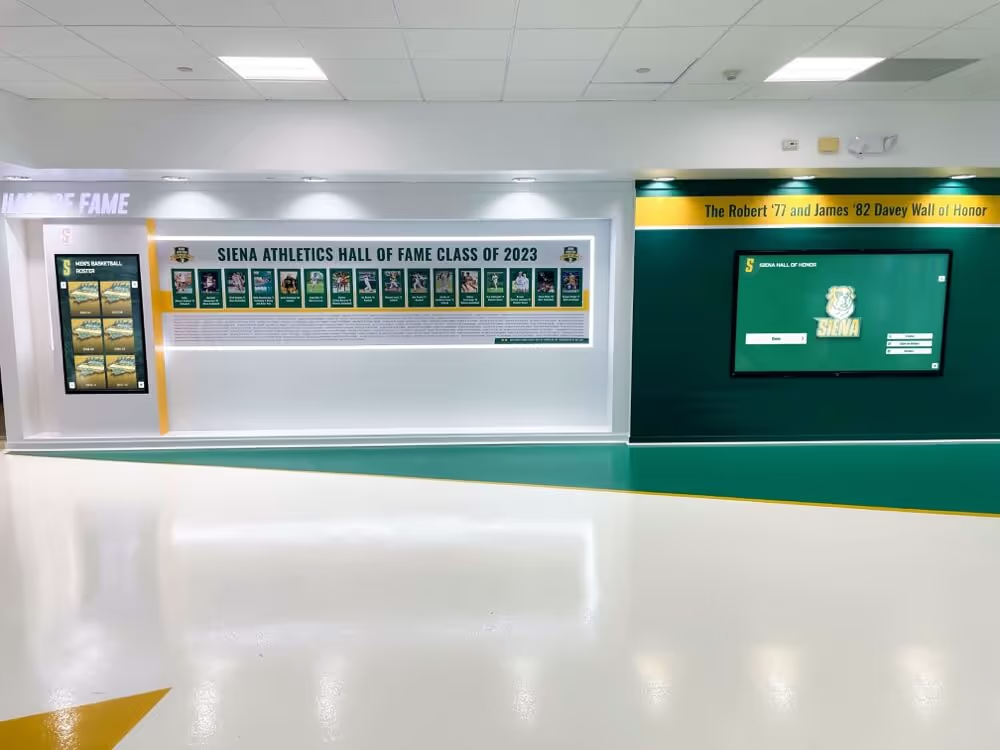
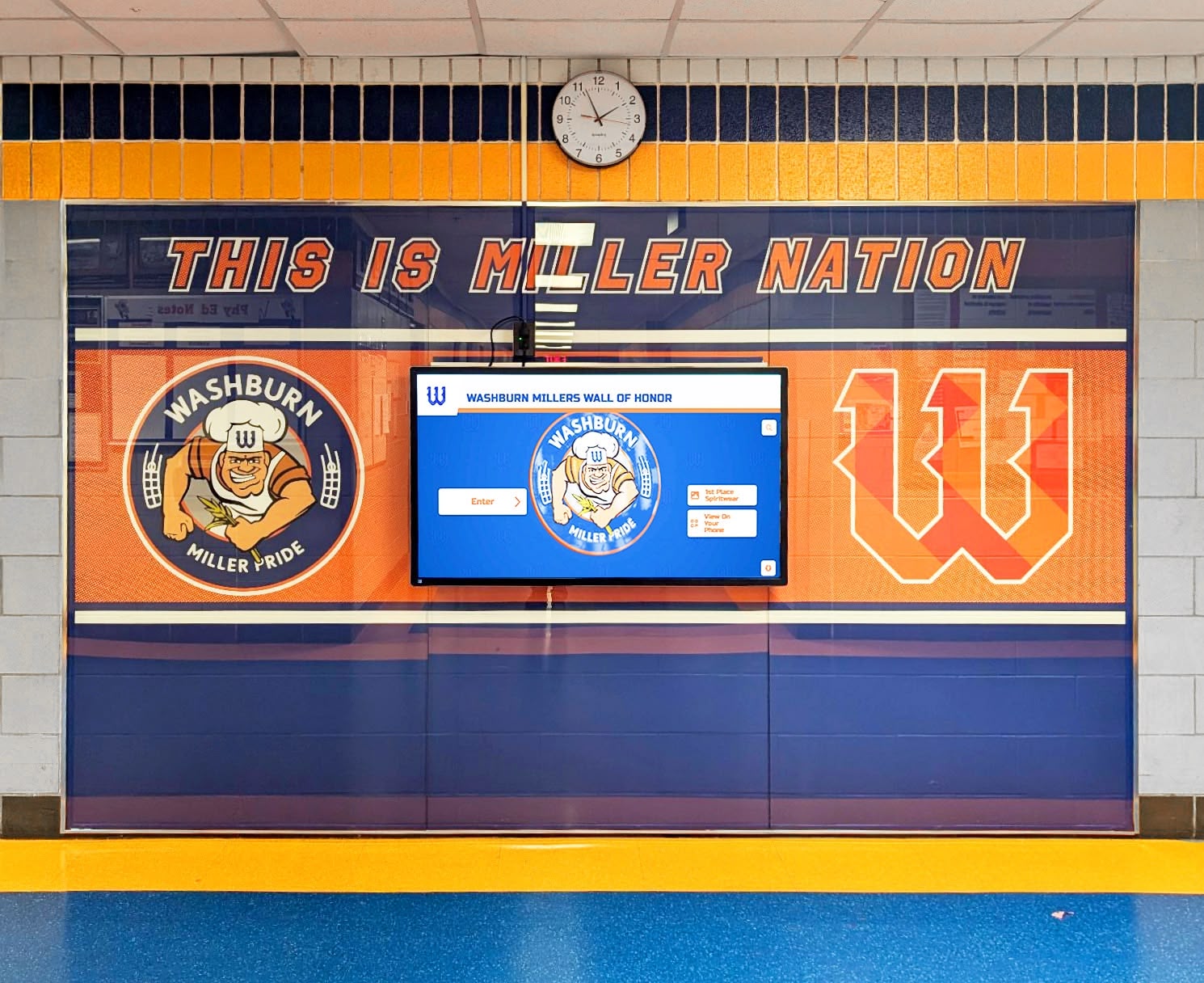
Contemporary recognition combines traditional materials with digital displays creating flexible, sustainable systems
Wood Plaques
Wood offers warmth and traditional appearance particularly suited to certain architectural contexts:
Advantages:
- Warm, natural aesthetic complementing classical architecture
- Moderate cost ($15-$35 per square inch)
- Available in numerous wood species and finishes
- Can be carved or engraved for varied appearance
- Lighter weight than metal options
Limitations:
- Requires indoor installation protected from moisture and sunlight
- Susceptible to warping, fading, and damage over time
- Needs periodic refinishing to maintain appearance
- Less durable than metal alternatives (15-25 year typical lifespan)
- Can feel less prestigious for major gift recognition
Wood works well for interior installations in facilities with traditional architecture where natural materials complement surrounding finishes.
Material Selection Criteria
Choosing appropriate plaque materials requires evaluating several factors:
Location and Environmental Conditions
Installation environment dramatically impacts suitable materials:
Outdoor plaques exposed to weather, UV radiation, and temperature extremes require highly durable materials like bronze or weather-resistant aluminum. Manufacturers typically recommend minimum 1/4" thickness for exterior applications to prevent warping.
Interior plaques in climate-controlled spaces can utilize broader material ranges including acrylics, glass, and wood that wouldn’t survive outdoor conditions. Consider traffic patterns—plaques in high-traffic corridors need impact-resistant materials that withstand incidental contact.
Budget and Cost Per Recognition Unit
Material costs vary significantly when multiplying across comprehensive donor walls:
A donor wall recognizing 200 contributors in bronze might cost $12,000-$18,000 for plaques alone, while equivalent aluminum installation might cost $6,000-$9,000, and well-designed acrylic system might cost $7,000-$11,000. These differences become substantial when planning comprehensive recognition installations.
Balance material prestige against practical budgets—showing 200 donors in quality aluminum proves more valuable than recognizing only 50 top donors in bronze because budget constraints prevented comprehensive installation.
Architectural Context and Design Cohesion
Plaque materials should complement rather than clash with surrounding architectural finishes:
Modern facilities with glass, steel, and concrete may call for contemporary acrylic or brushed aluminum rather than traditional bronze that feels incongruous. Historic buildings with stone, brick, and wood architecture may demand traditional materials matching existing character.
Consult architects or designers to ensure plaque materials integrate aesthetically with spaces they’ll occupy rather than selecting materials in isolation from surrounding context.
Maintenance Capacity and Longevity
Organizations should select materials matching available maintenance resources:
Schools with dedicated facilities staff can maintain wood plaques requiring periodic refinishing. Organizations with limited maintenance capacity should choose materials like bronze or aluminum requiring minimal ongoing attention beyond occasional cleaning.
Consider realistic maintenance scenarios over decades rather than assuming ideal conditions that may not materialize in practice.
Schools implementing modern donor wall solutions often combine traditional plaques with digital systems reducing long-term material costs while increasing flexibility.
Designing Effective Plaque Layouts and Visual Hierarchy
Layout principles determine how recognition information organizes visually, affecting readability, aesthetic impact, and appropriate honor for different contributor levels.
Organizing Multi-Donor Recognition Walls
Comprehensive donor walls listing multiple contributors require systematic organization:
Hierarchical Layout by Giving Levels
Most donor walls organize contributors into tiers corresponding to gift ranges, with visual hierarchies reinforcing giving levels:
Largest donors appear at top-center positions where viewers’ eyes naturally focus, often with larger plaques, enhanced materials, or prominent section headers. Progressive giving levels organize downward or outward from central focal points, creating clear visual progression from major to modest gifts.
Typical approaches include:
- Pyramid layouts with single or few top donors, expanding to larger numbers at each descending level
- Centered arrangements with highest giving level featured centrally, flanked symmetrically by progressively smaller donors
- Columns organizing each giving level vertically, ordered left-to-right from highest to lowest
Whatever layout approach, visual hierarchy should make giving structures immediately apparent to viewers without requiring careful study to understand organizational principles.
Alphabetical Organization Within Levels
Within each giving tier, alphabetical ordering provides neutral, equitable organization preventing perceptions of favoritism or ranking by factors other than gift size:
Alphabetical arrangement feels fair to donors, simplifies locating specific names, and creates orderly appearance supporting overall design cohesion. Some organizations alphabetize by surname, while others list couples or organizations by first name of primary contact—establish consistent conventions applied uniformly.
Expansion Space and Future Growth
Well-designed donor walls anticipate future additions:
Leave deliberate space within each giving level for additional plaques as campaigns continue beyond initial installation. Plan expansion patterns determining where new donors add as lists grow—typically expanding downward, outward, or into designated expansion zones.
Alternatively, consider modular systems where plaque panels can be replaced entirely with updated versions as donor lists expand, though this approach proves more expensive than designs accommodating growth incrementally.
Digital recognition systems like those from Rocket Alumni Solutions eliminate expansion space concerns since digital lists accommodate unlimited additions without physical space constraints or reinstallation costs.
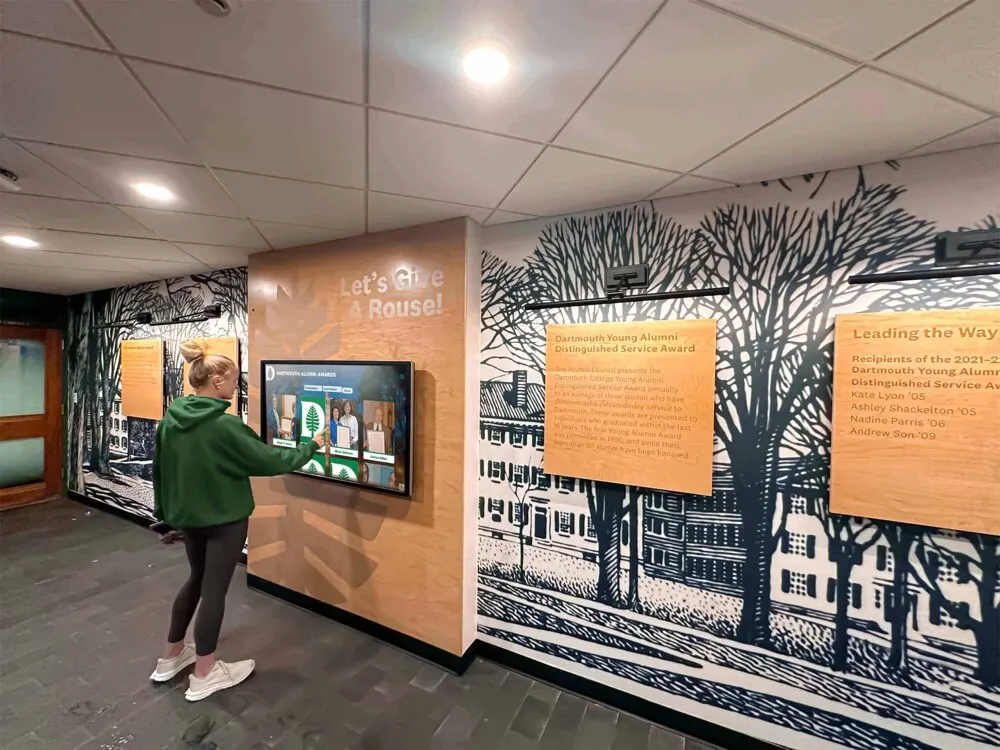
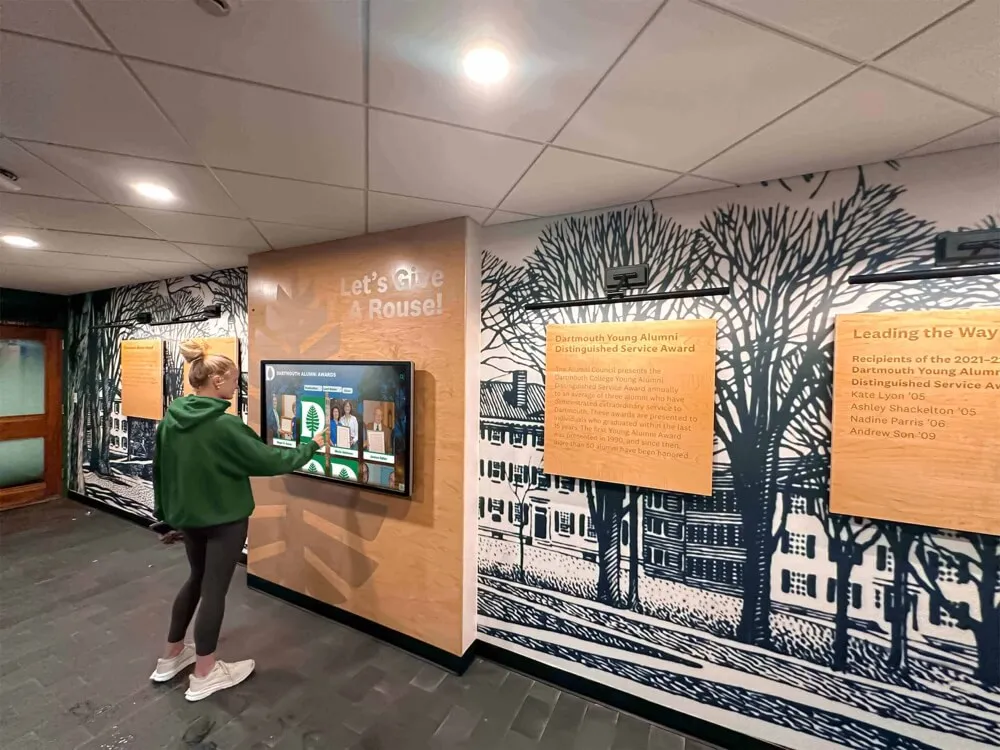
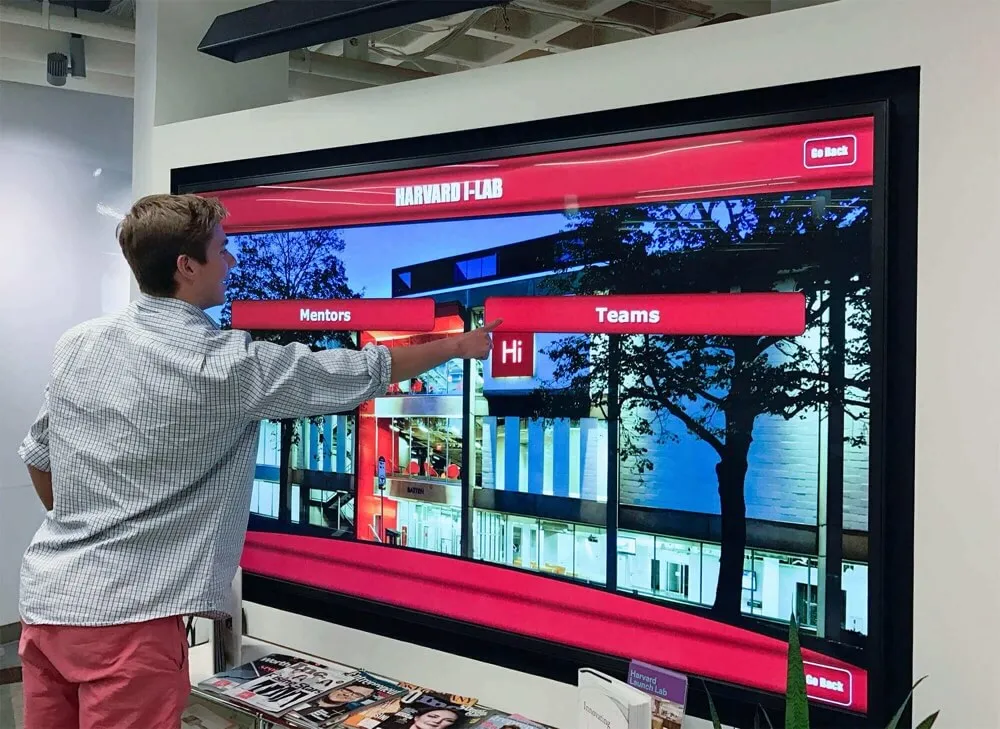
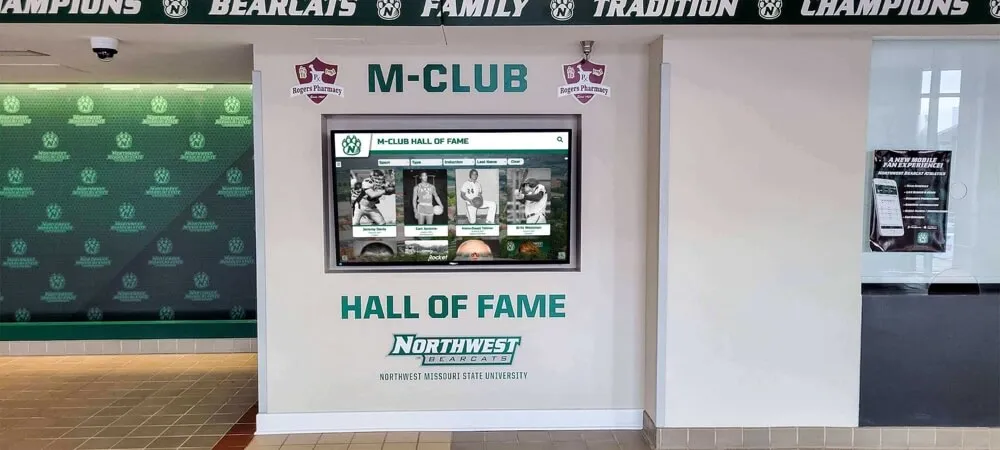
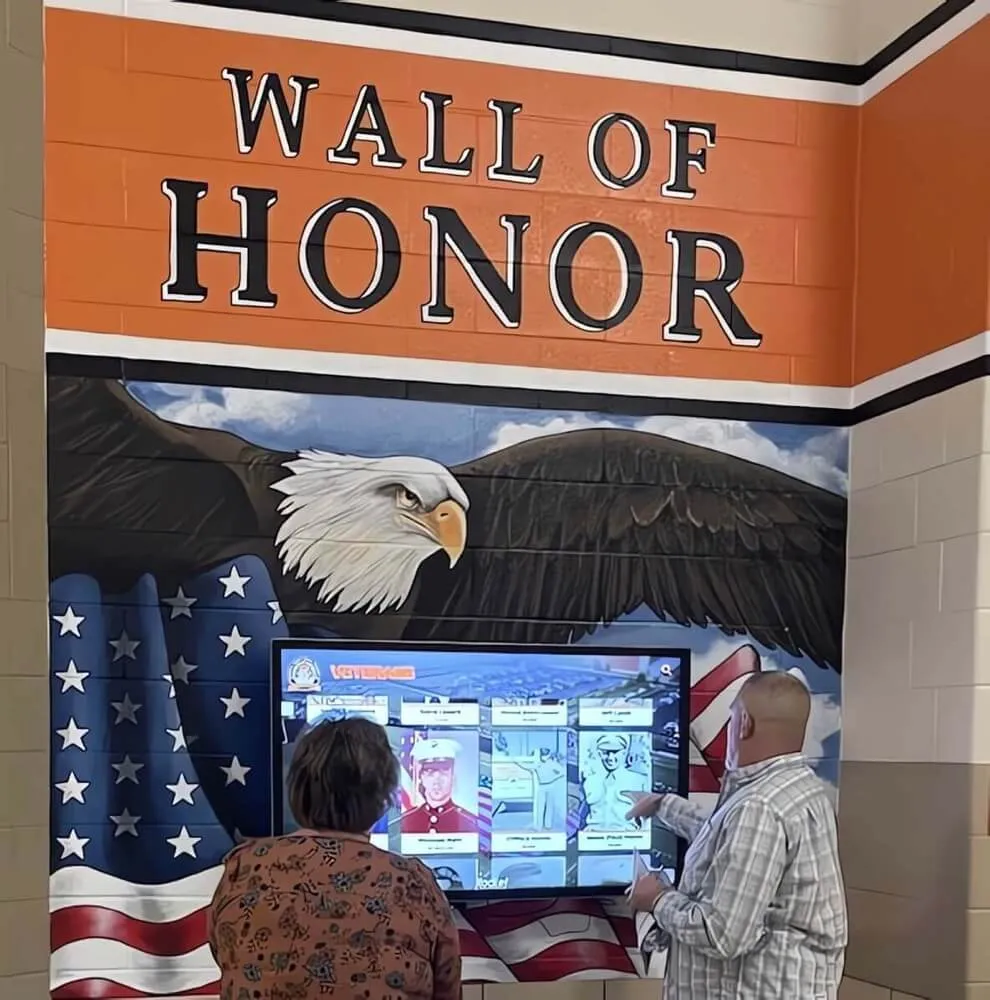
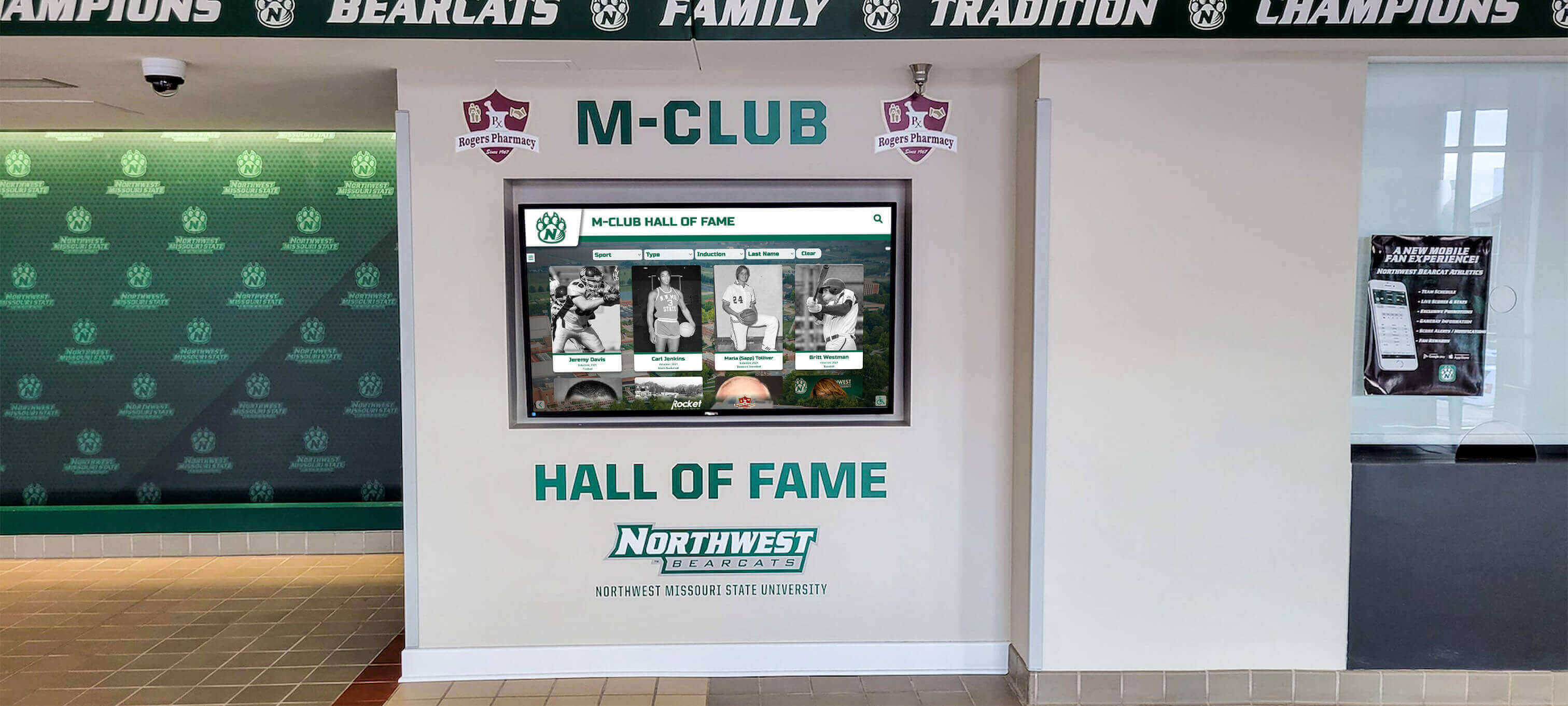
Interactive recognition systems engage visitors while providing unlimited capacity for honoring contributors
Typography and Readability Considerations
Text on recognition plaques must remain easily readable from typical viewing distances:
Font Selection
Choose typefaces that prioritize legibility over decorative appeal:
Serif fonts like Times New Roman or Garamond offer traditional, dignified appearance with excellent readability, particularly for formal recognition contexts. Sans-serif options like Helvetica, Futura, or Gotham provide clean modern aesthetics while maintaining clarity.
Avoid script, decorative, or highly stylized fonts that sacrifice readability for visual interest—names and text must be instantly legible rather than requiring careful study to decipher.
Letter Sizing and Spacing
Minimum letter heights depend on viewing distances:
For plaques viewed from 3-5 feet (typical donor wall viewing distance):
- 1/2" letter height provides adequate readability
- 3/4" letters improve clarity and presence
- 1" letters work well for featured names or headers
For larger viewing distances or outdoor plaques:
- Scale letter heights proportionally
- 2-3" letters minimum for plaques viewed from 10+ feet
- Test readability at actual installation locations before finalizing designs
Letter spacing (tracking) and line spacing (leading) should provide visual breathing room preventing cramped appearance that hinders readability.
Contrast and Finish Selection
Visual contrast between lettering and background proves essential for readability:
Dark letters on light backgrounds or light letters on dark backgrounds provide maximum contrast. Avoid low-contrast combinations like gray-on-gray or gold-on-bronze that appear elegant in samples but prove difficult to read in actual installation conditions, particularly for aging viewers.
Consider how lighting conditions affect readability—polished finishes creating glare may require adjustment to matte or satin options improving visibility.
Visual Integration with Surrounding Spaces
Recognition plaques exist within larger architectural contexts that influence design success:
Proportion and Scale
Plaque size should feel appropriate to installation spaces:
Massive donor walls in small rooms overwhelm environments and feel disproportionate. Conversely, modest plaques in vast lobbies disappear visually, failing to provide recognition impact warranting donor investment.
Mock up plaque designs at actual size in proposed locations using cardboard or paper templates before finalizing dimensions—what appears appropriately sized in concept drawings may feel very different when installed in three-dimensional spaces.
Color Coordination
Plaque colors should coordinate with surrounding architectural finishes:
Consider wall colors, flooring materials, trim details, and adjacent furnishings when selecting plaque finishes. Bronze plaques pop beautifully against light stone or brick but can disappear against dark walnut paneling. Aluminum or acrylic offers color customization matching specific architectural palettes.
Lighting Considerations
Adequate lighting ensures recognition plaques remain visible and impactful:
Natural light changes throughout the day and seasons—what appears well-lit during designers’ site visits may fall into shadow during evening events when most visitors tour facilities. Dedicated plaque lighting using spotlights, wall washers, or built-in LED systems ensures consistent visibility regardless of ambient conditions.
Discuss lighting needs with electricians during installation planning rather than discovering inadequate visibility after permanent installation.
Organizations developing comprehensive recognition programs often coordinate donor recognition with broader celebration initiatives creating cohesive institutional appreciation culture.
Installation Planning and Practical Considerations
Moving from plaque designs to successful installation requires addressing numerous practical factors affecting timelines, budgets, and outcomes.
Location Selection and Traffic Patterns
Where recognition plaques install dramatically impacts visibility and recognition value:
High-Traffic Versus Dedicated Recognition Spaces
Consider whether plaques should locate in busy circulation routes or dedicated recognition areas:
High-traffic locations like main entrances, primary corridors, or commonly used lobbies maximize visibility ensuring thousands of viewers encounter recognition regularly. However, these locations often lack contemplative atmosphere and may relegate recognition to background elements viewers pass without pausing.
Dedicated recognition spaces like donor lounges, halls of philanthropy, or special recognition galleries provide focused environments emphasizing appreciation and encouraging donors to spend time exploring installations. However, these spaces may receive less traffic limiting visibility to motivated visitors who specifically seek recognition displays.
Optimal approaches often combine both strategies: prominent recognition at high-visibility locations complemented by more comprehensive installations in dedicated spaces where supporters can explore recognition thoroughly during special events or deliberate visits.
Accessibility and Viewing Considerations
Recognition installations must remain physically accessible to all community members:
Install plaques at heights accommodating viewers using wheelchairs (typically 48-54" center height for optimal viewing). Ensure adequate floor clearance (minimum 30" x 48" clear floor space) allowing close approach. Avoid locations where furnishings, columns, or other obstacles prevent clear viewing.
Consider line-of-sight from various approach angles—plaques visible when entering spaces should remain visible from multiple directions rather than only apparent from single viewpoints.
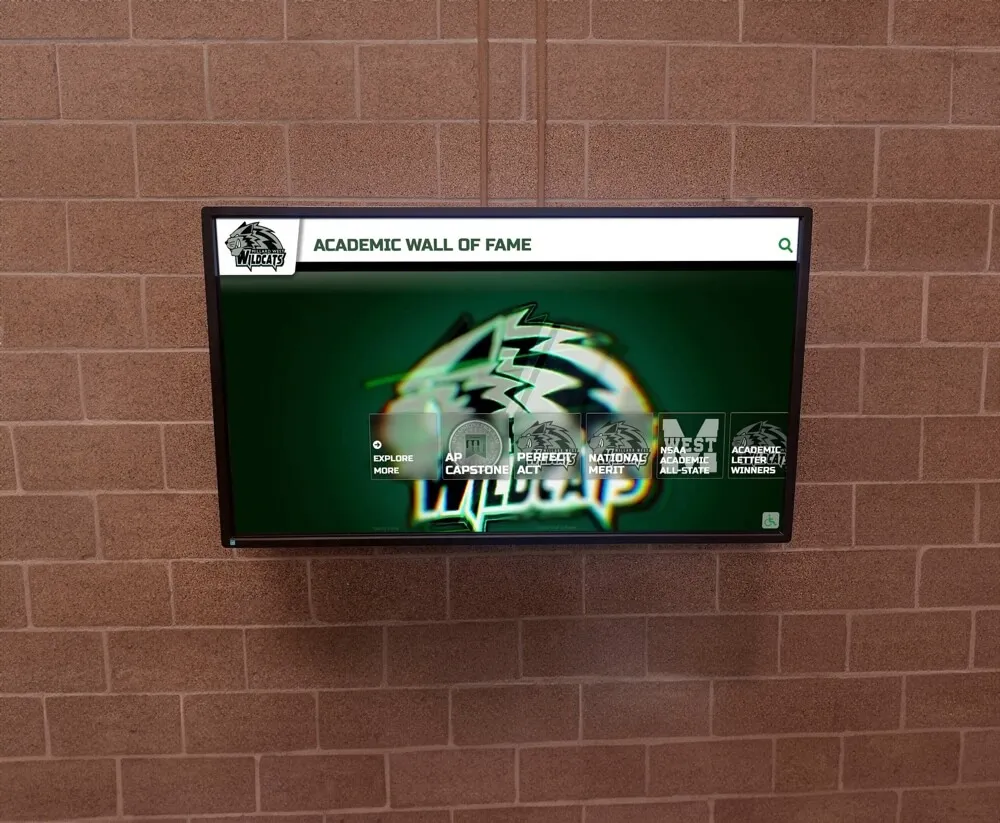
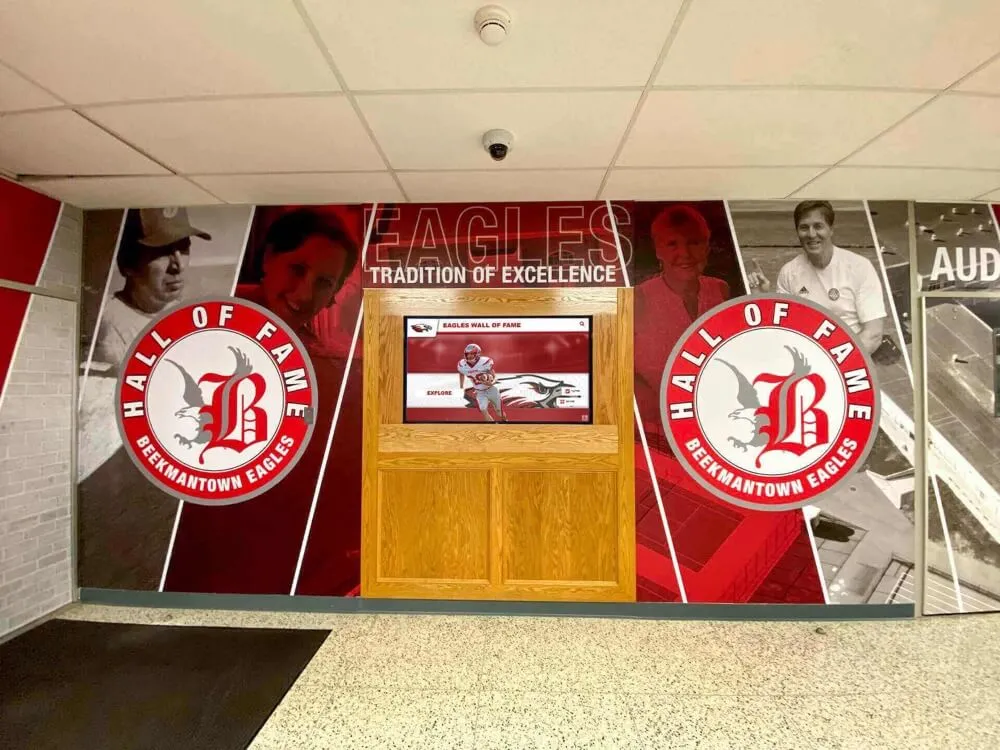
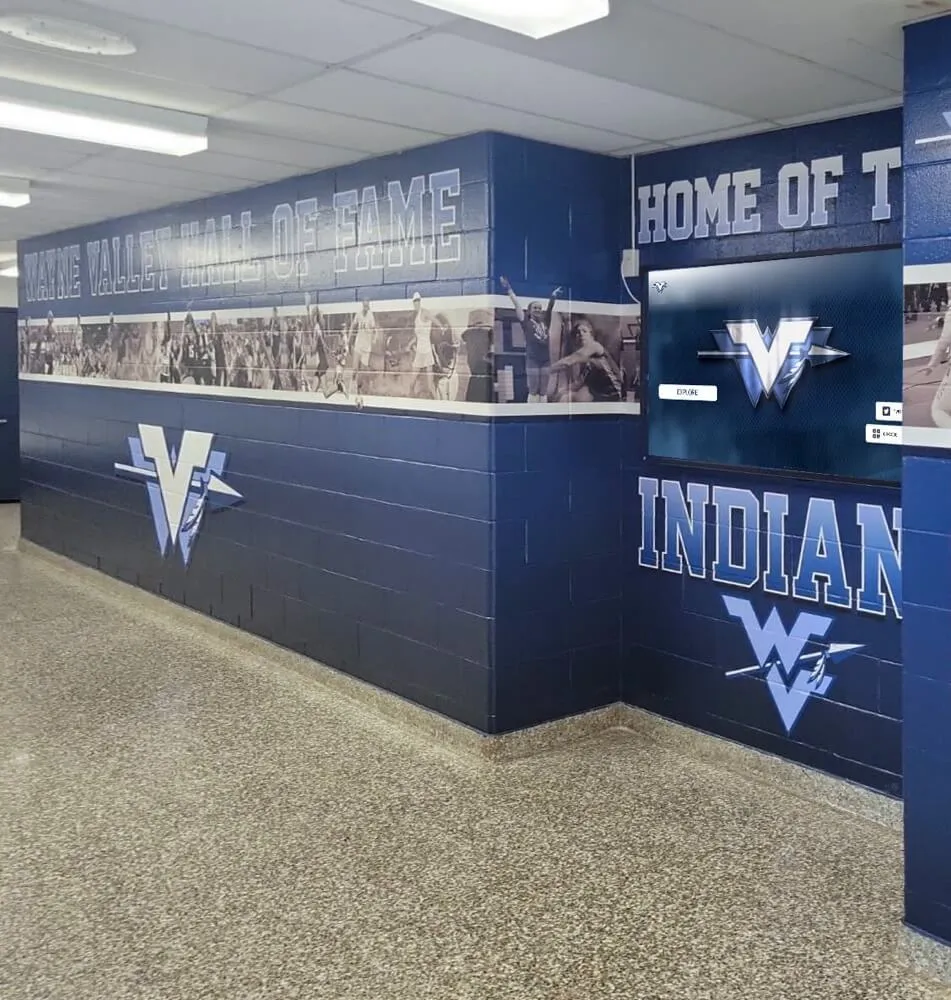
Recognition walls in prominent locations ensure community visibility while celebrating supporter contributions
Timeline Development and Project Coordination
Donor recognition plaque projects involve multiple steps requiring realistic scheduling:
Typical Project Timeline
Well-executed plaque installations typically require:
- Design development and donor approval: 3-6 weeks
- Fabrication by vendor: 4-8 weeks depending on materials and complexity
- Installation coordination: 1-2 weeks
- Total project duration: 8-16 weeks from design start to completion
Rush timelines prove possible but often incur premium costs and increase error risks. Plan recognition projects well in advance of dedication events or campaign milestones requiring completed installations.
Coordination with Construction Schedules
For recognition installations in new construction or renovation projects, coordinate plaque timing with facility completion:
Recognition plaques typically install during final finishing phases after painting and flooring but before furniture and occupancy. Specify plaque installation sequencing in construction contracts preventing situations where access becomes blocked or finished surfaces risk damage during installation.
Establish clear communication between development staff managing recognition details and facilities staff or contractors executing installations—miscommunication often delays projects or results in installation errors.
Approval and Proofing Processes
Implement rigorous approval workflows before fabrication begins:
Require written donor approval of exact name spelling, wording, and layout before manufacturing. Circulate digital mockups showing proposed designs at actual scale. Have multiple staff members proof all text for errors—recognition mistakes prove embarrassing and expensive to correct.
Build approval timelines into project schedules accounting for donor response times, potential revision rounds, and final sign-off procedures. Never rush approvals to meet arbitrary deadlines—errors in permanently installed plaques damage donor relationships far more than brief timeline delays.
Budget Planning and Cost Management
Realistic budget development prevents project compromises or scope reductions mid-execution:
Comprehensive Budget Components
Complete plaque projects include costs beyond plaque fabrication:
- Design and layout services: $500-$2,500
- Plaque fabrication: varies by material, size, and quantity
- Mounting hardware and installation labor: $300-$1,500
- Electrical work for lighting: $500-$3,000 if required
- Architectural modifications: varies if wall preparation needed
- Project management and coordination: typically internal staff time
- Contingency reserve: 10-15% buffer for unexpected needs
Itemized budgets prevent surprises when installation requires unanticipated expenses like wall reinforcement, specialty mounting systems, or additional electrical work.
Cost-Saving Strategies Without Compromising Quality
Organizations working within constrained budgets can maintain professional recognition quality through:
Standardizing plaque sizes and formats across giving levels rather than custom-designing each variation. Choosing cost-effective materials like aluminum or acrylic for comprehensive donor lists while reserving premium bronze for highest giving tiers or featured plaques. Phasing installations over time allowing budget spreading across fiscal years.
Alternatively, supplementing traditional plaques with digital donor recognition displays can dramatically reduce per-donor costs while offering greater flexibility for future updates.
Getting Competitive Quotes
Solicit proposals from multiple recognition plaque vendors comparing:
Material quality and fabrication methods. Installation services included versus requiring separate contractors. Design support and revision allowances. Production timelines and rush availability. Warranty coverage and long-term support.
Lowest bid rarely delivers best value—evaluate total service packages and vendor experience with similar installations rather than focusing exclusively on price.
Schools exploring creative recognition approaches discover numerous options balancing tradition, innovation, and budget realities.
Maintenance, Updates, and Long-Term Stewardship
Recognition plaques require ongoing attention ensuring they continue honoring donors appropriately for decades after installation.
Routine Maintenance Requirements
Different materials demand specific maintenance approaches:
Cleaning and Care Protocols
Bronze plaques benefit from periodic gentle cleaning using mild soap and soft cloths, avoiding harsh chemicals or abrasive materials that damage protective coatings. Annual treatment with microcrystalline wax protects surfaces and maintains appearance.
Aluminum plaques require similar gentle cleaning but may need more frequent attention as surface finishes show fingerprints and smudges more readily than bronze.
Acrylic and glass plaques need regular cleaning with appropriate plastic/glass cleaners preventing scratches from improper products. Check mounting hardware periodically as lightweight materials sometimes shift over time.
Wood plaques require most intensive maintenance including dusting, occasional refinishing, and monitoring for moisture damage or pest issues.
Lighting System Maintenance
Recognition installations with dedicated lighting need bulb replacement, fixture cleaning, and occasional electrical inspection ensuring systems continue functioning properly. LED systems offer extended lifespans (50,000+ hours) reducing maintenance frequency compared to traditional lighting.
Inspection Schedules
Establish regular inspection routines (quarterly or semi-annually) checking for:
- Plaque damage, vandalism, or deterioration
- Mounting hardware looseness or failures
- Lighting system function and bulb failures
- Text legibility and finish condition
- Cleaning needs or accumulated dirt
Early detection of maintenance needs prevents minor issues from becoming major problems requiring extensive repairs or replacement.
Managing Updates and Additions
Donor recognition walls rarely remain static, requiring processes for incorporating changes:
Adding New Donors
As campaigns continue adding contributors, systems must accommodate growth:
Well-planned installations include expansion space within giving level sections where new plaques mount consistently with existing installations. Order new plaques from original vendors when possible, ensuring perfect material and finish matching.
Document original plaque specifications including exact materials, finishes, fonts, and layouts so additions years later match perfectly despite staff turnover or vendor changes.
Correcting Errors
Despite careful proofing, errors occasionally appear requiring correction:
Minor spelling errors may warrant complete plaque replacement at vendor expense if discovered quickly. Older errors where replacement proves impractical might receive supplemental correction plaques or discreet revision depending on visibility and impact.
Establish clear error-correction policies with vendors before ordering, specifying who bears costs for various error types and defining acceptable timelines for replacement fabrication.
Removing or Relocating Recognition
Occasionally circumstances require removing plaques:
Facilities renovations may necessitate relocating recognition installations to new spaces. Donor requests for name changes due to marriage, divorce, or preference require updates. Rare situations involving ethical concerns or gift returns may demand recognition removal.
Document gift agreements and recognition policies establishing organizational rights and obligations regarding recognition perpetuity, modification, or removal in various circumstances, preventing disputes when changes become necessary.
Digital Alternatives and Hybrid Approaches
Modern technology offers alternatives or supplements to traditional physical plaques:
Digital Donor Recognition Systems
Digital displays provide unlimited recognition capacity, simple content updates, and flexible presentation options impossible with physical plaques. Organizations can honor every donor regardless of gift size without physical space constraints, update lists immediately as campaigns add contributors, incorporate photos, stories, and multimedia beyond simple text, and refresh displays regularly preventing recognition from feeling static or dated.
However, digital systems require ongoing technical support, regular content management, and depend on functioning technology remaining accessible decades into the future. Many organizations adopt hybrid approaches combining traditional plaques for permanence and prestige with digital systems offering flexibility and expanded capacity.
Hybrid Recognition Strategies
Optimal contemporary approaches often include:
Physical plaques recognizing top giving tiers ($25,000+) providing tangible permanence for major donors. Digital systems listing comprehensive donor rolls including modest contributions physical plaques cannot accommodate practically. Mobile or web-based recognition portals letting donors and families access recognition anywhere rather than only at physical installations.
This combination delivers tangible recognition prestige major donors expect while democratizing acknowledgment to include all supporters regardless of gift size.
Solutions like Rocket Alumni Solutions combine beautiful touchscreen displays with comprehensive donor management capabilities, creating flexible recognition systems that honor today’s donors while accommodating unlimited future growth.
Schools implementing comprehensive recognition approaches that combine traditional plaques with modern technology create sustainable systems serving institutional needs for generations while maintaining the dignity and permanence major donors deserve.
Conclusion: Creating Recognition That Honors Donors and Inspires Giving
Selecting and implementing effective donor recognition plaques represents far more than ordering engraved metal. Schools and educational nonprofits that excel at recognition understand these installations as strategic investments in relationships, visible testimonies to organizational stewardship, and powerful tools inspiring future philanthropy through demonstrated appreciation for community generosity.
Thoughtful attention to wording that honors donors with dignity, materials that ensure decades of service, layouts that create appropriate visual hierarchies, and locations that maximize visibility creates recognition experiences that strengthen bonds between institutions and supporters. When development directors, facilities staff, and leadership collaborate on recognition projects with the care these permanent installations deserve, schools create environments where giving feels natural, valued, and integral to institutional culture.
The most effective donor recognition programs balance tradition with innovation, using proven approaches like bronze plaques and formal donor walls where permanence matters most while embracing digital flexibility that accommodates growth and change inherent in living institutions. By implementing recognition systems that honor today’s donors appropriately while anticipating tomorrow’s needs, schools create sustainable appreciation frameworks serving communities for generations.
Whether planning first-time recognition installations or enhancing established programs, the principles outlined in this guide provide tested frameworks for creating donor recognition plaques that celebrate generosity with the dignity, permanence, and visibility transformational gifts deserve.