Choosing the right words for donor recognition plaques can make the difference between perfunctory acknowledgment and meaningful appreciation that strengthens relationships for years to come. The language you select communicates institutional values, conveys genuine gratitude, preserves donor legacies, and sets the tone for how your community understands and celebrates philanthropic support.
Yet many advancement teams struggle with plaque wording decisions, discovering too late that generic phrases feel impersonal, overly formal language creates emotional distance, inconsistent messaging across recognition levels confuses donors, or wordings chosen hastily fail to capture the significance of transformational gifts. These missteps damage relationships and undermine recognition investments meant to inspire future support.
Effective donor recognition plaque wording balances multiple objectives: expressing sincere gratitude without excessive formality, honoring individual donors while celebrating collective impact, maintaining consistency across recognition programs while allowing appropriate personalization, and crafting language that remains meaningful and relevant for decades rather than feeling dated as years pass.
This comprehensive guide provides 50 carefully crafted donor recognition plaque wording examples organized by recognition context—from capital campaign naming opportunities to memorial gifts, annual giving societies to endowment tributes—along with a step-by-step process for developing custom recognition language aligned with your institution’s voice, donor expectations, and stewardship objectives.
Organizations that excel at recognition plaque wording understand that these aren’t merely administrative details to delegate to vendors. The language you choose shapes how donors perceive your gratitude, influences whether prospective supporters feel inspired to give, and determines whether your recognition maintains emotional resonance or becomes forgettable text that visitors ignore.

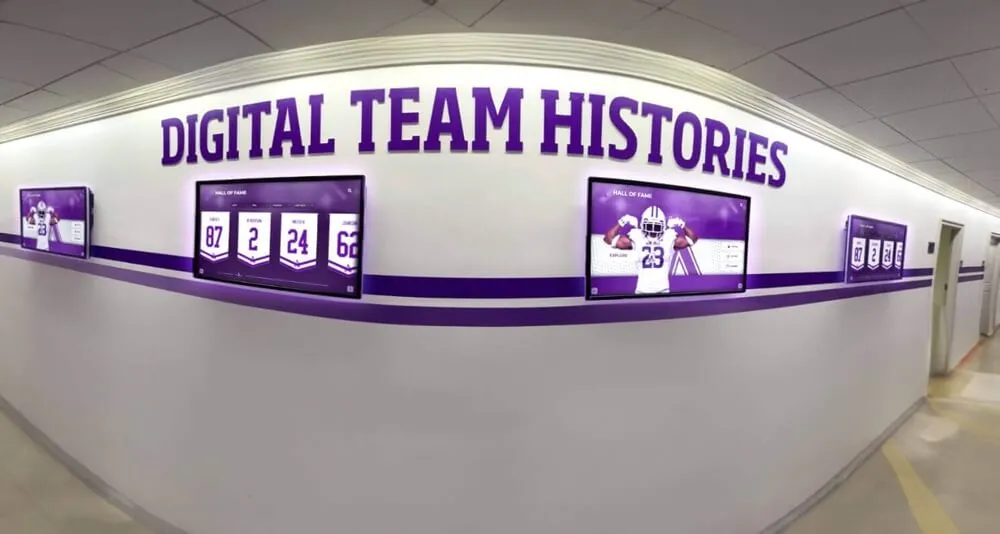
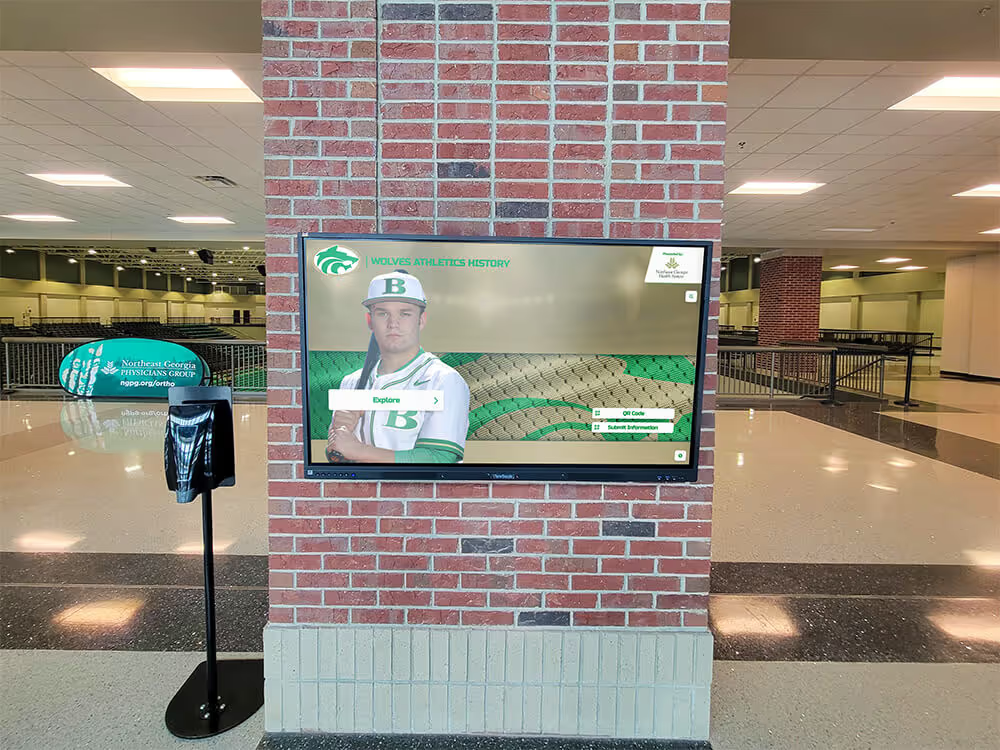
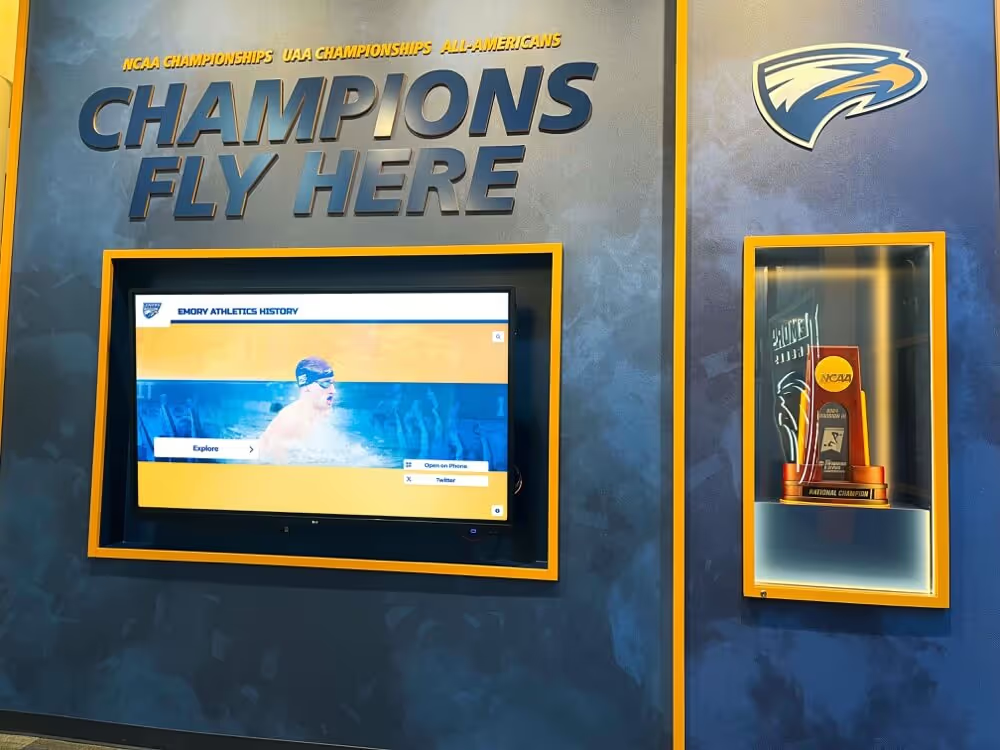
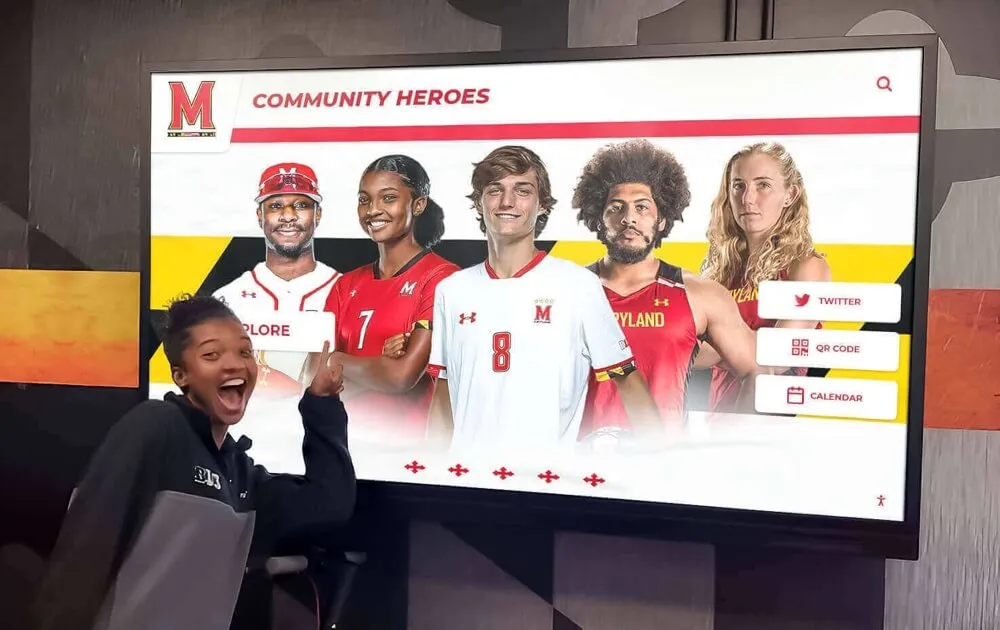
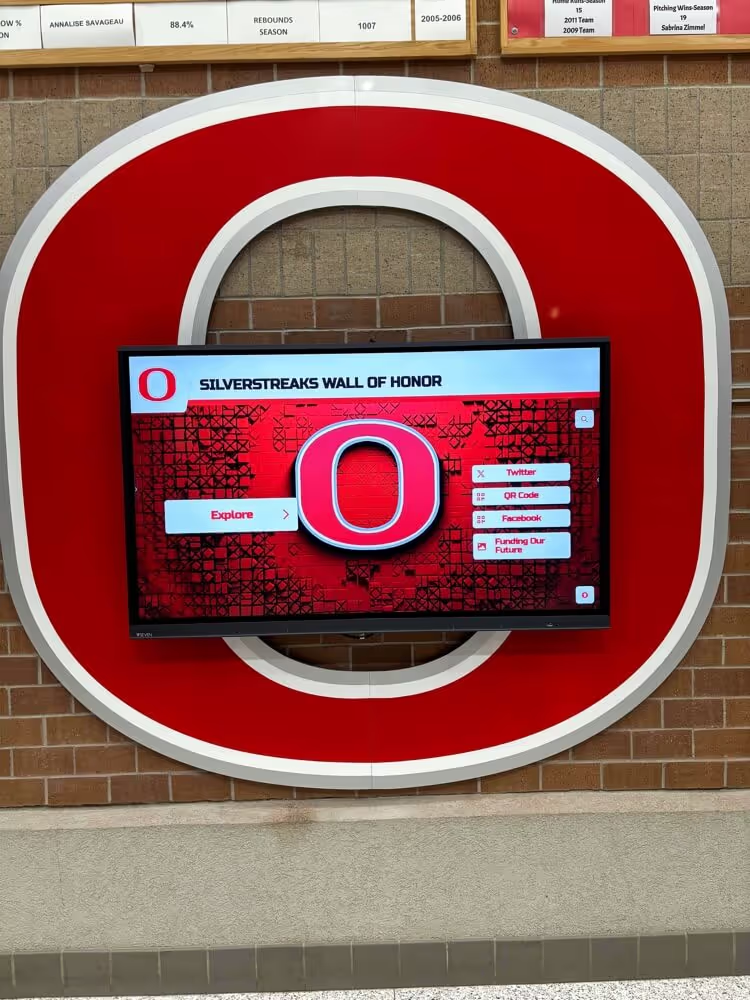
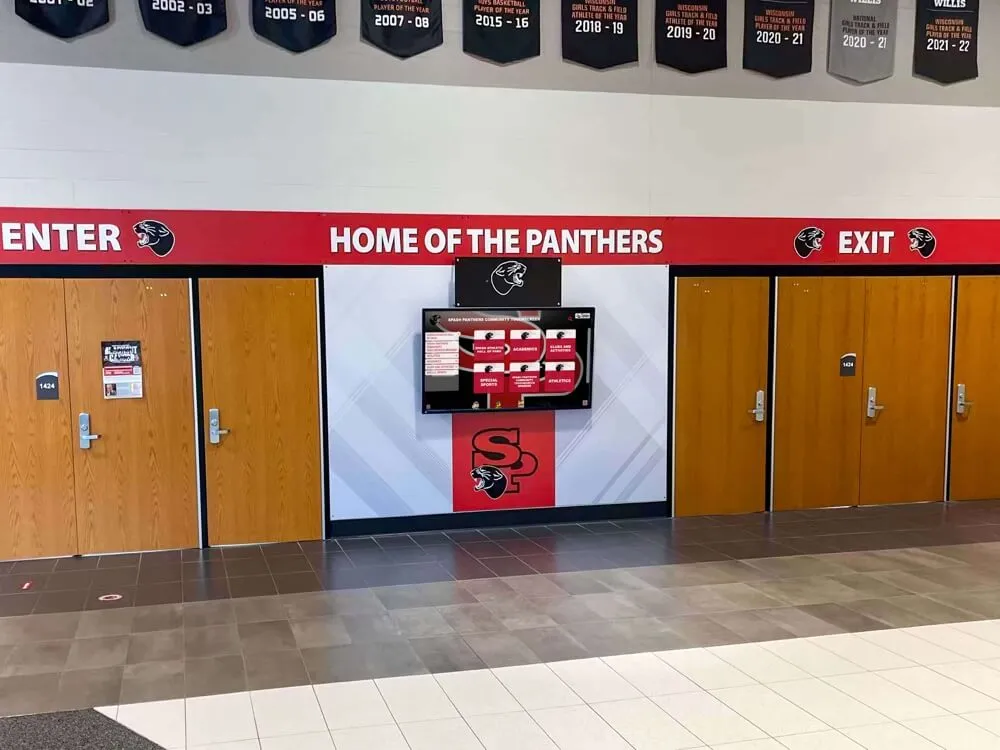
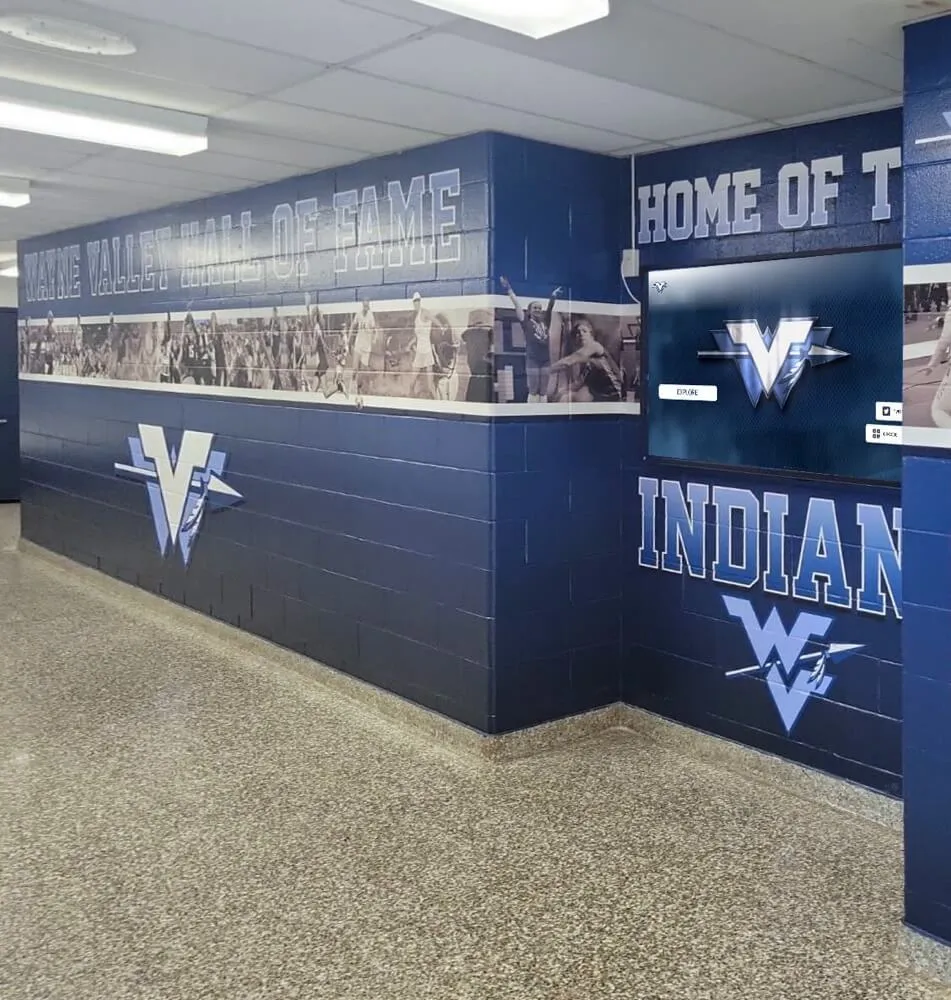
Thoughtful wording transforms recognition plaques from simple name lists into meaningful tributes that honor supporter relationships
Understanding Donor Recognition Plaque Wording: Core Principles
Before exploring specific wording examples, successful recognition language follows fundamental principles that ensure messaging resonates with donors while serving institutional stewardship objectives.
The Strategic Importance of Recognition Language
The words you choose for donor recognition plaques accomplish far more than simply acknowledging contributions—they shape perceptions, relationships, and future engagement in measurable ways.
Creating Emotional Connection
Effective plaque wording moves beyond transactional acknowledgment (“Thank you for your gift”) toward language that creates genuine emotional resonance. Donors who feel their support is truly valued—not merely cataloged—demonstrate stronger retention rates, increased likelihood of upgrading giving levels, greater receptivity to planned giving conversations, and higher engagement with institutional programs beyond financial contributions.
The difference between “Donor” and “Generous Benefactor,” between “Gift” and “Transformational Investment,” or between “Contribution” and “Visionary Support” may seem subtle, but these word choices communicate dramatically different messages about how your institution perceives and values philanthropic relationships.
Modeling Institutional Values
Recognition language reveals organizational culture and priorities to every visitor who reads plaques. Word choices signal whether your institution values tradition or innovation, formality or warmth, individual achievement or collective community, and institutional advancement or mission impact.
Schools choosing “Wall of Distinction” communicate different values than those selecting “Circle of Friends.” Nonprofits honoring “Leadership Investors” send different messages than those recognizing “Compassionate Partners.” Alignment between recognition language and authentic institutional character creates coherent identity that strengthens brand consistency.
Inspiring Future Philanthropy
Prospective donors form impressions about giving culture by observing how institutions recognize current supporters. Recognition language that feels genuine, meaningful, and appropriate to gift levels encourages others to envision themselves among honored contributors. Conversely, language that seems perfunctory, excessive, or misaligned with contribution levels can discourage engagement.
Understanding how recognition plaques function within broader stewardship strategies helps organizations develop recognition approaches that drive sustained donor engagement.
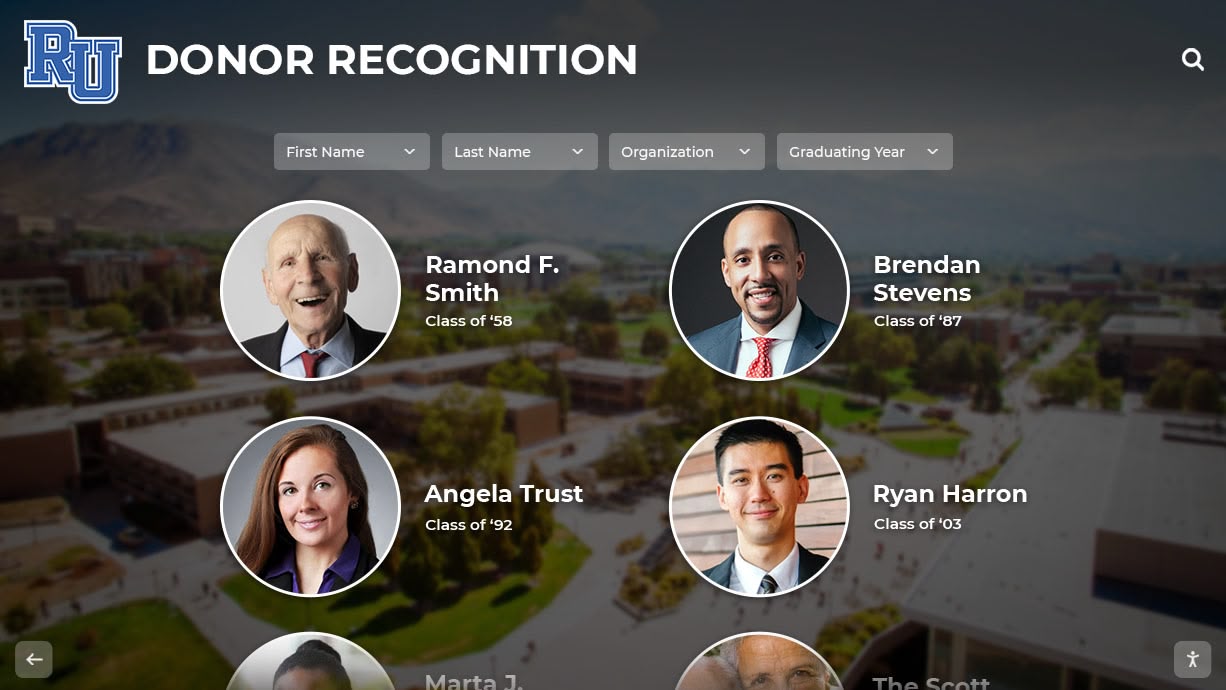
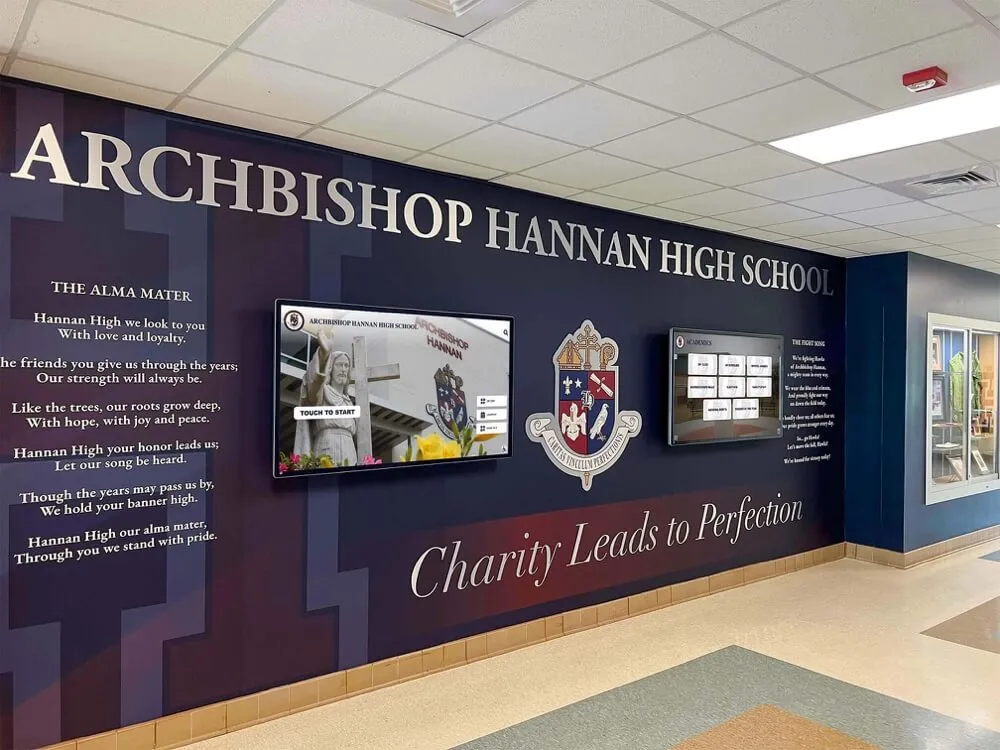
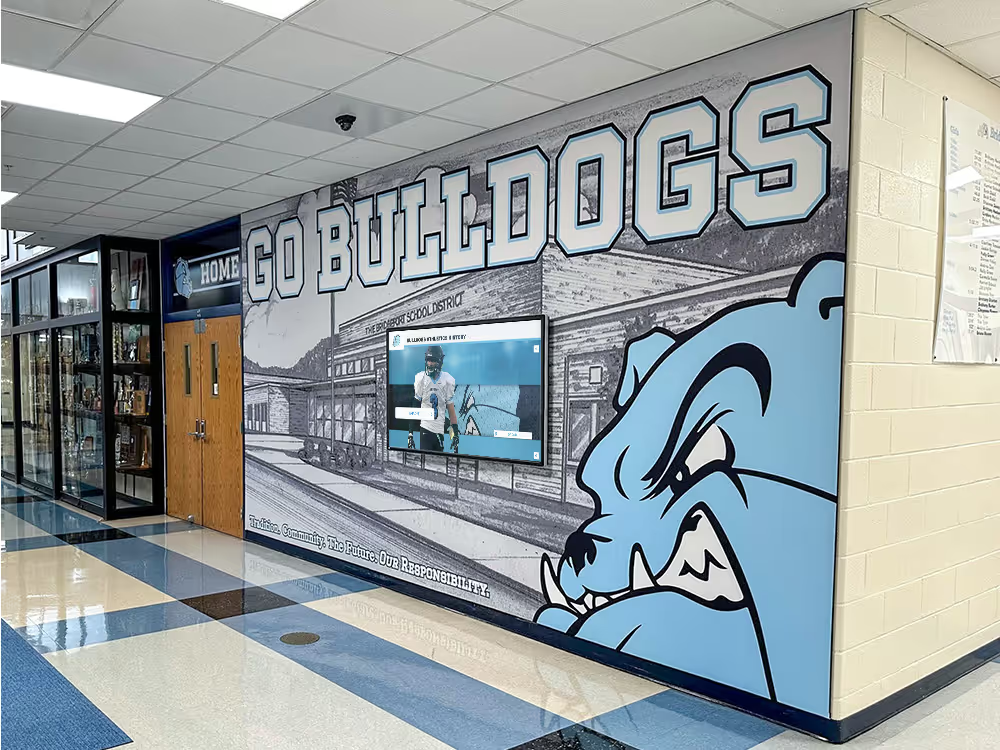
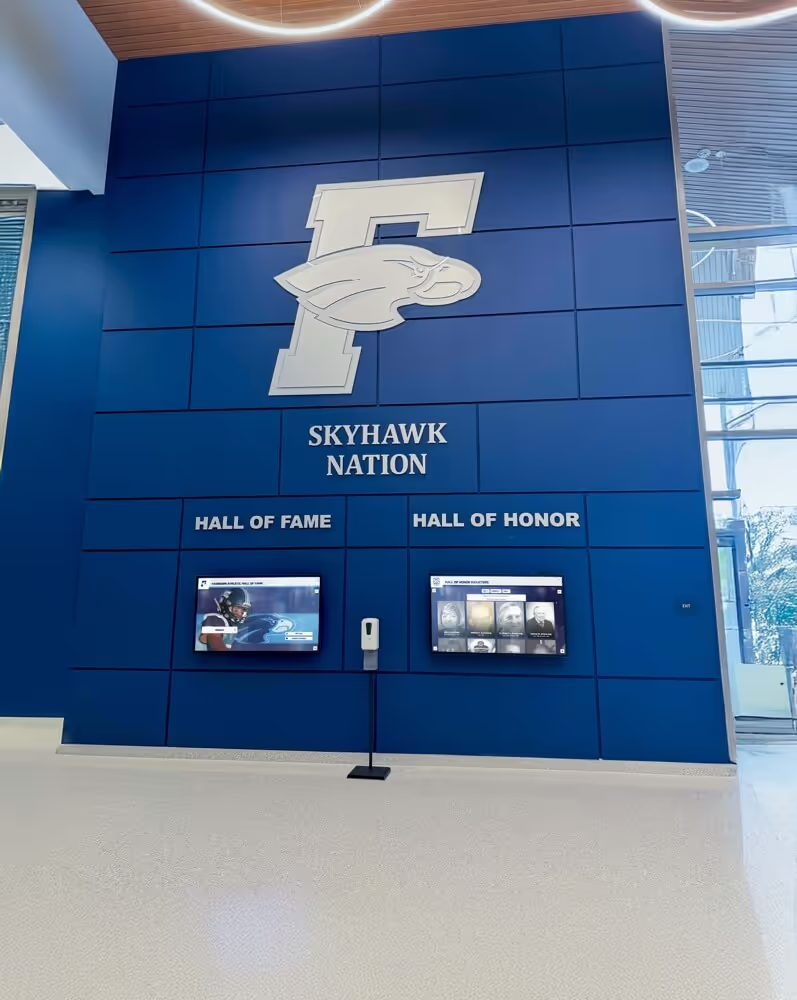
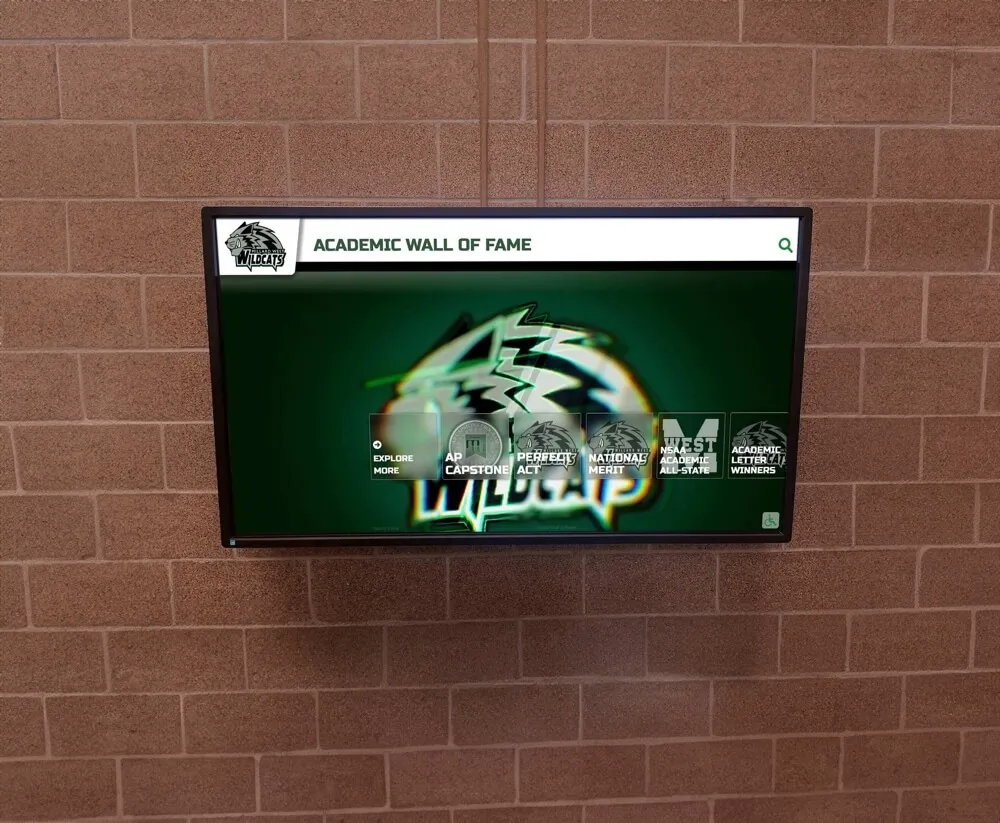
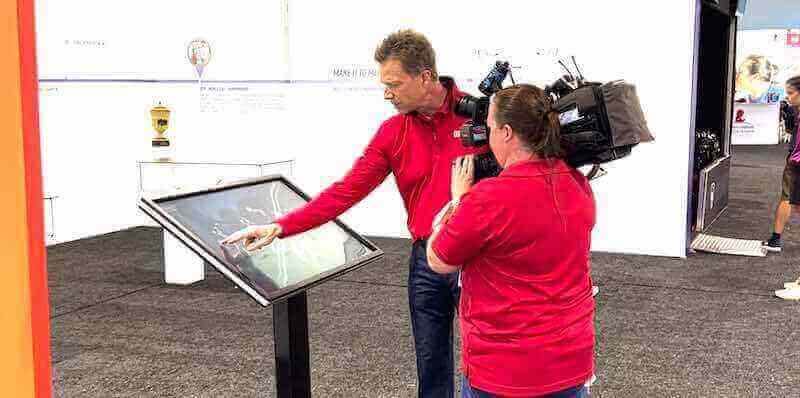
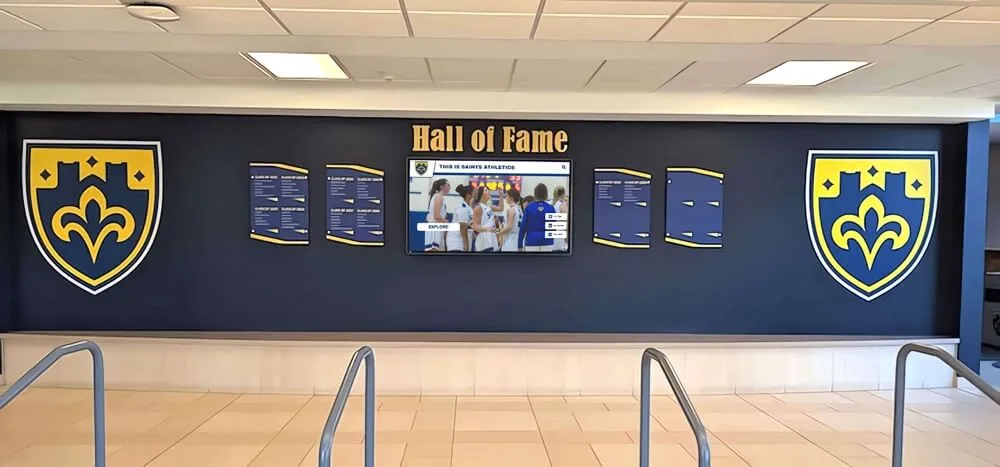
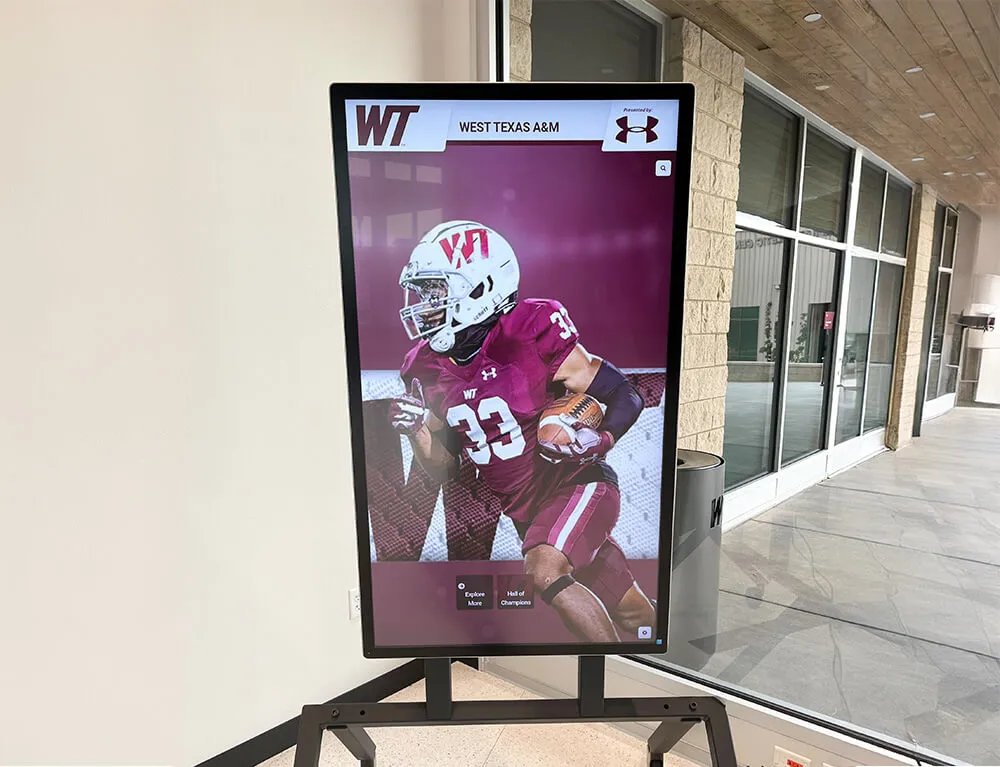
Recognition language should honor individual donors while conveying institutional appreciation and values
Key Elements of Effective Plaque Wording
Strong donor recognition language incorporates specific elements that work together to create meaningful, lasting acknowledgment:
Specificity and Personalization
Generic wording (“In appreciation of generous support”) feels impersonal compared to specific recognition (“In grateful recognition of [Name]’s visionary commitment to student scholarship”). Including donor names prominently, referencing specific impact areas when appropriate, acknowledging particular campaigns or initiatives, and incorporating meaningful dates or milestones all enhance personal connection.
Digital recognition systems allow even greater personalization by incorporating donor photographs, biographical details celebrating accomplishments, impact stories connected to specific gifts, and family legacy information spanning generations of support.
Appropriate Formality Levels
Recognition language should match both institutional culture and donor preferences. Traditional academic institutions often employ more formal constructions (“In commemoration of”), while community organizations may choose warmer, more accessible language (“Celebrating the generous heart of”). Neither approach is inherently superior—effectiveness depends on alignment with context.
Consider donor demographics and preferences as well. Major gift donors who’ve built formal business careers may appreciate traditional recognition language, while grassroots community supporters might prefer approaches emphasizing collective impact and shared values over individual distinction.
Timelessness and Longevity
Recognition plaques should maintain meaning and relevance for decades, requiring language that avoids trends, slang, or references likely to feel dated. Phrases like “In this millennium” or “For the 21st century” that seemed contemporary when written quickly become temporal markers that age recognition prematurely.
Similarly, avoid overly specific administrative details (“2025 Capital Campaign Phase II Leadership Donor”) in favor of language emphasizing enduring impact (“Leadership Investor in Student Success”). Campaign-specific recognition certainly has value, but primary wording should transcend particular fundraising initiatives.
Inclusivity and Accessibility
Modern recognition language should welcome diverse supporters and accommodate various giving motivations. Avoid assumptions about gender, family structure, religious affiliation, or giving capacity. Phrases like “In memory of beloved husband” assume heterosexual relationships, while “In honor of their family’s legacy” remains inclusive of all family compositions.
Consider readability and accessibility as well. Clear, straightforward language serves broader audiences than complex vocabulary or discipline-specific jargon. If recognition includes multiple languages, ensure professional translation maintaining equivalent meaning and emotional resonance across all versions.
50 Donor Recognition Plaque Wording Examples
These examples span diverse recognition contexts, giving levels, and institutional settings. Adapt language to match your organization’s voice while maintaining the structural principles each example demonstrates.
Capital Campaign and Major Naming Recognition (Examples 1-10)
Use these examples for buildings, major spaces, endowments, and transformational gifts typically ranging from $100,000 to several million dollars:
Example 1: Building Dedication
The [Donor Name] Center for Academic Excellence

Dedicated with profound gratitude to [Full Name]
whose visionary generosity makes extraordinary education possible
for generations of students to come.

[Date]
Example 2: Facility Naming
[Donor Name] Athletic Complex

In celebration of [Name]'s transformational commitment
to student-athlete success and championship excellence.
Their generous investment builds dreams and shapes futures.

Dedicated [Month, Year]
Example 3: Academic Building
The [Donor Family Name] School of [Discipline]

With deepest appreciation to the [Family Name] Family
for their extraordinary vision and generous support
advancing academic excellence and transforming lives
through the power of education.
Example 4: Performance/Arts Space
[Donor Name] Performing Arts Theater

Honoring [Name]'s passionate dedication to the arts
and generous investment in creative expression.
This space stands as lasting tribute to their commitment
to nurturing talent and inspiring community through performance.
Example 5: Library or Learning Commons
The [Donor Name] Library and Learning Center

Dedicated in grateful recognition of [Full Name]
whose belief in the transformative power of knowledge
and generous spirit have created this enduring resource
for discovery, scholarship, and lifelong learning.
Example 6: Medical/Research Facility
[Donor Name] Medical Research Institute

In honor of [Name]'s visionary philanthropy
advancing medical discovery and healing.
Their transformational support accelerates breakthroughs
that save lives and give hope to countless families.

Established [Year]
Example 7: Endowment Recognition
The [Donor Name] Endowed Scholarship Fund

Created through the extraordinary generosity of [Full Name]
to ensure talented students achieve their educational dreams
regardless of financial circumstances.

A legacy of opportunity established [Year]
Example 8: Campus Outdoor Space
[Donor Name] Memorial Garden

Lovingly dedicated to the memory of [Full Name]
by family and friends whose generous contributions
created this peaceful sanctuary for reflection,
celebration, and community gathering.
Example 9: Athletic Facility Component
[Donor Name] Championship Field

With sincere gratitude to [Name]
for their leadership investment in athletic excellence.
This facility stands as testament to their commitment
to developing champions in sport and in life.
Example 10: Academic Department or Program
The [Donor Name] Center for [Specific Program]

Established through the visionary support of [Full Name]
whose generous commitment advances [mission/field]
and creates transformational opportunities for students
to lead, serve, and make meaningful impact.
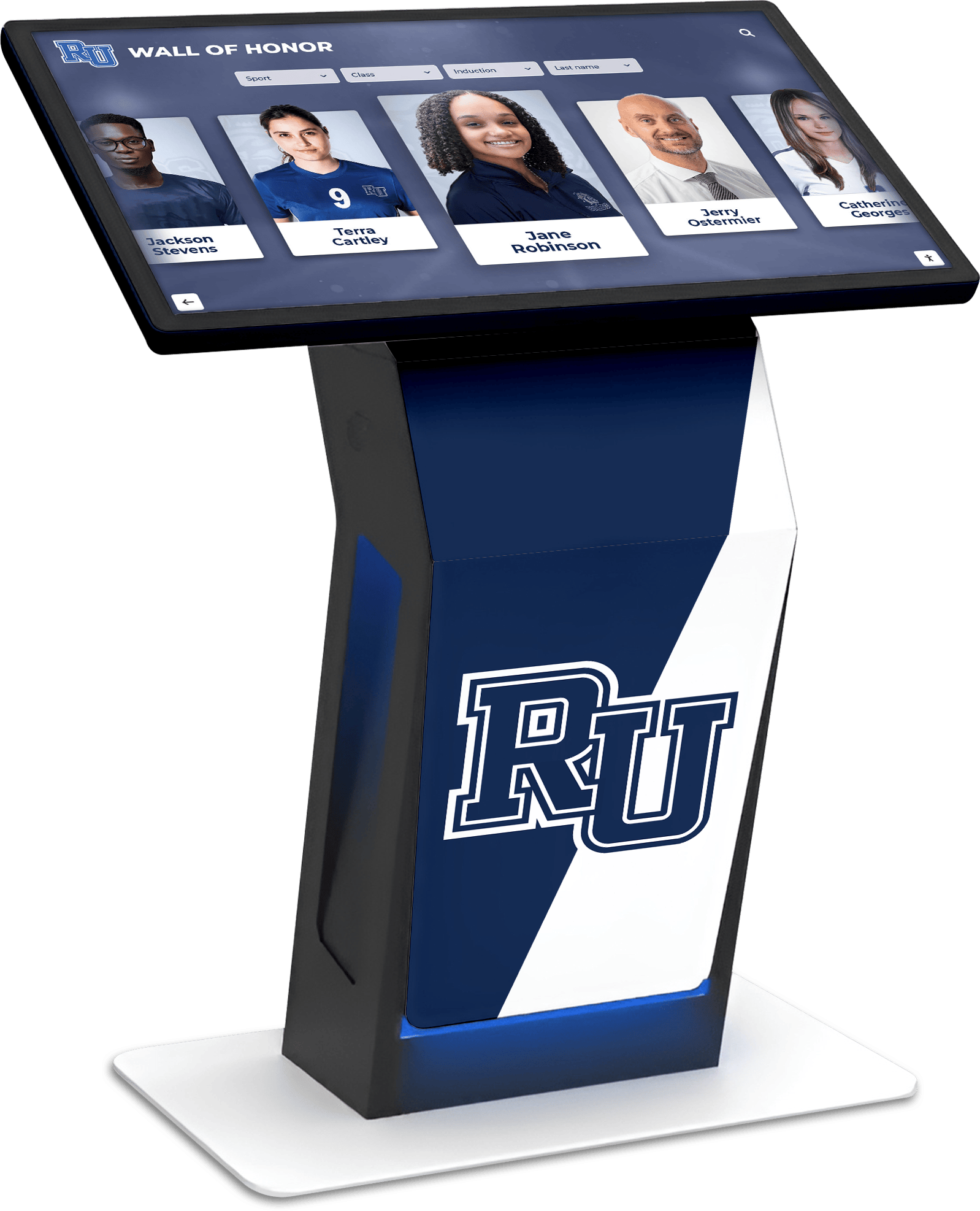
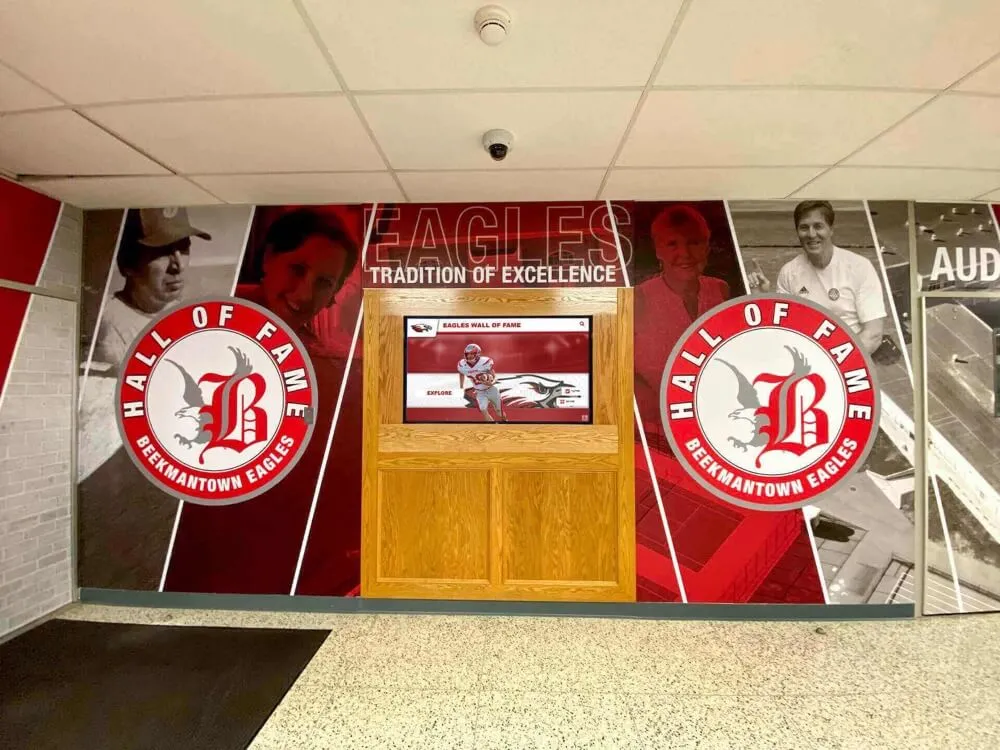
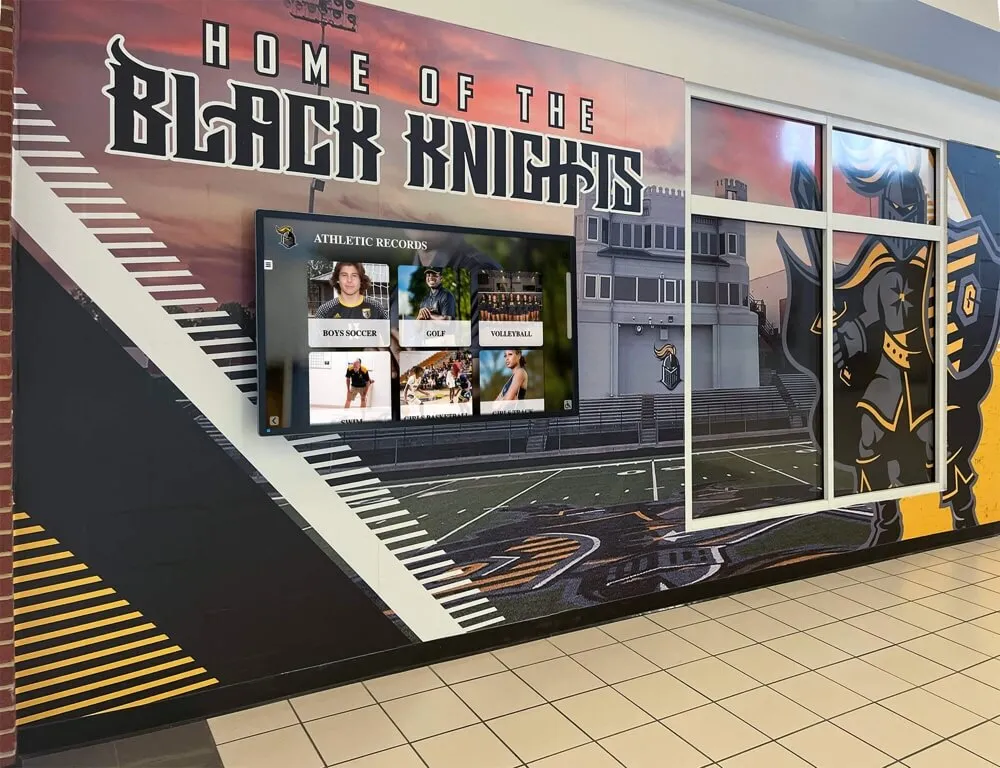
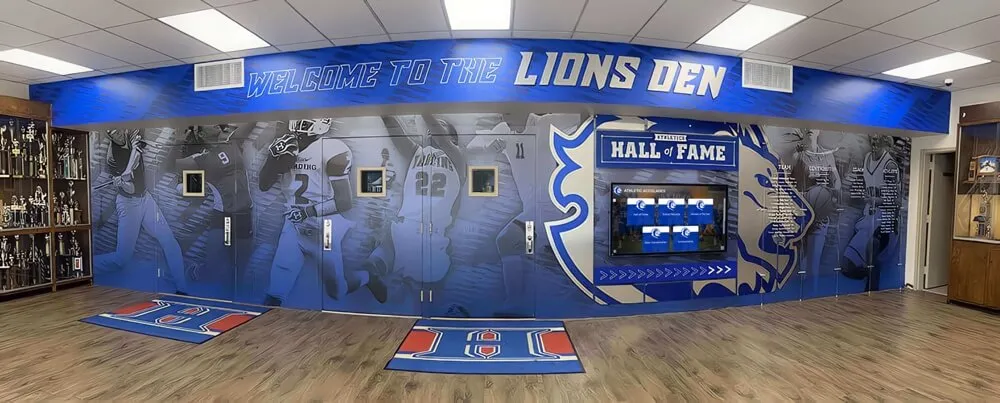
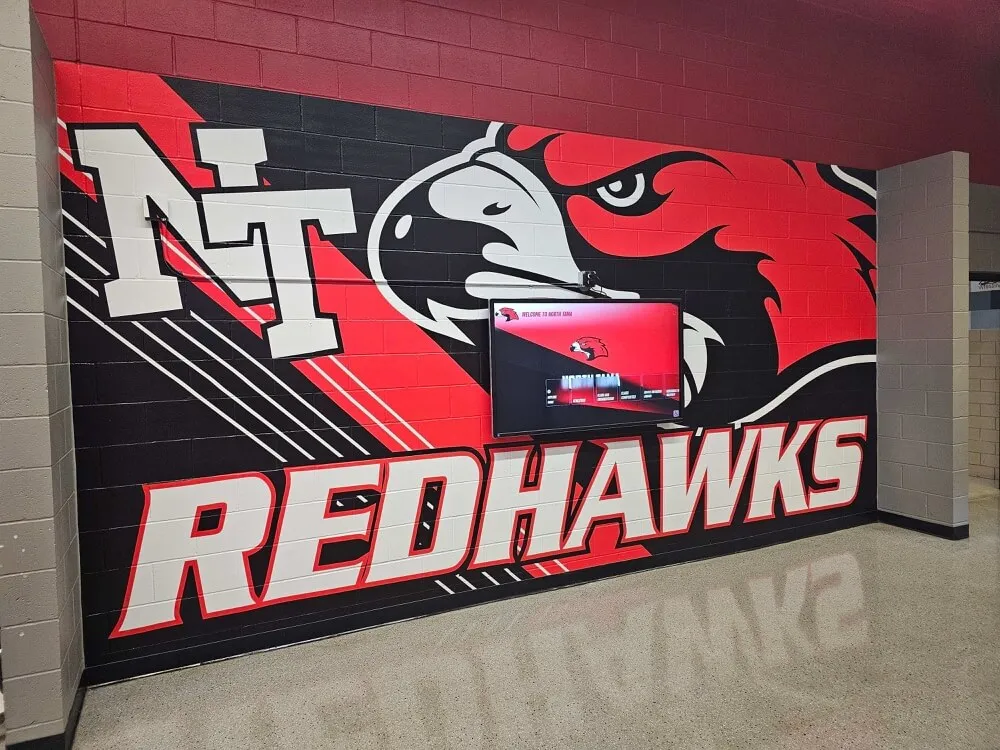
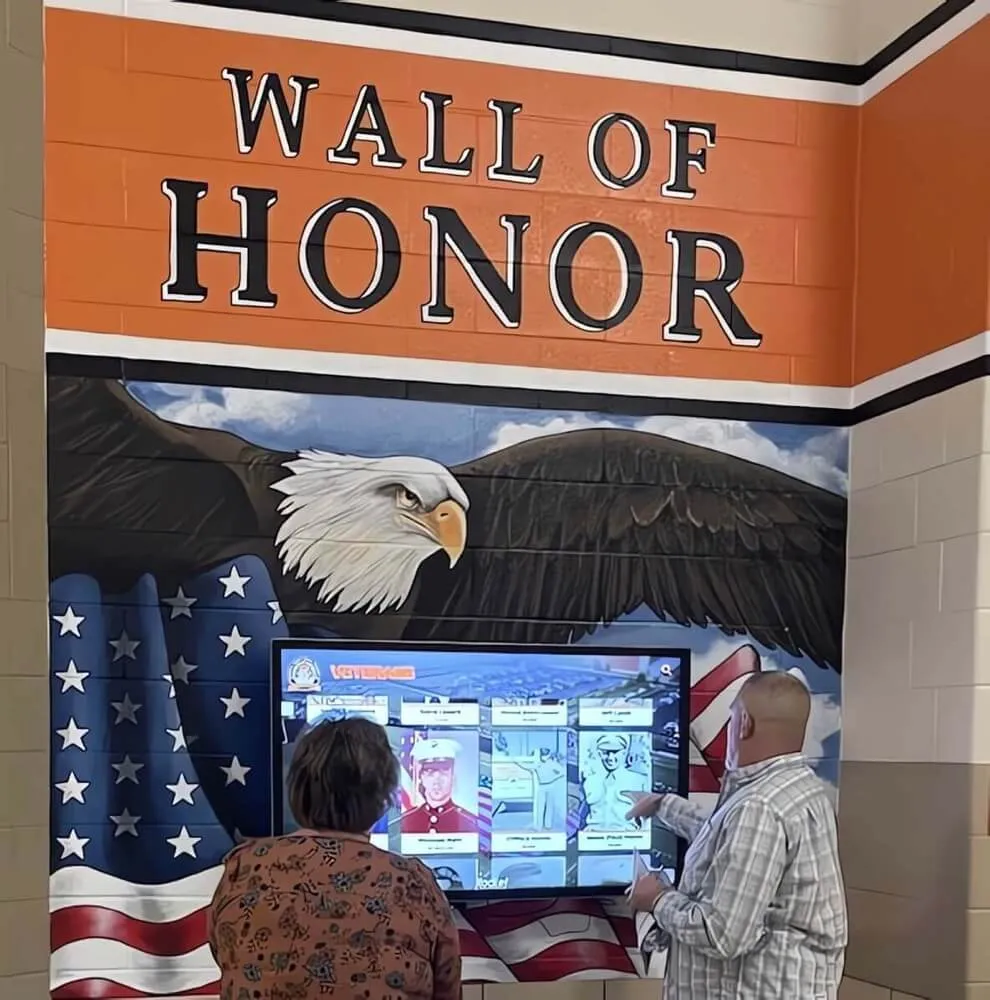
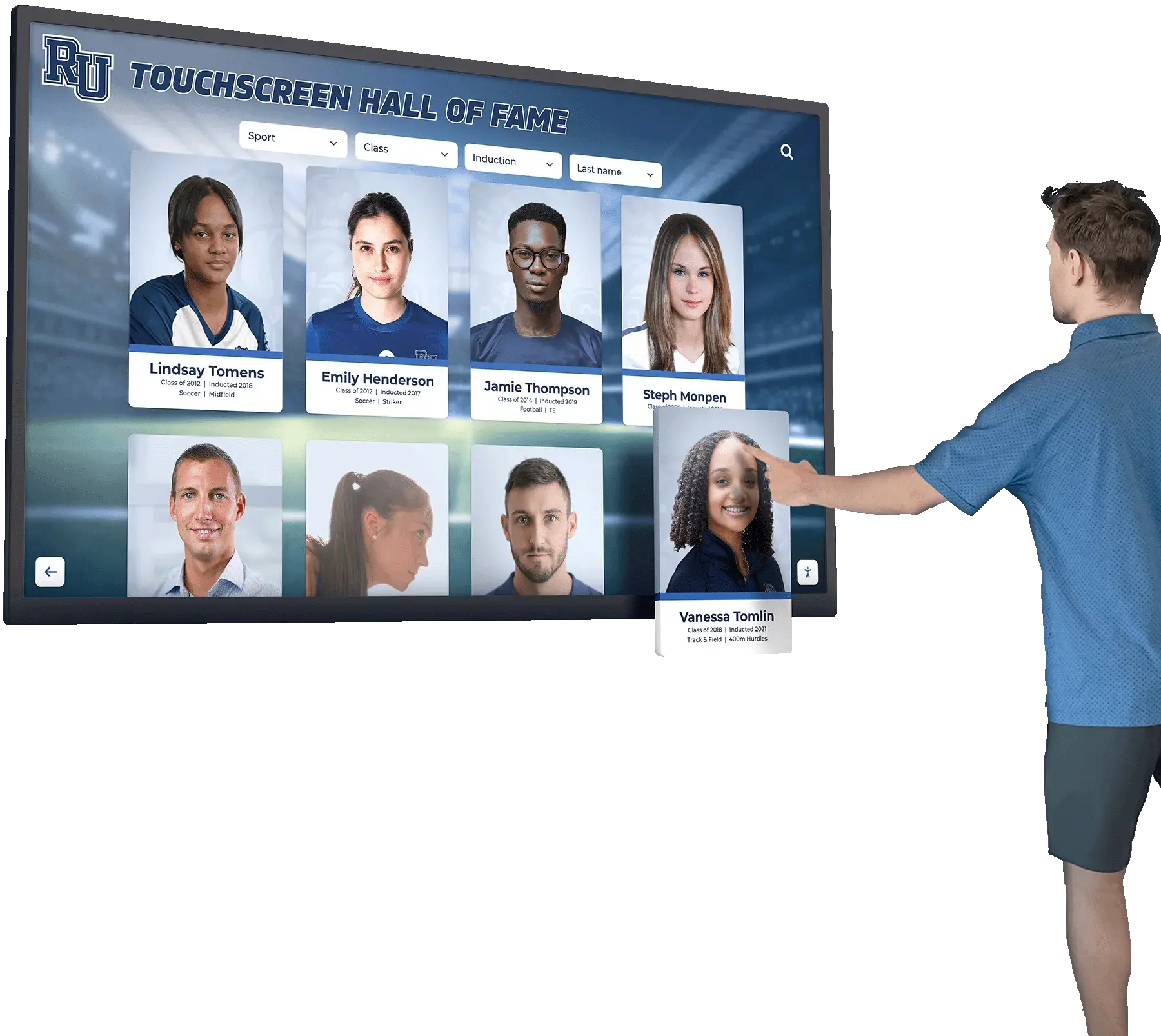
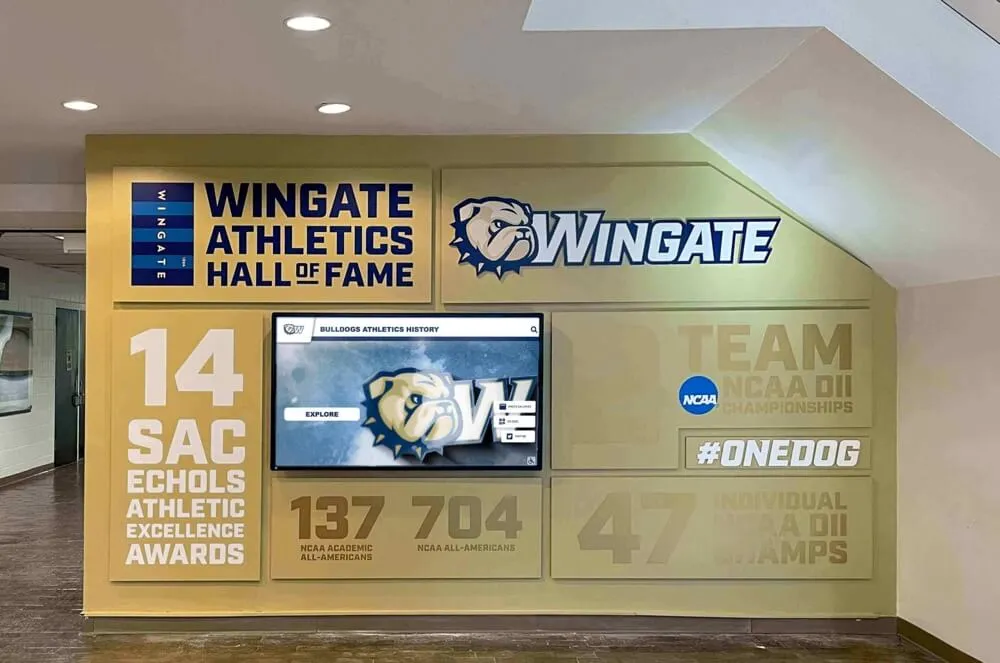
Contemporary recognition systems accommodate diverse wording approaches from traditional to personalized storytelling
Leadership Giving Societies and Major Gift Recognition (Examples 11-20)
These examples suit recognition for gifts typically ranging from $25,000 to $250,000, often acknowledged through donor walls, society listings, or prominent displays:
Example 11: Leadership Circle
[Institution Name] Leadership Circle

In grateful recognition of visionary supporters
whose exceptional generosity advances our mission
and creates lasting impact in our community.

[Donor Name]
Leadership Investor | [Year]
Example 12: Founding Patron Recognition
Founding Patrons

With deepest appreciation to these generous benefactors
whose early vision and transformational support
established the foundation for excellence that
continues inspiring achievement today.

[Donor Name]
Founding Patron | Established [Year]
Example 13: Legacy Society
The Heritage Society

Honoring extraordinary friends who have included
[Institution Name] in their estate plans,
creating a lasting legacy of opportunity
for future generations.

[Donor Name]
Legacy Partner
Example 14: Annual Campaign Leadership
Campaign Leadership Council

Celebrating visionary supporters whose exceptional
annual commitment ensures we can pursue our mission
with excellence and expand our impact throughout the year.

[Donor Name]
[Giving Level] | [Year(s)]
Example 15: Scholarship Sponsor Recognition
Scholarship Benefactors

In grateful recognition of generous supporters
who transform lives through the gift of education,
making dreams achievable for deserving students
regardless of financial circumstances.

[Donor Name]
Scholarship Sponsor | Since [Year]
Example 16: Capital Campaign Leadership
[Campaign Name] Visionary Partners

With sincere appreciation to these exceptional leaders
whose transformational gifts turned ambitious vision
into reality, creating facilities and programs that
will serve our community for generations.

[Donor Name]
Visionary Partner | [Gift Range]
Example 17: Program Endowment Donors
Endowment Circle

Honoring far-sighted benefactors whose generous
endowment contributions create permanent resources
ensuring long-term excellence and sustained impact
in perpetuity.

[Donor Name]
Endowment Investor | [Year Established]
Example 18: Multi-Year Pledge Recognition
Partners in Excellence

Celebrating committed supporters whose sustained
multi-year investments demonstrate extraordinary
dedication to our mission and belief in our
shared vision for the future.

[Donor Name]
Excellence Partner | [Pledge Period]
Example 19: Project-Specific Major Donors
[Project Name] Benefactors

In grateful recognition of generous supporters
whose vision and commitment made this
transformational project possible.

[Donor Name]
Project Benefactor | [Year]
Example 20: Planned Giving Recognition
Legacy Circle of Honor

With profound gratitude to thoughtful friends
who have made provisions for [Institution Name]
in their estate plans, ensuring our mission continues
serving future generations.

[Donor Name]
Legacy Circle Member
Memorial and Tribute Recognition (Examples 21-30)
These examples honor gifts made in memory of or in tribute to individuals, requiring sensitive language that celebrates lives while acknowledging generous support:
Example 21: Memorial Scholarship
The [Honoree Name] Memorial Scholarship

Established in loving memory of [Full Name]
by family and friends whose generous contributions
honor [his/her/their] legacy by helping students
achieve educational dreams.

[Years of Life]
Example 22: Memorial Classroom or Space
The [Honoree Name] Classroom

Dedicated to the memory of [Full Name]
by [Donor Name/Family]
in celebration of a life devoted to
education, service, and inspiring others.

Forever remembered | [Years]
Example 23: In Honor Of Living Individual
The [Honoree Name] Innovation Lab

Dedicated in honor of [Full Name]
by grateful alumni and colleagues celebrating
[his/her/their] decades of inspirational teaching,
mentorship, and dedication to student success.
Example 24: Family Memorial
In Loving Memory of the [Family Name] Family

This space honors the legacy of [Names]
and celebrates their lifelong commitment
to education, community, and service.

Lovingly dedicated by [Donor/Group]
Example 25: Memorial Garden or Outdoor Space
The [Honoree Name] Memorial Garden

A peaceful sanctuary dedicated to the memory of [Full Name],
celebrating a life of kindness, compassion, and service.

Established through generous gifts by family and friends
who cherish [his/her/their] memory and continue [his/her/their] legacy.
Example 26: Athletic Memorial
In Memory of [Athlete Name]

Forever a [Team Name]
[Years]

This recognition honors an exceptional athlete,
teammate, and friend whose spirit, dedication,
and love for the game continue inspiring us.

Dedicated by family, teammates, and coaches
Example 27: Faculty/Staff Memorial
The [Name] Teaching Excellence Award

Established in memory of [Full Name]
whose [number] years of dedicated service,
innovative teaching, and generous mentorship
transformed countless student lives.

Created by appreciative alumni | [Year]
Example 28: Multi-Person Memorial
In Loving Memory

[Name 1] | [Years]
[Name 2] | [Years]

This tribute honors the lives and legacies
of [relationship] whose generosity, wisdom,
and commitment to education continue
inspiring our community.
Example 29: Memorial Endowment
The [Honoree Name] Memorial Endowment

Established by [Donor/Family Name]
in loving memory of [Full Name]

A permanent tribute ensuring [his/her/their] passion for
[cause/mission] creates lasting impact for generations.

[Years of Life]
Example 30: Pet/Animal Memorial (for appropriate contexts)
The [Pet Name] Therapy Animal Memorial Fund

In loving memory of [Pet Name]
whose gentle spirit brought comfort and joy
to countless students during [his/her/their] years of service.

Established by grateful [School/Organization] community
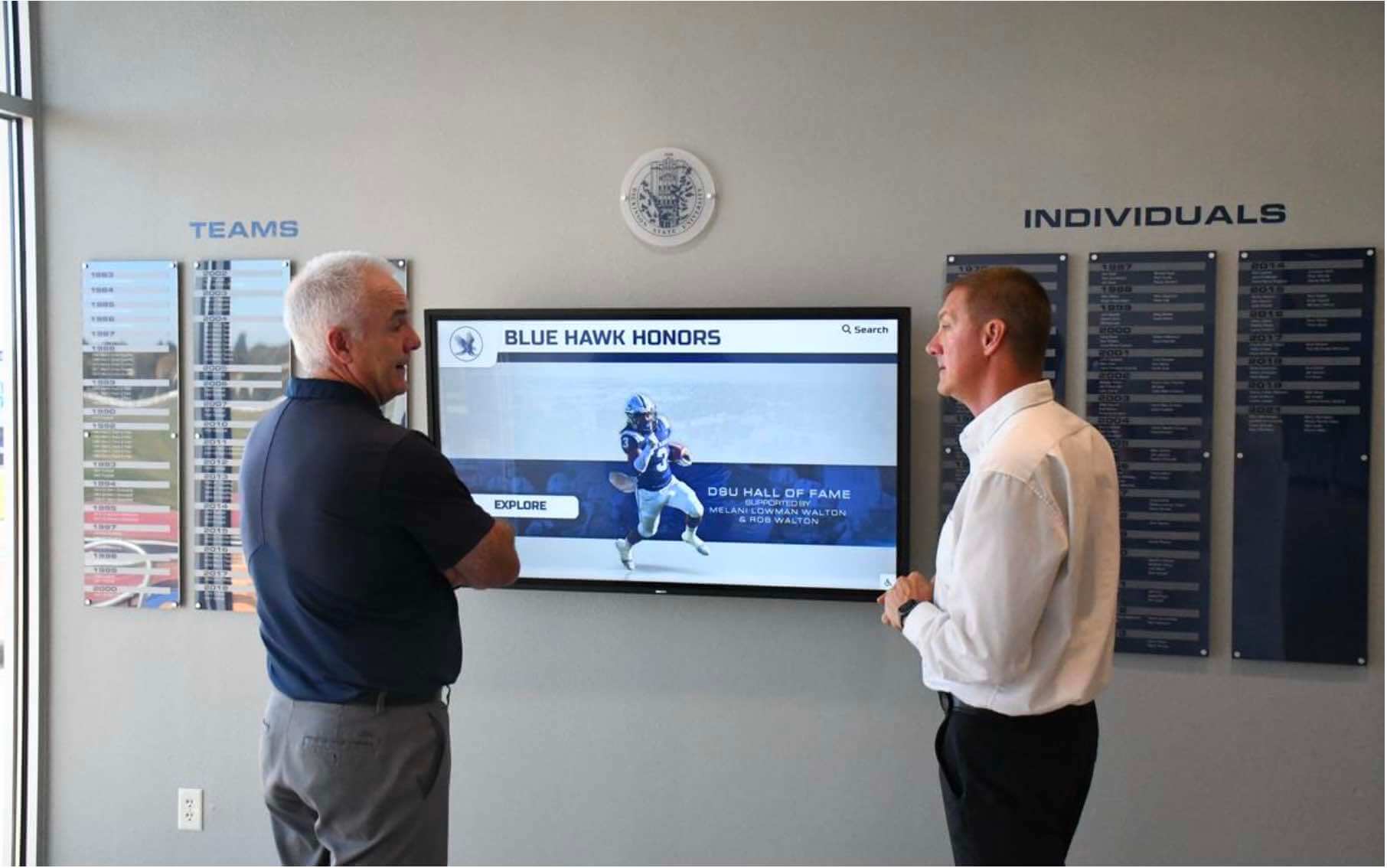
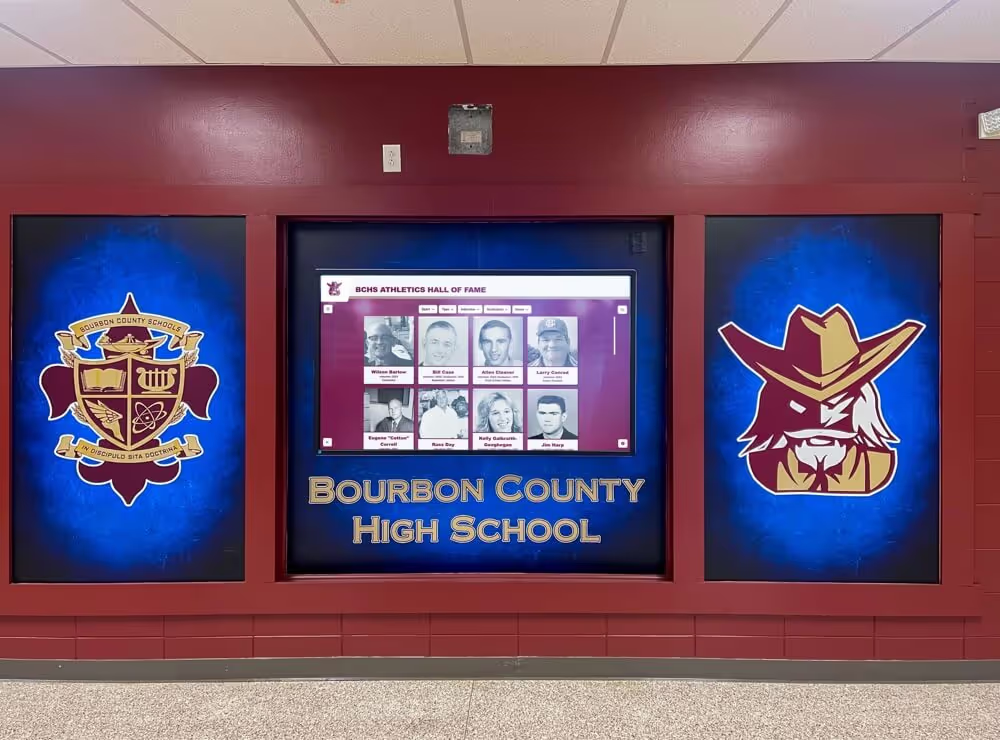
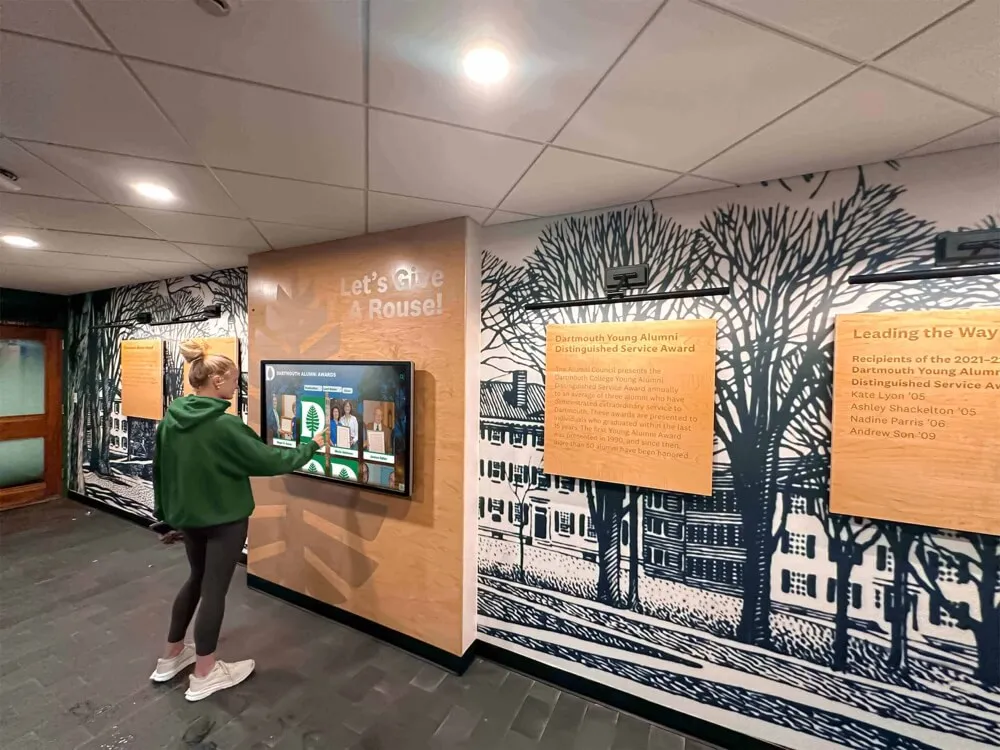
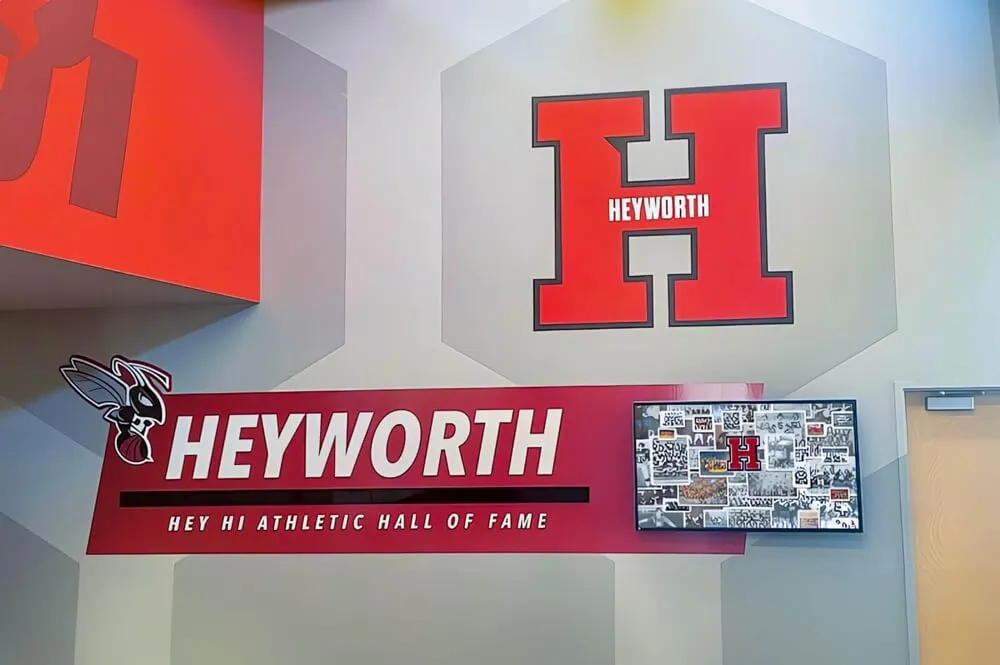
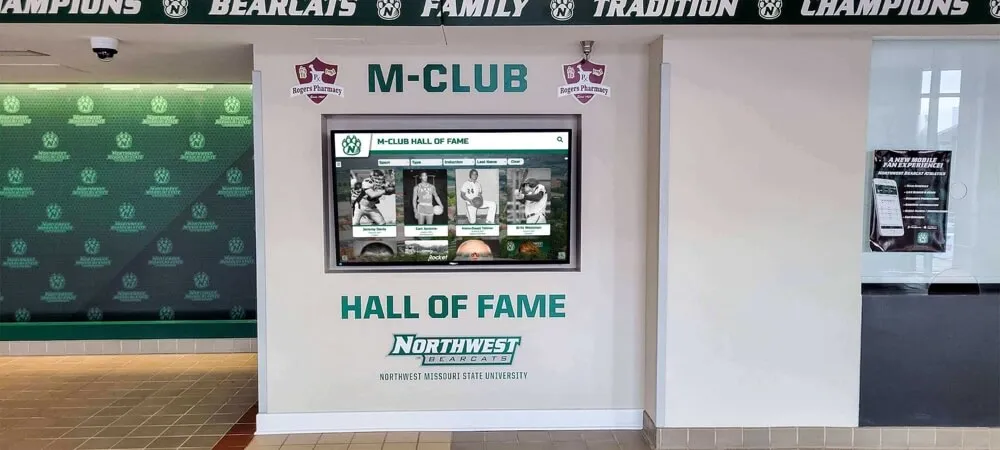
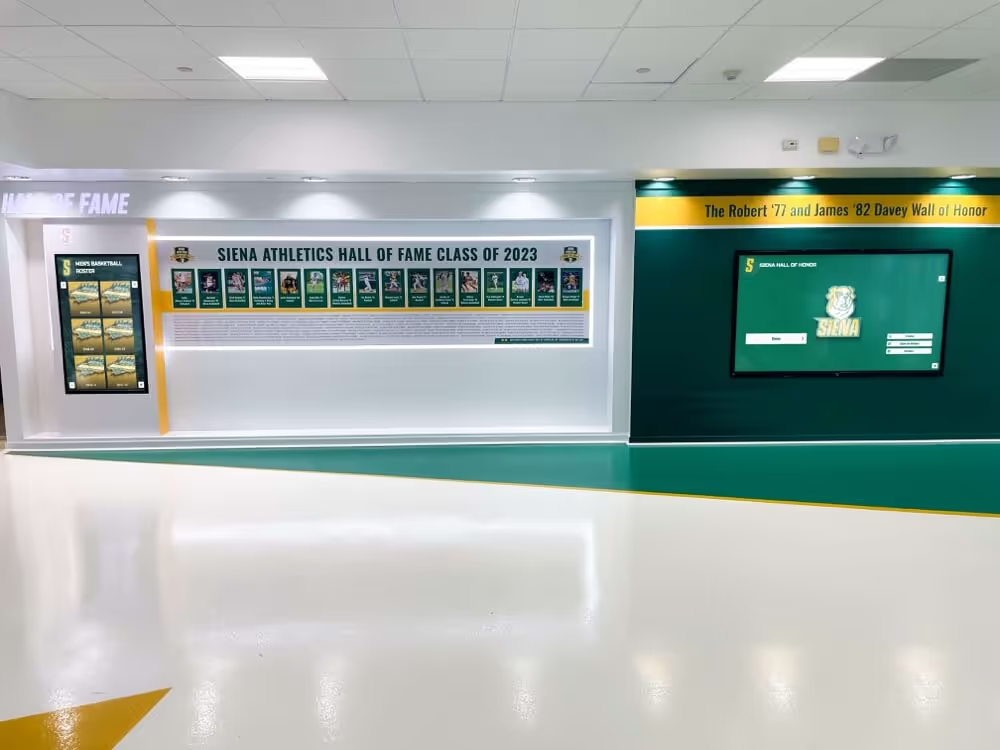
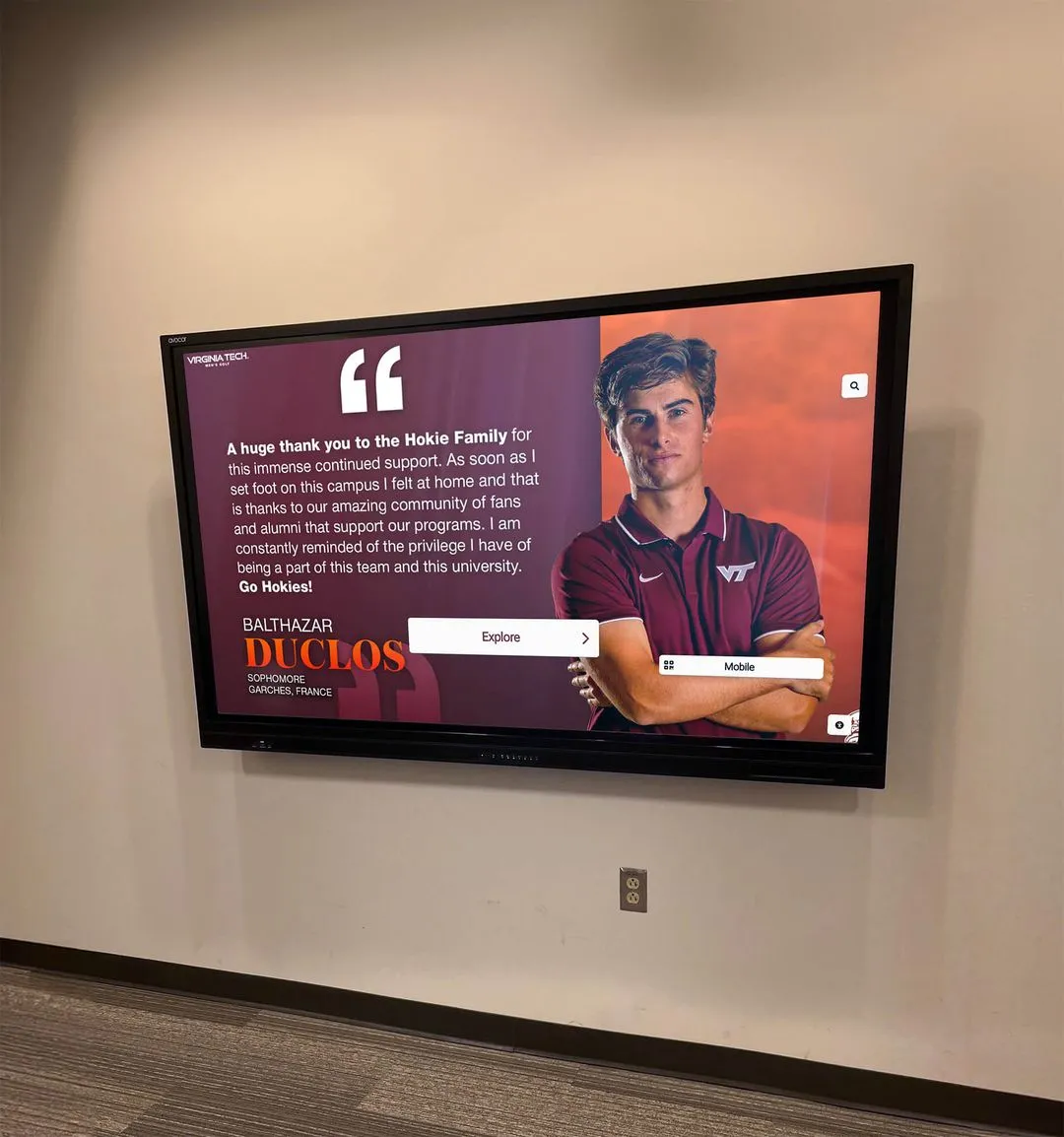
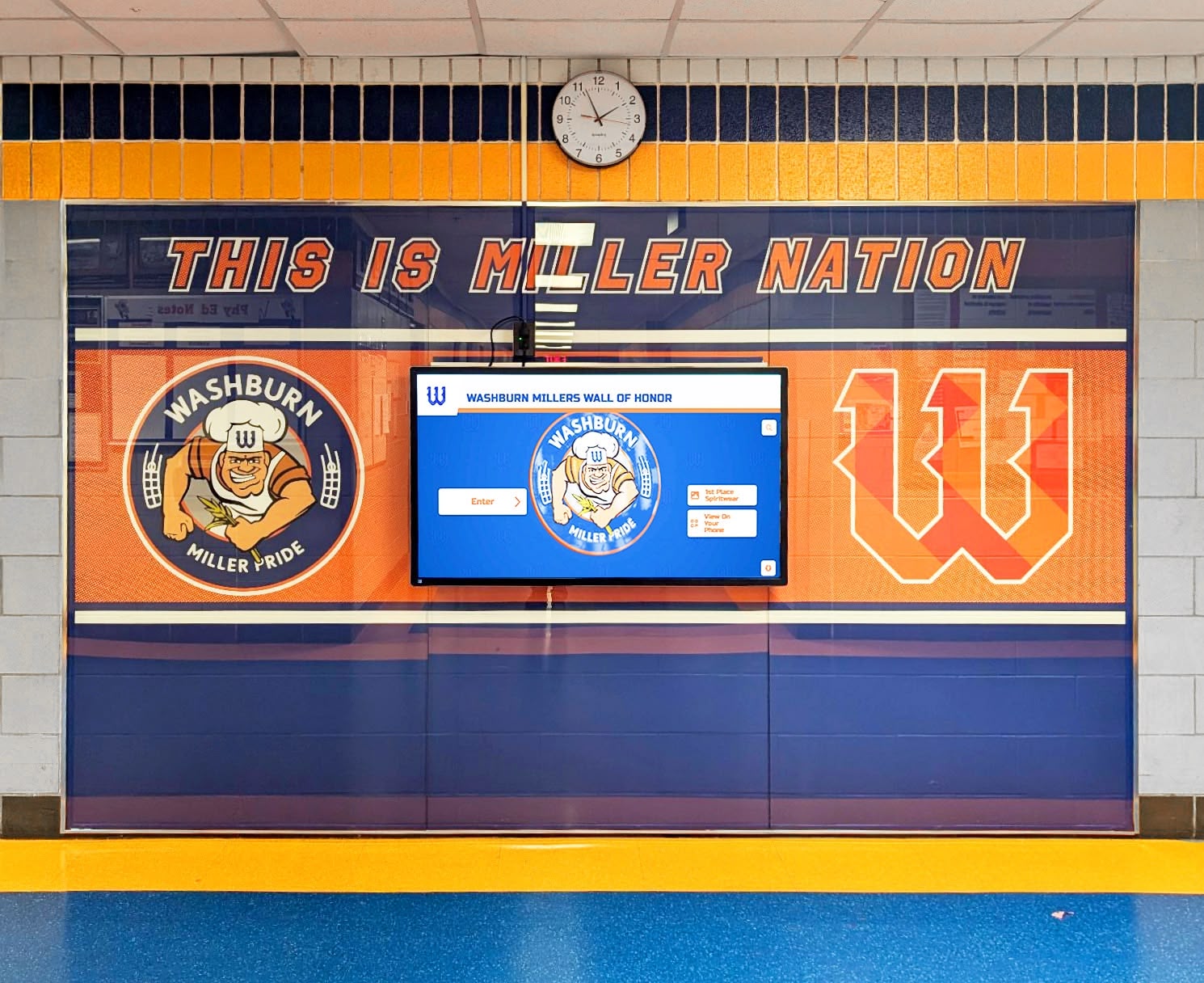
Recognition wording should invite engagement and create meaningful connections between viewers and honored donors
Annual Giving and General Donor Recognition (Examples 31-40)
These examples acknowledge annual donors, consistent supporters, and contributions across various giving levels, typically ranging from $100 to $25,000:
Example 31: Annual Honor Roll
[Year] Honor Roll of Donors

With sincere gratitude to generous friends
whose annual support sustains excellence
and makes our mission possible every day.

[Donor Name]
Example 32: Tiered Recognition
[Organization Name] Giving Circles

[Circle Name] ($10,000+)
In celebration of extraordinary annual partners
whose leadership gifts drive excellence.

[Donor Name] | [Years of Giving]
Example 33: Consecutive Years Recognition
Loyal Partners

Honoring dedicated supporters who have
contributed annually for [10/15/20/25+] consecutive years,
demonstrating sustained commitment to our mission.

[Donor Name]
Loyal Partner Since [Year]
Example 34: First-Time Donor Recognition
[Year] New Friends

Welcoming generous new supporters to our community.
Your first gift begins a partnership we hope
will continue for years to come.

[Donor Name]
New Partner | [Year]
Example 35: Young Alumni Donors
Young Alumni Society

Celebrating recent graduates whose early philanthropic
engagement demonstrates commitment to giving back
and supporting future students.

[Donor Name]
Class of [Year]
Example 36: Parent Donors
Parents' Circle of Support

In grateful recognition of generous parents
whose support enriches educational experiences
and strengthens our school community.

[Donor Name]
Parent Supporter | [Year(s)]
Example 37: Faculty/Staff Giving
Faculty & Staff Partners

Honoring colleagues whose generous personal
contributions reflect deep commitment to our
shared mission and community.

[Donor Name]
[Department/Role]
Example 38: Corporate Partner Recognition
Corporate Partners in Excellence

With appreciation to business partners whose
corporate support advances our mission and
demonstrates community investment.

[Company Name]
Corporate Partner | [Year(s)]
Example 39: General Annual Recognition
Circle of Friends

Celebrating generous supporters whose annual gifts
ensure we can pursue our mission with excellence
and serve our community with distinction.

[Donor Name]
Friend Since [Year]
Example 40: Reunion Giving Recognition
Class of [Year] Reunion Gift

In grateful recognition of generous alumni
who celebrated their reunion by giving back
and supporting the next generation.

Class Gift Total: [Amount]
Participation: [Percentage]
Special Recognition Contexts (Examples 41-50)
These final examples address unique recognition situations including matching gifts, honorary degrees, volunteer leadership, and special campaign contexts:
Example 41: Matching Gift Recognition
[Donor Name]
Leadership Investor

Generous gift matched by
[Company Name]
Corporate Matching Partner

Together creating twice the impact
Example 42: Challenge Grant Recognition
The [Donor Name] Challenge Fund

In recognition of [Name]'s visionary challenge gift
that inspired our community to collective action,
unlocking [$X] in matching support and
demonstrating the power of catalytic philanthropy.
Example 43: Honorary Degree Recipient
[Honoree Name]
Honorary Degree Recipient | [Year]

In celebration of extraordinary achievement,
distinguished service, and generous support
of [Institution Name]'s mission.
Example 44: Volunteer Leadership Recognition
[Name]
Campaign Chair | [Years]

With profound gratitude for exceptional volunteer leadership,
countless hours of dedicated service, and inspirational
commitment that made this campaign's success possible.
Example 45: Founding Board Member
[Name]
Founding Board Member | [Years]

Honoring visionary leadership, generous support,
and unwavering dedication to establishing
and advancing our mission.
Example 46: In-Kind Gift Recognition
In grateful recognition of [Donor/Company Name]
for their generous contribution of
[Description of in-kind gift]

Their thoughtful support enriches our
[program/facility/mission].
Example 47: Multi-Generational Family Recognition
The [Family Name] Family
Legacy of Generosity

Celebrating three generations of family support:

[Grandparent Names] | [Years]
[Parent Names] | [Years]
[Current Generation Names] | [Years]

A family tradition of giving back
Example 48: Community Organization Partner
In Partnership With
[Organization Name]

Celebrating collaborative support that strengthens
both our organizations and serves our shared
community with greater impact.

Partnership Established [Year]
Example 49: Emergency/Crisis Campaign
[Crisis Response Campaign Name]
Rapid Response Donors

With heartfelt gratitude to generous supporters
who answered urgent needs with immediate compassion,
making critical impact when it mattered most.

[Donor Name] | [Year]
Example 50: Digital Donor Wall Rotating Feature
Featured Supporter

[Donor Name]
[Giving Level/Society]

"[Optional donor quote about why they give]"

Supporting [specific program/general mission] since [Year]
Total lifetime giving: [$X] over [number] years

[Optional: Photo and brief bio]
Explore how institutions implement unique donor wall ideas that showcase creative recognition language in action.
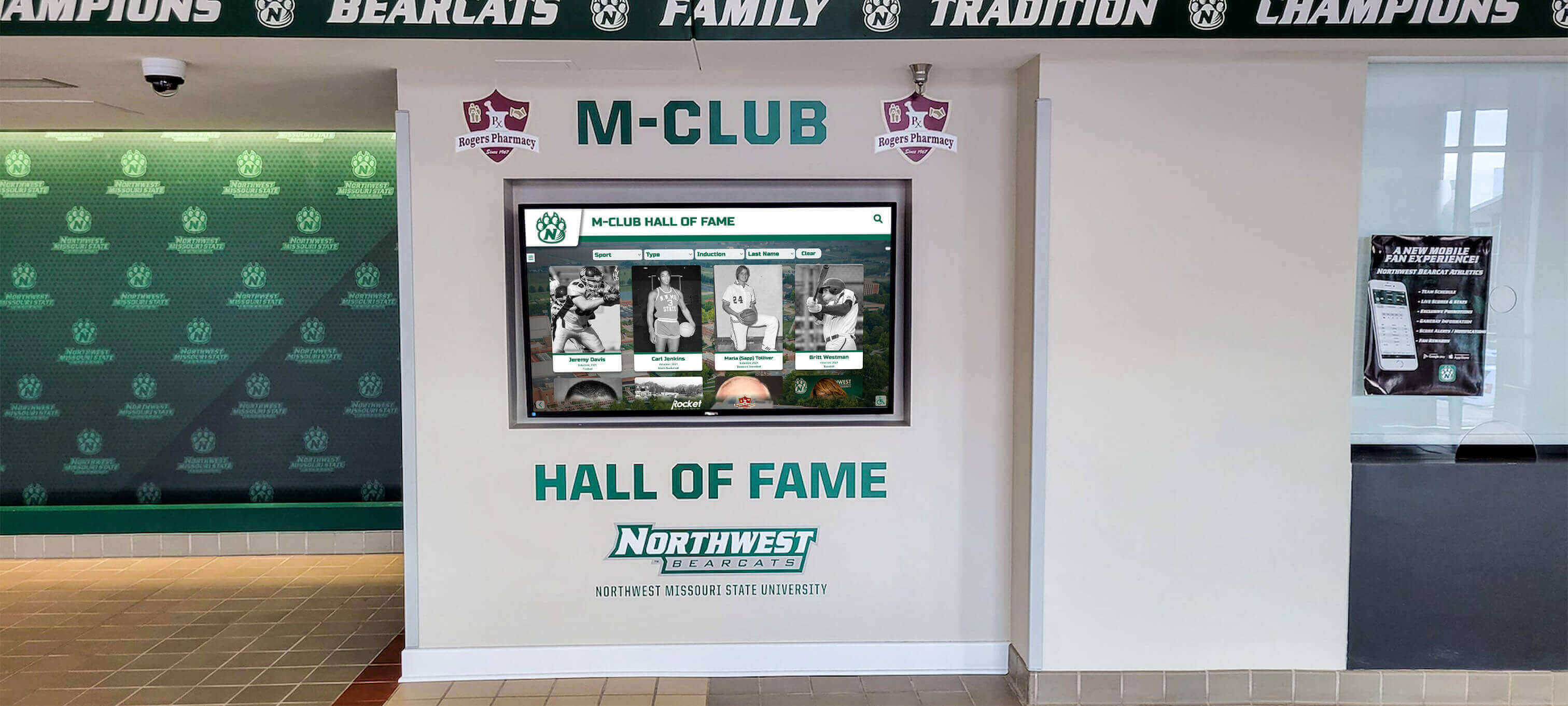
Varied wording approaches accommodate diverse donor types, giving levels, and recognition contexts within unified systems
Step-by-Step Guide to Creating Custom Donor Recognition Wording
While examples provide valuable templates, developing custom recognition language aligned with your specific institutional context, donor community, and stewardship objectives requires systematic planning.
Step 1: Establish Recognition Language Principles
Before drafting any specific wording, create foundational guidelines ensuring consistency across all recognition contexts.
Define Your Institution’s Recognition Voice
Determine the overall tone that should characterize your recognition language by considering institutional history and traditions (established academic institutions versus newer organizations), community culture (formal professional environments versus grassroots community groups), primary donor demographics (corporate executives, young professionals, community members, alumni), and mission focus (education, healthcare, arts, social services, faith-based).
Document this voice in writing so that multiple staff members drafting recognition language over time can maintain consistency. Include specific guidance like “Use warm, accessible language that emphasizes community rather than hierarchical giving levels” or “Employ traditional academic language that honors our 150-year heritage.”
Establish Terminology Standards
Create consistency by standardizing key terms you’ll use throughout recognition efforts. Decide whether you’ll call contributors “donors,” “benefactors,” “partners,” “investors,” “supporters,” or “friends.” Determine if financial contributions are “gifts,” “investments,” “contributions,” “support,” or “generosity.” Choose whether giving levels represent “circles,” “societies,” “councils,” “clubs,” or “partnerships.”
This terminology standardization prevents confusing inconsistency where capital campaign materials call supporters “visionary investors” while annual giving communications reference “generous donors” and donor walls list “benefactors”—using different terms for identical relationships.
Set Formality Parameters
Establish clear guidelines about formality levels appropriate for different recognition contexts including building dedications and major naming (typically more formal), annual giving recognition (often more accessible), memorial tributes (balanced formality showing respect), and interactive digital displays (potentially more conversational).
Understanding when digital donor recognition approaches allow greater flexibility versus when traditional language serves donors better helps organizations make appropriate choices.
Determine Personalization Levels
Decide how much personalization different recognition contexts will include beyond donor names. Will you incorporate giving amounts (generally discouraged for major donors), years of giving, specific program support areas, donor quotes or testimonials, biographical information, or family/legacy details?
More personalized recognition creates stronger emotional connections but requires significantly more information gathering, content development, and ongoing maintenance. Balance aspirations against practical capacity.
Step 2: Research Your Donor Community
Effective recognition language reflects genuine understanding of who your donors are and what motivates their giving.
Segment Your Donor Population
Different donor groups may respond to different recognition language. Consider segmenting by demographics (age, profession, geography, cultural background), giving patterns (major donors versus annual supporters, long-term loyal donors versus new contributors), motivation (alumni loyalty, mission passion, community obligation, memorial tribute), and relationship type (individual donors, families, corporations, foundations).
Recognition language for annual young alumni donors might emphasize community and collective impact, while major gift recognition for corporate donors might stress leadership and investment returns through mission advancement.
Survey Donor Preferences
When appropriate, gather direct feedback about recognition preferences through post-gift surveys asking about preferred recognition names (some donors use different names in different contexts), privacy preferences (some major donors prefer minimal public recognition), specific languages or cultural considerations, and memorial tribute details for gifts honoring others.
This research prevents embarrassing situations where recognition uses incorrect names, violates privacy preferences, or displays cultural insensitivity.
Study Comparable Institutions
Examine how peer organizations recognize donors, noting wording approaches that seem particularly effective or problematic. Visit campuses or facilities to read recognition language firsthand, review donor wall photos on institutional websites, analyze annual reports and honor roll publications, and if appropriate, directly ask advancement colleagues what wording approaches have proven successful.
This competitive research provides valuable perspective without requiring you to invent recognition language entirely from scratch.
Step 3: Draft Recognition Language
With principles established and research complete, begin drafting specific wording for different recognition contexts.
Start with Core Template Structures
Rather than creating entirely unique wording for every donor, develop template structures that maintain consistency while allowing personalization. Create separate templates for different contexts including major naming opportunities, leadership giving societies, annual donor recognition, memorial tributes, corporate partnerships, and special recognition categories.
Templates ensure efficiency and consistency while preventing the paralysis of facing blank pages for every recognition need.
Layer in Specific Details
Customize templates with details including accurate donor names (with preferred spelling and formatting), specific dates (gift dates, dedication dates, establishment years), particular programs or focus areas supported, relationship details (class year, board service, volunteer roles), and where appropriate, personal touches reflecting individual donor stories.
This layering transforms generic templates into personalized recognition that honors specific donor relationships.
Balance Information Density
Determine appropriate information levels for different recognition formats. Physical plaques have space constraints requiring concise wording, while digital donor walls can accommodate extended biographical content, impact stories, and multimedia elements.
Ensure that primary recognition messages remain clear and immediately comprehensible, with additional details available for visitors who want deeper engagement.
Apply Your Voice Guidelines
Review drafted language against the voice principles established in Step 1, ensuring wording maintains consistent tone, employs standardized terminology, operates at appropriate formality levels, and reflects authentic institutional character.
This review prevents individual drafters from introducing inconsistencies that undermine recognition program coherence.
Step 4: Gather Stakeholder Input
Before finalizing recognition language, collect feedback from key stakeholders ensuring wording serves multiple perspectives.
Review with Advancement Leadership
Development officers who maintain donor relationships should review recognition language to ensure it aligns with how they’ve discussed support with donors, honors any specific requests or preferences donors communicated, matches the tone of stewardship conversations and materials, and doesn’t create confusion or disappointment.
Advancement teams may catch issues like “We promised Mrs. Johnson we’d mention that her gift honors her late husband’s teaching career, but the draft doesn’t include that detail.”
Consult with Institutional Leadership
Presidents, heads of school, executive directors, and board chairs should review major recognition language ensuring alignment with institutional messaging, appropriate representation of organizational priorities, accuracy in describing programs or facilities being named, and comfort with long-term commitments recognition language represents.
This leadership review prevents situations where recognition language conflicts with how senior leaders describe institutional strategy or creates commitments at odds with future directions.
Seek Legal and Policy Review
For major naming opportunities, endowments, or complex recognition situations, have legal counsel and gift acceptance officers review language ensuring clarity around naming duration (perpetual versus term-limited), conditions under which naming might be reconsidered, accuracy of gift terms and restrictions, and compliance with institutional policies and legal requirements.
This review protects both institutions and donors from future conflicts arising from ambiguous or problematic recognition language.
When Appropriate, Share with Donors Directly
For major recognition opportunities, share draft language with donors before finalizing, allowing them to provide feedback about name formatting preferences, additional context they’d like included, any language that doesn’t resonate with their intentions, or privacy concerns about specific details.
This donor review prevents unpleasant surprises when recognition is unveiled and strengthens relationships by demonstrating that you value their input.
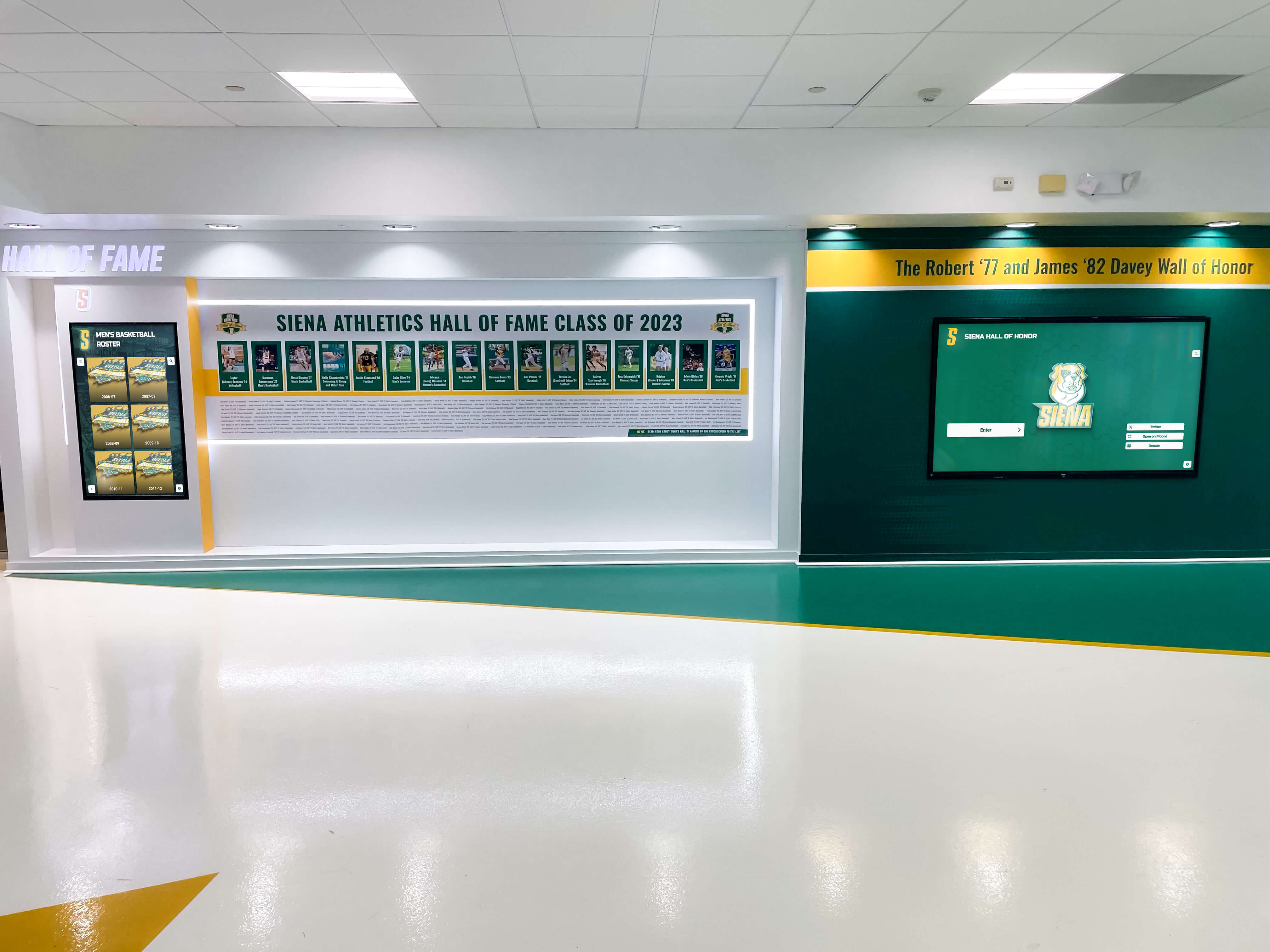
Systematic planning processes ensure recognition language maintains quality and consistency across all donor acknowledgments
Step 5: Refine and Edit Recognition Copy
Before final approval, careful editing ensures recognition language achieves its objectives while avoiding common pitfalls.
Check for Common Wording Problems
Review carefully for issues including grammatical errors or typos (which feel particularly problematic on permanent recognition), name spelling errors (verify against donor database records), inconsistent formatting (mixing different date formats, capitalization styles, punctuation approaches), and unclear or ambiguous phrasing.
Having multiple readers review recognition language catches errors individual reviewers miss.
Ensure Accessibility and Readability
Recognition language should be immediately comprehensible to diverse audiences. Assess accessibility by reading text aloud (does it flow naturally?), checking reading level (avoid unnecessarily complex vocabulary), considering visual accessibility (sufficient contrast, readable fonts, appropriate sizing), and testing with people unfamiliar with institutional jargon.
If campus tour guides struggle to read or explain recognition wording to visitors, it needs simplification.
Verify Timelessness
Project forward 10, 20, 30+ years and consider whether recognition language will maintain relevance and resonance. Remove or revise references to temporary campaigns or initiatives that may become obscure, trendy phrases or contemporary slang likely to feel dated, overly specific administrative details that may change, and language tied to current leaders whose tenure will end.
Recognition that reads “In this new millennium…” written in 2001 feels dated by 2026. Choose language with greater longevity.
Test Emotional Resonance
Read recognition language from donors’ perspectives and honestly assess whether it would make you feel genuinely honored and valued. Does the language convey sincere gratitude or feel perfunctory? Does it celebrate meaningful impact or simply list transactions? Does it create emotional connection or maintain distant formality? Does it honor individual contributions while acknowledging collective community?
If recognition language doesn’t move you emotionally, it likely won’t resonate with donors either.
Step 6: Document and Systematize
After finalizing recognition language, create systems ensuring consistency and quality in future recognition efforts.
Create Recognition Style Guide
Document all the decisions made throughout this process in a comprehensive style guide including voice and tone principles, standard terminology, template structures for different contexts, formatting specifications, approval processes, and examples of successful recognition language.
This guide enables staff turnover without losing institutional knowledge and ensures consistency when multiple people draft recognition language.
Establish Review and Approval Workflows
Create clear processes specifying who drafts recognition language, who reviews for accuracy and alignment, who provides final approval, what timeline recognition development requires, and when donors see draft language.
Documented workflows prevent important recognition from falling through cracks or being rushed without appropriate review.
Build Recognition Language Database
Maintain searchable records of all recognition language you’ve created organized by donor name, gift type, recognition context, date created, and location where recognition appears.
This database helps ensure you don’t accidentally duplicate language, enables you to reference similar past recognition when drafting new acknowledgments, and provides institutional records of all recognition commitments made.
Plan for Updates and Maintenance
Create systems for keeping recognition current including processes for adding new donors to recognition displays, correcting errors discovered after installation, updating digital content regularly, and maintaining physical installations properly.
Even perfectly worded recognition loses impact if donor names are missing, content feels stale, or physical plaques deteriorate.
Adapting Recognition Wording for Different Formats
Recognition language requirements vary significantly based on where and how acknowledgment will be displayed, requiring format-specific adaptation.
Traditional Physical Plaques
Permanent engraved or etched plaques impose strict space constraints requiring concise wording that remains meaningful despite brevity.
Space Limitation Strategies
Maximize impact within limited space by prioritizing essential information (donor names, key dates, primary acknowledgment), using formatting to create hierarchy (larger fonts for names, smaller for details), employing line breaks strategically to enhance readability, and eliminating unnecessary words without losing meaning.
Consider that elaborate wording beautiful in documents may become cramped and difficult to read when engraved on physical plaques.
Material and Production Considerations
Physical plaque materials affect language presentation. Engraved metal plaques typically accommodate different text sizing better than etched glass, while cast bronze allows raised lettering creating strong visual impact. Consult with vendors about character limits, font options, and formatting constraints before finalizing wording.
Understanding production realities prevents disappointment when beautiful draft language doesn’t translate effectively to physical format.
Longevity and Durability
Physical plaques should use language with exceptional permanence since corrections require expensive replacement. Triple-check all spelling, dates, and facts. Consider potential future confusion (will “The [Name] Center” remain clear if buildings are later renumbered or repurposed?).
The permanence that makes physical plaques meaningful also makes errors particularly problematic.
Digital Recognition Displays
Interactive digital systems offer dramatically different capabilities enabling longer-form content, multimedia integration, and flexible updating.
Leveraging Digital Capabilities
Digital displays allow recognition elements impossible with physical plaques including donor photographs with names, extended biographical information, impact stories connecting gifts to outcomes, donor quotes explaining giving motivations, video testimonials, historical timelines showing giving progression, and searchable databases enabling visitors to find specific donors.
Organizations implementing modern donor wall ideas leverage digital capabilities to create recognition experiences far beyond name lists.
Balancing Brevity and Depth
Digital displays should present concise primary recognition (name, giving level, key details) immediately visible, with deeper content available through interaction. Organize information in layers allowing brief acknowledgment for casual viewers, moderate detail for moderately interested visitors, and comprehensive content for those wanting full donor stories.
This layering prevents overwhelming displays while accommodating varied visitor interests.
Maintaining Fresh Content
Digital recognition allows regular content updates keeping displays current and engaging. Rotate featured donor spotlights, add new donors promptly, update campaign progress information, refresh impact stories seasonally, and vary content themes throughout the year.
Unlike static physical plaques, digital recognition should feel dynamic and current.
Ensuring Accessibility
Digital recognition must serve visitors with diverse abilities including sufficient text sizing and contrast for readability, audio options for visually impaired visitors, touchscreen targets large enough for motor impairment accommodation, and content at appropriate heights for wheelchair users.
Learn how institutions ensure digital displays meet accessibility standards while maintaining visual appeal.
Hybrid Recognition Systems
Many institutions combine physical and digital recognition, requiring coordination ensuring both elements work together coherently.
Complementary Content Strategies
Use physical plaques for permanent, essential recognition (major naming opportunities, primary donor acknowledgment, key dates and dedication language) while digital displays provide flexible, detailed content (comprehensive donor lists, biographical details, impact stories, campaign updates).
This division leverages each format’s strengths while compensating for limitations.
Visual and Messaging Coherence
Ensure physical and digital elements share consistent design language including coordinated color schemes and materials, compatible typography and formatting, aligned messaging and voice, and unified recognition hierarchies.
Disconnected physical and digital recognition feels disjointed rather than complementary.
Cross-Referencing Opportunities
Create connections between physical and digital recognition through QR codes on plaques linking to detailed digital profiles, digital displays highlighting nearby physical recognition, printed materials explaining how to explore fuller donor stories digitally, and tour guide scripts connecting physical and digital elements.
These connections help visitors understand the full recognition ecosystem rather than experiencing disconnected components.
Common Donor Recognition Wording Mistakes to Avoid
Even well-intentioned organizations make recurring errors in recognition language that undermine effectiveness.
Overly Generic Language
Recognition that could apply to any donor at any organization fails to create meaningful connection.
The Generic Trap
Phrases like “In appreciation of generous support” or “Thank you for your contribution” feel perfunctory because they communicate nothing specific about the donor, their gift, or its impact. This language suggests institutional indifference—that you couldn’t invest thought in personalized acknowledgment.
Specificity Solutions
Even with space constraints, add specific details making recognition meaningful including donor name prominently featured, particular program or purpose supported, connection to institutional mission or impact, or relevant dates providing context.
Transform “In appreciation of generous support” into “In grateful recognition of [Name]’s commitment to student scholarship” or “Celebrating [Name]’s investment in athletic excellence.”
Inappropriate Formality Mismatches
Language too formal or too casual for context creates disconnect between recognition and institutional culture.
Overly Formal Pitfalls
Excessive formality (“In commemoration of the munificent benefaction bestowed upon this institution by…”) can feel stuffy, create distance, and suggest you value pomp over genuine relationship. While major naming opportunities warrant formal language, overdo creates parody.
Overly Casual Concerns
Conversely, inappropriately casual language (“Big thanks to our awesome donors who totally rock!”) can seem disrespectful, unprofessional, and misaligned with the significance of major gifts. Warmth and accessibility don’t require sacrificing dignity and respect.
Finding the Balance
Match formality to gift significance, institutional culture, and donor preferences. Test language by reading it aloud—does it sound like how your institution actually communicates? Would donors receiving this recognition feel appropriately honored?
Problematic Terminology
Certain word choices create unnecessary issues or offense.
Hierarchical Language Concerns
Explicit hierarchies in recognition language (“Gold/Silver/Bronze Donors” or “First Class/Second Class Partners”) can feel transactional, emphasize financial stratification, and make donors at lower levels feel less valued. While giving levels certainly exist, terminology can acknowledge differences more gracefully.
Better Alternatives
Consider terminology emphasizing different forms of leadership or partnership rather than explicit hierarchies: “Leadership Circle” and “Partnership Circle” rather than “Premier Donors” and “Standard Donors”; “Founder’s Society” and “Heritage Society” rather than “Tier 1” and “Tier 2”; or named societies honoring different aspects of mission rather than numbered levels.
Explore how organizations develop recognition programs that honor diverse contributions without problematic hierarchies.
Accuracy and Fact-Checking Failures
Errors in recognition language damage credibility and donor relationships.
Common Error Categories
Frequent mistakes include donor name misspellings or incorrect formatting, wrong dates (gift dates, dedication dates, memorial dates), inaccurate gift amounts or terms, incorrect attribution (recognizing wrong donors or families), and factual errors about programs or facilities being named.
Prevention Systems
Implement verification processes including cross-referencing all donor information against official database records, confirming dates with gift records and institutional documentation, having donors review draft recognition language when appropriate, engaging multiple reviewers to catch different error types, and creating final approval checklists ensuring all facts have been verified.
The embarrassment and relationship damage from recognition errors far exceeds the effort required for thorough fact-checking.
Dated or Trend-Dependent Language
Recognition intended to last decades shouldn’t employ language that will quickly feel obsolete.
Temporal References
Avoid specific references to current years in ways that will date recognition (“As we enter the new millennium…” or “In this digital age…”). Similarly, avoid tying recognition too closely to specific leaders whose tenure will end (“During President Smith’s transformative leadership…”).
Trend-Sensitive Vocabulary
Contemporary buzzwords and trendy terminology rarely age well. Phrases feeling current today often feel dated within a few years. Choose timeless language emphasizing enduring values over fashionable concepts.
Testing for Timelessness
Imagine reading the recognition language 25 years from now. Would it still resonate? Would it require contextual explanation? Would it feel contemporary or dated? This mental projection helps identify language likely to age poorly.
Implementing and Maintaining Recognition Language
Even perfectly crafted recognition wording fails if implementation and ongoing maintenance prove problematic.
Working with Vendors and Fabricators
Physical recognition requires collaboration with vendors who translate language into fabricated reality.
Providing Clear Specifications
Supply vendors with unambiguous information including exact wording with spacing, capitalization, and punctuation specified, font preferences (provide specific font files when possible), sizing and layout specifications, material and finish requirements, and deadline expectations with appropriate lead time.
Vague specifications lead to disappointment when delivered products don’t match expectations.
Proofreading Production Proofs
Before approving final production, carefully review proofs checking exact wording matches approved copy, fonts and sizing appear as specified, formatting and layout work as intended, and spelling, capitalization, and punctuation are correct.
Most vendors provide proofs specifically to catch errors before expensive production. Use this opportunity thoroughly.
Installation Coordination
Plan installation carefully ensuring correct placement and positioning, appropriate lighting for readability, accessibility compliance, and coordination with other recognition elements.
Beautiful plaques poorly installed fail to achieve recognition objectives.
Digital Display Content Management
Digital recognition requires ongoing content management maintaining quality and currency.
Establishing Update Schedules
Create regular content review and update cycles including immediate updates when new donors reach recognition thresholds, quarterly reviews ensuring all content remains current and accurate, annual comprehensive audits of all recognition content, and ongoing monitoring of system performance and user experience.
Digital recognition feeling stale or outdated undermines advantages over static physical plaques.
Content Governance
Assign clear responsibilities for digital recognition content management including who approves new donor additions, who creates biographical content and impact stories, who conducts quality review, who performs technical updates, and who responds to donor questions or concerns about digital recognition.
Without clear ownership, digital recognition content deteriorates.
Technology Evolution Planning
Digital systems require ongoing maintenance and eventual upgrades. Budget for software updates and licensing, periodic hardware refreshes, content migration when platforms change, and staff training on evolving systems.
Organizations implementing legacy giving programs understand that recognition systems require sustained investment, not just initial implementation.
Addressing Changes and Corrections
Even with careful planning, recognition sometimes requires updates or corrections.
Correction Protocols
Establish clear processes for handling errors discovered after installation including immediate acknowledgment to affected donors, rapid correction implementation, documentation of what happened and how it was prevented in future, and relationship repair with donors affected by errors.
How you handle recognition mistakes matters as much as preventing them.
Change Request Management
Create transparent processes for donor requests to modify recognition including what types of changes are accommodated (name formatting, attribution corrections, meaningful errors) versus declined (aesthetic preferences, extensive rewording, removed recognition), who reviews and approves change requests, timelines for implementing approved changes, and communication protocols explaining decisions.
Not all donor change requests warrant accommodation, but all deserve respectful consideration and clear explanation.
Planned Recognition Evolution
Some recognition changes reflect normal evolution rather than errors including adding new donors to recognition displays, updating campaign progress information, refreshing impact stories and content themes, and incorporating technological improvements.
Build these evolutionary changes into recognition planning rather than treating all changes as problems.
Conclusion: Recognition Language as Strategic Relationship Investment
The words you choose for donor recognition plaques represent far more than administrative details or vendor specifications—they embody your institutional values, communicate genuine gratitude or perfunctory obligation, strengthen relationships or create distance, and inspire future philanthropy or discourage engagement.
Organizations that excel at recognition wording invest appropriate time and thought in language development, understanding that recognition serves strategic stewardship objectives beyond simple acknowledgment. They recognize that donors remember how you make them feel through recognition far longer than they remember specific campaign details, and that recognition language observed by prospective donors shapes their willingness to envision themselves among your philanthropic community.
The 50 examples and step-by-step process provided in this guide offer frameworks for developing recognition language aligned with your unique institutional context, donor community, and stewardship objectives. Adapt these resources thoughtfully rather than applying them formulaically—the most effective recognition language authentically reflects your organization’s character while honoring the specific donors and gifts being acknowledged.
Whether you’re planning a major capital campaign with significant naming opportunities, refreshing annual donor recognition, creating memorial tributes, or implementing comprehensive digital recognition systems, the investment in thoughtful, meaningful, strategically crafted recognition language pays dividends through strengthened relationships, enhanced donor retention, and inspired future philanthropy that advances your mission for generations.
Ready to transform your donor recognition from simple name lists into meaningful stewardship experiences that strengthen relationships and inspire giving? Rocket Alumni Solutions provides comprehensive digital donor recognition systems that combine elegant design with flexible content management, enabling you to implement the recognition language strategies outlined in this guide within sophisticated platforms that grow with your philanthropic community.
Explore how Rocket Alumni Solutions can elevate your donor recognition strategy and request a personalized demonstration showing how digital recognition displays bring thoughtful wording to life through engaging, accessible, and impactful installations that honor your supporters appropriately.