



Intent: Define
A donor recognition screen is an interactive digital display system that showcases contributors, celebrates philanthropic support, and communicates campaign progress through engaging multimedia content. Unlike traditional brass plaques or static donor walls that quickly reach capacity and require expensive updates, digital recognition screens provide unlimited acknowledgment capacity, real-time content management, and dynamic storytelling that transforms how schools, nonprofits, universities, and foundations honor generous supporters.
Yet many organizations still struggle with donor recognition that truly strengthens relationships and inspires continued giving. Traditional approaches fill physical wall space within years, cost hundreds or thousands of dollars for every update, offer no flexibility as campaigns evolve, and fail to communicate the compelling impact stories that connect contributions to outcomes. Meanwhile, generous supporters whose gifts sustain organizational missions receive acknowledgment that feels static, impersonal, and disconnected from the meaningful change their generosity creates.
This comprehensive guide explores how donor recognition screens solve these challenges while creating appreciation experiences that honor all giving levels, demonstrate tangible impact, accommodate unlimited contributors, and inspire the continued philanthropy essential for long-term organizational sustainability.
Modern donor stewardship requires more than simply listing names on physical plaques. Organizations that excel at recognition create dynamic, engaging systems that tell stories, celebrate community, showcase impact, and remain flexible as needs evolve. Digital donor recognition screens like those from Rocket Alumni Solutions make this level of comprehensive appreciation achievable for organizations of all sizes and advancement budgets.

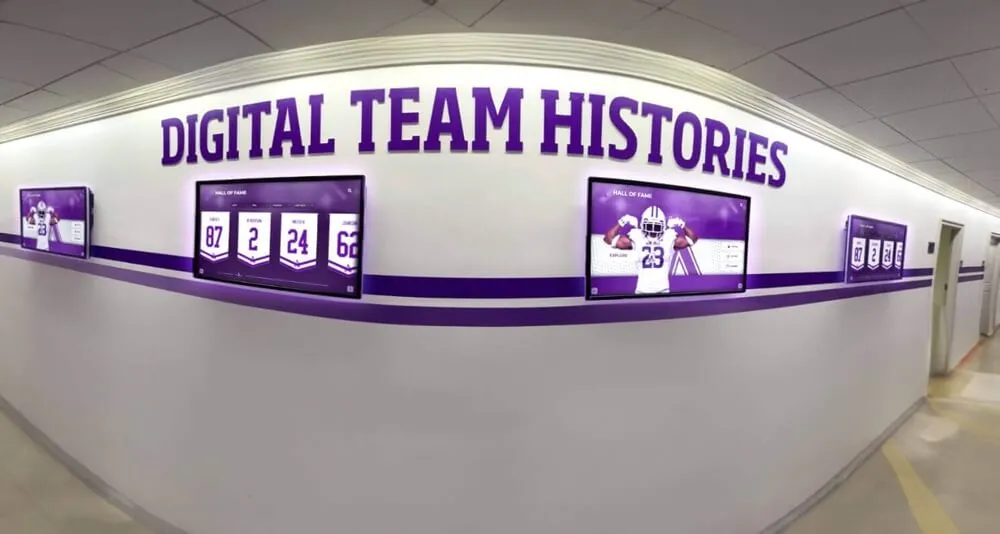
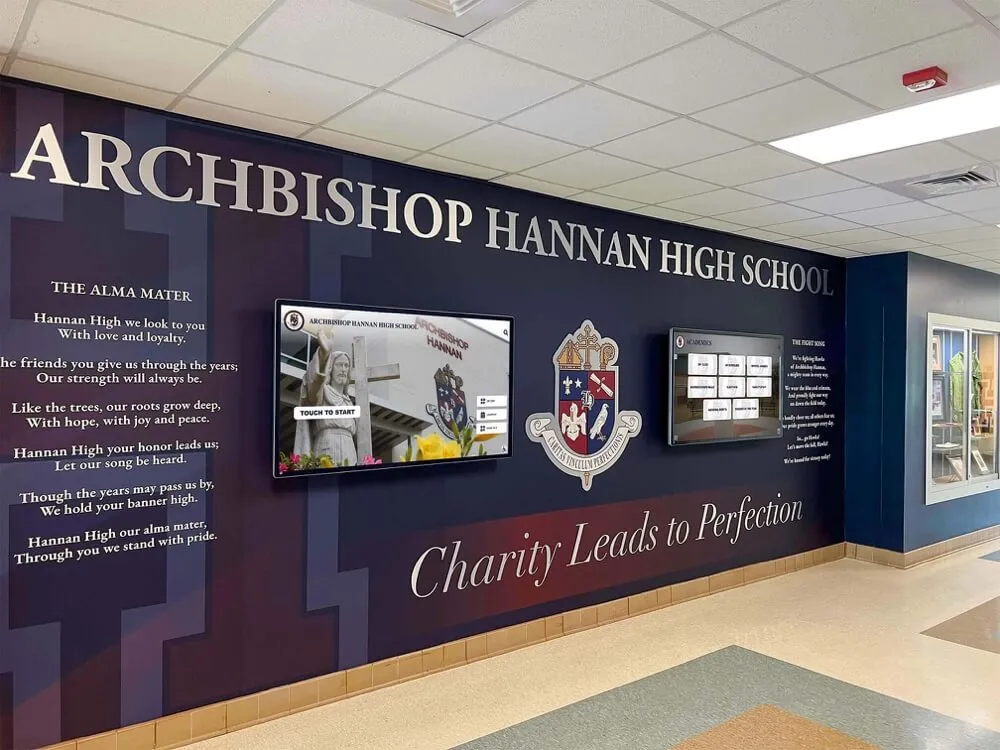
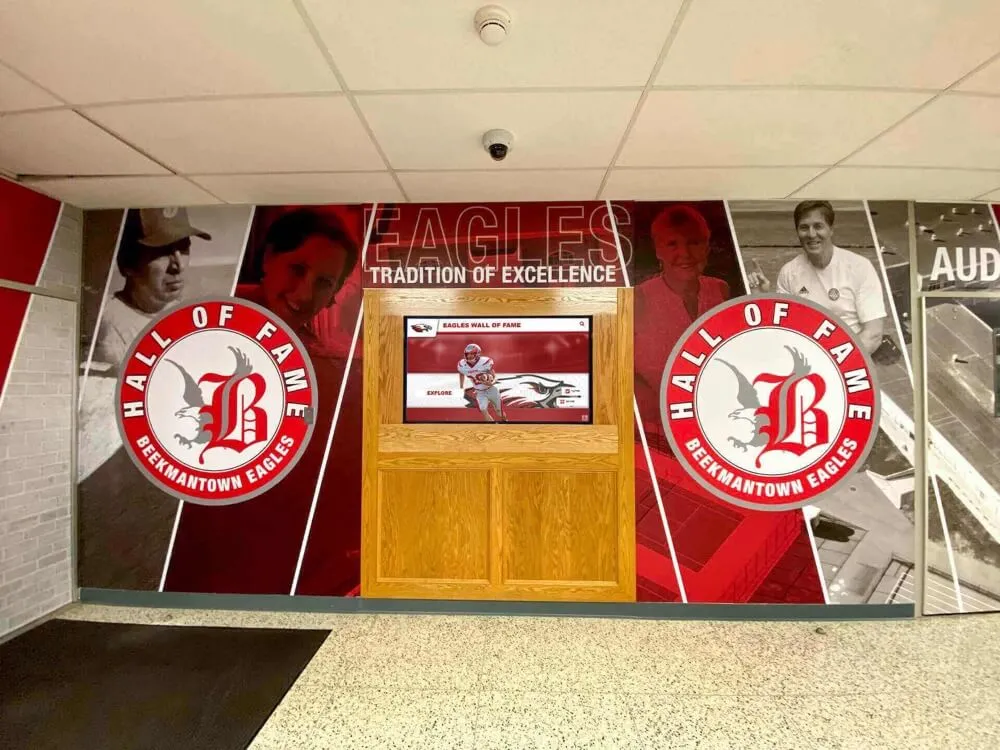
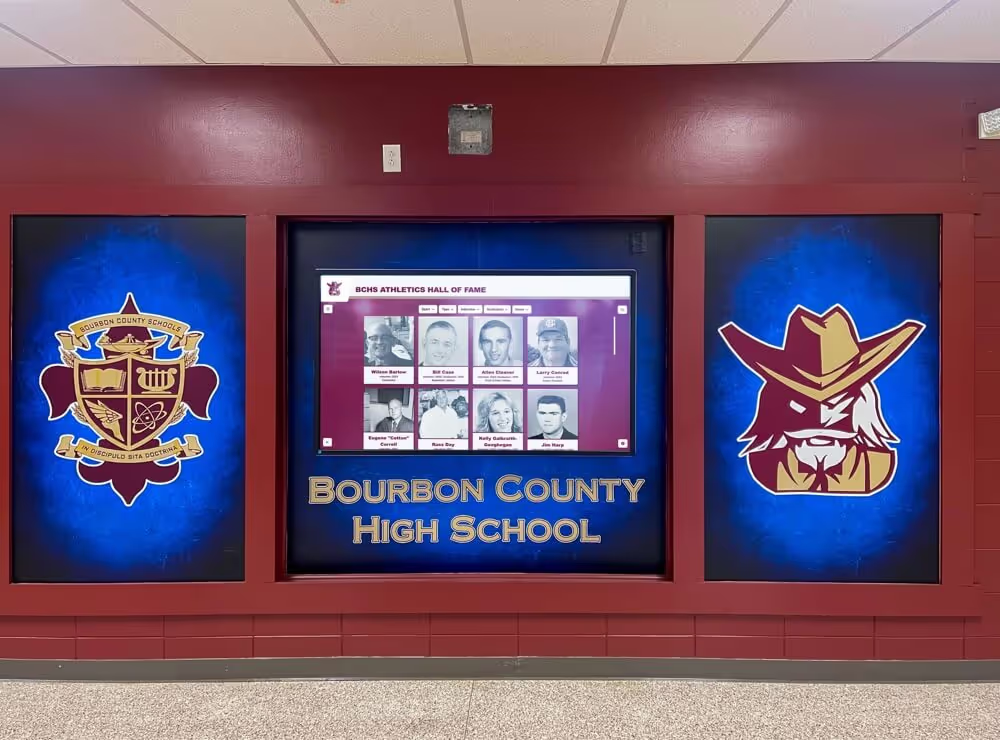
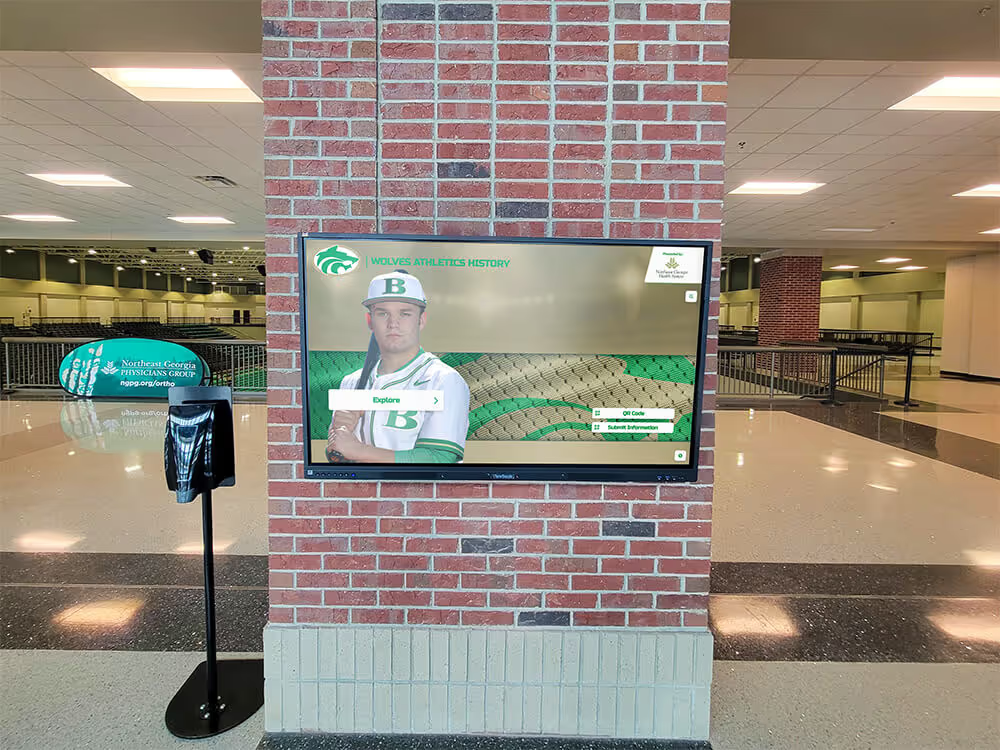
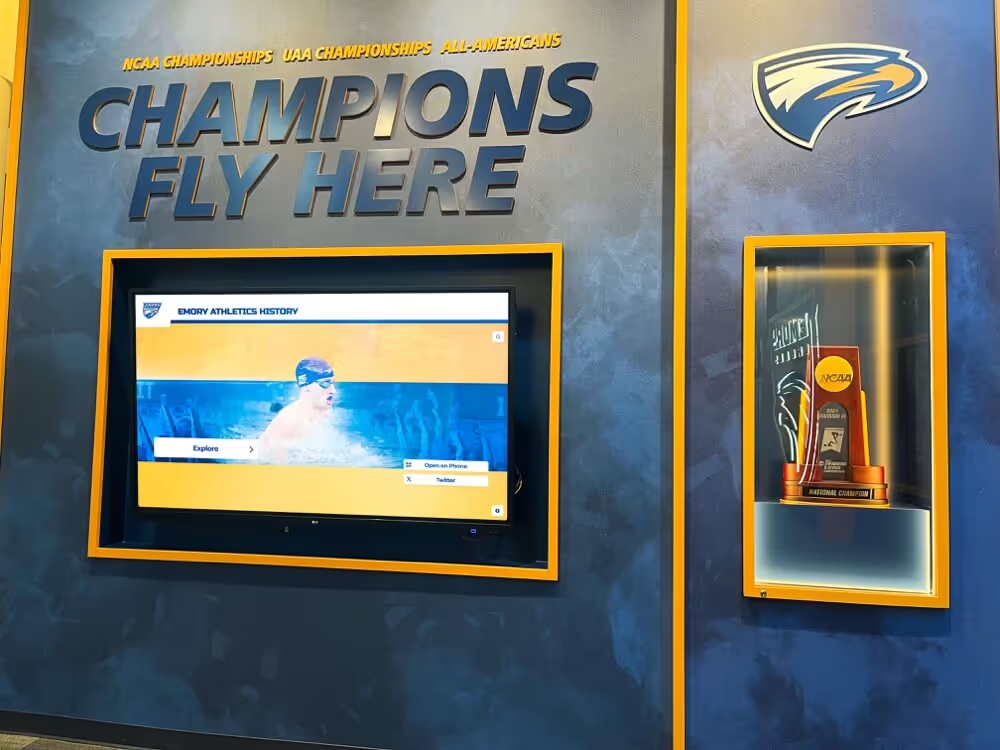
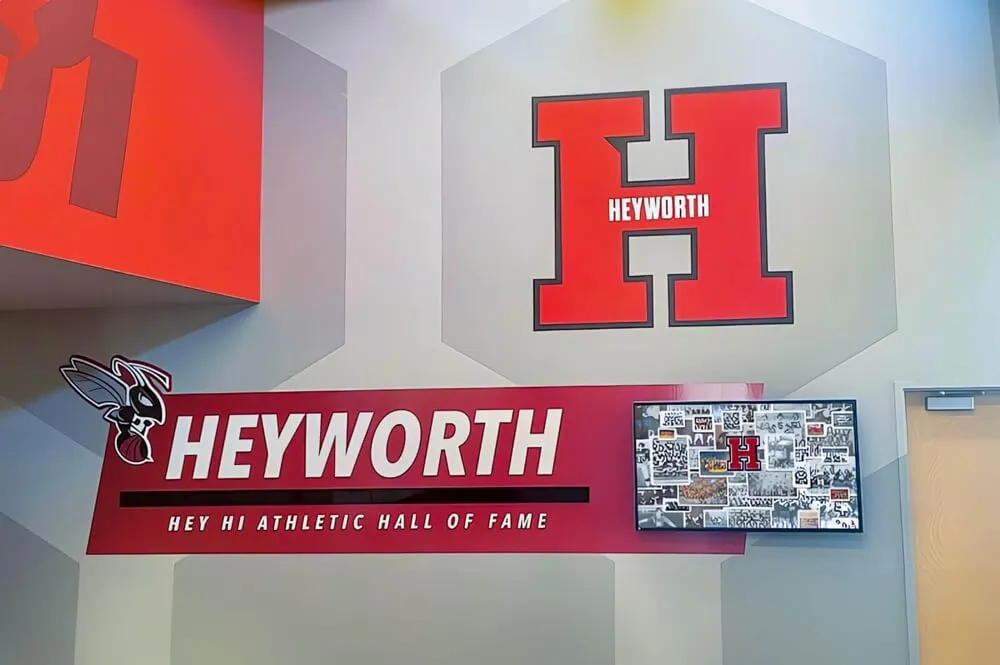
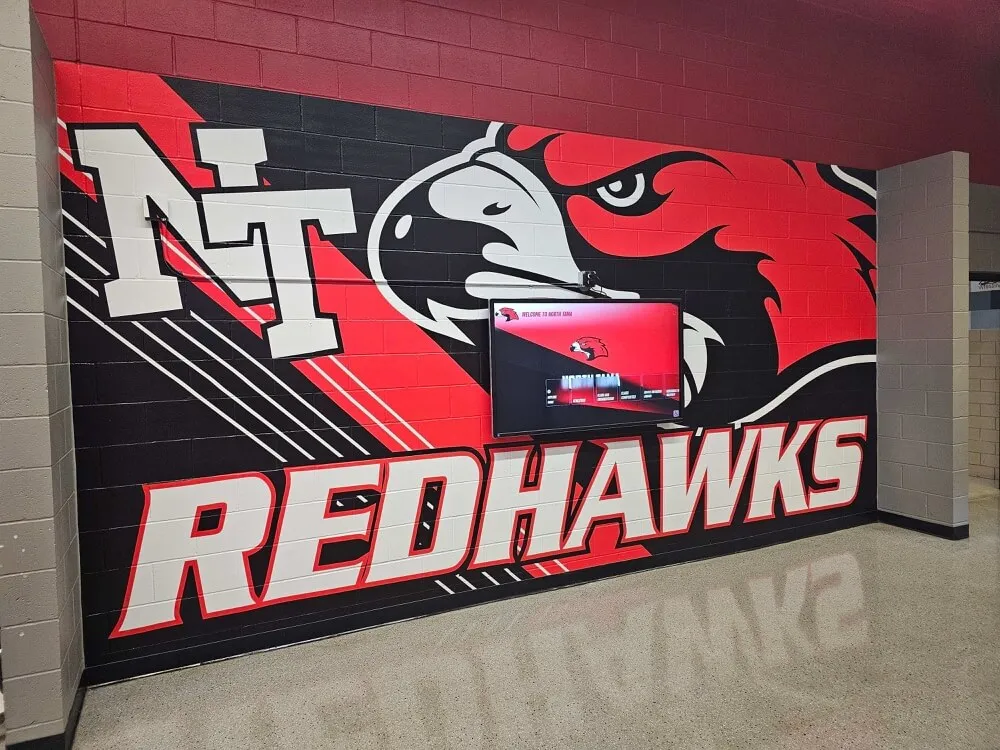
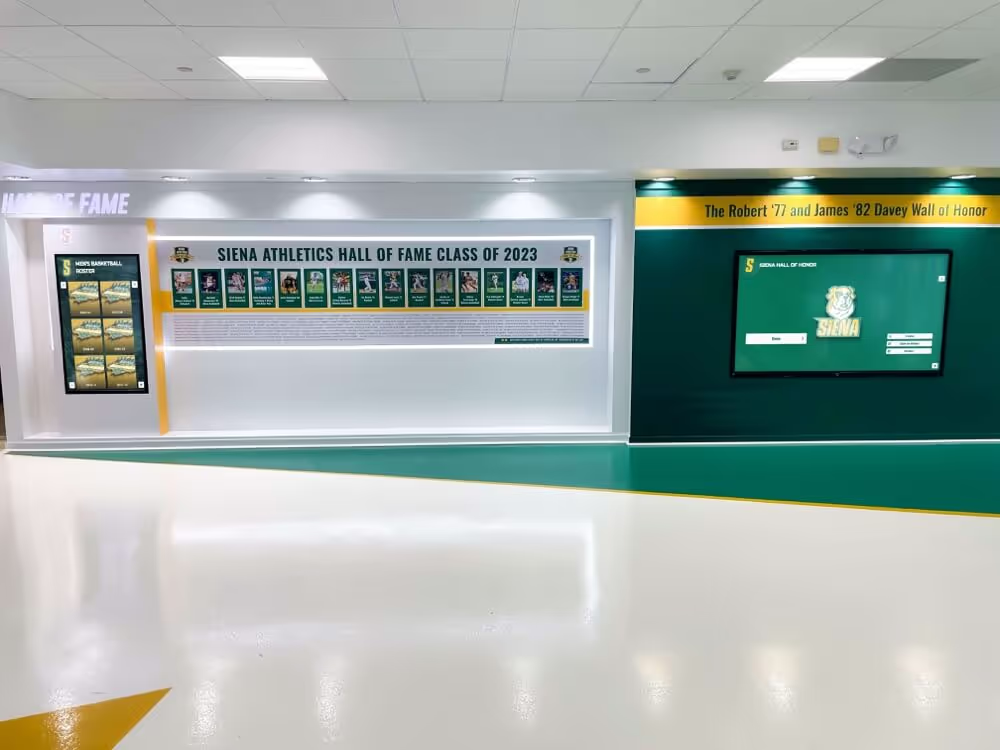
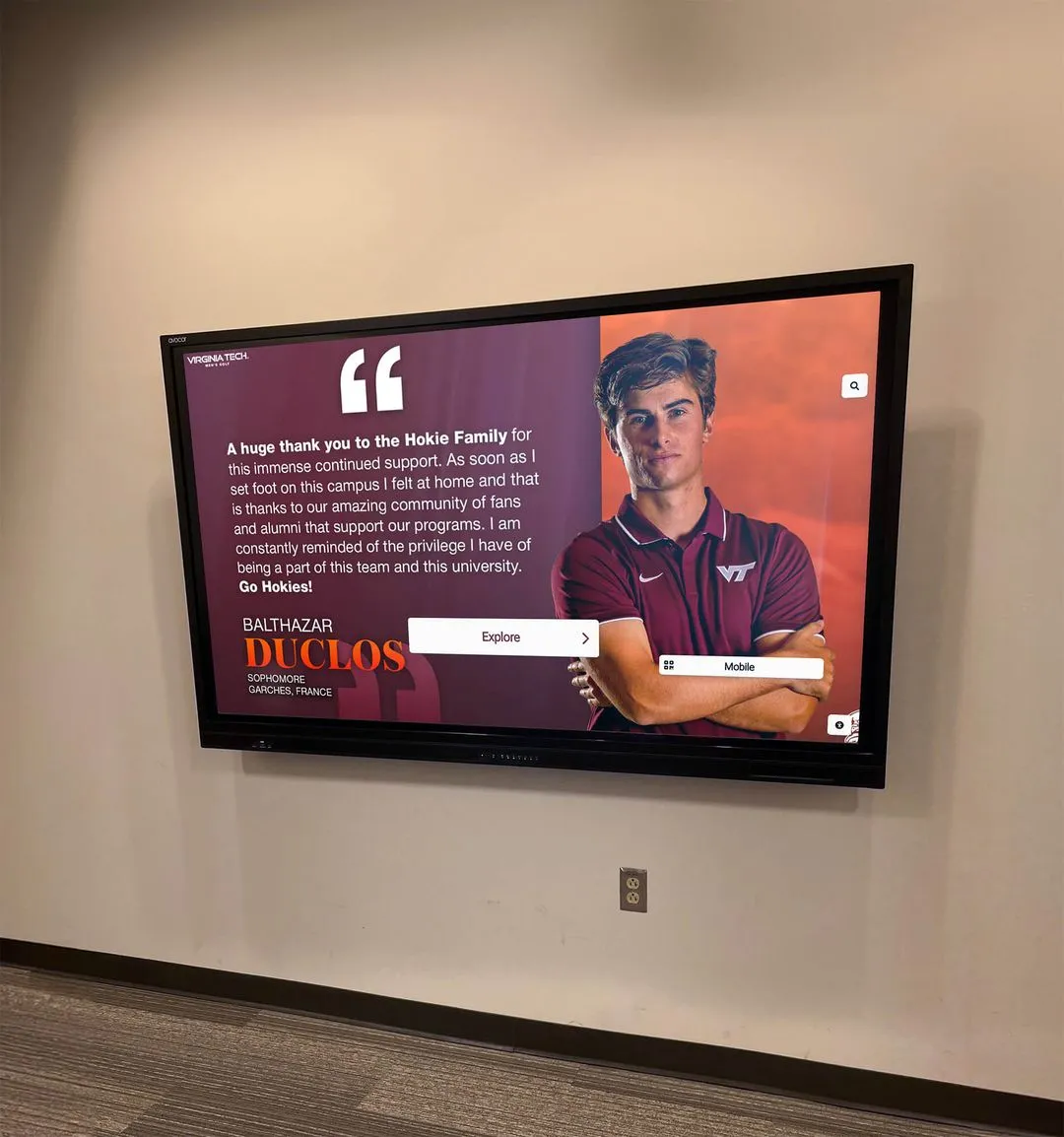
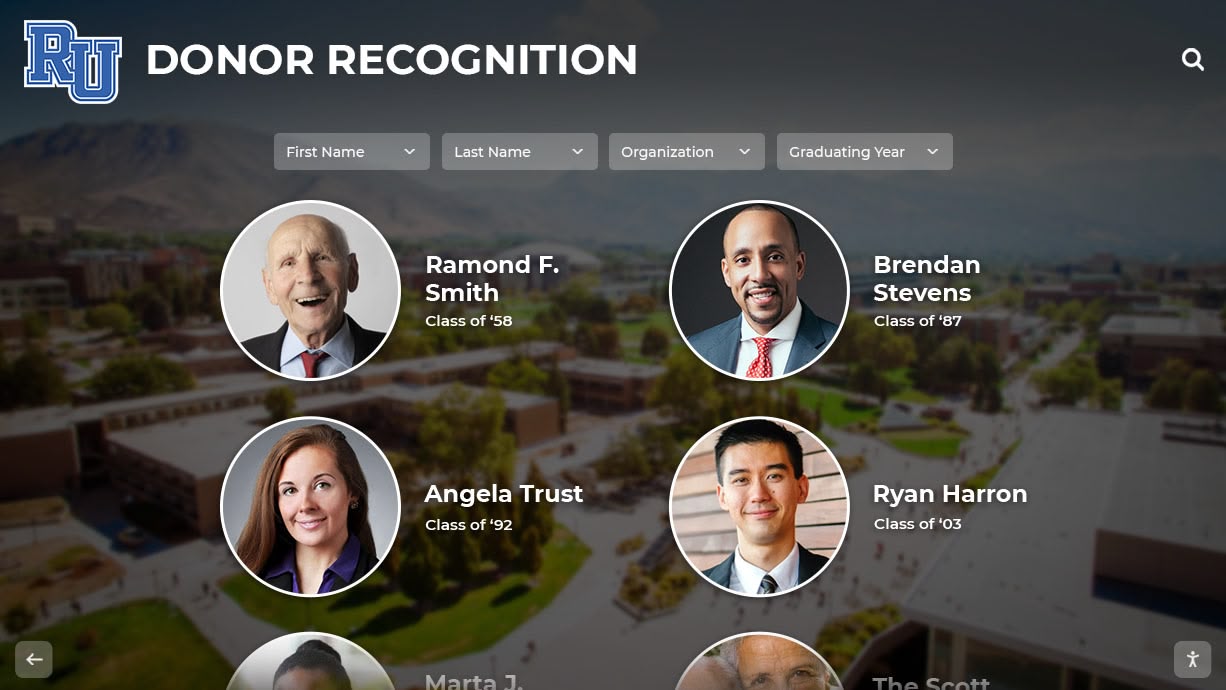
Interactive donor recognition screens create engaging experiences that honor supporters while inspiring continued generosity
What Are Donor Recognition Screens and Why Organizations Need Them
Understanding what makes donor recognition screens fundamentally different from traditional approaches helps organizations make informed decisions about modernizing appreciation systems.
The Evolution from Static Plaques to Dynamic Digital Recognition
Donor recognition has evolved significantly as organizations discover the limitations of traditional physical displays:
Traditional Donor Wall Constraints
Physical donor walls and brass plaques face inevitable challenges including fixed capacity limiting how many donors receive visible recognition, expensive re-engraving costs of $500-$2,000 for every addition or modification, years-long delays between gift receipt and permanent recognition installation, static presentation offering no storytelling or impact demonstration capabilities, deterioration over time requiring costly maintenance and eventual replacement, and space constraints forcing difficult decisions about whose contributions warrant acknowledgment.
According to nonprofit fundraising platforms, these limitations cause many organizations to struggle with recognition that adequately honors all supporters. When only major donors receive visible appreciation because physical space runs out, smaller but equally committed contributors feel undervalued—potentially affecting retention rates and future giving decisions.
The Digital Recognition Solution
Donor recognition screens overcome traditional limitations through technology enabling unlimited acknowledgment capacity regardless of available wall space, instant content updates without physical intervention or engraving delays, rich multimedia storytelling through photos, videos, and impact documentation, interactive exploration with search and filtering functionality, flexible content organization accommodating multiple campaigns simultaneously, and long-term cost-effectiveness eliminating recurring engraving expenses.
Solutions like Rocket Alumni Solutions provide comprehensive digital recognition platforms combining touchscreen displays with cloud-based content management, enabling organizations to honor every contributor appropriately regardless of gift size or physical facility constraints.
Core Benefits of Digital Donor Recognition Screens
Organizations implementing donor recognition screens report transformative improvements in stewardship effectiveness and supporter engagement:
Unlimited Recognition Capacity
Traditional donor walls accommodate 50-200 names before exhausting available space. Digital screens recognize unlimited donors across all giving levels without physical constraints. Single displays showcase thousands of supporters through searchable interfaces enabling visitors to find specific contributors instantly, creating comprehensive inclusion impossible with traditional installations.
This unlimited capacity ensures every contribution receives appropriate acknowledgment—from first-time annual donors to transformational major gift supporters—building cultures where all generosity receives visible celebration.
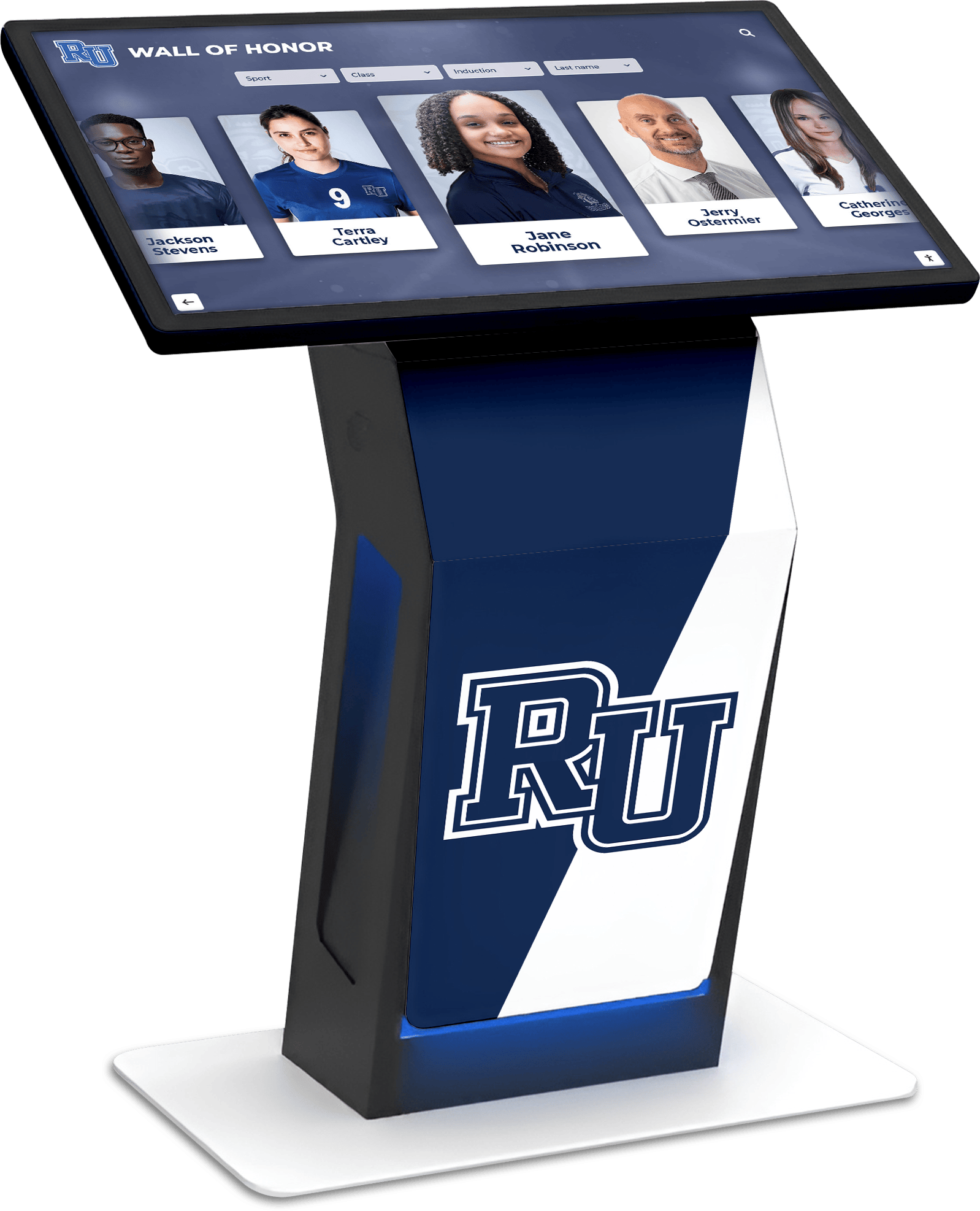
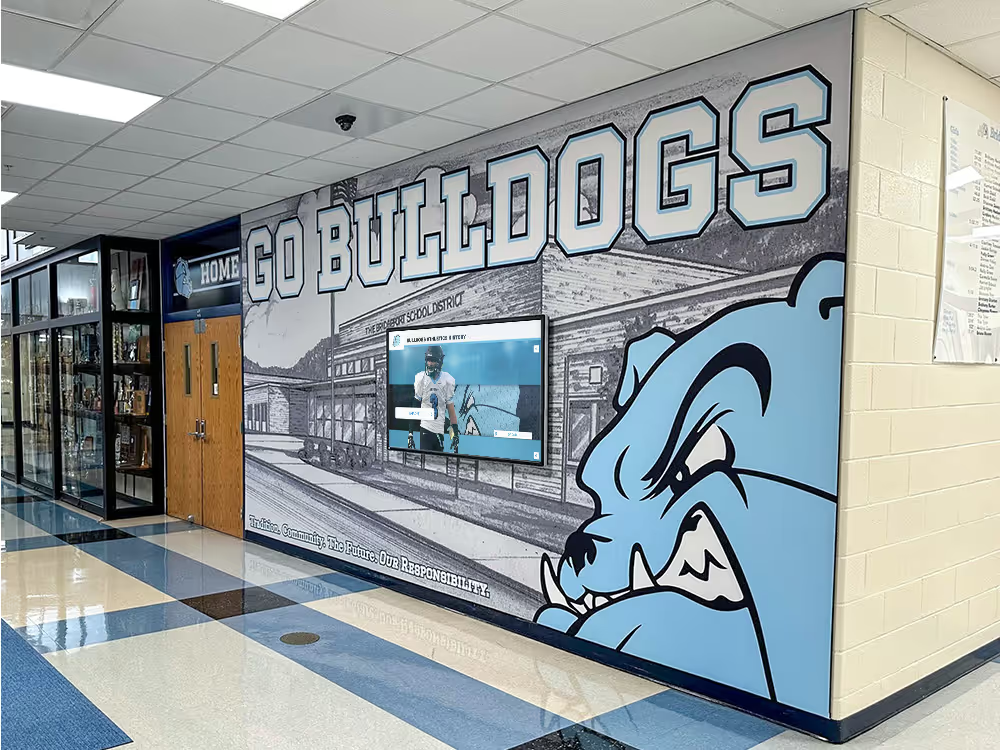
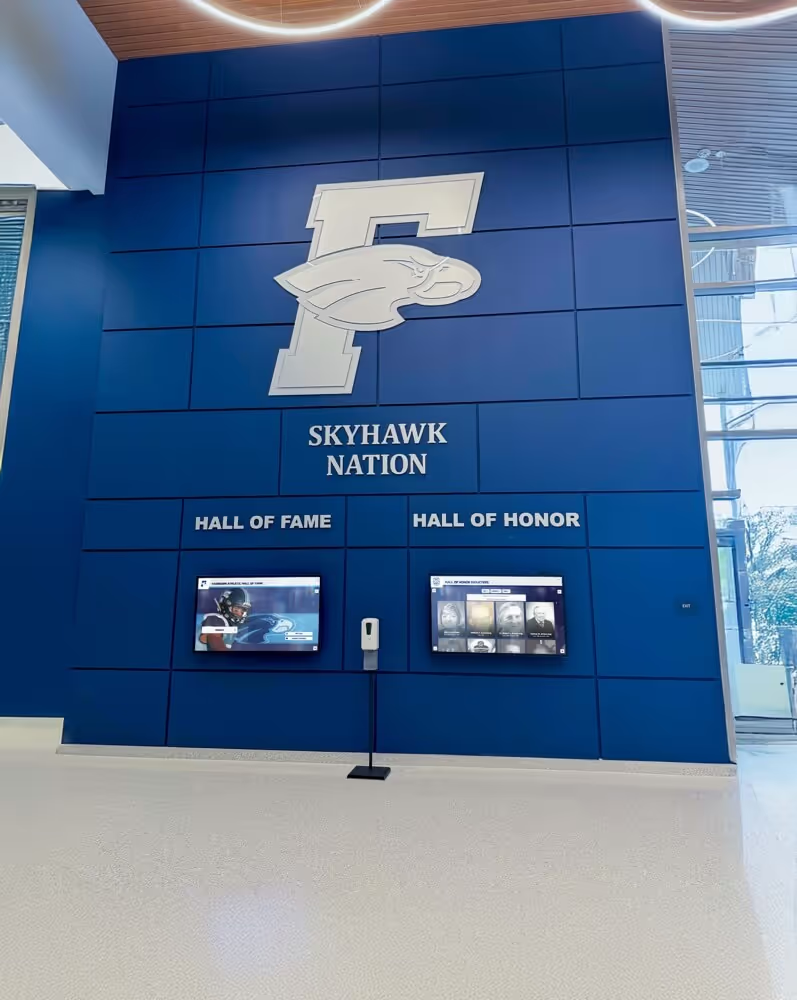
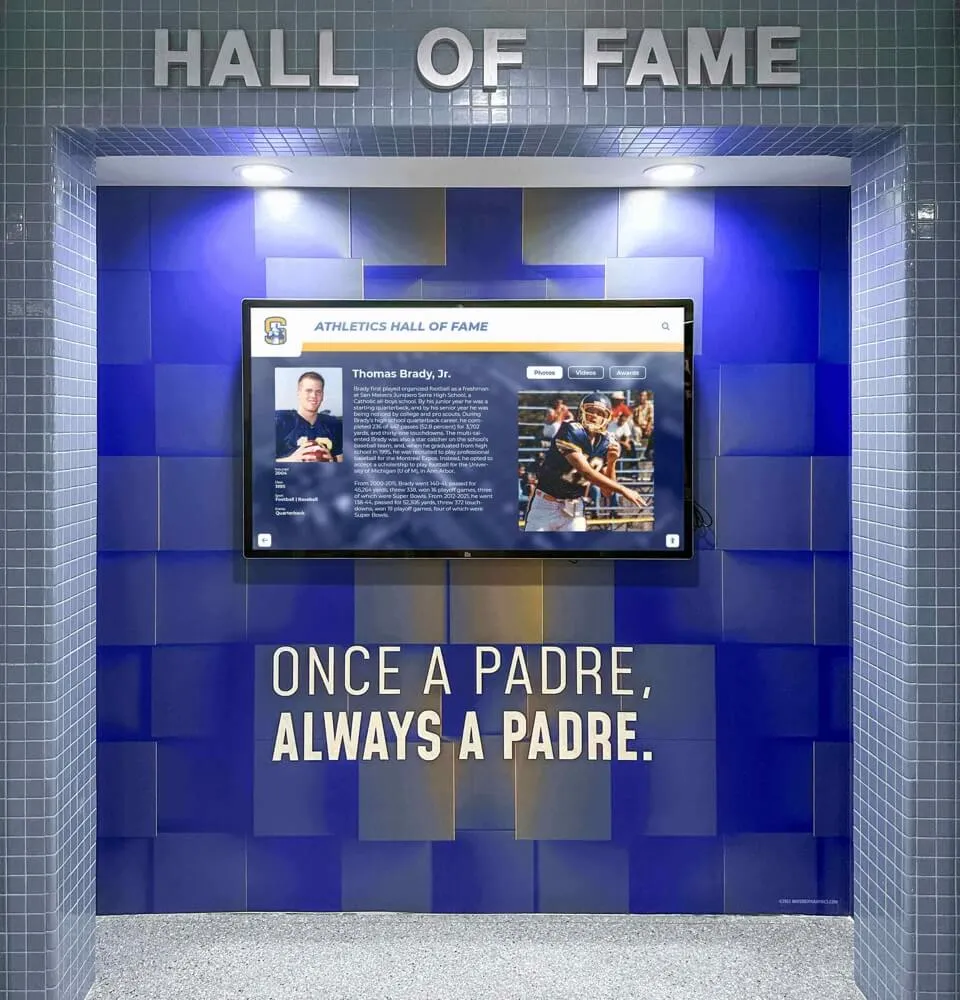
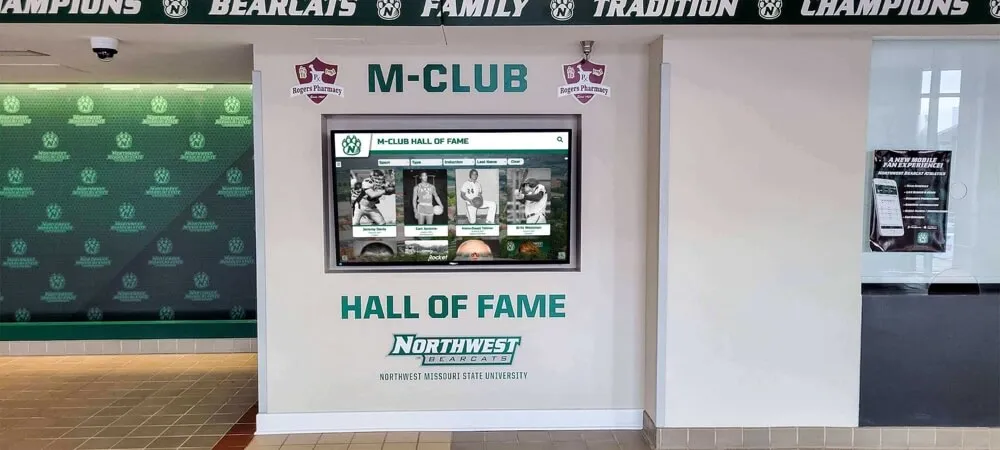
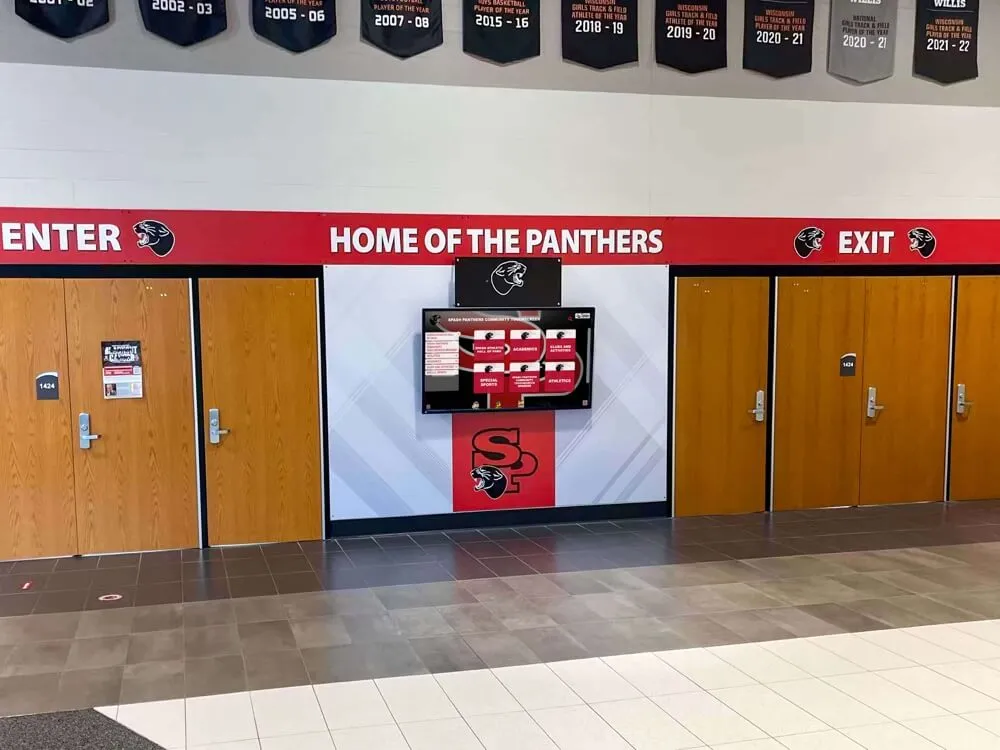
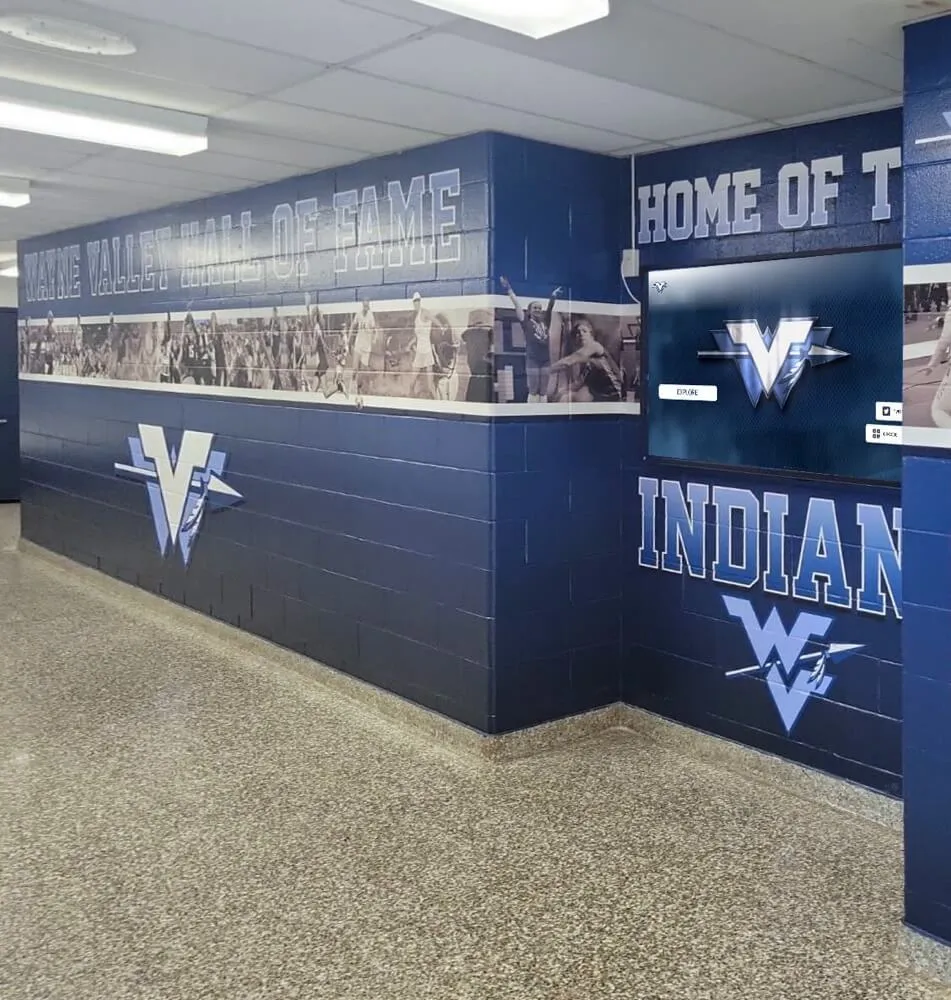
Digital recognition screens eliminate space constraints while providing engaging interactive experiences
Real-Time Updates and Content Flexibility
Cloud-based management platforms enable instant recognition updates from any internet-connected device. Development staff can add new donors within minutes of gift receipt, update giving levels as contributions increase, correct errors immediately without expensive re-engraving, schedule recognition to go live at specific campaign milestones, refresh content regularly maintaining engagement and relevance, and coordinate recognition across multiple displays simultaneously.
According to nonprofit technology research, organizations implementing digital recognition systems report 80-90% reduction in administrative time spent maintaining donor acknowledgment compared to traditional plaques requiring physical updates.
Rich Multimedia Storytelling and Impact Communication
Digital displays enable recognition extending far beyond name listings including donor photographs and biographical information when appropriate, video testimonials explaining giving motivations and organizational connections, project impact documentation showing what contributions accomplished, campaign progress visualization demonstrating community support momentum, historical connections linking current giving to organizational legacy and mission, and interactive exploration creating memorable visitor experiences that inspire future philanthropy.
This storytelling capability transforms donor recognition from simple acknowledgment to meaningful communication about philanthropic impact and mission advancement. When donors see their contributions connected to tangible outcomes—scholarships funded, facilities built, programs launched, lives changed—recognition becomes more meaningful than name placement alone.
Learn about effective digital recognition approaches in interactive touchscreen displays that create engaging donor experiences.
Enhanced Donor Engagement and Retention
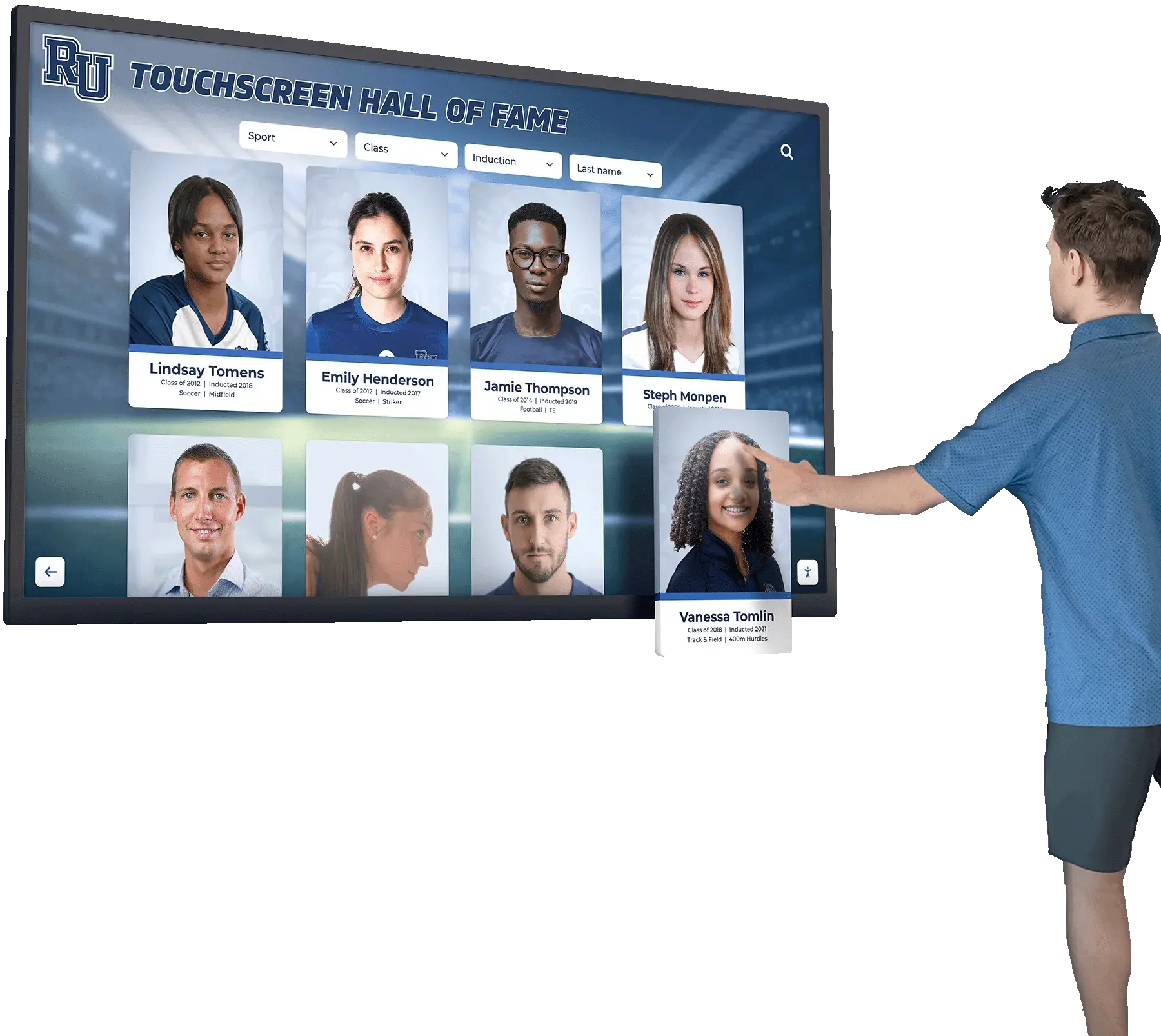
Interactive touchscreen systems create engagement traditional plaques cannot match. Visitors can search for specific donors by name, filter by giving level or campaign designation, explore detailed donor profiles with photos and stories, view impact documentation and outcome metrics, share recognition digitally with family and friends, and discover giving opportunities through integrated calls-to-action.
This interactivity encourages visitors to spend more time engaging with recognition displays, increasing awareness of philanthropic support while potentially inspiring their own contributions through visible social proof and peer influence.
Long-Term Cost Effectiveness
While initial investment in digital systems may equal or moderately exceed traditional donor walls, long-term costs strongly favor digital approaches. Traditional walls require $500-$2,000 for each update as new donors are added—spending that accumulates rapidly for organizations with active fundraising programs. Digital systems eliminate these recurring expenses while providing unlimited capacity and enhanced functionality traditional installations cannot match.
Organizations report that donor recognition screens typically achieve cost parity with traditional approaches within 3-5 years, after which the savings compound significantly while providing far superior donor stewardship capabilities.
Essential Components of Effective Donor Recognition Screens
Understanding critical capabilities helps organizations select recognition solutions that meet current needs while remaining flexible for future growth.
Content Management and Administration Systems
User-friendly administrative platforms simplify recognition management:
Intuitive Cloud-Based Dashboards
Development staff should be able to manage donor recognition without technical expertise through intuitive interfaces requiring no coding knowledge or IT background, drag-and-drop content organization enabling easy updates, bulk import tools for historical donor data migration, role-based permissions providing appropriate staff access levels, automated backups protecting sensitive donor information, preview functionality showing changes before public display, and template libraries maintaining visual consistency across content.
Flexible Recognition Organization
Digital systems should accommodate diverse acknowledgment structures including tiered giving levels with visual distinctions and society designations, multiple campaigns and funds within single installations, memorial and tribute gift dedications honoring loved ones, corporate sponsorship recognition alongside individual donors, recurring giving and sustained support acknowledgment, legacy society or planned giving recognition, and special designation categories for unique contribution types.
This organizational flexibility enables comprehensive recognition across all donor types and contribution categories within unified systems that visitors can easily explore and understand.
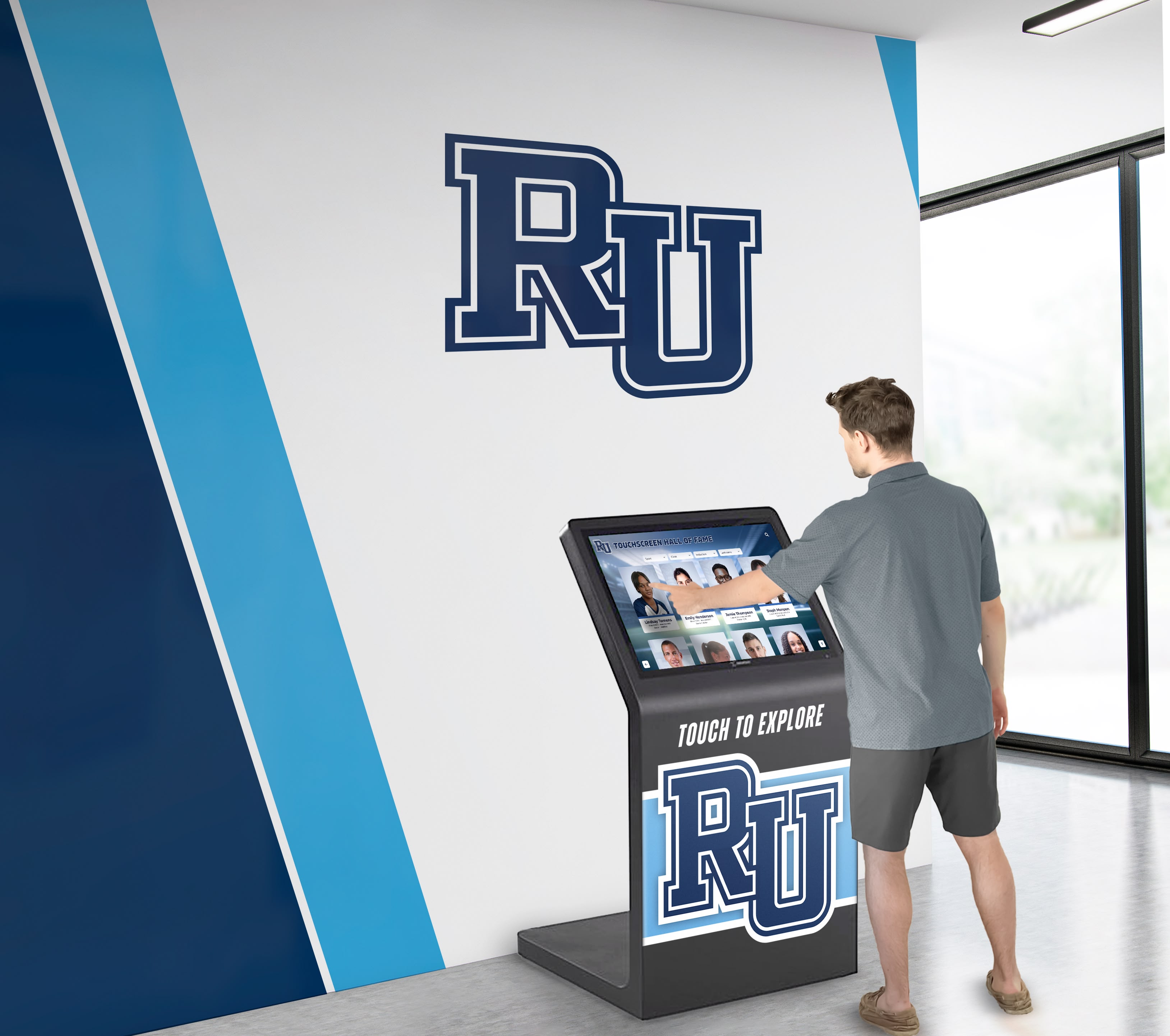
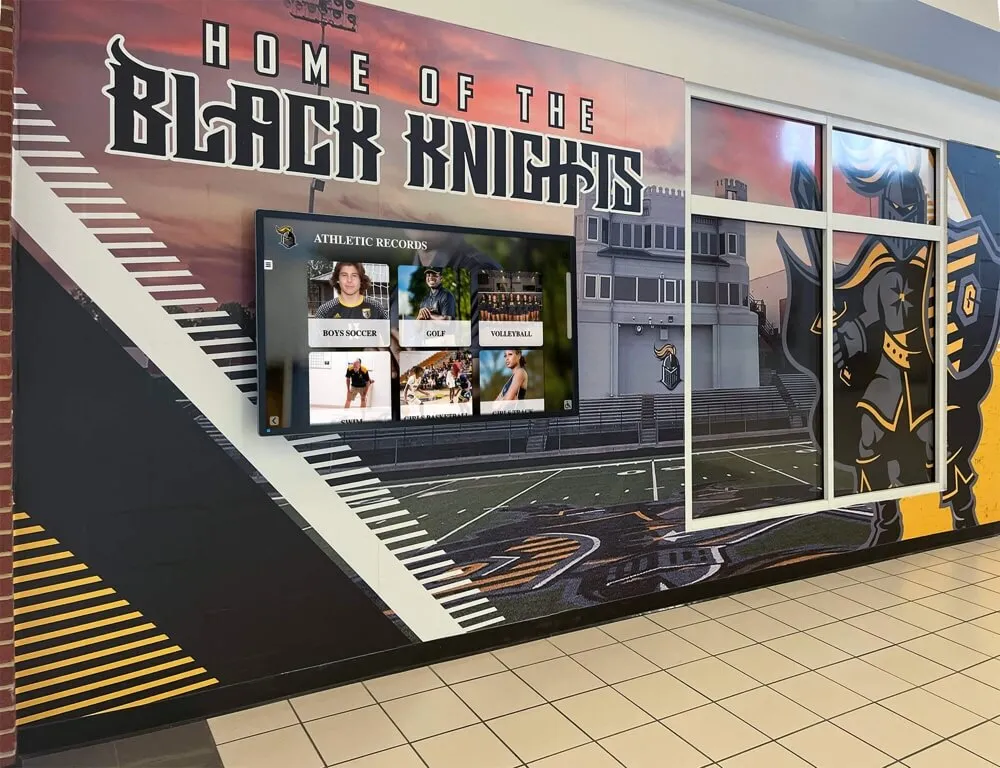
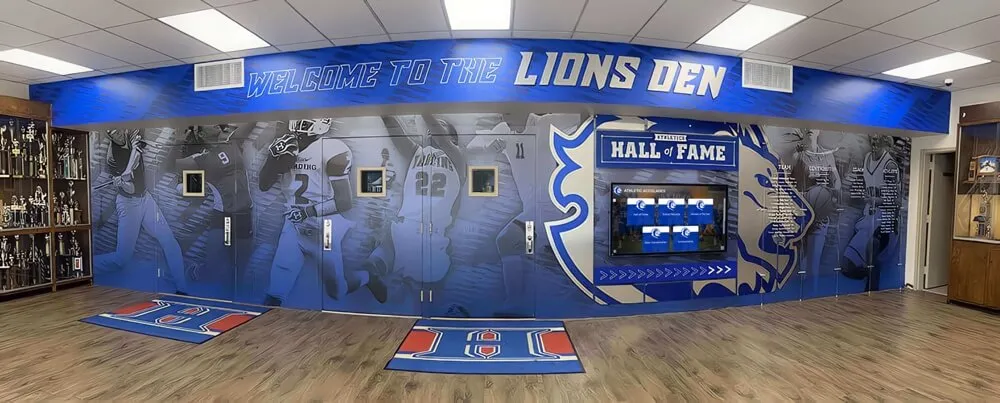
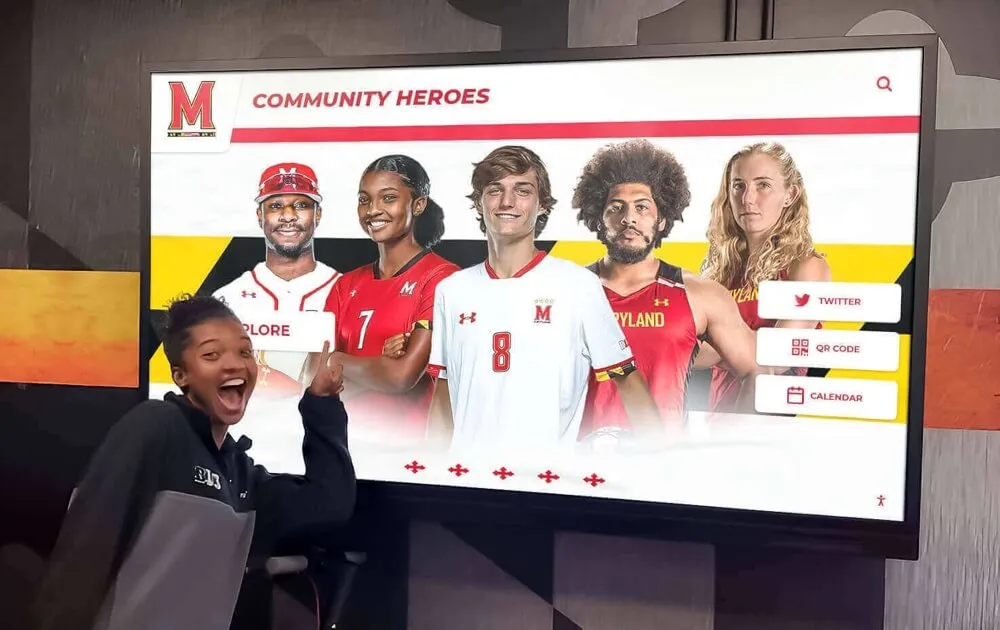
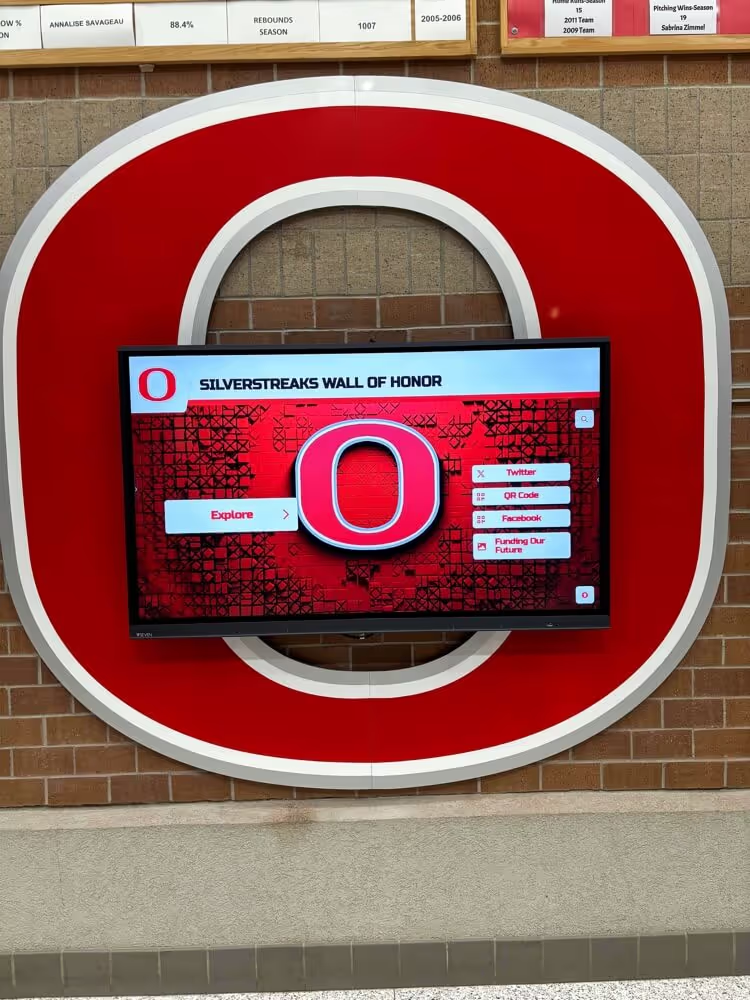
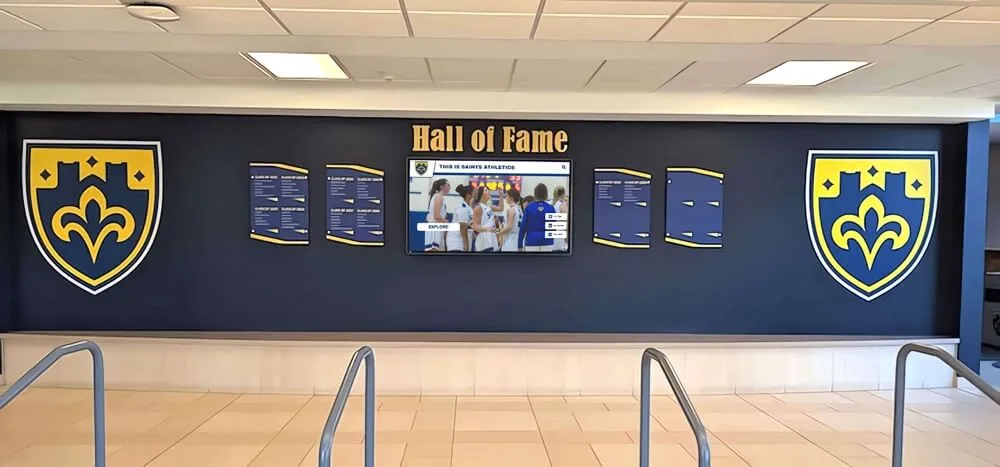
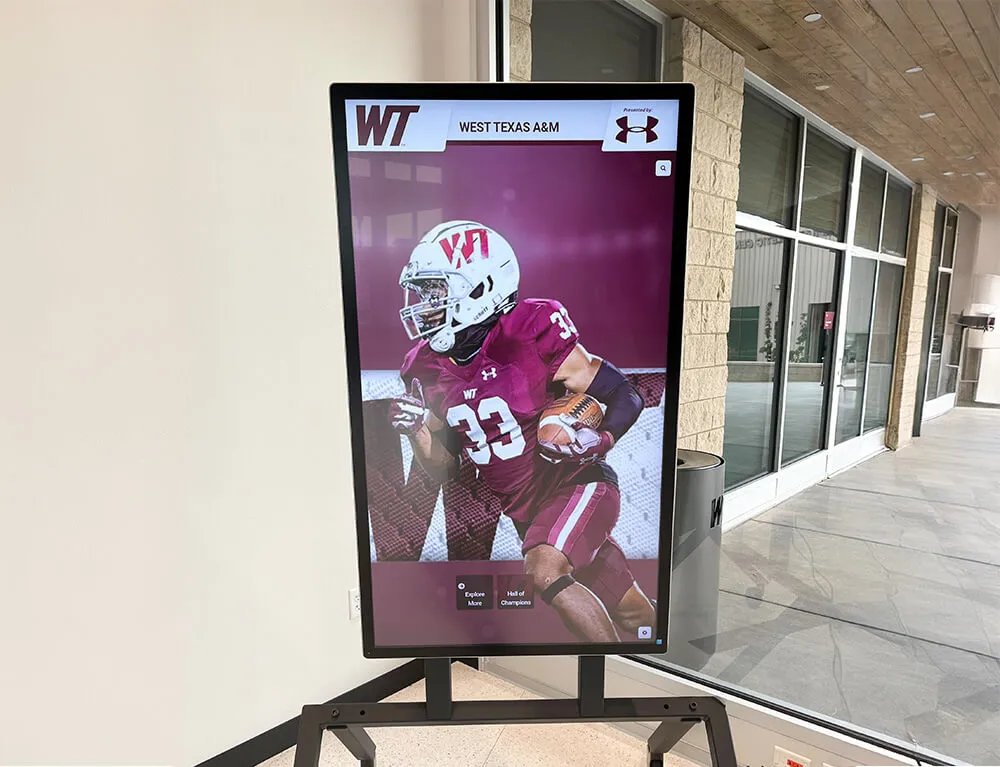
Cloud-based platforms enable easy donor recognition updates from anywhere with internet access
Integration with Donor Management Systems
Modern recognition screens should connect with advancement databases through API integrations enabling automatic donor data synchronization, customizable field mapping aligning information with display needs, real-time or scheduled updates depending on campaign requirements, bidirectional communication allowing recognition platforms to inform giving pages, and webhook support triggering recognition updates when gifts are processed.
These integration capabilities reduce manual data entry while ensuring recognition stays current without constant staff attention during critical campaign periods like Giving Tuesday or year-end appeals.
Interactive Display and Visitor Experience Features
Visitor-facing capabilities determine recognition effectiveness and engagement:
Search and Discovery Tools
Effective recognition screens provide multiple exploration methods including name search enabling visitors to find specific donors quickly, giving level filters showing supporters at various recognition tiers, campaign or fund designation searches highlighting specific initiatives, date range filtering revealing historical giving patterns, memorial and honor gift searches finding dedicated contributions, alphabetical browsing organized clearly for intuitive exploration, and featured donor showcases ensuring all supporters receive visibility beyond search-based discovery.
Intuitive Navigation and Accessibility
Digital recognition should accommodate diverse visitor needs through simple touch gestures familiar from smartphones and tablets, clear visual hierarchy guiding attention appropriately to featured content, consistent design patterns reducing learning curves and confusion, appropriate screen heights and touch target sizes for accessibility, high-contrast viewing modes supporting visual accessibility needs, text sizing adjustments improving readability for all ages, and multilingual support when serving diverse communities.
Explore accessibility considerations in digital wall displays that ensure inclusive donor celebration.
Engaging Visual Design and Presentation
Recognition screens should create professional, attractive presentations through branded design templates reflecting organizational aesthetics, high-quality imagery supporting donor profiles and impact stories, color schemes and typography matching institutional standards, dynamic transitions and animations maintaining visual interest, featured content rotation ensuring all donors receive visibility over time, and mobile-responsive web versions extending recognition beyond physical displays.
Professional design demonstrates organizational respect for donors while creating recognition experiences that visitors remember and share with others in their networks.
Multimedia and Impact Storytelling Capabilities
Rich content features distinguish digital recognition from traditional plaques:
Video Integration and Testimonials
Digital displays can incorporate donor testimonial videos explaining why supporters give and their connections to mission, project impact documentation showing tangible outcomes contributions create, beneficiary thank-you messages personalizing appreciation, campaign progress updates building excitement during active fundraising, historical organizational footage connecting current giving to legacy, and leadership acknowledgment videos from executives and board members.
Video content creates emotional connections impossible with text-only recognition while demonstrating the real-world impact donor contributions enable across your organization and community.
Photo Galleries and Visual Documentation
Image displays showing project outcomes and facility transformations, program beneficiaries whose lives were changed through donor support, event celebrations honoring contributors and volunteers, historical organizational milestones demonstrating legacy, before-and-after comparisons visualizing impact created, and donor portraits personalizing recognition when permissions allow help donors visualize the difference their generosity enables.
Infographics and Data Visualization
Charts, graphs, and statistics demonstrating campaign progress toward goals, dollars raised and contributed by community segments, number of beneficiaries served through donor support, program growth and expansion over time enabled by philanthropy, outcome metrics providing concrete evidence of effectiveness, and comparative data showing year-over-year growth in support provide analytically-minded donors with measurable outcomes demonstrating their contributions’ impact.
This data-driven storytelling appeals to supporters who want objective evidence that their gifts create meaningful change rather than simply disappearing into administrative overhead.
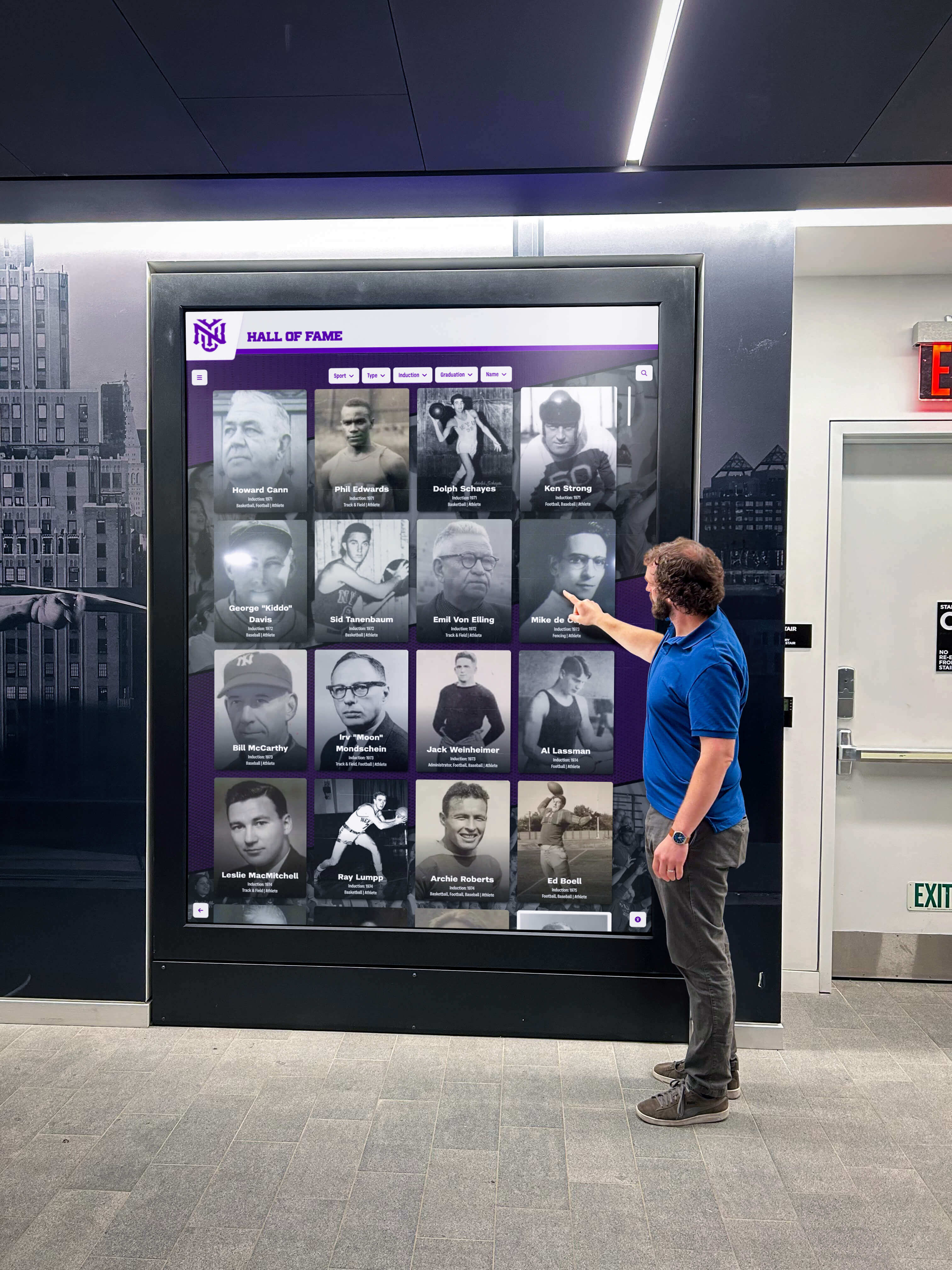
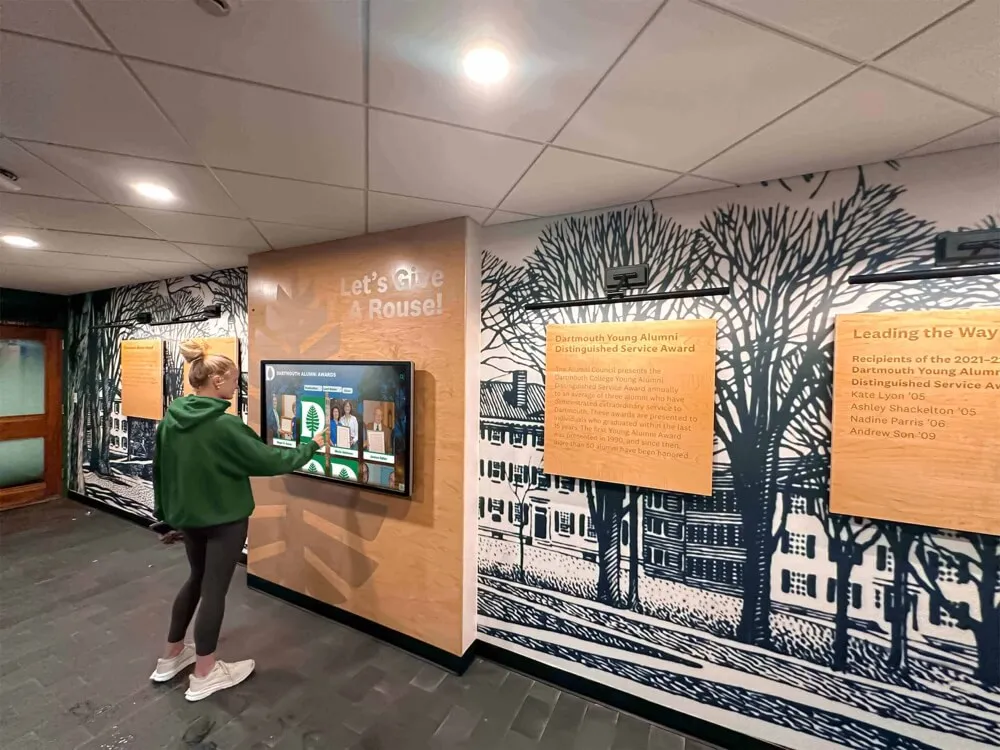
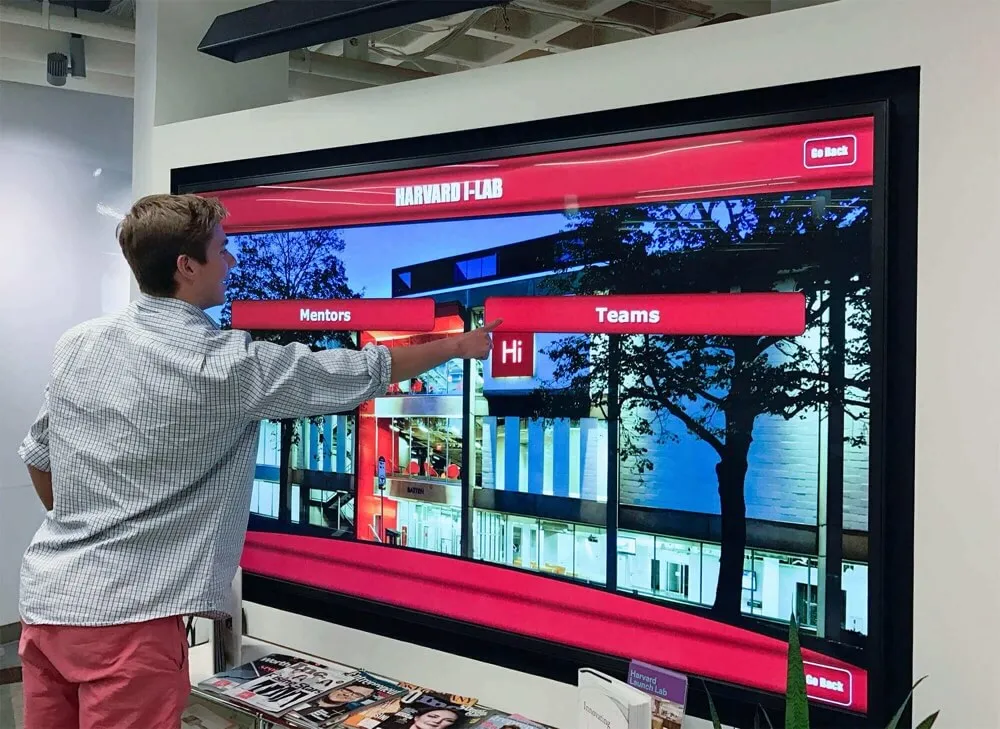
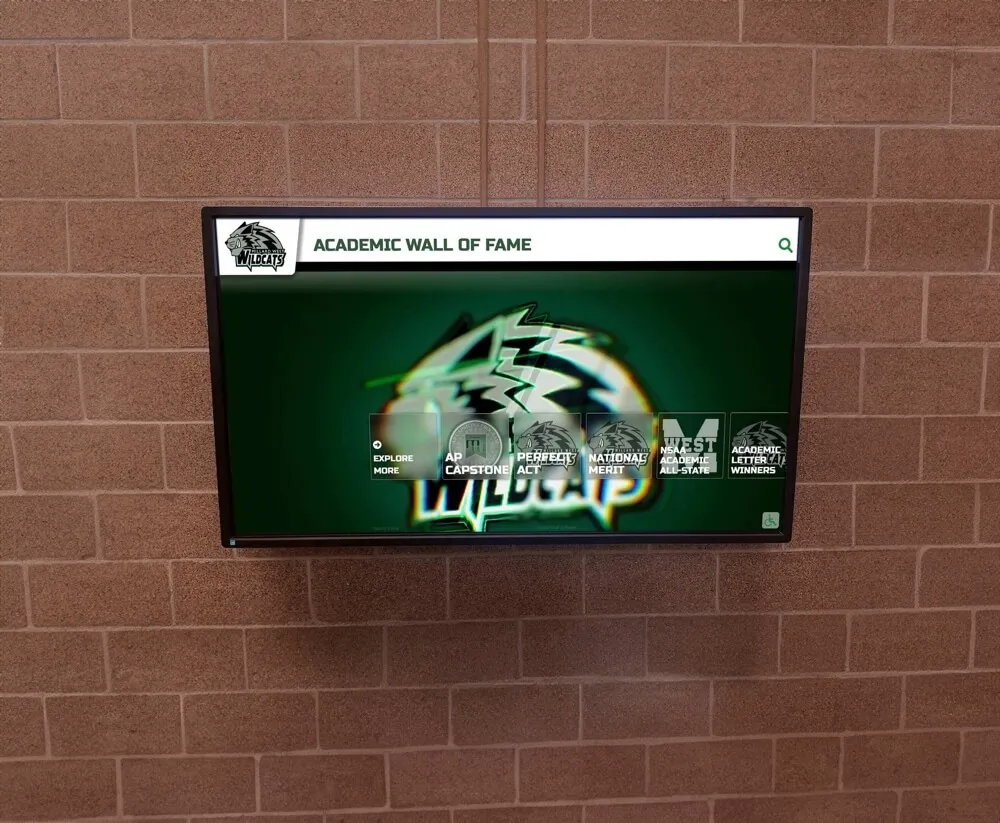
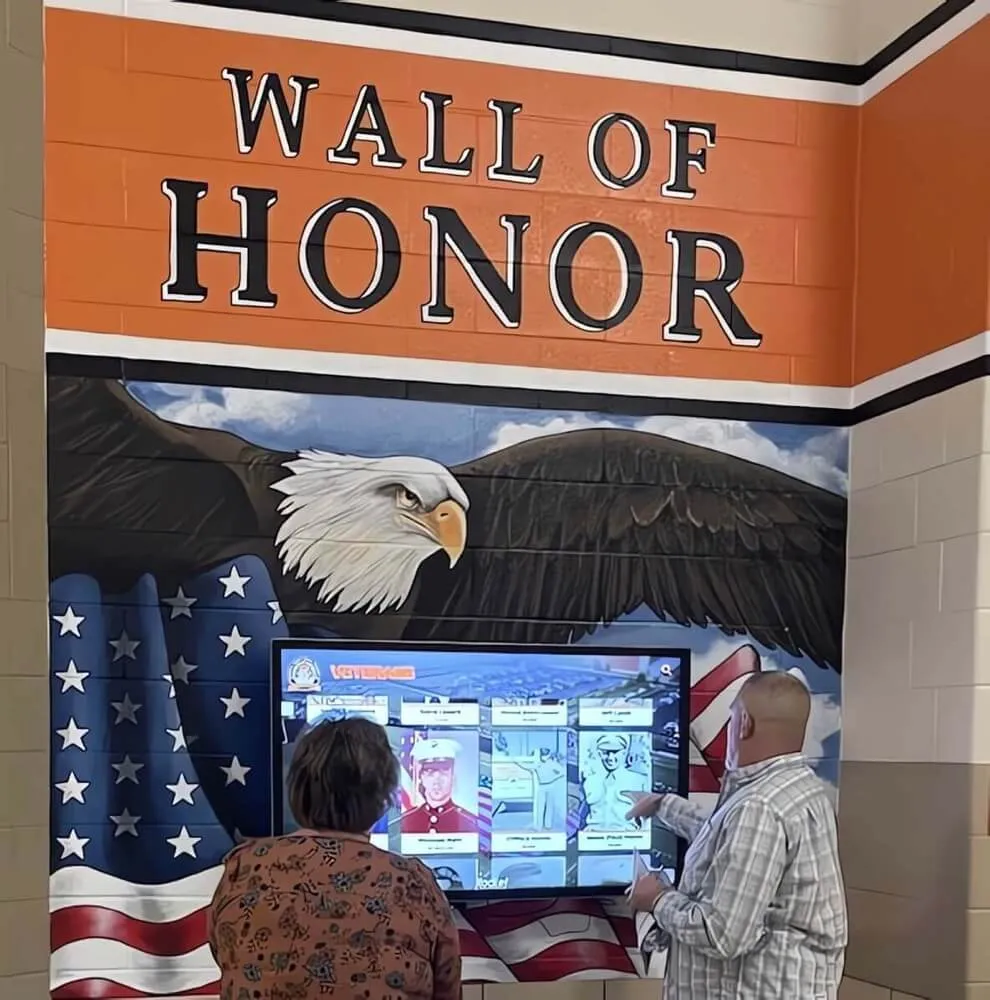
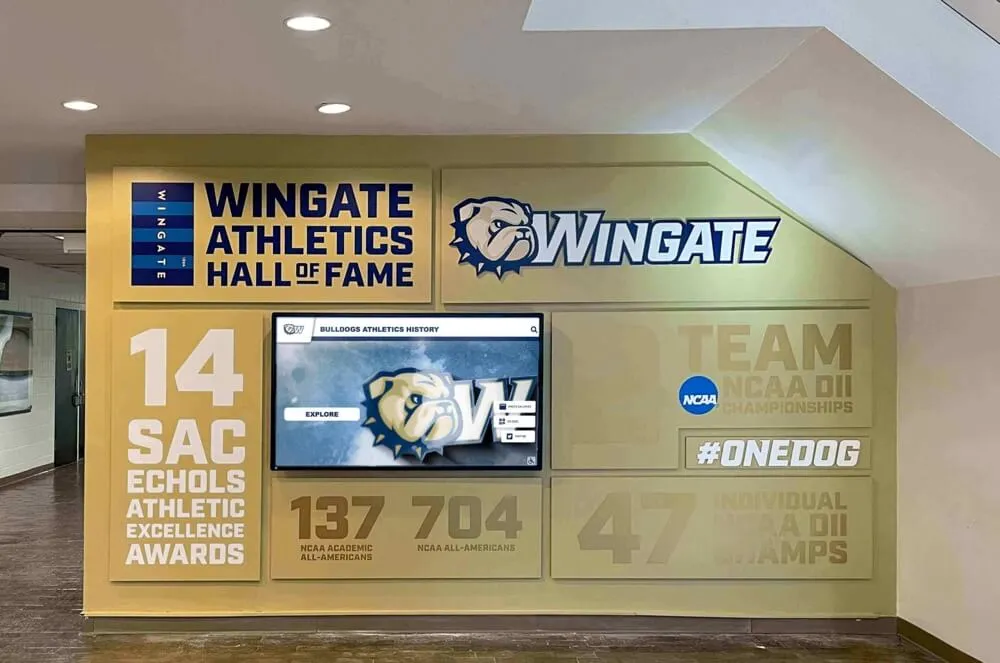
Comprehensive recognition screens connect donor contributions to tangible outcomes and mission impact
Donor Recognition Screen Content Strategy and Messaging
Thoughtful content approaches maximize recognition effectiveness while strengthening donor relationships.
Recognition Tier Structure and Naming Conventions
Strategic giving level organization acknowledges diverse contributions appropriately:
Establishing Meaningful Giving Tiers
Most organizations create 5-8 recognition levels including foundational giving accessible to most supporters at modest contribution levels, mid-tier categories recognizing above-average generosity and commitment, leadership levels for significant contributions creating substantial impact, major donor categories for transformational gifts enabling strategic initiatives, legacy society recognition for planned giving and estate commitments, and special designations for memorial gifts, tribute contributions, or purpose-specific support.
Mission-Connected Tier Naming
Recognition level names should reflect organizational values and mission including inspiring aspirational language encouraging giving growth over time, mission-connected terminology reinforcing institutional identity, inclusive phrasing welcoming all contribution levels respectfully, avoiding purely financial or prestige-focused naming that feels transactional, consistent themes creating cohesive structure visitors understand intuitively, and memorable society names supporters feel proud to join.
Examples from educational institutions include Heritage Society, Cornerstone Circle, Legacy Partners, Visionary Leaders, Champions Circle, Founders Society, President’s Club, and Mission Advancement Partners.
Visual Hierarchy and Clear Distinction
Digital displays should clearly communicate giving levels through size and prominence differences in donor listings, color coding or design variations distinguishing tiers, strategic placement highlighting leadership giving appropriately, featured content showcasing select major donors with enhanced profiles, and consistent formatting within recognition levels maintaining visual clarity.
Clear visual hierarchy ensures visitors immediately understand relative contribution significance without confusion, perceived inequity, or need for explanatory text that clutters displays.
Individual Donor Profile Content Guidelines
Personalized donor pages create meaningful recognition experiences:
Essential Profile Elements
Every donor profile should include donor name with proper formatting respecting stated preferences, giving level or recognition society membership designation, years of support or cumulative giving history when appropriate, campaigns or funds supported showing designation specificity, memorial or tribute gift dedications when applicable, and optional donor photographs with explicit permission.
Enhanced Profile Content Opportunities
When donors consent and provide information, profiles can include brief biographical information connecting supporters to mission, personal statements about giving motivations and organizational relationships, family philanthropy stories demonstrating multi-generational commitment, professional or organizational affiliations providing context, testimonial quotes about institutional impact and importance, and impact stories directly connecting specific contributions to outcomes.
Privacy and Preference Management
Always respect donor wishes through explicit opt-in for enhanced profiles beyond basic recognition, clear communication about what information will be displayed publicly, easy processes for updating preferences as wishes change, anonymous giving options for privacy-seeking supporters, memorial gift sensitivity honoring loved ones appropriately, and documented preferences maintained across all recognition platforms.
Organizations should never display information donors haven’t explicitly approved, maintaining the trust essential for ongoing relationships and continued giving.
Understand donor privacy considerations in recognition program best practices that balance celebration with confidentiality.
Impact Storytelling and Mission Connection
Connecting recognition to outcomes creates meaningful donor appreciation:
Impact Content Types and Formats
Effective storytelling includes beneficiary testimonials explaining how support helped students, patients, or program participants, before-and-after project documentation showing transformation, statistical outcomes and metrics demonstrating measurable results, program expansion narratives enabled by contributions, facility improvements funded through campaigns, scholarship recipient stories connecting donors to individuals helped, research outcomes advancing organizational mission, and leadership reflections on cumulative donor impact over time.
Sample Impact Story Framework:

DONOR CONTRIBUTION:
[Donor Name]'s generous gift of $[amount] established the [Program/Fund Name]

WHAT IT FUNDED:
• [Specific program element or resource created]
• [Number of people/students/beneficiaries served]
• [Duration or scope of impact]

TANGIBLE OUTCOMES:
"[Beneficiary quote about impact on their life/education/experience]"
— [Beneficiary Name, Relevant Affiliation]

LOOKING AHEAD:
Thanks to [Donor Name]'s vision and generosity, [future impact statement]
Content Organization and Rotation Strategy
Maintain engagement through regular content updates with seasonal relevance, rotating featured stories ensuring variety and preventing staleness, campaign-specific content during active fundraising periods, milestone celebrations as goals are reached recognizing contributor roles, historical connections linking past and present giving, and coordinated messaging across recognition displays and other stewardship communications.
Balancing Recognition with Mission Focus
Donor recognition should celebrate supporters while maintaining appropriate emphasis on mission and impact. Content should honor donor generosity without creating inappropriate prominence or fostering pride, connect giving to tangible outcomes rather than focusing solely on dollar amounts, celebrate community philanthropy rather than individual prestige or wealth, inspire future giving through compelling mission storytelling and demonstrated results, and position donors as partners in mission advancement rather than celebrities receiving personal accolades.
The most effective recognition emphasizes what contributions accomplished rather than who contributed, keeping mission and impact as the central narrative.

Effective recognition screens connect donor support to specific achievements and mission outcomes
Implementation Guide: Planning and Installing Donor Recognition Screens
Successful implementation requires systematic planning and thoughtful execution across several key phases.
Pre-Implementation Assessment and Planning
Begin with comprehensive evaluation establishing clear requirements:
Organizational Needs Analysis
Conduct thorough assessment including inventory of existing donor recognition approaches and identified limitations, evaluation of donor satisfaction with current acknowledgment systems, identification of recognition gaps and missed opportunities, assessment of available physical spaces for display installation, review of technology infrastructure and connectivity capabilities, analysis of budget availability and long-term funding sustainability, and stakeholder input from development staff, leadership, board members, and major donors.
Comprehensive needs analysis ensures recognition solutions align with actual requirements rather than assumed needs that may not reflect organizational realities or donor preferences.
Recognition Philosophy and Policy Development
Establish guiding principles governing donor recognition including commitment to honoring all giving levels appropriately within available resources, balance between public acknowledgment and privacy respect, permanence standards for long-term recognition commitments, flexibility enabling personalization within consistent frameworks, ethical guidelines clarifying which donors and gifts warrant recognition, and decision-making processes for controversial or complicated situations.
Clear policies prevent ad hoc decisions creating inconsistencies, complaints, or approaches conflicting with organizational values and donor expectations.
Technology Requirements Definition
Specify essential capabilities including content management system requirements for non-technical staff, display hardware specifications appropriate for installation environments, integration needs with existing donor management systems, web accessibility requirements extending recognition beyond physical locations, mobile responsiveness supporting smartphone and tablet access, reporting and analytics capabilities measuring recognition effectiveness, and budget parameters establishing realistic financial constraints.
Detailed requirements enable accurate vendor evaluation and solution selection aligned with organizational needs and available resources.
Technology Selection and Vendor Evaluation
Choosing appropriate solutions requires careful consideration:
Hardware Considerations and Specifications
Evaluate display options including screen size and resolution appropriate for viewing distance and space, touchscreen technology quality and responsiveness for user experience, commercial-grade components ensuring continuous operation reliability, mounting options including wall-mounted displays or freestanding kiosks, connectivity requirements for network and electrical power, environmental considerations for temperature, humidity, and lighting, and warranty coverage ensuring long-term support.
Software Platform Assessment
Evaluate content management capabilities including intuitive administrative interfaces requiring minimal technical expertise, robust donor data import and management tools, customization options for branding and design consistency, multimedia support for photos, videos, and diverse content types, security features protecting sensitive donor information, web integration enabling online access beyond physical displays, and mobile content management supporting updates from any location.
Vendor Evaluation Criteria
Select providers with demonstrated experience including portfolio of nonprofit and educational recognition installations, client references from similar organizations providing candid feedback, technical support availability and documented responsiveness, training resources for staff and content administrators, content creation assistance and design services when needed, long-term viability and platform development roadmap, integration capabilities with existing donor management systems, and implementation methodology ensuring successful deployment.
Solutions like Rocket Alumni Solutions specialize in comprehensive recognition displays for schools, nonprofits, and foundations, offering platforms designed specifically for donor appreciation with proven implementation processes and ongoing support.
Learn about technology selection in digital recognition systems for educational institutions and nonprofits.
Budget Development and Total Cost of Ownership
Establish realistic financial expectations including initial hardware and software investment ranging $10,000-$35,000 for comprehensive systems, installation and integration costs for professional mounting and configuration, content development and design services for launch and ongoing updates, training and change management expenses ensuring staff competence, ongoing subscription and maintenance costs typically $2,000-$8,000 annually, and phased implementation options coordinating with campaigns or major gift commitments.
Comprehensive budgets prevent surprises while ensuring adequate resources for quality implementations that honor donors appropriately and function reliably over extended periods.
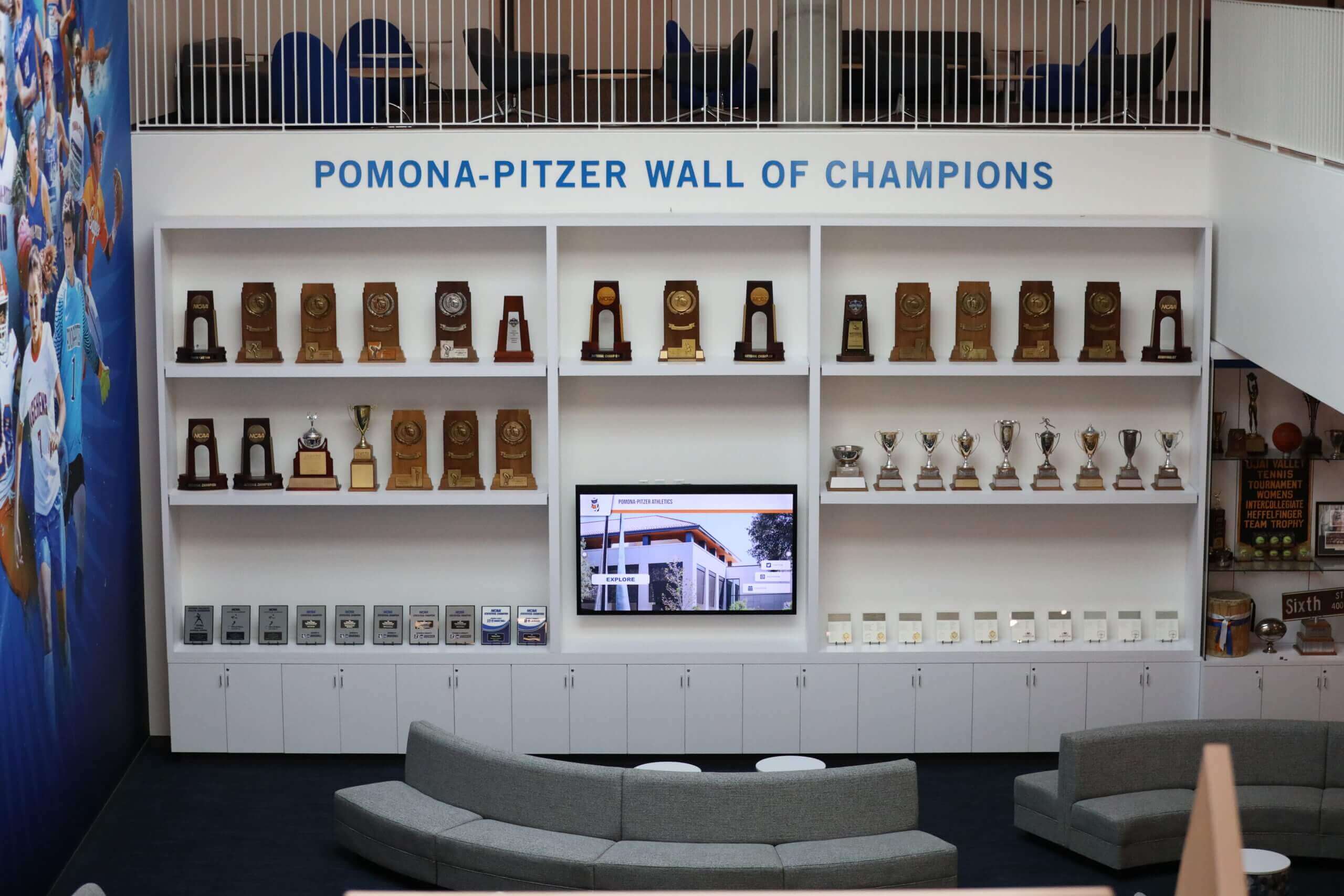
Strategic planning ensures recognition spaces become destinations encouraging visitor engagement and philanthropy
Installation Process and Launch Strategy
Professional implementation ensures optimal functionality and donor satisfaction:
Site Preparation and Infrastructure
Prepare installation location including electrical infrastructure for display power requirements, network connectivity through hardwired ethernet or robust WiFi, mounting surface preparation and reinforcement if needed for display weight, cable management and concealment planning for professional appearance, ADA compliance verification ensuring accessibility for all visitors, lighting considerations ensuring optimal display visibility without glare, and environmental controls maintaining appropriate temperature and humidity.
Display Installation and Configuration
Professional mounting at appropriate heights and viewing angles for typical visitors, screen calibration and touch functionality testing ensuring responsiveness, media player and computer configuration for reliable operation, network connection setup and security implementation, content management system installation and customization, quality assurance testing before launch catching issues early, and comprehensive staff training on operation, content management, and basic troubleshooting.
Initial Content Creation and Migration
Comprehensive content preparation including donor database cleanup ensuring accuracy before public display, recognition level establishment and naming convention implementation, donor profile information gathering when appropriate and with permission, impact story content development connecting giving to tangible outcomes, design template customization reflecting organizational branding and aesthetics, historical content migration from existing recognition systems, and multimedia content curation selecting appropriate photos, videos, and graphics.
Thoughtful initial content development ensures recognition feels polished and professional from launch while establishing frameworks and templates for efficient ongoing updates.
Launch Communications and Donor Engagement
Formal introduction should include soft launch with staff and leadership identifying issues before wider promotion, donor preview events celebrating contributors and unveiling new recognition, facility tours highlighting recognition displays for prospective donors and community members, media coverage amplifying recognition visibility and fundraising momentum, digital promotion through websites, social media, and e-newsletters, integration into organizational communications including annual reports and case statements, and documentation through professional photography and video for ongoing marketing.
Celebratory launches demonstrate organizational commitment to donor recognition while maximizing awareness among current supporters and prospective contributors who might be inspired to give.
Ongoing Management and Content Maintenance
Sustained success requires systematic administration:
Sustainable Management Protocols
Establish ongoing processes including clear role assignment for content updates and display maintenance, regular update schedules maintaining currency and relevance, quality assurance processes preventing errors in public displays, donor communication about recognition timelines and expectations, technical maintenance ensuring reliable operation and uptime, content refreshment keeping displays engaging over months and years, and performance monitoring tracking visitor engagement and system functionality.
Continuous Improvement and Optimization
Regular assessment and refinement including donor feedback gathering about recognition satisfaction and preferences, visitor engagement analytics showing how people interact with displays, content performance analysis identifying most engaging stories and formats, technical issue tracking and resolution improving reliability, staff training updates as personnel change or capabilities expand, and recognition program expansion as fundraising grows and donor base expands.
Systematic management ensures recognition remains current, accurate, effective, and appreciated long after initial implementation excitement fades into operational routine.
Explore management best practices in donor stewardship programs that sustain engagement over time.
When to Use Donor Recognition Screens: Strategic Application Scenarios
Understanding optimal applications helps organizations maximize recognition screen investment.
Capital Campaign Recognition and Progress Tracking
Major fundraising initiatives benefit from dynamic recognition:
Campaign Phase Applications
Recognition screens serve campaigns effectively during silent phase acknowledging leadership gifts inspiring additional major commitments, public phase building momentum through visible participation and progress tracking, stretch goal pursuit creating excitement as campaigns approach and exceed targets, and completion celebration honoring all contributors and demonstrating collective community impact.
Dynamic Content Capabilities
Campaign-focused recognition includes real-time progress meters visualizing dollars raised toward goals, donor count milestones celebrating participation breadth regardless of gift size, challenge gift status showing when matching funds amplify contributions, recognition tier visualization helping prospective donors understand giving level options and benefits, countdown timers creating urgency during time-limited campaign periods, and impact projections demonstrating what full campaign success will accomplish for mission.
This dynamic content creates excitement and urgency that static donor walls cannot generate, potentially inspiring additional campaign participation through visible social proof and peer influence.
Annual Giving and Sustained Donor Recognition
Ongoing fundraising programs require flexible acknowledgment:
Annual Fund Applications
Recognition screens support sustained giving through current fiscal year donor recognition celebrating timely contributions, multi-year consecutive giving acknowledgment honoring loyalty and commitment, giving society membership visualization showing various participation levels, first-time donor welcome creating positive initial experiences, lapsed donor re-engagement highlighting returning contributors, and recurring gift recognition acknowledging predictable sustained support.
Flexible Annual Updates
Digital systems enable efficient annual recognition updates including bulk imports at fiscal year-end consolidating annual contributions, automatic society assignment based on giving totals and parameters, year-over-year comparison showing giving growth and trends, recognition expiration for time-limited acknowledgment encouraging renewal, and cumulative giving tracking showing lifetime support beyond single years.
This flexibility enables appropriate recognition as donor relationships evolve across multiple years without expensive physical modifications to recognition installations.
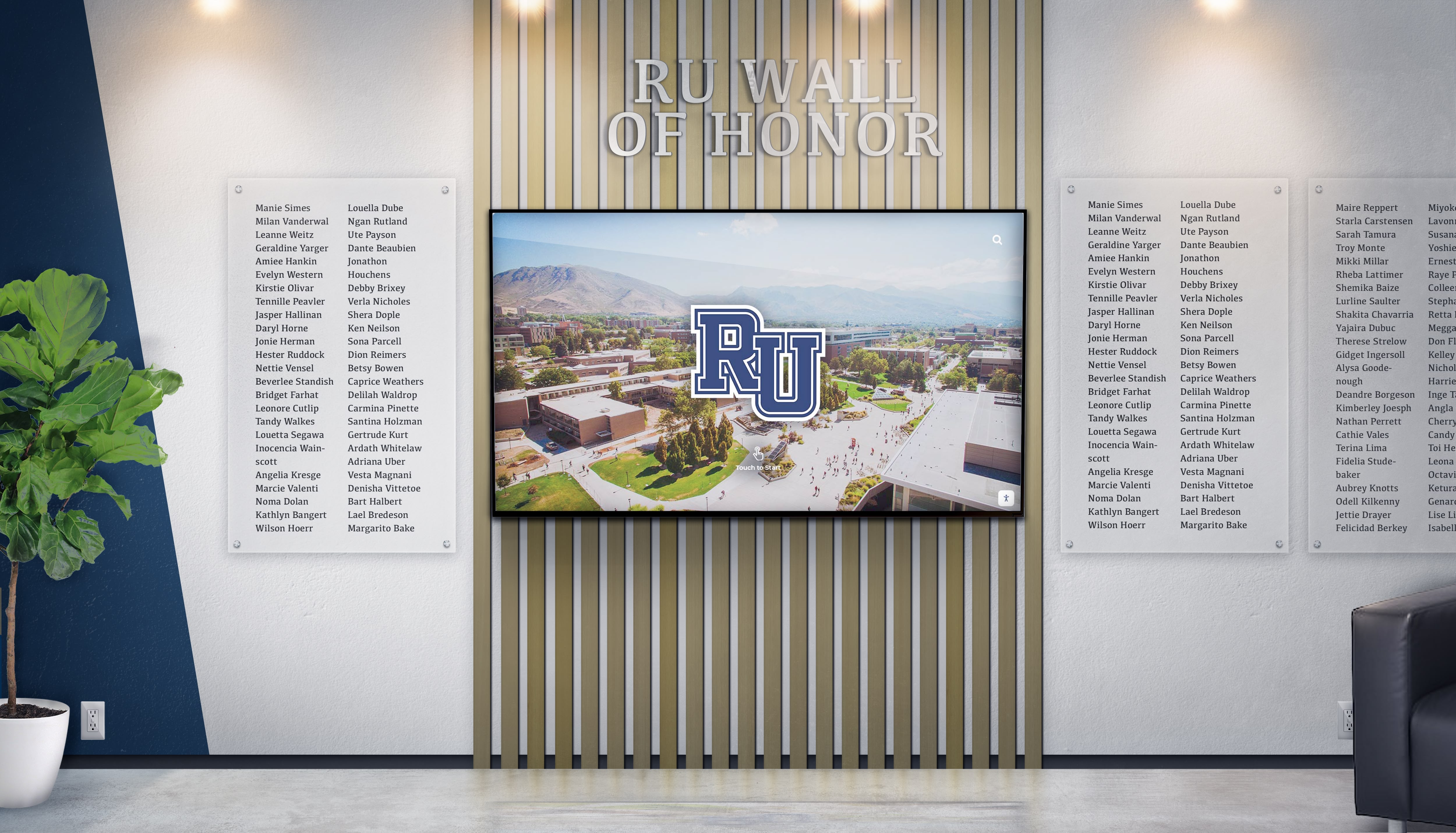
Digital recognition screens can acknowledge annual, cumulative, and campaign-specific giving simultaneously
Legacy and Planned Giving Recognition
Long-term commitments deserve special acknowledgment:
Legacy Society Applications
Recognition screens honor planned giving through estate gift commitment recognition before donor passing when appropriate, bequest realization celebration when gifts are received honoring deceased donors, life income gift acknowledgment for charitable gift annuities and trusts, beneficiary designation recognition for retirement account and insurance beneficiaries, and endowment contribution acknowledgment for gifts creating permanent support.
Sensitive Content Considerations
Planned giving recognition requires particular thoughtfulness including donor preference respect for recognition timing and publicity, family involvement in recognition decisions especially for deceased donors, memorial gift sensitivity honoring loved ones appropriately, legacy storytelling explaining donor motivations and connections to mission, and impact documentation showing how endowed gifts create sustained support.
Thoughtful legacy recognition strengthens relationships with planned giving prospects while honoring the generous individuals whose estate commitments ensure long-term organizational sustainability.
Special Campaign and Event-Based Recognition
Time-limited initiatives benefit from flexible recognition:
Campaign-Specific Applications
Recognition screens support special initiatives including Giving Tuesday real-time donor acknowledgment during concentrated giving day, year-end appeal progress tracking building momentum toward calendar year goals, reunion giving class participation challenges and competitive recognition, matching gift campaigns amplifying donor impact through sponsor commitments, crowdfunding initiative progress toward specific project goals, and special event recognition honoring gala sponsors and auction donors.
Temporary Content Flexibility
Digital systems enable campaign-specific content through scheduled publishing activating recognition at campaign launch automatically, time-limited display automatically removing content when campaigns conclude, special design templates distinguishing campaign recognition visually from standard content, featured placement highlighting time-sensitive campaigns prominently, and reusable campaign frameworks enabling efficient recreation for recurring initiatives.
This flexibility allows recognition screens to support diverse fundraising initiatives throughout fiscal years without requiring separate physical installations for each campaign or initiative.
Best Practices for Donor Recognition Screen Success
Learning from successful implementations helps organizations maximize recognition impact while avoiding common pitfalls.
Start With Mission and Impact, Not Just Recognition
Focus on Philanthropic Outcomes
The most effective donor recognition emphasizes mission advancement rather than acknowledgment itself. Donors give because they care about causes and want to create impact, not primarily to see their names displayed publicly. Lead recognition content with compelling stories about what donations accomplish, concrete examples of outcomes previous giving created, specific programs, facilities, or individuals contributions will support, organizational vision that gifts help achieve, and tangible metrics demonstrating effectiveness and responsible stewardship.
Recognition serves as appreciation and acknowledgment, but mission inspiration drives actual giving decisions that create philanthropic cultures.
Respect Donor Preferences and Privacy Consistently
Provide Meaningful Recognition Choice
Not all donors want public acknowledgment or identical recognition approaches. Offer clear options including public recognition with full name and contribution information, recognition using first initial and last name only for partial privacy, anonymous giving with no public identification or attribution, tribute designations redirecting recognition focus to honored individuals, recognition timing preferences allowing delayed acknowledgment, and easy processes for updating preferences as wishes evolve.
Respecting diverse donor motivations builds trust while honoring the various reasons people choose to support organizational missions, from genuine humility to cultural norms to professional circumstances requiring discretion.
Create Sustainable Systems Serving Beyond Single Campaigns
Think Long-Term Recognition Infrastructure
Rather than implementing temporary solutions for specific campaigns that become obsolete when initiatives conclude, invest in sustainable recognition infrastructure serving multiple purposes including year-round donor acknowledgment regardless of campaign timing, support for diverse fundraising initiatives from annual giving to capital campaigns to planned giving, historical archives preserving donor recognition across decades, integration with comprehensive advancement strategies and stewardship plans, scalability accommodating organizational growth and expanding donor bases, and content flexibility enabling adaptation as recognition needs and preferences evolve.
Solutions like Rocket Alumni Solutions provide platforms designed for long-term institutional use across multiple fundraising initiatives, not just temporary campaign deployment requiring replacement when priorities change.
Maintain Consistent Communication and Operational Follow-Through
Deliver on Recognition Commitments Reliably
Organizations that excel at donor recognition consistently fulfill promises including timely recognition updates according to stated schedules and donor expectations, accurate information reflecting donor preferences and contribution details, impact reporting showing how gifts create tangible outcomes, ongoing stewardship maintaining relationships beyond immediate post-gift acknowledgment, responsive correction of any errors or issues donors identify, and transparent communication when circumstances require policy adjustments or changes.
When donors trust that organizations follow through on commitments consistently, they’re more likely to give again, increase support over time, recommend giving to others in their networks, and consider legacy commitments ensuring long-term institutional support.
Leverage Recognition to Inspire Future Giving
View Recognition as Stewardship and Cultivation Tool
The best recognition programs don’t just acknowledge past giving—they inspire future contributions through visible social proof demonstrating broad community participation and support, compelling impact stories connecting donations to meaningful tangible outcomes, aspirational giving level structures encouraging increased support over time, joyful celebration creating positive emotional associations with philanthropy and organizational mission, inclusive acknowledgment welcoming all donors regardless of gift size or capacity, and integrated calls-to-action providing clear pathways for inspired visitors to contribute.
When recognition systems create cultures where giving is celebrated, visible, connected to impact, and accessible to all community members, they become powerful tools for sustaining and growing philanthropic support essential for organizational success.
Explore recognition as cultivation strategy in donor engagement programs that strengthen long-term relationships.
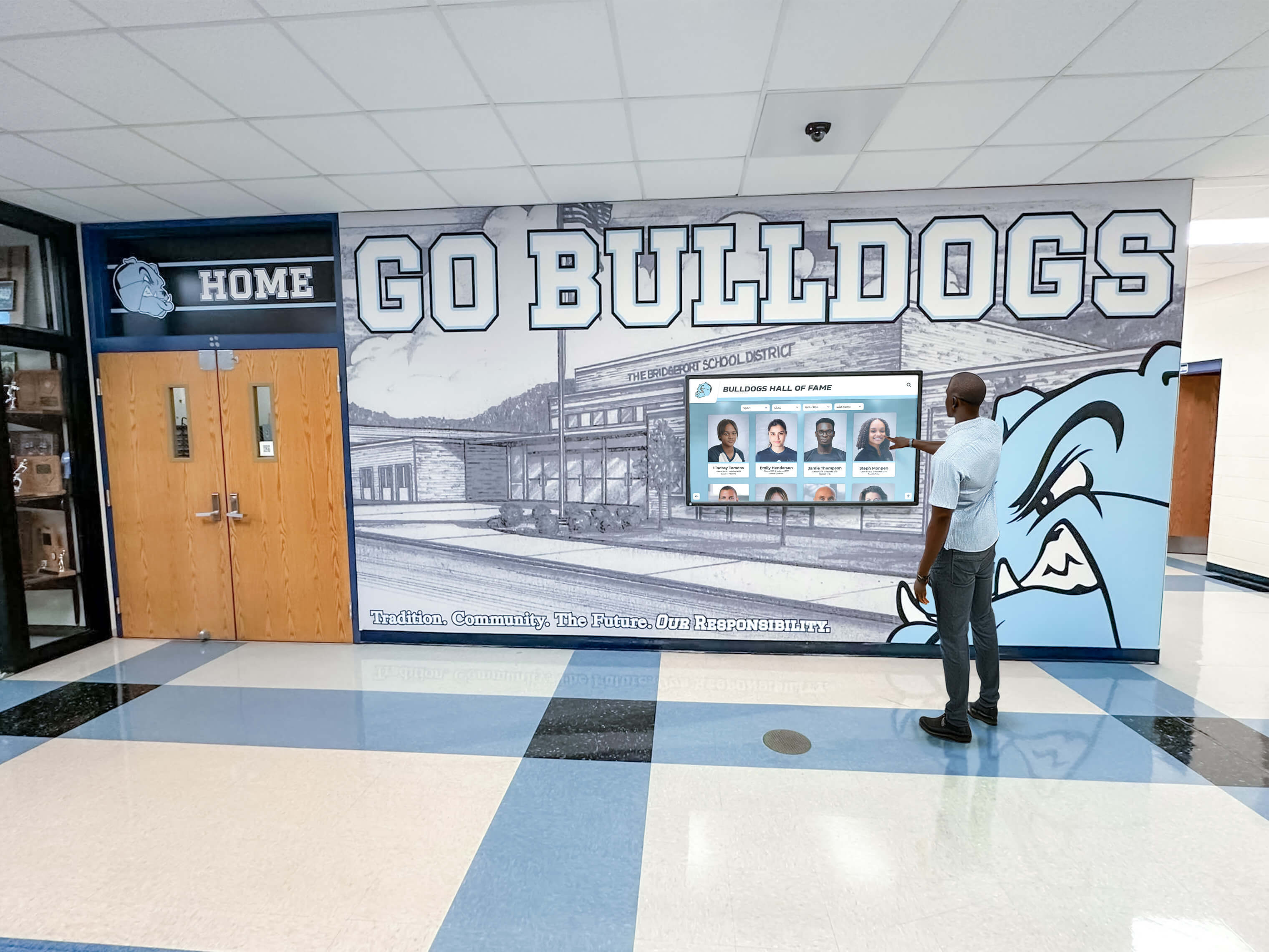
Engaging recognition experiences inspire future giving through visible community support and compelling impact stories
Common Challenges and Practical Solutions
Understanding typical implementation difficulties helps organizations prevent or effectively address problems.
Data Management and Accuracy Challenges
Challenge: Maintaining Current and Accurate Donor Information
Organizations sometimes struggle with data accuracy as donor information changes, pledge payments are processed over time, giving levels are updated based on cumulative contributions, and recognition preferences evolve as circumstances change.
Solution: Systematic Data Management Processes
Establish clear workflows including regular donor database cleanup schedules preventing accumulated errors, integration between donor management systems and recognition platforms enabling automatic updates, quality assurance reviews before publishing updates catching errors before public display, proactive donor communication about recognition timelines and verification processes, documentation of all processes ensuring consistency despite staff turnover, and assigned data stewardship responsibility providing accountability for accuracy.
Challenge: Historical Donor Data Migration and Cleanup
Transferring decades of donor information from paper records, spreadsheets, or legacy databases creates significant implementation hurdles requiring substantial time investment.
Solution: Phased Migration with Professional Support
Prioritize recent donors and major contributors for initial implementation providing immediate recognition value, phase historical data entry over time as resources allow rather than delaying launch, leverage professional data entry services when budgets permit accelerating migration, establish data standards preventing future inconsistencies and complications, and communicate migration timeline to donors explaining phased approach transparently.
Technical Considerations and System Reliability
Challenge: Technical Problems and System Downtime
Display malfunctions, network connectivity issues, software glitches, and hardware failures can disrupt donor recognition creating embarrassing situations during donor visits or events.
Solution: Comprehensive Support and Backup Planning
Select vendors offering responsive technical support with documented service level agreements, establish preventive maintenance protocols catching issues before failures occur, maintain backup content or alternative recognition when possible during extended outages, document troubleshooting procedures for common issues enabling quick staff response, communicate proactively with donors during extended outages showing respect, and ensure warranty coverage adequate for repair or replacement of failed components.
Challenge: Staff Technical Capacity Limitations
Organizations sometimes lack staff with technical skills or comfort levels to manage digital recognition systems effectively.
Solution: User-Friendly Platforms and Comprehensive Training
Choose content management platforms designed explicitly for non-technical users with intuitive interfaces, invest in comprehensive initial training ensuring multiple staff members gain competence, maintain detailed documentation and video tutorials for reference when questions arise, establish ongoing vendor support relationships for complex issues beyond staff expertise, cross-train multiple team members ensuring continuity despite turnover or absences, and schedule periodic refresher training as platforms add capabilities or staff change.
Organizational and Cultural Challenges
Challenge: Resistance to Change from Traditional Recognition
Stakeholders—particularly long-time board members or major donors—sometimes prefer familiar brass plaques over digital alternatives they perceive as impermanent or less prestigious.
Solution: Education and Hybrid Approaches
Demonstrate digital recognition advantages through concrete examples from peer institutions and quantitative data about cost savings and engagement, implement hybrid systems combining traditional physical elements for major donors with digital components for comprehensive inclusion, pilot digital recognition in limited applications building confidence before broader deployment, involve skeptical stakeholders in planning processes addressing concerns directly and incorporating feedback, and emphasize enhanced stewardship capabilities digital platforms enable rather than framing as cost reduction.
Challenge: Budget Constraints Limiting Implementation
Nonprofit organizations frequently face funding limitations affecting recognition investments despite documented benefits.
Solution: Creative Funding and Phased Implementation
Seek donors interested in funding recognition systems as gifts recognizing the infrastructure itself, phase implementation starting with single displays in high-visibility locations demonstrating value before expansion, explore leasing or subscription models reducing initial capital investment requirements, document projected cost savings versus traditional approaches over 5-10 year horizons, demonstrate fundraising impact improvements justifying investment through donor retention data, and consider timing implementation alongside capital campaigns providing logical recognition infrastructure context.
Learn about overcoming implementation challenges through advancement team collaboration strategies that build organizational support.
Measuring Donor Recognition Screen Effectiveness
Systematic assessment ensures recognition programs achieve intended goals while identifying improvement opportunities.
Quantitative Success Metrics
Track measurable indicators of recognition program effectiveness:
Fundraising Performance Indicators
Primary metrics include total dollars raised compared to goals and previous years showing growth trends, number of donors participating demonstrating breadth of community engagement, average gift size indicating depth of commitment and support, donor retention rates year-over-year showing relationship strength, upgrade rates to higher giving levels demonstrating growing engagement, first-time donor acquisition counting new supporter relationships, and planned giving inquiries showing long-term cultivation success.
These fundamental metrics demonstrate whether recognition contributes to overall fundraising effectiveness while providing baseline comparisons for future assessment.
Recognition System Engagement Metrics
Assess how community members interact with recognition displays through unique visitors to physical displays tracked through sensors or observation, session duration indicating depth of engagement with content, page views and unique visitors to web-based recognition extensions, search queries revealing which donors people seek and content categories explored, social media shares extending recognition visibility beyond direct viewers, and returning visitors demonstrating sustained interest over time.
High engagement suggests recognition creates genuine interest while potentially inspiring contributions through visible peer participation and compelling impact stories.
Donor Satisfaction and Stewardship Indicators
Measure recognition quality and donor perception through donor satisfaction survey results about recognition experience and preferences, unsolicited positive feedback about acknowledgment appreciation, recognition-related complaints or correction requests indicating dissatisfaction, donor retention improvements correlating with recognition implementation, giving trajectory changes before and after recognition system launch, and planned giving conversion rates among consistently recognized annual donors.
Since donor satisfaction directly affects retention and lifetime value, recognition program effectiveness ultimately manifests through these long-term relationship indicators.
Qualitative Assessment Approaches
Complement quantitative metrics with qualitative feedback:
Donor Perspectives and Satisfaction
Gather donor insights through post-gift surveys asking about recognition experience and preferences, focus groups with various donor segments discussing acknowledgment approaches and suggestions, informal conversations during stewardship visits and donor events, testimonials and comments voluntarily provided by satisfied supporters, observation of donor reactions when visiting recognition displays, and exit interview data when lapsed donors explain decisions to discontinue support.
Understanding how donors perceive and value recognition helps refine approaches for maximum relationship-building impact aligned with actual preferences rather than assumptions.
Staff and Volunteer Feedback
Campaign team perspectives provide operational insights including ease of recognition system management and content updates, technical issues or challenges encountered during implementation or operation, suggestions for improved workflows or additional capabilities, adequacy of training and support resources for success, overall satisfaction with recognition implementation and vendor relationships, and time savings compared to previous traditional recognition approaches.
Since development staff and volunteers manage recognition systems daily, their experience directly affects program sustainability and willingness to maintain systems over time.
Community Response and Cultural Impact
Assess broader influence on organizational culture through prospective donor and visitor comments about visible philanthropic environment, media coverage mentioning recognition programs positively, peer organization interest in your recognition approaches suggesting leadership, integration of recognition into tours and presentations becoming standard practice, board and volunteer engagement with recognition displays demonstrating pride, and anecdotal stories about recognition inspiring giving decisions and increased contributions.
When recognition programs help shift organizational culture toward greater appreciation and visibility of philanthropy, they create long-term value extending far beyond immediate measured fundraising results.
Conclusion: Transforming Donor Stewardship Through Digital Recognition Screens
Donor recognition screens represent far more than technological upgrades to traditional brass plaques—they enable fundamental transformation in how organizations honor supporters, demonstrate impact, build donor relationships, and create cultures where generosity receives visible celebration throughout communities. When organizations implement digital recognition strategically, they create systems that acknowledge every contribution appropriately, tell compelling stories about philanthropic outcomes, remain flexible as campaigns and needs evolve, and strengthen the donor relationships absolutely essential for sustained mission advancement and organizational viability.
The strategies explored in this guide provide comprehensive frameworks for donor recognition screen implementation that balances multiple critical objectives including honoring all giving levels from modest annual donors to transformational major contributors, demonstrating tangible impact connecting gifts to measurable outcomes and changed lives, creating engaging visitor experiences that inspire continued support and new giving, maintaining flexibility accommodating evolving campaigns and organizational priorities, building sustainable systems serving organizations for decades rather than single initiatives, and integrating recognition with comprehensive stewardship strategies strengthening long-term relationships.
Transform Your Donor Recognition Program
Discover how digital recognition screens can help you celebrate every supporter, demonstrate compelling impact, and build thriving cultures of philanthropy sustaining your mission for generations.
Request a DonorsWall StoryboardStrategic Implementation Pathway
Organizations considering donor recognition screens should begin with comprehensive needs assessment establishing clear requirements and stakeholder alignment, engage diverse constituencies ensuring broad support and valuable input, evaluate technology solutions carefully aligning capabilities with actual needs, develop realistic budgets accounting for all implementation and operating costs, plan phased implementation coordinating with campaigns and major gift timing, create sustainable management protocols ensuring long-term effectiveness despite staff changes, and commit to ongoing optimization continuously improving recognition over years.
This systematic approach prevents common implementation problems while ensuring digital recognition achieves intended goals of enhanced donor stewardship and strengthened philanthropic cultures that sustain organizations through inevitable challenges and opportunities.
The Recognition Investment Imperative
With donor retention rates continuing to challenge nonprofits in 2025—AFP Global research shows retention averaged just 18.1% in early 2025—recognition represents strategic investment in supporter relationships that dramatically affects organizational sustainability and mission capacity. Recognition programs that improve retention by even modest percentages create substantial fundraising advantages that compound over years as loyal donors continue giving, increase contributions, and recommend organizational support to others in their networks.
Donor recognition screens enable comprehensive, engaging acknowledgment previously impossible with space-constrained traditional approaches that inevitably forced organizations to choose whose contributions warranted visible celebration. When every contribution receives appropriate acknowledgment—not just major gifts fitting on limited physical walls—organizations build inclusive philanthropic cultures where all generosity receives genuine appreciation regardless of amount.
Technology as Mission Enabler
Modern digital recognition technology exists to strengthen organizational missions and advance donor relationships, not compete with them or become ends in themselves. The most effective implementations position technology as tools serving stewardship and mission advancement rather than technical showcases demonstrating organizational sophistication. Solutions like Rocket Alumni Solutions provide comprehensive platforms combining powerful capabilities with user-friendly administration, enabling organizations to focus resources and attention on donor relationships and stewardship rather than technical management and troubleshooting.
Your donors’ generosity makes your mission possible and your impact achievable. They deserve recognition that honors their contributions appropriately, demonstrates the tangible impact they’re creating through giving, strengthens their emotional connection to your cause and community, inspires their continued support across years and decades, and positions them as valued partners in mission advancement rather than transactions to be acknowledged perfunctorily.
With thoughtful planning, appropriate technology selection, sustained organizational commitment, and genuine focus on donor relationships over technical capabilities, you can create digital recognition screen systems that transform appreciation from obligatory acknowledgment into strategic relationship building essential for long-term organizational success and mission achievement.
Ready to begin exploring donor recognition screens for your organization? Learn more about modern digital recognition approaches or discover how interactive displays celebrate supporters across diverse organizational settings while inspiring continued generosity that sustains missions.