Schools increasingly face pressure to recognize donors effectively while managing limited budgets, restricted wall space, and ever-growing lists of supporters who make capital campaigns, annual funds, and special projects possible. Traditional donor plaques and engraved walls—once the standard for acknowledging support—now struggle to accommodate dynamic donor bases, create engaging experiences, or provide the flexibility modern fundraising programs require.
Digital donor recognition walls represent a transformative solution, combining the permanent acknowledgment donors expect with technological capabilities that solve practical challenges facing school development offices. These interactive displays can showcase unlimited supporters, update recognition instantly without fabrication delays, celebrate giving with multimedia storytelling, and create compelling experiences that inspire continued philanthropy while fitting in spaces traditional donor walls could never accommodate.
This comprehensive guide explores everything schools need to know about donor recognition wall digital displays including essential features that maximize impact, realistic cost expectations across different solutions, leading vendors and their distinctive approaches, implementation strategies that ensure successful installations, and best practices drawn from schools that have transformed their donor recognition programs through digital technology.

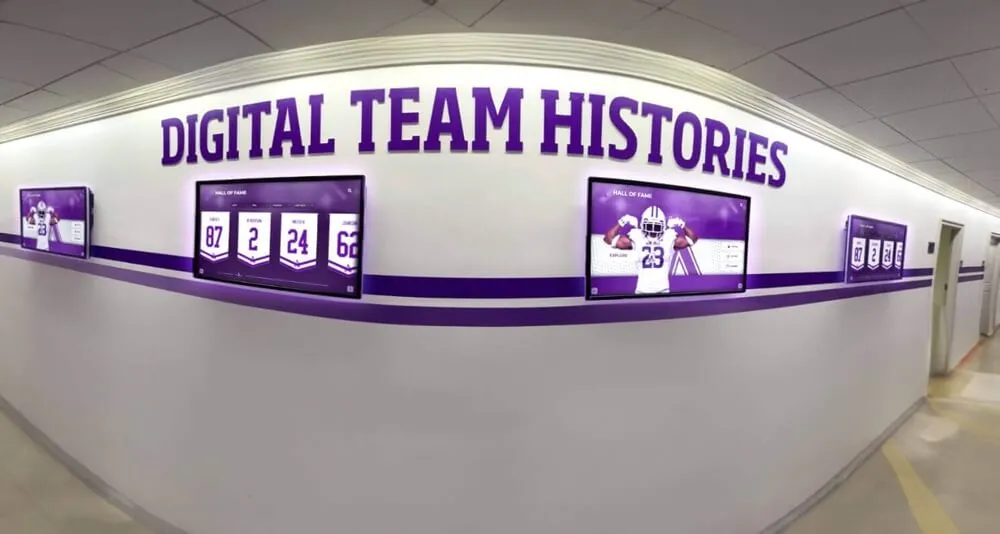
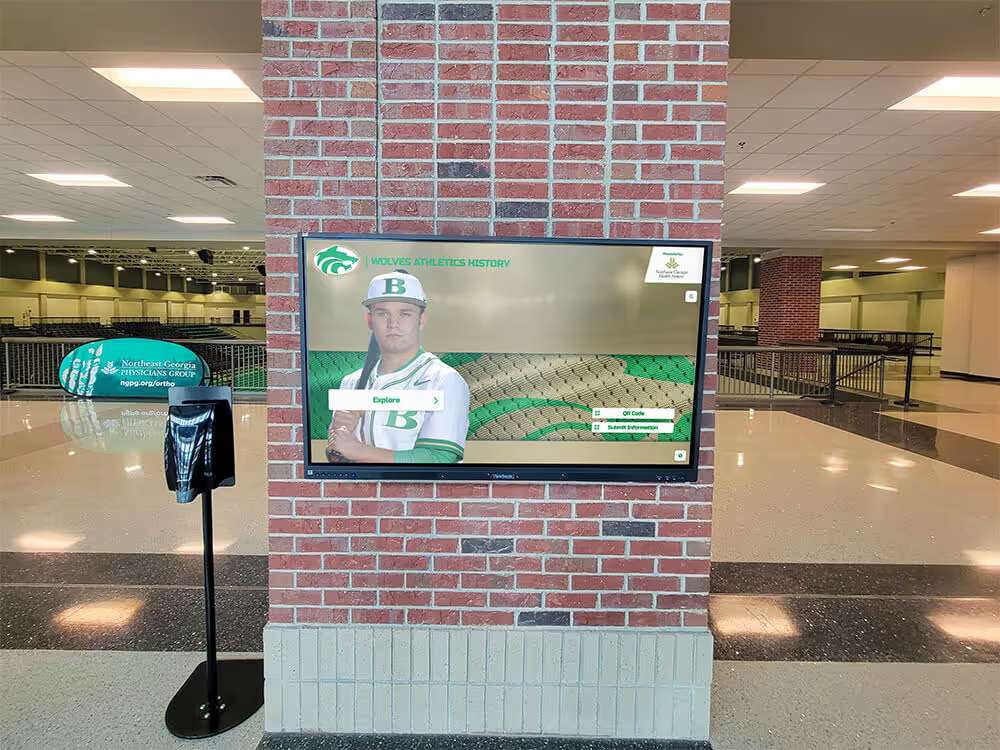
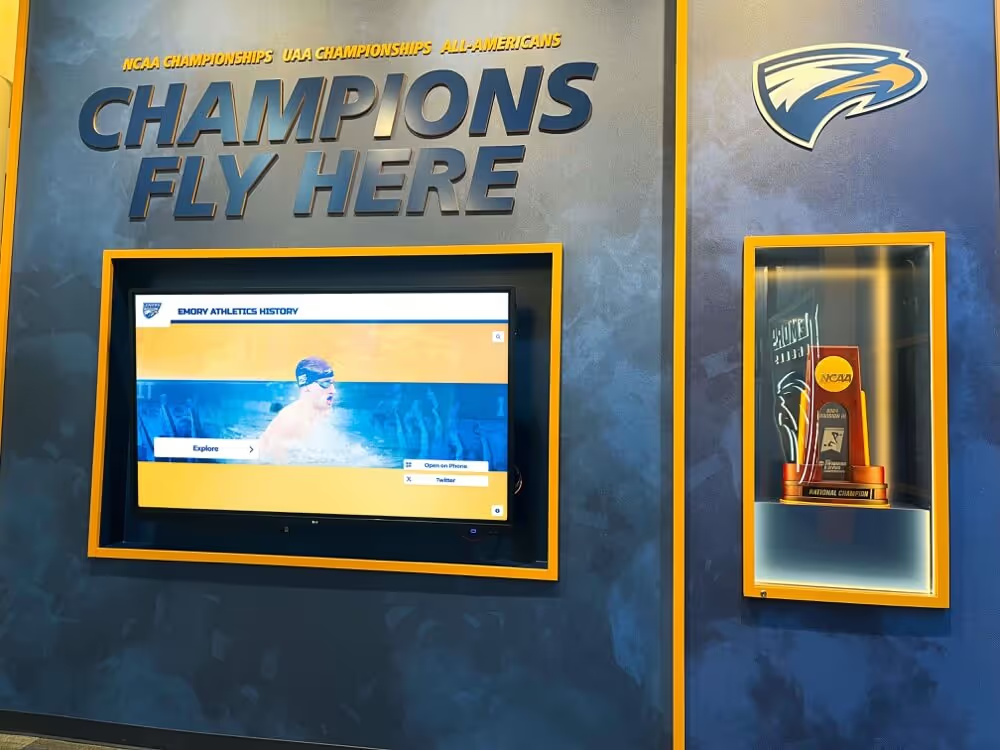
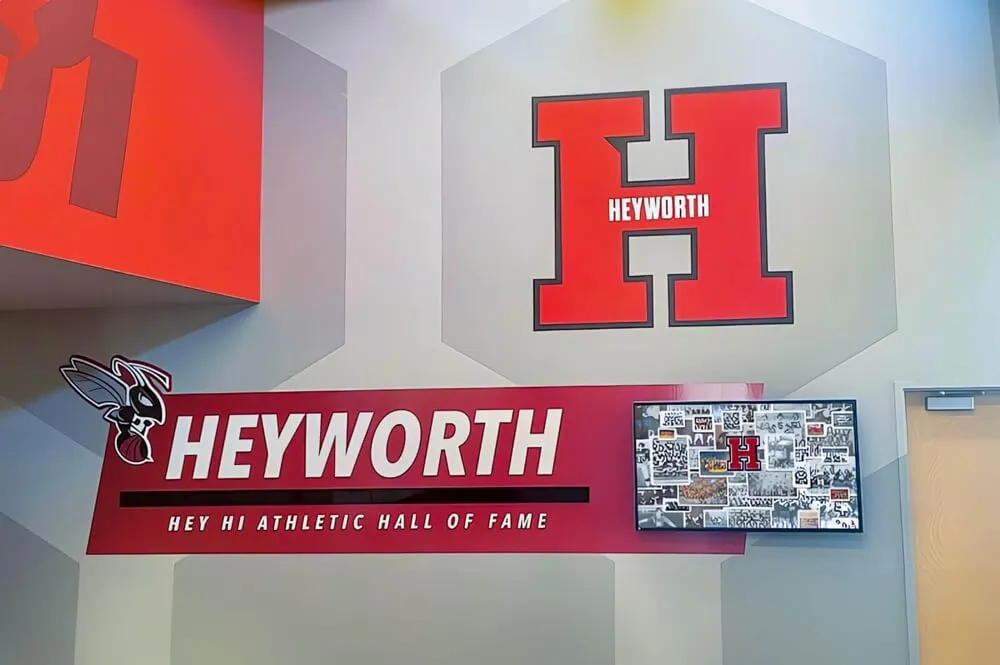
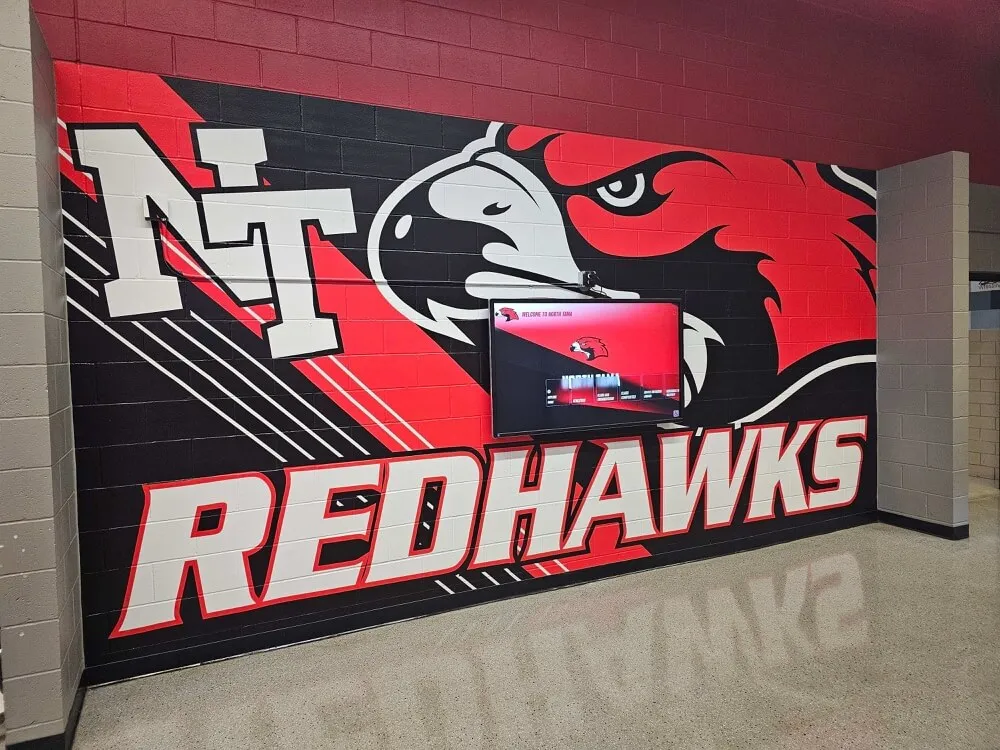
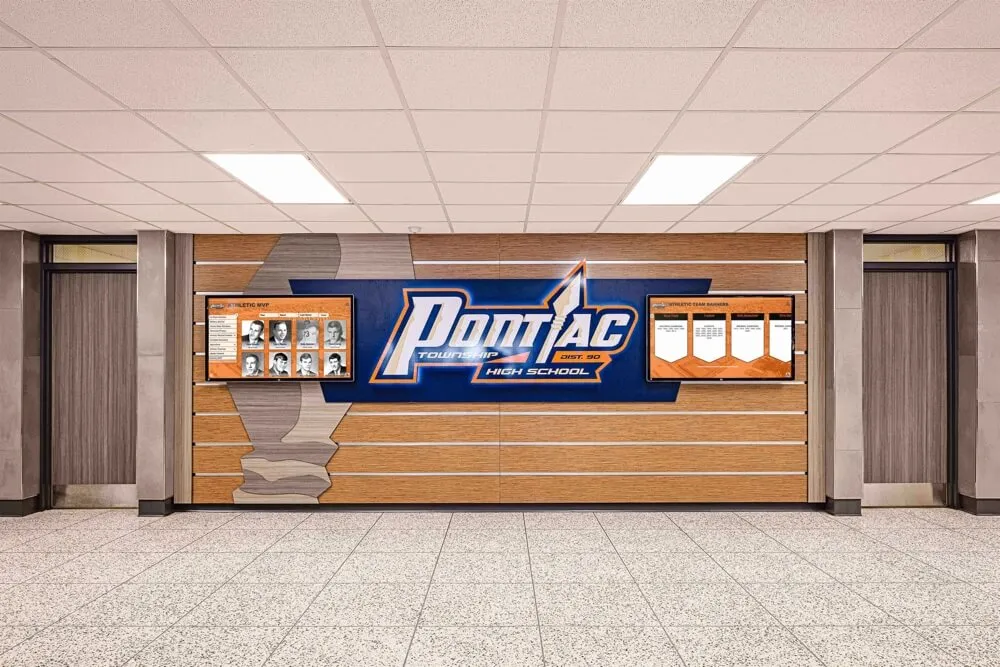
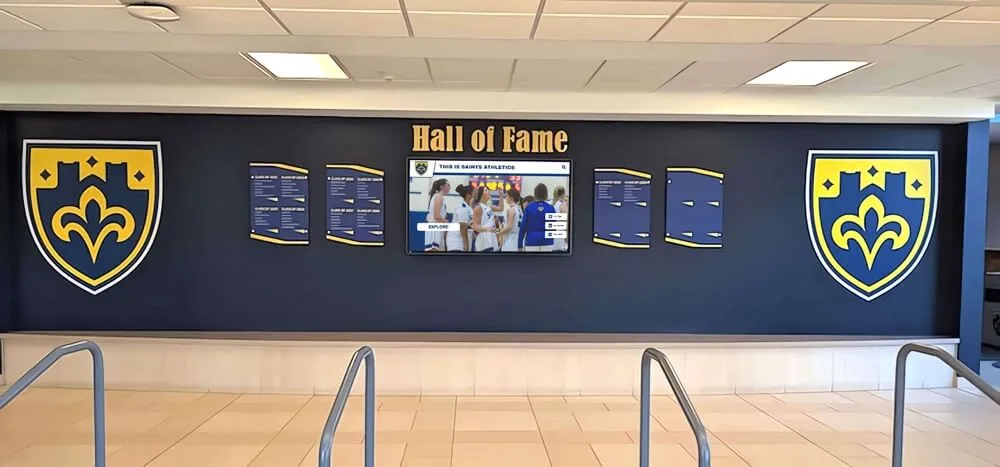
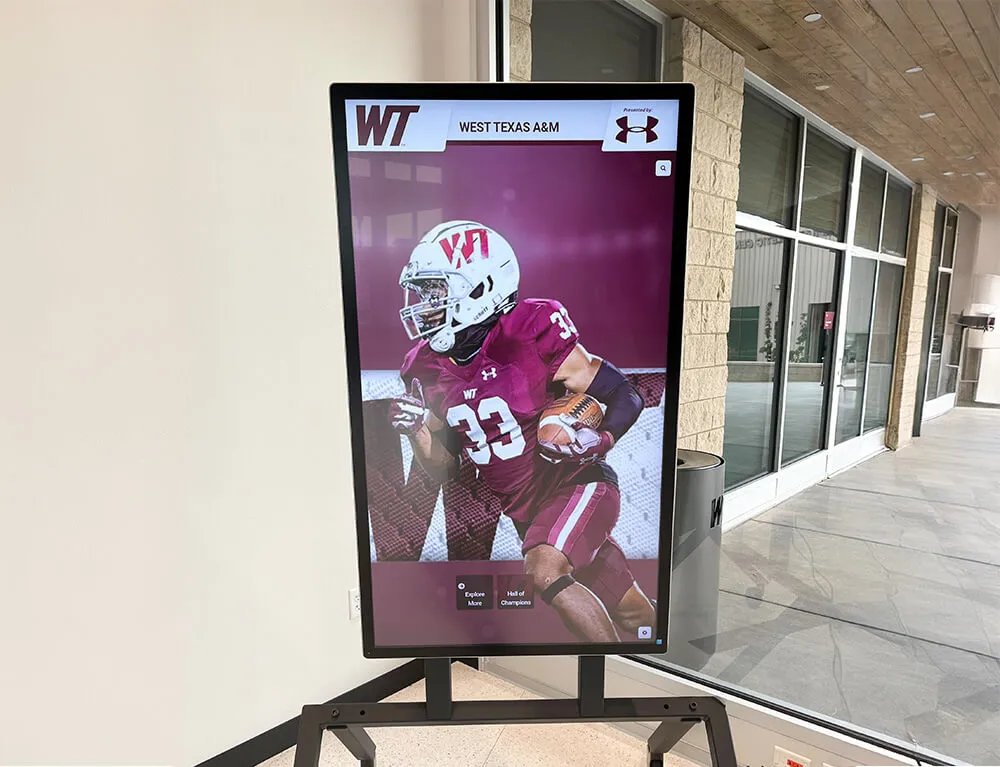
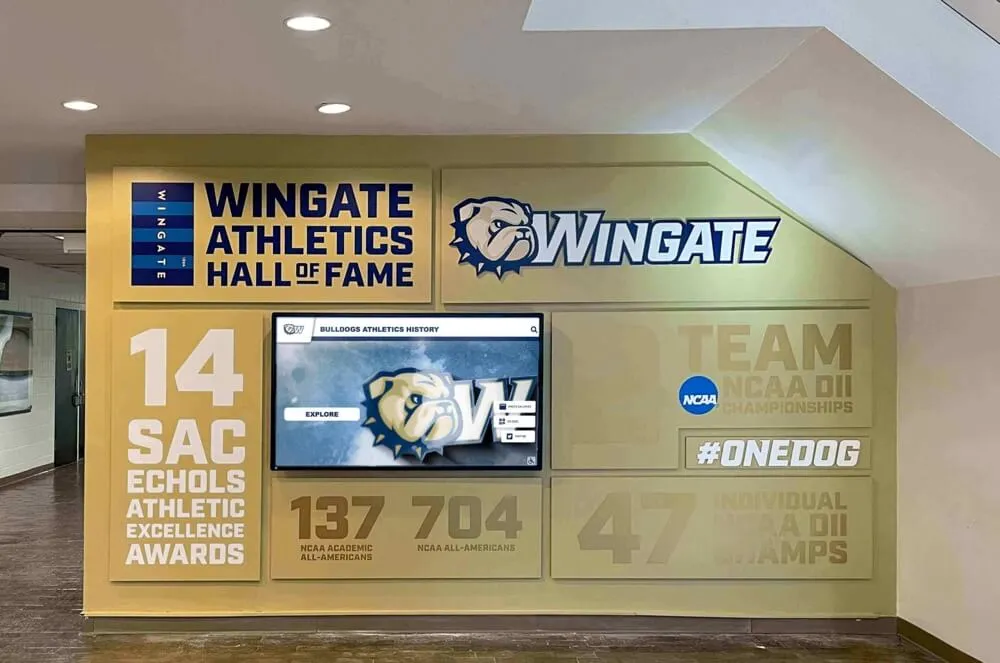
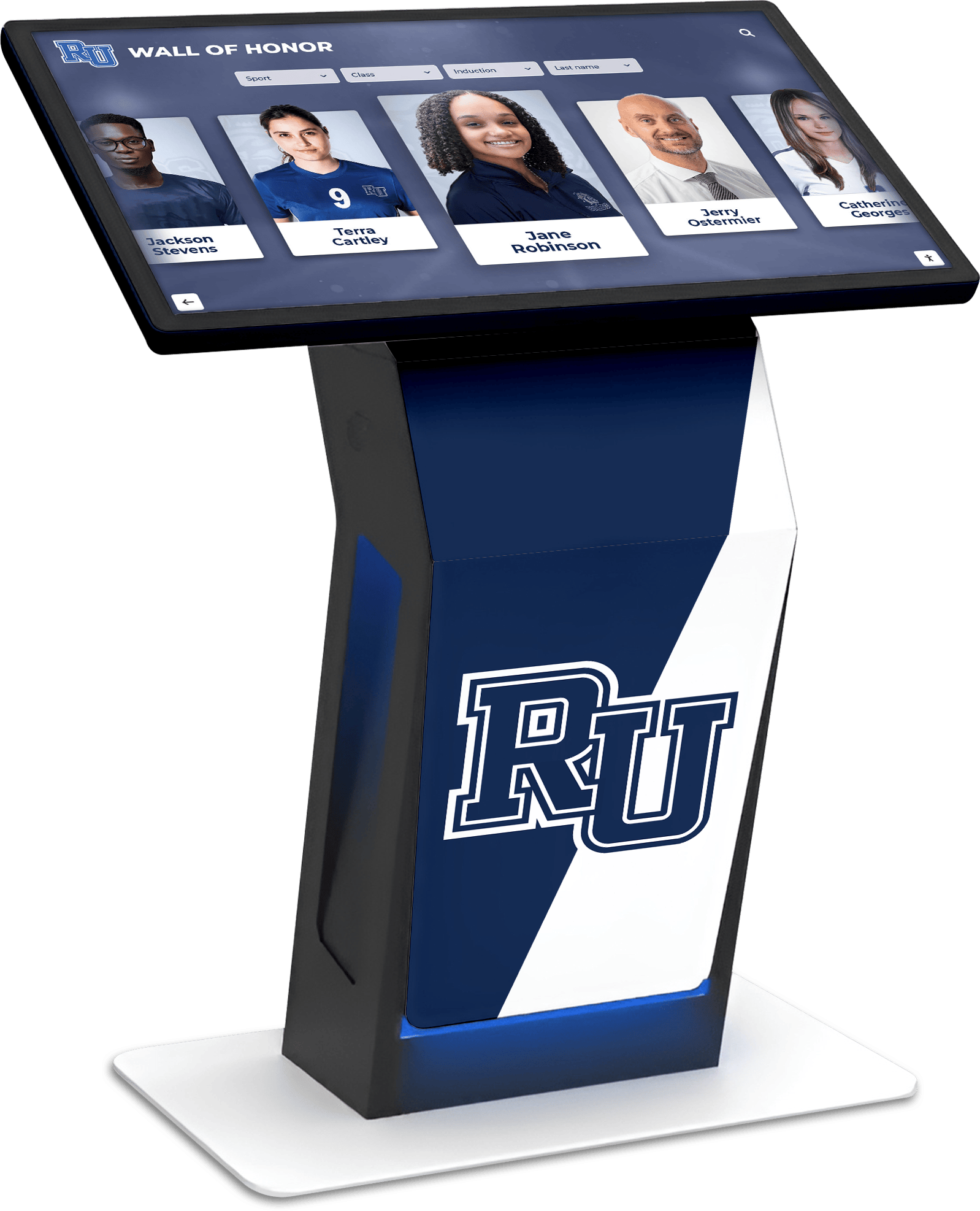
Modern digital donor walls combine elegant design with powerful technology for dynamic supporter recognition
Understanding Digital Donor Recognition Walls: Why Schools Are Making the Switch
Before exploring specific features and vendors, understanding the fundamental advantages digital donor recognition walls offer over traditional approaches helps schools evaluate whether this technology aligns with their recognition needs and institutional priorities.
The Limitations of Traditional Donor Recognition
Physical donor plaques and engraved walls have served schools faithfully for decades, but they present persistent challenges that digital solutions address:
Capacity Constraints and Space Limitations
Traditional donor walls require physical space proportional to the number of supporters recognized. Schools with robust fundraising programs and growing donor bases quickly exhaust available wall space, forcing difficult decisions about whether to stop accepting certain gift levels, relocate entire recognition systems to larger spaces, or create multiple scattered donor walls that fragment recognition impact.
A high school completing a successful capital campaign might secure 200 major donors, 500 leadership annual fund contributors, and 1,000 general supporters—requiring recognition space that simply doesn’t exist in most school lobbies or development office areas without overwhelming architectural aesthetics.
Update Challenges and Ongoing Costs
Every new donor, corrected name spelling, or recognition tier change requires fabricating new physical plaques or panels. Schools report update timelines ranging from 6-12 weeks and costs from $150-500 per individual plaque depending on materials and installation complexity. These recurring expenses and delays mean donor walls frequently fall months behind current giving, creating awkward situations where major supporters visit campus but can’t find their recognition.
Static Presentation and Limited Engagement
Traditional donor walls present names, perhaps gift amounts or dedication messages, but offer no context about what donations accomplished, stories about donor motivations, or connections to the programs and students philanthropy supports. This static approach fails to inspire prospective donors or create emotional engagement with recognition that could motivate continued giving.
Schools implementing comprehensive recognition programs understand that acknowledgment works best when it connects supporters to mission impact rather than simply listing names.
The Digital Donor Wall Advantage
Digital donor recognition walls address traditional limitations while introducing powerful new capabilities:
Unlimited Recognition Capacity
Digital systems accommodate essentially unlimited supporters without additional physical space. A single touchscreen display can recognize 10 donors or 10,000 donors equally well, with intuitive search and browsing interfaces that help visitors find specific supporters or explore giving histories across multiple campaigns and years.
Instant Updates and Corrections
Adding new donors, correcting information, or reorganizing recognition tiers happens through software updates that take minutes rather than weeks of fabrication. Schools can acknowledge donors within days of gift receipt rather than waiting months for plaque production, ensuring recognition remains current and supporters feel immediately valued.
Multimedia Storytelling and Engagement
Digital displays showcase donors through photos, video testimonials, impact stories, connection to specific programs or projects their gifts support, and interactive content that engages visitors while inspiring additional philanthropy. This rich storytelling transforms recognition from simple acknowledgment to compelling narrative about community support and institutional impact.
Data Integration and Automation
Modern digital donor walls integrate with advancement databases and donor management systems, automatically updating recognition as gifts are recorded and eliminating manual data entry that introduces errors and delays. This integration ensures consistency between donor records and public recognition while reducing administrative burden.
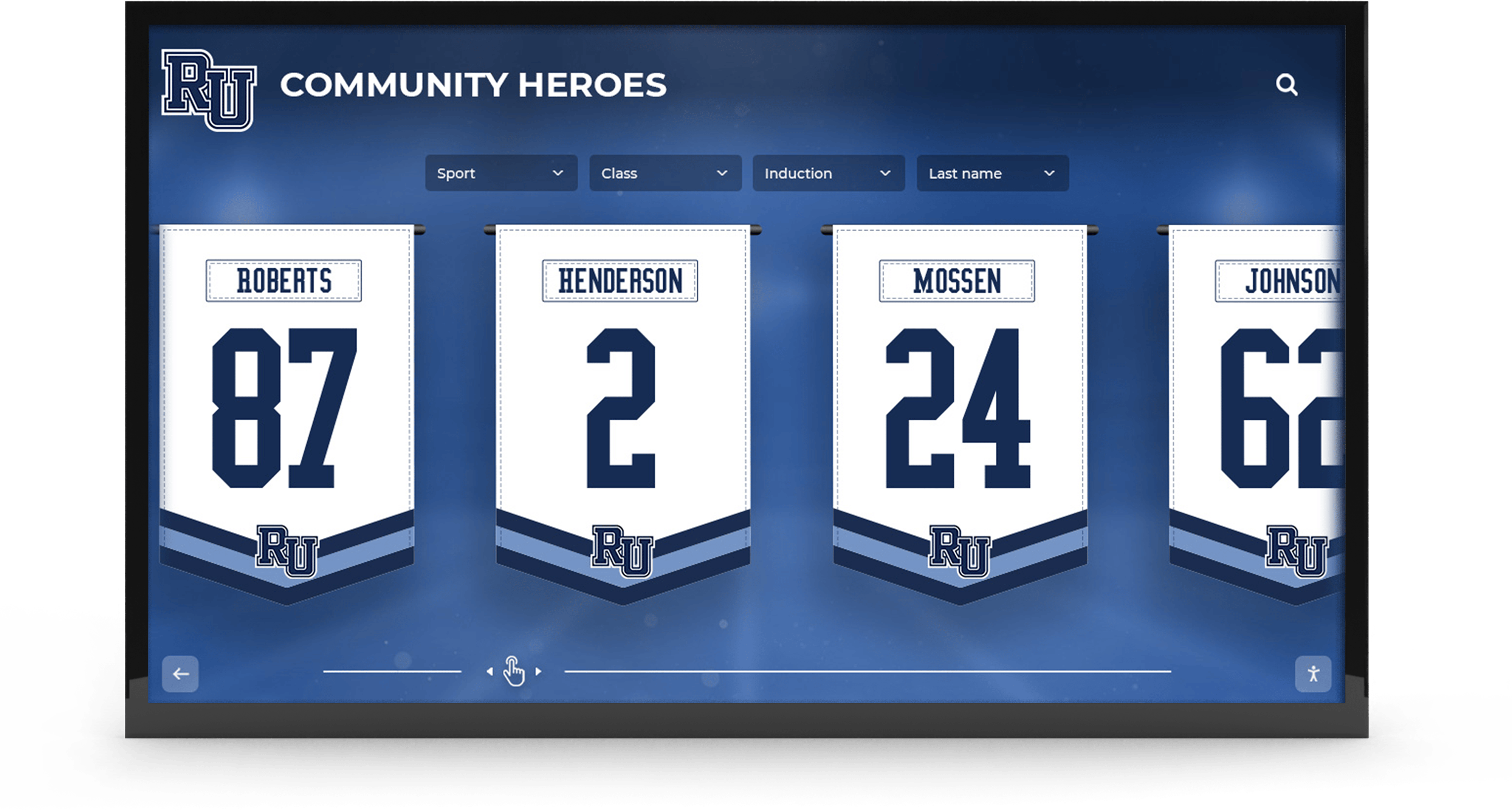
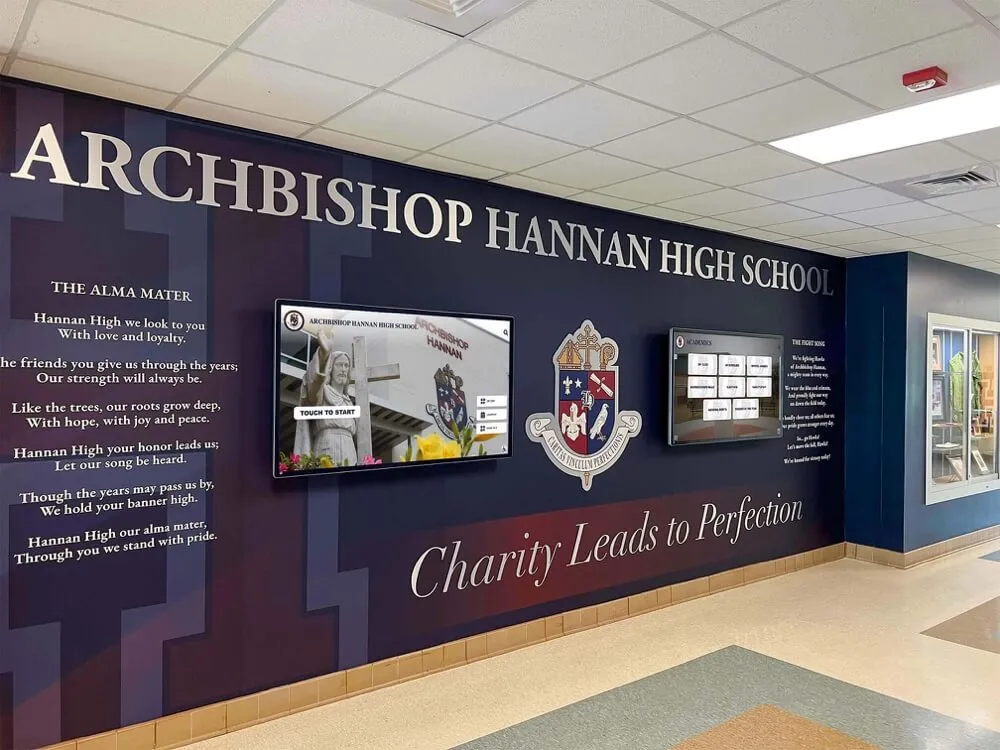
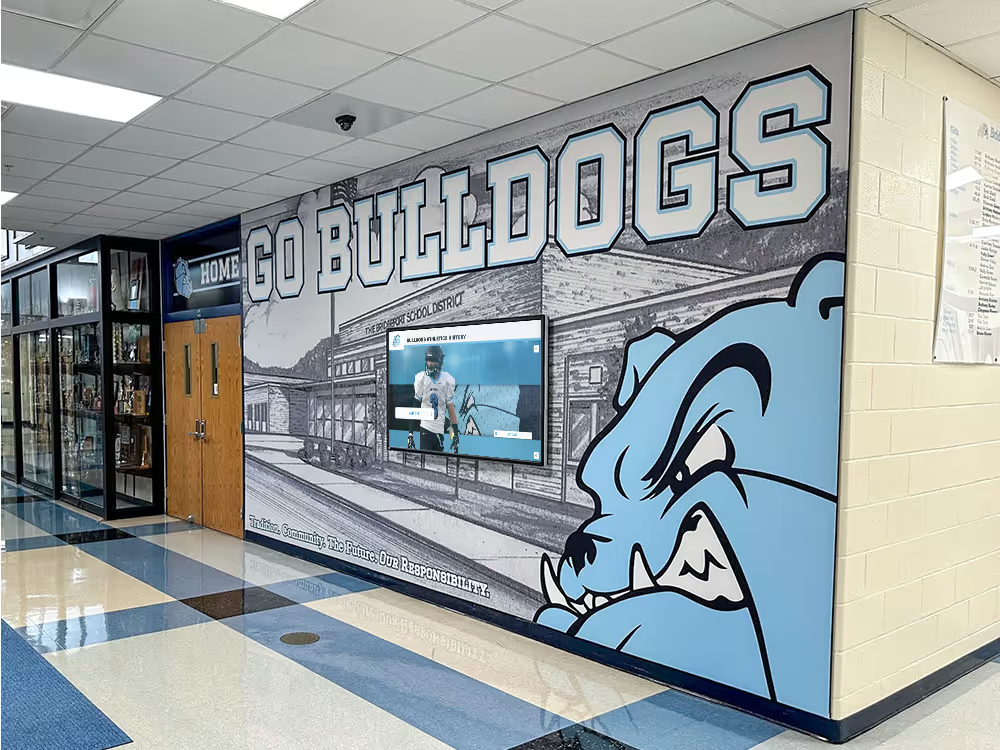
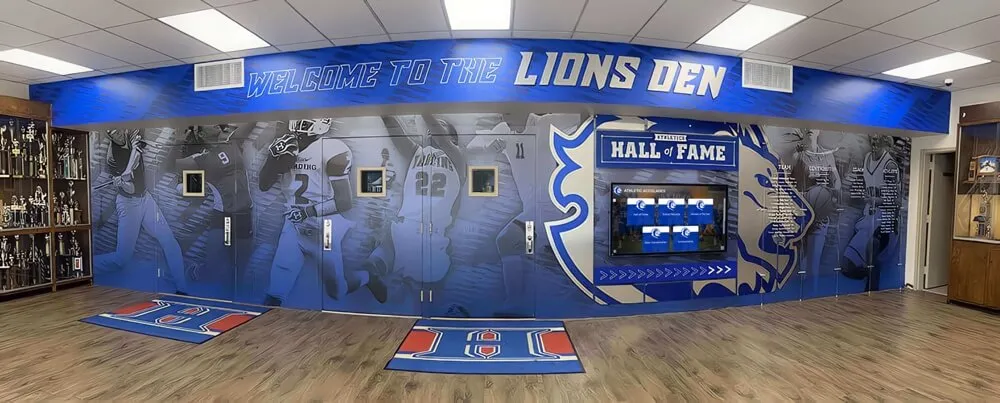
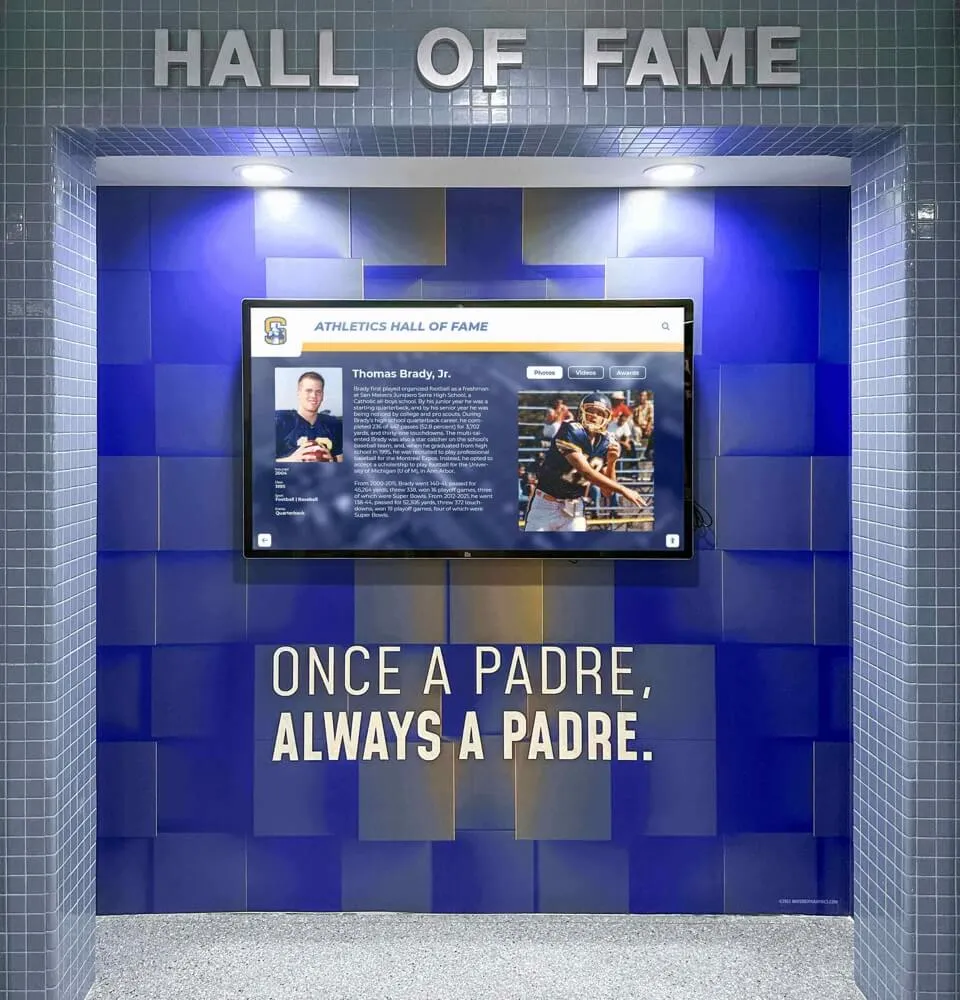
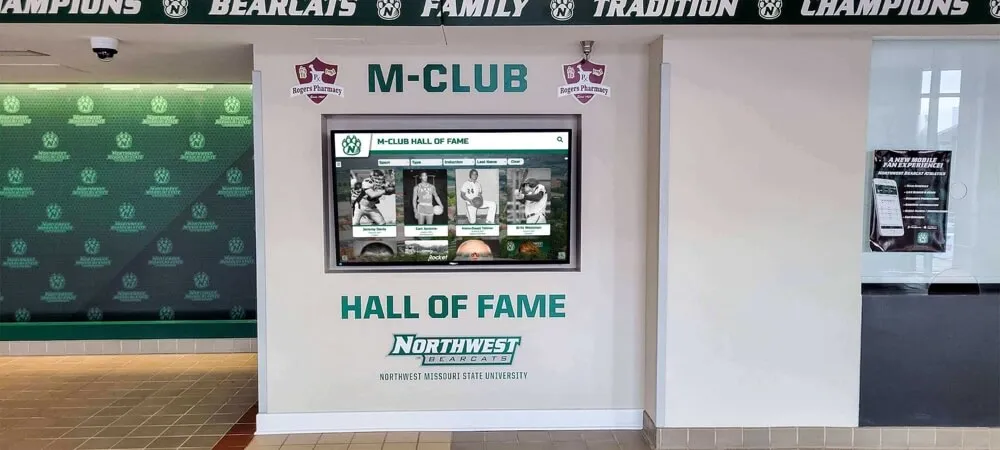
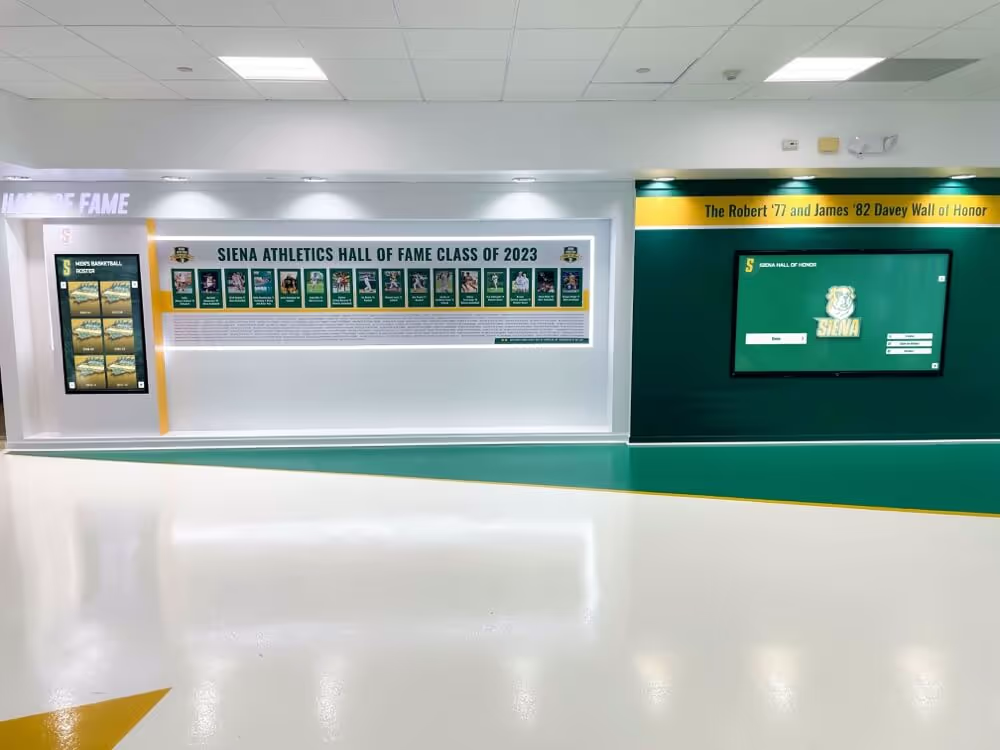
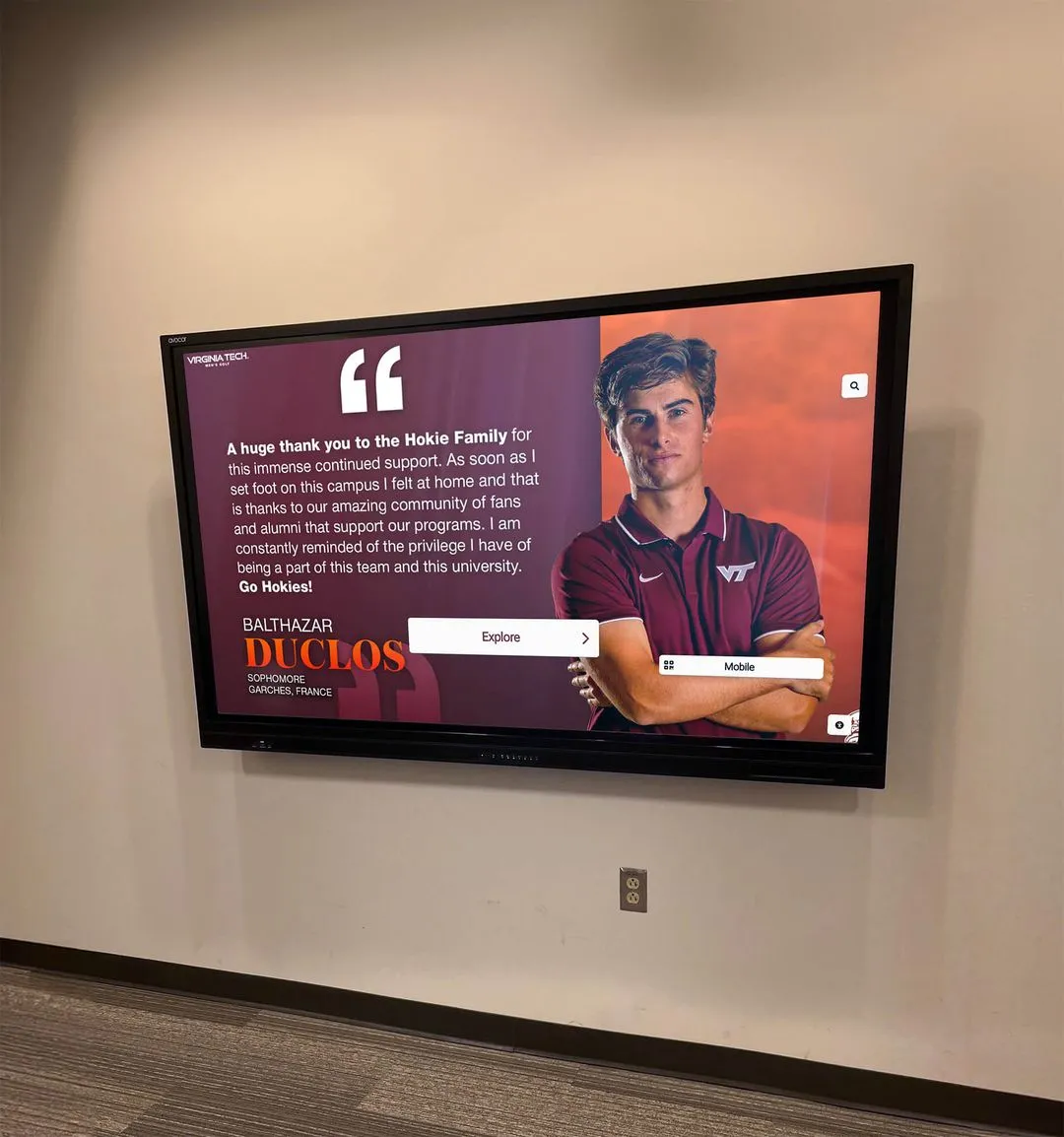
Digital displays can celebrate diverse supporter contributions beyond traditional monetary giving levels
Essential Features for School Donor Recognition Wall Digital Displays
Not all digital donor recognition systems offer equivalent capabilities. Schools evaluating solutions should prioritize features that address their specific recognition needs, fundraising contexts, and institutional requirements.
Core Technical Capabilities
The technical foundation determines whether digital donor walls function reliably and deliver intended recognition experiences:
Display Technology and Visibility
Professional-grade commercial displays designed for continuous operation provide superior reliability compared to consumer televisions adapted for donor recognition. Look for systems offering:
- High-brightness displays (450+ nits) ensuring visibility in well-lit school lobbies and hallways
- Commercial-rated screens designed for 16-24 hour daily operation rather than residential use patterns
- Anti-glare coatings or technologies preventing reflection issues in windowed spaces
- Adequate screen size appropriate to viewing distances (minimum 55" for lobby installations, 65"+ preferred)
- 4K resolution supporting crisp text rendering even for lengthy donor lists
Touchscreen Interaction Options
Interactive touchscreens dramatically increase engagement compared to passive digital displays, allowing visitors to search for specific donors, explore giving histories, and discover stories about program impact. Quality touchscreen systems feature:
- Responsive multi-touch technology supporting intuitive gestures
- Durable screen surfaces resistant to fingerprints, scratches, and cleaning chemicals
- Accessible interfaces meeting ADA requirements for all visitors
- Placement at appropriate heights for diverse users including students and visitors
Many schools implementing interactive kiosk solutions discover that touchscreen capabilities increase visitor engagement time from seconds for traditional plaques to minutes for digital systems.
Content Management Systems
Intuitive content management determines whether schools can actually maintain donor recognition or depend on vendors for every update. Effective systems provide:
- Web-based administration accessible from any computer without specialized software
- Role-based permissions allowing appropriate staff access while protecting donor data
- Simple workflows for adding donors, updating information, or reorganizing recognition tiers
- Template systems ensuring visual consistency while enabling customization
- Preview capabilities allowing review before content goes live
Database Integration Capabilities
Schools using advancement databases like Raiser’s Edge, Blackbaud, or other donor management systems benefit enormously from integration eliminating duplicate data entry:
- Direct connections synchronizing donor information automatically
- Configurable field mapping ensuring database information displays appropriately
- Real-time or scheduled updates keeping recognition current with gift processing
- Privacy controls respecting donor preferences about public acknowledgment
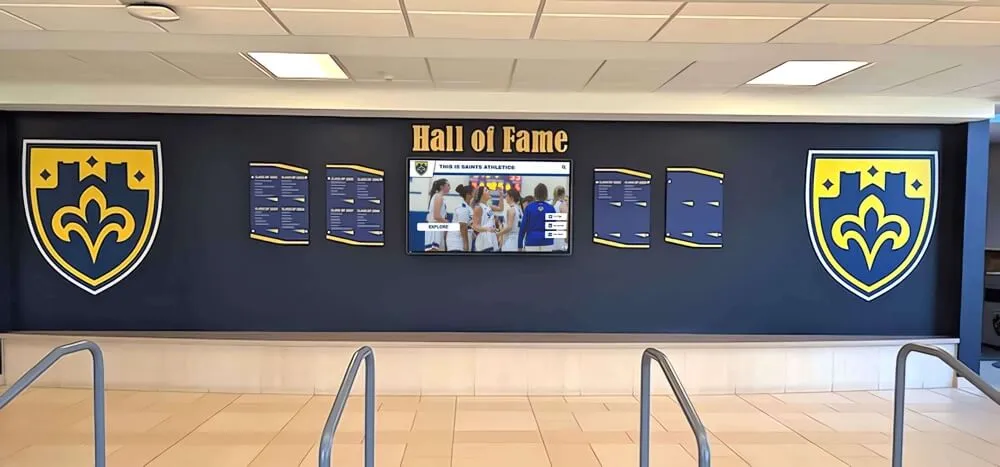
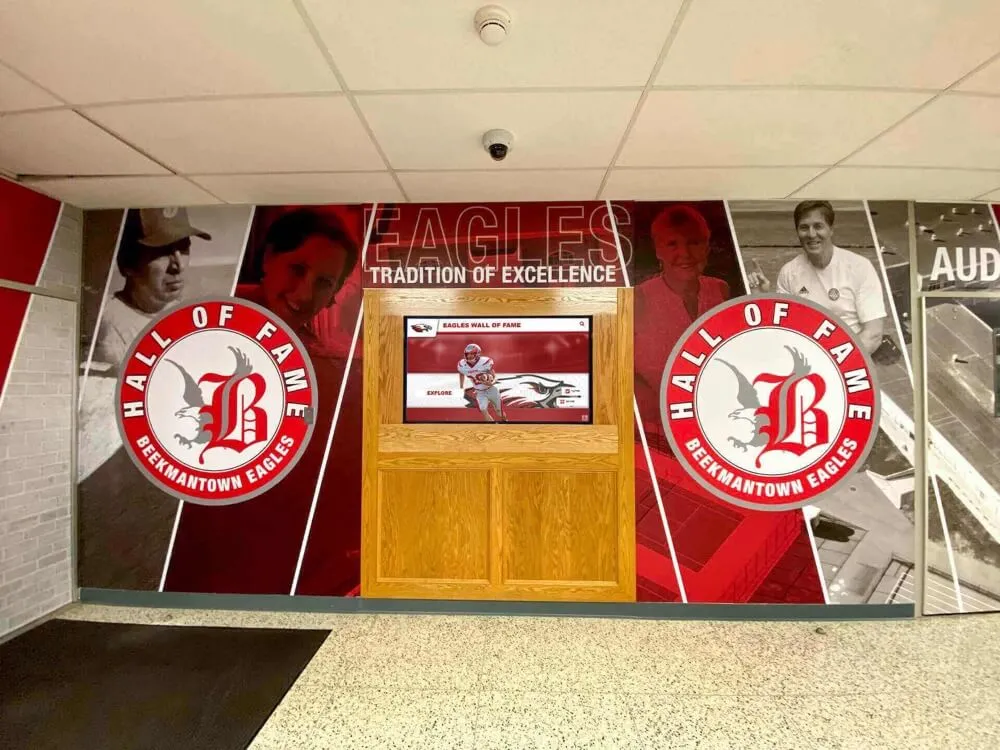
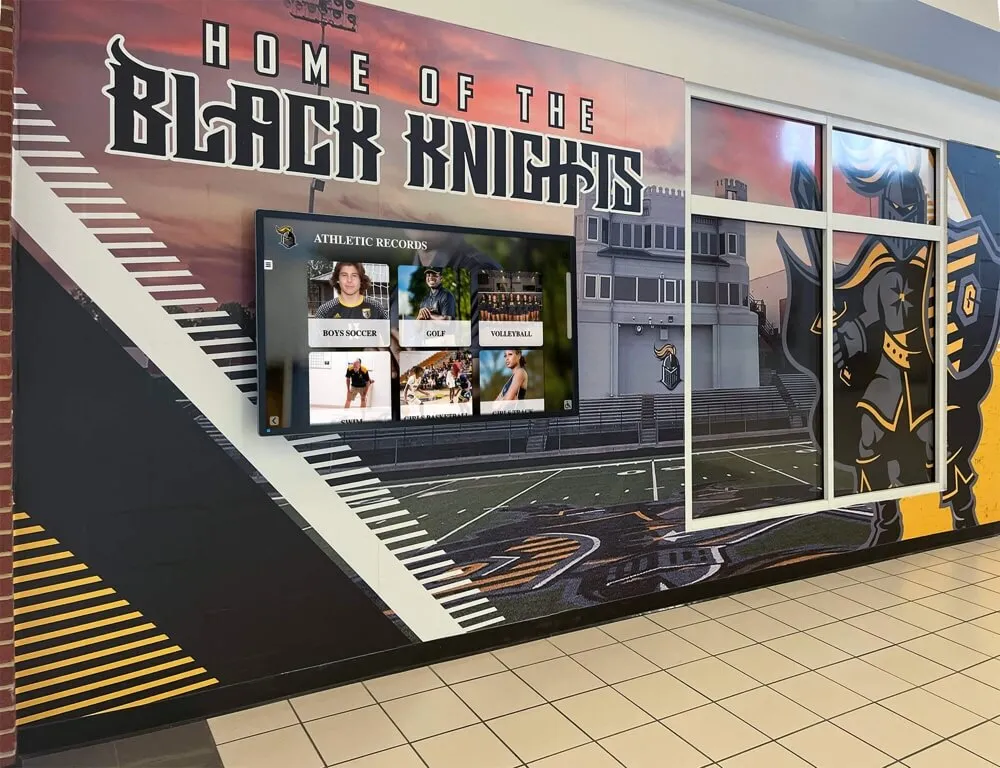
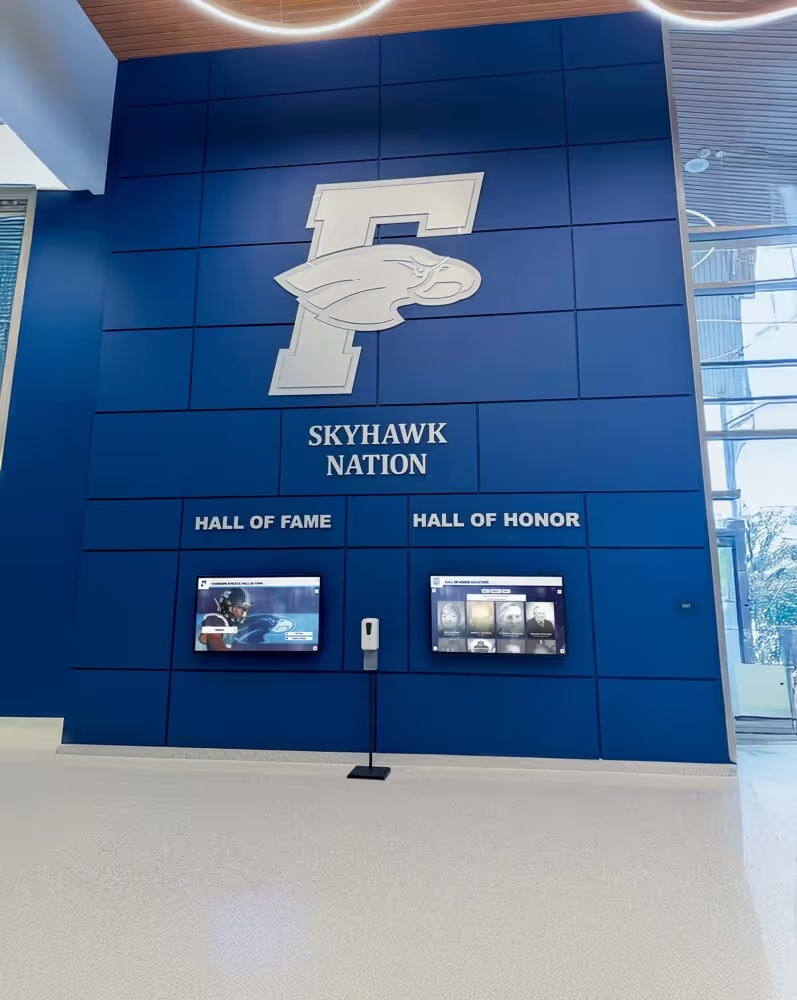
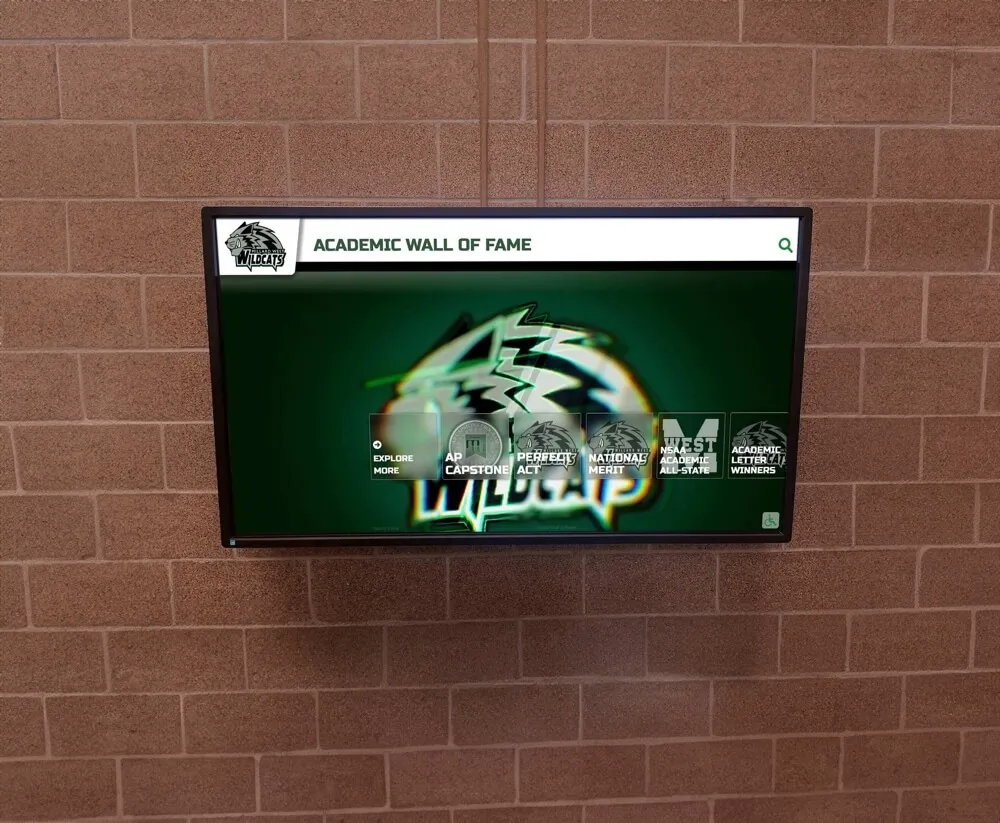
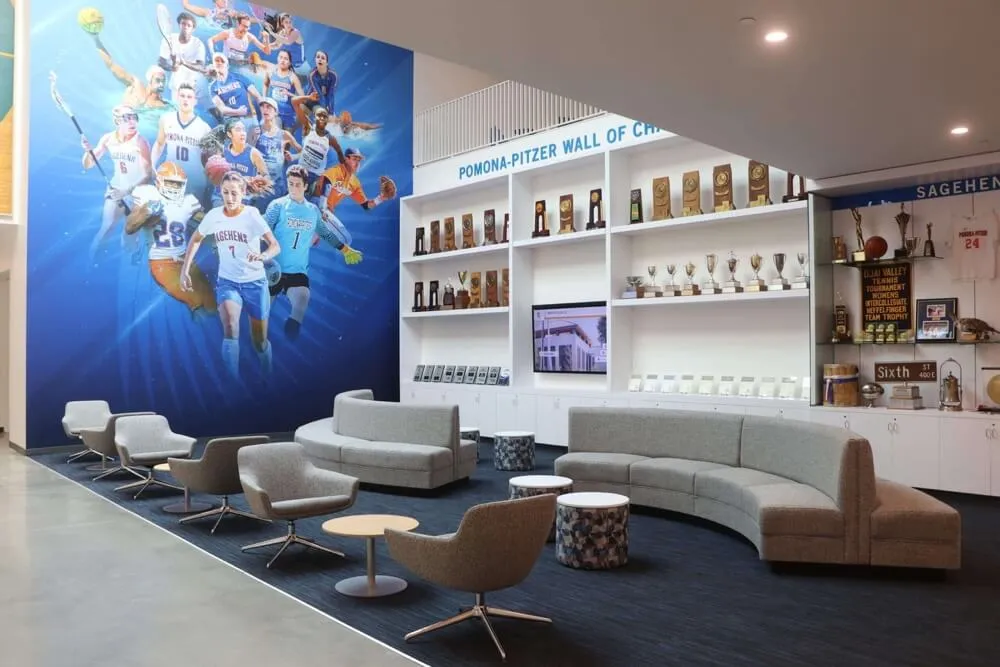
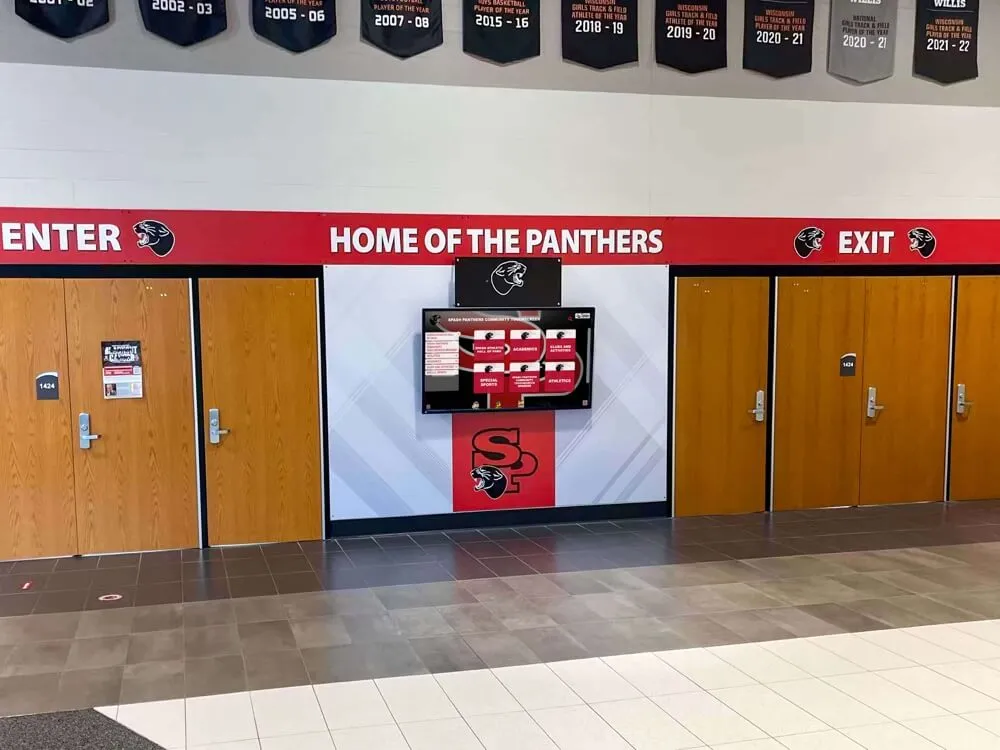
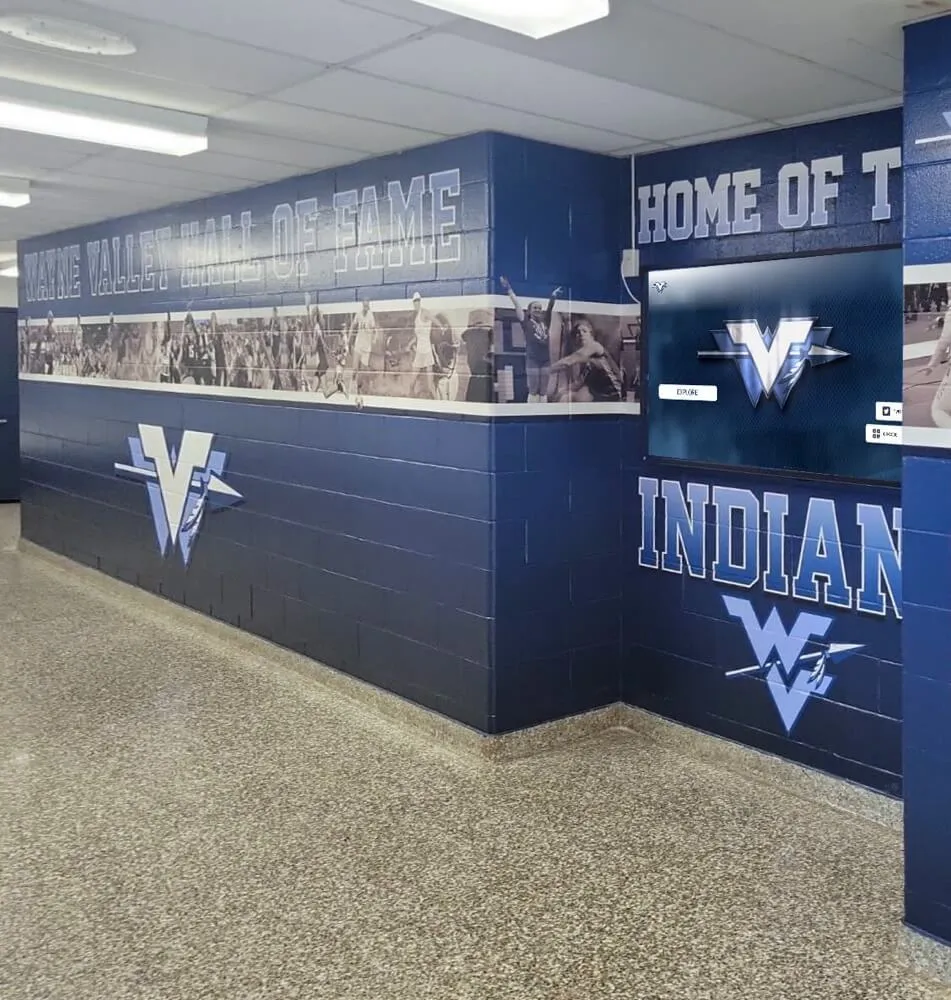
Hybrid approaches combine traditional institutional elements with flexible digital recognition technology
Recognition and Presentation Features
Beyond technical capabilities, the recognition experience itself determines whether digital donor walls inspire donors and advance fundraising objectives:
Flexible Giving Level Organization
Digital systems should accommodate diverse recognition structures including:
- Traditional tiered giving societies (Founders Circle, Leadership Society, Benefactors, etc.)
- Campaign-specific recognition for capital projects, annual funds, or special initiatives
- Cumulative lifetime giving acknowledgment alongside current year support
- Multiple simultaneous campaigns recognized in coordinated fashion
- Memorial and tribute gifts with appropriate attribution
Search and Discovery Functionality
Visitors should easily find specific donors or explore recognition through:
- Alphabetical search by donor name
- Browsing by giving level, campaign, or year
- Filtering by specific programs supported or gift designations
- Featured donor spotlights highlighting major supporters or recent gifts
- Random discovery showcasing diverse supporters to all visitors
Multimedia Content Support
Rich donor recognition goes beyond names and amounts to include:
- Donor photos showing faces behind philanthropy
- Video testimonials explaining why supporters give
- Impact stories connecting donations to specific student experiences
- Before/after comparisons for facility projects donors funded
- Recognition of volunteer contributions beyond financial giving
Schools creating comprehensive advancement solutions understand that storytelling transforms acknowledgment into inspiration for continued support.
Privacy and Preference Controls
Donor recognition must respect individual preferences about public acknowledgment:
- Anonymous giving options honoring privacy requests
- Name-only recognition without gift amounts for donors preferring discretion
- Tribute and memorial designations per donor specifications
- Opt-in systems ensuring only donors comfortable with public recognition appear
Administrative and Operational Features
Long-term success requires systems that schools can actually maintain without extensive technical expertise or ongoing vendor dependence:
Reliability and Uptime
Commercial-grade systems designed for 24/7 operation minimize failures and support interruptions:
- Automatic recovery from power outages without manual intervention
- Remote monitoring alerting administrators to technical issues
- Scheduled content updates during low-visibility periods
- Backup systems ensuring content preservation
Security and Data Protection
Donor information requires appropriate security protecting sensitive data:
- Secure administrative access with strong authentication requirements
- Encrypted data transmission and storage protecting donor privacy
- Audit trails tracking who accesses or modifies recognition content
- FERPA and donor privacy law compliance for educational institutions
Analytics and Engagement Metrics
Understanding how visitors interact with donor recognition informs improvement:
- Usage statistics tracking visitor engagement and interaction patterns
- Popular content identification showing which donor stories generate interest
- Traffic patterns revealing peak usage times and visitor demographics
- Search analytics indicating what visitors seek when exploring recognition
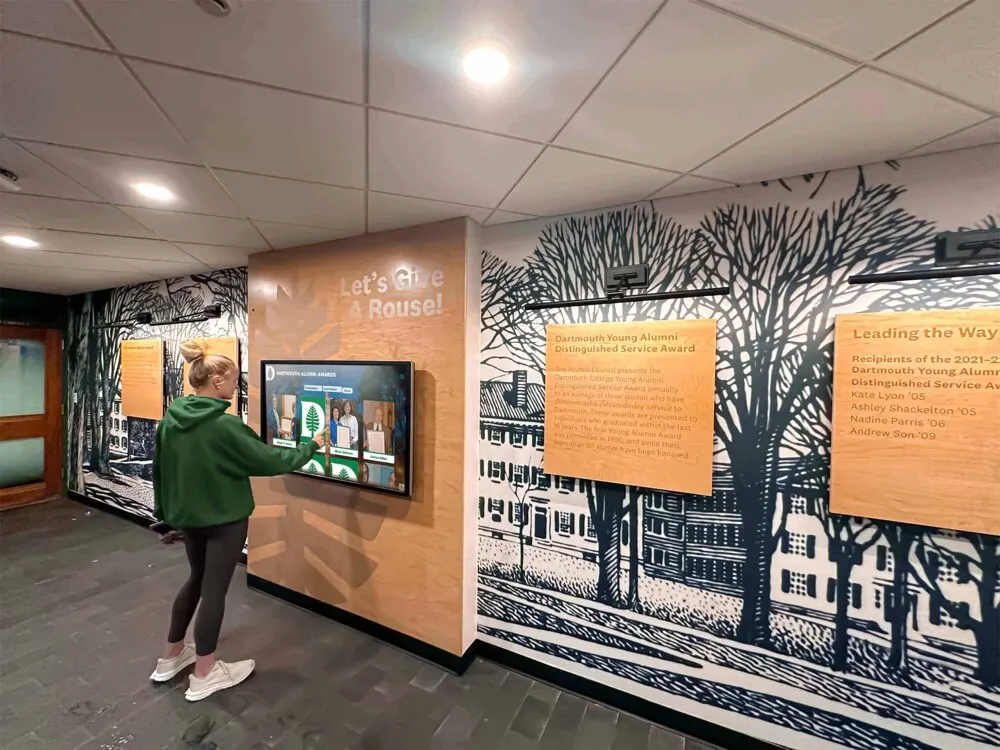
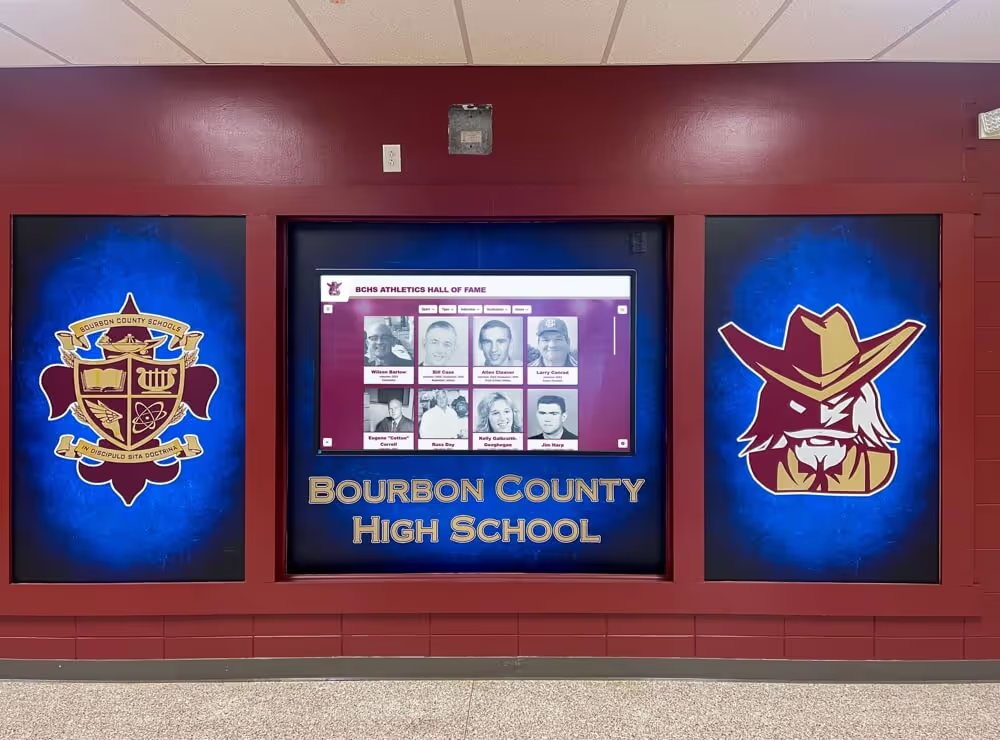
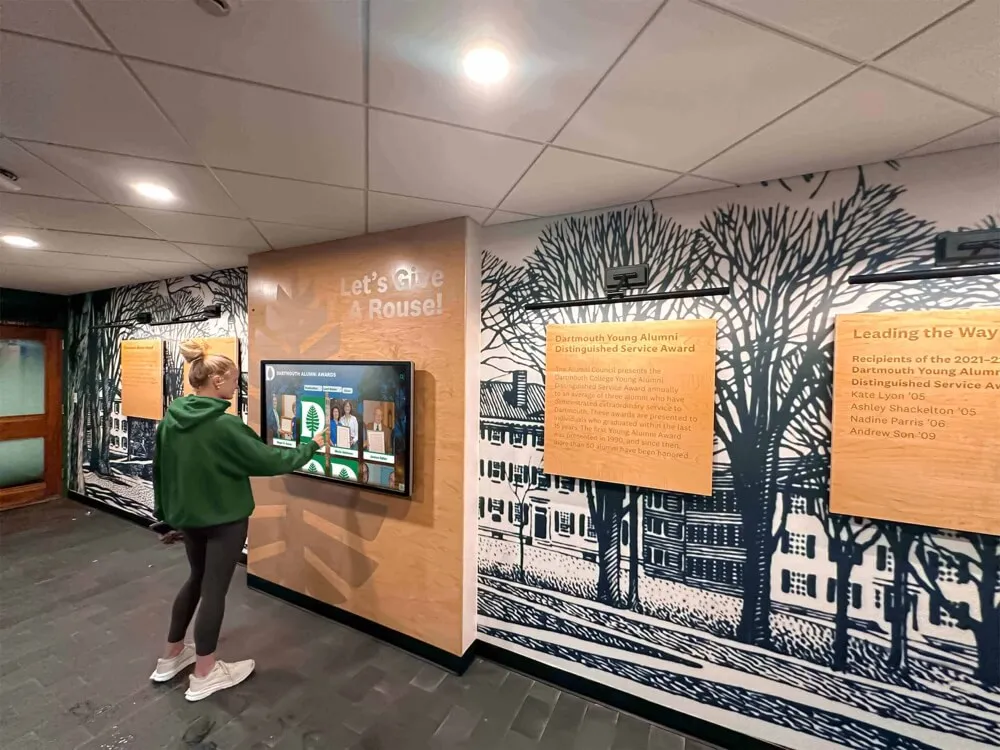
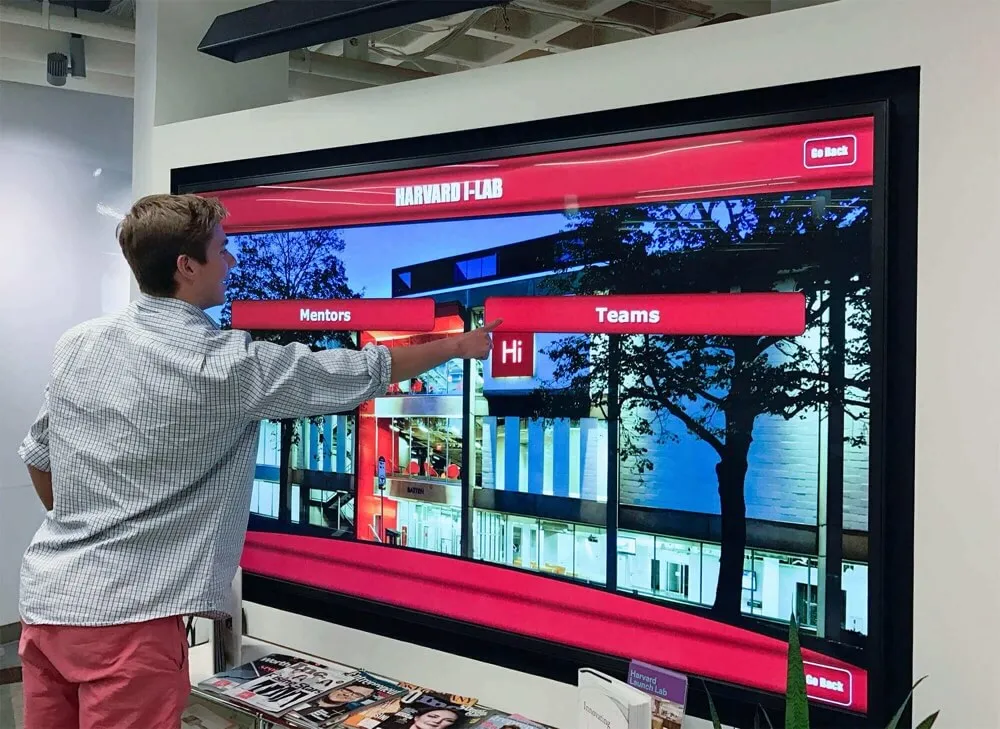
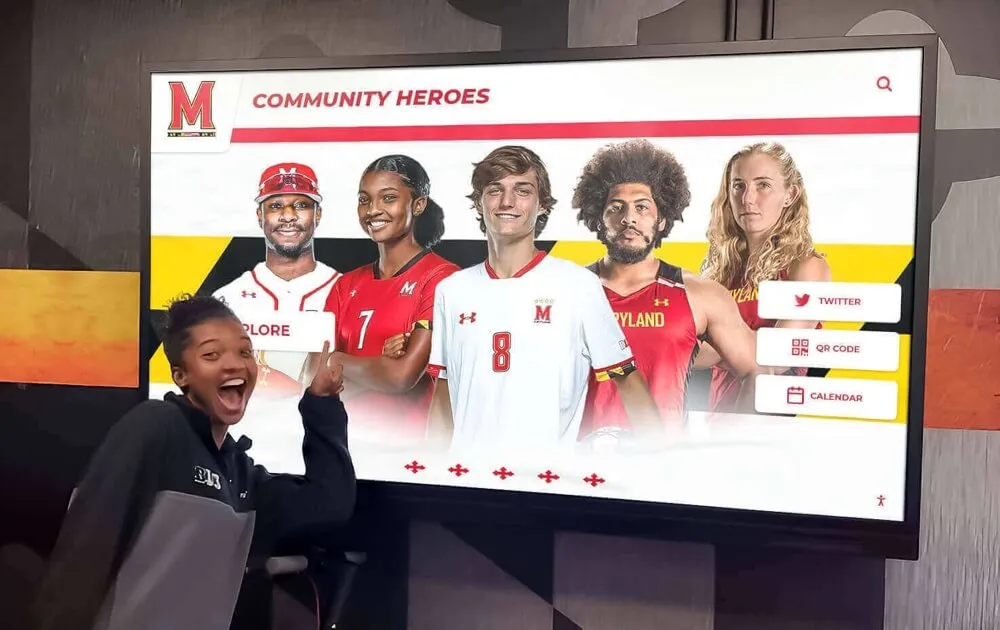
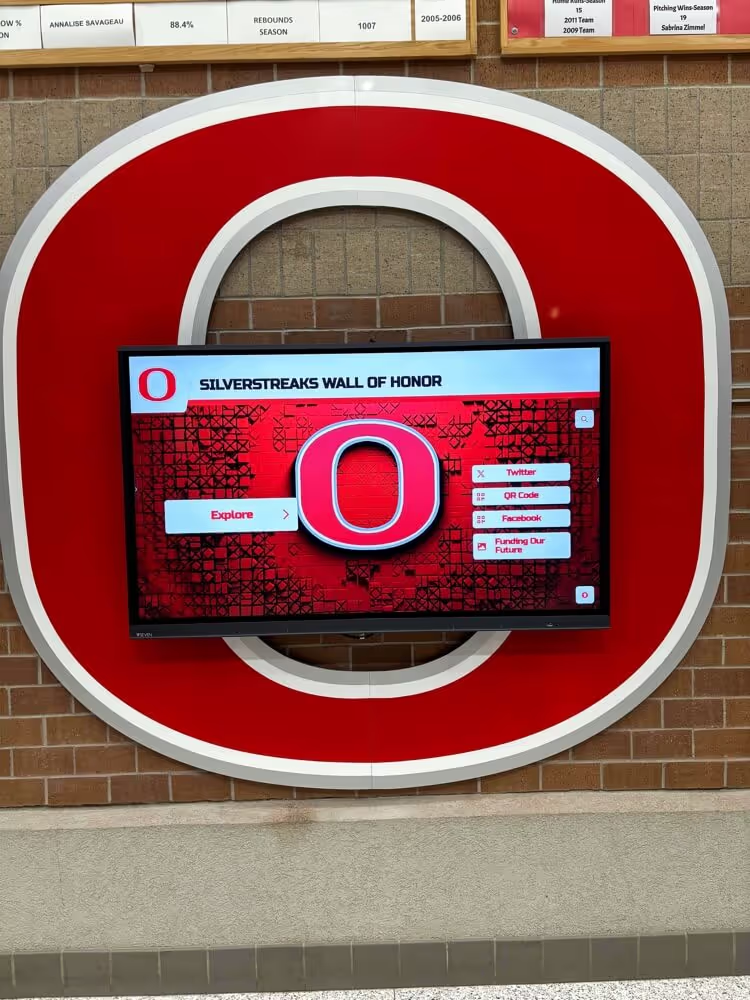
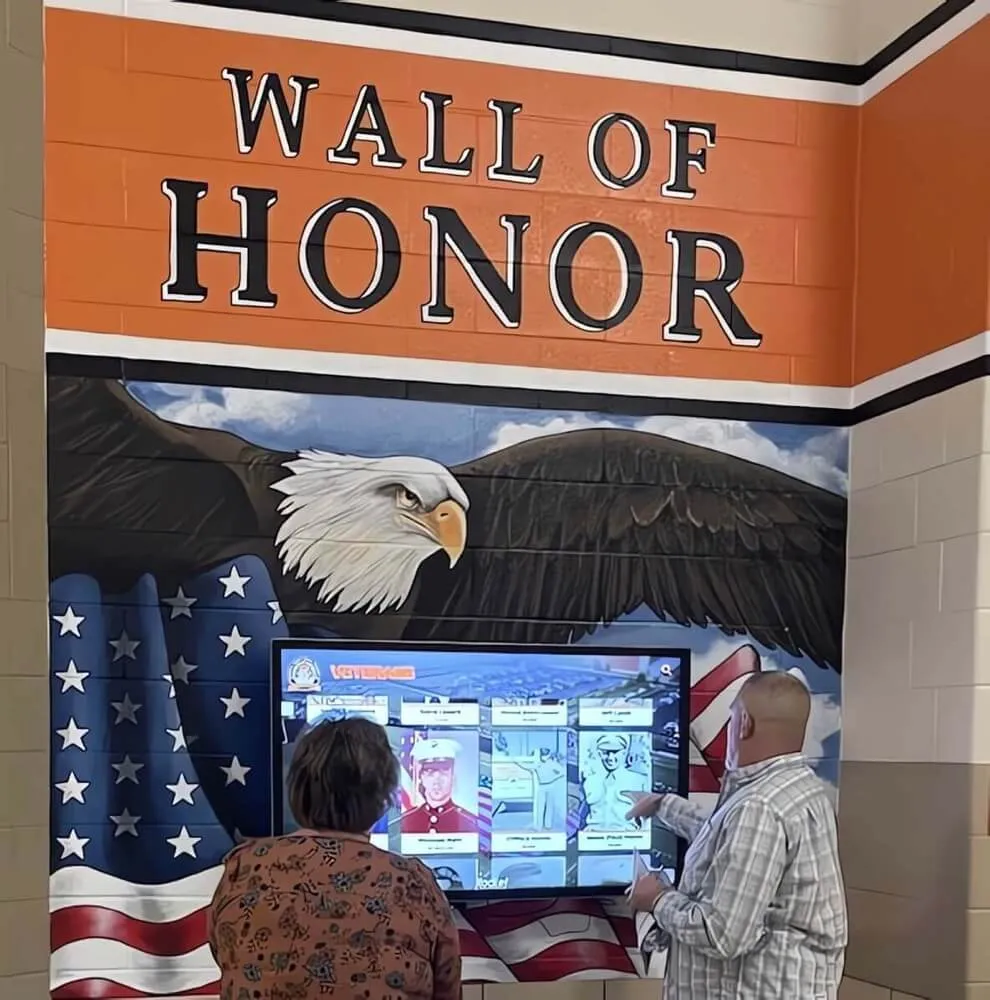
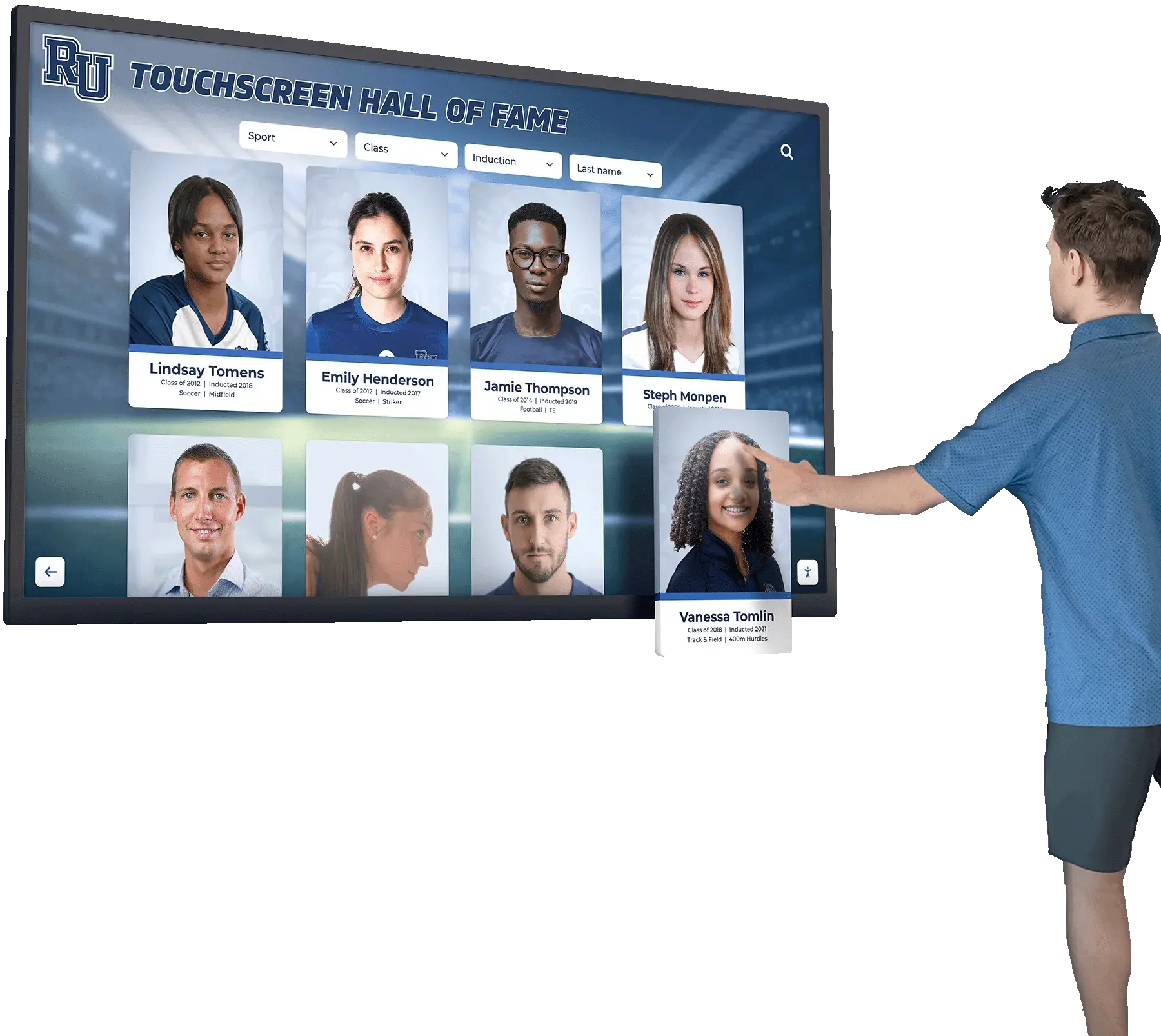
Interactive touchscreens invite visitor engagement transforming passive acknowledgment into active exploration
Donor Recognition Wall Digital Display Costs: What Schools Should Expect
Understanding realistic pricing helps schools budget appropriately and evaluate vendor proposals against reasonable market expectations rather than unrealistic assumptions.
System Cost Components
Total investment in digital donor recognition walls includes multiple elements beyond hardware purchase:
Hardware Costs
Physical equipment represents the most visible expense component:
- Commercial displays: $1,500-5,000 depending on size, brand, and capabilities (55"-75" range typical)
- Touchscreen technology: Add $800-2,500 for quality touch overlays or integrated touch displays
- Mounting and installation: $500-2,000 for professional wall mounting, wiring, and finishing
- Computers and media players: $500-2,000 for dedicated systems driving displays
- Enclosures and housing: $1,000-5,000 for architectural kiosks or protective enclosures
A typical 65" touchscreen donor recognition installation might involve $4,000-8,000 in hardware costs before software, content, or professional services.
Software and Licensing
Recognition software pricing varies dramatically based on solution approach:
- One-time software purchase: $2,000-10,000 for perpetual licenses without ongoing fees
- Annual software subscriptions: $1,200-5,000 per year for cloud-based systems with automatic updates
- Custom development: $10,000-50,000+ for unique systems built to exact specifications
- Database integration: $2,000-8,000 for connections to advancement databases
Content Development
Professional content creation elevates digital donor walls from simple name lists to compelling recognition experiences:
- Template design and customization: $2,000-8,000 for professional interfaces matching institutional branding
- Initial donor content population: $1,500-5,000 for formatting and uploading existing donor databases
- Multimedia production: $3,000-15,000+ for video testimonials, impact stories, or custom graphics
- Photography: $1,000-5,000 for professional donor portraits if not already available
Professional Services
Implementation expertise ensures successful installations:
- Needs assessment and planning: $2,000-5,000 for consultative planning determining optimal approaches
- Installation and configuration: $2,000-6,000 for professional setup and testing
- Training and documentation: $1,000-3,000 for staff training on system administration
- Ongoing support and maintenance: $1,200-4,000 annually for technical support and updates
Total Investment Ranges
Combining these components, schools should expect total digital donor recognition wall investments ranging across different solution tiers:
Basic Digital Donor Wall ($8,000-15,000)
Entry-level systems providing core donor recognition without extensive customization:
- 55"-65" commercial display with basic touch capability
- Template-based software with limited customization
- Standard donor list presentation without extensive multimedia
- DIY installation or basic professional setup
- Suitable for schools with straightforward recognition needs and technical staff
Mid-Range Interactive System ($15,000-35,000)
Comprehensive solutions offering professional features and polished presentation:
- 65"-75" commercial-grade touchscreen display
- Robust software with customization and database integration
- Custom interface design matching institutional branding
- Professional installation and configuration
- Initial content development and staff training
- Appropriate for schools with active development programs expecting growth
Premium Recognition Experience ($35,000-75,000+)
Sophisticated installations creating destination experiences:
- Large-format displays (75"+) or multi-screen installations
- Fully custom software with advanced features and integrations
- Extensive multimedia content including video, photography, and interactive elements
- Architectural kiosk integration with custom casework
- Comprehensive professional services from planning through ongoing support
- Best suited for schools with major capital campaigns or institutional priorities around donor recognition
Schools implementing digital signage solutions across multiple campus applications can sometimes achieve economies of scale combining donor recognition with other digital communication needs.
Ongoing Operational Costs
Beyond initial investment, schools should budget for ongoing expenses:
Annual Software and Support
- Software subscription fees: $1,200-5,000 annually for cloud-based systems
- Technical support agreements: $1,000-3,000 annually for vendor assistance
- Software updates and feature enhancements: Often included in subscriptions or $500-2,000 as standalone purchases
Content Updates and Maintenance
- Staff time for donor updates: Variable based on giving volume and internal expertise
- Periodic content refreshes: $2,000-8,000 every 2-3 years for updated templates and designs
- Multimedia additions: $1,000-5,000 annually for new impact stories, photos, or videos
Hardware Lifecycle
- Display replacement: 5-7 year expected lifespan; budget for eventual $4,000-8,000 replacement
- Computer/media player updates: 3-5 year refresh cycles at $500-2,000
- Touchscreen recalibration or replacement: Occasional maintenance at $500-1,500
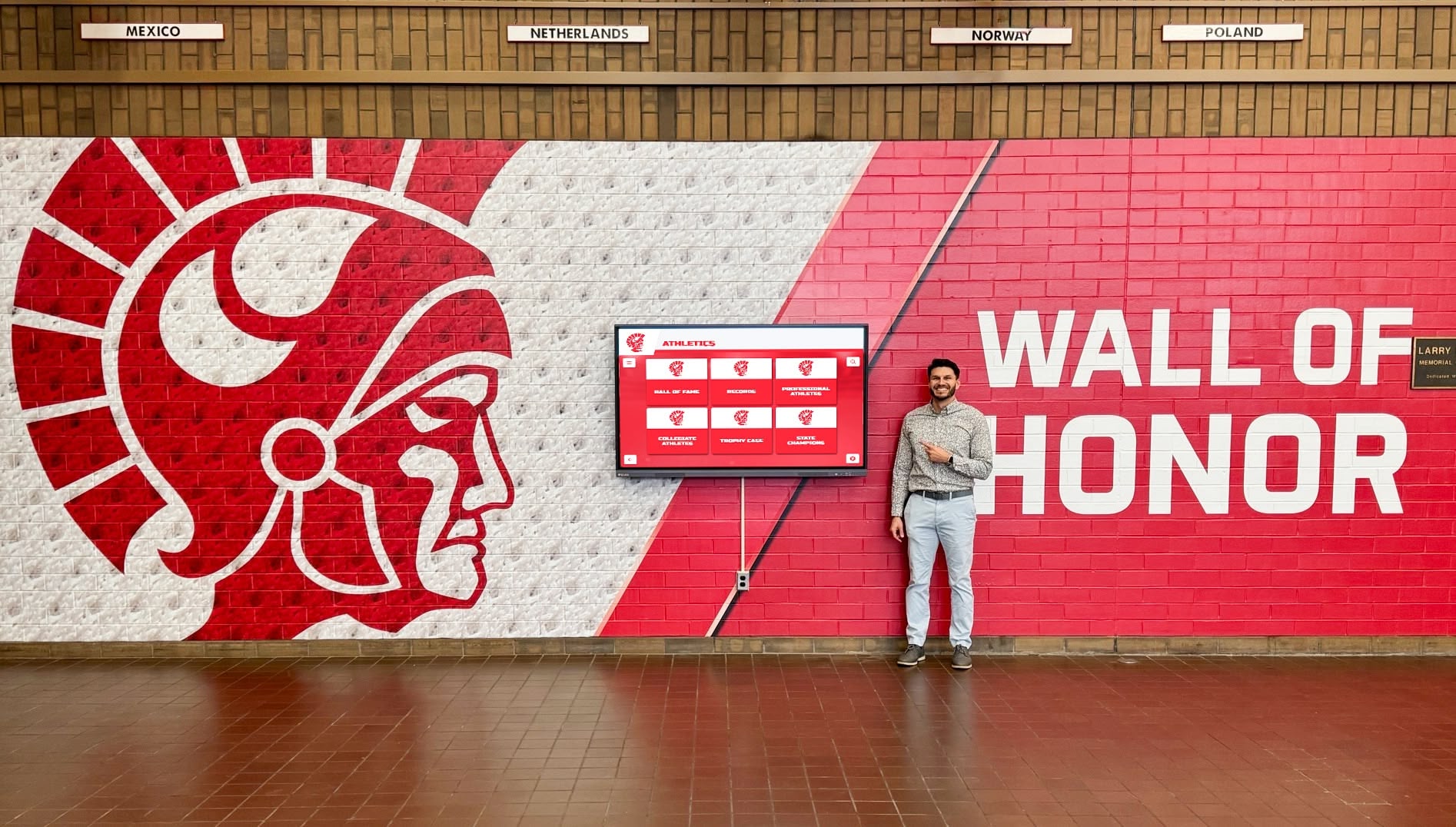
Digital donor walls should facilitate conversations about philanthropy and program impact with visitors and prospective supporters
Leading Vendors and Solutions: Comparing Digital Donor Recognition Options
Multiple vendors offer digital donor recognition solutions with distinctive approaches, features, and pricing models. Understanding major providers helps schools identify options best aligned with their specific needs.
Specialized Donor Recognition Vendors
Several companies focus specifically on donor recognition technology for educational institutions and nonprofits:
Rocket Alumni Solutions
Rocket Alumni Solutions specializes in touchscreen recognition systems designed specifically for schools, offering donor wall capabilities integrated with their broader school recognition platform. Their solutions emphasize:
- Intuitive content management allowing school staff to update recognition without technical expertise
- Database integration capabilities working with common school advancement systems
- Unified platforms combining donor recognition with athletic halls of fame, alumni profiles, and institutional history
- Fixed pricing models without ongoing subscription fees for software licensing
- Direct support from donor recognition specialists understanding school fundraising contexts
Schools appreciate the institutional knowledge Rocket brings to donor recognition, with interfaces designed around how development offices actually work rather than requiring schools to adapt processes to generic software.
RA Solutions (Recognition Art)
RA Solutions combines traditional donor wall fabrication with digital recognition technology, offering:
- Hybrid approaches integrating physical donor plaques with digital displays
- Custom architectural elements creating cohesive recognition environments
- Professional design services translating institutional branding to recognition installations
- Project management expertise coordinating recognition with construction timelines
- Premium positioning with pricing reflecting comprehensive service approach
Their strength lies in treating donor recognition as architectural projects requiring design expertise beyond software deployment.
Donor Recognition Technologies
This vendor offers cloud-based donor recognition software emphasizing:
- Subscription pricing models with monthly or annual fees
- Real-time database synchronization with major advancement platforms
- Mobile-responsive interfaces allowing donors to view recognition on personal devices
- Analytics tracking engagement and visitor interaction patterns
- Template systems enabling rapid deployment without extensive customization
Schools with technical expertise and preference for subscription models may prefer their approach over perpetual licenses.
Digital Signage Platforms Adapted for Donor Recognition
General digital signage vendors offer powerful platforms that schools can configure for donor recognition:
Advantages of Signage Platforms
- Lower hardware and software costs compared to specialized donor recognition vendors
- Flexibility to repurpose systems for other campus communication needs beyond donor walls
- Broader vendor ecosystems with more competitive pricing and options
- Technical innovation driven by large commercial digital signage markets
Limitations for Donor Recognition
- Generic interfaces requiring significant customization for donor-specific presentation
- Lack of advancement database integration necessitating manual updates
- No built-in donor recognition features like giving level organization or privacy controls
- Limited vendor expertise around fundraising and donor stewardship contexts
Schools with technical staff capable of customization may achieve cost savings, while institutions preferring turnkey donor recognition solutions typically benefit from specialized vendors.
Custom Development Considerations
Some schools choose custom-built donor recognition systems developed specifically for their unique requirements:
When Custom Development Makes Sense
- Highly specific recognition requirements not addressed by available solutions
- Desire to integrate donor recognition with other custom campus systems
- In-house technical expertise capable of long-term maintenance and support
- Budget flexibility supporting initial development investment
Custom Development Challenges
- Significantly higher upfront costs ($25,000-100,000+) compared to commercial solutions
- Ongoing maintenance burden falling entirely on school IT resources
- Lack of vendor support when issues arise or features need enhancement
- Risk of developer dependency if original creators leave or become unavailable
Most schools achieve better outcomes working with established vendors unless truly unique requirements justify custom development investment and ongoing support obligations.
Organizations exploring corporate digital signage can often apply lessons from business recognition programs to educational contexts.
Implementation Best Practices: Ensuring Digital Donor Wall Success
Successful digital donor recognition wall implementations require thoughtful planning, stakeholder engagement, and attention to details that determine whether systems deliver intended recognition impact.
Pre-Implementation Planning
Thorough planning prevents problems and ensures alignment between recognition systems and institutional needs:
Stakeholder Needs Assessment
Engage key constituents early in planning:
- Development office identifies recognition requirements, donor database considerations, and fundraising priorities
- Facilities and IT evaluate location options, power/network infrastructure, and technical support capabilities
- Senior leadership confirms recognition philosophy, budget parameters, and institutional priorities
- Key donors provide input on recognition preferences ensuring systems honor supporter expectations
Schools that implement recognition systems without consulting major donors sometimes discover after installation that their most important supporters prefer approaches different from what technology delivers.
Location and Placement Strategy
Digital donor wall effectiveness depends critically on thoughtful placement:
- High-traffic areas ensuring broad visitor exposure (main lobbies, entrances, gathering spaces)
- Appropriate sight lines allowing comfortable viewing without awkward positioning
- Electrical and network access supporting reliable operation without visible cable runs
- Lighting conditions avoiding glare, reflection, or inadequate visibility
- Architectural integration complementing rather than competing with surrounding spaces
Visit comparable installations at peer institutions observing placement successes and challenges before finalizing your location decisions.
Recognition Content Strategy
Define what donor information will appear and how it will be organized:
- Giving level tiers and qualification criteria
- Campaign organization and relationship to institutional priorities
- Donor information included (names, gift amounts, years, photos, stories)
- Memorial and tribute recognition approaches
- Privacy protocols respecting donor preferences
- Update schedules ensuring timely acknowledgment
Document these decisions creating institutional standards that persist beyond individual staff transitions and maintain recognition consistency.
Technical Implementation
Proper installation establishes reliable foundation for long-term donor recognition success:
Professional Installation Standards
Invest in quality installation rather than improvising technical setup:
- Commercial-grade wall mounting appropriate to display weight and size
- Concealed wiring maintaining clean architectural appearance
- Dedicated electrical circuits preventing interference from other systems
- Hardwired network connections where possible, avoiding WiFi reliability concerns
- Proper ventilation preventing heat buildup that shortens hardware life
Amateur installation often creates maintenance problems and premature hardware failures that exceed savings from skipping professional services.
Content Population and Testing
Systematically populate and verify donor recognition before public launch:
- Import existing donor databases verifying data accuracy and completeness
- Review every donor record correcting spelling, attribution, and gift information
- Test search functionality ensuring visitors can find specific donors
- Verify touchscreen responsiveness across entire display surface
- Confirm appropriate content displays for all giving levels and campaigns
Launch with accurate, complete recognition avoiding the embarrassment of donors visiting but not finding their acknowledgment.
Staff Training and Documentation
Ensure school staff can maintain systems long-term:
- Comprehensive training on content management and update procedures
- Written documentation for common tasks like adding donors or changing information
- Emergency protocols for technical issues or display failures
- Vendor contact information and support procedures
- Scheduled refresh cycles for proactive content updates
Systems that only the original implementer understands become maintenance burdens when staff transitions occur.
Post-Launch Stewardship
Ongoing attention ensures digital donor walls remain effective recognition tools:
Regular Content Updates
Maintain current recognition preventing systems from becoming outdated:
- Weekly or monthly donor additions as gifts are received and processed
- Quarterly comprehensive audits verifying all recent giving appears correctly
- Annual content refreshes updating designs, featured stories, and visual elements
- Periodic multimedia additions showcasing new impact stories and donor testimonials
Static digital content becomes as stale as outdated physical plaques, defeating the purpose of dynamic technology.
Engagement Monitoring and Optimization
Use analytics understanding visitor interaction and improving recognition effectiveness:
- Track usage patterns identifying peak engagement times and visitor behaviors
- Analyze search queries revealing what visitors seek when exploring recognition
- Identify popular donor stories informing future content development
- Gather donor feedback through surveys or direct conversations about recognition preferences
Data-informed refinement ensures recognition systems evolve meeting constituent needs.
Technical Maintenance
Proactive maintenance prevents failures and extends system life:
- Weekly visual inspections ensuring displays function properly
- Monthly touchscreen cleaning maintaining responsiveness and appearance
- Quarterly software updates installing security patches and feature improvements
- Annual professional servicing by qualified technicians
- Hardware replacement on appropriate cycles before failures occur
Schools implementing digital trophy case solutions often combine donor recognition with achievement showcasing creating comprehensive recognition ecosystems.
Strategic Considerations: Maximizing Donor Recognition Impact
Beyond technical implementation, strategic approaches determine whether digital donor walls advance fundraising objectives and strengthen donor relationships.
Integrating Digital Recognition with Comprehensive Stewardship
Digital donor walls function most effectively as components within broader donor stewardship programs:
Complementary Recognition Approaches
Digital systems should complement rather than replace other donor acknowledgment:
- Personal thank you communications remain essential regardless of public recognition technology
- Donor events and celebrations create relationship-building opportunities beyond passive displays
- Written acknowledgment letters fulfill legal requirements and provide tangible appreciation
- Annual reports and impact communications keep donors informed about gift outcomes
Technology enables more effective public recognition but never substitutes for personal gratitude and relationship cultivation.
Connecting Recognition to Impact Storytelling
The most effective digital donor walls link supporter acknowledgment to mission outcomes:
- Specific examples of how donations supported student scholarships, program expansion, or facility improvements
- Student testimonials describing how donor support changed their educational experiences
- Before/after comparisons for projects showing tangible results from philanthropy
- Progress reports on campaign goals demonstrating community-wide commitment to institutional advancement
Recognition that shows donors their impact inspires continued giving more effectively than simple name acknowledgment.
Privacy and Personalization Balance
Respect donor preferences while creating meaningful recognition:
- Offer donors clear choices about public acknowledgment when soliciting gifts
- Honor anonymous giving requests without pressure toward public recognition
- Allow donor story participation to be optional separate from basic name listing
- Personalize recognition incorporating donor-specified language, dedications, or attributions
Forced public recognition alienates private donors while respecting preferences builds trust and long-term relationships.
Using Digital Walls to Inspire Additional Giving
Strategic digital donor recognition actively advances fundraising rather than simply acknowledging past support:
Creating Aspiration Through Recognition
Prospective donors viewing recognition often feel inspired to join acknowledged supporters:
- Clear giving level tiers showing attainable participation opportunities at various investment levels
- Featured donor stories highlighting diverse supporter motivations and backgrounds
- Visual representation of campaign progress demonstrating community momentum toward goals
- Recognition of various giving forms beyond major gifts (annual fund, planned giving, volunteer service)
Visitor exposure to recognition creates social proof encouraging participation in philanthropic community.
Highlighting Giving Opportunities
Digital systems can seamlessly integrate recognition with active fundraising:
- Current campaign information showing needs and opportunities for new support
- QR codes or links enabling immediate giving by visitors inspired by recognition
- Featured priority projects highlighting specific funding needs
- Planned giving information for donors considering legacy commitments
Schools implementing academic recognition programs understand that celebrating achievement—whether academic, athletic, or philanthropic—reinforces institutional values and inspires continued excellence.
Data-Informed Donor Engagement
Analytics from digital recognition systems inform development strategies:
- Tracking which donors search for their recognition providing engagement signals for follow-up
- Identifying frequently viewed donor stories informing effective storytelling approaches
- Understanding peak visitor times optimizing featured content and campaign messaging
- Analyzing donor interaction patterns revealing recognition preferences across different constituent groups
Convert recognition technology into active fundraising intelligence supporting development operations.
Making the Decision: Is a Digital Donor Recognition Wall Right for Your School?
Digital donor recognition walls offer compelling advantages, but thoughtful evaluation ensures alignment with institutional needs and priorities.
Schools Best Suited for Digital Donor Recognition
Certain institutional characteristics and fundraising contexts particularly benefit from digital approaches:
Growing Donor Bases Exceeding Physical Space
Schools experiencing fundraising success with expanding supporter communities quickly exhaust traditional donor wall capacity. Digital systems accommodate growth without architectural constraints or recognition location multiplication fragmenting impact.
Active Campaigns Requiring Regular Updates
Institutions running multi-year capital campaigns, annual funds requiring yearly recognition updates, or multiple simultaneous fundraising initiatives benefit enormously from instant digital updates versus quarterly or annual physical plaque installations.
Commitment to Storytelling and Engagement
Schools prioritizing donor relationship-building through impact stories, multimedia testimonials, and rich engagement experiences leverage digital capabilities far beyond static plaques. Institutions viewing recognition as relationship cultivation rather than simple acknowledgment maximize digital system value.
Technical Capacity for Long-Term Maintenance
Schools with IT support capable of basic content management and troubleshooting, or budget for vendor support agreements ensuring reliable assistance, can maintain digital systems effectively. Institutions lacking technical resources may struggle with ongoing system stewardship.
When Traditional Recognition May Remain Preferable
Digital solutions don’t optimize for every school context:
Limited Budgets with Small Donor Bases
Schools with modest fundraising programs recognizing fewer than 100 donors may find traditional plaques more cost-effective than digital installations. A $15,000-30,000 digital system investment may not justify benefits when 20 plaques at $200 each could acknowledge supporters adequately.
Historic Buildings with Architectural Constraints
Campuses with landmark historic buildings where modern technology conflicts with preservation requirements may need traditional approaches respecting architectural character. Digital installations in wrong contexts appear jarring rather than celebratory.
Donor Preference for Traditional Permanence
Major supporters sometimes prefer physical plaques perceived as more permanent than digital acknowledgment. Understanding donor expectations and preferences ensures recognition approaches honor rather than disappoint significant contributors.
Lack of Ongoing Maintenance Commitment
Digital systems require ongoing attention, updates, and eventual hardware replacement. Schools unable or unwilling to commit to long-term stewardship may prefer one-time plaque installations despite their limitations.
Organizations exploring community hall of fame approaches can often apply lessons from civic recognition to school donor acknowledgment.
Conclusion: Transforming Donor Recognition Through Digital Technology
Digital donor recognition walls represent more than technological upgrades to traditional plaques—they fundamentally transform how schools acknowledge supporters, tell institutional stories, and advance fundraising missions. The best implementations combine elegant design with powerful capabilities, creating recognition experiences that honor past giving while inspiring future philanthropy and strengthening the donor relationships upon which educational excellence depends.
Schools considering digital donor recognition should approach decisions strategically, evaluating solutions against specific institutional needs rather than following trends or assuming technology automatically improves outcomes. The right digital donor wall, thoughtfully implemented and diligently maintained, becomes a permanent institutional asset celebrating community support, advancing development objectives, and demonstrating organizational commitment to donor stewardship deserving of philanthropic trust.
Whether you’re planning a major capital campaign requiring comprehensive donor recognition, seeking to refresh outdated physical donor walls that no longer serve current needs, or exploring how technology might strengthen donor relationships and recognition impact, digital donor recognition walls offer capabilities worth serious consideration. The schools succeeding with these systems share common characteristics: clear recognition objectives, appropriate technology budgets, institutional commitment to ongoing stewardship, and focus on using recognition as strategic fundraising tools rather than simple acknowledgment exercises.
For institutions ready to transform donor recognition through digital technology, the time to begin planning is now—before the next campaign launches, before more donors commit to giving, and before recognition challenges compound into problems that undermine fundraising success. Digital donor walls done right become signature installations visitors remember, donors appreciate, and prospective supporters aspire to join, creating recognition ecosystems that serve schools well for decades while adapting gracefully as fundraising programs grow and institutional needs evolve.
Ready to explore how modern digital recognition technology can transform your school’s donor acknowledgment and advance your fundraising mission? Discover comprehensive donor recognition solutions designed specifically for schools and connect with specialists who understand the unique challenges educational development offices face in celebrating supporters while building sustainable fundraising programs.