School development officers know the frustration of watching donor engagement peak during annual campaigns only to disappear completely for months afterward. Supporters who enthusiastically contribute in November receive perfunctory thank-you letters, then hear nothing until the following year’s solicitation arrives—creating transactional relationships that feel more like billing cycles than genuine partnerships in educational mission.
This pattern explains why most schools experience 40-60% donor attrition annually, constantly scrambling to replace lapsed supporters rather than building sustainable funding through retention and upgrades. The financial implications are staggering: acquiring new donors costs 5-7 times more than retaining existing ones, yet most schools invest virtually all development resources in acquisition while stewardship receives minimal systematic attention.
Strategic donor stewardship—the intentional cultivation and recognition of supporters throughout the entire year—transforms one-time contributors into lifelong partners who increase giving, volunteer time, and advocate for your institution. This comprehensive month-by-month calendar provides school fundraising teams with systematic touchpoints, recognition opportunities, and engagement strategies that build genuine relationships keeping donors connected to your mission every single month.
Effective donor stewardship isn’t about bombarding supporters with constant solicitations—it’s about creating meaningful connections that demonstrate impact, celebrate contributions, and invite ongoing engagement with your school’s mission beyond financial transactions. Schools that implement year-round stewardship calendars report 20-35% improvements in donor retention rates and 15-25% increases in average gift sizes within two years.

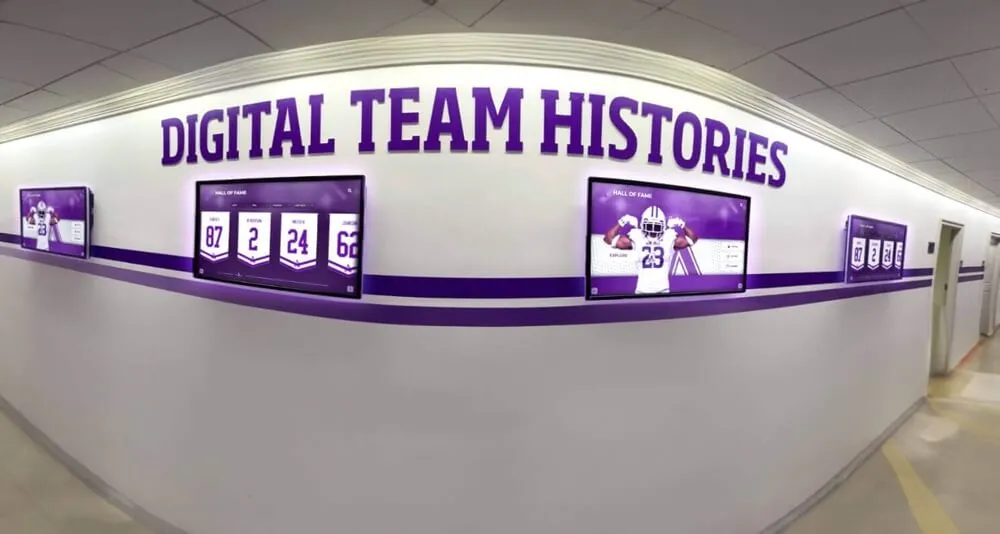
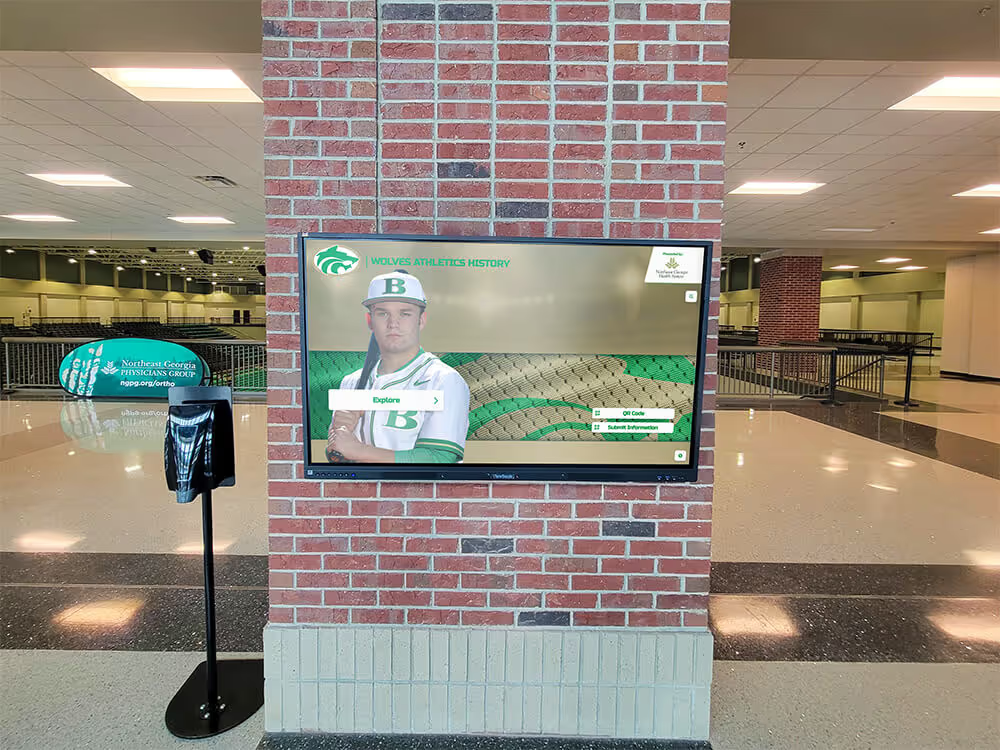
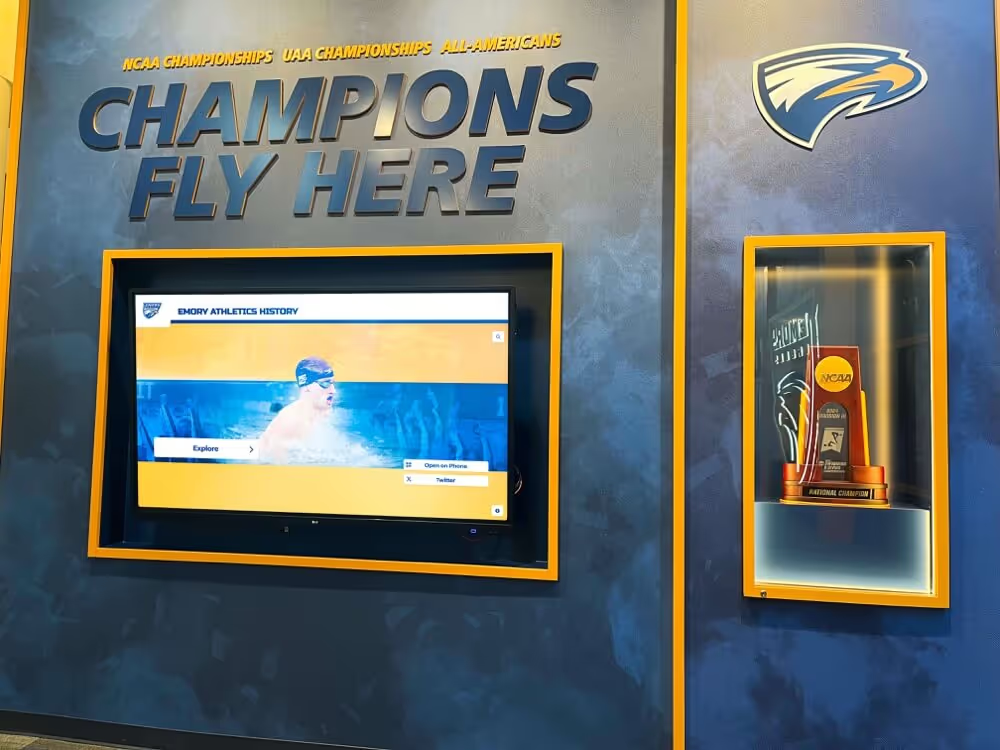
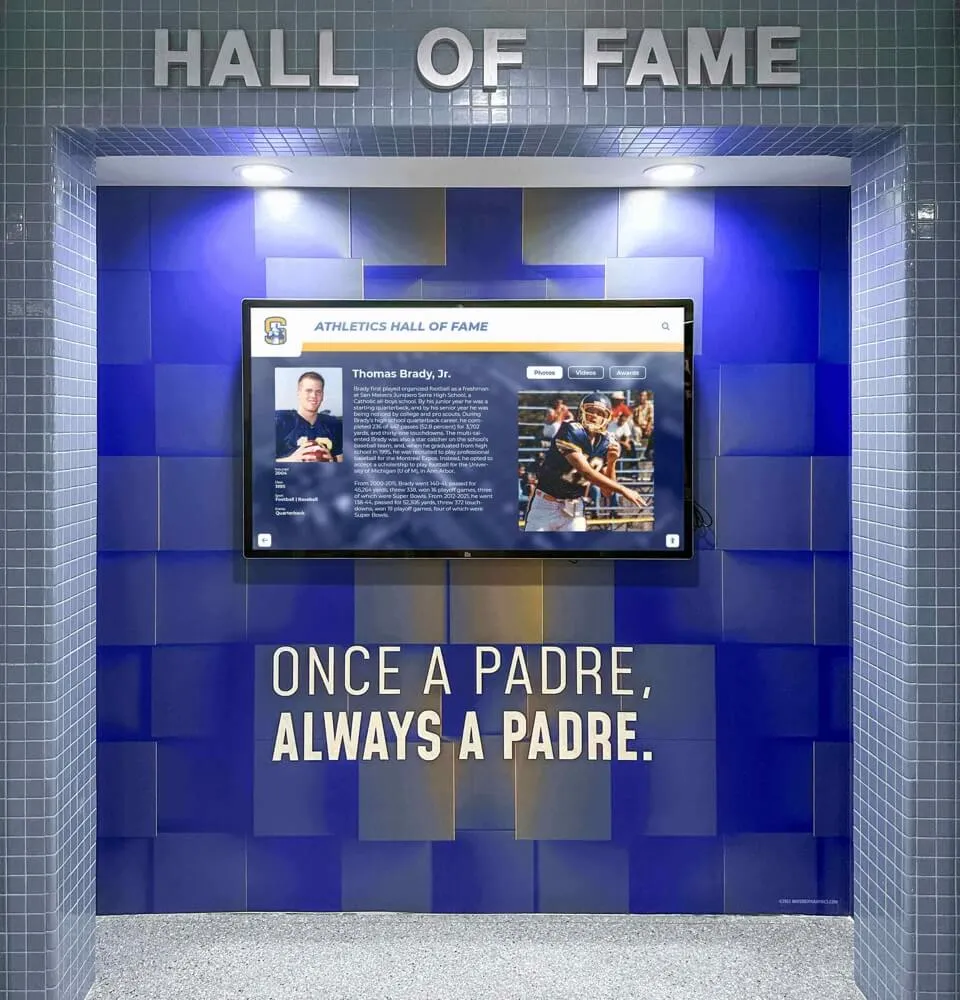
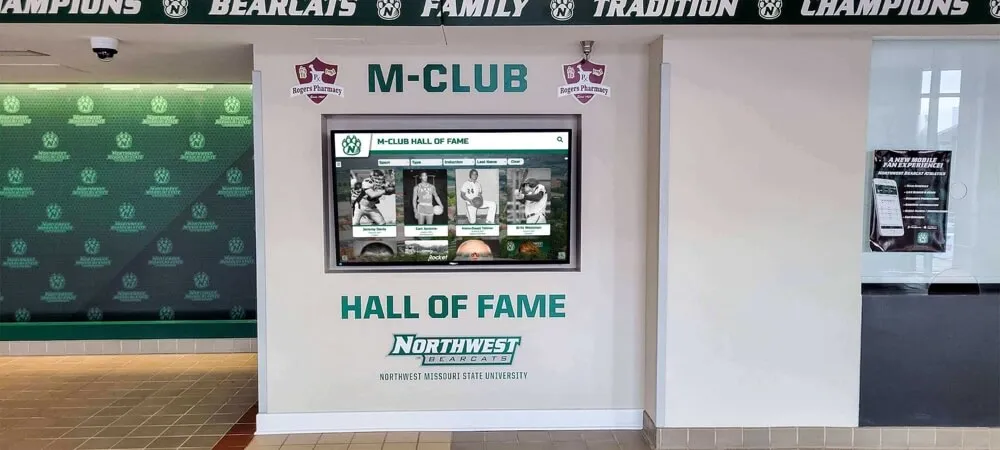
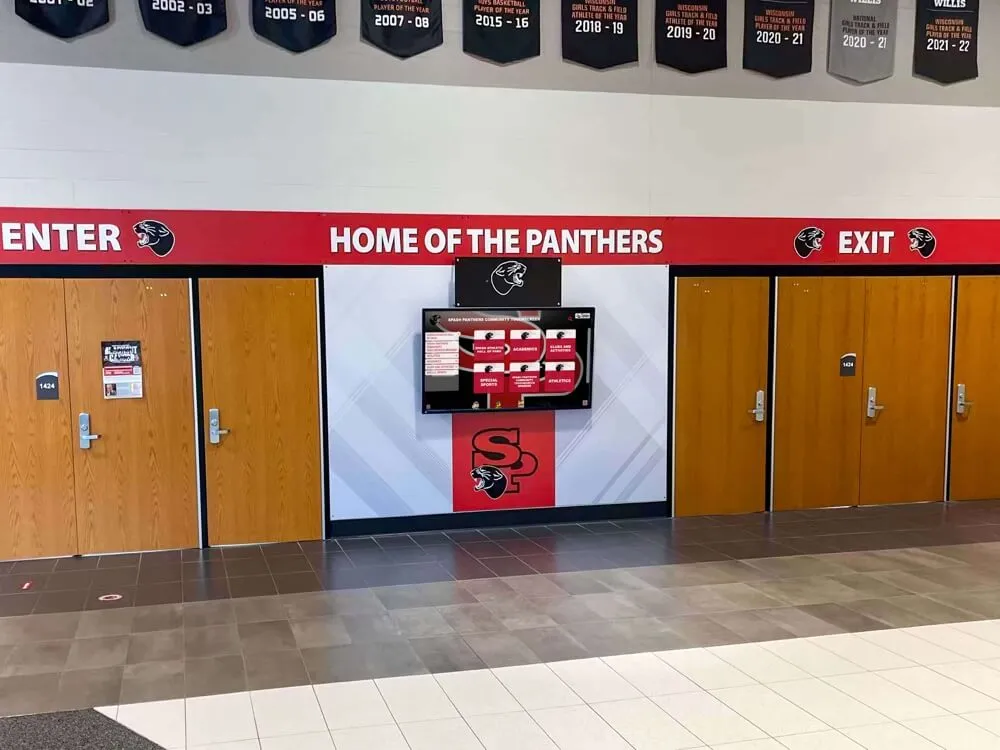
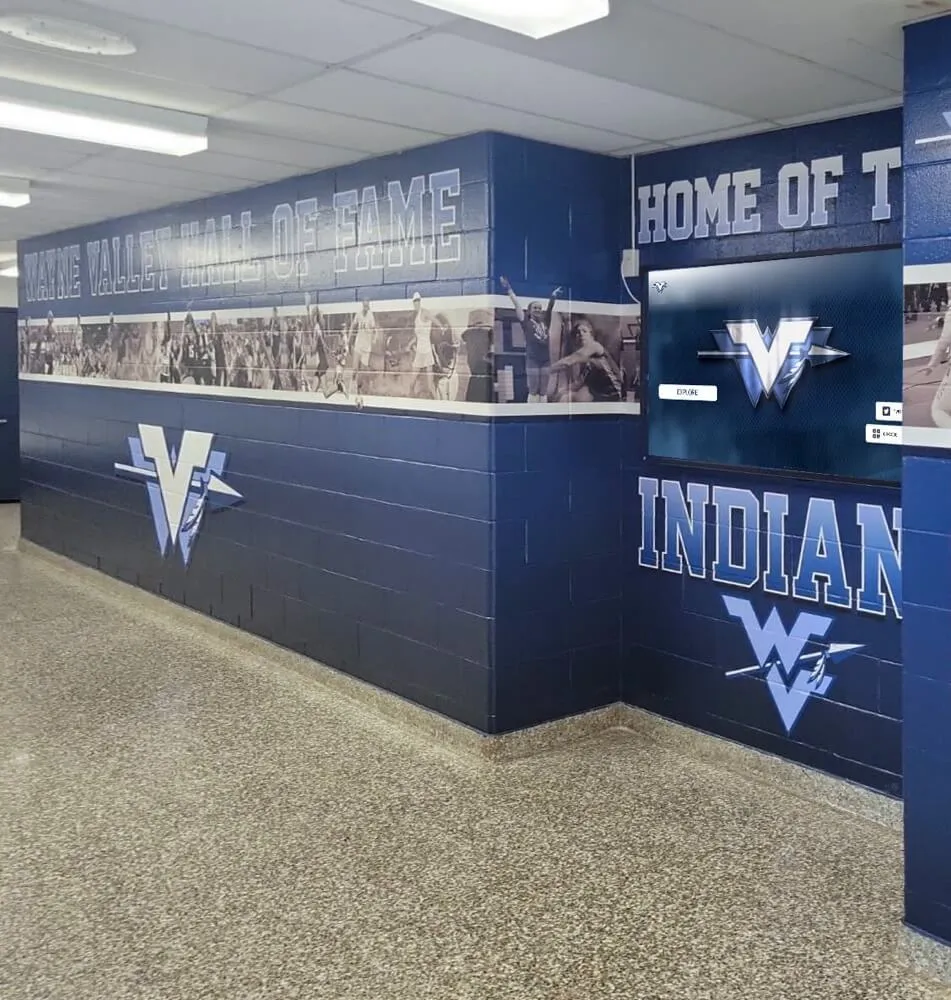
Year-round donor recognition creates visible appreciation that strengthens relationships throughout the calendar
Understanding Donor Stewardship: Beyond Thank-You Letters
Before diving into monthly strategies, understanding fundamental stewardship principles ensures effective implementation.
What Donor Stewardship Actually Means
Donor stewardship encompasses all activities nurturing relationships between institutions and supporters:
Core Stewardship Components
- Acknowledgment: Timely, personalized recognition of every contribution
- Impact Communication: Demonstrating how gifts create tangible outcomes
- Recognition: Public and private celebration appropriate to giving levels
- Engagement: Creating meaningful connection opportunities beyond financial transactions
- Transparency: Regular reporting on institutional priorities and financial stewardship
According to research from the Association of Fundraising Professionals, donors who receive three or more meaningful stewardship touchpoints annually (beyond solicitations) give 23% more on average and demonstrate 31% higher retention rates than minimally stewarded supporters.
The Stewardship Cycle
Effective donor relationships follow predictable patterns:
Initial Gift Phase
- Prompt acknowledgment within 48 hours
- Personalized thank-you communications
- Tax receipt delivery
- Welcome messaging introducing stewardship approach
Cultivation and Engagement Phase
- Regular impact updates showing gift outcomes
- Invitation to school events and activities
- Volunteer and mentorship opportunities
- Educational content about institutional priorities

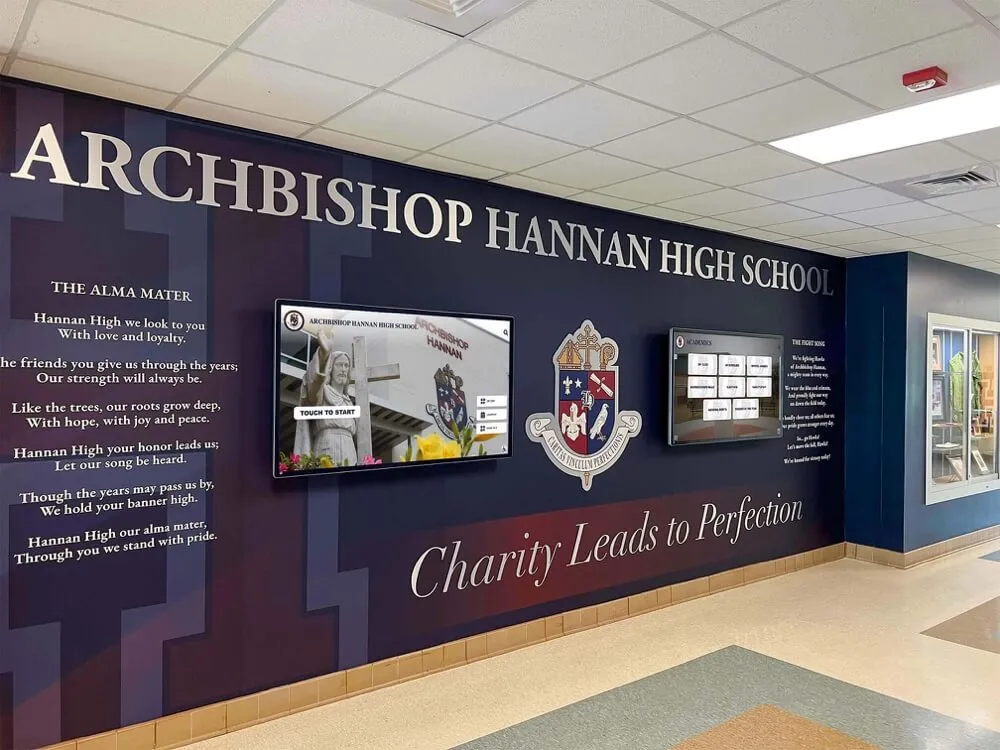
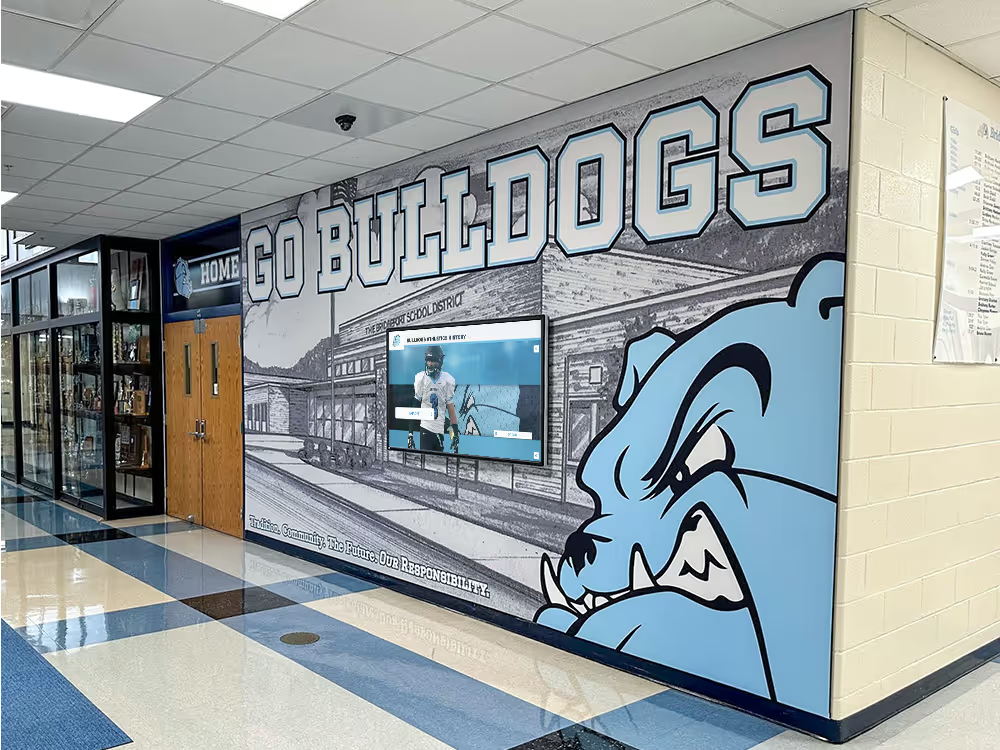
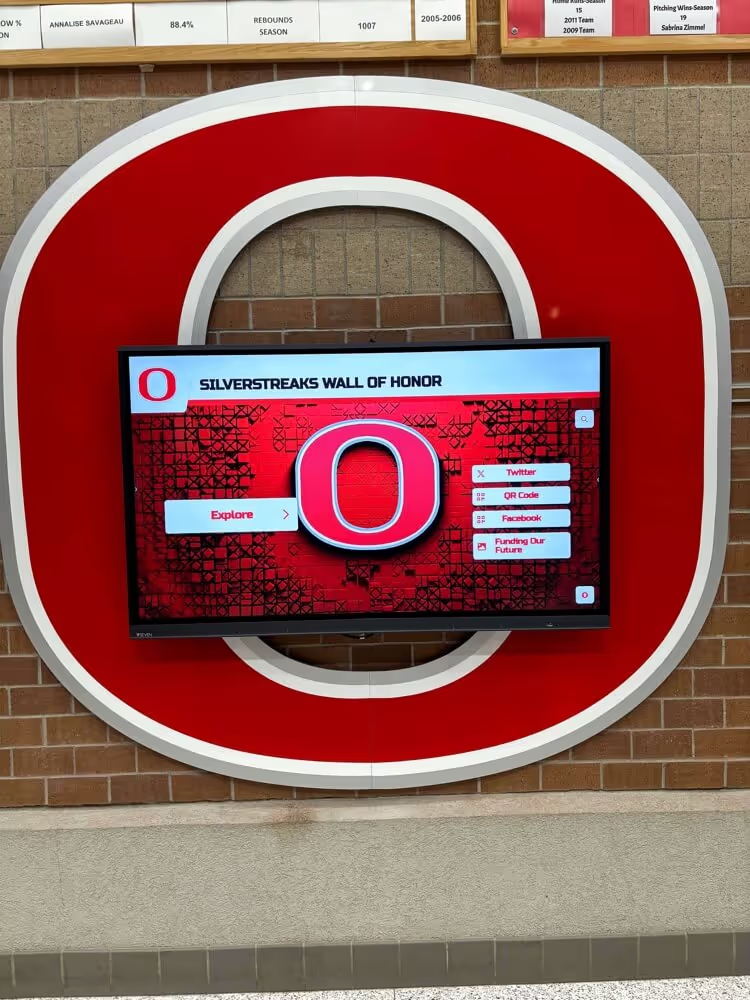
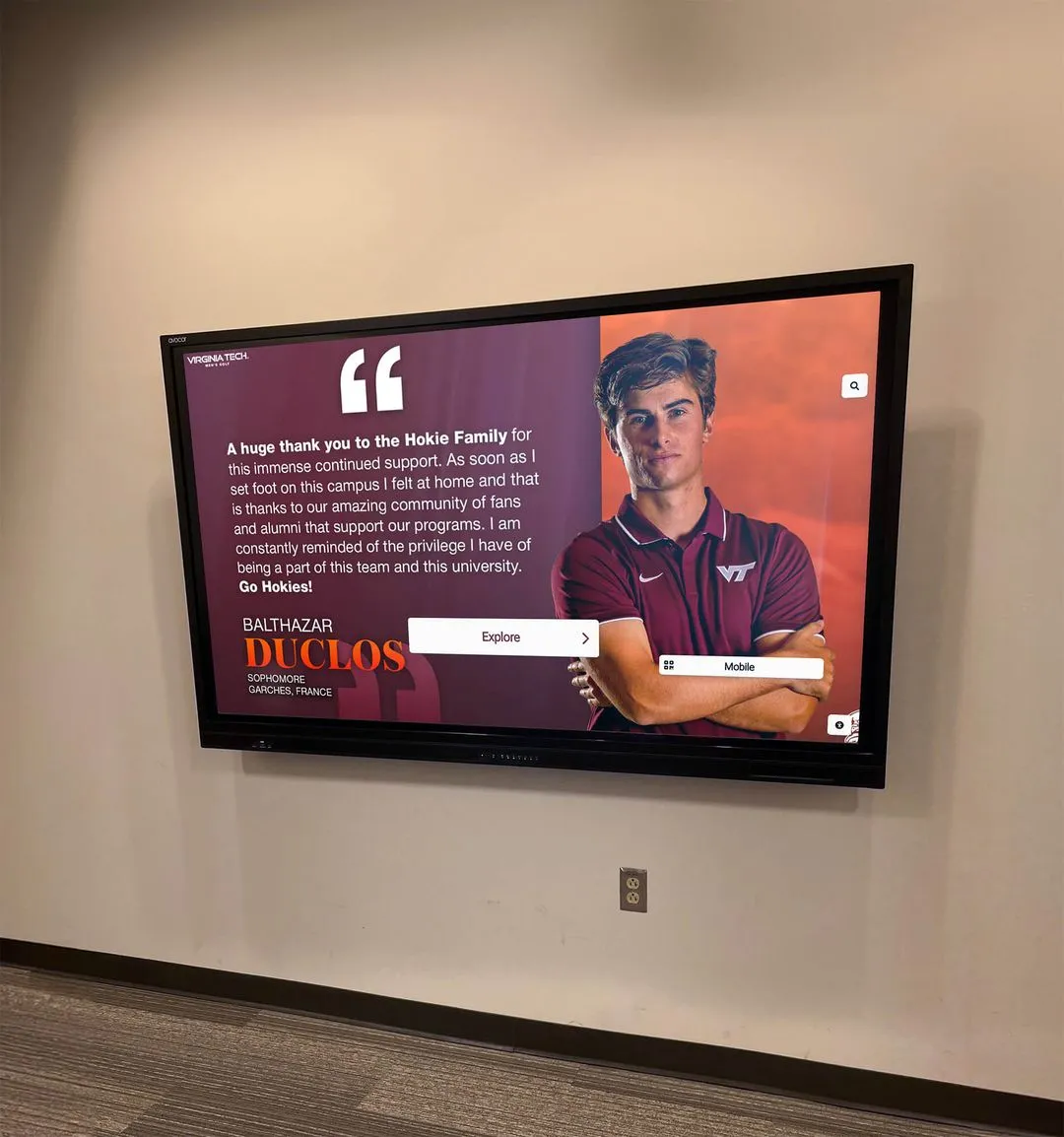
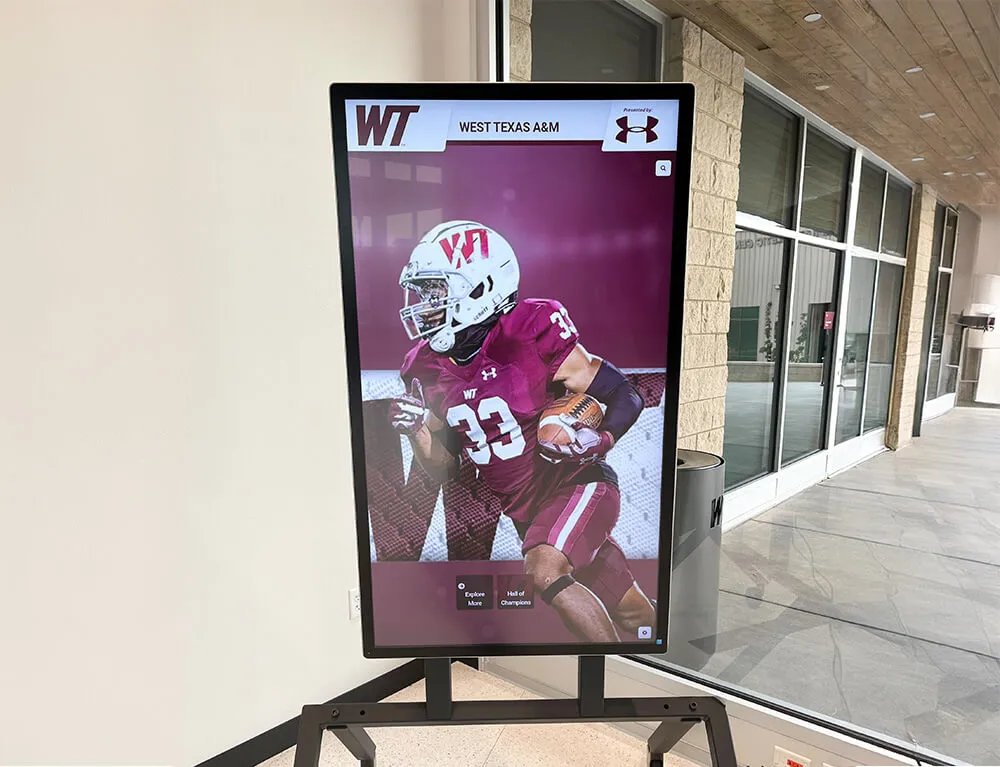
Modern recognition displays enable year-round donor engagement through interactive storytelling
Renewal Phase
- Strategic solicitation timing based on giving history
- Upgraded ask amounts for satisfied donors
- Multi-year pledge opportunities
- Recurring giving conversion strategies
Recognition and Celebration Phase
- Donor appreciation events
- Recognition wall and publication listings
- Milestone acknowledgment (anniversary of first gift, cumulative totals)
- Legacy society induction
Understanding this cycle helps schools design monthly touchpoints that systematically move donors through deepening engagement rather than random, disconnected communications.
Key Stewardship Principles
Successful programs share essential characteristics:
Donor-Centricity Move beyond institutional convenience to genuine supporter preferences. Survey donors about communication frequency preferences, content interests, and involvement opportunities. Segment communications based on these preferences rather than one-size-fits-all approaches.
Proportional Stewardship Major donors deserve personalized attention proportionate to their extraordinary commitment. A $100 annual fund donor receives excellent systematic stewardship through group communications; a $50,000 capital campaign contributor requires individualized touchpoints including personal calls, facility tours, and advisory involvement.
Authentic Storytelling Generic impact reports feel hollow compared to specific stories connecting donations to outcomes. Replace “Your gift supported academic excellence” with “Your $5,000 contribution provided laptop computers for twelve students in our STEM scholarship program—students like Maria, whose computational biology research won state competition and earned her college admission.”
Learn how comprehensive academic recognition programs create opportunities for donor engagement through student achievement celebration.
January: New Year Momentum and Annual Planning
Begin the year with strategic planning and donor re-engagement.
Week 1-2: Internal Planning and Goal Setting
Development Team Strategic Planning
- Review previous year fundraising data and donor retention metrics
- Set specific retention and upgrade targets for current year
- Assign donor portfolio responsibilities to team members
- Calendar major events, campaigns, and deadlines for entire year
- Budget stewardship activities and recognition programs
Donor Database Cleanup
- Update contact information from holiday correspondence
- Segment donors by giving level, recency, and engagement history
- Identify upgrade prospects based on giving patterns
- Flag donors requiring personalized outreach (missed renewal, major prospects)
- Create specialized lists for different communication tracks
Recognition Program Planning Schedule donor wall updates, recognition event dates, and publication deadlines ensuring timely acknowledgment throughout the year.
Week 3-4: Donor Re-Engagement Communications
New Year Impact Report Send comprehensive year-end impact summary to all donors:
- Aggregate giving totals and donor participation statistics
- Specific accomplishments funded by donor support in previous year
- Student success stories and institutional milestones
- Financial stewardship highlights demonstrating responsible resource management
- Looking-forward priorities for current year
This communication re-engages donors who haven’t heard from your institution since their last gift while positioning upcoming solicitations in context of broader mission advancement.
Recognition Publication Updates Update digital donor recognition displays with new supporters from year-end campaigns. Solutions like Rocket Alumni Solutions enable immediate recognition ensuring prompt acknowledgment visible to entire school community.
Major Donor Personal Outreach Leadership makes personal calls to top 50-100 donors:
- Thank them for previous year support
- Share exciting institutional developments
- Ask about their interests and involvement preferences
- Invite input on institutional priorities
- No solicitation—purely relationship building
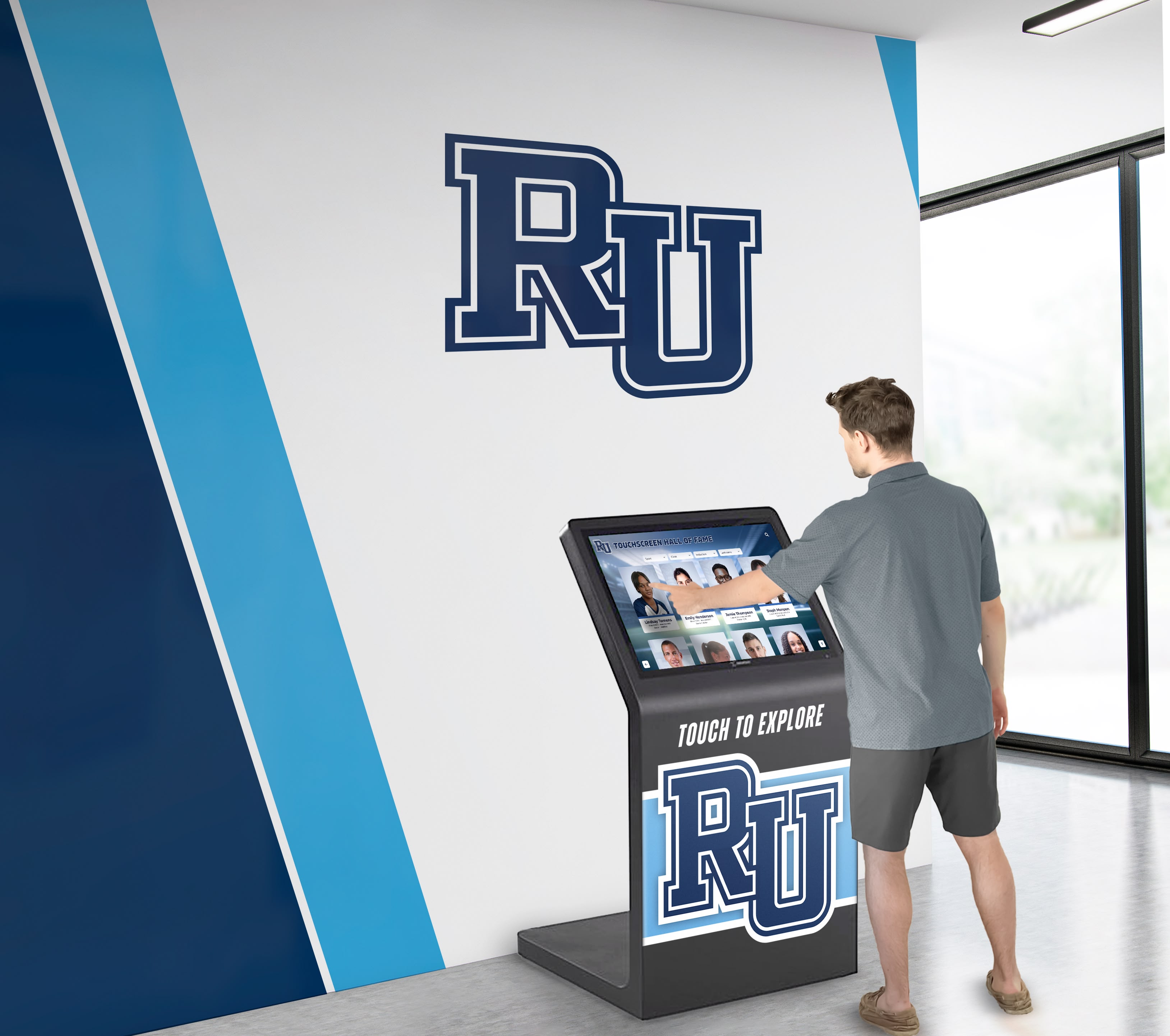
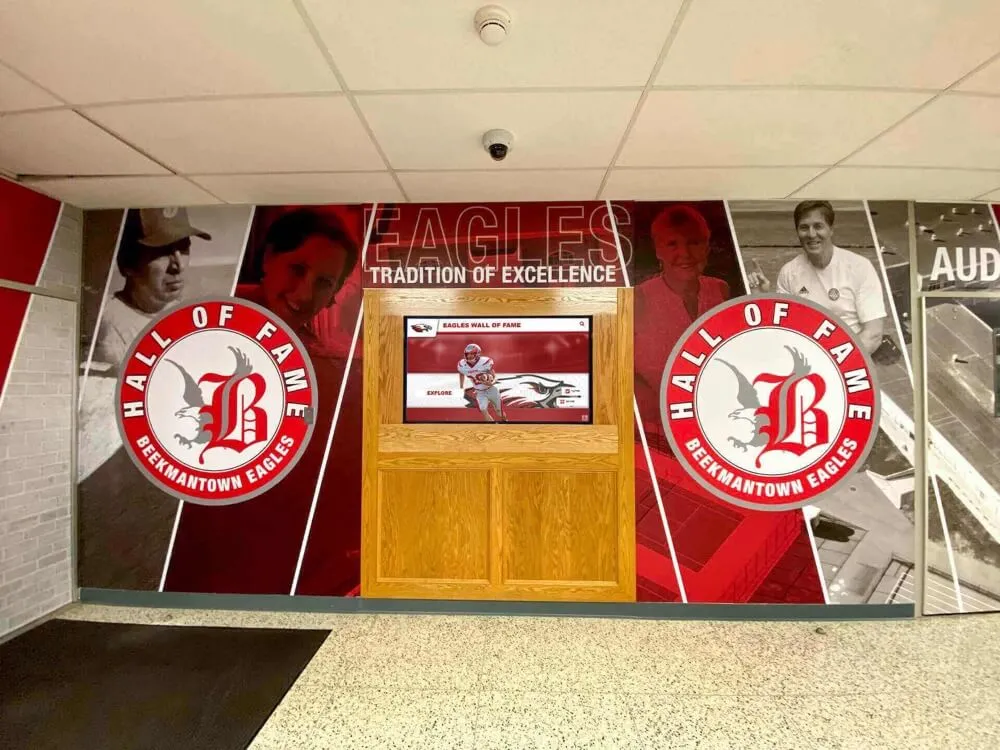
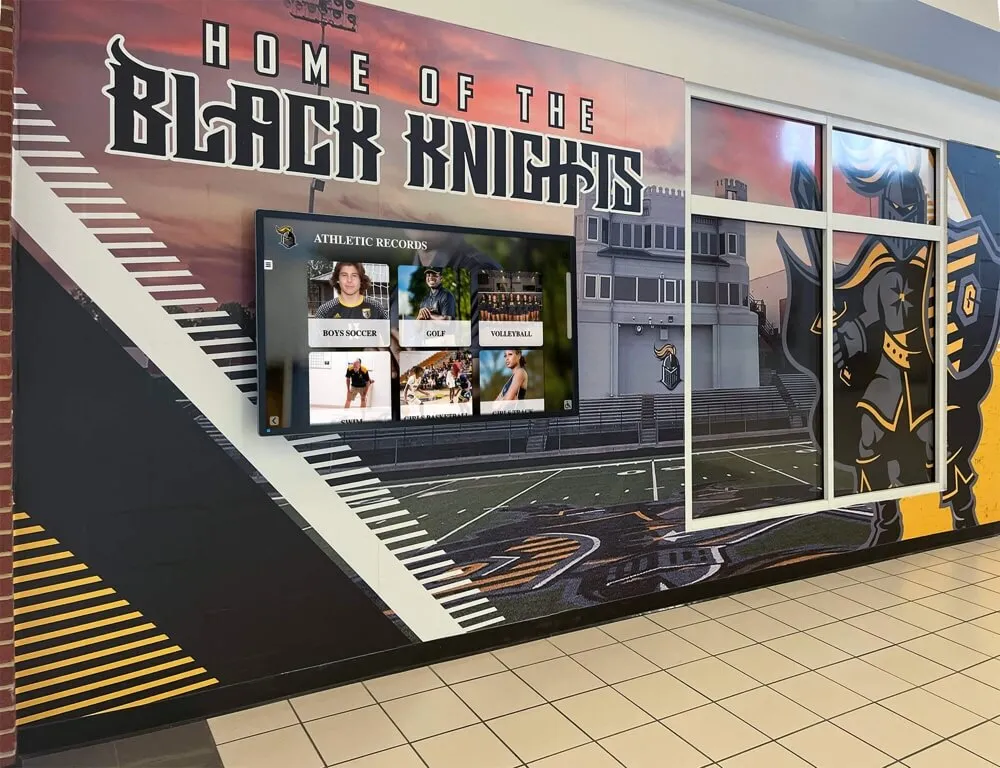
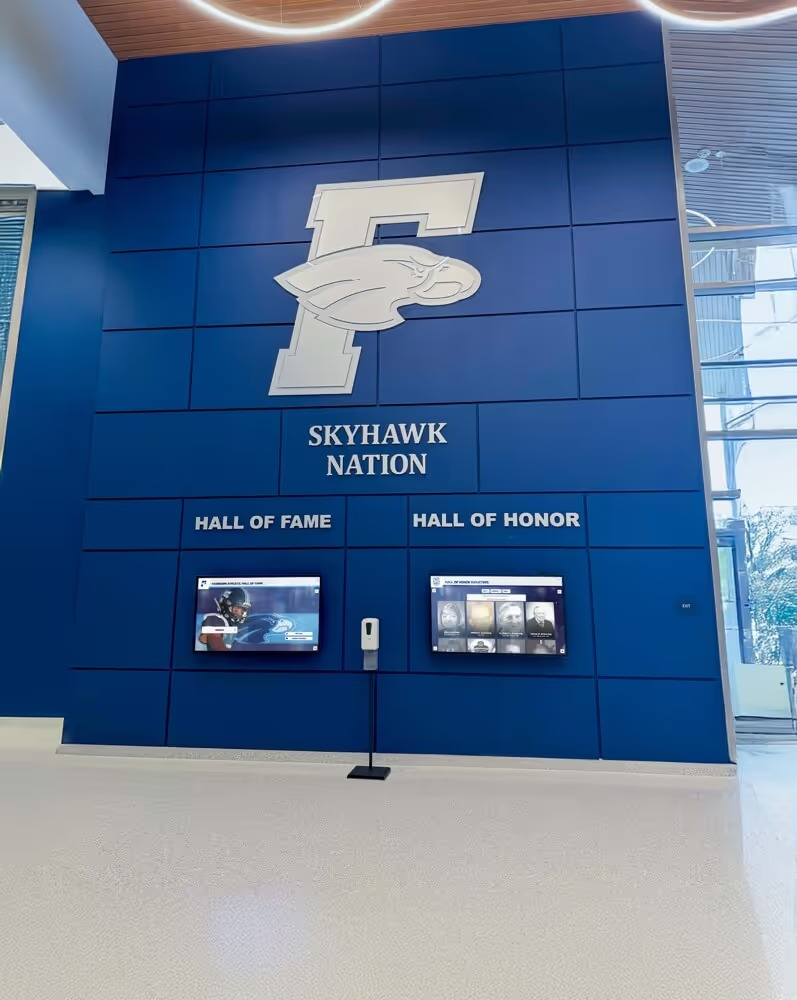
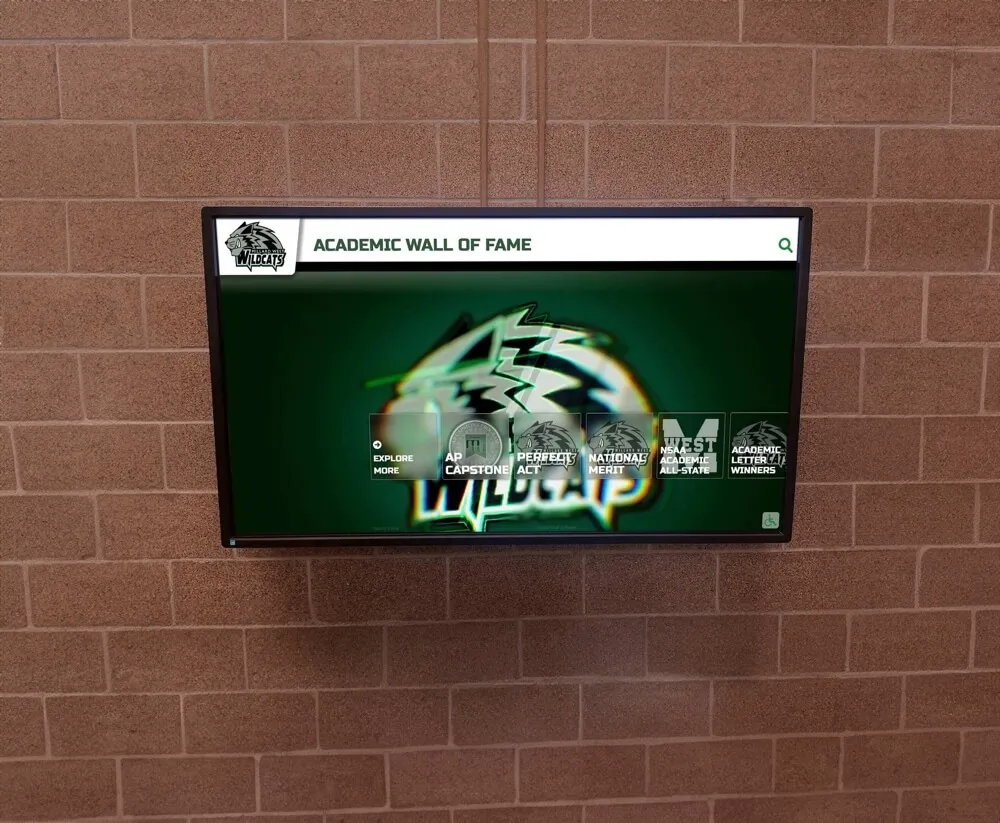
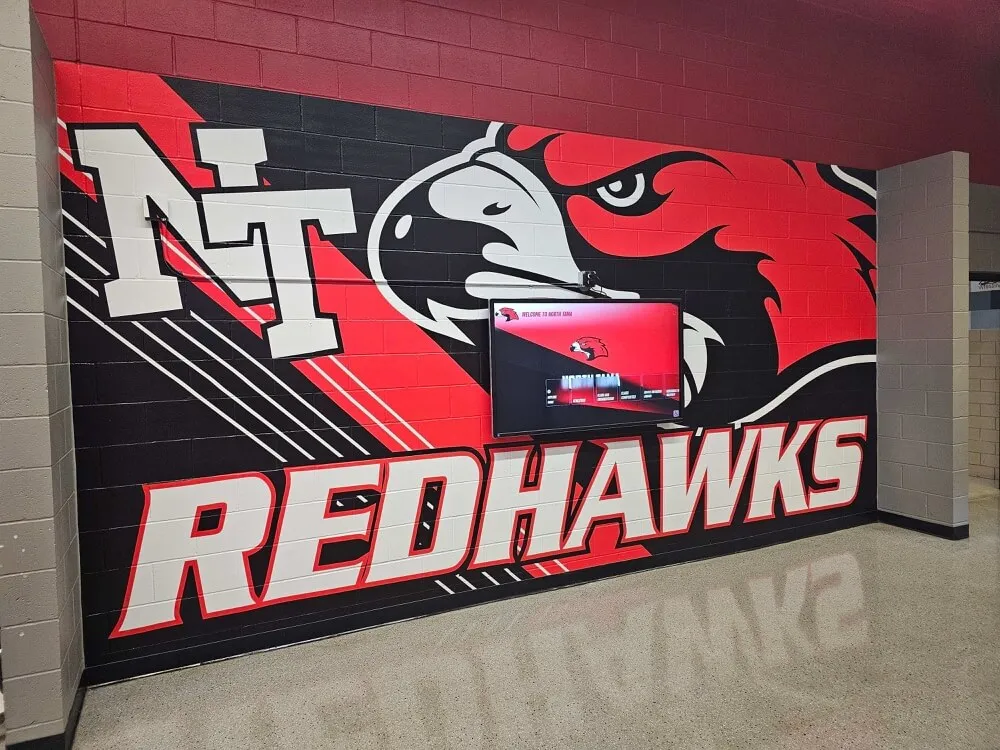
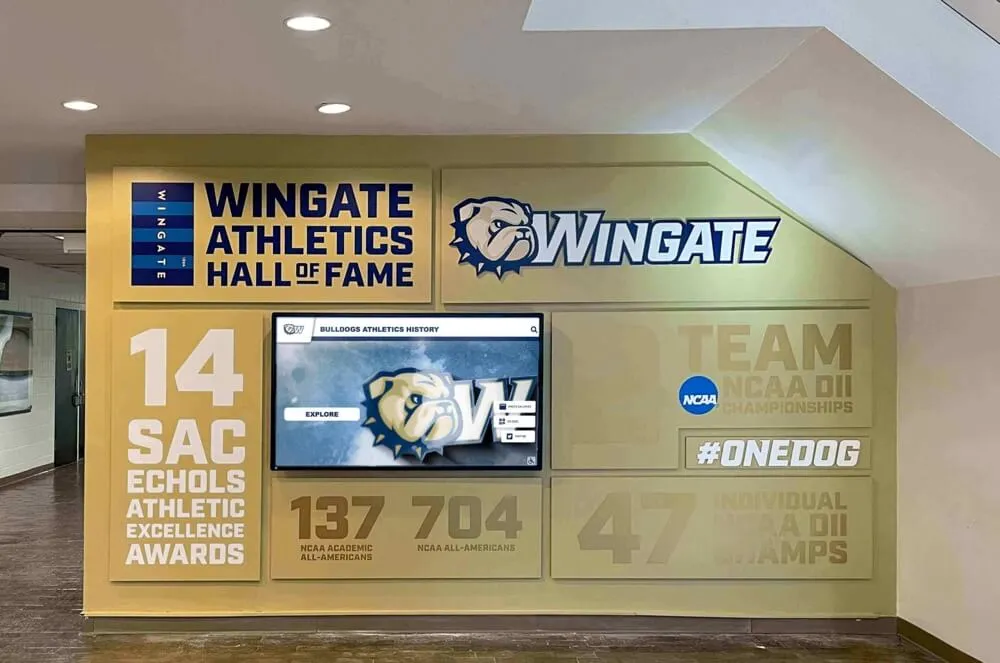
Strategic placement of recognition displays in high-traffic areas ensures year-round donor visibility
February: Relationship Building and Mid-Year Gifts
February offers unique engagement opportunities connecting donors to mission beyond solicitations.
Week 1-2: Annual Fund Boost Campaign
Valentine’s Day Themed Giving Schools successfully use February 14th for lighthearted campaigns:
- “Love Your School” annual fund appeals
- Social media campaigns encouraging small gifts from broad participation
- Alumni outreach connecting school memories to current support
- Matching gift challenges doubling impact
- Heart-shaped recognition graphics for social sharing
Keep tone warm and inviting rather than aggressive, positioning gifts as expressions of school affection.
Week 3-4: Student and Faculty Recognition Events
Academic Awards and Scholarship Recognition Mid-year academic honors create stewardship opportunities:
- Invite scholarship donors to recognition ceremonies celebrating recipients
- Facilitate personal connections between donors and students they support
- Share student achievement stories with donors who funded programs
- Create photo opportunities for donors with scholarship recipients
- Follow up with thank-you notes from students to donors
These tangible demonstrations of gift impact strengthen emotional connections dramatically more than written reports alone.
Explore how school recognition days create year-round opportunities for donor engagement and celebration.
March: Spring Engagement and Major Gift Cultivation
Spring brings renewed energy and opportunities for deeper donor engagement.
Week 1-2: Facility Tours and Campus Visits
Behind-the-Scenes Experiences Invite donors to exclusive campus experiences:
- Specialized facility tours highlighting donor-funded improvements
- Student performance previews (arts productions, athletic events)
- Research laboratory visits showcasing academic programs
- Construction site tours for capital projects in progress
- Faculty presentations on innovative programs
These personalized experiences create privileged access making donors feel valued while demonstrating concrete impact of their contributions.
Week 3-4: Planned Giving and Estate Planning Seminars
Legacy Society Cultivation Host educational events serving dual purposes:
- Financial planning seminars providing community value
- Introduction to charitable giving strategies
- One-on-one consultations with planned giving officers
- Recognition of current legacy society members
- Materials about estate planning gift opportunities
Position these as service to community rather than solicitation, building relationships with major gift prospects while providing genuine value.
Spring Newsletter Publication Comprehensive donor communication featuring:
- Campus developments and construction updates
- Student achievement spotlights
- Faculty research and academic innovation
- Upcoming events and engagement opportunities
- Donor spotlight features celebrating supporter stories
April: Milestone Recognition and Gratitude Month
Dedicate April to systematic donor appreciation and milestone acknowledgment.
Week 1-2: Donor Anniversary Recognition
Gift Anniversary Communications Segment donors by initial gift date, sending personalized acknowledgments:
- Five-year donor anniversary recognition
- Ten-year sustained giving celebration
- Cumulative giving milestone acknowledgment ($10K, $25K, $50K, $100K)
- First-time donor one-year anniversary outreach
- Personalized impact summaries showing what their sustained support accomplished
These milestone recognitions feel meaningful because they acknowledge individual donor journeys rather than institutional calendar convenience.
Week 3-4: Staff and Faculty Appreciation Integration
Comprehensive Recognition Culture Connect donor appreciation to broader recognition:
- Highlight donors supporting faculty development and scholarships
- Feature donor-funded programs during staff appreciation events
- Create visible connections between contributions and employee success
- Thank donors for supporting competitive salaries and professional development
- Integrate donor recognition into broader institutional gratitude culture
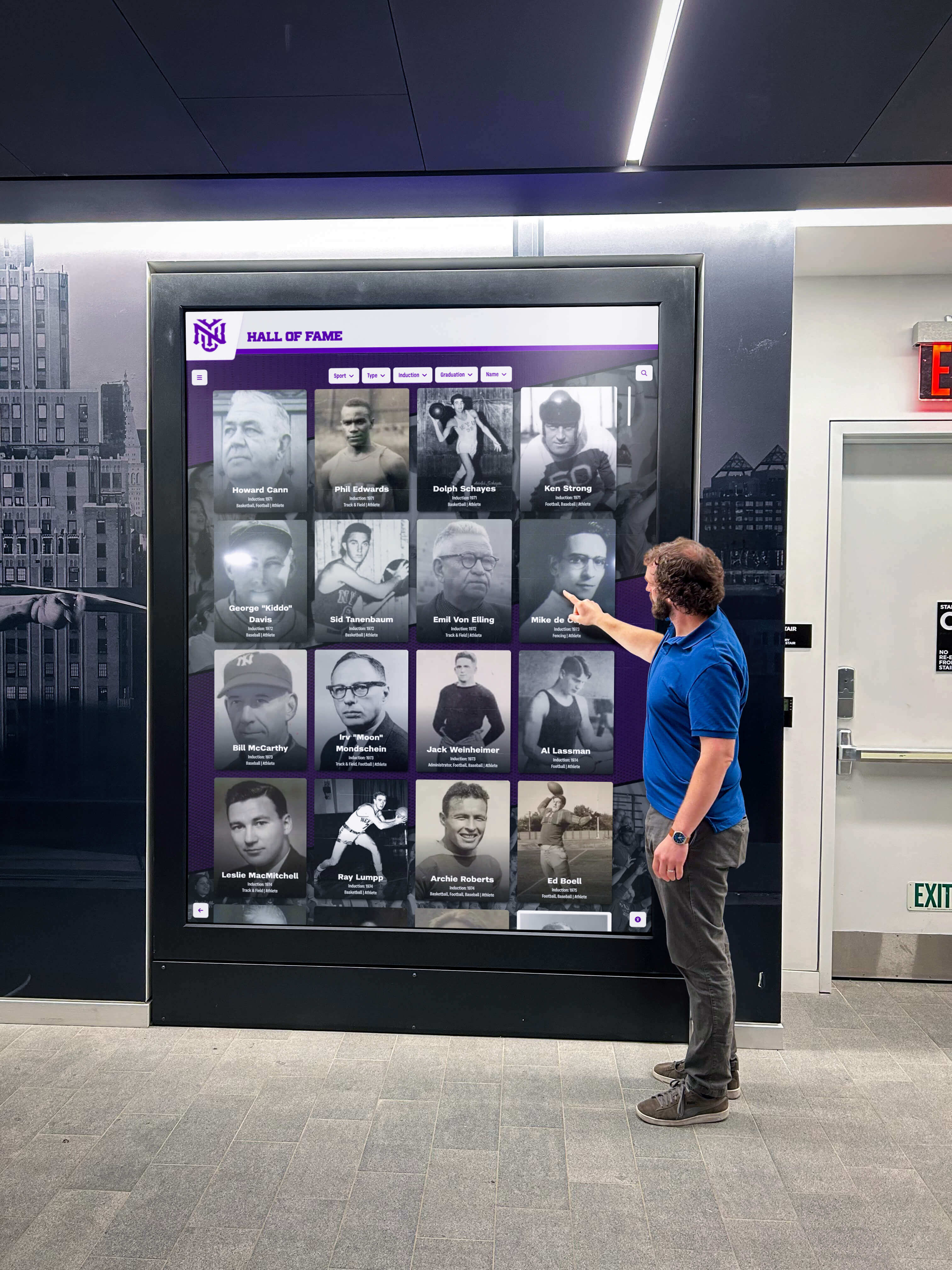
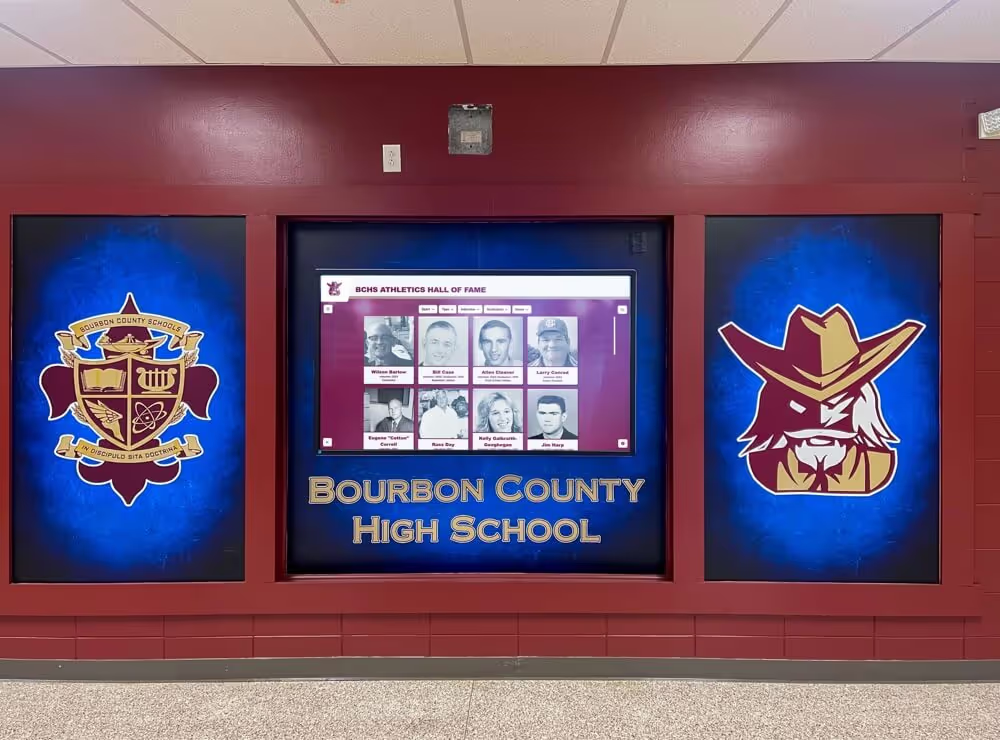
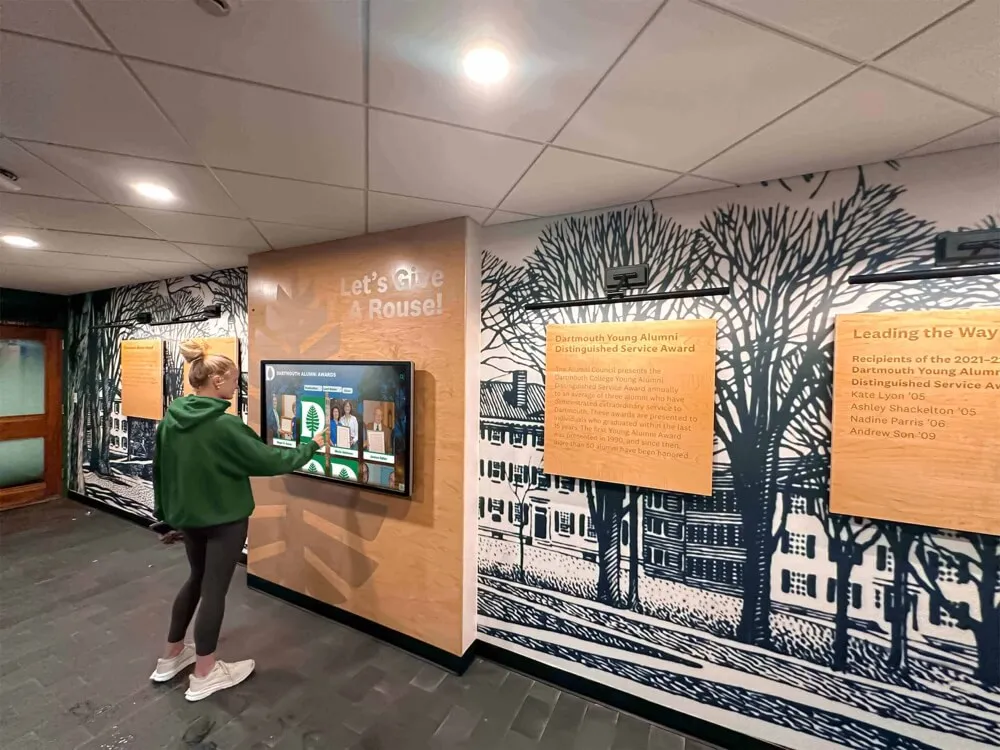
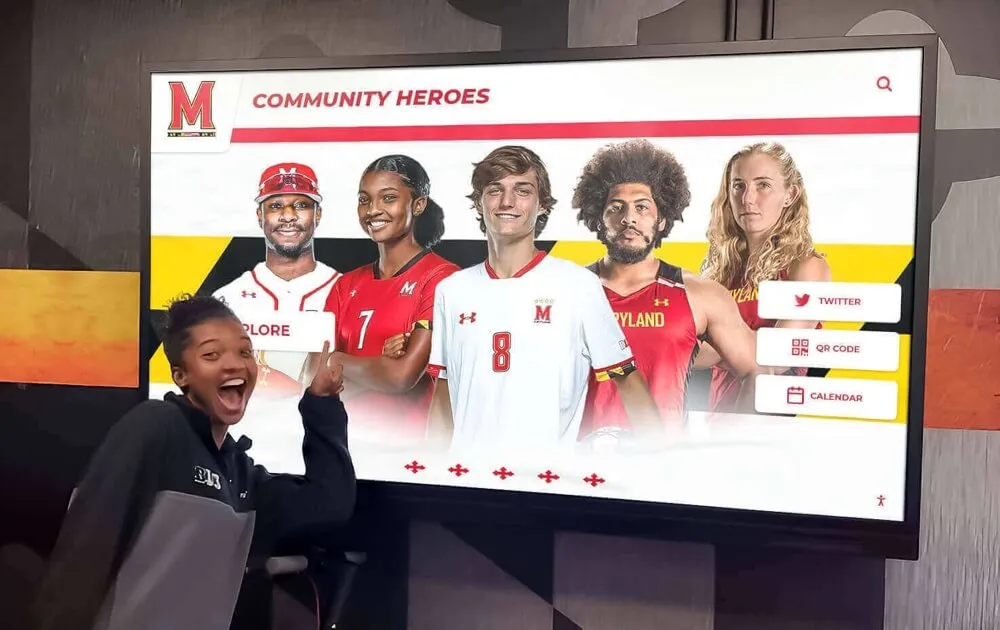
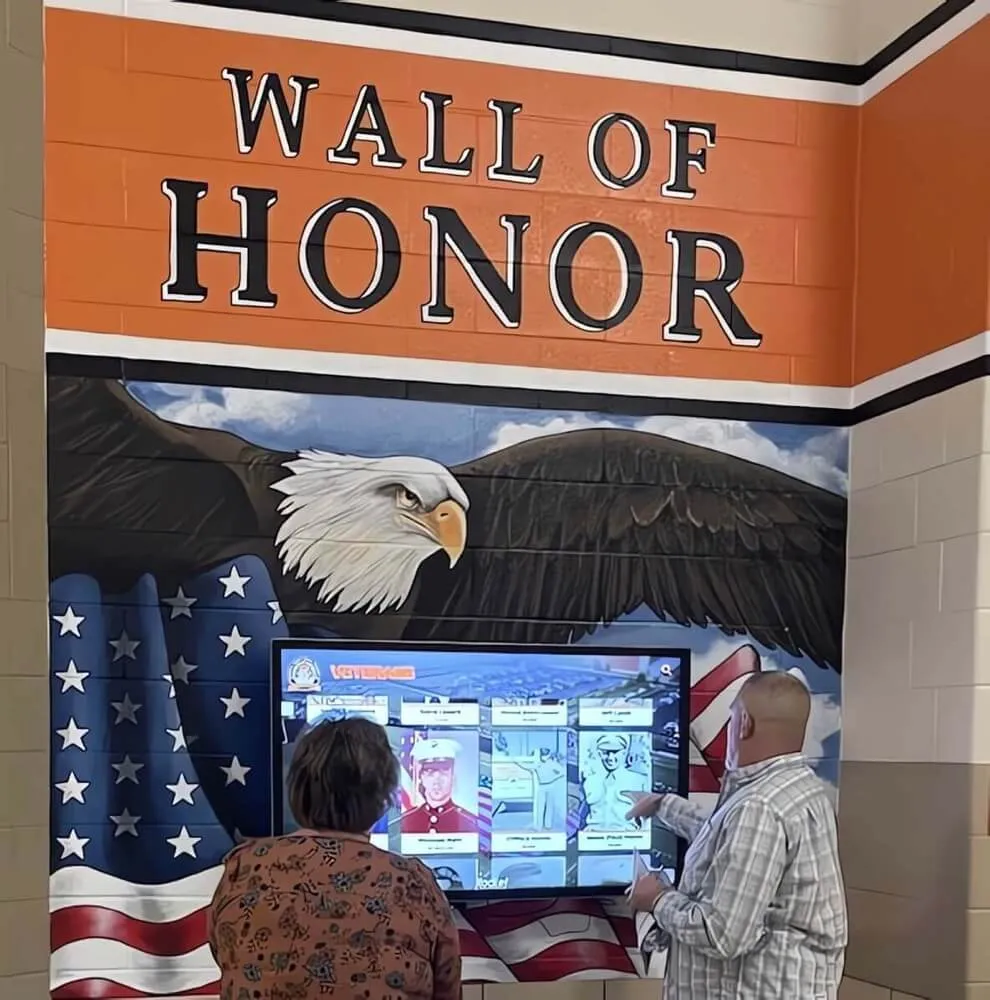
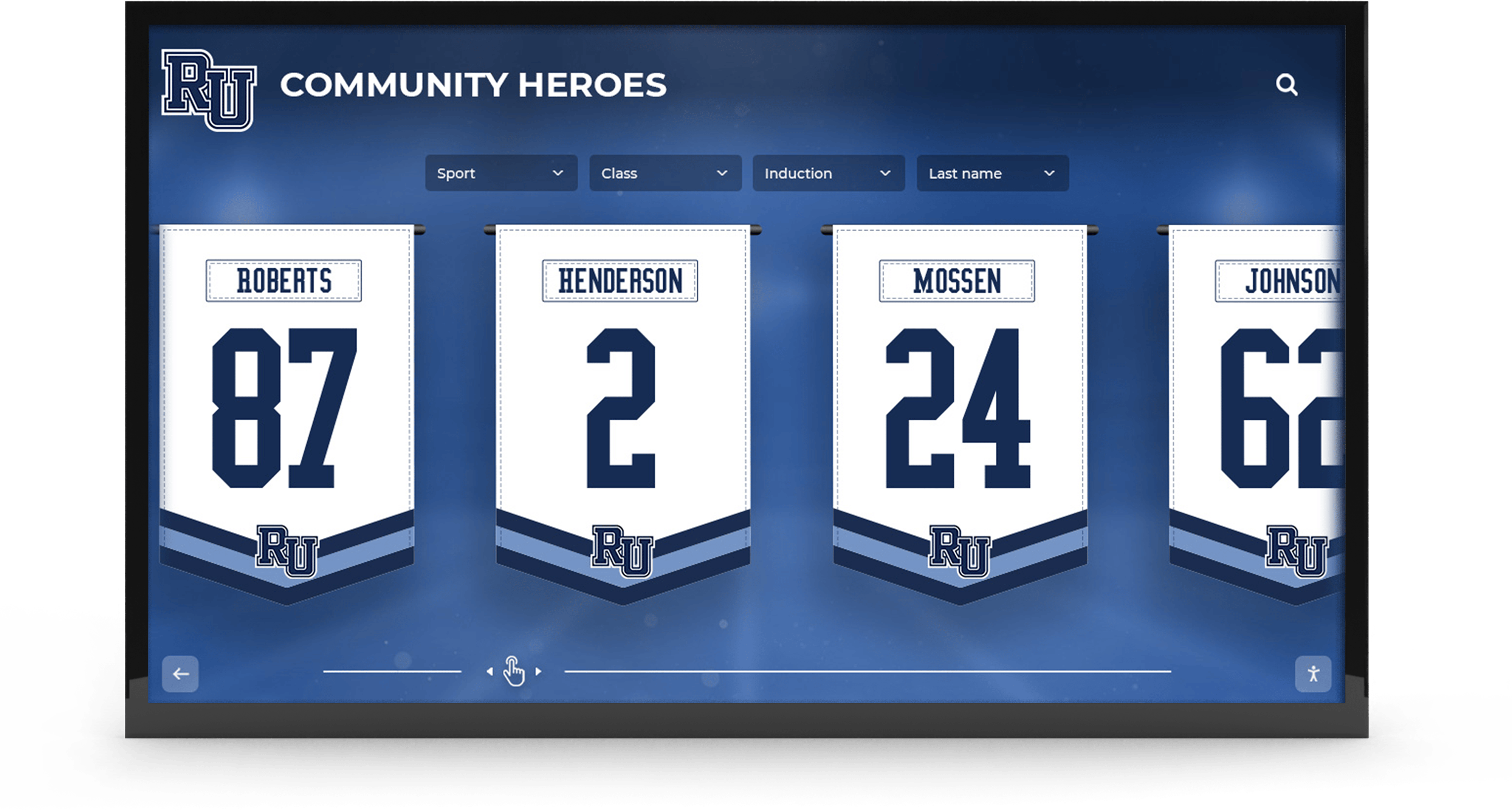
Interactive displays enable donors to explore their impact and connection to school mission
Learn strategies for teacher appreciation integration with donor stewardship programs.
May: Academic Year Celebration and Senior Recognition
May’s academic culmination creates powerful stewardship moments.
Week 1-2: Scholarship and Academic Awards
Senior Scholarship Recognition Events Celebrate graduating students and donors who made education possible:
- Scholarship recipient recognition ceremonies
- Personal introductions between donors and students
- Student speeches thanking scholarship supporters
- Photo opportunities with donors, students, and families
- Follow-up communications with student thank-you letters
These emotional events demonstrate transformational impact of major gifts while creating memorable experiences donors treasure.
Week 3-4: Graduation and Commencement Engagement
Graduation Season Stewardship Leverage commencement for donor connection:
- Invite major donors to graduation ceremonies with reserved seating
- Recognition of donors who funded facilities where ceremonies occur
- Graduate success stories connecting achievements to donor support
- Social media campaigns thanking donors for making graduation possible
- Alumni giving campaigns encouraging new graduates to become donors
Discover how graduation ceremony planning integrates donor recognition into milestone celebrations.
End-of-Year Impact Summary Comprehensive communication highlighting year accomplishments:
- Academic achievement statistics and notable student successes
- Facility improvements and capital project completions
- Program expansions and new initiatives launched
- Financial overview demonstrating responsible stewardship
- Gratitude for donor partnership making achievements possible
June: Summer Transition and Major Donor Focus
Summer’s slower pace enables concentrated major donor cultivation.
Week 1-2: Fiscal Year-End Appeals
June 30 Campaign for Current Fiscal Support Strategic solicitations for fiscal year closing:
- Targeted appeals to donors who haven’t yet given in current fiscal year
- Matching gift challenges creating urgency
- Specific project funding needs requiring immediate support
- Tax benefit messaging for fiscal year gifts
- Online giving emphasis for convenient last-minute contributions
Immediate Acknowledgment and Recognition Process fiscal year-end gifts within 48 hours, adding donors to recognition displays and publications immediately.
Week 3-4: Strategic Major Donor Meetings
One-on-One Cultivation Conversations Summer scheduling flexibility enables personalized attention:
- Individual meetings with top 25-50 donors
- Facility tours and exclusive campus access
- Lunch or coffee meetings with institutional leadership
- Discussion of donor interests and institutional priorities
- Assessment of multi-year giving capacity and interests
These unhurried summer conversations build relationships enabling fall solicitations grounded in genuine understanding of donor motivations and capacity.
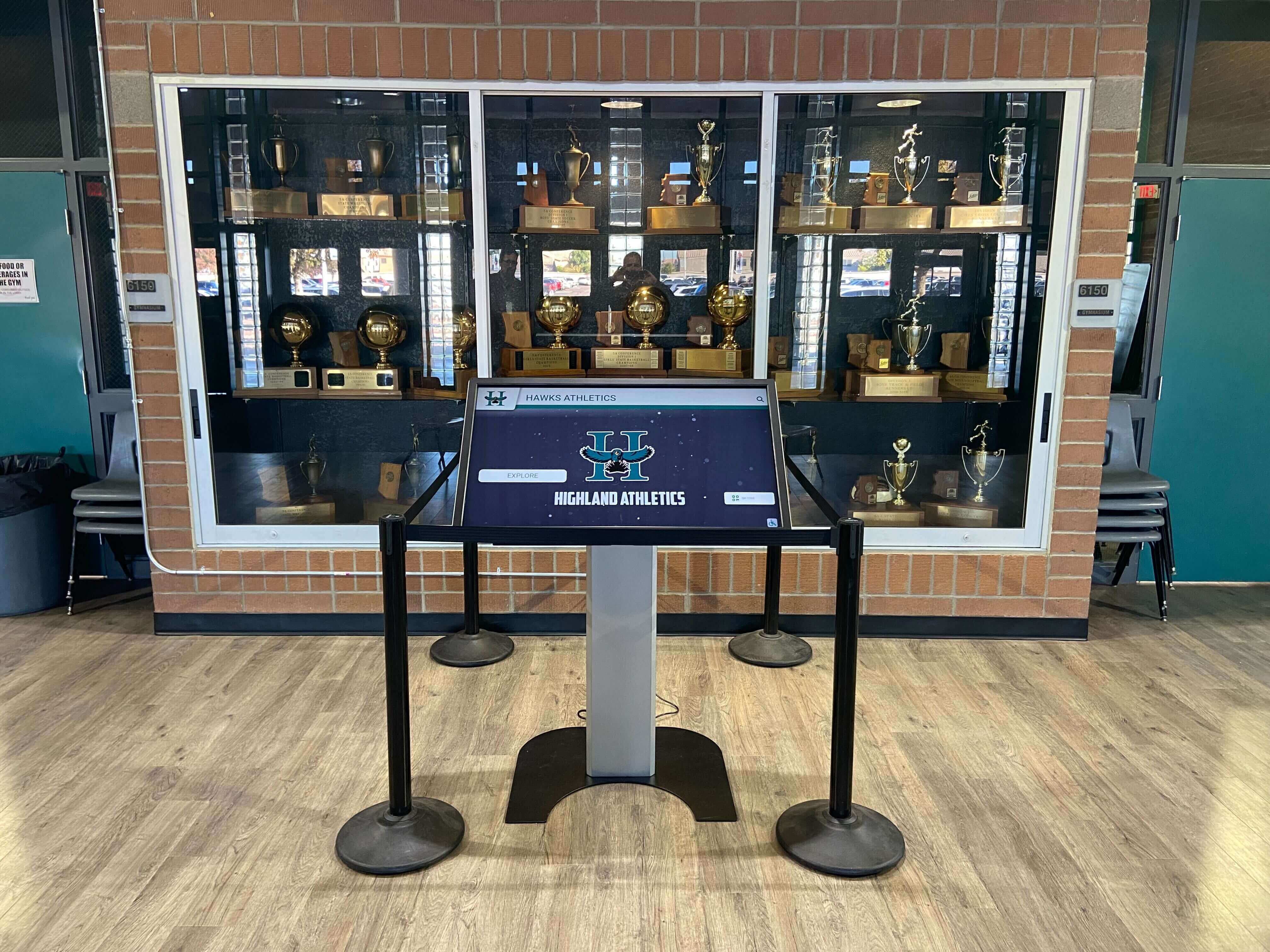
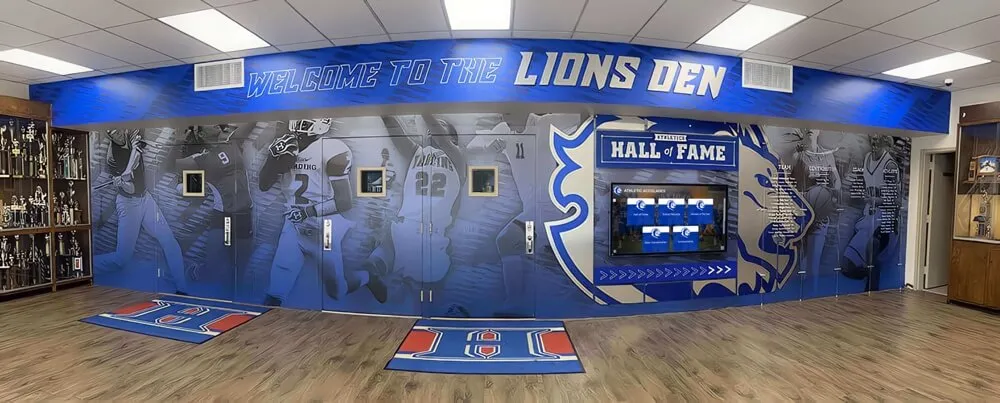
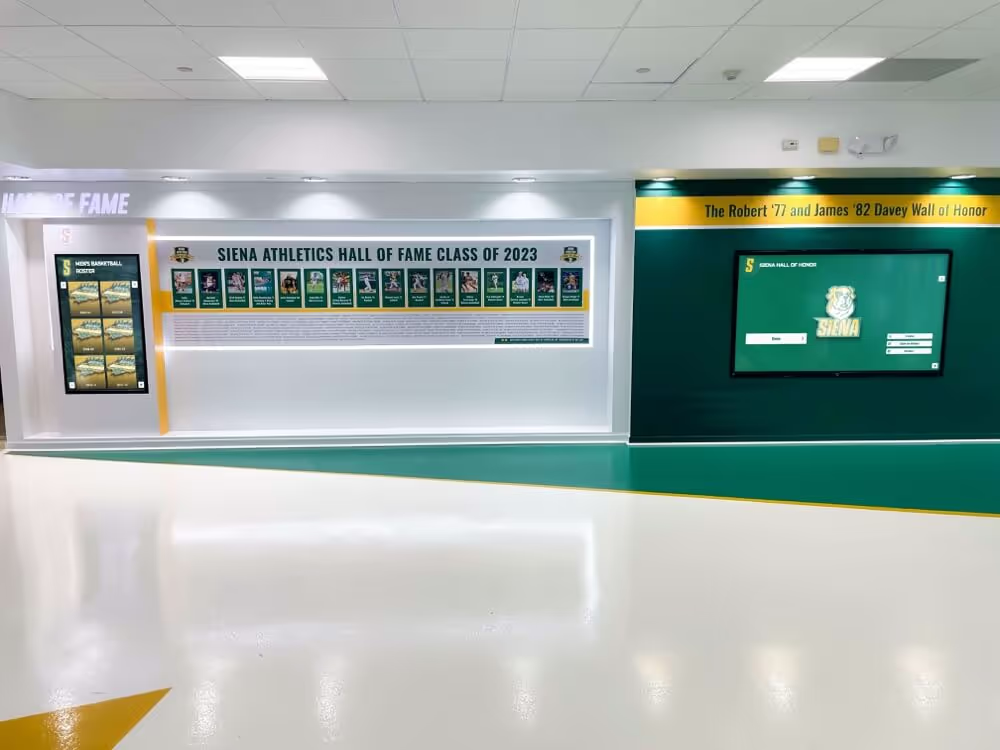
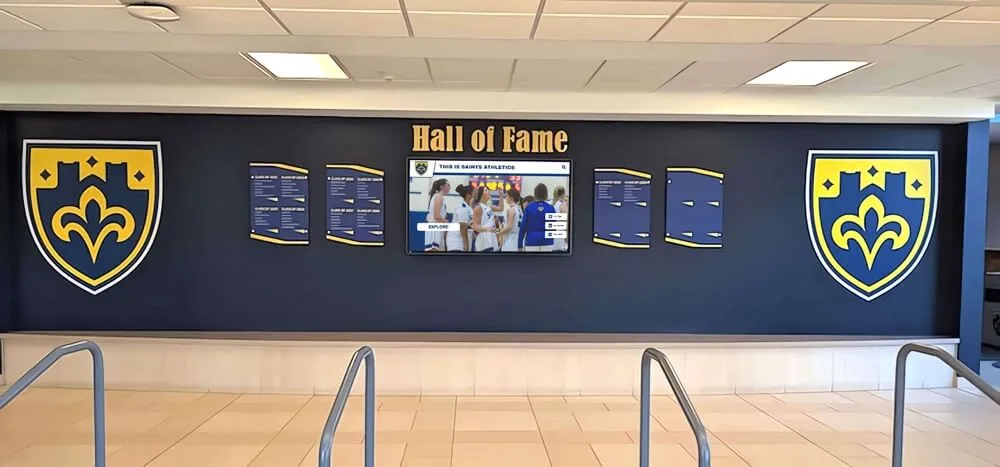
Integrated recognition systems celebrate donors alongside achievements they make possible
July: Mid-Year Evaluation and Planning
Use summer months for strategic assessment and fall preparation.
Week 1-2: Performance Metrics Review
Mid-Year Development Assessment Evaluate stewardship program effectiveness:
- Donor retention rates compared to previous year and targets
- Average gift sizes by donor segment
- Upgrade and downgrade trends
- Lapsed donor reactivation success
- Engagement metrics (event attendance, communication opens)
- Recognition program reach and visibility
Adjustment and Course Correction Modify stewardship strategies based on data:
- Increase communication frequency for segments showing higher engagement
- Personalize outreach for at-risk donor segments
- Adjust event formats based on attendance patterns
- Refine messaging based on response data
- Budget reallocation toward highest-performing strategies
Week 3-4: Fall Campaign Preparation
Annual Fund Planning Prepare comprehensive fall solicitation strategies:
- Segment donors by giving history and potential
- Develop personalized ask amounts and messaging
- Create volunteer solicitation teams for peer-to-peer outreach
- Design multichannel campaign materials (mail, email, social, phone)
- Schedule campaign timeline and milestone dates
Recognition Program Enhancement Update donor recognition systems before fall campaign:
- Refresh donor wall content and displays
- Ensure all donors properly recognized at appropriate levels
- Plan fall recognition event details
- Update website donor listings
- Prepare recognition materials for new gifts
Learn about modernizing recognition walls to enhance year-round stewardship impact.
August: New Academic Year Launch
August transitions create momentum for fall engagement.
Week 1-2: Welcome Back Communications
School Year Opening Messaging Re-engage donors as academic year begins:
- Welcome back communications to entire donor base
- Excitement about new academic year priorities
- Introduction of new faculty, programs, or facilities
- Early highlights of student achievements and campus activity
- Invitation to upcoming engagement opportunities
New Family Onboarding Systematic introduction of new parents to giving culture:
- Welcome packets introducing annual fund and giving opportunities
- Information about volunteer engagement
- Overview of recognition programs and donor benefits
- Invitation to new family orientation events
- Easy first-time giving opportunities
Week 3-4: Reunion and Homecoming Preparation
Alumni Engagement Integration Connect reunion activities with donor stewardship:
- Target reunion classes with giving challenges
- Coordinate class gift campaigns with milestone reunions
- Plan recognition of reunion class leadership donors
- Schedule alumni giving events during homecoming weekend
- Prepare stewardship materials for reunion attendees
Explore team bonding strategies that create community connections strengthening donor relationships.
September: Fall Campaign Launch and Engagement Events
September energy kickstarts major annual fundraising efforts.
Week 1-2: Annual Fund Campaign Kickoff
Comprehensive Solicitation Launch Multi-channel annual giving campaign:
- Leadership gift phase with major donor personal solicitations
- Peer-to-peer volunteer solicitation teams
- Direct mail appeals to broad donor base
- Email campaign series with progressive messaging
- Social media fundraising campaigns
- Matching gift challenges creating urgency
Early Response Recognition Immediately acknowledge campaign gifts:
- Rapid thank-you communications (within 24-48 hours)
- Social media recognition celebrating early supporters
- Progress thermometers showing campaign momentum
- Leadership board listings for top campaign gifts
- Update digital recognition displays in real-time
Week 3-4: Homecoming and Alumni Weekend
Major Engagement Event Series Homecoming creates concentrated stewardship opportunities:
- Alumni reunion events with class giving recognition
- Campus tours showcasing donor-funded improvements
- Athletic events with donor hospitality areas
- Recognition ceremonies honoring major supporters
- Legacy society receptions celebrating planned giving donors
Post-Event Stewardship Strategic follow-up maximizes event investment:
- Thank-you notes to all event attendees
- Photo galleries and event highlights shared digitally
- Solicitation of attendees who didn’t contribute during event
- Feedback surveys improving future events
- Documentation of commitments made during conversations
October: Sustained Campaign Momentum and Mid-Campaign Recognition
Maintain fundraising energy through mid-campaign celebration.
Week 1-2: Progress Updates and Mid-Campaign Push
Momentum Communication Share campaign progress creating urgency:
- Campaign thermometers showing progress toward goal
- Donor honor rolls listing all contributors to date
- Specific impact stories showing what raised funds accomplish
- Matching gift reminders and deadline communications
- Challenge grant announcements creating giving incentives
Volunteer Appreciation Recognize solicitation volunteers mid-campaign:
- Thank-you events for volunteer solicitors
- Progress sharing celebrating team accomplishments
- Additional prospect assignments to successful volunteers
- Public recognition of volunteer leadership
- Tools and support ensuring continued success
Week 3-4: Special Event Fundraising
Fall Gala or Auction Major fundraising events if part of annual calendar:
- Gala dinners with live and silent auctions
- Athletic events (golf tournaments, 5K runs)
- Academic showcases combining recognition with fundraising
- Sponsorship sales for event revenue
- Post-event stewardship of attendees and sponsors
November: Gratitude Focus and Year-End Campaign Preparation
November’s natural gratitude theme supports donor appreciation.
Week 1-2: Thanksgiving Appreciation Campaign
Gratitude-Focused Communications Shift from asking to thanking:
- Personalized thank-you videos from students and faculty
- Social media gratitude campaign spotlighting donor impact
- Handwritten notes from leadership to top donors
- Student thank-you calls to scholarship supporters
- Email series celebrating donor partnership
No-Ask Touchpoints Communications explicitly not soliciting gifts:
“This message contains no fundraising request—we simply want to thank you for your partnership in our educational mission and share what your support has accomplished this year.”
Week 3-4: Year-End Campaign Preview
December Appeal Preparation Position upcoming year-end solicitation:
- Preview of year-end campaign priorities
- Tax planning reminders about December giving benefits
- Matching gift opportunity announcements
- Legacy giving information for estate planning conversations
- Online giving platform readiness for year-end surge

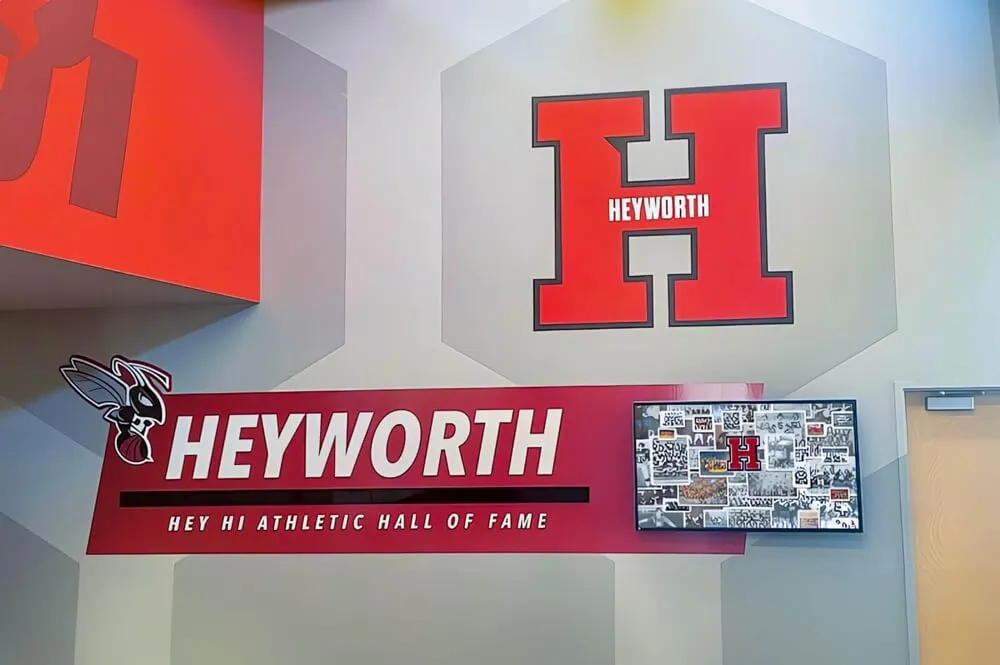
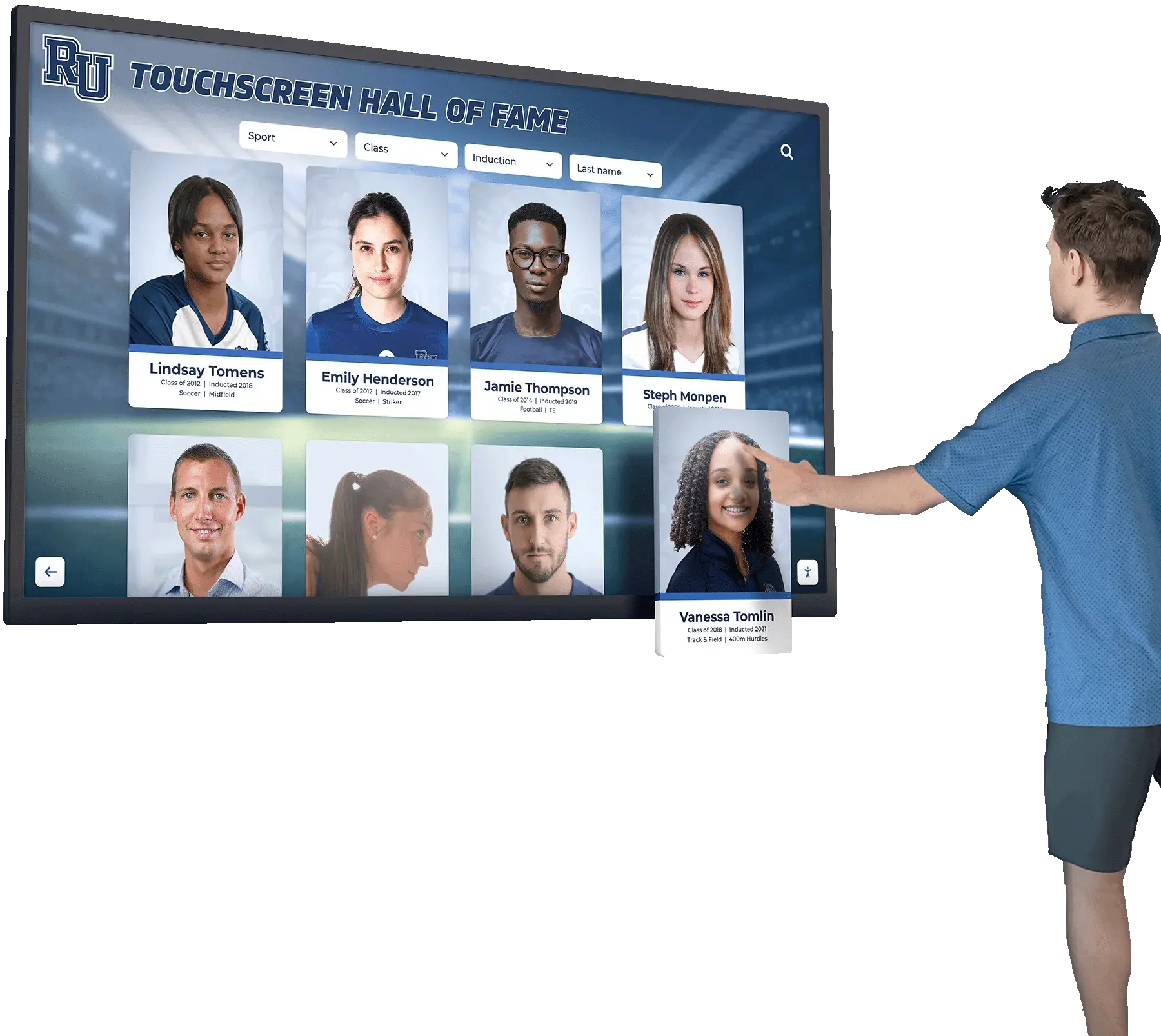
Modern touchscreen displays enable donors to explore their impact interactively throughout the year
December: Year-End Campaign and Holiday Stewardship
December drives final fundraising push while maintaining relationship focus.
Week 1-2: Year-End Giving Campaign Peak
Multi-Wave Solicitation Strategy Intensified year-end appeals:
- Early December initial solicitation
- Mid-month reminder for non-responders
- December 26-31 final push for fiscal year gifts
- Tax benefit messaging throughout
- Online giving emphasis for convenience
- Stock and securities transfer options for major donors
Real-Time Acknowledgment Process year-end gifts immediately:
- Automated instant email acknowledgments
- Formal tax receipts within 48 hours
- Personal thank-you calls for major gifts
- Social media recognition celebrating supporters
- Digital recognition display updates
Week 3-4: Holiday Appreciation and Planning
Donor Gratitude Outreach Holiday-themed stewardship:
- Holiday cards to all donors
- Personalized video messages from leadership
- Student performance invitations (concerts, productions)
- Small gift tokens for major donors (ornaments, calendars)
- Year-end impact summary preparing for January report
Next Year Strategic Planning Review current year performance planning improvements:
- Analyze retention and acquisition data
- Assess stewardship program effectiveness
- Plan recognition program enhancements
- Calendar next year touchpoints and events
- Budget next year stewardship investments
Discover how school lobby design creates spaces where year-round donor recognition makes powerful first impressions.
Implementing Your Stewardship Calendar: Practical Considerations
Understanding monthly strategies differs from effective implementation.
Staffing and Responsibility Assignment
Right-Sizing Stewardship Workload Match activities to available capacity:
- Assign specific months and activities to team members
- Create backup coverage for key touchpoints
- Develop templates and systems reducing manual effort
- Leverage technology automating routine communications
- Prioritize high-impact activities when capacity constrained
Small development teams focus on highest-value touchpoints—major donor personal outreach, critical recognition events, and campaign-essential communications—while automating or simplifying remaining calendar elements.
Technology and Systems
Donor Management Database Invest in systems enabling systematic stewardship:
- Comprehensive donor relationship management (CRM) platforms
- Automated communication scheduling and tracking
- Segmentation capabilities for targeted messaging
- Engagement scoring identifying cultivation-ready prospects
- Integration with online giving and event management
Digital Recognition Platforms Modern systems like Rocket Alumni Solutions transform donor acknowledgment:
- Real-time recognition updates without physical limitations
- Interactive donor exploration and storytelling
- Comprehensive capacity unlimited by wall space
- Cloud-based management from any device
- Analytics tracking recognition program engagement
Communication Channel Mix
Multi-Channel Stewardship Approach Diverse supporters prefer different communication methods:
- Email: Primary channel for most routine communications and appeals
- Direct Mail: Critical for major donor solicitations and formal recognition
- Phone: Essential for major donor cultivation and personal stewardship
- Social Media: Excellent for broad engagement and public recognition
- Events: Irreplaceable for relationship building and emotional connection
- Digital Displays: Constant visible recognition reinforcing donor value
Test communication preferences through surveys, then segment accordingly rather than assuming one approach fits all donors.
Measurement and Continuous Improvement
Key Stewardship Metrics
Track indicators demonstrating program effectiveness:
- Donor retention rate: Percentage of donors giving again in subsequent year
- Upgrade percentage: Donors increasing gift size year-over-year
- Average gift size: Total giving divided by number of donors
- Lifetime donor value: Cumulative giving over entire donor relationship
- Lapsed donor reactivation: Previously lapsed donors returning to giving
- Engagement scores: Composite measure of touchpoint interactions
Quarterly Assessment Regular evaluation enabling course correction:
- Review retention and acquisition trends
- Analyze communication engagement (open rates, click rates, responses)
- Assess event attendance patterns
- Gather donor feedback through surveys
- Adjust strategies based on performance data
Schools implementing systematic measurement improve stewardship outcomes 15-20% annually through data-driven refinement.
Special Considerations for Different Donor Segments
Effective stewardship recognizes diverse donor types require tailored approaches.
Major Donors and Leadership Givers
Personalized Stewardship Plans Top supporters deserve individualized attention:
- Quarterly personal contact from development leadership
- Exclusive facility tours and behind-the-scenes access
- Advisory involvement in institutional planning
- Customized impact reports specific to funded programs
- Special recognition events celebrating transformational gifts
- Estate planning conversations for legacy commitments
Major donors (typically $10,000+ annual or $100,000+ cumulative) represent small percentages of donor populations but often contribute 60-80% of total revenue, justifying extraordinary stewardship investment.
Annual Fund and Mid-Level Donors
Systematic Group Stewardship Donors giving $100-$9,999 annually receive excellent systematic touchpoints:
- Prompt acknowledgment of all gifts
- Regular impact updates through newsletters and emails
- Invitation to recognition events and donor appreciation
- Recognition wall listings and publication acknowledgment
- Opportunities for volunteer engagement and campus visits
While not receiving personalized attention of major donors, these supporters experience comprehensive stewardship demonstrating institutional gratitude and keeping them connected to mission.
First-Time and Lapsed Donors
Specialized Cultivation Tracks
New and returning donors need targeted engagement:
First-Time Donor Welcome Series
- Immediate thank-you with extra warmth
- Welcome package explaining recognition and stewardship
- Early impact communication showing gift results
- Invitation to introductory campus event
- Second-gift cultivation within six months
Lapsed Donor Reactivation
- Acknowledgment of previous support
- Update on institutional developments since last gift
- Specific invitation to re-engage
- Explanation of why their renewed support matters
- Easy giving options removing barriers
Research shows first-time donors who receive three touchpoints within 90 days demonstrate 40% higher retention than those receiving only acknowledgment letters.
Parent and Alumni Donors
Lifecycle-Based Stewardship
Tailor approaches to relationship stage:
Current Parents
- Integration with school communications and events
- Student achievement sharing connecting to parental investment
- Recognition visible to school community
- Progression planning toward major gifts and legacy commitments
Alumni Donors
- Reunion-based cultivation and solicitation
- Career stage appropriate asks and involvement
- Legacy society emphasis for estate planning donors
- Multi-generational connection when children attend
Creating Sustainable Stewardship Culture
Long-term success requires organizational commitment beyond individual development staff efforts.
Institutional Integration
Whole-School Stewardship Approach Embed donor appreciation throughout institution:
- Train faculty and staff on donor relationship importance
- Create opportunities for students to thank scholarship supporters
- Involve institutional leadership in major donor cultivation
- Integrate recognition into campus events and programming
- Celebrate fundraising success as community achievement
Schools where donor stewardship represents shared institutional value rather than isolated development function consistently achieve superior retention and growth.
Board and Volunteer Engagement
Governance Leadership in Stewardship Activate trustees and volunteers:
- Board member assignment of donor portfolios for personal cultivation
- Trustee participation in recognition events and celebrations
- Volunteer solicitation teams conducting peer-to-peer outreach
- Advisory committee involvement of major donors
- Board modeling exemplary giving and stewardship
Board members often provide most credible peer-to-peer cultivation for major donor prospects, making trustee engagement in stewardship essential for scaling impact.
Budget and Resource Allocation
Investing in Stewardship Infrastructure Sustainable programs require appropriate resources:
- Donor management systems and technology platforms
- Recognition program infrastructure (digital displays, publications)
- Event budgets for cultivation and appreciation activities
- Staffing adequate to relationship maintenance workload
- Professional development for advancement team
Leading institutions allocate 10-15% of development budgets to stewardship activities, viewing it as essential investment protecting donor acquisition investments rather than discretionary expense.
Conclusion: Building Donor Relationships That Last
Effective donor stewardship transforms school fundraising from transactional annual solicitations to genuine partnerships advancing educational mission through sustained engagement, appropriate recognition, and meaningful connection. When schools implement systematic year-round touchpoints—celebrating donor impact, demonstrating program outcomes, creating personal experiences, and expressing authentic gratitude—they build relationships resulting in increased retention, upgraded giving, and long-term philanthropic commitment that funds institutional excellence for generations.
The month-by-month calendar explored throughout this guide provides comprehensive frameworks for schools at any sophistication level. Whether you’re developing first systematic stewardship program or refining established practices, these strategies create consistent donor engagement ensuring supporters feel valued, connected, and inspired to continue their partnership in student success.
Implementation Starting Points
Schools beginning stewardship calendar development should prioritize immediate acknowledgment systems ensuring every gift receives prompt thanks, quarterly impact communications connecting donations to outcomes, annual recognition updates celebrating all supporters visibly, strategic major donor personal cultivation, and measurement systems tracking retention and engagement.
Even implementing these foundational elements improves donor retention 15-25% within first year while establishing infrastructure for expanding sophistication over time.
The Technology Advantage
Modern donor recognition platforms eliminate traditional barriers that prevented comprehensive stewardship. Digital systems provide unlimited recognition capacity unconstrained by physical wall space, real-time updates adding new donors immediately, interactive storytelling connecting supporters to mission impact, accessible management requiring no technical expertise, and analytics demonstrating engagement and program effectiveness.
Solutions like Rocket Alumni Solutions specifically designed for educational institutions enable schools to implement recognition programs matching aspirations rather than accepting limitations of traditional approaches.
Transform Your Donor Stewardship with Modern Recognition
Discover how comprehensive digital recognition solutions help schools celebrate every donor contribution and build lasting relationships that strengthen annual giving and create sustainable funding for educational excellence.
Explore Recognition SolutionsYour donors deserve recognition and engagement proportionate to their commitment to student success. With thoughtful planning, systematic implementation, and appropriate technology supporting year-round stewardship, your school can create donor relationships that grow stronger annually—transforming one-time contributors into lifelong partners who increase giving, advocate for your mission, and help ensure every student receives the excellent education your institution provides.
The most successful school fundraising programs don’t view stewardship as additional work competing with solicitation—they recognize that genuine donor relationships built through consistent appreciation, transparent communication, and meaningful engagement represent the foundation making ambitious fundraising possible. Start where you are, implement what you can, measure results, and refine approaches based on donor response. Your systematic stewardship investment will return dividends through improved retention, increased giving, and sustainable funding supporting educational excellence for years to come.