How to Build a Donor Stewardship Plan That Keeps Supporters Engaged Year-Round
Donor stewardship represents the difference between organizations that perpetually chase new supporters and those that build sustainable philanthropic communities generating consistent support year after year. While most development teams invest tremendous energy acquiring first-time donors, research consistently shows that retention drives long-term fundraising success far more effectively than acquisition—yet the average donor retention rate hovers around just 45%, meaning organizations lose more than half their supporters annually.
This alarming attrition stems not from donor dissatisfaction with organizational missions but from inadequate stewardship after gifts are received. Supporters make contributions, receive perfunctory thank-you letters, then hear nothing until the next solicitation arrives months later. Without meaningful engagement between asks, donors feel transactional rather than valued, question whether their gifts created impact, and ultimately redirect support to organizations demonstrating better stewardship practices.
This comprehensive guide provides frameworks for building donor stewardship plans that maintain meaningful engagement throughout the year, transform supporters into advocates, increase retention rates, and create sustainable fundraising foundations. Whether you’re developing your first formal stewardship program or enhancing established practices, these strategies help organizations honor donors appropriately while building lasting relationships that transcend individual transactions.
Effective donor stewardship requires shifting from event-based acknowledgment to relationship-based engagement, creating systematic touchpoints that demonstrate appreciation, communicate impact, invite participation, and reinforce donors’ connection to your mission long before the next solicitation cycle begins.

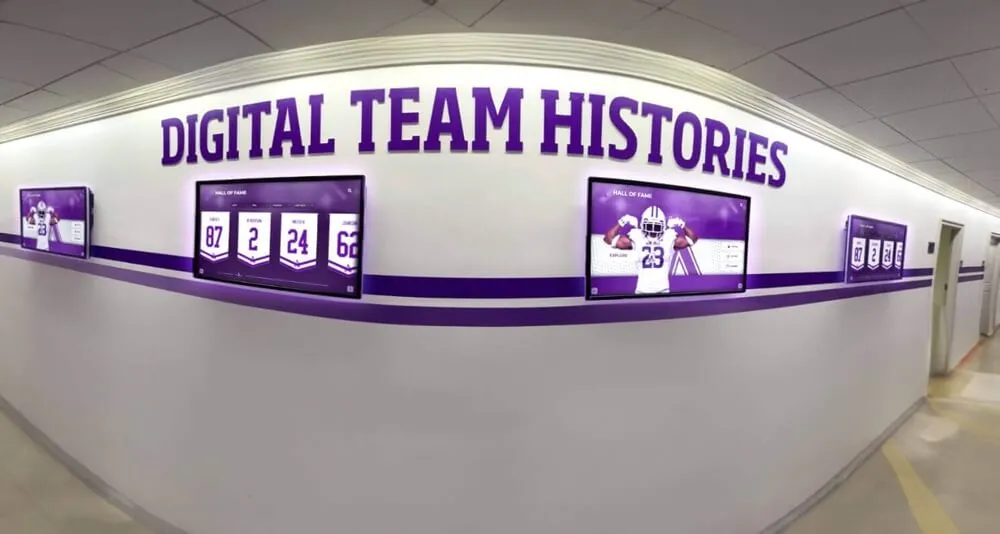
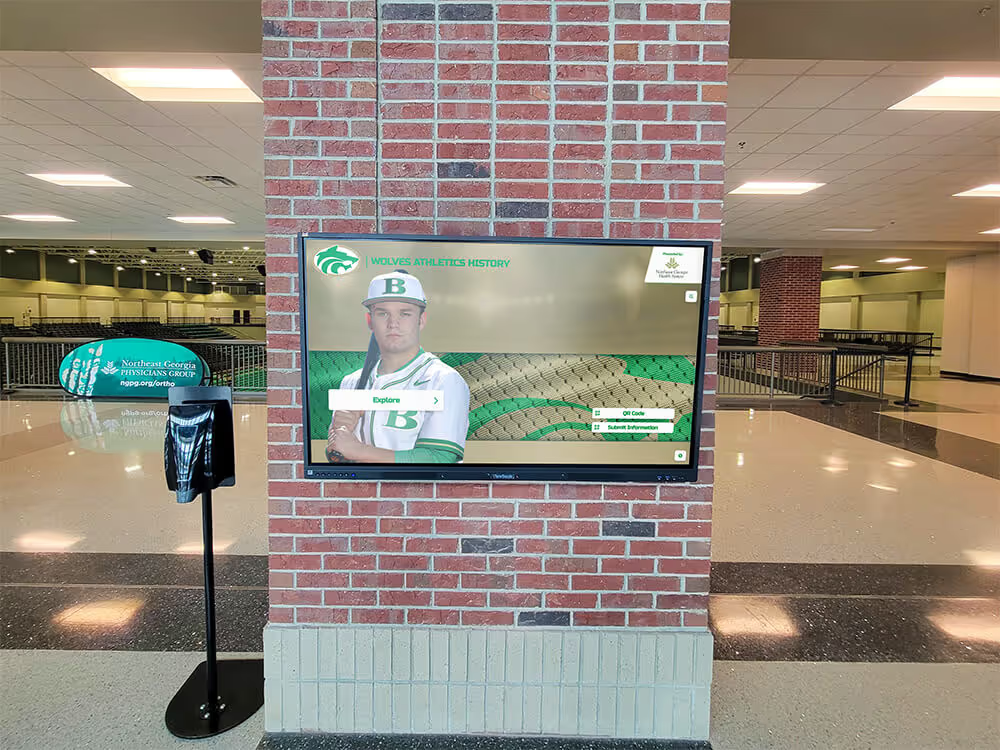
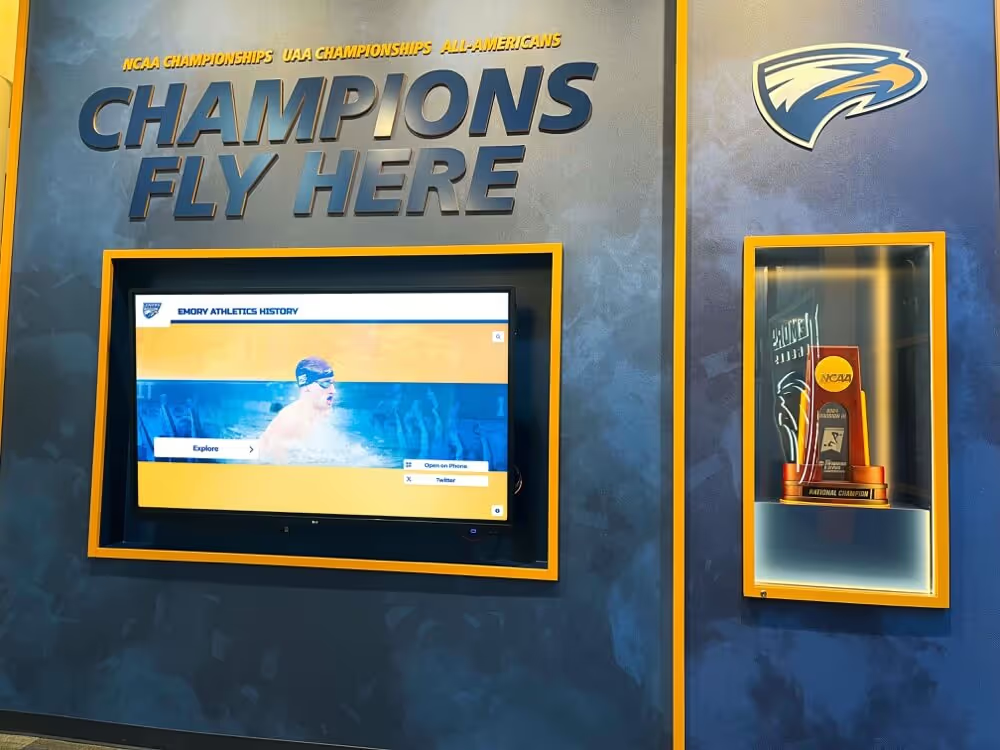
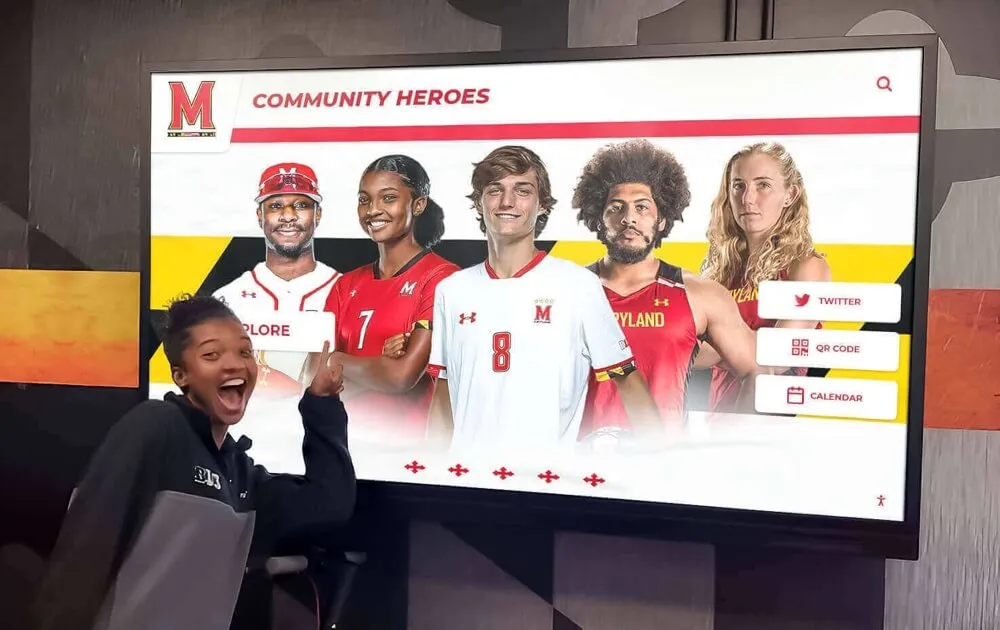
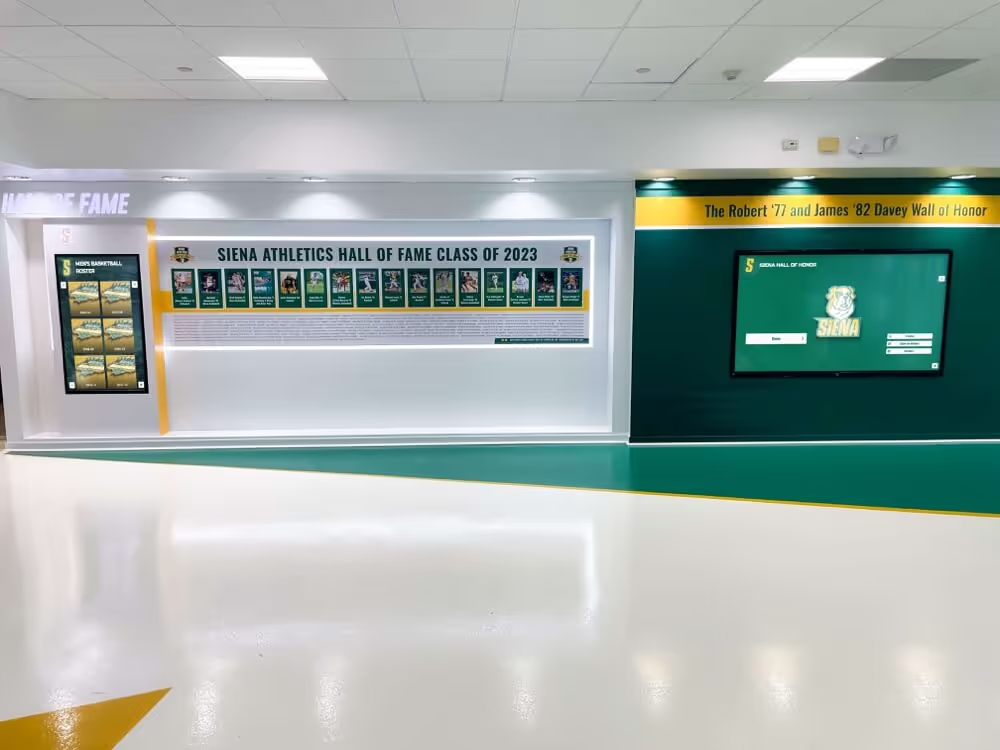
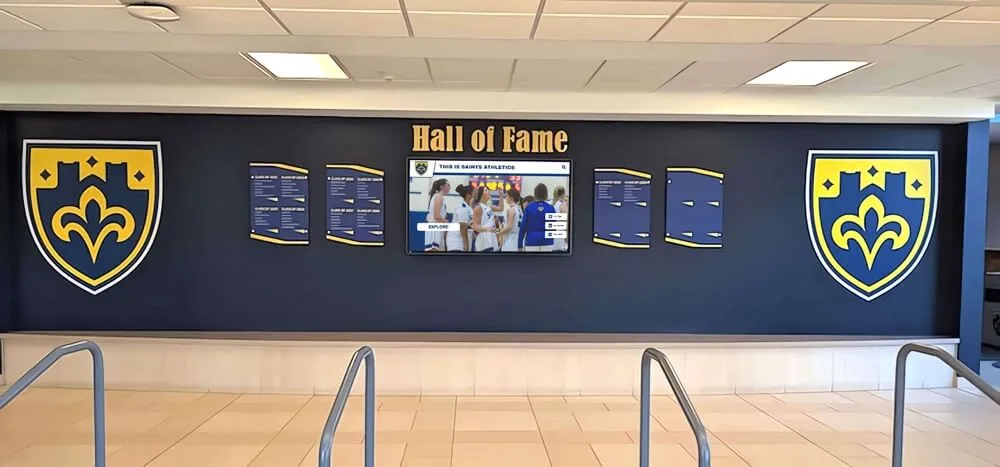
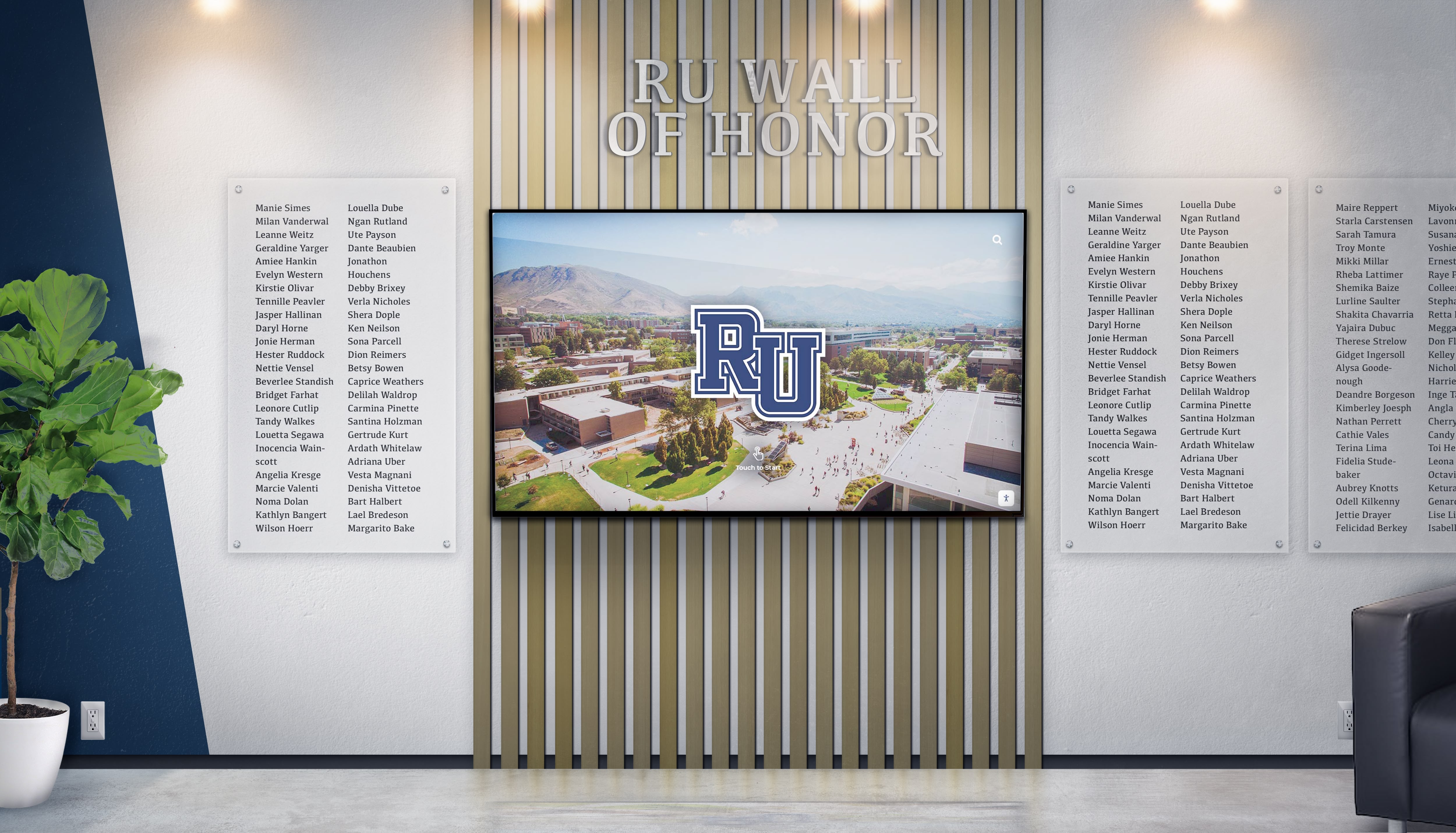
Comprehensive stewardship systems integrate public recognition with personalized engagement throughout the year
Understanding Donor Stewardship: Beyond the Thank-You Letter
Before building stewardship plans, understanding what effective stewardship encompasses—and how it differs from simple acknowledgment—helps development teams design programs aligned with donor relationship goals rather than administrative convenience.
The Core Principles of Donor Stewardship
Effective stewardship rests on foundational principles that distinguish relationship-building from transactional processing:
Gratitude as Foundation, Not Conclusion
While every stewardship plan begins with prompt, genuine gratitude expressed immediately following gifts, effective stewardship views acknowledgment as the beginning of ongoing relationships rather than administrative closure. Donors who receive only thank-you letters before the next solicitation feel appreciated for transactions rather than valued as partners. Stewardship extends gratitude through continued engagement demonstrating that organizations remember supporters between asks and value relationships beyond immediate financial contributions.
Impact Communication That Connects Gifts to Outcomes
Donors contribute because they believe in organizational missions and want to create positive change. Yet without explicit communication connecting their specific gifts to tangible outcomes, supporters cannot see how contributions translated into impact. Effective stewardship systematically demonstrates how donor support directly enabled programs, served beneficiaries, achieved milestones, or overcame challenges—making abstract giving concrete and meaningful.
According to donor research studies, supporters who understand the specific impact of their contributions demonstrate retention rates 20-30% higher than donors who receive only general organizational updates without clear connections to their gifts.
Personalization Based on Donor Preferences
While systematic stewardship requires scalable processes, the most effective programs balance consistency with personalization reflecting individual donor preferences, interests, and communication styles. Some supporters prefer detailed written updates while others value brief visual summaries. Certain donors appreciate public recognition while others prefer private acknowledgment. Young professional donors might engage primarily through digital channels while older generations prefer print communications and phone conversations.
Stewardship systems that allow customization based on documented donor preferences demonstrate respect for supporters as individuals rather than treating entire databases identically regardless of personal communication preferences.
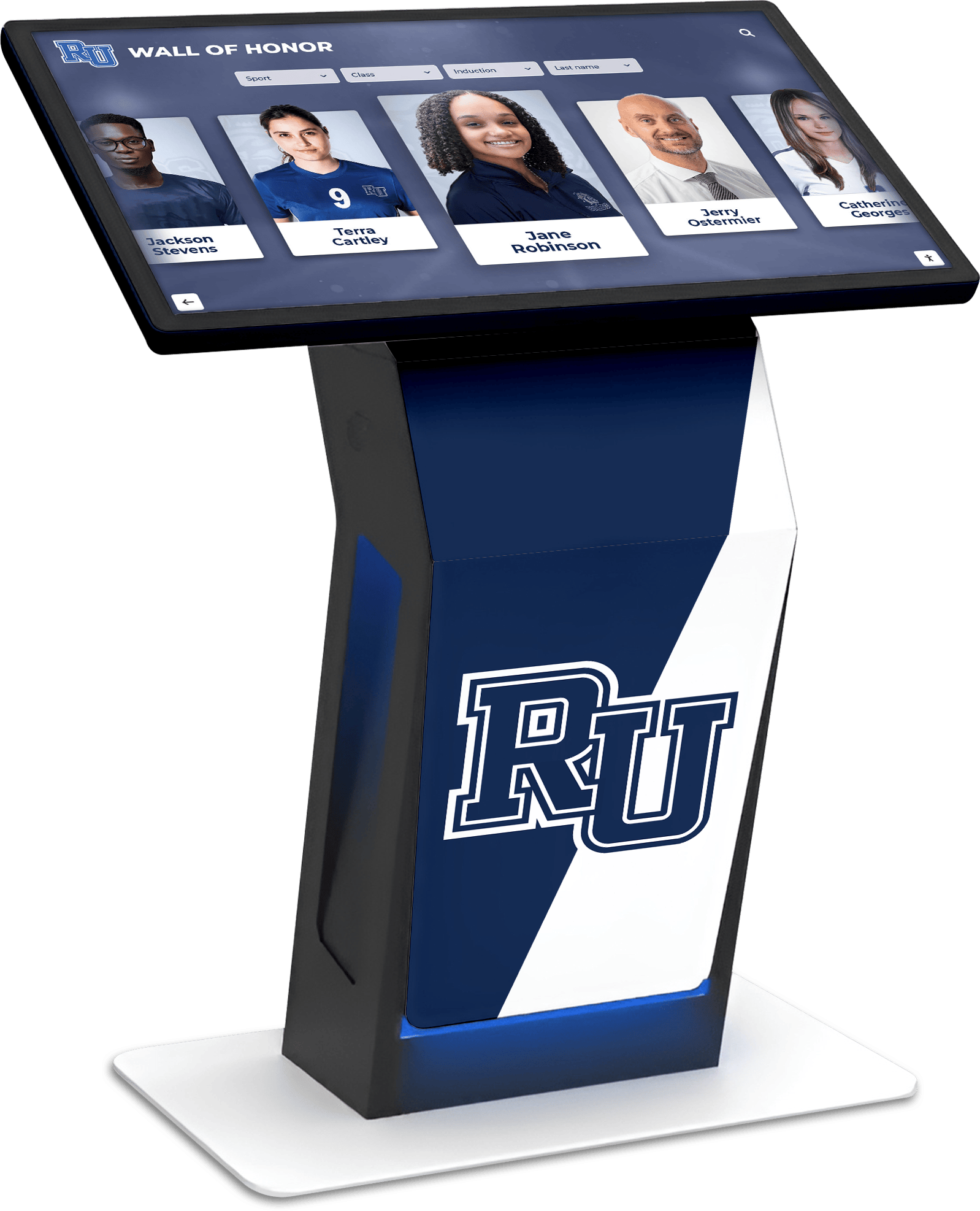
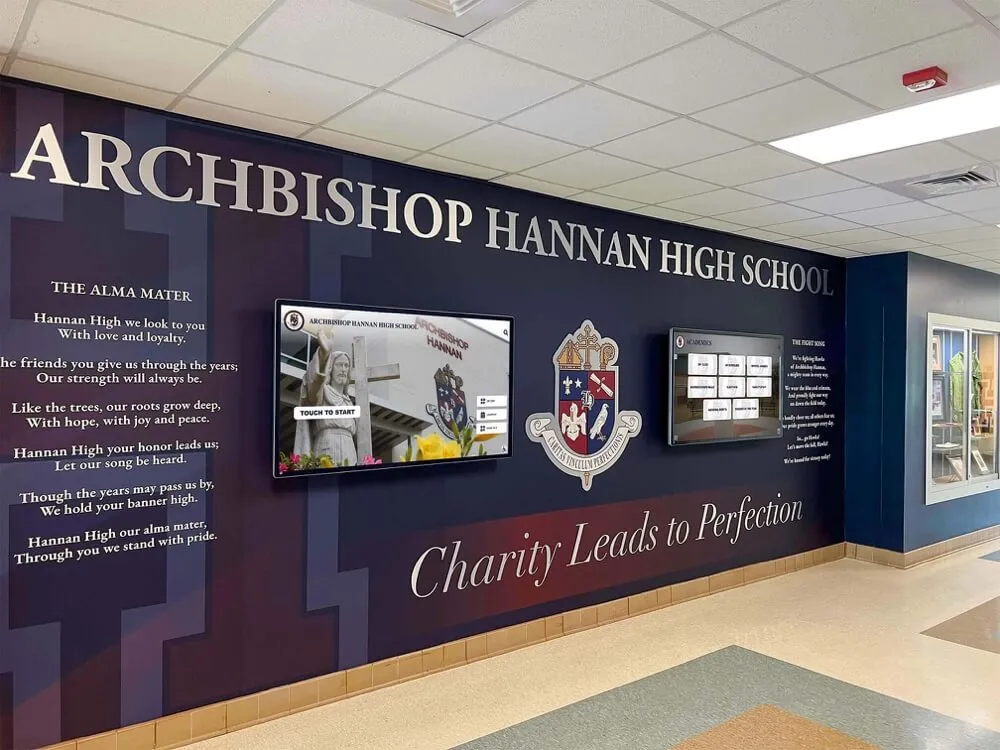
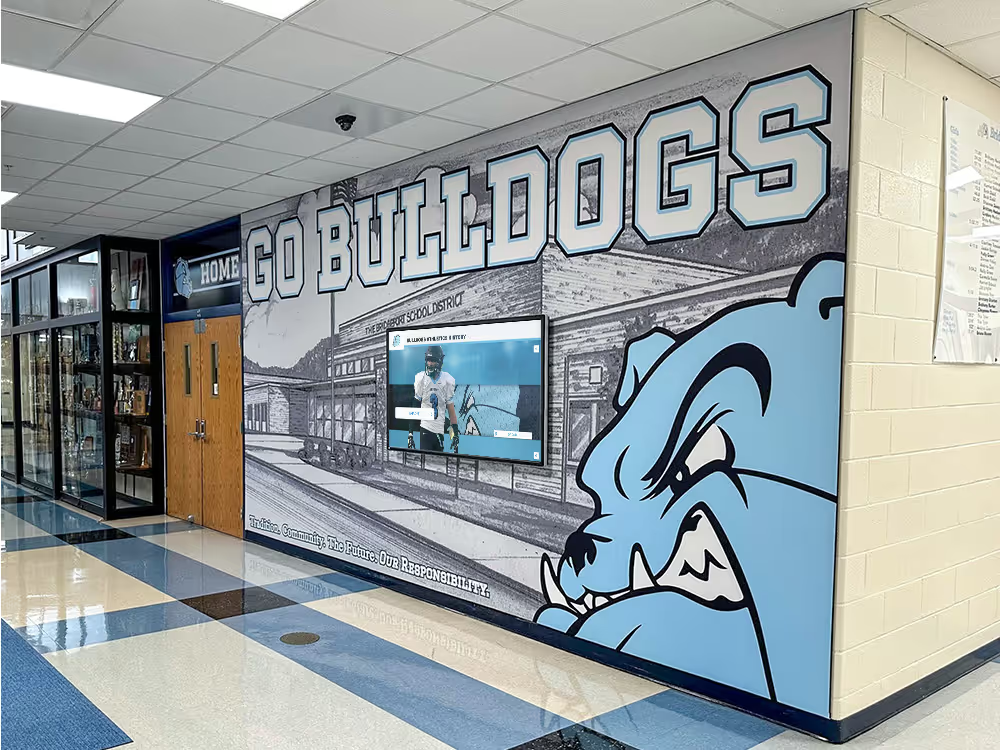
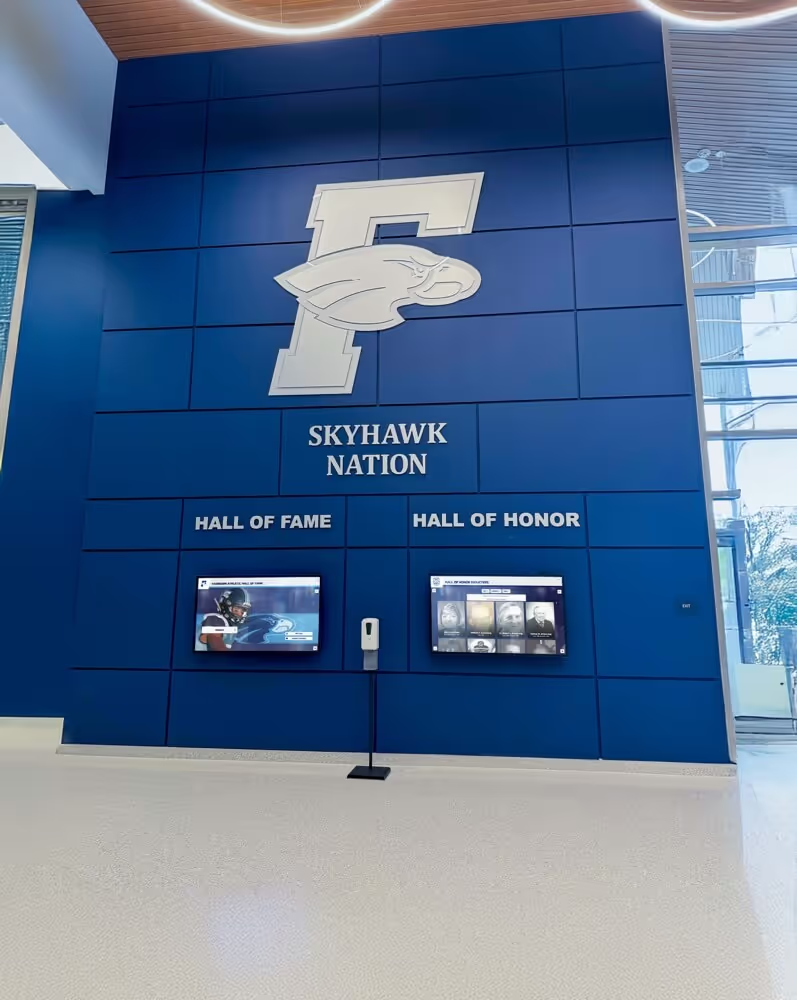
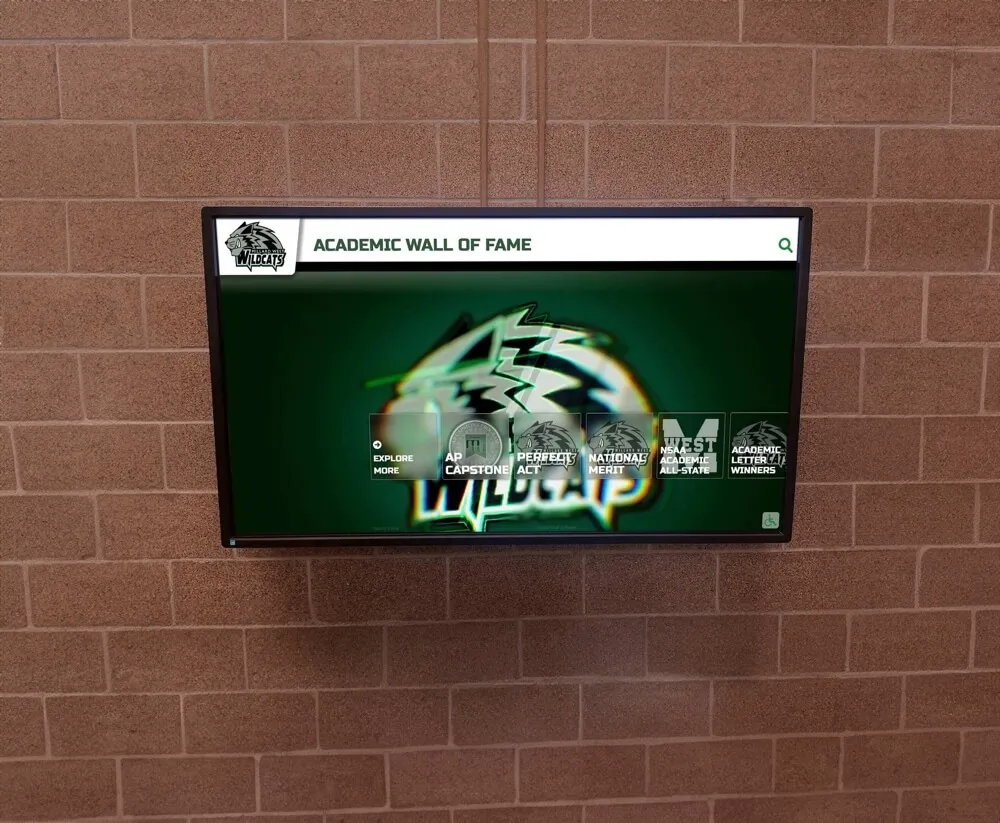
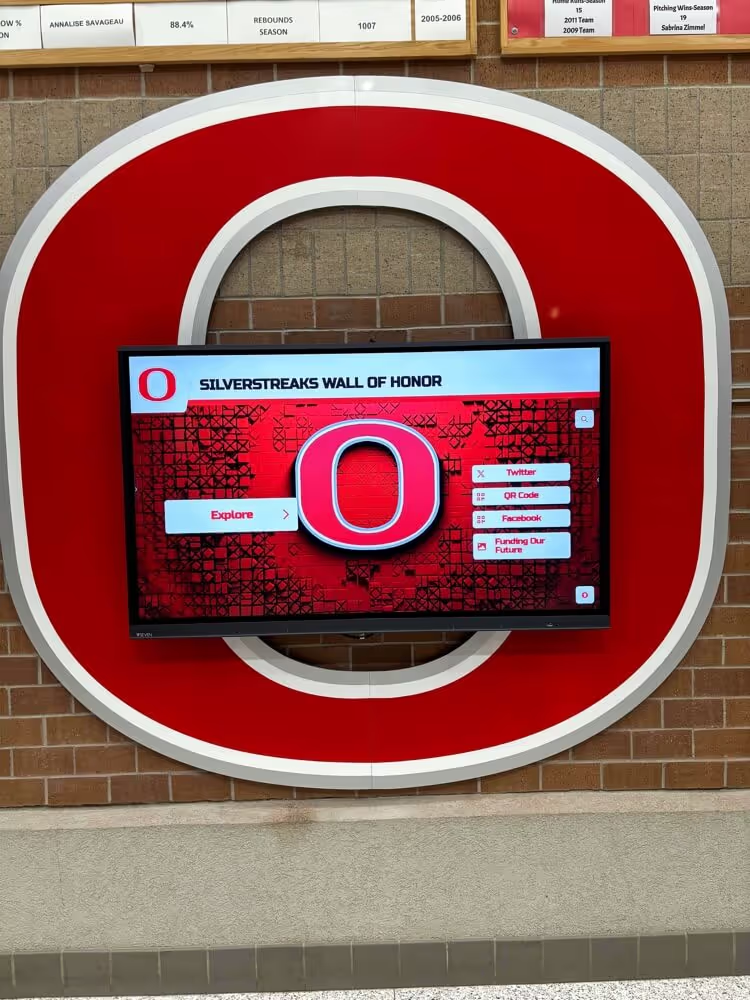
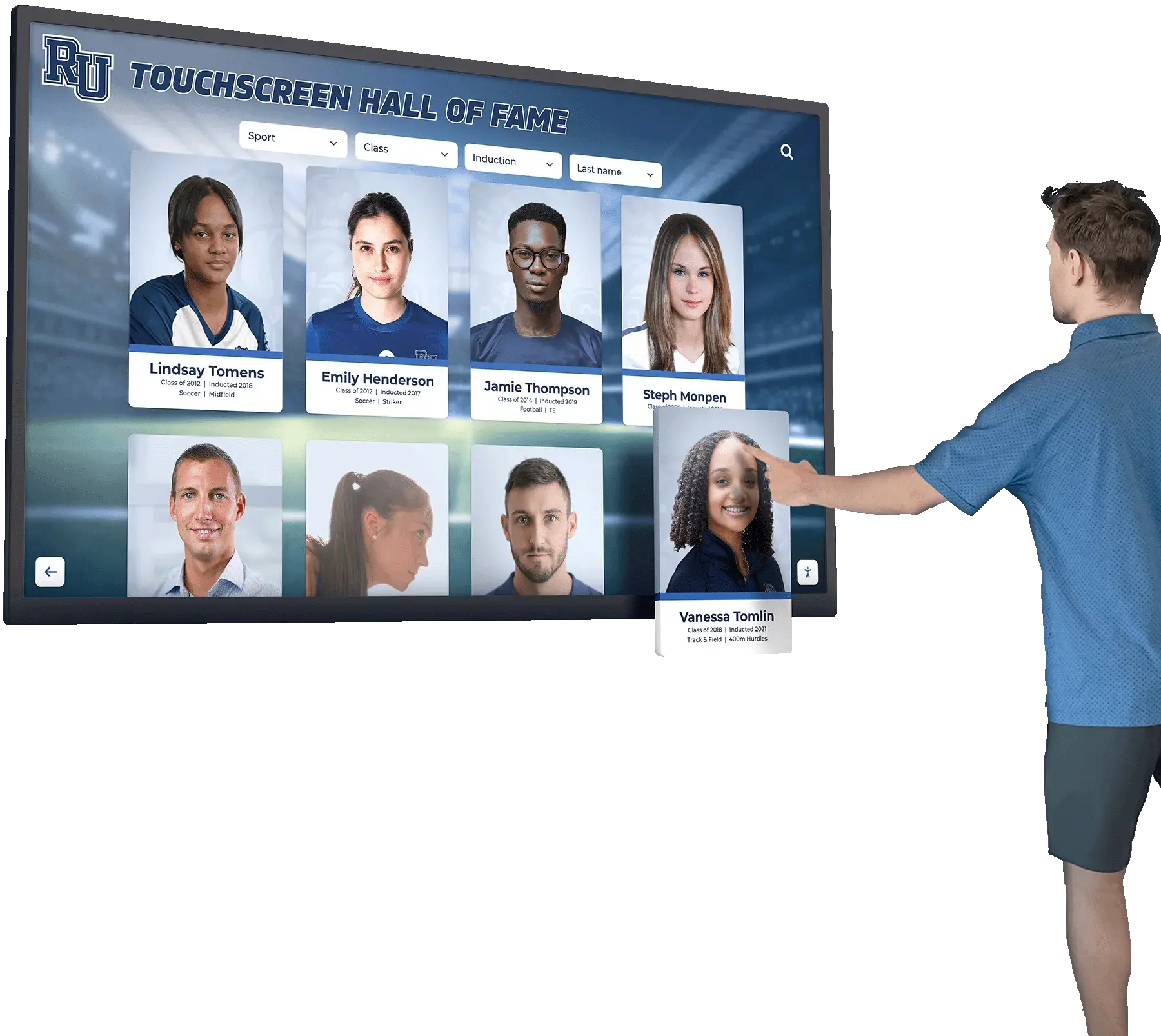
Modern stewardship tools enable donors to explore impact stories and see recognition updated in real-time
Engagement Beyond Financial Transactions
Organizations demonstrating the strongest donor retention create opportunities for supporters to engage with missions through channels beyond writing checks including volunteering at events, attending programs and performances, joining advisory committees, mentoring beneficiaries, advocating publicly for causes, or participating in educational programming. These varied touchpoints strengthen emotional connections to missions while demonstrating that organizations value supporters as whole people rather than simply funding sources.
The advancement professionals who excel at donor stewardship recognize that the strongest relationships emerge from shared experiences and meaningful interactions rather than one-directional communication flowing only from organization to supporter.
Why Year-Round Stewardship Matters
The shift from event-based acknowledgment to continuous engagement fundamentally changes donor relationships and organizational outcomes:
Retention Economics Favor Stewardship Investment
Acquiring new donors typically costs five to seven times more than retaining existing supporters through effective stewardship. When organizations invest modestly in systematic stewardship programs and improve retention by even 10-15%, the return on investment far exceeds spending equivalent resources pursuing new donors. Multi-year donor relationships also generate larger cumulative giving as supporters deepen commitment over time through upgraded gifts, planned giving conversations, and major gift opportunities emerging from trust built through consistent stewardship.
Top-of-Mind Awareness During Critical Moments
Donors who engage with organizations regularly throughout the year naturally think of those organizations when philanthropic opportunities arise including unexpected windfalls requiring immediate gift decisions, year-end tax planning conversations, estate planning discussions, matching gift opportunities through employers, or in memorial giving situations. Organizations practicing only annual-appeal contact lose countless opportunities from supporters who wanted to give but simply didn’t think of organizations they rarely hear from during crucial decision moments.
Authentic Relationships That Transcend Transactions
The deepest donor loyalty emerges not from solicitation strategies but from genuine relationships where supporters feel personally connected to missions, know specific people working toward shared goals, understand organizational challenges and victories, and experience themselves as valued partners in important work. Year-round stewardship creates space for these authentic relationships to develop naturally through accumulated touchpoints and shared experiences impossible to replicate through solicitation-focused contact.
Organizations investing in comprehensive digital donor recognition systems create permanent visibility for supporters while providing natural engagement opportunities throughout the year.
Building Your Donor Stewardship Framework: Core Components
Successful stewardship plans establish systematic frameworks ensuring consistent implementation across giving levels, donor segments, and organizational transitions while maintaining flexibility for personalization.
Establishing Stewardship Tiers Aligned to Giving Levels
Different donor segments warrant varying stewardship approaches based on gift size, giving history, engagement level, and relationship potential. Most organizations establish tiered stewardship frameworks ensuring appropriate attention across all supporter categories:
Major Donor Stewardship (typically $10,000+ annual giving)
Your largest supporters merit the most personalized stewardship including:
- Personal thank-you calls from senior leadership within 48 hours of gift receipt
- Handwritten notes from board members, program staff, or beneficiaries
- In-person meetings or small-group gatherings with leadership and program teams
- Customized impact reports connecting specific gifts to tangible outcomes with photos and stories
- Exclusive behind-the-scenes access to programs, facilities, or special events
- Quarterly or monthly check-in calls from development officers maintaining relationship continuity
- Invitations to serve on advisory committees or provide strategic input
- Recognition through donor walls and displays celebrating transformational support
Major donor stewardship should feel like genuine friendship rather than transactional relationship management, with development professionals knowing personal details, remembering life milestones, and engaging supporters around shared passions for organizational missions.
Mid-Level Donor Stewardship ($1,000-$9,999 annual giving)
Mid-level donors represent tremendous potential for major gift cultivation and warrant significant stewardship attention:
- Personalized acknowledgment letters signed by executive leadership
- Phone or email thank-you from development staff within one week
- Segmented impact communications highlighting specific programs or initiatives their gifts support
- Invitations to donor appreciation events and program showcases
- Semi-annual impact updates connecting gift levels to program outcomes
- Recognition in donor listings and publications
- Periodic opportunities to engage more deeply through volunteer roles or committee participation
- Targeted cultivation strategies identifying major gift prospects from this segment
Mid-level stewardship balances scalable systems with personal touches demonstrating that organizations recognize supporters as significant partners rather than simply larger versions of annual fund donors.
Annual Fund Donor Stewardship ($100-$999 annual giving)
While less intensive than major donor stewardship, annual fund supporters still deserve systematic acknowledgment and engagement:
- Prompt written acknowledgment within 72 hours including tax documentation
- Impact-focused email communications 3-4 times annually
- Invitation to at least one annual donor event or program showcase
- Recognition in annual reports and donor listings
- Birthday or milestone acknowledgments when information is available
- Opportunities to upgrade giving through targeted campaigns or matching challenges
Annual fund stewardship focuses on efficient systems that honor supporters appropriately while identifying emerging major gift prospects demonstrating increased capacity or engagement.
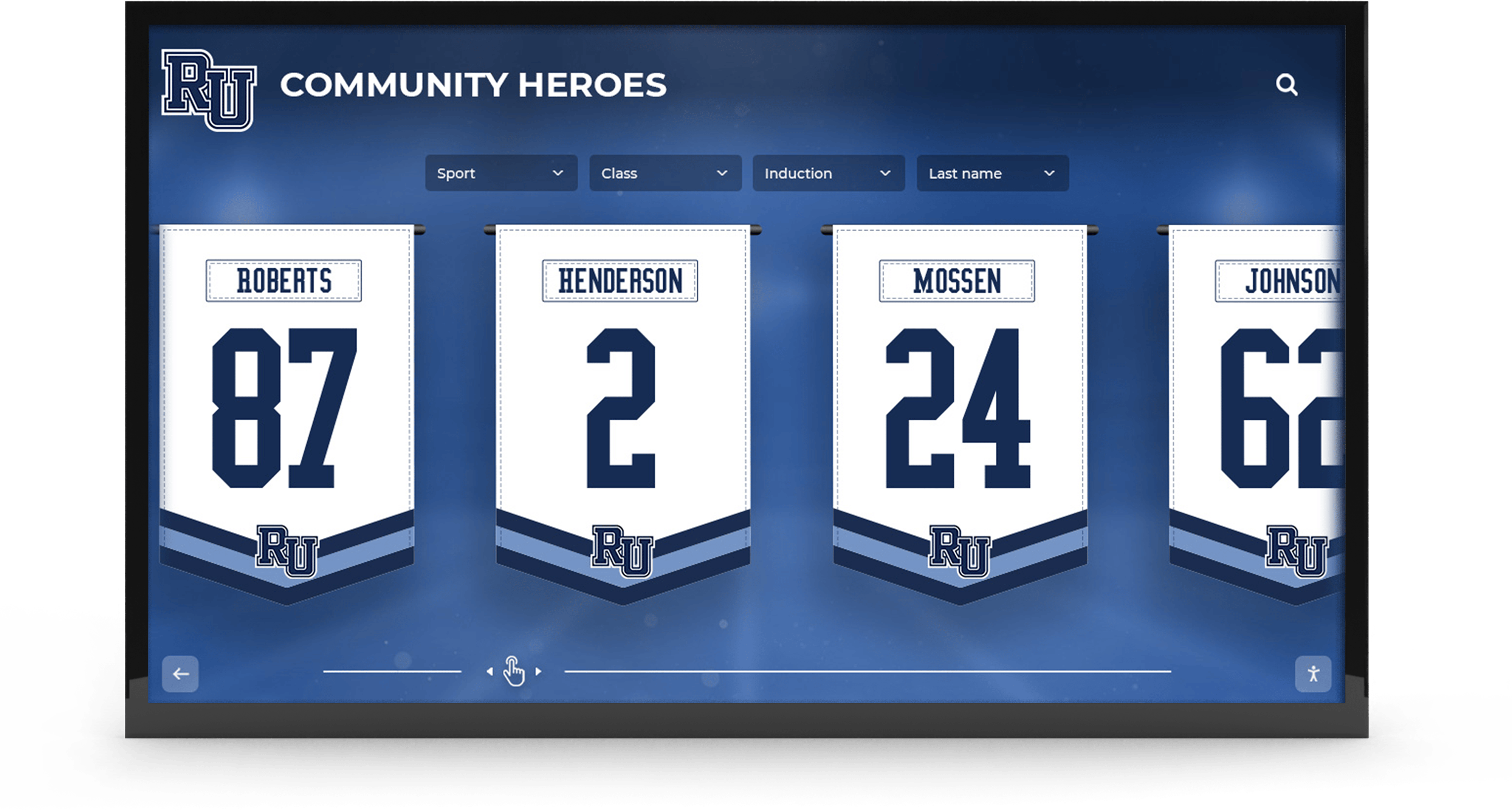
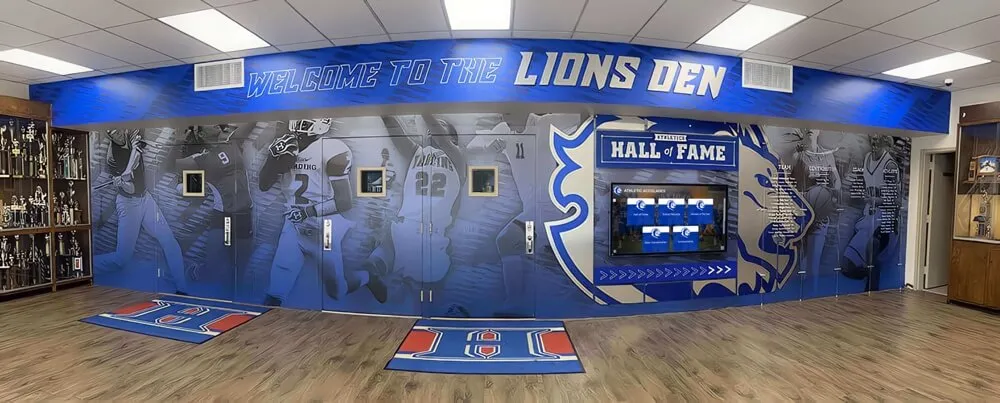
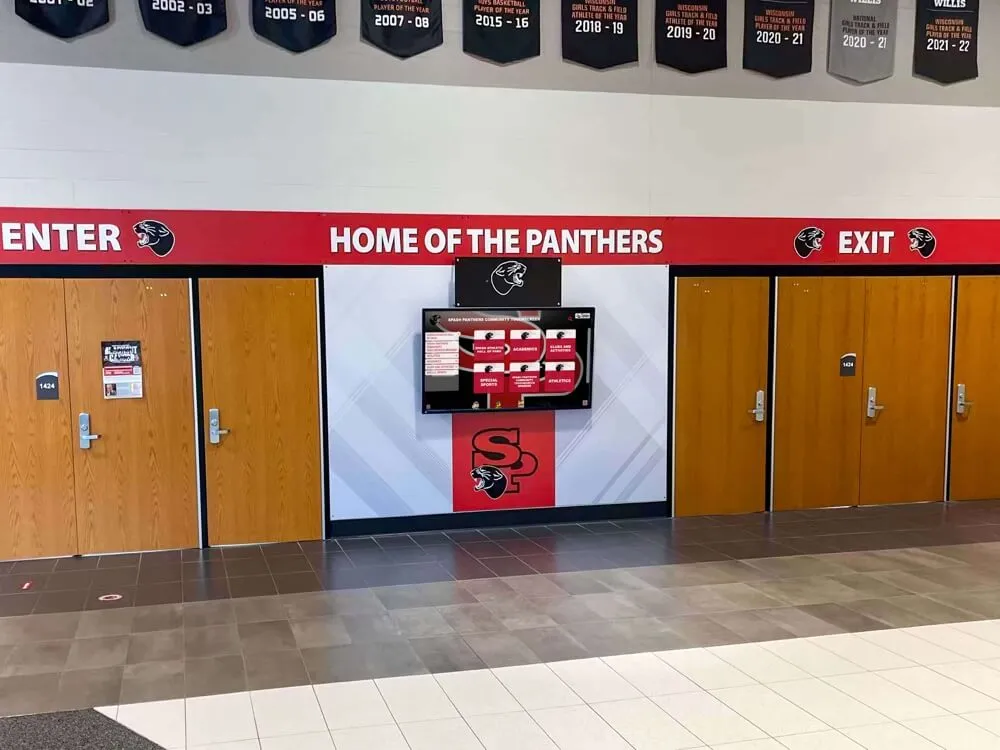
Recognition systems that celebrate all support levels reinforce inclusive stewardship cultures
First-Time Donor Stewardship
Regardless of gift size, first-time donors warrant special stewardship attention since their initial experiences dramatically influence retention decisions:
- Immediate acknowledgment emphasizing gratitude and excitement about their first gift
- Personal welcome from development staff or volunteers
- Clear communication about what happens next and how they’ll stay informed
- Extra touchpoint within 30 days reinforcing appreciation and providing early impact update
- Careful attention to communication preferences and interests for future engagement
First impressions matter tremendously, and donors who feel genuinely welcomed and valued after initial gifts demonstrate significantly higher retention rates than those receiving only automated acknowledgment.
Creating Your Year-Round Stewardship Calendar
Systematic stewardship requires planning touchpoints throughout the annual cycle ensuring supporters receive varied engagement opportunities beyond solicitation campaigns. A comprehensive stewardship calendar typically includes:
Quarterly Impact Communications
Four substantive communications annually (beyond acknowledgment and solicitation) sharing program updates, beneficiary stories, organizational milestones, and challenges overcome through donor support. These updates should:
- Lead with impact stories rather than organizational news
- Connect outcomes explicitly to donor support
- Use visual storytelling including photos, infographics, or video content
- Vary format across print, email, and digital channels based on donor segments
- Include no solicitation language—purely informational and appreciative in tone
Donor Appreciation Events
At least one annual event (and ideally 2-3 for major donors) focused entirely on celebration and gratitude without fundraising asks including program showcases, behind-the-scenes tours, beneficiary gatherings, volunteer recognition receptions, or community celebrations. These events create in-person connection opportunities while reinforcing that organizations value donors beyond their financial capacity.
Recognition Milestones and Anniversaries
Systematic acknowledgment of donor milestones including giving anniversaries (“celebrating 5 years of your partnership”), cumulative giving achievements (“you’ve contributed $25,000 over time—what incredible impact!”), or special occasions like birthdays when information is available. These personalized touchpoints demonstrate attention to individual relationships rather than mass communication.
Stewardship Reporting Cycles
For major donors, scheduled impact reports at 6-month or annual intervals specifically documenting how their gifts created measurable outcomes including program participation numbers, beneficiaries served, facilities improved, or strategic goals achieved directly through their support. These reports transform abstract giving into concrete results donors can see and feel proud of supporting.
Holiday and Seasonal Touchpoints
Strategic use of holidays, organizational anniversaries, or seasonal transitions for appreciation-focused communication including Thanksgiving gratitude campaigns, year-end impact retrospectives, or spring program updates. These natural calendar moments provide communication opportunities that feel appropriate rather than intrusive.
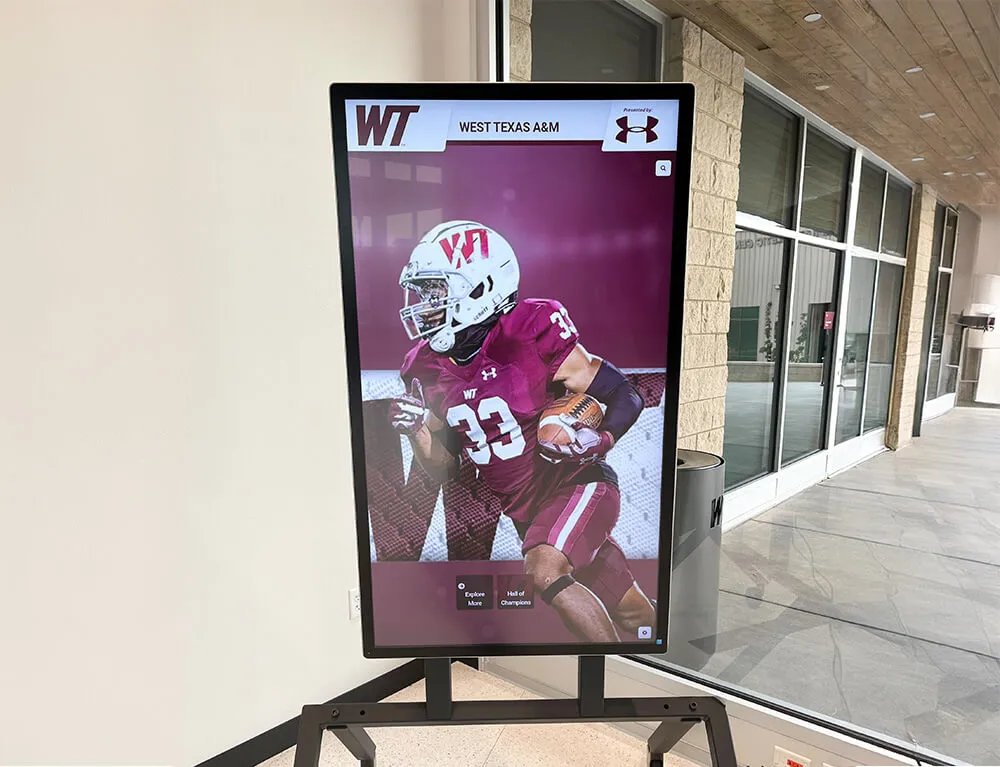
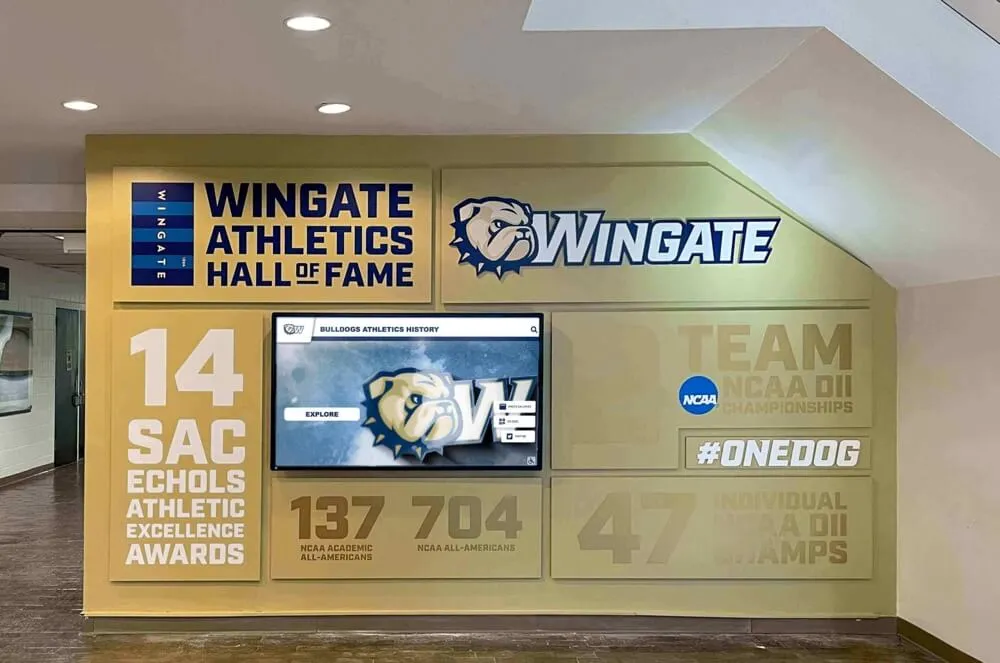
Educational organizations often integrate donor stewardship with athletic recognition programs celebrating how supporter contributions enable competitive excellence and student-athlete achievement.
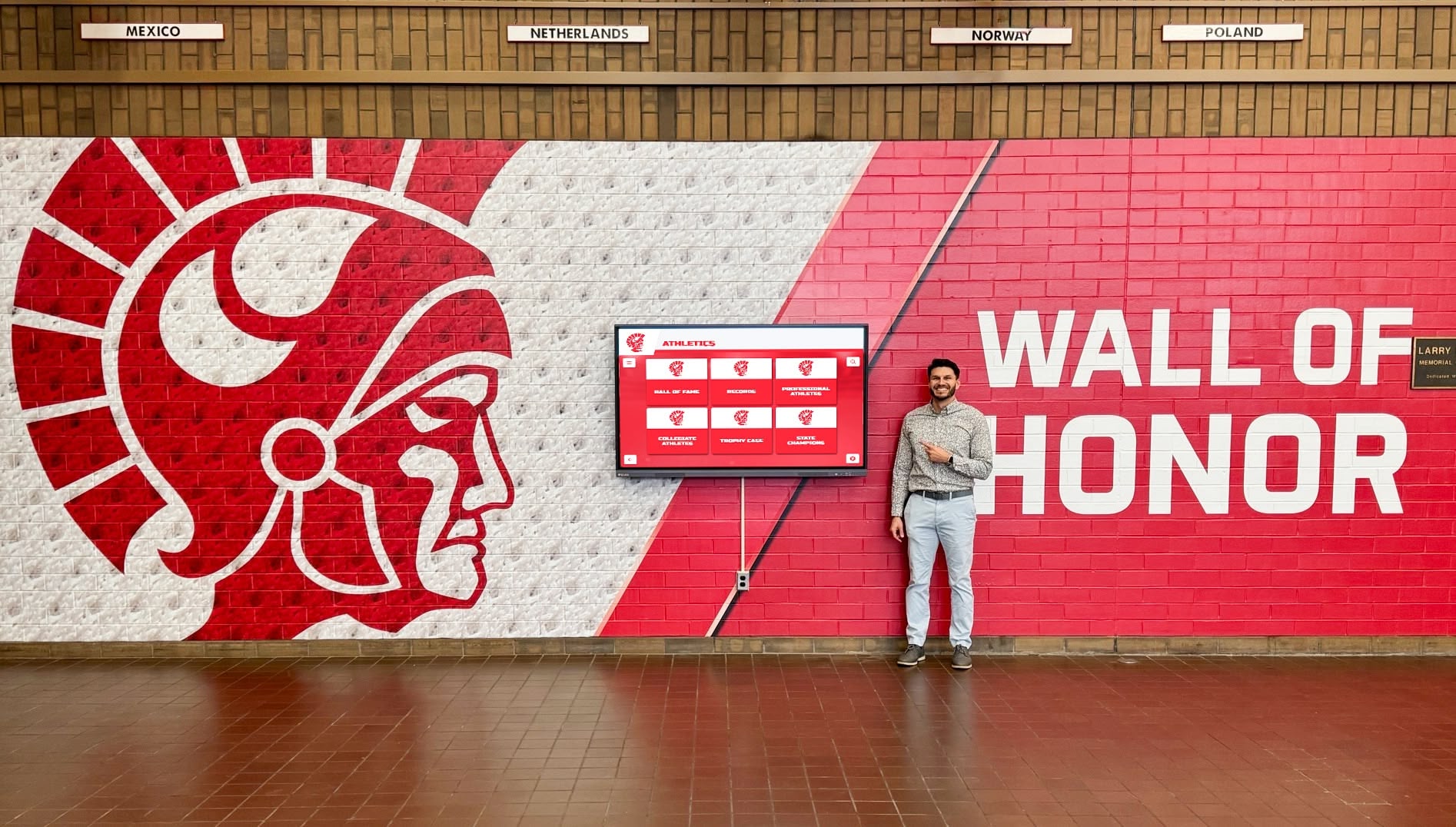
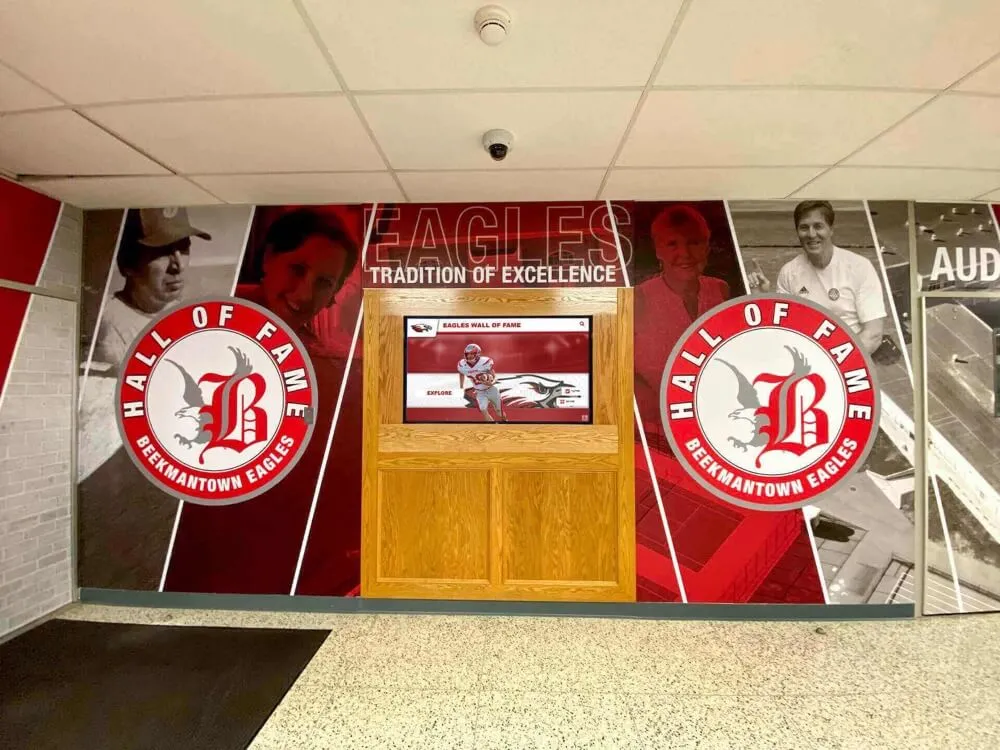
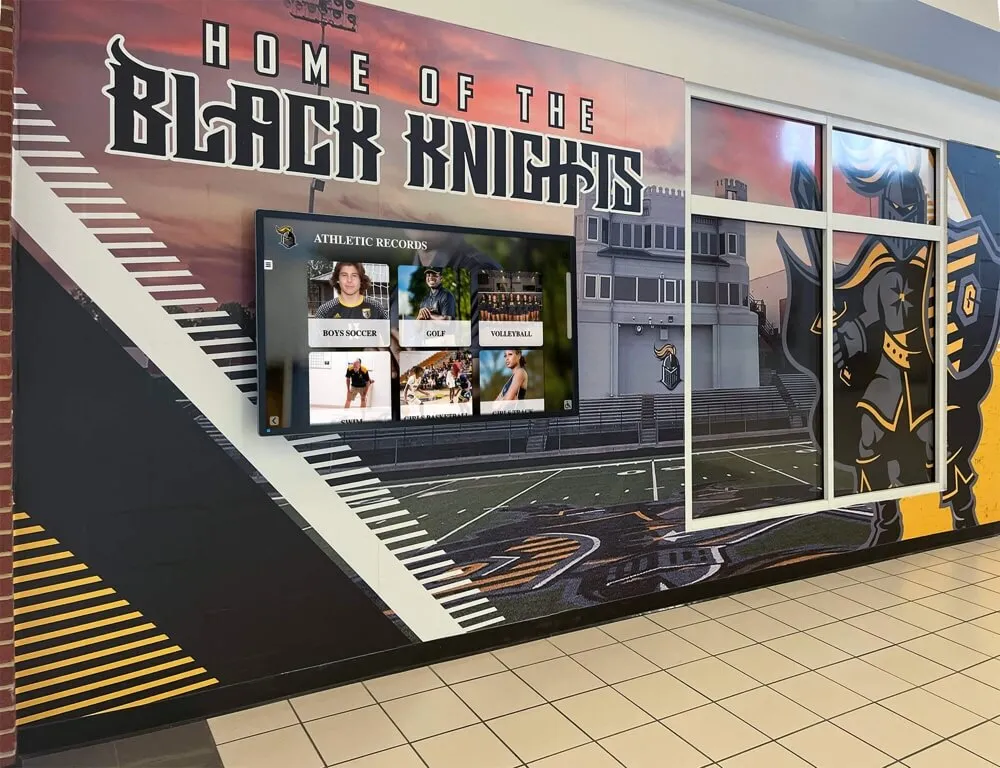
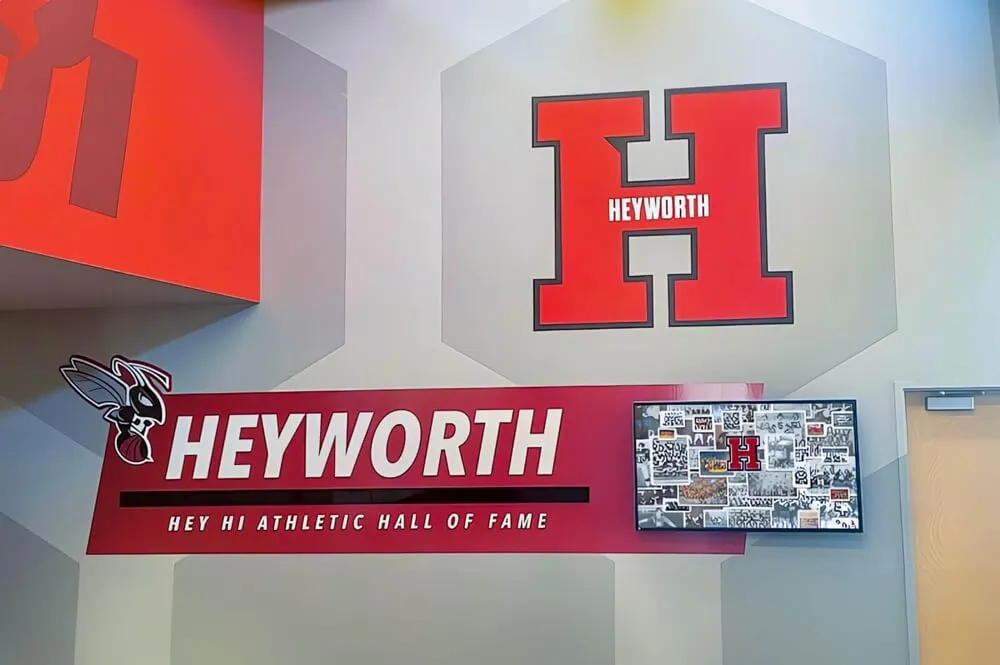
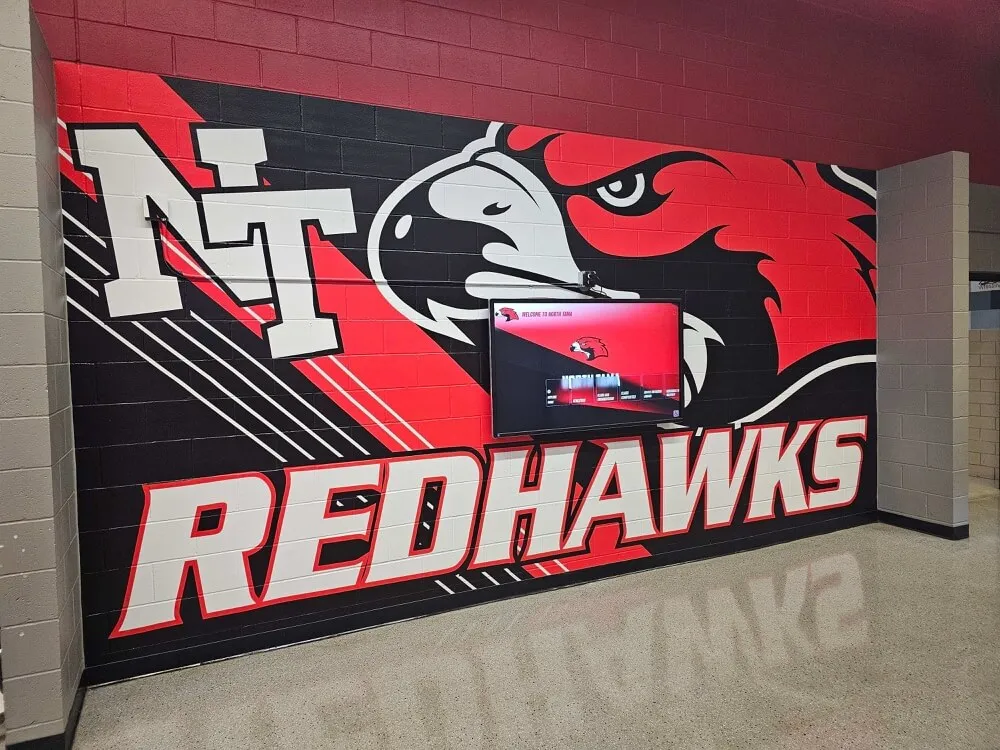
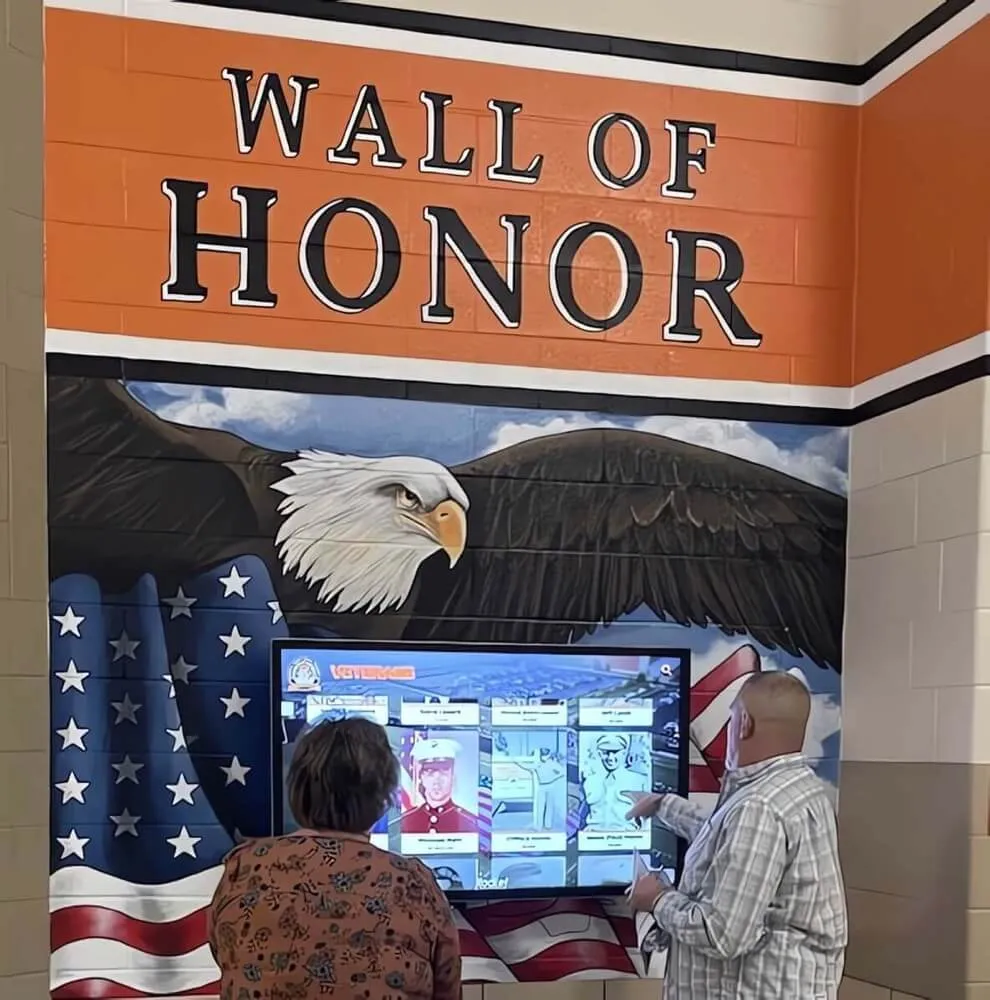
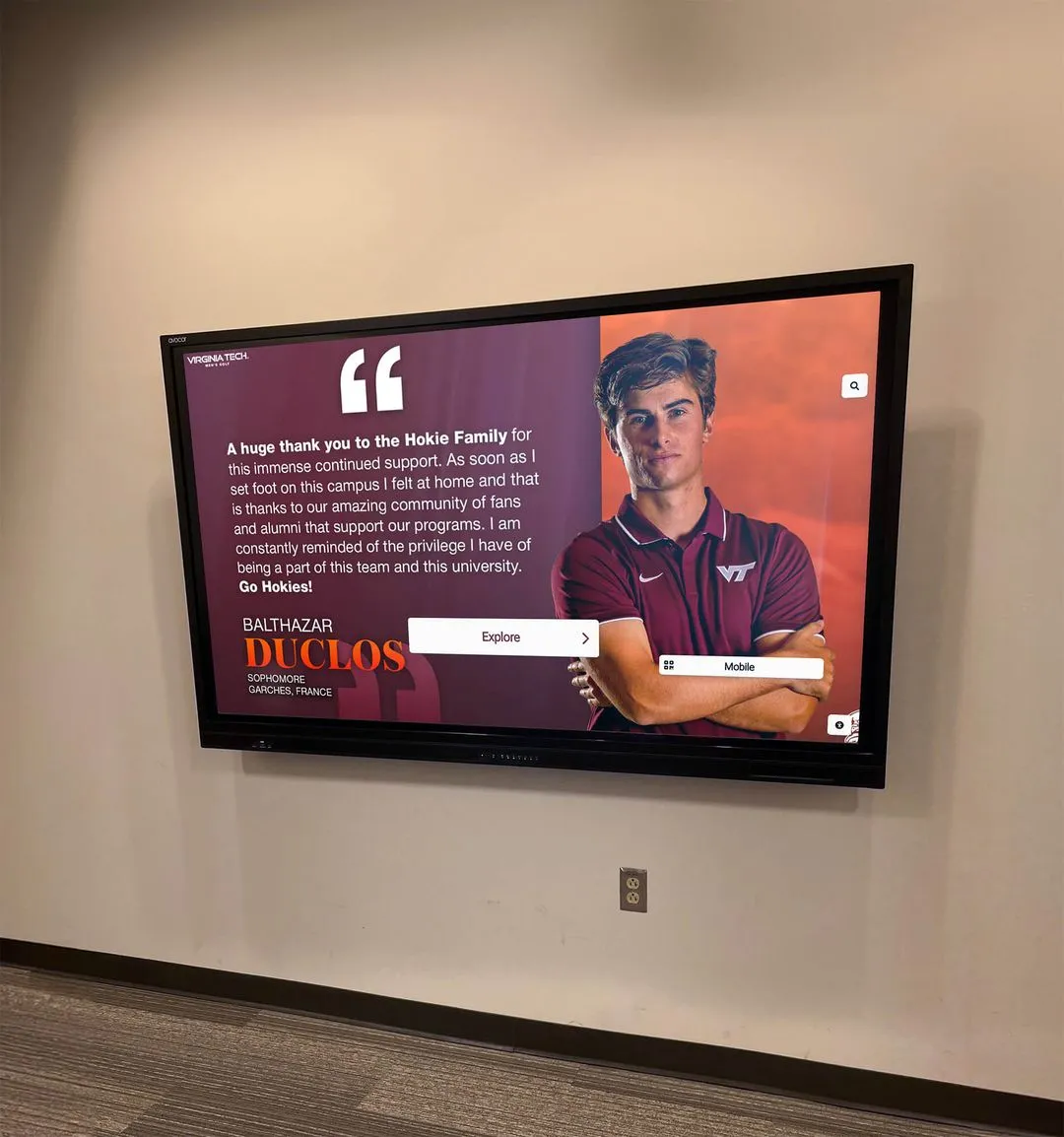
Visible recognition installations provide year-round stewardship touchpoints for donors visiting campuses and facilities
Implementing Effective Stewardship Communications
The quality and authenticity of stewardship communications matter as much as frequency. Generic mass communications feel perfunctory regardless of how often organizations send them, while thoughtful messages create meaningful connections even with less frequent contact.
Crafting Impact Stories That Resonate
The most powerful stewardship communications share specific stories demonstrating how donor support translated into real outcomes for real beneficiaries:
The Beneficiary-Centered Narrative
Rather than leading with organizational achievements (“We served 500 students this year”), effective impact stories focus on individual beneficiaries with names, faces, and specific circumstances. Share how a scholarship enabled a first-generation college student to pursue pre-med studies without working three jobs, how new athletic equipment allowed a team to compete safely at the state level, or how program funding created mentorship opportunities changing a struggling student’s academic trajectory.
These personal narratives create emotional resonance that statistics and annual report data cannot match, helping donors see themselves as difference-makers in individual lives rather than simply contributors to institutional budgets.
The Donor Connection
Explicitly connect beneficiary stories to donor support rather than leaving the relationship implicit. Language like “Thanks to donors like you, Maria received the tutoring support that helped her graduate on time” or “Your contribution to our equipment fund enabled the team to replace unsafe gear and compete successfully” makes direct links between supporter generosity and specific outcomes.
Without these explicit connections, donors may enjoy stories but fail to recognize their personal role in creating the outcomes being celebrated.
The Forward-Looking Element
While celebrating achieved outcomes, effective impact communications also share how ongoing support will build on current success including upcoming program expansions, new initiatives launching, challenges the organization is working to address, or next milestones being pursued. This forward-looking element naturally maintains donor engagement with organizational futures while avoiding feeling like solicitations when framed as updates rather than asks.
Multi-Channel Stewardship Approaches
Different donors prefer different communication channels, and comprehensive stewardship programs leverage multiple platforms based on supporter preferences and content types:
Print Communications
Annual reports, impact magazines, and formal stewardship letters continue resonating with many donors, particularly older generations who appreciate tangible materials they can save, share with family members, or display prominently. High-quality print pieces signal that organizations invest in donor relationships and create premium content worthy of supporters’ time and attention.
Digital Communications
Email newsletters, video updates, social media engagement, and digital impact reports enable more frequent communication at lower cost while allowing multimedia storytelling including video testimonials, photo galleries, or interactive data visualizations. Digital channels also facilitate easier tracking of engagement metrics helping organizations understand which content resonates most effectively.
Personal Communications
Phone calls, handwritten notes, personal emails from staff or board members, and in-person conversations create the strongest relational bonds through human connection that mass communications cannot replicate. While resource-intensive, personal stewardship pays tremendous dividends with major donors and prospects through authentic relationship-building.
Physical Recognition
Permanent donor recognition displays in facilities create year-round stewardship touchpoints as donors visit campuses, attend events, or bring guests who notice their recognition. These installations demonstrate lasting organizational gratitude while providing natural conversation opportunities when donors see their names or visit new facilities their gifts helped create.
Modern digital recognition systems enable organizations to update content regularly, share evolving impact stories, and maintain fresh engagement opportunities beyond static plaques that never change after installation.

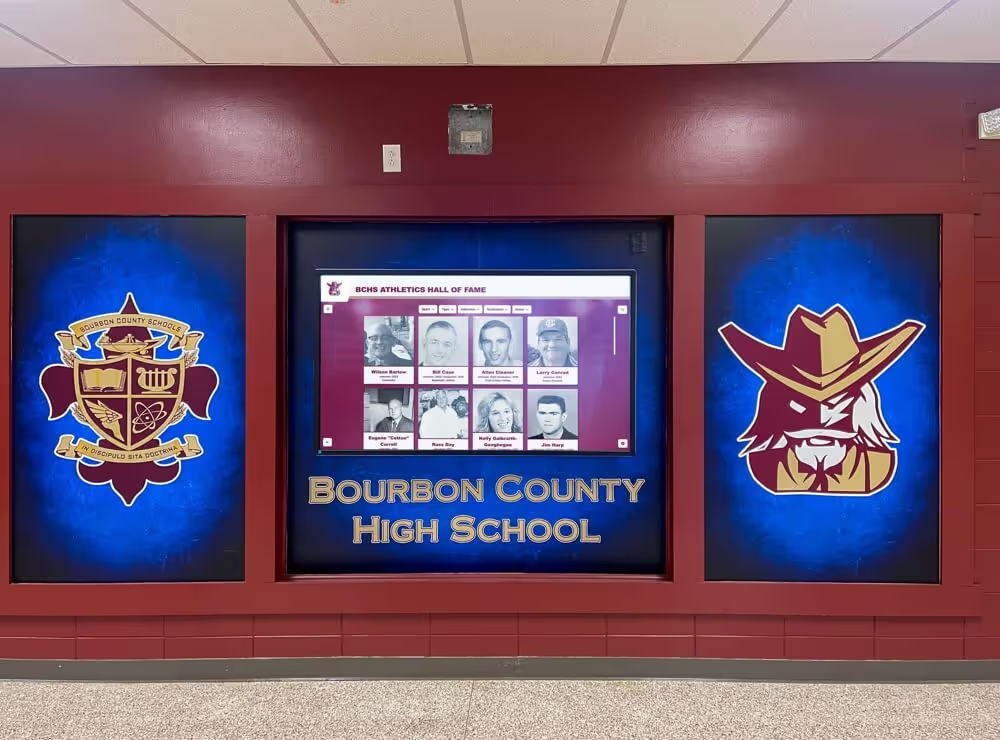
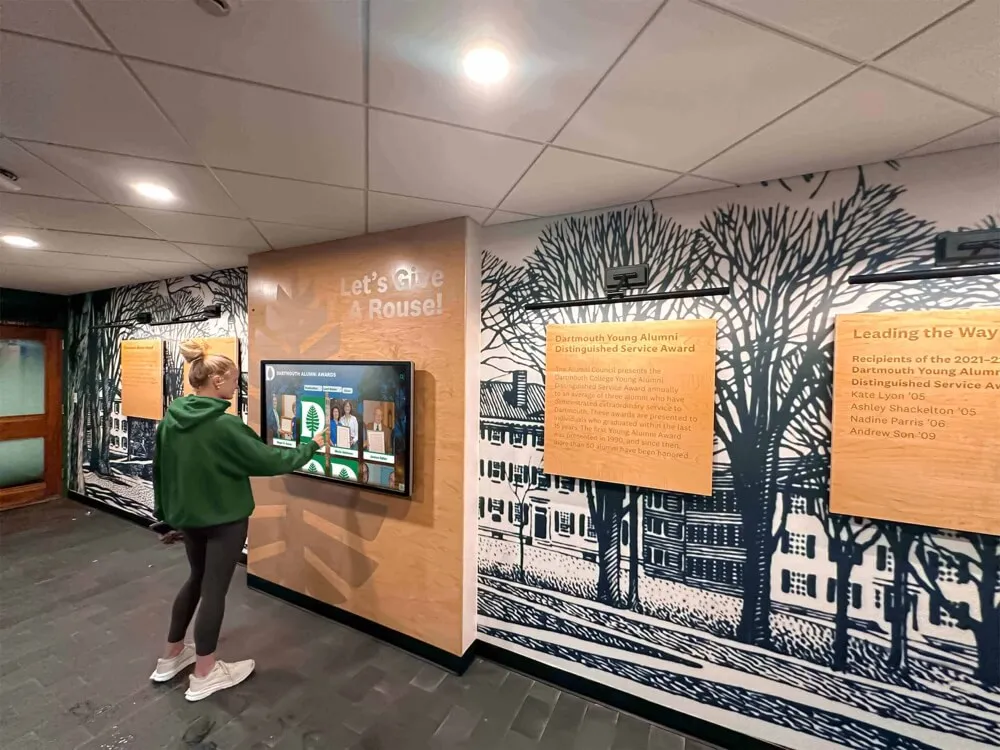
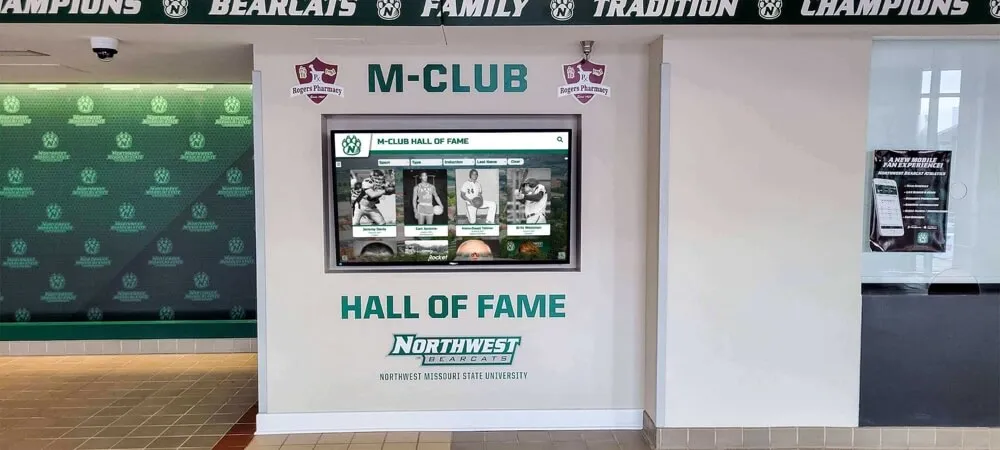
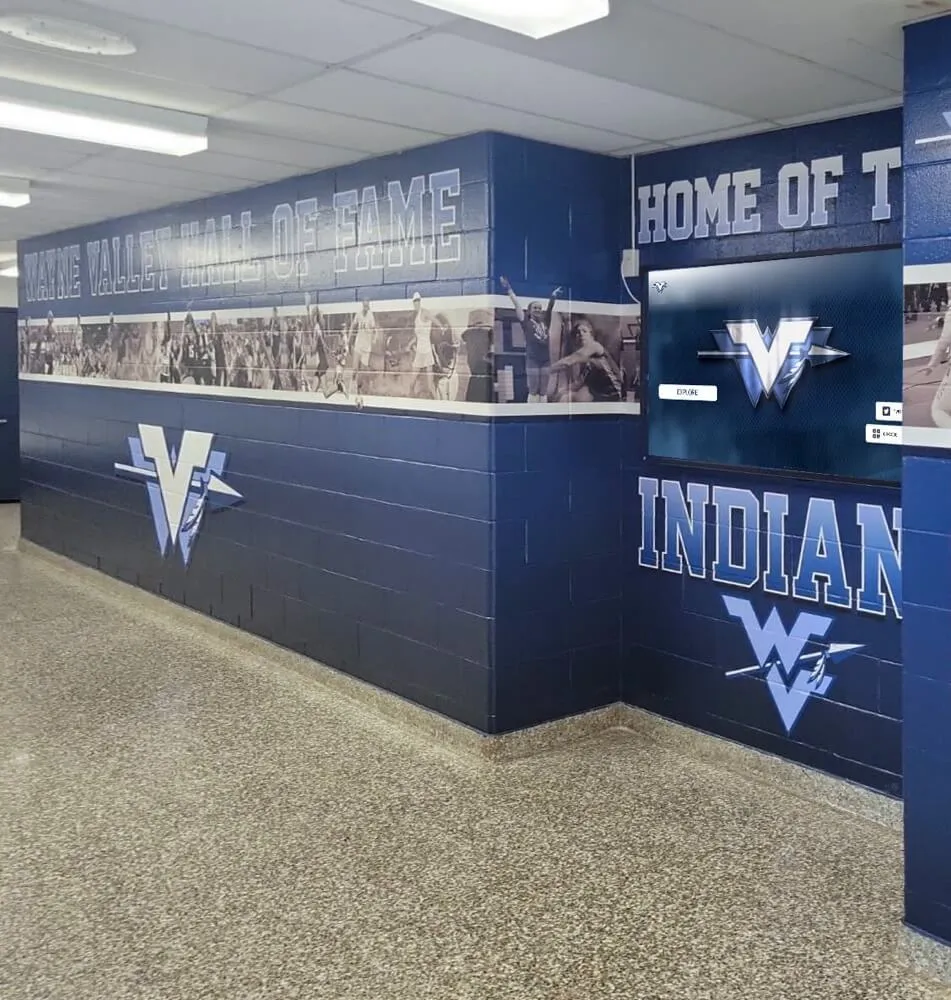
Interactive recognition systems invite donors to explore impact stories and see contributions celebrated dynamically
Measuring and Improving Stewardship Effectiveness
Like all development activities, stewardship programs benefit from systematic measurement and continuous improvement:
Retention Metrics
Track donor retention rates overall and by giving level, measuring whether stewardship initiatives correlate with improved retention compared to baseline periods. Monitor first-time donor retention particularly closely since initial stewardship experiences disproportionately influence long-term loyalty decisions.
Upgrade Rates
Measure how many donors increase giving levels year over year as indicators of deepening engagement and relationship strength. High-quality stewardship should naturally lead to gift upgrades as supporters feel more connected to missions and confident in organizational impact.
Engagement Indicators
Beyond giving metrics, track stewardship engagement including event attendance rates, email open and click-through rates, survey response rates, volunteer participation, and other indicators suggesting supporters remain actively engaged with organizational missions between financial contributions.
Qualitative Feedback
Systematically gather donor feedback through surveys, focus groups, or personal conversations exploring what stewardship approaches supporters most value, what additional engagement they’d appreciate, or what organizational communications they find less relevant. This input helps refine stewardship programming based on actual donor preferences rather than development team assumptions.
Organizations serving educational communities can learn from athletic program stewardship approaches that maintain supporter engagement through seasonal cycles and competitive milestones.
Creating Sustainable Stewardship Systems
The most effective stewardship programs embed practices into organizational culture and operational systems rather than depending on individual development officers remembering to execute scattered activities.
Developing Stewardship Workflows and Protocols
Document standard operating procedures for each stewardship component including:
Acknowledgment Protocols
Clear workflows specifying exactly who sends what acknowledgment within what timeframe for each gift type and size including automated receipts, personalized letters, phone calls, and special recognition. Written protocols ensure consistent execution even during staff transitions or busy fundraising periods when quality stewardship might otherwise slip.
Communication Calendars
Annual calendars pre-scheduling all planned stewardship touchpoints including impact newsletter dates, donor event timings, recognition milestone campaigns, and reporting cycles. These calendars help teams plan content creation, coordinate with programmatic calendars, and ensure stewardship doesn’t get perpetually deferred until after the next solicitation campaign.
Responsibility Assignments
Clear designation of who owns each stewardship activity preventing situations where everyone assumes someone else is handling donor thank-you calls or impact report creation. Whether dividing responsibility by donor segment, gift level, or activity type, explicit assignments with accountability mechanisms ensure stewardship execution doesn’t fall through organizational cracks.
Technology Systems Supporting Stewardship
Modern donor databases and CRM platforms offer features specifically designed to facilitate systematic stewardship:
Automated Acknowledgment Workflows
Triggered communications sending immediate receipts upon gift entry, scheduling follow-up tasks for development officers, flagging donors requiring personal contact, or generating draft acknowledgment letters customized by gift level and type. These automations ensure baseline stewardship occurs reliably while freeing staff time for higher-touch personal engagement.
Donor Preference Tracking
Database fields documenting individual communication preferences, interest areas, engagement history, personal information enabling personalized stewardship, and any restrictions around recognition or contact. Centralized preference data ensures all team members can personalize stewardship appropriately rather than relying on institutional memory vulnerable to staff turnover.
Stewardship Activity Logging
Systematic recording of every stewardship touchpoint including calls made, letters sent, events attended, meetings held, or recognition provided. Comprehensive activity histories prevent duplicate stewardship, ensure appropriate frequency and variety of contact, and provide valuable context for relationship management across time and staff transitions.
Reporting Dashboards
Analytics tracking stewardship metrics including acknowledgment turnaround times, communication engagement rates, event participation, retention percentages, and upgrade patterns. These dashboards help development teams identify stewardship gaps, celebrate successes, and continuously improve relationship management approaches based on actual performance data.
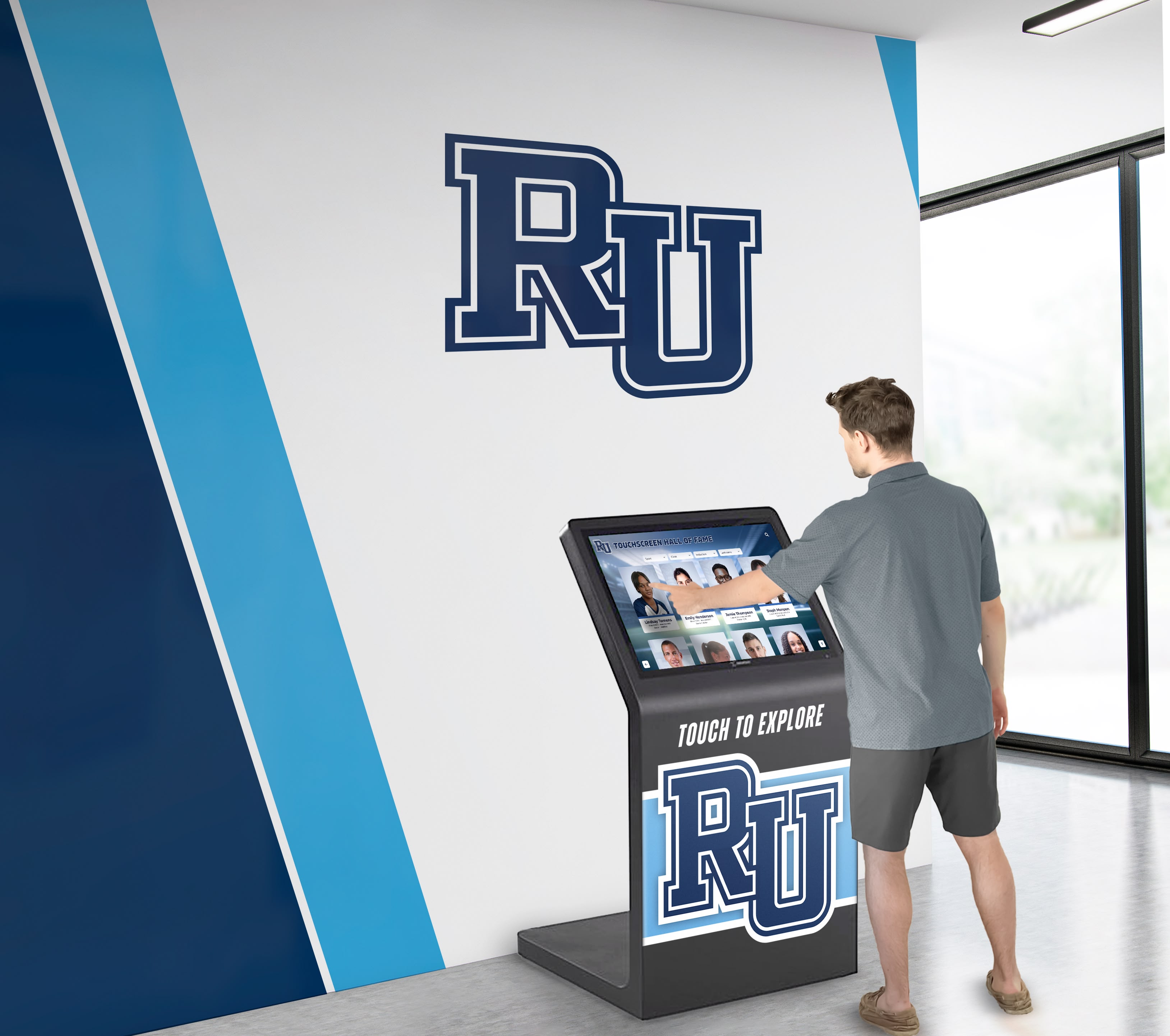
Technology-enabled stewardship systems scale personalized engagement across growing donor bases
Building Stewardship Culture Across Organizations
While development teams typically lead stewardship efforts, the strongest programs engage entire organizations in donor relationship-building:
Board Engagement in Stewardship
Board members should actively participate in stewardship including making personal thank-you calls to major donors, hosting small-group donor gatherings, sending handwritten notes, or participating in donor events. Board involvement signals organizational priorities around donor relationships while multiplying stewardship capacity beyond development staff alone.
Program Staff Participation
Teachers, coaches, program directors, and service providers directly benefiting from donor support offer uniquely authentic stewardship voices when sharing how contributions enabled their work. Their participation in acknowledgment letters, donor events, or impact communications provides beneficiary perspective donors deeply value while helping program staff understand and appreciate philanthropic support enabling their programs.
Beneficiary Involvement
When appropriate and with proper permissions, students, athletes, clients, or other beneficiaries can participate in stewardship through thank-you notes, scholarship recipient meetings with donors, performance or competition invitations, or impact testimonials. These direct beneficiary connections create powerful emotional experiences for supporters while teaching beneficiaries gratitude and philanthropic values.
Educational institutions particularly benefit from involving students and athletes in stewardship of donors whose support enables athletic achievement recognition and competitive opportunities.
Special Stewardship Considerations for Different Donor Segments
While core stewardship principles apply across all supporters, certain donor categories benefit from specialized approaches reflecting their unique motivations and relationship dynamics.
Alumni Donor Stewardship
Alumni represent distinctive donor segments for educational institutions, combining personal institutional history with ongoing affinity:
Nostalgia and Belonging
Alumni stewardship should tap into institutional nostalgia and ongoing desire to belong to communities that shaped formative years. Share updates about campus changes and continuities, celebrate milestone reunions and class anniversaries, connect current student experiences to alumni memories, and maintain volunteer opportunities keeping graduates engaged with evolving institutional communities.
Competitive Class Dynamics
Many alumni respond positively to friendly class competition around participation rates or reunion giving campaigns. Class-based stewardship approaches including reunion books showcasing class members, participation challenges, or class gift campaigns can motivate giving while strengthening affinity bonds with class cohorts beyond general institutional loyalty.
Career Stage Considerations
Tailor stewardship frequency and content to alumni career stages, with young alumni appreciating lighter-touch digital engagement while established professionals may value exclusive networking events or executive education opportunities. Retired alumni often have time for deeper volunteer engagement or planned giving conversations appropriate for their life stages.
Schools can integrate alumni stewardship with digital history preservation celebrating institutional heritage and graduate accomplishments.
Parent Donor Stewardship
Current parents constitute critical donor segments for educational institutions with unique stewardship needs:
Student Experience Connection
Parent donors give primarily to enhance their children’s experiences, making stewardship communication that connects gifts to direct student benefits particularly effective. Share specific examples of how parent fund contributions improved facilities students use daily, funded programs children participate in, or enabled opportunities students directly enjoy.
Time-Limited Engagement
Parent involvement naturally peaks during students’ enrollment and often diminishes after graduation unless organizations intentionally cultivate ongoing relationships. Effective stewardship begins converting current parents into lifetime donors by expanding their interests beyond individual student experiences toward broader institutional missions and creating roles beyond parent-specific volunteering.
Community Building
Parents value opportunities to connect with other families sharing similar student experiences. Donor events, volunteer activities, or recognition programs that facilitate parent community-building serve dual stewardship and social purposes strengthening institutional bonds through peer relationships.
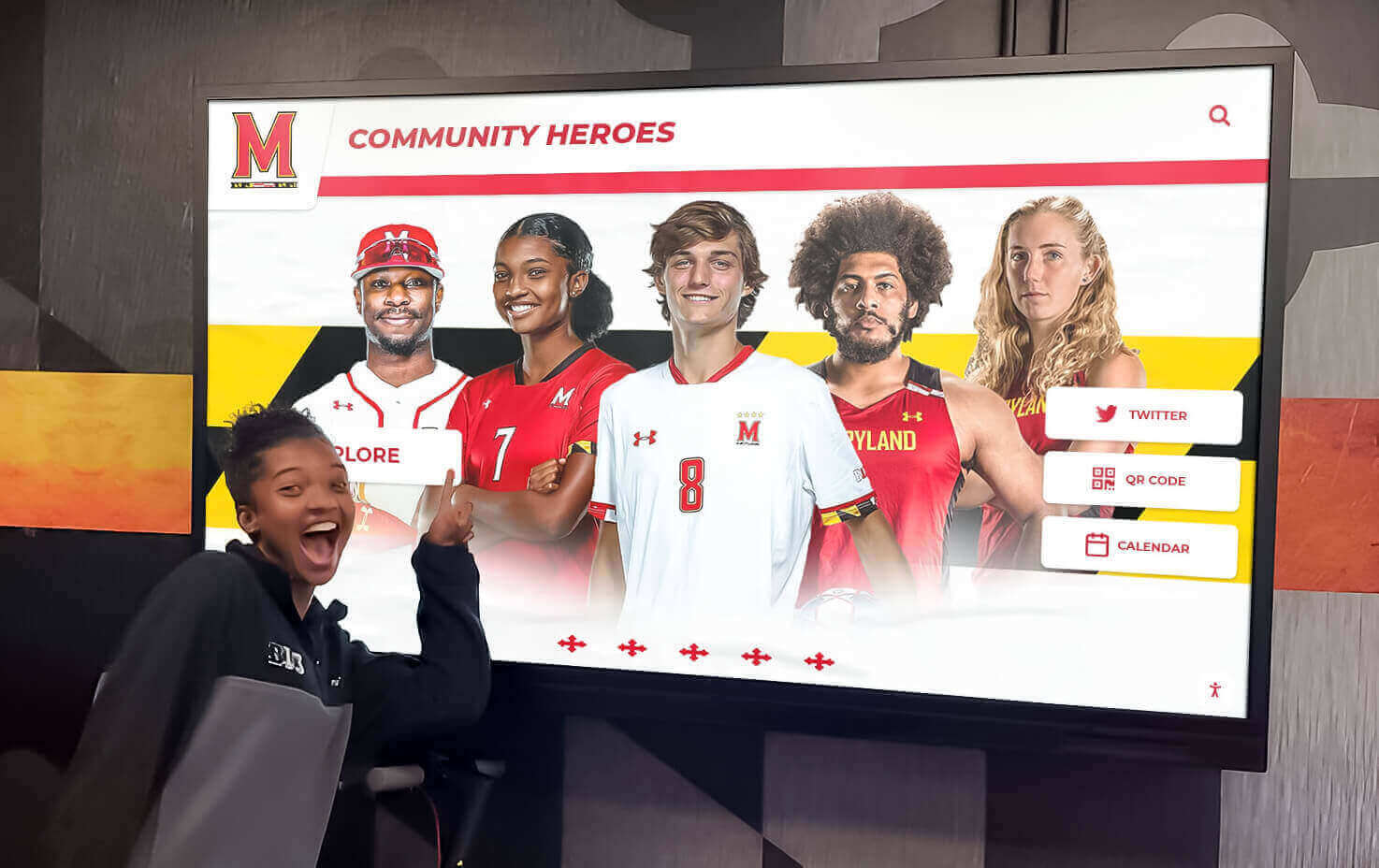
Recognition systems celebrating community supporters reinforce shared investment in student success
Planned Giving Stewardship
Donors making planned giving commitments through bequests, charitable gift annuities, or other deferred vehicles deserve specialized stewardship recognizing the extraordinary nature of their commitments:
Legacy Society Recognition
Create formal recognition societies honoring planned giving donors with special events, exclusive communications, legacy wall recognition, and other acknowledgments celebrating their future transformational gifts even before organizations receive funds. These societies reinforce donors’ decisions while inspiring peers to make similar commitments.
Ongoing Cultivation and Flexibility
Planned giving donors may revise commitments over time as financial situations or charitable priorities evolve. Maintain regular contact ensuring donors feel valued regardless of future changes while gently encouraging documentation of commitments in writing when donors feel comfortable.
Estate Settlement Support
When planned gifts mature after donor deaths, provide exceptional service to executors and family members ensuring smooth gift completion while appropriately honoring deceased donors’ legacies through recognition and impact reporting demonstrating how their gifts created meaningful change.
Corporate and Foundation Donor Stewardship
Institutional funders require distinct stewardship approaches reflecting organizational rather than individual relationships:
Reporting Requirements
Many corporate and foundation grants include formal reporting obligations specifying required updates, metrics tracking, or documentation. Exceed minimum requirements while ensuring timely submission of all required materials demonstrating organizational professionalism and respect for funder expectations.
Relationship Continuity
Corporate and foundation staff turnover can disrupt institutional relationships. Proactively build relationships with multiple contact points, maintain thorough documentation of partnership histories, and quickly engage new staff members when changes occur.
Visibility and Recognition
Corporate sponsors often value public recognition and brand visibility more than individual privacy. Provide prominent recognition including logo placement, naming opportunities, event sponsorship visibility, and media acknowledgment when appropriate to corporate partnership agreements.
Institutions engaged with corporate partners can showcase recognition through campus display systems celebrating community partnerships enabling athletic and academic excellence.
Conclusion: Building Donor Relationships That Last
Effective donor stewardship represents far more than administrative acknowledgment or marketing communications—it constitutes the relational foundation enabling sustainable philanthropy through authentic partnerships between organizations and supporters united by shared missions and values.
Organizations that view stewardship as strategic investment rather than obligatory overhead consistently demonstrate stronger donor retention, higher lifetime giving values, more successful major gift campaigns, and healthier advancement cultures where supporters feel genuinely valued as partners rather than simply funding sources.
Building comprehensive year-round stewardship plans requires initial investment in systems, workflows, and cultural change. Yet the returns far exceed costs through reduced donor acquisition needs, increased giving from engaged supporters, and organizational resilience emerging from broad philanthropic communities sustaining missions across time.
Start by assessing current stewardship practices against the frameworks outlined here, identifying the highest-impact improvements your organization can implement immediately, and committing to systematic rather than sporadic donor engagement. Even modest stewardship enhancements produce measurable results when executed consistently with genuine appreciation and authentic communication.
Your donors chose to support your mission from countless worthy causes competing for their generosity. Honor that trust through stewardship demonstrating you value their partnership, treasure their confidence, and remain committed to transparent communication about how their support creates meaningful change in the world.
Transform Your Donor Recognition and Stewardship
Ready to create lasting donor relationships through year-round stewardship and recognition excellence? Rocket Alumni Solutions provides comprehensive digital donor recognition systems integrating dynamic impact storytelling, flexible recognition displays, and engagement tools that keep supporters connected to your mission every day.
Our interactive donor walls enable you to celebrate contributions at all levels, share evolving impact stories, maintain fresh content that keeps donors engaged, and create lasting recognition that honors supporter loyalty appropriately.
Discover how modern donor recognition technology can strengthen your stewardship program: Explore Rocket Alumni Solutions