Schools depend on donor generosity to fund programs, facilities, scholarships, and opportunities that institutional budgets alone cannot provide. From athletic facility renovations to technology upgrades, music program instruments to library expansions, donor contributions transform educational experiences for thousands of students. Yet many schools struggle to acknowledge these essential supporters in ways that feel meaningful, inspire continued giving, and build community pride around philanthropic commitment.
Traditional bronze plaques fade into hallway backgrounds, recognized only during initial installations before becoming invisible fixtures students pass without noticing. Donor lists buried in annual reports reach limited audiences, failing to create the public acknowledgment supporters deserve and communities need to witness. Static recognition approaches offer no flexibility for updates, corrections, or celebrating new contributors without expensive reinstallation projects that strain already limited budgets.
Meanwhile, schools compete for philanthropic attention against countless worthy causes while donor expectations evolve toward more dynamic, engaging recognition experiences that reflect contemporary communication standards. Institutions seeking sustained multi-year support rather than one-time contributions require recognition approaches that maintain visibility, inspire peer giving, and demonstrate impact in ways traditional static displays cannot achieve.
This comprehensive guide explores creative donor wall display ideas specifically designed for schools, from traditional approaches to innovative digital solutions, tiered recognition systems to interactive experiences. Whether planning your first donor recognition installation or seeking to refresh established displays, these frameworks provide practical ideas for honoring supporters while building sustainable giving cultures that serve students for generations.
Effective school donor recognition balances multiple objectives simultaneously: acknowledging diverse contribution types from major capital gifts to modest annual donations, creating year-round visibility rather than single-event acknowledgment, maintaining professional appearance matching institutional standards, and inspiring future giving through compelling storytelling about donor impact and community commitment to educational excellence.

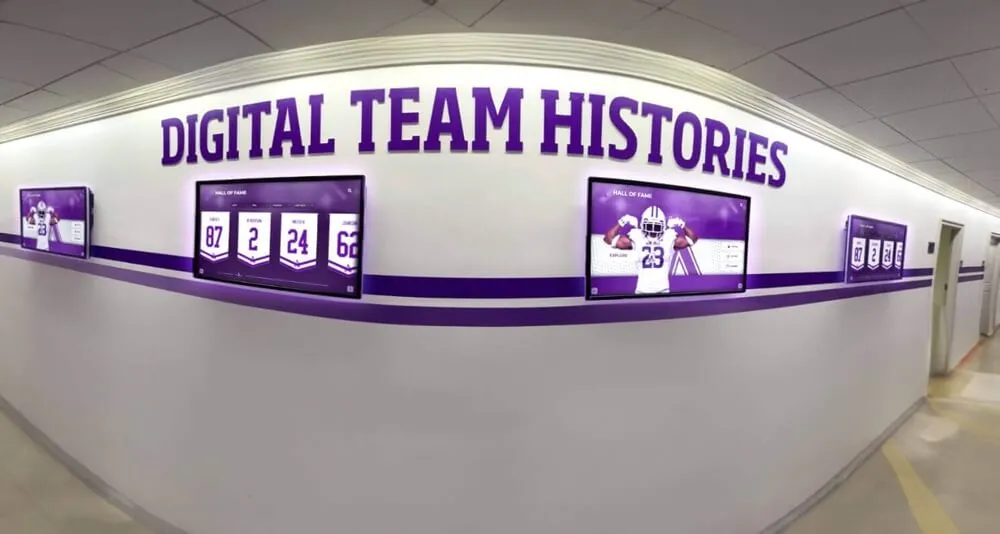
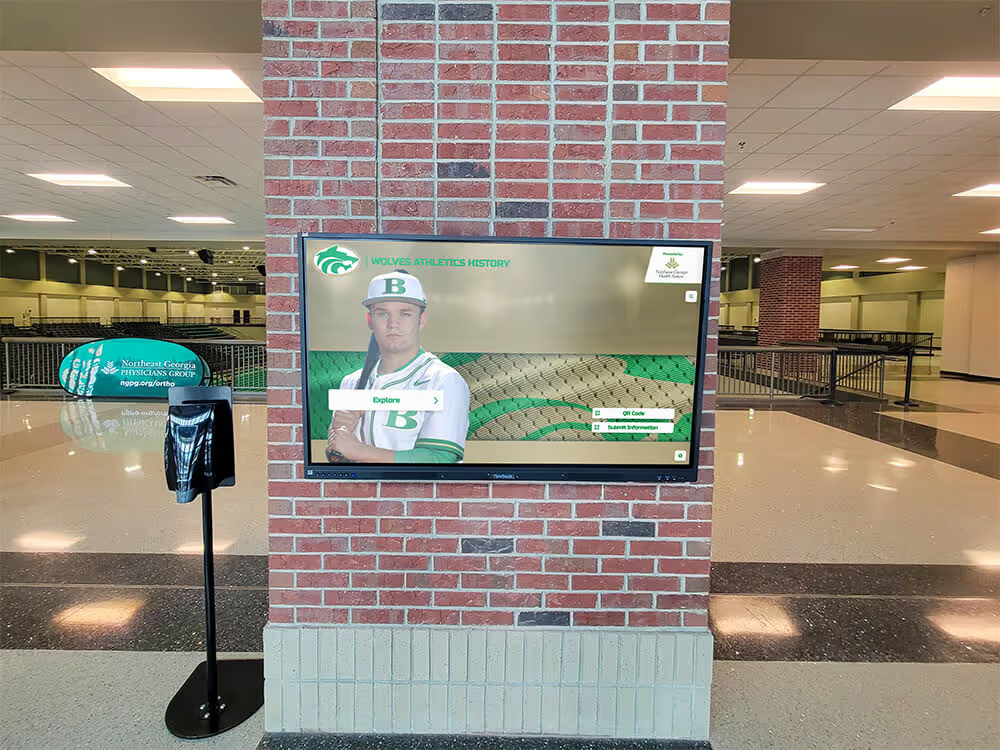
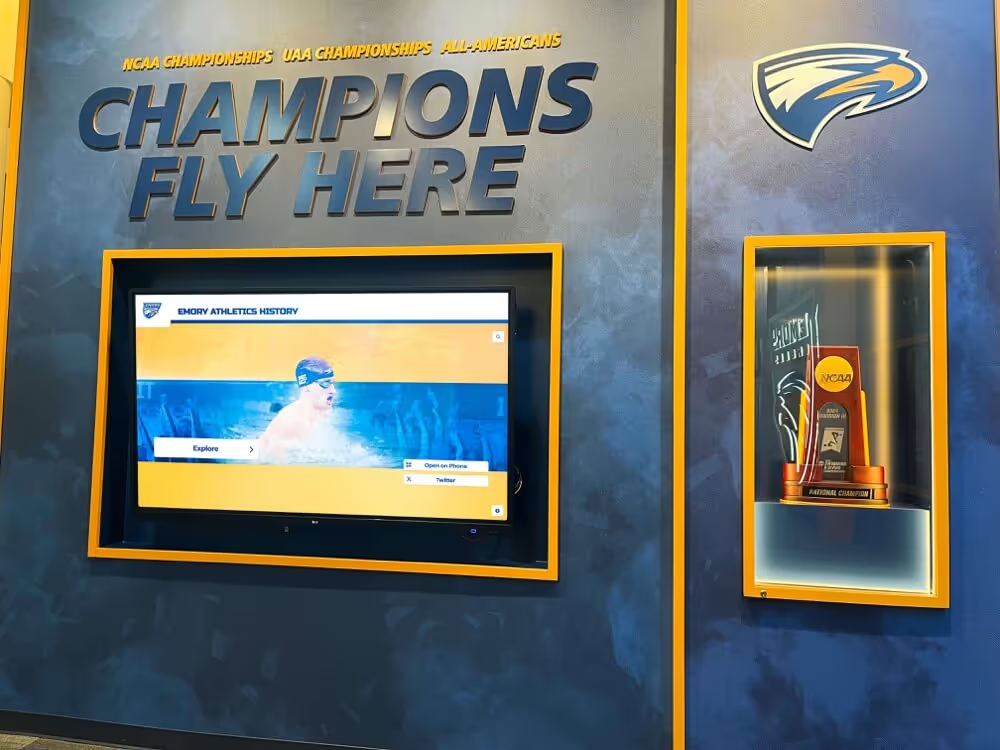
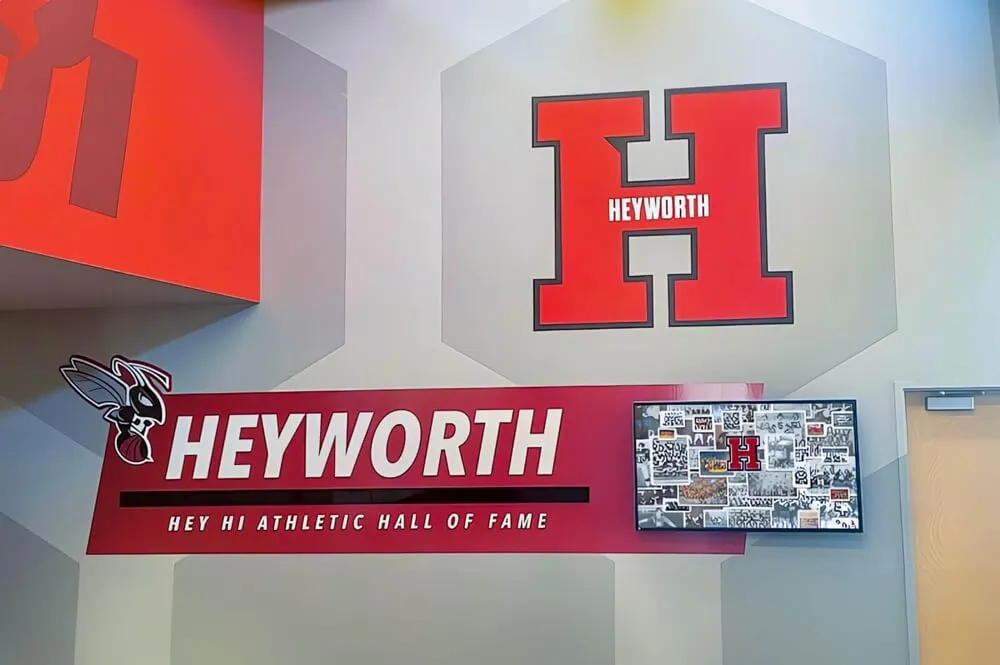
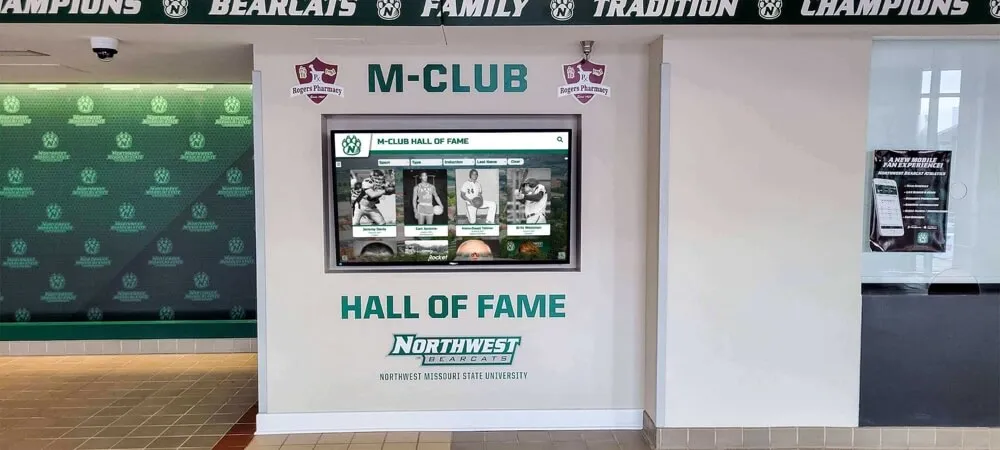
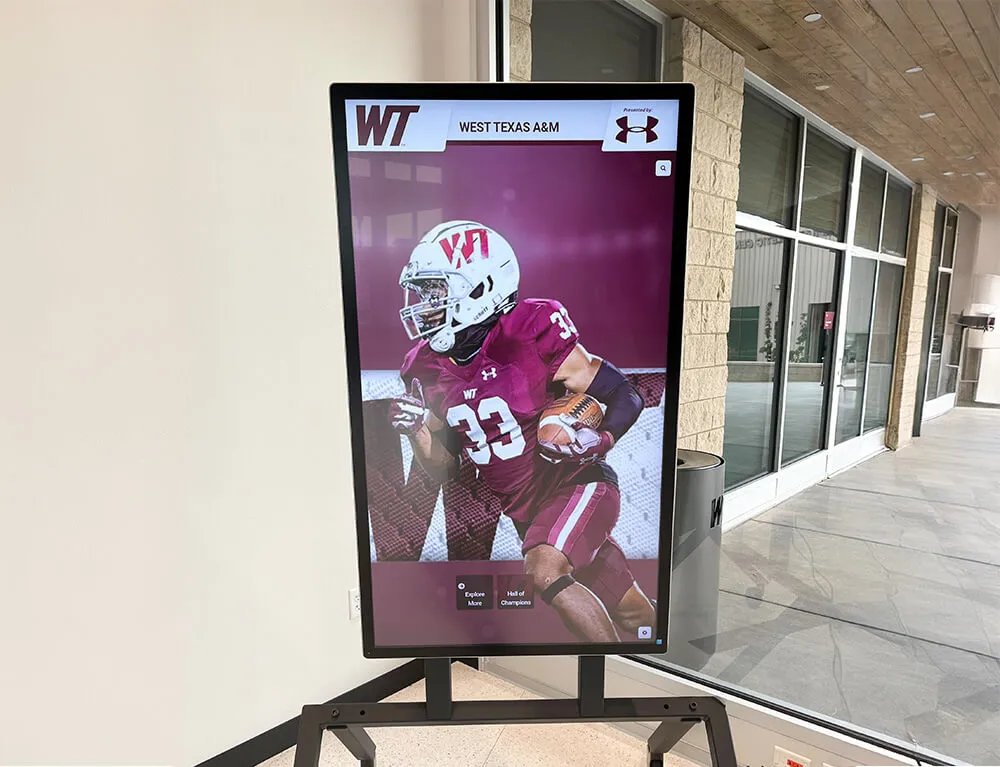
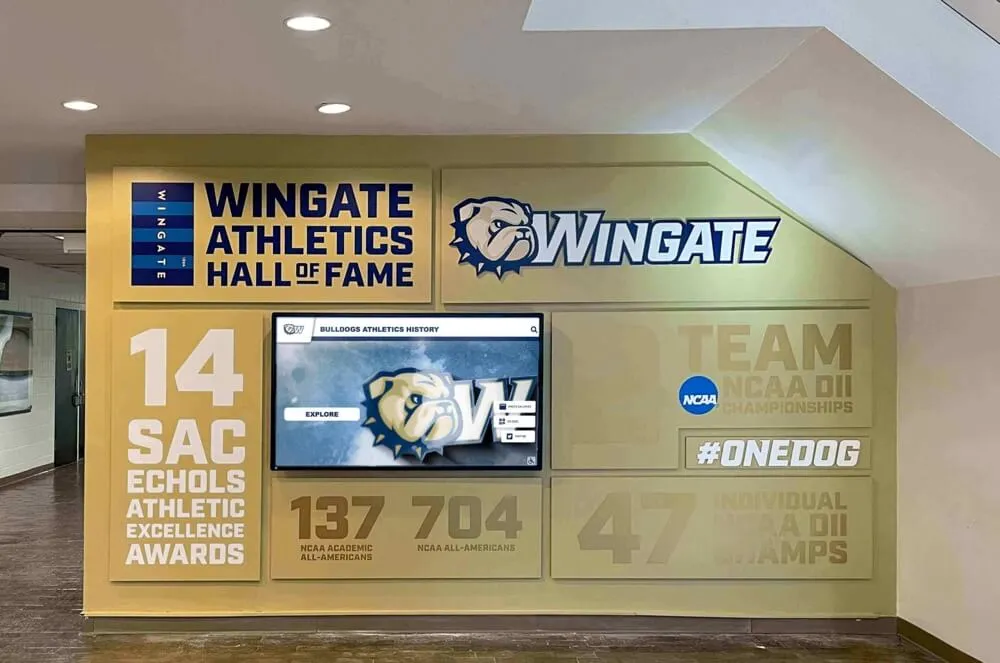
Contemporary donor wall displays integrate multiple recognition approaches in unified, professional installations
Traditional Donor Wall Display Ideas: Timeless Approaches That Honor Legacy
Before exploring innovative technologies, understanding proven traditional donor wall approaches helps schools establish recognition foundations that can stand alone or integrate with digital enhancements.
Classic Engraved Plaque Installations
Engraved plaque systems represent the most established donor recognition approach, offering timeless elegance and permanent acknowledgment donors appreciate:
Metal Plaque Arrays
Individual bronze, brass, or aluminum plaques mounted to architectural surfaces create traditional donor walls schools have used for decades. These installations typically organize donors by contribution level, with largest supporters receiving prominent placement and potentially larger plaques distinguishing major gifts from general contributions.
Metal plaque systems offer several advantages including permanent recognition requiring no ongoing power or technology maintenance, timeless aesthetic appeal matching classical institutional architecture, individual donor acknowledgment rather than shared listings, and familiar formats supporters immediately understand and appreciate.
However, plaque installations present significant limitations including fixed capacity restricting future additions without complete reinstallation, expensive updates requiring new plaques for corrections or additional donors, physical space constraints limiting comprehensive recognition, and aesthetic deterioration as empty spaces or mismatched additions accumulate over time.
Etched Glass Recognition Walls
Glass panels with etched or sandblasted donor names create elegant, contemporary alternatives to traditional metal plaques. These installations work particularly well in modern educational facilities featuring extensive glass architecture or seeking lighter aesthetic treatments than traditional plaques provide.
Etched glass offers distinctive visual appeal creating striking focal points, particularly when backlit for enhanced visibility. The medium accommodates various artistic treatments including school logos, mascots, or thematic designs integrated with donor names. Glass installations feel more contemporary than traditional plaques while maintaining permanent quality supporters expect from recognition displays.
Glass recognition presents similar capacity constraints as plaque systems while introducing additional considerations around breakage potential in high-traffic school environments and higher material and installation costs than traditional plaques for comparable recognition capacity.
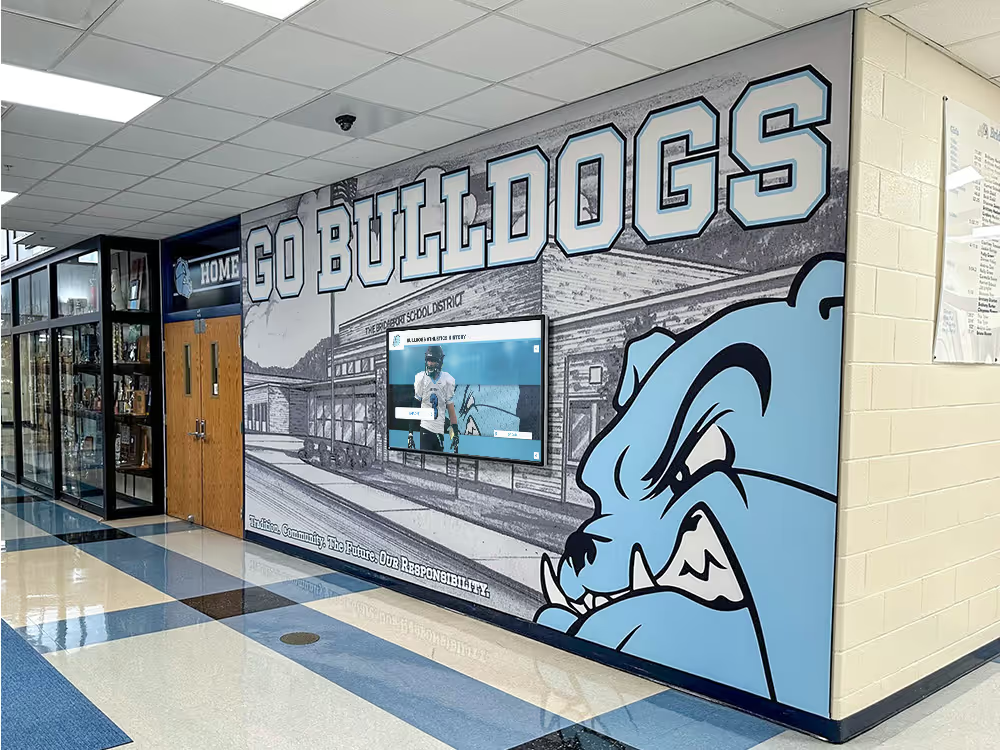
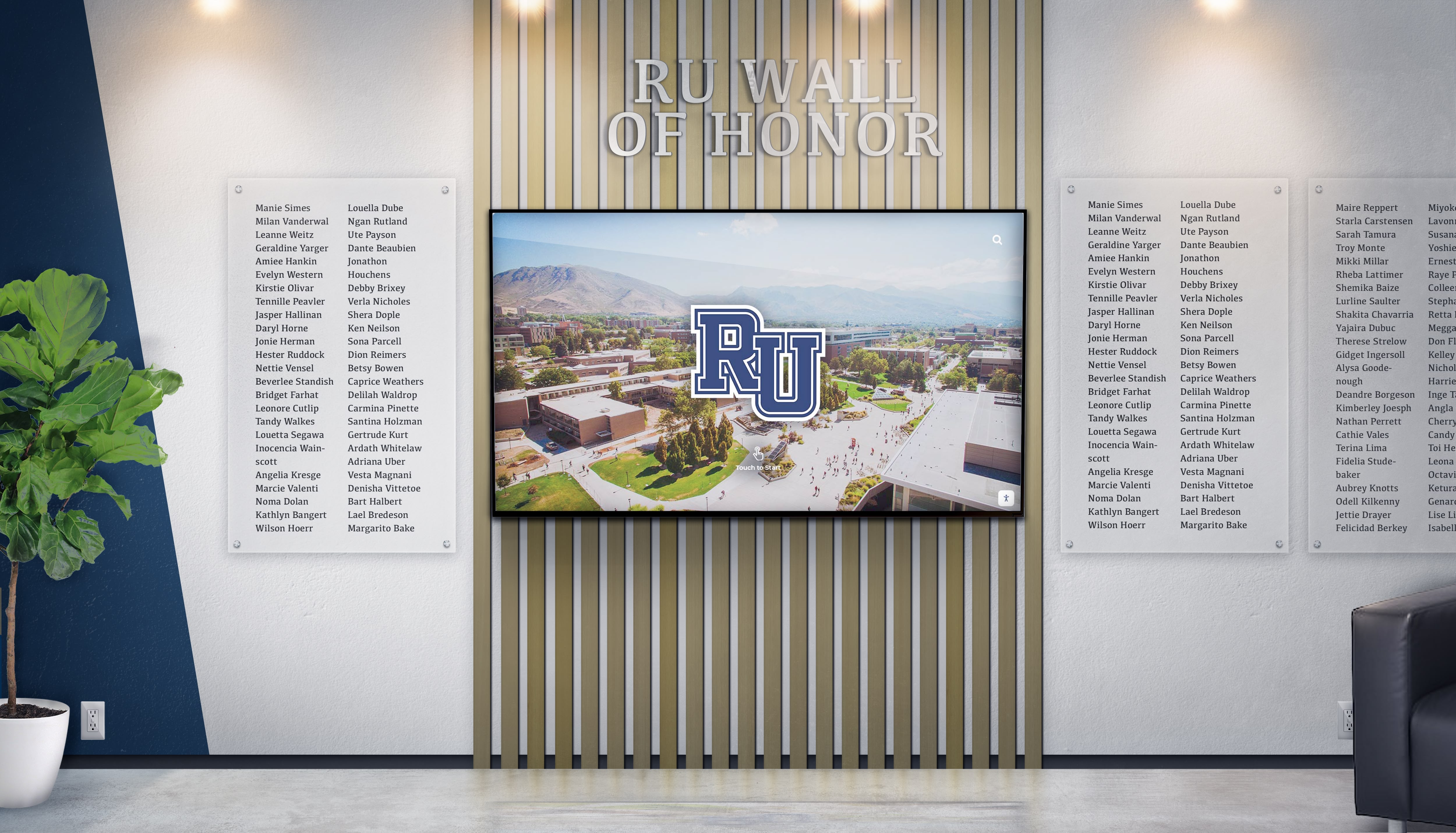
Traditional donor walls create permanent recognition in high-visibility school locations
Architectural Integration Approaches
The most successful traditional donor walls integrate recognition seamlessly into school architecture rather than appearing as afterthought additions:
Named Space Signage
Major donor recognition through facility, room, or space naming creates the most prestigious acknowledgment schools offer. Named gymnasiums, auditoriums, libraries, classrooms, athletic fields, or specialized facilities provide permanent legacy recognition for transformational gifts while serving students for generations.
Architectural naming signage ranges from understated elegance to prominent celebration depending on institutional preferences and donor relationships. Options include building entry plaques identifying named facilities, interior wayfinding incorporating donor names into directional signage, dedication stones or cornerstones acknowledging major contributions, and interpretive displays explaining the donor connection to named spaces.
Named space recognition works best when integrated during capital campaign planning, establishing clear naming opportunity inventories with appropriate pricing tiers before approaching major prospects.
Recognition Walls as Design Features
Rather than treating donor recognition as separate from architectural design, the most compelling installations integrate acknowledgment as intentional design elements enhancing rather than merely occupying space:
Entry lobbies designed with featured donor wall locations create natural focal points visitors encounter immediately upon entering facilities. These placements maximize visibility while demonstrating institutional priority on honoring supporters appropriately.
Hallway alcoves or recessed areas purpose-built for donor recognition provide dedicated spaces preventing recognition from competing with other institutional messaging while creating contemplative areas where community members can pause to appreciate supporter generosity.
Stairwell galleries transforming vertical circulation spaces into recognition opportunities utilize otherwise underutilized areas while creating extended donor wall capacity without consuming valuable programmatic space.
Memorial Garden Installations
Outdoor donor recognition through memorial gardens, brick pavers, or landscape elements extends acknowledgment beyond interior spaces while creating contemplative areas serving multiple institutional purposes. These installations work particularly well for honoring supporters through memorial or tribute gifts acknowledging family members or loved ones.
Engraved brick or stone pavers create walkways or plazas where donors purchase individual recognition elements contributing to larger installations. This modular approach accommodates unlimited additions over time without redesign requirements, making it sustainable for ongoing recognition needs.
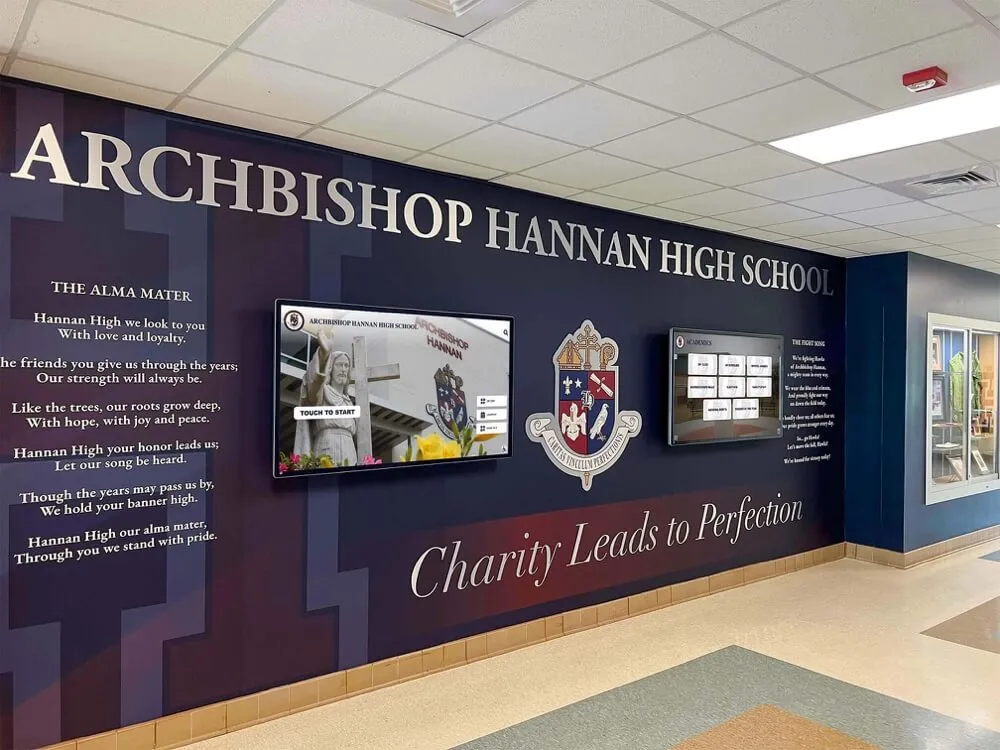
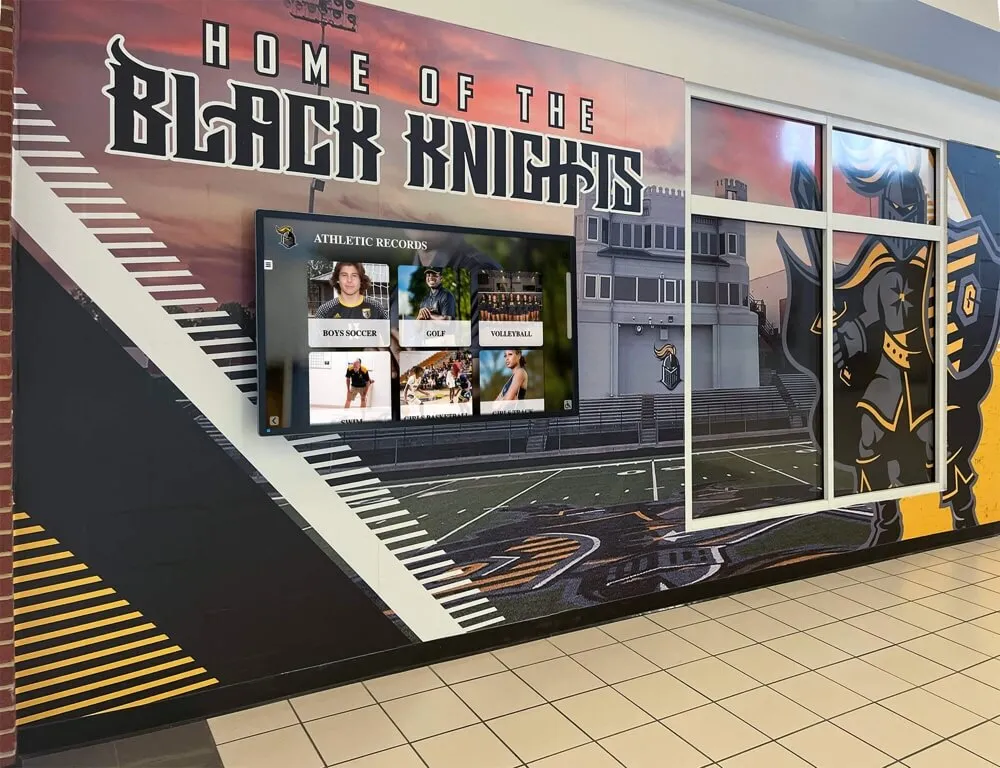
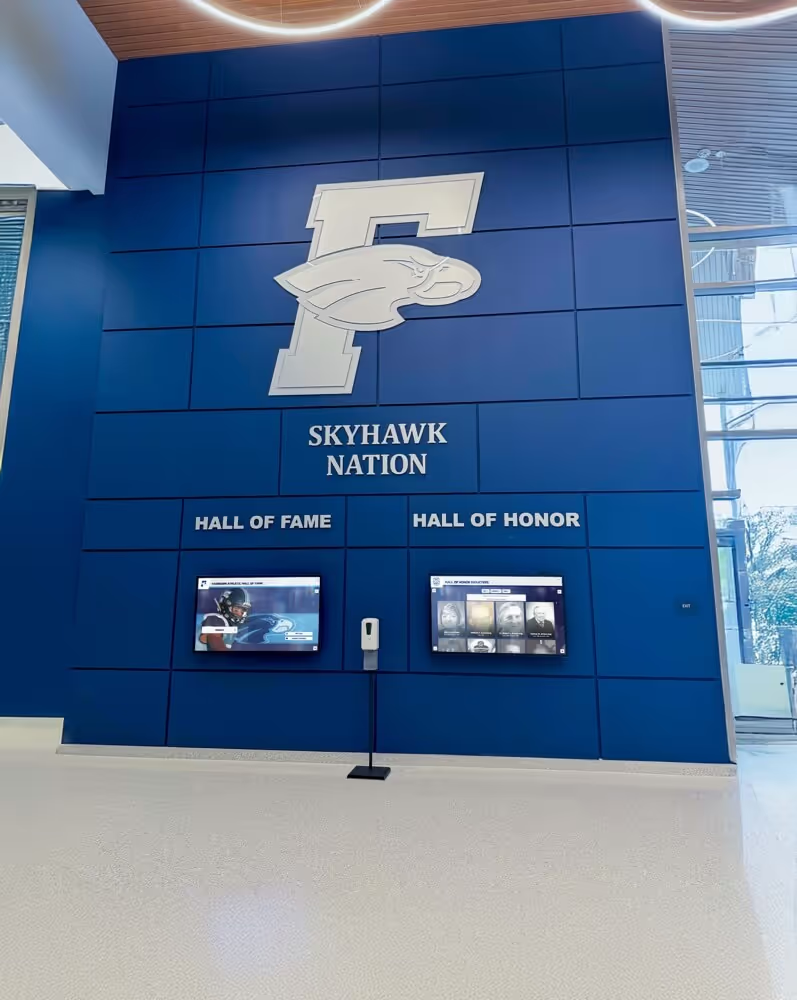
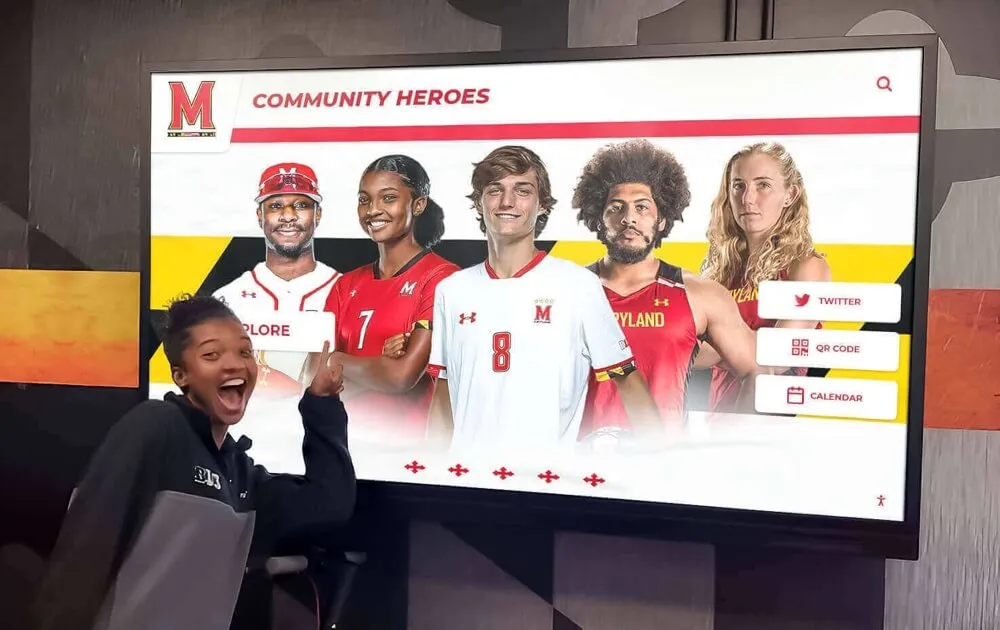
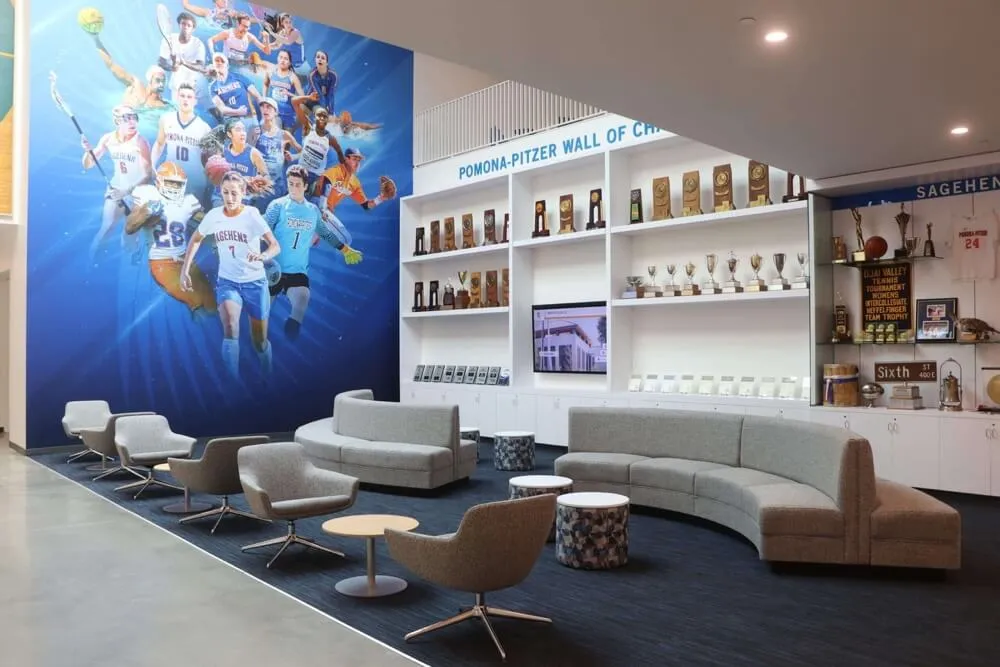
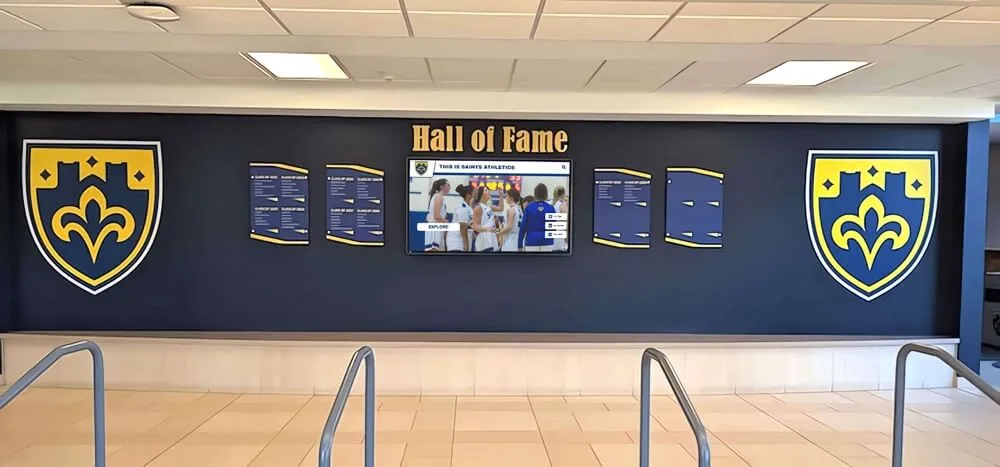
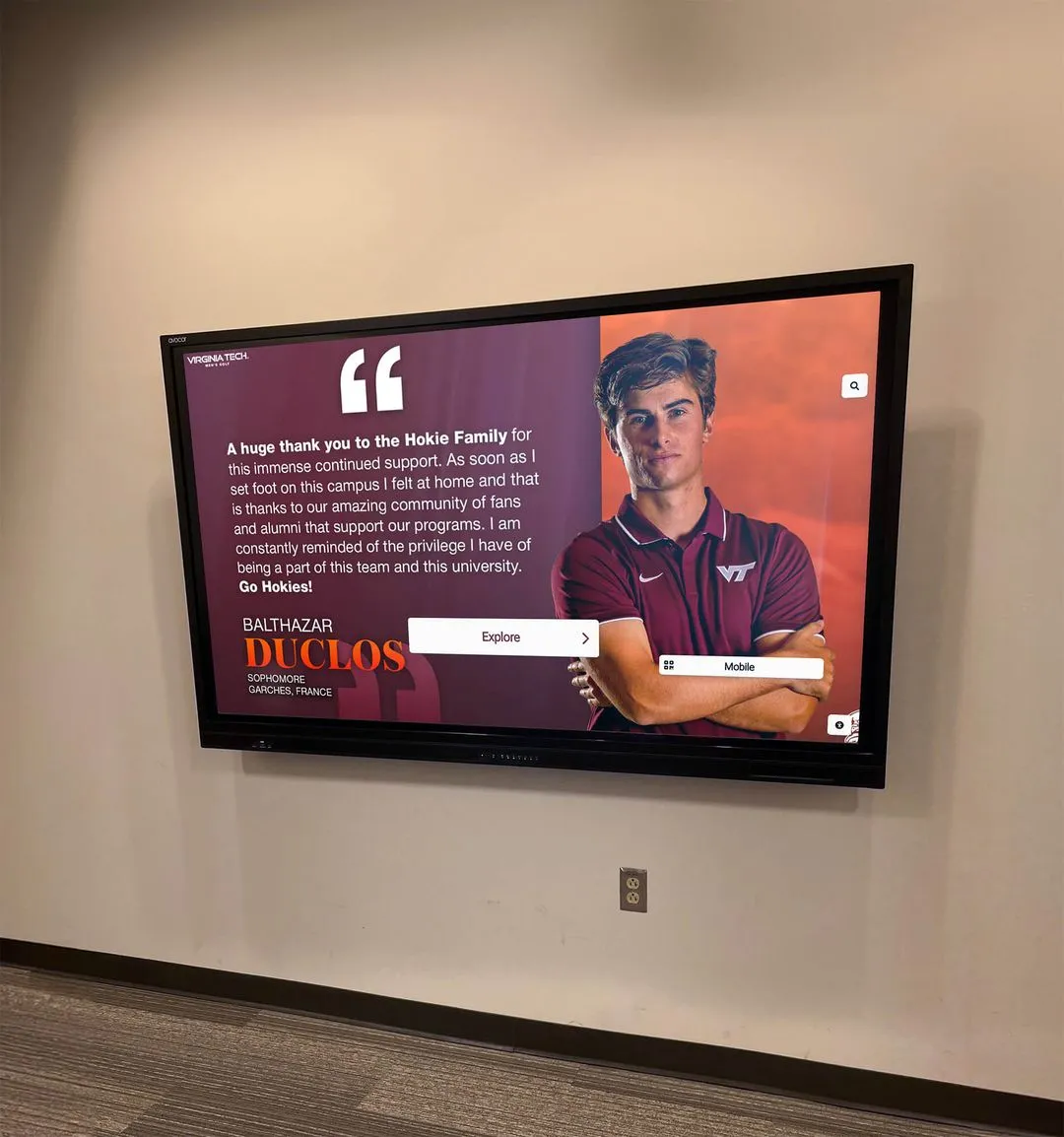
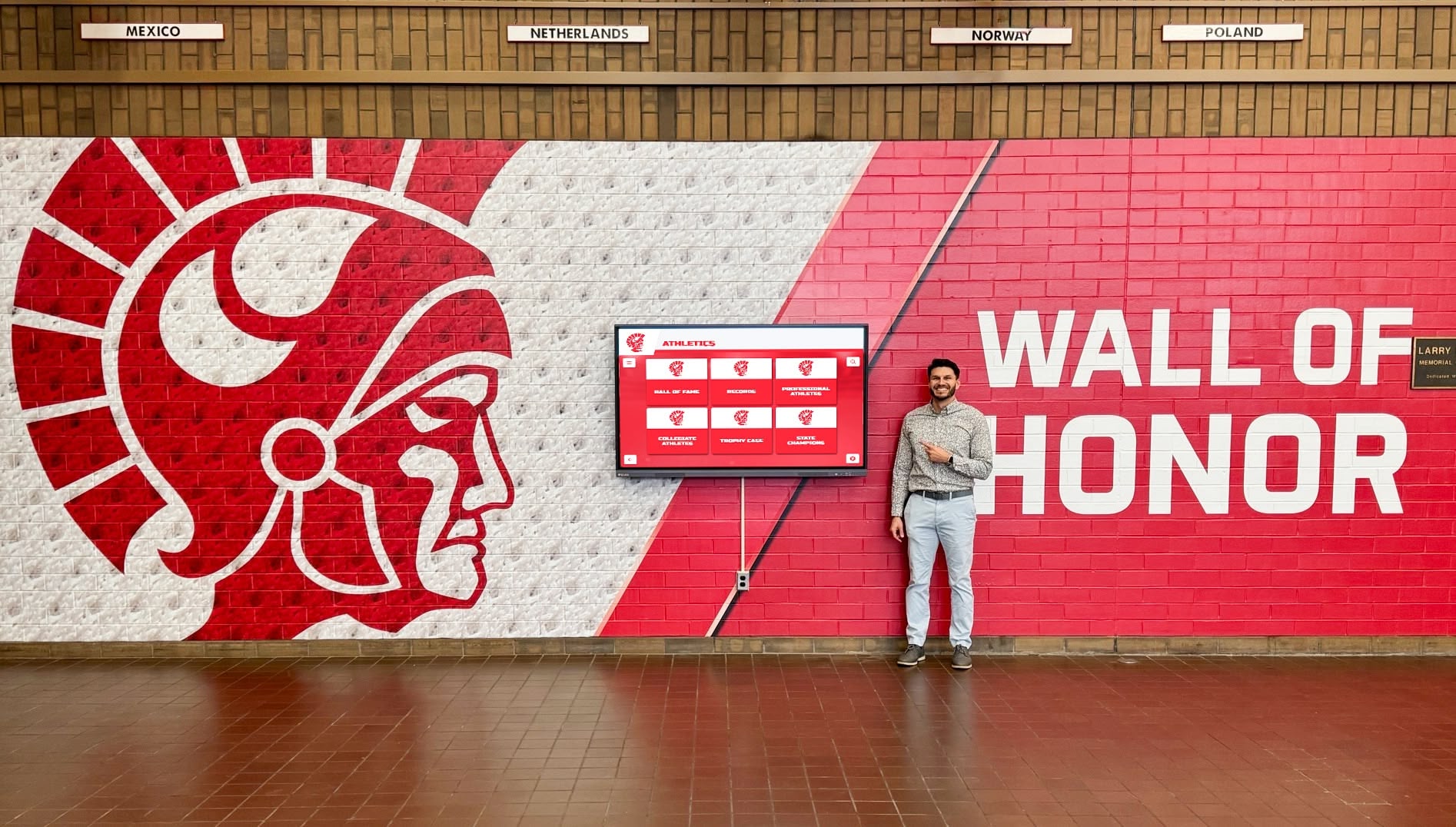
Contemporary donor displays blend professional design with institutional branding
Digital Donor Wall Display Ideas: Modern Solutions for Dynamic Recognition
Digital donor recognition displays address traditional plaque limitations while creating engaging, flexible acknowledgment systems better suited to contemporary school environments and evolving donor expectations.
Interactive Touchscreen Donor Displays
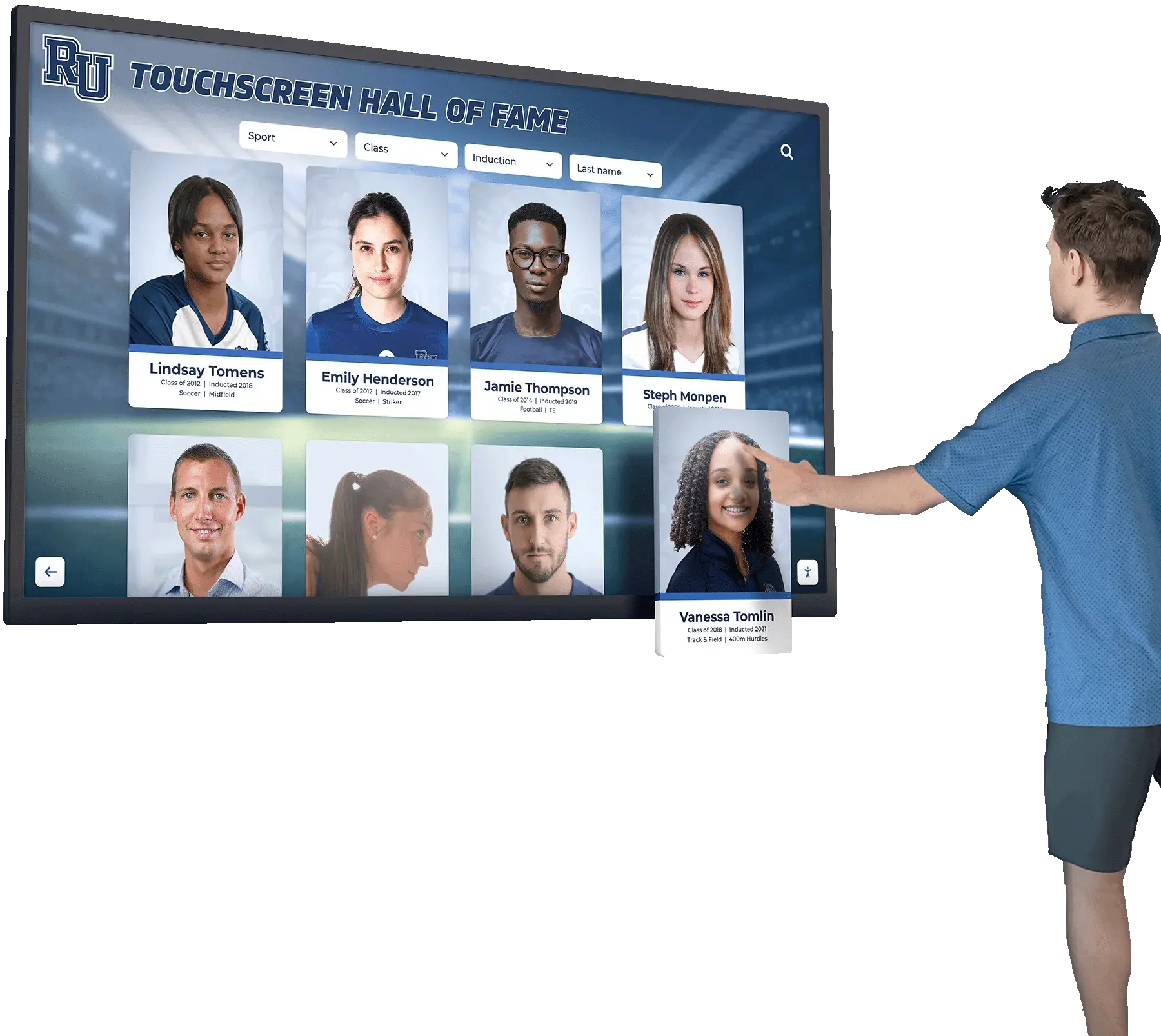
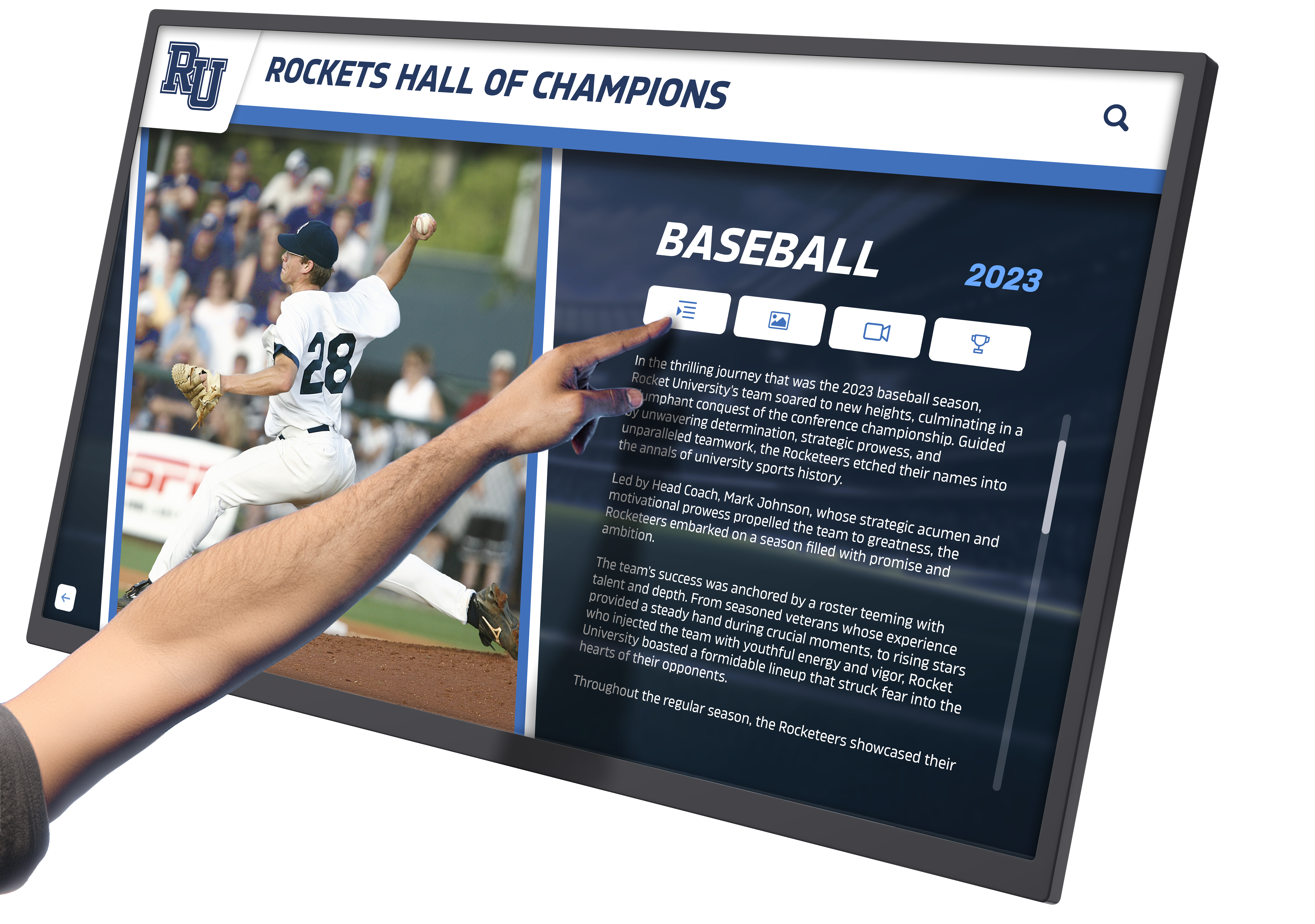
Touchscreen donor recognition systems transform static acknowledgment into engaging interactive experiences while providing unlimited recognition capacity and easy update capabilities:
Comprehensive Donor Databases
Digital displays accommodate unlimited donor listings without physical space constraints, enabling schools to recognize every contributor regardless of gift size rather than limiting acknowledgment to major donors only. This comprehensive approach honors all supporters appropriately while demonstrating community-wide commitment to educational excellence.
Schools can organize digital donor information through multiple access paths including alphabetical name searches, giving level categories, campaign or fund designations, chronological contribution timelines, and memorial or tribute dedications. This flexible organization ensures community members can locate specific donors easily while browsing broader supporter communities.
Interactive systems enable rich donor profiles beyond simple name listings, incorporating contribution histories showing multi-year giving patterns, personal statements explaining why donors support the institution, impact stories demonstrating how specific gifts created student opportunities, and tribute information honoring family members or loved ones through memorial gifts.
Dynamic Content and Updates
Unlike static plaques requiring expensive physical updates, digital donor walls update instantly through content management systems, ensuring recognition remains current without reinstallation projects. Development staff can add new donors immediately after gifts are received, correct spelling or naming errors as soon as discovered, update donor information reflecting preference changes, remove recognition at donor request, and refresh displays seasonally or for special events.
This update flexibility proves particularly valuable for schools managing active campaigns where new donors contribute regularly, requiring frequent recognition additions traditional plaques cannot accommodate affordably.
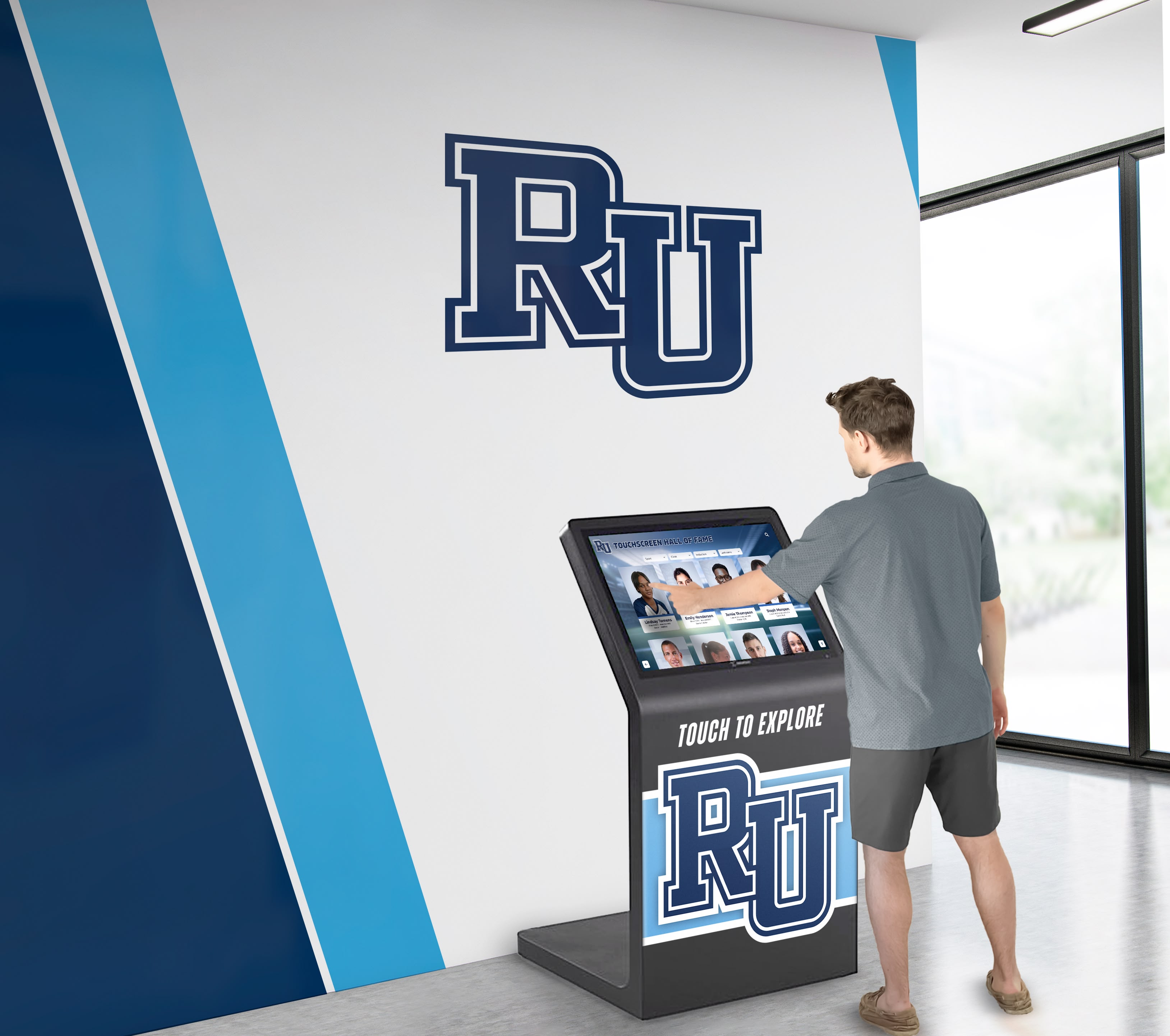
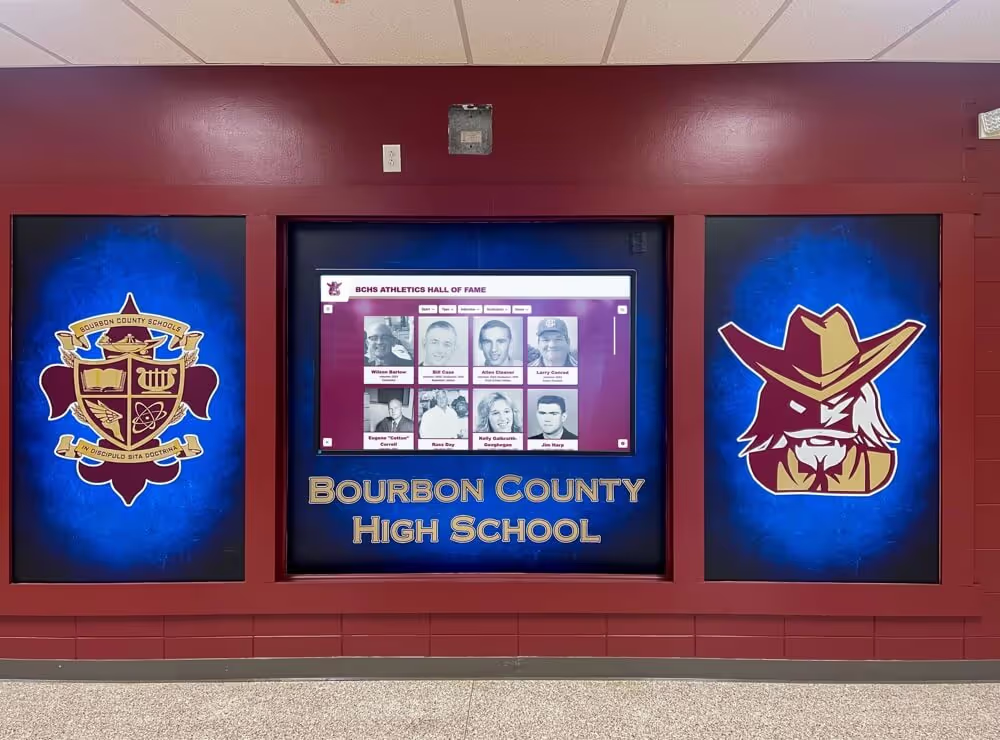
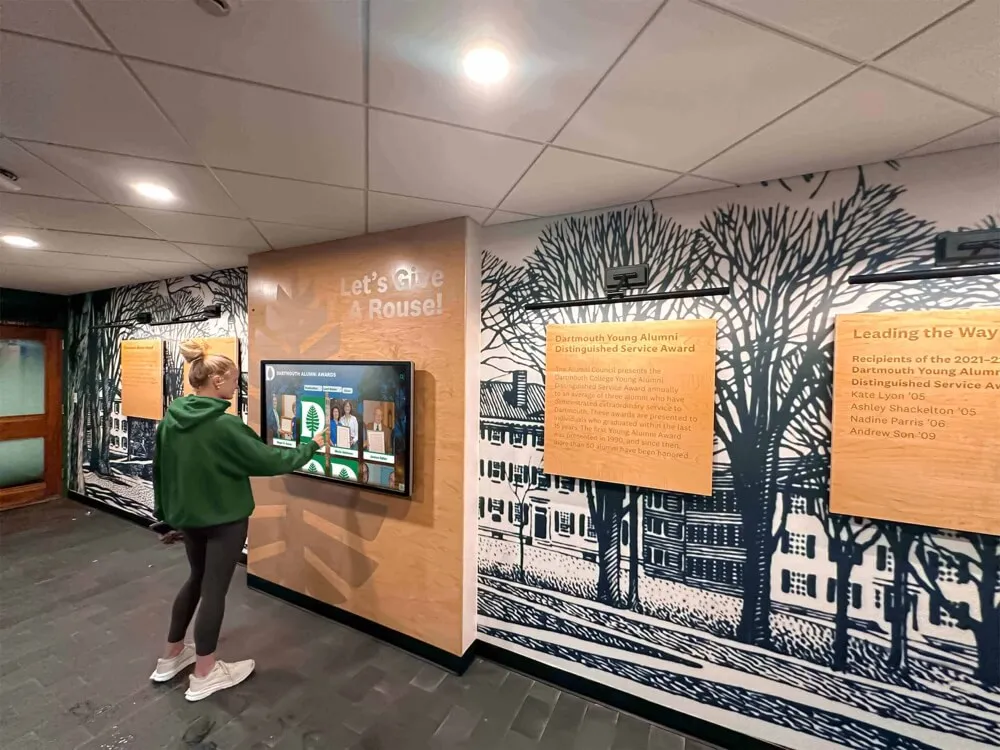
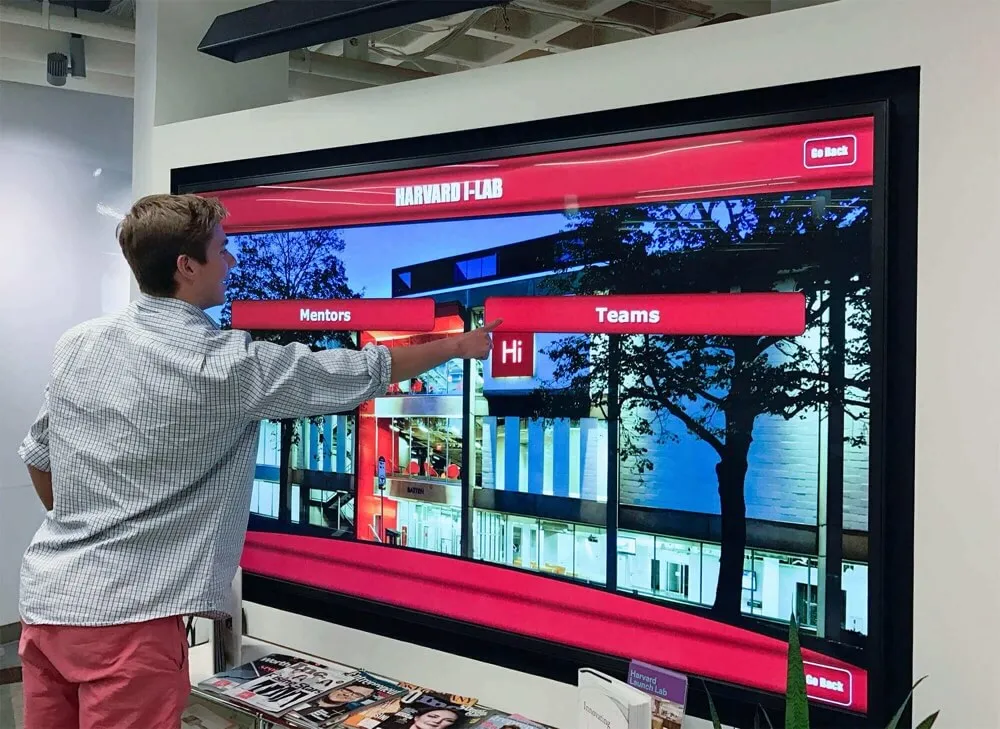
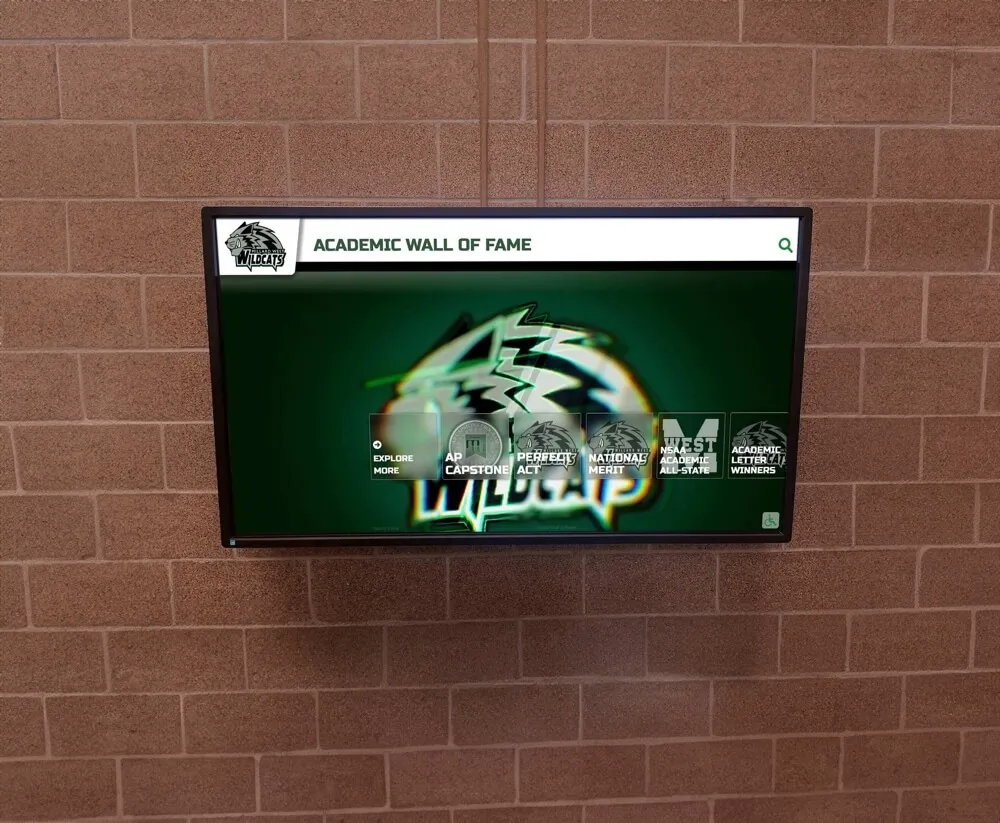
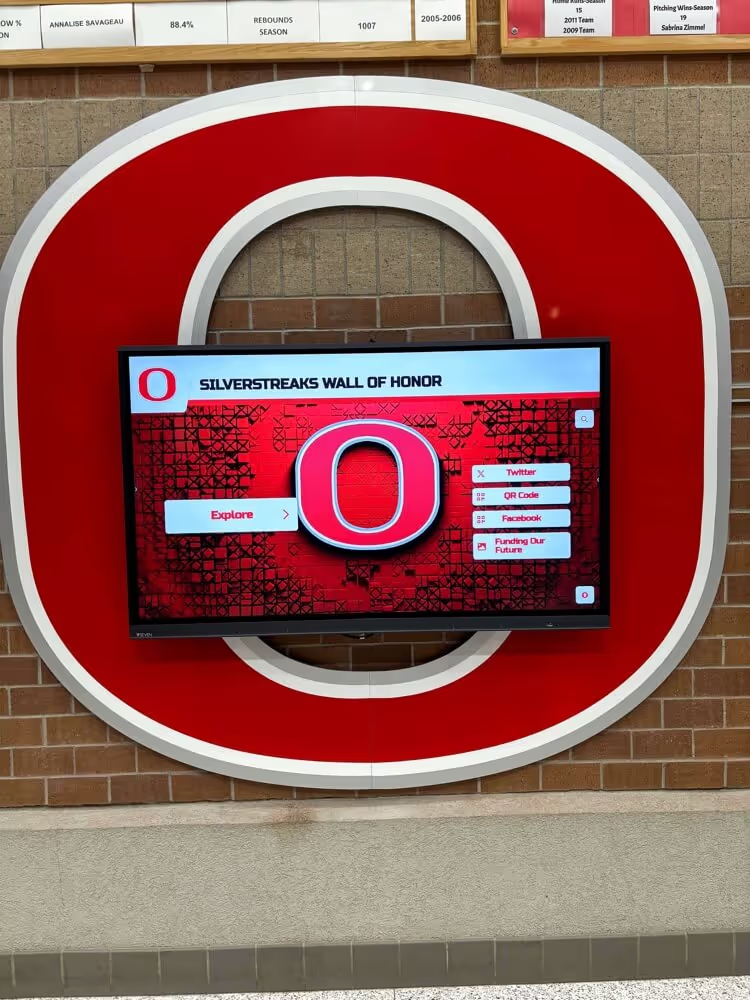
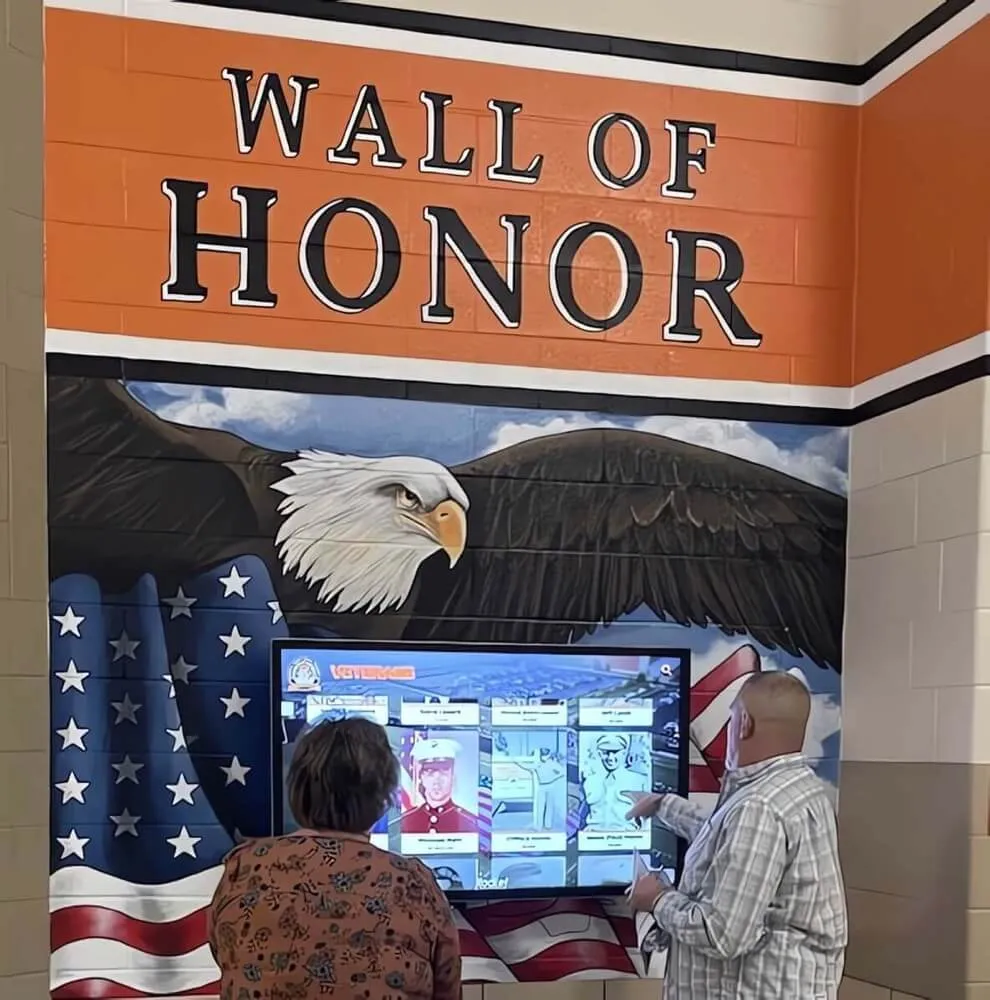
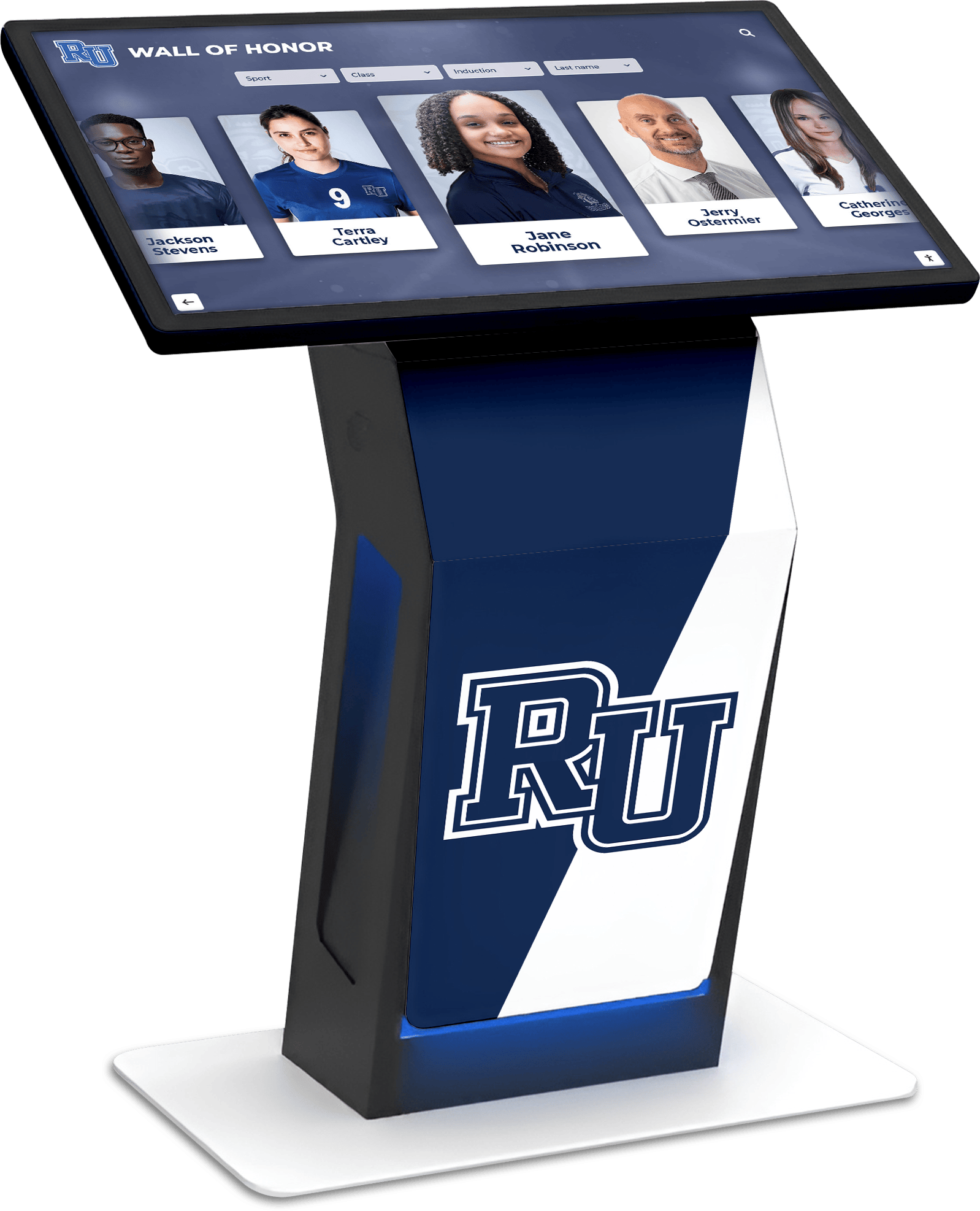
Interactive touchscreen displays engage visitors while providing comprehensive donor acknowledgment
Video Recognition Displays
Video-based donor recognition creates emotional connection through multimedia storytelling while accommodating extensive donor listings in rotating display formats:
Donor Appreciation Video Loops
Continuous video displays cycling through donor acknowledgment create dynamic recognition maintaining visual interest while honoring supporters. These installations work particularly well in high-traffic locations where community members pass regularly, ensuring repeated exposure creating lasting recognition value.
Video recognition formats include scrolling donor name lists organized by contribution level with elegant typography and institutional branding, donor spotlight features highlighting individual supporters with photos and brief acknowledgment statements, impact visualization connecting specific gifts to student outcomes or program achievements, and campaign progress displays showing fundraising goals, current totals, and community participation rates.
Schools can integrate video donor recognition into existing digital signage networks, maximizing infrastructure investments while providing recognition alongside other institutional communications about events, achievements, and campus news.
Testimonial and Impact Videos
The most compelling video donor recognition moves beyond simple name acknowledgment to create emotional storytelling about why supporters give and how contributions transform educational experiences. Schools collecting brief video testimonials from willing donors create powerful peer inspiration while honoring individual supporters meaningfully.
Impact videos demonstrating tangible outcomes donor contributions enable—new athletic facilities hosting championship teams, technology labs preparing students for careers, scholarship programs creating access for deserving students, performing arts spaces showcasing student talent—connect abstract financial gifts to concrete student benefits, inspiring additional support from community members witnessing authentic impact.
These multimedia approaches align with how contemporary donors engage with institutions, expecting dynamic recognition experiences matching the digital communication standards they encounter throughout daily life.
Hybrid Recognition Systems
The most sophisticated school donor walls integrate traditional permanent elements with digital flexibility, creating installations combining the best aspects of both approaches:
Digital Displays with Permanent Major Donor Plaques
Hybrid systems feature traditional engraved plaques acknowledging major donors alongside digital displays recognizing all other contributors. This approach provides premium permanent recognition for transformational gifts warranting special distinction while using technology to accommodate comprehensive acknowledgment of smaller donations traditional plaques cannot include cost-effectively.
The permanent plaque component honors major donors through prestigious physical acknowledgment meeting expectations for significant gifts while creating aspirational recognition other supporters might pursue through increased giving. The digital component ensures every contributor receives appropriate acknowledgment regardless of gift size, building inclusive giving cultures celebrating participation at all levels.
Architectural Frames with Digital Content
Custom-designed architectural frames featuring institutional branding, school colors, and design elements matching surrounding spaces create professional, permanent structures housing digital display technology. These installations feel less like generic screens and more like intentional recognition features designed specifically for donor acknowledgment.
Architectural integration includes carved or cast headers identifying displays as donor recognition walls, custom millwork or metalwork creating borders reflecting school architectural character, materials and finishes coordinating with surrounding spaces, and integrated lighting highlighting displays appropriately.
This hybrid approach addresses common concerns about digital displays appearing temporary or technology-focused rather than donor-focused, creating installations feeling as permanent and intentional as traditional plaques while delivering digital flexibility and capacity advantages.
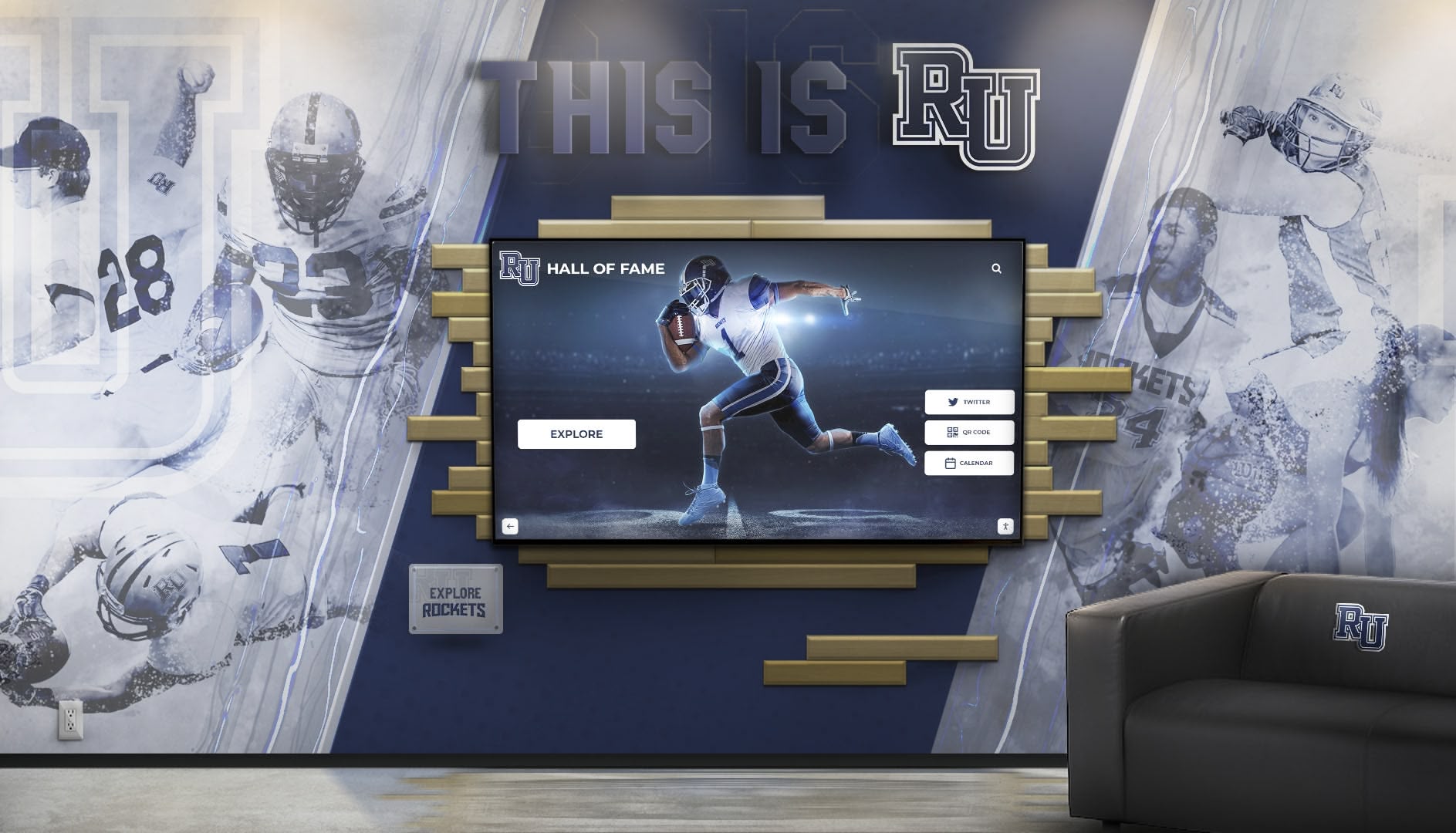
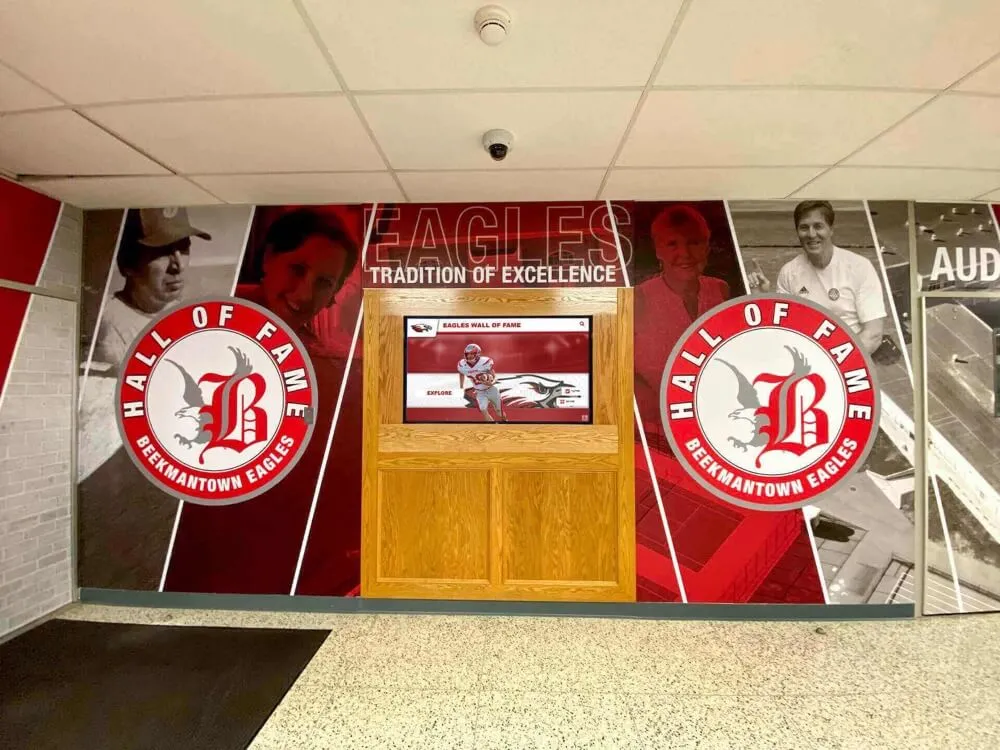
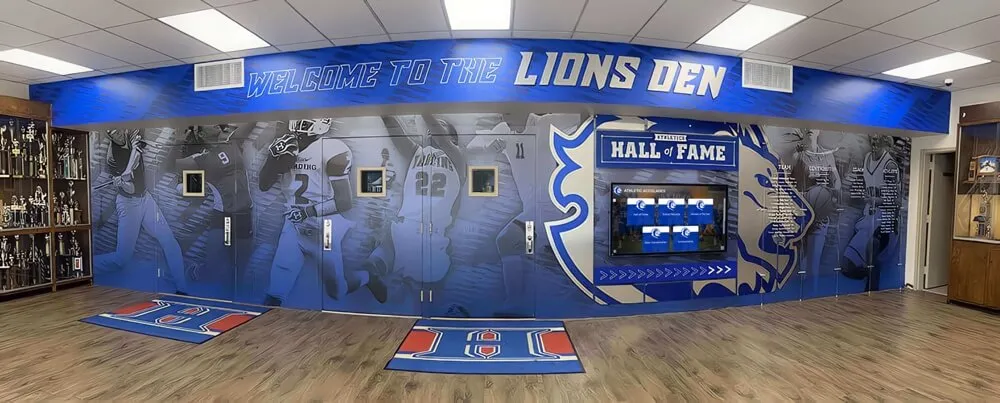
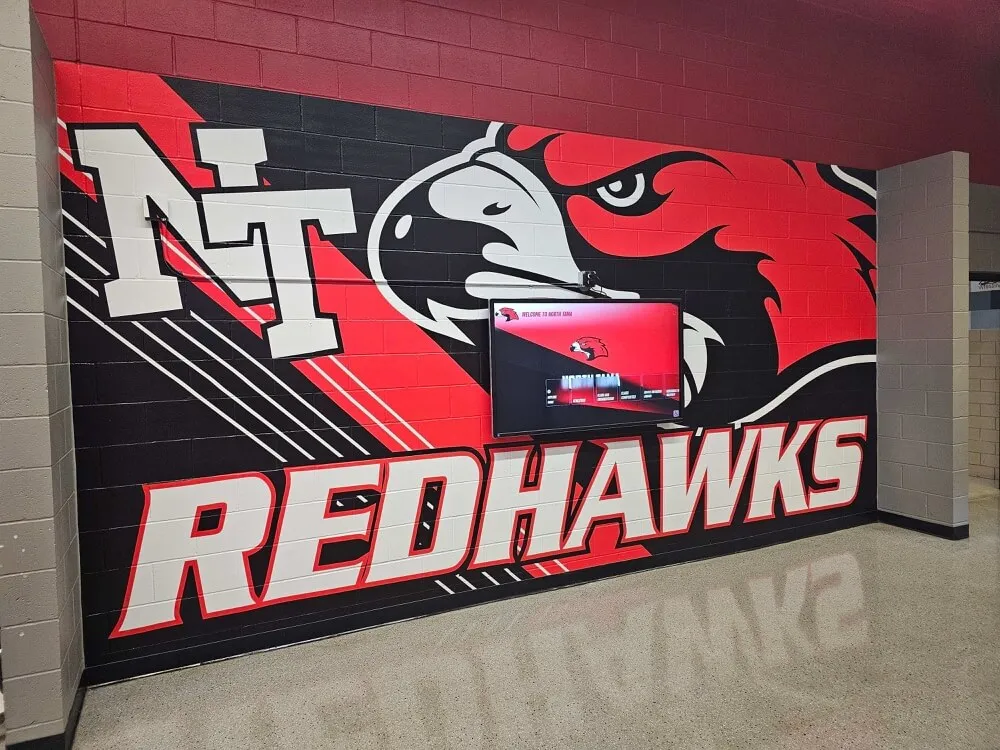
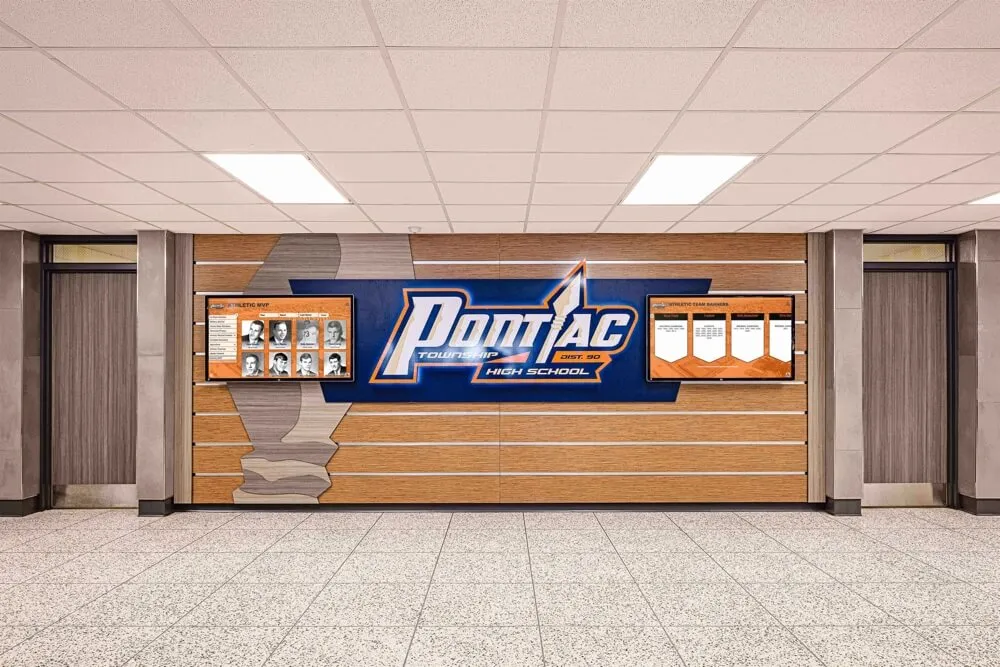
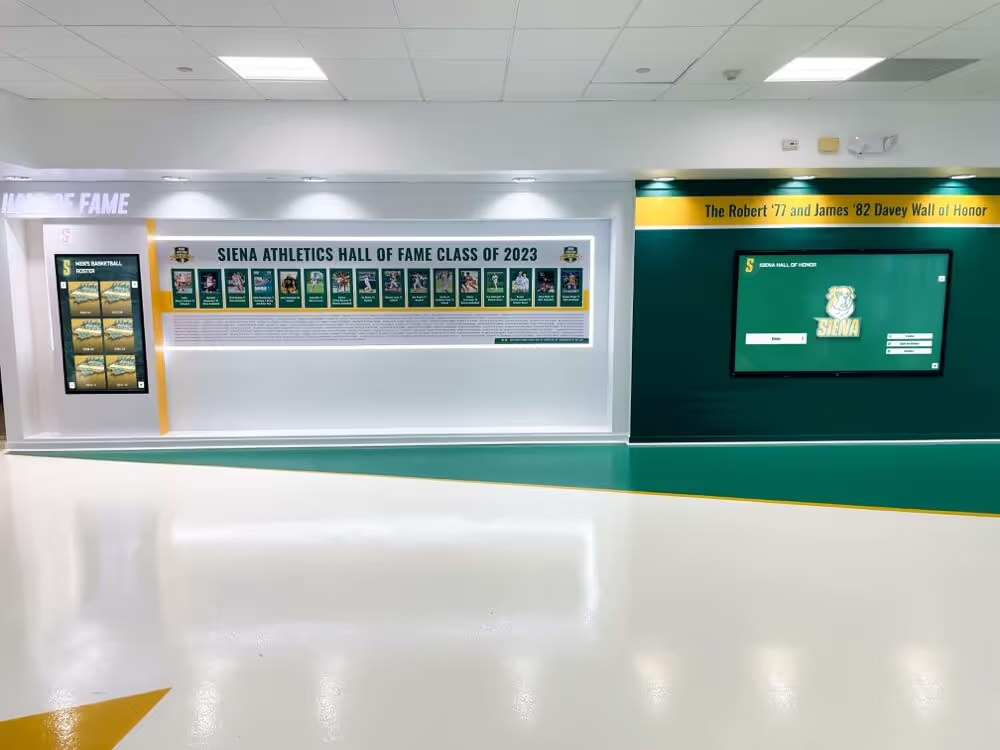
Hybrid donor displays integrate digital technology with architectural design elements
Tiered Recognition Display Ideas: Celebrating Giving at Every Level
Regardless of display technology chosen, effective school donor walls implement tiered recognition systems acknowledging supporters proportionally to contribution levels while inspiring increased giving.
Creating Effective Recognition Tiers
Thoughtfully designed giving level structures enable schools to acknowledge all donors appropriately while maintaining meaningful distinctions between contribution scales:
Naming Opportunity Level ($50,000+ typical range)
Transformational gifts warranting premium recognition including facility naming for buildings, major spaces, athletic fields, or specialized areas, permanent architectural signage identifying named spaces, dedicated recognition plaques installed in honored locations, formal dedication ceremonies celebrating donor commitment, and ongoing stewardship ensuring sustained relationship cultivation.
These exceptional gifts typically come from long-term school community members, successful alumni, or local philanthropists with deep institutional connections. Recognition should match the extraordinary commitment these contributions represent while inspiring similar support from other capable donors.
Cornerstone Society ($25,000-$49,999 typical range)
Major gifts meriting significant distinction including prominent placement on primary donor recognition displays, special designation through distinctive visual treatment, recognition at annual school events and donor appreciation gatherings, personalized impact reports demonstrating specific outcomes enabled by contributions, and memorial or tribute options honoring family members through named scholarships or programs.
Leadership Circle ($10,000-$24,999 typical range)
Substantial contributions demonstrating exceptional commitment including featured recognition on donor walls with leadership designation, recognition society membership with distinctive identification, invitations to exclusive appreciation events with school leadership and faculty, periodic impact updates connecting gifts to student outcomes and program achievements, and opportunities to engage directly with programs or students benefiting from support.
Leadership recognition creates aspirational giving levels encouraging donors to stretch beyond comfortable annual contributions while acknowledging meaningful financial commitment to institutional excellence.
Benefactor Level ($5,000-$9,999 typical range)
Significant gifts from committed supporters including donor display listing with benefactor designation, recognition in school publications and annual reports, invitation to annual appreciation events, impact communication demonstrating how contributions support educational mission, and systematic acknowledgment demonstrating organizational gratitude.
Patron Level ($2,500-$4,999 typical range)
Important contributions from engaged supporters including recognition on donor displays with patron identification, acknowledgment in appropriate school communications, periodic appreciation events, impact updates connecting gifts to institutional outcomes, and professional acknowledgment letters from development leadership.
Supporter Level ($1,000-$2,499 typical range)
Meaningful gifts representing substantial commitment including donor wall listing with supporter category designation, recognition in annual donor honor rolls, invitation to general appreciation events, impact communication about institutional progress, and timely gift acknowledgment.
Friend Level ($500-$999 typical range)
Valuable contributions from engaged community members including recognition on comprehensive donor listings, acknowledgment in appropriate communications, appreciation for community commitment, and professional gift receipting.
Contributor Level (up to $499)
All gifts regardless of size including acknowledgment on complete donor recognition displays (digital systems accommodate unlimited listings), appreciation for community participation, professional gift processing and receipting, and invitation to engage more deeply with institutional mission.
Visual Distinction Strategies
Beyond separate tier categories, effective donor walls use visual design to distinguish giving levels clearly:
Size and Placement Hierarchy
Larger text or display elements for higher giving levels create immediate visual recognition of major supporters. Premium placement—top positions, center locations, or featured areas—similarly distinguishes transformational gifts from general support.

Visual hierarchy clearly distinguishes giving levels while honoring all contributors
Color or Material Coding
Different plaque finishes, text colors, or background treatments for various giving levels enable quick visual identification while maintaining cohesive overall design. Gold, silver, and bronze treatments provide familiar tiered representation, though any consistent color or finish system works effectively.
Enhanced Information for Major Donors
Higher giving levels might receive expanded recognition including photos alongside names, personal statements about giving motivation, tribute information for memorial gifts, or multi-year cumulative giving totals. This enhanced information distinguishes major supporters while providing additional storytelling creating peer inspiration and emotional connection.
Strategic Placement Ideas: Maximizing Donor Wall Visibility and Impact
Even the most beautiful donor recognition displays fail to achieve objectives if placed where community members rarely encounter them. Strategic location selection maximizes both donor appreciation and community impact.
High-Traffic Location Strategies
Placing donor walls where students, families, staff, and community members pass regularly ensures consistent visibility creating sustained recognition value:
Main Entry Lobbies
Primary building entrances represent ideal donor wall locations, creating immediate focal points visitors encounter upon arrival. Entry placement demonstrates institutional priority on acknowledging supporters while ensuring maximum community exposure.
Entry installations work particularly well for comprehensive donor recognition celebrating broad community support. The high visibility inspires pride among recognized donors while creating social proof encouraging additional giving from prospects witnessing community-wide participation.
Athletic Facility Locations
For schools where athletic programs generate substantial donor support, recognition displays in gymnasiums, field houses, or stadium locations ensure regular visibility during games, practices, and events. These placements connect donor acknowledgment directly to programs supporters fund, creating clear impact visualization.
Athletic facility donor walls celebrating booster club supporters, team sponsors, and program contributors build community pride in athletic excellence while demonstrating the philanthropic foundation enabling competitive success. Consider reviewing additional athletic recognition strategies for comprehensive program celebration.
Performing Arts Centers
Theater lobbies, concert hall entries, or music wing corridors provide natural locations for acknowledging supporters of performing arts programs. These placements reach audiences attending performances, creating recognition opportunities beyond daily school operations.
Performing arts donor walls might integrate artistic design elements reflecting creative programs they celebrate, creating recognition installations that simultaneously showcase institutional artistic excellence and donor commitment enabling program success.
Library and Academic Facilities
Recognition displays in libraries honor donors supporting academic excellence, literacy programs, technology resources, or learning spaces. These locations reach students during study time, creating regular touchpoints reinforcing donor contribution to educational mission.
Academic facility donor walls celebrating scholarship supporters, endowment contributors, or capital project donors connect recognition directly to core educational purpose, demonstrating how philanthropic support enables learning opportunities benefiting every student.
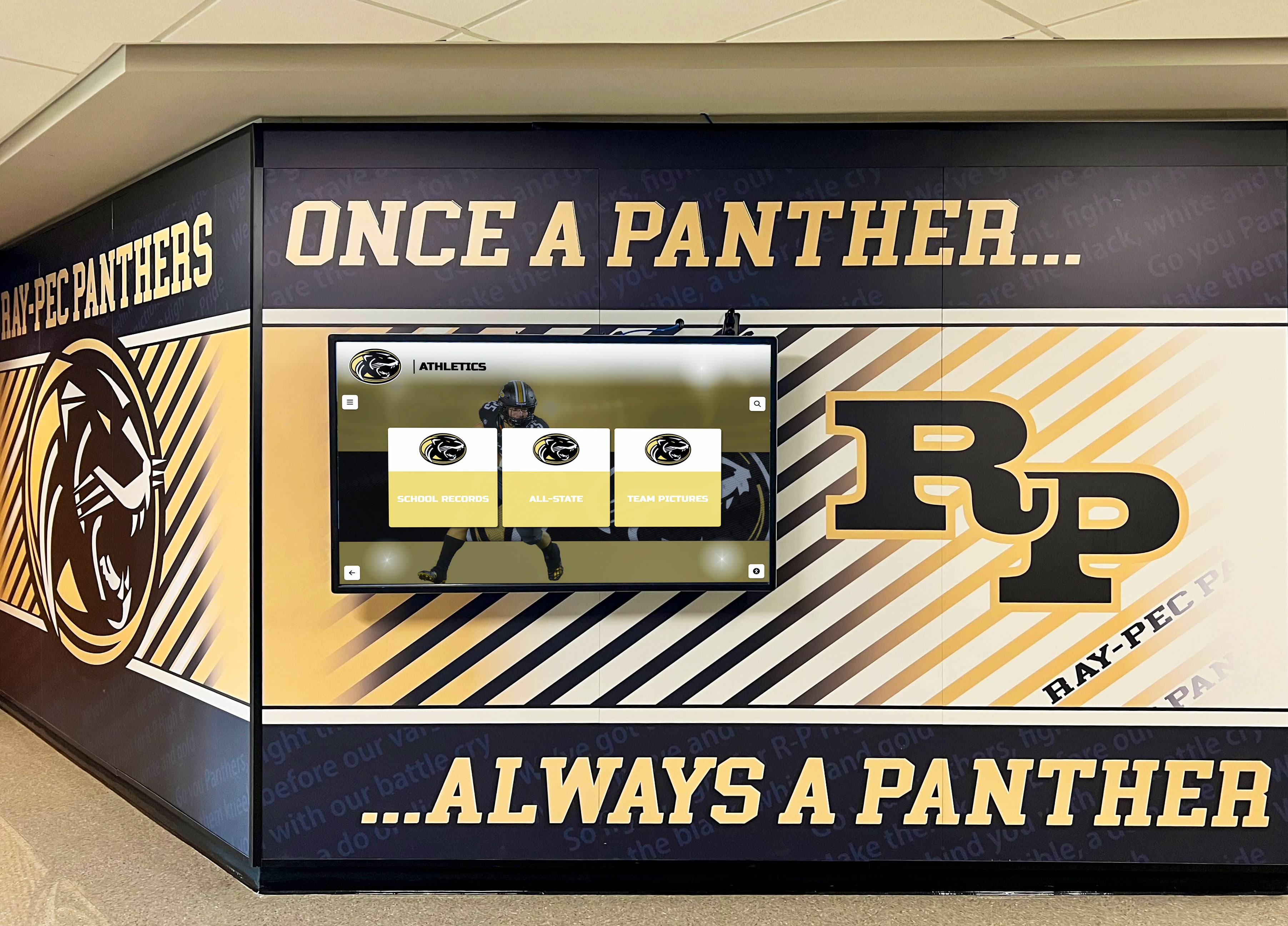
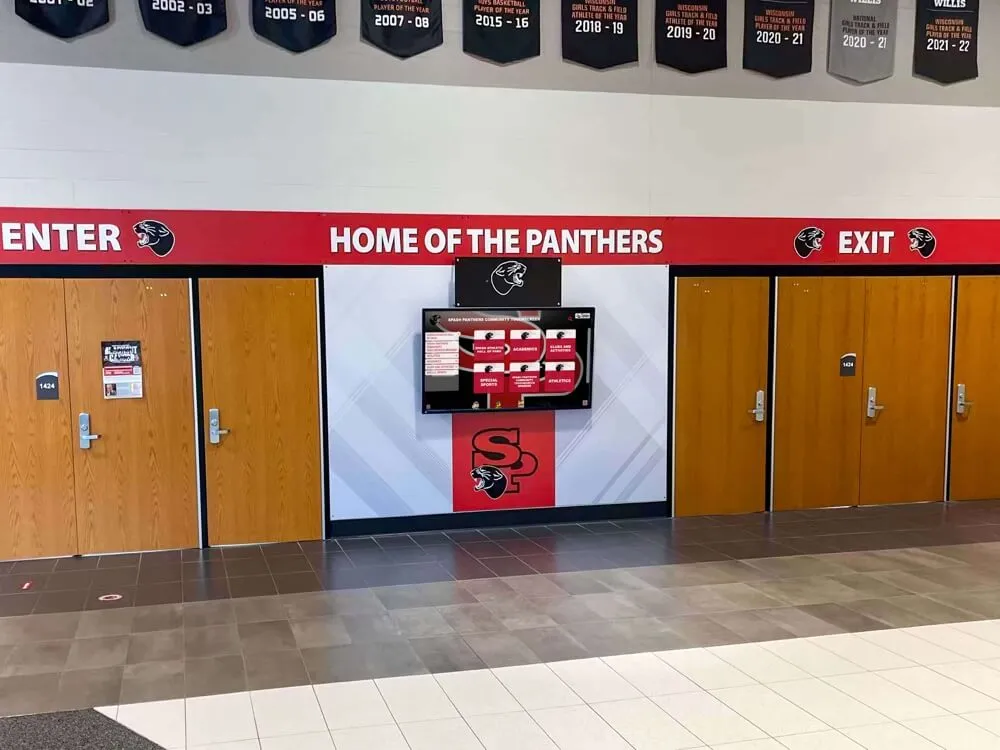
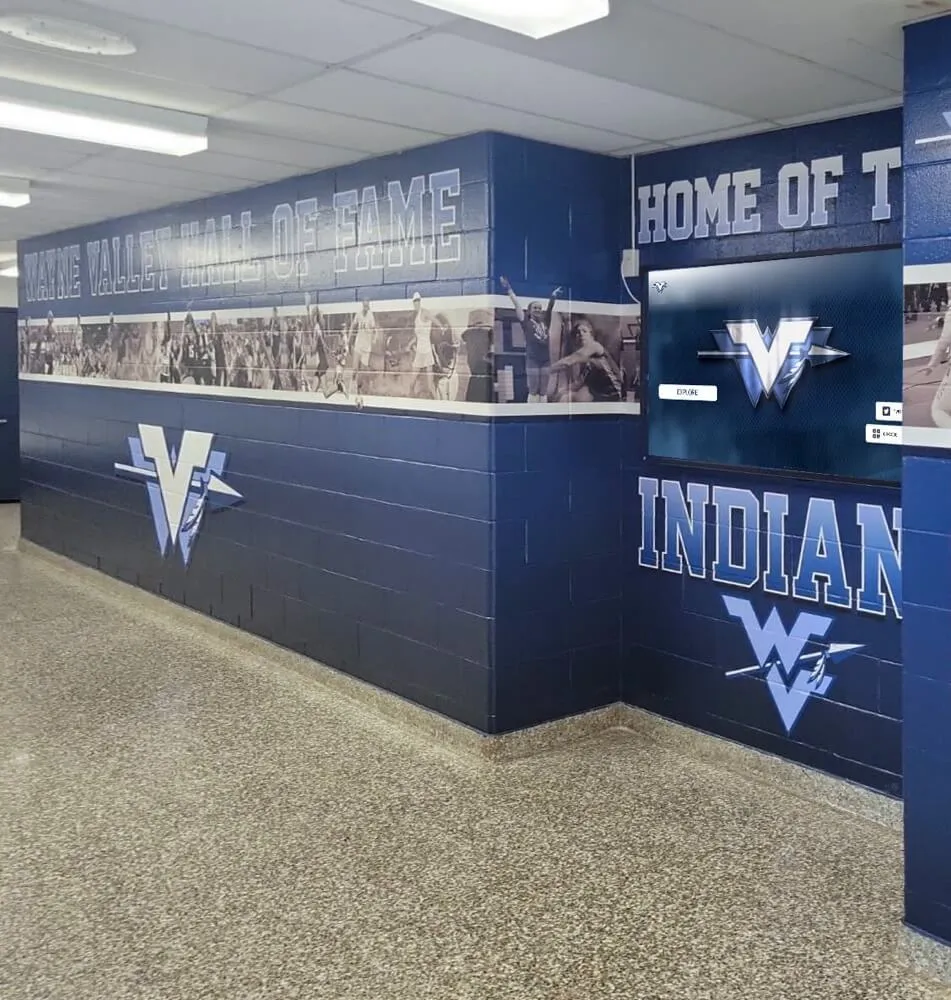
Strategic placement in hallways and common areas ensures daily visibility among school community
Specialized Location Considerations
Beyond general high-traffic areas, specific donor wall placements might suit particular recognition objectives:
Development Office Areas
Donor recognition displays in development or advancement office areas serve dual purposes—acknowledging current supporters while providing conversation starters for prospect meetings. These installations enable development staff to showcase recognition approaches while soliciting new gifts, creating tangible examples of how future donations will be acknowledged.
Board Rooms and Administrative Spaces
Recognition displays in governance or leadership areas ensure trustees, administrators, and school leaders encounter donor acknowledgment regularly, reinforcing philanthropic importance to institutional success. These placements might focus specifically on board giving, leadership circle donors, or legacy society members rather than comprehensive listings.
Alumni Gathering Spaces
Schools with dedicated alumni lounges, hospitality areas, or reunion facilities might place donor walls specifically acknowledging alumni contributions. These targeted installations build alumni community pride while inspiring increased giving from graduates witnessing peer support.
Capital Project Locations
Donor walls celebrating capital campaign supporters work most powerfully when installed in the actual facilities those campaigns funded. Recognition displays in renovated gymnasiums, new library wings, or expanded performing arts centers create direct connection between donor generosity and tangible improvements, demonstrating impact clearly while honoring supporters in spaces their contributions created.
Creative Content Ideas: Beyond Simple Name Lists
The most engaging donor walls move beyond basic name acknowledgment to tell richer stories about supporter commitment, institutional impact, and community values.
Impact Storytelling in Donor Recognition
Connecting donor contributions to tangible student outcomes, program achievements, or facility improvements creates emotional engagement while demonstrating appreciation meaningfully:
Before and After Visualizations
For capital campaigns, displaying photos or descriptions of facilities before renovation alongside images showcasing improvements donors funded creates powerful impact demonstration. These comparisons help community members understand transformation donor generosity enabled while inspiring pride among contributors who made change possible.
Interactive digital displays might include photo galleries community members can browse, seeing detailed before/after comparisons for various facility areas or program elements donors supported.
Student Success Stories
Acknowledging scholarship donors alongside brief profiles of students those scholarships supported (with appropriate privacy protections) creates human connection to philanthropic impact. Similarly, athletic program donors might appreciate knowing championship achievements or athlete development their support enabled.
These stories should celebrate student accomplishment rather than treating students as objects of charity, framing donor support as investment in excellence rather than rescue from limitation.
Program Achievement Timelines
Chronological displays showing program growth, competitive achievements, student accomplishments, or institutional milestones alongside corresponding donor campaigns demonstrate long-term impact community support created. These timelines help newer community members understand how sustained giving built current excellence while honoring historical donors whose contributions established foundations current programs build upon.
Explore additional approaches to showcasing achievement stories alongside donor recognition.
Donor Voice Integration
Allowing supporters to share their giving motivation creates authentic testimonial content while honoring donors through expanded recognition:
“Why I Give” Statements
Inviting donors to contribute brief statements explaining their support motivation creates powerful peer influence while providing more meaningful acknowledgment than names alone. These personal reflections humanize giving while helping prospects understand the values and connections inspiring community support.
Statements might address specific experiences that created donor affinity, belief in institutional mission and educational values, desire to create opportunities for future students, or memorial intentions honoring loved ones through educational philanthropy.
Multi-Generational Giving Stories
For schools with sustained family engagement across generations, highlighting multi-generational donor families creates powerful community identity narratives. Recognition celebrating families where grandparents, parents, and current students all contribute demonstrates deep institutional loyalty while inspiring similar long-term commitment from other families.
Alumni Reflection Content
Alumni donors might share how their own student experiences shaped adult success, connecting current giving to past opportunities they received. These narratives create compelling gratitude demonstrations while inspiring current families to support programs benefiting their own students.

Interactive features enable deeper engagement with donor stories and institutional impact
Implementation Planning: Bringing Your Donor Wall Vision to Reality
Successful donor recognition displays require thoughtful planning addressing budget considerations, stakeholder engagement, content development, and long-term maintenance commitments.
Budget Development Framework
Donor wall costs vary dramatically based on technology choices, installation complexity, and recognition scope:
Traditional Plaque Systems
Individual engraved plaques typically range from $75-$300 per plaque depending on size, material, and finish quality. Comprehensive donor walls acknowledging 100-500 supporters might budget $15,000-$75,000 for plaque materials alone, plus architectural mounting systems, installation labor, and design services potentially adding 30-50% to material costs.
Digital Display Systems
Interactive touchscreen donor recognition systems typically range from $8,000-$25,000 for hardware including commercial-grade displays, touchscreen technology, mounting systems, and content management software. Custom software development, content creation, and architectural integration might add $5,000-$15,000 to base technology costs.
However, digital systems accommodate unlimited donor additions without incremental costs, making them more economical for schools with large donor bases or active campaigns adding supporters frequently.
Hybrid Approaches
Combined systems featuring permanent major donor plaques alongside digital displays for comprehensive recognition might budget $25,000-$75,000 depending on major donor plaque quantity, digital display sophistication, and architectural integration complexity.
Schools should allocate 1-3% of capital campaign goals for donor recognition, ensuring adequate budget for installations matching the quality of facilities or programs donors funded.
Content Development Process
Before installation, schools must determine what donor information to display and how to acquire necessary details:
Donor Database Preparation
Compile comprehensive lists of all donors to be recognized including verified names with preferred spelling, contribution amounts or ranges if displaying, giving level categorization, campaign or fund designations, tribute or memorial specifications, and privacy preferences regarding public acknowledgment.
Database accuracy proves critical—recognition spelling errors or omissions damage donor relationships significantly. Implement verification processes ensuring information correctness before installation.
Recognition Policy Establishment
Determine clear policies governing donor recognition including minimum gift thresholds for acknowledgment, how multi-year giving is recognized versus single gifts, whether corporate and individual donors receive identical treatment, memorial and tribute gift protocols, and processes for donor information updates or removal requests.
Written policies prevent inconsistent decisions creating perceived favoritism or unfair treatment damaging donor relationships and volunteer trust.
Content Creation Timeline
Digital donor walls require substantial content development including donor database migration to display software, visual design creating on-brand layouts, photo collection if including donor or student images, impact story development if incorporating broader narratives, and content testing ensuring accuracy and appropriate presentation.
Budget 2-3 months for comprehensive content development supporting sophisticated digital installations.
Stakeholder Engagement Strategy
Donor recognition planning should engage multiple constituencies ensuring installations serve institutional objectives while honoring supporters appropriately:
Development Leadership Input
Advancement staff understand donor relationships, recognition expectations, and stewardship best practices. Their involvement ensures recognition approaches align with fundraising strategy while meeting supporter expectations.
Facilities and Technology Teams
Physical installation requires facilities coordination for mounting, power, networking, and space preparation. Technology staff ensure digital systems integrate with existing infrastructure and support requirements align with available IT resources.
School Leadership and Trustees
Administrative and governance approval ensures recognition approaches align with institutional values, brand standards, and strategic priorities. Trustee input often proves particularly valuable given board members’ own donor experience at multiple institutions.
Donor Advisory Input
For major recognition installations, soliciting feedback from representative donors helps schools understand supporter preferences and expectations. This input might come through informal conversations during cultivation meetings, formal donor surveys, or advisory committee discussions.
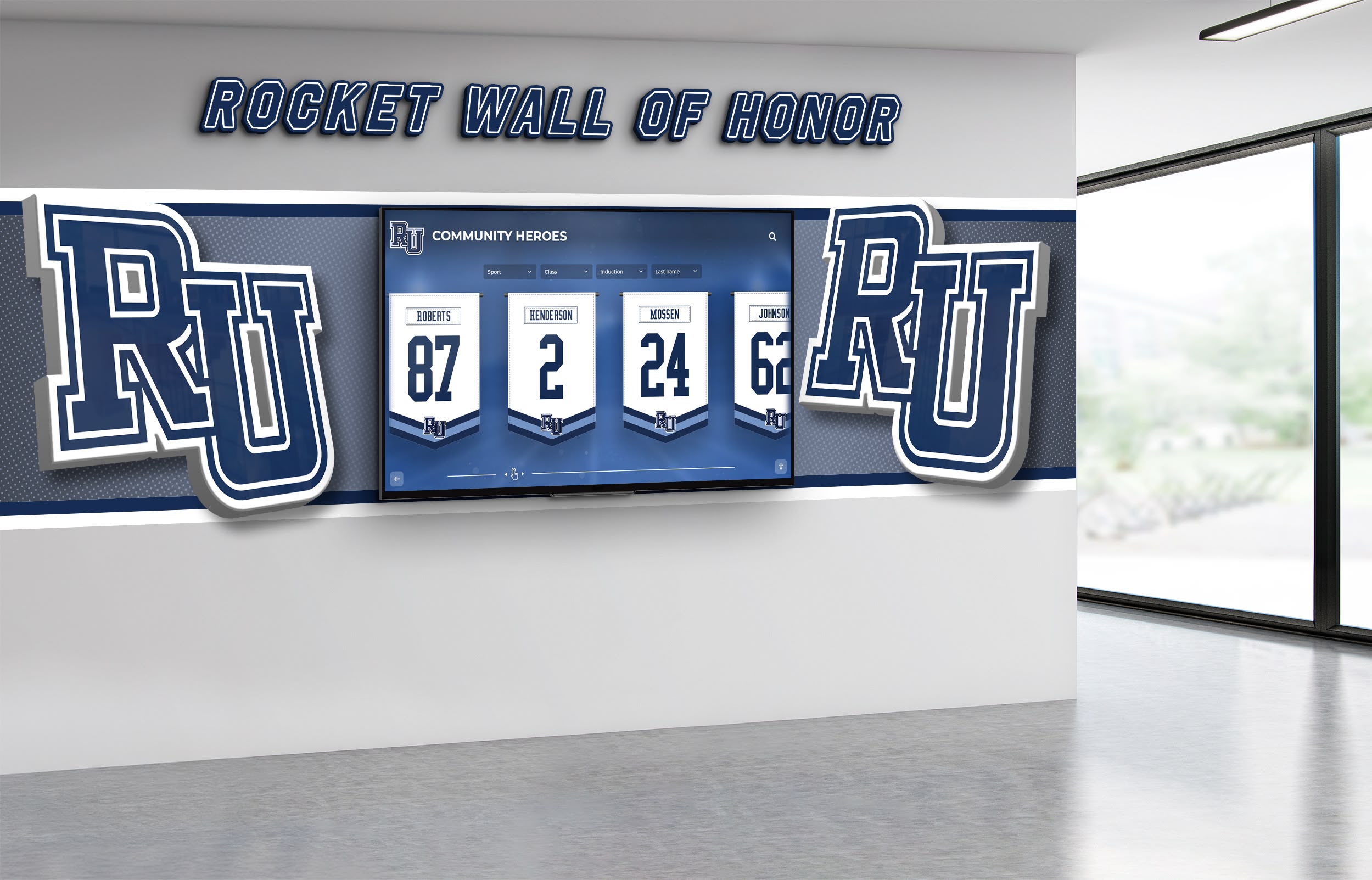
Comprehensive planning ensures donor displays integrate seamlessly with school environments
Long-Term Maintenance and Sustainability
Donor recognition displays require ongoing maintenance ensuring they continue honoring supporters appropriately while remaining current and functional.
Traditional Display Maintenance
Physical plaque installations need regular care preserving appearance and recognition effectiveness:
Cleaning and Preservation
Metal plaques require periodic cleaning preventing tarnish, oxidation, or environmental damage diminishing appearance. Professional cleaning every 2-3 years maintains optimal presentation, particularly for outdoor installations exposed to weather.
Glass recognition elements need regular cleaning maintaining visibility and professional appearance, particularly in high-traffic areas where fingerprints and general soil accumulate.
Space Management
Schools should plan expansion capacity when designing traditional donor walls, reserving physical space for future additions without requiring complete reinstallation. However, even with planning, traditional systems eventually reach capacity requiring difficult decisions about historical donor removal or complete redesign.
Digital Display Maintenance
Technology-based recognition requires different but equally important maintenance commitments:
Content Updates
Digital donor walls need regular content updates adding new contributors, correcting errors, refreshing impact stories, and maintaining current information. Establish clear responsibilities and processes ensuring updates occur promptly without requiring extensive technical expertise.
Software and Hardware Maintenance
Commercial display hardware typically requires replacement every 5-7 years as technology ages or components fail. Software platforms need periodic updates maintaining security, compatibility, and functionality. Consider maintenance and replacement costs when evaluating total ownership expenses.
Technical Support
Ensure access to technical support addressing display malfunctions, software issues, or content management questions. Many digital recognition systems include support services as part of overall platform offerings, providing expertise schools might lack internally.
Recognition Policy Evolution
As institutional needs and donor expectations evolve, recognition policies require periodic review ensuring approaches remain relevant and effective:
Annual Policy Review
Development committees should review recognition policies annually, considering whether giving level thresholds remain appropriate, recognition approaches effectively inspire continued support, donor feedback suggests policy modifications, and competitive landscape changes warrant adjustments.
Technology Upgrade Cycles
Schools implementing digital recognition should plan technology refresh cycles every 5-10 years, budgeting for hardware replacement and potential software platform updates ensuring displays remain current and functional.
For schools seeking comprehensive donor recognition solutions combining professional design, flexible technology, and ongoing support, explore how interactive donor wall systems create sustainable recognition platforms serving institutions for decades.
Accessibility and Inclusion Considerations
Effective donor recognition ensures all community members can engage with acknowledgment displays regardless of physical ability or other access needs.
Physical Accessibility Requirements
Donor wall installations must comply with accessibility standards while serving all users effectively:
Placement Height and Reach
Interactive touchscreen displays should mount at heights accommodating wheelchair users, typically 15-48 inches from floor to operable components. Traditional plaque installations should consider readable viewing heights for individuals using mobility devices.
Visual Accessibility
Text sizing, color contrast, and font choices should ensure readability for individuals with vision limitations. Digital displays offer advantages here through adjustable text sizes, high-contrast display modes, and potentially audio description options.
Cognitive Accessibility
Recognition content should communicate clearly using straightforward language, logical organization, and intuitive navigation for digital systems. Avoid assuming extensive institutional knowledge—provide context helping all community members understand donor contributions and institutional relationships.
Inclusive Recognition Practices
Beyond physical accessibility, inclusive donor walls acknowledge diverse contributors appropriately:
Diverse Contribution Recognition
Ensure recognition systems honor various support types including financial contributions, in-kind donations, volunteer service, and advocacy efforts. This comprehensive acknowledgment celebrates community commitment in all forms rather than privileging only monetary gifts.
Cultural Sensitivity
Recognition approaches should respect diverse cultural traditions around philanthropy, privacy, and public acknowledgment. Some cultural backgrounds emphasize anonymous giving or collective rather than individual recognition. Offer recognition options accommodating these diverse preferences.
Name Accuracy and Respect
Verify correct donor name spellings, preferred names versus legal names, appropriate titles or honorifics, and pronunciation guides for digital displays featuring audio components. Name accuracy demonstrates respect while errors communicate carelessness damaging donor relationships.
Accessible design ensures all community members can engage with donor recognition displays
Measuring Donor Recognition Effectiveness
Schools should evaluate whether recognition displays achieve strategic objectives beyond simply acknowledging past support.
Donor Retention Metrics
The primary recognition objective involves inspiring sustained giving rather than one-time contributions:
Multi-Year Giving Patterns
Track what percentage of recognized donors make subsequent gifts in following years. Effective recognition should demonstrate measurably higher retention rates among acknowledged supporters compared to unrecognized donors.
Giving Level Progression
Monitor whether donors increase contribution amounts over time, potentially moving into higher recognition tiers. Aspirational tier structures should inspire some donors to stretch giving reaching more prestigious acknowledgment levels.
Lapsed Donor Reactivation
Evaluate whether recognition displays help reactivate lapsed donors who resume giving after seeing themselves acknowledged or witnessing peer recognition inspiring renewed engagement.
Community Engagement Indicators
Beyond direct donor behavior, recognition displays should strengthen broader community connection to institutional mission:
New Donor Acquisition
Track whether donor wall installations correlate with increased first-time donor participation. Visible community-wide recognition creates social proof encouraging new supporters to participate in giving cultures they witness.
Volunteer Engagement
Monitor whether donor recognition connects to increased volunteer participation in school programs, booster clubs, or advancement activities. Recognition celebrating both financial and service contributions should inspire both giving types.
Stakeholder Awareness
Assess whether recognition displays improve community awareness of philanthropic importance to educational excellence, potentially through surveys or focus groups exploring stakeholder perceptions.
For schools planning comprehensive recognition programs integrating multiple approaches, consider exploring additional recognition best practices proven across educational institutions.
Conclusion: Building Recognition Systems That Honor Legacy and Inspire Future Support
Thoughtful donor wall displays serve schools far beyond simple acknowledgment, creating community pride in educational commitment, inspiring sustained multi-year giving, building institutional culture celebrating philanthropy, and demonstrating to students the community investment enabling their educational opportunities. Whether implementing traditional plaque systems, innovative digital displays, or sophisticated hybrid approaches, effective recognition requires strategic planning around giving tiers, content development, placement decisions, and long-term maintenance commitments.
The most successful school donor recognition balances honoring past generosity with inspiring future support, acknowledges contributions at all levels while distinguishing transformational gifts, maintains professional quality matching institutional standards, and creates flexible systems evolving with changing communities and donor expectations. Schools investing appropriately in donor recognition discover that acknowledgment displays generate returns far exceeding costs through sustained giving, increased donor retention, enhanced community engagement, and strengthened advancement capacity supporting educational excellence for generations.
Ready to create a donor recognition display that celebrates your supporters while inspiring sustained giving? Discover how Rocket Alumni Solutions helps schools design and implement professional donor walls combining traditional elegance with digital flexibility—honoring your community’s generosity while building sustainable giving cultures that serve students for decades to come.