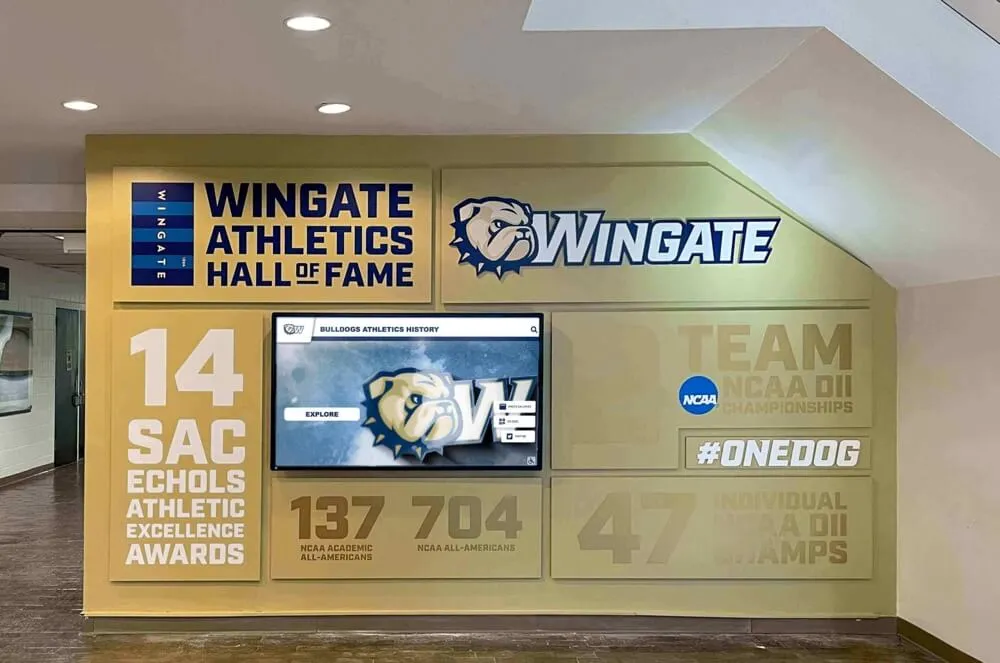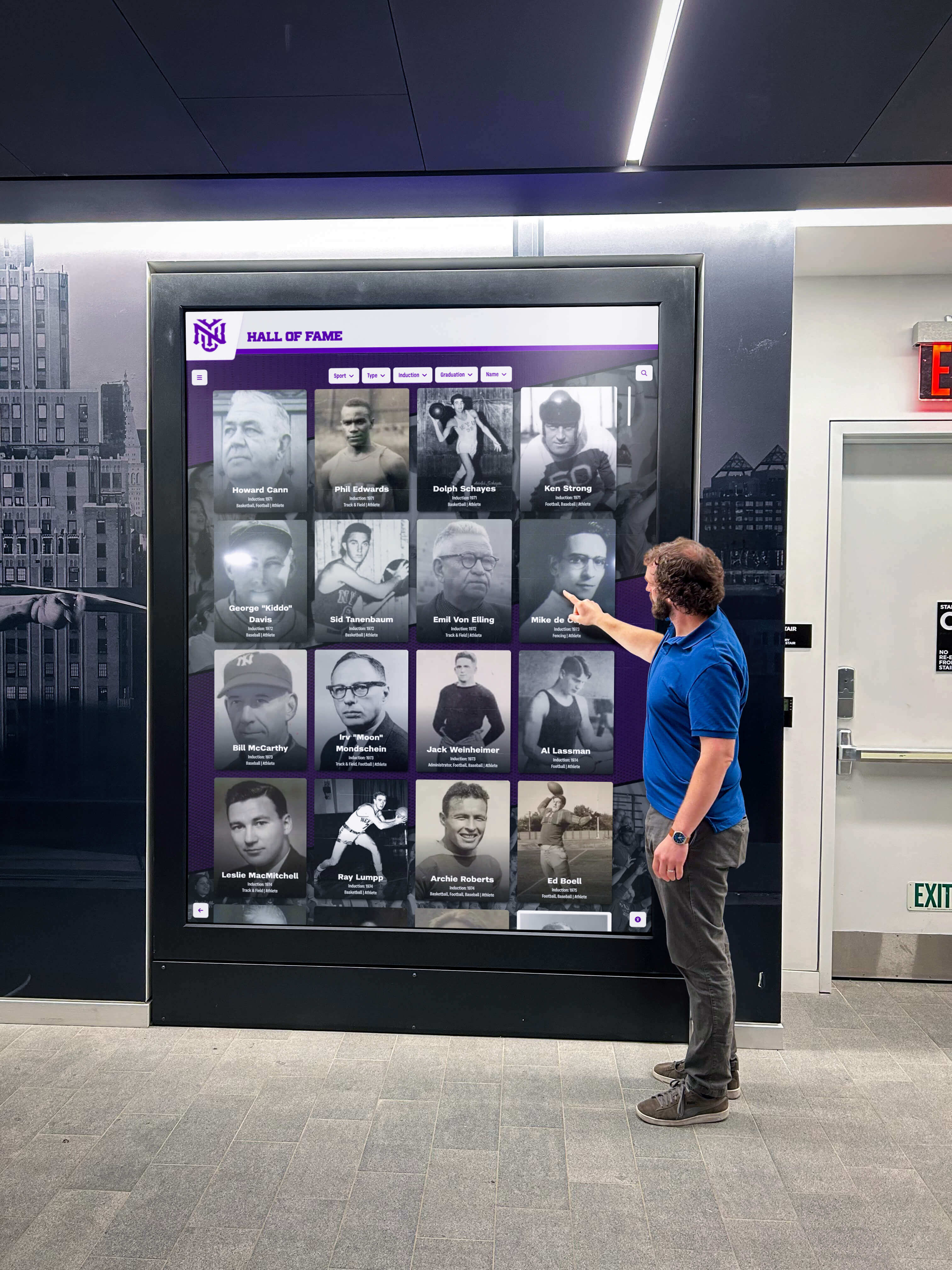
Donor walls stand among the most powerful tools nonprofits can deploy to honor supporters, build fundraising momentum, and create lasting cultures of philanthropy. When designed effectively, these recognition displays transform one-time contributors into committed champions, inspire prospective donors through visible social proof, and demonstrate organizational appreciation in tangible, permanent ways that strengthen relationships for decades.
Yet many nonprofits struggle with donor wall decisions. Should you invest in traditional brass plaques or modern digital displays? Which donors deserve recognition, and at what giving levels? How do you create meaningful acknowledgment that feels authentic rather than transactional? What happens when your wall runs out of space or campaigns evolve beyond your original design?
This guide provides clear, practical direction for navigating donor wall decisions. Whether you’re planning your first recognition display or upgrading an outdated system that no longer serves your growing organization, you’ll discover proven approaches, creative ideas, and strategic frameworks that make donor recognition both effective and sustainable.
Effective donor walls accomplish three essential goals: they celebrate contributors appropriately across all giving levels, they communicate impact and mission connection, and they inspire continued and increased support. Organizations that excel at donor recognition create environments where generosity is visible, valued, and reinforced throughout their communities.

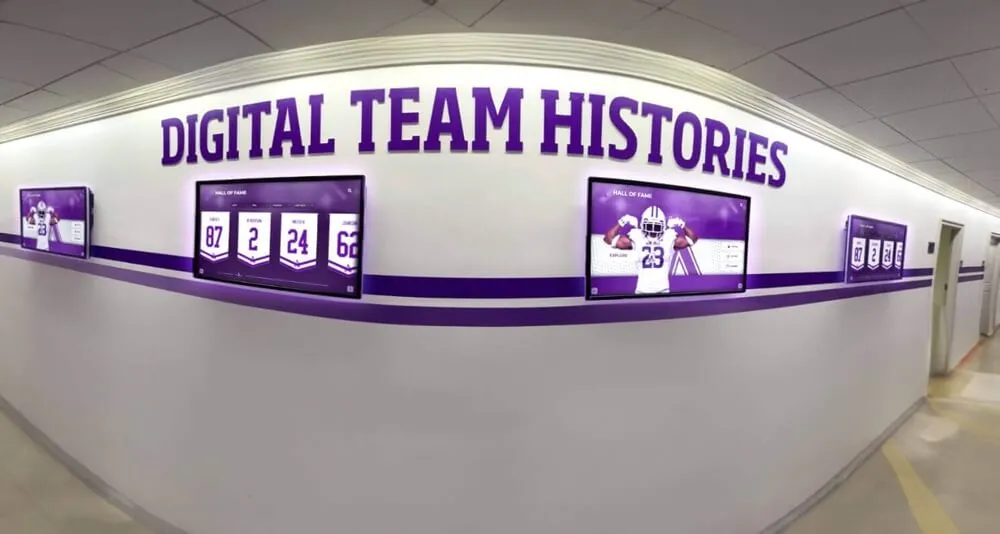
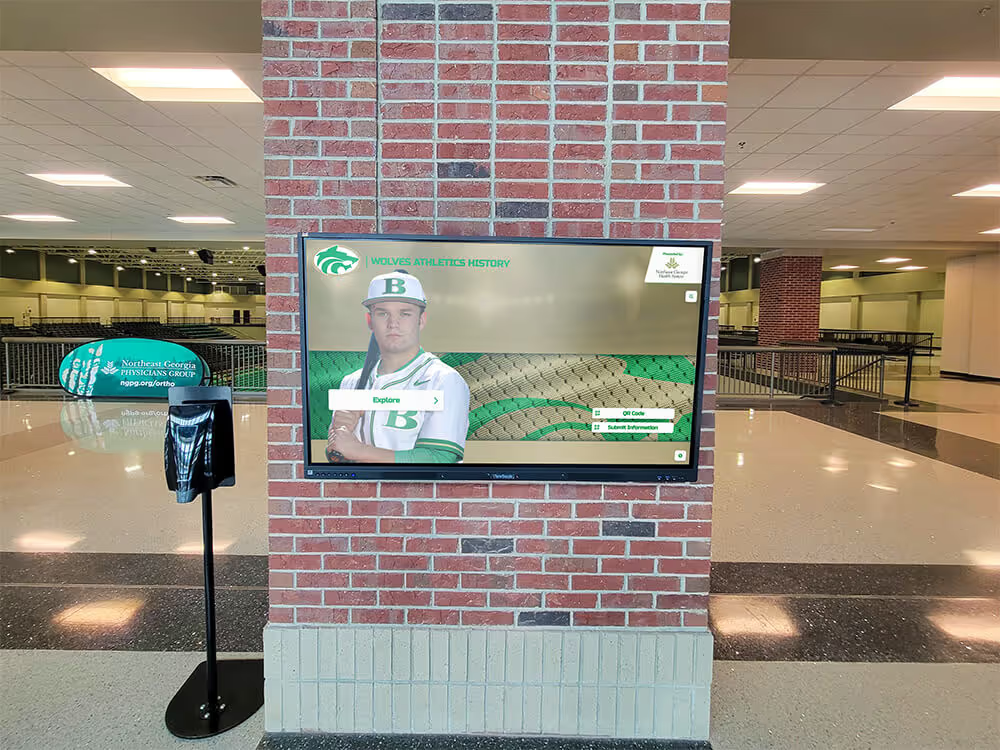
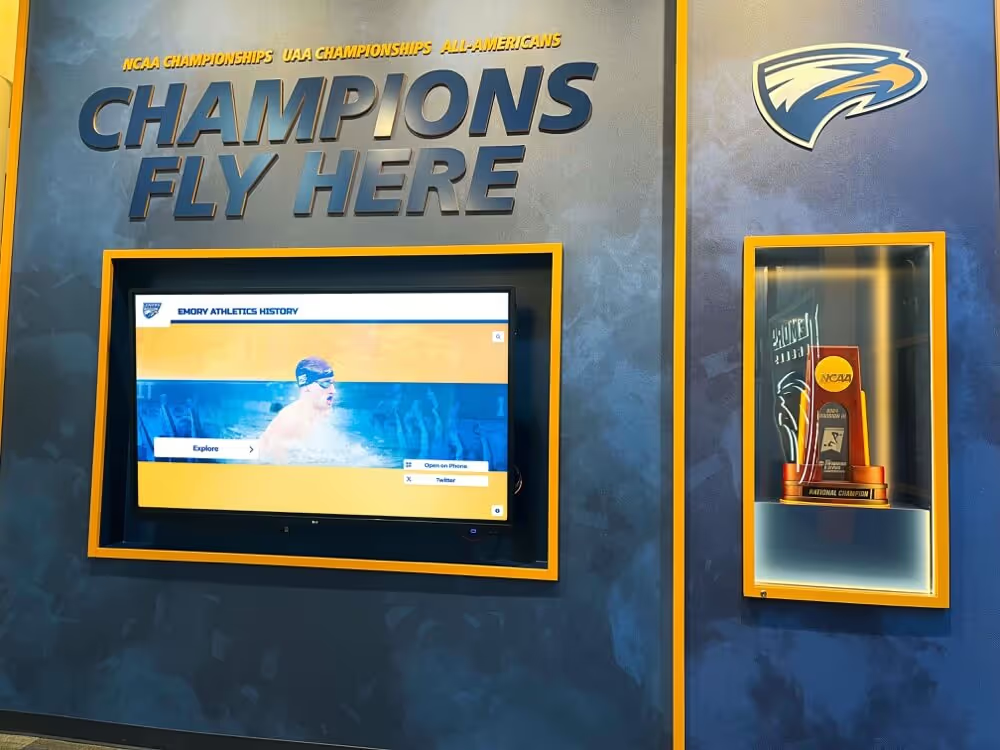
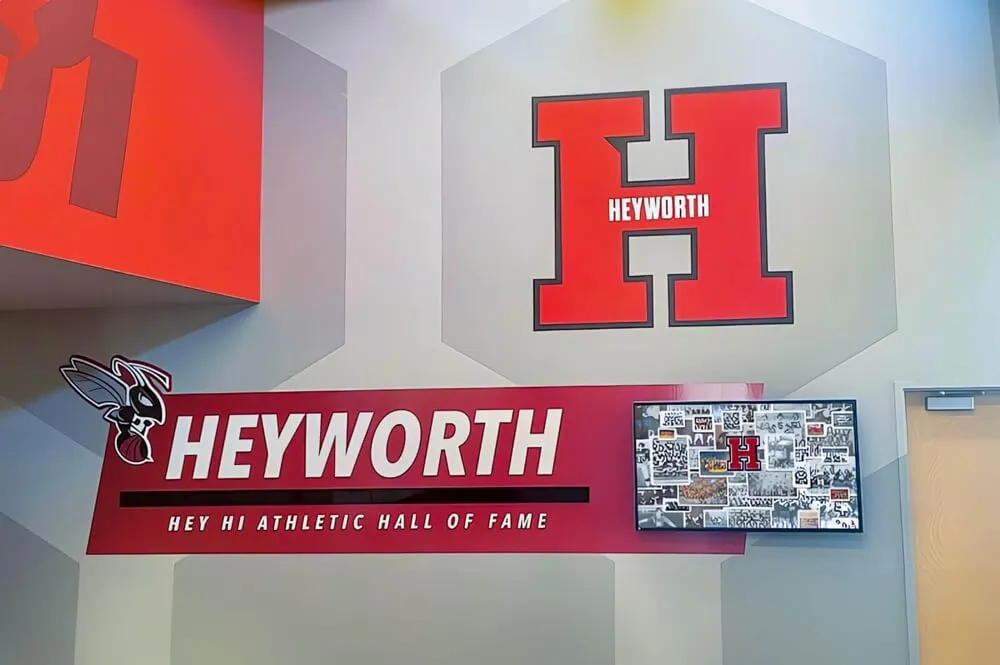
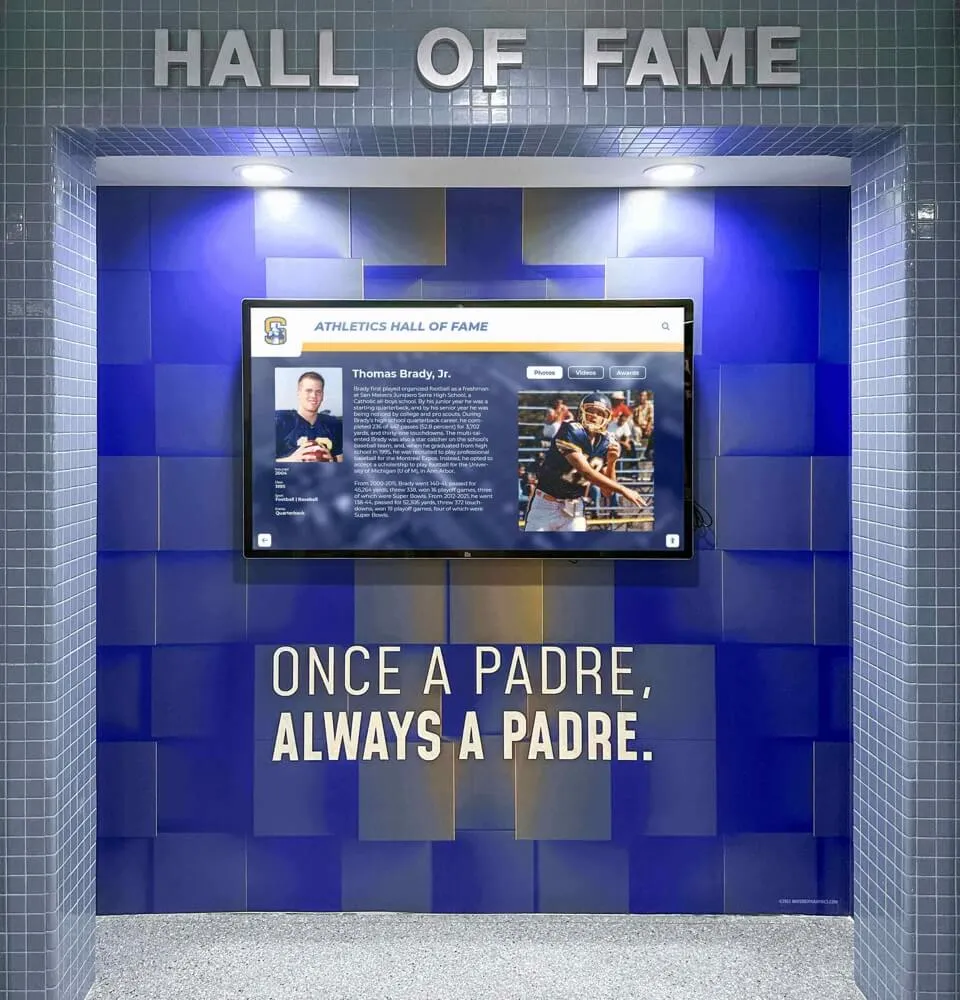
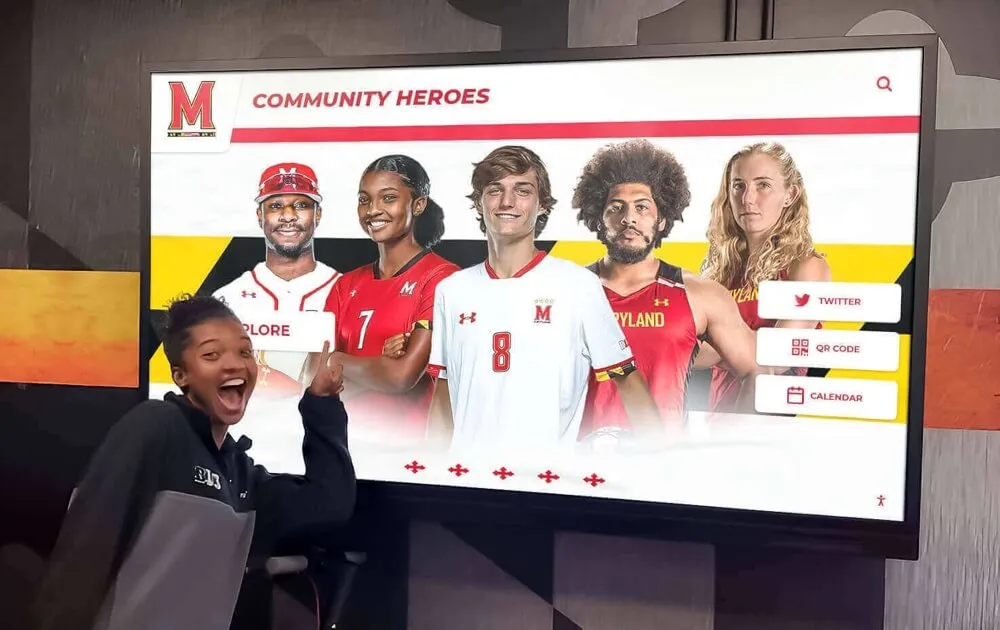
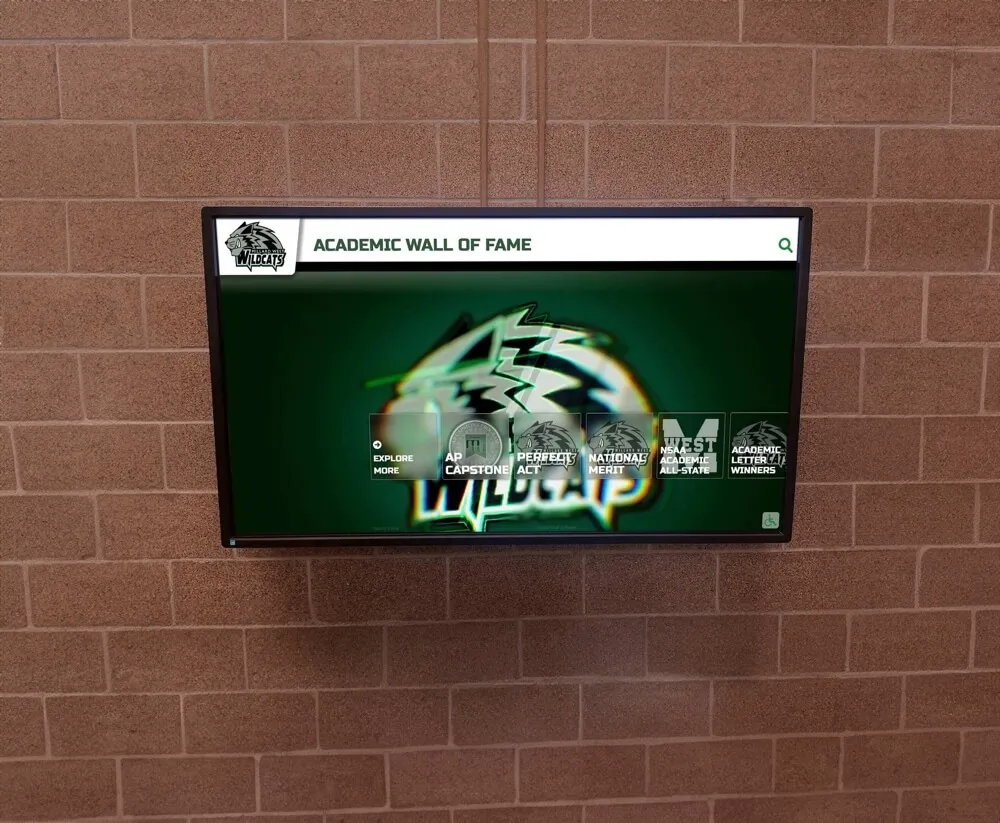
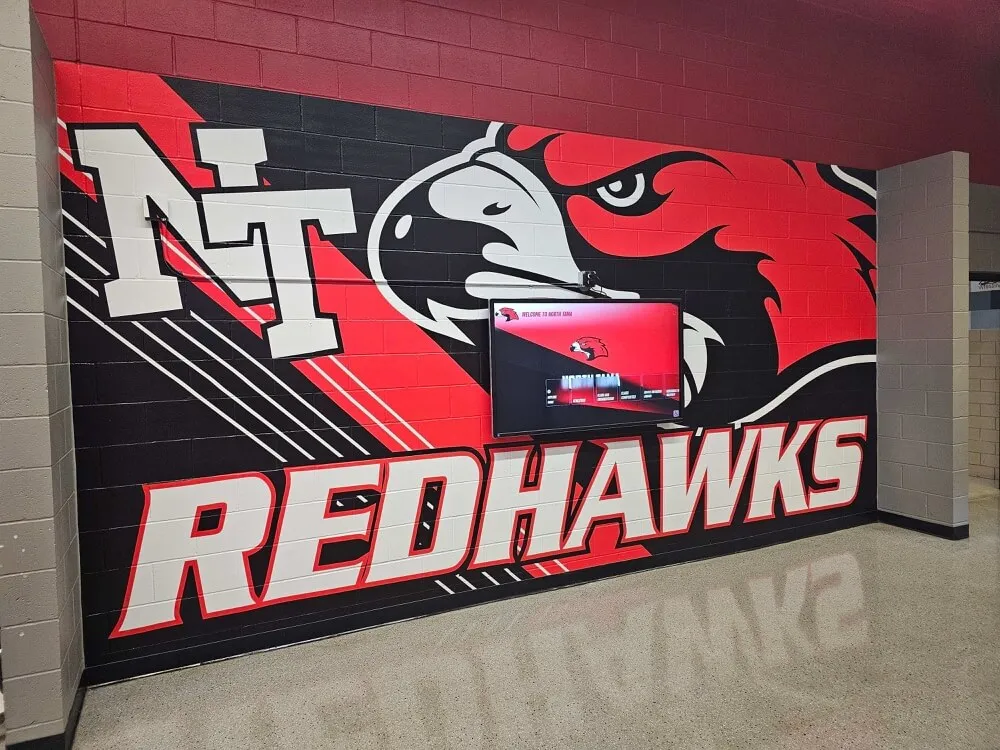
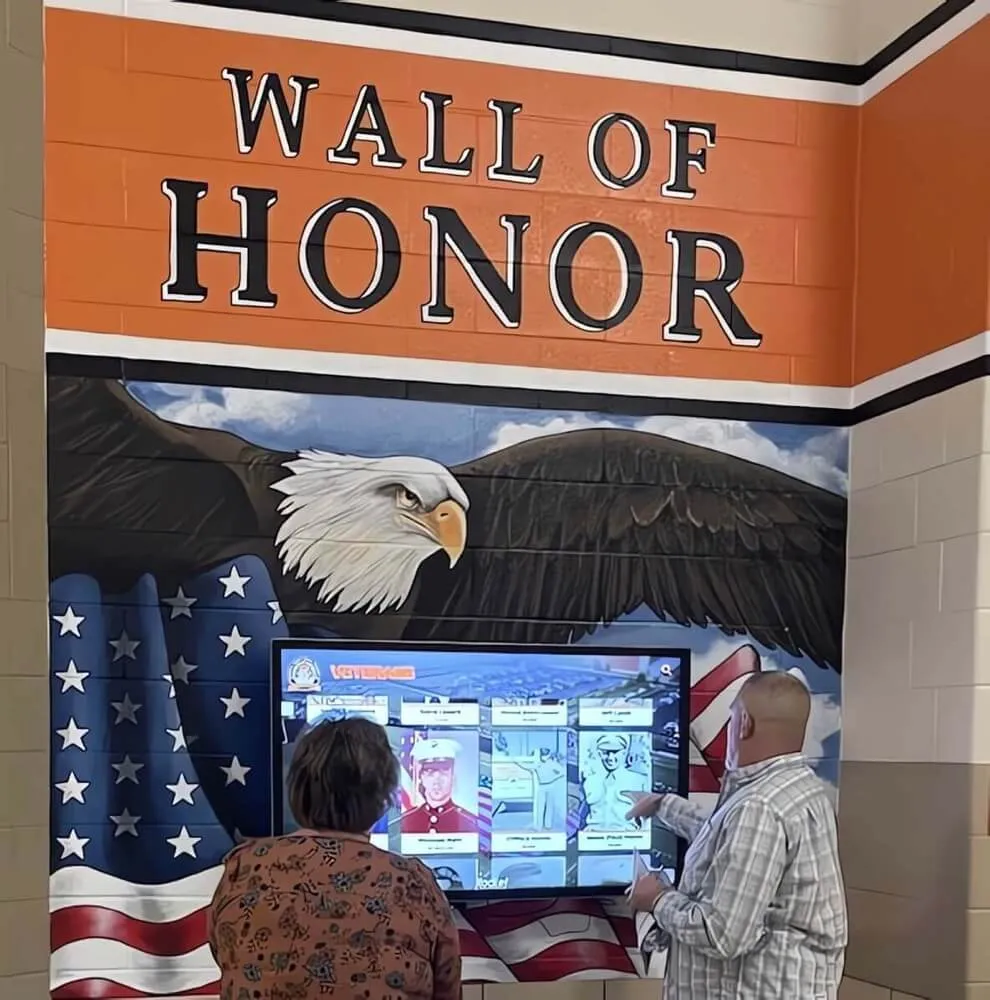
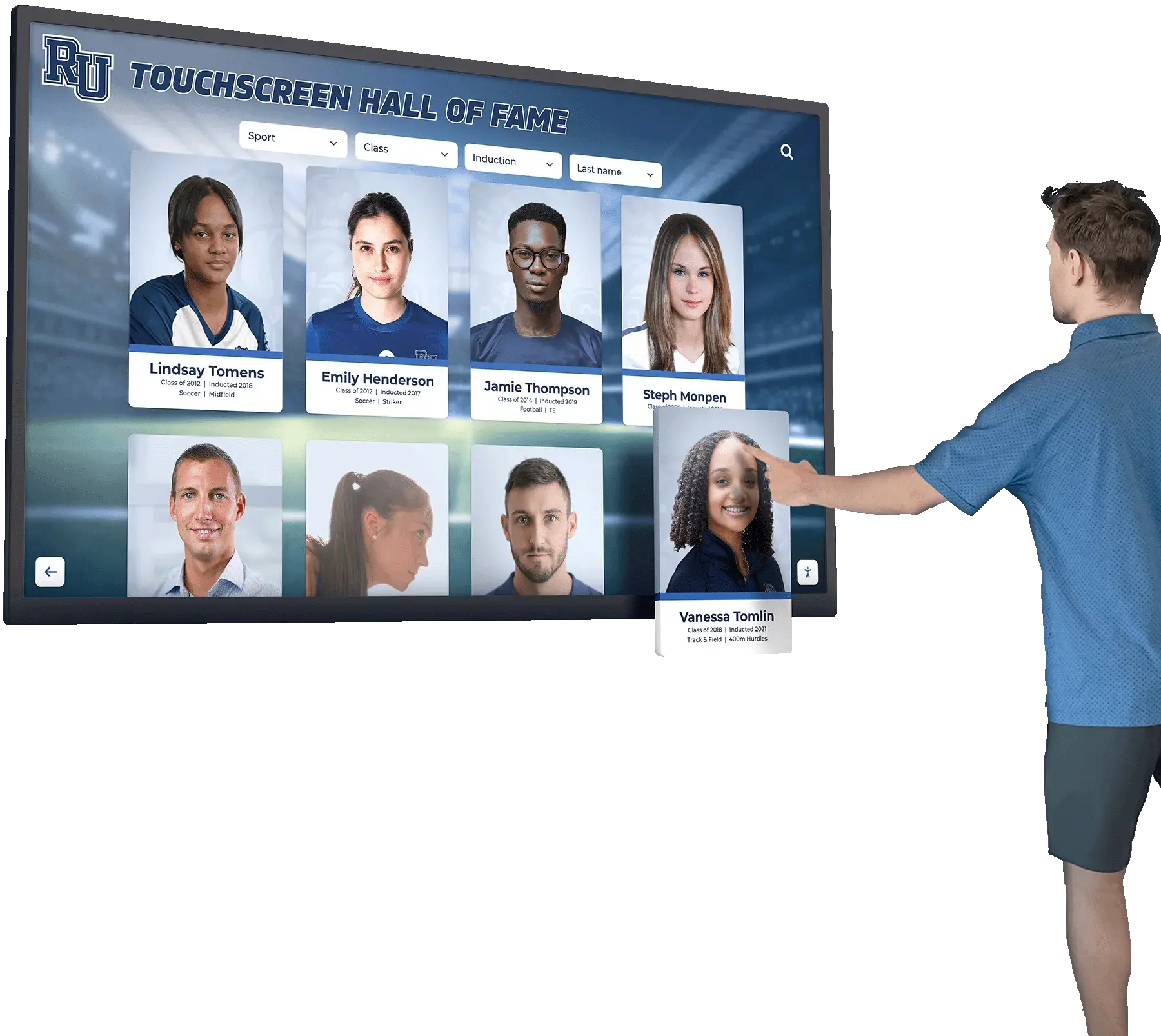
Modern donor walls create engaging recognition experiences that honor supporters and inspire philanthropy
Why Donor Walls Matter: The Strategic Case for Recognition
Understanding how donor walls affect fundraising outcomes helps nonprofits prioritize recognition investments and design systems that deliver measurable returns.
The Retention Crisis Facing Nonprofits
Donor retention represents one of nonprofits’ most pressing challenges. According to fundraising research, donor retention rates remain low across the sector, with many organizations losing more than 50% of first-time donors before their second gift. When acquiring new donors costs 5-7 times more than retaining existing supporters, this attrition creates continuous fundraising pressure.
Recognition plays a direct role in retention. Studies consistently show that donors who feel appreciated demonstrate higher giving frequency, increased contribution amounts, and greater likelihood of including organizations in estate planning. Lack of acknowledgment ranks among the top reasons donors cite for discontinuing support.
Donor walls address this retention challenge by creating permanent, visible appreciation that makes contributors feel valued beyond transactional thank-you letters. When supporters see their names honored alongside fellow philanthropists in high-visibility locations, recognition extends beyond initial gift acknowledgment to become ongoing affirmation of their generosity.
Social Proof and Fundraising Momentum
Beyond honoring existing donors, recognition walls inspire prospective contributors through powerful social proof. When potential supporters visit your facility and encounter prominent displays showcasing community philanthropy, they receive implicit messages: giving to this organization is valued and celebrated, many others have invested in this mission, and joining this philanthropic community creates meaningful belonging.
This social proof effect proves particularly valuable during capital campaigns. Campaign progress displays showing donor names, gift levels, and funding thermometers create urgency and momentum. Seeing others contribute at various levels validates giving decisions for prospective donors while demonstrating campaign viability and community support.
Building Organizational Culture
Recognition walls shape organizational culture in ways that extend well beyond fundraising. When you dedicate prominent space to celebrating donor generosity, you signal institutional values and priorities. Staff, board members, volunteers, program participants, and visitors all receive clear messages about how your organization views philanthropy and relationships with supporters.
This cultural impact creates positive feedback loops. Organizations with strong recognition cultures attract donors seeking communities that value generosity. Visible philanthropy inspires current supporters to increase giving while encouraging new contributors to join. Recognition becomes self-perpetuating as honored donors become ambassadors who inspire others through their example.
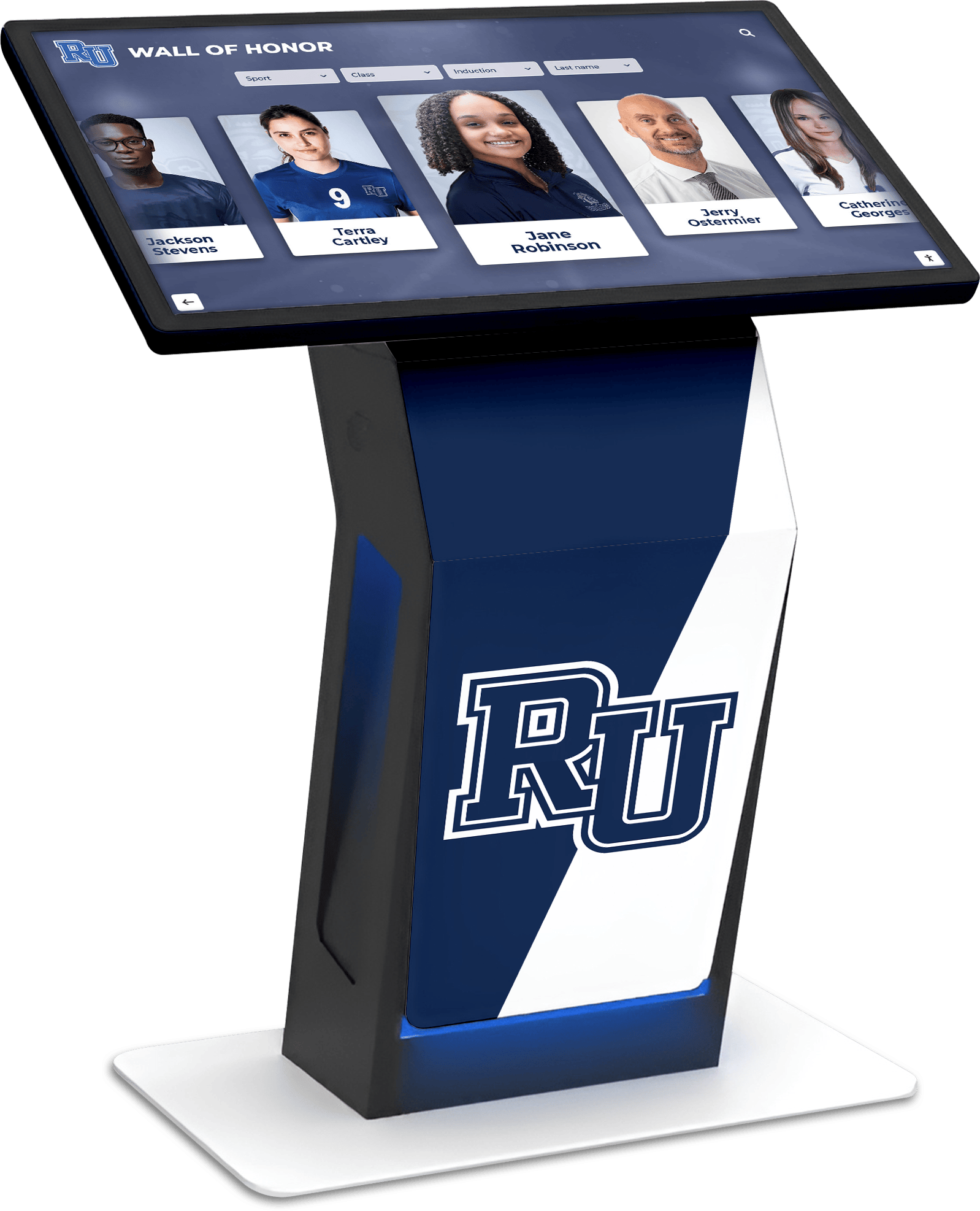
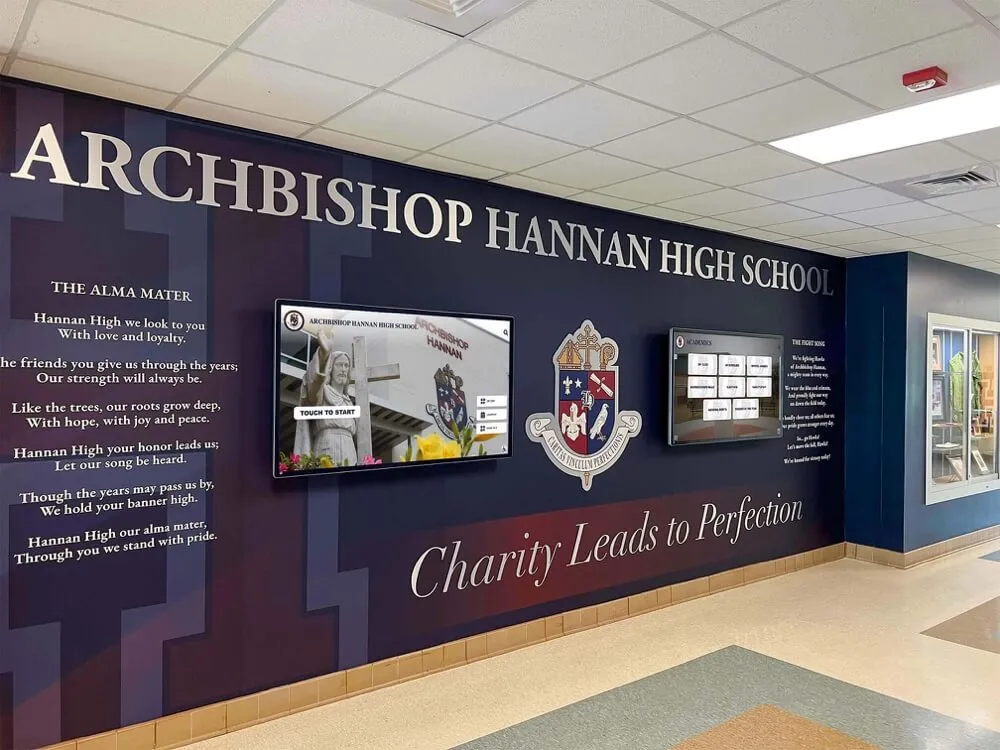
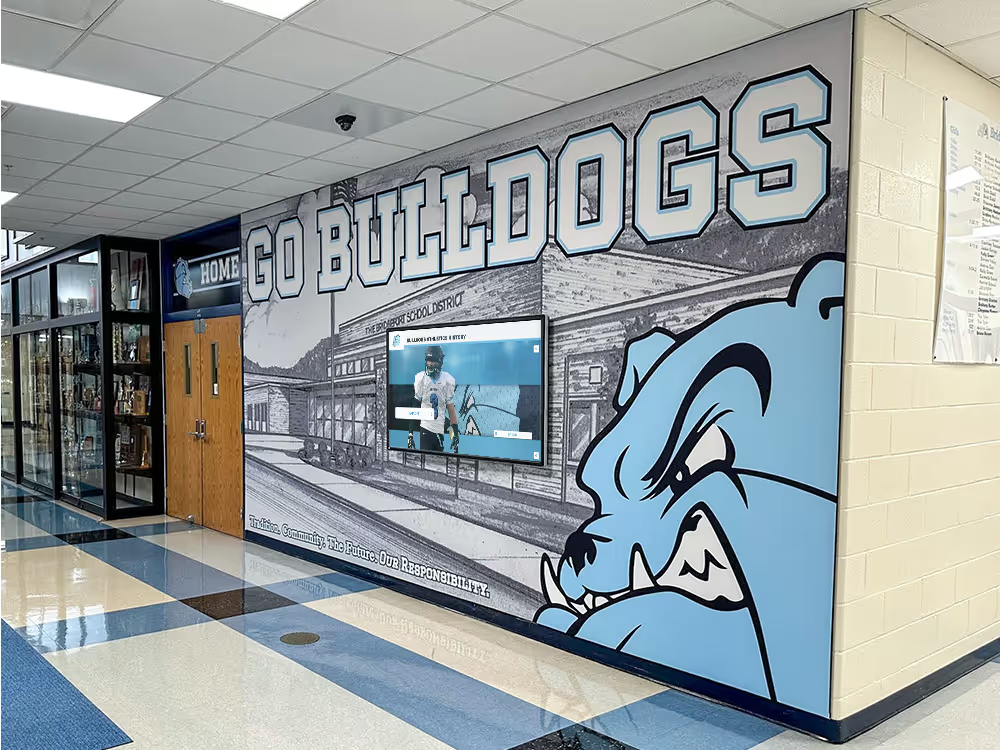
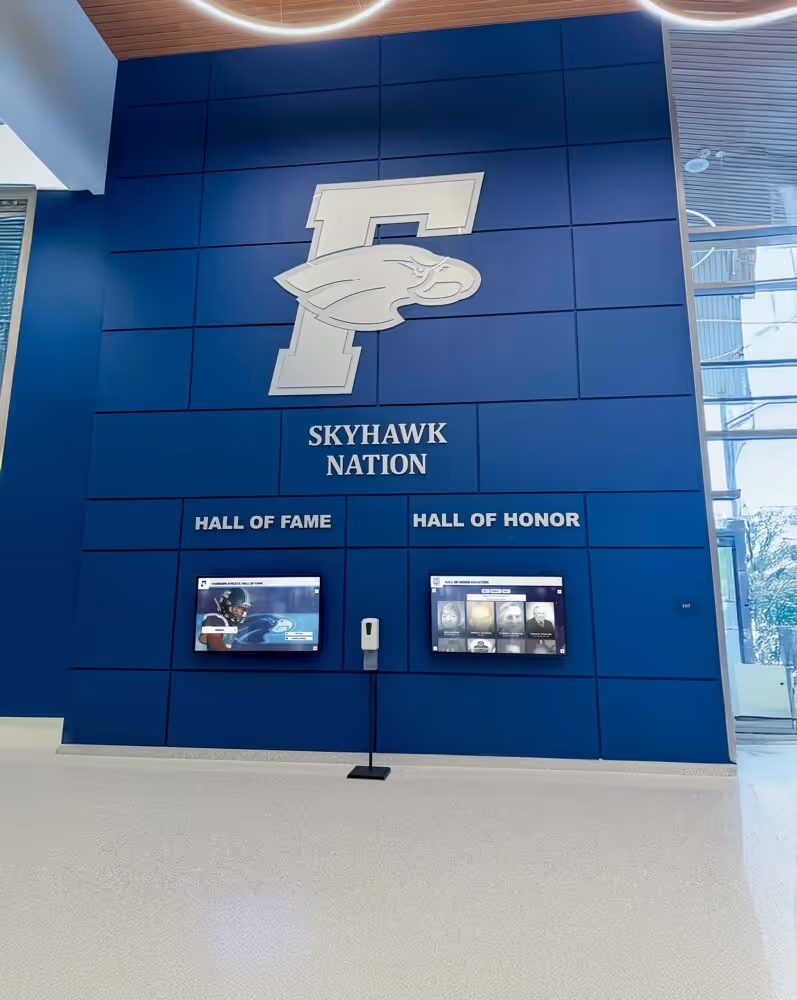
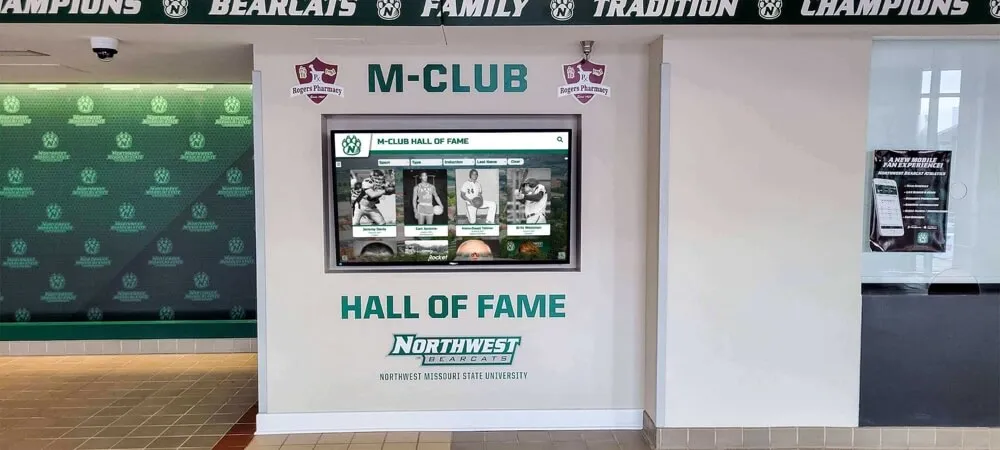
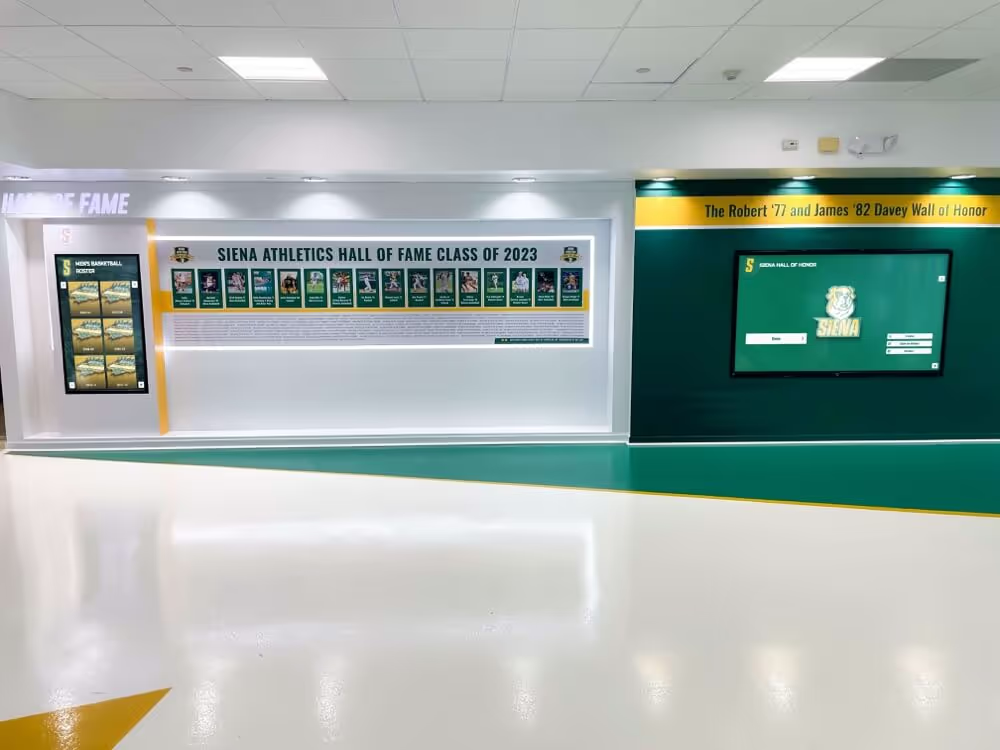
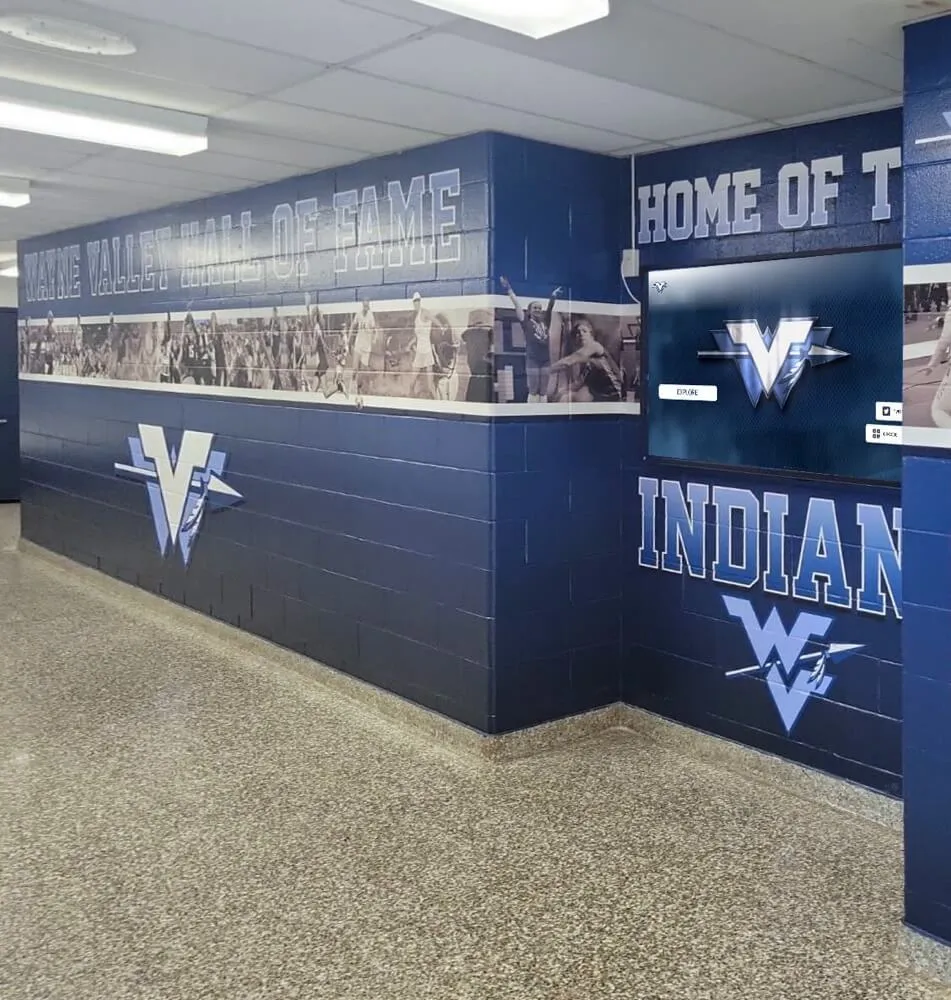
Strategic recognition installations create destination spaces that engage visitors
Traditional vs. Digital Donor Walls: Understanding Your Options
Nonprofits face fundamental choices between traditional physical installations and modern digital recognition systems. Each approach offers distinct advantages and limitations worth careful consideration.
Traditional Donor Walls: Benefits and Constraints
Physical donor walls have recognized supporters for generations through brass plaques, engraved names, tiered displays, and architectural integration. These traditional approaches offer certain benefits including classic aesthetics with established prestige, permanent fixtures requiring no technology management, tactile presence creating physical gravitas, and simple operation with no software learning curves.
However, traditional walls face significant limitations that increasingly challenge nonprofits:
Space Constraints Physical walls accommodate finite numbers of donors before running out of room. Most traditional installations fill within 3-7 years, forcing difficult decisions about whose contributions receive visible recognition. Organizations must either remove historical donors to add current supporters, create additional walls consuming more valuable space, or stop adding names entirely as wall capacity reaches limits.
Inflexible Design Once installed, traditional walls prove difficult and expensive to modify. Changing giving level categories, adding new campaigns, or reorganizing recognition structure requires complete reinstallation costing thousands of dollars. This inflexibility creates problems as organizational needs evolve beyond original design assumptions.
High Update Costs Adding donors to brass plaque walls typically costs $150-$300 per name for professional engraving and installation. Organizations with active fundraising programs face annual update costs of $3,000-$15,000 as new supporters join giving societies. Over 10-15 years, these recurring expenses exceed initial wall installation costs.
Limited Storytelling Traditional walls communicate names and perhaps giving levels but cannot share donor stories, demonstrate impact, or connect contributions to outcomes. This limitation reduces recognition to simple acknowledgment without the rich storytelling that creates emotional connections and inspiration.
Learn about comprehensive recognition approaches in digital donor wall displays that overcome traditional limitations.
Digital Donor Recognition: Modern Solutions
Digital donor walls leverage technology to solve traditional recognition challenges while creating enhanced engagement opportunities. These systems typically combine large touchscreen displays with cloud-based content management platforms enabling remote updates and administration.
Unlimited Capacity Digital platforms recognize unlimited donors without physical space constraints. Single displays can showcase thousands of supporters through searchable interfaces enabling visitors to find specific individuals instantly. This unlimited capacity ensures every contributor receives appropriate acknowledgment regardless of giving level or wall space availability.
Flexible Organization Cloud-based management enables instant recognition reorganization without physical reinstallation. Development teams can add new giving circles, create campaign-specific recognition, adjust donor levels, correct errors immediately, and refresh content regularly all through simple administrative interfaces requiring no technical expertise.
Cost-Effective Updates After initial investment, digital systems eliminate recurring engraving costs. Adding new donors requires minutes of staff time rather than hundreds of dollars for professional services. Organizations report 80-90% cost savings on recognition maintenance over 5-10 year periods compared to traditional approaches.
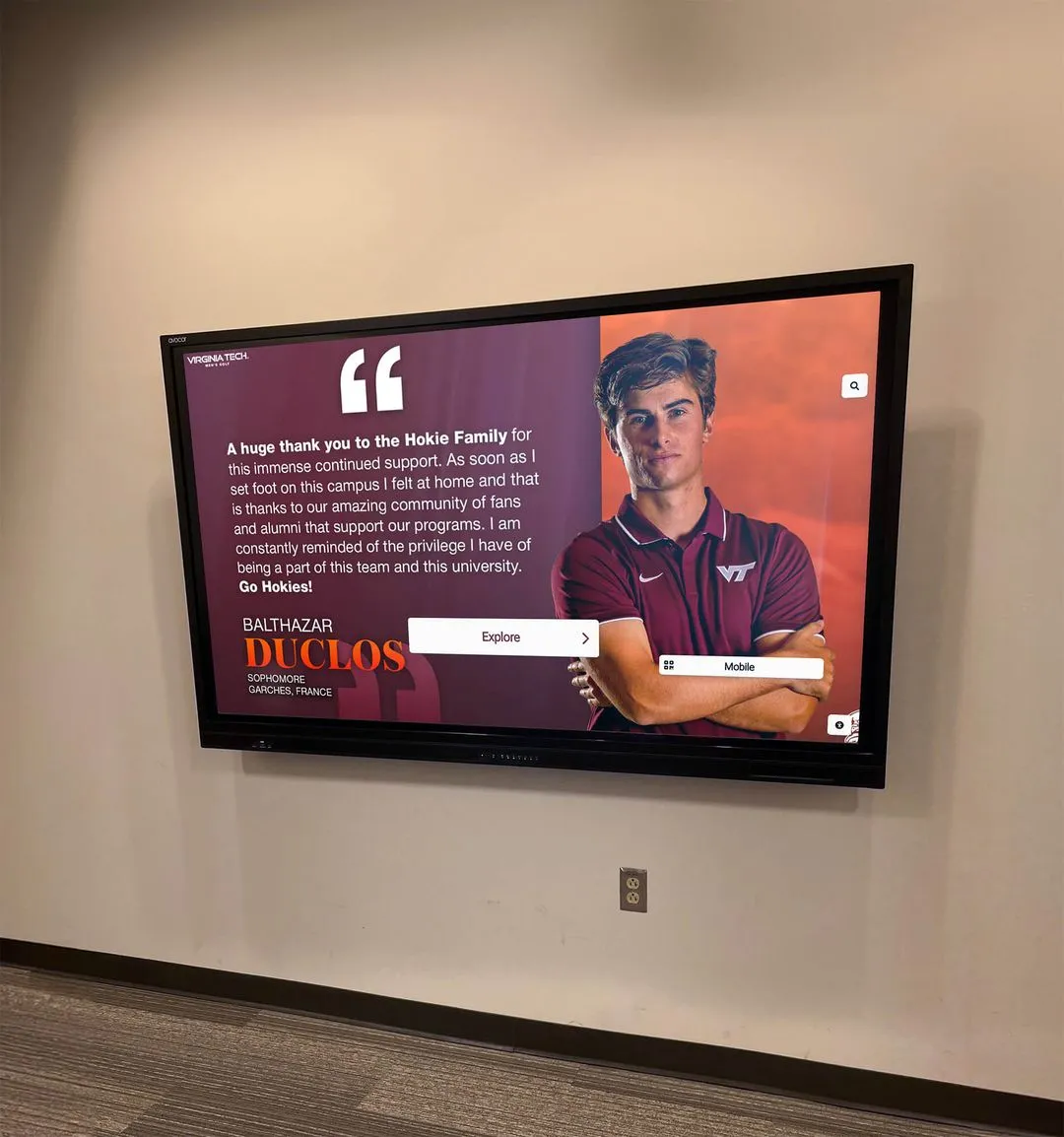
Rich Multimedia Storytelling Digital displays enable donor profiles including photographs, biographical information, video testimonials, giving histories, impact stories connecting contributions to outcomes, and campaign progress visualization. This multimedia capability transforms recognition from name listings to compelling narratives that inspire visitors and honor donors more meaningfully.
Remote Management Development staff update recognition from anywhere with internet access rather than coordinating with facilities departments and engraving professionals. This accessibility proves especially valuable for organizations with multiple locations or remote team members managing donor relations.
Solutions like Rocket Alumni Solutions provide comprehensive digital donor recognition platforms combining interactive touchscreen displays with intuitive content management, enabling nonprofits to celebrate unlimited supporters while maintaining flexibility as organizational needs evolve.
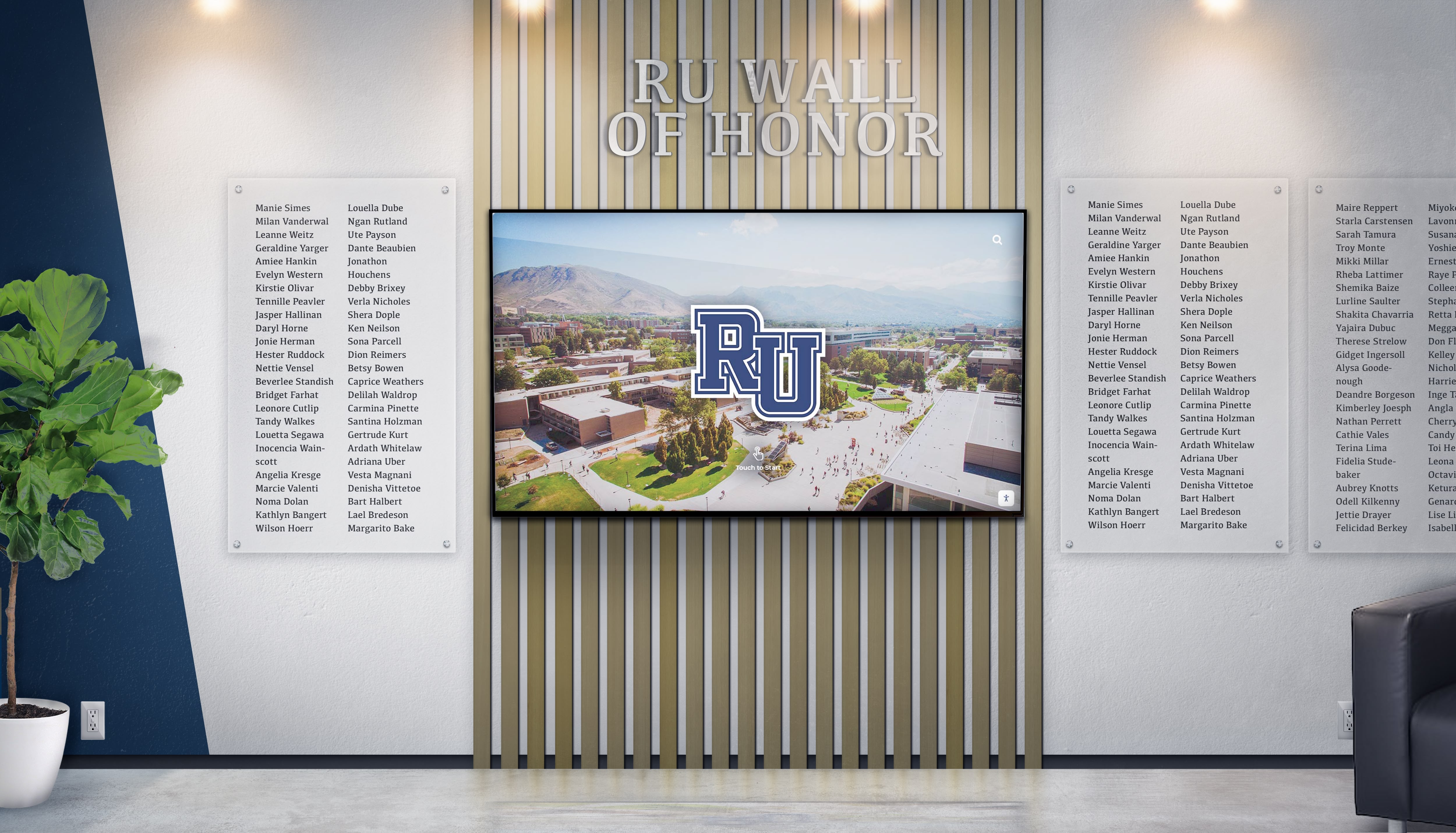
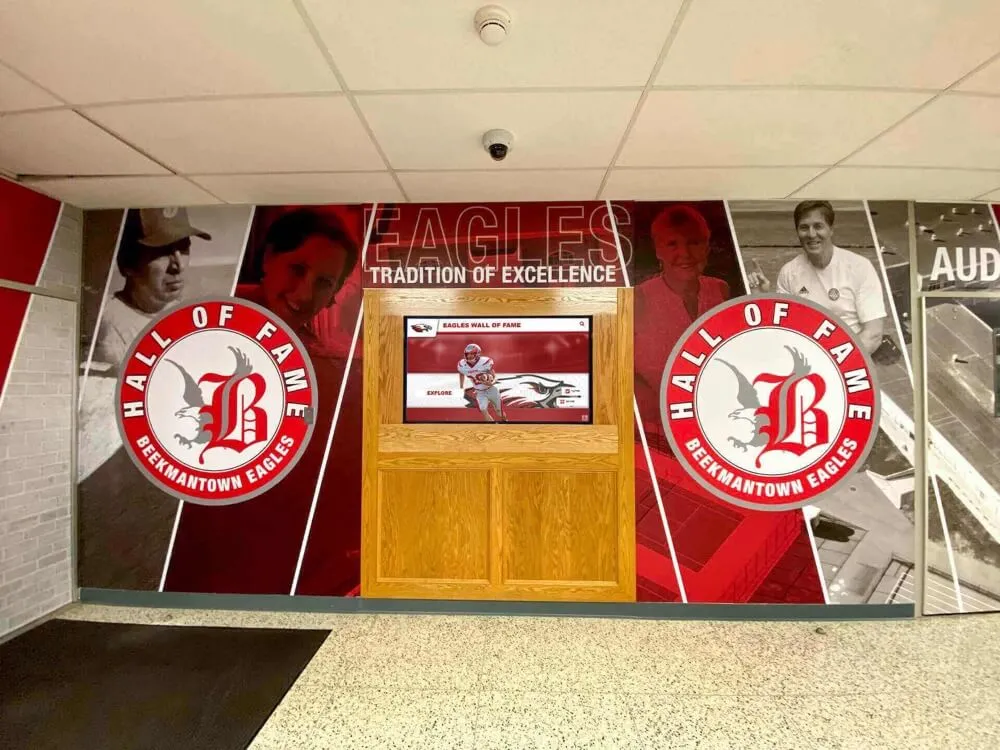
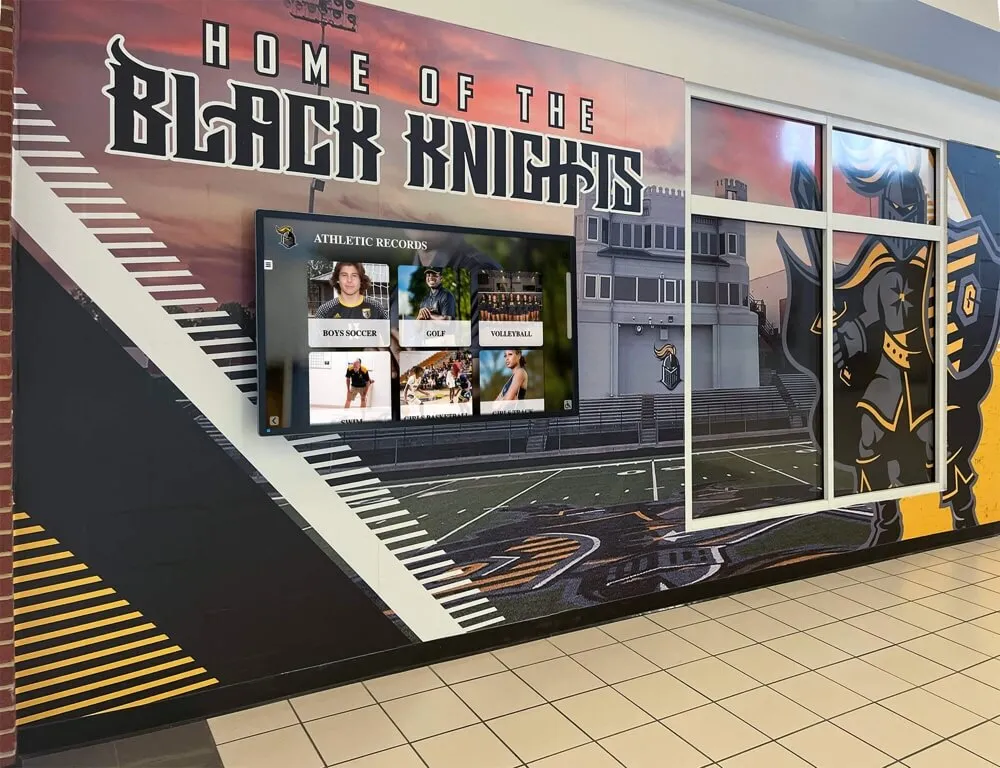
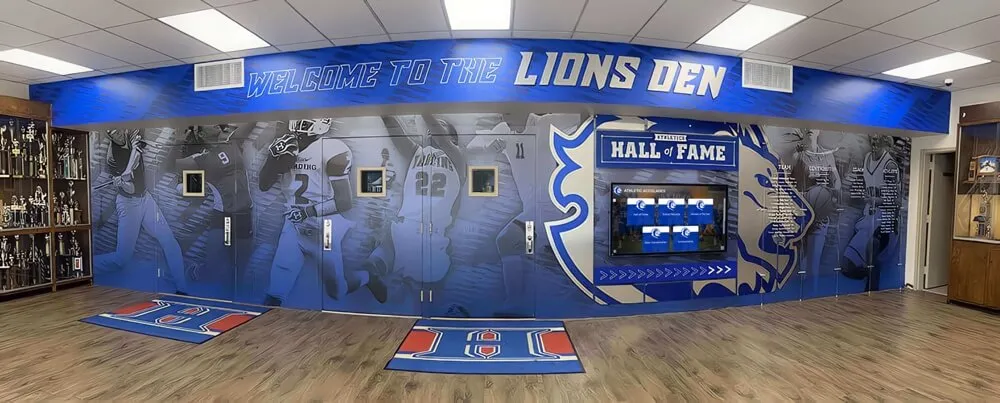
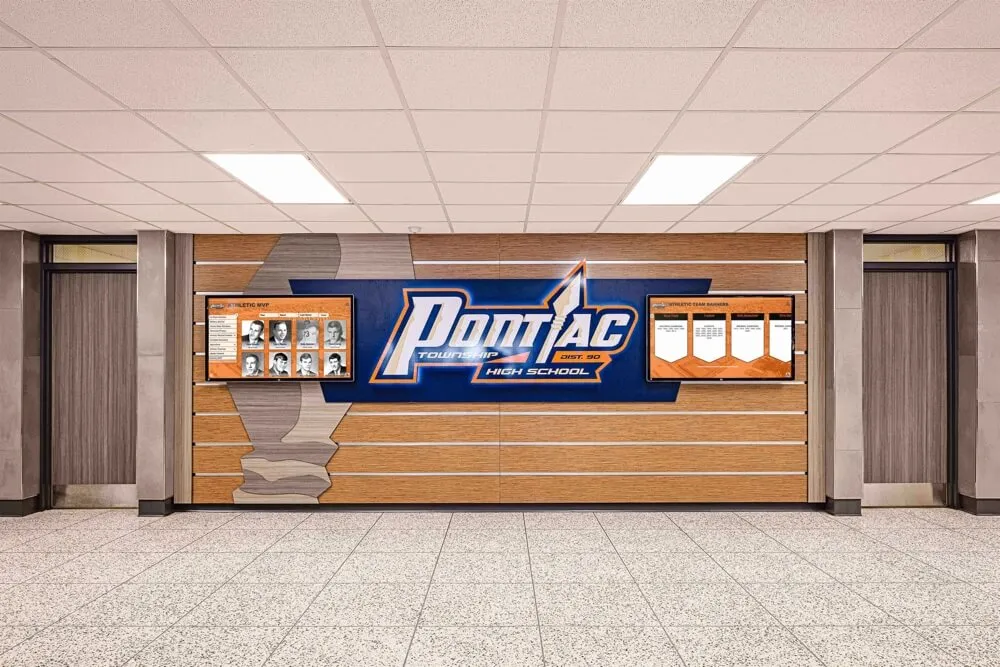
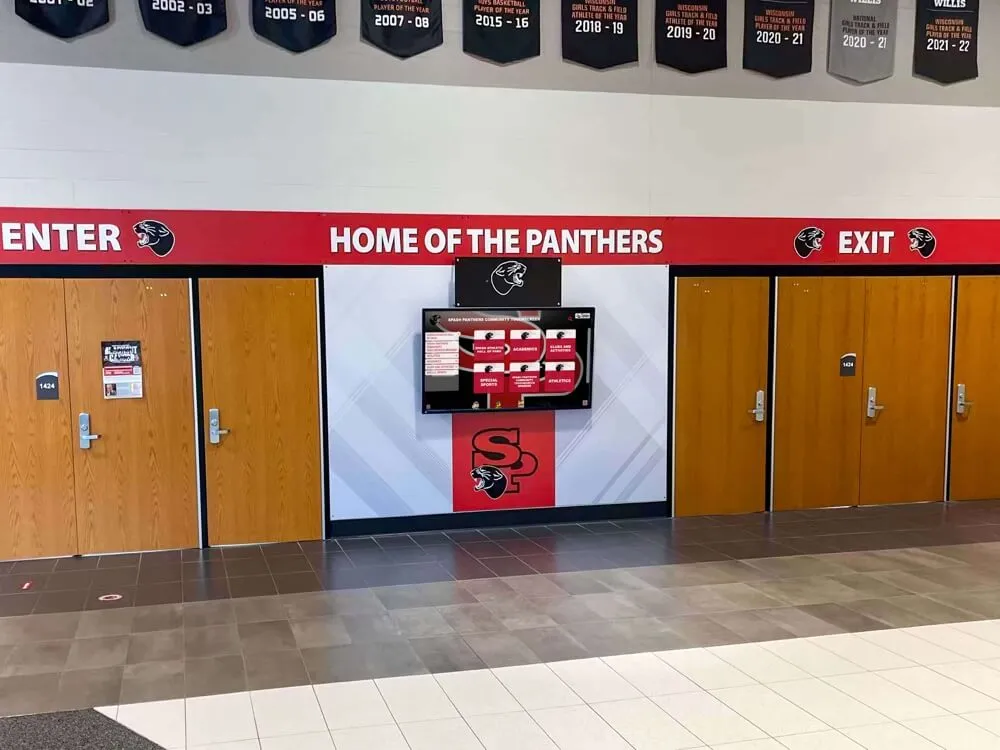
Hybrid recognition combines digital flexibility with traditional aesthetic elements
10 Creative Donor Wall Ideas for Nonprofits in 2026
Moving beyond standard plaques, these innovative approaches create memorable recognition that engages supporters and inspires continued generosity.
1. Interactive Touchscreen Donor Walls
Digital touchscreen systems enable visitors to explore donor recognition through intuitive interfaces featuring searchable donor databases, detailed individual profiles with photos and stories, giving level filters and sorting options, campaign progress thermometers, impact documentation and outcome data, and featured donor spotlights rotating regularly.
Interactive elements transform passive viewing into active engagement, increasing time visitors spend with recognition content while creating memorable experiences that honor donors meaningfully. Touchscreens appeal particularly to younger donors accustomed to digital interaction while accommodating all age groups through intuitive design.
Organizations implementing interactive donor walls report increased donor satisfaction, enhanced visitor engagement, reduced administrative burden for recognition updates, and improved fundraising results as social proof effects become more visible and compelling.
2. Giving Society Circles with Tiered Recognition
Rather than simple name listings, create distinct giving societies at multiple levels with unique names reflecting organizational mission, differentiated visual presentation on displays, exclusive benefits and engagement opportunities, and clear pathways for advancement.
For example, nonprofits might establish:
- Heritage Circle ($1,000-$4,999 annually)
- Cornerstone Society ($5,000-$9,999 annually)
- Visionary Partners ($10,000-$24,999 annually)
- Leadership Council ($25,000-$49,999 annually)
- Founders Circle ($50,000+ annually)
This tiered structure provides recognition at accessible entry points while creating aspiration for supporters to advance through giving growth. Visual hierarchy on walls or digital displays immediately communicates contribution levels without explicitly displaying dollar amounts, maintaining donor privacy while acknowledging generosity appropriately.
3. Impact-Focused Recognition Connecting Gifts to Outcomes
Transform donor walls from simple name lists to impact storytelling by organizing recognition around programs and outcomes rather than only giving levels. Create displays showing scholarship donors alongside student testimonials, facility contributors with before-and-after project photos, program supporters with beneficiary stories, and endowment builders with long-term sustainability impact.
This approach helps donors visualize the tangible results their contributions create while connecting recognition to mission rather than purely financial acknowledgment. Impact-focused walls prove especially effective for nonprofits with diverse programs where supporters give to specific initiatives rather than general operating funds.
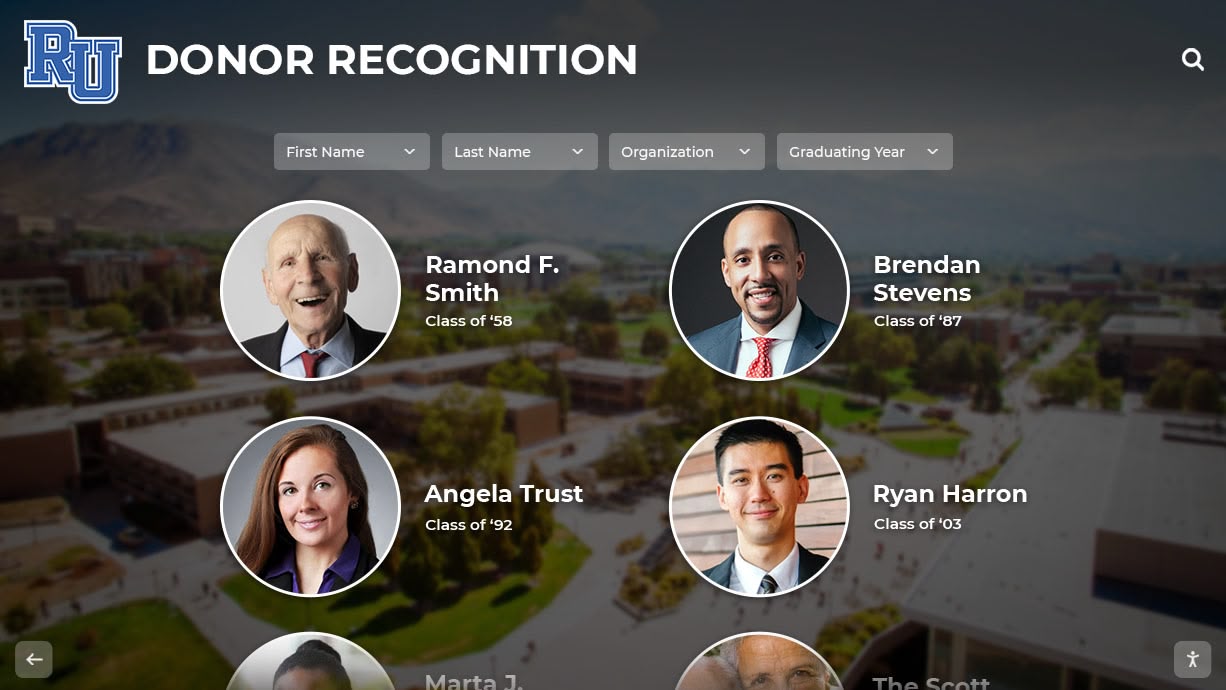
Impact-focused recognition connects donor generosity to tangible outcomes
4. Legacy and Planned Giving Recognition Walls
Create dedicated displays honoring supporters who include your organization in estate plans or make other planned giving commitments. Legacy recognition typically features a separate dedicated display or section, enhanced visual distinction from annual giving recognition, special naming like Heritage Society or Legacy Partners, biographical elements when donors consent, and recognition during donor lifetimes when gifts are committed.
Legacy walls serve dual purposes: honoring planned giving commitments appropriately and inspiring others to consider similar estate gift arrangements. Many organizations report that visible legacy recognition increases planned giving inquiries by 15-30% as supporters see peers making these commitments.
5. Memorial and Honor Gift Recognition
Dedicate space specifically for memorial contributions honoring deceased loved ones or honor gifts celebrating living individuals. Effective memorial recognition includes tribute designations clearly identifying honored individuals, donor names acknowledging those making memorial gifts, photographs when families provide them, meaningful quotations or brief biographical notes, and organized presentation creating dignified, respectful display.
Memorial recognition requires particular sensitivity and family involvement in decision-making about how loved ones are honored. Many organizations invite families to contribute brief biographical information or favorite quotes that personalize recognition while respecting privacy and grief.
6. Campaign-Specific Recognition Displays
During capital campaigns or major initiatives, create dedicated recognition focused on specific projects including visual campaign branding and imagery, progress thermometers showing funding toward goals, project renderings or construction documentation, timeline milestones celebrating key achievements, and prominent acknowledgment of campaign leadership donors.
Campaign displays generate momentum and urgency that accelerate giving while providing concentrated recognition appropriate to time-limited initiatives. After campaign completion, many organizations convert campaign displays to permanent recognition or transition content to highlight new priorities.
7. Donor Story Walls Featuring Testimonials
Rather than name-only recognition, create displays showcasing why donors support your mission through video testimonials from contributors explaining giving motivations, written statements about organizational impact, family philanthropy stories spanning generations, photographs of donors engaged with programs, and rotating featured donors ensuring everyone receives special visibility.
Story-based recognition creates deeper emotional connection than names alone while providing peer-to-peer inspiration more powerful than organizational appeals. Donors appreciate seeing their values and commitment honored beyond financial acknowledgment.
Organizations implementing story walls typically request permission and collect content during gift acknowledgment processes, building libraries of donor testimonials that serve recognition and marketing purposes simultaneously.
Explore effective storytelling approaches in donor recognition programs that strengthen relationships.
8. Corporate Sponsor and Partner Recognition
Organizations with significant corporate support benefit from dedicated recognition sections acknowledging business partners through company logos and branding, sponsorship level acknowledgment, partnership descriptions and program support, multi-year commitment celebration, and employee engagement and matching gift recognition.
Corporate recognition serves both acknowledgment and cultivation purposes, demonstrating organizational appreciation while providing visibility sponsors value. Many corporate donors consider public recognition important to their giving decisions, making visible acknowledgment strategically valuable for sustaining business partnerships.
9. Volunteer and In-Kind Contribution Recognition
Comprehensive donor walls recognize non-financial support alongside monetary contributions including volunteer service hours and impact, in-kind donations of goods and services, professional expertise and board service, advocacy and awareness-raising contributions, and blended recognition honoring supporters who give multiple ways.
Acknowledging diverse contribution types creates inclusive recognition culture where all forms of generosity receive appreciation. This approach proves especially important for grassroots organizations where volunteer support equals or exceeds financial contributions in enabling mission delivery.
10. Web-Integrated Recognition Extending Beyond Physical Walls
Modern recognition combines on-site displays with online accessibility including website donor honor rolls mirroring physical walls, mobile-responsive design enabling smartphone access, social sharing capabilities for donors to celebrate giving, searchable online directories complementing displays, and integration with online giving platforms.
Web integration amplifies recognition impact by reaching supporters unable to visit facilities regularly, enabling family members to find and share donor recognition, providing 24/7 access versus limited facility hours, and creating opportunities for virtual donor events and celebrations.
Organizations implementing web-integrated recognition report increased donor satisfaction and engagement compared to physical-only displays with limited accessibility. Digital recognition becomes particularly valuable for organizations serving geographically distributed supporter bases like universities with national alumni populations.
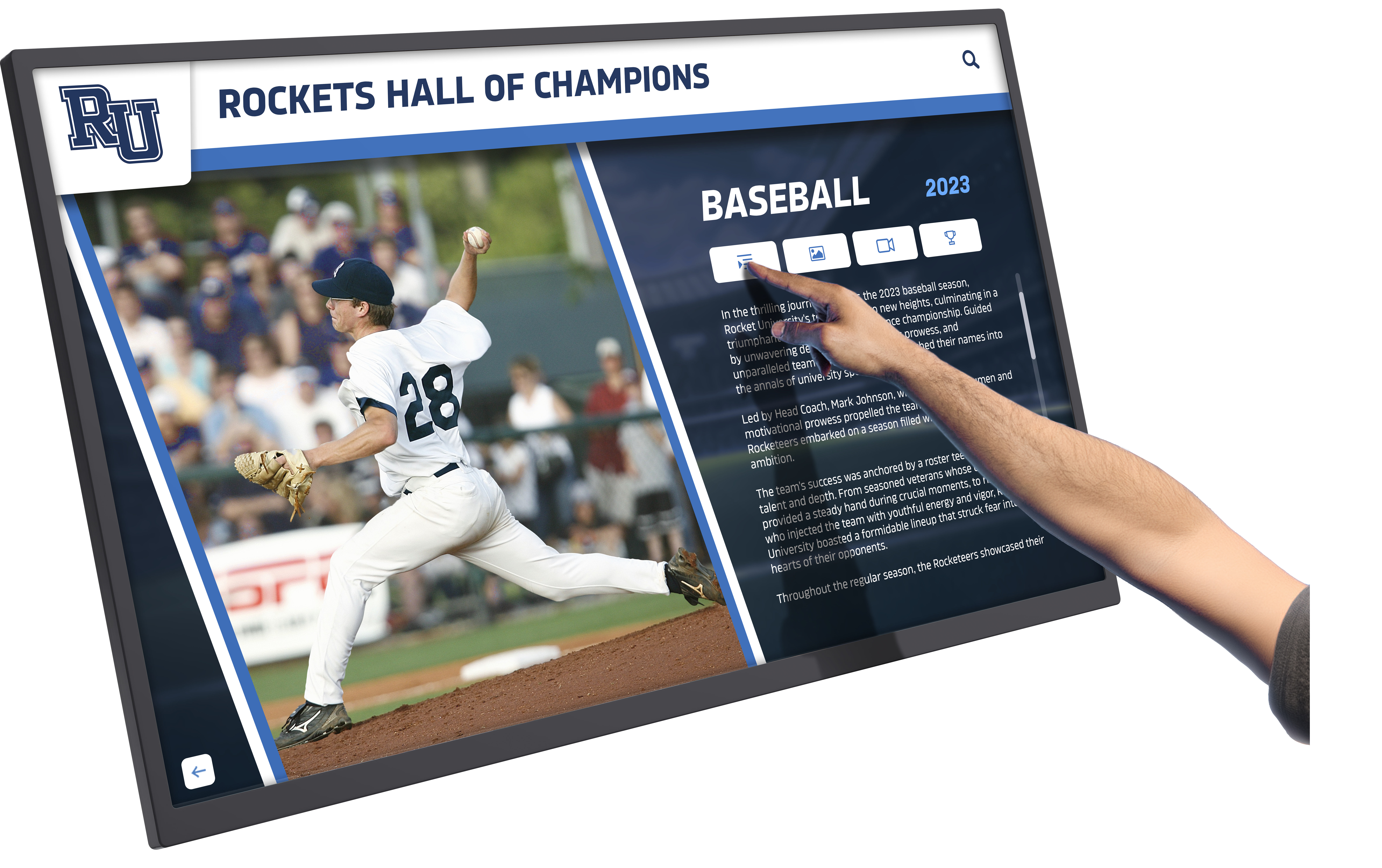
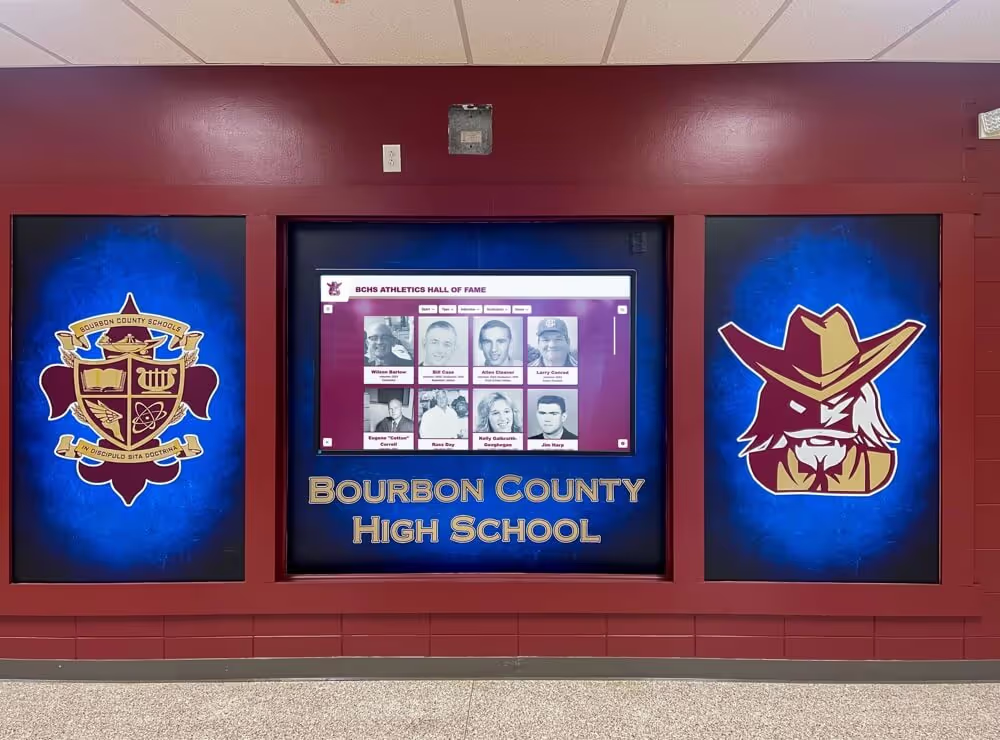
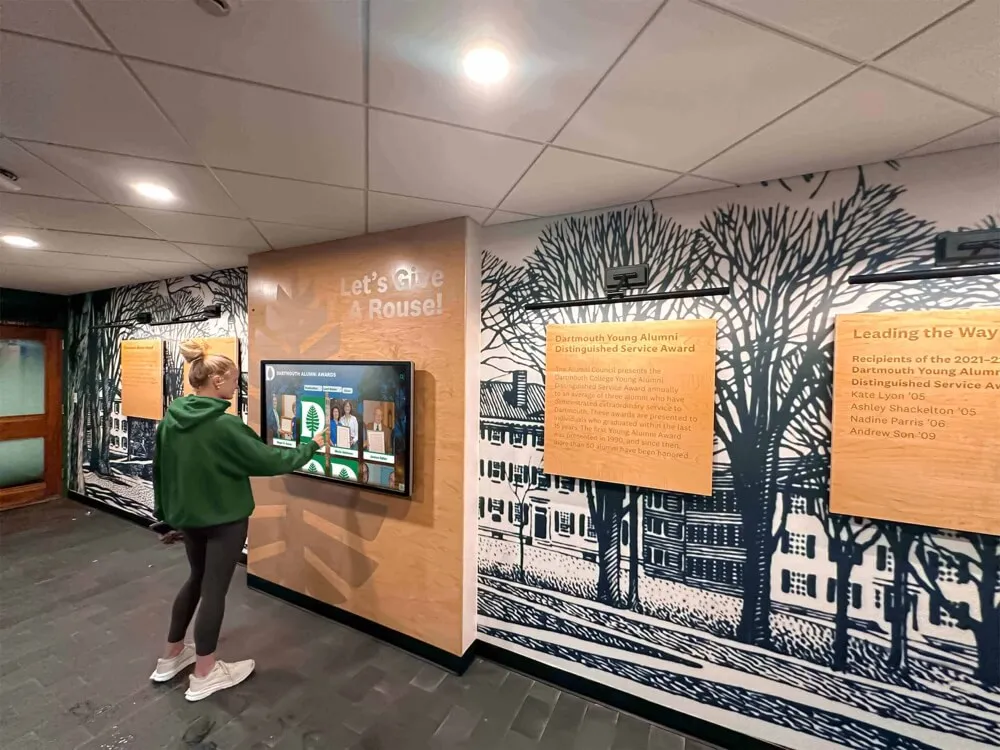
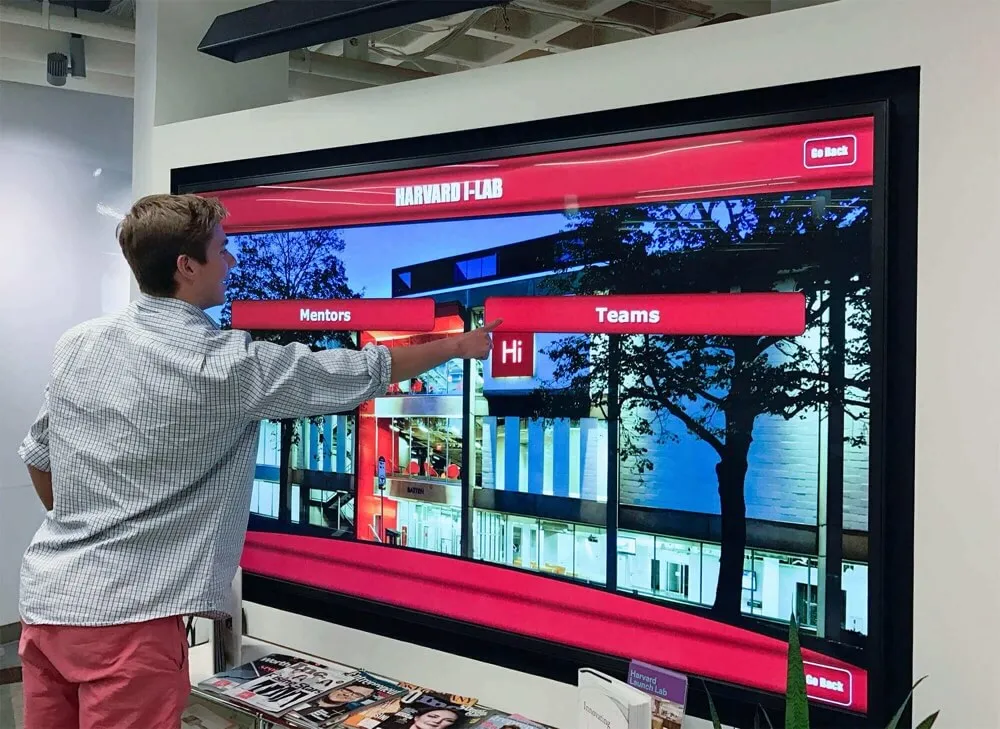
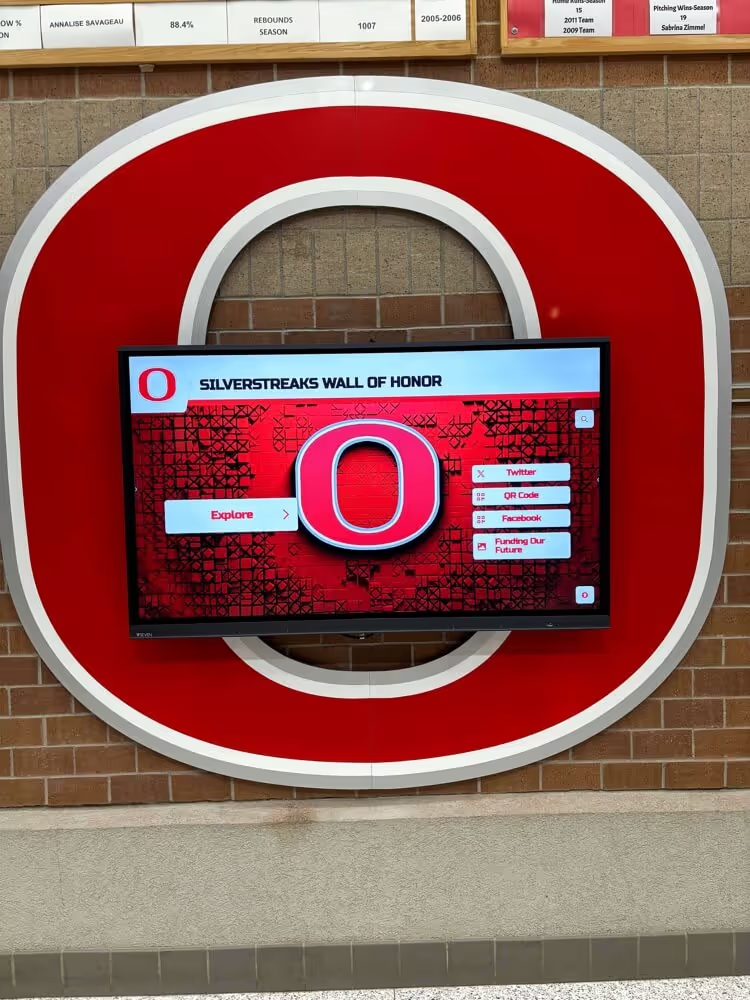
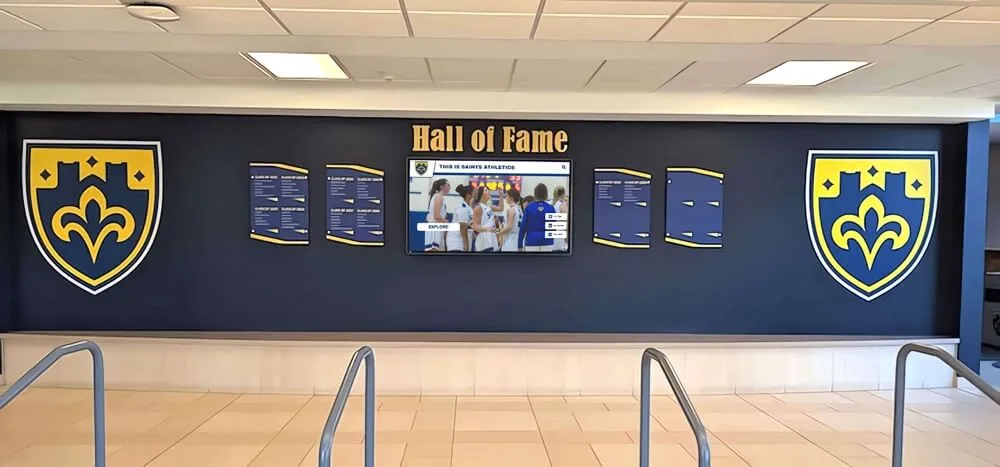
Intuitive interfaces make exploring donor recognition engaging for all visitors
Planning Your Donor Wall: Essential Strategic Considerations
Successful donor wall implementation requires thoughtful planning addressing multiple strategic dimensions before design and installation.
Establishing Recognition Criteria and Giving Levels
Begin by defining which contributions warrant donor wall recognition and at what levels different supporters are acknowledged. Key decisions include minimum gift threshold for inclusion, lifetime versus annual giving recognition, sustainer and recurring donor acknowledgment, pledge recognition policies before full payment, recognition of in-kind and volunteer contributions, and anonymous donor accommodation.
Most nonprofits establish 4-7 giving levels creating appropriate differentiation without excessive complexity. Consider your organization’s giving distribution when setting thresholds ensuring adequate donors qualify at each level while maintaining prestige for leadership gifts.
Document recognition policies clearly in writing to ensure consistent application and prevent ad hoc decisions creating perceived inequities. Transparent criteria help donors understand how recognition works while providing development staff clear guidelines for implementation.
Location and Visibility Considerations
Donor wall placement significantly impacts recognition effectiveness and donor satisfaction. Ideal locations feature high-traffic areas where visitors naturally congregate, prominent positioning visible upon facility entry, adequate space and viewing distance, appropriate lighting ensuring visibility, and dignified settings reflecting organizational values.
Common donor wall locations include main entrances and lobbies, fundraising event and reception spaces, board rooms and administrative areas, program spaces connecting recognition to impact, and outdoor gathering areas when weather-protected.
Avoid placing donor walls in utilitarian spaces like restrooms or storage areas where location suggests philanthropy receives low organizational priority. Recognition placement communicates institutional values making thoughtful location decisions important.
Budget Planning and Long-Term Costs
Comprehensive budgeting addresses both initial investment and ongoing expenses. Traditional donor wall costs typically include design and fabrication ($5,000-$50,000 depending on size and materials), installation and mounting ($1,000-$5,000), initial donor names and engraving ($3,000-$10,000 for 100-300 donors), and future update costs ($150-$300 per name added annually).
Digital donor wall investments generally include display hardware and touchscreens ($3,000-$12,000 per display), content management platform setup ($2,000-$8,000), design and customization ($2,000-$8,000), initial content creation ($2,000-$5,000), installation and integration ($1,000-$3,000), and annual platform subscriptions ($1,000-$3,000 with unlimited updates).
While digital systems may require higher initial investment, eliminating recurring engraving costs creates long-term savings. Most organizations achieve cost parity within 3-5 years, after which digital advantages compound significantly.
Design Aesthetics and Organizational Branding
Donor walls should reflect organizational identity and values through visual design elements. Effective recognition incorporates brand colors and design language, mission-connected imagery and symbolism, quality materials and professional execution, appropriate formality level for organizational culture, and timeless aesthetics aging well over decades.
Involve marketing or communications teams in donor wall planning to ensure brand consistency while engaging facilities staff for practical installation considerations. Many nonprofits work with professional designers or recognition vendors who specialize in creating attractive, effective donor displays.
Technology Integration and Management
For digital donor walls, address technology requirements including reliable network connectivity, appropriate display size and resolution, commercial-grade components for continuous operation, administrative access and user permissions, integration with donor management systems, and staff training and ongoing support.
Select digital recognition platforms designed for non-technical users enabling development staff to manage content without IT department dependence. Cloud-based systems prove more accessible and flexible than locally-hosted solutions requiring on-site servers and technical administration.
Learn about technology considerations in digital recognition systems that simplify nonprofit management.
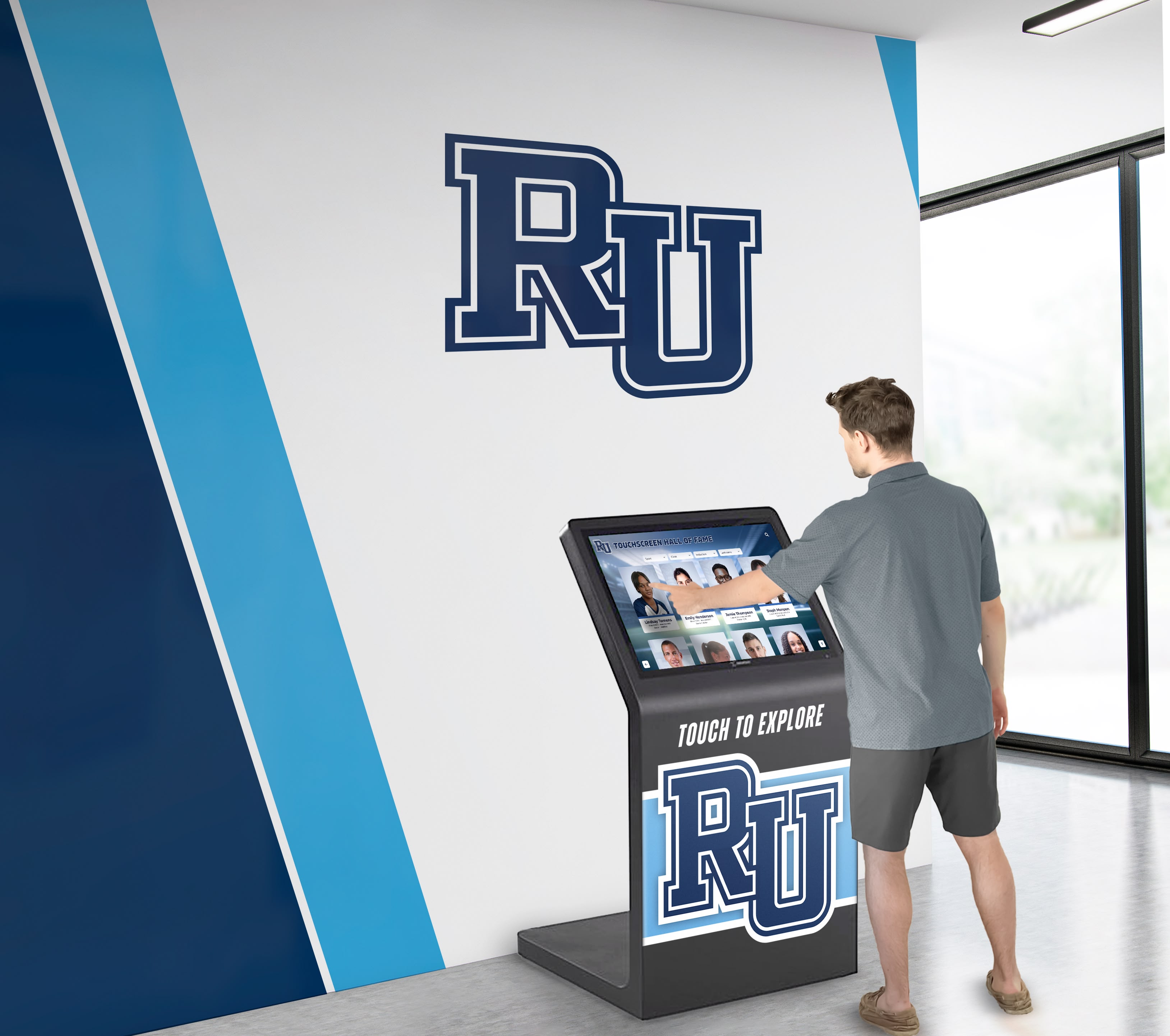
User-friendly systems enable easy recognition management without technical expertise
Best Practices for Donor Wall Content and Messaging
Thoughtful content strategy maximizes recognition effectiveness while honoring donors appropriately.
Respectful and Meaningful Acknowledgment
Effective donor recognition balances celebration with dignity and appropriate tone. Best practices include using donors’ preferred names and designations, honoring recognition preferences including anonymity requests, avoiding overly financial or transactional framing, connecting recognition to mission and impact, and maintaining respectful presentation appropriate to setting.
Recognition should honor donors’ generosity and commitment rather than elevating individuals above mission. Frame acknowledgment around partnership in advancing shared values rather than personal accolades that feel self-serving.
Privacy and Preference Management
Always respect donor wishes regarding public recognition through explicit opt-in for enhanced profiles beyond basic information, clear communication about what will be displayed publicly, easy processes for updating recognition preferences, anonymous giving options for privacy-seeking supporters, and sensitive handling of memorial and tribute gifts.
Never display donor information without explicit permission. Many organizations include recognition preference questions in gift acceptance processes enabling supporters to control how they’re acknowledged.
Accuracy and Quality Control
Donor wall errors damage relationships and organizational credibility. Implement quality assurance through careful proofreading before installation or publishing, donor verification of information before display, regular audits catching errors quickly, clear correction processes when mistakes occur, and documentation preventing future inconsistencies.
For digital walls, preview functionality enables review before content goes live. Traditional walls require even more careful verification since correction requires expensive re-engraving.
Regular Updates and Maintenance
Keep donor walls current and attractive through timely addition of new supporters within 3-6 months of gifts, regular content refreshment maintaining engagement, physical cleaning and maintenance, seasonal or campaign-specific content rotations, and anniversary acknowledgment celebrating giving milestones.
Outdated donor walls with names from years past but no recent additions signal to prospective donors that fundraising stalled or recognition fell by the wayside. Current walls demonstrate organizational vitality and ongoing community support.
Implementation: Bringing Your Donor Wall to Life
Systematic implementation ensures successful recognition programs that honor supporters effectively while serving organizational needs.
Forming Your Planning Team
Assemble stakeholders representing diverse organizational perspectives including development staff managing donor relationships, executive leadership setting strategic direction, board members providing governance and donor perspective, marketing or communications ensuring brand alignment, facilities management addressing installation considerations, and major donors offering recognition recipient viewpoint.
Broad stakeholder engagement builds organizational buy-in while surfacing important considerations that might otherwise be overlooked.
Vendor Selection for Traditional or Digital Installation
If working with external vendors, evaluate options carefully through portfolio review showing relevant experience, reference checks with similar organizations, clear scope of work and pricing documentation, support and warranty provisions, timeline feasibility, and cultural fit and communication style.
For digital systems, prioritize vendors offering nonprofit-specific platforms, intuitive administration for non-technical users, comprehensive training and documentation, responsive ongoing support, and proven track record of successful implementations.
Installation and Launch Process
Professional installation ensures optimal functionality and appearance including site preparation and mounting, electrical and network infrastructure, content population and testing, quality assurance and review, staff training on management, and formal dedication ceremony celebrating recognition program.
Plan donor wall unveilings as special events inviting recognized supporters, board members, and community leaders to celebrate philanthropy and organizational mission. These launch events create excitement while demonstrating how seriously your organization values donor recognition.
Ongoing Management and Evolution
Successful donor walls require sustained attention including regular content updates adding new supporters, periodic design refreshment maintaining visual appeal, technical maintenance ensuring reliable operation, donor communication about recognition timelines, assessment and refinement based on feedback, and evolution as organizational needs change.
Assign clear responsibility for donor wall management preventing recognition from falling through cracks when everyone assumes someone else handles updates.
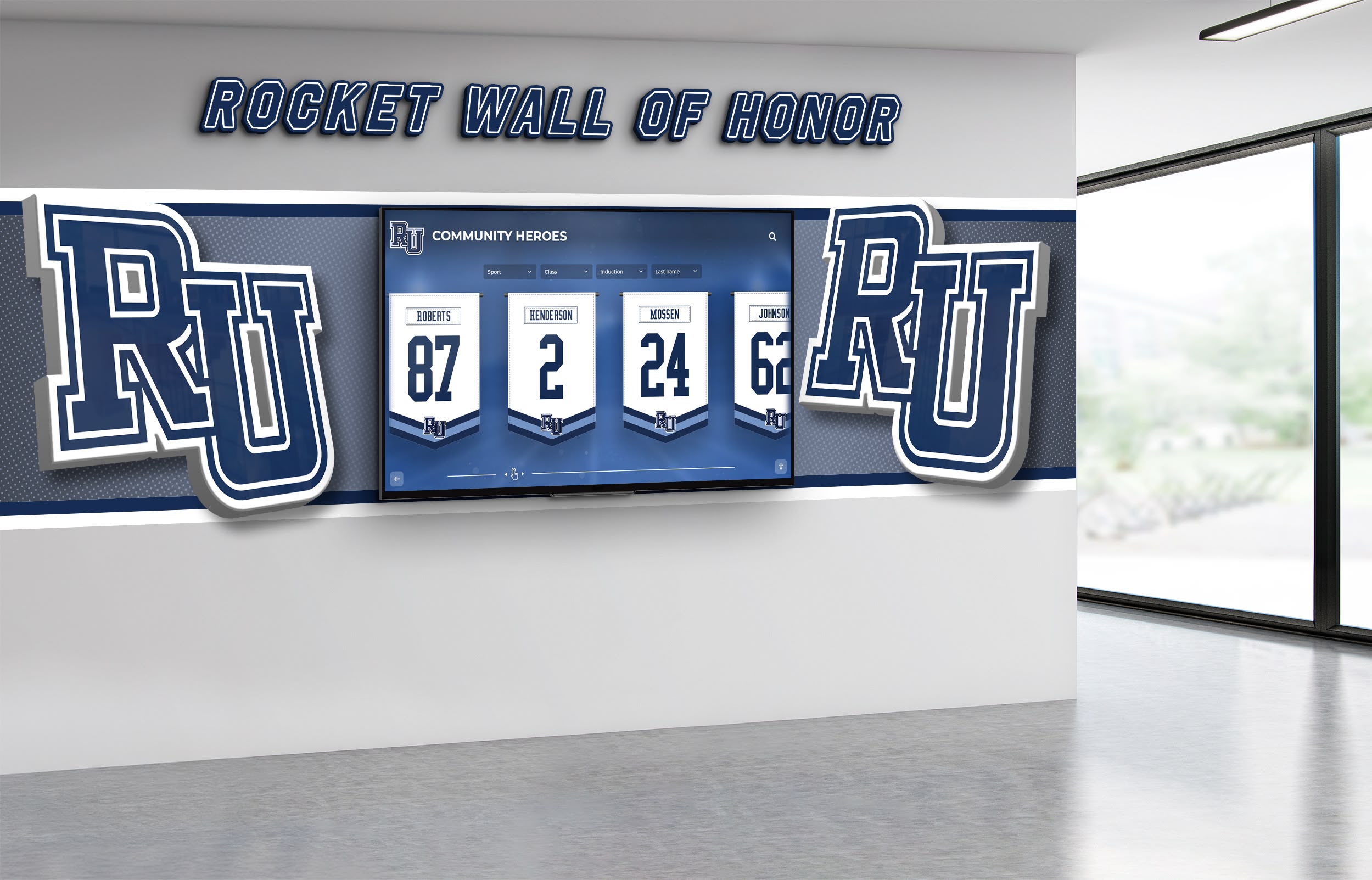
Strategic recognition installations become destination spaces that celebrate organizational culture
Measuring Donor Wall Effectiveness and ROI
Regular assessment ensures recognition investments deliver intended outcomes and justify resource allocation.
Donor Satisfaction and Retention Metrics
Track how recognition affects donor behavior through retention rates among recognized versus non-recognized donors, giving frequency and amount increases following recognition, donor satisfaction survey responses about acknowledgment, unsolicited donor feedback and testimonials, and planned giving inquiries correlated with legacy recognition.
While donor walls represent one factor among many affecting retention, organizations implementing comprehensive recognition typically see measurable improvements in these metrics demonstrating program effectiveness.
Fundraising Impact and Social Proof Effects
Monitor fundraising indicators potentially influenced by recognition including total contributions and campaign progress, time-to-close for major gift prospects, prospect conversion rates, corporate and foundation support, and peer-to-peer fundraising success.
Visible recognition creates social proof effects that accelerate fundraising by validating giving decisions for prospective donors through demonstrated community support.
Visitor Engagement with Recognition Displays
For digital donor walls, analytics provide valuable insights through unique visitors and session duration, search and filter usage patterns, popular content and frequently viewed profiles, peak usage times and traffic patterns, and social sharing and web integration engagement.
These metrics inform content strategy and design refinement ensuring recognition displays effectively engage visitors and honor donors in compelling ways.
Long-Term Cost and Efficiency Considerations
Compare recognition program costs to alternatives including per-donor cost of recognition, total cost of ownership over 10-15 years, staff time required for administration and updates, donor inquiries and support requirements, and opportunity costs of alternative stewardship investments.
Digital recognition typically demonstrates superior cost-effectiveness over extended periods by eliminating recurring engraving expenses while providing enhanced functionality traditional walls cannot match.
Conclusion: Building Lasting Philanthropic Culture Through Donor Recognition
Donor walls represent far more than decorative plaques acknowledging contributions. When designed thoughtfully and managed sustainably, these recognition systems become powerful tools for strengthening supporter relationships, accelerating fundraising momentum, and building organizational cultures where generosity receives the celebration and appreciation it deserves.
The ideas and strategies explored in this guide provide practical frameworks for nonprofits navigating donor wall decisions. Whether you’re implementing your first recognition program or upgrading outdated systems no longer serving organizational needs, these approaches help you create acknowledgment that honors all contributors appropriately while maintaining flexibility for future growth.
Transform Your Donor Recognition Program
Discover how modern digital donor wall solutions can help you celebrate every supporter, demonstrate impact, and build thriving cultures of philanthropy. Explore interactive displays that eliminate space constraints while creating engaging recognition experiences that inspire continued generosity.
Explore Recognition SolutionsMaking Your Decision
Choosing between traditional and digital donor walls ultimately depends on your organization’s specific circumstances including budget availability and constraints, space limitations and facility characteristics, supporter demographics and preferences, fundraising program scale and growth trajectory, technical capabilities and resources, and long-term strategic vision for recognition.
For many nonprofits, digital solutions like Rocket Alumni Solutions provide the flexibility, scalability, and engagement capabilities required for modern donor stewardship. Unlimited recognition capacity ensures no supporter goes unacknowledged due to wall space constraints. Instant remote updates eliminate recurring engraving costs and administrative burden. Rich multimedia storytelling creates emotional connections impossible with static plaques.
Taking Action
Begin your donor wall journey by assessing current recognition practices and identifying gaps, engaging stakeholders in planning conversations, evaluating traditional and digital options against organizational needs, visiting existing donor walls for inspiration, and developing realistic budgets and timelines.
Your donors’ generosity makes your mission possible. They deserve recognition that honors their contributions meaningfully, demonstrates the impact they create, strengthens their connection to your cause, and inspires their continued partnership. With thoughtful planning and the right approach for your organization, you can create donor walls that transform appreciation from obligatory receipts into strategic relationship building essential for long-term success.
Ready to explore donor wall solutions for your nonprofit? Learn more about comprehensive donor recognition strategies or discover innovative recognition approaches that celebrate supporters and build lasting philanthropic culture.