Donor Wall Recognition: How to Design a Display That Drives Future Giving
Donor wall recognition represents far more than acknowledging past contributions—it serves as a strategic stewardship tool that honors current supporters while inspiring future giving through visible demonstration of community philanthropy. Development teams that design recognition displays with intentionality create environments where donors feel genuinely appreciated, prospective contributors see social proof of giving impact, and institutional advancement goals receive ongoing momentum through visible celebration of collective generosity.
Many organizations approach donor walls as afterthoughts—static plaques installed at campaign completion with names listed in small type, tucked into corners where few people notice them. These missed opportunities fail to inspire emotion, communicate impact, or leverage the psychological drivers that motivate continued philanthropic engagement. Meanwhile, donors who made significant commitments receive recognition indistinguishable from those at minimum giving levels, and dynamic campaign progress that could inspire additional giving remains invisible.
This comprehensive guide explores strategic donor wall recognition design that maximizes both stewardship value and fundraising impact, covering recognition tier structures, messaging frameworks, display technologies, content strategies, and psychological principles that transform donor walls from simple acknowledgment into powerful advancement tools.
Organizations that approach donor recognition strategically create displays that honor contributors appropriately while serving broader institutional goals. Effective donor wall recognition strengthens relationships with existing supporters, provides social proof encouraging additional giving, communicates campaign progress transparently, and creates lasting visibility for philanthropic impact extending far beyond initial gift conversations.

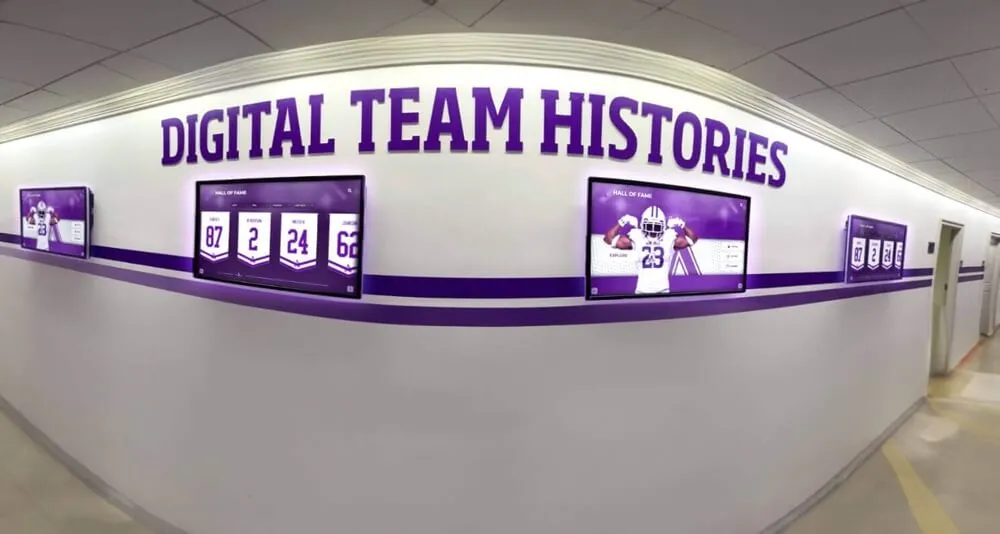
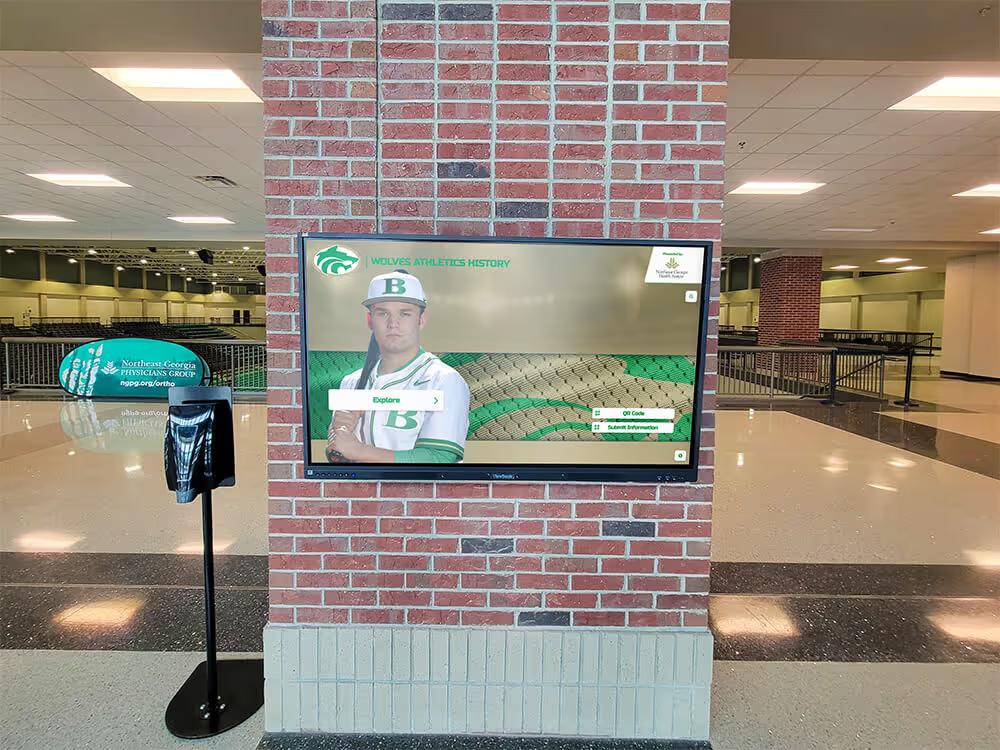
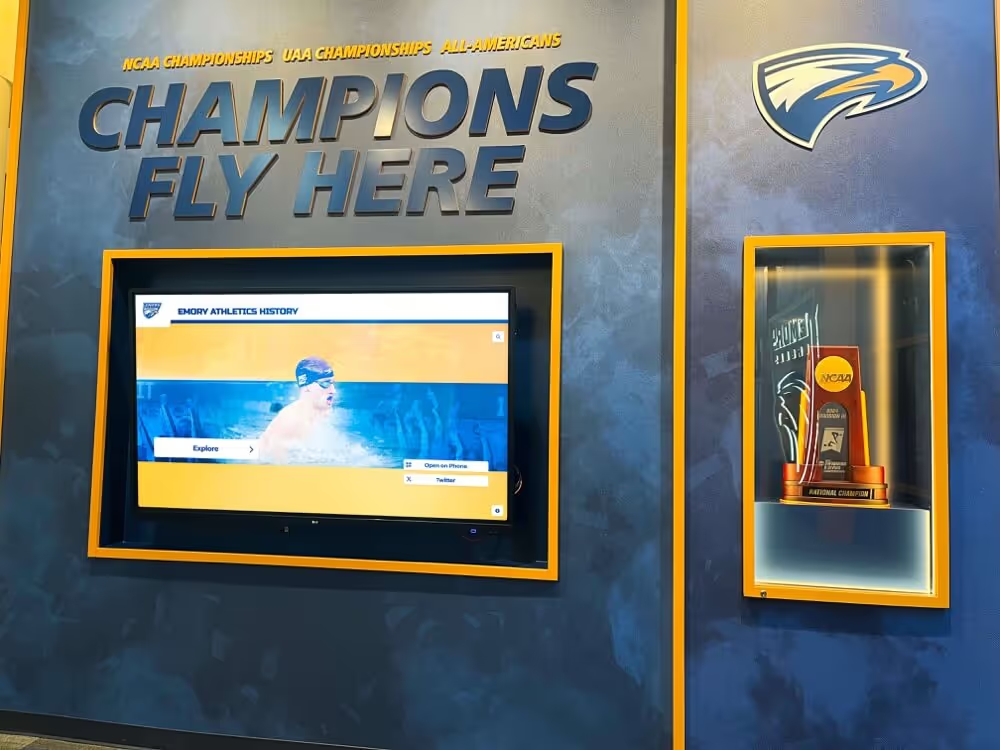
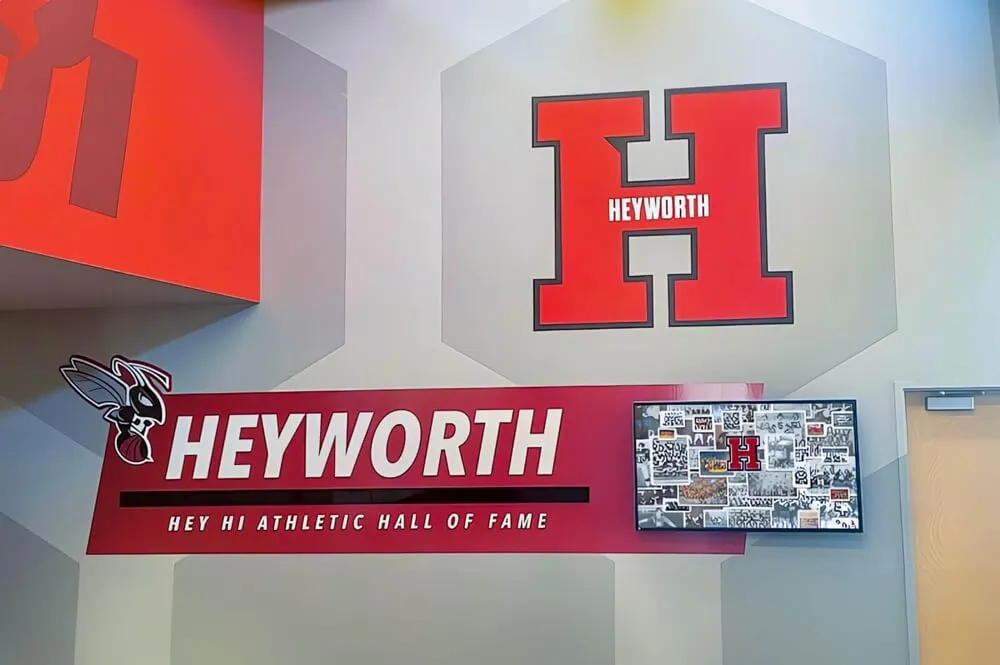
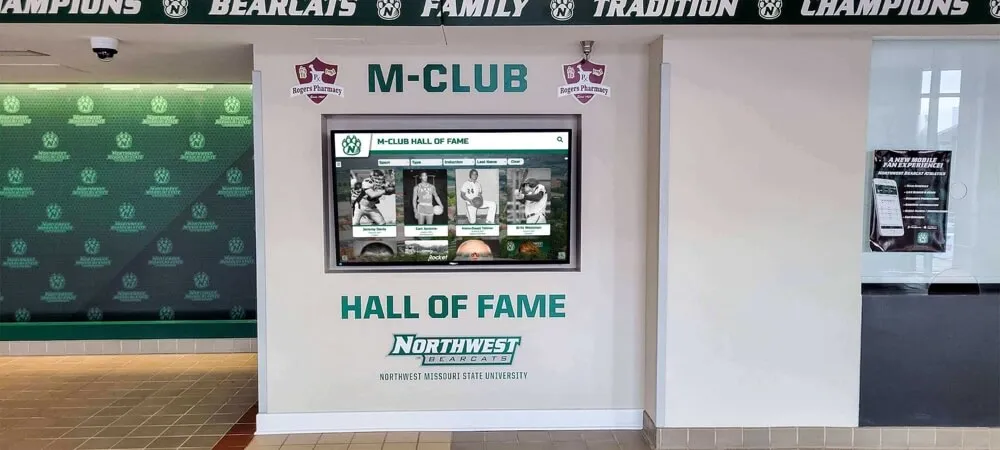
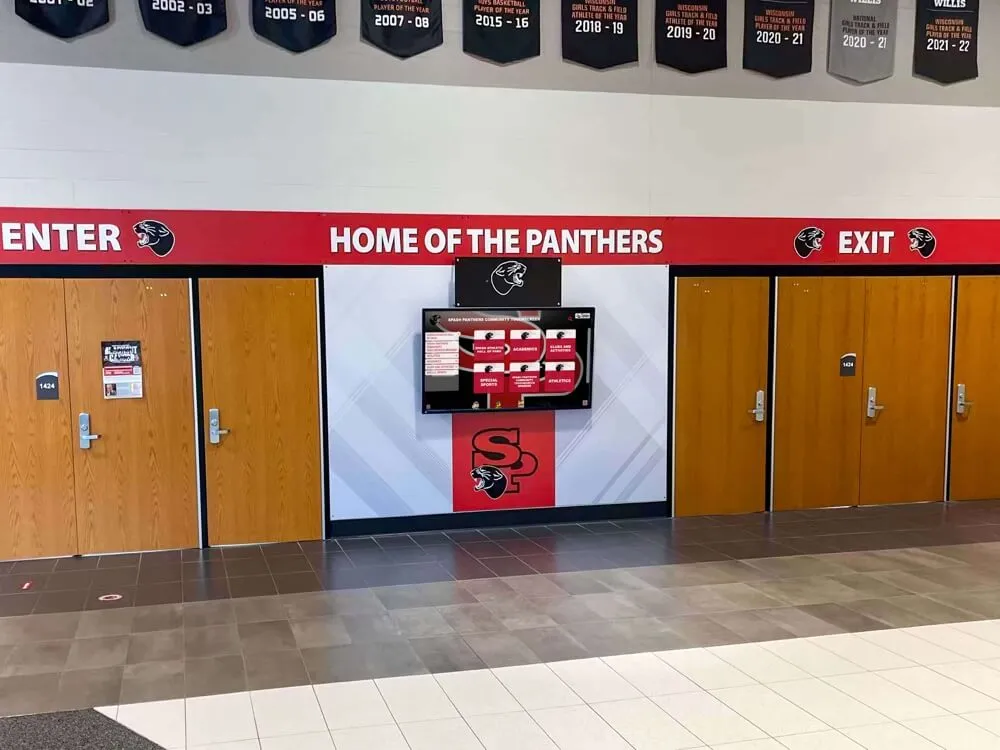
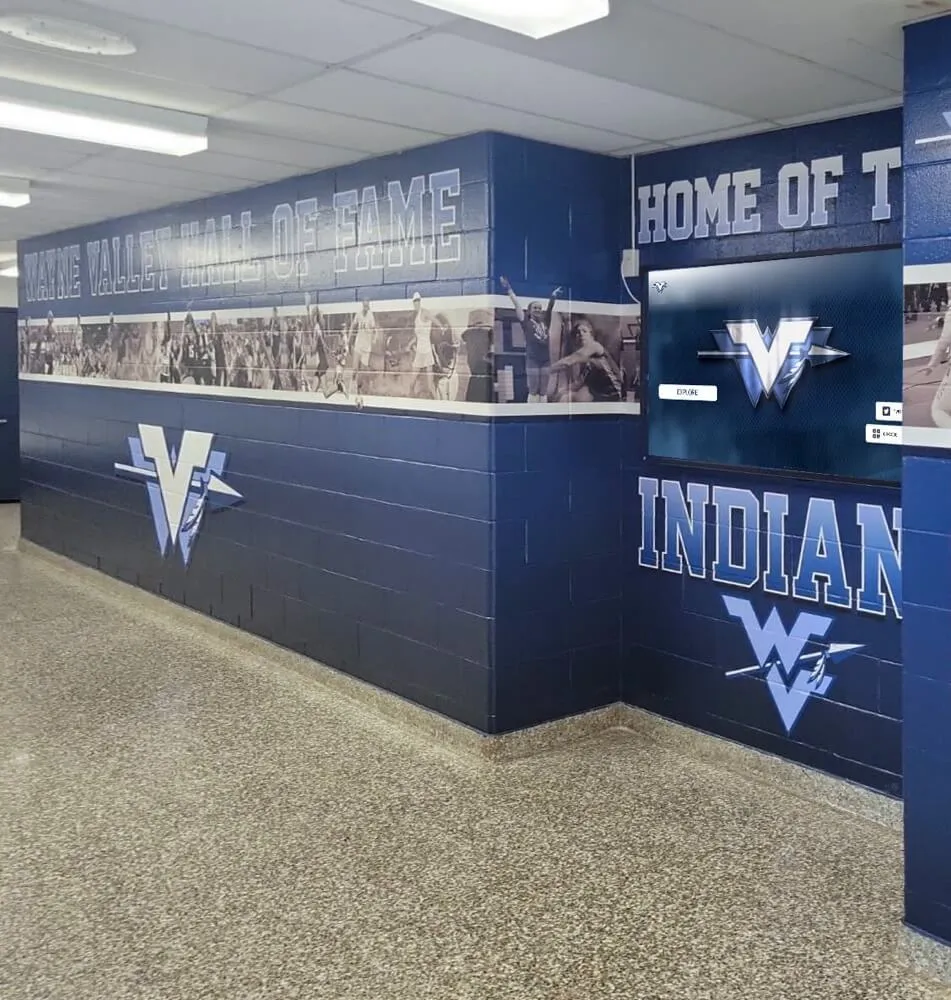
Thoughtfully designed donor recognition displays create emotional connections between contributors and institutional mission
Strategic Foundations of Donor Wall Recognition
Understanding how recognition influences donor psychology and engagement helps advancement teams design displays that serve stewardship and fundraising objectives simultaneously.
Recognition as Stewardship Investment
Donor recognition represents ongoing stewardship rather than one-time acknowledgment:
Relationship Reinforcement
- Recognition demonstrates institutional gratitude extending beyond gift acceptance
- Visible appreciation strengthens donor connection to organizational mission
- Public acknowledgment validates philanthropic decisions and impact
- Ongoing visibility maintains engagement between giving cycles
- Recognition experiences create positive memories associated with giving
Development professionals understand that recognition quality directly influences donor retention and upgrade likelihood. Contributors who feel genuinely appreciated through meaningful recognition show significantly higher rates of continued engagement, increased giving, and voluntary advocacy.
Social Proof and Giving Psychology
Donor walls leverage powerful psychological principles affecting philanthropic behavior:
- Reciprocity: Recognition creates positive sentiment increasing likelihood of future engagement
- Social Proof: Visible evidence of peer giving normalizes philanthropy and validates participation
- Identity Alignment: Public recognition reinforces donor self-concept as community benefactor
- Legacy Motivation: Permanent displays address universal desires for lasting impact and remembrance
- Competitive Dynamics: Recognition tier visibility subtly encourages giving level advancement
Organizations that design recognition understanding these psychological drivers create systems that honor donors authentically while advancing institutional advancement objectives.
Recognition Principles That Drive Results
Effective donor recognition balances appreciation with strategic design:
Transparency and Fairness
- Clear recognition criteria established before campaign launch
- Consistent application of recognition standards across all donors
- Equitable visibility appropriate to contribution levels
- Transparent communication about recognition timing and formats
- Regular updates maintaining campaign momentum visibility

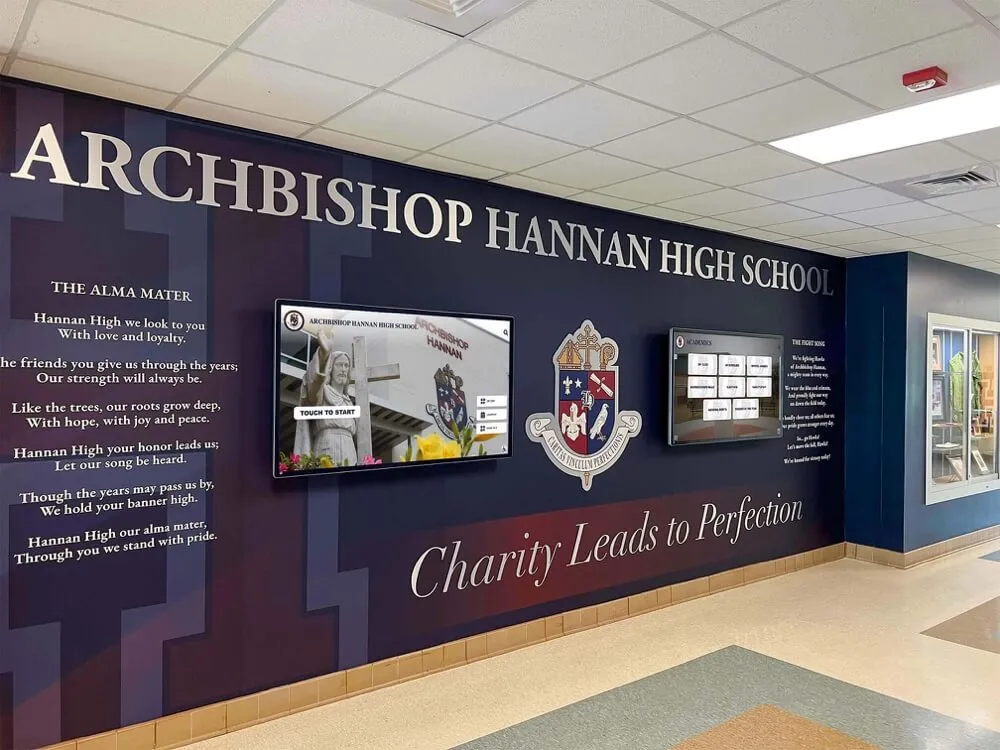
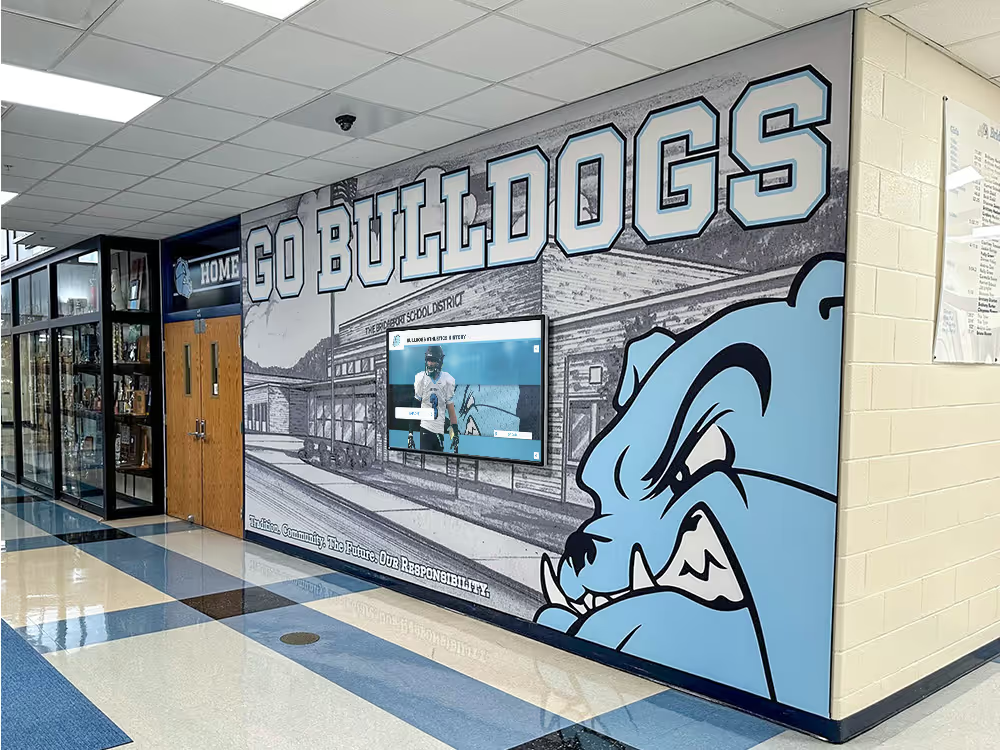
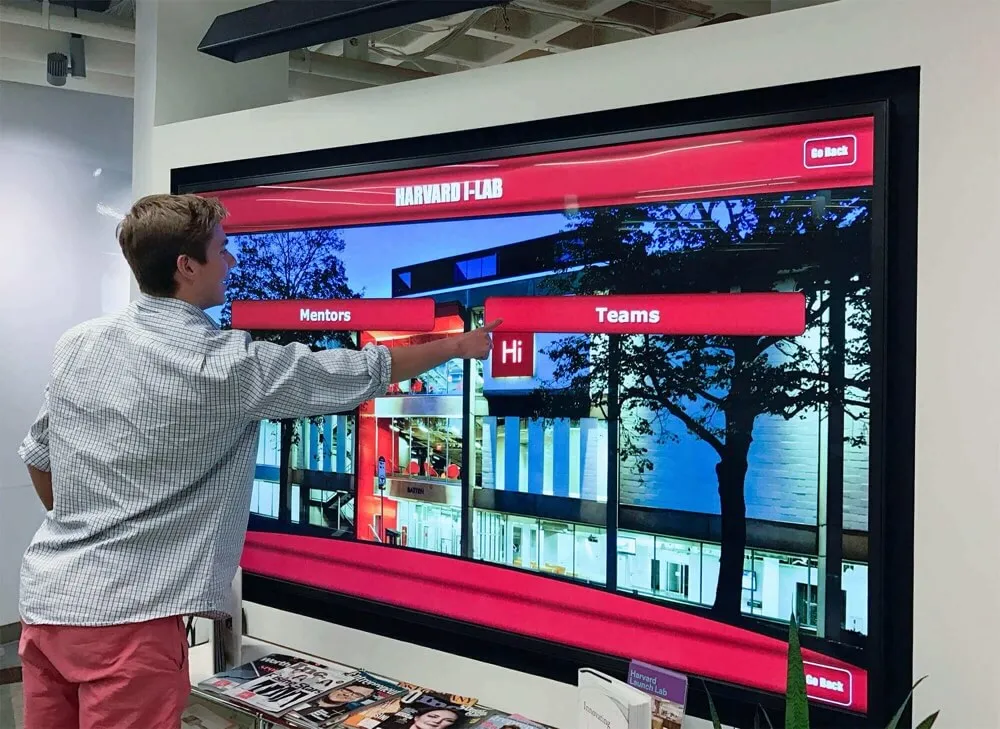
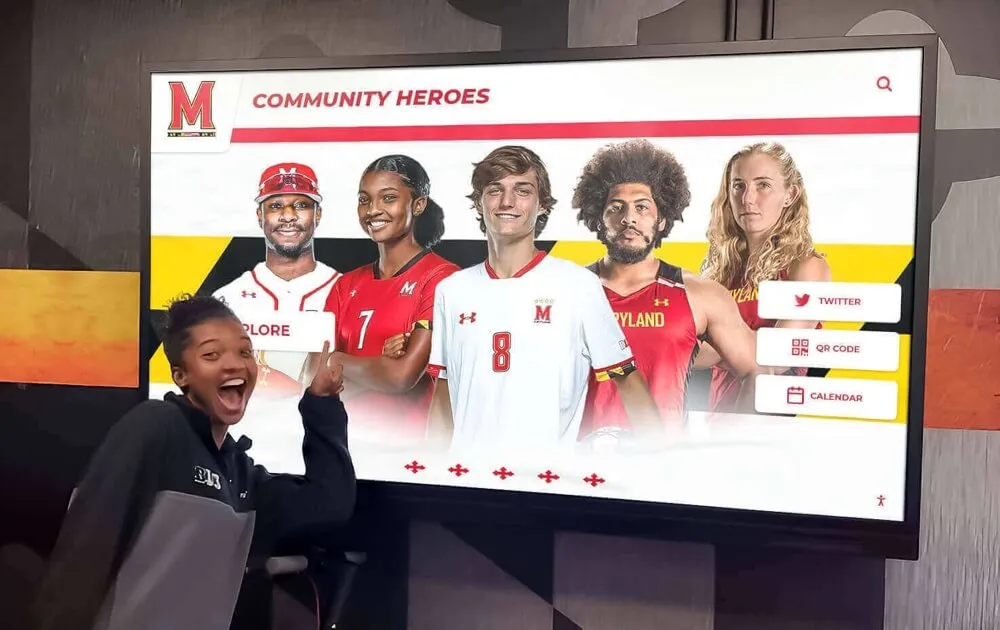
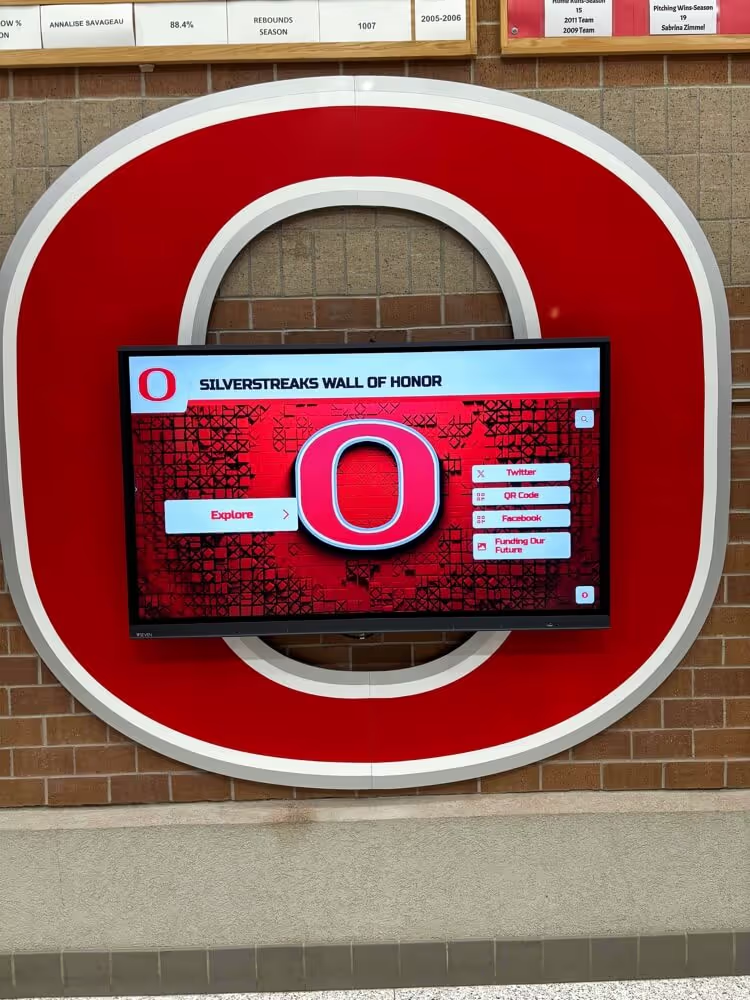
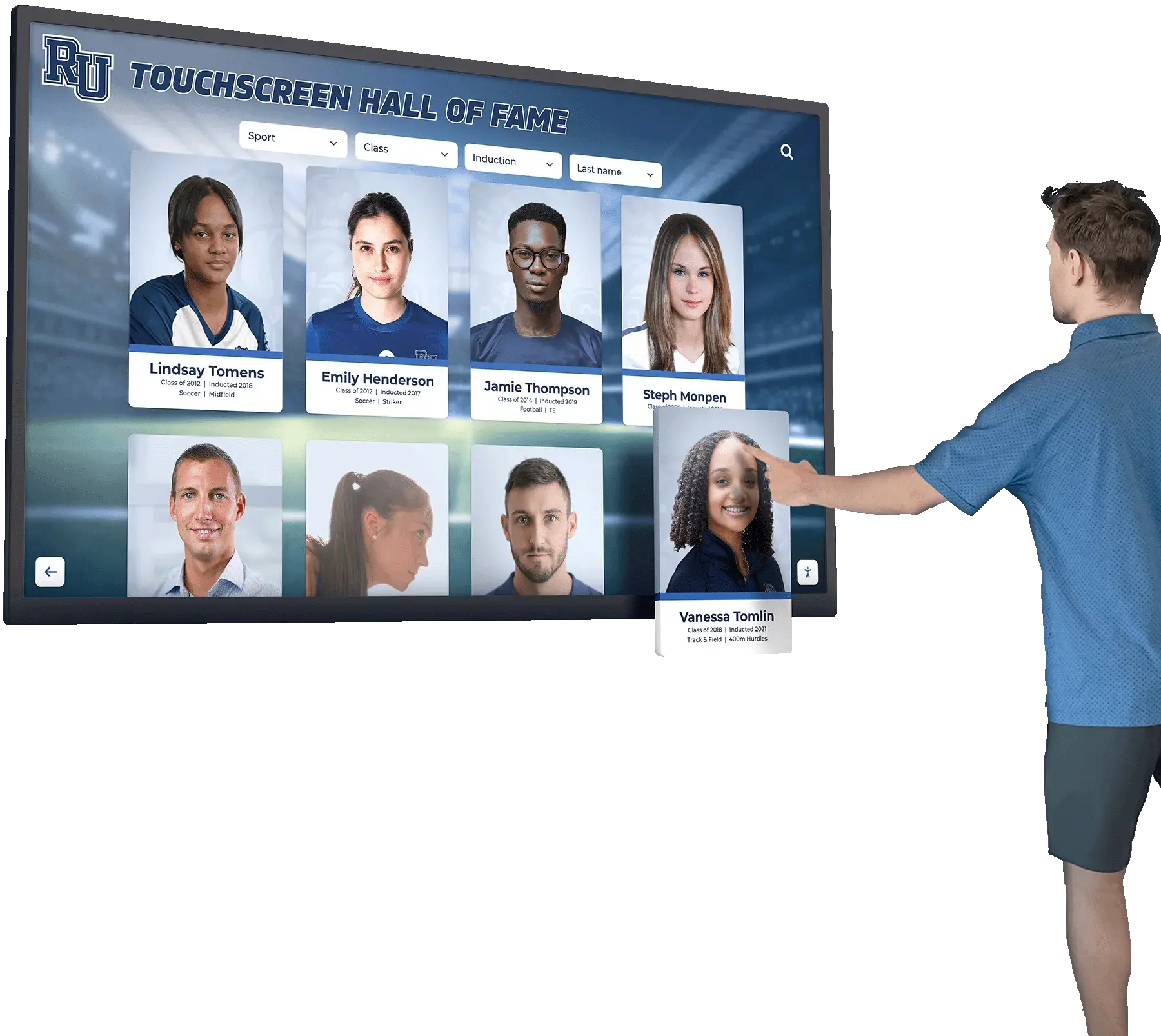
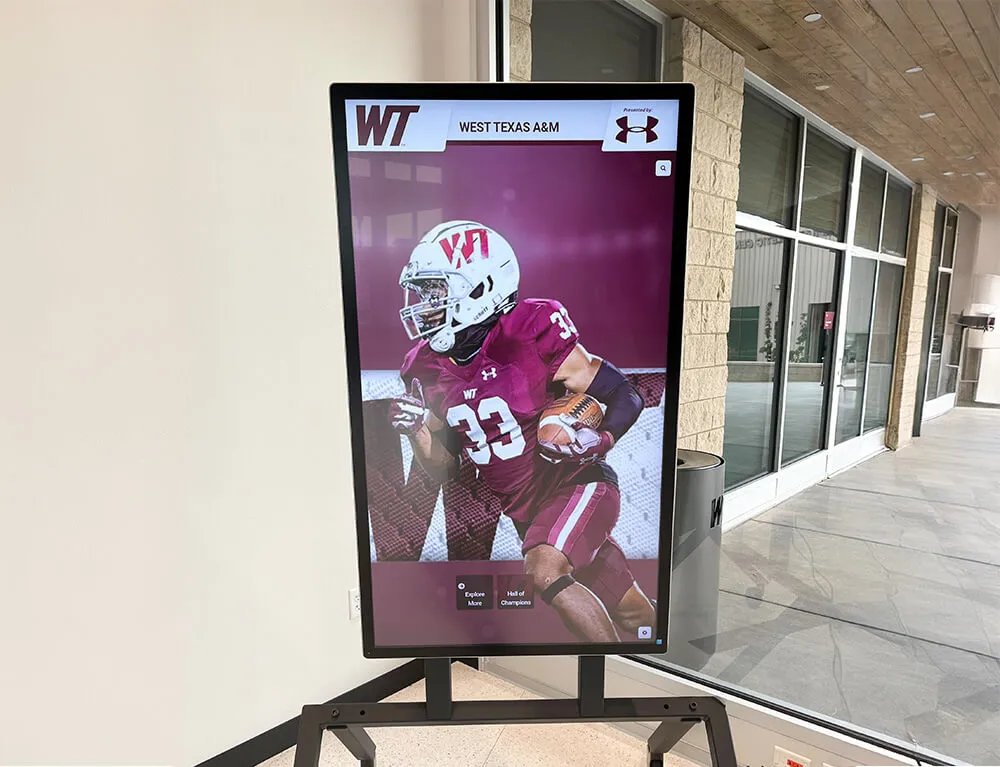
Interactive recognition displays create engaging donor experiences while providing unlimited recognition capacity
Proportional Recognition
- Recognition prominence scaled appropriately to contribution size
- Leadership gift acknowledgment distinct from standard giving levels
- Founding donor recognition honoring campaign pioneers
- Special recognition for transformational commitments
- Balanced approach avoiding excessive emphasis on any single gift
Flexibility and Longevity
- Recognition systems accommodating campaign growth and evolution
- Update capability as additional commitments occur
- Technology enabling recognition changes without physical reinstallation
- Scalability supporting campaigns exceeding initial goals
- Long-term maintenance planning ensuring continued recognition quality
Organizations implementing flexible recognition systems avoid the limitations of traditional static plaques that become outdated as campaigns progress and cannot accommodate additional donors without expensive reinstallation.
Designing Recognition Tier Structures
Recognition tier architecture directly affects both donor satisfaction and fundraising performance—strategic design maximizes both outcomes.
Establishing Meaningful Recognition Levels
Recognition tiers should reflect institutional context, campaign goals, and donor community characteristics:
Naming Rights and Leadership Recognition
- Transformational gifts: $1M+ with naming rights, dedicated spaces, permanent legacy recognition
- Principal gifts: $500K-$999K with prominent individual recognition and special designation
- Leadership gifts: $250K-$499K with enhanced recognition and leadership circle membership
- Major gifts: $100K-$249K with significant visibility and donor society inclusion
- Substantial gifts: $50K-$99K with collective recognition and appreciation events
Mid-Level and Broad-Based Recognition
- Supporting donors: $25K-$49K with grouped recognition and acknowledgment
- Contributing donors: $10K-$24K with cumulative recognition options
- Friend donors: $5K-$9K with inclusive recognition demonstrating community support
- Annual donors: under $5K with collective appreciation for sustained engagement
- In-kind contributors: valued appropriately alongside monetary donations
Organizations should calibrate specific thresholds to local context—what constitutes leadership giving varies significantly between small community organizations and major research universities. The key principle involves creating sufficient differentiation that recognition feels proportional while maintaining inclusive acknowledgment encouraging participation at all levels.
Explore effective donor recognition wall examples demonstrating various tier structures across different organizational contexts.
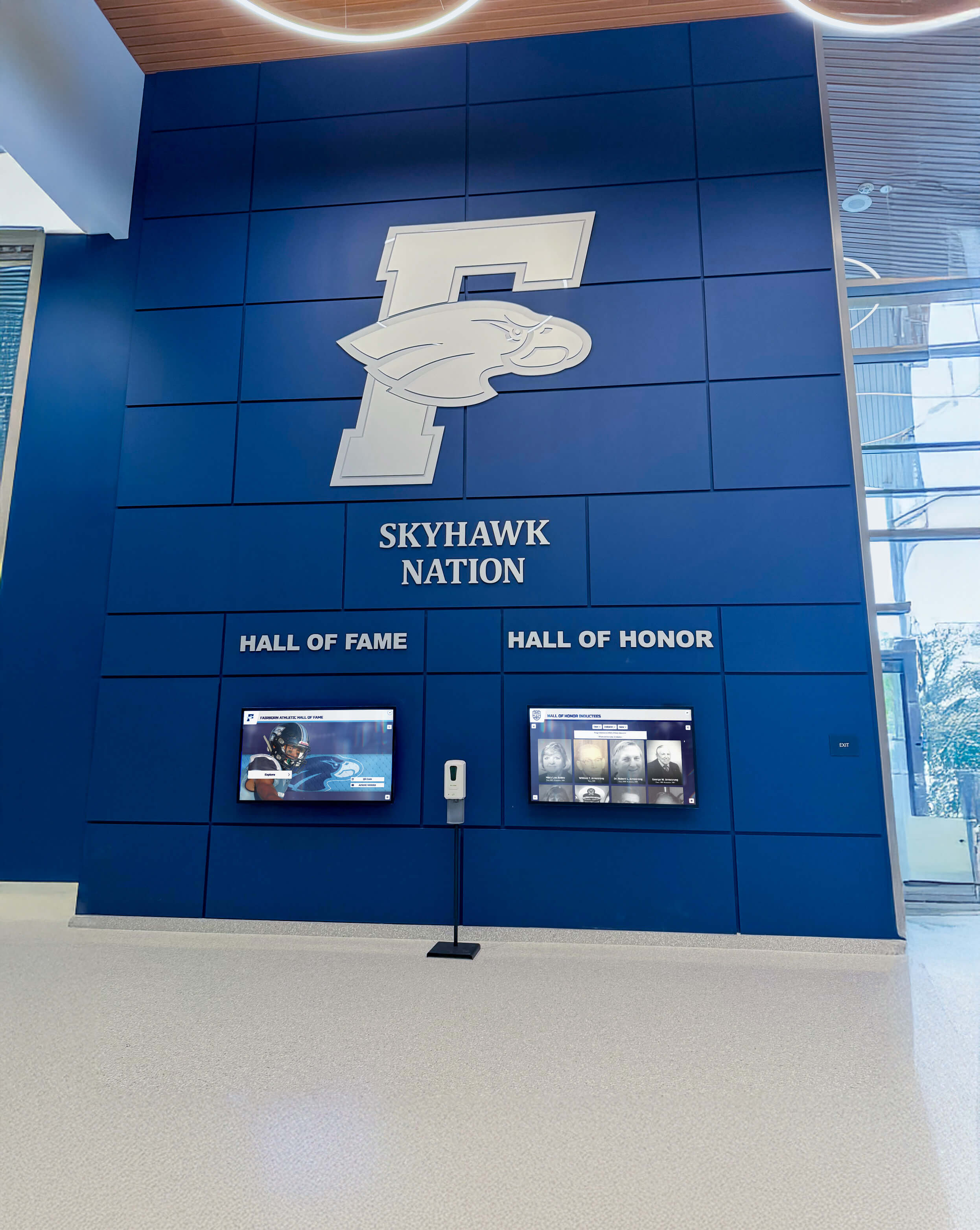
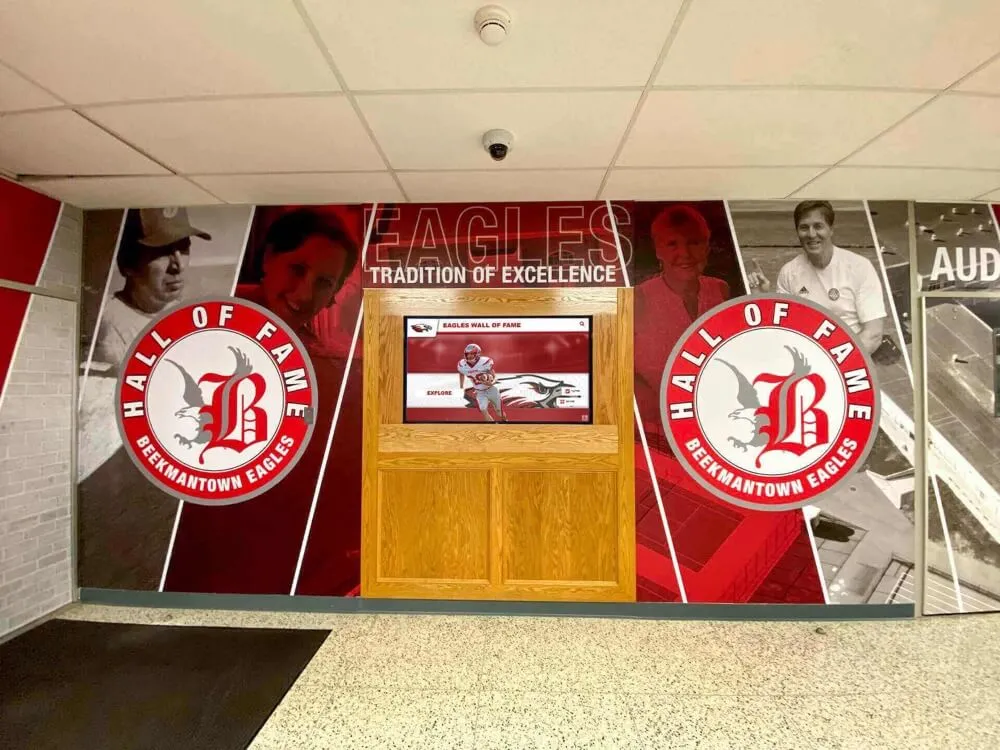
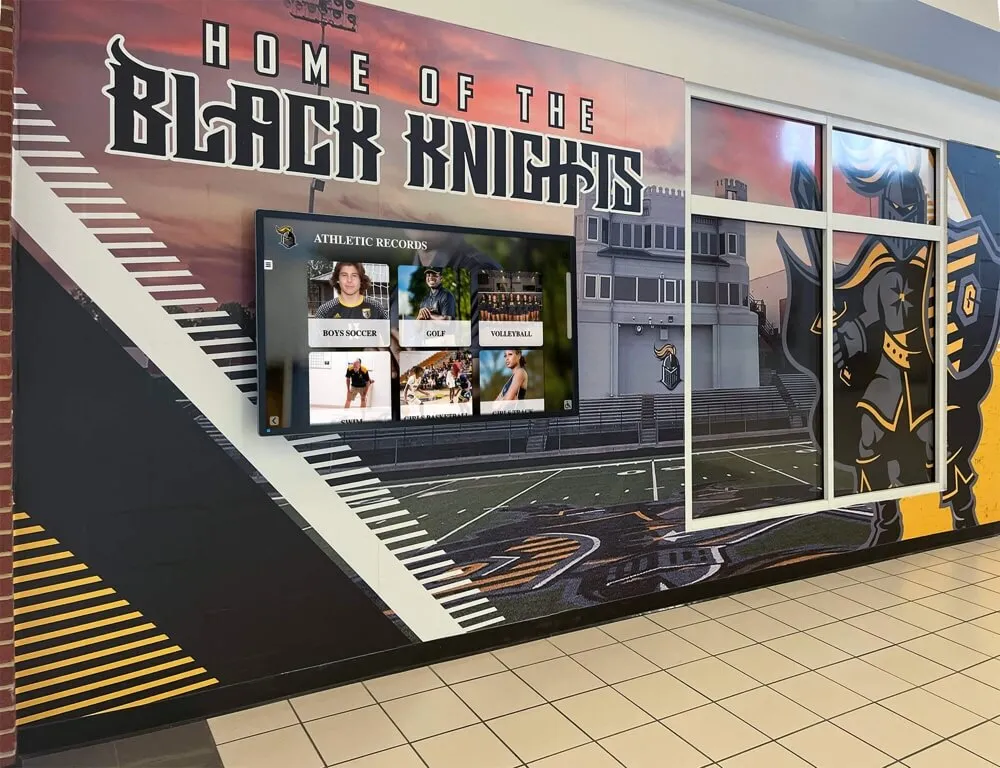
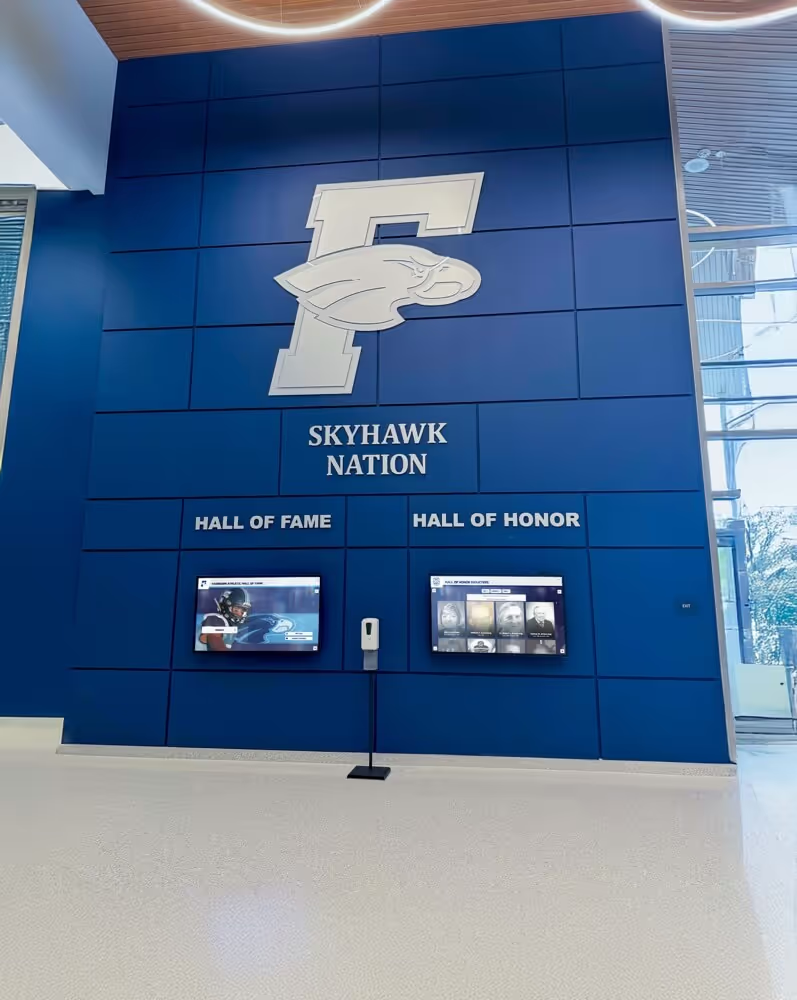
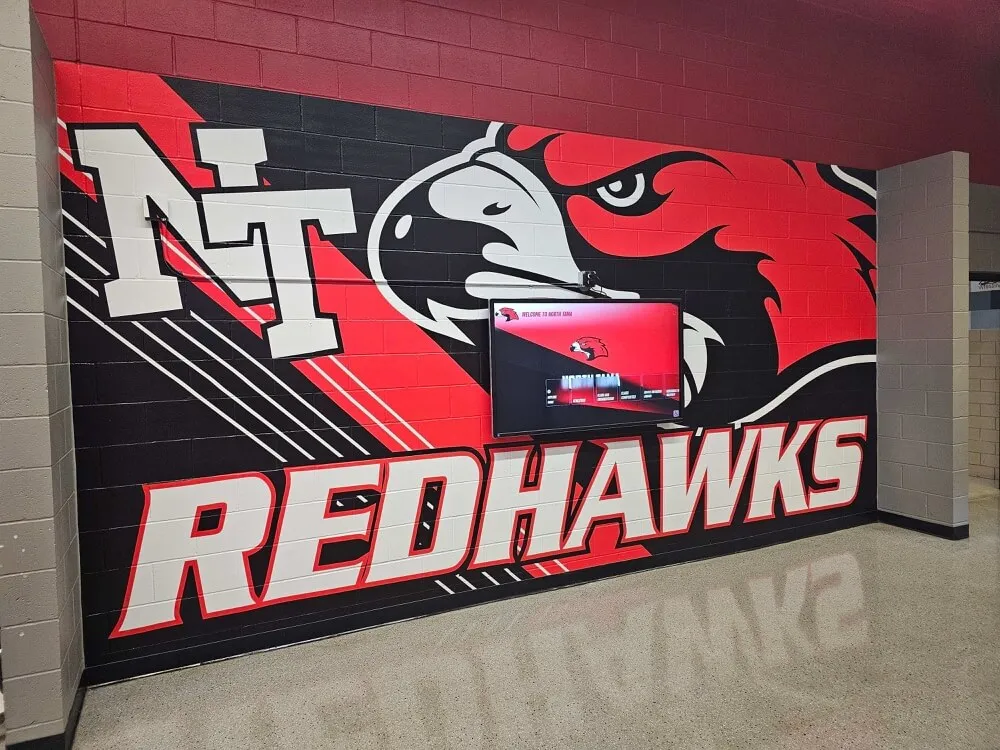
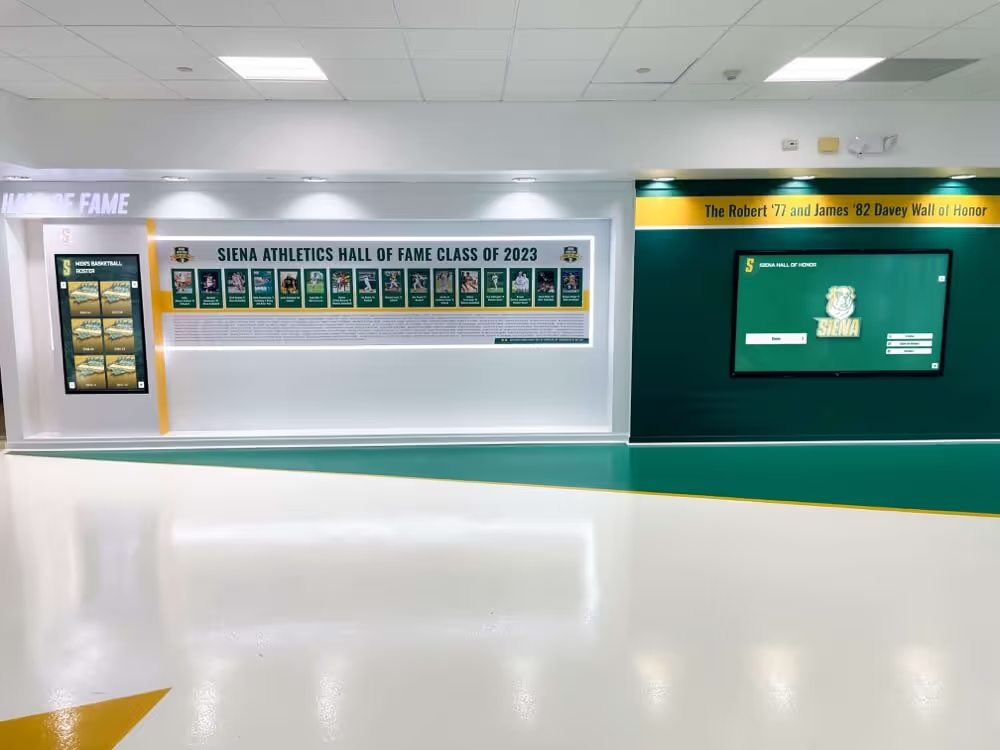
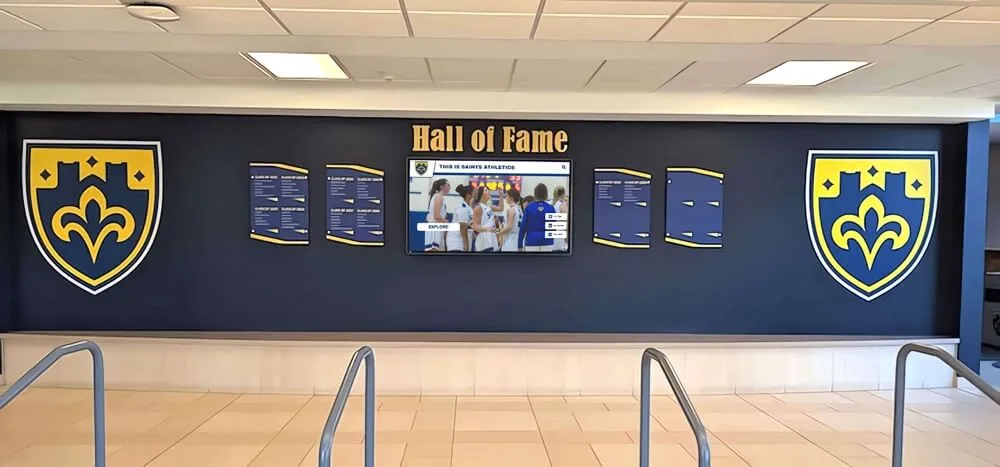
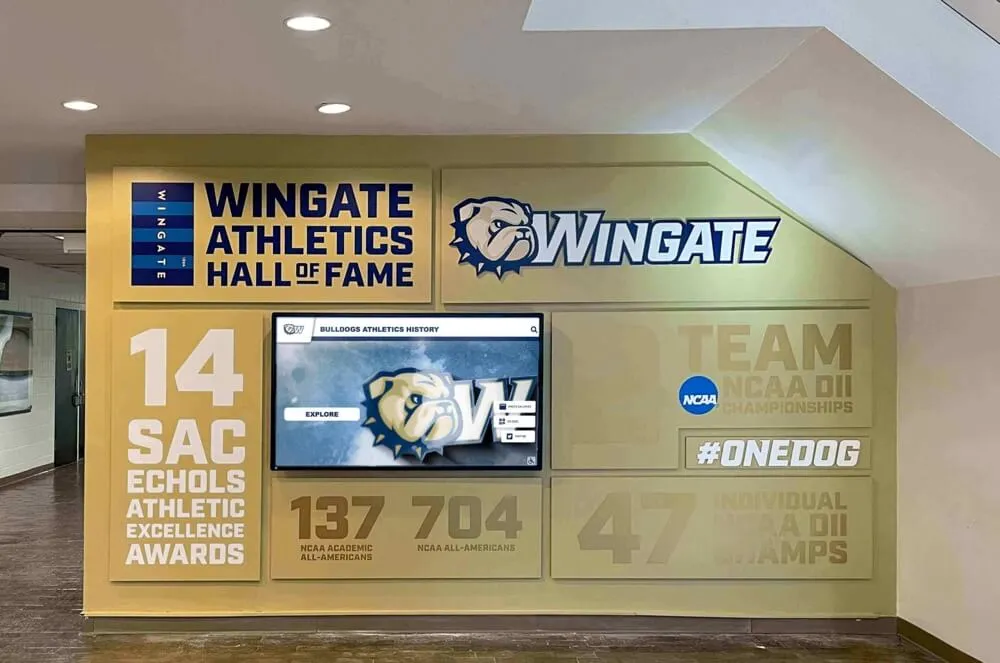
Recognition wall design should integrate institutional branding while creating clear visual hierarchy across giving levels
Recognition Tier Messaging and Benefits
Each recognition level should communicate distinct appreciation appropriate to contribution significance:
Leadership Circle Messaging Framework
Organizations should articulate leadership recognition tiers with language emphasizing impact and partnership:
TRANSFORMATIONAL LEADERSHIP CIRCLE ($1M+)
"Visionary philanthropists whose transformational generosity establishes
enduring foundations for institutional excellence. Leadership Circle members
receive permanent naming recognition, exclusive stewardship engagement,
and partnership in shaping organizational future."

Benefits:
- Permanent naming opportunity for facility, program, or endowment
- Individual featured recognition with biographical narrative
- Lifetime membership in institutional leadership society
- Annual private events with organizational leadership
- Exclusive communications and strategic updates
- Legacy recognition ensuring perpetual acknowledgment
Recognition Tier Template Structure
For each giving level, develop consistent messaging including:
- Tier Name: Distinctive designation creating identity and aspiration
- Contribution Range: Clear threshold establishing membership criteria
- Impact Statement: Specific articulation of what this giving level accomplishes
- Recognition Benefits: Tangible acknowledgment donors receive
- Stewardship Engagement: Ongoing relationship building appropriate to level
- Display Presence: Description of how recognition appears on donor wall
This structured approach ensures clarity, manages expectations, and demonstrates appropriate appreciation scaling with contribution size.
Anonymous and Memorial Recognition
Recognition policies should accommodate donors preferring privacy while honoring memorial gifts appropriately:
Anonymous Donor Acknowledgment
- Counting anonymous gifts toward campaign totals while respecting privacy
- “Anonymous Donor” or similar designation maintaining recognition tier visibility
- Private stewardship ensuring donors receive appropriate appreciation despite public anonymity
- Flexibility allowing future identification if donor circumstances change
- Clear communication about anonymous recognition during solicitation
Memorial and Tribute Gifts
Memorial recognition requires sensitivity while honoring both donor and honoree:
- Recognition crediting living donor while memorializing honoree
- Appropriate language: “In Memory of [Name]” or “In Honor of [Name]”
- Family consultation ensuring memorial language meets expectations
- Biographical elements celebrating honoree’s connection to institution
- Perpetual recognition ensuring lasting tribute
Organizations serving diverse donor communities should develop recognition policies addressing various cultural, religious, and personal preferences regarding public acknowledgment.
Recognition Display Design and Technology
Physical and digital recognition approaches each offer distinct advantages—many organizations benefit from integrated strategies combining both.
Traditional Recognition Display Options
Understanding conventional recognition formats helps organizations make informed decisions:
Permanent Plaque Installations
- Individual metal or acrylic plaques mounted on dedicated wall spaces
- Engraved donor names organized by recognition tier
- Architectural integration creating distinguished recognition environment
- Permanent installation ensuring long-term visibility
- Premium materials communicating institutional commitment to honoring supporters
Limitations of Static Recognition
- Fixed capacity requiring physical expansion as donor numbers grow
- Inflexibility preventing recognition updates without reinstallation
- High costs for modifications, additions, or corrections
- Difficulty maintaining consistent appearance as additions occur over time
- Space constraints limiting ultimate campaign size
Many organizations initially install traditional plaques only to encounter these limitations as successful campaigns exceed original projections or require ongoing recognition of annual contributors.
Digital Donor Recognition Advantages
Modern digital recognition systems address traditional limitations while providing enhanced stewardship capabilities:
Unlimited Recognition Capacity
Digital displays accommodate unlimited donor names without physical space constraints—critical for campaigns growing beyond initial projections or organizations maintaining perpetual recognition of annual giving societies. As additional commitments occur, recognition updates happen through content management systems rather than expensive physical reinstallation.
Dynamic Content and Engagement
Interactive touchscreen displays create engaging donor experiences impossible with static plaques:
- Individual donor profiles with biographical information, giving history, and personal statements
- Photographic recognition showing donor faces alongside names
- Video testimonials from contributors explaining philanthropic motivations
- Searchable interfaces allowing visitors to find specific donors easily
- Campaign progress visualization demonstrating collective impact
- Rotating displays showcasing different donor segments and stories
Organizations implementing digital donor recognition walls report increased donor engagement and visitor interaction compared to traditional static installations.

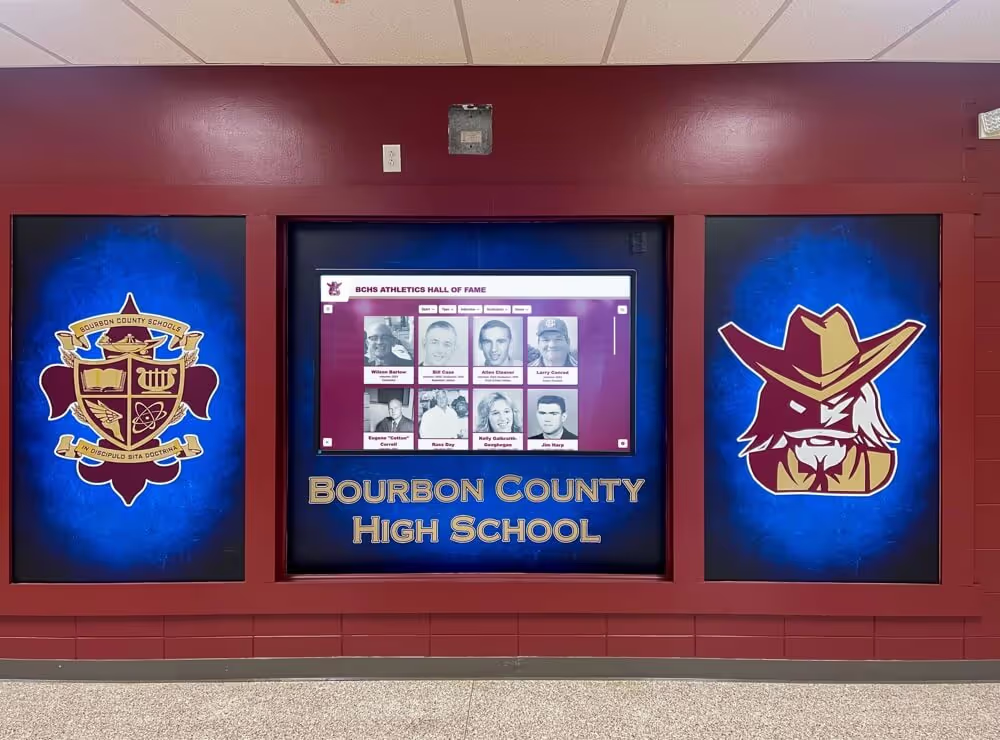
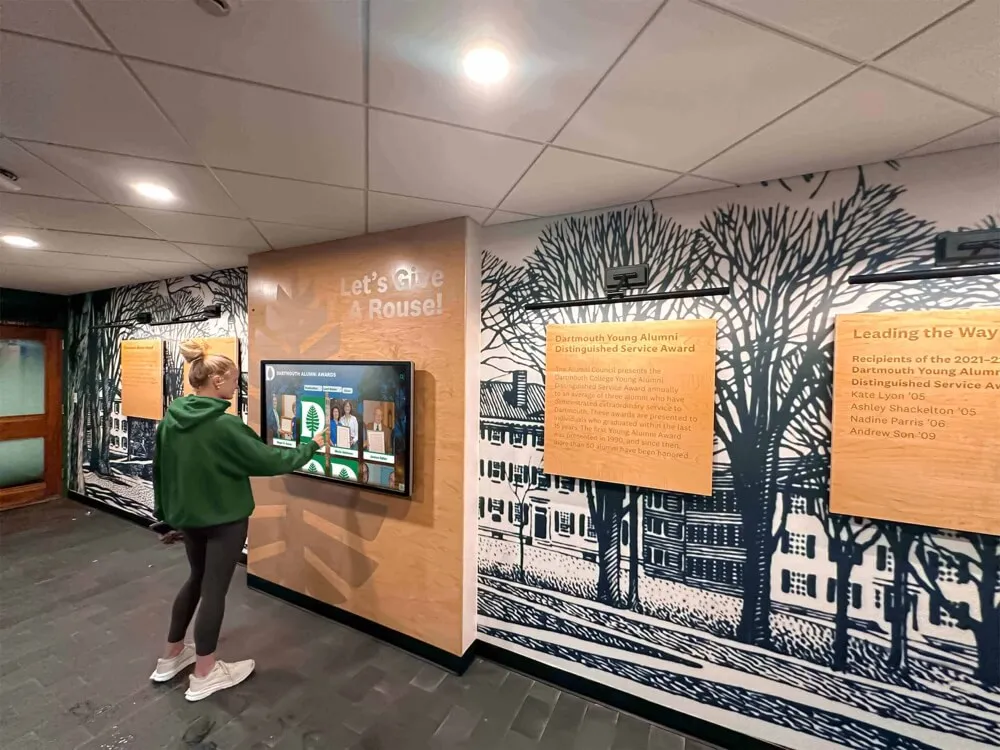
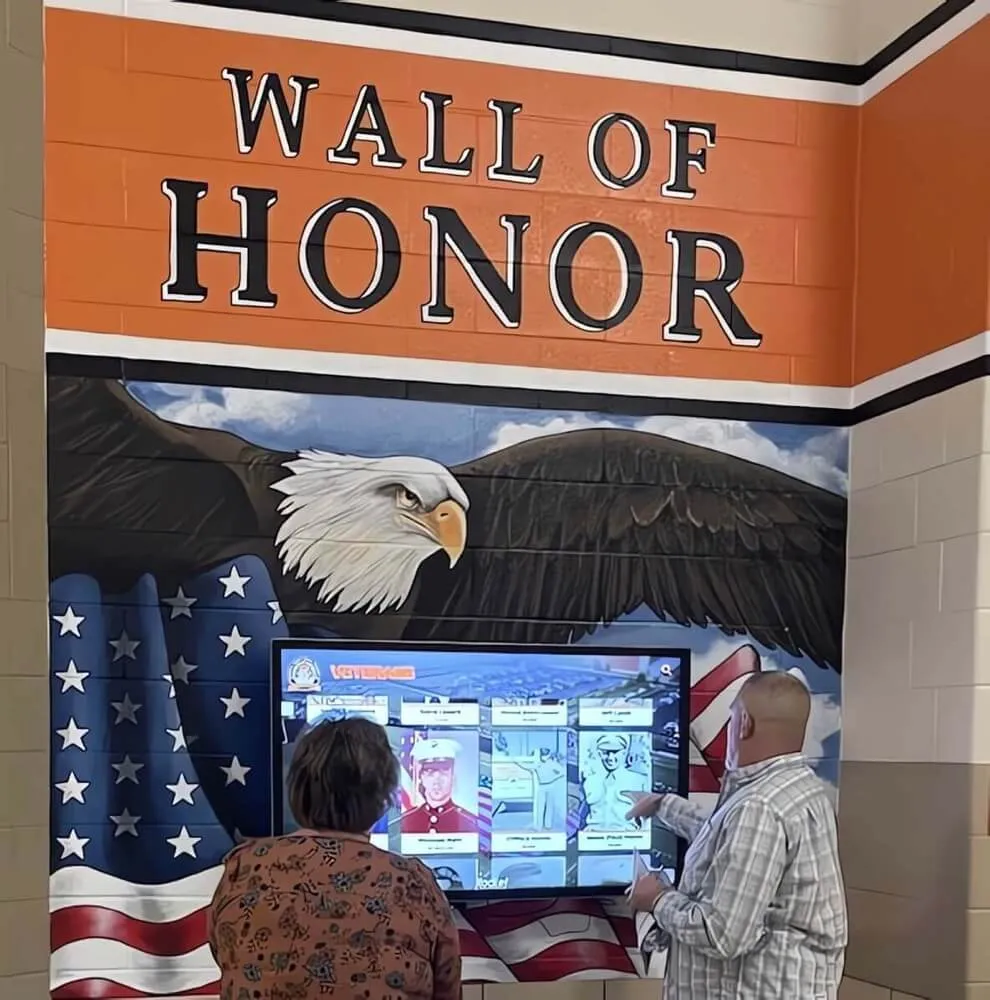
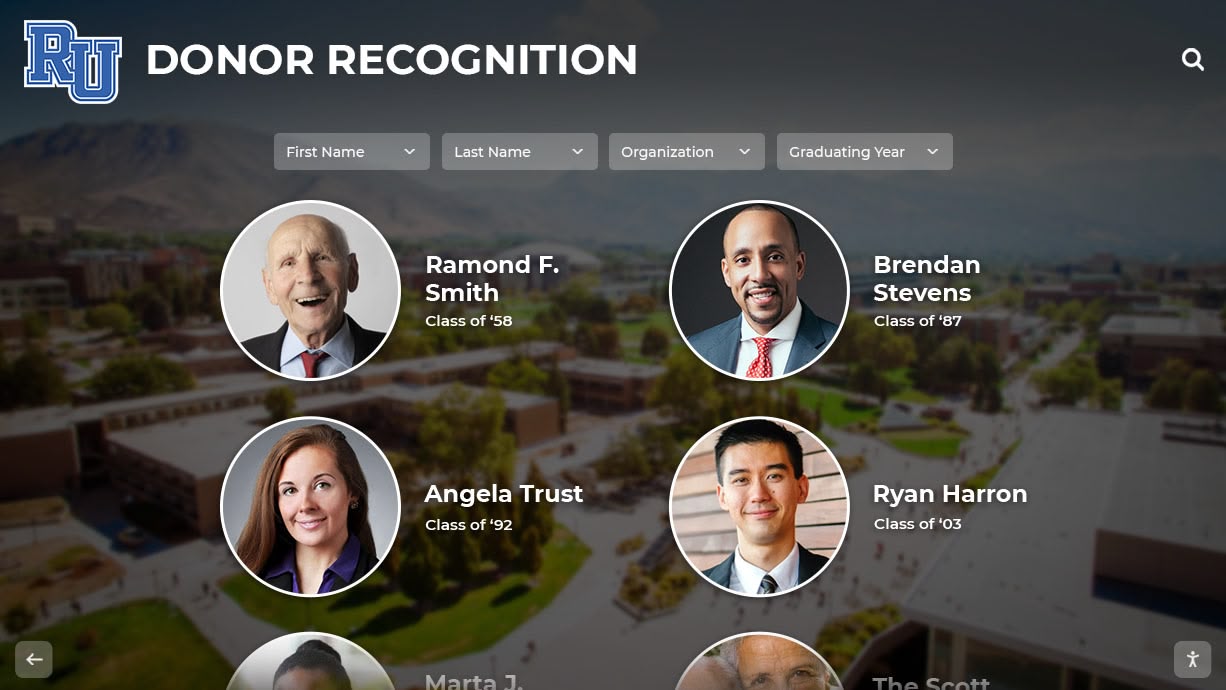
Touchscreen recognition displays enable visitors to explore donor stories and campaign information interactively
Remote Content Management
Cloud-based recognition systems enable advancement teams to update recognition remotely without facilities access or technical expertise:
- New donor additions processed immediately upon gift processing
- Recognition corrections implemented within minutes
- Campaign progress metrics updated in real-time
- Seasonal or thematic content rotations maintaining fresh displays
- Event-specific recognition configurations for donor gatherings
This flexibility proves invaluable for capital campaigns spanning multiple years where donor commitments occur continuously throughout campaign duration.
Cost Efficiency Over Time
While digital recognition systems involve higher initial investment than simple plaques, long-term cost advantages emerge quickly:
- Zero incremental cost for additional donor recognition
- No reinstallation expenses as campaigns grow
- Immediate corrections avoiding plaque replacement costs
- Multi-purpose displays serving recognition plus other institutional communications
- Reduced maintenance compared to physical materials requiring cleaning and repair
Organizations comparing total cost of ownership over 10-20 year periods often find digital solutions provide superior value despite higher upfront costs.
Hybrid Recognition Approaches
Many organizations implement integrated strategies combining permanent and digital elements:
Strategic Hybrid Design
Combine permanent recognition for leadership giving with digital systems for broader acknowledgment:
- Traditional plaques or naming signage for transformational gifts ($1M+)
- Architectural elements providing permanent leadership donor recognition
- Digital displays accommodating unlimited annual giving society members
- Interactive systems showcasing donor stories and campaign narratives
- Integrated design creating cohesive recognition environment
This approach provides prestige of permanent recognition for highest contribution levels while maintaining flexibility and engagement benefits of digital systems for broader donor communities.
Physical-Digital Integration
Coordinated design ensures visual consistency across recognition elements:
- Architectural finishes complementing digital display housing
- Typography and branding consistent between physical and digital elements
- Lighting design creating cohesive recognition environment
- Wayfinding guiding visitors to recognition displays
- Spatial planning ensuring prominent placement encouraging interaction
Organizations planning new facilities or major renovations should involve advancement staff early in design processes to ensure recognition environments receive appropriate consideration and optimal positioning.
Recognition Content Strategy and Messaging
The substance of donor recognition—what you say and how you present it—matters as much as display format and technology.
Individual Donor Recognition Content
Develop recognition content policies balancing donor preferences with institutional standards:
Standard Recognition Elements
- Donor name formatted according to preference
- Recognition tier or society membership
- Giving year or cumulative contribution period
- Optional biographical elements for leadership donors
- Memorial or tribute designations when applicable
Enhanced Leadership Donor Profiles
For major gift recognition, expanded content creates meaningful acknowledgment:
[DONOR NAME]
Principal Leadership Circle | $500,000

[Optional donor photo or family photo]

[Biographical paragraph - 2-3 sentences]
A distinguished alumnus of the Class of 1985, John exemplifies servant
leadership through decades of volunteer service and philanthropic commitment.
His transformational support establishes the Anderson Family Scholarship
Fund, ensuring access for first-generation college students pursuing
engineering degrees.

[Optional personal statement - donor's own words]
"This institution changed the trajectory of my life. Supporting future
students represents gratitude for opportunities I received and investment
in the next generation of problem-solvers our world desperately needs."
Soliciting donor input for biographical content and personal statements creates ownership while ensuring accuracy and appropriate tone.
Campaign Messaging and Impact Communication
Donor walls should communicate campaign purpose and collective impact alongside individual recognition:
Campaign Overview Content
Contextualize individual giving within larger institutional objectives:
- Campaign name, goal, and current progress
- Primary funding priorities and allocation
- Impact statements explaining what donations accomplish
- Visual representations of campaign success
- Timeline milestones and completion targets
Impact Storytelling
Recognition displays become more compelling when connecting donations to tangible outcomes:
- Student scholarship recipient profiles (with permission)
- Faculty research advances funded through campaign support
- Facility improvements donors made possible
- Program expansions philanthropic investment enabled
- Community outcomes resulting from collective generosity
Organizations implementing comprehensive nonprofit donor recognition displays balance individual acknowledgment with institutional impact messaging effectively.
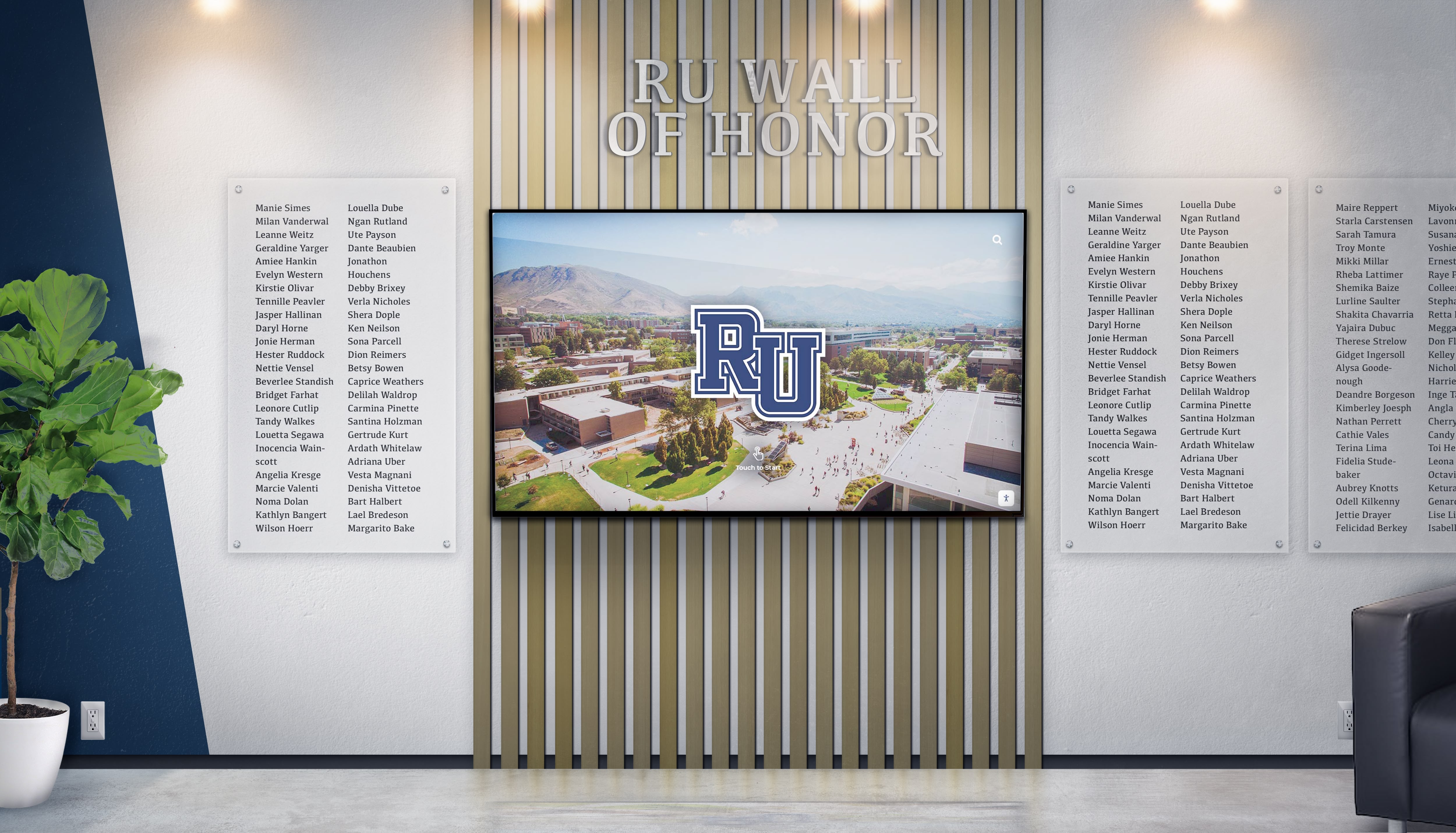
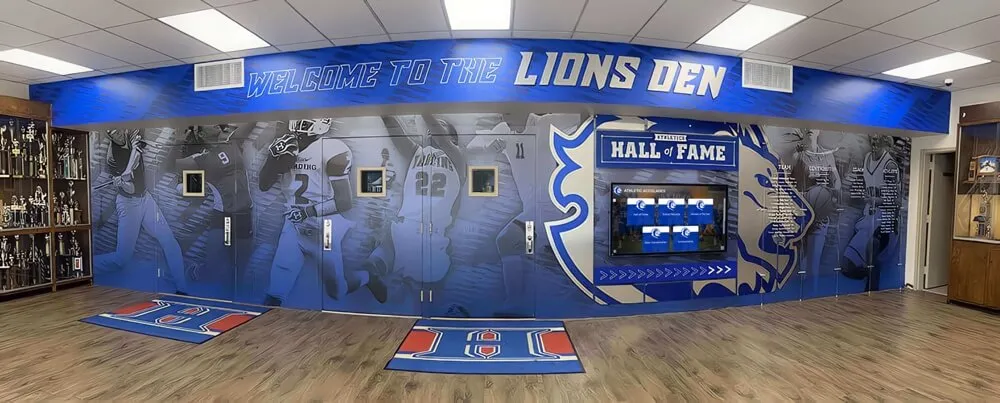
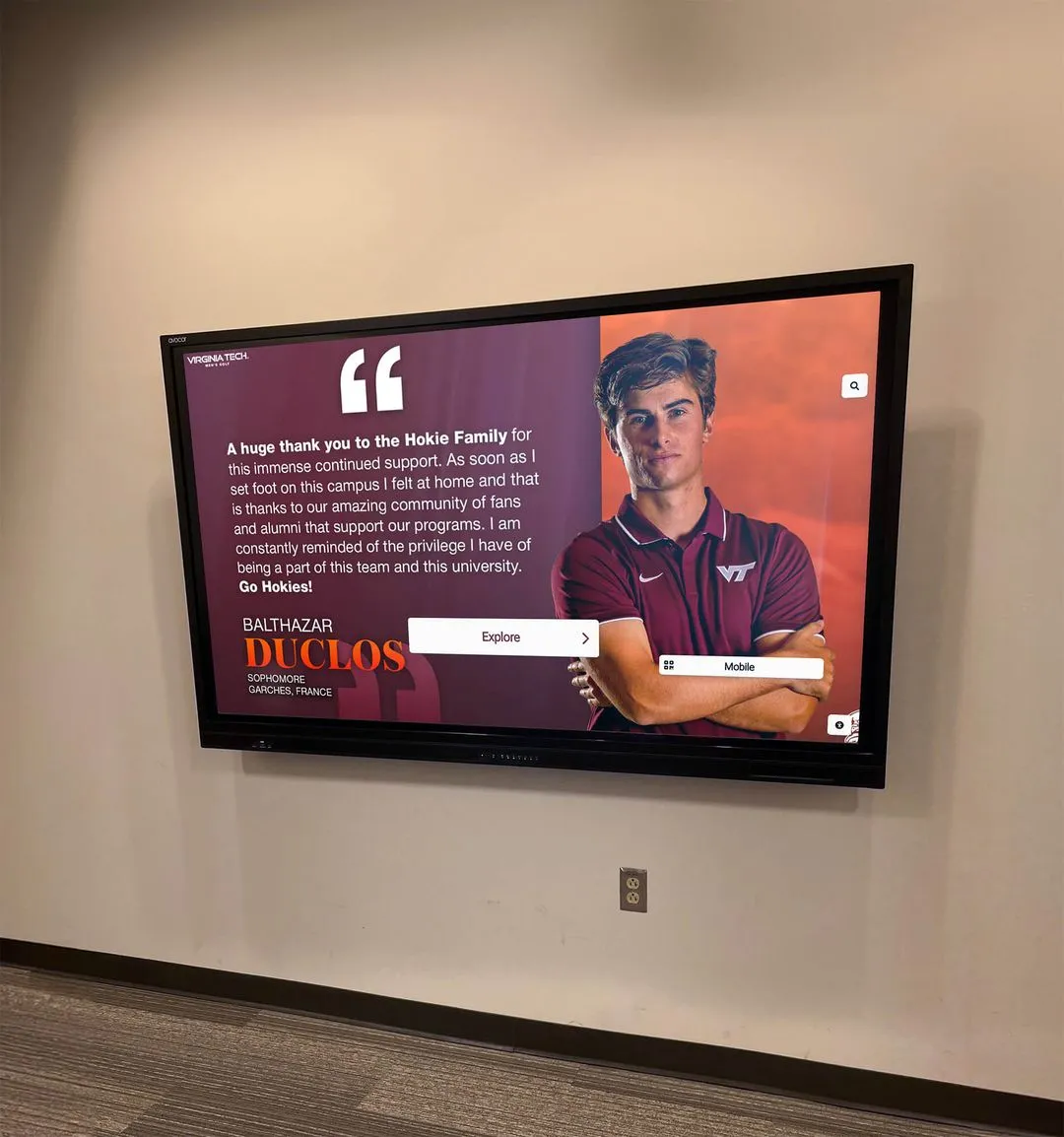
Integrated recognition designs combine individual donor acknowledgment with institutional imagery and campaign messaging
Recognition Timeline and Update Cadence
Establish clear policies governing recognition timing and updates:
Initial Recognition Standards
- Recognition appears within 90 days of gift processing
- Pledge commitments recognized upon signed agreement
- Multi-year pledges acknowledged based on commitment amount
- Anonymous donors included appropriately in collective counts
- Memorial designations processed with family consultation
Ongoing Maintenance Schedule
- Quarterly recognition audits ensuring accuracy
- Monthly updates during active campaign periods
- Annual comprehensive review of all recognition content
- Immediate corrections for identified errors
- Systematic donor communication confirming recognition accuracy
Clear standards prevent donor frustration while managing advancement team workload realistically.
Recognition Wall Placement and Accessibility
Strategic placement maximizes donor wall impact while ensuring appropriate accessibility and visibility.
Optimal Recognition Display Locations
Recognition wall positioning affects both donor satisfaction and fundraising impact:
High-Traffic Institutional Locations
- Main entrance lobbies ensuring maximum visitor exposure
- Development office reception areas for donor meetings
- Event spaces hosting advancement gatherings and celebrations
- Academic or administrative building main corridors
- Facility entrances at funded buildings or spaces
Accessibility Considerations
Recognition displays must comply with ADA requirements while serving diverse visitors:
- Touchscreen height and positioning accommodating wheelchair users
- Audio description capabilities for vision-impaired visitors
- High-contrast text ensuring readability for low-vision individuals
- Intuitive interfaces requiring minimal instruction
- Alternative formats available upon request
Organizations implementing accessible recognition demonstrate institutional values while ensuring all community members can engage with donor acknowledgment.
Visibility and Engagement Optimization
Design recognition environments encouraging interaction:
- Prominent placement along natural traffic flows
- Adequate space for multiple simultaneous users
- Comfortable viewing distances and angles
- Appropriate lighting avoiding screen glare
- Seating areas supporting extended exploration
- Signage directing visitors to recognition displays
Recognition walls positioned thoughtfully receive significantly higher engagement than displays tucked into underutilized corners or basement corridors.
Creating Recognition Destinations
Transform donor walls from passive displays into engagement destinations:
Environmental Design
Architectural elements enhance recognition impact:
- Dedicated alcoves or gallery spaces elevating recognition importance
- Complementary displays showing campaign impact photographs
- Comfortable seating encouraging extended engagement
- Interpretive signage explaining campaign priorities
- Branded environments reinforcing institutional identity
Event Utilization
Leverage recognition displays during advancement events:
- Donor recognition celebrations held at display locations
- Campaign kickoffs unveiling recognition systems
- Naming ceremonies for leadership donors
- Annual giving society receptions at recognition walls
- Reunion events showcasing alumni donor impact
Strategic event programming creates positive associations between recognition displays and celebratory experiences.
Recognition Policies and Donor Agreements
Clear policies prevent misunderstandings while protecting institutional interests and donor relationships.
Establishing Recognition Guidelines
Comprehensive recognition policies should address:
Donor Name Formatting Standards
- Individual donors: full legal names or preferred designations
- Joint donors: “John and Jane Doe” or “The Doe Family”
- Corporate donors: official business names and logo usage
- Foundation donors: foundation legal names
- Anonymous donors: designation protocols
Recognition Modification Policies
- Procedures for correcting recognition errors
- Policies addressing donor name changes (marriage, legal changes)
- Handling deceased donor recognition updates
- Anonymous donor identification upon request
- Recognition removal circumstances (if any)
Naming Rights Duration and Terms
For significant naming opportunities, formalize agreements documenting:
- Naming rights duration (perpetual vs. term-limited)
- Naming conventions and official designations
- Signage specifications and approval processes
- Stewardship obligations during naming period
- Contingencies for facility changes or demolition
- Recognition transfer provisions upon donor death
Written agreements prevent future disputes while demonstrating professional stewardship management.
Recognition and Pledge Fulfillment
Coordinate recognition policies with gift acceptance and pledge management:
Pledge Recognition Timing
- Recognition granted upon pledge agreement execution
- Tier placement based on committed amount rather than paid amount
- Contingency protocols if pledges become uncollectible
- Communication with donors about recognition timing
- Regular pledge payment reminders referencing recognition
Recognition Contingencies
Policies should address potential scenarios:
- Unfulfilled pledge handling after reasonable collection attempts
- Reputational risk protocols for controversial donors
- Name removal procedures (extraordinarily rare but possible)
- Facility renovation or demolition affecting naming recognition
- Organizational merger or closure scenarios
While uncomfortable to contemplate, clear policies protect organizations while ensuring fair donor treatment.
Measuring Recognition Impact and Donor Response
Evaluating recognition effectiveness helps organizations refine approaches and demonstrate stewardship ROI.
Recognition Success Metrics
Track indicators measuring recognition impact:
Donor Satisfaction Measures
- Post-recognition donor surveys assessing satisfaction
- Donor retention rates segmented by recognition participation
- Upgrade rates among recognized donors
- Volunteer engagement from recognized contributors
- Qualitative feedback through stewardship conversations
Engagement Analytics
Digital recognition systems enable sophisticated interaction tracking:
- Touchscreen interaction frequency and duration
- Specific donor profile views and searches
- Content element engagement patterns
- Repeat visitor identification through analytics
- Peak usage times and visitor demographics
Organizations implementing donor recognition screens benefit from detailed engagement data informing continuous improvement.
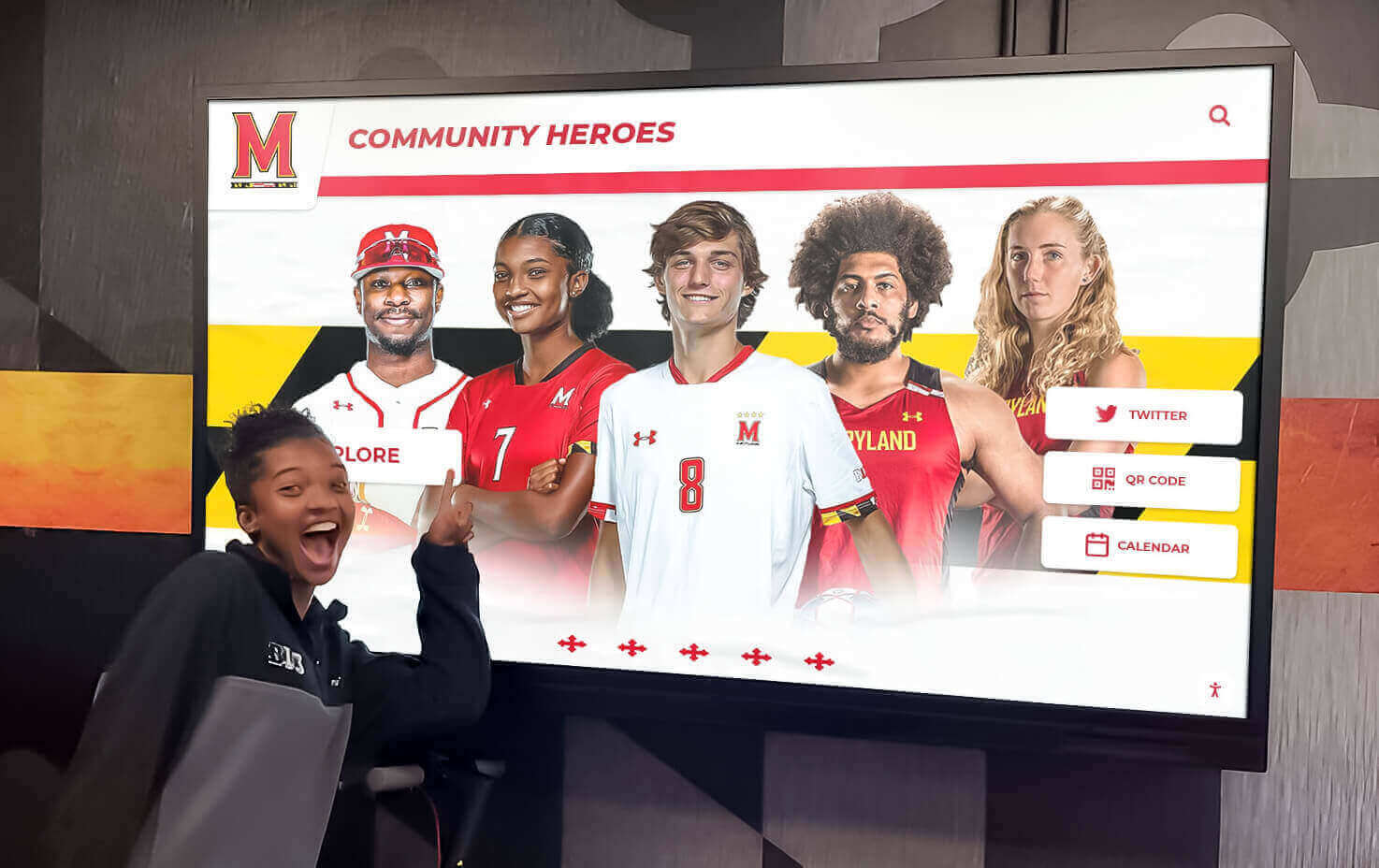
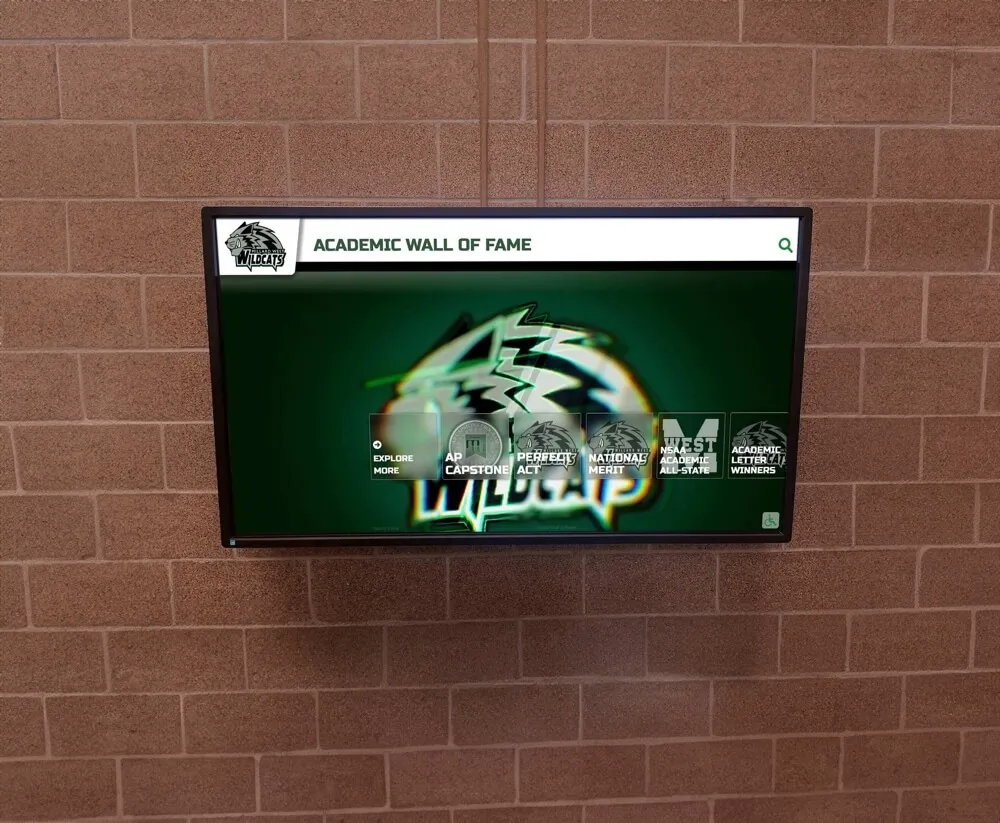
Monitoring visitor engagement with recognition displays provides valuable insights for optimizing content and design
Fundraising Impact Assessment
Correlate recognition implementation with advancement outcomes:
- Campaign momentum before and after recognition installation
- New donor acquisition rates during recognition visibility period
- Giving level upgrades among existing donors
- Pledge fulfillment rates for recognized commitments
- Unsolicited giving attributed to recognition inspiration
While difficult to establish direct causation, tracking these metrics helps organizations understand recognition value.
Continuous Recognition Improvement
Use evaluation data to refine recognition approaches:
Content Optimization
- Identify most-engaged content types and expand accordingly
- Update underperforming content based on interaction data
- Test different messaging approaches and measure response
- Rotate content maintaining freshness and renewed interest
- Incorporate donor feedback into content development
Technical Enhancements
- Monitor display performance and address technical issues promptly
- Update software incorporating new features and capabilities
- Refresh hardware ensuring optimal performance and appearance
- Implement security updates protecting donor information
- Expand capacity as recognition needs grow
Organizations treating recognition as dynamic systems requiring ongoing attention achieve superior results compared to “install and forget” approaches.
Implementing Donor Recognition Excellence
Translating recognition principles into effective implementation requires thoughtful planning and execution.
Recognition Planning Process
Successful recognition implementation follows systematic approaches:
Phase 1: Requirements Definition
- Stakeholder input gathering from advancement, facilities, and leadership
- Donor community analysis understanding preferences and expectations
- Campaign scope assessment determining recognition capacity needs
- Budget allocation establishing realistic investment parameters
- Timeline development coordinating with campaign milestones
Phase 2: Design Development
- Recognition tier structure finalization with clear criteria
- Content framework creation defining what appears for each tier
- Technology selection balancing capabilities with budget
- Architectural design integrating recognition into facility plans
- Accessibility compliance verification ensuring ADA conformity
Phase 3: Vendor Selection and Installation
Organizations should evaluate recognition system providers across multiple dimensions:
- Technology capabilities and update flexibility
- Design quality and customization options
- Installation expertise and project management
- Ongoing support and maintenance provisions
- Customer references and previous installations
- Total cost of ownership including long-term expenses
Solutions like Rocket Alumni Solutions offer comprehensive recognition systems combining sophisticated touchscreen technology with cloud-based content management, unlimited recognition capacity, and ongoing support helping organizations implement recognition excellence.
Phase 4: Content Development and Launch
- Donor data compilation and verification
- Individual profile creation for leadership donors
- Campaign messaging development
- System configuration and content loading
- Staff training on management and updates
- Donor communication announcing recognition
Phase 5: Ongoing Stewardship
- Regular content updates maintaining accuracy
- Donor engagement monitoring and optimization
- Annual recognition events celebrating contributors
- Systematic evaluation and refinement
- Long-term maintenance and enhancement
Common Recognition Implementation Pitfalls
Avoid frequent mistakes that undermine recognition effectiveness:
Insufficient Planning
- Underestimating ultimate campaign size and recognition capacity needs
- Selecting inflexible systems unable to accommodate growth
- Inadequate budget allocation for quality implementation
- Rushing installation without thorough design consideration
Poor Content Management
- Infrequent updates creating outdated recognition
- Inconsistent content quality across donor tiers
- Inadequate donor communication about recognition
- Missing processes ensuring ongoing accuracy
Technology Shortfalls
- Selecting systems without sufficient capabilities
- Inadequate technical support and maintenance
- Poor user interfaces discouraging engagement
- Inflexible platforms preventing future enhancements
Accessibility Failures
- Non-compliant installations excluding visitors with disabilities
- Poor placement in low-traffic or inconvenient locations
- Inadequate signage preventing recognition discovery
- Uncomfortable viewing environments discouraging engagement
Organizations planning recognition implementation benefit from consulting with development professionals who have successfully executed similar projects.
Recognition Integration with Comprehensive Stewardship
Donor walls represent one element within holistic stewardship systems—integration maximizes impact.
Recognition Within Stewardship Continuum
Effective stewardship incorporates multiple touchpoints across donor lifecycle:
Pre-Gift Recognition Communication
- Clear recognition tier explanation during solicitation
- Preview materials showing recognition examples
- Donor preference gathering regarding name formatting and privacy
- Recognition agreement execution for naming opportunities
- Expectations management about recognition timing
Post-Gift Stewardship Integration
- Formal acknowledgment letters referencing forthcoming recognition
- Preliminary donor profile development requesting biographical input
- Recognition installation notifications and invitations
- Dedicated recognition celebration events
- Ongoing communication highlighting recognition visibility
Annual Stewardship Touchpoints
- Recognition anniversary communications thanking donors
- Updates showing campaign progress and collective impact
- Invitation to visit recognition displays during campus events
- Recognition photographs shared with donors unable to visit
- Periodic recognition accuracy confirmations
This integrated approach demonstrates that recognition represents ongoing appreciation rather than one-time acknowledgment completing stewardship obligations.
Leveraging Recognition for Additional Engagement
Recognition displays create opportunities for deeper donor relationships:
Recognition-Based Cultivation
- Prospective donor tours highlighting recognition displays and giving impact
- Recognition wall events bringing together current and prospective donors
- Social proof messaging referencing peer recognition
- Leadership donor spotlights creating aspiration among prospects
- Campaign momentum communications using recognition data
Alumni and Volunteer Engagement
Recognition displays serve broader constituencies beyond donors:
- Alumni reunion programming featuring donor recognition
- Volunteer appreciation connecting service recognition with philanthropic acknowledgment
- Student engagement explaining institutional funding through donor generosity
- Community events showcasing institutional support and impact
Learn more about comprehensive academic recognition programs integrating various forms of achievement acknowledgment.
Future Trends in Donor Recognition
Recognition approaches continue evolving alongside technology, donor preferences, and advancement practices.
Emerging Recognition Technologies
Innovation creates new recognition possibilities:
Augmented Reality Recognition
- Mobile apps overlaying donor information on physical recognition displays
- Interactive elements activated through smartphone cameras
- Virtual recognition experiences for remote donors
- Enhanced storytelling through multimedia augmentation
Artificial Intelligence Applications
- Personalized recognition experiences adapting to viewer interests
- Predictive analytics identifying prospects likely to respond to recognition
- Automated content generation streamlining profile development
- Natural language interfaces enabling voice-based recognition exploration
Integration with Digital Platforms
Recognition increasingly connects physical and digital experiences:
- Social media integration allowing donor story sharing
- Online recognition portals complementing physical displays
- Virtual event streaming featuring recognition celebrations
- Donor dashboards providing personalized recognition information
Evolving Donor Expectations
Understanding shifting preferences helps organizations stay relevant:
Transparency and Impact Focus
- Increasing donor interest in specific impact rather than general acknowledgment
- Preference for recognition emphasizing outcomes over donor prominence
- Desire for regular updates showing how gifts create change
- Appreciation for recognition demonstrating thoughtful stewardship
Privacy and Discretion Trends
- Growing preference for anonymous or low-profile recognition among some donor segments
- Generational differences in recognition preferences and expectations
- Flexibility demands accommodating diverse recognition comfort levels
- Emphasis on meaningful appreciation over elaborate public acknowledgment
Sustainability Considerations
Environmentally conscious donors increasingly prefer sustainable recognition:
- Digital systems avoiding material waste associated with plaques
- Energy-efficient display technologies
- Sustainable materials for physical recognition elements
- Recognition approaches emphasizing impact over physical presence
Organizations anticipating these trends position recognition systems for long-term relevance and donor satisfaction.
Conclusion: Recognition That Inspires Continued Generosity
Exceptional donor wall recognition accomplishes dual objectives simultaneously—providing meaningful acknowledgment donors deserve while creating strategic advancement tools that inspire future giving, demonstrate campaign momentum, and strengthen organizational culture of philanthropy.
Organizations approaching recognition strategically move beyond simple name listing toward sophisticated stewardship systems that honor individual contributions appropriately, communicate collective impact compellingly, provide flexibility accommodating campaign evolution, create engagement opportunities for diverse stakeholders, and generate ongoing value throughout donor relationships.
Development teams implementing the principles outlined in this guide—from thoughtful recognition tier design through strategic technology selection, content excellence, accessible placement, clear policies, and integration with comprehensive stewardship—create recognition experiences that donors value and that advance institutional fundraising objectives effectively.
Recognition represents investment rather than expense. When executed thoughtfully, donor walls generate returns through enhanced donor satisfaction, improved retention and upgrade rates, prospect cultivation support, campaign momentum visualization, and organizational culture strengthening. These outcomes justify recognition investment while honoring the generous contributors who make institutional excellence possible.
Organizations ready to implement recognition systems that honor donors while advancing advancement goals should partner with providers offering proven technology, design expertise, ongoing support, and commitment to recognition excellence.
Ready to create donor recognition that inspires continued giving? Contact Rocket Alumni Solutions to explore touchscreen recognition systems offering unlimited capacity, flexible content management, accessible design, and sophisticated stewardship capabilities that transform how your organization honors supporters and advances fundraising success.