Elementary school years lay the foundation for lifelong learning attitudes, social development, and academic confidence. During these critical K-5 years, celebration events that recognize achievements, mark milestones, and create joyful school memories play an essential role in motivating young learners while building positive school culture. When elementary schools implement thoughtful celebration strategies that honor diverse accomplishments, they create environments where every child feels valued, effort receives recognition, and learning becomes something worth celebrating.
Yet many elementary schools struggle to create celebration events that feel meaningful without overwhelming limited time and resources. Recognition often defaults to rushed assemblies that touch on too many topics superficially, paper certificates handed out without fanfare, or celebrations limited to a narrow range of academic achievements that leave many students unrecognized. Meanwhile, research consistently demonstrates that appropriate celebration during elementary years significantly impacts student motivation, engagement, and academic self-concept throughout their educational journey.
This comprehensive guide explores creative elementary school celebration ideas spanning academic achievements, character development, special events, seasonal activities, and modern recognition displays. Whether you’re planning end-of-year celebrations, monthly recognition assemblies, or building year-round recognition systems, these strategies help elementary schools honor young students in developmentally appropriate ways that inspire continued growth.

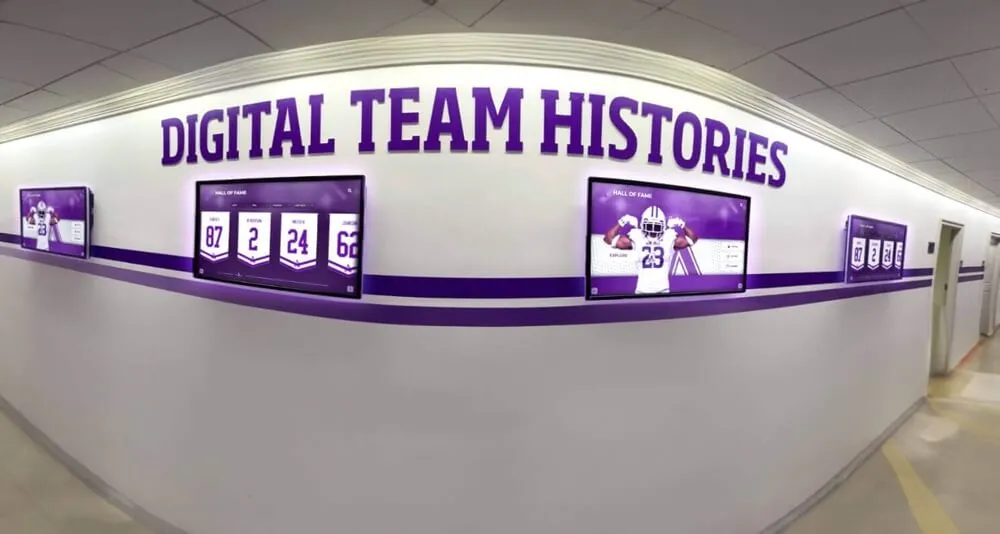
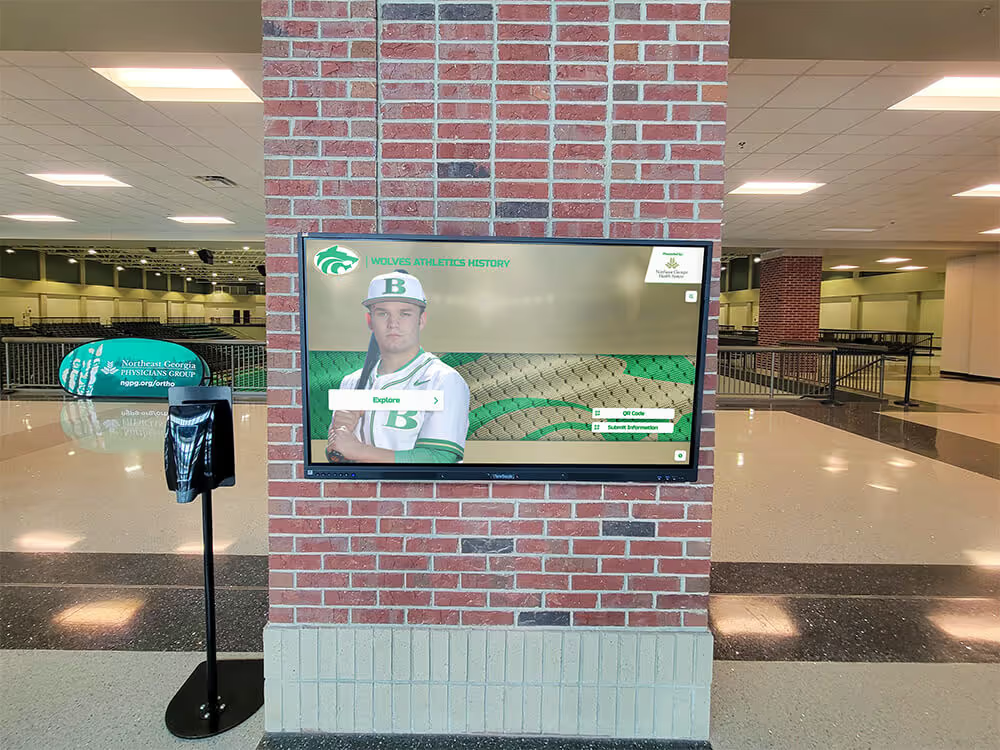
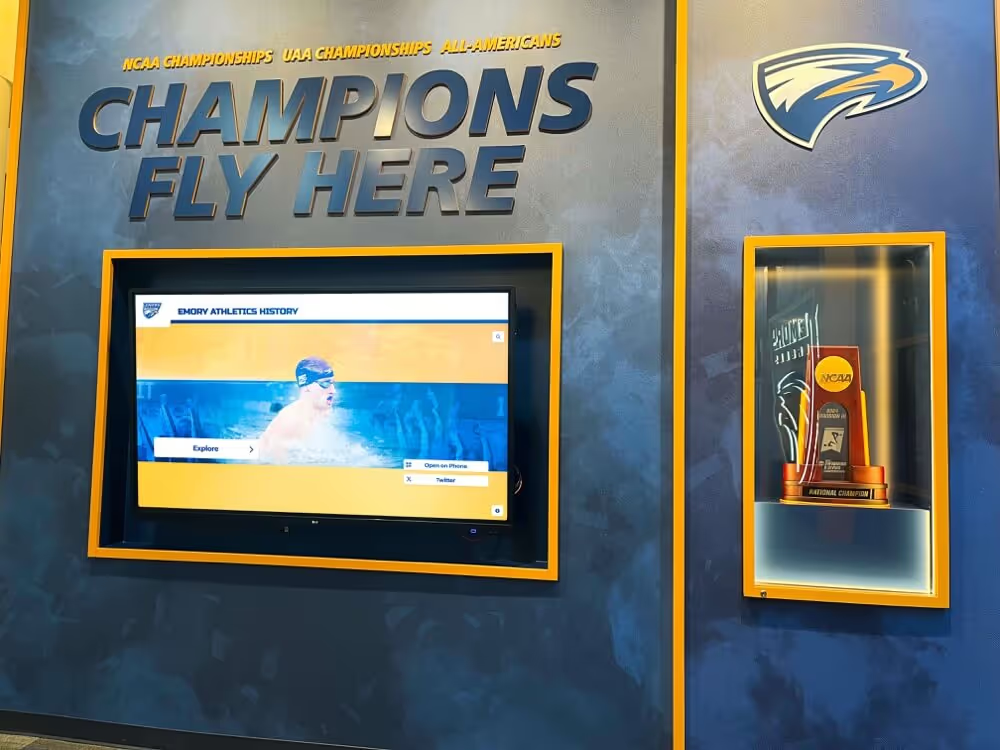
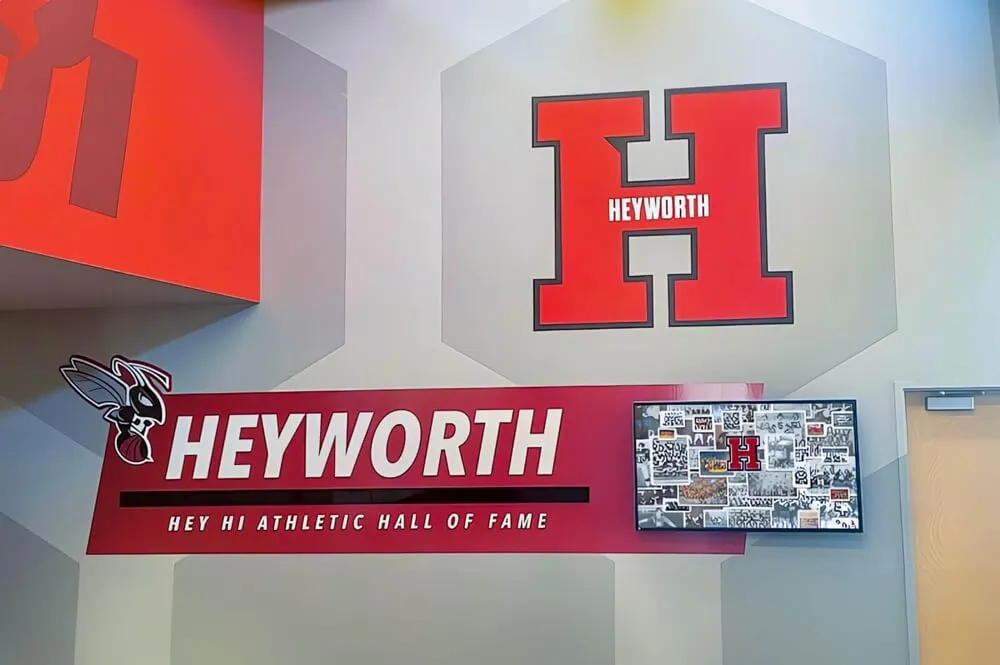
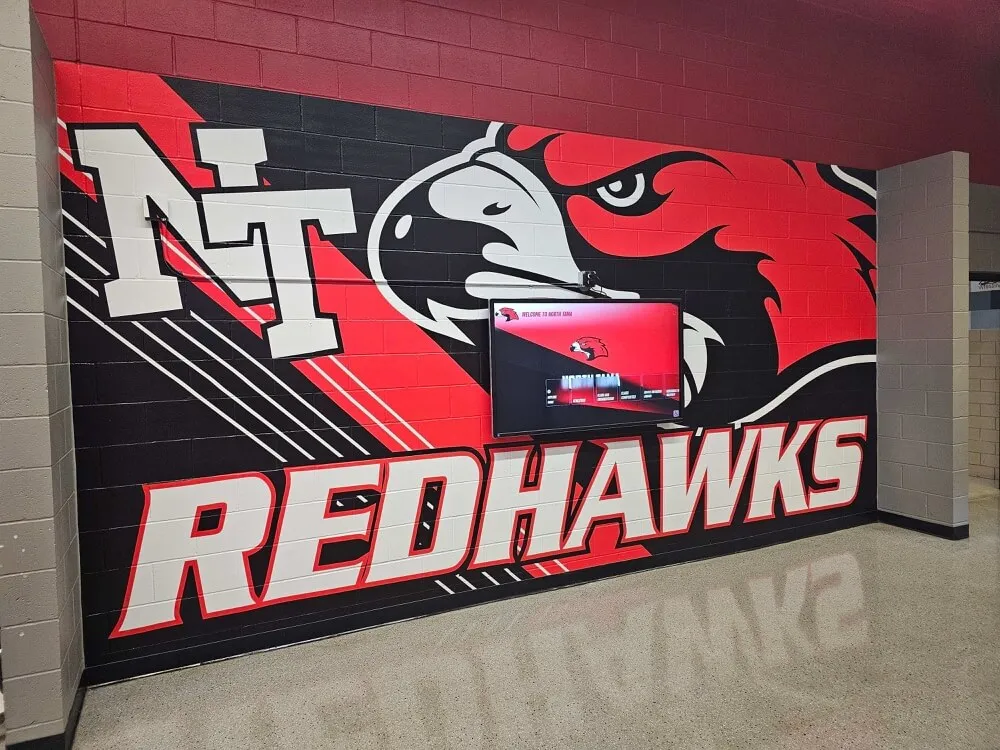
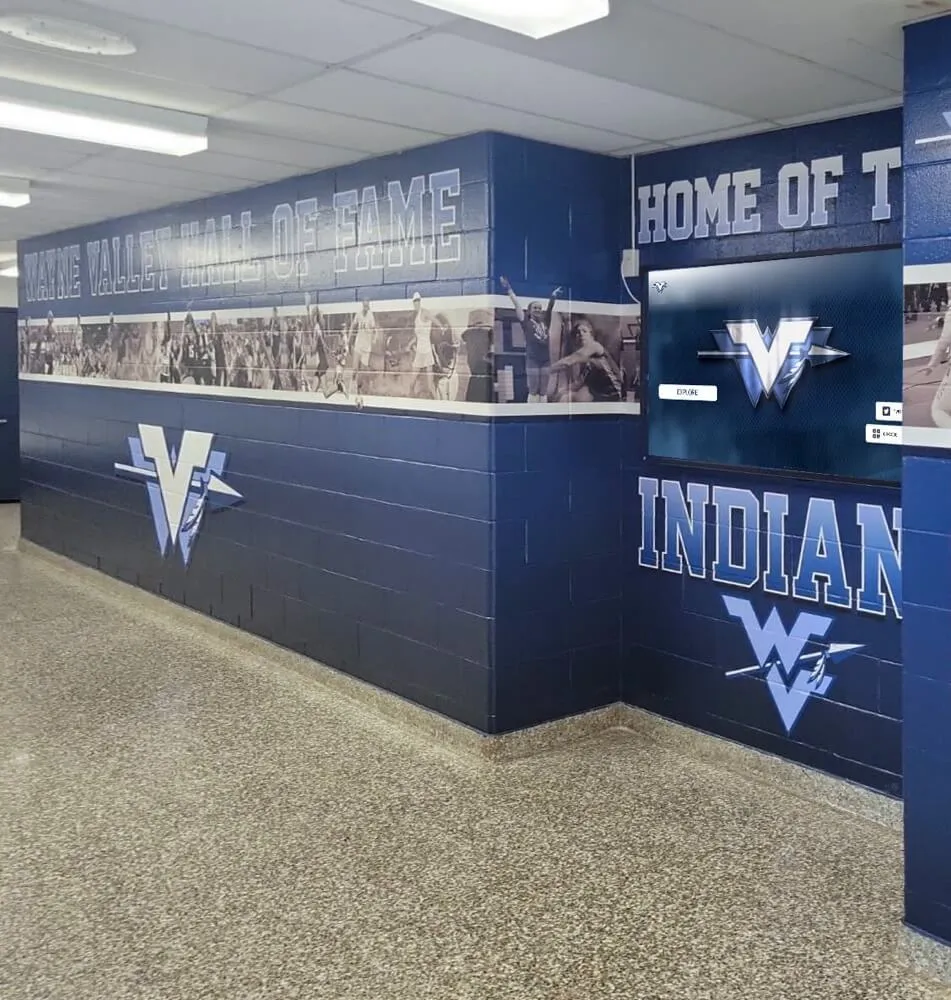
Interactive recognition displays engage elementary students while making achievements visible throughout the school community
Understanding the Importance of Elementary School Celebrations
Before exploring specific celebration ideas, understanding why celebrations matter for young learners helps schools design events that deliver maximum developmental and motivational benefits.
The Developmental Impact of Recognition and Celebration
Elementary years coincide with critical periods in cognitive, social, and emotional development. Celebrations during these formative years serve multiple essential purposes:
Building Academic Identity and Confidence
Young students develop beliefs about themselves as learners largely through external feedback. Thoughtful celebrations provide concrete evidence that:
- Their efforts and achievements matter to teachers and the school community
- Learning is valued and worth pursuing with enthusiasm
- They possess capabilities worth recognizing and celebrating
- Improvement and growth deserve acknowledgment alongside natural talent
- Academic success is attainable through effort and persistence
When implemented well, celebration events help students develop positive academic identities that sustain motivation through inevitable challenges ahead.
Creating Positive Associations with Learning
Elementary celebrations establish emotional connections to school and learning:
- Joyful recognition experiences create positive school memories
- Public acknowledgment makes learning socially valuable among peers
- Celebration events break routine monotony with special moments
- Recognition ceremonies give students experiences to share proudly with families
- Visible achievements create aspirational models for younger grades
These positive associations become self-reinforcing as students seek additional opportunities to experience recognition and celebration.
Reinforcing Desired Behaviors and Values
What schools choose to celebrate communicates what they value:
- Academic achievement celebrations emphasize learning importance
- Character recognition reinforces behavioral expectations
- Attendance celebrations demonstrate reliability matters
- Improvement recognition validates effort over innate ability
- Diverse achievement categories honor multiple paths to success
Strategic celebrations become powerful culture-building tools shaping student priorities and behaviors.
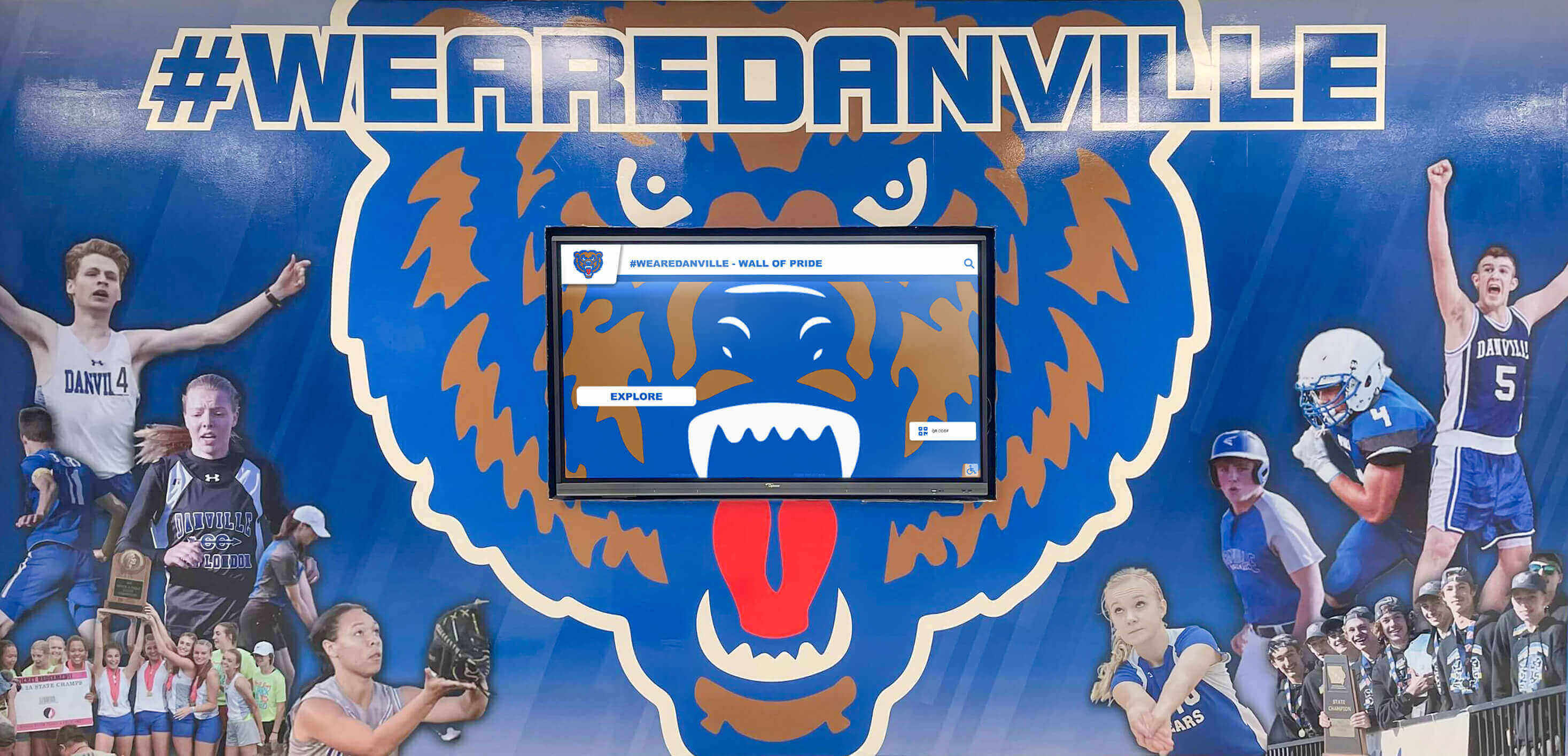
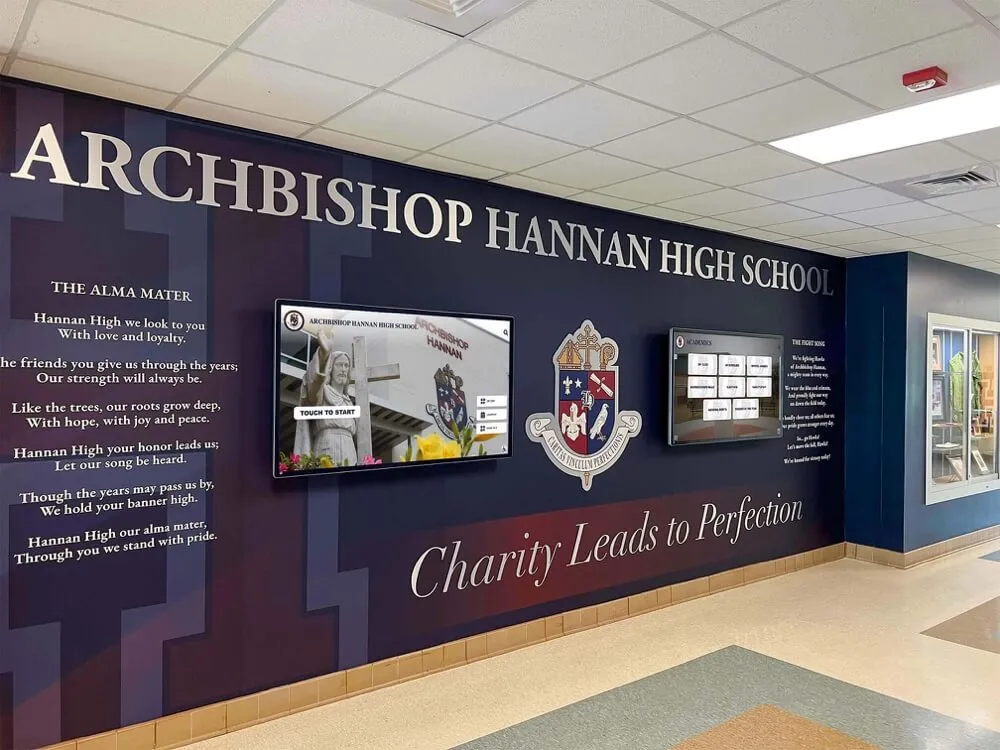
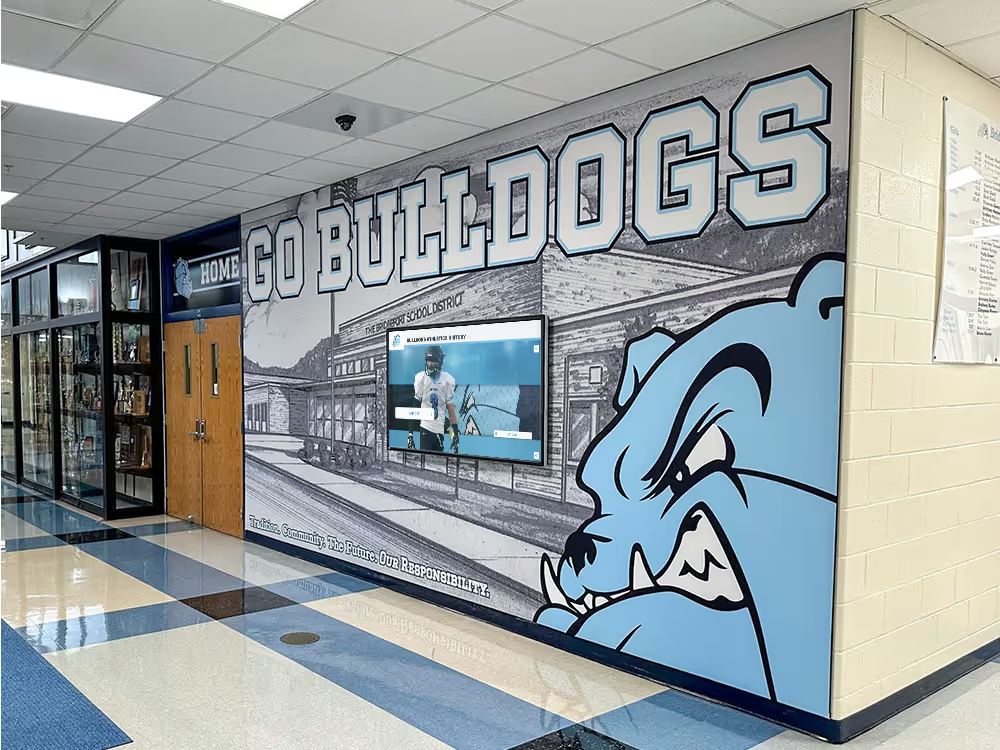
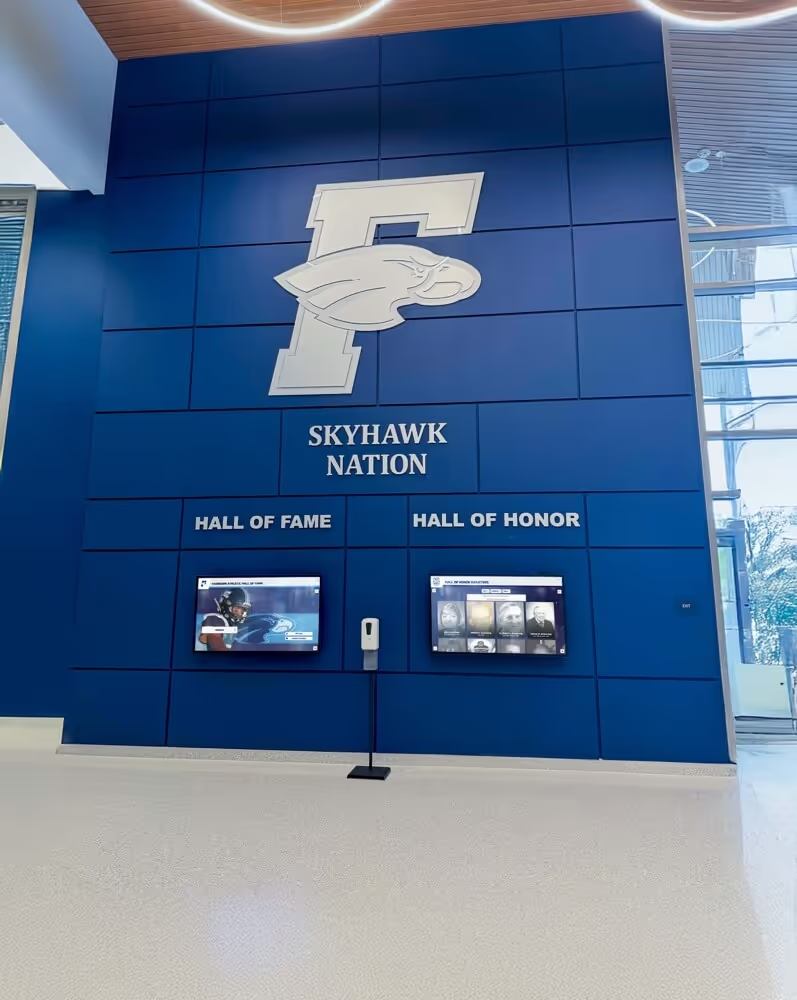
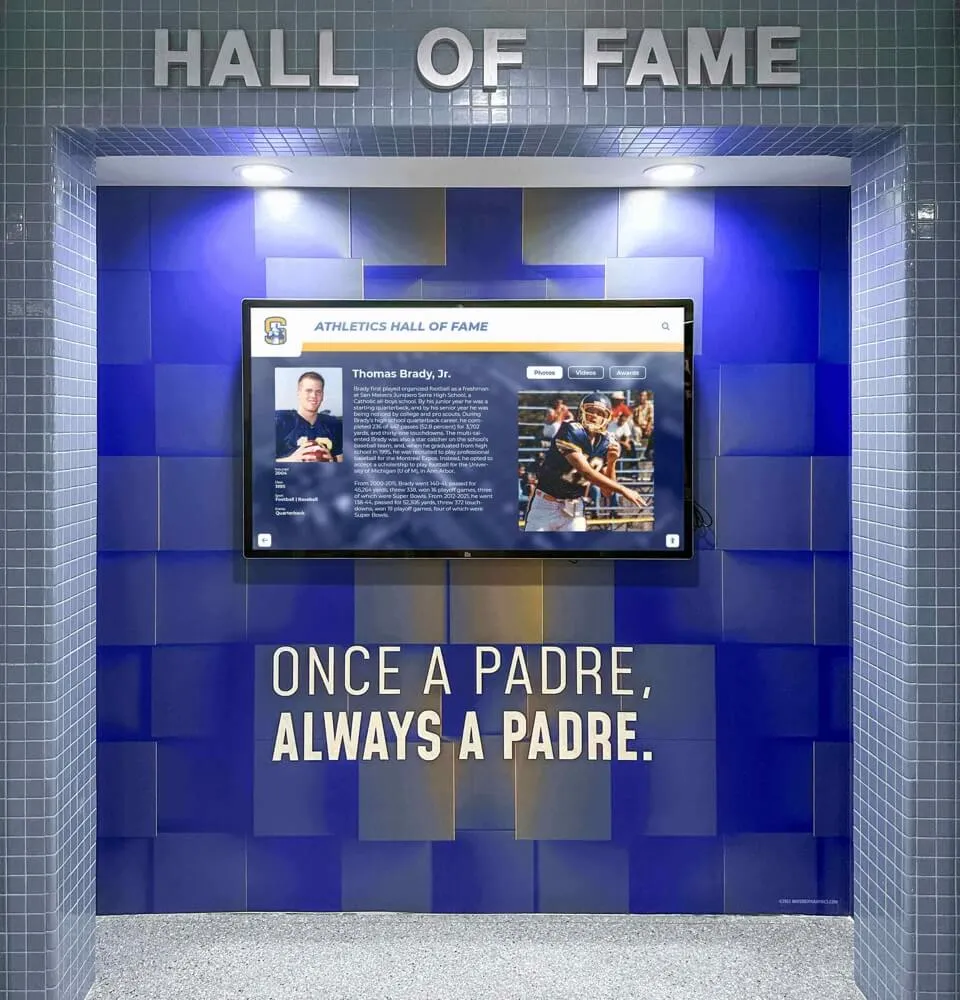
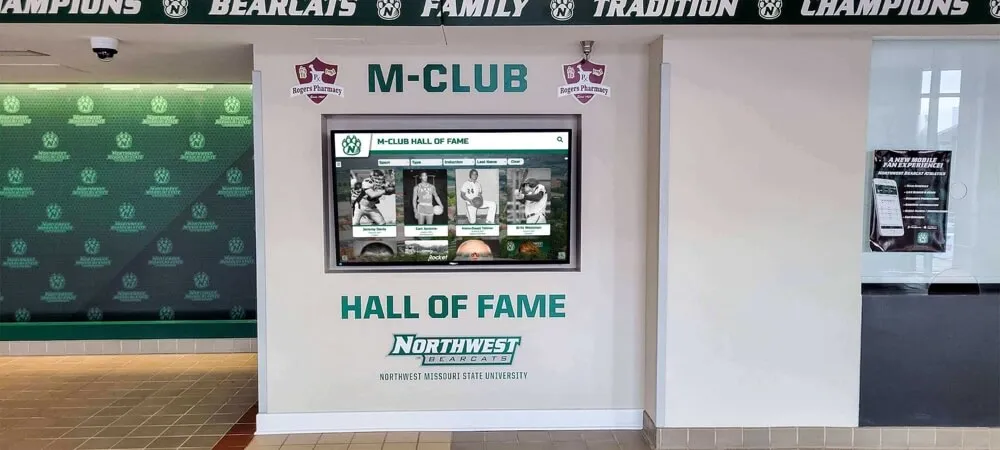
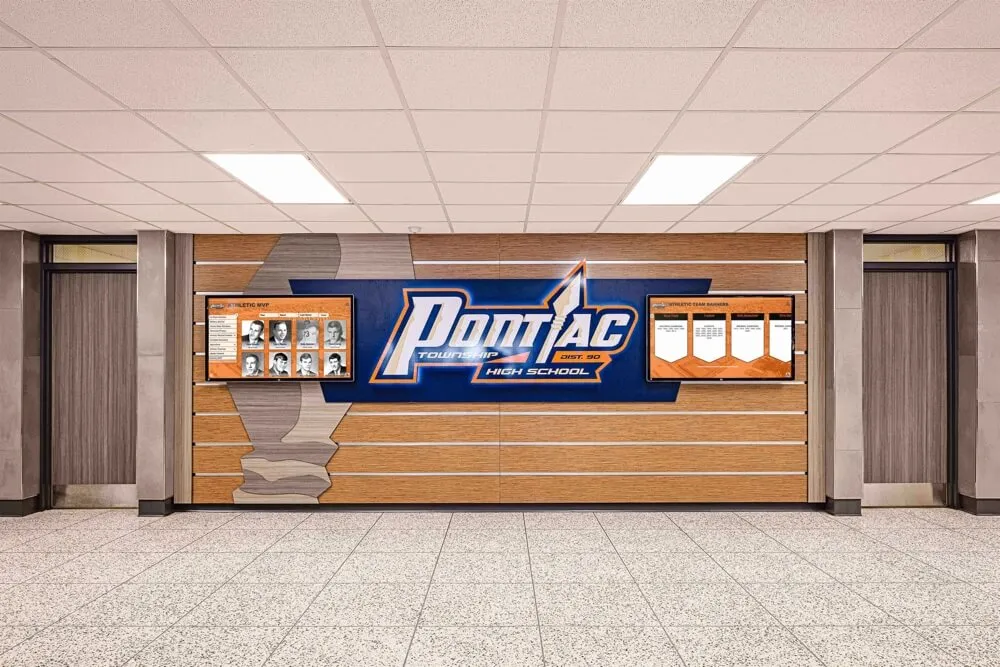
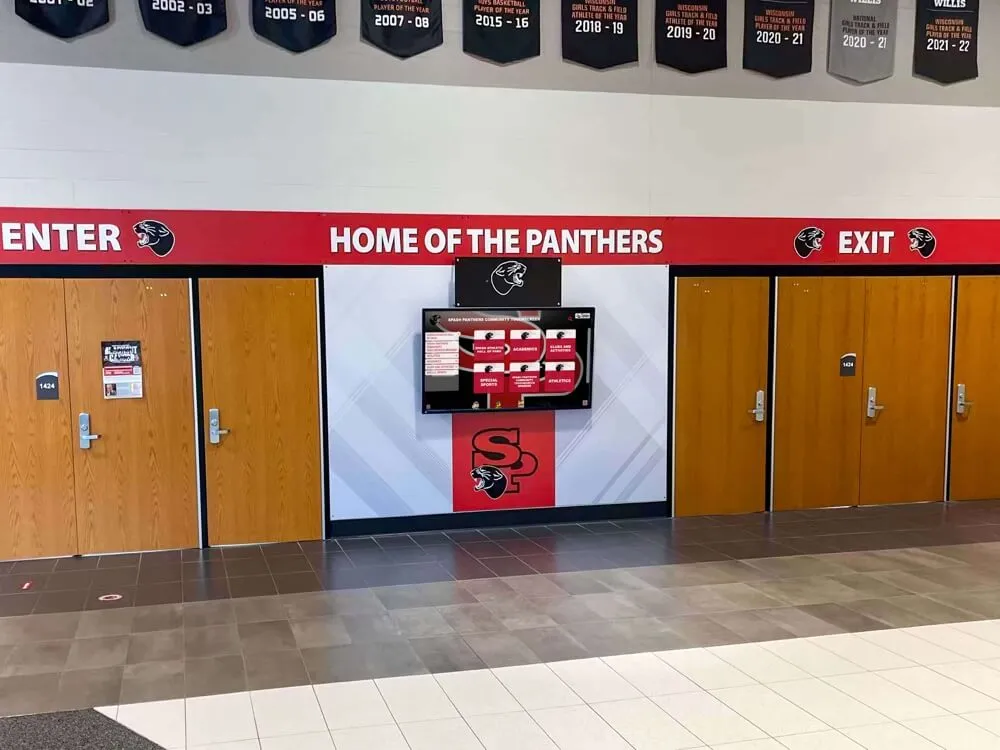
Strategic hallway displays keep achievements visible daily, extending celebration impact beyond single events
Key Principles for Effective Elementary Celebrations
Research and educational practice reveal several principles distinguishing impactful celebrations from perfunctory events:
Developmentally Appropriate Design
Elementary celebrations must match young learners’ cognitive and emotional development including concrete, visible recognition young students can understand, frequent acknowledgment maintaining engagement during shorter attention spans, simple categories avoiding complex qualification criteria, and age-appropriate ceremony length respecting developmental needs.
Inclusive Recognition Opportunities
Effective systems ensure diverse students find pathways to celebration through multiple achievement dimensions beyond academics alone, recognition for growth and improvement rather than absolute performance only, rotating celebration categories highlighting various strengths, and sufficient recognition frequency allowing most students experience acknowledgment throughout the year.
Schools implementing comprehensive academic recognition programs report higher student engagement and more equitable participation across diverse student populations.
Authentic and Specific Acknowledgment
Generic recognition loses impact with young students who respond better to specific, authentic celebration including detailed explanation of what students accomplished, personal acknowledgment recognizing individual contributions, authentic enthusiasm from teachers and administrators, and connections between recognized achievements and school values.
Family Engagement Integration
Elementary celebrations become more meaningful when involving families through invitations to recognition ceremonies and assemblies, take-home certificates students can share proudly, photo documentation families can preserve and display, and digital platforms enabling extended family access to student achievements.
Academic Achievement Celebration Ideas
Academic celebrations honor learning accomplishments while motivating continued educational engagement.
Honor Roll and Academic Excellence Recognition
Traditional academic recognition adapted for elementary contexts remains highly effective:
Monthly Honor Roll Assemblies
Host regular assemblies celebrating academic achievement including recognition of students meeting grade-level standards across subjects, special acknowledgment for students improving performance significantly, subject-specific awards for excellence in reading, mathematics, science, or social studies, and perfect attendance recognition during the academic period.
Keep assemblies age-appropriate by limiting length to 20-30 minutes for younger grades, maintaining energetic pacing with music and enthusiasm, incorporating student performances or presentations, and ensuring every recognized student crosses stage for individual acknowledgment.
Grade-Level Achievement Awards
Create grade-specific recognition honoring developmental milestones including kindergarten learning foundation awards (alphabet mastery, number recognition, classroom skills), first and second grade literacy celebrations (reading level advancement, independent reading goals), and third through fifth grade academic excellence (honor roll achievement, subject-specific performance, academic improvement).
Grade-specific approaches ensure age-appropriate expectations while maintaining consistency across the elementary school.
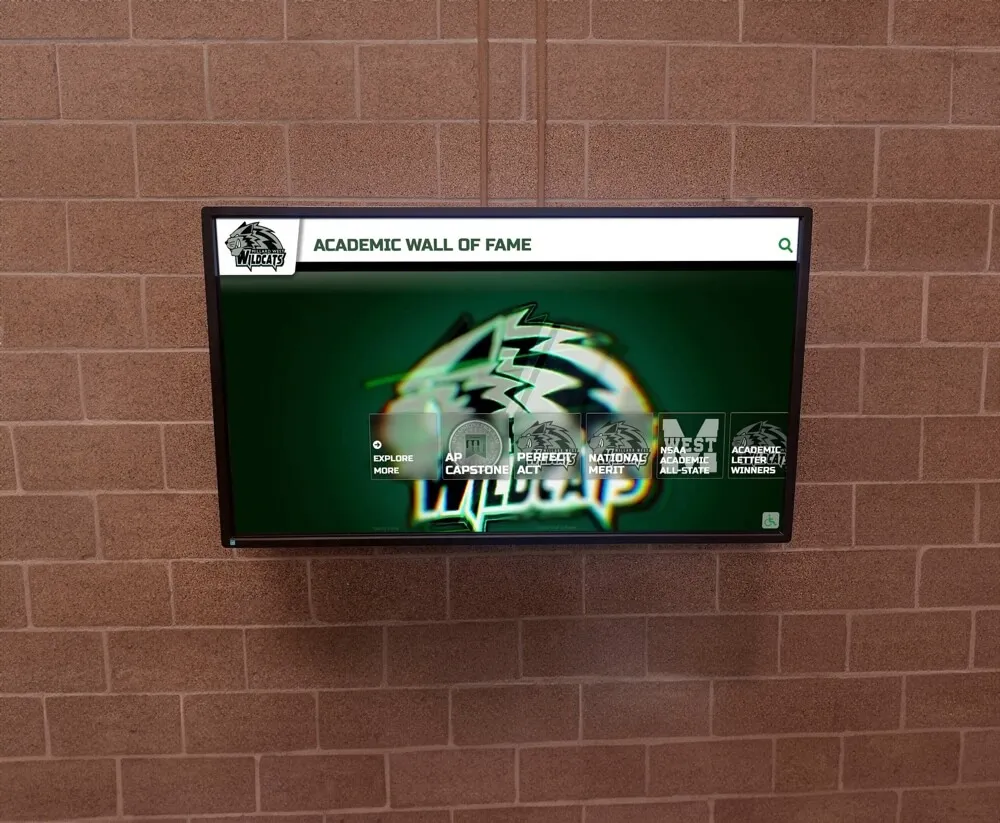
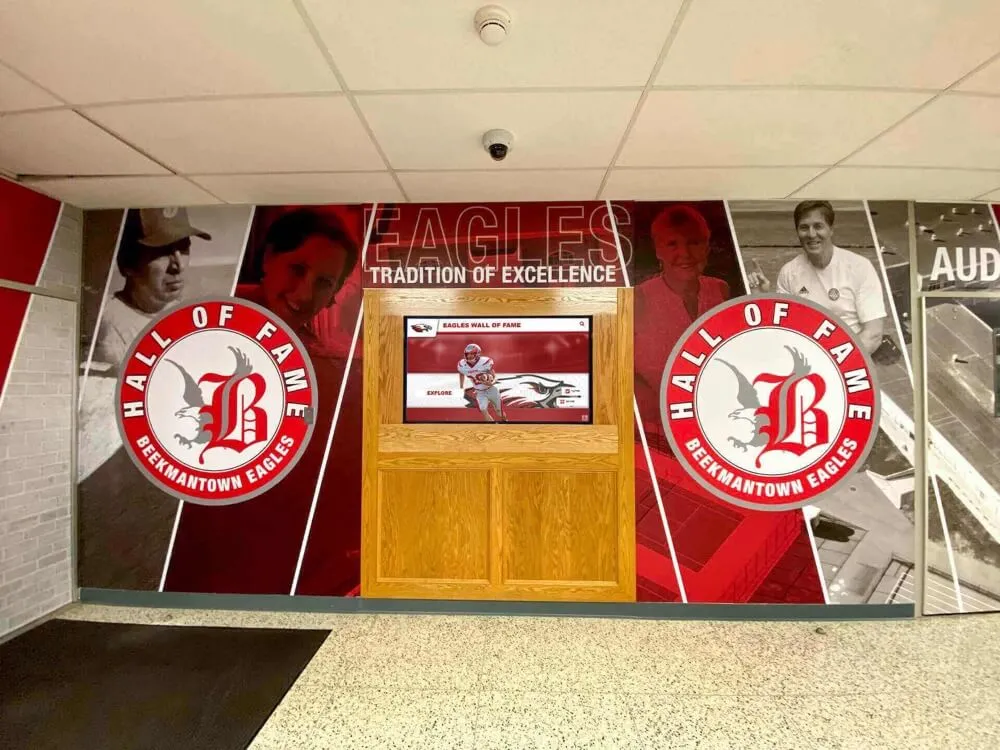
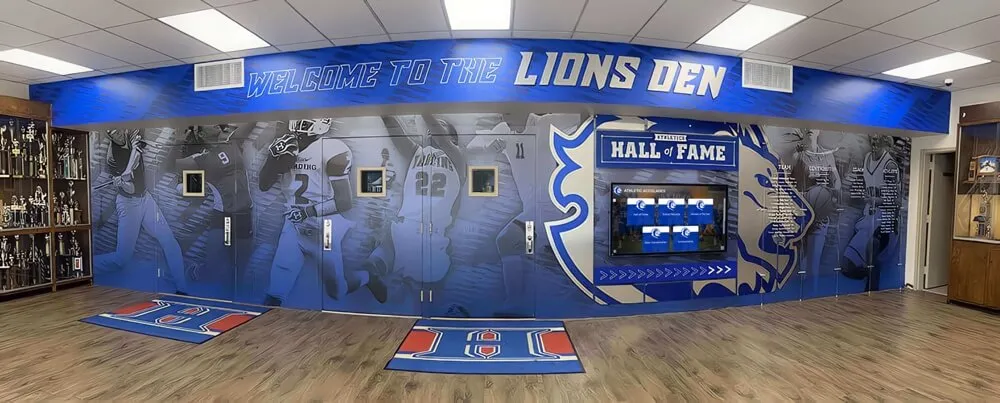
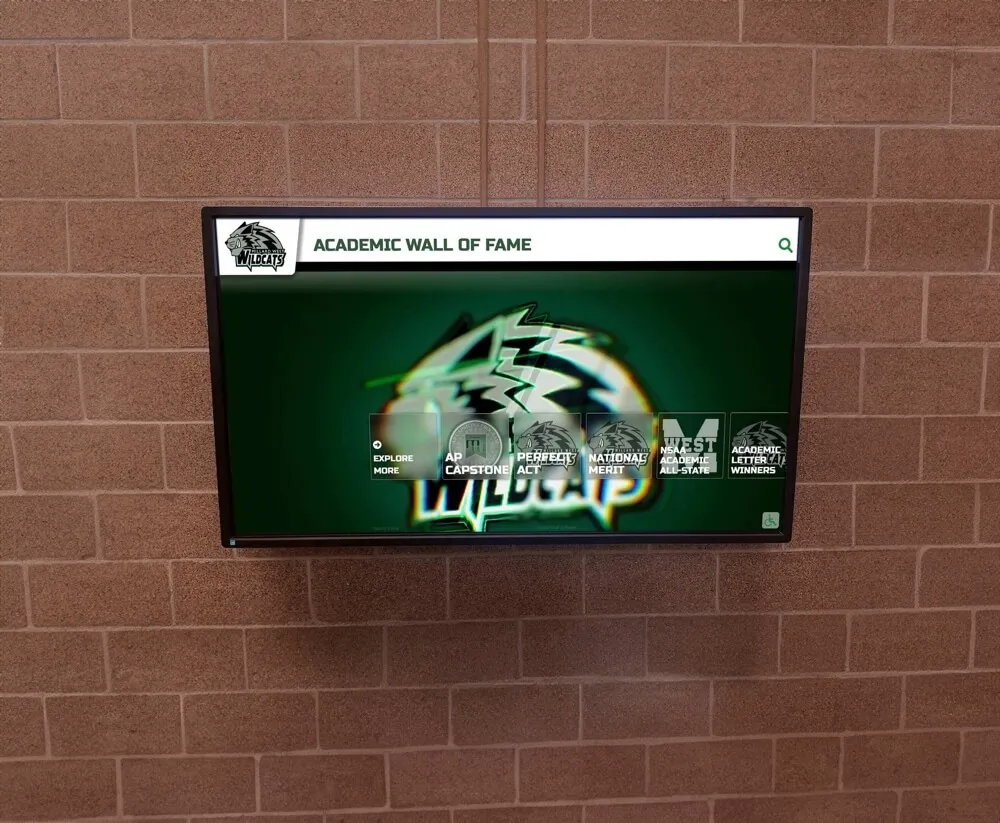
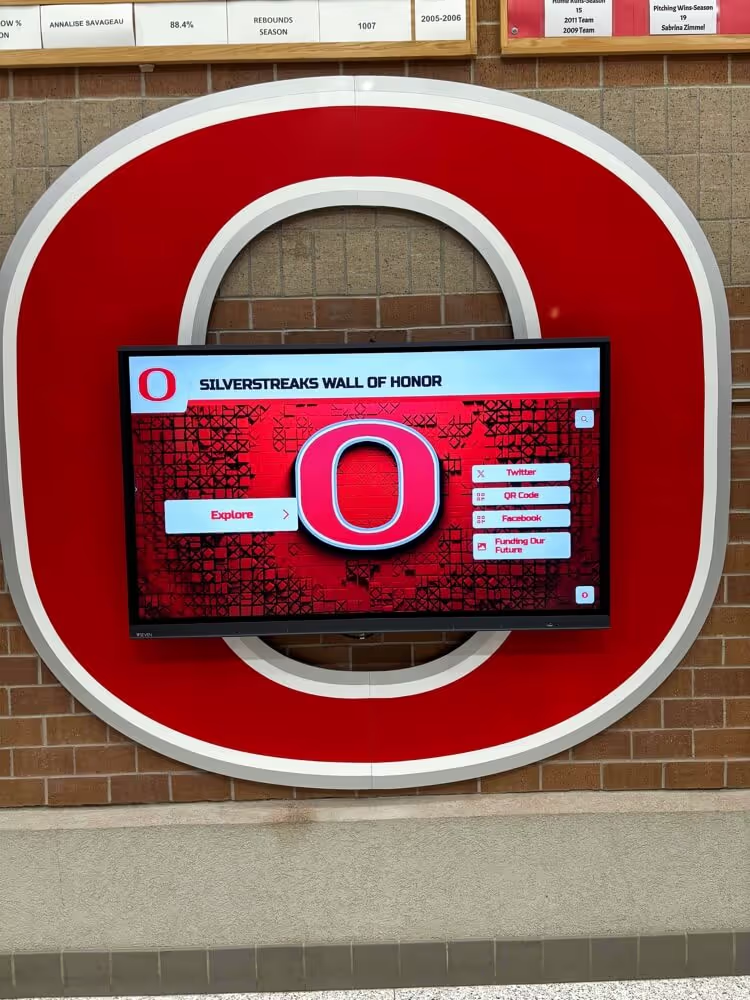
Permanent academic recognition displays showcase student achievement year-round, inspiring current and future learners
Reading Achievement Celebrations
Literacy development deserves special celebration given its foundational importance:
Reading Milestone Events
Create structured celebrations for reading progress including “100 Books Club” recognition for students reading specified quantities, reading level advancement ceremonies celebrating growth, genre exploration awards acknowledging breadth, and independent reading time achievements.
Implementation approach: Track progress visibly through classroom charts or digital displays, schedule quarterly celebrations maintaining momentum throughout the year, provide physical recognition like certificates, bookmarks, or small prizes, and share reading achievement information with families encouraging home reinforcement.
Author Tea or Book Character Celebrations
Host themed events combining literacy and community including “Dress as Your Favorite Book Character” days with parade and recognition, author tea parties where students share favorite books and authors, student book review presentations with selected reviewers receiving recognition, and reading challenge completion celebrations at quarter or semester end.
These events make reading social and celebratory rather than solitary and purely academic.
Reading Month or Week Celebrations
Designate special periods for intensive reading focus featuring daily reading challenges with recognition, guest reader visits from community members, book fair coordination with achievement celebrations, classroom reading competitions with positive, non-comparative recognition, and culminating assemblies honoring participants and top readers.
Schools can learn from digital recognition best practices when implementing comprehensive reading achievement programs.
STEM and Subject-Specific Celebrations
Honoring diverse academic strengths through subject-focused events:
Math Celebrations and Competitions
Create positive mathematics recognition including math fact fluency challenges with recognition ceremonies, problem-solving showcases where students present solutions, mathematics games day with friendly competition, and math achievement assemblies honoring growth and excellence.
Frame mathematics positively through celebration making it accessible and desirable rather than anxiety-inducing.
Science Fair and Inquiry Celebrations
Host science events that celebrate curiosity and discovery featuring grade-appropriate science fairs with participation recognition, STEM project showcases in common areas, “Scientist of the Month” recognition for curiosity and questioning, and hands-on science celebration days with experiments and demonstrations.
These celebrations position scientific thinking and inquiry as valued school priorities.
Arts and Creativity Recognition
Balance academic focus with artistic celebration including student art showcases displayed throughout school, music and performance celebrations honoring band, choir, and drama, creative writing awards and publication celebrations, and maker space project exhibitions demonstrating student creativity.
Comprehensive celebration ensures students with artistic strengths receive recognition equal to academic achievers.
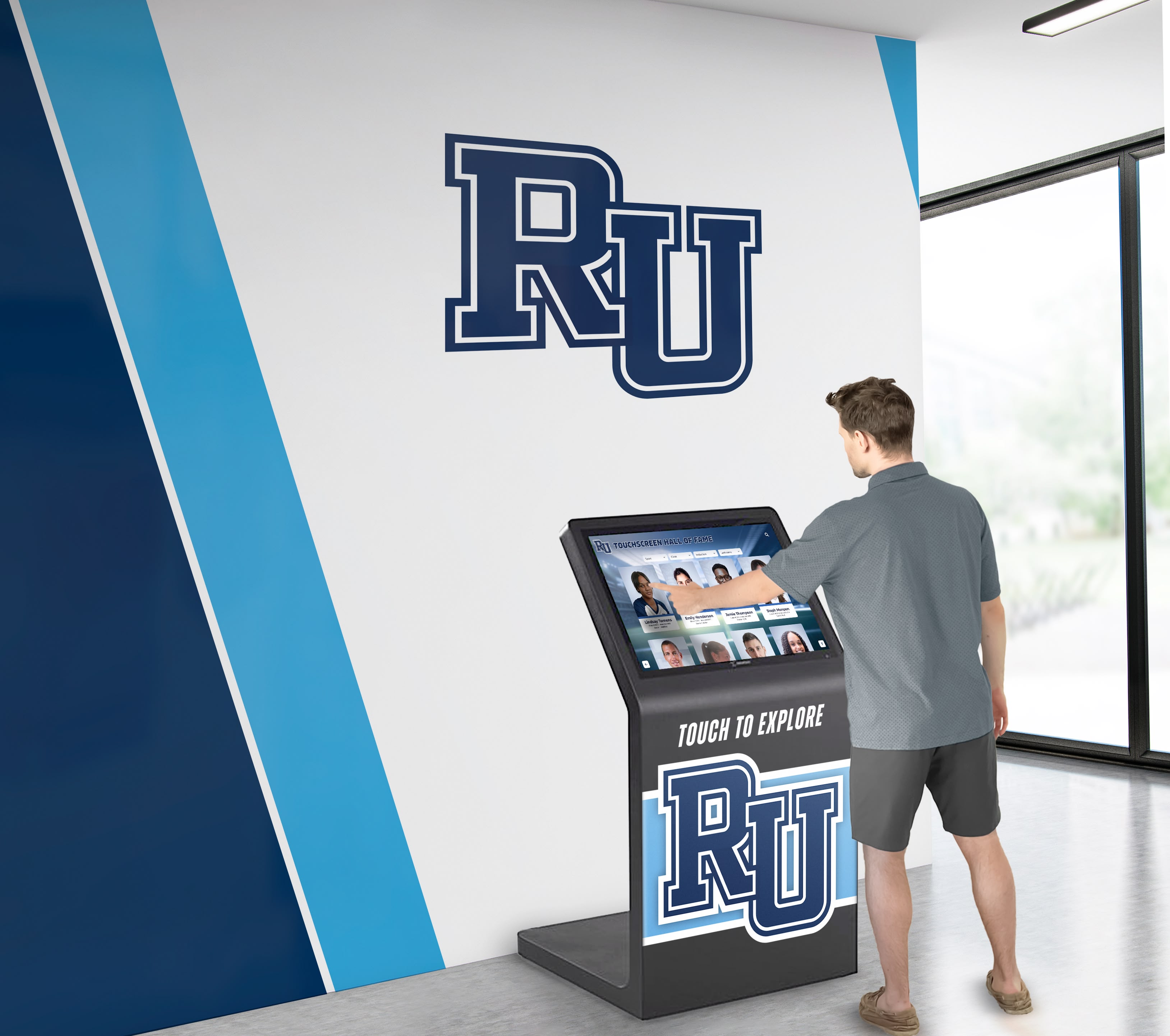
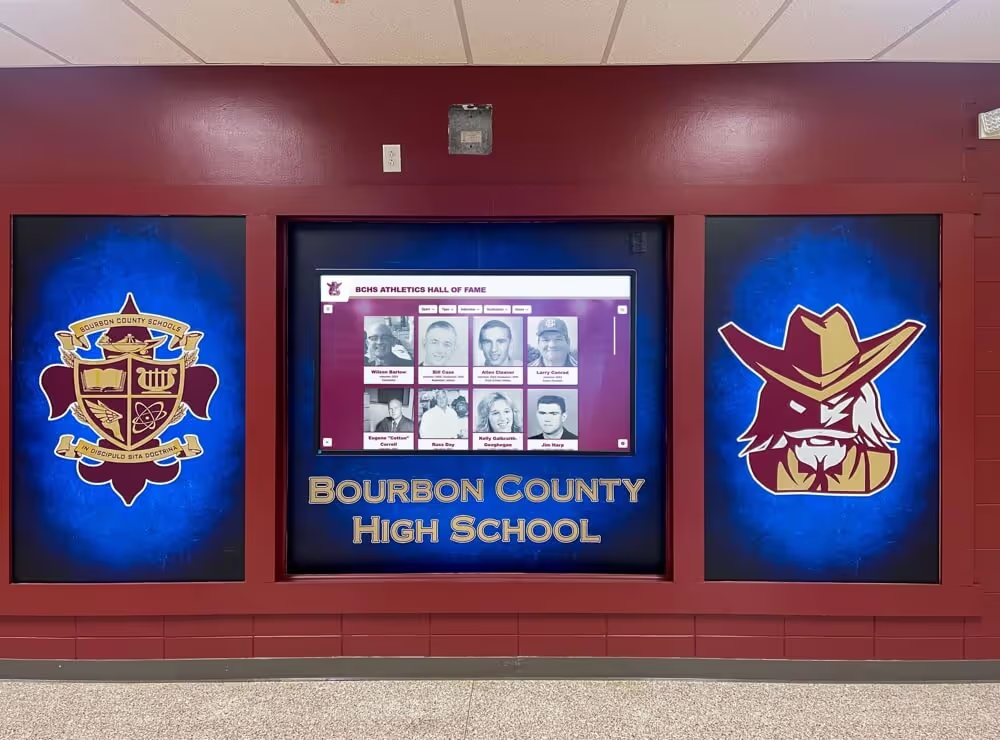
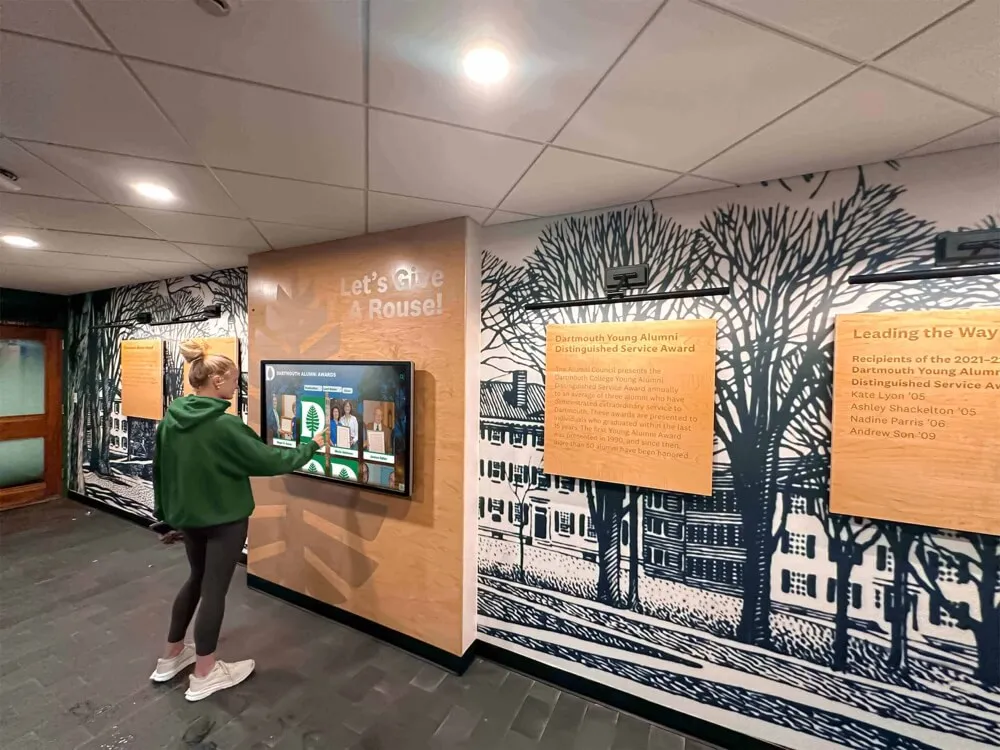
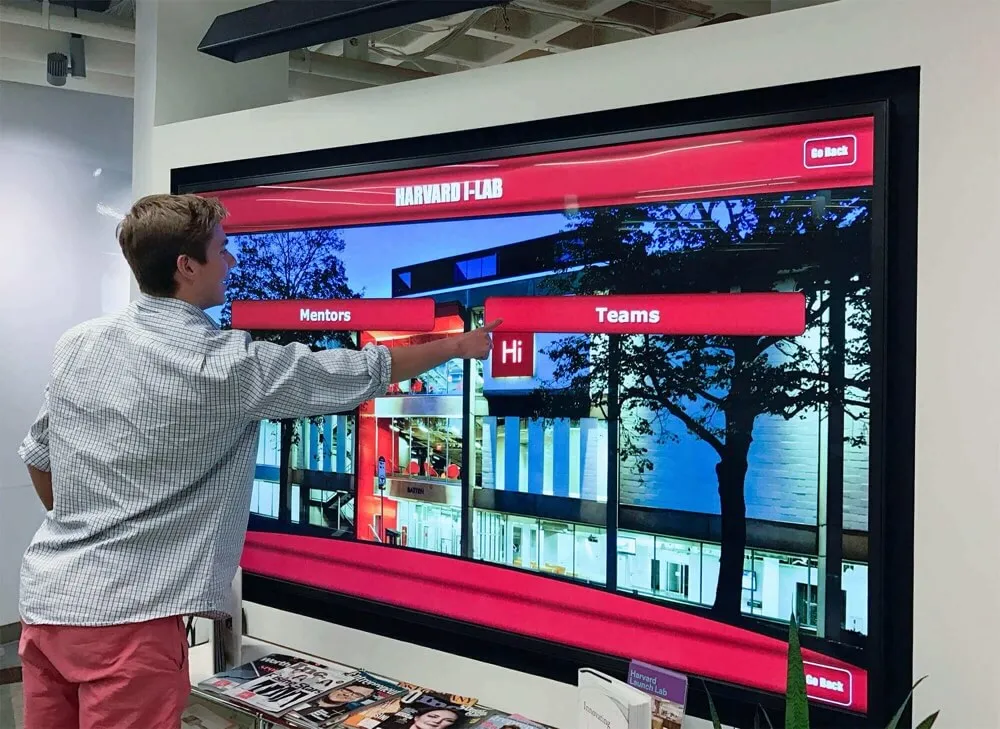
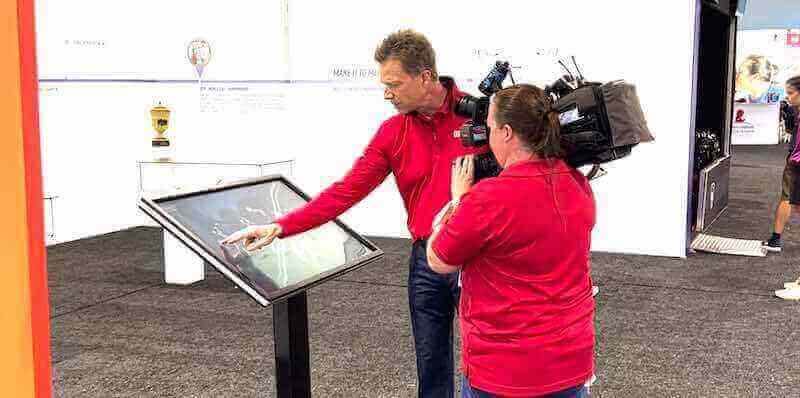
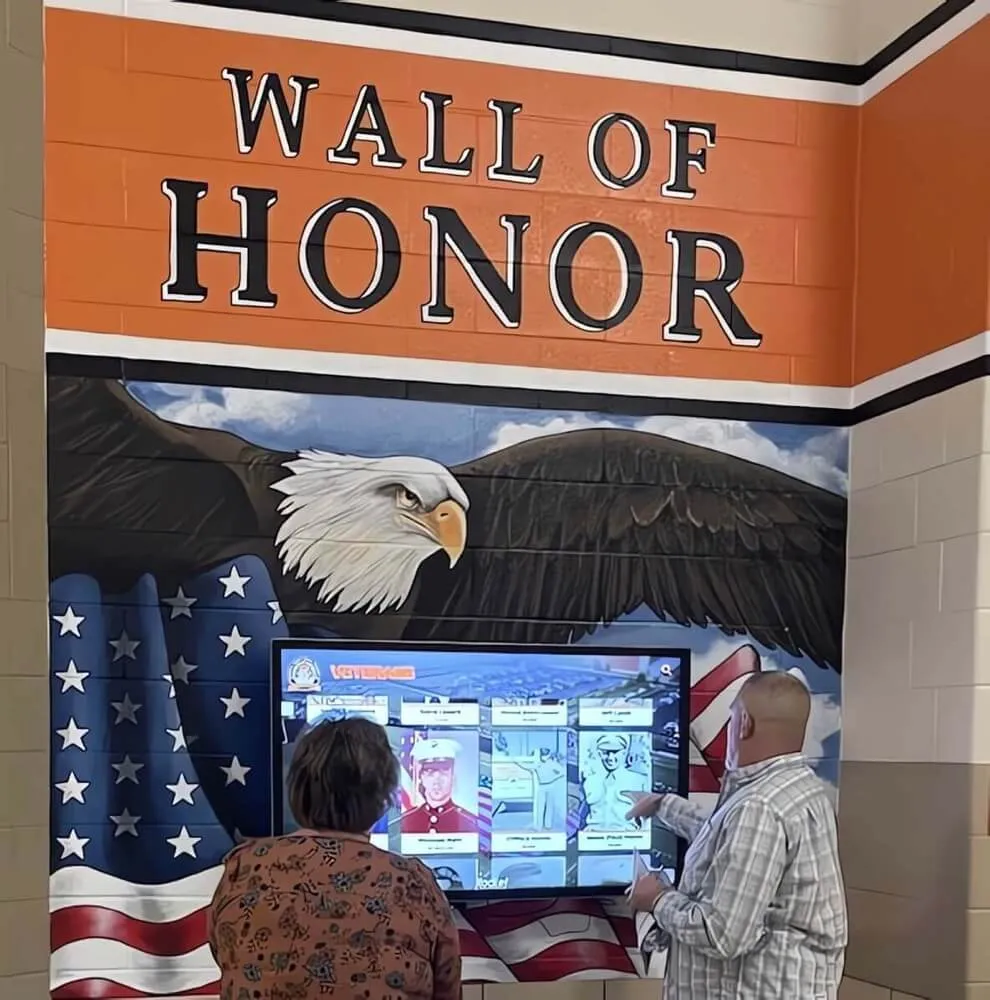
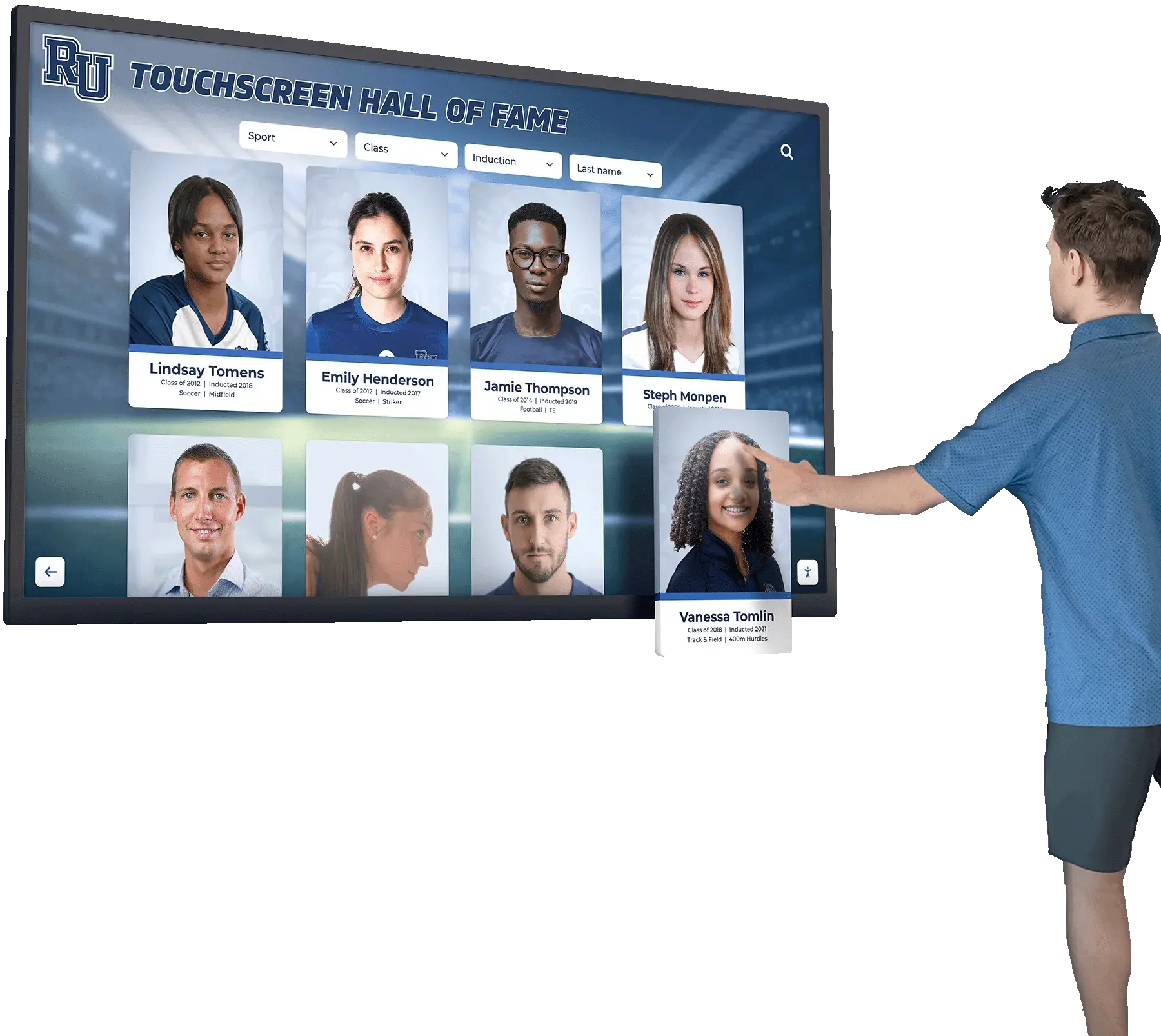
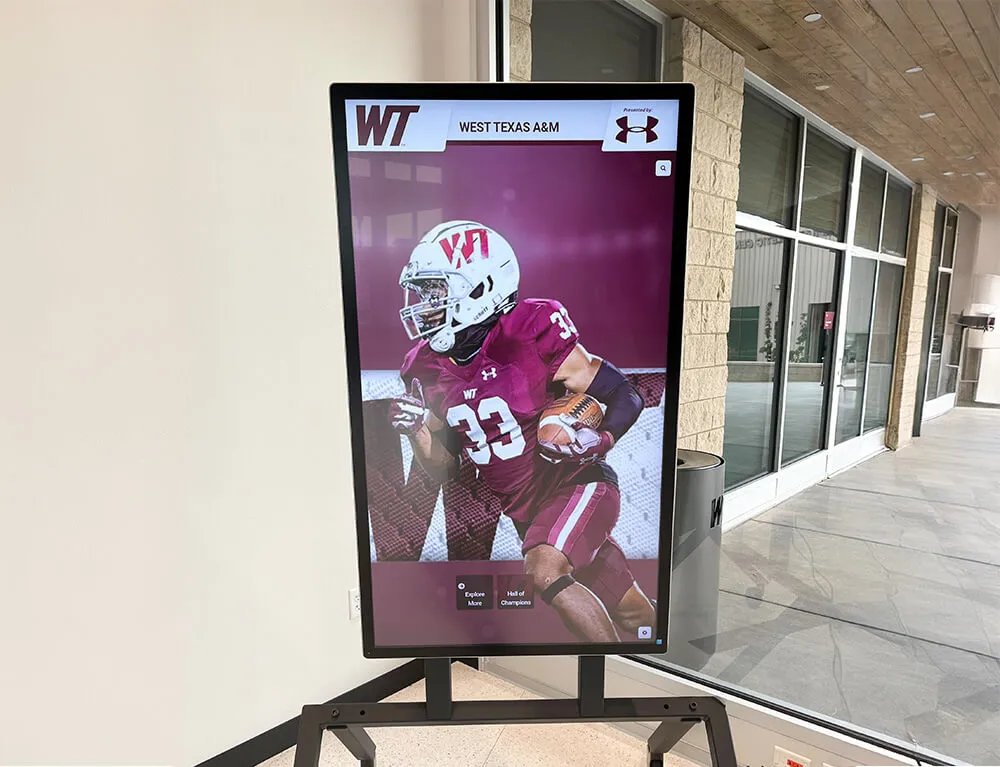
Accessible recognition kiosks allow students, families, and visitors to explore achievements interactively throughout the school
Character and Citizenship Celebration Ideas
Beyond academics, celebrating character development and positive behavior builds school culture and reinforces values.
Monthly Character Trait Recognition
Structure year-long character education through systematic celebration:
Character Trait of the Month Programs
Focus each month on specific character quality including September: Respect and Responsibility, October: Kindness and Compassion, November: Gratitude and Appreciation, December: Generosity and Giving, January: Perseverance and Growth Mindset, February: Friendship and Cooperation, March: Courage and Integrity, April: Environmental Stewardship, May: Leadership and Service, and culminating June celebration honoring students demonstrating traits consistently.
Implementation includes classroom instruction defining each trait, specific behavior examples demonstrating the trait, student nominations of peers exhibiting qualities, monthly assemblies recognizing selected students, and visual displays showcasing character trait recipients.
Caught Being Good Celebrations
Create spontaneous recognition systems for positive behavior including “caught being kind” tickets teachers distribute immediately, “good citizenship” recognition during morning announcements, weekly drawings for students receiving positive behavior acknowledgment, and quarterly celebrations honoring students with multiple recognitions.
Immediate acknowledgment reinforces specific positive behaviors while they’re fresh.
School Spirit and Community Celebrations
Build school identity and belonging through community events:
School Colors Days and Spirit Weeks
Create regular community-building celebrations featuring weekly spirit days with themes (twin day, school colors, favorite book character), seasonal spirit weeks with daily themes, grade-level competitions fostering friendly rivalry, and assemblies culminating spirit weeks with recognition.
These accessible events allow every student to participate regardless of academic ability.
Community Service Recognition
Honor students contributing beyond academics through service project participation acknowledgment, individual student service hours recognition, classroom or grade-level community impact celebrations, and partnerships with local organizations providing recognition opportunities.
Service recognition demonstrates that helping others receives value equal to academic achievement.
Elementary schools can explore recognition program best practices when developing comprehensive character education initiatives.
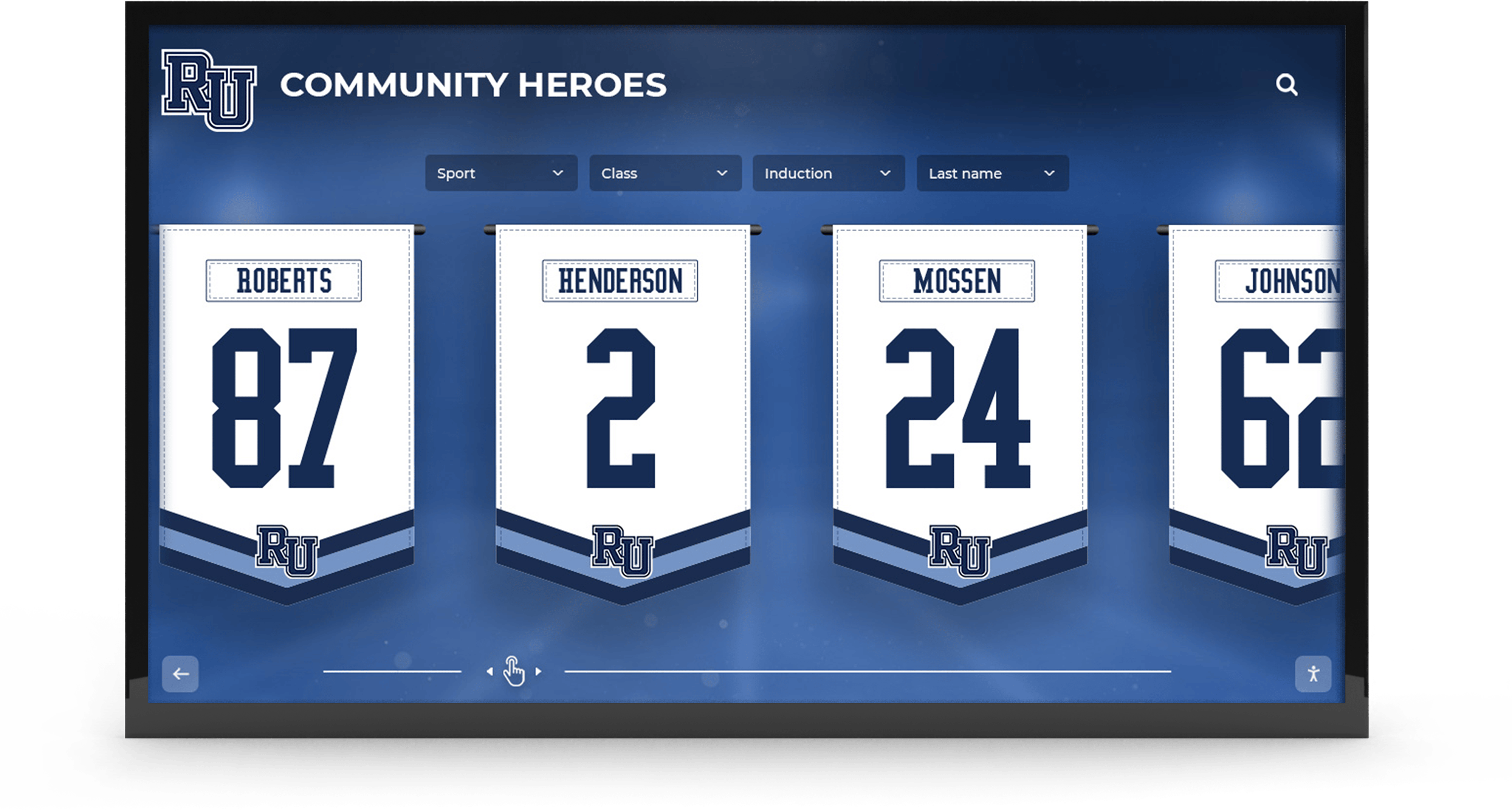
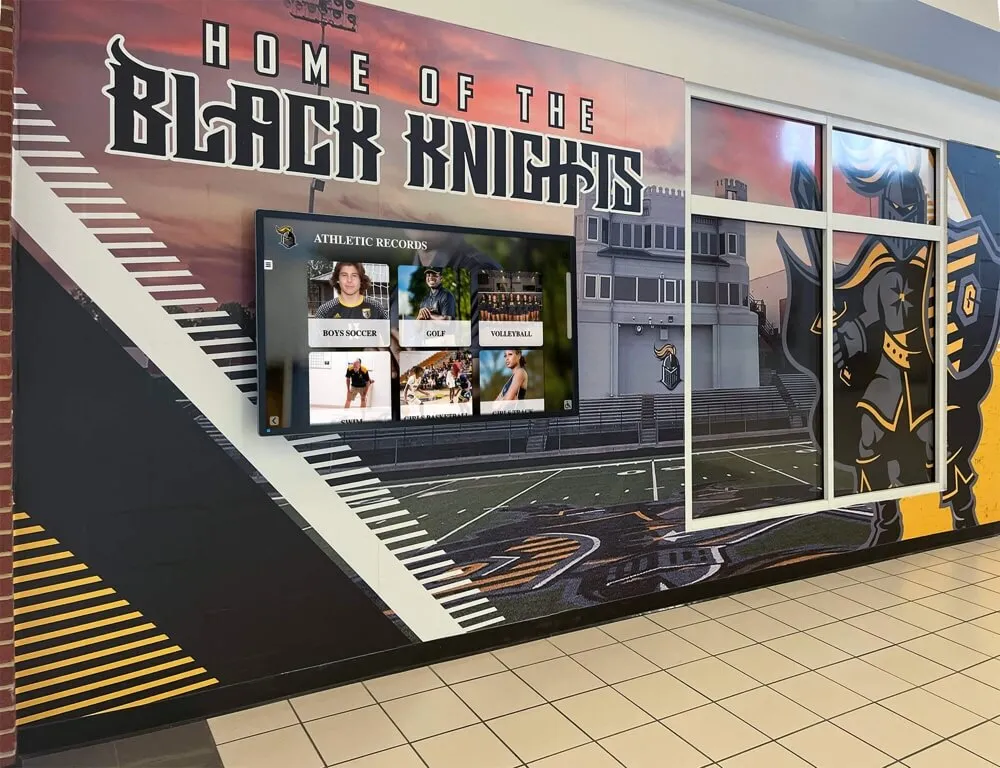
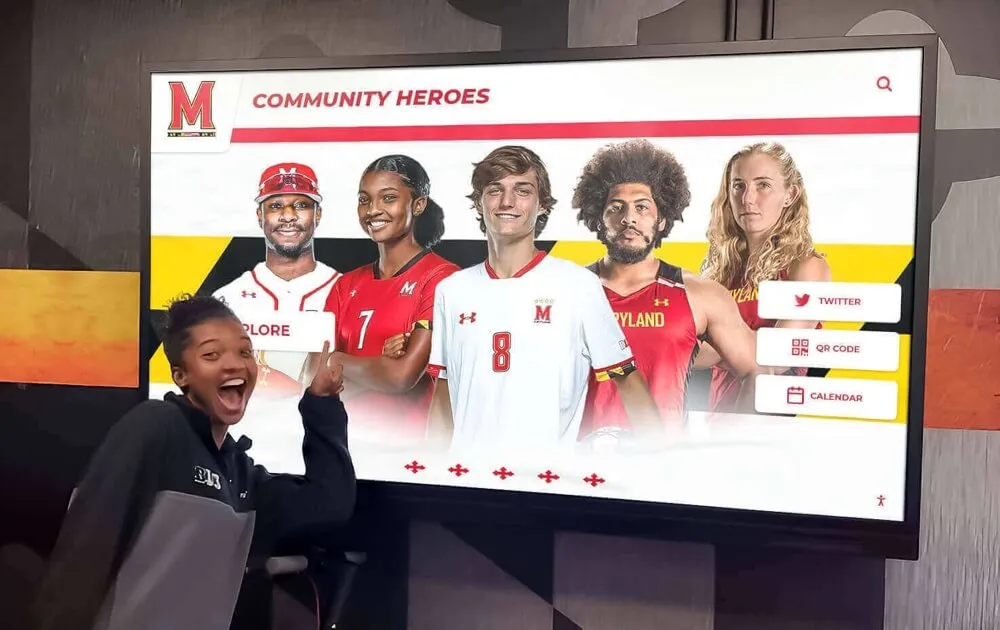
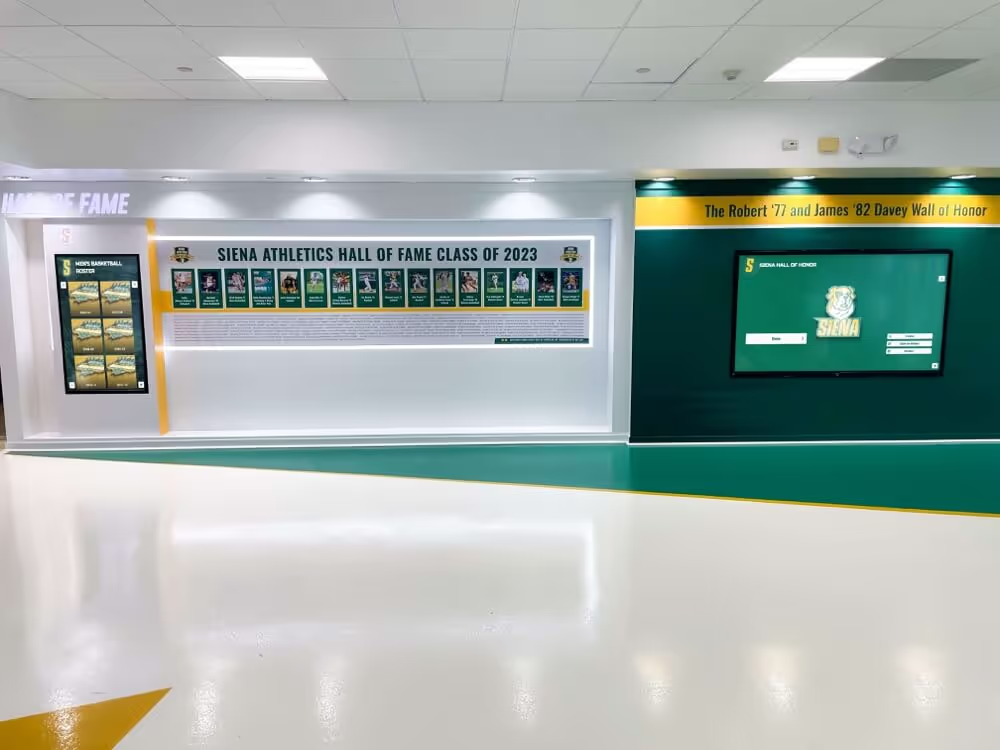
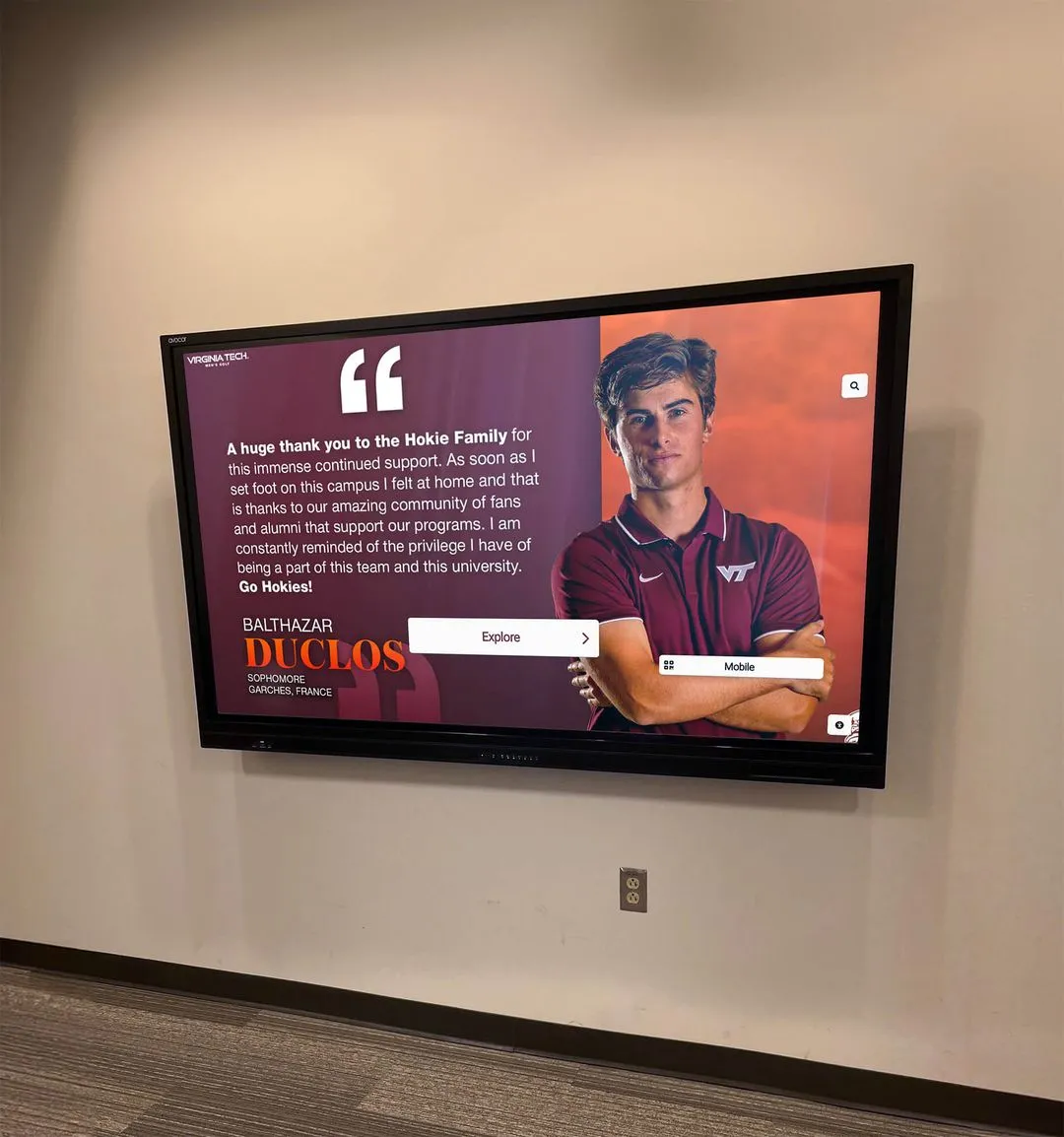
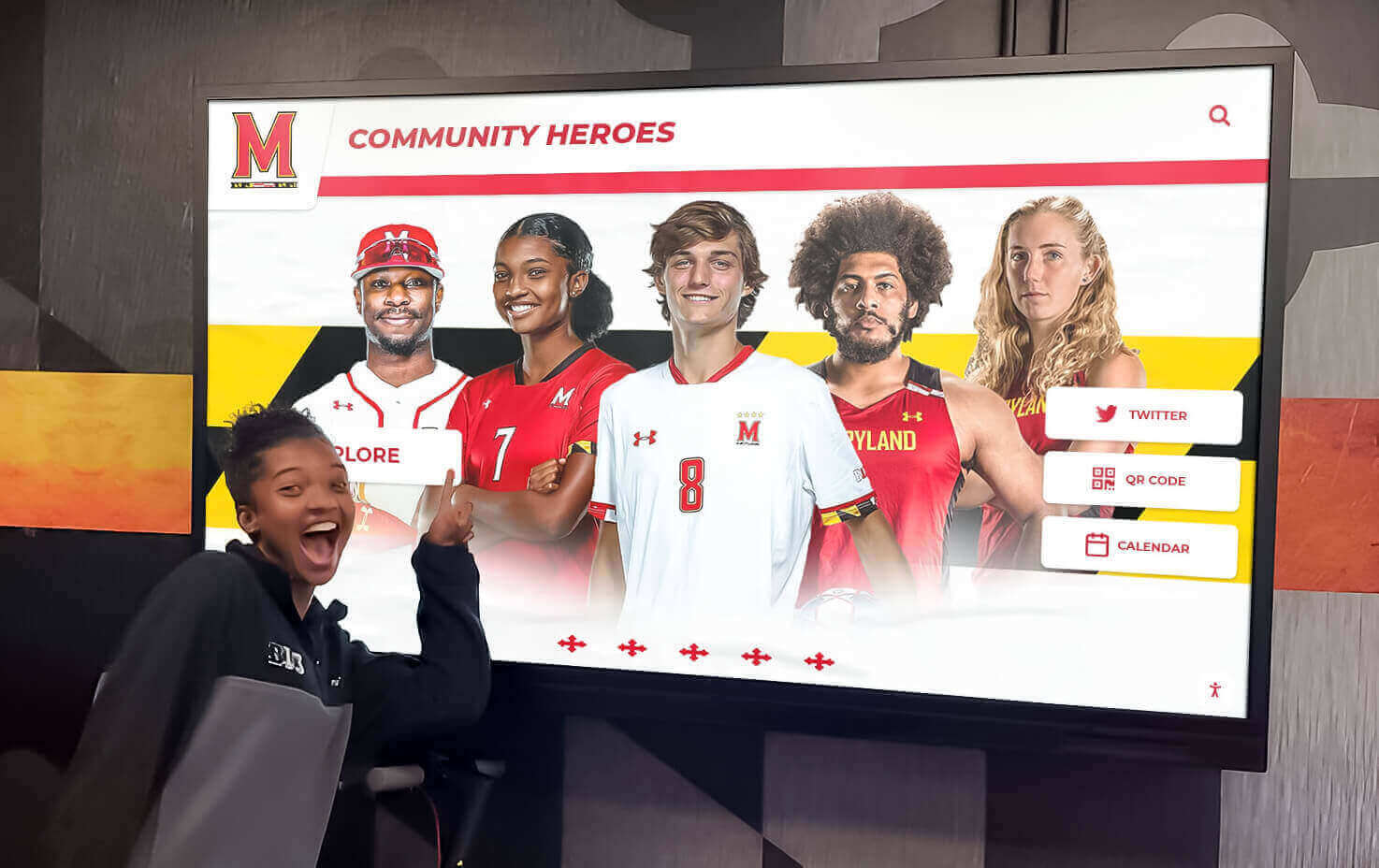
Dynamic digital displays enable schools to celebrate diverse student achievements with engaging visual presentations
Special Event and Milestone Celebrations
Beyond regular recognition, special events create memorable milestone moments throughout elementary years.
End-of-Year Celebrations
Close the school year with comprehensive recognition:
Awards Day or Recognition Assemblies
Host culminating celebrations honoring year-long achievement including academic awards for excellence and improvement, perfect and excellent attendance recognition, character and citizenship awards, special recognition for student council and leadership roles, teacher-selected awards acknowledging unique contributions, and class-specific superlatives celebrating each student’s distinct qualities.
Implementation considerations: Schedule separate assemblies for lower and upper elementary maintaining age-appropriate length, ensure every student receives some form of recognition, provide advance notice allowing family attendance, prepare professional certificates or small awards, and capture photos or videos for family sharing.
Moving Up Ceremonies
Mark grade-level transitions, particularly kindergarten completion and fifth grade graduation:
For kindergarten: Celebrate learning foundation mastery with certificates, class performance or presentation, simple reception with families, and symbolic transitions (receiving first grade supplies, meeting first grade teachers).
For fifth grade: Create meaningful elementary completion recognition through formal moving up ceremony with processional, student speeches from selected representatives, recognition of achievements throughout elementary years, certificates or diplomas marking elementary completion, reception following ceremony, and digital recognition displays preserving graduating class information.
These transition ceremonies provide closure while building excitement for next educational chapter.
Grade-Level Specific Celebrations
Create meaningful celebrations tailored to specific elementary grades:
Kindergarten Celebrations
Honor early learning milestones including “100 Days of School” celebration marking persistence, alphabet and number mastery recognition, first independent book reading celebrations, and “Kindergarten Graduation” marking foundation year completion.
Kindergarten events should emphasize fun, accomplishment, and readiness for first grade challenges.
Primary Grade Celebrations (1-2)
Focus on emerging academic skills including reading level advancement ceremonies, addition and subtraction fluency recognition, writing milestone achievements (first chapter book, persuasive essay), and developing independence acknowledgment.
Primary celebrations balance achievement recognition with maintaining learning enthusiasm.
Intermediate Grade Celebrations (3-5)
Honor more complex accomplishments including advanced reading comprehension recognition, multiplication mastery and problem-solving awards, independent research project showcases, leadership role acknowledgment (student council, safety patrol, peer mentoring), and preparation for middle school transitions.
Upper elementary celebrations can maintain somewhat greater formality reflecting student maturity.
Seasonal and Theme-Based Celebrations
Throughout the school year, theme celebrations maintain engagement:
Fall Celebrations
Create autumn-themed recognition events including back-to-school celebration with goal-setting focus, harvest festival incorporating recognition elements, Thanksgiving gratitude celebrations acknowledging helpers and mentors, and fall reading challenge completion recognition.
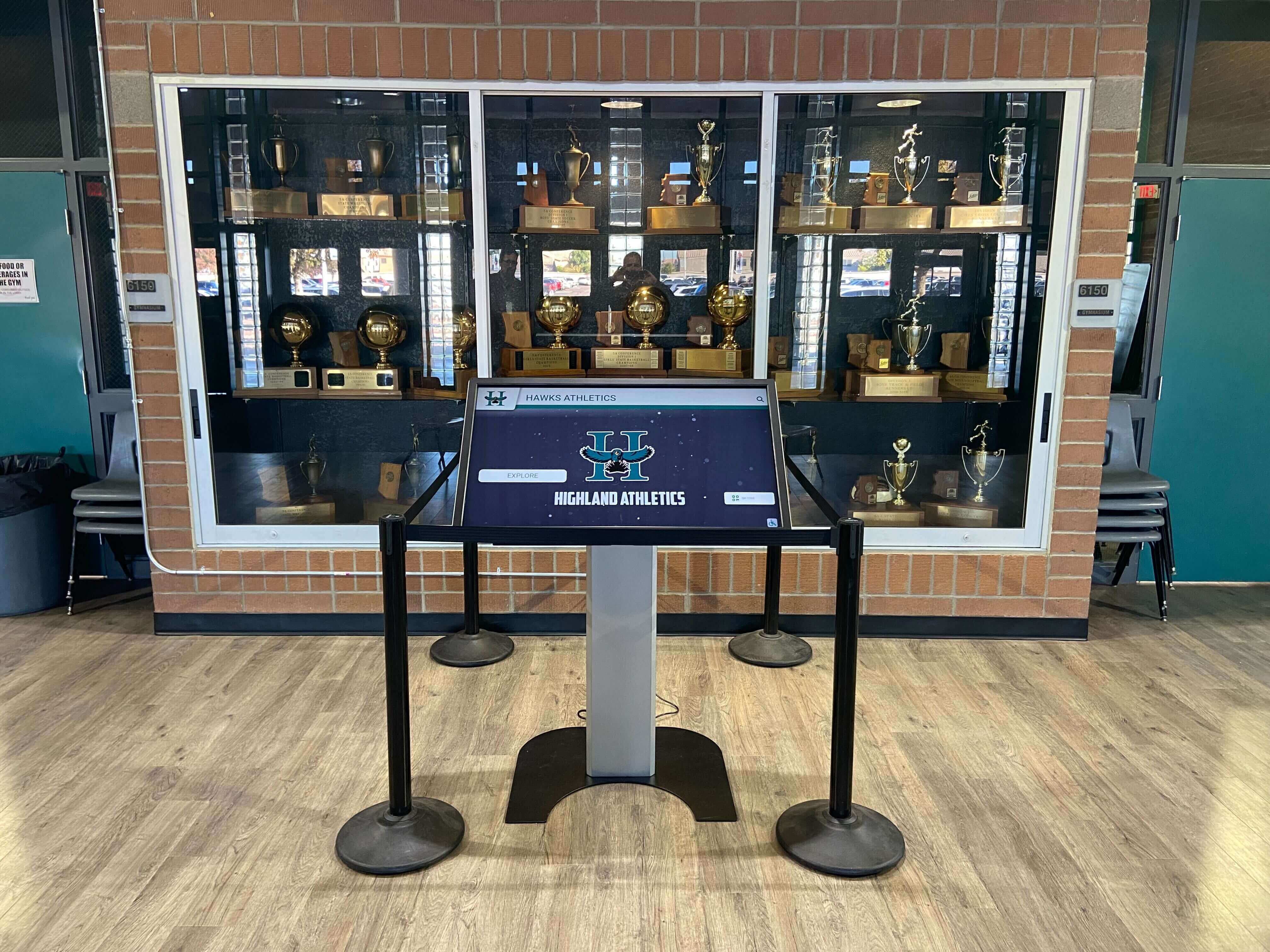
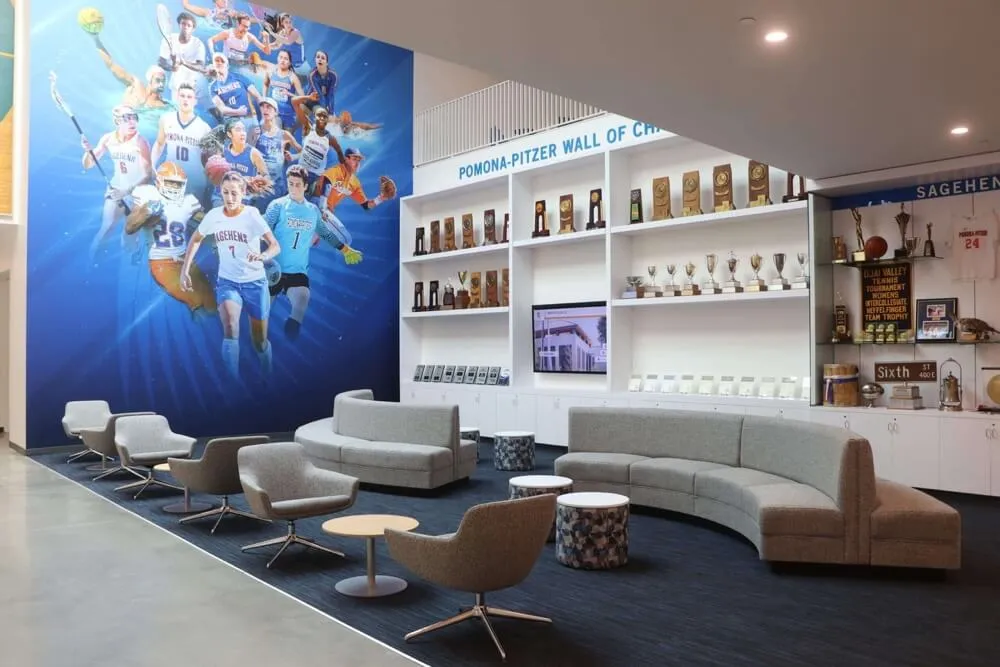
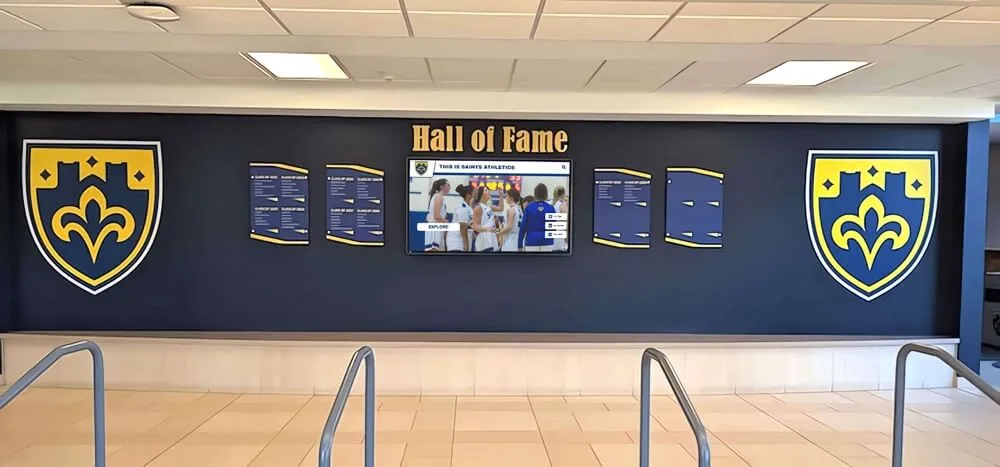
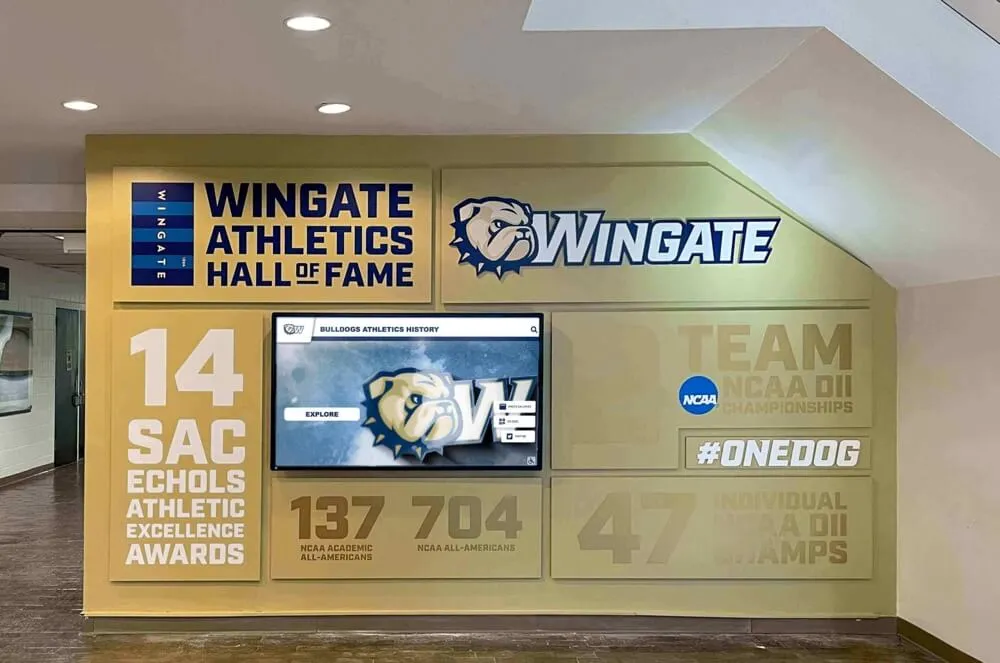
Integrating digital recognition with traditional trophy cases creates comprehensive celebration spaces honoring diverse achievements
Winter Celebrations
Mark mid-year progress through December holiday season recognition (various cultural celebrations), “Winter Wonderland of Learning” showcasing semester achievements, new year goal-setting celebrations, and 100 Days of School party for younger grades.
Spring Celebrations
Build momentum toward year-end including spring reading celebration and book fair, Earth Day environmental stewardship recognition, state testing encouragement celebrations (before assessments), and achievement showcases displaying year-long progress.
Seasonal celebrations create regular punctuation marks maintaining enthusiasm throughout the year.
Creating Lasting Recognition Through Digital Displays
While celebration events create immediate impact, permanent recognition systems extend visibility and motivation far beyond single assemblies or ceremonies.
The Limitations of Traditional Elementary Recognition
Traditional celebration approaches face inherent constraints:
Temporary Visibility
Paper certificates go home and disappear into drawers, bulletin board recognition gets taken down to make space for new content, assembly acknowledgment exists only in memory after events conclude, and physical space limitations restrict how many students can be displayed simultaneously.
Limited Information Capacity
Traditional methods share minimal context about achievements beyond basic names and categories, provide no ability to explore detailed student accomplishment stories, and offer no connection to previous years’ recognized students or broader school achievement history.
Restricted Access
Only students and families attending events experience recognition ceremonies, extended family members cannot participate in celebration moments, community members have no visibility into student achievement culture, and students themselves cannot revisit their recognition after initial events conclude.
Implementing Modern Digital Recognition Systems
Digital recognition platforms specifically designed for elementary schools address traditional limitations while creating enhanced celebration value:
Comprehensive Achievement Archives
Modern systems preserve complete student achievement information including academic honor roll recipients by quarter, semester, and year, character and citizenship award recipients with detailed descriptions, special recognition categories and award winners, reading achievement milestones and celebrations, perfect attendance and improvement recognition, and grade-level specific awards and accomplishments.
Rather than recognition disappearing after assemblies, digital systems create permanent, accessible achievement histories spanning multiple school years.
Rich Multimedia Recognition Content
Digital displays overcome information constraints of paper certificates through detailed student profiles featuring photos, multiple achievement categories per student, specific accomplishment descriptions, teacher comments and acknowledgments, progress tracking across years, and connections to classroom projects or work samples.
This depth transforms simple name lists into meaningful celebration of individual student journeys.
Interactive and Engaging Exploration
Touchscreen interfaces designed for young users enable intuitive content exploration including visual browsing through student photos, search functionality for finding specific students, filtering by achievement type, grade level, or time period, slideshow modes for assembly integration, and game-like elements engaging elementary students.
Age-appropriate interfaces make recognition accessible and appealing to young learners.
Extended Access and Family Engagement
Web-based recognition platforms extend celebration beyond school walls through home access allowing families to explore student achievements, shareable links families can send to grandparents and extended relatives, mobile-friendly designs accessible from any device, and integration with school communication platforms and newsletters.
This extended access amplifies recognition value and strengthens family engagement with student achievement.
Easy Management for Busy Elementary Staff
Cloud-based administration platforms enable recognition management without requiring technical expertise including bulk upload capabilities for honor roll lists, template-based content creation standardizing recognition entries, scheduled publishing allowing advance preparation, multi-administrator access distributing work across staff, and ongoing support ensuring sustainable implementation.
Elementary schools with limited technology staff can successfully maintain comprehensive digital recognition systems.
Solutions like Rocket Alumni Solutions specialize in recognition displays specifically designed for K-12 schools. These comprehensive systems combine professional touchscreen hardware installation in prominent school locations, intuitive content management platforms elementary staff can easily maintain, engaging interfaces appropriate for young students and families, and ongoing support ensuring recognition programs succeed long-term.
Elementary schools implementing digital recognition report significant benefits including increased student motivation seeing achievements displayed prominently, improved family engagement with accessible recognition content, stronger school culture through visible celebration of diverse accomplishments, and enhanced recruitment appeal as prospective families observe recognition emphasis.
Integration with Celebration Events
Digital recognition systems work most effectively when integrated with celebration events rather than replacing them:
Assembly Enhancement
Use digital displays during recognition assemblies to showcase detailed achievement information, provide visual presentation of recognized students, display photos and accomplishment descriptions, create dynamic slideshows maintaining energy and engagement, and enable quick navigation between recognition categories.
Digital integration makes assemblies more visually engaging while providing richer information than verbal announcements alone.
Ongoing Celebration Extension
Transform single-event recognition into sustained visibility by maintaining permanent display of honor roll students throughout quarters, rotating daily “Student Spotlight” features on lobby displays, showcasing “Achievement of the Week” highlighting specific accomplishments, displaying character trait recipients during focus months, and creating year-end compilation celebrating cumulative achievements.
This ongoing visibility extends celebration impact far beyond initial recognition events.
Family Communication Integration
Connect digital recognition with parent communication by sending automated notifications when students receive recognition, providing direct links to students’ recognition profiles, enabling easy social media sharing of achievements, and integrating with school apps and websites families already use.
Seamless integration maximizes family awareness and engagement with recognition programs.
Planning and Implementing Your Celebration Strategy
Successful celebration programs require thoughtful planning and systematic implementation across the school year.
Creating Your Annual Celebration Calendar
Strategic Scheduling
Distribute celebrations throughout the year including monthly recognition assemblies maintaining regular acknowledgment rhythm, quarterly major celebrations honoring semester achievements, grade-level specific events scheduled age-appropriately, and seasonal celebrations creating predictable excitement.
Regular scheduling ensures consistent recognition rather than end-of-year concentration.
Balanced Recognition Categories
Plan celebrations spanning multiple achievement dimensions including academic achievement months (honor roll, reading milestones, STEM accomplishments), character focus months emphasizing specific traits, attendance and persistence recognition quarters, arts and creativity celebration periods, and culminating comprehensive year-end recognition.
Diverse categories throughout the year ensure various students experience recognition multiple times annually.
Establishing Clear Recognition Criteria
Transparent and Achievable Standards
Create recognition criteria that feel attainable to diverse students including objective academic standards based on grade-level expectations, improvement-based recognition accessible to students at all starting points, effort and participation acknowledgment regardless of absolute achievement, character recognition based on observable behaviors, and balanced competition and personal growth elements.
Clear criteria help students understand what achievements receive celebration while ensuring fairness and inclusivity.
Grade-Level Appropriate Expectations
Adjust recognition standards matching developmental levels including kindergarten and first grade: frequent, concrete recognition for basic skill mastery, second and third grade: regular acknowledgment balancing skill development and improvement, and fourth and fifth grade: somewhat longer recognition cycles and more complex achievement categories.
Developmentally appropriate standards maintain engagement across all elementary grades.
Building Celebration Traditions
Consistent Elements Creating Tradition
Establish recognizable celebration components including signature songs or music played at recognition events, consistent certificate or award designs creating visual recognition, traditional ceremony elements students anticipate, school colors and mascot integration building identity, and participation of community members or local officials lending significance.
Consistent traditions make celebrations feel special and anticipated rather than arbitrary or perfunctory.
Evolving to Remain Fresh
Balance tradition with innovation through rotating celebration themes within consistent structures, student input on celebration elements and activities, new recognition categories addressing emerging priorities, technology integration enhancing but not replacing traditions, and regular evaluation ensuring celebrations remain meaningful rather than merely habitual.
Budget Considerations for Elementary Celebrations
Celebration programs require thoughtful resource allocation:
Essential Celebration Costs
- Certificate printing and awards ($2-5 per student annually)
- Assembly decoration and celebration materials ($200-500 per event)
- Recognition program coordination time (administrative and teacher)
- Student performances and entertainment elements ($0-500 depending on scale)
- Photo documentation and memory books ($300-800)
Enhanced Celebration Investments
- Professional photography and videography ($300-1,000 per event)
- Student incentives and prizes ($500-2,000 annually)
- Family reception refreshments ($200-600 per event)
- Special recognition events and field trips ($1,000-3,000)
Long-Term Recognition Technology
- Digital recognition display installation ($3,000-8,000 one-time)
- Content management platform ($0-1,500 annually depending on solution)
- Web-based recognition extension ($0-500 annually)
- Ongoing content updates and photography ($500-1,500 annually)
Many elementary schools offset costs through PTA/PTO support, local business sponsorships, fundraising activities, and budget reallocation from less effective programs.
Schools exploring comprehensive recognition solutions should examine digital display options designed for schools that provide lasting value across multiple school years.
Best Practices for Elementary Celebration Success
Learning from successful programs helps schools maximize celebration impact while avoiding common pitfalls:
Ensure Broad Participation
Multiple Recognition Pathways
Design celebrations ensuring diverse students receive acknowledgment through varied achievement categories (academic, character, improvement, participation), frequent recognition cycles creating numerous opportunities, grade-level appropriate standards matching student capabilities, team and individual recognition options, and teacher-nomination categories capturing unique contributions.
When recognition feels accessible to all students who try, celebrations motivate rather than discourage.
Keep Celebrations Age-Appropriate
Developmental Design Considerations
Match celebrations to young learners’ needs including event length appropriate for attention spans (15-20 minutes for K-2, 30-40 minutes for 3-5), energetic pacing with music and movement, visual elements capturing attention, hands-on participation opportunities, and appropriate ceremony formality without excessive seriousness.
Age-appropriate design maintains engagement and makes celebrations enjoyable rather than tedious.
Communicate Celebration Information Effectively
Family and Student Communication
Keep all stakeholders informed through advance notice of celebration events allowing family attendance, clear explanation of recognition criteria and selection processes, regular updates on achievement recognition throughout the year, easy access to celebration photos and documentation, and transparent communication about how students can earn recognition.
Effective communication maximizes participation and engagement while preventing confusion or perception of favoritism.
Maintain Celebration Authenticity
Genuine Recognition Elements
Ensure celebrations feel authentic and meaningful by providing specific achievement details rather than generic praise, delivering acknowledgment with genuine enthusiasm, connecting recognition to school values and learning goals, avoiding overuse diluting recognition value, and balancing celebration with continued growth mindset messaging.
Authentic celebrations inspire more effectively than perfunctory or insincere recognition.
Integrate Student Voice
Student Celebration Participation
Involve students in celebration design and delivery through student input on celebration themes and activities, peer recognition and nomination opportunities, student performances and presentations during events, student council involvement in planning, and age-appropriate student emcee roles during assemblies.
Student participation makes celebrations feel relevant and student-centered rather than adult-imposed.
Making the Most of Your Elementary Celebrations
Schools ready to enhance elementary celebration programs can begin with these concrete implementation steps:
Evaluate Current Recognition Practices
Start by documenting existing approaches including what celebration events currently occur throughout the year, what achievement categories receive recognition, how frequently different students experience acknowledgment, what feedback students and families provide about recognition, and what resources currently support celebration programs.
Honest assessment reveals strengths worth preserving and gaps requiring attention.
Define Celebration Objectives
Clarify specific goals guiding celebration design including what student behaviors and achievements deserve celebration, what messages celebrations should communicate about school values, how celebrations should impact student motivation and engagement, what role families should play in recognition events, and how celebrations can support broader school culture goals.
Clear objectives focus planning efforts and provide evaluation criteria.
Start with High-Impact Quick Wins
Rather than attempting complete program transformation immediately, implement focused enhancements including improving one monthly assembly with better pacing and student engagement, adding one new recognition category addressing previously overlooked achievements, implementing simple digital slideshow during existing events, increasing family communication about recognition events, or piloting peer nomination program in specific grade level.
Quick wins build momentum and support for more comprehensive recognition initiatives.
Explore Permanent Recognition Solutions
When considering digital recognition systems, evaluate options based on essential criteria including content capacity and flexibility for diverse elementary achievements, user interface appropriateness for young students and families, content management ease for elementary staff without technical backgrounds, installation and implementation support provided, growth accommodation as programs expand, accessibility features ensuring inclusive experiences, and total cost including upfront investment and ongoing expenses.
Schools seeking comprehensive recognition solutions should consider Rocket Alumni Solutions, which specializes in digital recognition displays helping elementary schools celebrate student achievement through engaging, age-appropriate touchscreen experiences. Their turnkey approach handles complete installation, trains school staff on content management, provides ongoing support and updates, and creates recognition systems that grow with schools’ evolving needs.
Conclusion: Building Celebration Culture in Elementary Schools
Elementary school celebrations serve far greater purposes than simple acknowledgment rituals—they shape young learners’ developing beliefs about themselves, their capabilities, and the value of learning itself. When elementary schools implement thoughtful celebration strategies that honor diverse achievements, maintain developmentally appropriate approaches, and create sustained visibility through modern recognition systems, they build school cultures where effort receives acknowledgment, growth deserves celebration, and every child finds pathways to recognition throughout their elementary years.
The celebration ideas explored in this guide provide practical frameworks for elementary schools at any implementation stage—from schools just beginning to systematize recognition through simple monthly assemblies and clear criteria, to schools ready to implement comprehensive year-round celebration programs supported by permanent digital recognition displays. Whether focusing on academic achievement, character development, special milestones, or comprehensive multi-dimensional recognition, these strategies demonstrate that meaningful celebration requires both memorable event experiences and sustained visibility keeping achievements present in daily school life.
By strategically planning celebration calendars, establishing clear and inclusive recognition criteria, implementing age-appropriate ceremony approaches, engaging families throughout recognition processes, and leveraging modern display technology extending celebration impact beyond single events, elementary schools transform perfunctory acknowledgment into genuine celebration that motivates students, strengthens culture, and creates lasting positive associations with learning that benefit students throughout their educational journeys.
Transform Your Elementary Recognition Program
Discover how modern digital recognition solutions can help your elementary school celebrate student achievements year-round while creating engaging experiences that inspire young learners and strengthen family connections.
Explore Recognition SolutionsAs you plan your school’s celebration strategy, remember that recognition effectiveness matters more than recognition extravagance. Elementary students and their families consistently report that specific, authentic acknowledgment recognizing particular accomplishments resonates far more powerfully than elaborate productions lacking personalization. Detailed recognition explaining exactly what students achieved and why it matters creates greater impact than generic celebration within expensive events.
Your elementary students’ achievements—whether reading their first chapter book, demonstrating consistent kindness, mastering multiplication facts, or showing remarkable improvement—represent significant growth deserving recognition that honors these accomplishments meaningfully. With thoughtful planning, strategic celebration design, and modern recognition technology supporting year-round visibility, you can create celebration programs that transform routine acknowledgment into genuine inspiration that matters to students, motivates continued effort, and establishes learning as something worth celebrating throughout elementary years and beyond.
Elementary schools serve students during formative years when attitudes about learning, confidence in capabilities, and beliefs about personal potential take root. The celebration experiences you create during these critical years have power to shape not just immediate motivation but lifelong orientations toward learning, growth, and achievement. Through comprehensive, authentic, and joyful celebration that honors each child’s unique journey and accomplishments, you contribute to building confident, motivated learners who carry positive school experiences throughout their educational futures.