Elementary School Yearbooks Online: How to Find and Preserve Them
Elementary school yearbooks hold some of our most precious childhood memories—first friendships, gap-toothed smiles, field day victories, and those awkward school photos that make us cringe and smile simultaneously decades later. For parents, educators, and alumni, these yearbooks represent irreplaceable snapshots of formative years when children discovered their interests, built confidence, and formed lasting connections. Yet finding old elementary school yearbooks, whether from your own childhood or your children’s early school years, often proves surprisingly challenging in our increasingly digital world.
Many families discover too late that yearbooks from the 1980s, 1990s, or even early 2000s have been lost during moves, damaged by water or age, or simply misplaced in storage boxes. Schools face similar challenges preserving historical yearbook collections when basement floods destroy archives, budget cuts eliminate storage space, or building renovations displace decades of accumulated materials. Meanwhile, the shift toward digital yearbook platforms creates new questions about long-term accessibility and preservation as file formats change and online services evolve.
This comprehensive guide explores practical strategies for locating elementary school yearbooks online, preserving both physical and digital yearbook memories, and leveraging modern technology to ensure these precious childhood artifacts remain accessible and meaningful for generations to come.
Finding and preserving elementary school yearbooks matters for multiple reasons beyond simple nostalgia—these books document developmental milestones, preserve community history, support genealogical research, and provide children with tangible connections to their educational journeys. Schools that successfully maintain yearbook archives create lasting value for students, families, and communities while honoring the important work of documenting childhood experiences.

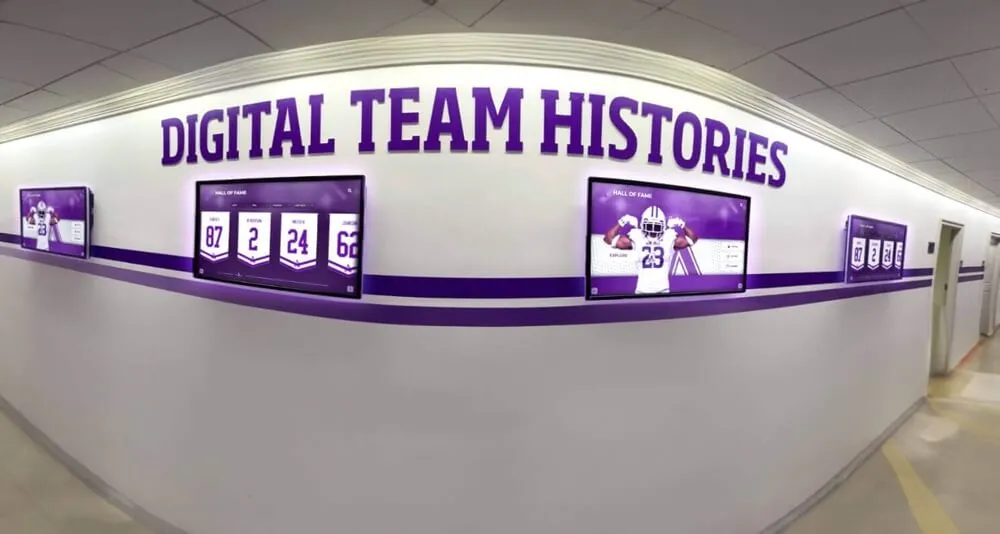
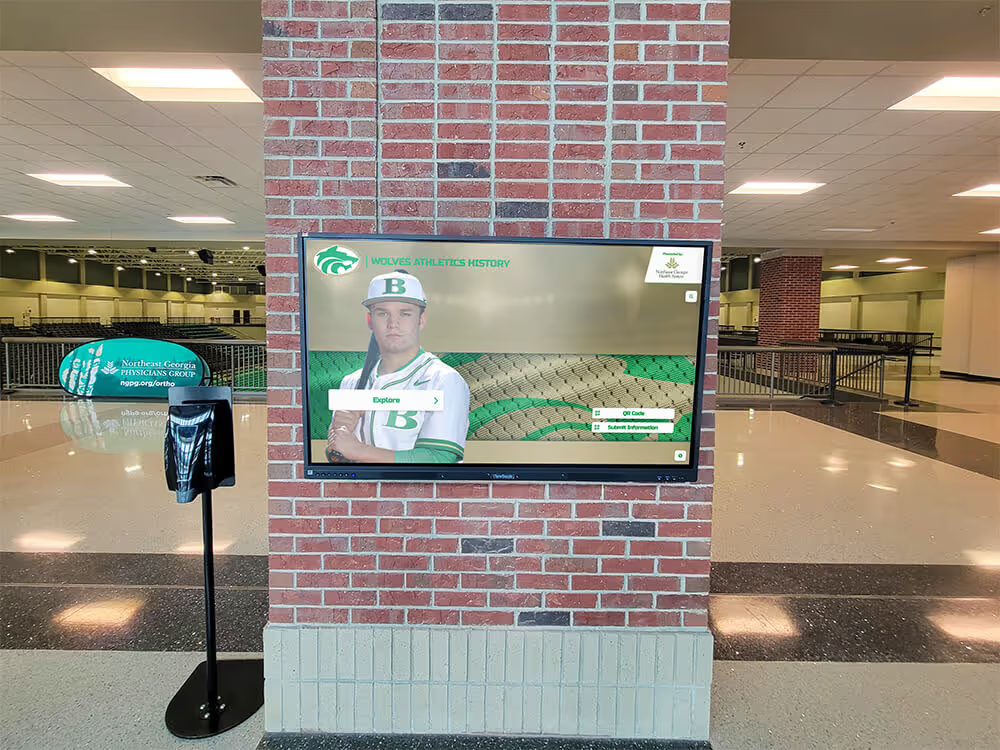
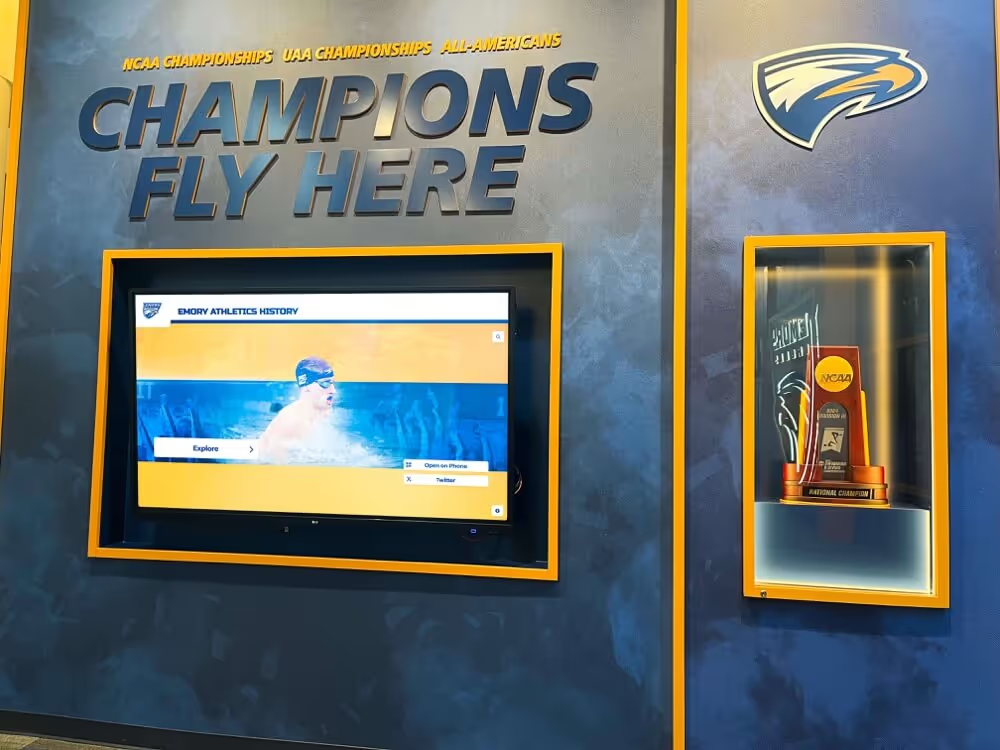
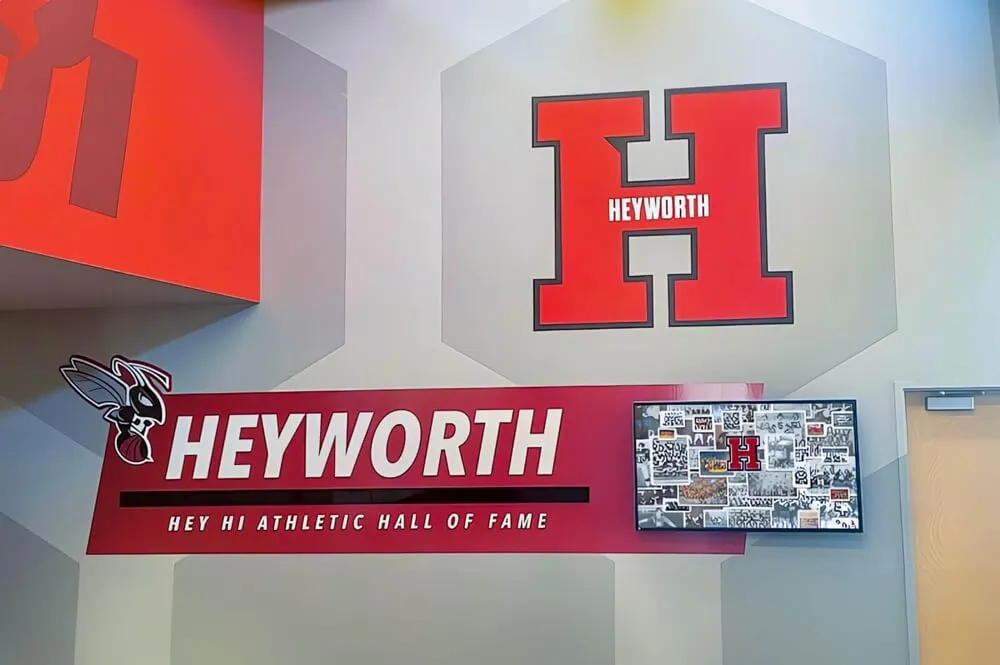
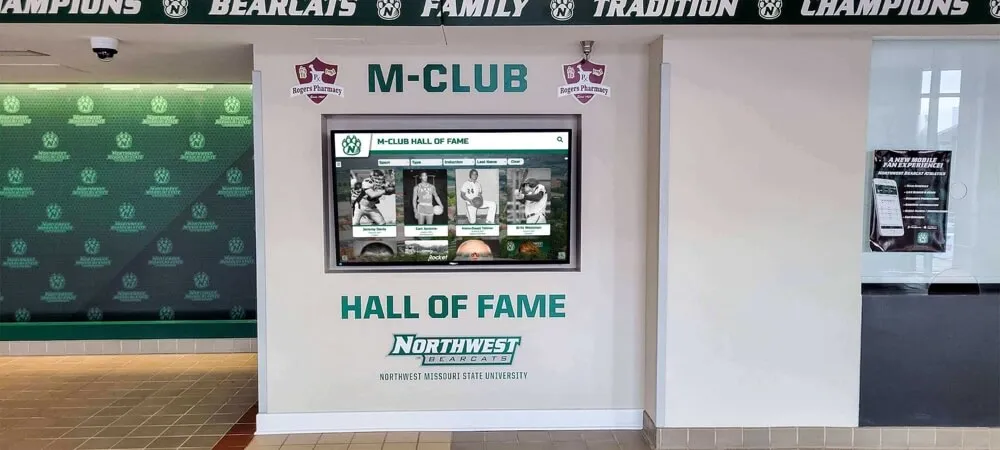
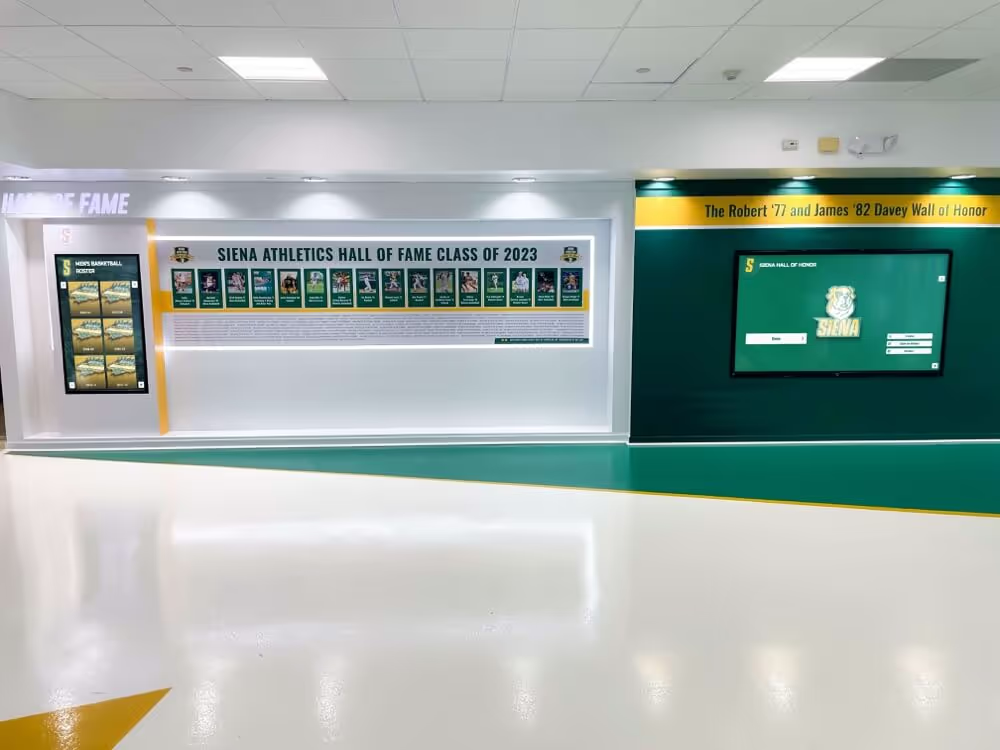
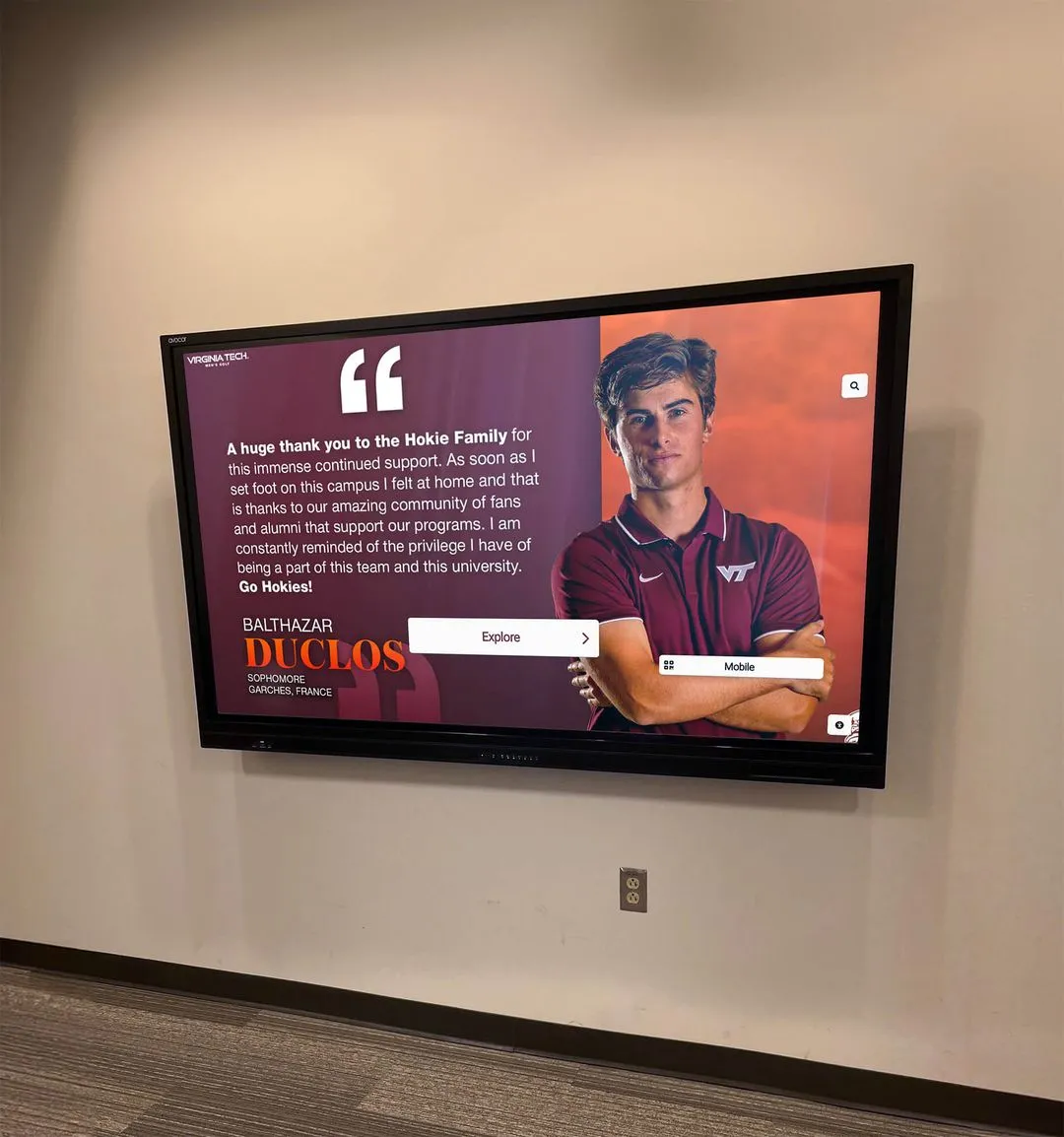
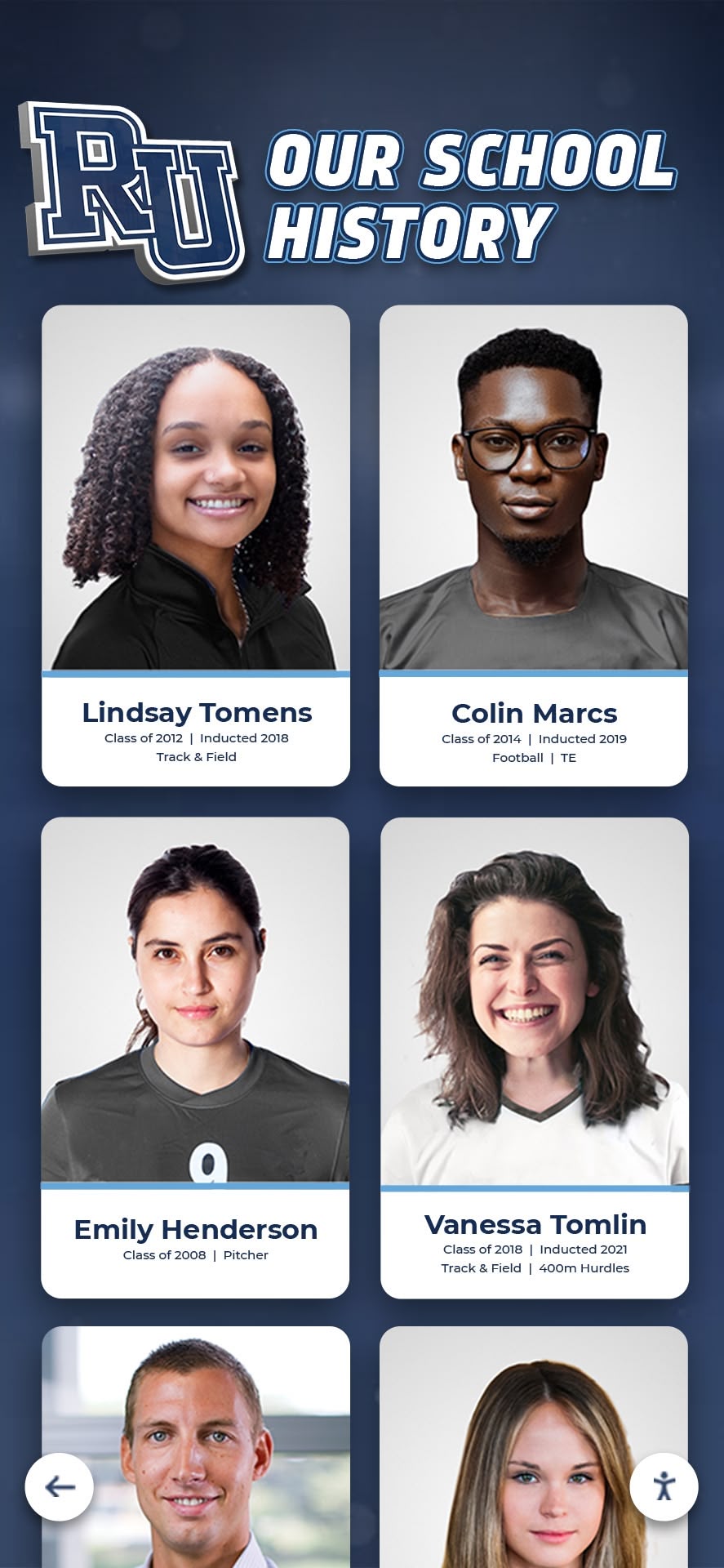
Elementary school yearbooks preserve precious memories of childhood friendships, achievements, and milestones
Where to Find Elementary School Yearbooks Online
Before purchasing expensive preservation services or assuming lost yearbooks are gone forever, explore these proven strategies for locating elementary school yearbooks through online resources.
Official School Archives and Websites
Many elementary schools maintain digital or physical yearbook archives, though policies and accessibility vary significantly:
Start by contacting the school directly through their main office or library. Ask specifically about yearbook archive policies, available years, and viewing options. Some progressive schools have digitized portions of their yearbook collections and make them available through password-protected alumni portals or upon request.
Check school district websites for centralized archives serving multiple elementary schools. Larger districts sometimes consolidate yearbook collections at district offices or historical societies, particularly when individual schools close or merge. District archivists or historians may maintain searchable databases tracking yearbook availability across all schools.
Explore school libraries which sometimes house complete yearbook collections dating back decades. While you may need to visit in person, many librarians will help verify if specific years exist and may allow photography of pages for personal use with appropriate permissions.
Schools increasingly recognize that preserving fraternity and sorority history requires systematic approaches—the same principles apply to elementary school yearbook preservation.
Online Yearbook Databases and Platforms
Several specialized platforms aggregate yearbooks from schools nationwide, though coverage of elementary schools remains less comprehensive than high school and college collections:
E-Yearbook.com features one of the largest online yearbook databases with searchable collections from thousands of schools. While coverage skews toward secondary schools, many elementary schools have uploaded yearbooks from recent decades. Users can search by school name, location, and year to browse available books. Free accounts allow basic browsing, while paid memberships enable full access and downloads.
Classmates.com maintains extensive yearbook archives as part of its school reunion and networking platform. Elementary school coverage varies by region and era, with stronger representation in suburban and mid-sized communities. The site allows users to search for specific schools and years, view yearbook pages, and connect with former classmates who might have additional yearbook copies.
Ancestry.com and MyHeritage include yearbook collections within their genealogical research databases. These platforms focus primarily on older yearbooks valuable for family history research, with collections extending back to early 20th century. While subscription-based, these services offer free trials allowing limited yearbook searches.
Internet Archive houses growing collections of digitized school materials including some elementary yearbooks uploaded by schools, libraries, or individuals. The platform’s open-access model means all available yearbooks can be viewed and downloaded free, though collections remain incomplete and inconsistent across different schools and years.
Social Media and Alumni Groups
Digital communities provide surprisingly effective resources for locating elementary school yearbooks through collective memory and resource sharing:
Facebook groups dedicated to specific elementary schools or communities often include members who possess and willingly share yearbook scans. Search for groups using school name plus “alumni,” “memories,” or the decade you attended. Members frequently post yearbook pages, helping others locate copies or identify classmates.
Neighborhood Facebook groups and Nextdoor communities sometimes facilitate yearbook sharing among residents who attended local schools. Post requests mentioning specific schools and years—neighbors often respond with offers to share or scan relevant pages.
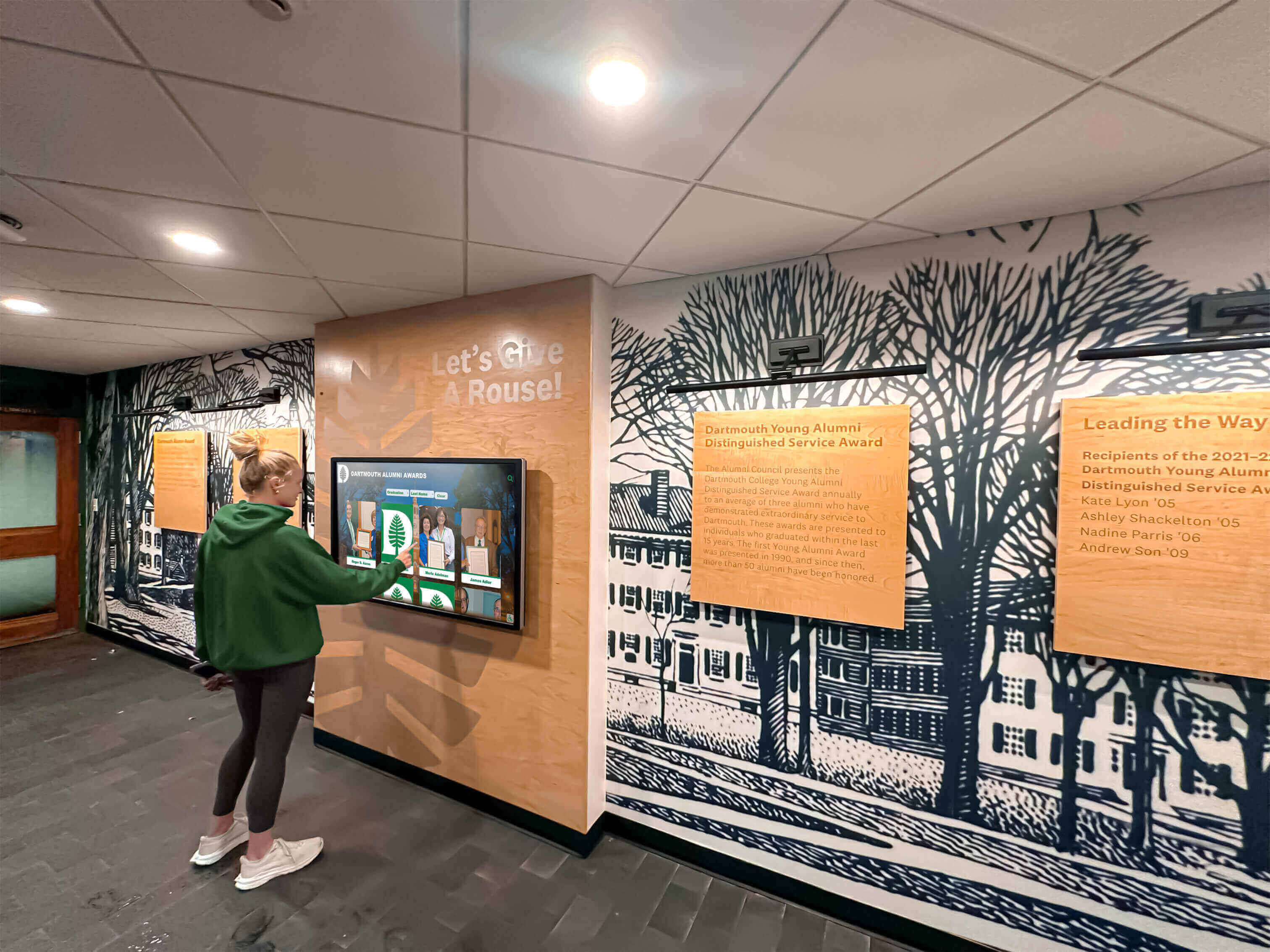
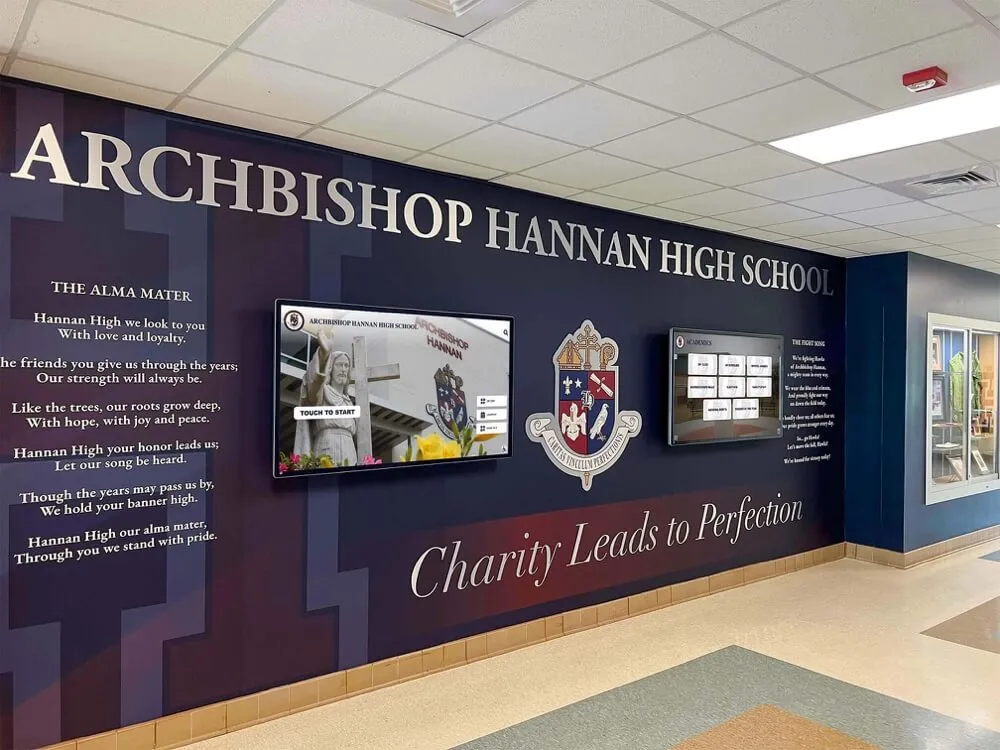
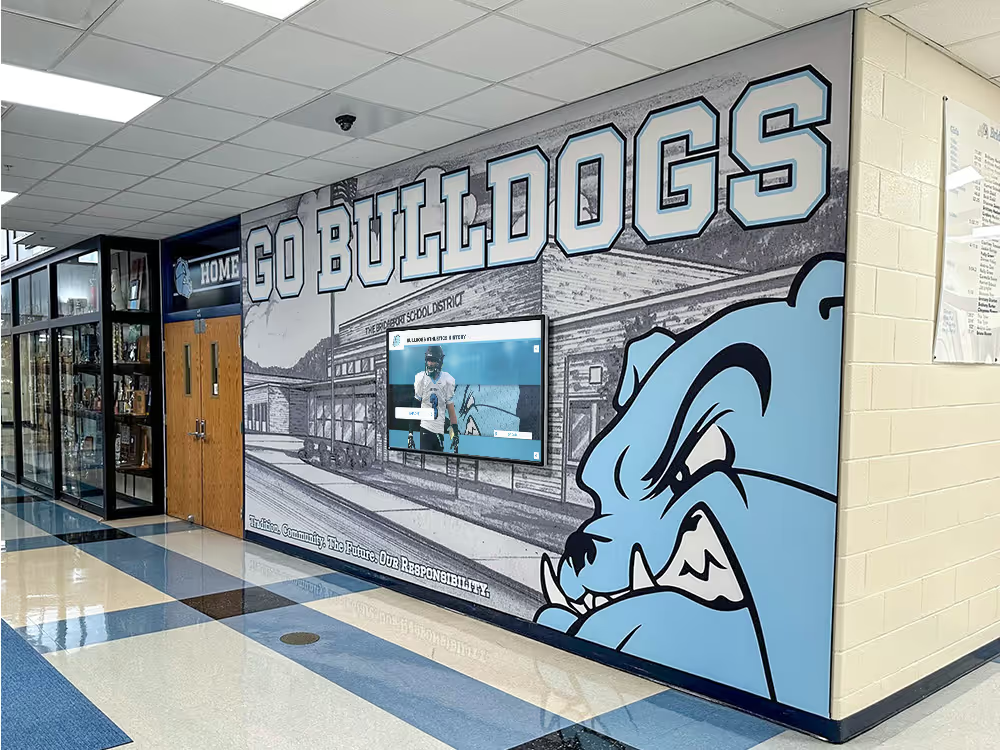
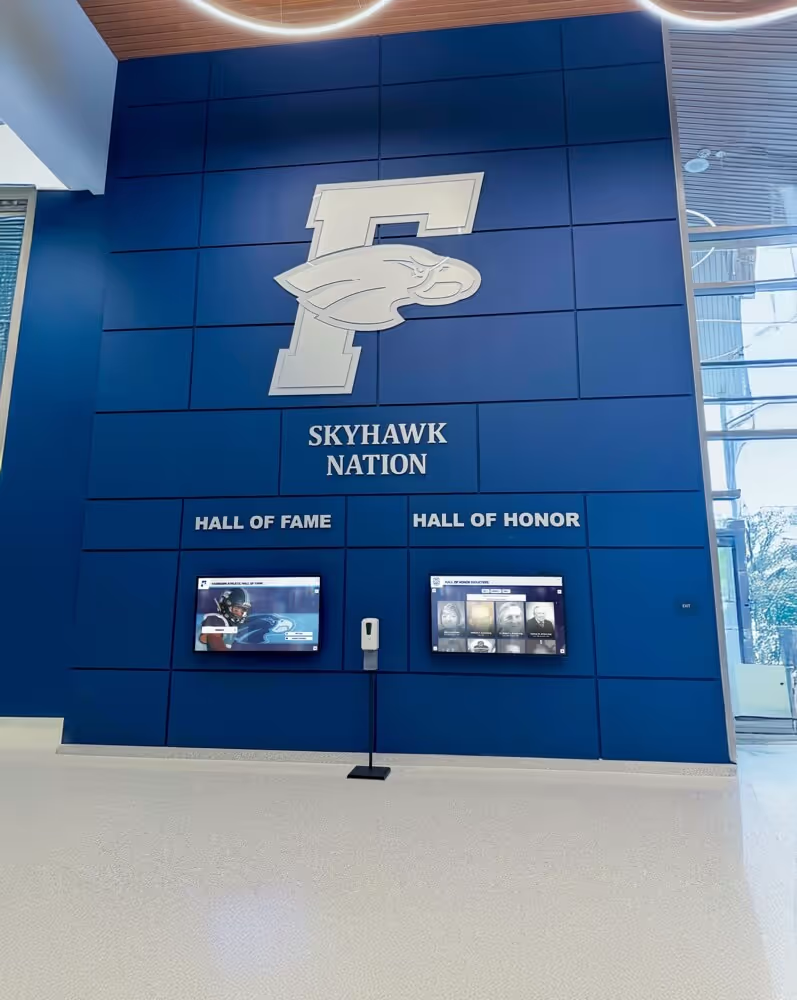
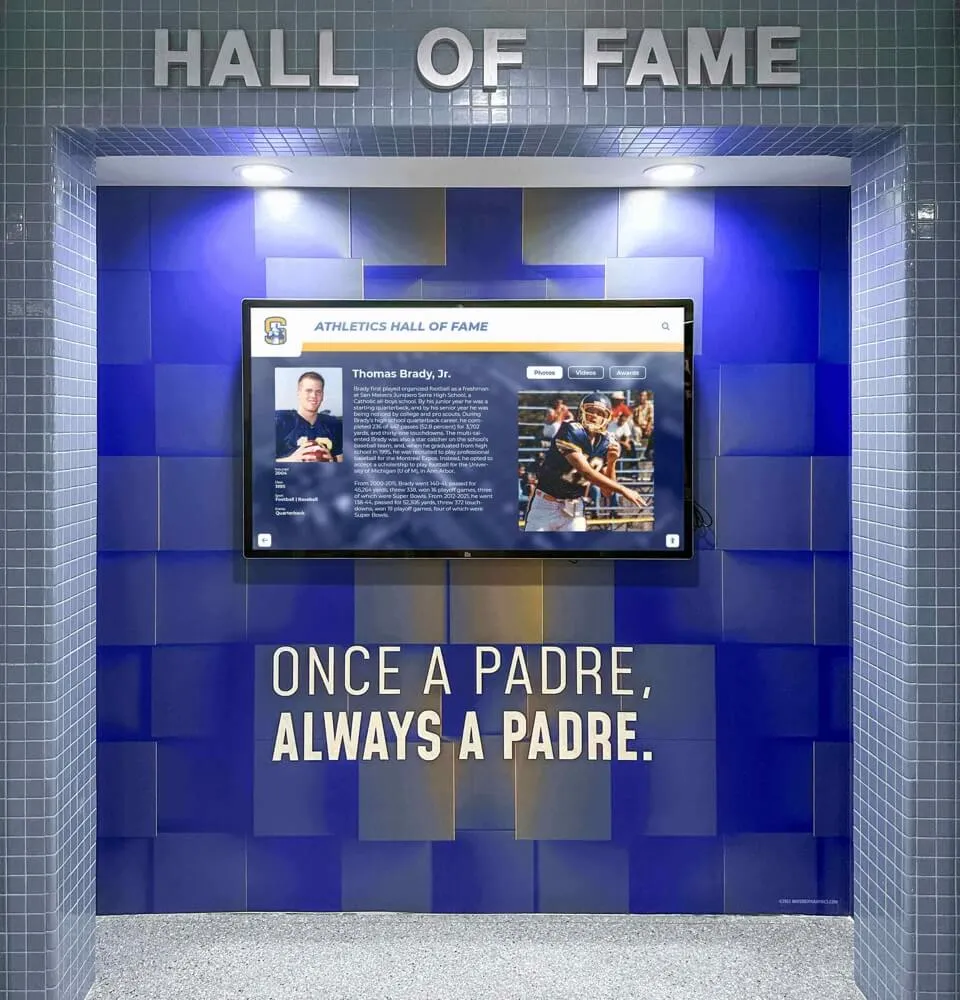
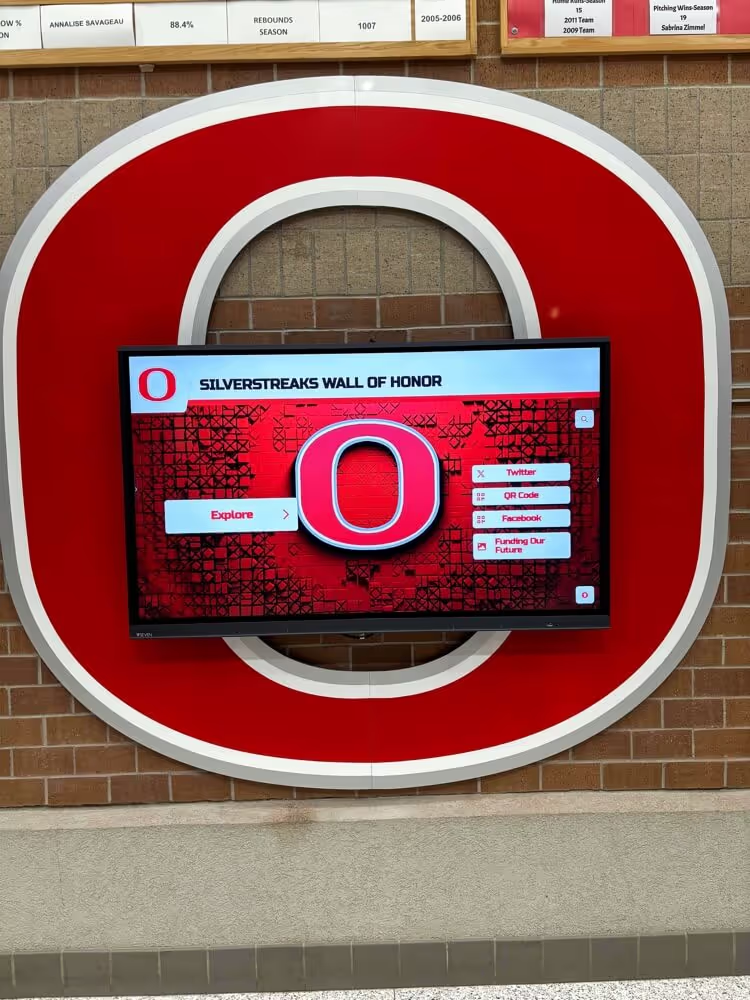
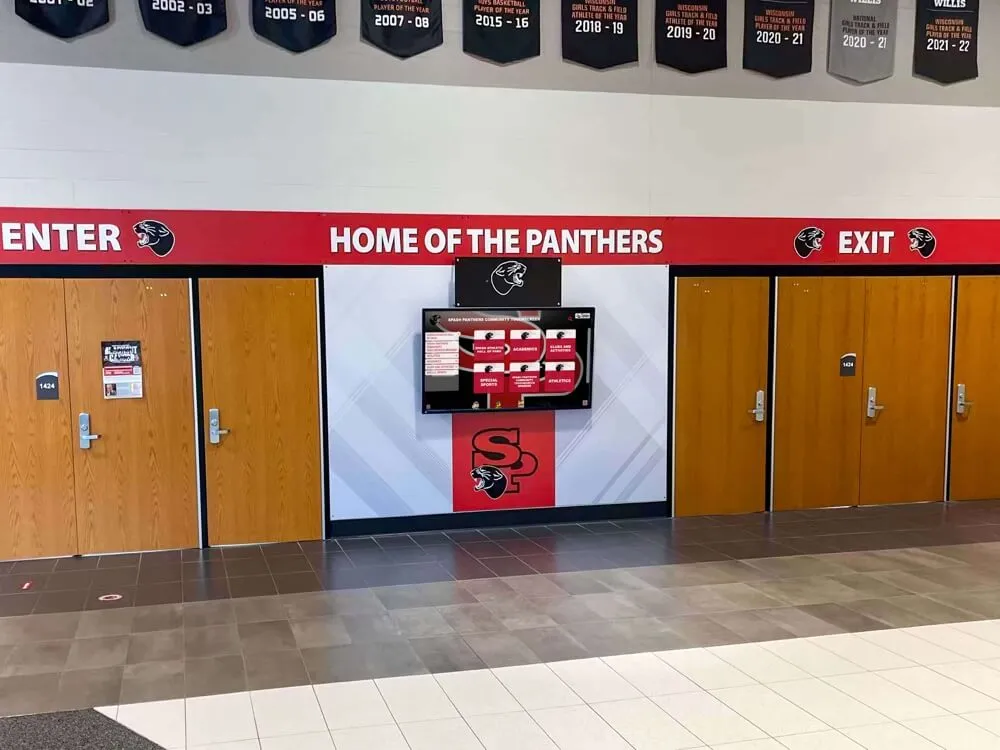
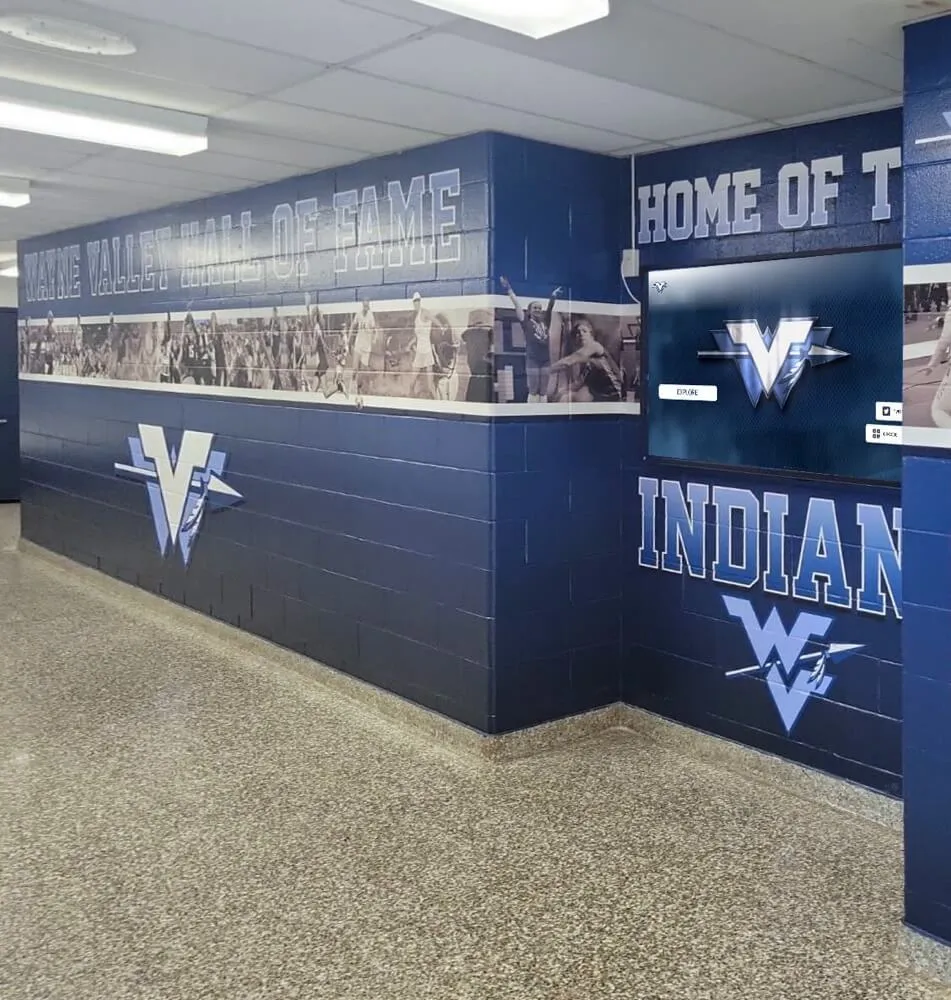
Modern interactive displays make elementary school yearbook memories accessible to current students and alumni
LinkedIn connections with former teachers or school administrators may provide leads on yearbook archives or institutional contacts who can help. Former educators often maintain personal yearbook collections or know which community members archived school materials.
Reddit communities like r/HelpMeFind or local city subreddits sometimes assist with locating specific yearbooks. Users often have surprising success posting detailed requests including school name, location, and years needed.
Learn how National Honor Society students can be highlighted through modern recognition systems that preserve student achievements similarly to yearbook documentation.
Local Libraries and Historical Societies
Community institutions often maintain local school collections that may include elementary yearbooks overlooked by online databases:
Public libraries frequently collect materials documenting community history including yearbooks from area schools. Check both main branches and local history rooms—librarians can search catalogs and may retrieve yearbooks from storage or special collections for in-person viewing.
County or city historical societies sometimes receive donated school materials when institutions close or consolidate. These organizations typically welcome researchers and may allow photography of yearbook pages for personal use. Call ahead to verify collections and viewing policies.
Local genealogical societies occasionally maintain education-related materials useful for family history research. While not comprehensive yearbook repositories, these groups may help connect you with community members who have relevant collections.
Preserving Physical Elementary School Yearbooks
Once you locate elementary yearbooks—whether rediscovered in your own home or obtained through the resources above—proper preservation ensures these memories survive for future generations.
Immediate Protection Steps
Physical yearbooks face numerous threats from environmental conditions to handling damage:
Store yearbooks in climate-controlled environments maintaining consistent temperature around 65-70°F and relative humidity between 30-50%. Avoid basements prone to flooding, attics with extreme temperature fluctuations, and garages with high humidity that accelerates deterioration.
Use archival-quality storage materials including acid-free boxes, tissue paper, and protective sleeves. Never store yearbooks in plastic bags or containers that trap moisture. Place yearbooks flat rather than upright when possible to prevent spine damage, and avoid stacking too many books which compresses lower volumes.
Handle yearbooks with clean, dry hands or wear cotton gloves when pages show fragility. Avoid eating or drinking near yearbooks to prevent accidental spills. Turn pages carefully, particularly with older volumes where binding may be weakened.
Keep yearbooks away from direct sunlight which fades photographs and yellows pages. Store away from heat sources, water pipes, and areas with pest problems that might attract insects or rodents.
Discover creative exciting hallway displays for schools that can incorporate yearbook memories into daily campus environments.
Professional Preservation Options
For yearbooks showing signs of deterioration or those with particular sentimental or historical value, professional conservation may be warranted:
Book conservators can repair damaged bindings, stabilize brittle pages, and address water damage or mold issues. Search for conservators through the American Institute for Conservation directory, verifying experience with 20th-century books and photographic materials.
Professional digitization services create high-quality scans preserving yearbook content while protecting fragile originals from handling damage. Services range from basic scanning to professional-grade digitization with color correction and metadata creation. Compare providers based on scanning resolution (minimum 300 DPI recommended for photos), file formats offered, turnaround time, and whether original materials are returned safely.
Archival rebinding replaces damaged or deteriorated bindings while preserving original pages and photographs. Reputable binderies use acid-free materials and reversible techniques meeting conservation standards. This option works well for yearbooks with intact pages but failing bindings.
Creating Digital Copies: DIY Digitization
For most families and schools, creating digital copies of elementary yearbooks represents the most practical preservation approach, ensuring memories survive regardless of what happens to physical books.
Home Scanning Best Practices
Modern technology makes yearbook digitization accessible without expensive equipment:
Flatbed scanners produce the highest quality results for home digitization. Scanner recommendations include models with at least 300 DPI resolution capability, large enough beds to accommodate open yearbook spreads (11x17 inches ideal), and features minimizing the need to press books flat. Leading consumer options include Epson Perfection series scanners offering excellent photo scanning capabilities at reasonable prices.
Scanning apps provide convenient alternatives when scanners aren’t available, though quality may be lower. Adobe Scan, Microsoft Lens, and Google PhotoScan all offer free yearbook scanning capabilities through smartphones. These apps automatically detect page edges, correct perspective distortion, and remove glare. For best results, photograph in bright, indirect light, hold phones parallel to pages, and use app features that combine multiple photos eliminating reflections.
Scanning techniques significantly impact final quality including scanning at minimum 300 DPI for acceptable photo quality and 600 DPI for archival-grade preservation, saving in TIFF format for master copies and JPEG for sharing, organizing files using consistent naming conventions like “SchoolName_Year_PageNumber.jpg,” and creating multiple backups stored in different locations.
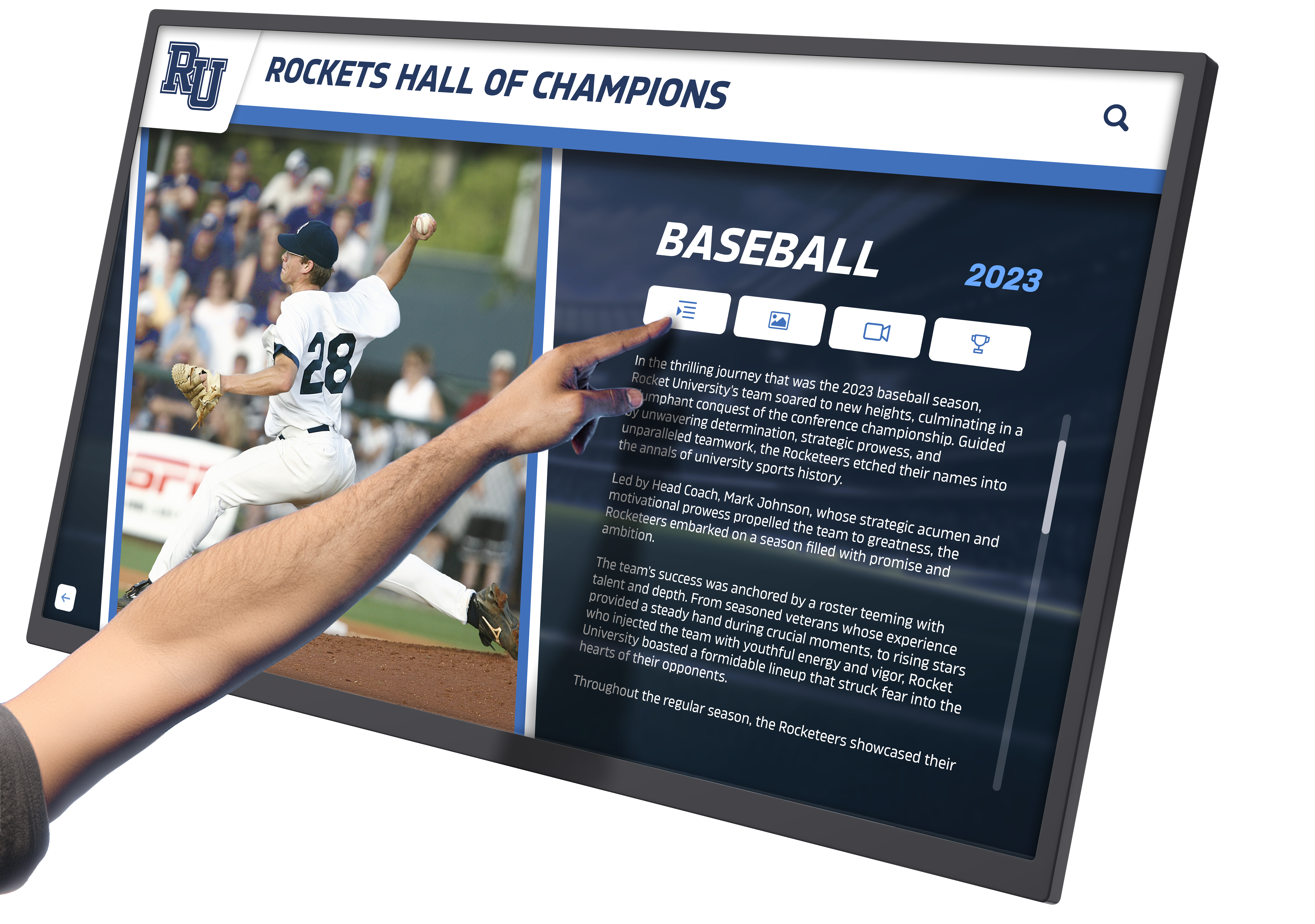
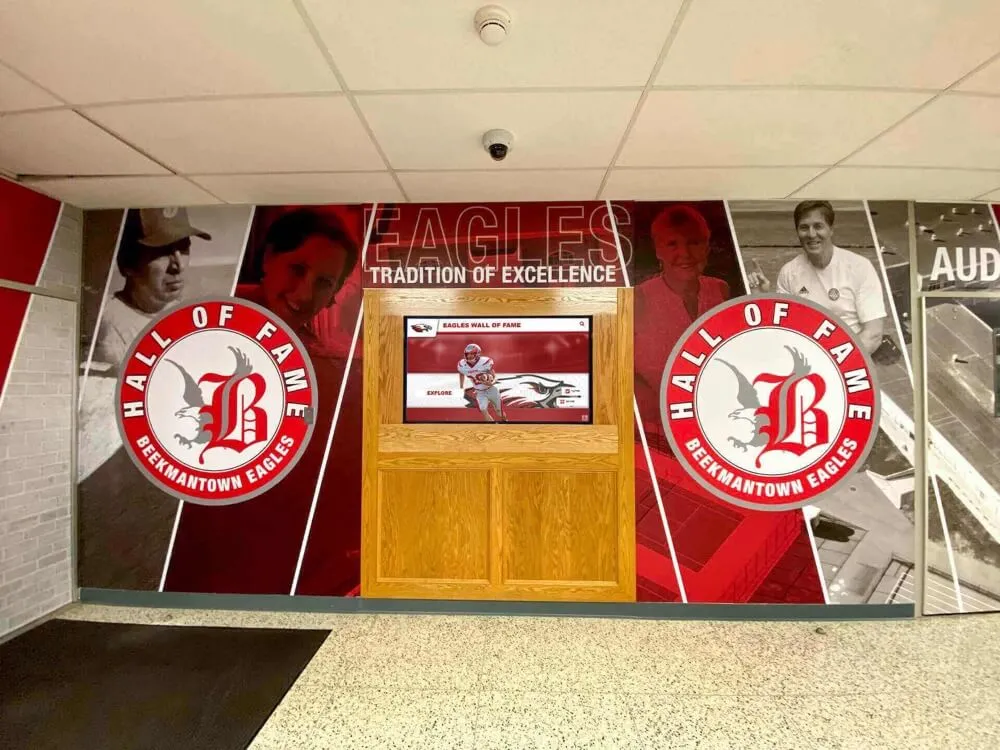
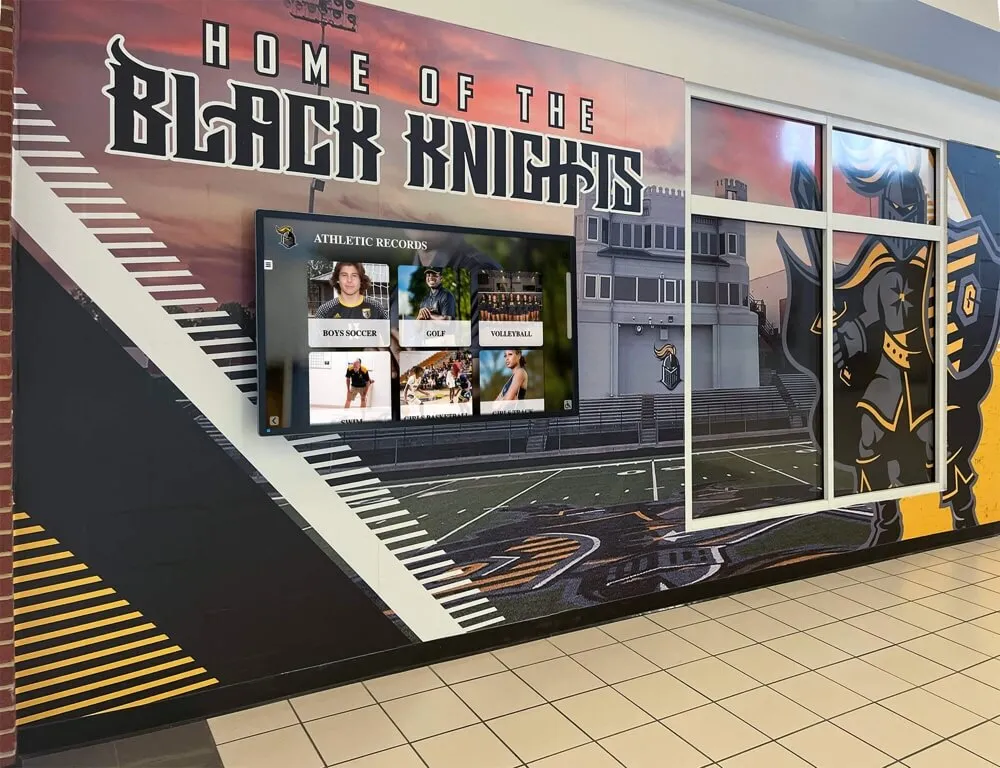
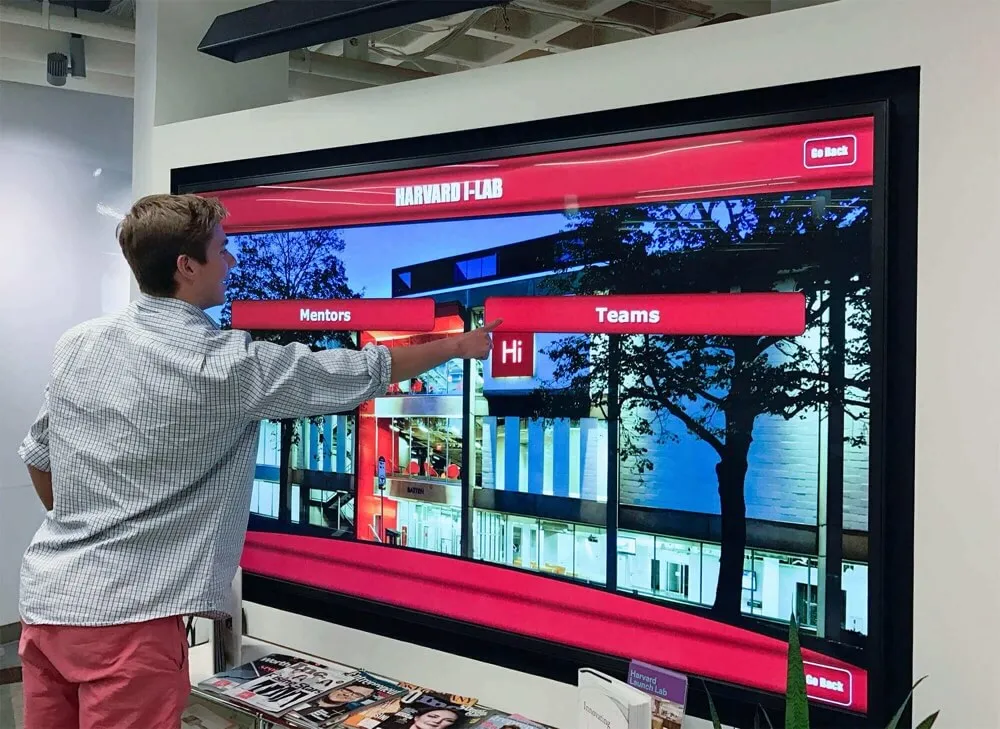
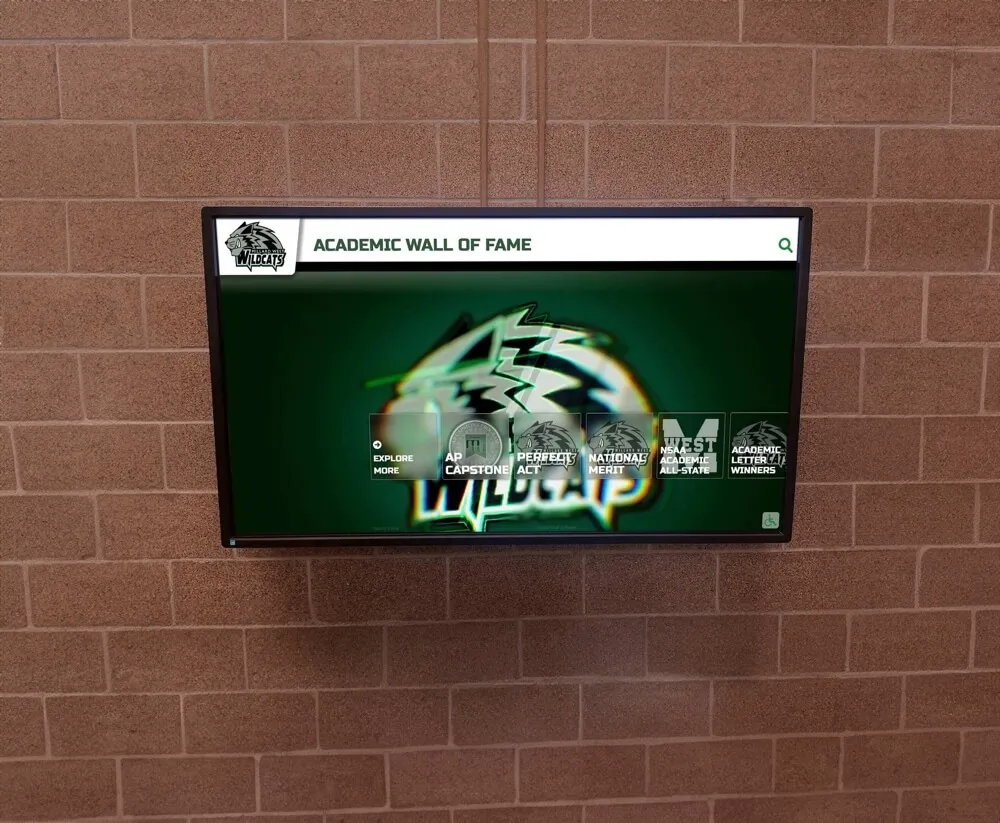
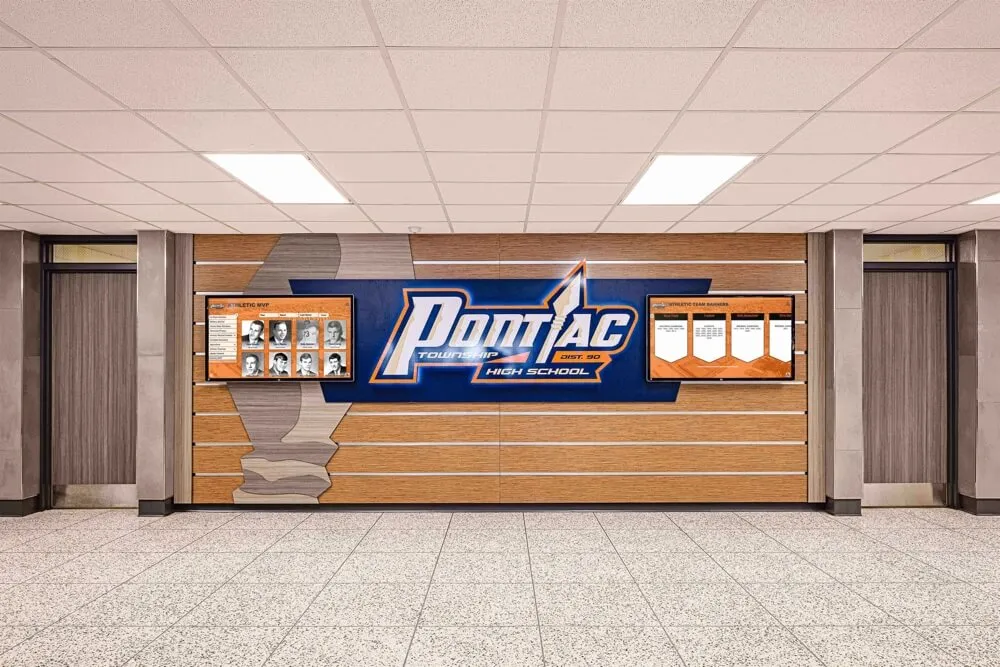
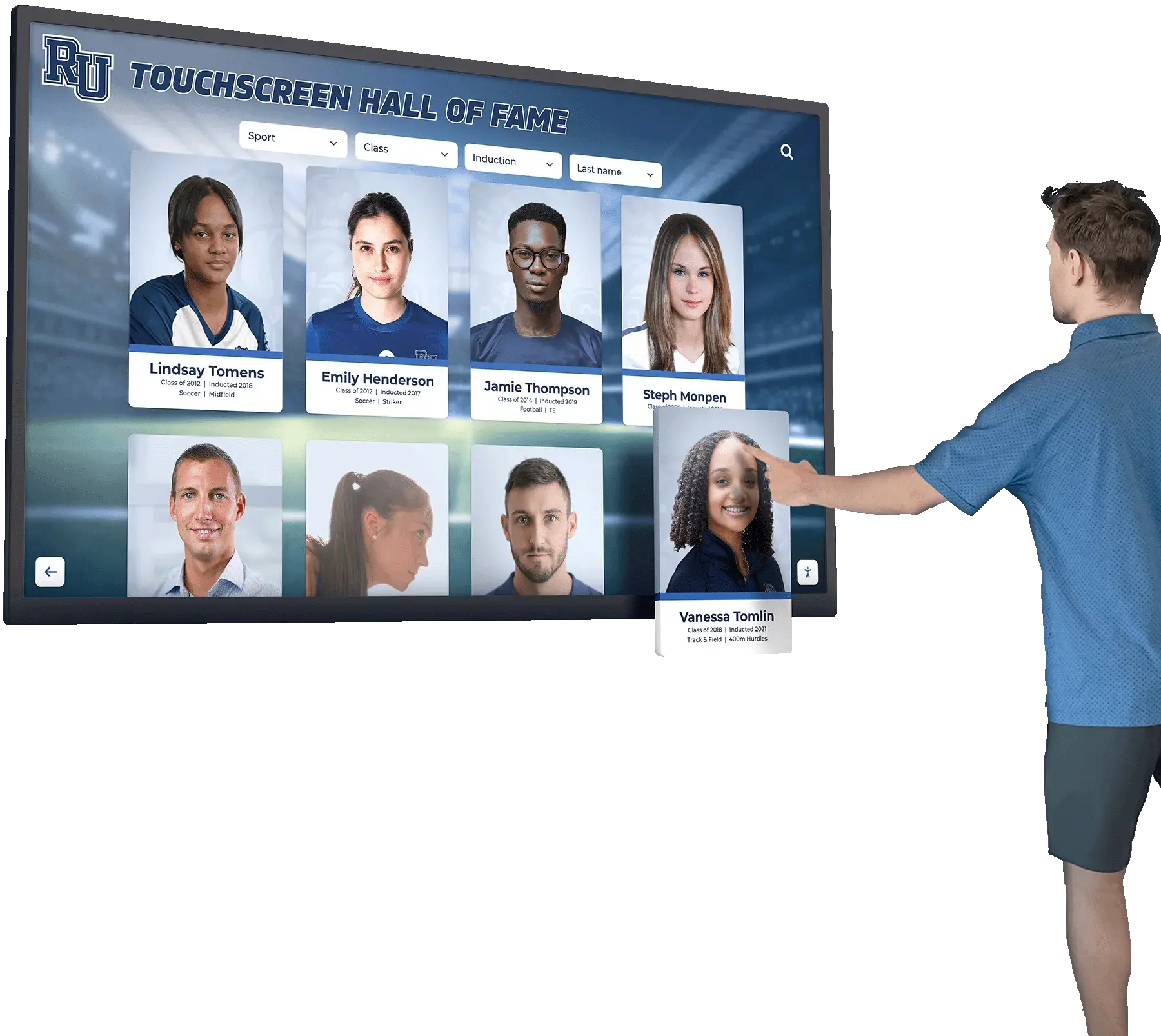
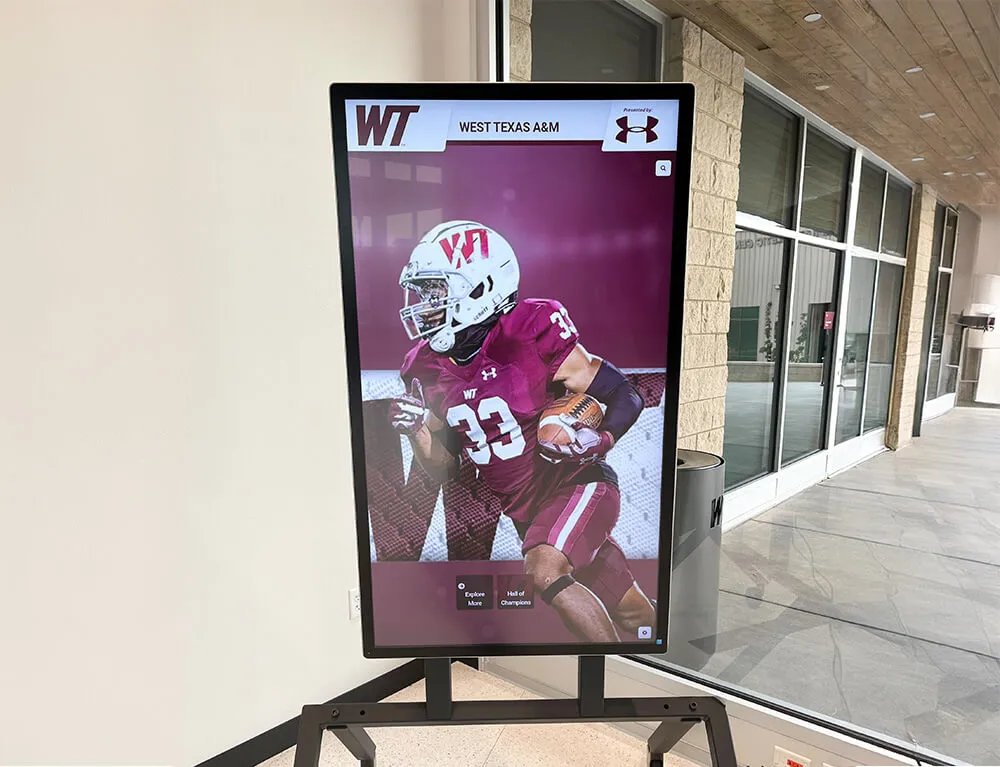
Interactive touchscreens transform digitized yearbook content into engaging, searchable displays celebrating student achievements
Organizing and Storing Digital Yearbook Files
Creating digital copies represents only the first step—proper organization ensures files remain accessible and preserved long-term:
Establish consistent folder structures organizing yearbooks by school name, year, and content type. Example hierarchy: “Elementary School Yearbooks > Washington Elementary > 1995-1996 > Pages” with separate folders for “Cover,” “Individual Students,” and “Events” enabling efficient navigation and searching.
Use descriptive file naming conventions that remain meaningful without folder context. Examples include “Washington_Elementary_1995_Page012.jpg” or “Washington_Elementary_1995_Class_Photo_Grade3_MrsJohnson.jpg” making files searchable and identifiable even if separated from original folders.
Implement the 3-2-1 backup rule maintaining three total copies on two different media types with one stored off-site. Practical implementation includes keeping original files on computer hard drive, backing up to external hard drive stored safely at home, and storing third copy on cloud service like Google Drive, Dropbox, or OneDrive ensuring protection against local disasters.
Add metadata to digital files improving searchability and providing context. Most operating systems allow adding keywords, dates, and descriptions to image files. Include information like student names (when appropriate), grade levels, teachers, special events, and dates making files searchable decades later when memories fade.
Schools can leverage AP Scholar Awards recognition boards alongside yearbook displays creating comprehensive student achievement showcases.
Modern Digital Yearbook Platforms: Benefits and Challenges
Many elementary schools have transitioned from traditional print yearbooks to digital platforms offering new capabilities while introducing preservation questions:
Advantages of Digital Yearbook Platforms
TreeRing, FutureBook, and similar platforms provide schools with streamlined yearbook creation tools including collaborative online design, easier student photo collection and organization, reduced costs compared to traditional printing, and enhanced features like embedded videos and interactive elements.
Student and family benefits include online ordering and delivery, ability to purchase years after publication, multimedia content beyond static photographs, and easy sharing with distant relatives through digital links.
Environmental and accessibility considerations make digital yearbooks appealing including reduced paper consumption and waste, no storage space requirements for physical inventory, accessibility features supporting students with disabilities, and searchable content simplifying finding specific students or events.
Explore how athletic director digital displays can complement yearbook content celebrating student athletic achievements.
Long-Term Preservation Concerns with Digital Yearbooks
Despite benefits, digital-only yearbooks raise legitimate preservation concerns requiring proactive planning:
Platform dependency creates vulnerability when yearbook access depends entirely on third-party companies. Questions include: What happens if the platform discontinues service? Will families lose access to purchased yearbooks? Are download options available for permanent local storage? How long will digital yearbooks remain accessible?
File format obsolescence threatens long-term accessibility as technology evolves. Digital yearbooks created in proprietary formats may become unreadable as software changes. Schools should request standard file formats (PDF, JPEG) enabling access independent of specific platforms.
Multiple device challenge affects access as children may view yearbooks on school devices, parent devices, or family tablets requiring clear understanding of access rights across different accounts and devices years after initial purchase.
Recommended safeguards for families using digital yearbook platforms include downloading all available files immediately after yearbook publication, printing favorite pages or complete copies for physical backup, saving files in multiple locations following backup best practices, and verifying account access annually ensuring login credentials remain valid and yearbooks accessible.
Creative Ways to Display and Share Elementary Yearbook Memories
Digitized yearbooks offer numerous opportunities for creative sharing and display beyond simply storing files:
Personal Projects and Keepsakes
Photo books created through services like Shutterfly, Mixbook, or Artifact Uprising allow extracting favorite yearbook pages or individual portraits and creating custom books highlighting specific students, grades, or memories. Parents often create graduation photo books incorporating elementary through high school yearbook photos documenting children’s complete educational journey.
Digital frames enable rotating displays of favorite yearbook photos. Modern smart frames like Skylight or Nixplay allow family members to upload photos remotely, creating living galleries that include yearbook memories alongside current family photos.
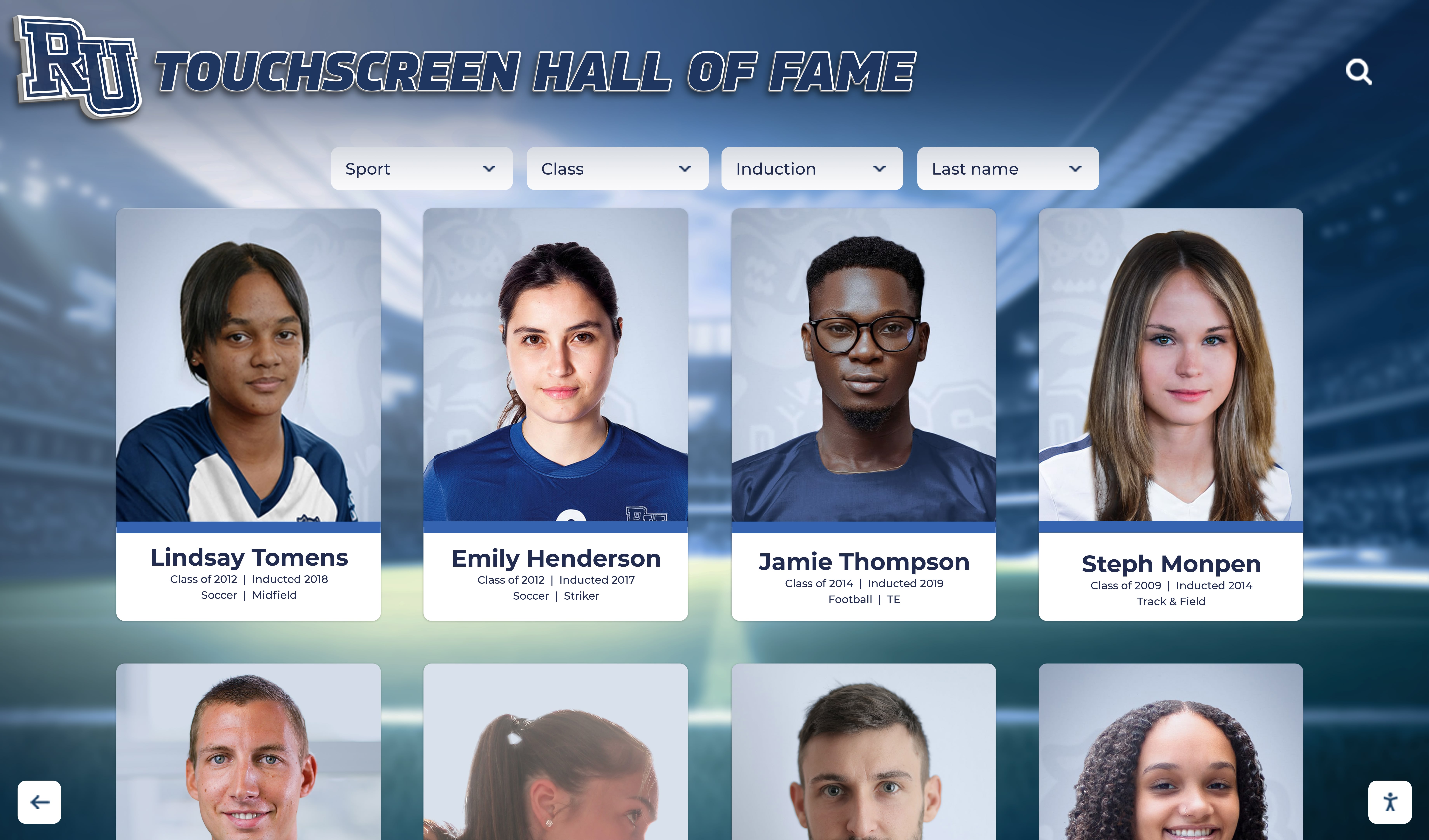
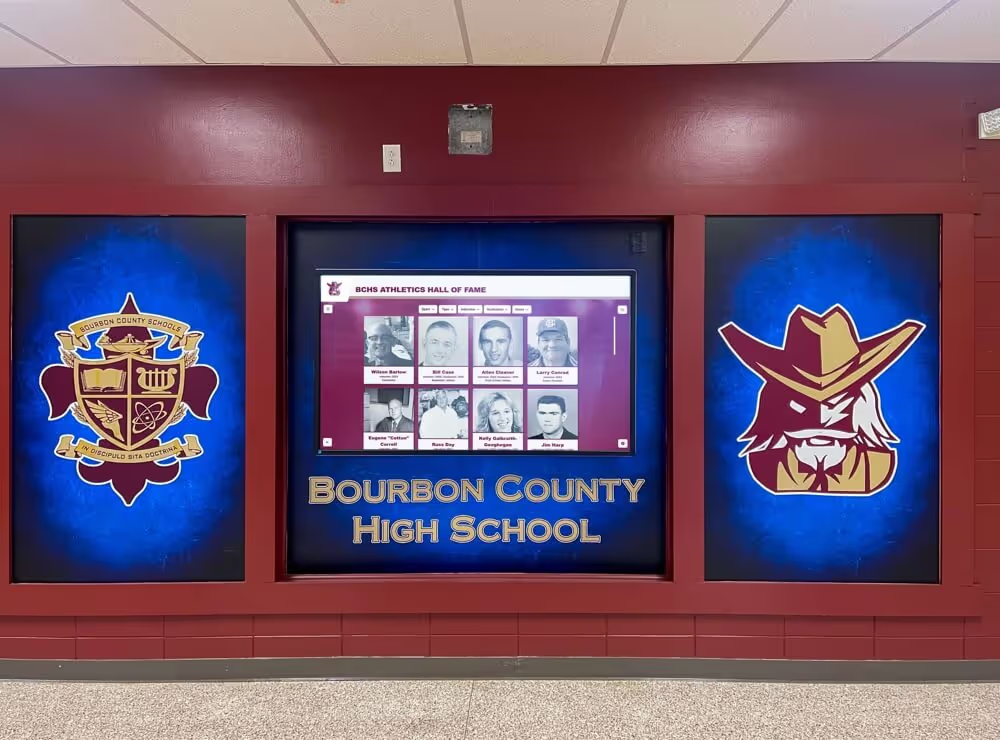
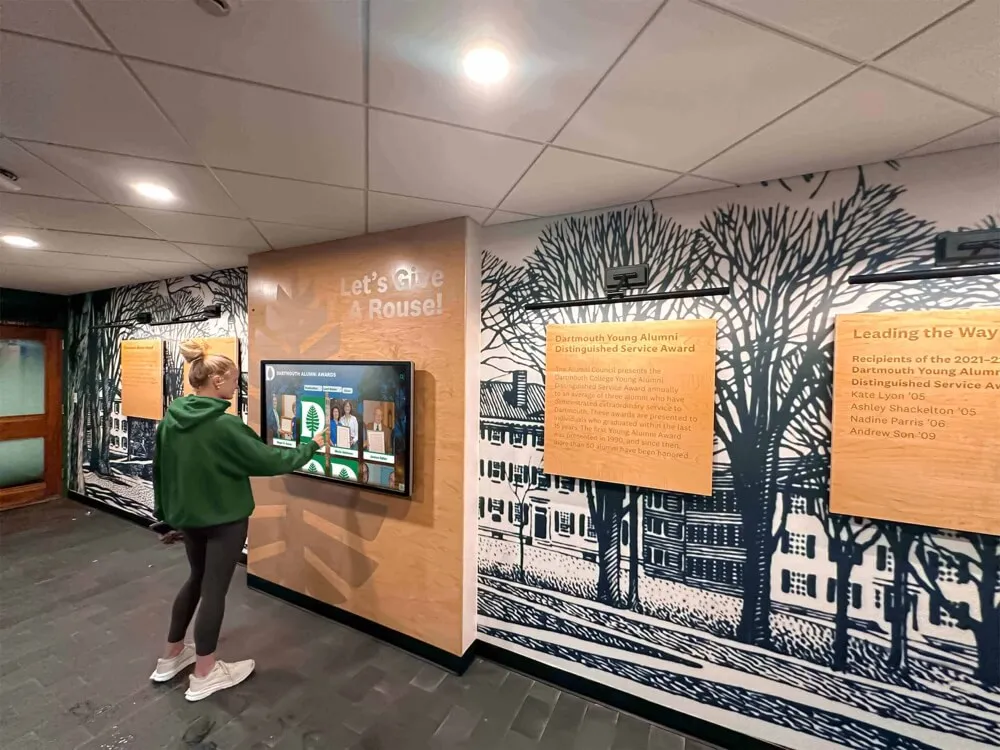
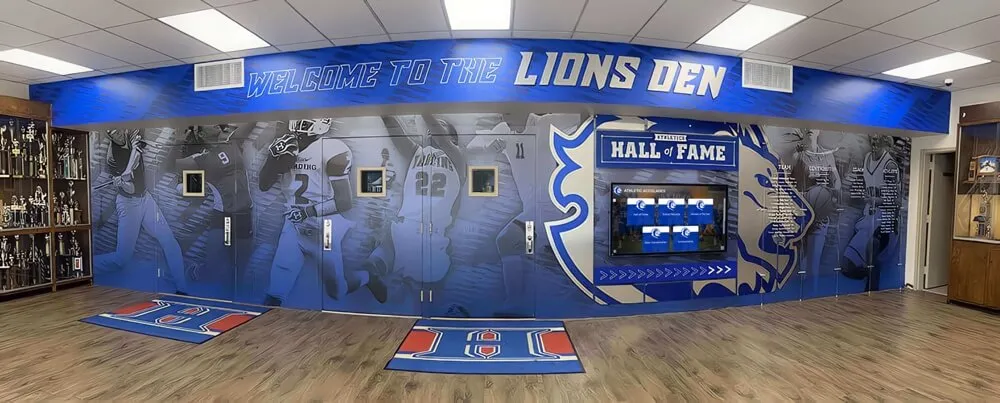
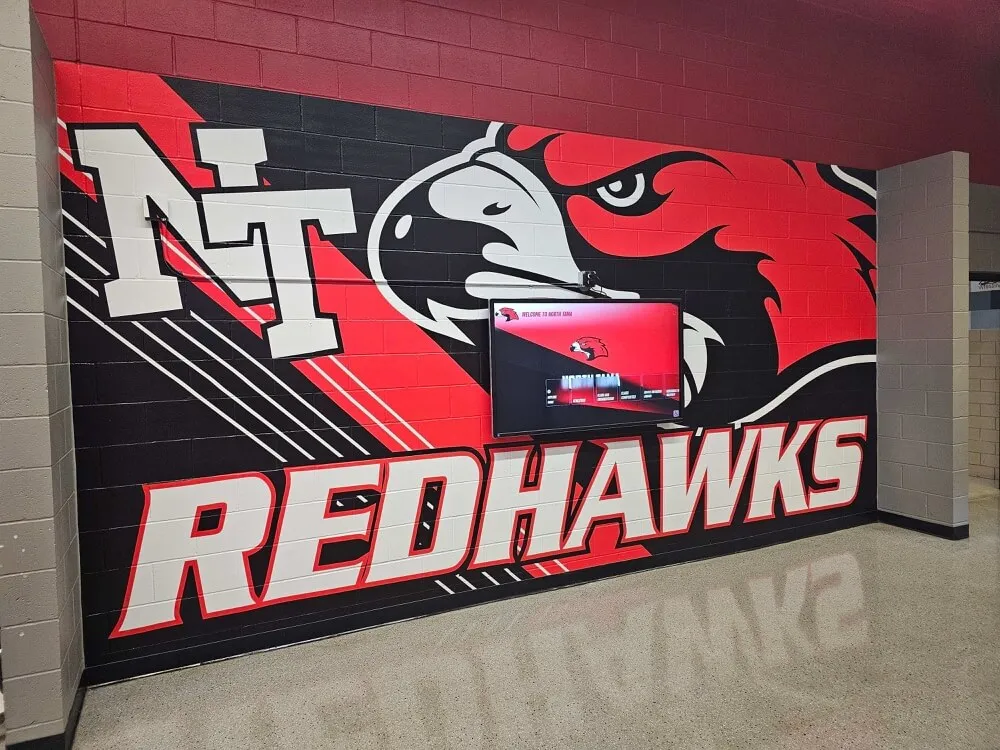
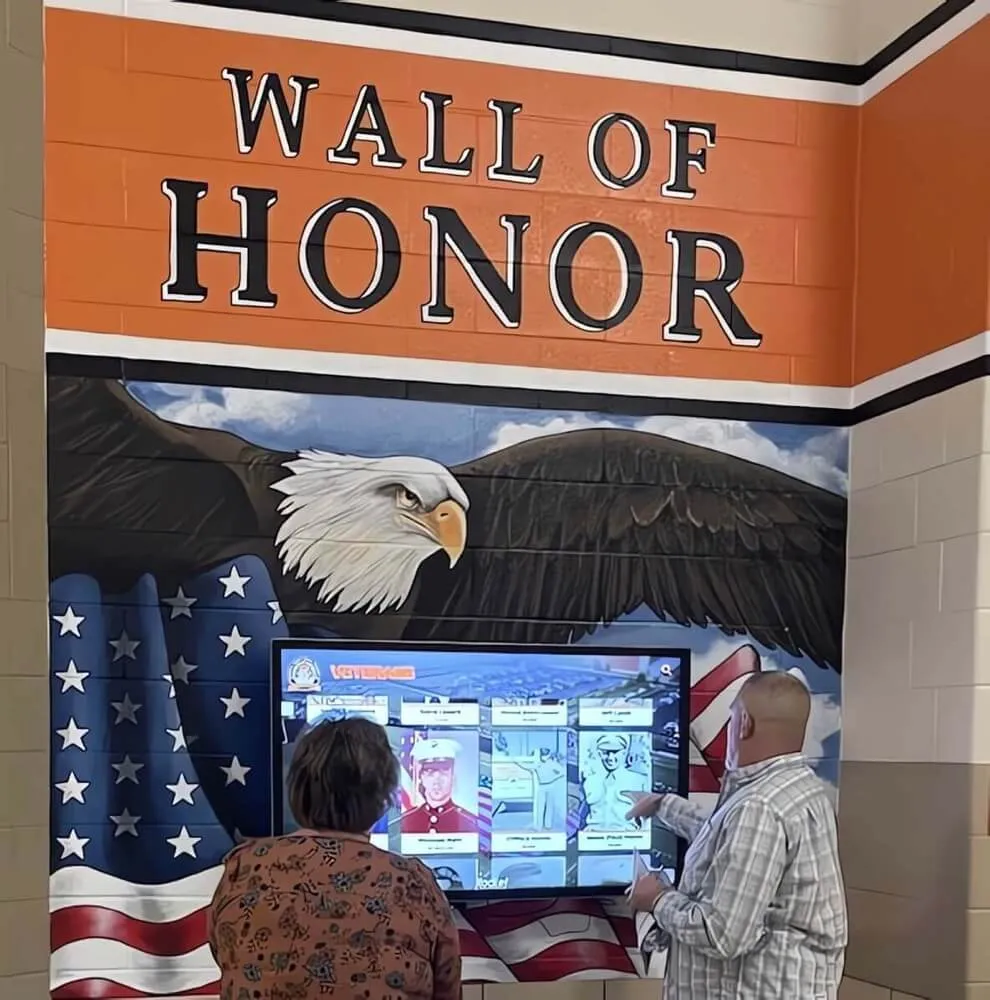
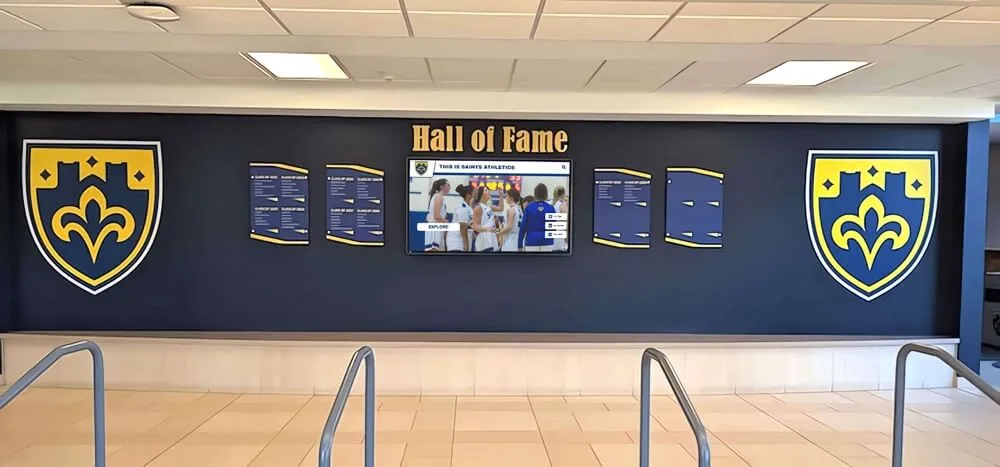
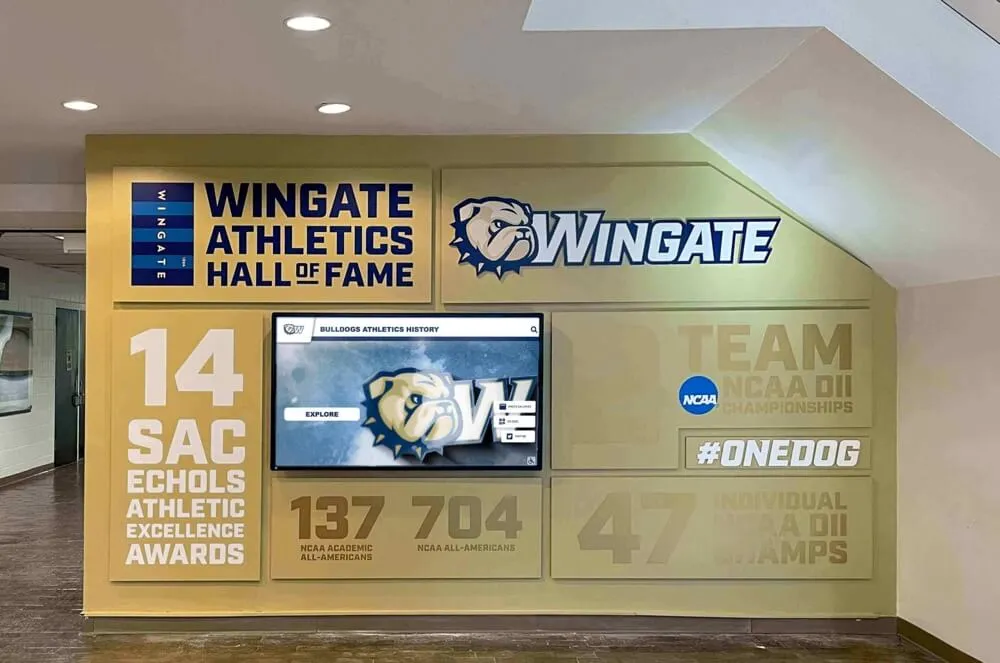
Digital displays make elementary yearbook memories interactive and engaging for multiple generations
Reunion materials benefit from digitized yearbooks when planning elementary school reunions. Organizers can create slideshow presentations, identify and contact former classmates, and create comparison displays showing “then and now” photographs that celebrate how friendships endured over decades.
Family genealogy projects incorporate yearbook photos documenting ancestors’ educational experiences. Including yearbook pages in family history albums provides future generations with richer understanding of family members’ childhood experiences and community connections.
Learn how team bonding ideas for sports can extend yearbook recognition celebrating team achievements.
School-Wide Recognition Displays
Progressive schools leverage digitized yearbook content creating engaging recognition displays throughout campuses:
Interactive touchscreen displays transform yearbook archives into searchable databases where current students, alumni, and visitors can explore school history. These systems allow searching by name, year, grade, or teacher, creating engaging experiences connecting past and present.
Digital signage in hallways and common areas can rotate historical yearbook photos alongside current student achievements, creating living timelines demonstrating school traditions and evolution while honoring all students who contributed to school history.
Alumni engagement platforms incorporate yearbook content helping graduates reconnect with school communities. Schools can create alumni portals featuring searchable yearbook databases, reunion organization tools, and opportunities for alumni to share updates continuing their stories beyond graduation.
Anniversary celebrations benefit from comprehensive yearbook archives when schools celebrate milestones. Yearbook displays featuring students from across decades demonstrate institutional longevity while honoring generations of families who chose the school.
Rocket Alumni Solutions specializes in creating these digital hall of fame systems that can incorporate yearbook content alongside other recognition elements.
Copyright and Privacy Considerations
When digitizing, sharing, or displaying elementary school yearbooks, understanding legal and ethical considerations protects students and respects rights:
Understanding Yearbook Copyright
Schools typically own copyright to yearbooks they produce, even when working with yearbook companies or parent volunteers. This means families who purchased yearbooks own physical copies but not reproduction rights. Personal use digitization—scanning your own child’s yearbook pages for family preservation—generally falls within fair use, but publicly posting complete yearbooks online or selling copies likely violates copyright.
Yearbook companies may retain certain rights depending on contracts with schools. Before undertaking large-scale digitization projects, schools should review agreements with yearbook publishers clarifying rights to reproduce, display, or distribute content.
Historical yearbooks may have entered public domain depending on publication date and copyright registration. Yearbooks published before 1928 are definitively in public domain, while those published between 1928-1977 may be if copyright wasn’t properly renewed. Consult copyright experts before assuming older yearbooks can be freely reproduced.
Student Privacy and Safety
Student privacy requires careful consideration when digitizing or sharing yearbook content, particularly given evolving privacy expectations and digital safety concerns:
Obtain permission before posting identifiable student photos online, particularly when naming students or providing grade-level information. What seemed harmless when originally published may raise privacy concerns decades later when individuals can be easily located through internet searches.
Consider current students whose yearbook photos might be accessible through digital archives. Schools should implement appropriate access controls ensuring only authorized individuals can search student information while balancing openness for alumni engagement.
Redact sensitive information when appropriate including student addresses or phone numbers sometimes included in older yearbooks, and specific information about student vulnerabilities or special circumstances that should remain private.
Balance preservation with privacy by limiting access to certain materials, offering opt-out provisions for individuals requesting exclusion, and implementing time delays before making recent yearbooks publicly searchable.
Discover how academic recognition programs balance public celebration with student privacy considerations.
School Strategies for Systematic Yearbook Preservation
Elementary schools committed to preserving yearbook history should implement systematic approaches ensuring long-term accessibility:
Establishing Yearbook Archives
Designate official archive locations with appropriate environmental controls and security protecting yearbook collections from damage or theft. This might include locked cabinets in libraries, climate-controlled storage rooms, or district-level archival facilities serving multiple schools.
Create backup copies of all yearbooks through digitization programs ensuring preservation even if physical copies deteriorate. Schools should maintain both high-resolution archival scans and accessible lower-resolution versions for general use.
Develop access policies clarifying who can view archived yearbooks, under what circumstances, and with what restrictions. Balance openness supporting alumni engagement and historical research with privacy protections for students and families.
Assign clear responsibility for yearbook preservation to specific staff positions preventing gaps when personnel change. Include yearbook archiving in job descriptions and provide necessary resources including time, budget, and training.
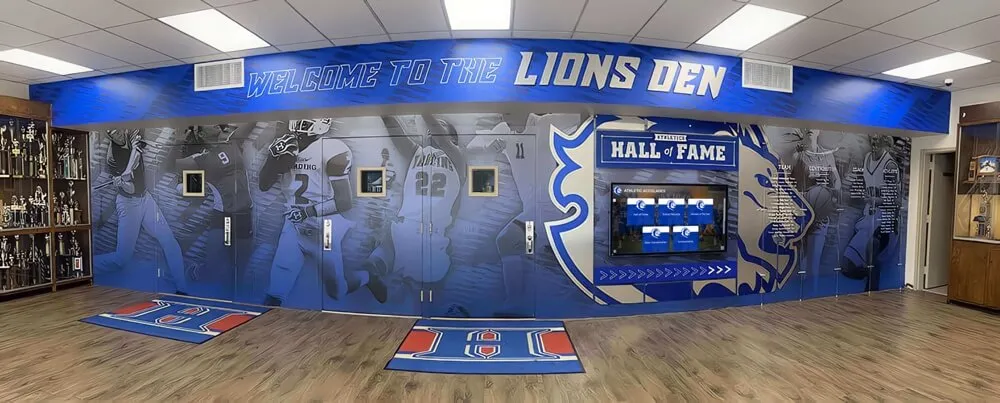
Modern schools combine traditional yearbook archives with digital displays creating comprehensive recognition environments
Digitization Projects
Phased approaches make comprehensive digitization manageable by prioritizing oldest yearbooks at greatest risk, identifying years with special significance or high alumni interest, and establishing sustainable workflows preventing backlogs.
Community involvement accelerates digitization through volunteer programs where alumni, parents, or community members assist with scanning supervised by school staff. Many alumni enthusiastically support preservation projects, particularly when given access to digitized content.
Student learning opportunities integrate yearbook digitization into educational programs teaching information science, local history research, digital preservation techniques, and community service through meaningful projects connecting students to school heritage.
Funding strategies support digitization initiatives including grant applications to local historical societies or foundations, PTA fundraising highlighting preservation importance, alumni appeals connecting preservation to school loyalty, and partnerships with local libraries or universities providing equipment or expertise.
Schools successfully implementing school trophy case ideas often integrate yearbook content into comprehensive recognition environments.
The Emotional Value of Elementary School Yearbooks
Beyond practical preservation considerations, elementary school yearbooks hold profound emotional significance deserving thoughtful attention:
Childhood Identity and Development
Elementary years represent critical identity formation periods when children develop interests, discover talents, build first friendships beyond family, and navigate increasingly complex social environments. Yearbooks document these formative experiences including kindergarten gap-toothed smiles capturing innocence, elementary sports teams showing early athletic interests, classroom photos revealing favorite teachers who inspired lifelong passions, and field trip memories commemorating adventures with childhood friends.
Adult reflection on elementary yearbooks often triggers powerful emotions including nostalgia for simpler times, recognition of how early experiences shaped current interests, appreciation for teachers who invested in children’s growth, and wonder at how much has changed while some friendships endured.
Parent perspectives on children’s elementary yearbooks differ from student viewpoints, treasuring different aspects including physical changes documenting rapid childhood growth, social development evident in photos with friends, academic progression across grade levels, and bittersweet reminders that elementary years passed too quickly.
Connecting Generations
Multi-generational families who attended the same elementary schools treasure yearbooks connecting family history through shared experiences including comparing how schools changed or stayed the same across decades, identifying beloved teachers who taught multiple generations, and recognizing family resemblances in elementary school photos spanning grandparents through grandchildren.
Community continuity becomes visible through yearbook archives revealing how neighborhoods evolved including families who remained in communities for generations, school traditions persisting across decades, and local landmarks appearing in backgrounds of field trip photos documenting community history.
Explore how work party themes and office celebrations can incorporate yearbook nostalgia for alumni events.
Looking Forward: The Future of Elementary School Yearbooks
As technology continues evolving, elementary school yearbook creation, distribution, and preservation will likely undergo additional transformations:
Emerging Trends
Hybrid approaches combining digital and print formats allow schools to offer traditional yearbooks while providing digital access. Students and families increasingly expect both physical keepsakes and digital searchability, sharing, and multimedia features.
Enhanced interactivity enables yearbooks incorporating video messages, audio recordings, and interactive elements alongside traditional photographs. QR codes in printed yearbooks can link to expanded digital content including classroom videos, musical performances, or teacher messages.
Continuous yearbooks move beyond annual publications toward living documents updated throughout school years. Digital platforms allow adding photos and memories continuously rather than waiting for year-end publication, creating richer documentation while content remains fresh.
AI-assisted organization helps manage growing photo collections automatically tagging student faces, suggesting layouts, and identifying missing content. While human oversight remains essential, artificial intelligence tools increasingly assist yearbook advisors and committees.
Blockchain preservation may provide solutions for long-term digital preservation ensuring yearbook files remain accessible regardless of platform changes or company viability. Decentralized storage could protect against single points of failure.
Preparing for Tomorrow’s Yearbook Challenges
Schools should prioritize establishing preservation policies before problems emerge, choosing yearbook platforms offering robust export options, educating families about backing up digital yearbooks, and implementing hybrid approaches providing both physical and digital access.
Families can protect memories by immediately downloading digital yearbook files, ordering physical copies even when digital is default, creating personal backups in multiple locations, and periodically verifying access to digital yearbooks as systems evolve.
Discover creative alumni event ideas incorporating yearbook memories into reunion celebrations.
Transform Your Yearbook Memories with Modern Recognition Technology
Elementary school yearbooks represent far more than simple photo collections—they document childhood development, preserve friendships, capture beloved teachers, and commemorate experiences shaping who students become. Finding, preserving, and sharing these precious memories ensures they remain meaningful and accessible for current students, alumni, and future generations.
Whether you’re searching for yearbooks from your own elementary years, preserving your children’s yearbooks, or helping your school establish systematic yearbook archives, the strategies outlined in this guide provide actionable approaches protecting these irreplaceable artifacts. From locating yearbooks through online databases and community connections to digitizing physical books and implementing proper storage, thoughtful preservation efforts ensure elementary school memories survive and continue inspiring for decades to come.
Modern technology offers unprecedented opportunities to transform static yearbook pages into dynamic, interactive recognition displays that celebrate student achievements while honoring school history. By combining traditional yearbook preservation with innovative digital platforms, schools create engaging environments where past and present students see themselves valued as part of continuing legacies.
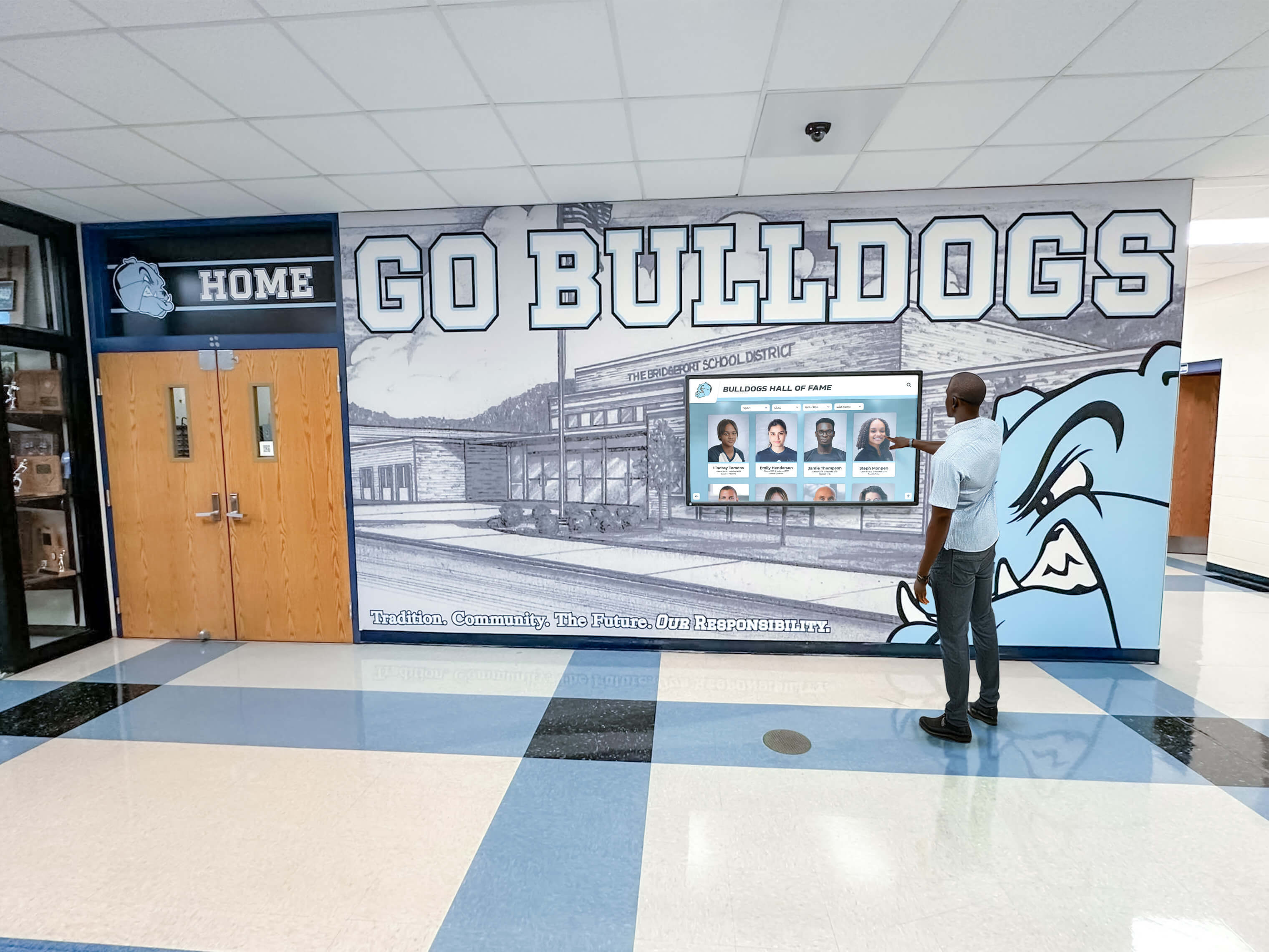
Interactive displays transform yearbook content into engaging, searchable experiences honoring all students across school history
Bring Your Elementary School Yearbooks to Life with Rocket Alumni Solutions
Ready to transform your elementary school yearbook archives into engaging digital recognition displays that celebrate student achievements across generations? Rocket Alumni Solutions specializes in creating interactive touchscreen displays and digital signage systems that make yearbook memories accessible, searchable, and meaningful for current students, alumni, and visitors.
Our innovative platforms allow schools to digitize yearbook content, combine it with other recognition elements like academic achievements and athletic accomplishments, and present everything through beautiful, user-friendly interfaces that bring school history to life. Whether you’re looking to preserve decades of yearbook memories, create alumni engagement opportunities, or build school pride through historical connections, we provide the technology and support ensuring your vision becomes reality.
Contact Rocket Alumni Solutions today to discover how our digital recognition solutions can honor your elementary school’s history, celebrate student achievements, and preserve precious yearbook memories for generations to come. Let’s work together to ensure that every student’s elementary school experience is recognized, remembered, and treasured.