Employee recognition ideas have evolved far beyond annual awards ceremonies and perfunctory thank-you emails. Modern organizations understand that meaningful recognition directly impacts employee satisfaction, retention, and performance. Research consistently shows that employees who feel appreciated are more engaged, productive, and loyal—yet many workplaces struggle to implement recognition programs that truly resonate.
According to workplace studies, recognition is one of the top drivers of employee engagement, with recognized employees showing significantly higher productivity and retention rates. Despite this, many organizations fail to implement systematic recognition approaches, leaving achievements unacknowledged and contributions invisible.
This comprehensive guide explores practical, meaningful employee recognition ideas spanning traditional approaches to innovative digital solutions—helping you build workplace cultures where every team member feels valued, accomplishments receive appropriate celebration, and excellence becomes embedded in organizational DNA.
Effective employee recognition doesn’t require elaborate budgets or complex programs. The most impactful recognition combines timeliness, authenticity, and personalization—acknowledging specific contributions in ways that align with individual preferences and company values. Whether you manage a small team or oversee enterprise-wide initiatives, these strategies provide actionable frameworks for creating recognition cultures where all employees thrive.

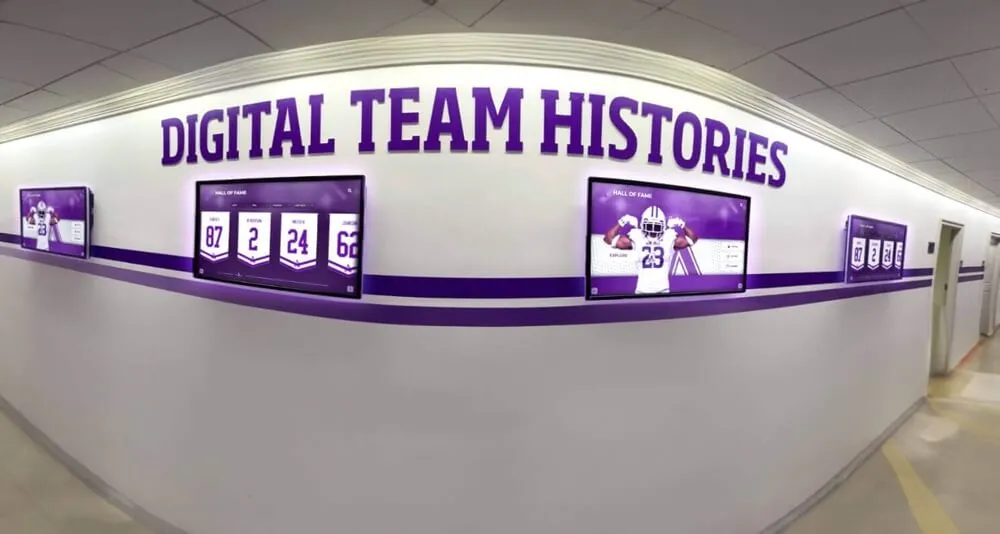
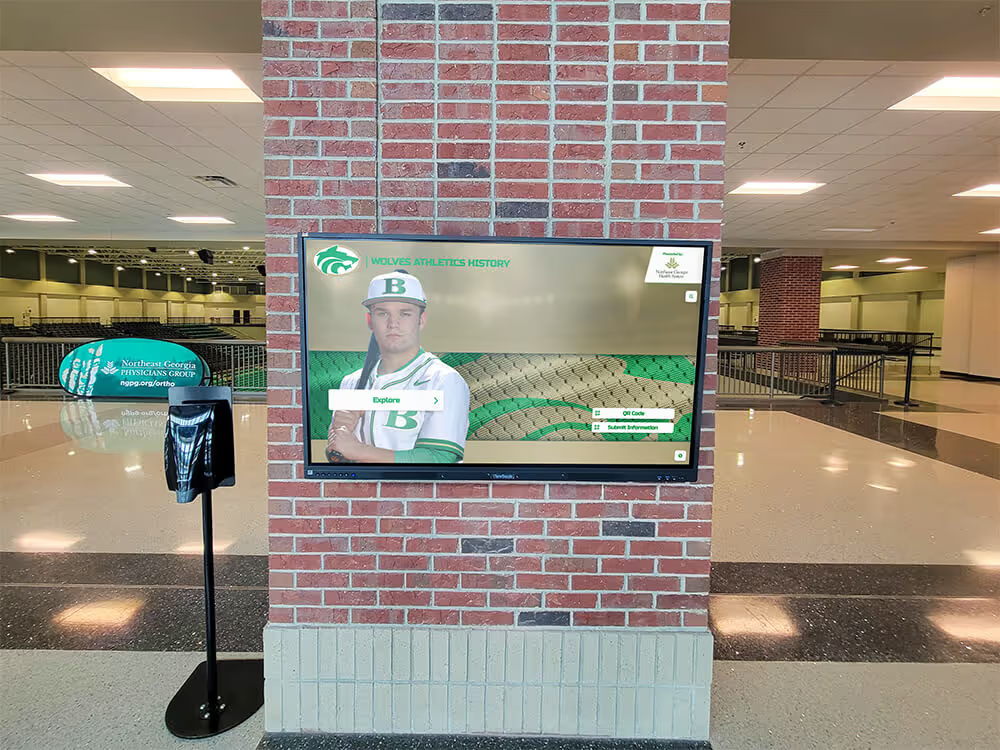
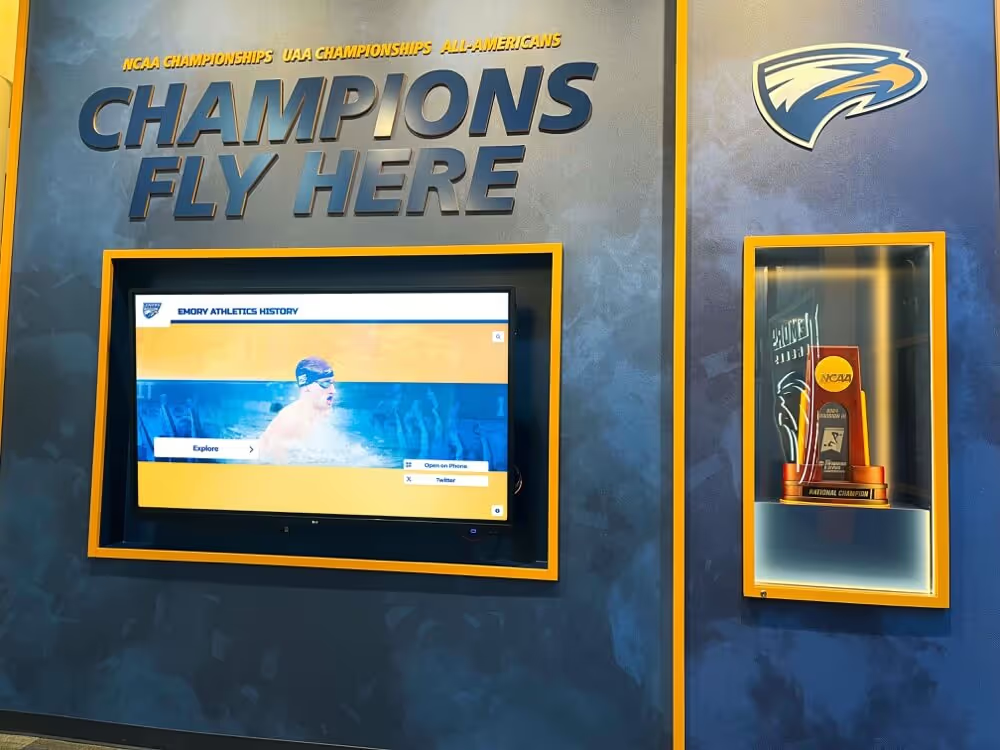
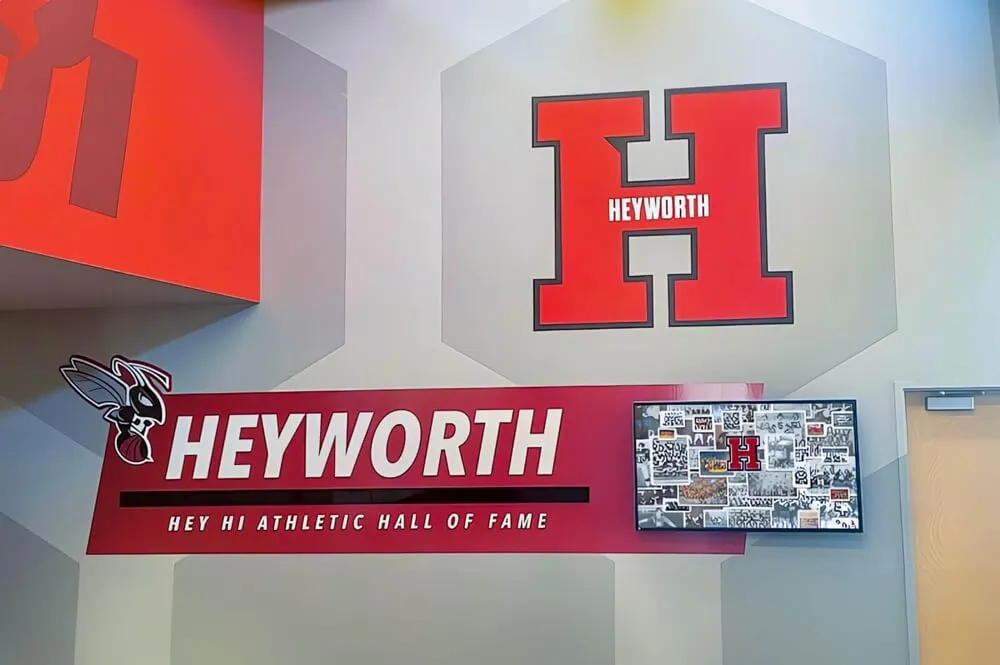
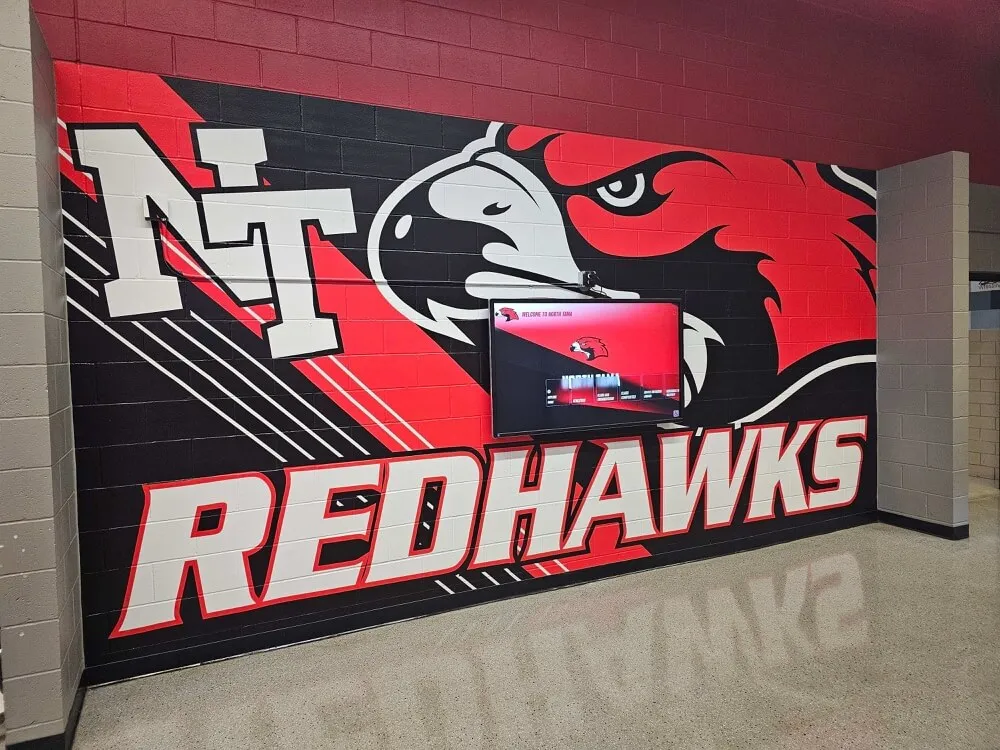
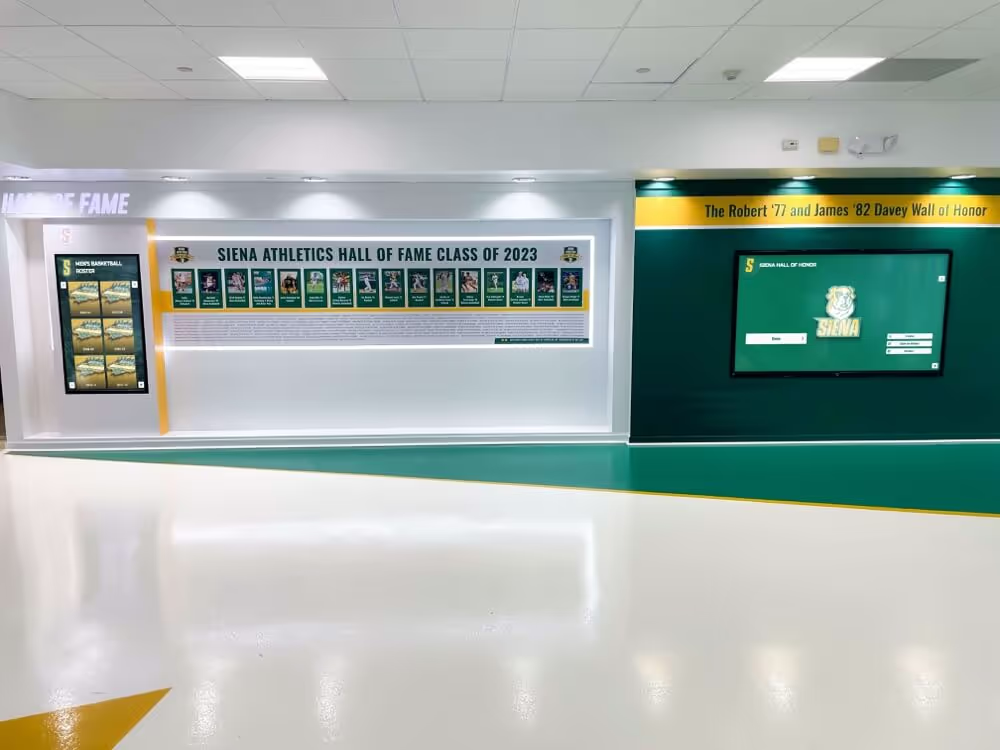
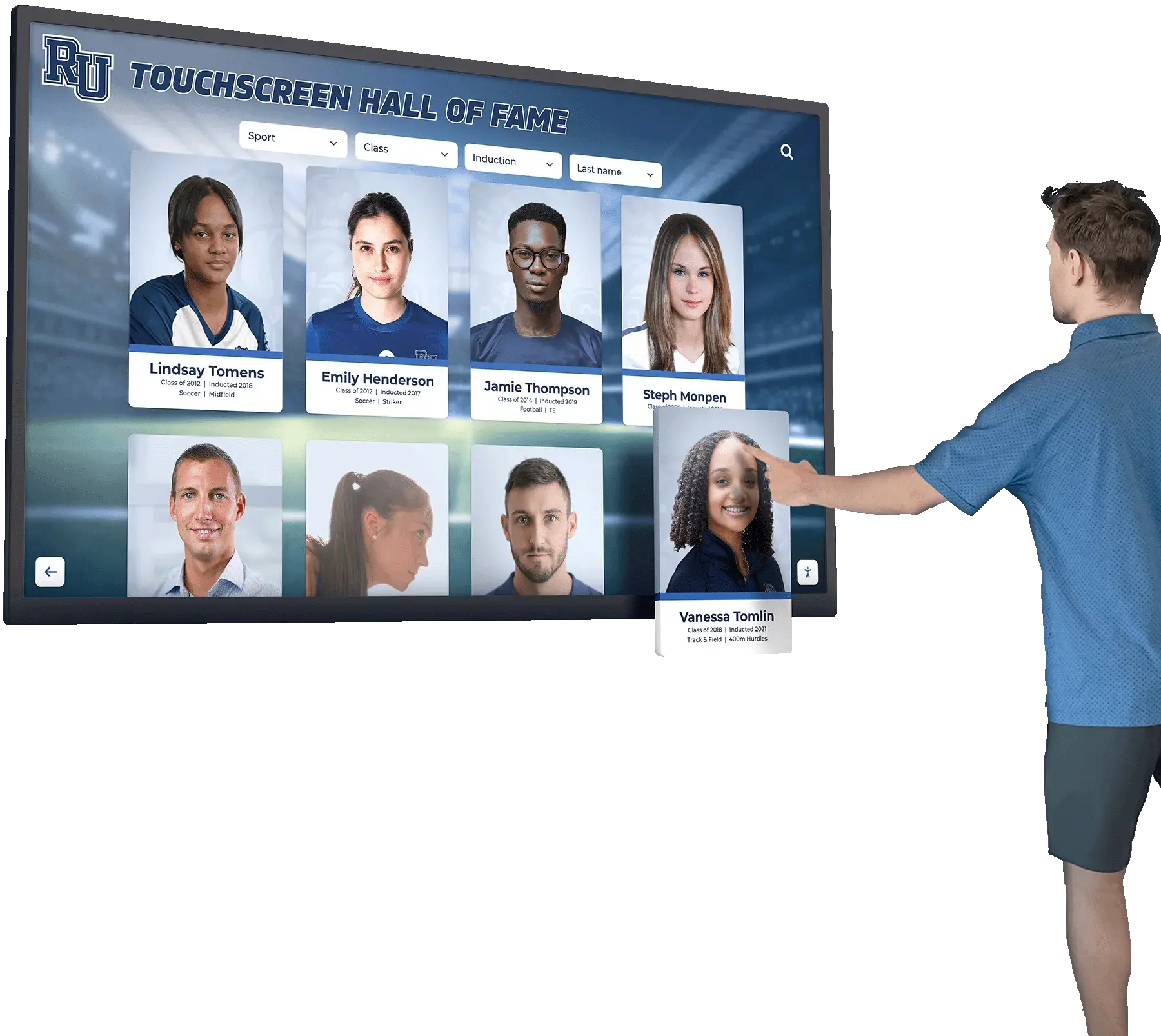
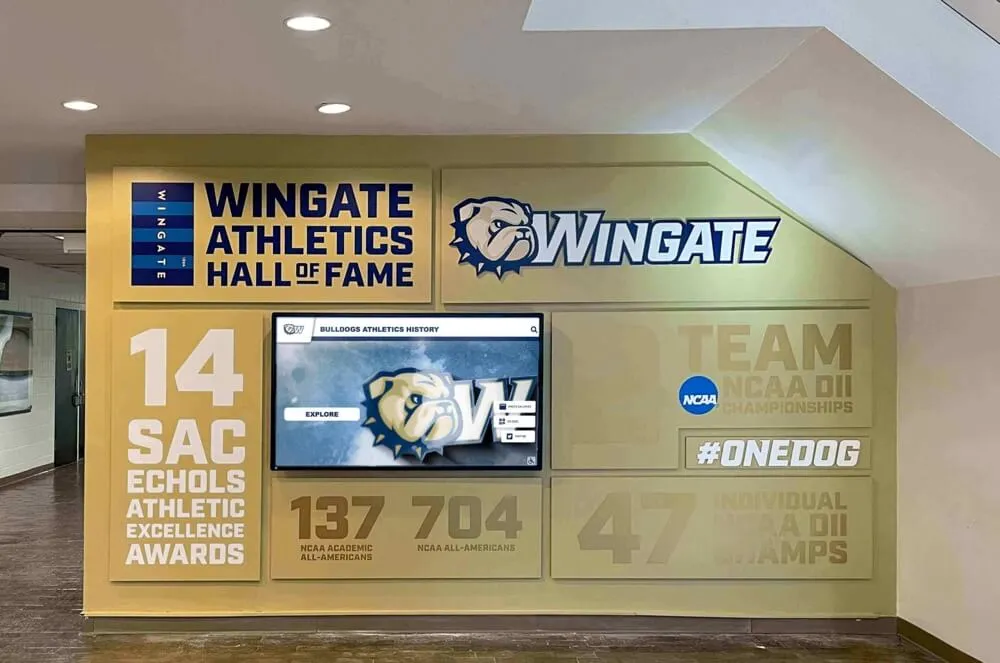
Modern recognition displays make employee achievements visible and celebrated throughout the organization
Why Employee Recognition Matters: The Business Case
Understanding the measurable impact of recognition helps organizations prioritize appreciation initiatives and allocate appropriate resources.
Research-Based Benefits of Employee Recognition
Workplace research demonstrates the transformative power of systematic employee acknowledgment:
Performance and Engagement Enhancement
- Organizations with recognition programs see measurably higher employee engagement scores
- Recognized employees demonstrate increased productivity and quality of work
- Regular acknowledgment creates positive reinforcement encouraging continued excellence
- Recognition programs improve overall workplace morale and team cohesion
Retention and Cultural Impact
- Employees who feel valued show significantly higher retention rates
- Recognition reduces turnover costs by improving job satisfaction
- Systematic appreciation creates cultures where achievement becomes aspirational
- Public recognition inspires peers while acknowledging individual contributions
According to human resources research, lack of recognition ranks among the top reasons employees leave organizations. Companies implementing comprehensive recognition programs reverse this trend, building stable teams that deliver consistent results while reducing costly turnover.
The Recognition Gap in Modern Workplaces
Despite recognition’s proven impact, many organizations struggle with implementation:
Common Challenges
- Limited manager training in effective recognition delivery
- Inconsistent acknowledgment across teams and departments
- Recognition that feels generic or impersonal
- Lack of systematic processes for consistent appreciation
- Budget constraints preventing elaborate programs
Cultural Barriers
- Recognition viewed as “nice to have” rather than strategic priority
- Focus on correcting problems over celebrating success
- Discomfort with public acknowledgment in some workplace cultures
- Uncertainty about appropriate recognition approaches
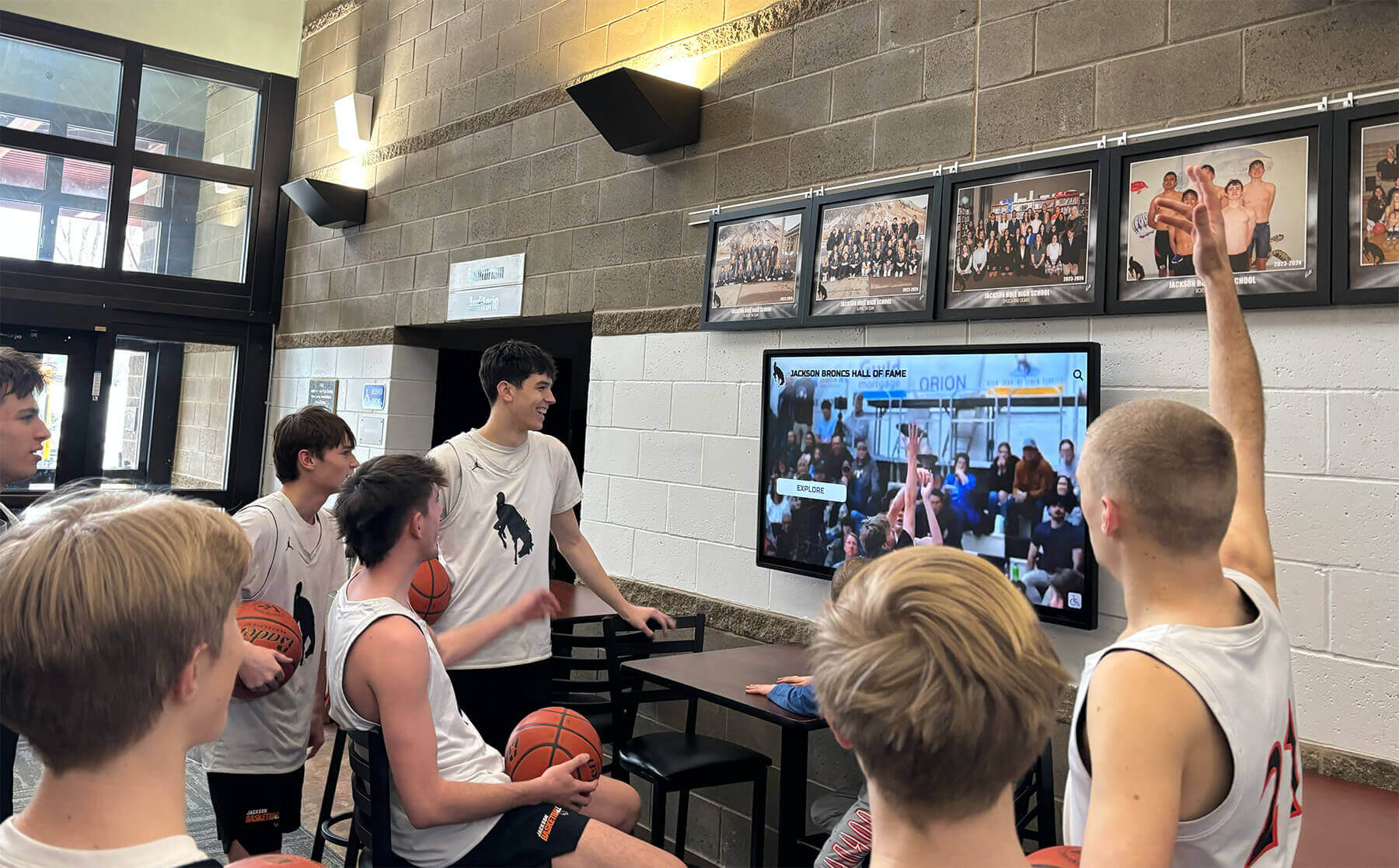
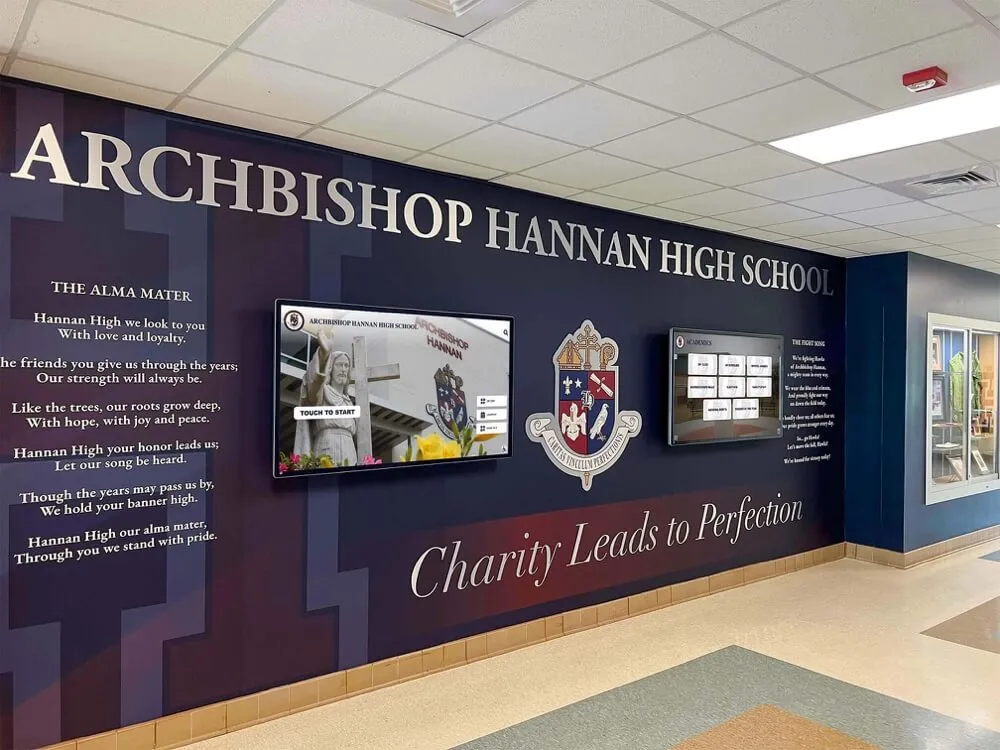
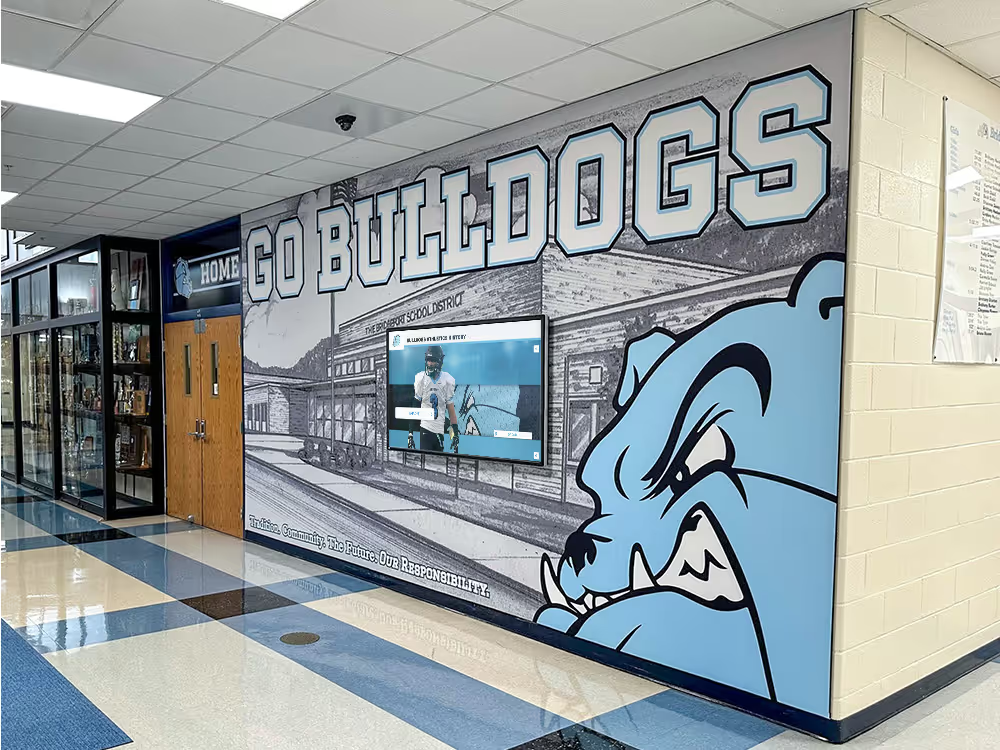
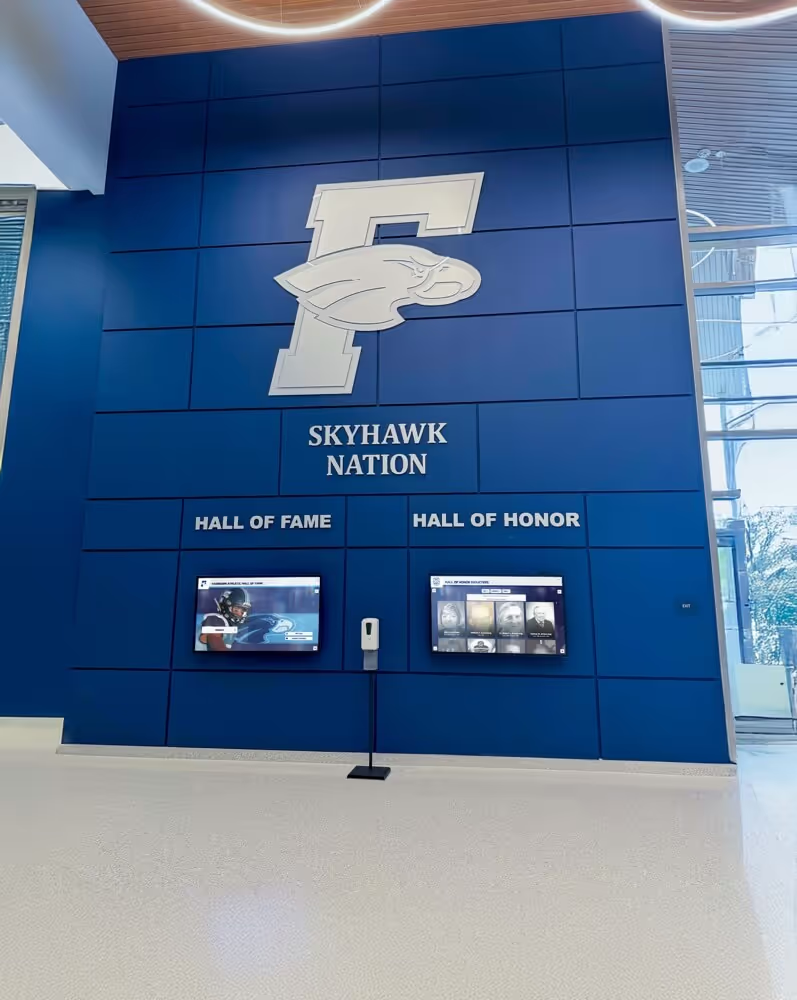
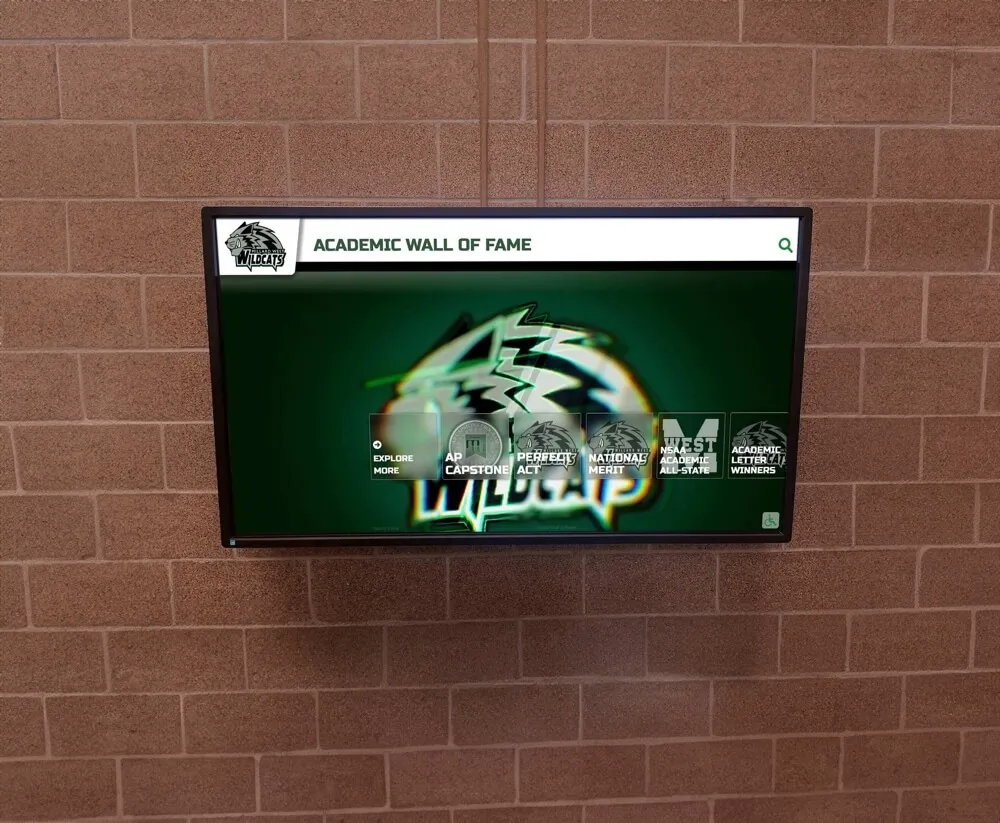
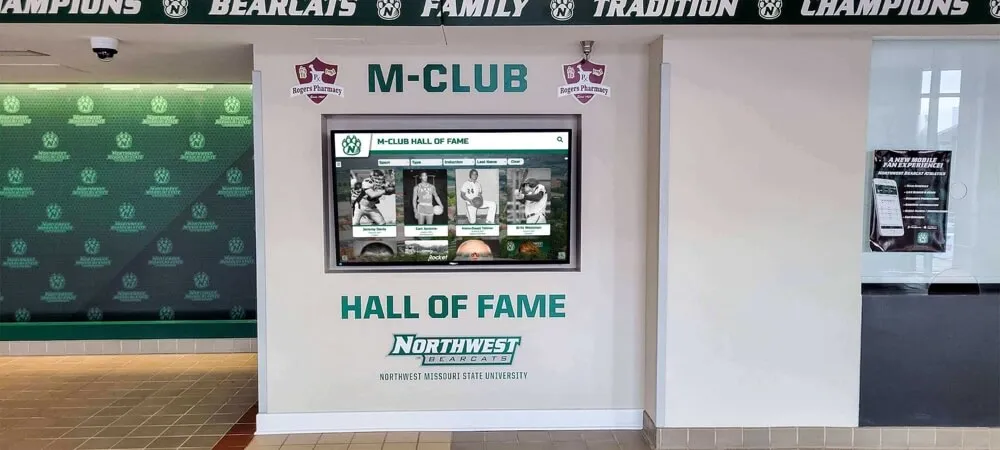
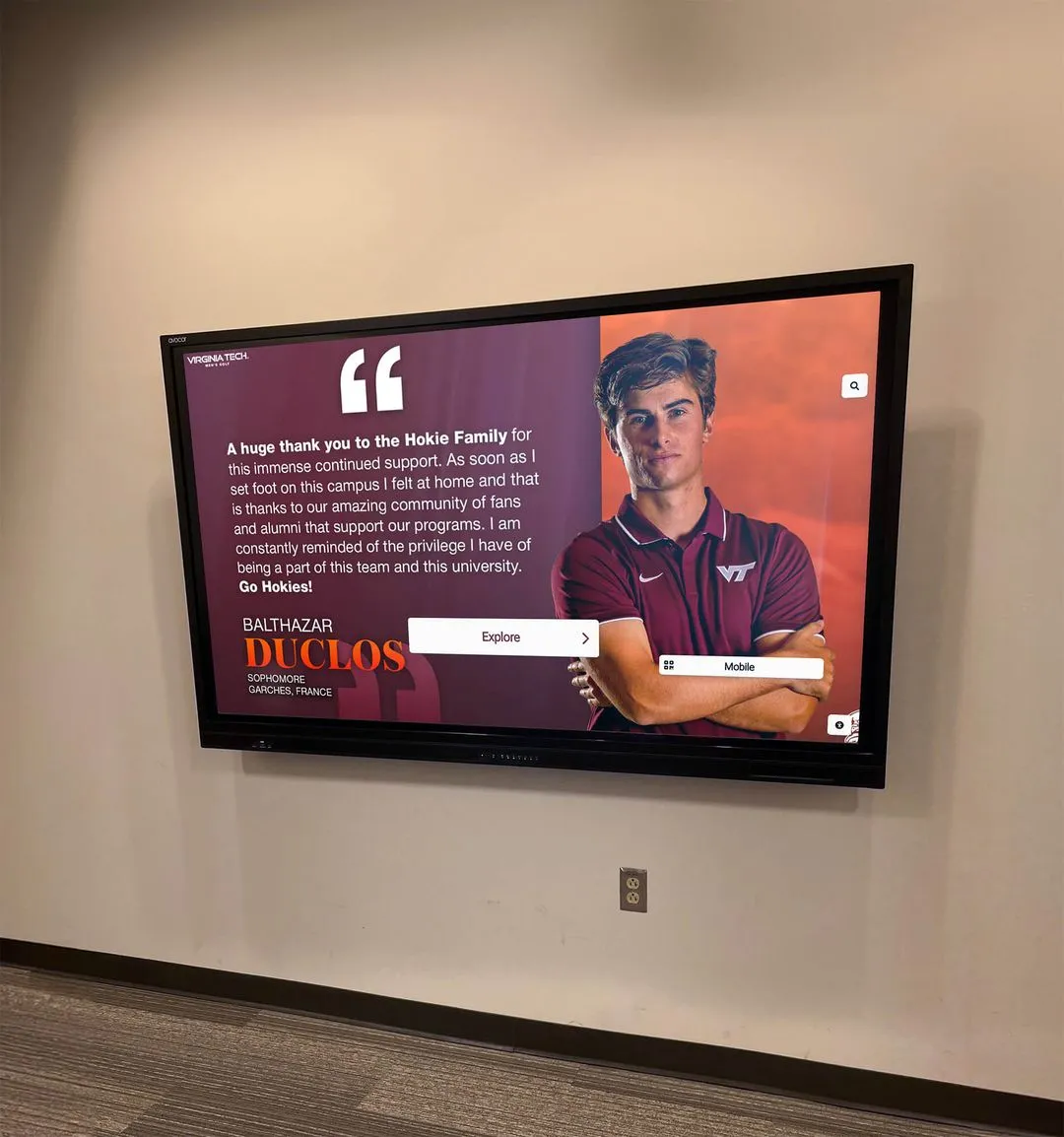
Digital displays create opportunities for teams to explore achievements and connect with organizational culture
The strategies in this guide address these challenges with practical, scalable approaches that maximize impact while respecting organizational capacity and resources.
Core Principles of Effective Employee Recognition
Before exploring specific ideas, understanding foundational principles ensures recognition resonates meaningfully with recipients.
Timeliness and Specificity
Immediate Acknowledgment Recognition loses impact when delayed. Acknowledge achievements as close to the accomplishment as possible—ideally within days, not weeks or months. Immediate recognition creates clear connections between behaviors and appreciation.
Specific Rather Than Generic Avoid vague praise like “great job” or “thanks for your hard work.” Instead, reference specific contributions: “Your detailed analysis in yesterday’s client presentation helped us secure the contract. The competitive research you compiled answered every question they raised.”
Specific recognition demonstrates genuine attention and understanding, making appreciation feel authentic rather than perfunctory.
Authenticity and Personalization
Genuine Appreciation Employees quickly detect insincere recognition. Appreciation should reflect genuine gratitude for contributions that matter. Avoid recognition inflation where every action receives excessive praise, diminishing acknowledgment’s value.
Personalized Approaches Employees have different recognition preferences. Some appreciate public celebration while others prefer private acknowledgment. Some value tangible rewards while others prioritize verbal appreciation. Effective recognition considers individual preferences whenever possible.
Learn more about building sustained engagement ecosystems that incorporate personalized recognition approaches.
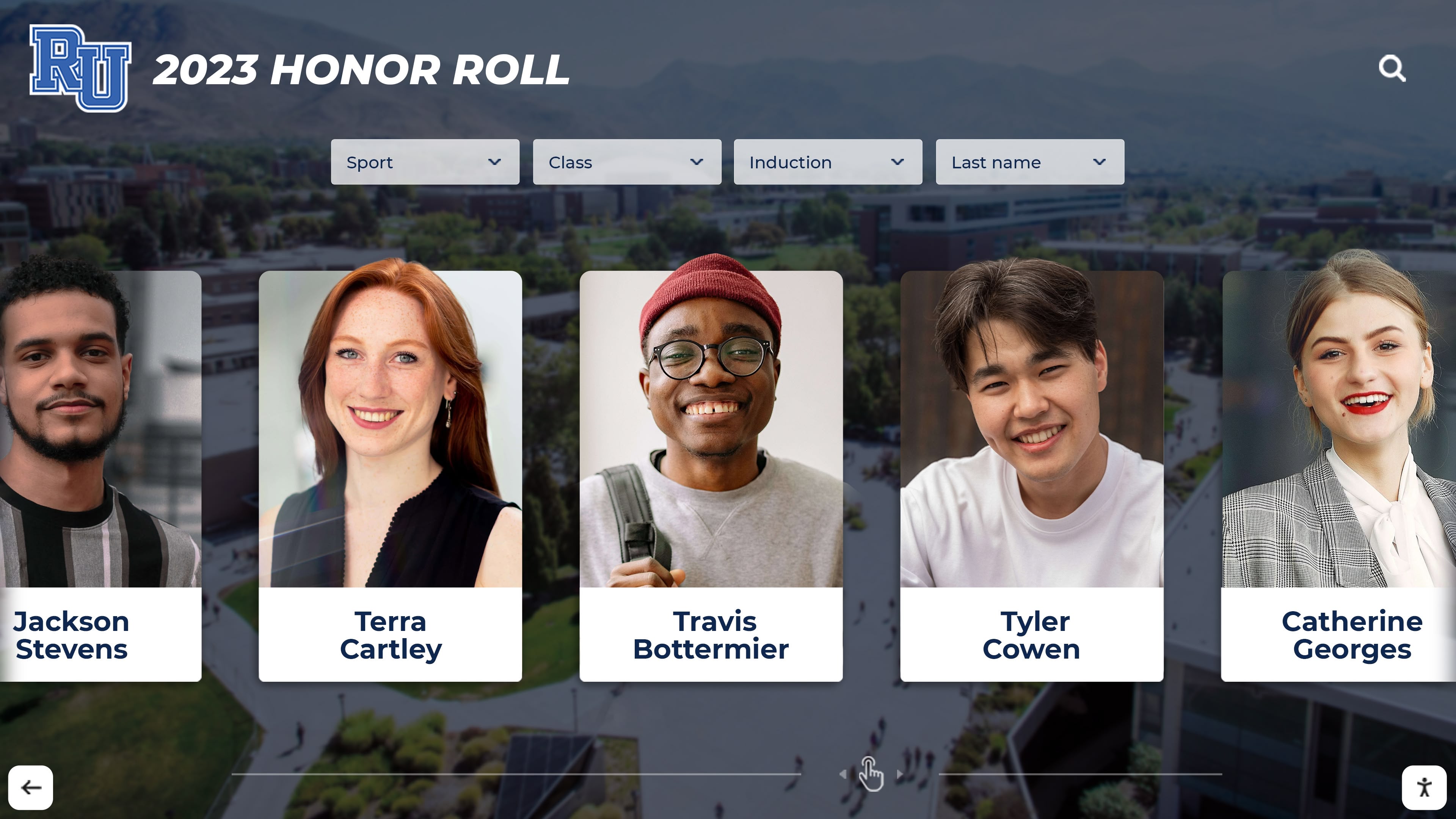
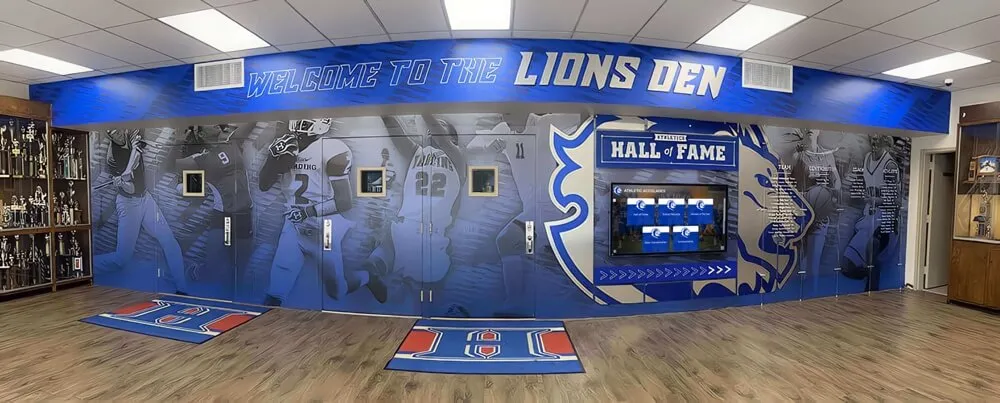
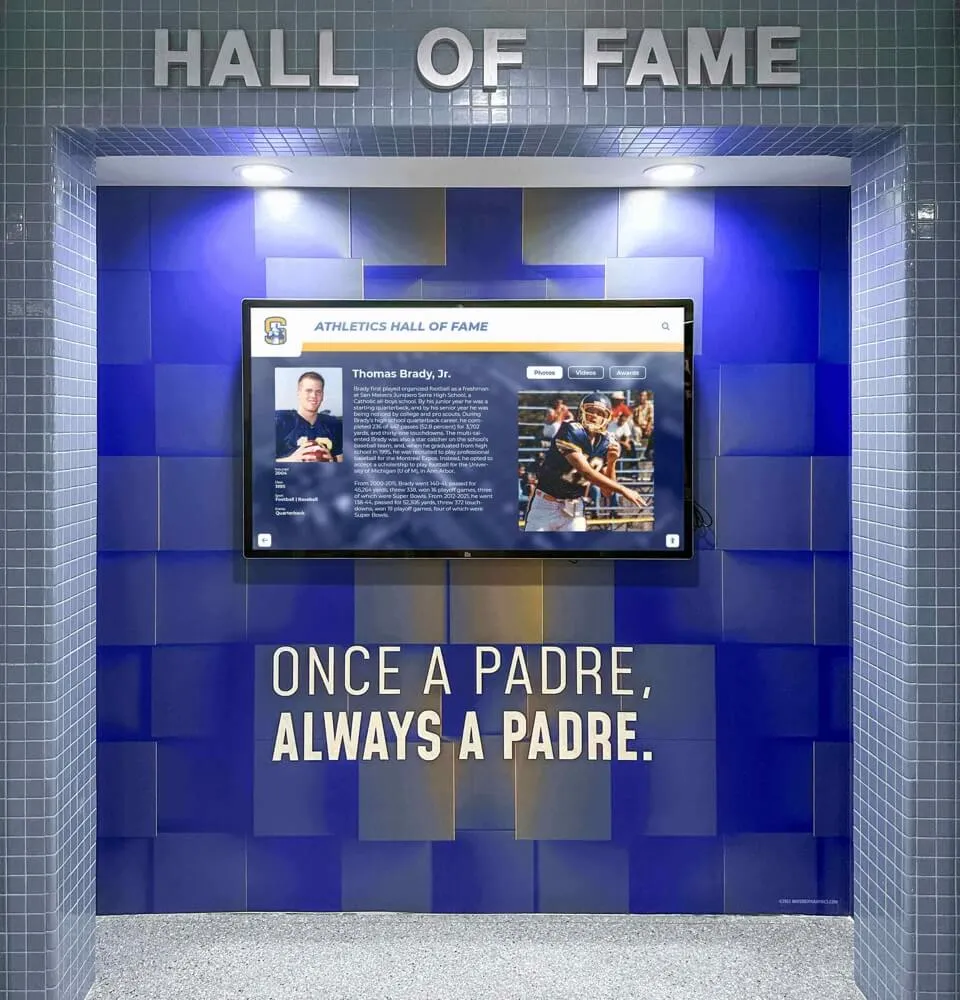
Individual recognition profiles celebrate specific contributions and professional journeys
Multi-Level Recognition
Peer-to-Peer Recognition Recognition shouldn’t flow only from managers downward. Peer-to-peer appreciation programs enable colleagues to acknowledge each other’s contributions, building team cohesion while distributing recognition responsibility.
Upward Recognition Don’t overlook opportunities for employees to recognize managers and leaders. Upward recognition creates cultural reciprocity while acknowledging leadership contributions that support team success.
Cross-Functional Recognition Recognition across department boundaries acknowledges collaborative achievements while building organizational unity beyond individual teams.
Verbal and Written Recognition Ideas
Simple verbal and written appreciation often creates the most meaningful impact when delivered thoughtfully.
Personal Communication Approaches
1. Handwritten Thank-You Notes Personal handwritten notes from managers or leaders create tangible appreciation that employees often save for years. Include specific details about contributions and their impact on team or organizational success.
2. Public Team Meeting Recognition Acknowledge achievements during team meetings, providing context about contributions and their significance. Keep recognition authentic and specific rather than cursory mentions in meeting agendas.
3. One-on-One Appreciation Conversations Schedule dedicated time to personally thank employees for contributions, explaining specifically why their work mattered. These private conversations allow for deeper discussion about impact and importance.
4. Executive Email Recognition For significant achievements, arrange for senior leaders to send personal appreciation emails. Executive acknowledgment demonstrates that contributions receive visibility at the highest organizational levels.
5. Recognition in Company-Wide Communications Feature employee achievements in company newsletters, all-hands meetings, or internal communication platforms. Public recognition honors individuals while inspiring broader organizational excellence.
Explore approaches to corporate employee recognition programs that incorporate multiple communication channels.
Milestone and Anniversary Recognition
6. Work Anniversary Celebrations Systematically acknowledge employment anniversaries—especially significant milestones like 5, 10, 15, and 20 years. Include cumulative contributions and organizational changes witnessed during tenure.
7. Project Completion Recognition Mark major project completions with team celebrations, acknowledging individual contributions to collective success. Recognition creates positive conclusions to intensive work periods.
8. Professional Development Milestones Celebrate certifications earned, degrees completed, or professional development achievements. Recognition demonstrates organizational investment in employee growth.
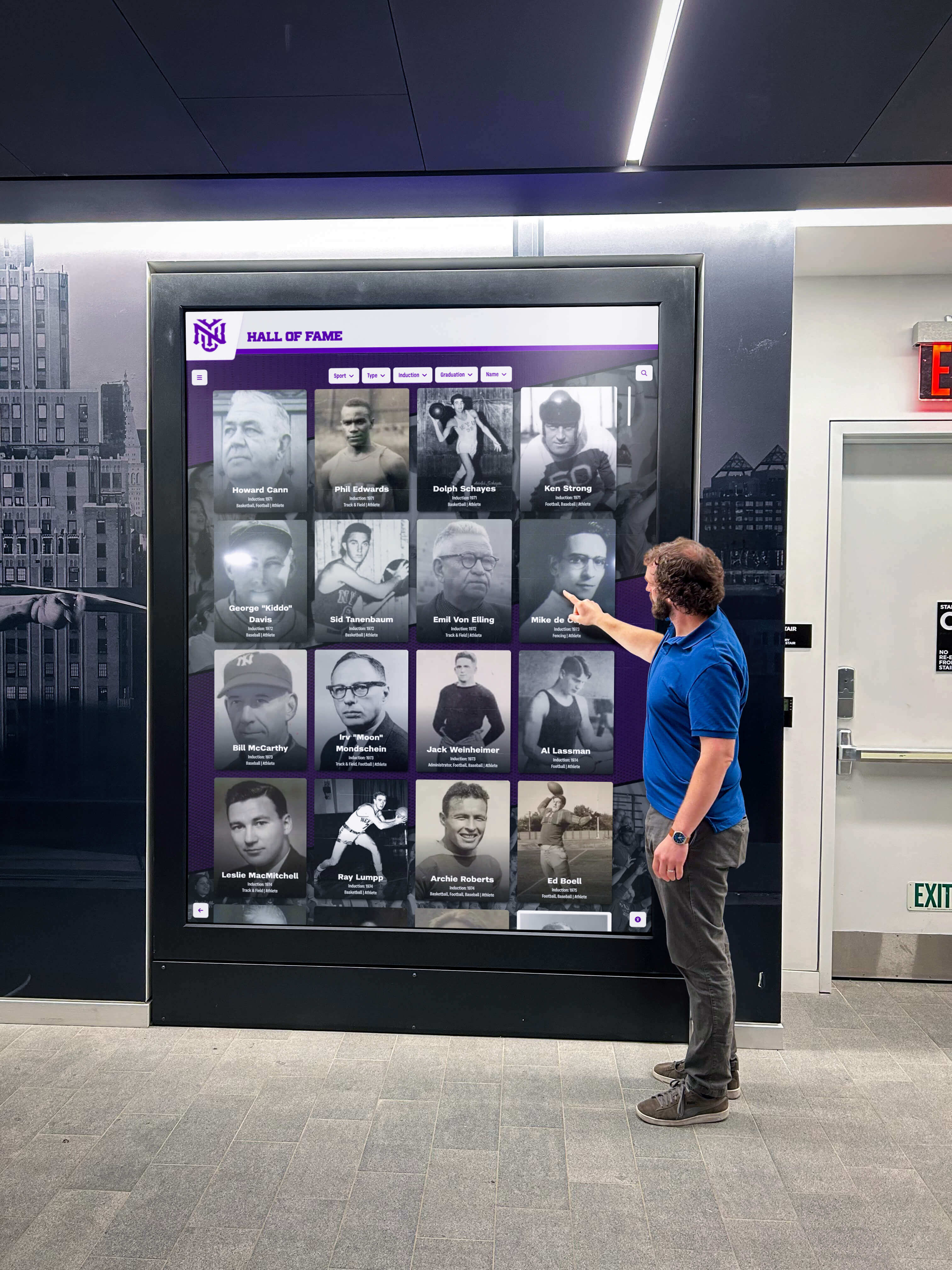
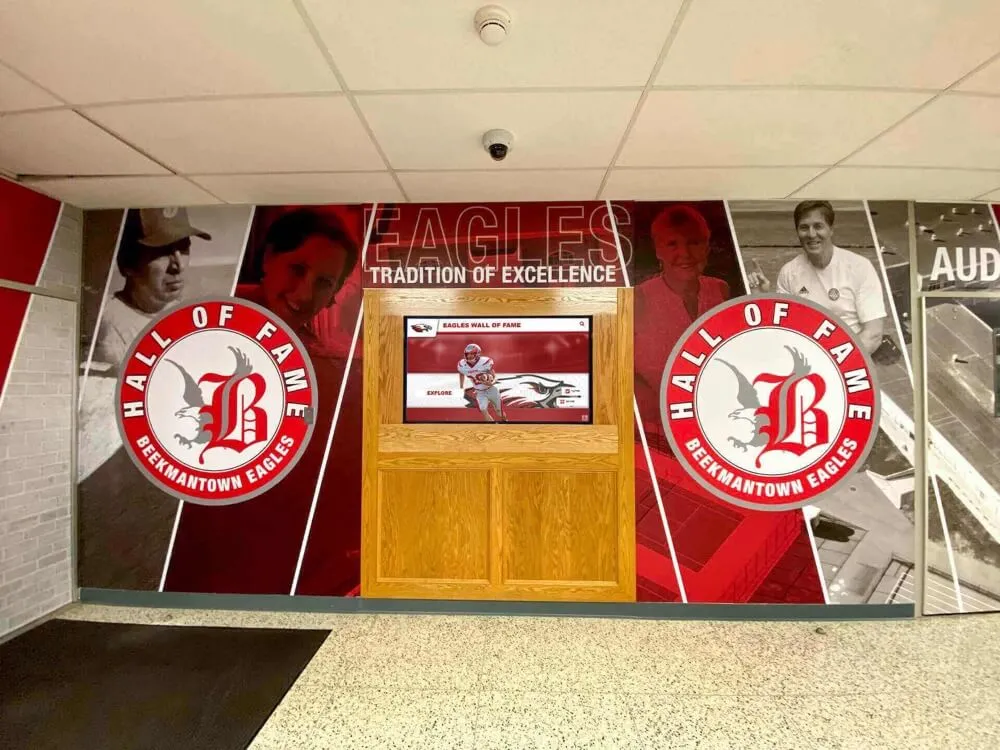
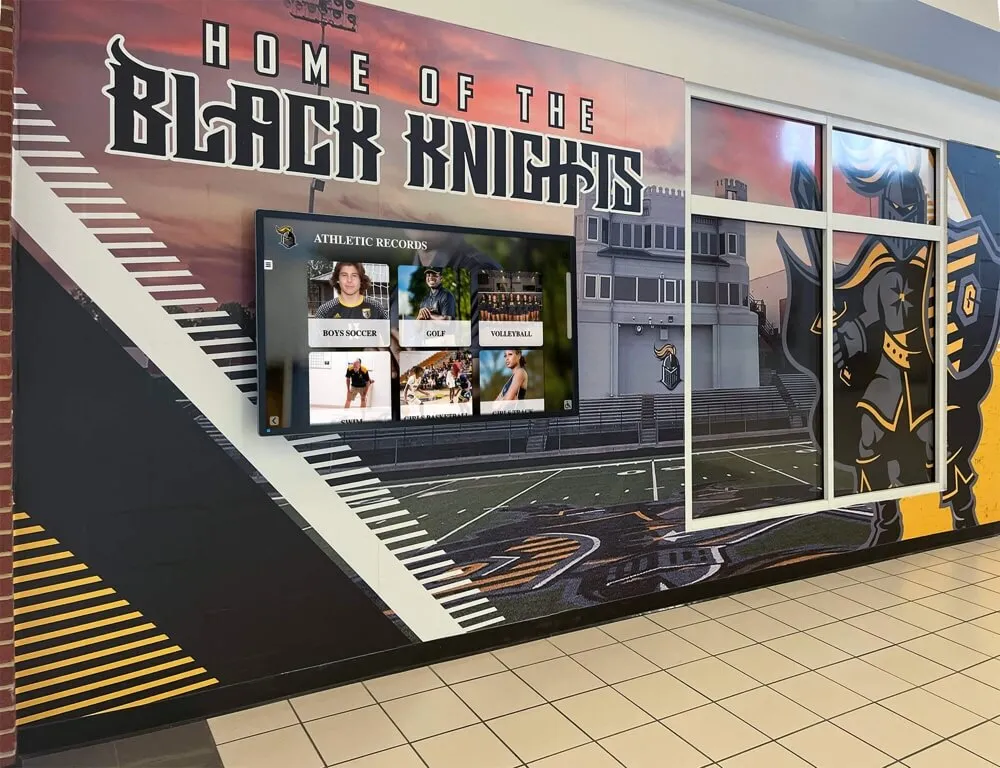
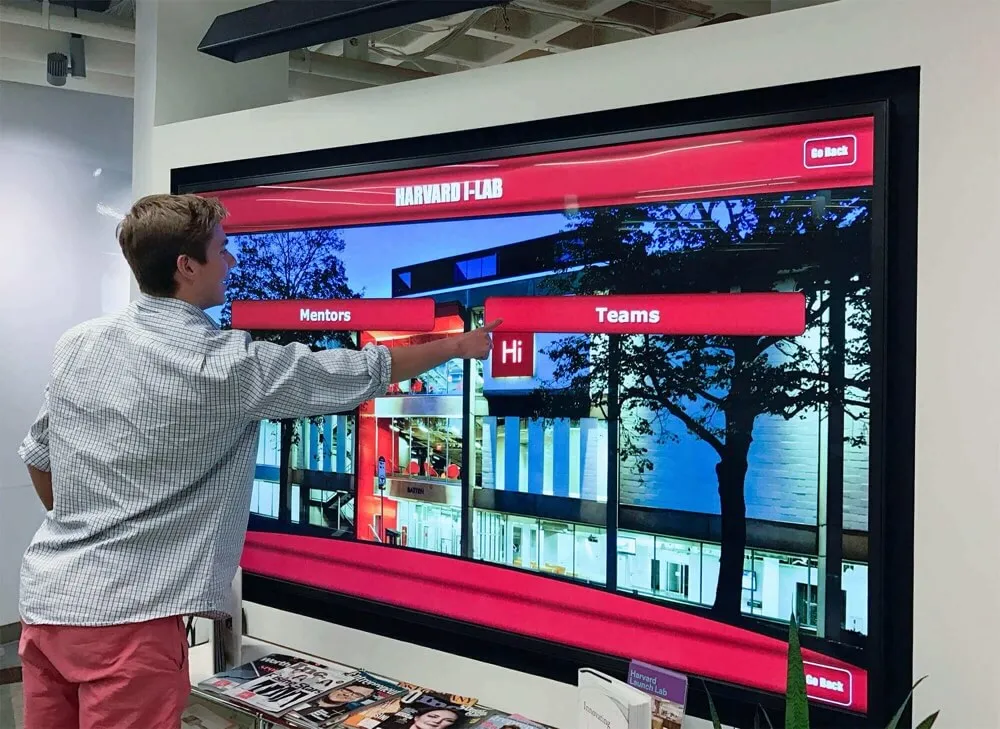
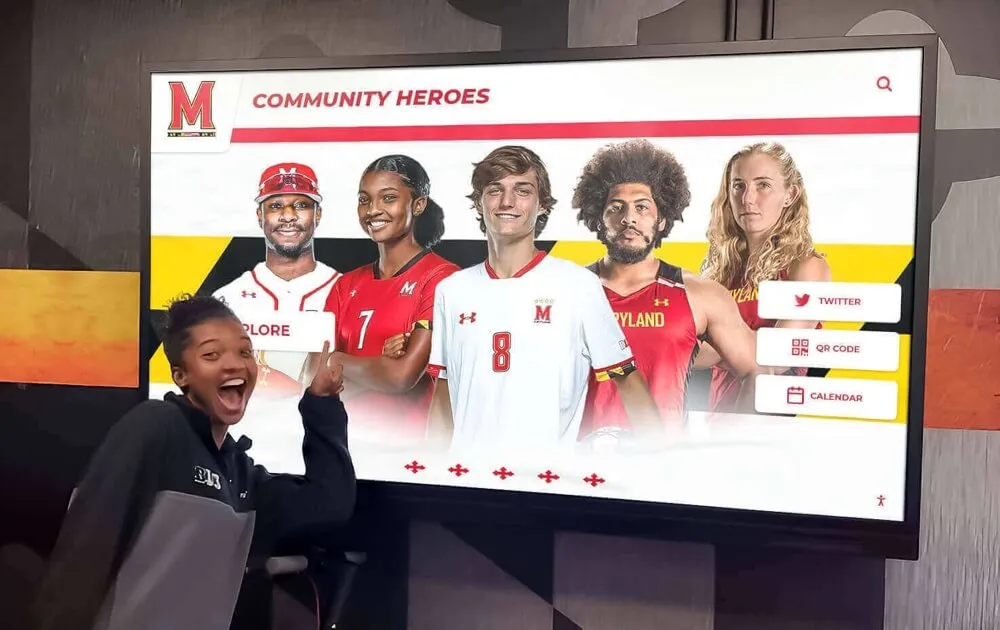
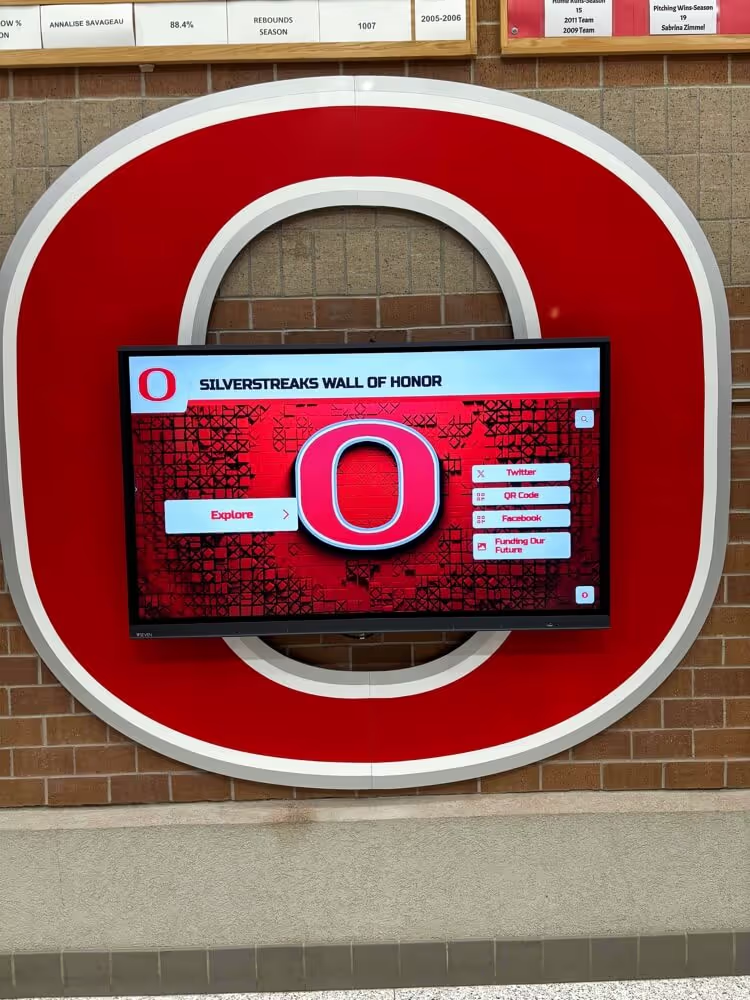
Interactive displays enable employees to explore colleague achievements and organizational culture
Tangible Recognition Ideas
While verbal appreciation matters most, tangible recognition provides lasting reminders of achievement and organizational appreciation.
Awards and Symbolic Recognition
9. Employee of the Month Programs Traditional but effective when criteria remain clear and selection processes feel fair. Rotate recognition across teams and departments ensuring diverse employees receive acknowledgment.
10. Customized Awards and Trophies For significant achievements, present physical awards or trophies that employees can display in workspaces. Engraved plaques or custom recognition pieces create lasting symbols of accomplishment.
11. Recognition Certificates Formal certificates acknowledging specific achievements or contributions provide tangible documentation of recognition. Frame certificates or create digital versions for electronic portfolios.
12. Company Branded Gifts Tasteful company-branded items—quality jackets, bags, or accessories—serve as recognition while reinforcing organizational pride. Ensure gifts feel premium rather than promotional.
Learn about creative ways to showcase team achievements adaptable to workplace settings.
Experience-Based Recognition
13. Additional Paid Time Off Reward exceptional contributions with extra vacation days or personal time. Time-based recognition acknowledges that work-life balance matters to employees.
14. Professional Development Opportunities Sponsor conference attendance, training programs, or certification courses for high-performing employees. Recognition that builds skills demonstrates investment in employee futures.
15. Choice of Projects or Assignments Allow top performers first choice of upcoming projects or preferred assignments. Recognition through opportunity creates ongoing benefit beyond one-time acknowledgment.
16. Flexible Work Arrangements For sustained excellence, offer enhanced flexibility—additional remote work days, flexible scheduling, or compressed workweeks. Recognition that improves quality of life resonates powerfully.
17. Special Parking Spots Designate premium parking spaces for employees of the month or quarter. Visible, daily recognition creates ongoing acknowledgment of achievement.
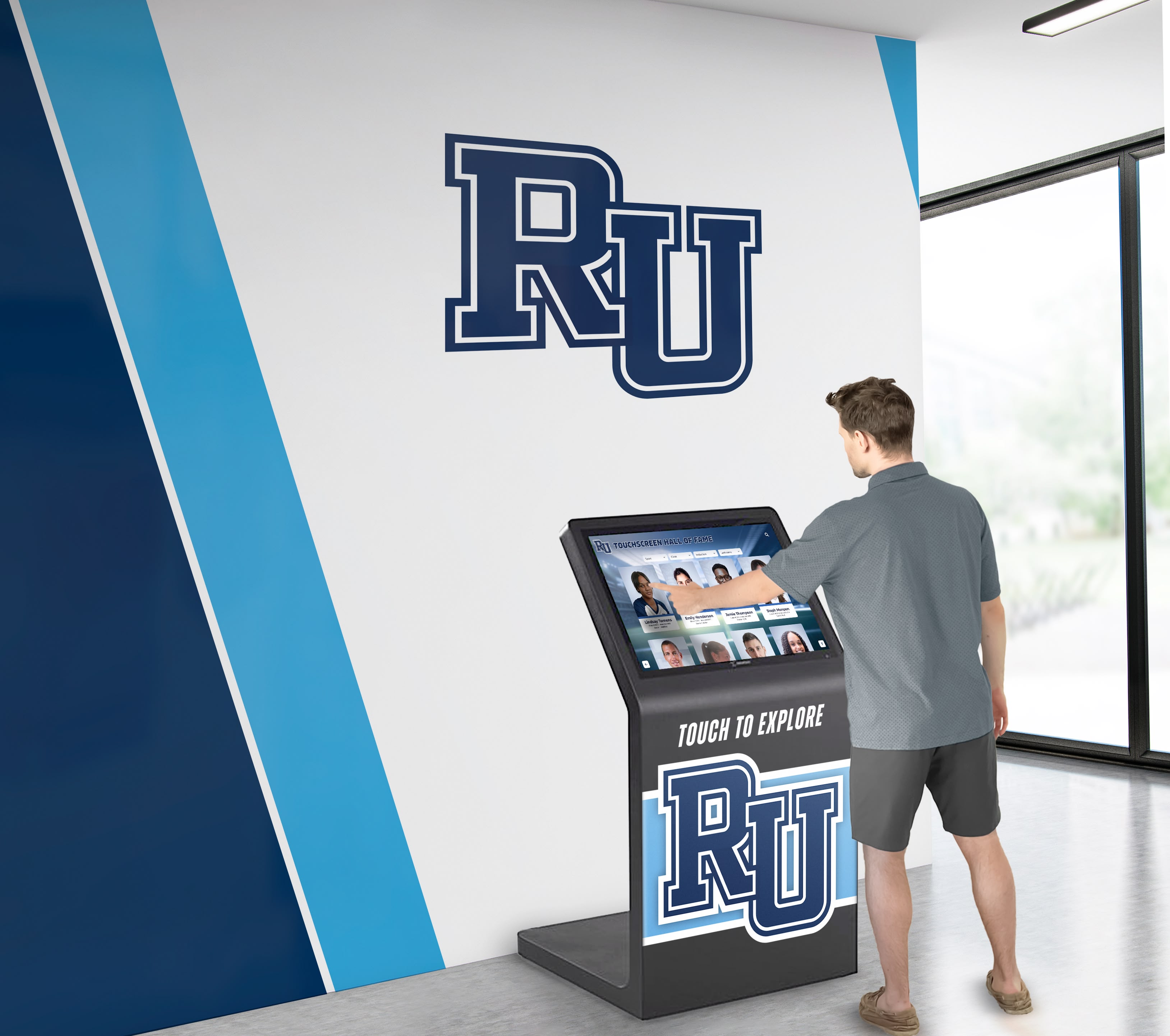
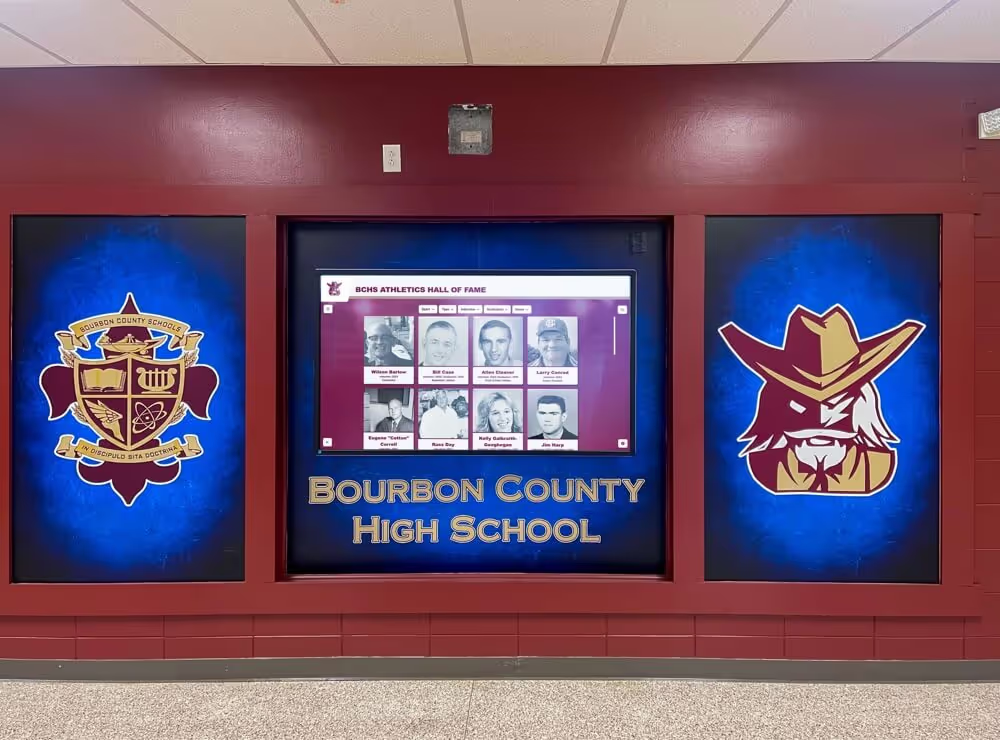
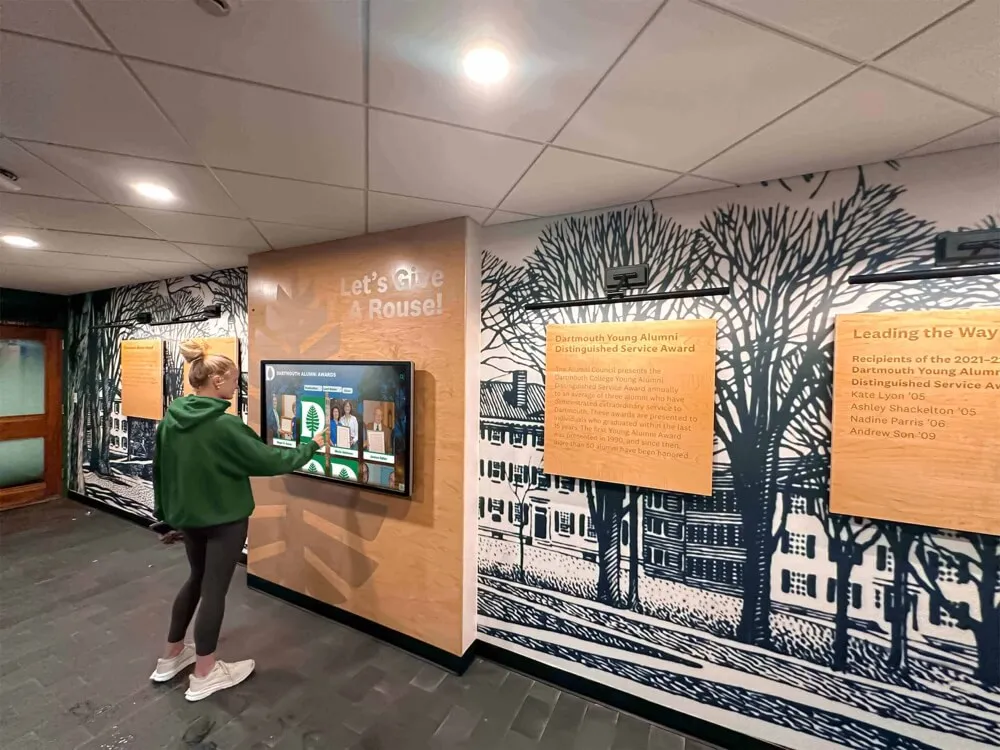
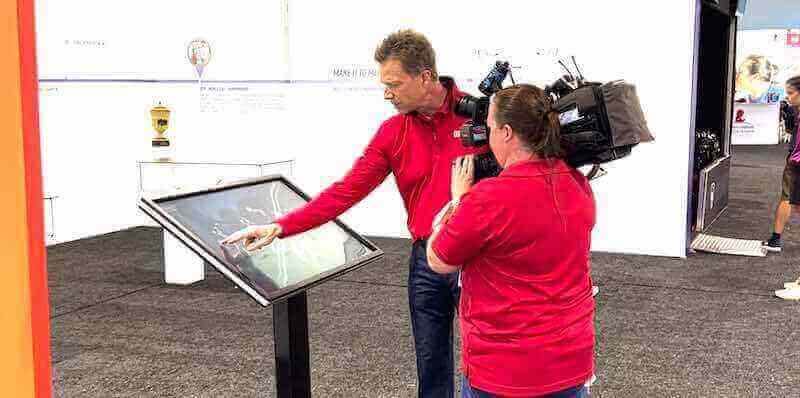
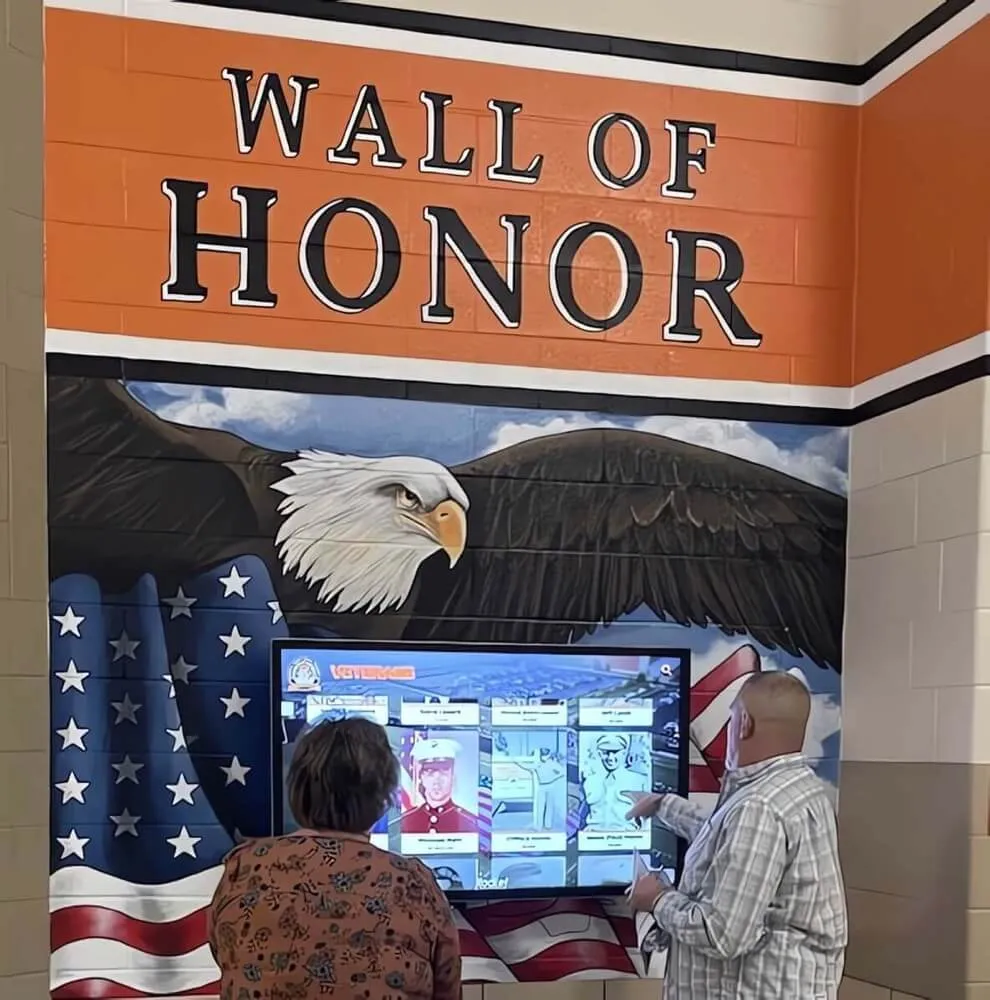
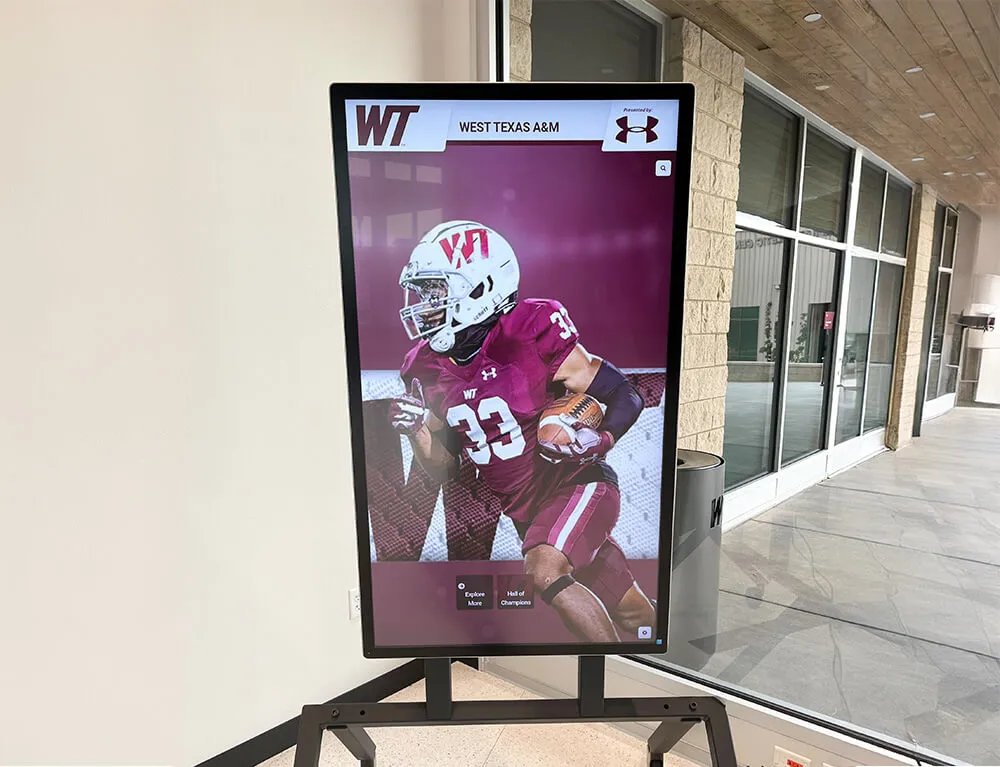
Touchscreen kiosks in common areas enable easy exploration of employee achievements and organizational history
Team-Based Recognition Ideas
Recognition extends beyond individual achievement to acknowledge collaborative success and team excellence.
Collective Celebration Approaches
18. Team Achievement Celebrations Host celebrations when teams complete major projects or reach significant milestones. Recognition events build team cohesion while acknowledging collective contributions.
19. Department Excellence Awards Create recognition categories for team performance—innovation, customer service, operational excellence—ensuring all departments have achievement opportunities.
20. Cross-Functional Collaboration Recognition Specifically acknowledge teams that successfully collaborate across organizational boundaries. Recognition reinforces the collaboration organizations need to thrive.
21. Team Lunches or Outings Celebrate team achievements with catered lunches, team outings, or social events. Shared experiences build relationships while acknowledging collective success.
Explore team recognition strategies that celebrate collaborative achievement.
Peer Recognition Programs
22. Peer Nomination Systems Implement platforms where employees nominate colleagues for recognition, explaining contributions and impact. Peer-driven recognition distributes appreciation beyond manager discretion.
23. Recognition Boards or Walls Create physical or digital spaces where employees can post appreciation for colleagues. Public thank-you boards build positive workplace culture while making recognition visible.
24. Team Member of the Month Within teams, rotate recognition highlighting different members’ contributions monthly. Structured rotation ensures all team members eventually receive acknowledgment.
Digital Recognition Solutions
Technology enables scalable recognition approaches that create lasting visibility for employee achievements.
Digital Display Recognition
25. Interactive Recognition Displays Digital touchscreen systems installed in common areas showcase employee achievements with photos, profiles, and accomplishment details. Solutions like Rocket Alumni Solutions provide comprehensive recognition platforms combining hardware with cloud-based content management.
26. Digital Recognition Walls Wall-mounted displays in lobbies or break rooms feature rotating employee profiles, achievements, and contributions. Digital walls overcome space limitations of traditional plaques while enabling rich multimedia storytelling.
27. Recognition Screensavers Deploy company-wide screensavers featuring employee achievements, photos, and appreciation messages. Passive recognition reaches all employees throughout workdays.
28. Intranet Recognition Features Dedicate intranet sections to employee recognition with searchable databases of achievements, profiles, and recognition history. Online platforms ensure recognition remains accessible organization-wide.
Learn about digital recognition display implementation for workplace applications.
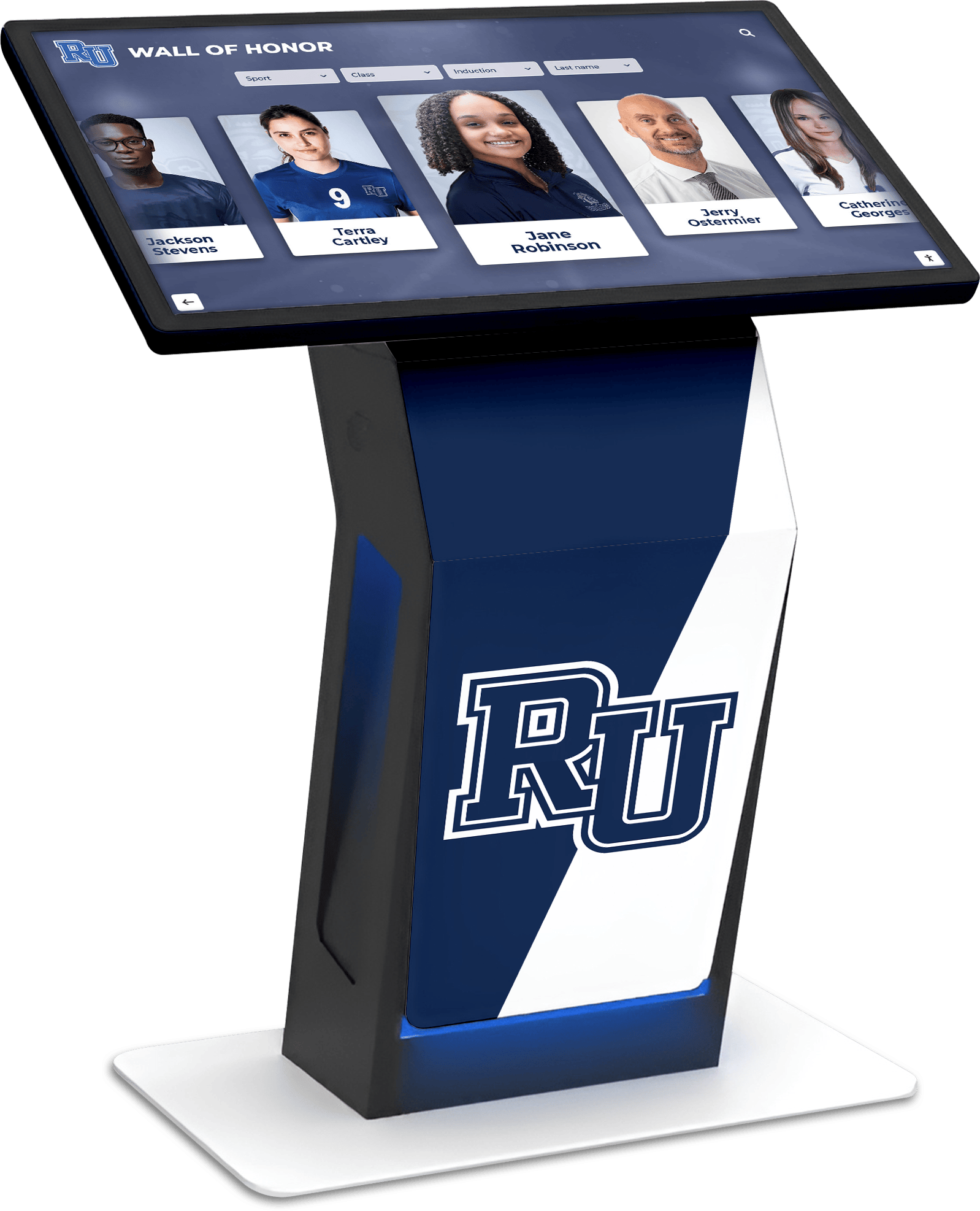
Modern recognition systems integrate touchscreen displays with cloud platforms for easy content management
Social and Platform-Based Recognition
29. Social Media Recognition Publicly recognize employees on company social media channels (with permission), sharing achievements and celebrating contributions. External recognition demonstrates organizational pride while honoring individuals.
30. Internal Communication Platform Recognition Use Slack, Teams, or other communication platforms for real-time recognition. Dedicated recognition channels create visible appreciation streams accessible to all employees.
31. Recognition Software Platforms Implement dedicated employee recognition platforms enabling peer-to-peer appreciation, badge systems, and points-based rewards. Technology scales recognition beyond manager capacity.
32. Email Recognition Campaigns Send company-wide recognition emails highlighting achievements and contributions. Regular recognition communications reinforce appreciation cultures while keeping accomplishments visible.
Discover touchscreen software approaches for employee recognition implementations.
Creative and Unique Recognition Ideas
Innovation in recognition keeps appreciation fresh while demonstrating thoughtfulness beyond standard approaches.
Personalized Recognition
33. Custom Recognition Videos Create short video compilations featuring colleagues and leaders thanking employees for specific contributions. Personalized videos demonstrate significant effort and create emotional impact.
34. Professional Development Profiles Document employee growth journeys through profiles highlighting career progression, skills developed, and contributions over time. Recognition that tells complete stories honors sustained excellence.
35. “Day in the Life” Features Create content spotlighting employees’ roles, responsibilities, and contributions. Behind-the-scenes recognition helps colleagues understand diverse organizational functions.
36. Recognition Through Naming Name conference rooms, internal programs, or initiatives after employees who champion those areas. Permanent naming recognition honors sustained contributions.
Explore alumni recognition approaches adaptable to employee appreciation.
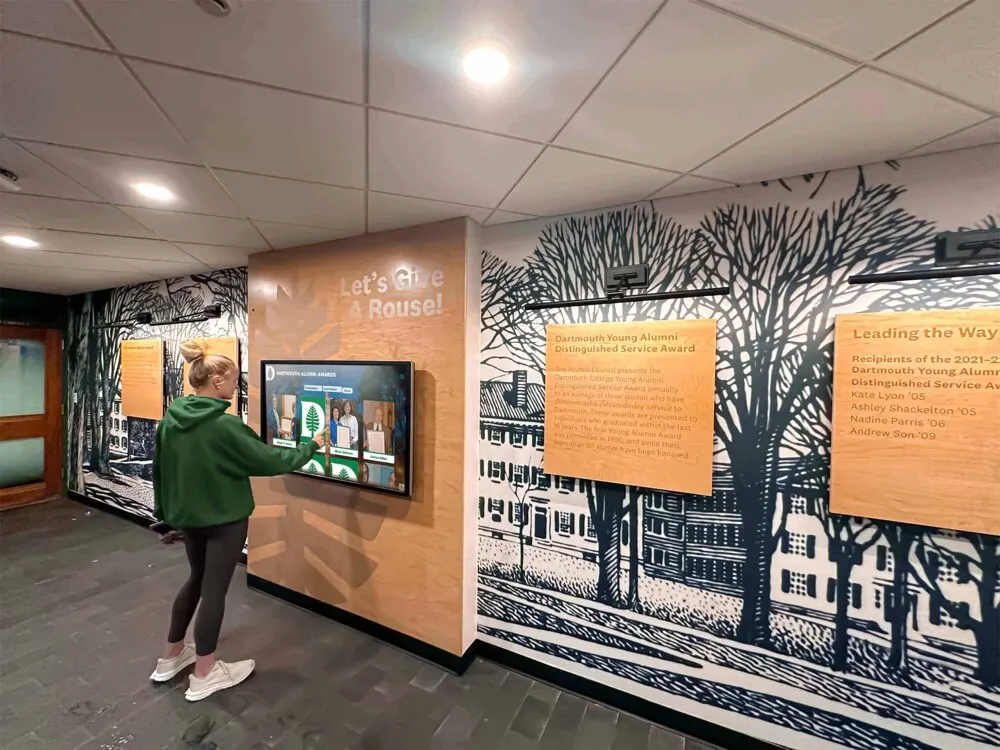
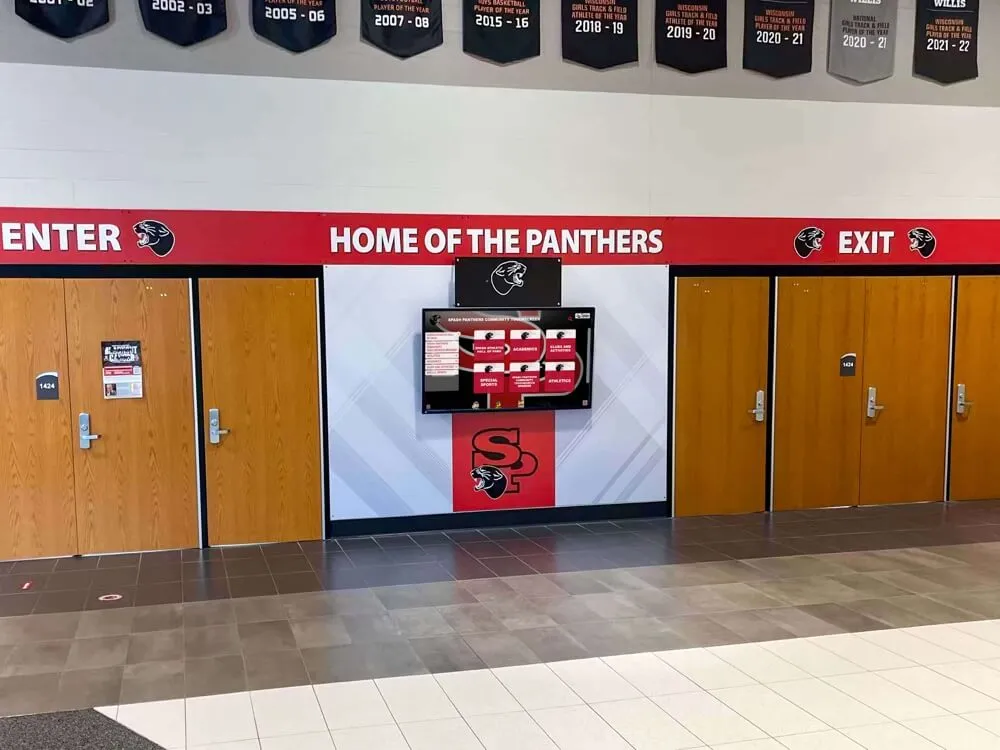
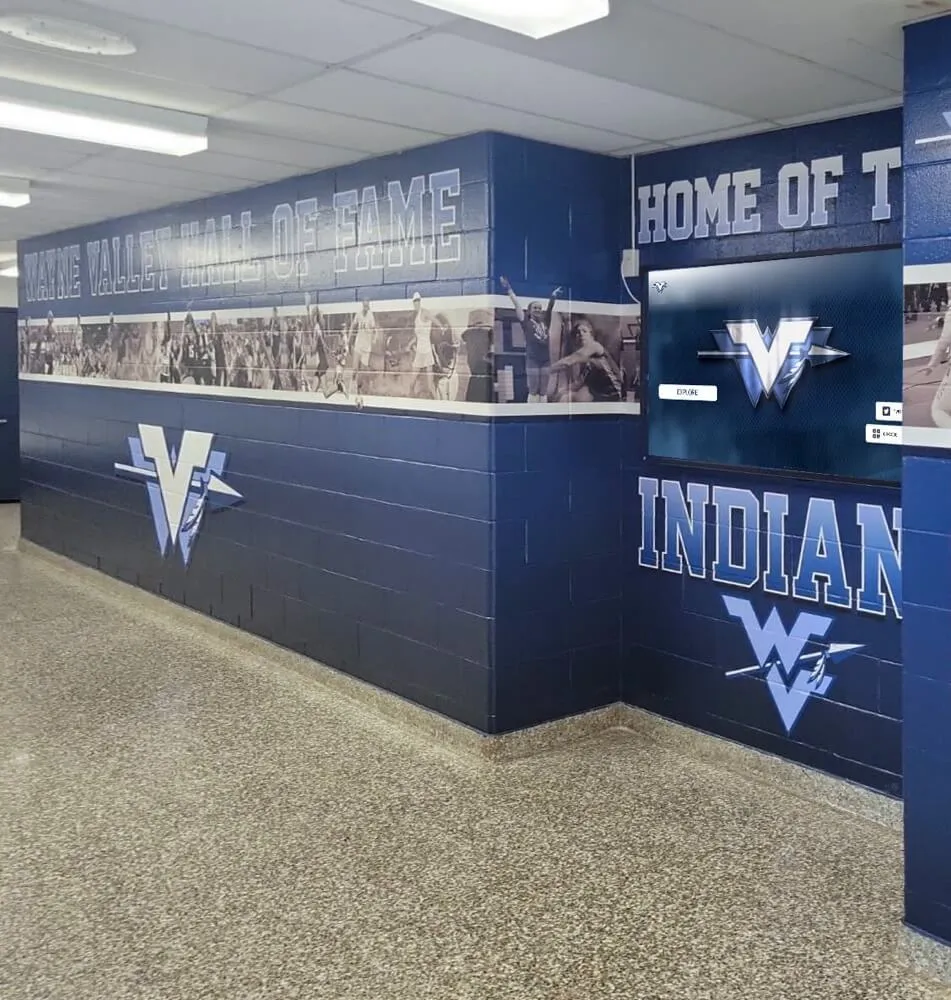
Strategic placement of recognition displays in high-traffic areas maximizes employee engagement and visibility
Community and Culture Building
37. Recognition Storytelling Share detailed stories about employee contributions in company communications, explaining challenges overcome and impact created. Narrative recognition provides context that makes achievements memorable.
38. Recognition Traditions Establish organization-specific recognition traditions—annual awards ceremonies, quarterly celebrations, monthly appreciation events—creating anticipated recognition rhythms.
39. Customer Recognition Integration Share customer testimonials and feedback praising specific employees. Recognition from customers validates impact while demonstrating how work affects external stakeholders.
40. Alumni Recognition Programs For organizations where employees become lifelong community members, create alumni recognition tracking career progression after employment. Extended recognition builds enduring relationships.
Learn about building community through recognition approaches.
Values-Based Recognition Ideas
Recognition aligned with organizational values reinforces culture while celebrating contributions embodying company principles.
Mission-Aligned Recognition
41. Core Values Awards Create recognition categories specifically tied to organizational values—innovation, collaboration, customer focus, integrity. Values-based recognition communicates what the organization truly prioritizes.
42. Mission Impact Recognition Acknowledge employees whose work directly advances organizational mission, explaining specific connections between contributions and purpose fulfillment.
43. Culture Champion Recognition Recognize employees who exemplify and promote positive workplace culture—mentoring colleagues, supporting team morale, embodying organizational values.
44. Innovation and Improvement Recognition Specifically celebrate employees who propose improvements, solve problems, or innovate in their work. Recognition encourages ongoing innovation while acknowledging specific contributions.
Explore comprehensive recognition programs combining multiple recognition approaches.
Service and Impact Recognition
45. Community Service Recognition Acknowledge employees’ volunteer work and community contributions. Recognition extending beyond workplace performance demonstrates organizational commitment to broader impact.
46. Mentorship Recognition Specifically recognize employees who mentor colleagues, share knowledge, or support team member development. Recognition validates the often-invisible work of developing others.
47. Customer Success Stories Share specific examples of how employee contributions solved customer problems or created exceptional experiences. Recognition through customer impact validates work significance.
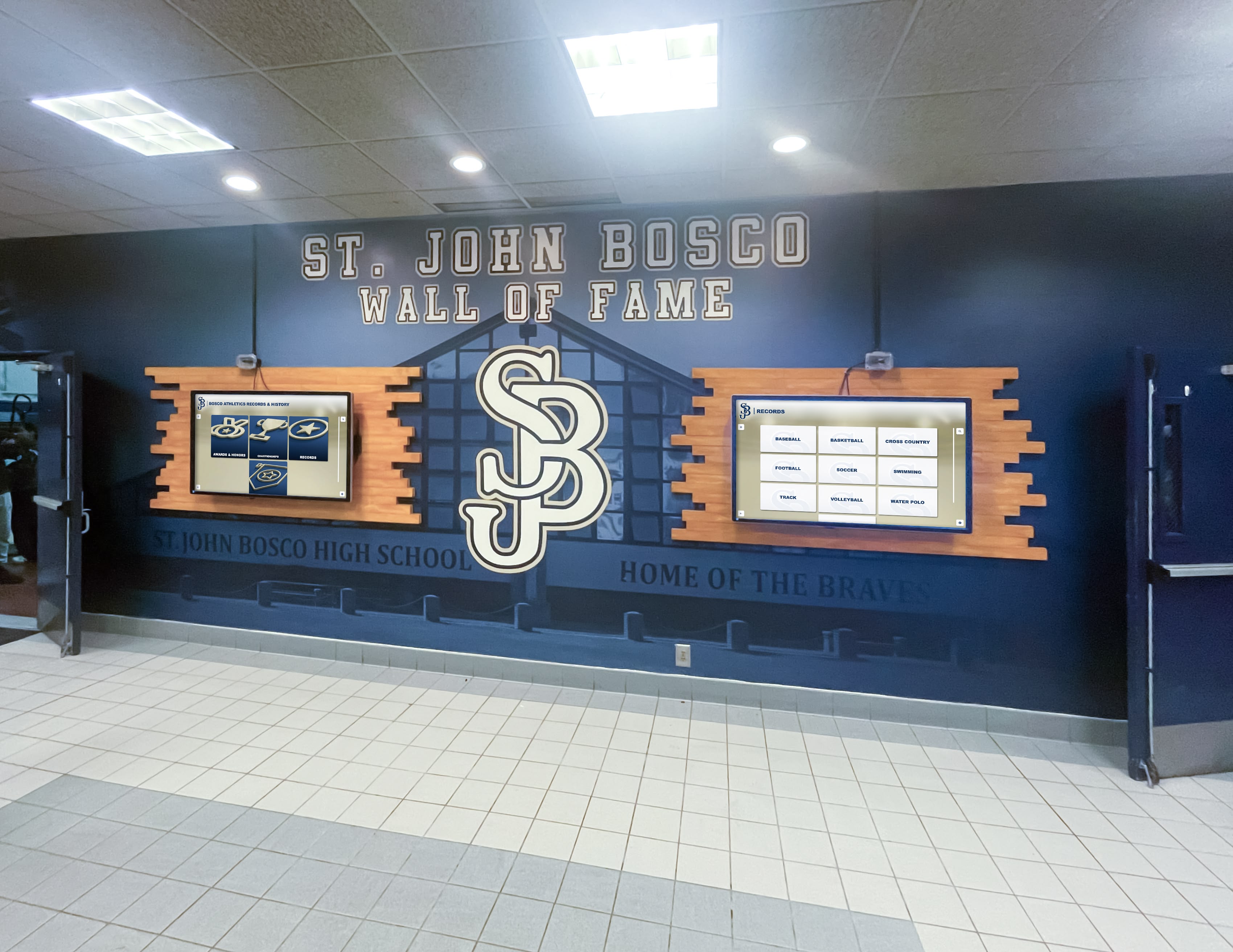
Recognition installations in entrance areas create powerful first impressions celebrating organizational excellence
Implementing Effective Recognition Programs
Moving from ideas to sustainable recognition programs requires systematic planning and ongoing commitment.
Building Recognition Systems
Program Design Principles
- Establish clear criteria for different recognition levels and categories
- Create processes ensuring consistent recognition across teams and departments
- Assign responsibilities so recognition doesn’t depend solely on individual manager discretion
- Budget appropriately for recognition programs including tangible rewards and technology
- Train managers in effective recognition delivery and documentation
Recognition Cadence Establish regular recognition rhythms ensuring consistent appreciation:
- Daily: Informal verbal recognition for specific contributions
- Weekly: Team meeting acknowledgment of achievements
- Monthly: Formal recognition programs or employee spotlights
- Quarterly: Department or organizational recognition events
- Annually: Comprehensive recognition programs celebrating sustained excellence
Learn about implementing recognition technology in organizational settings.
Sustainability and Continuous Improvement
Ongoing Management
- Assign clear ownership of recognition programs to specific roles or teams
- Create simple documentation processes tracking recognition distribution
- Regularly review recognition patterns ensuring equitable distribution across employees
- Solicit employee feedback about recognition preferences and satisfaction
- Adjust approaches based on engagement data and employee input
Measuring Recognition Impact Track metrics indicating recognition effectiveness:
- Employee engagement survey scores related to appreciation and recognition
- Retention rates among recognized versus non-recognized employees
- Participation rates in peer recognition programs
- Manager compliance with recognition program requirements
- Employee satisfaction with recognition approaches and frequency
Regular assessment ensures recognition programs remain effective, equitable, and aligned with employee preferences and organizational capacity.
Recognition for Remote and Hybrid Teams
Modern work arrangements require adapted recognition approaches ensuring all employees receive appropriate appreciation regardless of location.
Virtual Recognition Strategies
48. Virtual Recognition Events Host online recognition celebrations enabling remote team members to participate fully. Video-based events create inclusive recognition experiences across distributed teams.
49. Digital Recognition Platforms Implement cloud-based recognition systems accessible to all employees regardless of location. Technology ensures remote workers receive equal recognition visibility and acknowledgment.
50. Video Appreciation Messages Send personalized video recognition messages to remote employees. Visual appreciation creates stronger emotional connection than written communications alone.
51. Mailed Recognition Packages Send physical recognition items—cards, awards, company swag—to remote employees’ homes. Tangible appreciation demonstrates thoughtfulness in distributed work environments.
Discover digital display solutions supporting recognition across locations.
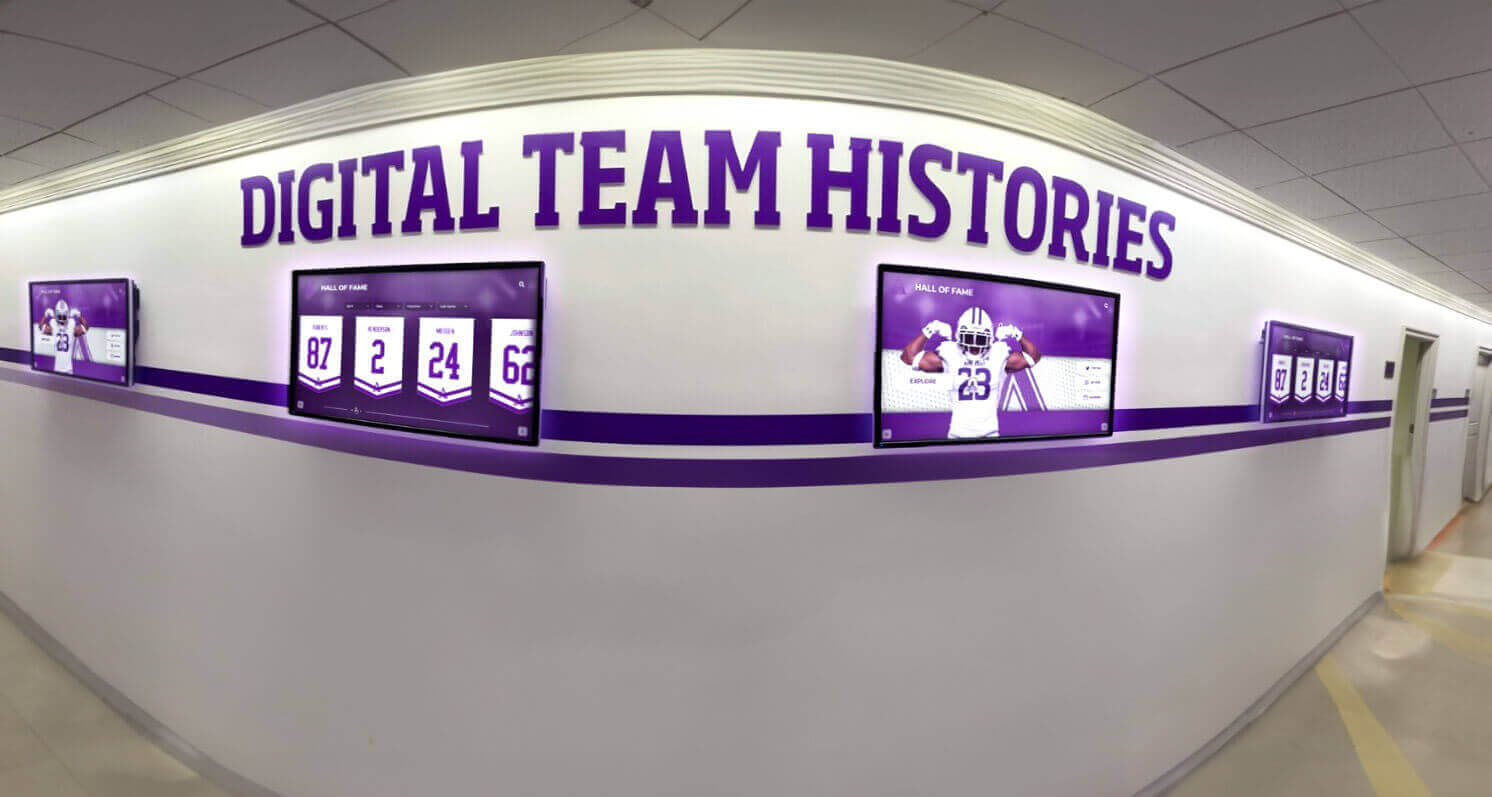
Timeline displays document organizational history and achievement progression across teams and departments
Best Practices and Recognition Pitfalls to Avoid
Understanding common mistakes helps organizations maximize recognition effectiveness while avoiding approaches that undermine appreciation efforts.
Recognition Best Practices
Do’s of Effective Recognition
- Recognize effort and improvement, not just outcomes
- Acknowledge both individual and team contributions
- Vary recognition approaches to maintain freshness and engagement
- Make recognition specific and detailed rather than generic
- Deliver recognition promptly after achievements occur
- Consider individual preferences for public versus private recognition
- Ensure recognition feels genuine and proportionate to achievement
Recognition Program Success Factors
- Leadership modeling consistent recognition behaviors
- Manager training in effective appreciation delivery
- Systems ensuring recognition doesn’t depend solely on individual memory
- Budget allocation treating recognition as strategic investment
- Cultural commitment to appreciation as organizational priority
Learn about digital recognition best practices in modern workplace settings.
Common Recognition Mistakes
Pitfalls to Avoid
- Recognition inflation where every action receives excessive praise
- Inconsistent recognition creating perceptions of favoritism
- Generic appreciation lacking specific details or context
- Recognition tied exclusively to easily measured outcomes, ignoring valuable but less quantifiable contributions
- Delayed acknowledgment when achievement-recognition connection becomes unclear
- Recognition emphasizing individual competition over collaboration
- Ignoring employee preferences regarding public versus private appreciation
Equity and Inclusion Considerations
- Ensure recognition opportunities exist across all roles and levels
- Monitor recognition distribution avoiding patterns suggesting bias
- Consider diverse cultural perspectives on recognition and appreciation
- Provide multiple recognition pathways accommodating different contribution types
- Avoid recognition approaches that inadvertently exclude remote workers or certain roles
Adapting Recognition for Different Industries and Contexts
While core recognition principles apply universally, implementation nuances vary across organizational types and industries.
Service Industry Recognition
Service-oriented organizations benefit from recognition that:
- Highlights customer satisfaction and positive feedback
- Acknowledges consistency and reliability in service delivery
- Recognizes emotional labor and difficult customer interactions
- Celebrates teamwork essential to service excellence
Technology and Innovation Recognition
Tech organizations emphasize recognition that:
- Celebrates innovation, problem-solving, and creative solutions
- Acknowledges technical excellence and skill development
- Recognizes collaboration across complex technical projects
- Highlights contributions to product quality and user experience
Explore technical implementation approaches for workplace recognition systems.
Education and Nonprofit Recognition
Mission-driven organizations prioritize recognition that:
- Connects contributions directly to mission fulfillment and impact
- Acknowledges dedication despite often-limited resources
- Celebrates innovation in achieving objectives efficiently
- Recognizes community engagement and relationship building
Learn about recognition in mission-driven organizations with applications beyond education.
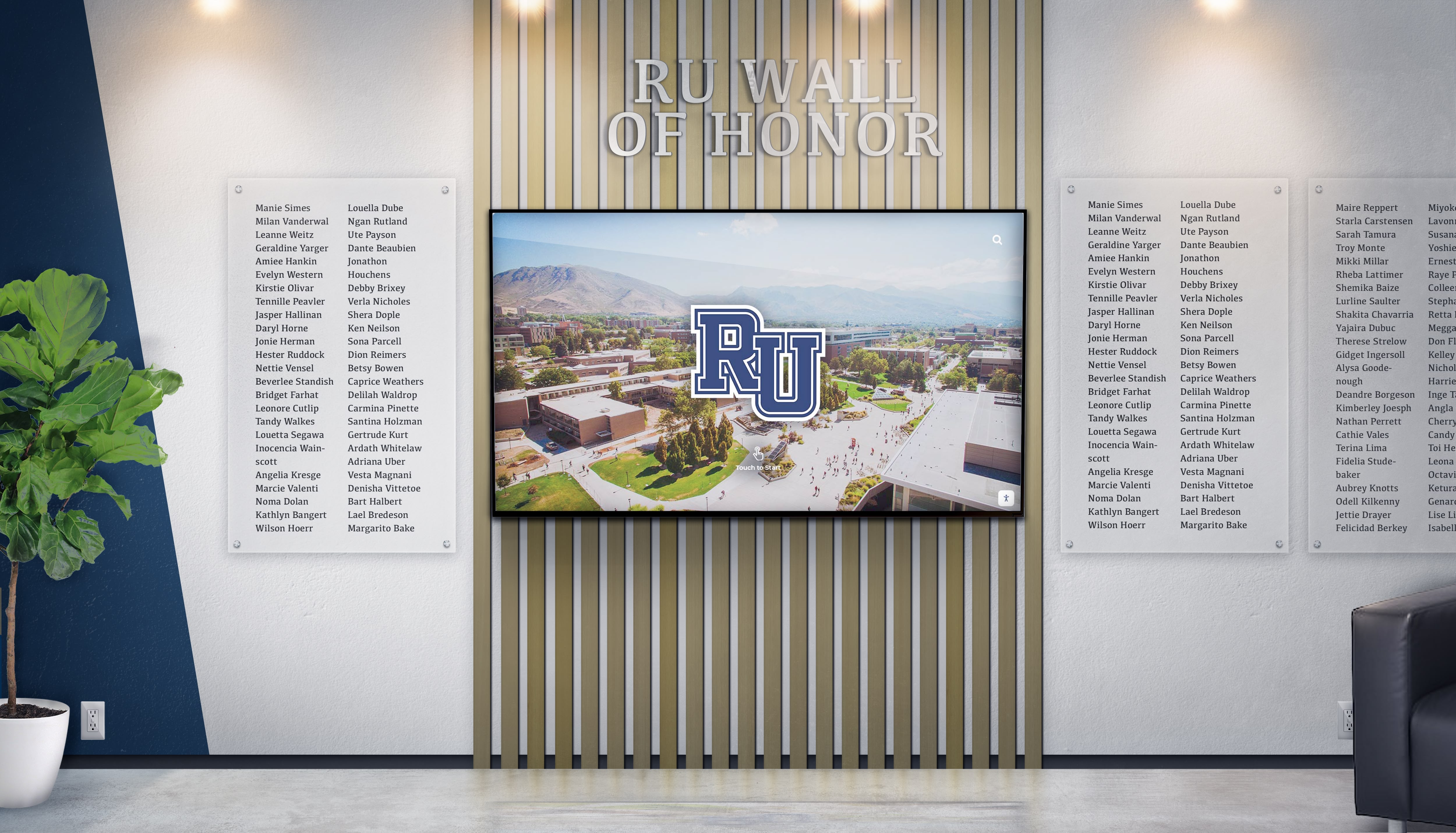
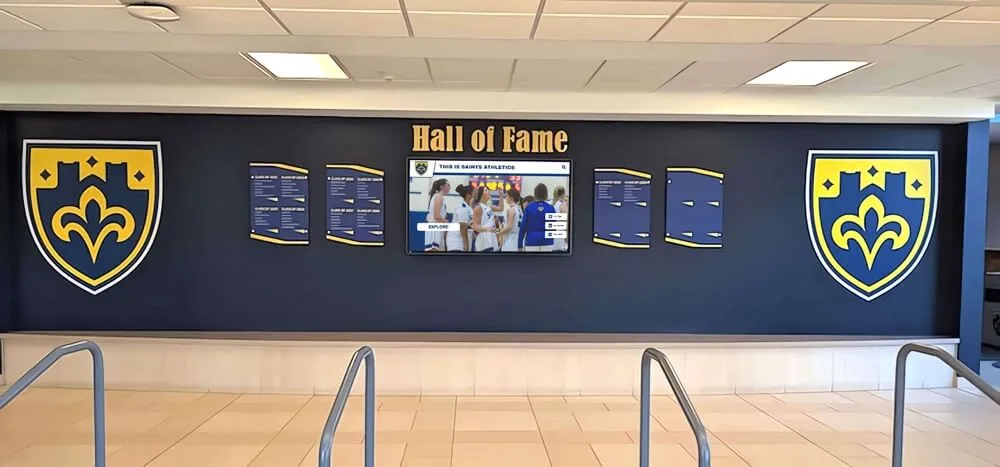
Integrated recognition systems combine digital displays with traditional elements creating comprehensive celebration spaces
Conclusion: Building Cultures of Appreciation and Excellence
Effective employee recognition represents strategic investment in organizational culture, team performance, and long-term success. When companies systematically acknowledge contributions—from daily appreciation to formal recognition programs to innovative digital displays—they create environments where excellence becomes visible, achievement feels celebrated, and employees develop deep commitment to organizational success.
The 51 employee recognition ideas explored in this guide provide comprehensive options spanning simple verbal appreciation to sophisticated technology-enabled recognition systems. From handwritten thank-you notes creating personal connection to interactive digital recognition displays enabling unlimited achievement celebration, these strategies can be mixed and matched based on organizational size, resources, and culture.
Transform Your Employee Recognition Program
Discover how modern digital recognition solutions can help you celebrate every team member's contributions and build a thriving culture of appreciation and excellence.
Explore Recognition SolutionsRemember that recognition effectiveness matters more than recognition expense. Research consistently shows that timely, specific, and genuine appreciation resonates more powerfully than costly gestures lacking authenticity. A heartfelt personal note often creates greater impact than elaborate awards programs missing genuine gratitude.
Start where you are with recognition practices you can implement immediately—improving thank-you quality, establishing appreciation routines, training managers in effective recognition delivery—then systematically expand to create comprehensive programs your team deserves. Every employee who receives meaningful recognition for their contributions develops stronger organizational connection and greater motivation to continue contributing excellence.
Your team’s contributions enable everything your organization accomplishes. They deserve thoughtful, meaningful recognition that honors their commitment while deepening their engagement with your mission. With systematic planning, appropriate technology, and genuine appreciation, you can create recognition systems that transform workplace culture and build the positive, motivating environment where all employees thrive.
Building effective employee recognition requires moving beyond viewing appreciation as optional courtesy to understanding recognition as strategic imperative. Organizations with strong recognition cultures see documented improvements in engagement, retention, performance, and morale. These benefits flow from recognition programs that feel genuine, frequent, personalized, and aligned with organizational values.
Ready to begin? Explore comprehensive recognition display solutions or learn more about building effective recognition strategies that celebrate all contributors and create lasting workplace engagement.