When was the last time your outstanding employees received meaningful recognition for their contributions? In today’s competitive talent market, employee recognition programs have evolved from nice-to-have perks into strategic imperatives that directly impact engagement, retention, and organizational performance.
Research consistently demonstrates the business case for recognition: companies with strong recognition programs experience 31% lower voluntary turnover, according to workplace analytics. Yet many organizations struggle to create recognition systems that feel authentic, consistent, and meaningful. Recognition often defaults to annual reviews that feel perfunctory, sporadic appreciation that lacks impact, or employee-of-the-month programs that become predictable rather than motivating.
The stakes are higher than ever. With employee disengagement costing businesses billions annually and top talent having more options than ever before, organizations that fail to recognize contributions risk losing their best people to competitors who make appreciation a priority.
This comprehensive guide explores evidence-based strategies for designing and implementing employee recognition programs that celebrate achievements, motivate teams, and create lasting cultural impact throughout your organization.
Effective employee recognition extends beyond identifying top performers—it creates systematic approaches that acknowledge excellence across multiple dimensions while ensuring opportunities exist for employees at all levels. Organizations that excel at recognition create environments where contributions become visible, excellence becomes aspirational, and appreciation becomes woven into daily culture.

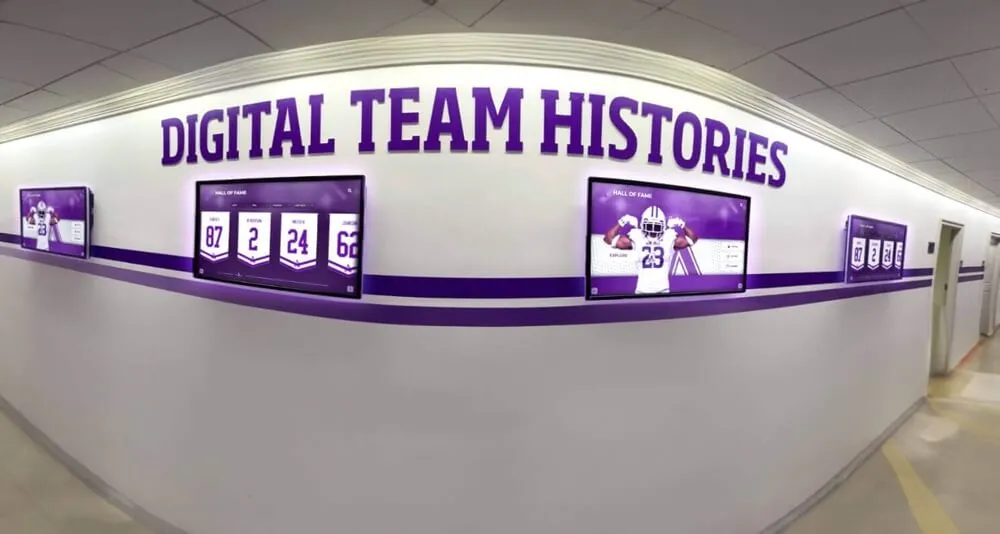
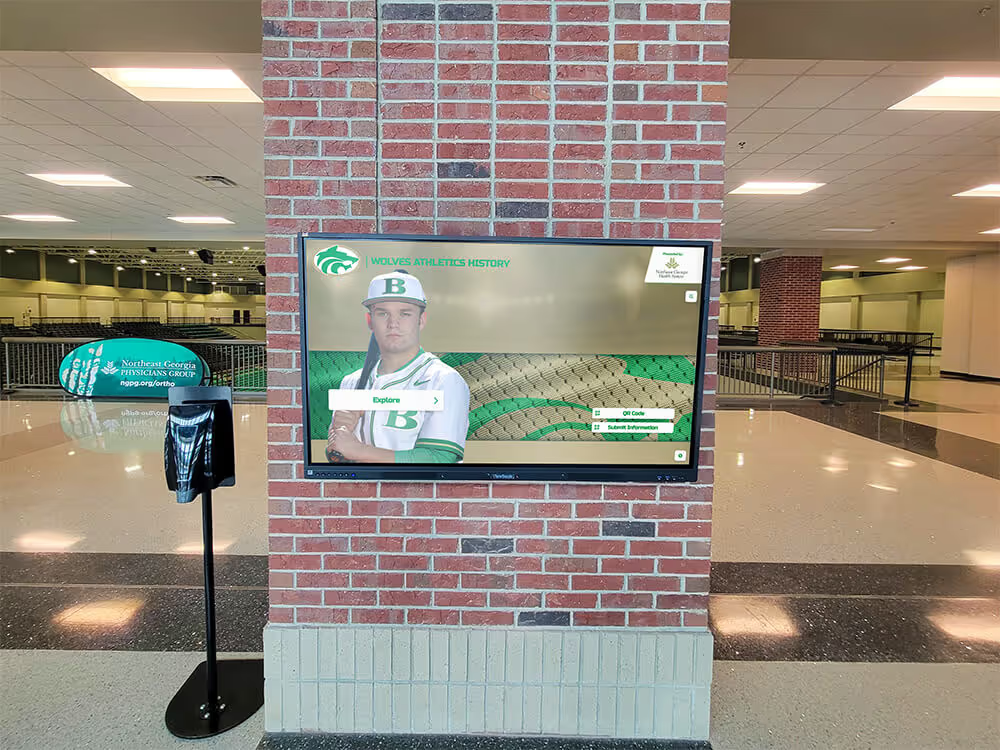
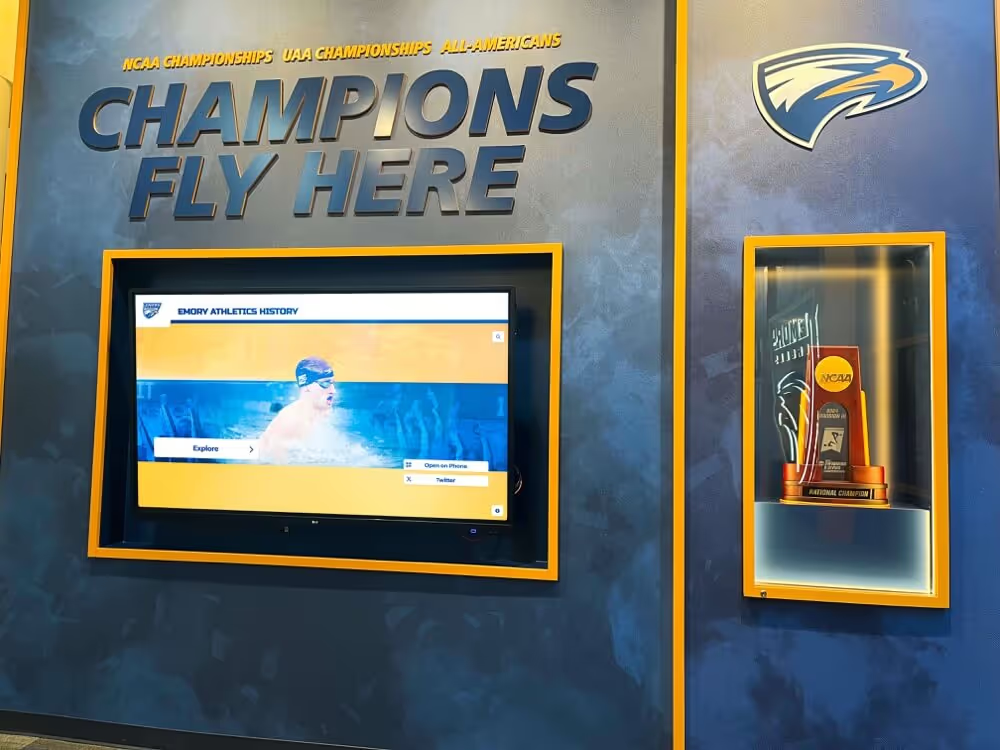
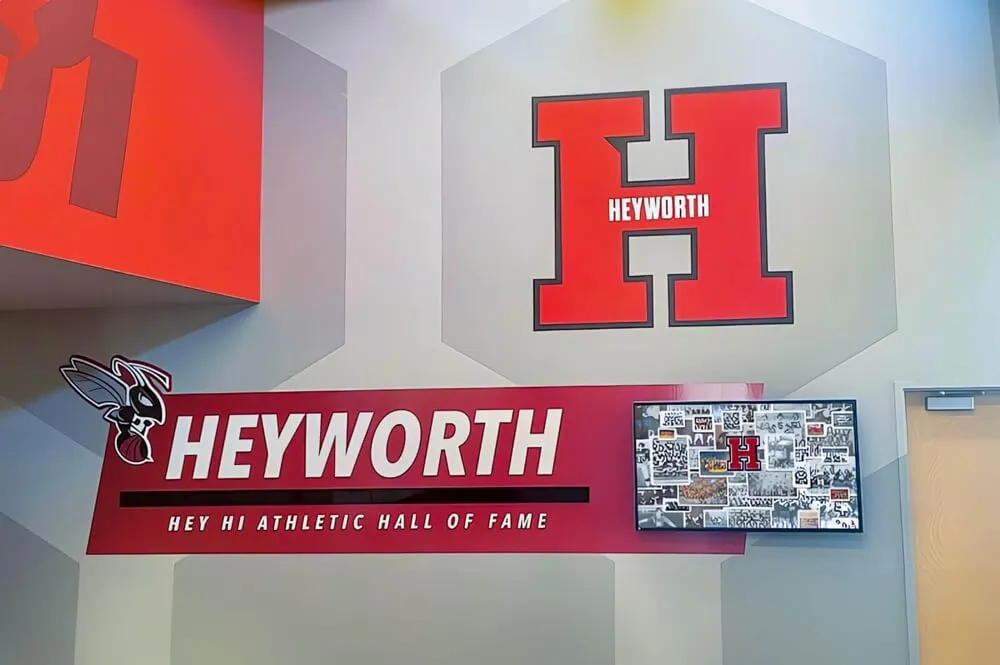
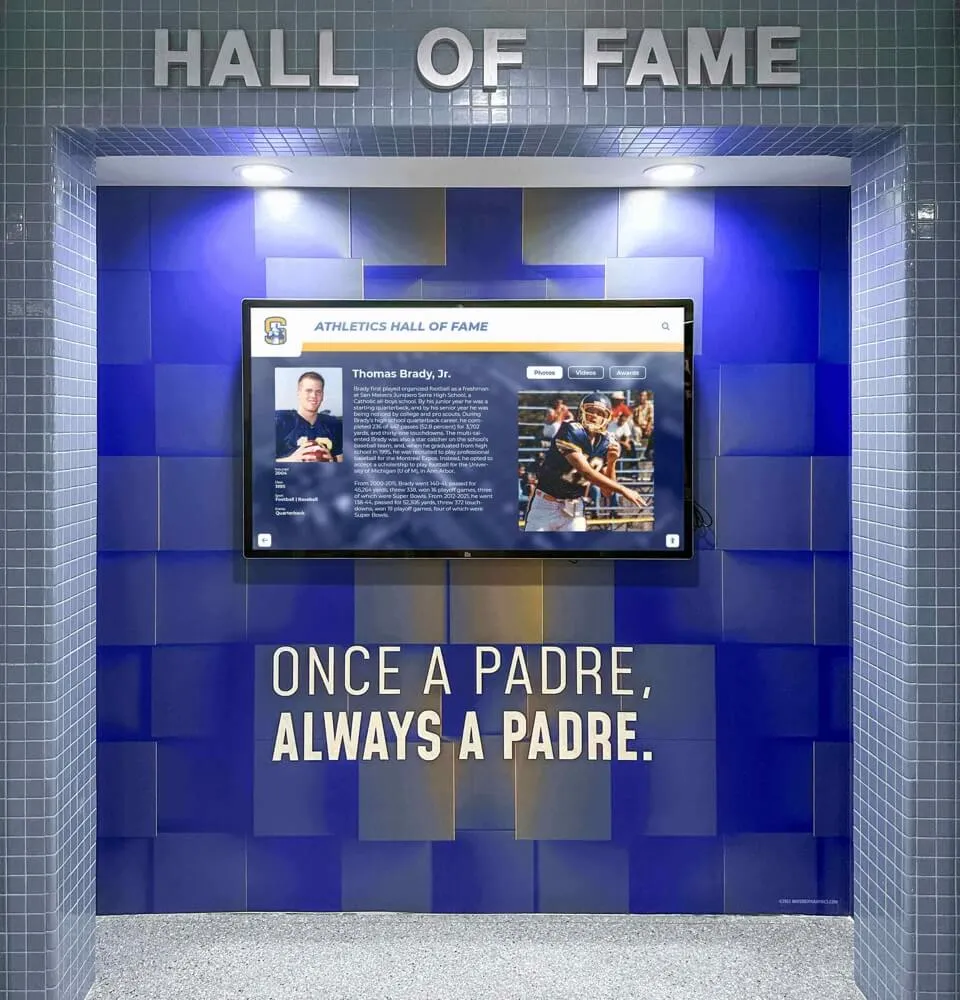
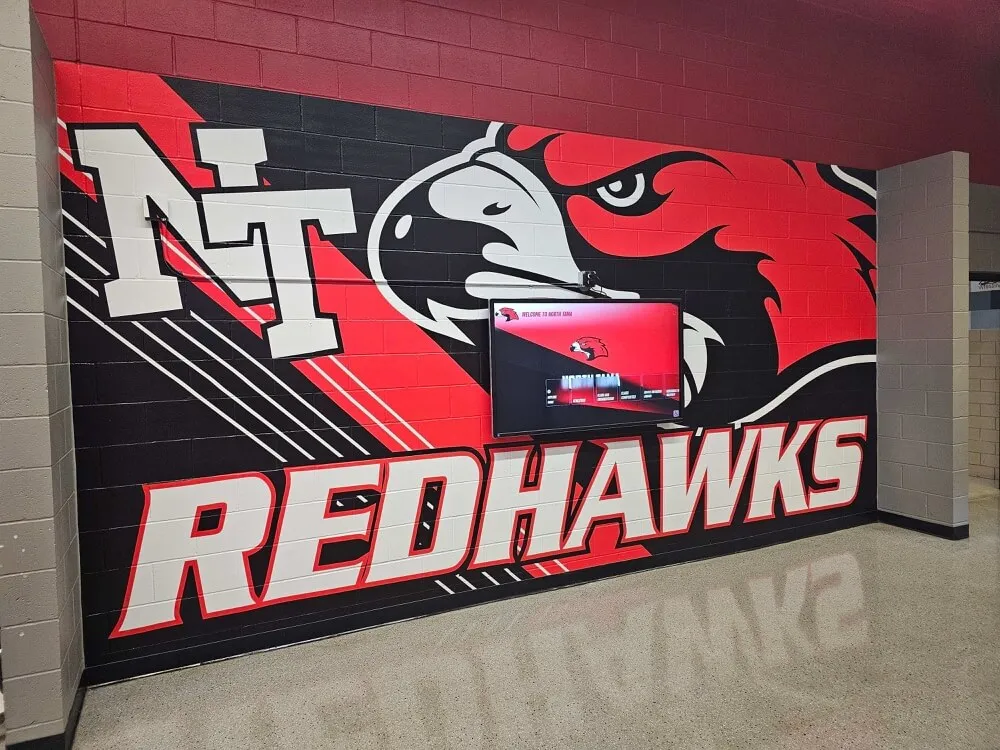
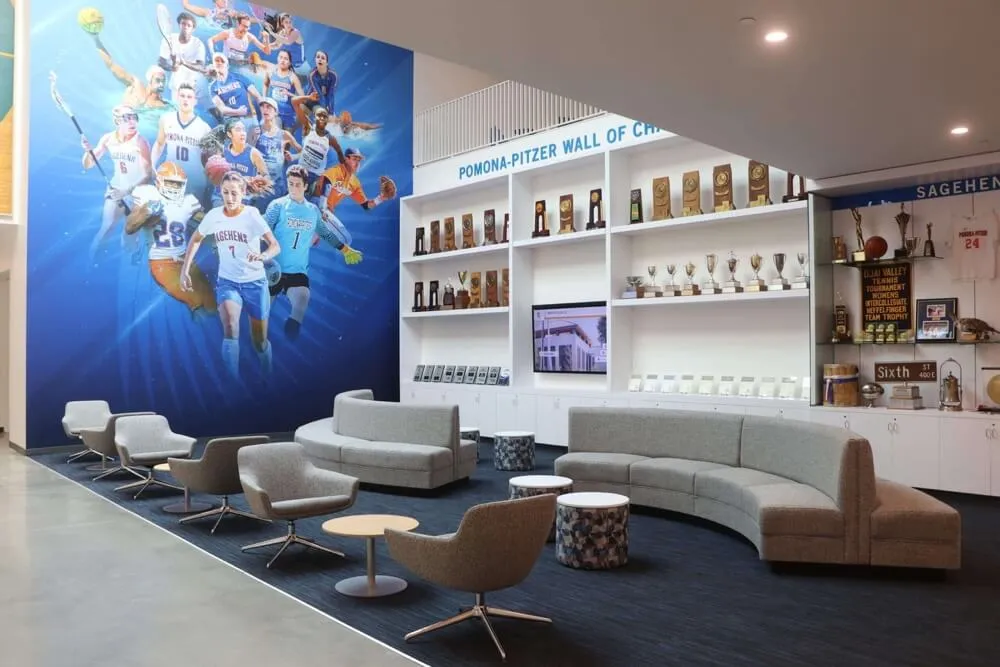
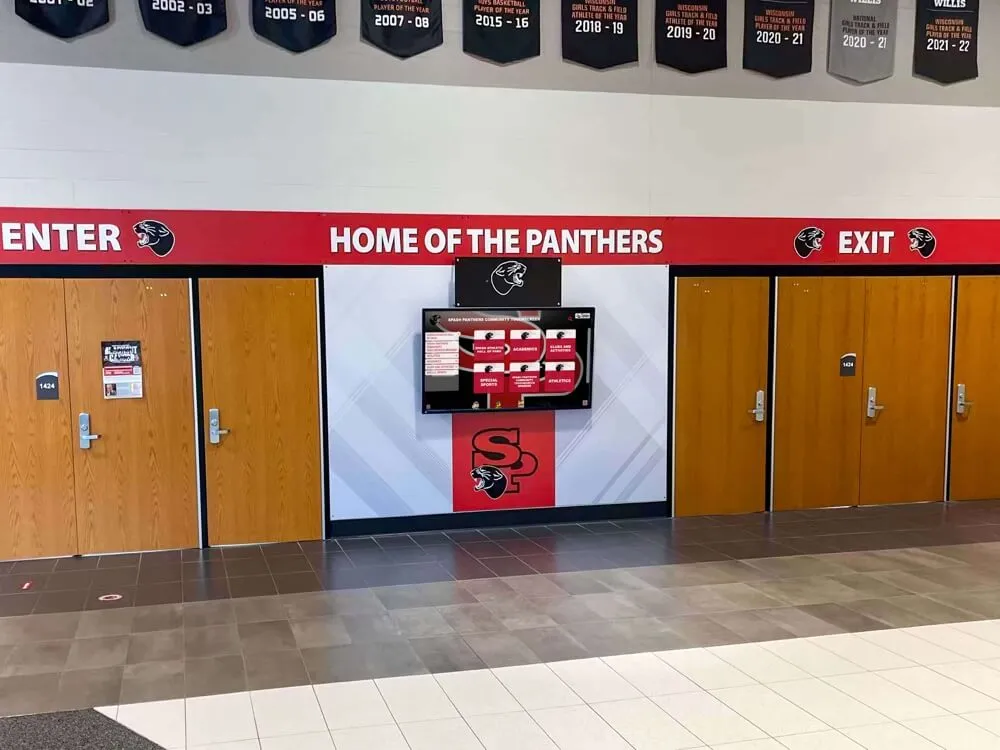
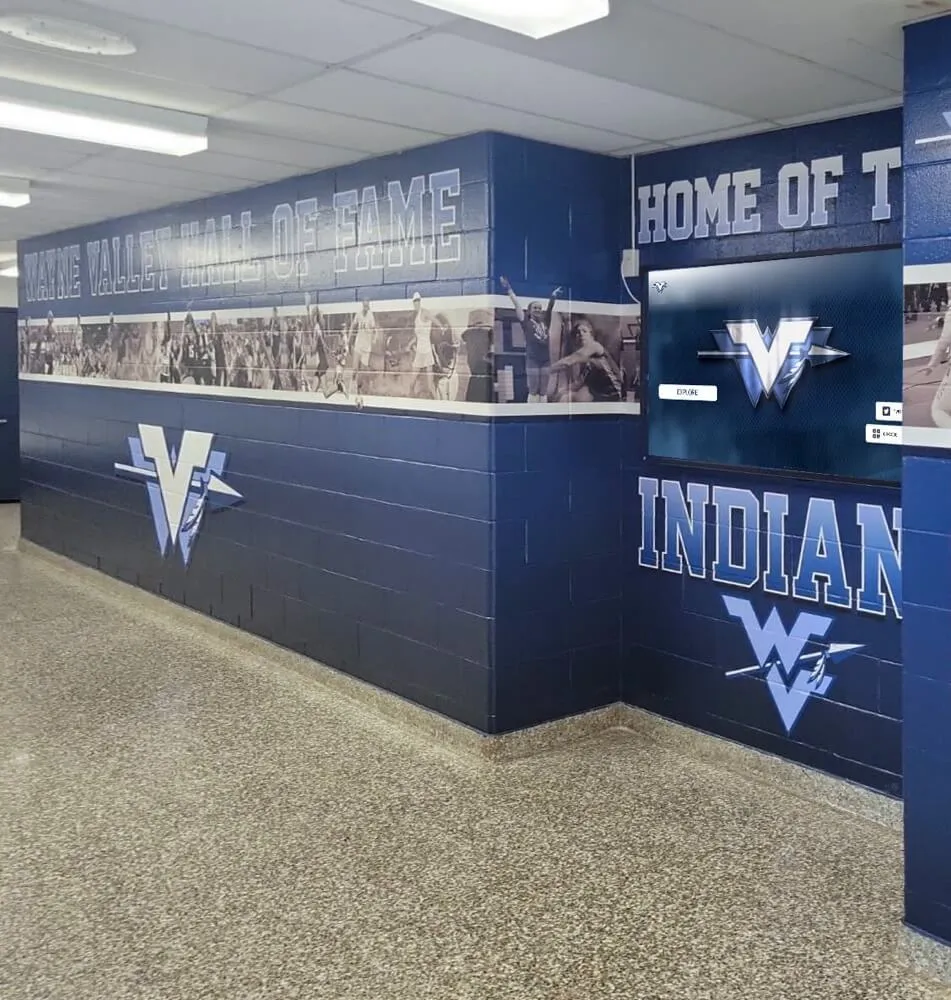
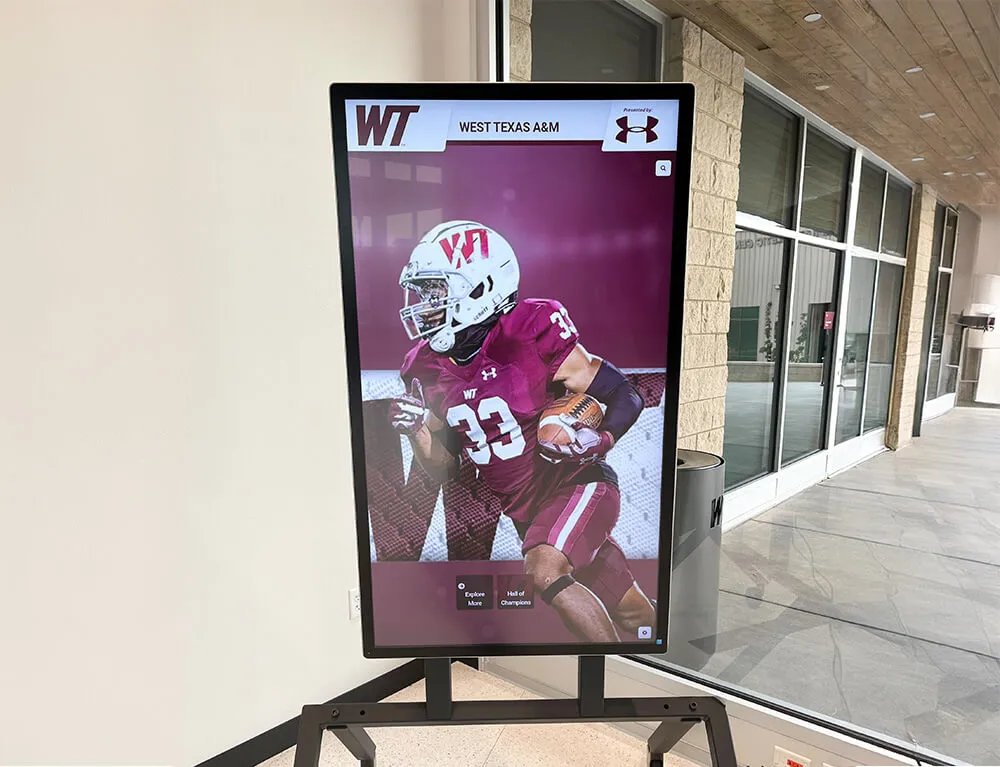
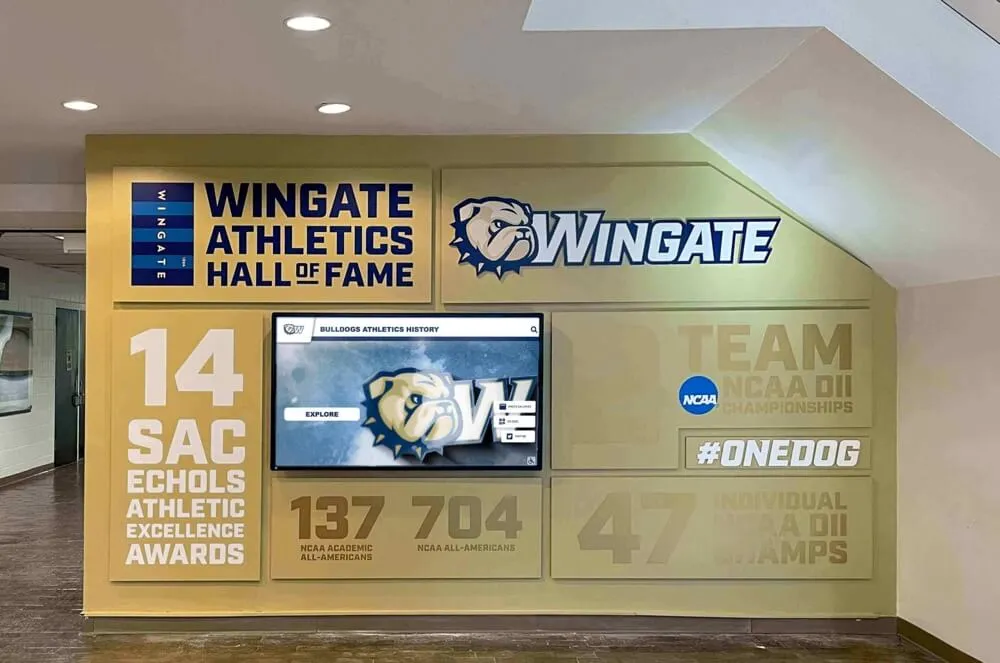
Modern recognition displays make employee achievements visible and celebrated throughout the organization
Why Employee Recognition Programs Matter: The Research-Backed Business Case
Understanding how recognition affects employee behavior and organizational outcomes helps companies design programs that maximize positive impact and justify resource investment.
The ROI of Recognition: What the Data Shows
Workplace research consistently demonstrates the power of systematic employee acknowledgment:
Retention and Engagement Impact
- Organizations with strong recognition programs experience 31% lower voluntary turnover
- Companies with recognition cultures see employee engagement scores increase by up to 60%
- Recognized employees are 2.6 times more likely to be highly engaged at work
- 79% of employees say lack of appreciation is a key reason they leave jobs
- Recognition programs directly reduce turnover costs while improving workforce stability
Performance and Productivity Benefits
- Teams with regular recognition show 14% higher productivity and engagement
- Organizations with effective recognition see 10-20% increases in business outcomes
- Peer-to-peer recognition increases performance by 20% when implemented systematically
- Recognized employees demonstrate higher quality work and greater innovation
- Recognition creates positive reinforcement loops encouraging continued excellence
According to employee engagement research, the motivational impact of recognition extends beyond individual recipients to create cultural shifts that elevate performance organization-wide. When employees see colleagues celebrated for specific contributions, they gain clarity about valued behaviors and outcomes while feeling motivated to pursue similar excellence.
Recognition’s Broader Organizational Impact
Employee recognition influences extend throughout organizations:
Cultural Transformation
- Recognition programs signal organizational values and priorities
- Visible appreciation creates achievement-oriented cultures
- Celebrated contributions reinforce desired behaviors company-wide
- Systematic recognition improves overall workplace climate and satisfaction
- Recognition becomes self-reinforcing as appreciation becomes normal
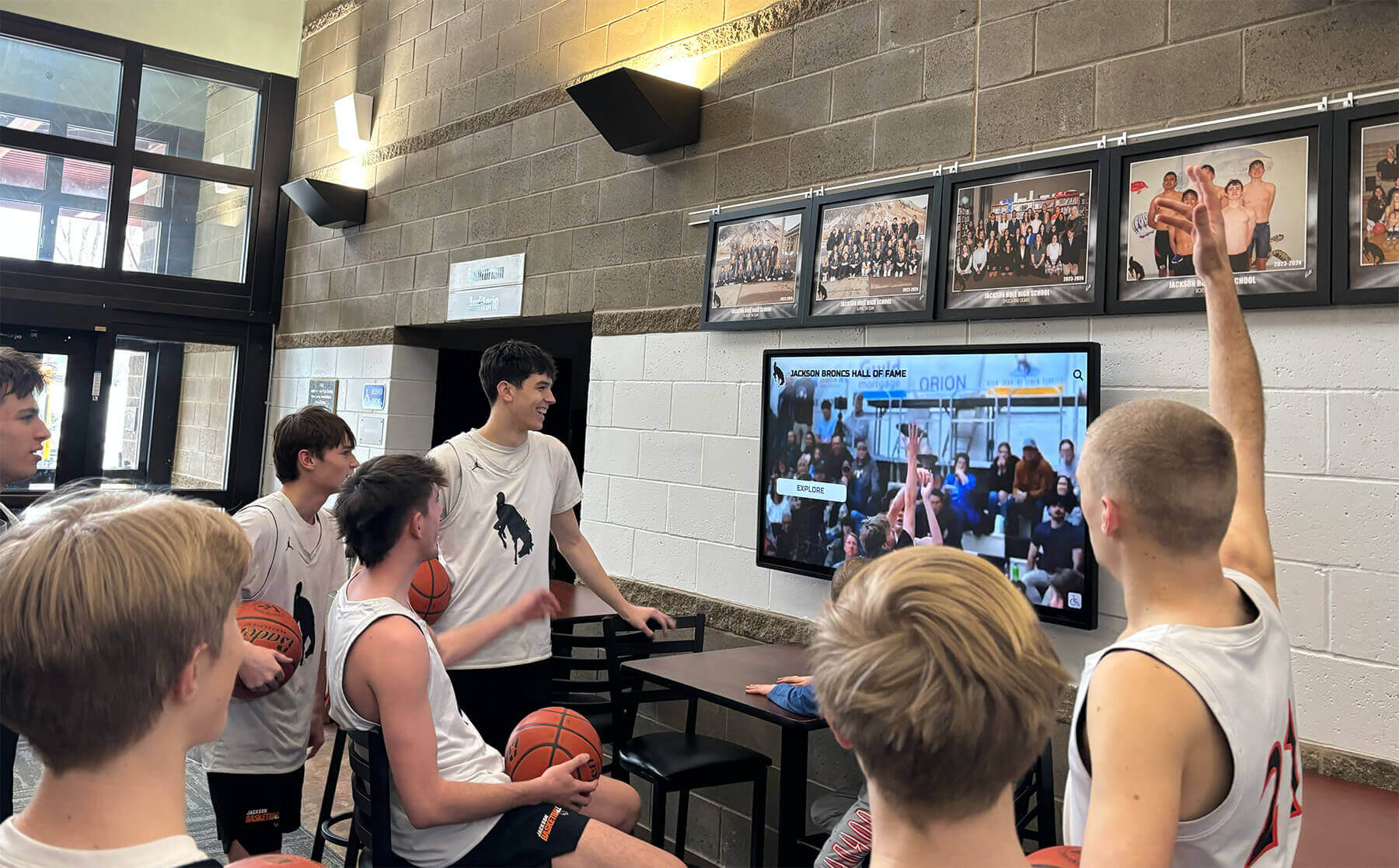
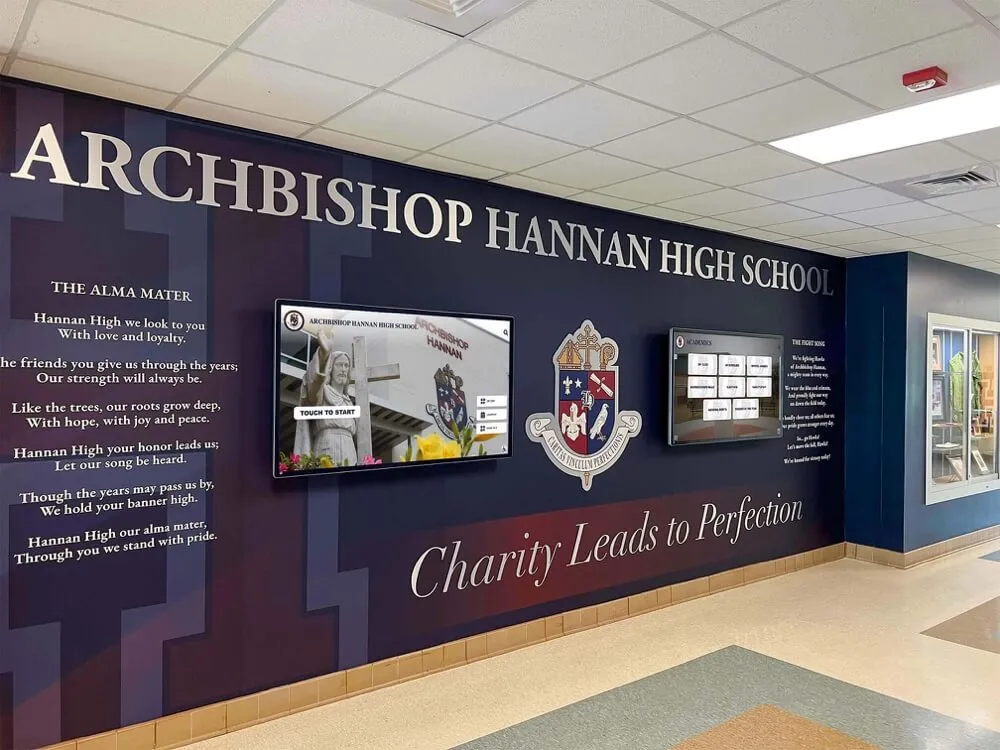
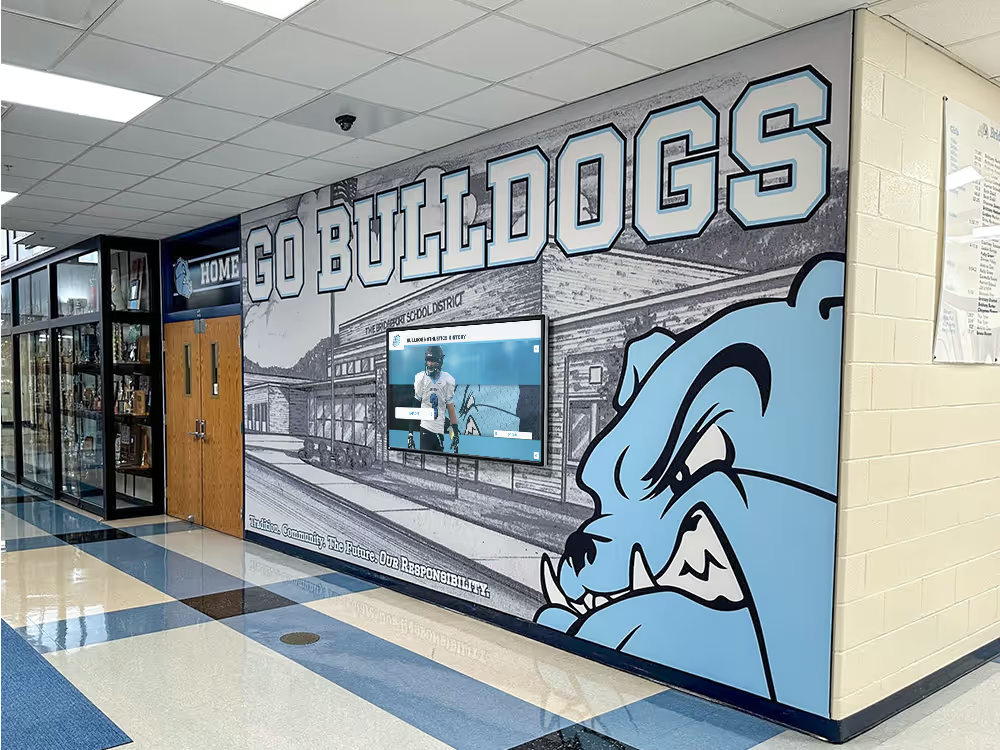
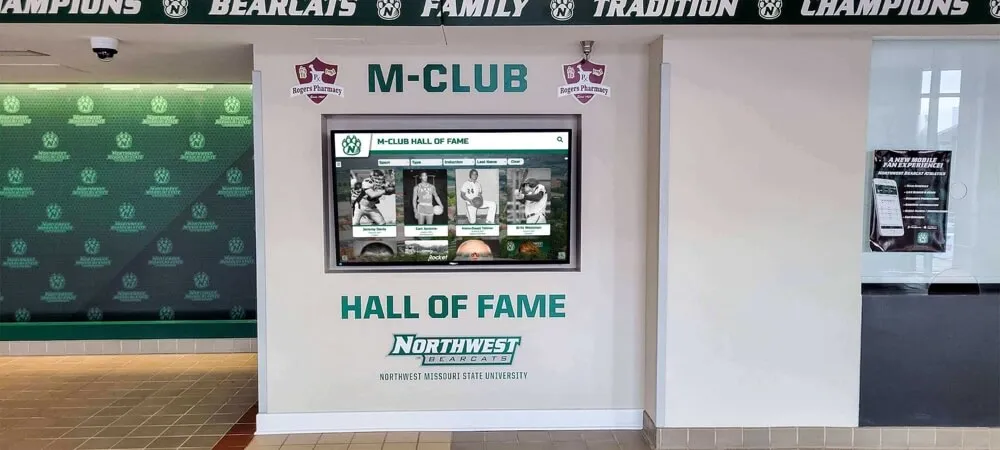
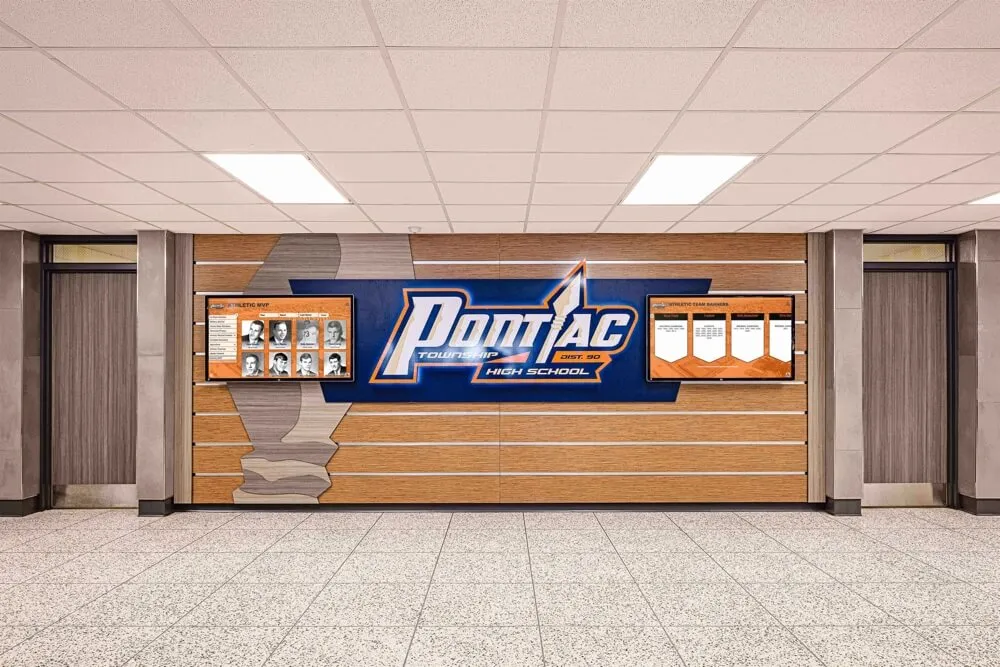
Interactive displays create opportunities for employees to explore achievements and connect with company culture
Talent Acquisition Advantages
- Strong recognition programs enhance employer brand and reputation
- Prospective employees prioritize companies with appreciation cultures
- Current employee testimonials about recognition influence candidate decisions
- Recognition demonstrates organizational investment in employee experience
- Companies known for appreciation attract higher-quality talent pools
Customer Service and Business Outcomes
- Engaged, recognized employees deliver superior customer experiences
- Recognition correlates with improved customer satisfaction scores
- Appreciated employees demonstrate greater brand advocacy
- Recognition programs create positive momentum throughout operations
- Business metrics improve as employee experience enhances
The key to maximizing these benefits lies in designing recognition systems that feel meaningful, attainable, authentic, and aligned with organizational mission and values.
Core Components of Effective Employee Recognition Programs
Successful recognition programs share essential characteristics that maximize impact, sustainability, and employee satisfaction across diverse workforces.
Multi-Dimensional Recognition Criteria
Moving beyond single metrics ensures comprehensive appreciation across all employee contributions:
Performance-Based Recognition
- Sales achievements and quota attainment
- Project completion and delivery excellence
- Quality metrics and process improvement contributions
- Customer satisfaction scores and relationship building
- Innovation and creative problem-solving accomplishments
- Productivity gains and efficiency improvements
Values-Based Recognition
- Demonstration of core company values in daily work
- Leadership behaviors and mentoring contributions
- Collaboration and teamwork excellence
- Customer service orientation and client advocacy
- Ethical decision-making and integrity demonstrations
- Cultural contribution and community building
Organizations serving educational institutions might learn from approaches outlined in academic recognition programs that celebrate diverse achievement types.
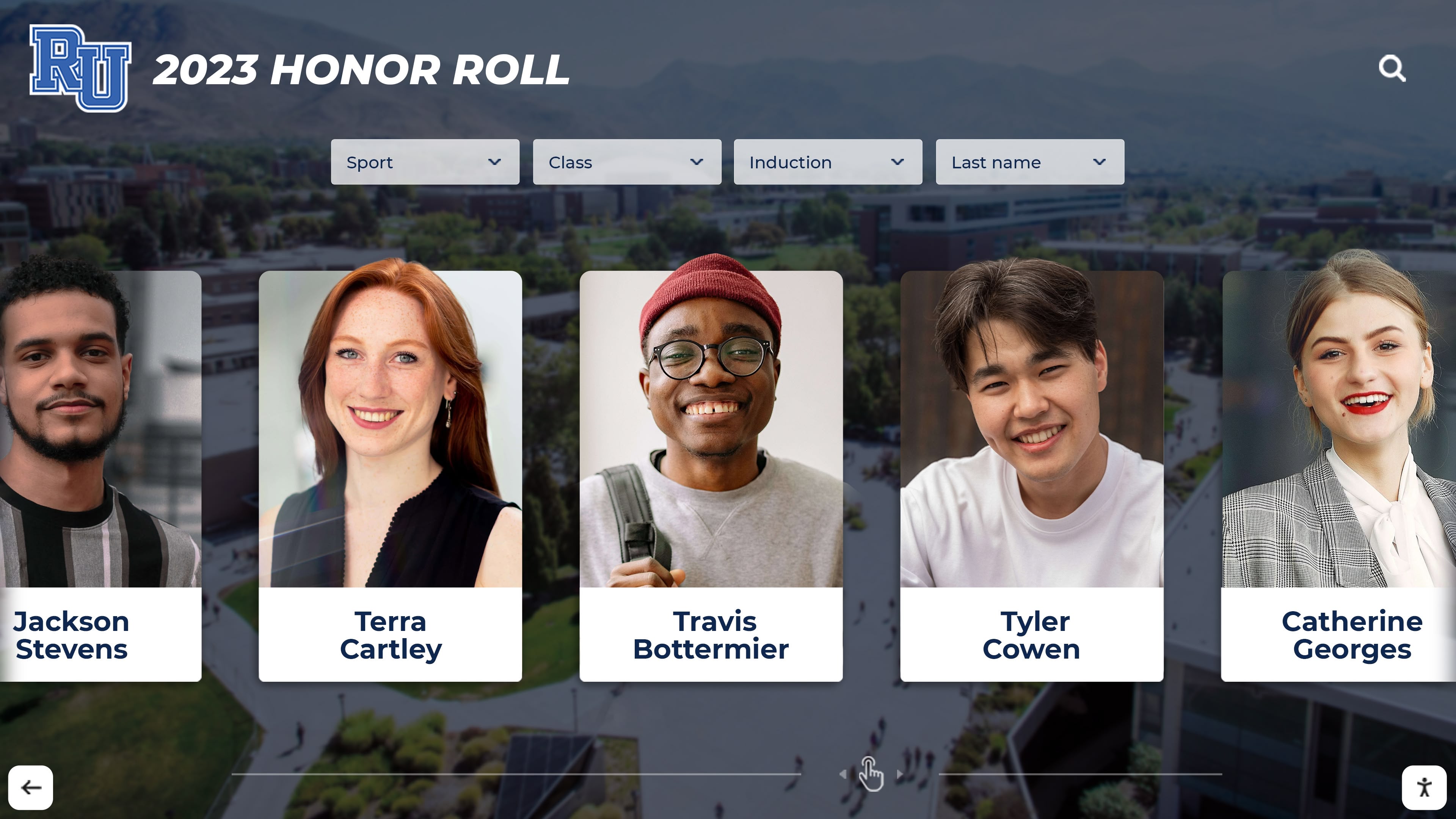
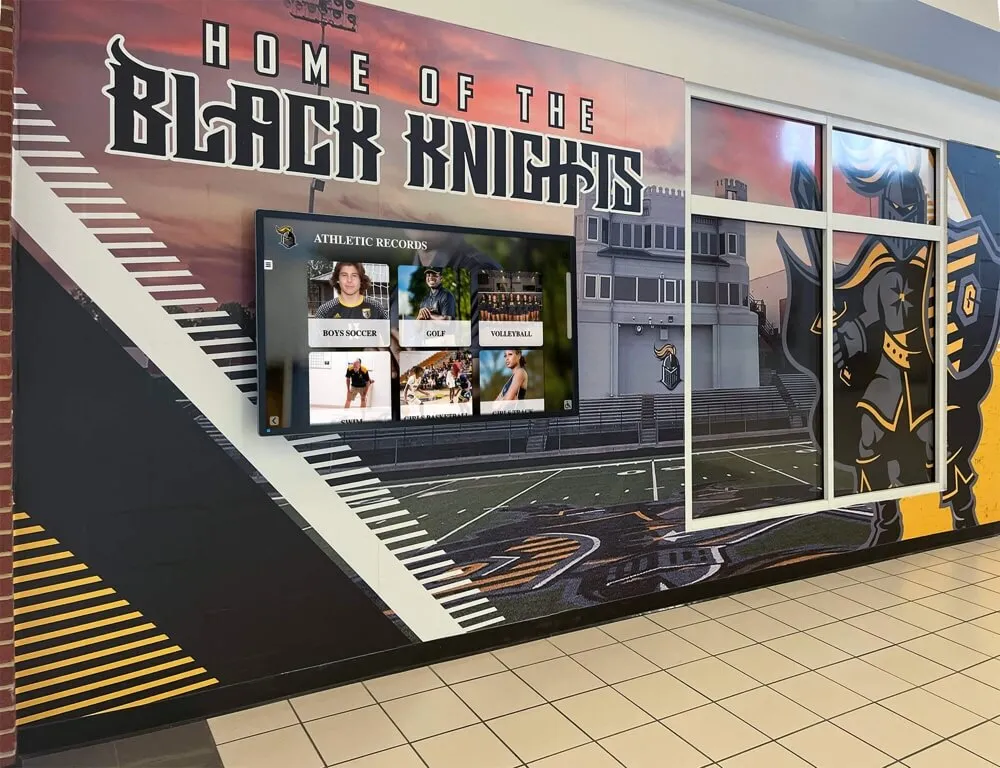
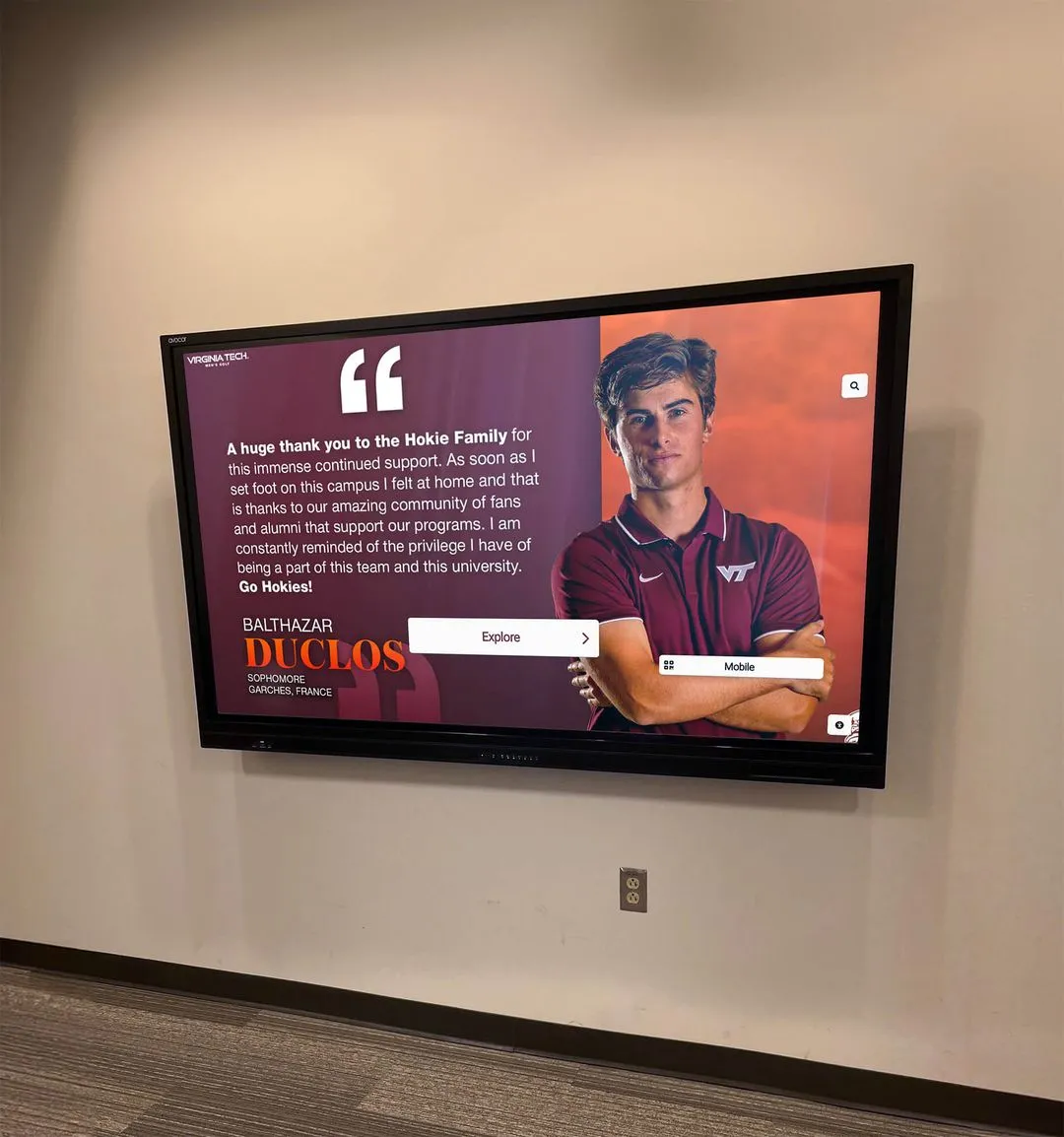
Individual recognition profiles celebrate specific achievements and professional journeys
Growth and Development Recognition
- Skill acquisition and professional development milestones
- Certification completions and continuing education
- Career advancement and promotion achievements
- Cross-functional learning and role expansion
- Mentorship contributions developing other employees
- Participation in training and development initiatives
Tenure and Loyalty Recognition
- Service anniversaries at meaningful intervals
- Long-term commitment and organizational dedication
- Institutional knowledge and historical perspective
- Consistent performance throughout career
- Resilience through organizational changes and challenges
- Generational service when family members work for company
Special Contribution Recognition
- Above-and-beyond efforts during critical periods
- Volunteer leadership and community engagement
- Wellness program participation and healthy lifestyle modeling
- Safety record excellence and incident prevention
- Sustainability initiatives and environmental stewardship
- Diversity, equity, and inclusion advocacy and leadership
This multi-dimensional approach ensures recognition opportunities exist for employees across different roles, contributions, career stages, and personal strengths. Every employee should see pathways to acknowledgment that align with their capabilities and aspirations.
Tiered Recognition Structures
Creating multiple recognition levels ensures appropriate acknowledgment at different achievement scales while maintaining prestige for highest honors:
Pinnacle Achievement Recognition
- CEO awards for exceptional transformational contributions
- Innovation awards for breakthrough ideas and implementations
- Lifetime achievement honors for career-long excellence
- Industry recognition nominations and external award sponsorship
- Hall of fame or hall of honor inductions for legendary contributors
- Company-wide celebration events with executive participation
These highest honors receive special ceremony, permanent visibility, and ongoing acknowledgment that matches the significance of exceptional contributions.
Regular Recognition Programs
- Quarterly performance awards celebrating recent achievements
- Monthly team accomplishment highlights and celebrations
- Weekly spotlight features recognizing timely contributions
- Daily appreciation and informal acknowledgment
- Project completion celebrations and milestone recognitions
- Customer success stories highlighting employee contributions
Companies looking for top sales performer recognition displays can adapt approaches used in other high-achievement contexts.
Peer-to-Peer Recognition
- Colleague nominations and appreciation programs
- Team member acknowledgment through accessible platforms
- Cross-departmental recognition celebrating collaboration
- Real-time appreciation systems enabling immediate recognition
- Social recognition feeds visible throughout organization
- Kudos programs with points, badges, or reward redemption
This tiered structure maintains meaning and prestige for top achievements while ensuring recognition opportunities exist for employees at all performance levels, creating inclusive programs where everyone can experience appreciation.
Department and Role-Specific Recognition Strategies
Corporate recognition should celebrate excellence across all functions, not just revenue-generating roles. Comprehensive programs acknowledge diverse contributions essential to organizational success.
Sales and Revenue Team Recognition
Sales achievements deserve systematic celebration beyond commission structures and compensation plans:
Individual Performance Recognition
- Quota achievement at various performance levels
- New client acquisition and relationship establishment
- Deal size milestones and large contract wins
- Pipeline development and opportunity creation
- Customer retention and account expansion excellence
- Consistent performance across quarters and years
Strategic Achievement Recognition
- Complex deal closing requiring exceptional skill
- Market entry and expansion accomplishments
- Competitive wins and displacement successes
- Strategic account development and relationship building
- Cross-selling and product adoption leadership
- Innovative sales approaches and methodology development
Team and Collaborative Recognition
- Team quota achievement and collective success
- Cross-functional collaboration with marketing, product, and support
- Knowledge sharing and best practice documentation
- Mentoring contributions to new team members
- Support of company initiatives beyond individual quotas
- Customer satisfaction excellence throughout sales process
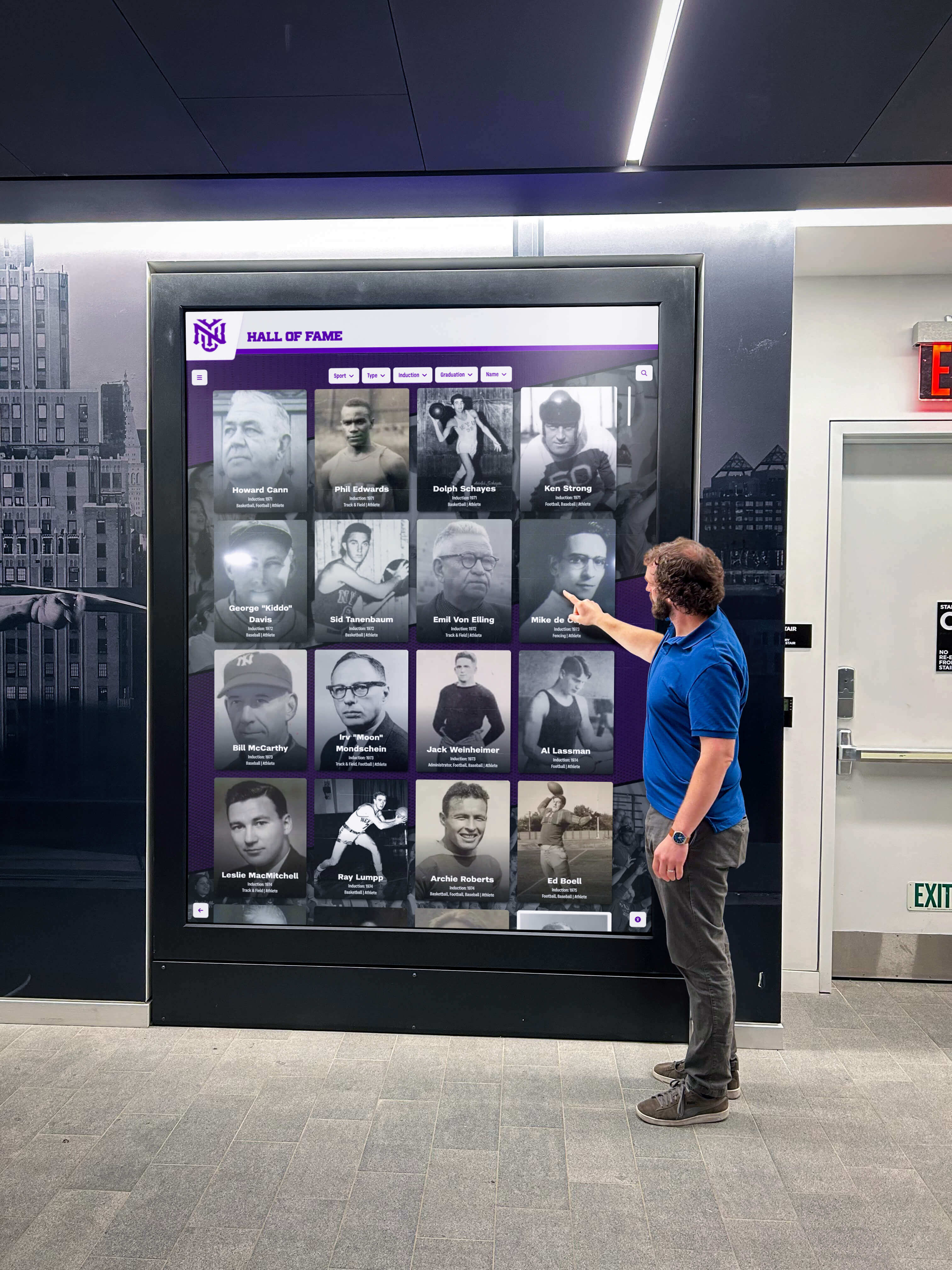
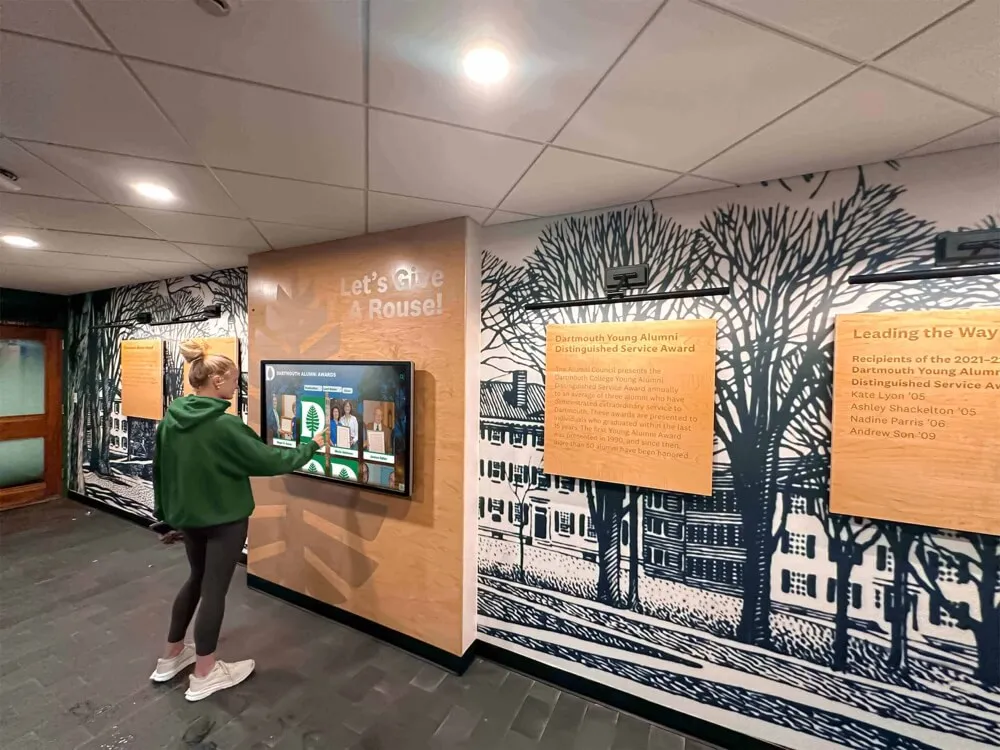
Recognition systems document achievement journeys across employee tenures and career stages
Operations and Service Delivery Excellence
Operational achievements require equal systematic acknowledgment despite being less visible than sales wins:
Efficiency and Quality Recognition
- Process improvement implementations and optimization
- Quality metric achievements and defect reduction
- Safety record milestones and incident-free periods
- Cost reduction initiatives and resource optimization
- Waste elimination accomplishments and lean implementations
- Productivity gains and throughput improvements
Reliability and Consistency Recognition
- On-time delivery achievement and schedule adherence
- Service level agreement performance and uptime
- Response time improvements and speed enhancements
- Consistency and dependability over extended periods
- Crisis management and problem resolution excellence
- Customer satisfaction in service delivery roles
Innovation in Operations
- Technology implementation and digital transformation
- Workflow optimization and automation achievements
- Tool and system improvement contributions
- Training program development and knowledge transfer
- Cross-team collaboration and silo elimination
- Scalability improvements enabling growth
Support Function Recognition
Support roles provide essential contributions deserving systematic recognition despite operating behind the scenes:
Technical Excellence
- System reliability, uptime, and performance optimization
- Security achievement and threat prevention
- Compliance maintenance and audit success
- Infrastructure improvement projects and upgrades
- Innovation in technical solutions and architecture
- Incident response and problem resolution speed
Service Excellence
- Internal customer satisfaction scores and feedback
- Responsiveness and support quality metrics
- Knowledge base development and documentation
- Training program delivery and enablement contributions
- Process improvement and efficiency gains
- Proactive problem identification and prevention
Business Support Excellence
- Financial accuracy in reporting and forecasting
- HR program development and employee experience
- Legal and compliance achievements protecting company
- Facilities management and operational excellence
- Administrative efficiency and process streamlining
- Strategic support enabling business initiatives
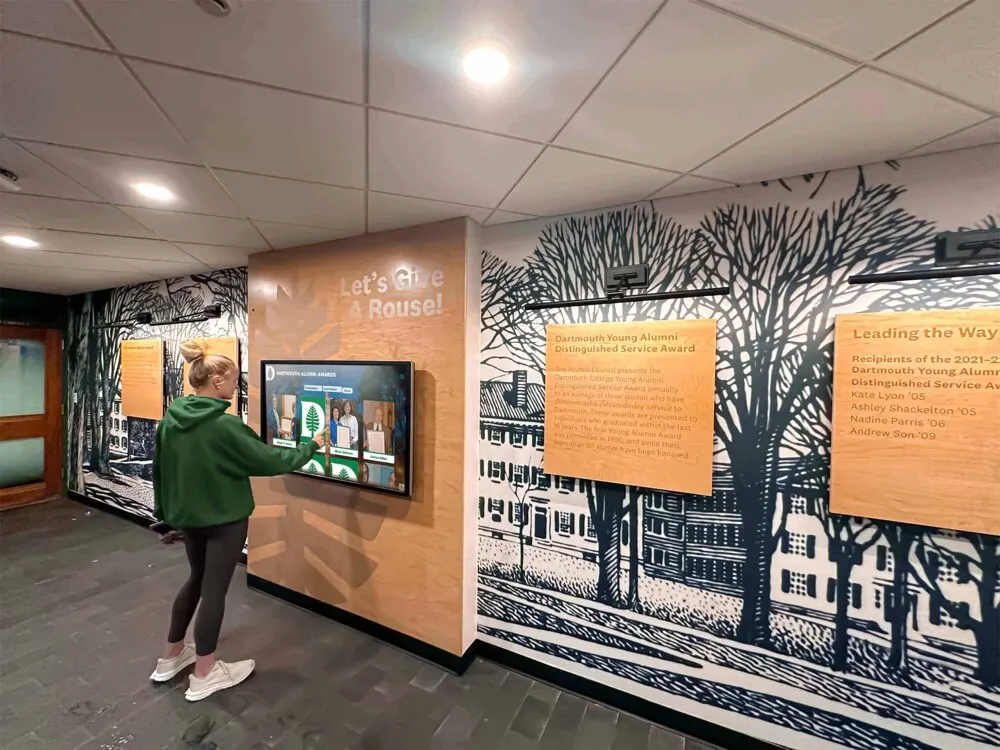
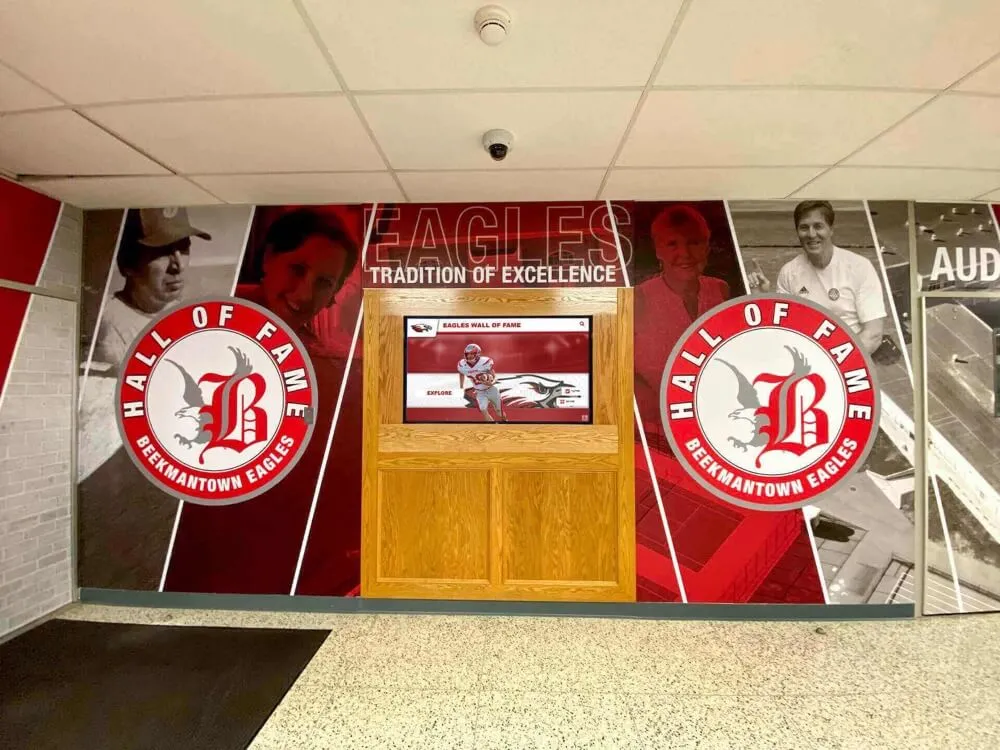
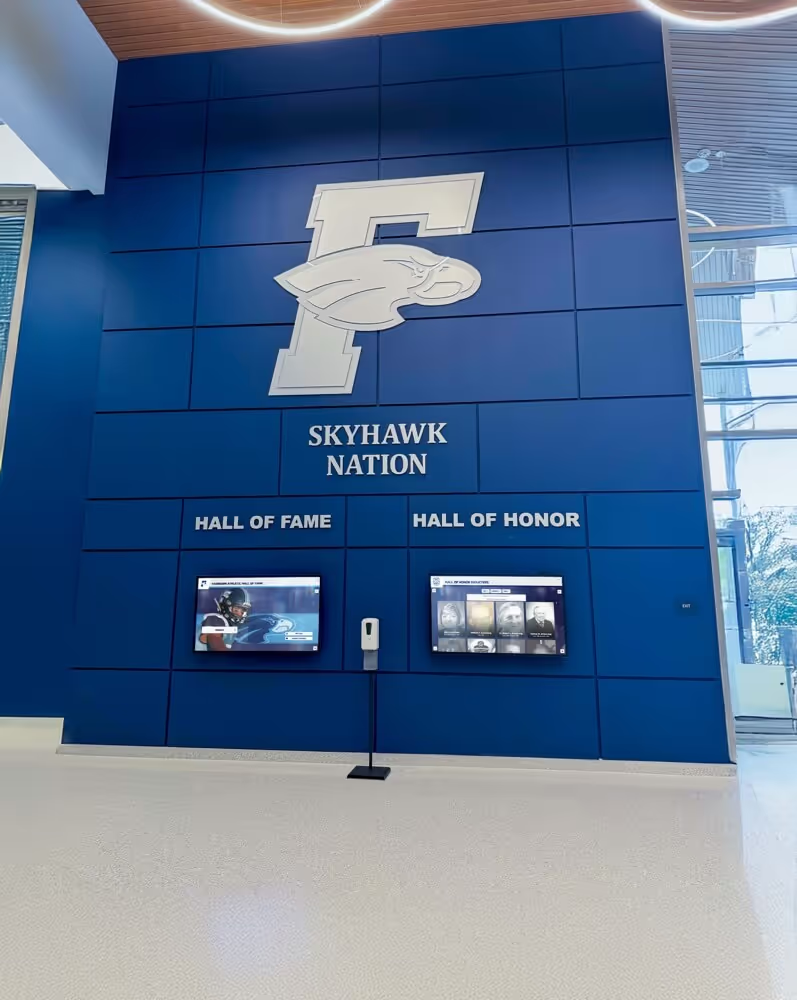
Strategic placement of recognition displays in high-traffic areas maximizes visibility and engagement
Comprehensive recognition ensures every role and function receives appreciation proportional to their contributions, creating inclusive programs where all employees feel valued regardless of their position or department.
Best Practices for Employee Recognition Programs
Research-backed best practices maximize recognition program effectiveness, employee satisfaction, and organizational impact.
Timeliness and Frequency
Recognition timing significantly impacts employee perception, motivation, and the reinforcement of desired behaviors:
Immediate Recognition Importance Recognition should occur as close to the achievement as possible. Research shows immediate acknowledgment creates stronger associations between behavior and reward, reinforcing positive actions and outcomes. Delayed recognition loses impact and fails to create strong behavioral reinforcement.
Layered Recognition Timeline
- Real-time informal appreciation immediately upon observing excellence
- Written acknowledgment within 24-48 hours of achievement
- Formal recognition at team meetings within one week
- Inclusion in company-wide communications monthly or quarterly
- Annual celebration events highlighting cumulative achievements
- Milestone recognition at service anniversaries and career transitions
Consistent Recognition Cadence
- Daily informal appreciation and acknowledgment opportunities
- Weekly team recognition during staff meetings
- Monthly individual and team awards with consistent criteria
- Quarterly department celebrations and achievement reviews
- Annual comprehensive recognition events and year-end celebrations
- Event-based recognition tied to project completions and milestones
According to employee engagement research, employees recognized weekly are 2.6 times more likely to be productive compared to those recognized less frequently. Consistency matters as much as frequency—predictable recognition programs create sustainable motivation rather than sporadic appreciation that feels arbitrary.
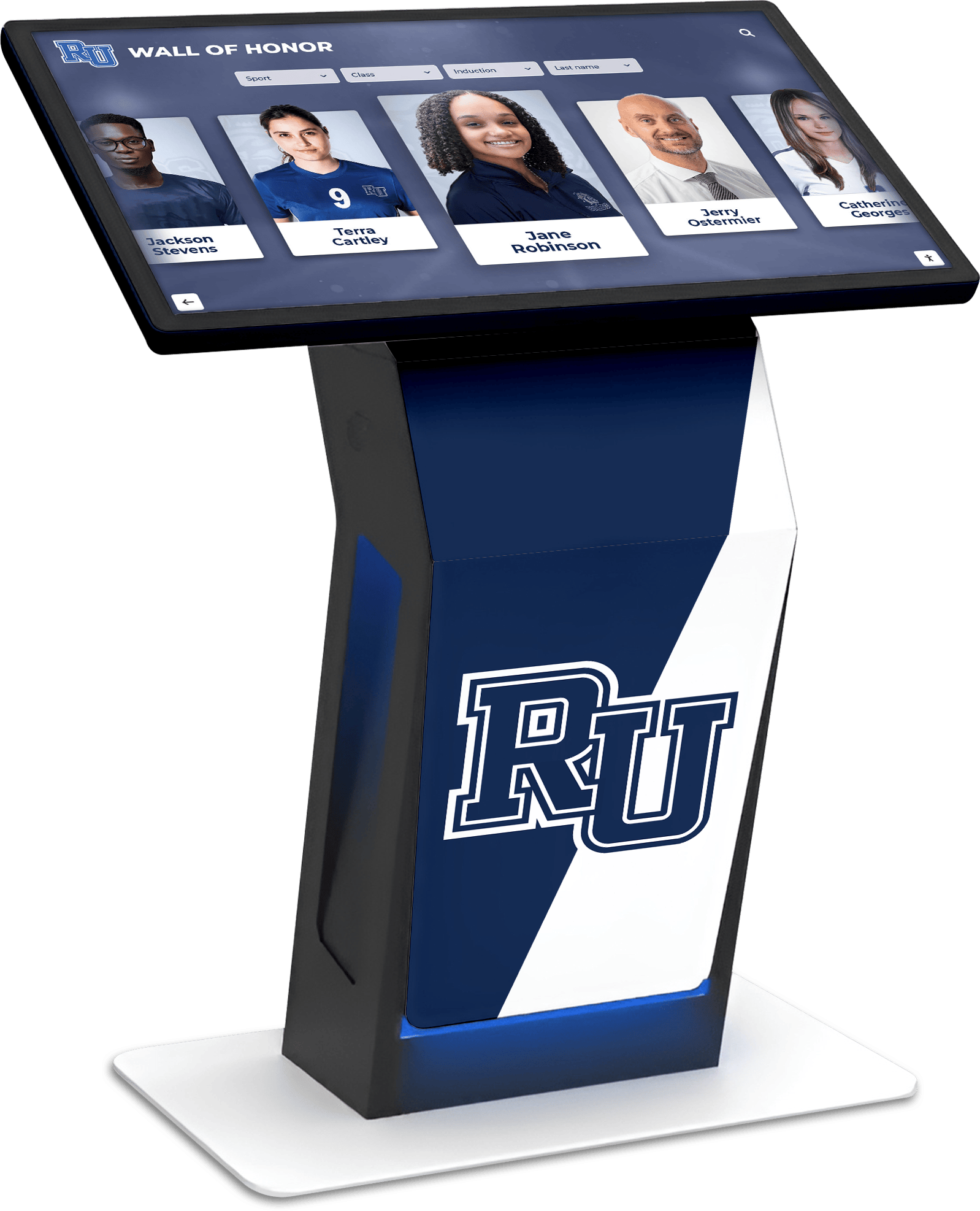
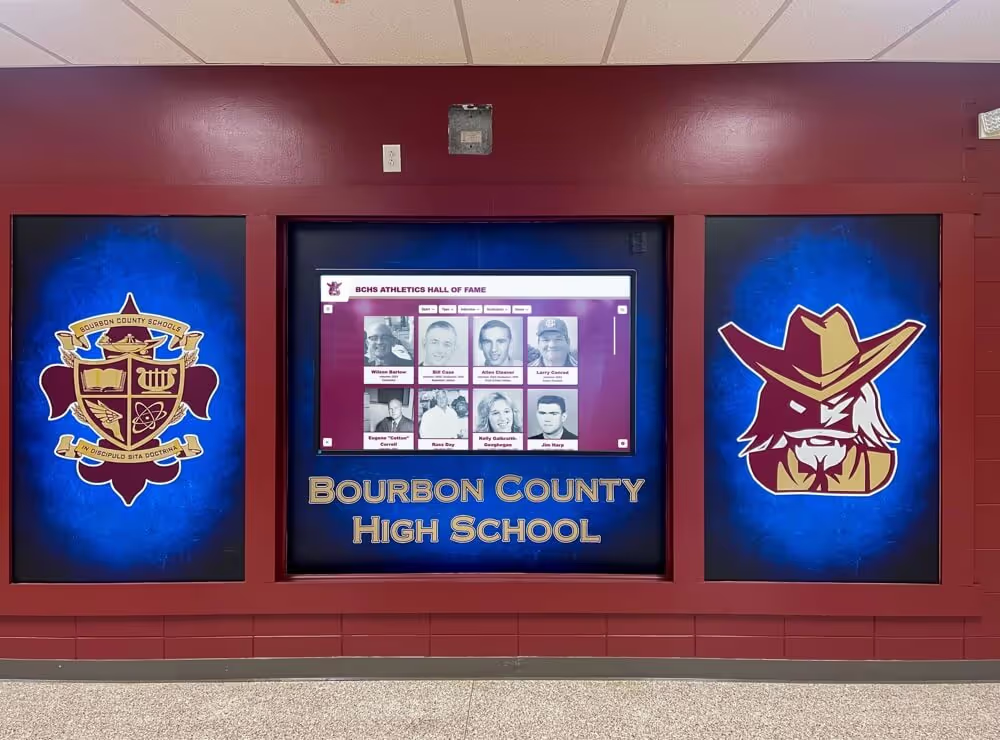
Modern recognition systems integrate touchscreen displays with cloud-based management platforms
Personalization and Authenticity
Recognition effectiveness depends on genuine, personalized appreciation that demonstrates understanding of individual employees:
Personalized Recognition Elements Generic recognition feels hollow and transactional. Effective acknowledgment:
- References specific contributions with concrete details
- Explains concrete impact on teams, customers, or business outcomes
- Connects contributions to organizational mission and values
- Includes relevant context about employee’s role and journey
- Avoids template language and form letter phrases
- Demonstrates knowledge of employee interests and strengths
- Uses appropriate tone matching company culture and recipient preferences
Appropriate Recognition Formats
- Match recognition visibility to achievement significance
- Consider employee preferences regarding public versus private acknowledgment
- Balance different recognition approaches to maintain freshness
- Vary delivery methods between written, verbal, visual, and experiential
- Align recognition style with organizational culture and employee expectations
- Ensure accessibility for remote workers and distributed teams
Impact Communication Show employees how their contributions matter:
- Specific outcomes resulting from their work
- Customer feedback and testimonials
- Team or business metrics improvements
- Peer testimonials about their impact
- Leadership perspective on significance
- Long-term implications of their contributions
Peer-to-Peer Recognition
Empowering employees to recognize colleagues creates powerful workplace connections and distributes recognition responsibility:
Peer Recognition Benefits Peer recognition programs deliver unique advantages beyond manager-led acknowledgment. Colleagues observe day-to-day contributions managers might miss, creating more comprehensive recognition coverage. Peer appreciation builds stronger team relationships, fosters collaboration, and creates positive team dynamics.
Peer Recognition Implementation
- Easy-to-use platforms integrated with daily workflow tools
- Clear guidelines for meaningful, specific recognition
- Visible appreciation ensuring company-wide acknowledgment
- Manager reinforcement amplifying peer recognition
- Connection to rewards or points programs when appropriate
- Training on giving effective recognition to colleagues
Organizations implementing peer recognition programs see a 20% boost in overall engagement levels, according to employee recognition research. Peer appreciation complements manager recognition while building the collaborative culture where employees feel supported by colleagues.
Learn about community-driven approaches in recognition display strategies that emphasize broad participation.
Modern Recognition Technology and Digital Solutions
Traditional approaches to employee recognition—printed newsletters, bulletin boards, and annual ceremonies—struggle to create the visibility, engagement, and flexibility modern workplaces require.
Digital Recognition Display Solutions
Organizations are increasingly turning to digital recognition displays that eliminate traditional limitations while providing unprecedented engagement and scalability:
Unlimited Recognition Capacity Physical plaques and wall displays face inevitable space constraints that force difficult decisions about whose accomplishments receive visibility. Digital recognition systems overcome these limitations entirely:
- Single display showcases unlimited employees across all recognition categories
- No need to remove historical achievements to accommodate current recognition
- Comprehensive archives preserve complete organizational recognition history
- All departments and achievement types receive equal display capacity
- Recognition grows with the organization without physical space limitations
Solutions like Rocket Alumni Solutions enable organizations to celebrate every deserving employee without the constraints of traditional recognition walls that fill within years and require expensive expansion.
Interactive Exploration Features Static plaques provide only names and perhaps achievement details. Modern touchscreen systems create engagement impossible with traditional displays:
- Search functionality enabling employees to find themselves and colleagues
- Filtering by achievement type, department, year, and other criteria
- Detailed profile pages telling complete professional stories and career journeys
- Photo galleries and achievement documentation with rich media
- Progress tracking across multiple years and recognition milestones
- Integration with organizational announcements and communications
Explore comprehensive systems through best platforms for building recognition displays that serve corporate needs.
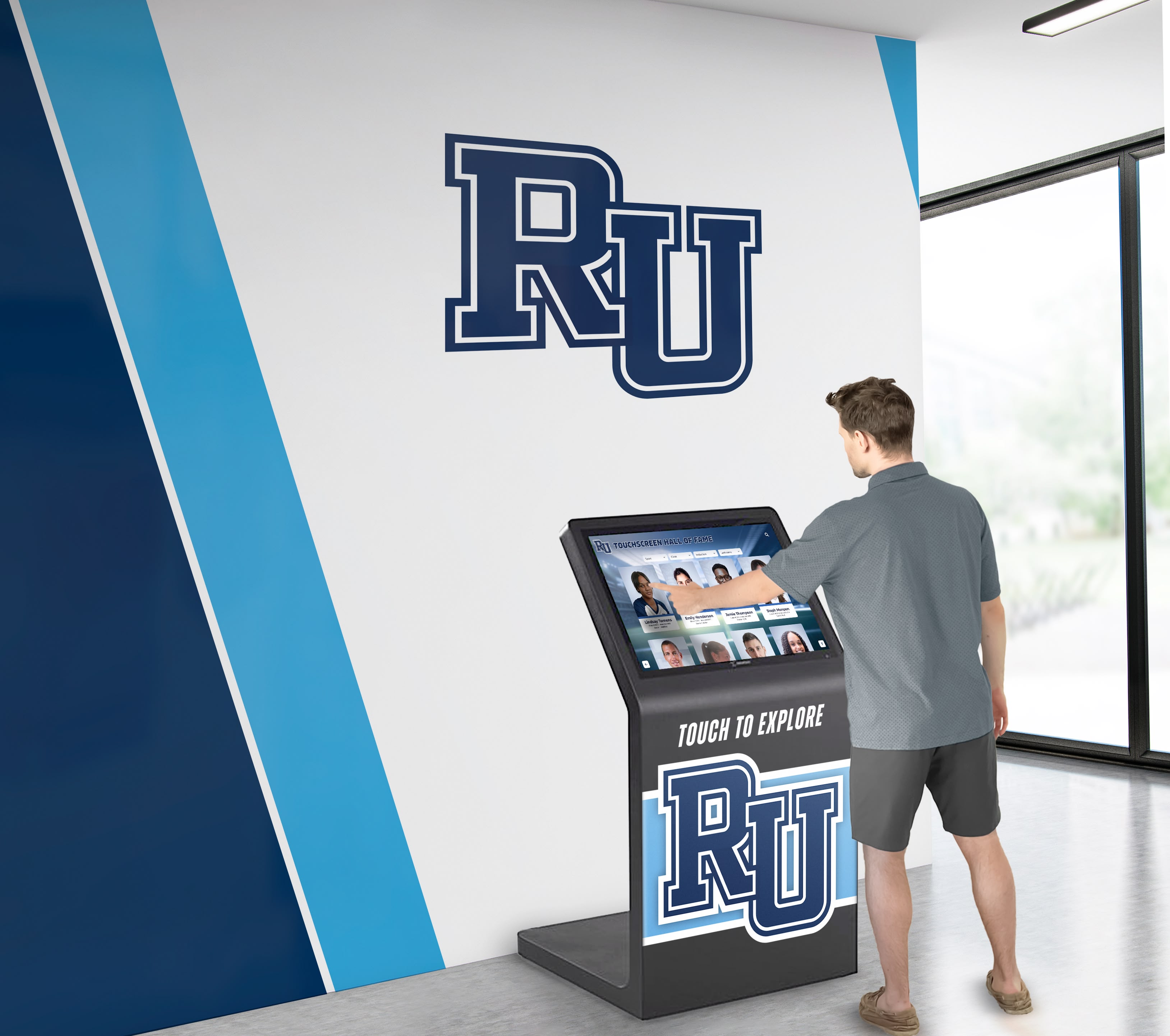
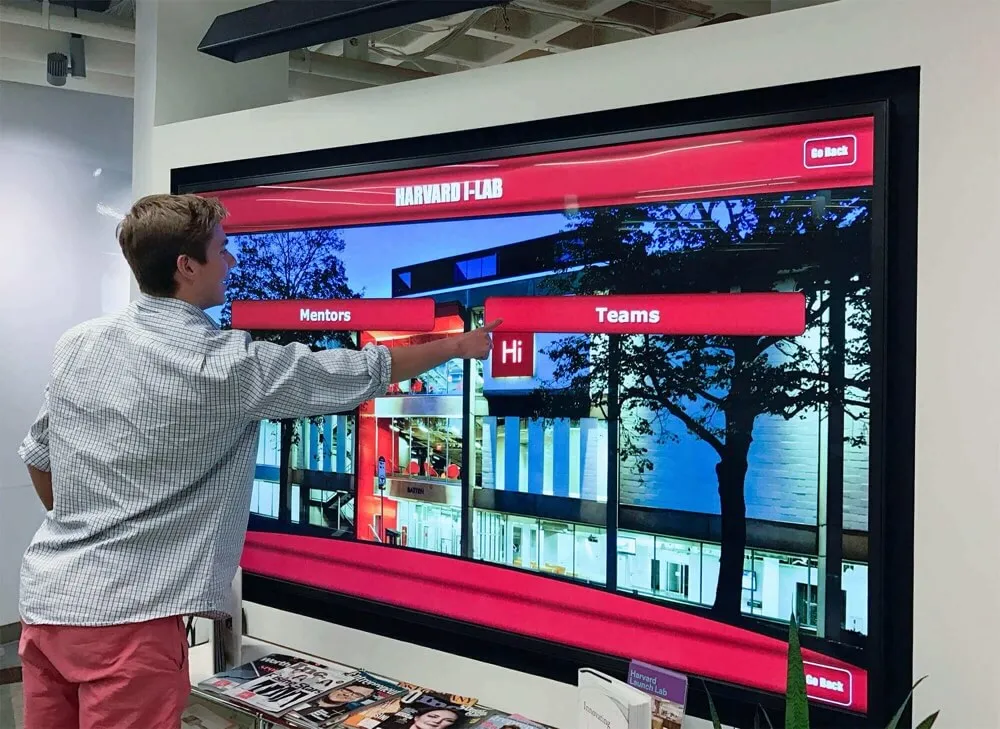
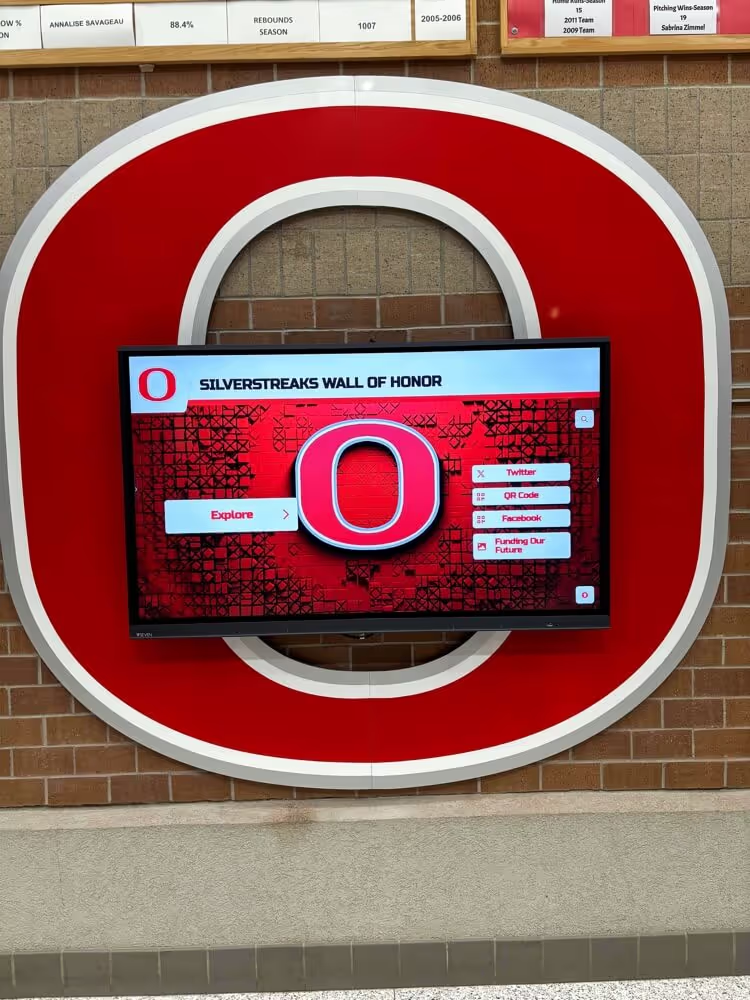
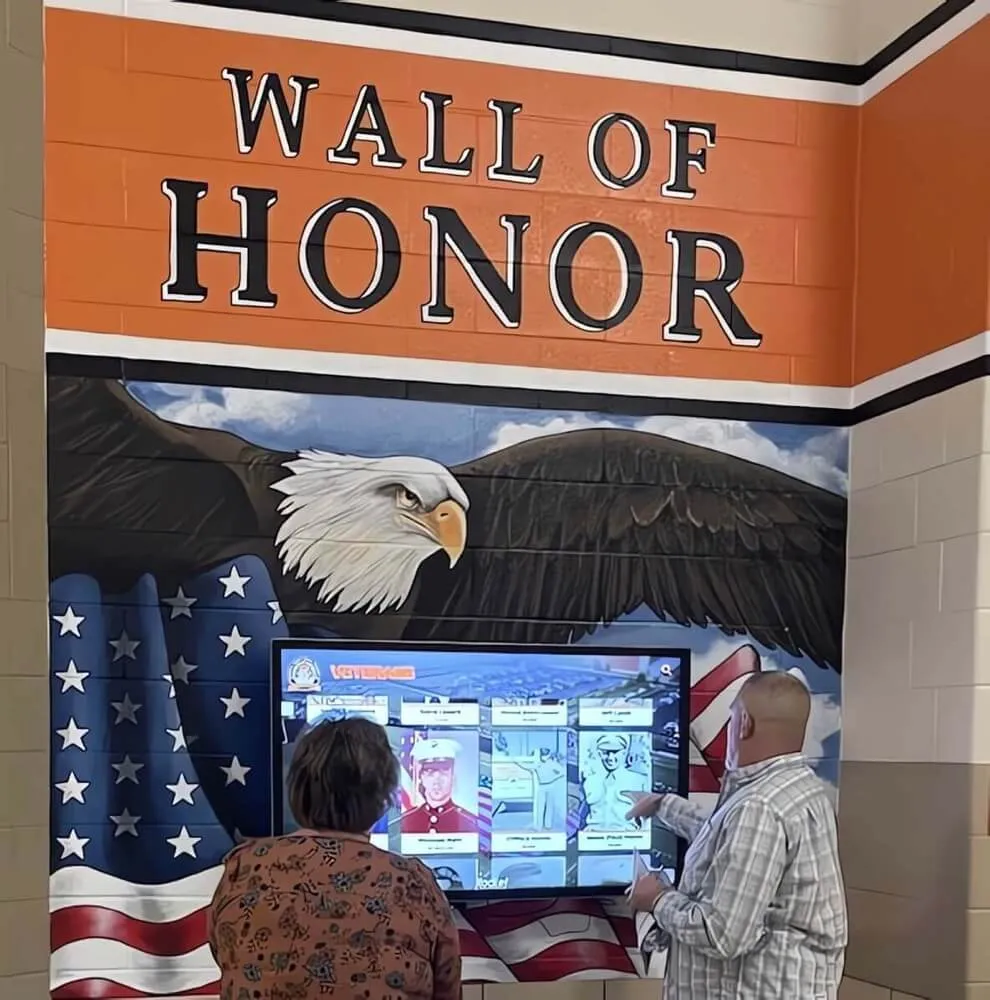
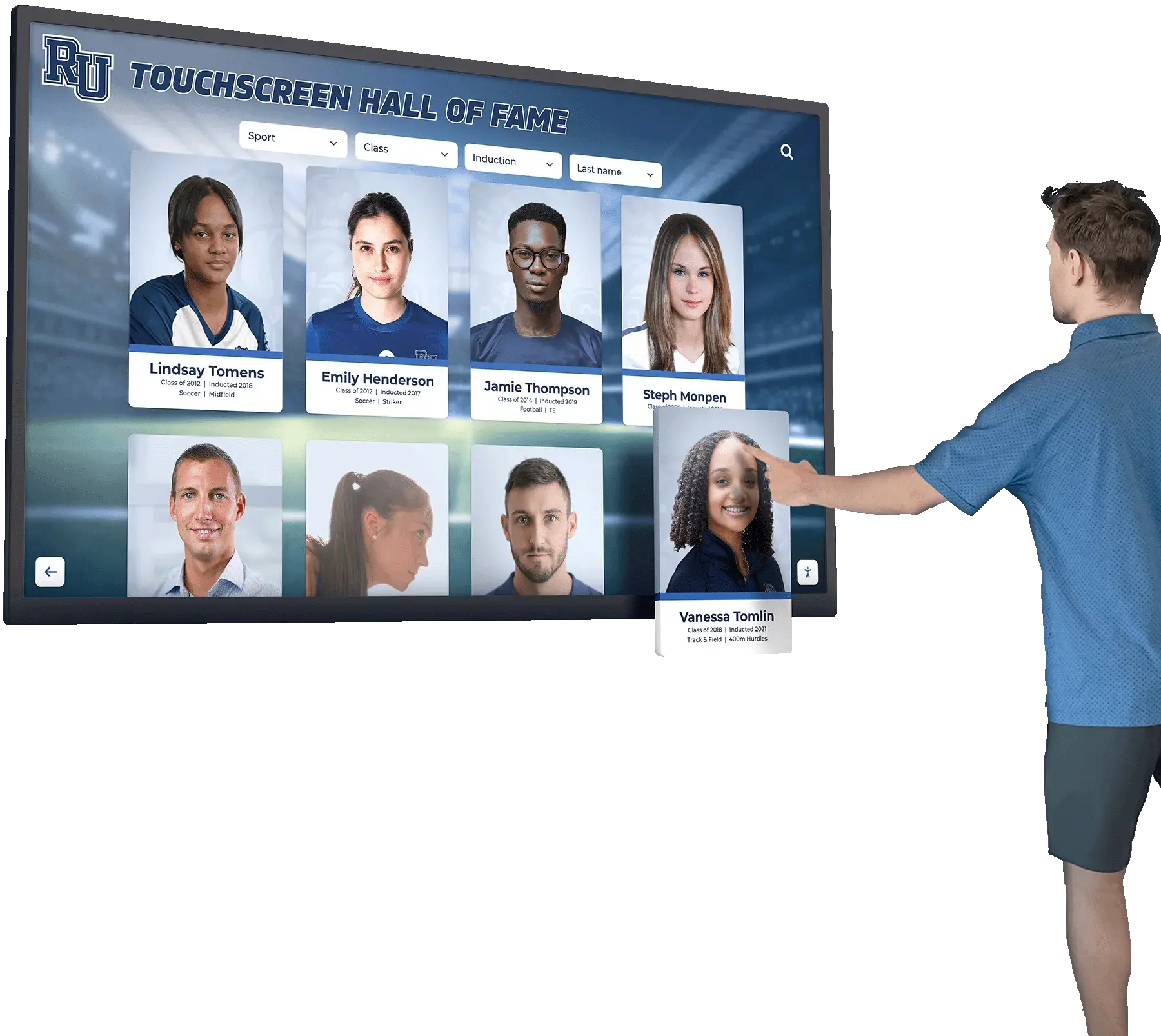
Touchscreen interfaces make exploring corporate achievements engaging and intuitive for all employees
Simple Content Management Traditional recognition systems require physical access, professional services, and significant lead time for updates. Cloud-based management systems eliminate these administrative burdens:
- Remote updates from any internet-connected device
- Bulk import tools for historical achievement data
- Scheduled publishing automation for quarterly and annual recognition
- Role-based permissions enabling appropriate staff access
- Drag-and-drop interfaces requiring no technical expertise
- Professional templates ensuring attractive, consistent presentation
Organizations report 80-90% reduction in administrative time spent maintaining recognition programs after implementing digital systems compared to traditional plaques requiring physical updates, engraving, and reinstallation.
Cost-Effectiveness Over Time While initial investment in digital systems may appear higher than traditional plaques, long-term costs favor digital approaches:
- No recurring engraving or plaque costs for new honorees
- No reinstallation expenses as recognition needs grow
- No physical space expansion requirements
- Reduced labor for maintenance and updates
- Flexibility to repurpose and reconfigure as needs evolve
- Enhanced employee engagement justifying initial investment
Web-Based Recognition Extensions
Corporate recognition should extend beyond physical offices to engage remote workers, distributed teams, and work-from-home employees:
Online Recognition Platforms Web-accessible systems amplify recognition impact:
- Remote employees worldwide can view and engage with recognition
- Social sharing capabilities enabling employees to celebrate accomplishments
- Mobile-optimized displays ensuring accessibility across all devices
- Integration with company intranets and communication platforms
- Analytics tracking engagement and recognition program effectiveness
- Connection to professional profiles and development systems
Recognition Communication Strategies Systematic communication ensures maximum visibility:
- Email announcements when colleagues receive recognition
- Slack or Teams integration for real-time recognition sharing
- Newsletter features highlighting recognition program success
- All-hands meeting integrations providing company-wide acknowledgment
- LinkedIn and social media partnerships extending recognition externally
- Department-specific communication honoring team achievements
This multi-channel approach ensures achievements receive visibility across the organization regardless of location, work arrangement, or communication preferences.
For implementation ideas, explore nonprofit donor recognition with digital displays that translate well to employee contexts.
Creating Inclusive and Equitable Recognition Programs
Effective programs ensure recognition opportunities exist for employees across all roles, levels, backgrounds, and contributions without creating barriers or perpetuating biases.
Equity in Recognition Design
Recognition systems must address equity concerns systematically to ensure fair and inclusive programs:
Multiple Pathway Recognition
- Achievement recognition for employees in all roles and organizational levels
- Growth and improvement measures ensuring developing employees receive acknowledgment
- Effort-based recognition valuing commitment regardless of outcome
- Values-based recognition beyond traditional performance metrics
- Character-based recognition for integrity, collaboration, and cultural contribution
- Special situation recognition acknowledging extraordinary circumstances
Addressing Potential Biases Recognition programs can inadvertently perpetuate organizational biases:
- Ensure recognition distribution across demographic groups
- Monitor for patterns favoring certain departments or roles
- Create recognition criteria that don’t disadvantage part-time or non-traditional workers
- Balance quantitative and qualitative achievement measures
- Include recognition for collaborative versus individual achievements
- Regularly audit recognition data identifying disparities
Accessibility Considerations Digital recognition platforms should incorporate comprehensive accessibility:
- ADA-compliant physical placement and mounting heights
- Screen reader compatibility and keyboard navigation
- High-contrast viewing modes and text magnification
- Multilingual content options for diverse workforces
- Mobile access for employees without regular office access
- Alternative formats for employees with different needs
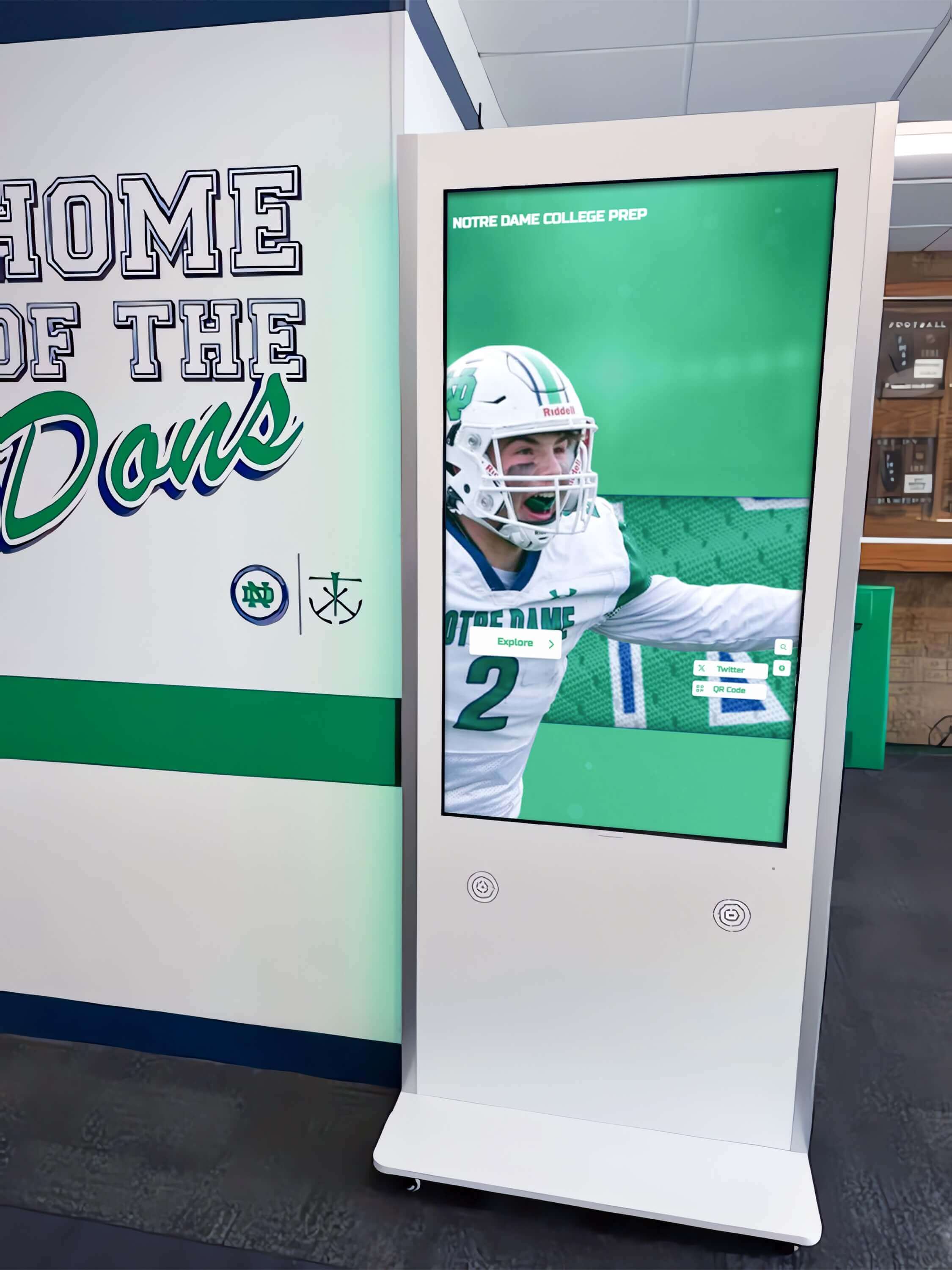
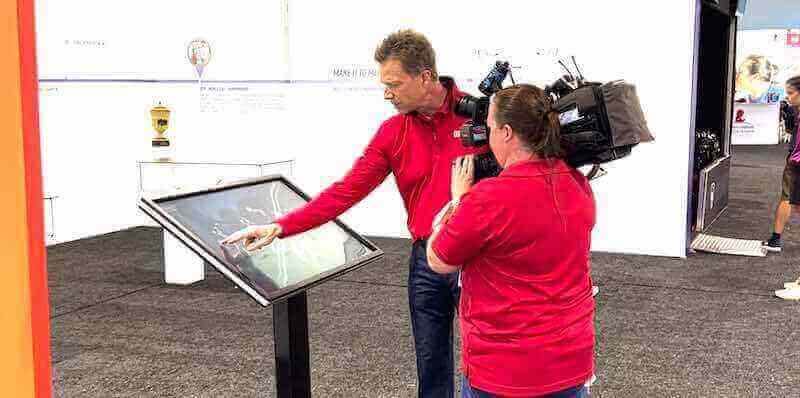
Strategically placed recognition kiosks in common areas maximize employee engagement across all shifts and roles
Avoiding Recognition Pitfalls
Common mistakes undermine employee recognition effectiveness and can create negative unintended consequences:
Recognition Inflation Prevention When everyone receives recognition regardless of achievement, recognition loses meaning:
- Clear criteria distinguishing recognition levels
- Meaningful standards maintaining recognition value and prestige
- Balance between inclusivity and significance preservation
- Regular evaluation of criteria appropriateness
- Honest feedback about performance alongside recognition
- Differentiation between participation and exceptional achievement
Overcoming Recognition Resistance Some employees feel uncomfortable with public recognition:
- Offer recognition format options matching preferences
- Provide private appreciation alternatives
- Respect cultural differences in recognition comfort
- Allow employees to decline public acknowledgment
- Create inclusive recognition approaches welcoming all personality types
- Balance public celebration with private appreciation
Avoiding Competitive Toxicity Recognition programs can inadvertently create unhealthy competition:
- Emphasize absolute standards rather than ranking employees against each other
- Recognize team achievements alongside individual excellence
- Celebrate diverse contribution types versus single metrics
- Avoid leaderboards that create winners and losers
- Frame recognition as celebration versus competition
- Monitor for negative competitive behaviors
Implementation Strategy and Sustainable Program Management
Successful employee recognition requires systematic planning, thoughtful design, clear ownership, and sustainable management structures.
Planning and Design Phase
Needs Assessment
- Evaluate current recognition programs and identify gaps
- Survey employees about recognition priorities and preferences
- Analyze engagement data revealing recognition opportunities
- Review available resources and budget considerations
- Assess physical spaces and technology infrastructure
- Benchmark against industry peers and best practices
Program Design
- Define recognition categories aligned with organizational values
- Establish tiered recognition levels with clear criteria
- Develop nomination and selection processes ensuring fairness
- Create communication strategies maximizing visibility
- Plan implementation timeline with realistic milestones
- Assign roles and responsibilities for program management
Policy Development
- Document recognition standards for all achievement types
- Establish timelines for acknowledgment at each level
- Create approval processes for recognition content
- Define privacy and preference management protocols
- Develop training materials for managers and participants
- Build scalable processes anticipating organizational growth
Launch and Implementation
Initial Launch Strategy
- Begin with achievable programs building momentum and confidence
- Train managers on recognition delivery and program participation
- Communicate recognition opportunities to all employees through multiple channels
- Create clear documentation of criteria and procedures
- Establish content management responsibilities and workflows
- Generate early wins demonstrating program value
Technology Integration When implementing digital recognition displays:
- Select appropriate hardware based on placement, traffic, and budget
- Choose content management platforms matching staff capabilities
- Plan for web integration extending recognition reach
- Consider solutions like Rocket Alumni Solutions offering comprehensive employee recognition systems
- Train multiple staff members ensuring management sustainability
- Integrate with existing HR systems and communication platforms
Sustainability and Continuous Improvement
Ongoing Management Requirements
- Assign clear ownership and responsibilities
- Establish regular update schedules and deadlines
- Create efficient nomination and submission processes
- Budget for program maintenance and enhancements
- Refresh content maintaining engagement
- Monitor for participation and effectiveness
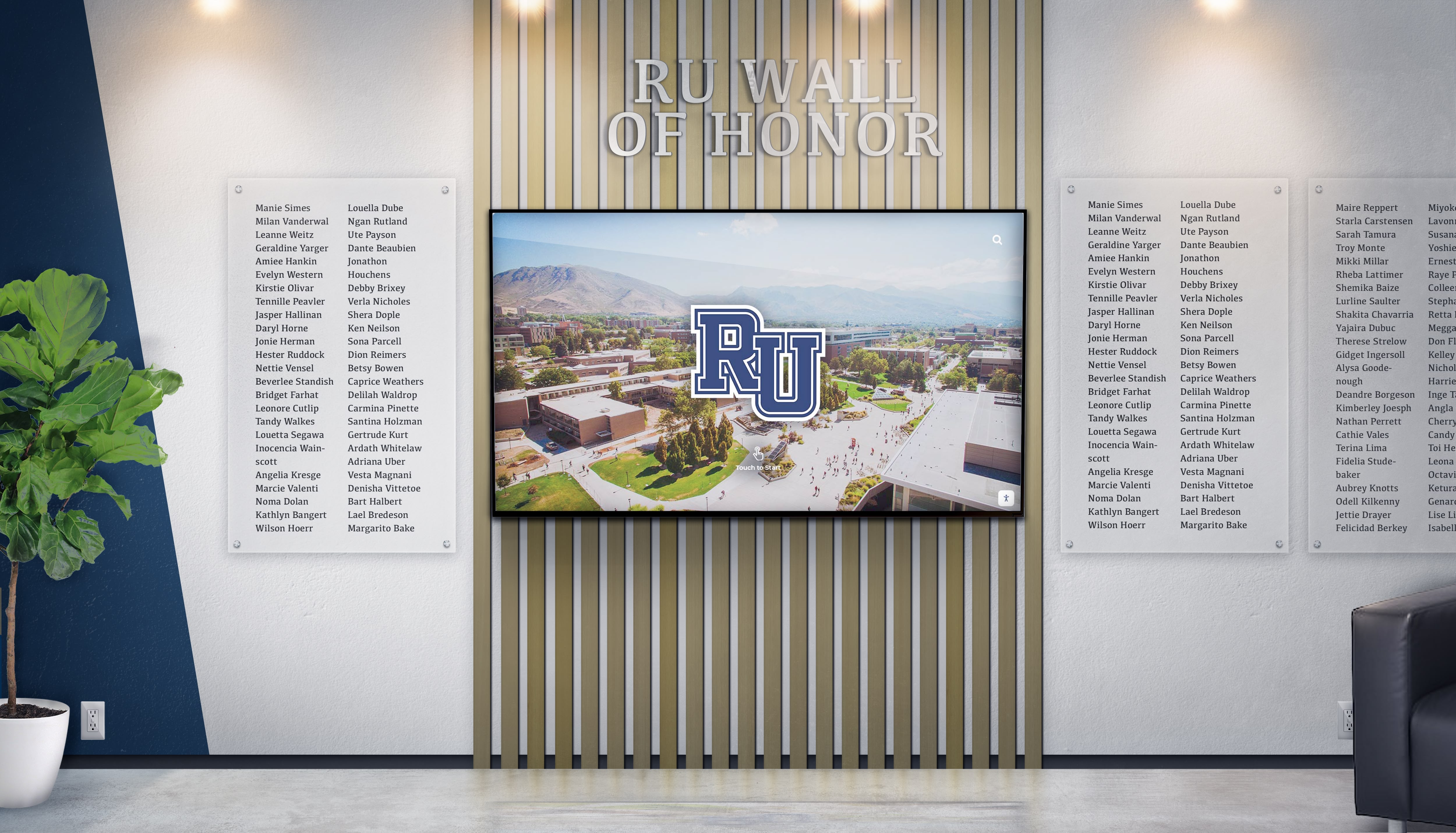
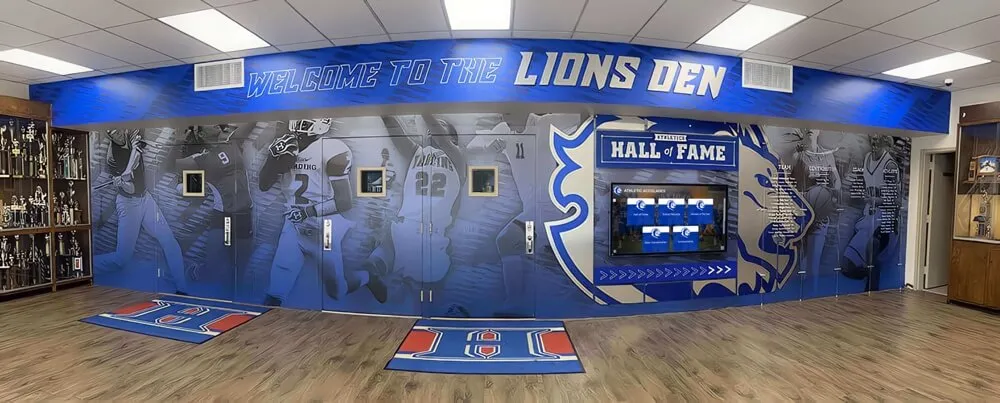
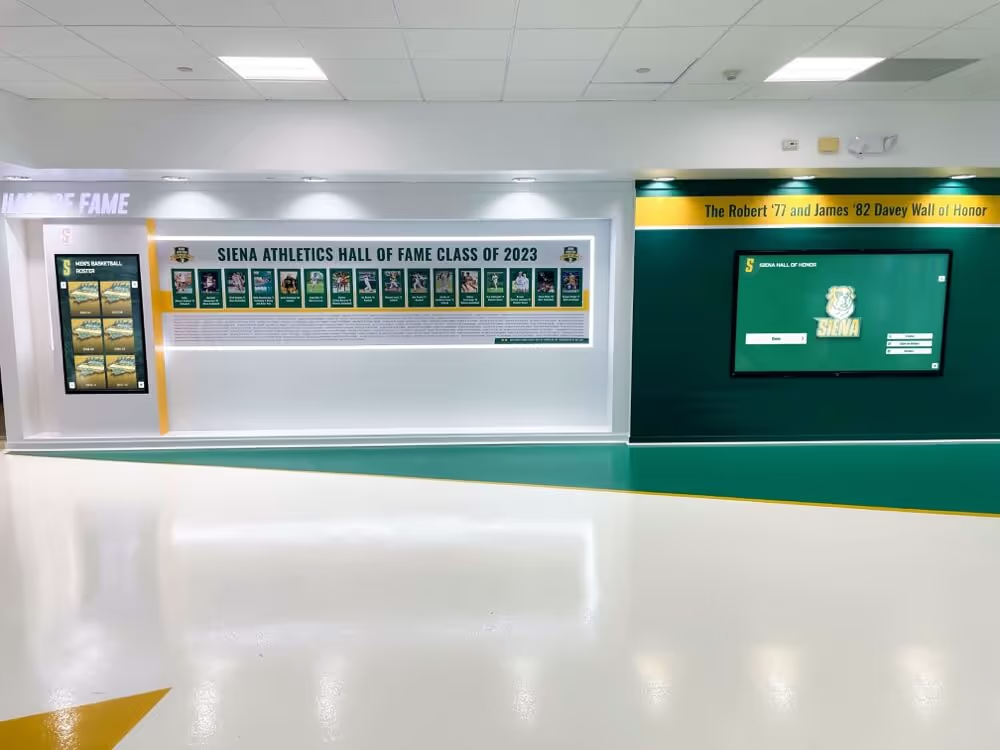
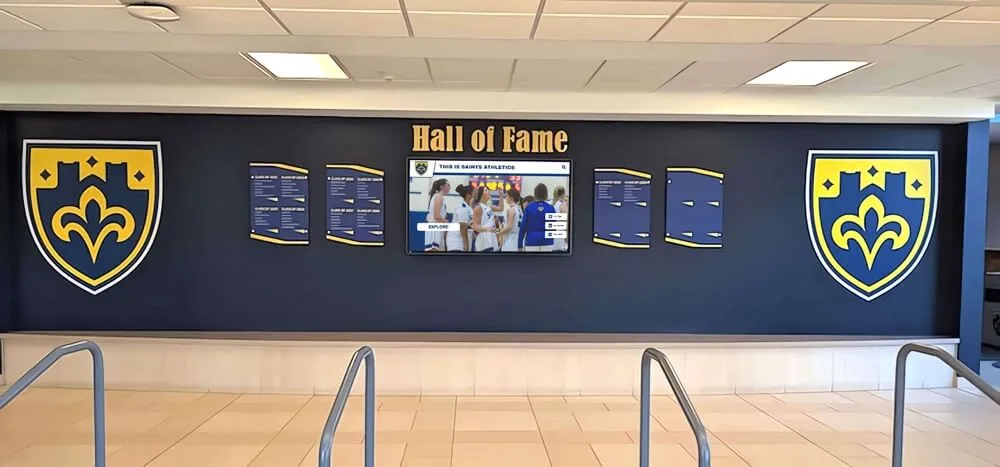
Integrated recognition systems combine digital displays with traditional elements creating comprehensive celebration spaces
Assessment and Refinement
- Track recognition distribution across employee populations
- Gather employee feedback on program effectiveness and satisfaction
- Monitor engagement with recognition displays and communications
- Analyze relationship between recognition and retention metrics
- Measure impact on employee engagement survey scores
- Adjust criteria and approaches based on assessment data
Program Evolution Recognition programs should evolve with organizational needs:
- Expand recognition categories as company grows
- Update technology platforms incorporating new capabilities
- Refresh recognition approaches maintaining employee interest
- Respond to changing employee preferences and expectations
- Scale programs as employee populations grow
- Integrate recognition with broader employee experience initiatives
Regular evaluation ensures recognition programs remain effective, equitable, meaningful, and aligned with organizational goals while adapting to changing workforce needs.
Measuring Recognition Program Success
Regular assessment ensures programs achieve intended goals, justify resource investment, and demonstrate business value.
Quantitative Metrics
Participation and Coverage Data
- Percentage of employees receiving some recognition annually
- Distribution across departments, levels, and demographic groups
- Recognition frequency per employee over time
- Number of recognition categories utilized
- Peer-to-peer recognition volume and participation rates
- Year-over-year participation trend analysis
Engagement Indicators
- Digital display interaction rates and session duration
- Web-based recognition platform usage statistics
- Internal communication engagement with recognition content
- Recognition ceremony and event attendance rates
- Employee response rates to recognition communications
- Social sharing and amplification of recognition
Business Outcome Correlation
- Retention rates among recognized versus non-recognized employees
- Employee engagement survey score trends and improvements
- Performance metric improvements in recognized departments
- Recruitment success and employer brand strength
- Absenteeism and productivity indicators
- Customer satisfaction correlations with employee recognition
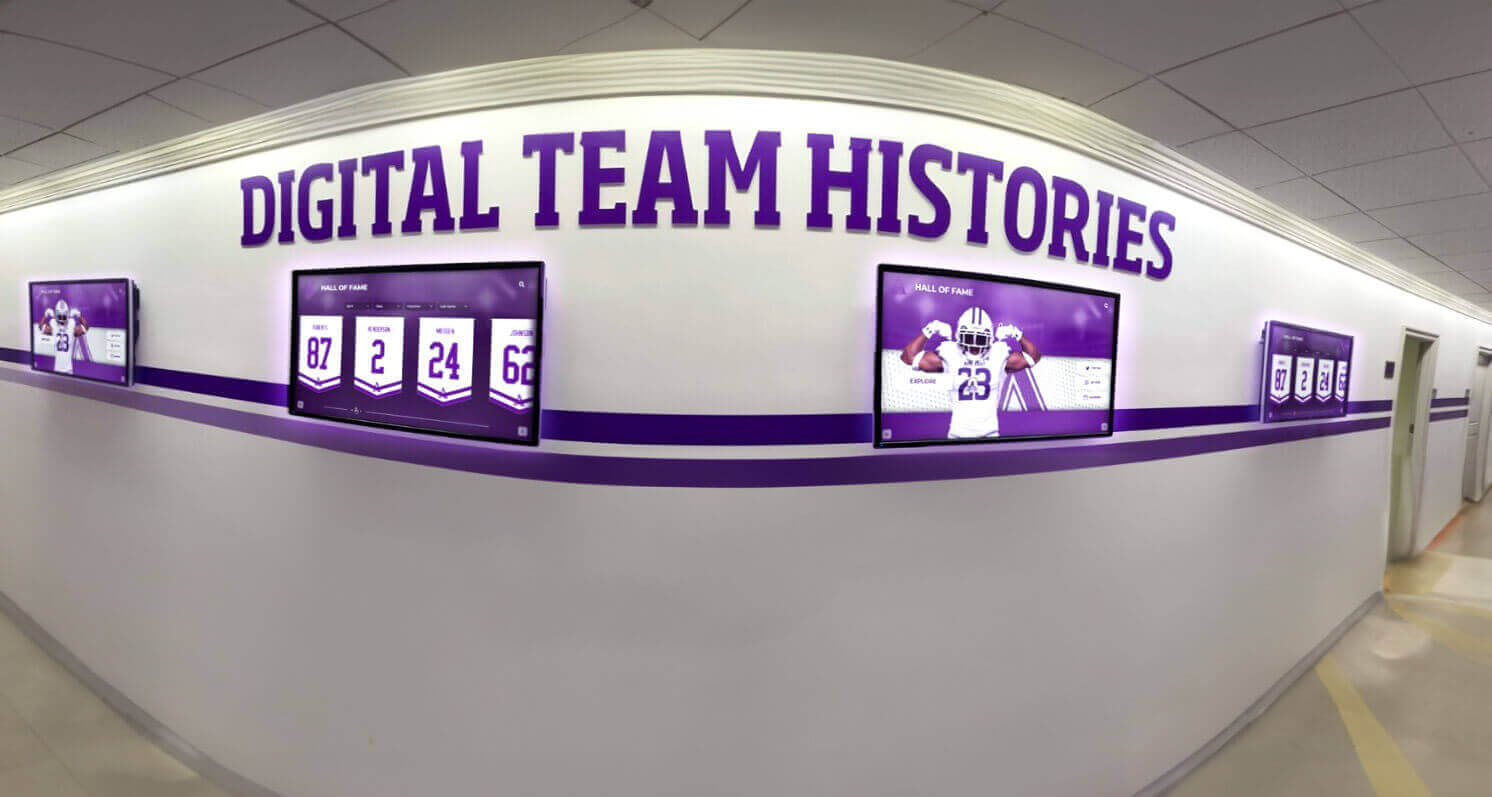
Timeline displays document company history and milestone achievements while celebrating employee contributions
Qualitative Assessment
Employee Feedback
- Surveys about recognition program awareness, fairness, and impact
- Focus groups exploring recognition preferences and experiences
- Exit interviews citing recognition factors in retention decisions
- Testimonials about meaningful recognition moments
- Manager assessment of recognition program utility and effectiveness
- Suggestions for recognition program improvements
Cultural Indicators
- Observed changes in workplace culture and peer relationships
- Employee motivation and engagement anecdotal evidence
- Behavioral data relating to collaboration and innovation
- Workplace climate improvements and psychological safety
- Employee sense of belonging and inclusion measures
- Leadership visibility and participation in recognition
Return on Investment Analysis Calculate recognition program ROI by considering:
- Turnover reduction savings from improved retention
- Recruitment cost savings from employer brand enhancement
- Productivity gains from increased engagement
- Customer satisfaction improvements from motivated employees
- Program costs including technology, staff time, and rewards
- Comparison to alternative retention and engagement investments
Regular assessment enables continuous improvement ensuring recognition programs remain meaningful, impactful, and cost-effective investments in employee experience and organizational performance.
Creative Recognition Ideas Beyond Traditional Approaches
Innovative recognition approaches create memorable experiences and demonstrate genuine appreciation:
Experiential Recognition
Professional Development Opportunities
- Conference attendance and industry event participation
- Executive coaching or mentorship programs
- Specialized training in areas of interest
- Certification sponsorship and exam fee coverage
- Sabbatical programs for long-term employees
- Job shadowing and cross-functional learning experiences
Lifestyle and Wellness Recognition
- Extra paid time off and flexible scheduling
- Wellness program credits and gym memberships
- Mental health resources and counseling benefits
- Work-from-home flexibility or upgraded home office equipment
- Commute assistance or parking privileges
- Family benefits like childcare support or family event tickets
For creative approaches, explore end of year awards for students that translate well to year-end employee recognition.
Unique Gifts and Experiences
- Personalized items reflecting employee interests and hobbies
- Local experience gifts supporting community businesses
- Technology upgrades for personal use
- Charitable donations to employee-selected organizations
- Curated gift boxes aligned with company values
- Handwritten notes from leadership or grateful customers
Public Recognition Approaches
Company-Wide Visibility
- Featured stories in company newsletters and communications
- Recognition displays in high-traffic areas and common spaces
- All-hands meeting spotlight segments
- CEO or executive personal recognition calls
- Social media features celebrating achievements
- Press releases for exceptional achievements with external impact
Award Ceremonies and Events
- Annual recognition banquets and celebration events
- Department-specific award presentations
- Surprise recognition moments creating memorable experiences
- Family inclusion in recognition events
- Virtual recognition ceremonies for distributed teams
- Creative themed recognition events
Organizations looking for donor wall ideas for creating impactful recognition displays can adapt similar principles to employee recognition contexts.
Special Considerations for Different Work Environments
Recognition strategies should adapt to different organizational contexts and work arrangements:
Remote and Hybrid Workforce Recognition
Virtual Recognition Strategies
- Digital badges and certificates employees can display
- Virtual celebration events bringing distributed teams together
- Shipped recognition packages to home addresses
- Video message compilations from team members
- Online recognition walls accessible from anywhere
- Virtual coffee chats with leadership for recognition
Ensuring Remote Worker Inclusion
- Intentional tracking of recognition distribution by location
- Multiple recognition channels ensuring remote visibility
- Time zone considerations for recognition events
- Technology ensuring equal access to recognition platforms
- Manager training on recognizing distributed team members
- Peer-to-peer recognition tools bridging distance
Small Business and Startup Recognition
Budget-Conscious Recognition
- Creative, low-cost recognition emphasizing personal touch
- Founder and leadership involvement in recognition
- Flexible work arrangements as recognition
- Public acknowledgment in company communications
- Responsibility increases and project ownership
- Equity and profit-sharing aligned with contributions
Scaling Recognition with Growth
- Establish recognition foundations before scaling challenges
- Document recognition processes ensuring consistency as company grows
- Invest in scalable technology platforms early
- Build recognition into company culture from the start
- Create recognition champions at all organizational levels
- Plan for recognition program evolution alongside company growth
Enterprise and Multi-Location Recognition
Ensuring Consistency Across Locations
- Standardized recognition criteria and processes
- Centralized recognition technology platforms
- Regional recognition coordinators ensuring local implementation
- Cross-location recognition sharing and visibility
- Cultural adaptation while maintaining core principles
- Regular calibration ensuring equitable distribution
Global Workforce Considerations
- Cultural sensitivity in recognition approaches
- Translation and localization of recognition content
- Time zone management for recognition events
- Regional celebration of local holidays and milestones
- Compliance with local labor laws and regulations
- Global recognition platforms with local flexibility
Conclusion: Building Cultures of Appreciation and Excellence
Effective employee recognition programs represent strategic investments in workforce engagement, organizational culture, and business performance. When companies systematically celebrate contributions across multiple dimensions—from individual excellence to team collaboration to organizational values demonstration—they create environments where achievements become visible, excellence becomes aspirational, and appreciation becomes central to company culture.
The strategies explored in this guide provide comprehensive frameworks for building recognition systems that honor diverse contributions while remaining sustainable, authentic, and aligned with business goals. From digital recognition displays that eliminate space constraints to multi-tiered programs ensuring opportunities at all levels to peer-to-peer recognition fostering collaboration, these approaches transform acknowledgment from sporadic gestures to systematic celebration woven throughout organizational culture.
Transform Your Employee Recognition Program
Discover how modern digital recognition solutions can help you celebrate every employee achievement and build a thriving culture of excellence and engagement.
Explore Recognition SolutionsBuilding effective employee recognition requires moving beyond limiting assumptions about who deserves acknowledgment and how appreciation should appear. Digital platforms like those offered by Rocket Alumni Solutions make comprehensive recognition achievable across unlimited employees and achievement categories, while systematic approaches ensure consistent implementation reaching all deserving contributors.
Organizations with strong recognition programs see documented improvements in retention (31% lower voluntary turnover), engagement (up to 60% increases), and productivity (14% higher performance). These benefits flow from recognition programs that feel genuine, frequent, personalized, and aligned with company values. Technology enables scalability while maintaining the personal touch that makes recognition meaningful.
Start where you are with recognition improvements you can implement immediately—improving manager training on effective recognition, establishing consistent appreciation cadences, implementing accessible peer recognition platforms—then systematically expand to create comprehensive approaches your employees deserve. Every employee who receives meaningful recognition for their contributions develops stronger connection to the organization and greater motivation to continue delivering excellence.
Your employees’ achievements drive organizational success and deserve celebration equal to any business milestone. With thoughtful planning, appropriate technology, and consistent implementation, you can create recognition systems that honor every contribution while building the positive, motivating workplace culture where all employees thrive.
The competitive advantage of companies with strong recognition cultures extends far beyond reduced turnover costs. Organizations where appreciation flows freely, achievements receive visibility, and excellence gets celebrated consistently become magnets for top talent while retaining the high performers who drive results. In today’s talent market, recognition isn’t optional—it’s strategic.
Ready to begin? Explore digital recognition display solutions or learn more about building effective recognition programs that celebrate all contributors and create lasting workplace engagement.