As another school year draws to close, educators face the meaningful task of recognizing students who made exceptional contributions, demonstrated remarkable growth, or exemplified character qualities that define school communities. End of year awards for students represent more than ceremonial traditions—they create defining moments that validate effort, inspire continued excellence, and communicate institutional values through public celebration of achievement.
Research from the American Educational Research Association demonstrates that meaningful recognition significantly impacts student motivation, with appropriately designed awards programs correlating with improved academic engagement, stronger school connectedness, and higher achievement trajectories. When schools celebrate diverse accomplishments through thoughtful recognition, they create cultures where excellence becomes normalized across multiple dimensions rather than narrowly defined by traditional metrics alone.
Yet many schools struggle with end-of-year recognition approaches that feel rushed, generic, or limited to obvious academic standouts. Traditional award ceremonies often acknowledge the same high-achieving students repeatedly while overlooking meaningful growth trajectories, character development, and specialized contributions that deserve equal celebration. Physical space constraints force schools to limit recognition, and static plaques quickly become outdated, failing to capture the full richness of student achievement stories.
This comprehensive guide explores creative, meaningful end of year awards for students that celebrate diverse achievements while providing practical implementation frameworks. You’ll discover award categories spanning academic excellence, character recognition, specialized contributions, creative and artistic achievement, leadership honors, and modern alternatives to traditional trophies. We’ll examine how to design inclusive recognition programs ensuring every deserving student receives acknowledgment while maintaining special significance for exceptional accomplishments.

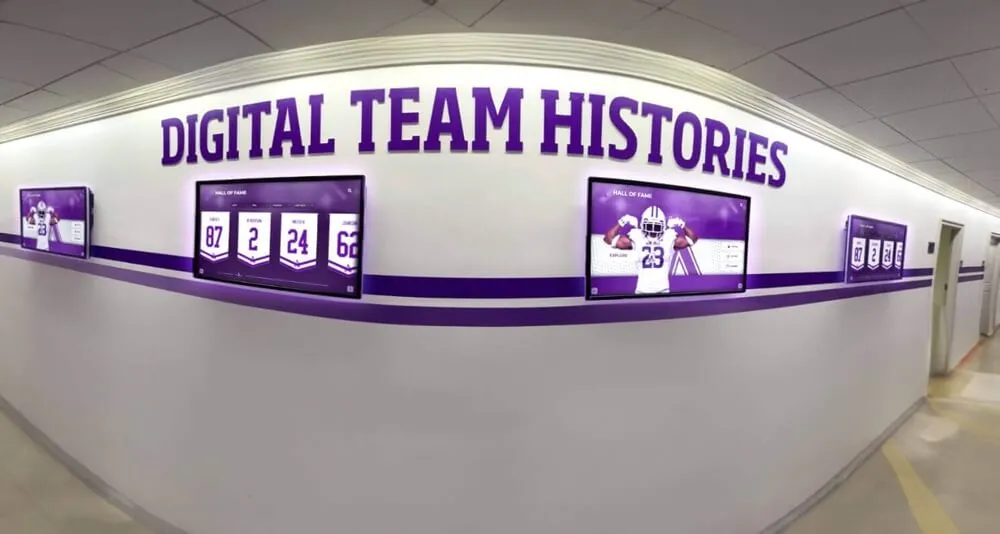
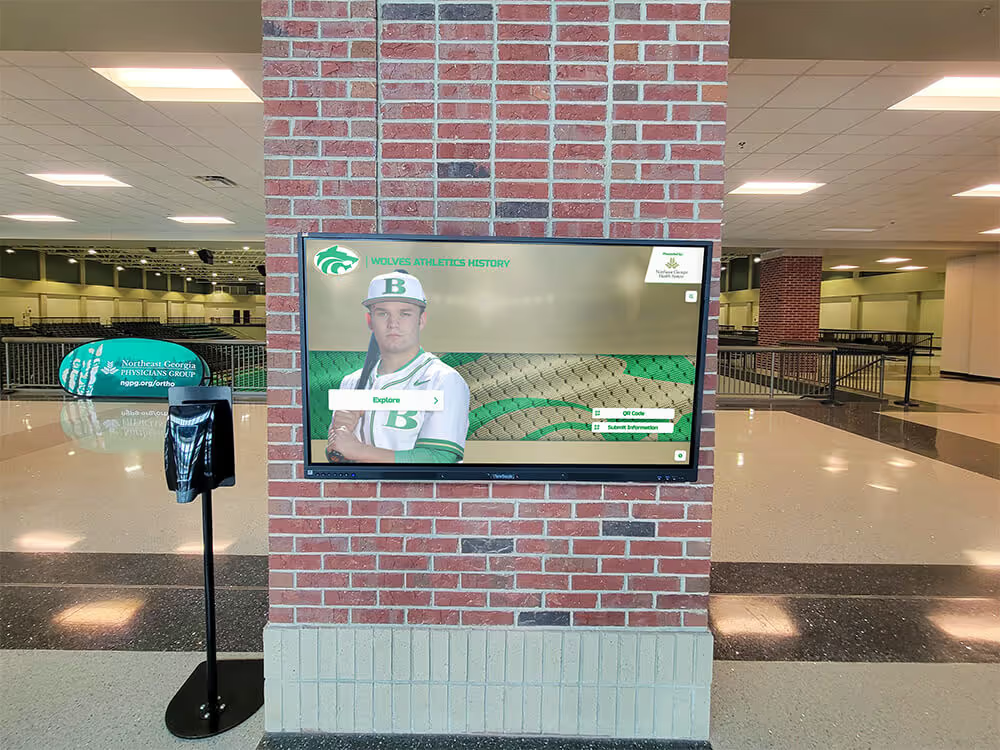
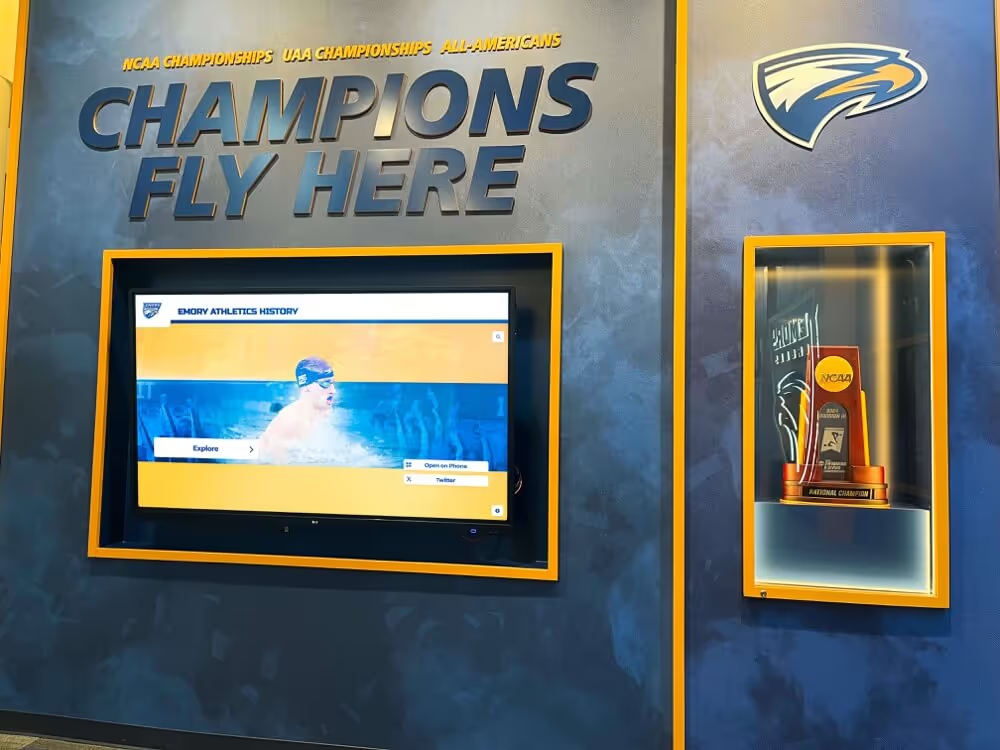
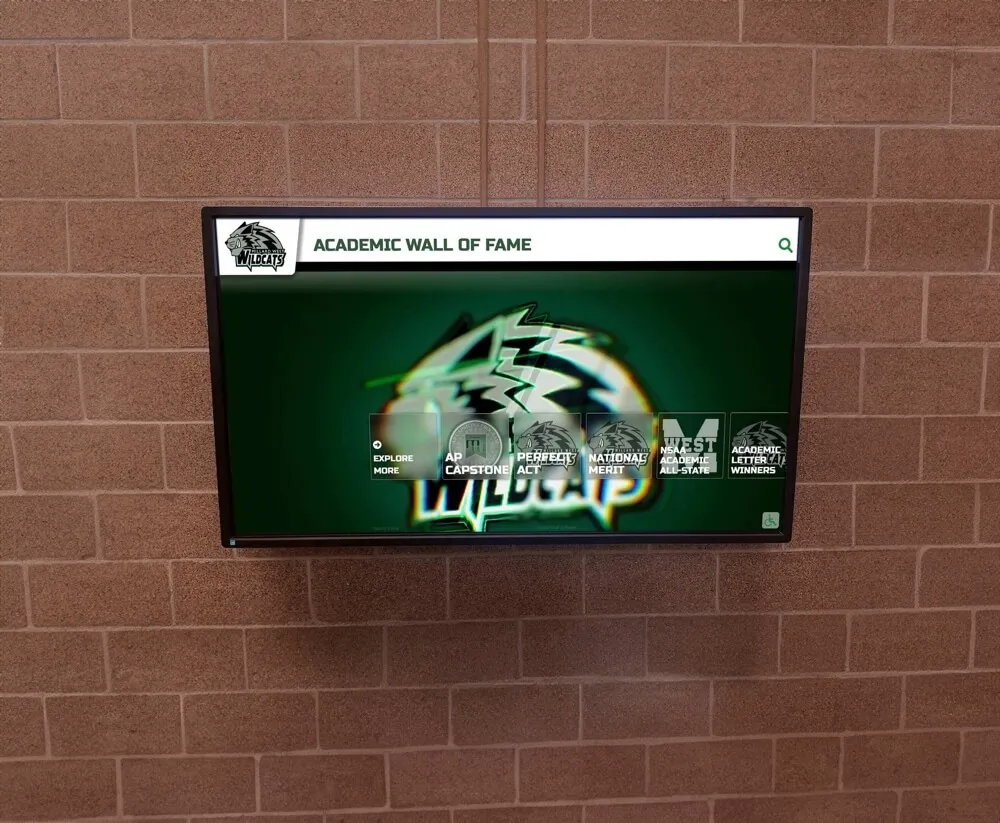
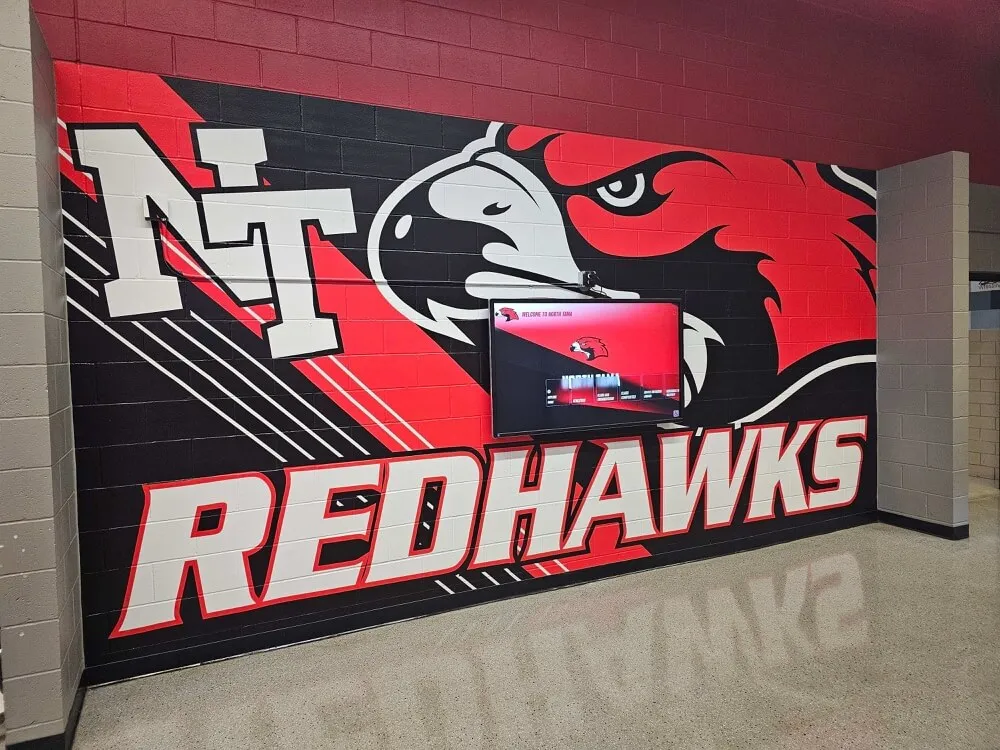
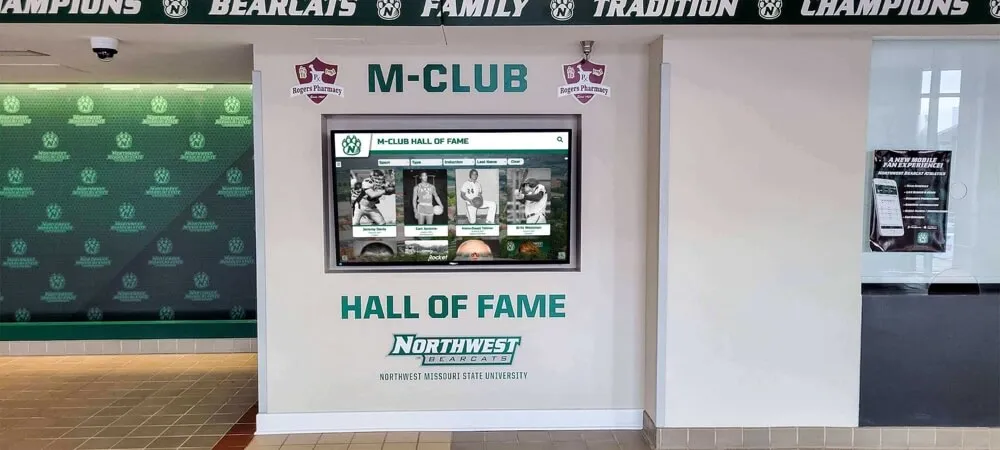
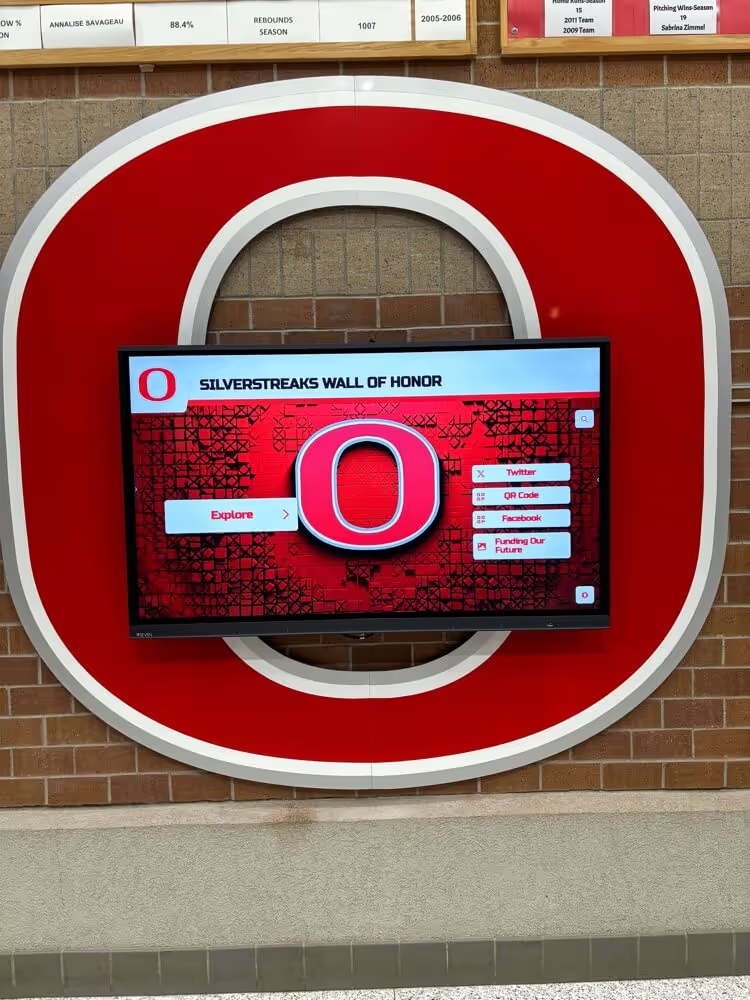
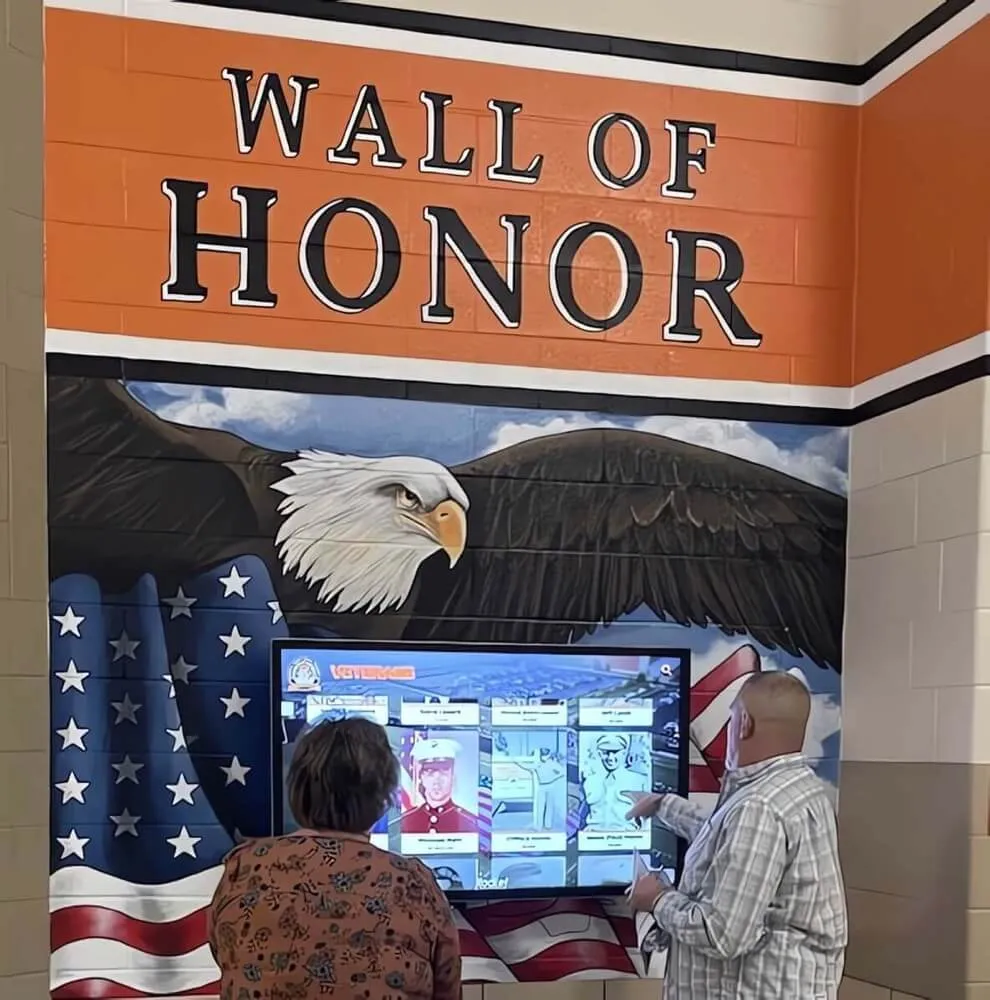
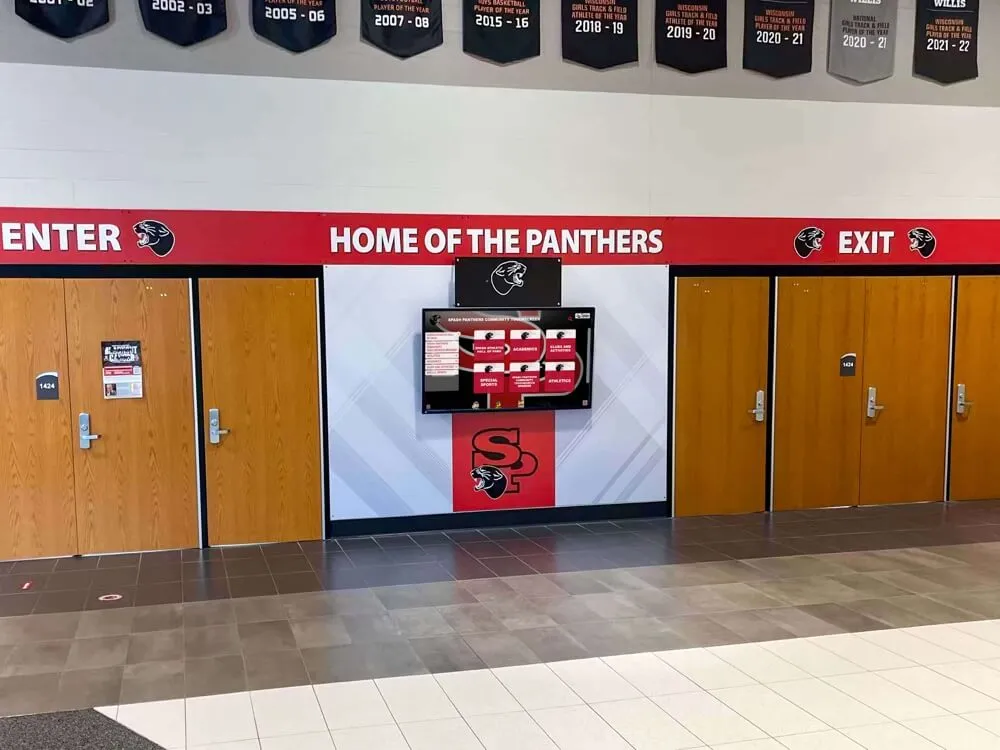
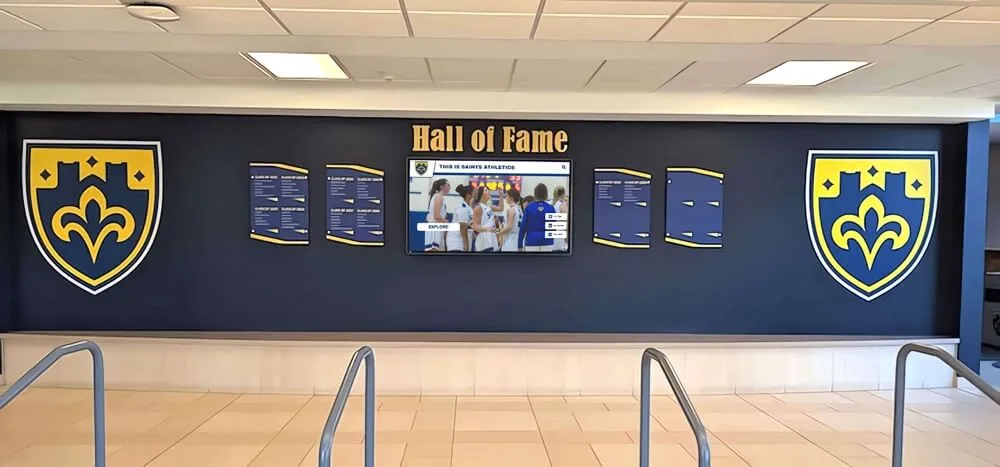
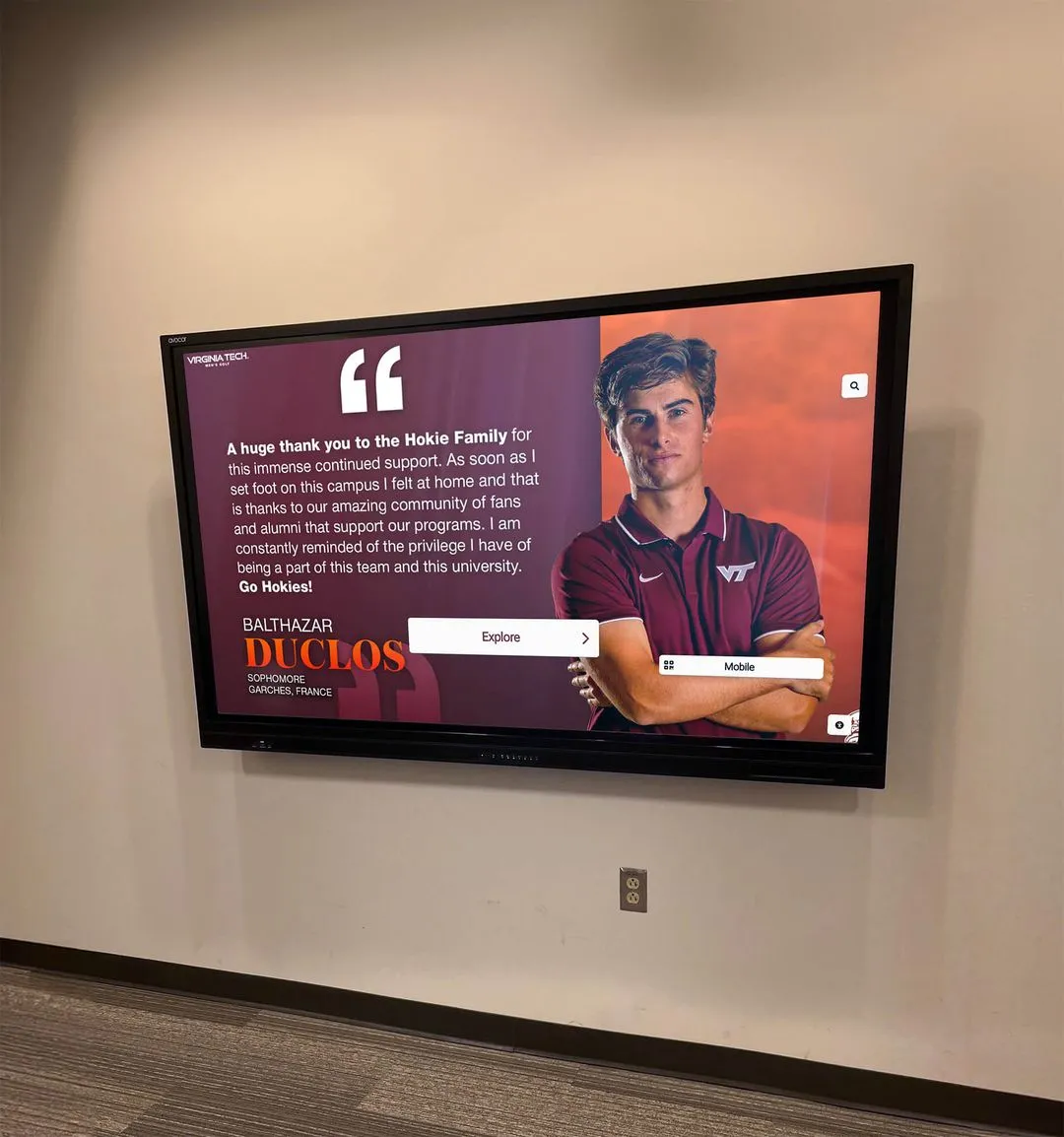
Modern recognition displays make end-of-year achievements visible and celebrated throughout school communities year-round
Understanding the Impact of End of Year Student Recognition
Before exploring specific award ideas, understanding why end-of-year recognition matters helps schools design programs that maximize positive impact while avoiding common pitfalls.
The Psychology of Student Recognition
Educational research consistently demonstrates that meaningful recognition creates measurable benefits extending far beyond ceremony moments. When schools acknowledge student achievement systematically and thoughtfully, they generate several interconnected effects.
Academic Motivation Enhancement: Students who receive appropriate recognition demonstrate 18-25% higher sustained achievement in subsequent years according to longitudinal studies. Recognition reinforces specific behaviors worth repeating, creates positive peer pressure encouraging excellence, and normalizes intellectual achievement as desirable rather than socially risky for adolescents.
Identity Development: Awards help students develop academic and character identities. Being recognized as a “Scholar,” “Leader,” or “Compassionate Contributor” provides language students internalize about who they are and what they value. These identity foundations often persist throughout life, influencing career choices, community engagement, and personal priorities.
School Culture Development: Recognition programs communicate institutional values more effectively than mission statements ever can. Schools that celebrate diverse achievements—from traditional academics to character development, artistic excellence, and specialized contributions—create cultures where multiple paths to success exist. This breadth reduces achievement gaps by ensuring students from various backgrounds and with different strength profiles find recognition opportunities.
Creating Inclusive Recognition Systems
The most effective end-of-year award programs balance excellence recognition with inclusive approaches ensuring many students receive meaningful acknowledgment. This balance requires thoughtful design identifying multiple award categories, establishing objective criteria where possible, recognizing both absolute achievement and growth trajectories, celebrating character alongside accomplishment, and ensuring socioeconomic status never determines recognition eligibility.
Comprehensive academic recognition programs provide frameworks for designing inclusive systems honoring diverse student contributions.
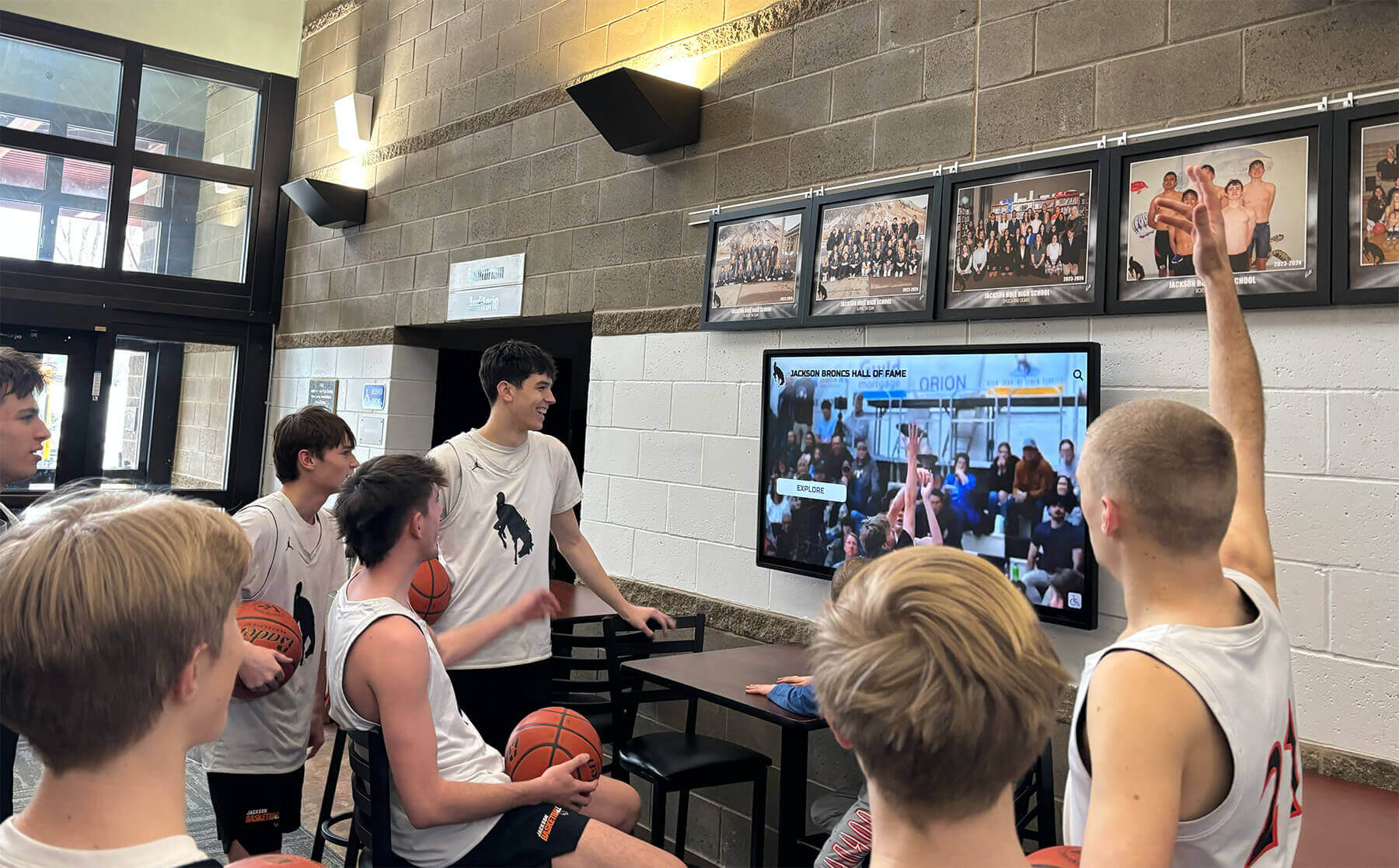
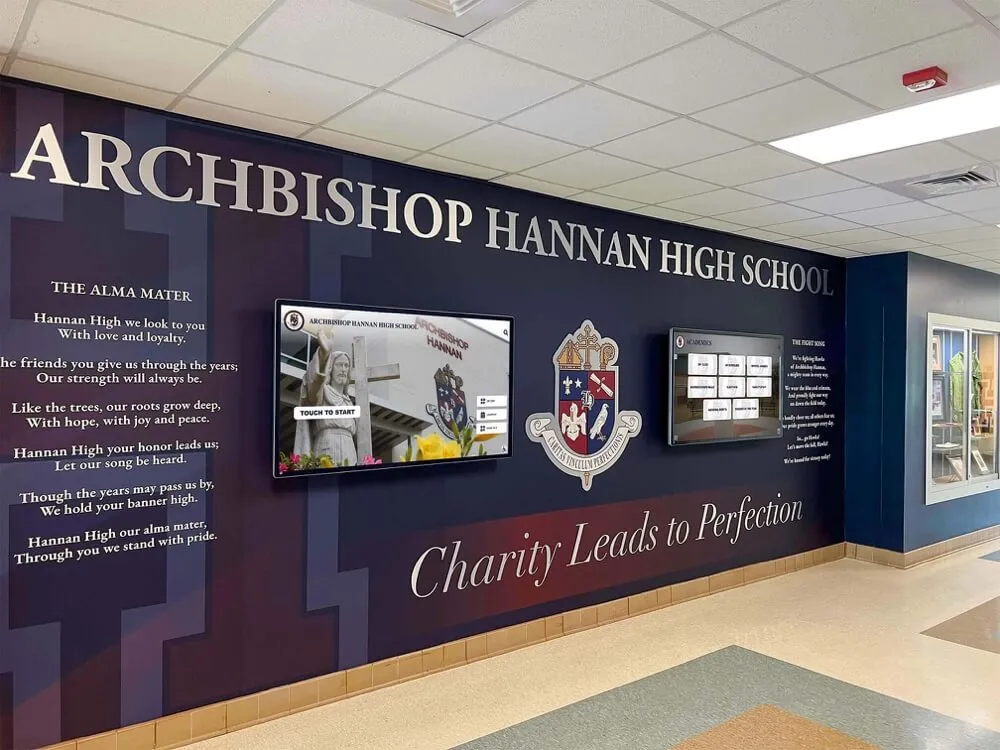
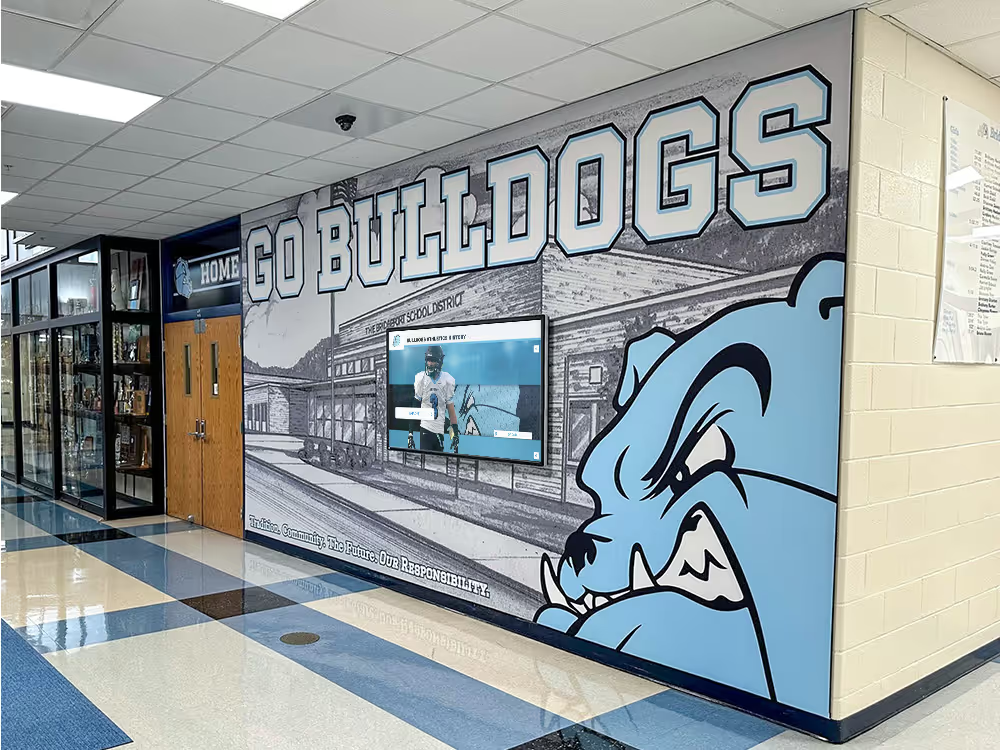
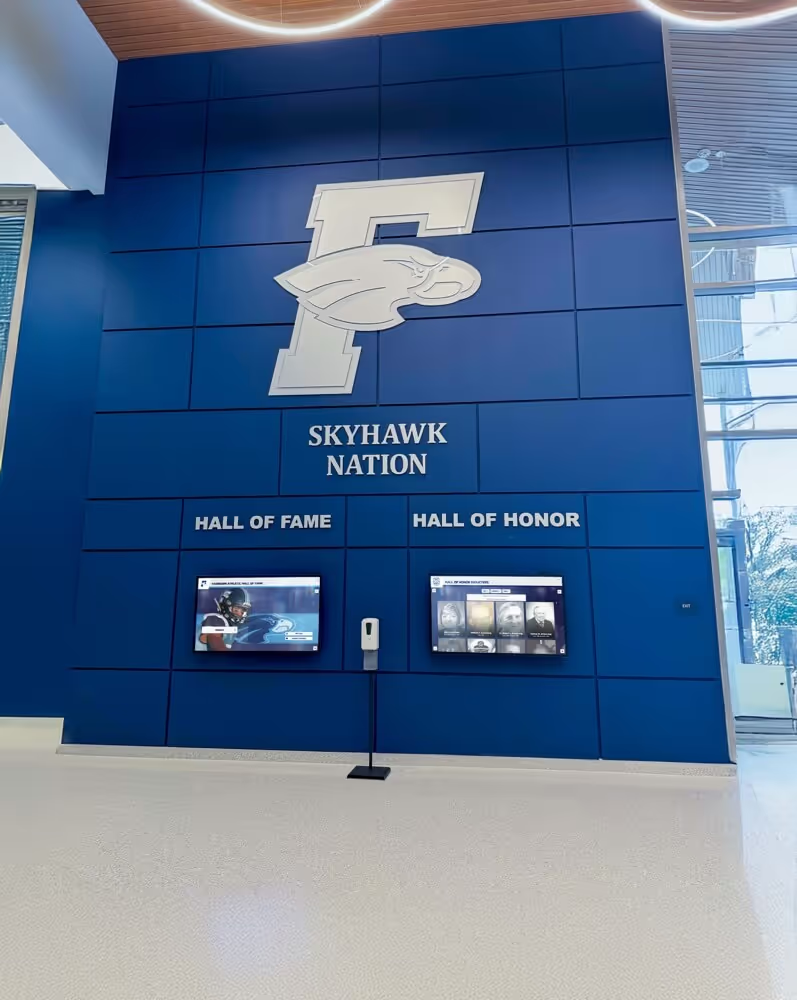
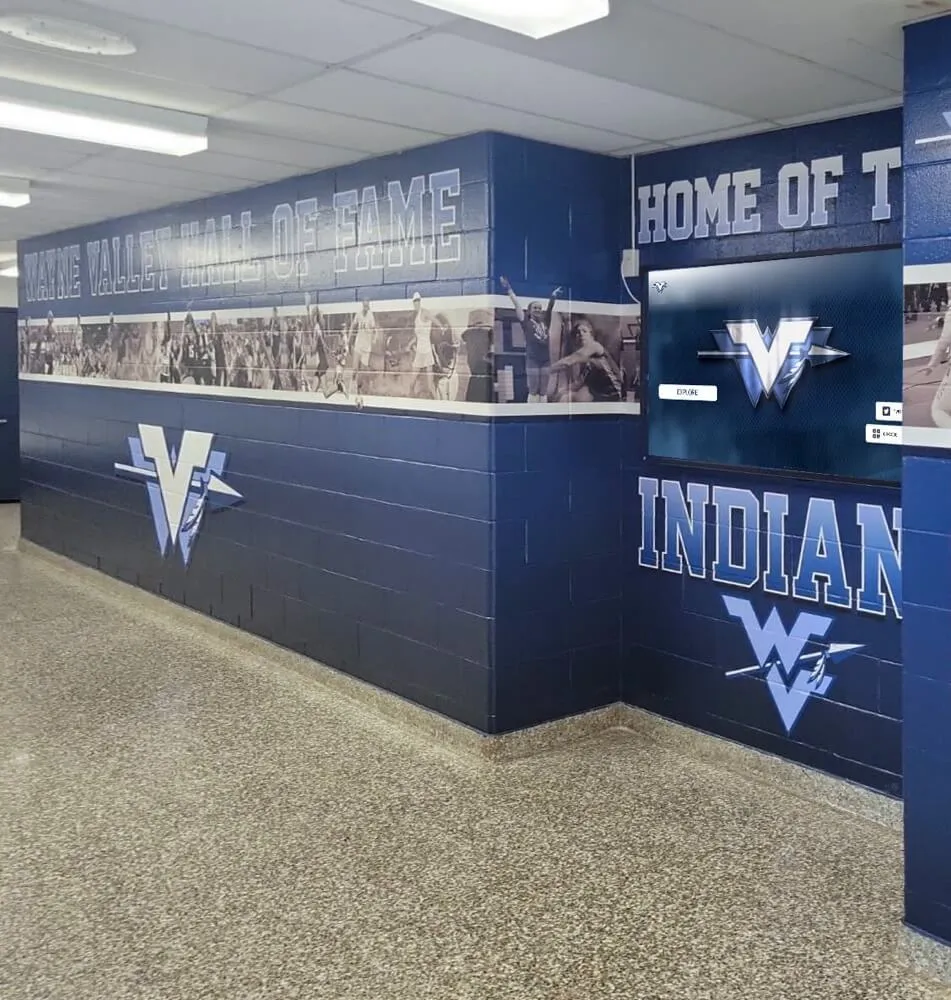
Interactive displays enable students to explore peer achievements and celebrate diverse excellence
Avoiding Recognition Pitfalls
While recognition creates powerful benefits, poorly designed programs inadvertently harm students and undermine intended positive impacts. Common pitfalls include excessive focus on the same high-achieving students who receive every academic award, neglecting character and growth recognition, creating perception that only certain types of achievement matter, making recognition feel generic through insufficient personalization, and limiting acknowledgment to students from advantaged backgrounds.
Schools should audit current recognition practices annually, asking whether diverse students receive acknowledgment, if awards celebrate multiple achievement dimensions, whether criteria reflect controllable effort alongside innate ability, and if recognition approaches feel meaningful to recipients and families.
Academic Excellence Awards: Traditional and Innovative Categories
Academic recognition remains central to school award programs, but expanding beyond traditional honor roll categories creates more comprehensive acknowledgment of intellectual achievement.
Core Academic Achievement Recognition
Highest Honors / Valedictorian Recognition
The pinnacle academic distinction recognizes students achieving highest cumulative grade point averages across their academic careers. While competitive, this traditional honor celebrates sustained excellence across multiple years and rigorous coursework. Schools should clearly communicate calculation methodologies—whether weighted or unweighted GPAs, which courses factor into calculations, and how tiebreakers work if multiple students achieve identical marks.
Salutatorian Honors
Recognizing the second-highest academic achiever provides appropriate acknowledgment for exceptional performance while distinguishing between top-tier students. Learn more about this distinction in comprehensive guides explaining what is salutatorian recognition.
Honor Roll Recognition Levels
Creating tiered honor roll categories—Principal’s List, High Honor Roll, Honor Roll—based on GPA thresholds enables recognition across broader student populations while maintaining meaningful distinctions between achievement levels. Typical thresholds might include 4.0+ for highest honors, 3.5-3.99 for high honors, and 3.0-3.49 for honor roll, though schools should adjust based on institutional contexts.
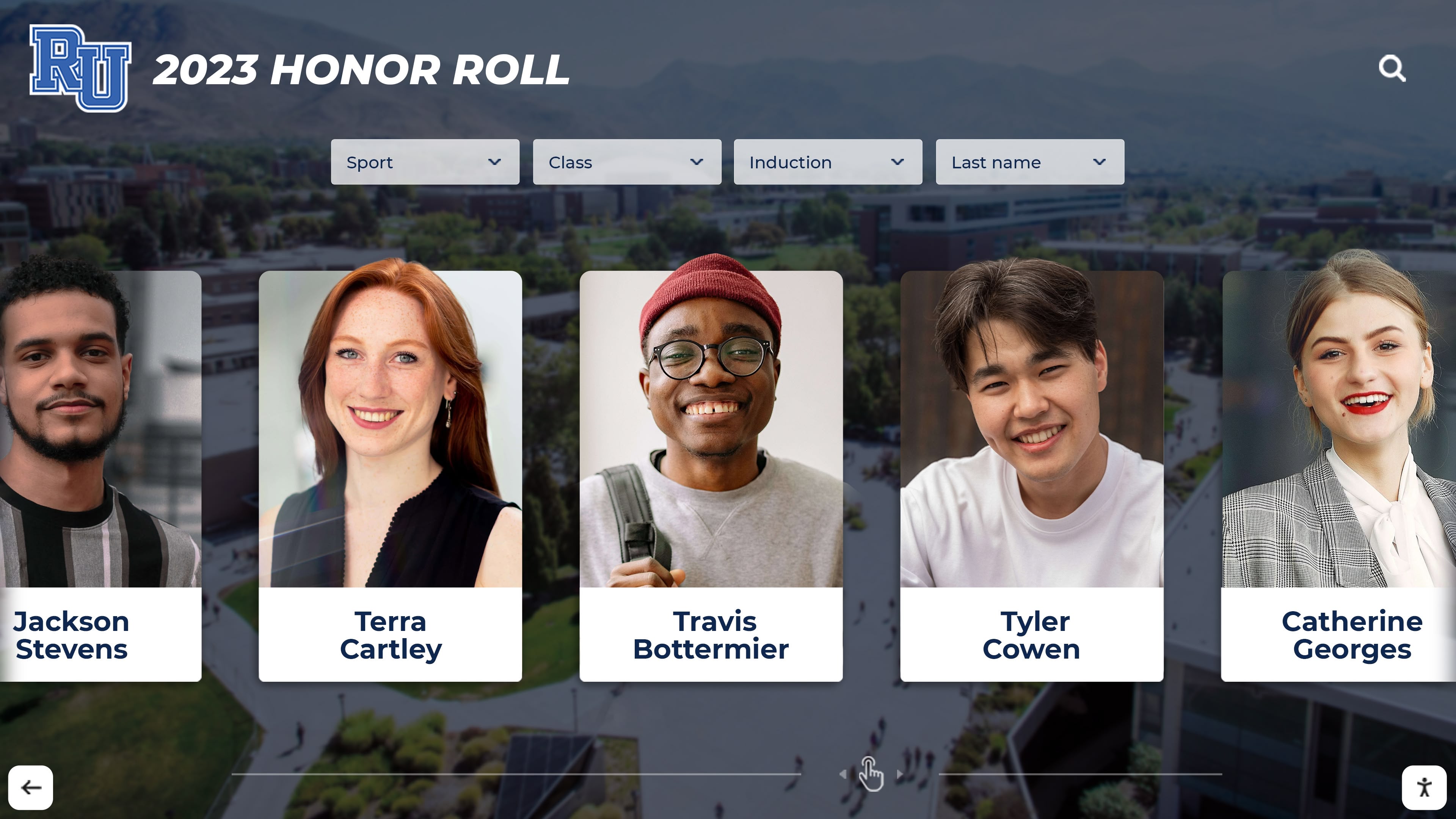
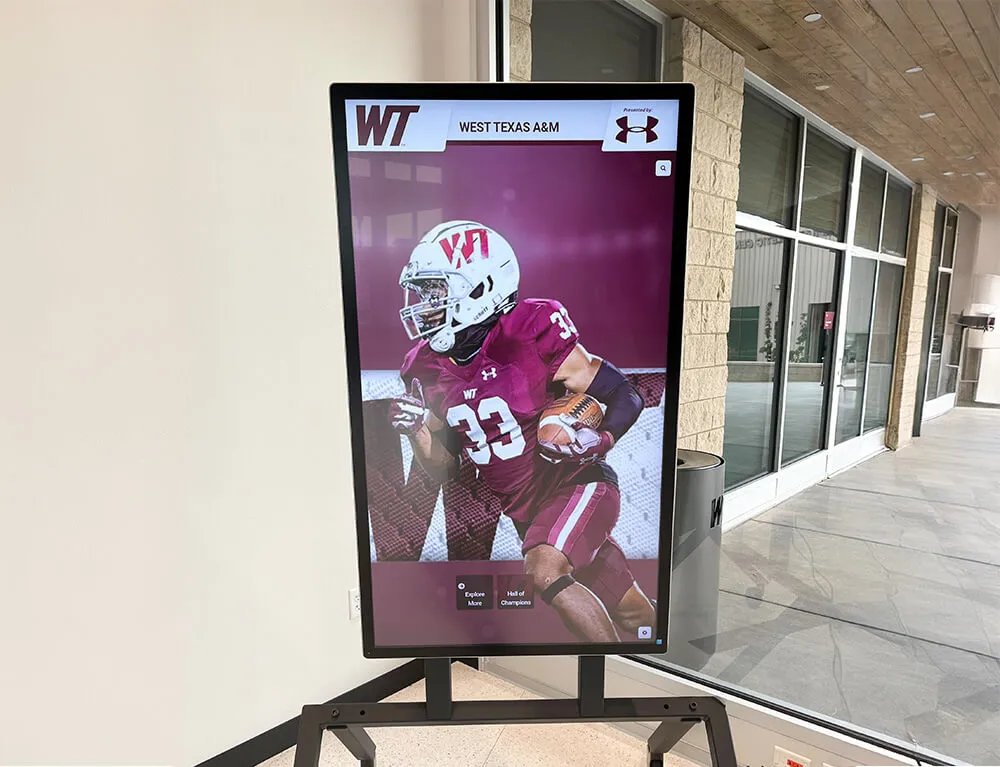
Individual recognition profiles celebrate specific academic journeys and accomplishments
Subject-Specific Academic Excellence
Moving beyond cumulative GPA recognition, subject-specific awards acknowledge excellence within individual disciplines while encouraging specialization and deep engagement with particular fields.
STEM Excellence Awards
- Mathematics Achievement Award for highest performance in math courses
- Science Scholar Award recognizing exceptional biology, chemistry, physics, or earth science achievement
- Computer Science Innovation Award celebrating programming, computational thinking, or technology excellence
- Engineering Design Award honoring students in engineering or technical programs
Humanities and Arts Recognition
- Literature and Language Arts Award for exceptional English, literature, or writing achievement
- World Language Proficiency Award recognizing foreign language mastery
- Social Studies Scholar Award celebrating history, geography, civics, or economics excellence
- Visual Arts Excellence Award honoring outstanding artistic achievement and portfolio development
- Performing Arts Award recognizing exceptional music, theater, or dance contributions
Specialized Program Recognition
- Career and Technical Education Excellence for CTE program achievements
- Advanced Placement Scholar for exceptional AP exam performance across multiple subjects
- International Baccalaureate Diploma recognition for IB program completion with distinction
- Dual Enrollment Achievement Award celebrating successful college coursework completion
Growth and Improvement Recognition
Some of the most meaningful academic awards recognize dramatic improvement rather than absolute achievement levels, celebrating students whose growth trajectories demonstrate exceptional dedication and learning capacity.
Most Improved Student Awards
Grade-level or department-specific most improved awards acknowledge students who made remarkable academic progress throughout the year. Rather than recognizing students who started strong, these awards celebrate those who overcame challenges, developed better study habits, or unlocked academic potential through dedicated effort. Track beginning-of-year and end-of-year performance metrics to make improvement quantifiable and objective.
Perseverance in Learning Award
This character-academic hybrid award recognizes students who persisted through significant learning challenges—whether documented learning differences, personal circumstances affecting academics, or simply difficult course content. These students exemplify growth mindset and determination worth celebrating regardless of final grade achievement.
Academic Comeback Award
Students who rebounded from academic struggles—perhaps failing courses earlier in their careers but achieving honor roll status by graduation—demonstrate resilience and commitment to improvement worthy of special recognition. Their journeys inspire peers facing similar challenges while validating that academic trajectories aren’t predetermined.
Comprehensive frameworks for recognizing diverse academic achievement appear in resources about student recognition awards that celebrate multiple dimensions of excellence.
Character and Citizenship Awards: Recognizing Personal Qualities
Academic excellence represents only one dimension of student success. Character recognition acknowledges personal qualities that define exemplary school community members and predict long-term life success.
Core Character Recognition
Outstanding Citizenship Award
This fundamental recognition honors students who exemplify model citizenship through respect for peers and adults, adherence to school values, positive contribution to school culture, and representation of institutional ideals. Selection often involves input from multiple teachers who observe student behavior across various contexts, ensuring winners truly demonstrate consistent positive character rather than merely performing for individual teachers.
Integrity and Ethics Award
In an era of academic pressure sometimes tempting ethical shortcuts, recognizing students who consistently demonstrate honesty, ethical behavior, and strong moral character sends powerful messages about institutional priorities. These students make right choices even when difficult, model ethical reasoning for peers, and build trust with educators through transparent, honest interactions.
Compassion and Kindness Award
Some students distinguish themselves through exceptional empathy, compassion, and kindness toward others. They notice classmates who are struggling and offer support, include students who might otherwise feel isolated, demonstrate patience with peers facing challenges, and create welcoming environments wherever they go. This recognition validates that kindness matters as much as any academic accomplishment.
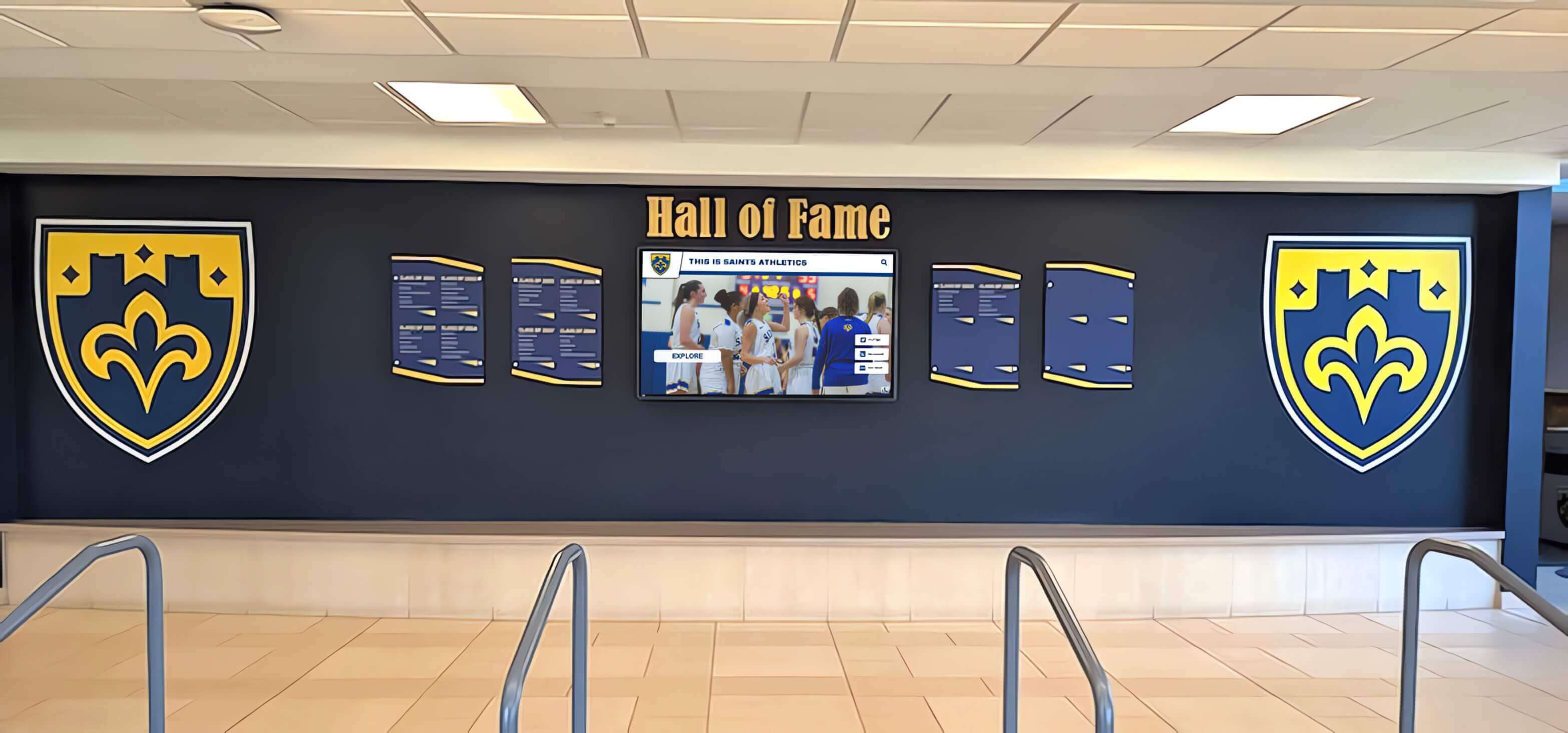
Comprehensive recognition systems honor both academic and character excellence equally
Leadership and Service Recognition
Student Leadership Excellence Award
Whether through student government, club leadership, team captaincy, or informal influence, some students demonstrate exceptional leadership capabilities. This award recognizes those who positively influenced school culture, mobilized peers toward common goals, represented student voices to administration effectively, mentored younger students, and modeled leadership qualities others emulate.
Community Service Award
Students who dedicated significant time to volunteer work, community service projects, or charitable activities demonstrate commitment to contributing beyond themselves. Quantify service through documented volunteer hours, significant project leadership, sustained commitment to particular causes, or measurable community impact. Learn about related recognition approaches in guides about student achievement and community engagement.
Peer Mentor Award
Students who actively supported classmates academically or personally deserve recognition for these peer leadership contributions. Whether through formal tutoring, informal study help, newcomer welcoming, or emotional support during difficult times, peer mentors make schools function as caring communities.
Specialized Character Categories
Perseverance Through Adversity Award
Some students face significant personal challenges—family difficulties, health issues, economic hardship, or other obstacles—yet maintain school engagement and positive attitudes. Recognizing their resilience honors extraordinary strength while validating that overcoming challenges represents achievement as significant as any academic accomplishment.
Positive Attitude Award
Certain students distinguish themselves through consistently positive, optimistic attitudes that lift entire school communities. They maintain enthusiasm regardless of circumstances, encourage discouraged peers, find silver linings in setbacks, and approach challenges with confidence that problems can be solved. This positivity represents choice and character deserving celebration.
Bridge Builder Award
In diverse school communities, students who actively build bridges across social groups, welcome students from different backgrounds, promote inclusive cultures, and reduce social fragmentation deserve special recognition for their social leadership. These students create cohesion that benefits entire school communities.
Specialized Recognition Categories: Celebrating Diverse Talents
Beyond academics and character, students excel in specialized areas deserving dedicated recognition categories that validate diverse talents and contributions.
Athletic Achievement Recognition
While athletic awards often occur within sports programs, school-wide end-of-year recognition should acknowledge exceptional athletic accomplishments that bring pride to entire institutions.
Varsity Athlete Excellence Award
Multi-sport athletes who lettered in multiple varsity sports demonstrate exceptional athletic versatility, dedication, and time management. Recognizing these athletes celebrates their comprehensive athletic contributions across different seasons and sports.
Team Captain Leadership Award
Student athletes selected as captains demonstrate leadership extending beyond athletic skill. These captains motivate teammates, bridge gaps between players and coaches, represent team values, and create positive team cultures. Their leadership deserves recognition beyond athletic programs. Resources about youth basketball awards provide frameworks applicable across sports.
Sportsmanship Award
Athletic sportsmanship—respecting opponents, accepting officials’ decisions gracefully, competing with integrity, and representing schools positively—deserves specific recognition reinforcing that how students compete matters as much as competitive results.

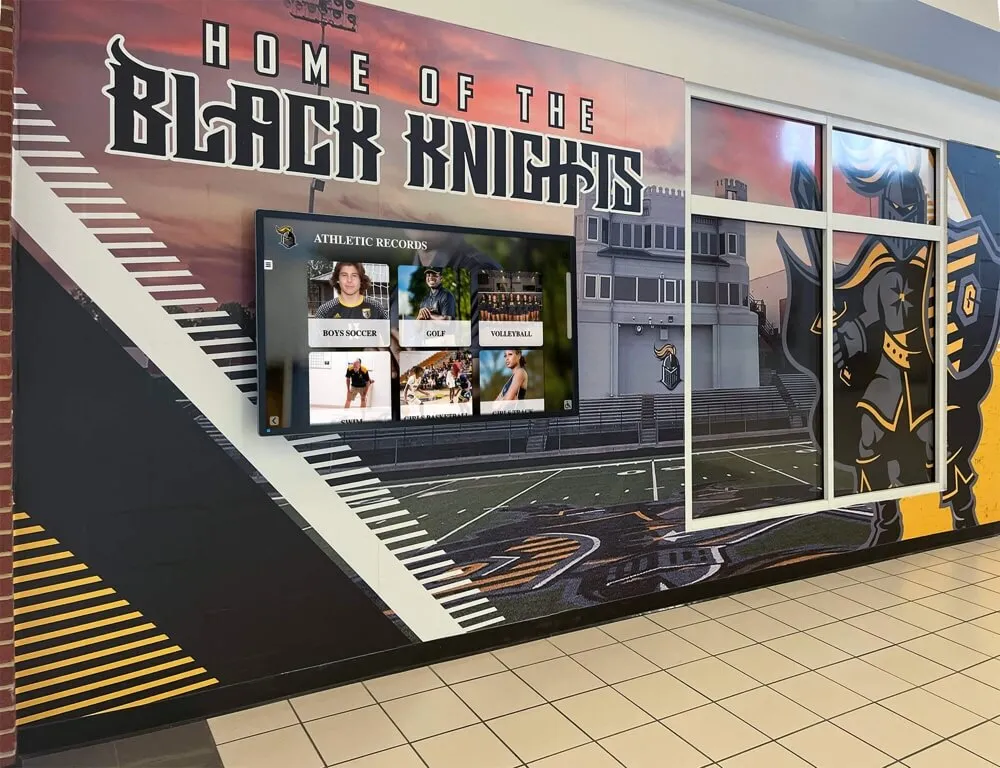
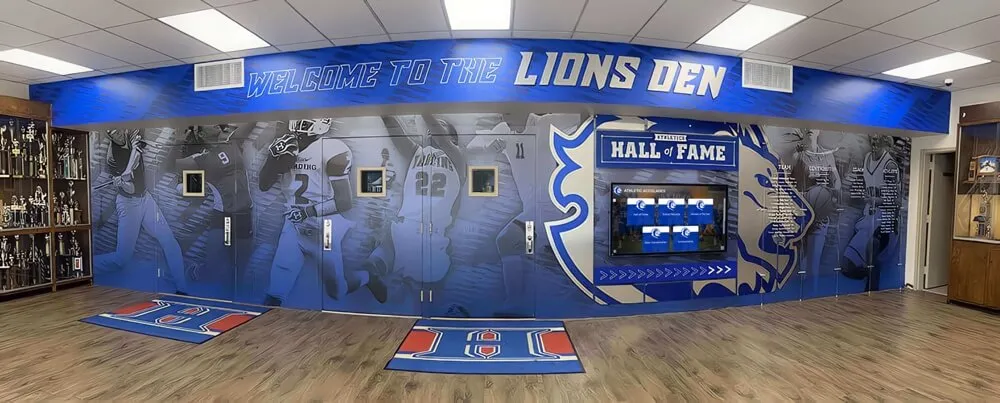
Athletic recognition integrated with broader student achievement celebration creates comprehensive honor systems
Arts and Creative Excellence
Visual Arts Achievement Award
Students who excel in visual arts—whether painting, drawing, sculpture, photography, digital art, or mixed media—deserve recognition comparable to academic honors. Consider recognizing outstanding portfolios, art show achievements, competition success, or exceptional creative growth.
Performing Arts Excellence Award
Theater, music, and dance achievements warrant dedicated recognition. Subcategories might include outstanding musical performance, exceptional theatrical portrayal, choreographic creativity, or comprehensive performing arts participation across multiple disciplines. Learn about related recognition in resources on building school pride through creative recognition.
Creative Writing Award
Students who excel in creative writing—poetry, fiction, personal essays, or other literary forms—should receive recognition distinct from academic English achievement. Consider showcasing winning pieces in school publications or through public readings during recognition ceremonies.
Technology and Innovation Recognition
Digital Innovation Award
In increasingly technological schools, students who demonstrate exceptional capability with educational technology, create innovative digital projects, develop apps or websites, or leverage technology creatively for learning deserve dedicated recognition.
Research Excellence Award
Students who completed significant research projects—whether independent study, science fair investigations, historical research, or other inquiry-based work—deserve recognition for intellectual curiosity and research capabilities that predict college success.
Entrepreneurship and Business Award
Students involved in business competitions, entrepreneurship programs, student-run businesses, or innovative problem-solving initiatives demonstrate valuable real-world skill development worthy of celebration.
Modern Recognition Approaches: Beyond Traditional Trophies
While traditional plaques and certificates maintain ceremonial value, modern recognition approaches create lasting impact that extends far beyond award ceremony moments.
Digital Recognition Display Solutions
Traditional physical recognition faces inherent limitations—space constraints limiting how many students can be honored, static displays that become dated, limited information capacity forcing abbreviated acknowledgment, and accessibility limitations restricting who can view recognition. Digital recognition solutions like Rocket Alumni Solutions overcome these constraints through several key advantages.
Unlimited Recognition Capacity
Digital displays showcase unlimited students across all award categories without physical space constraints. Schools can honor every award recipient comprehensively rather than choosing whose accomplishments receive visibility. This unlimited capacity enables truly inclusive recognition where every deserving student receives appropriate acknowledgment.
Rich Multimedia Storytelling
Beyond listing names and awards, digital platforms enable comprehensive storytelling including professional student photographs, detailed achievement descriptions, personal statements from recipients about what recognition means, video clips or presentations showcasing work, progress documentation across multiple years, and related achievements providing context.
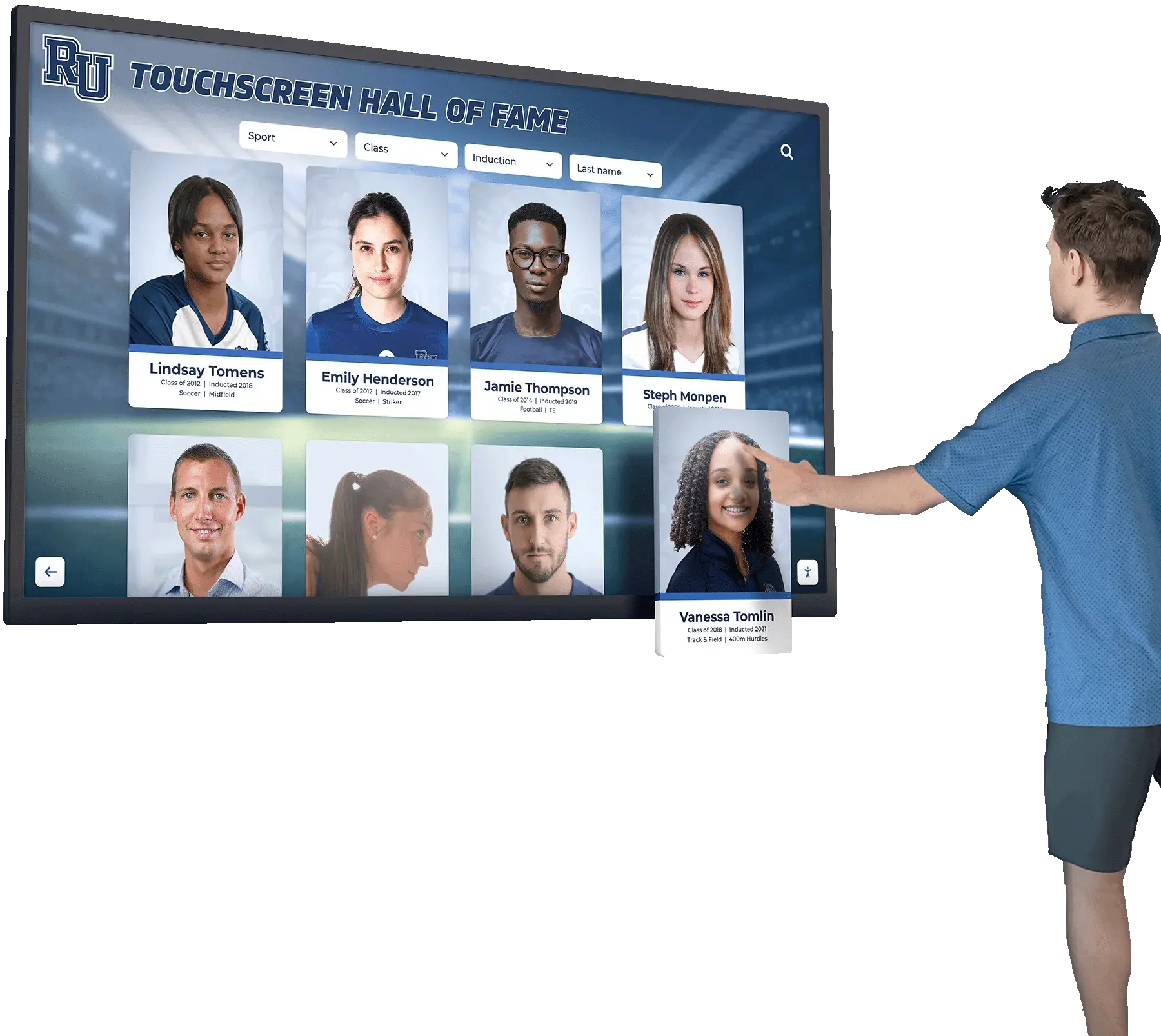
Solutions like Rocket Alumni Solutions provide schools with touchscreen displays that create engaging exploration experiences where students, families, and visitors can discover award recipient stories in depth.
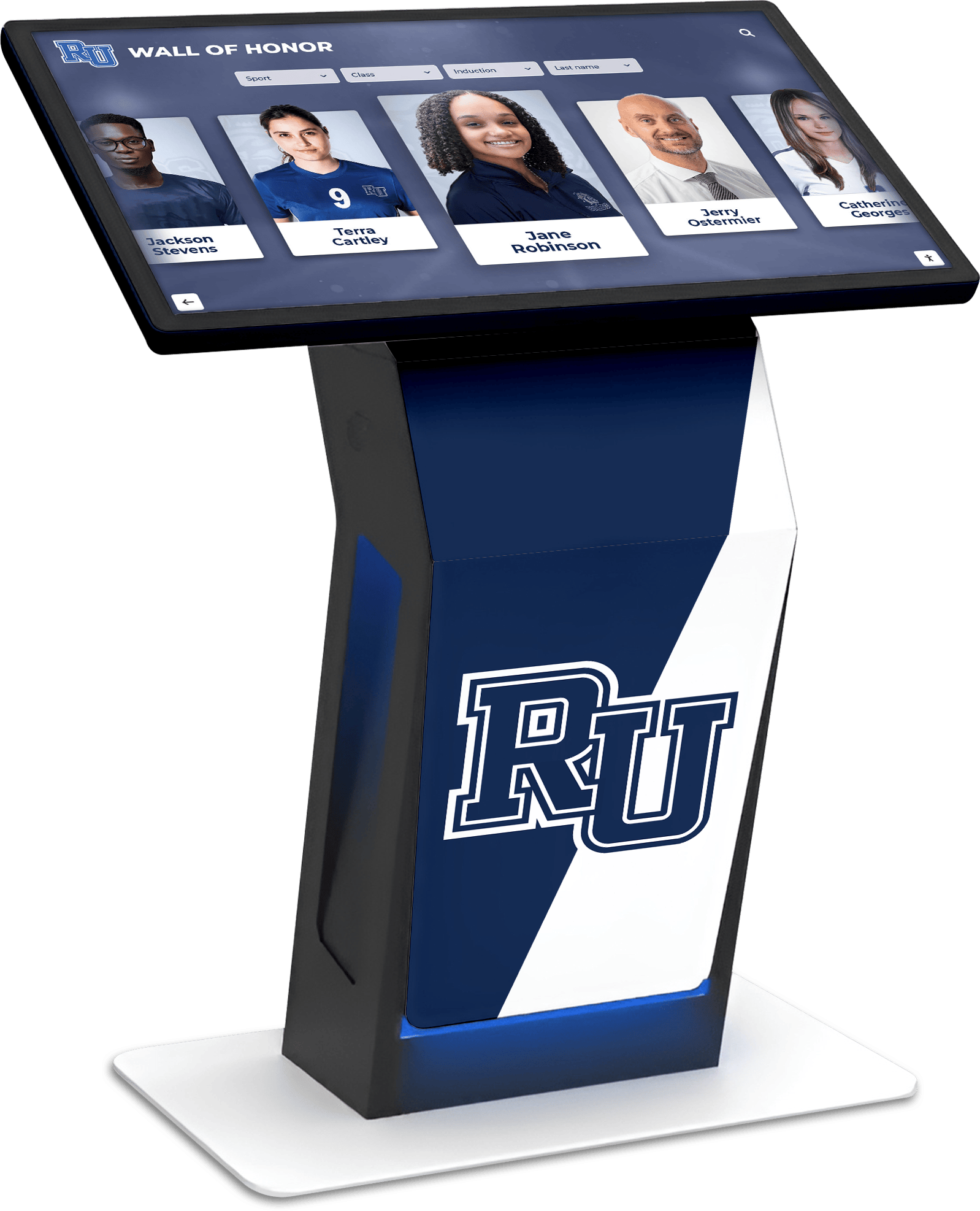
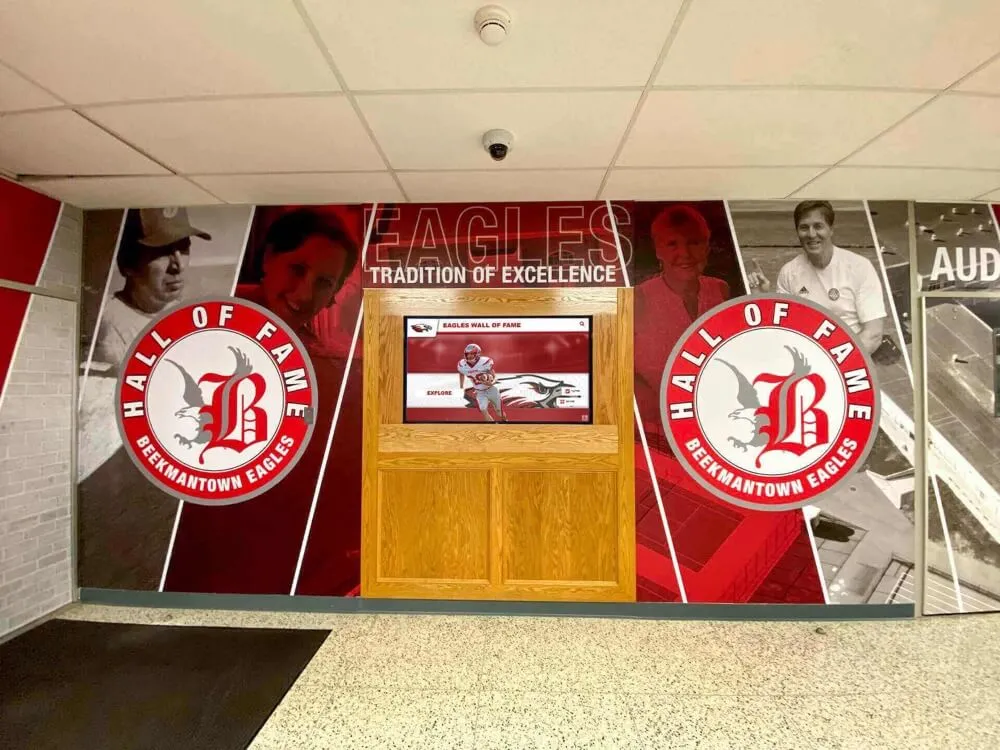
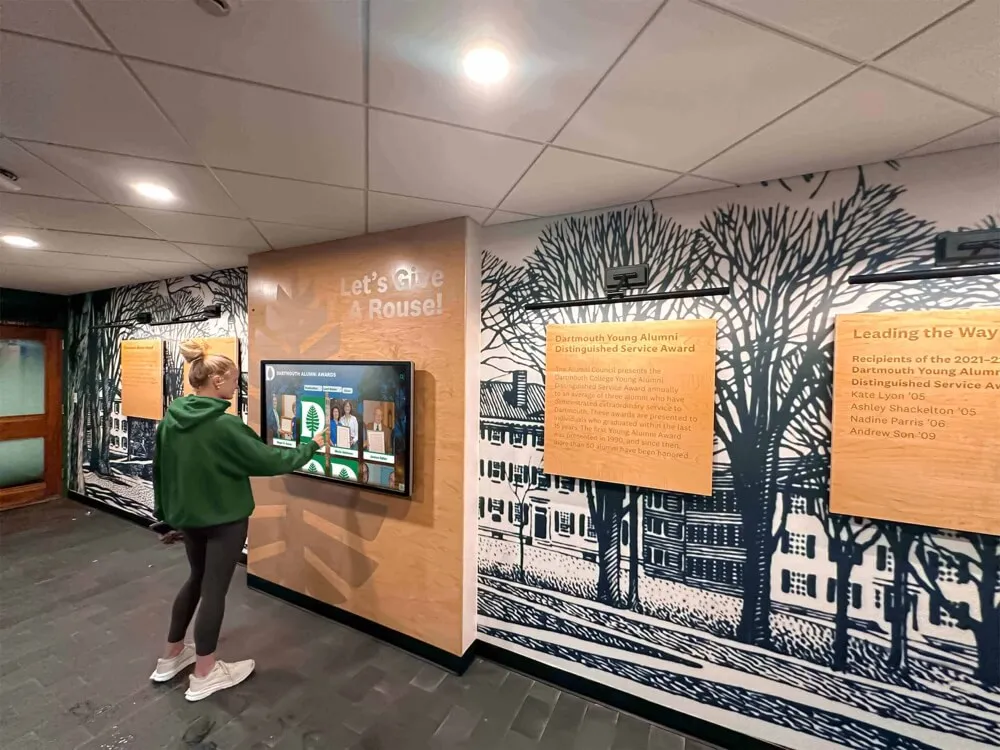
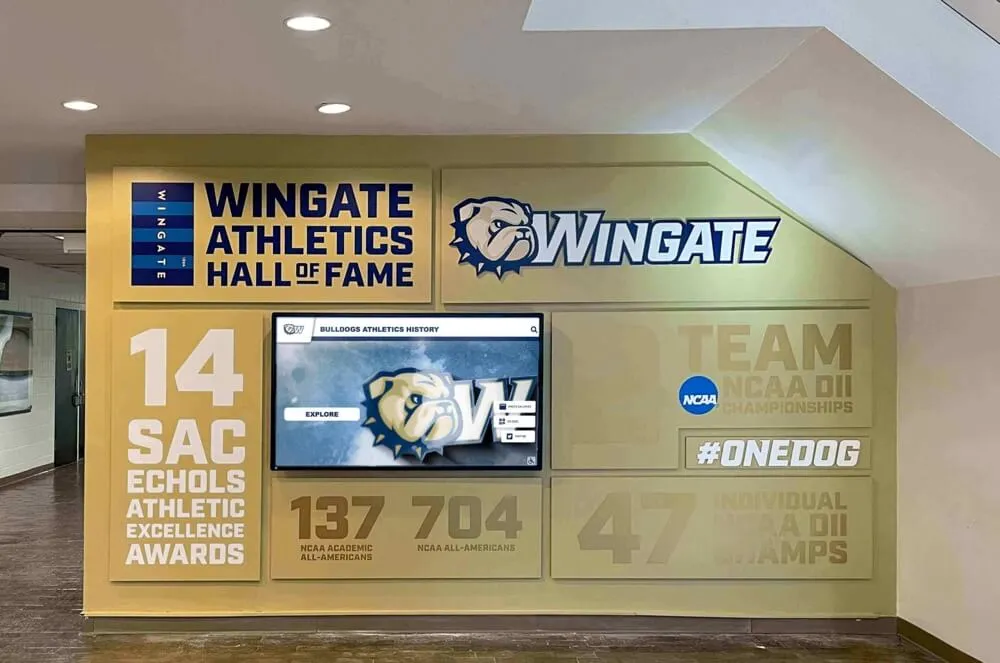
Interactive touchscreen displays enable deep exploration of student achievements with unlimited content capacity
Permanent Accessibility and Updates
Digital recognition remains accessible year-round, creating ongoing visibility for student achievements rather than limiting acknowledgment to ceremony moments. Cloud-based content management enables remote updates from any internet-connected device, scheduled publishing automation for end-of-year award announcements, simple interface requiring no technical expertise, and role-based permissions allowing appropriate staff access.
Schools report 80-90% reduction in administrative time spent maintaining recognition after implementing digital systems, while simultaneously providing vastly superior recognition experiences. Explore comprehensive implementation guidance in resources about perfect attendance display systems that apply across recognition categories.
Web-Based Recognition Extensions
Complementing physical displays, web-accessible recognition platforms extend acknowledgment beyond campus boundaries. Online systems enable alumni and extended family worldwide to view current award recipients, social sharing capabilities allowing students to celebrate achievements with broader networks, mobile optimization ensuring accessibility across all devices, integration with school websites and communication platforms, and searchable archives allowing community exploration of historical recognition.
This extended reach particularly benefits families who cannot attend recognition ceremonies in person, ensuring they still participate in celebrating student achievements.
Integrated Recognition Ecosystems
The most effective modern approaches integrate multiple recognition touchpoints including prominent digital displays in main lobbies and high-traffic areas, web platforms accessible to broader communities, social media announcements celebrating individual recipients, printed programs and certificates for ceremony keepsakes, and morning announcements providing daily acknowledgment.
This multi-channel approach ensures maximum visibility for student achievements while honoring diverse stakeholder preferences—some students and families most value digital recognition they can share online, others treasure traditional certificates and programs, and many appreciate comprehensive acknowledgment across multiple formats.
Implementing Effective End of Year Awards Programs
Understanding award categories represents just the starting point. Effective implementation requires thoughtful planning, clear criteria development, inclusive selection processes, and meaningful presentation ceremonies.
Planning Timeline and Responsibilities
4-6 Months Before Year End
Establish or review award categories ensuring comprehensive coverage of diverse achievements, define clear criteria for each award, communicate award opportunities to students and families so they understand what’s being recognized, and assign selection committee responsibilities ensuring appropriate teacher and administrator involvement.
2-3 Months Before Year End
Begin nomination and selection processes allowing adequate deliberation time, collect supporting documentation like grade reports, attendance records, and teacher recommendations, and communicate with recognized students and families providing advance notice enabling ceremony attendance.
1 Month Before Ceremony
Finalize all selections with quality assurance review ensuring no errors, develop award presentation materials including certificates and any physical recognition, create comprehensive ceremony programs listing all recipients with achievement descriptions, prepare any multimedia presentations or videos, and confirm ceremony logistics including venue, audiovisual setup, and participant coordination.
Selection Process Best Practices
Objective Criteria Where Possible
Awards based on measurable data—GPA, attendance, test scores, service hours—eliminate selection subjectivity while ensuring fairness. Clearly communicate calculation methodologies and thresholds so students understand exactly what’s required for recognition.
Multiple Input Sources for Subjective Awards
Character and leadership awards involving judgment benefit from multiple perspectives. Consider input from nomination forms completed by teachers, peer voting or nominations for certain categories, administrator observations across various contexts, counselor insights about student circumstances, and documented evidence of specific behaviors or achievements.
Transparency and Communication
Mystery selection processes breed cynicism and perceptions of favoritism. Transparent approaches explaining who selects award recipients, what criteria guide decisions, why particular categories exist, and how students can earn recognition in future years build trust while motivating improvement.
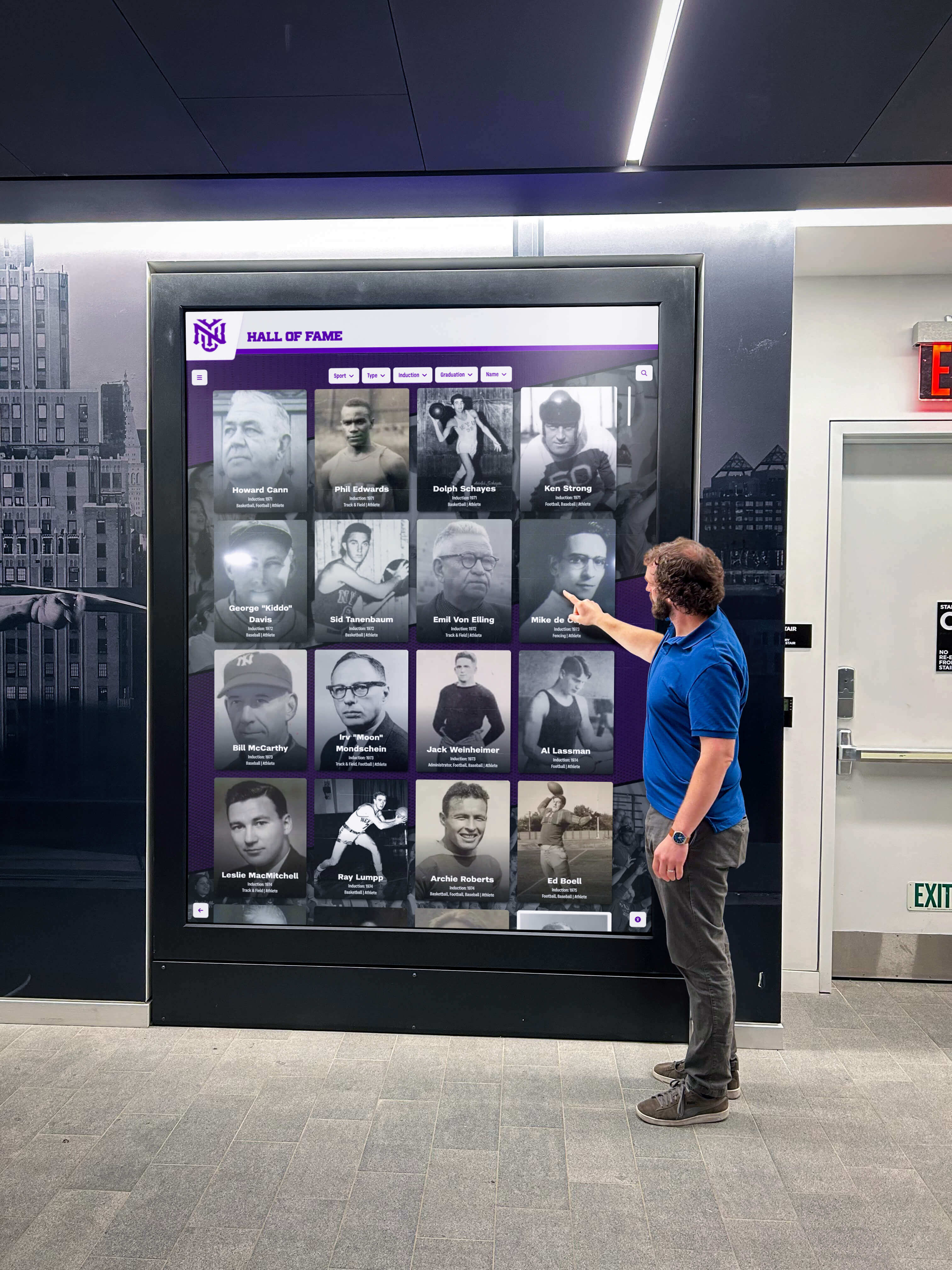
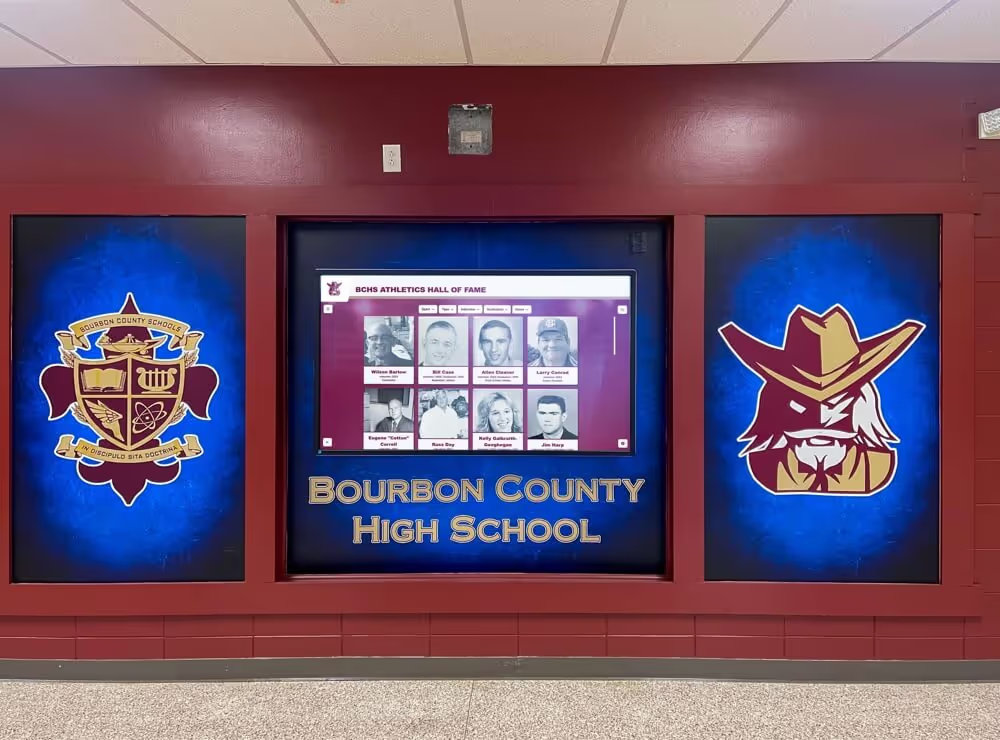
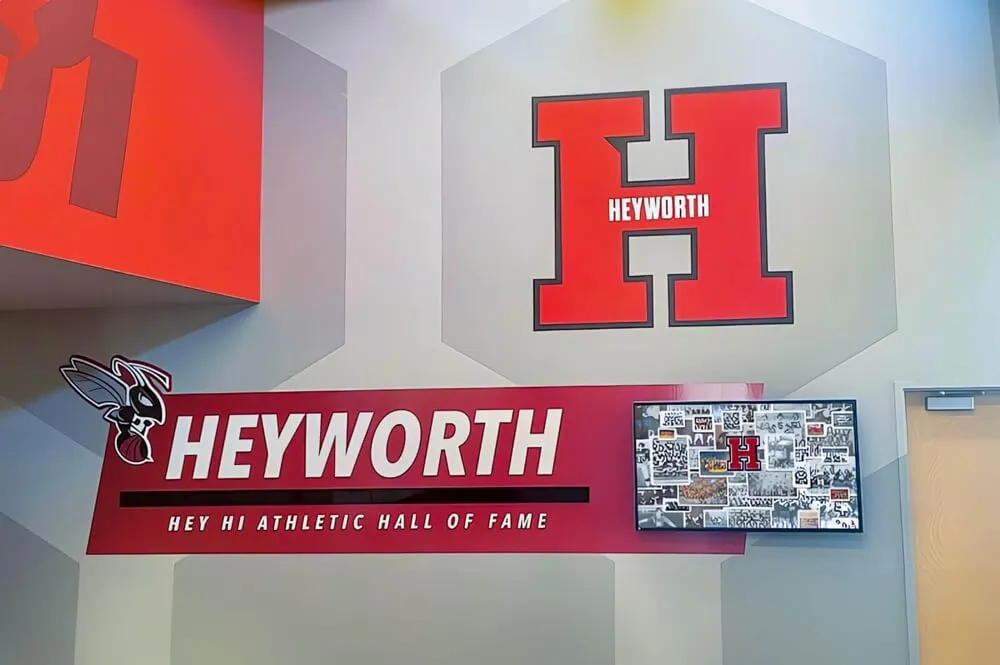
Recognition displays create year-round visibility extending impact far beyond single ceremony moments
Creating Meaningful Ceremony Experiences
End-of-year award ceremonies should balance formality with celebration, honor recipients meaningfully without excessive length, and create memorable moments students and families treasure.
Appropriate Ceremony Length
Respect attendees’ time by establishing reasonable durations. Most recognition events should conclude within 60-90 minutes maximum, requiring careful content curation. Consider how many categories require recognition, whether individual or grouped presentation works best based on recipient numbers, what supporting content adds value versus what creates unnecessary length, and how efficient transitions preserve pacing.
Personalized Recognition Moments
Generic acknowledgment undermines recognition impact. Create meaningful individual moments by reading specific achievement descriptions rather than just names and awards, showing recipient photographs so audiences connect with real students, including personal quotes or statements from recipients when possible, inviting family members to stand or participate in recognition, and allowing brief photo opportunities as students receive recognition.
Inclusive Audience Engagement
Recognition ceremonies serve audiences beyond recipients. Maintain broader engagement by providing context explaining award significance for those unfamiliar with categories, celebrating collective achievements alongside individual recognition, including musical or artistic performances showcasing diverse talents, and creating participation opportunities preventing families from feeling like passive observers.
Resources about teacher recognition programs provide ceremony design frameworks applicable to student recognition events.
Measuring Recognition Program Success and Continuous Improvement
Effective schools regularly assess recognition programs ensuring they achieve intended goals while identifying improvement opportunities.
Quantitative Assessment Metrics
Participation and Coverage Analysis
Track what percentage of student body receives some recognition, how recognition distributes across demographic groups, whether certain populations receive disproportionate acknowledgment, and if award categories generate expected participation levels. Comprehensive coverage analysis reveals whether recognition truly reaches diverse students or concentrates among narrow populations.
Long-Term Impact Tracking
While difficult to measure definitively, schools can track whether recognized students demonstrate continued academic engagement, if recognition correlates with post-secondary success patterns, whether character award recipients maintain exemplary behavior in subsequent years, and if awards program appears connected to broader school culture improvements.
Qualitative Feedback Collection
Stakeholder Satisfaction Assessment
Regular surveying of students, families, and staff provides crucial insight. Ask recipients whether recognition felt meaningful and personal, families whether ceremonies honored students appropriately, teachers whether selection processes felt fair and manageable, and broader communities whether award programs reflect institutional values.
Focus Group Exploration
Periodic focus groups with diverse stakeholders reveal nuanced perspectives surveys miss. Explore which award categories resonate most meaningfully, what changes would improve recognition experiences, whether any students feel excluded from recognition opportunities, and how programs could better celebrate diverse achievements.
Program Refinement Process
Assessment data should drive systematic program improvement. Review processes might include annual committee evaluation of award categories identifying gaps, criteria adjustments ensuring fairness and clarity, ceremony format refinements based on feedback, recognition visibility enhancements extending impact, and communication improvements ensuring stakeholder understanding.
Recognition programs should evolve continuously rather than remaining static, ensuring they serve current students effectively while maintaining traditions stakeholders value.
Conclusion: Creating End-of-Year Recognition That Truly Matters
End of year awards for students represent powerful opportunities to celebrate achievement, validate growth, and reinforce institutional values through public acknowledgment of excellence. When thoughtfully designed and effectively implemented, recognition programs create lasting positive impact extending far beyond ceremony moments—inspiring continued achievement, strengthening school culture, validating diverse talents, and creating cherished memories students and families treasure throughout lives.
The award ideas explored in this guide provide frameworks for comprehensive recognition honoring academic excellence, character development, specialized talents, and unique contributions. By expanding beyond narrow definitions of achievement to celebrate multiple success dimensions, schools create inclusive environments where every student can envision paths to recognition and feel genuinely valued for their particular strengths and growth.
Modern digital recognition solutions transform how schools honor achievement by eliminating space constraints that previously limited acknowledgment, enabling rich storytelling impossible with static plaques, creating permanent accessibility extending recognition year-round, providing simple management requiring minimal administrative burden, and engaging students through interactive exploration of peer achievements.
As you plan your end-of-year recognition program, consider how both immediate ceremony experiences and permanent recognition systems can work together to honor student excellence comprehensively. Every student who receives meaningful recognition for genuine achievement develops stronger connection to education, greater motivation to continue pursuing excellence, and deeper appreciation for the institutional community that celebrated their accomplishments.
Transform Your Student Recognition Program
Discover how modern digital recognition solutions can help you celebrate every student achievement and create lasting visibility that inspires excellence year-round while building school pride and community.
Explore Recognition SolutionsYour students’ achievements—whether academic excellence, character growth, artistic talent, athletic accomplishment, or specialized contributions—deserve recognition that honors their dedication meaningfully while creating lasting visibility beyond single ceremony moments. With thoughtful planning, inclusive category design, and strategic recognition technology, you can create award programs that transform perfunctory acknowledgment into genuine celebration that matters to recipients, inspires observers, and strengthens your entire school community.
Start by auditing your current recognition approaches, identifying gaps or limitations, and exploring how expanded award categories and modern display solutions might better serve your students. Every student who receives meaningful recognition for genuine achievement develops stronger educational engagement and greater motivation to continue pursuing excellence—outcomes that justify every investment in thoughtful recognition programs.