Intent: Define — This guide provides comprehensive frameworks for planning, implementing, and stewarding fallen heroes touchscreen displays that honor military service members, first responders, and community protectors while integrating donor recognition, memorial giving opportunities, and sustainable content management strategies.
Communities across America face a meaningful challenge: how to honor fallen heroes—military service members, firefighters, law enforcement officers, emergency medical personnel—in ways that preserve their stories, educate future generations, and create spaces for reflection without running out of physical space or requiring expensive ongoing maintenance. Traditional memorial walls, while dignified, often fill within years and offer no mechanism to share the rich stories behind each name engraved in stone.
Fallen heroes touchscreen displays represent a modern solution that combines the permanence and dignity communities expect from memorials with the storytelling capacity, unlimited space, and accessibility digital platforms provide. These interactive recognition systems enable organizations to honor every fallen hero with comprehensive profiles including service history, photographs, personal stories, and tributes from loved ones—creating living memorials that educate, inspire, and preserve legacies for generations.
This comprehensive guide explores planning, content development, donor integration, and stewardship strategies for fallen heroes touchscreen displays that serve military installations, municipal buildings, fire and police stations, veterans organizations, educational institutions, and community memorial sites.
Effective fallen heroes recognition extends beyond listing names—it creates comprehensive tributes that celebrate service, preserve sacrifice stories, educate communities about the cost of freedom, and provide meaningful spaces where families, comrades, and citizens can reflect, remember, and express gratitude. Digital recognition solutions like Rocket Alumni Solutions make this level of comprehensive memorial achievable for communities of all sizes.

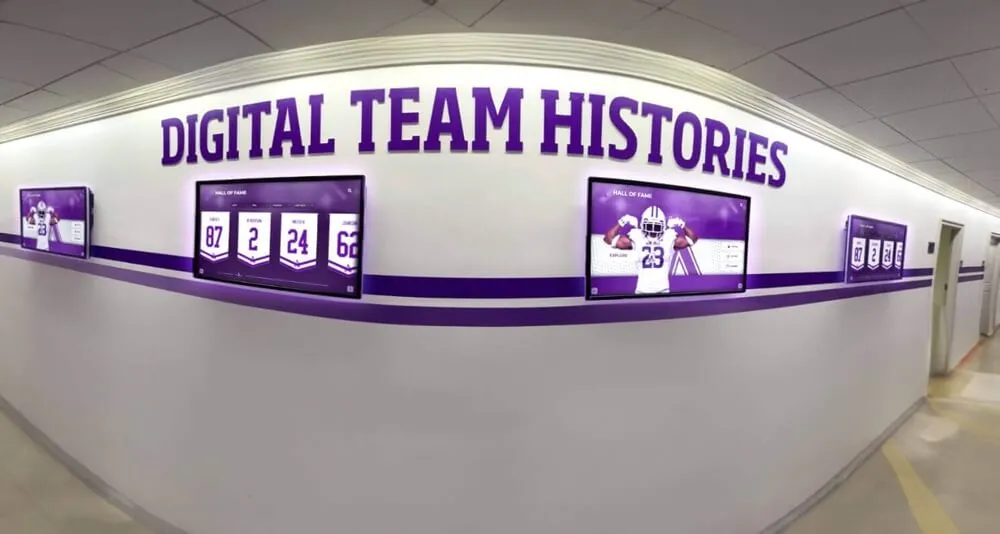
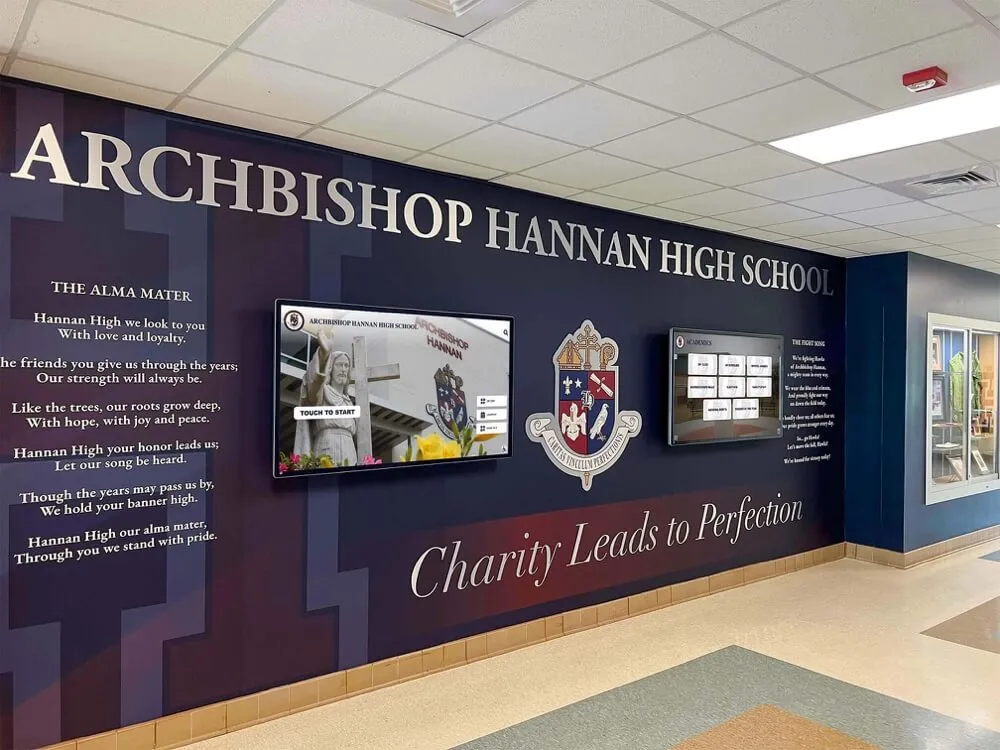
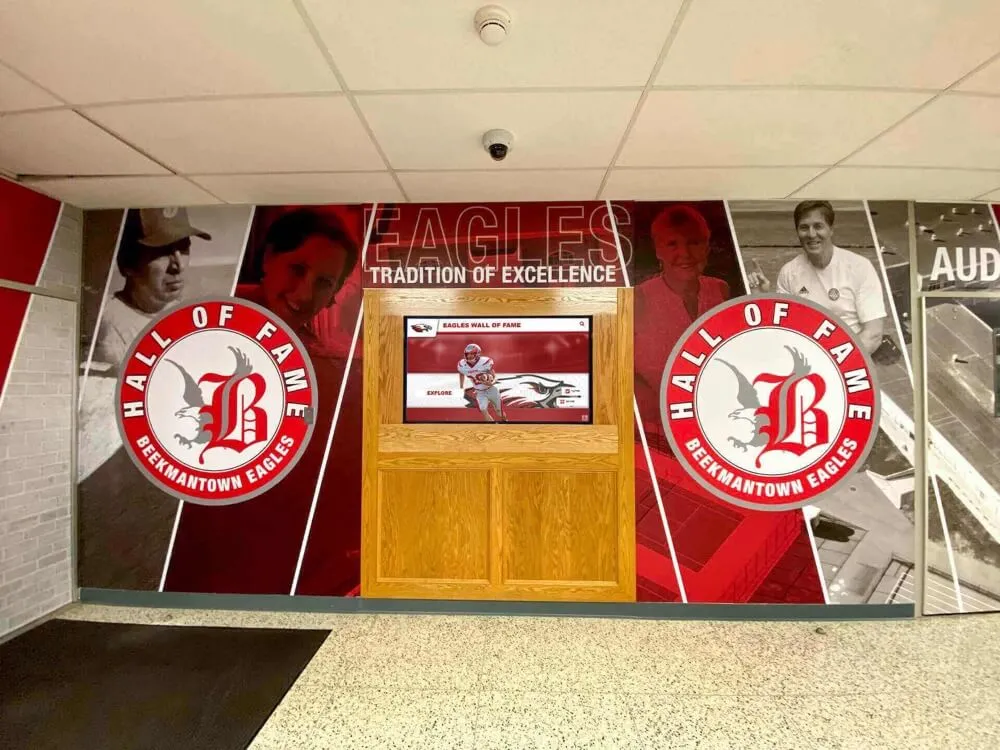
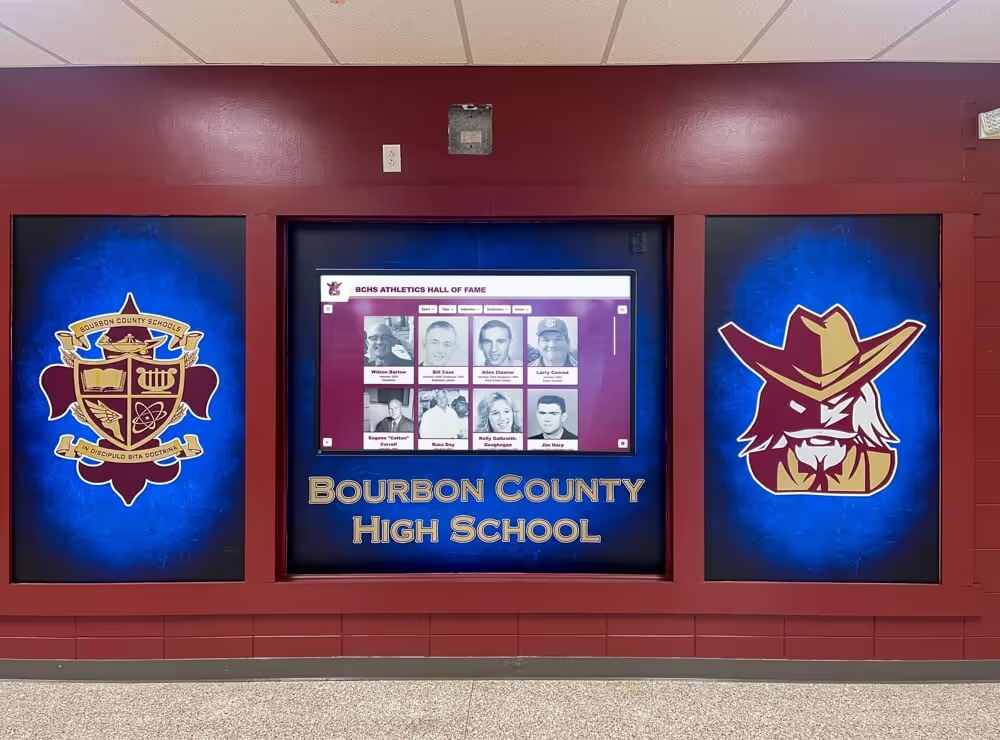
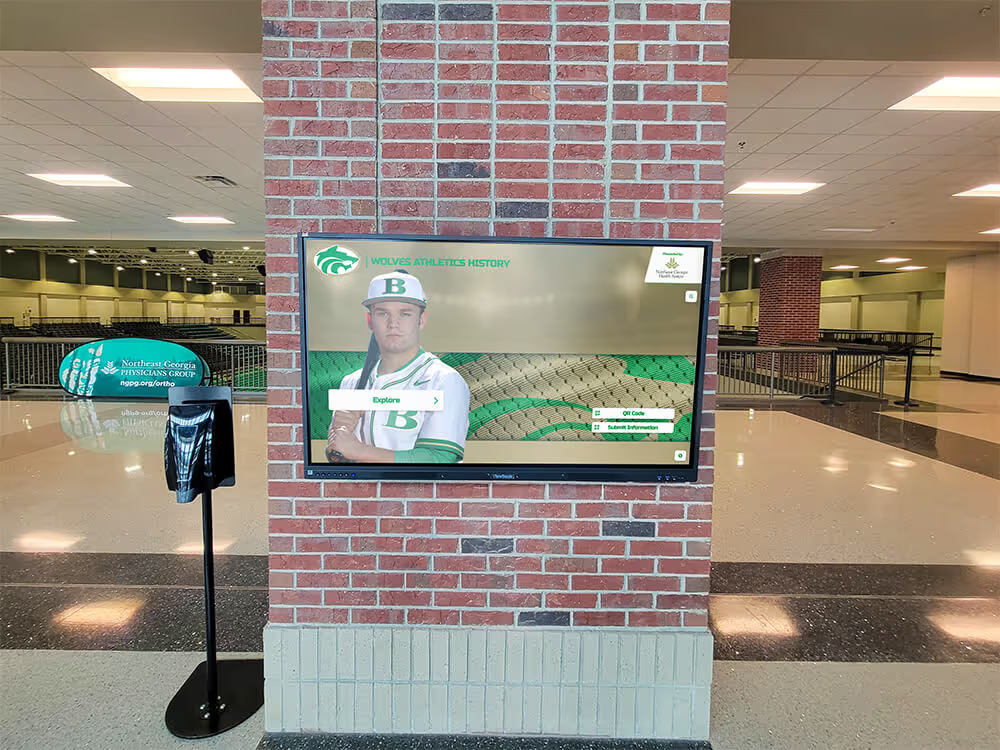
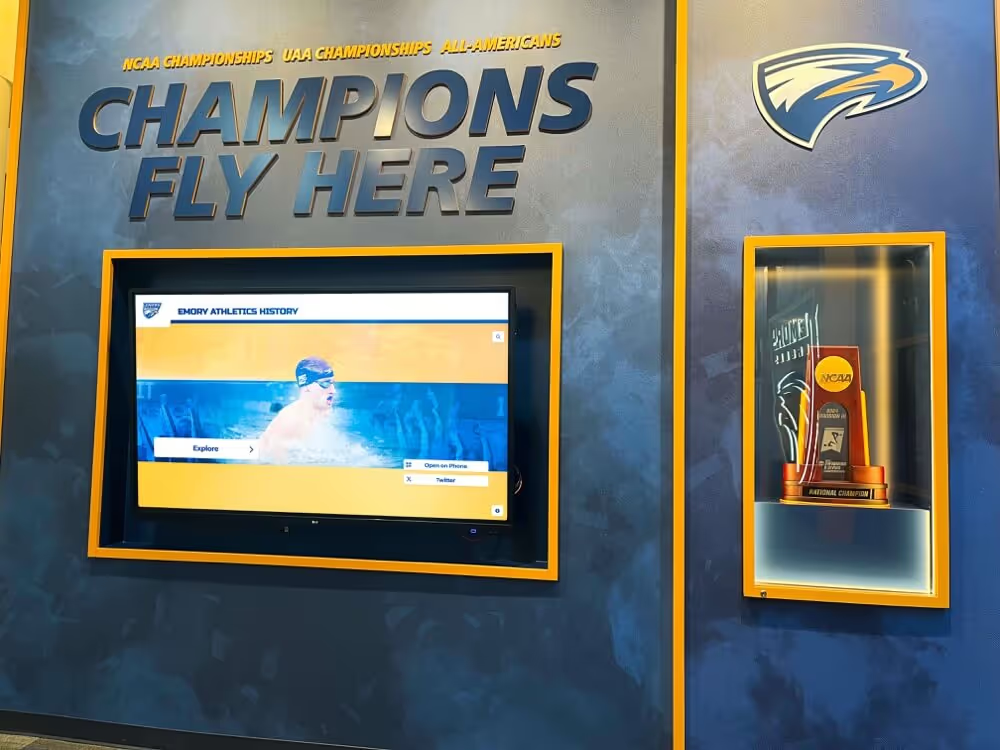
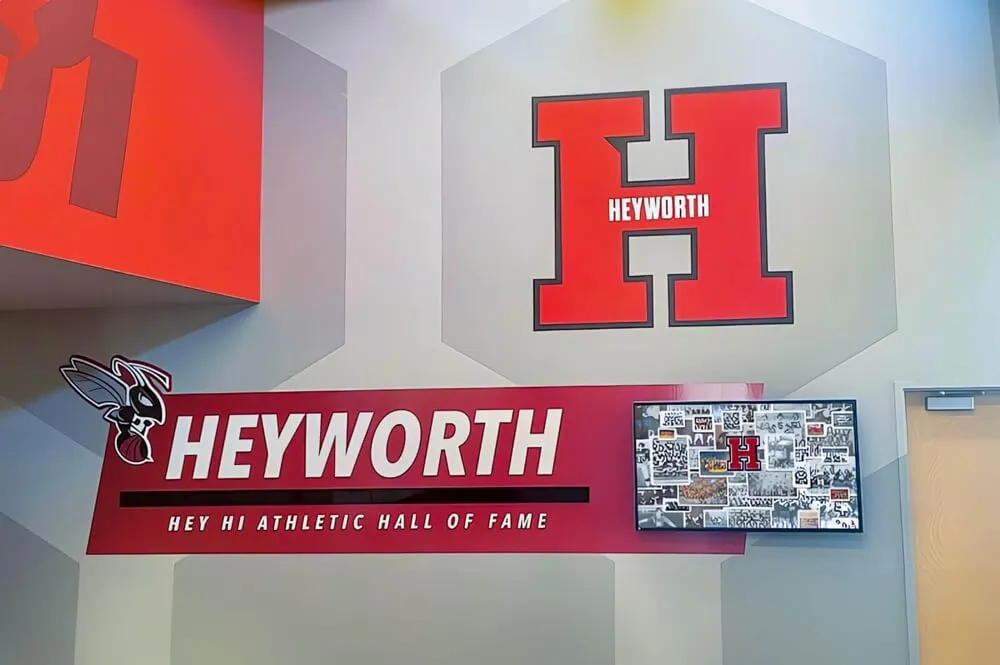
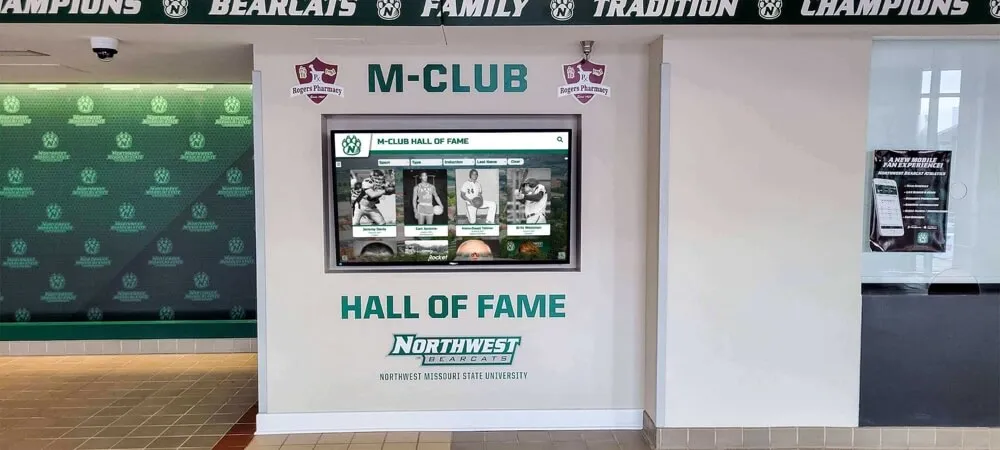
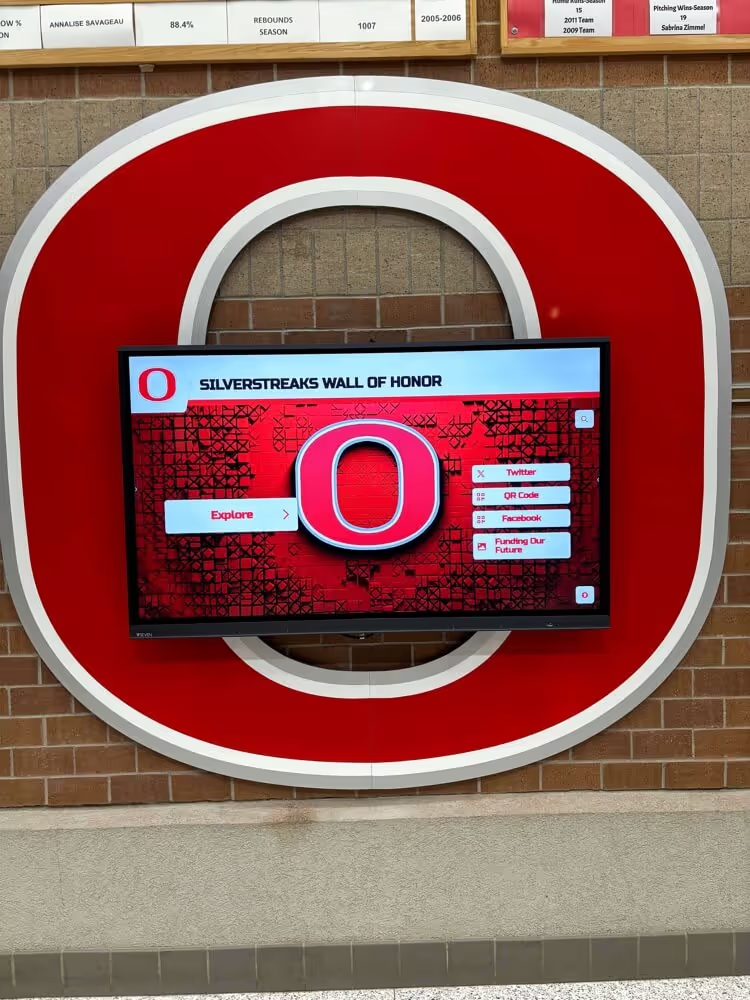
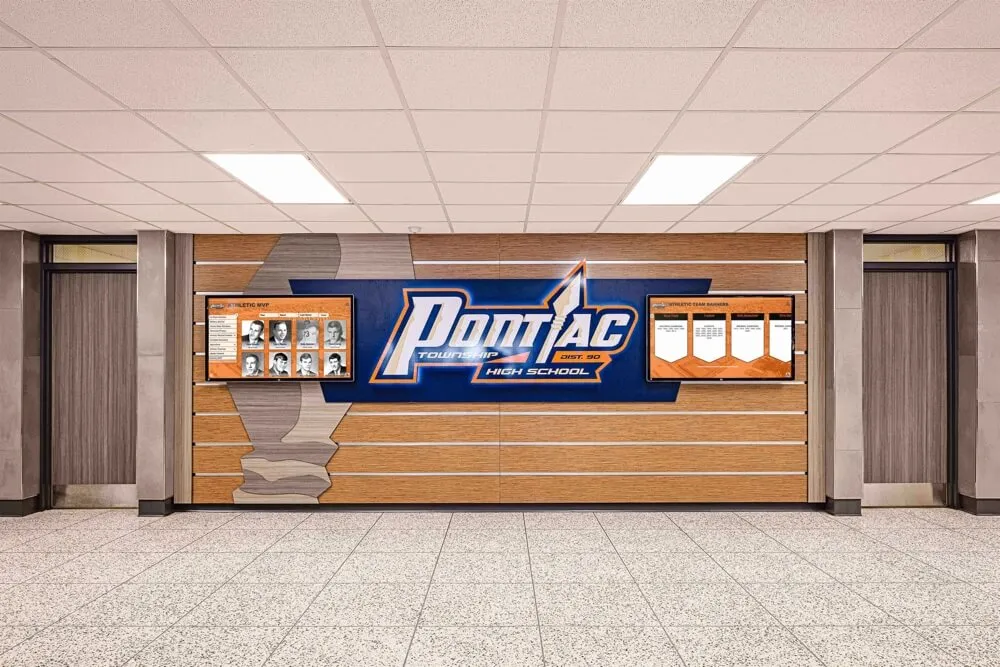
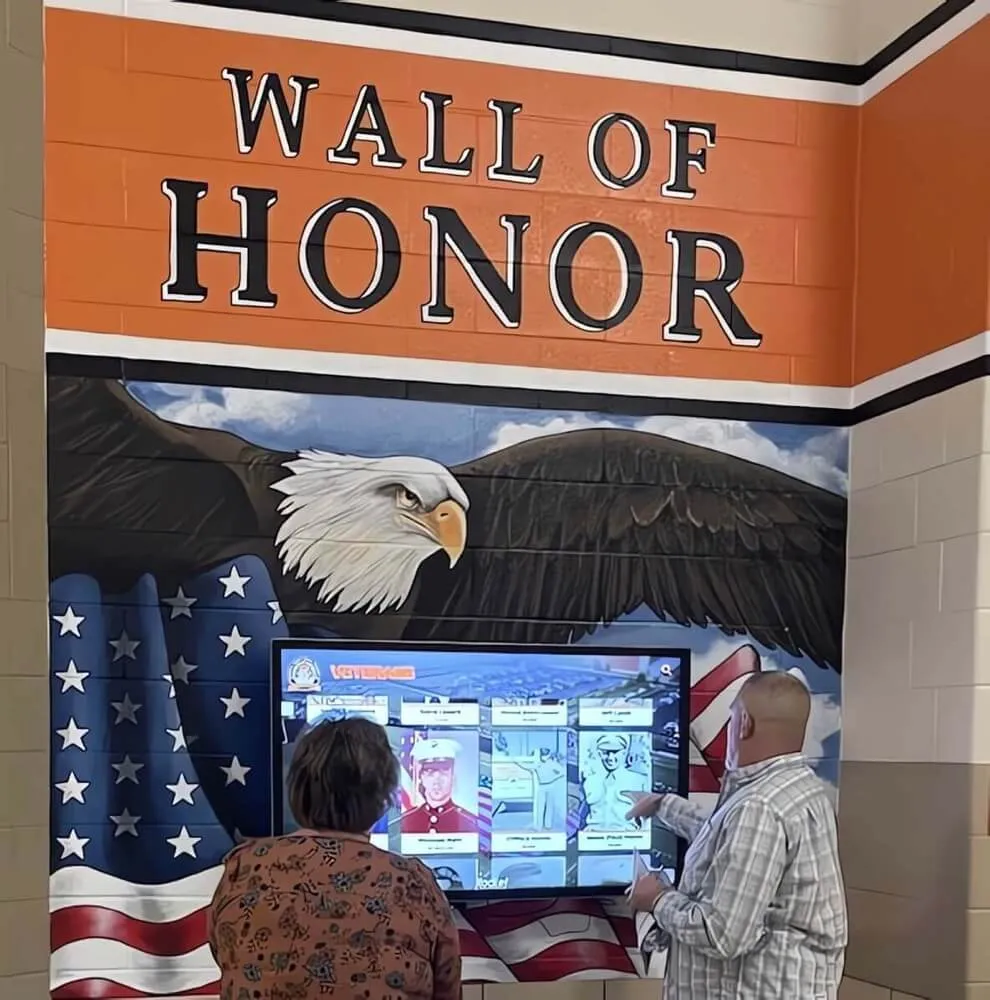
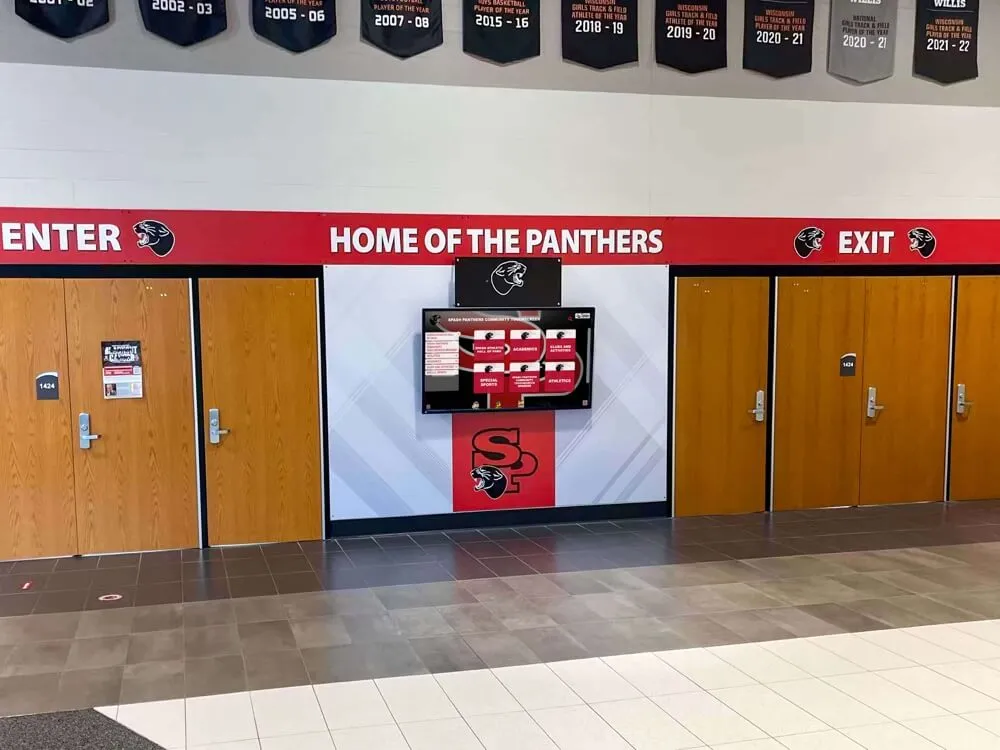
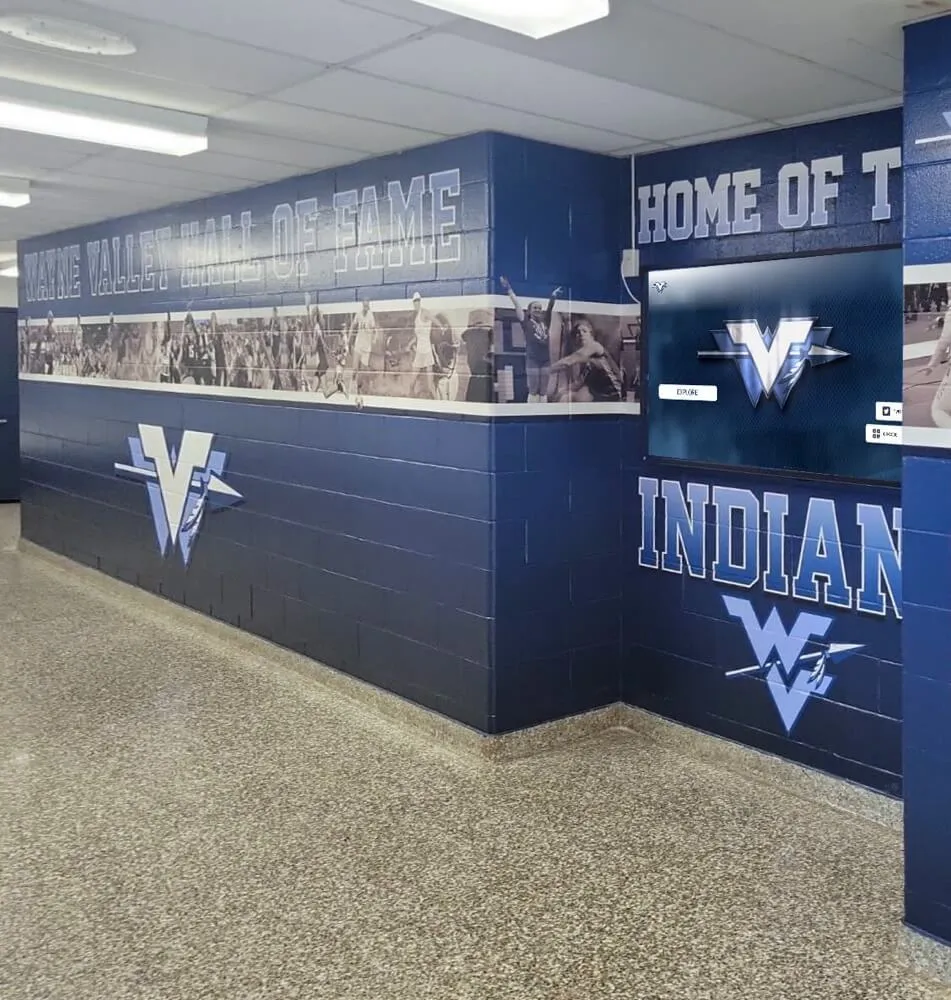
Interactive touchscreen displays create engaging memorial experiences that honor fallen heroes while educating visitors about service and sacrifice
Understanding Fallen Heroes Touchscreen Display Applications
Before implementing digital memorial recognition, communities should understand diverse applications and the unique needs each context presents.
Military Installation Memorial Displays
Armed forces facilities require memorial systems honoring service members who made the ultimate sacrifice:
Installation Memorial Contexts
- Headquarters buildings and command centers showcasing unit fallen heroes
- Training facilities honoring graduates lost in service
- Base chapels providing contemplative memorial spaces
- Visitor centers educating public about unit history and sacrifice
- Community centers supporting military families
- Post exchanges and recreation facilities ensuring visibility
The U.S. Army Special Operations Command headquarters exemplifies large-scale military memorial implementation—their 41-foot digital wall measures 20 feet high by 12 feet wide, enabling interactive exploration where up to three visitors simultaneously can search fallen heroes by name, unit, operation, year, or location. The system preserves comprehensive tributes including photographs, biographies, and even video testimonials from family members and battle buddies.
Content Requirements for Military Displays
- Service branch, rank, and unit affiliations
- Deployment history and operational service
- Awards, decorations, and commendations
- Circumstances of death when appropriate and approved
- Hometown connections and community ties
- Personal qualities and remembered characteristics
- Family tributes and remembrances when permissions granted
Military memorial displays require careful attention to classification, operational security, and family privacy preferences while creating tributes that honor service authentically.
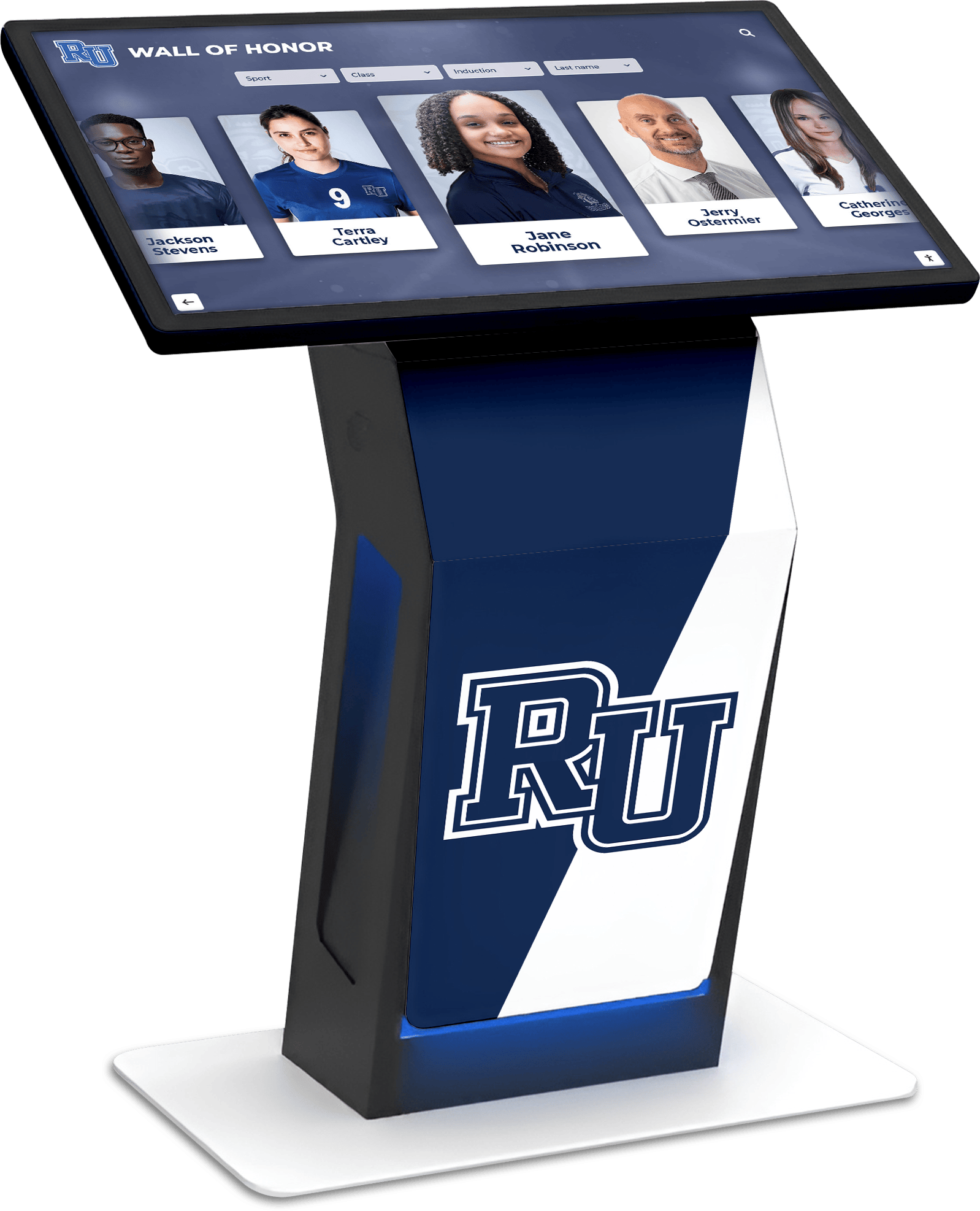
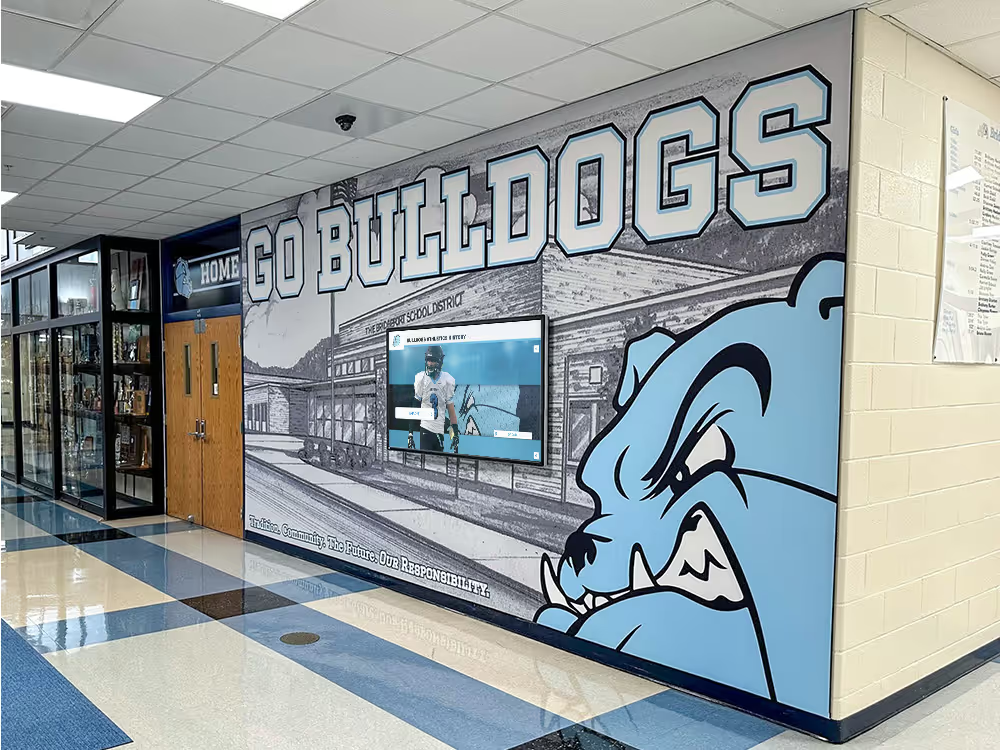
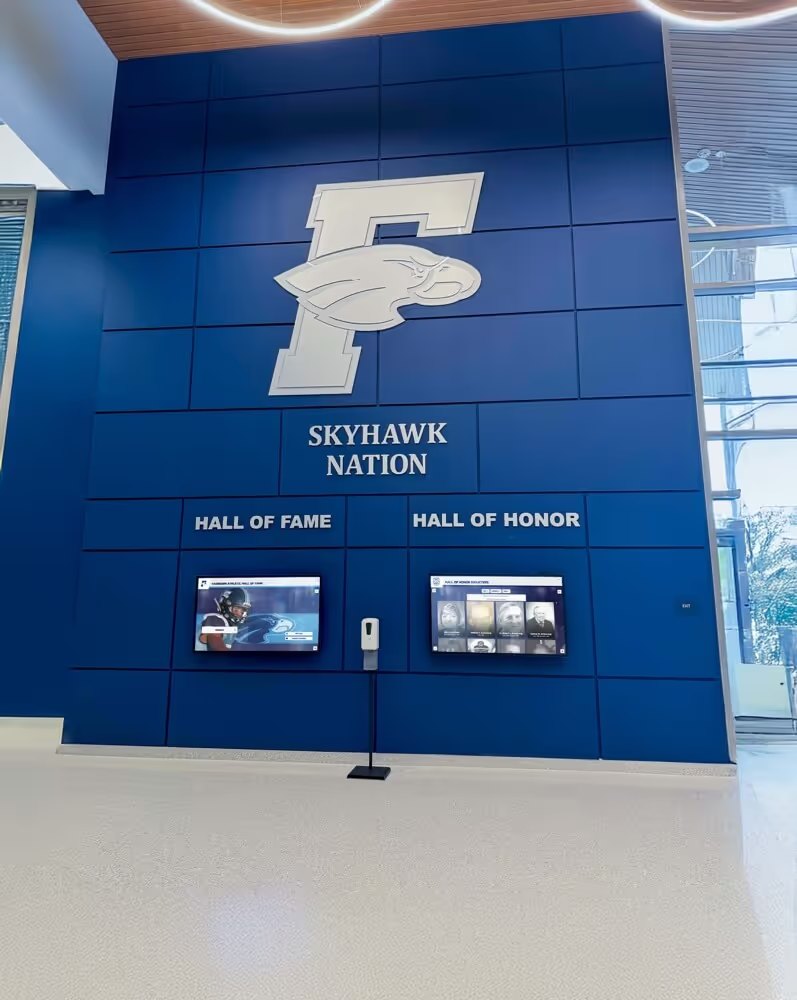
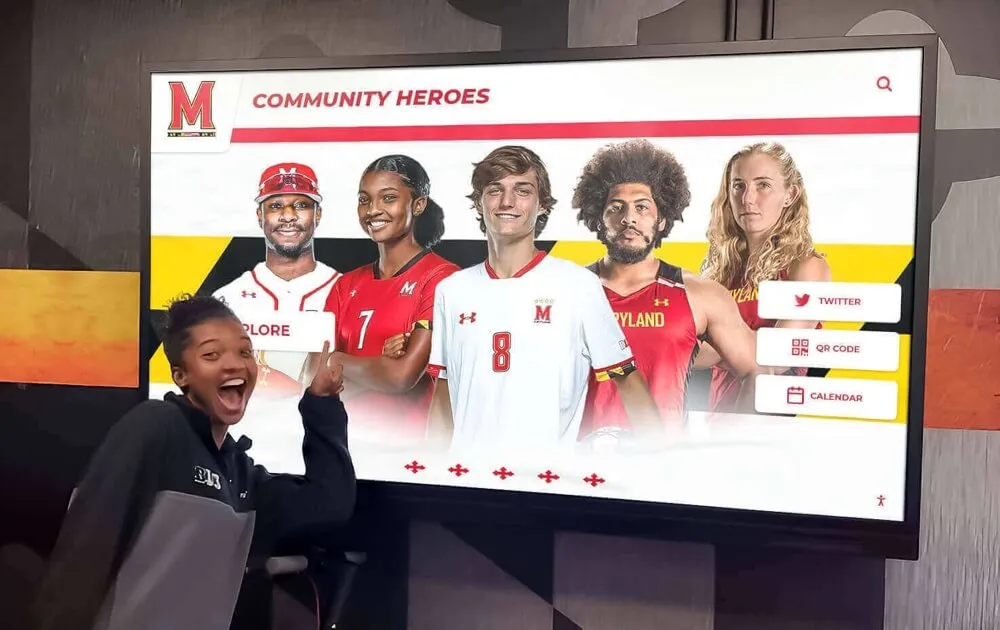
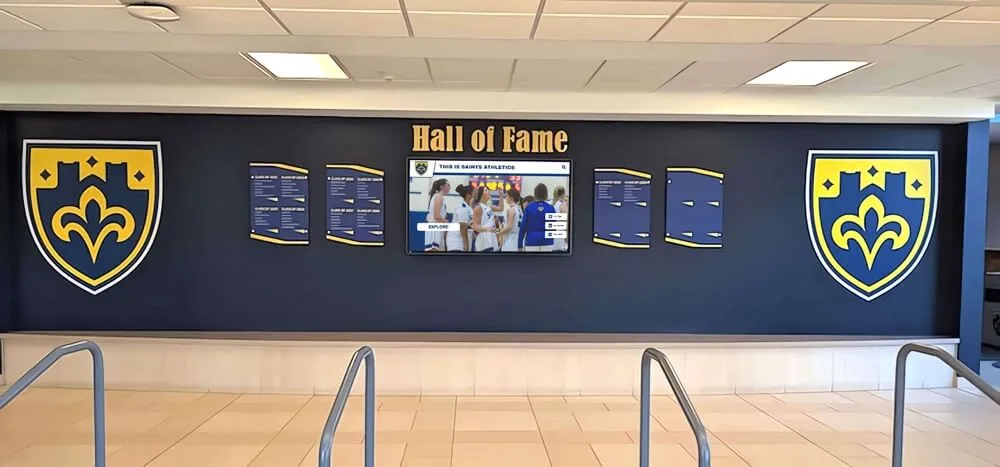
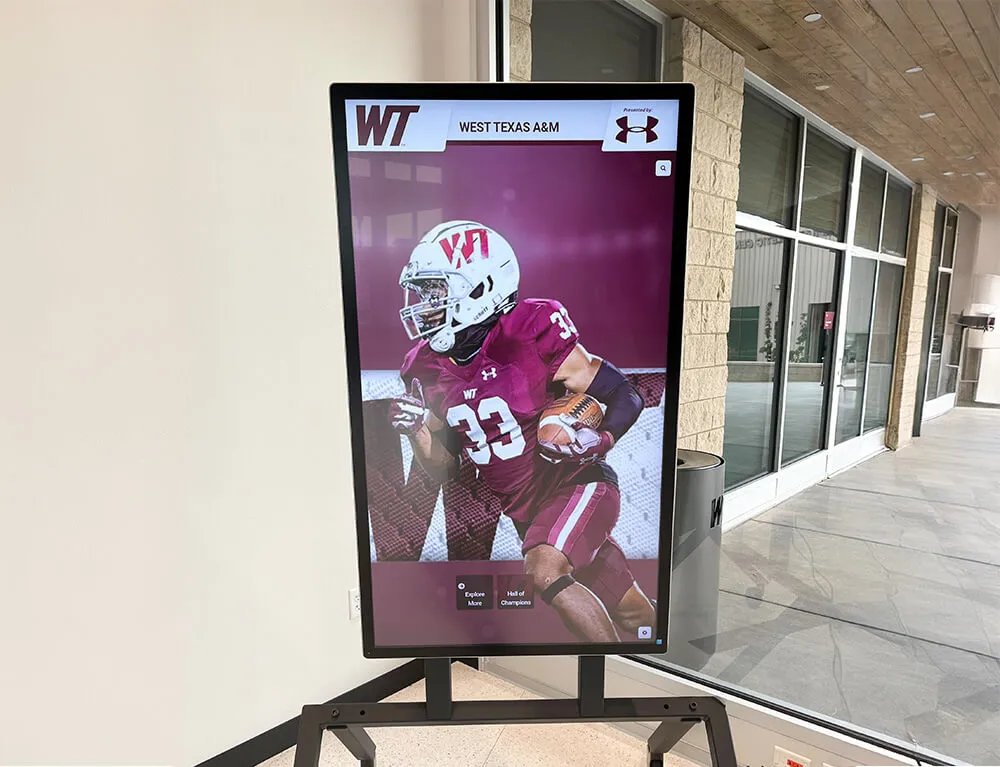
Military memorial touchscreens provide dignified, comprehensive recognition for fallen service members
First Responder Memorial Recognition
Fire departments, law enforcement agencies, and emergency medical services need memorial systems honoring colleagues lost in the line of duty:
First Responder Memorial Contexts
- Public safety headquarters and administrative buildings
- Fire stations and apparatus bays creating remembrance spaces
- Police departments and training academies
- Emergency operations centers coordinating multi-agency response
- 911 dispatch centers recognizing telecommunicators
- Community safety centers engaging public
According to the National Fallen Firefighters Foundation, the 44th National Fallen Firefighters Memorial Weekend scheduled for May 3–4, 2026, will honor 140 fallen firefighters. Communities implementing local memorials often coordinate with national observances, creating connections between local sacrifice and broader first responder community.
First Responder Content Elements
- Department, rank, and assignment details
- Years of service and career milestones
- Notable rescues and community service
- Line-of-duty death circumstances with appropriate sensitivity
- Survivor information respecting family privacy
- Memorial fund details and ways to honor service
- Annual remembrance event information
Learn about comprehensive recognition approaches in military wall of honor programs that translate effectively to first responder memorial contexts.
Veterans Organization Memorial Displays
American Legion posts, VFW halls, and veterans service organizations create memorial recognition for members and community heroes:
Veterans Organization Applications
- Post and chapter headquarters memorial spaces
- Memorial halls and ceremonial rooms
- Community outreach centers educating public
- Veterans service centers supporting families
- Social gathering spaces maintaining remembrance
- Parade and event staging areas
Veterans Organization Content Focus
- Service member profiles across all conflicts
- Post or chapter membership connections
- Community contributions beyond military service
- Fraternal bonds and shared experiences
- Memorial giving campaigns supporting families
- Annual remembrance ceremonies and traditions
- Educational outreach programming information
Municipal and Community Memorial Sites
Cities, towns, and counties often create central memorial locations honoring all local fallen heroes:
Municipal Memorial Contexts
- City halls and government centers
- Public libraries and educational facilities
- Community parks and memorial gardens
- Civic centers and convention facilities
- County courthouses and administrative buildings
- Public squares and memorial plazas
Montgomery County’s Fallen Hometown Heroes digital display exemplifies municipal applications—the system honors residents killed in action dating to World War I, incorporating photos and military histories of those who lived in the county and died serving their nation. This comprehensive approach ensures no era of service or sacrifice is forgotten.
Municipal Content Strategy
- All branches of military service representation
- First responders across all agencies
- Multiple eras from WWI through current conflicts
- Hometown connections and family histories
- Community impact and local remembrance
- Educational content explaining historical contexts
- Memorial giving opportunities supporting veterans services
Explore community recognition approaches in memorial recognition programs that honor diverse contributions.
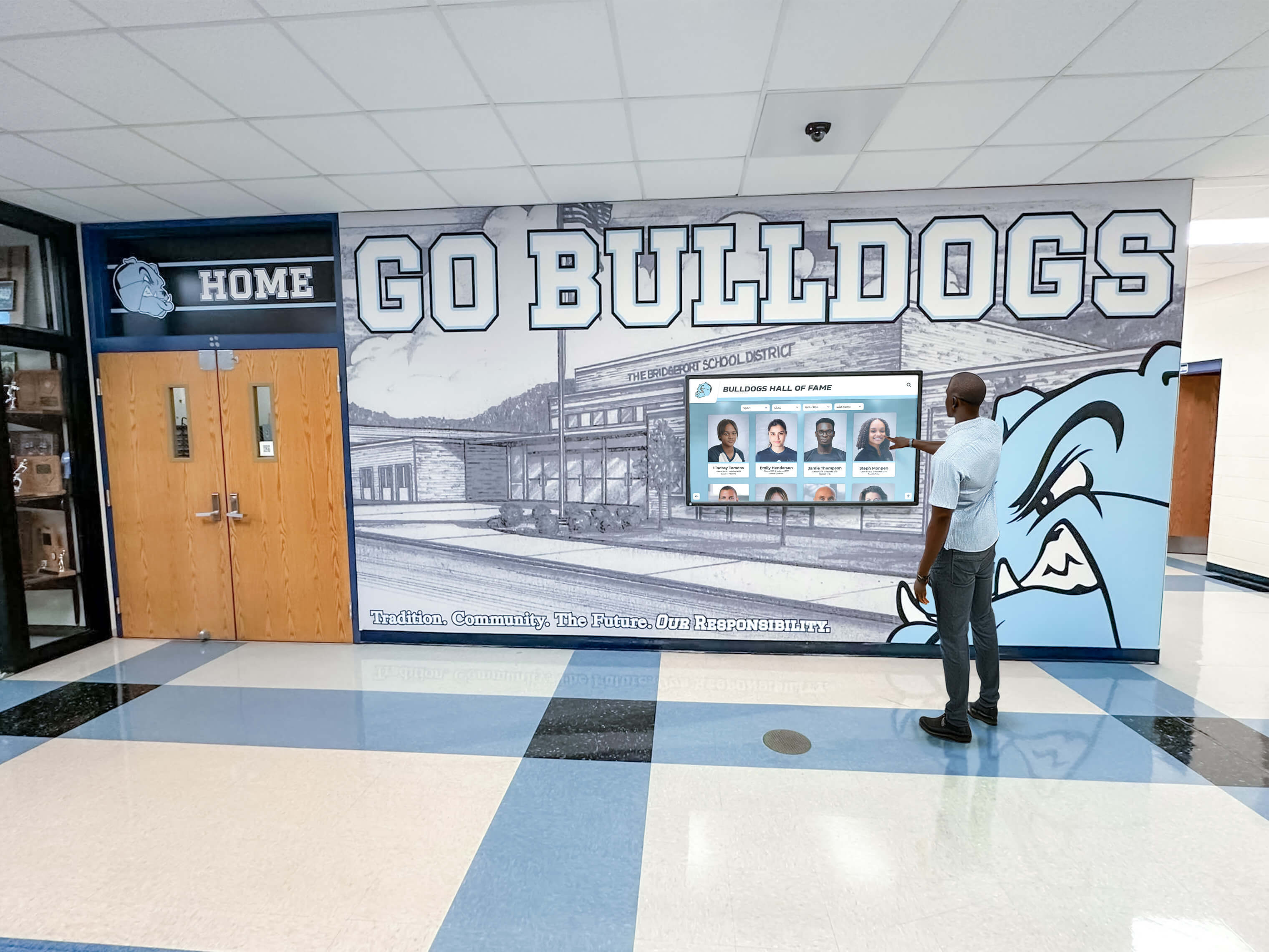
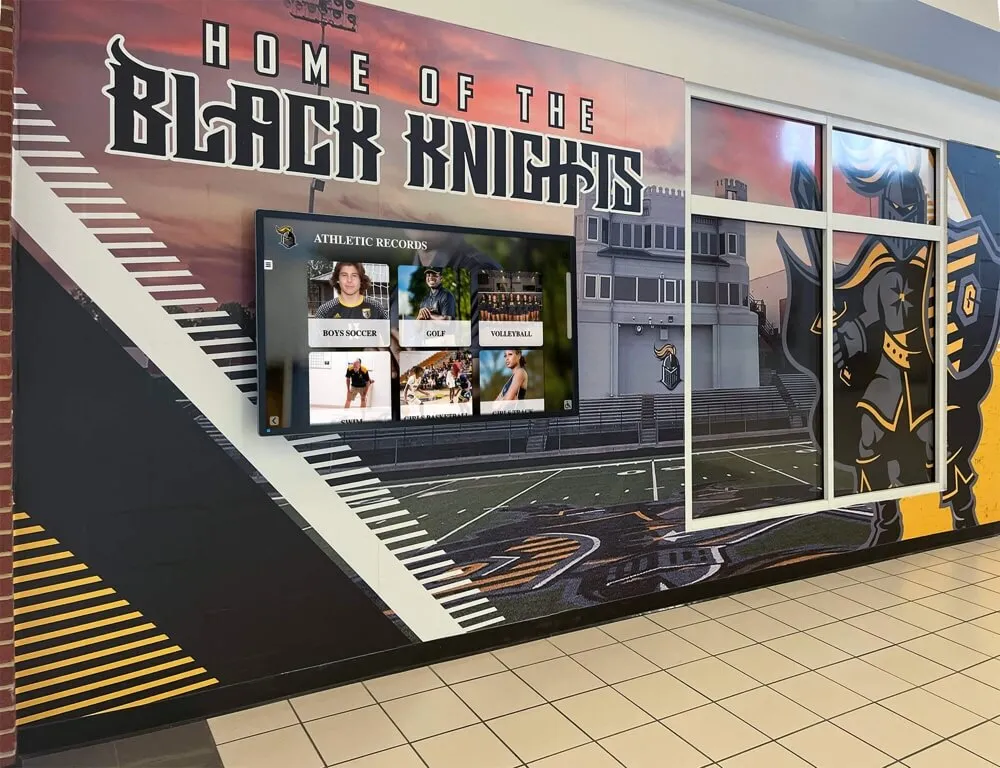
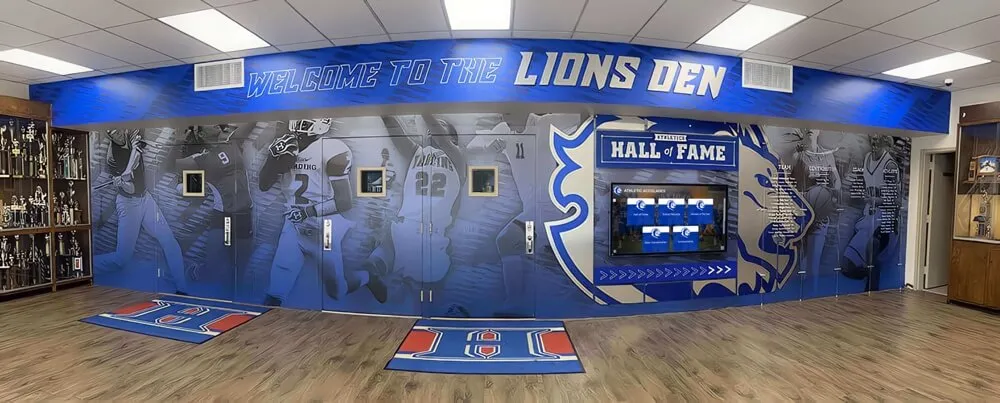
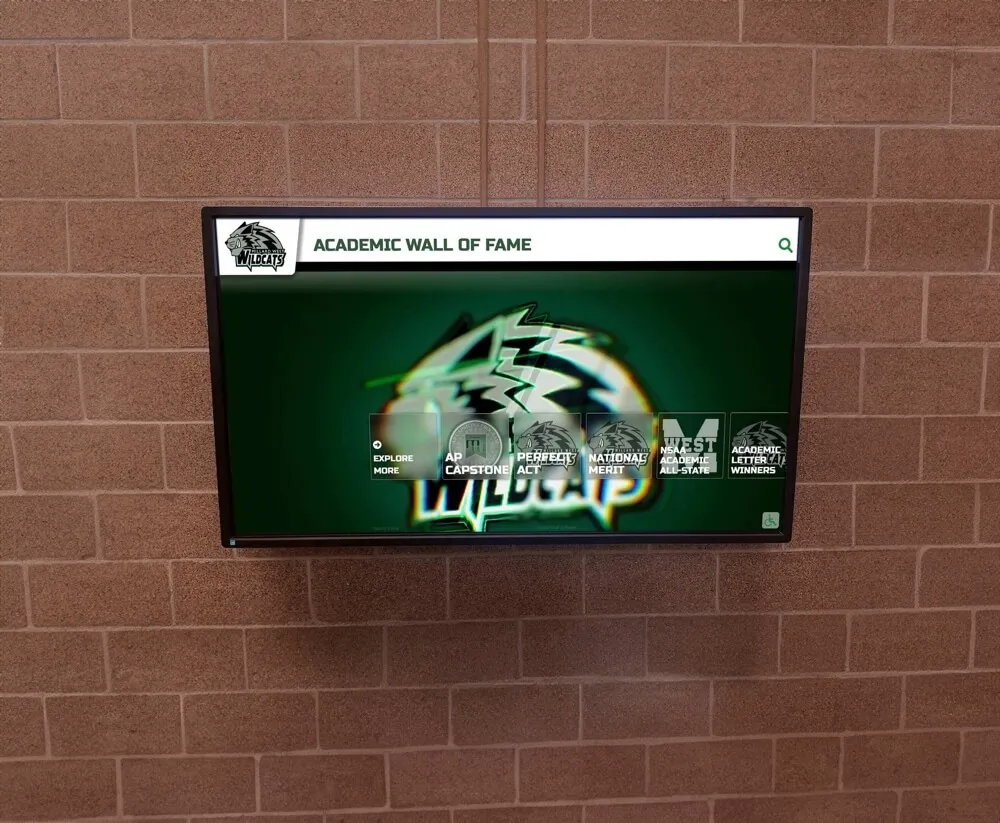
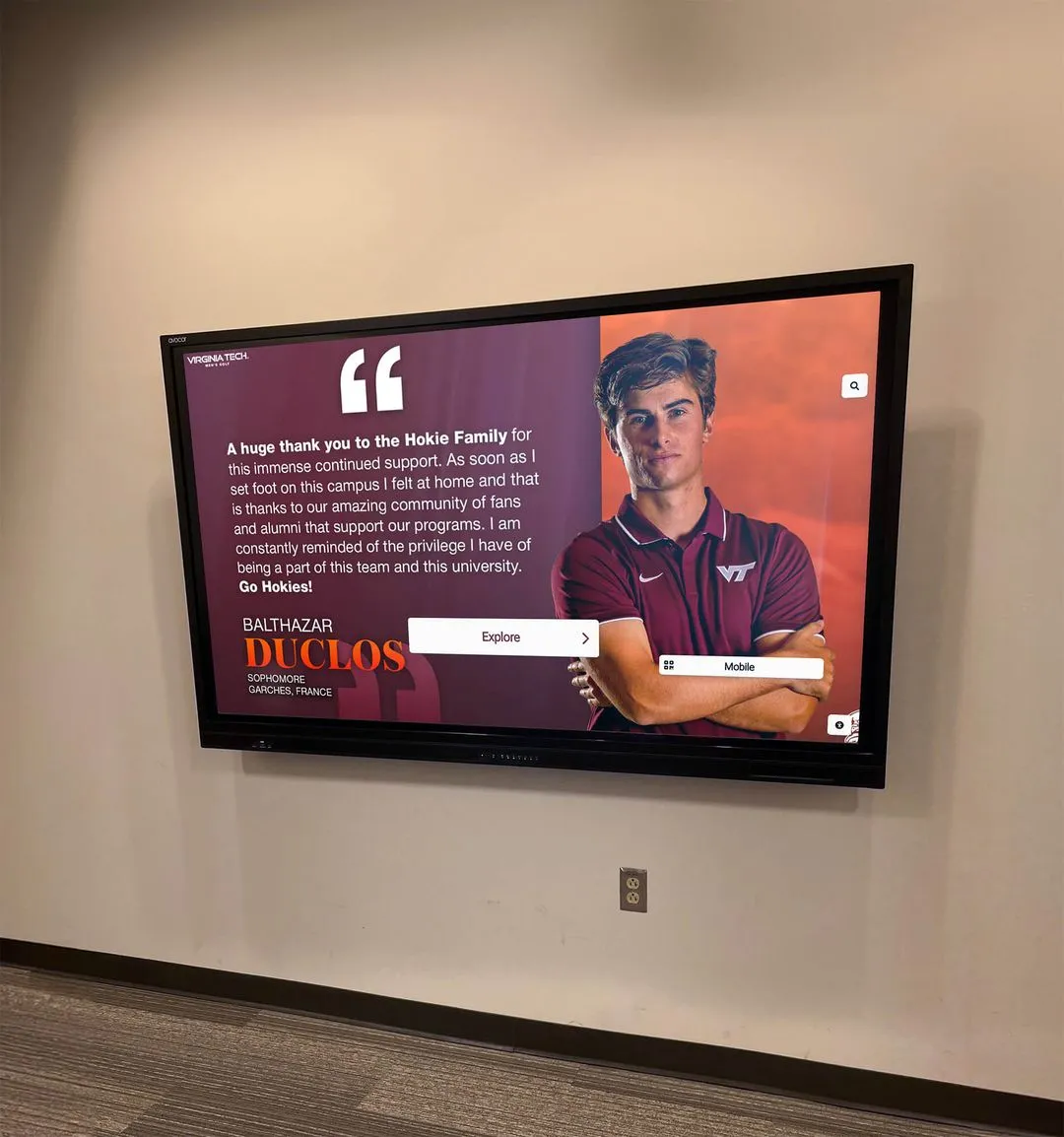
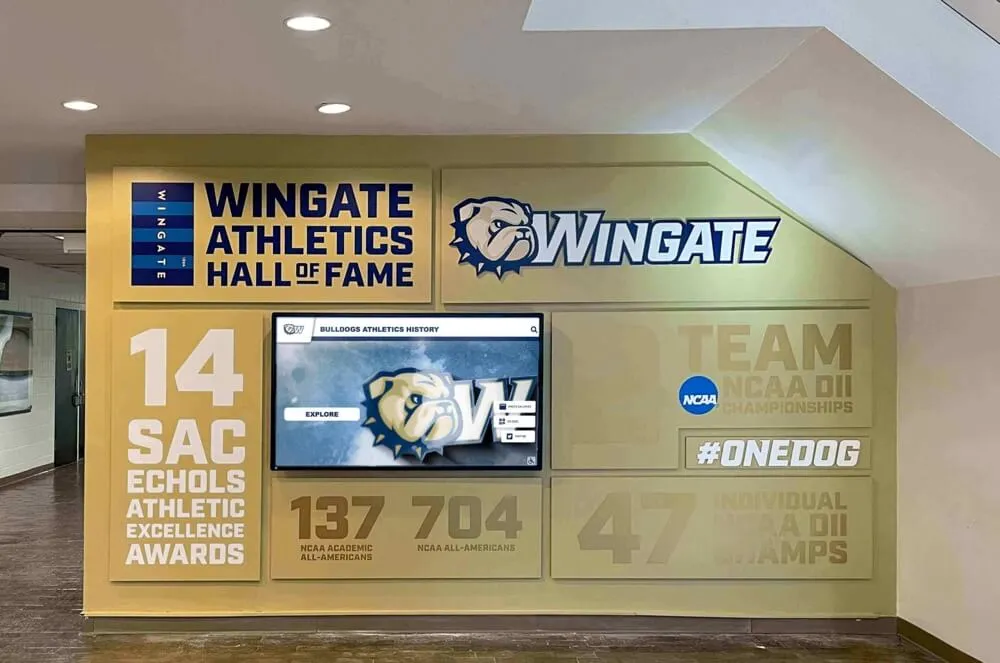
Community memorial displays create accessible recognition honoring local fallen heroes across generations
Core Benefits of Touchscreen Memorial Displays
Understanding advantages helps communities make informed decisions about memorial technology investments.
Unlimited Recognition Capacity
Traditional memorial walls face inevitable space constraints:
Physical Memorial Limitations
- Fixed wall space accommodating finite number of names
- Difficult decisions about whose sacrifice receives visibility
- Expensive expansions requiring construction and reinstallation
- Deterioration over time necessitating restoration
- No room for comprehensive storytelling beyond names and dates
- Accessibility challenges for those unable to visit physical sites
Digital Display Advantages
Touchscreen systems eliminate capacity constraints entirely—single displays can showcase unlimited fallen heroes with comprehensive profiles. Communities report honoring hundreds or thousands of service members through systems that would require massive physical monuments if constructed traditionally.
This unlimited capacity ensures every fallen hero receives appropriate recognition regardless of era served, branch of service, or circumstances of death. From Revolutionary War casualties through current conflicts, comprehensive digital archives preserve all sacrifice stories for future generations.
Rich Multimedia Storytelling
Names engraved on stone provide minimal information about the people they represent. Digital memorials enable comprehensive storytelling:
Biographical Information and Service History
- Detailed military or service records
- Career progression and assignments
- Training and specializations
- Deployments and operations
- Awards and commendations
- Personal interests and characteristics
Photographic and Video Content
- Service portraits in uniform
- Candid photos from deployment or duty
- Family photographs when permissions granted
- Video tributes from comrades and loved ones
- Ceremonial footage from memorial services
- Historical context documentation
Personal Stories and Remembrances
- Family narratives about their loved one
- Battle buddy tributes and memories
- Community impact stories
- Personal qualities and remembered moments
- Favorite sayings and characteristics
- Legacy continuation efforts
According to digital memorial technology research, visitors spend 5-7 times longer engaging with interactive memorial displays compared to traditional walls—the rich storytelling creates emotional connections impossible with name-only recognition.
Learn about effective storytelling approaches in digital recognition displays that preserve history comprehensively.
Accessible Search and Discovery
Large traditional memorials present discovery challenges—finding specific fallen heroes among thousands of names requires extensive searching. Interactive displays solve this problem:
Search Functionality Features
- Name search enabling instant location
- Unit or department filtering
- Era or conflict date ranges
- Hometown or state connections
- Branch of service categories
- Alphabetical browsing options
- Random profile features ensuring all heroes receive visibility
Family members visiting memorials can immediately find their loved ones without searching thousands of engraved names. Veterans seeking battle buddies or community members researching local heroes can filter and explore efficiently.
This accessibility extends beyond physical displays through web integration enabling worldwide access for family members unable to visit memorial sites regularly.
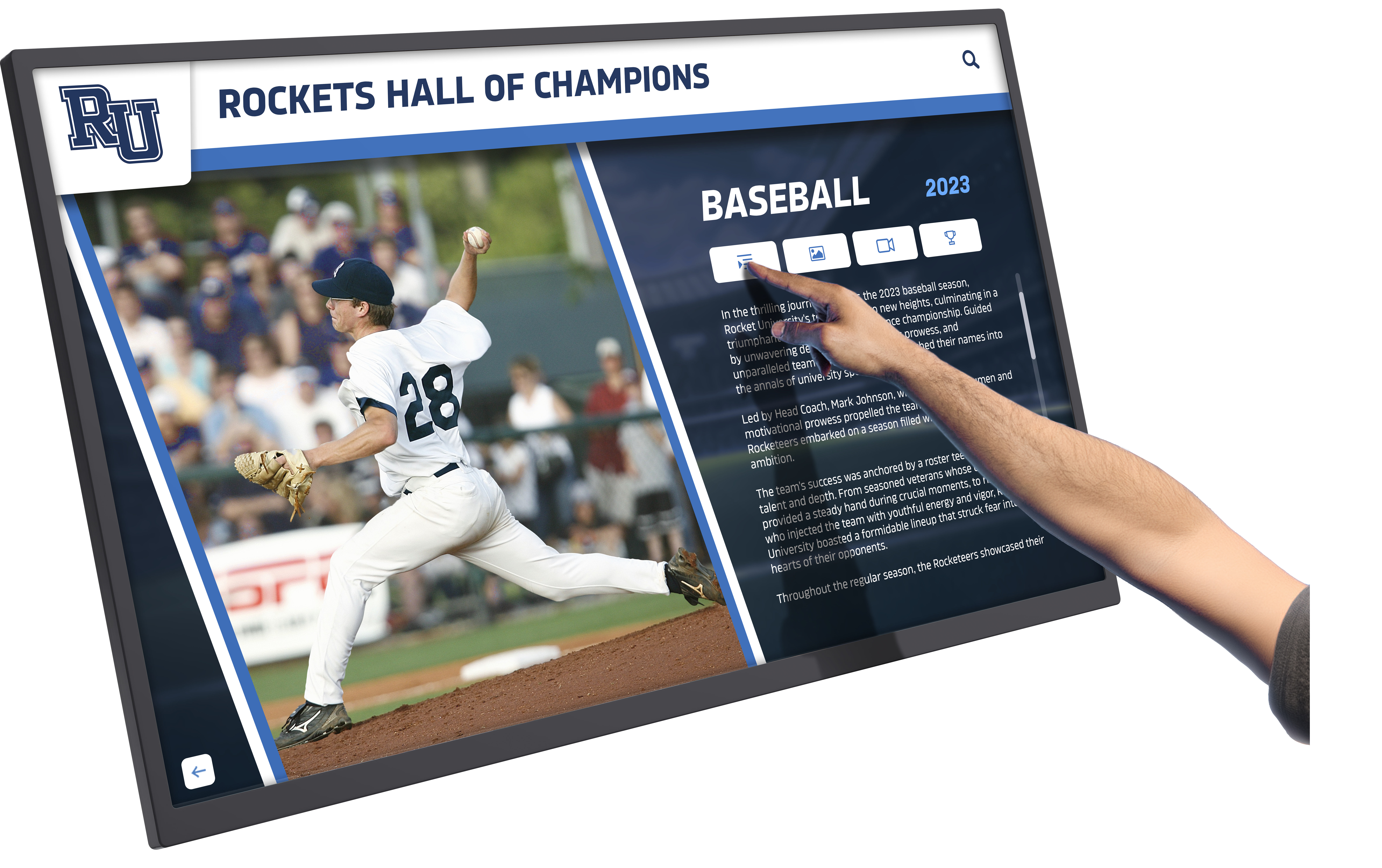
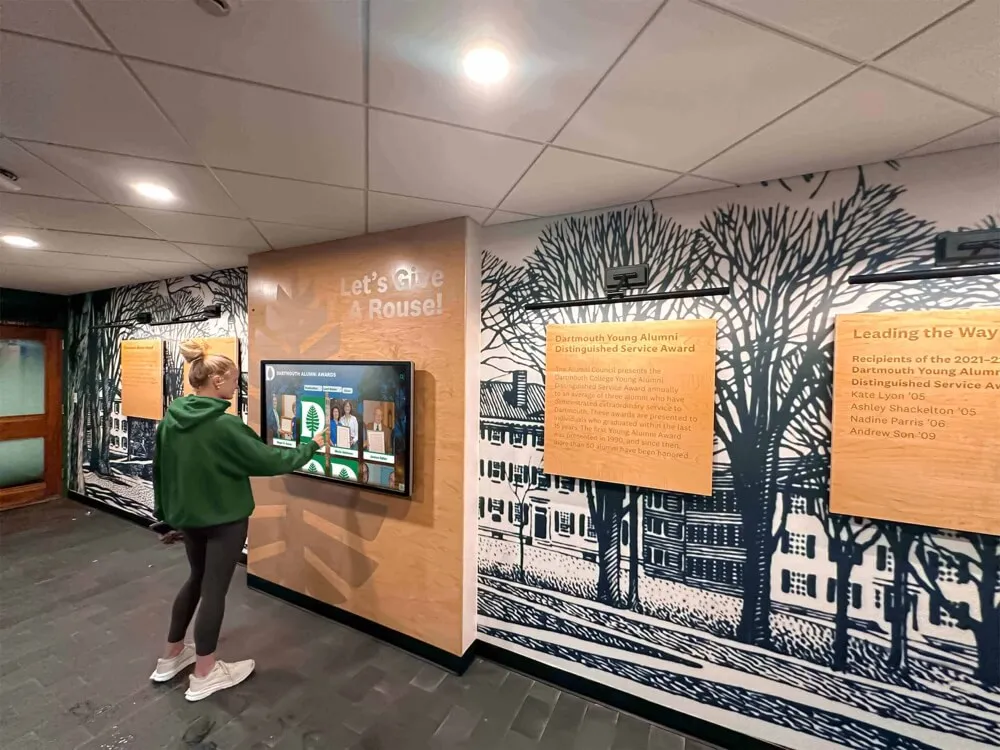
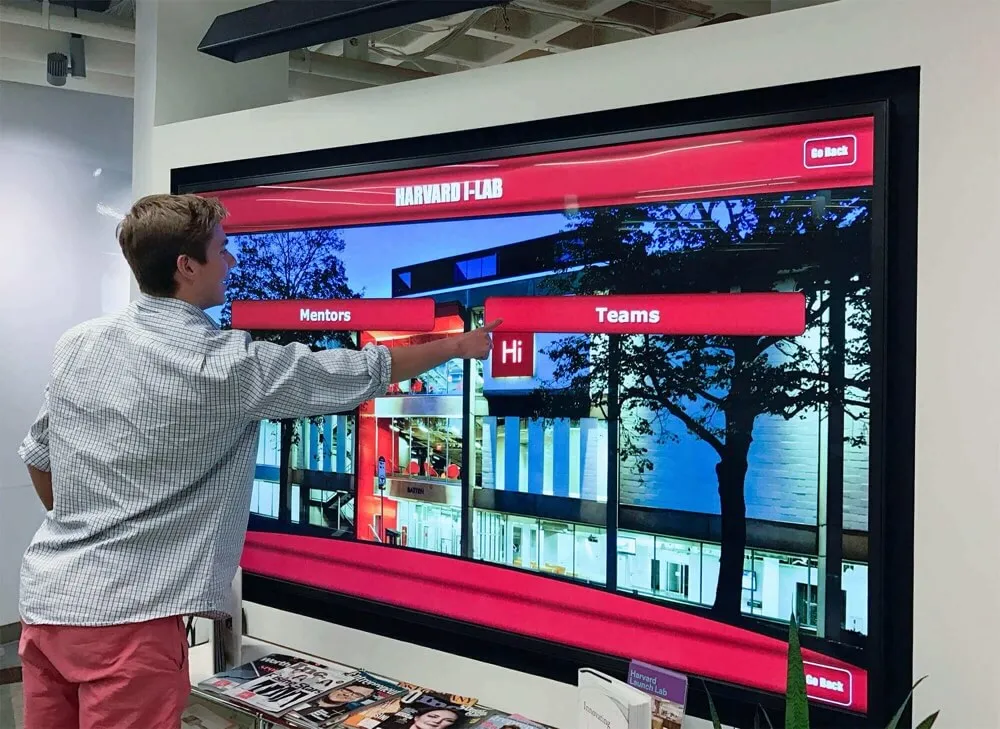
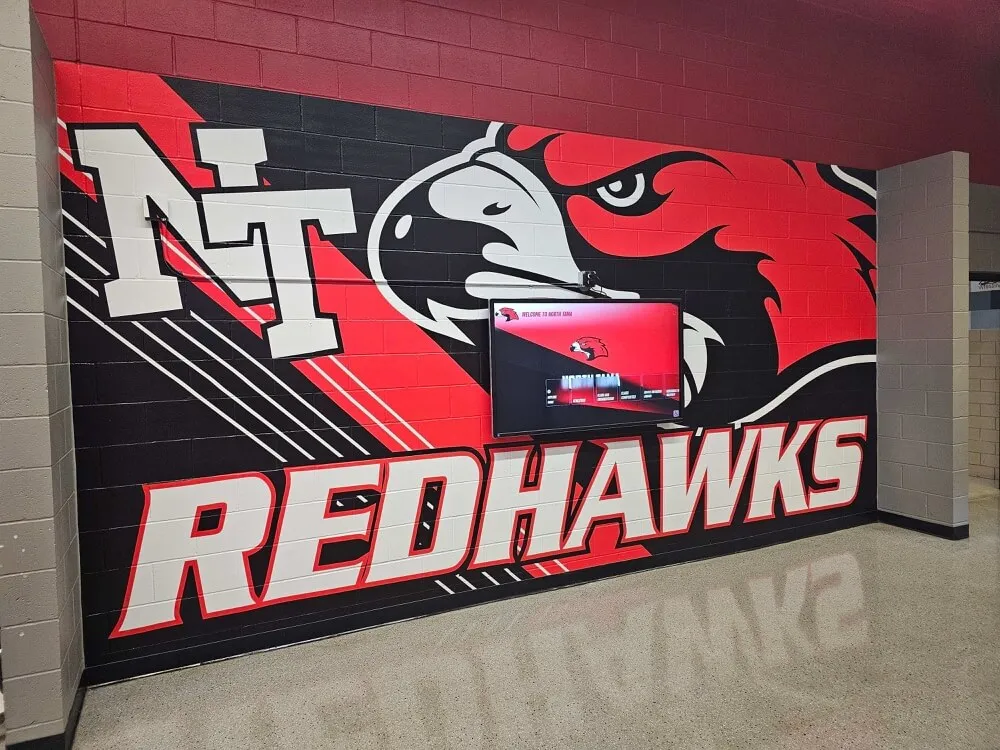
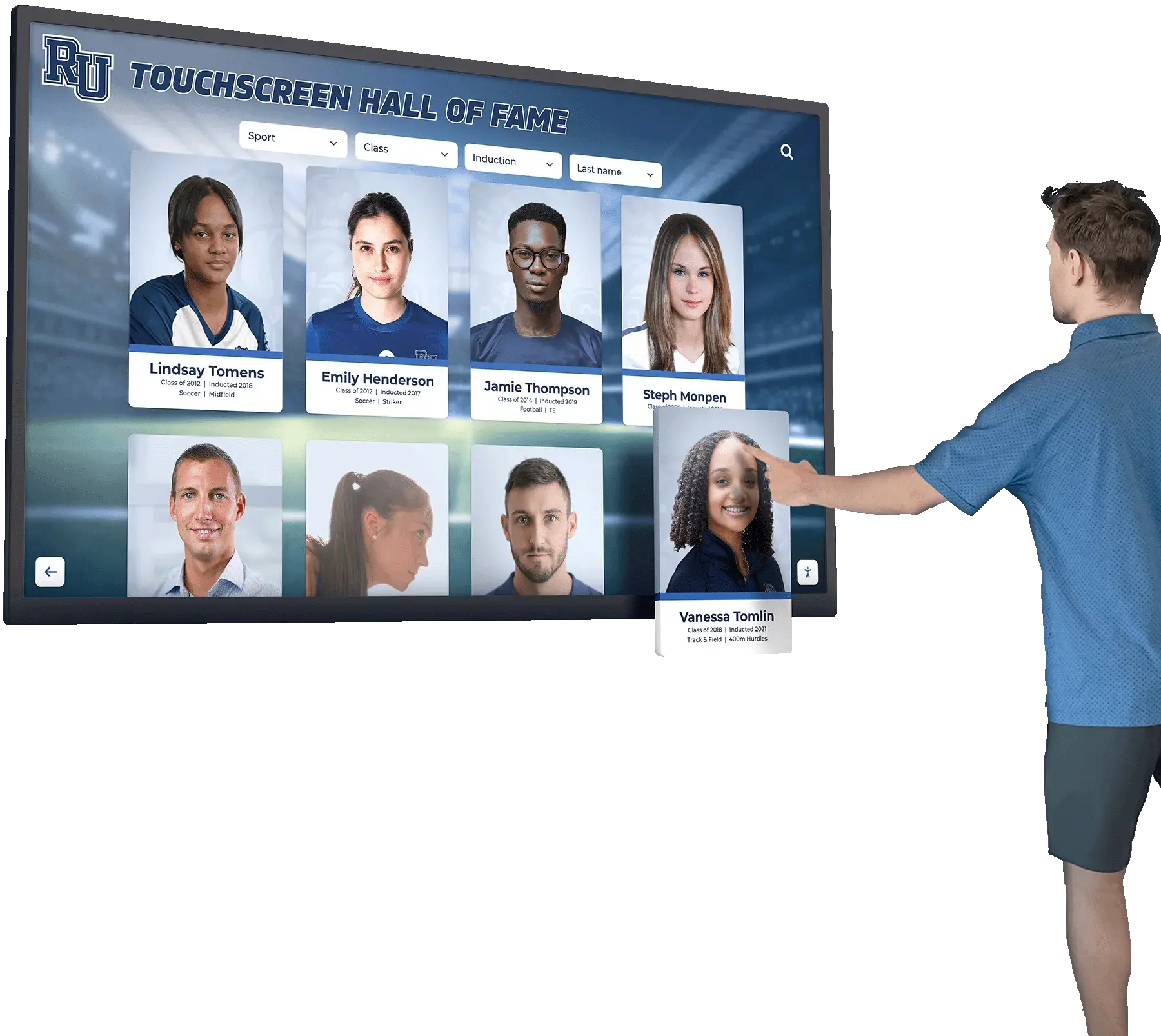
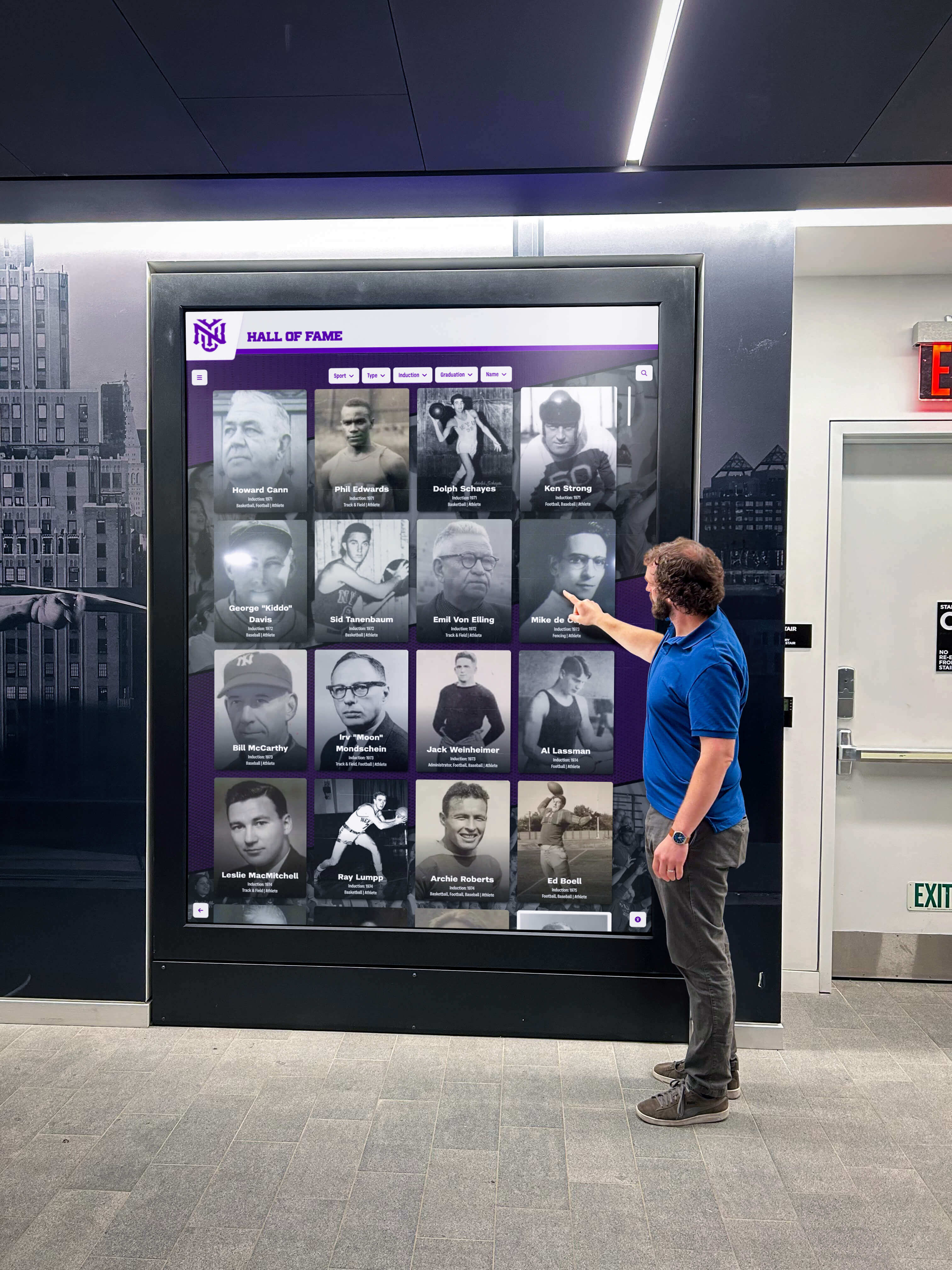
Intuitive search functionality enables visitors to find specific fallen heroes instantly
Cost-Effective Long-Term Maintenance
While initial investment in digital memorial systems requires careful budgeting, long-term costs favor technology approaches:
Traditional Memorial Ongoing Expenses
- Engraving costs of $500-$2,000 per addition
- Physical expansion construction when space fills
- Stone cleaning and restoration maintenance
- Deterioration repair and weathering mitigation
- Landscape maintenance around monuments
- Lighting and accessibility improvements
Digital Display Operating Costs
- Minimal electricity consumption for display operation
- Annual software subscription covering updates and hosting
- No per-addition costs regardless of how many heroes added
- Cloud-based management requiring no on-site maintenance
- Professional support ensuring reliable operation
- Periodic content refreshment keeping displays engaging
Organizations report that digital memorial systems typically achieve cost parity with traditional approaches within 3-5 years, after which savings compound significantly as no engraving or expansion costs accumulate.
Real-Time Updates and Content Management
Cloud-based platforms enable memorial administrators to maintain current, accurate content:
Update Capabilities
- Adding newly fallen heroes within days of death
- Incorporating additional information as it becomes available
- Updating biographical details ensuring accuracy
- Scheduling content for memorial observances
- Correcting errors immediately without physical modification
- Refreshing featured content maintaining engagement
Military installations, fire departments, and veterans organizations can coordinate memorial updates with national observances, ensuring local displays reflect current information and honor recent losses promptly.
This real-time capability prevents the painful delays common with traditional memorials where families wait months or years for permanent recognition while funding and engraving are coordinated.
Planning and Implementing Fallen Heroes Touchscreen Displays
Successful memorial projects require thoughtful planning, stakeholder engagement, and systematic execution.
Needs Assessment and Stakeholder Engagement
Begin with comprehensive evaluation establishing clear requirements:
Community Assessment Activities
- Inventory existing memorial recognition and identified gaps
- Survey veterans, families, and community about memorial needs
- Evaluate potential installation locations and visibility
- Assess technical infrastructure and requirements
- Review budget availability and funding sources
- Analyze comparable memorial installations for insights
Key Stakeholder Constituencies
Engage diverse groups ensuring memorial meets community needs:
- Veterans service organizations and military associations
- Fallen hero families and survivor organizations
- Active military personnel and current first responders
- Municipal leadership and government officials
- Memorial donors and potential supporters
- Community members and the public
- Facilities and technology staff
- Historical societies and archivists
Comprehensive stakeholder engagement ensures memorial designs honor fallen heroes appropriately while maintaining broad community support and sustainable implementation.
Memorial Philosophy and Content Guidelines
Establish principles governing memorial recognition:
- Commitment to honoring all fallen heroes regardless of era or circumstance
- Balance between comprehensive storytelling and family privacy respect
- Standards for inclusion ensuring appropriate recognition
- Content accuracy verification processes
- Sensitivity to classification and security requirements
- Integration with existing memorial traditions
- Educational objectives beyond remembrance
Clear guidelines prevent inconsistencies while ensuring memorial content honors service authentically and respectfully.
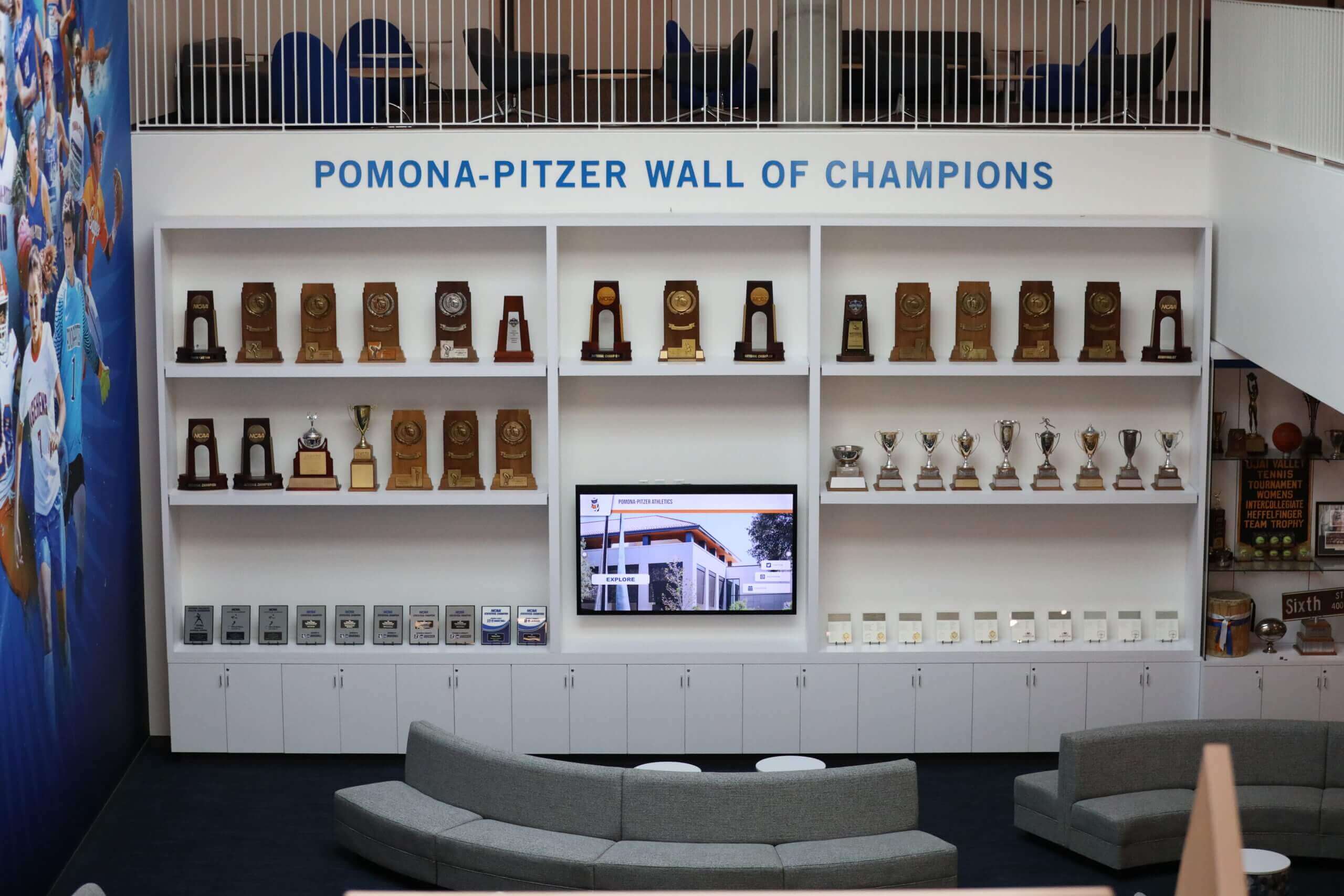
Strategic planning ensures memorial displays create meaningful spaces for reflection and remembrance
Technology Selection and Vendor Evaluation
Choosing appropriate memorial display solutions requires careful consideration:
Hardware Requirements for Memorial Applications
- Commercial-grade touchscreen displays ensuring continuous operation reliability
- Appropriate screen size based on viewing distance and space (typically 55-85 inches)
- High-resolution displays presenting photographs clearly
- Durable construction withstanding frequent interaction
- ADA-compliant installation heights and accessible design
- Mounting options including wall-mounted or freestanding kiosk configurations
- Environmental considerations for outdoor or semi-outdoor installations
Software Platform Capabilities
- Intuitive content management requiring minimal technical expertise
- Comprehensive profile templates accommodating military and service details
- Multimedia support for photographs, videos, and documents
- Multiple search and discovery options
- Security features protecting sensitive information
- Web integration enabling online access
- Mobile-responsive design for smartphone viewing
- Scalability supporting growth as memorial expands
Vendor Assessment Criteria
Select providers with relevant memorial experience:
- Portfolio of military and public safety recognition installations
- Understanding of memorial content sensitivity and protocols
- Technical support responsiveness and availability
- Training resources for memorial administrators
- Content creation assistance and design services
- Long-term platform development commitment
- Integration capabilities with existing systems
Solutions like Rocket Alumni Solutions specialize in comprehensive memorial recognition displays, offering platforms designed specifically for honoring service and sacrifice with proven implementation processes and ongoing support.
Budget Development for Memorial Projects
Establish realistic financial expectations:
- Initial hardware investment: $3,000-$8,000 for commercial displays
- Software platform setup and customization: $2,000-$5,000
- Installation and integration: $1,000-$3,000
- Initial content development and data import: $2,000-$5,000
- Training and change management: $500-$2,000
- Total initial investment range: $8,500-$23,000
- Annual subscription and maintenance: $2,000-$5,000
Memorial projects often utilize memorial giving campaigns, community fundraising, and donor recognition to offset implementation costs—creating opportunities to honor both fallen heroes and living supporters who fund recognition.
Content Development and Information Gathering
Comprehensive memorial content requires systematic information collection:
Biographical Information Sources
- Military service records and personnel files
- Department of Defense casualty databases
- Department records for first responders
- Veterans organization membership information
- Historical society archives and collections
- Obituaries and memorial service programs
- Family submissions and personal archives
- Battle buddy and colleague remembrances
Content Development Workflows
- Establish standardized profile templates ensuring consistency
- Create data collection forms for families and colleagues
- Verify information accuracy through multiple sources
- Obtain necessary permissions for photographs and stories
- Review content for classification and security concerns
- Coordinate with families regarding privacy preferences
- Schedule phased implementation as profiles are completed
- Plan ongoing content enrichment over time
Privacy and Sensitivity Considerations
Memorial content requires careful attention to family wishes:
- Explicit permissions for photographs and personal information
- Options for families uncomfortable with certain details
- Sensitivity regarding circumstances of death
- Respect for classification and operational security
- Cultural and religious considerations
- Survivor information protection
- Annual review enabling families to update preferences
Understanding privacy approaches in preservation and recognition programs provides frameworks applicable to memorial contexts.
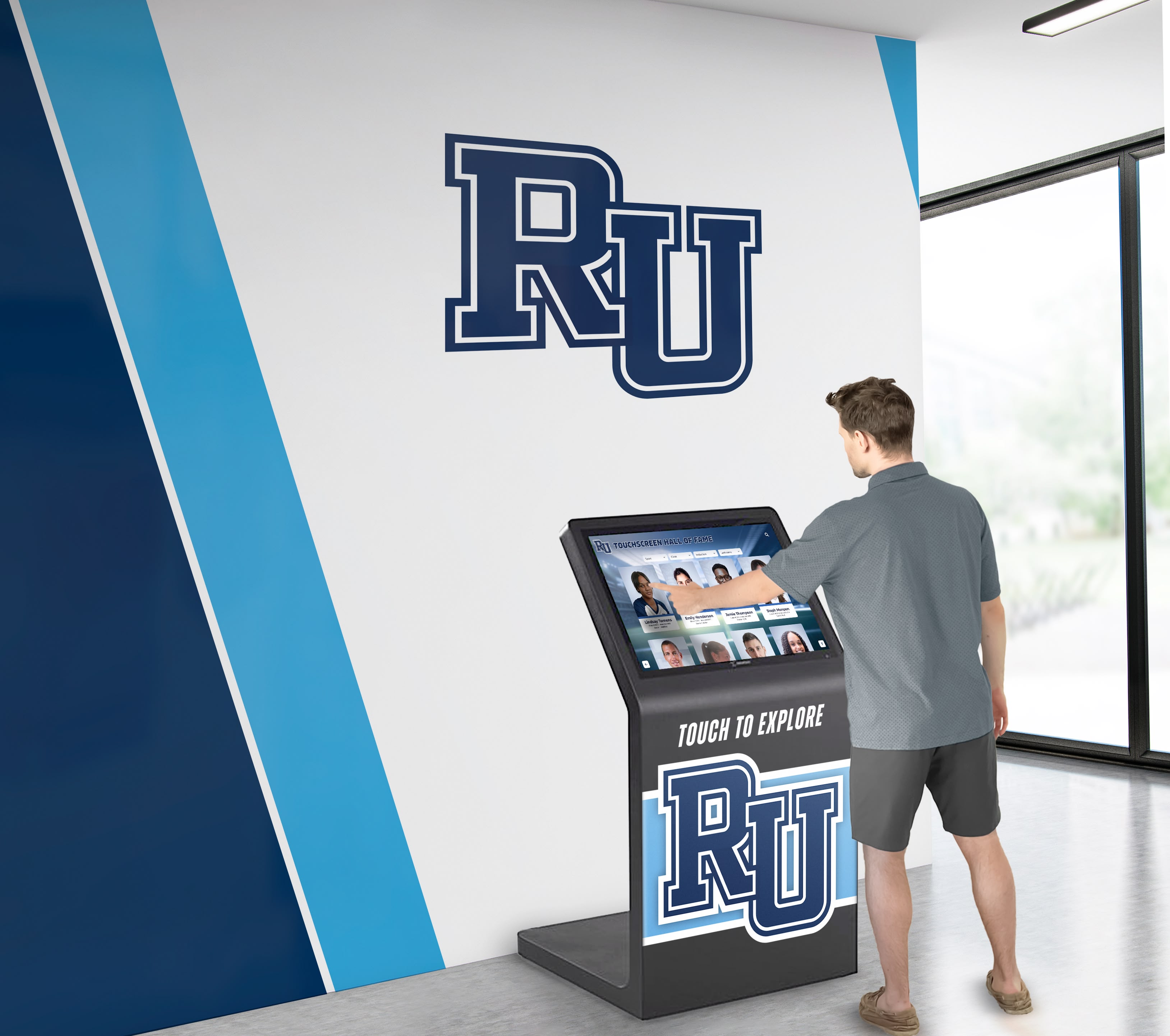
Cloud-based platforms enable memorial administrators to manage content respectfully and efficiently
Installation and Launch Strategy
Professional implementation ensures memorial displays function reliably:
Site Preparation Requirements
- Electrical infrastructure providing adequate power
- Network connectivity through ethernet or secure WiFi
- Mounting surface preparation and reinforcement
- Cable management and concealment planning
- Lighting considerations ensuring optimal visibility
- Accessibility compliance verification
- Security measures protecting equipment
- Environmental controls for temperature and humidity
Installation Process Steps
- Professional mounting at appropriate heights and angles
- Display calibration and touch functionality testing
- Media player and system configuration
- Network connection setup and security implementation
- Content loading and profile verification
- Quality assurance testing before dedication
- Administrator training on content management
Memorial Dedication and Community Launch
Formal dedications honor fallen heroes while unveiling recognition:
- Coordinate with memorial observances and anniversaries
- Invite families, veterans, and community members
- Include ceremonial elements appropriate to traditions
- Incorporate speakers addressing sacrifice and service
- Provide tours demonstrating memorial functionality
- Capture documentation through photography and video
- Generate media coverage amplifying memorial visibility
- Integrate into ongoing remembrance ceremonies
Thoughtful launches demonstrate community commitment to honoring fallen heroes while establishing memorial displays as focal points for reflection and education.
Integrating Memorial Giving and Donor Recognition
Memorial displays create meaningful opportunities connecting remembrance with philanthropic support.
Memorial Giving Campaign Development
Fallen heroes memorials naturally inspire charitable contributions:
Memorial Fund Purposes
- Memorial display implementation and maintenance
- Scholarship programs honoring fallen heroes
- Family support services for survivors
- Veterans programs serving those who served
- First responder support initiatives
- Equipment and training improvements
- Community education programming
- Memorial observance event funding
Memorial Giving Messaging Frameworks
Effective memorial giving communications position contributions as ways to honor service while supporting missions:
Honoring [Fallen Hero Name]'s Service and Sacrifice

[Hero Name] gave everything serving our community and nation. Now we have the opportunity to honor that sacrifice by supporting the [memorial/program/cause] that carries forward [his/her] legacy of service.

Your gift to the [Hero Name] Memorial Fund will:
• Ensure [his/her] service and sacrifice are never forgotten through permanent recognition in our digital memorial
• Support [specific program/cause aligned with hero's service]
• Provide resources for [beneficiaries/programs]
• Create lasting impact honoring [his/her] commitment to [mission/values]

Every contribution, regardless of size, helps us honor [Hero Name]'s memory and continue the mission [he/she] served so faithfully.

[Specific call to action with giving link]

In grateful remembrance,
[Organization Leadership]
Adapt this framework for specific heroes, organizations, and memorial purposes while maintaining focus on honoring service through meaningful action.
Memorial Giving Recognition Tiers
Structure recognition acknowledging memorial contributions:
- Foundational supporters ($100-$499): Names included in memorial dedication materials
- Bronze Circle ($500-$999): Recognition on memorial donor honor roll
- Silver Circle ($1,000-$2,499): Names displayed near memorial with personal tribute option
- Gold Circle ($2,500-$4,999): Dedicated profile feature honoring both hero and donor
- Platinum Circle ($5,000-$9,999): Memorial bench or feature naming opportunity
- Legacy Partners ($10,000+): Permanent recognition as memorial founding supporter
Tiered structures acknowledge diverse giving capacity while providing meaningful recognition options at all levels.
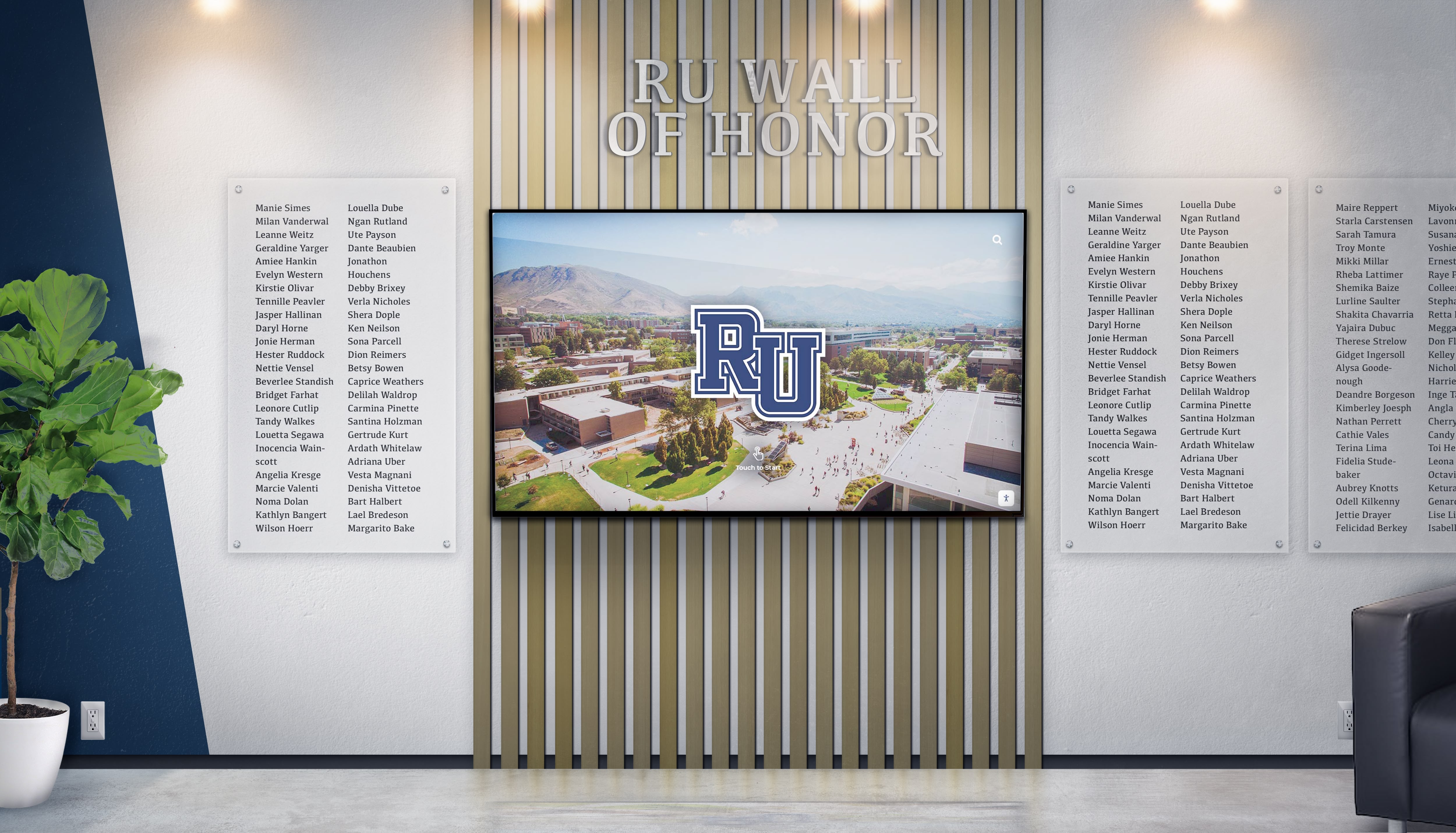
Memorial displays can integrate donor recognition celebrating supporters who fund tributes
Integrating Donor Recognition with Memorial Content
Digital platforms enable seamless connection between fallen heroes tributes and memorial donor recognition:
Donor Recognition Integration Approaches
- Dedicated donor recognition section accessible through main menu
- Memorial fund progress indicators showing community support
- Donor honor roll displaying contributors by giving level
- Tribute giving enabling donors to dedicate gifts to specific heroes
- Annual campaign updates showing ongoing memorial enhancement
- Donor impact stories demonstrating how contributions support mission
- Recognition of in-kind donations and volunteer support
Memorial Tribute Giving Options
Enable donors to connect contributions to specific fallen heroes:
- In-honor-of giving linking donations to hero profiles
- In-memory-of tribute gifts supporting memorial programs
- Anniversary giving campaigns on service dates or memorial observances
- Birthday recognition donations celebrating hero life milestones
- Peer-to-peer campaigns where families fundraise for memorial support
- Recurring memorial gifts providing sustainable funding
Stewardship Communications for Memorial Donors
Memorial giving requires sensitive stewardship acknowledging both sacrifice and generosity:
Dear [Donor Name],

Thank you for your generous contribution of [$Amount] to honor the service and sacrifice of [Fallen Hero Name]. Your gift ensures that [his/her] legacy lives on and continues inspiring our community.

Because of supporters like you, we have been able to [specific impact—complete memorial display, add 50 new profiles, fund annual ceremony, etc.]. The [Memorial Name] now serves as a permanent tribute where families, veterans, and community members can reflect on the sacrifices made for our freedom and safety.

[Include brief update about memorial development or upcoming observances]

Your dedication to honoring those who served exemplifies the gratitude our entire community feels. We are privileged to partner with you in ensuring no fallen hero is ever forgotten.

With deepest appreciation,
[Organization Leadership]
Memorial giving stewardship balances gratitude for donor generosity with appropriate focus on fallen heroes and their families.
Learn about donor recognition integration in digital displays that honor multiple constituencies.
Memorial Naming Rights and Major Gift Recognition
Significant contributions warrant substantial recognition while maintaining memorial dignity:
Major Gift Naming Opportunities
- Memorial display naming rights for founding gifts
- Memorial space or room dedications
- Specific memorial sections or categories
- Annual memorial observance sponsorships
- Memorial website and digital presence sponsorships
- Educational programming series naming
- Memorial maintenance endowment naming
Memorial Naming Rights Messaging Guidelines
Communications about memorial naming should emphasize honoring fallen heroes while recognizing donors appropriately:
- Primary focus remains on fallen heroes and their service
- Donor recognition positioned as partnership in preservation
- Naming right descriptions emphasize mission and impact
- Avoid transactional language focusing instead on shared values
- Connect donor motivations to memorial purpose
- Maintain sensitivity to families who may feel memorial is being “sold”
- Ensure naming recognition feels tasteful and appropriate
Memorial Major Gift Agreements
Document naming commitments clearly:
- Specific naming rights and duration
- Recognition format and placement
- Donor name formatting preferences
- Memorial content rights and approvals
- Stewardship obligations and reporting
- Use restrictions ensuring mission alignment
- Contingencies for changed circumstances
Clear agreements prevent misunderstandings while ensuring major donors receive appropriate recognition for memorial support.
Sustainable Memorial Management and Enhancement
Long-term memorial effectiveness requires ongoing administration and community engagement.
Content Management and Updates
Cloud-based platforms simplify memorial administration:
Routine Memorial Management Activities
- Adding newly fallen heroes as losses occur
- Enriching existing profiles with additional information
- Incorporating family-submitted photographs and stories
- Updating biographical details ensuring accuracy
- Scheduling featured content for memorial observances
- Reviewing and refreshing display home screen content
- Testing functionality ensuring reliable operation
- Monitoring usage analytics understanding visitor engagement
Annual Content Enhancement Initiatives
- Outreach to families gathering additional stories
- Oral history projects capturing remembrances
- Archival research expanding historical profiles
- Veteran reunion information collection
- Memorial observance documentation and photography
- Content quality audits identifying improvement opportunities
Memorial Administrator Roles and Responsibilities
Assign clear ownership ensuring sustainable management:
- Overall memorial program coordinator
- Content accuracy verifier reviewing submissions
- Technical administrator managing platform access
- Family liaison supporting submissions and preferences
- Communications coordinator promoting memorial
- Event planner organizing annual observances
- Donor stewardship manager for memorial giving
- Volunteer coordinator for content development support
Cross-train multiple staff ensuring continuity when personnel change.
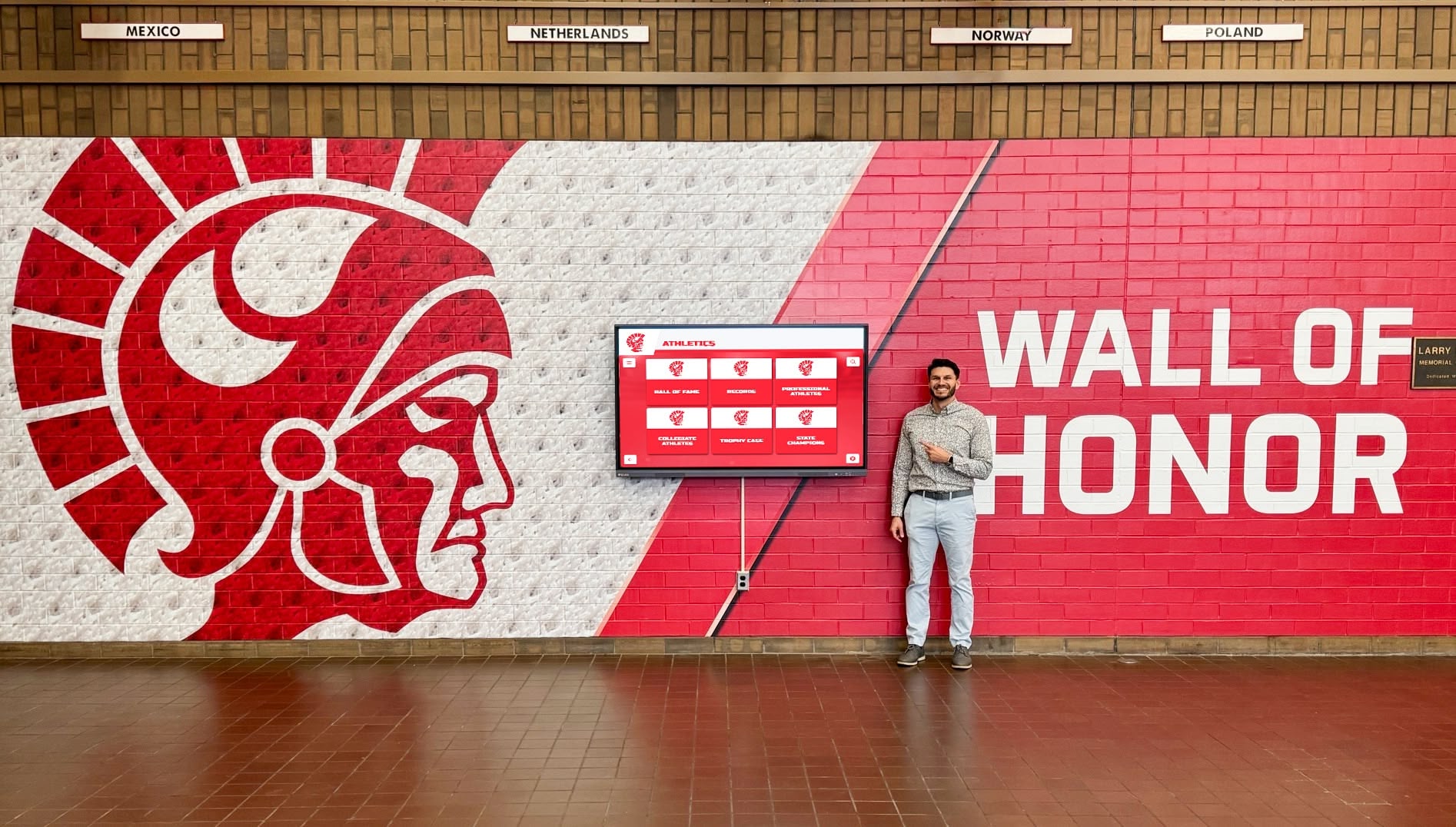
Trained administrators ensure memorial displays remain current and honor fallen heroes accurately
Annual Memorial Observances and Programming
Digital memorials support enhanced remembrance ceremonies:
Memorial Observance Integration
- Memorial Day and Veterans Day featured content
- First responder memorial weeks and observances
- Anniversary remembrances of significant events
- Birthday recognitions for fallen heroes
- National moments of silence coordination
- Candlelight vigils and memorial services
- Educational programs for schools and community
- Family appreciation events and reunions
Observance Content Preparation
Coordinate memorial display content with annual events:
- Featured fallen hero profiles during observance periods
- Historical context explaining significance
- Image galleries from previous memorial ceremonies
- Video messages from leadership and families
- Community participation opportunities
- Memorial giving campaign information
- Upcoming event schedules and details
Educational Programming Using Memorial Displays
Transform memorials into teaching tools:
- School tours exploring service and sacrifice
- Scout troop and youth organization visits
- Citizenship and civics class integration
- Military history education programming
- First responder career exploration
- Character education about service values
- Veteran speaker series and panels
Educational use ensures younger generations understand freedom’s cost and the heroes who paid it.
Measuring Memorial Effectiveness and Impact
Regular assessment ensures memorials achieve intended purposes:
Quantitative Memorial Metrics
- Number of fallen heroes honored in memorial
- Visitor interaction frequency and duration
- Search queries revealing discovery patterns
- Featured profile view counts
- Peak usage times and seasons
- Web-based memorial access statistics
- Memorial giving participation and amounts
Qualitative Impact Assessment
- Family feedback about memorial experience
- Veteran and first responder input
- Community member testimonials
- Educational impact on student visitors
- Media coverage and public awareness
- Social media engagement with memorial content
- Integration into community identity and culture
Memorial Enhancement Opportunities
Assessment reveals improvement areas:
- Content gaps requiring additional research
- Technical issues affecting user experience
- Profile enrichment opportunities
- Featured content rotation strategies
- Educational program expansion
- Memorial giving growth potential
- Physical space improvements around displays
Regular evaluation ensures memorials remain relevant, accessible, and effective at honoring fallen heroes while educating communities.
Learn about assessment approaches in recognition programs that track impact systematically.
Special Considerations and Sensitive Topics
Memorial recognition requires thoughtful approaches to complex situations.
Classification and Operational Security
Military memorials must balance comprehensive recognition with security requirements:
Classified Information Protocols
- Clear policies prohibiting classified content
- Review processes ensuring appropriate information
- Coordination with security officers and commands
- Unit designation verification and approval
- Operational detail limitations
- Photograph approval ensuring no sensitive backgrounds
- Family education about information restrictions
Balancing Transparency and Security
Communities want comprehensive fallen hero stories while protecting legitimate security concerns—establish protocols enabling maximum appropriate sharing without compromising operations or personnel.
Controversial Circumstances and Complex Cases
Not all fallen hero deaths are straightforward:
Sensitive Death Circumstances
- Training accidents and non-combat losses
- Suicides and mental health-related deaths
- Investigations and uncertain circumstances
- Fratricide and friendly fire incidents
- Off-duty deaths during service
- Dishonorable circumstances requiring careful handling
Content Guidance for Sensitive Cases
Default to family preferences while maintaining memorial integrity—focus recognition on service rendered rather than circumstances of death when families request. Provide options enabling families to control narrative while ensuring all fallen receive appropriate honor.
Political and Controversial Issues
Memorial recognition can become complicated by broader controversies:
Maintaining Memorial Focus
Ensure memorials remain focused on honoring individual service rather than debates about policies:
- Recognition emphasizes personal sacrifice not policy
- Content focuses on heroism not politics
- Diverse perspectives respected in family submissions
- Memorial serves all regardless of policy views
- Leadership statements maintain appropriate neutrality
- Community-wide support prioritized
Responding to Controversies
When memorials become entangled in controversies:
- Reiterate purpose of honoring individual sacrifice
- Consult families most affected by issues
- Seek veterans organization input and guidance
- Maintain consistent principles amid pressure
- Document policies preventing ad hoc decisions
- Focus on areas of community agreement
Memorial recognition should unite communities in shared gratitude rather than divide them.
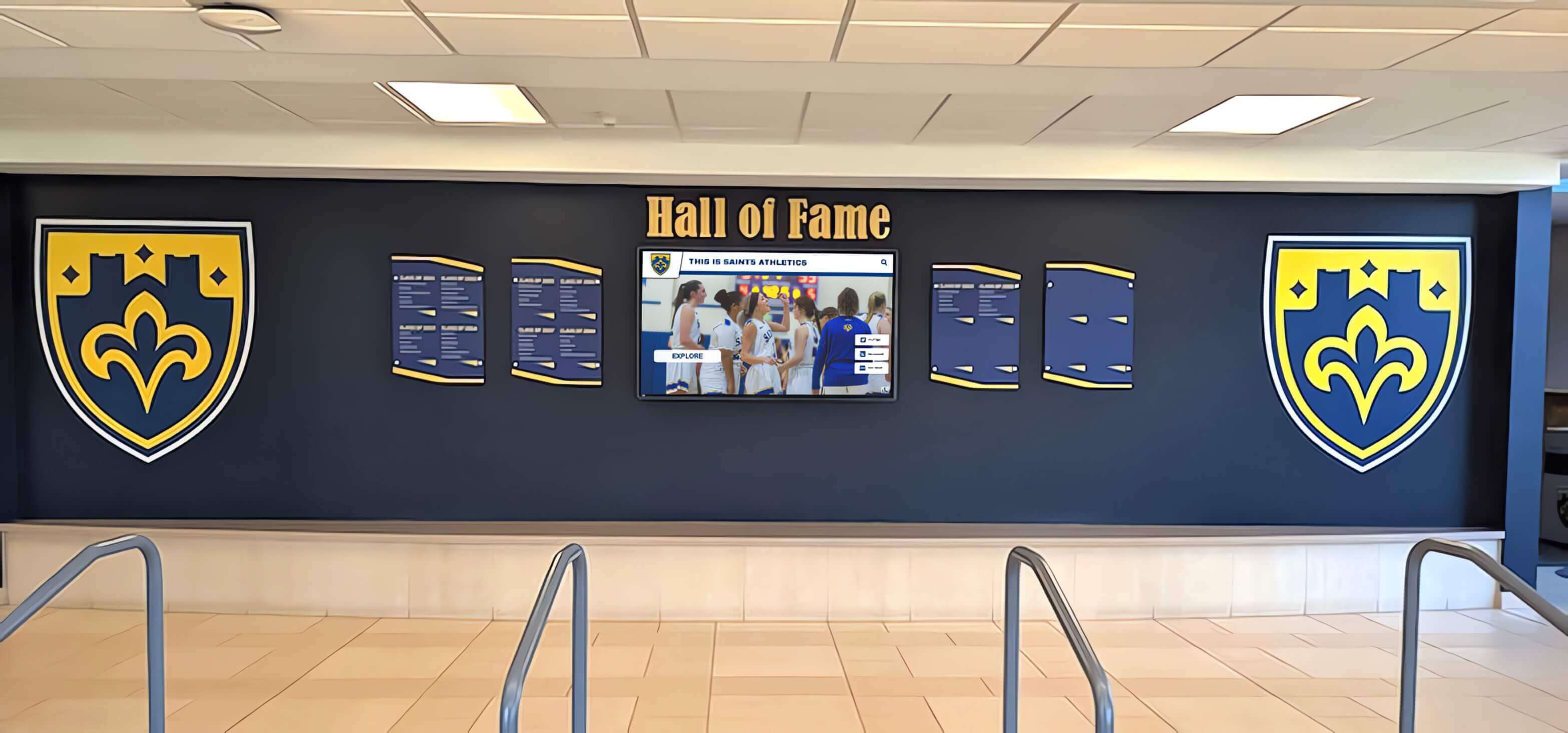
Memorial displays create spaces for community reflection transcending political differences
Conclusion: Creating Living Memorials That Honor Service and Inspire Future Generations
Fallen heroes touchscreen displays represent far more than technological upgrades to traditional stone memorials—they enable communities to create living tributes that preserve comprehensive stories, accommodate unlimited heroes regardless of era or service branch, remain accessible to families and public worldwide, support educational programming teaching younger generations, integrate memorial giving sustaining programs, and adapt over time as communities grow and needs evolve.
The strategies explored in this guide provide comprehensive frameworks for memorial implementation that balances multiple objectives including honoring every fallen hero with dignity and comprehensive storytelling, respecting family privacy and sensitivity preferences, maintaining appropriate security and classification protocols, creating sustainable administration requiring minimal ongoing resources, integrating memorial giving supporting veterans programs and families, and building community gathering spaces for reflection and remembrance.
Honor Your Community's Fallen Heroes
Discover how digital memorial displays can help you preserve service stories, educate future generations, and create lasting tributes that honor sacrifice appropriately.
Request Memorial Display ConsultationImplementation Pathway for Memorial Projects
Communities considering fallen heroes touchscreen displays should begin with comprehensive needs assessment engaging veterans, families, and stakeholders, establish memorial philosophy and content guidelines, evaluate technology solutions aligning capabilities with requirements, develop realistic budgets incorporating implementation and ongoing costs, create content development workflows enabling systematic profile creation, plan memorial dedication coordinating with observances, implement sustainable management ensuring long-term effectiveness, and integrate memorial giving campaigns funding recognition sustainably.
This systematic approach prevents common implementation problems while ensuring digital memorials achieve intended purposes of honoring fallen heroes, supporting families, educating communities, and preserving sacrifice stories for future generations.
The Memorial Imperative
Communities have sacred obligations to those who gave everything serving and protecting others. Traditional memorials, while meaningful, often fall short of capturing the richness of sacrifice stories and inevitably run out of space as time passes. Digital recognition enables comprehensive, sustainable tributes that preserve legacies appropriately.
When families visit memorials and discover comprehensive profiles bringing loved ones to life—seeing photographs, reading stories, watching video tributes, learning about service and sacrifice—recognition transcends names carved in stone to become genuine preservation of human beings who served and who are deeply missed. When students explore memorials and learn about local heroes who walked the same streets, attended the same schools, and chose service over safety, recognition becomes powerful education inspiring citizenship and gratitude.
Your community’s fallen heroes deserve recognition honoring their service completely, preserving their stories authentically, supporting their families meaningfully, and inspiring future generations powerfully. With thoughtful planning, appropriate technology, community engagement, and sustained commitment, you can create memorial displays that achieve these purposes effectively.
Ready to begin honoring your community’s fallen heroes? Learn more about military memorial recognition or explore how comprehensive recognition displays preserve important stories across generations and contexts.