Managing care for family members with dementia presents continuous challenges for home caregivers seeking effective, affordable solutions that enhance quality of life while respecting dignity and preserving meaningful connections. Digital memory displays using touchscreen technology offer promising approaches for creating engaging experiences that stimulate reminiscence, reduce anxiety, provide cognitive support, and maintain family bonds through visual storytelling.
For families caring for loved ones with dementia at home, the need for cost-effective memory support tools becomes important. Professional memory care facilities invest tens of thousands in specialized display systems, but families managing care independently require economical alternatives that deliver meaningful therapeutic benefits without institutional-scale budgets or technical complexity.
This comprehensive guide explores practical, affordable touchscreen memory display solutions specifically designed for family caregivers managing dementia care at home. Whether caring for one parent with cognitive decline or supporting multiple family members experiencing memory challenges, you’ll discover implementation strategies, content approaches, budget-conscious technology options, and evidence-based practices that transform standard tablets and displays into therapeutic memory support systems enhancing daily life for both caregivers and care recipients.
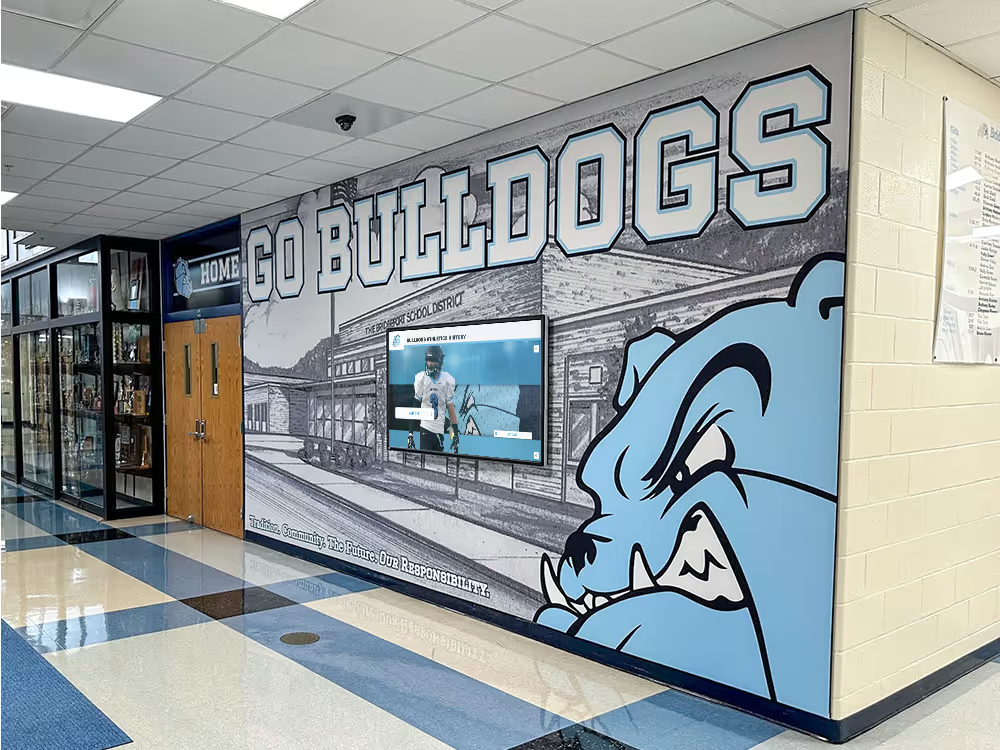
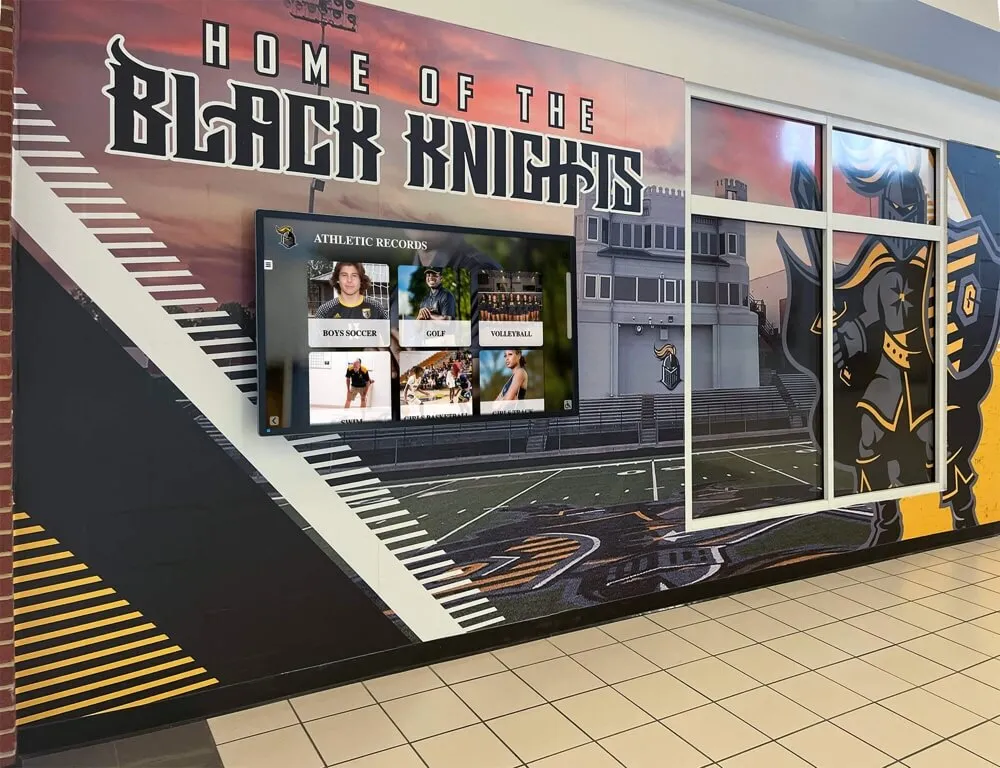
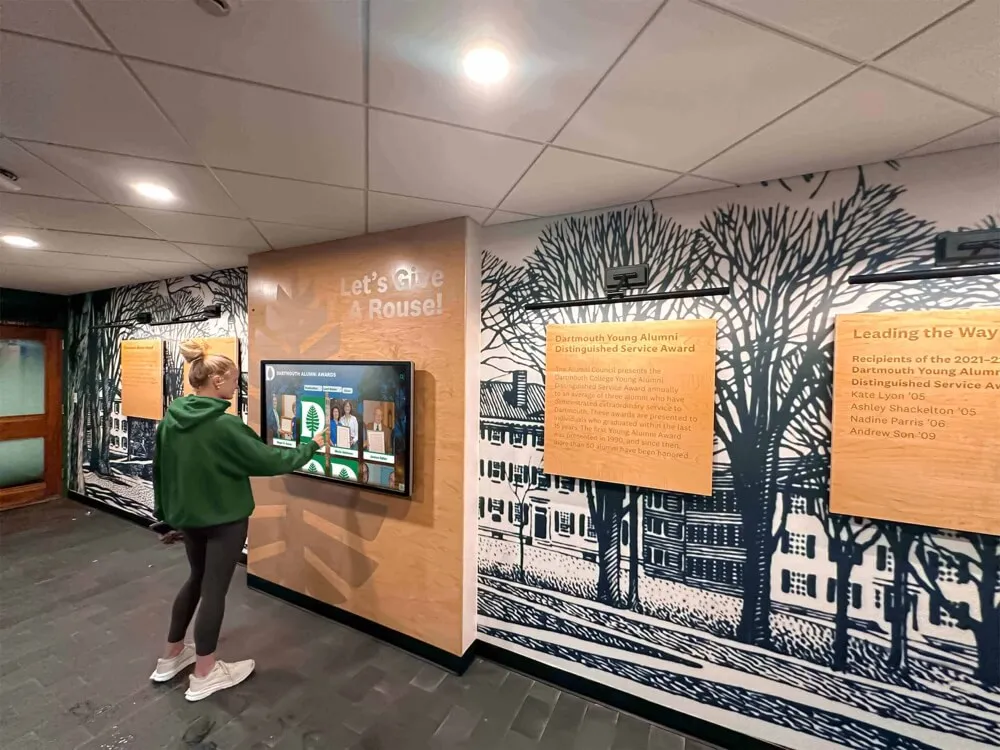
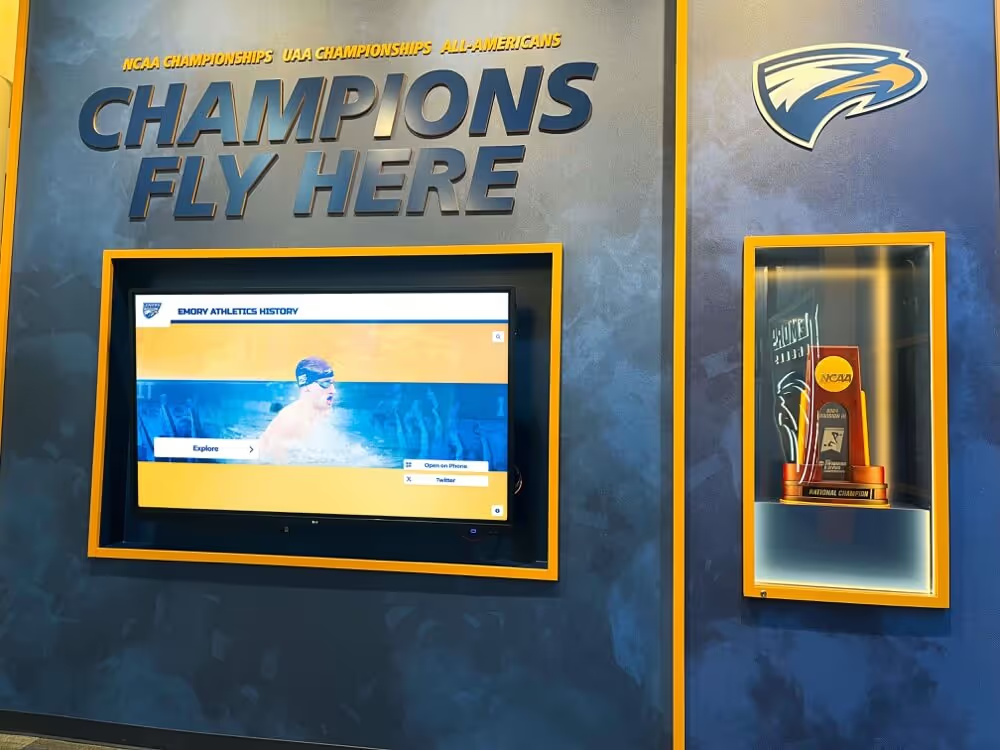
Understanding dementia care technology begins with recognizing that effective memory support requires consistent visual engagement, familiar imagery triggering positive emotional responses, simplified interaction reducing frustration, and personalized content reflecting individual life experiences. Solutions like those adapted from digital recognition platforms demonstrate how touchscreen technology can be repurposed for home memory care environments.

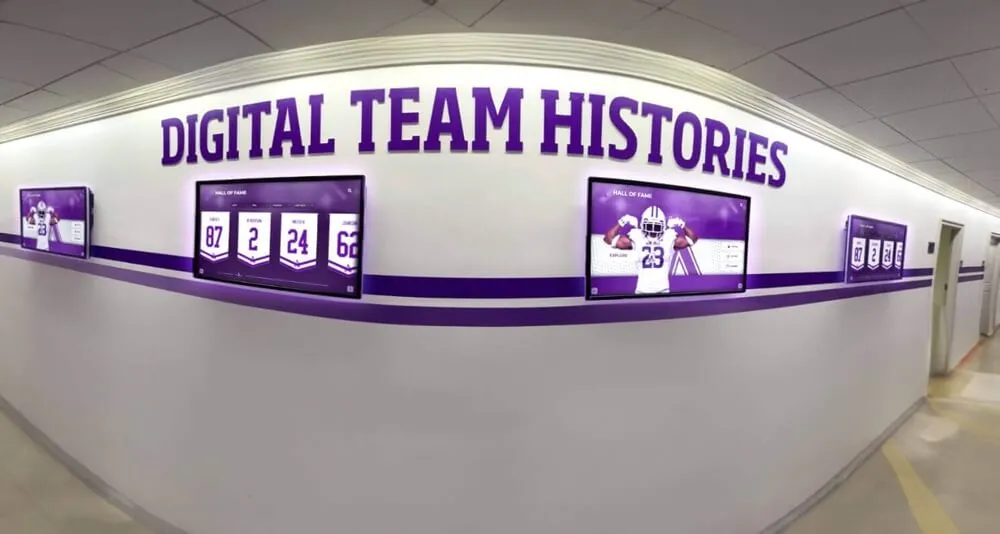
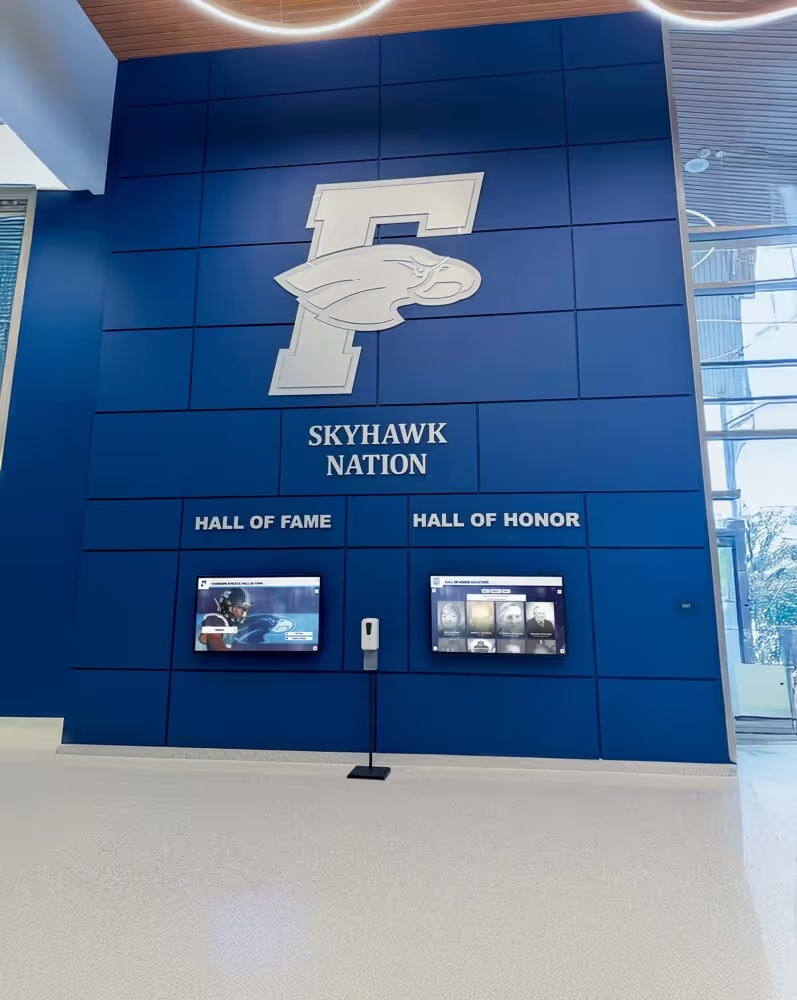
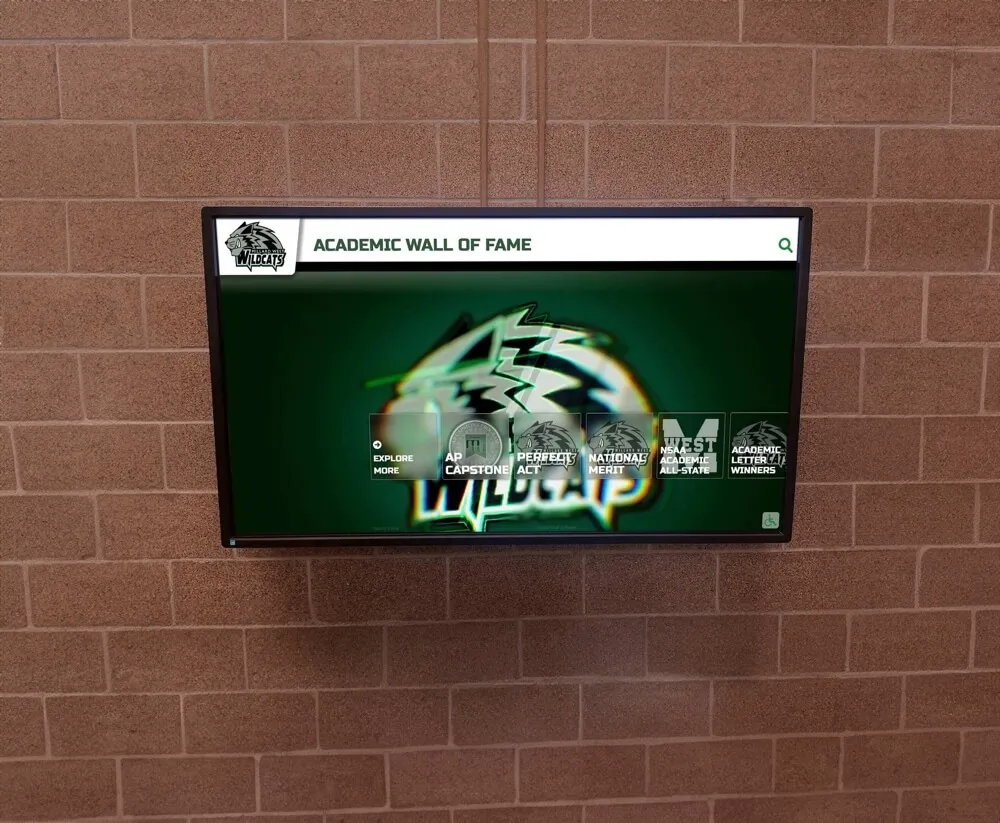
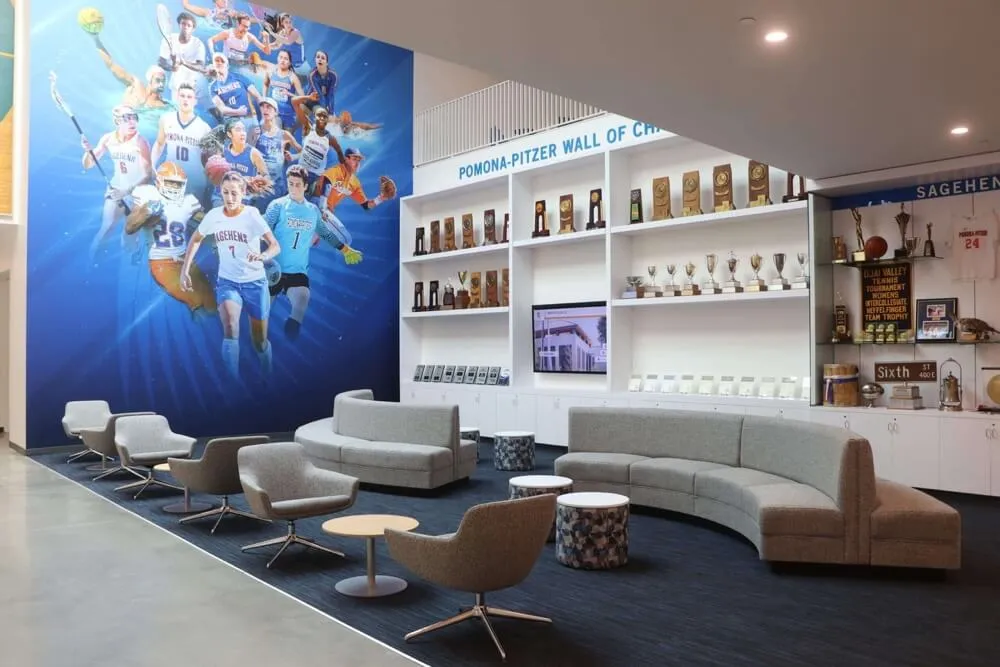
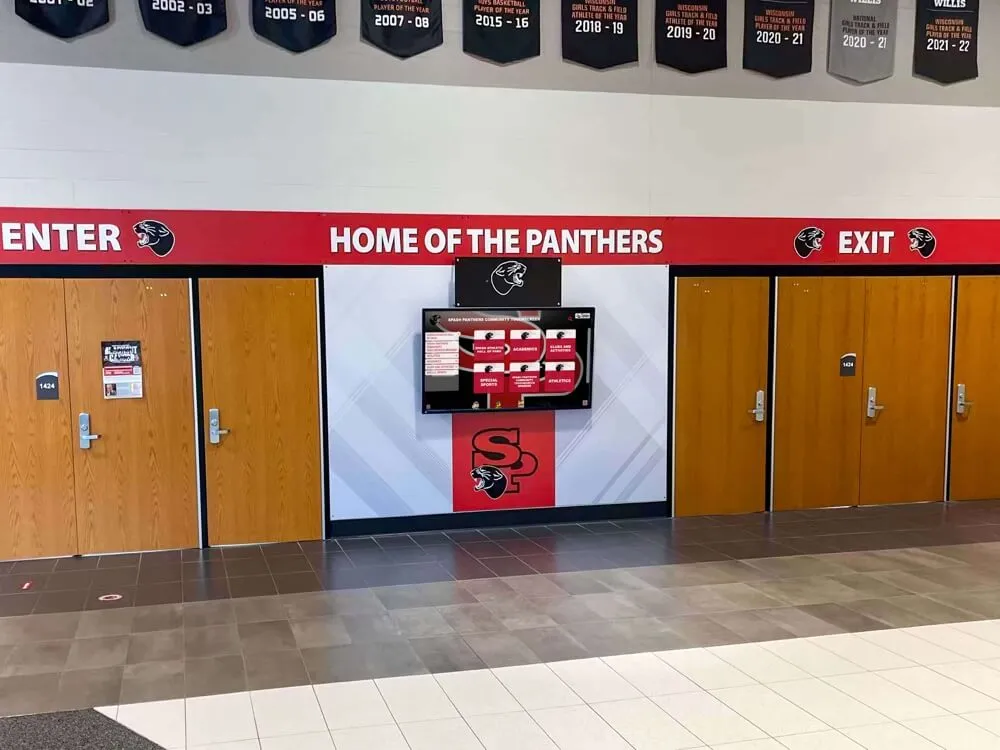
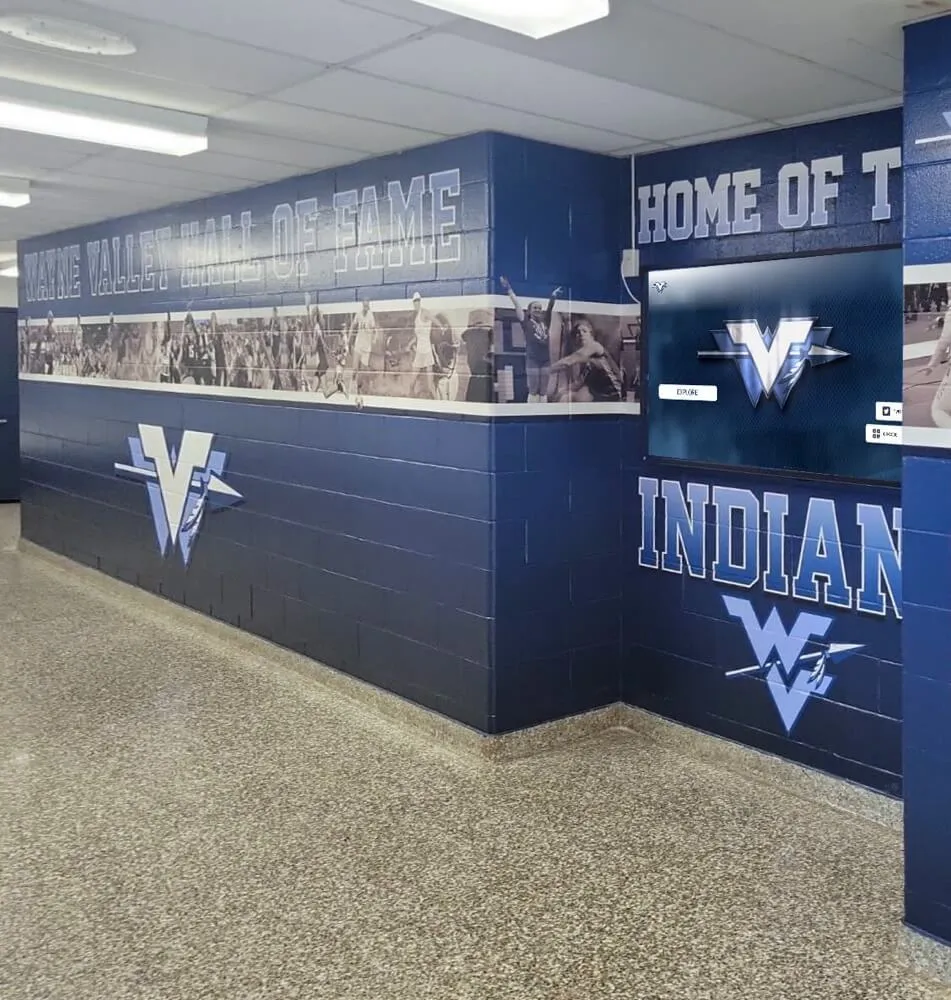
Digital displays with familiar photos create visual memory anchors supporting cognitive engagement
Understanding Dementia Memory Displays: Therapeutic Benefits and Core Principles
Before exploring specific technology solutions, understanding why visual memory displays benefit individuals with dementia helps families develop effective implementation strategies aligned with therapeutic objectives rather than simply adopting technology for its own sake.
How Visual Memory Displays Support Cognitive Function
Research demonstrates that familiar imagery provides significant cognitive and emotional benefits for individuals experiencing memory decline.
The Science of Visual Memory and Dementia
Long-term memories, particularly those from earlier life periods, often remain accessible longer than recent memories as dementia progresses. Visual stimuli activate memory pathways that verbal prompts alone cannot reach, triggering emotional responses and biographical recollections that may seem lost. According to research from the Alzheimer’s Association, visual memory activities can reduce agitation and improve mood in individuals with dementia while providing structured engagement that supports cognitive function.
Photographs of family members, significant life events, familiar places, and meaningful objects serve as powerful memory anchors. When individuals with dementia interact with these images through touchscreen displays, they can explore familiar faces and places at their own pace, pause on images that resonate emotionally, and experience moments of recognition that affirm identity and personal history.
Reducing Anxiety and Agitation Through Familiar Content
Dementia frequently causes anxiety related to disorientation, memory gaps, and unfamiliar environments. Familiar visual content creates psychological comfort by providing recognizable anchors in potentially confusing circumstances, triggering positive emotional memories reducing stress responses, offering predictable, calming engagement when anxiety increases, and maintaining connection to personal identity and life story.
Caregivers report that memory displays showing familiar faces, childhood homes, wedding photos, and career achievements help loved ones feel more oriented and calm during periods of confusion or distress. The visual engagement provides soothing focus while affirming that the person’s life experiences and relationships remain valued and remembered.
Supporting Social Connection and Communication
Memory displays facilitate meaningful interaction between individuals with dementia and family members or caregivers through providing conversation prompts based on shared memories and experiences, creating opportunities for storytelling and reminiscence, enabling non-verbal connection when language becomes challenging, demonstrating ongoing love and care through curated personal content, and preserving dignity by focusing on life accomplishments rather than current limitations.
For family caregivers, memory displays transform difficult moments into opportunities for connection, even when verbal communication becomes fragmented or challenging.
Learn about cognitive support approaches in senior living touchscreen awards systems that demonstrate visual engagement benefits.
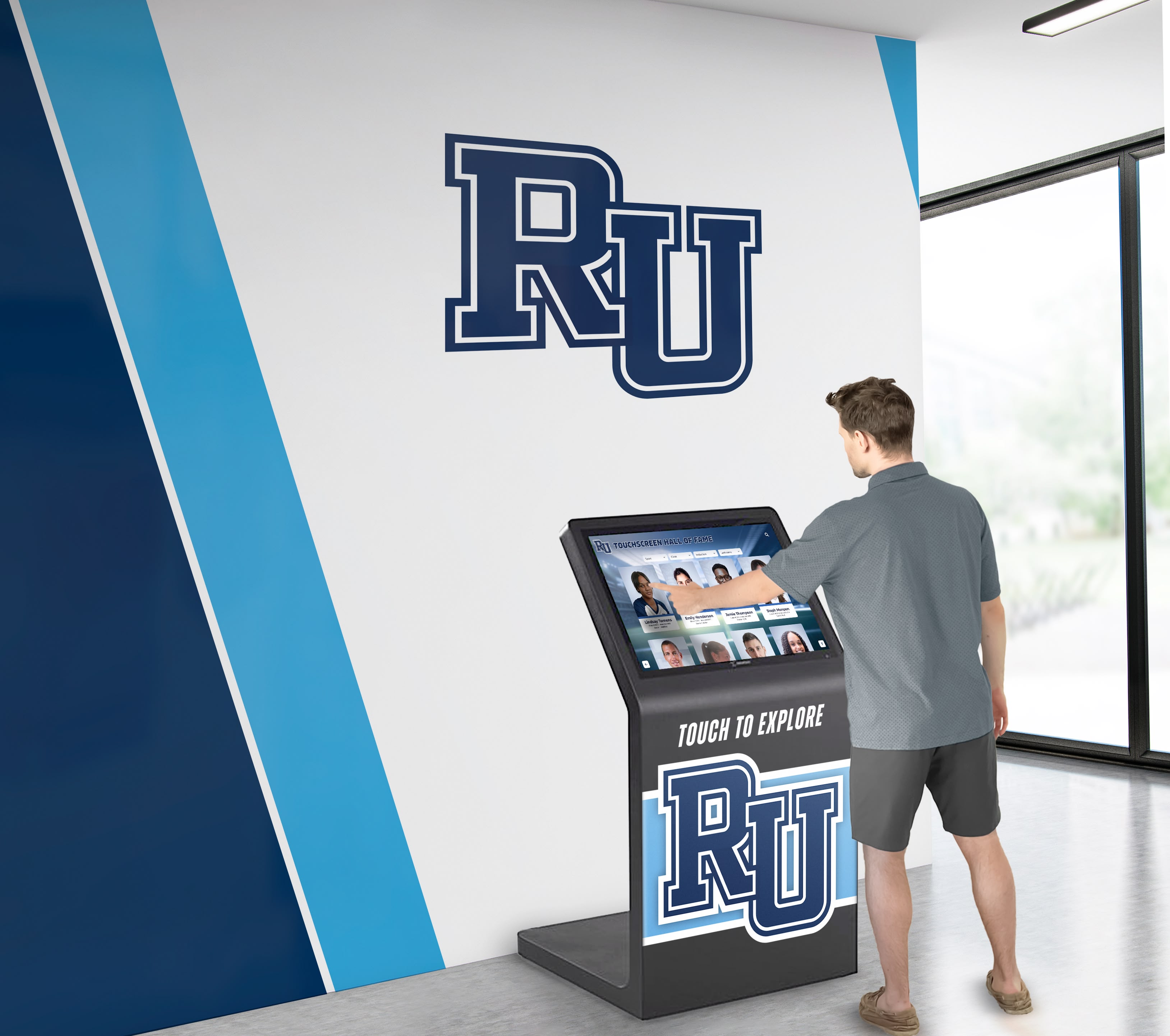
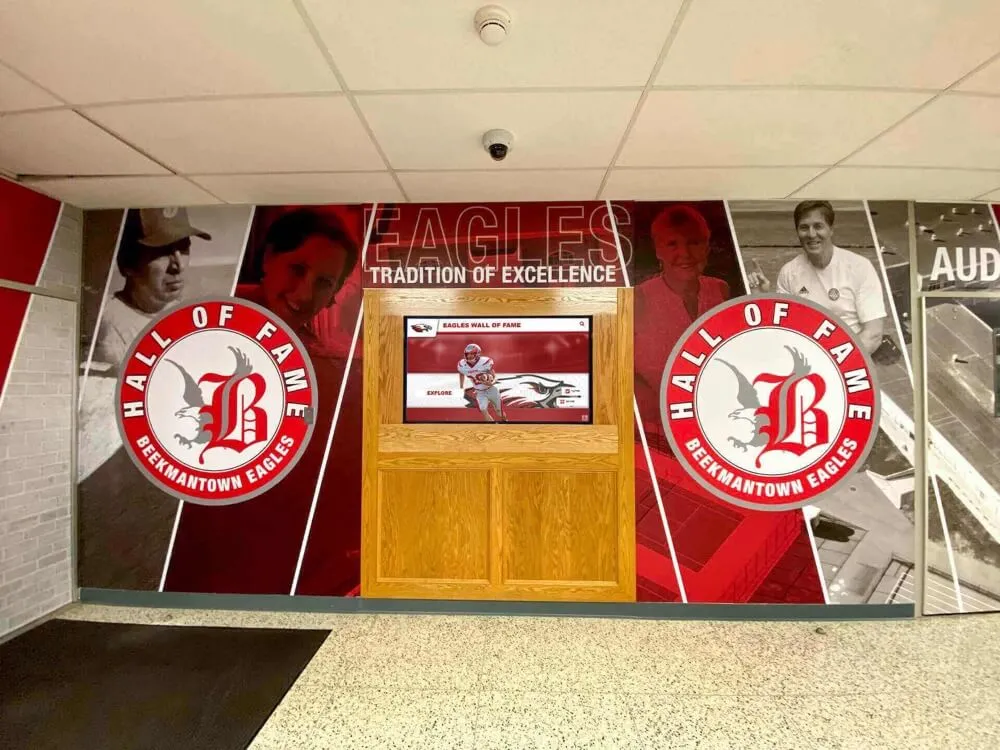
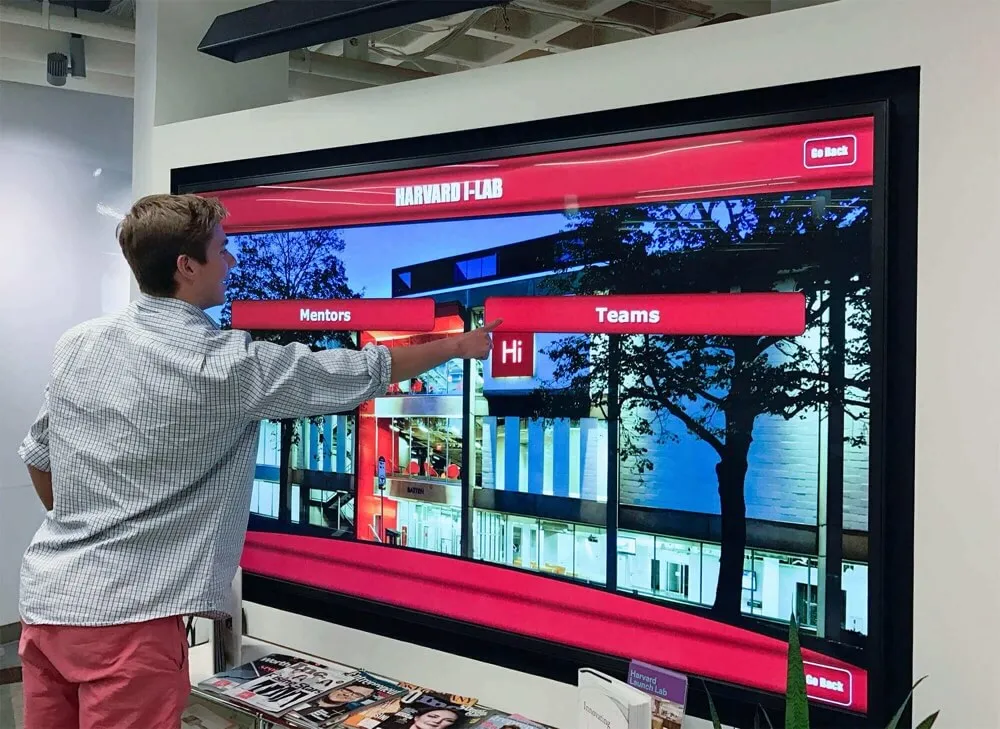
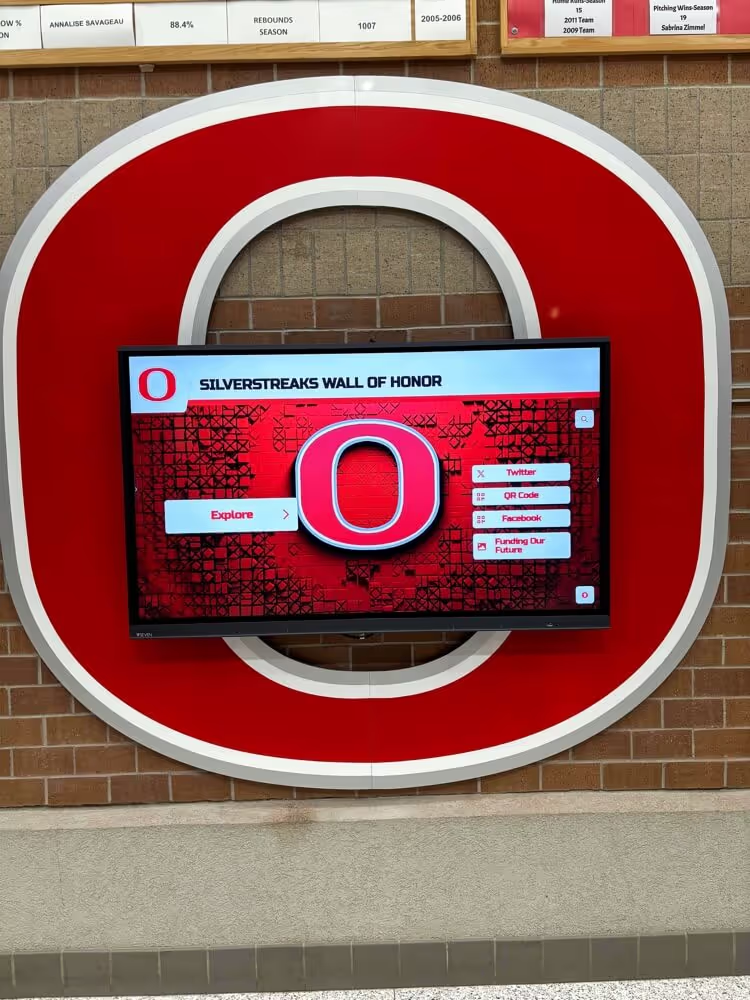
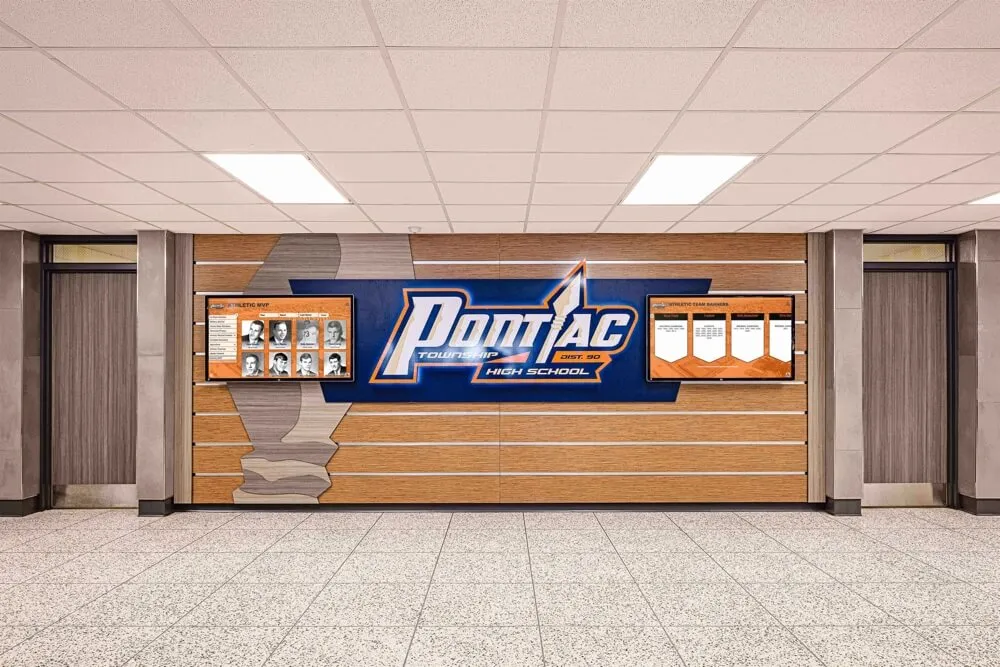
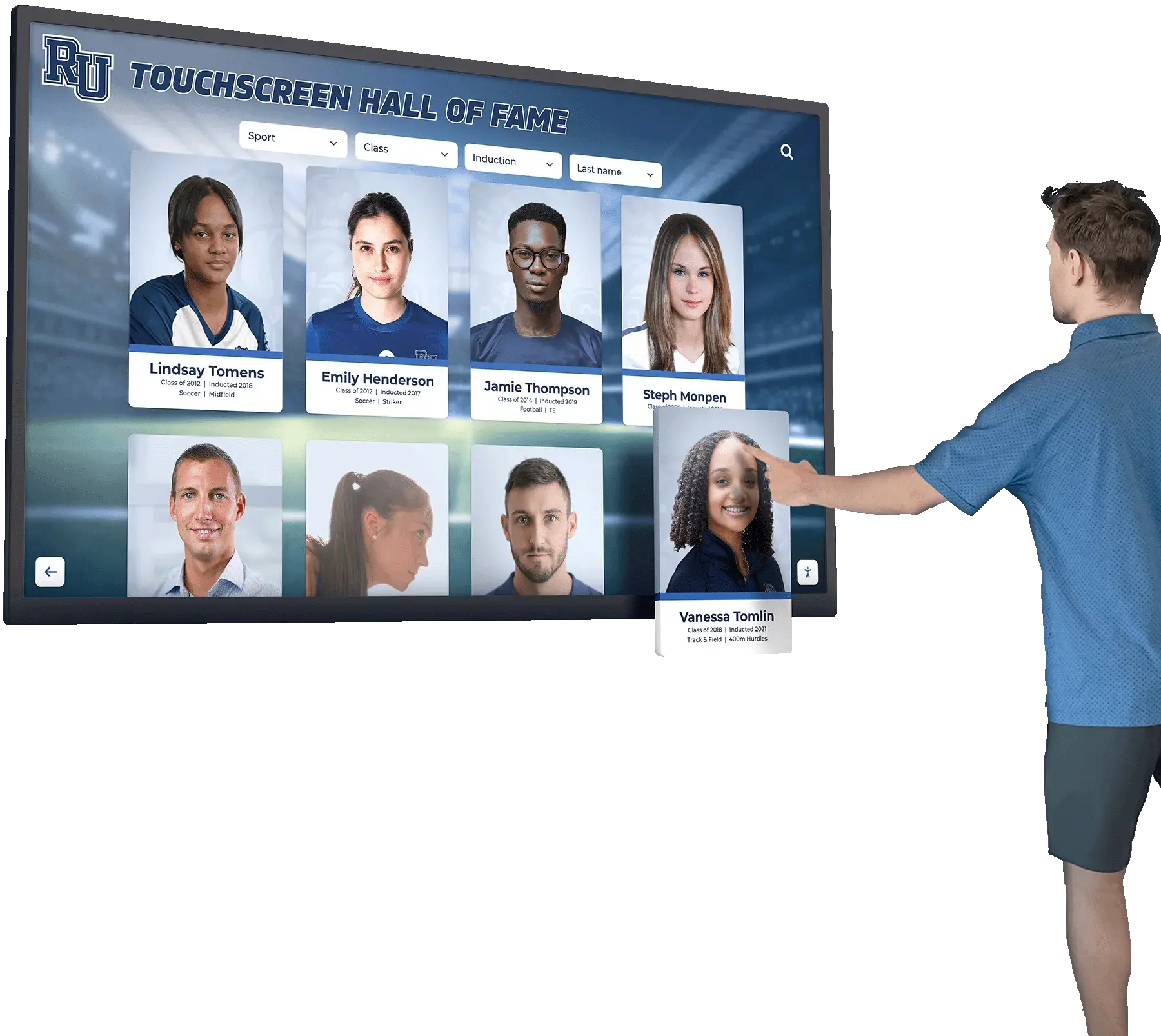
Intuitive touchscreen interfaces allow individuals to explore memories independently at comfortable paces
Core Principles for Effective Memory Display Design
Creating therapeutic memory displays requires following evidence-based design principles that optimize cognitive accessibility and emotional engagement.
Simplicity and Clarity
Effective memory displays avoid complexity through large, easily recognizable images without clutter, simple navigation requiring minimal steps, high contrast between images and backgrounds, clear labeling with legible text, and predictable layouts that become familiar through repeated viewing.
Complexity creates frustration and confusion for individuals with cognitive challenges. Simple, clean designs with obvious interaction patterns prove most successful in encouraging engagement while minimizing distress.
Personalization and Biographical Relevance
Generic content fails to engage individuals whose memory challenges make unfamiliar material difficult to process. Effective displays feature photos of the specific individual and their family members, images from personal life history and significant events, familiar locations including childhood homes and meaningful places, recognizable objects and possessions with emotional significance, and documentation of personal achievements and life milestones.
This personalization ensures content resonates emotionally while triggering specific memory pathways that generic imagery cannot activate.
Positive Emotional Content
Content selection should prioritize images associated with positive memories and emotions, avoiding distressing or confusing content including images of deceased loved ones that may cause grief if not remembered clearly, unfamiliar people or places causing confusion, recent photos showing aging that may be disorienting, stressful life events or difficult periods, and complex scenes requiring interpretation.
Family caregivers should curate content emphasizing joy, achievement, love, and connection—creating experiences that bring comfort rather than confusion or sadness.
Repetition and Familiarity
Individuals with dementia benefit from repeated exposure to the same content through consistent display schedules creating predictable routines, familiar images becoming more comforting through repeated viewing, gradual addition of new content rather than frequent complete changes, and core memory collections remaining stable while occasional variations maintain interest.
This balance between consistency and gentle variety prevents overwhelming change while avoiding monotony that reduces engagement over time.
Discover content curation approaches in digital signage content ideas applicable to memory care environments.
Economical Technology Solutions for Home Memory Displays
Family caregivers require budget-conscious approaches that deliver therapeutic benefits without expensive specialized equipment or complex technical requirements.
Tablet-Based Memory Display Solutions
Consumer tablets offer excellent entry points for families seeking affordable memory display technology.
iPad and Android Tablet Options
Standard tablets provide powerful memory display capabilities through large screen sizes (10-12 inches) suitable for comfortable viewing, high-resolution displays ensuring image clarity, touchscreen interfaces enabling intuitive interaction, extended battery life supporting all-day use, and modest costs ranging from $200-500 for quality devices.
Both Apple iPads and Android tablets work effectively, with selection based primarily on family familiarity and existing device ecosystems. iPads offer consistent performance and simpler management, while Android tablets provide more budget options and customization flexibility.
Digital Photo Frame Apps and Software
Numerous apps transform tablets into dedicated memory displays including Google Photos offering free cloud storage and slideshow capabilities, Amazon Photos providing unlimited photo storage for Prime members, Nixplay app enabling remote content updates by family members, Fotoo creating simple slideshow presentations, and specialized dementia apps like Tovertafel designed specifically for cognitive engagement.
Many apps offer free versions with basic functionality adequate for family memory display purposes, while premium versions costing $5-15 monthly provide enhanced features like remote management, music integration, and advanced customization.
Mounting and Positioning for Optimal Viewing
Tablets become effective memory displays when properly positioned through countertop stands placing displays at comfortable viewing angles, wall mounts in common areas where individuals spend time, wheelchair-accessible positioning for individuals with mobility limitations, adjustable arms enabling repositioning as needed, and charging cradles maintaining power during extended use.
Mounting solutions range from $20-100 depending on features and quality, with adjustable options providing flexibility as care needs evolve.
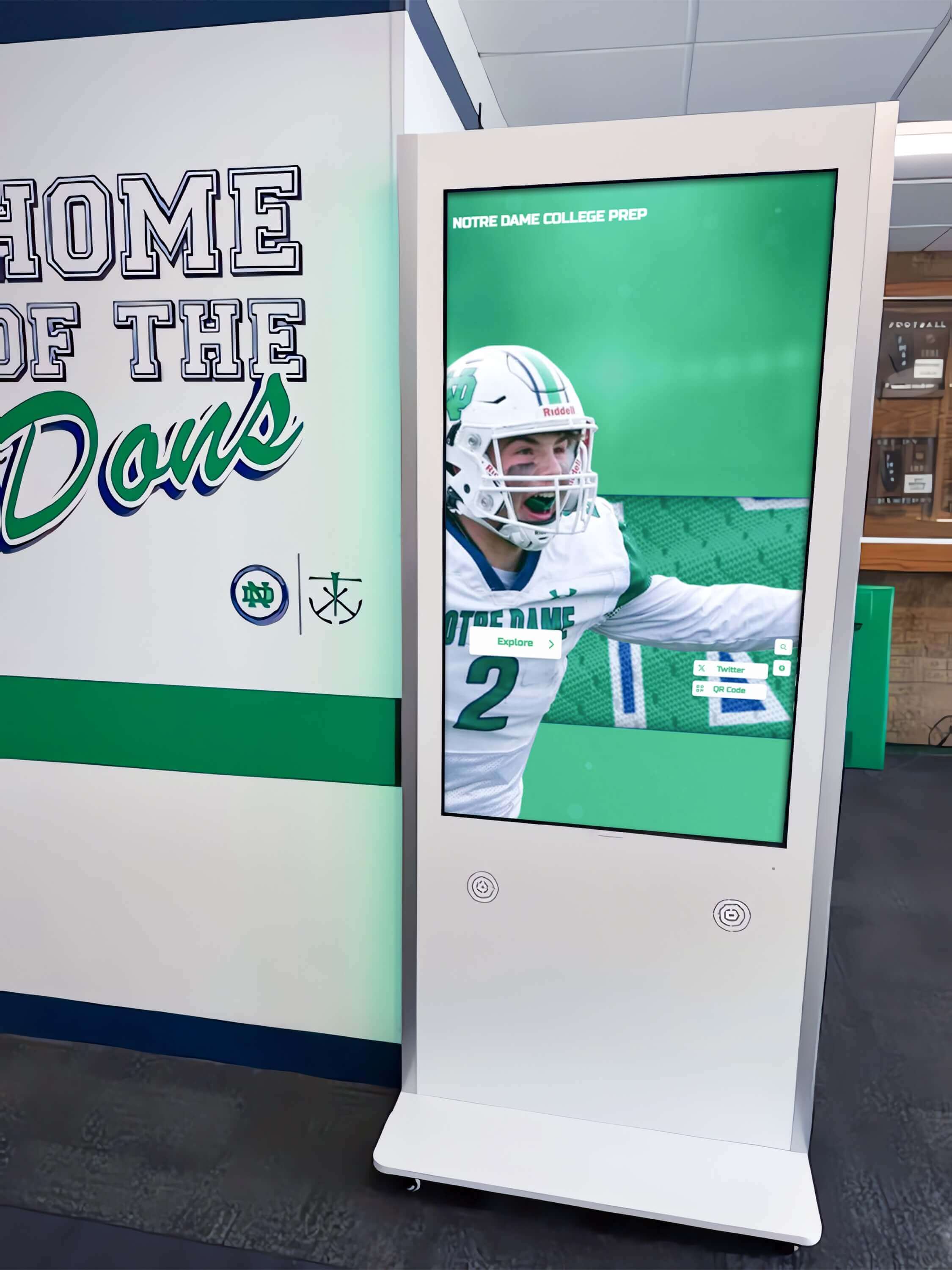
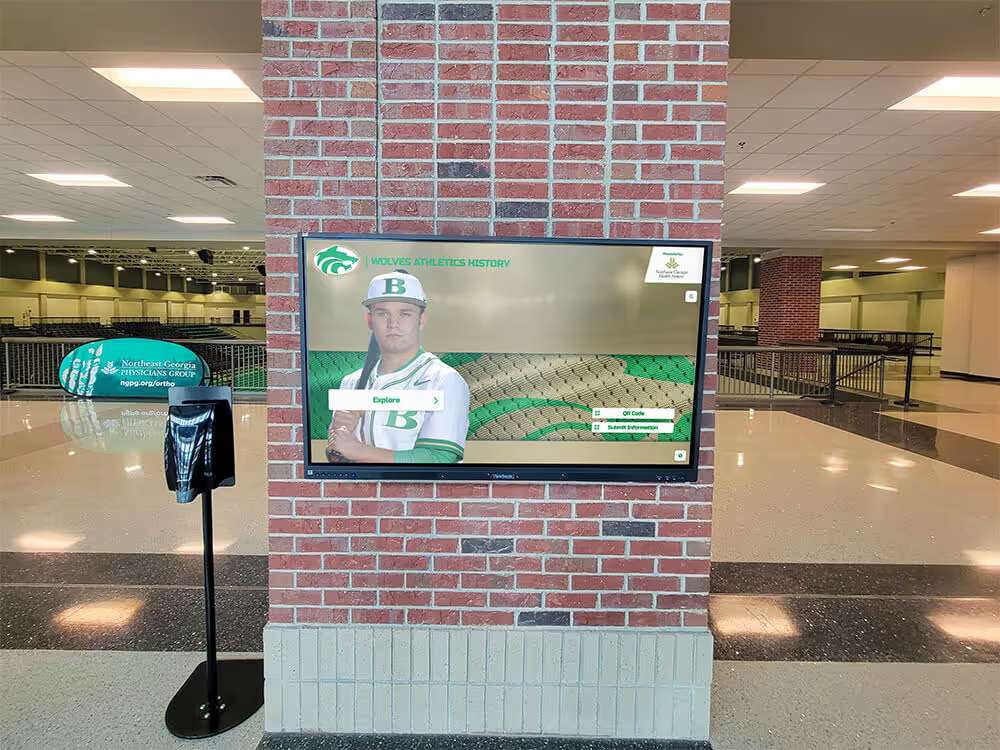
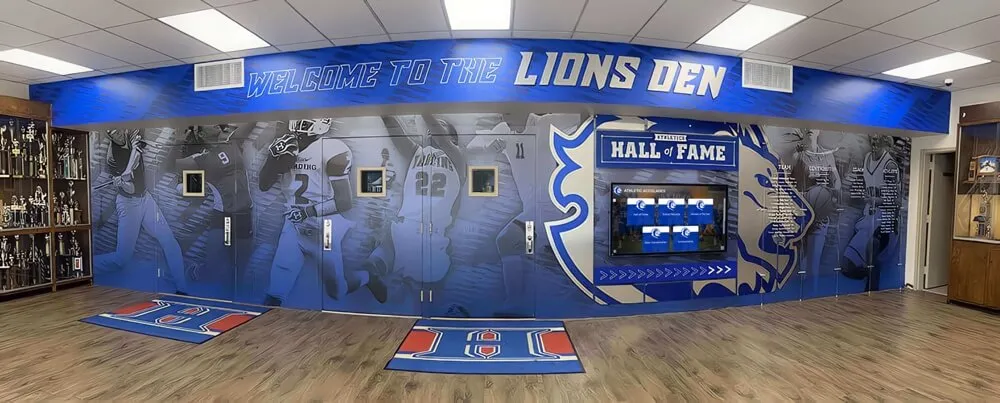
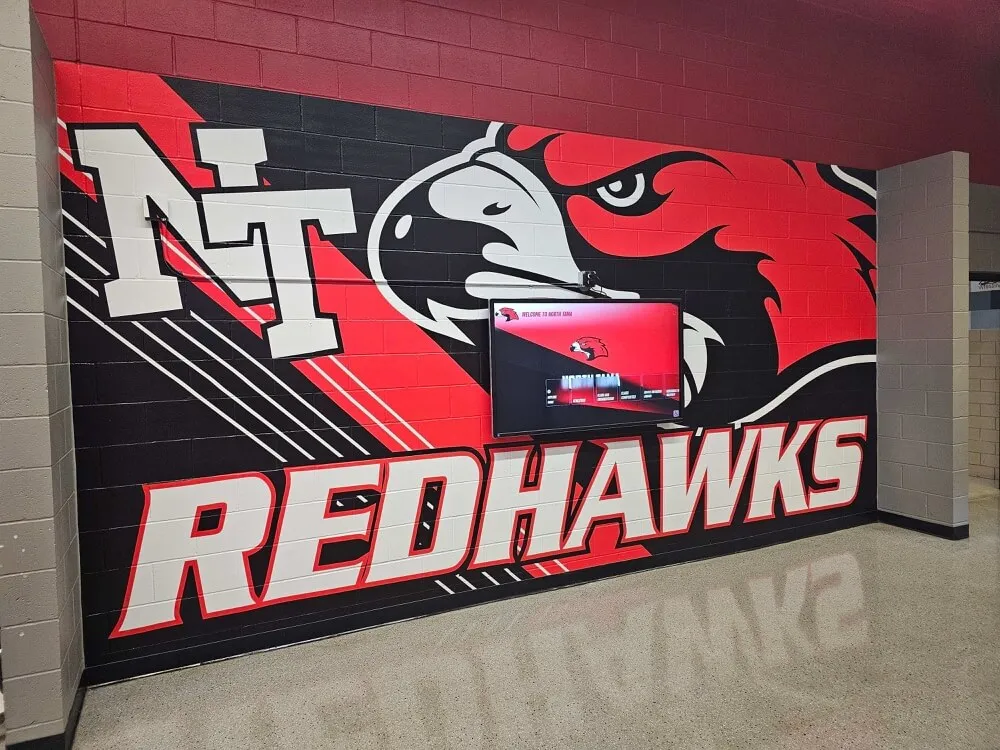
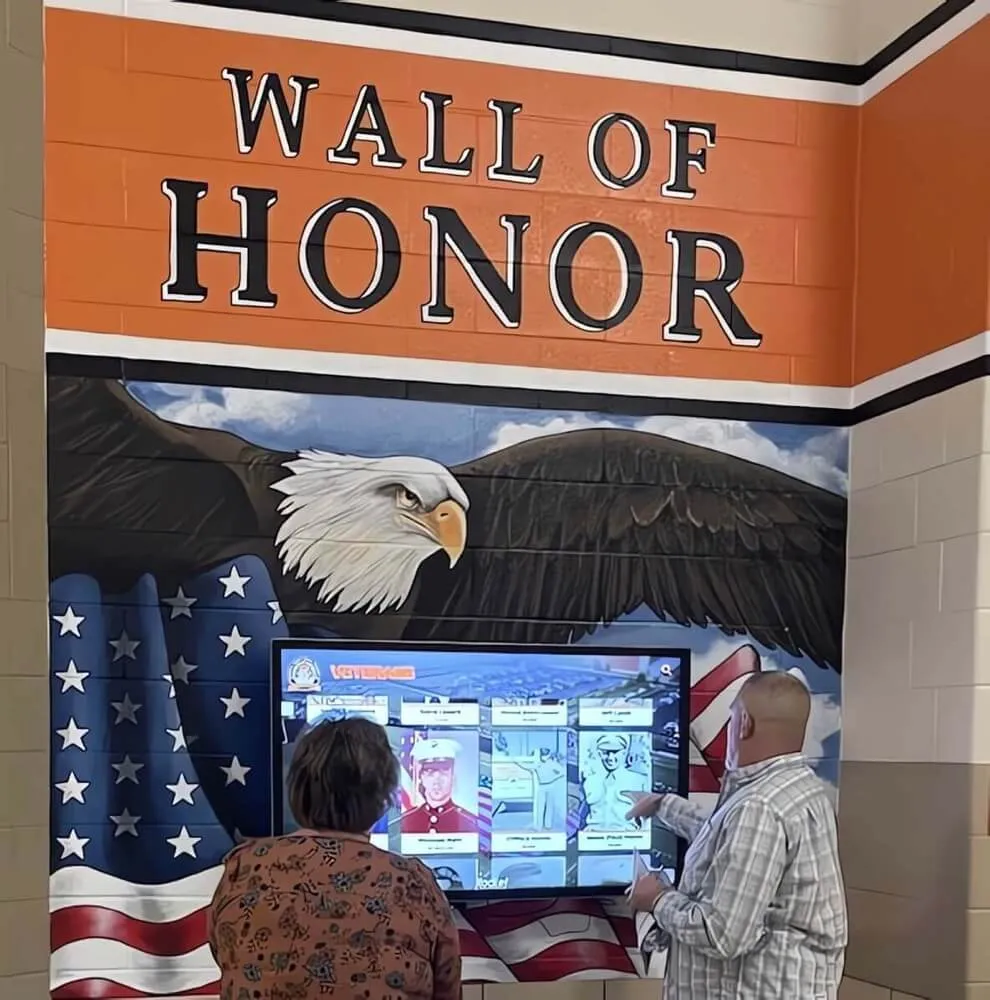
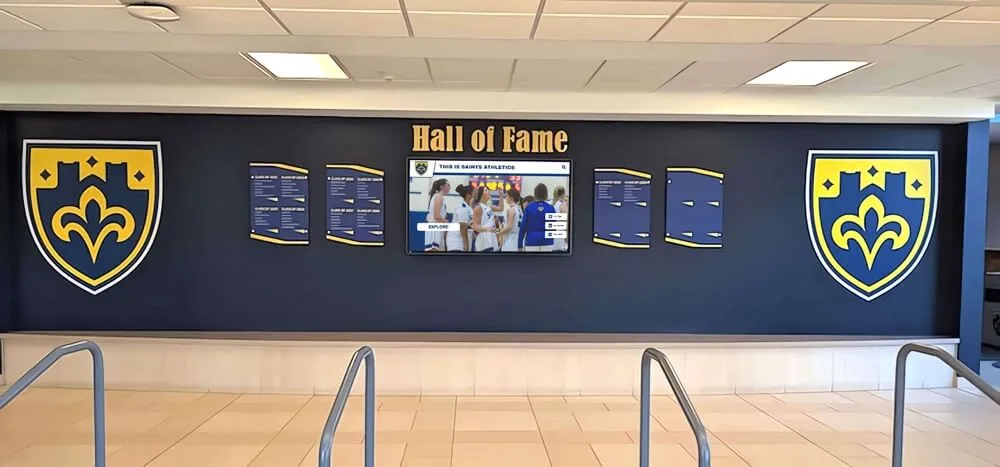
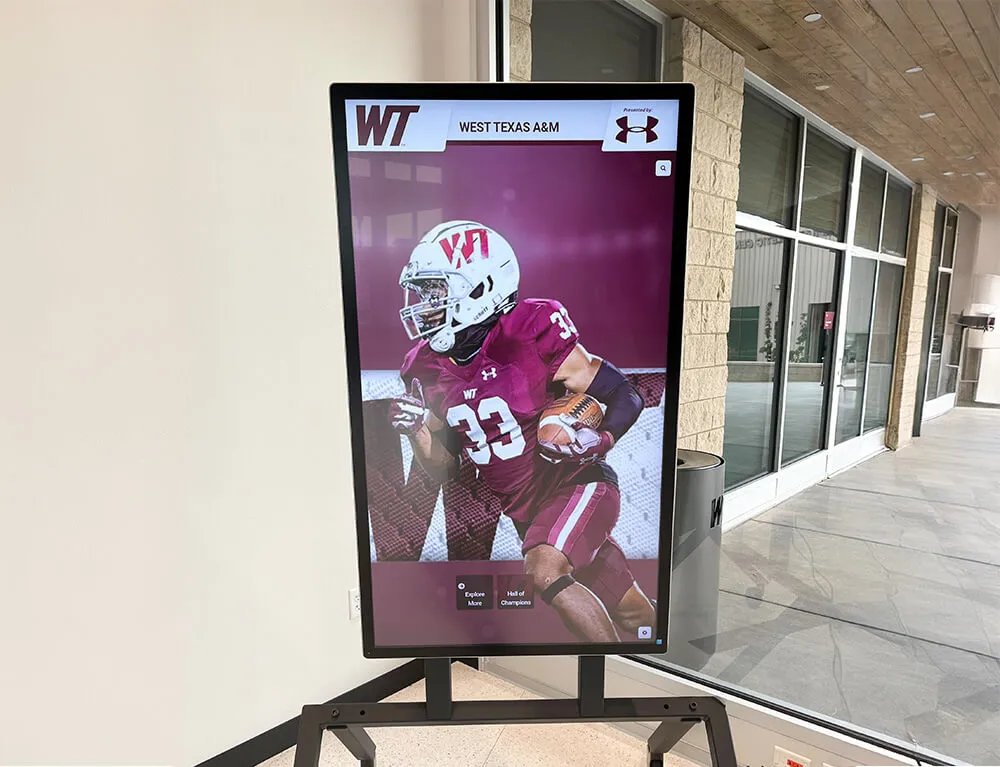
Wall-mounted displays in common living areas provide consistent visual engagement opportunities
Smart TV and Large-Screen Display Approaches
For families preferring larger displays offering enhanced visibility and presence, smart TV technology provides economical alternatives.
Affordable Smart TV Solutions
Modern smart TVs deliver memory display functionality through large screen sizes (32-55 inches) visible across rooms, built-in photo and video playback without additional devices, voice control integration supporting hands-free operation, affordable prices with quality 43-inch TVs available under $300, and multiple content sources including USB drives, streaming apps, and cloud services.
Smart TVs excel for common areas like living rooms and dining spaces where individuals spend extended time, providing ambient visual presence even when not directly interacting with content.
Amazon Fire TV and Streaming Device Integration
Streaming devices enhance basic TVs with memory display capabilities through Amazon Fire TV Stick providing ambient display modes with rotating photos, Roku devices offering screensaver photo channels, Chromecast enabling photo casting from family devices, and Apple TV supporting Photos app for iOS ecosystem families.
These devices cost $30-150 and transform existing TVs into memory display systems without requiring new television purchases.
Screensaver and Ambient Display Modes
Smart TVs and streaming devices offer ambient display features including photo slideshow screensavers activating when TV not actively used, ambient modes displaying photos continuously with music, shuffle features creating variety in photo presentation, scheduled display timing matching daily routines, and remote content updates enabling family members to add new photos remotely.
These features create continuous visual memory presence without requiring active operation—particularly valuable for individuals who may not initiate interaction independently.
Learn about large-format display applications in interactive touchscreens for museums that demonstrate engagement principles.
Dedicated Digital Photo Frame Options
Purpose-built digital photo frames offer specialized features designed specifically for photo display applications.
Modern Digital Photo Frame Technology
Current digital frames provide sophisticated capabilities including touchscreen interaction for browsing photos, Wi-Fi connectivity for remote content updates, cloud integration with Google Photos and other services, email upload allowing family members to send new photos directly, and motion sensors activating displays when people approach.
Quality frames range from $100-300 depending on screen size and features, with 10-15 inch displays proving most popular for memory care applications.
Frames with Remote Management Capabilities
Family caregivers benefit from frames supporting remote content management through family members uploading photos from any location, content approval workflows preventing inappropriate images, caption editing adding context to photos, scheduling features displaying different content at specific times, and usage notifications confirming display remains functional.
Brands like Nixplay, Skylight, and Aura offer comprehensive remote management features particularly valuable for families managing care from a distance or coordinating content contributions from multiple family members.
Budget-Friendly Frame Recommendations
Economical options delivering excellent value include Nixplay Smart Photo Frame ($120-180) with comprehensive remote management, Skylight Frame ($160-190) offering simple email-based photo sharing, Aura Mason Frame ($150-300) with high-resolution display and AI-powered photo curation, Dragon Touch Digital Frame ($80-120) providing budget-conscious features, and Aluratek WiFi Frame ($70-100) delivering basic cloud connectivity.
These options enable families to implement therapeutic memory displays without institutional-scale investments while providing meaningful cognitive and emotional support.
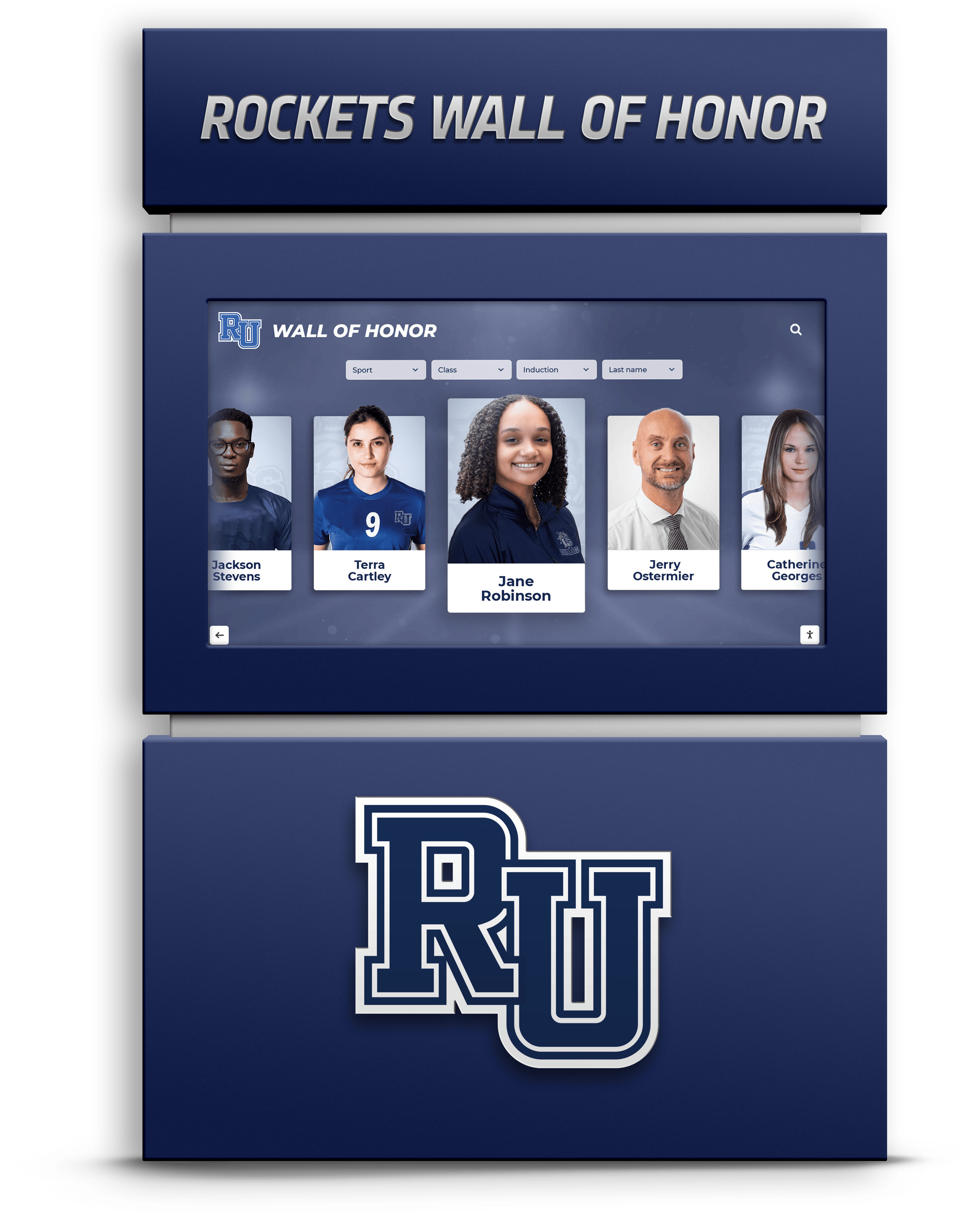
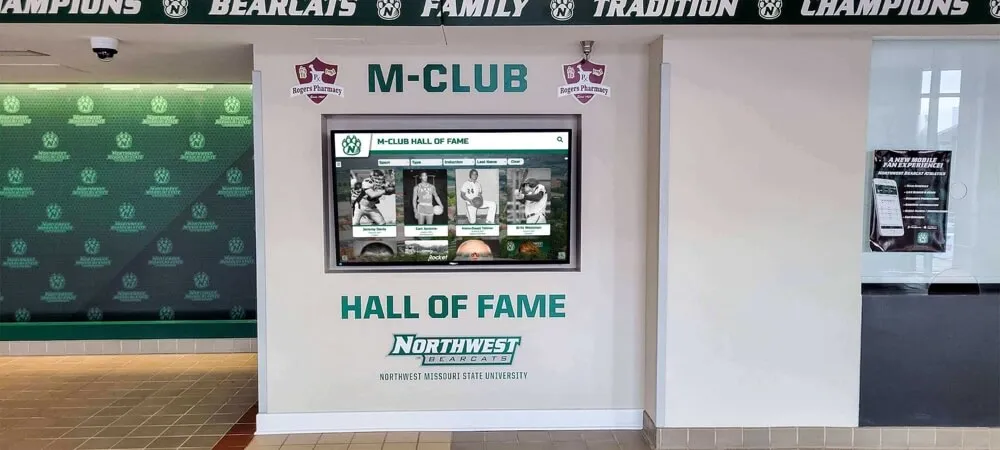
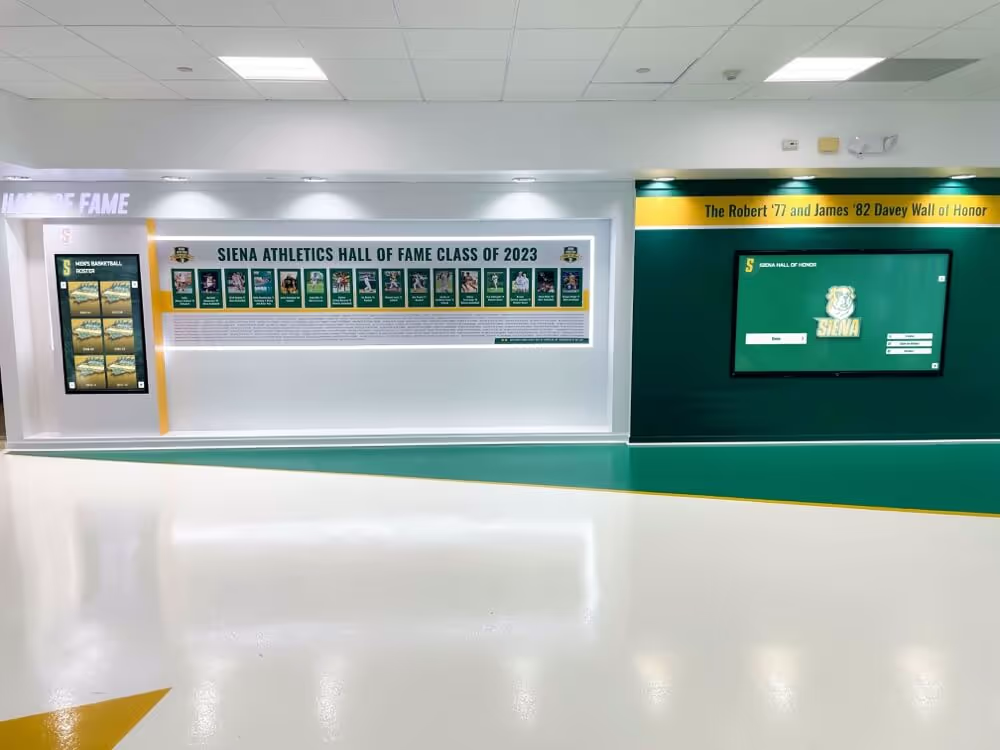
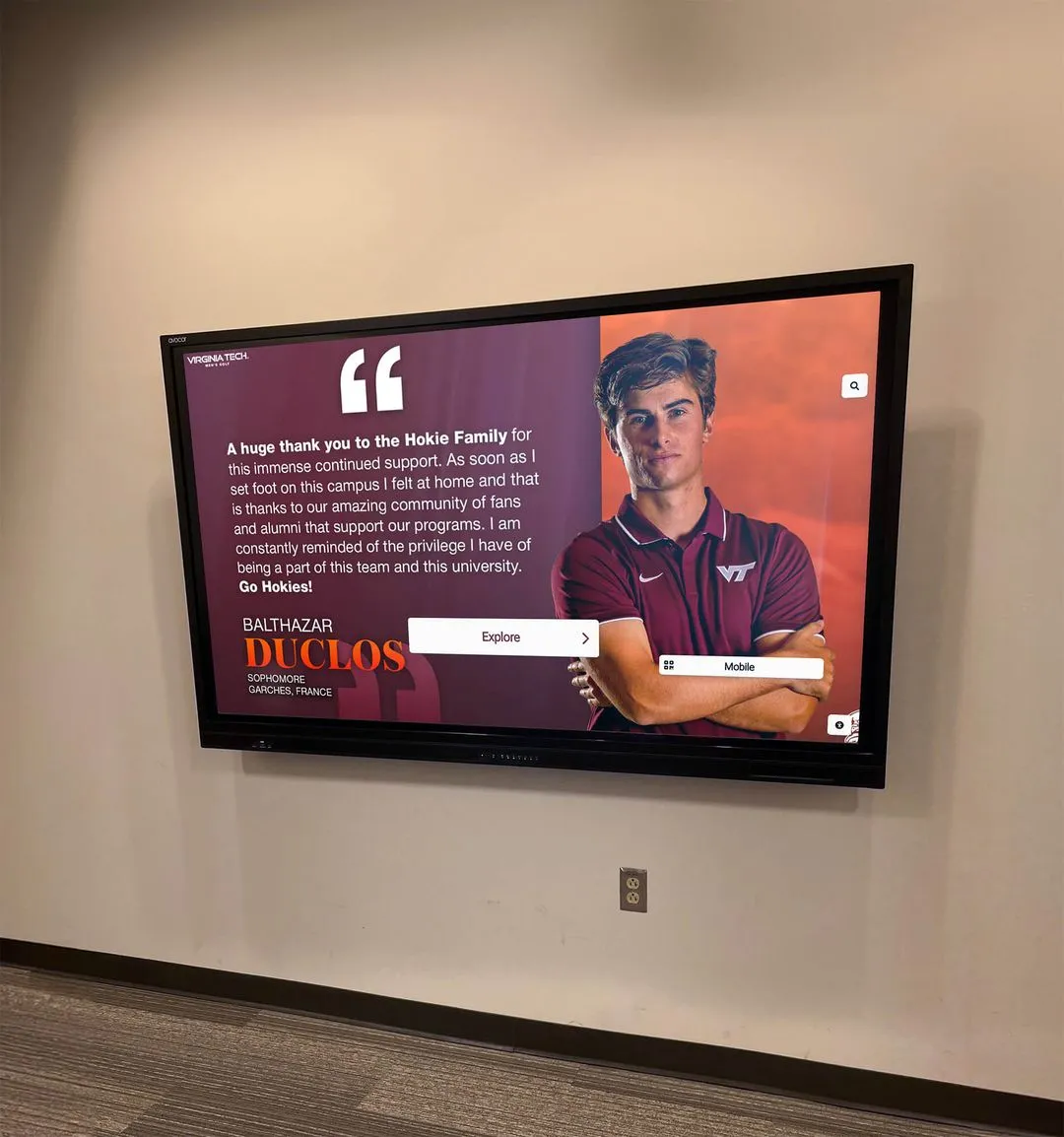
Portrait-style displays showcase family photos with dignity and visual prominence
Content Creation and Curation Strategies for Dementia Memory Displays
Technology alone proves insufficient—effective memory displays require thoughtful content selection, organization, and presentation optimized for cognitive accessibility.
Gathering and Organizing Memory Content
Systematic content development ensures displays feature personally meaningful material supporting therapeutic objectives.
Photo Collection and Digitization
Families should gather visual content from multiple sources including childhood and youth photos showing earlier life periods, wedding and family celebration images, career and achievement documentation, vacation and travel memories, photos with friends and extended family, and images of beloved pets and homes.
For older physical photos, digitization through smartphone scanning apps like Google PhotoScan, flatbed scanner digitization for quality preservation, or professional scanning services for large collections, creates digital archives enabling memory display use while preserving fragile originals.
Content Organization by Life Period
Organizing content chronologically or thematically aids navigation and storytelling through childhood and youth collections, young adult and career periods, marriage and family milestones, mid-life achievements and experiences, and recent memories from early retirement or later life.
This organization enables displays to present biographical narratives that affirm life story continuity—particularly valuable for individuals whose current memory challenges make personal history feel fragmented.
Family Member Involvement in Content Selection
Involving multiple family members ensures comprehensive content coverage through siblings contributing unique childhood memories, children providing family milestone photos, extended family sharing gathering images, longtime friends offering perspectives on significant life periods, and the individual with dementia participating when possible in selecting meaningful content.
Collaborative content development creates shared family projects while ensuring displays reflect complete life stories rather than limited perspectives of single caregivers.
Optimizing Visual Content for Cognitive Accessibility
Raw photos require optimization ensuring effective viewing for individuals with cognitive and potential visual challenges.
Image Quality and Size Considerations
Effective memory display images feature clear focus without blur, adequate resolution preventing pixelation on larger displays, appropriate brightness ensuring visibility without glare, high contrast between subjects and backgrounds, and cropping emphasizing people and key subjects rather than busy backgrounds.
Simple editing through smartphone photo apps can improve older images ensuring they display effectively and remain recognizable to viewers with visual or cognitive challenges.
Adding Context Through Captions and Labels
Text labels enhance comprehension through identifying people by name and relationship (“Your daughter Mary”), providing date and location context (“Family reunion, summer 1985”), explaining event significance (“Your retirement party”), using simple, clear language avoiding complexity, and placing text visibly without obscuring images.
Captions prove particularly valuable as memory challenges progress—helping individuals understand images they may no longer independently recognize while enabling caregivers to facilitate conversation about displayed memories.
Creating Thematic Collections
Organizing content into focused collections supports engagement through family member galleries showing specific people, event-based collections featuring weddings or vacations, location themes highlighting childhood homes or favorite places, achievement compilations celebrating career or personal milestones, and interest-based collections reflecting hobbies or passions.
Thematic organization enables displays to rotate content systematically while maintaining coherent narratives that make sense to viewers rather than random photo shuffles causing confusion.
Explore content organization strategies in digital class composite displays demonstrating biographical presentation approaches.

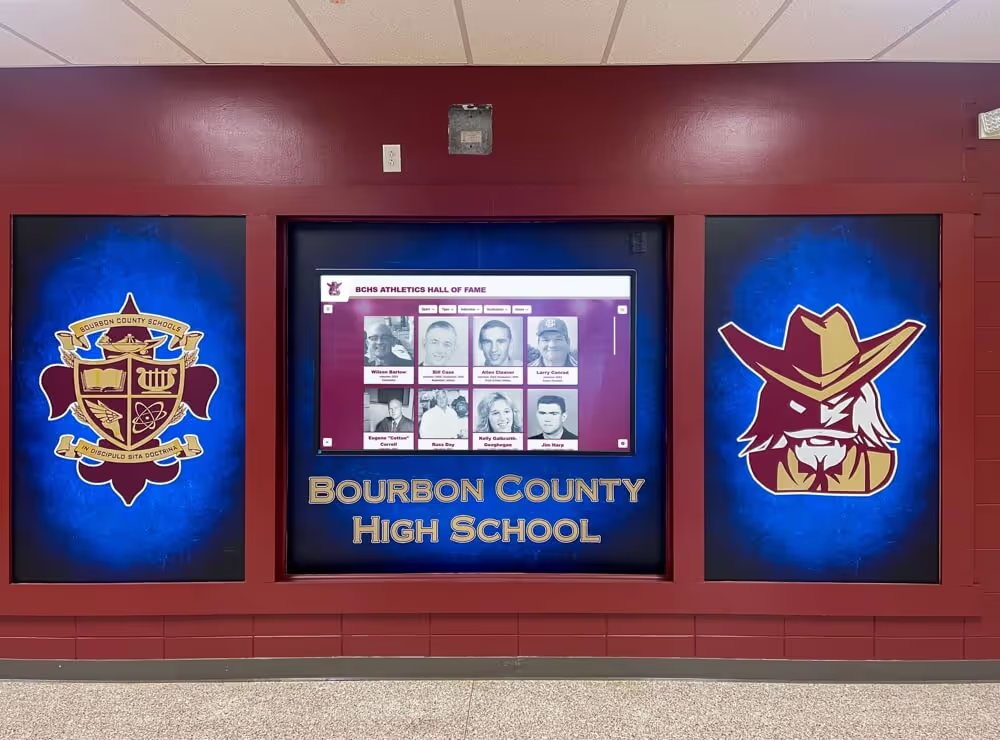
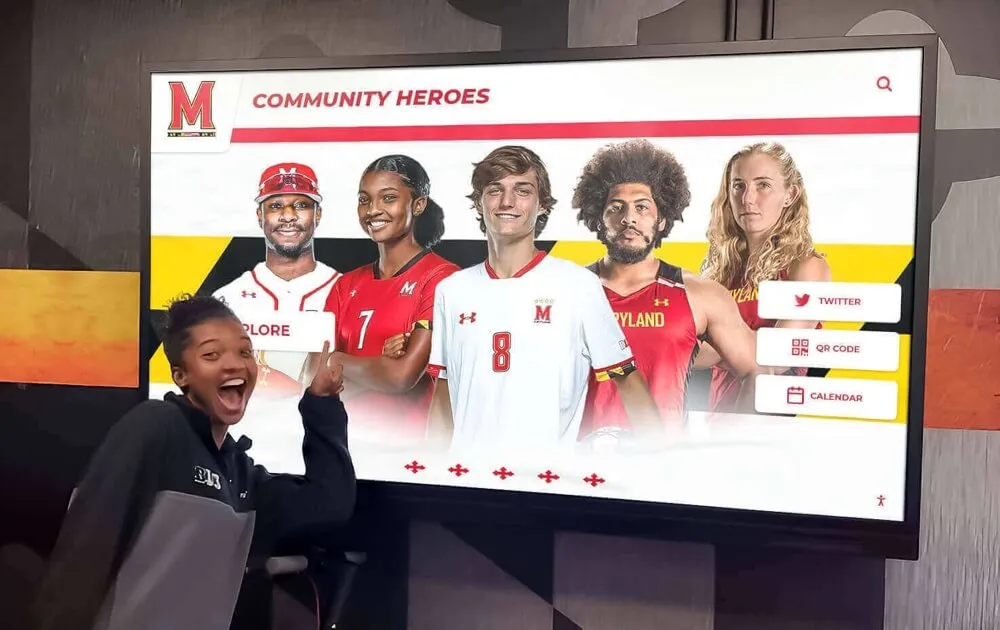
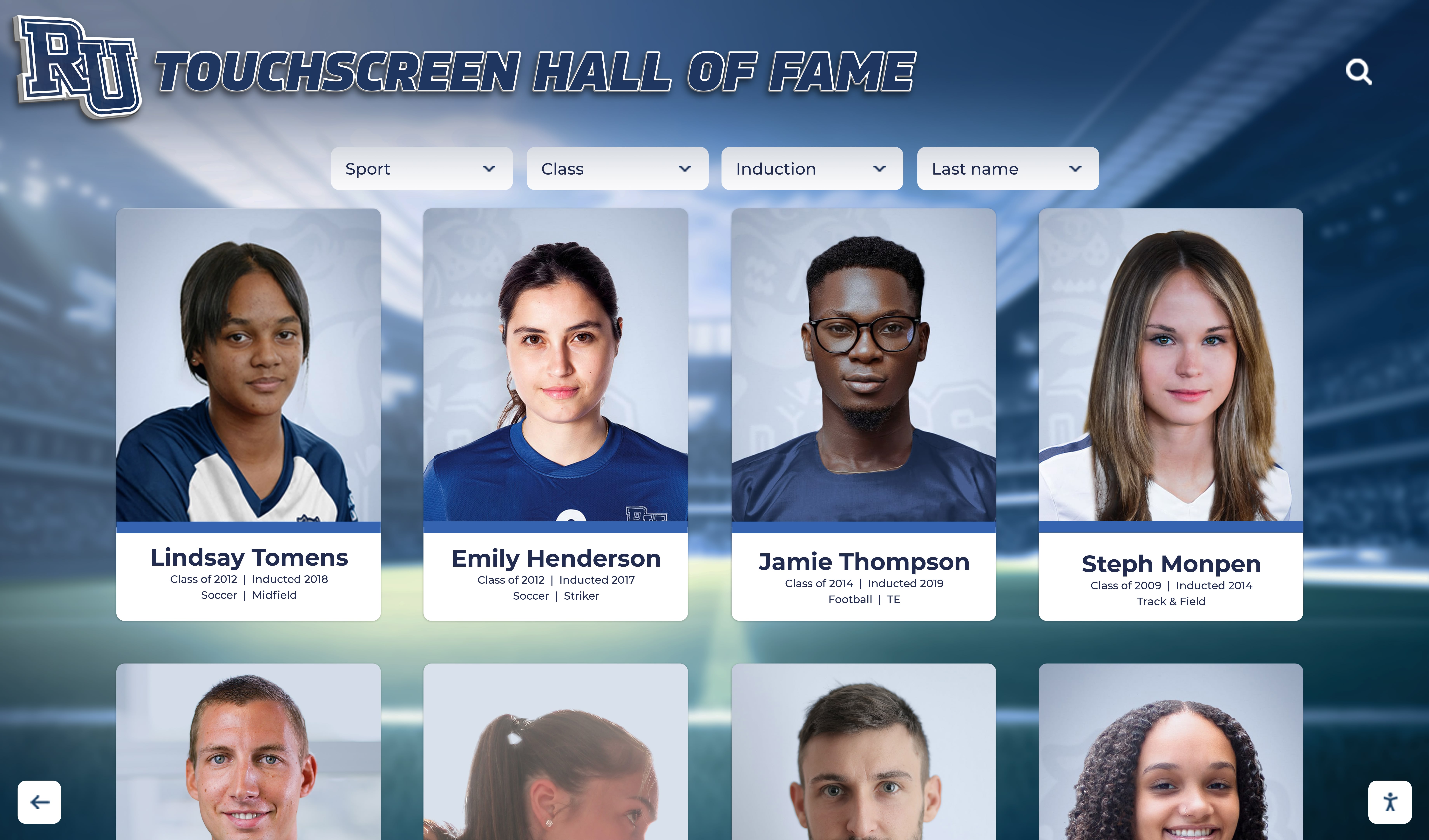
Organized portrait collections with clear labeling support recognition and engagement
Incorporating Music and Multimedia Elements
Audio and video content enhance memory displays when implemented thoughtfully for cognitive accessibility.
Music from Meaningful Life Periods
Research demonstrates that music from adolescence and young adulthood often remains accessible even when other memories fade. Memory displays can incorporate favorite songs and artists from youth, wedding songs and romantic music, religious or cultural music with spiritual significance, lullabies or children’s songs connecting to parenting experiences, and music from cultural heritage or ethnic background.
Many digital photo frames and smart display systems support background music during photo slideshows, creating multisensory memory experiences that may trigger stronger emotional responses than visual content alone.
Short Video Clips and Home Movies
Brief video segments complement photo displays through family gathering clips showing familiar voices and interactions, message videos from distant family members, digitized home movies from earlier decades, celebration videos from birthdays and holidays, and simple recorded messages from the individual’s earlier life if available.
Videos should be brief (30-90 seconds) preventing cognitive overwhelm while providing engaging movement and audio that static images cannot deliver.
Voice Recordings and Narration
Audio narration enhances comprehension through family members describing displayed photos, recorded stories about particular memories, the individual’s own voice from earlier recordings, familiar phrases or expressions the person commonly used, and gentle music or nature sounds creating calming atmospheres.
These audio elements support understanding for individuals whose visual processing may be challenged while creating rich sensory experiences that engage multiple memory pathways simultaneously.
Implementation Strategies for Family Caregivers
Moving from concept to functional memory displays requires systematic approaches addressing setup, maintenance, and integration into daily care routines.
Initial Setup and Configuration
Successful implementation begins with thoughtful technical setup optimized for ease of use and reliability.
Device Selection and Acquisition
Families should evaluate options based on budget constraints and available resources, viewing distance and room size determining display requirements, caregiver technical comfort with different systems, need for remote management from other family members, and existing equipment that might be repurposed.
For families on tight budgets, repurposing older tablets or using existing smart TVs minimizes costs while delivering meaningful therapeutic benefits comparable to more expensive specialized solutions.
Content Upload and Organization
Systematic content deployment ensures displays contain appropriate material including selecting 100-300 high-quality photos for initial deployment, organizing content into thematic albums or collections, adding captions and context to key images, testing content display ensuring visibility and recognition, and creating backup copies preventing loss due to device failure.
Most platforms support bulk photo uploads from computers or cloud storage services, with initial content development typically requiring 3-5 hours depending on available digital photos and necessary scanning or editing.
Display Scheduling and Automation
Automating display operation reduces ongoing management burden through scheduled activation times matching daily routines, automatic content rotation preventing repetitive viewing, brightness adjustment for different times of day, sleep modes conserving energy during nighttime hours, and reminder alerts for content updates or system maintenance.
These automated features ensure memory displays function consistently without requiring constant caregiver attention or technical intervention.
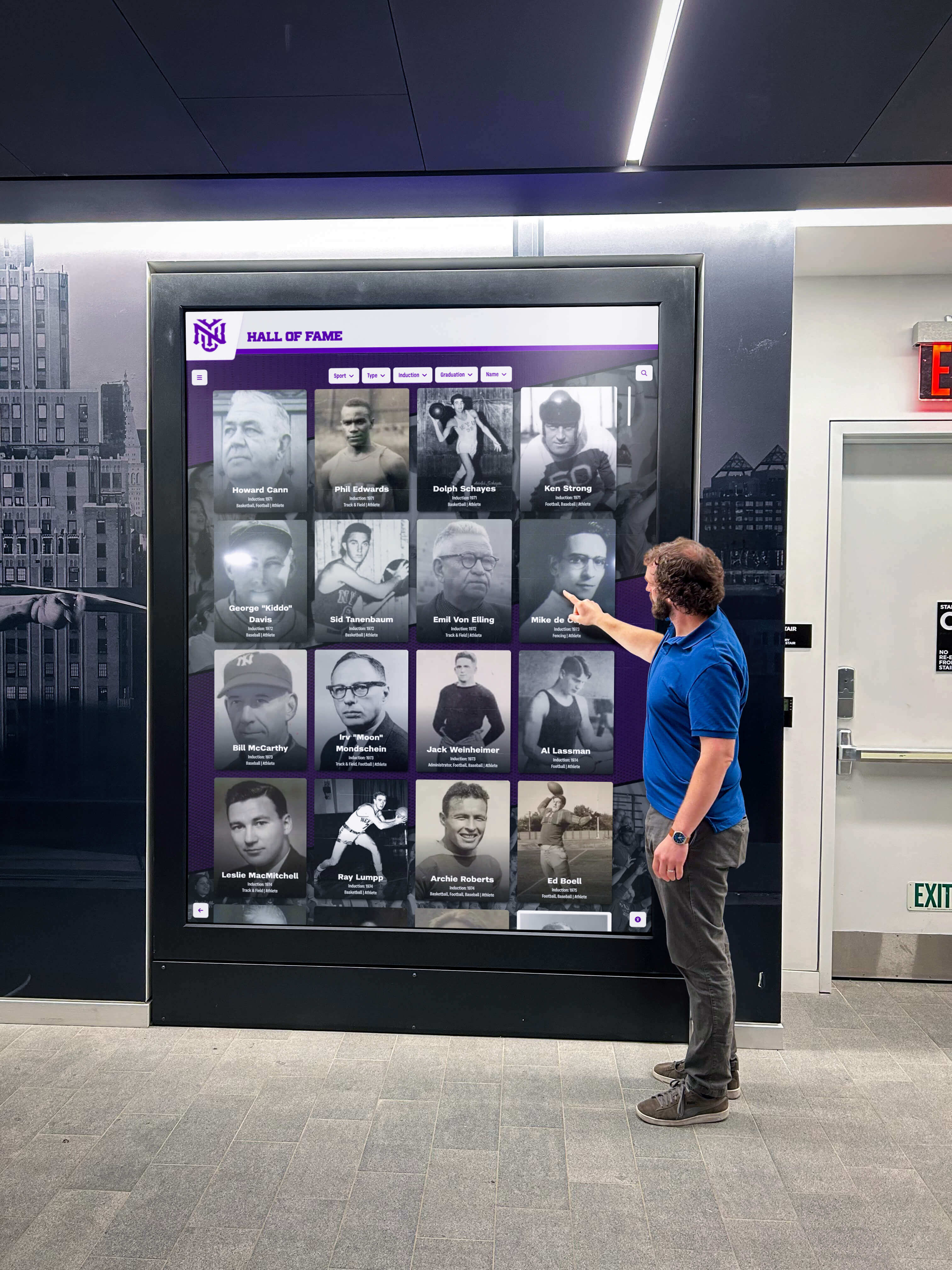
Intuitive interfaces enable independent interaction when physical and cognitive abilities allow
Daily Integration and Therapeutic Use
Memory displays deliver maximum benefit when integrated thoughtfully into daily care routines rather than simply running passively in backgrounds.
Creating Structured Viewing Times
Scheduled engagement opportunities include morning activation with breakfast showing energizing images, afternoon viewing during typically challenging “sundowning” periods, mealtime displays creating conversation opportunities, bedtime content featuring calming imagery supporting rest, and caregiver-guided sessions exploring memories together.
While displays can run continuously, focused viewing sessions with caregiver presence often produce stronger engagement and emotional benefits through guided reminiscence and shared storytelling.
Facilitating Conversation and Reminiscence
Caregivers enhance memory display effectiveness through asking open-ended questions about displayed images (“Who do you see in this photo?”), sharing known stories about memories depicted, encouraging storytelling when individuals show recognition, acknowledging emotions that emerge during viewing, and respecting times when engagement seems unwelcome or overwhelming.
Memory displays serve as conversation catalysts rather than replacement for human interaction—their value emerges through facilitating meaningful connection between caregivers and individuals experiencing memory challenges.
Adapting to Changing Capabilities
As cognitive abilities change over time, display approaches should evolve through simplifying content if complexity becomes overwhelming, emphasizing earlier life memories as recent memory declines, reducing text if reading becomes challenging, adjusting interaction requirements as motor skills change, and modifying display duration based on attention span variations.
Families should remain flexible, recognizing that approaches effective at one stage may require modification as dementia progresses while continuing to provide therapeutic value through adapted implementation.
Remote Management for Distributed Family Caregiving
Many families share caregiving responsibilities across geographic distances, requiring technology supporting remote collaboration.
Cloud-Based Content Management
Remote family members can contribute through uploading new photos from any location, curating content based on specialized knowledge of specific life periods, rotating seasonal or holiday content, responding to caregiver feedback about content effectiveness, and maintaining regular updates ensuring displays remain fresh.
Platforms like Google Photos, Nixplay, and Skylight enable seamless remote content management, allowing adult children or siblings to support primary caregivers without requiring physical presence.
Family Coordination and Communication
Memory display projects create opportunities for family connection through regular content planning discussions, shared family photo collection projects, coordinated updates reflecting seasons or milestones, and collaborative decision-making about appropriate content.
This shared engagement benefits both individuals with dementia and family relationships, creating positive focus during challenging caregiving periods while ensuring memory displays reflect complete family perspectives.
Monitoring Engagement and Effectiveness
Remote family members can support caregiving through regular check-ins about display usage and engagement, reviewing content performance based on caregiver feedback, suggesting content modifications based on family knowledge, coordinating technical support when issues arise, and documenting positive interactions for family memory preservation.
These collaborative approaches distribute caregiving responsibilities while ensuring memory displays receive ongoing attention necessary for sustained therapeutic value.
Explore remote management approaches in interactive displays for courtrooms demonstrating distributed content management.
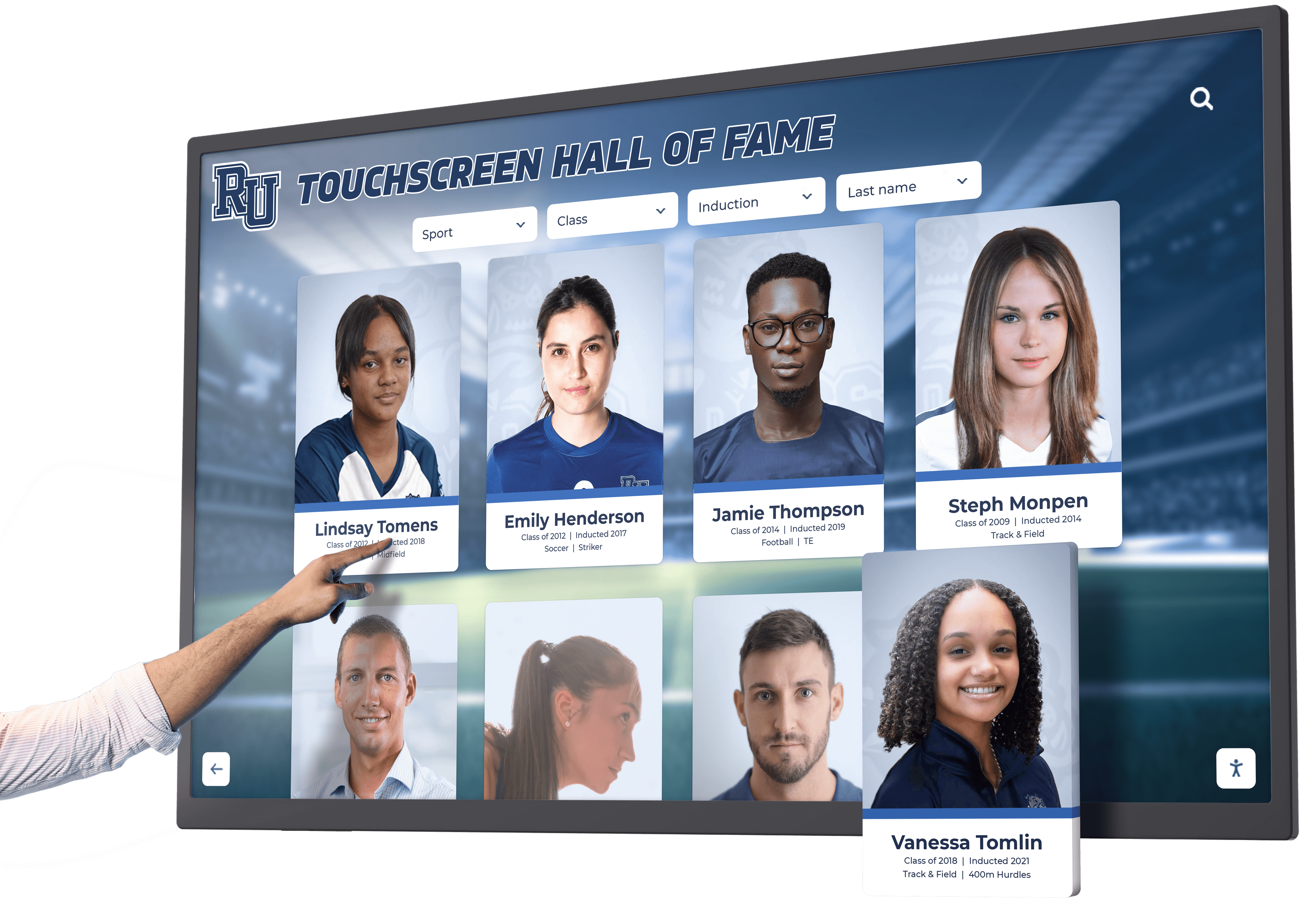
Touch interaction enables exploration at individual comfort levels and pacing
Budget-Conscious Implementation Approaches
Family caregivers often manage limited resources while seeking effective memory support solutions—requiring creative approaches maximizing therapeutic value within financial constraints.
Minimal Investment Options (Under $200)
Families with significant budget limitations can still implement meaningful memory displays through repurposing existing devices like older tablets or smartphones using free slideshow apps, basic digital photo frames ($70-100) with email upload capability, smart TV screensavers using existing televisions, cloud photo storage leveraging free Google Photos or Amazon Photos accounts, and DIY mounting solutions using affordable stands or wall brackets.
These minimal-cost approaches deliver core memory display functionality supporting therapeutic objectives without requiring expensive equipment purchases.
Mid-Range Solutions ($200-500)
Moderate budgets enable enhanced capabilities through quality tablets (iPad or Android) with larger screens and better performance, mid-tier digital photo frames with touchscreen and Wi-Fi features, premium slideshow apps ($10-15 monthly) with advanced features, professional photo scanning services digitizing 500-1000 images, and quality mounting hardware ensuring safe, attractive installation.
This investment level provides reliable, feature-rich memory displays supporting both current needs and future capability expansion as experience grows.
Professional-Grade Approaches (Under $1000)
Families managing care for multiple relatives or seeking robust long-term solutions can implement comprehensive systems through large-format touchscreen displays (32-43 inches), professional-grade digital signage software with scheduling and remote management, high-capacity cloud storage for extensive photo libraries, professional content development services curating and optimizing images, and integrated mounting and furniture creating dedicated memory stations.
While representing higher initial investment, professional approaches deliver institutional-quality memory support in home environments, potentially justifying costs when managing complex care needs or planning extended in-home care periods.
Ongoing Cost Management
Sustainable implementation requires managing recurring expenses through using free photo storage services where possible, leveraging family member volunteer effort for content curation, selecting devices with low power consumption reducing electricity costs, choosing reliable hardware minimizing replacement needs, and prioritizing free or one-time purchase software over recurring subscriptions.
Families should calculate total cost of ownership over 3-5 years when evaluating options, considering both initial purchase and ongoing operational expenses in decision-making.
Measuring Success and Optimizing Memory Display Effectiveness
Evaluating whether memory displays deliver intended benefits helps families refine approaches while justifying continued investment of time and resources.
Observable Indicators of Positive Impact
Caregivers can assess effectiveness through qualitative observations including increased engagement and attention during display viewing, verbal or nonverbal expressions of recognition and pleasure, reduced anxiety or agitation during and after viewing sessions, initiated conversation or storytelling about displayed memories, requests to view displays or disappointment when unavailable, improved mood and emotional state following engagement, and positive social interactions between individuals and visiting family members.
These qualitative indicators provide meaningful feedback even without formal assessment tools or professional evaluation.
Tracking Behavioral and Emotional Changes
Systematic observation supports more rigorous evaluation through daily logs noting engagement duration and quality, incident tracking documenting agitation episodes and potential display impact, mood assessments before and after viewing sessions, sleep quality observations if bedtime viewing implemented, and family feedback from multiple caregivers and visitors.
Simple tracking using smartphones or notebooks enables families to identify patterns while determining whether displays provide meaningful therapeutic value justifying continued use and refinement.
Adapting Content Based on Response
Continuous improvement requires responding to observed engagement through emphasizing content generating strongest positive responses, removing or modifying images causing confusion or distress, adding new content when interest appears to wane, adjusting display timing based on most receptive periods, and experimenting with different formats, durations, and interaction approaches.
This iterative refinement ensures displays remain aligned with therapeutic objectives while respecting individual preferences and changing cognitive capabilities as dementia progresses.
Similar evaluation approaches appear in other engagement contexts like interactive kiosk solutions for schools requiring ongoing effectiveness assessment.
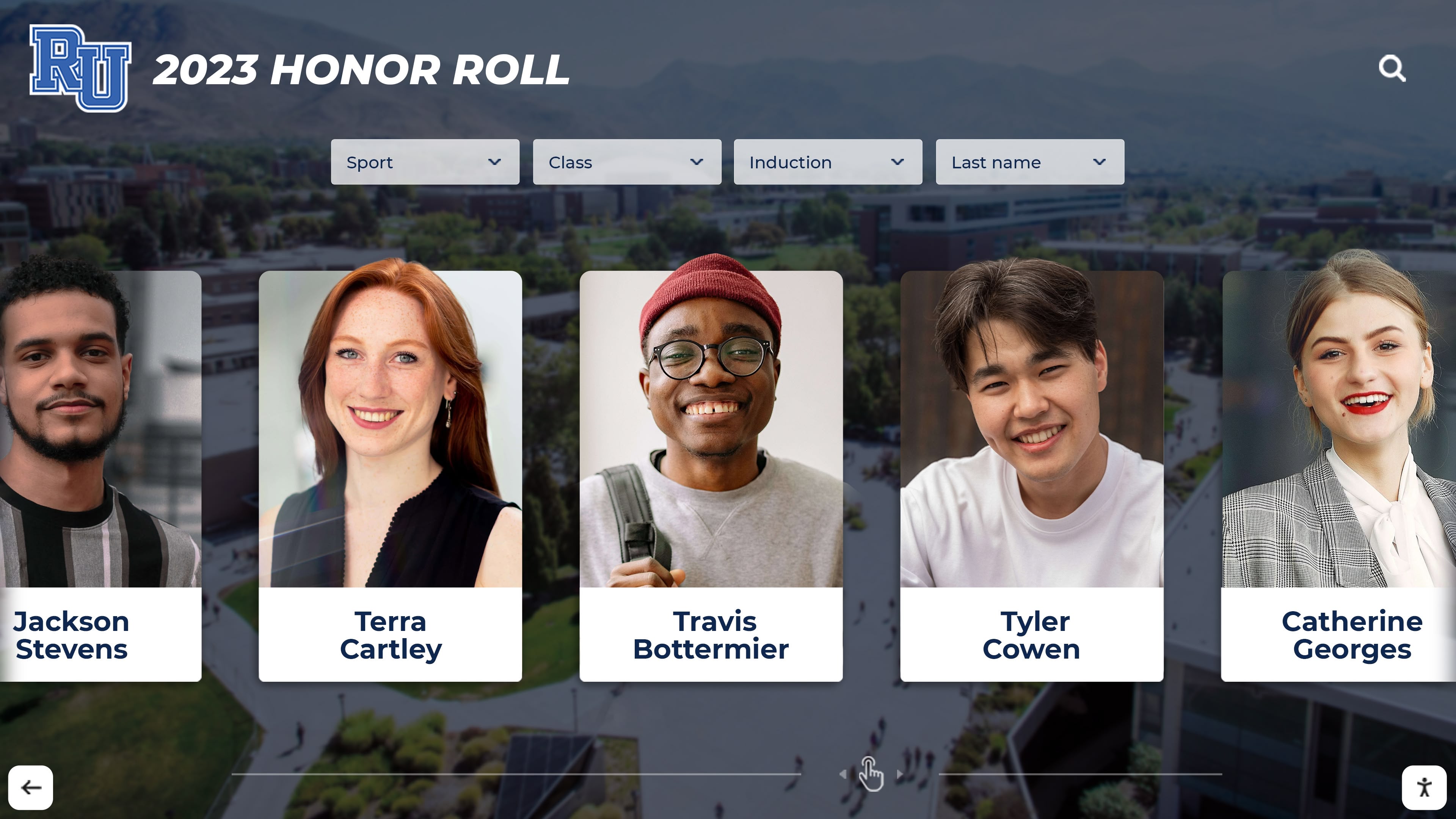
Well-organized visual presentations support comprehension and reduce cognitive overwhelm
Addressing Common Challenges and Troubleshooting
Understanding potential difficulties enables families to anticipate and resolve issues maintaining consistent memory display functionality.
Technical Issues and Solutions
Common technical challenges include devices not turning on or charging properly, touchscreens becoming unresponsive, content not uploading or displaying correctly, connectivity problems with Wi-Fi or cloud services, and displays freezing or requiring frequent resets.
Solutions involve maintaining current software updates, regular device restarts preventing accumulated issues, backup content storage ensuring recoverability, simplified configurations reducing technical complexity, and identifying tech-savvy family members for troubleshooting support.
Cognitive and Behavioral Challenges
Individuals with dementia may experience confusion about device purpose or use, frustration if interaction proves difficult, disinterest in particular content or formats, anxiety from unfamiliar technology presence, or fixation causing repetitive viewing without disengagement.
Approaches addressing these challenges include simplifying interaction requirements, providing consistent caregiver guidance, adjusting content personalization, introducing displays gradually allowing familiarization, and establishing structured viewing times preventing excessive fixation.
Content Appropriateness and Emotional Responses
Unexpected emotional reactions require thoughtful content management including grief responses to images of deceased loved ones, confusion from unrecognized people or unfamiliar contexts, distress from images of younger self causing identity confusion, agitation from busy or complex visual scenes, and frustration from inability to remember contexts depicted.
Families should observe responses carefully during initial deployment, quickly removing problematic content while emphasizing images generating consistently positive reactions and emotional comfort.
Conclusion: Empowering Family Caregivers Through Accessible Memory Technology
Family caregivers managing dementia care at home face continuous challenges providing meaningful engagement, reducing anxiety, supporting cognitive function, and maintaining human connection amid progressive memory decline. Digital memory displays using affordable touchscreen and smart display technology offer practical, economical solutions that enhance quality of life for individuals with dementia while supporting family caregivers through structured engagement tools and conversation catalysts.
The economical approaches explored in this guide demonstrate that effective memory support does not require institutional budgets or specialized expertise. Families can implement therapeutic memory displays through repurposing consumer tablets into dedicated photo viewers, leveraging smart TV ambient display modes for continuous visual presence, selecting affordable digital photo frames with remote management capabilities, or investing in larger touchscreen displays creating prominent memory stations in common living areas.
Explore Digital Memory Display Solutions
Whether managing dementia care for one family member or supporting multiple loved ones with memory challenges, modern touchscreen display technology offers affordable, effective approaches for creating meaningful visual engagement. Digital recognition platforms like Rocket Alumni Solutions can be adapted for memory care applications, providing intuitive content management, reliable hardware, and flexible presentation options supporting therapeutic objectives.
Learn About Display SolutionsBeyond technology selection, sustainable success requires thoughtful content curation emphasizing personally meaningful imagery, systematic organization supporting cognitive accessibility, collaborative family involvement ensuring comprehensive biographical coverage, integration into daily routines maximizing therapeutic benefit, and continuous refinement responding to observed engagement patterns and changing needs.
For families managing dementia care independently, memory displays provide structured activity supporting reminiscence therapy, conversation catalysts facilitating meaningful interaction, anxiety reduction through familiar visual anchors, cognitive stimulation activating long-term memory pathways, and dignity preservation celebrating life accomplishments and identity. These benefits emerge not from expensive equipment but from personalized content and intentional implementation aligned with therapeutic understanding and family knowledge of individual life experiences.
The question facing family caregivers evolves from whether memory displays offer value to how to implement them most effectively within budget constraints, technical capabilities, and care contexts. Economical solutions ranging from repurposed tablets to dedicated digital frames make memory display technology accessible to families at all income levels, while remote management capabilities enable distributed family participation regardless of geographic separation.
Looking forward, memory care technology continues advancing with emerging capabilities including voice activation supporting hands-free interaction, artificial intelligence suggesting content based on engagement patterns, biometric monitoring detecting emotional responses informing content optimization, and virtual reality creating immersive memory experiences. However, today’s economical solutions already deliver meaningful therapeutic value using proven technology available to any family willing to invest modest resources in equipment and content development.
For families caring for loved ones with dementia, the combination of digital technology and personal content creates powerful tools supporting cognitive function, emotional wellbeing, and human connection throughout progressive memory challenges. Memory displays honor individuals’ life stories, facilitate family engagement, reduce caregiver burden through structured activity options, and demonstrate ongoing love and commitment during difficult care journeys. Whether implementing simple tablet-based solutions or investing in comprehensive touchscreen systems, families can create meaningful memory experiences that enhance quality of life for both caregivers and care recipients.
Your loved ones’ memories and life experiences deserve preservation and celebration, even when cognitive challenges make independent recall difficult. With affordable technology, thoughtful content development, and compassionate implementation, you can create digital memory displays that bring comfort, joy, and connection to daily dementia care—transforming clinical challenges into opportunities for meaningful engagement and family bonding.
Ready to begin creating memory displays for your family? Explore digital signage content strategies or learn about interactive touchscreen implementations that can be adapted for therapeutic memory care applications in home environments.