



FBLA and FFA award displays serve dual purposes in educational institutions—they celebrate student achievement in business leadership and agricultural education while demonstrating program impact to donors, community supporters, and prospective funders. When schools effectively showcase these prestigious honors through comprehensive recognition systems, they create visible evidence of educational excellence that strengthens fundraising narratives, builds community pride, and inspires continued investment in career and technical education programs.
Yet many schools struggle to provide FBLA and FFA award recipients with recognition comparable to what athletic programs receive. Students earning American FFA Degrees, national FBLA competitive event rankings, or state proficiency awards may receive brief announcements and paper certificates while athletic achievements fill prominent trophy cases and hallways. This recognition disparity weakens advancement messaging by failing to showcase the full scope of student excellence and program outcomes that attract donor support.
This comprehensive guide explores strategic approaches for recognizing FBLA and FFA achievements through displays, trophies, and plaques that honor student accomplishments while strengthening institutional advancement goals and community engagement.
Effective recognition of career and technical education achievements extends beyond simple acknowledgment to create systematic celebration that demonstrates program quality, validates donor investments, and positions schools for sustained philanthropic support.

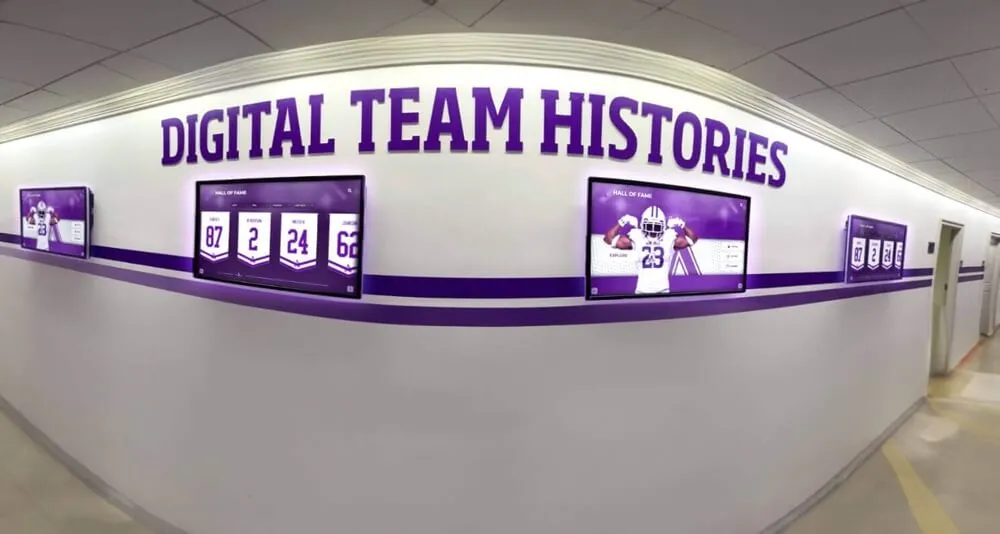
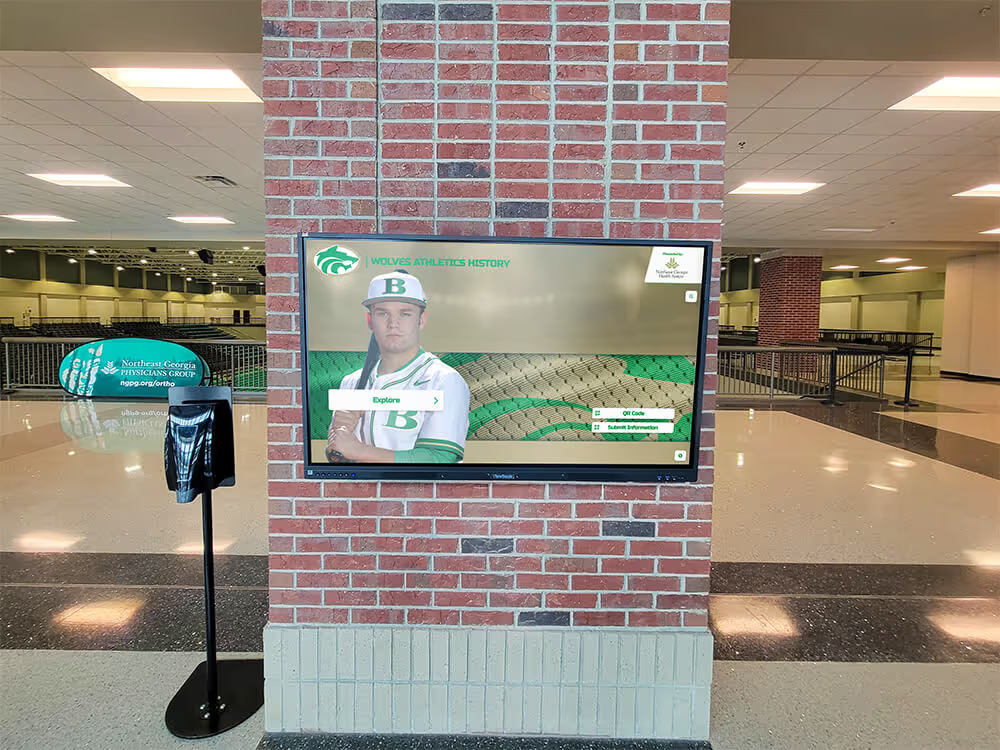
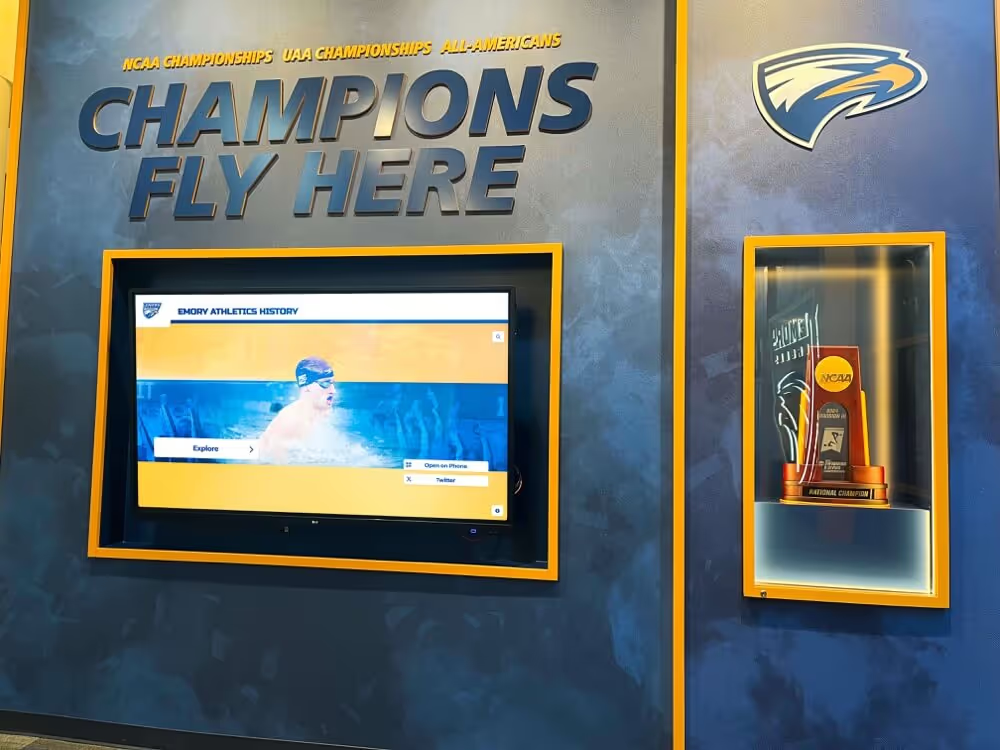
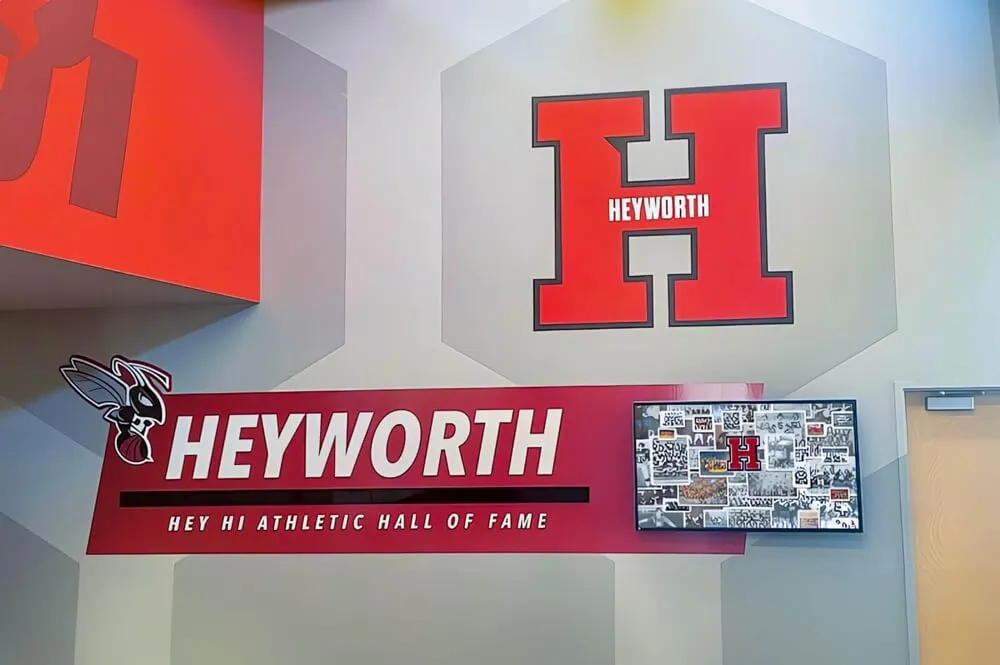
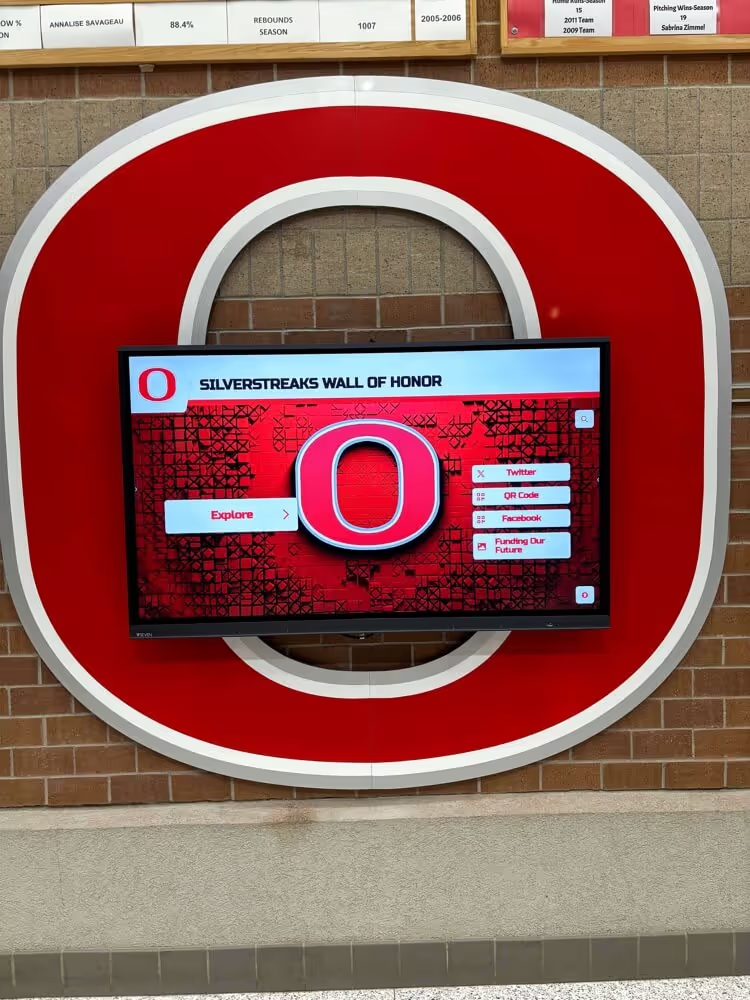
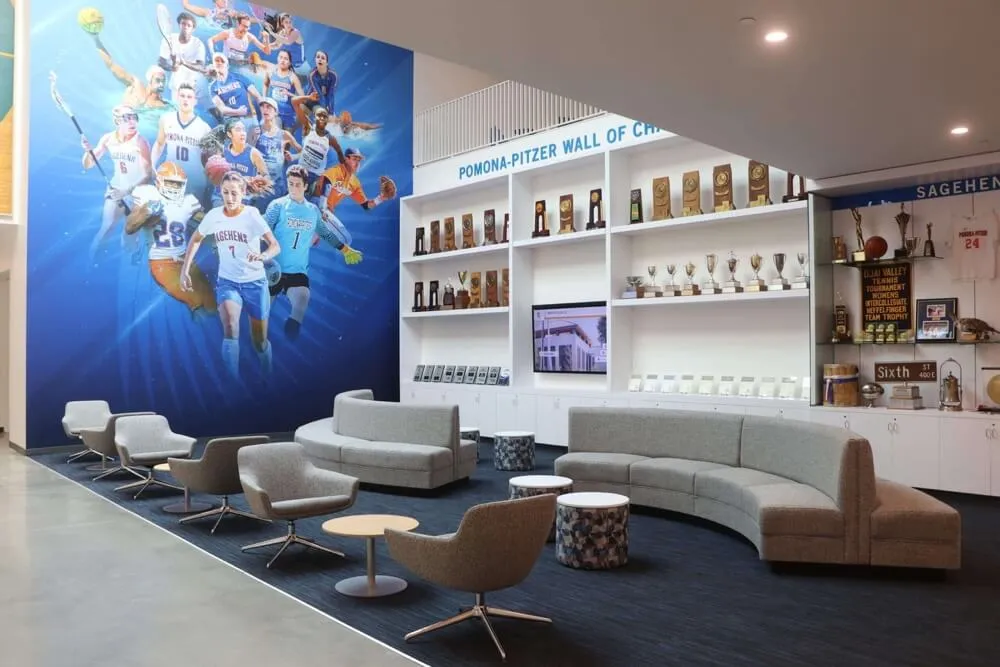
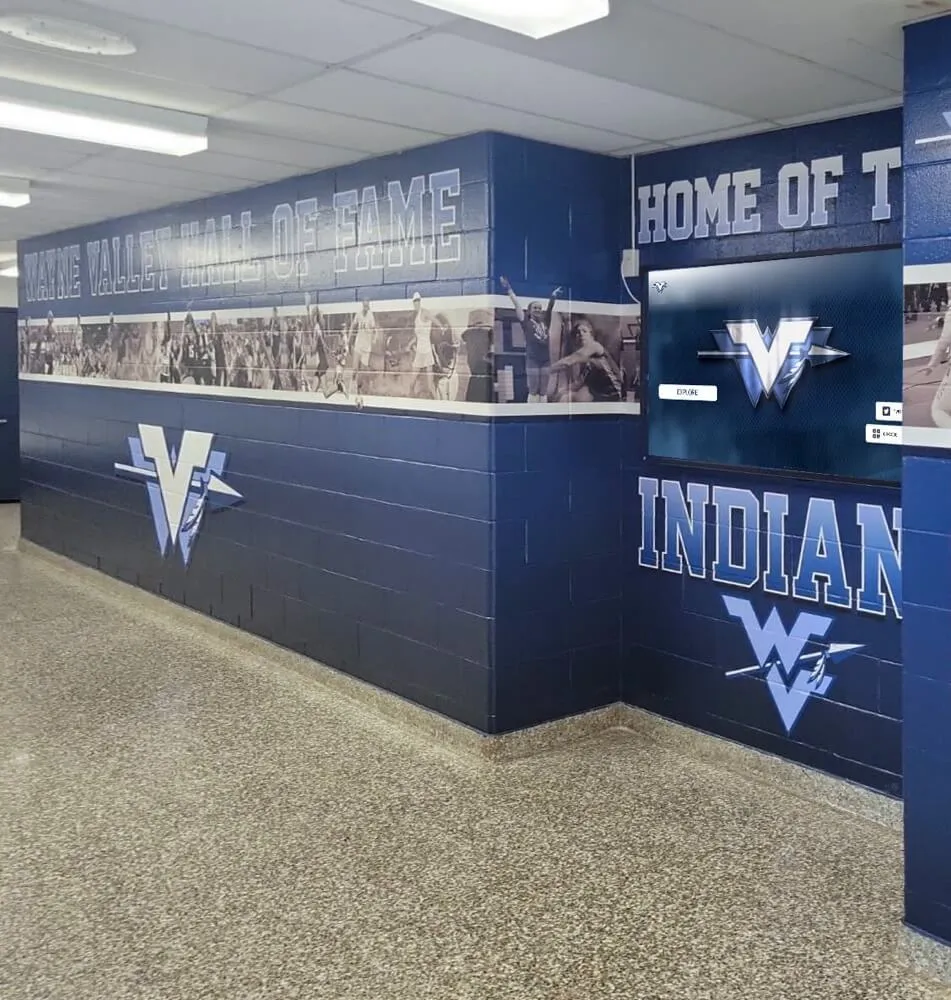
Modern recognition systems celebrate diverse student achievements including business education and agricultural excellence
Understanding FBLA and FFA Award Structures
Before designing recognition programs, advancement teams and school leadership need clear understanding of what these awards represent and why they merit prominent celebration alongside other student achievements.
FBLA Competitive Excellence and Business Achievement
Future Business Leaders of America (FBLA) represents one of the largest career and technical student organizations, serving over 200,000 members nationwide according to the National FBLA Organization. The competitive structure creates multiple recognition opportunities:
National Competitive Events FBLA competitive events span individual, team, and chapter categories across business disciplines including accounting, entrepreneurship, marketing, cybersecurity, and business management. Students advance from regional competitions through state conferences to national competition, with top finishers earning rankings and prize money.
Business Achievement Awards The Business Achievement Awards program recognizes sustained excellence through structured activities across leadership, community service, and business education. This program rewards long-term commitment beyond single-event competition.
Chapter and Leadership Recognition Gold Seal Chapter status, Outstanding Chapter awards, and state officer positions provide additional recognition opportunities demonstrating comprehensive program quality.
These diverse achievement categories enable recognition programs that celebrate multiple student accomplishments, providing advancement offices with compelling stories about program impact and student success outcomes.
FFA Degrees, Proficiency Awards, and Agricultural Leadership
The National FFA Organization offers a structured progression of honors recognizing agricultural education excellence:
FFA Degree Progression According to the National FFA Organization, the degree structure advances from Discovery FFA Degree (middle school) through Greenhand, Chapter, and State FFA Degrees, culminating in the American FFA Degree—the highest honor requiring documented Supervised Agricultural Experience (SAE) achievements of at least $10,000 in earnings or 2,250 hours of work.
Proficiency Awards Nearly 50 proficiency award categories recognize specialized agricultural skills from agricultural mechanics to veterinary science, with competition at chapter, state, and national levels.
Career Development Events CDEs test practical skills and knowledge across 25 agricultural career areas, with both team and individual recognition at state and national competitions.
American Star Awards The top four American FFA Degree recipients nationally earn American Star recognition as Farmer, Agribusiness, Agricultural Placement, or Agriscience, representing the pinnacle of FFA achievement.
This comprehensive award structure provides advancement teams with quantifiable metrics demonstrating program quality—essential evidence when cultivating donor relationships and building support for agricultural education facilities and programming.
Learn more about comprehensive academic recognition programs that celebrate diverse student achievements.
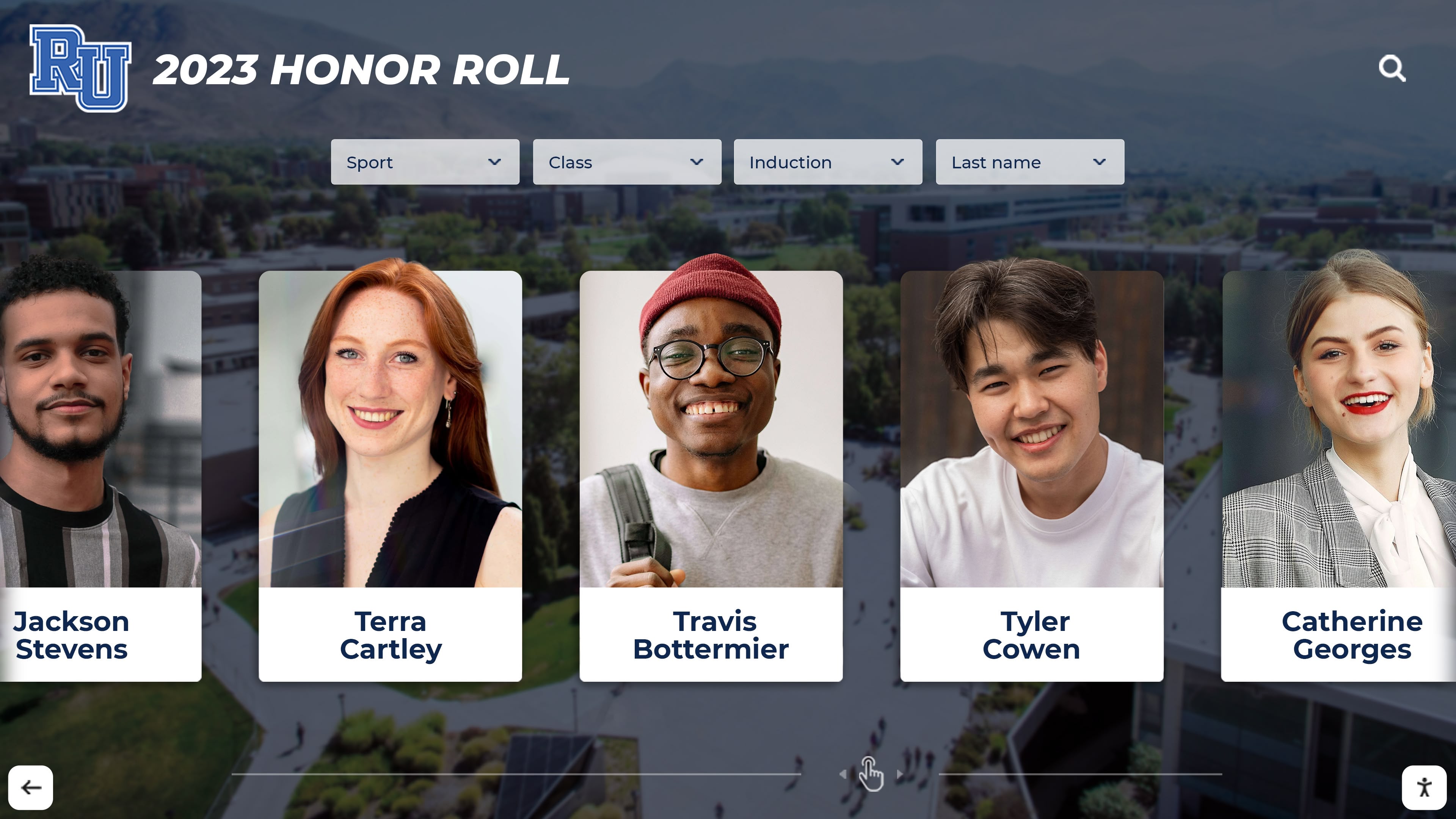
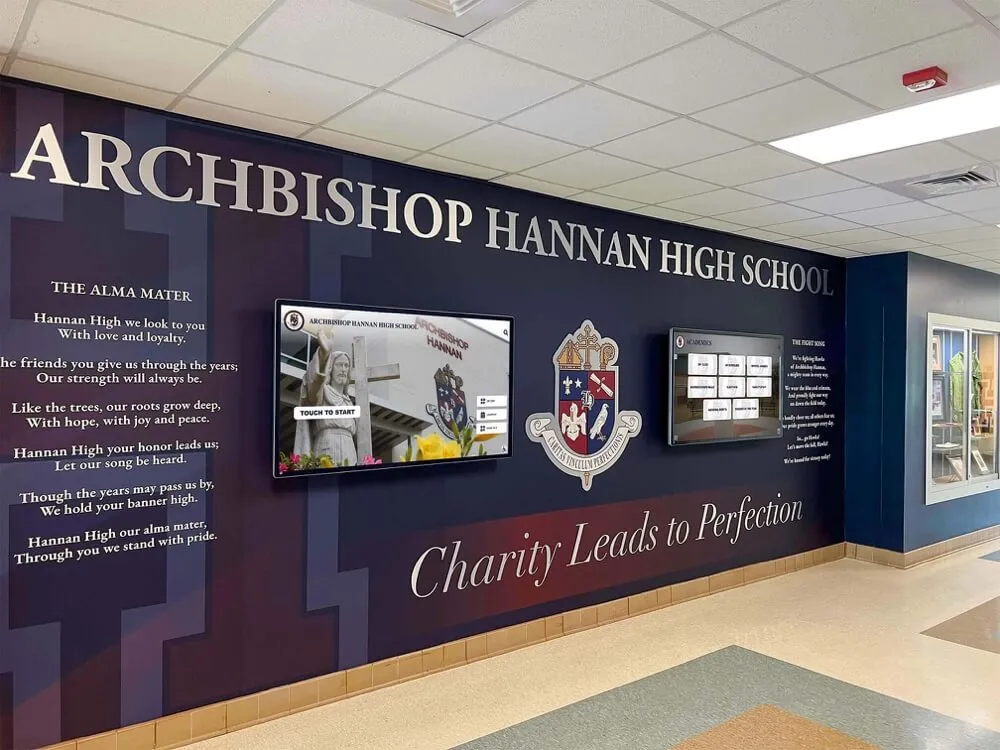
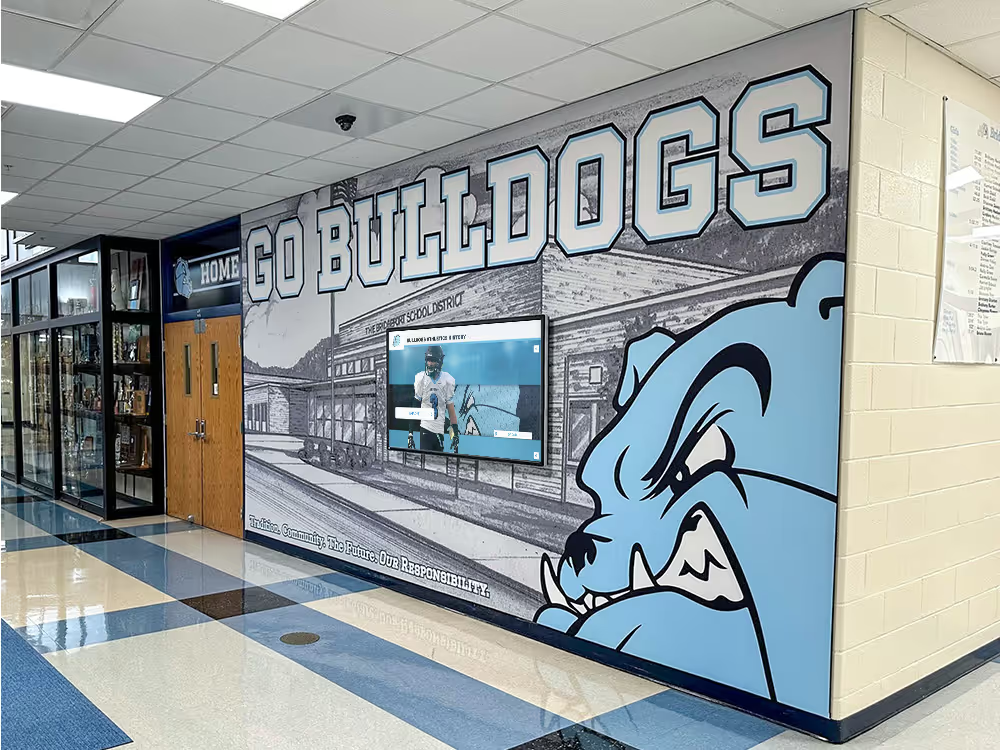
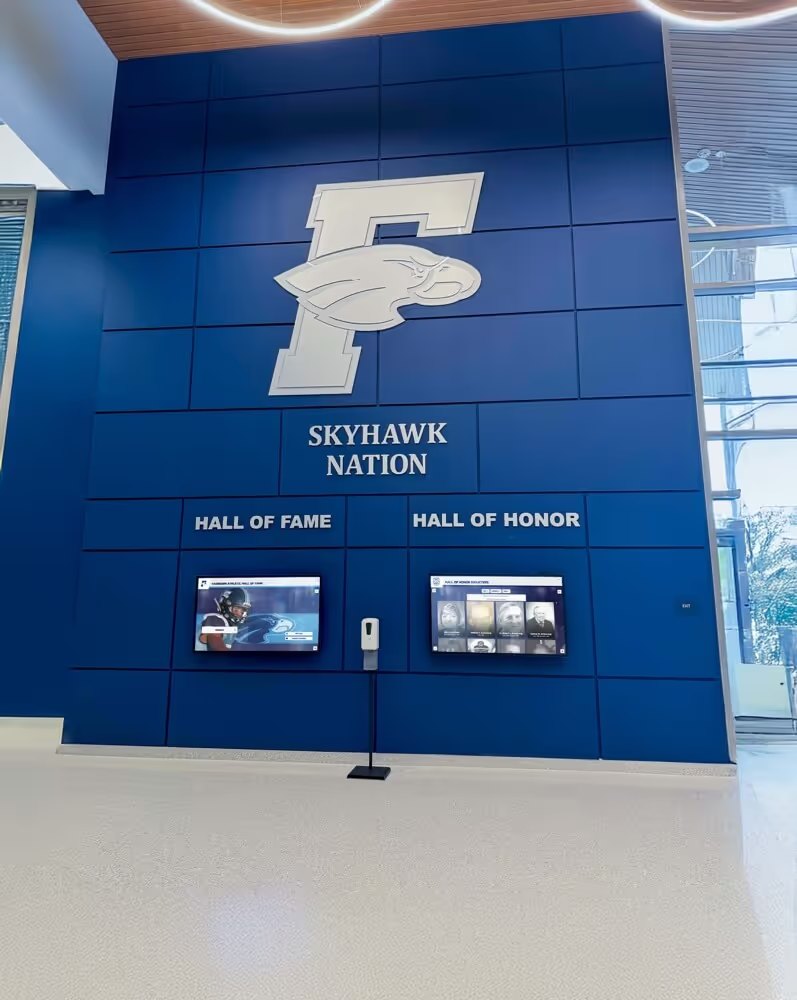
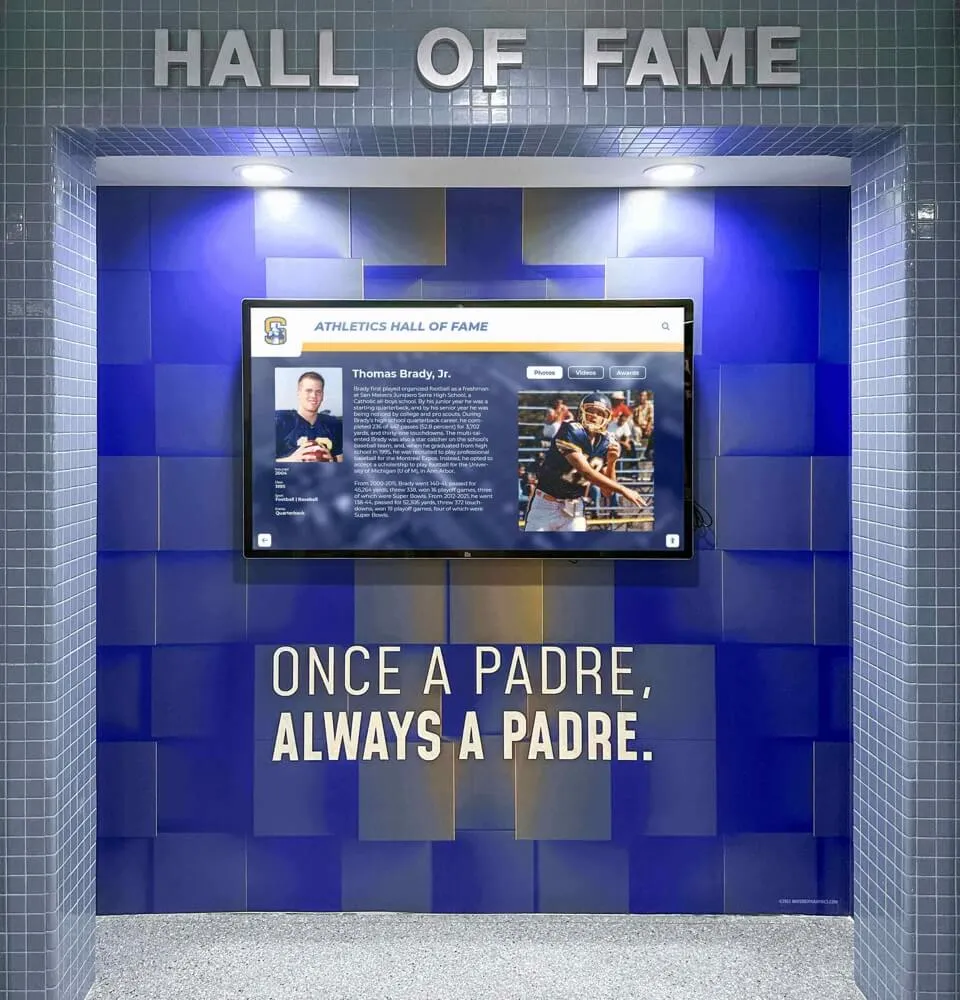
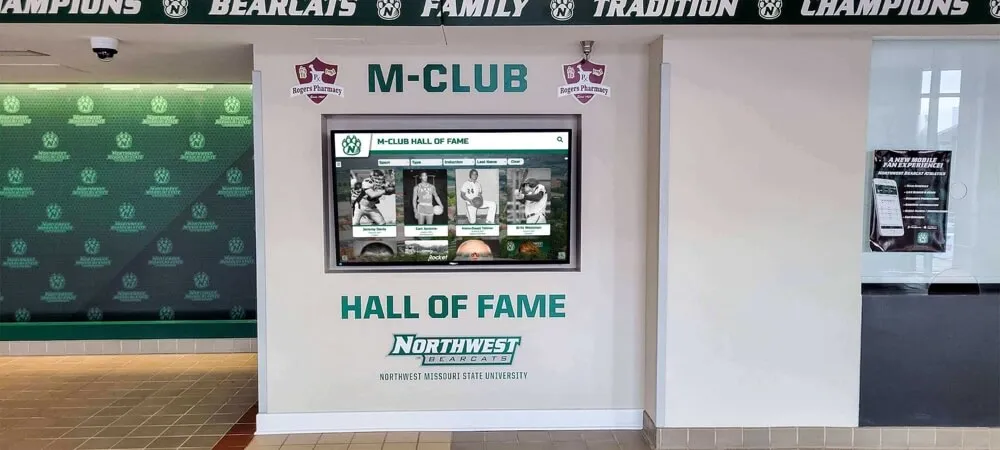
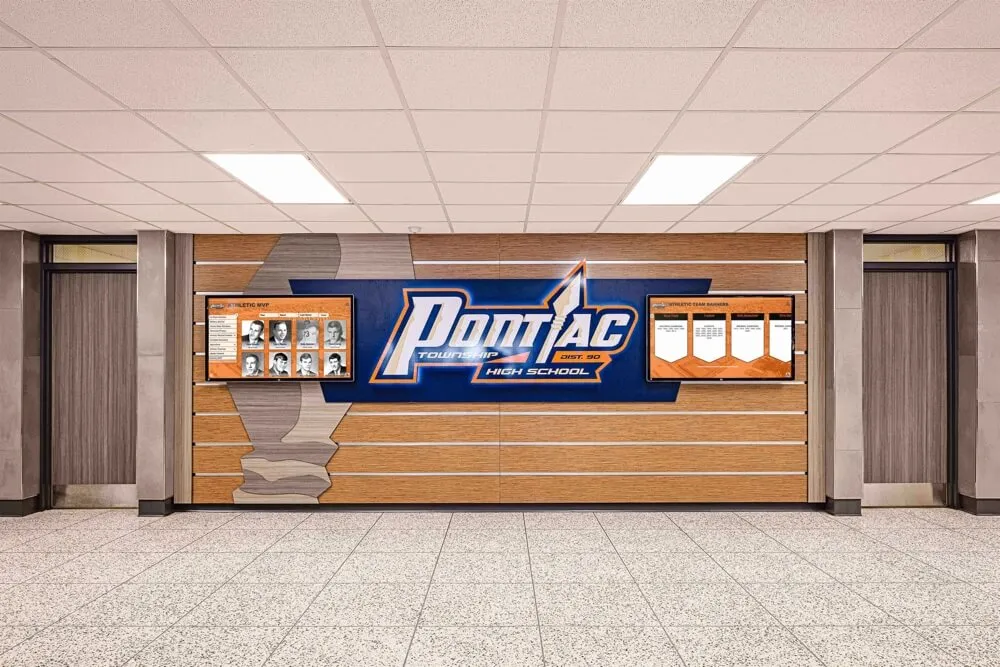
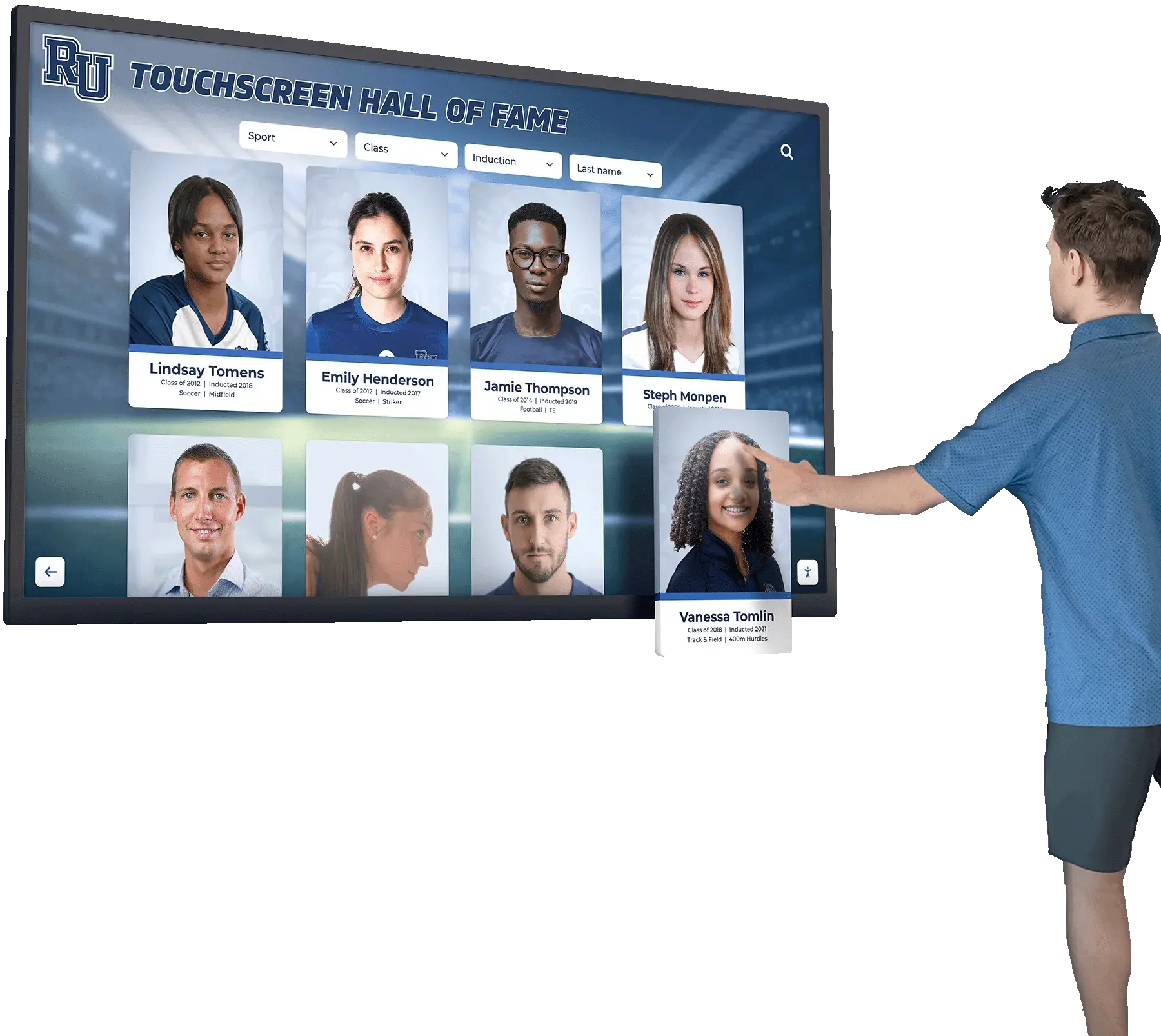
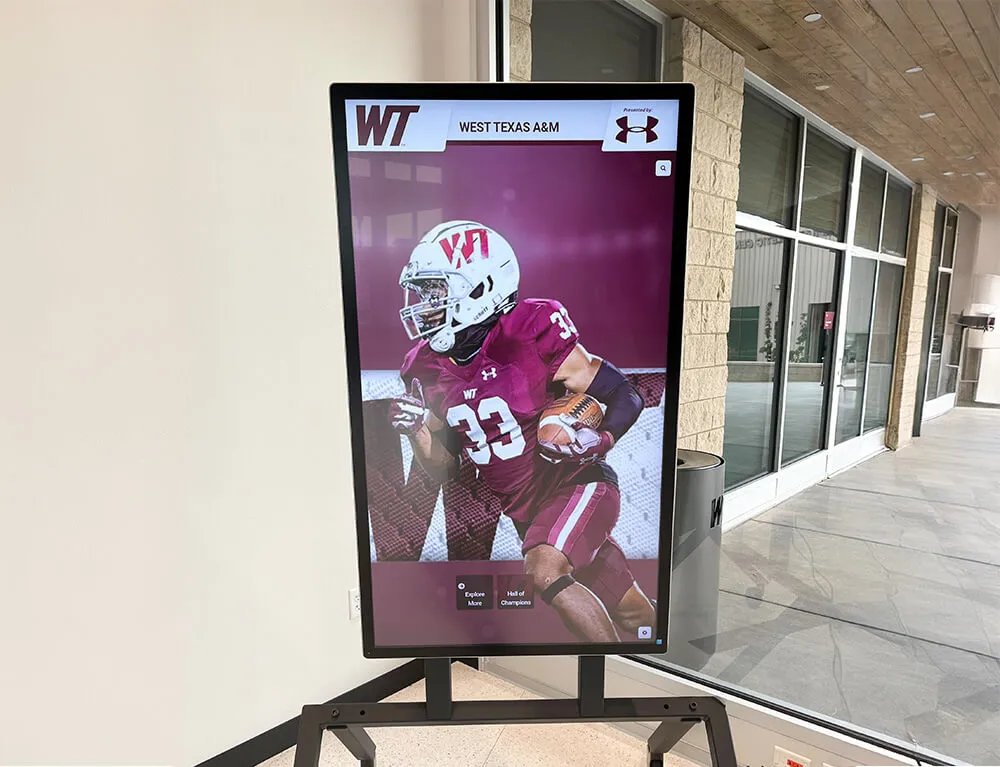
Individual recognition profiles celebrate specific achievements in business education and agricultural programs
The Advancement Case for FBLA and FFA Recognition
Comprehensive recognition of career and technical education achievements strengthens institutional advancement goals and donor cultivation strategies.
Demonstrating Program Quality and Student Outcomes
Visible FBLA and FFA recognition provides concrete evidence of educational effectiveness:
Quantifiable Success Metrics
- Competition rankings demonstrating program quality against state and national benchmarks
- Scholarship dollars earned by CTE students through FBLA and FFA achievements
- Career placement outcomes in business and agricultural industries
- College enrollment rates at universities with strong business and agricultural programs
- American FFA Degrees and national FBLA rankings providing objective excellence indicators
Advancement professionals can reference these achievements during donor conversations, capital campaign presentations, and foundation grant applications, providing data-driven evidence of program impact.
Return on Investment Documentation Career and technical education programs often receive philanthropic support for equipment, facilities, competitions, and student travel. Comprehensive recognition systems document program outcomes, enabling advancement teams to:
- Show donors specific achievements enabled by their investments
- Demonstrate program growth and competitive improvement over time
- Connect facility improvements to enhanced student success
- Justify continued and expanded donor support with outcome evidence
- Create before/after narratives showing investment impact
Building Community Pride and Donor Engagement
Strategic recognition extends beyond students to strengthen community connections:
Community Supporter Acknowledgment Many FBLA chapters and FFA programs depend on business partners and agricultural community members who provide:
- SAE placement opportunities and employment for FFA members
- Internships and job shadowing experiences for FBLA students
- Competition sponsorship and travel funding
- Equipment donations and facility access
- Mentorship and guest speaker contributions
Recognition systems can celebrate these supporters alongside student achievements, demonstrating community collaboration and validating donor participation in student success.
Solutions like digital donor recognition displays enable schools to celebrate both student achievements and community supporter contributions within integrated systems.
Alumni Connection and Legacy Building FBLA and FFA alumni often maintain strong program connections, creating advancement opportunities:
- Career success stories demonstrating long-term program impact
- Mentorship networks connecting current students with professionals
- Scholarship funding from successful alumni giving back
- Business partnerships with alumni-owned companies
- Advisory committee participation guiding program development
Recognition displays that include alumni career outcomes create compelling narratives about program effectiveness while maintaining connections that support ongoing engagement and giving.
Explore strategies for highlighting famous alumni that strengthen advancement messaging.
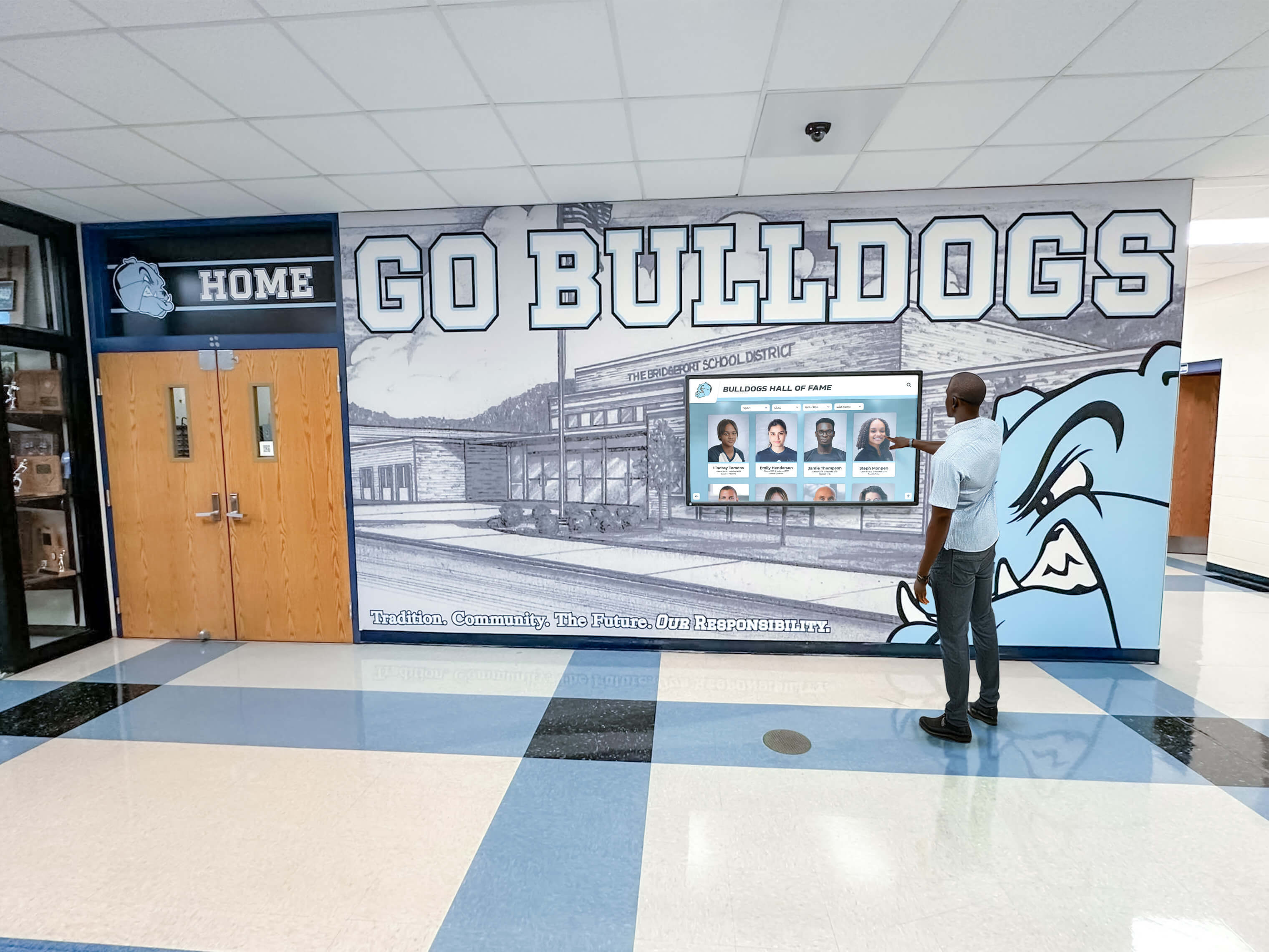
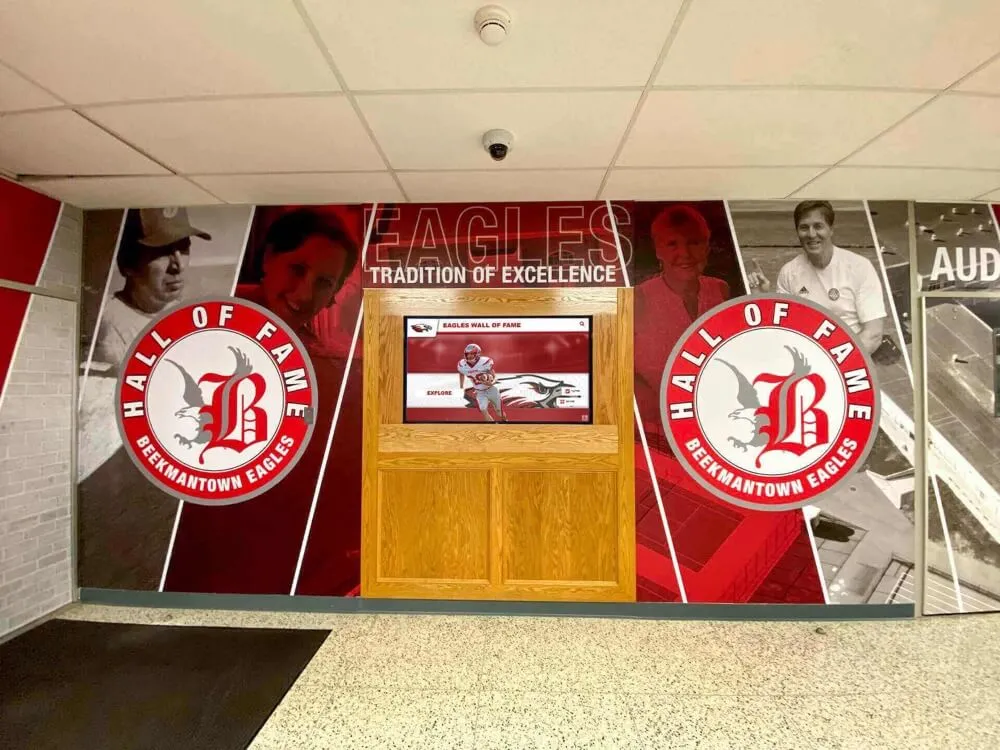
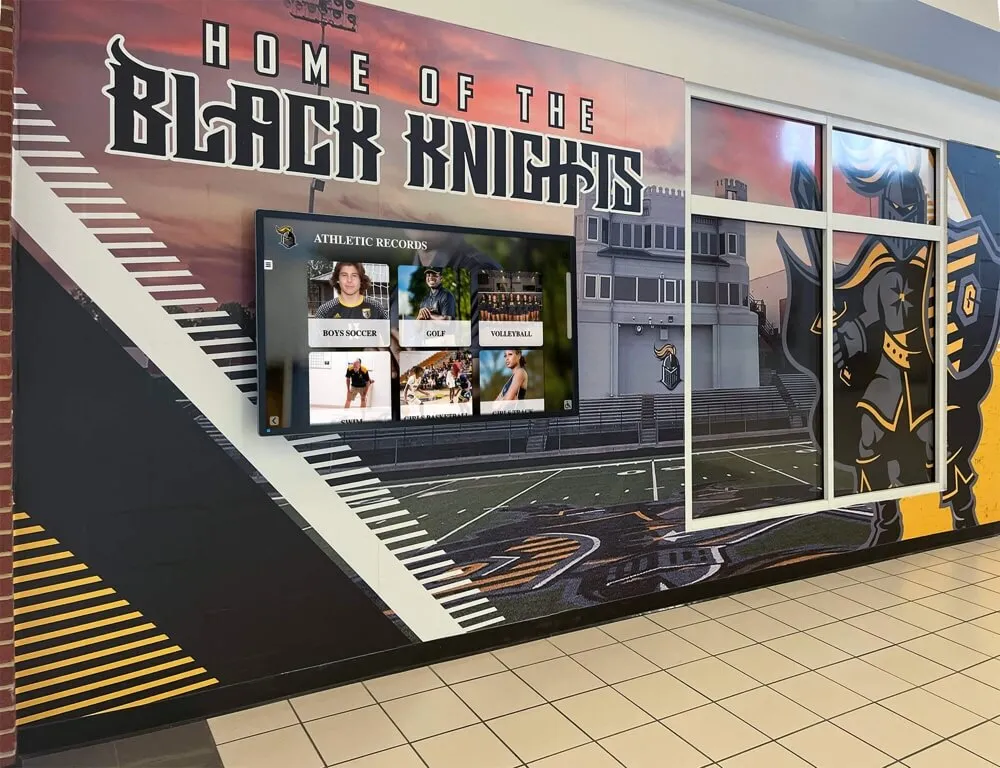
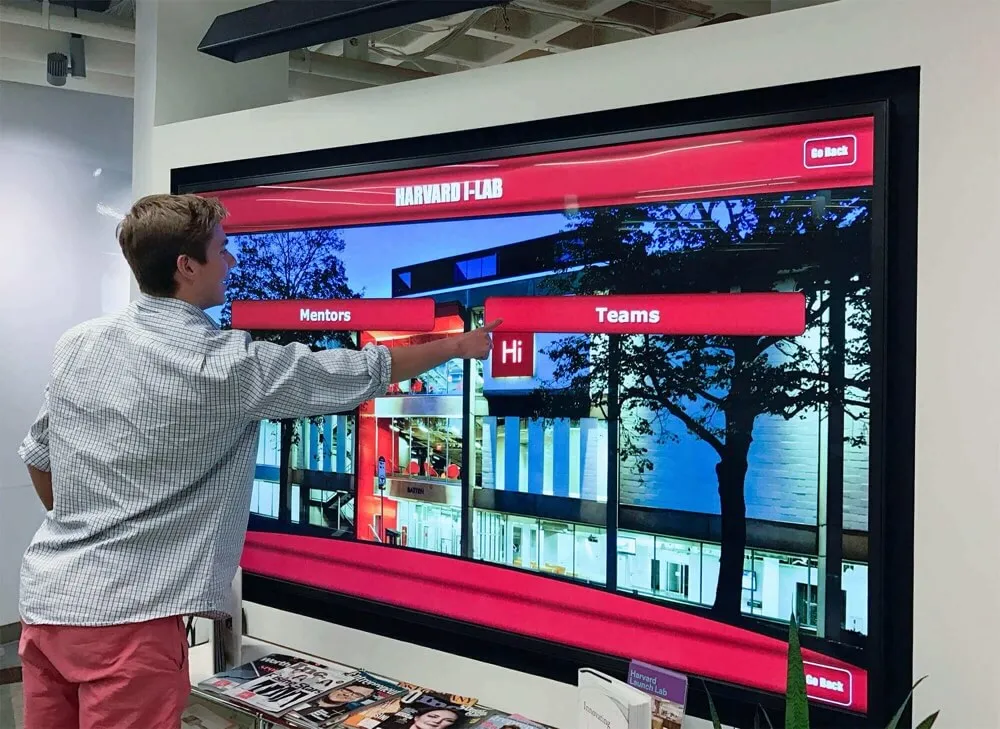
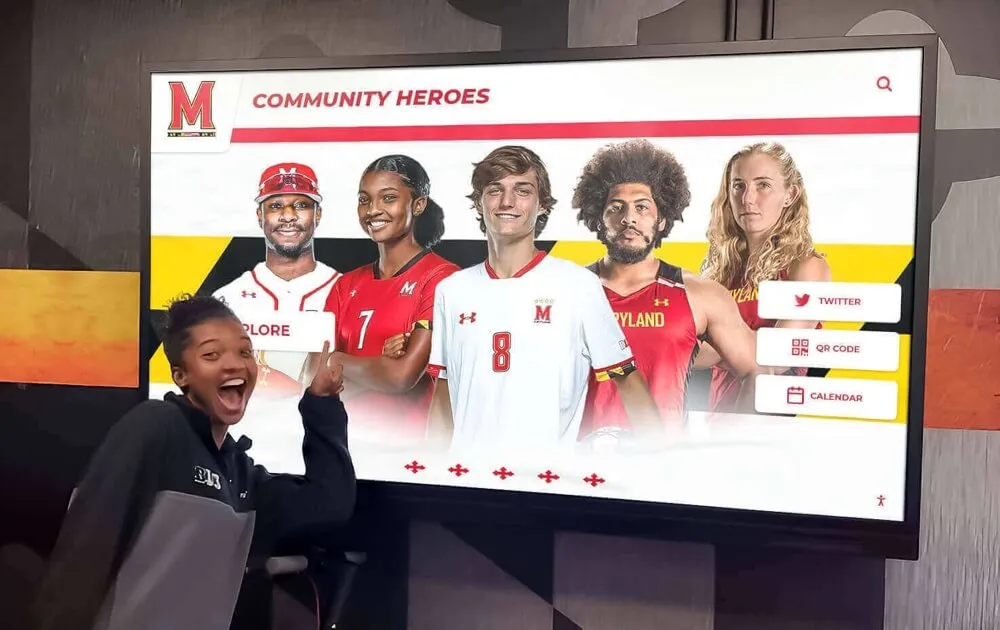
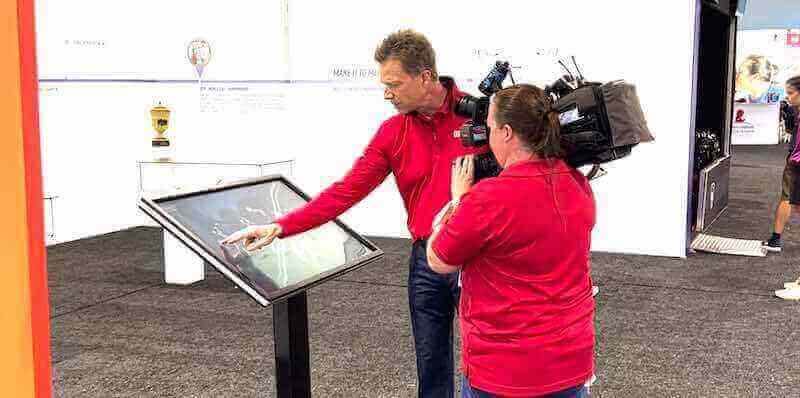
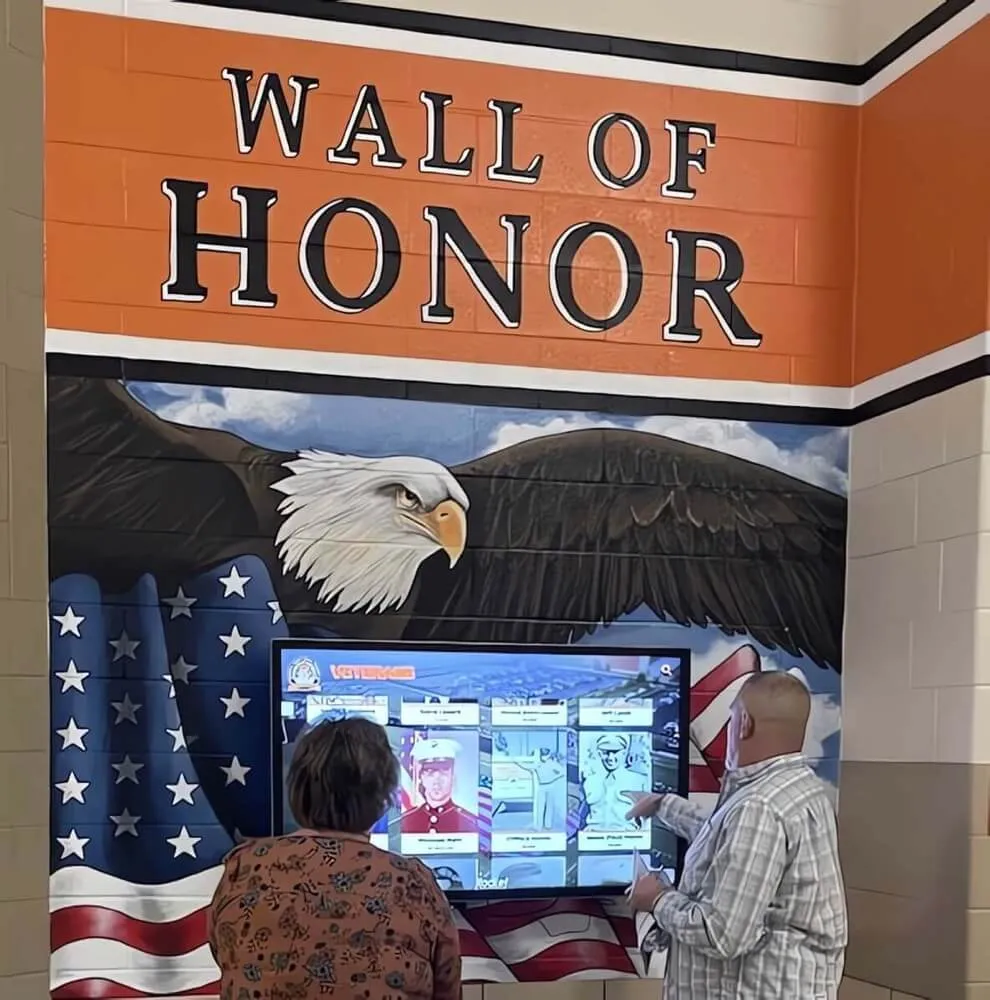
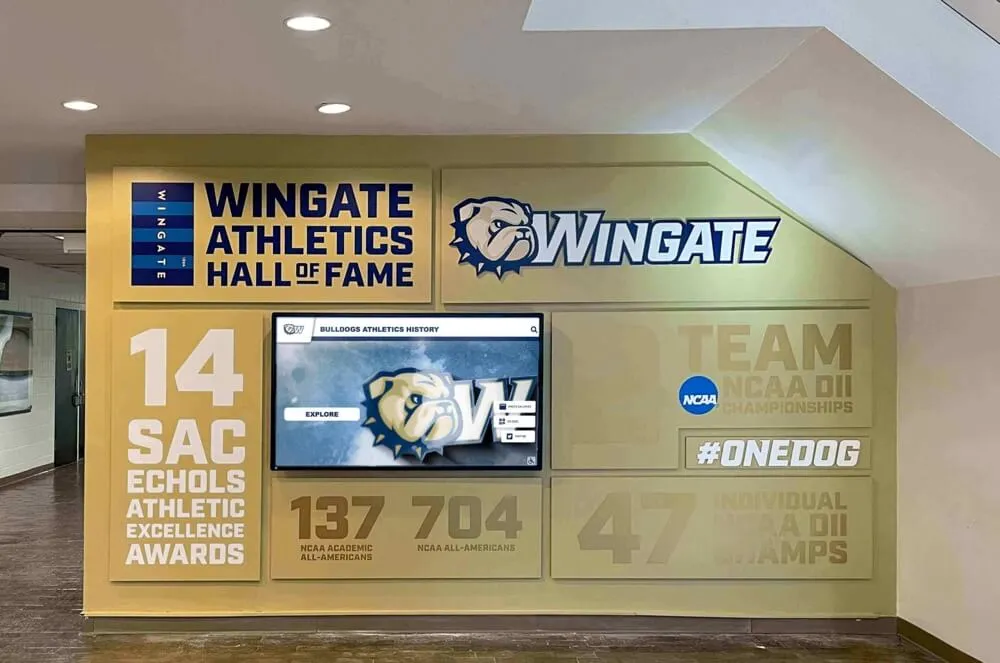
Interactive displays enable students and visitors to explore achievements while demonstrating program excellence
Recognition Display Options: Traditional and Digital Approaches
Schools have multiple options for recognizing FBLA and FFA achievements, each with distinct advantages for advancement goals.
Traditional Trophy Cases and Plaque Displays
Physical recognition installations remain popular but face inherent limitations:
Trophy Case Recognition
- Prominent display of physical trophies, plaques, and awards from competitions
- Visual impact demonstrating program success to visitors and prospective donors
- Limited capacity forcing difficult decisions about which awards receive display
- Space constraints as achievements accumulate over time
- Maintenance requirements keeping displays clean and attractive
- Inability to include detailed context about achievement significance
Recognition Plaques and Donor Walls
- Permanent installation acknowledging award recipients and program supporters
- Professional appearance demonstrating institutional commitment
- Fixed layouts difficult to modify as programs grow
- Engraving delays between achievement and recognition
- Limited information capacity beyond names and years
- Costly updates requiring professional fabrication services
These traditional approaches provide baseline recognition but struggle to communicate comprehensive program narratives or accommodate growing achievement documentation.
Digital Recognition Displays for CTE Programs
Interactive digital systems overcome traditional limitations while providing advancement advantages:
Solutions like Rocket Alumni Solutions transform career and technical education recognition through displays that address traditional constraints:
Unlimited Recognition Capacity Digital platforms eliminate physical space limitations:
- Single display showcases unlimited students across all award categories and years
- Comprehensive archives preserve complete program history
- All achievement types receive equal display capacity
- No need to remove historical recognition to accommodate current awards
- Multiple organization methods (by student, award type, year, career pathway)
Rich Content Supporting Advancement Messaging Interactive displays enable storytelling impossible with static plaques:
- Individual student profiles with photographs, SAE descriptions, and career goals
- Detailed award explanations helping visitors understand achievement significance
- Competition results and rankings providing objective excellence indicators
- Video testimonials from students describing FBLA/FFA impact
- Alumni career outcomes demonstrating program effectiveness
- Donor and supporter acknowledgment celebrating community partnerships
This comprehensive content provides advancement officers with ready-made talking points during facility tours and donor cultivation conversations.
Learn about CTE program digital displays that showcase comprehensive program excellence.
Simple Management for Advancement and Program Staff Cloud-based systems reduce administrative burden:
- Remote updates from any internet-connected device
- Scheduled publishing for automatic recognition after competitions
- Template systems ensuring professional presentation
- Bulk import capabilities for historical data
- Role-based permissions enabling appropriate staff access
- Integration with donor databases and advancement systems
Advancement professionals can update displays to highlight specific achievements before donor visits or events without requiring technical support or facilities coordination.
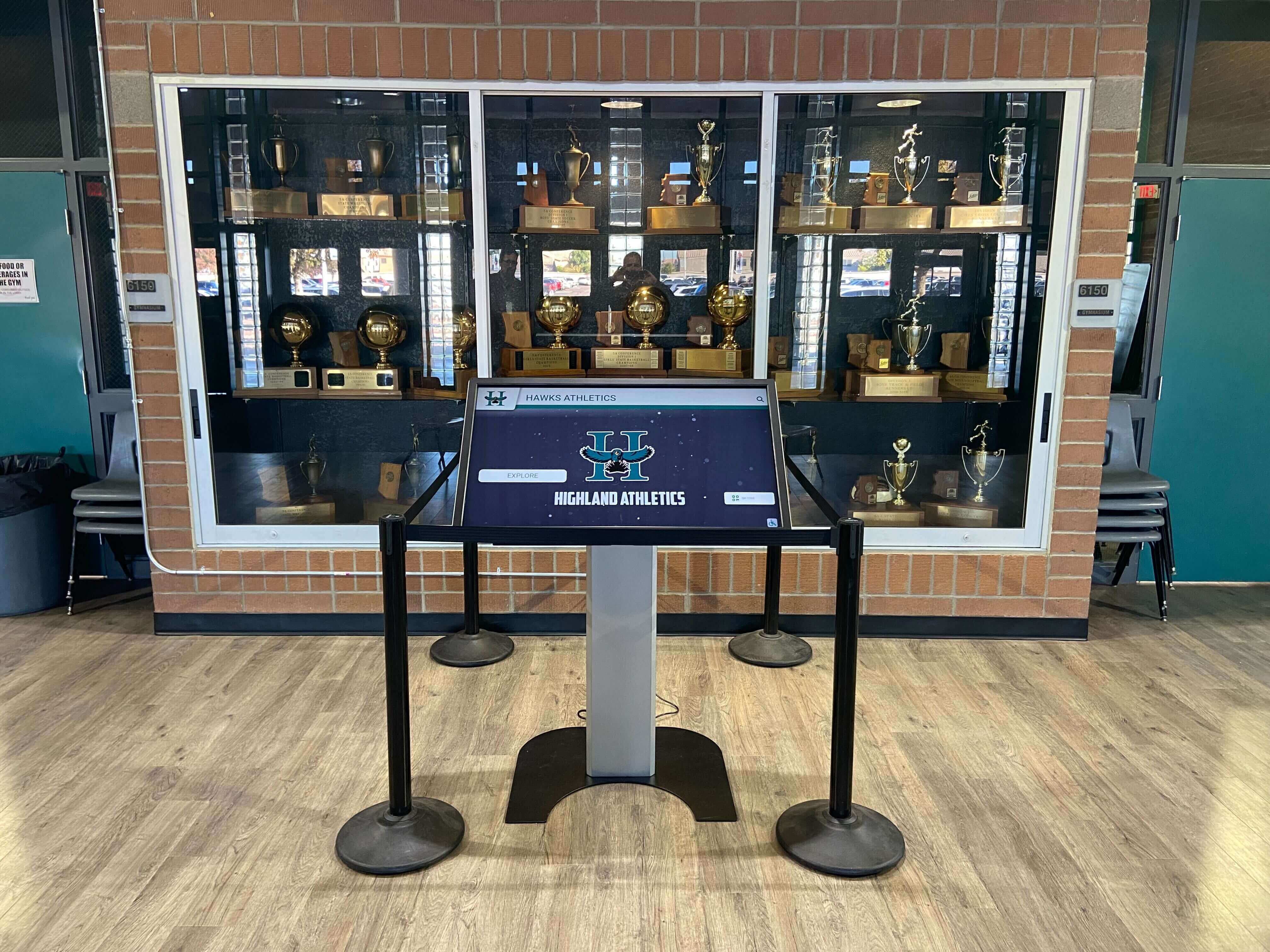
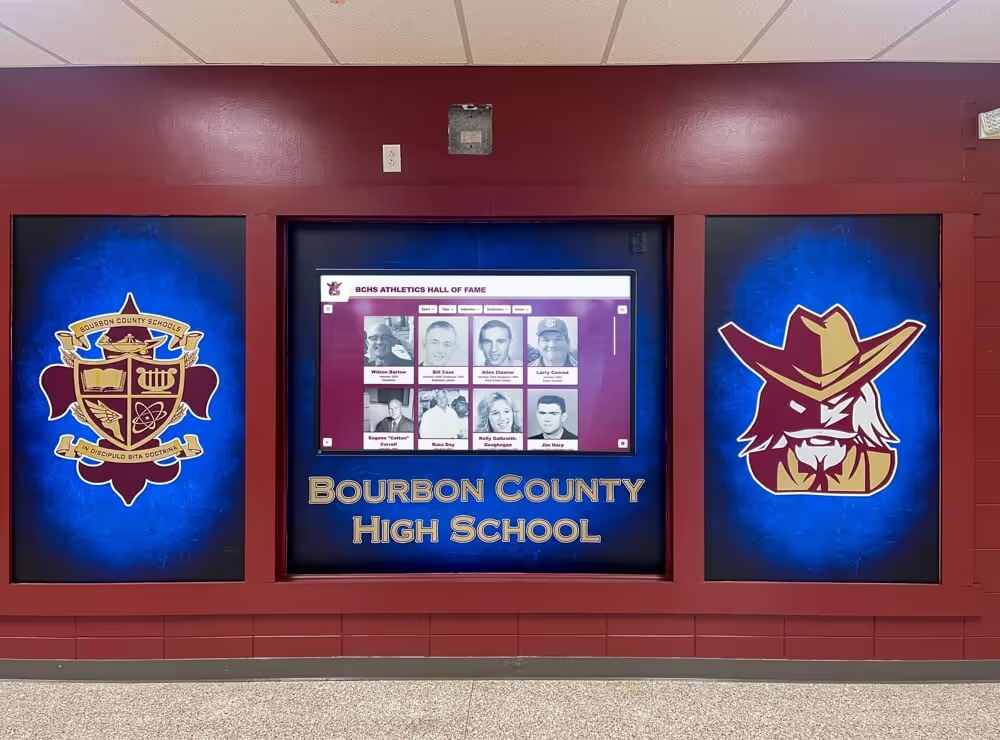
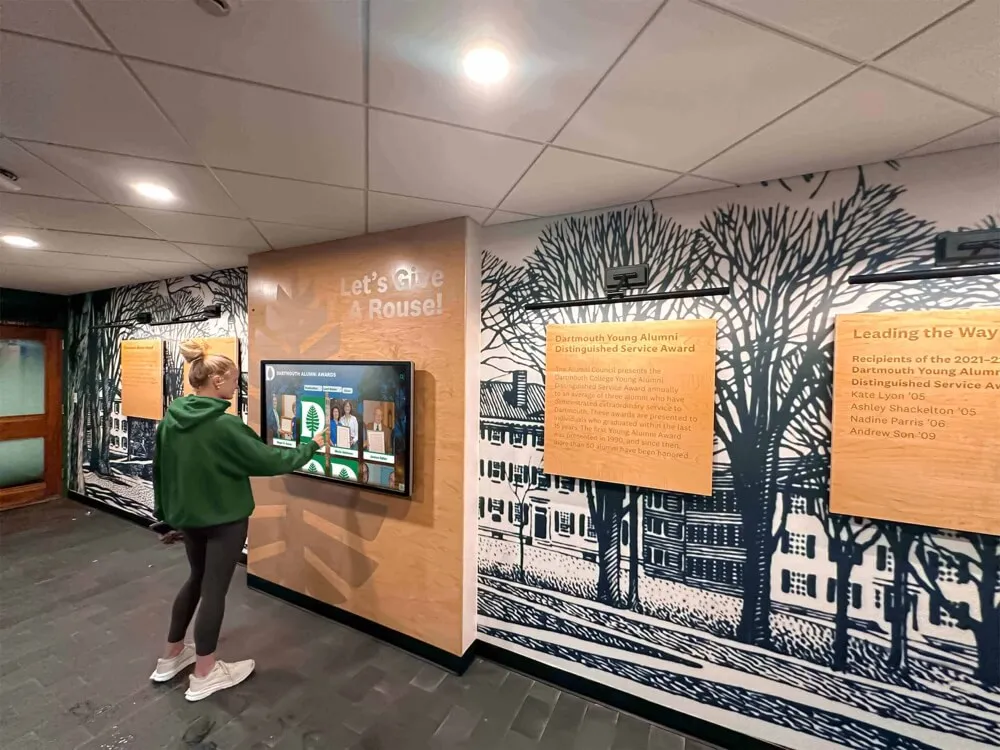
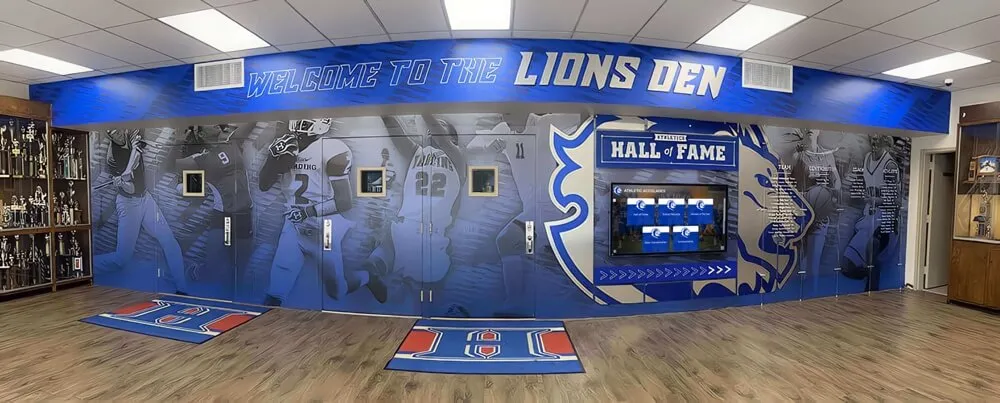
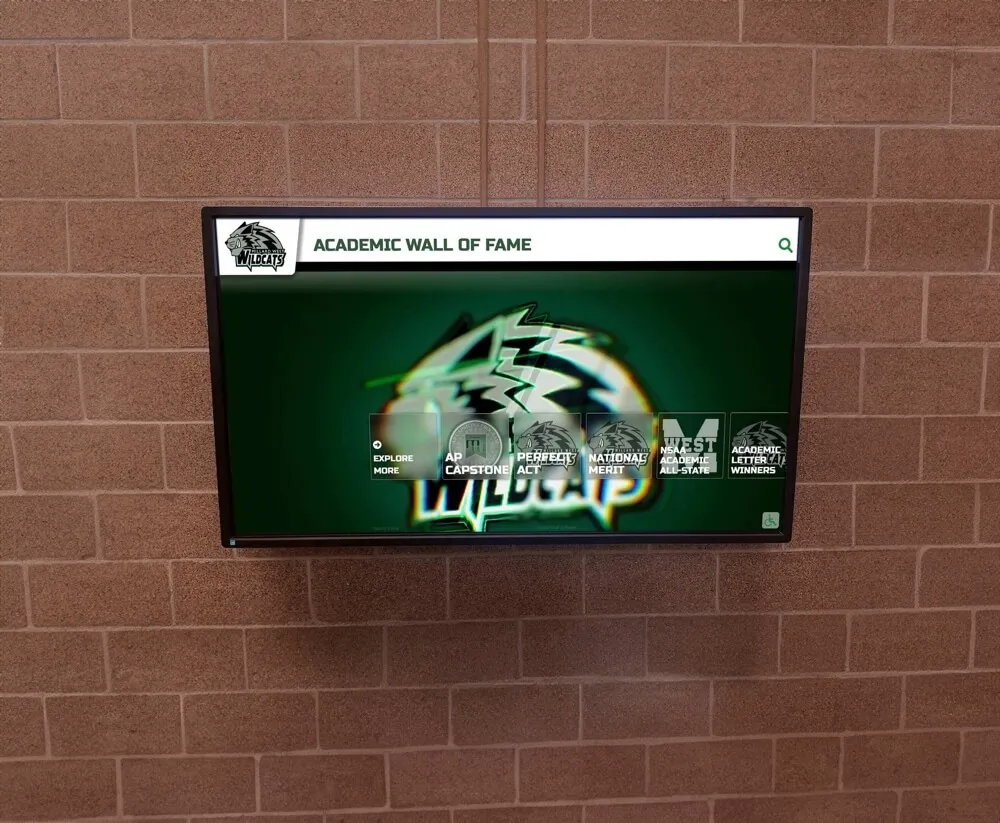
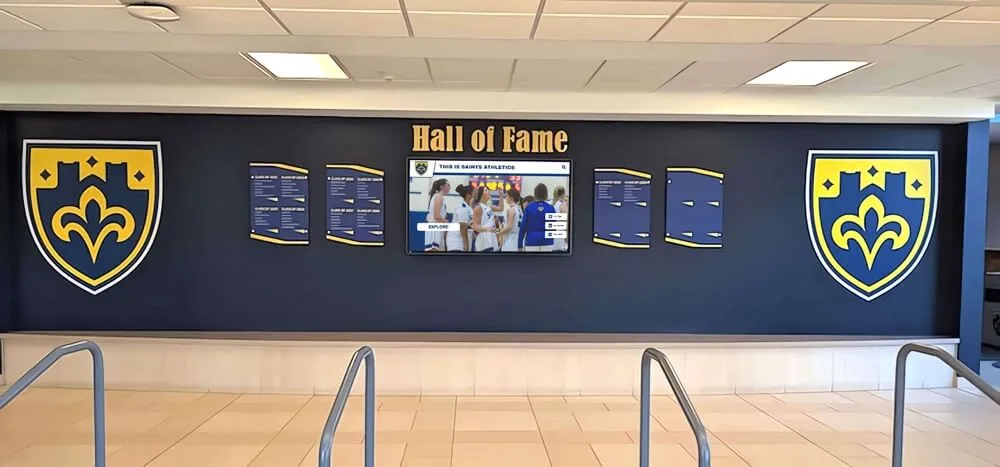
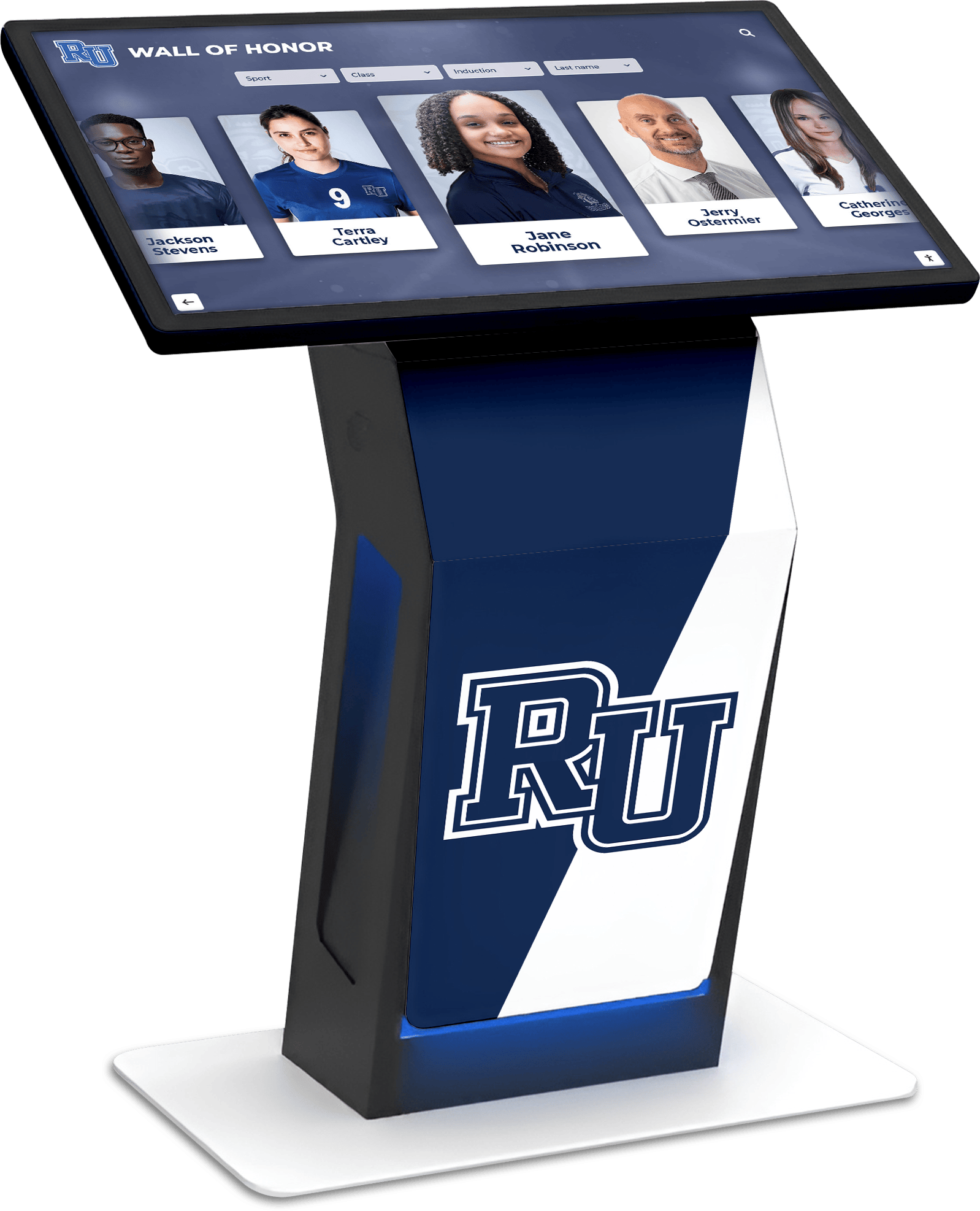
Touchscreen kiosks integrate with existing recognition areas, combining digital and traditional displays
Strategic Recognition Content and Messaging
Effective recognition programs incorporate messaging that serves both student celebration and advancement goals.
Achievement Categories and Recognition Levels
Comprehensive displays should acknowledge diverse accomplishments:
Competitive Excellence Recognition
- National, state, and regional FBLA competitive event rankings
- FFA Career Development Event team and individual placements
- Proficiency award winners at all competition levels
- American Star Award recipients (FFA’s highest honors)
- Parliamentary procedure, public speaking, and leadership event success
Degree and Membership Recognition
- American FFA Degree recipients with SAE achievement details
- State and Chapter FFA Degree honorees
- FBLA Business Achievement Award completion levels
- Years of membership milestones and multi-generation families
- Chapter officer positions and state officer representation
Scholarship and Career Outcomes
- Scholarship dollars earned through FBLA and FFA achievements
- University enrollment in business and agricultural programs
- Career placements in relevant industries
- Alumni professional success demonstrating program impact
- College major choices reflecting CTE pathway preparation
This comprehensive approach provides advancement teams with diverse talking points addressing different donor interests—from competitive excellence to career preparation to scholarship outcomes.
Donor and Community Supporter Integration
Recognition systems should celebrate not just students but also those who enable their success:
Business Partner and Sponsor Acknowledgment Many CTE programs depend on community supporters who deserve recognition:
- Businesses providing SAE placements and internships
- Corporate sponsors funding competition travel and participation
- Equipment donors supporting program facilities and instruction
- Scholarship providers creating financial opportunities
- Advisory committee members guiding program development
Digital recognition displays can include dedicated sections acknowledging these partners, demonstrating the collaborative ecosystem supporting student success—a compelling narrative for prospective donors considering program support.
Donor Impact Stories When appropriate, recognition systems should connect donor investments to specific outcomes:
- Facility improvements enabled by capital campaign gifts
- Competition participation funded by annual fund donors
- Equipment purchases supported by foundation grants
- Scholarship recipients celebrating donor generosity
- Program expansion made possible through community support
These connections demonstrate donor impact while inspiring additional giving from community members who see visible evidence of philanthropic effectiveness.
Understanding comprehensive approaches through donor recognition messaging frameworks helps schools integrate advancement goals with student celebration.
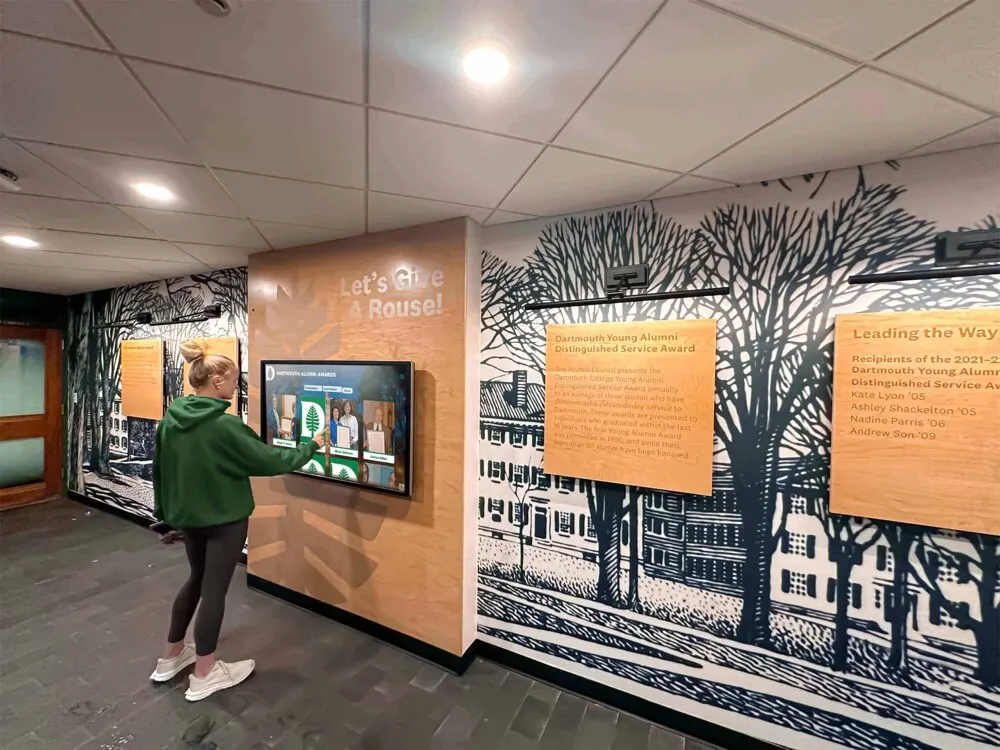
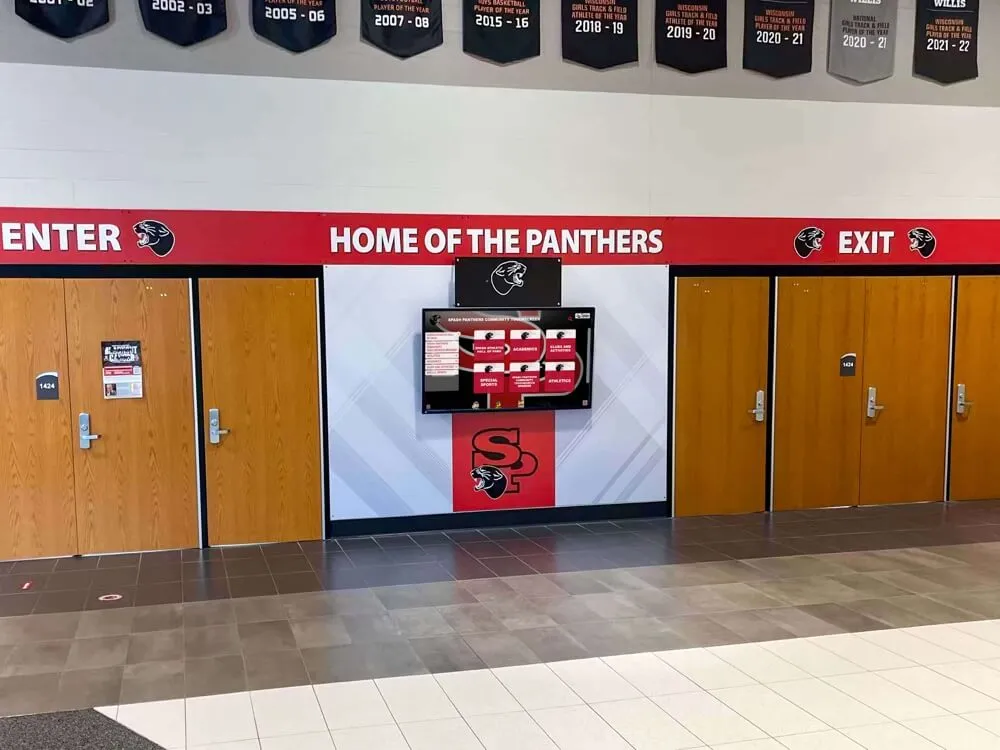
Strategic placement in high-traffic areas ensures maximum visibility for achievements and donor acknowledgment
Implementation Strategies for Advancement-Focused Recognition
Successfully deploying recognition systems requires coordination among advancement, CTE faculty, and school leadership.
Planning and Stakeholder Engagement
Advancement Office Involvement Development staff should participate in recognition planning to:
- Ensure donor acknowledgment opportunities are incorporated
- Align recognition messaging with institutional advancement priorities
- Identify cultivation opportunities emerging from program achievements
- Plan recognition unveilings as donor engagement events
- Create content that supports grant applications and campaign materials
Program Faculty and Student Input FBLA advisers and agriculture teachers provide essential perspective:
- Achievement categories deserving recognition and celebration
- Historical data about program accomplishments and traditions
- Current student awards and competition results
- Alumni career outcomes and success stories
- Community partnerships and supporter relationships
Budget and Fundraising Integration Recognition systems can become fundraising opportunities:
- Capital campaign components funding recognition installations
- Named sponsorship opportunities for recognition displays or sections
- Annual fund appeals highlighting achievements recognition celebrates
- Donor challenge grants creating urgency around recognition projects
- Memorial gift opportunities dedicating displays to honor loved ones
Display Placement for Maximum Advancement Impact
Location determines whether recognition effectively supports institutional goals:
High-Traffic Public Spaces
- Main entrances creating first impressions for prospective donors
- Lobbies and commons areas where tours and events occur
- Administrative corridors frequented by board members and visitors
- Auditorium lobbies during community events and presentations
CTE Facility Integration
- Agricultural education buildings showcasing FFA excellence
- Business education classrooms celebrating FBLA achievements
- Career center areas highlighting pathway preparation success
- Competition preparation spaces inspiring current students
Community Venue Partnerships
- Fair buildings and agricultural centers during peak attendance
- Business organization offices and chamber of commerce facilities
- Alumni event venues connecting past and present
- Donor cultivation event locations creating conversation starters
Strategic placement ensures recognition serves dual purposes—celebrating students while demonstrating program quality to audiences whose support sustains and expands CTE offerings.
Learn about exciting hallway displays that maximize visibility and engagement.
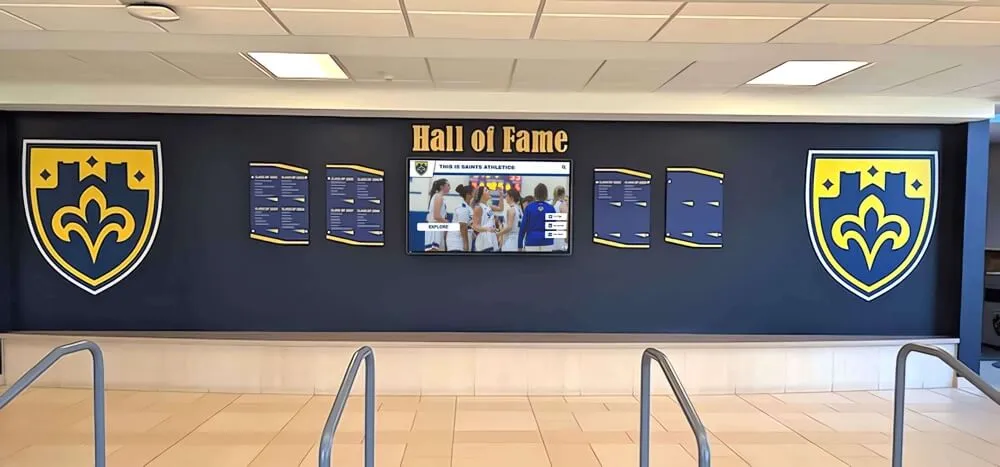
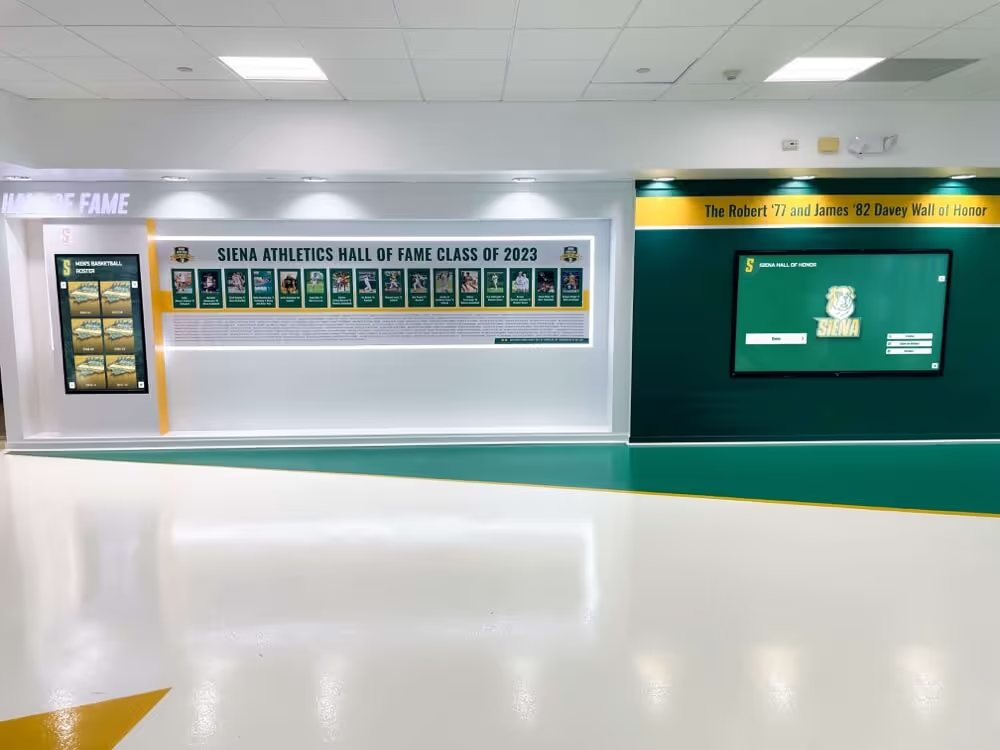
Integrated recognition systems combine digital displays with traditional awards creating comprehensive celebration spaces
Messaging Frameworks: Recognition Copy That Serves Advancement Goals
The language used in recognition displays should celebrate students while supporting institutional advancement narratives.
Student Achievement Messaging
Effective recognition copy contextualizes achievements for non-specialist audiences:
Achievement Explanation Template
[Student Name], Class of [Year]
American FFA Degree Recipient

[Student's name] earned FFA's highest honor through [his/her] Supervised Agricultural Experience in [specific area]. Over [X] years, [he/she] documented [achievement metrics—earnings, hours, production] while demonstrating exceptional agricultural skills and business management.

This achievement places [Student] among the top [percentage] of FFA members nationally, qualifying [him/her] for competitive scholarships and career opportunities in [agricultural sector]. [Student] plans to study [major] at [University] and pursue a career in [field].

[Student's] success demonstrates the excellence of [School's] agricultural education program and the dedication of students, faculty, and community partners who make these achievements possible.
This framework:
- Explains award significance for audiences unfamiliar with FFA structure
- Quantifies achievement providing concrete excellence indicators
- Connects education to career outcomes validating program effectiveness
- Acknowledges collaborative support creating donor recognition opportunities
- Provides advancement offices with ready-made talking points and success stories
Donor and Supporter Acknowledgment Messaging
Recognition systems should include sections celebrating community partners:
Community Supporter Recognition Template
Community Partners Supporting Agricultural Excellence

[School's] FFA program succeeds through partnerships with local agricultural businesses and community leaders who provide Supervised Agricultural Experience opportunities, equipment and facility access, scholarship support, and mentorship for our students.

We gratefully acknowledge:

[Business/Supporter Name]
SAE placement opportunities in [agricultural area], enabling students to develop practical skills and earn FFA degrees while contributing to our local agricultural economy.

[Business/Supporter Name]
Scholarship funding creating educational opportunities for students pursuing agricultural careers and supporting their success at state and national FFA competitions.

These partnerships demonstrate the community's commitment to agricultural education and investment in developing the next generation of agricultural leaders and professionals.

To learn more about supporting [School's] agricultural education programs, contact [Development Office Contact].
This approach:
- Celebrates community supporters validating their contributions
- Demonstrates collaborative ecosystem attracting additional partners
- Connects support to specific student outcomes showing impact
- Includes advancement office contact information for prospective donors
- Creates social proof encouraging additional community investment
Similar frameworks apply to FBLA recognition celebrating business education partners and supporters.
Explore comprehensive donor recognition copy frameworks applicable to educational program acknowledgment.
Leveraging Recognition for Ongoing Advancement Activities
Recognition installations become tools for sustained donor engagement and cultivation.
Recognition as Cultivation Opportunity
Unveiling Events Recognition display installations create natural donor engagement opportunities:
- Dedication ceremonies celebrating students and supporters
- VIP previews for major donors and board members
- Community open houses demonstrating program impact
- Media coverage generating positive institutional visibility
- Volunteer and advisory committee appreciation events
These gatherings provide advancement offices with structured touchpoints for donor stewardship and prospect cultivation.
Facility Tour Integration Recognition displays enhance donor facility tours by:
- Providing visible evidence of program excellence and student success
- Creating natural conversation topics about educational impact
- Demonstrating previous donor investment effectiveness
- Illustrating facility use and program quality
- Inspiring questions about how prospective donors might contribute
Advancement officers can strategically route tours through recognition areas, using displays as visual aids during cultivation conversations.
Impact Reporting and Annual Communications Digital recognition systems provide content for ongoing stewardship:
- Annual report achievement highlights demonstrating program quality
- Newsletter features celebrating student success stories
- Social media content showcasing awards and accomplishments
- Video testimonials from students and alumni describing program impact
- Foundation grant reports documenting outcomes enabled by funding
This regular communication maintains donor engagement between major asks while demonstrating institutional gratitude and impact transparency.
Recognition-Driven Fundraising Appeals
Achievement recognition creates compelling fundraising narratives:
Success-Based Appeal Messaging Annual fund and campaign solicitations can reference recognized achievements:
- “Thanks to donor support, [X] students earned state FFA degrees this year…”
- “Your investment enabled [Y] FBLA members to compete at national competitions…”
- “Community partnerships helped [Z] students earn over $[Amount] in agricultural education scholarships…”
These data-driven appeals demonstrate donor impact while creating urgency around sustaining program excellence.
Named Recognition Opportunities Digital displays can include named sections creating giving opportunities:
- “The [Donor Name] American FFA Degree Recipients Gallery”
- “FBLA National Competition Excellence, supported by [Business Name]”
- “Agricultural Education Scholarship Recipients, honoring [Memorial Name]”
These opportunities provide major gift prospects with tangible recognition while supporting program needs.
Learn about creating compelling donor highlight boards that integrate student achievement and supporter acknowledgment.
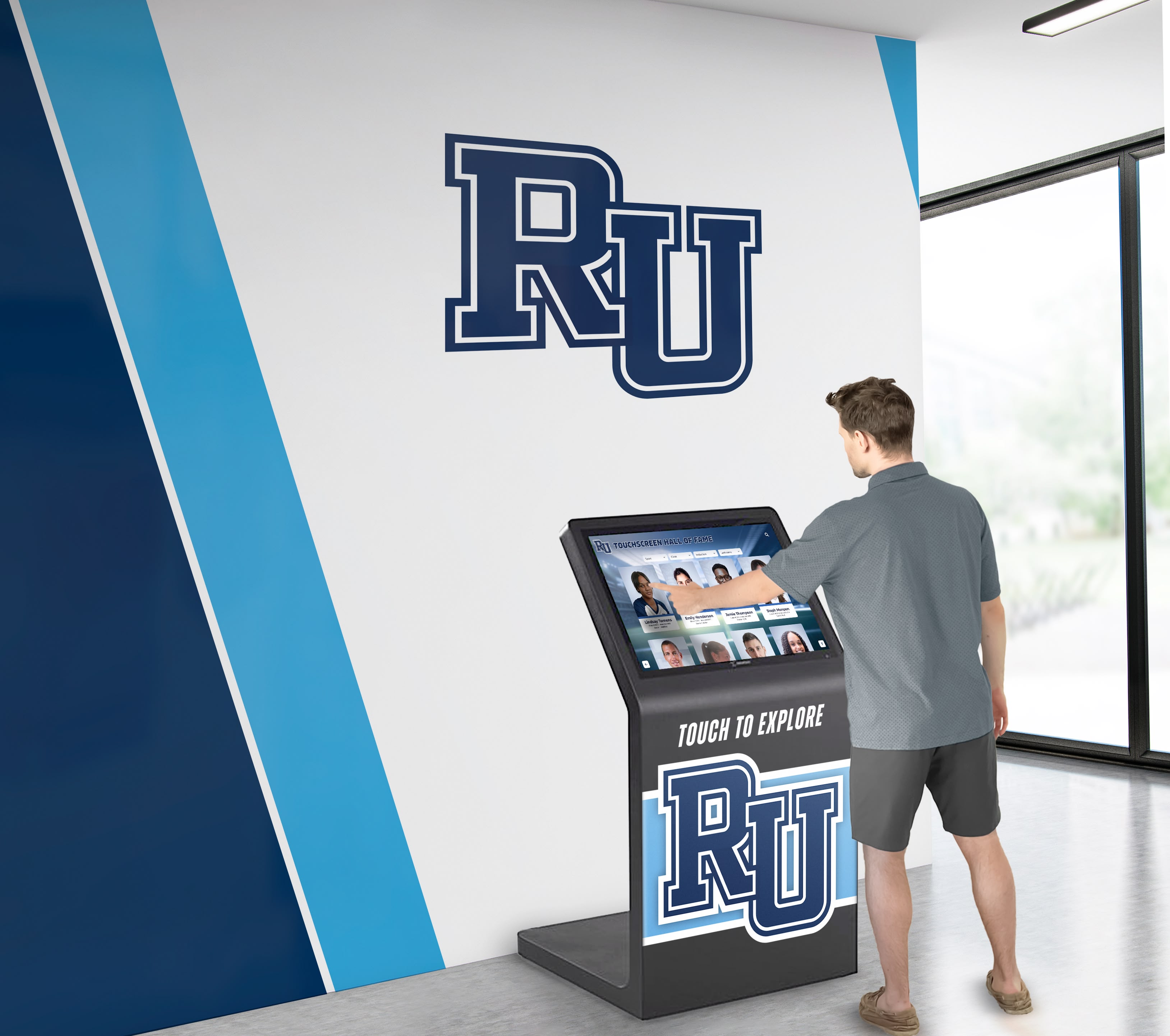
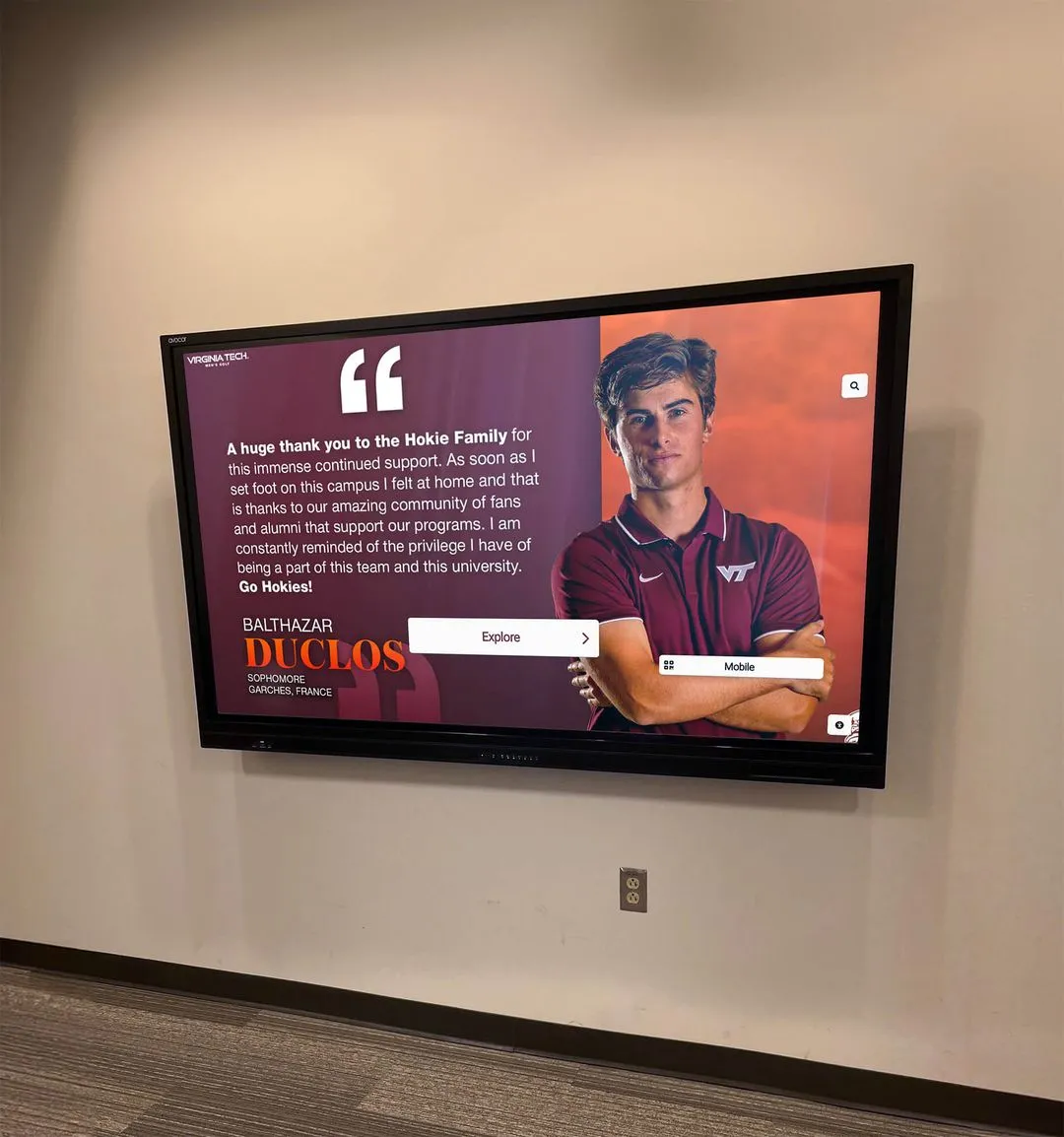
Touchscreen kiosks in central locations enable self-guided exploration of achievements during tours and events
Building Sustainable Recognition Programs
Long-term success requires systematic approaches to content management and program maintenance.
Content Management Responsibilities
Clear ownership ensures recognition remains current and valuable:
Primary Content Management
- CTE faculty (FBLA advisers, agriculture teachers) provide achievement data
- Student officers assist with content creation and peer recognition
- Advancement staff coordinate donor and supporter acknowledgment
- Marketing/communications departments ensure brand consistency
- IT support maintains technical infrastructure and connectivity
Update Schedules and Processes
- Post-competition updates adding new rankings and award recipients
- Annual comprehensive reviews ensuring accuracy and completeness
- Alumni career outcome updates maintaining program impact documentation
- Donor acknowledgment additions as new supporters are cultivated
- Historical data preservation protecting institutional memory
Quality Standards
- Professional photography from competitions and recognition events
- Verified achievement data from official competition results
- Appropriate consent for student images and information
- Accessibility compliance ensuring universal access
- Privacy protection respecting student and family preferences
Measurement and Assessment
Regular evaluation ensures recognition programs achieve advancement goals:
Advancement Metrics
- Donor cultivation conversation frequency referencing displayed achievements
- Major gift proposals incorporating program success data from recognition systems
- Foundation grant success rates when CTE outcome data is included
- Community partner recruitment attributed to visible program excellence
- Alumni engagement increases correlated with historical recognition access
Program Quality Indicators
- FBLA membership growth following recognition implementation
- FFA competitive success trends after installation
- Scholarship earning increases by CTE students
- Community awareness of program excellence
- Student and family satisfaction with program recognition
Regular assessment enables continuous improvement ensuring recognition systems deliver maximum value for students, programs, and institutional advancement goals.
Transform Your CTE Recognition and Advancement Messaging
Discover how modern digital recognition solutions celebrate FBLA and FFA achievements while strengthening donor relationships and demonstrating program impact. Create recognition systems that serve both student celebration and institutional advancement goals.
Explore Recognition SolutionsConclusion: Recognition That Celebrates Students and Strengthens Advancement
Comprehensive FBLA and FFA recognition systems serve dual purposes essential to educational institutions—they honor student excellence while providing advancement teams with powerful tools for donor cultivation, community engagement, and philanthropic support development. When schools strategically recognize career and technical education achievements through displays that celebrate individual students and acknowledge community supporters, they create visible demonstrations of program quality that strengthen fundraising narratives and inspire continued investment.
The strategies explored in this guide provide frameworks for building recognition systems that serve students and advancement goals simultaneously. From digital displays that eliminate space constraints while providing rich content supporting donor conversations, to messaging frameworks that explain achievement significance while celebrating community partnerships, to implementation approaches that integrate recognition with cultivation activities—these strategies transform acknowledgment from isolated student celebration to strategic advancement tools woven throughout institutional development programs.
Building effective recognition requires collaboration among CTE faculty, advancement professionals, and school leadership. Digital platforms make comprehensive recognition achievable across unlimited students and achievement categories while maintaining professional presentation that impresses donors and community members. Systematic approaches ensure consistent implementation that celebrates every deserving student while documenting program excellence that attracts and sustains philanthropic support.
Start where you are with recognition improvements you can implement immediately—documenting recent achievements, photographing award recipients, gathering alumni career outcomes—then systematically expand to create comprehensive approaches that serve your students and advancement goals. Every achievement celebrated becomes evidence of program effectiveness. Every supporter acknowledged becomes a partner in student success. Every recognition conversation becomes an opportunity to inspire additional investment in educational excellence.
Your FBLA and FFA students’ achievements deserve celebration that honors their dedication while demonstrating the program quality that merits sustained community support. With thoughtful planning, appropriate technology, and strategic messaging, you can create recognition systems that celebrate every accomplishment while building the philanthropic culture where your career and technical education programs thrive and expand.
Ready to begin? Learn more about student recognition systems that celebrate diverse achievements, or explore digital donor walls that integrate student success with community supporter acknowledgment. Discover how comprehensive recognition strengthens both student celebration and institutional advancement.