



FFA awards represent some of the most prestigious honors agricultural education students can achieve—distinctions that validate years of dedication to Supervised Agricultural Experiences (SAEs), demonstrate exceptional leadership, and open doors to scholarships and agricultural careers. When schools effectively recognize and celebrate these achievements through modern digital displays, they inspire future agricultural leaders, elevate the status of agricultural education programs, and create cultures that value hands-on learning and community service.
Yet many schools with active FFA chapters struggle to provide award recipients with recognition comparable to what athletes receive for state championships. Students earning American FFA Degrees, proficiency awards, or career development event victories may receive brief announcements and certificates while athletic achievements fill trophy cases and hallways. This disparity sends problematic messages about institutional priorities while failing to leverage agricultural achievement as inspiration for younger students considering FFA membership.
This comprehensive guide explores evidence-based strategies for recognizing FFA awards through digital displays that honor student accomplishments, inspire continued excellence, and position agricultural education programs for long-term success and community support.
Effective FFA award recognition extends beyond simple acknowledgment to create systematic celebration matching the significance of these accomplishments. Schools excelling at FFA recognition create environments where agricultural education achievement receives visibility and celebration equal to any other form of student excellence.

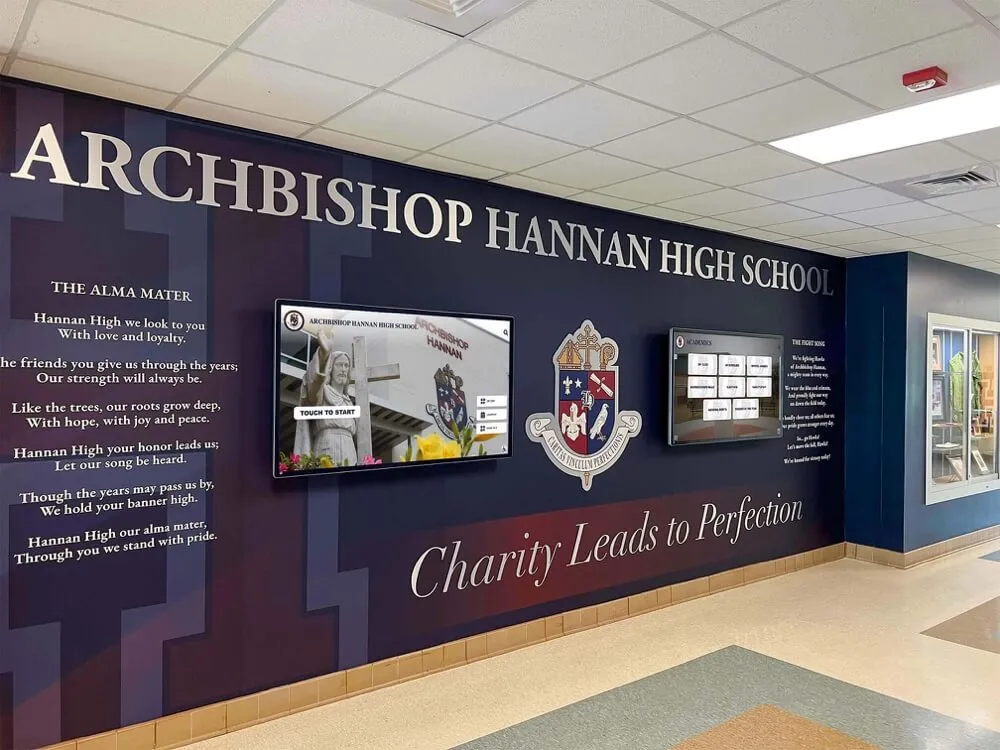
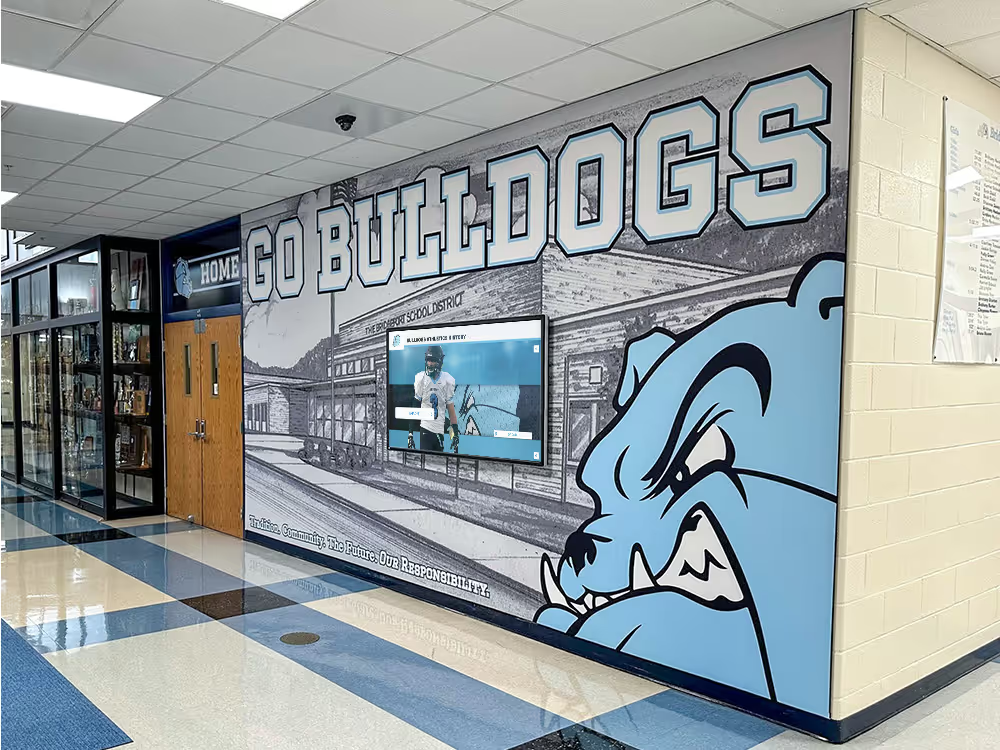
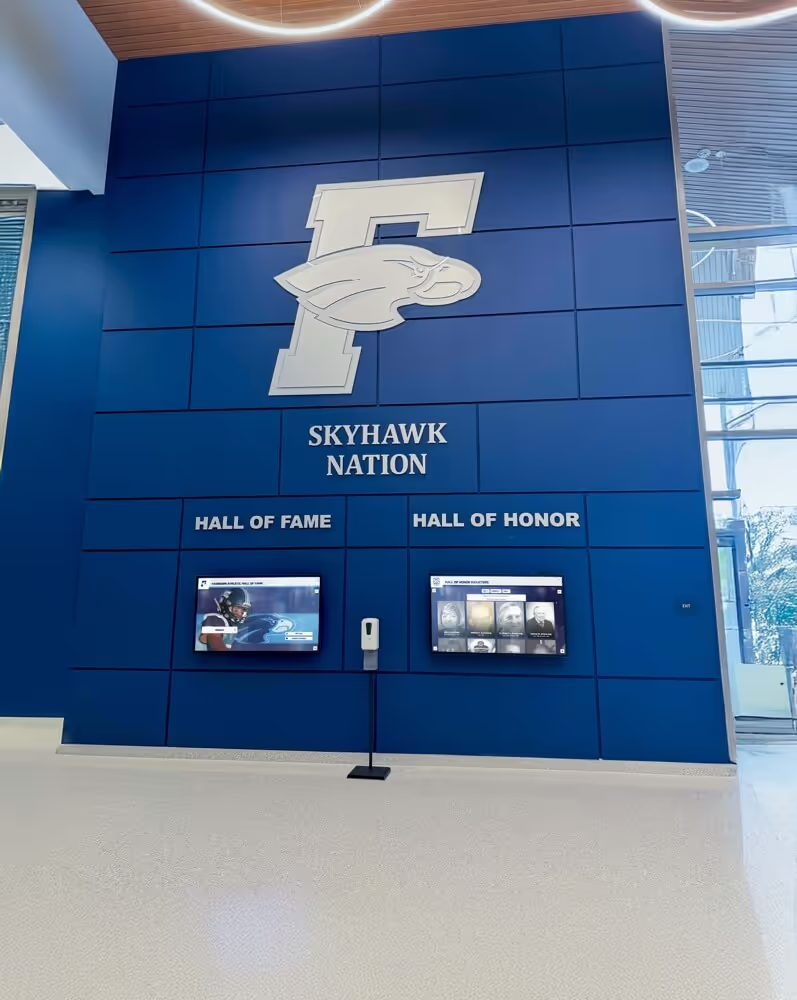
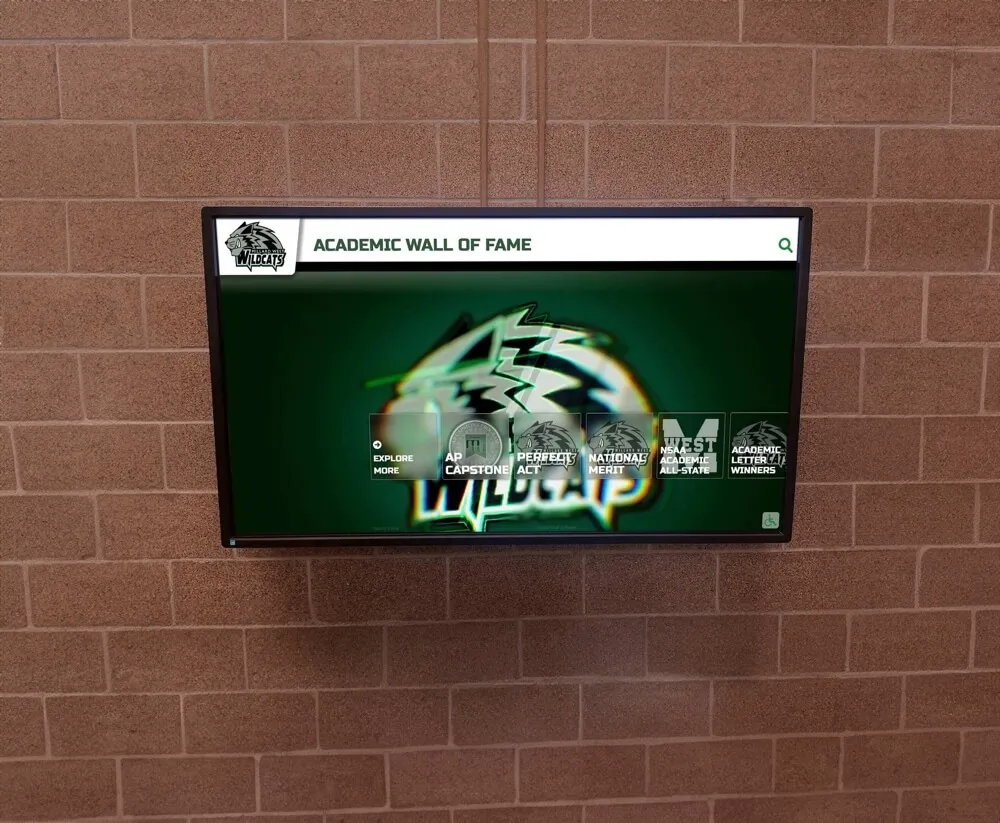
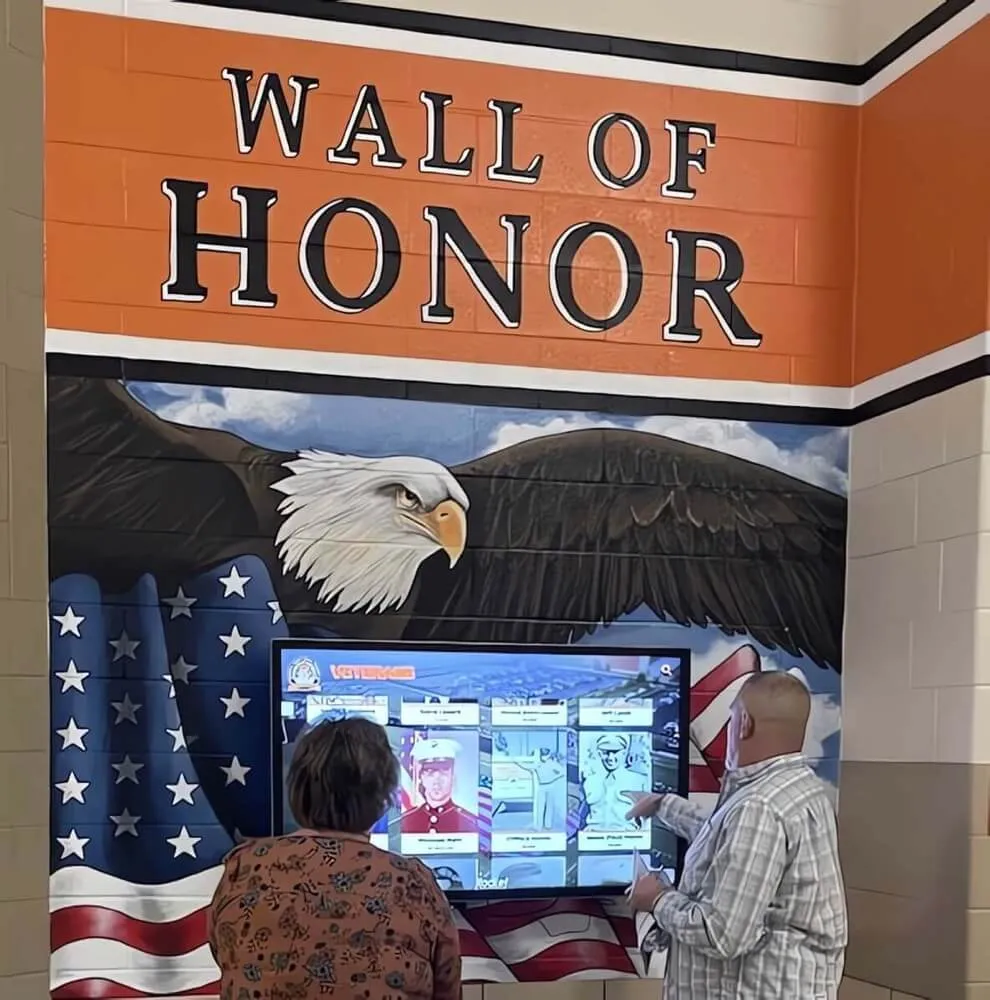
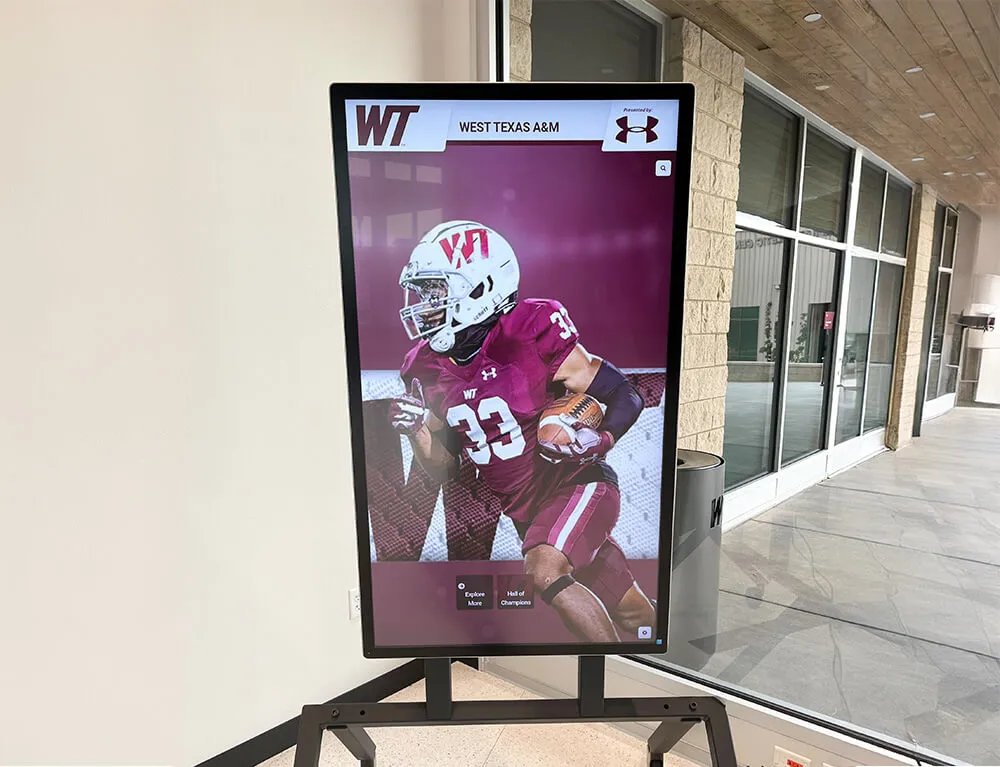
Modern interactive displays provide unlimited capacity to celebrate FFA achievements alongside academic and athletic excellence
Understanding the FFA Award Structure
Before designing recognition programs, schools need clear understanding of what FFA awards represent and the competitive processes students navigate to earn these prestigious honors.
National FFA Degrees and Recognition
The National FFA Organization offers a structured progression of degrees recognizing member growth and achievement:
Discovery FFA Degree Available to middle school FFA members who have completed at least one year of agricultural education, participated in FFA activities, and demonstrated knowledge of the FFA organization and agricultural opportunities.
Greenhand FFA Degree Awarded to first-year high school FFA members who have enrolled in agricultural education, learned about the FFA history and purpose, and developed plans for supervised agricultural experiences.
Chapter FFA Degree Recognizes members who have been active FFA members for at least one year, completed agricultural education coursework, developed SAE programs, and demonstrated leadership through chapter involvement.
State FFA Degree Awarded to members who have received their Chapter FFA Degree, been FFA members for at least two years, completed agricultural education courses, demonstrated significant SAE progress, and shown leadership at chapter and community levels.
American FFA Degree As the highest degree achievable in the National FFA Organization, the American FFA Degree demonstrates exceptional dedication to agricultural education. According to the National FFA Organization, recipients must have received their State FFA Degree, been FFA members for at least three years, completed at least three years of agricultural education, graduated from high school at least 12 months prior to applying, and demonstrated outstanding SAE achievement with documented records showing earnings and investments of at least $10,000 or 2,250 hours of work.

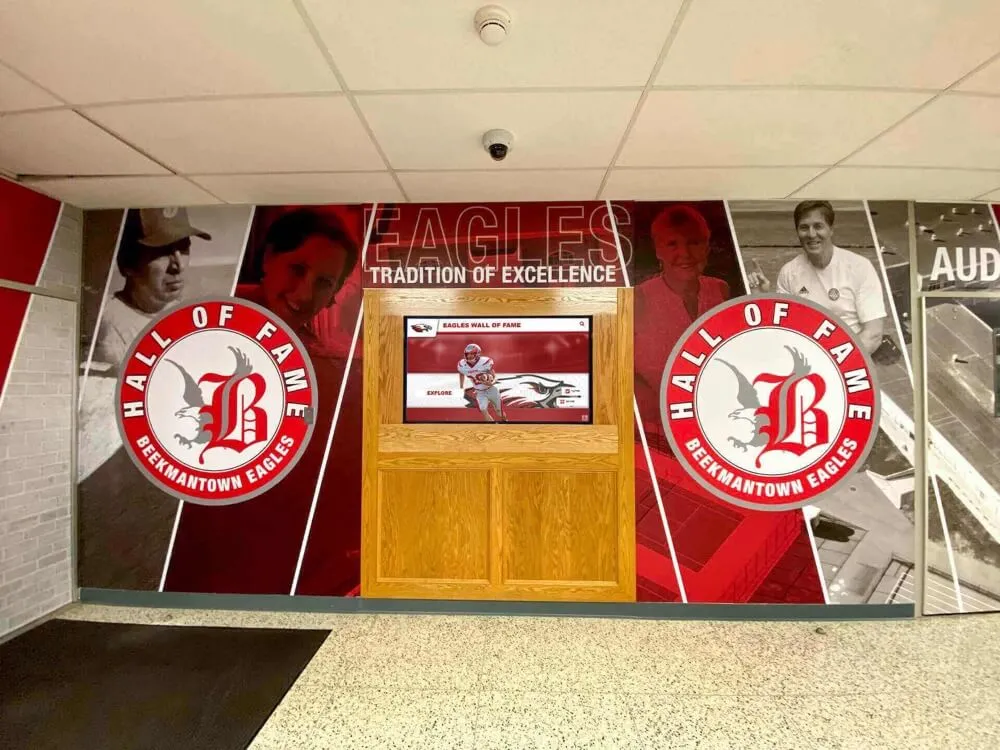
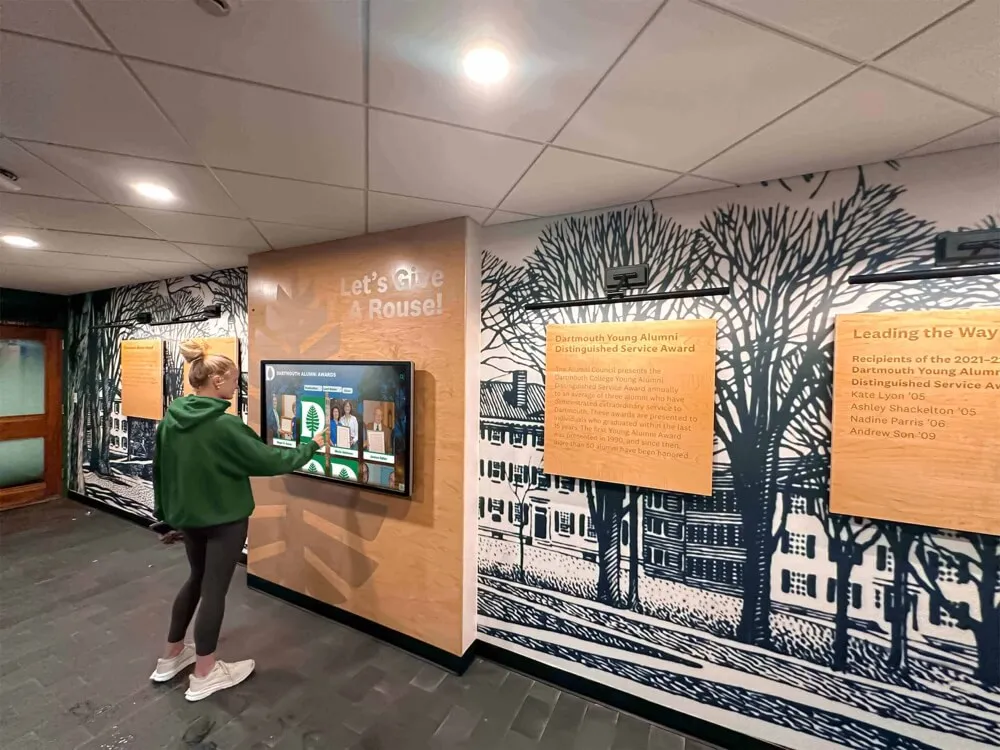
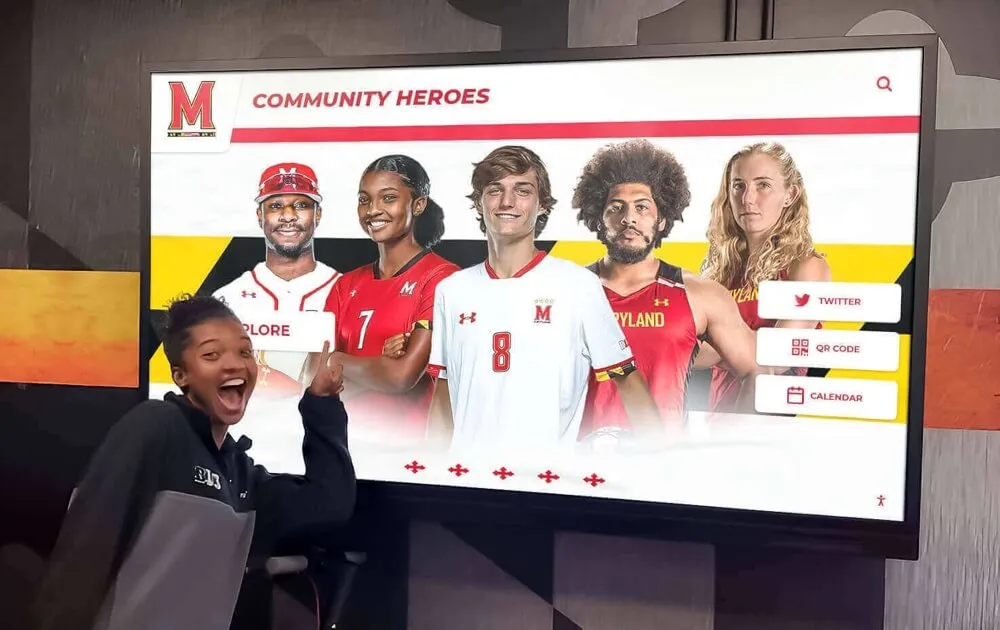
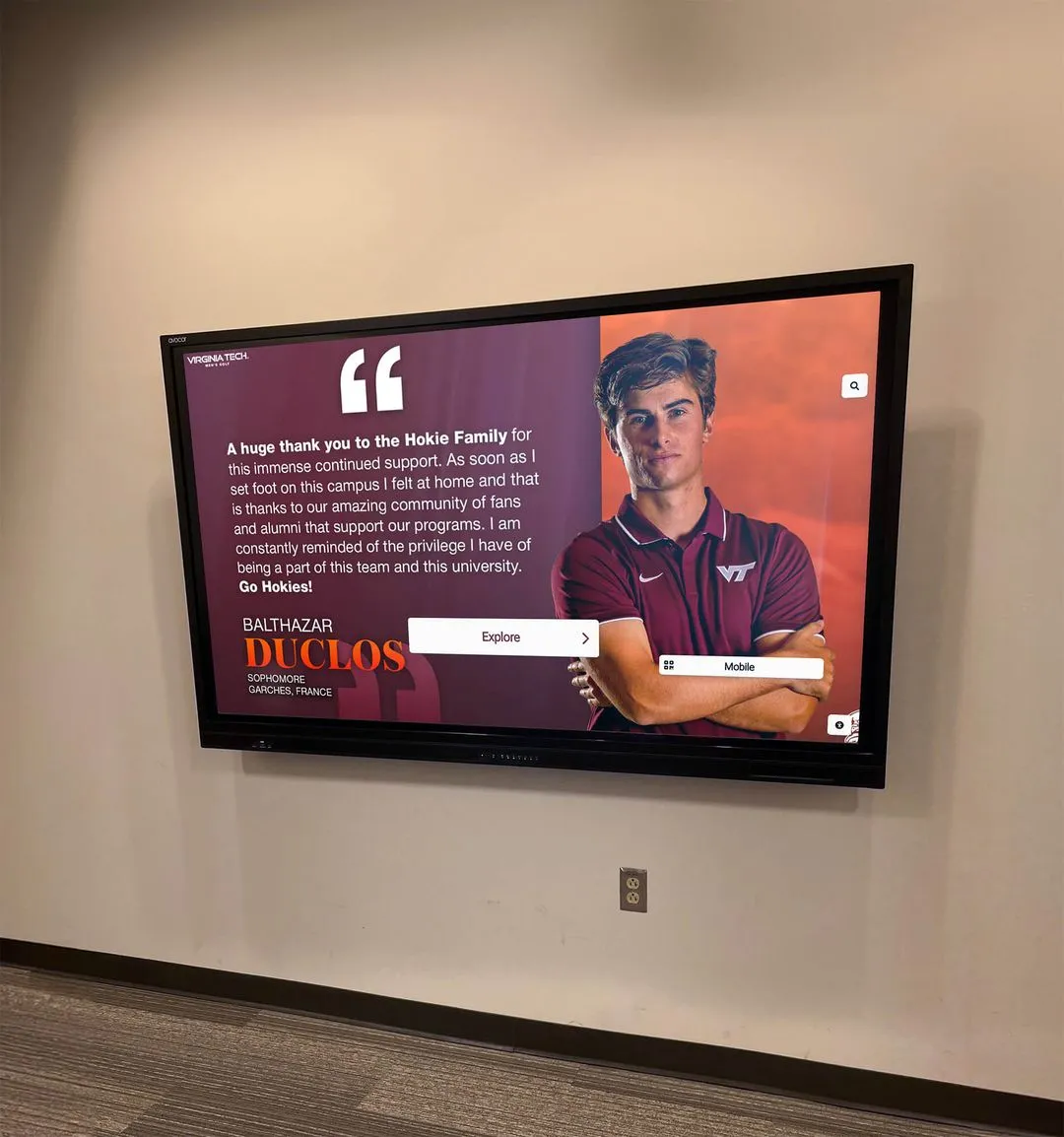
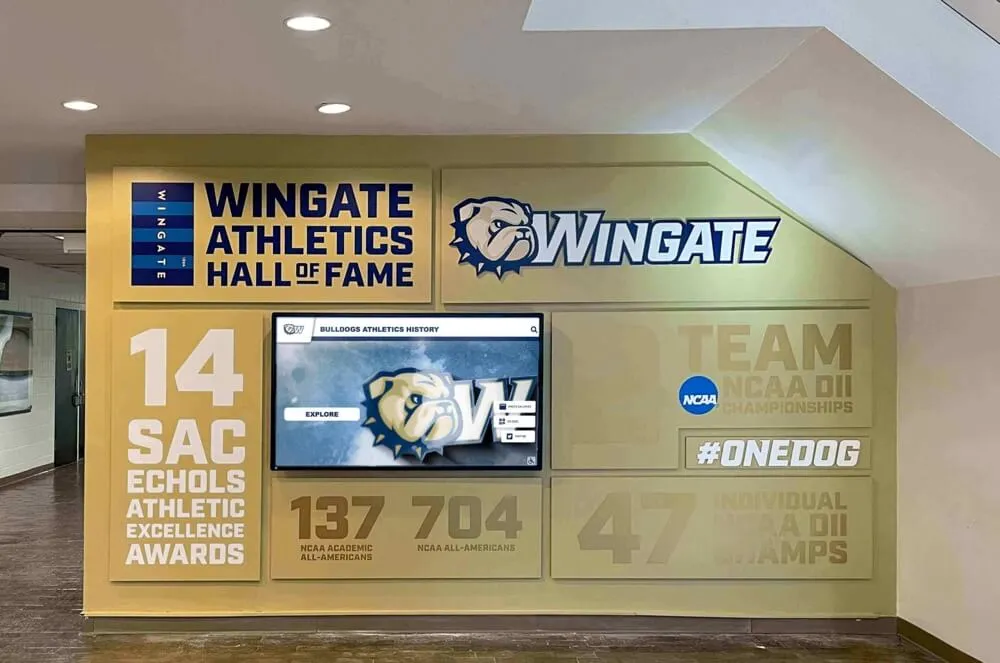
Individual recognition profiles celebrate specific student achievements and agricultural program accomplishments
Proficiency Awards and Career Recognition
FFA proficiency awards honor members who have developed specialized agricultural skills through their SAE programs:
Award Categories Nearly 50 proficiency award areas span the full spectrum of agricultural careers, from agricultural communications and education to wildlife management and veterinary science. Categories reflect modern agricultural diversity including:
- Agricultural mechanics and technology
- Animal science and production (beef, dairy, equine, poultry, swine)
- Plant science and crop production (agronomic, fruit, vegetable)
- Agricultural sales and entrepreneurship
- Environmental science and natural resources
- Food science and agricultural processing
- Landscape management and turf grass science
- Specialty animal production (aquaculture, small animal care)
Recognition Levels Proficiency awards recognize achievement at local chapter, state, and national levels. Students compete first within their chapters, with winners advancing to state competition. State winners then qualify for national judging, with national winners announced at the National FFA Convention & Expo each October.
Placement vs. Entrepreneurship Two distinct proficiency categories recognize different SAE approaches. Placement proficiency awards recognize members whose experiences involve employment, apprenticeships, or internships at agribusinesses or agricultural organizations. Entrepreneurship proficiency awards honor those who own or operate agricultural businesses or enterprises.
Learn more about creating comprehensive academic recognition programs that celebrate diverse student achievements.
American Star Awards
The American Star Awards represent the highest honor among American FFA Degree recipients, recognizing the top four members nationally across different SAE categories:
American Star Farmer Honors the member with the most outstanding SAE in production agriculture, whether in livestock, crops, or diversified farming operations.
American Star in Agribusiness Recognizes excellence in agricultural business ownership or operation, from nursery enterprises to agricultural service businesses.
American Star in Agricultural Placement Celebrates the member with the most exceptional employment-based SAE, whether in agribusiness, research, or agricultural services.
American Star in Agriscience Honors outstanding research and scientific SAE programs addressing agricultural challenges or advancing agricultural knowledge.
These four students are announced during the National FFA Convention general session, receiving national recognition for their agricultural accomplishments and leadership.
Career Development Events (CDEs)
Career Development Events test individual and team abilities in specific agricultural career areas:
Competition Structure CDEs cover 25 major agricultural instruction areas including agricultural mechanics, livestock evaluation, floriculture, food science, veterinary science, environmental and natural resources, and agricultural sales. Events combine written examinations, practical skills demonstrations, and problem-solving activities.
Team and Individual Recognition Most CDEs involve four-member teams competing at regional, state, and national levels, with both team scores and individual placements recognized. National competition occurs annually at the National FFA Convention.

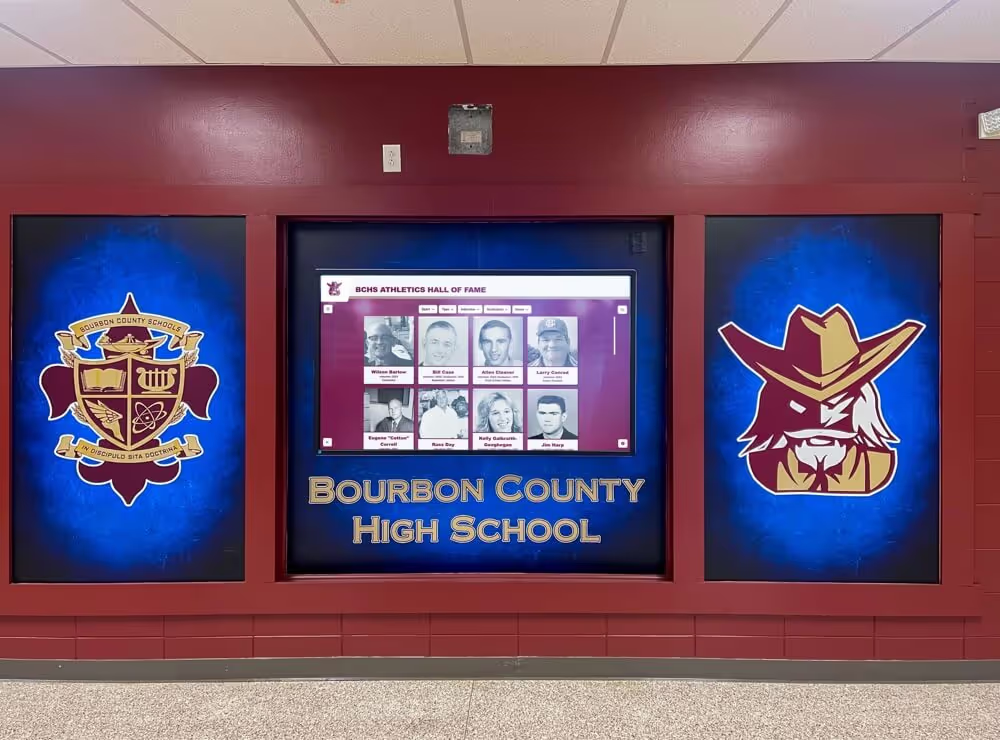
Interactive displays enable students to explore agricultural achievements and FFA program history
Leadership Development Events (LDEs) LDEs focus on leadership, communication, and personal development skills essential for agricultural careers. Events include public speaking, parliamentary procedure, creed speaking, prepared public speaking, and extemporaneous speaking competitions.
Recognition of CDE and LDE success celebrates both technical agricultural competence and the professional skills that enable career advancement in agricultural industries.
The Impact of FFA Award Recognition
Effective recognition of FFA achievements delivers benefits extending beyond individual award recipients to strengthen agricultural education programs, schools, and student outcomes.
Benefits for Individual Students
FFA award recognition provides students with advantages during high school and in pursuing agricultural careers:
Scholarship and Career Opportunities FFA awards directly translate to financial support for continued education. According to the National FFA Organization, thousands of scholarships are available specifically for FFA members, with many requiring specific award achievements as eligibility criteria. The American FFA Degree alone can qualify students for scholarships at numerous agricultural colleges and universities.
Agricultural employers actively recruit FFA award recipients, viewing proficiency awards and CDE success as indicators of technical competence and work ethic. Students with documented SAE experience and competitive records often receive internship and employment offers before graduation.
College Applications Universities, particularly those with strong agricultural programs, value FFA achievement. American FFA Degrees, state degrees, and proficiency awards demonstrate sustained commitment to a career field, leadership development, and business or scientific competency that distinguish applications. Agricultural colleges often have dedicated admissions staff familiar with FFA awards who advocate for these students during application review.
Personal Development and Confidence The recognition that comes with FFA awards builds student confidence and validates their career interests during adolescence when peer pressure often discourages agricultural pursuits. Public celebration of agricultural achievement normalizes career interests in farming, veterinary medicine, agricultural education, and other paths that might otherwise feel unconventional to suburban or urban students.
Benefits for Agricultural Education Programs
Schools with strong FFA recognition traditions experience program-wide advantages:
Recruitment and Member Retention Visible celebration of FFA awards attracts middle school students into agricultural education courses and FFA membership. When younger students see upperclassmen receiving prestigious recognition for agricultural accomplishments, they envision themselves earning similar honors.
Digital displays showcasing years of FFA achievement create powerful recruiting tools during course registration periods. Agricultural education departments can point prospective students and parents to comprehensive records of scholarships earned, careers launched, and leadership developed through the program.
Program Quality and Competition Recognition systems elevate entire chapters by creating cultures where high achievement becomes normal expectation. When FFA awards receive prominent display alongside athletic trophies, members understand that their agricultural competitions and SAE programs deserve equal dedication and effort.
Explore comprehensive student recognition approaches that inspire continued excellence across programs.
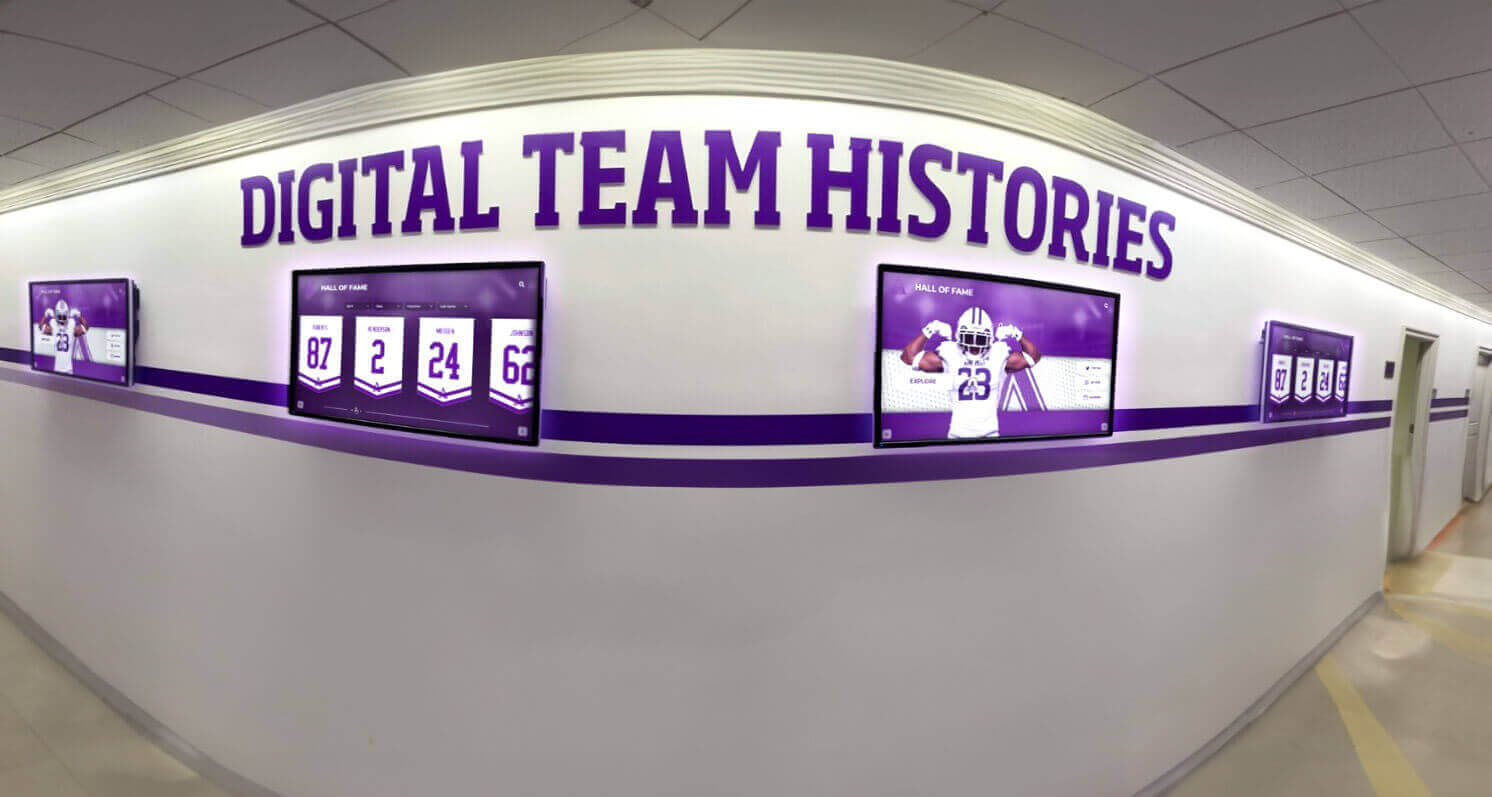
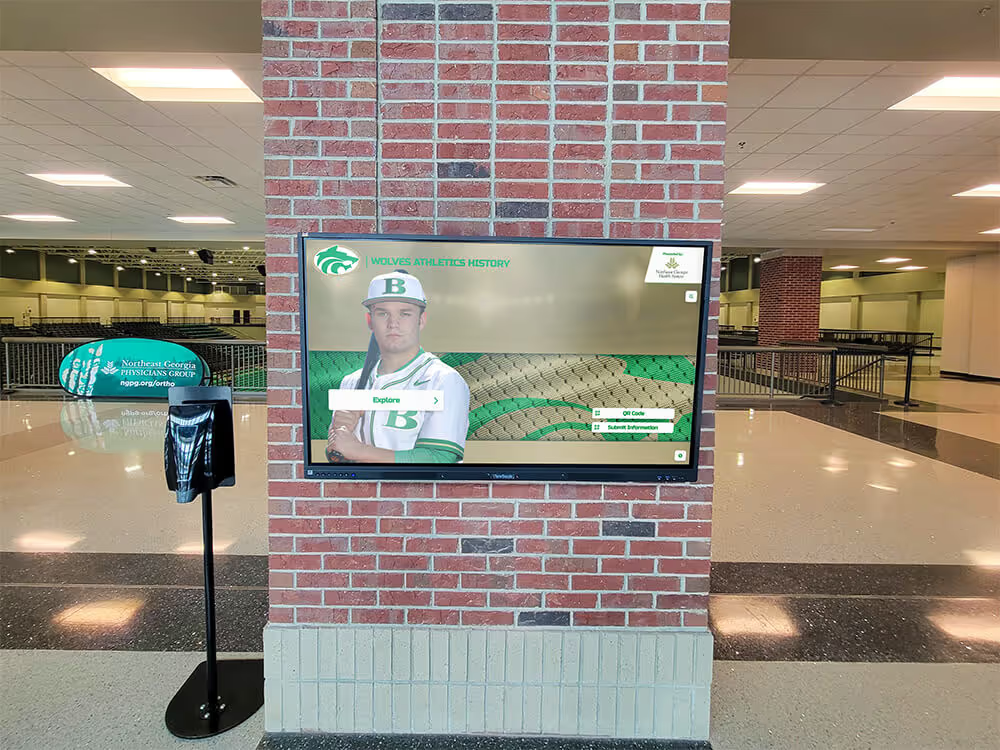
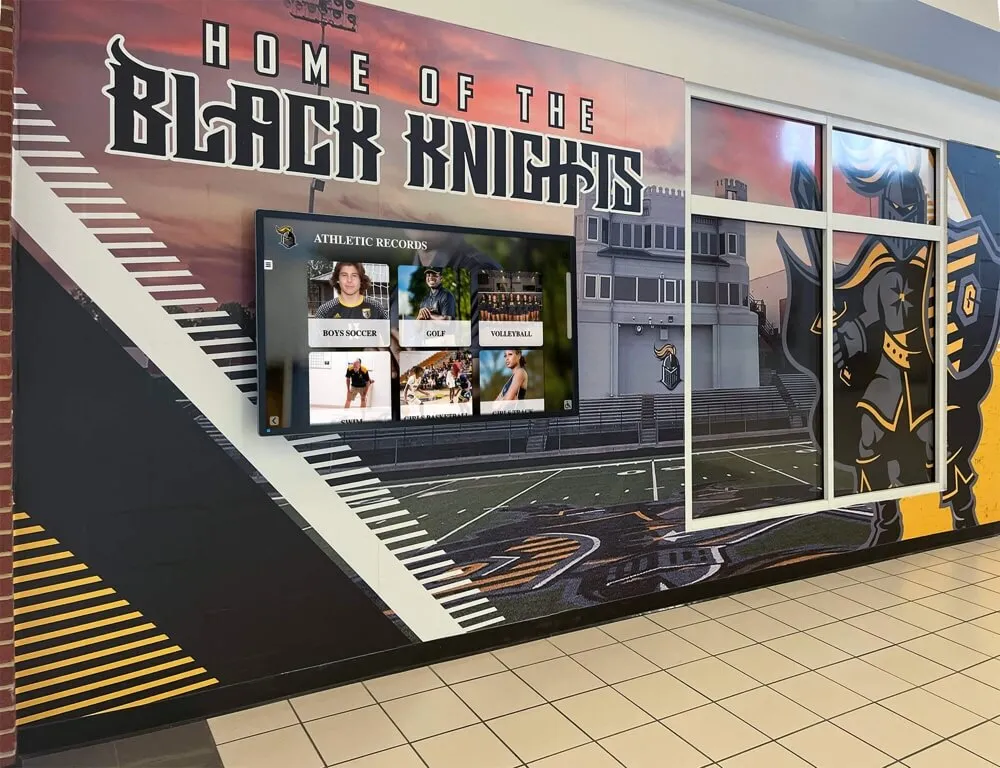
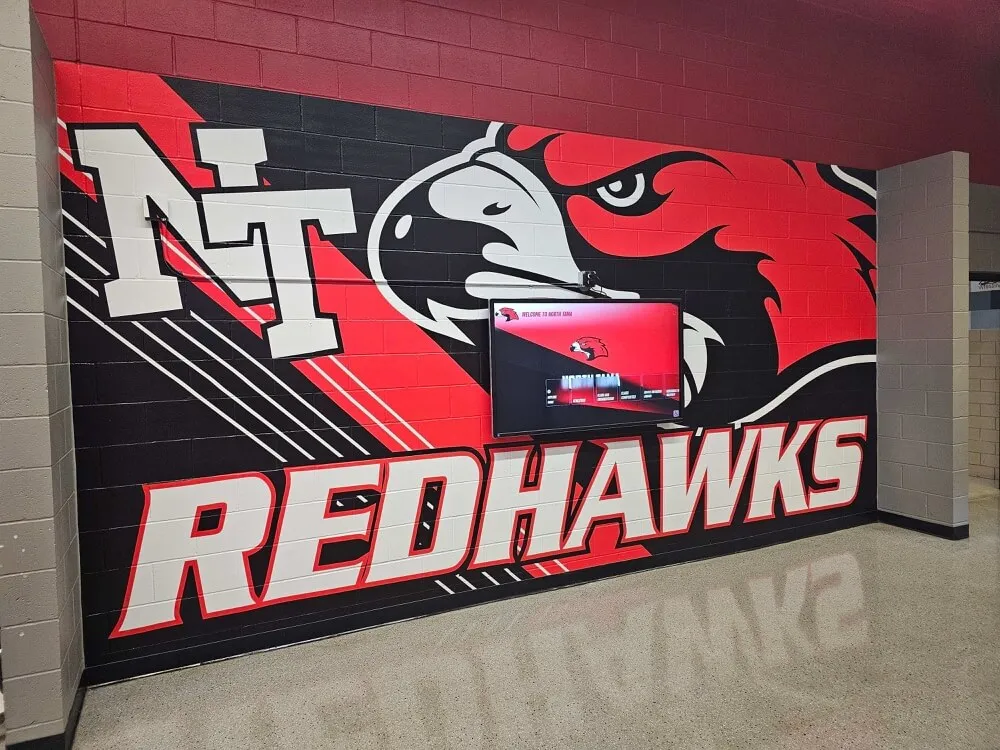
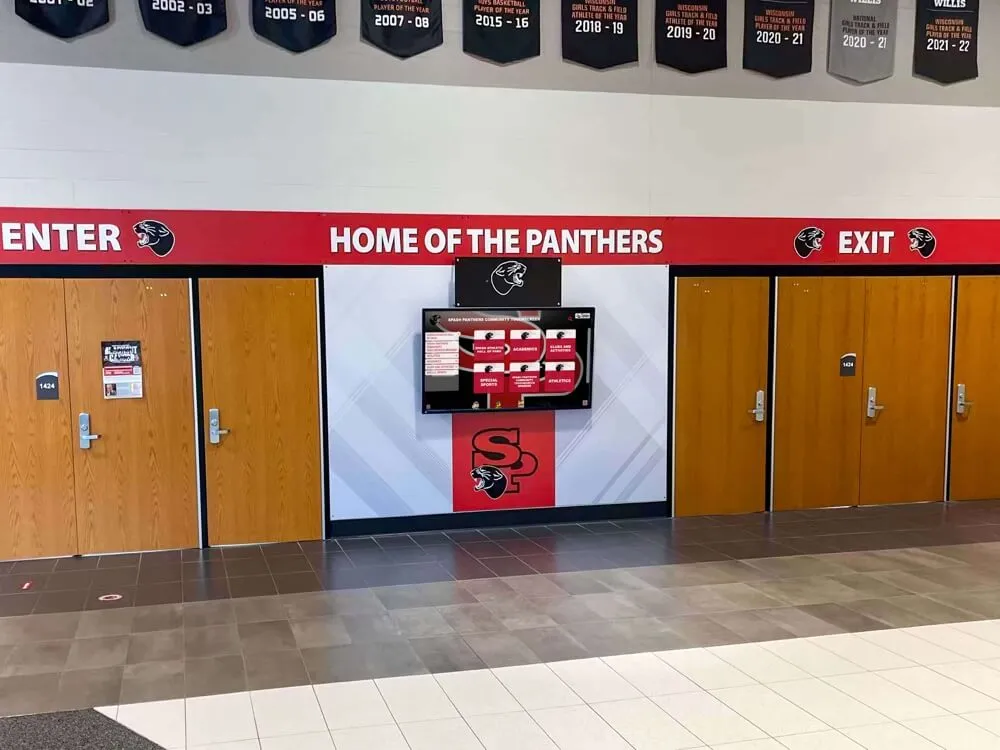
Strategic hallway placement ensures agricultural achievements receive visibility throughout the school community
Community and Administrative Support Well-recognized achievements build essential support for agricultural education programs. School boards and administrators who see concrete evidence of student success through awards and scholarships become advocates for program funding and expansion.
Community members develop pride in local FFA accomplishments, leading to increased support through advisory committees, donation of SAE resources, and creation of local scholarship opportunities. Agricultural businesses often sponsor awards or provide SAE opportunities after seeing student achievement recognized publicly.
Comprehensive FFA Award Recognition Strategies
Effective recognition programs incorporate multiple approaches providing immediate celebration, permanent documentation, and ongoing visibility for agricultural achievements.
Traditional Recognition Limitations
Many agricultural education departments rely on approaches that fail to showcase the full scope of FFA accomplishment:
Static Plaques and Display Cases Fixed trophy cases have limited space, forcing difficult decisions about which awards receive display and for how long. As new achievements accumulate, older accomplishments must be removed to accommodate current recognition. Plaques listing names become cluttered and difficult to read, while providing no context about what specific awards represent.
Physical displays degrade over time through dust accumulation, sun exposure, and wear, requiring ongoing maintenance or replacement. Static recognition cannot include photographs, detailed achievement descriptions, or multimedia content that brings awards to life for viewers unfamiliar with FFA programs.
Paper Certificates and Announcements Individual certificates and morning announcements provide moment-in-time recognition but create no lasting visibility. Students not present during announcements miss acknowledgment entirely, and certificates typically end up stored in homes rather than creating ongoing program legacy.
Limited Historical Context Traditional approaches struggle to present FFA achievement in historical context. Schools may know current year award recipients but lack accessible records showing program tradition across decades. This absence of institutional memory makes it difficult to celebrate milestone achievements or recognize when students match or exceed historical accomplishments.
Digital Display Solutions for FFA Recognition
Modern digital recognition displays overcome traditional limitations while providing enhanced capabilities specifically valuable for agricultural education programs:
Solutions like Rocket Alumni Solutions transform FFA award recognition through interactive touchscreen displays that provide:
Unlimited Recognition Capacity Digital systems eliminate physical space constraints that force schools to choose which FFA achievements receive visibility:
- Single displays showcase unlimited award recipients across all categories and years
- Comprehensive archives preserve complete FFA chapter history and tradition
- All award types receive equal display capacity regardless of prestige level
- Historical achievements remain accessible while featuring current year recipients prominently
Rich Multimedia Content Interactive platforms support diverse content types impossible with static displays:
- Individual student profiles with photographs in official FFA attire
- Detailed descriptions of specific awards, SAE programs, and career goals
- Video clips from CDE competitions or SAE project documentation
- Links to scholarship information and university agricultural programs
- SAE project outcomes with production data, financial records, or research results
Easy Content Management Cloud-based management systems eliminate administrative burden:
- Remote updates from any internet-connected device
- Bulk import tools for historical award data and roster information
- Templates ensuring consistent presentation across all profiles
- Role-based permissions enabling agriculture teacher management
- Scheduled publishing for automated recognition after competitions
Schools report significant time savings after implementing digital systems, with agriculture teachers spending minutes rather than hours updating recognition displays.
Learn about creating effective virtual halls of fame for comprehensive student celebration.
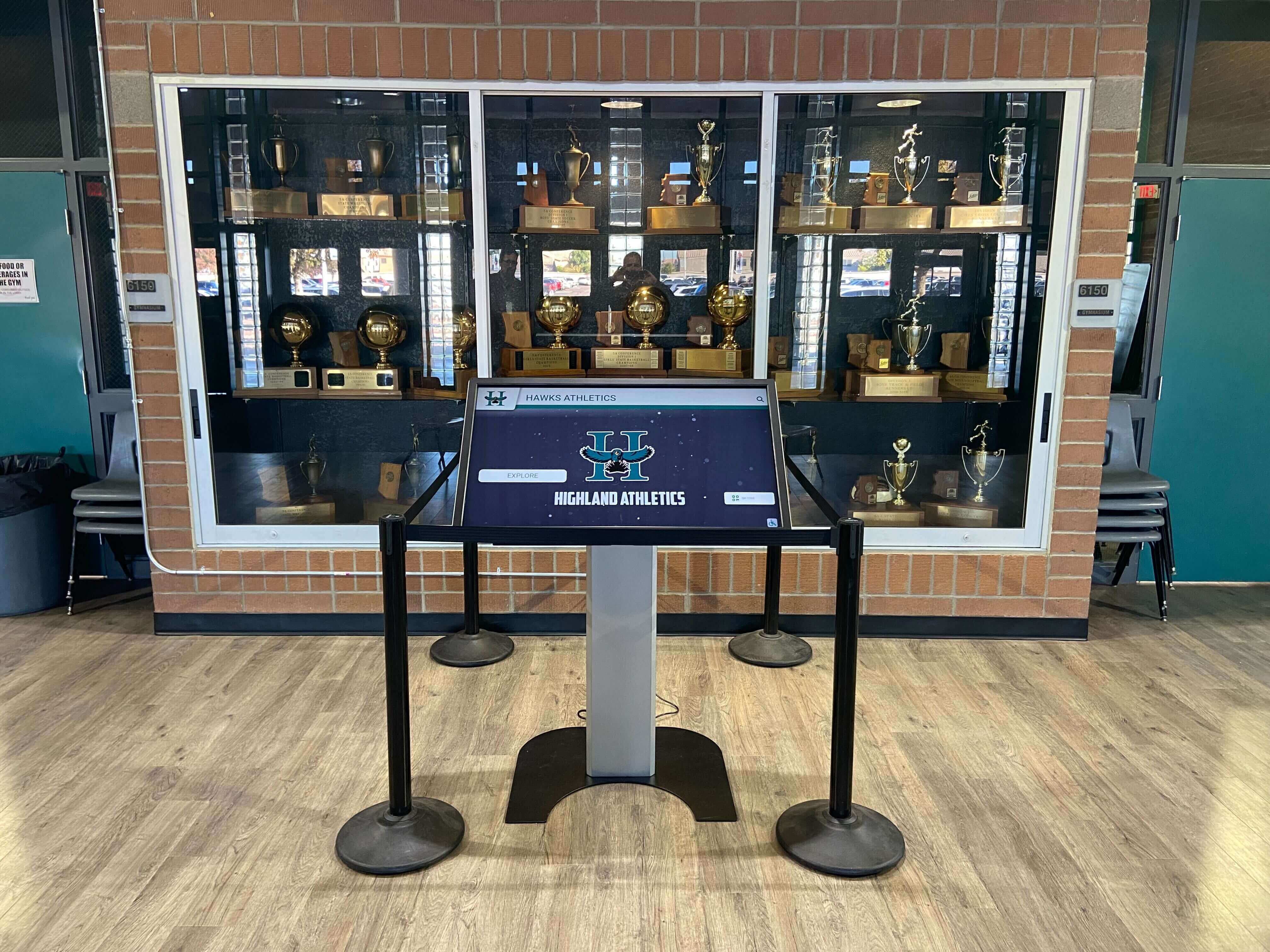
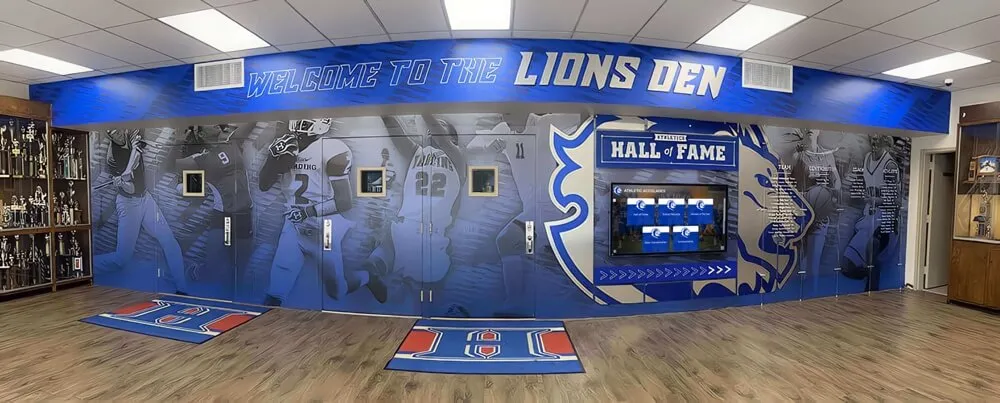
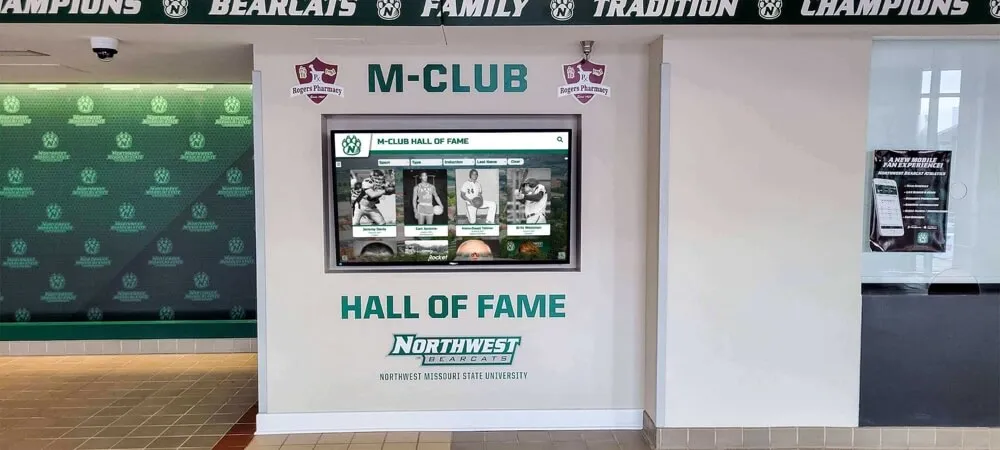
Touchscreen kiosks integrate with existing recognition areas, combining digital and traditional displays
Strategic Display Placement
Location determines whether digital displays effectively elevate FFA program visibility or remain underutilized:
Agricultural Education Department The agricultural education classroom or shop area represents the primary location where FFA members and agricultural students congregate daily. Displays in these spaces serve multiple purposes:
- Inspire current members by celebrating peer achievements
- Provide conversation starters for agriculture teachers discussing career opportunities
- Remind students of award opportunities and application deadlines
- Create study areas where students can research SAE project ideas
- Document program legacy for alumni visiting years after graduation
Main School Entrance and Office Areas Positioning FFA recognition displays in high-traffic areas frequented by all students, staff, and visitors ensures agricultural education receives visibility equal to other programs:
- Main entrance displays announce institutional pride in FFA achievement
- Administrative office areas position agricultural education as core academic program
- Cafeteria or commons areas reach students during daily lunch and passing periods
- Auditorium lobbies provide recognition during school-wide events and performances
This strategic visibility challenges stereotypes positioning agricultural education as secondary or vocational alternative, instead presenting it as pathway to competitive scholarships and professional careers.
Community Spaces and Agricultural Venues Extending recognition beyond school facilities builds broader program support:
- County fair buildings and agricultural exhibition centers during peak attendance
- Agricultural education booster organization meetings and events
- Local businesses supporting agricultural education through advisory committees
- Farm Bureau offices and agricultural cooperative facilities
- Career and technical education center common areas serving multiple schools
Similar placement strategies used in CTE program recognition displays extend visibility beyond individual school buildings.
Content Organization and Award Categories
Effective digital displays organize FFA achievements in ways that communicate program breadth while enabling viewers to find specific information efficiently.
Core Recognition Categories
Comprehensive FFA displays should include these essential award categories:
Degrees and Membership Levels
- American FFA Degree recipients with graduation year and SAE summary
- State FFA Degree recipients by year with total hours and earnings
- Chapter FFA Degree recognition celebrating member advancement
- Greenhand members welcoming new agricultural education students
- Years of membership milestones and multi-generation FFA families
Proficiency Award Winners
- National proficiency award winners with detailed SAE descriptions
- State proficiency finalists and winners across all categories
- Regional and area proficiency recognition
- Placement and entrepreneurship award distinction
- SAE project outcomes including production data, business results, or research findings
American Star Award Recipients
- Highlight any chapter members earning American Star recognition
- Detailed profiles of SAE programs that earned national honors
- Progression from degree achievement through proficiency awards to Star recognition
- Current career or educational pathways of former Star Award recipients
Career Development Event Success
- National CDE team and individual placements
- State CDE gold, silver, and bronze team recognition
- Individual top-ten CDE finishers across all events
- Leadership Development Event winners in speaking and leadership contests
- Historical CDE success showing program competitive tradition
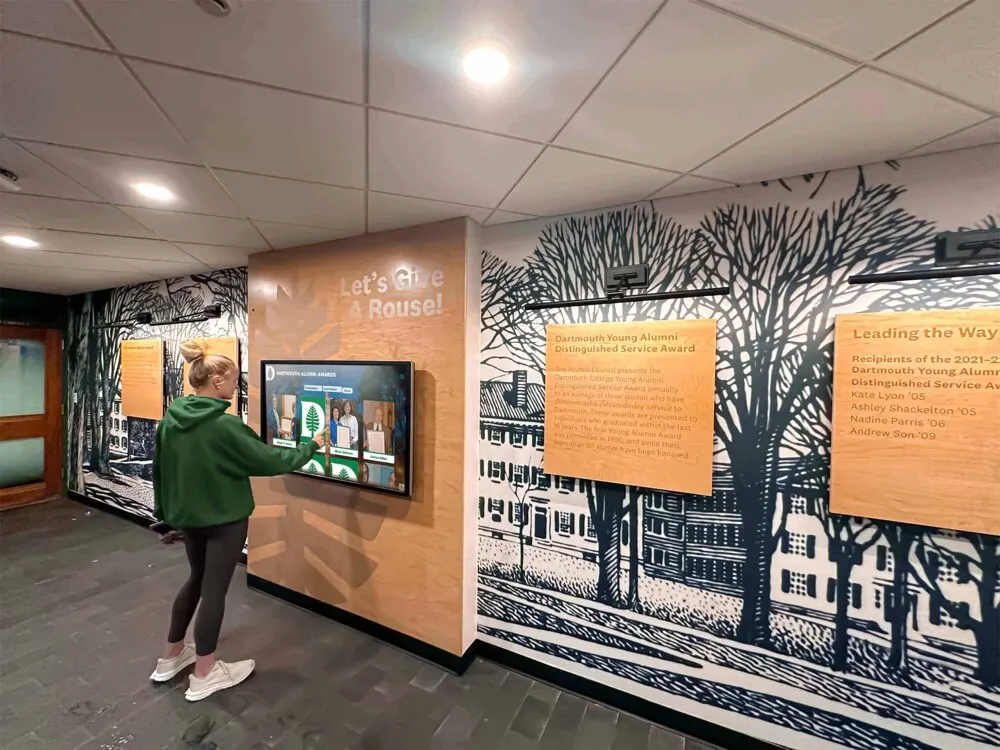
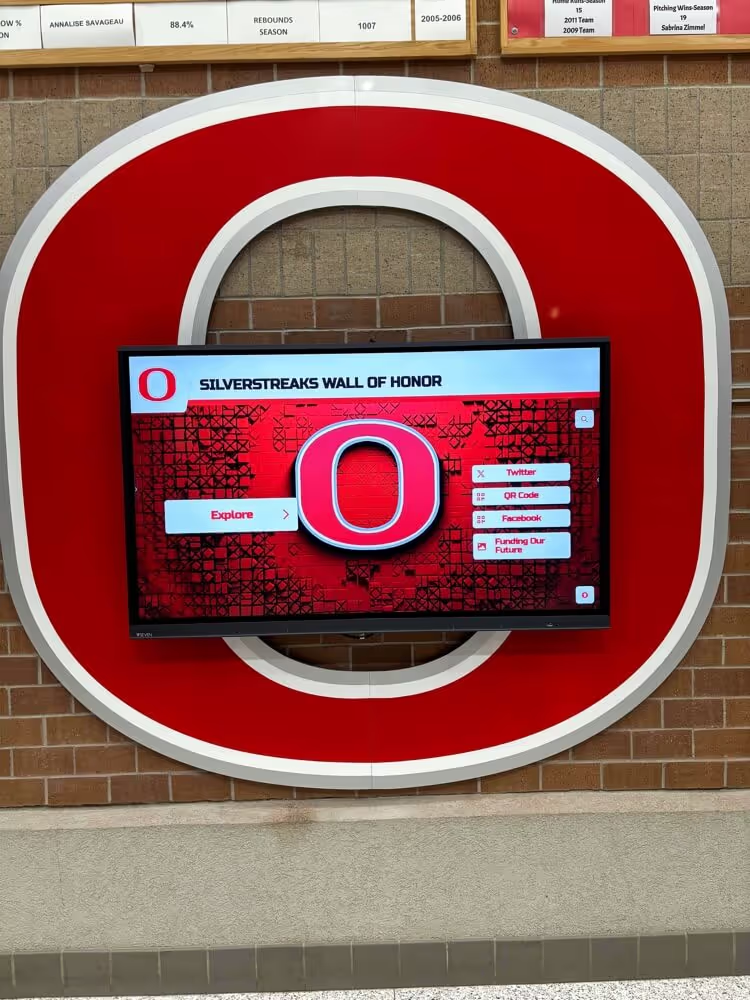
Recognition displays create engaging exploration opportunities for students and community members
Leadership and Service Recognition
- Chapter officers and their specific positions each year
- State FFA officer representation from your chapter
- National FFA Convention delegates and attendees
- Community service projects and agricultural advocacy initiatives
- Outstanding agricultural students demonstrating program impact
Scholarships and Post-Secondary Success
- Scholarship dollars earned by FFA members each year
- Universities attended by chapter members pursuing agricultural degrees
- Agricultural career placements in farming, agribusiness, research, education
- Alumni returning to share professional success and FFA impact
- Career pathway examples demonstrating agricultural education opportunities
Advanced Features Supporting FFA Recognition
Modern digital platforms offer sophisticated features particularly valuable for agricultural education:
Search and Filter Functionality
- Search by student name enabling alumni and families to find specific members
- Filter by award type to view all proficiency winners or degree recipients
- Year-based filtering showing specific graduating classes
- SAE category searches highlighting livestock, crop, business, or research focuses
- CDE event filtering displaying all participants in specific competitions
Historical Timeline Views Timeline presentations display FFA chapter evolution across decades, showing:
- Program growth measured by membership numbers and award achievement
- Historical milestones like first American FFA Degree or national CDE victory
- Agriculture teacher legacy with years of service and program development
- SAE project type evolution reflecting agricultural industry changes
- Recognition of multi-generation FFA families with members across years
Alumni Connection Features
- “Where Are They Now” profiles connecting historical achievers with current careers
- Alumni testimonials about how FFA prepared them for agricultural professions
- Networking opportunities connecting current students with alumni mentors
- Links to alumni engagement programs building lasting relationships
- Agricultural education advocate networks supporting program advancement
Learn about showcasing student accomplishments through comprehensive digital platforms.
Supporting Students Throughout the Award Process
Recognition programs work best when embedded in comprehensive support systems helping students achieve FFA award goals.
Supervised Agricultural Experience (SAE) Support
Since most FFA awards require documented SAE programs, schools must provide systematic support:
SAE Program Development Agriculture teachers help students identify agricultural interests, evaluate available resources, and develop realistic SAE proposals aligned with career goals. Strong SAE programs begin with clear goals, realistic timelines, and sufficient resources including land, facilities, livestock, or employment opportunities.
Support includes connecting students with:
- Local farmers and agribusinesses offering employment or mentorship
- Land and facility access for production agriculture projects
- Startup funding through micro-loans or community sponsors
- Research opportunities with universities or agricultural organizations
- Business planning assistance for entrepreneurship projects
Record-Keeping Systems Comprehensive SAE documentation determines proficiency award qualification. Schools should provide:
- Record book training covering financial documentation and hour tracking
- Regular check-in schedules ensuring students maintain current records
- Technology tools simplifying data collection and report generation
- Sample records from previous award winners as models
- Support completing award applications with proper documentation
Many students with exceptional SAE programs fail to earn recognition simply because inadequate records prevent award application completion. Systematic record-keeping support ensures deserving students receive acknowledgment.
Financial Literacy and Business Education Entrepreneurship SAE programs require business skills beyond agricultural production:
- Business planning including market analysis and financial projections
- Pricing strategies ensuring profitability and competitive positioning
- Marketing approaches for agricultural products and services
- Customer relationship management and service excellence
- Reinvestment decisions balancing growth and profitability
These business skills transfer directly to agricultural careers regardless of whether students continue specific SAE projects after graduation.

Integrated recognition systems combine digital displays with traditional awards creating comprehensive celebration spaces
Career Development Event Preparation
CDE success requires deliberate skill development beyond regular agricultural education curriculum:
Extended Practice and Coaching Competitive CDE teams typically practice multiple times weekly for months leading to major competitions. This extended preparation requires:
- After-school and weekend practice sessions
- Access to specialized equipment, supplies, and facilities
- Transportation to practice sites when school facilities are inadequate
- Guest coaches from industry bringing specialized expertise
- Mock competitions exposing students to realistic judging conditions
Industry Partnership Development Many CDEs require access to resources beyond school capabilities:
- Livestock evaluation practice requiring diverse livestock and facilities
- Nursery and landscape competitions needing plant materials and tools
- Agricultural mechanics events requiring equipment and technology
- Food science competitions needing laboratory facilities and ingredients
- Environmental and natural resources events requiring field experiences
Partnerships with agricultural businesses, universities, and community members provide essential resources while building networks supporting students beyond competition.
Travel and Competition Logistics State and national CDE competition involves significant logistics:
- Transportation arrangements for teams traveling across states
- Lodging coordination during multi-day competitions
- Meal planning accommodating dietary needs and competition schedules
- Uniform and professional attire coordination presenting polished teams
- Fundraising supporting competition expenses for economically diverse students
Schools should ensure financial constraints don’t prevent talented students from competing at state and national levels.
Explore speech and debate recognition strategies applicable to FFA speaking competitions.
Building Agricultural Education Program Culture
FFA award recognition works best within broader cultures valuing agricultural education and career technical preparation.
Equity in Recognition Across Programs
Schools should ensure agricultural education achievements receive recognition comparable to other student accomplishments:
Display Space and Visibility
- FFA recognition receives prominent placement matching athletic trophy cases
- Agricultural achievement displays occupy high-traffic areas like main hallways
- Digital display capacity accommodates comprehensive FFA award documentation
- Recognition remains current with regular updates celebrating new achievements
- Physical facilities demonstrate institutional commitment to agricultural education
Communication and Celebration
- FFA awards receive social media coverage matching athletic championships
- School newsletters feature agricultural achievement stories regularly
- Morning announcements celebrate FFA competition success and degree recognition
- Community media partnerships extend recognition beyond school
- School board presentations highlight FFA program success and student outcomes
Administrative Presence and Support
- School leaders attend FFA competitions, banquets, and recognition events
- District administrators learn about FFA award structure and significance
- Professional development for non-agriculture staff builds FFA awareness
- Budget processes provide agricultural education with resources matching program needs
- Scheduling accommodations support CDE competition and event participation
Community Connection and Awareness
Strong FFA programs emerge from and contribute to supportive agricultural communities:
Agricultural Advisory Committee Engagement Active advisory committees composed of farmers, agribusiness professionals, agricultural educators, and community members provide:
- Career guidance reflecting current agricultural industry needs
- SAE placement and mentorship opportunities for students
- Equipment, facility, and resource access supporting instruction
- Industry certification and training partnerships expanding program offerings
- Legislative advocacy supporting agricultural education funding
Local Agricultural Business Partnerships Agribusinesses benefit from supporting local FFA chapters through:
- Sponsorship of FFA activities, competitions, and recognition programs
- Provision of internships and employment for SAE programs
- Donation of equipment, supplies, and facilities for instruction
- Guest speakers and industry tours exposing students to careers
- Hiring preferences for FFA members and agricultural education graduates
These partnerships create recruitment pipelines while demonstrating business investment in developing agricultural workforce.
Learn about showcasing community partnerships that strengthen educational programs.

Touchscreen kiosks in central locations enable self-guided exploration of agricultural program achievements
Alumni Networks and Mentorship Former FFA members represent valuable resources for current programs:
- Career mentorship connecting students with agricultural professionals
- SAE resources provided by alumni farmers and agribusiness owners
- Guest speakers sharing agricultural career pathways and experiences
- Scholarship funding through alumni contributions to chapter foundations
- Advocacy for agricultural education with school boards and communities
Digital recognition displays help maintain alumni connections by preserving achievement history and facilitating “where are they now” updates connecting past success with current careers.
Long-Term Program Development
Sustained FFA award success requires systematic program development:
Comprehensive Agricultural Curriculum
- Course sequences preparing students for diverse agricultural careers
- Alignment with CDE requirements ensuring coursework supports competition
- Integration of SAE development throughout agricultural education pathway
- Business, leadership, and communication skill emphasis
- Technology integration reflecting modern agricultural industry practices
Middle School Agricultural Education Strong high school FFA programs build on middle school foundations:
- Middle school agricultural education courses introducing career options
- Junior FFA programs developing early agricultural interest and skills
- Partnerships with 4-H programs expanding agricultural project opportunities
- Career exploration activities exposing students to agricultural diversity
- Recruitment strategies attracting diverse students into agricultural education
Teacher Professional Development Agricultural education teacher expertise determines program quality:
- Technical agricultural knowledge maintaining current industry relevance
- CDE coaching skills developed through competition experience and training
- SAE supervision capability supporting diverse project types
- Leadership development expertise guiding officer teams and activities
- Technology competency enabling modern instructional approaches
Explore teacher recognition programs that honor outstanding agricultural educators.
Implementing Digital FFA Recognition Systems
Successfully deploying digital FFA displays requires addressing technical, content, and sustainability considerations.
Technology Selection and Setup
Hardware Requirements Appropriate display technology depends on installation location and budget:
- Indoor hallway displays typically use 40-55 inch touchscreen monitors
- Larger agricultural education facilities may benefit from 65+ inch displays
- Outdoor-rated enclosures required for displays at fairgrounds or agricultural venues
- Wall-mounted, freestanding kiosk, or countertop configurations based on space
- Network connectivity through wired Ethernet or robust WiFi coverage
Software Platform Features Effective FFA recognition platforms should offer:
- Cloud-based content management accessible from any internet-connected device
- User-friendly interfaces allowing agriculture teachers to update without IT assistance
- Template systems ensuring consistent student profile presentation
- Photo galleries supporting multiple images per award recipient
- Search, filter, and category organization enabling easy information access
- Mobile-responsive design extending recognition beyond physical displays
Integration Capabilities Advanced systems integrate with existing school technology:
- Student information system connections for roster and graduation data
- Social media integration enabling automated achievement announcements
- School website embedding extending recognition to online visitors
- Mobile apps providing portable access to FFA recognition content
- Analytics dashboards tracking engagement and popular content
Learn about touchscreen software options supporting educational recognition programs.
Content Development and Organization
Initial Content Creation Launching comprehensive FFA recognition requires substantial initial content development:
Historical Data Collection
- Compile award recipient lists from previous years using chapter records
- Gather photographs from yearbooks, newspapers, and personal collections
- Document SAE project descriptions and career outcomes where available
- Identify alumni willing to provide current career and contact information
- Organize awards by degree level, proficiency category, and CDE competition
Current Year Documentation Establish systematic processes capturing new achievements:
- Photograph students at award ceremonies and competitions in official FFA attire
- Collect SAE project summaries and outcomes from application materials
- Document scholarship amounts and university agricultural program enrollment
- Gather student quotes about FFA impact and agricultural career goals
- Archive competition results and team placements throughout the year
Content Standards and Templates Ensure consistency across all FFA recognition profiles:
- Standard photograph formats and resolution requirements
- Required information fields for each award category
- Achievement description guidelines maintaining appropriate length
- Naming conventions for consistent presentation
- Review processes ensuring accuracy before publication
Ongoing Maintenance and Sustainability
Regular Update Schedules Systematic maintenance keeps recognition current and valuable:
- Monthly updates adding new award recipients and competition results
- Quarterly reviews verifying information accuracy and updating alumni status
- Annual comprehensive audits ensuring historical data preservation
- Seasonal content emphasis shifting based on FFA calendar (CDE season, degree applications, convention)
- Immediate updates following major accomplishments deserving timely recognition
Responsibility Assignment Clear ownership ensures recognition system longevity:
- Primary management by agriculture teacher with most FFA involvement
- Secondary administrator training providing backup during absences
- FFA officer team involvement preparing draft content
- IT department technical support for infrastructure and troubleshooting
- Administrative review for significant system changes or expansions
Continuous Improvement Regular assessment enables ongoing enhancement:
- Usage analytics identifying popular content and navigation patterns
- User feedback collection from students, families, and community members
- Comparison with exemplary FFA recognition programs at other schools
- Technology monitoring identifying new features worth implementing
- Budget planning for periodic hardware refresh and software upgrades
Transform Your FFA Recognition Program
Discover how Rocket Alumni Solutions creates engaging interactive displays specifically designed for agricultural education programs. Our cloud-based platforms celebrate FFA achievements, preserve chapter history, and inspire future agricultural leaders through modern digital recognition.
Explore FFA Recognition SolutionsMeasuring FFA Recognition Impact
Effective assessment demonstrates recognition program value and guides continuous improvement.
Quantitative Success Metrics
Program Participation and Growth
- Total FFA membership trends over multiple years
- Percentage of agricultural education students joining FFA
- Retention rates tracking members from freshman through senior years
- Degree progression showing members advancing from Greenhand through American Degree
- New member recruitment attributed to recognition program visibility
Award Achievement Trends
- Number of proficiency award applications and winners annually
- State and national degree recipient counts compared to chapter size
- CDE team and individual placements at state and national levels
- Scholarship dollars earned by FFA members each year
- Comparison to peer chapters at similar schools
Community Engagement Indicators
- Display interaction rates and session duration analytics
- Social media engagement with FFA achievement content
- Community event attendance at FFA banquets and recognition programs
- Advisory committee meeting attendance and member contributions
- Local business sponsorship and partnership development
Qualitative Assessment
Stakeholder Feedback Collection Regular surveys and conversations with key stakeholders provide insights:
- Student perception of FFA program prestige and career preparation quality
- Parent and family satisfaction with agricultural education offerings
- Alumni reflection on how FFA prepared them for agricultural careers
- Community member awareness of local FFA chapter excellence
- Agricultural industry partner assessment of student skill development
Cultural Indicators Observable changes demonstrating recognition program impact:
- Increased student pride in FFA membership and agricultural interests
- Reduced stigma around agricultural education among non-agricultural students
- Administrator and school board advocacy for agricultural education funding
- Community conversations referencing local FFA achievements
- Student enrollment patterns showing increased agricultural education interest
Long-Term Career Outcomes Tracking former members’ career paths validates program effectiveness:
- Percentage pursuing agricultural degrees or agricultural careers
- Agricultural industry employment among chapter alumni
- Return rate of agricultural professionals serving on advisory committees
- Alumni contribution to chapter through mentorship and resources
- Professional success stories attributed to FFA preparation
Conclusion: Honoring Agricultural Excellence
Effective FFA award recognition represents strategic investment in agricultural education program culture, student motivation, and community support for career-technical education. When schools systematically celebrate agricultural achievement through modern digital displays, they create environments where FFA membership becomes aspirational, agricultural careers are respected, and hands-on learning receives the recognition it deserves.
The strategies explored in this guide provide comprehensive frameworks for building recognition systems that honor FFA accomplishments while remaining sustainable, engaging, and aligned with agricultural education program goals. From digital recognition displays that eliminate space constraints to multi-channel communication ensuring broad visibility, these approaches transform FFA acknowledgment from occasional certificates to systematic celebration woven throughout school culture.

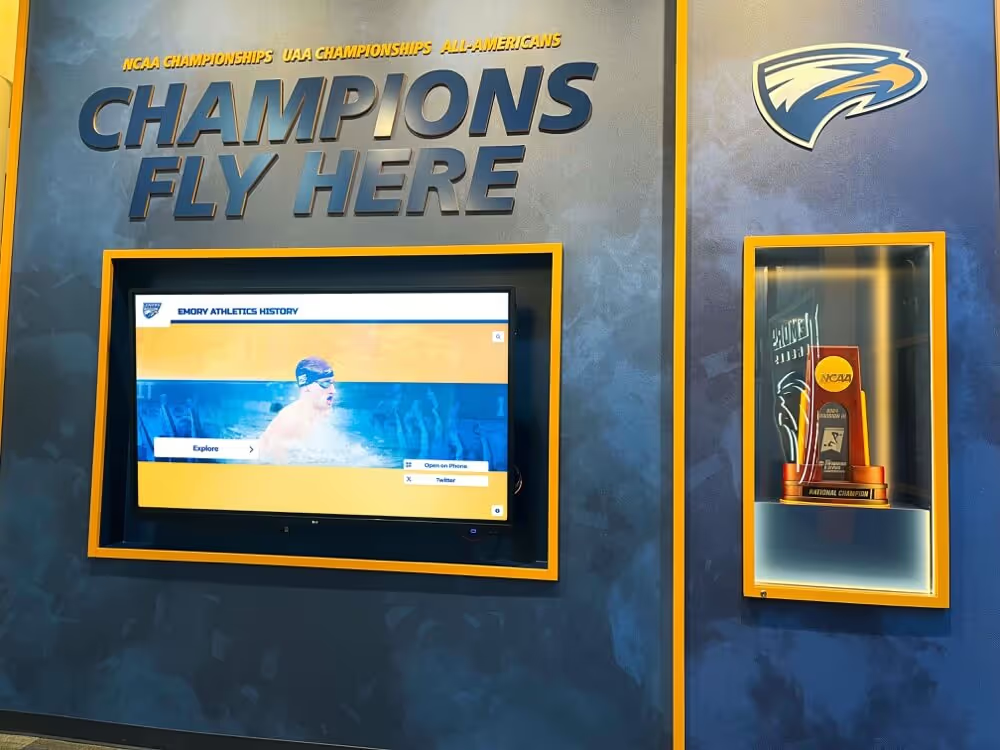
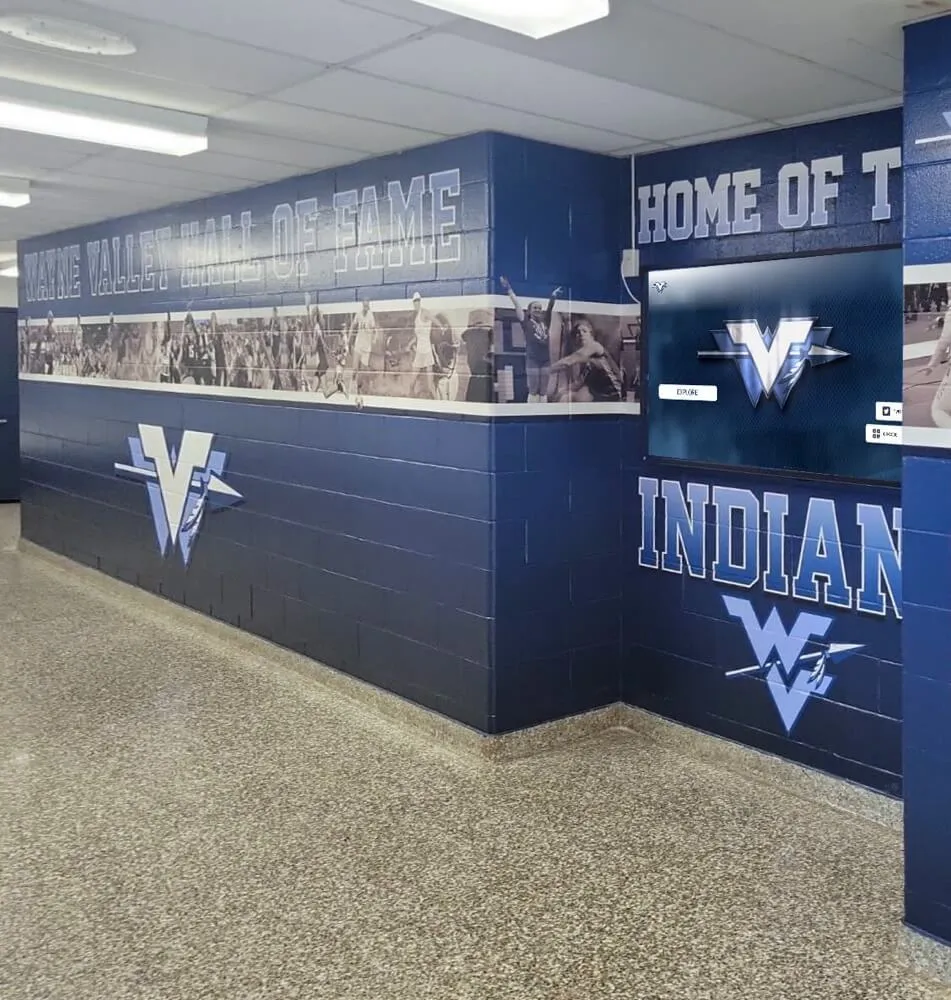
Comprehensive recognition walls combine digital displays with traditional awards celebrating sustained program excellence
Building effective FFA recognition requires moving beyond limiting assumptions about agricultural education’s place in comprehensive schools. Digital platforms make unlimited recognition achievable across all award categories and chapter history, while systematic approaches ensure consistent implementation reaching all deserving students.
Start where you are with recognition programs you can implement immediately, then systematically expand to create the comprehensive approaches your FFA members deserve. Every student who receives meaningful recognition for their agricultural accomplishments develops stronger connection to agricultural education and greater motivation to pursue agricultural careers that feed, fuel, and clothe our world.
Your FFA members’ achievements deserve celebration equal to any other student accomplishment. With thoughtful planning, appropriate technology, and consistent implementation, you can create recognition systems that honor every award while building the positive, inspiring agricultural education culture where all students can develop into tomorrow’s agricultural leaders, innovators, and advocates.
Ready to begin transforming FFA recognition at your school? Explore student achievement recognition approaches and learn about creating effective digital displays that celebrate agricultural excellence alongside all forms of student achievement.